
Vacuum Sealer Bags & Accessories
42 products
Catering Equipment
Browse
117 results
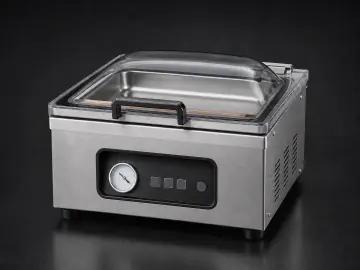
337 × 431 × 331mm
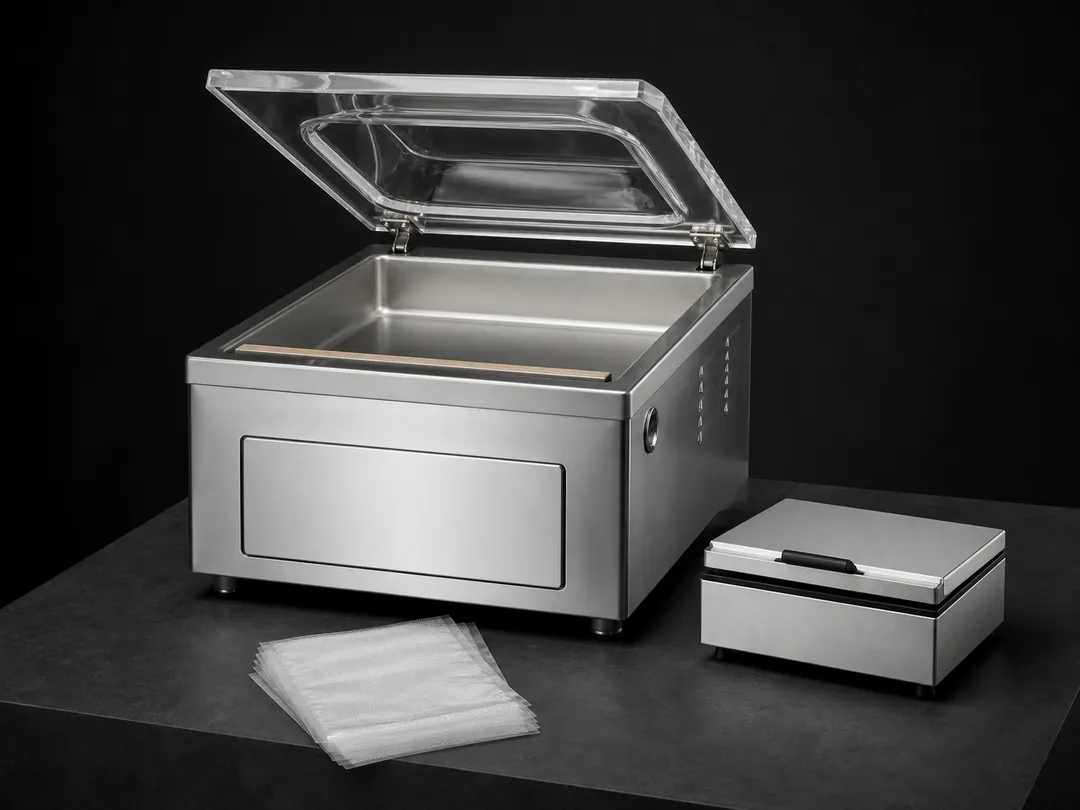
530 × 720 × 110mm
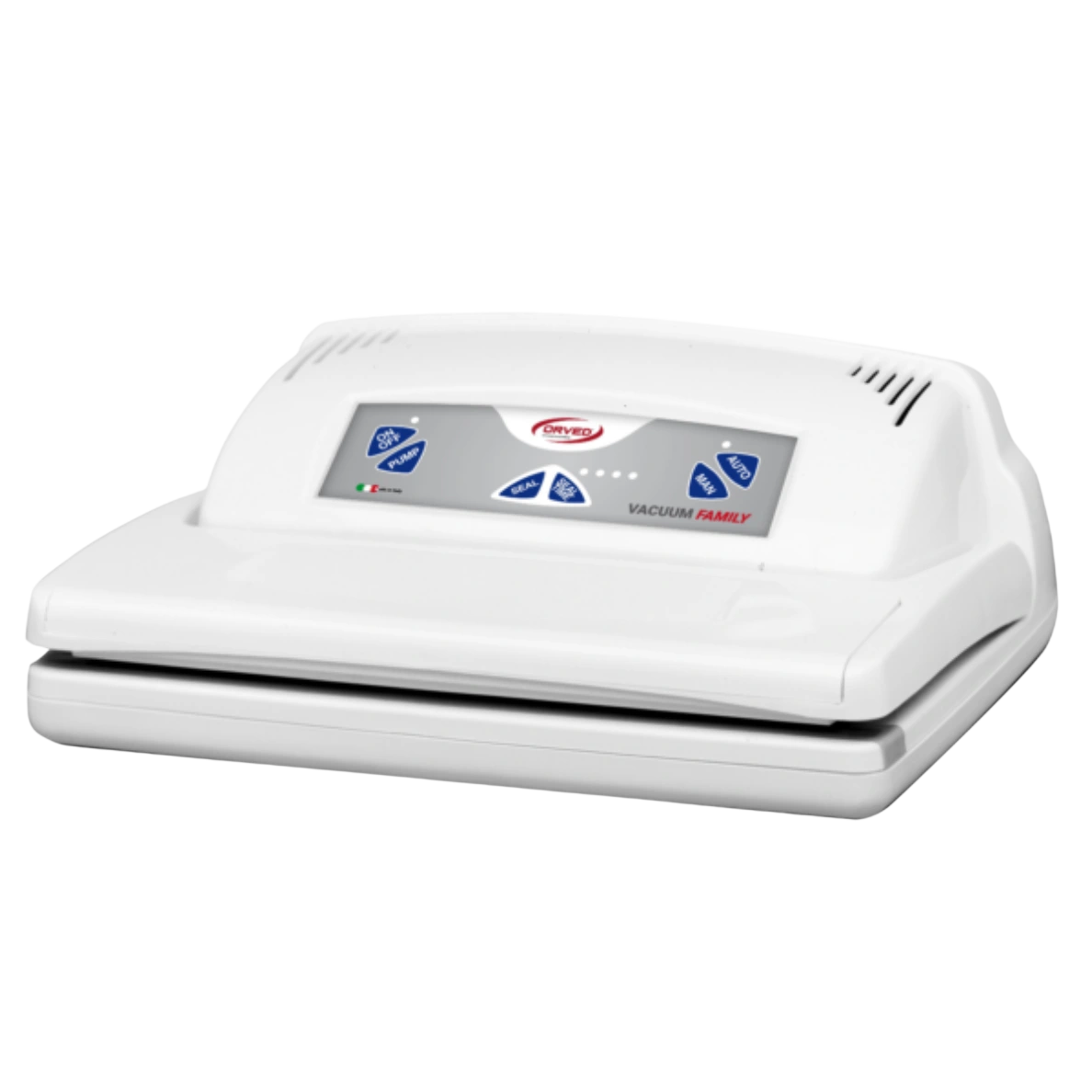
360 × 265 × 126mm
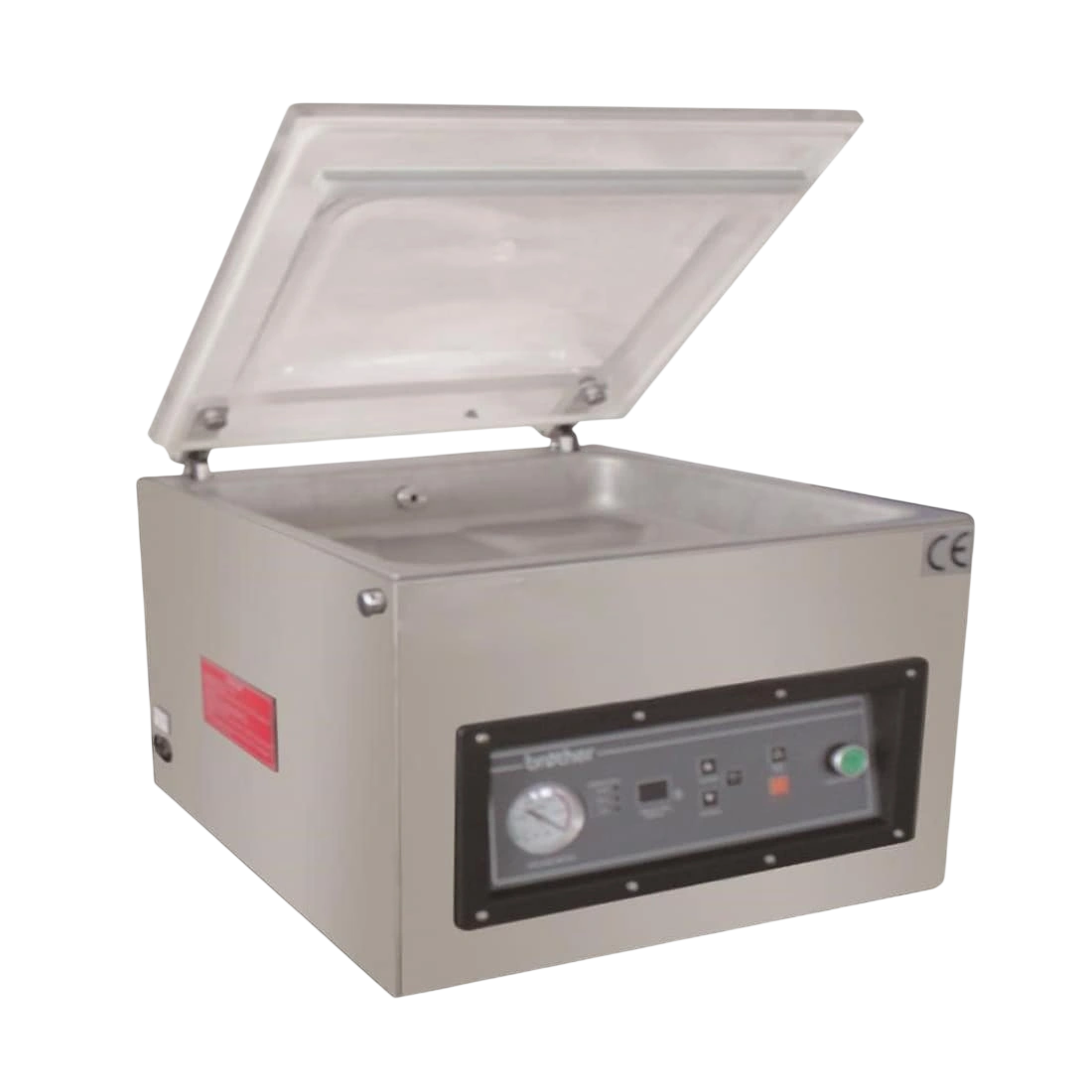
630 × 620 × 460mm
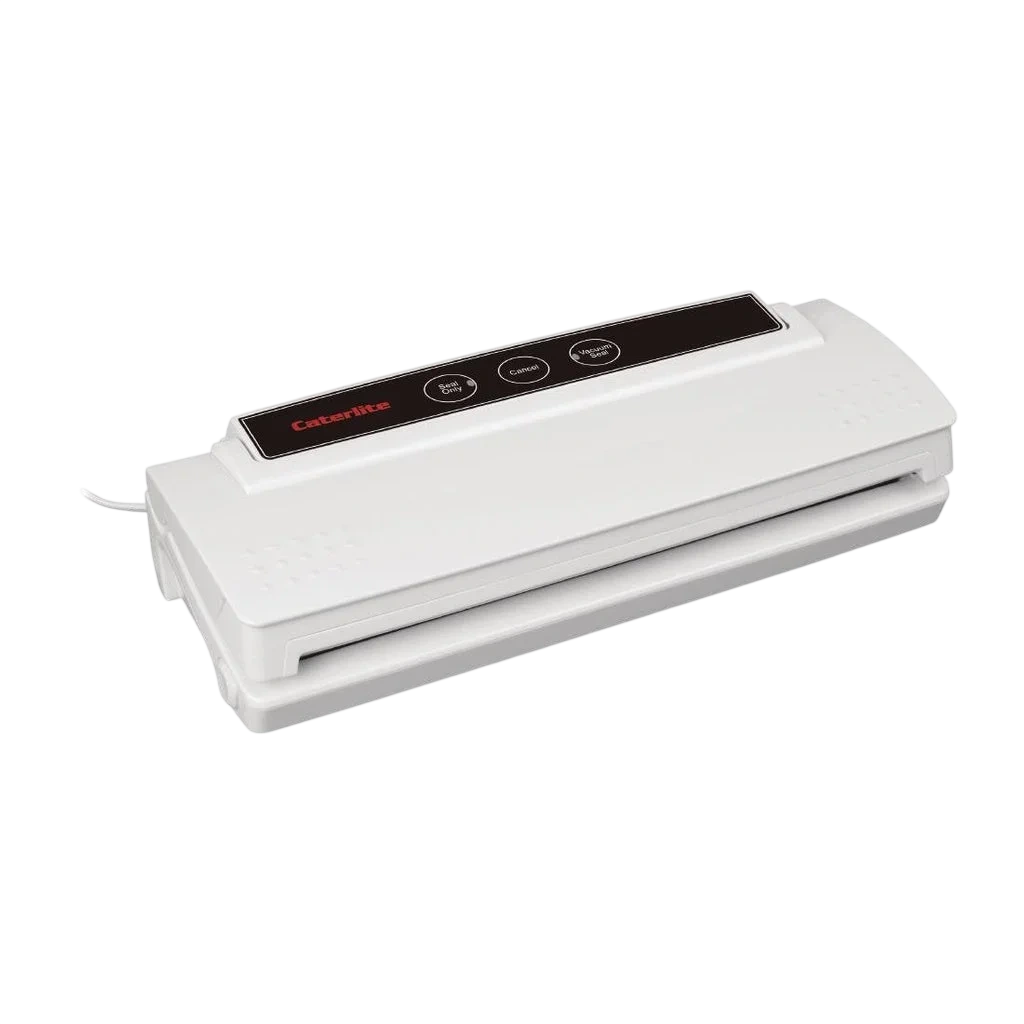
357 × 148 × 86mm
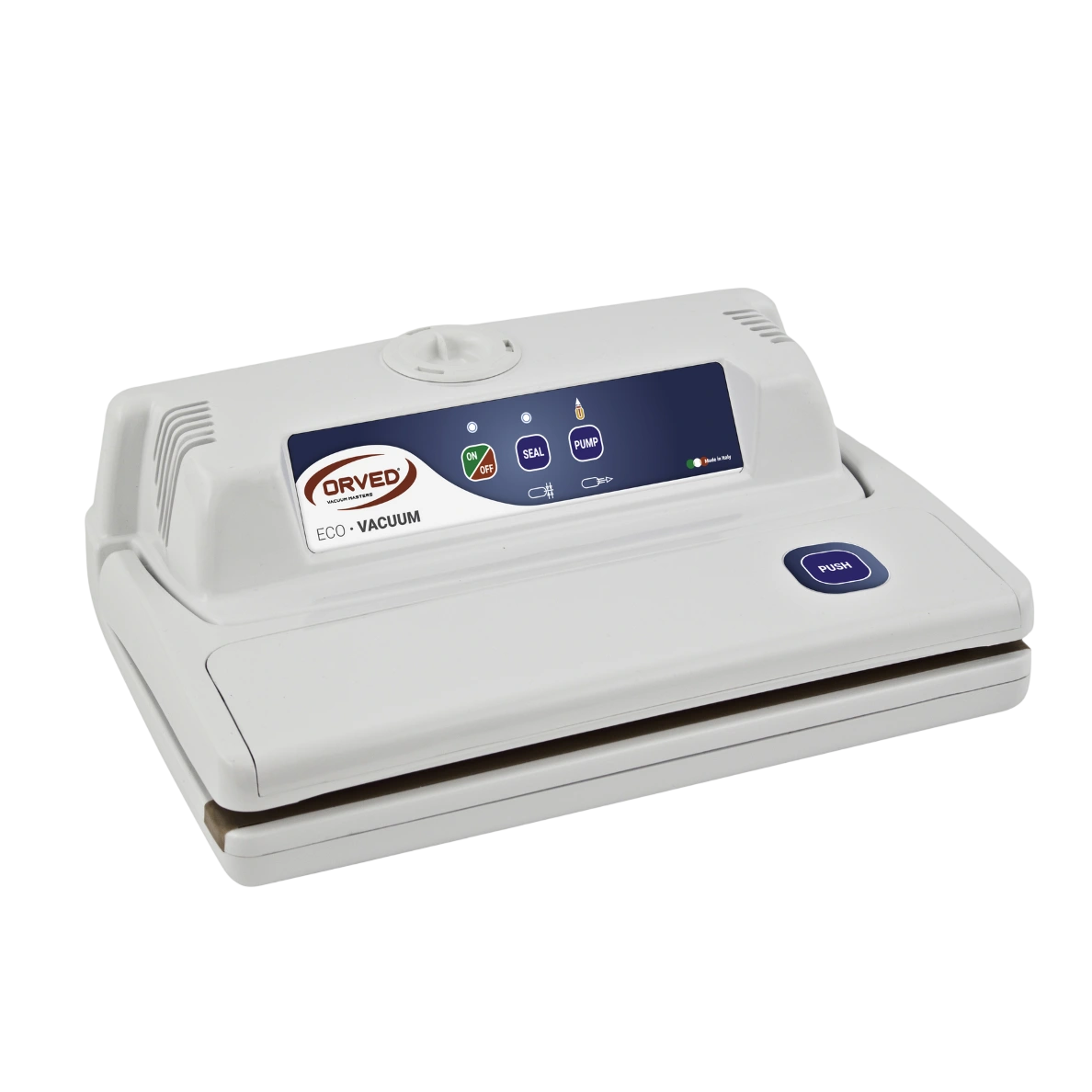
360 × 265 × 126mm
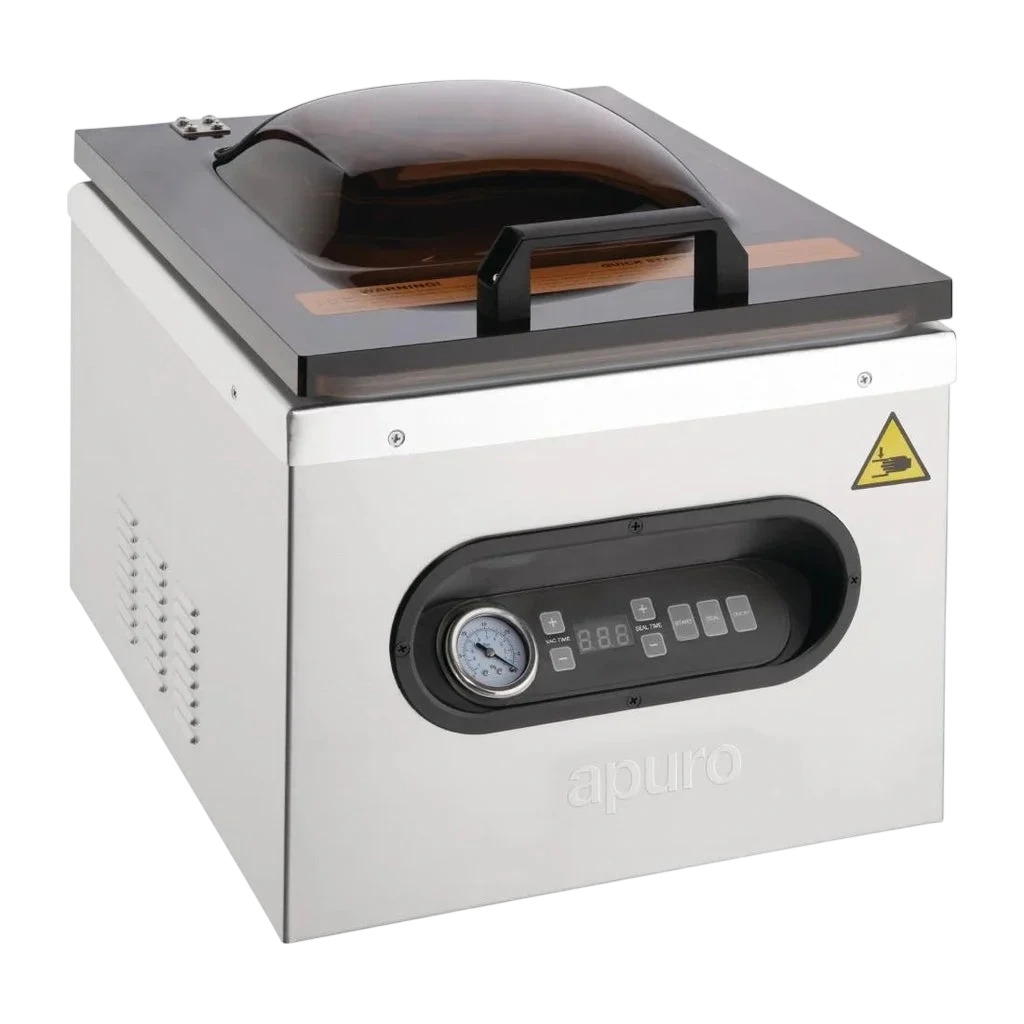
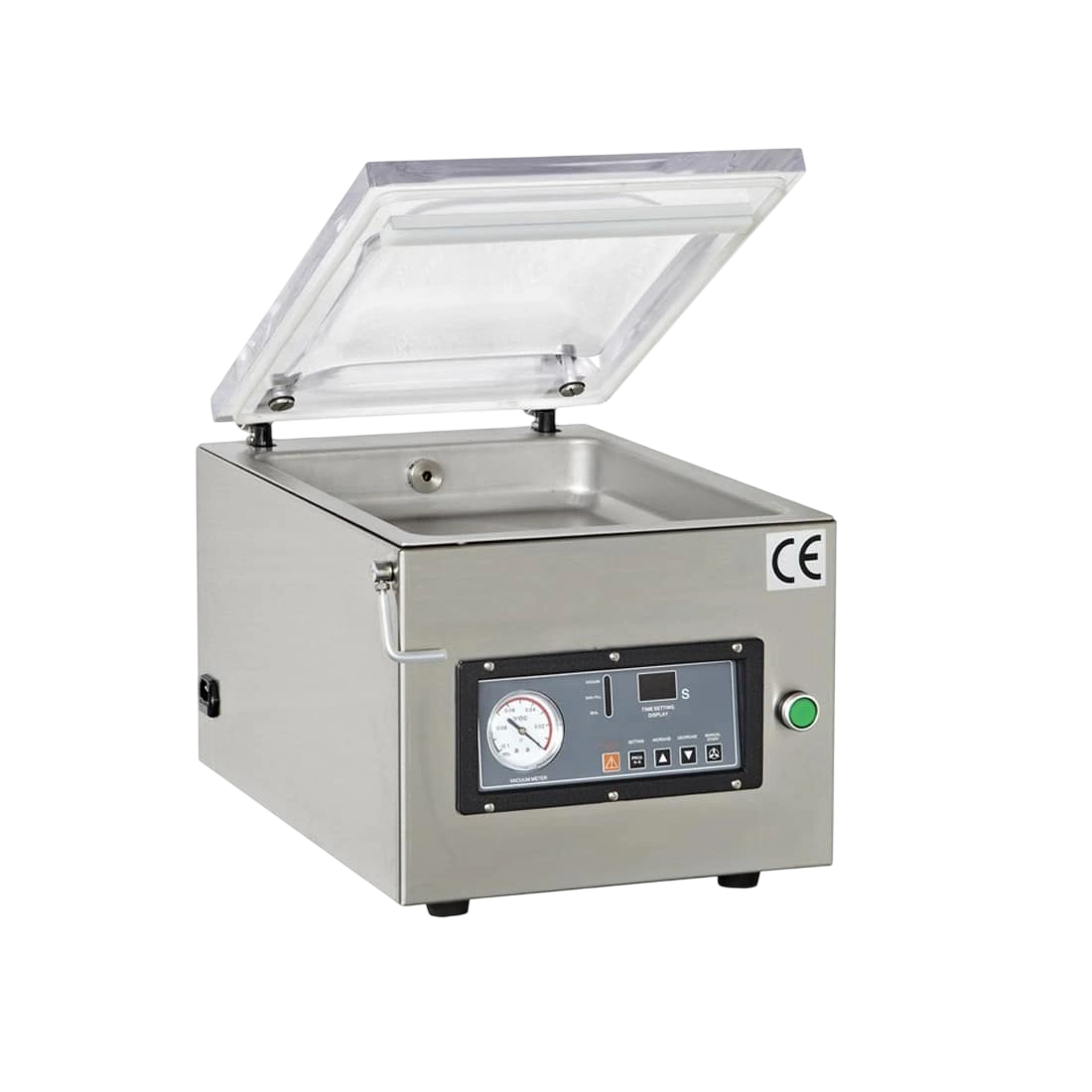
490 × 450 × 320mm
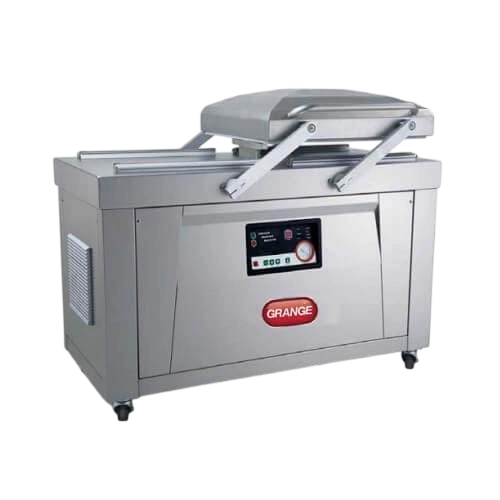
1240 × 685 × 960mm
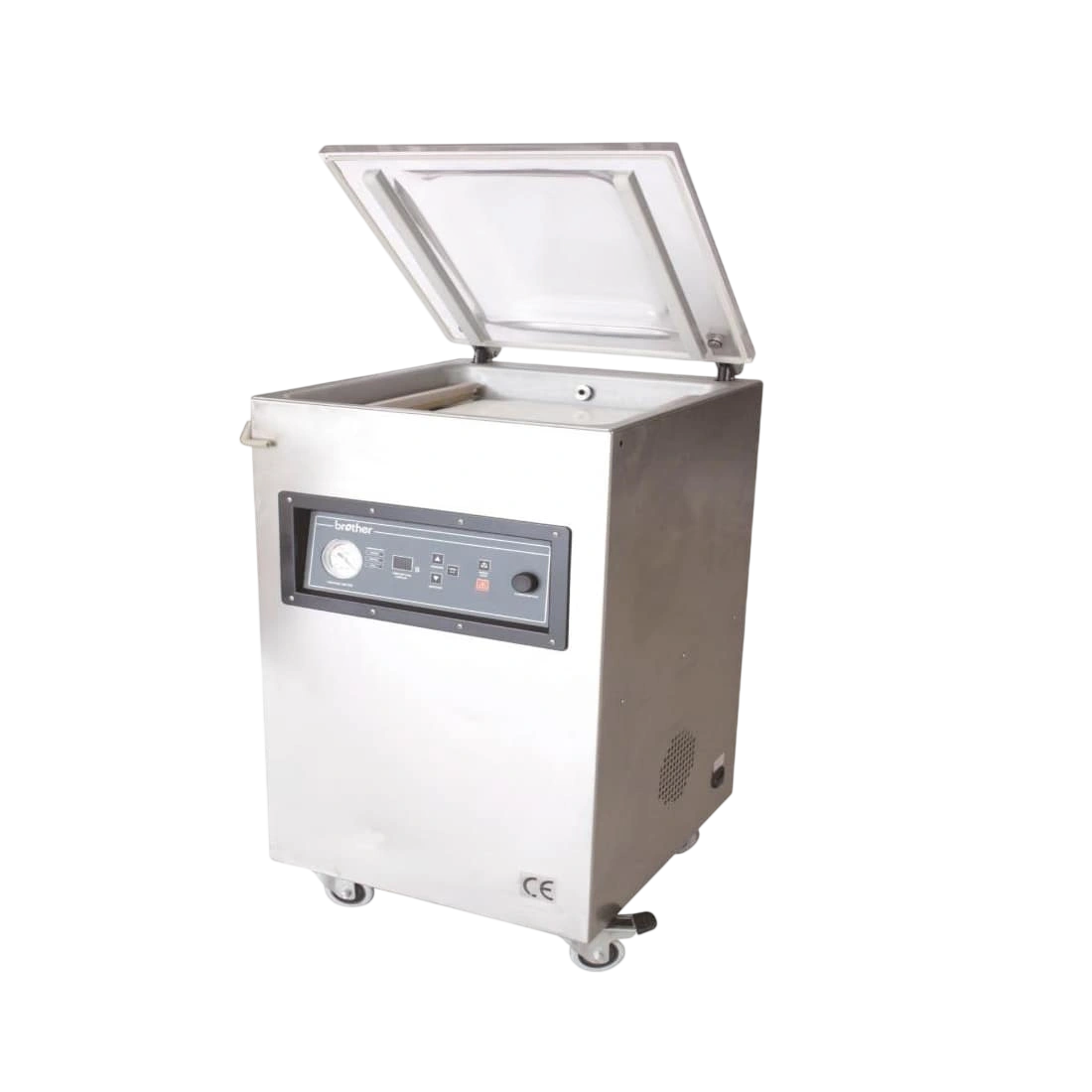
630 × 620 × 1050mm
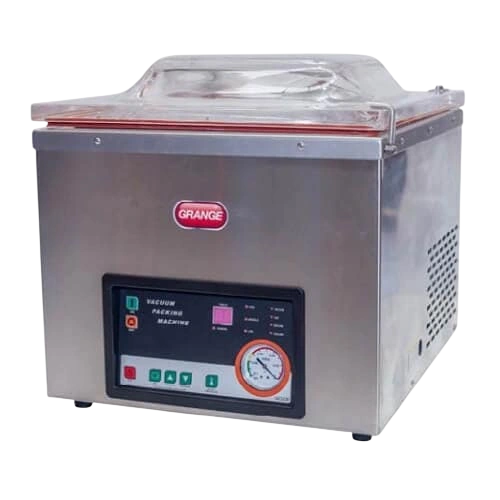
490 × 410 × 540mm
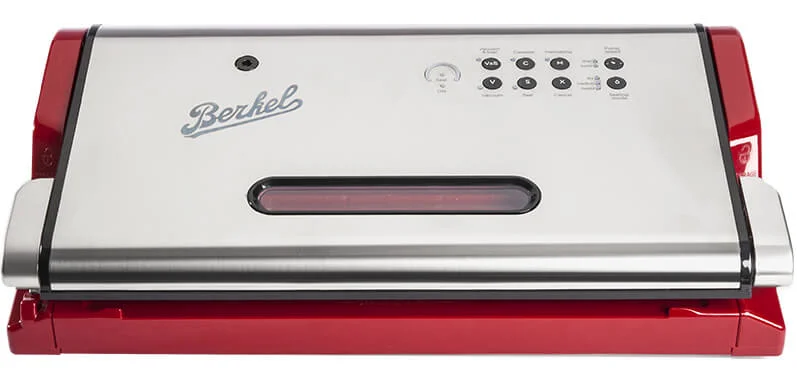
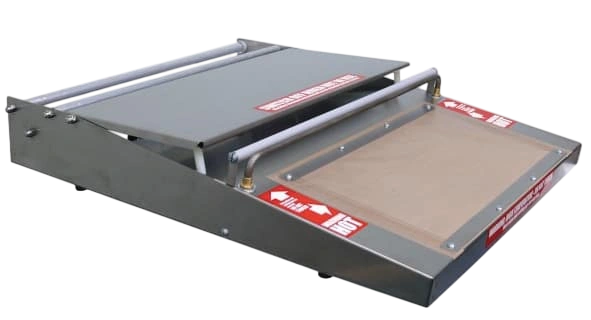
525 × 680 × 110mm
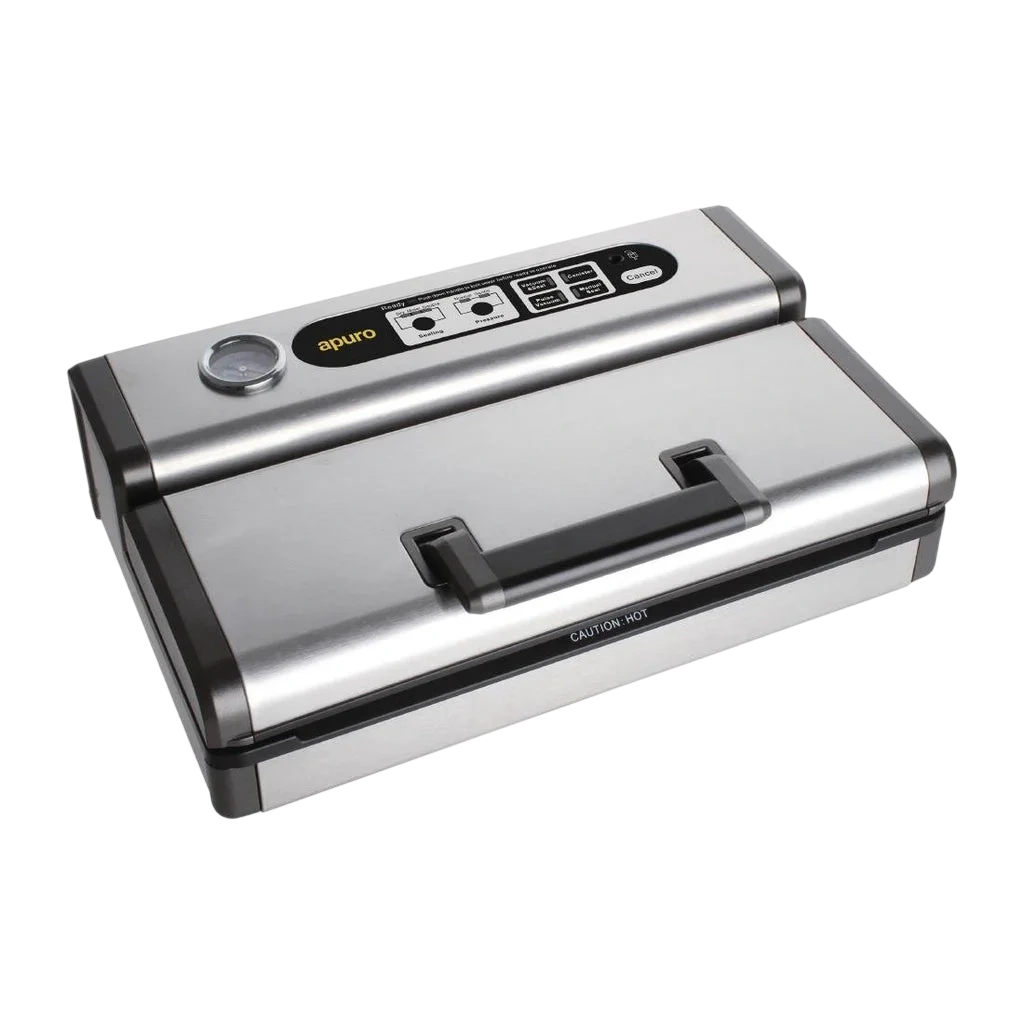
400 × 271 × 117mm
560 × 500 × 460mm
1250 × 750 × 950mm
490 × 760 × 420mm
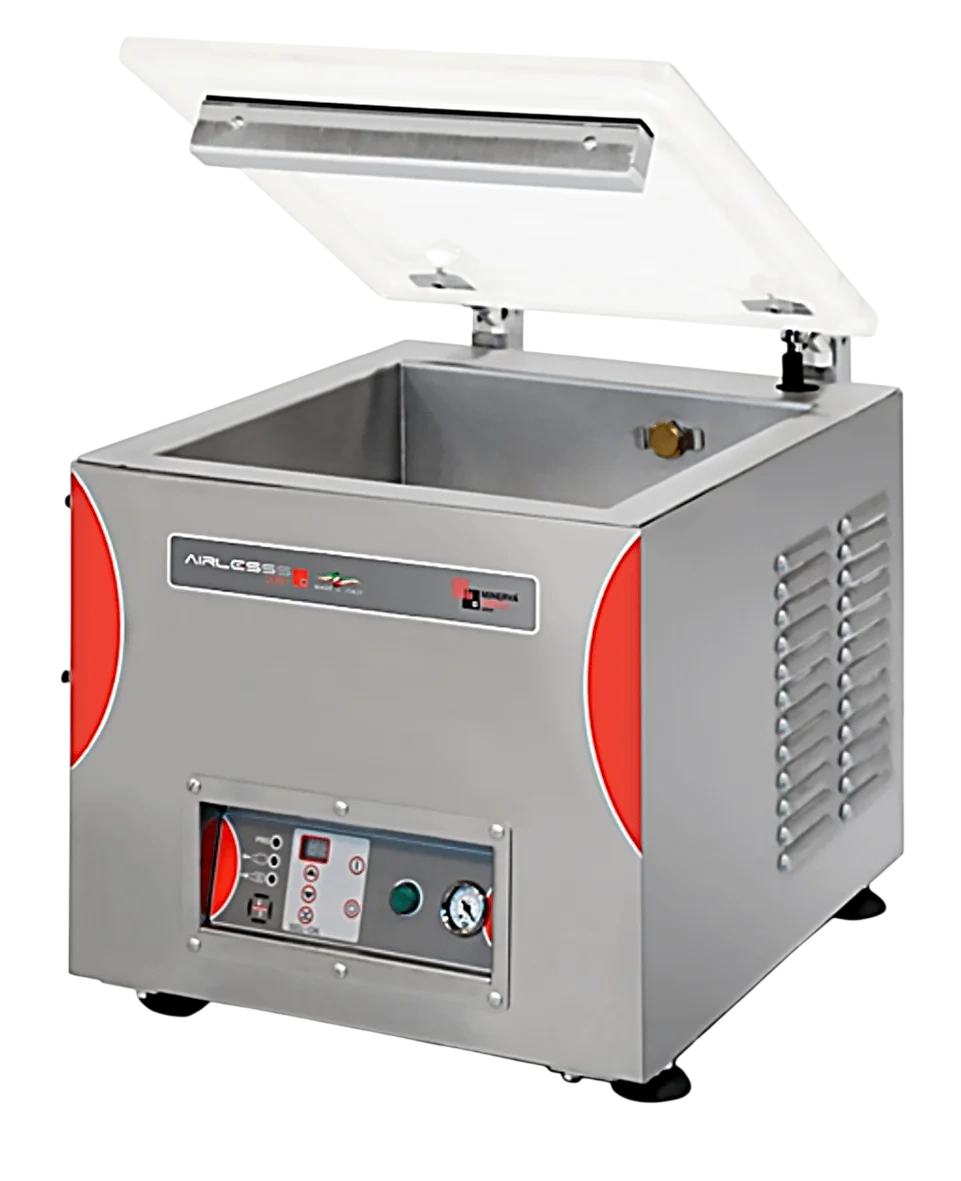
395 × 465 × 330mm
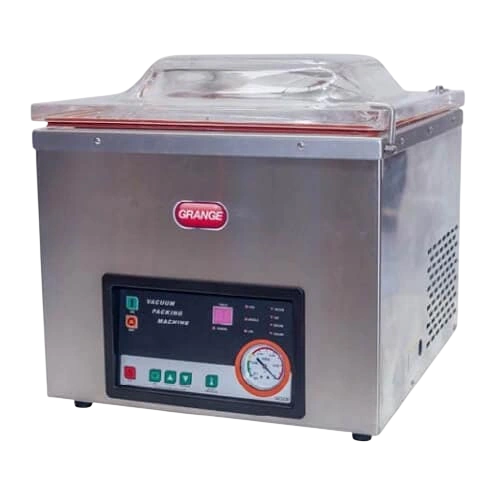
540 × 520 × 610mm
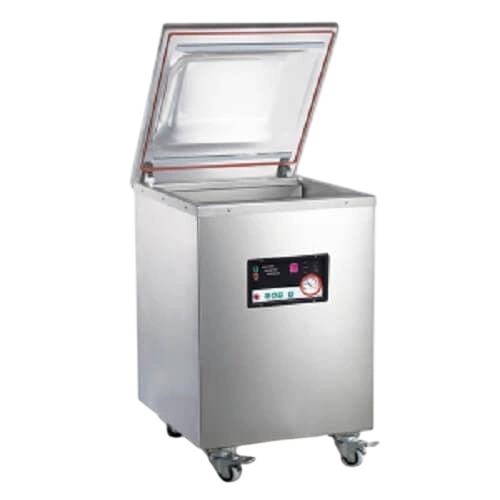
730 × 650 × 1120mm
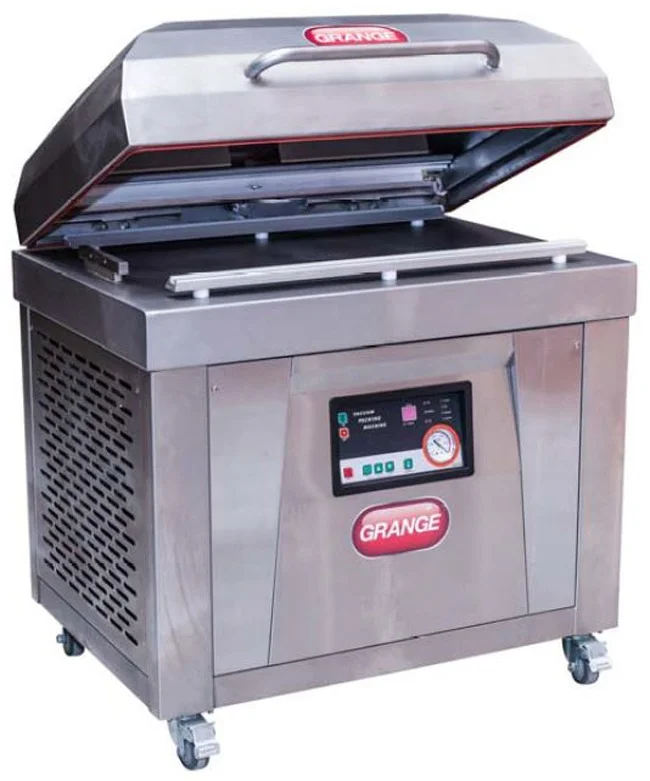
850 × 970 × 1050mm
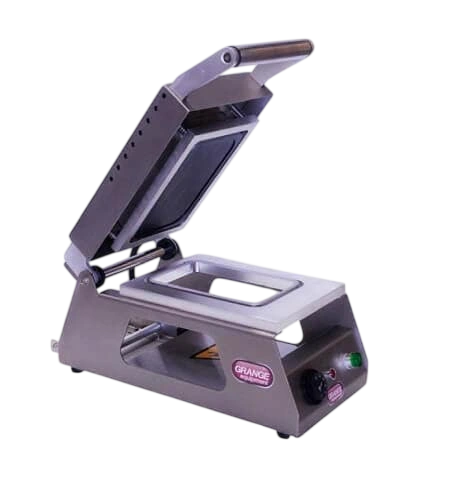
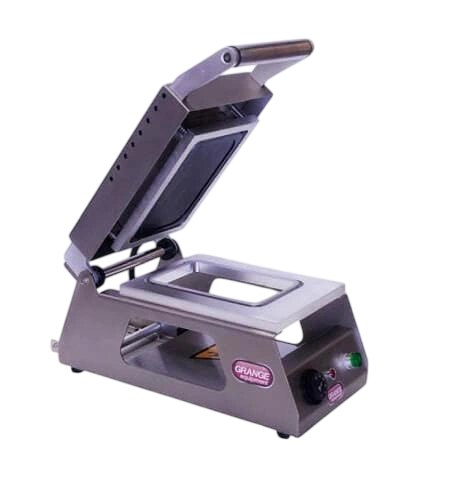
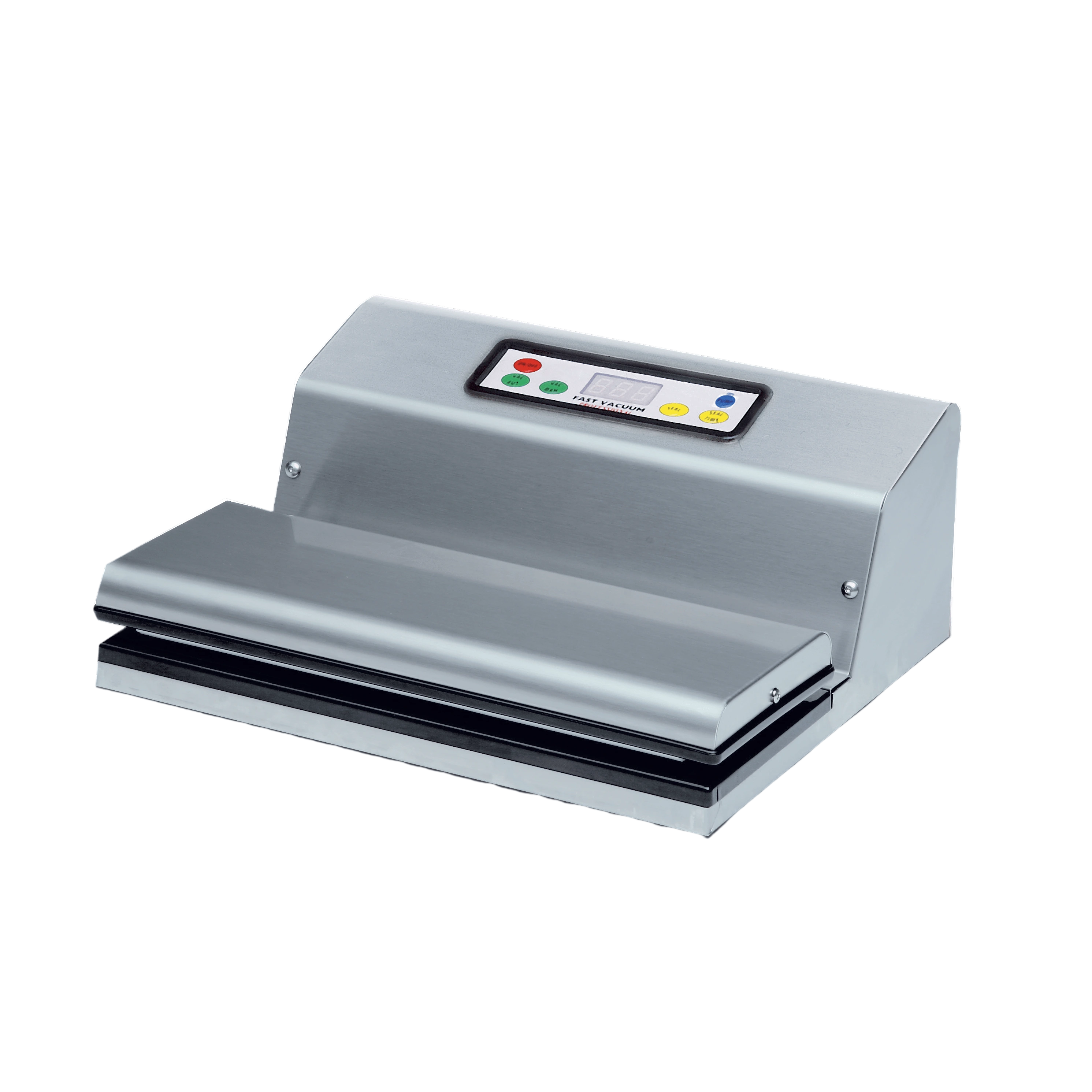
360 × 300 × 150mm
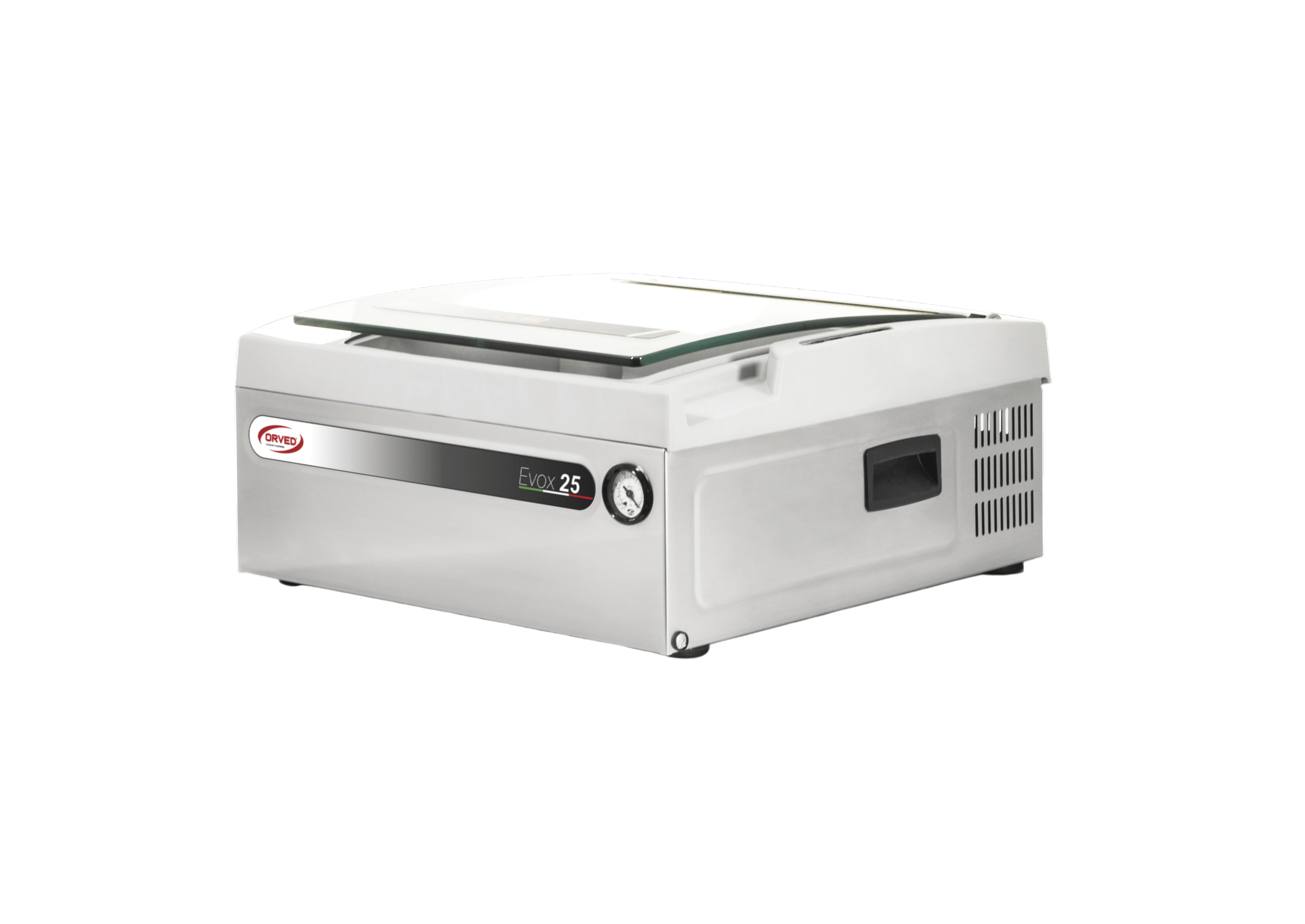
444 × 482 × 208mm
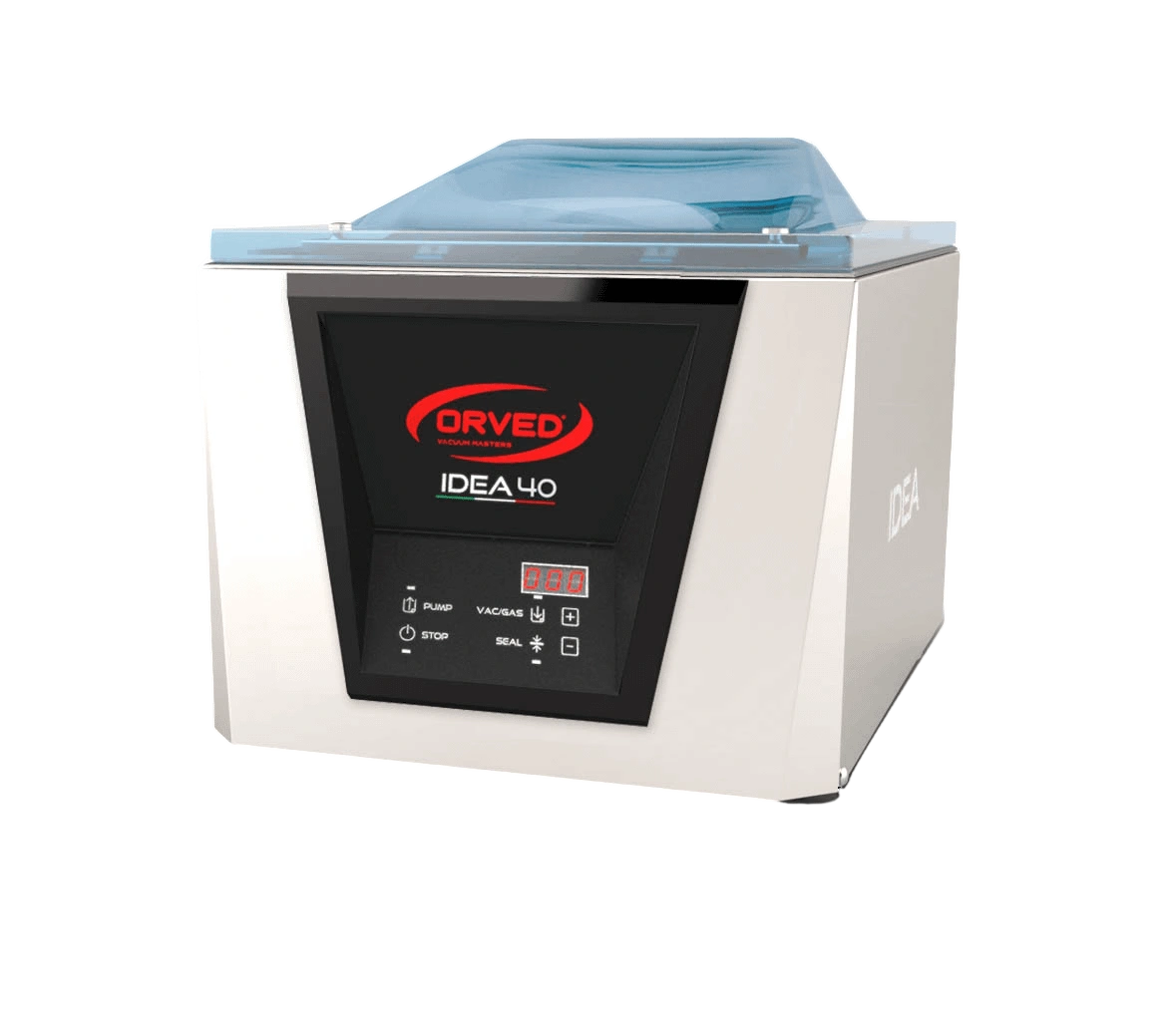
531 × 600 × 461mm
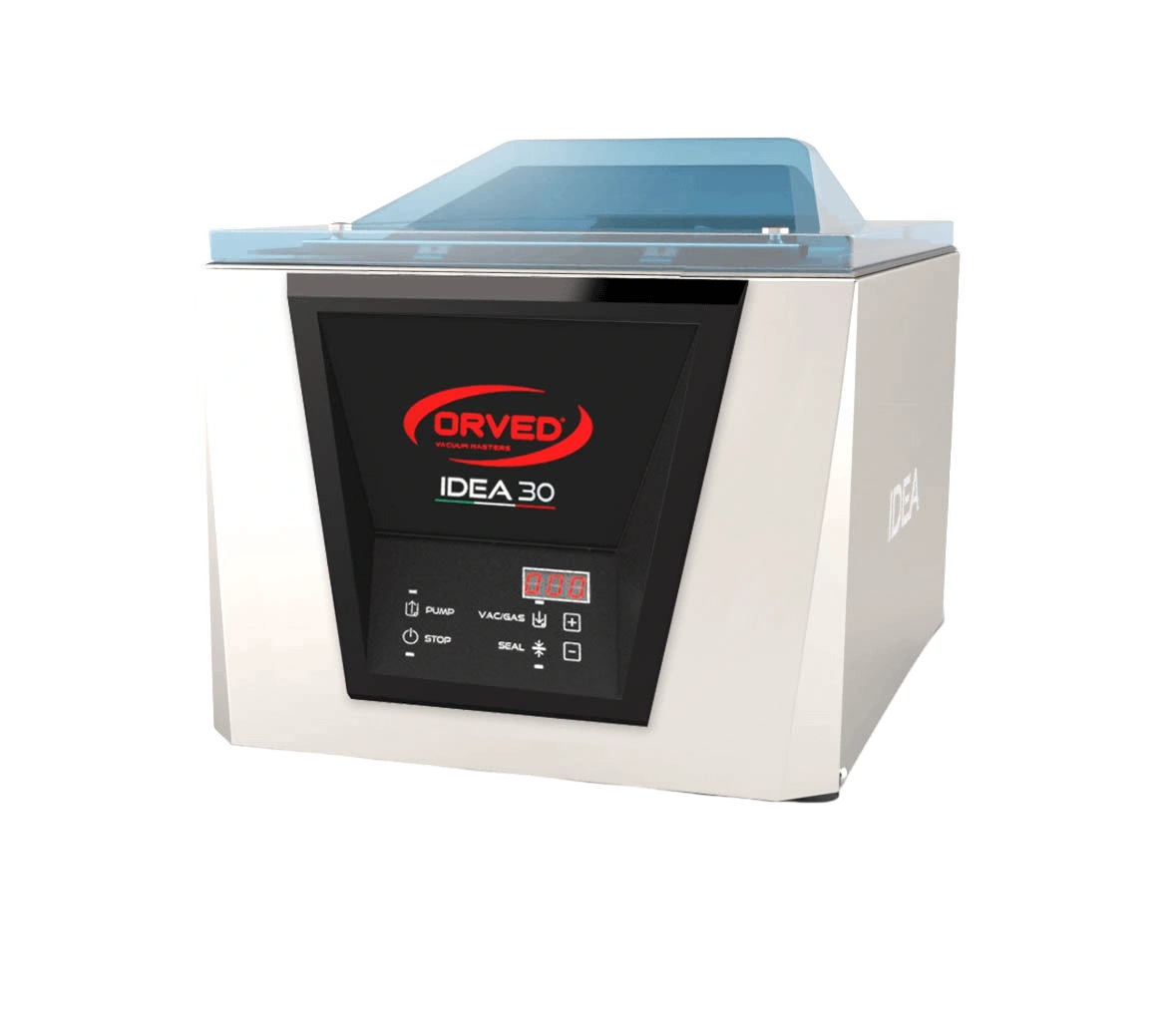
425 × 504 × 398mm
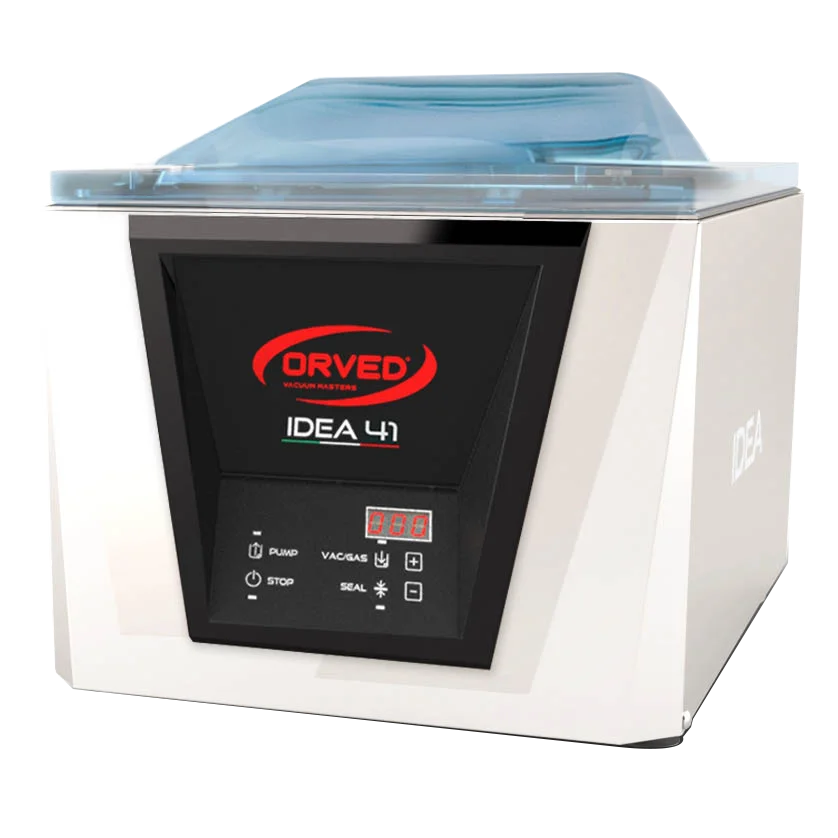
531 × 600 × 461mm
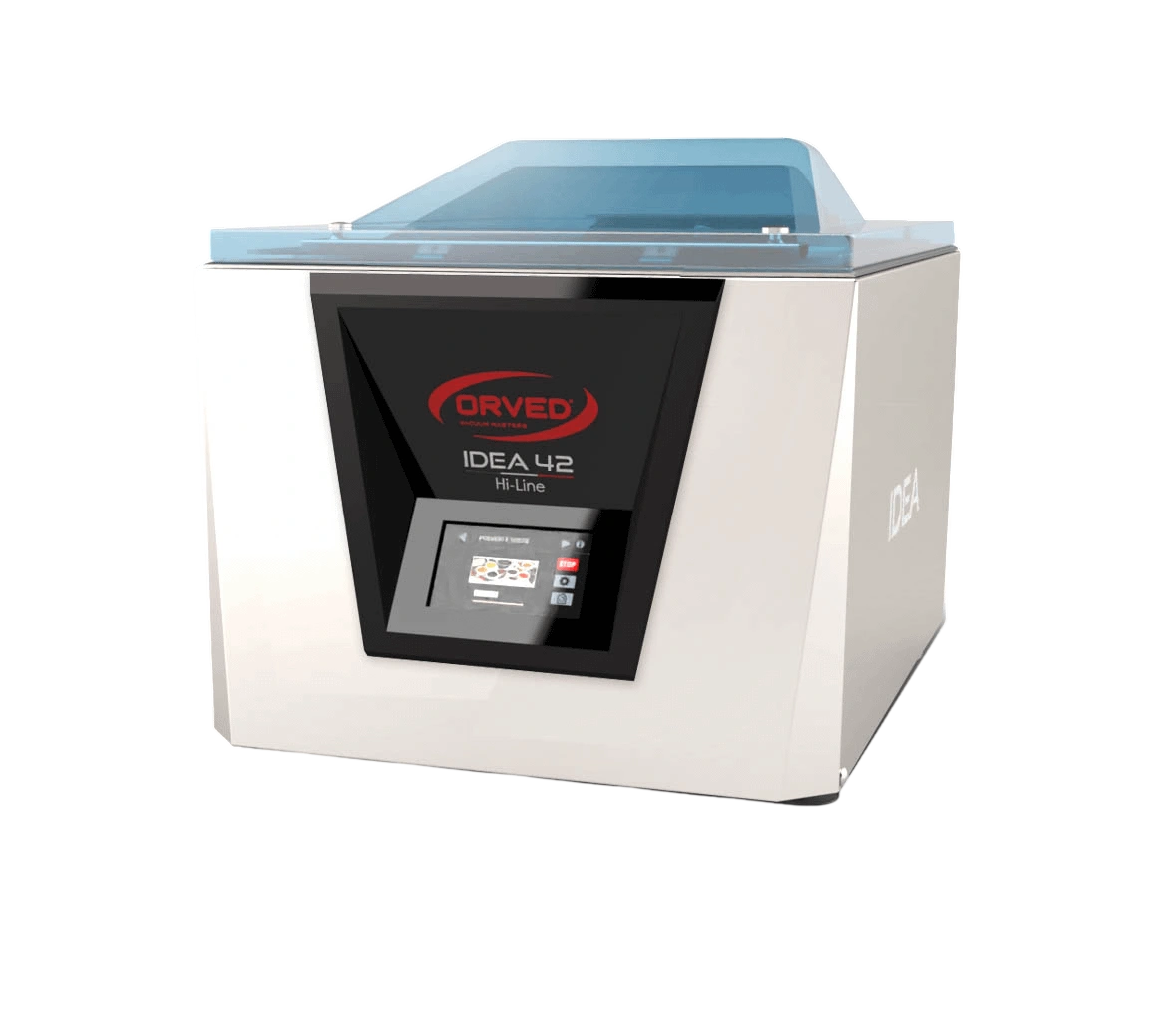
531 × 600 × 461mm
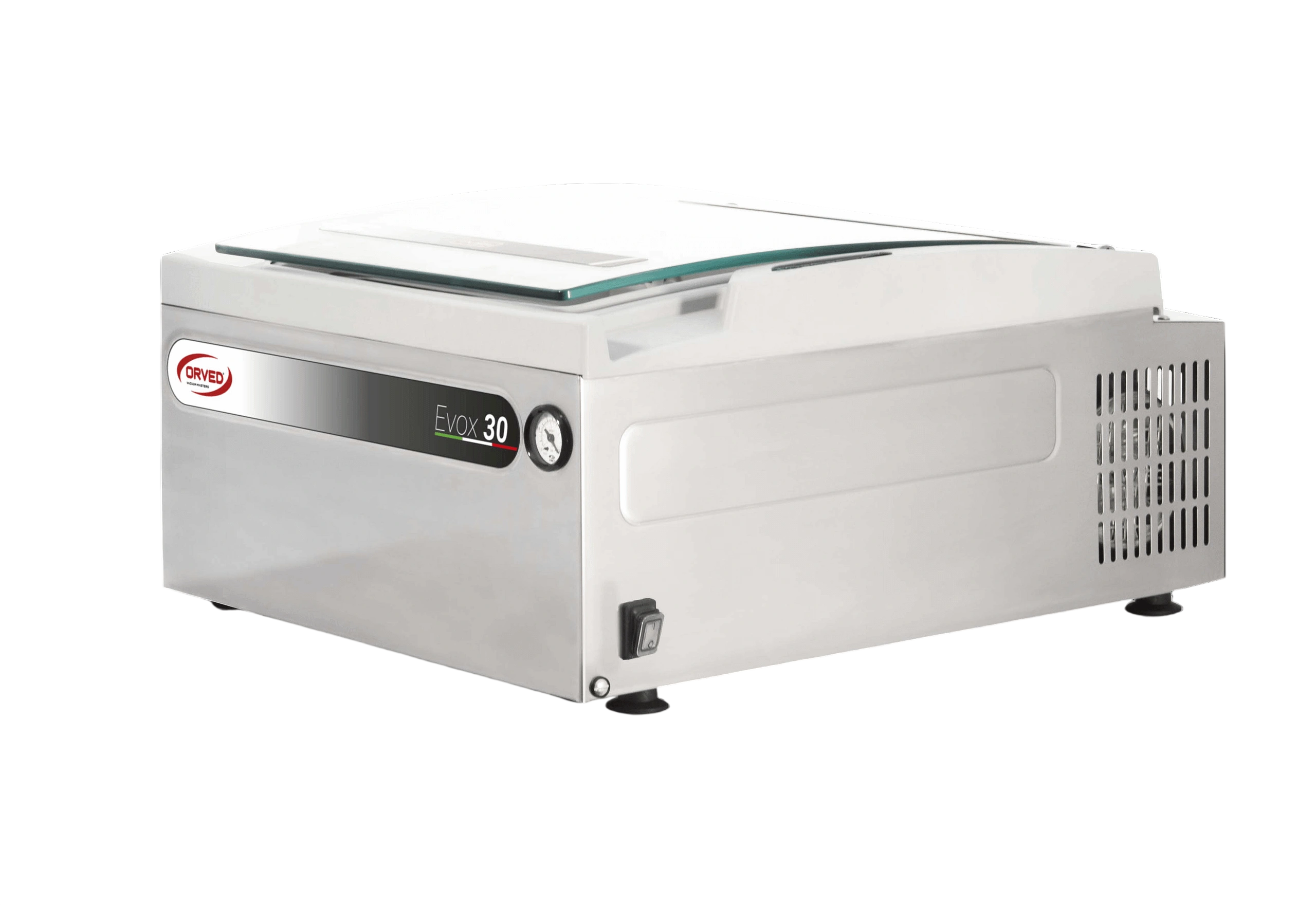
495 × 627 × 288mm
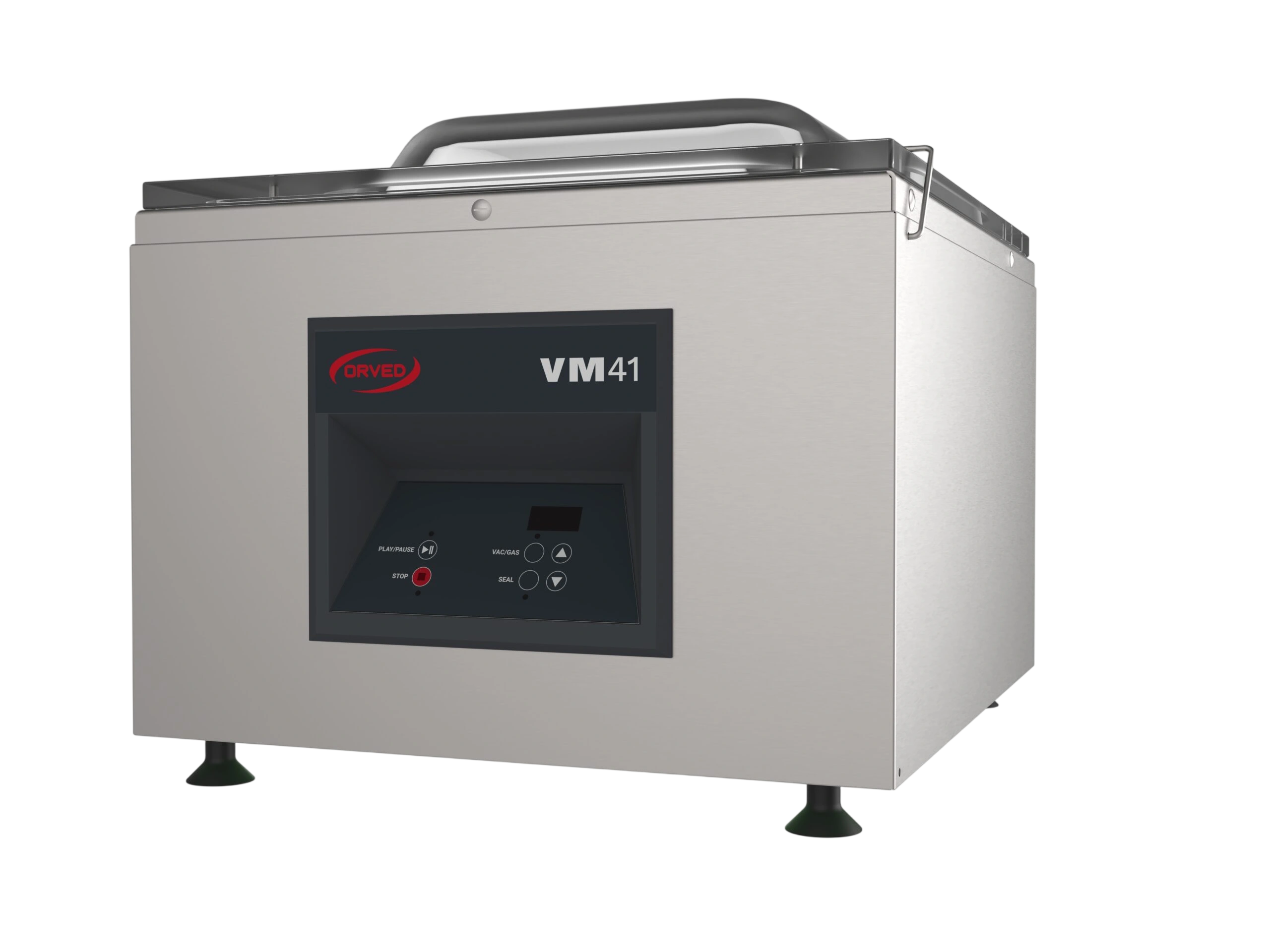
580 × 665 × 509mm
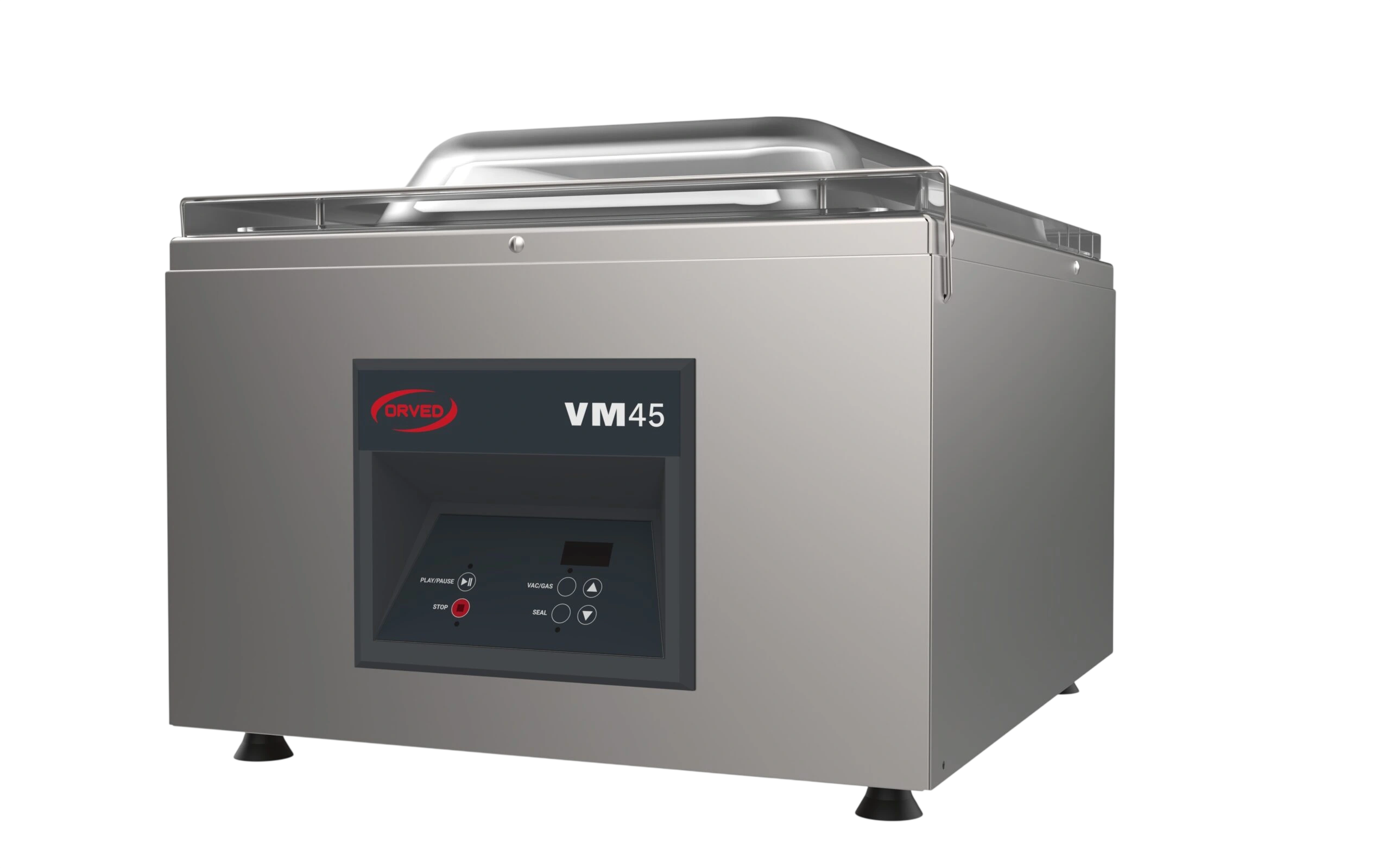
612 × 700 × 500mm
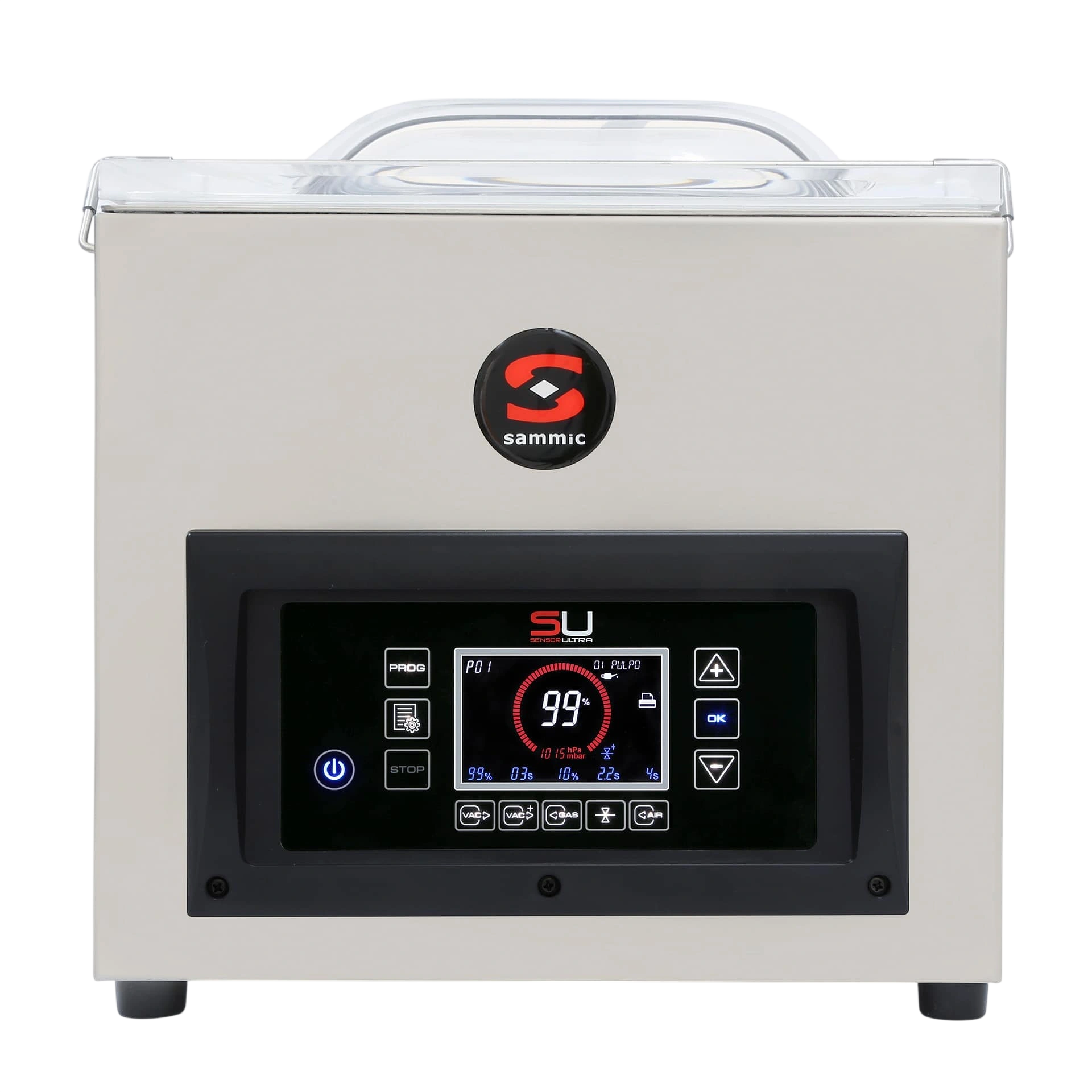
384 × 465 × 403mm
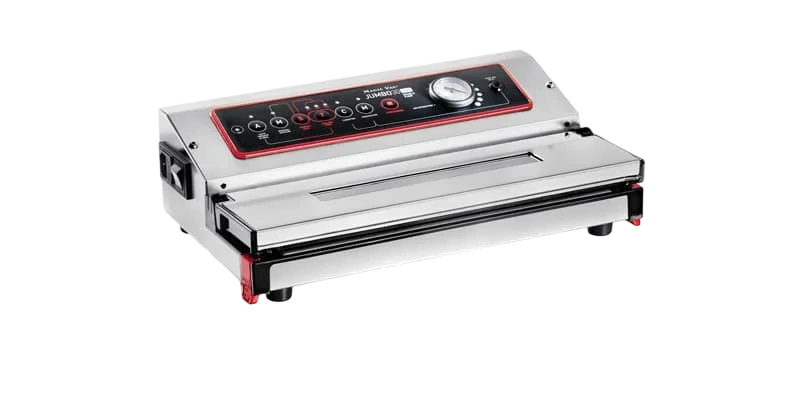
245 × 490 × 125mm
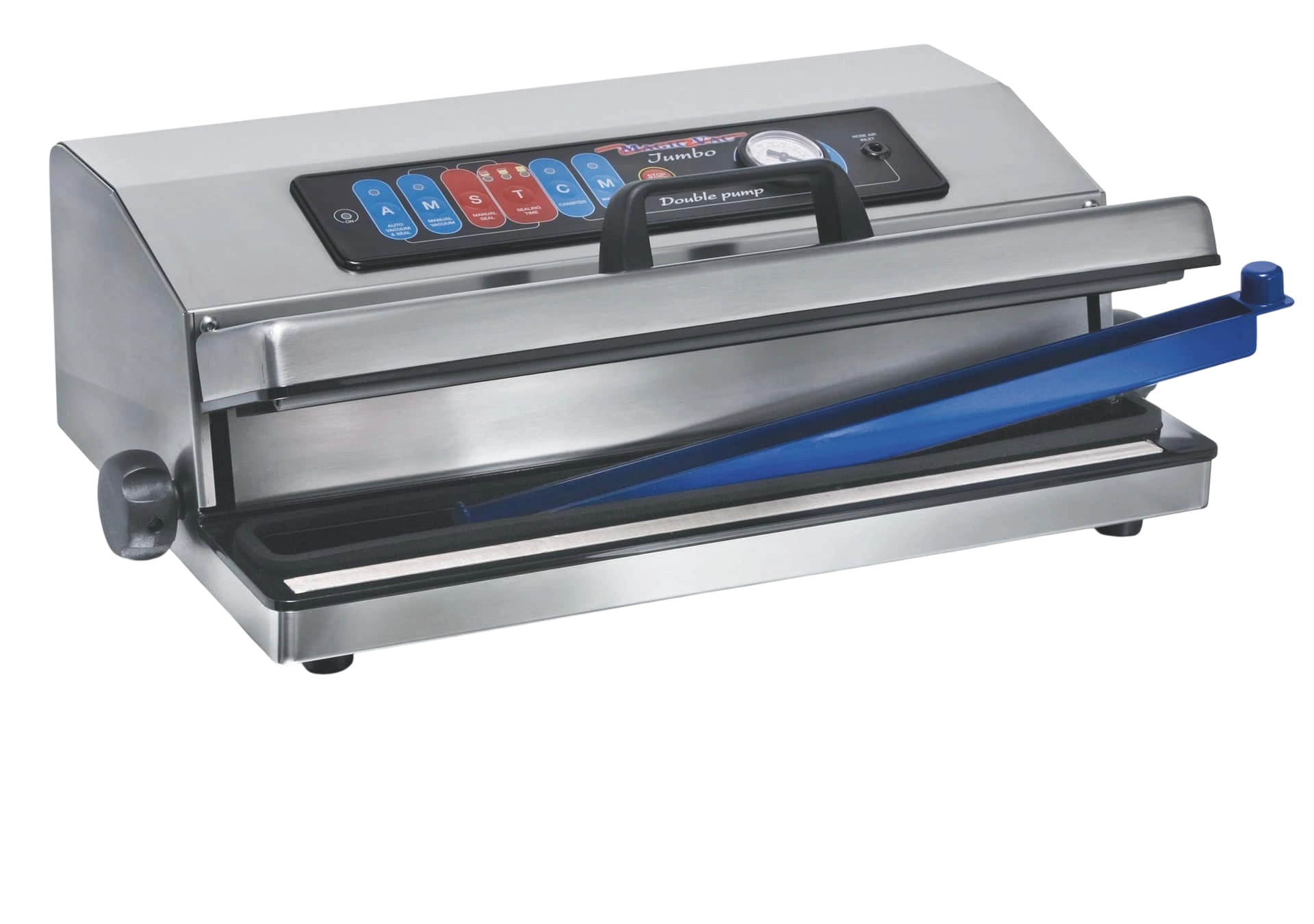
315 × 570 × 180mm
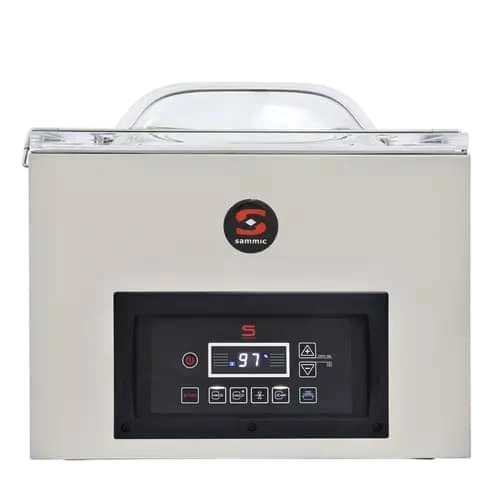
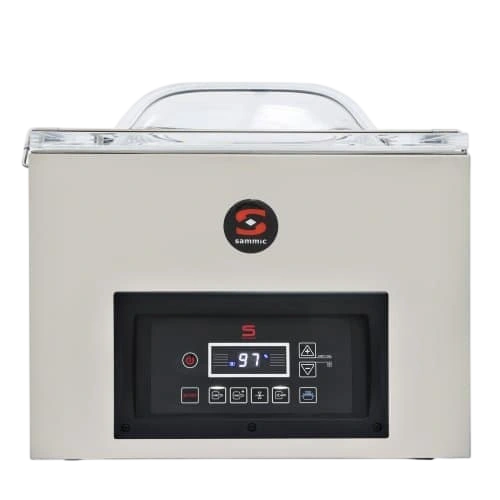
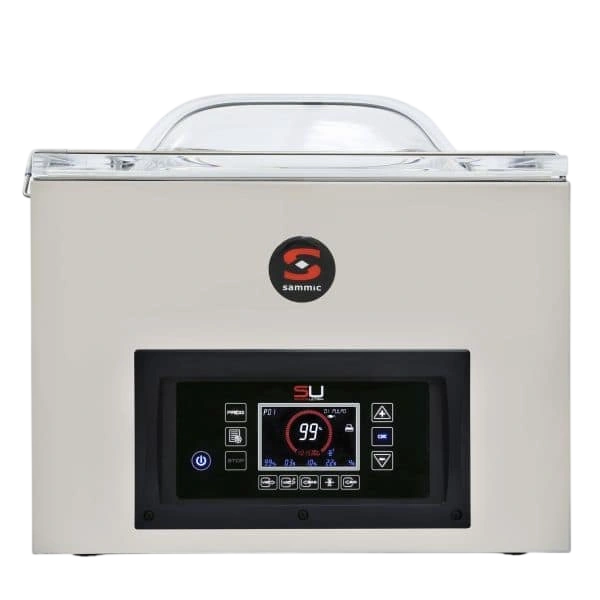
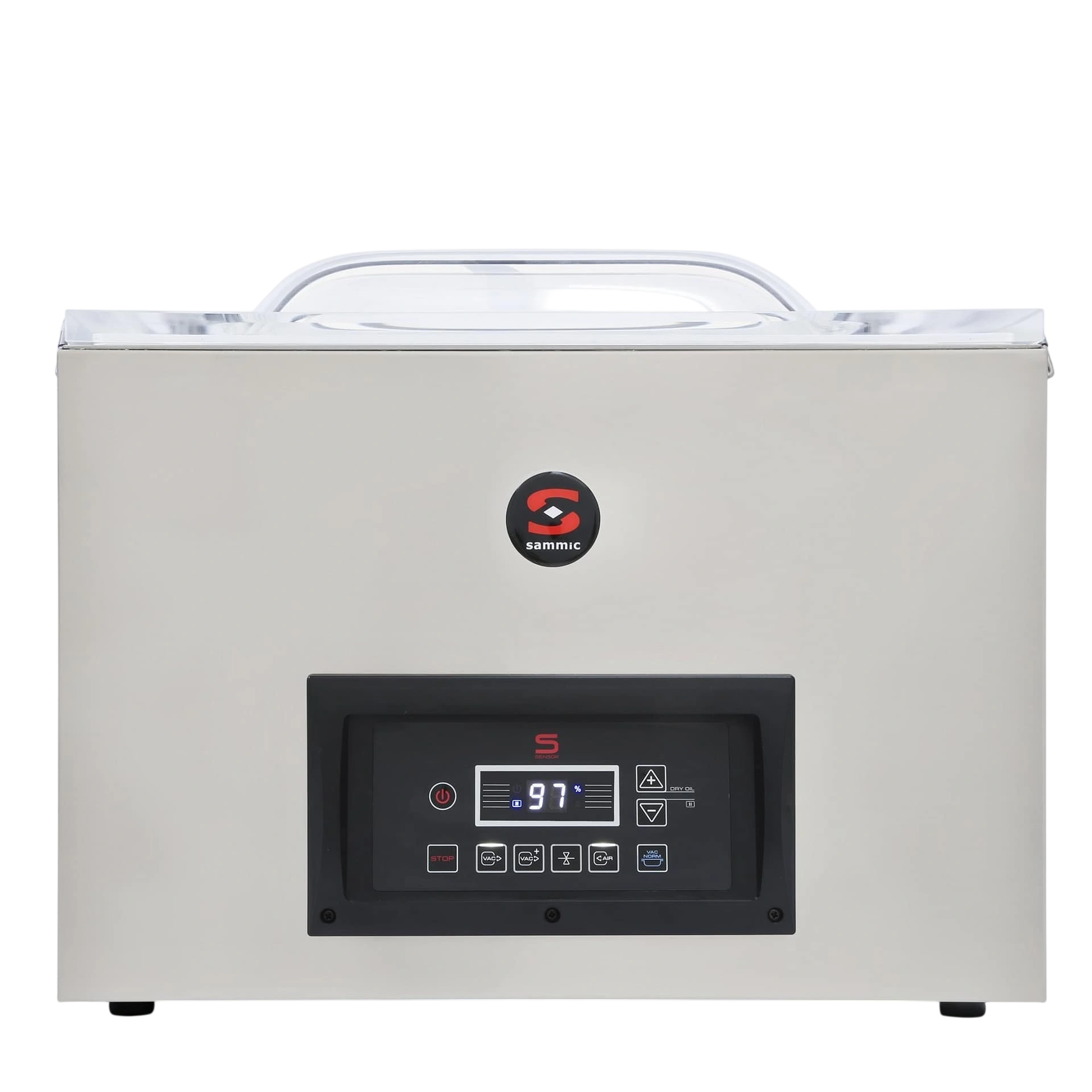
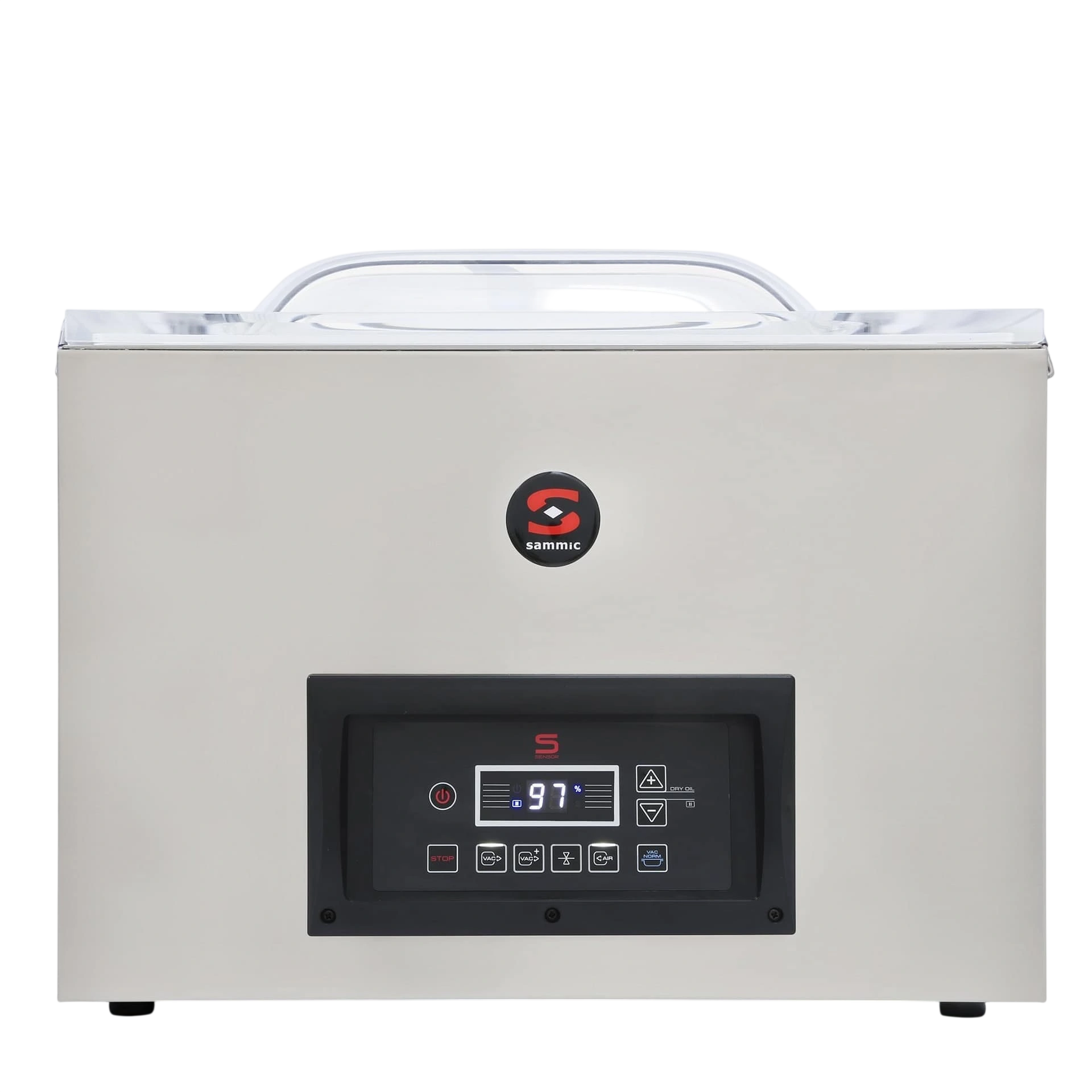
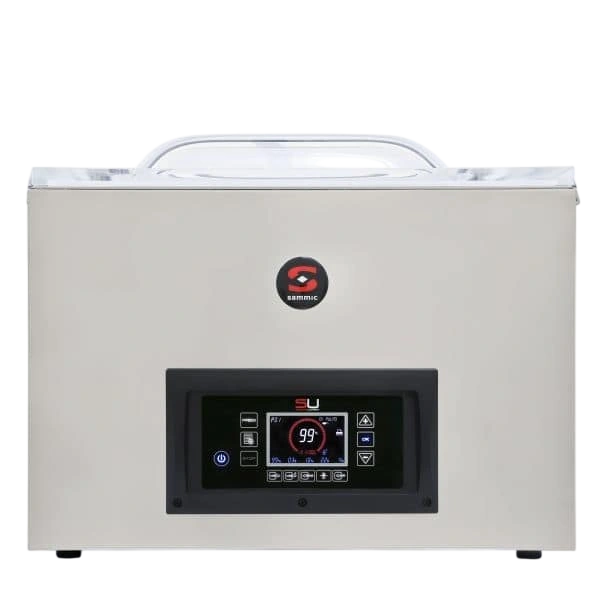
634 × 552 × 513mm
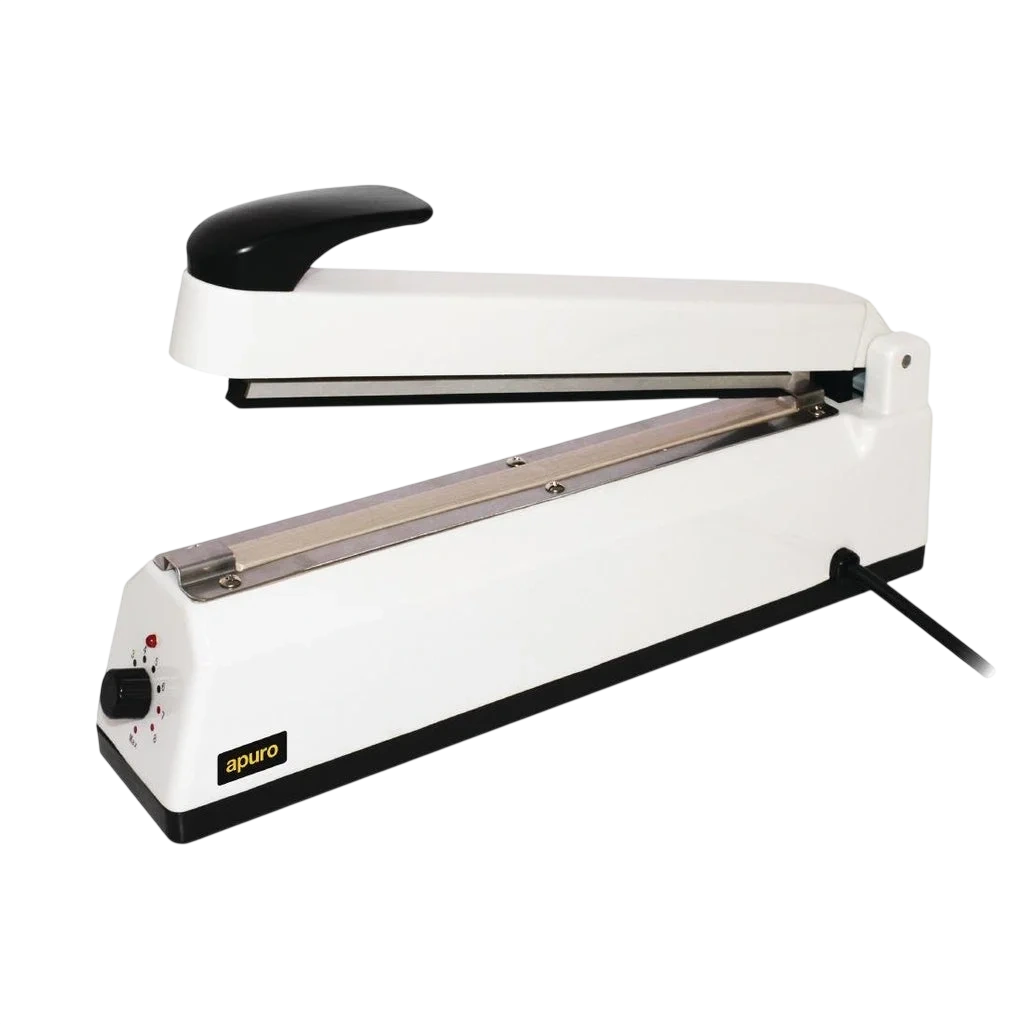
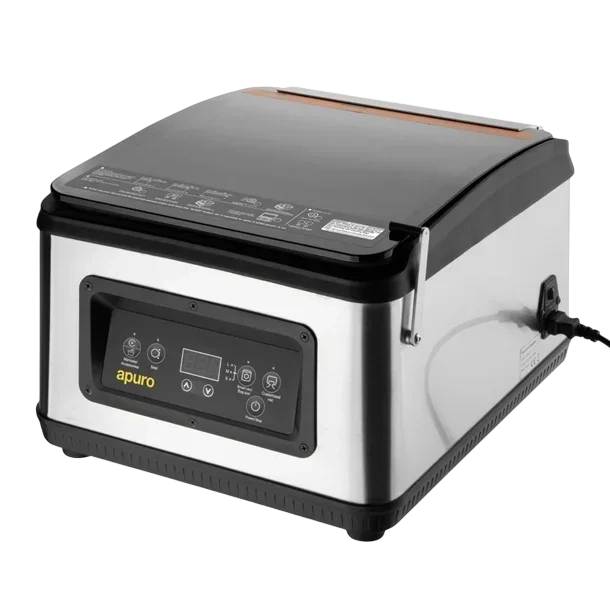
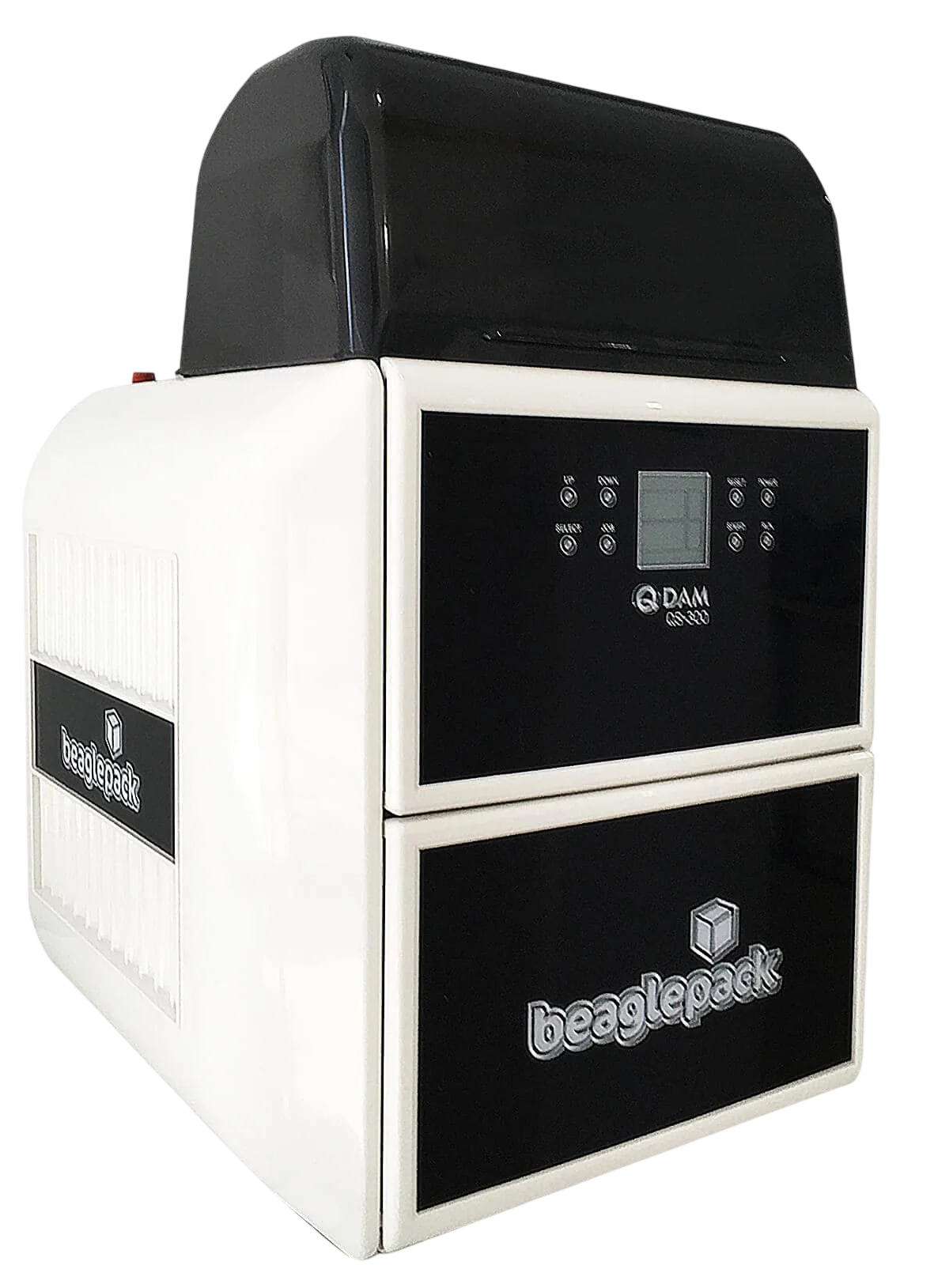
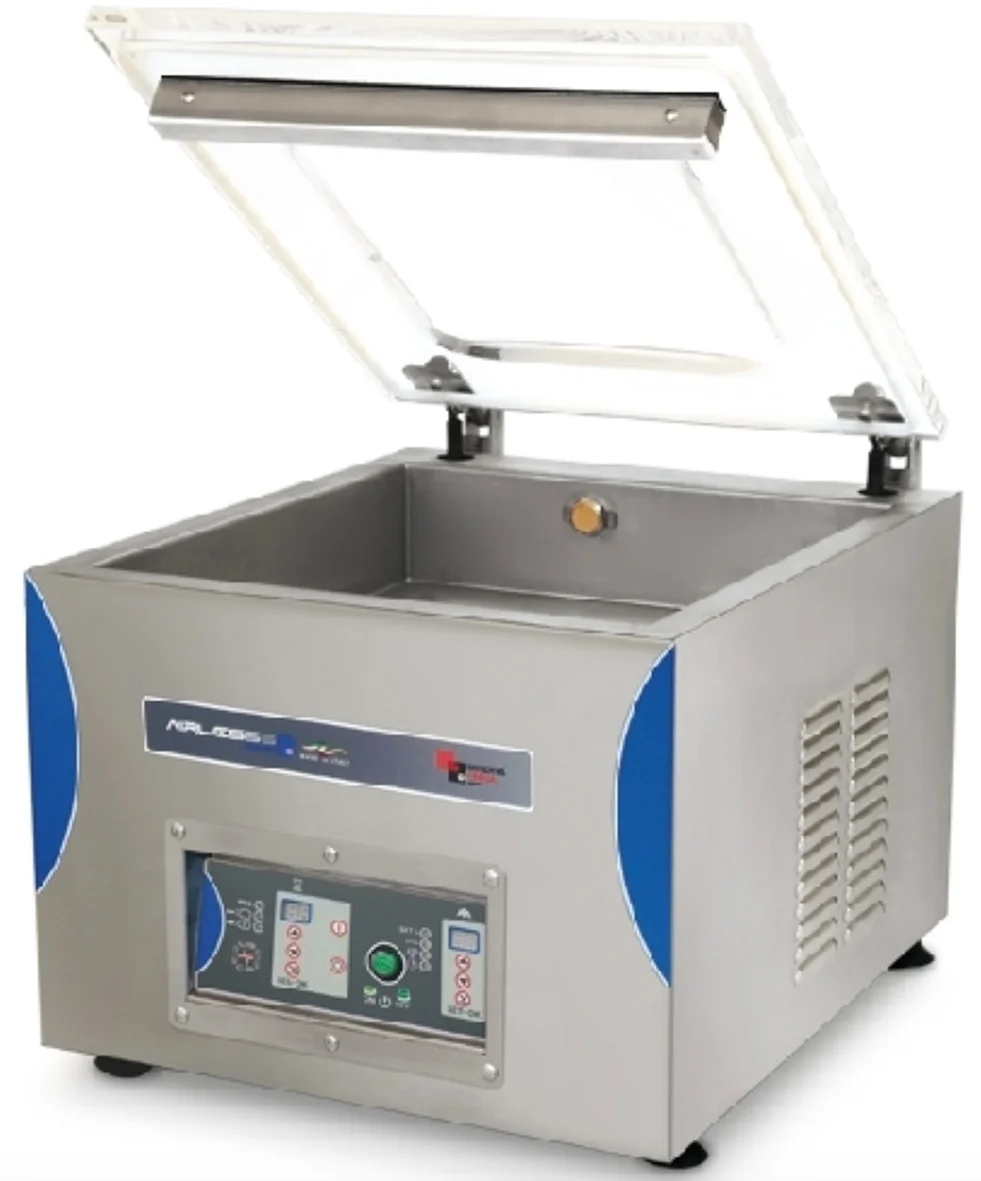
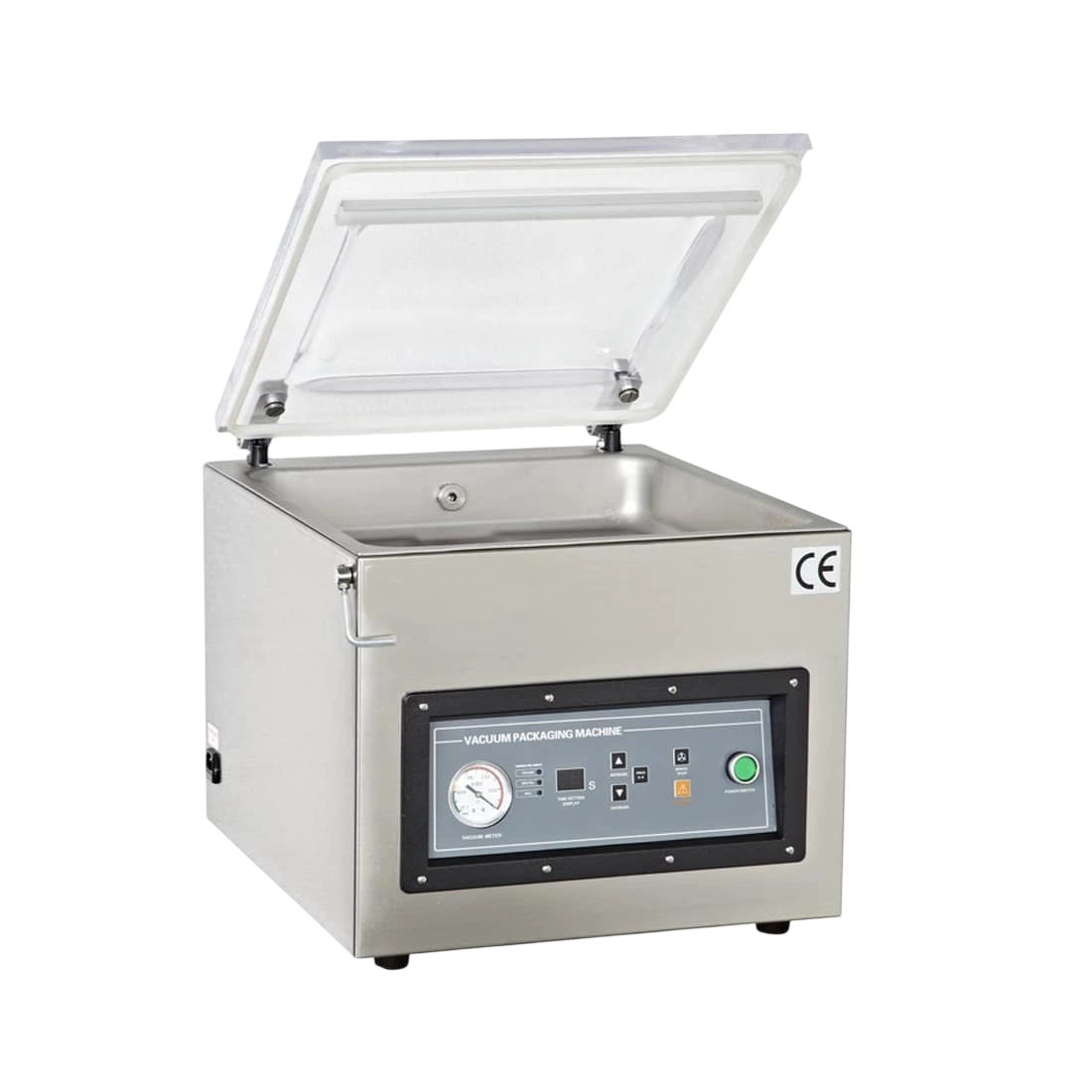
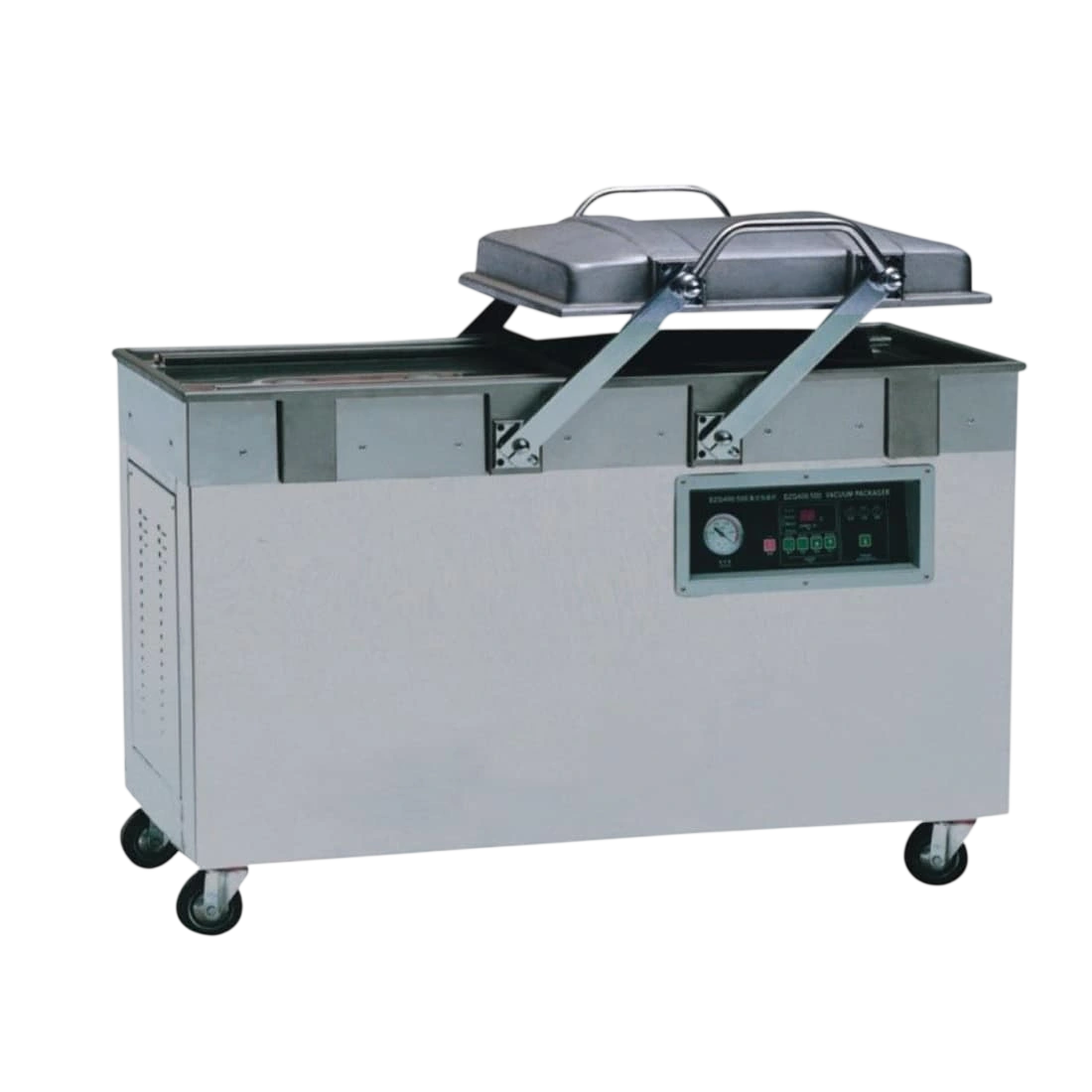
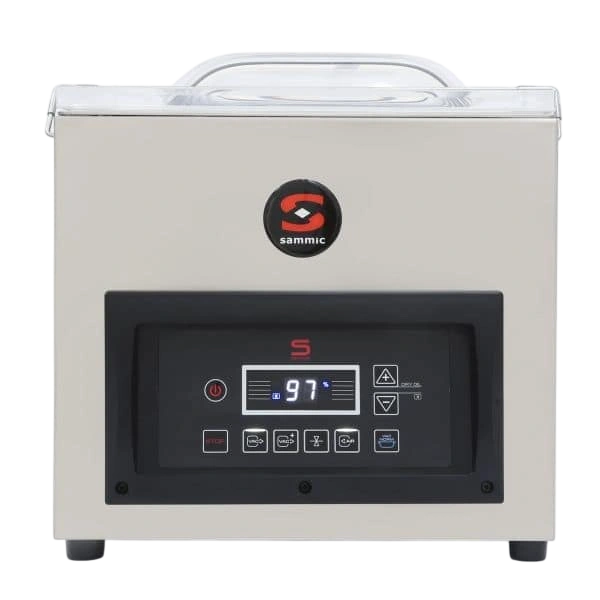
A commercial vacuum pack machine should suit the product, bag system and daily sealing pattern. Chamber models remove air from the bag inside an enclosed space and can suit portioning, moist foods and sous-vide preparation, while external suction formats depend on compatible bags and a clean, dry sealing path.
Chamber dimensions set the practical pack size and arrangement. Pump duty and recovery should be checked against the number of repeated cycles, rather than assuming a larger-looking unit will support continuous production.
Map the downstream workflow separately: portioned product may move to commercial fryers, while cooked batches waiting for service need purpose-built commercial food warmers.
Commercial vacuum sealer selection
Start with the food condition, evacuation path, compatible bag, filled-pack fit and peak workflow. Machine labels alone do not prove liquid suitability, bag compatibility or production output.
Read the chamber vs external decision guideSubmit your kitchen requirements — our equipment specialists will send you a tailored shortlist of vacuum sealers that fits your budget, venue type and compliance needs.
Standards & Compliance
Test representative portions, including their bag thickness, folds and liquid content, before settling the workflow. The bag mouth must lie flat across the sealing area without food, moisture or creases interrupting the closure.
Vacuum packing does not replace temperature control or food-safety procedures. Label, chill and store products under the venue’s documented process, especially when preparing food for sous-vide cooking.
FAQ
Yes—use a chamber vacuum sealer for consistent results. External units struggle with liquids.
Yes. Removing oxygen slows spoilage and freezer burn.
Yes—they seal liquids easily and produce air-free bags that cook evenly.
Embossed bags for external machines; smooth bags for chamber models.
High-volume venues should check pumps, seals and gaskets regularly.
Use a chamber machine when the product and compatible bag can fit inside and the process benefits from enclosed pressure control, including suitable moist foods. Choose external suction only when the approved bag type and product moisture suit air removal through the open end.
The filled pack must lie inside without crowding and its open edge must reach the sealing bar flat. Measure representative portions and allow for bag arrangement; unused chamber volume is less important than reliable placement.
Use a machine, bag and program specifically suitable for the product, keep the sealing edge clean and control fill level so liquid does not contaminate the closure. Chill and handle the finished pack under the venue’s food-safety process.
Isolate the machine as directed, wipe the chamber and sealing area with an approved method and remove food or bag residue. Inspect the bar, lid seal and replaceable parts for damage, then leave surfaces dry before the next cycle.
Why KW
Pack shape determines the starting questions KW asks about a vacuum sealer: whether it lies within a chamber, needs liquid control or demands repeated cycles at a preparation bench. Bag compatibility and cleaning access can then be checked against the portioning routine; phone 1300 001 366.
Deep Dive
Technical depth from KW's commercial kitchen specialists.
Measure the filled bag rather than the unfilled sheet, allowing room for the product to lie evenly and for the open end to reach the sealing bar without tension.
Keep the bag mouth clean and flat, use the method approved for moist products and inspect each finished seal. Stop and clean the area if residue or wrinkles prevent a consistent closure.
A chamber format can manage suitable liquids because pressure changes around the entire bag, while external machines draw through the bag opening and need the specified bag construction. Choose from the products and process, not the label alone.
Count packs during the busiest preparation period and include bag loading, sealing, labelling and changeover time. Confirm that the documented duty suits that repetition and provide a landing area for finished packs.
Plan approved removable-part cleaning with wash-up equipment, coordinate portion preparation through catering equipment and review the broader commercial kitchen range.