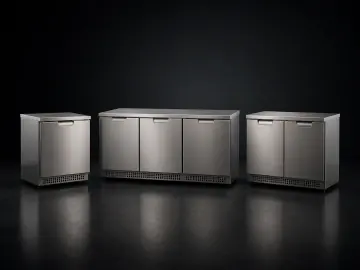
Bar Freezers
14 products
Commercial Fridges and Commercial Freezers
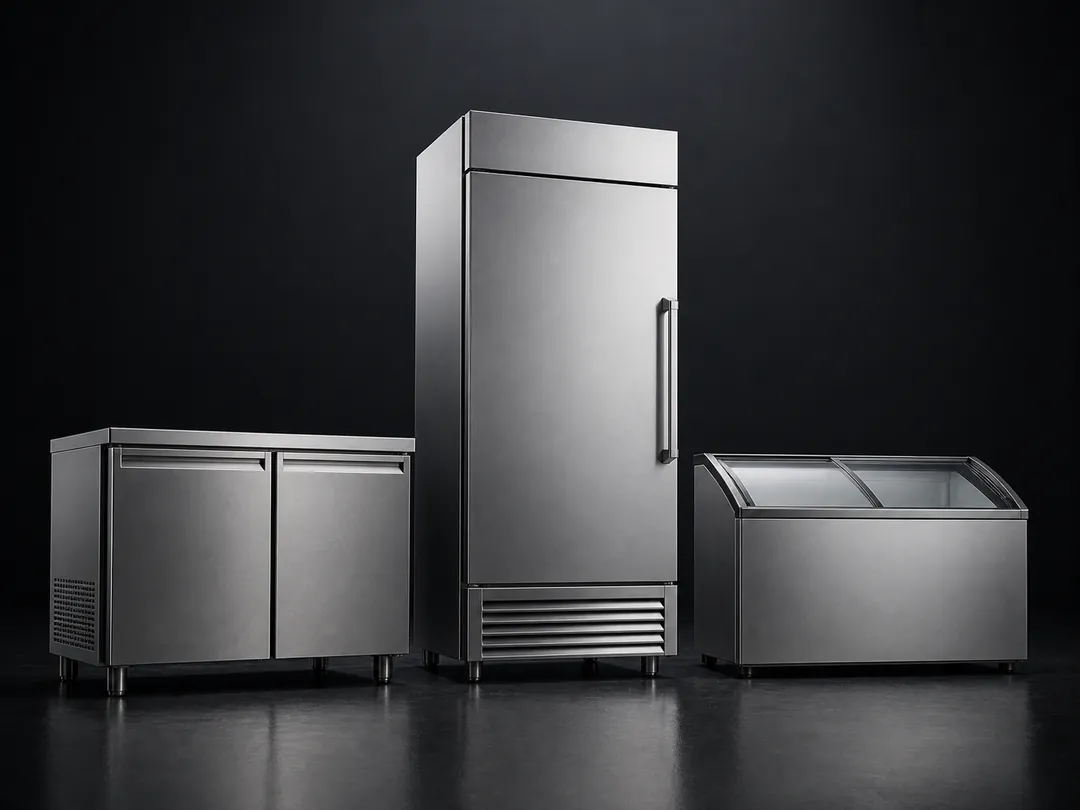
Choosing a commercial freezer starts with how stock moves through the kitchen. Upright freezers give high-volume storage on a small footprint; underbench and workbench freezers keep frozen stock at the cook line; chest freezers suit bulk reserves; and display freezers merchandise frozen product front-of-house. Check door count and capacity against your delivery cycle, and confirm the space allows airflow around the cabinet.
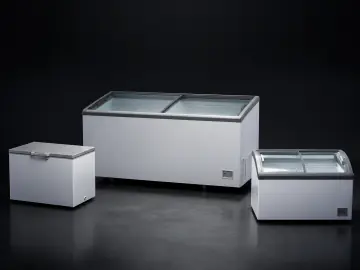
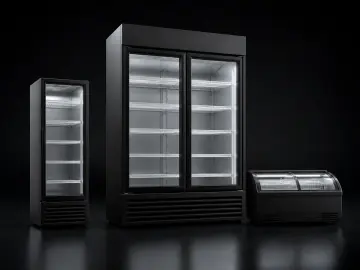
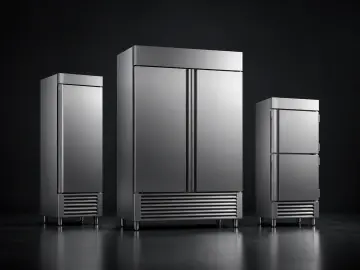
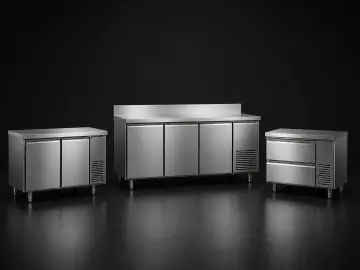
Start with access. Use Upright Freezers when staff need a tall, shelved format; Commercial Chest Freezers for horizontal reserve storage; and Workbench Freezers when frozen stock must sit below a working surface. Move to Display Freezers when visibility is part of selection, or Bar Freezers for the bar-service range.
This commercial freezer parent page should help choose the equipment family. Once the format is known, compare capacity, dimensions, door or lid arrangement and documented operating requirements inside its child category.
Daily picking and bulk reserve storage create different movement patterns. Record how often staff open the cabinet, how stock is packed, whether older stock must remain visible and whether customers need to see product. A restaurant freezer near service may need a different access pattern from backup stock held away from the line.
External W × D × H determines whether the freezer and its delivery path fit. Listed litres do not show whether cartons, trays, tubs, baskets or shelves match the stock. Confirm the internal layout, door, drawer or lid movement, turning space, ramps, lifts and final placement for the exact model.
Queries such as “commercial freezer with drawers” describe a narrower workbench job. Those comparisons belong in Workbench Freezers, where the exact drawer configuration can be checked without turning a child-specific term into a parent-page target.
Do not apply one temperature range, ambient rating, refrigerant, defrost system or ventilation rule to every commercial freezer. Check the selected model’s supplier or manufacturer documentation, electrical connection and installation instructions. If the site is hot, enclosed or difficult to service, send those conditions with the enquiry.
When comparing a commercial freezer for sale, separate the product price from delivery, access and installation requirements. Enquiries from Sydney, Melbourne, Brisbane, Adelaide, Perth, Canberra, Hobart, Darwin and regional Australia should include the suburb or town and postcode so availability, freight and delivery method can be confirmed on the quote.
Some buyers use “industrial freezer” as a broad synonym. On this page it means the commercial cabinet range shown here; it does not establish process-freezing, walk-in or freezer-room capability.
Key factors to consider before purchasing. Our team can help you find the right fit — call or get a quote anytime.
Choose around how often stock moves and how staff need to see, rotate and retrieve it during service.
A tall cabinet, horizontal cabinet and freezer below a work surface use kitchen space differently. Check the complete operating envelope.
Back-of-house storage and customer-facing frozen display lead to different category paths and model checks.
Submit your kitchen requirements — our equipment specialists will send you a tailored shortlist of commercial freezers that fits your budget, venue type and compliance needs.
Call 1300 001 366 for tailored advice based on your workflow, ambient temperature and storage requirements.
Standards & Compliance
A commercial kitchen freezer can support organised daily picking, bulk reserve stock, frozen preparation, product display or bar service. Define who accesses the stock, how often it moves and where the cabinet sits before comparing litres, doors or price.
This parent category compares freezer formats. Exact temperature range, ambient rating, defrost method, refrigerant, electrical supply, clearances and internal layout must be confirmed on the shortlisted model.
FAQ
It is the parent range for comparing frozen-storage formats before moving to a more specific category. Use it when the stock is frozen but the best access, footprint or display format is still undecided.
Start by mapping the picking pattern, stock containers and available height. Compare Upright Freezers for tall shelved access and Workbench Freezers when the stock must sit below a working surface, then verify exact models.
Compare Commercial Chest Freezers when horizontal reserve storage matches the stock and access pattern. Check the lid movement, baskets or dividers, internal dimensions and delivery route for the selected model.
Why KW
KW handles commercial freezer enquiries across Australia. Send the venue type, frozen product and container format, restocking frequency, available W × D × H, preferred access style, delivery suburb or town, postcode and complete access path so the enquiry can be routed before exact models are compared.
Deep Dive
Technical depth from KW's commercial kitchen specialists.
| Freezer path | Start here when |
|---|---|
| Upright Freezers | You need a tall cabinet and organised shelf access. |
| Commercial Chest Freezers | You need horizontal storage for reserve stock. |
| Workbench Freezers | Frozen access must sit below a working surface. |
| Display Freezers | Product visibility is part of staff or customer selection. |
| Bar Freezers | The frozen-storage job belongs in a bar-service position. |
KW accepts commercial freezer enquiries for Sydney and regional NSW, Melbourne and regional Victoria, Brisbane and Queensland, Adelaide and South Australia, Perth and Western Australia, Canberra and the ACT, Hobart and Tasmania, Darwin and the Northern Territory. Send the exact model or required format, quantity, suburb or town, postcode and site access. Availability and freight are confirmed for the individual quote.
Estimate the peak stock volume and restocking cycle, then check whether the actual cartons, tubs, trays or baskets fit the internal layout. Litres alone do not establish usable capacity.
Use Workbench Freezers for drawer, underbench, counter and worktop comparisons. Confirm the exact number and internal dimensions of drawers on the selected model.
Use Display Freezers when customers or staff need to see product before opening the cabinet. Confirm the exact merchandising, door or lid and loading configuration.
Check external dimensions, delivery access, door or lid movement, electrical supply, documented ventilation and service clearances, operating environment and the final placement. Use exact model documentation.
Provide the exact model or required format, quantity, frozen product and container type, suburb and postcode, site type, doorway and turning constraints, ramps or lifts, and final placement. Availability, freight and delivery method should be confirmed on the quote.
For vertical or door-count searches, continue to Upright Freezers. For chest or deep-freezer searches, use Commercial Chest Freezers. Drawer, underbench, counter and worktop intent belongs to Workbench Freezers. Customer-facing and bar-service searches route to Display Freezers and Bar Freezers. This keeps each query attached to the category that can answer it accurately.
335 results
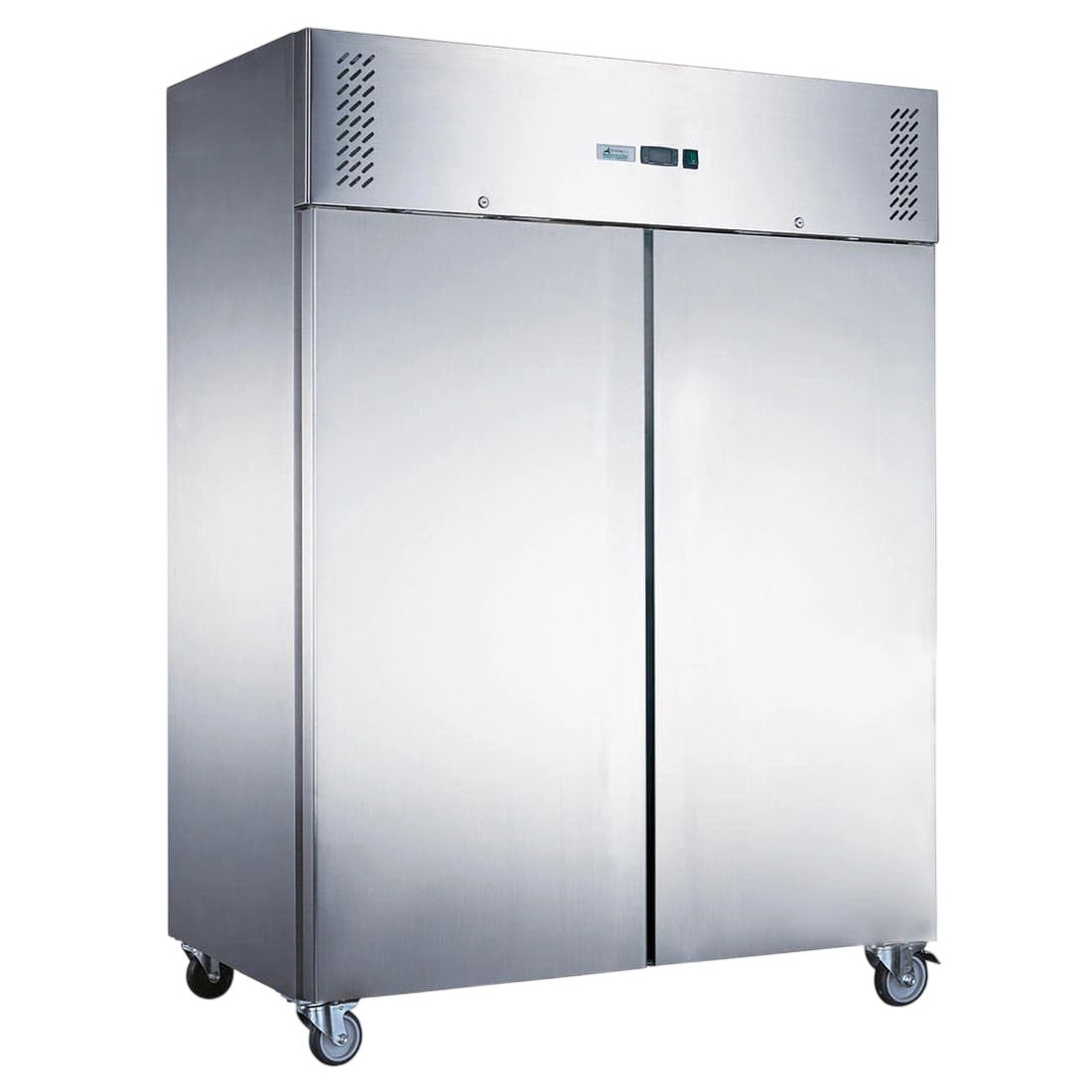
1340 × 840 × 2000mm
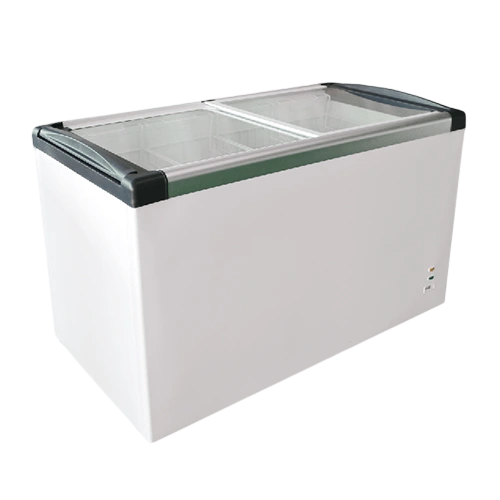
1270 × 680 × 850mm
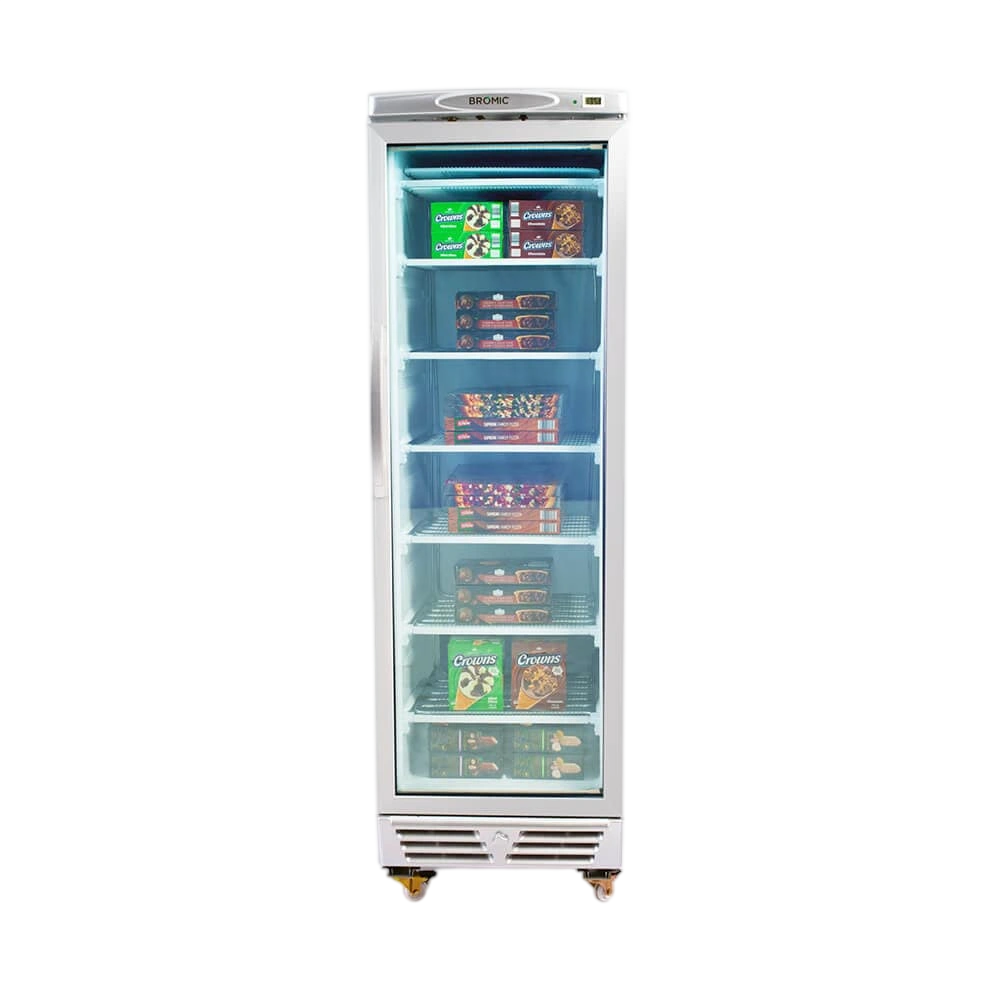
595 × 620 × 1925mm
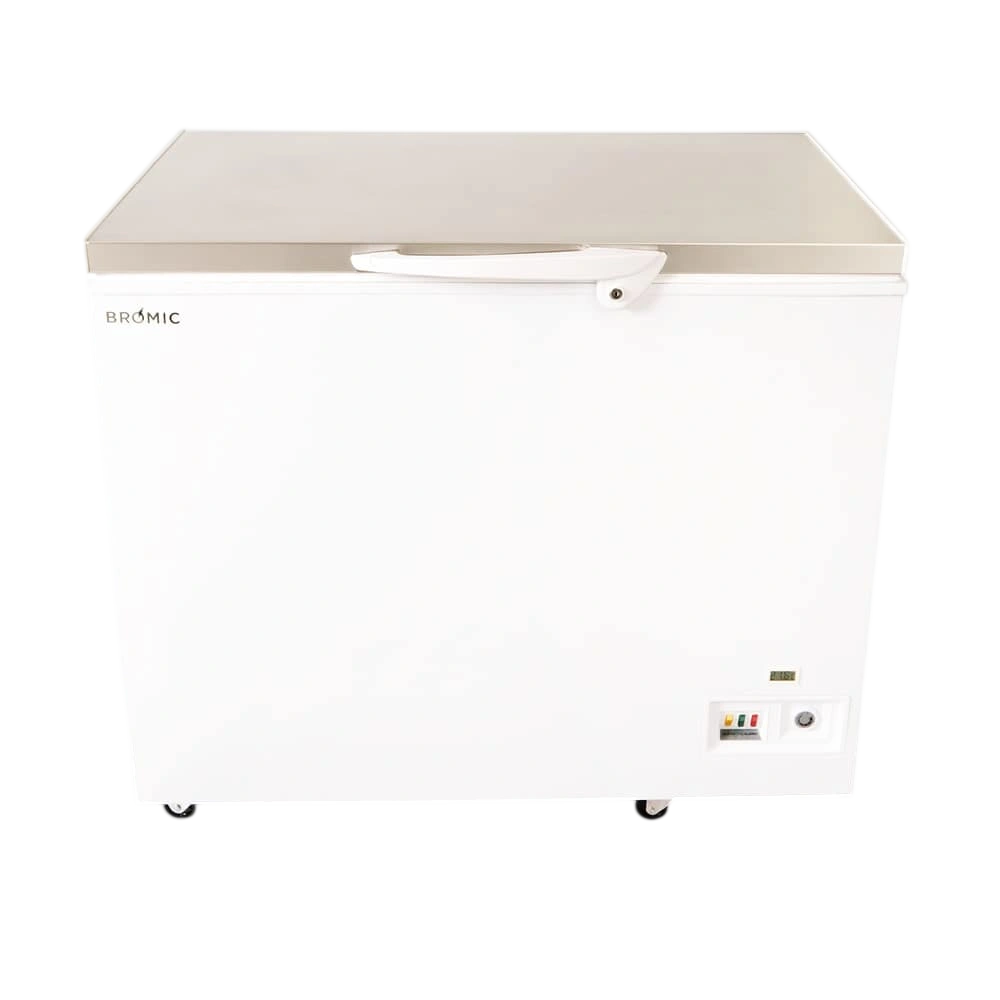
1012 × 715 × 903mm
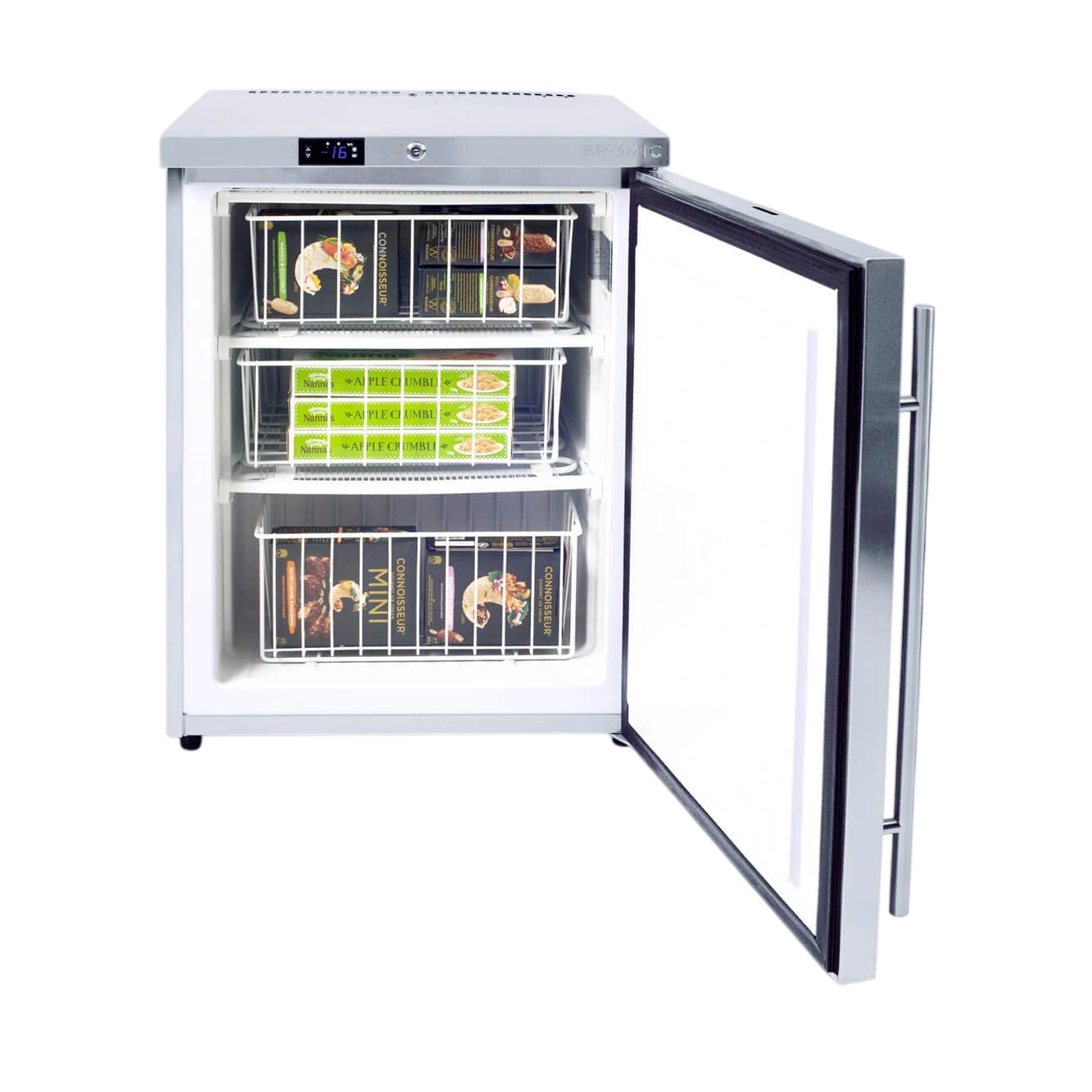
598 × 643 × 824mm
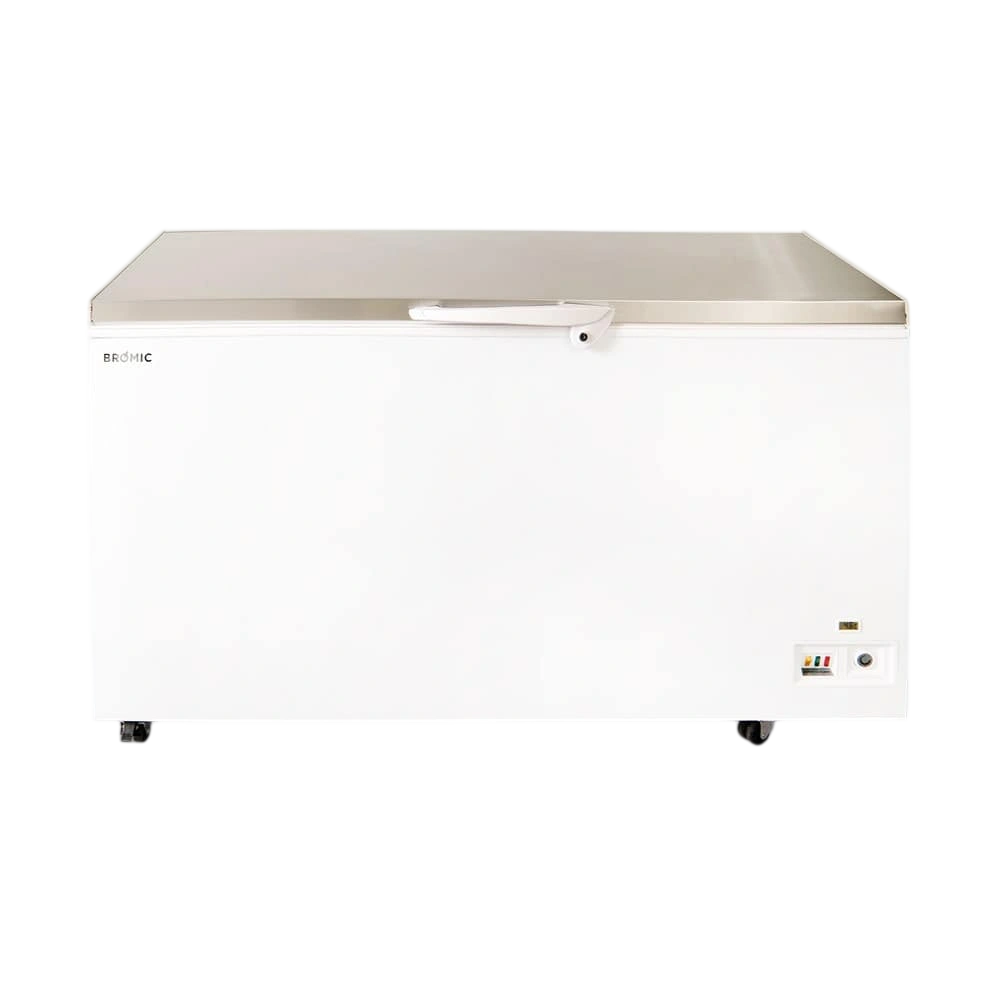
1552 × 715 × 903mm
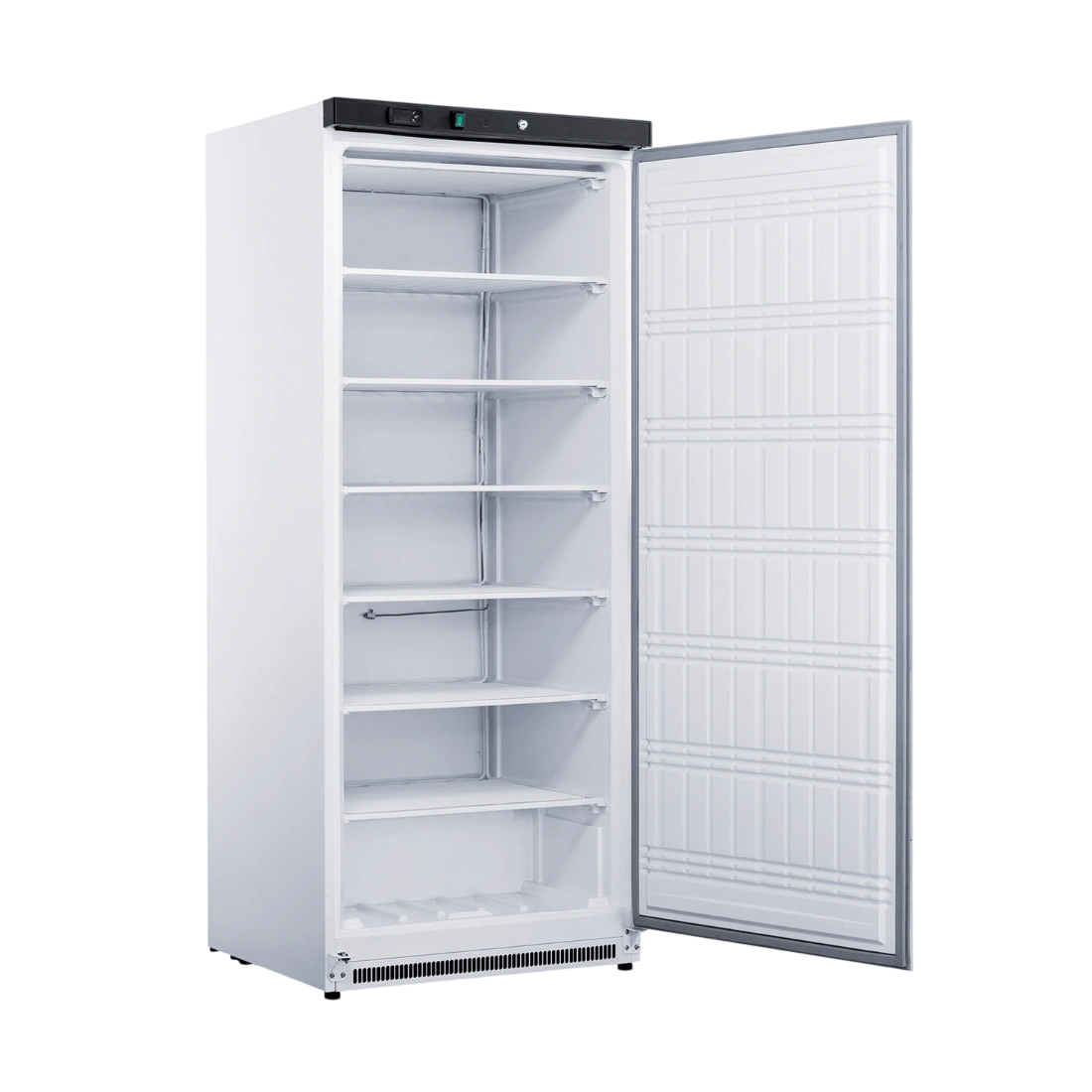
777 × 695 × 1890mm
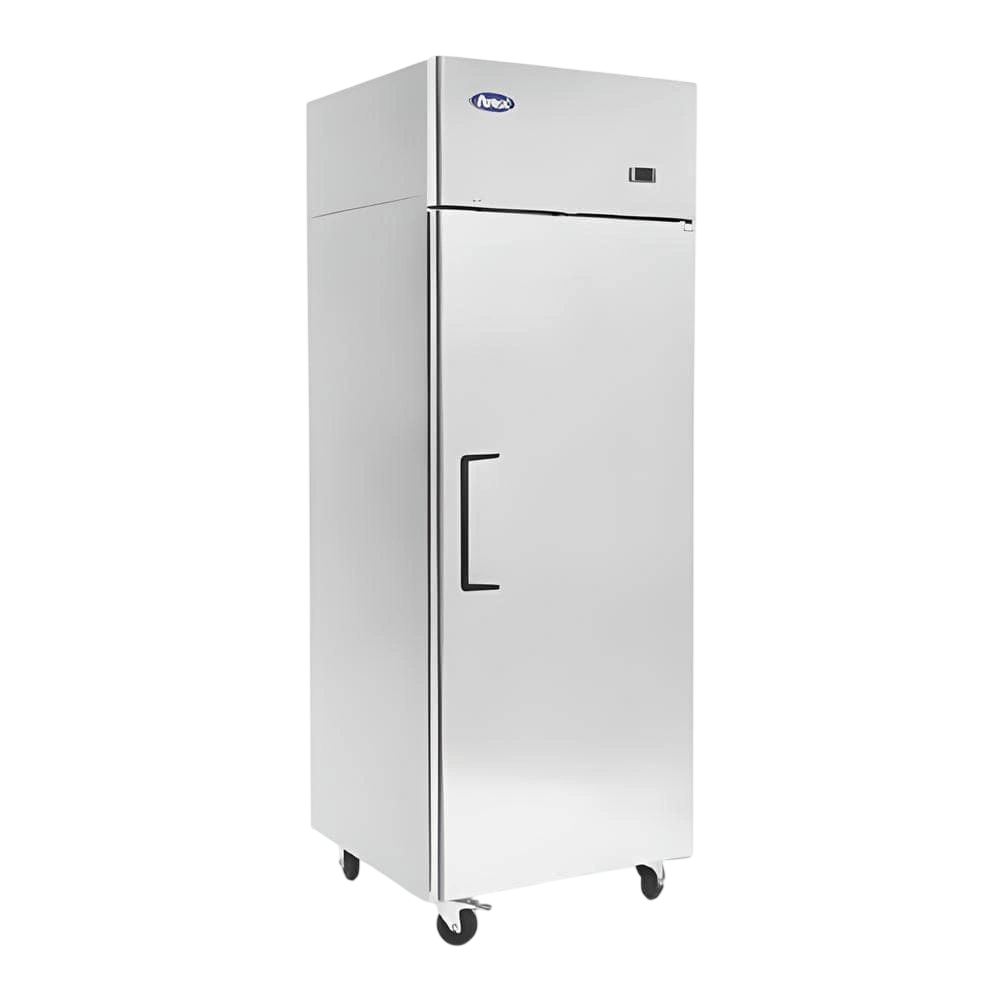
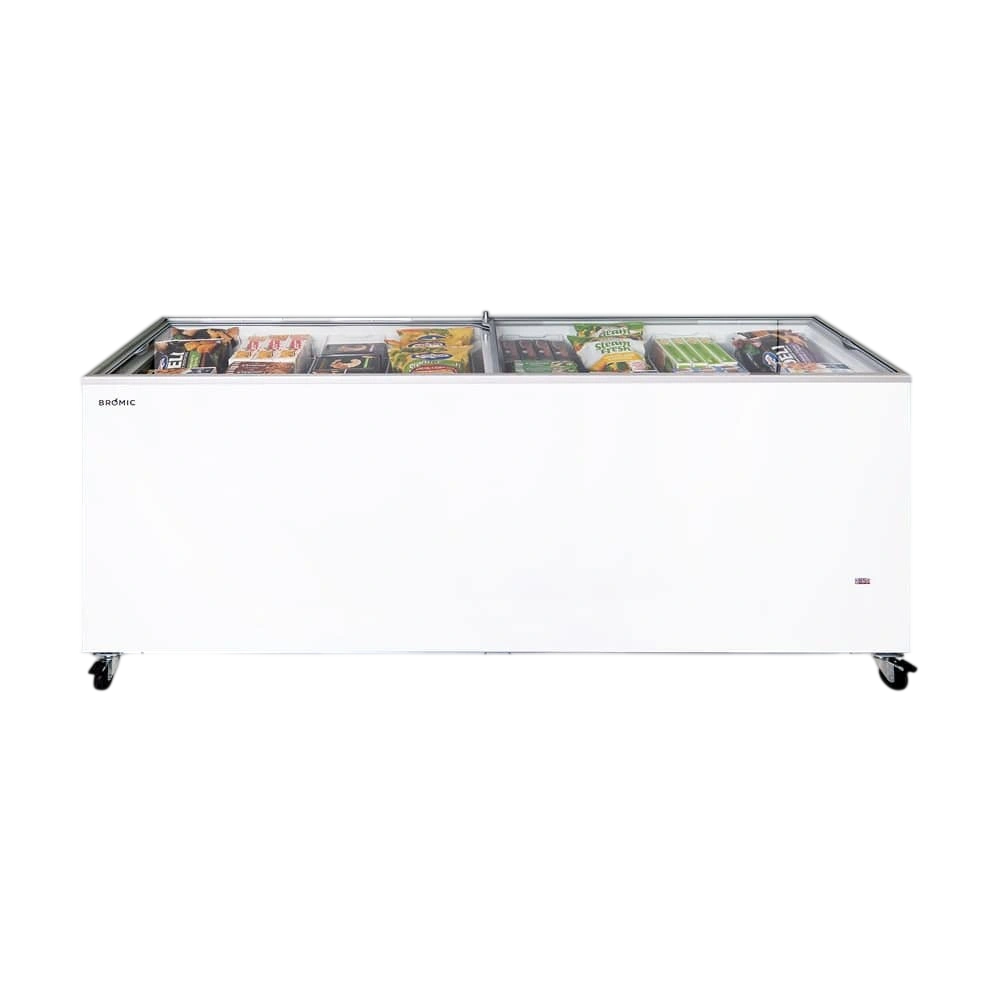
2055 × 629 × 892mm
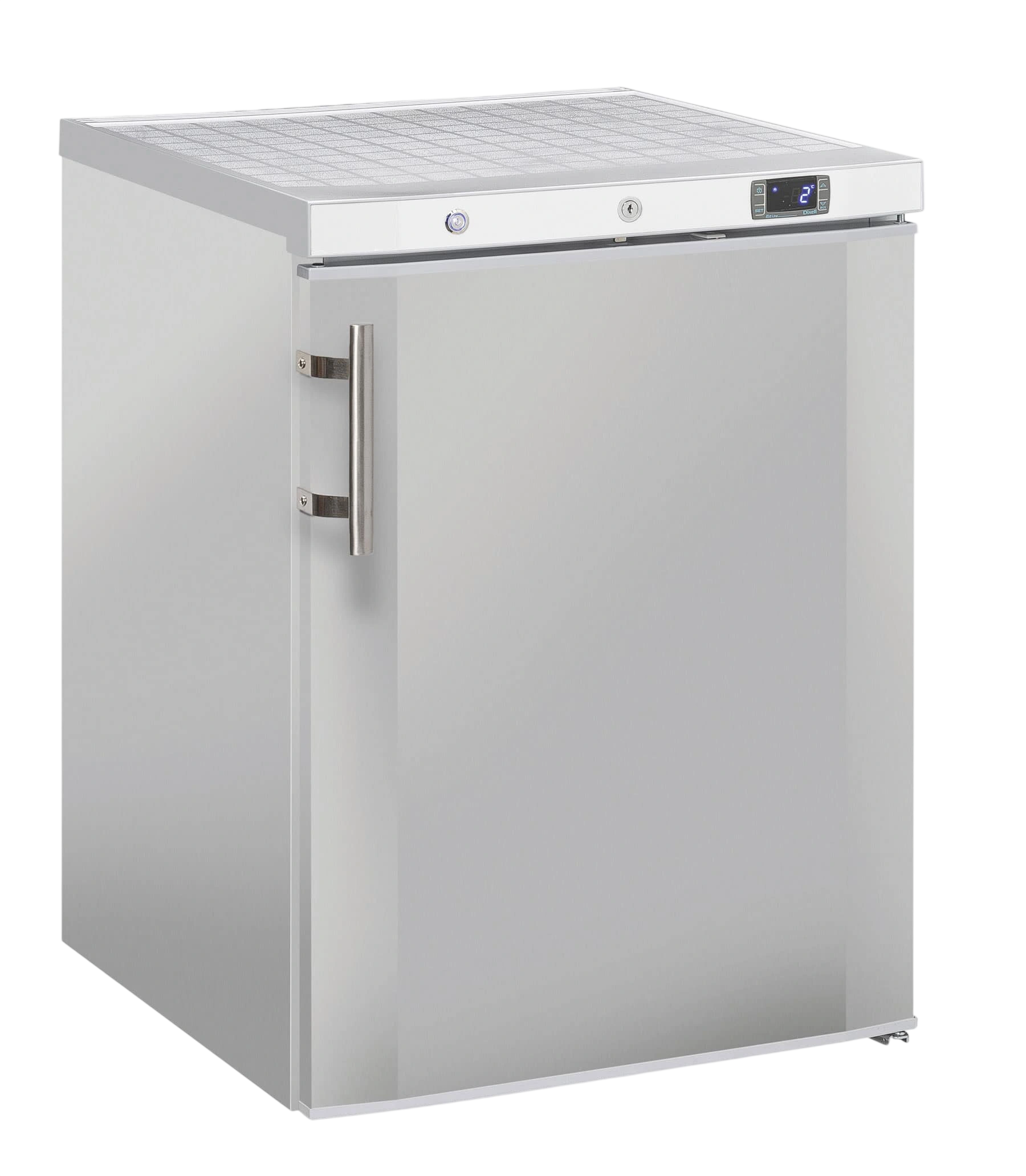
598 × 679 × 838mm
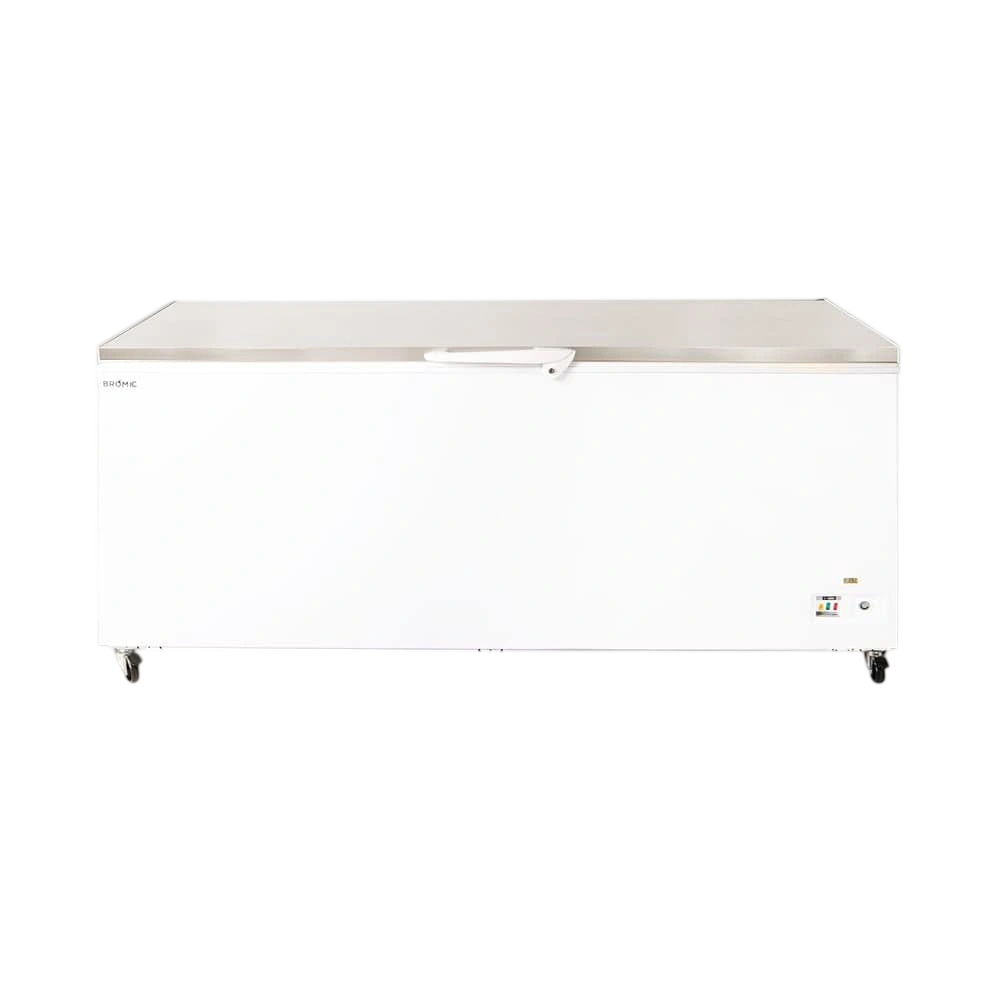
2055 × 715 × 903mm
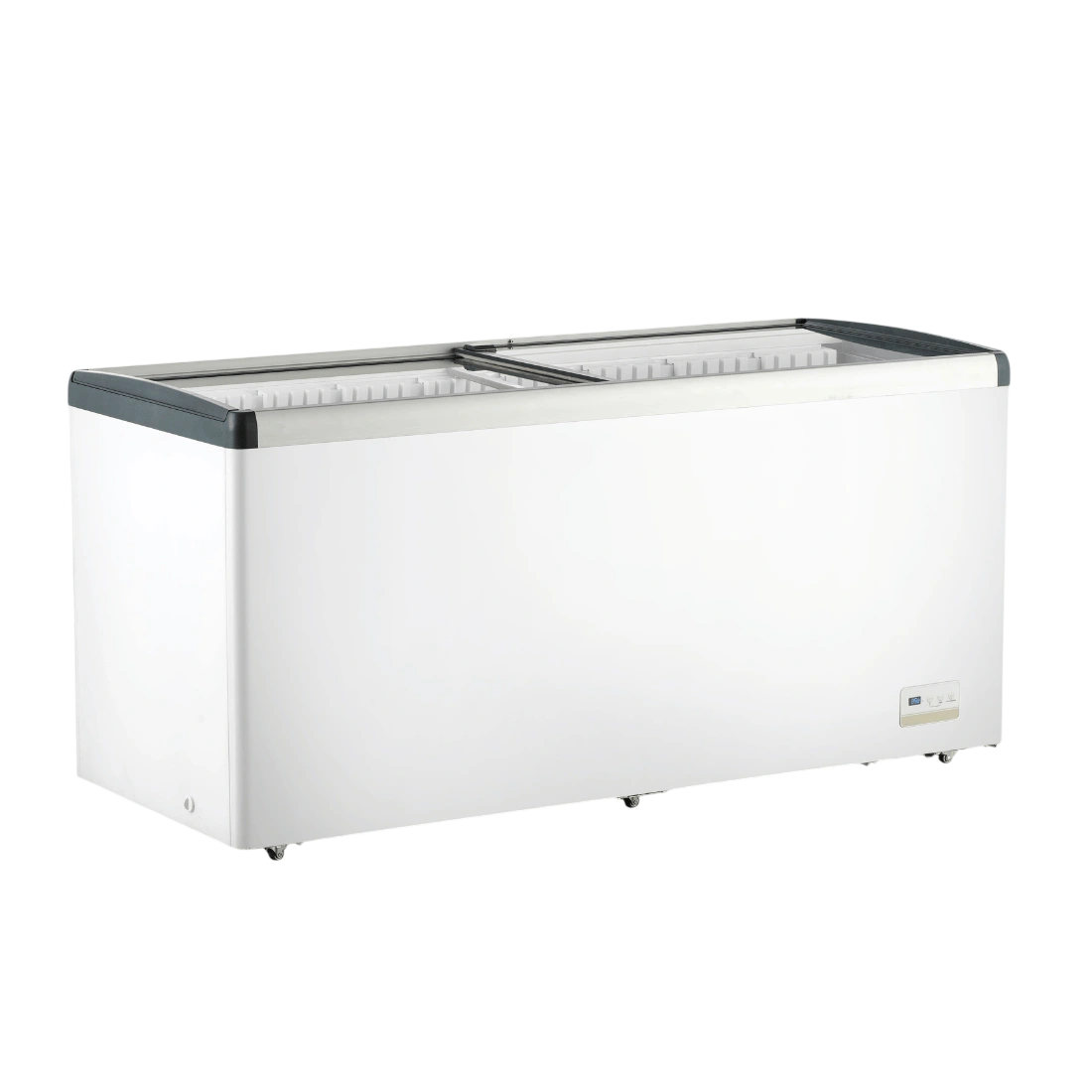
1824 × 653 × 868mm
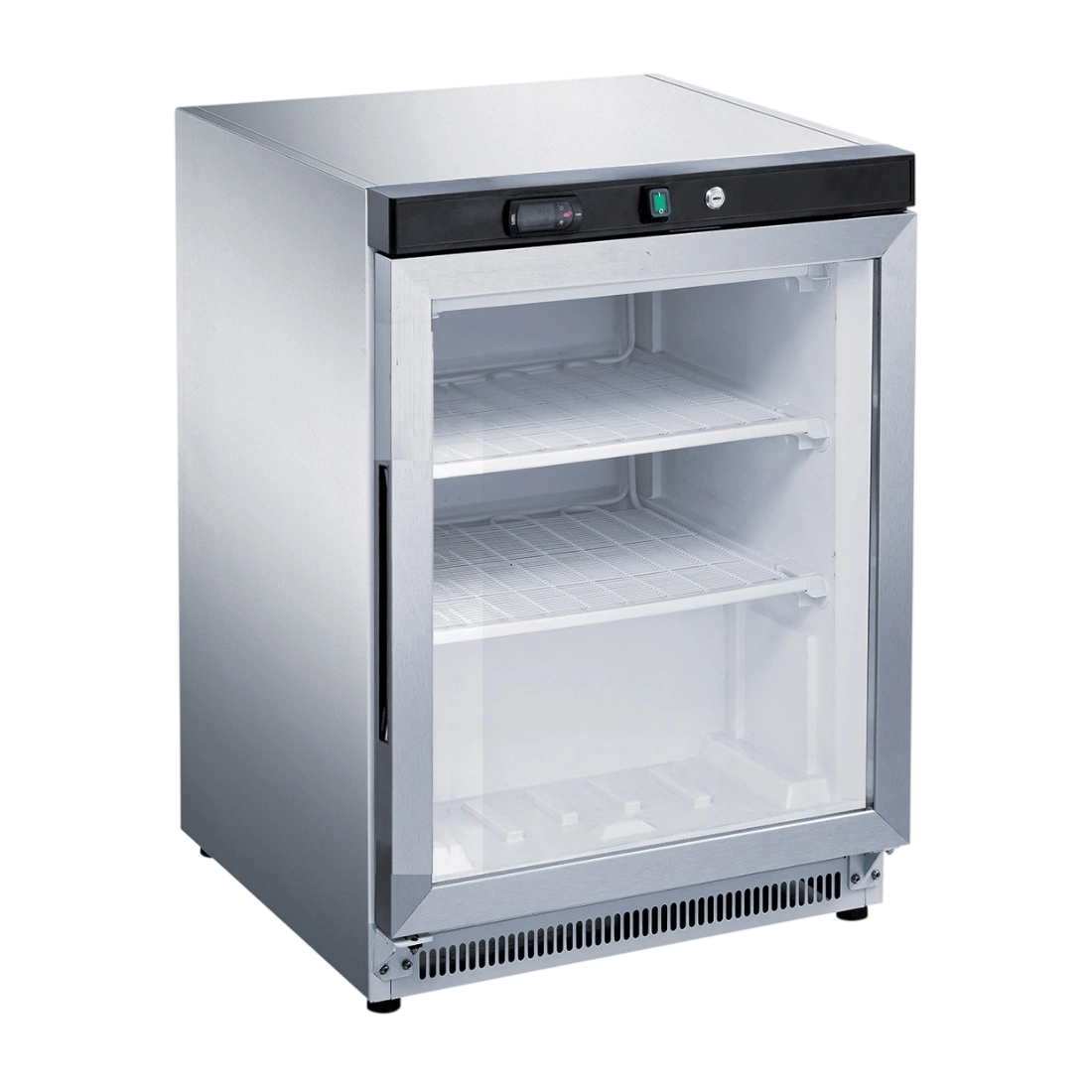
600 × 585 × 850mm
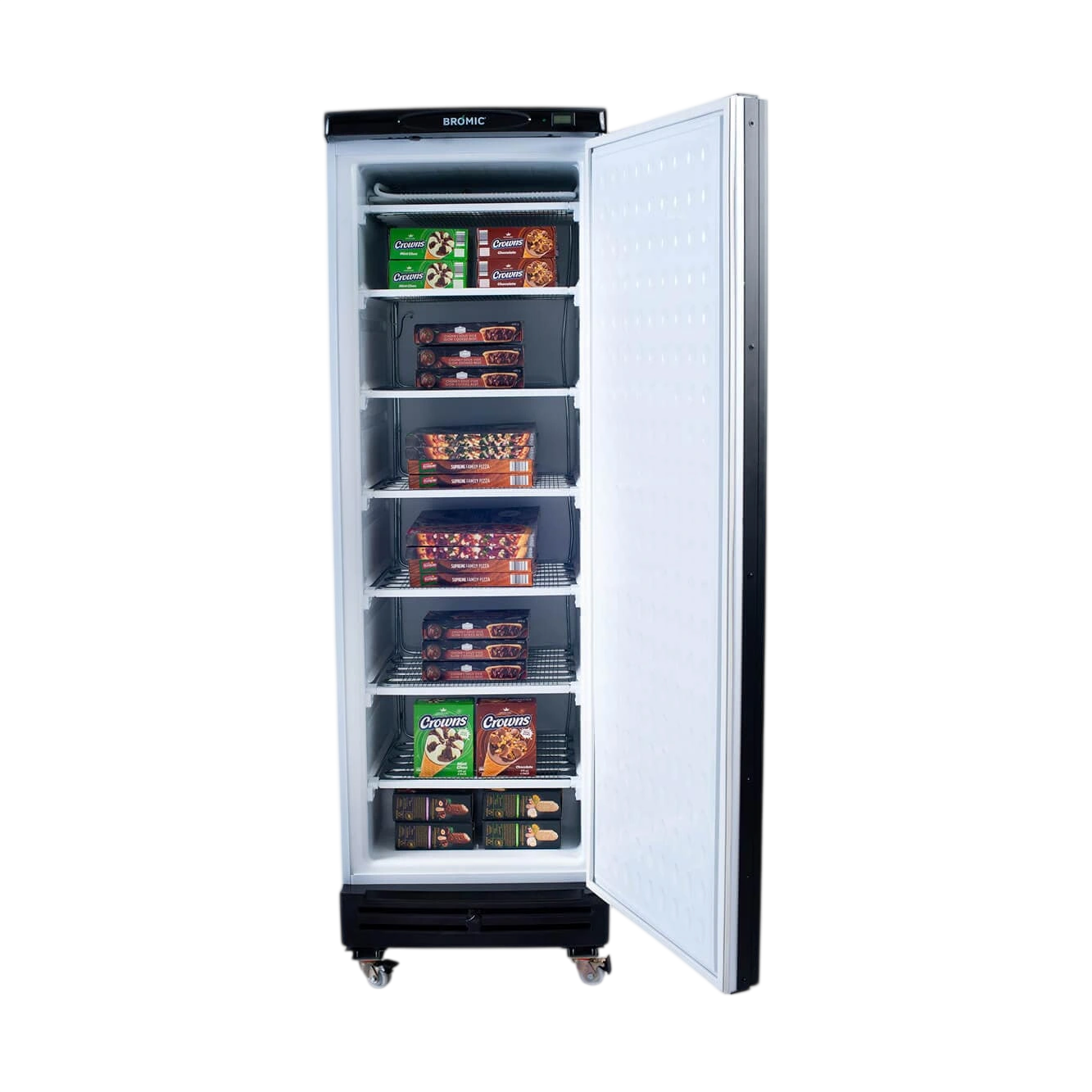
595 × 640 × 1925mm
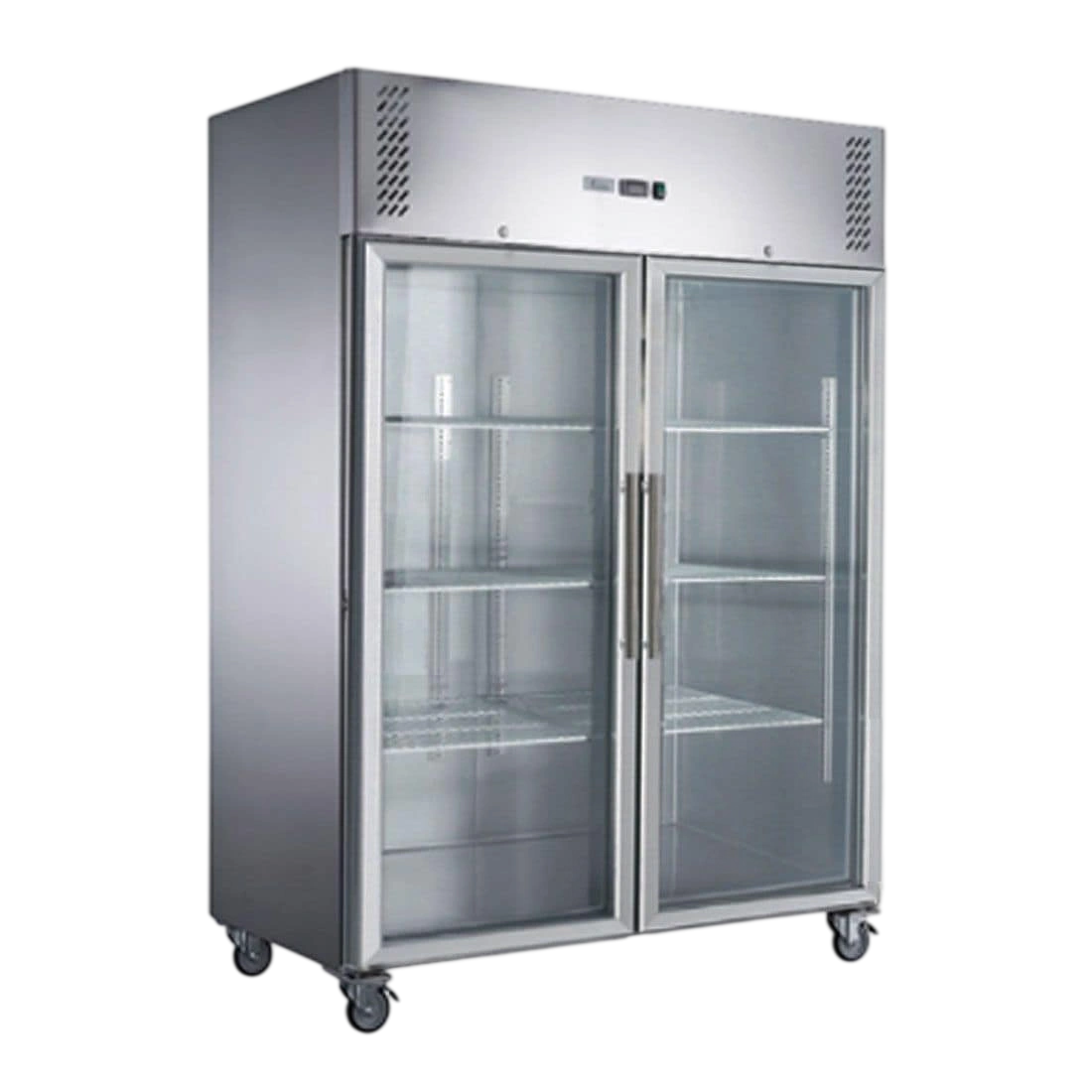
1340 × 840 × 2000mm
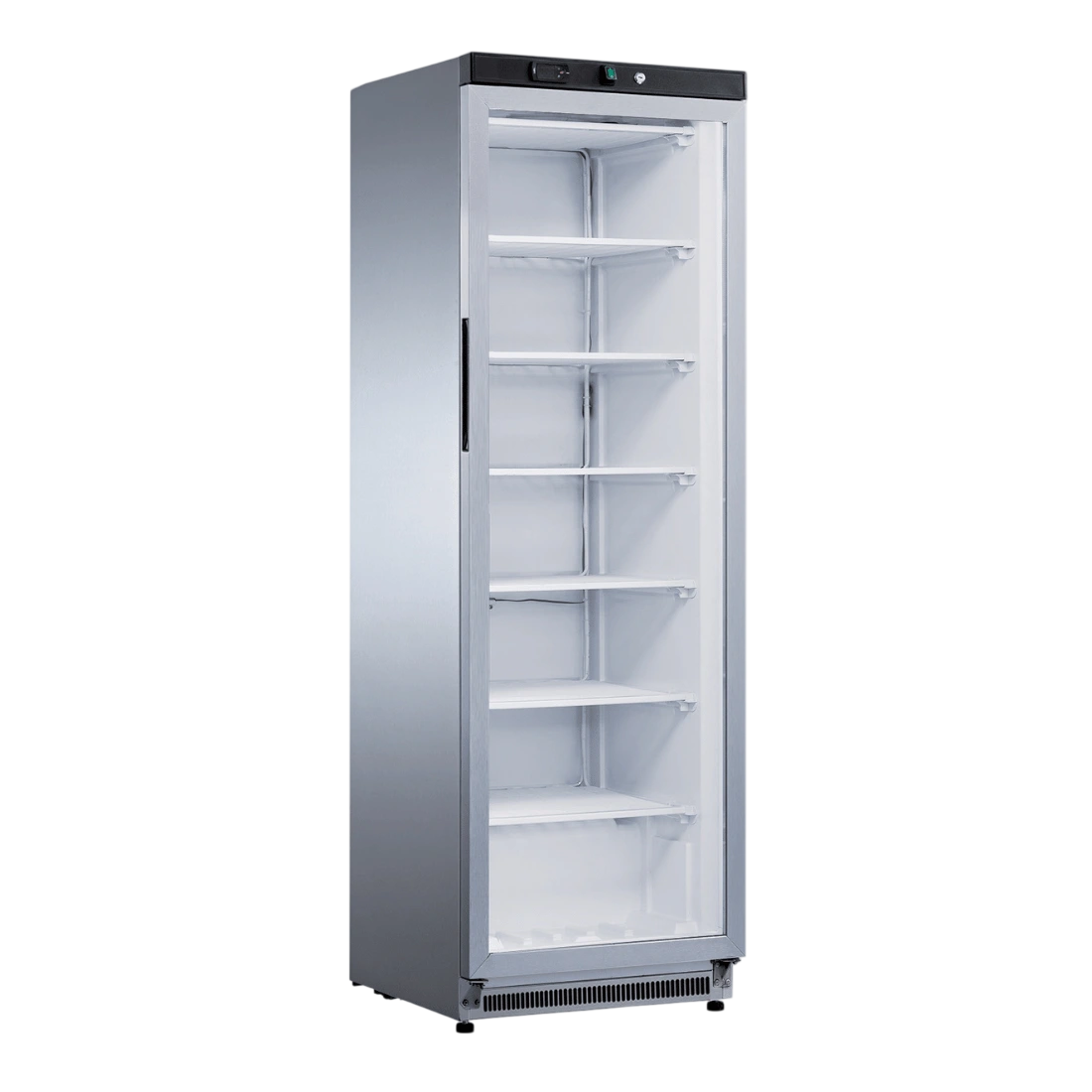
600 × 585 × 1850mm
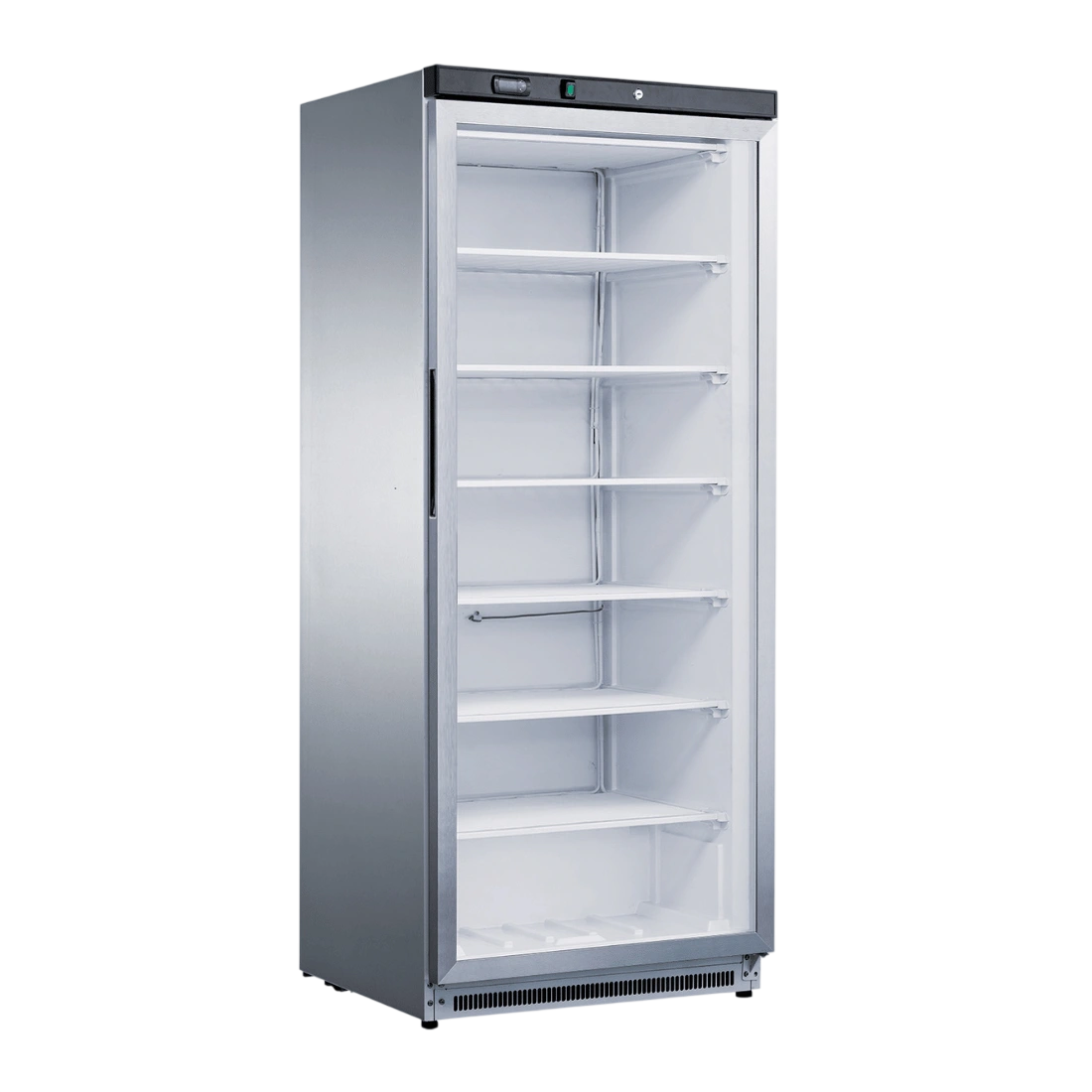
777 × 695 × 1890mm
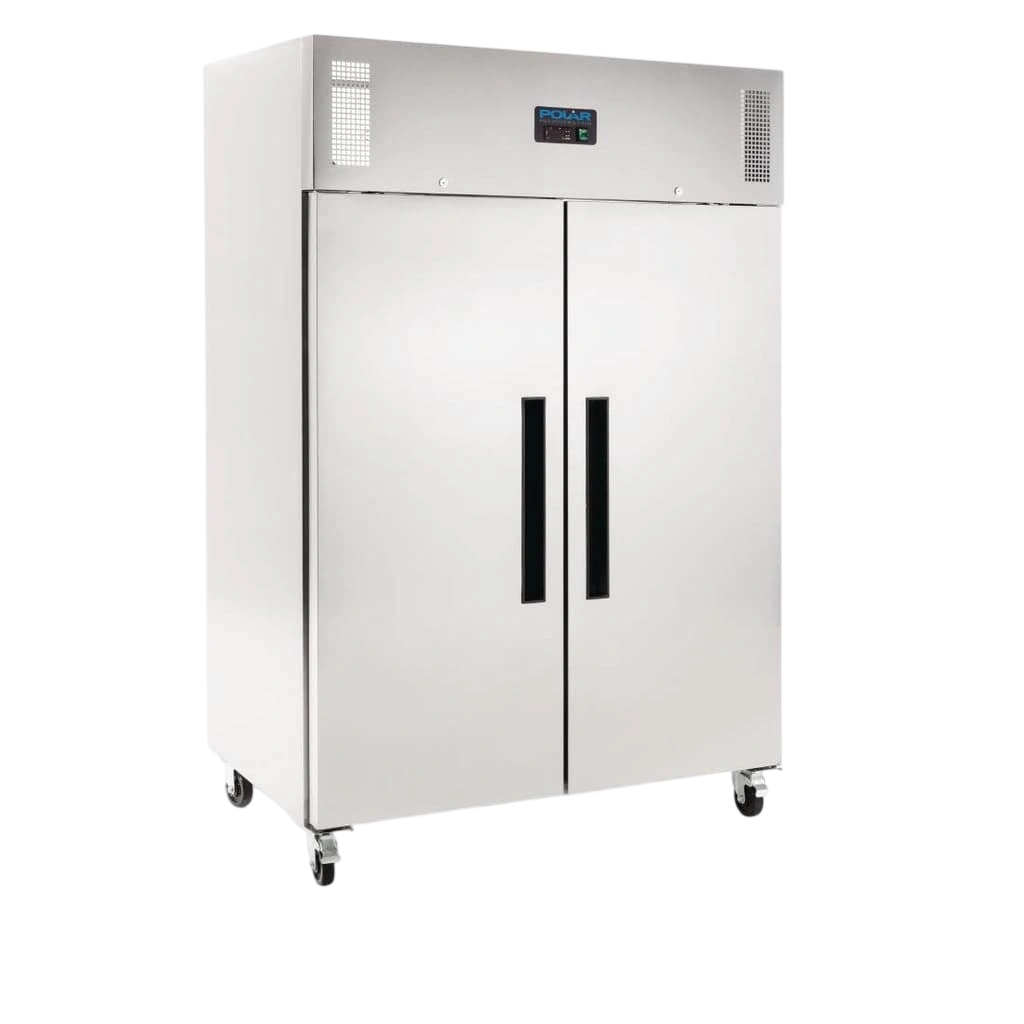
1340 × 845 × 1990mm
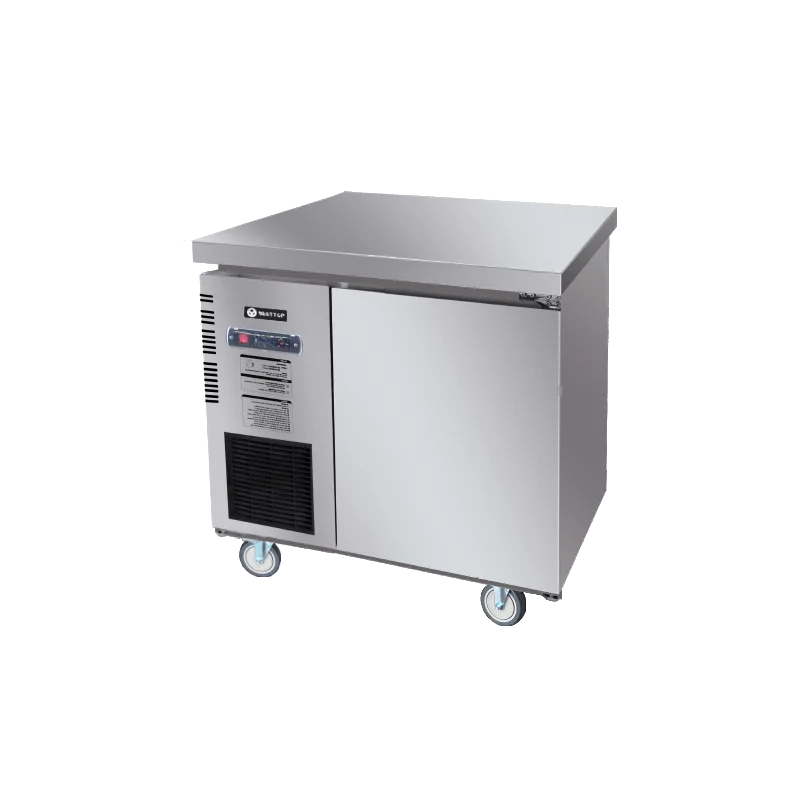
900 × 700 × 850mm
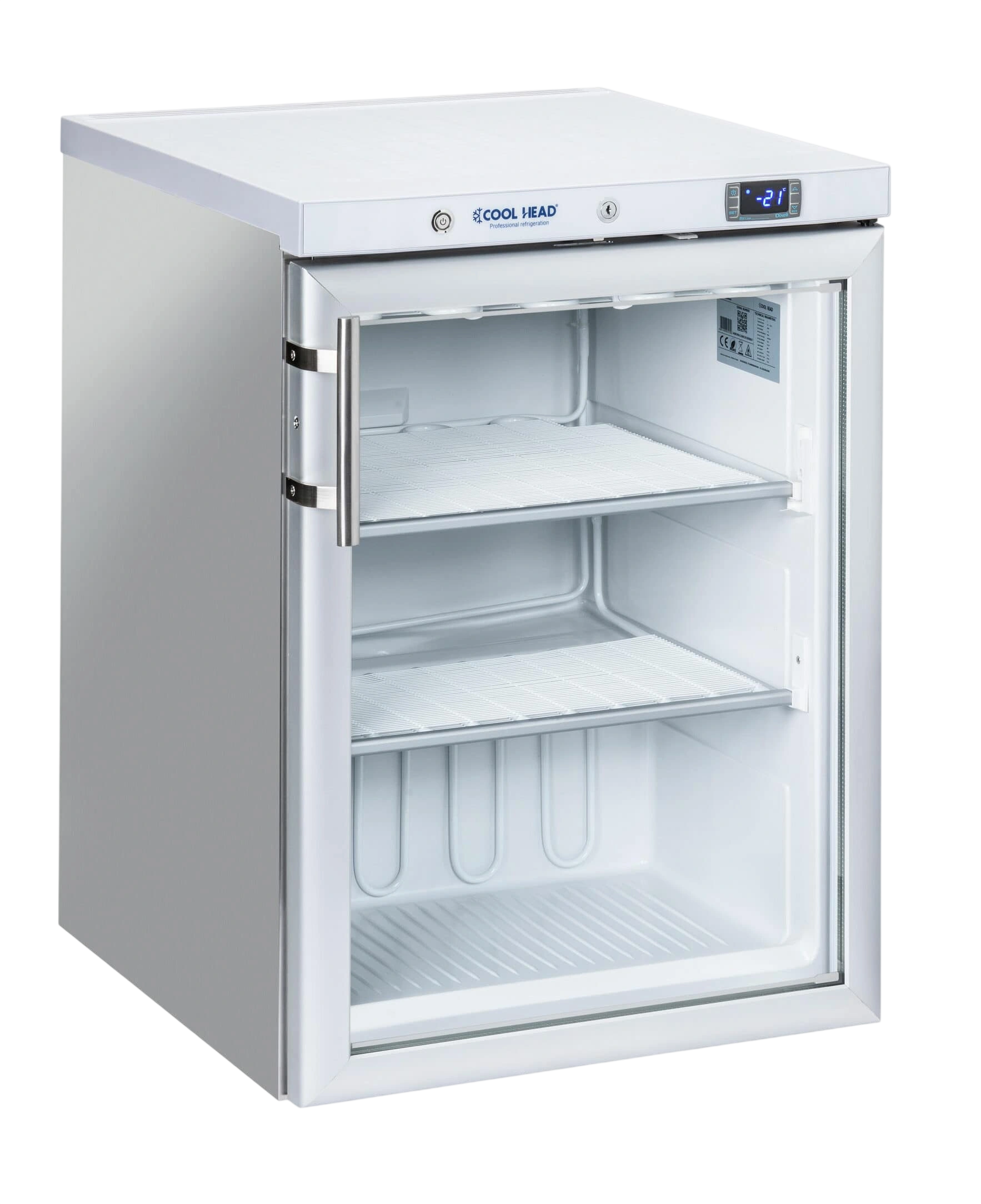
598 × 679 × 838mm
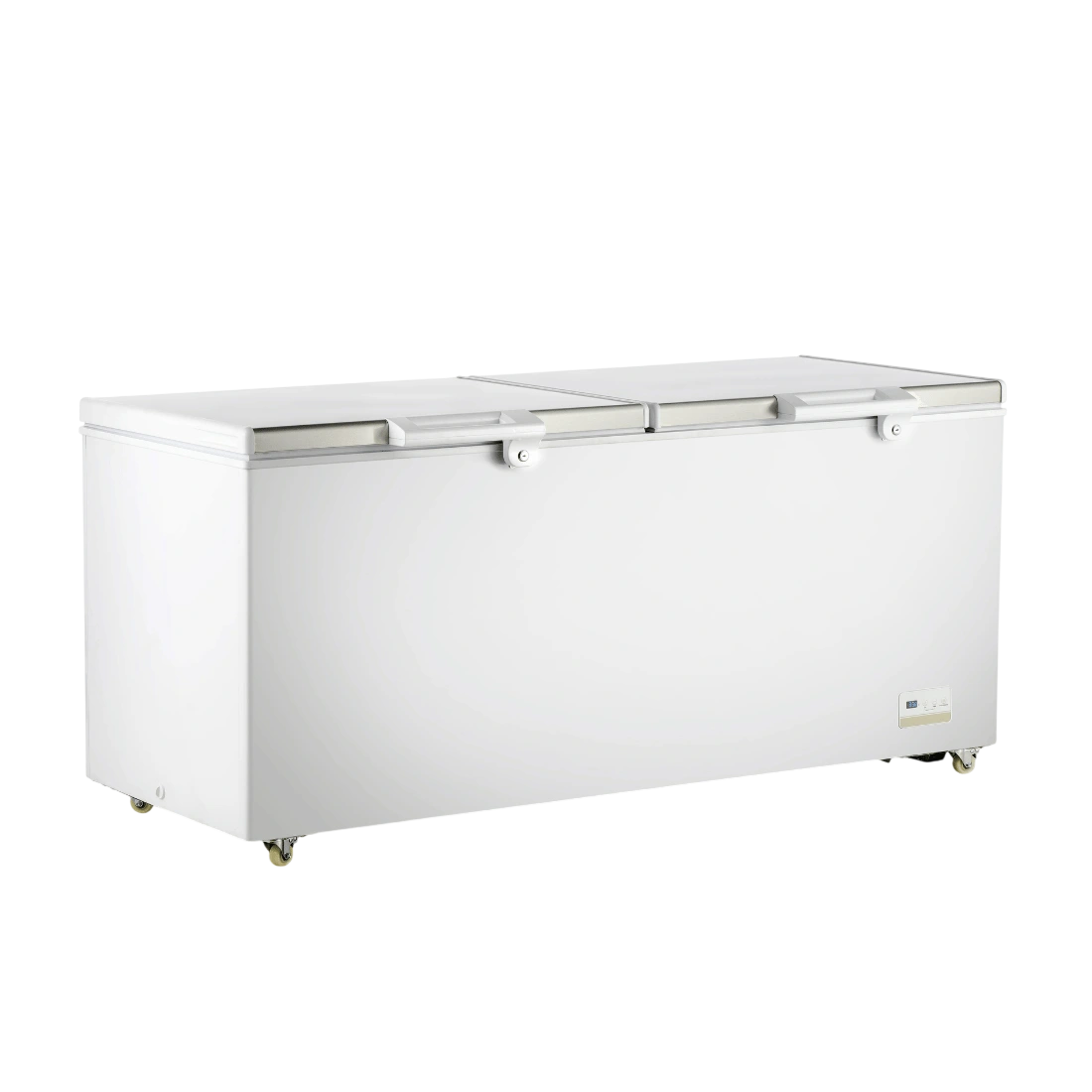
2030 × 792 × 873mm
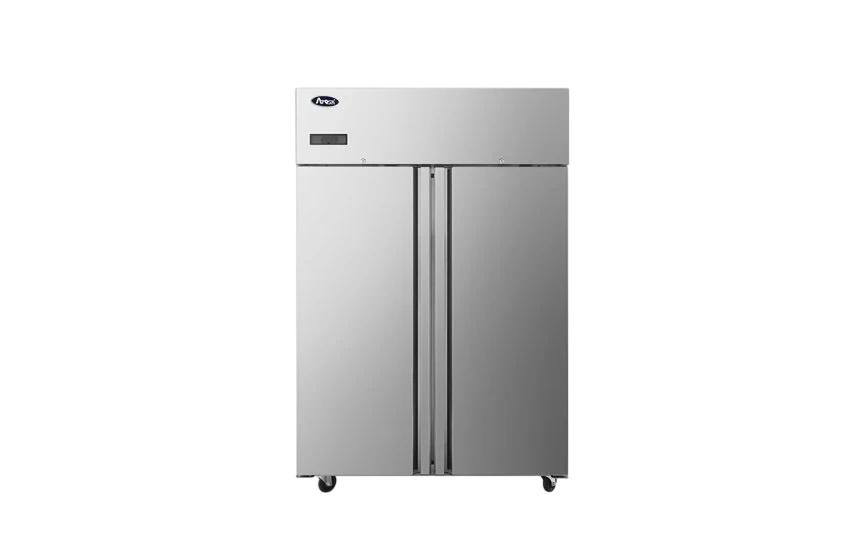
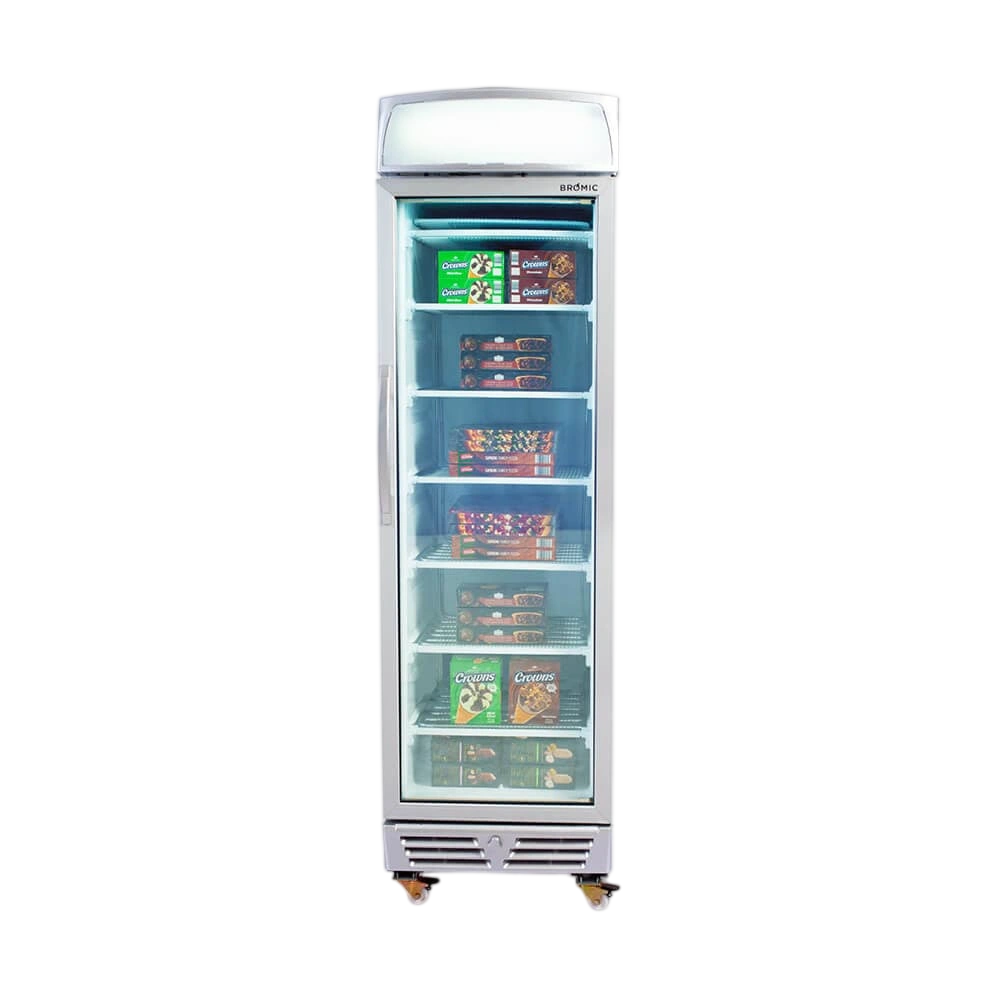
595 × 640 × 2100mm
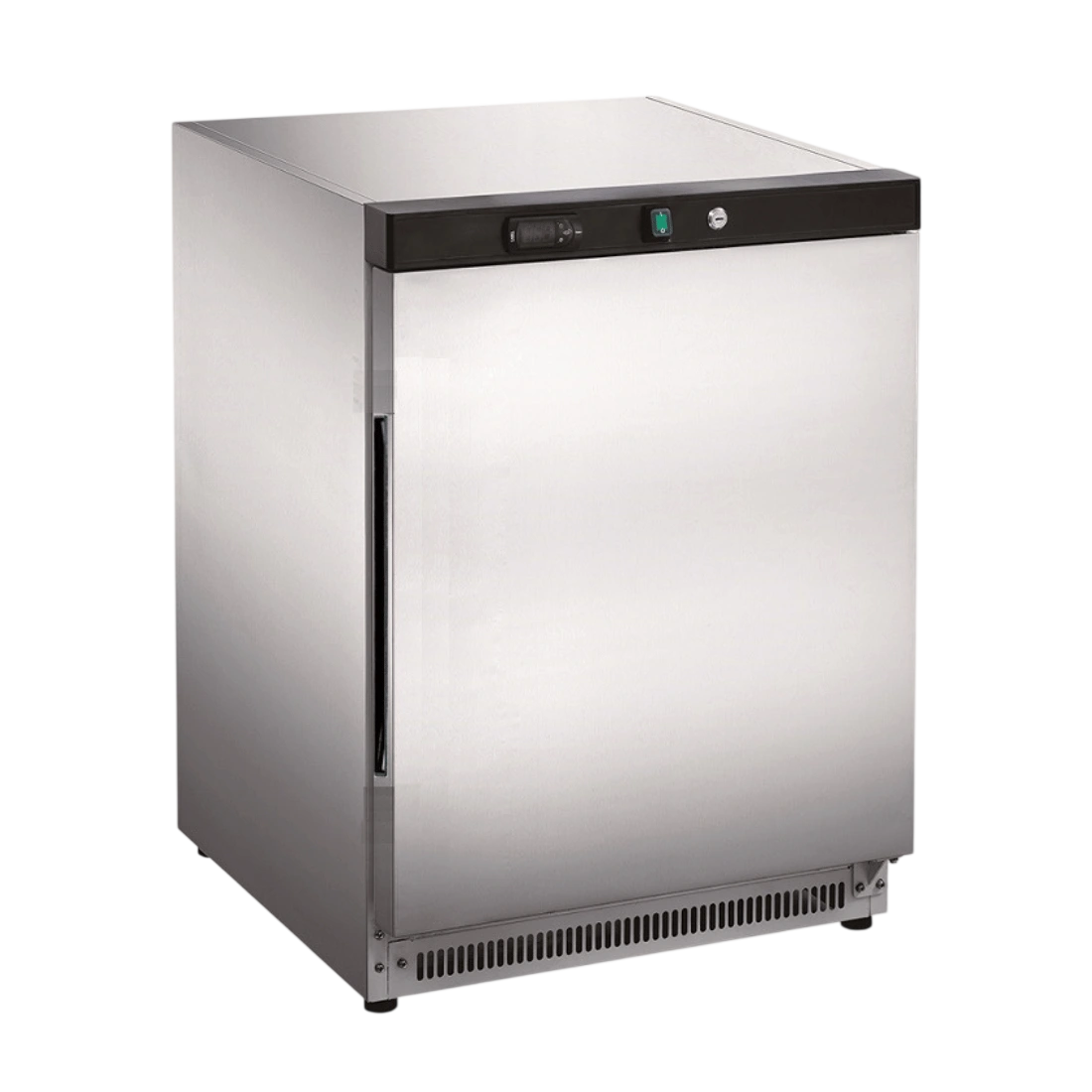
600 × 585 × 850mm
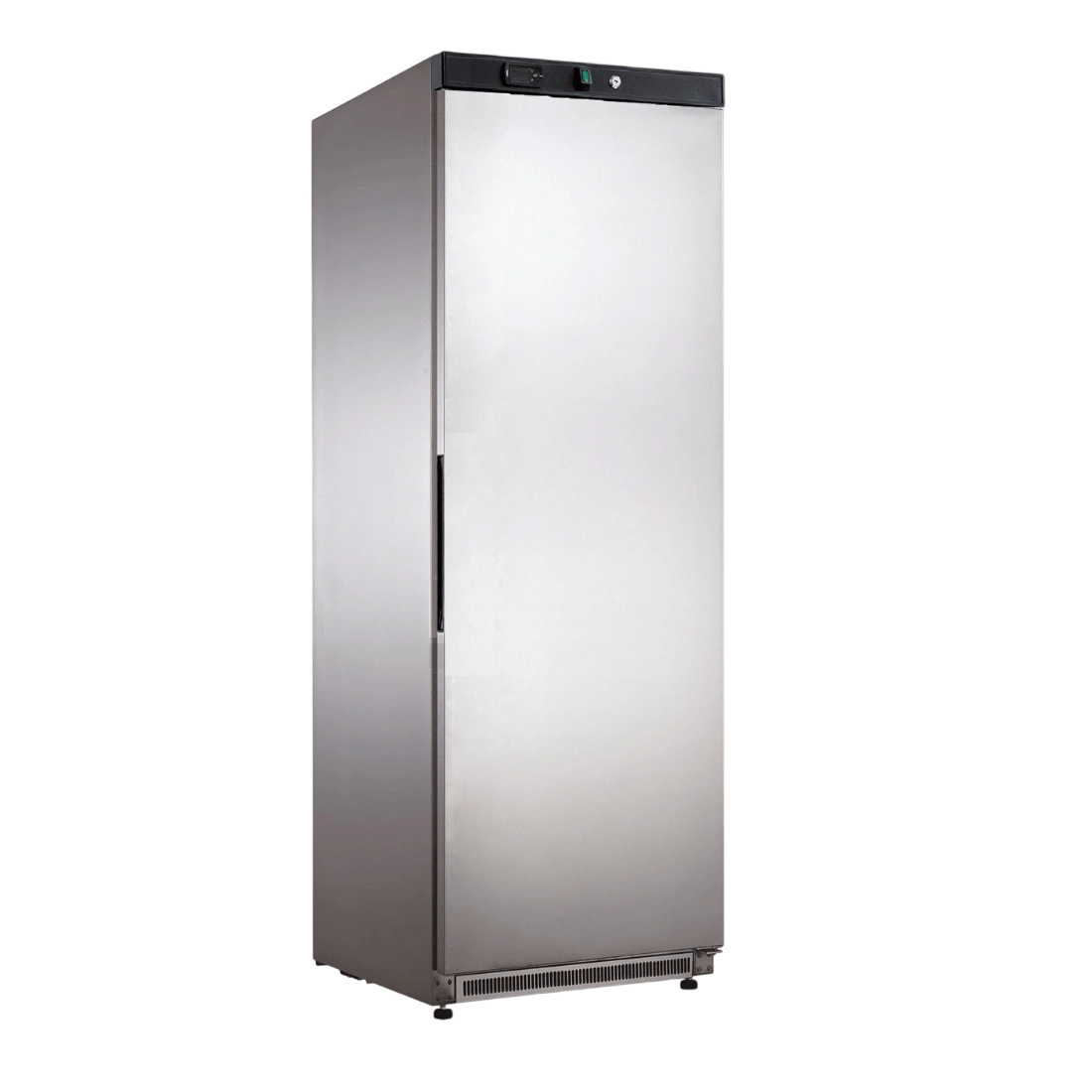
600 × 585 × 1850mm
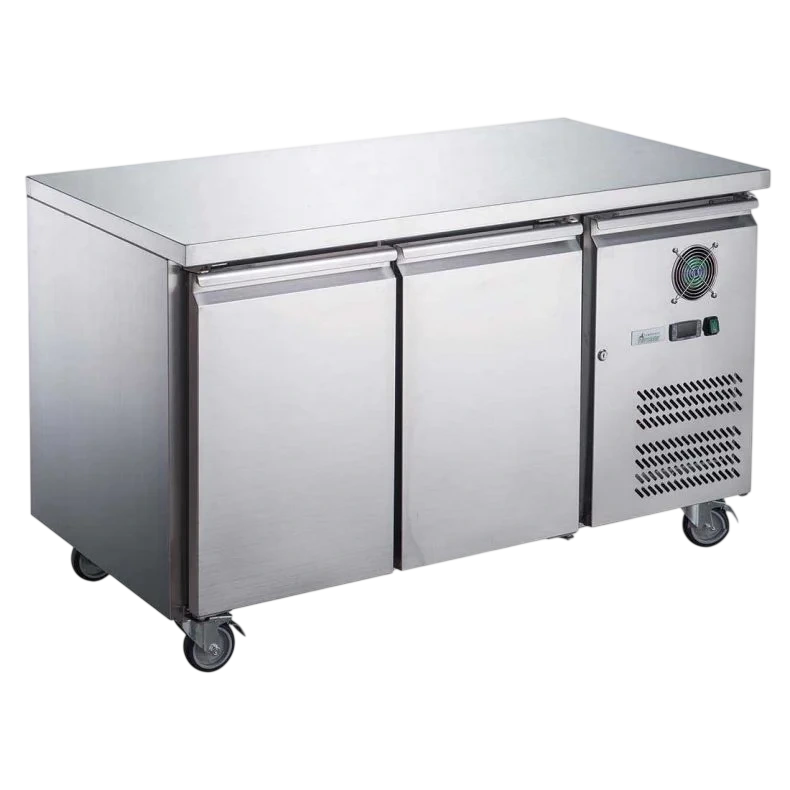
1360 × 600 × 850mm
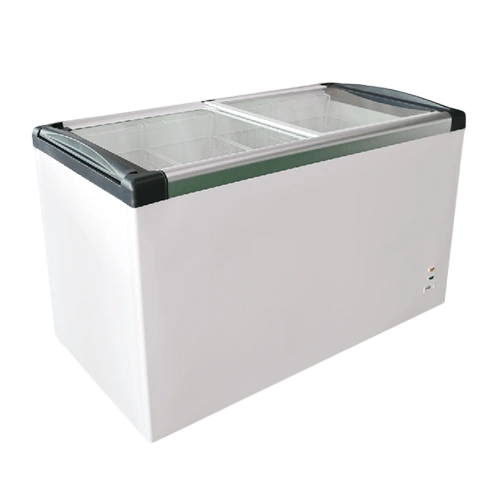
1810 × 680 × 850mm
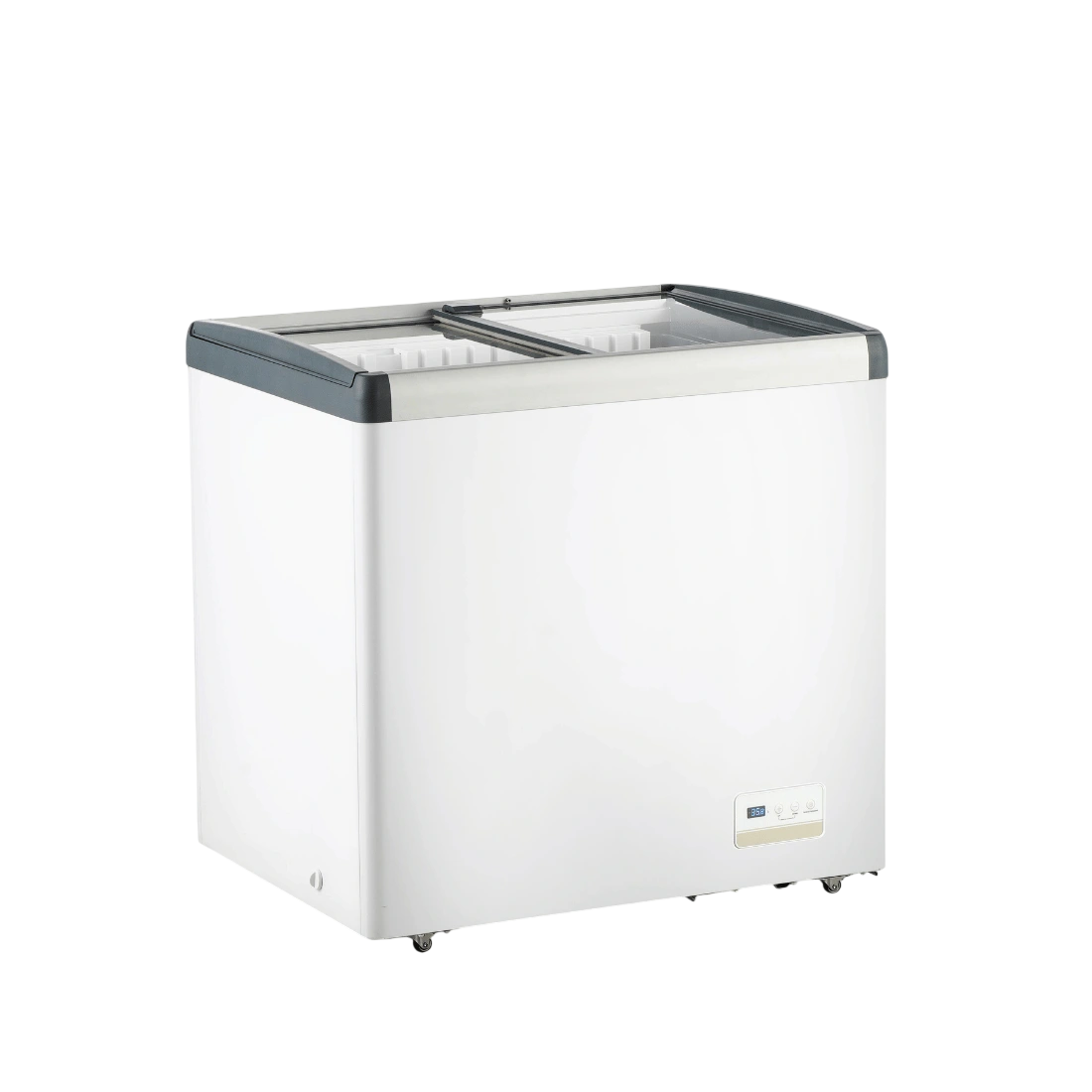
834 × 653 × 868mm
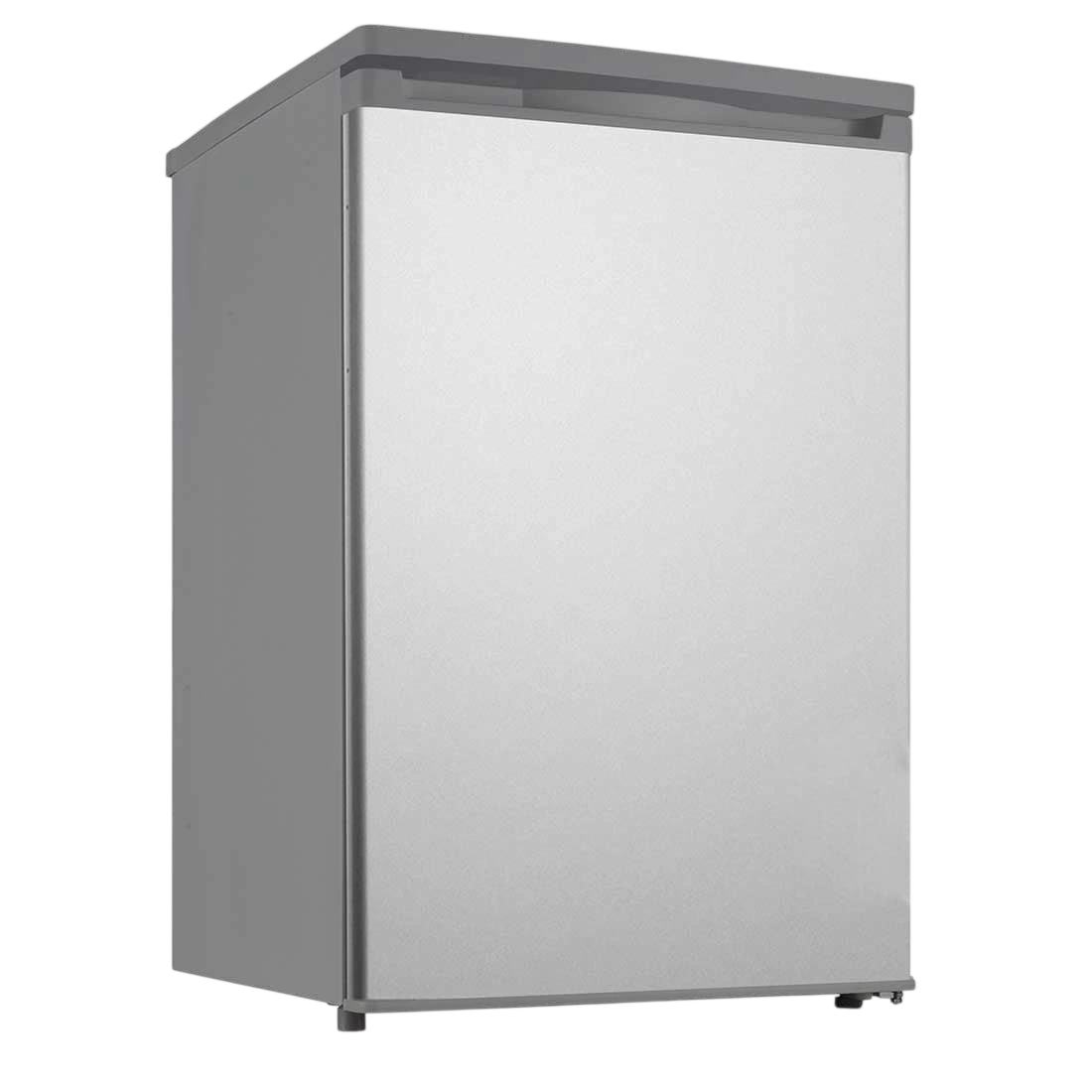
545 × 583 × 850mm
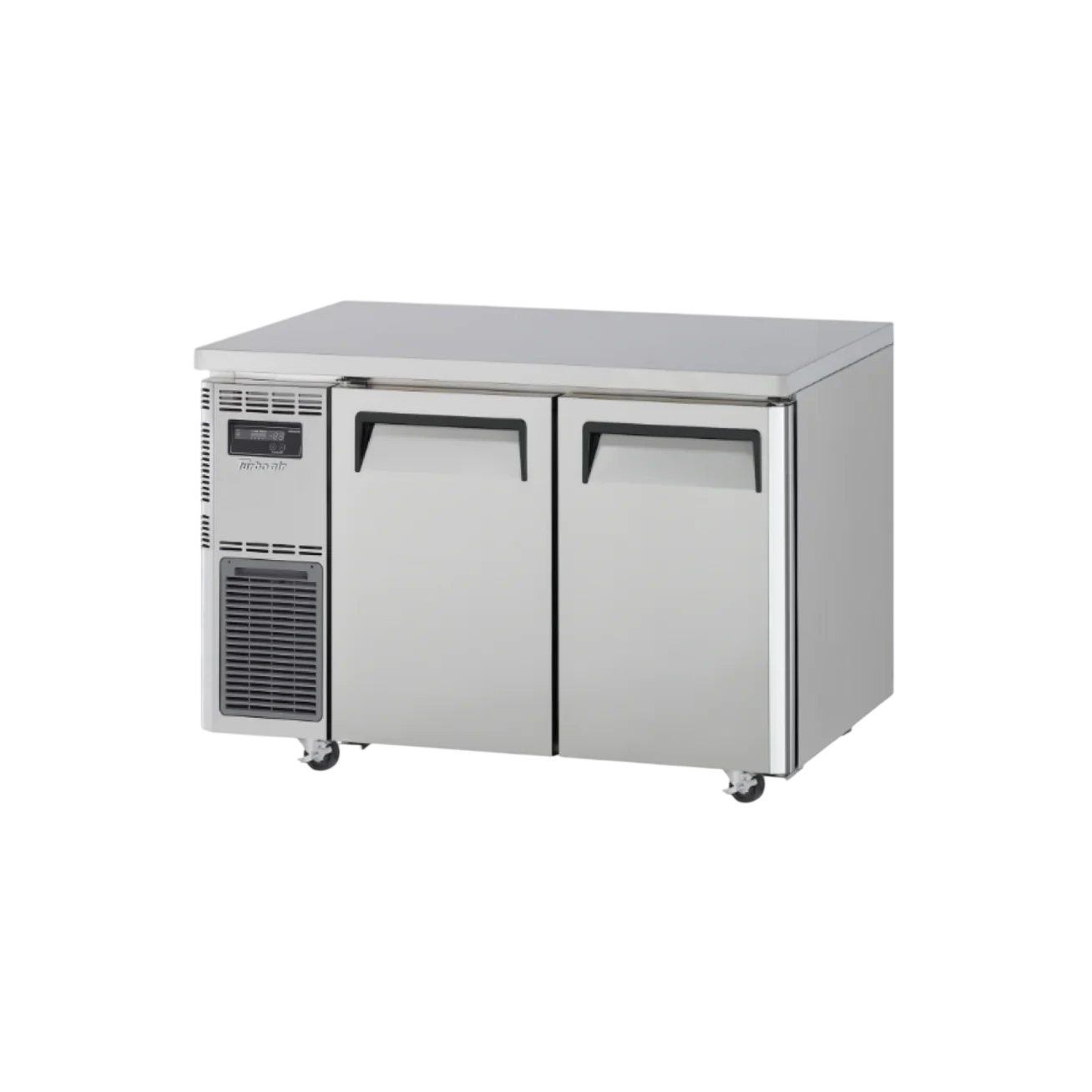
1200 × 600 × 860mm
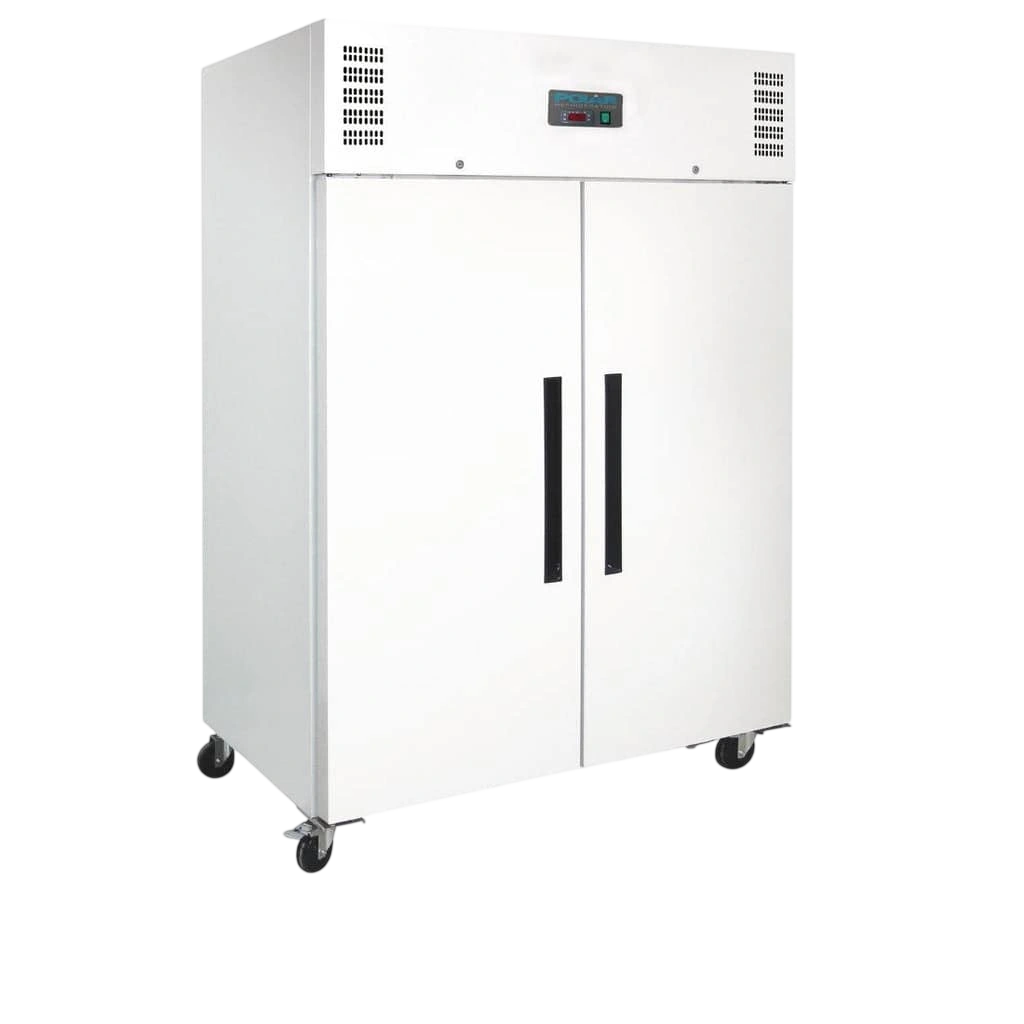
1340 × 855 × 1995mm
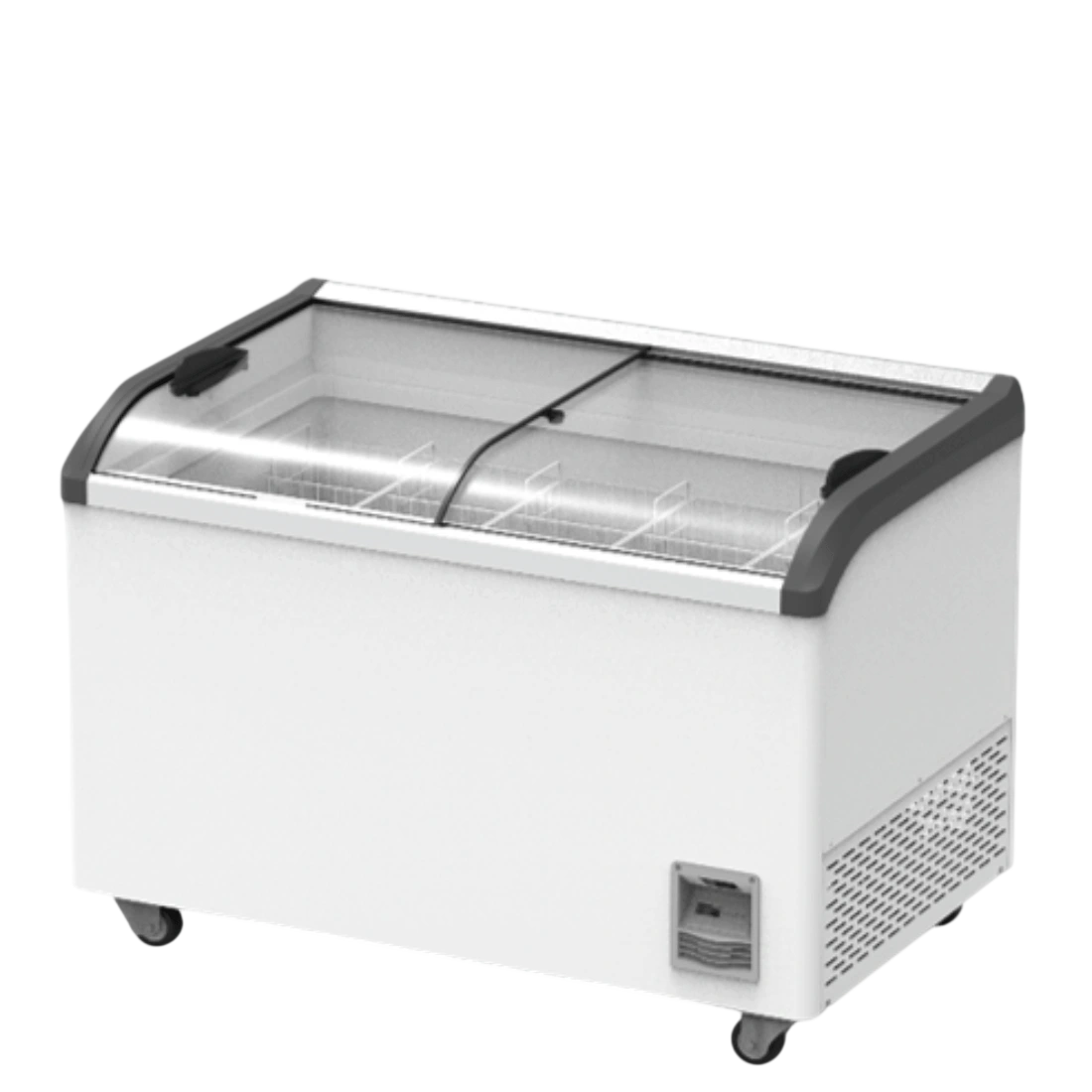
1216 × 745 × 845mm
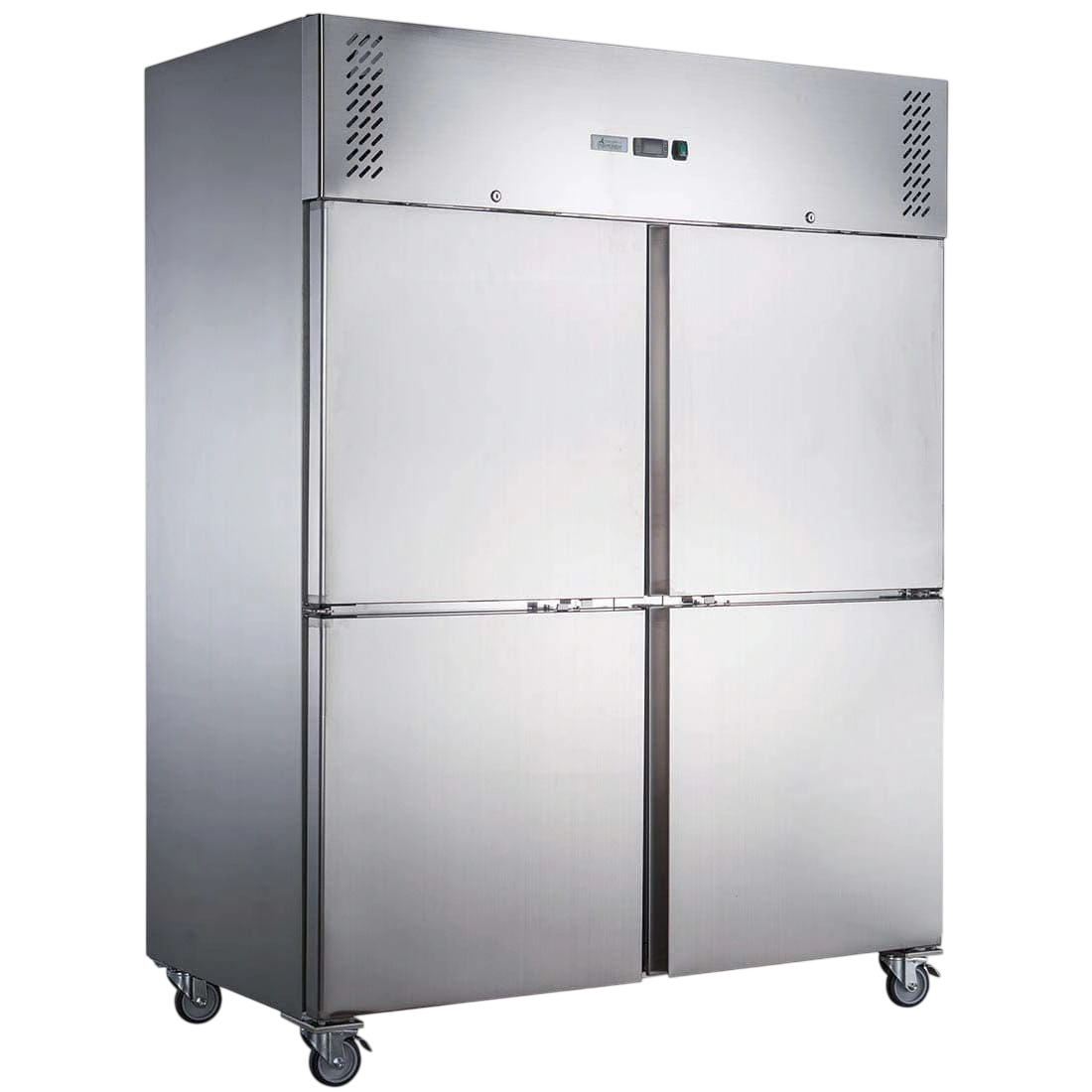
1340 × 810 × 2000mm
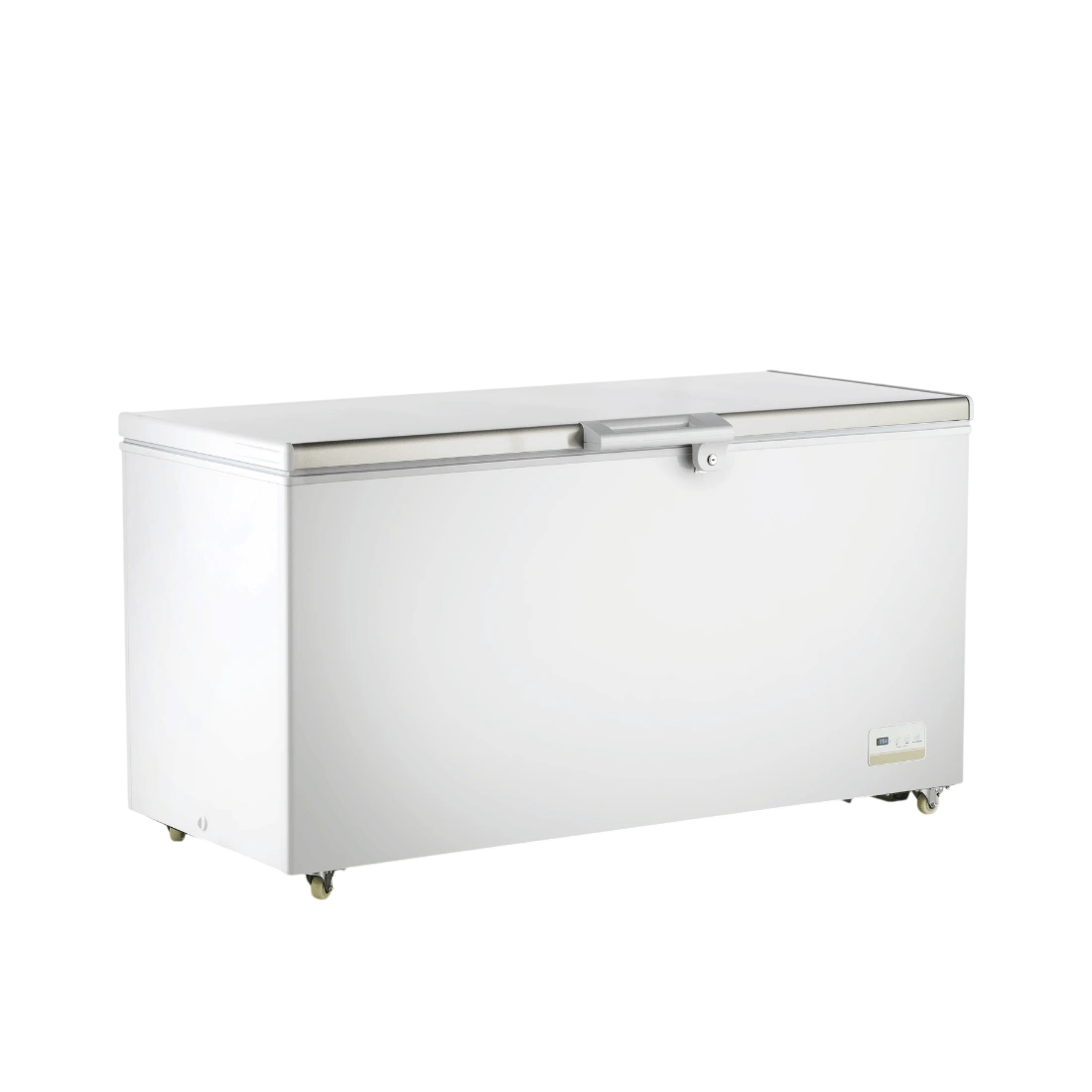
1600 × 792 × 873mm
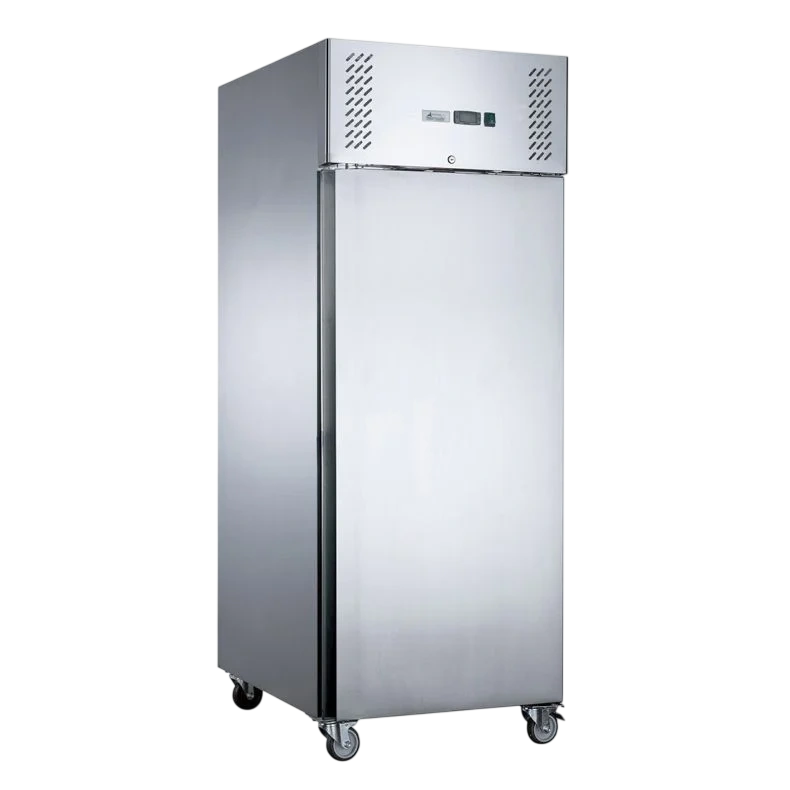
740 × 830 × 2000mm
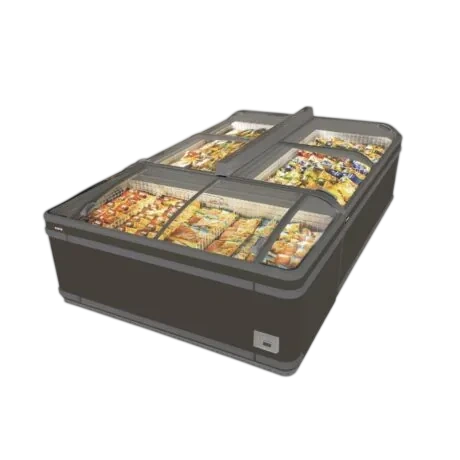
2502 × 1000 × 910mm
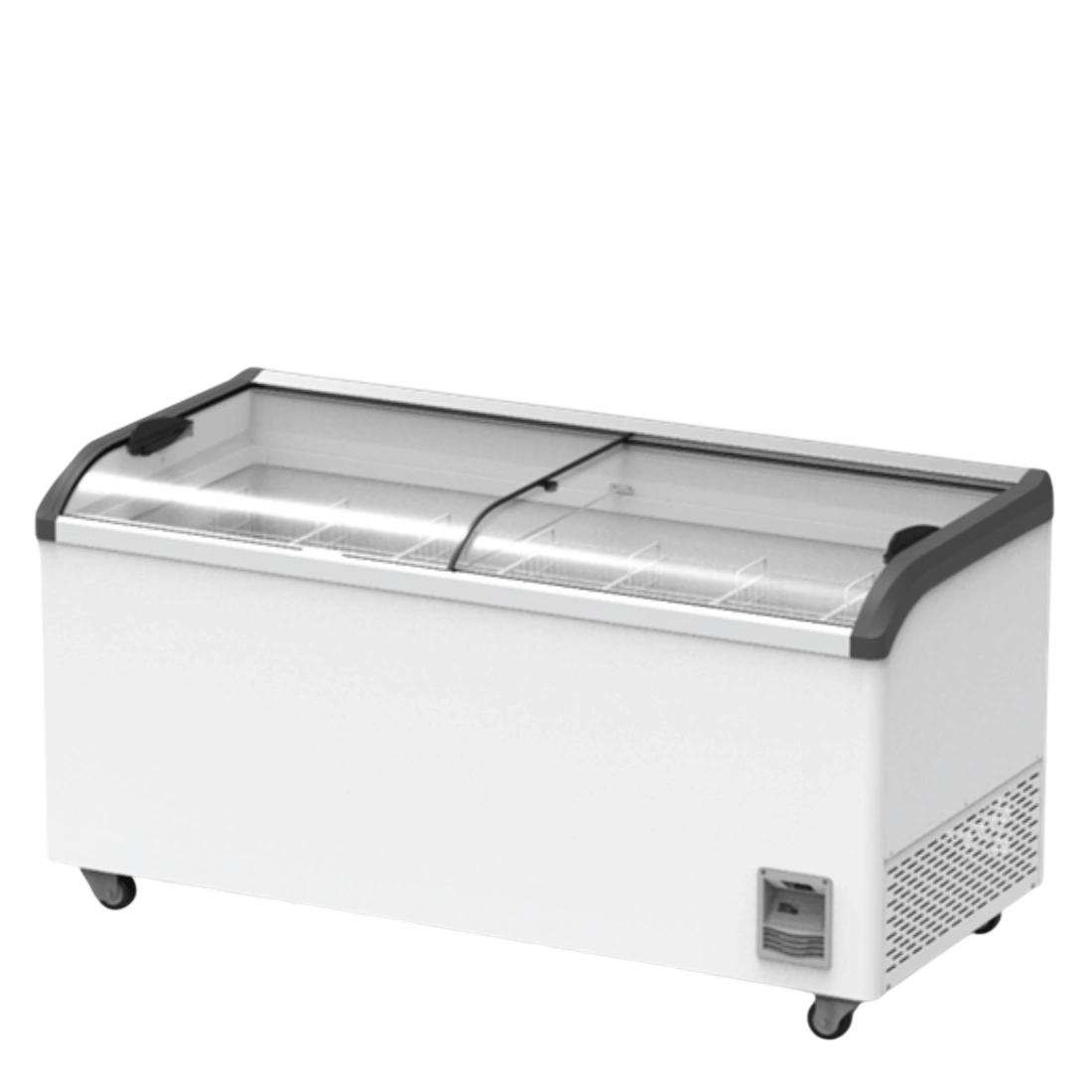
1656 × 745 × 845mm
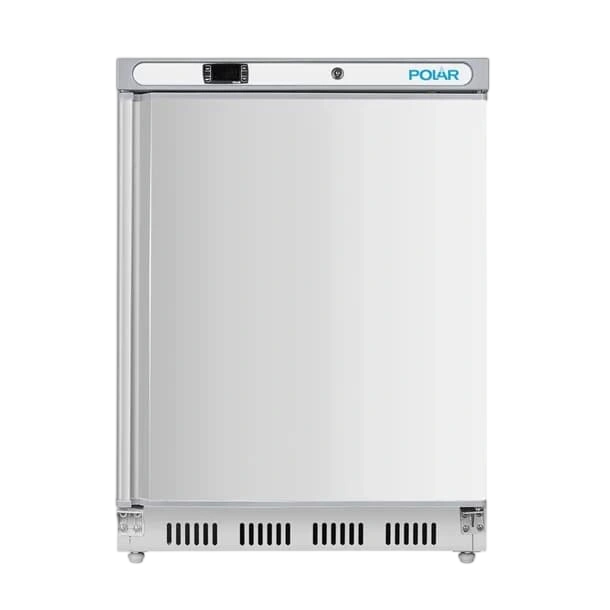
600 × 620 × 870mm
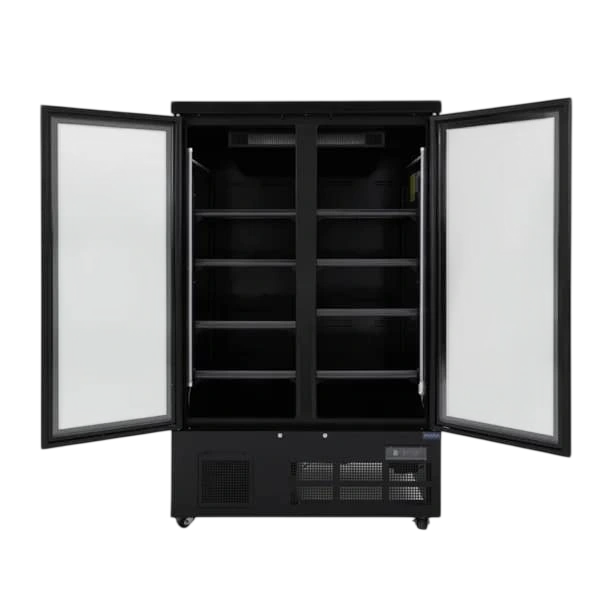
1220 × 764 × 1963mm
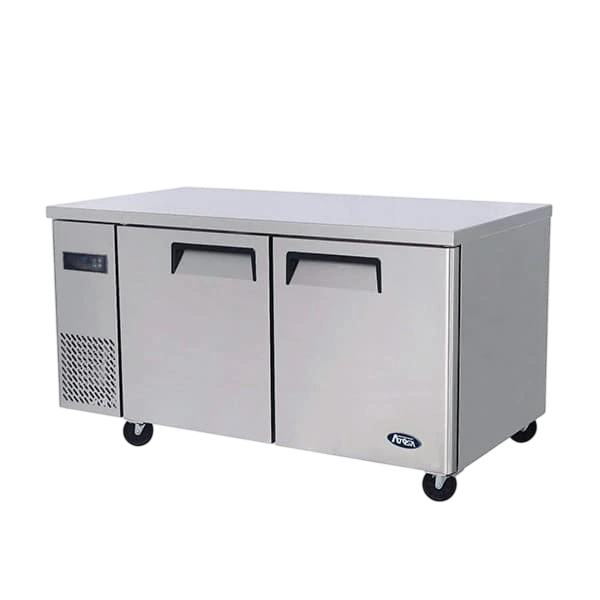
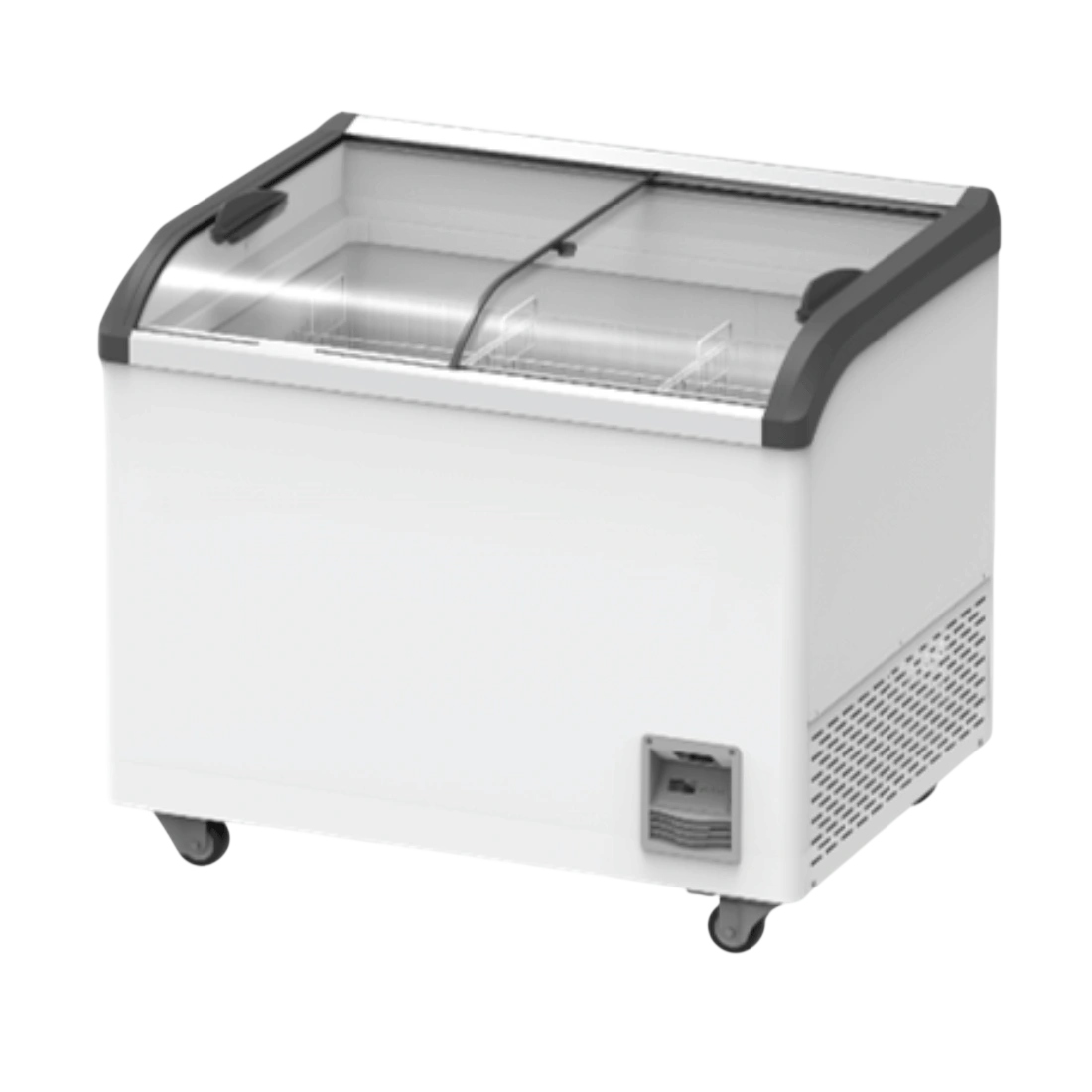
1006 × 745 × 845mm
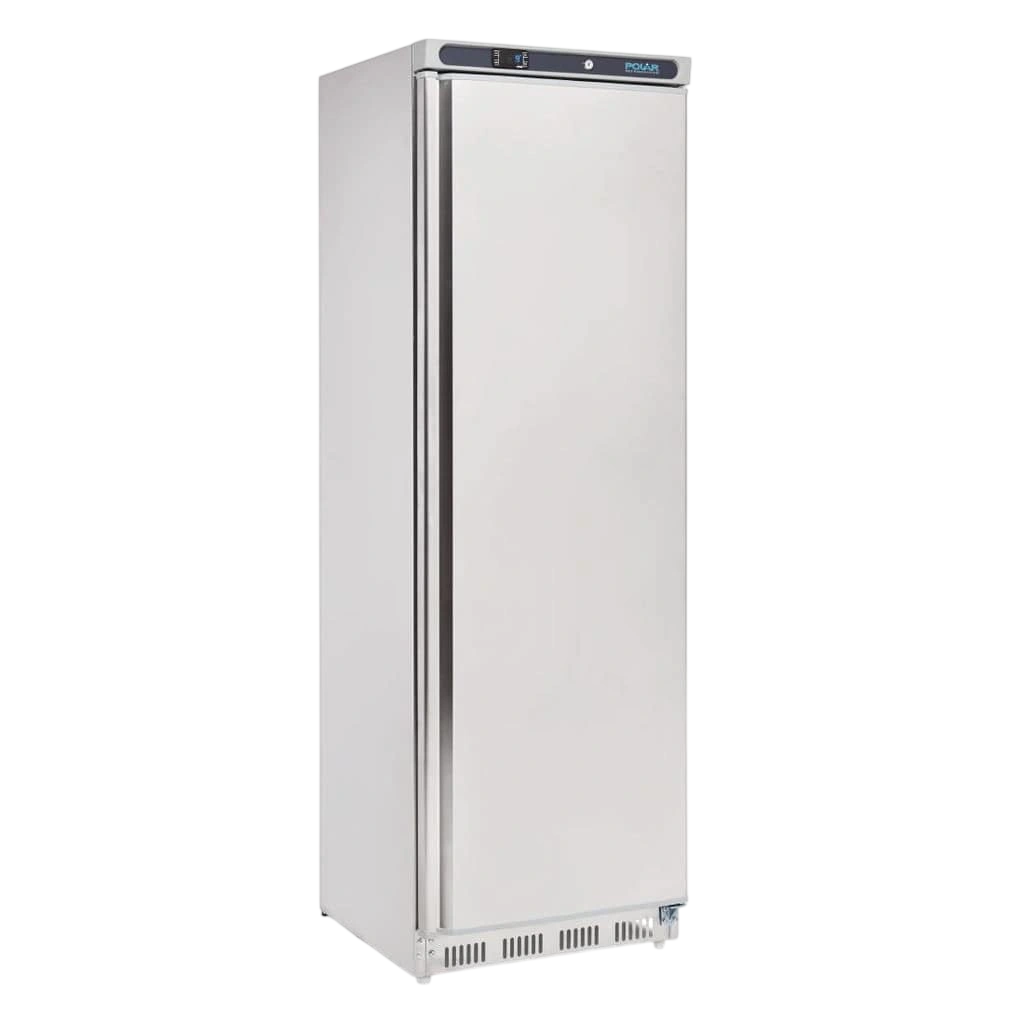
600 × 600 × 1850mm
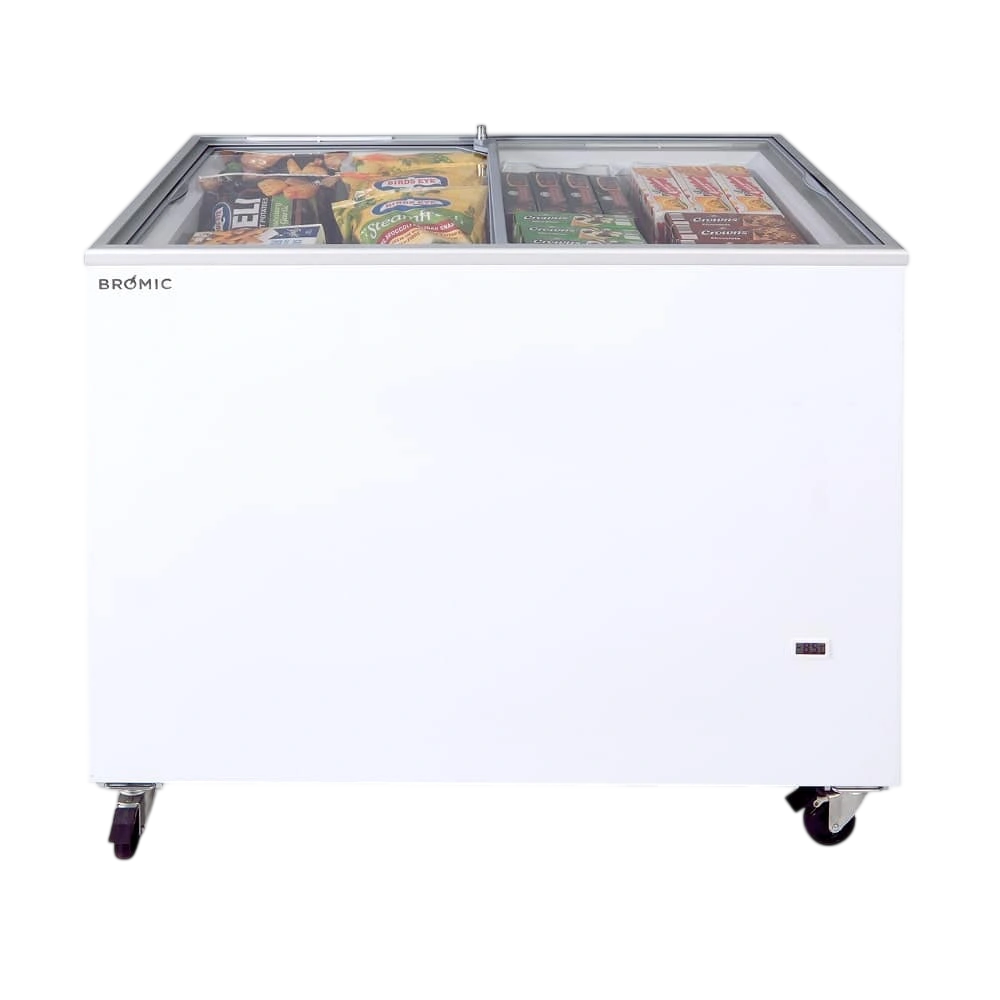
1010 × 629 × 892mm
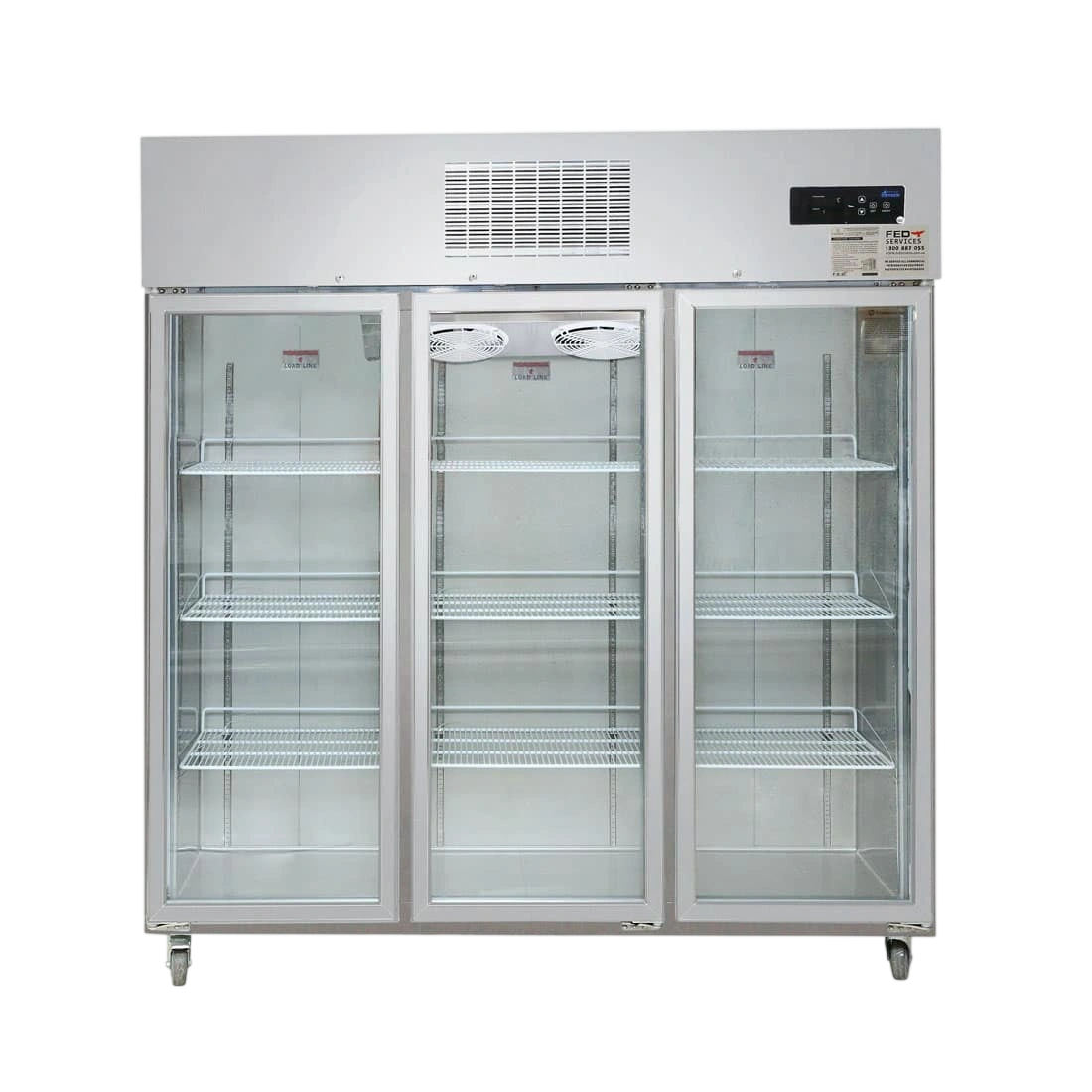
1835 × 760 × 1980mm
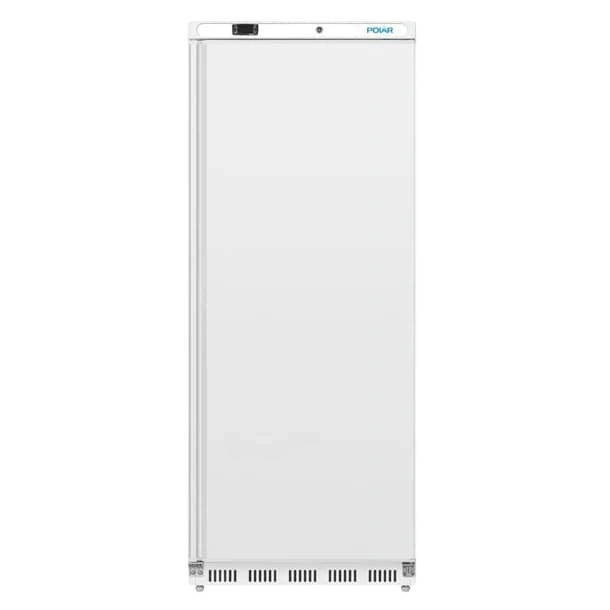
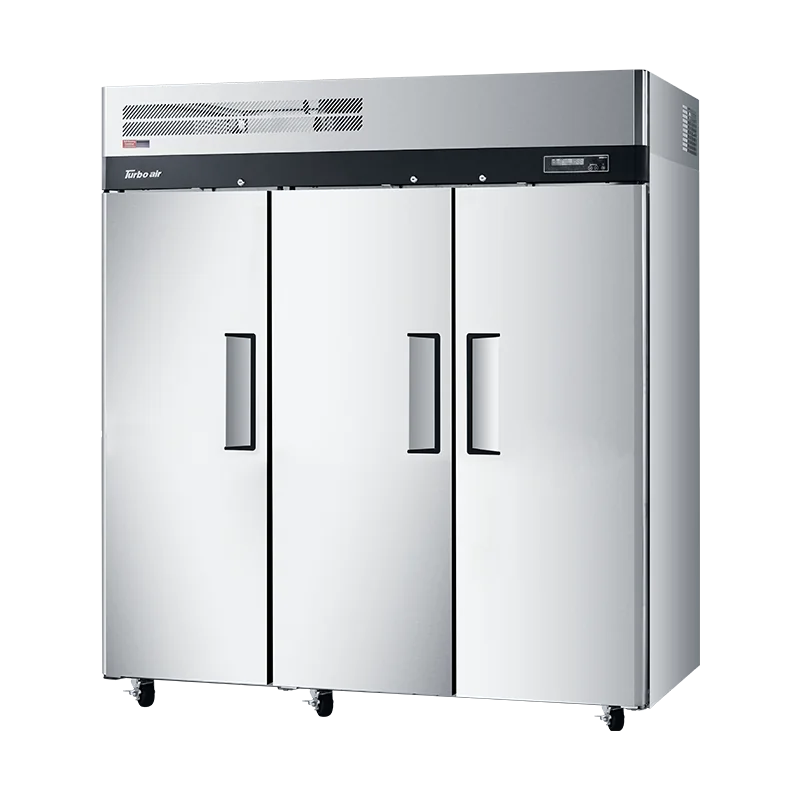
1253 × 760 × 2003mm