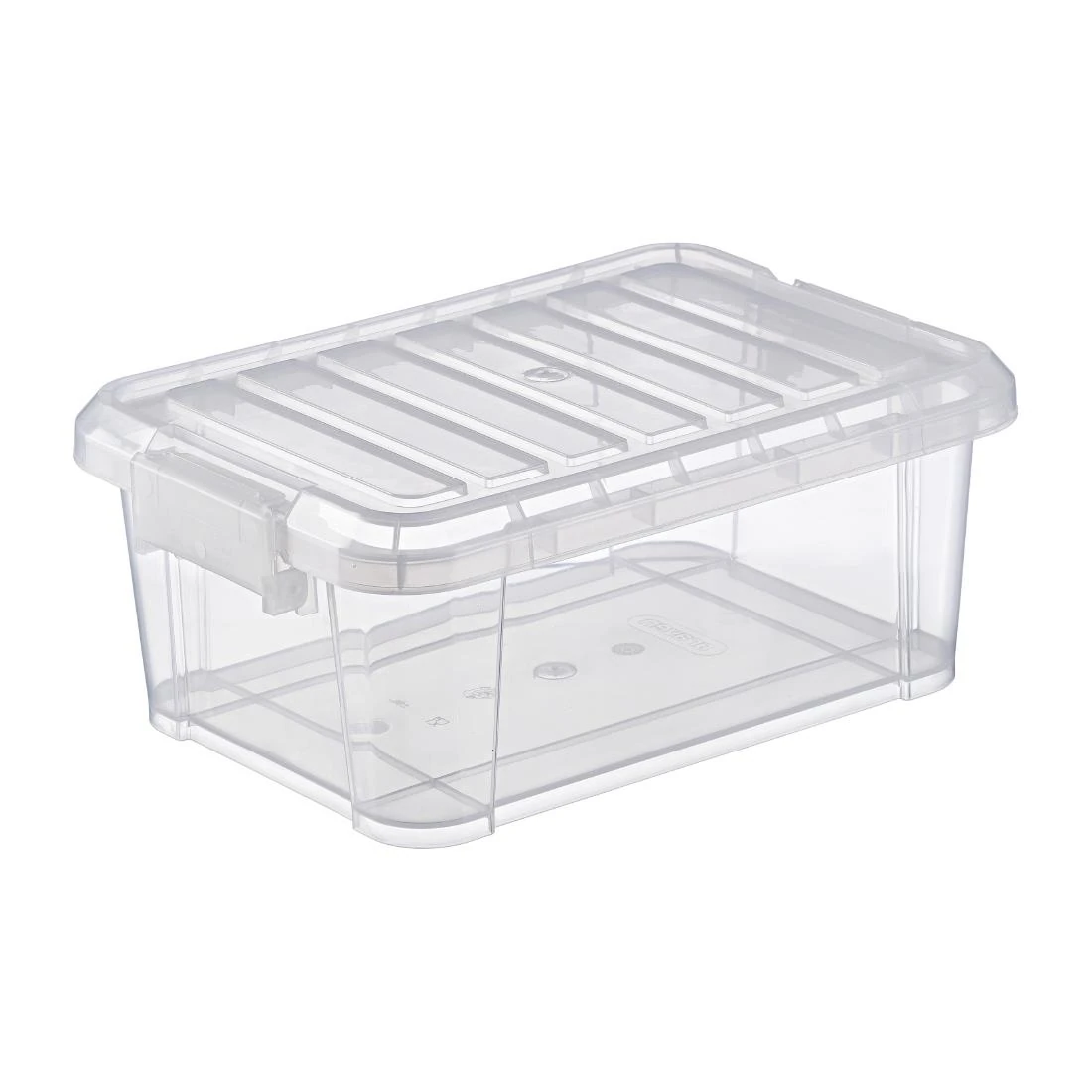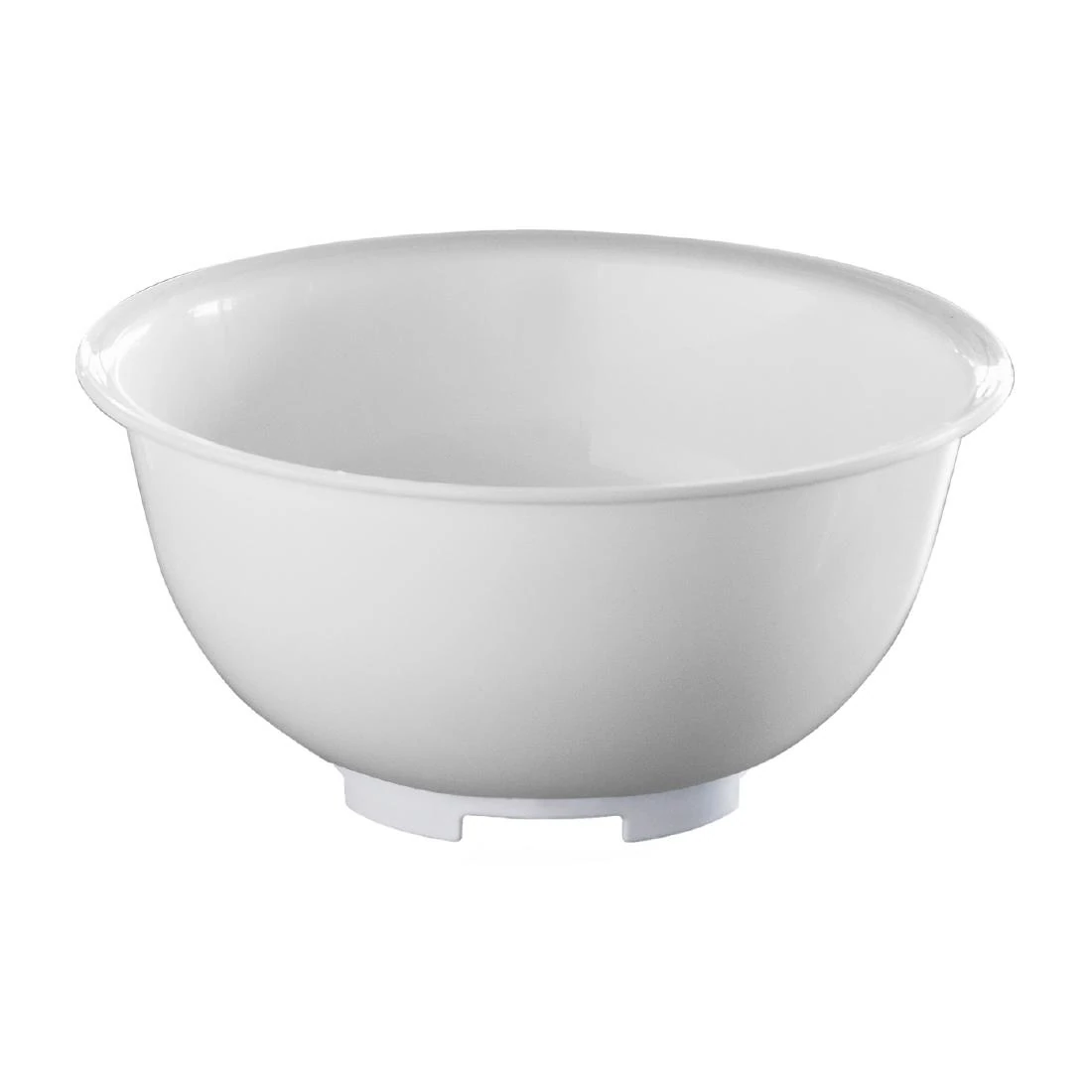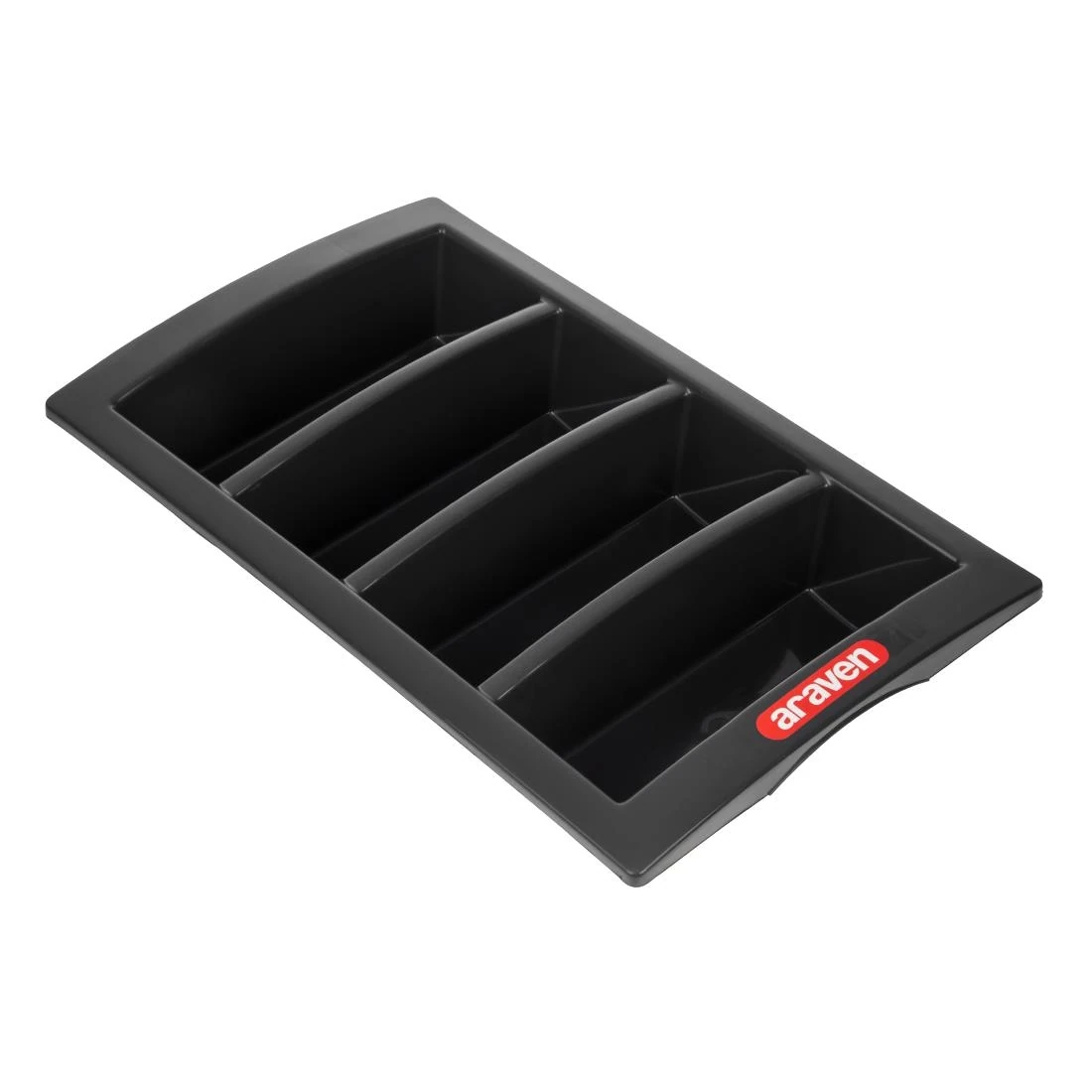
Brand / Commercial Kitchen Equipment
(established 1976) delivers compliance-focused food storage and handling systems for professional kitchens where FIFO discipline, clear identification and repeatable mise en place matter for speed, safety and waste control.
54
Products
1976
Established
01 / OVERVIEW
Products
02 / PHILOSOPHY
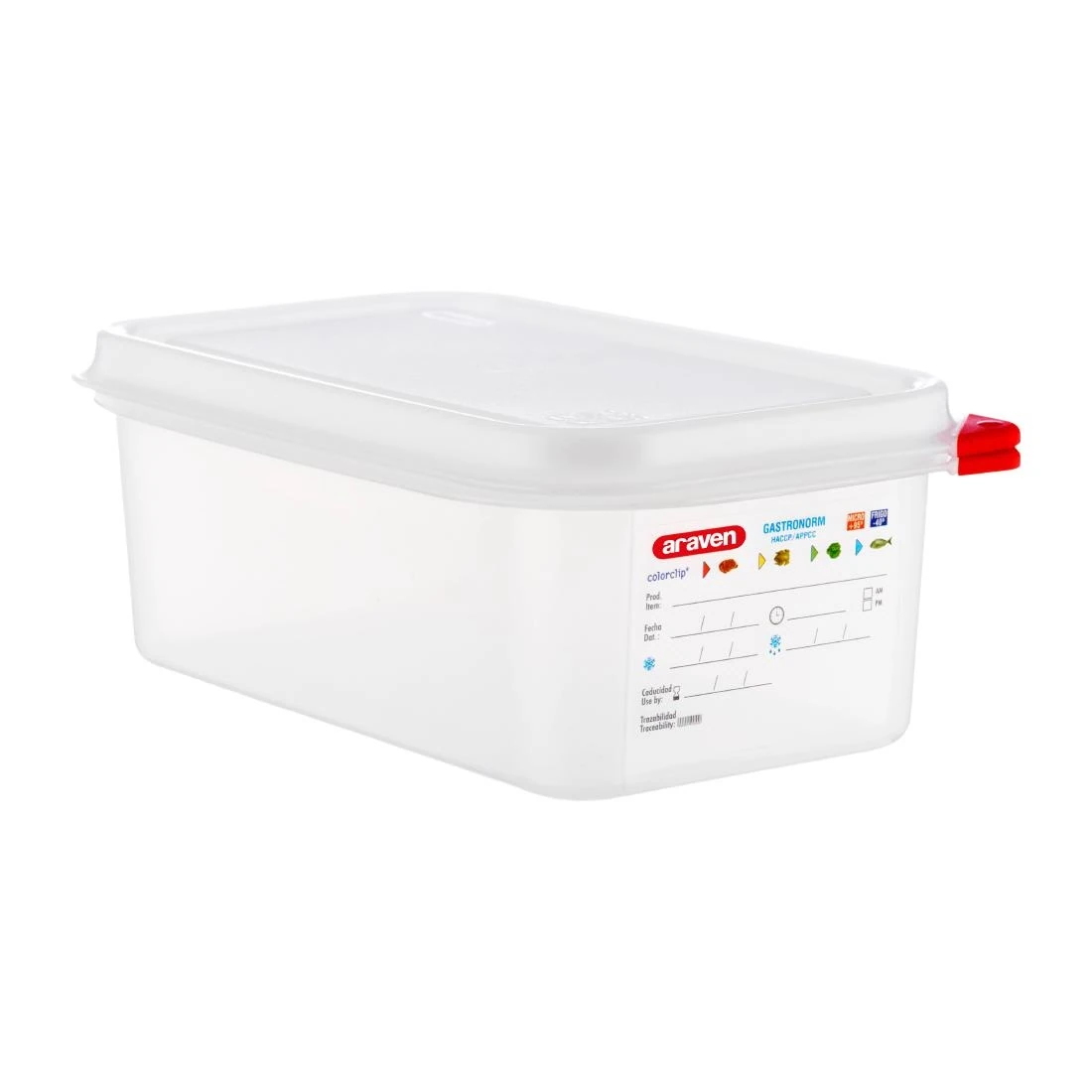
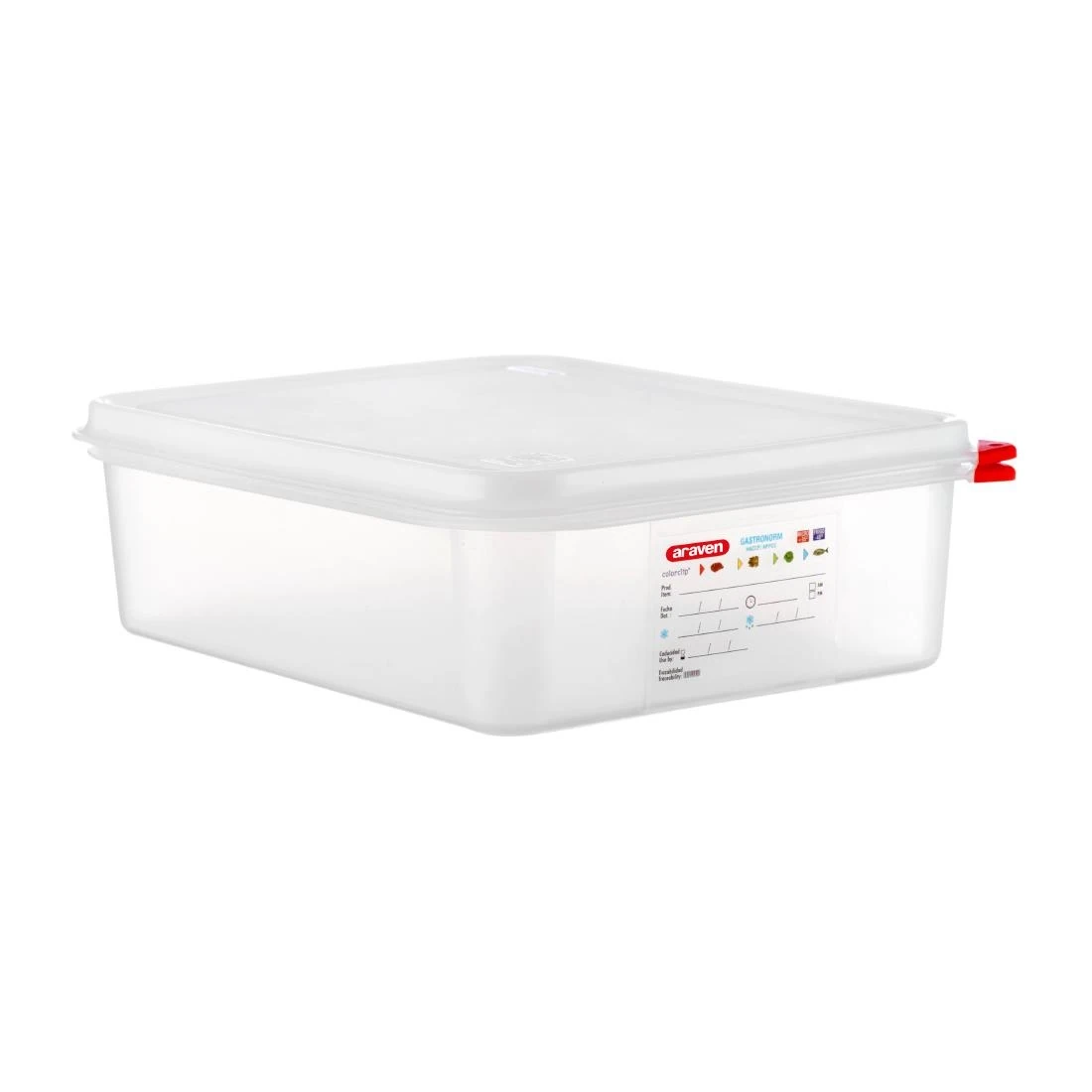
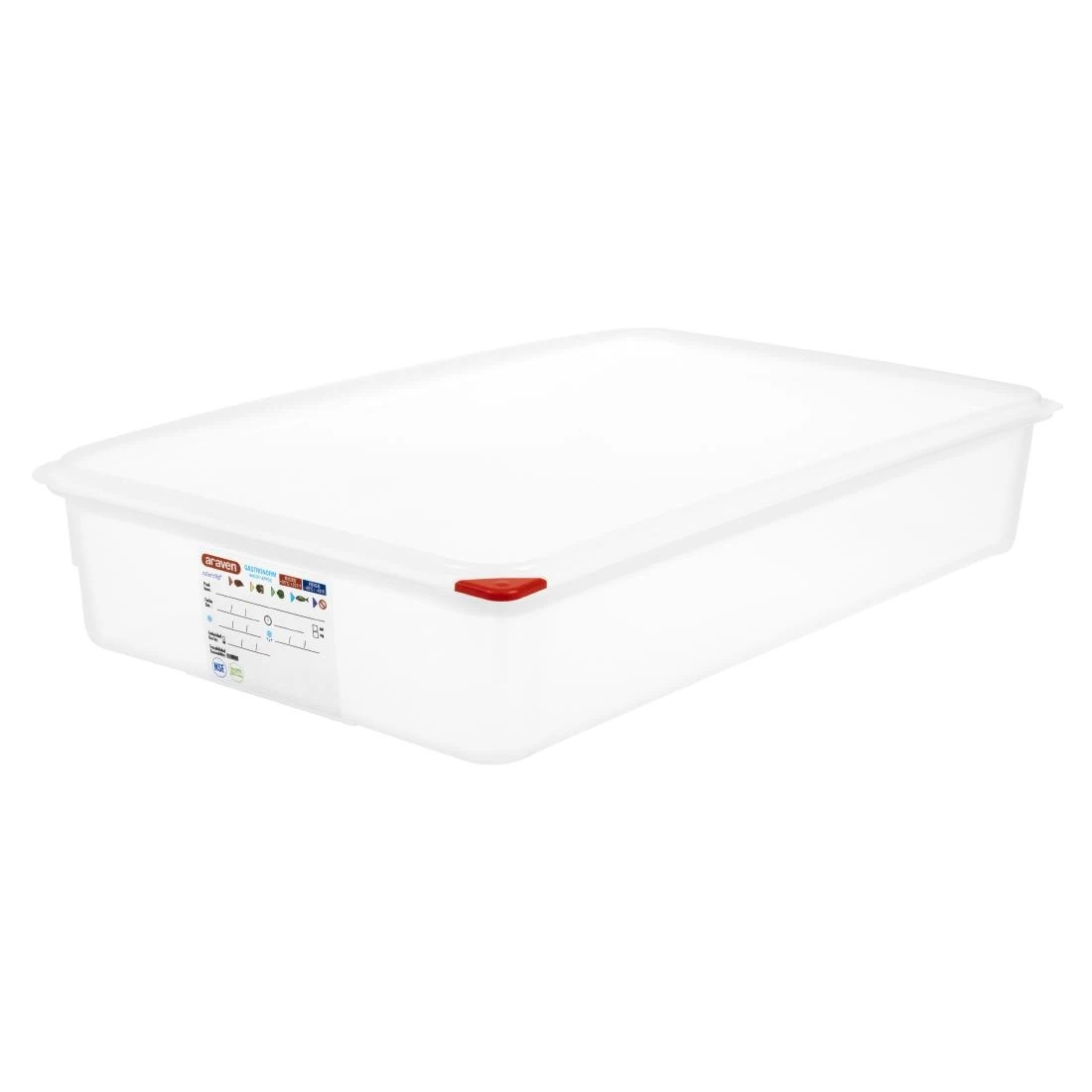
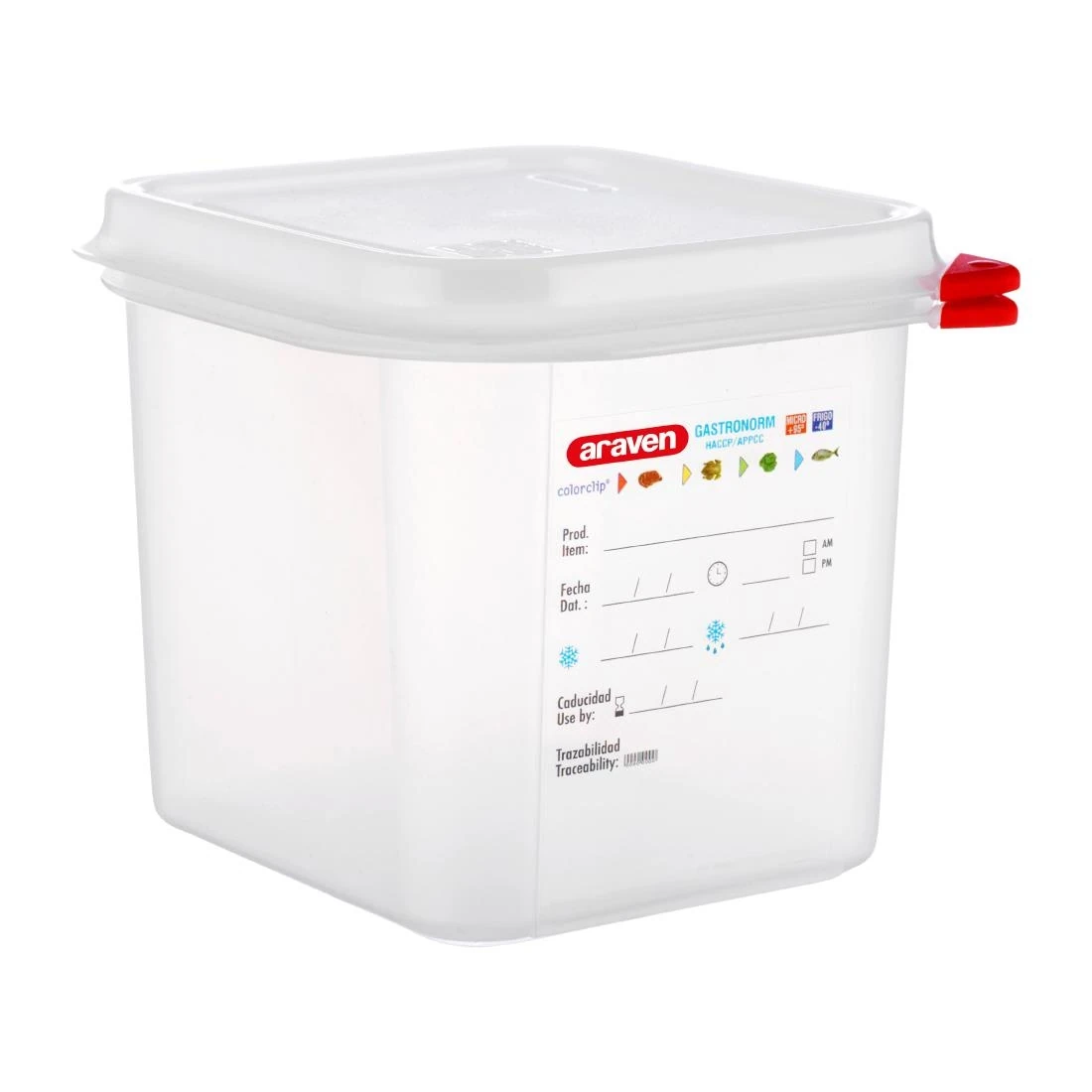
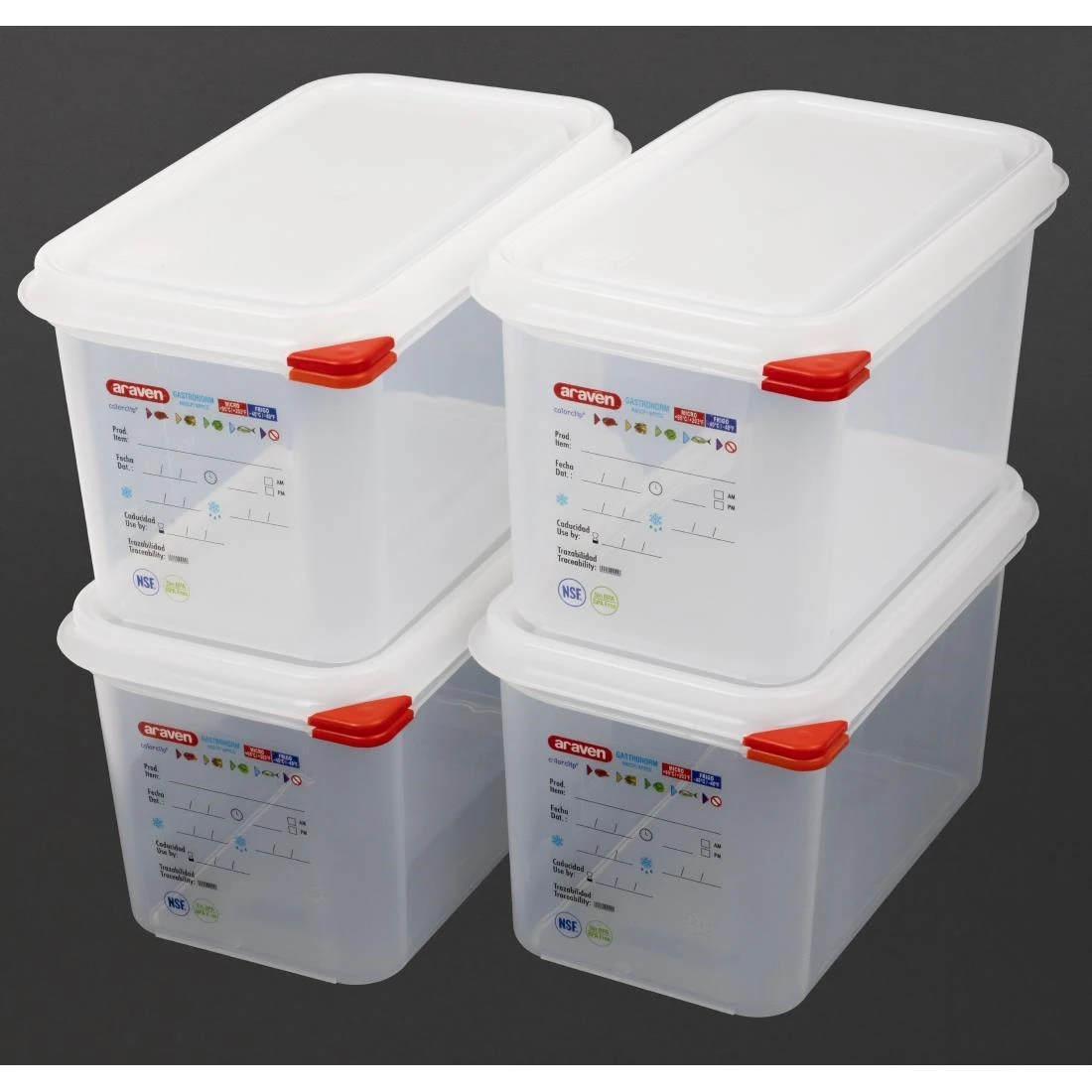
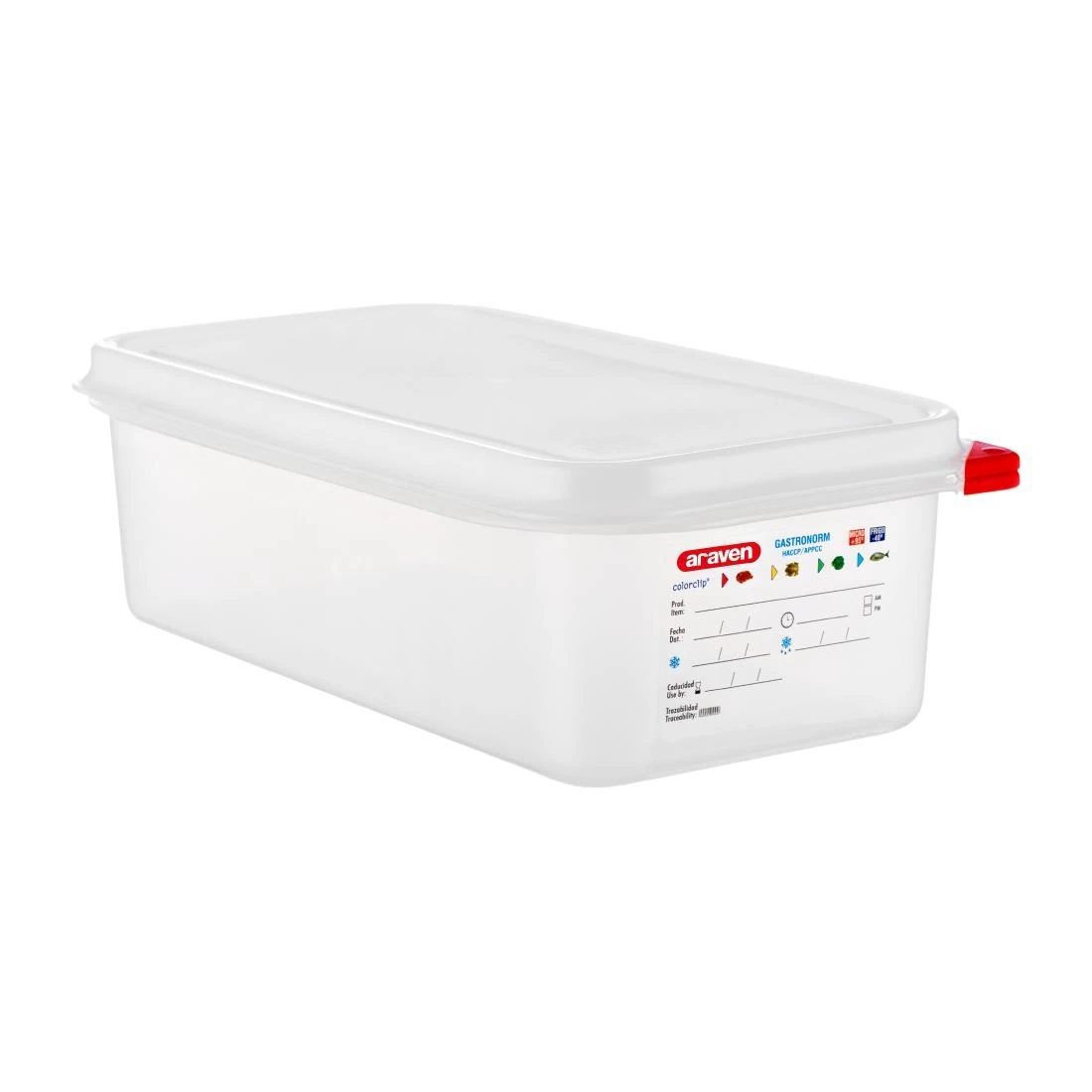
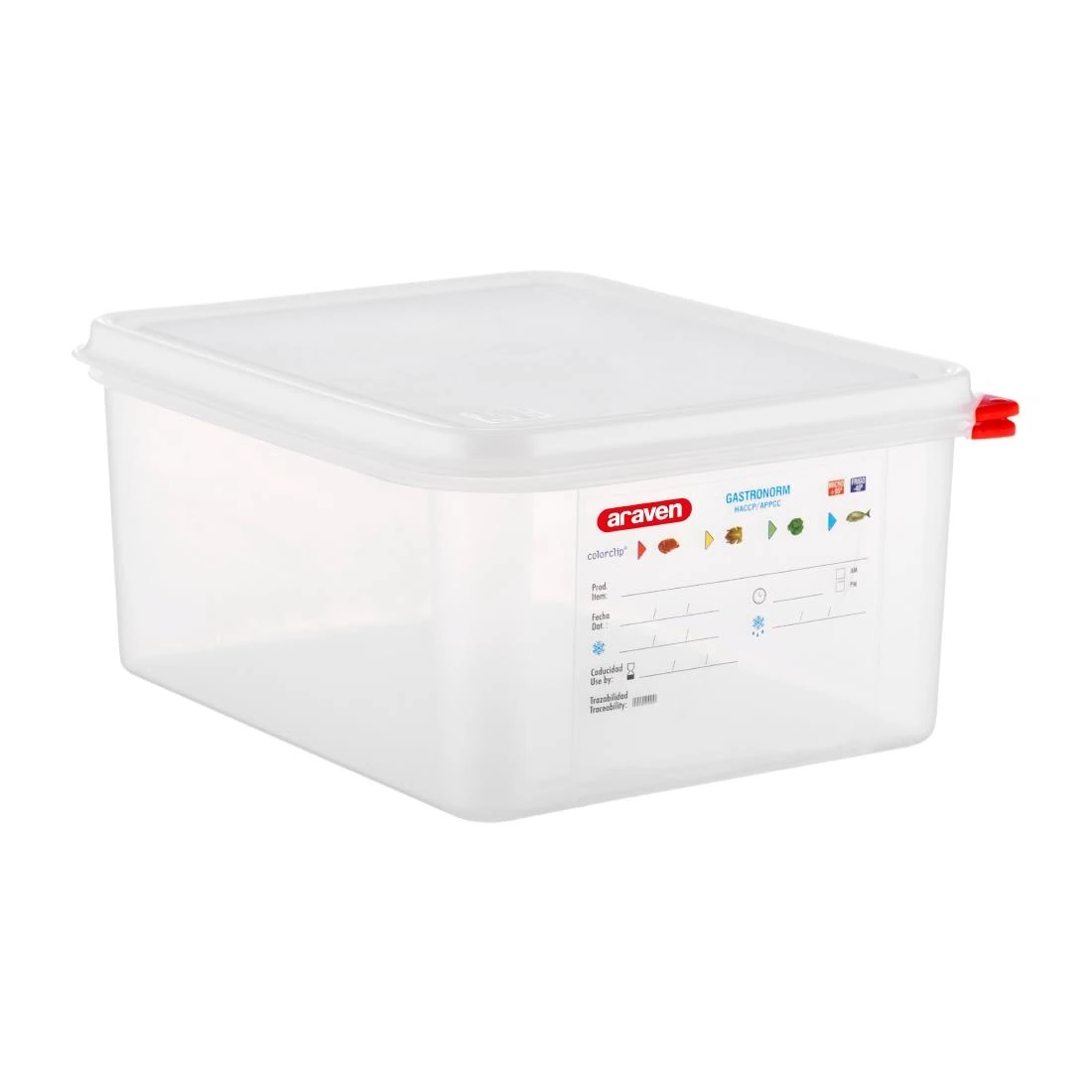
Araven functions as a FIFO-driven food safety and mise en place management system, combining storage, identification and portion control to reduce waste and improve consistency..
03 / AUDIENCE
04 / RANGE
05 / ROI
07 / INSTALLATION
System setup
define station categories (prep, proteins, allergens, sauces) and assign colour/label rules accordingly.
Standardisation
lock container sizes and lid formats by station to avoid mismatch friction.
Labelling SOP
set FIFO label fields (date/time/handler) and enforce at shift handover.
Sanitation routine
align wash and storage method to your site cleaning chemicals and temperature cycles (model dependent).
Spares plan
keep spare lids, clips and dispensing parts to protect uptime during service. Food safety and compliance outcomes depend on site SOP adherence. KW Commercial Kitchen provides selection guidance; day-to-day handling, sanitation and compliance remain the responsibility of the operator.
08 / WARRANTY
09 / WARNINGS
Mistake 1: Buying containers without locking the labelling and FIFO rules Without clear fields, responsibilities and shift handover checks, labels become optional and FIFO breaks down, which increases waste and inconsistency regardless of container quality.
Mistake 2: Mixing sizes and lid formats across stations Random size choices create lid mismatch, handling delays and staff frustration. Standardising by station protects speed and reduces “lost lid” downtime.
Mistake 3: Treating colour coding as decoration instead of a control system Colour logic only works when rules are assigned to tasks, staff are trained, and storage separation is enforced as SOP..
010 / FAQ
Colour logic supports separation by task or station only when the venue assigns rules and enforces them. It reduces cross-task confusion and improves audit readiness when paired with consistent labelling and storage practice.
FIFO fails when labels are optional, responsibilities are unclear, and shift handovers do not verify dates and status. A simple enforcement routine often matters more than the container itself.
If your site will not standardise sizes, enforce labels or maintain station discipline, the benefits of a workflow system will not be realised.
07 / INSTALLATION
System setup
define station categories (prep, proteins, allergens, sauces) and assign colour/label rules accordingly.
Standardisation
lock container sizes and lid formats by station to avoid mismatch friction.
Labelling SOP
set FIFO label fields (date/time/handler) and enforce at shift handover.
Sanitation routine
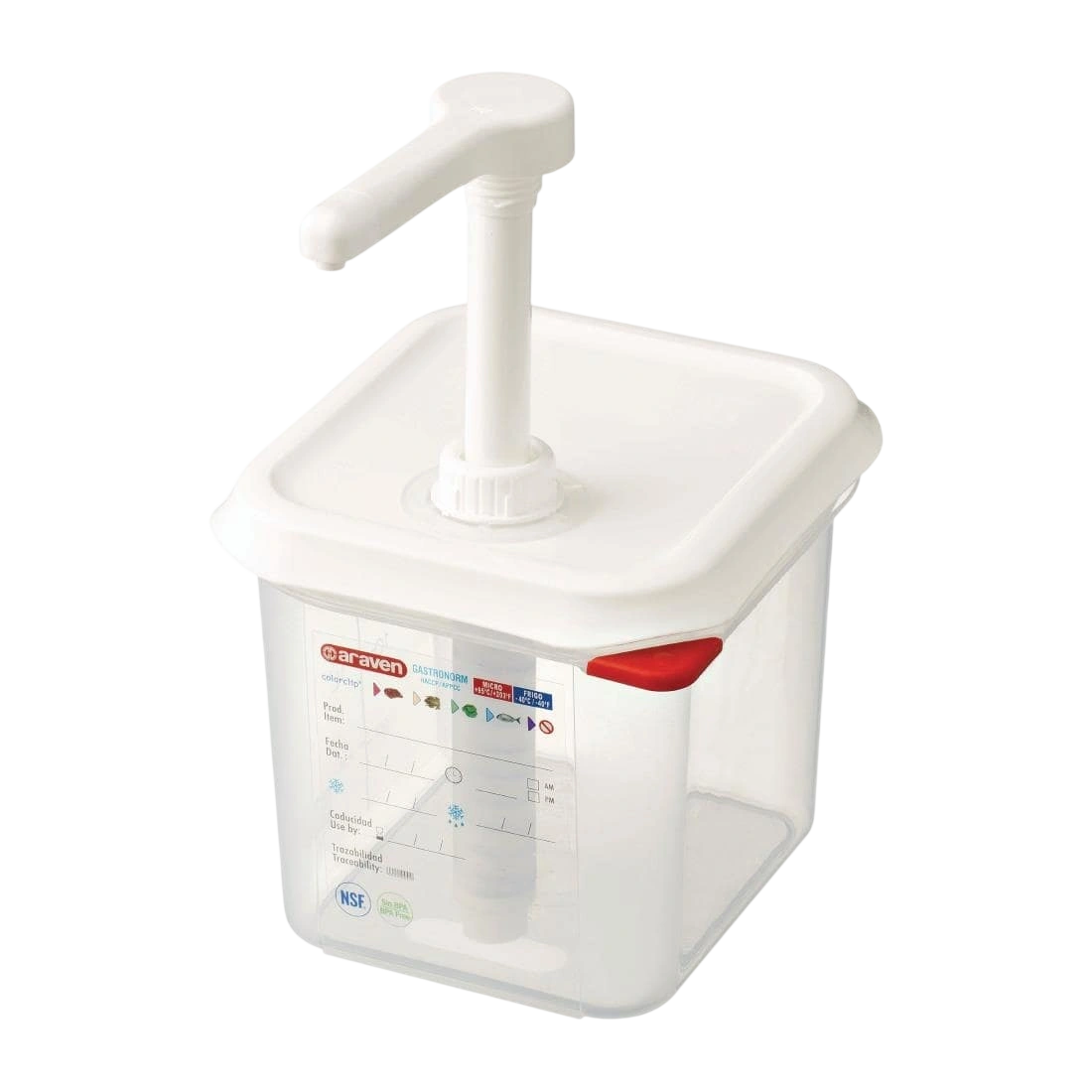
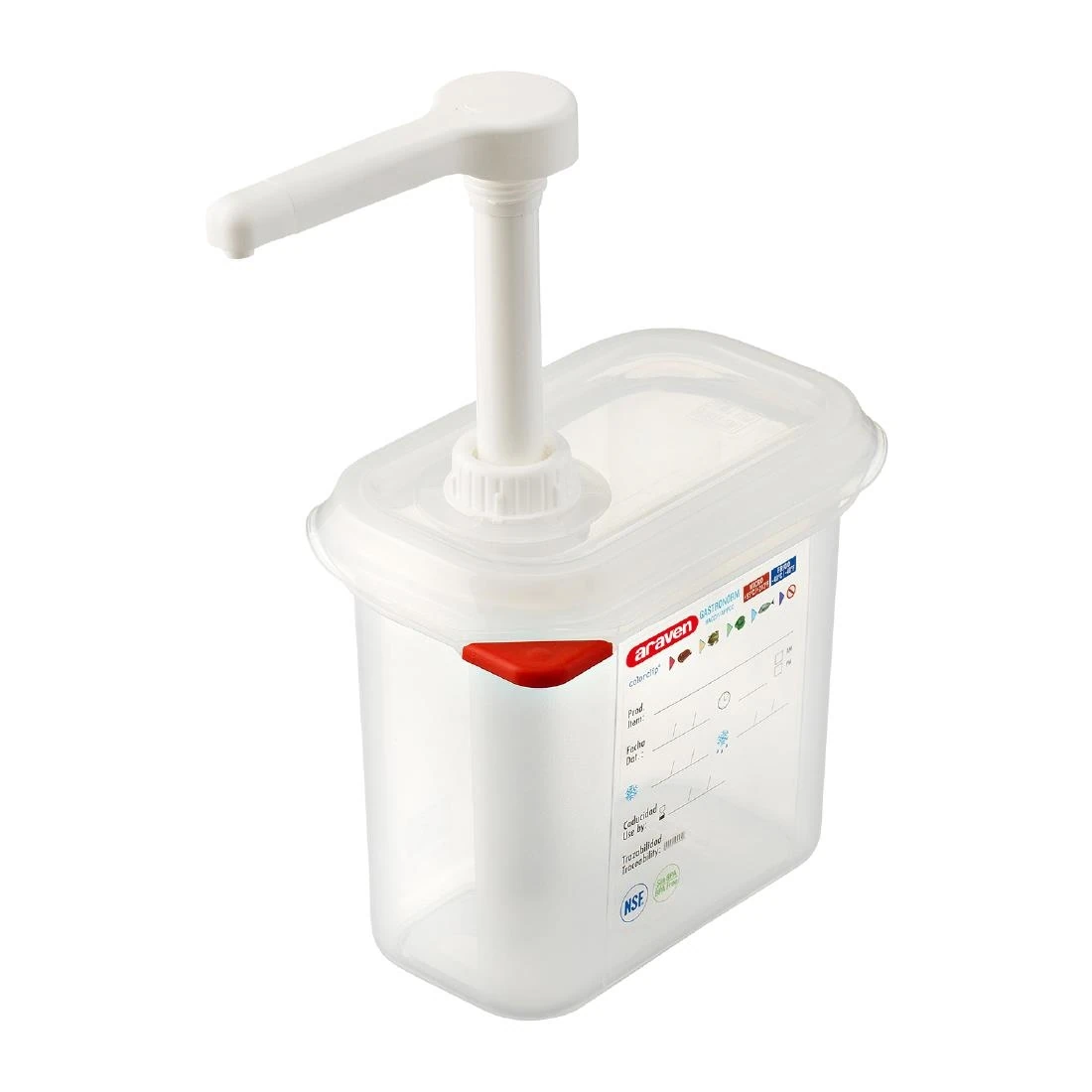
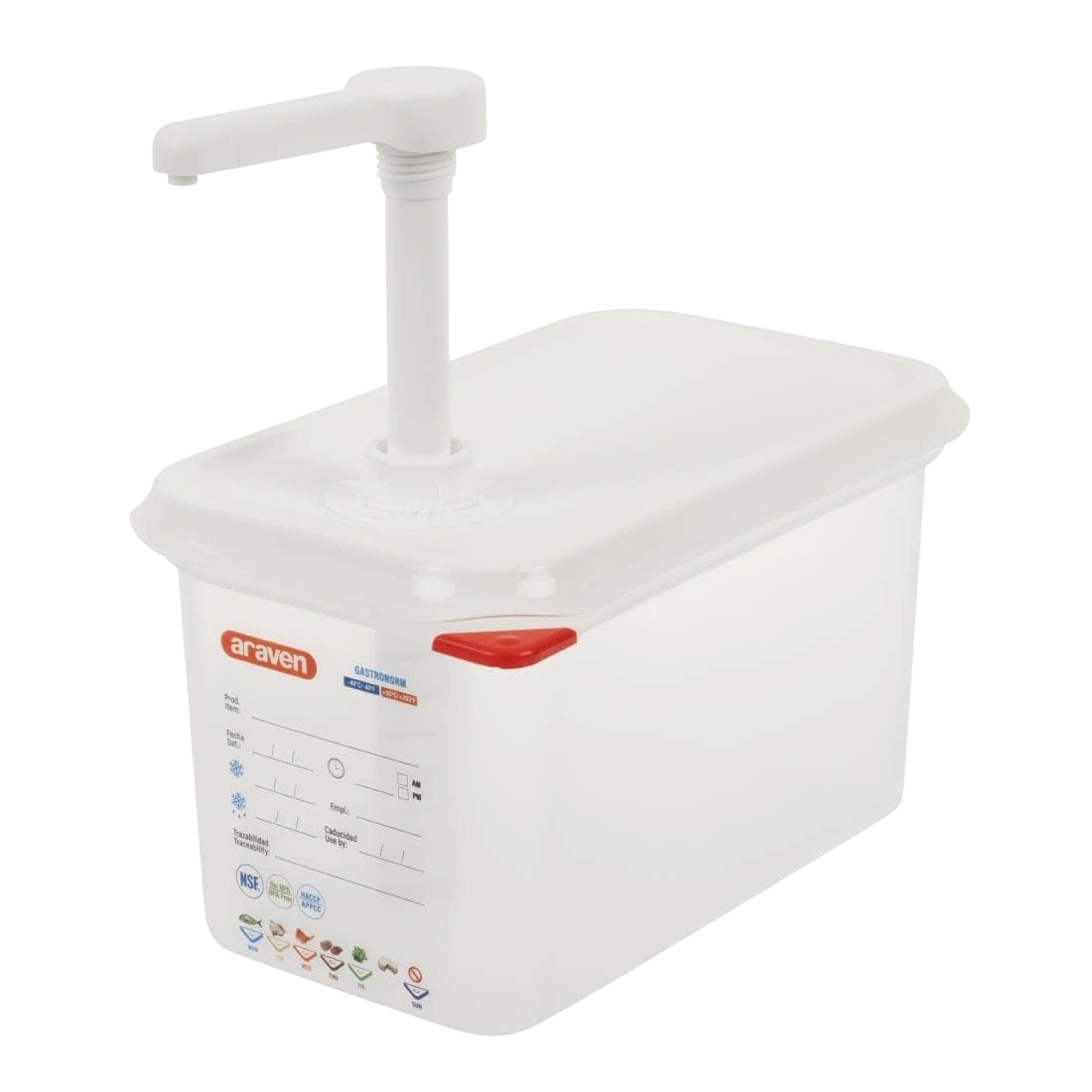
Araven CR820 Polypropylene Sauce Dispenser with Pump – 2.6L, GN 1/6
align wash and storage method to your site cleaning chemicals and temperature cycles (model dependent).
Spares plan
keep spare lids, clips and dispensing parts to protect uptime during service. Food safety and compliance outcomes depend on site SOP adherence. KW Commercial Kitchen provides selection guidance; day-to-day handling, sanitation and compliance remain the responsibility of the operator.
08 / WARRANTY
09 / WARNINGS
Mistake 1: Buying containers without locking the labelling and FIFO rules Without clear fields, responsibilities and shift handover checks, labels become optional and FIFO breaks down, which increases waste and inconsistency regardless of container quality.
Mistake 2: Mixing sizes and lid formats across stations Random size choices create lid mismatch, handling delays and staff frustration. Standardising by station protects speed and reduces “lost lid” downtime.
Mistake 3: Treating colour coding as decoration instead of a control system Colour logic only works when rules are assigned to tasks, staff are trained, and storage separation is enforced as SOP..
010 / FAQ
Colour logic supports separation by task or station only when the venue assigns rules and enforces them. It reduces cross-task confusion and improves audit readiness when paired with consistent labelling and storage practice.
FIFO fails when labels are optional, responsibilities are unclear, and shift handovers do not verify dates and status. A simple enforcement routine often matters more than the container itself.
If your site will not standardise sizes, enforce labels or maintain station discipline, the benefits of a workflow system will not be realised.