Takeaway equipment built for one job: getting orders out the door before the next ping. Three tiers, no theatrics, no waste.
Building a takeaway operation? Plan for the busiest order window first: the cooking line, holding capacity and packing flow must keep orders moving without compromising prep or cleaning.
Choose fryer, griddle, chargrill or oven capacity around simultaneous orders and realistic recovery time.
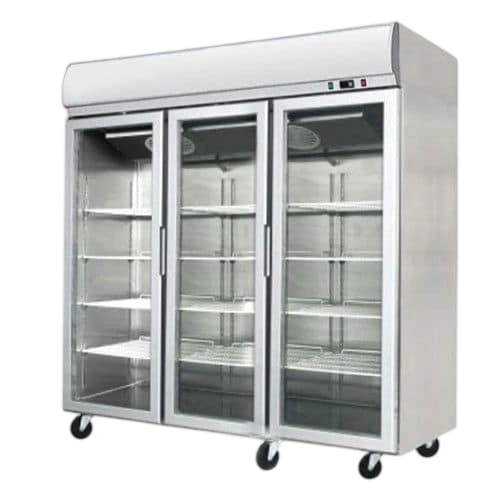
Keep high-use ingredients close to the line and size cold storage for delivery cycles as well as service.
Plan where cooked food is held, assembled and packed so staff paths do not cross the incoming order flow.
Allow enough warewashing, sinks and stainless workspace to reset quickly between rushes.
The equipment packages below organise current KW products into practical starting points. Compare the tiers, then adjust the mix to your menu, volume and site.
Fast service depends on the hand-off between each station. Prep stock must reach the cooking line quickly, cooked food needs the right holding point, and packing must stay clear of dirty returns.
Cooking output and prep refrigeration usually deserve early attention because they determine line length, heat load and how much product can be ready for a rush.
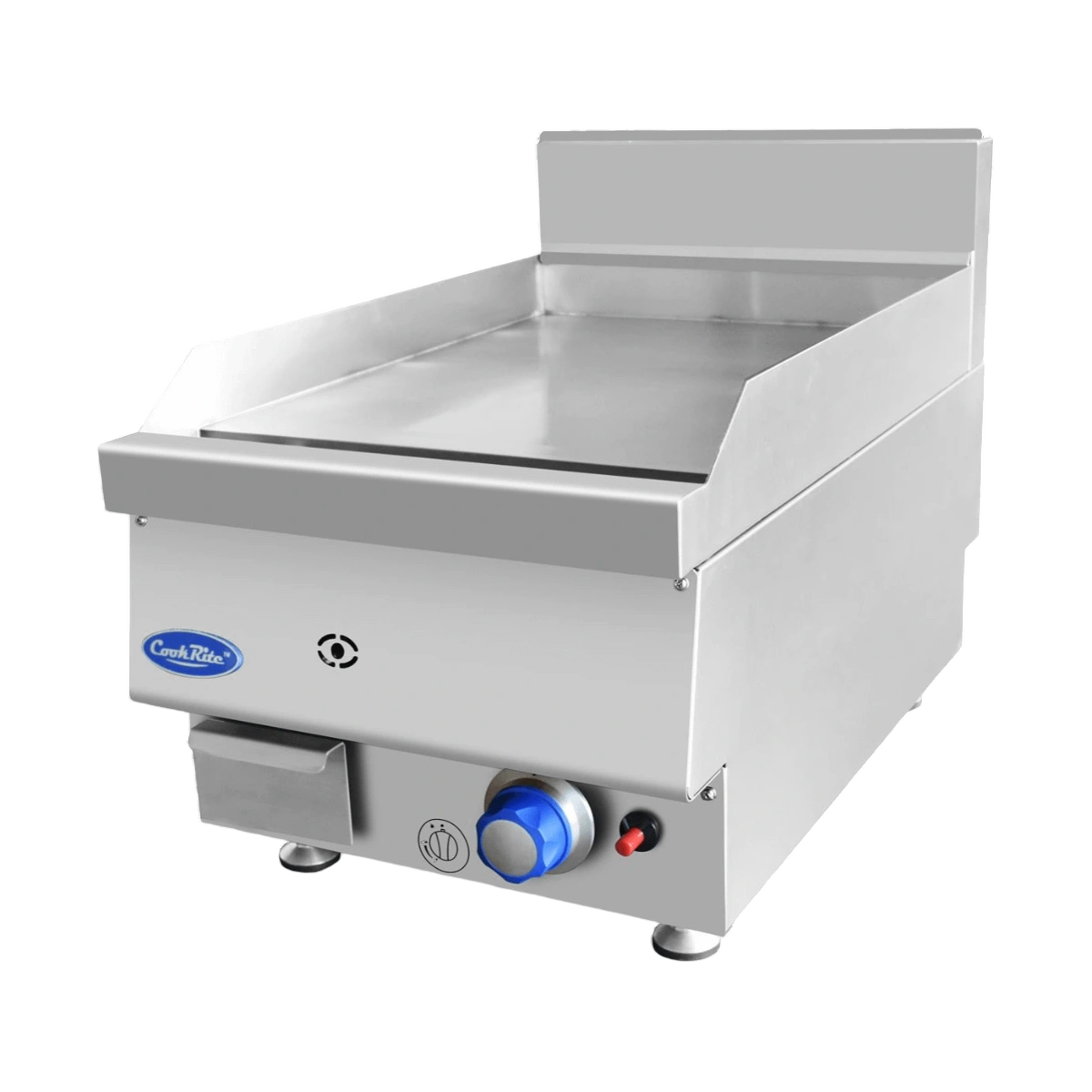
A fryer or griddle works best as part of a line with nearby prep refrigeration, stainless landing space, suitable hot holding and a packing station that matches the order flow.
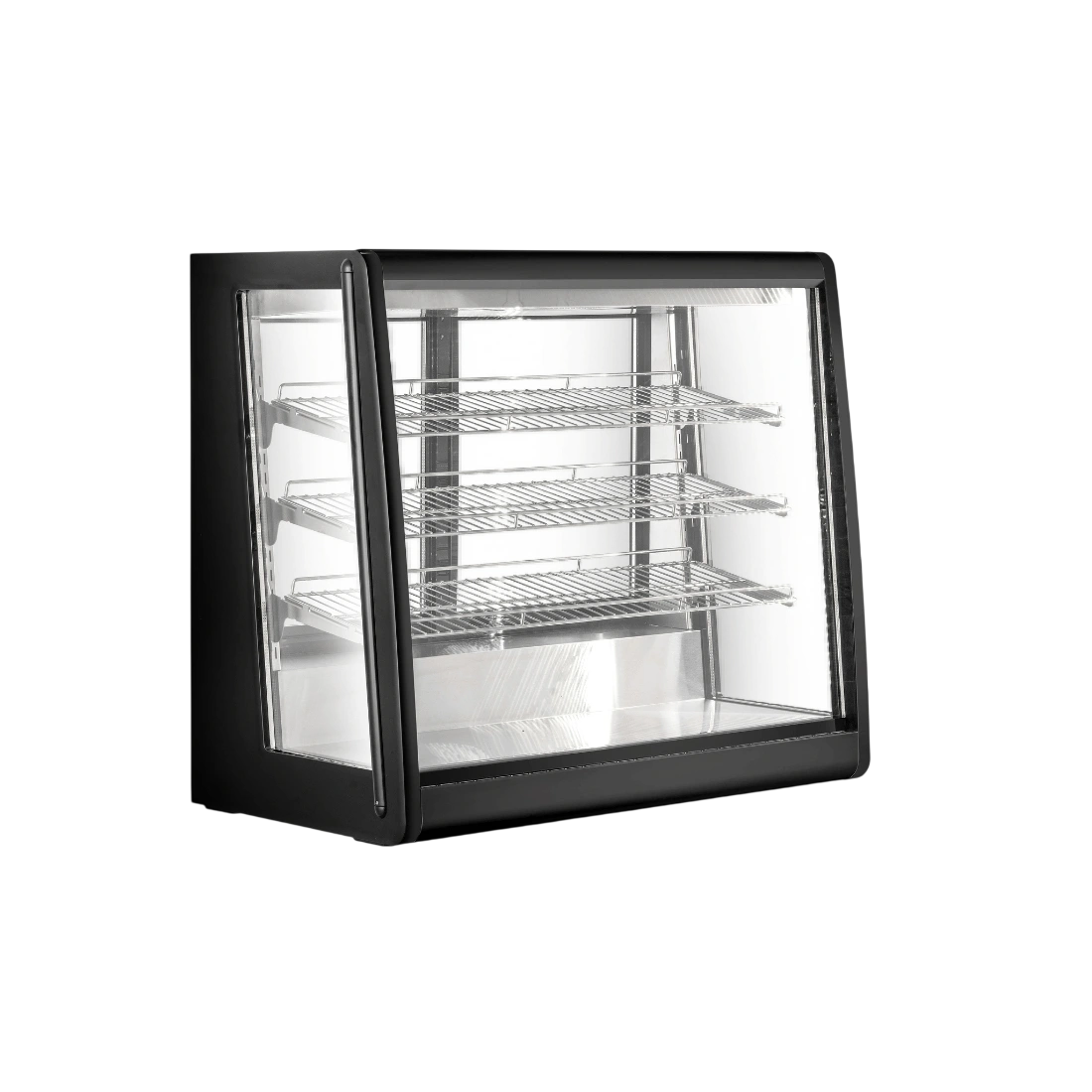
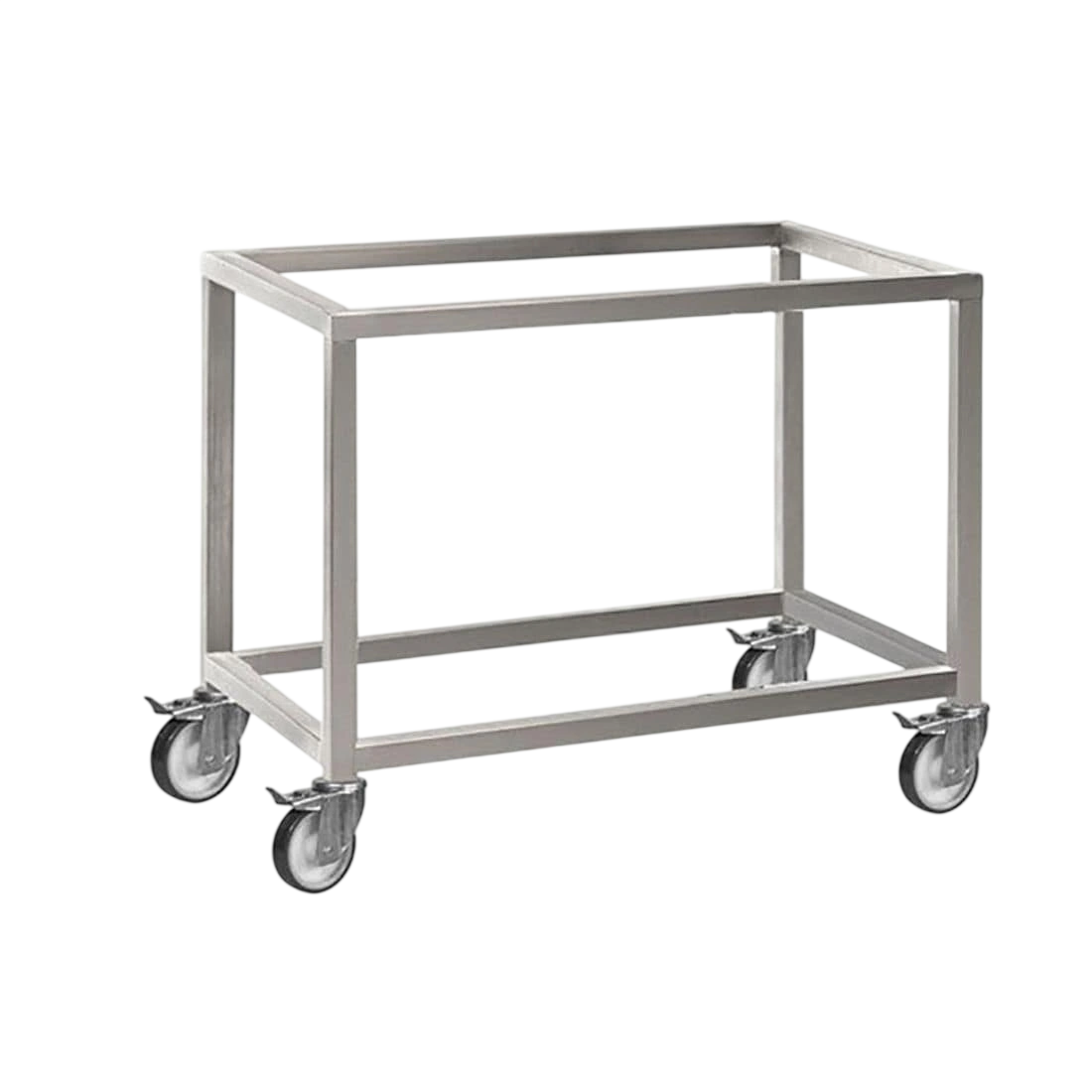
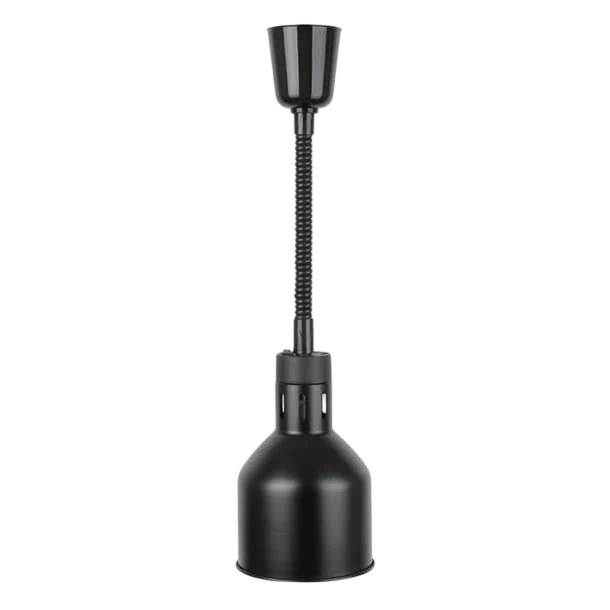
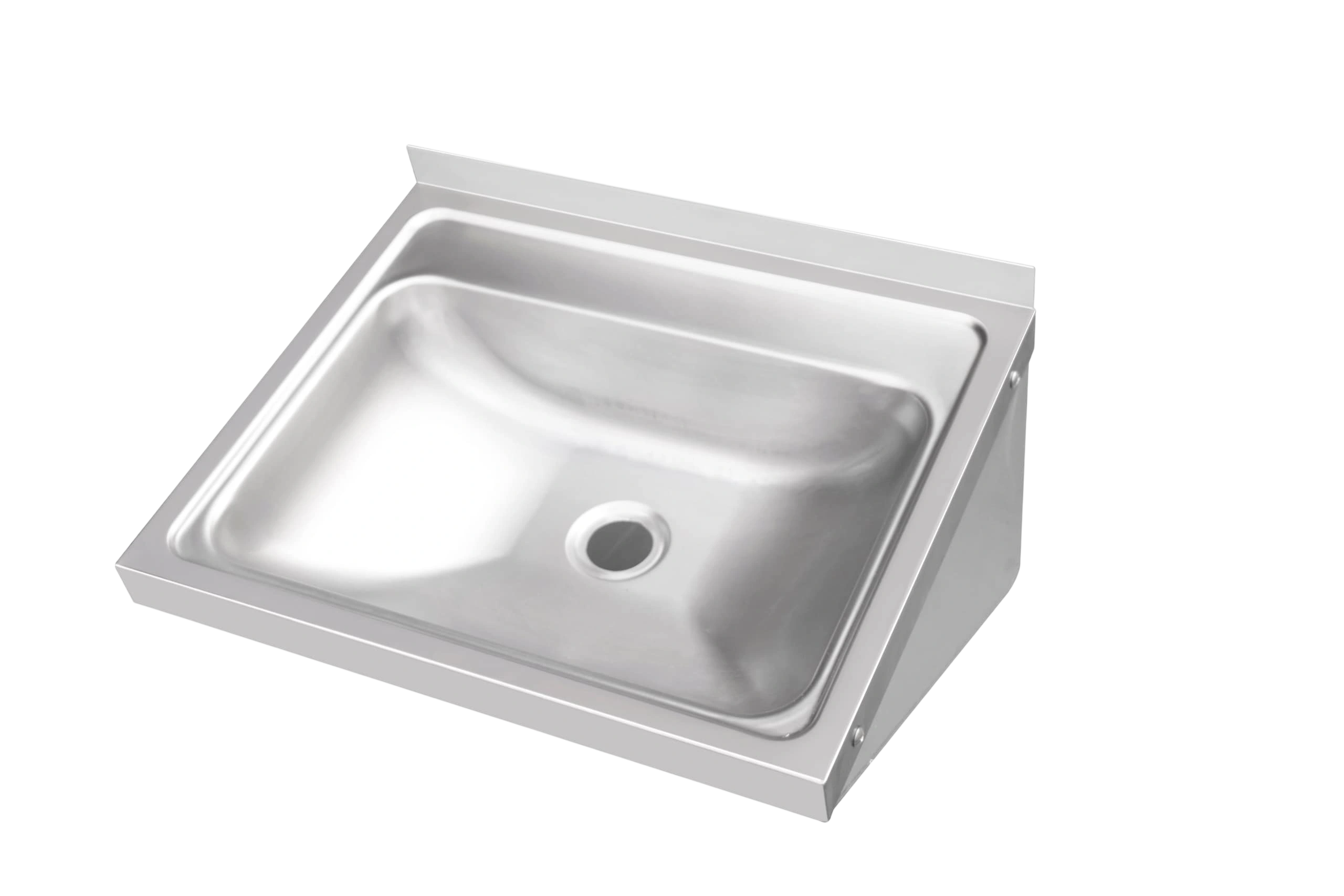
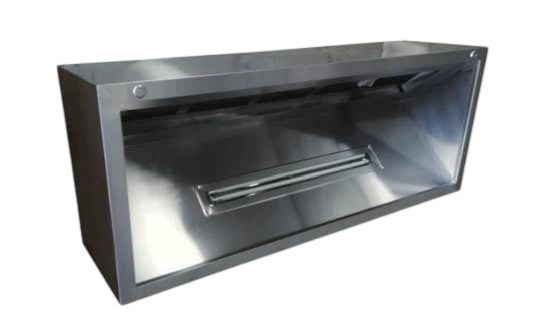
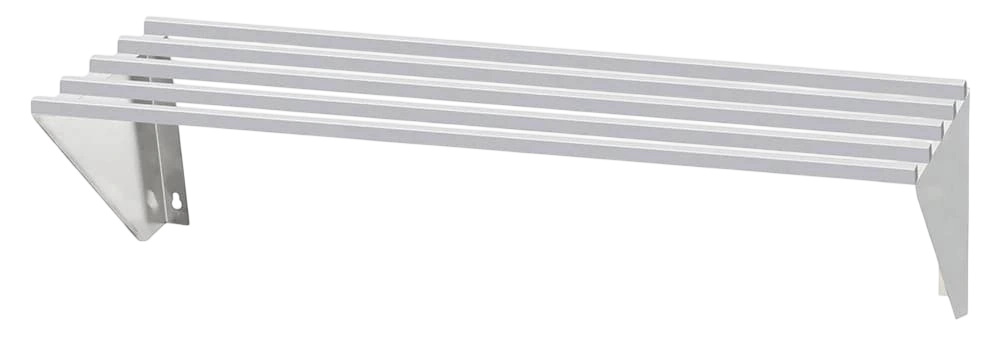
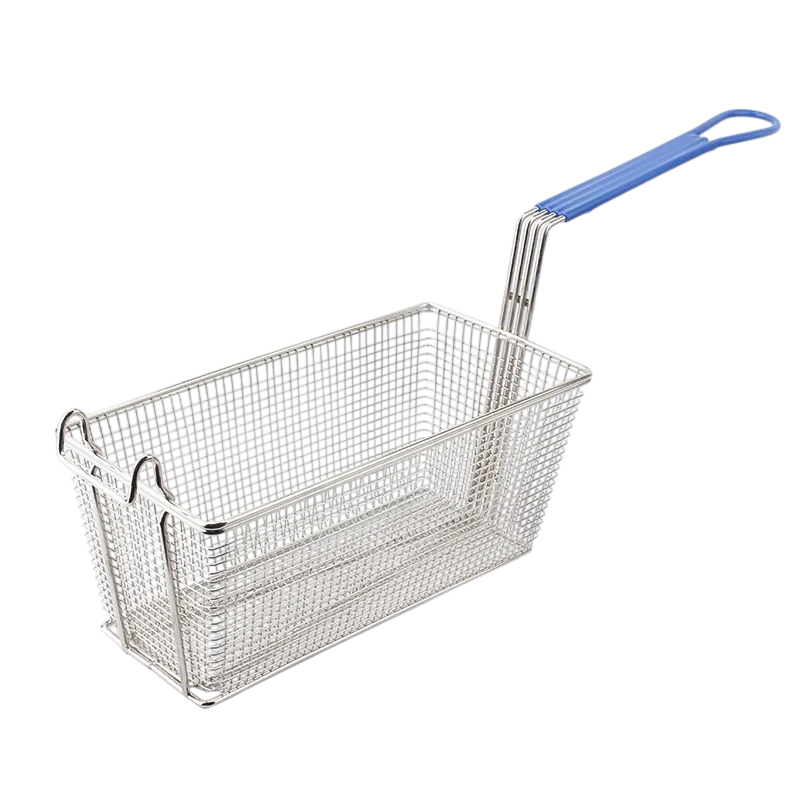
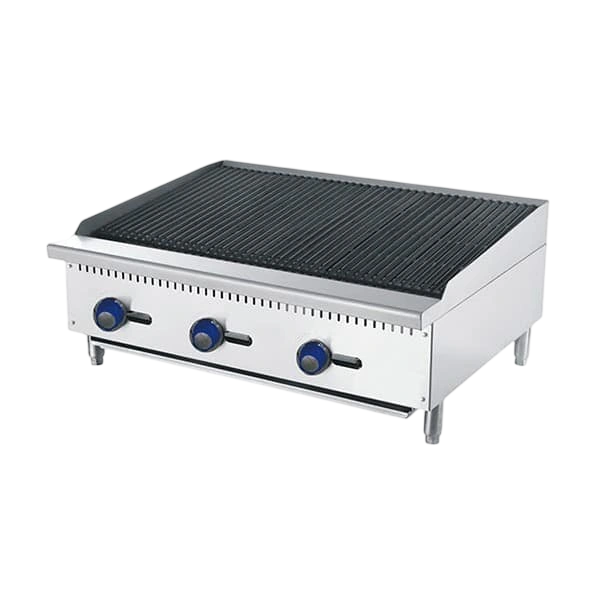
Commercial kit
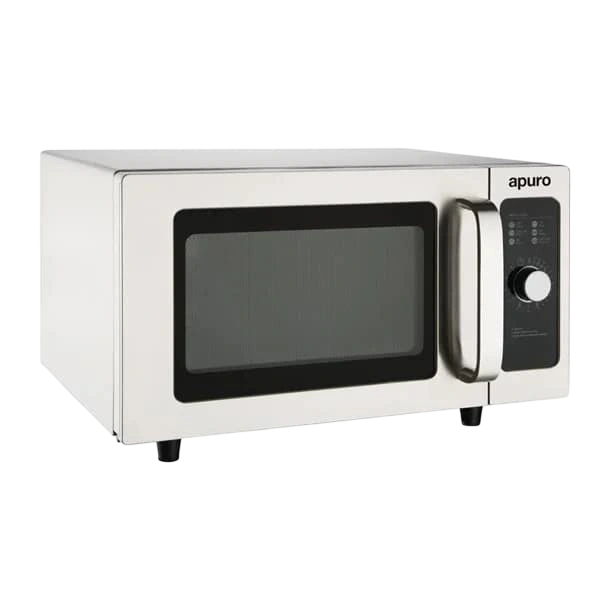
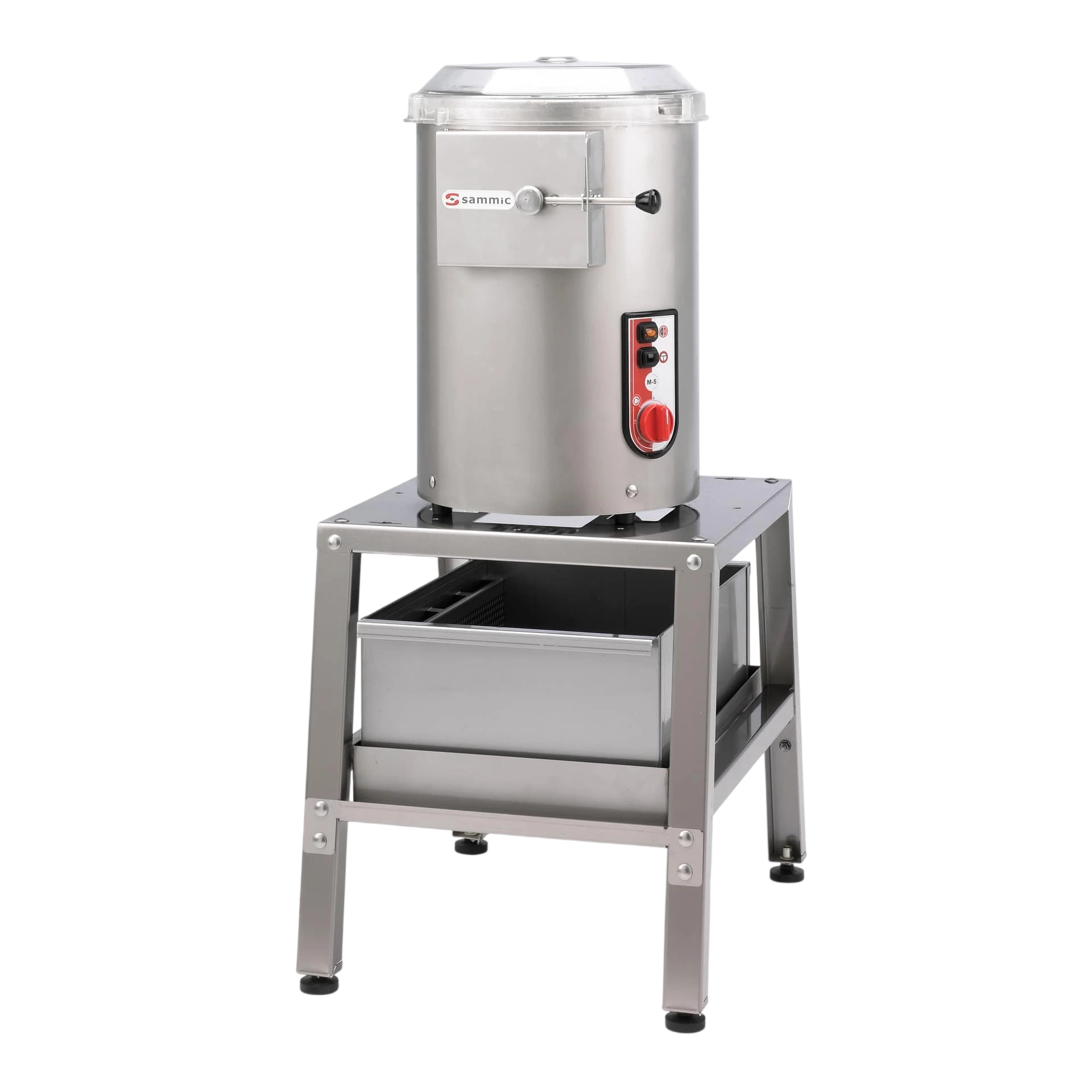
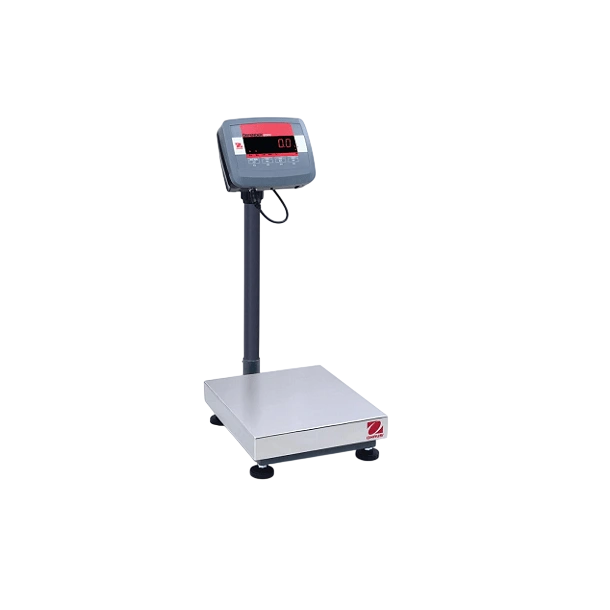
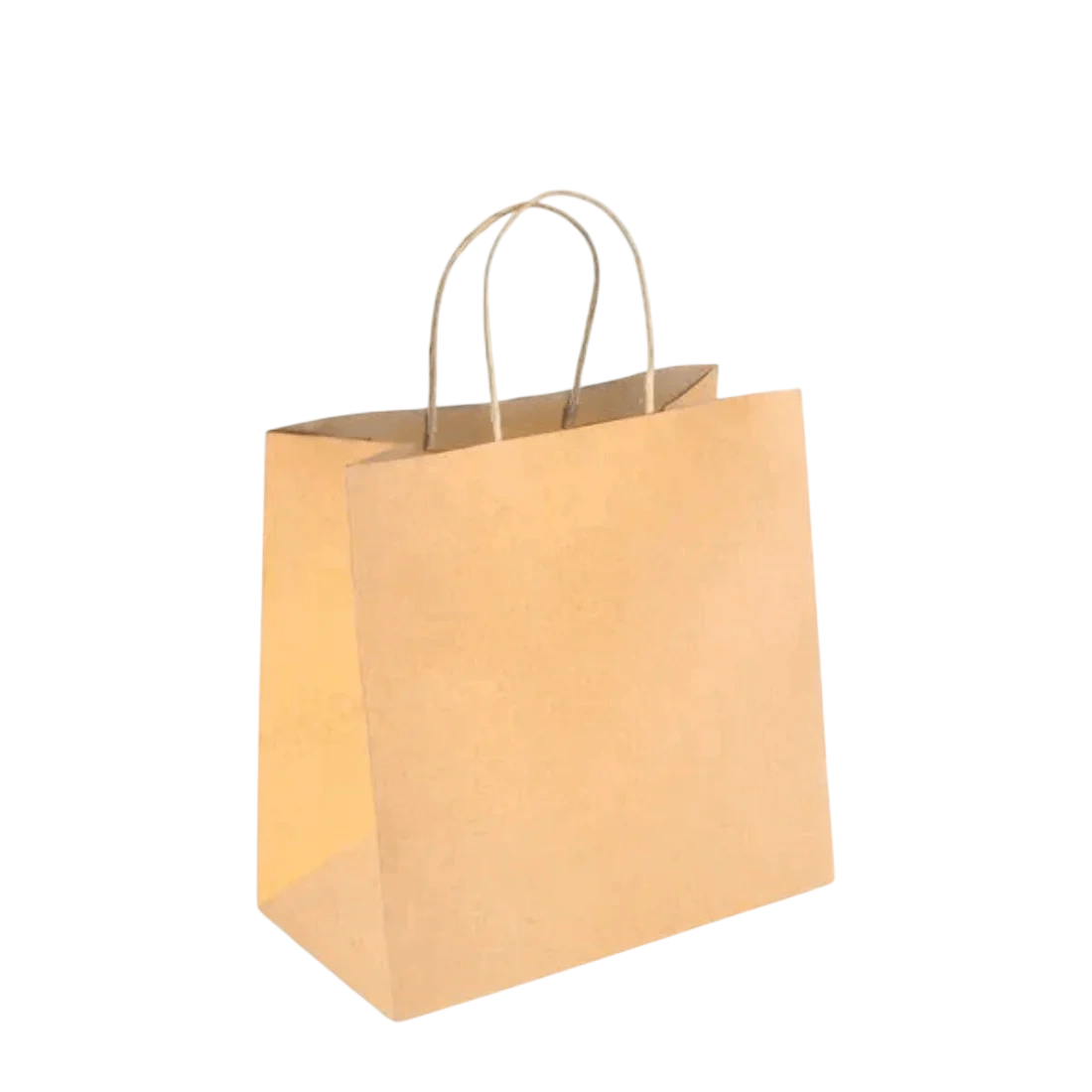
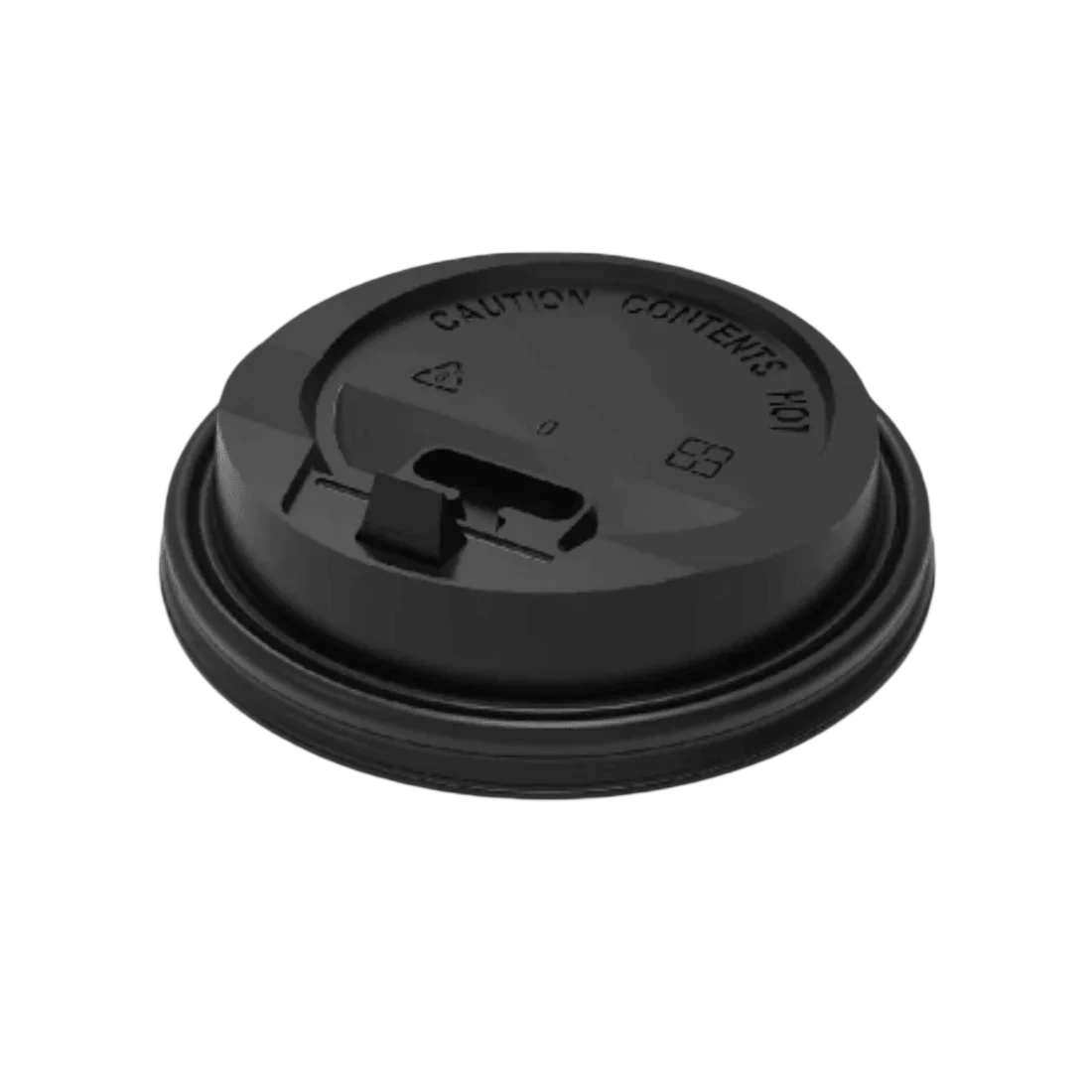
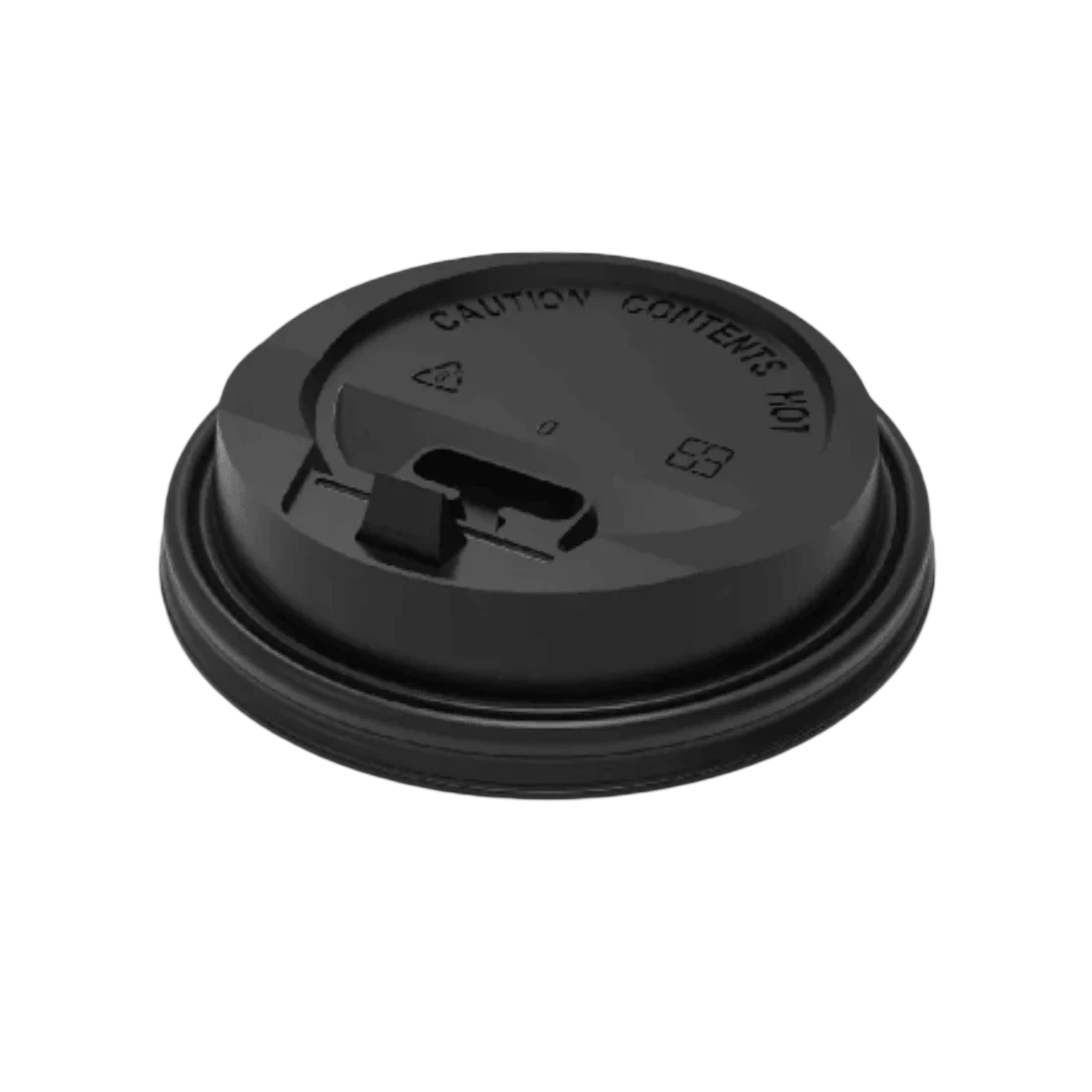
Disposable drink cups + lids
14 essential items · $24,339 ex-GST indicative · with delivery and installation quoted for your site. Final quote reflects your menu, site, power, gas, drainage, ventilation and delivery.
Checking current Package availability…
Package: SBB-TAKEAWAY-FOOD-TRUCK
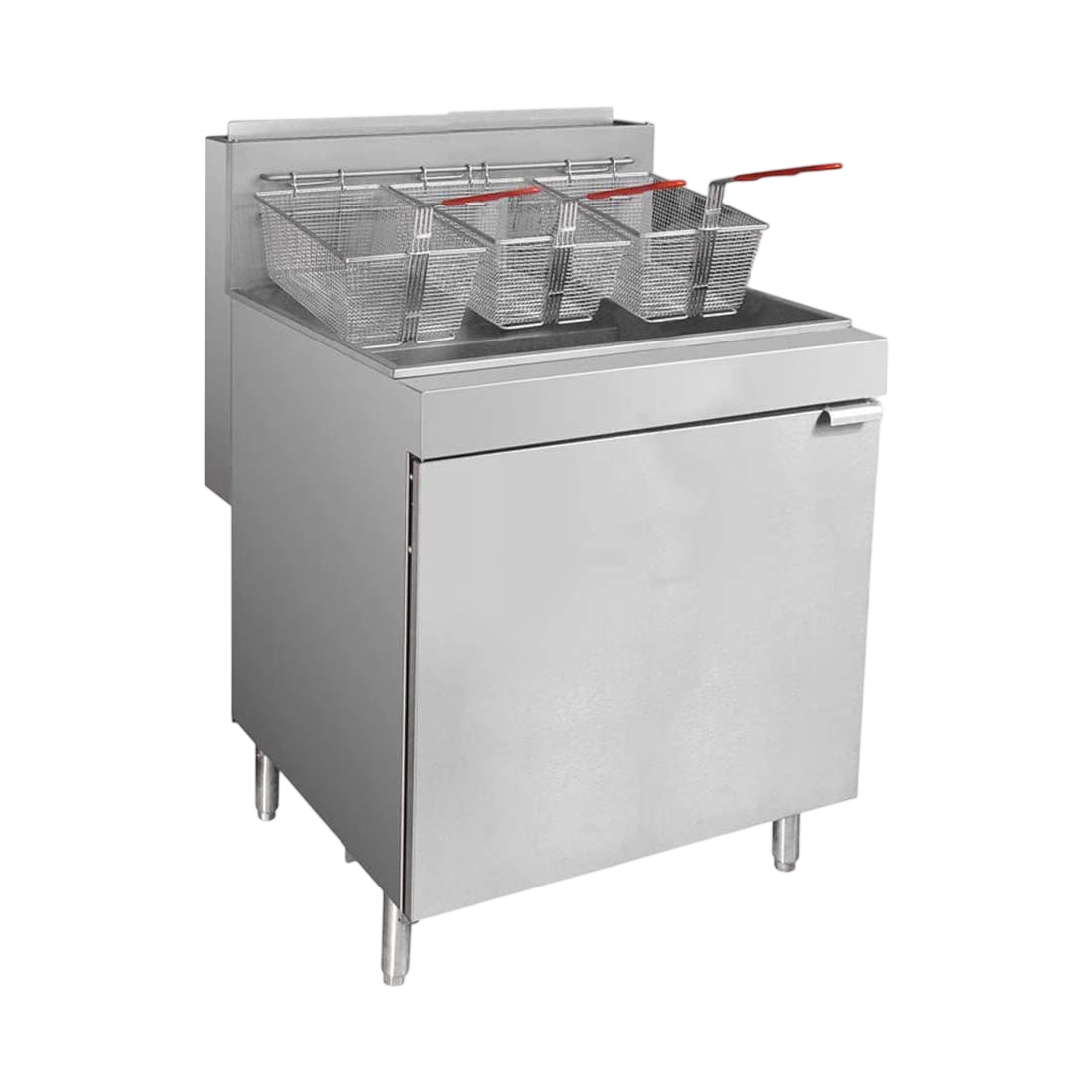
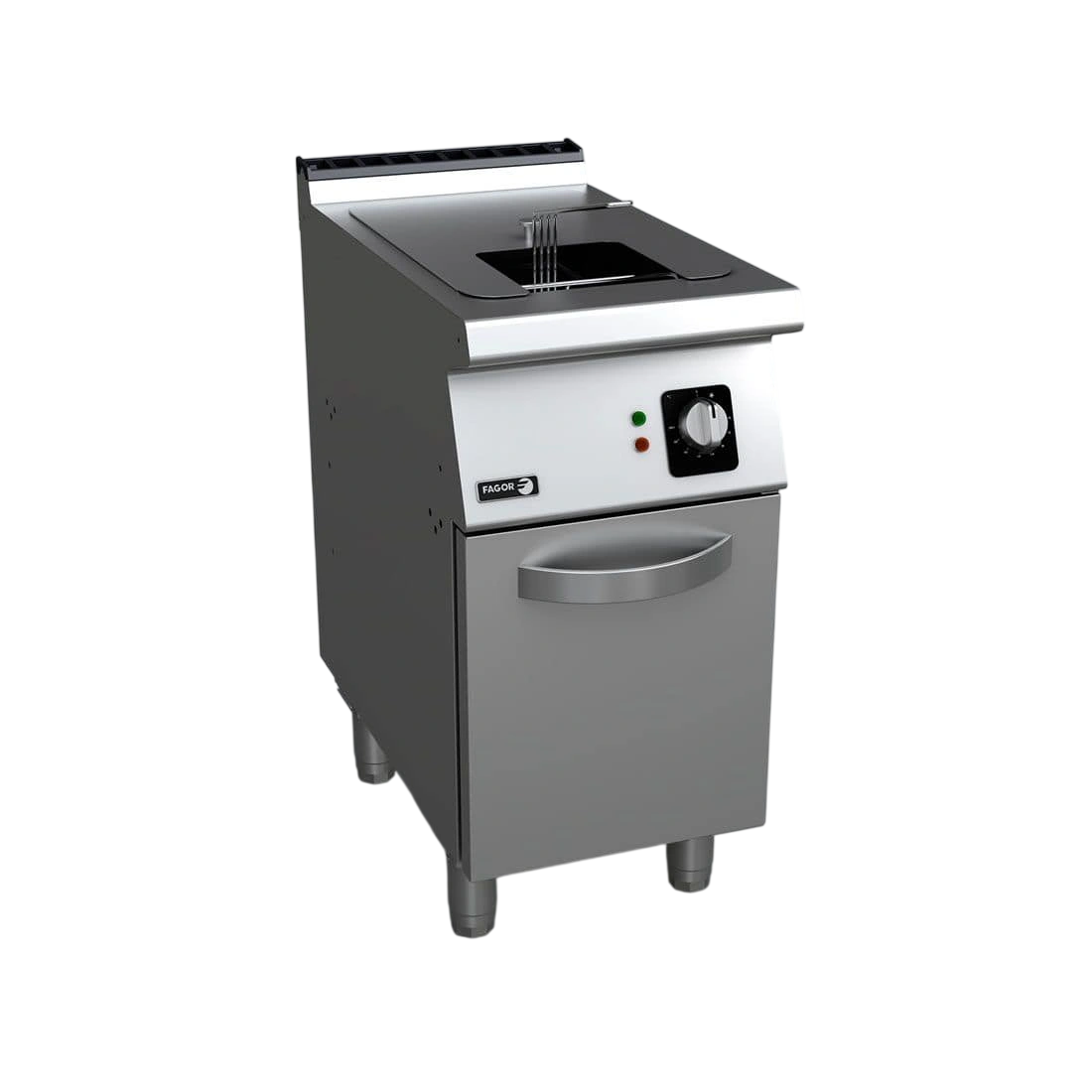
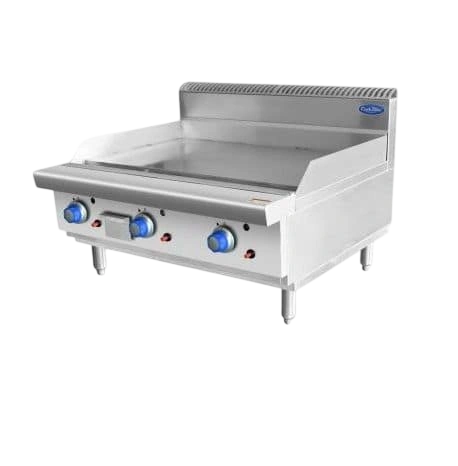
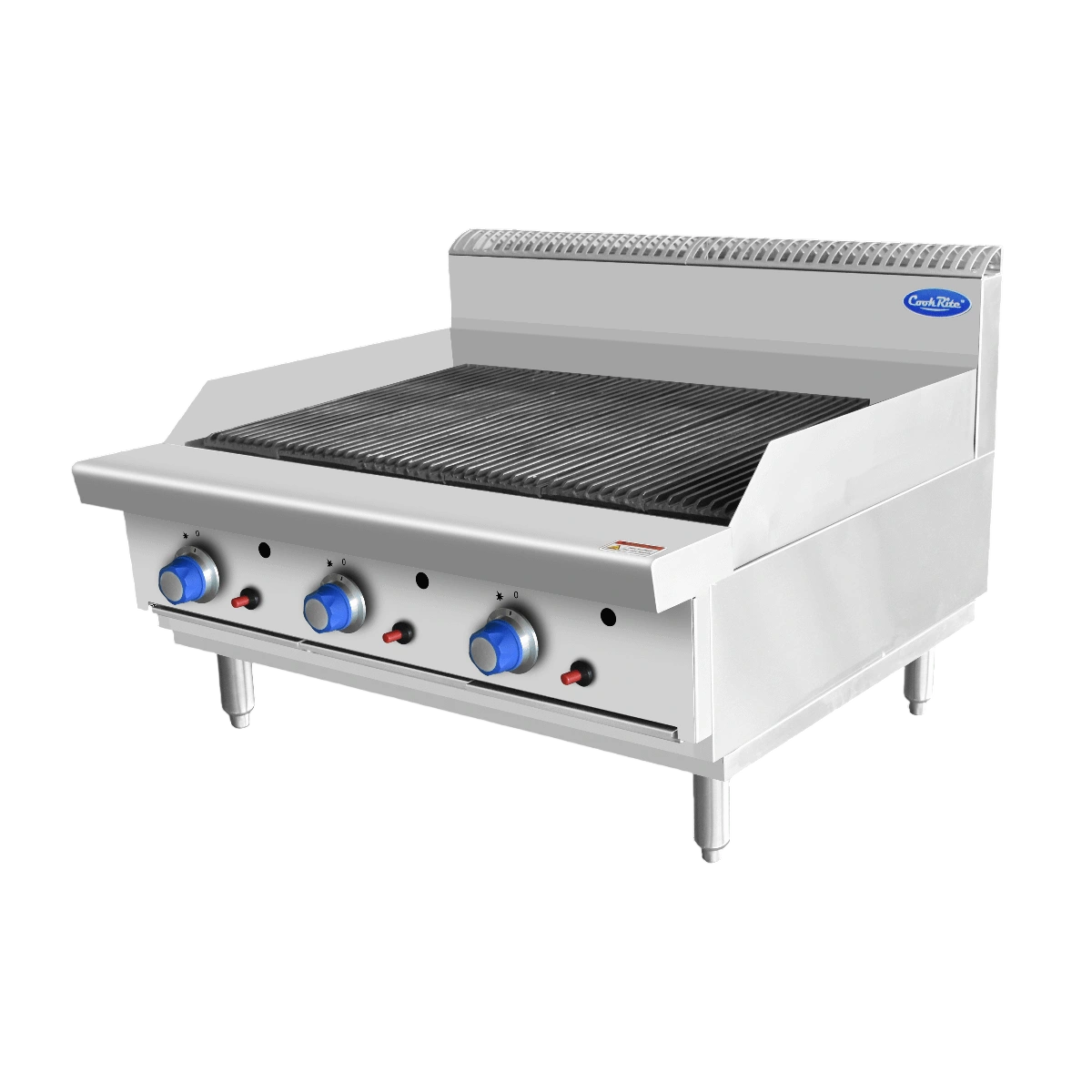
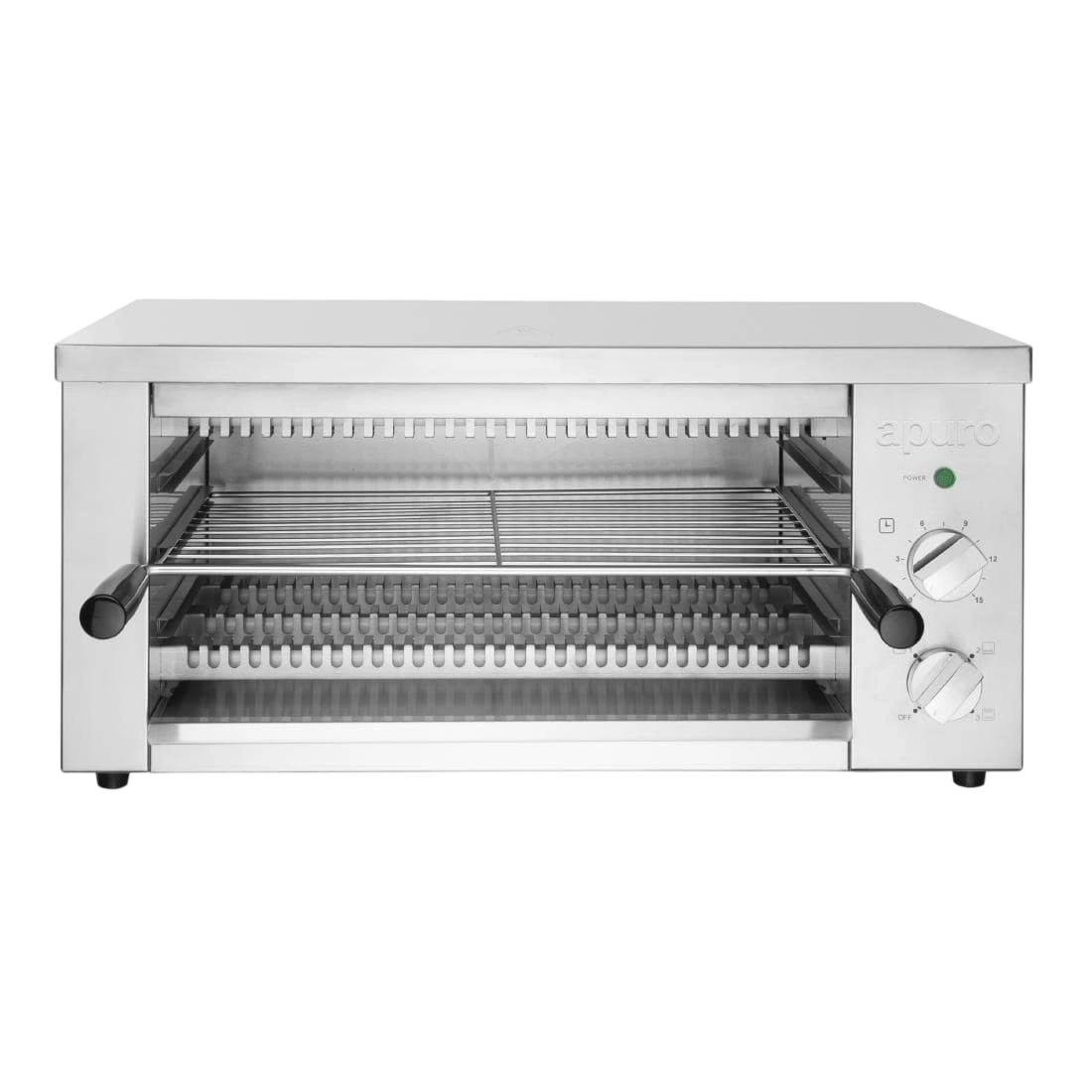
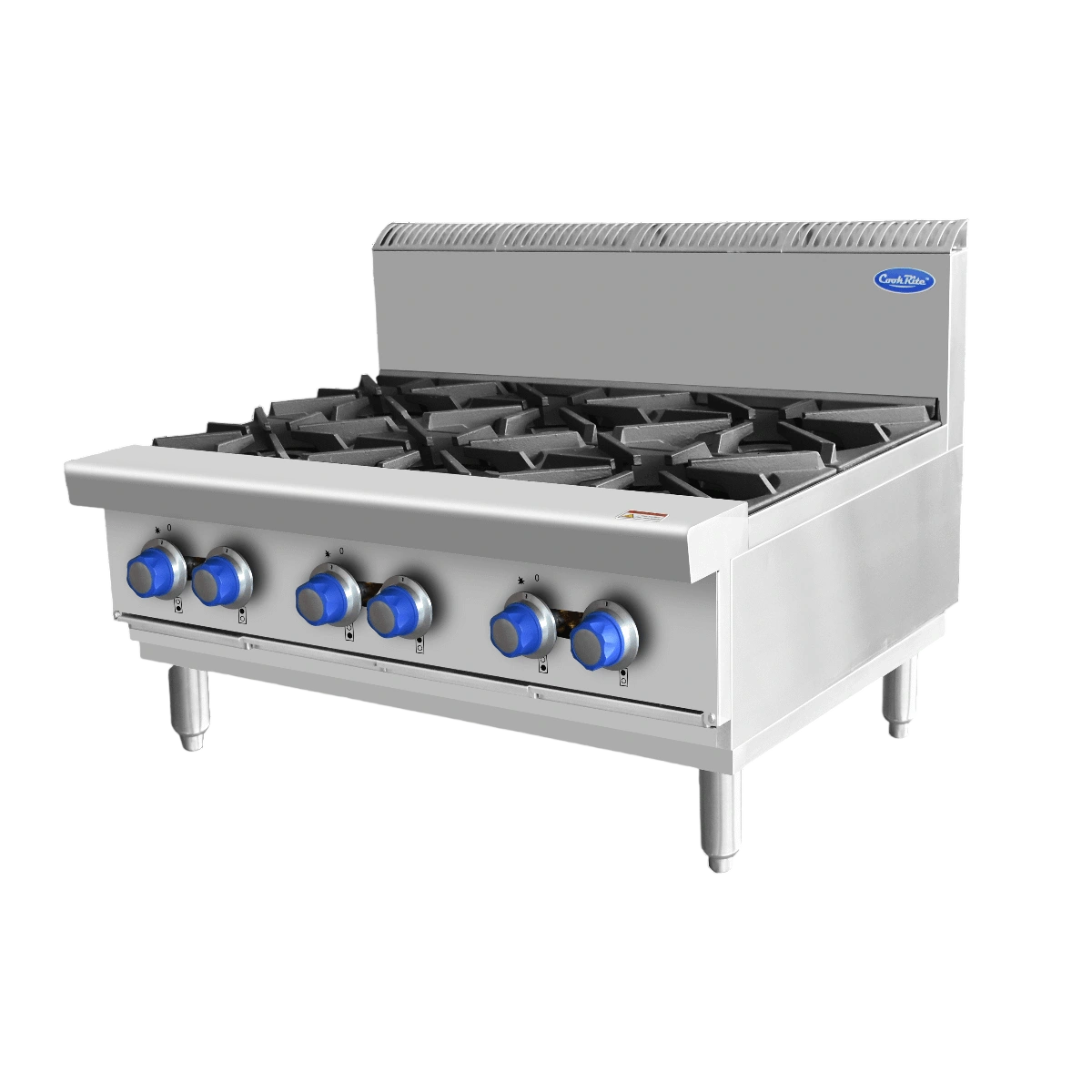
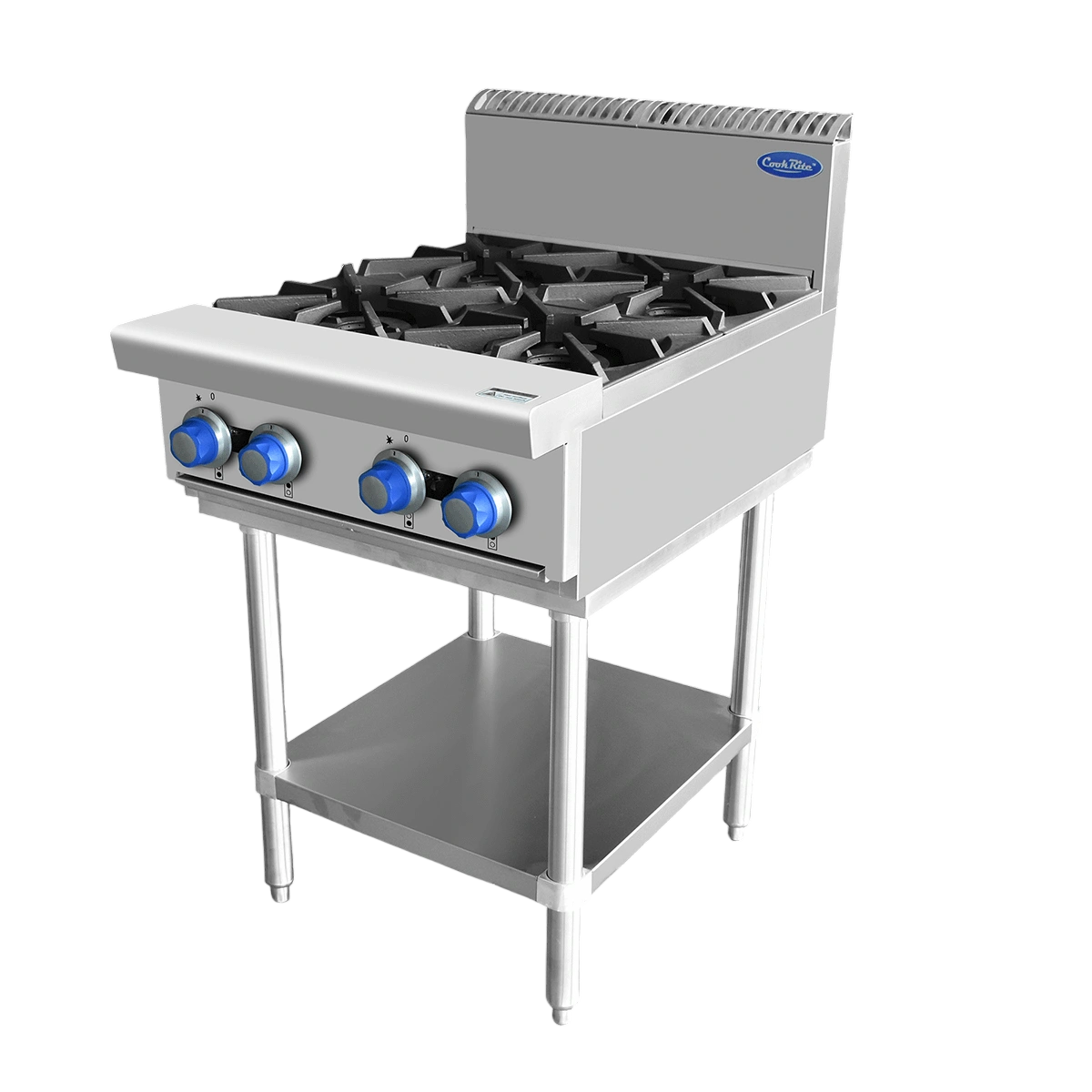
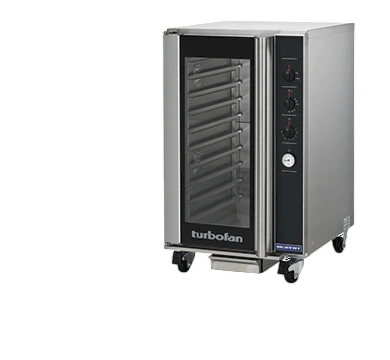
900mm 6-burner gas range + static oven
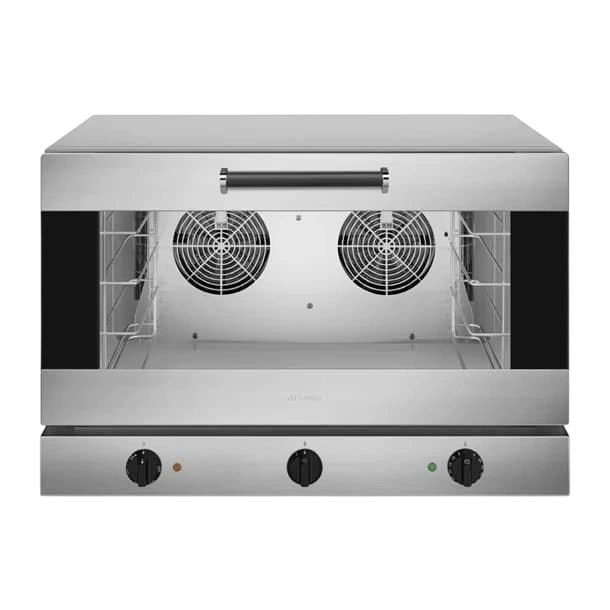
5x GN1/1 electric
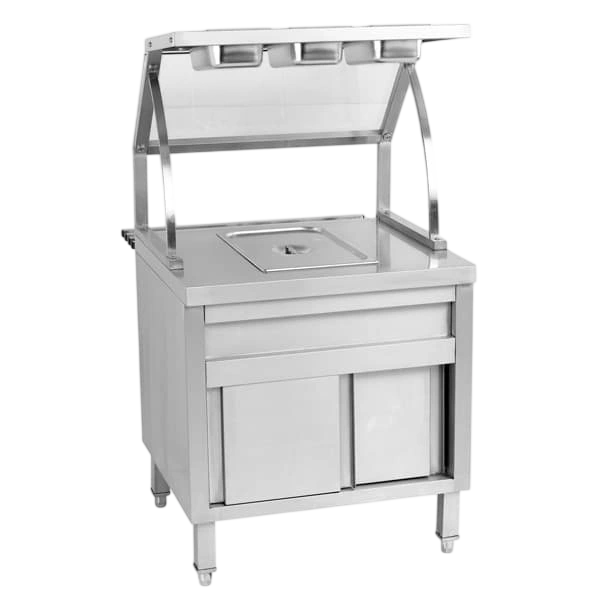
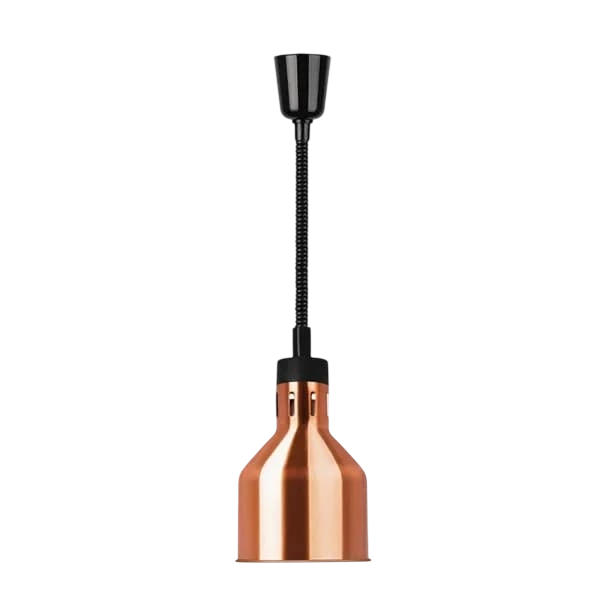
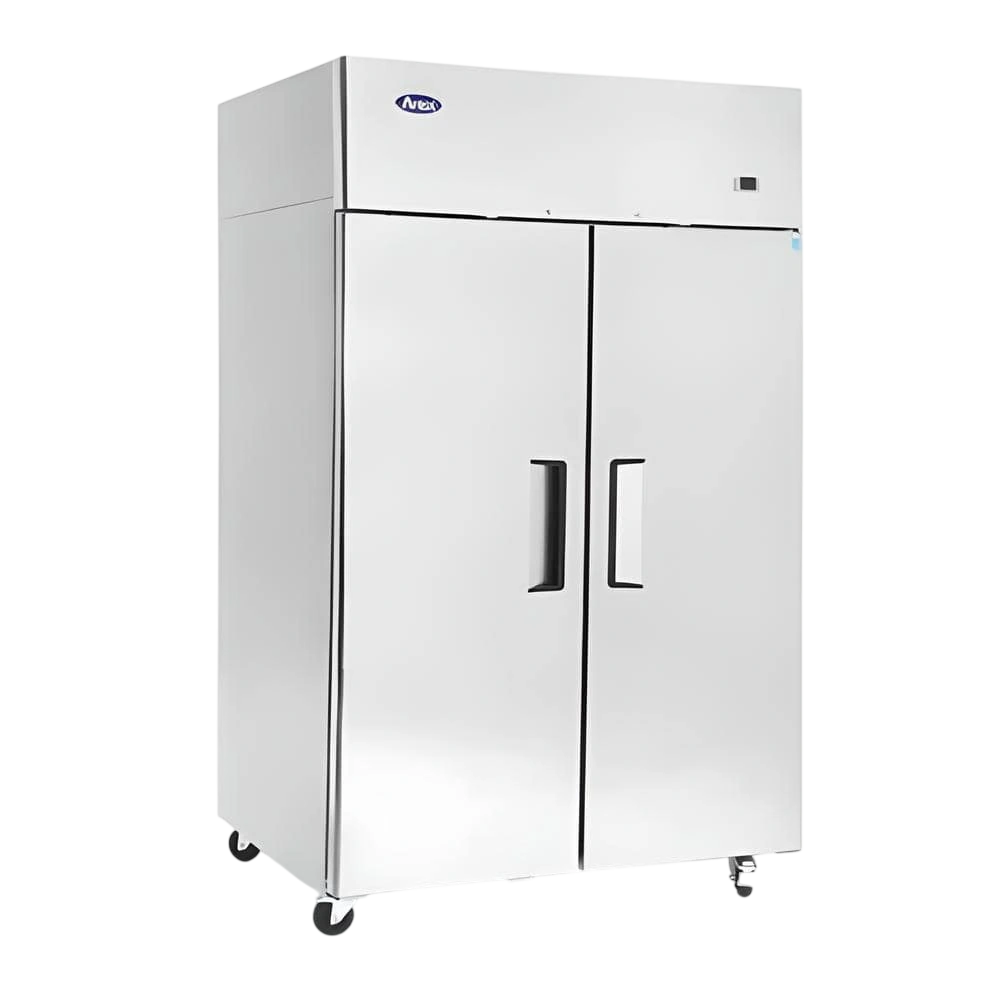

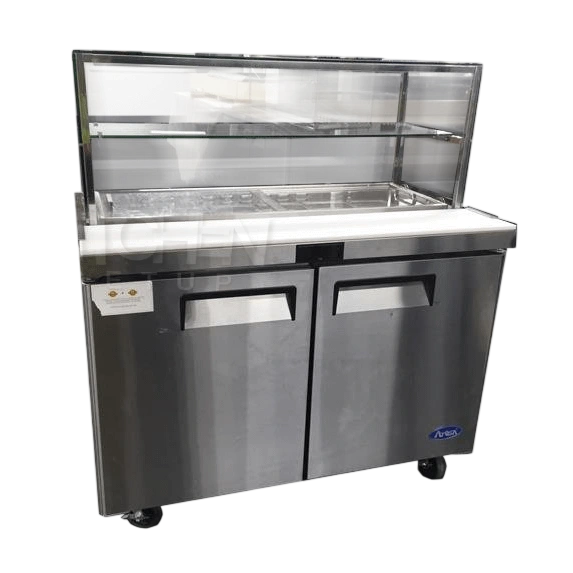
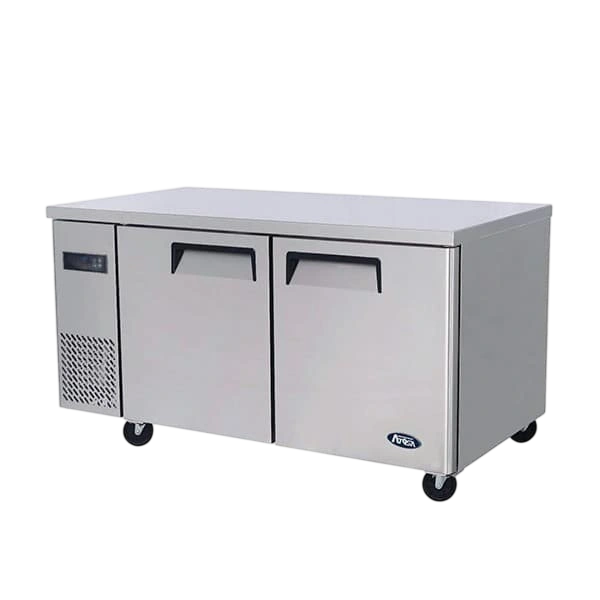
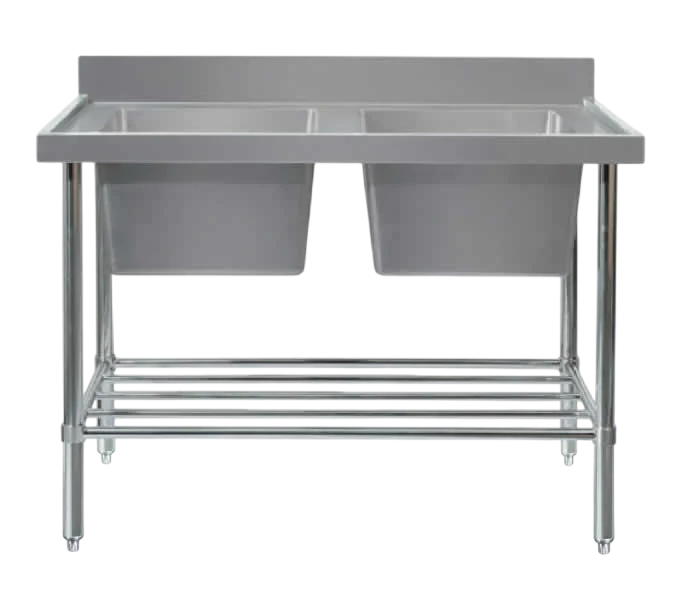
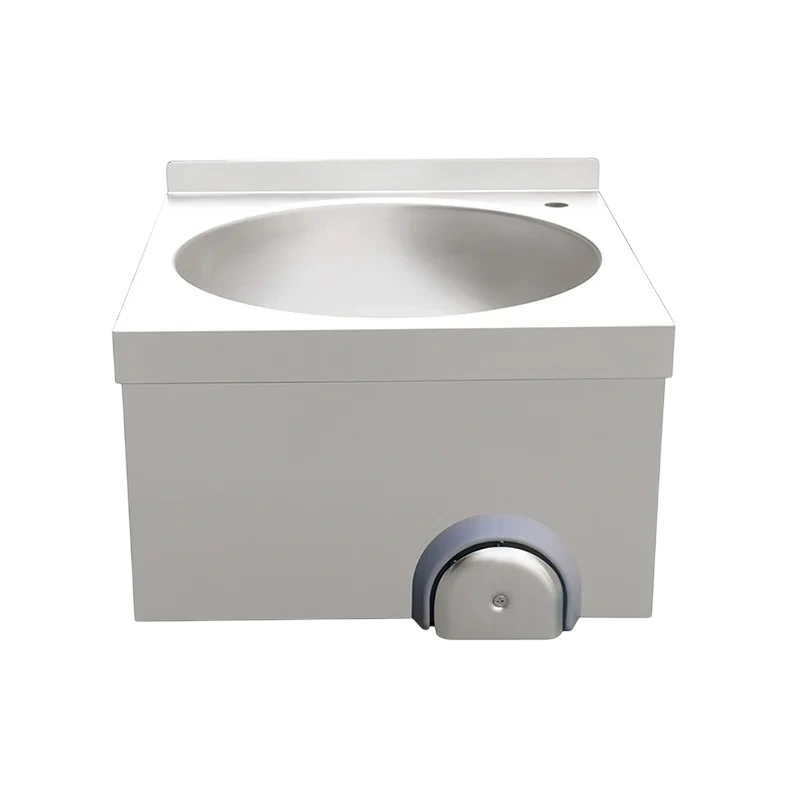
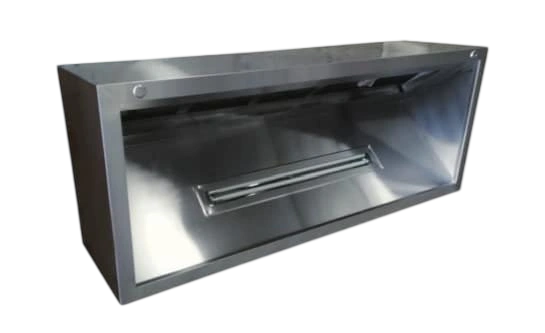
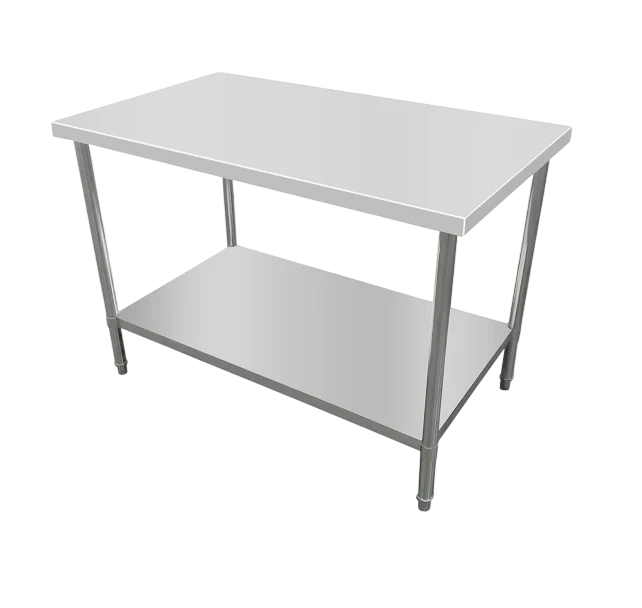
1800x700
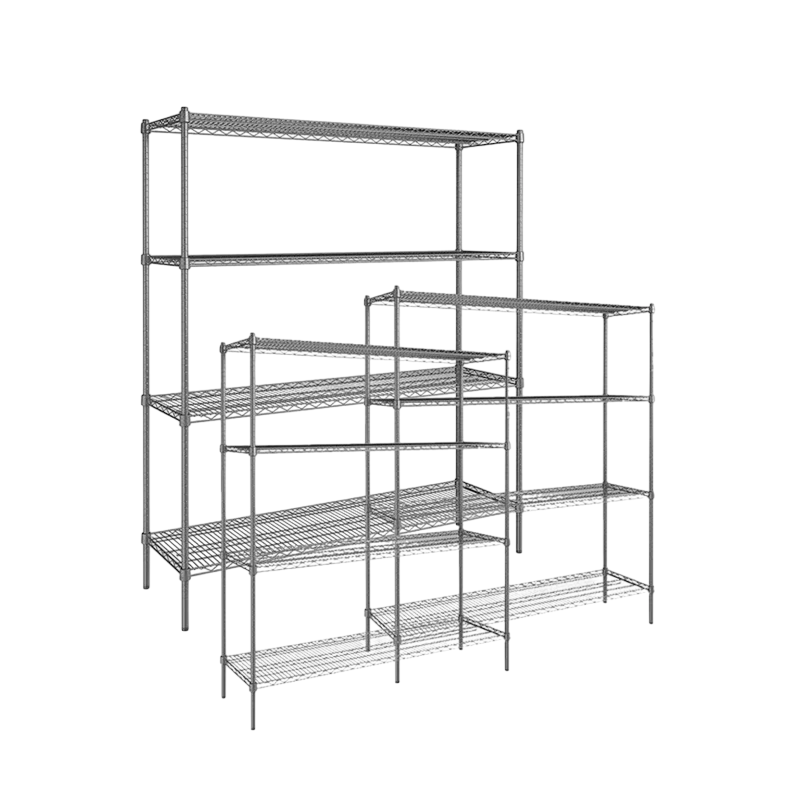
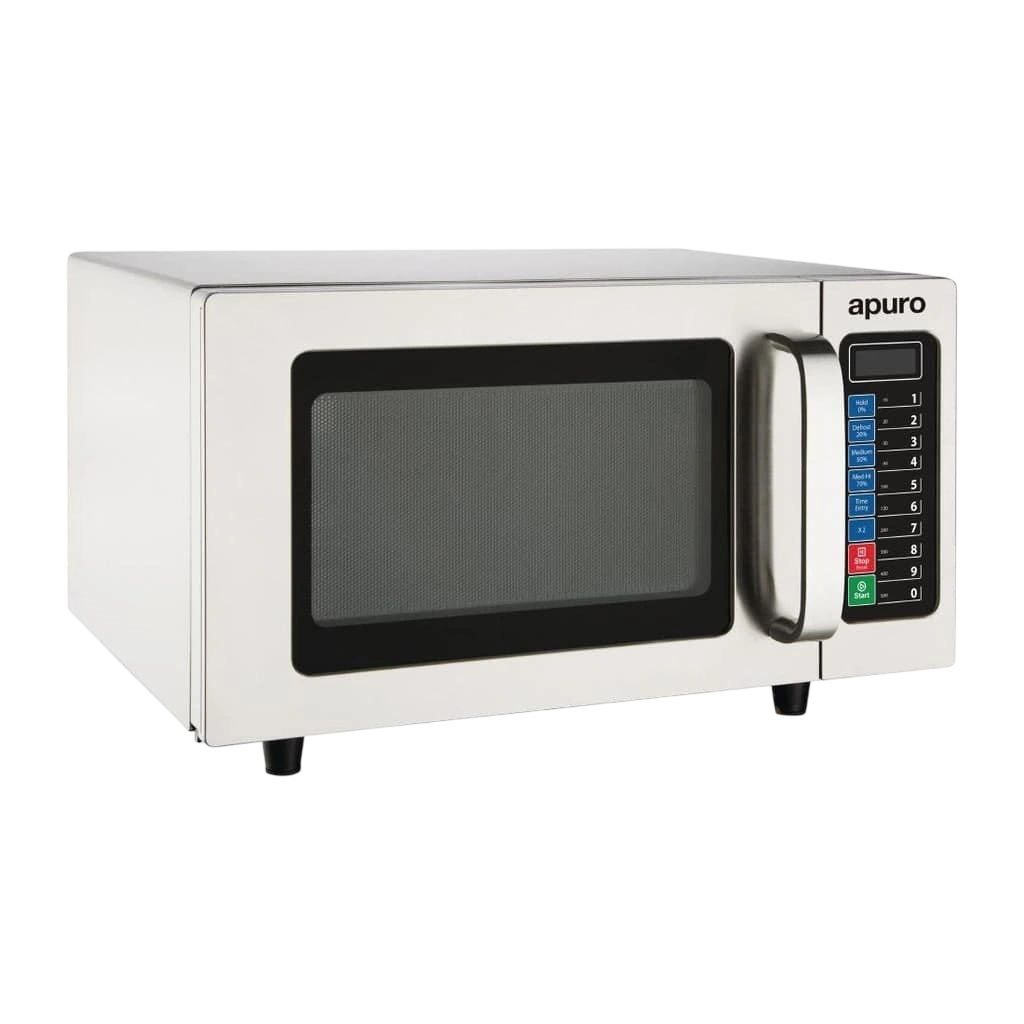
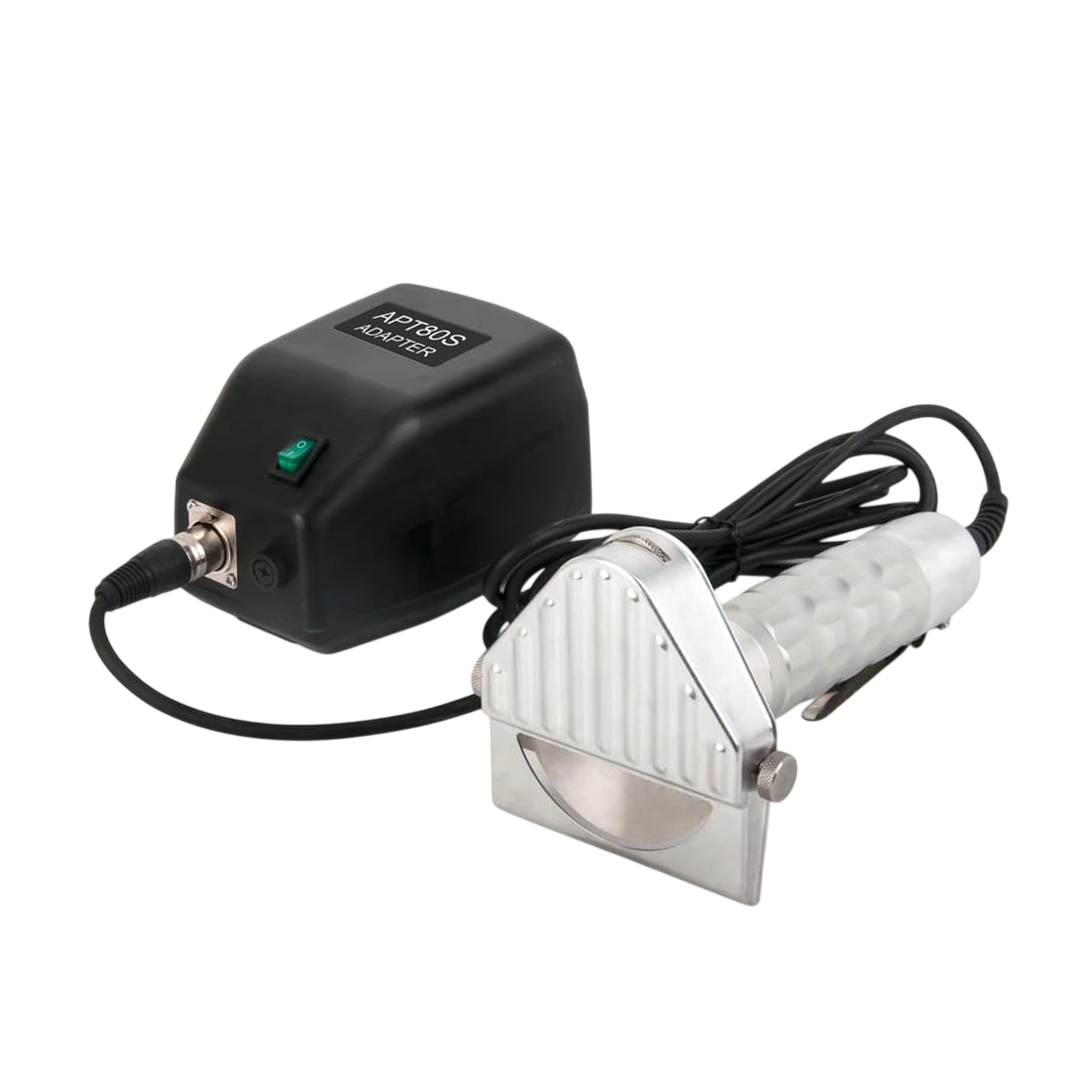
kebab-shop sub-segment
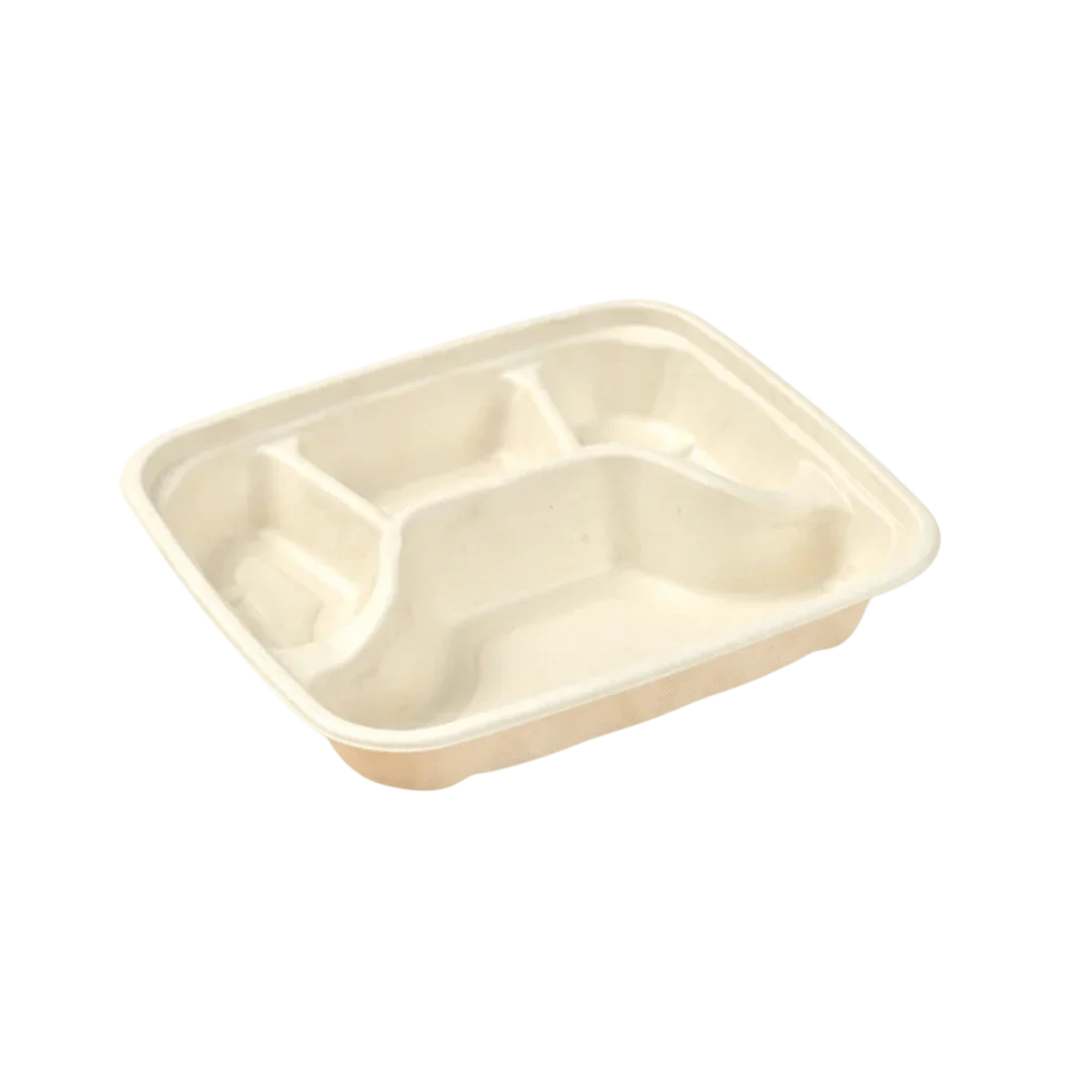
Hinged clamshell + rounds
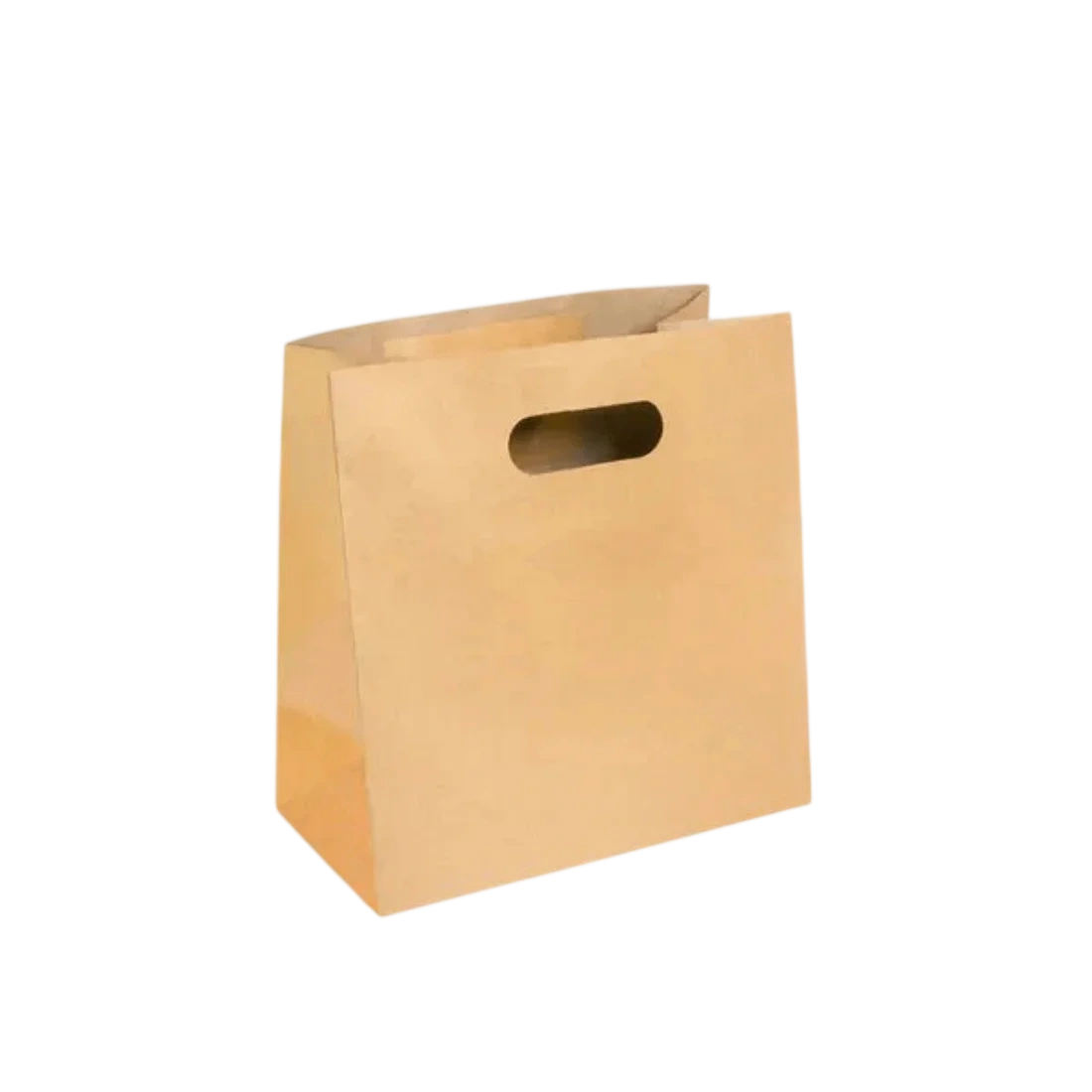
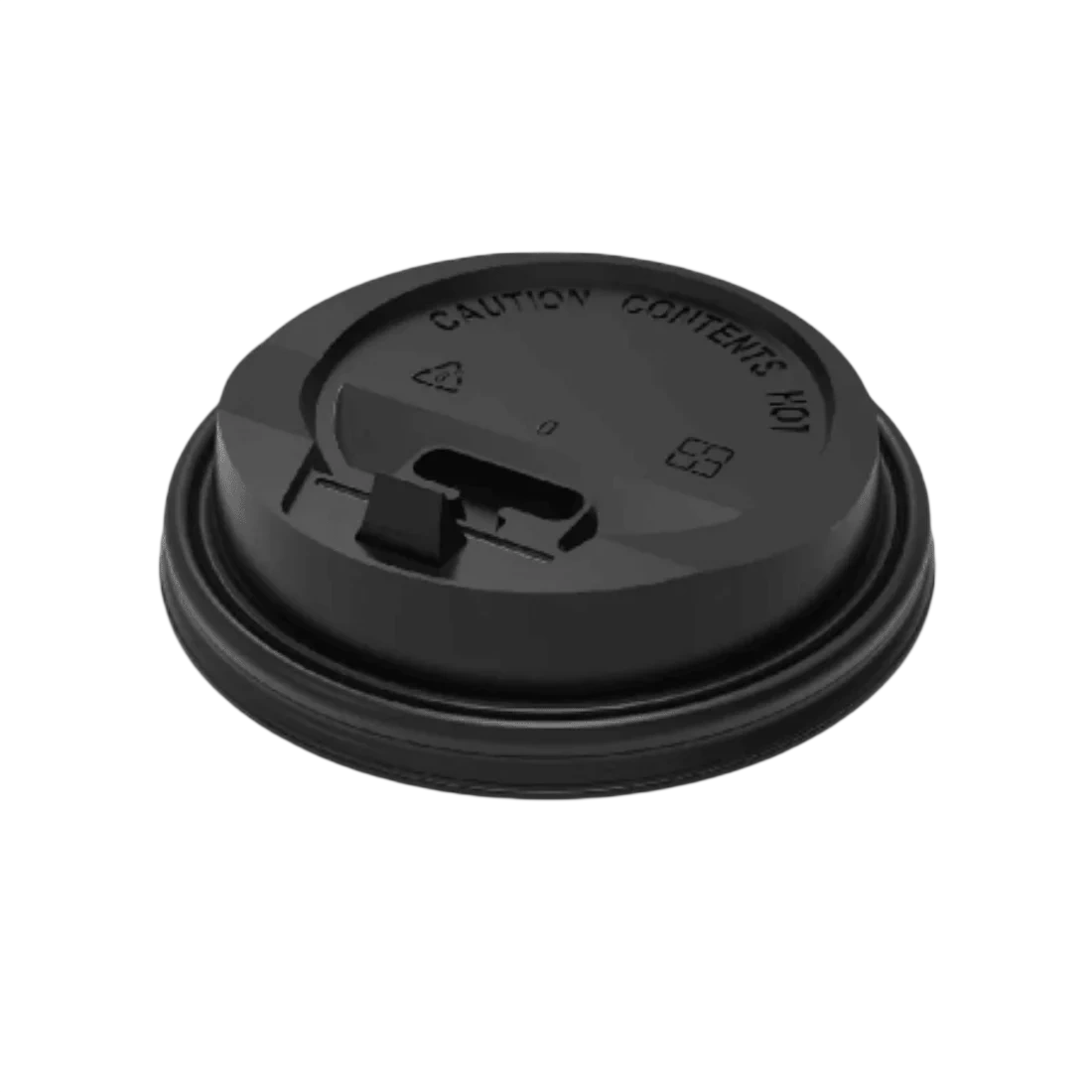
Cold + hot cup range
21 essential items · $62,751 ex-GST indicative · with delivery and installation quoted for your site. Final quote reflects your menu, site, power, gas, drainage, ventilation and delivery.
Checking current Package availability…
Package: SBB-TAKEAWAY-FASTFOOD
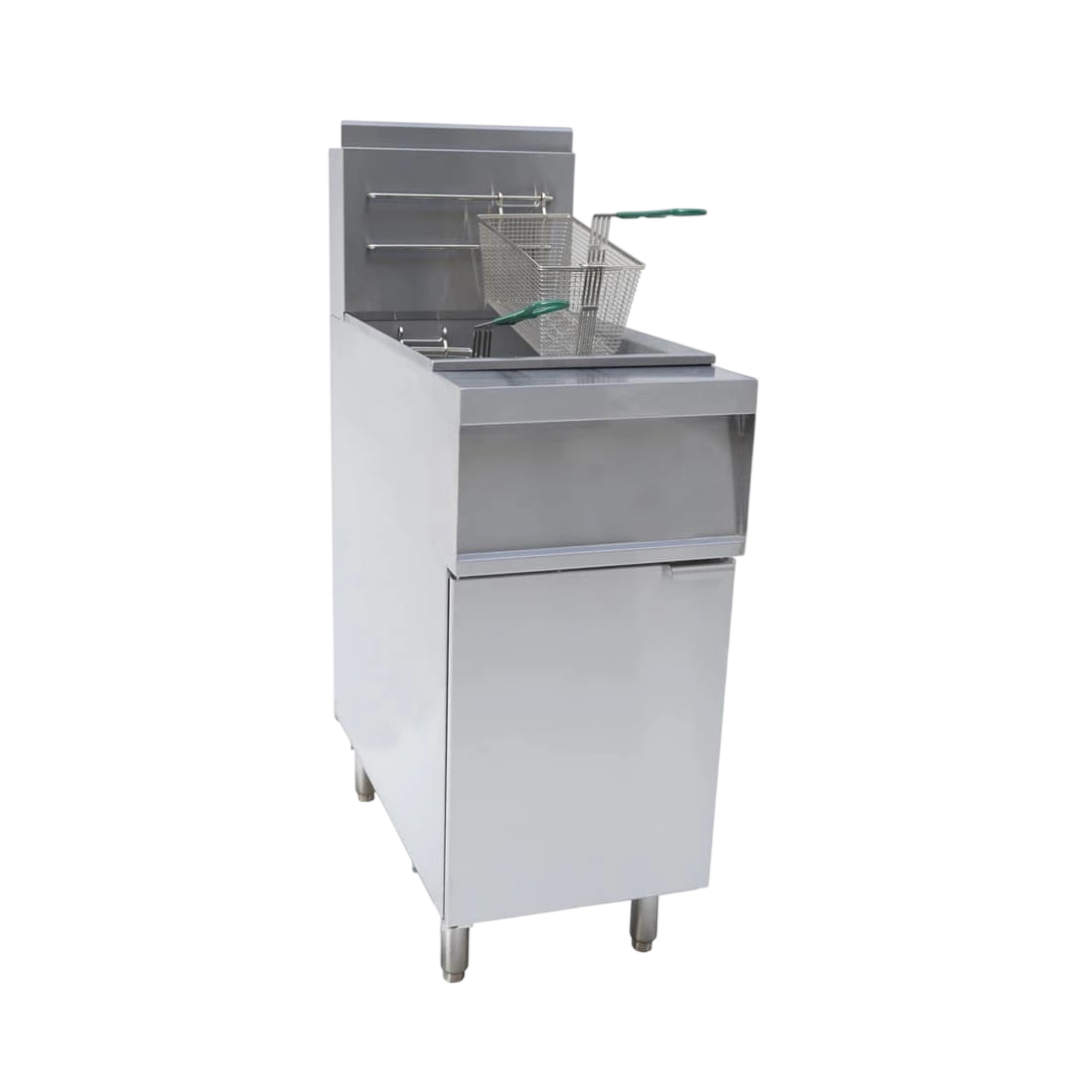
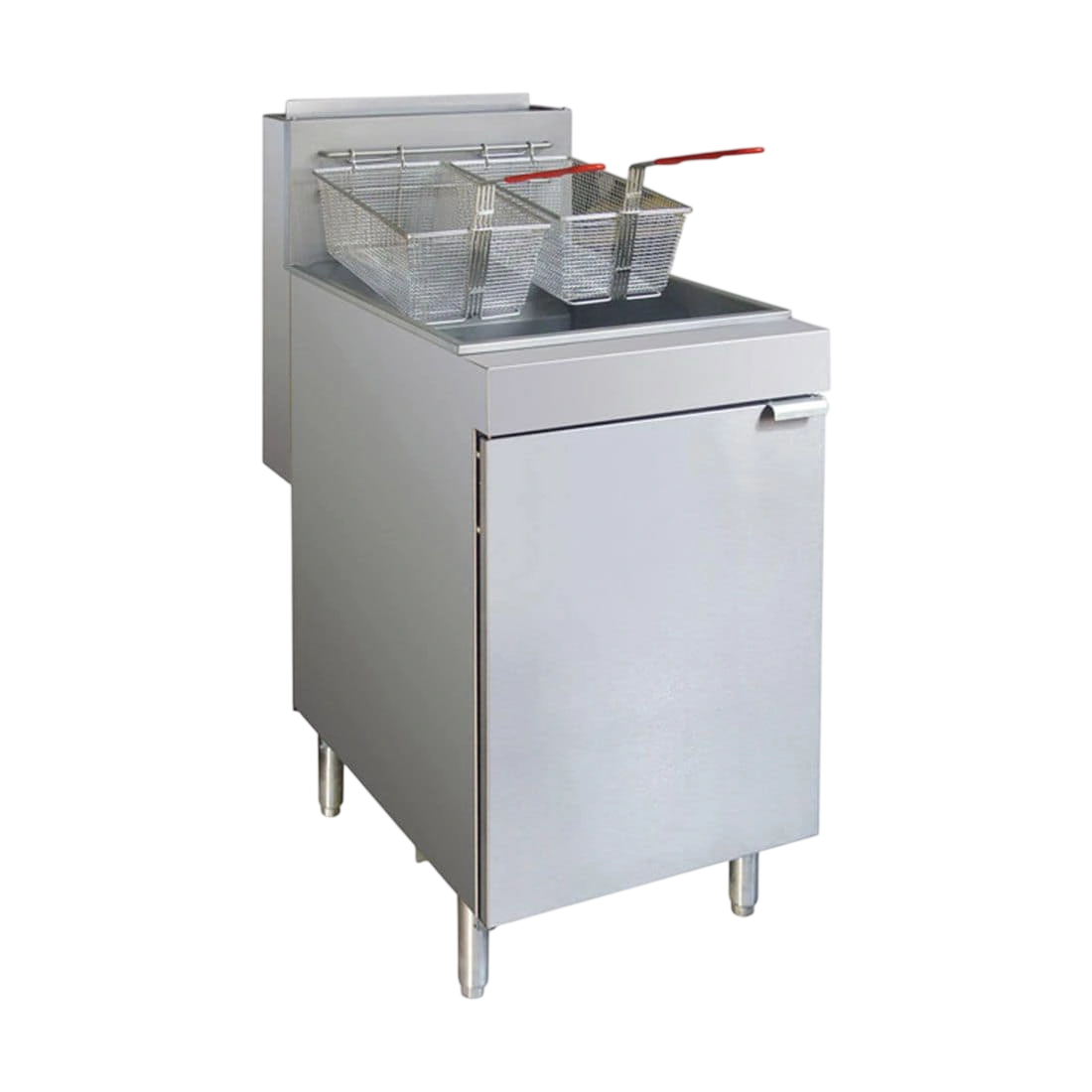
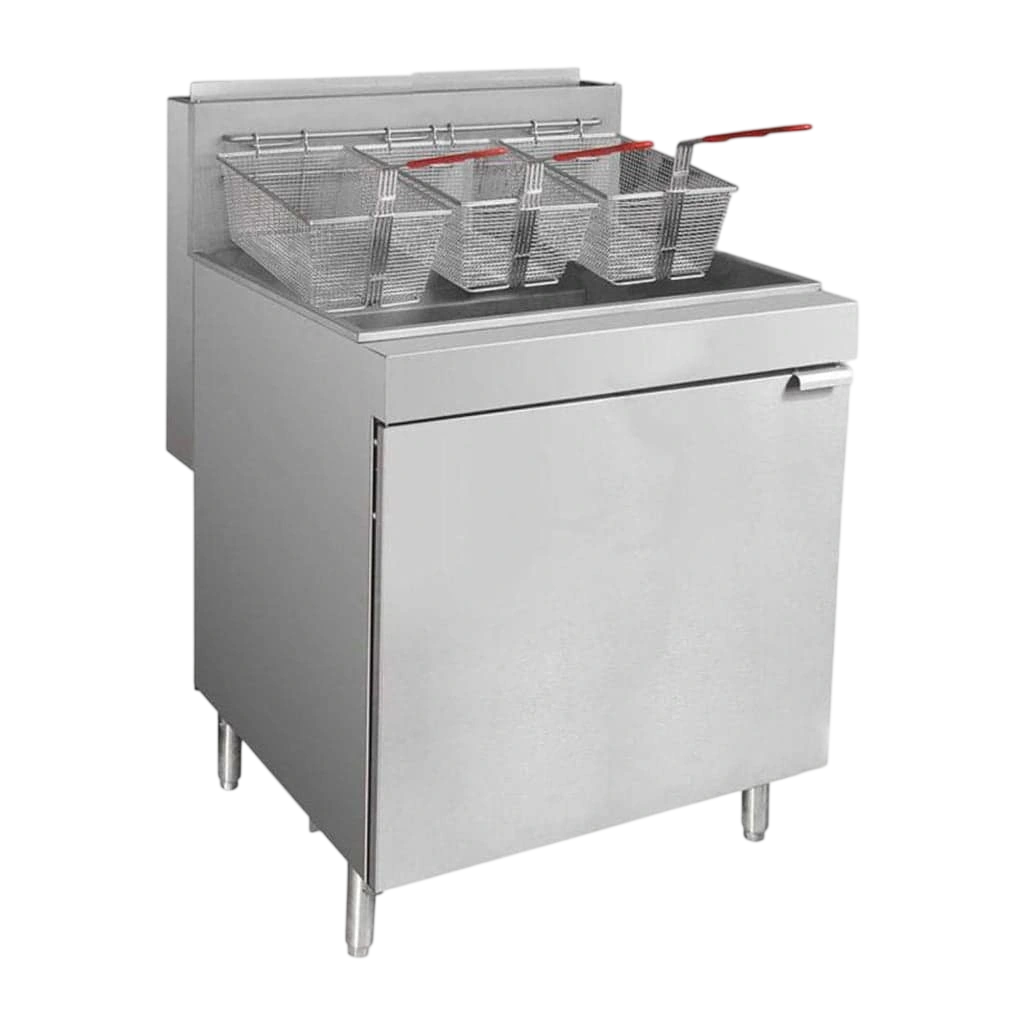
4x banked single-tank for parallel cooking
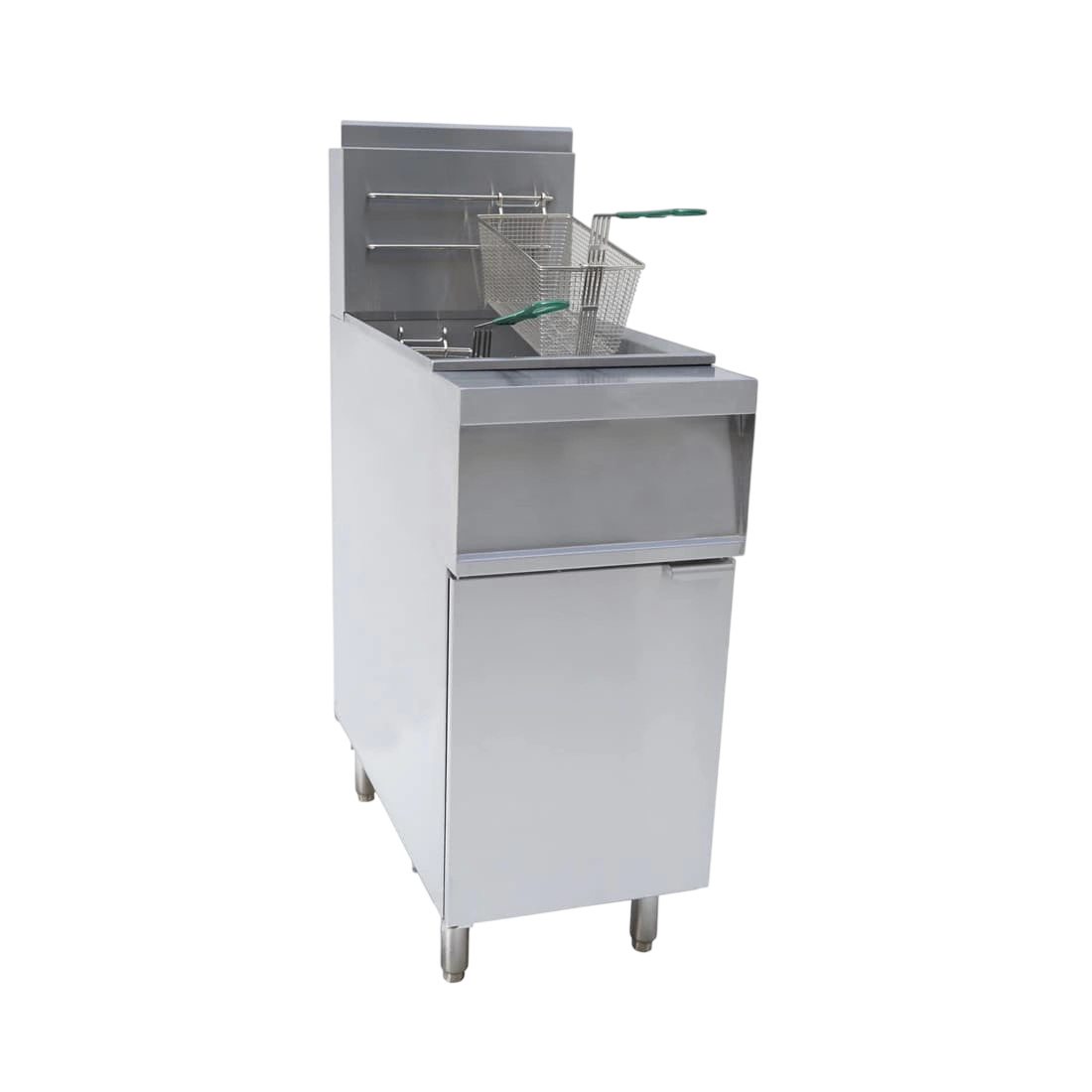
2x paired backup; auto-lift not stocked
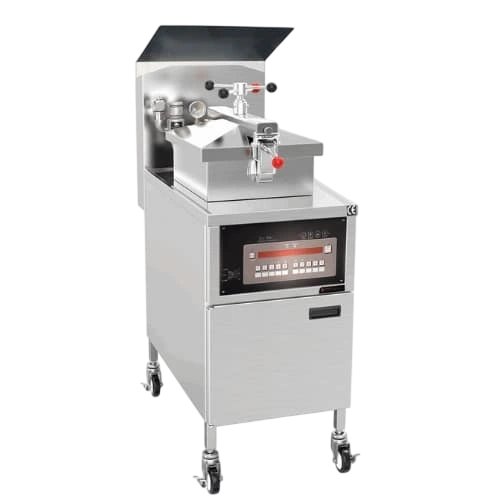
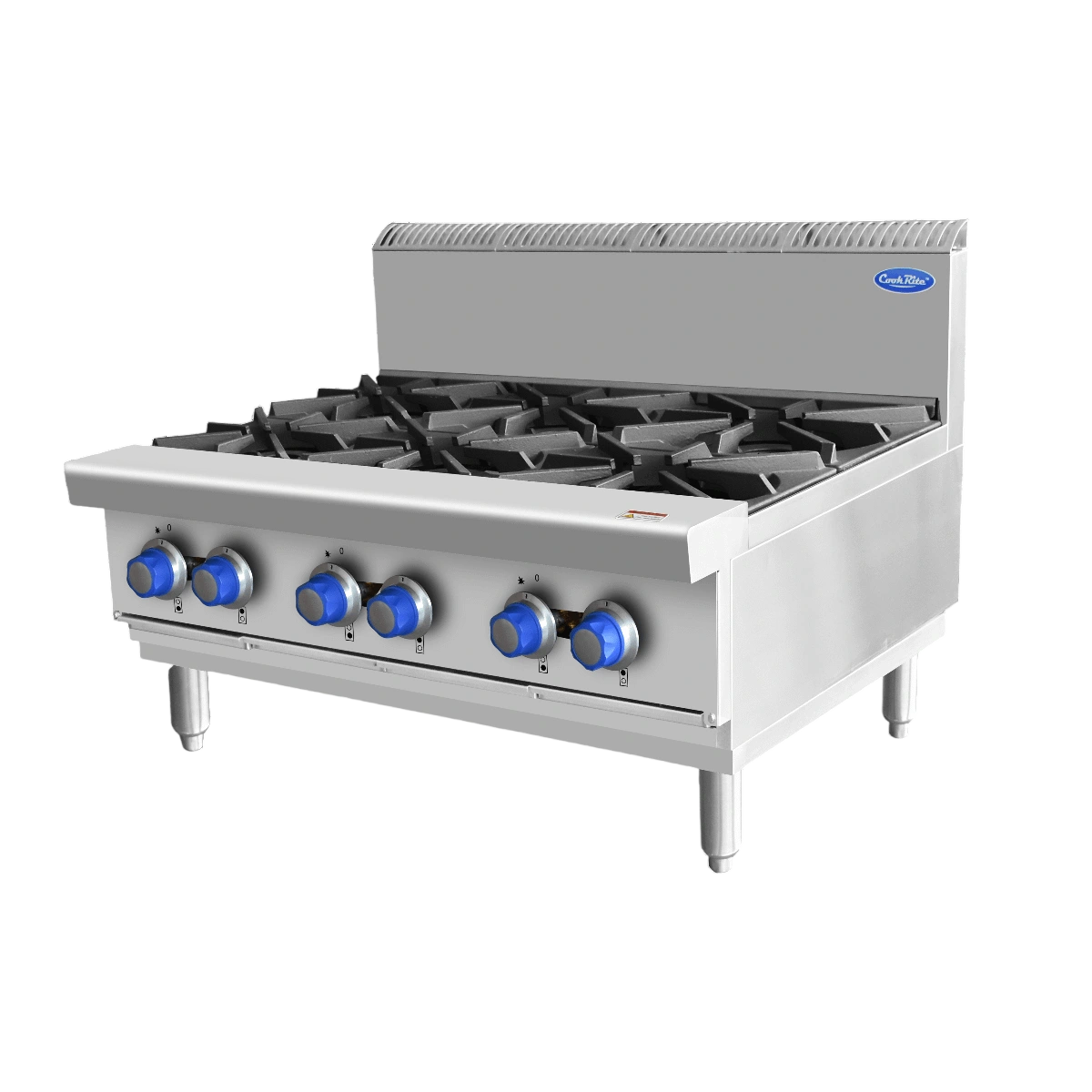
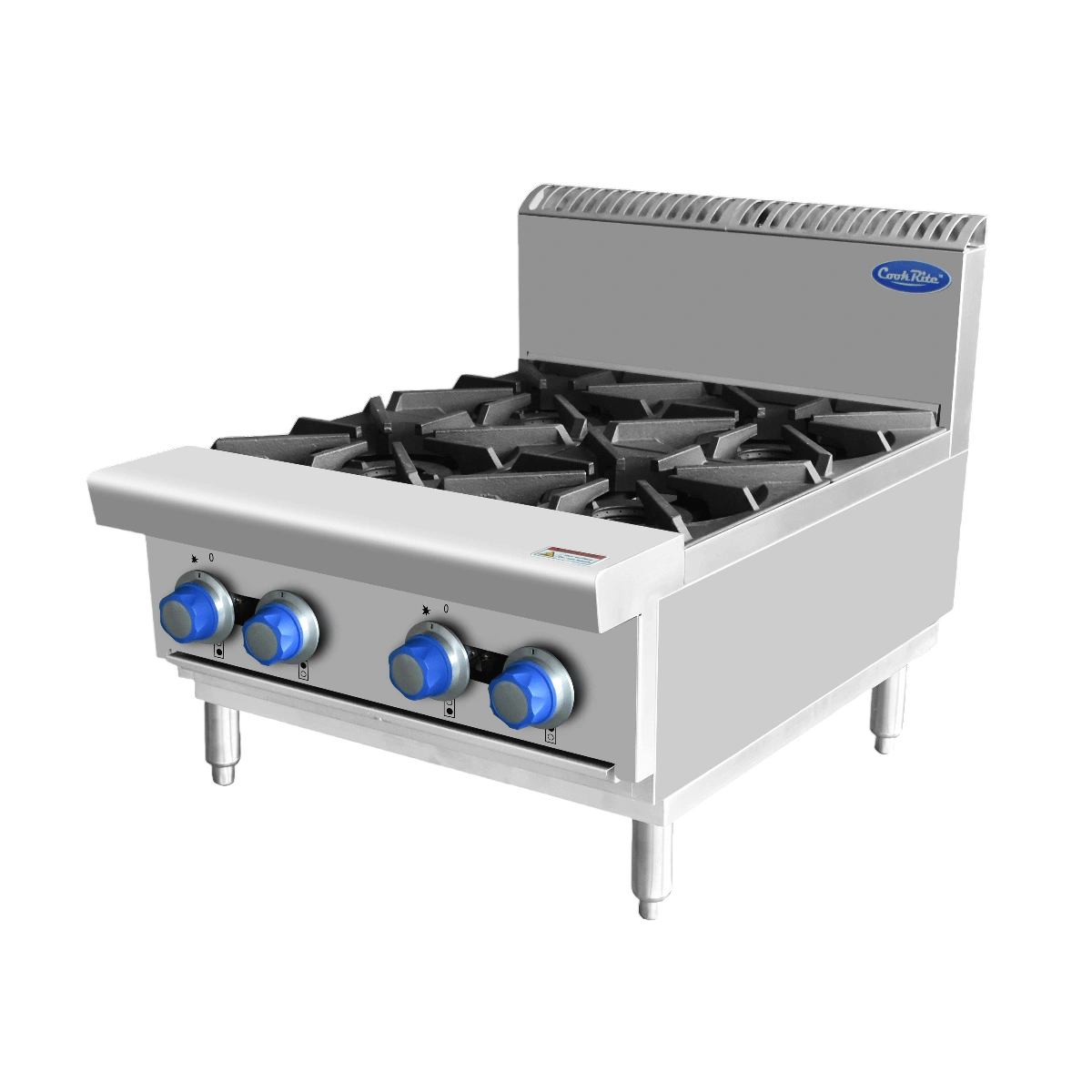
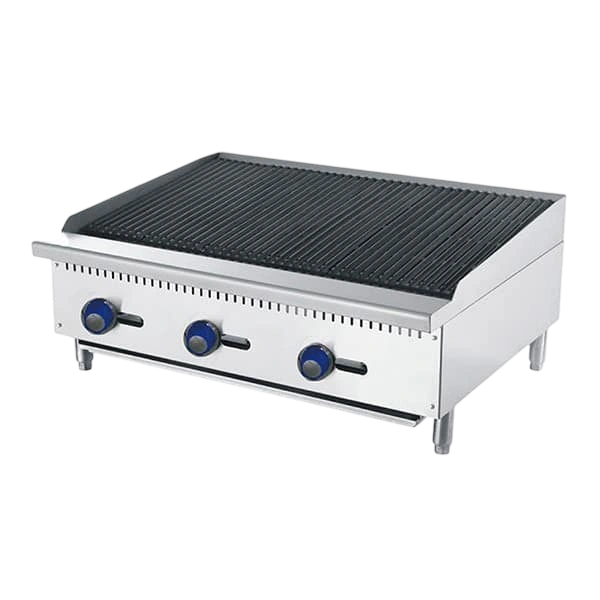
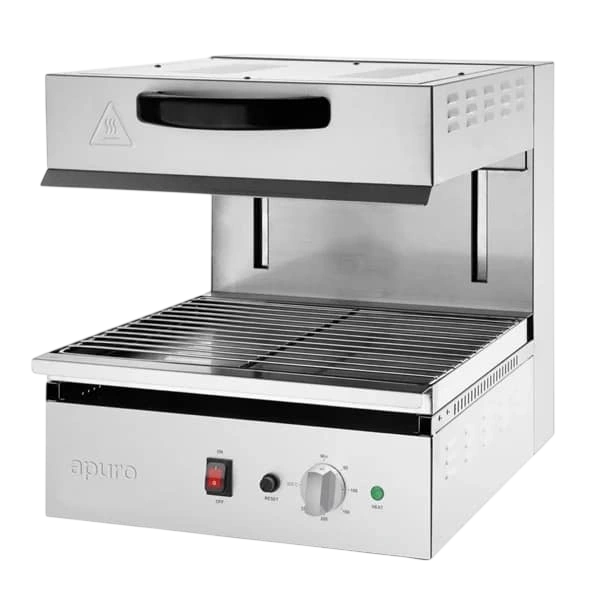
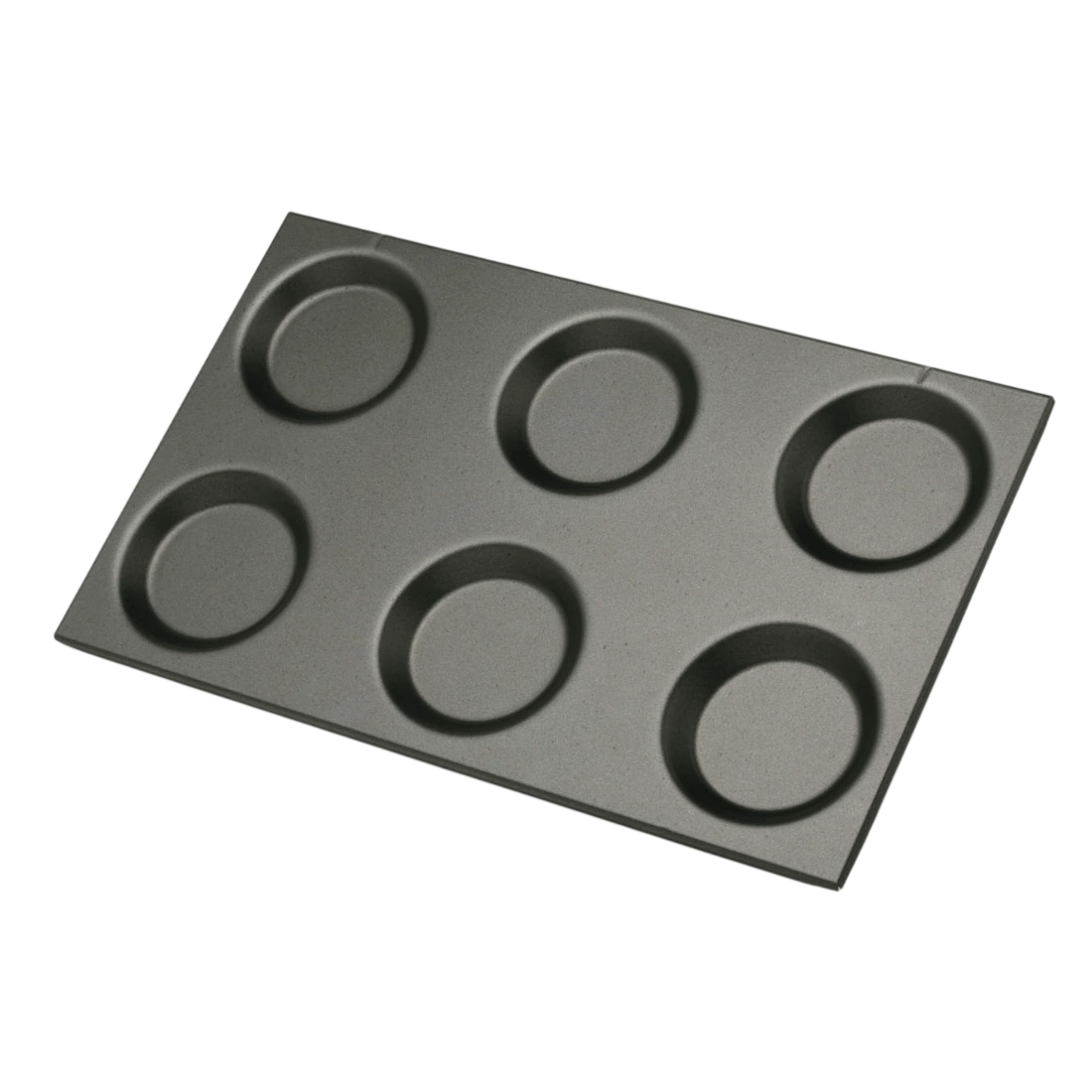
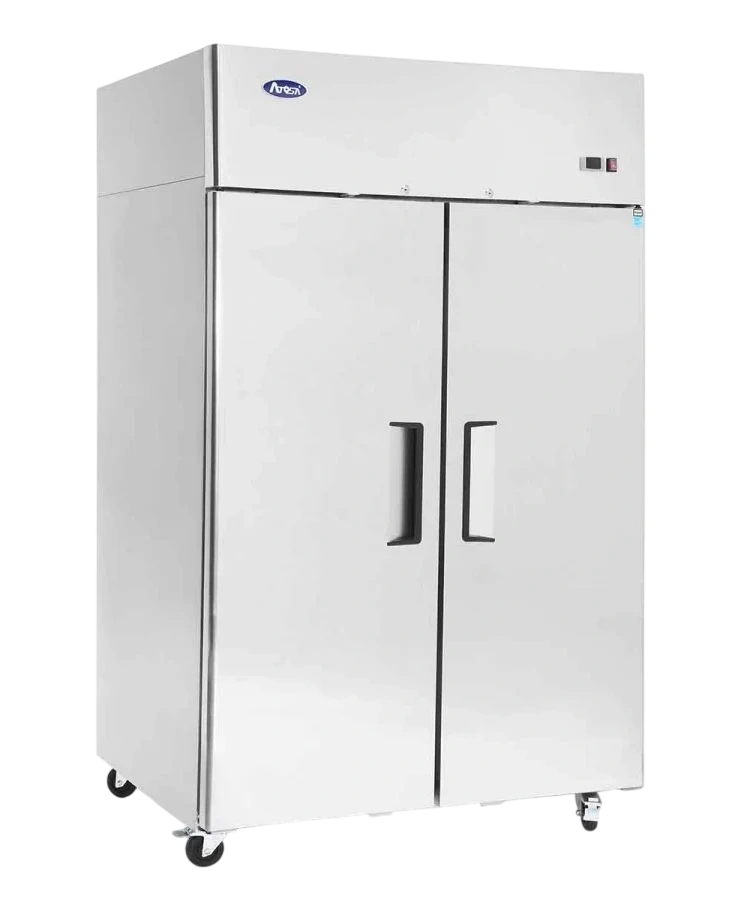
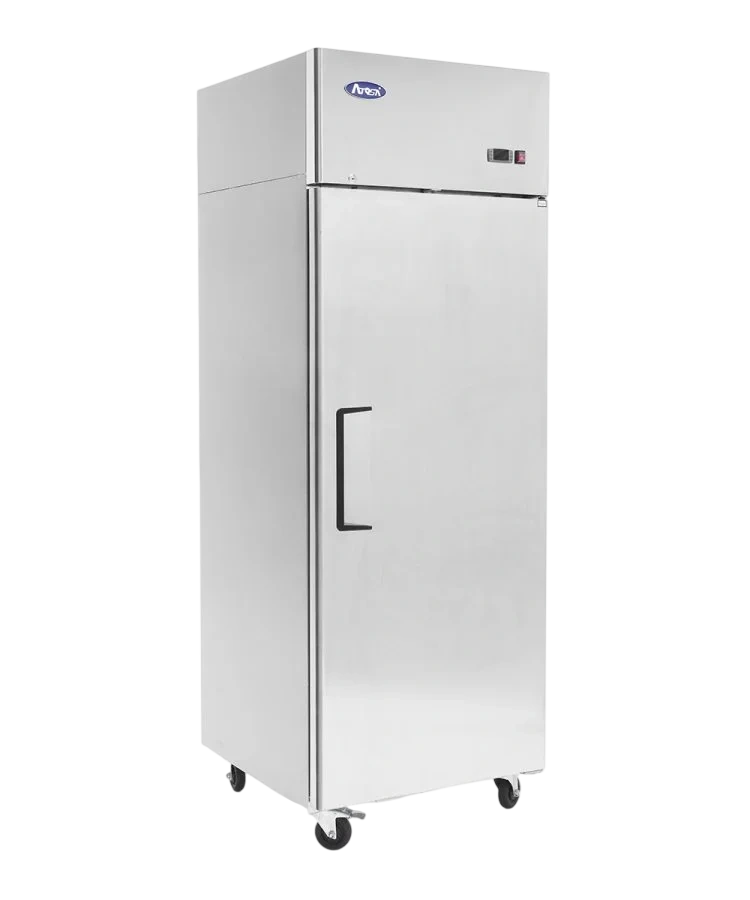
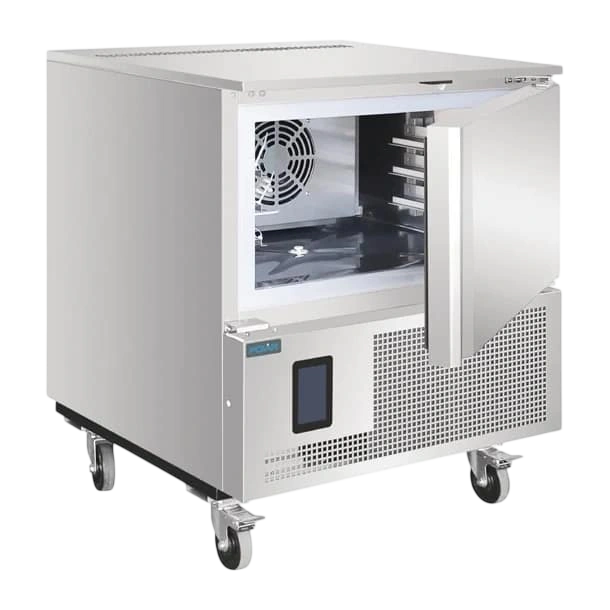
10x GN1/1 30kg
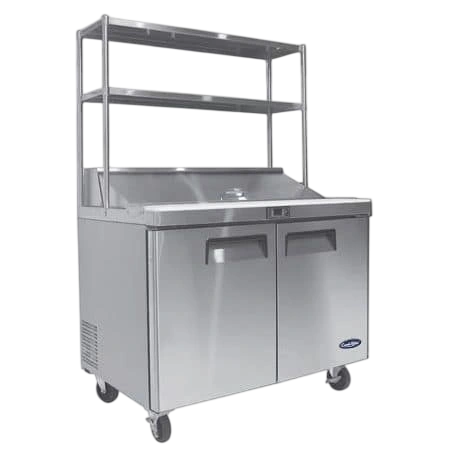
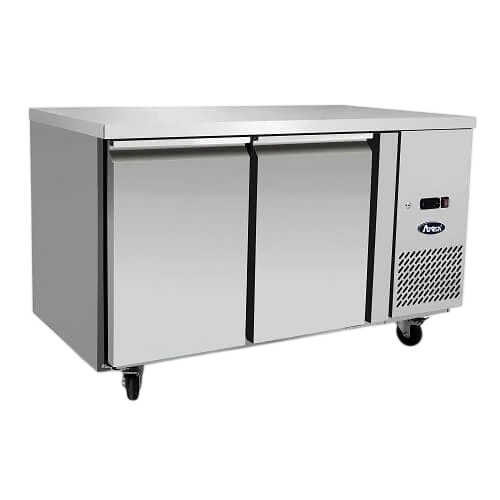
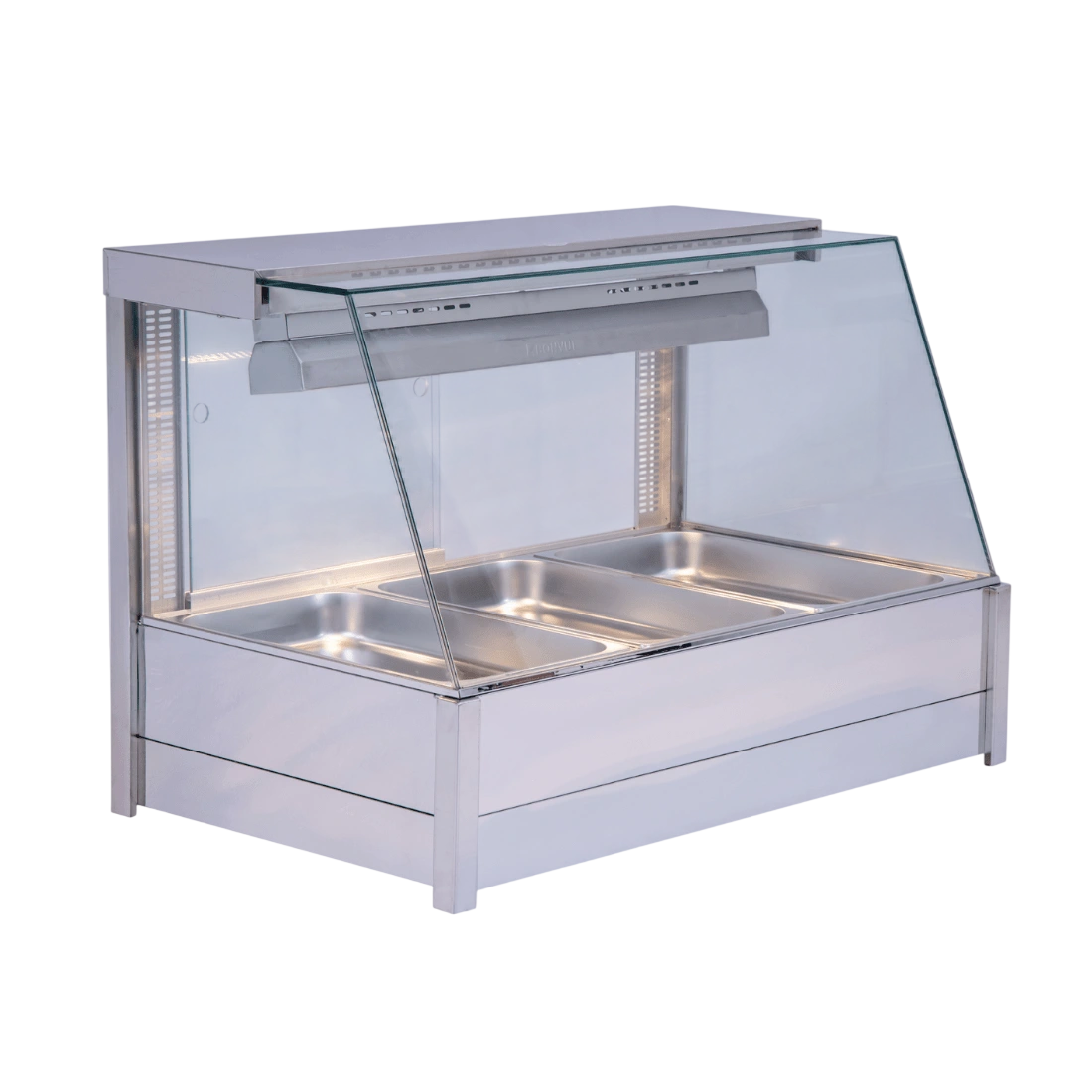

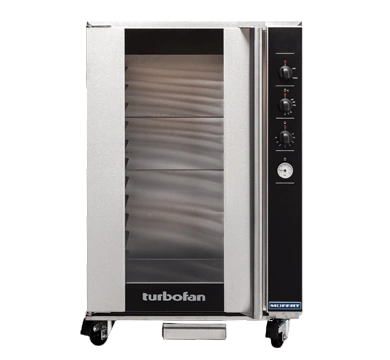
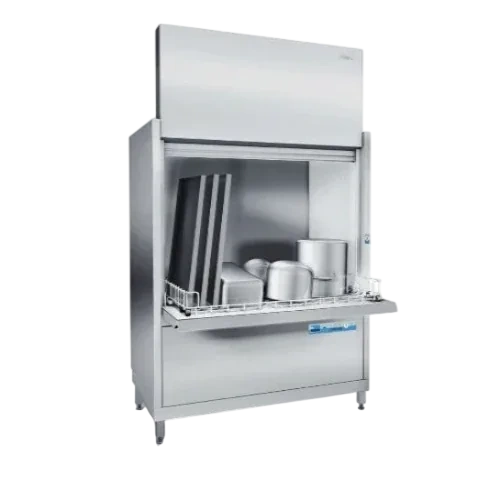
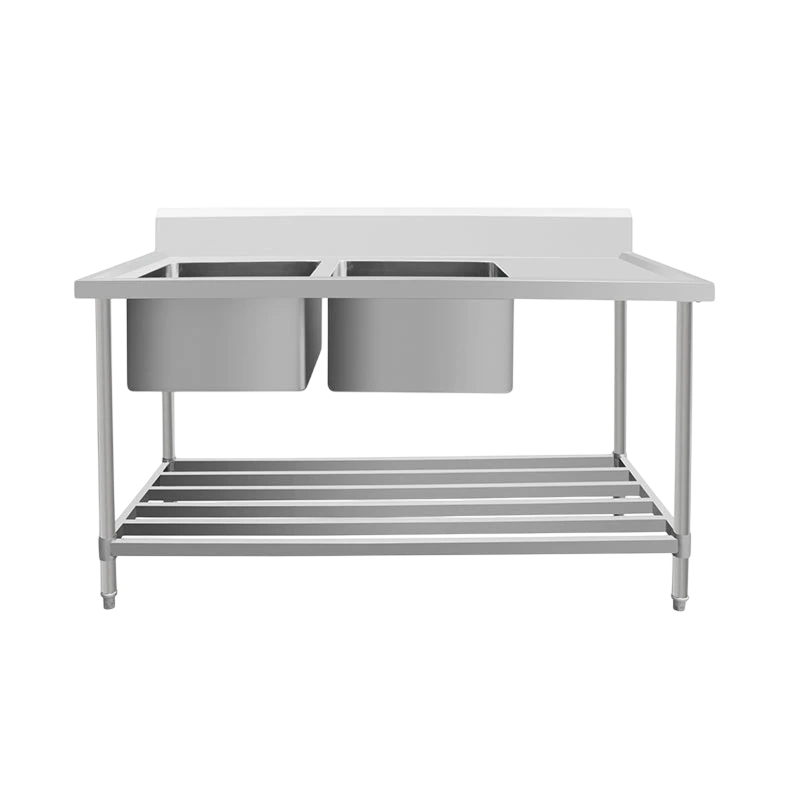
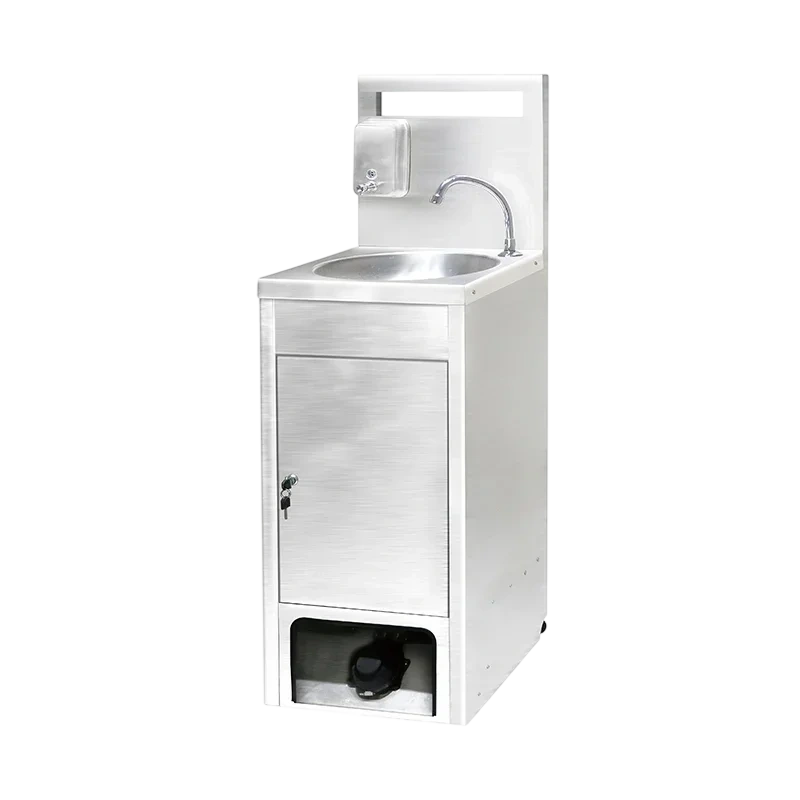
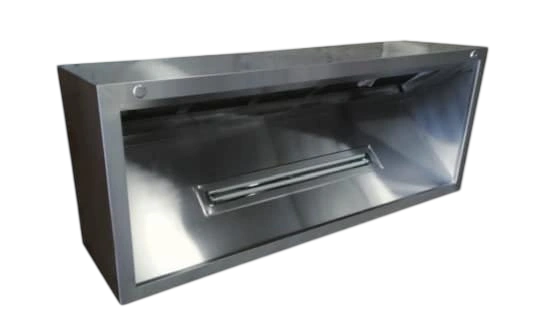
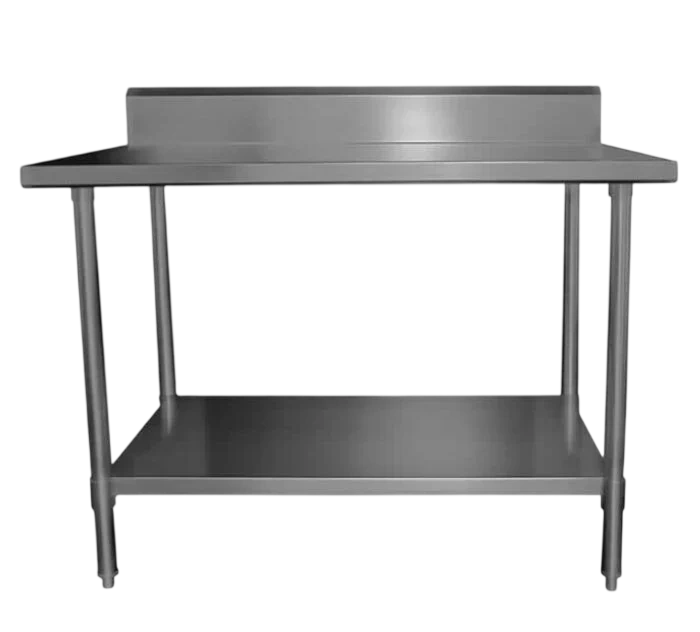
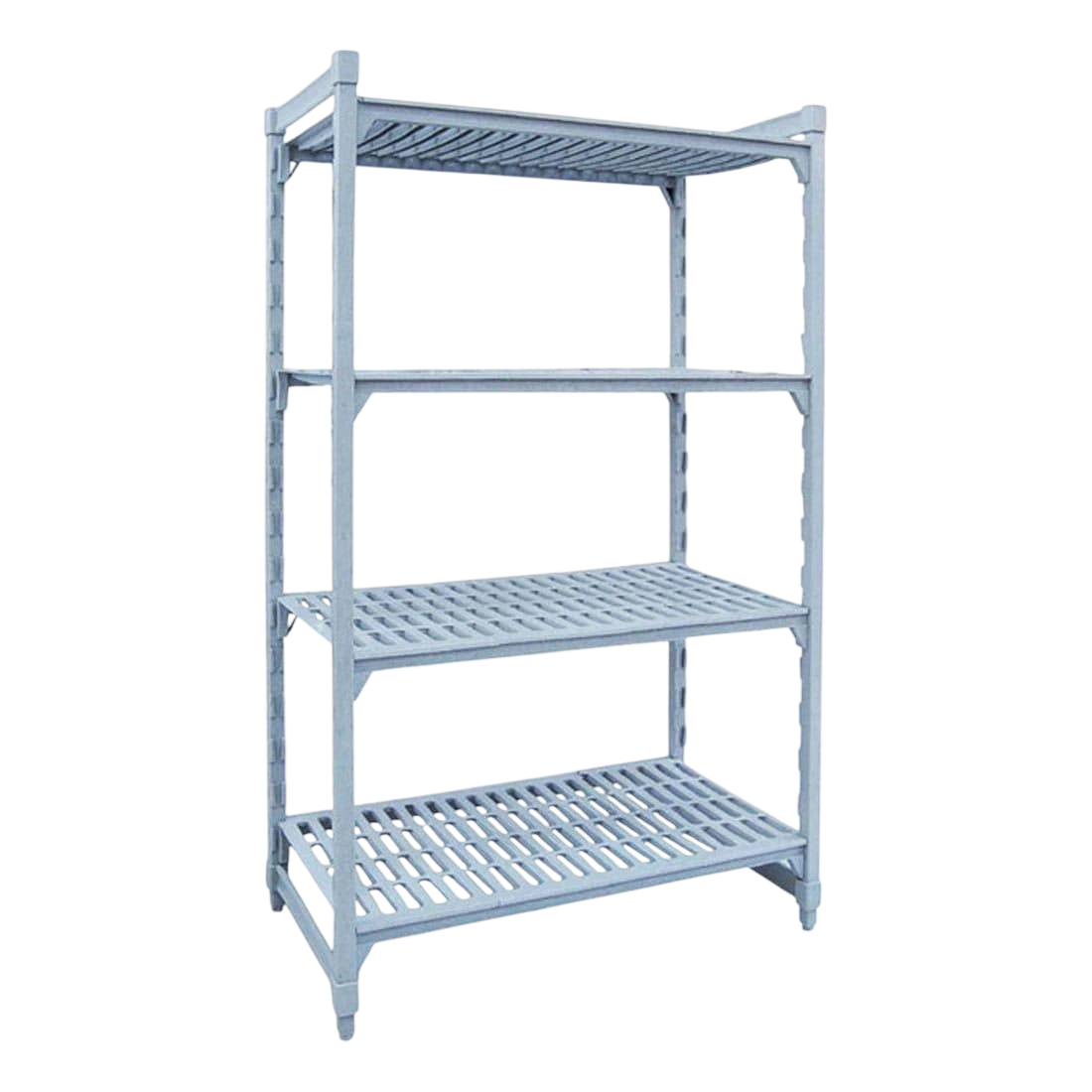
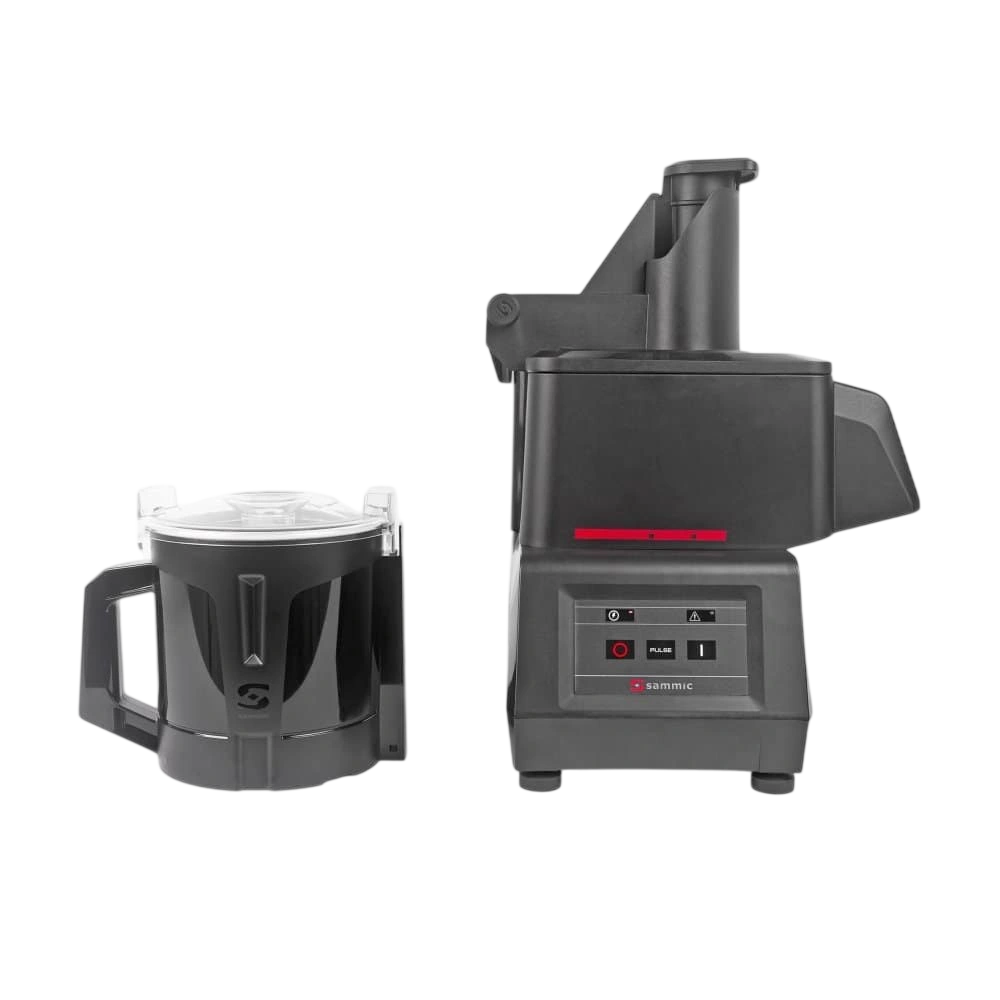
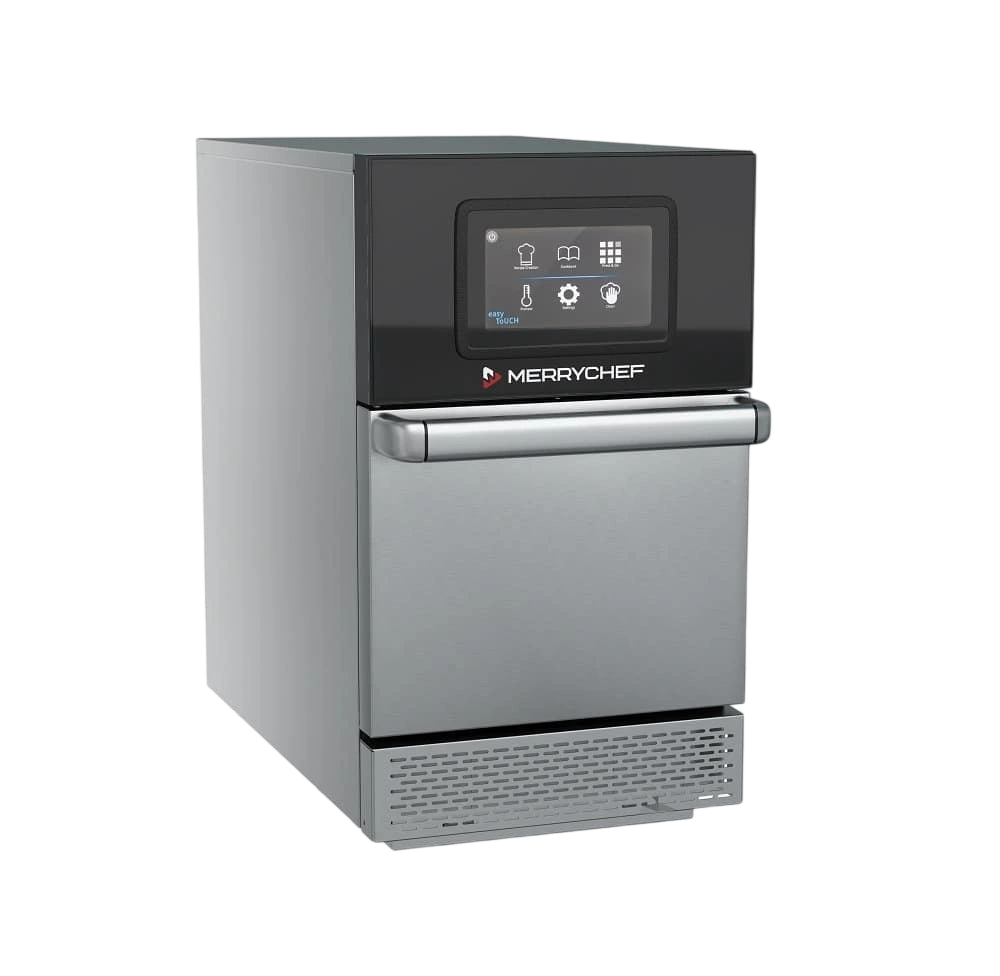
Microwave+convection
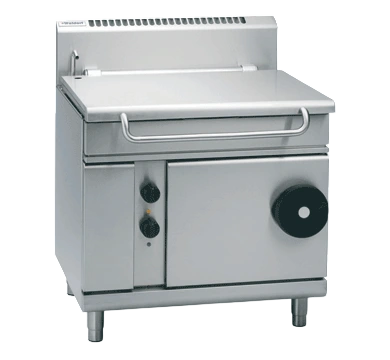

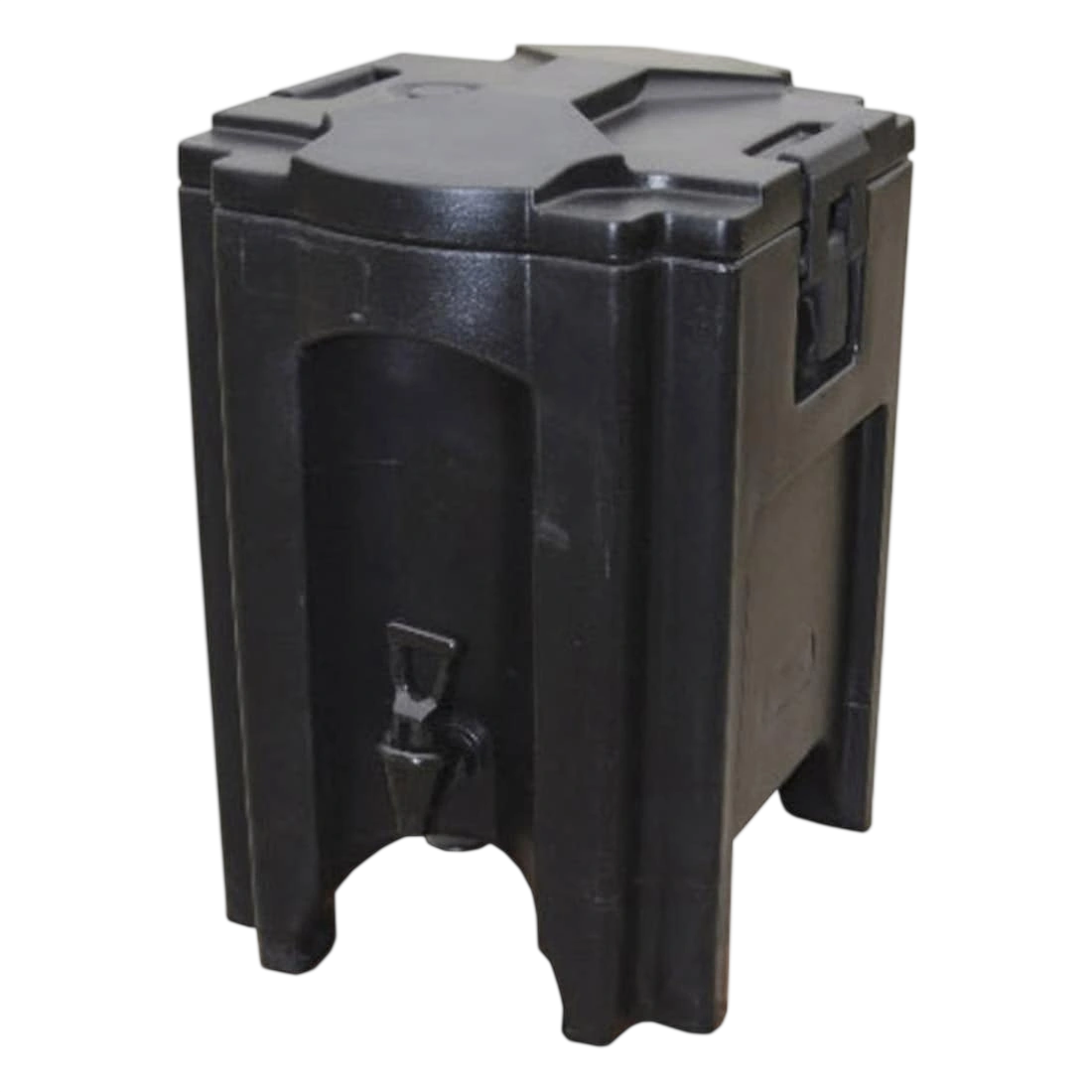
4-6 flavour
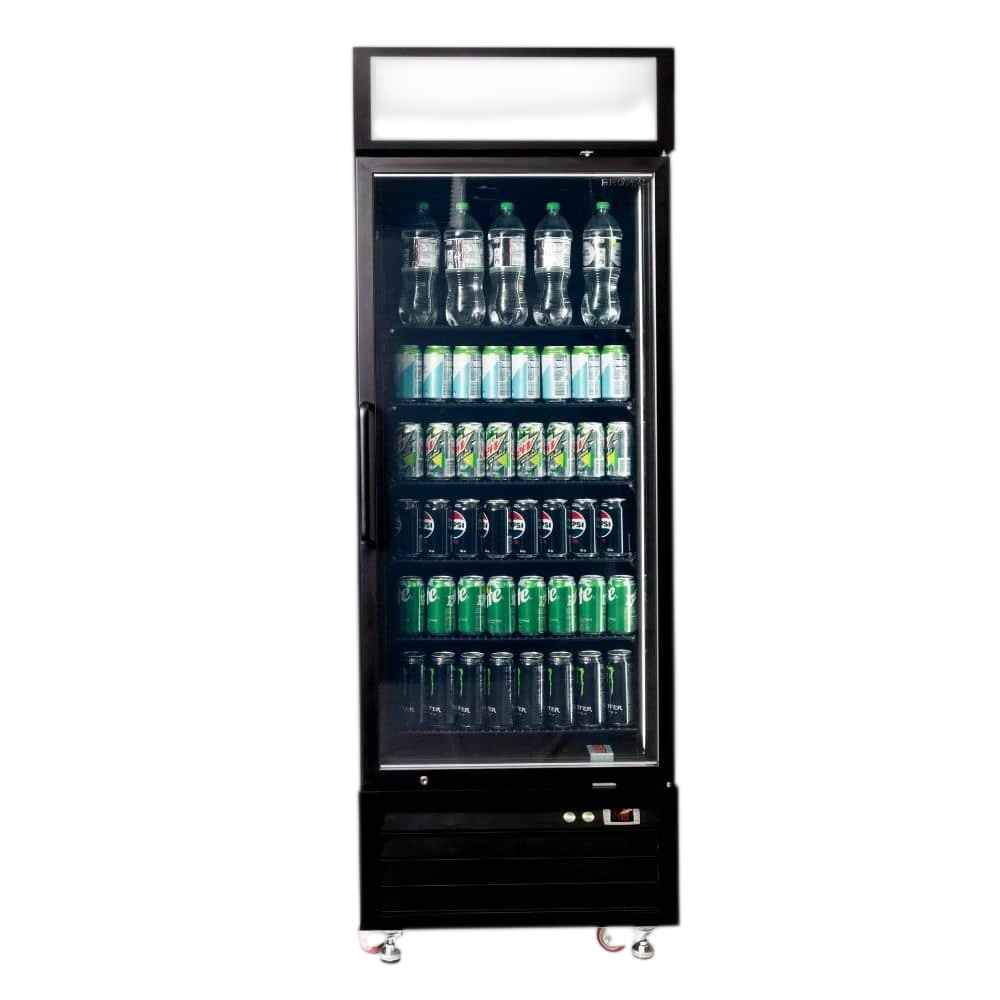
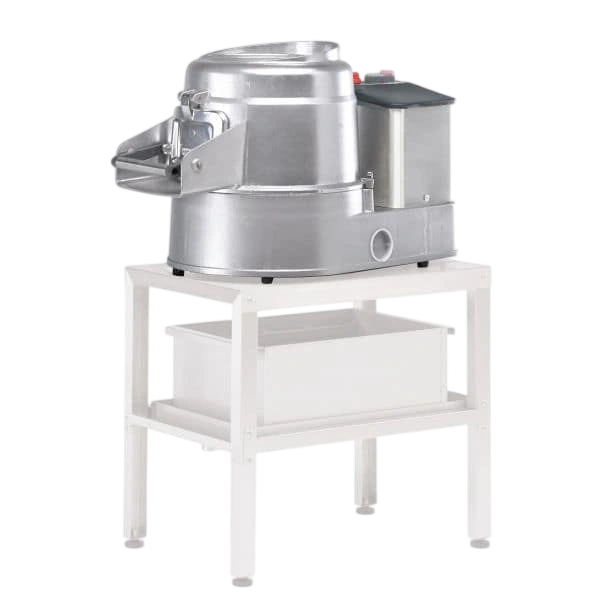
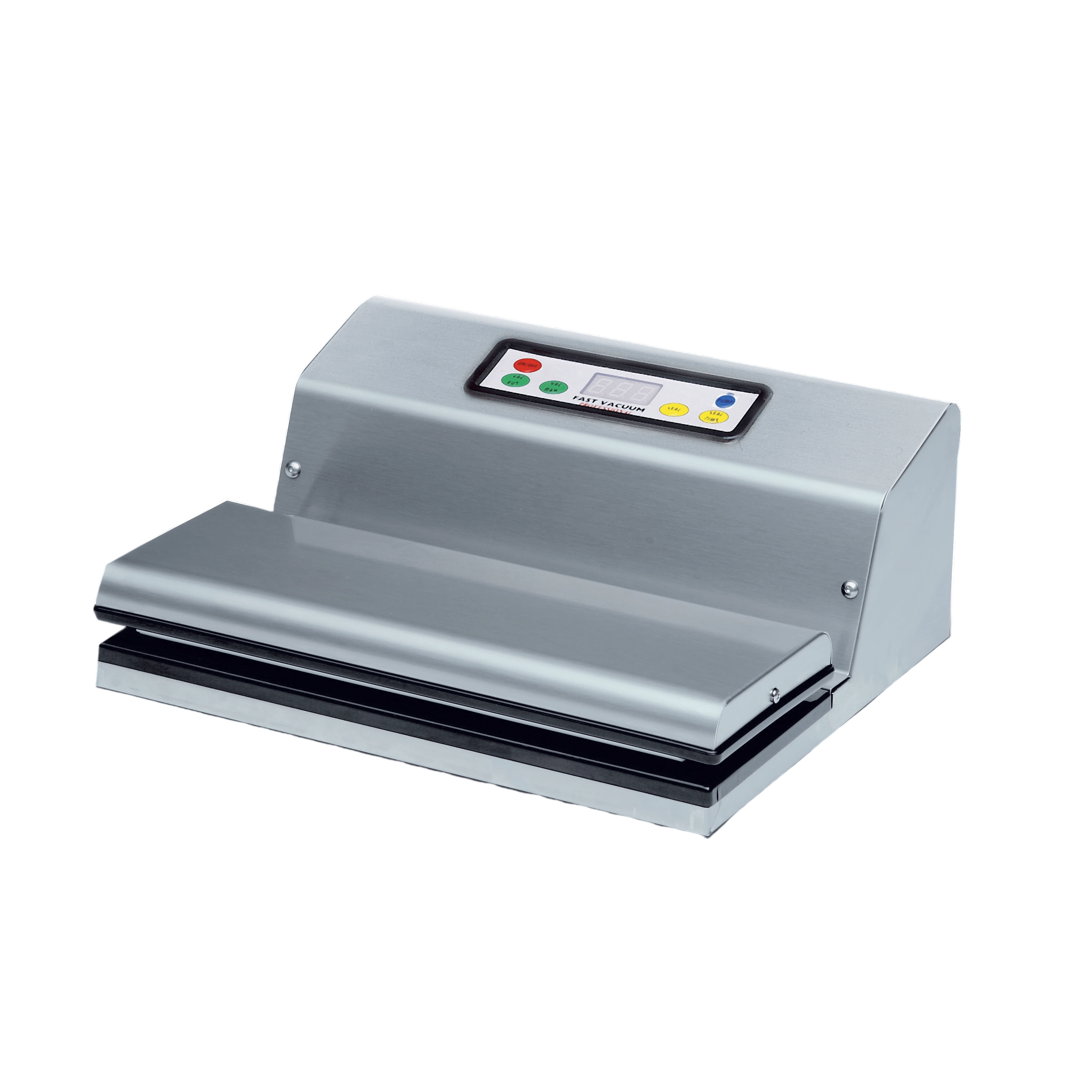
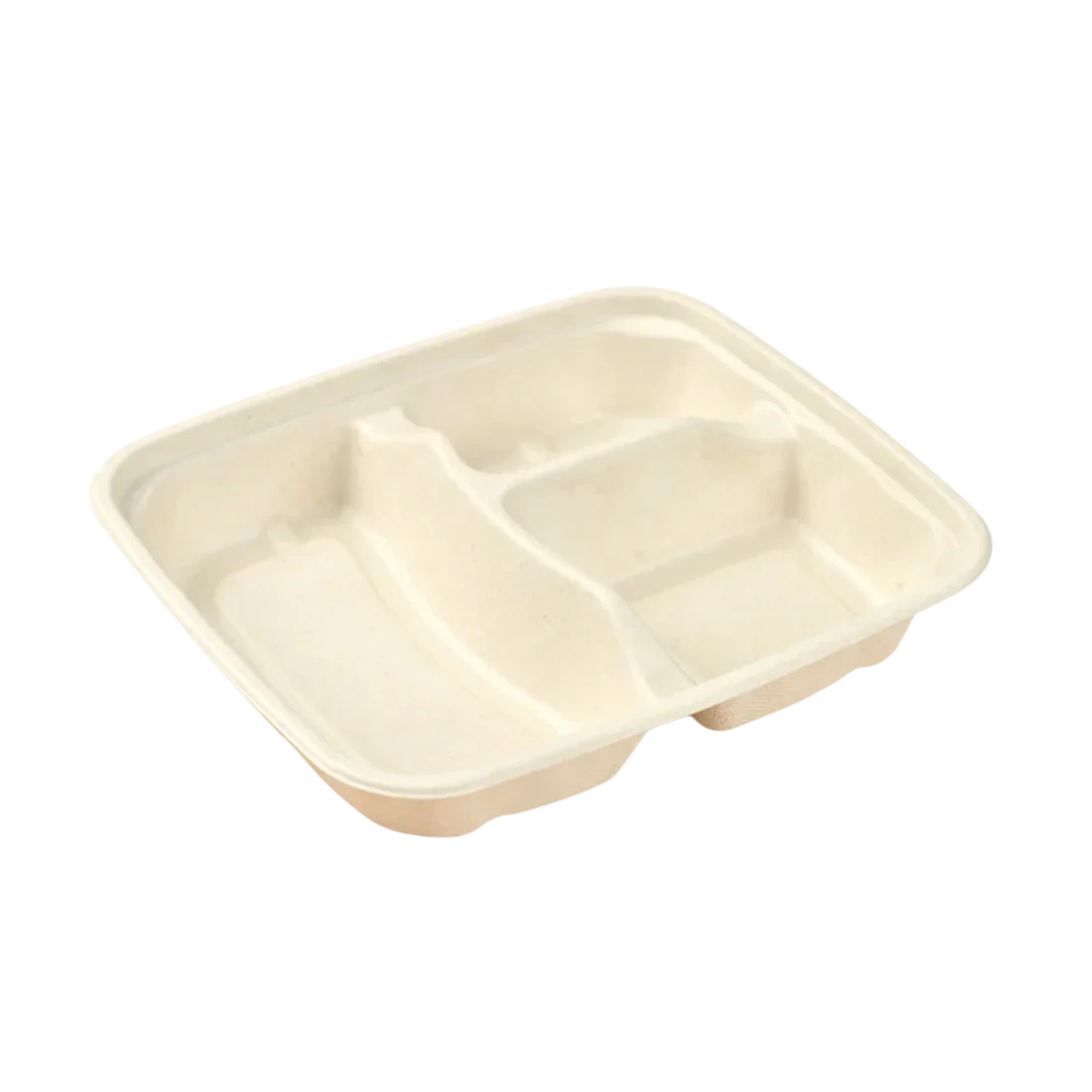
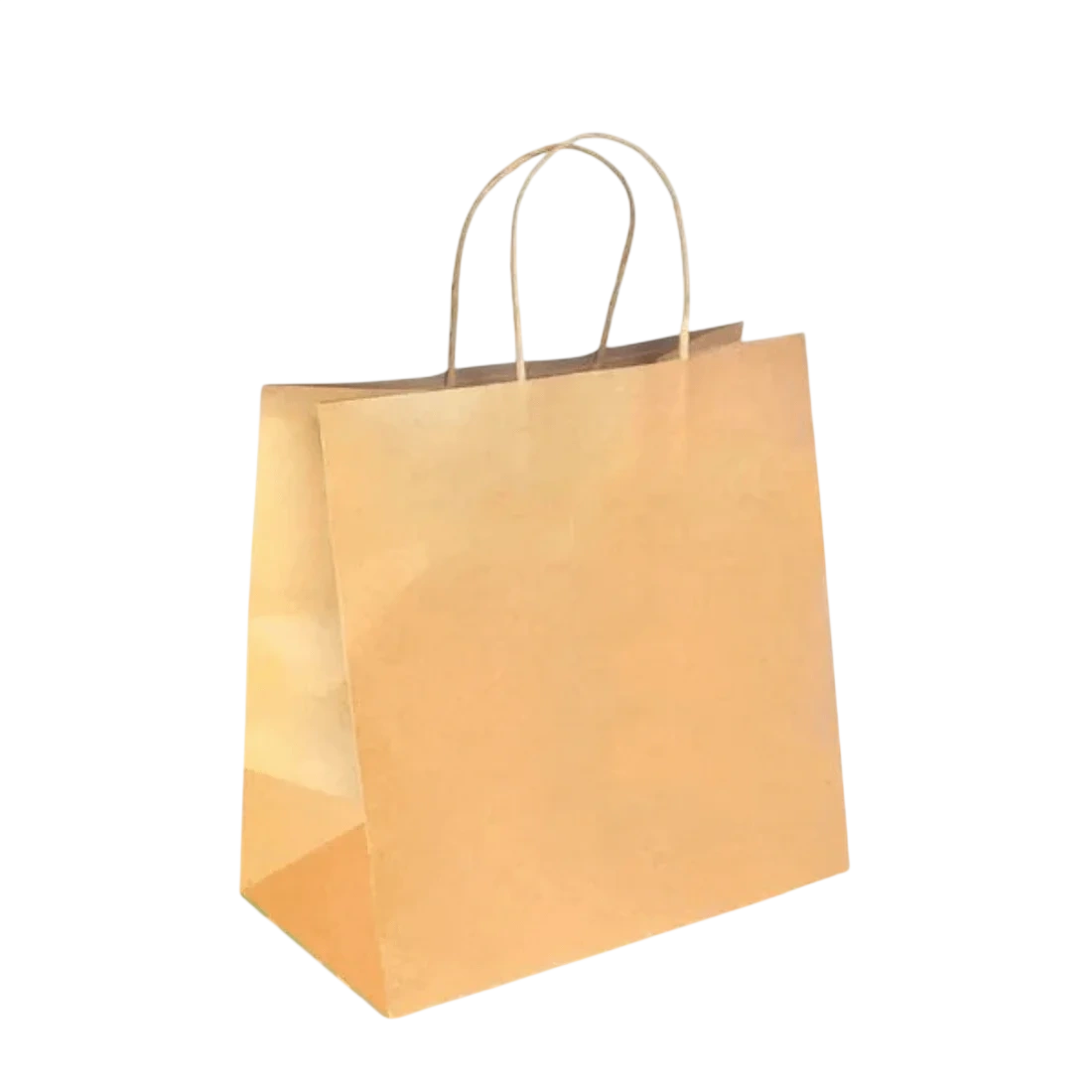
23 essential items · $143,876 ex-GST indicative · with delivery and installation quoted for your site. Final quote reflects your menu, site, power, gas, drainage, ventilation and delivery.
Checking current Package availability…
Package: SBB-TAKEAWAY-CHAIN
If you design a Takeaway shop like a traditional restaurant, you will drown.
When the UberEats and DoorDash tablets start pinging at 6:00 PM, your enemy isn't the food quality. Your enemy is “The Choke Point” — usually the Packing Station or the Fryer Recovery Time.
We treat your kitchen like a factory assembly line. Raw → Cook → Assemble → Pack → Out. The equipment below is selected for one purpose: High-Volume Throughput. If it can't handle a Friday night smash, it's not on this list.
Every item in these packages was selected against one test: does it survive a Friday-night smash? If not, it's off the list. We don't pad packages with pretty equipment.
Food-truck tier is built for actual food-truck constraints (single-phase, LPG, no castors, workbench-only fridge). Not a downsized cafe spec. Chain tier assumes 3-phase, full canopy, and the operator's already done their fitout maths.
SKUs picked by margin against current catalog products. No vapourware, no quad-tank fryers we don't sell. If KW stocks single-tank only, the chain tier shows you 4× single-tank banked — because that's how the cookline actually gets built.
Takeaway operators who measure success in covers-per-hour, not menu variety. Food trucks plating 60 covers an hour out of a 12m² box. Fastfood shops absorbing the 6pm UberEats smash without recovery lag. Multi-site chains running parallel cooklines because serial workflow can't survive volume.
If you're optimising for plating, presentation, or a 90-minute dining experience — wrong page. This is for operators who think in throughput, recovery time, and choke-point location.
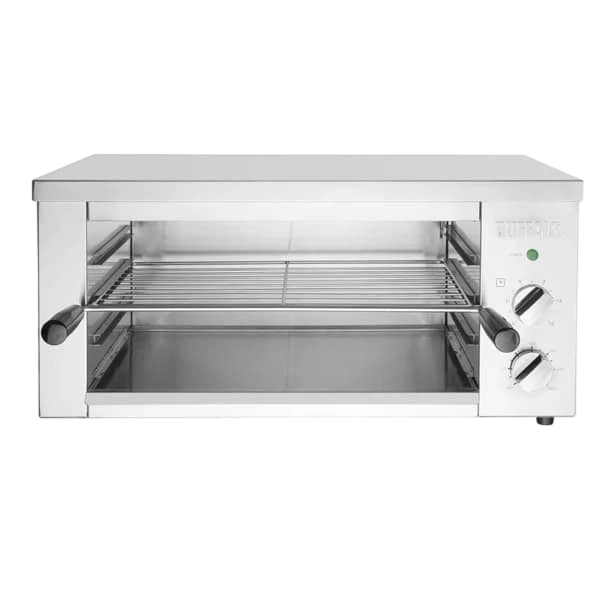
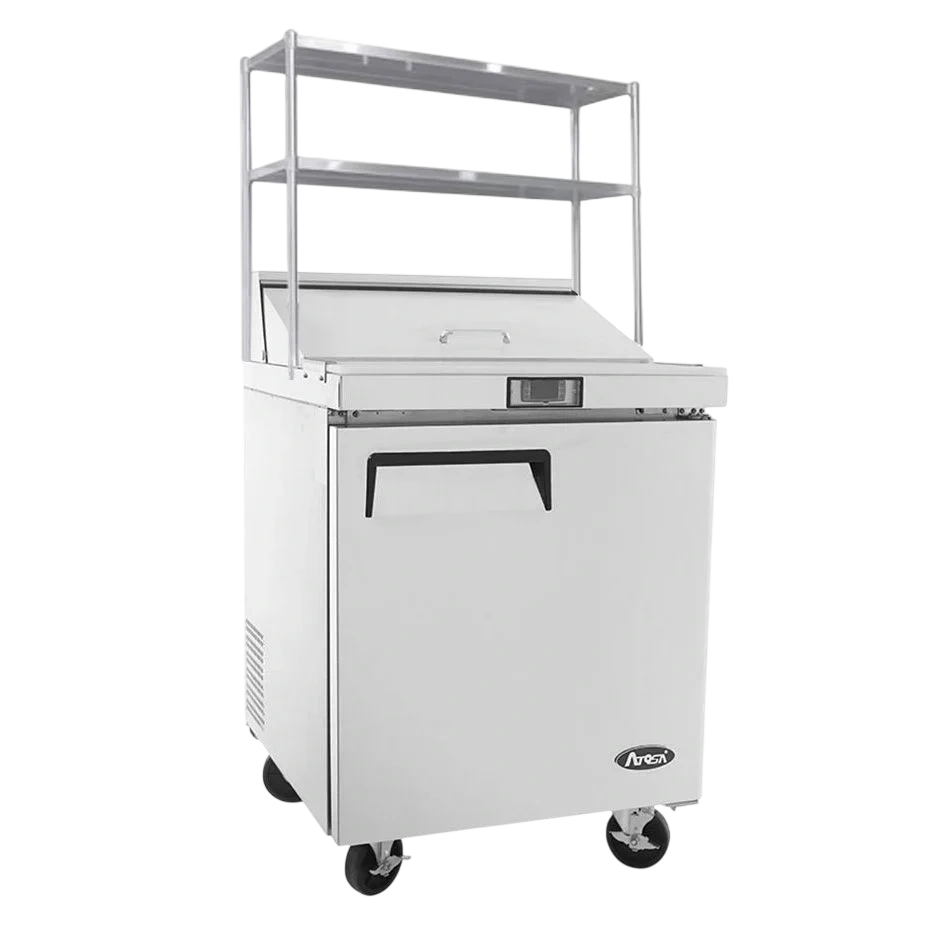
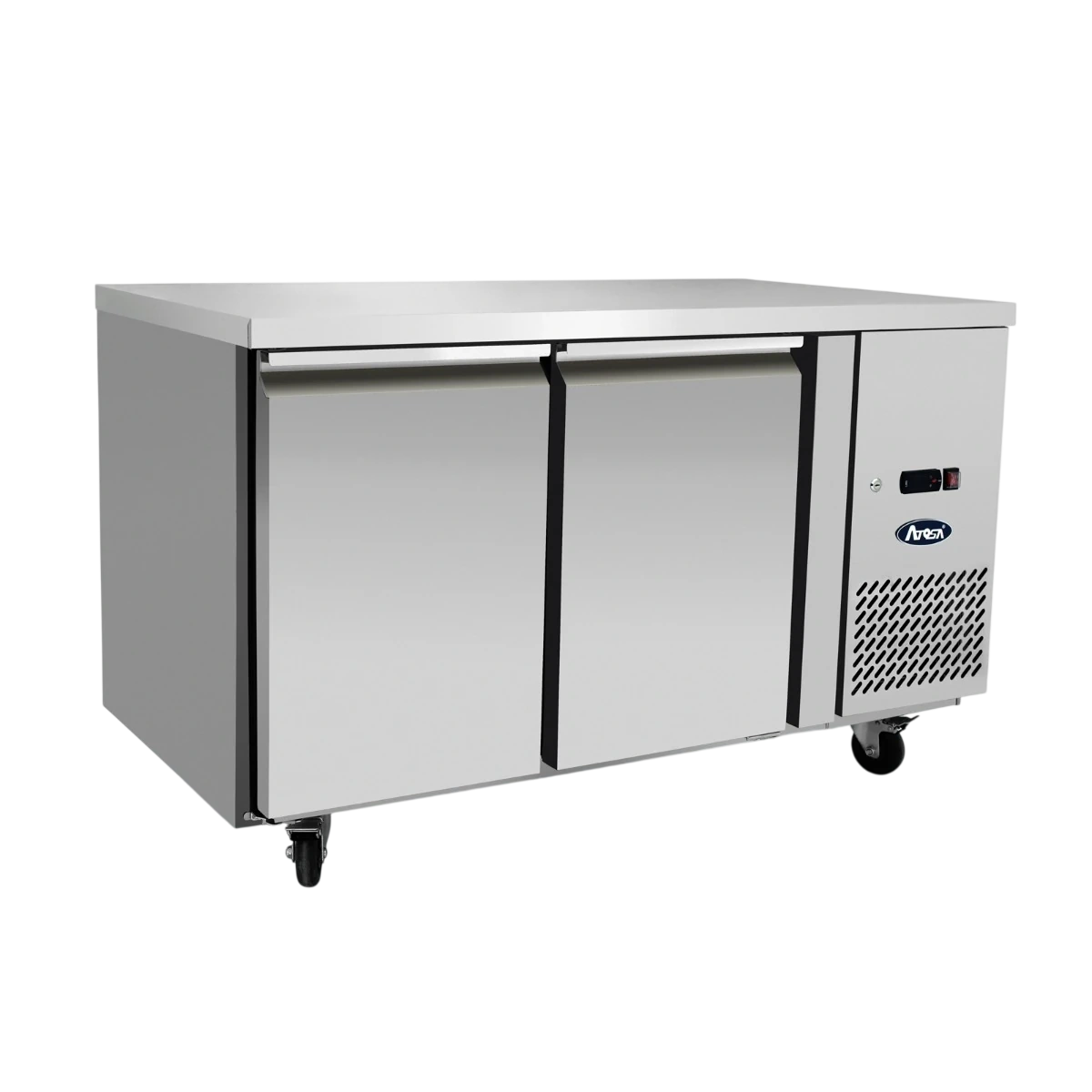
Takeaway kitchens are tightly specified, not flexible. The cookline runs on fryers (single, twin, or banked), griddles, chargrills, and 6-burner gas ranges. Refrigeration is cold-chain in straight lines: workbench prep fridges line-side, undercounter freezers under cookline, upright stock fridges for bulk. Every tier above food-truck adds a dedicated packing station with overhead heat gantry — that's the difference between shipping orders on time and watching the tablet queue stack up.
What's missing matters too. No combi-oven station for finesse cooking until the chain tier. No walk-in coolroom in chain — KW spec uses upright banks because walk-ins are over-engineered for QSR throughput patterns. No grease arrestor, RO water filter, gas interlock, label printer, or fire suppression in any tier — those are shopfitter scope, not equipment scope.
Sit-down restaurants. Fine dining. Catering operations with menu rotation. Coffee-led venues (the cafe spec is the right page). Operations where plating presentation matters more than time-to-counter.
The bottleneck in takeaway is rarely cooking capacity. It's three things, in this order:
Equipment that ignores these three constraints can be expensive and still slow. Equipment that addresses them can be modest and still ship 300 covers an hour.
Australian takeaway kitchens fall under AS4674 (food premises zoning), AS1668.1/.2 (exhaust + makeup air, mandatory above 5kW gas indoor), AS1850 (gas appliance install — gas-fitter required), and AS3000 (electrical, RCD on wet-zone circuits). Food-truck operations additionally fall under state vehicle-registration food-business regs, which require recirculating extraction (no canopy possible) and AS1850-compliant LPG hardware.
What we don't supply: grease arrestors (council/plumber), gas interlock systems (gas-fitter), fire suppression (hood install vendor), RO water filtration (shopfitter or specialist). Plan these in your fitout budget separately — they're real line items, just not ours.
Start where the throughput constraint lives. For food-truck, the LPG cookline + workbench refrigeration is everything; the rest is sink, bench, packing. For fastfood, the cookline scales (twin fryers + 6-burner + packing station) and refrigeration goes upright + sandwich-prep line-side. For chain, you're buying redundancy and parallelism — banked fryers, pot washer (not dishwasher — pots are the load), combi oven for prep-ahead, blast chiller for food-safety prep windows.
Browse Recommended Equipment →
Constraint, not size. Food-truck is single-phase + LPG + benchtop-only because of vehicle/kiosk physics. Fastfood is fixed-shop with 3-phase, exhaust canopy, dedicated packing station — the threshold where UberEats volume justifies a heat gantry and a real cookline. Chain is parallelism: 4-bank fryers, dual prep lines, pot washer, blast chiller, combi oven. Different physics at each tier — not a price ladder.
Drop cold chips into hot oil and temperature crashes. Recovery is burner kW + oil volume + heat-exchanger design. A single fryer rated at 200 covers/hr is rated at empty-tank-clean-oil-no-customers — real-world it's half that. Banking 4× single-tank > buying 1× quad-tank because parallel recovery beats sequential. That's why chain tier ships 4 single-tanks not 1 quad.
From fastfood tier up, yes — it's not optional. The packing station is a dedicated bench (not the prep bench), an overhead heat gantry to hold fries crisp, labelled bag dispenser zones, and a position for the delivery tablet. Without it, your assembly staff become packing staff and your cookline backs up. The packing station is the cheapest throughput upgrade in the kitchen.
KW's chain spec uses upright fridge/freezer banks, not walk-ins. Walk-ins are over-engineered for QSR throughput — high construction cost, slow access, expensive to maintain. Upright banks give you door-cycle speed (the actual constraint at peak), modular replacement, and no fitout build-out. If you genuinely need walk-in capacity, that's a custom fitout conversation, not a package SKU.
Gas for recovery, electric for kitchens without gas infrastructure. Gas fryers (LPG or NG) recover faster under load — the burner kW dumps energy into oil quicker than an electric element. Electric is fine for low-volume sites, food-truck add-on backup, or kitchens where running gas is uneconomic. Most AU gas fryers are NG/LPG-convertible with a regulator swap, so the food-truck tier ships NG-spec fryers that operators field-convert to LPG.
These are real budget line items. Plan them with your fitout team, not your equipment supplier.
Most takeaway failures are NOT cooking capacity. They are, in order: (1) fryer recovery lag, (2) packing station choke, (3) freezer access frequency. Equipment selection must prioritise these three constraints first. Adding more cooking equipment without addressing them increases cost without increasing throughput.
Map the cooking line, prep refrigeration, hot holding, packing and wash-up path before buying several pieces at once.
KW can review a new or expanded takeaway layout for workflow, equipment placement and the practical space each station needs.
Equipment finance may help keep cash available for packaging, stock, staff and launch costs while the venue builds trade.
Ready to choose equipment? Shop Equipment for Your Takeaway →
Our Sydney team designs the package for you — based on your menu, footprint, and budget.
7/72 Canterbury Rd, Bankstown NSW · Mon to Fri 9 to 5