
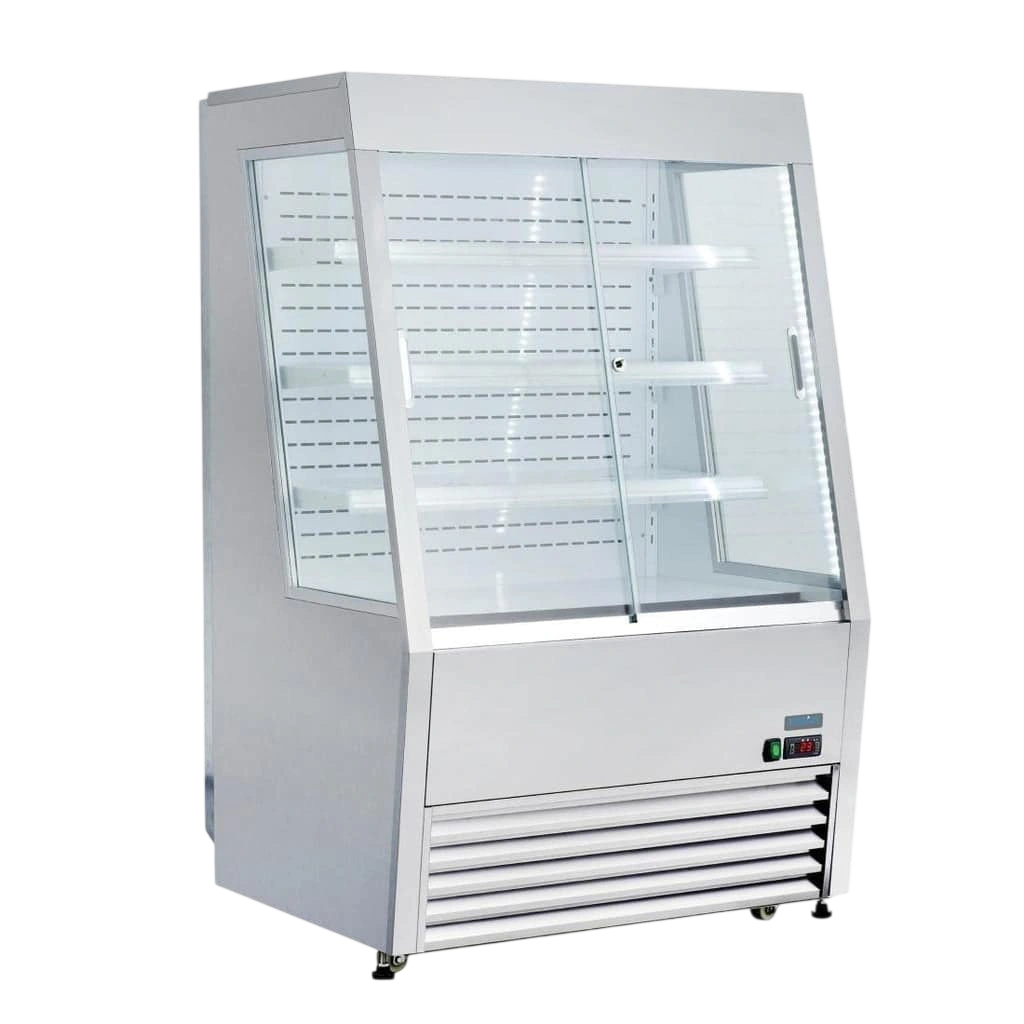
Three-tier supermarket equipment packages built for cold chain density and 16-hour trade reliability. Convenience-store, supermarket, hypermarket. No drift above safe temp, no empty shelf at peak, no break in cold chain during restock.
Fitting out a supermarket or convenience store? Begin with the customer offer and stock movement: display, back-up refrigeration and food production need to support the same sales plan.
Choose chilled, frozen, deli and hot-food display capacity around the range, facings and replenishment frequency.
Allow enough reserve refrigeration and freezer capacity to replenish displays without crowding preparation areas.
Match cooking and preparation equipment to the food you will produce on site and the hours it must remain available.
Keep receiving, storage, production, display refill and wash-up paths practical for staff and customers.
The equipment packages below organise current KW products into practical starting points. Compare the tiers, then adjust the mix to your menu, volume and site.
Retail display is only the customer-facing part of the system. Back-up cold storage, replenishment paths and any fresh-food preparation must keep the display stocked without disrupting shoppers or staff.
Display format and reserve refrigeration are often worth planning together. The range, facings and replenishment frequency determine how much product must be displayed and held behind the scenes.
Pair customer-facing chilled or frozen display with reserve storage, practical replenishment access and the preparation or hot-holding equipment required by the actual food offer.
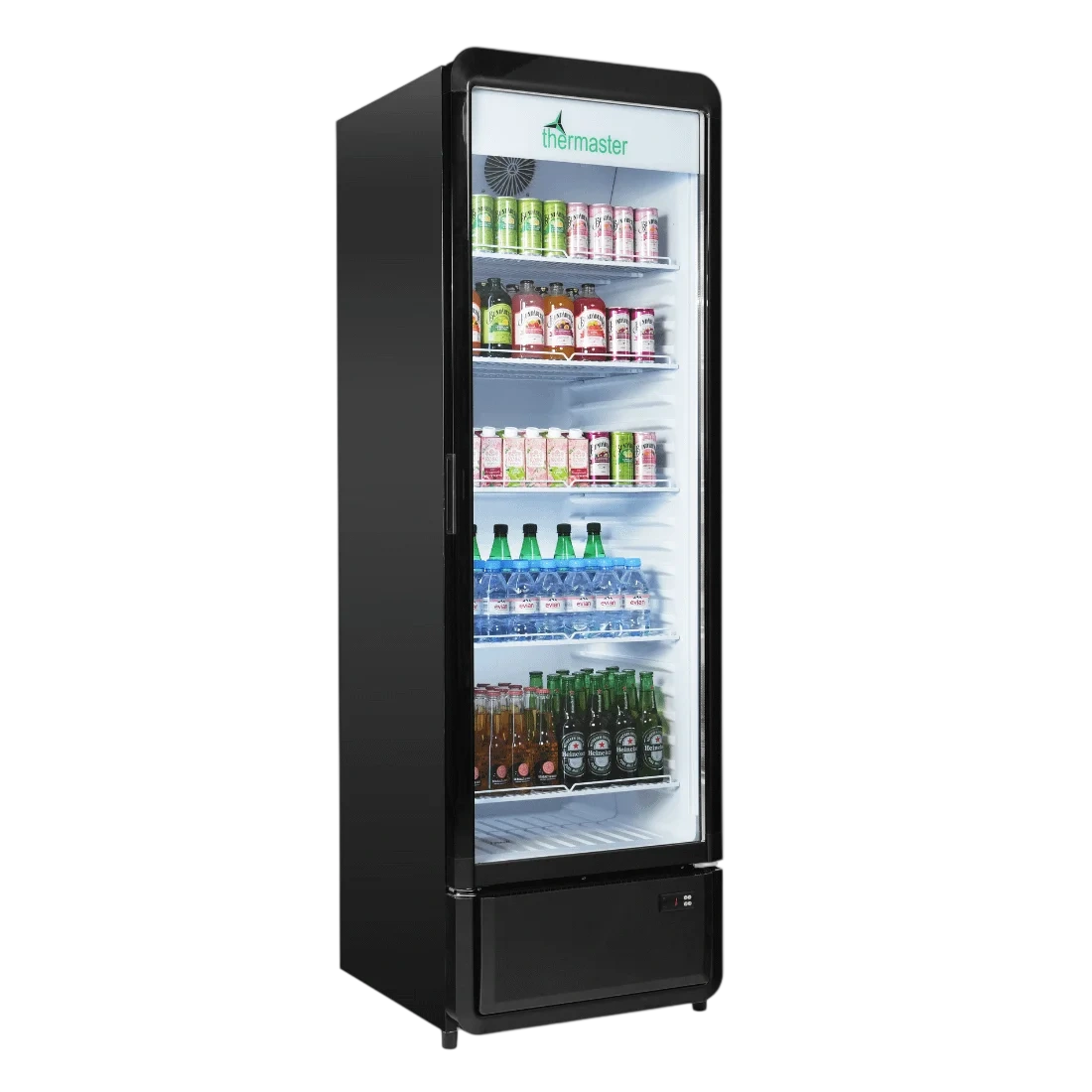
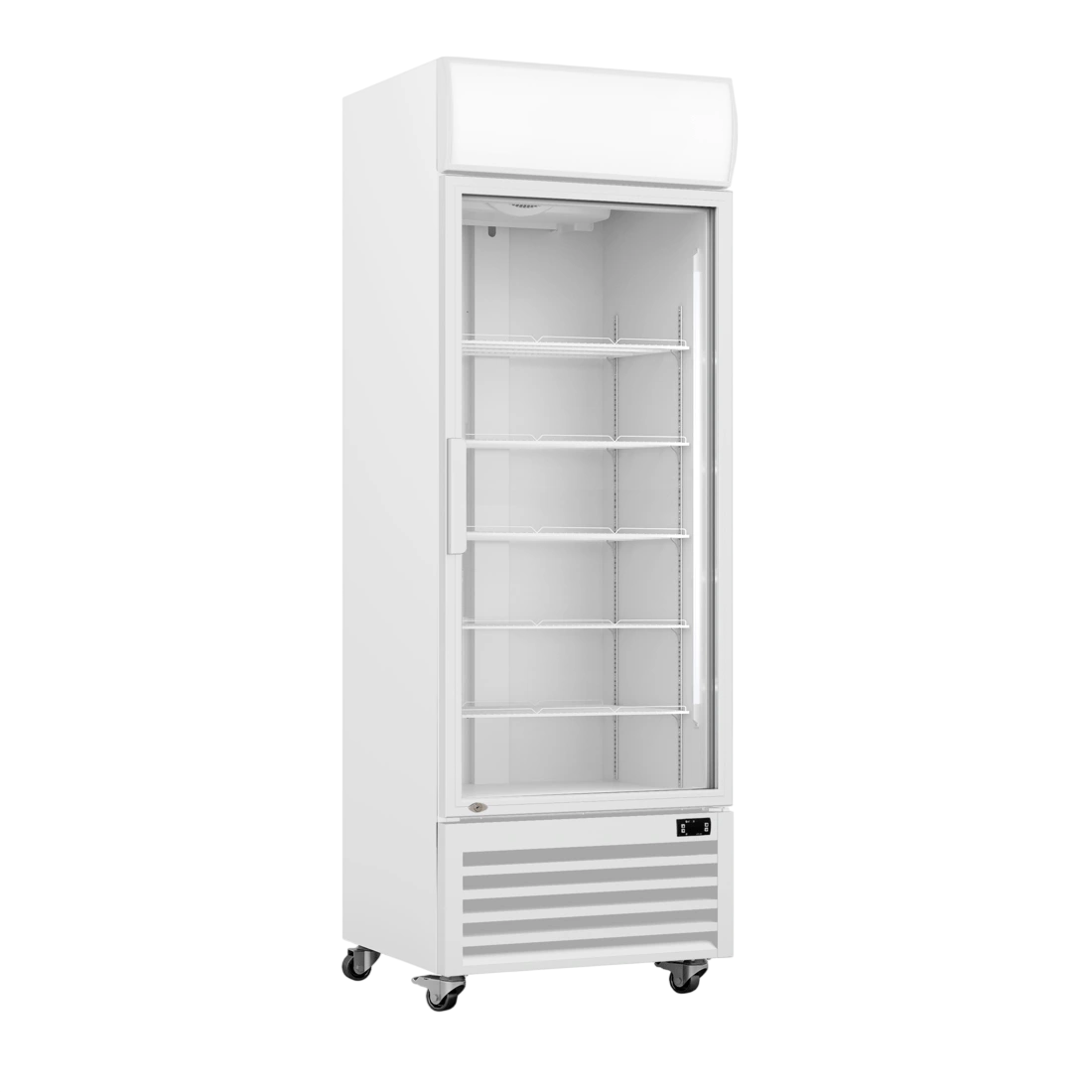
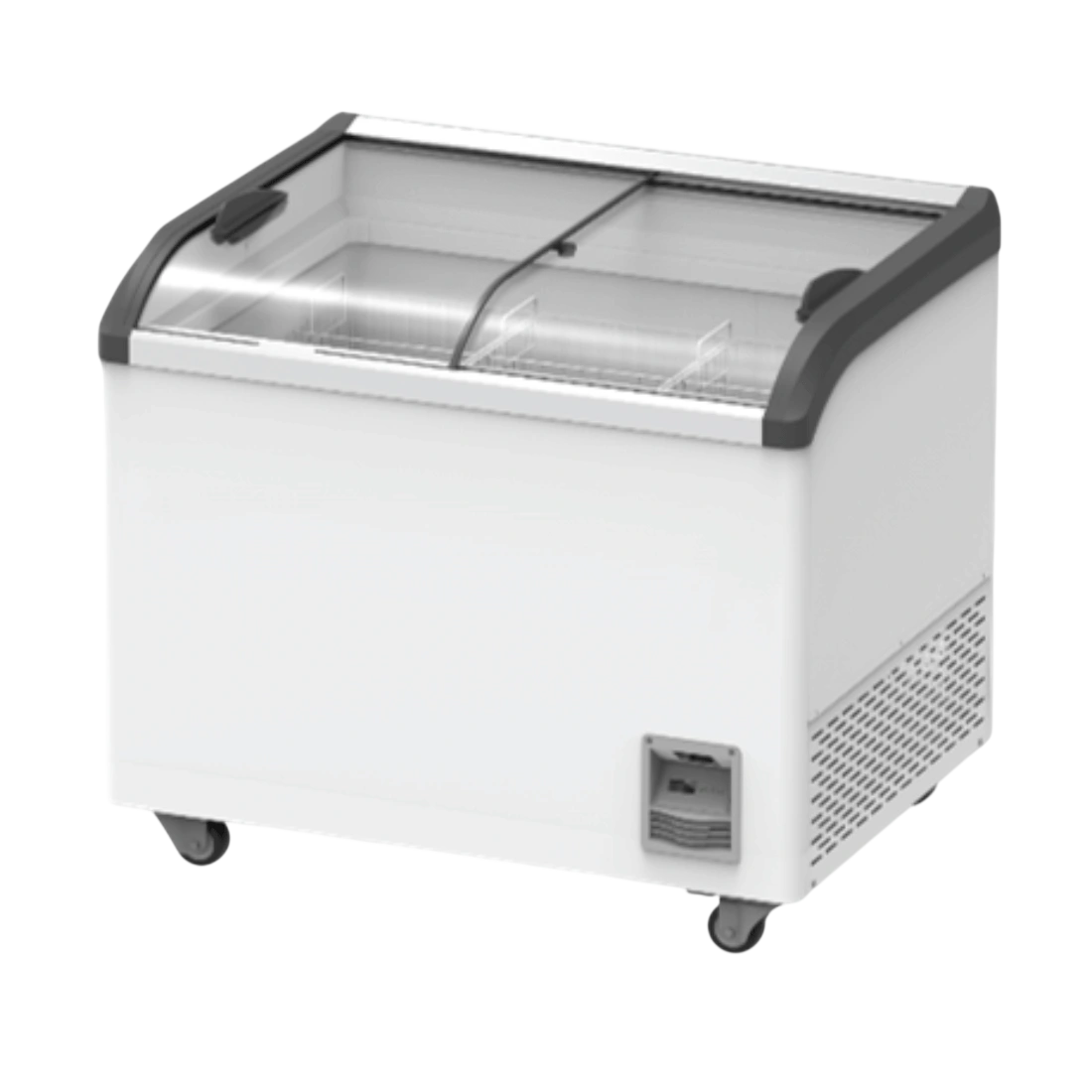
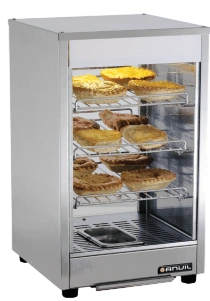
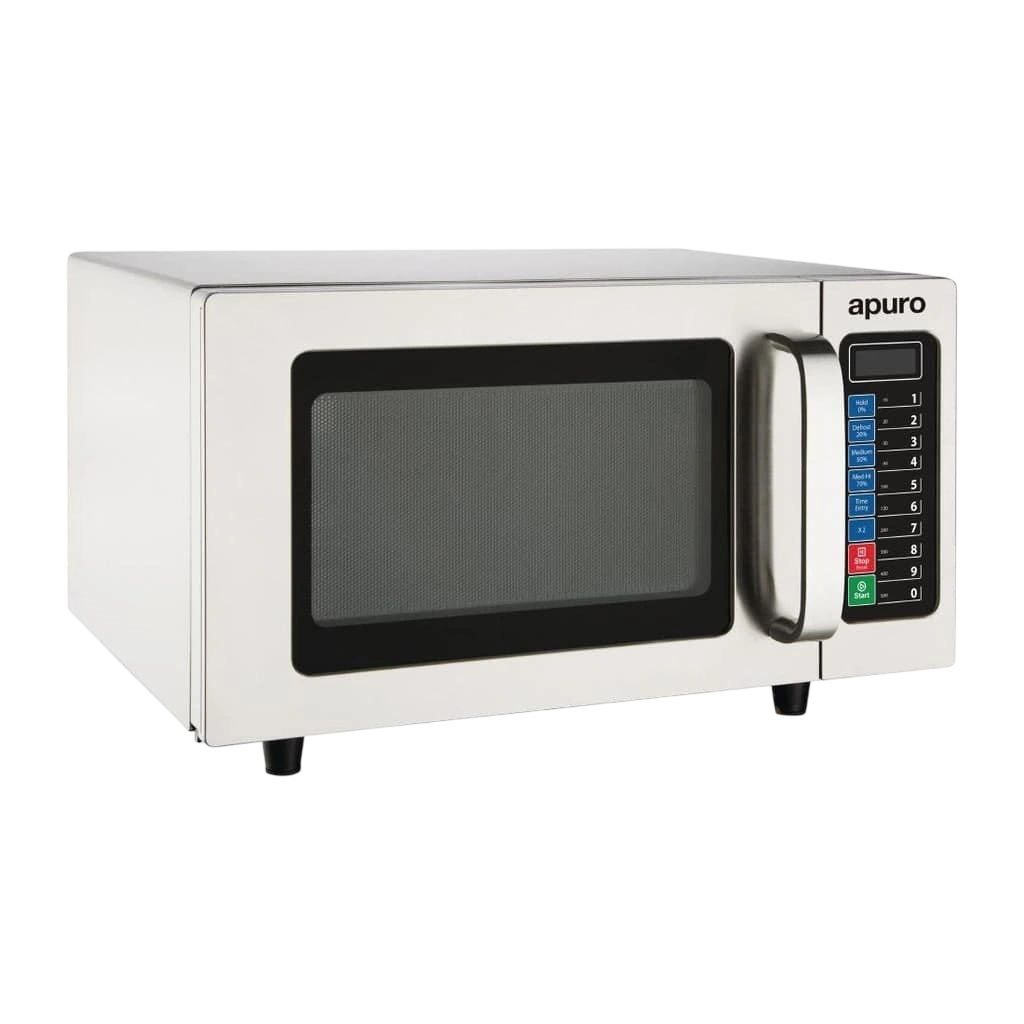
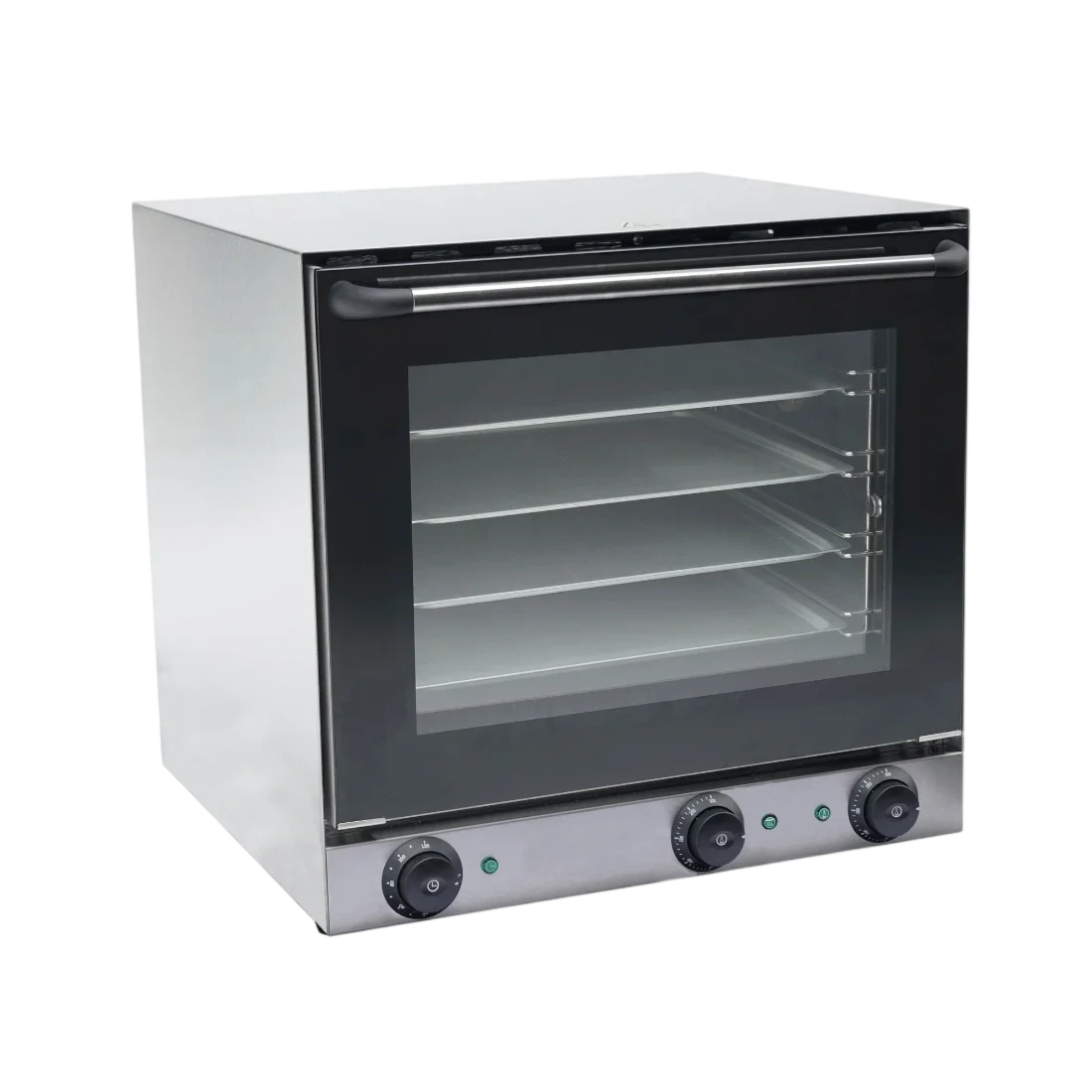
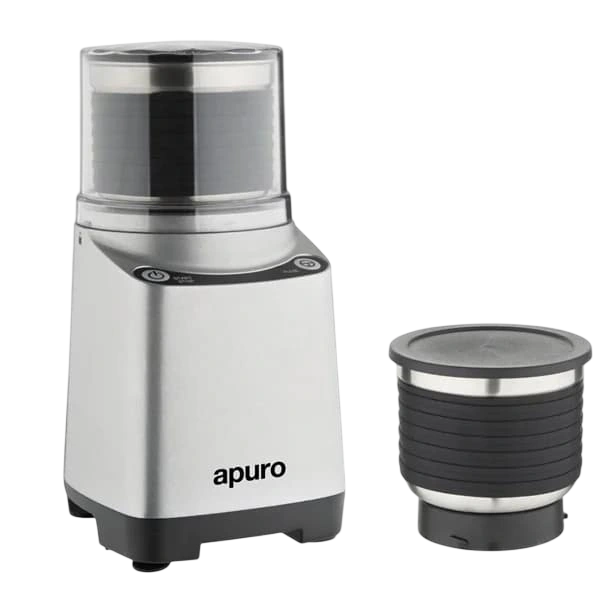
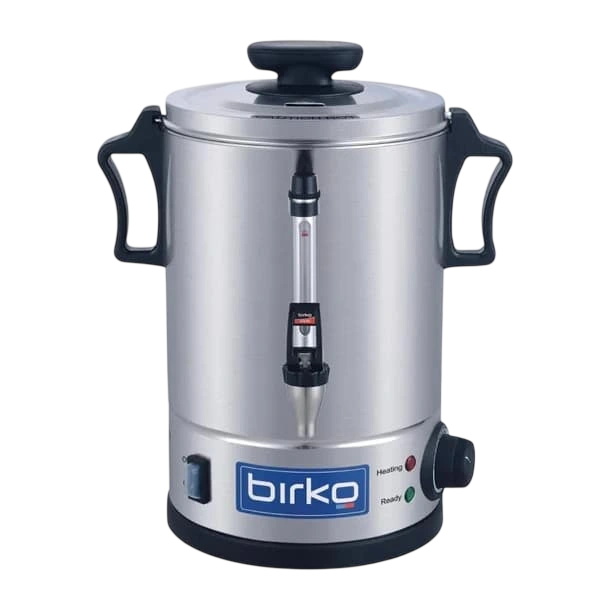
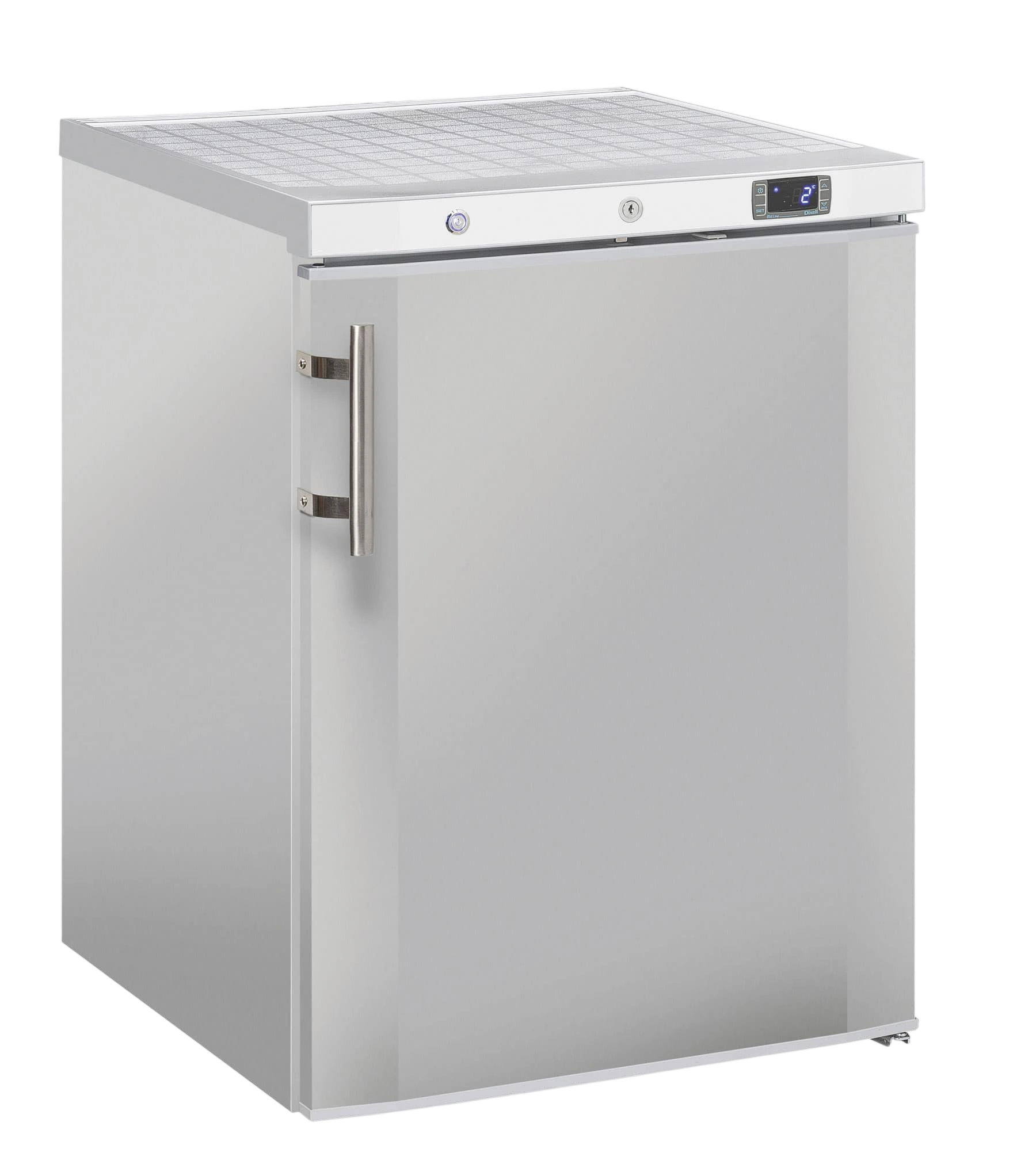
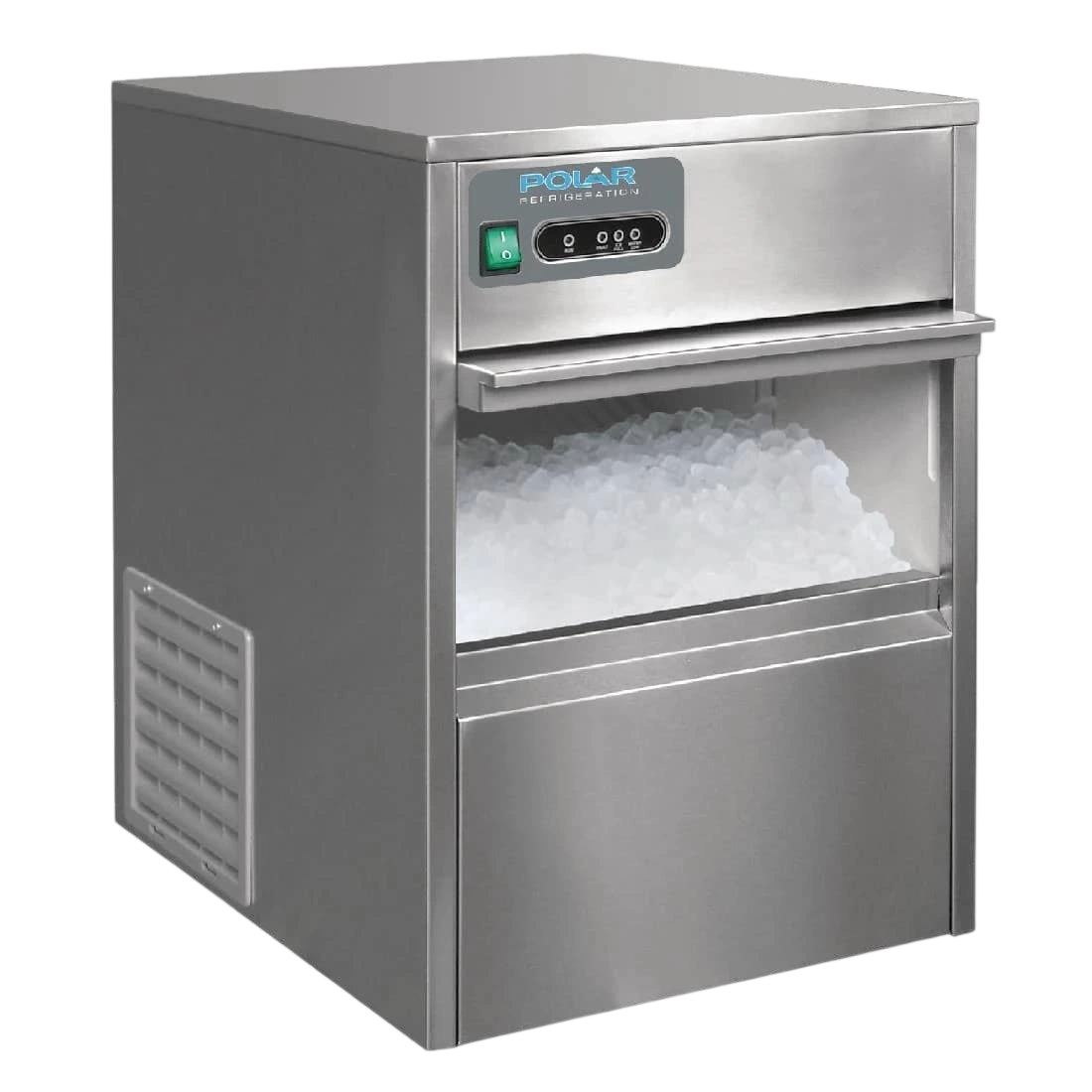
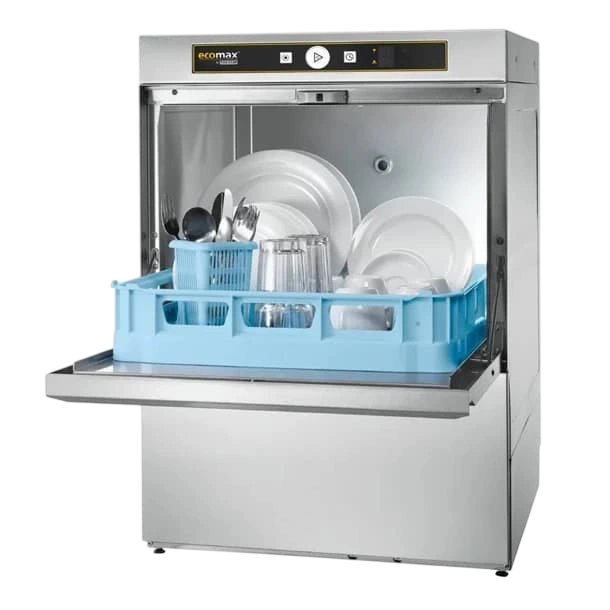
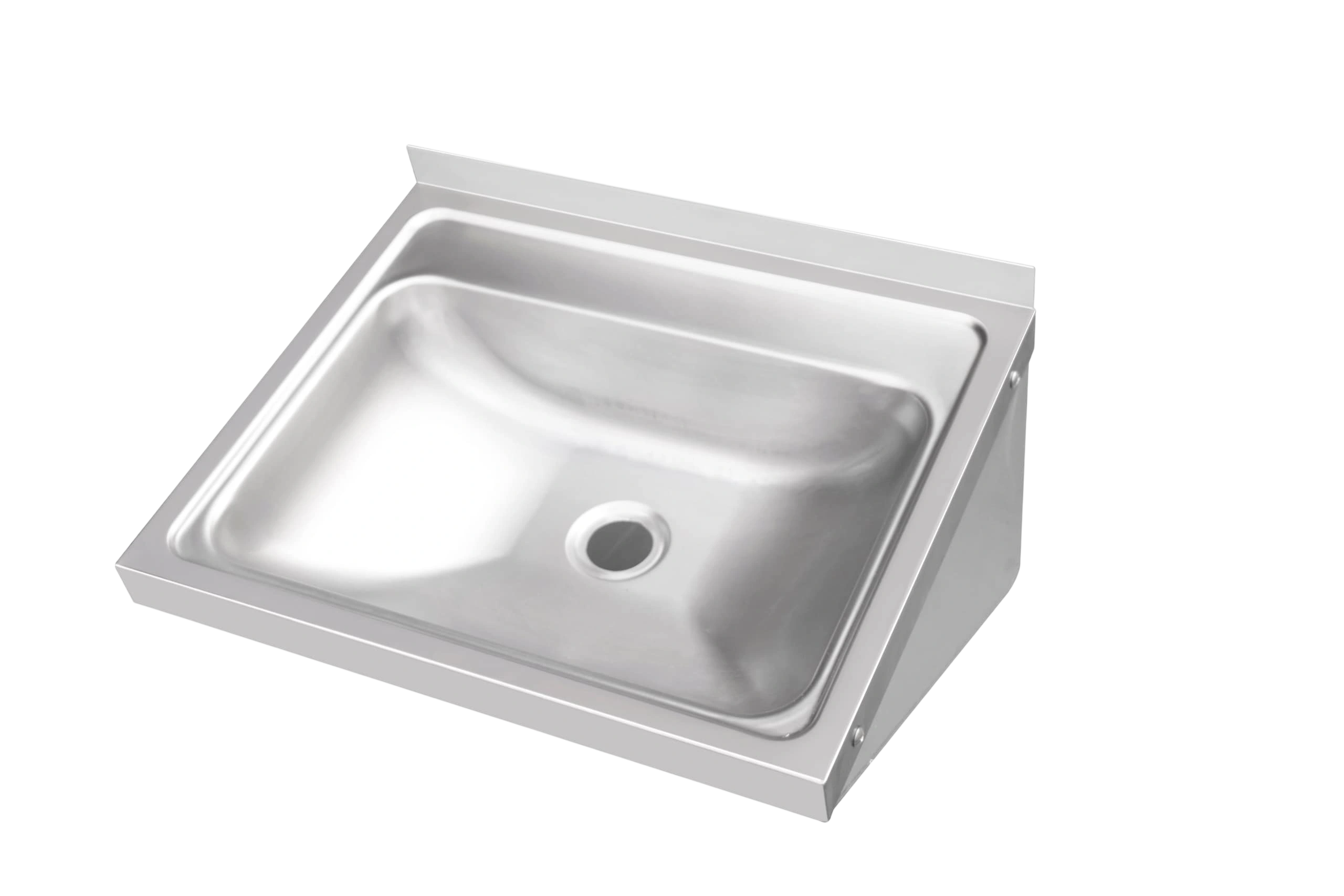
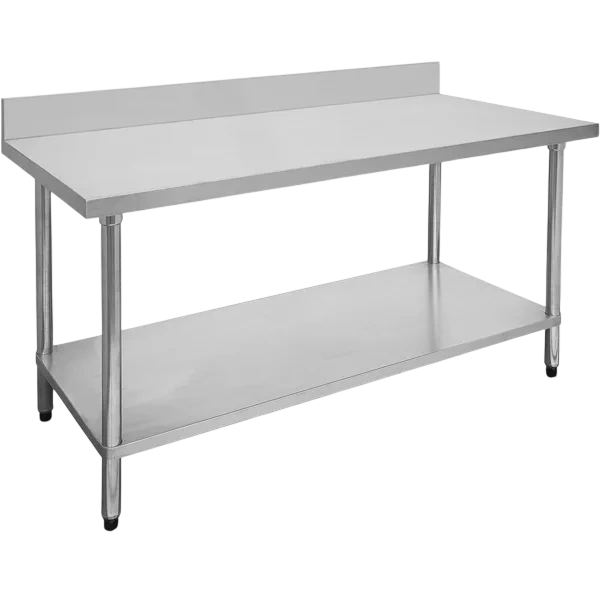
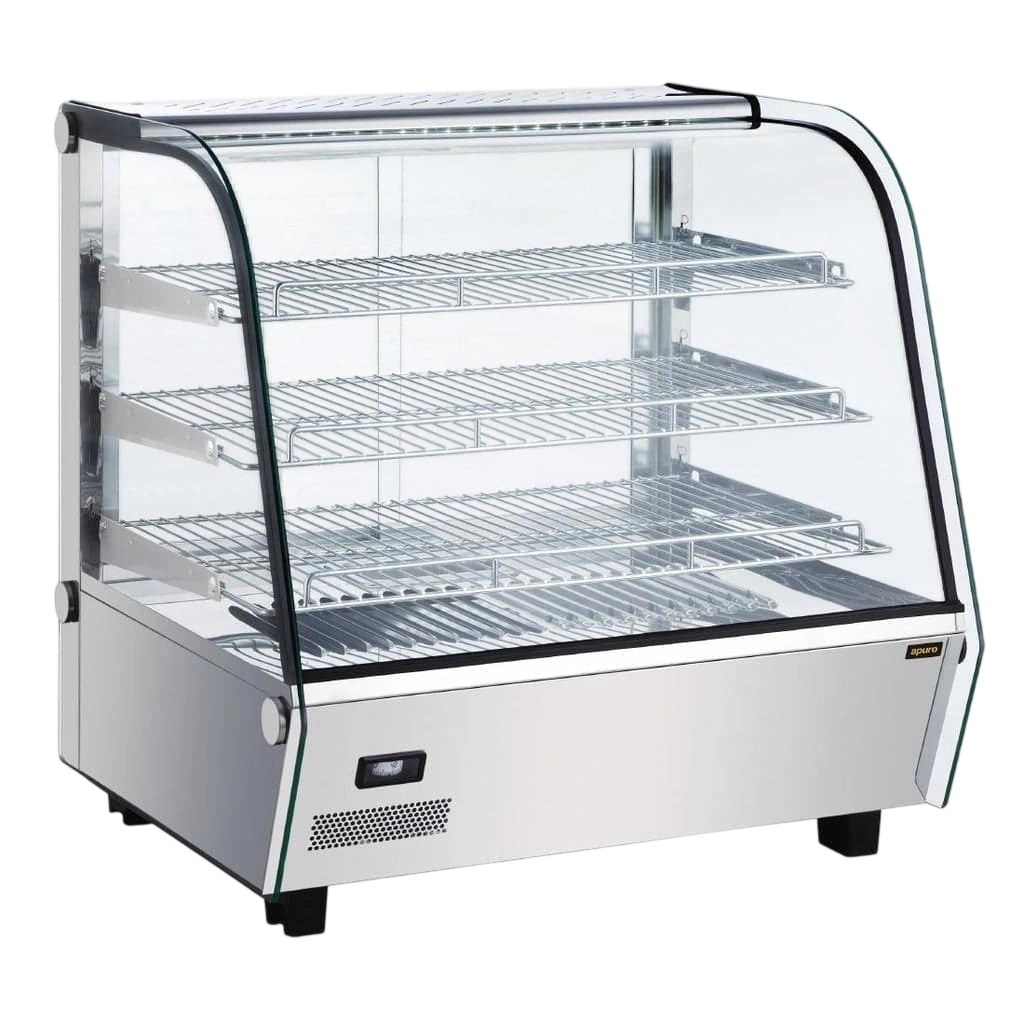
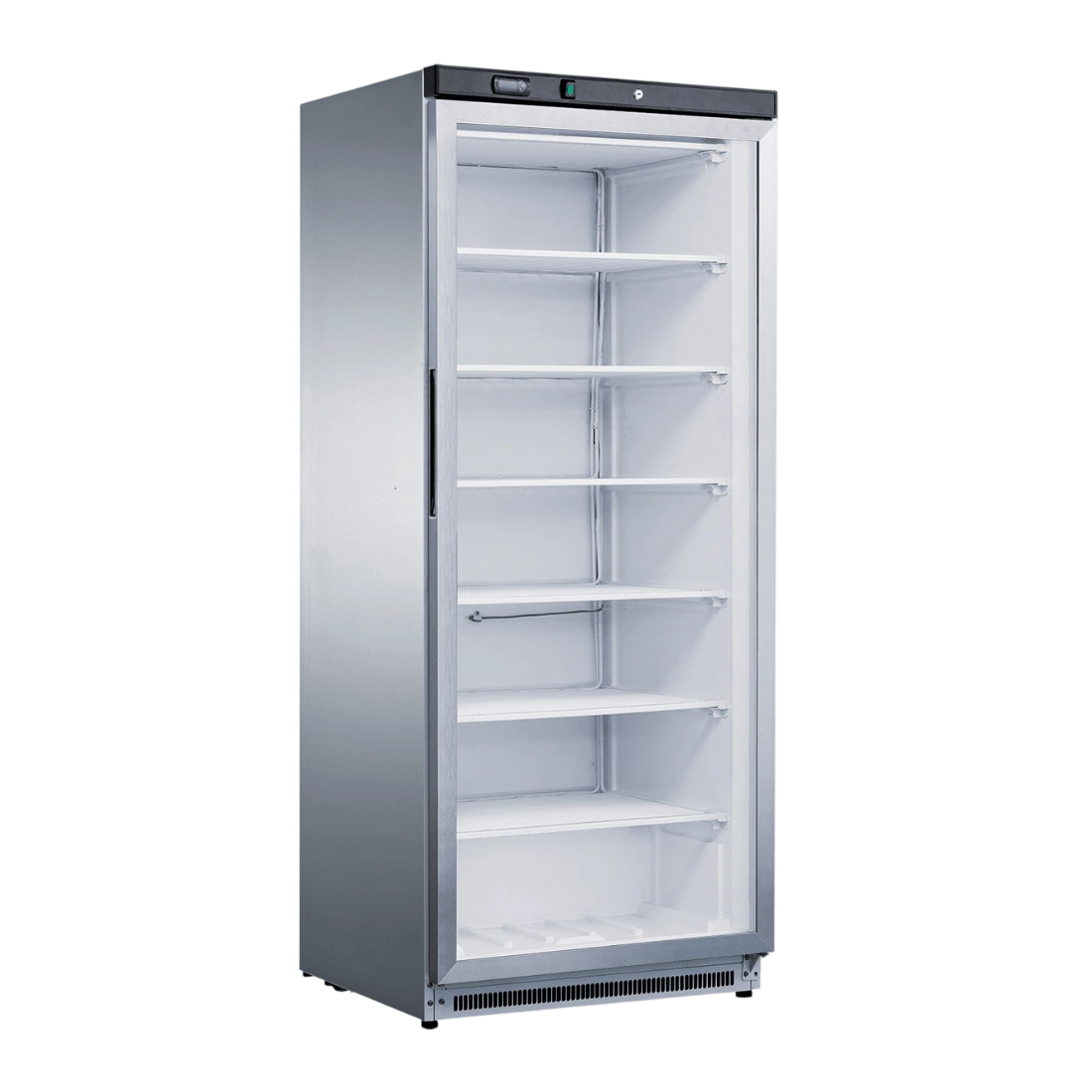
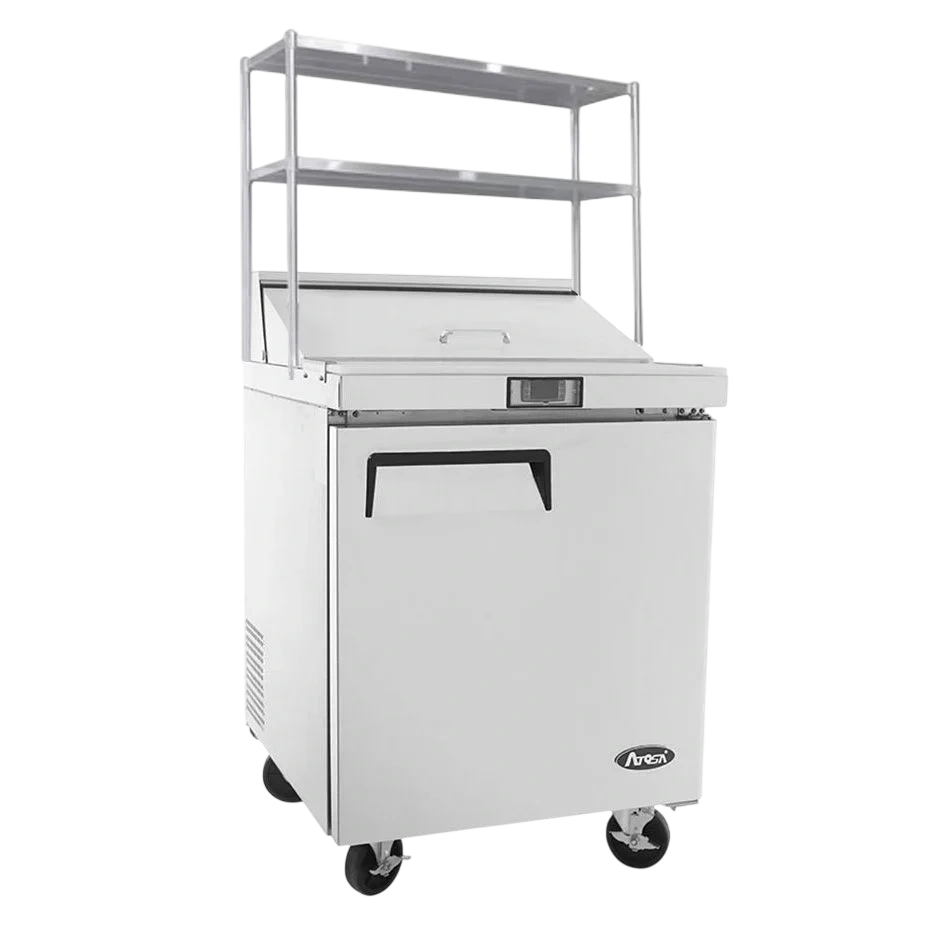
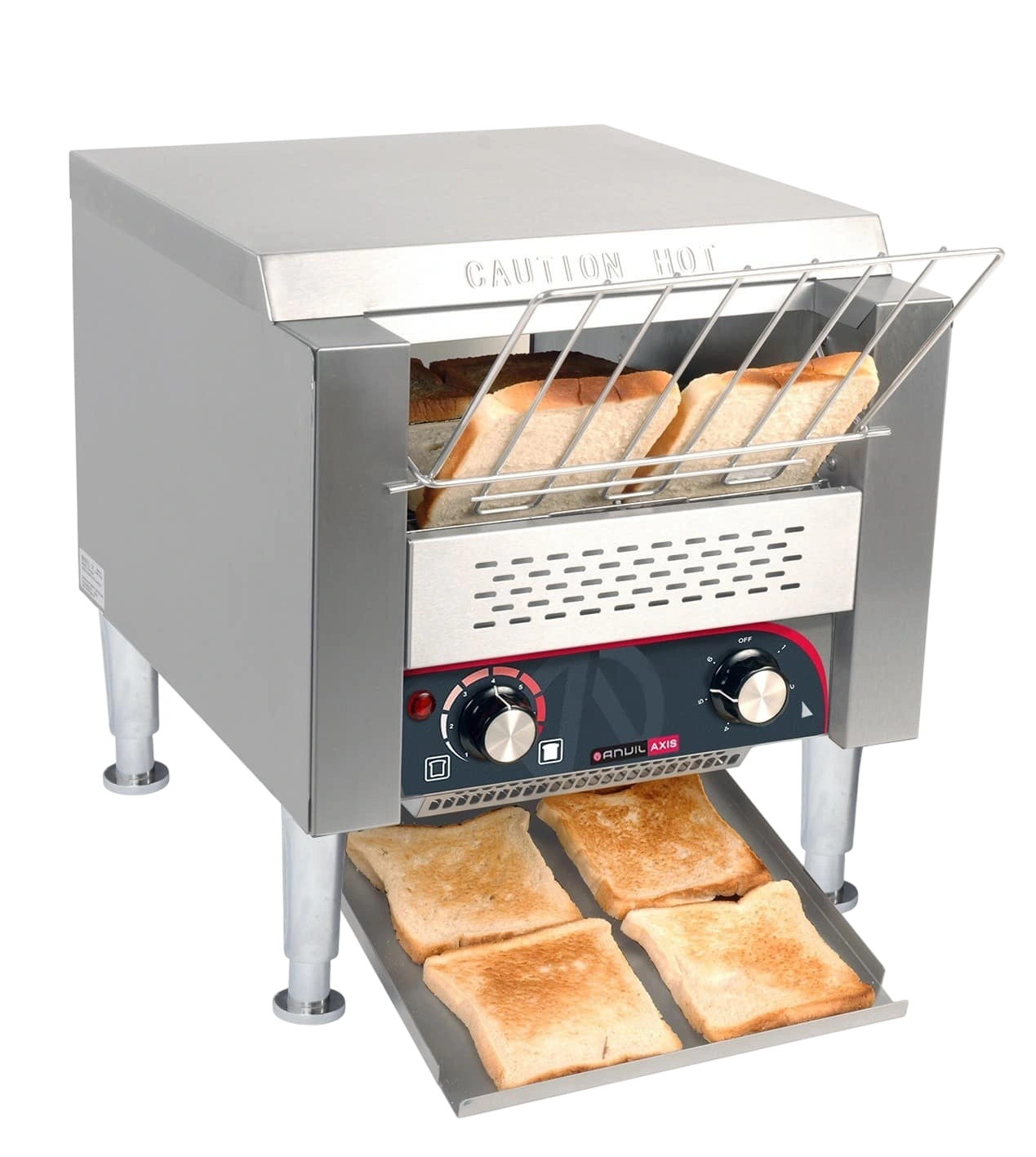
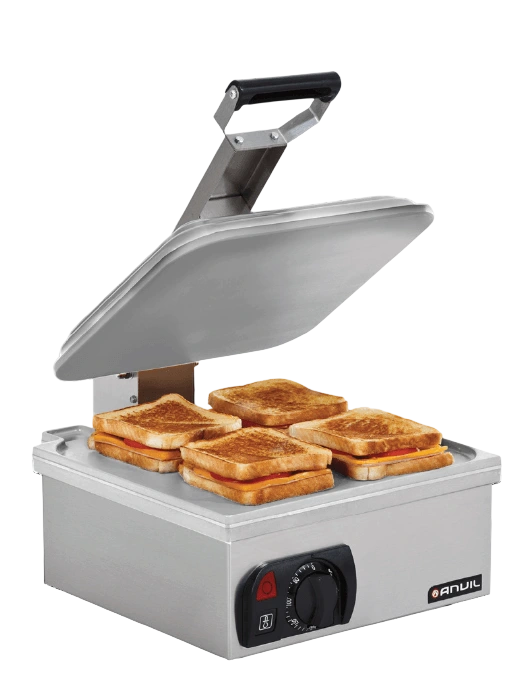
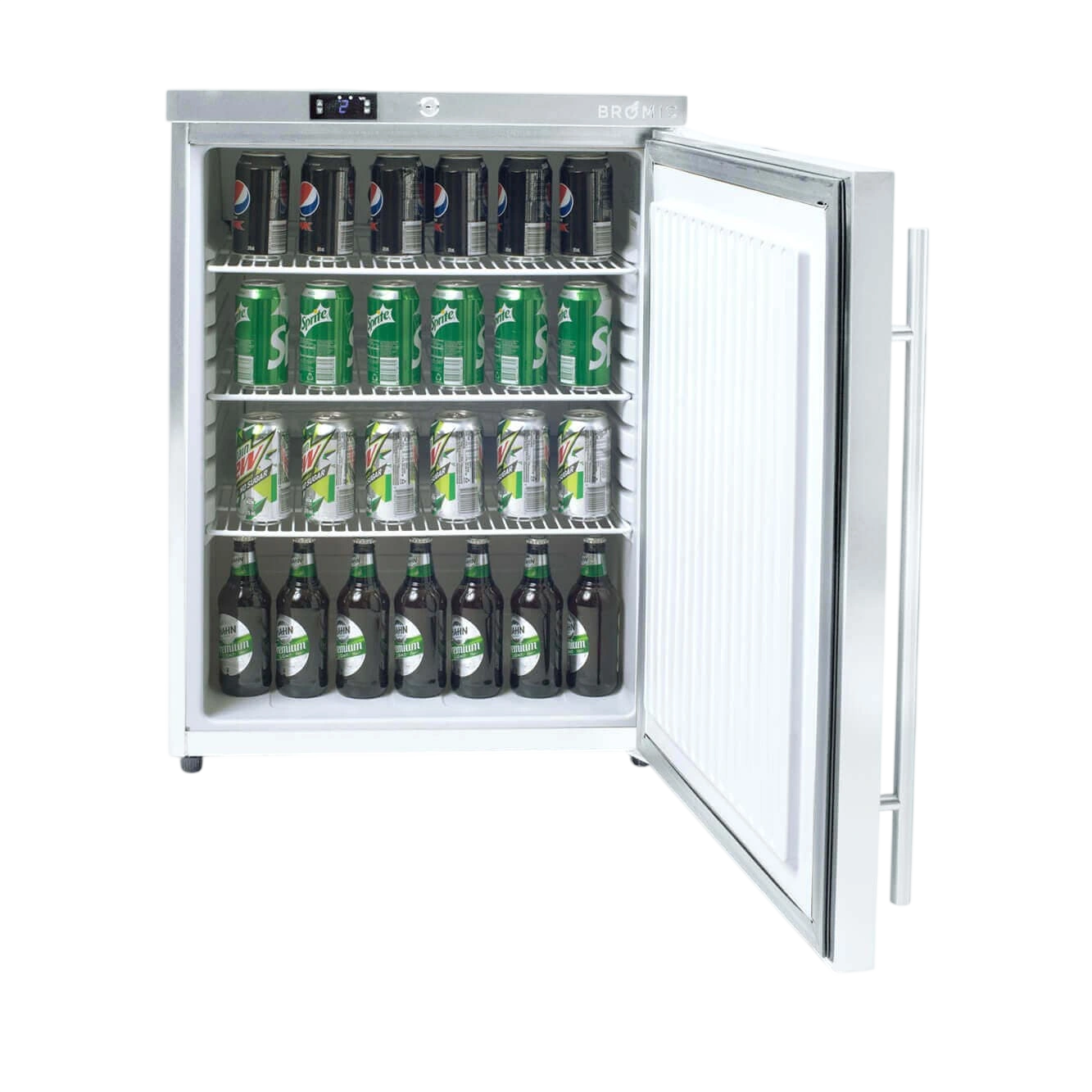
14 essential items · $26,553 ex-GST indicative · with delivery and installation quoted for your site. Final quote reflects your menu, site, power, gas, drainage, ventilation and delivery.
Checking current Package availability…
Package: SBB-SUPERMARKET-CONVENIENCE-STORE
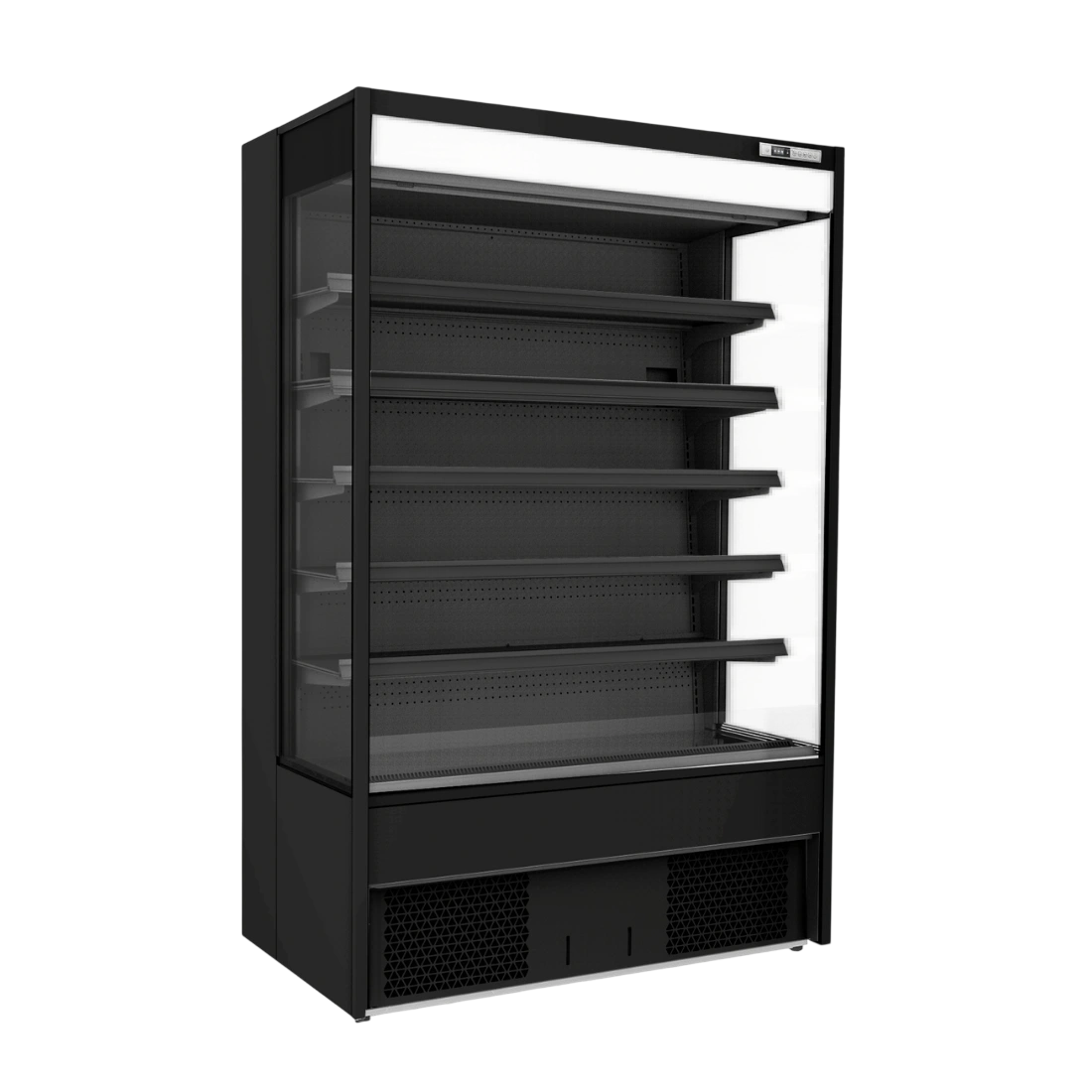
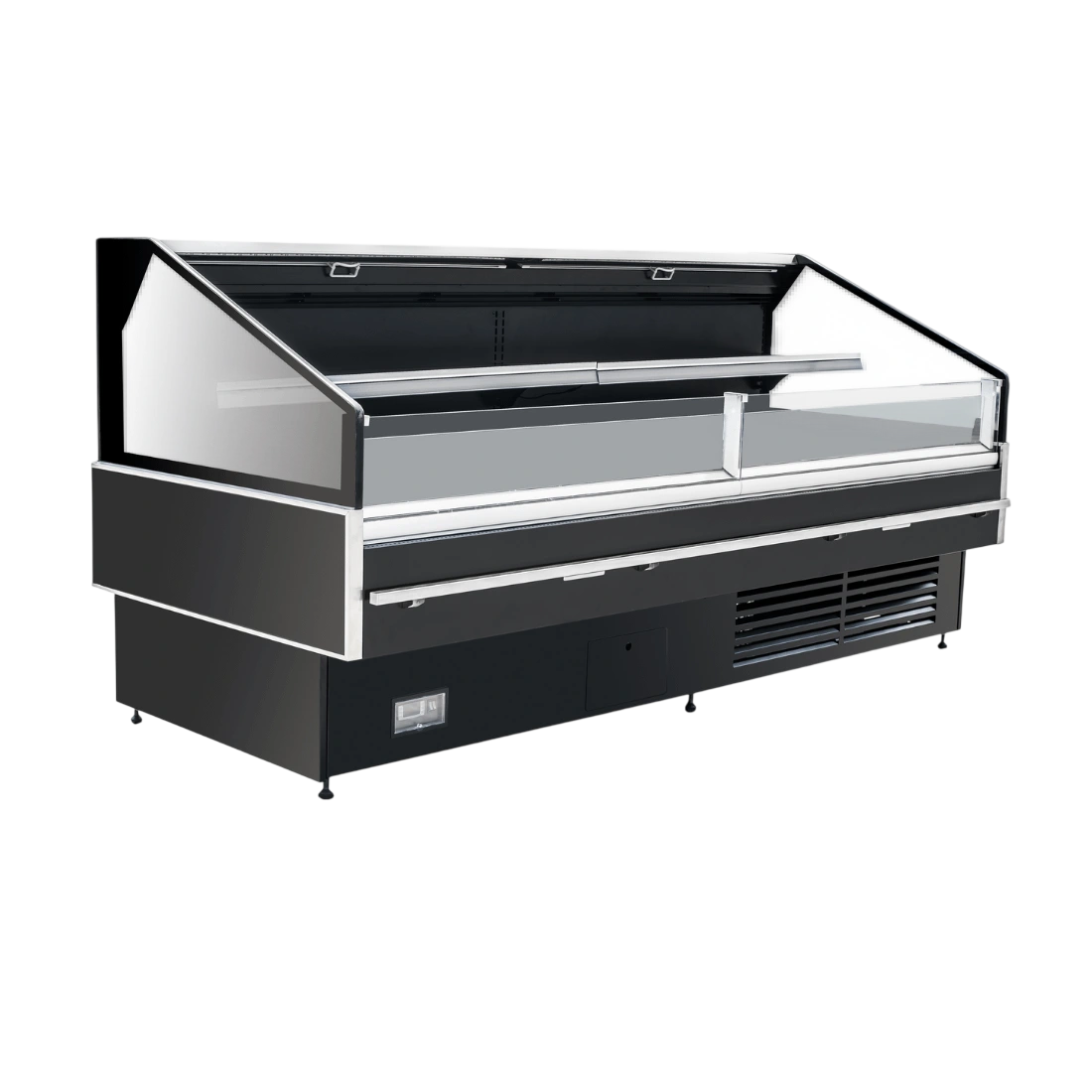

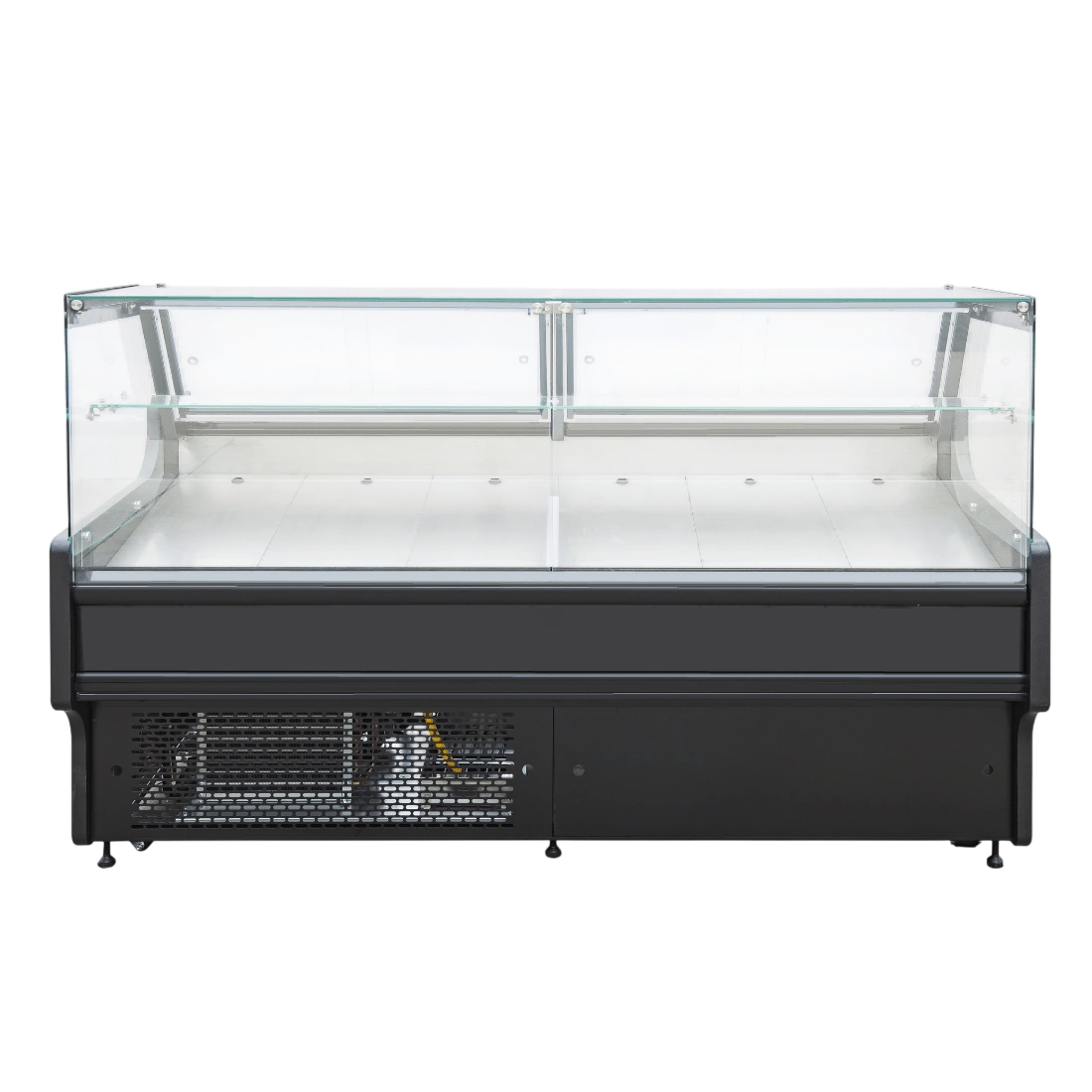
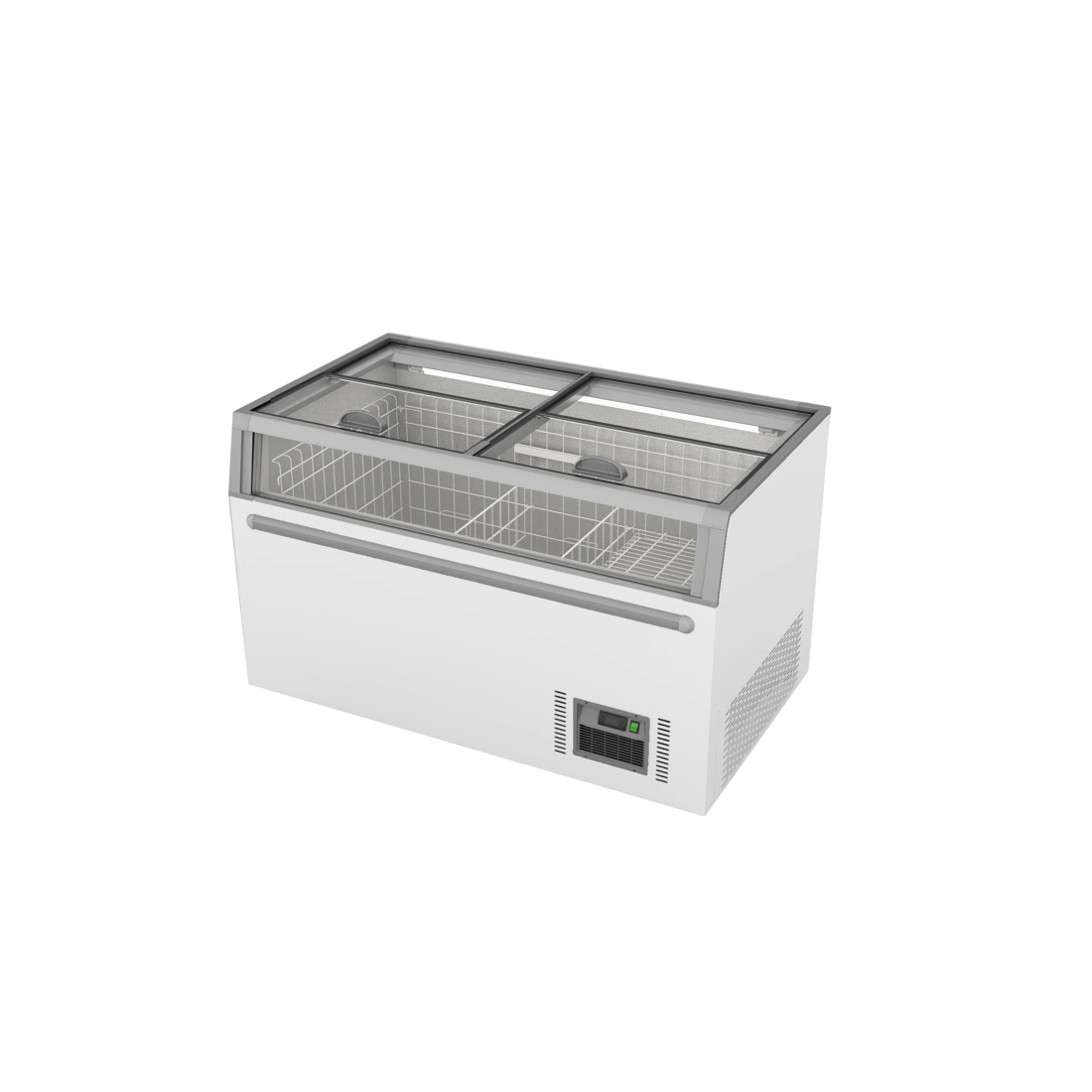
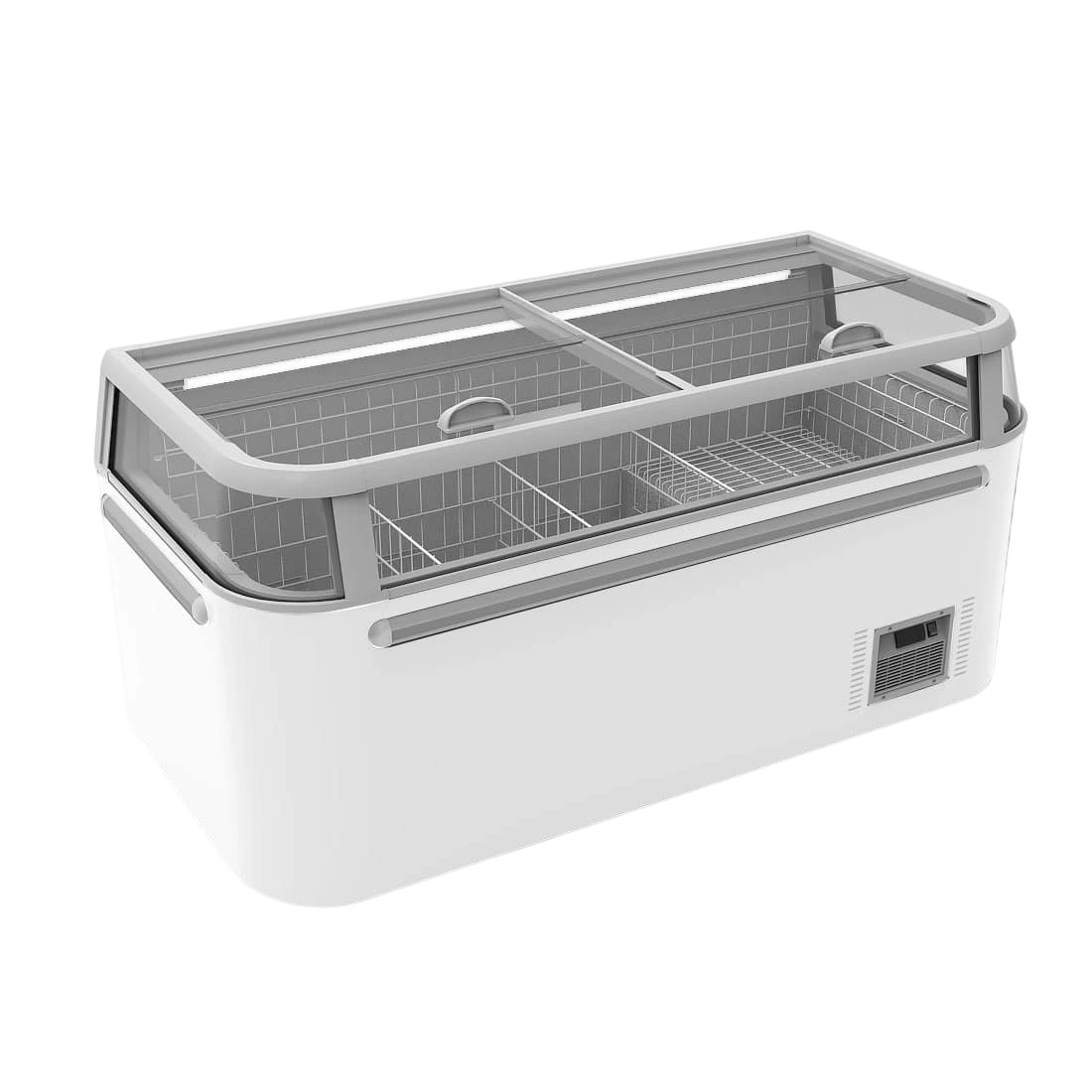
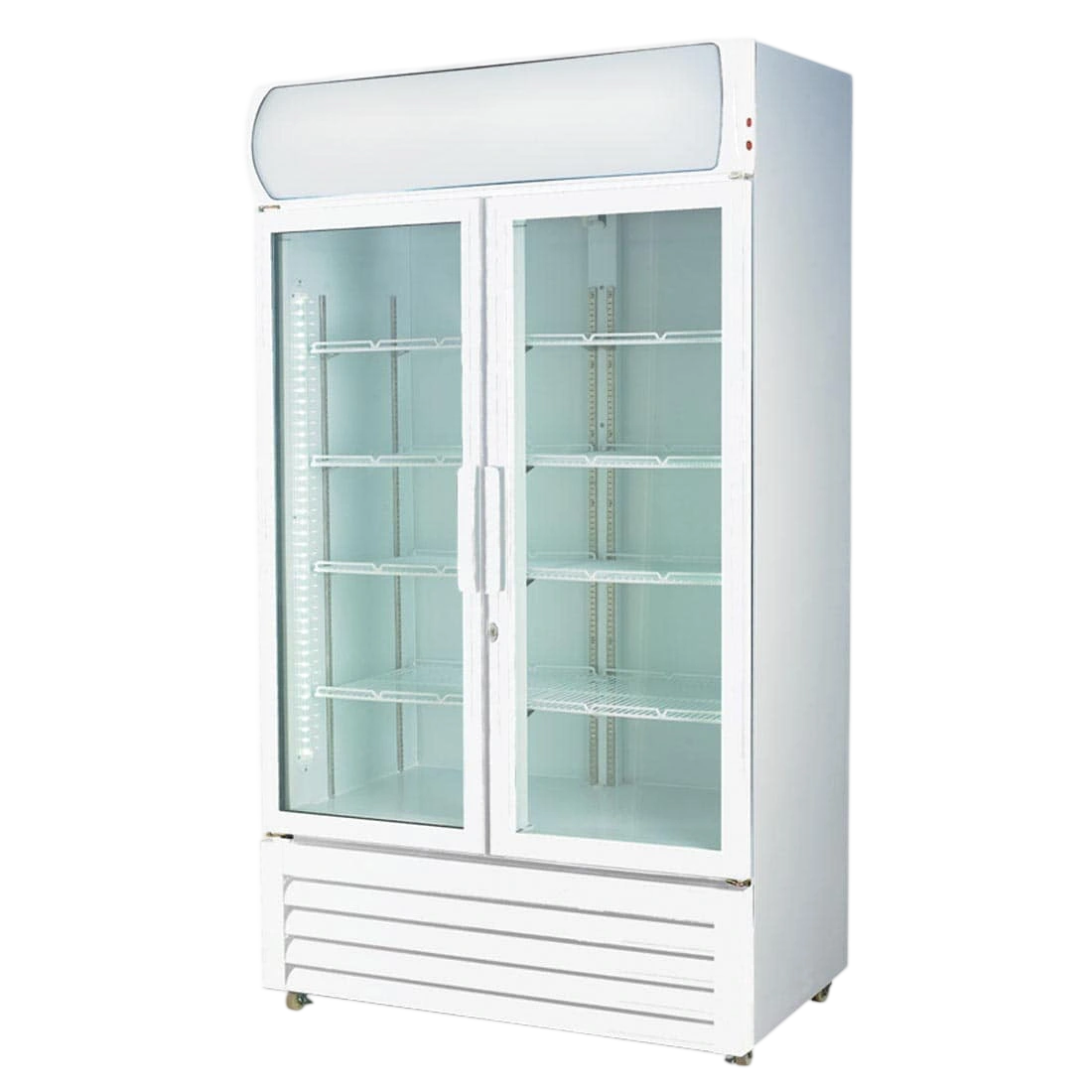
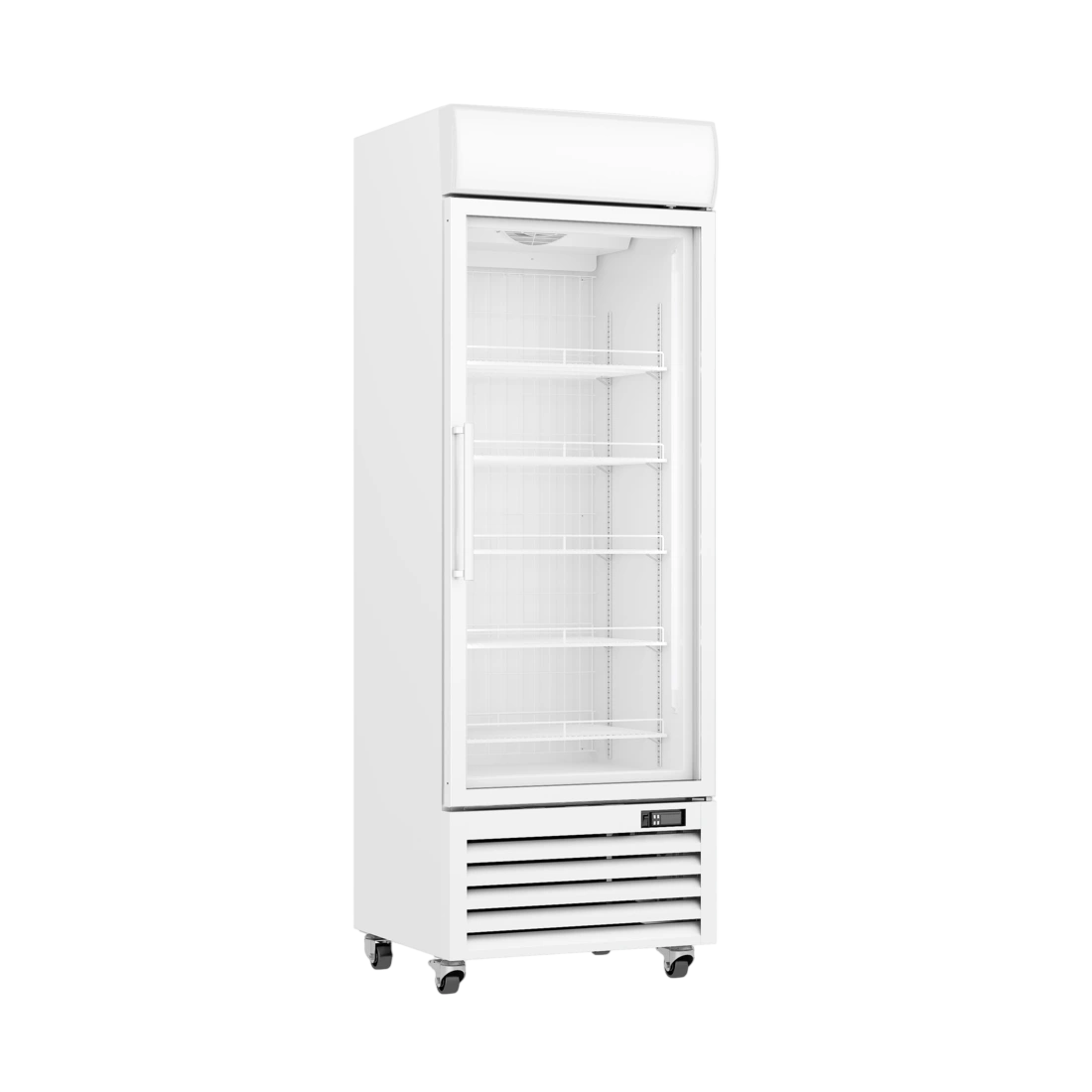
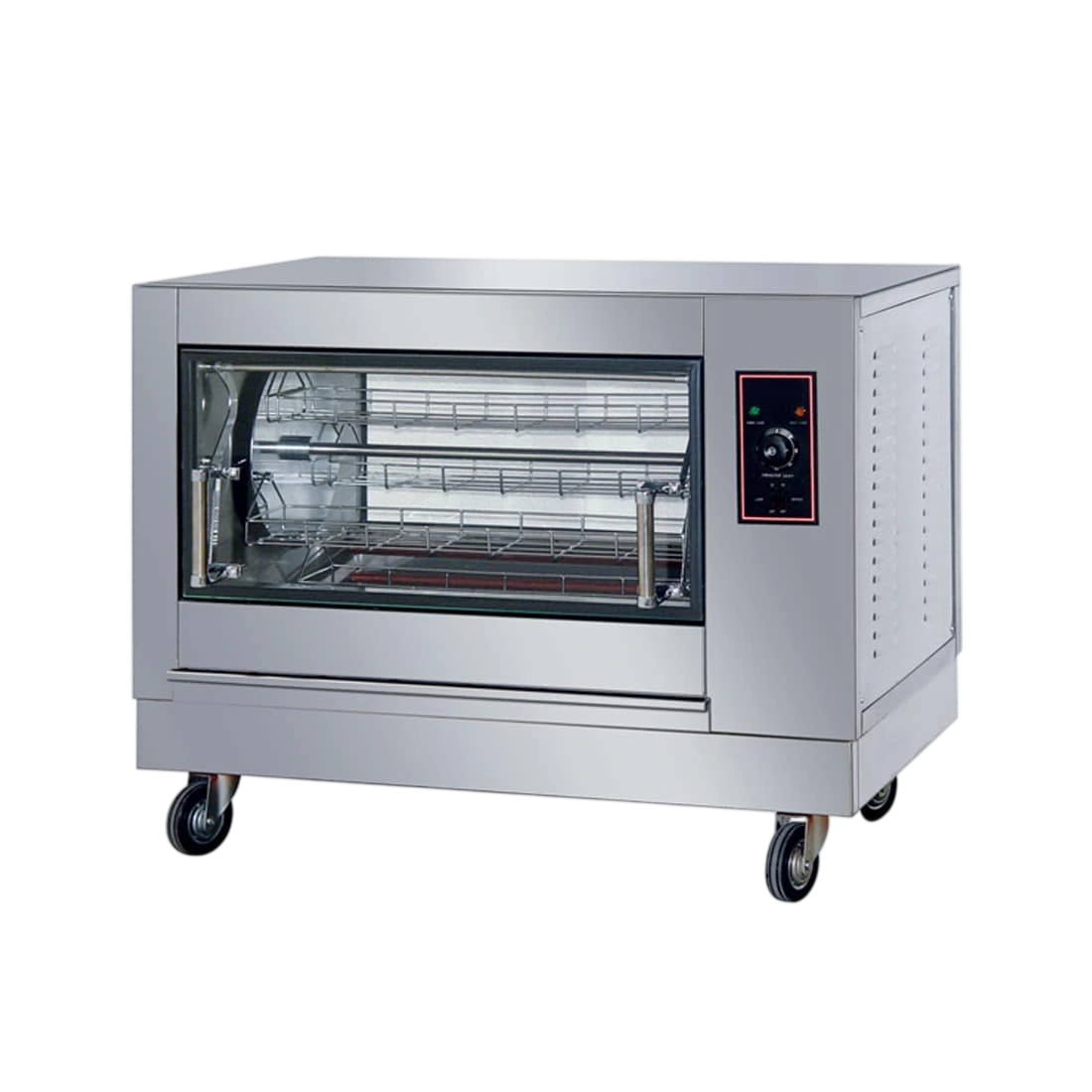
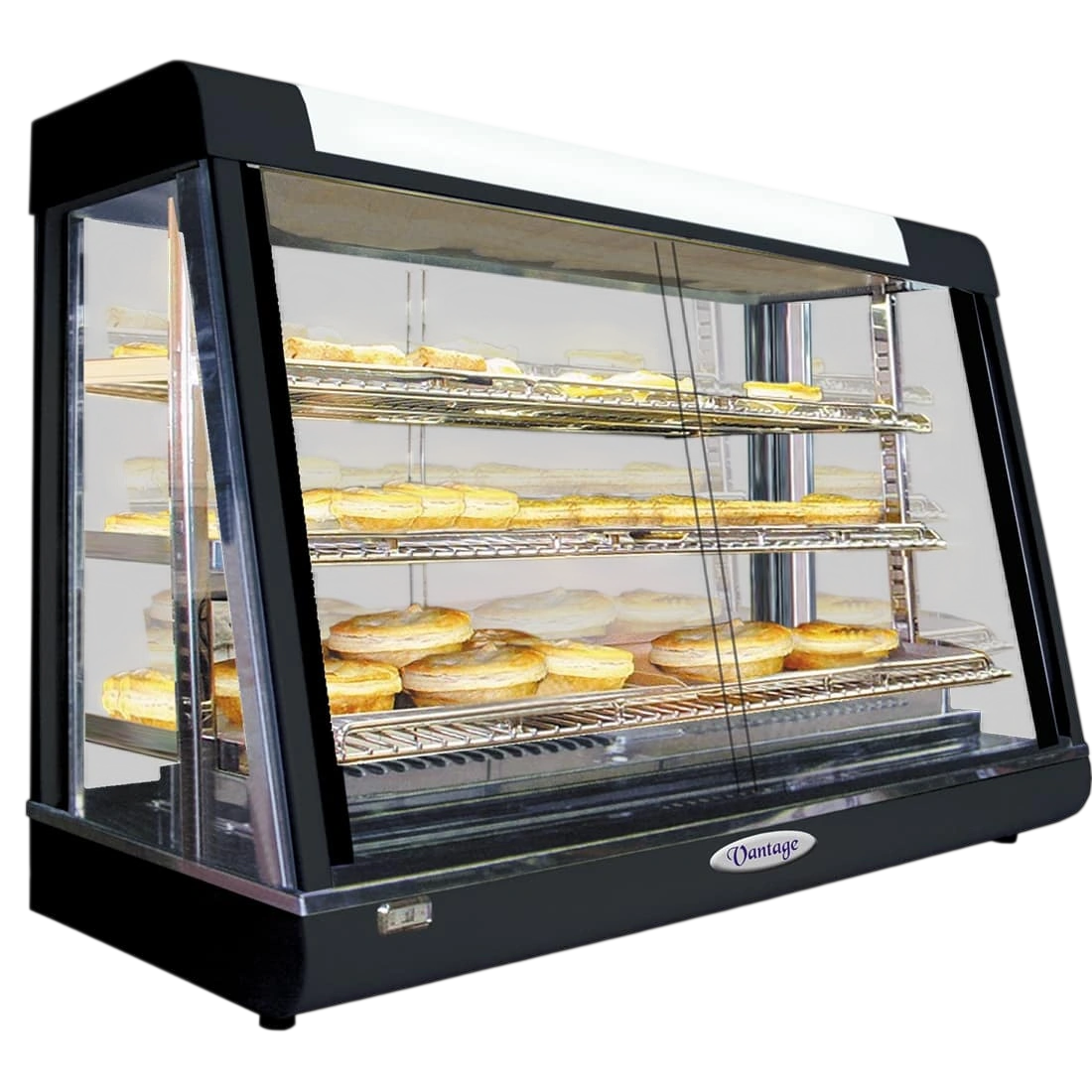
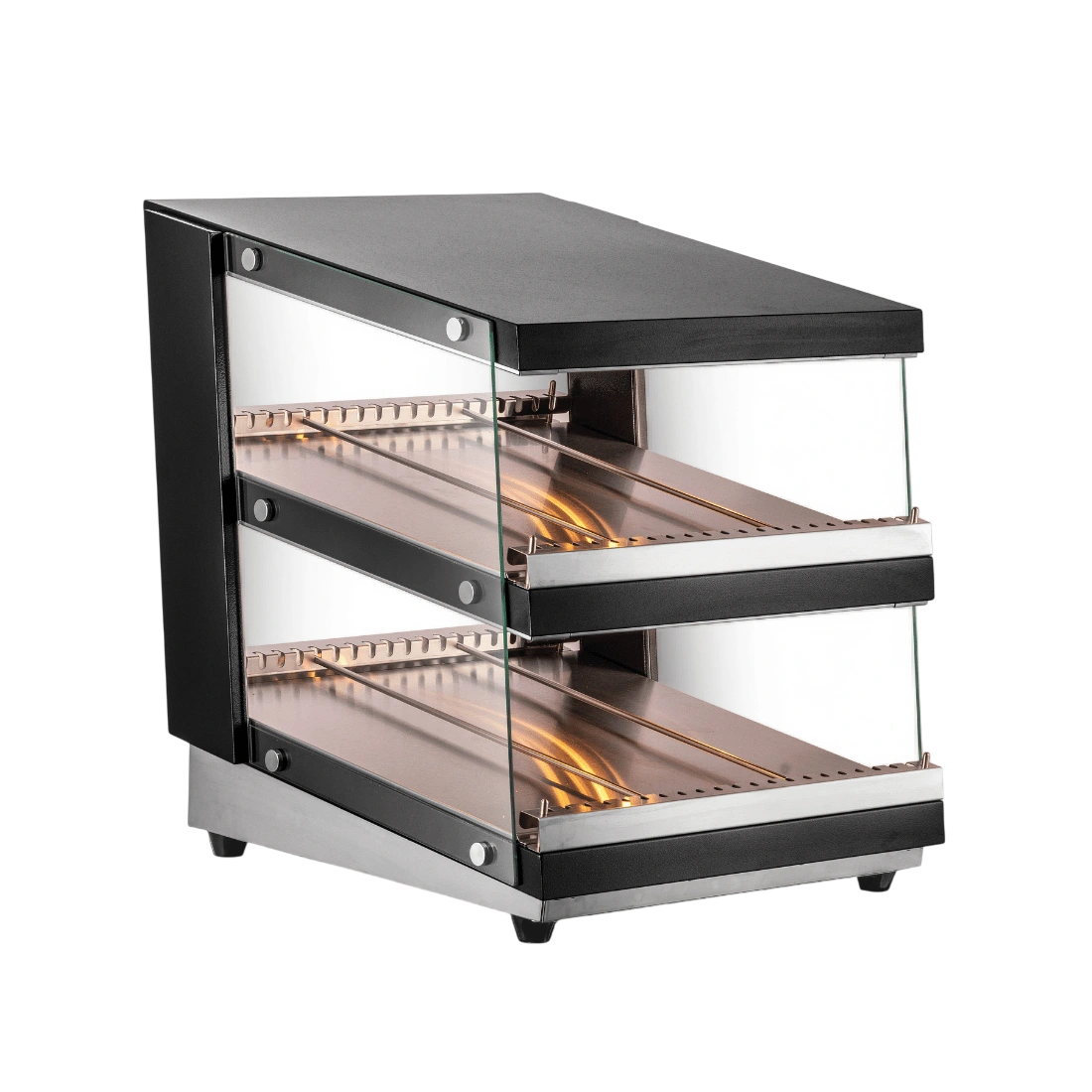
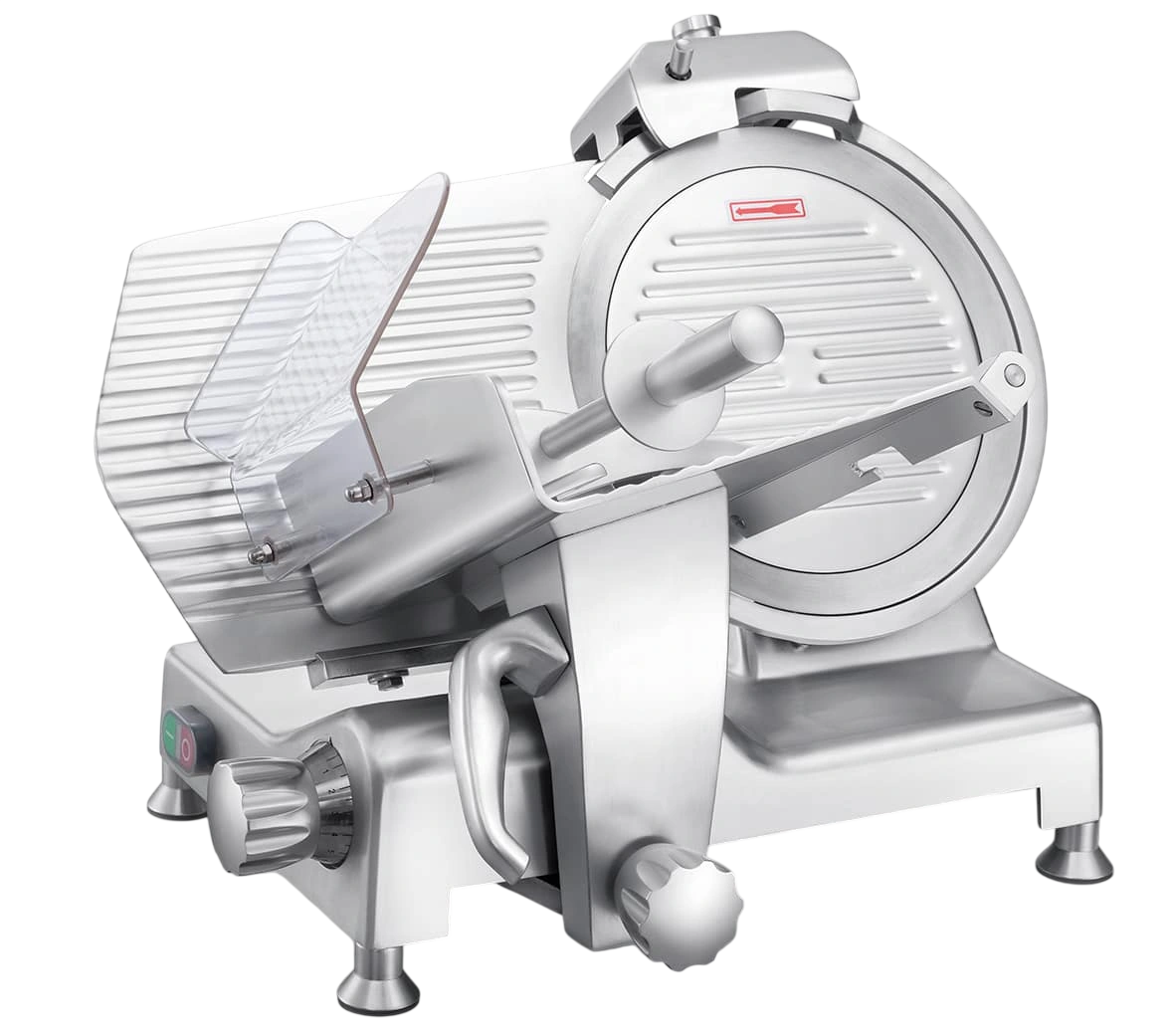
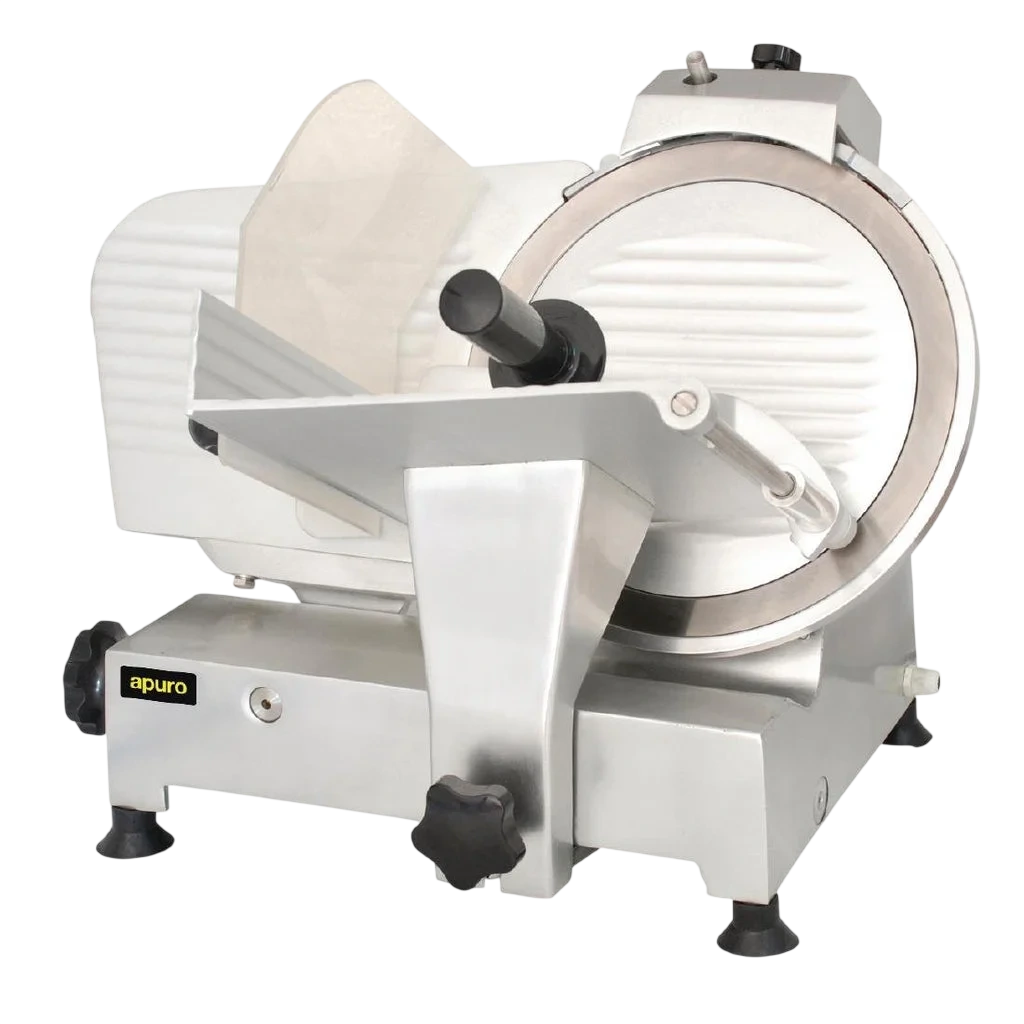
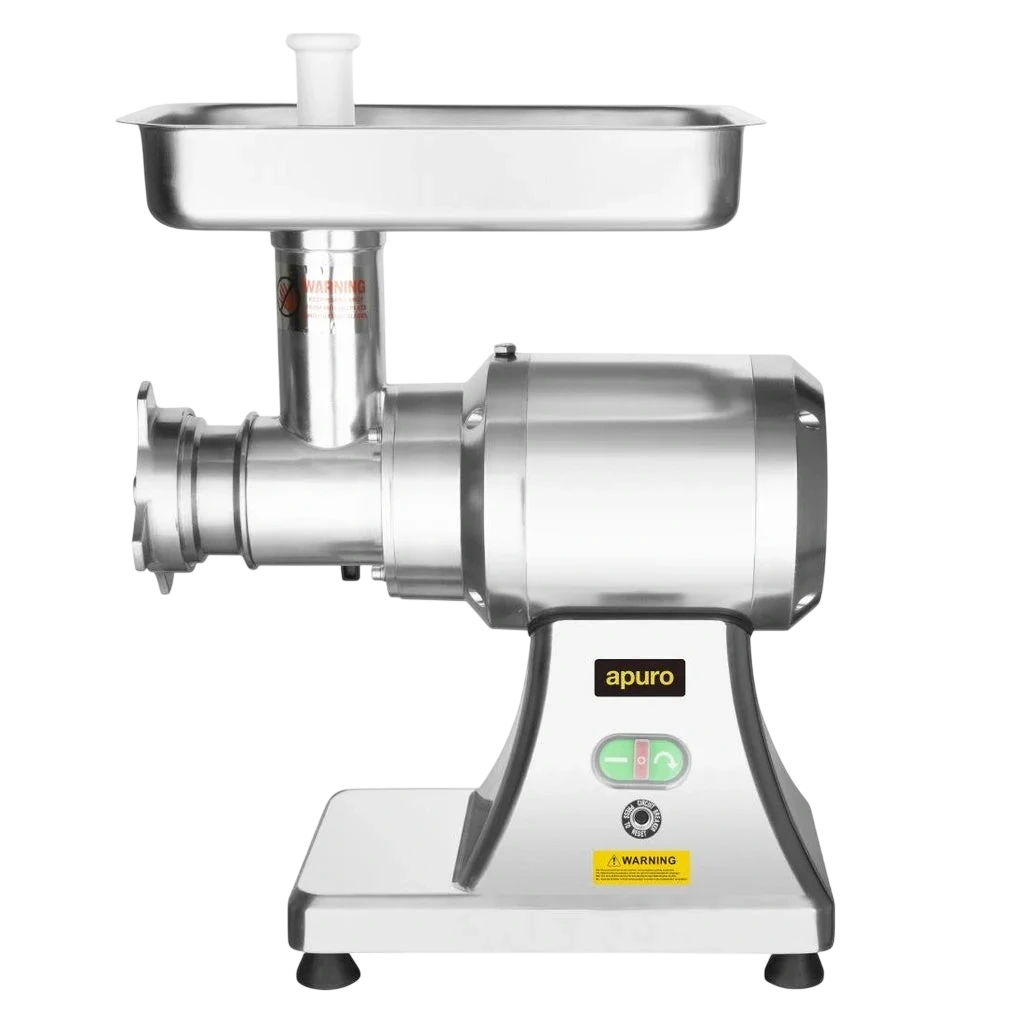
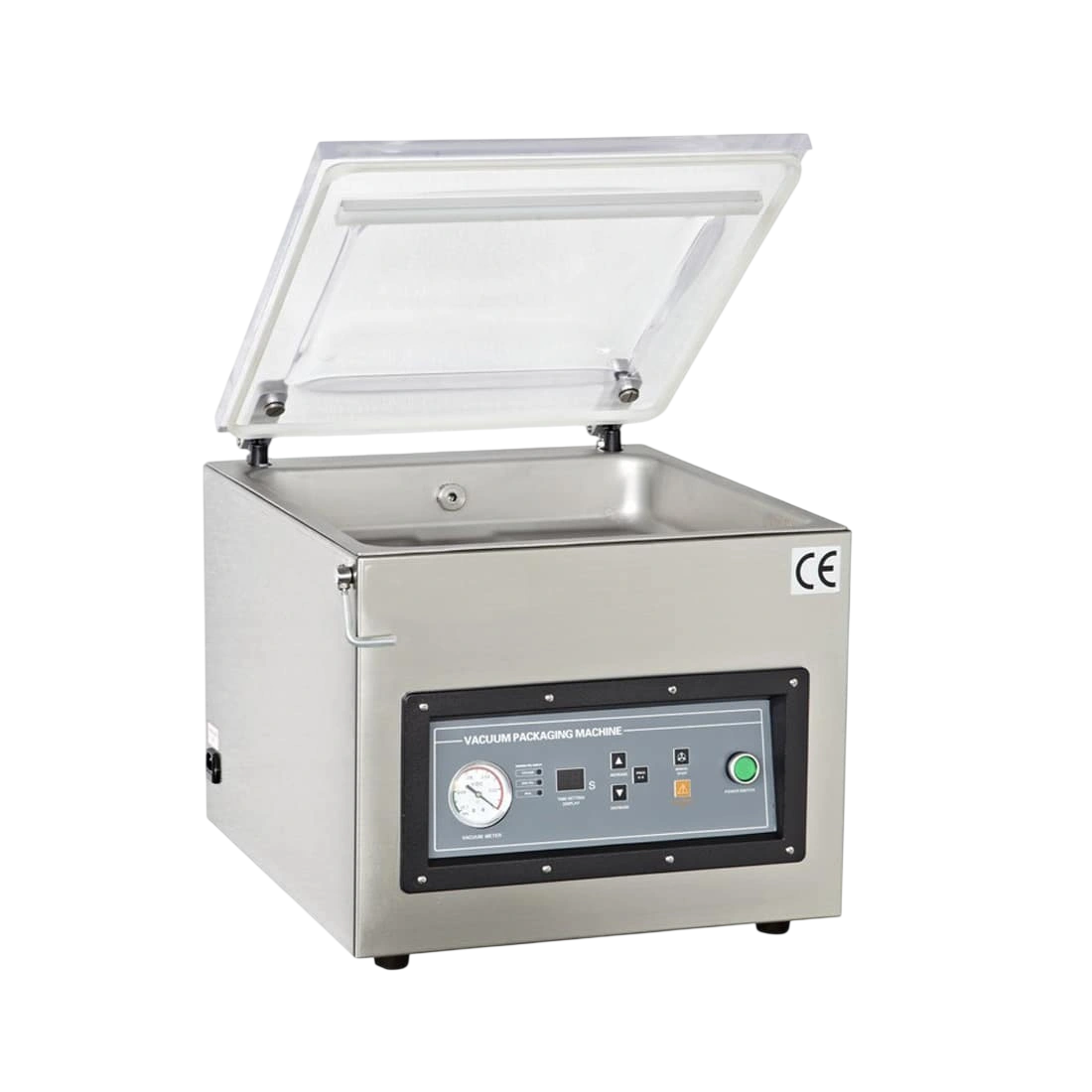
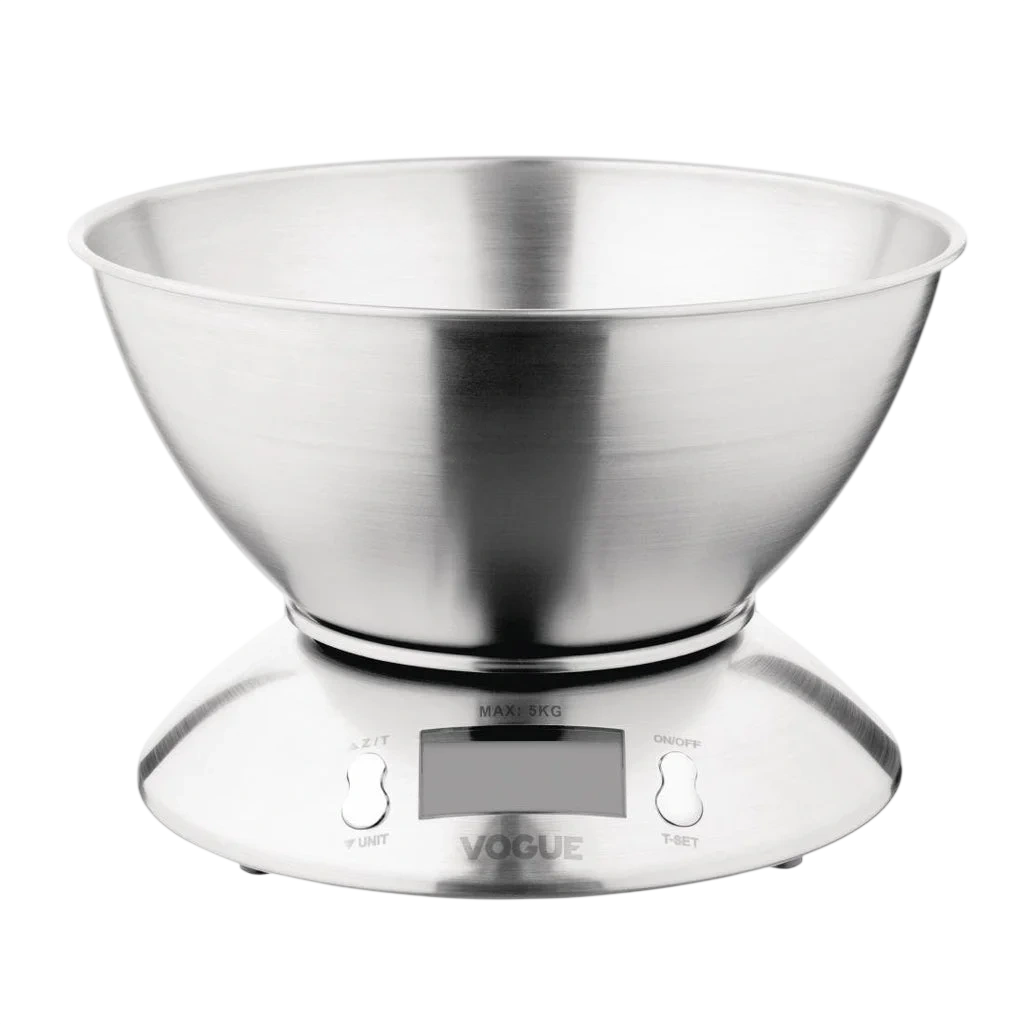
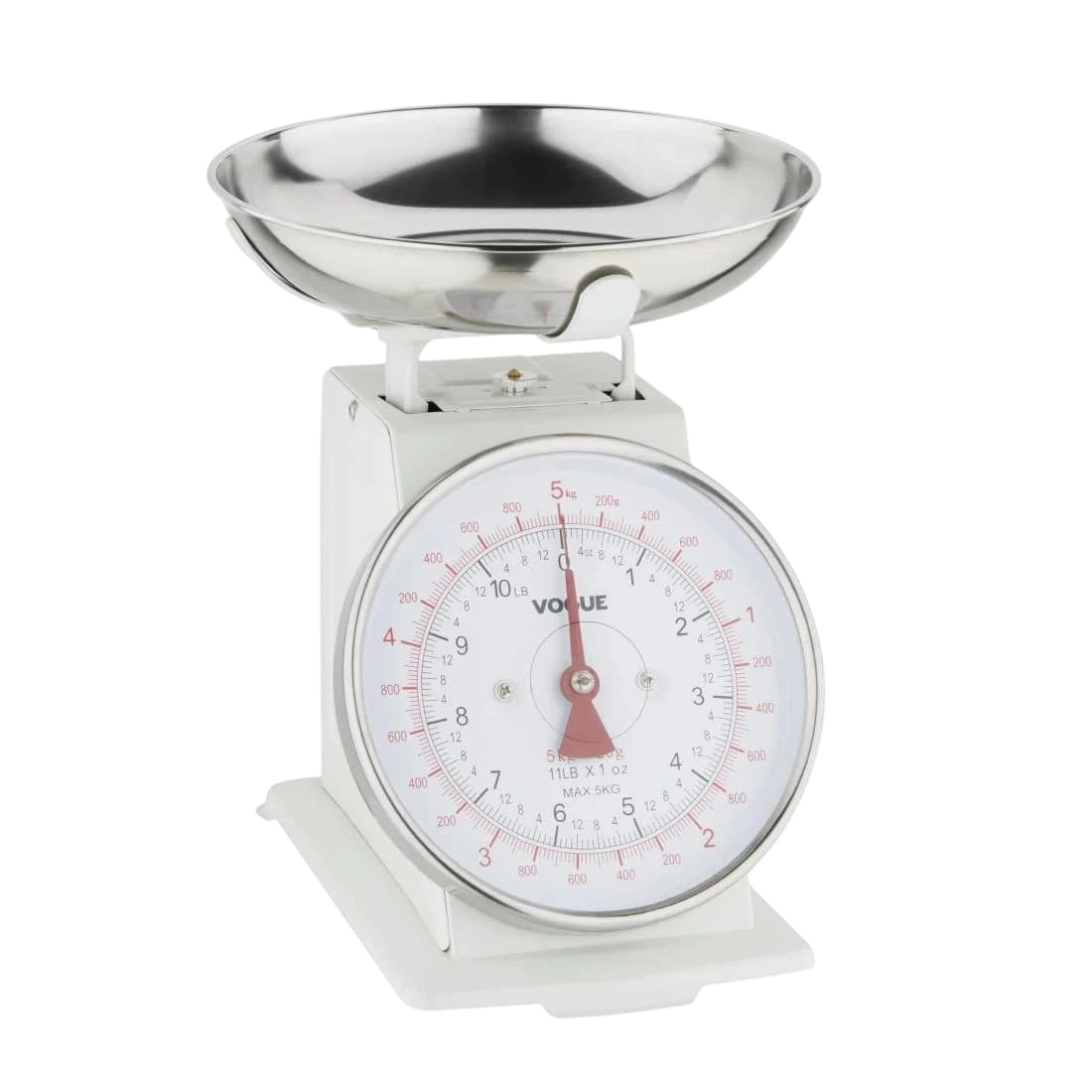
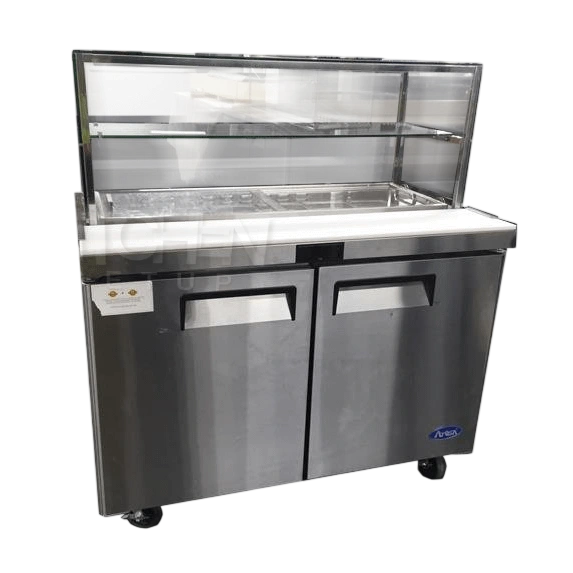
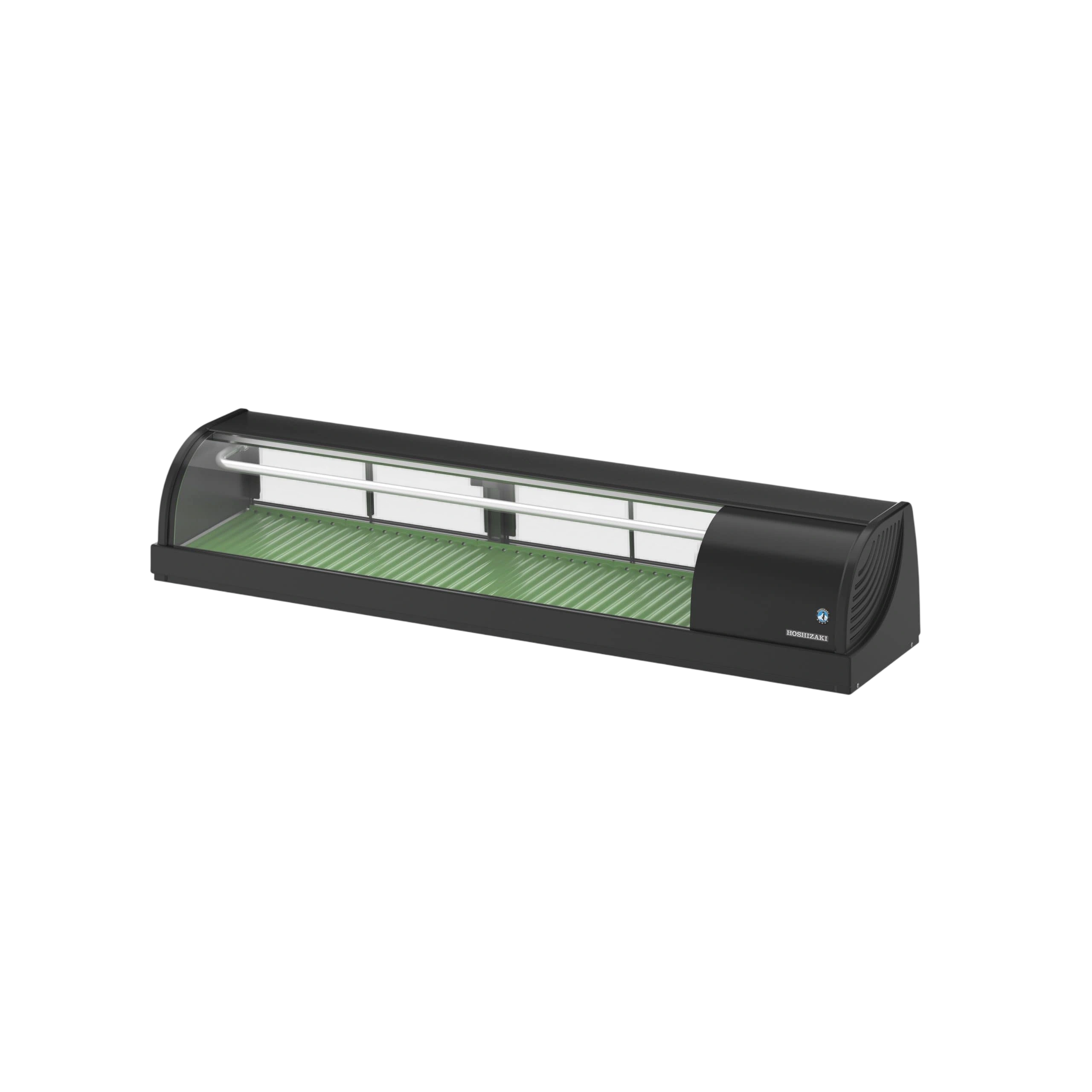
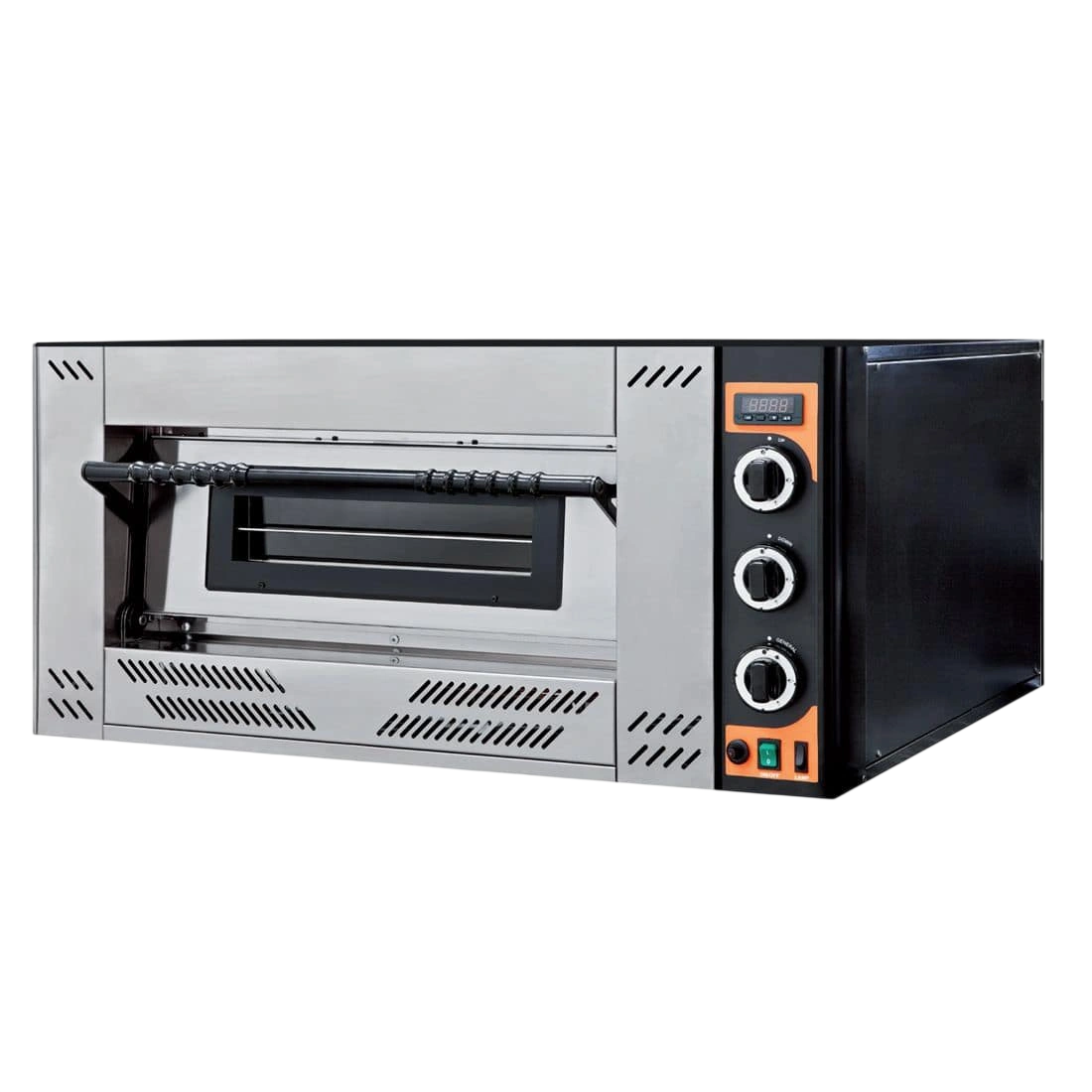
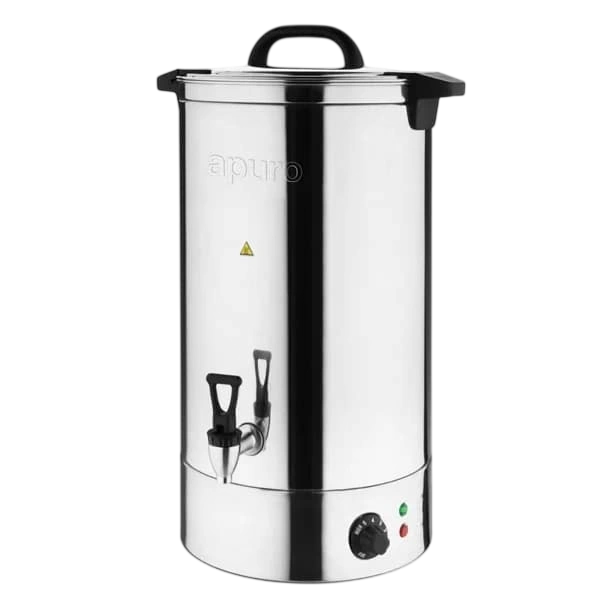
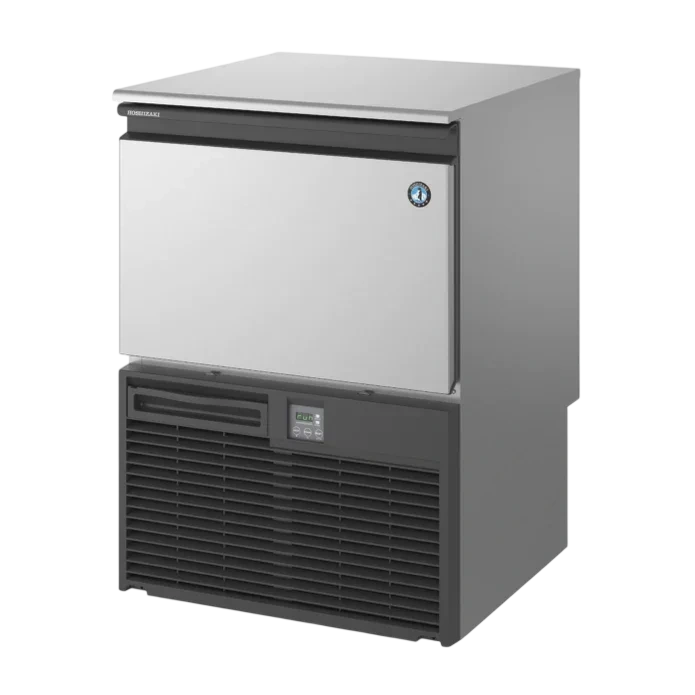
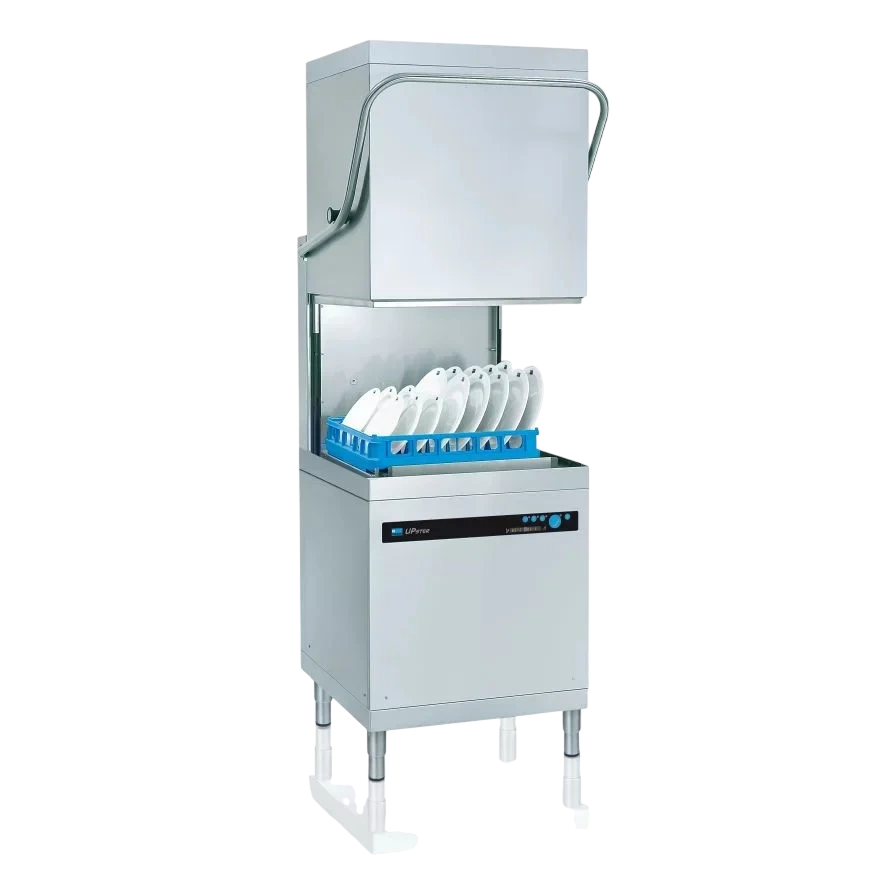
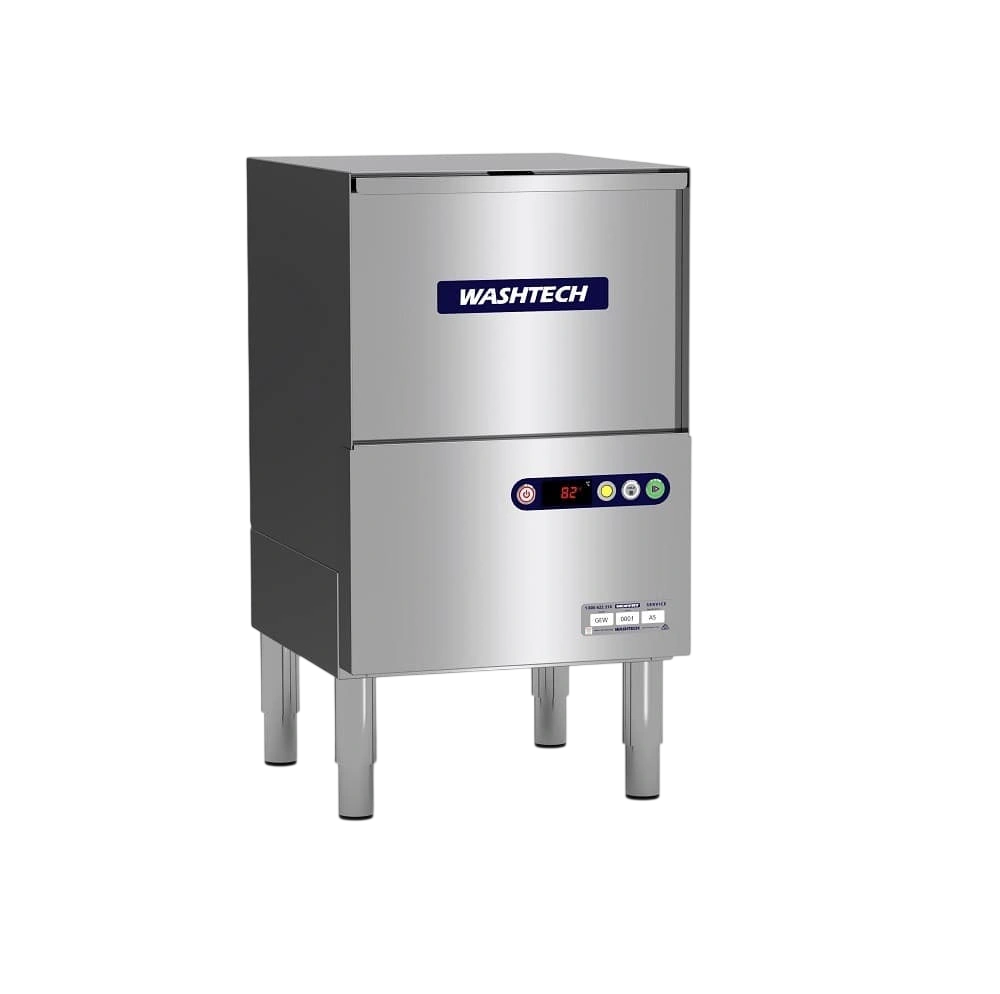
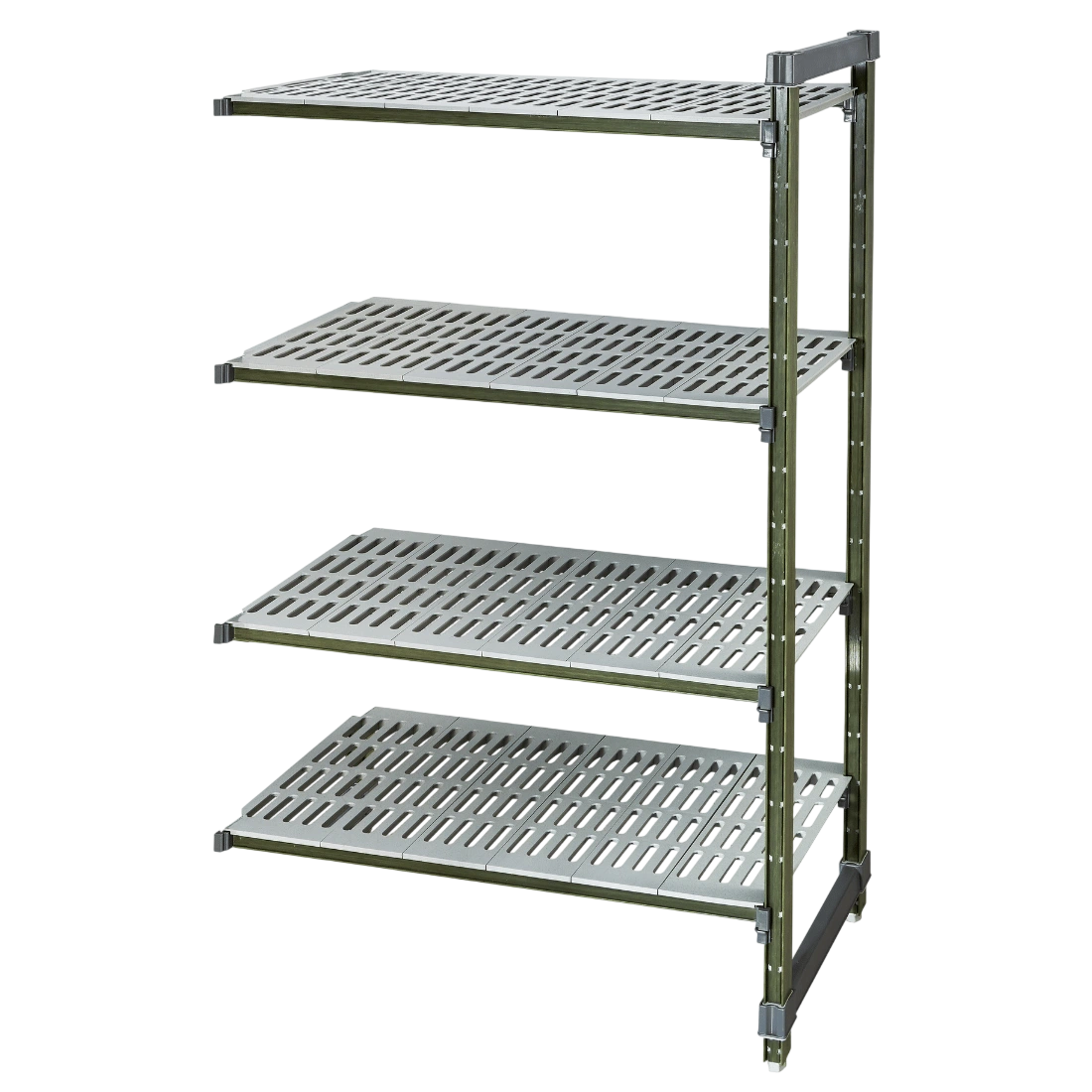
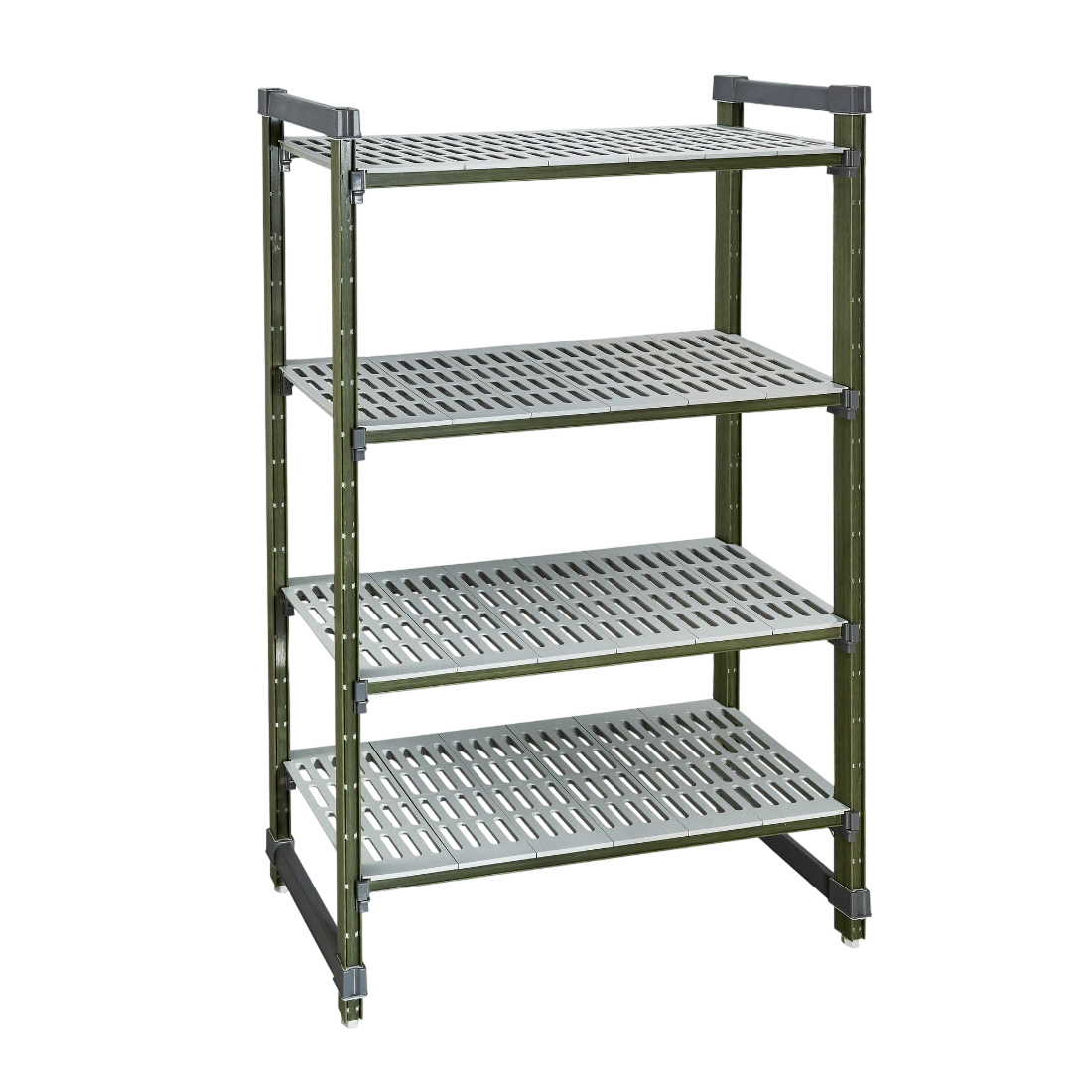
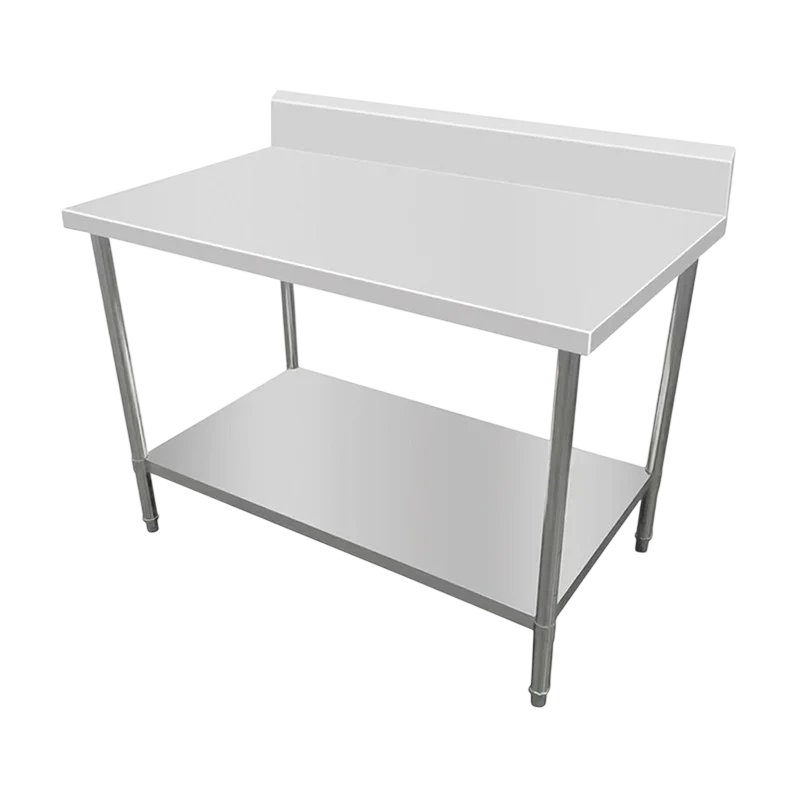
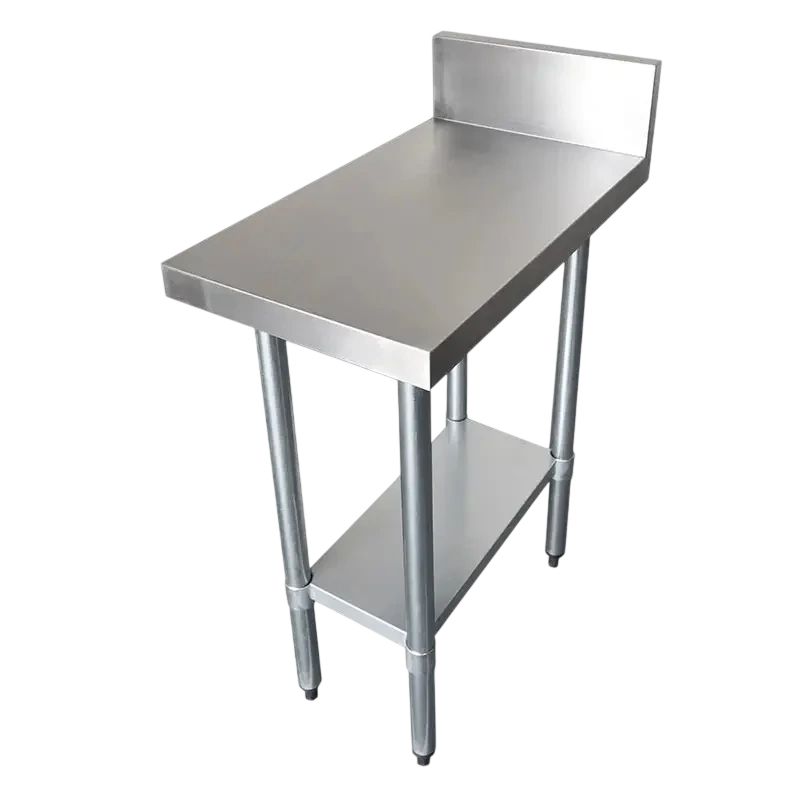
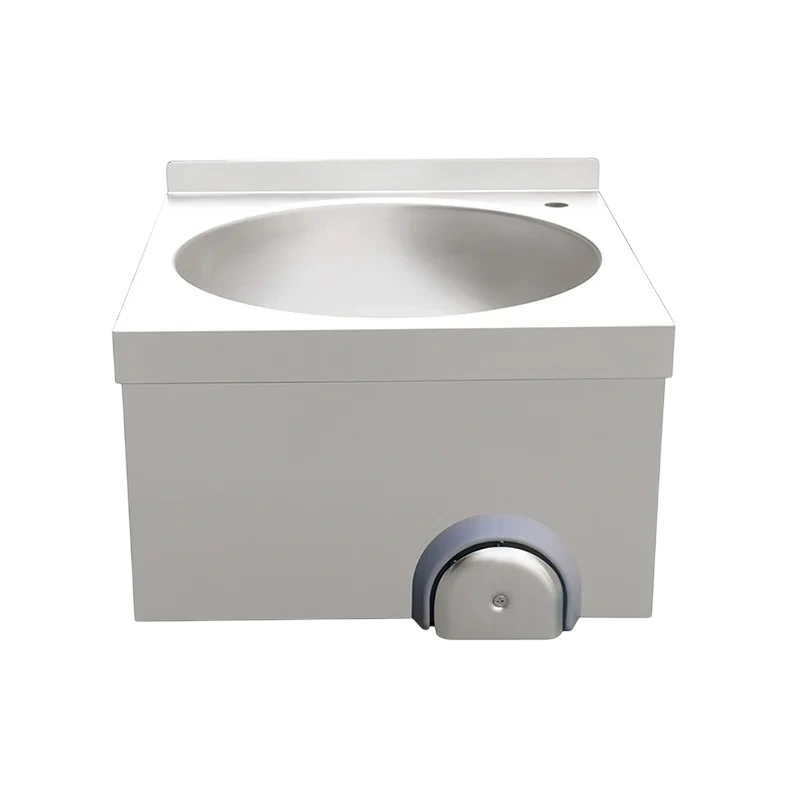
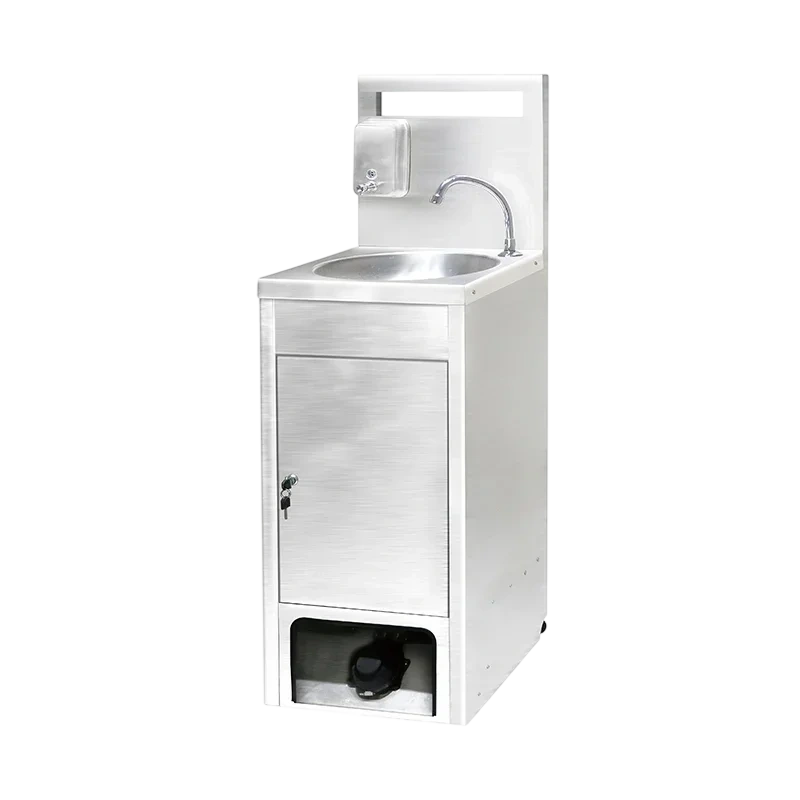
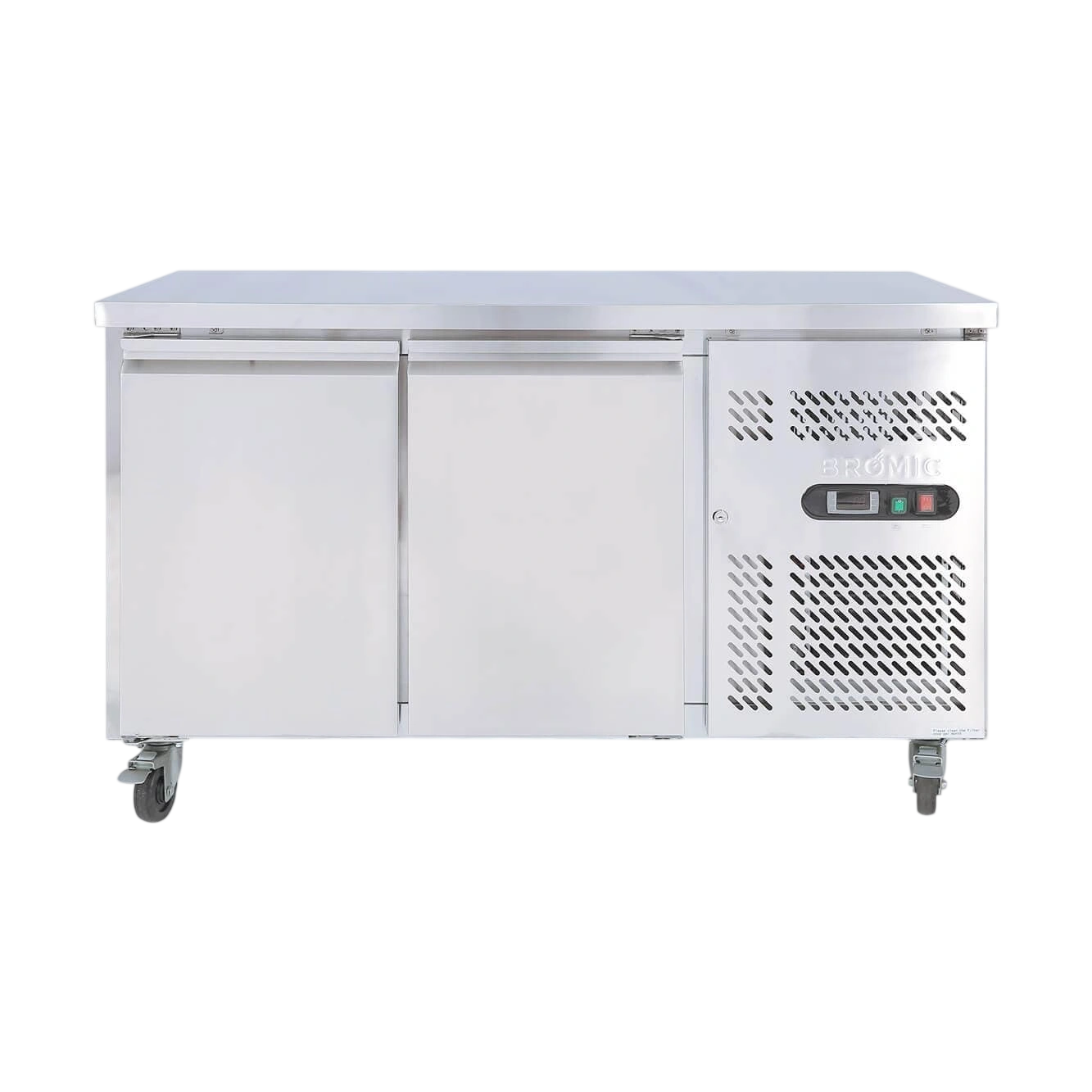
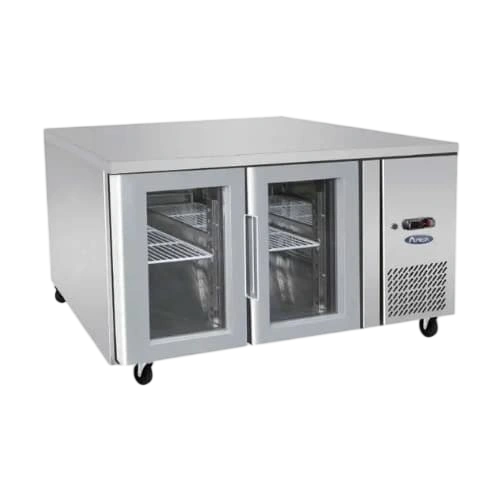
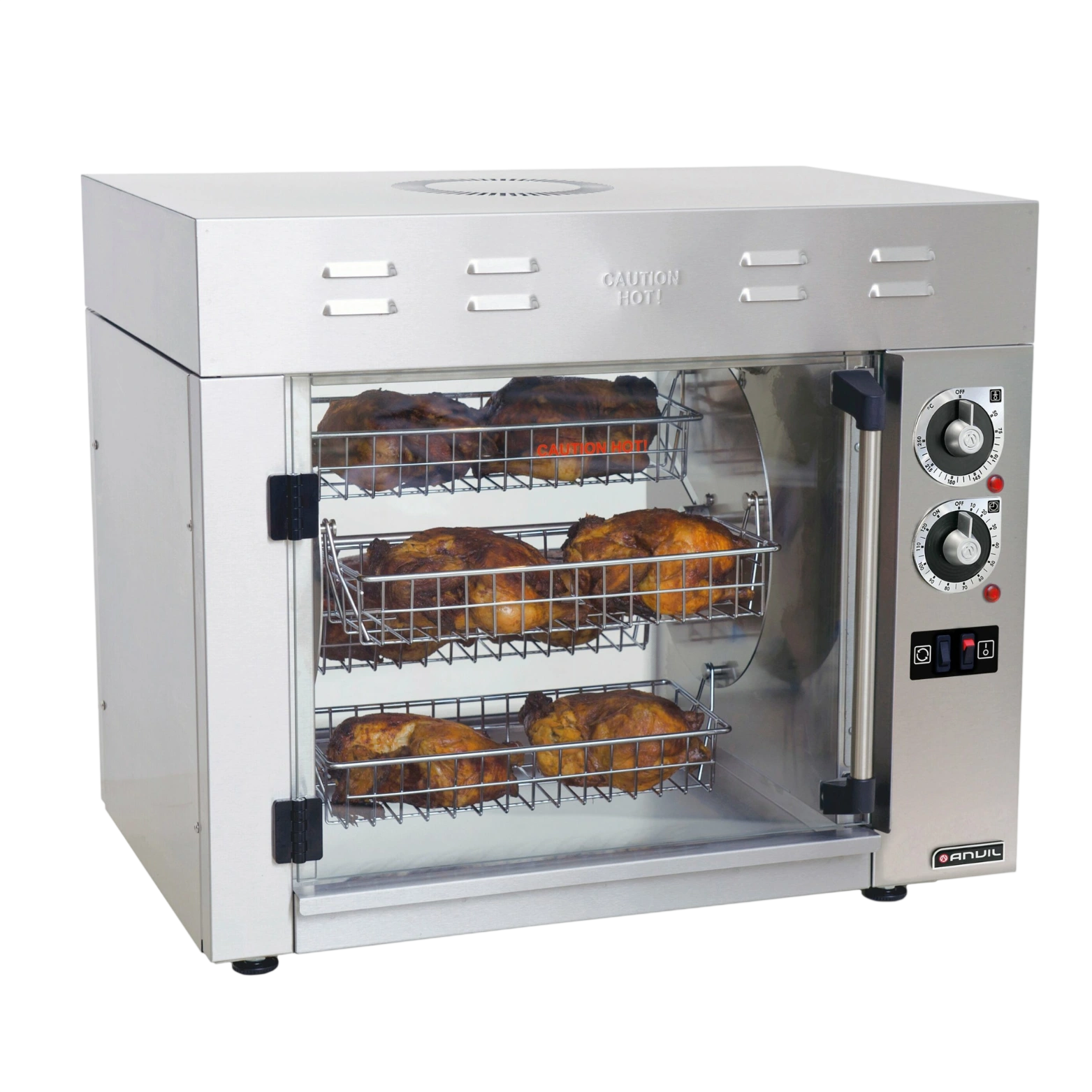
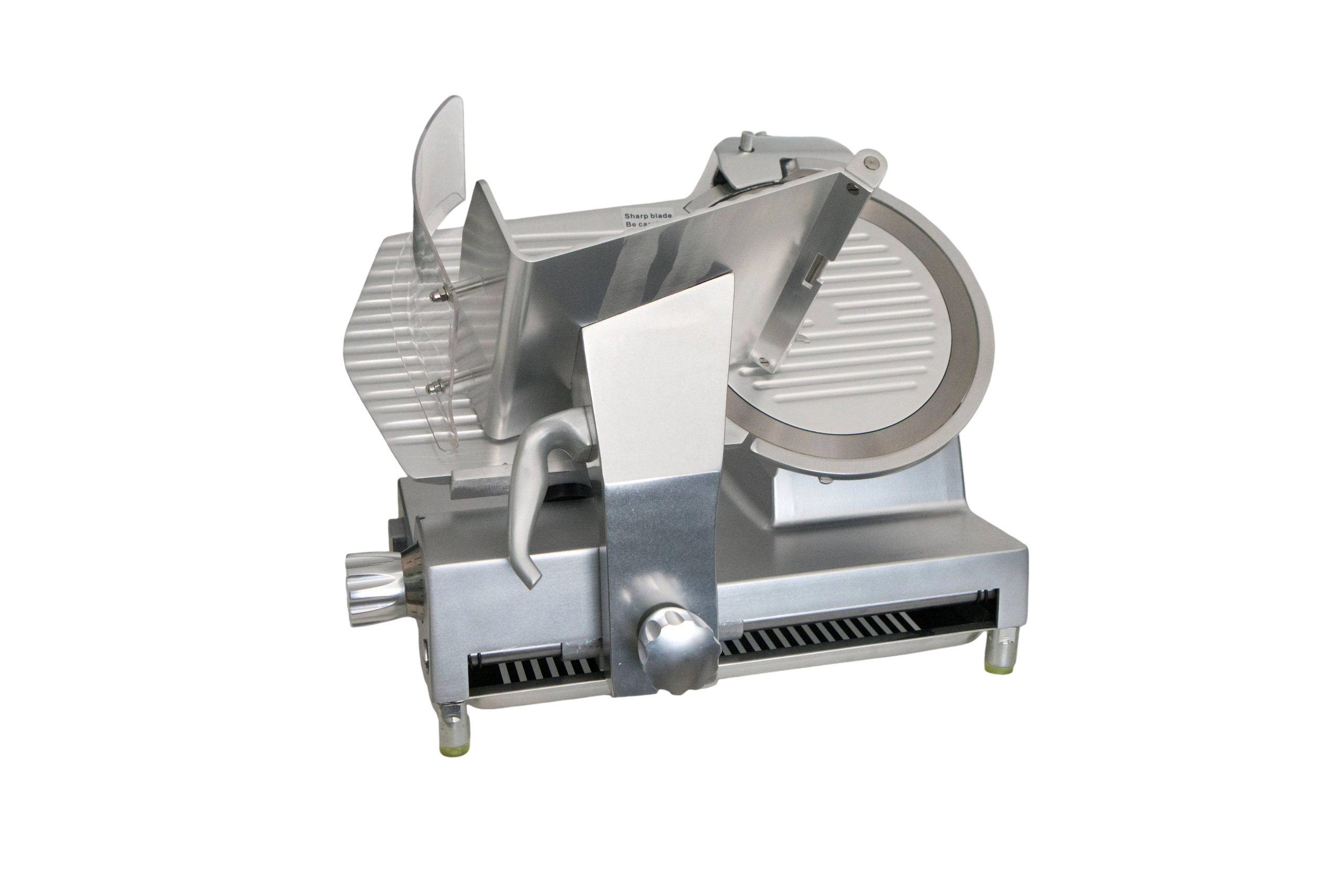

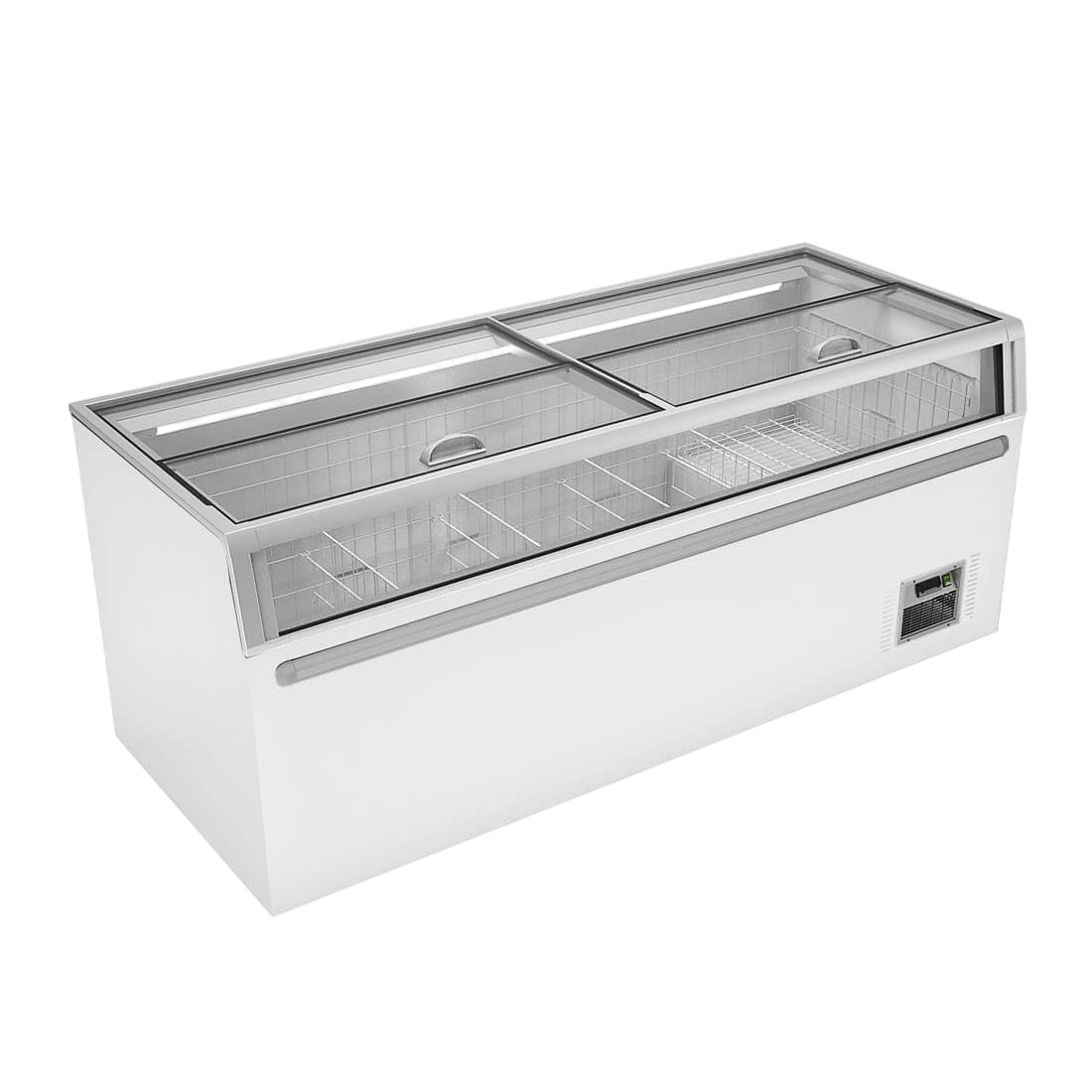
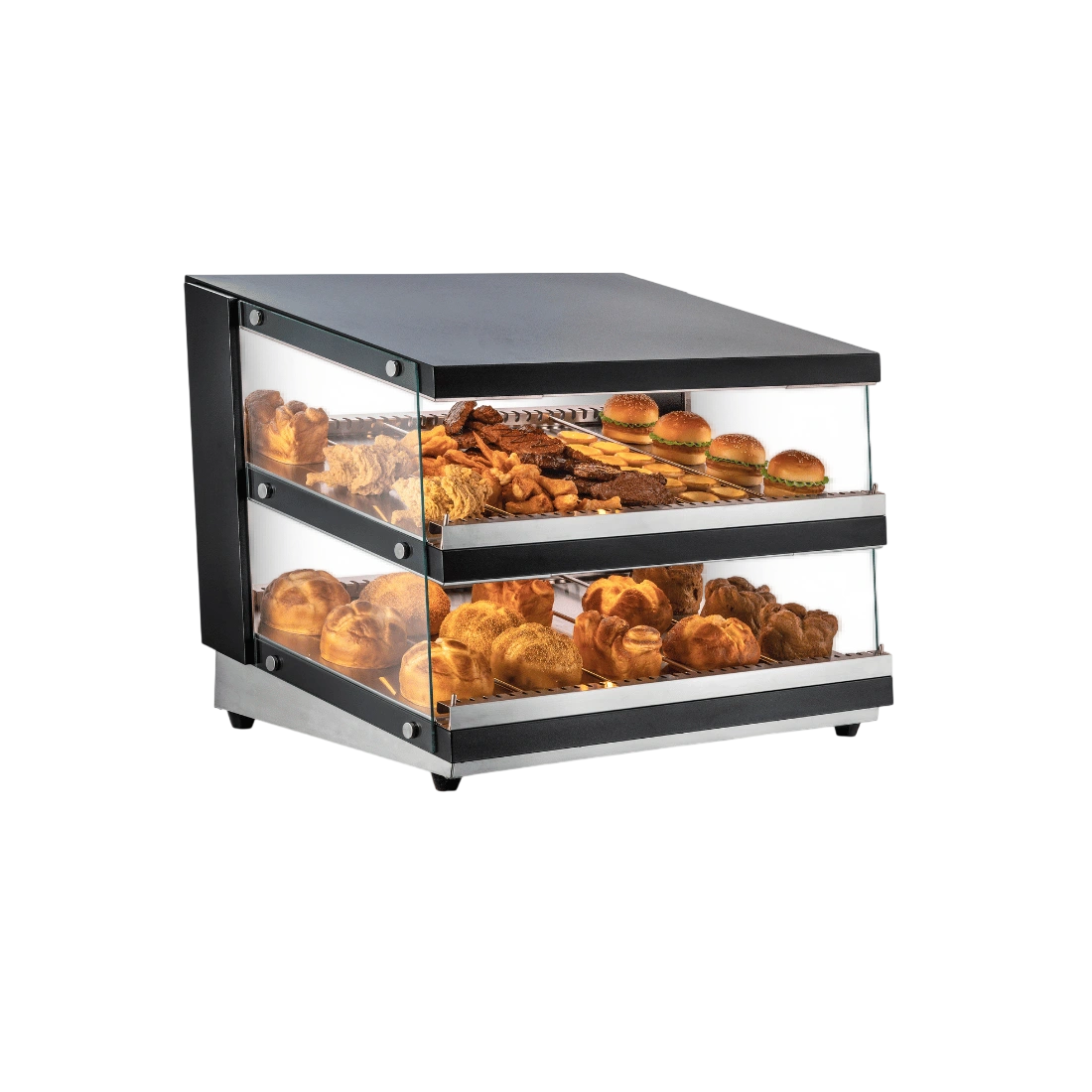
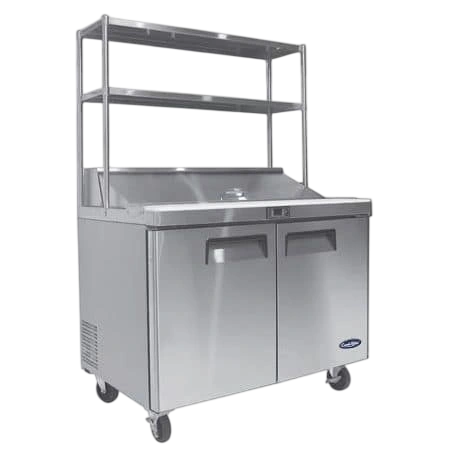
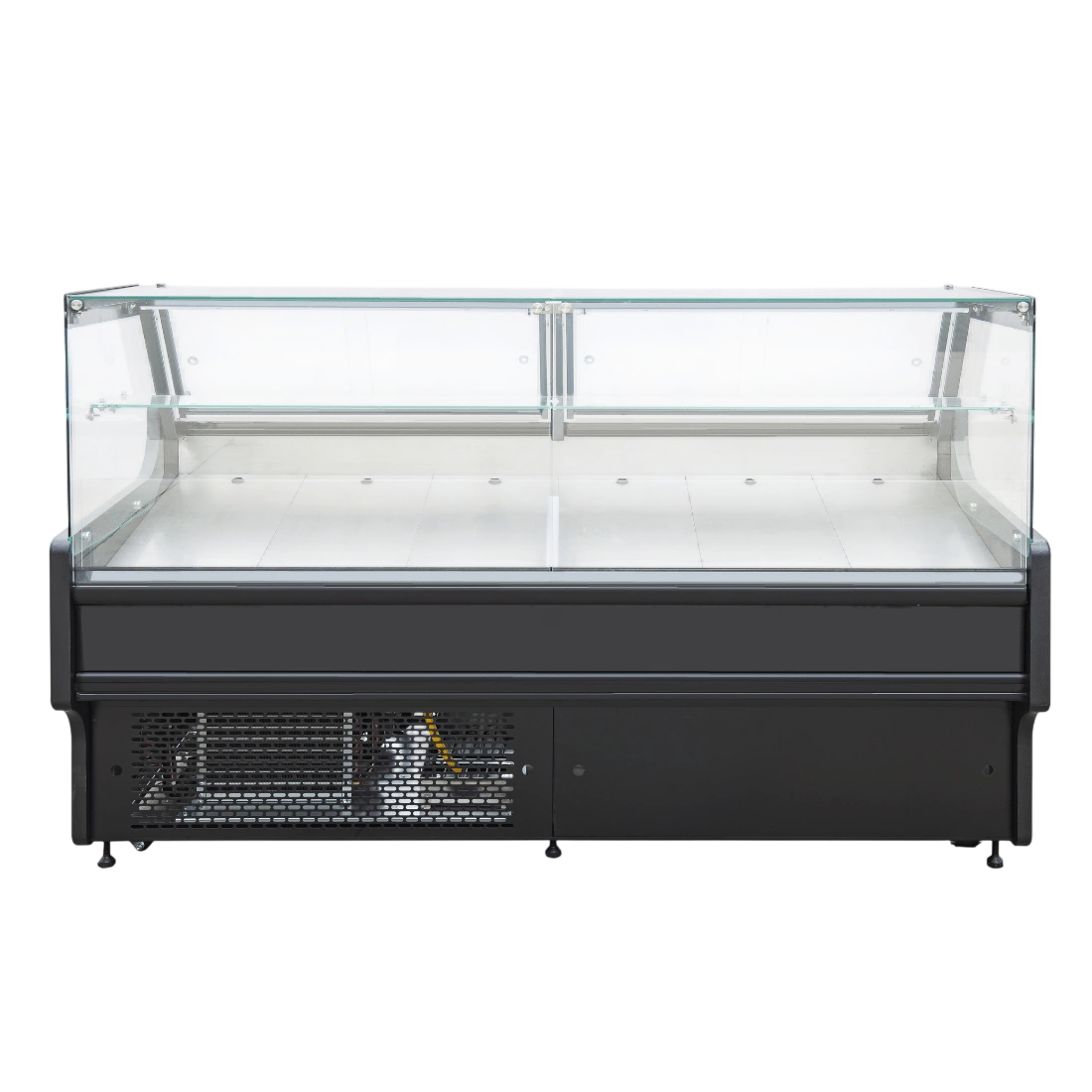
39 essential items · $116,555 ex-GST indicative · with delivery and installation quoted for your site. Final quote reflects your menu, site, power, gas, drainage, ventilation and delivery.
Checking current Package availability…
Package: SBB-SUPERMARKET-SUPERMARKET
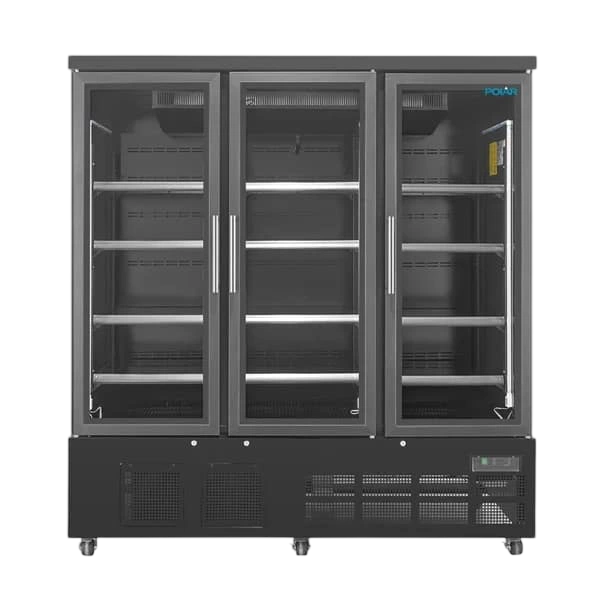
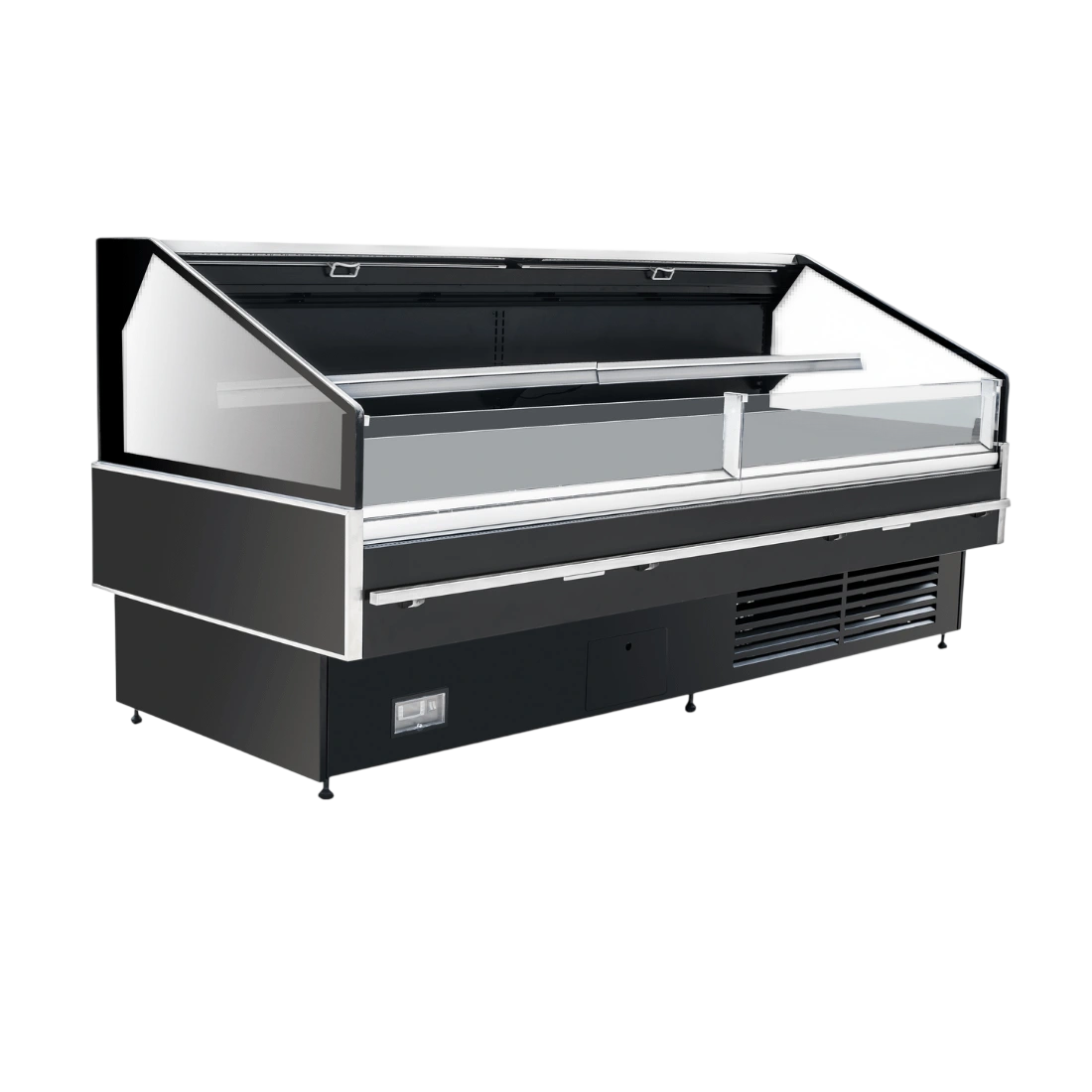
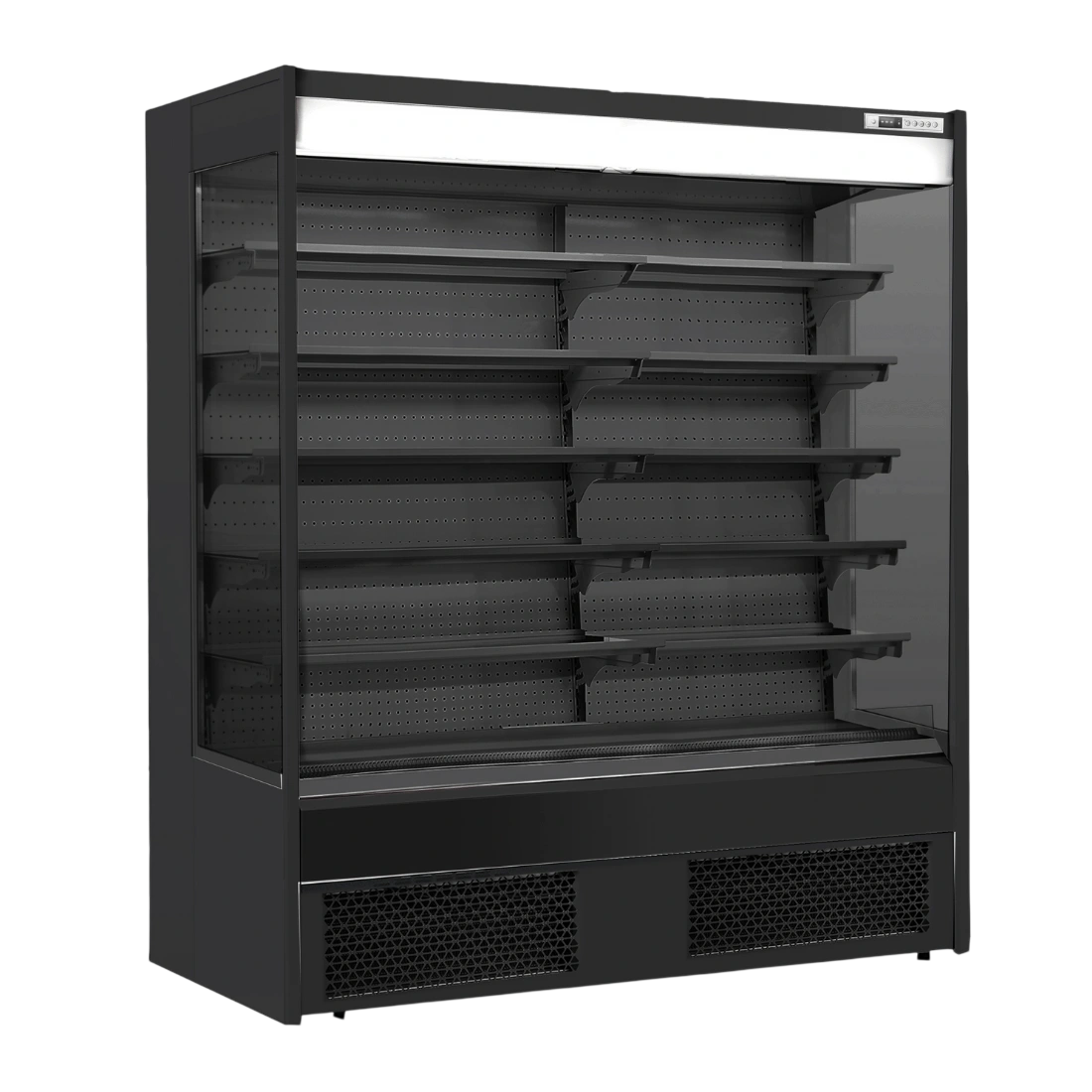
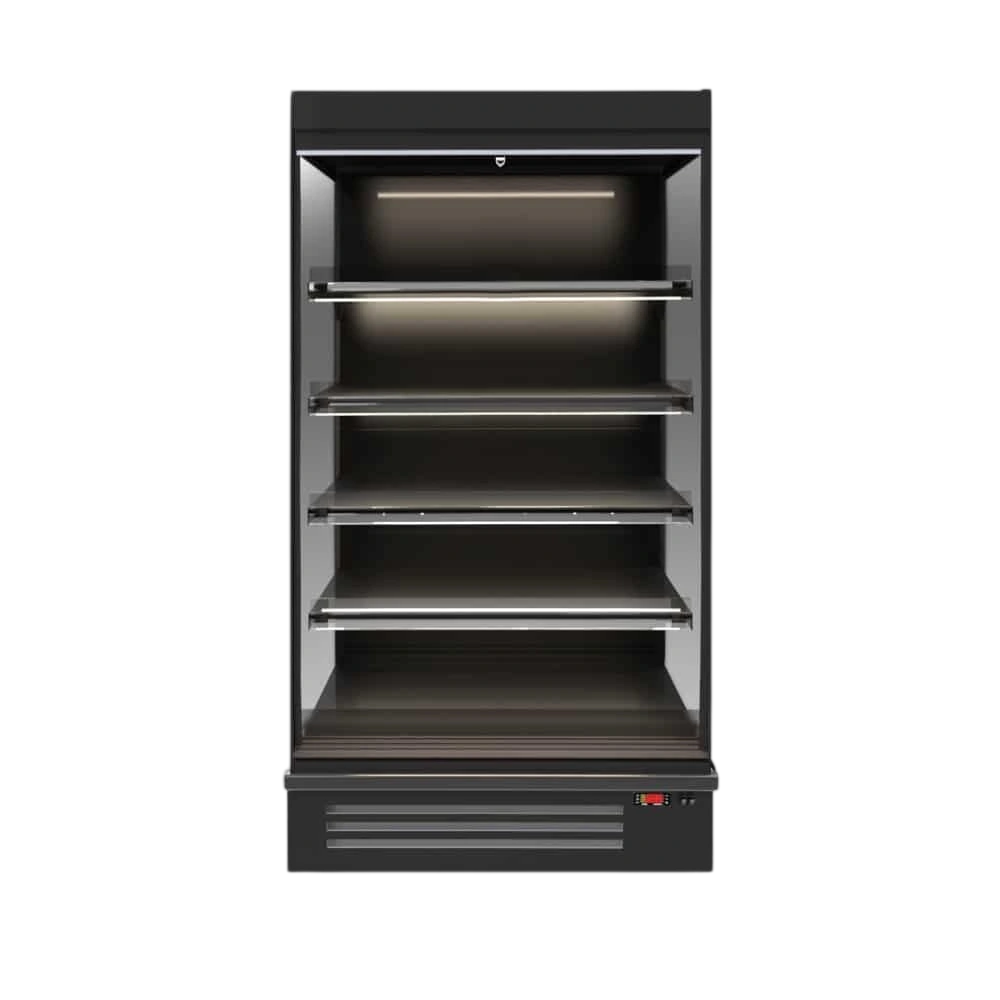
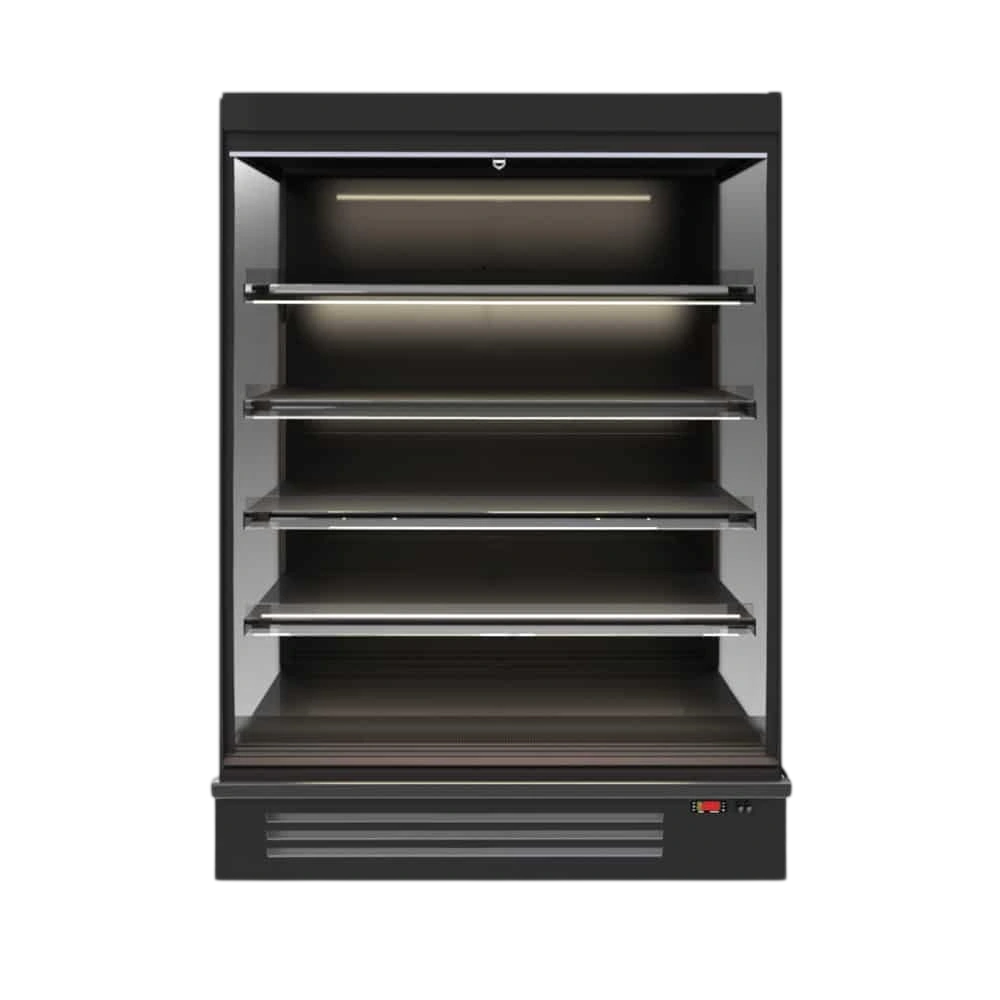
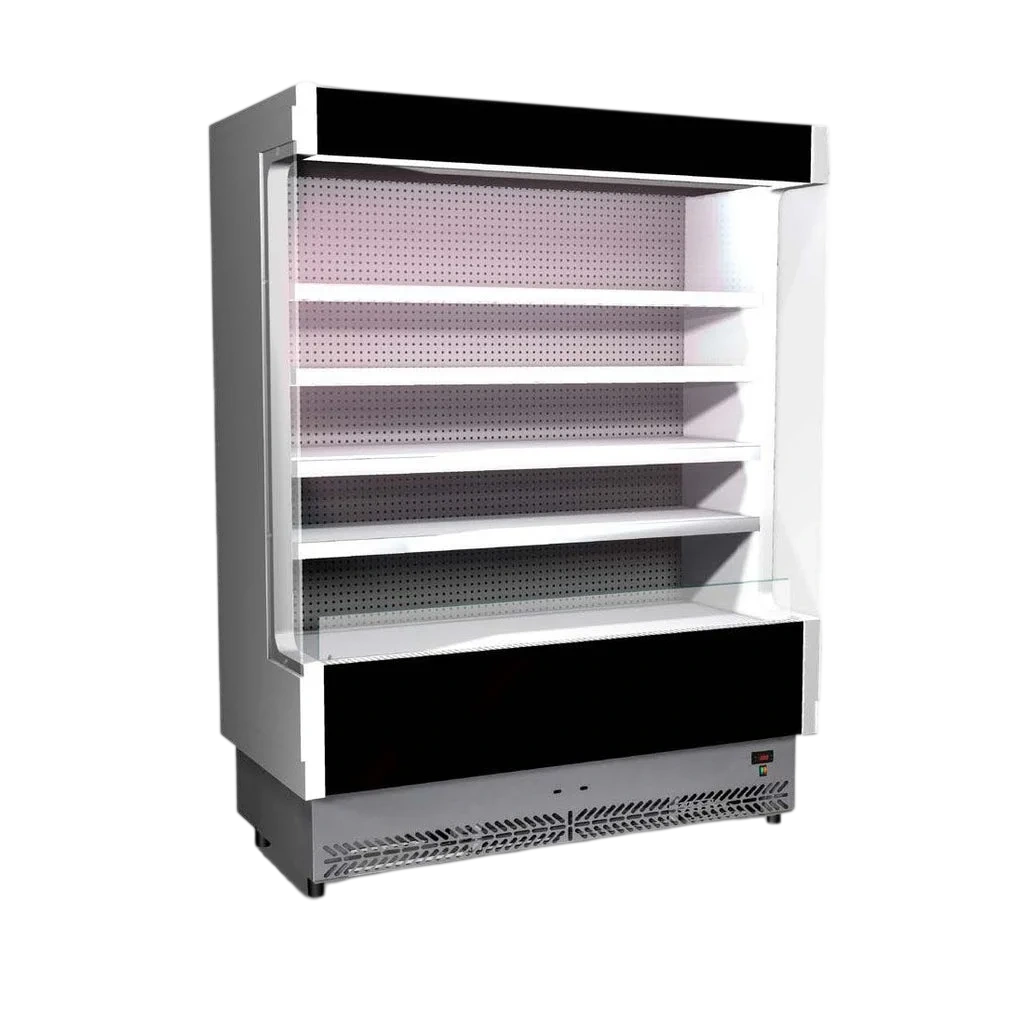
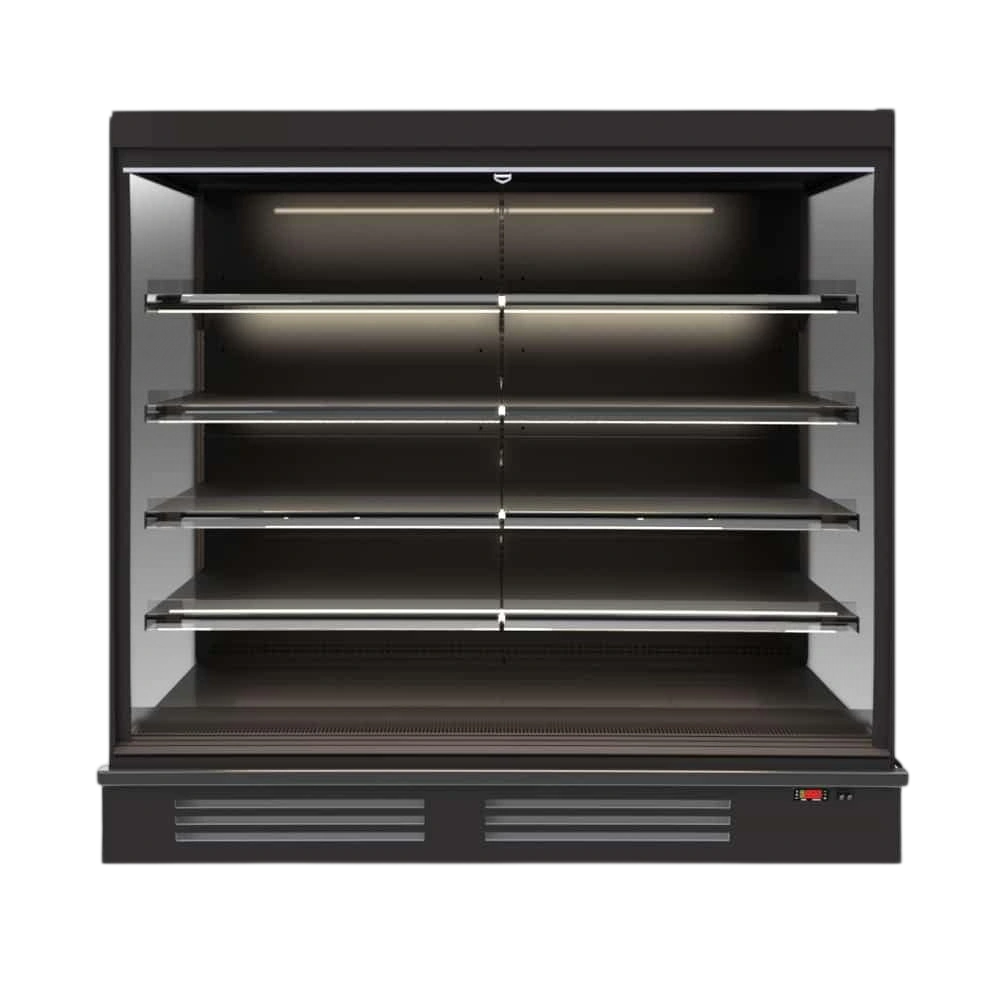
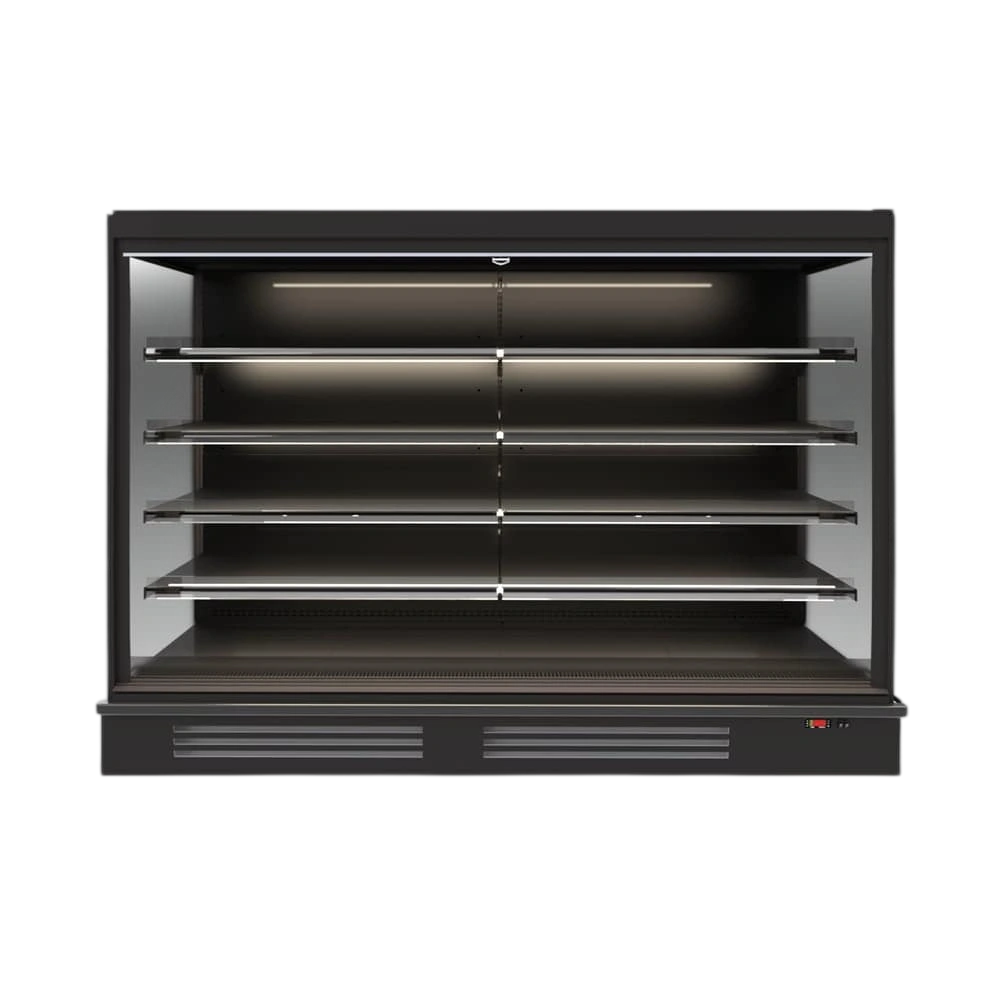
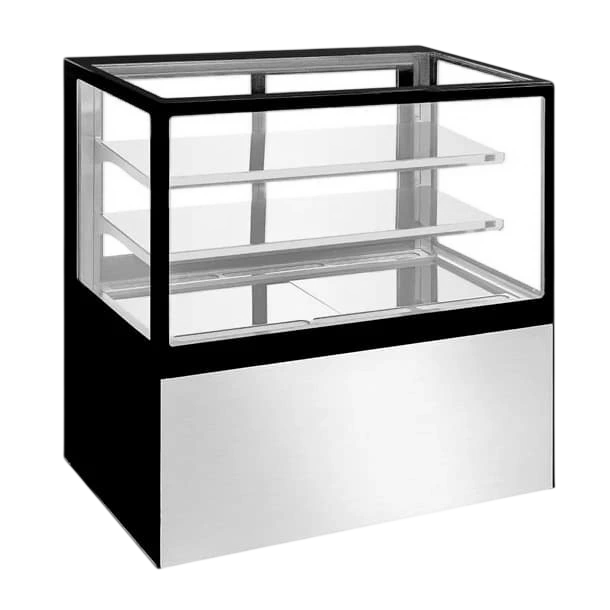
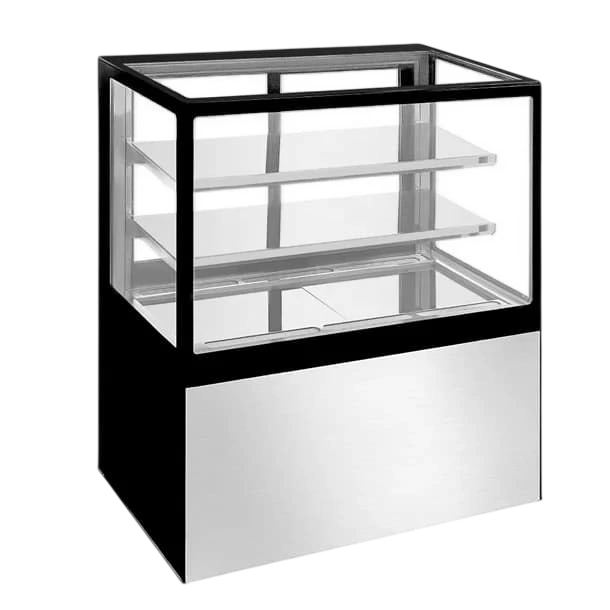
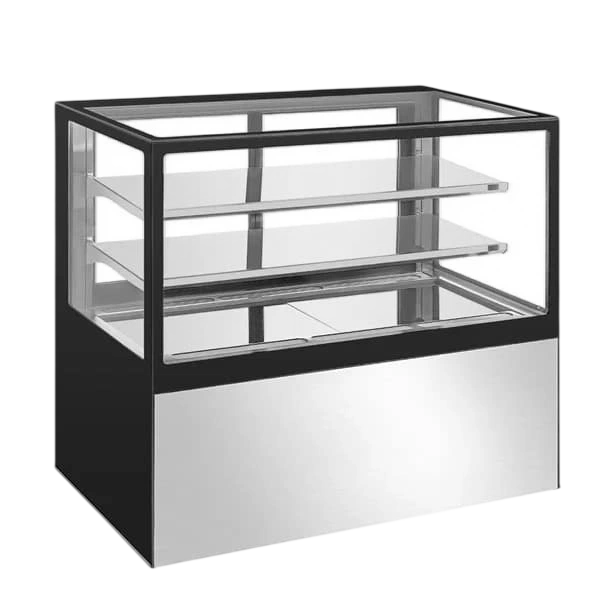
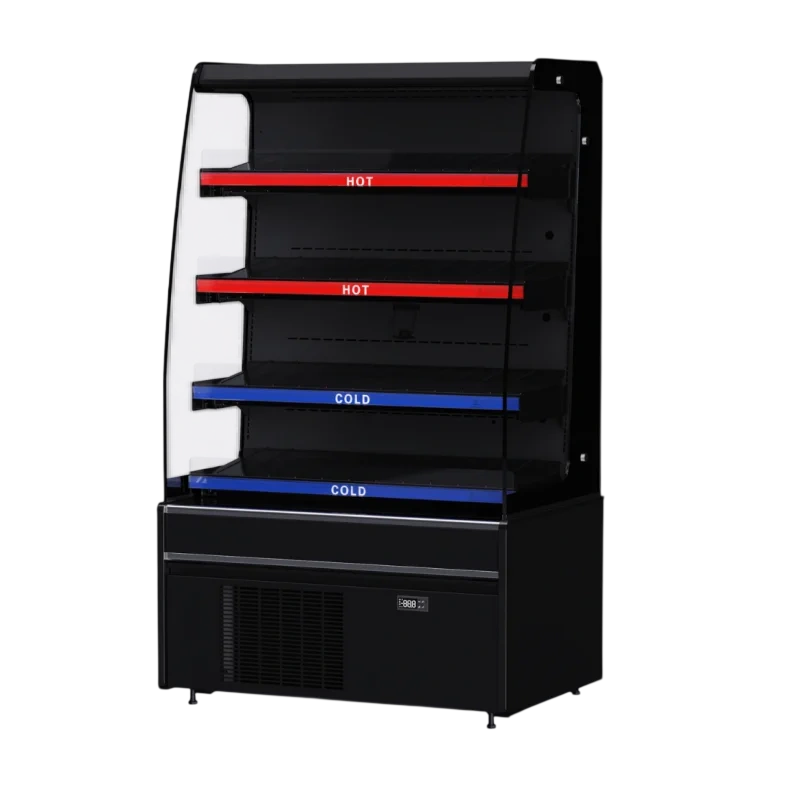
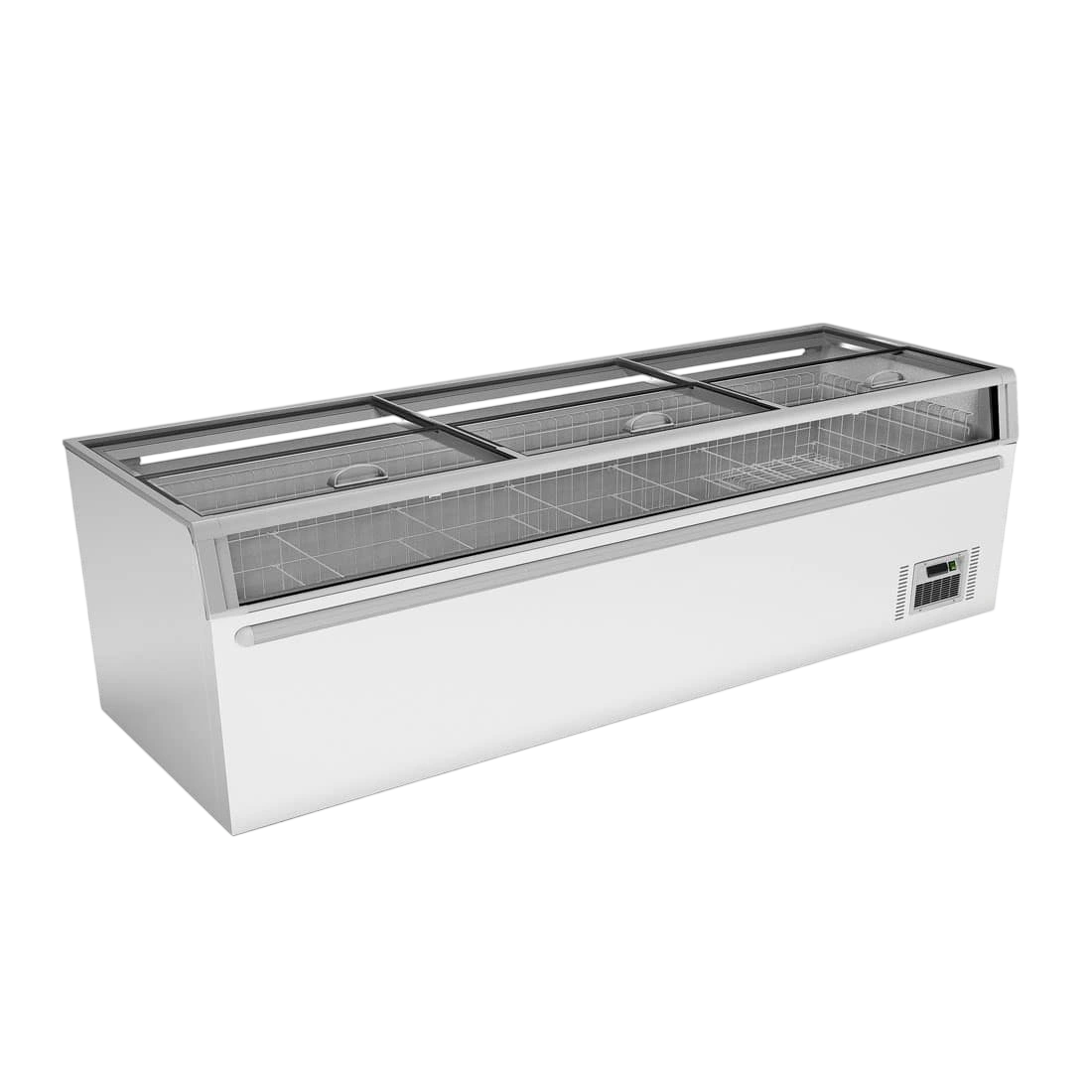
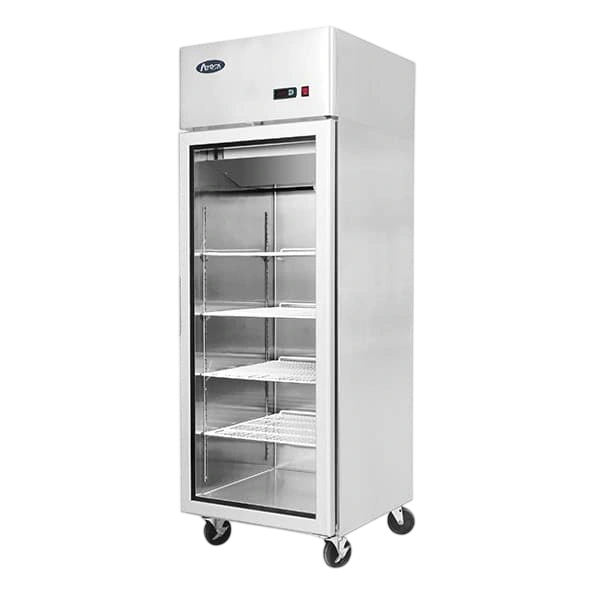
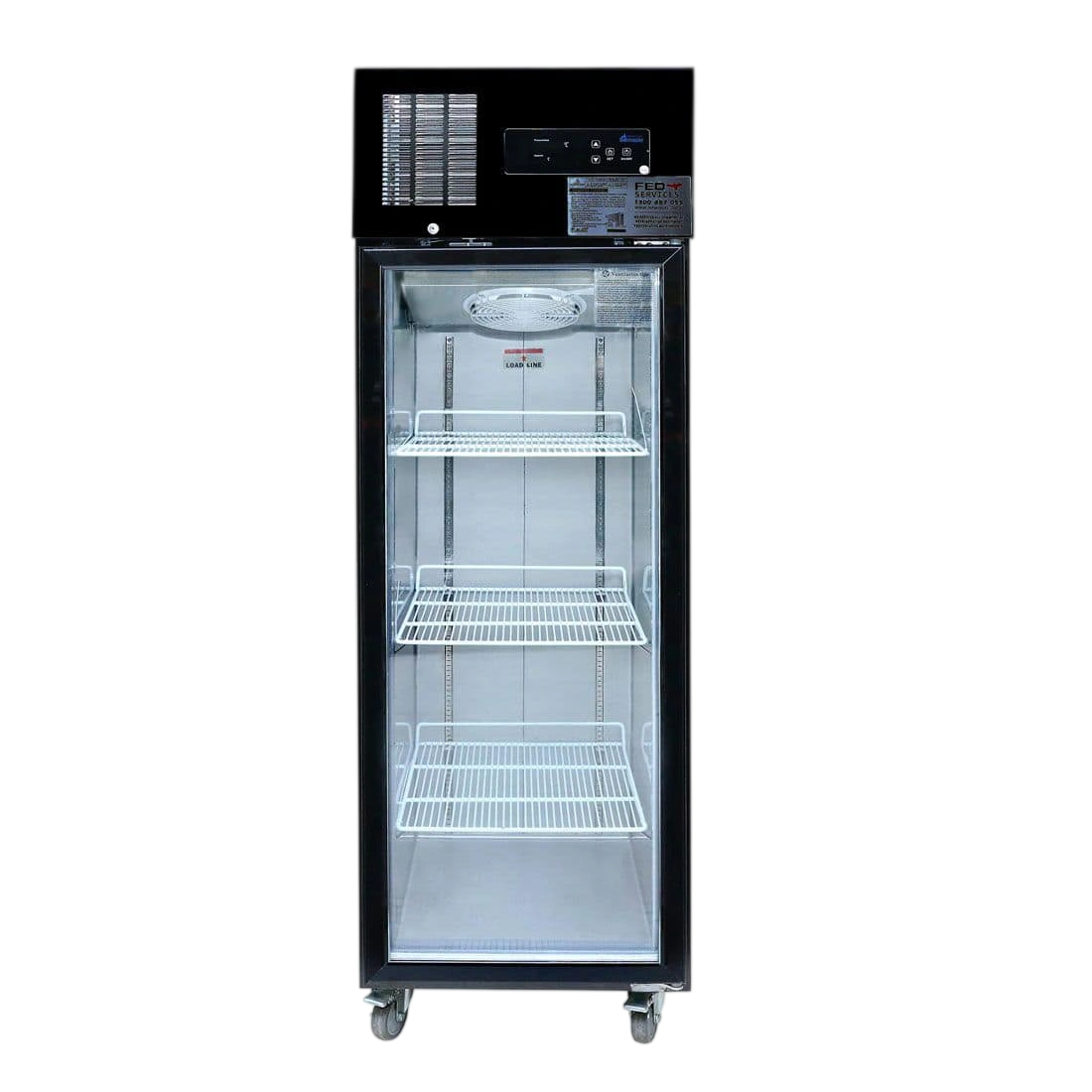
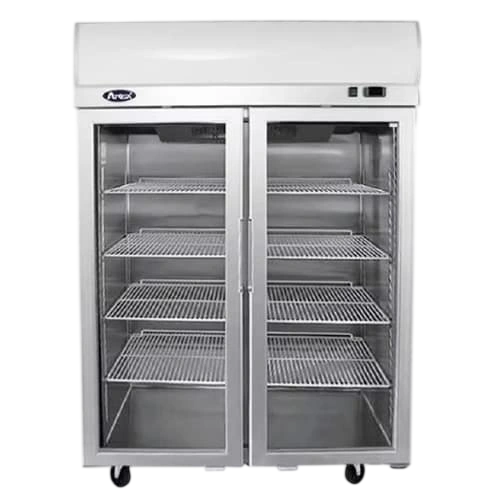
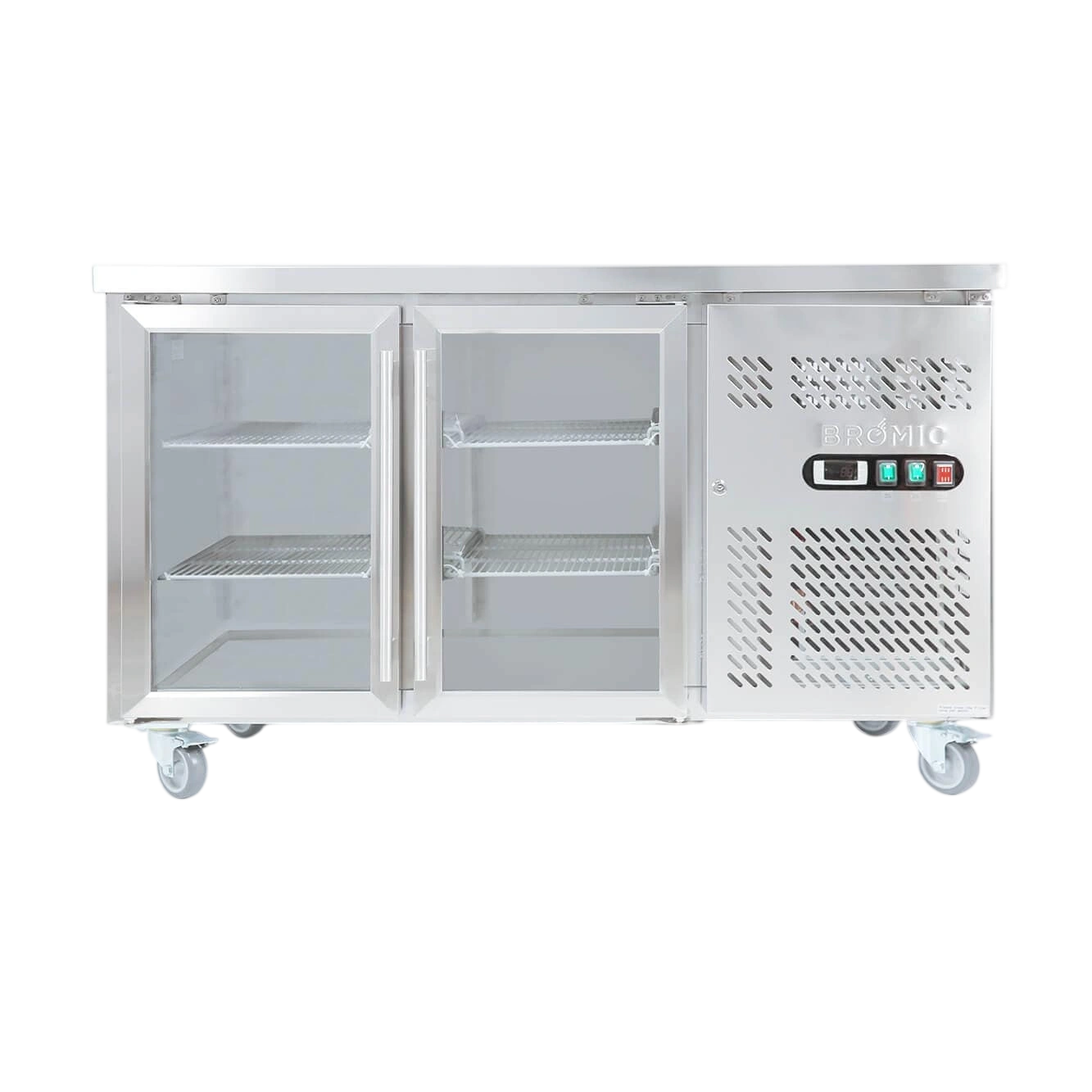
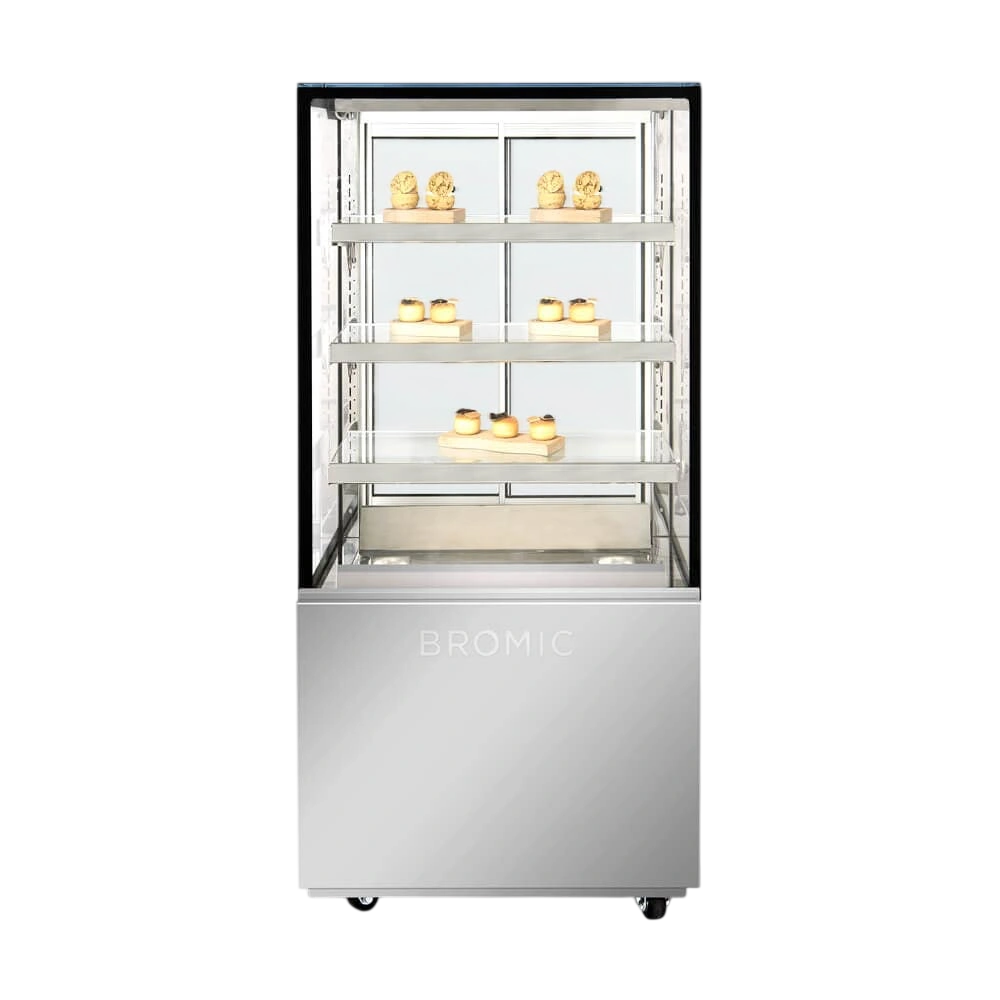
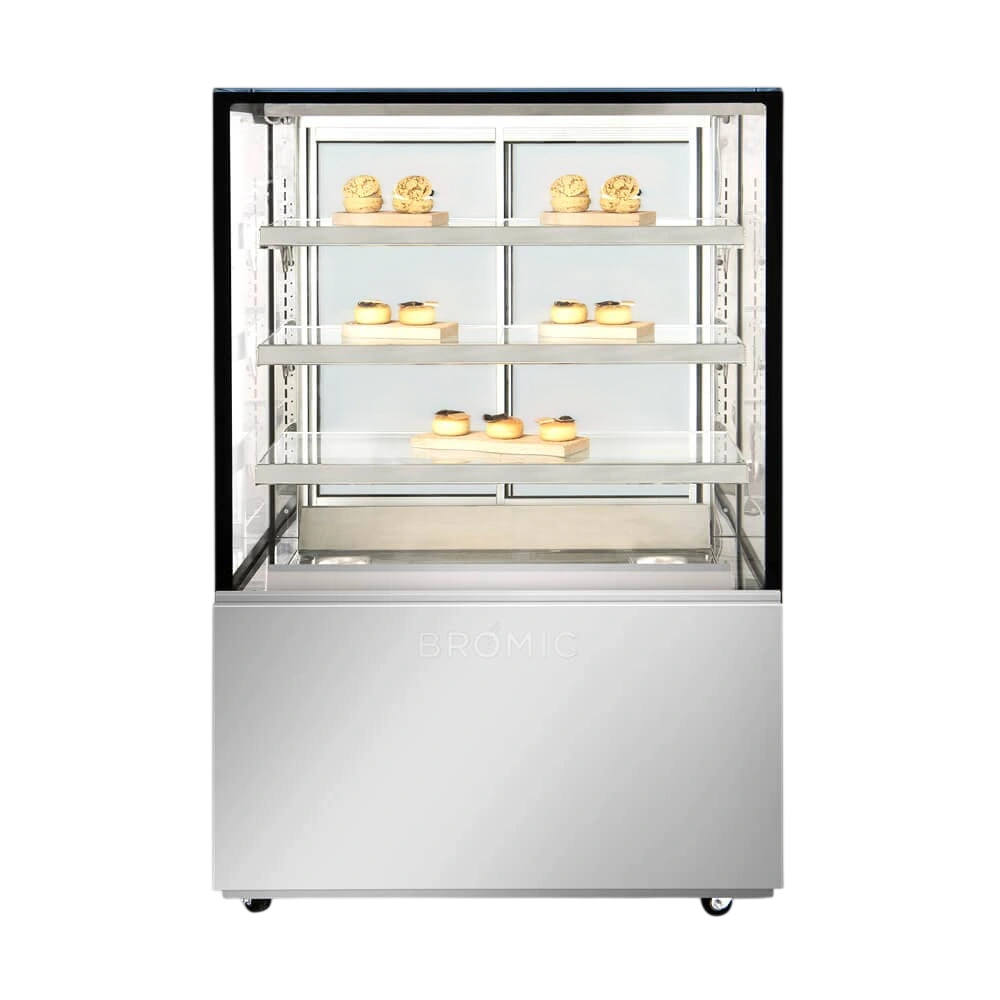
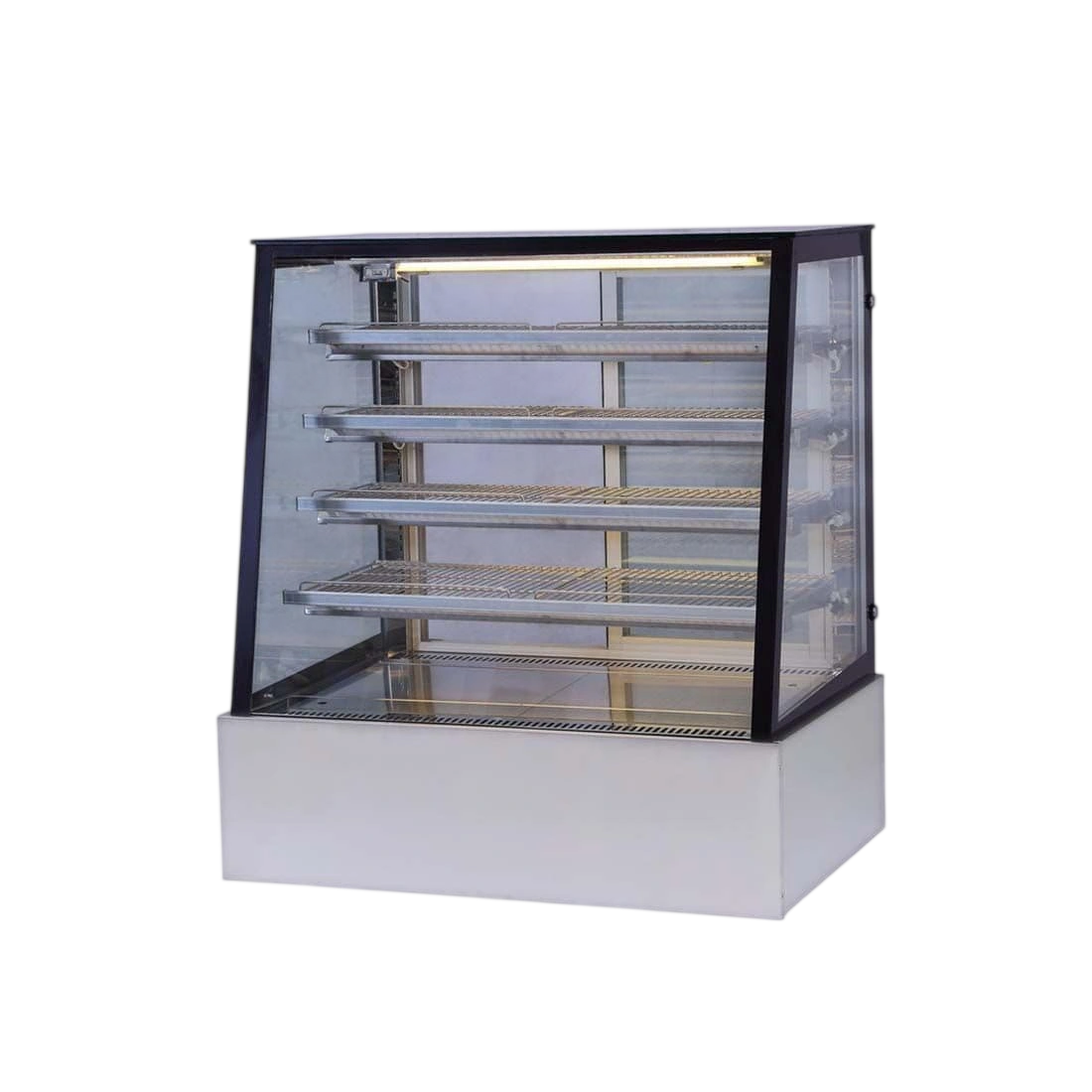
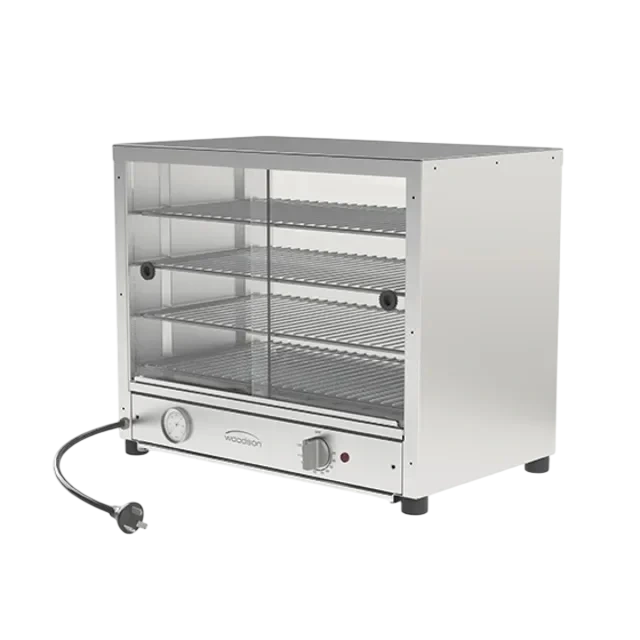
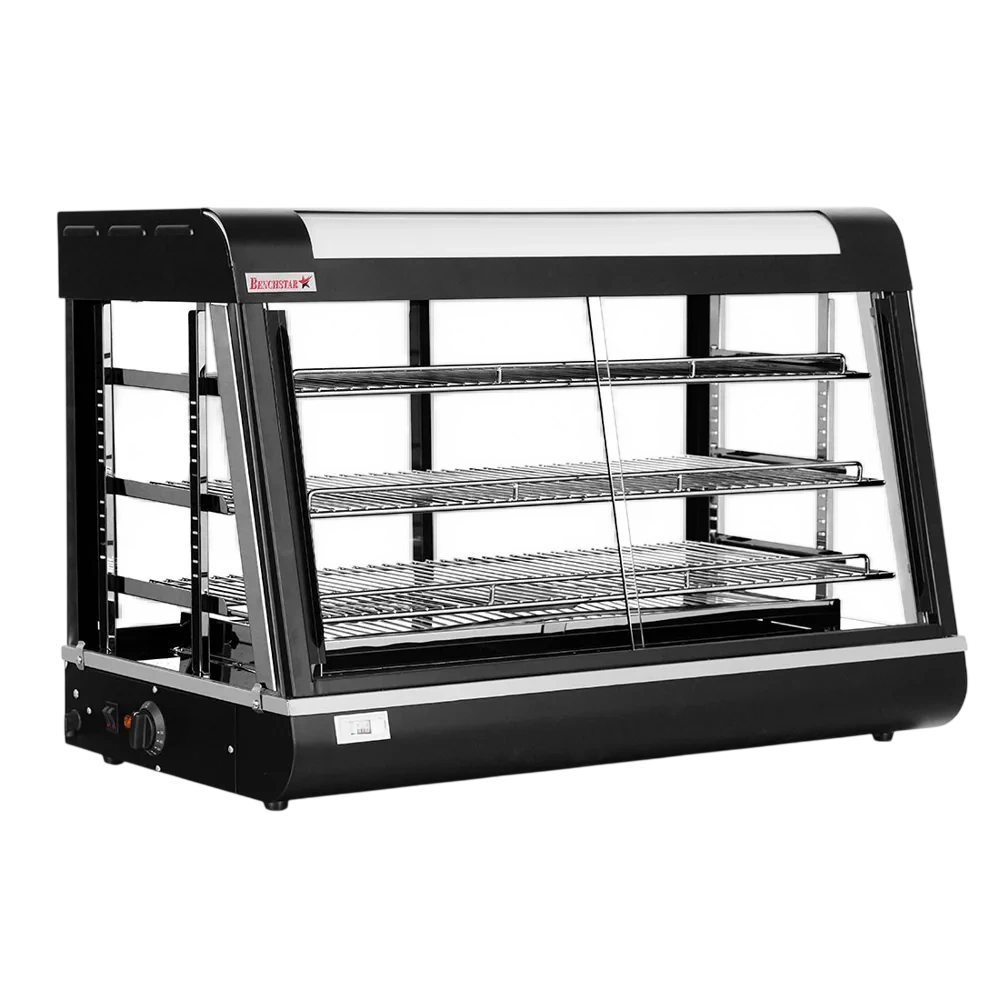
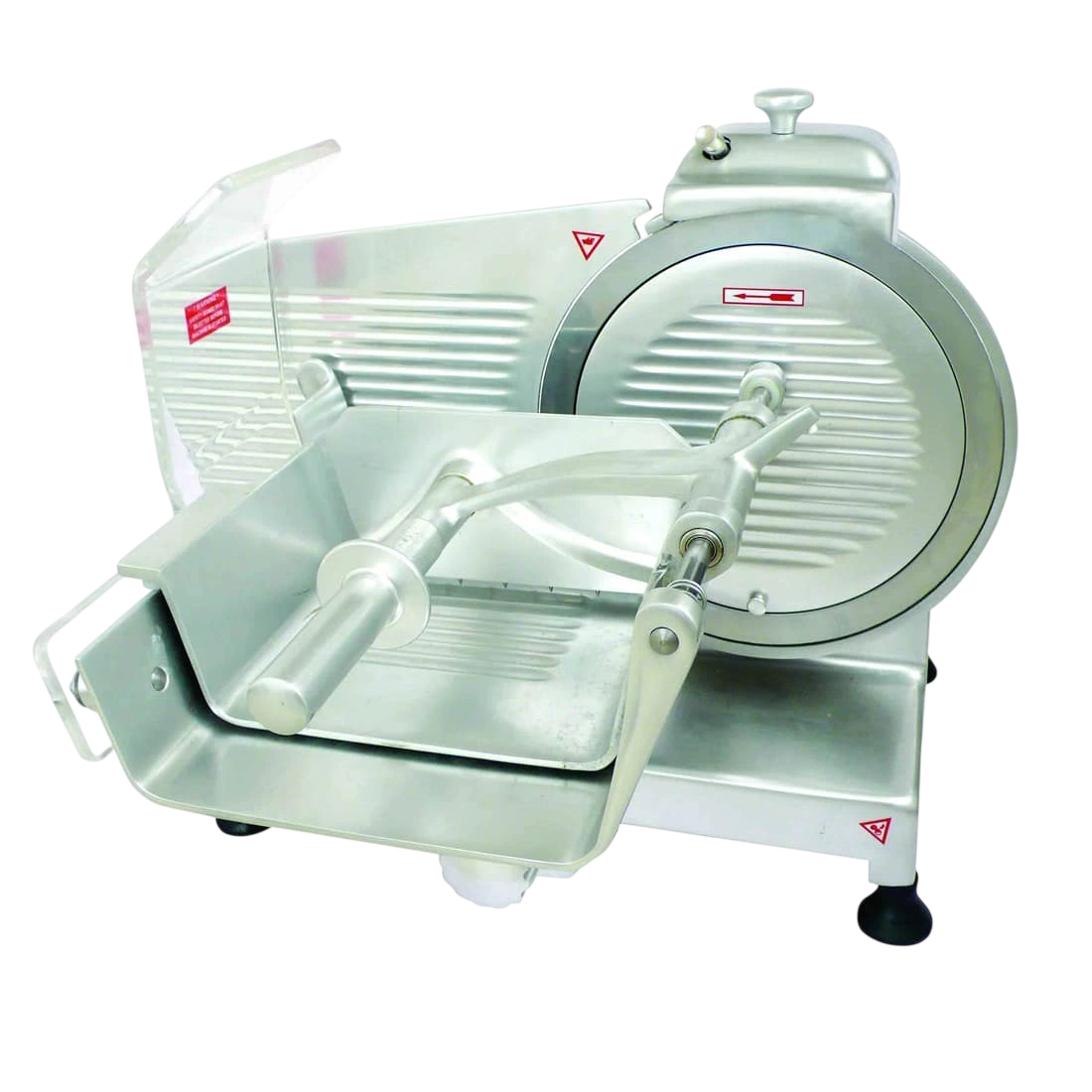
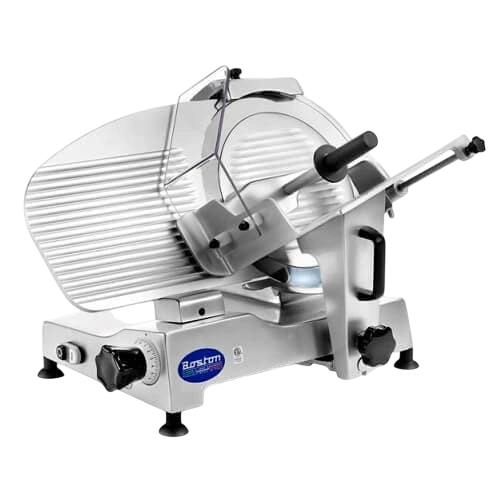
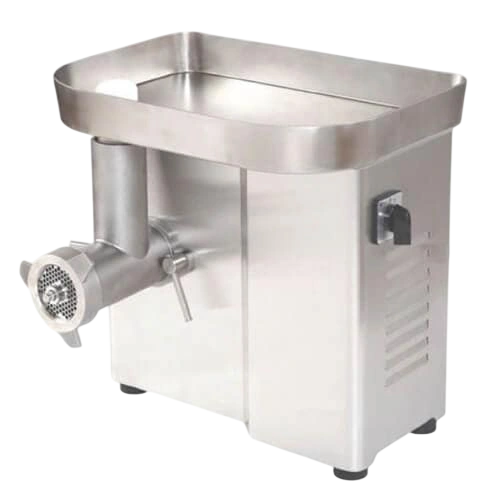
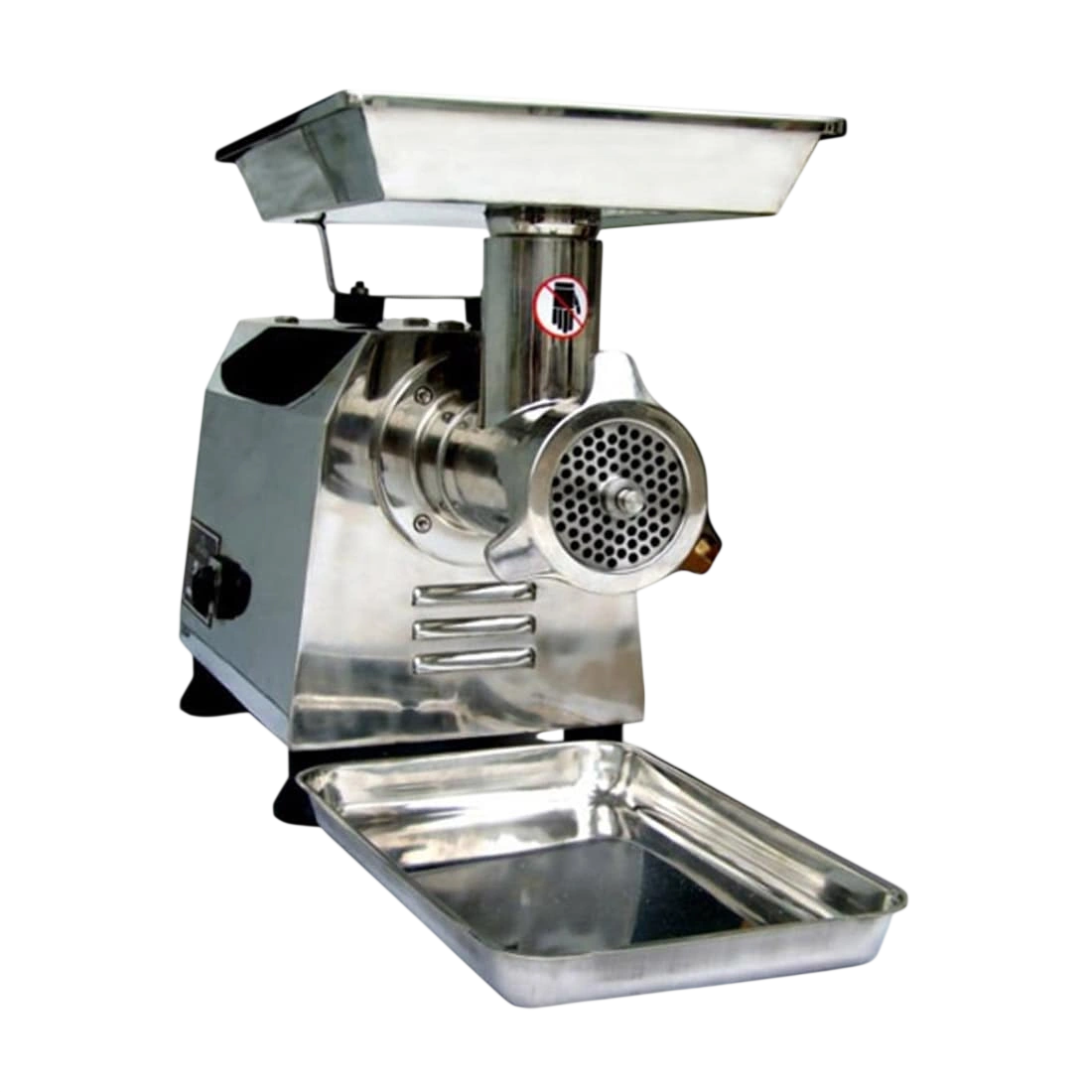
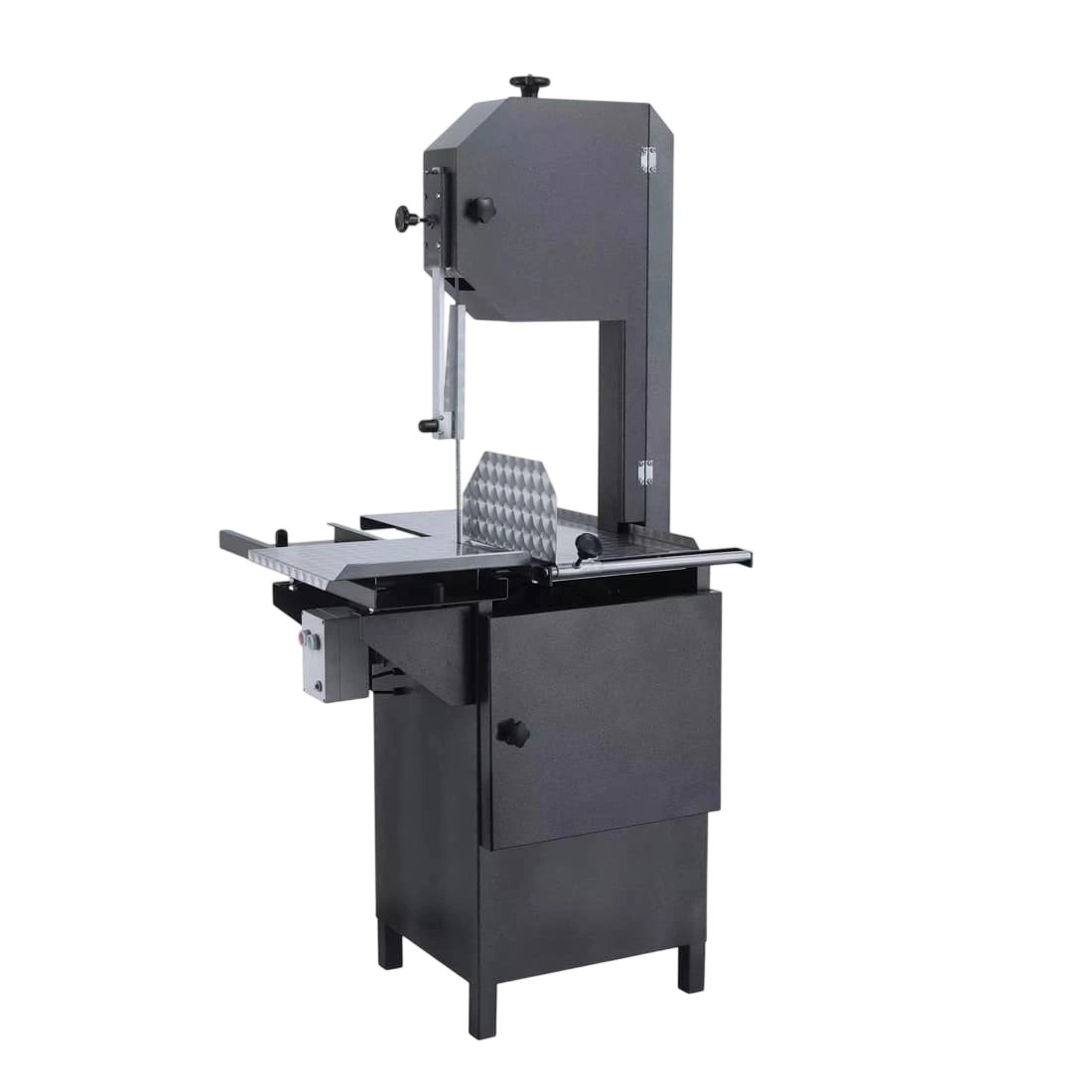
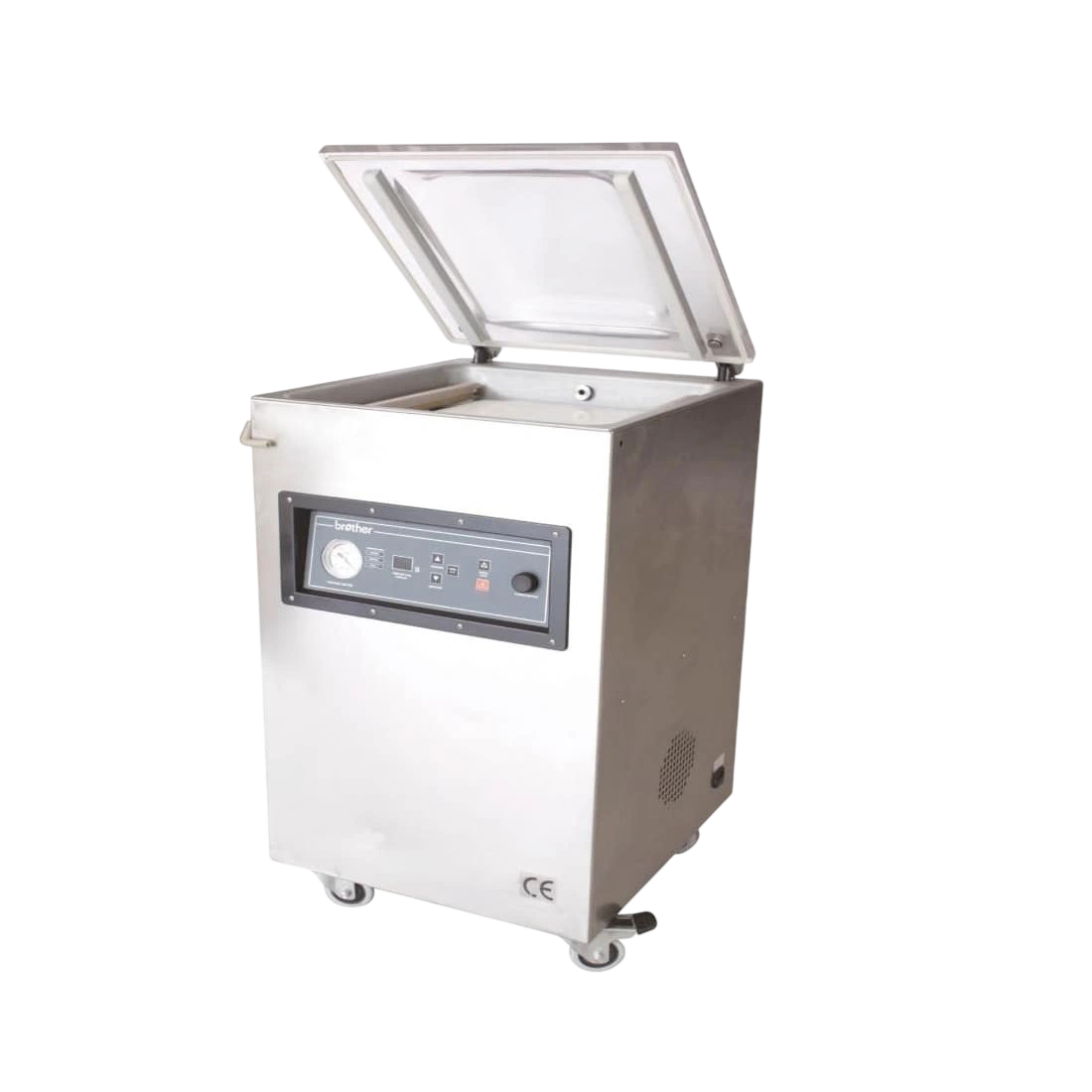
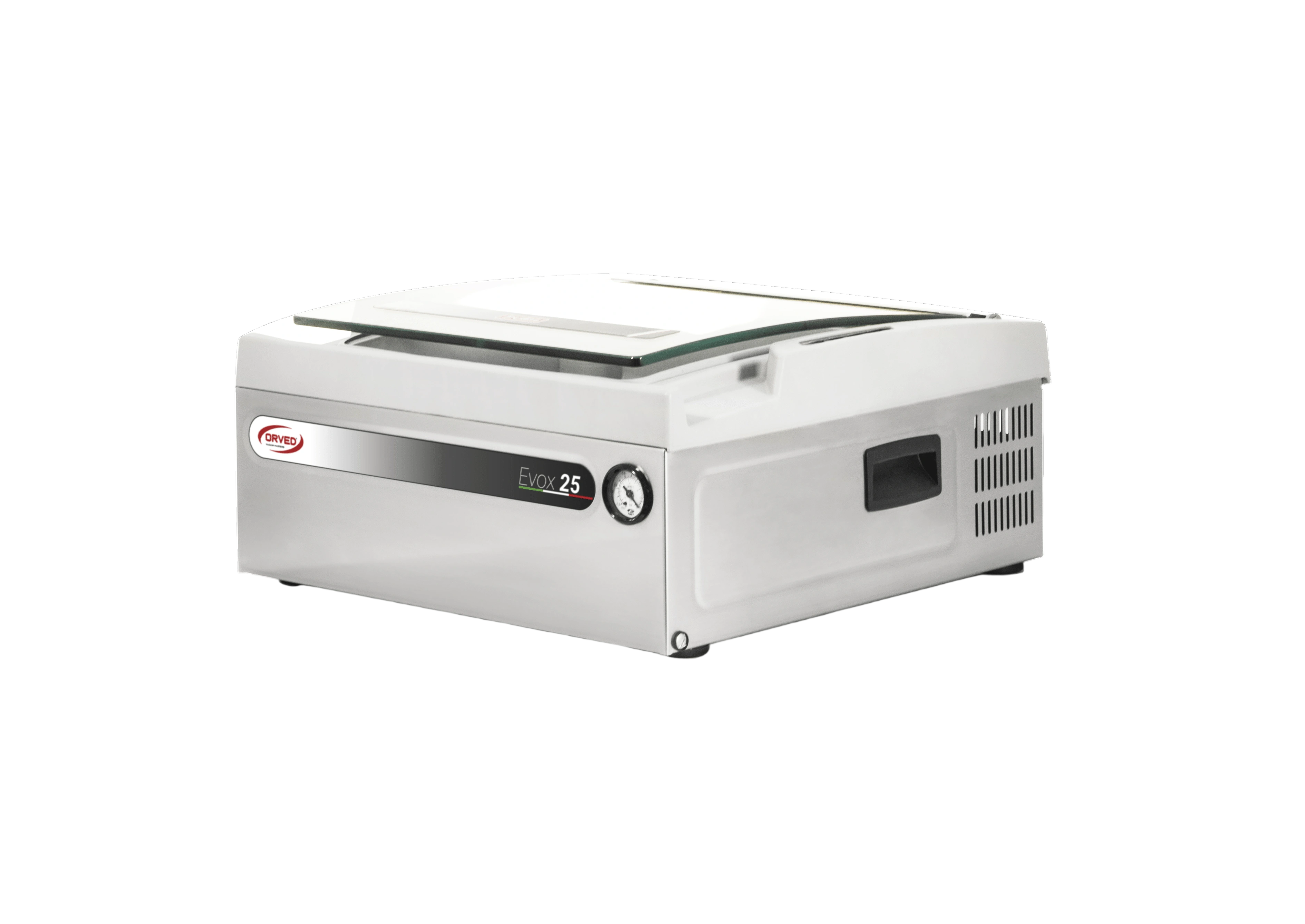
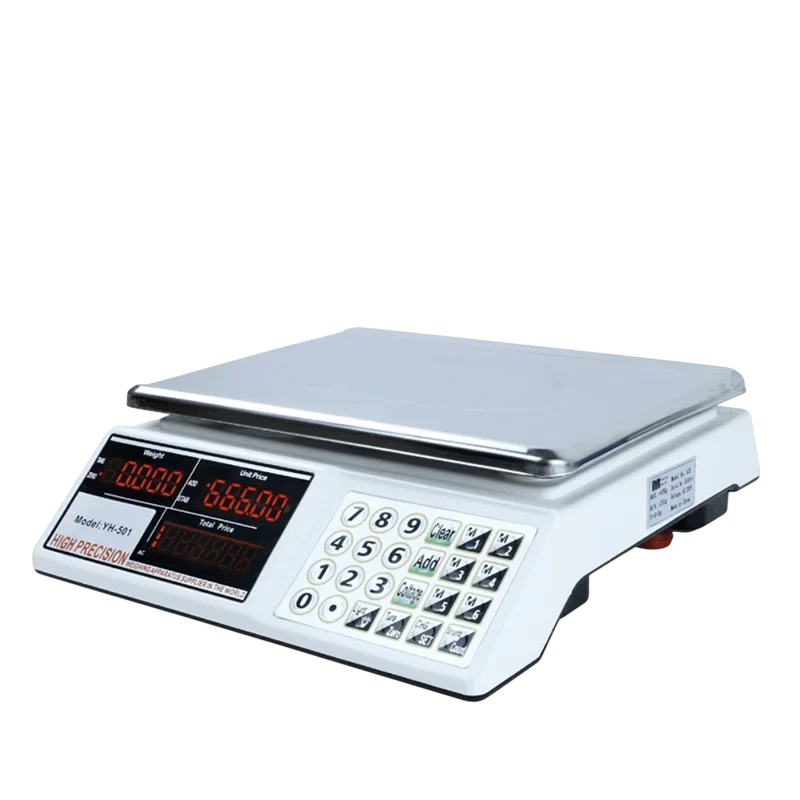
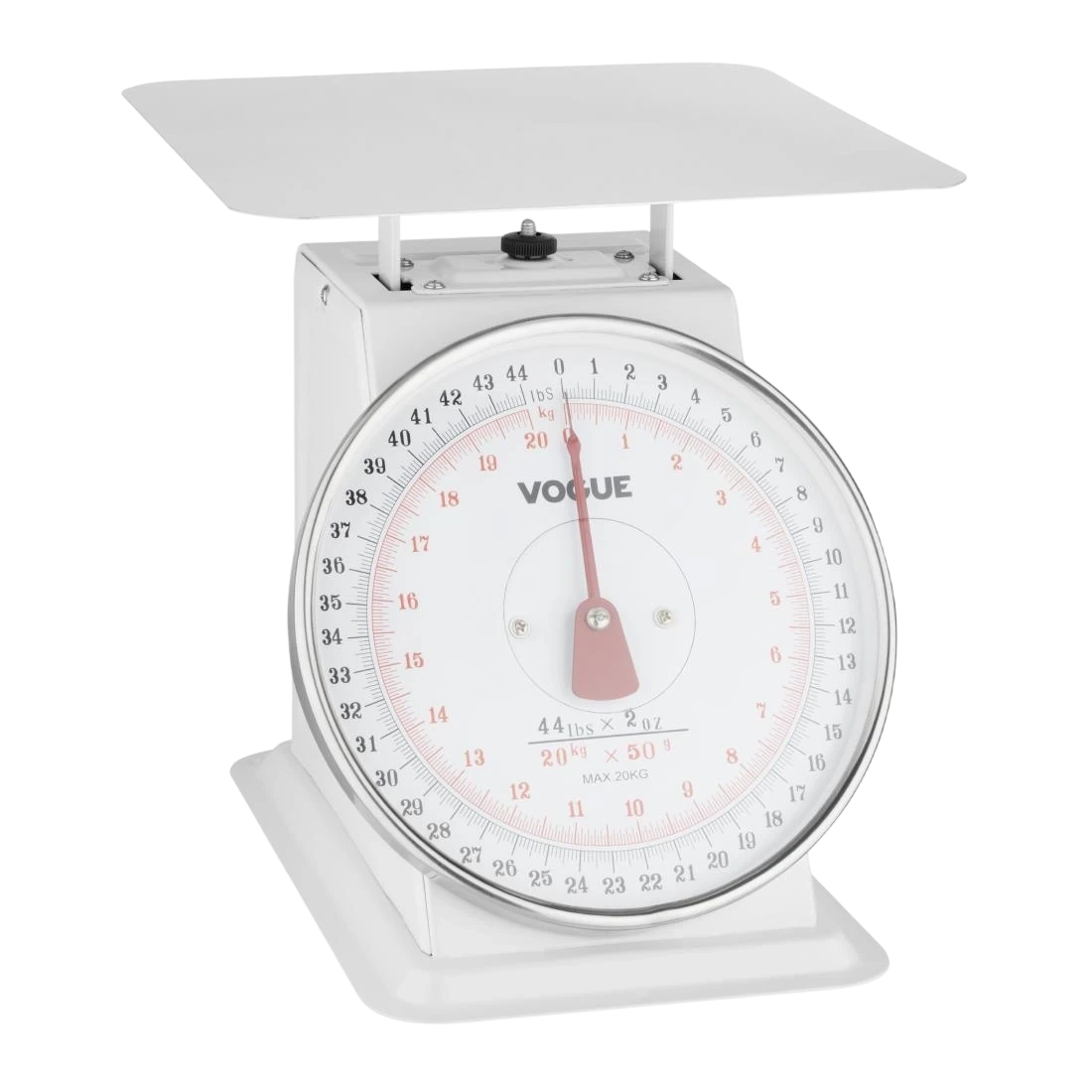
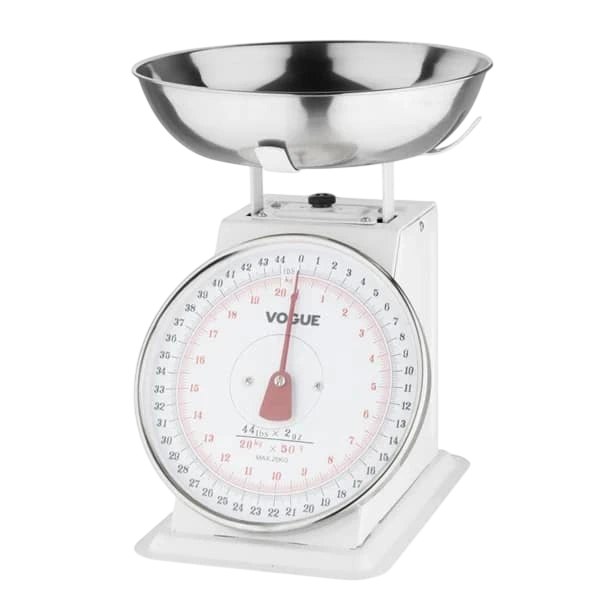
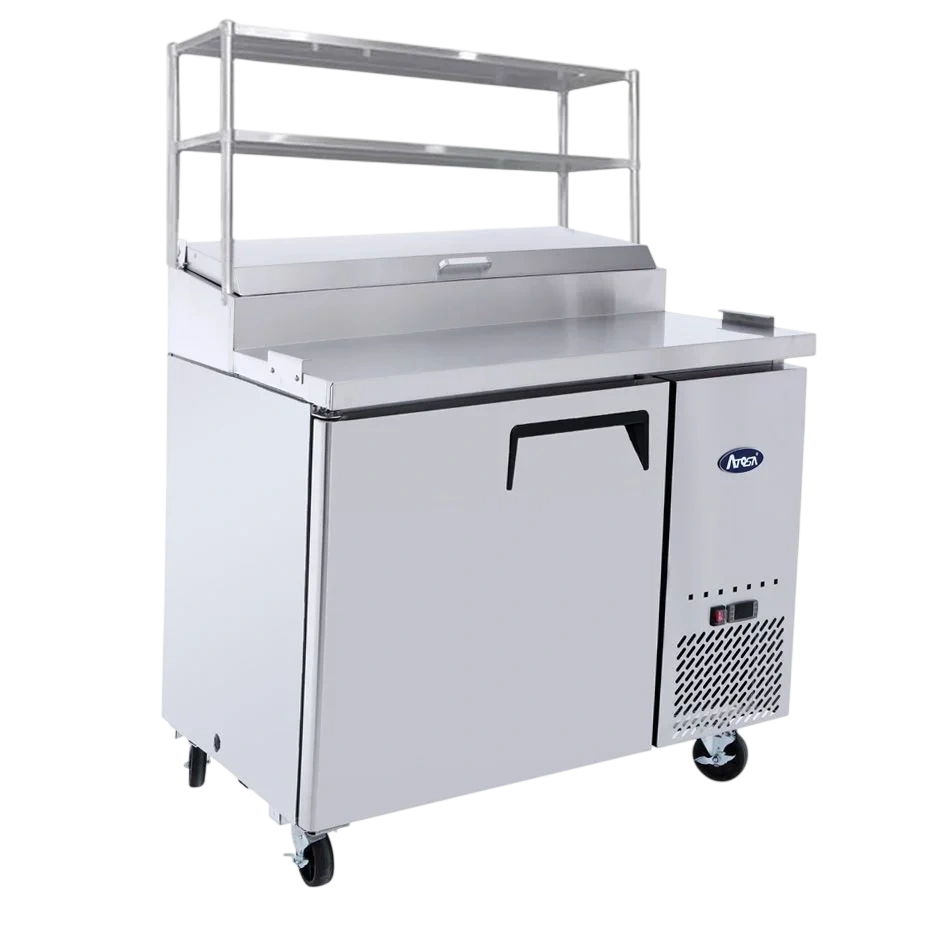
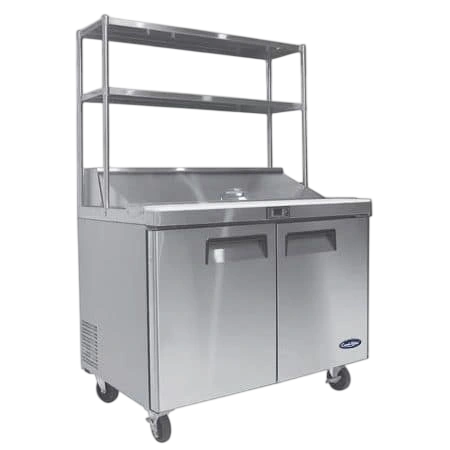
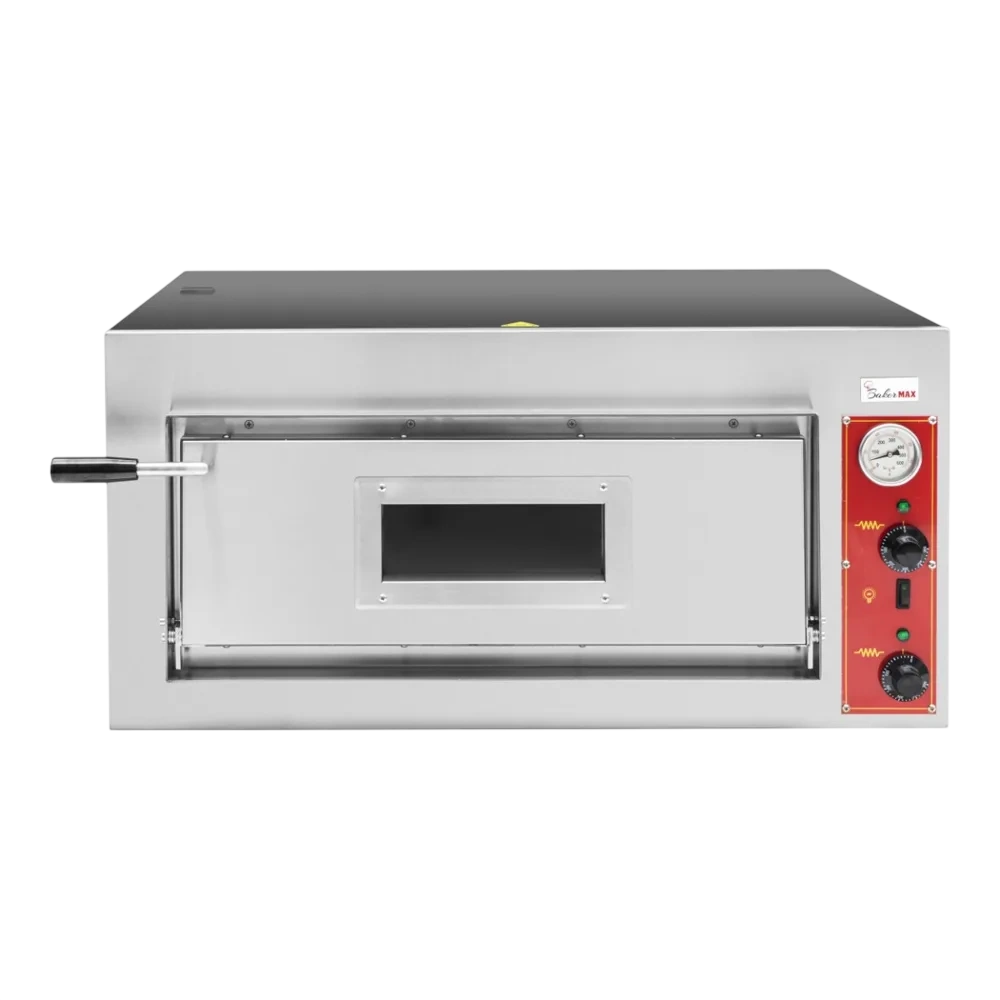

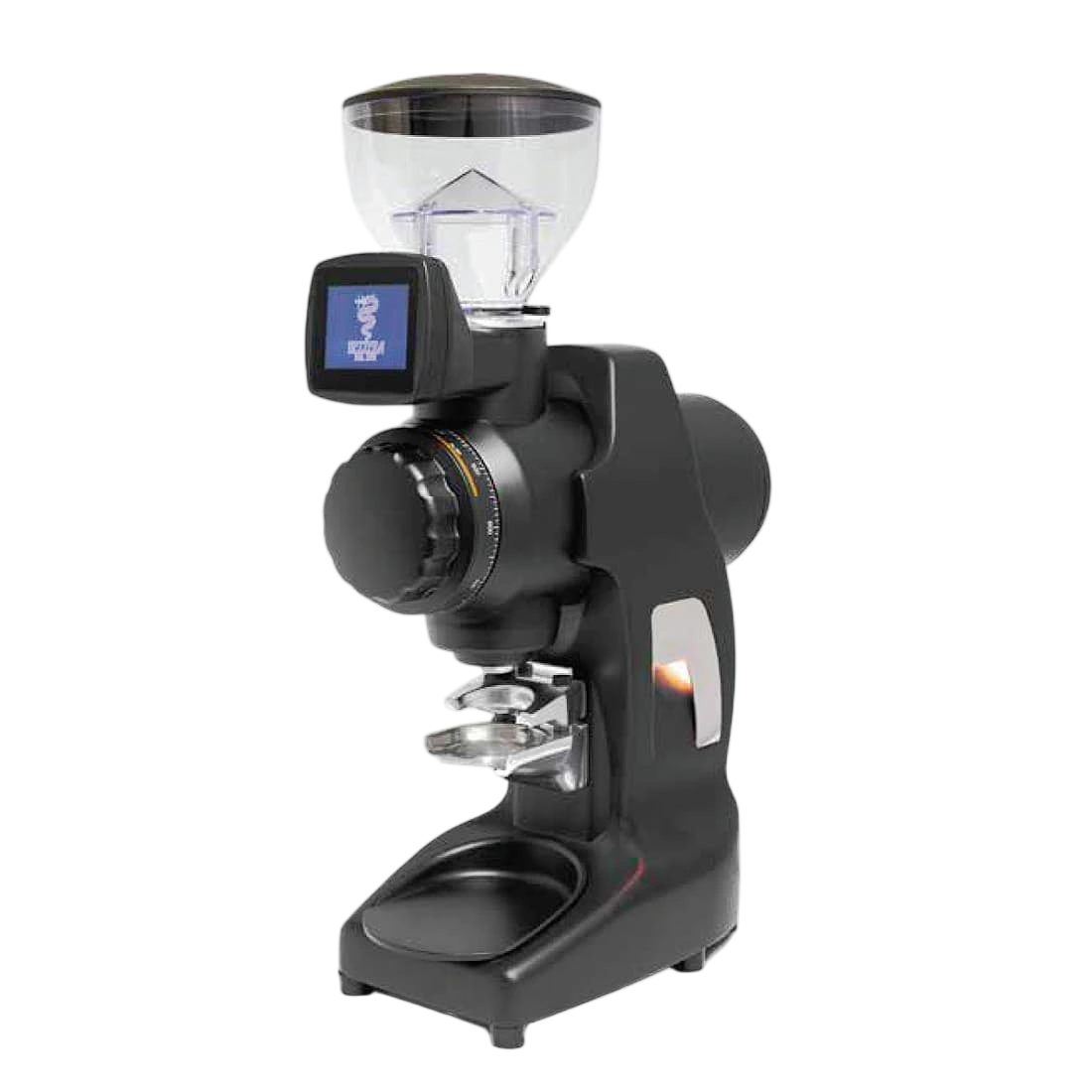
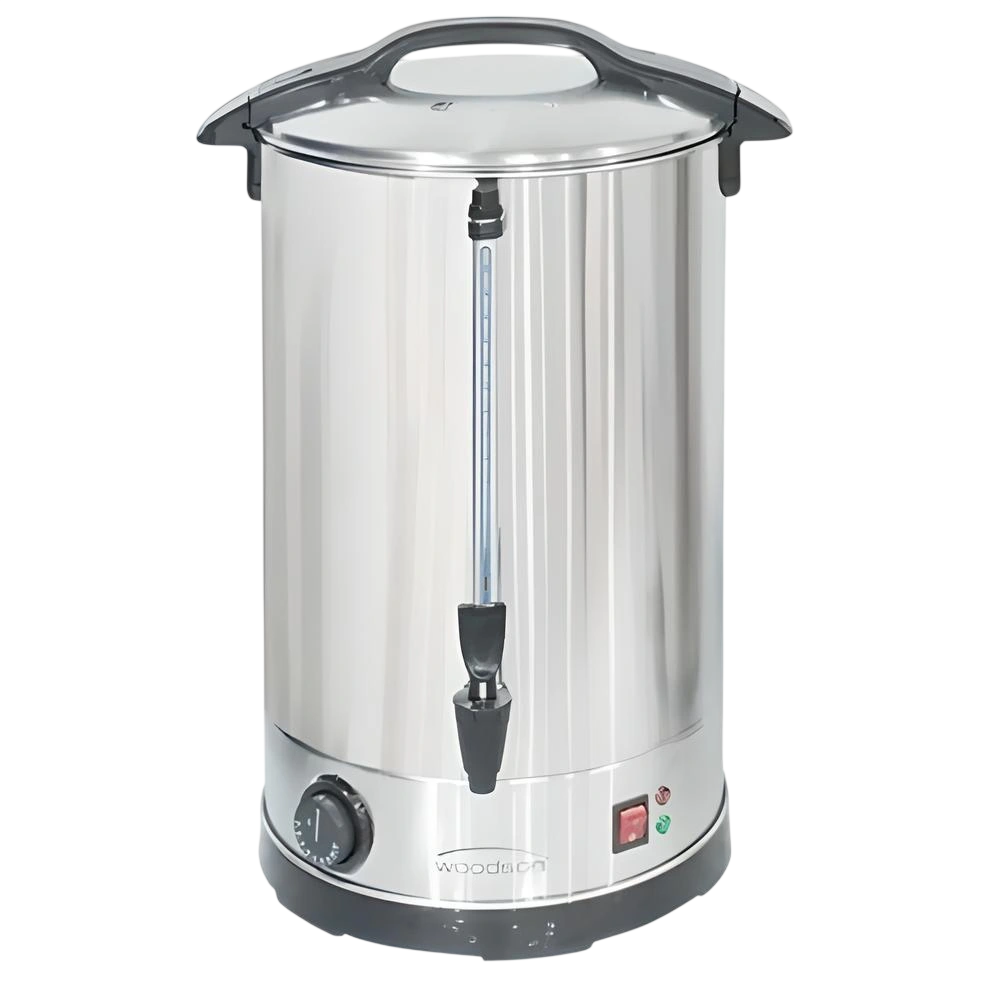
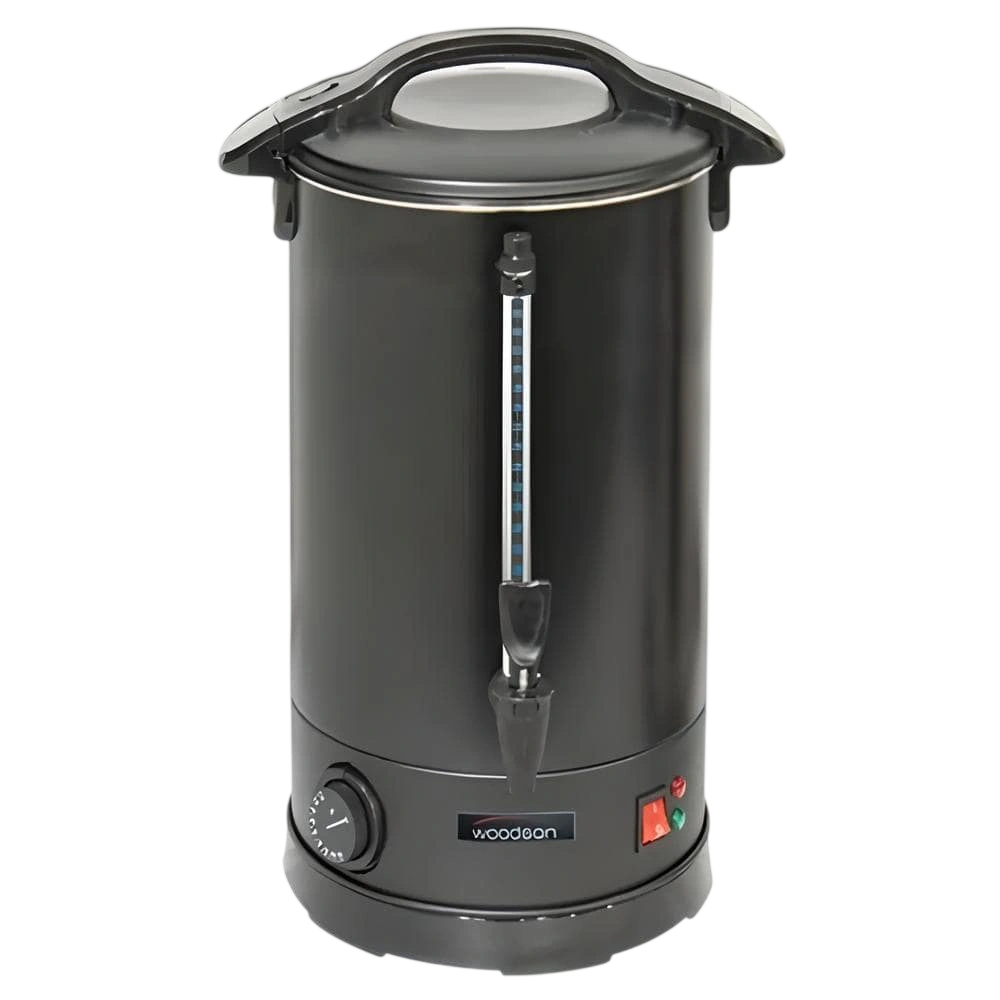
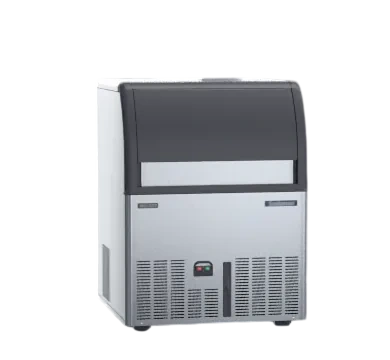
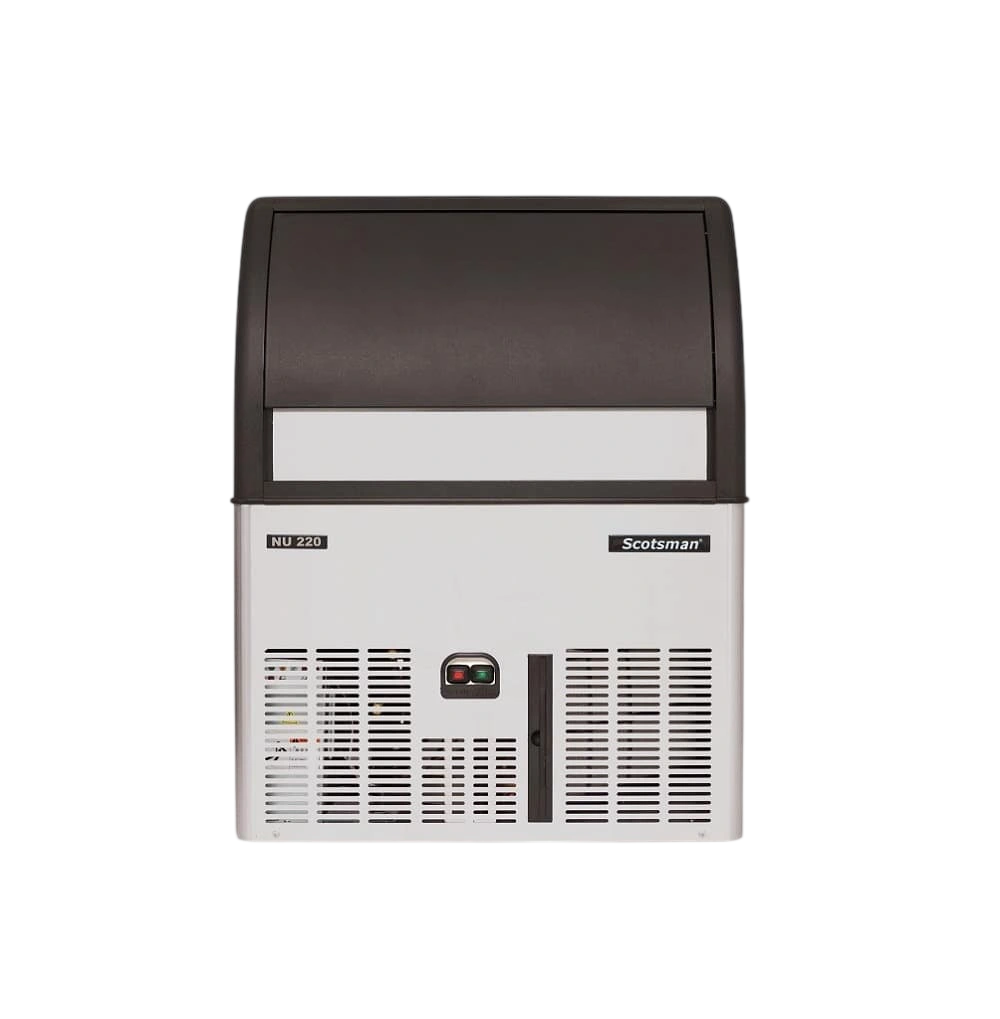
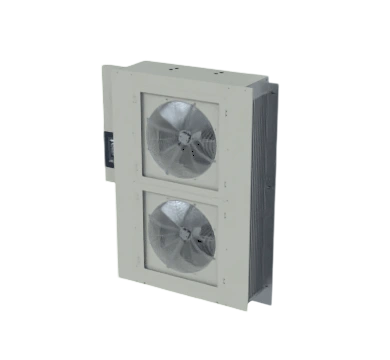
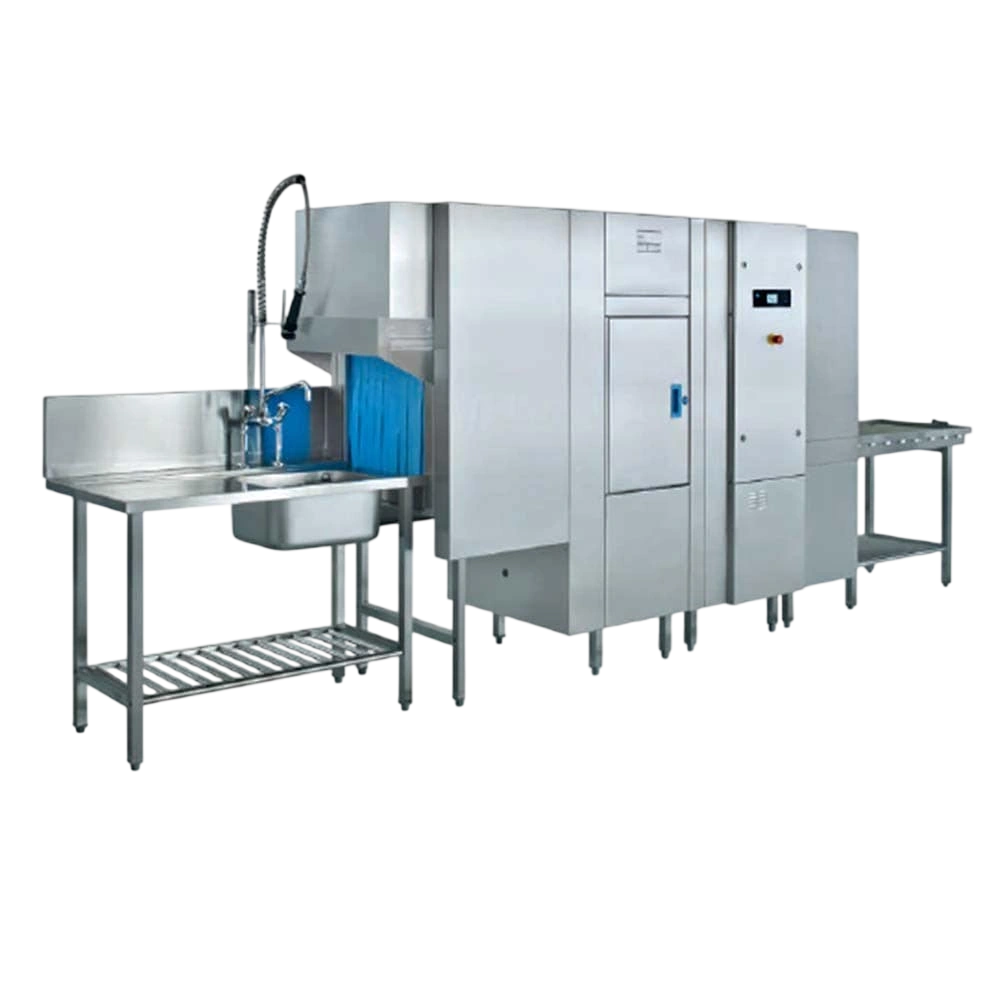
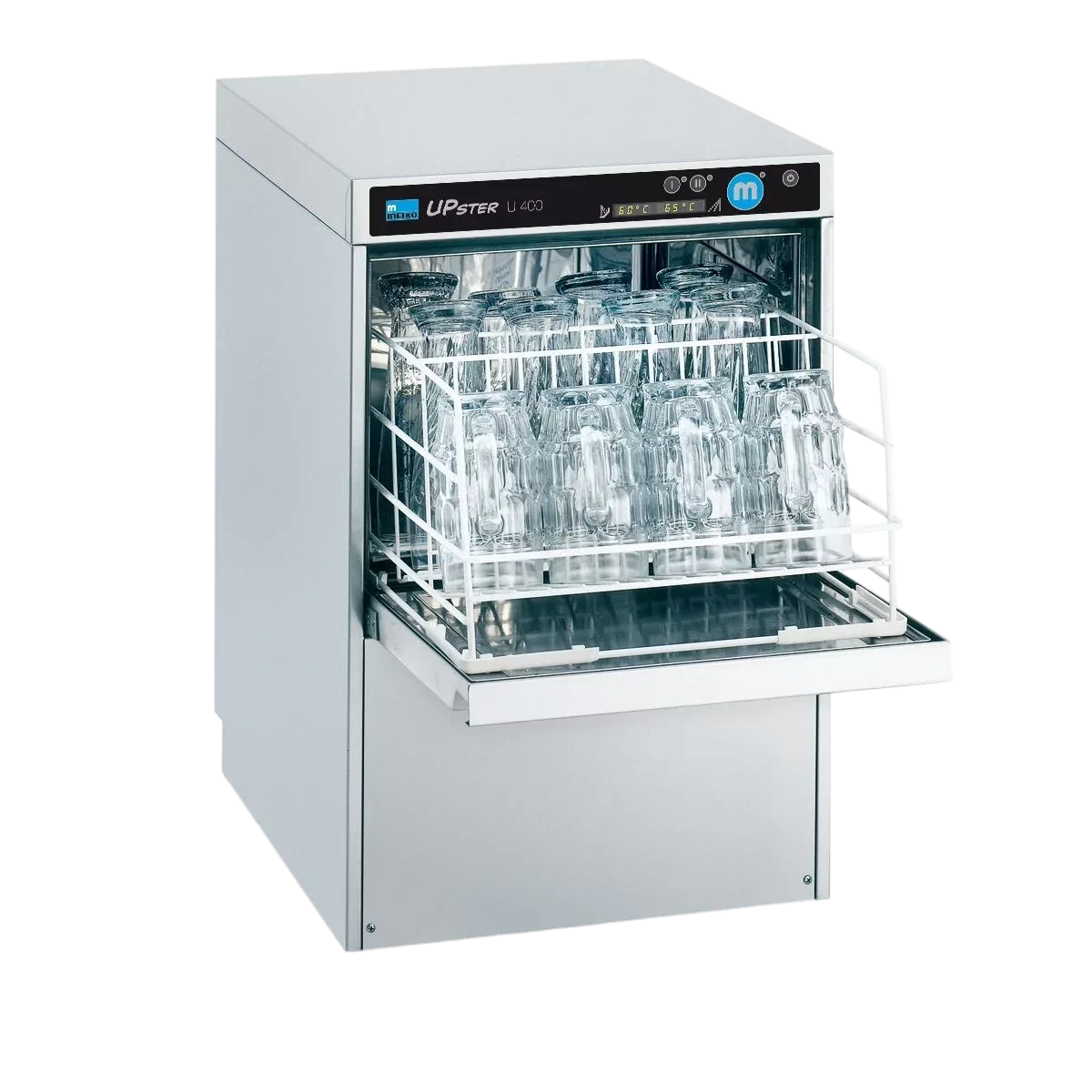
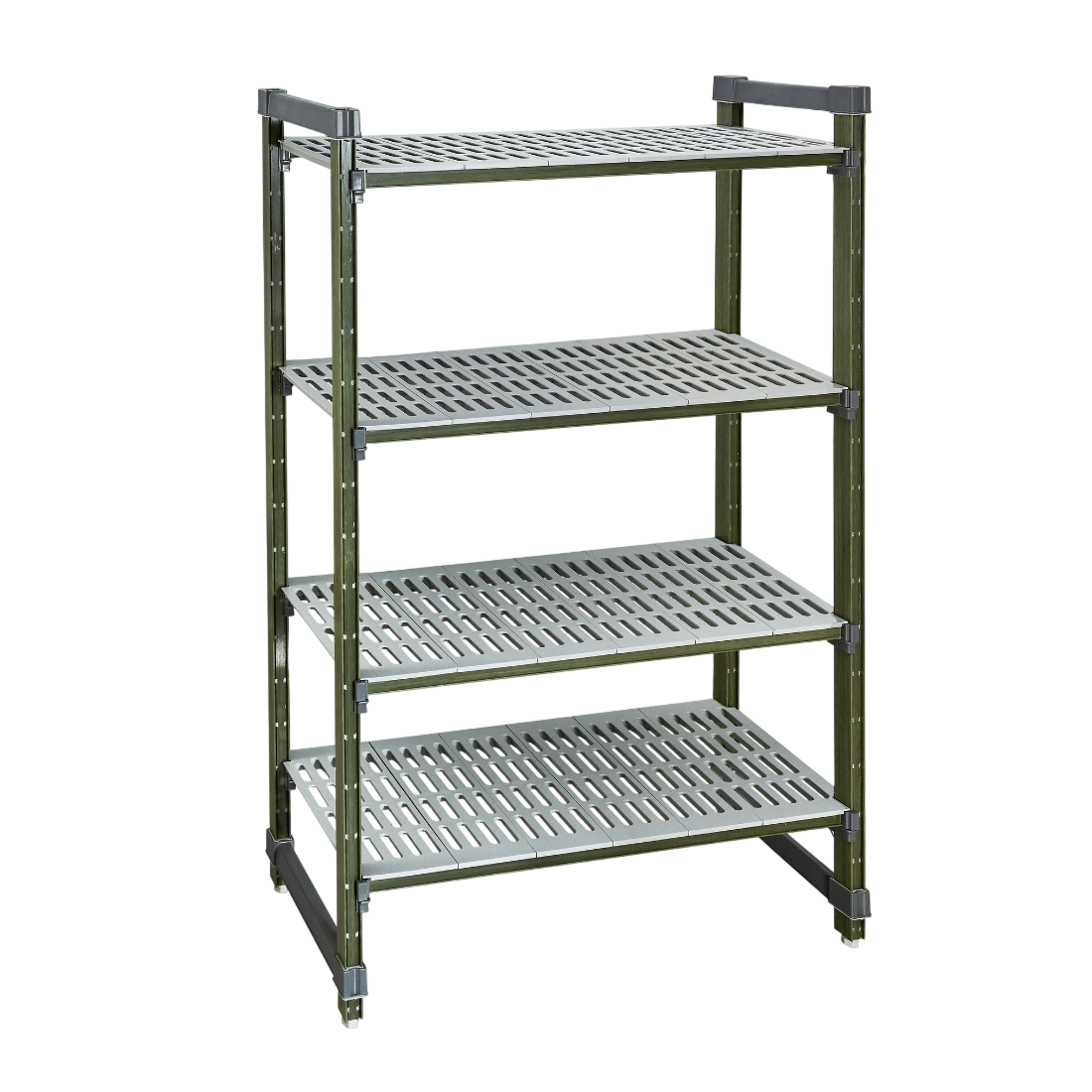
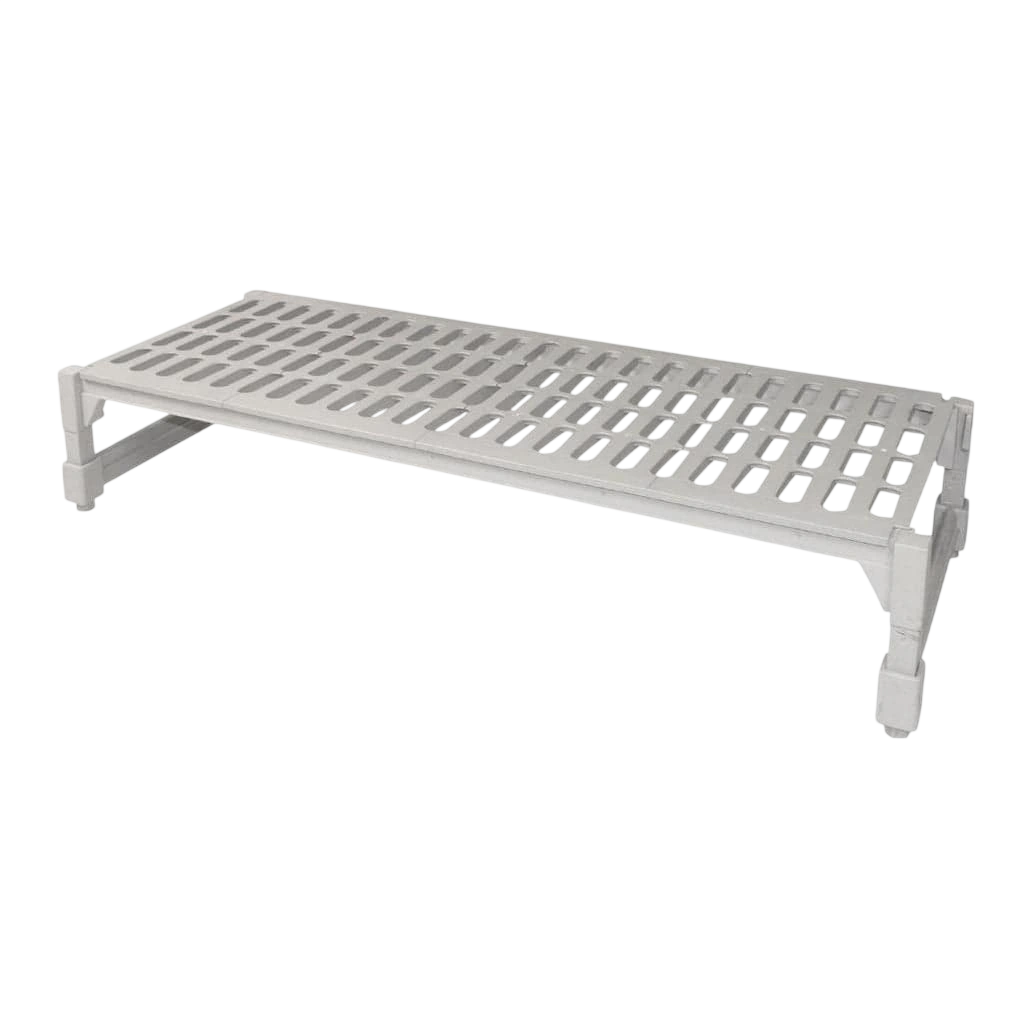
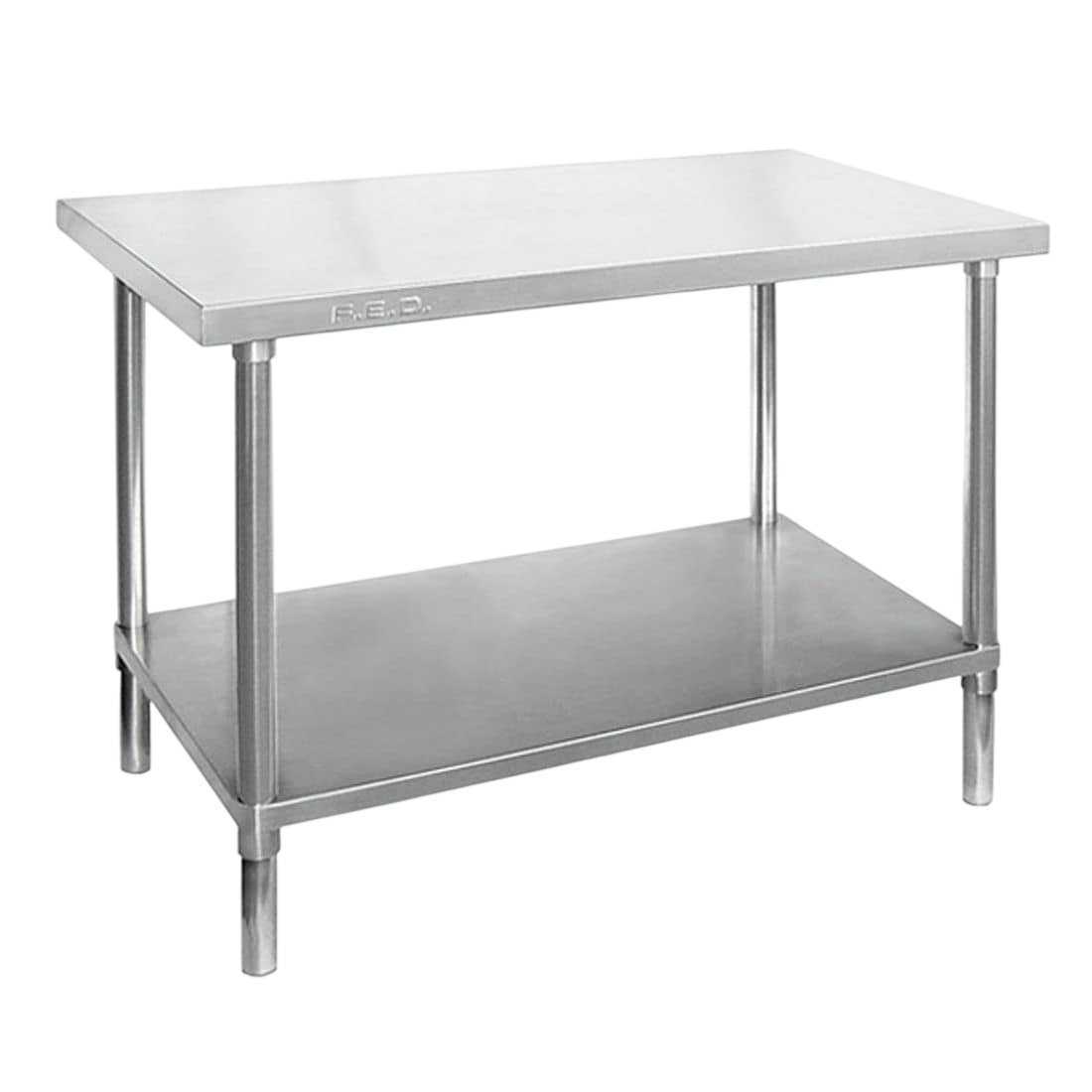
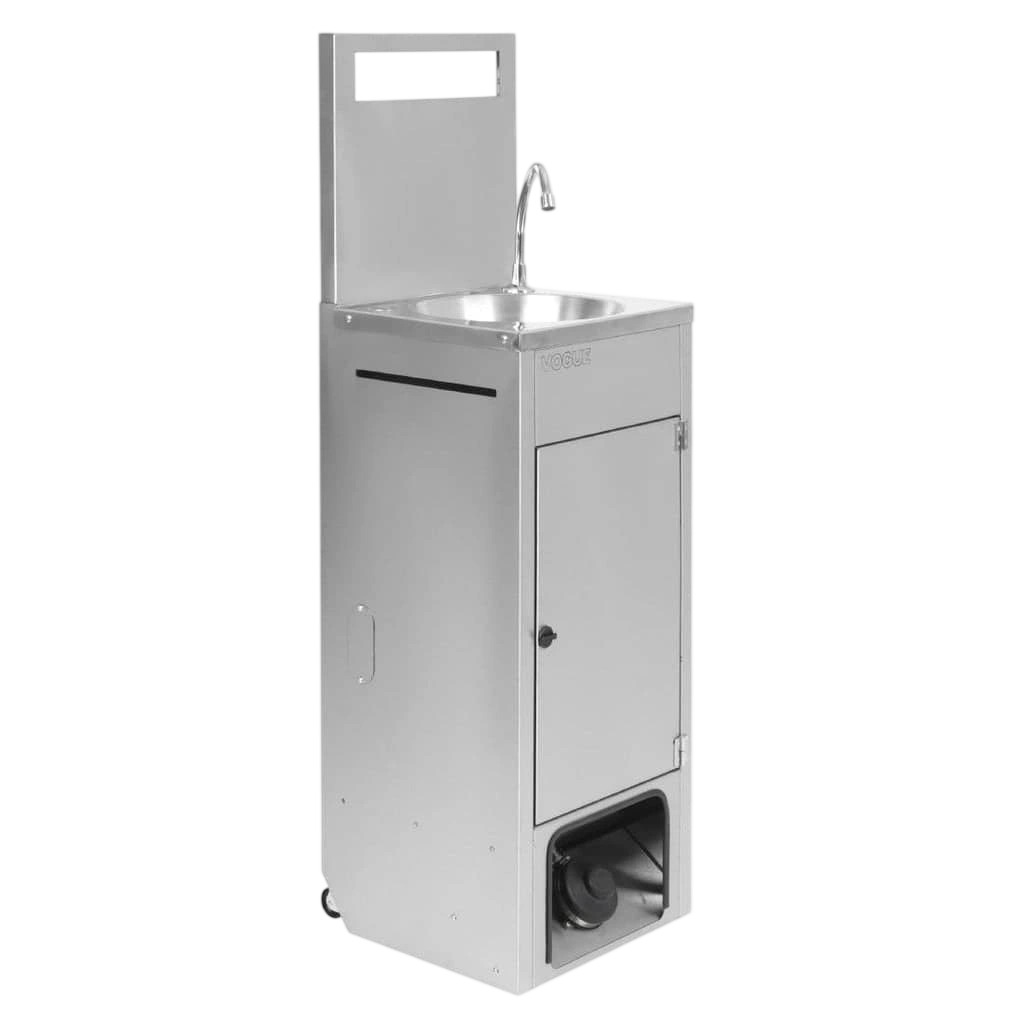
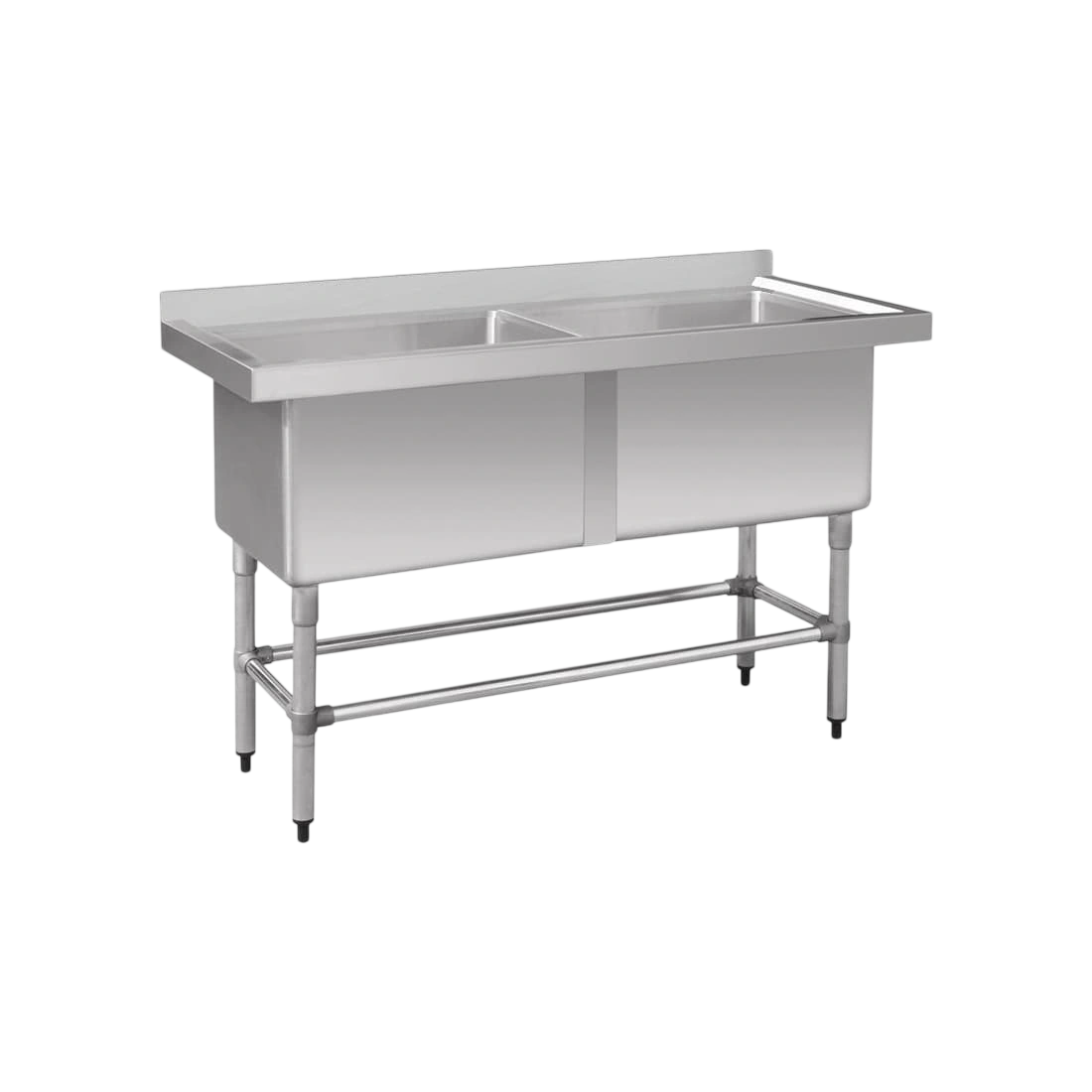

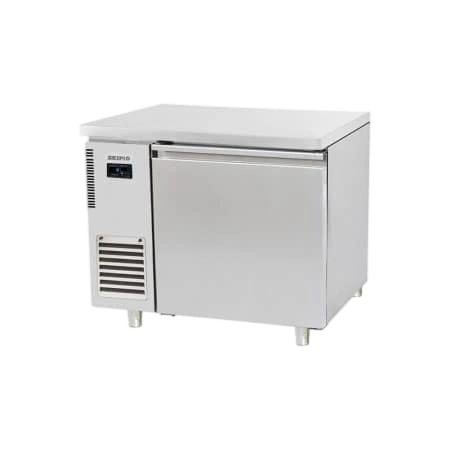
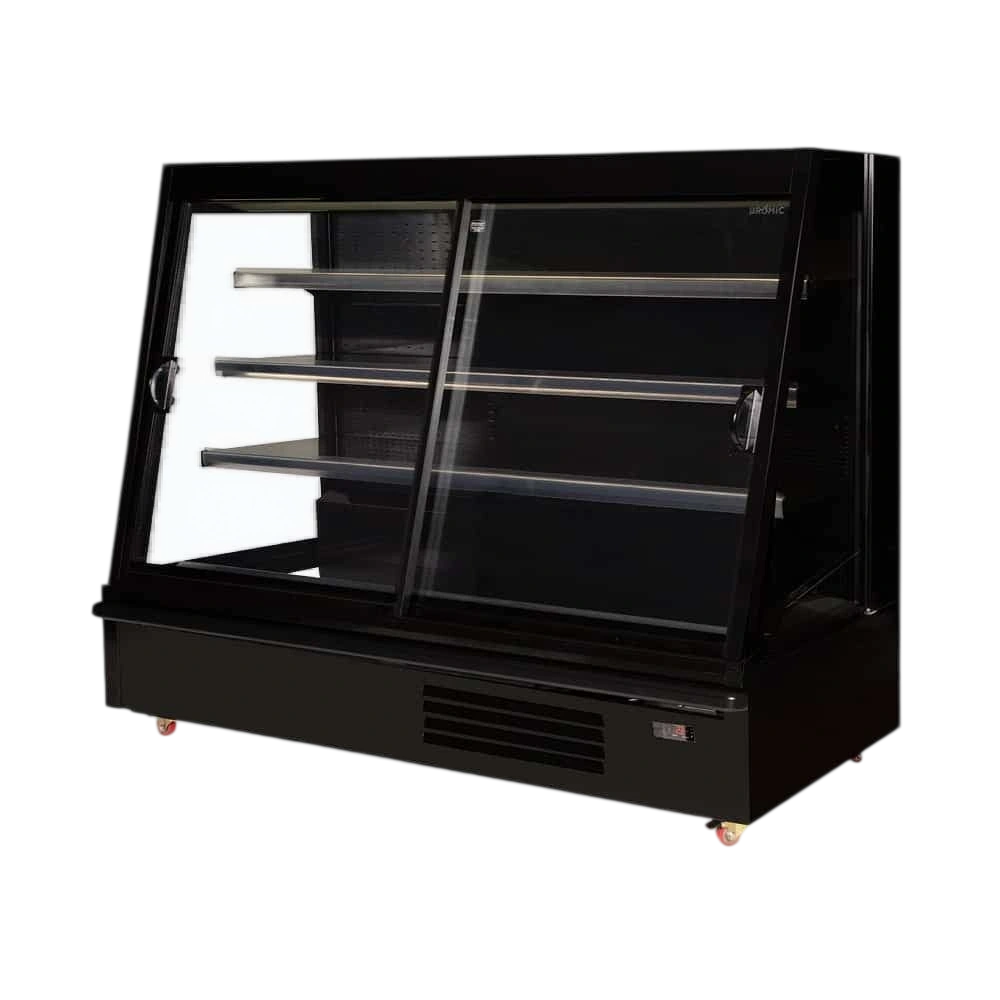
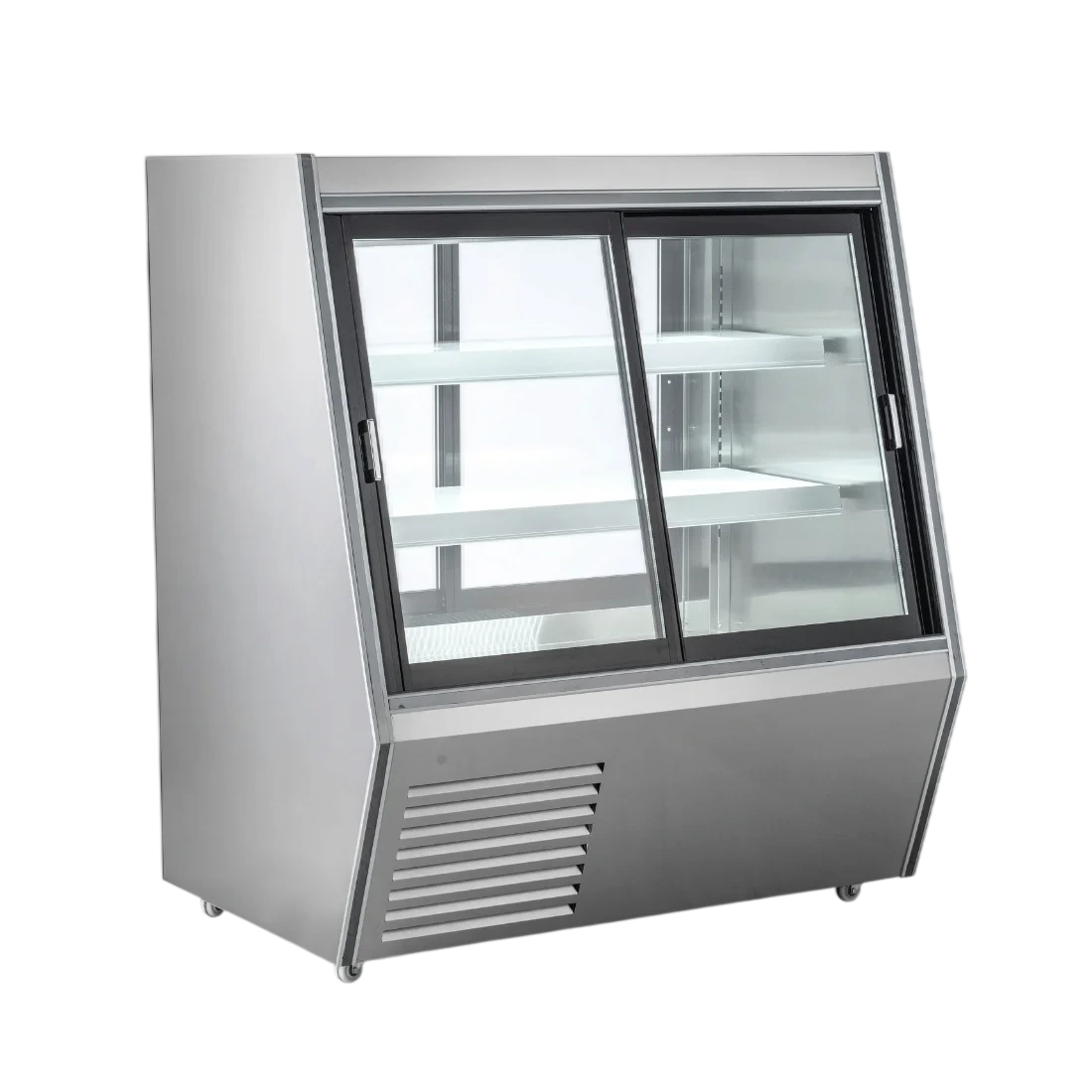
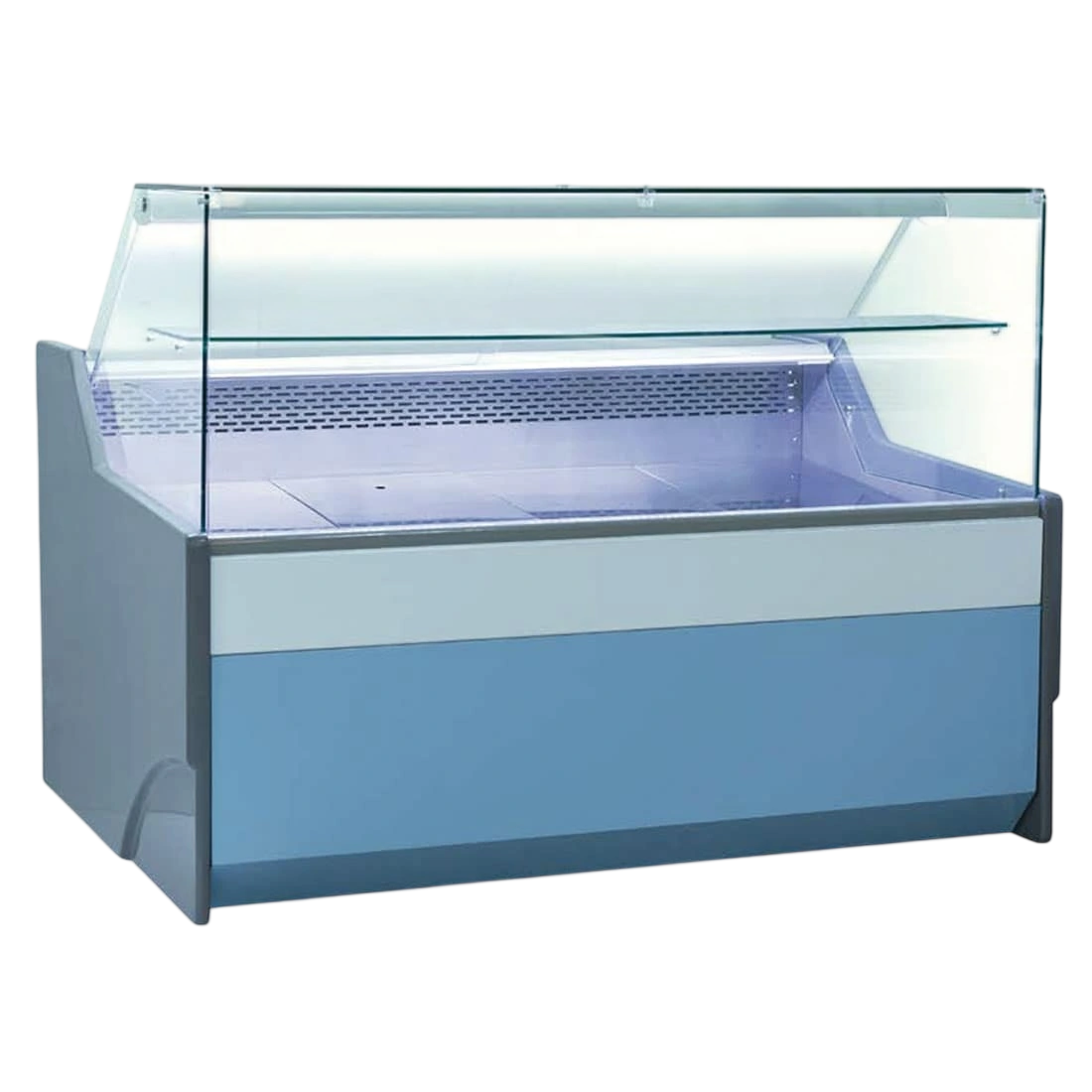
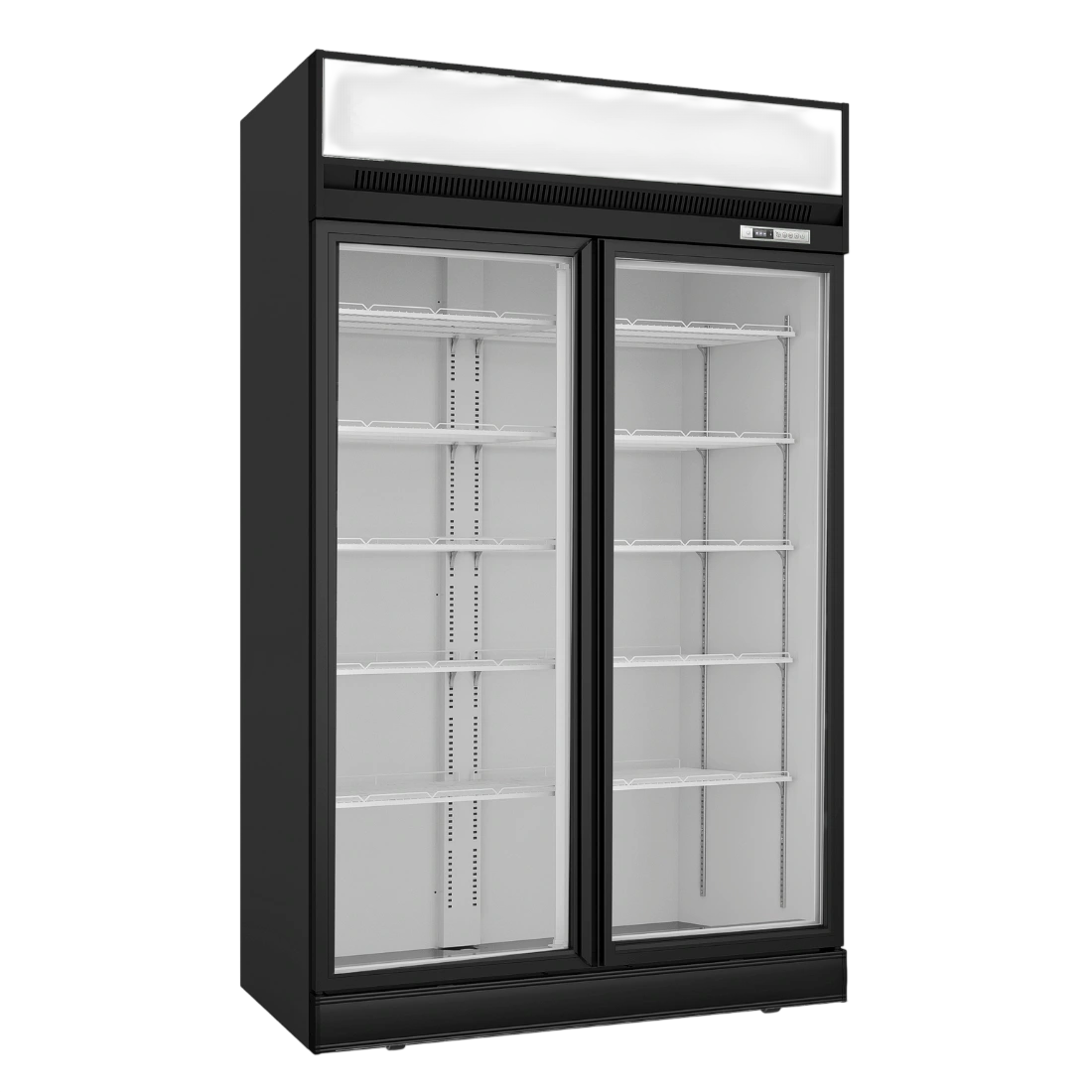
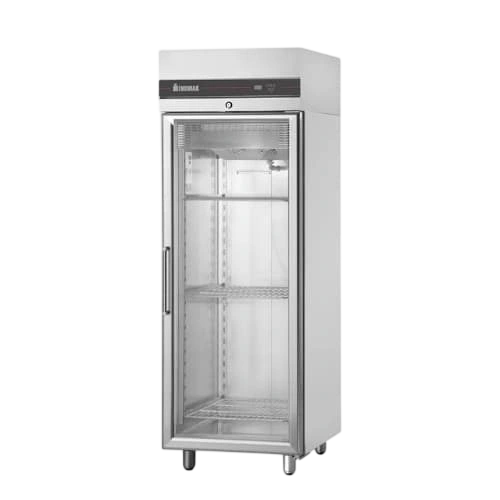
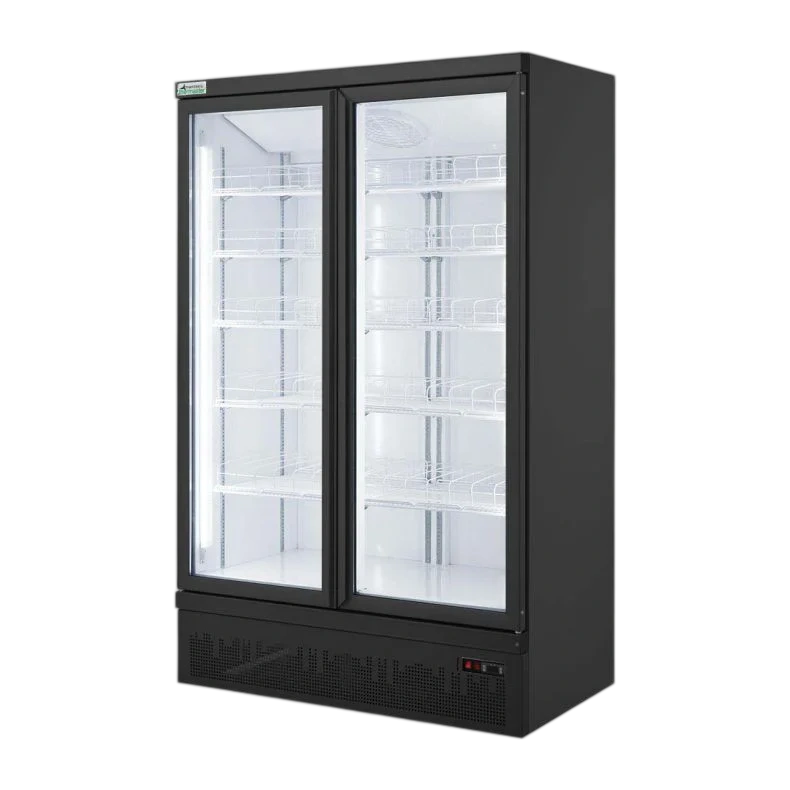
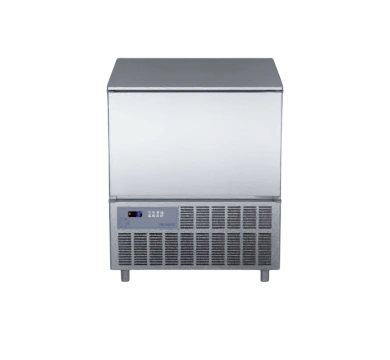
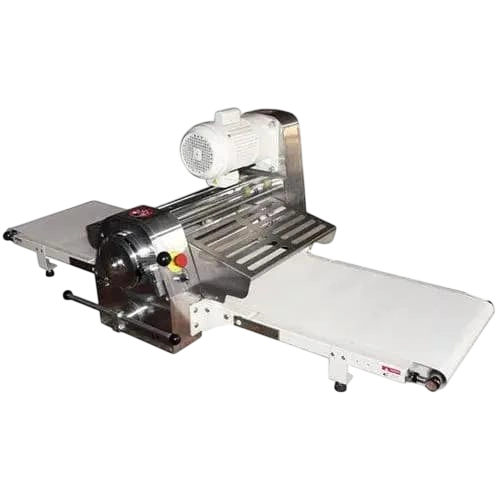
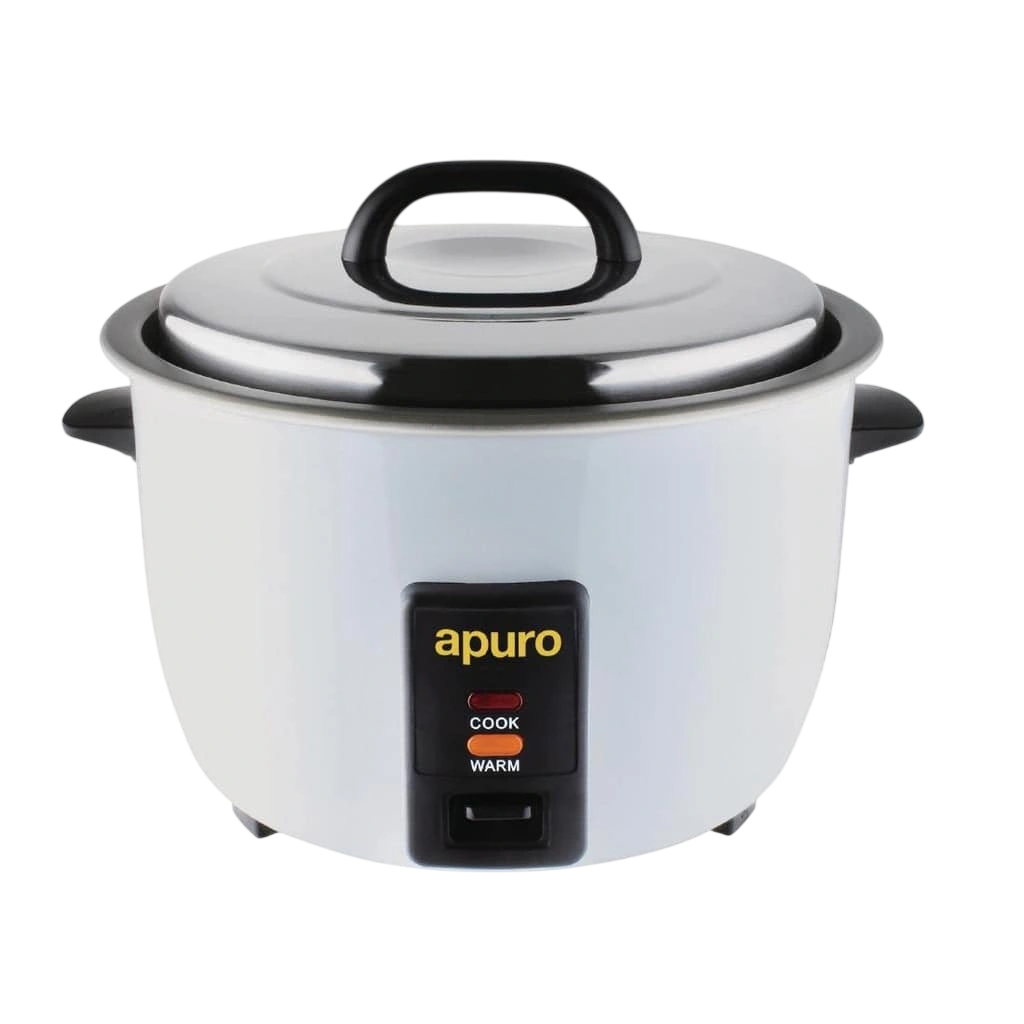
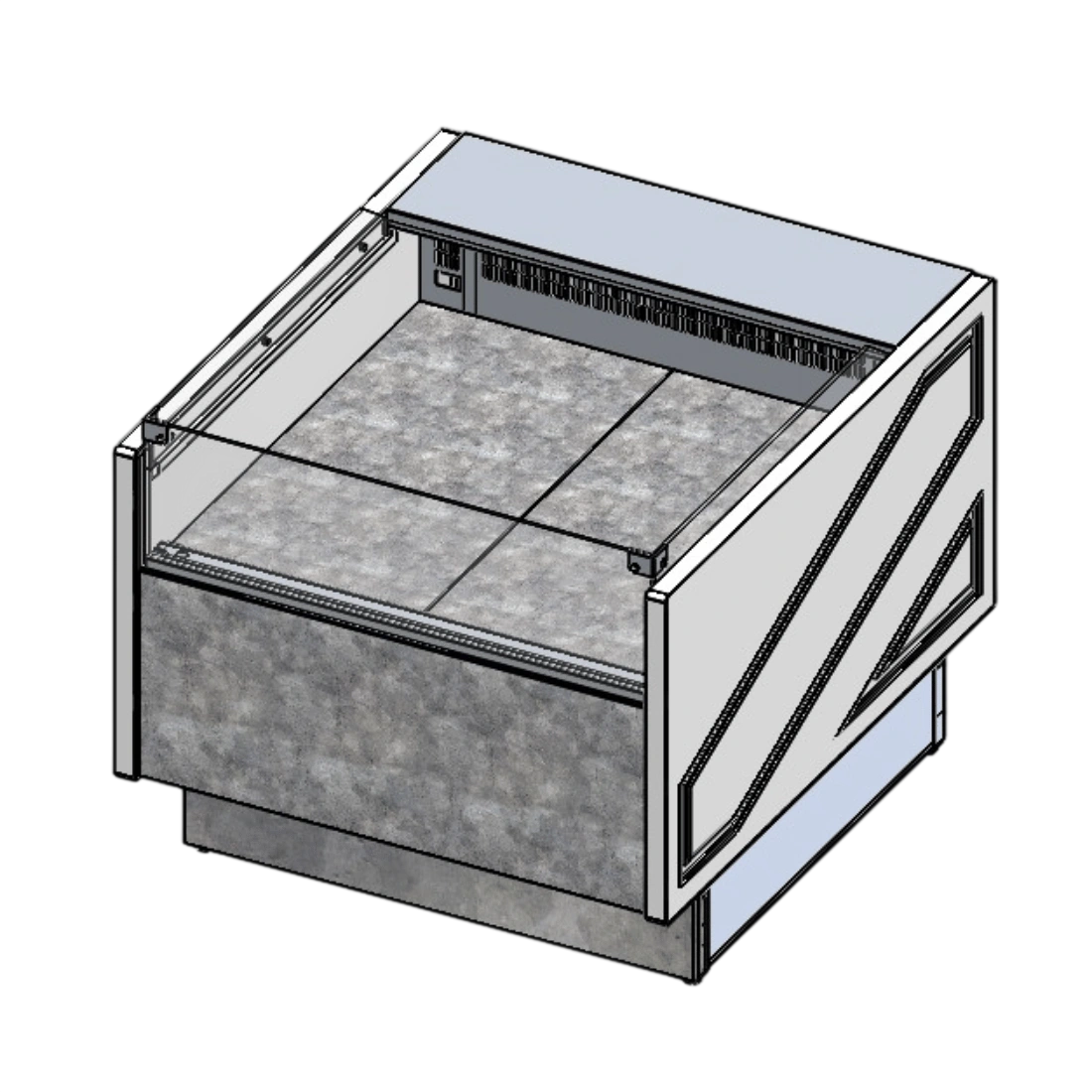
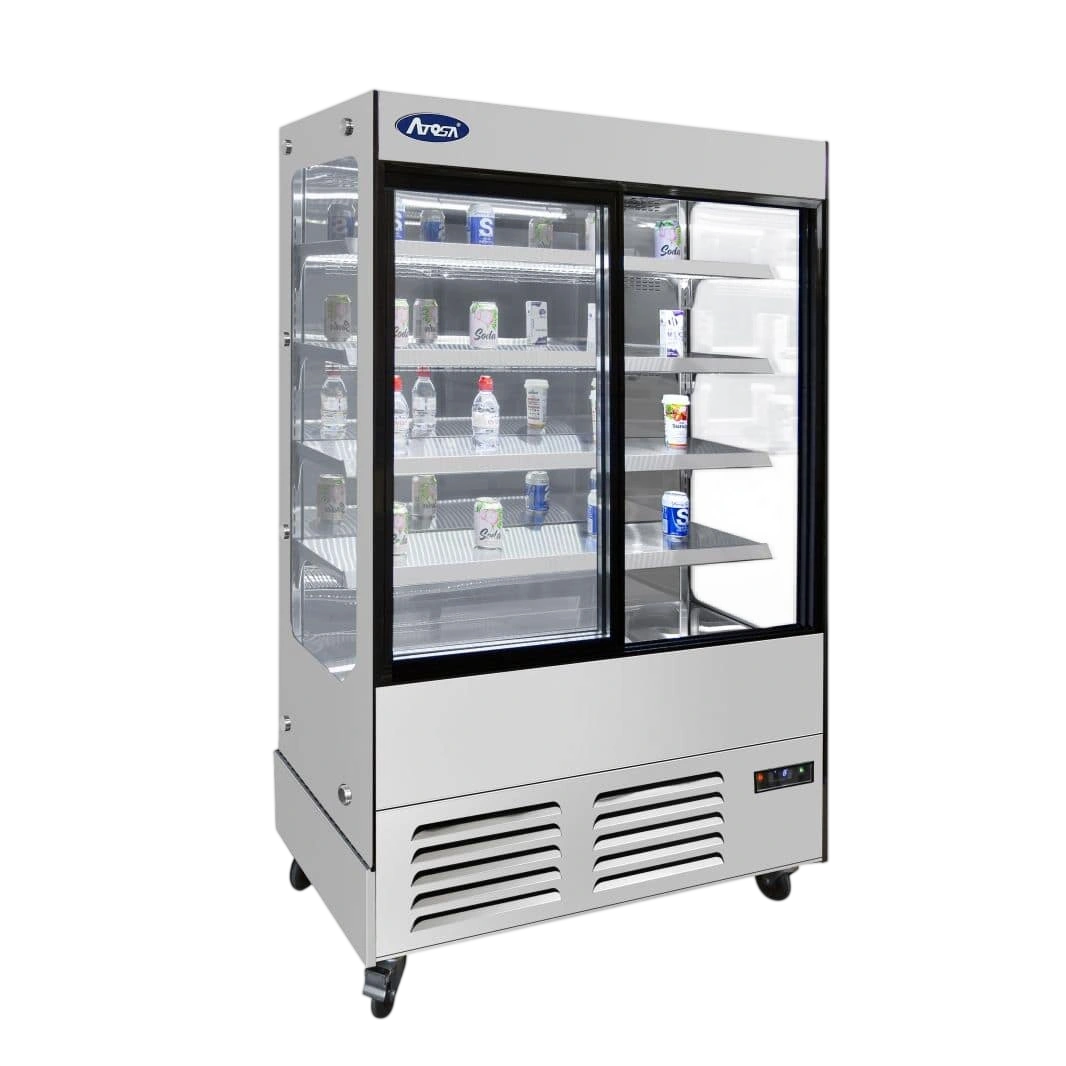

75 essential items · $408,785 ex-GST indicative · with delivery and installation quoted for your site. Final quote reflects your menu, site, power, gas, drainage, ventilation and delivery.
Checking current Package availability…
Package: SBB-SUPERMARKET-HYPERMARKET
Constant door cycles. Daily restock. Zero tolerance for cabinets that drift above 4°C.
Supermarkets run 16–18 hours a day, 7 days a week. A single failure on the sales floor — a multi-deck above safe temp, a deli case with airflow loss, an ice machine empty at 3pm — costs revenue immediately and visibly. The battle isn't peak output. It's sustained 2–4°C across thousands of cycle hours, with door openings every two minutes during trade.
Equipment selected for AU service-network reliability and sustained cold-chain recovery. Bromic, Skope, Thermaster display. Hobart and Meiko warewash. Scotsman ice. Bezzera and Santos coffee corner. If it can't survive Friday afternoon peak with the back doors propped open during restock, it isn't on this list.
Every display fridge and freezer in these packages was selected against one test: does it hold 2–4°C when door cycles run every two minutes? Multi-decks ranked by door-cycle compensation, deli cases ranked by airflow recovery, ice machines ranked by Friday-afternoon production under R290 ambient stress. If a unit drifts above safe temp during peak restock, it's off the list.
Convenience-store is the plug-in retail cold chain — one multi-deck, two beverage fridges, chest freezer, pie warmer, Bezzera 1-group. Supermarket scales cold chain to four multi-decks plus deli cases plus island freezers and adds deli/butcher counter, hot food bar with rotisserie, bake-off bakery. Hypermarket doubles cold chain to sixteen multi-decks plus six deli cases plus eight island freezers and adds full bakery production, butcher band saw, Friginox blast chiller, rack-conveyor warewash. We don't ship Friginox at convenience-store pricing or Atosa at hypermarket pricing. The ladder is real.
SKUs picked by margin against current catalog products. No vapourware, no remote-condenser walk-in systems we can't drop-ship. If you need Friginox blast chiller, Meiko rack-conveyor dishwasher or Bromic Multideck — those ship from current Australian catalog stock, with warranty terms listed on each product page. Every listing here has delivery timing confirmed with your quote.
Supermarket and convenience-store operators responsible for cold chain integrity, product visibility, and disciplined replenishment from open to close. Convenience-store operators running 80–250 m² servo / IGA Xpress / 7-Eleven format with food-to-go corner, drinks aisle, ice cream and basic coffee. Supermarket operators running 1,500–3,500 m² suburban Coles / Woolies / IGA Supa / Drakes mid-format with deli and meat counter, bake-off bakery, hot food bar with rotisserie, in-house barista corner. Hypermarket operators running 5,000–10,000 m² Costco-equivalent / regional Coles+Kmart / Drakes flagship with full in-store bakery production, butcher counter cutting from primal, dual rotisserie, extended deli, sushi line.
If you're running a sit-down restaurant, coffee-led cafe, takeaway/QSR or batch bakery — wrong page. This is for retail operators who think in cold-chain recovery time, multi-deck count per linear metre, and station-flat hot-hold service.
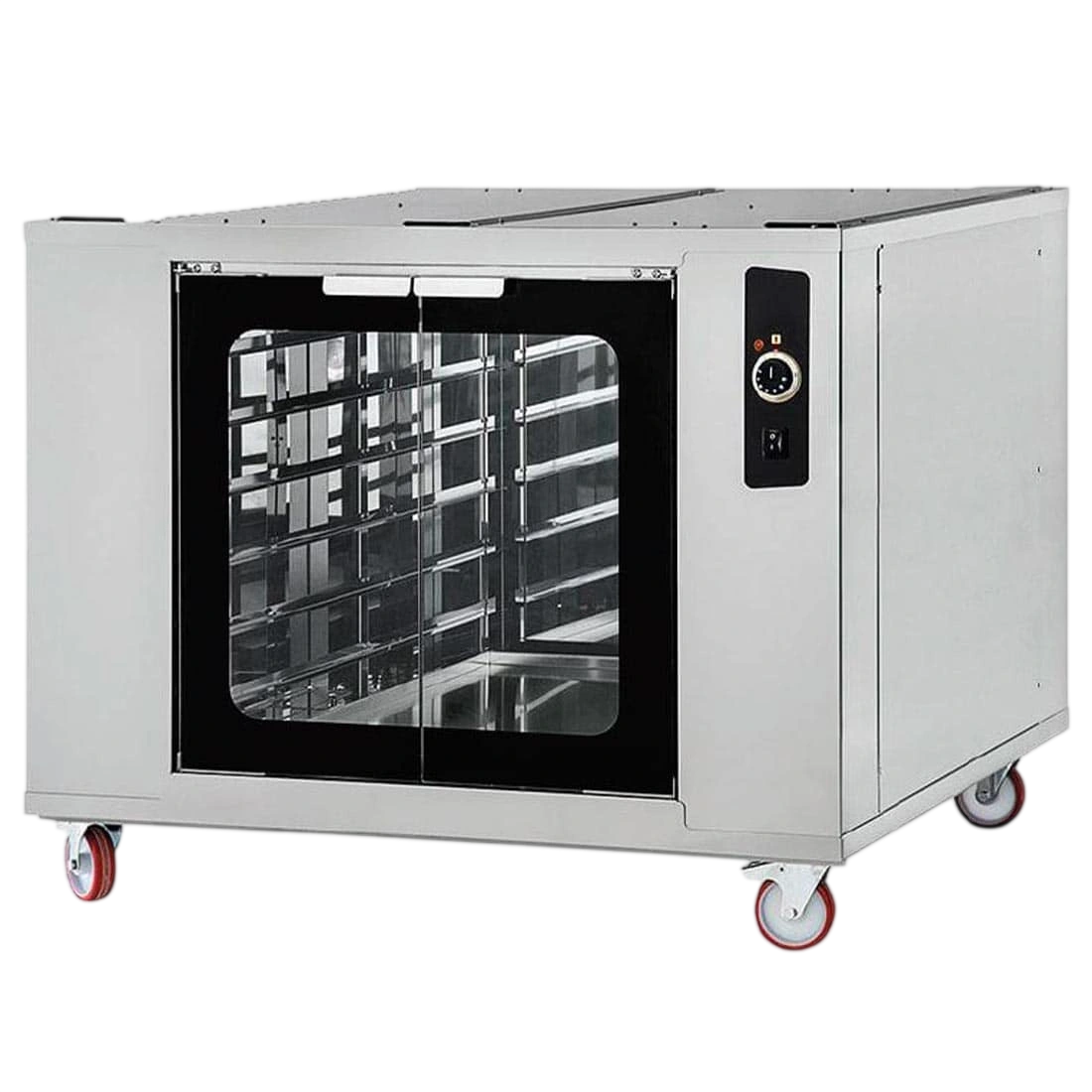
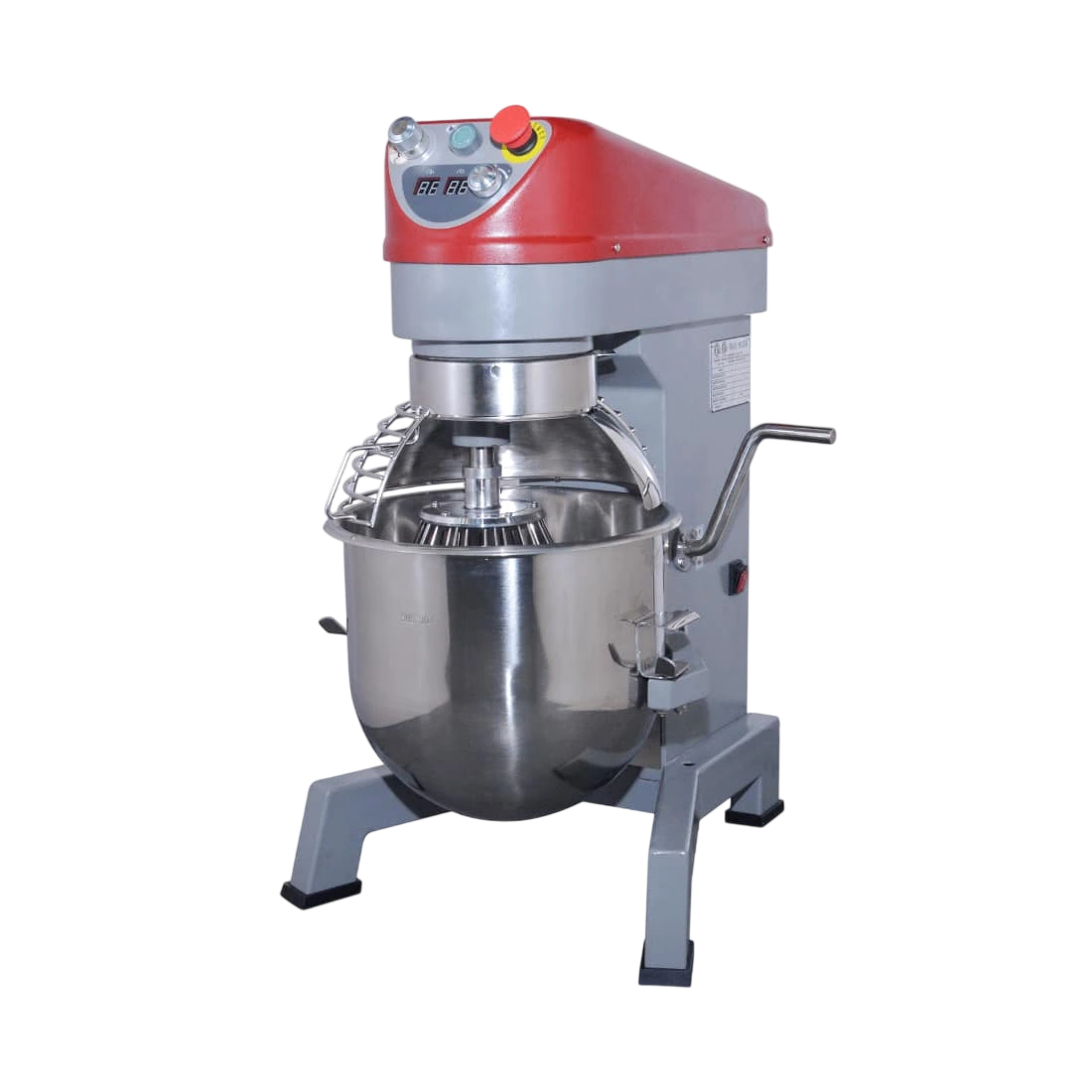
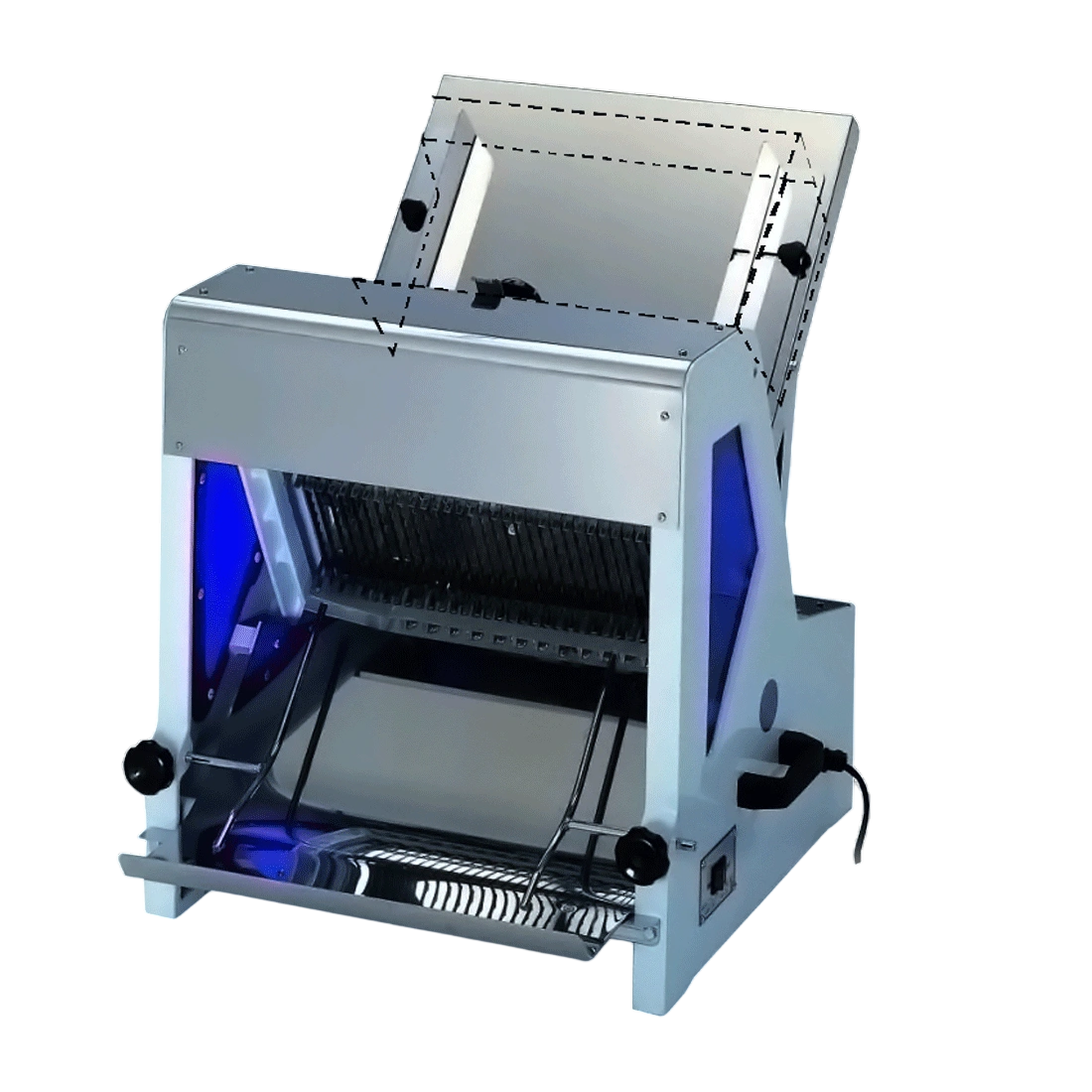
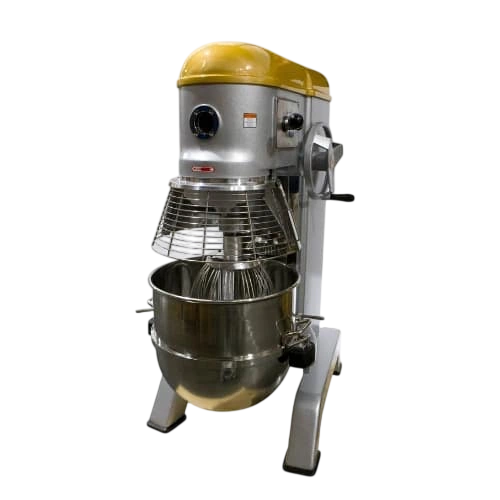
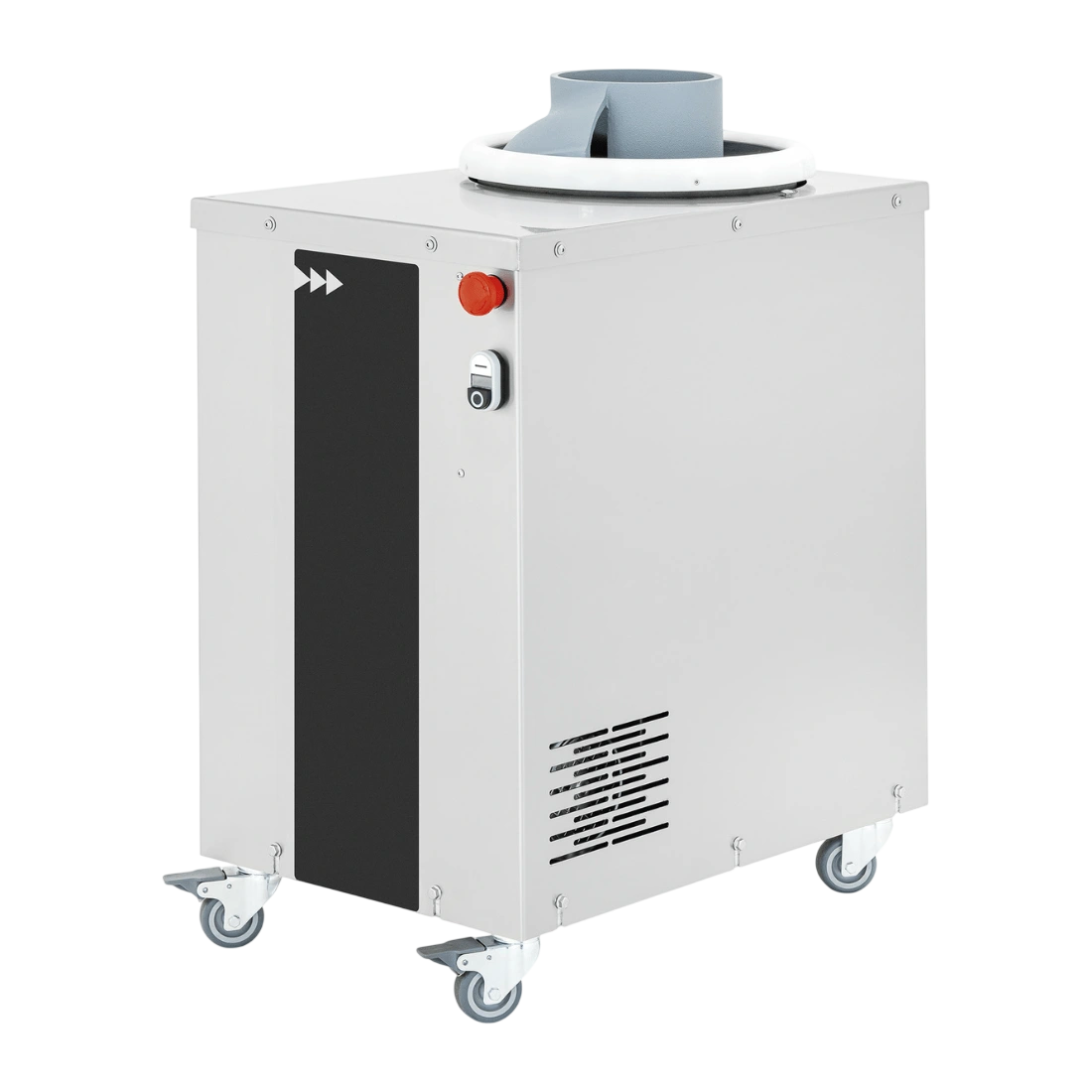
Supermarket and convenience-store operations are built around display refrigeration + back-of-house cold storage + light prep + organised replenishment. Display refrigeration scales from one open multi-deck plus two glass-door beverage fridges plus chest freezer (convenience-store) to four multi-decks plus two deli curved-glass cases plus two island freezers plus combined display freezer plus glass-door upright freezer (supermarket) to sixteen multi-decks plus six deli cases plus eight island freezers plus four combined display freezers plus six upright glass freezers (hypermarket). Hot display progresses from pie warmer + microwave + small bench oven (convenience-store) to full bain-marie + rotisserie + heated merchandiser + pie warmer (supermarket) to dual hot food bar + dual rotisserie + heated merchandiser + dual pie warmers (hypermarket). Bakery scales from none (convenience-store) to bake-off rack oven + prover + 20L mixer + bread slicer (supermarket) to full production with rack oven + 3-deck stone deck oven + dual prover + 60L mixer + dough divider + blast chiller (hypermarket). Warewash is undercounter (convenience-store), pass-through Hobart/Meiko + glasswasher (supermarket), or rack-conveyor + glasswasher (hypermarket).
What's missing matters too. No walk-in coolrooms or freezers in any tier — refrigeration-contractor scope with remote condenser plant, separate trade. No aisle gondola or retail shelving (Brownbuilt / Wanzl / Madix vendor). No self-checkout, POS terminals or thermal label printers (POS vendor). No shopping trolleys or basket collection (RPA Group). No grease arrestors, RO water filters, gas interlock systems or fire suppression hoods — those are plumber, gas-fitter or install-vendor scope, not equipment scope. Coffee corner espresso gear is quoted separately for sites running an in-house barista; if the site is a Gloria Jean's / Jamaica Blue franchise fit-out, that channel supplies their own equipment.
Sit-down restaurants (the restaurant spec is the right page). Coffee-led cafes (the cafe spec is the right page). Takeaway/QSR operators (the takeaway spec is the right page). Batch bakeries (the bakery spec is the right page). Aged-care or hospital catering (the aged-care spec is the right page). Hotel kitchens (the hotel spec is the right page). Standalone butcher shops or independent delicatessens — that's a custom equipment conversation, not a tiered retail package.
The bottleneck in supermarket operations is rarely sales floor traffic. It's three things, in this order:
Equipment that ignores these three constraints can be expensive and still produce inconsistent stock availability. Equipment that addresses them can be modest and still hold safe-temp cold chain plus full hot-food display through a Sunday afternoon shopper rush.
Australian supermarkets fall under Food Standards Code 3.2.2 (food safety practices), Food Standards Code 1.2.3 (allergen labelling, hardens at supermarket and hypermarket tier with dedicated allergen slicer + segregated prep), AS4674 (food premises zoning, hand-wash basin count per zone), AS3000 (electrical, RCD on wet-zone circuits; 3-phase sub-board triggered at supermarket tier where rotisserie + rack oven + pass-through dishwasher load combines). Hypermarket tier with blast chiller and rack-conveyor warewash typically requires 415V 3-phase sub-board upgrade.
What we don't supply: walk-in coolrooms/freezers (refrigeration contractor with remote condenser plant), aisle gondola or retail shelving (Brownbuilt / Wanzl / Madix), POS terminals / self-checkout / receipt printers (POS vendor), shopping trolleys and basket collection (RPA Group), grease arrestors (council/plumber), RO water filtration (shopfitter), 3-phase electrical sub-boards (electrician), thermal label printers (POS vendor). Plan these in your fitout budget separately — they're real line items, just not ours.
Start where the cold-chain density constraint lives. For convenience-store, one open multi-deck plus two glass-door beverage fridges plus chest freezer plus pie warmer is the minimum viable retail cold chain; the bench convection oven plus microwave is the cheap hot-food kicker. For supermarket, four multi-decks plus two deli curved-glass cases plus two island freezers plus combined display freezer plus hot food bar plus rotisserie plus bake-off rack oven plus pass-through Hobart dishwasher is the production backbone. For hypermarket, you're buying density and redundancy — sixteen multi-decks plus six deli cases plus eight island freezers plus full bakery production line (rack oven + 3-deck stone deck oven + dual prover + 60L planetary mixer + dough divider) plus butcher band saw plus Friginox blast chiller plus rack-conveyor Meiko/Hobart warewash.
Browse Recommended Equipment →
Cold-chain density and operating model, not just price. Convenience-store is a retail cold chain wrapped around a tiny food-to-go corner — one open multi-deck, two glass-door beverage fridges, chest freezer, pie warmer, microwave. Plug-in install, no contractor coordination, commission in 1–2 days. Supermarket tier scales cold chain to four open multi-decks plus two deli curved-glass cases plus two island freezers and adds full deli/meat counter, hot food bar with rotisserie, bake-off bakery (rack oven + prover + 20L mixer), pass-through Hobart dishwasher. Hypermarket doubles cold chain again to sixteen multi-decks plus six deli cases plus eight island freezers, full in-store bakery production with deck oven and 60L mixer and dough divider, butcher band saw and dual mincers, dual rotisserie, Friginox 50kg blast chiller, rack-conveyor Meiko/Hobart warewash. Different operating physics, different SilverChef quote-splitting strategy.
Supermarkets generate revenue through visible refrigerated product on the sales floor, not through cooking. Roughly 50–70% of essential package spend is cold chain — open multi-deck display, deli curved-glass, island freezer, combined display freezer, glass-door beverage and freezer uprights. Each 2.5m run of multi-deck is roughly $7,500 equipment plus $300/year energy, so the count comes from store layout drawings, not guesswork. Multi-deck count tracks dairy/sandwich/produce wall length. Island count tracks ice-cream and frozen-meal aisle. Deli case count tracks smallgoods and cheese counter length. These three move independently with floor plan and never substitute for each other. Recovery speed under constant door cycles is what separates KW's specified Bromic and Skope units from cheap imports — supermarkets run 16–18 hours/day, 7 days/week, and a single failure on the sales floor costs revenue immediately and visibly.
Walk-in coolrooms are refrigeration-contractor scope with remote condenser plant on the roof, separate compressor racks, drainage and vapour-barrier construction — different trade, different installer, different commissioning timeline. KW supplies the on-the-sales-floor display refrigeration plus back-of-counter upright banks, both plug-in and self-contained. Supermarket dairy and produce live on the sales floor in display refrigeration anyway, not in walk-in storage — back-of-house cold storage is minimal because central distribution restocks daily, often overnight. An upright bank of 2–4 units for supermarket or 4–6 for hypermarket handles the throughput at far lower install complexity. Customers wanting walk-ins coordinate that separately and the KW package sits alongside cleanly.
Volume-driven, not optional. Convenience-store at 200–500 transactions/day generates utensils, coffee cups and oven trays only — undercounter Hobart or Washtech entry handles 30 racks/hour and never queues. Supermarket at 1,500–4,000 transactions/day plus deli trays plus bakery trays plus utensils crosses the threshold where undercounter cycle times collapse — pass-through Hobart or Meiko at 60 racks/hour with separate clean and dirty sides becomes essential, plus a glasswasher for the coffee corner. Hypermarket at 5,000–12,000 transactions/day with bakery production tray load plus butcher counter trays plus extended deli pushes throughput past pass-through batch processing — rack-conveyor at 150+ racks/hour is mandatory. Plate volume doesn't exist in any supermarket tier — this is utensil and tray volume, which scales differently from restaurant covers-out volume.
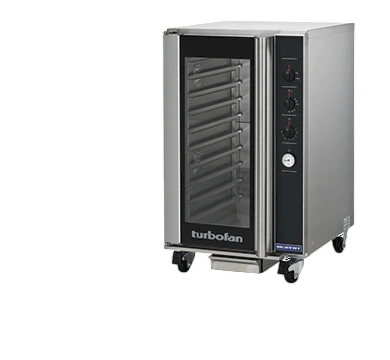
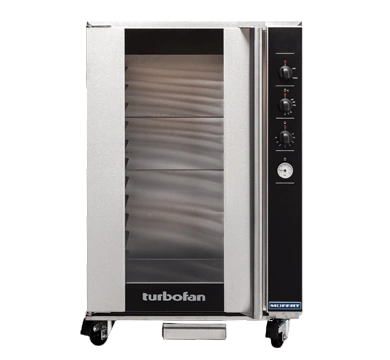
Bake-off and full production are different economics. Supermarket bake-off uses frozen dough proved in a Turbofan or Everlasting prover then baked in a BakerMax rack oven — fresh bread aroma, end-of-aisle merchandising, low labour, no flour mess, no sourdough management. The 20L planetary mixer plus bread slicer rounds out the line. This is profitable from ~1,500 m² store size up. Hypermarket adds raw flour production: BakerMax rack oven plus 3-deck stone deck oven plus dual prover plus 60L Mecnosud planetary mixer plus dough divider plus high-volume bread slicer plus Friginox blast chiller for HACCP cooling. This produces bread and pastry from raw ingredients, dramatically widening margin versus bake-off and creating in-store theatre, but requires bakery staff and HACCP discipline. Convenience-store includes neither — a 4-tray bench convection oven for warming pastries is the cap.
These are real budget line items. Plan them with your fitout team, not your equipment supplier.
Most supermarket failures are NOT sales floor traffic. They are, in order: (1) cold-chain recovery under constant door cycles — cabinets that can't hold 2–4°C when restock + customer flow combine, (2) replenishment discipline broken by shared cold storage or undersized underbench fridges per station, (3) hot-hold station-flat service collapsing into queue at deli or empty shelves at front-of-store impulse. Equipment selection must prioritise these three constraints first. Adding a bigger ice machine without addressing them increases cost without increasing trade availability.
Lay out display, reserve cold storage, fresh-food preparation, cooking and wash-up before finalising cabinet and equipment sizes.
KW can review equipment placement and workflow for a new store, fresh-food expansion or larger refrigeration package.
Equipment finance may help preserve working capital for inventory, staffing and opening or refurbishment costs.
Ready to choose equipment? Browse Supermarket and Convenience Equipment →
Our Sydney team designs the package for you — based on your menu, footprint, and budget.
7/72 Canterbury Rd, Bankstown NSW · Mon to Fri 9 to 5