
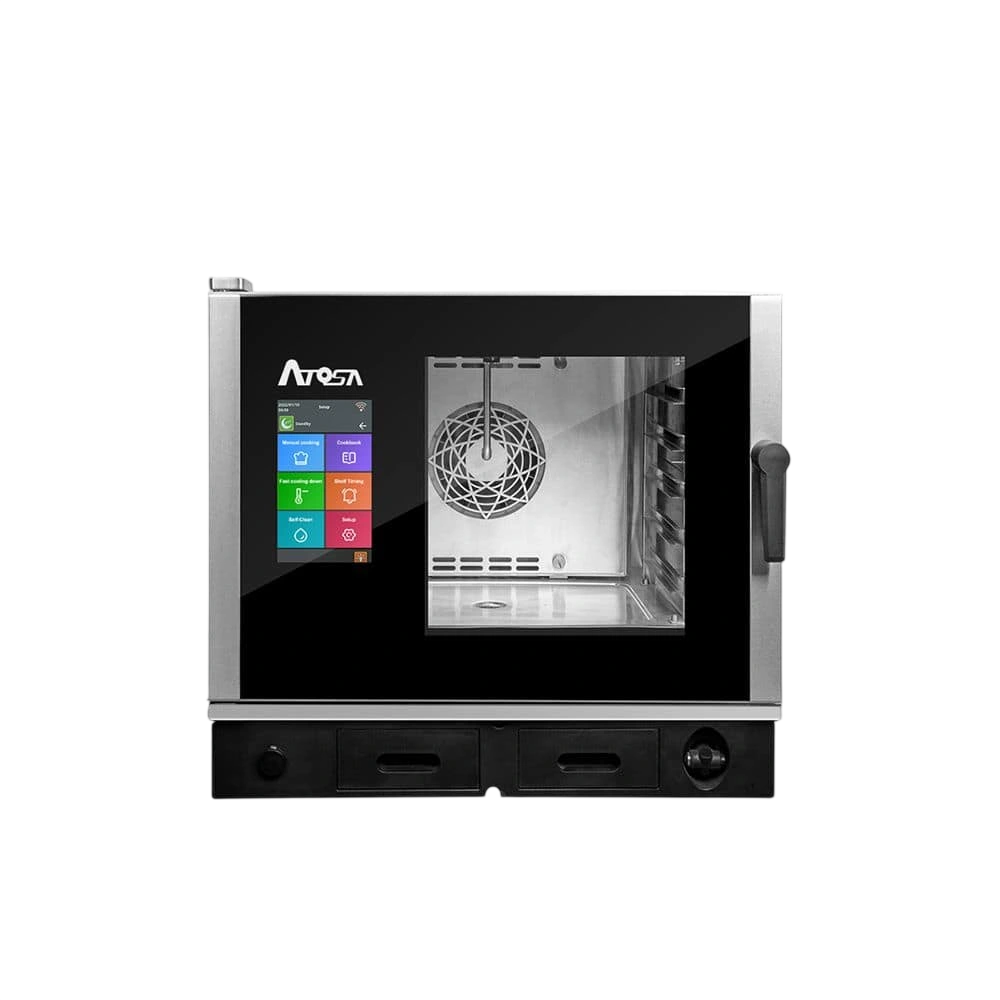
Aged-care, child-care, and hospital kitchens designed for safety, consistency, and long-term reliability — where stability matters more than speed or menu variety.
Planning an aged-care or healthcare kitchen? Start with meal volumes, menu formats and the safe production-to-service chain before selecting individual equipment.
Size bulk cooking, preparation and holding around regular meal counts, texture-modified production and peak service periods.
Plan refrigeration, freezing and blast chilling around receiving, production and distribution rather than as isolated cabinets.
Keep preparation, cooking, portioning and dispatch moving in a clear sequence with suitable holding capacity.
Choose wash capacity and storage that support reliable turnaround and the operating controls required by the facility.
The equipment packages below organise current KW products into practical starting points. Compare the tiers, then adjust the mix to your menu, volume and site.
The equipment plan needs to support a controlled production and distribution sequence. Refrigeration, cooking, chilling, holding and wash-up should be considered around meal schedules and the facility's operating procedures.
Meal numbers, menu formats and the production method should be settled before major equipment is selected. These decisions affect batch cooking, cold storage, holding and distribution needs.
Bulk preparation and cooking equipment often need coordinated refrigeration or chilling, portioning space, hot holding or trolleys and warewashing suited to the facility's service cycle.
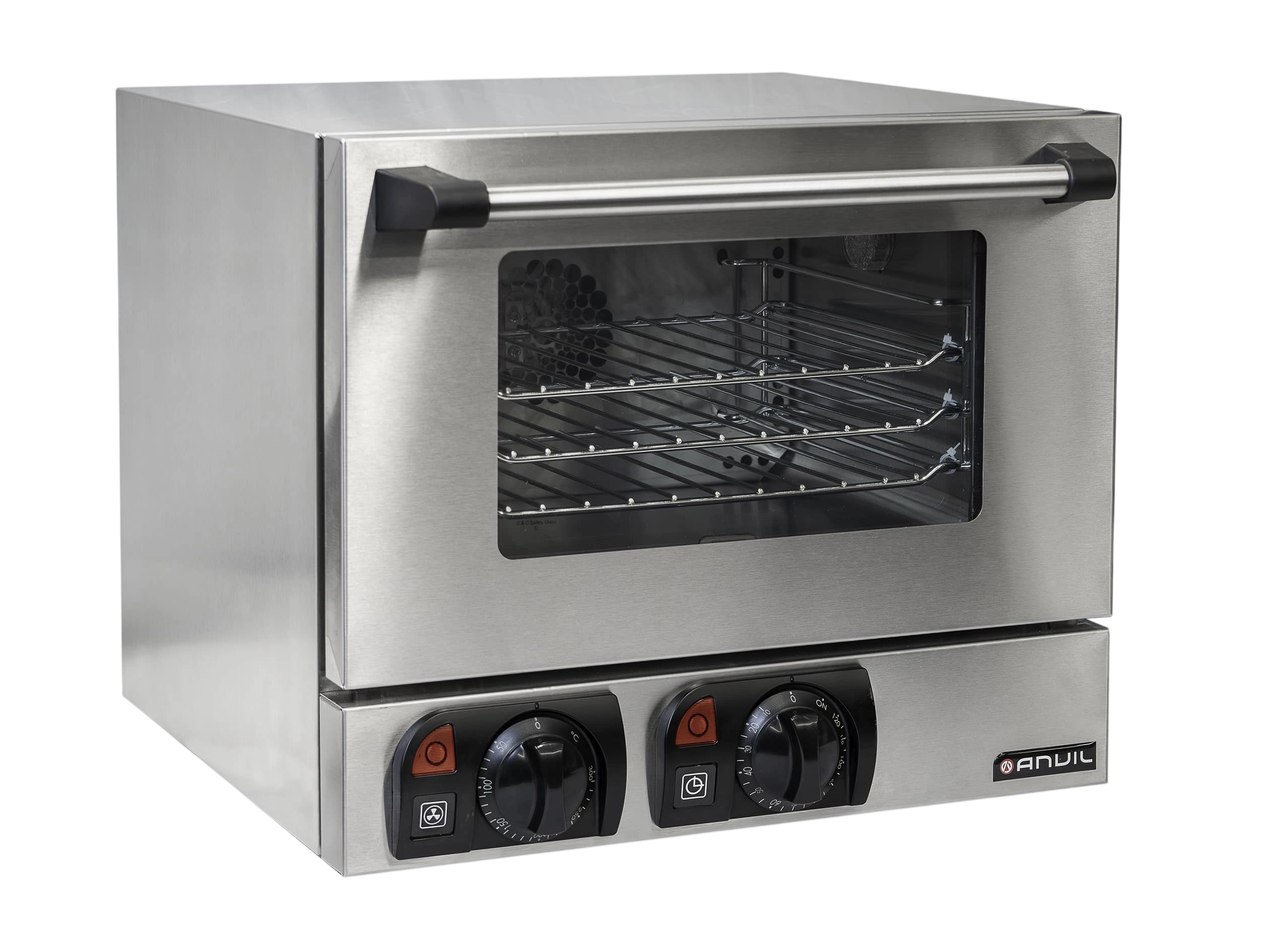
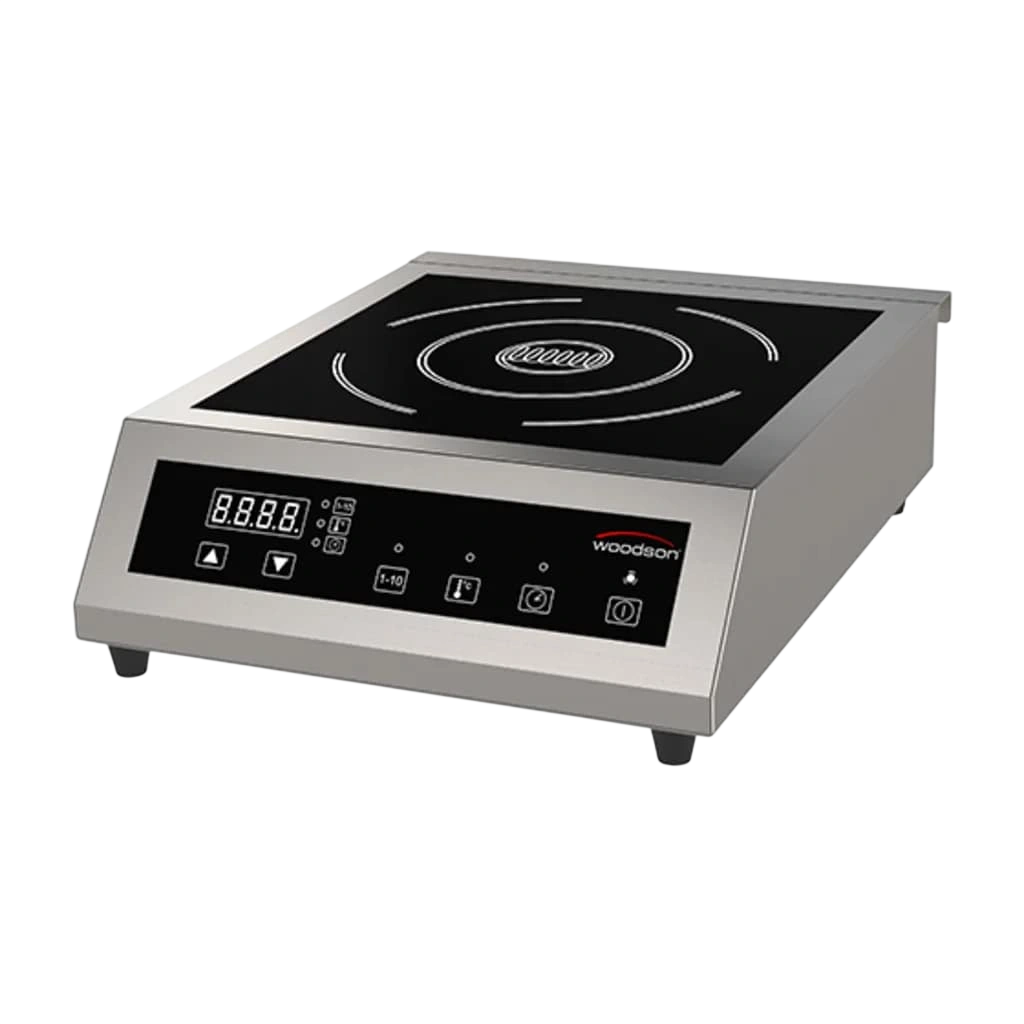
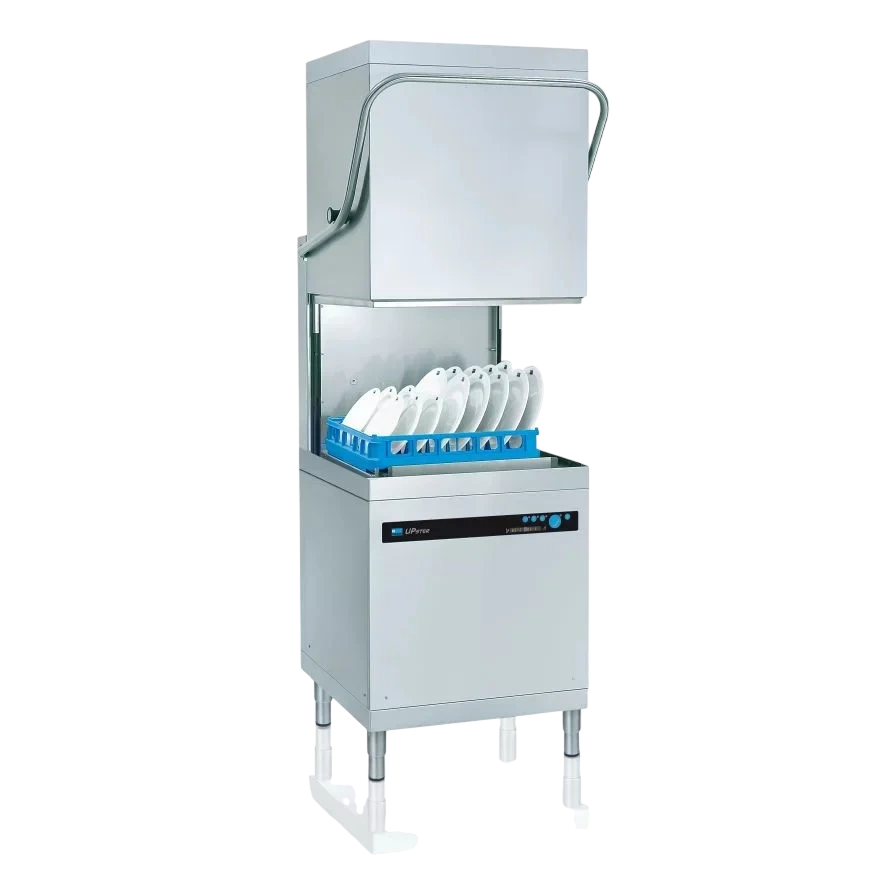
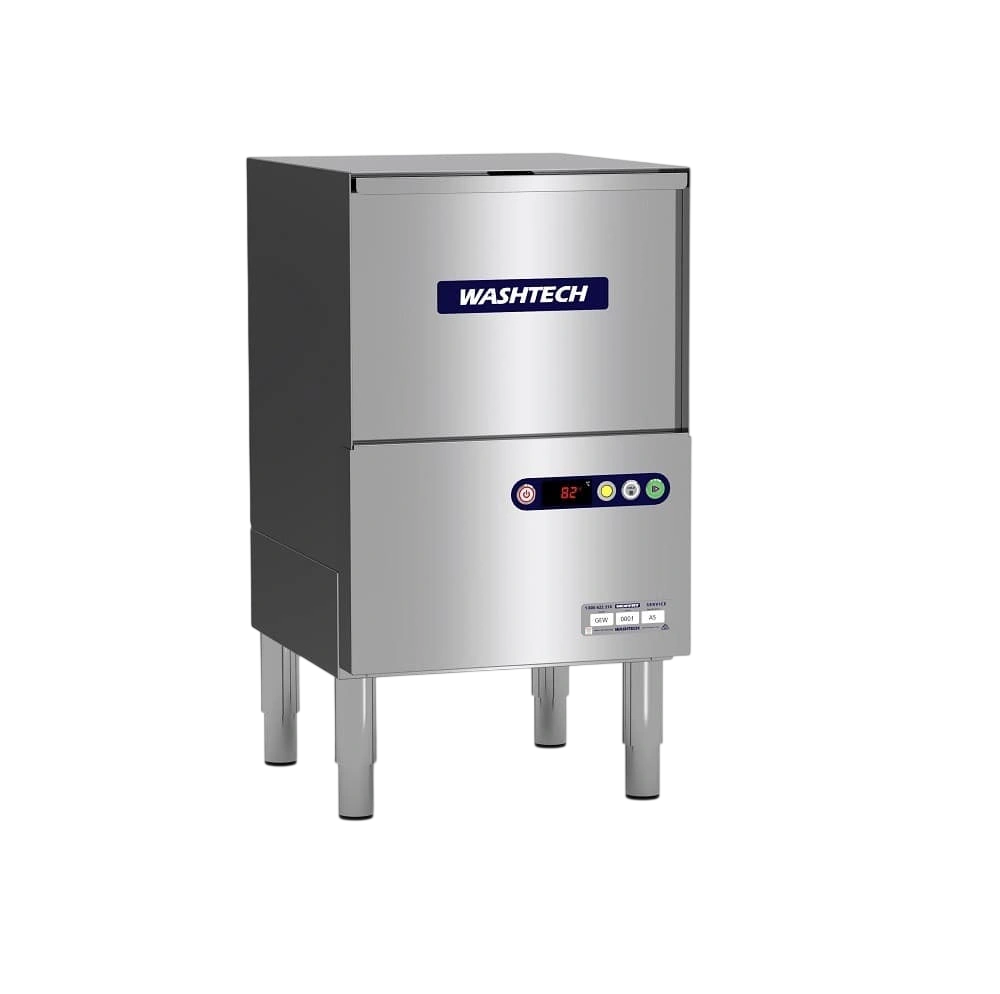
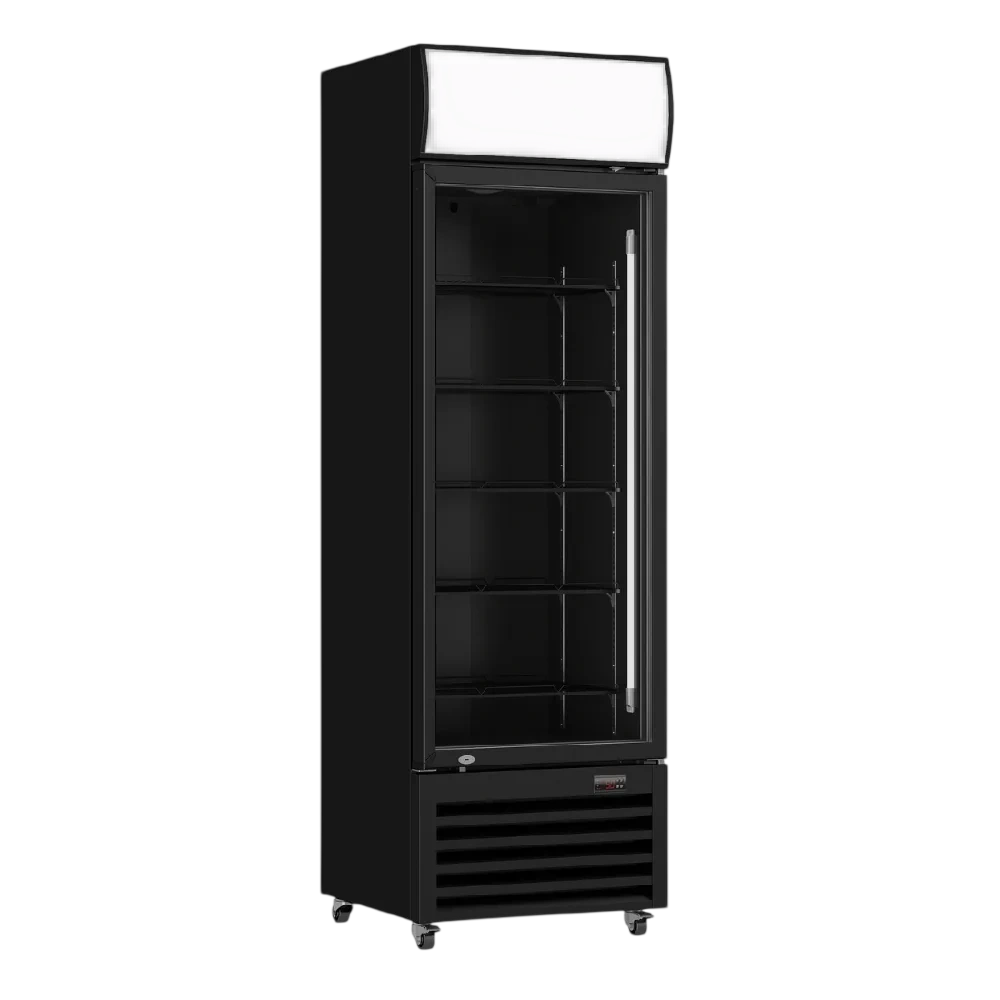
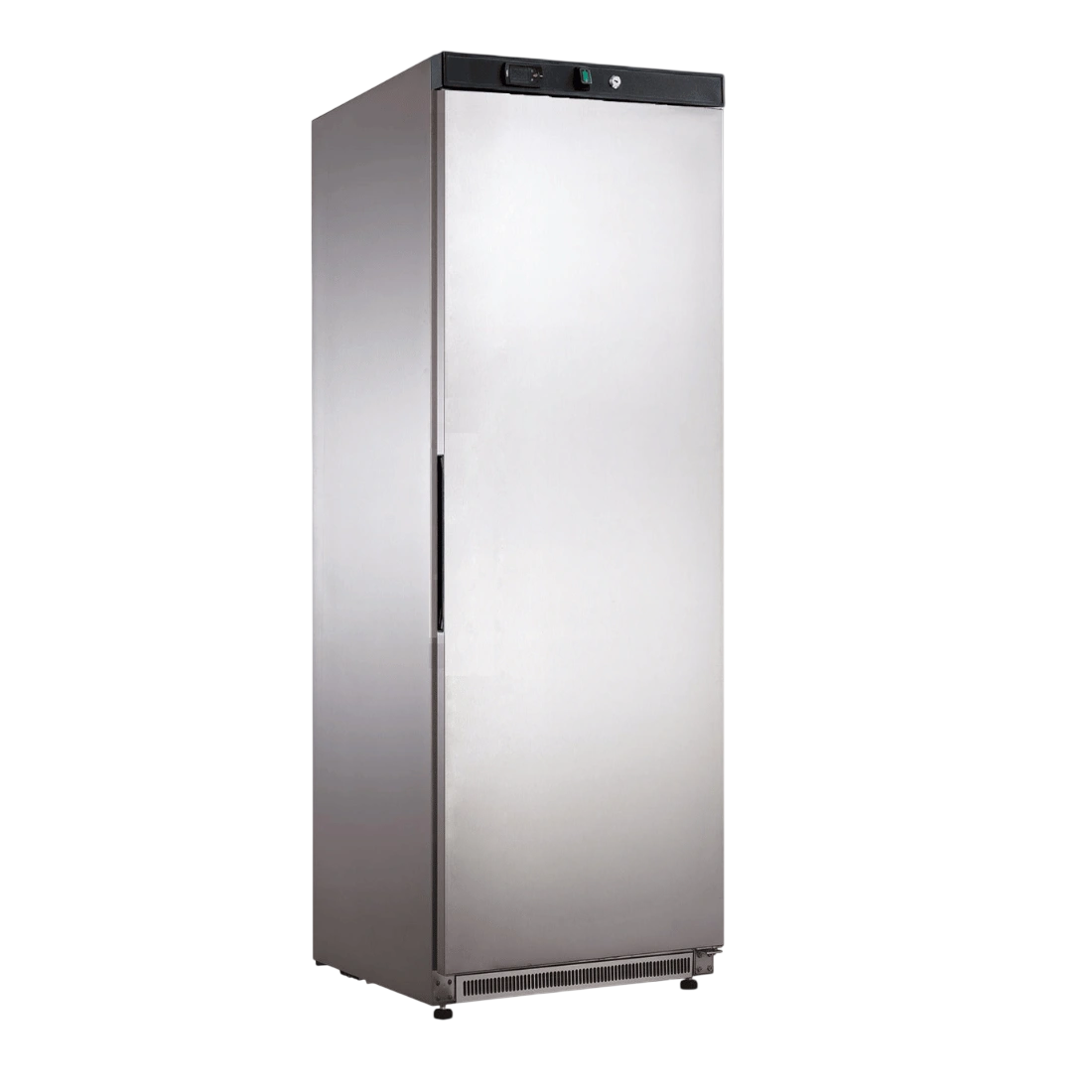
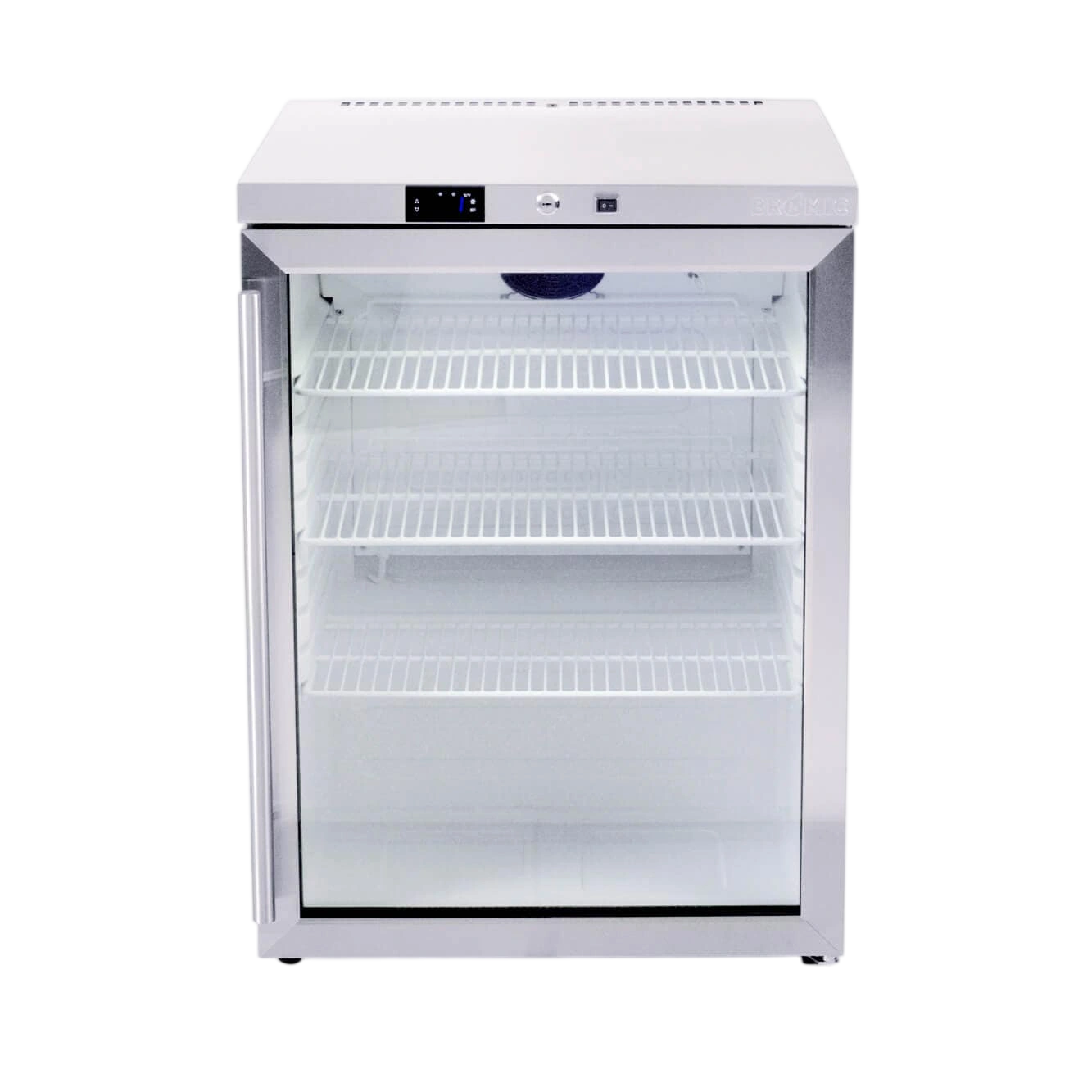
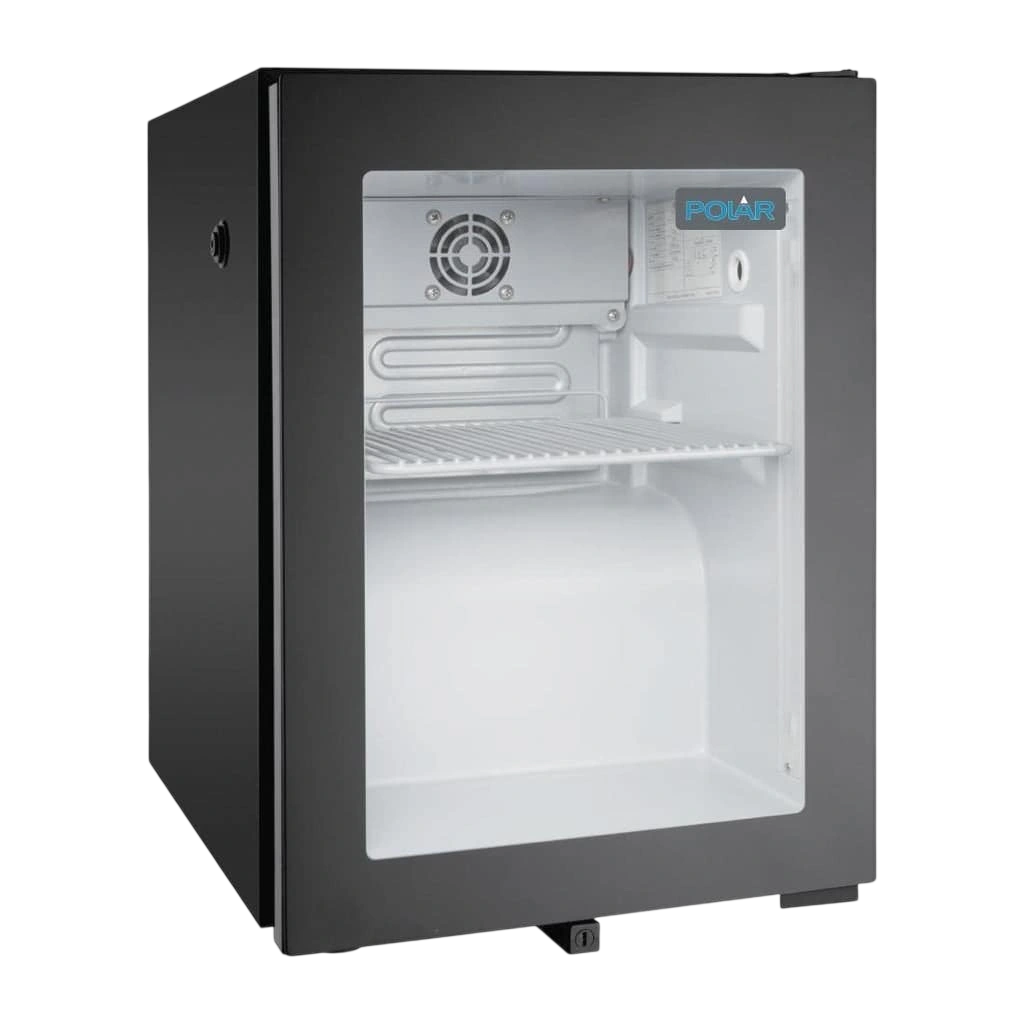
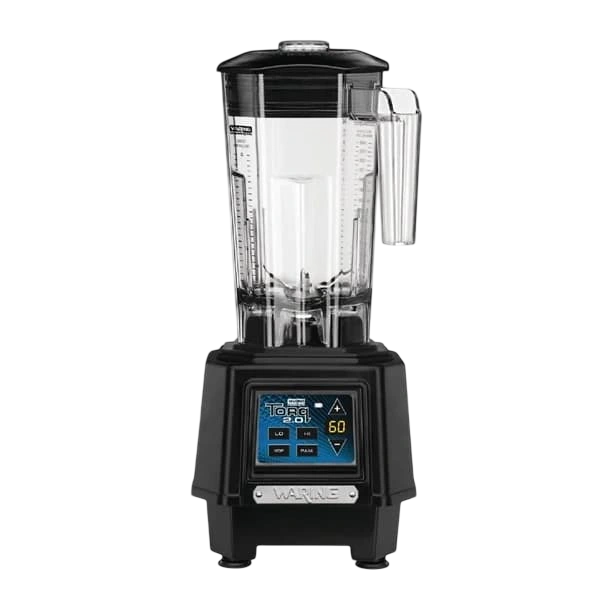
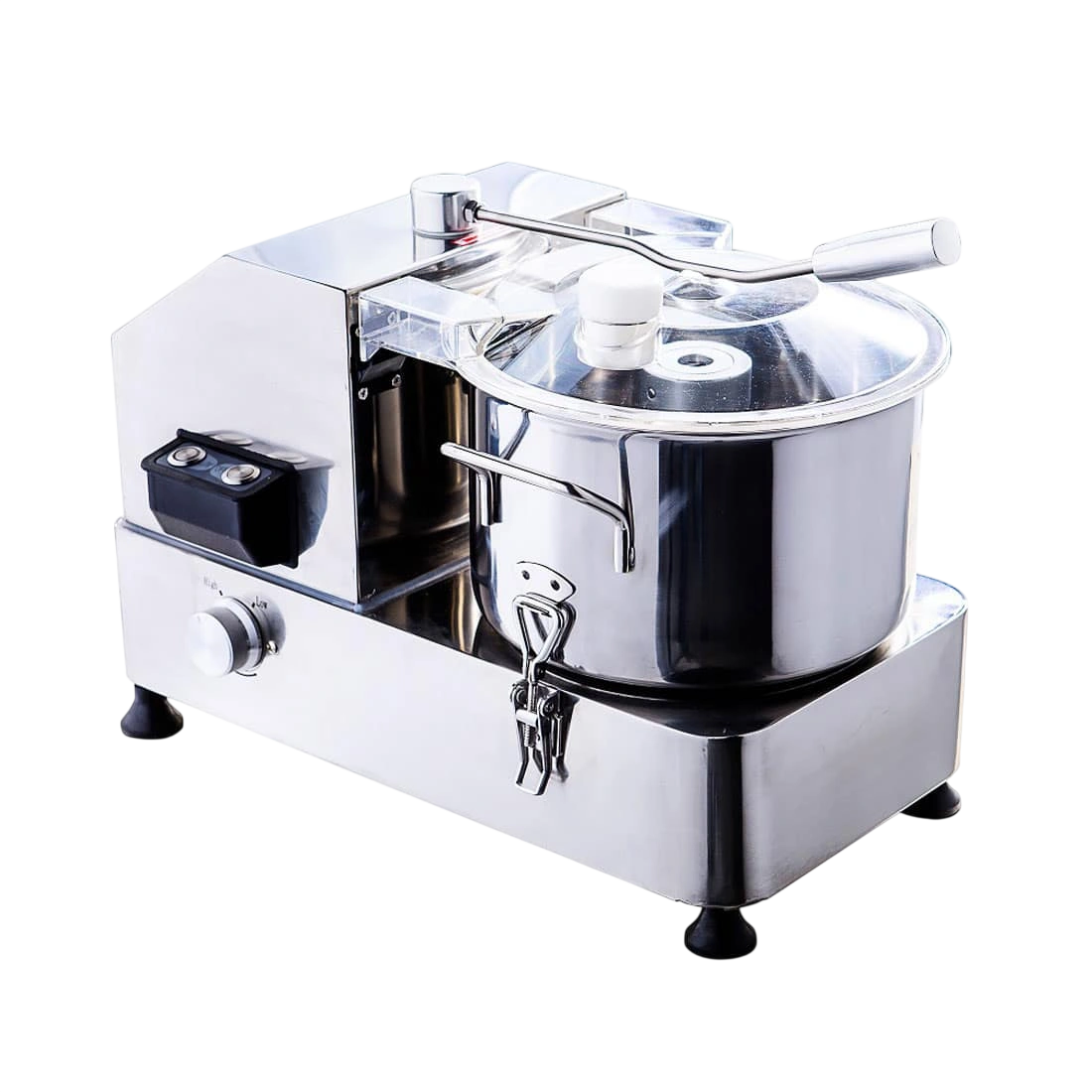

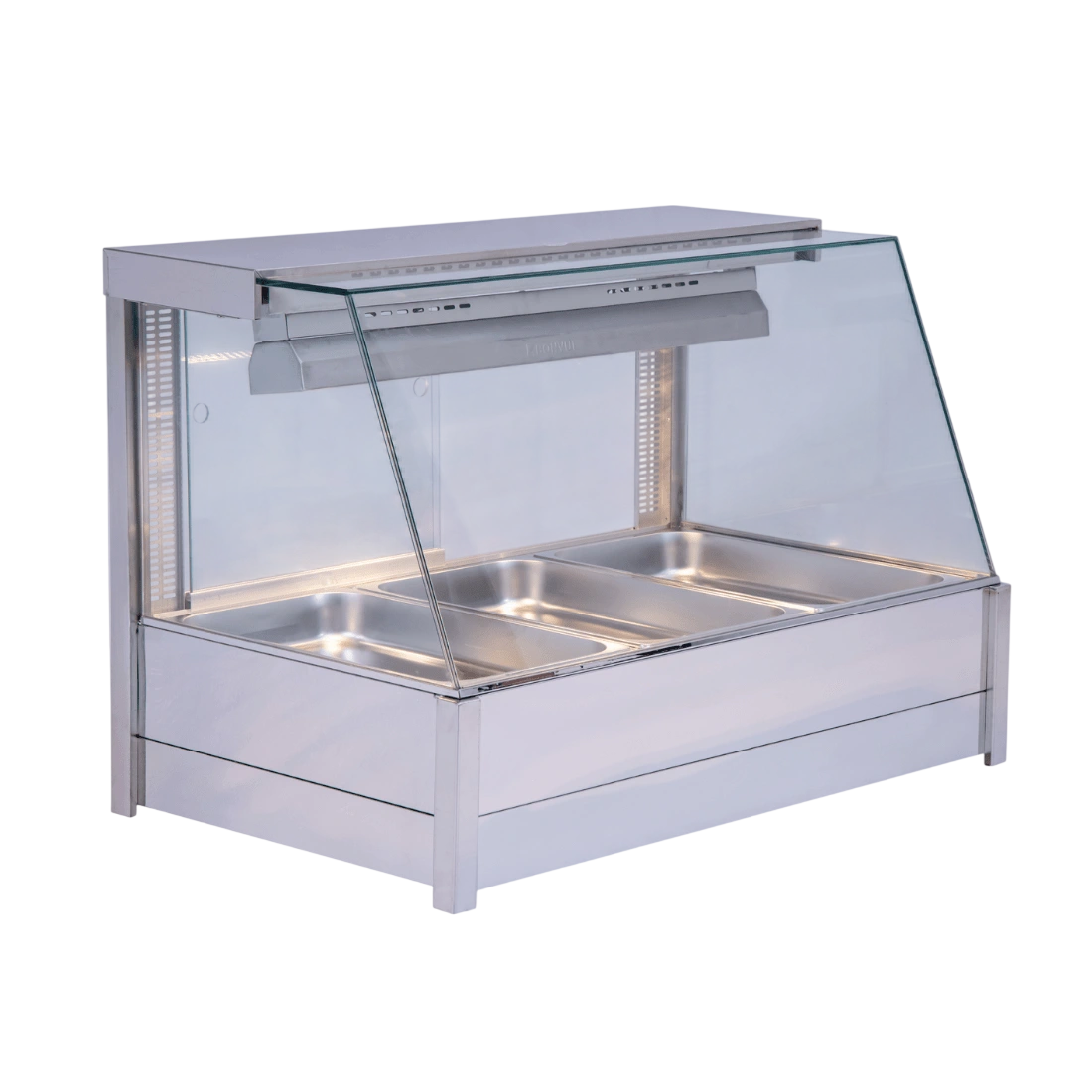
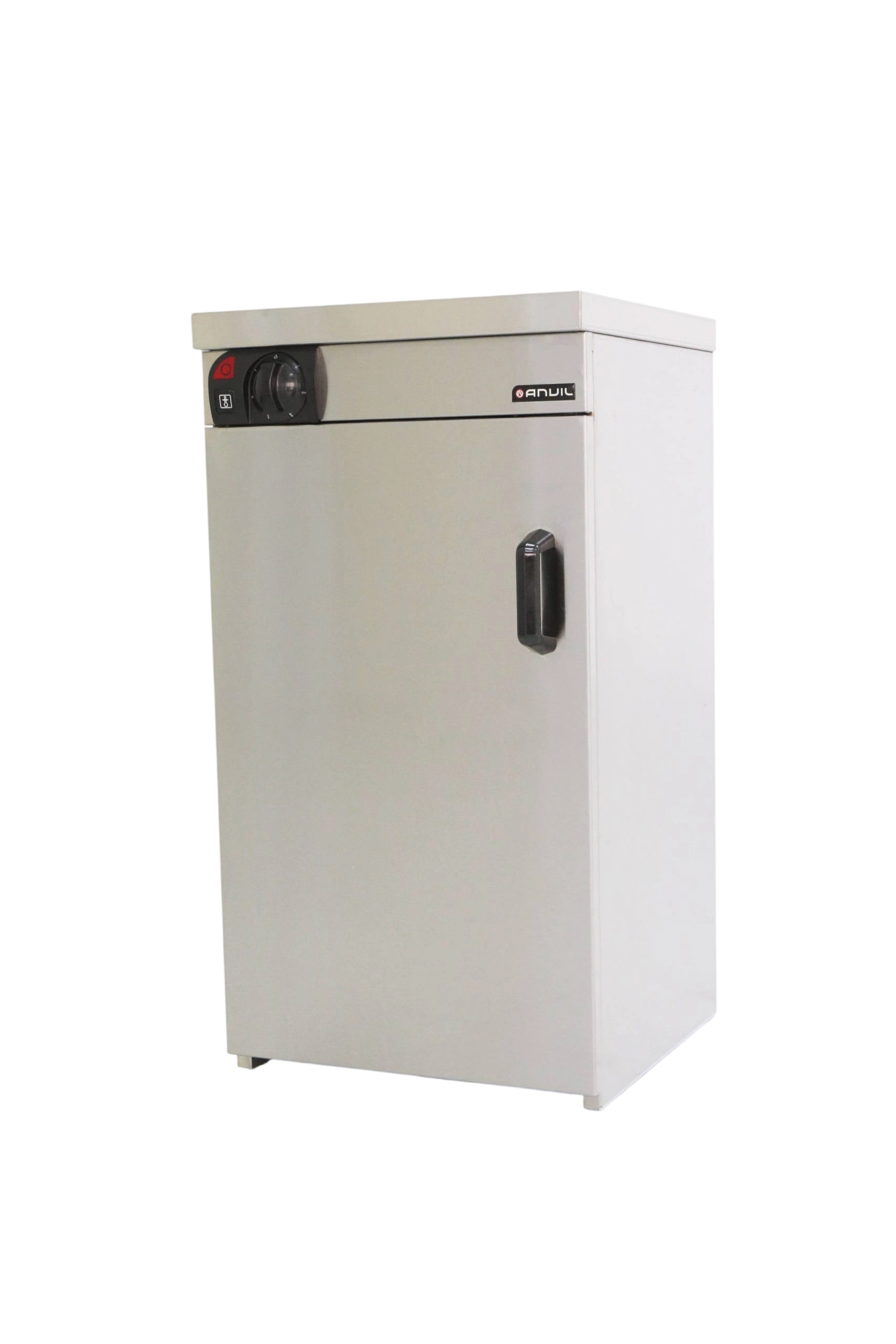
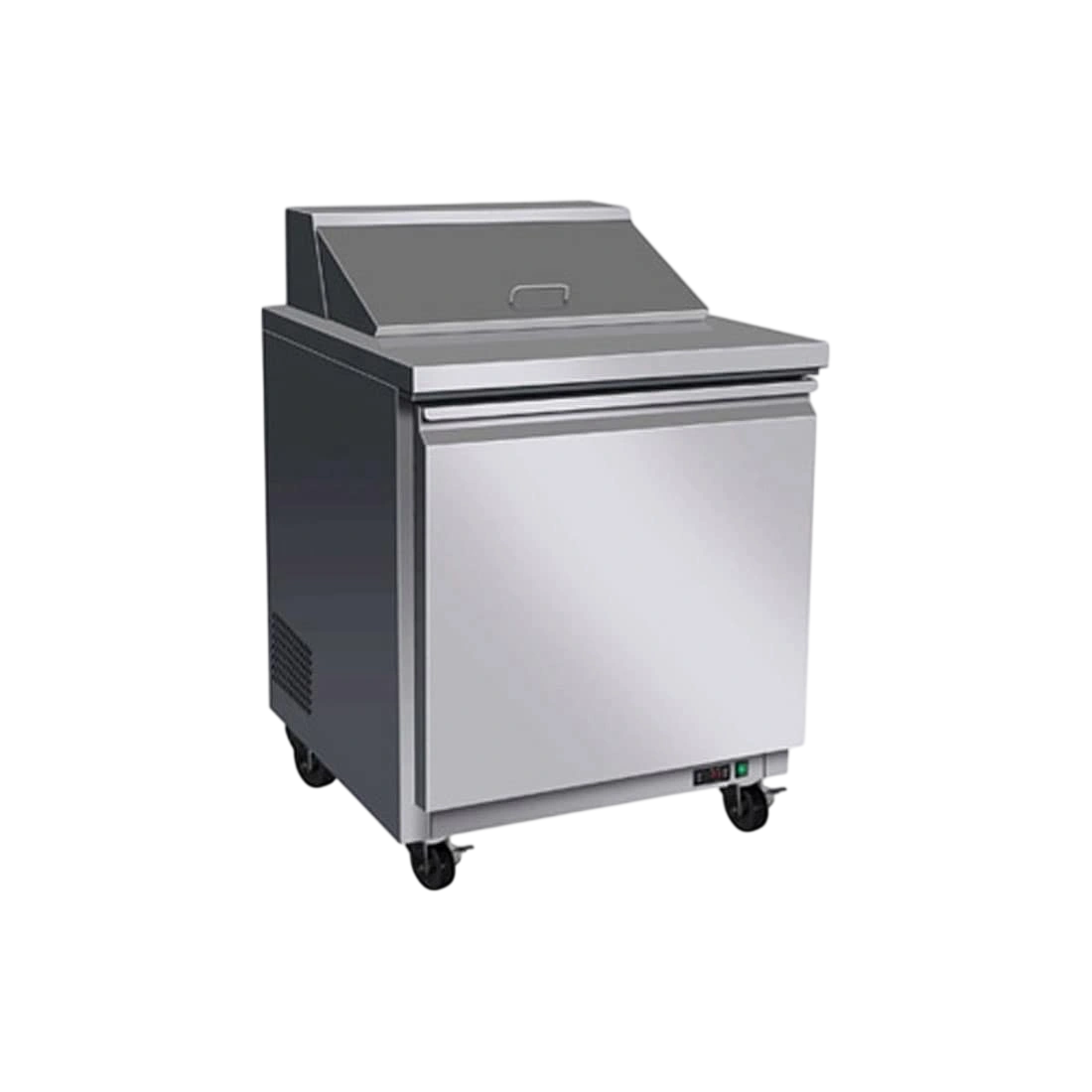
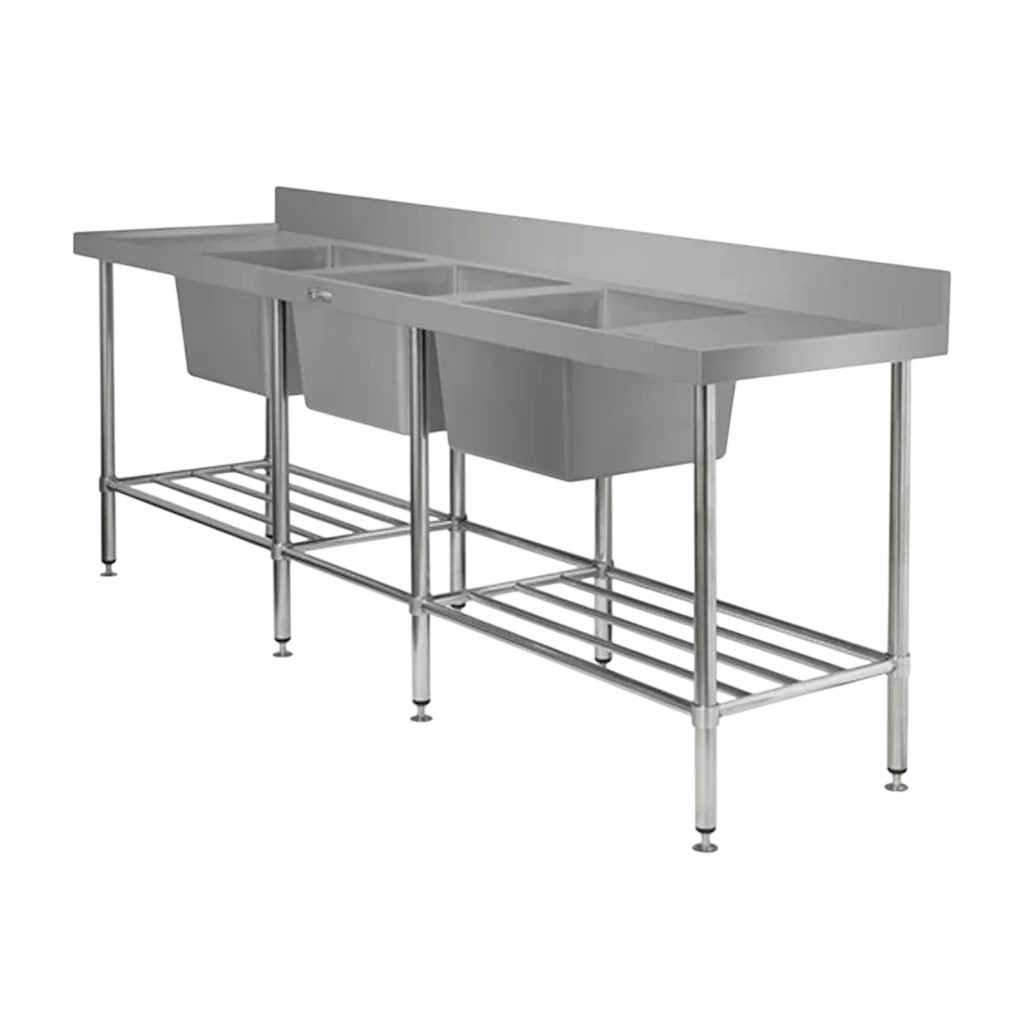
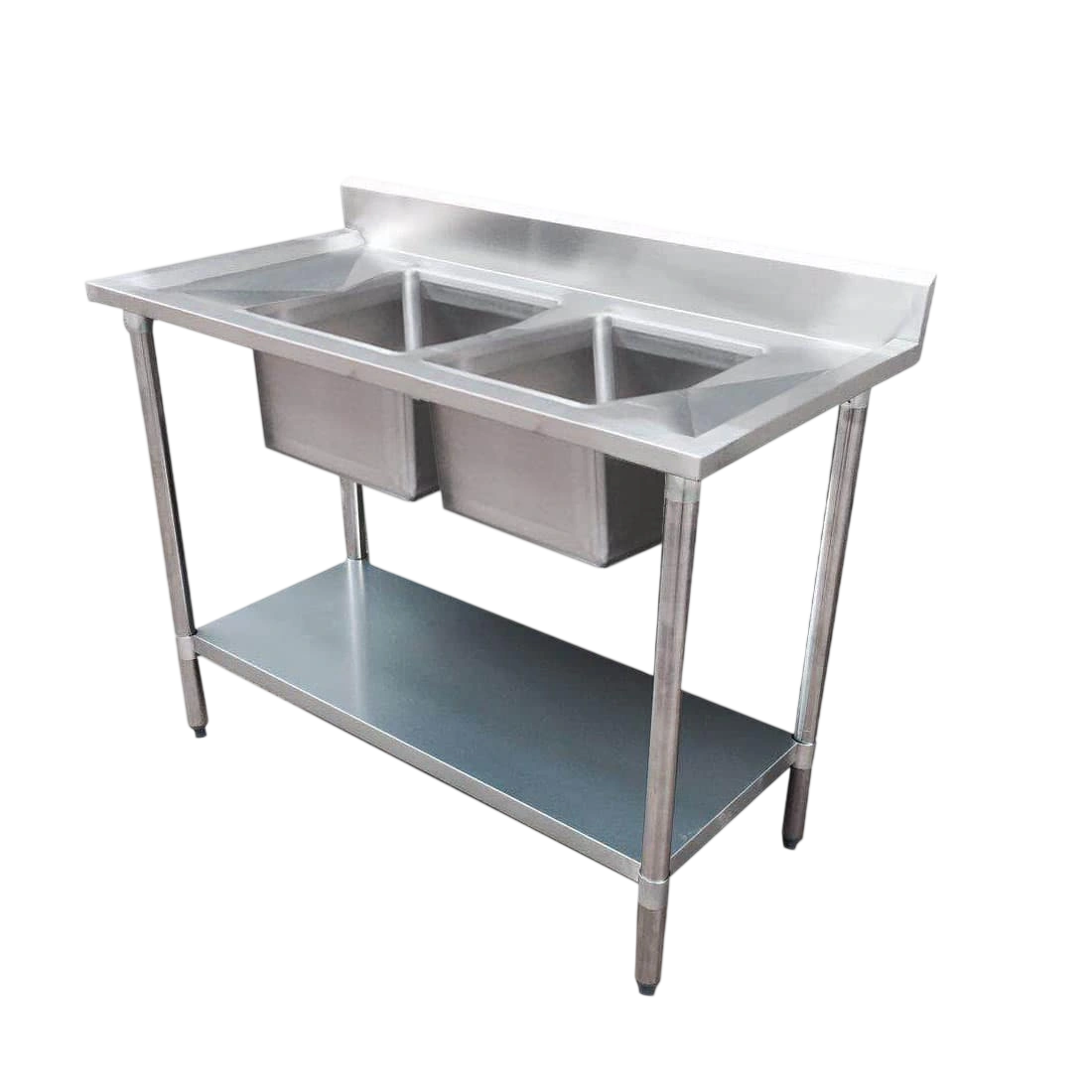
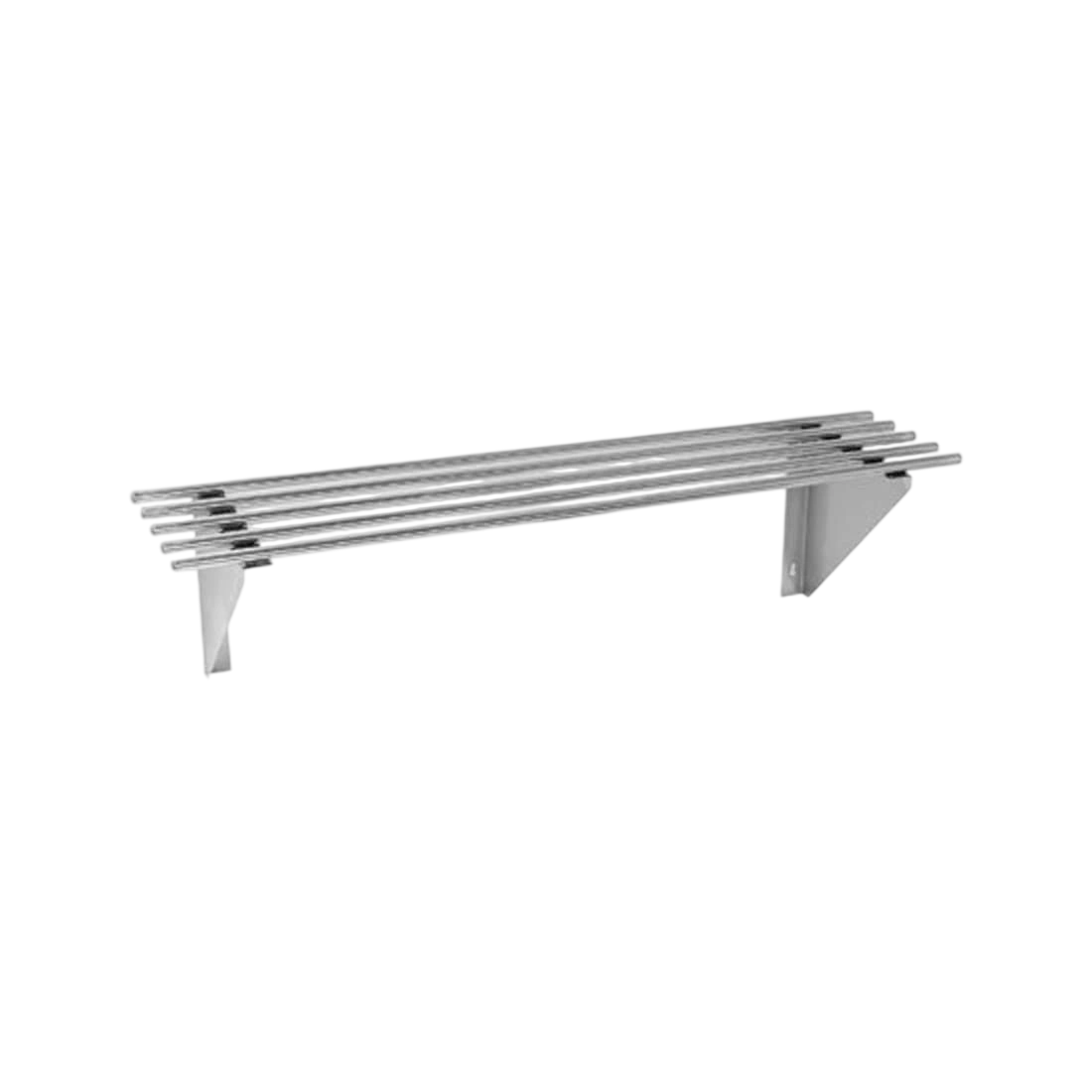
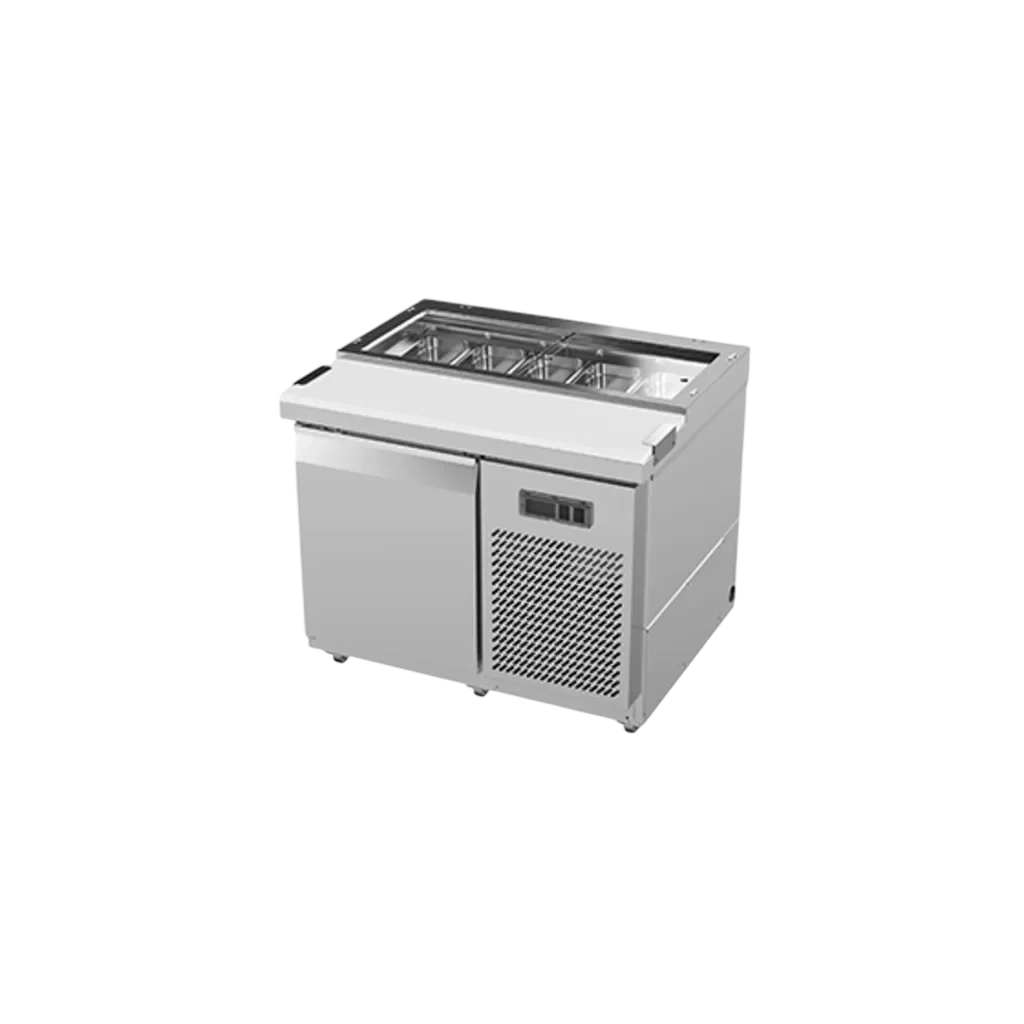
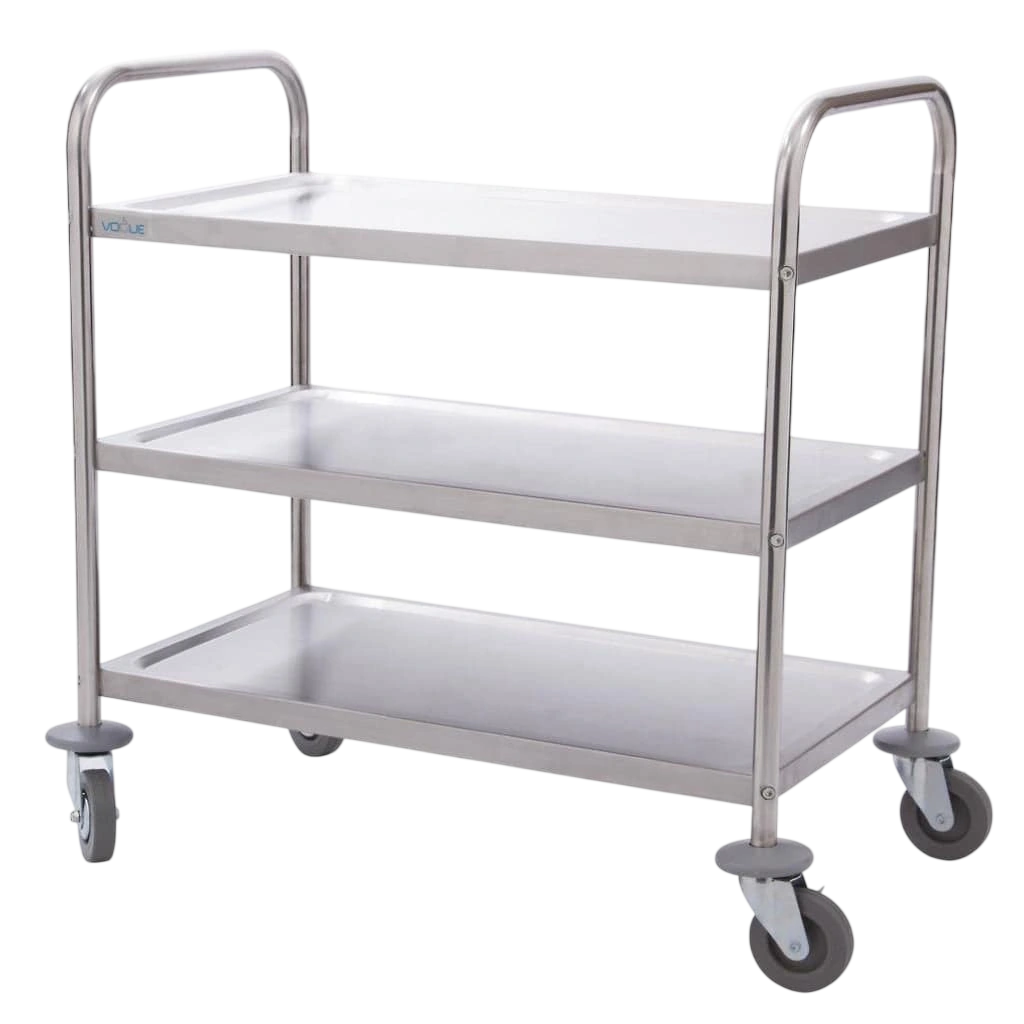
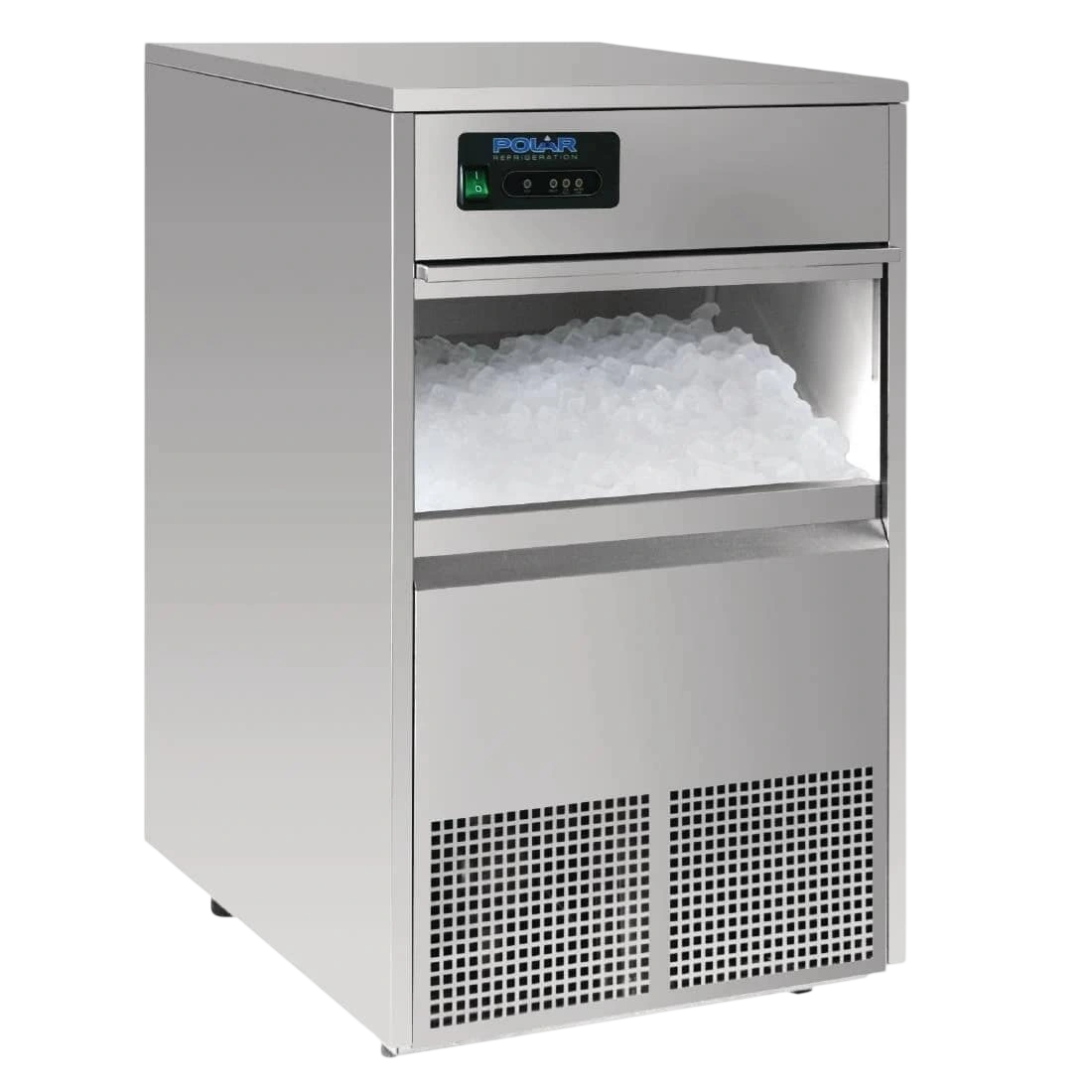
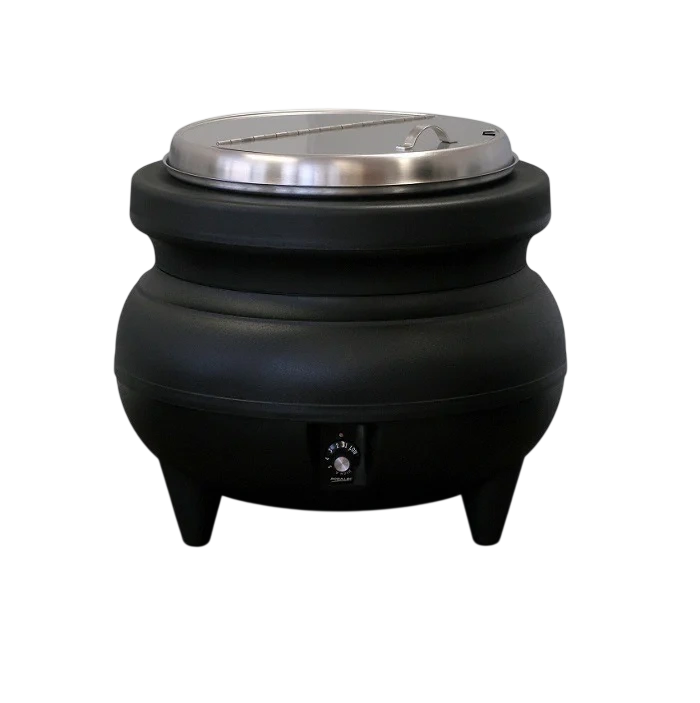
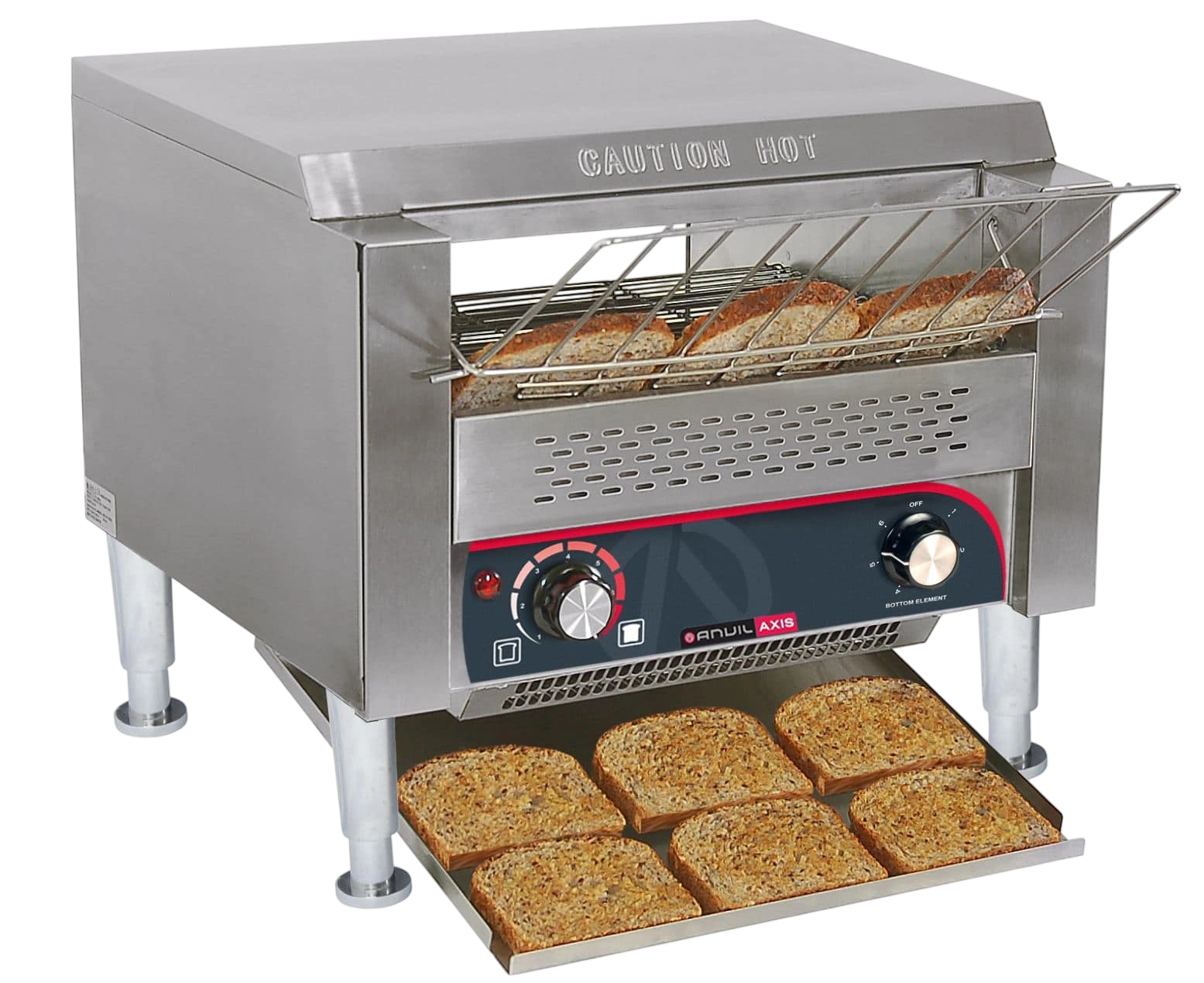
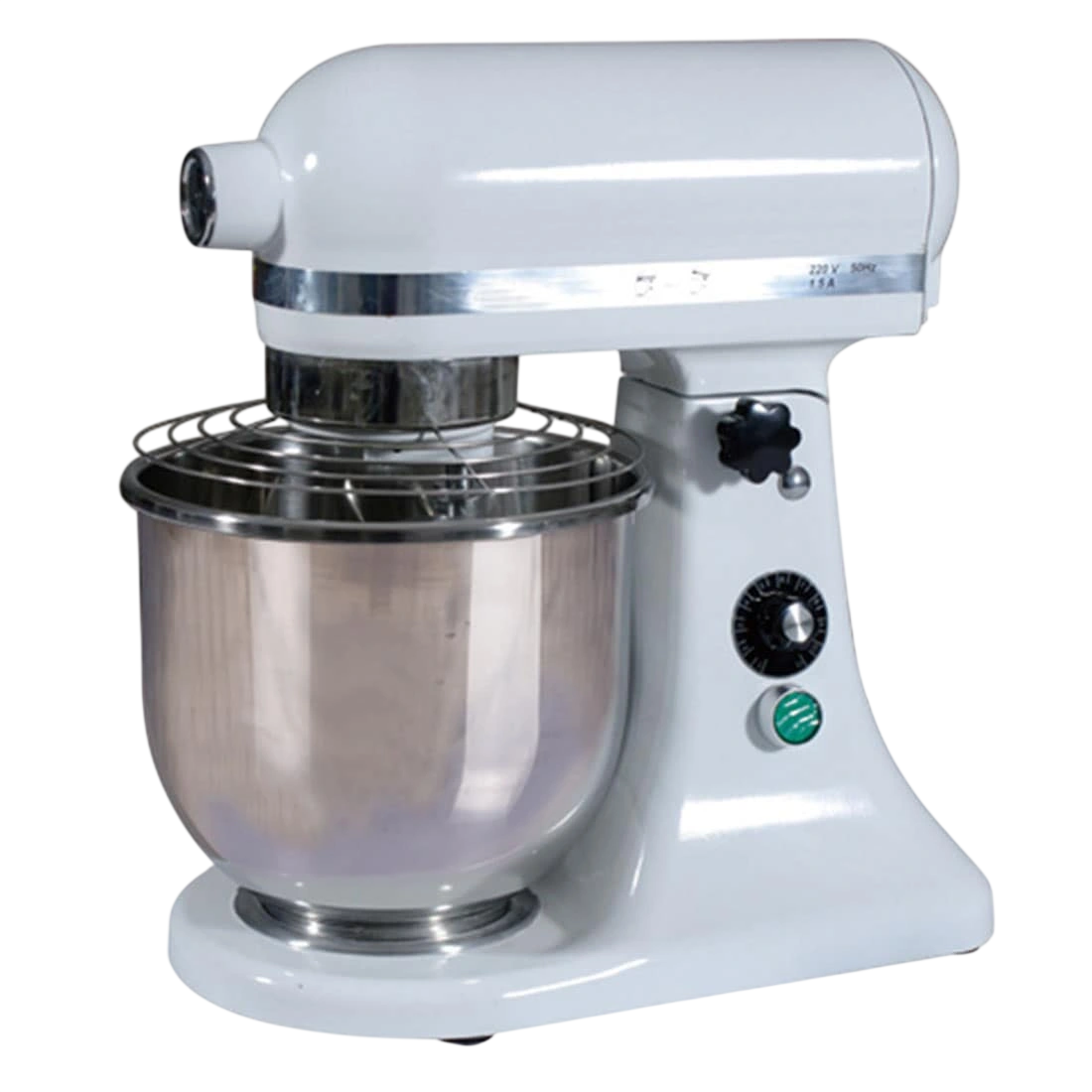
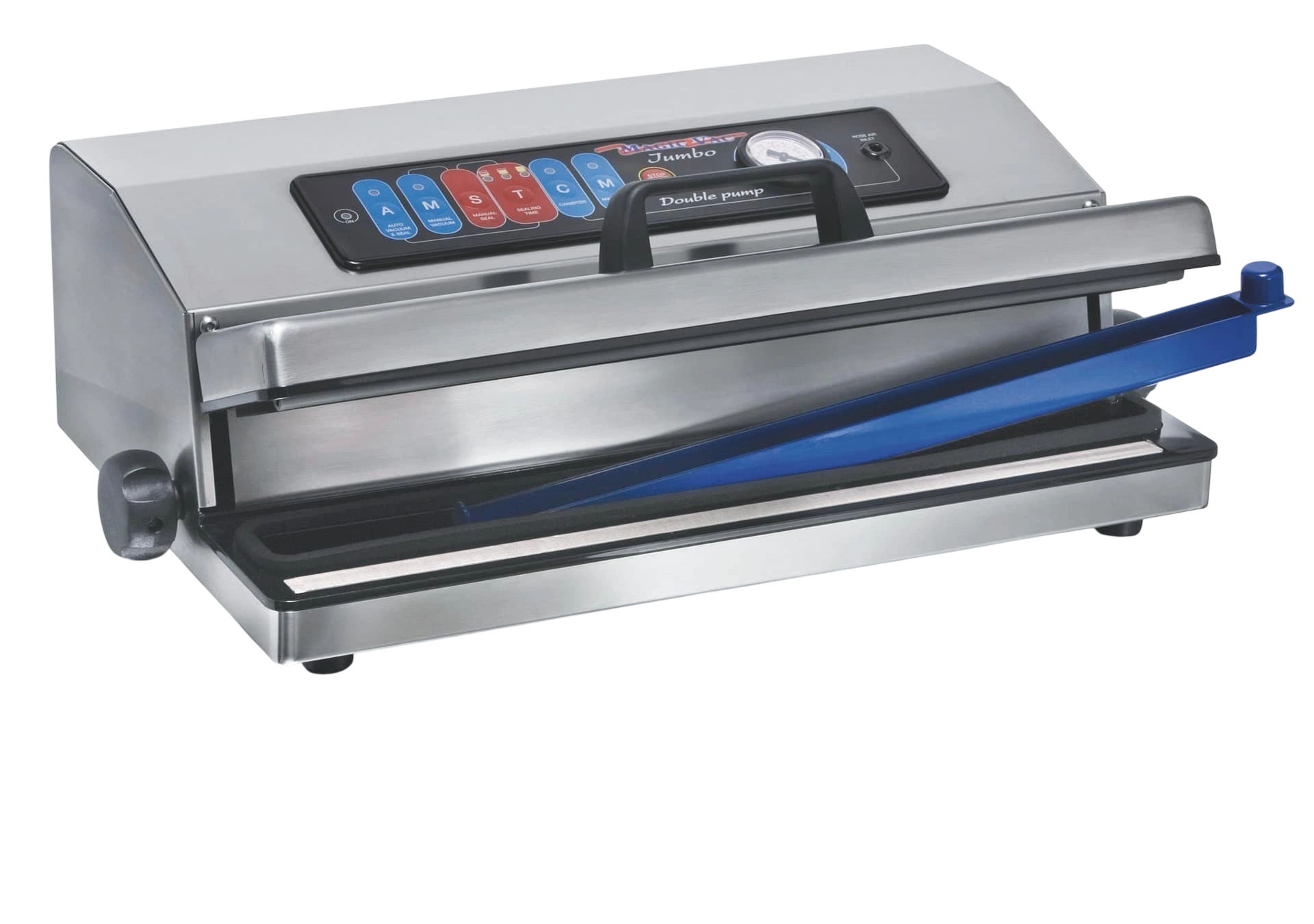
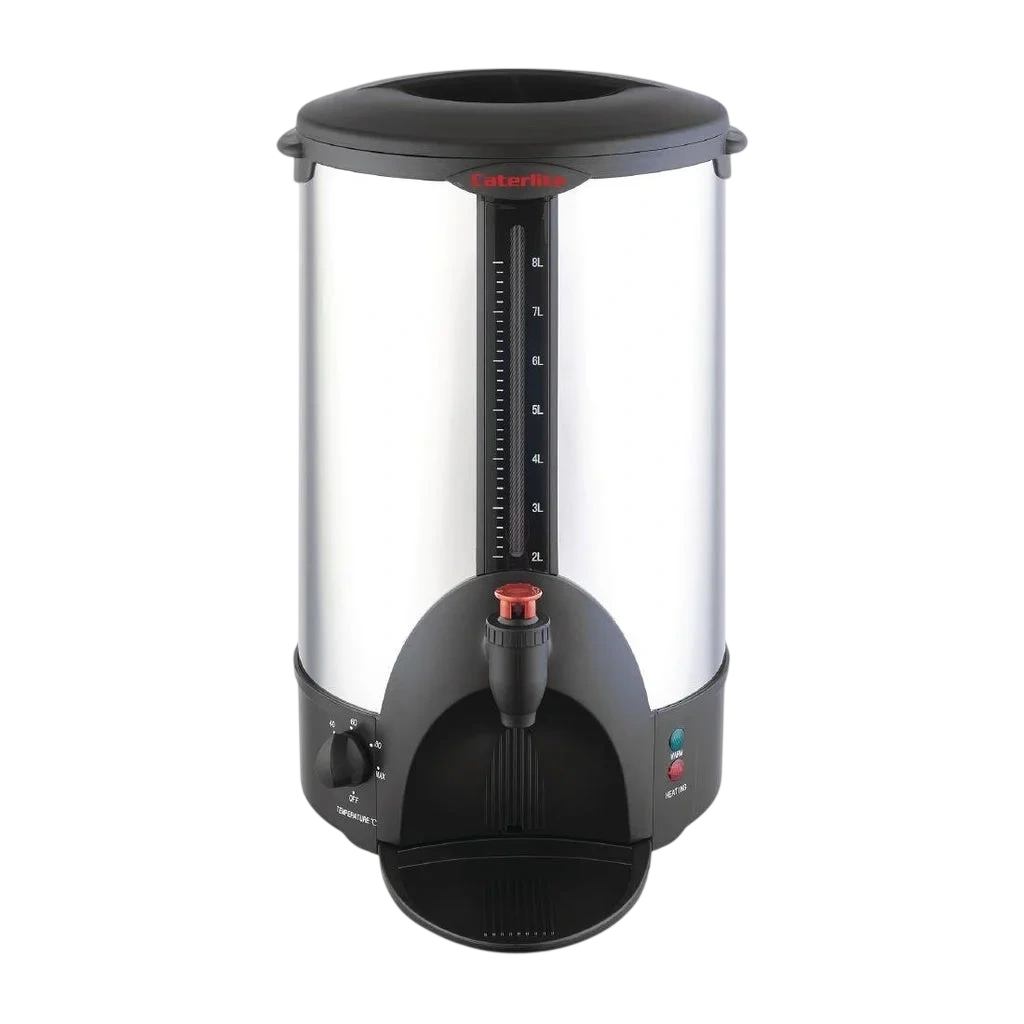
20 essential items · $44,725 ex-GST indicative · with delivery and installation quoted for your site. Final quote reflects your menu, site, power, gas, drainage, ventilation and delivery.
Checking current Package availability…
Package: SBB-AGED-CARE-CHILD-CARE
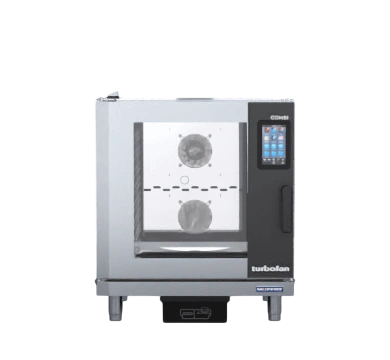
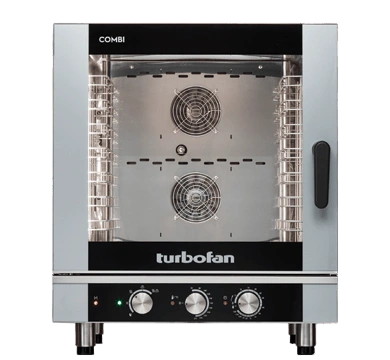
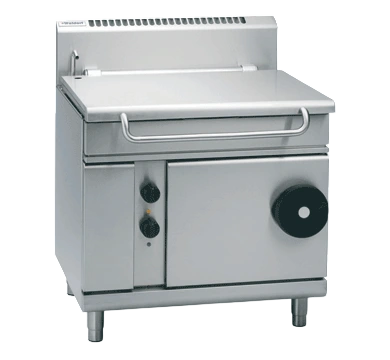
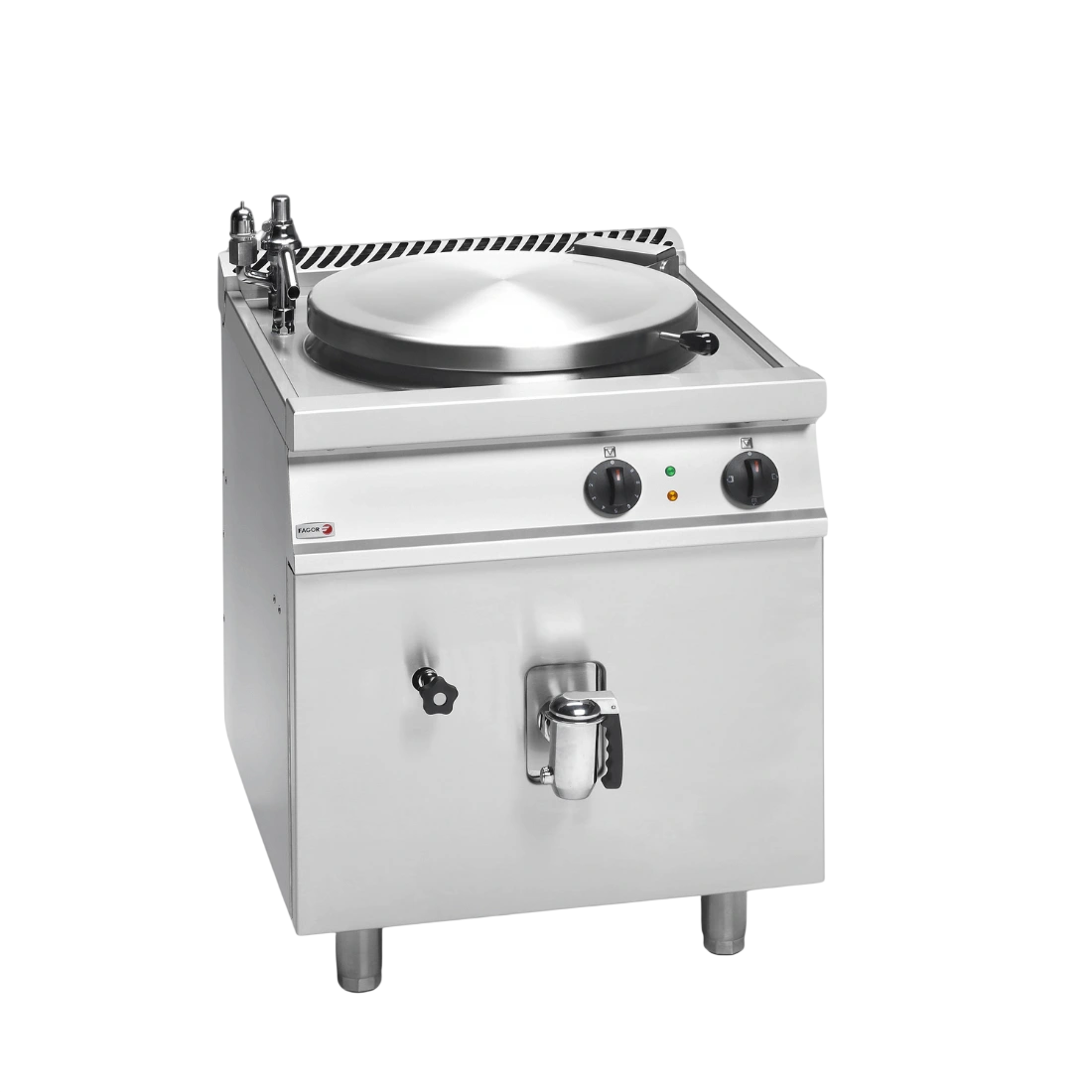
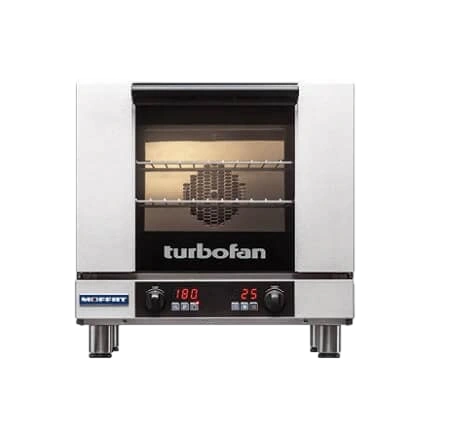
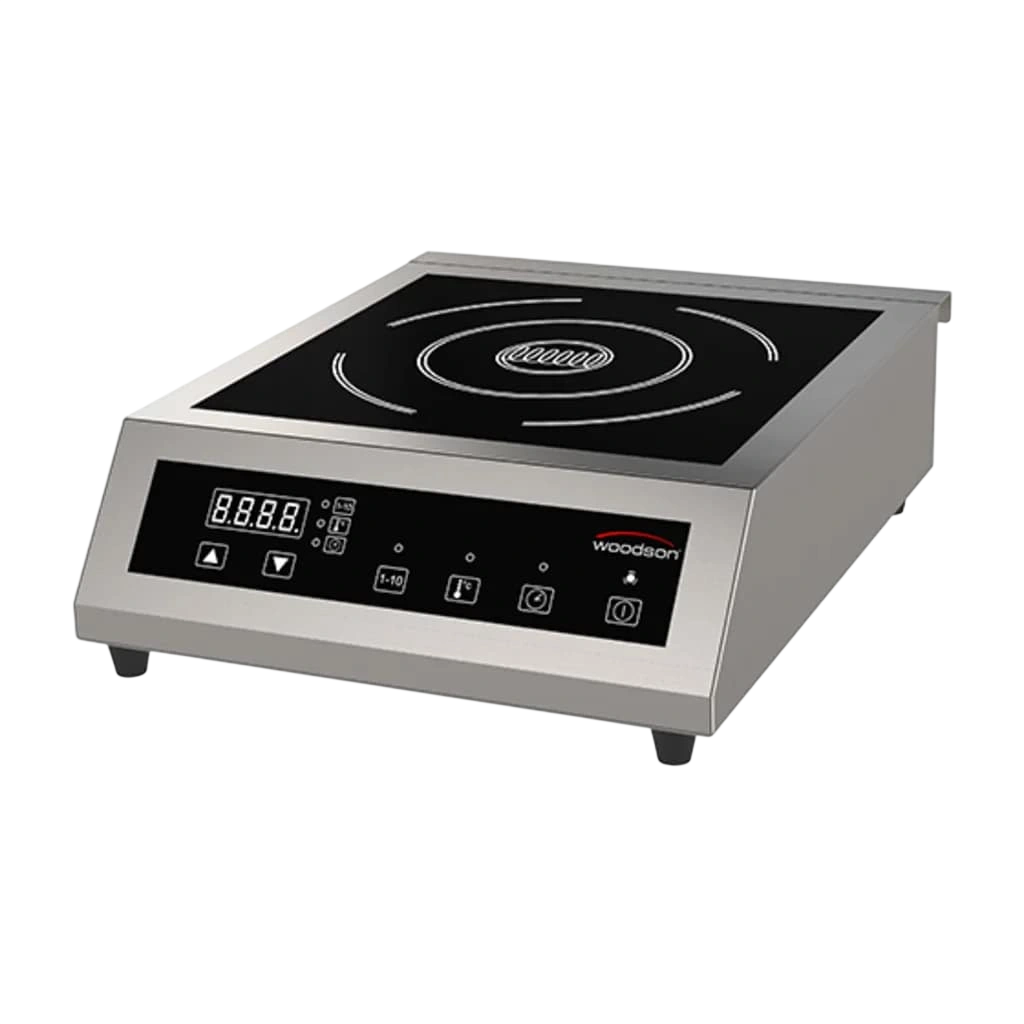
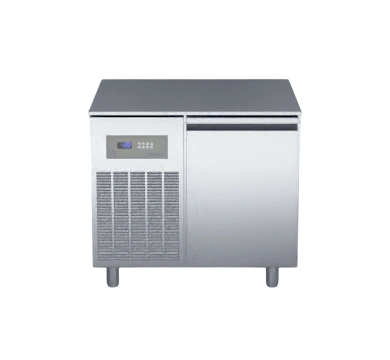
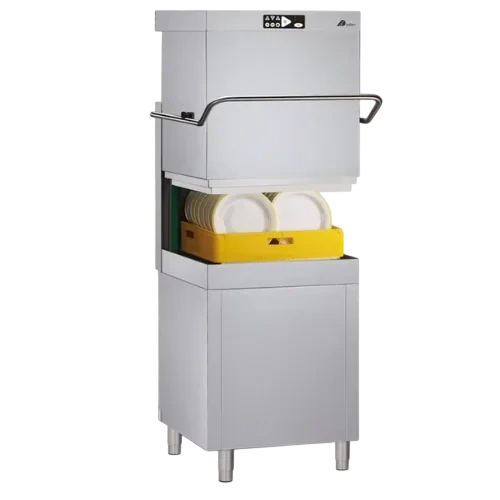
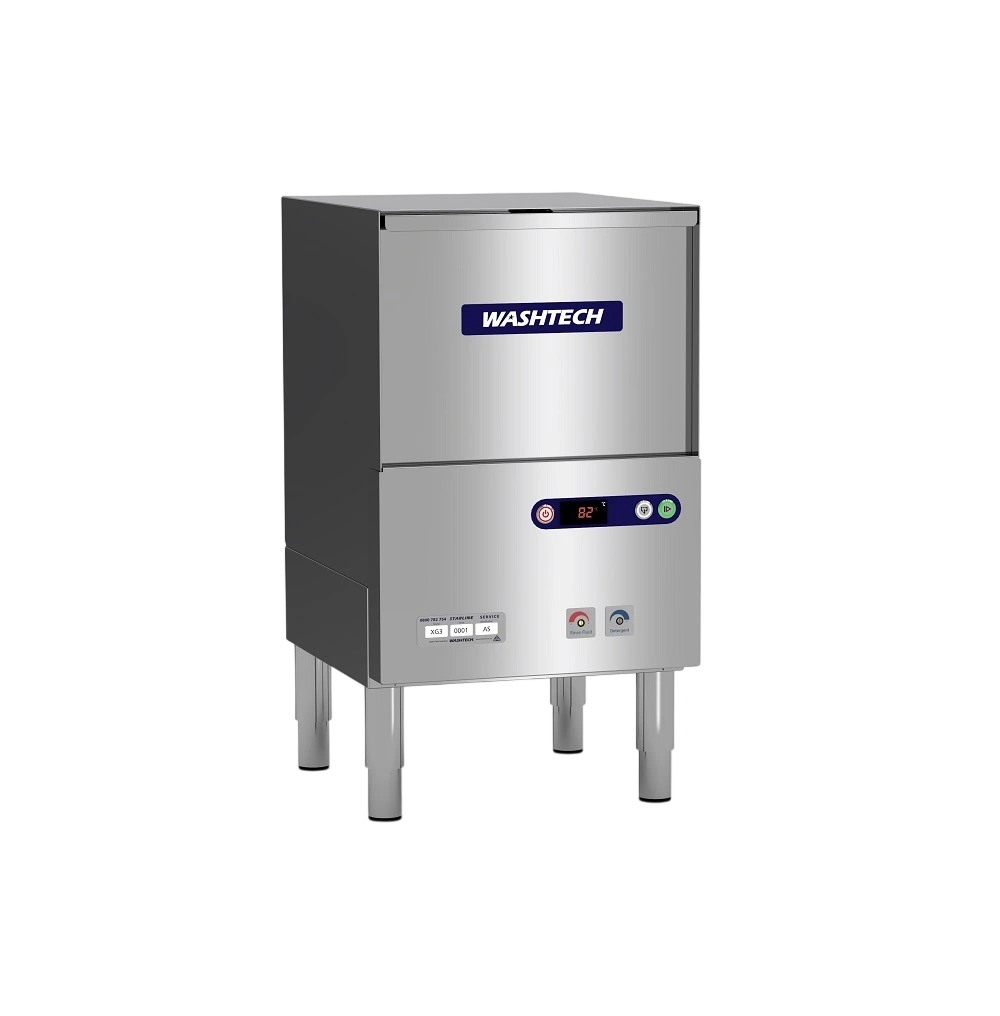
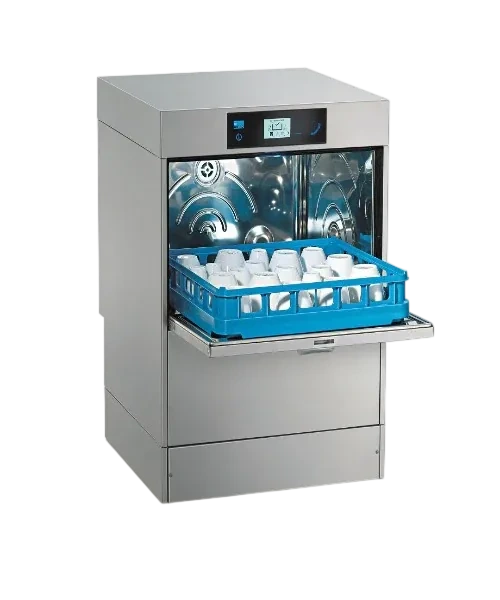
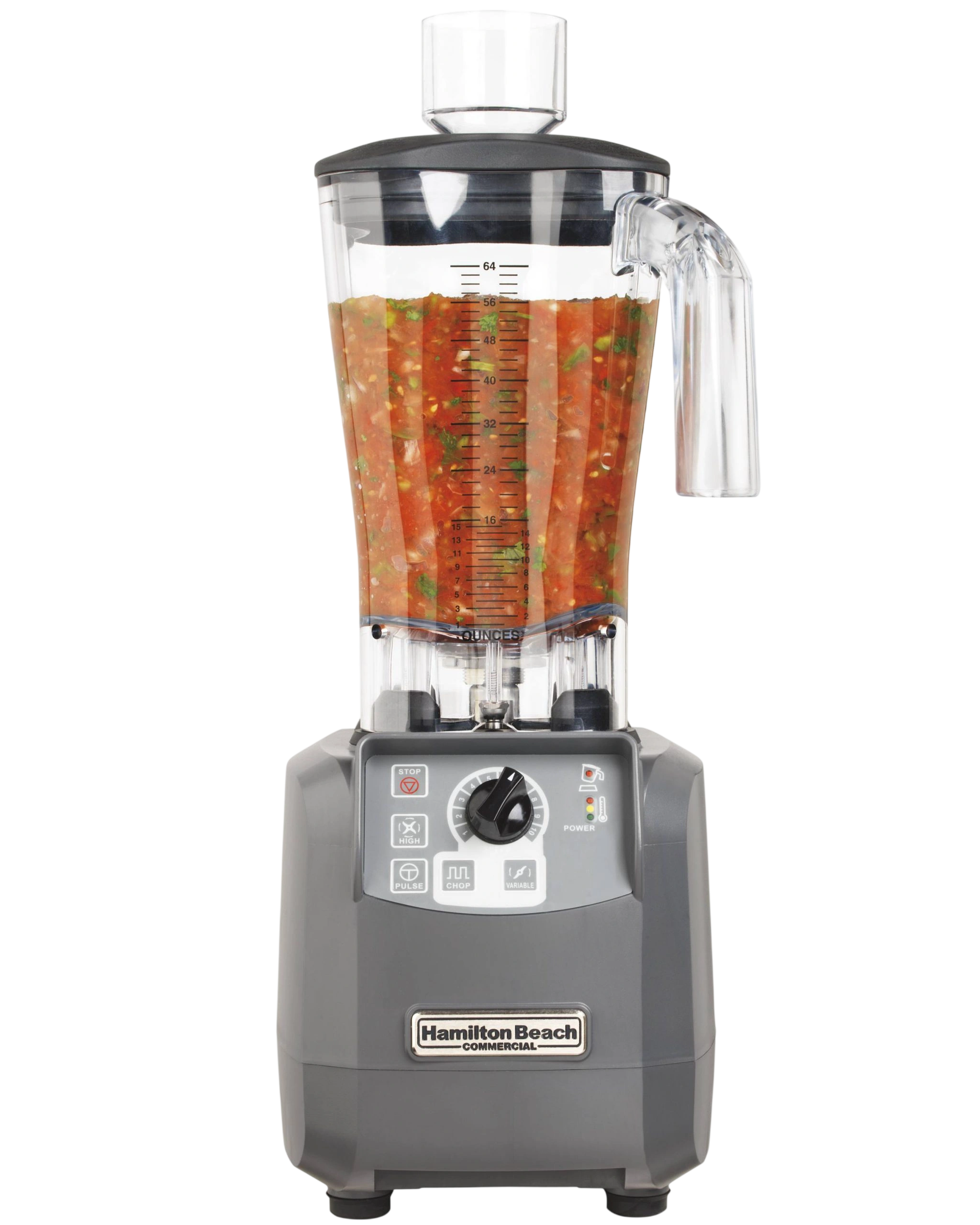
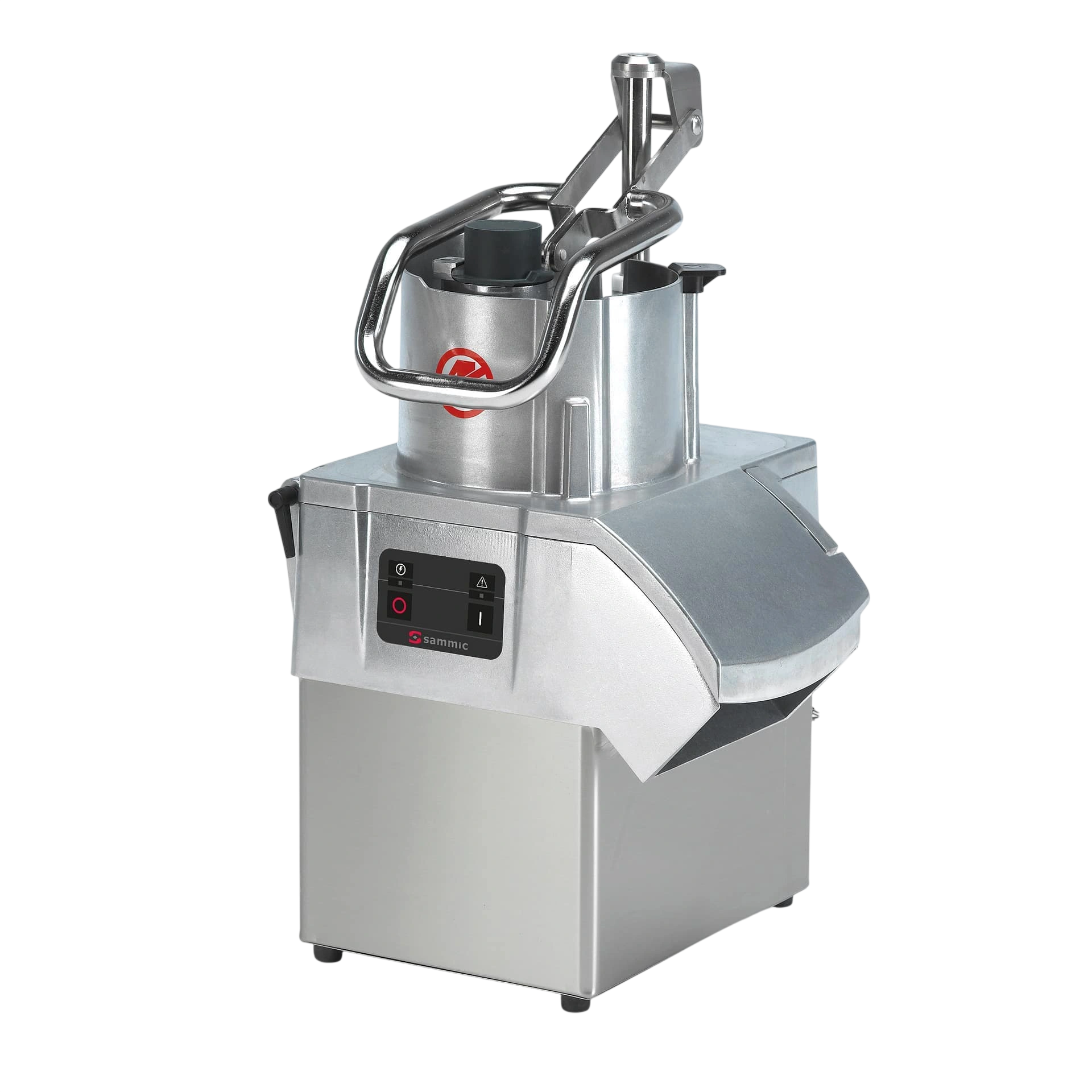
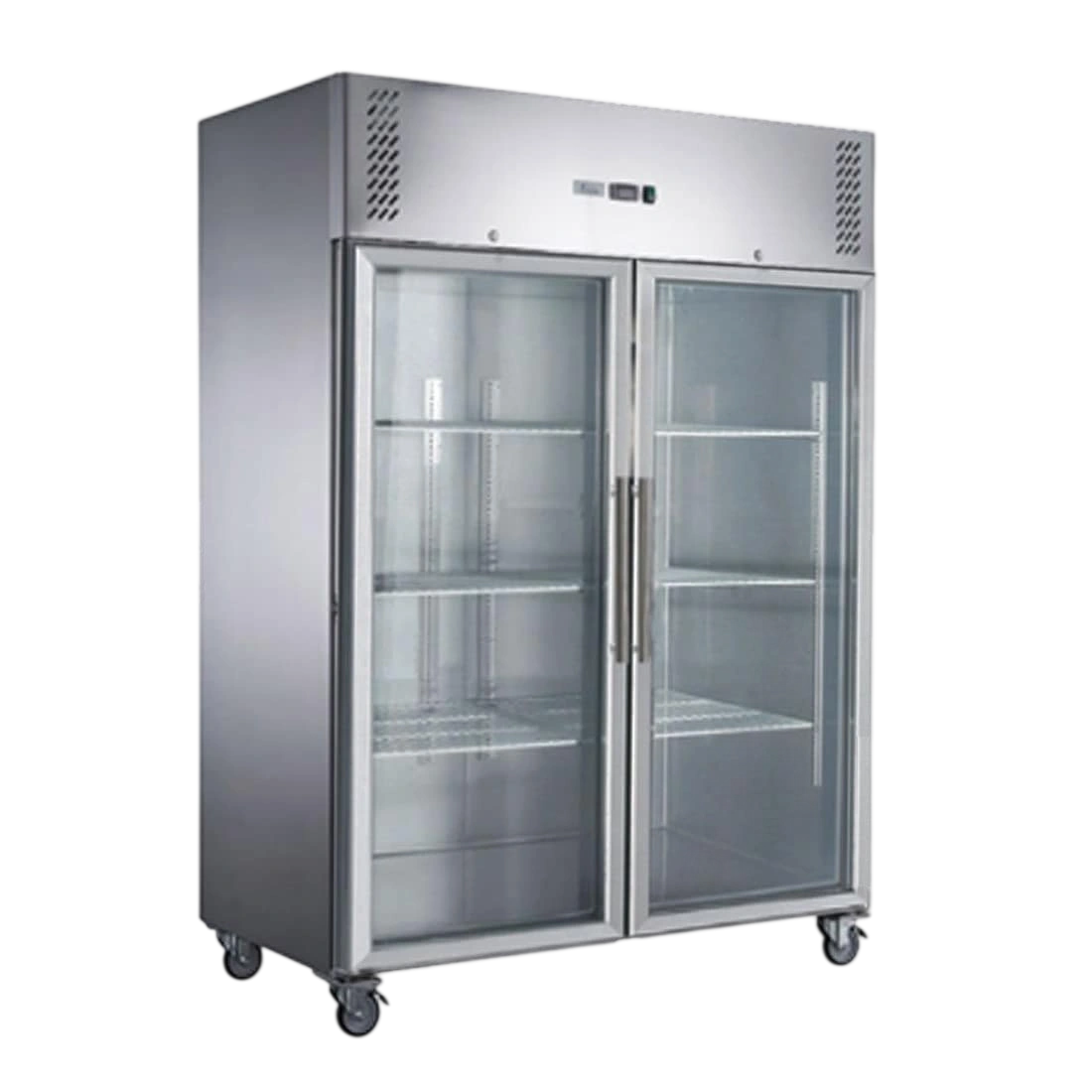
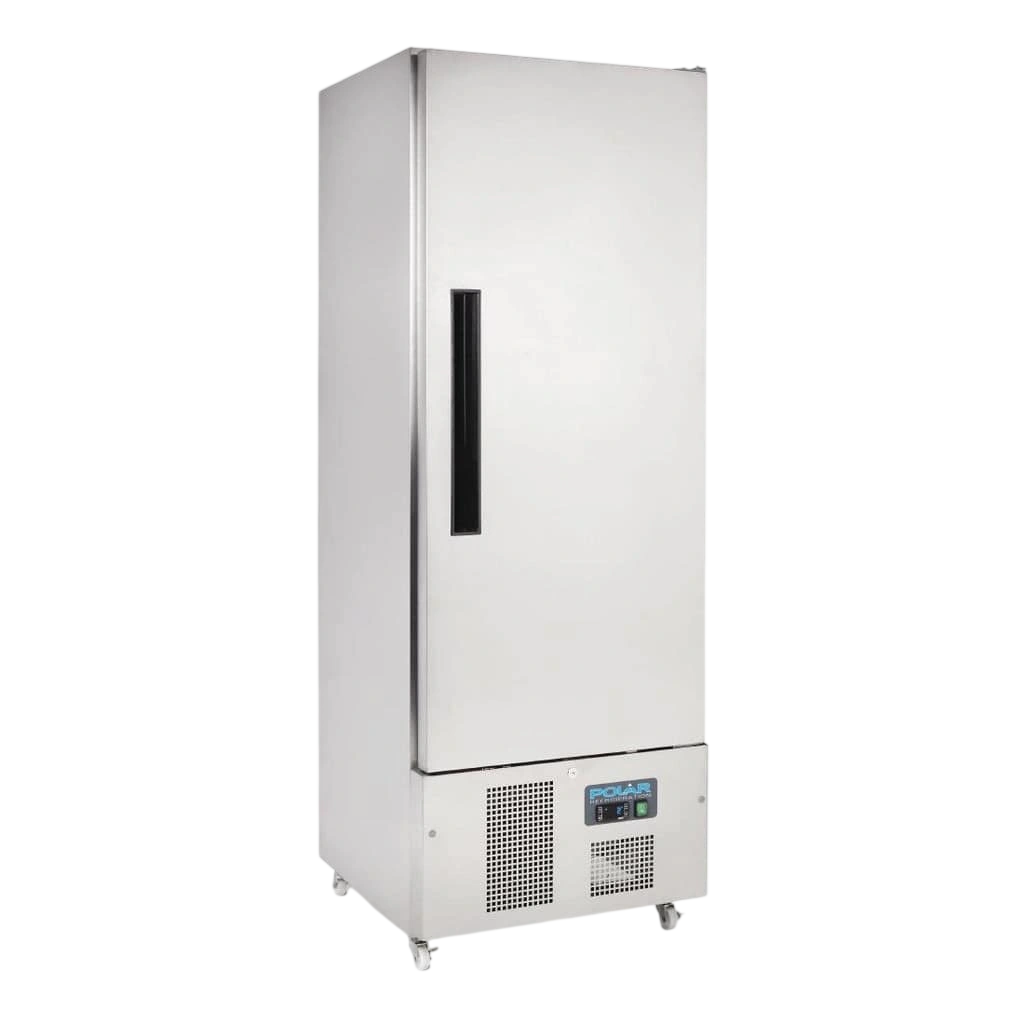
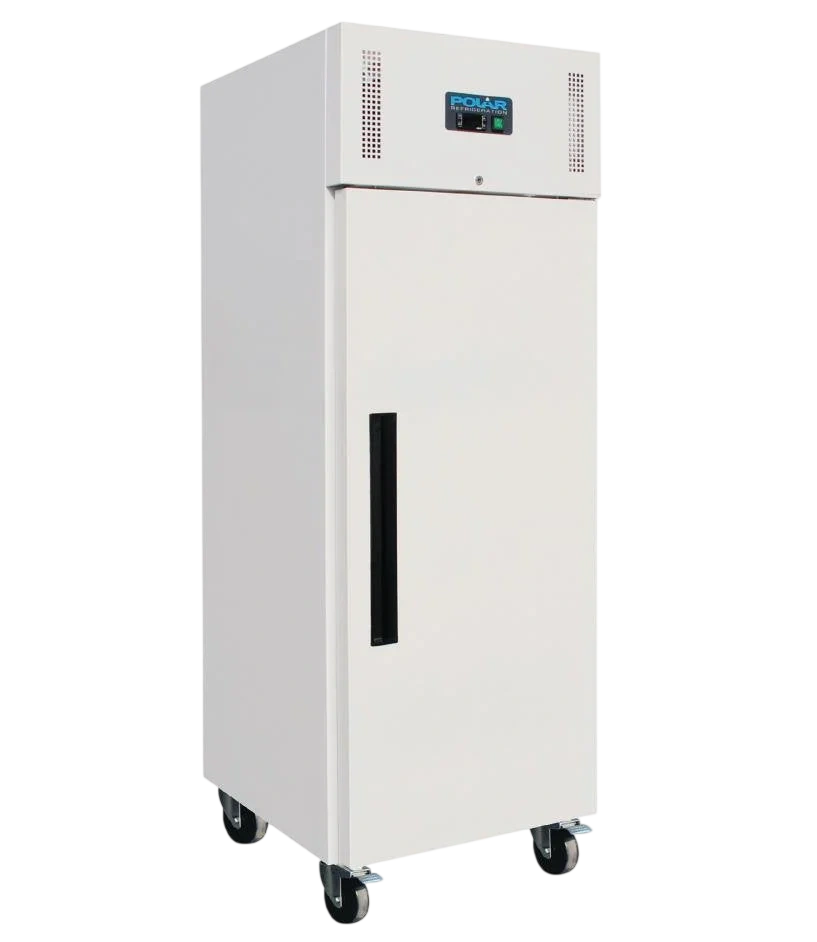
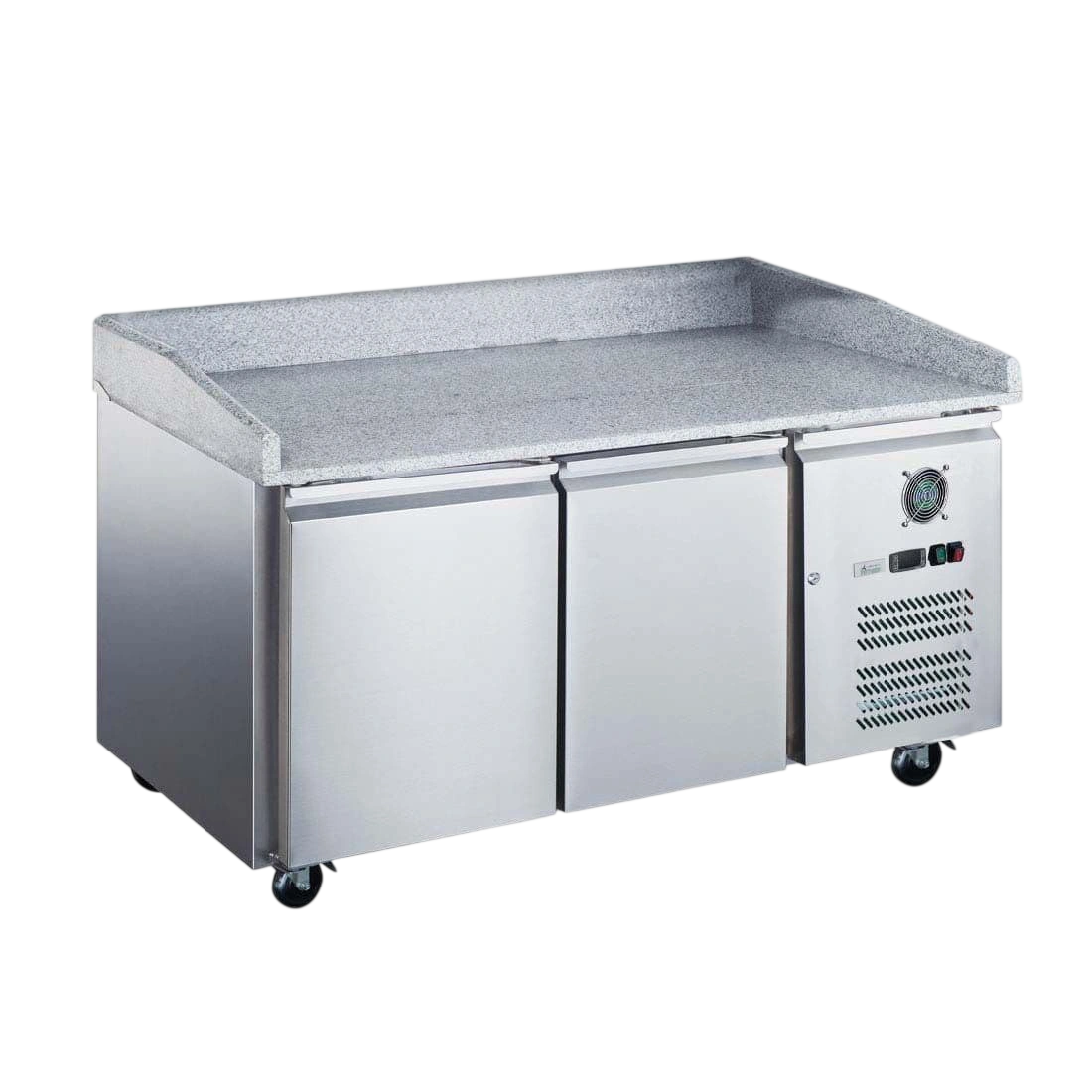
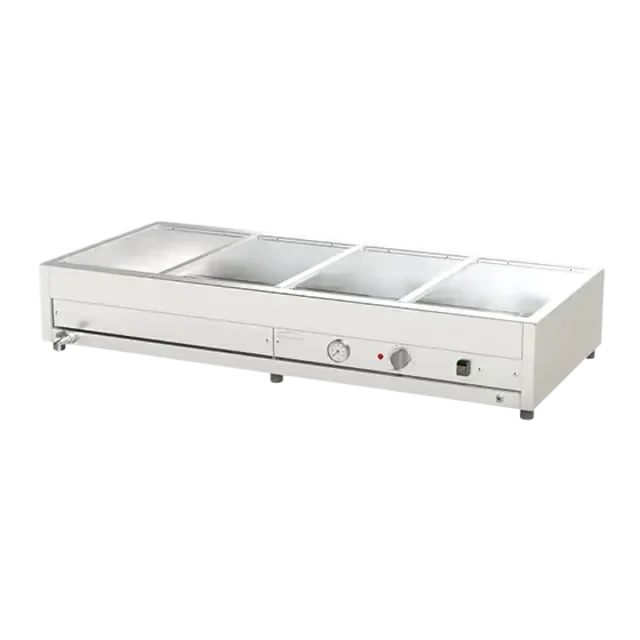
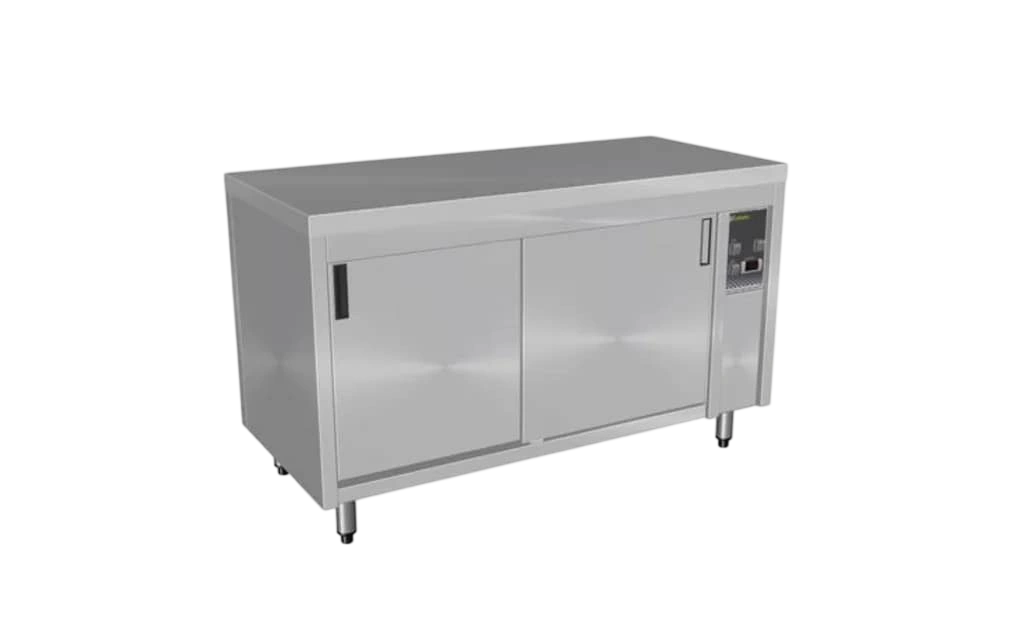
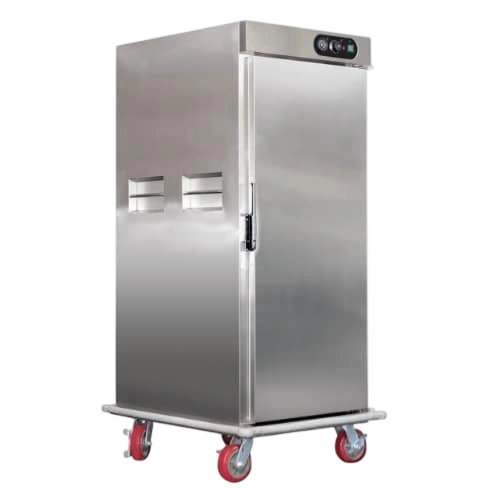
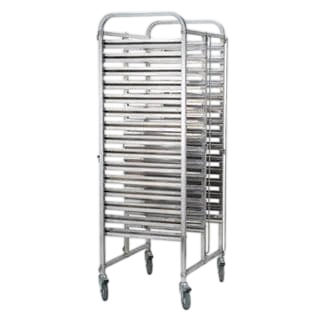
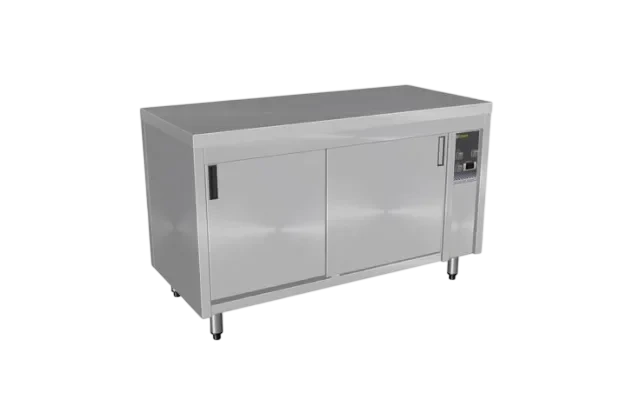
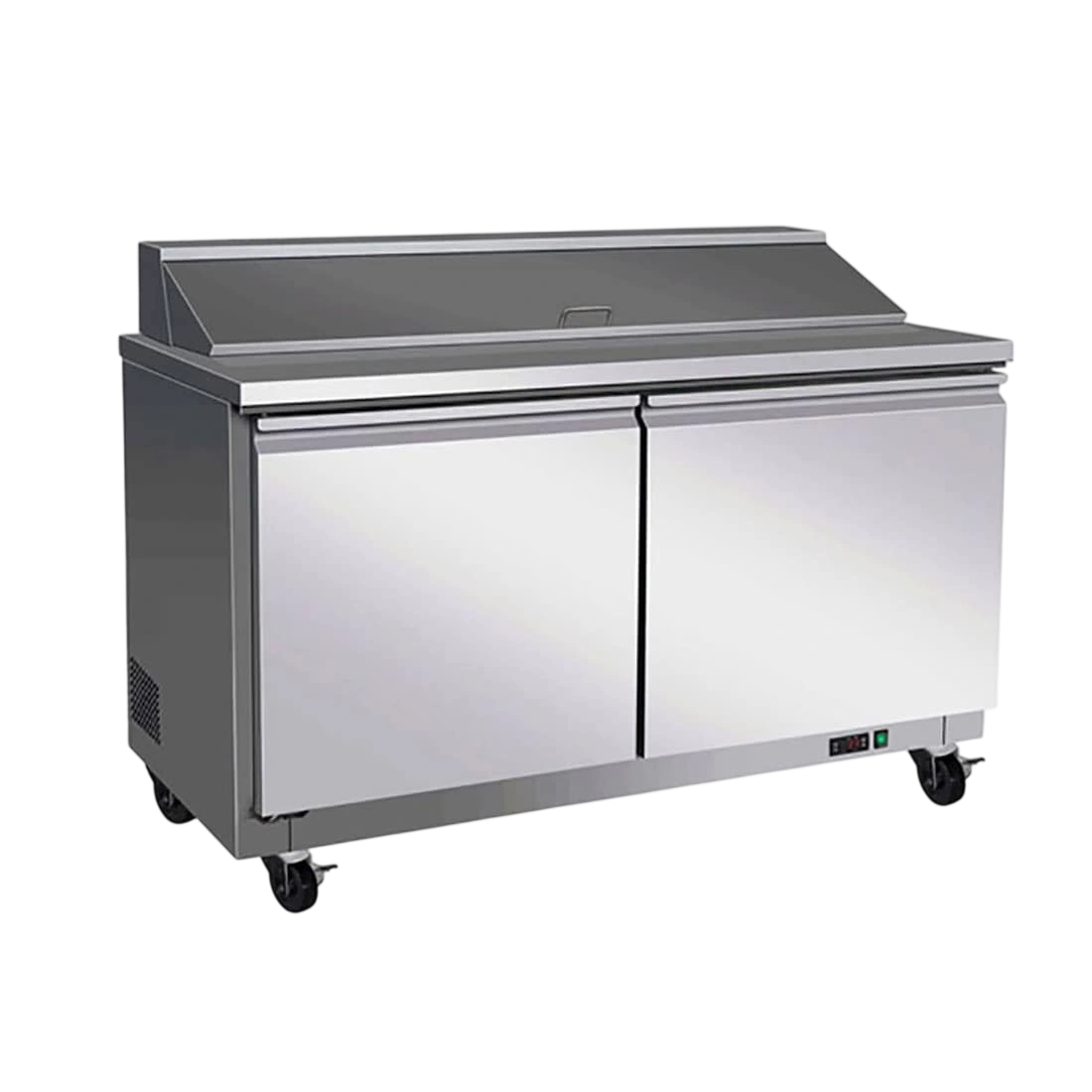
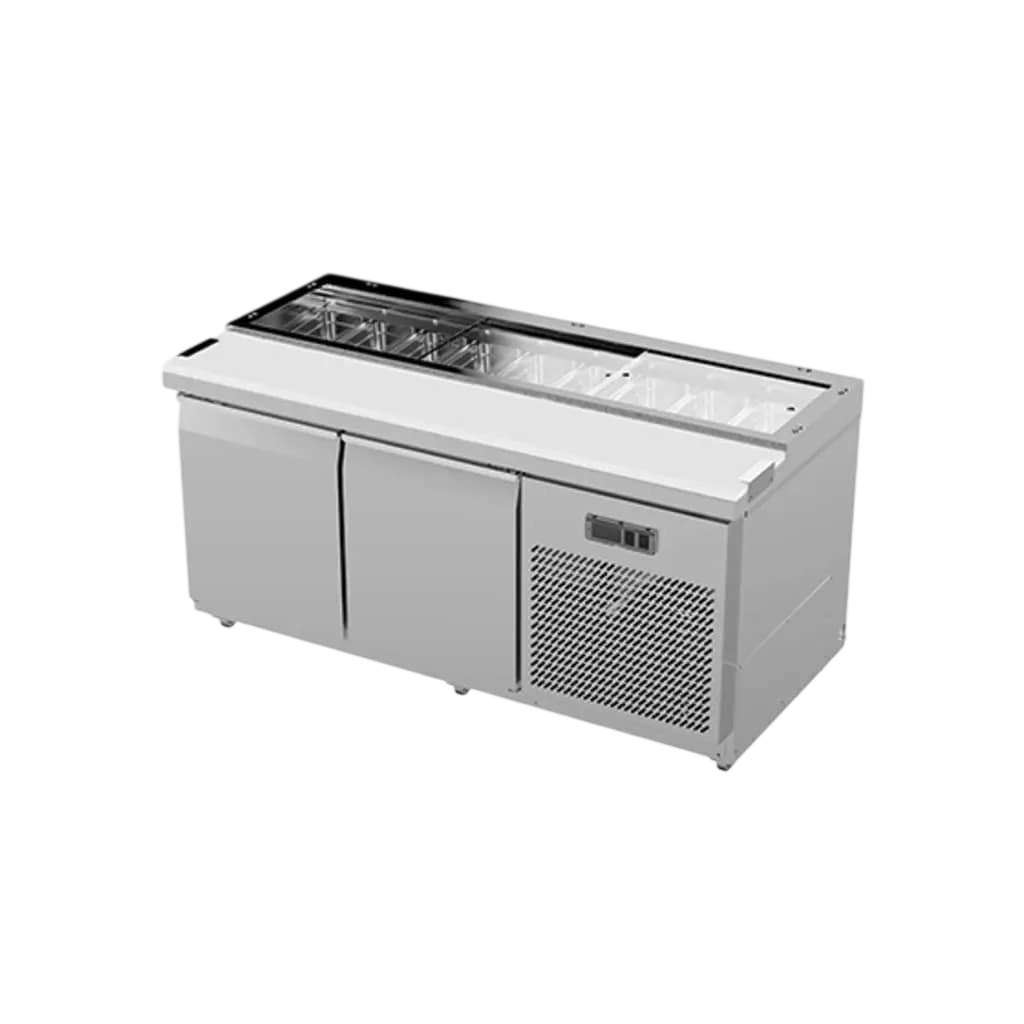
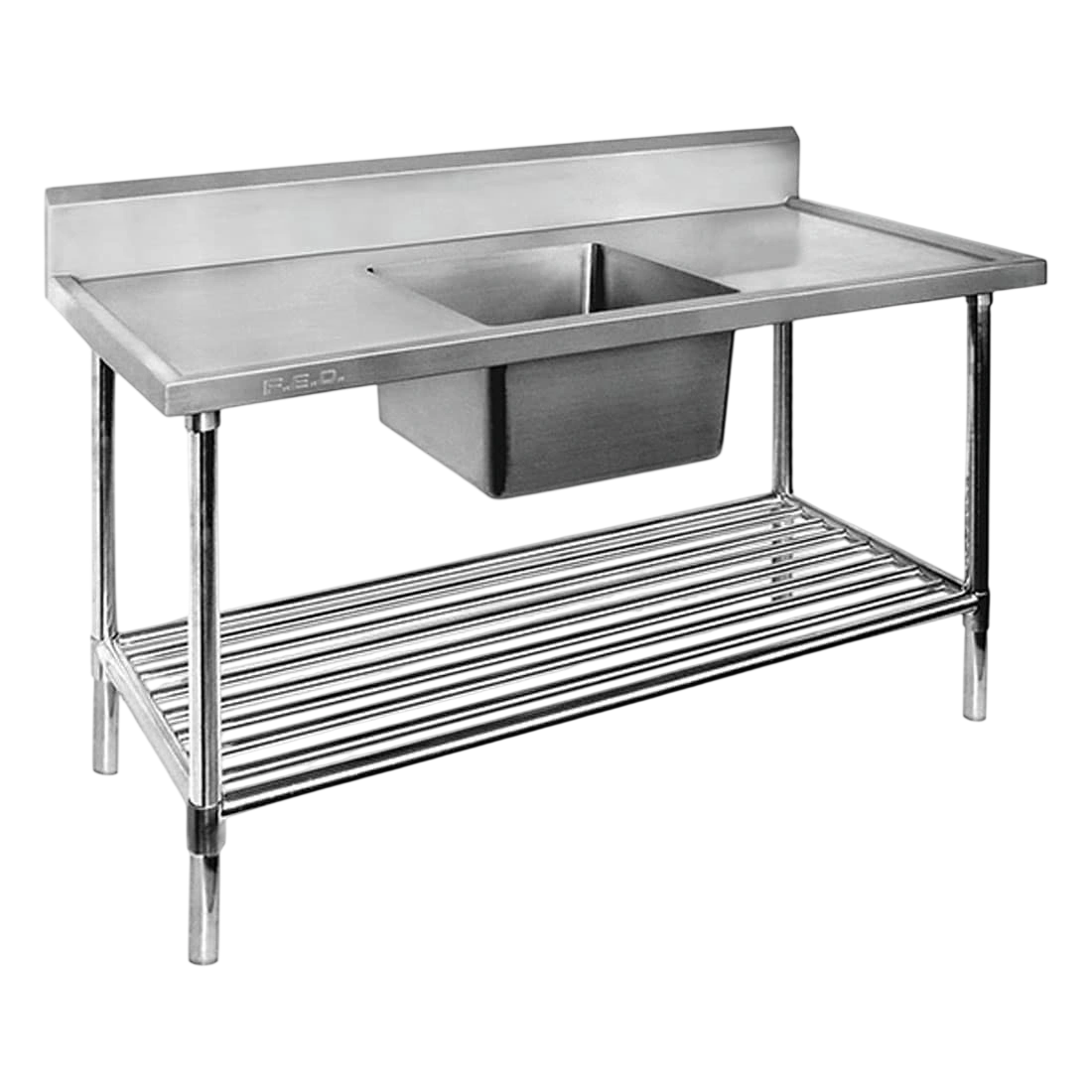
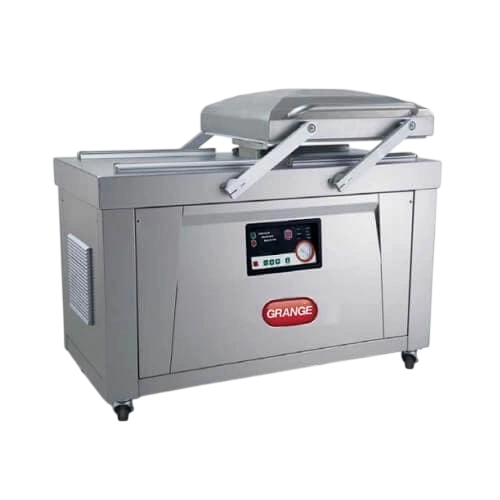
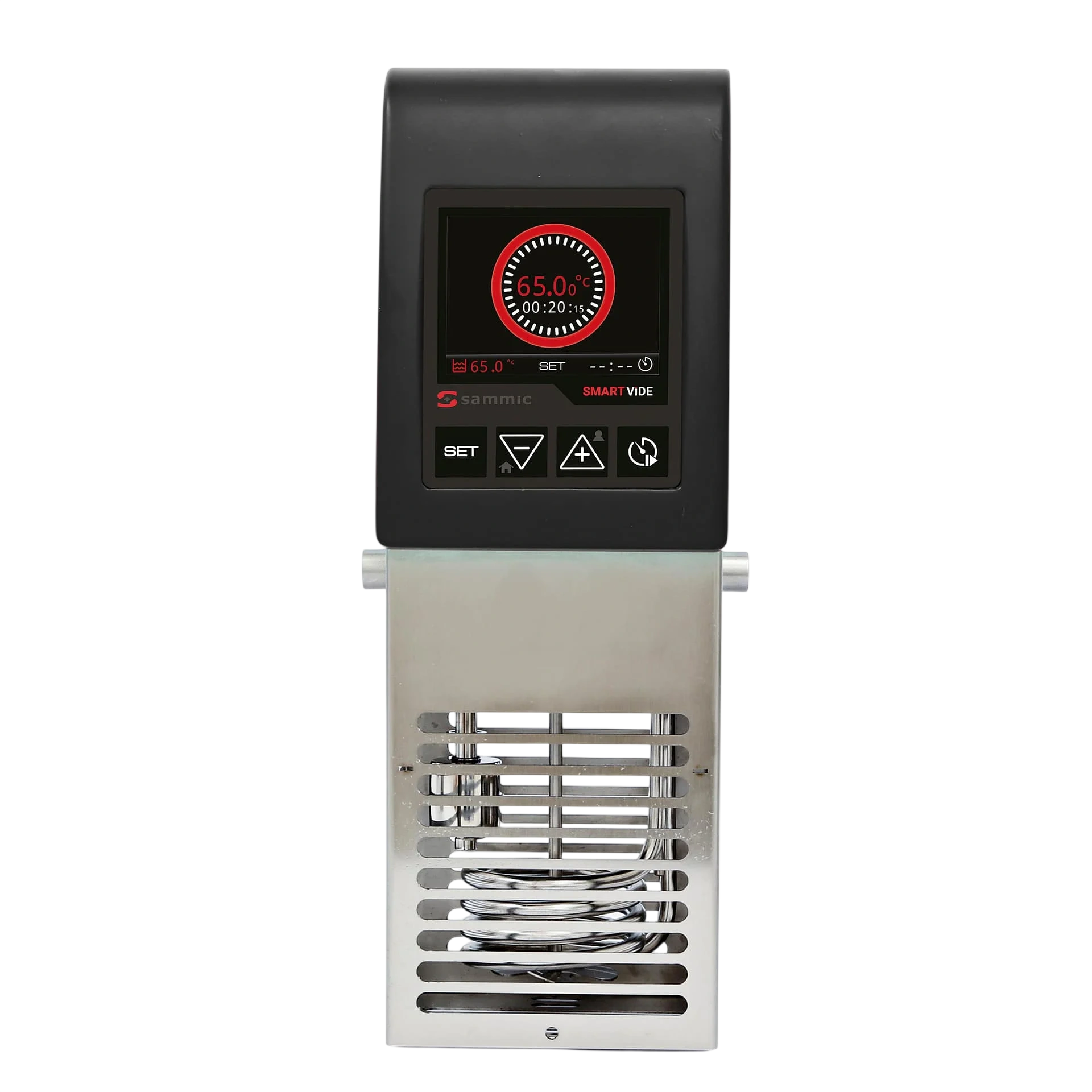
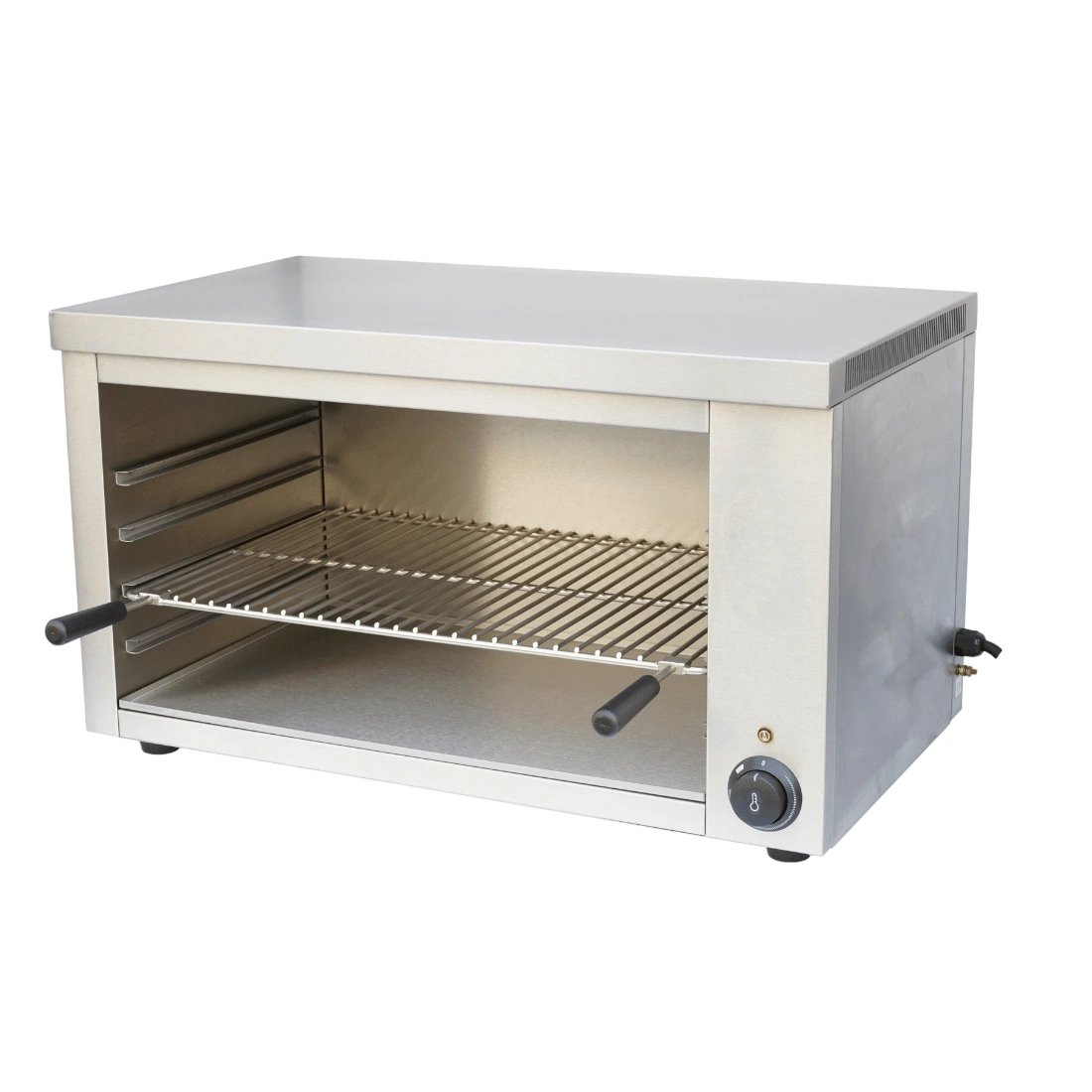
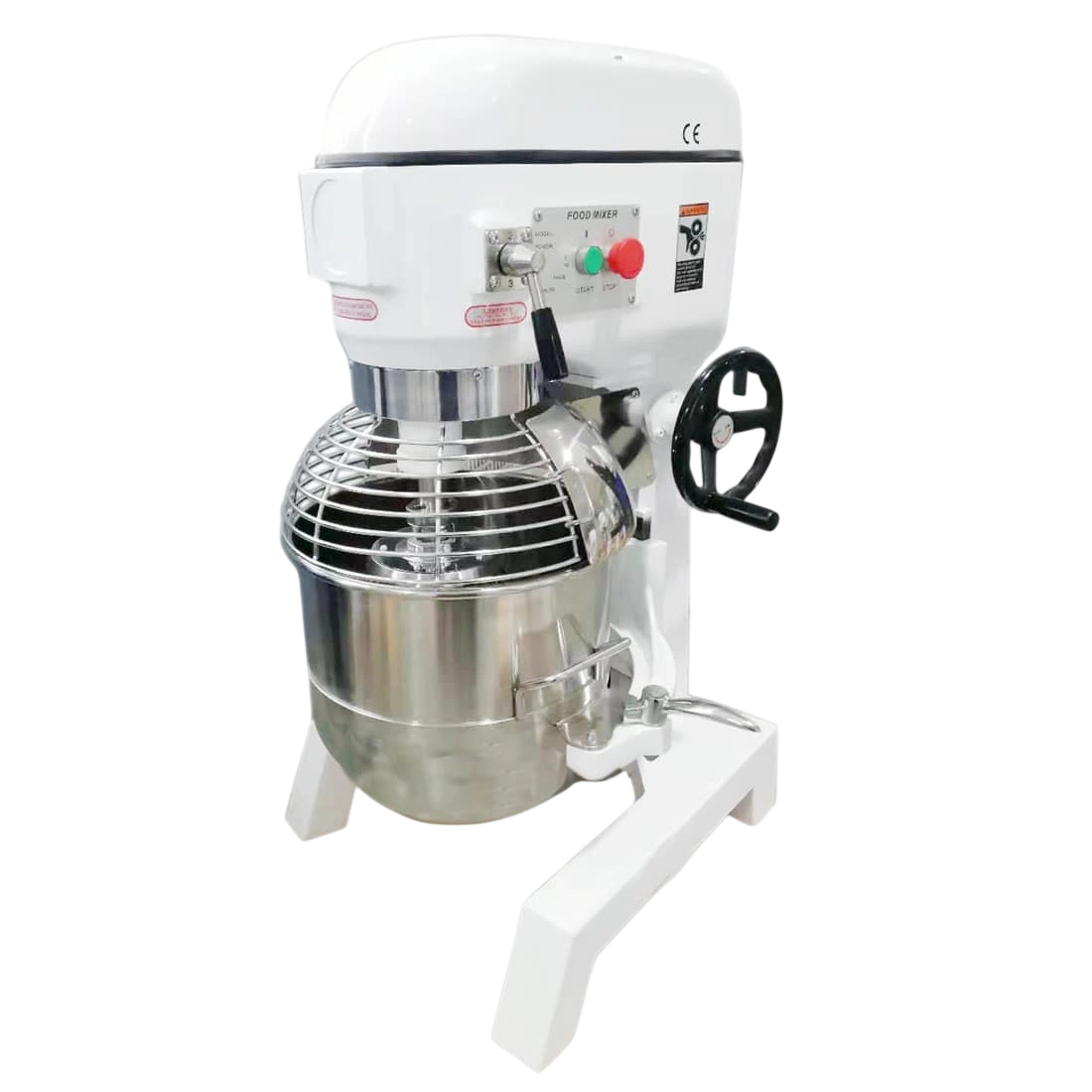
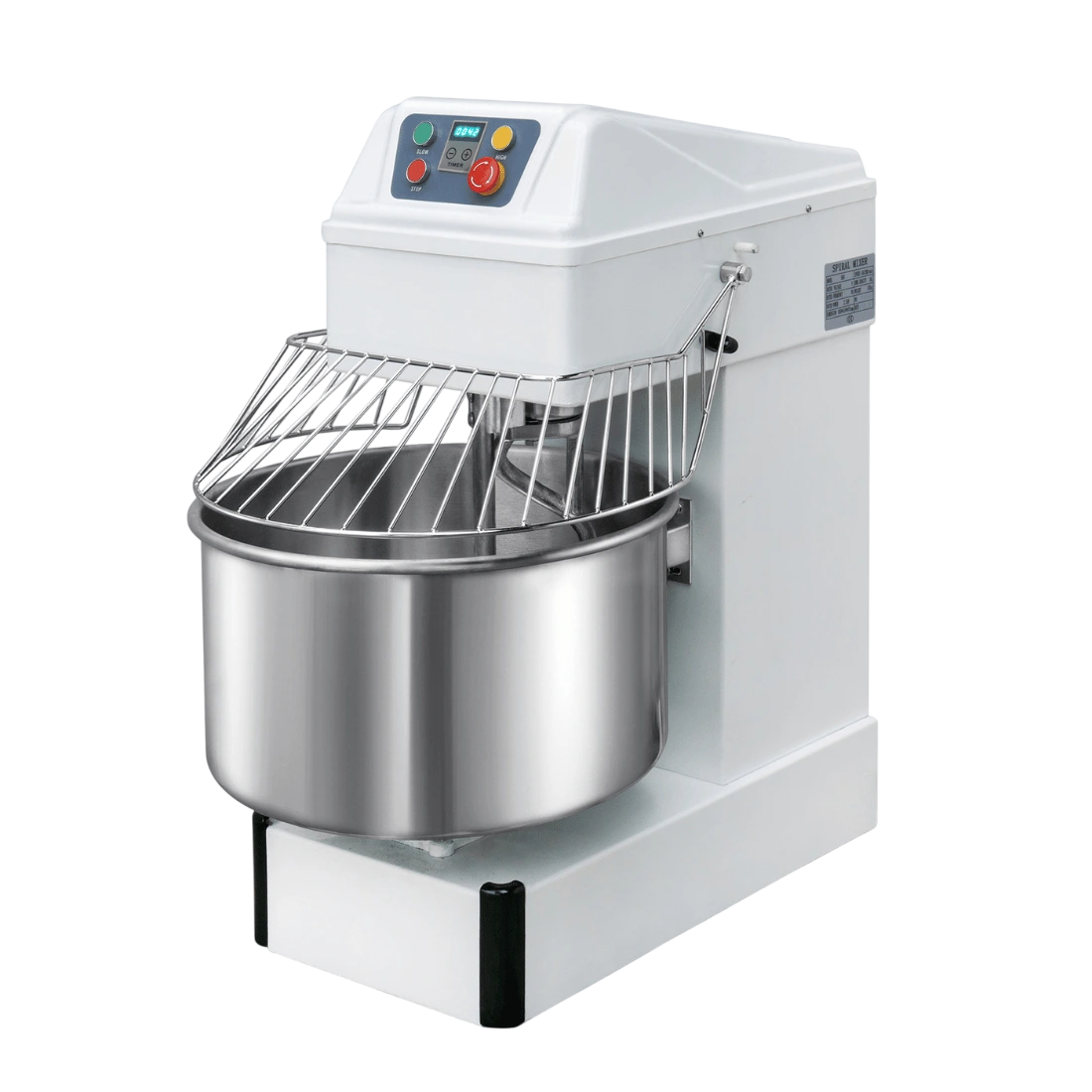
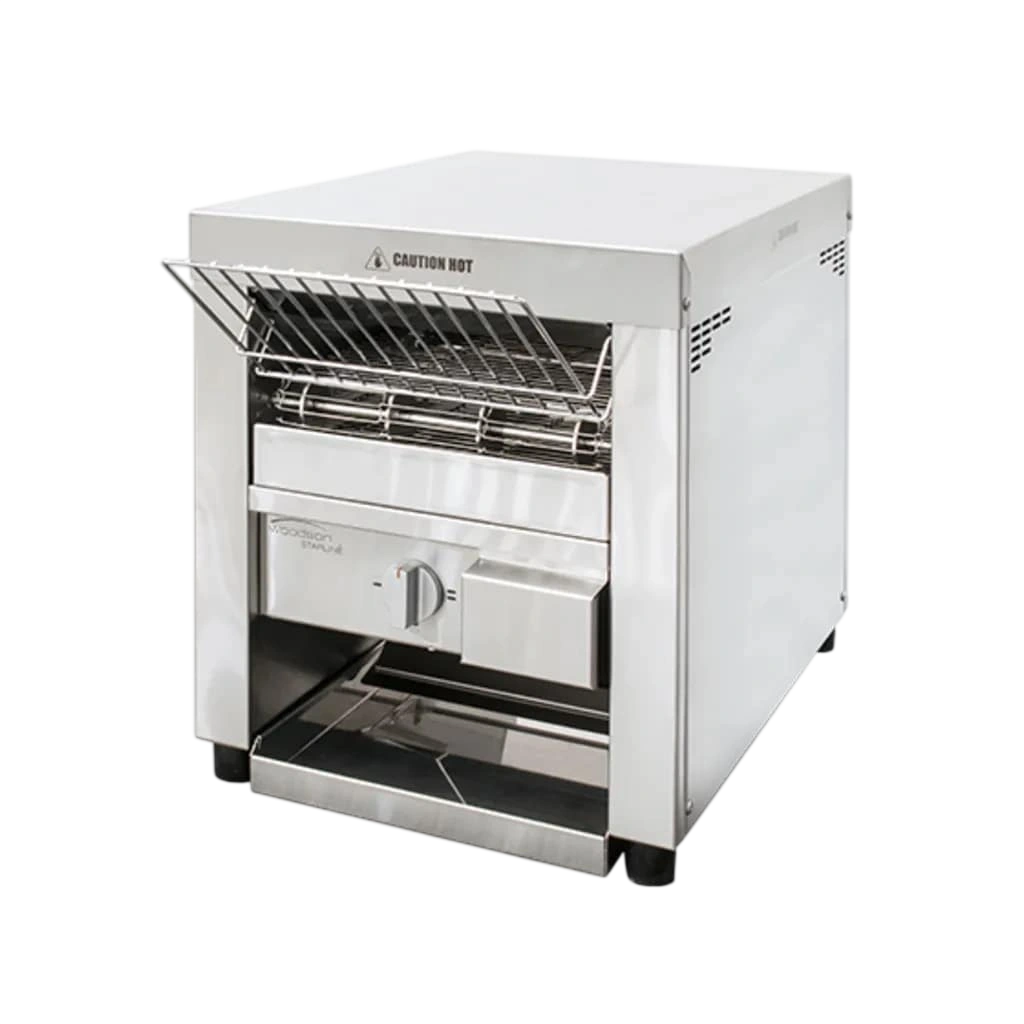
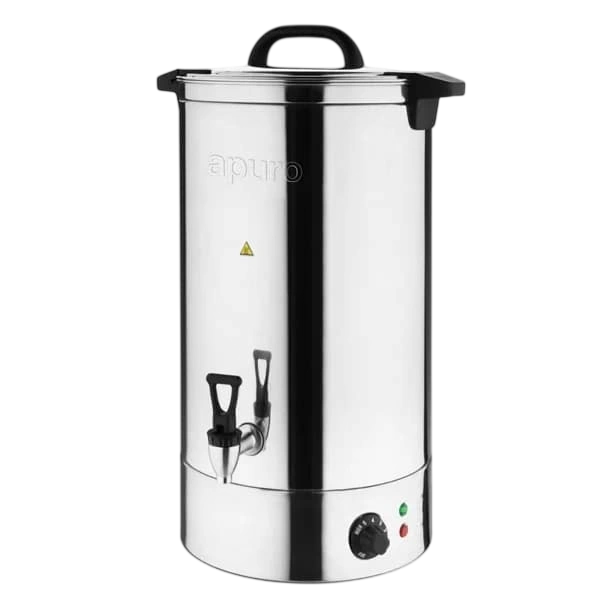
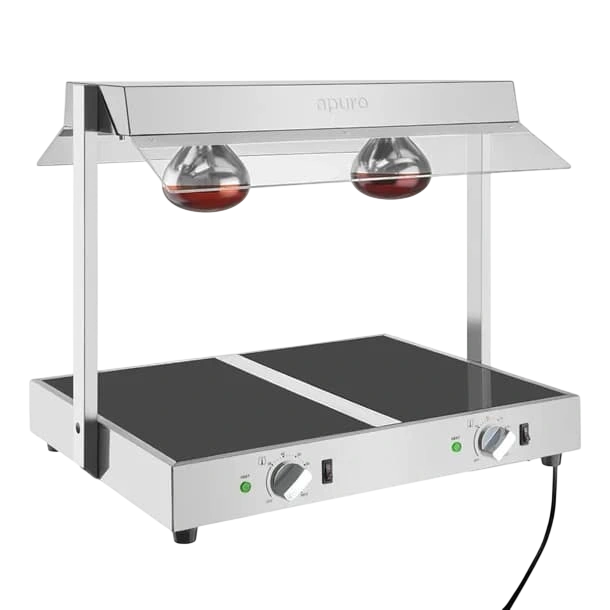
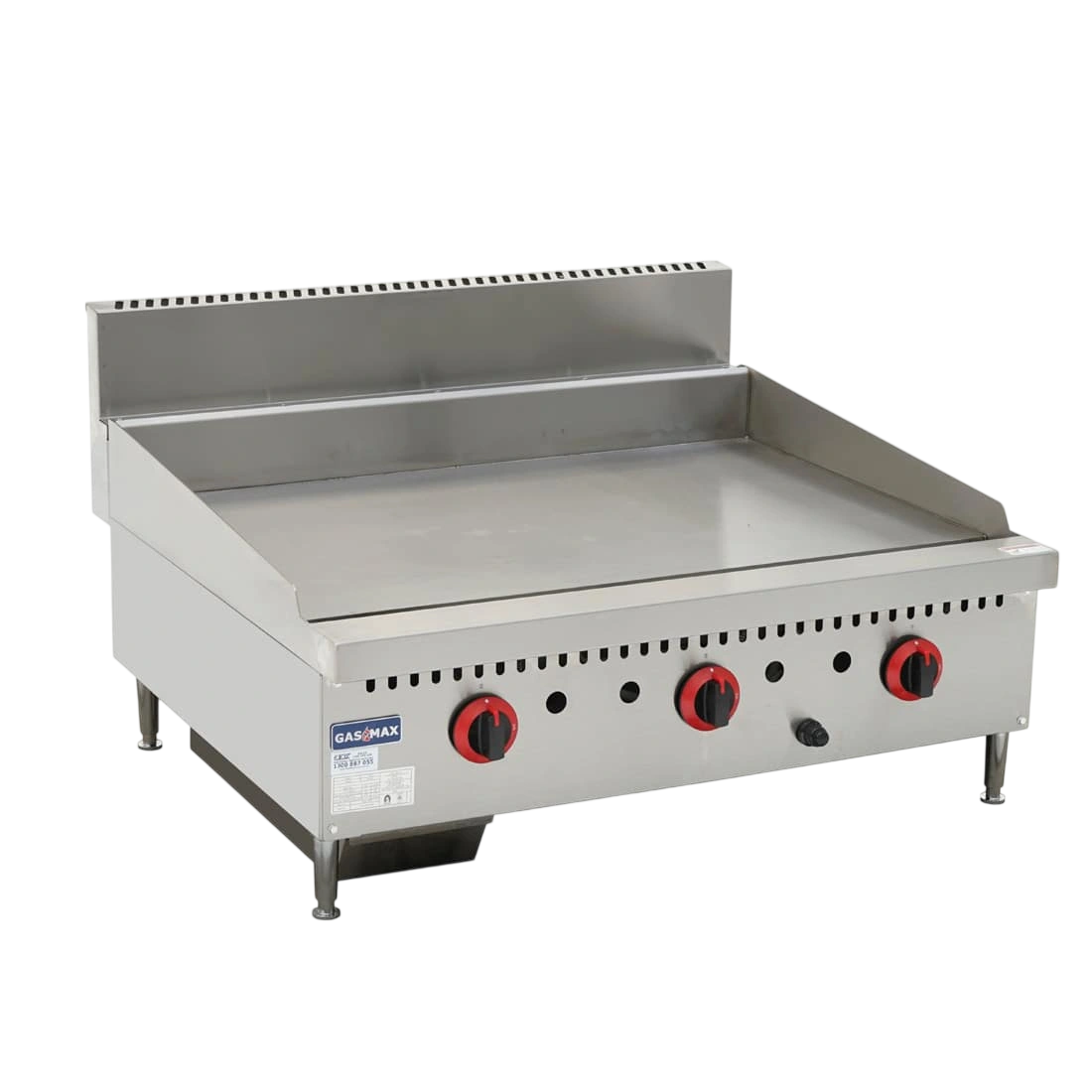
28 essential items · $166,058 ex-GST indicative · with delivery and installation quoted for your site. Final quote reflects your menu, site, power, gas, drainage, ventilation and delivery.
Checking current Package availability…
Package: SBB-AGED-CARE-AGED-CARE-VILLAGE
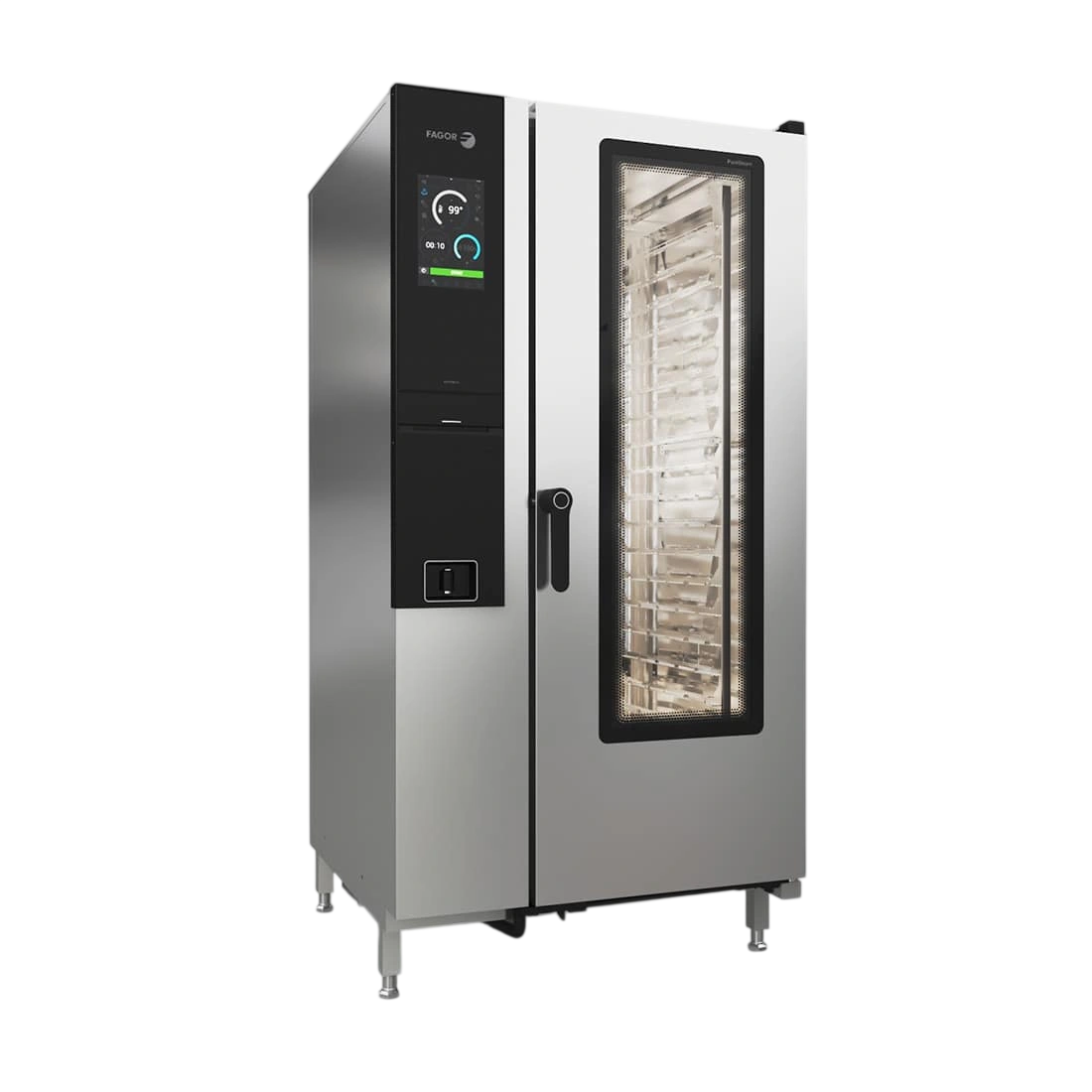
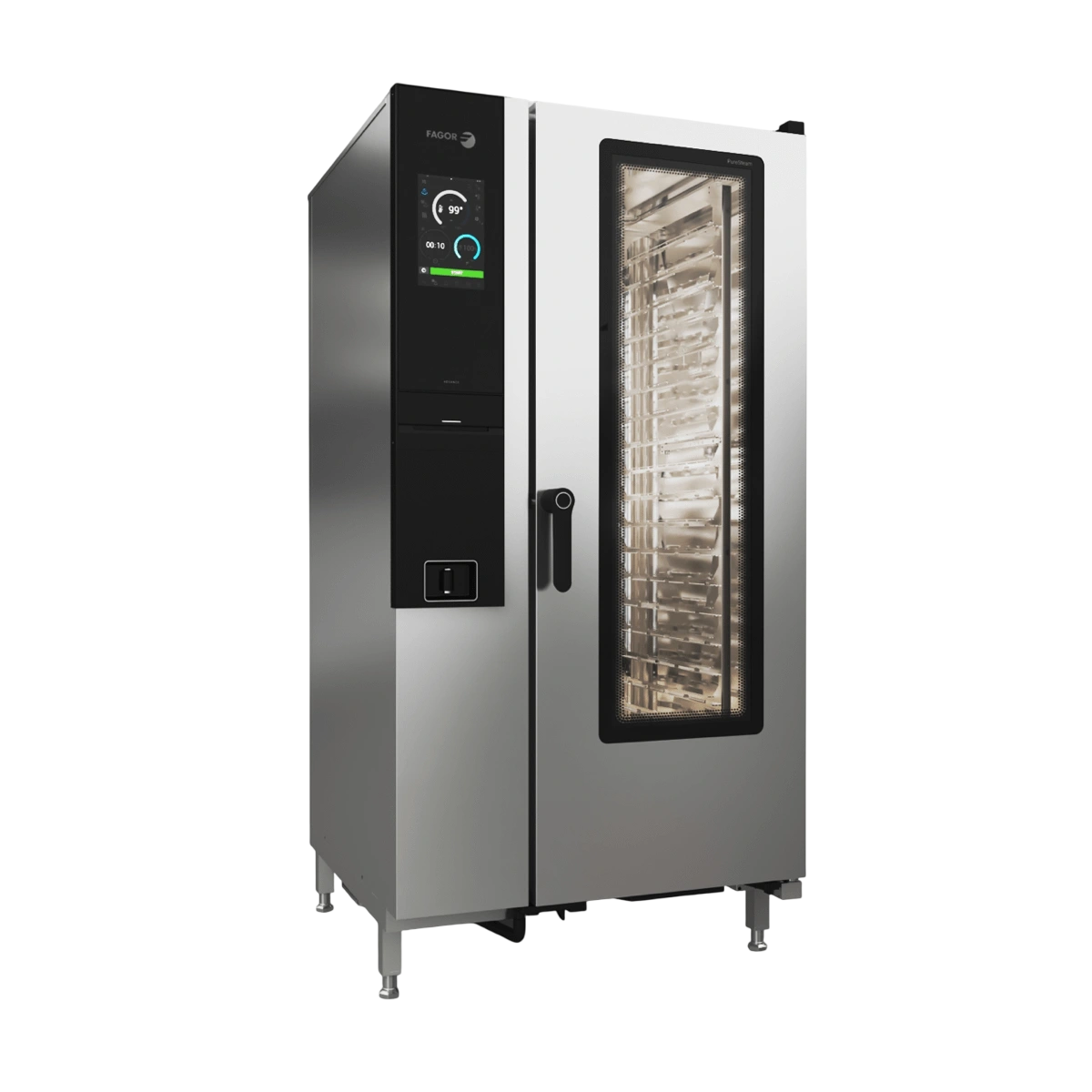
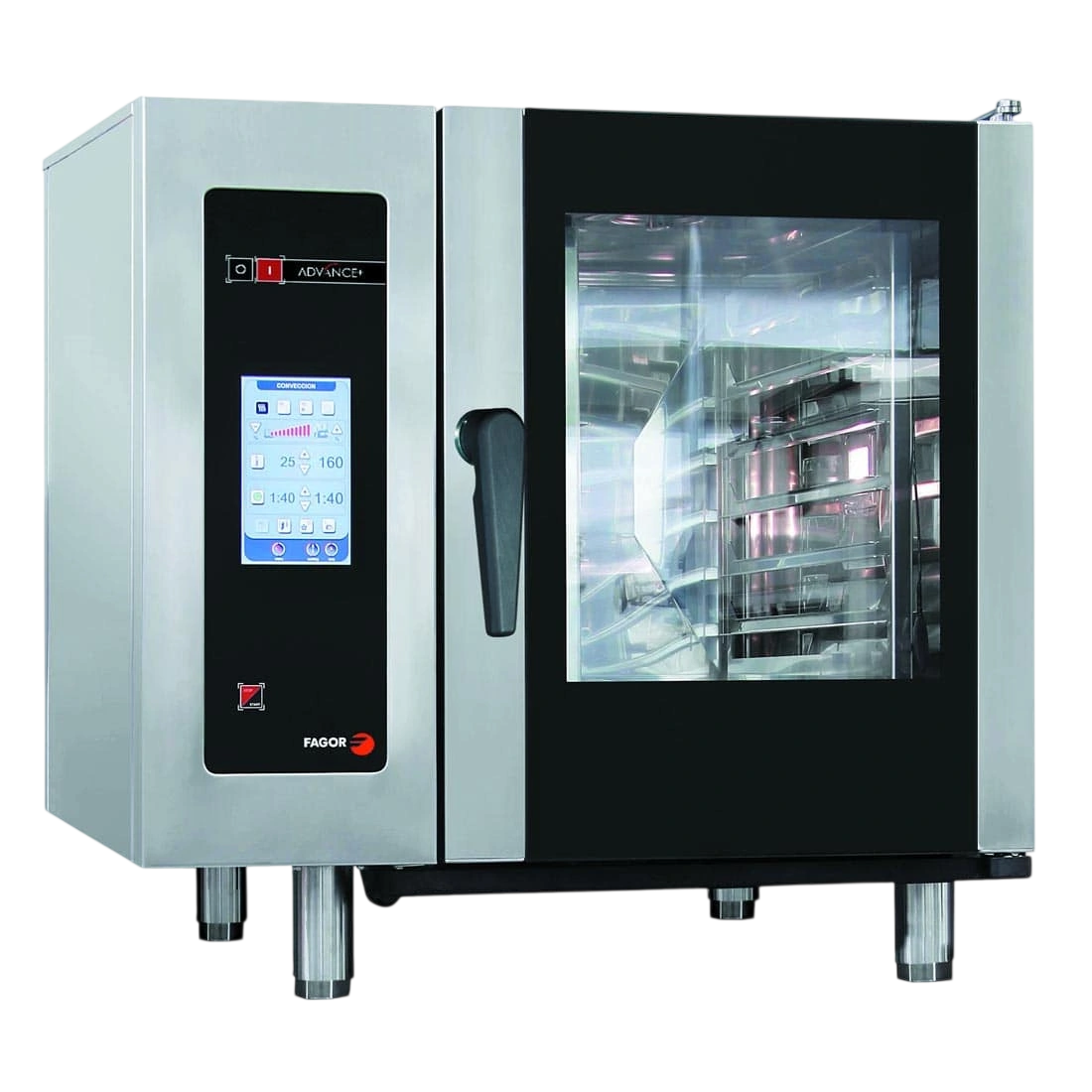
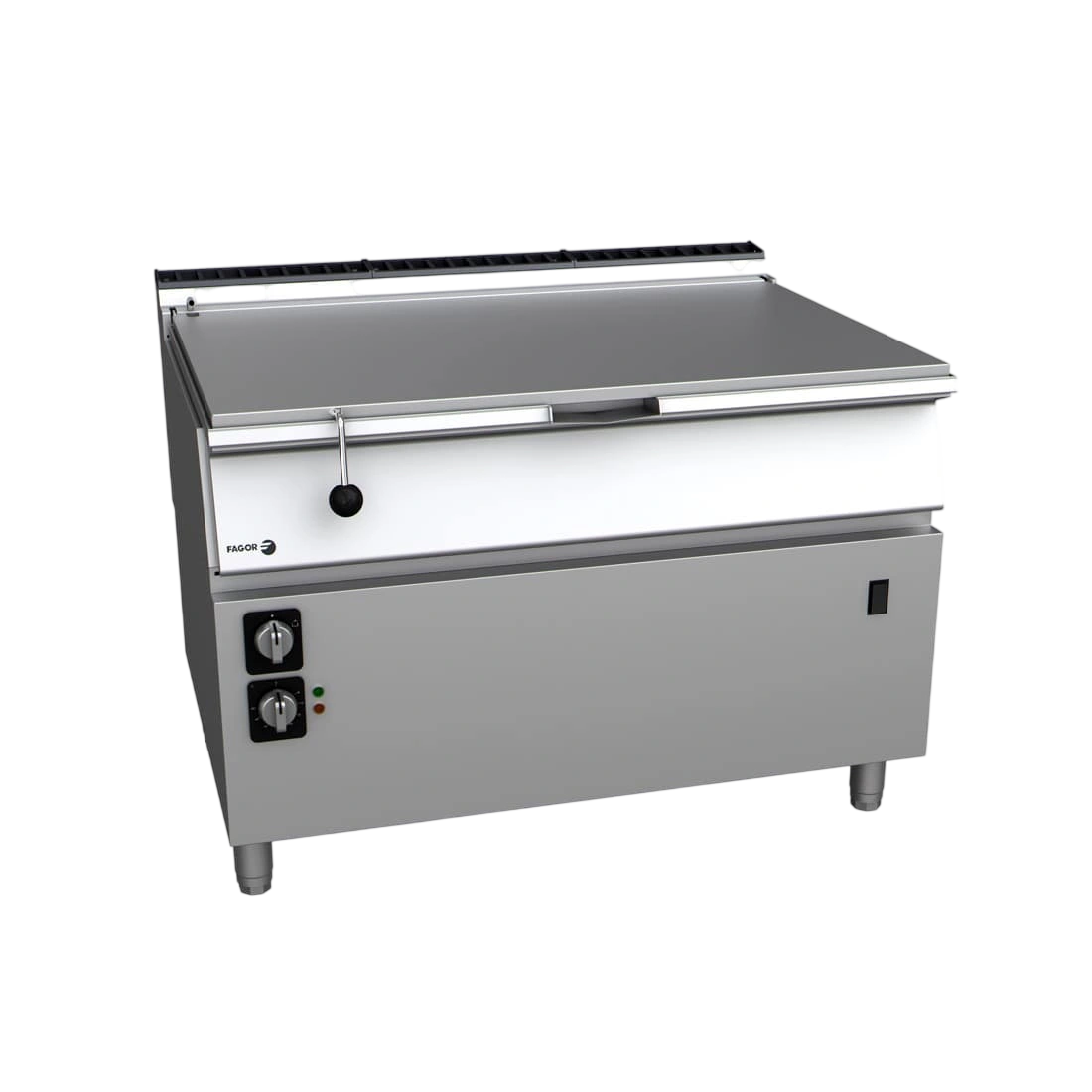
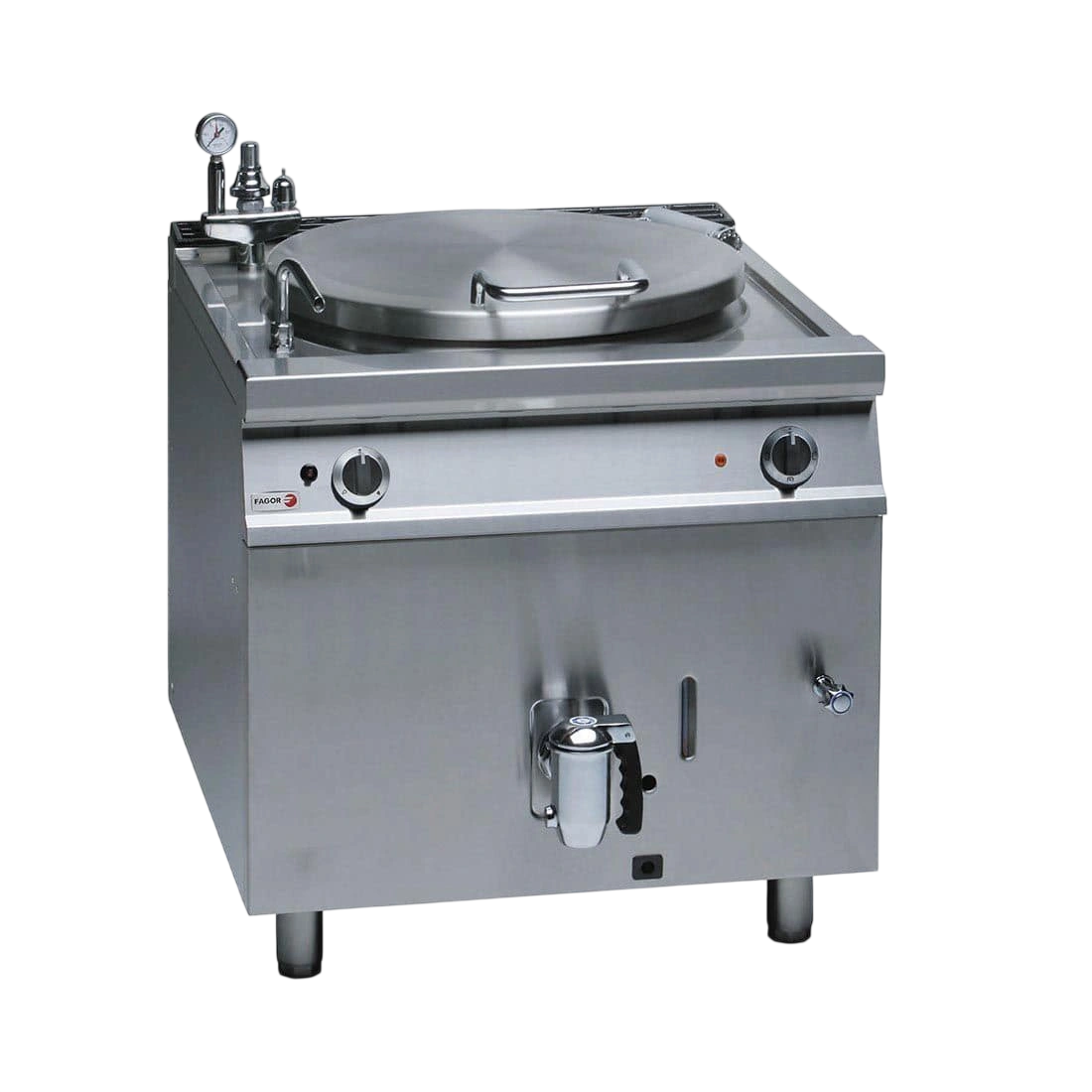
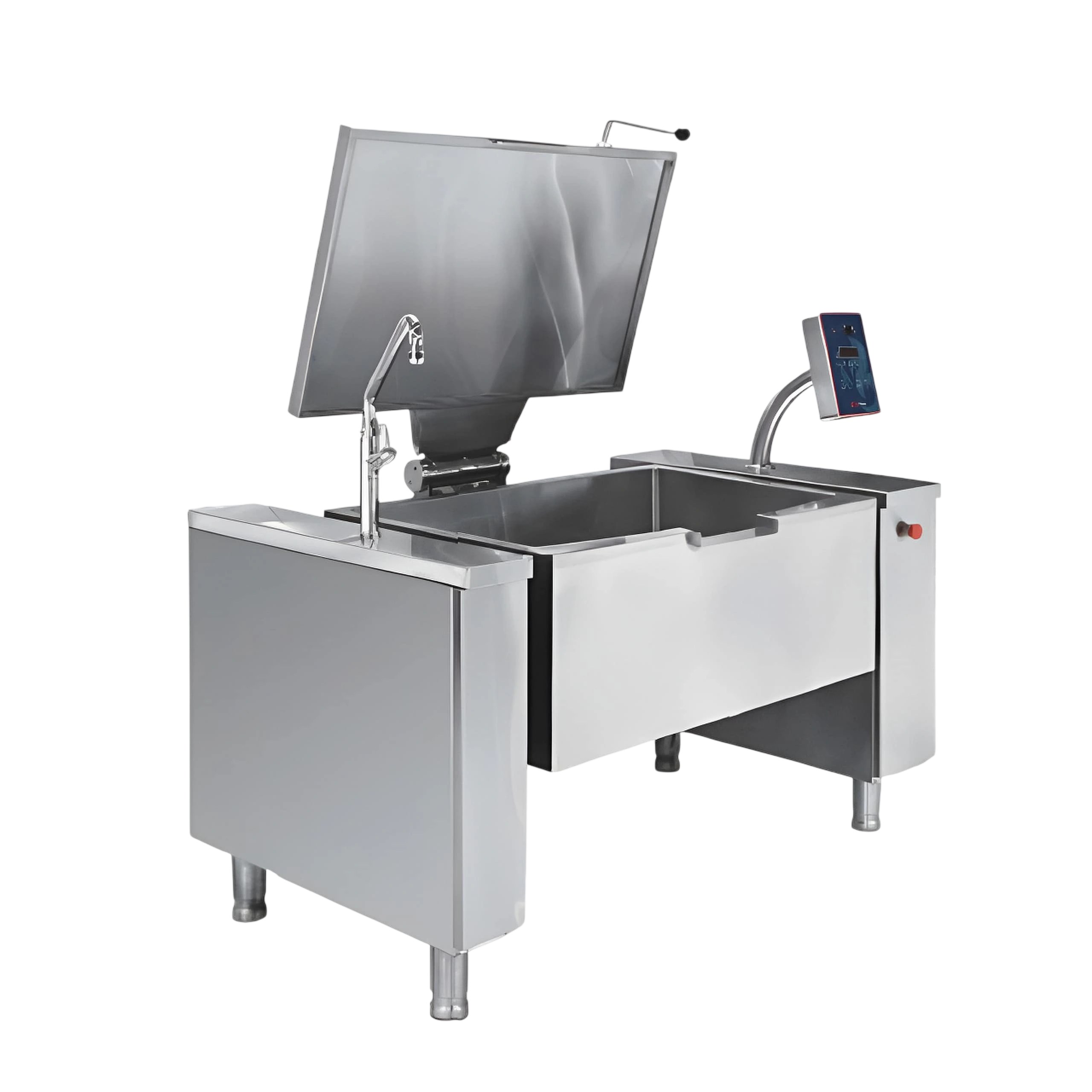
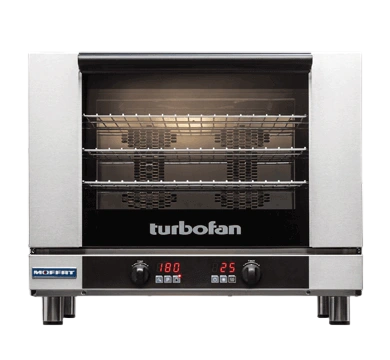
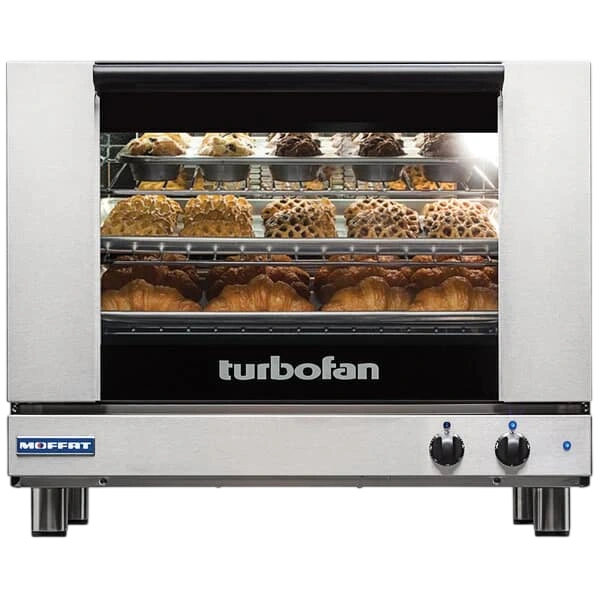
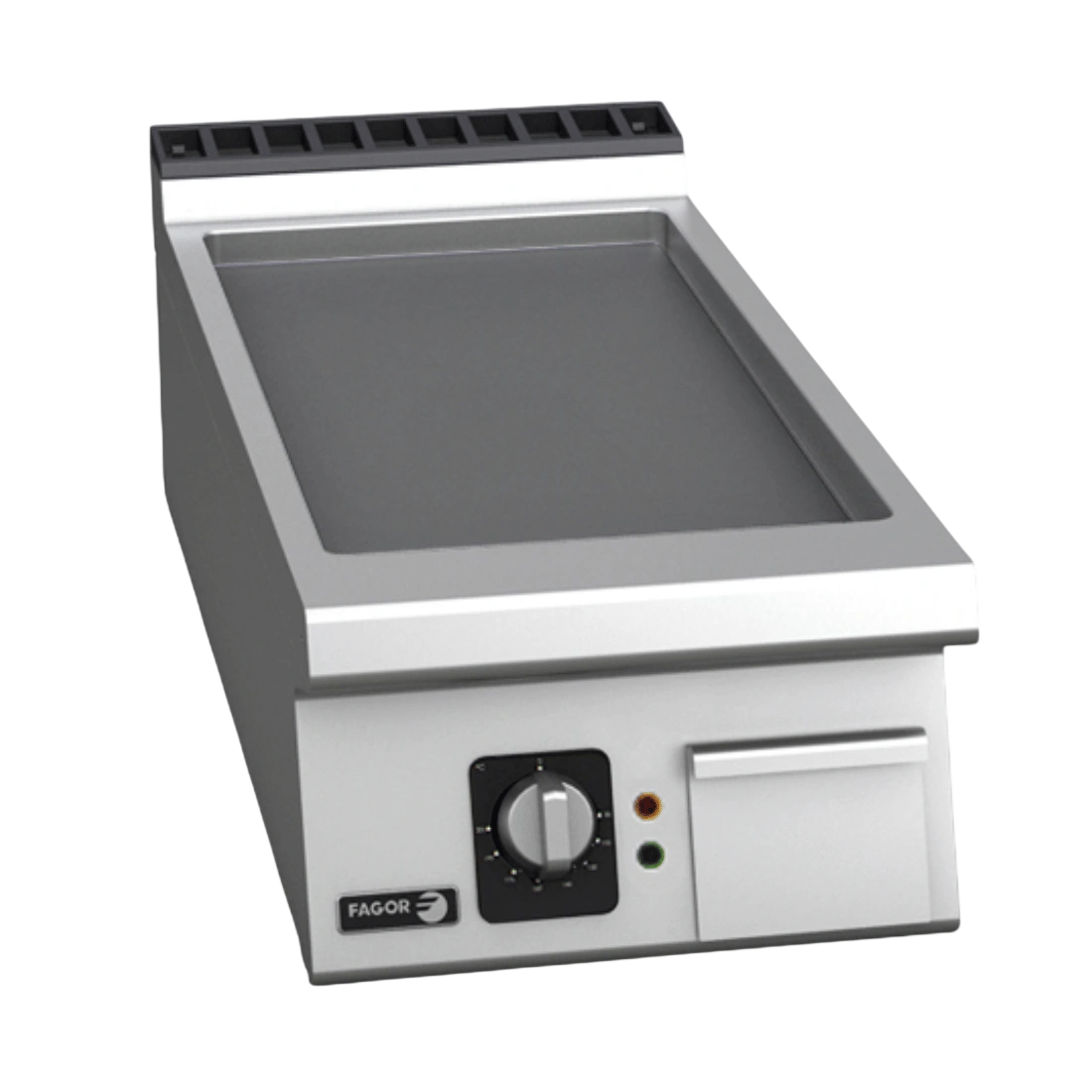
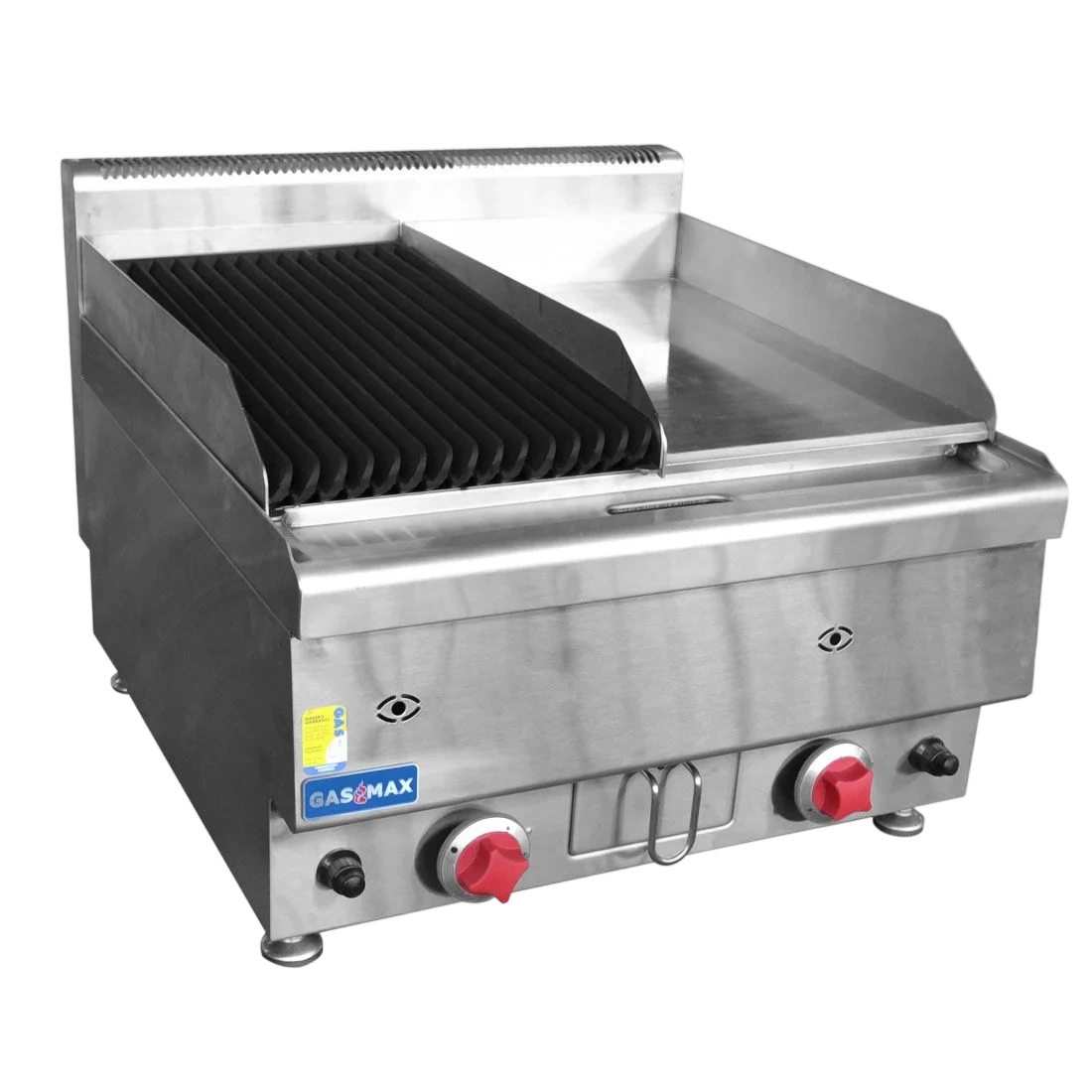
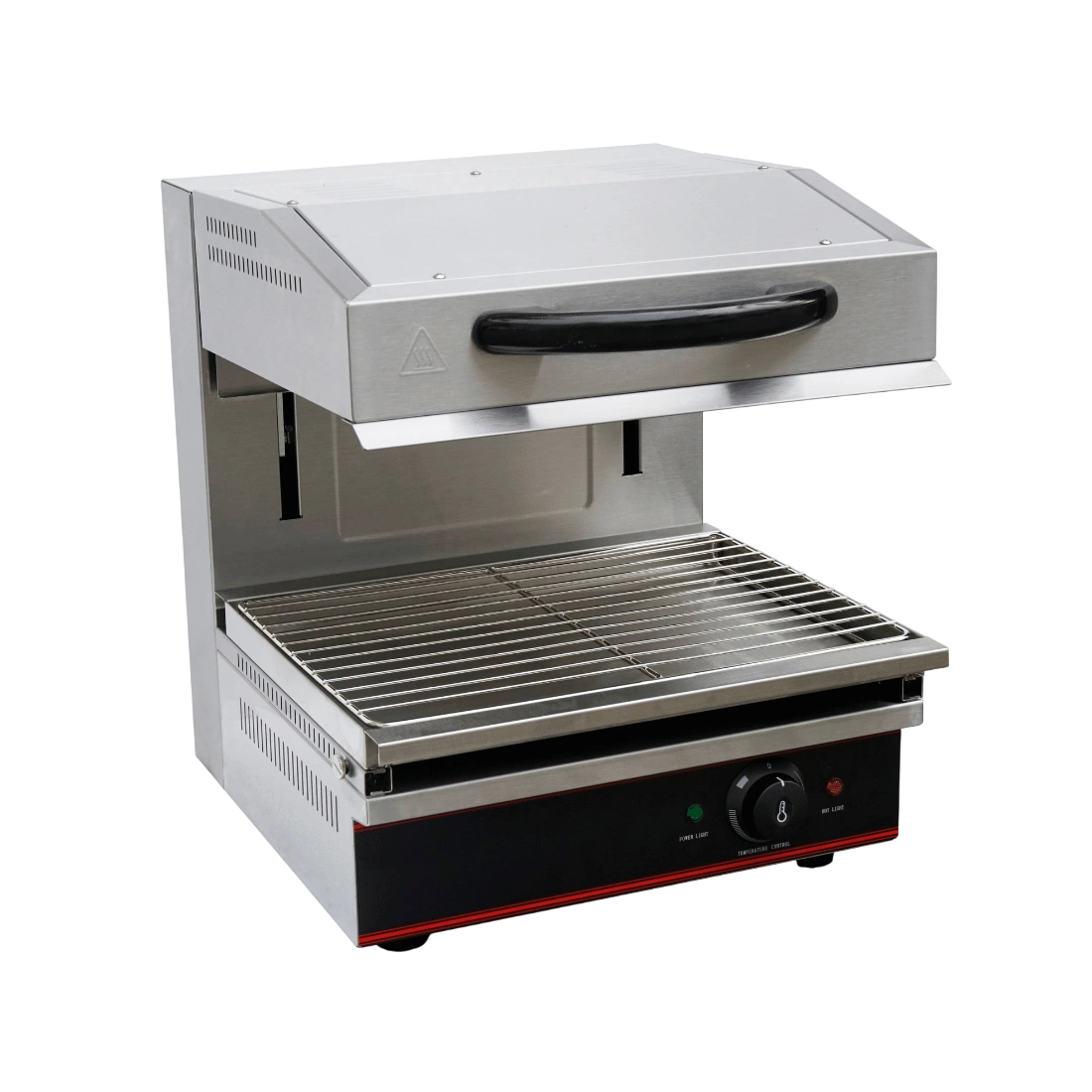
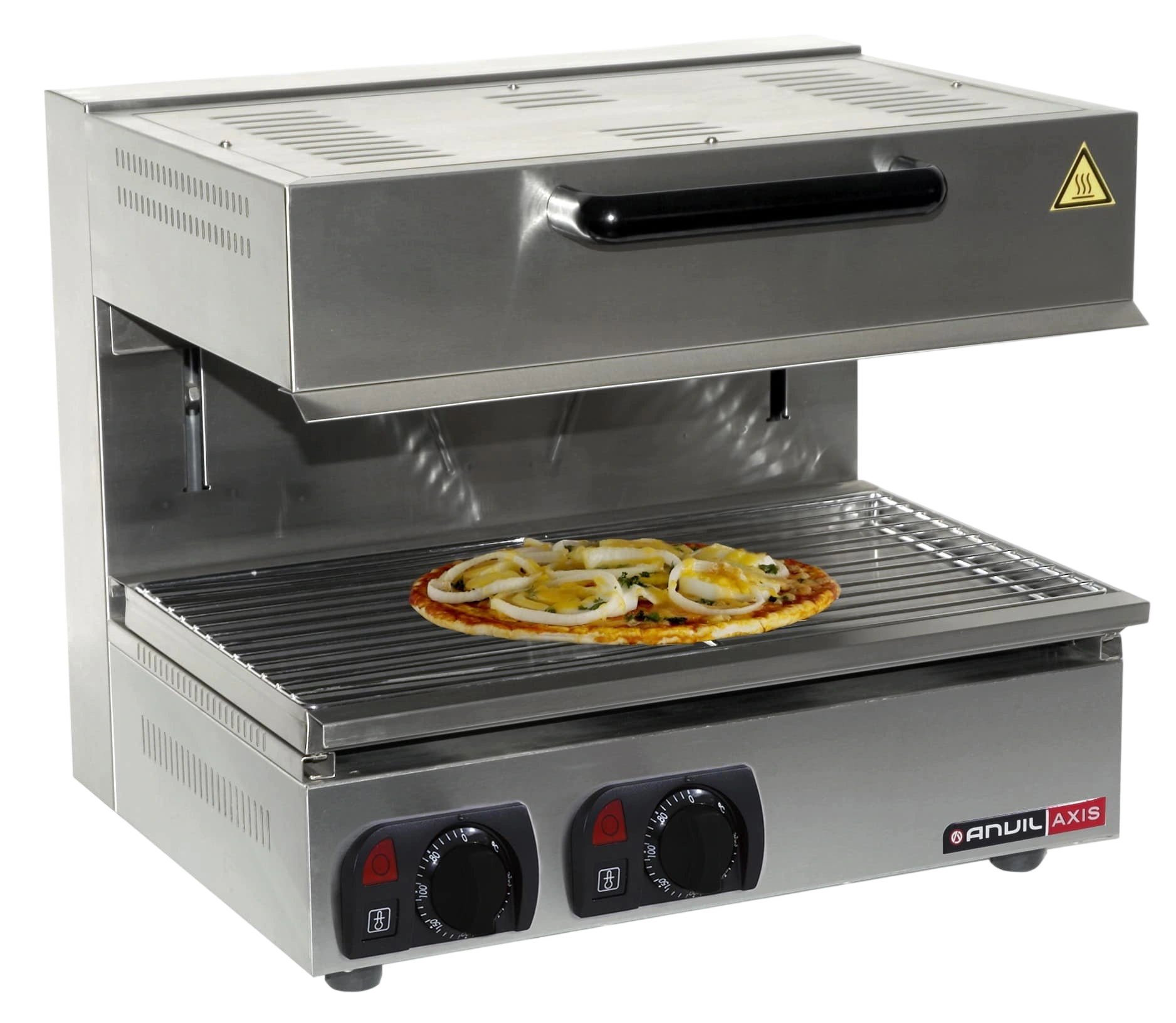
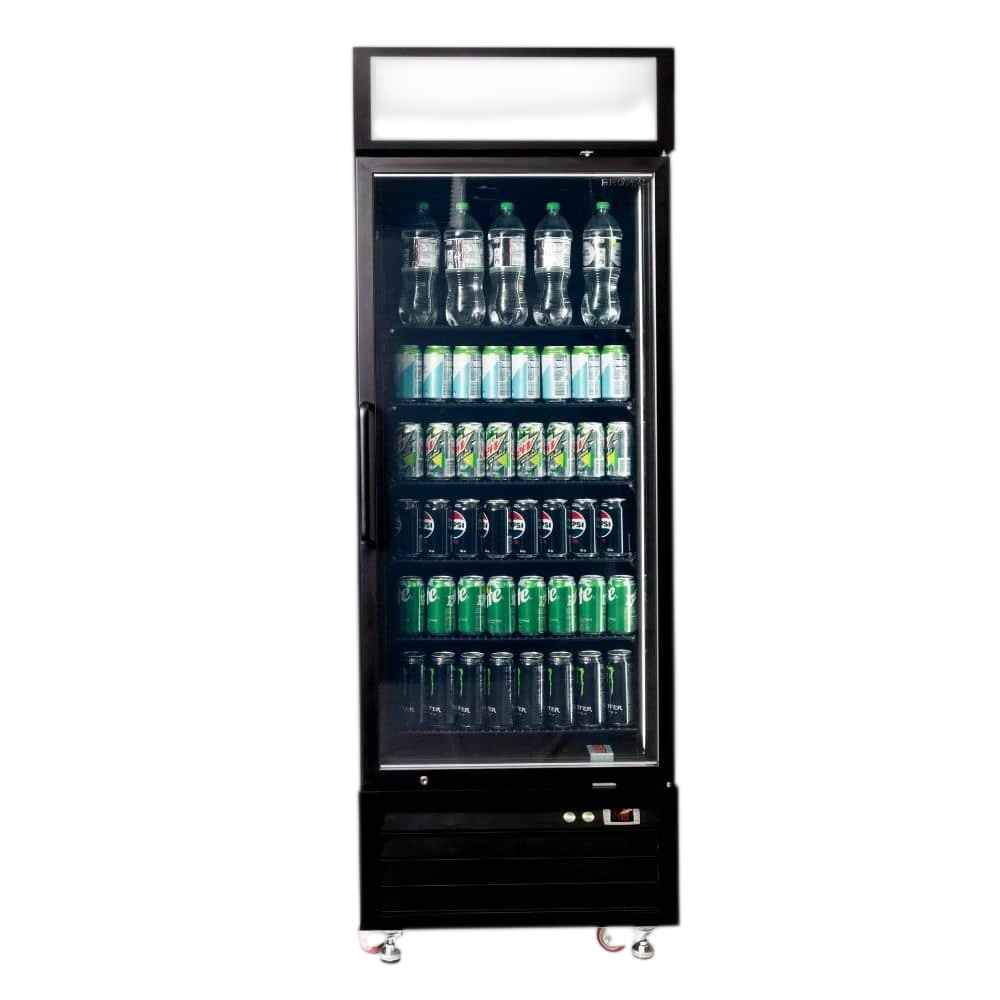
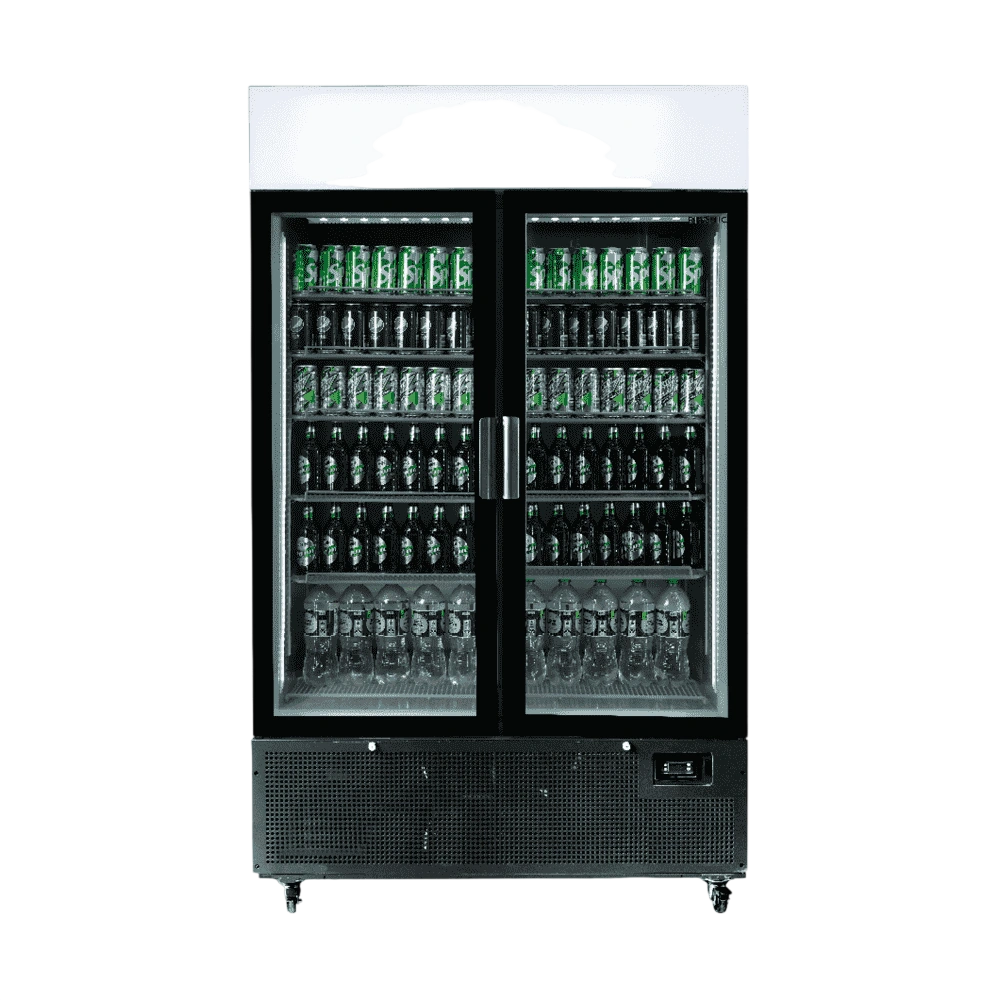
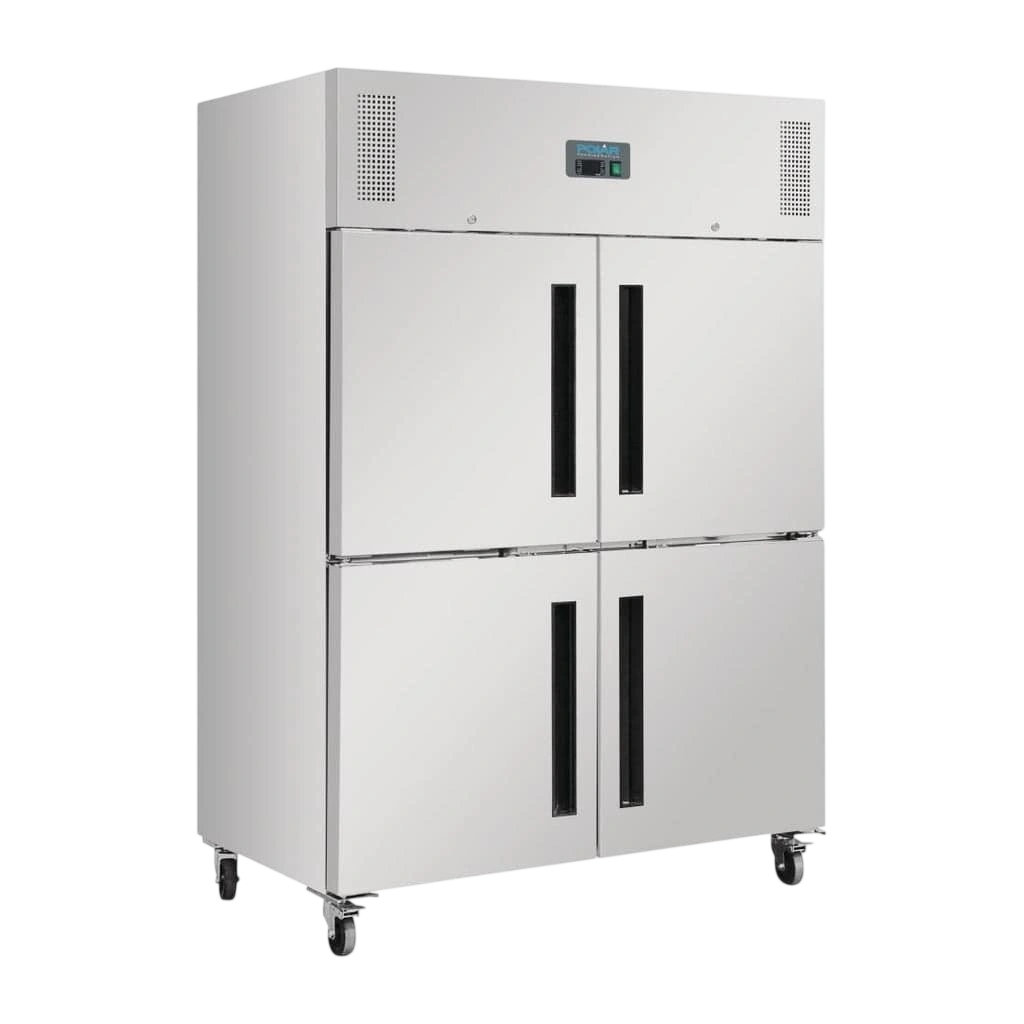
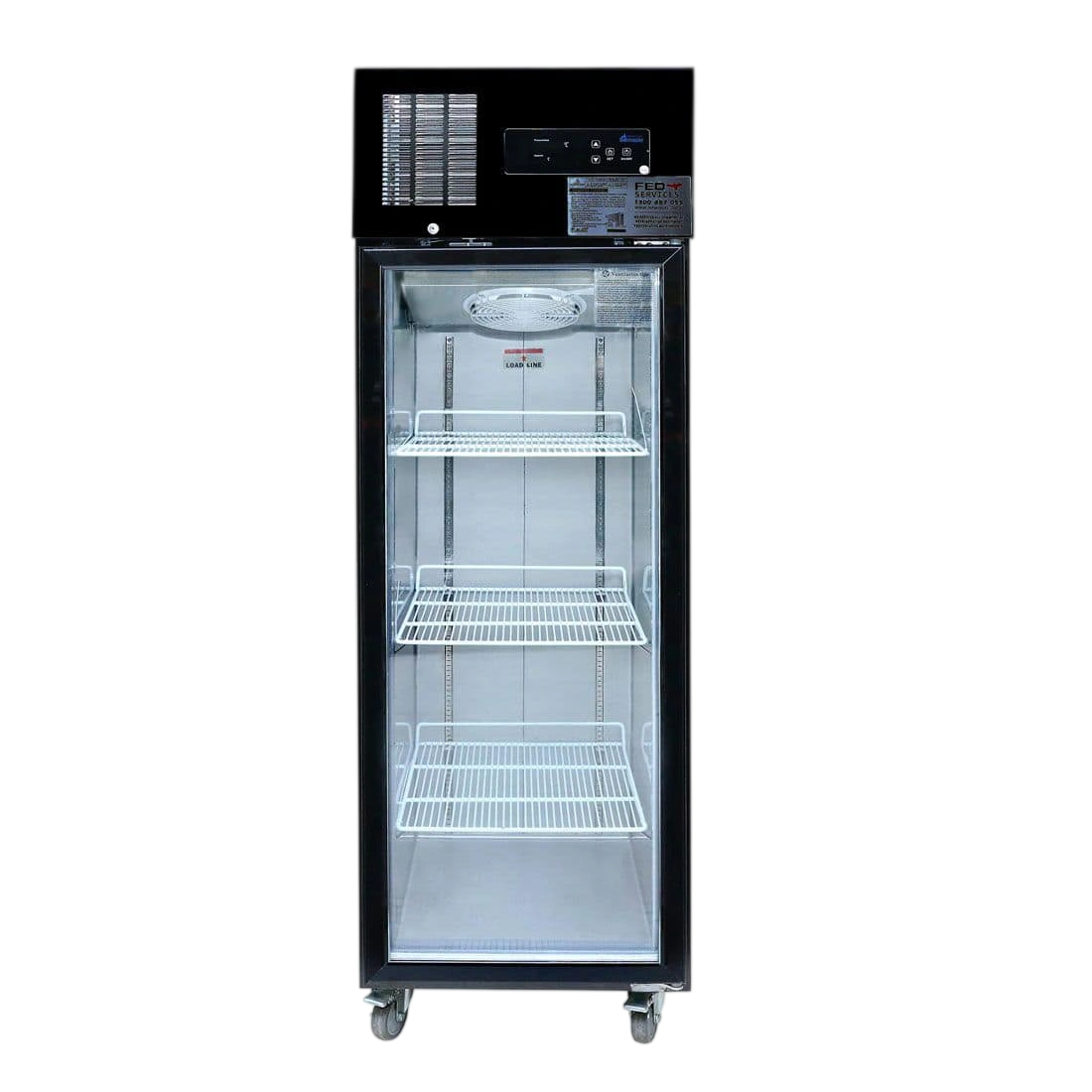
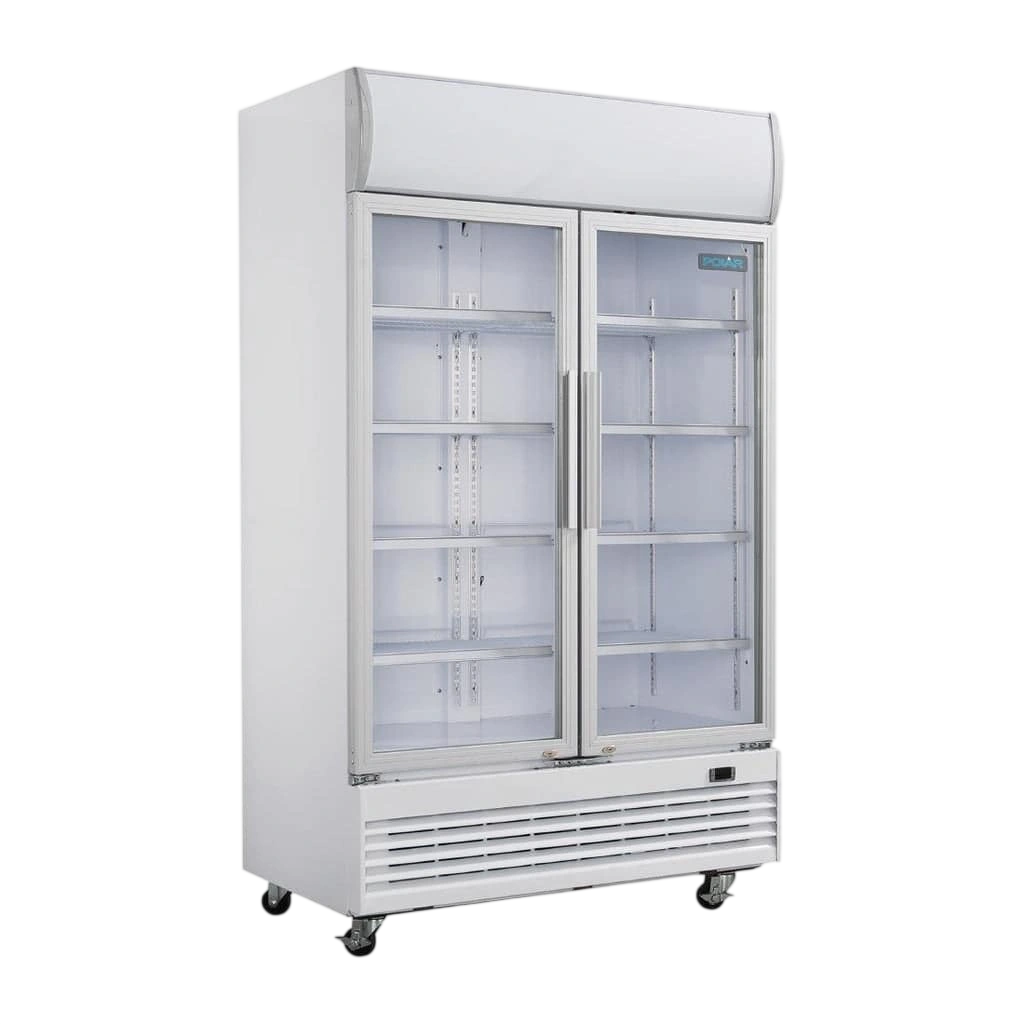
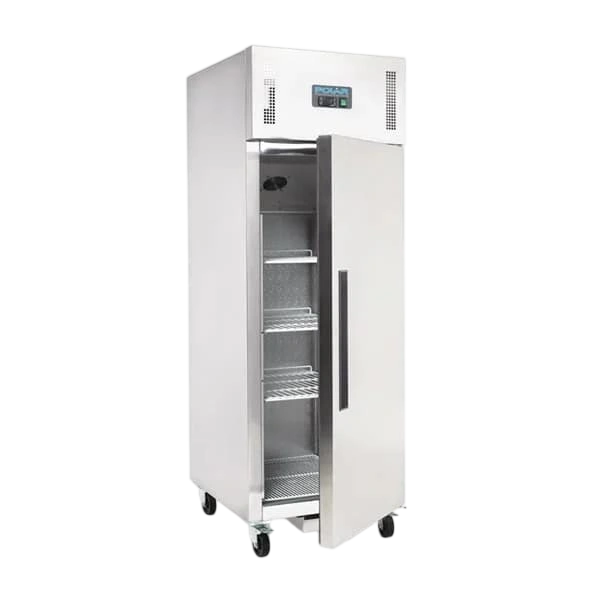
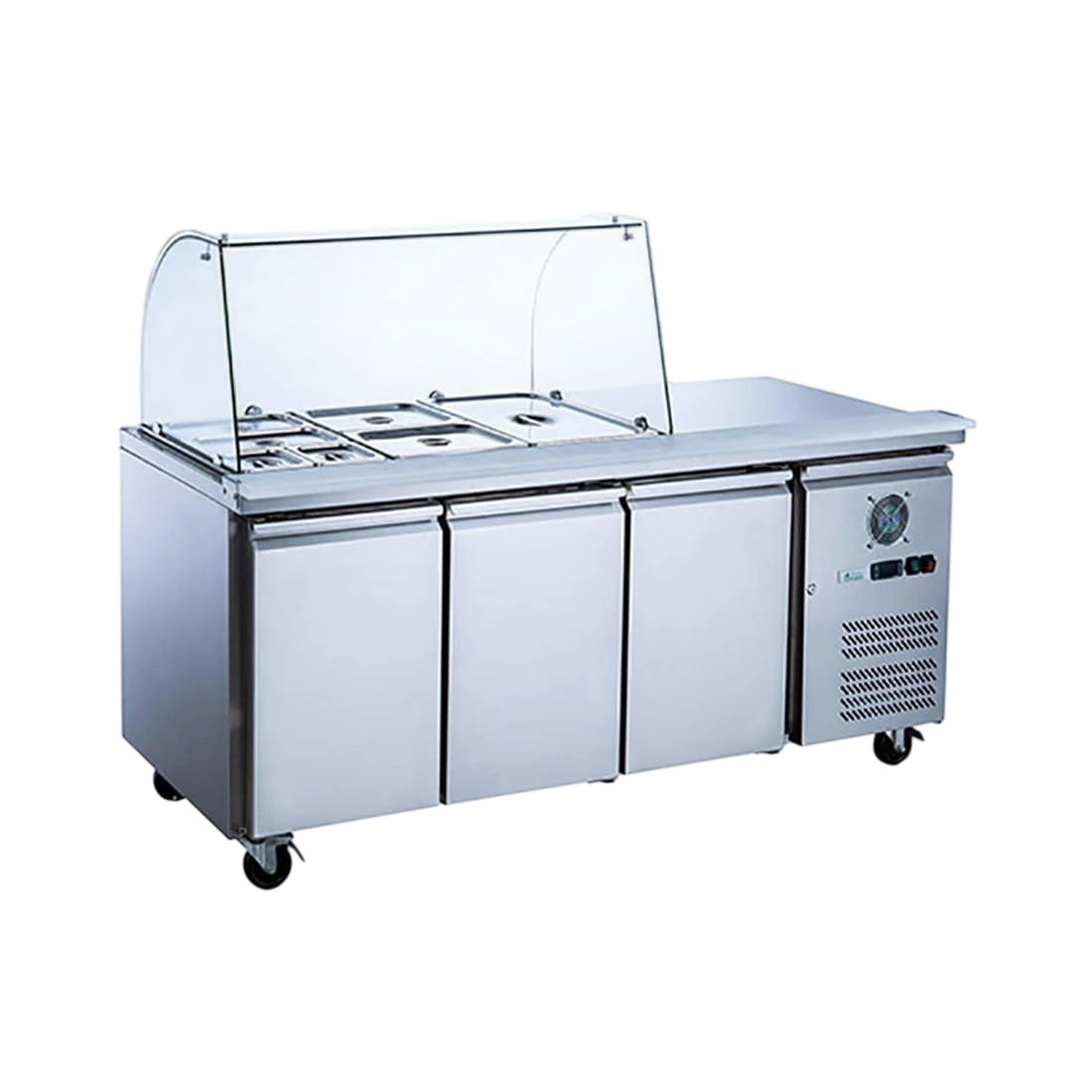
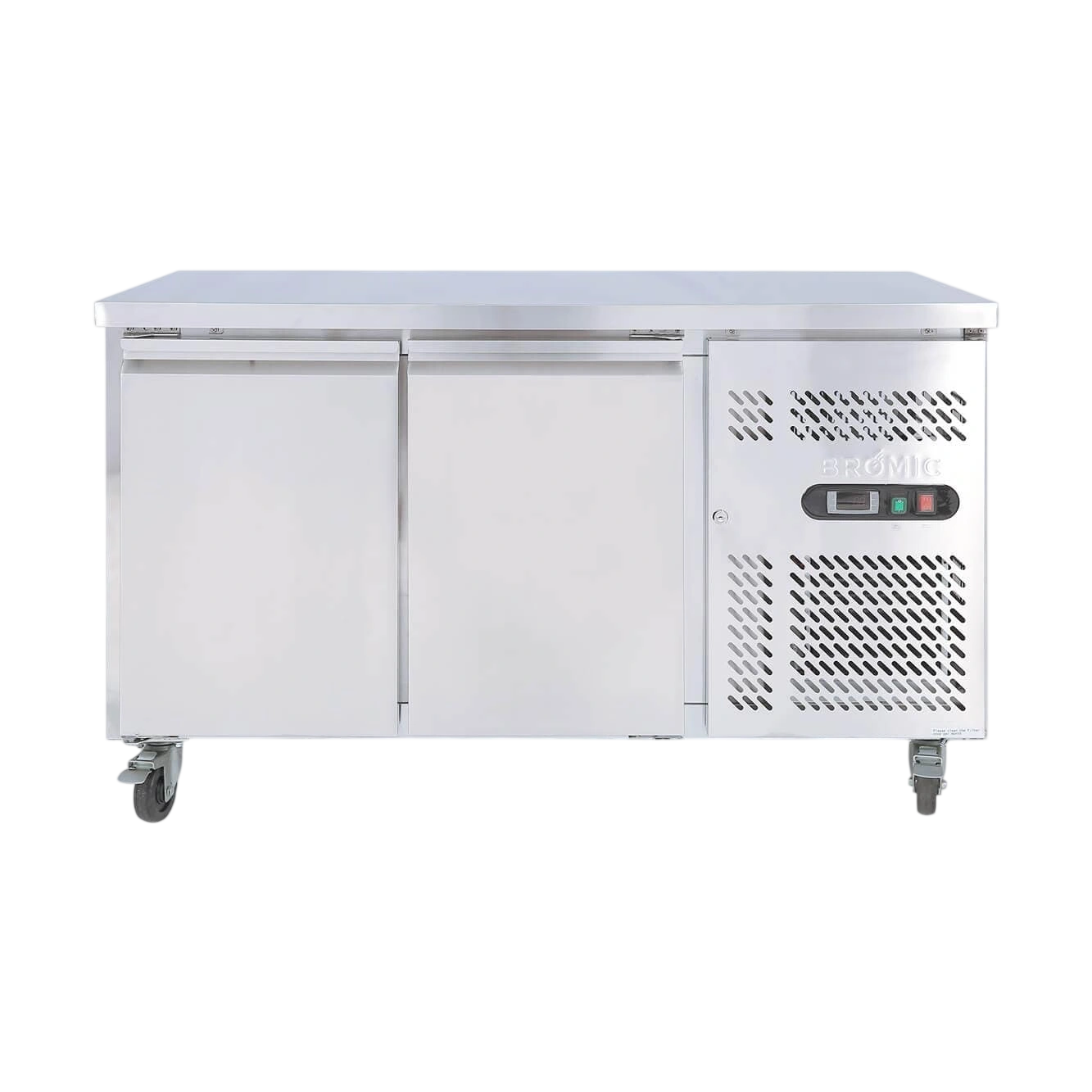
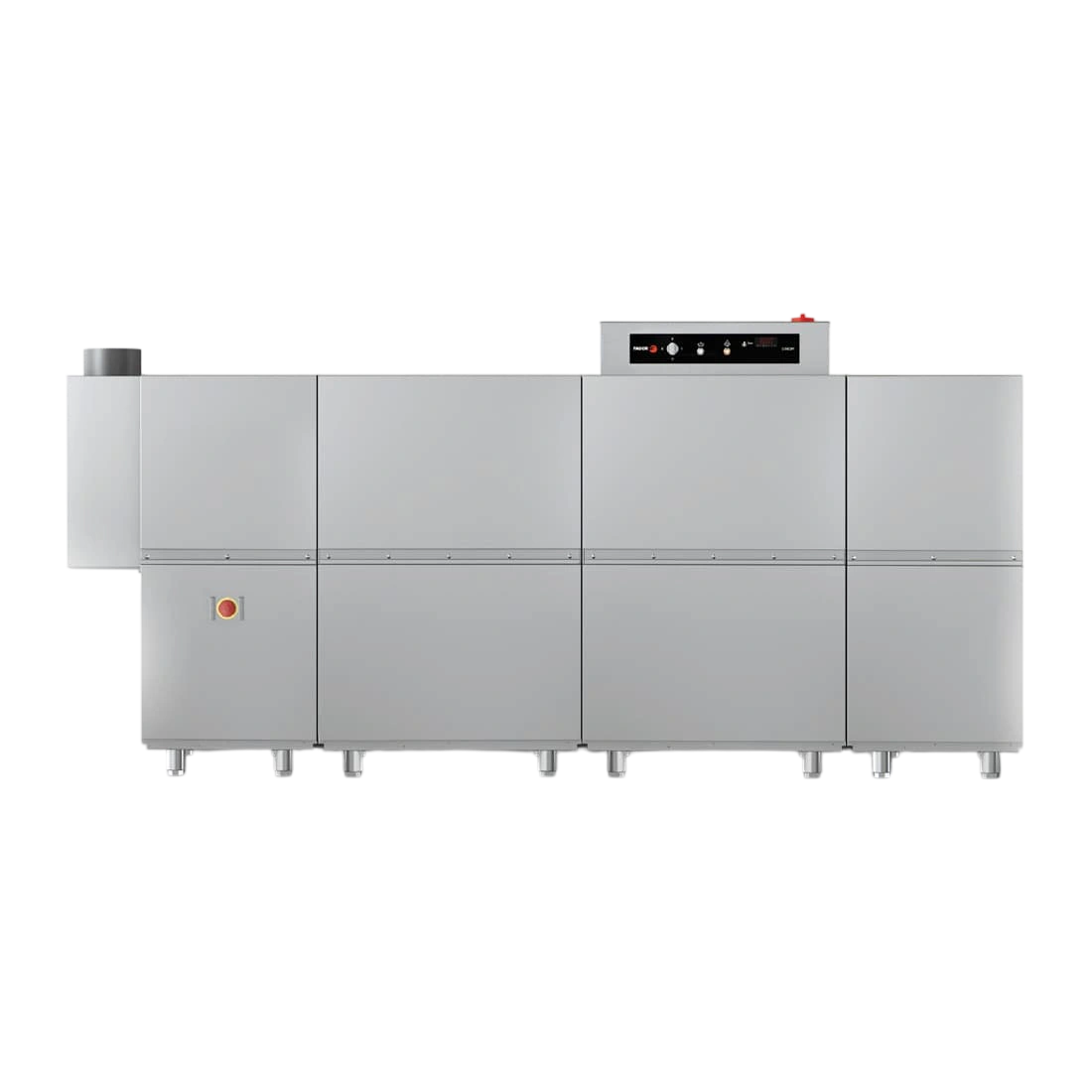
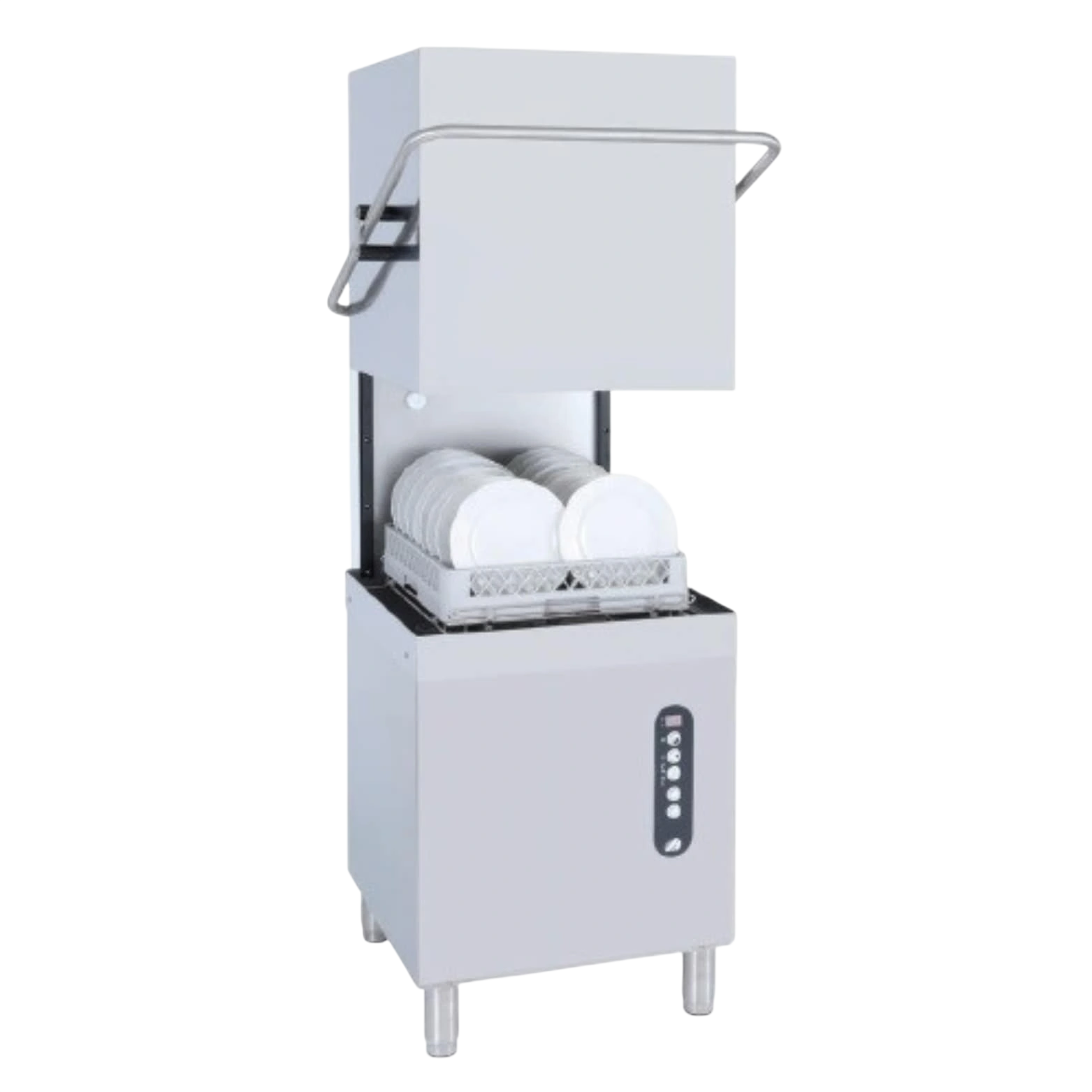
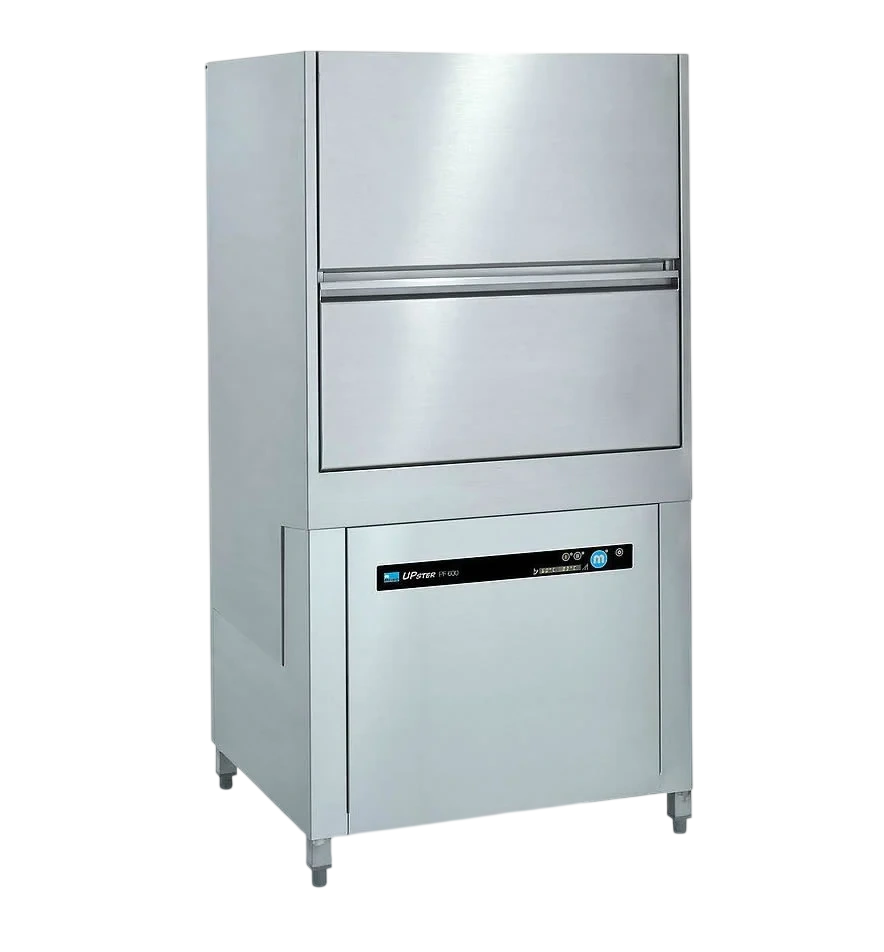
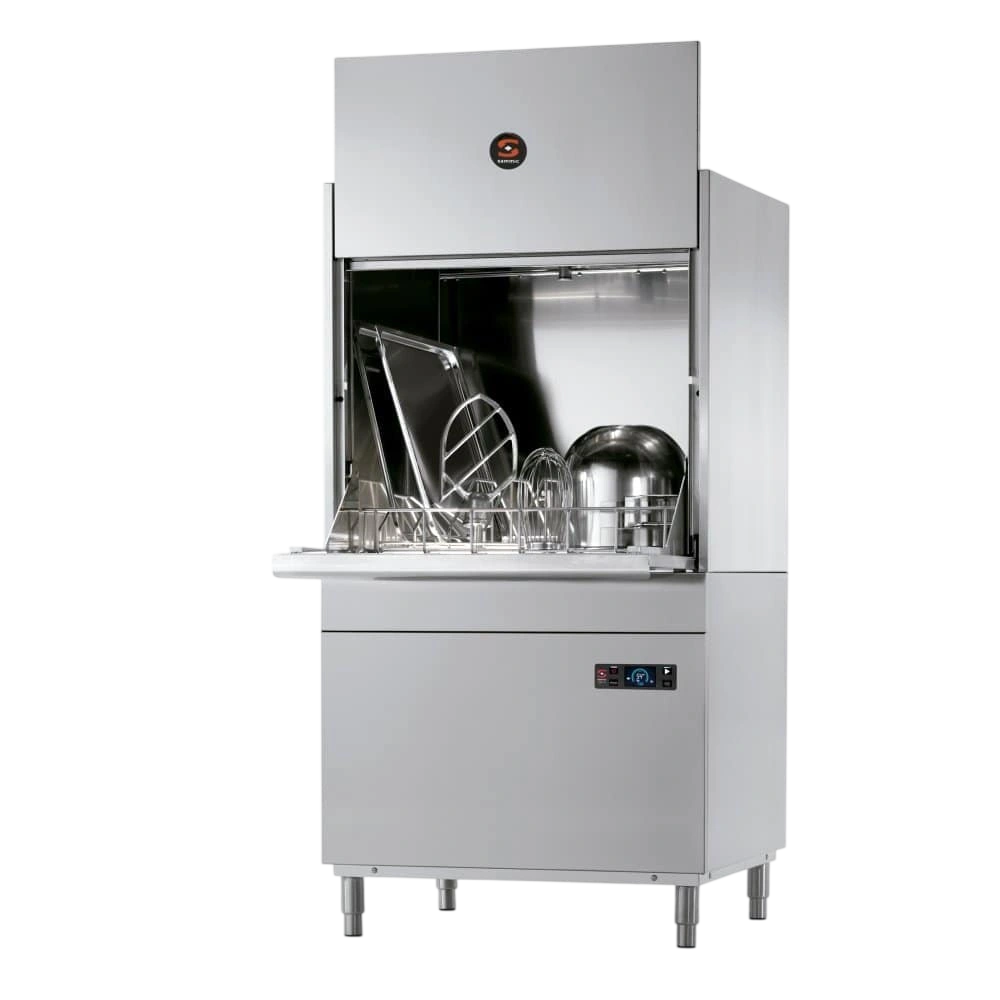

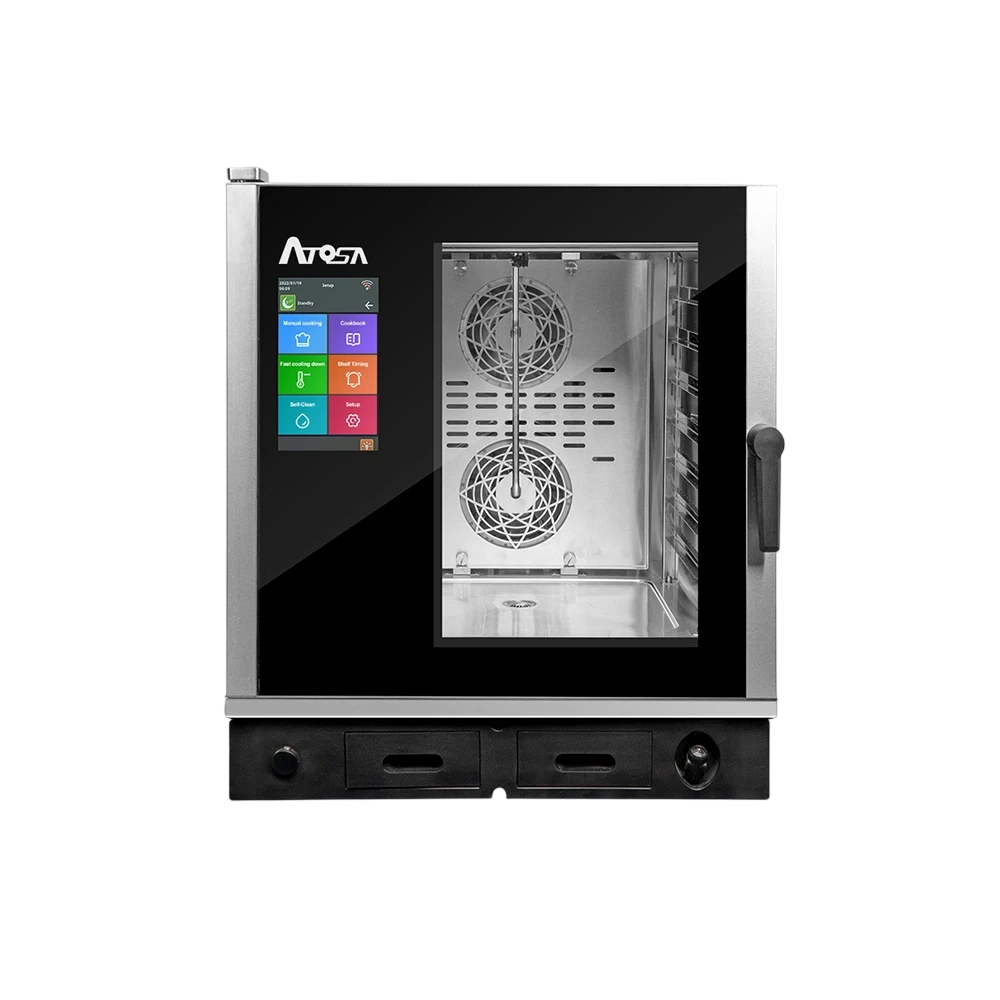
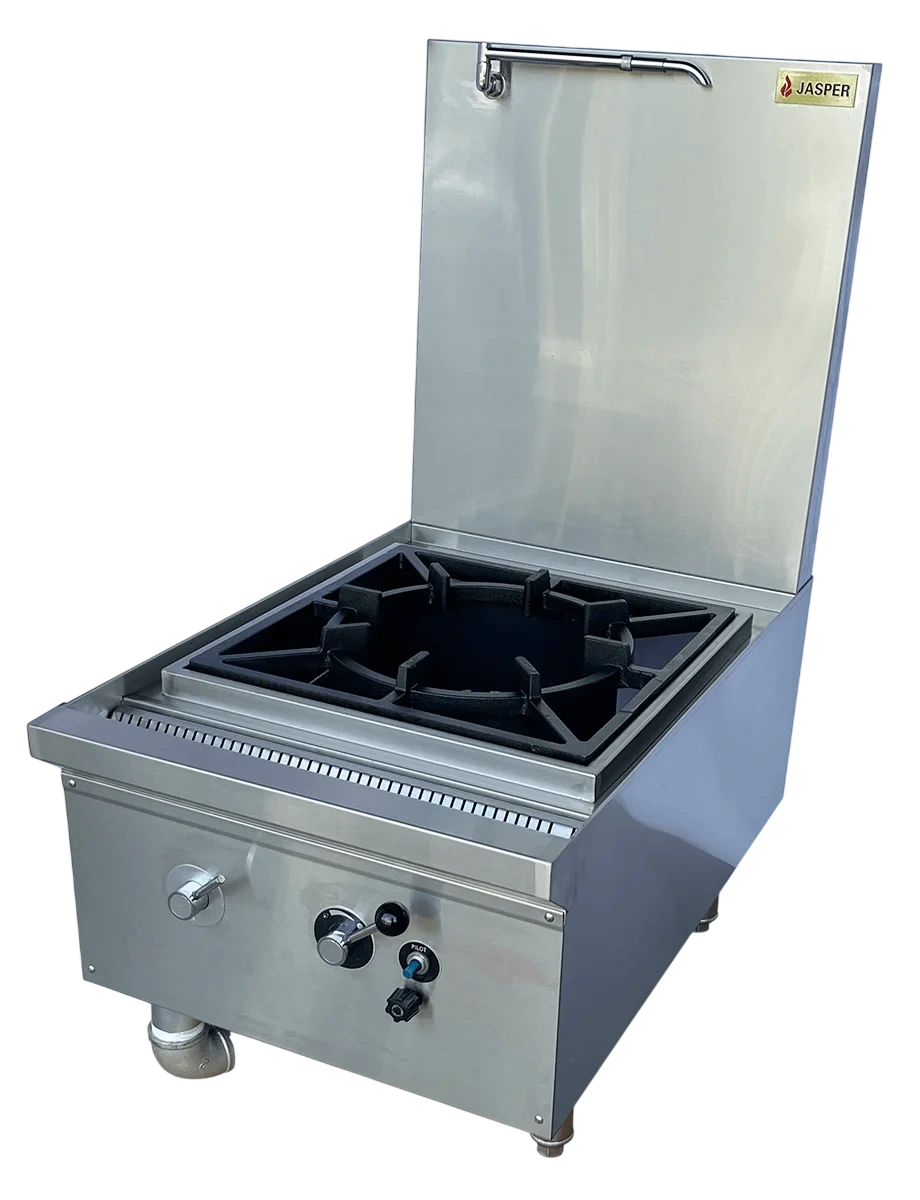
38 essential items · $473,578 ex-GST indicative · with delivery and installation quoted for your site. Final quote reflects your menu, site, power, gas, drainage, ventilation and delivery.
Checking current Package availability…
Package: SBB-AGED-CARE-HOSPITAL
The Hard Truth: In aged care, a fridge running at 6°C isn't an inconvenience. It is a violation.
Your residents' immune systems are compromised. You don't have the luxury of "good enough." A hidden dirt trap on a bench, or a dishwasher that fails to hit 82°C rinse temp, can shut your facility down.
We prioritise hygienic design above all else. We select equipment with digital HACCP logging, seamless welding, and zero bacteria harbours. We protect your residents, and we protect your accreditation.
Every line item is picked for cleanability before performance. Seamless welds, rounded internal corners, removable gaskets, 304/316 stainless throughout. Hidden dirt traps fail audit regardless of how new the equipment is. If a unit can't be wiped down to a sanitary finish in under 60 seconds, it doesn't go on this list.
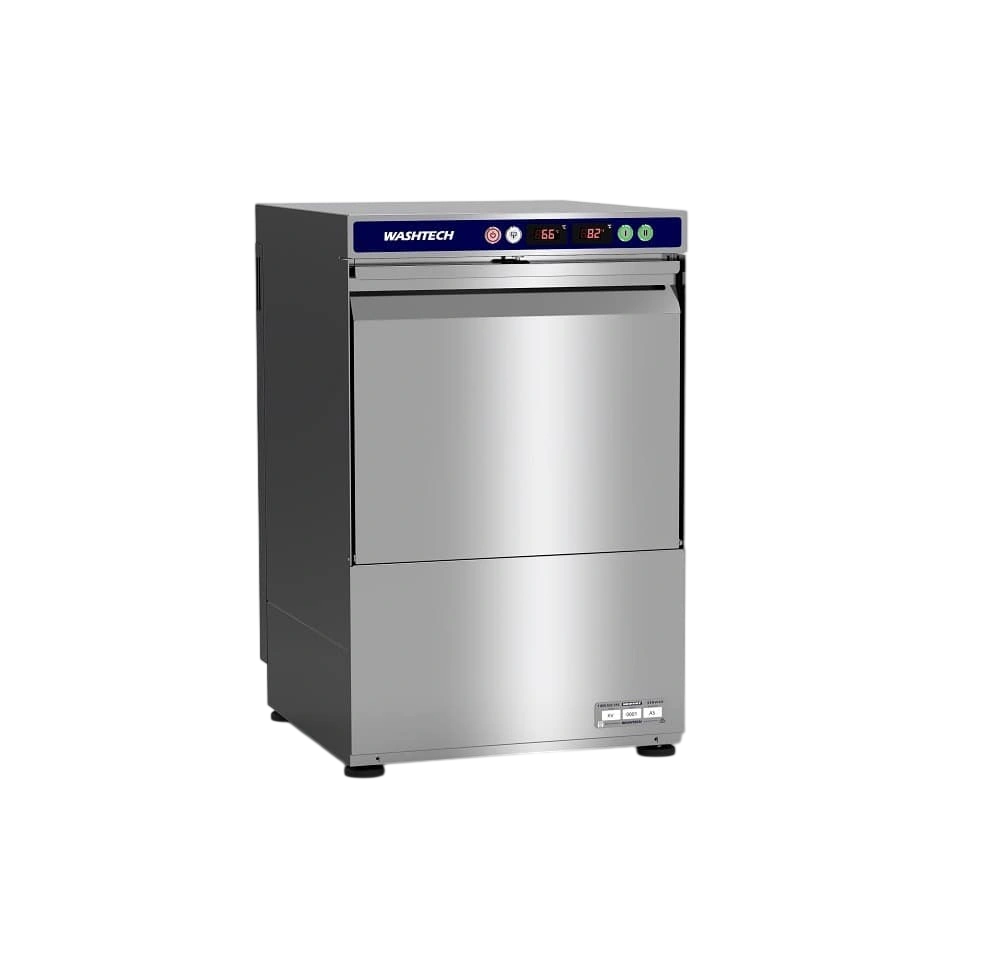
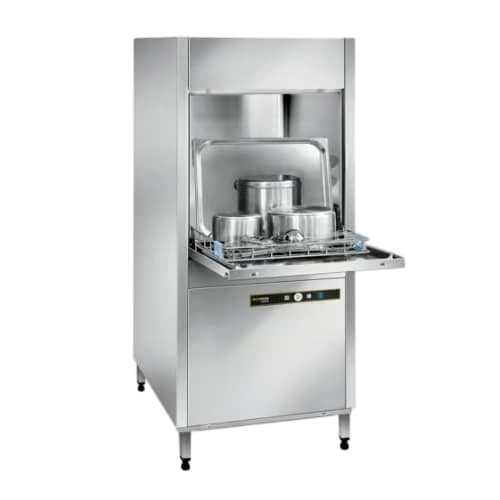
Hobart and Meiko at every tier including child-care. Cheap glasswashers cannot hold ≥82°C sanitising rinse on continuous load — they pass on day one and fail by month three. This is the single most preventable institutional spec failure, so we refuse to compromise on it. Heat-recovery option pays back inside 18 months at hospital scale.
Plate warmer → hot cupboard → warm cart → ward pantry → resident. Every link must hold ≥60°C; any weak link fails the chain. We spec the full delivery wave, not item-by-item — the Anvil/Culinaire warming line, the heated trolley fleet, the tray-trolley return loop. It's a system, not a fitting.
This page is written for aged-care homes, hospitals, child-care centres, and assisted-living environments where meals must be delivered safely, consistently, and on schedule, regardless of staffing changes or daily operational pressures.
In these environments, kitchens exist to reduce risk, not to experiment. Success is measured by reliability, compliance, and the absence of failure.
Aged-care and healthcare kitchens are built around controlled processes rather than speed or output peaks. Equipment is selected to support food safety, predictable production, and easy cleaning over long operating lifespans.
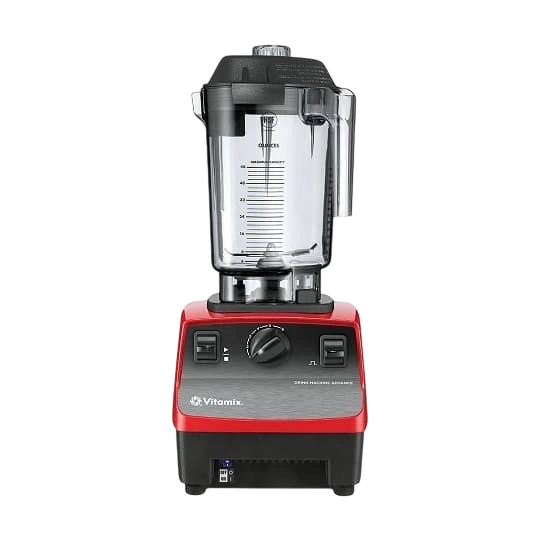
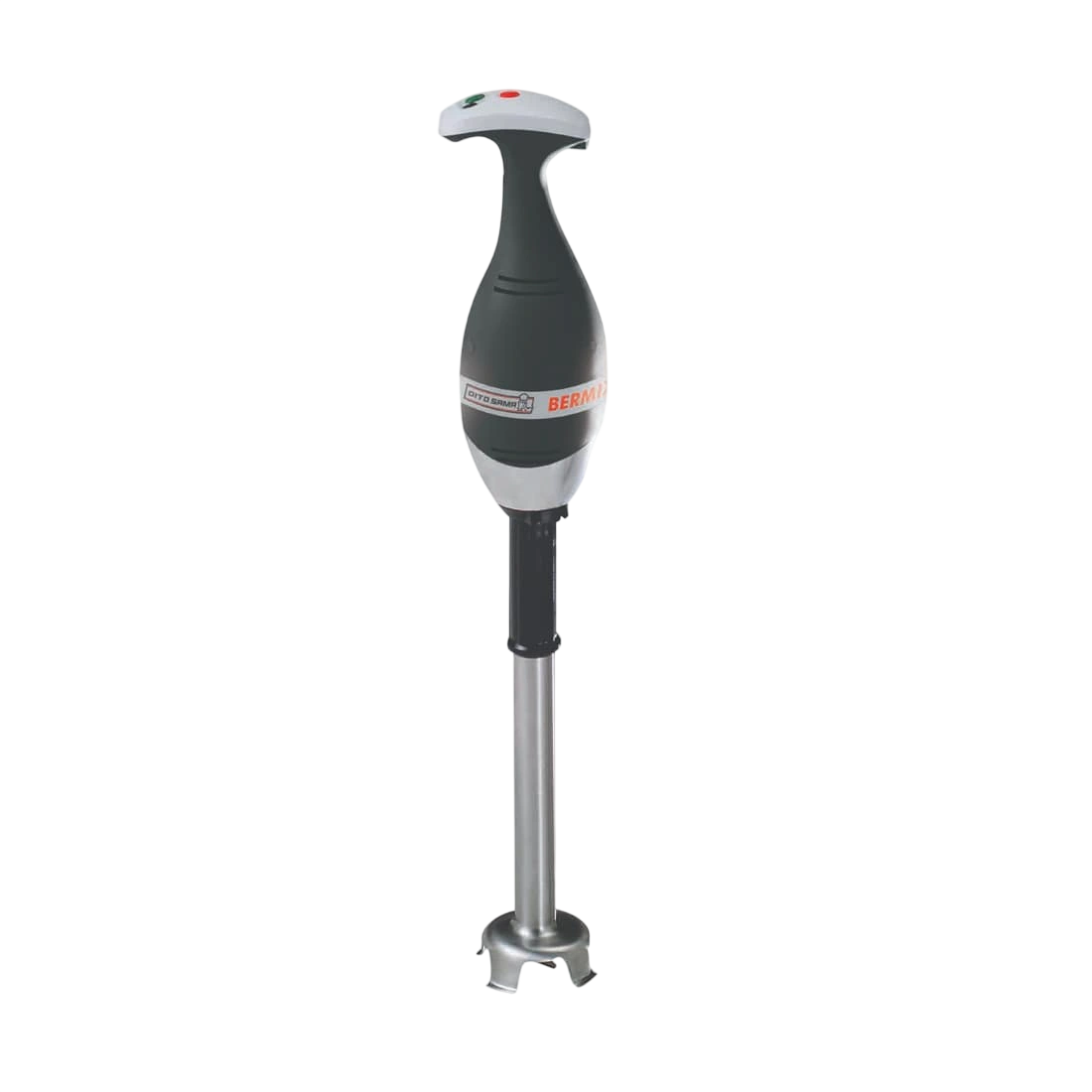
Refrigeration, cooking equipment, holding systems, and wash-up infrastructure must work together to ensure meals are prepared, stored, and served without temperature risk or cross-contamination. Bratt pan, boiling pan, and combi steamer dominate the cookline from aged-care-village tier upward. Blast chiller is non-negotiable from tier two — cook-chill-regen workflow is mandatory for HACCP. Hot cupboards and warm carts form the ward delivery wave. Texture- modification (Vitamix blender + Robot Coupe processor + stick blender) is dedicated equipment, not shared.
What's deliberately omitted: walk-in coolrooms / freezer rooms (refrigeration contractor + builder scope, replaced by upright banks zone-segregated by category), specialist cook-chill central production lines such as Burlodge or Temp-Rite (vendor sub), patient bedside or ward-tray medical equipment (medical vendor scope), grease arrestors, RO water filters, gas interlock, fire suppression hoods, and thermal label printers (plumber / shopfitter / gas-fitter / install-vendor / POS scope).
Takeaway operations, high-turnover food courts, or venues that prioritise speed and menu flexibility over process control.
Also unsuitable for environments where compliance, documentation, and routine maintenance are treated as optional rather than essential. If your operation runs on chef intuition rather than HACCP logs, this is the wrong page.
Most failures in aged-care and healthcare kitchens are not dramatic. They occur quietly when routines slip, cleaning is rushed, or temperature checks become inconsistent. In real facilities, risk increases when equipment is difficult to clean, workflows are unclear, or replacement plans are not in place for critical components.
The biggest preventable operational failure points, in order:
When this happens, adding capacity does not improve safety. Only disciplined systems and predictable routines prevent incidents.
Aged-care and healthcare kitchens operate under strict food- safety and regulatory frameworks. Equipment must support routine inspection, cleaning, and documentation while remaining reliable under daily use. HACCP is mandatory for aged-care and hospital (Aged Care Quality Standard 6 — Food and Dining), AS4674 governs food-premises design and zoning, allergen segregation is non-negotiable at child-care tier under NSW Food Standard 3.3.1 for vulnerable populations.
What we don't supply: walk-in coolrooms / freezer rooms (refrigeration contractor + builder — replaced by upright banks), specialist cook-chill central production (Burlodge / Temp-Rite — vendor sub), grease arrestors (council / plumber), gas interlock systems (gas-fitter), fire-suppression hood systems (install vendor), RO water filtration (shopfitter), patient bedside or ward-tray medical gear (medical vendor), thermal label printers (POS vendor). Plan these in your fitout budget separately — they're real line items, just not ours.
For aged-care and healthcare facilities, the recommended equipment path prioritises temperature control, hygienic operation, and reliability over many years of continuous use. Child-care: compact combi + premium pass-through dishwasher + allergen-segregated upright fridge bank + Vitamix blender + milk fridge for under-2 rooms. Aged-care-village: 2× combi (one prime, one regen), tilting bratt pan, boiling pan, blast chiller mandatory, premium pass-through or rack-conveyor dishwasher, multiple zone-split upright banks, hot cupboard + warm cart fleet. Hospital: 2× premium combi (Rational / Convotherm), 2× tilting bratt, 2× boiling pan, 2× large blast chiller, rack-conveyor Hobart/Meiko mandatory, four-way upright bank split (meat / dairy / produce / frozen), full ward delivery wave, plus cafeteria service line.
Browse Recommended Equipment →
Operating model, not just price. Child-care is a single small kitchen serving 50–150 kids one hot lunch plus AM/PM tea — allergen segregation is the #1 risk, no chargrill / no fryer / no salamander, bottle warming and milk fridge required for under-2 rooms. Aged-care-village is a central kitchen serving 50–300 residents three meals plus supper with ward pantries — HACCP mandatory, IDDSI texture-modified diets non-negotiable for 30–50% of residents, cook-chill-regen production model with bratt + boiling + combi trinity, blast chiller mandatory. Hospital scales the trinity to 2× combi + 2× bratt + 2× boiling for 200–800 meals/day plus a public cafeteria — therapeutic diets, allergen traceability, rack conveyor dishwasher mandatory, multiple zone-segregated upright fridge banks. Specialist cook-chill central production lines (Burlodge / Temp-Rite) are explicitly out of scope.
Meals must be delivered consistently every day, regardless of staffing changes or daily operational pressures. A single equipment failure can disrupt care routines and compromise resident wellbeing — and in vulnerable populations, that disruption is not a customer-service issue, it is a clinical risk. KW prioritises sustained reliability over peak capacity across every tier: dishwashers with proven cycle-to-cycle sanitising rinse temperature consistency, blast chillers rated for daily continuous use rather than peak throughput, hot-hold cabinets with redundant heating elements, and refrigeration with temperature recovery under door-cycle load. Equipment that delivers high peak numbers but drifts under continuous duty is filtered out before it reaches the package.
Walk-in cool / freezer rooms are fitout scope, not equipment package SKUs — refrigeration contractor design, building approval, condensing-unit placement, drainage, vapour-barrier construction. KW does not drop-ship these as line items. The aged-care package replaces walk-in capacity with multiple upright fridge / freezer banks zone-segregated by category (meat / dairy / produce / frozen for hospital) plus modular coolroom shelving. Facilities that genuinely require a walk-in run that as a separate refrigeration project with a contractor — outside the equipment package.
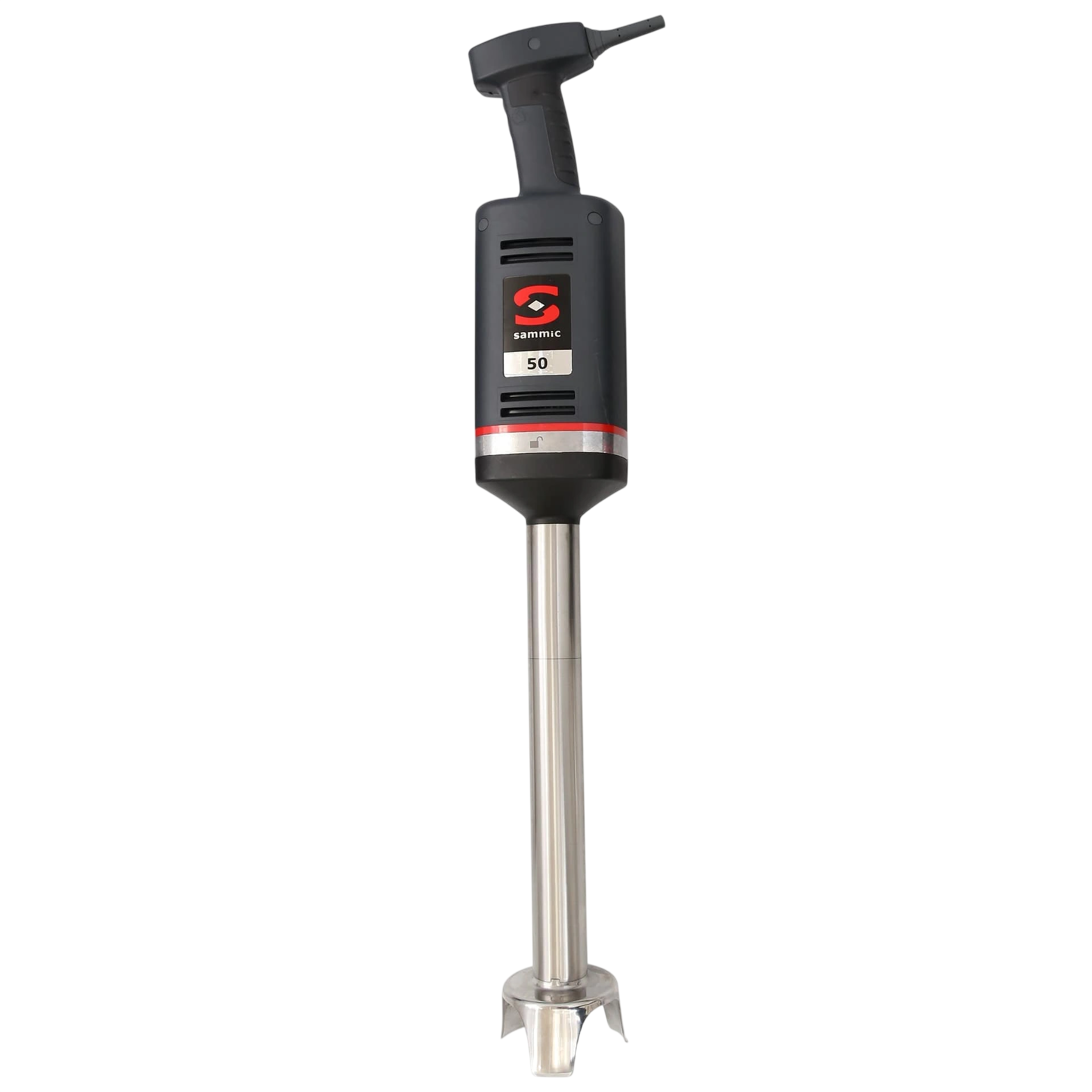
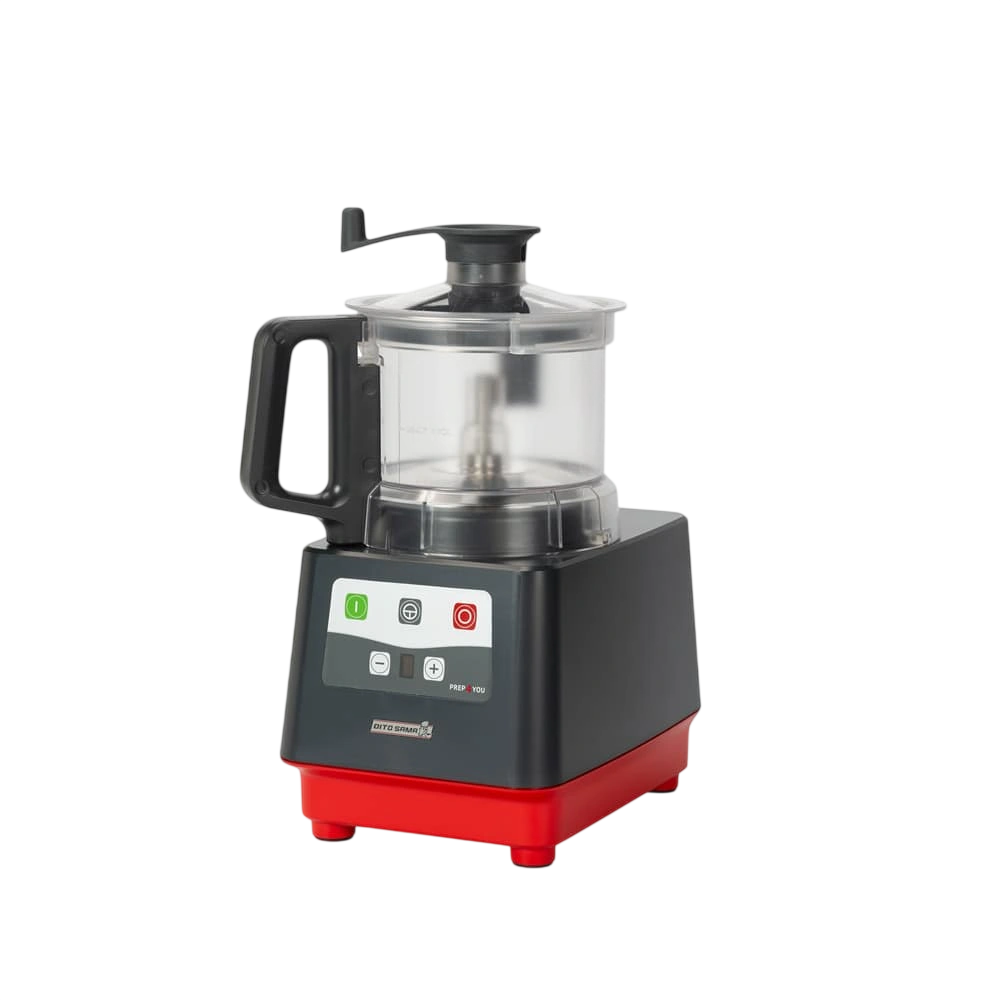
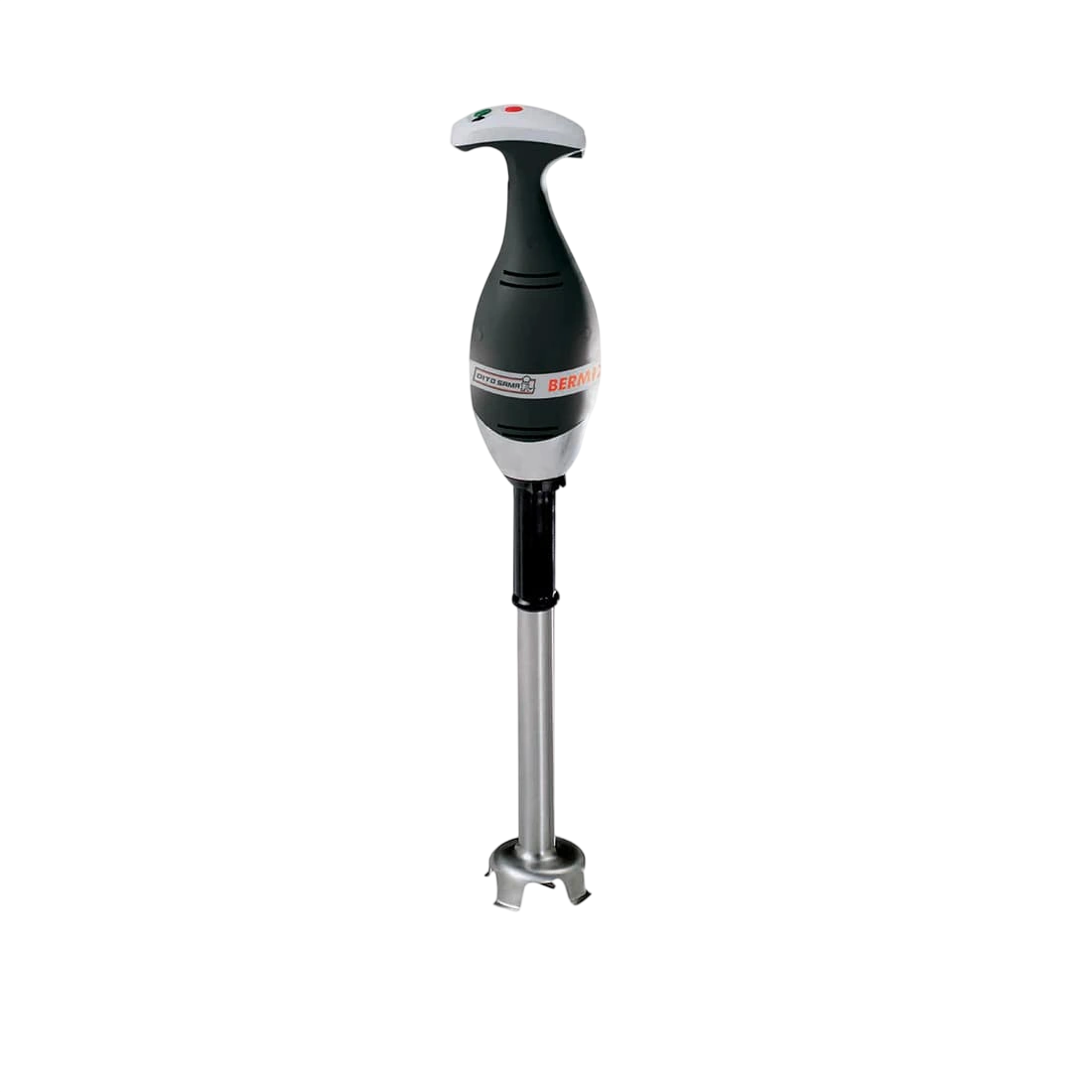
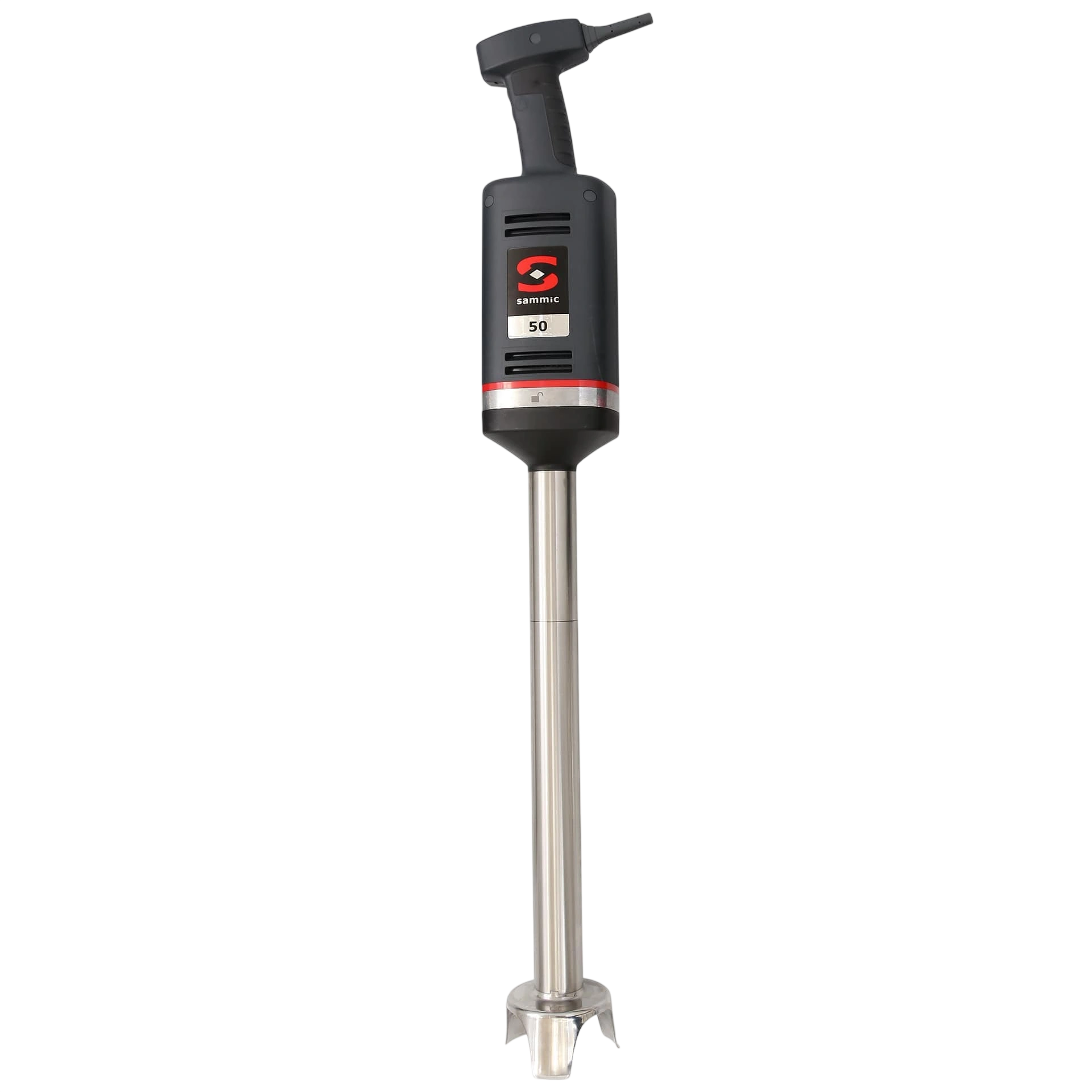
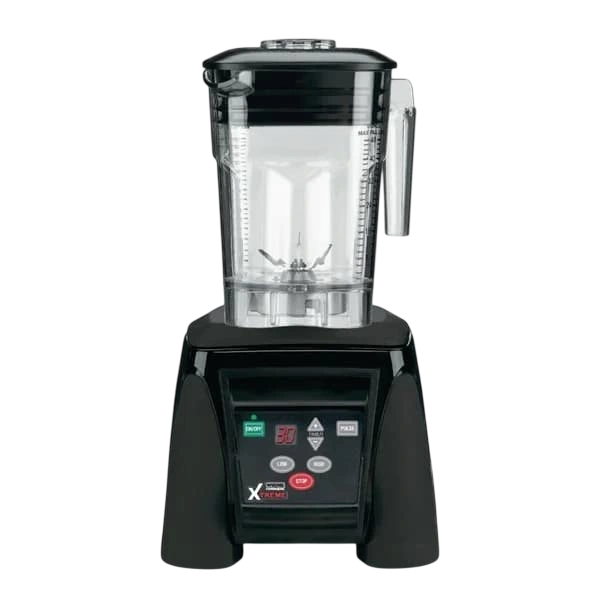
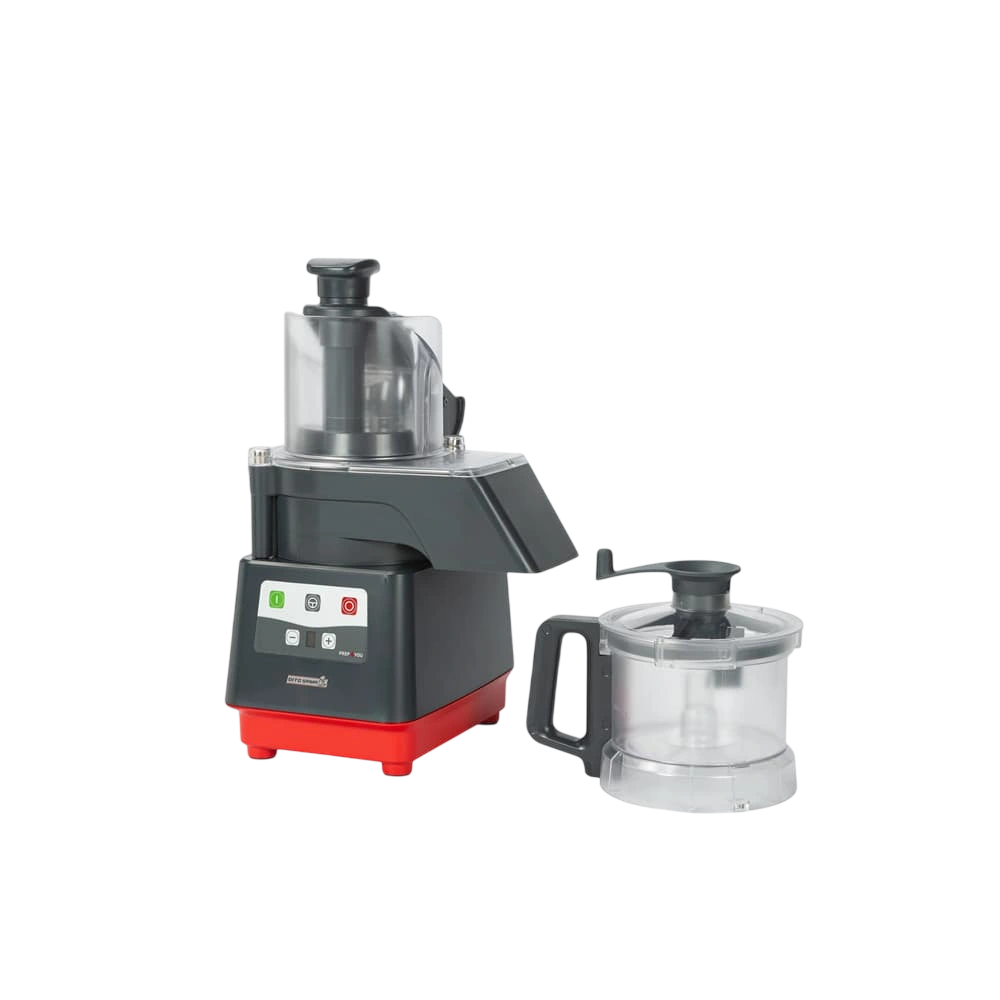
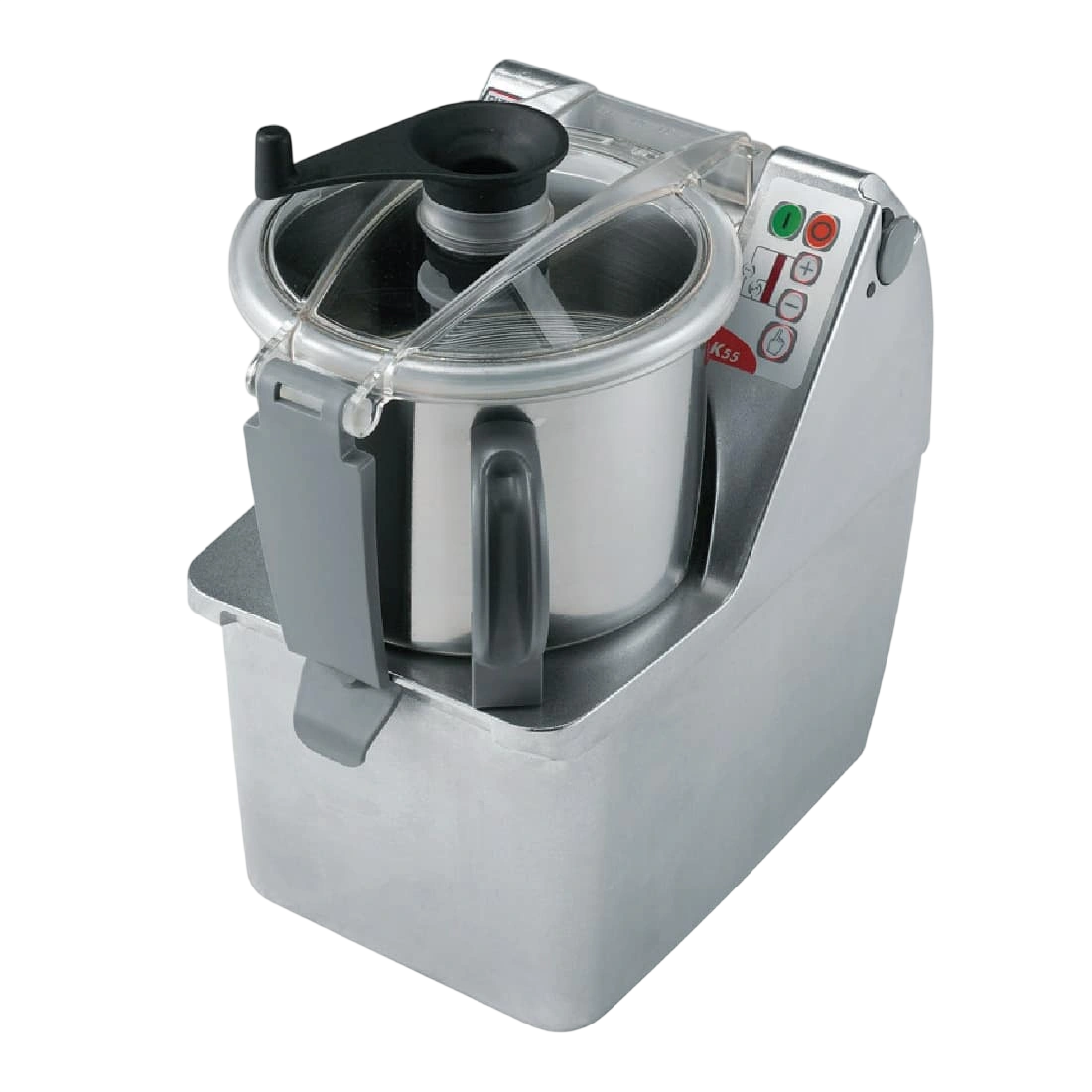
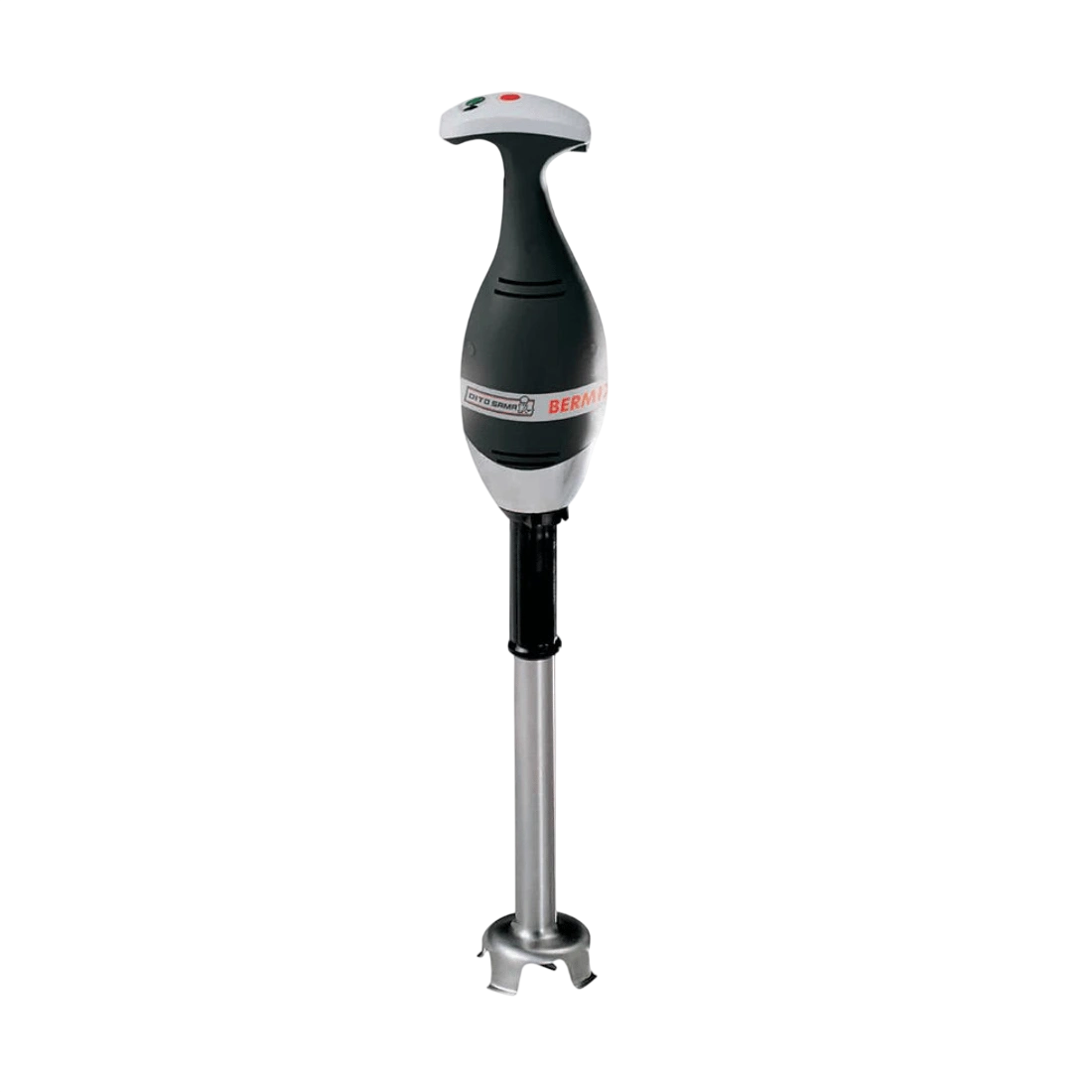
Heavy-duty Vitamix or Hamilton Beach commercial blender (3+ HP) is the spine of texture-mod compliance — standard cafe blenders cannot pass the IDDSI flow test on fibrous veg or protein. Aged-care-village ships two blenders for redundancy plus a Robot Coupe / Sammic food processor for IDDSI level-5 minced. Hospital triples the blender count (one per allergen / diet stream) and adds a vacuum packer for portion-controlled labelled meals. Stick blenders 500–600mm shaft finish soup and porridge directly in the bratt or boiling pan to avoid hot-liquid transfer. A clinically non-compliant puree is a choking risk in vulnerable residents — this is the reason texture-mod equipment is dedicated, not shared.
Hospital total spend $300k–$800k is far above the SilverChef $65k cap, so the package is structured for 4–6 split quotes by zone: central cook line, refrigeration + blast chill, dishwash + warewash, hot-hold + delivery wave, cafeteria service line, and texture-mod + prep + smallware. Aged-care- village at $80k–$200k splits into 2–3 quotes. Child-care at $15k–$40k fits a single SilverChef quote comfortably. Above ~$800k the project moves to direct main-contractor finance rather than SilverChef.
These are real budget line items. Plan them with your fitout team, not your equipment supplier.
Most aged-care and healthcare kitchen failures are NOT volume capacity. They are, in order: (1) no blast chiller — cook-chill workflow is HACCP-mandatory above tier one and absence of one is the most common audit finding, (2) under-spec dishwash — cycle-to-cycle sanitising rinse temperature consistency collapses on continuous load, (3) broken hot-hold chain — any link below 60°C kills the wave, (4) poor puree workflow — a clinically non-compliant puree is a choking risk in vulnerable residents. Equipment selection must prioritise these four constraints first. Adding cooking capacity without addressing them increases cost without increasing safety.
We believe aged-care and healthcare kitchens succeed when safety, predictability, and responsibility come before speed or efficiency.
Check how receiving, storage, preparation, cooking, portioning, holding and wash-up fit together before ordering equipment.
KW can review equipment placement and practical workflow requirements; professional compliance and construction sign-off remain with the relevant qualified parties.
Where appropriate, equipment finance can help stage capital expenditure while maintaining funds for staffing, supplies and operations.
Ready to choose equipment? Browse Aged-Care and Healthcare Equipment →
Our Sydney team designs the package for you — based on your menu, footprint, and budget.
7/72 Canterbury Rd, Bankstown NSW · Mon to Fri 9 to 5