Restaurant equipment built for cookline coordination under variable tickets. Three tiers, no drift mid-service, no plate chaos at the pass.
Planning a restaurant kitchen? Start with the menu and covers you need to serve at peak, then build the cooking, refrigeration, preparation and wash-up capacity around that service load.
Choose ranges, ovens, fryers, chargrills and finishing equipment as one line that reflects the menu and section responsibilities.
Put working stock close to each station while retaining enough bulk cold storage for delivery and prep cycles.
Confirm the practical requirements around heat-producing equipment before placement or purchase.
Size the dirty-to-clean route for peak covers and keep clean crockery, utensils and ingredients out of crossing paths.
The equipment packages below organise current KW products into practical starting points. Compare the tiers, then adjust the mix to your menu, volume and site.
A restaurant kitchen works as a service loop. Section refrigeration feeds the prep and hot line, the pass controls finished plates, and wash-up must return clean equipment without crossing food production.
The menu-led cookline, extraction implications and refrigeration footprint are usually worth confirming early. They govern services, heat, working aisles and station placement.
Build each section around working refrigeration, stainless prep space and the relevant cooking equipment, then connect the line to a clear pass, storage and dirty-to-clean wash route.
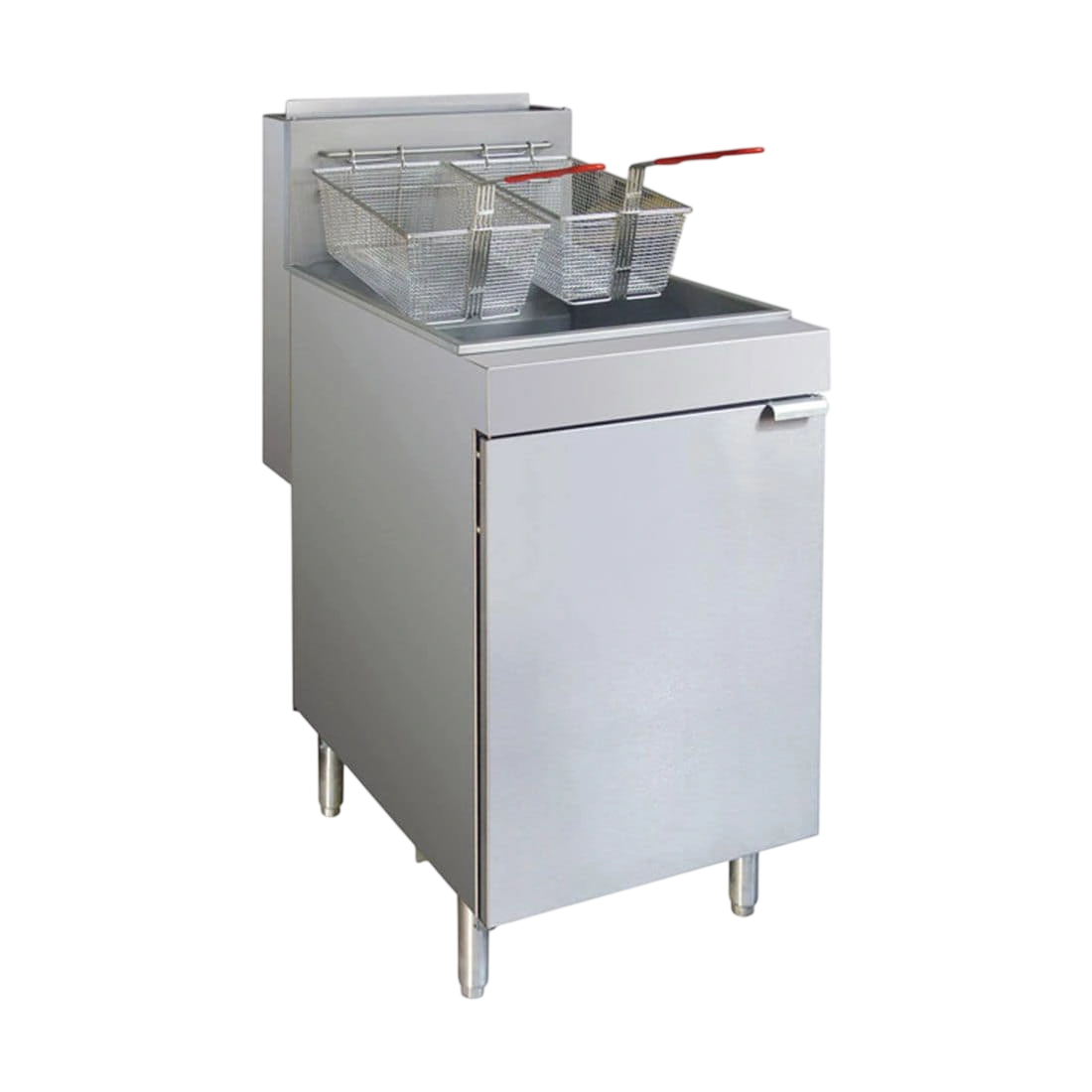
15-20L fast recovery
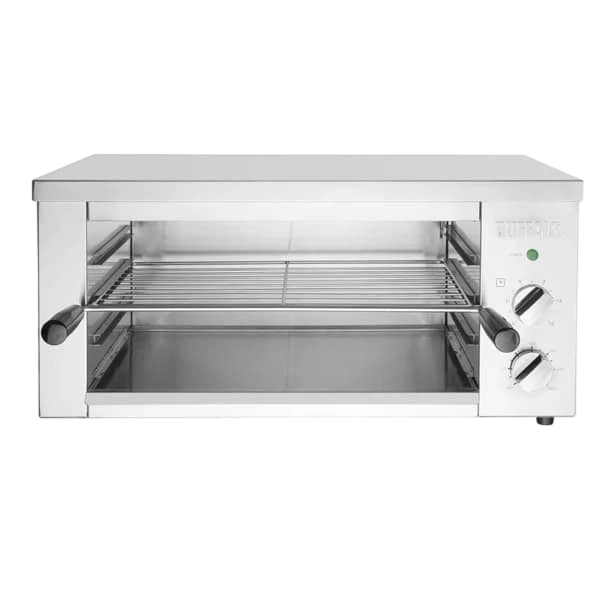
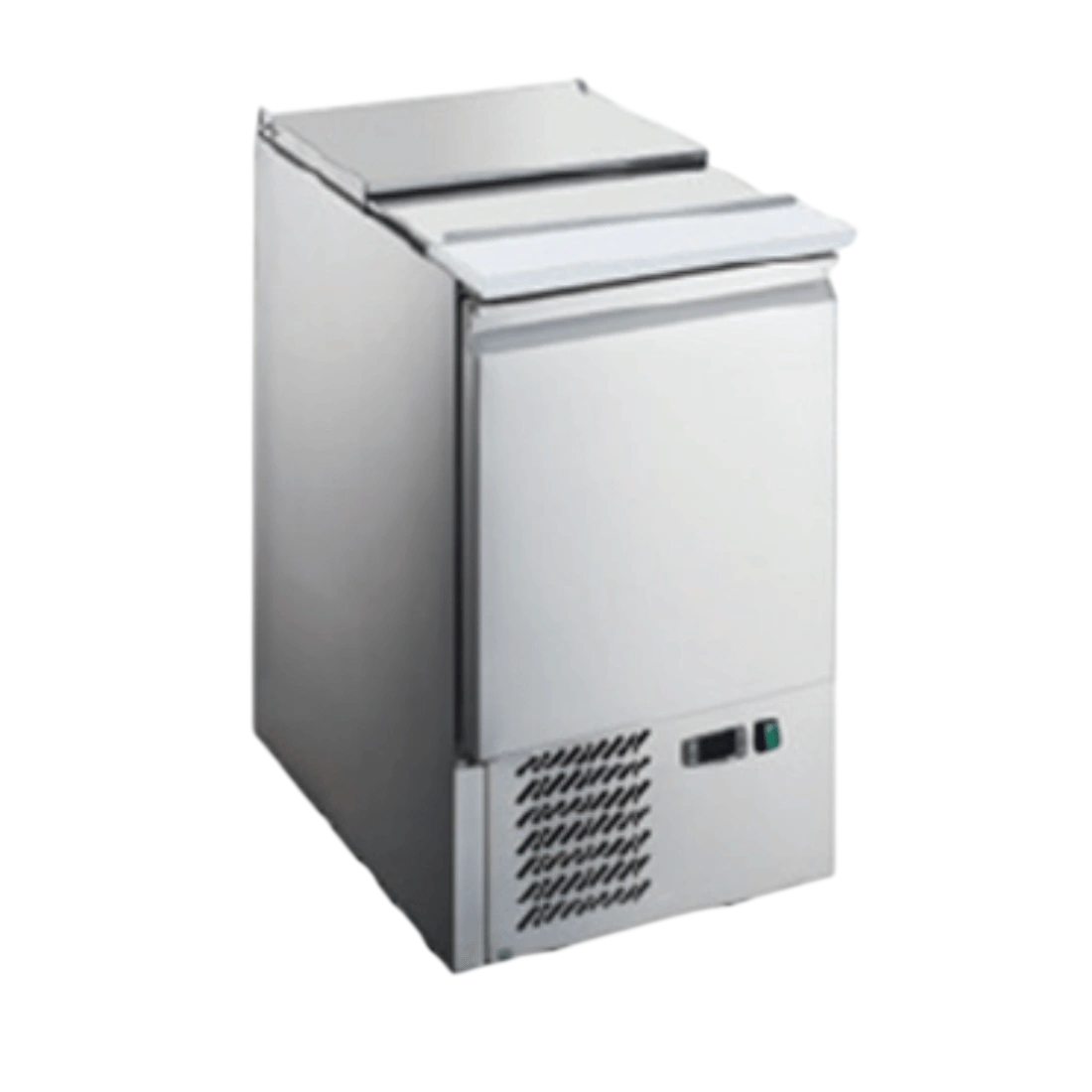
GN 1/1 compatible 2-4°C
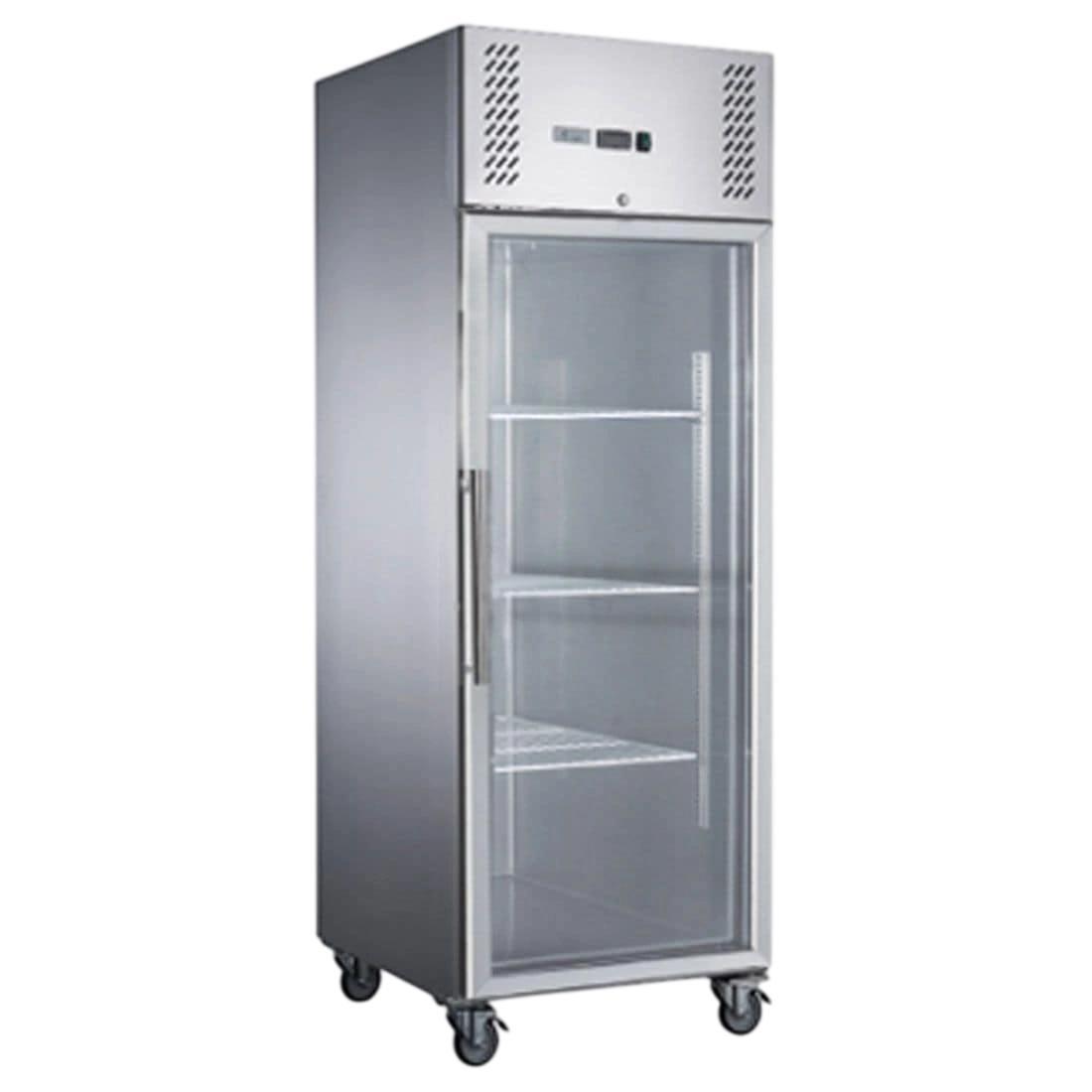
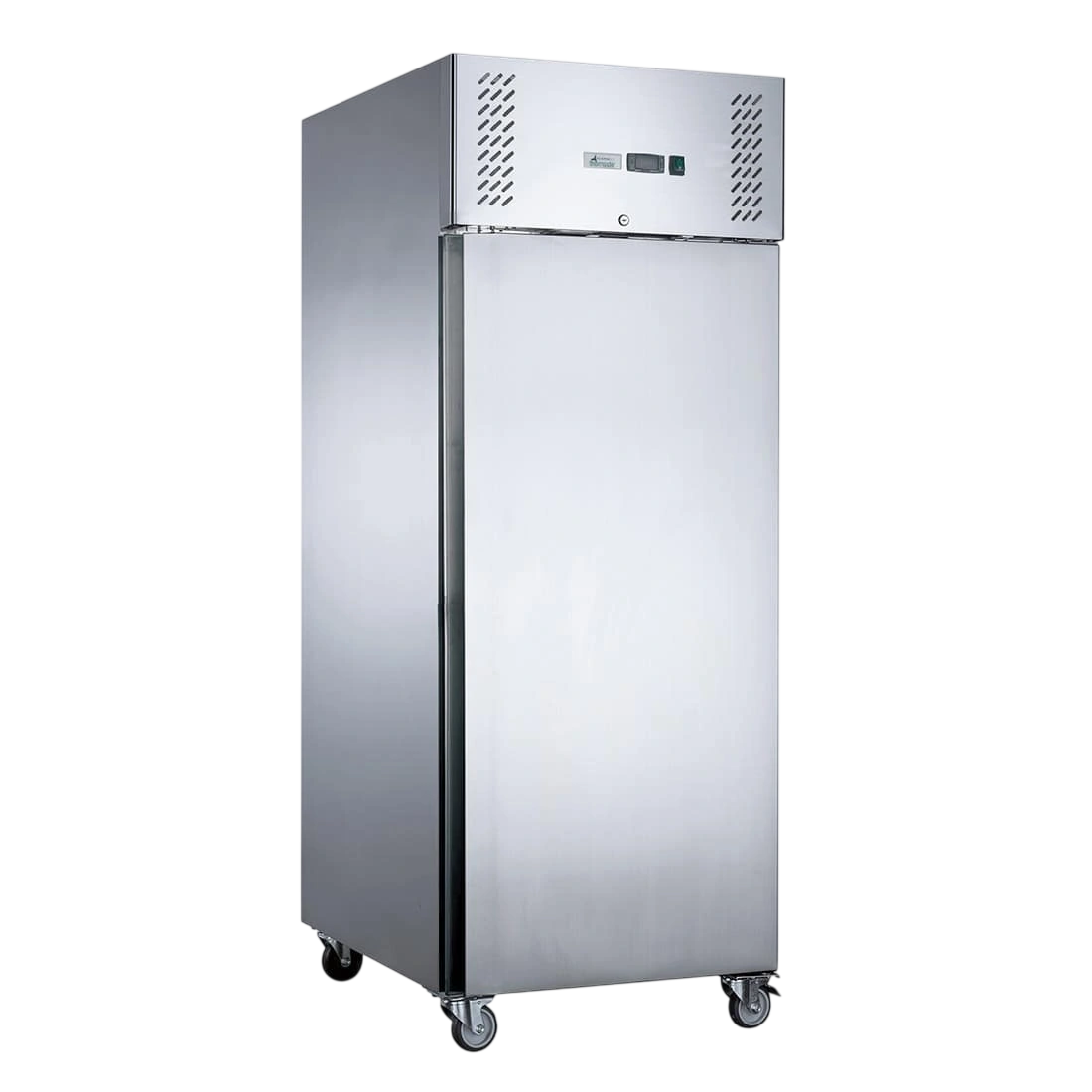
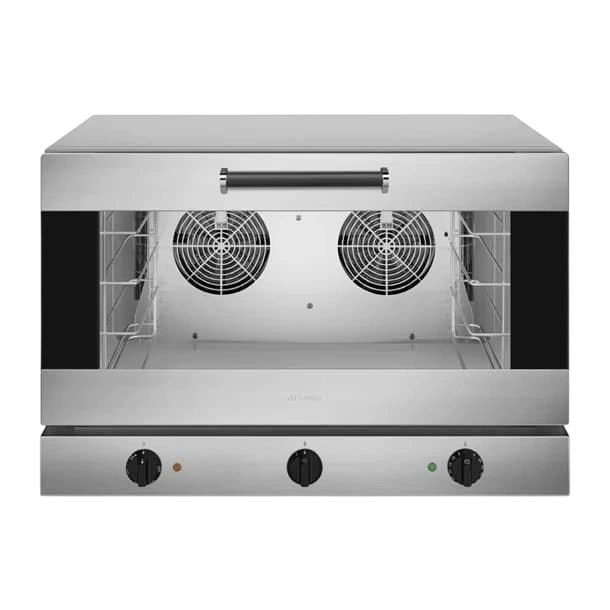
4-6 tray digital
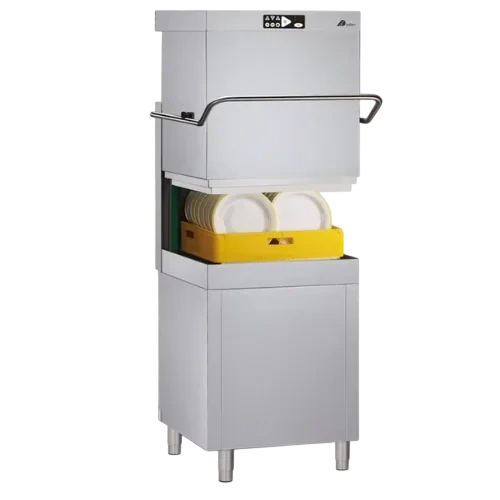
500x500 rack 1-2min cycle (band=mid: pass-through stock starts $5.7k)
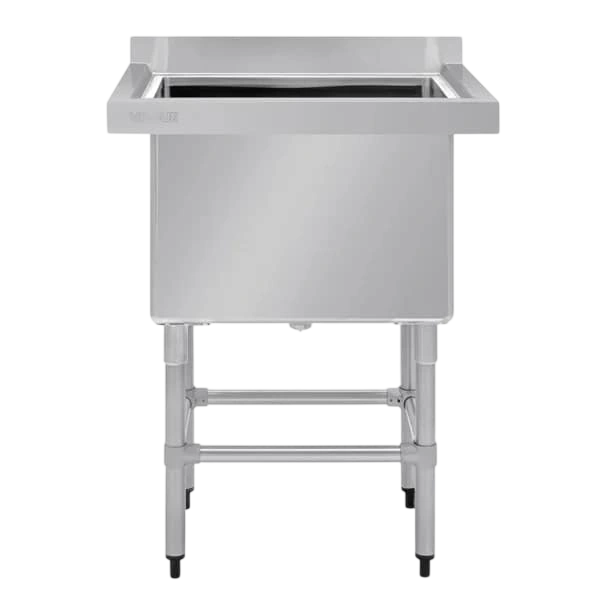
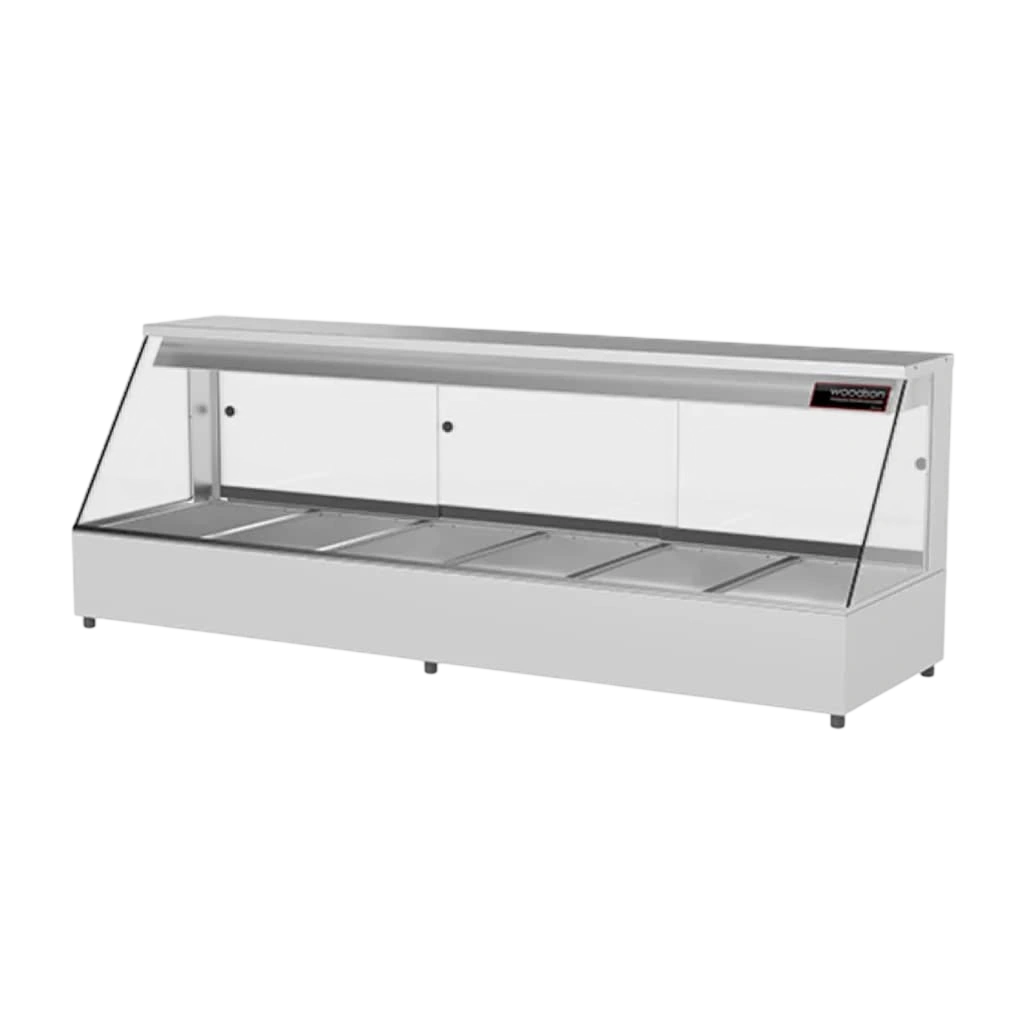
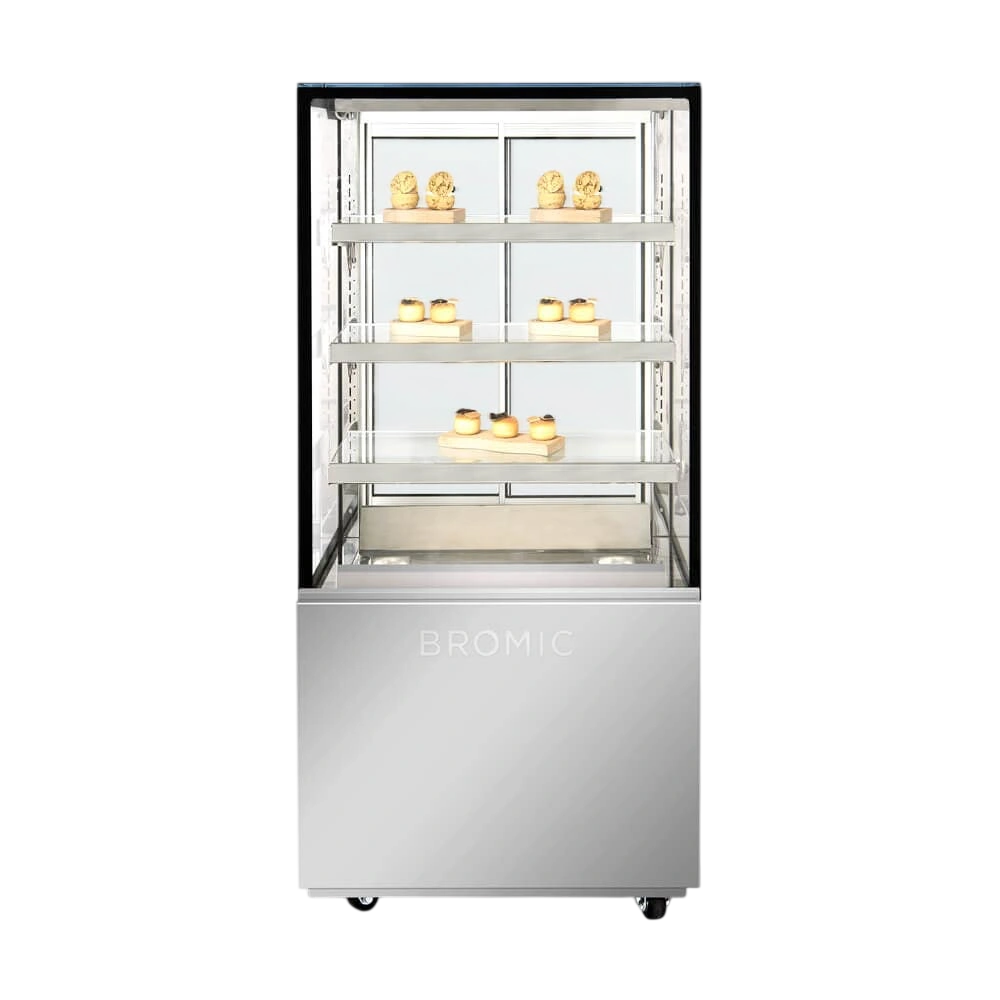
Wet heat GN pans
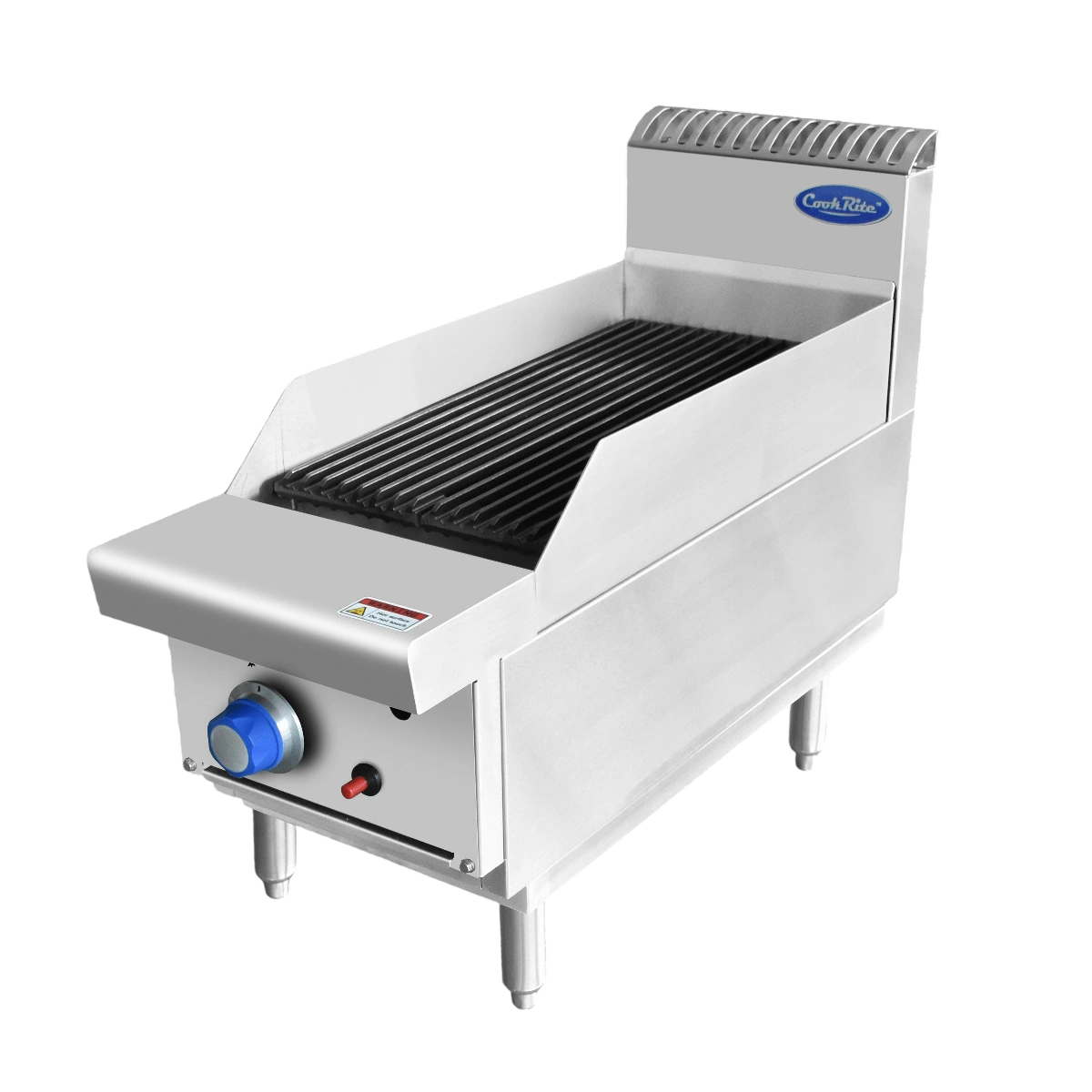
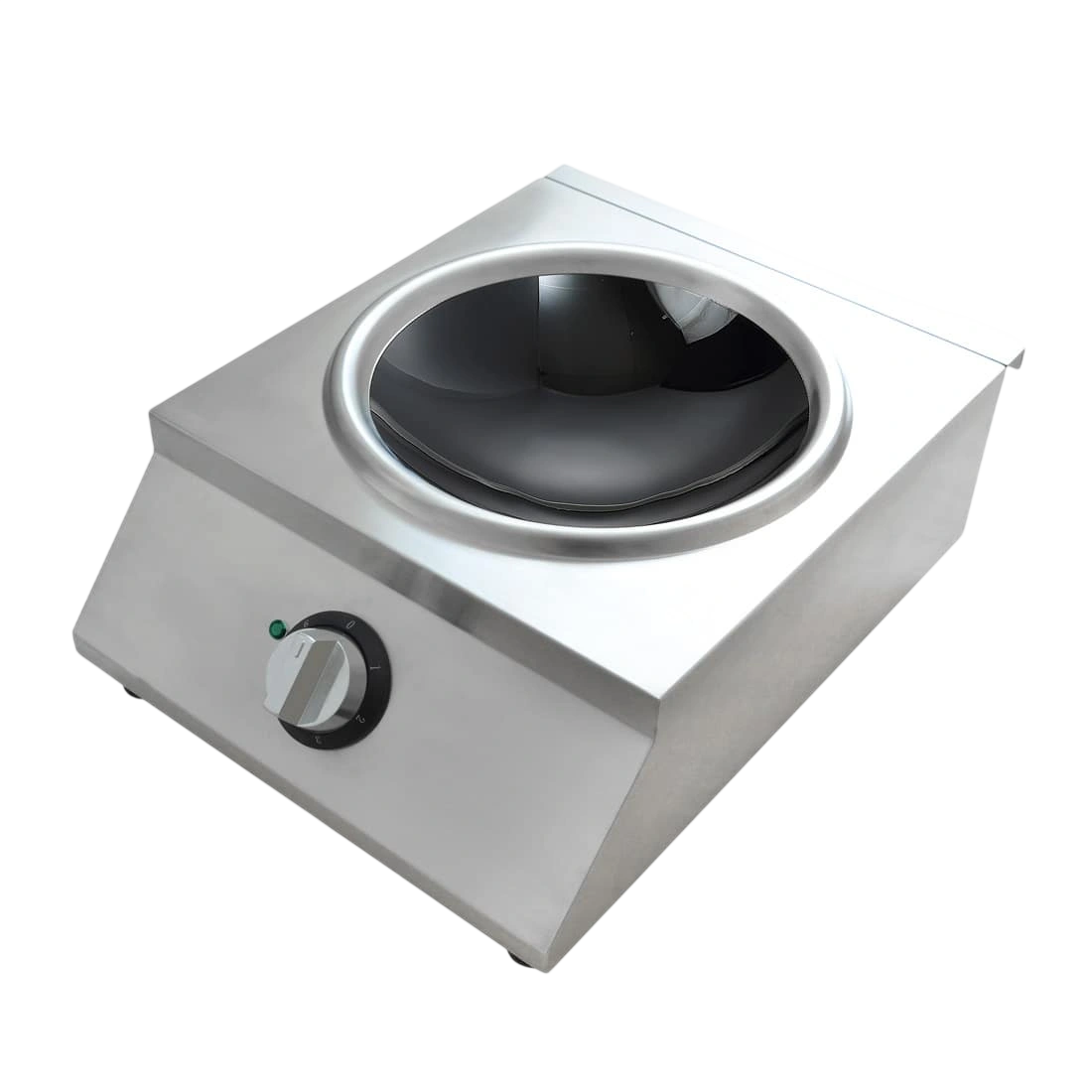
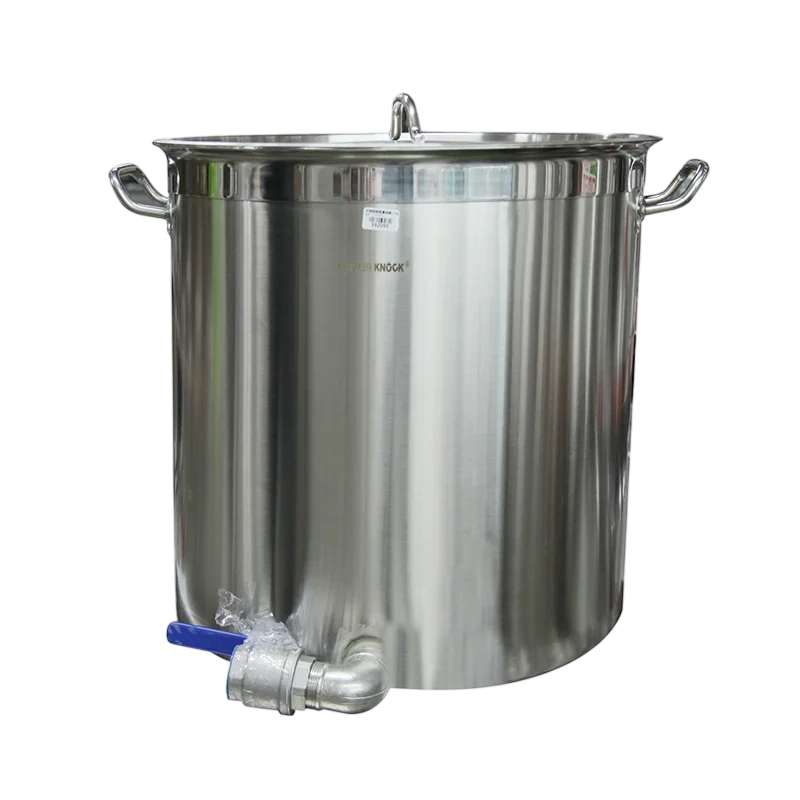
Heavy-duty single
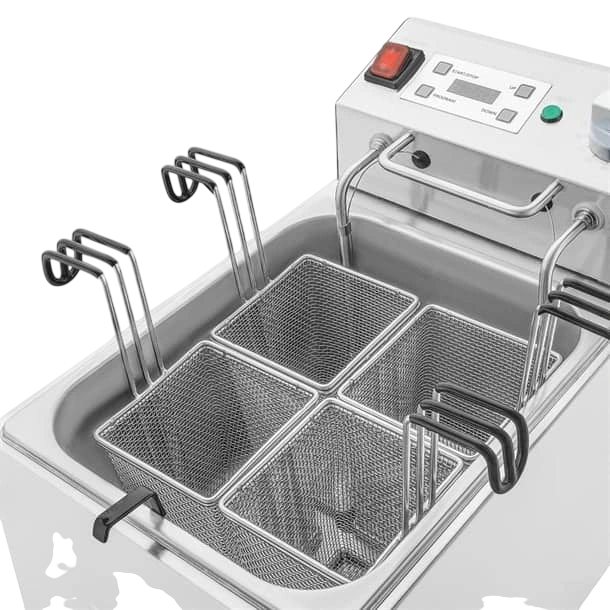
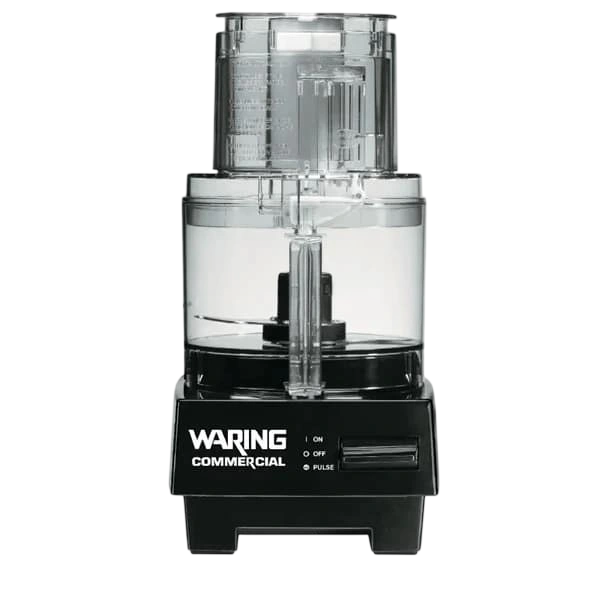
12 essential items · $35,929 ex-GST indicative · with delivery and installation quoted for your site. Final quote reflects your menu, site, power, gas, drainage, ventilation and delivery.
Checking current Package availability…
Package: SBB-RESTAURANT-BISTRO
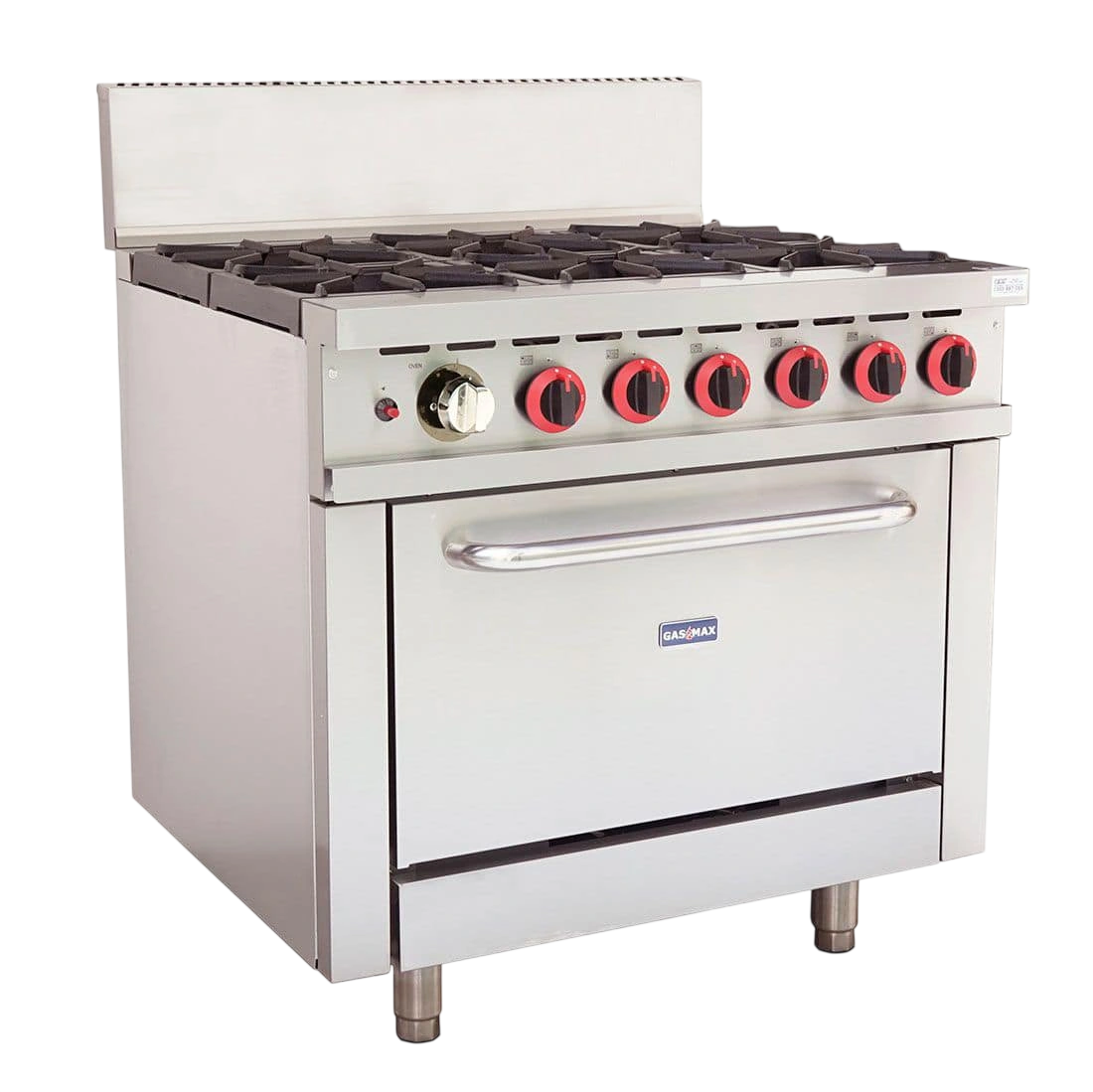
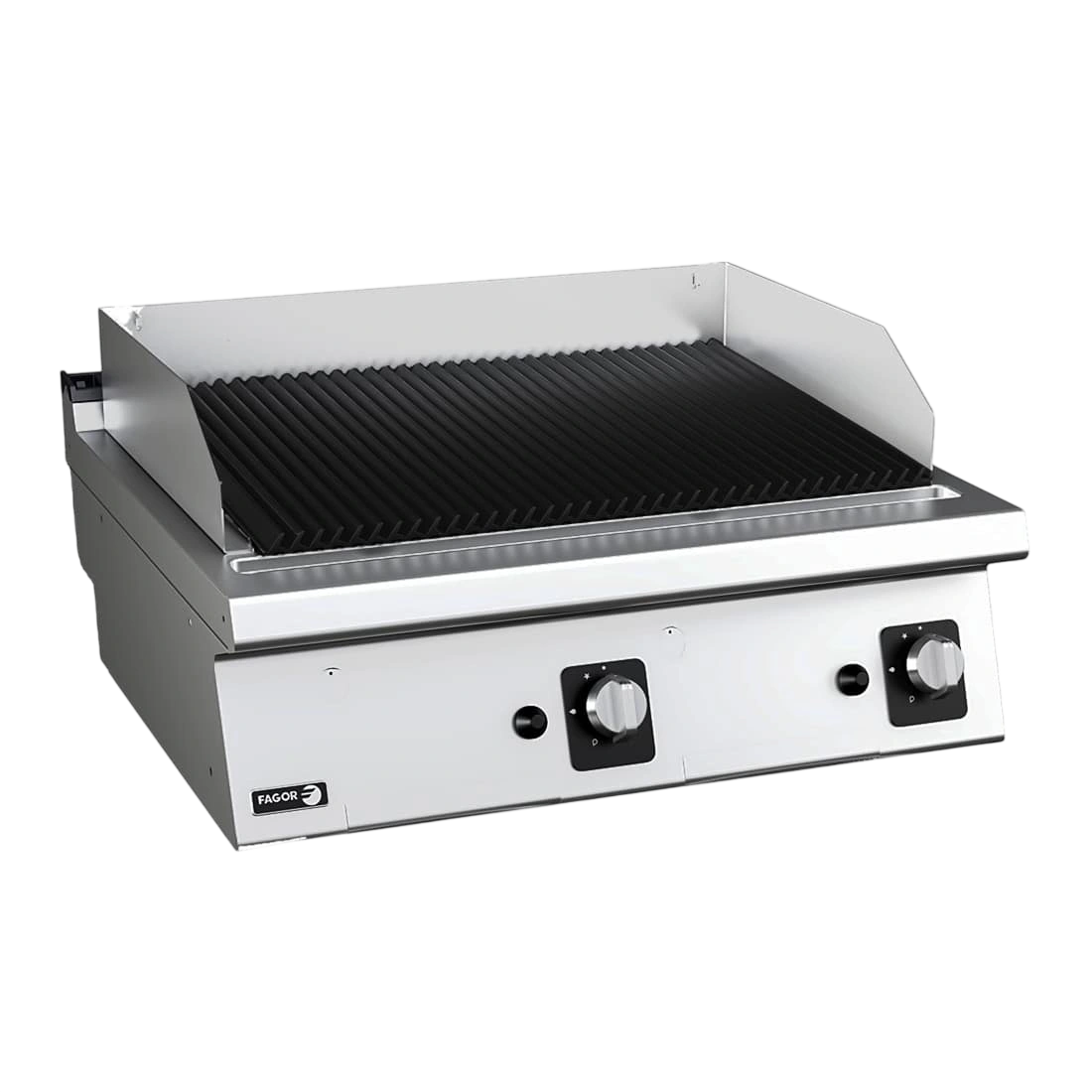
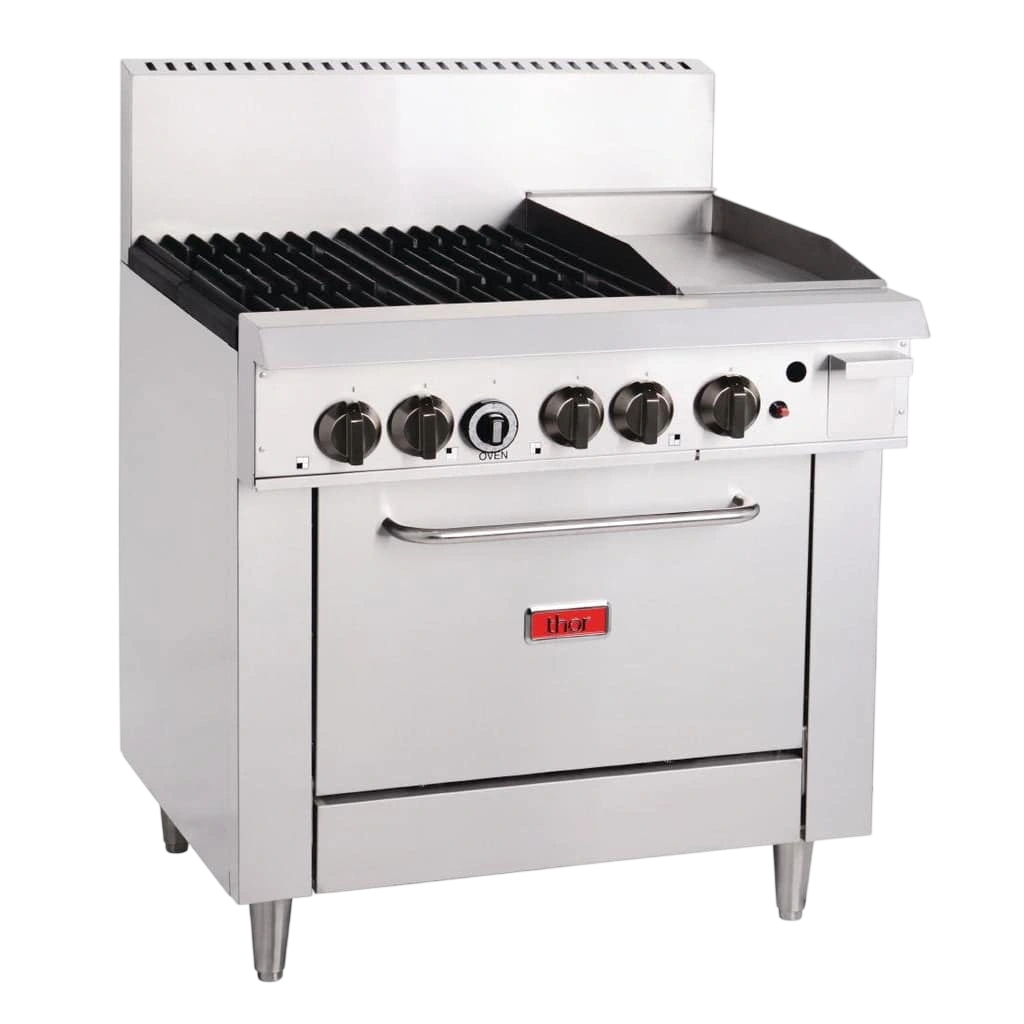
Flexible saute/sear
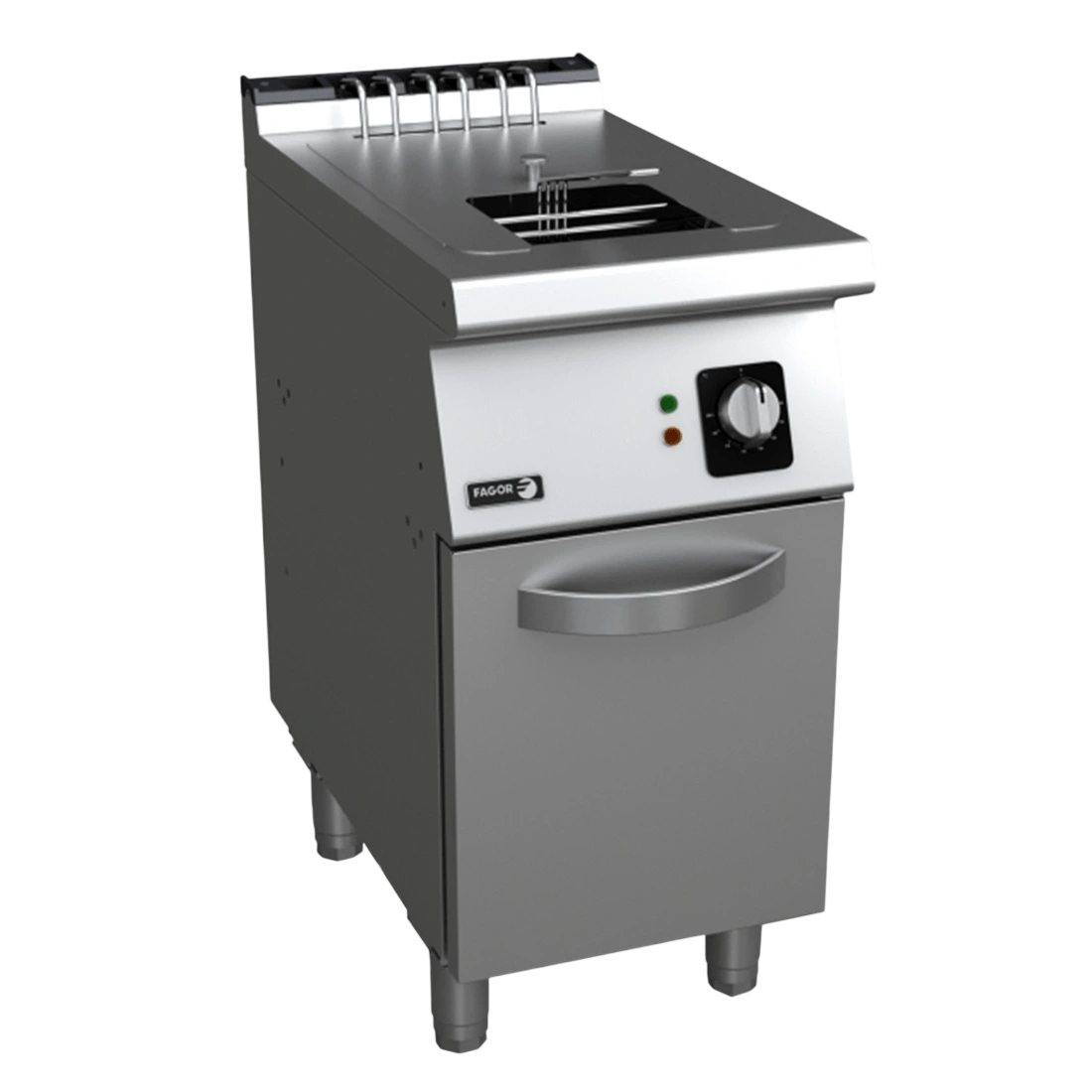
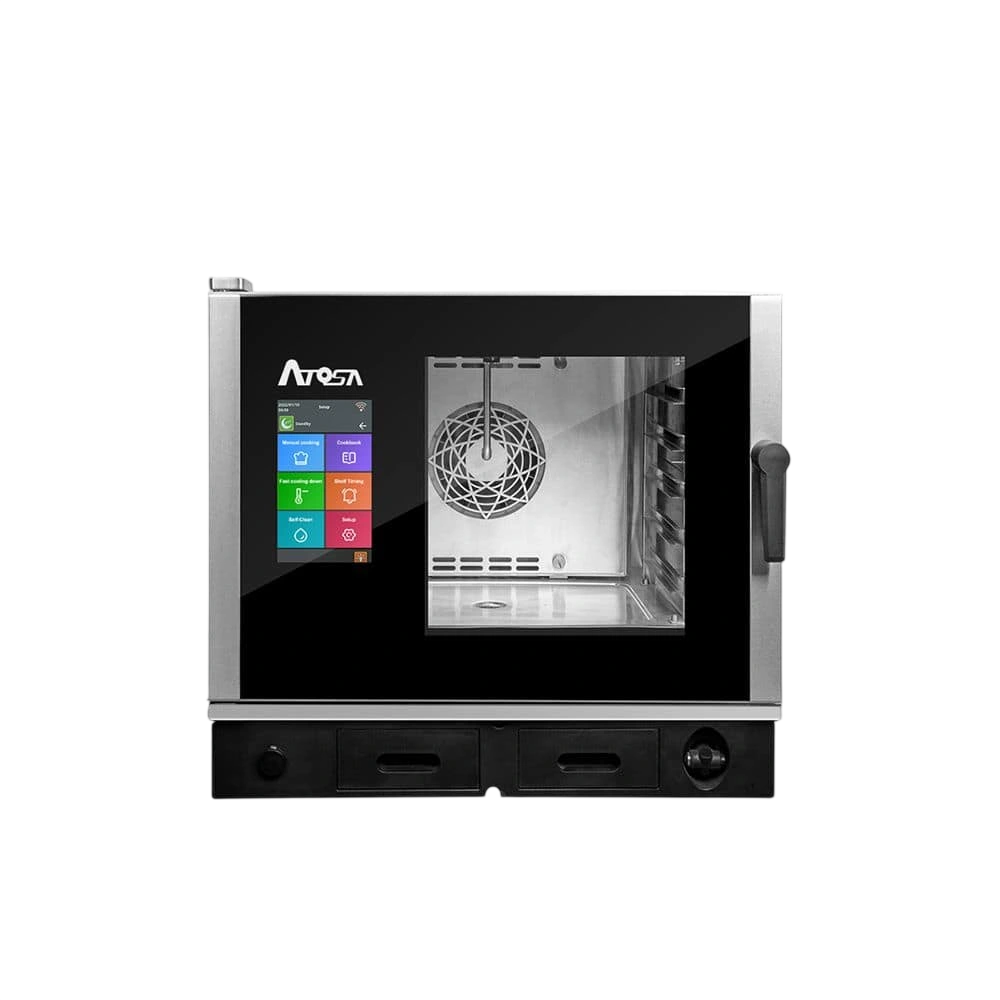
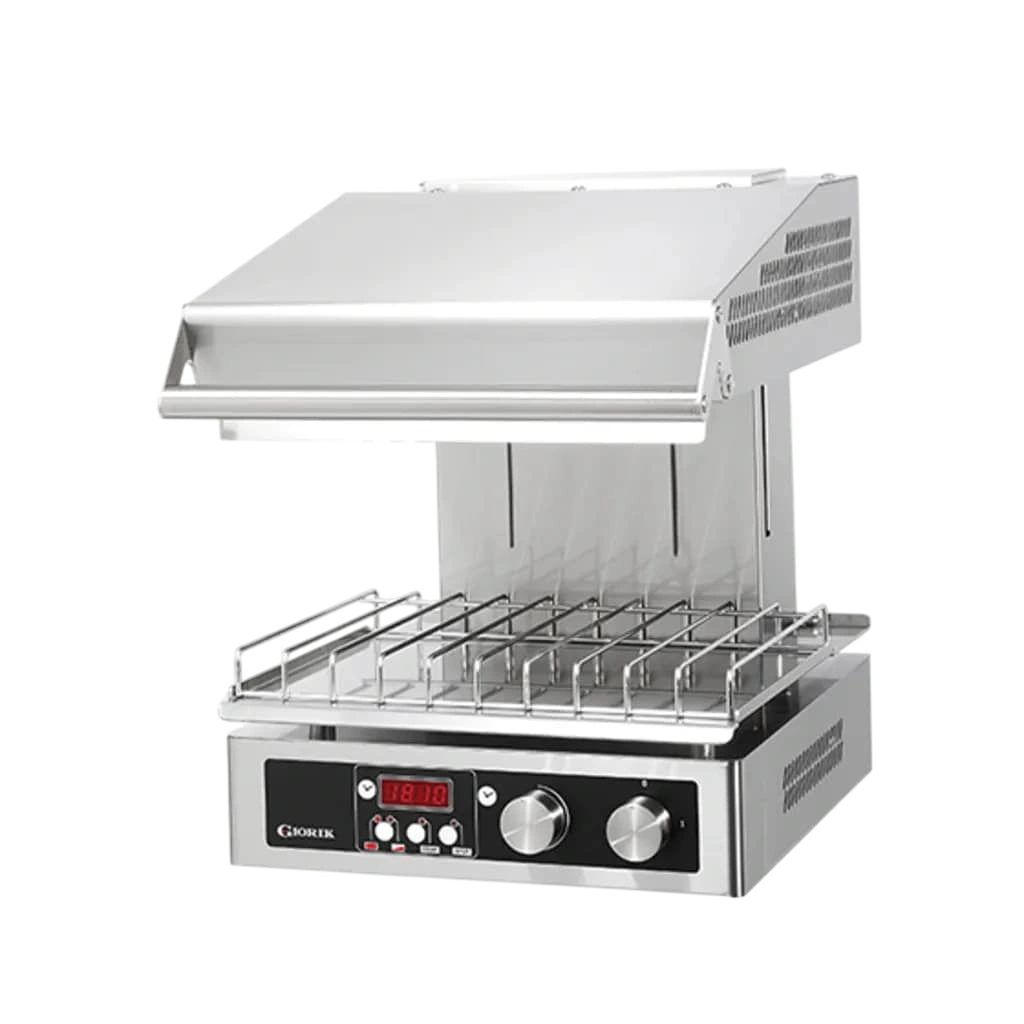
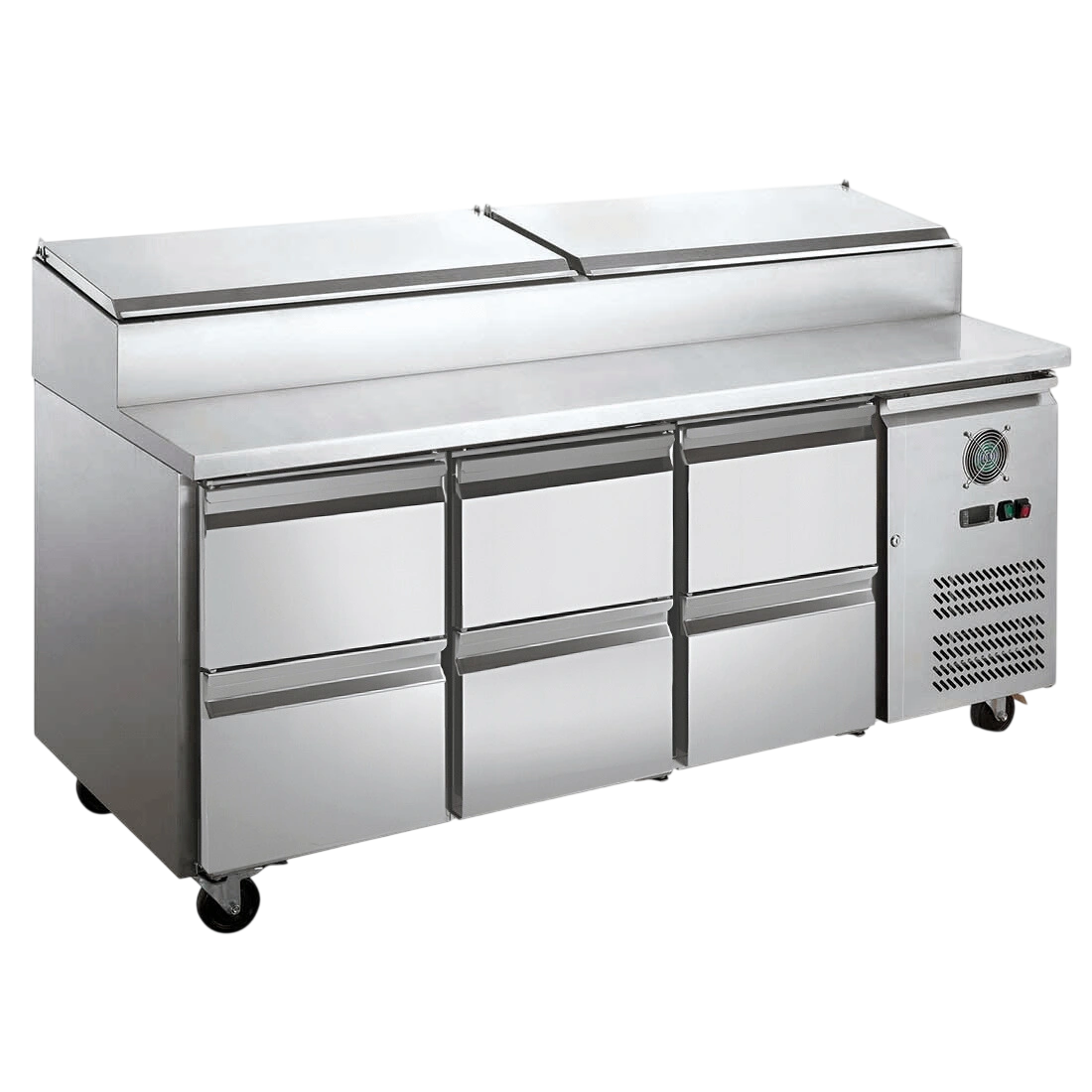
GN compatible station mise
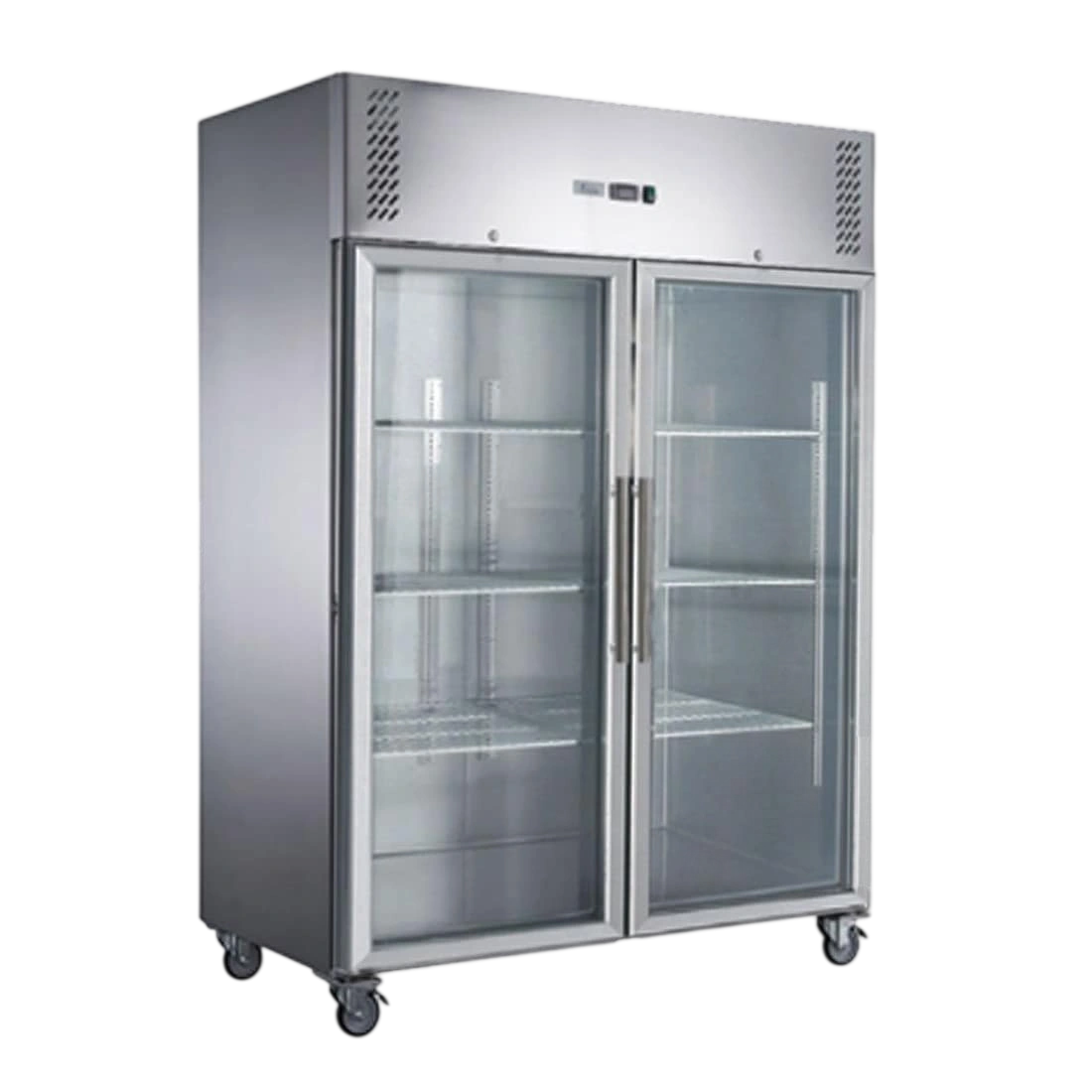
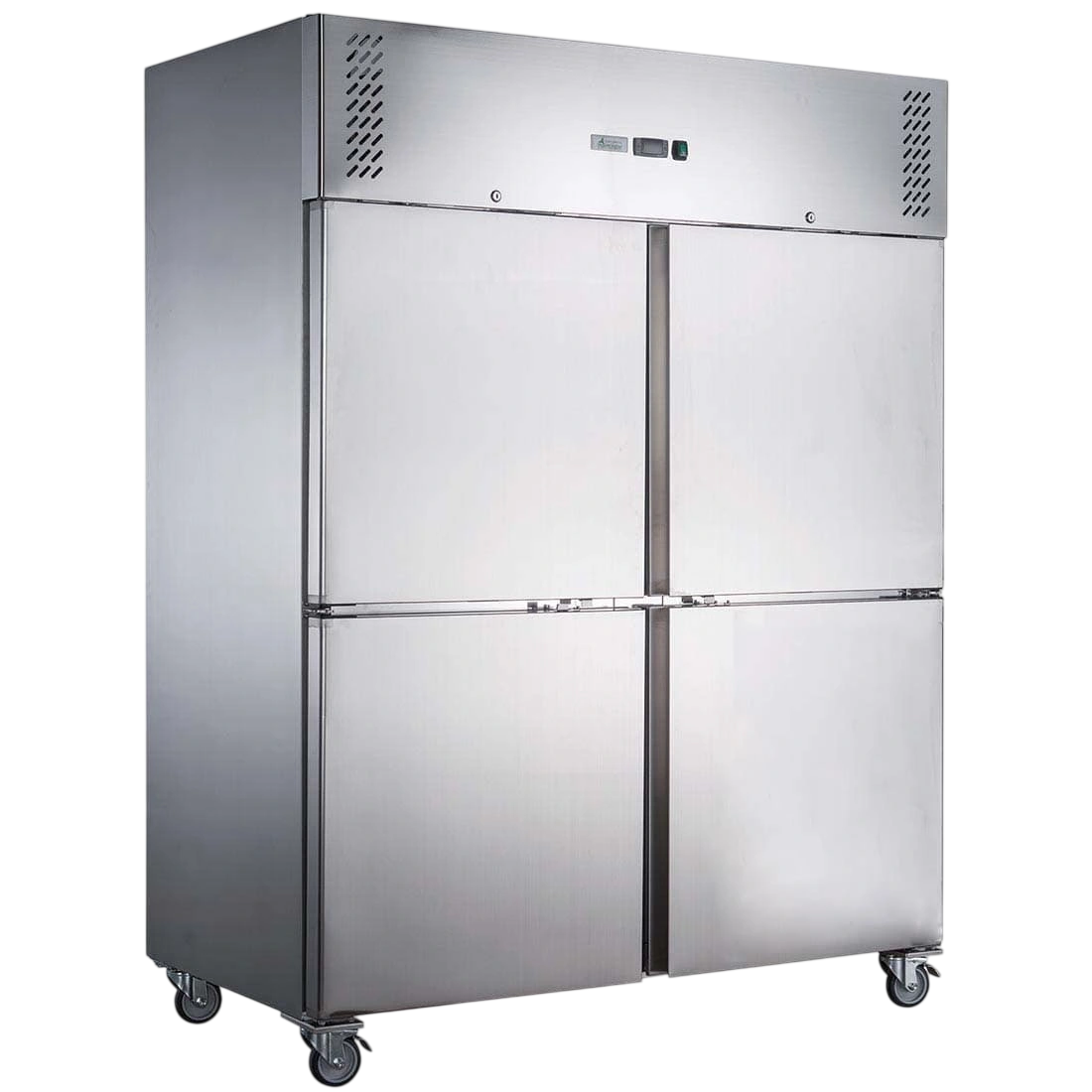
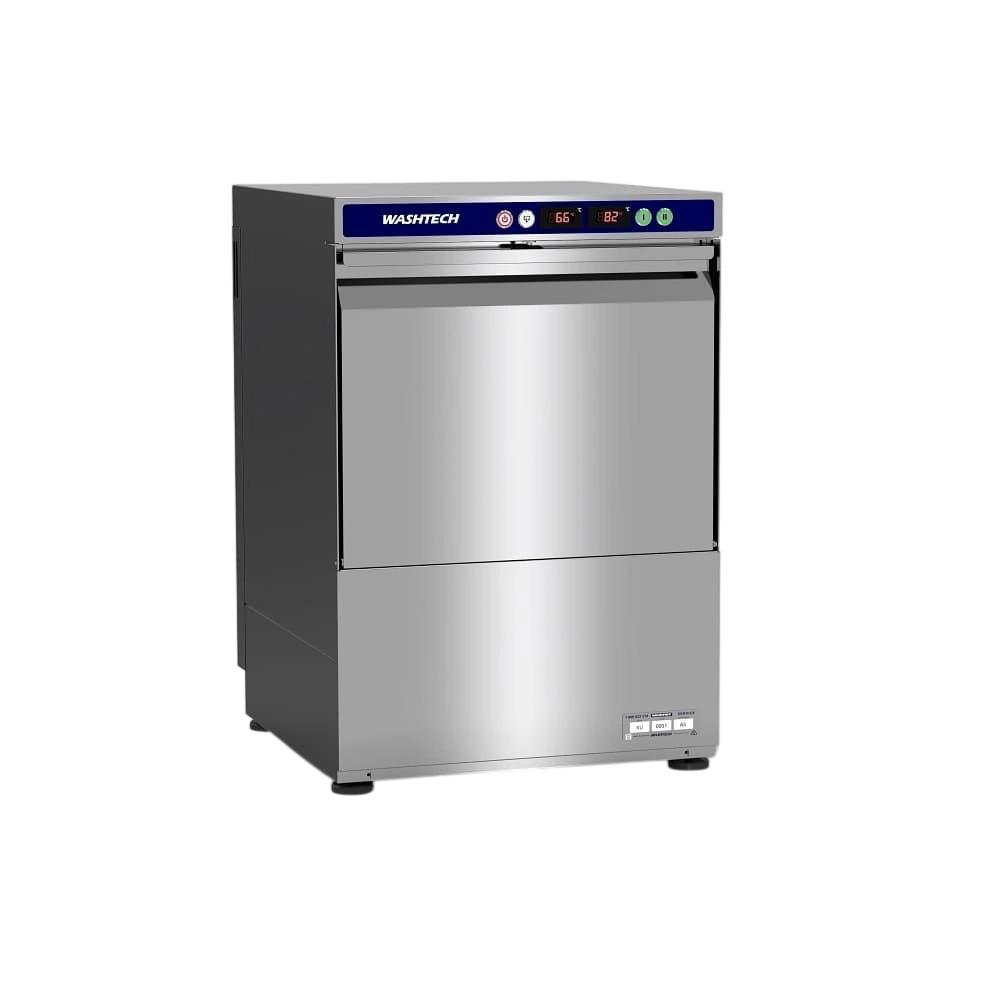
Bar/dining separation
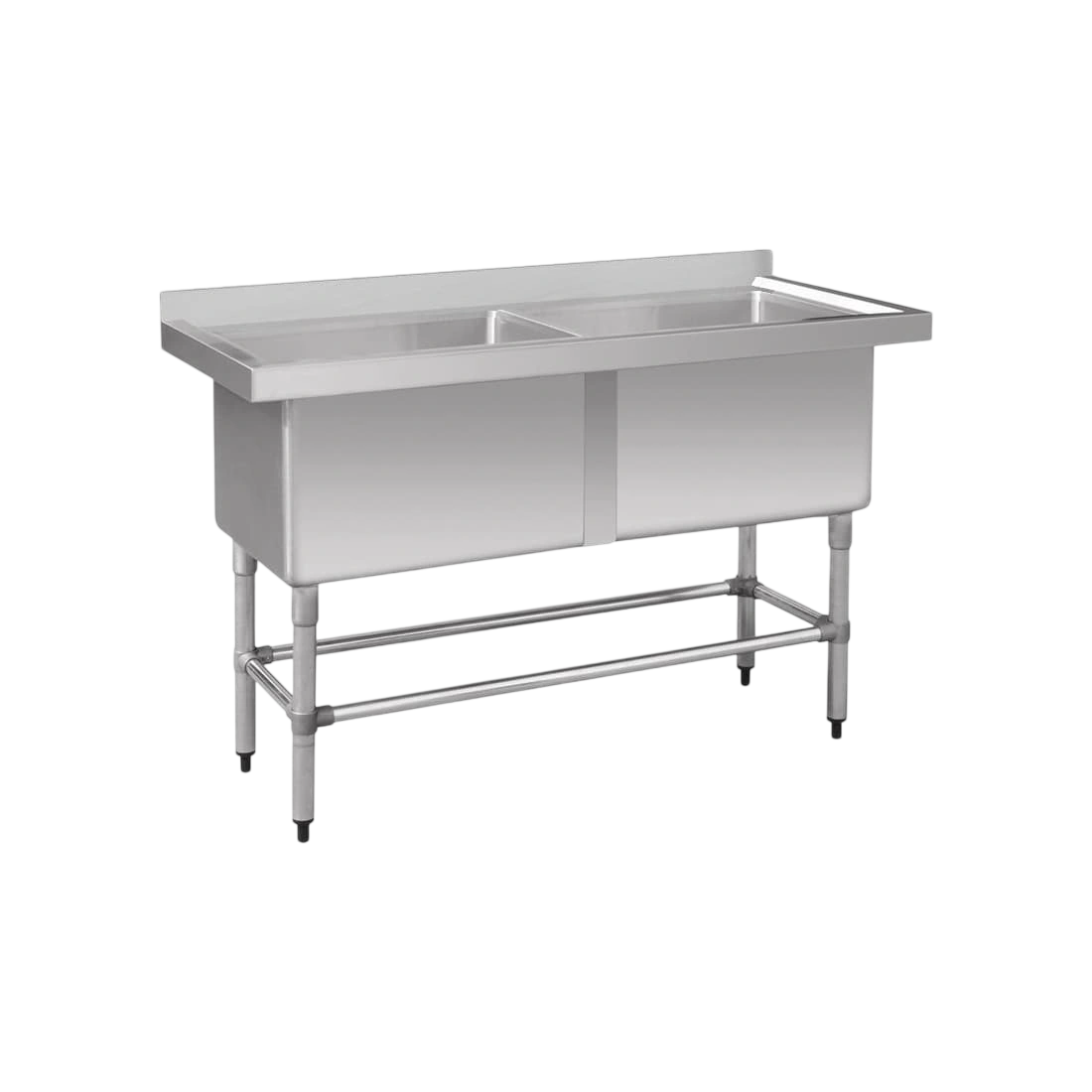
1800-2400mm compliance (DB caps under $3.5k)

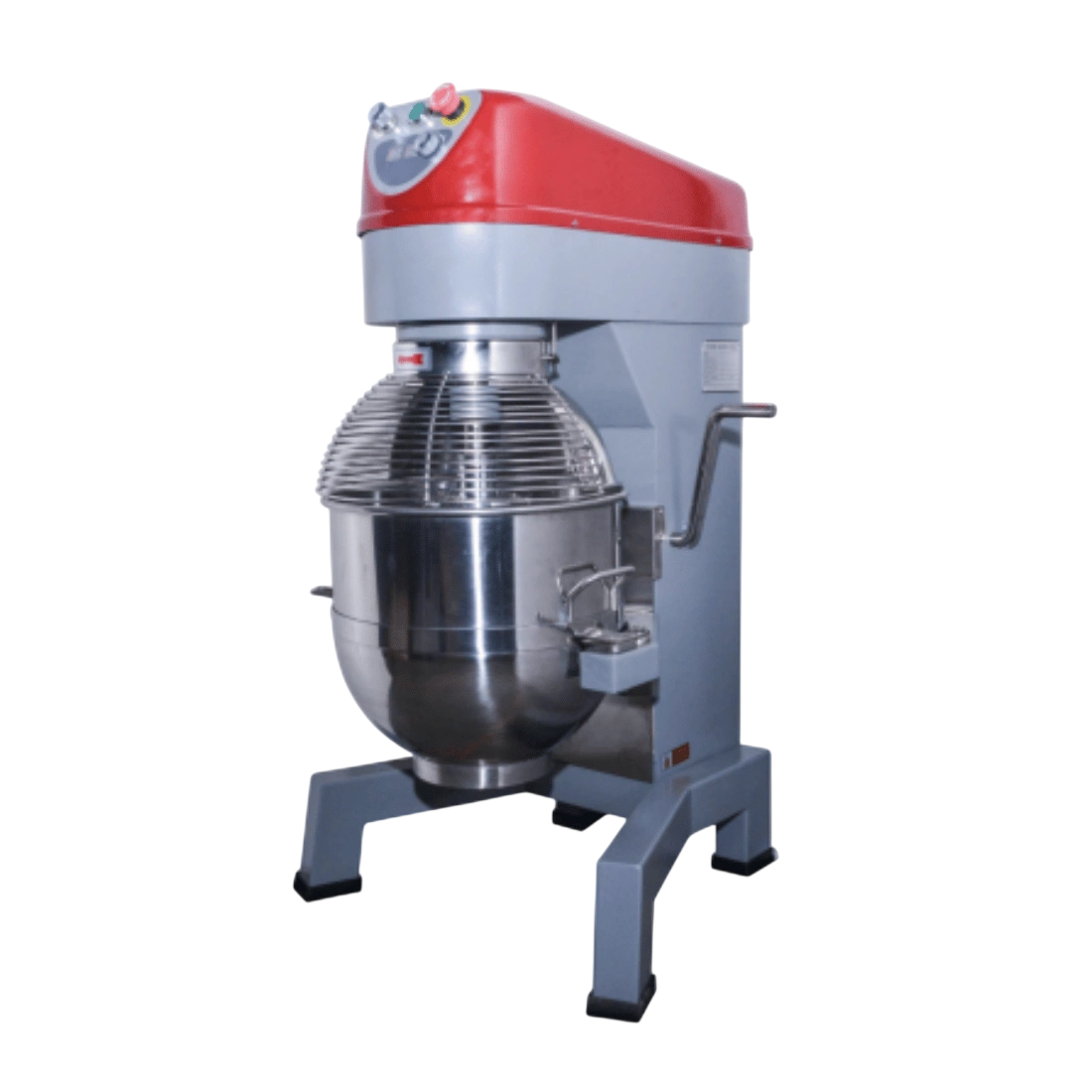
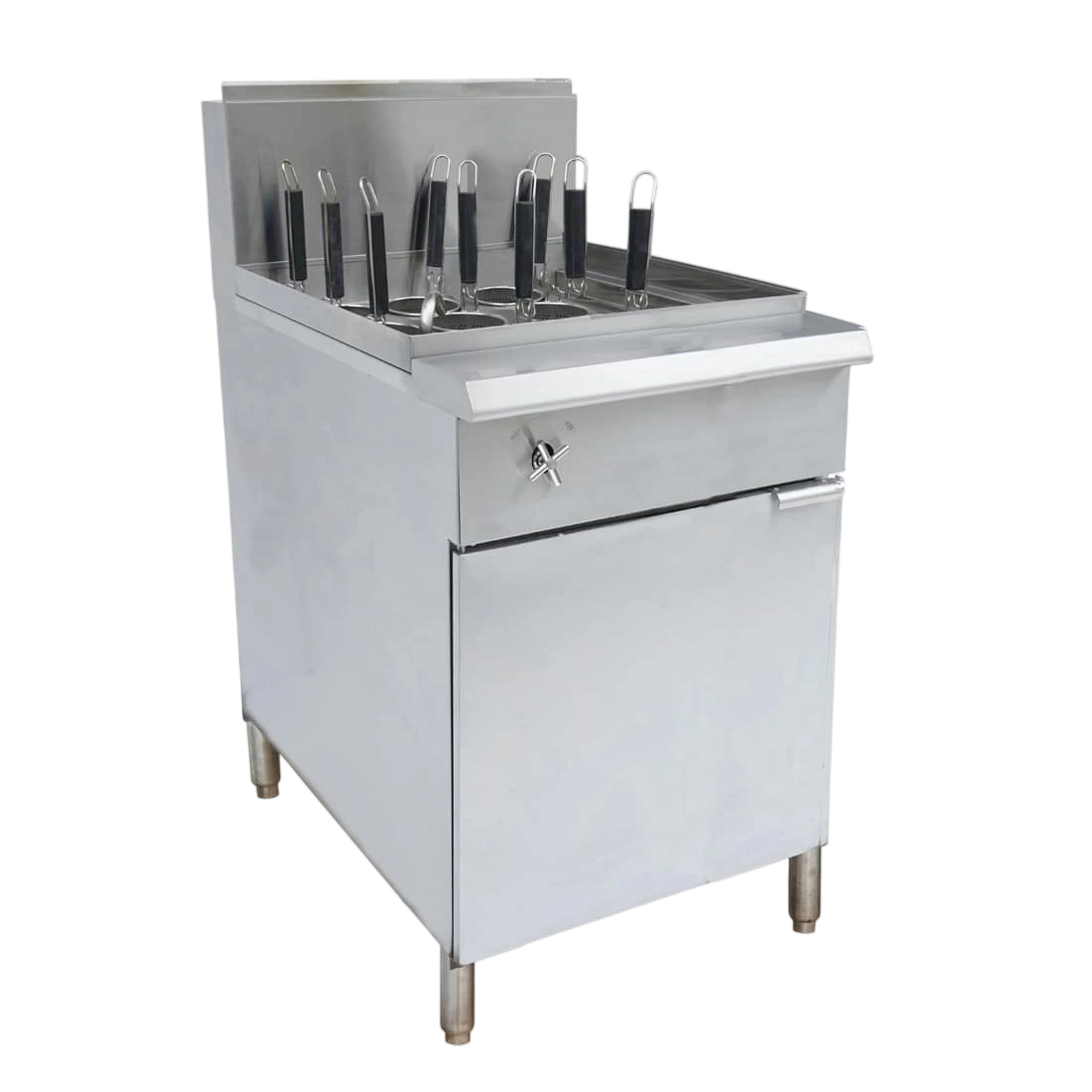
2-4 basket gas dedicated
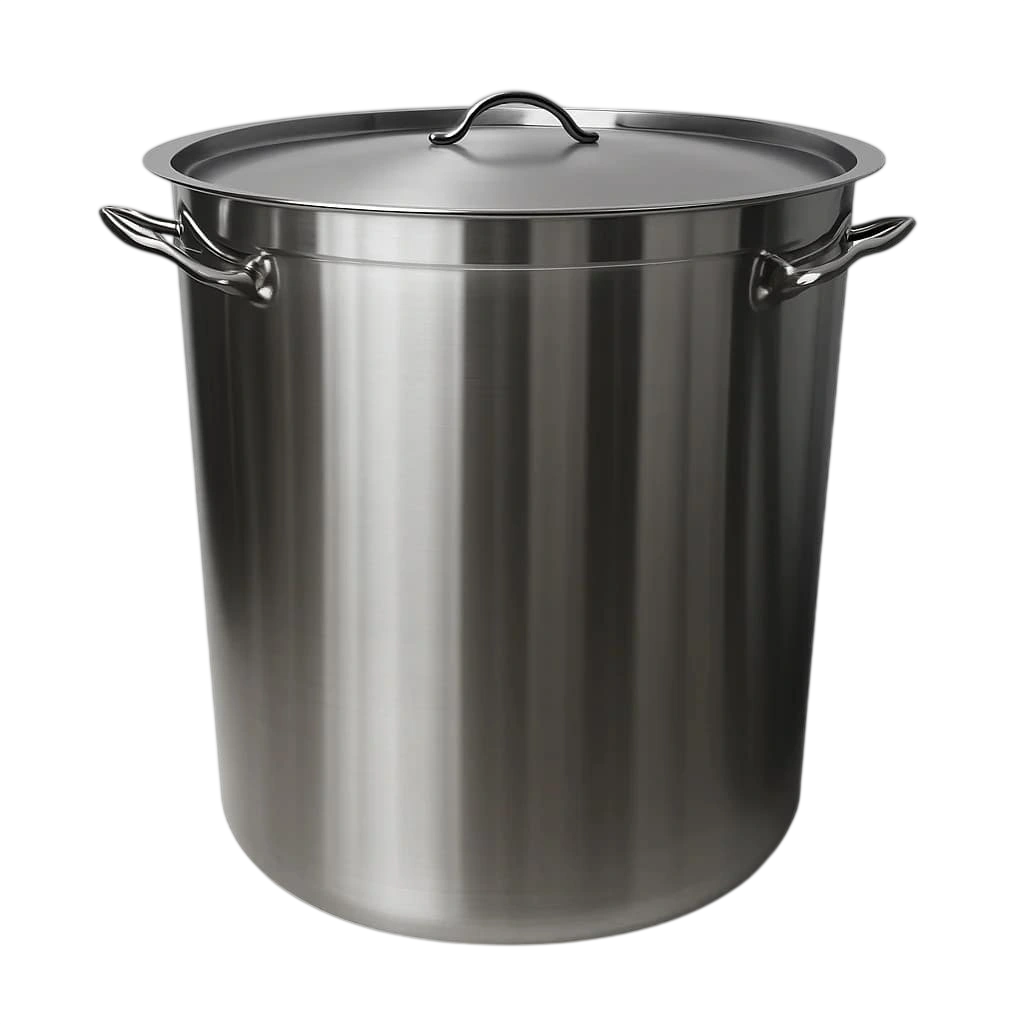
Heavy-duty broths/sauces (DB caps under $3.5k)
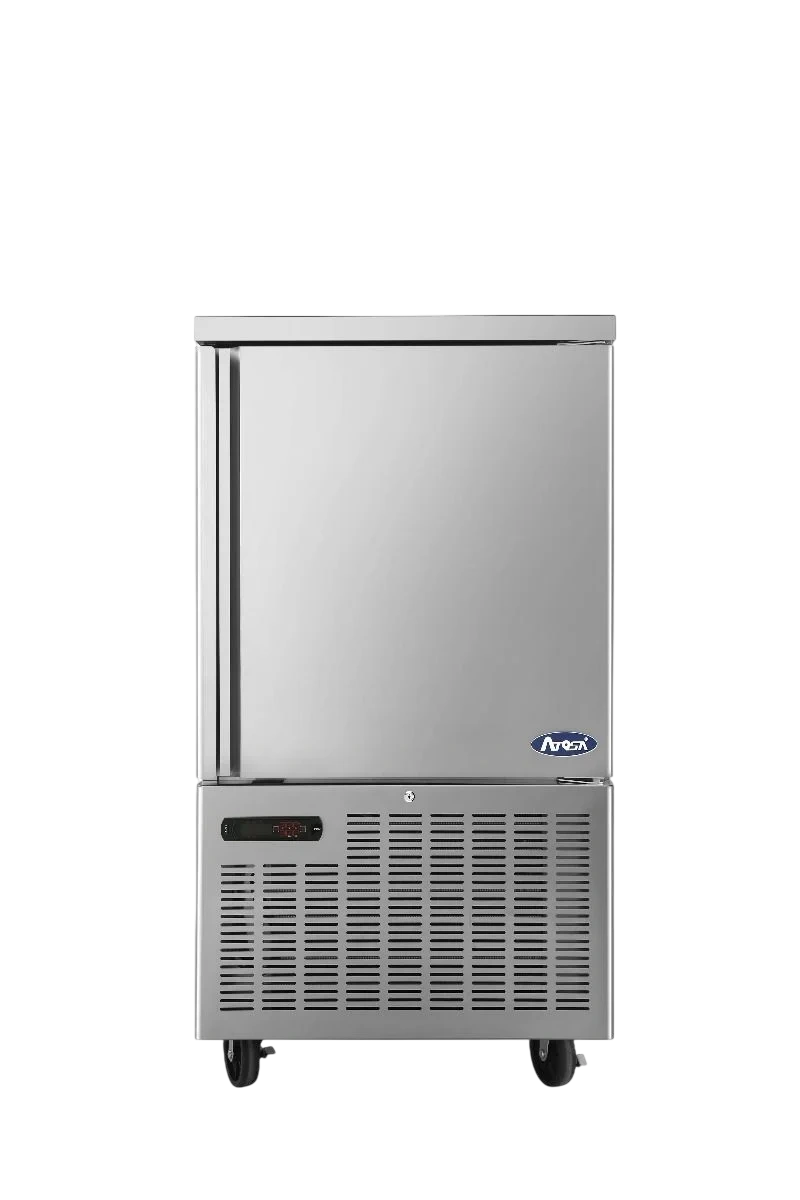
Rapid 3°C in 90min HACCP (Atosa/Polar/Thermaster)
13 essential items · $77,688 ex-GST indicative · with delivery and installation quoted for your site. Final quote reflects your menu, site, power, gas, drainage, ventilation and delivery.
Checking current Package availability…
Package: SBB-RESTAURANT-RESTAURANT
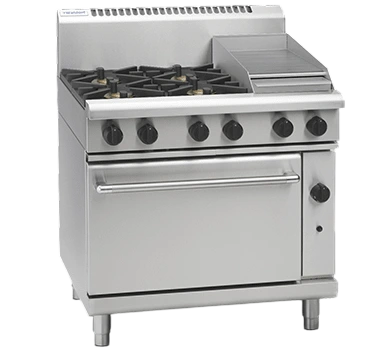
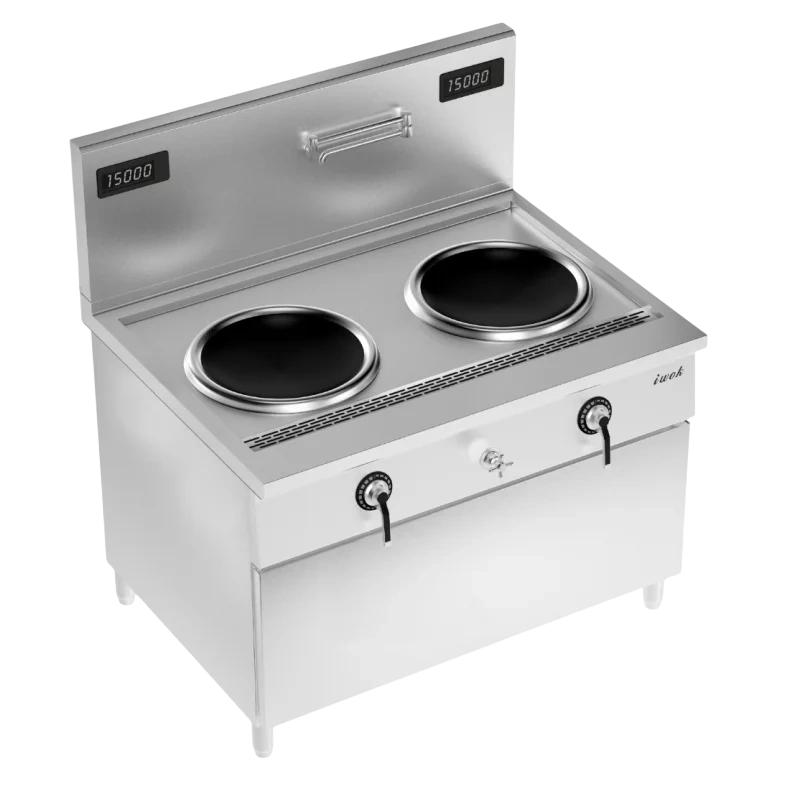
Full-width radiant Waldorf/Blue Seal
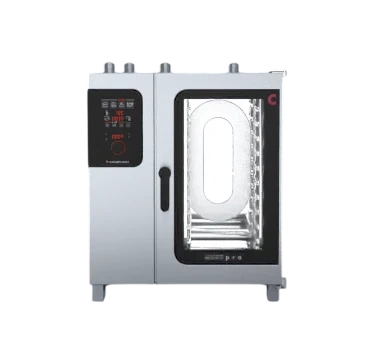
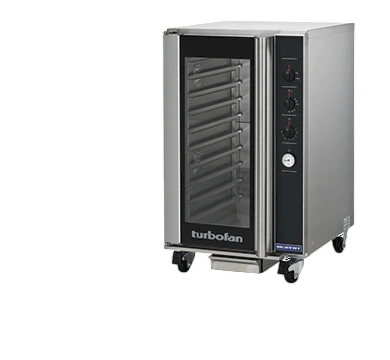
11 x 1/1 GN gas combi-steamer — confirm site gas supply and ventilation
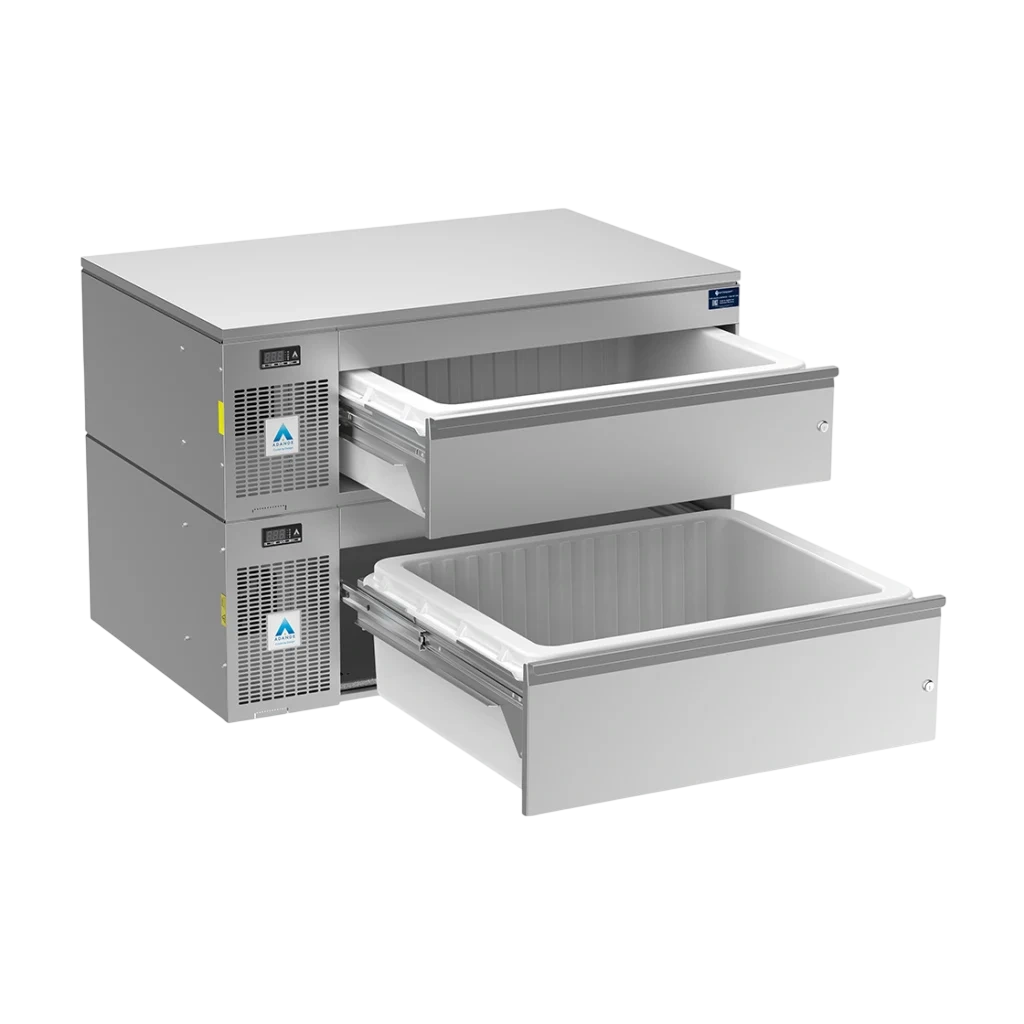
No-bend brigade Adande/Turbo Air
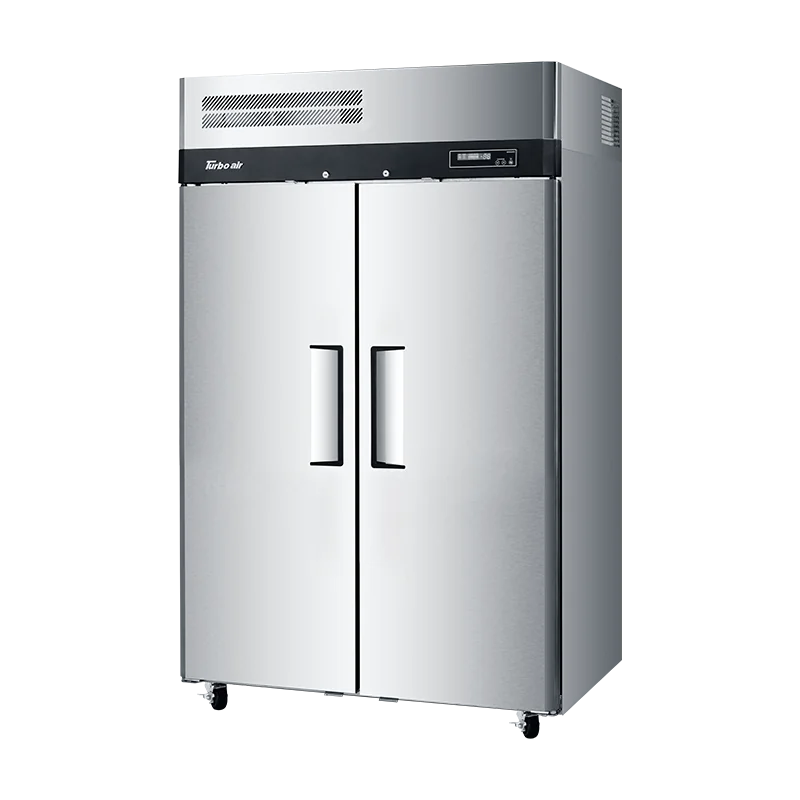
2000L+ allergen separation Turbo Air
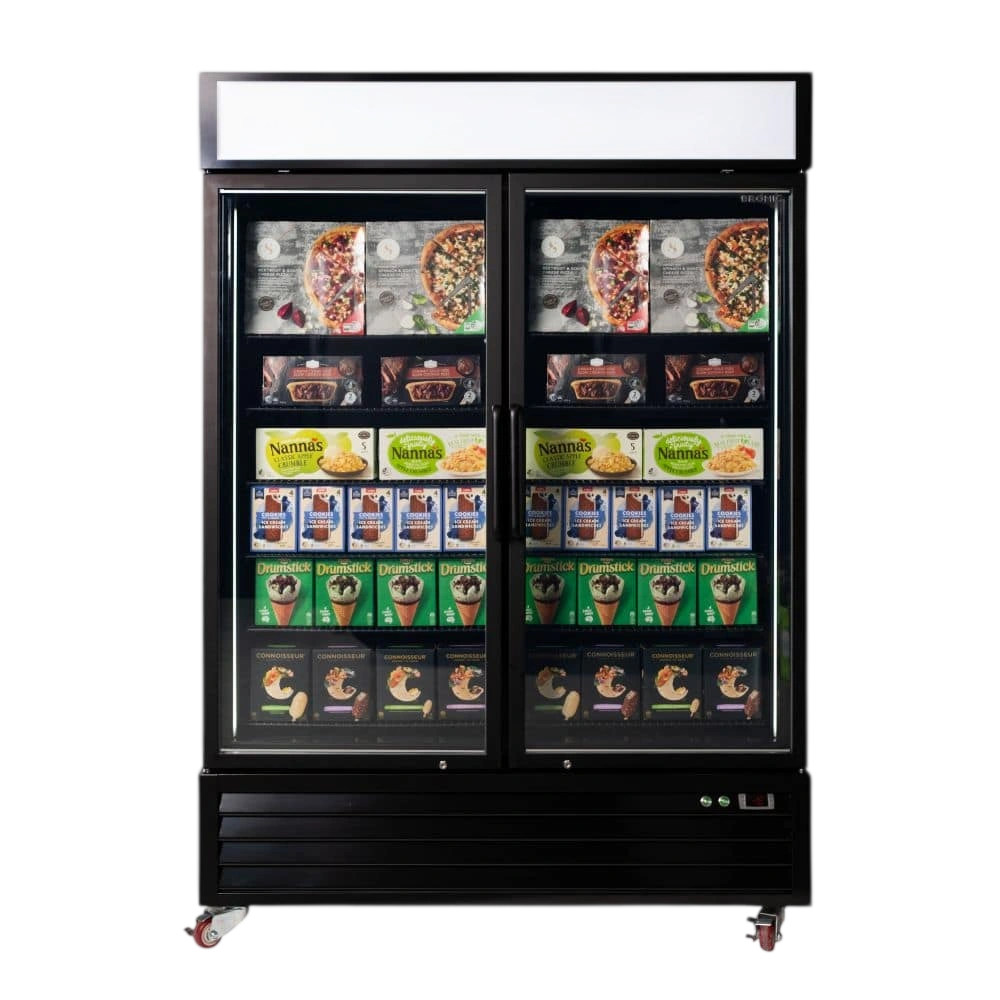
1500L+ pastry/prep KF65 class
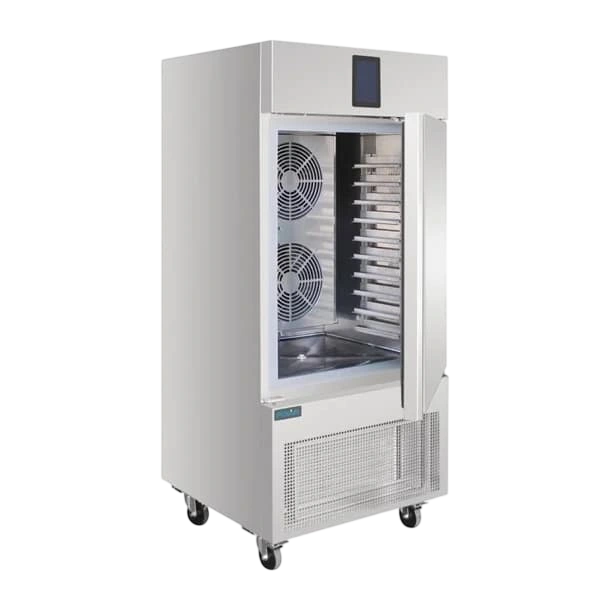
10 x 1/1 GN blast chiller, 230V single phase
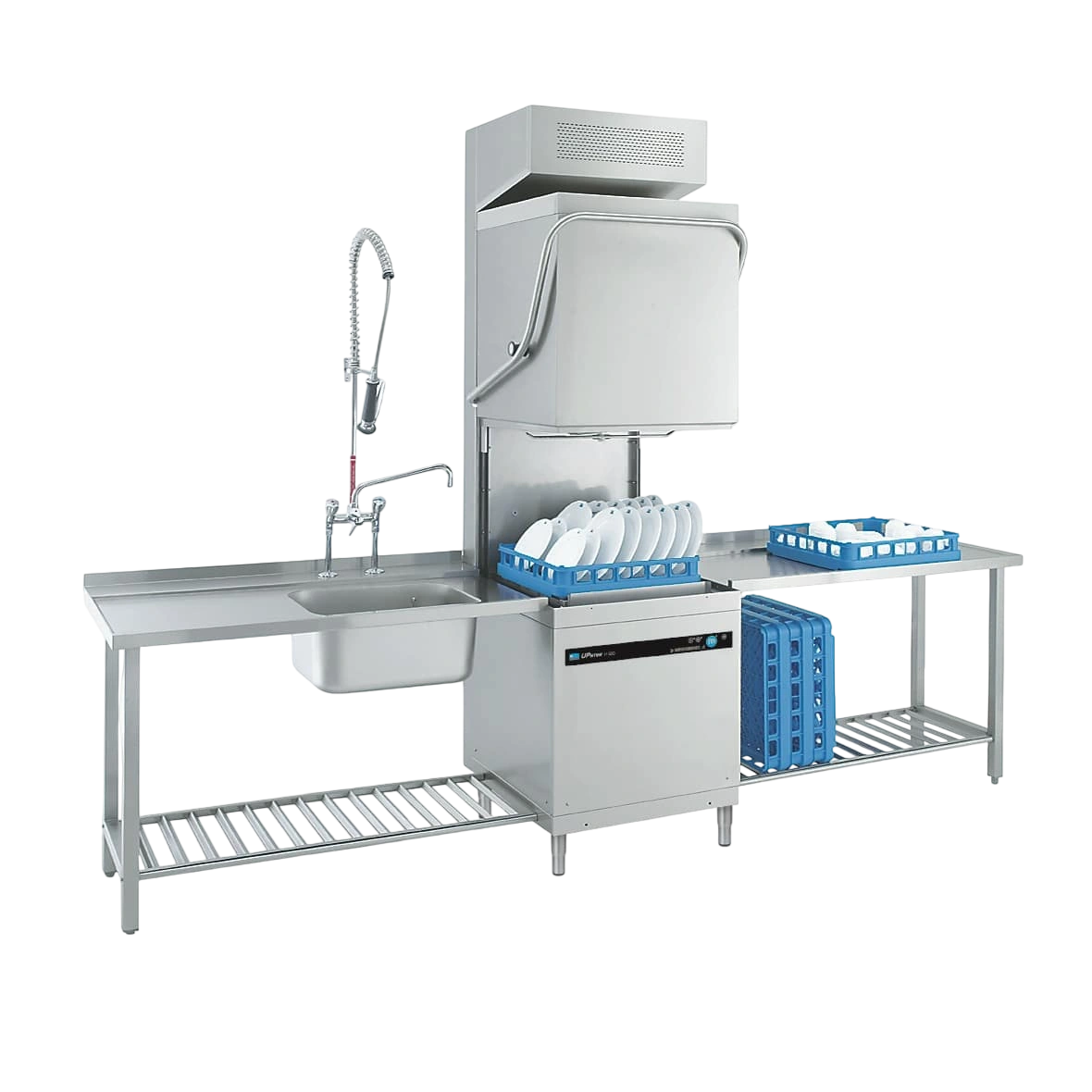
Hobart Profi AMX-V class
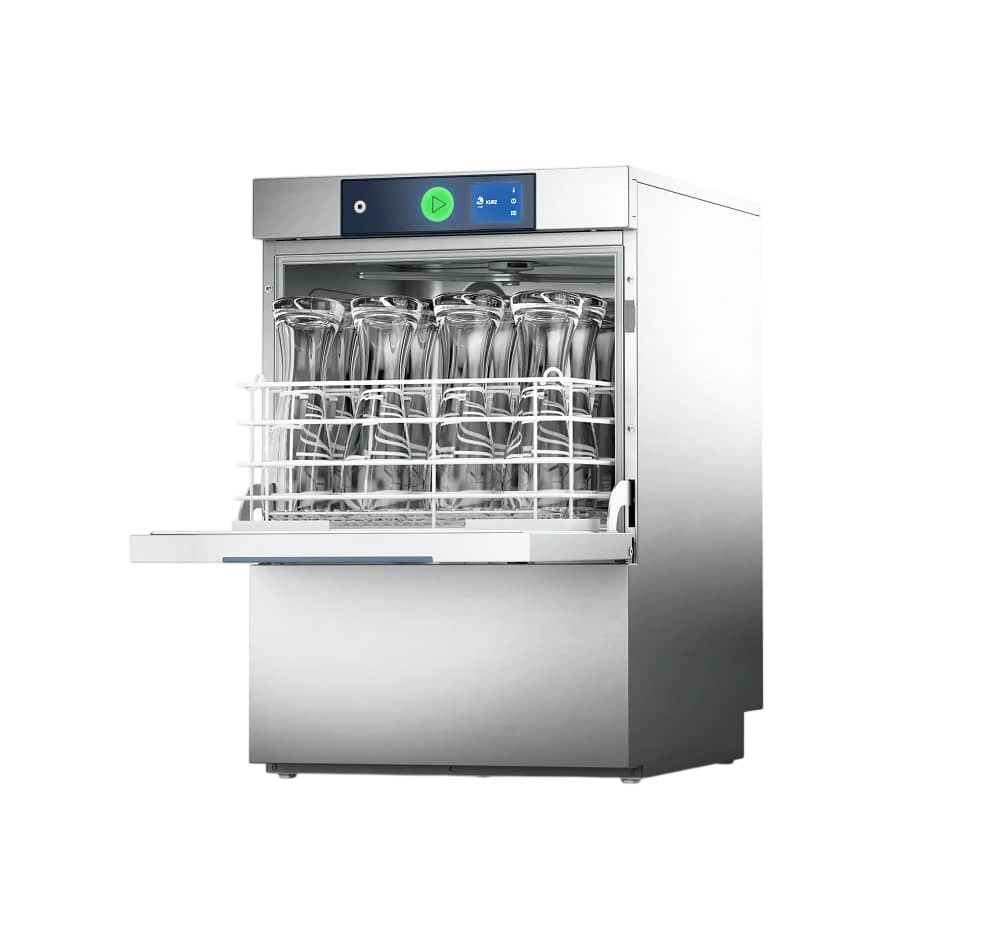
Stemware protection
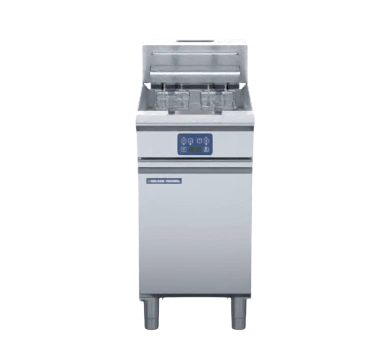
High-recovery filtration Waldorf
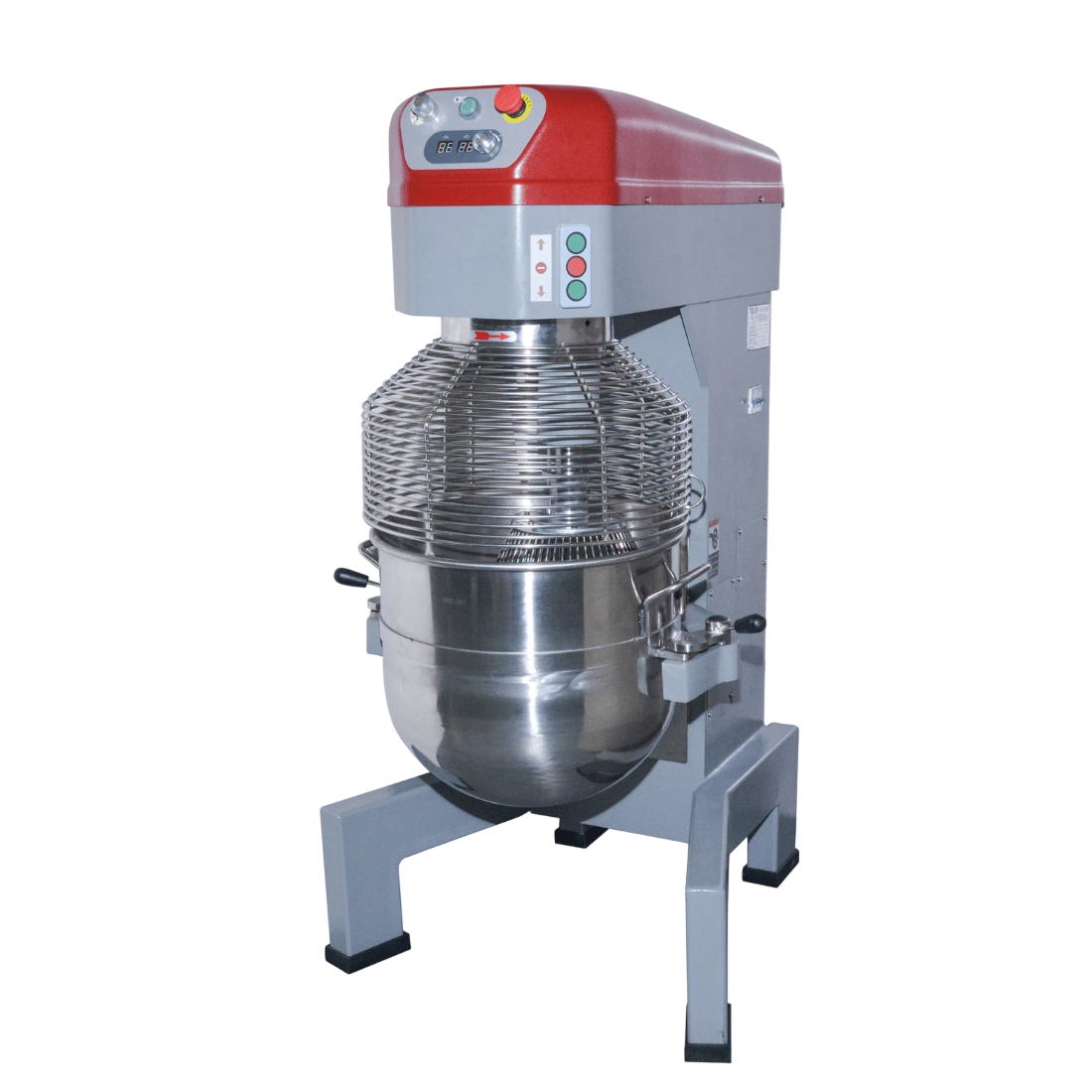
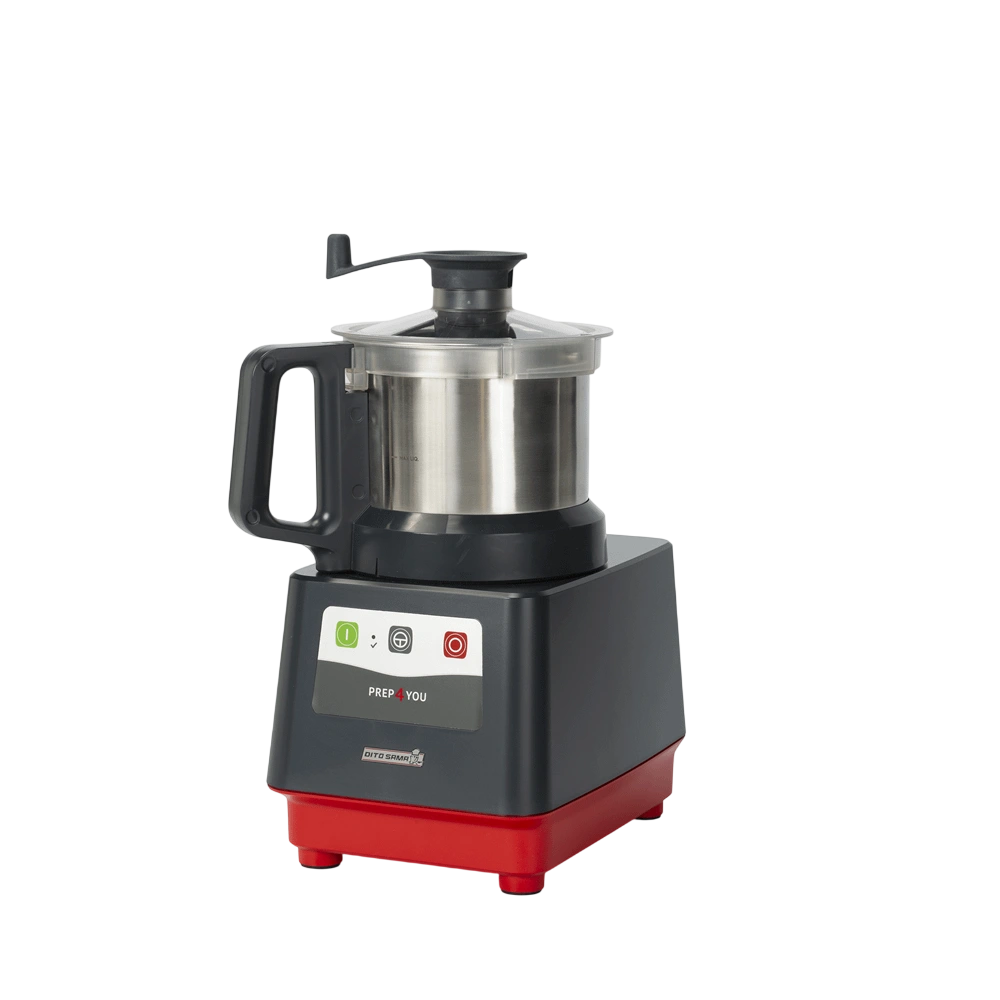
Robot Coupe / Sammic / Dito Sama class
Brigade compliance (DB caps under $3.5k)
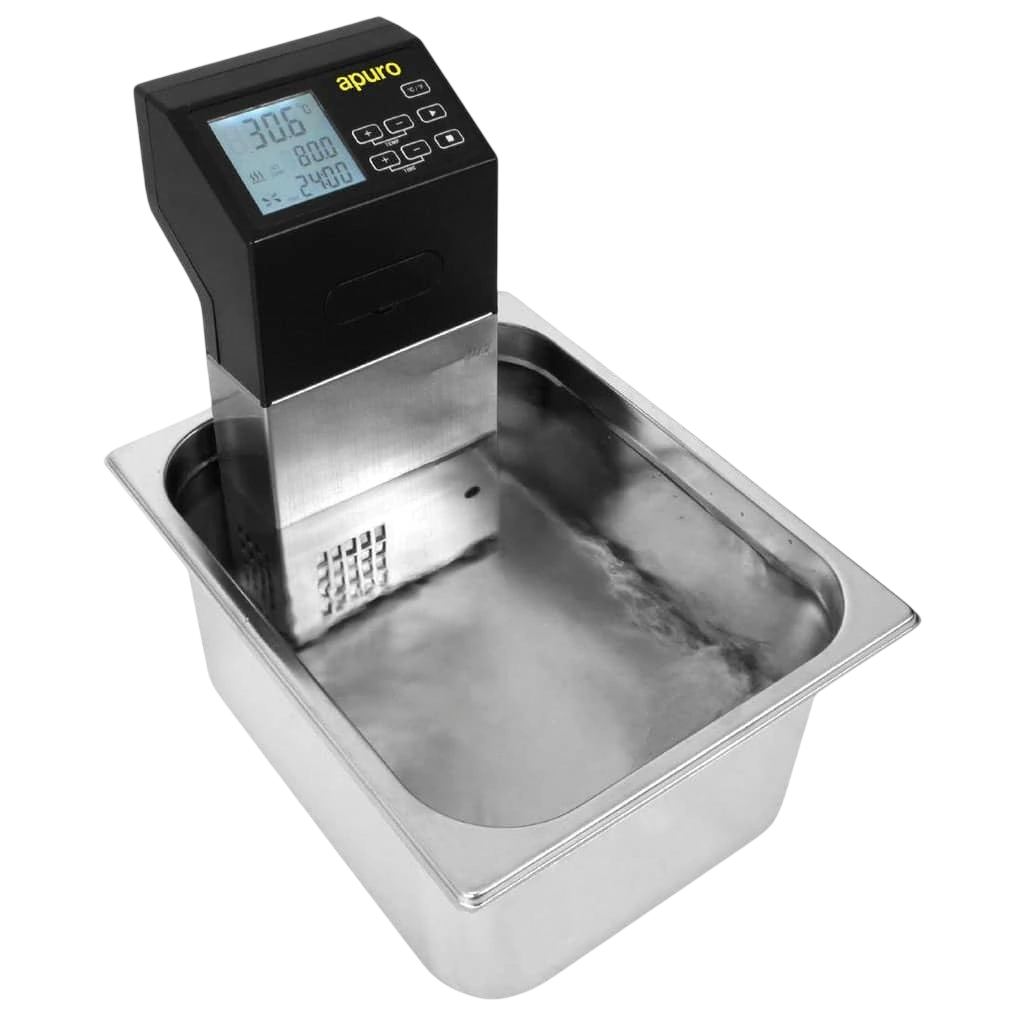
Multi-vessel tasting menu
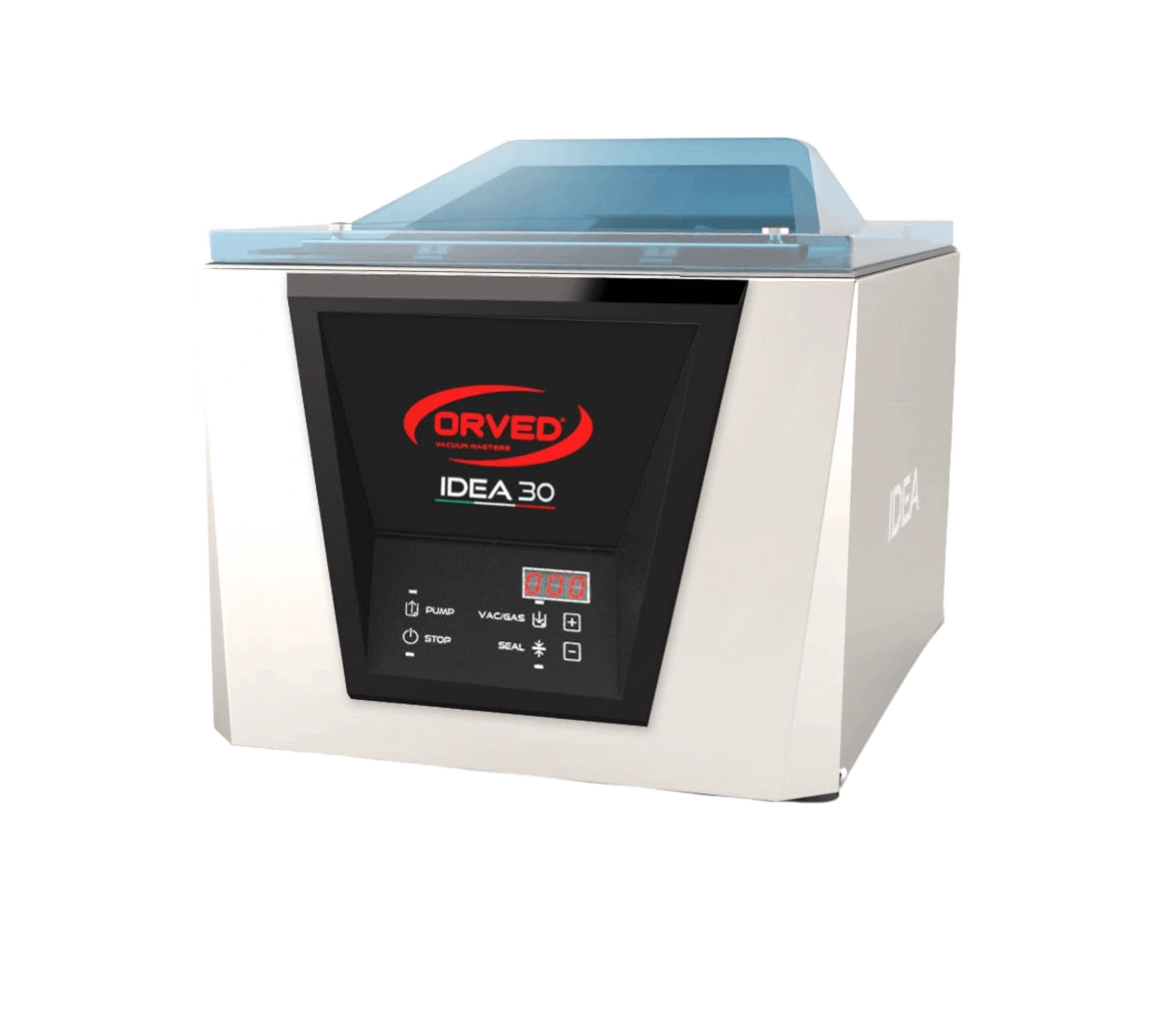
Orved/Sammic compression
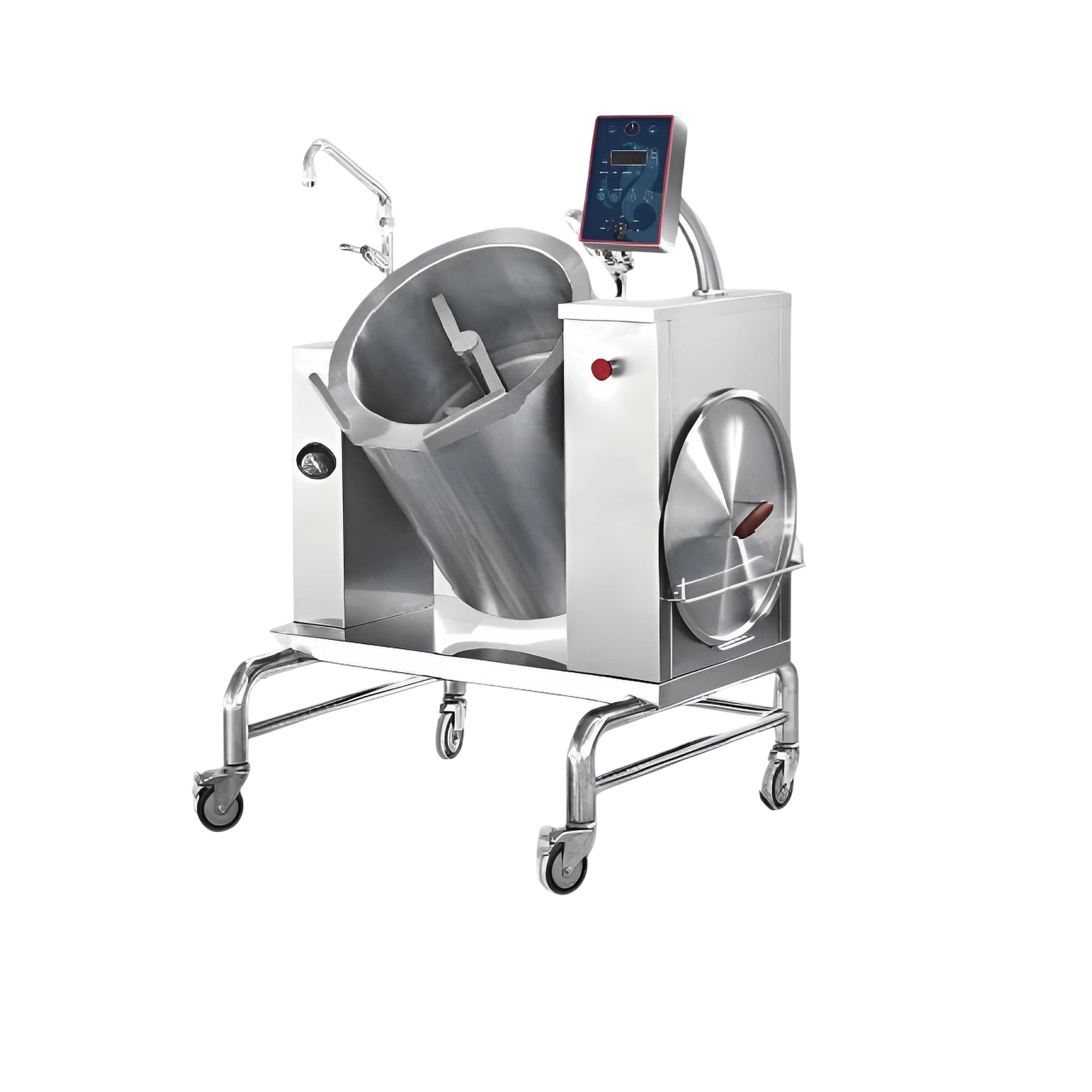
100-200L stocks/braises
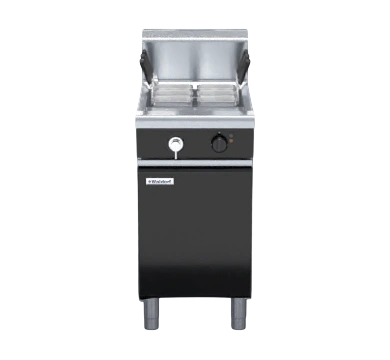
4-basket signature pasta
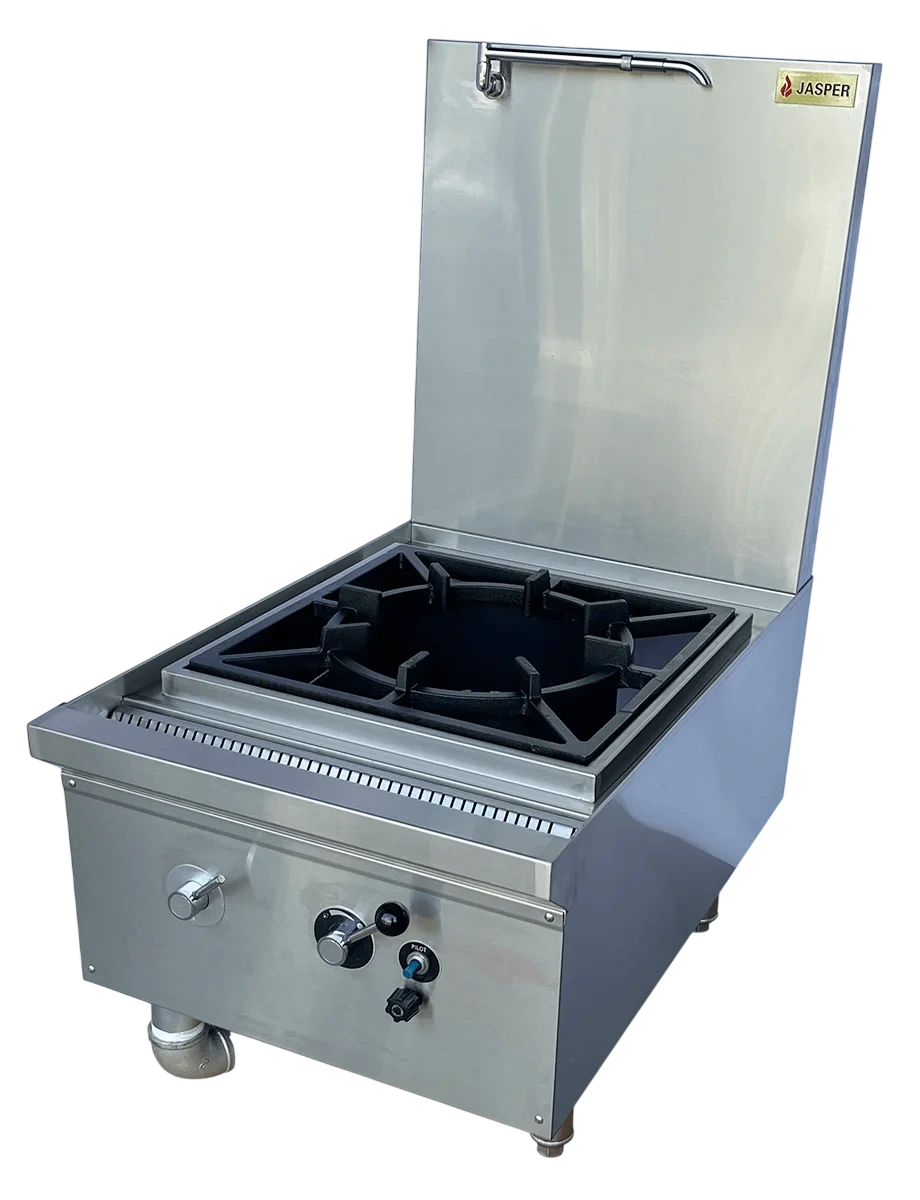
Sauce/stock discipline (DB caps under $3.5k)
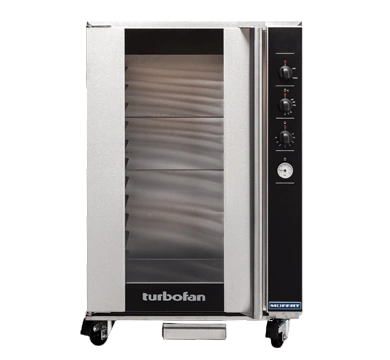
Low-temp service timing (DB caps under $8k)
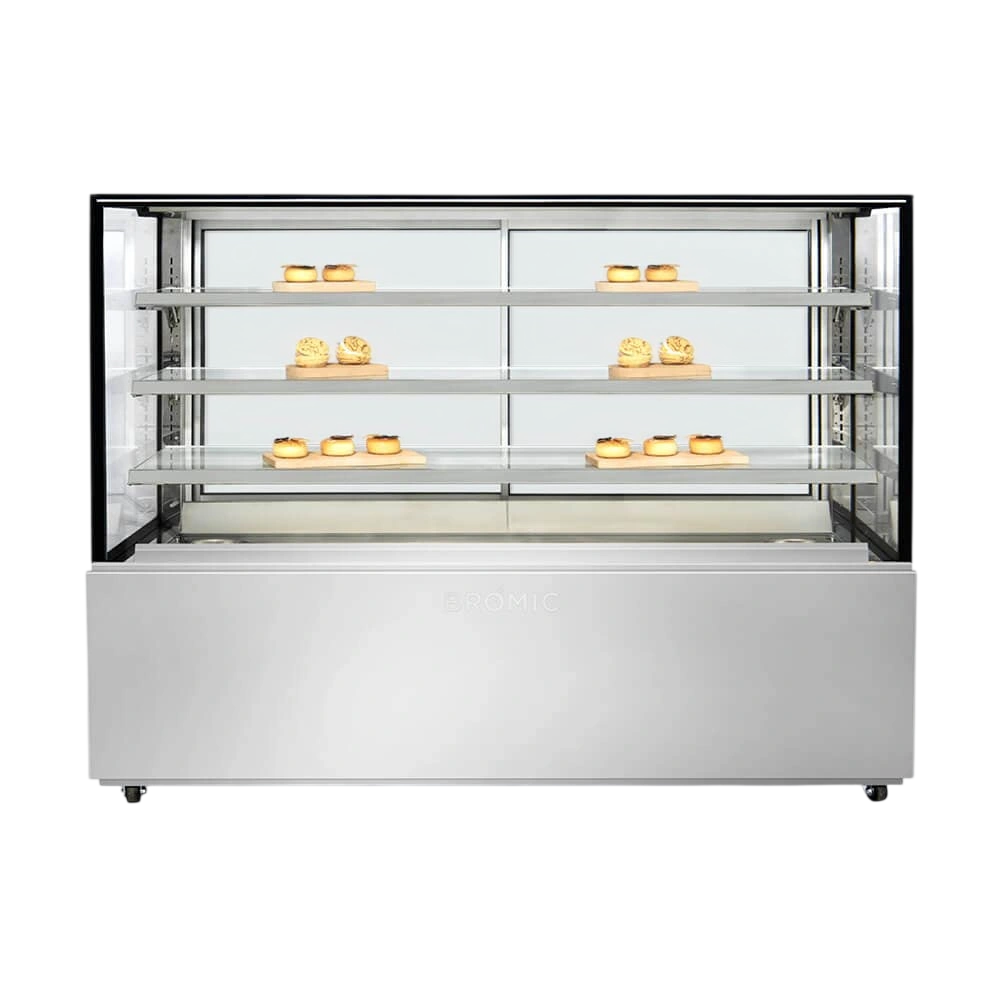
Multi-component pass (DB caps under $8k)
15 essential items · $183,201 ex-GST indicative · with delivery and installation quoted for your site. Final quote reflects your menu, site, power, gas, drainage, ventilation and delivery.
Checking current Package availability…
Package: SBB-RESTAURANT-FINE-DINING
Variable dishes. Variable timing. Zero room for equipment that drifts mid-service.
When 30 different orders hit the pass between 7–9pm, it's not throughput that breaks you — it's the salamander that won't hold temp on the 12th plate, the combi that takes 3 minutes to recover after a door open, the fryer whose oil temp collapses when frozen chips drop in.
Equipment selected for sustained performance under variable load. Menu-matched firepower, recovery-speed-first refrigeration, brigade-grade prep stations. If it can't do hour 4 of service the same as hour 1, it's not on this list.
Every cookline item in these packages was selected against one test: does it hold setpoint when load hits? Fryers ranked by oil-temp recovery after frozen drop, combis ranked by door-cycle recovery, salamanders ranked by element-hold under continuous use. If a unit drifts mid-service, it's off the list.
Bistro is the minimum viable cookline for a 40-cover sit-down room — Cookrite, Gasmax, Apuro, FED-X. Restaurant doubles station count with the same brand family. Fine-dining is premium-only — Rational, Waldorf, Hobart, Hoshizaki. We don't ship Rational at bistro pricing or Apuro at fine-dining pricing. The ladder is real.
SKUs picked by margin against current catalog products. No vapourware, no aspirational European brands we can't deliver. If you need Rational's top model or Convotherm Mini, those ship from current Australian catalog stock — every listing here has delivery timing confirmed with your quote.
Restaurant operators running structured menus with dedicated cooking stations, where timing, output consistency, and workflow discipline directly impact the guest experience. Bistro operators doing 40–80 covers a night with a focused 8–14 main menu. Restaurant operators doing 80–160 covers across double seating with 15–25 mains. Fine-dining operators executing 4–8 course tasting menus for 40–80 covers with brigade discipline and hatted-level plating consistency.
If you're running a coffee-led venue, takeaway/QSR, or batch bakery — wrong page. This is for sit-down operators who think in recovery time, station hand-off discipline, and pass plating temperature variance.
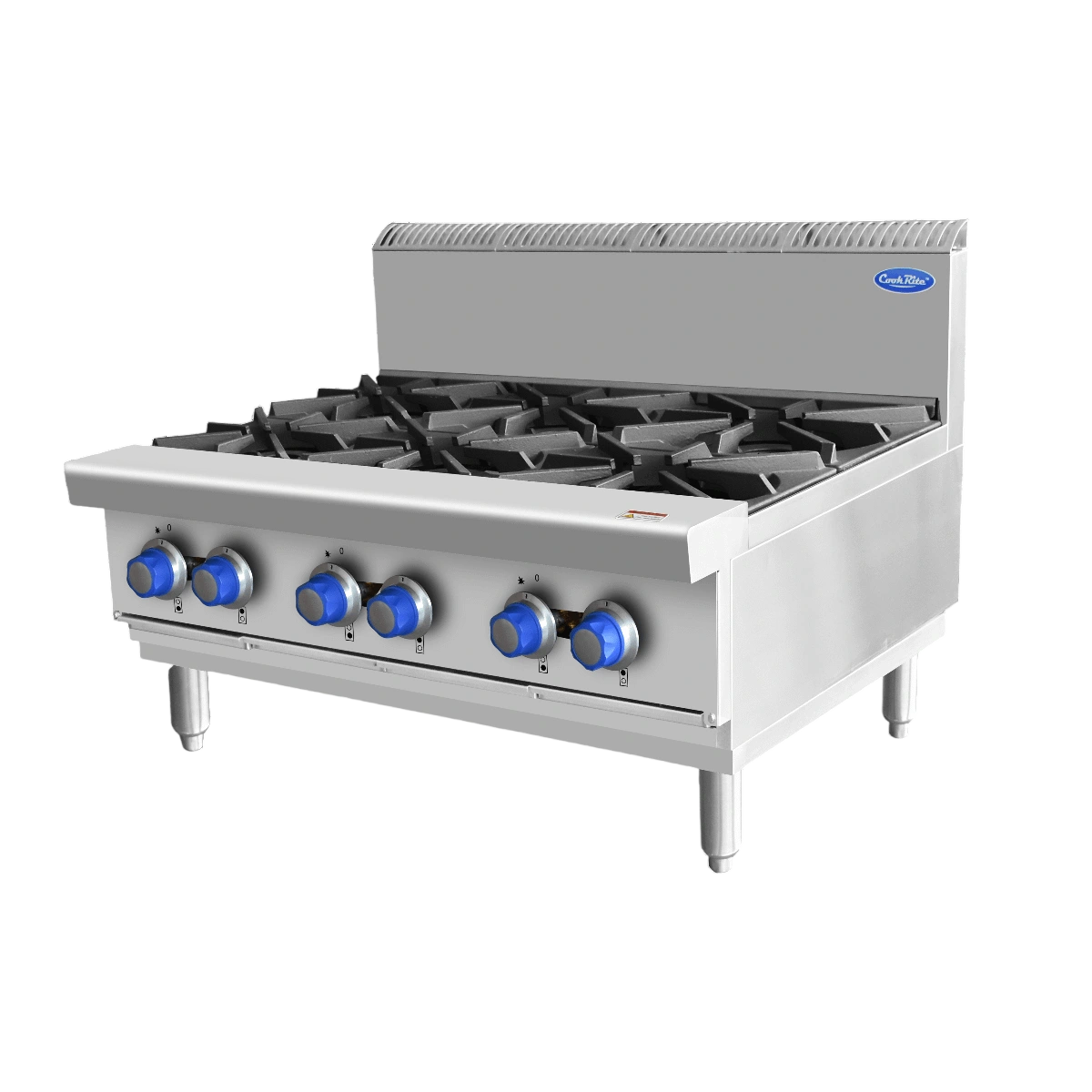
Restaurant kitchens are built around the cookline + prep + pass workflow. Cookline scales from 6-burner range + single fryer + salamander (bistro) to full zoned line with chargrill + griddle + twin fryer + 6–10 grid combi (restaurant) to modular premium cookline with induction zone + plancha + Rational/Convotherm combi (fine-dining). Refrigeration progresses from underbench prep + single upright (bistro) to split-bank uprights + multiple saladettes (restaurant) to drawered chef base + zoned upright banks + blast chiller (fine-dining). Warewash is pass-through at every tier; glasswasher dedicated from restaurant tier upward.
What's missing matters too. No walk-in coolrooms or freezers in any tier — KW spec replaces them with upright banks because walk-ins are fitout scope, not drop-ship SKUs. No coffee machines or espresso gear (cafe scope). No grease arrestors, RO water filters, gas interlock systems, fire suppression hoods, or thermal label printers — those are shopfitter, plumber, gas-fitter, install-vendor or POS scope, not equipment scope.
Coffee-led venues (the cafe spec is the right page). Takeaway/QSR operators (the takeaway spec is the right page). Batch bakeries (the bakery spec is the right page). Hotels with on-site brewery + production kitchen + multiple outlets — that's a custom multi-package conversation, not a single-tier list.
The bottleneck in restaurant kitchens is rarely volume capacity. It's three things, in this order:
Equipment that ignores these three constraints can be expensive and still produce inconsistent service. Equipment that addresses them can be modest and still hold hatted-level plating discipline across a full Friday night slam.
Australian restaurants fall under AS1668.1/.2 (exhaust + makeup air, mandatory above 5kW gas/electric cooking indoor — every tier triggers), AS1850 (gas appliance install — gas-fitter required for any gas range, chargrill, fryer, wok burner), AS4674 (food premises zoning, allergen separation hardens at fine-dining tier with dedicated GF-line setup), AS3000 (electrical, RCD on wet zones; 3-phase sub-board mandatory at restaurant tier upward).
What we don't supply: walk-in coolrooms/freezers (refrigeration contractor + builder), grease arrestors (council/plumber), gas interlock systems (gas-fitter), fire suppression hood systems (install vendor), RO water filtration (shopfitter), 3-phase electrical sub-boards (electrician), thermal label printers (POS vendor). Plan these in your fitout budget separately — they're real line items, just not ours.
Start where the recovery-speed constraint lives. For bistro, the 6-burner range + single fryer + salamander + prep fridge + pass-through dishwasher is the minimum viable cookline; the convection oven is the cheap workhorse. For restaurant, the 6-burner + chargrill + griddle + twin fryer + 6–10 grid combi is the production backbone, with split-bank refrigeration and dedicated glasswasher. For fine-dining, you're buying precision — Rational/Convotherm combi with 1% humidity, modular cookline with induction zone, blast chiller mandatory, drawered chef base for brigade no-bend access, premium warewash (Hobart/Meiko) for stemware survival.
Browse Recommended Equipment →
Item count and brand grade, not just price. Bistro is the minimum viable cookline for a 40–80 cover sit-down room — single 6-burner range, single fryer, salamander, pass-through dishwasher, basic refrigeration. Entry brands (Cookrite, Gasmax, Apuro, FED-X). Restaurant tier doubles down on station separation for 80–160 covers double-seating: full cookline (range + chargrill + griddle + twin fryer), 6–10 grid combi oven becomes essential, split-bank refrigeration, dedicated glasswasher. Same entry-tier brand family but more units, more capacity. Fine-dining is premium-brand only — Rational combi, Waldorf cookline, Hobart/Meiko warewash, Hoshizaki/Turbo Air refrigeration, blast chiller mandatory, drawered chef base for brigade. Different physics, different audit standards.
Restaurants live or die on cookline coordination under variable tickets. Peak BTU on the spec sheet is irrelevant if the fryer oil temp collapses when frozen chips drop in, the combi takes 3 minutes to recover after a door open, or the salamander loses heat between the 8th and 12th plate. Recovery time governs whether hour 4 of service plates the same as hour 1. KW's restaurant package selects equipment for sustained performance under variable load — twin-vat fryers with high-recovery elements, combi ovens with door-cycle recovery under 60 seconds, salamanders with infrared elements that hold setpoint, prep fridges with door-cycle compensation. Equipment that drifts mid-service is filtered out before it reaches the package.
Walk-in cool/freezer rooms are fitout scope, not package SKUs. They require refrigeration contractor design, building approval, condensing-unit placement, drainage, vapour-barrier construction — none of which KW supplies as a drop-ship line item. The restaurant package replaces walk-in capacity with upright fridge banks (split meat/veg/dairy) plus prep fridges at each station. For brigade kitchens that genuinely need walk-in, that's a custom refrigeration project with a contractor — separate from the equipment package.
Sit-down restaurant volume kills undercounter dishwashers. Even a 40-cover bistro running double seating needs 40+ rack cycles per night plus glassware, pots and prep gear. Undercounter machines run 2-minute cycles at 30-rack/hour throughput, which collapses at peak when chefs and waitstaff queue at the wash. Pass-through hood-type machines run 1–2 minute cycles at 40–60 rack/hour with separate clean/dirty sides — that's why every tier in the restaurant package starts with pass-through, not undercounter. The cost difference is recovered in the first month of avoided pile-ups at the pass.
Combi for everything except bistro. A 6–10 grid combi oven runs steam, convection, and combi modes with humidity control — it roasts proteins to consistent internal temp, retherms for service, steams seafood and veg, regenerates plated tasting courses, and runs overnight low-and-slow programmes. Convection ovens are dry-heat only — fine for a small bistro doing breakfast bakes, sides, and reheating, but not enough for 80+ covers with 15+ menu items. Restaurant tier ships combi as essential because it replaces 3 ovens (steamer + roast + retherm) and locks plating consistency. Fine-dining steps up to Rational/Convotherm-grade combi with 1% humidity precision and HACCP traceability.
These are real budget line items. Plan them with your fitout team, not your equipment supplier.
Most restaurant kitchen failures are NOT volume capacity. They are, in order: (1) recovery speed under variable load — equipment that can't hold setpoint when ticket pressure hits, (2) station hand-off discipline broken by shared stations or undersized prep fridges per chef, (3) pass plating temperature variance from cold pass surfaces or insufficient heat lamps. Equipment selection must prioritise these three constraints first. Adding a bigger range without addressing them increases cost without increasing service consistency.
Test how prep, refrigeration, the hot line, pass, storage and wash-up can fit together before ordering the package.
KW can provide a second set of eyes on workflow, equipment placement and practical space requirements for a new restaurant or renovation.
Equipment finance can reduce the upfront cash tied up in the fit-out, leaving more working capital for stock, staff and opening costs.
Ready to choose equipment? Continue Shopping for Restaurant Equipment →
Our Sydney team designs the package for you — based on your menu, footprint, and budget.
7/72 Canterbury Rd, Bankstown NSW · Mon to Fri 9 to 5