Three-tier cloud-kitchen equipment packages built for delivery-first production and courier-handoff throughput. Ghost-kitchen, shared-kitchen, hub-kitchen. Stainless workbench cold spine, dense cookline, packaging zone for every order, zero dishwasher at every tier.
Building a cloud or central kitchen? Start with production volume and order mix, then separate receiving, preparation, cooking, cooling, storage and dispatch into a repeatable flow.
Define whether the site serves one delivery brand, shared operators or central production before sizing stations and shared equipment.
Match prep benches, refrigeration and cooking capacity to concurrent menus and the busiest production blocks.
Plan blast chilling, refrigerated holding and freezer capacity around batch production and dispatch timing.
Keep finished orders moving away from dirty returns, with enough holding and cleaning capacity for continuous production.
The equipment packages below organise current KW products into practical starting points. Compare the tiers, then adjust the mix to your menu, volume and site.
A delivery-first kitchen earns its capacity through repeatable production and dispatch. Shared storage and prep must feed concurrent cooking streams without finished orders crossing incoming stock or dirty returns.
Define the production model, peak orders and concurrent menus before buying the cookline. These decisions determine station count, prep refrigeration, storage and dispatch space.
A repeatable stream links working refrigeration and stainless prep to the relevant cookline, then to holding or cooling, packing and a dispatch point supported by adequate washing.
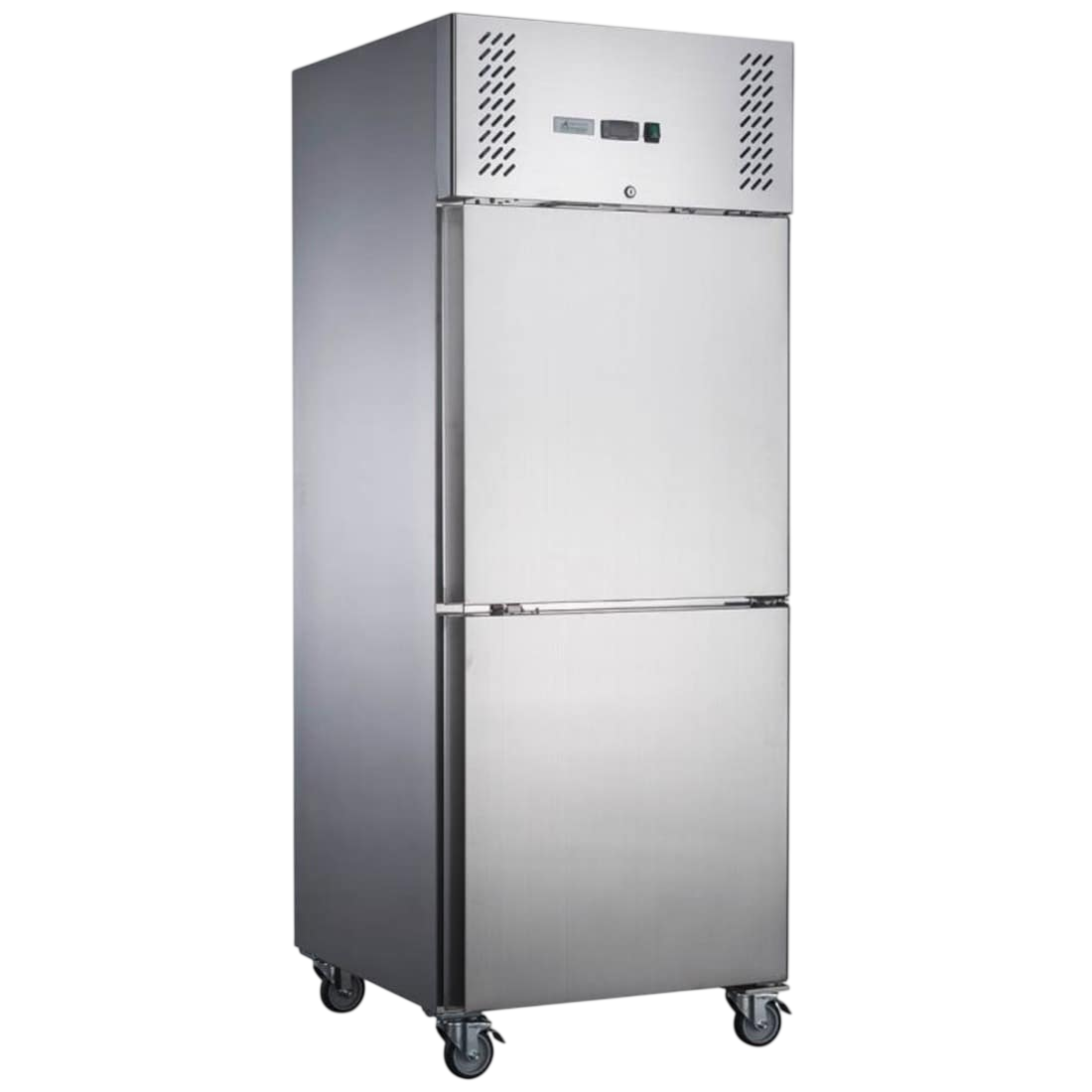
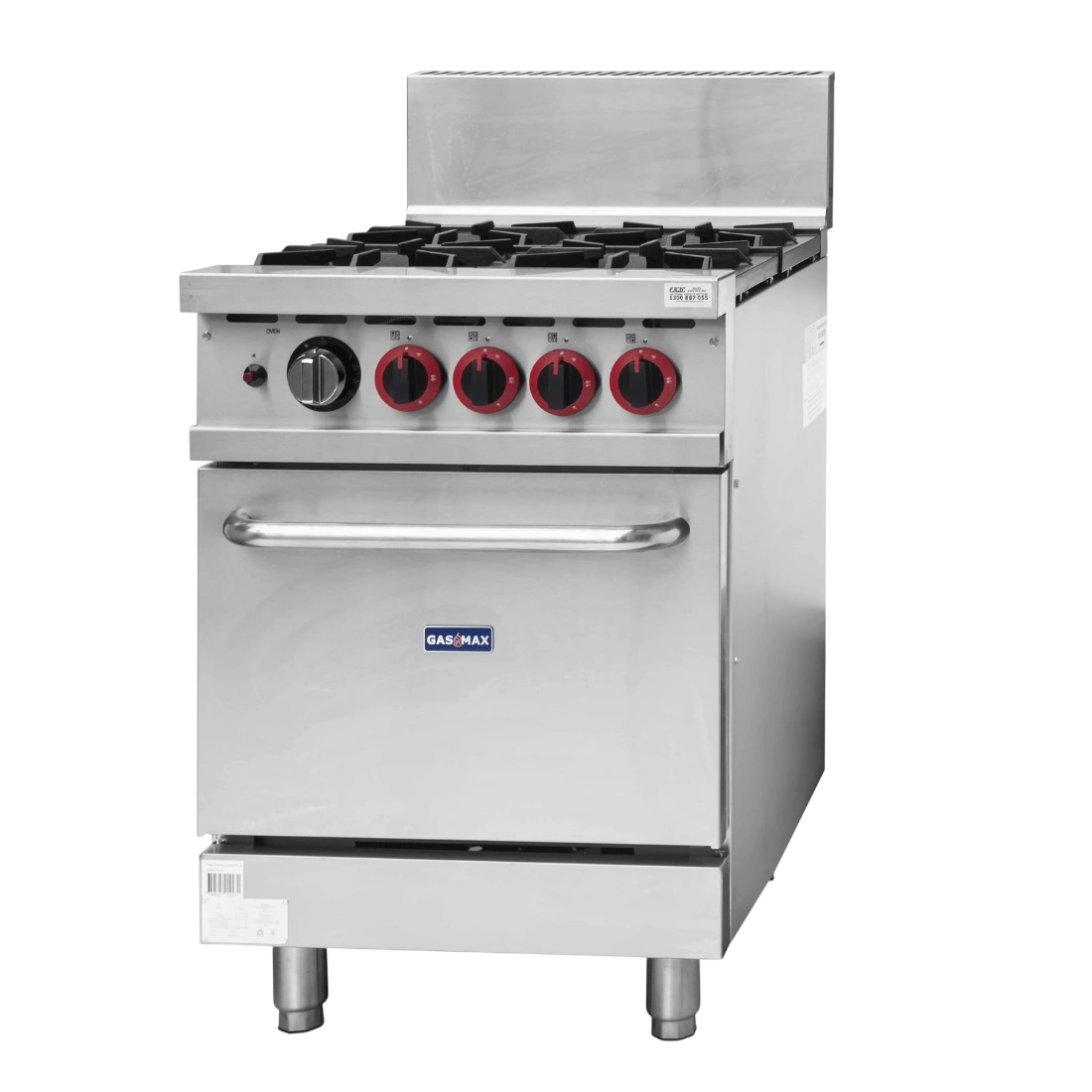
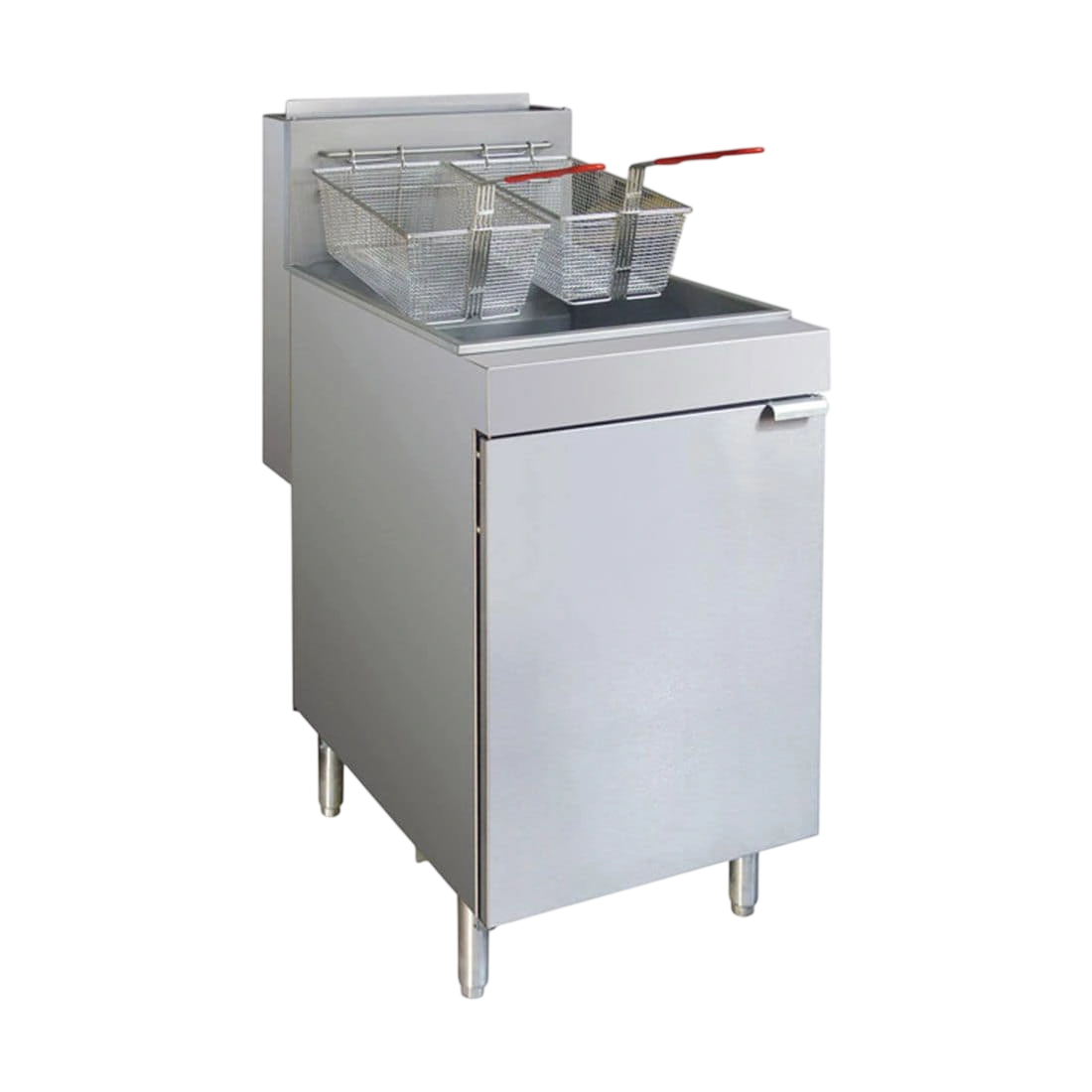
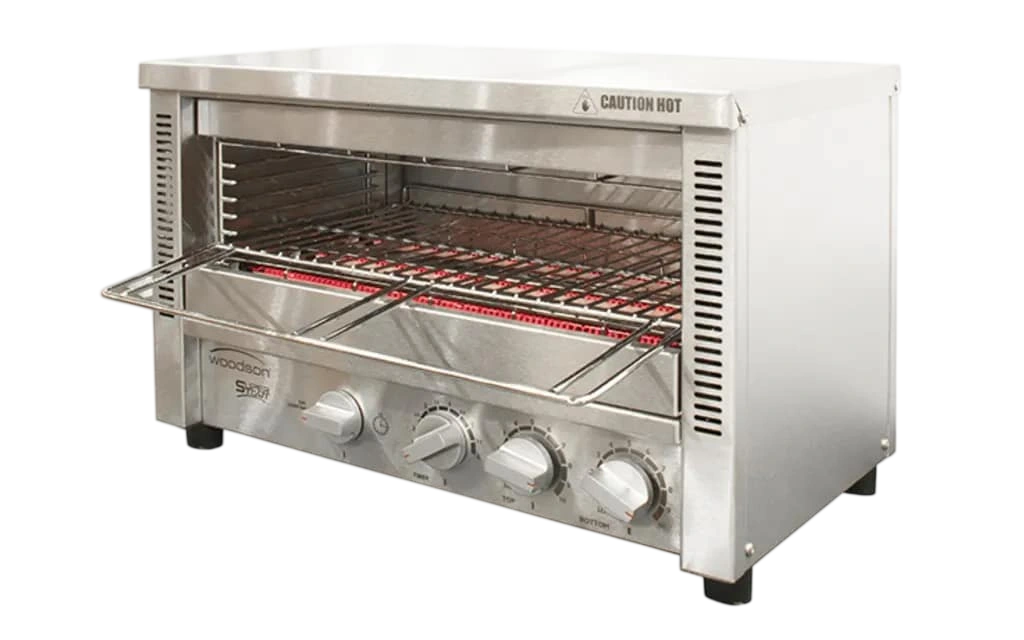
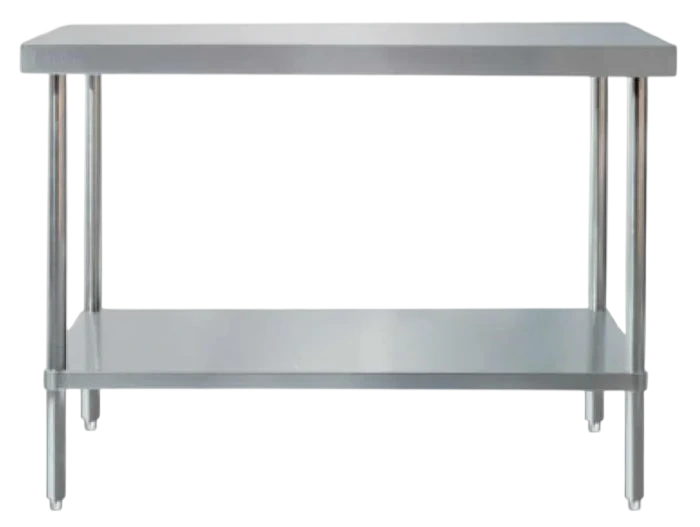
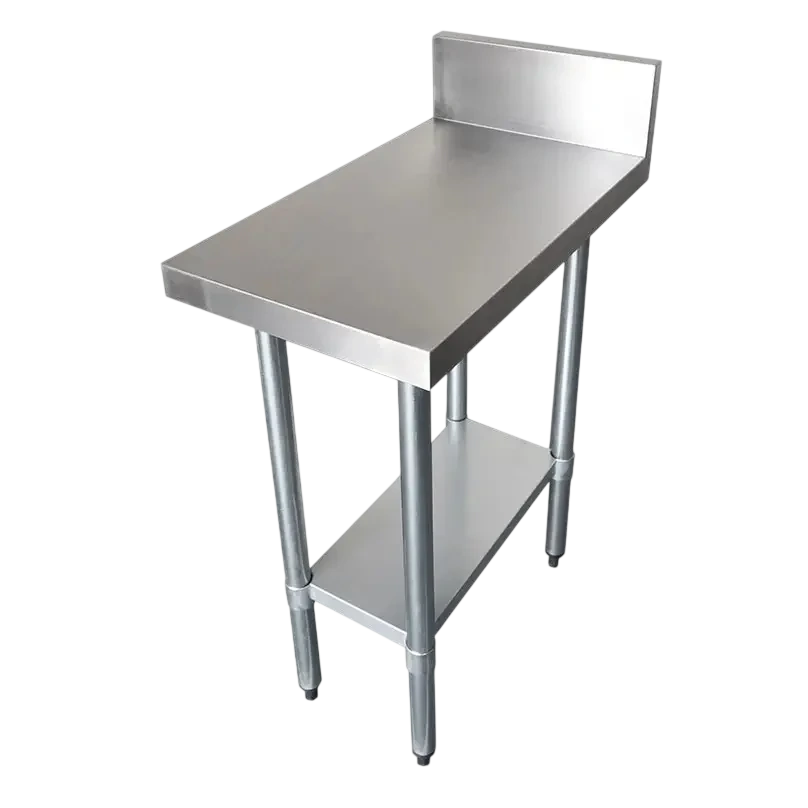
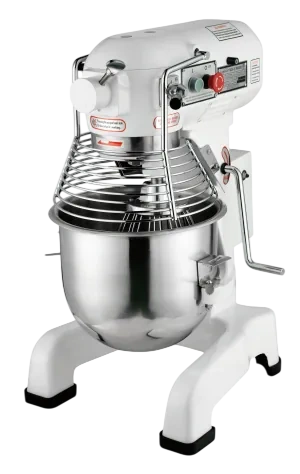
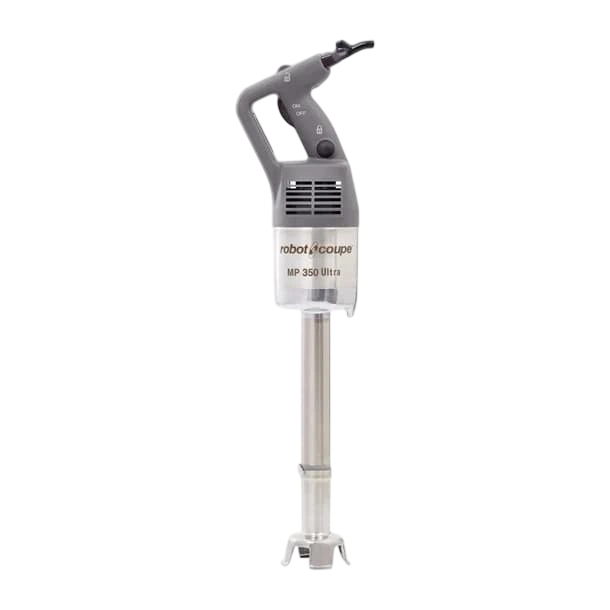
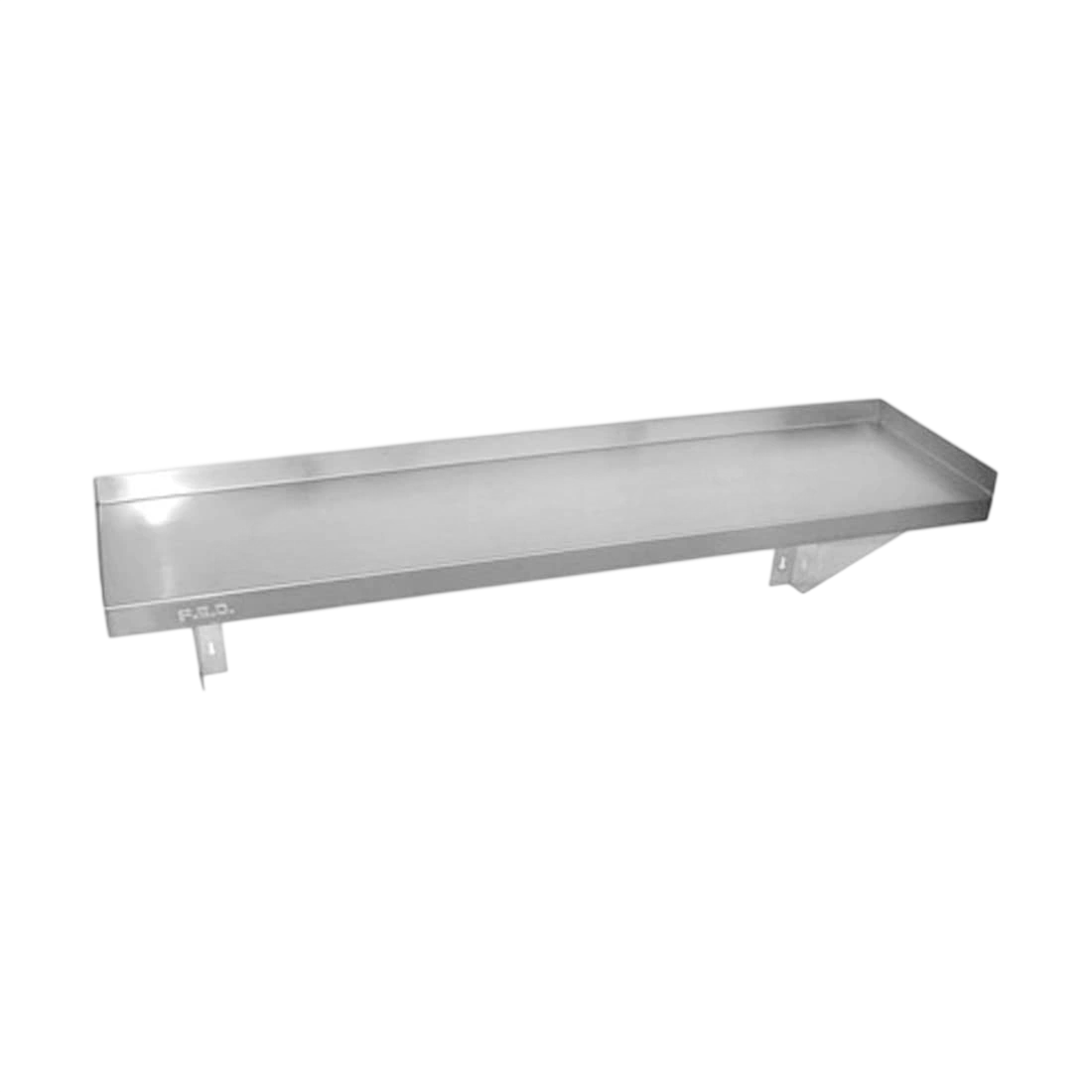
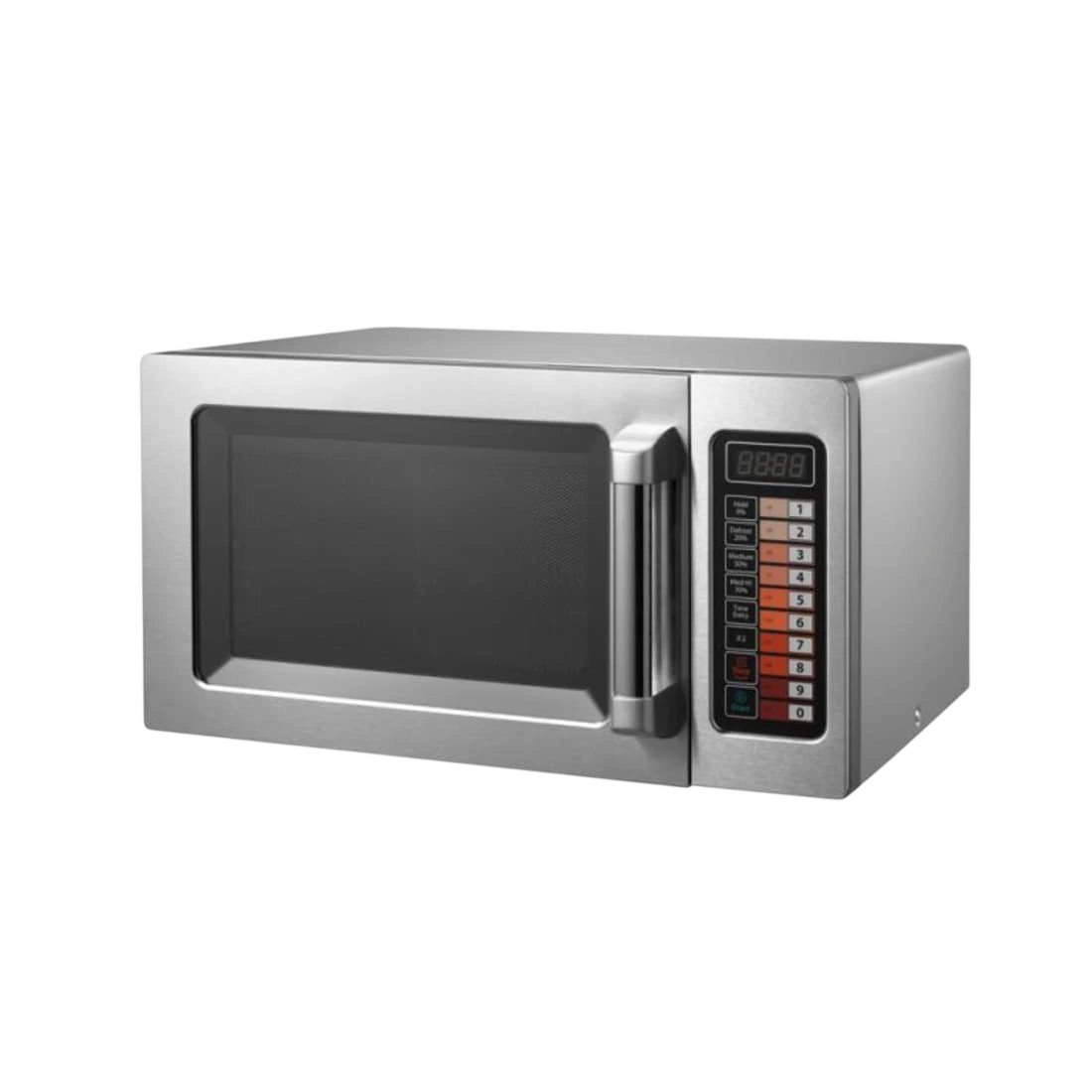
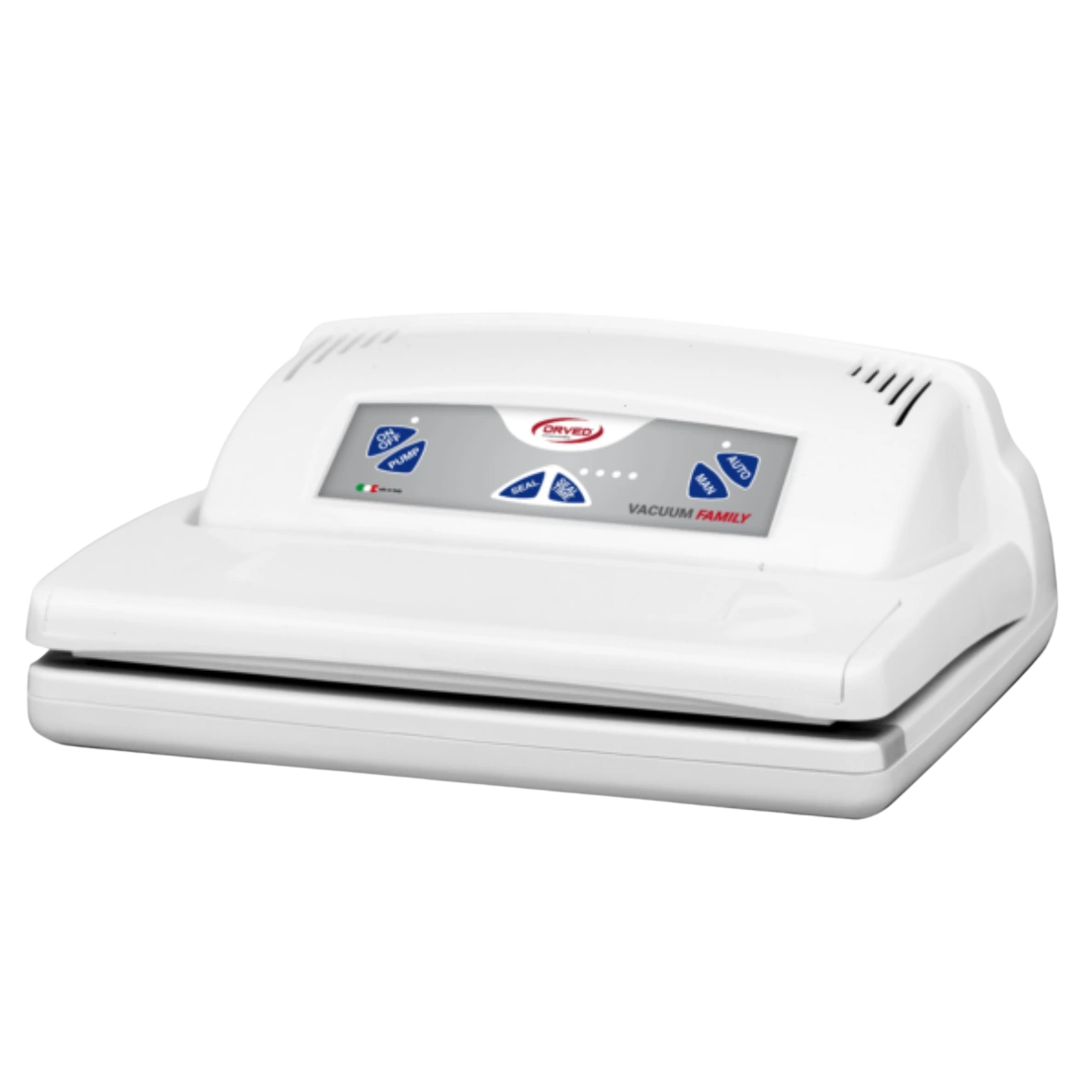
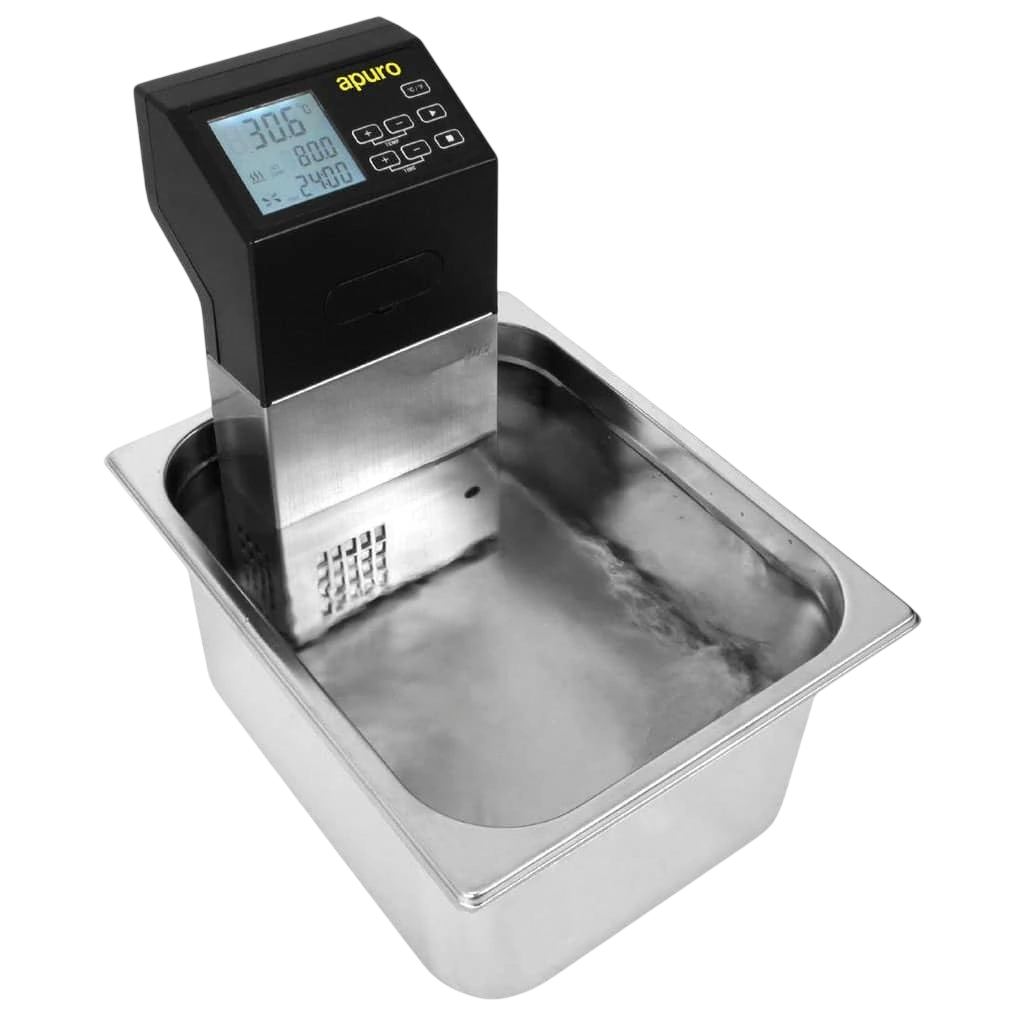
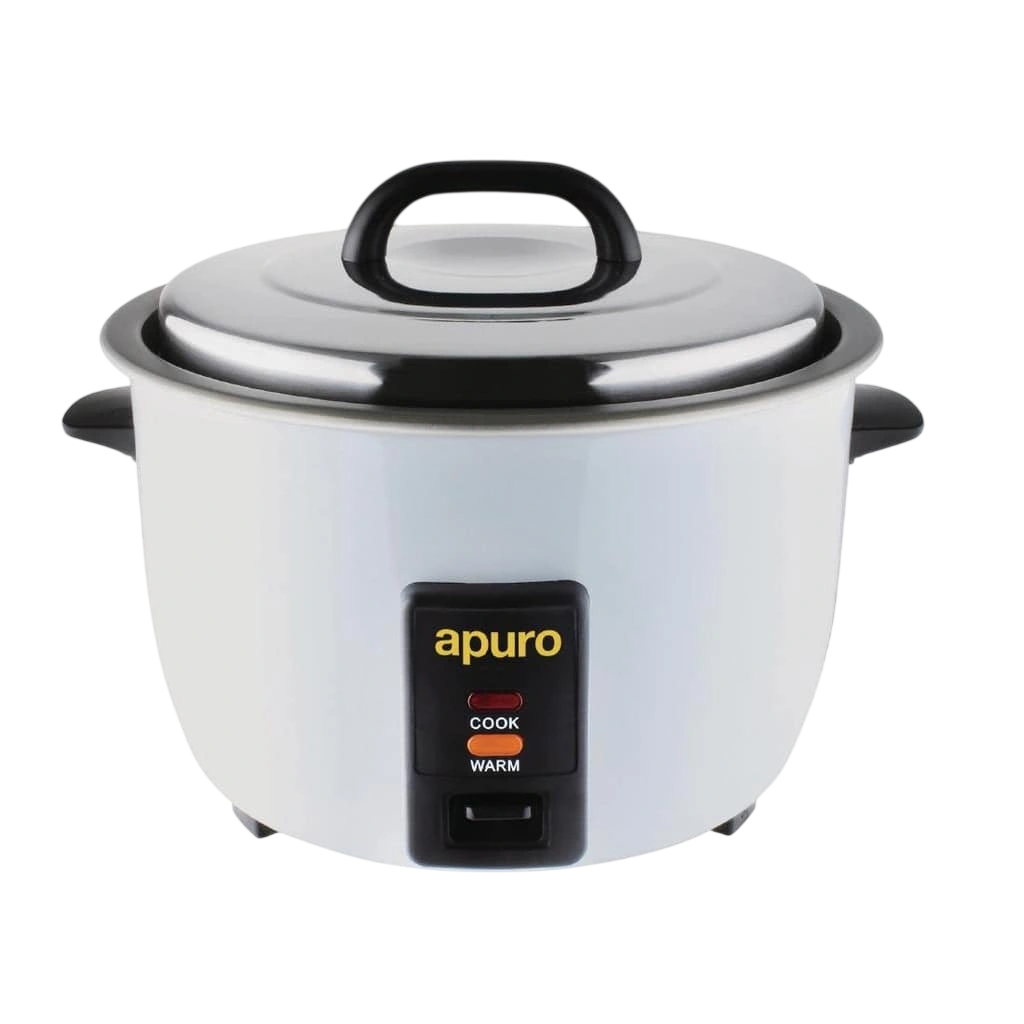
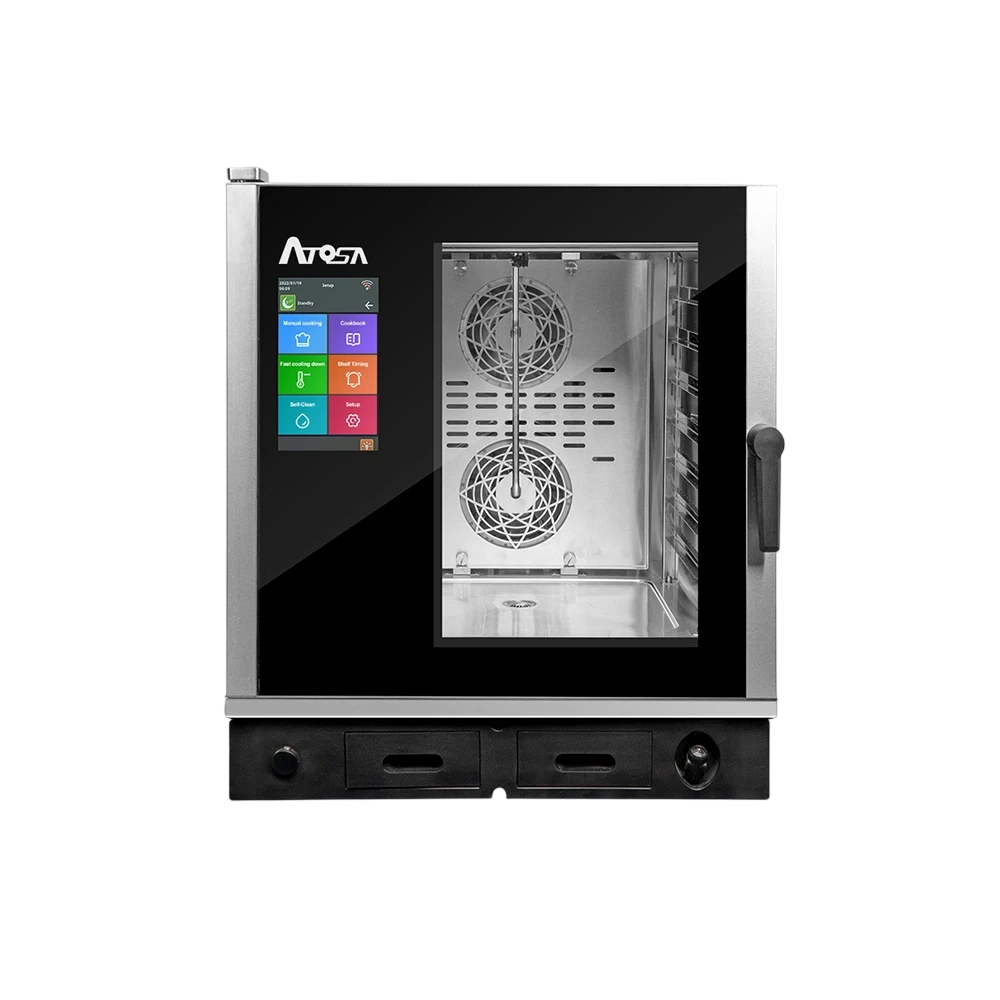
16 essential items · $34,497 ex-GST indicative · with delivery and installation quoted for your site. Final quote reflects your menu, site, power, gas, drainage, ventilation and delivery.
Checking current Package availability…
Package: SBB-CLOUD-KITCHEN-GHOST-KITCHEN

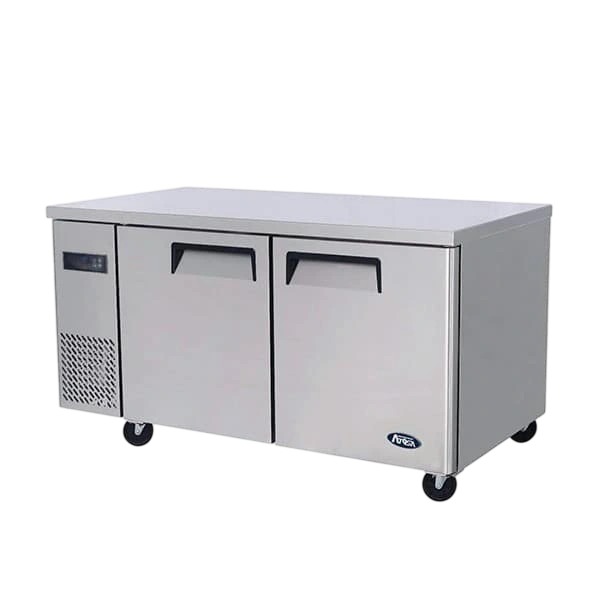
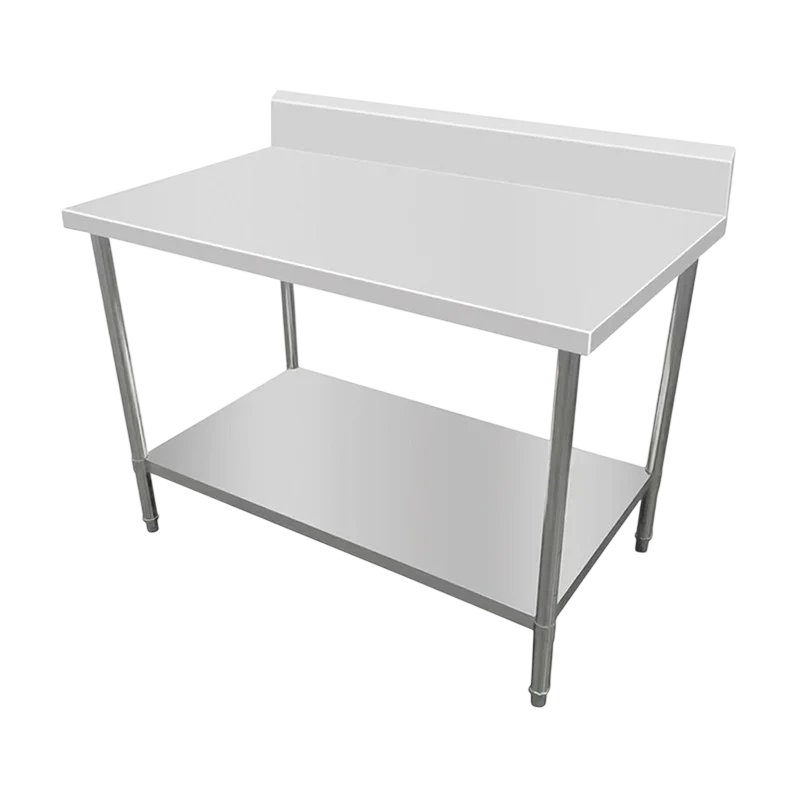
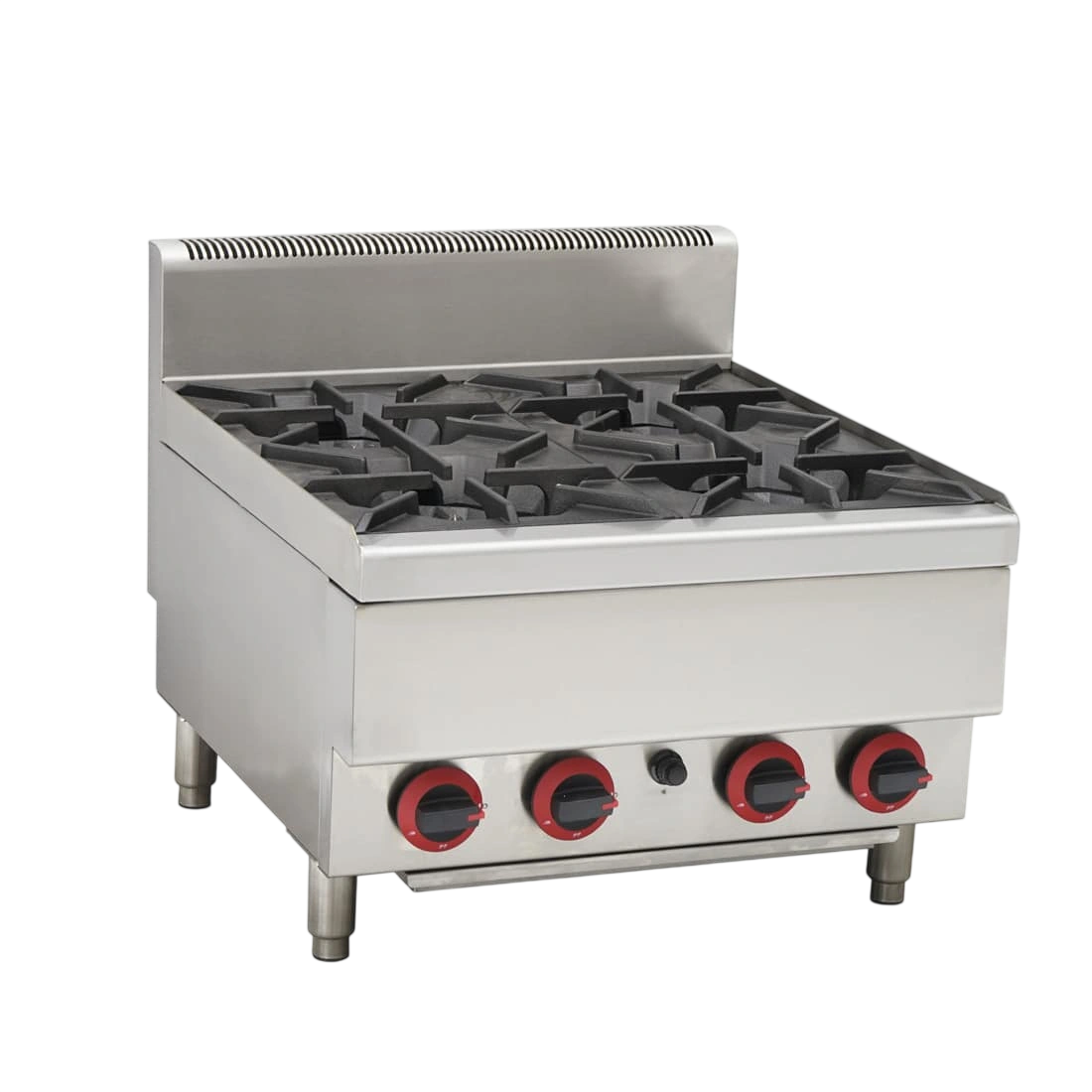

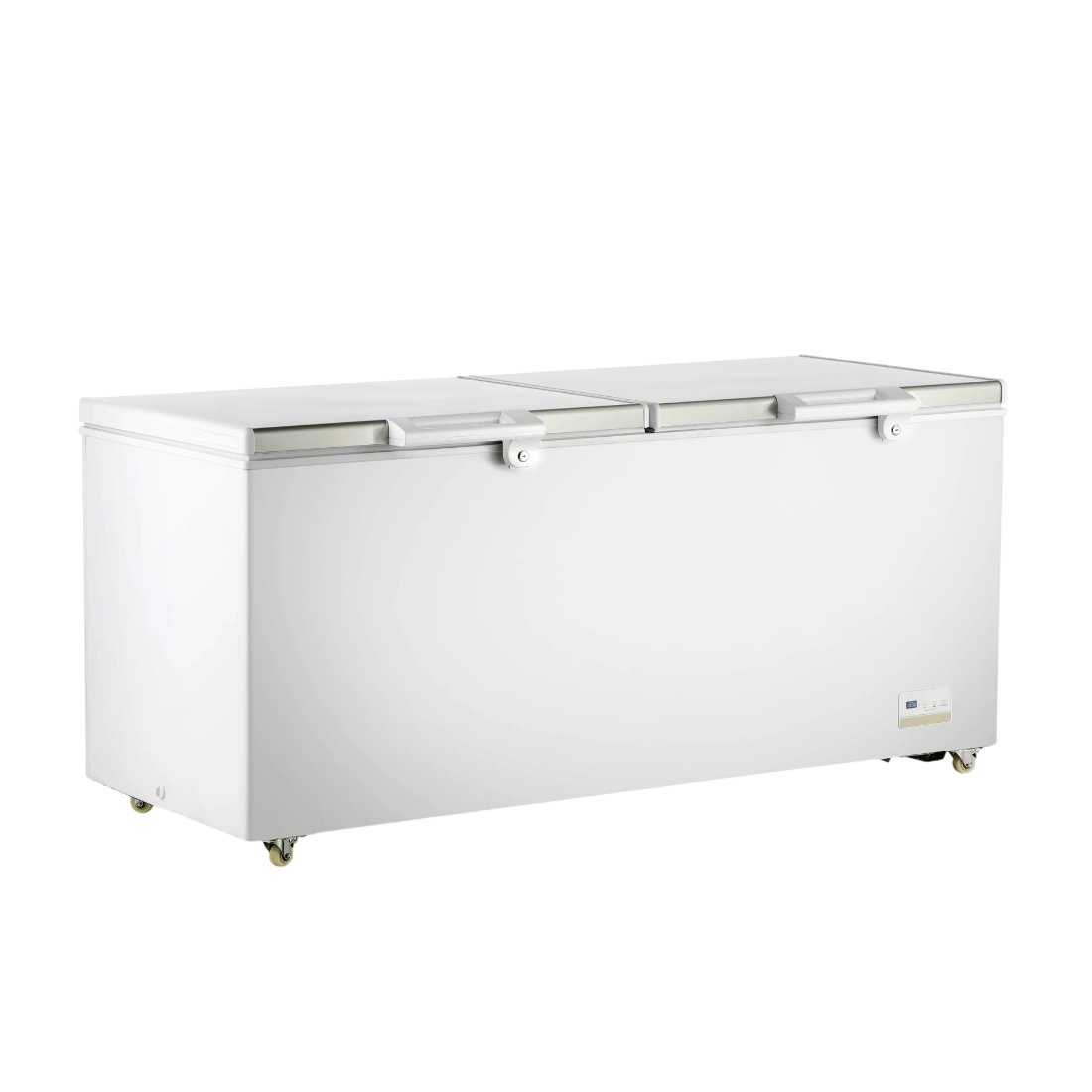

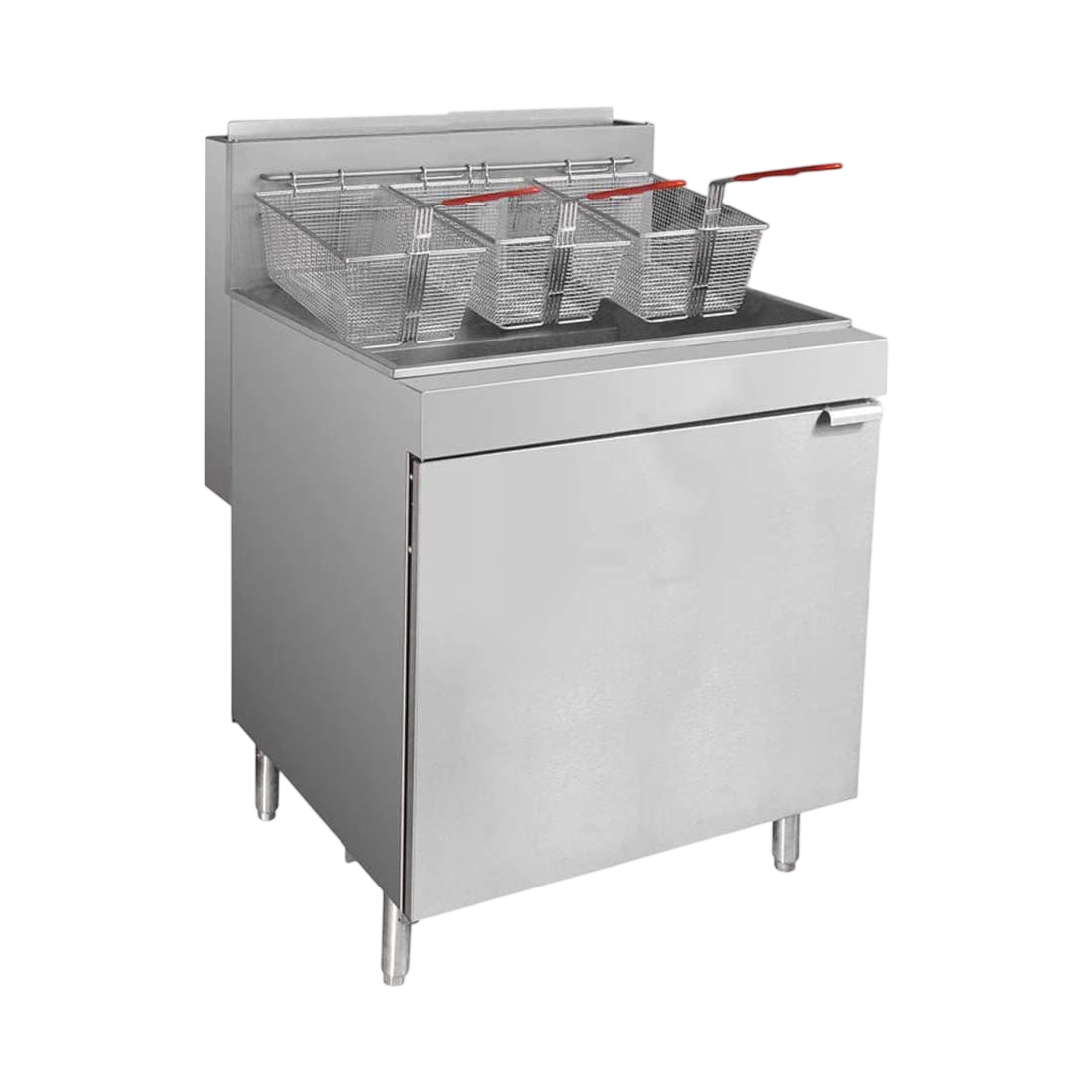
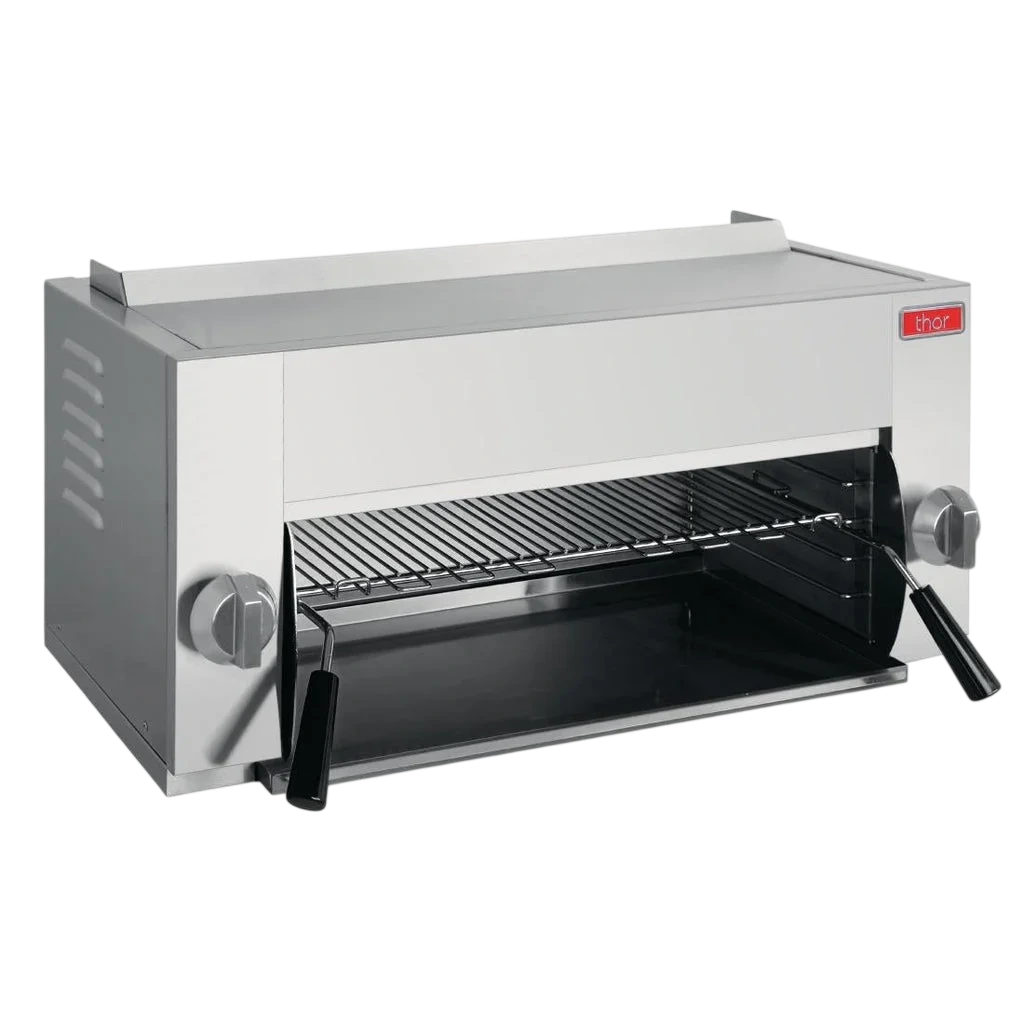

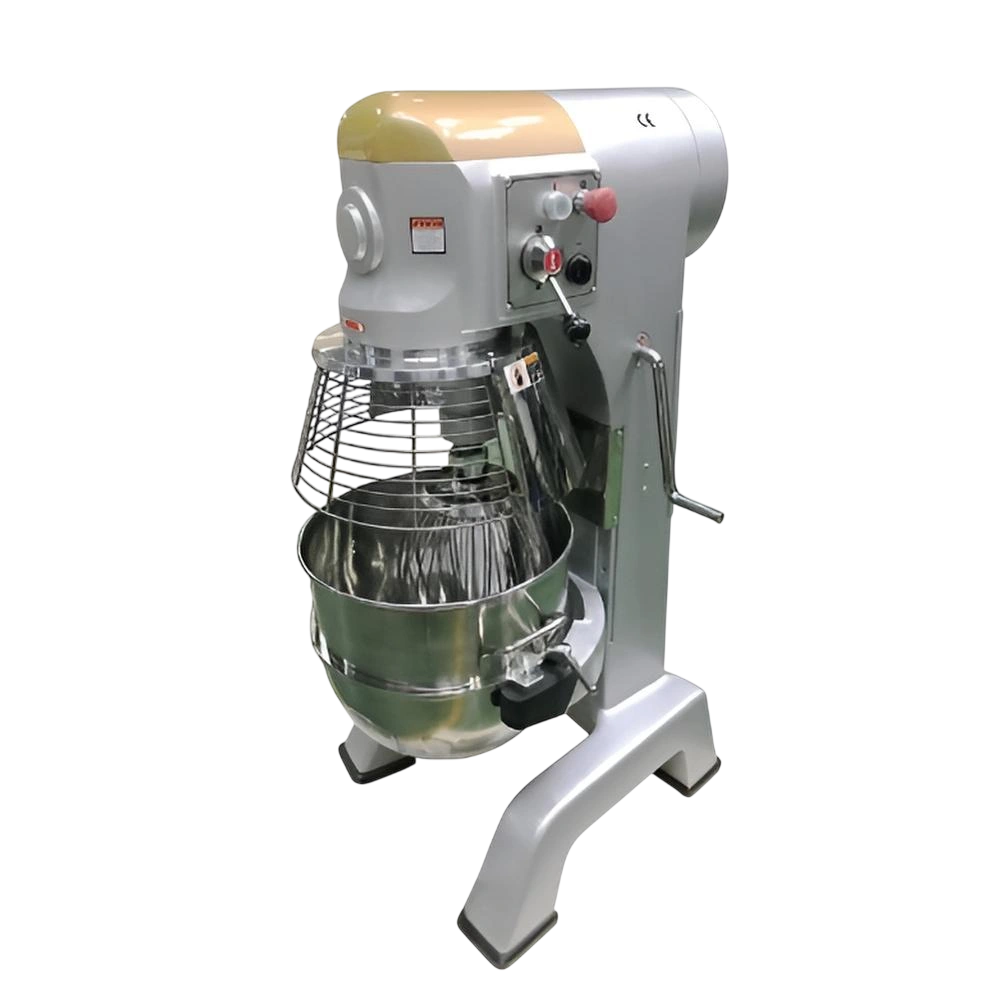
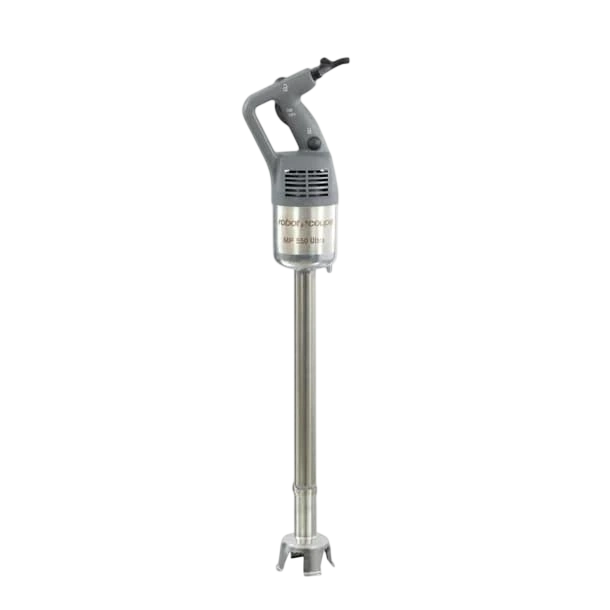
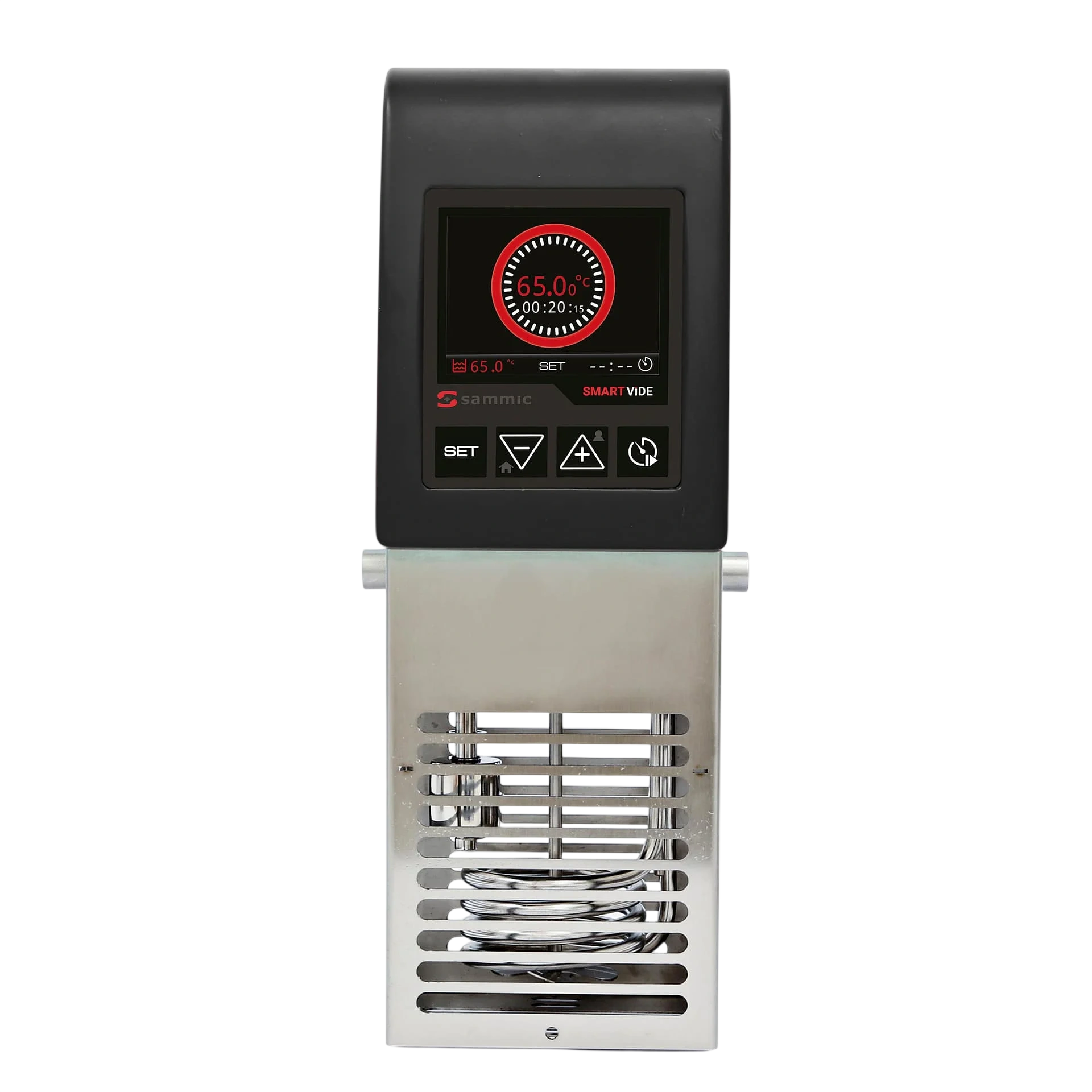
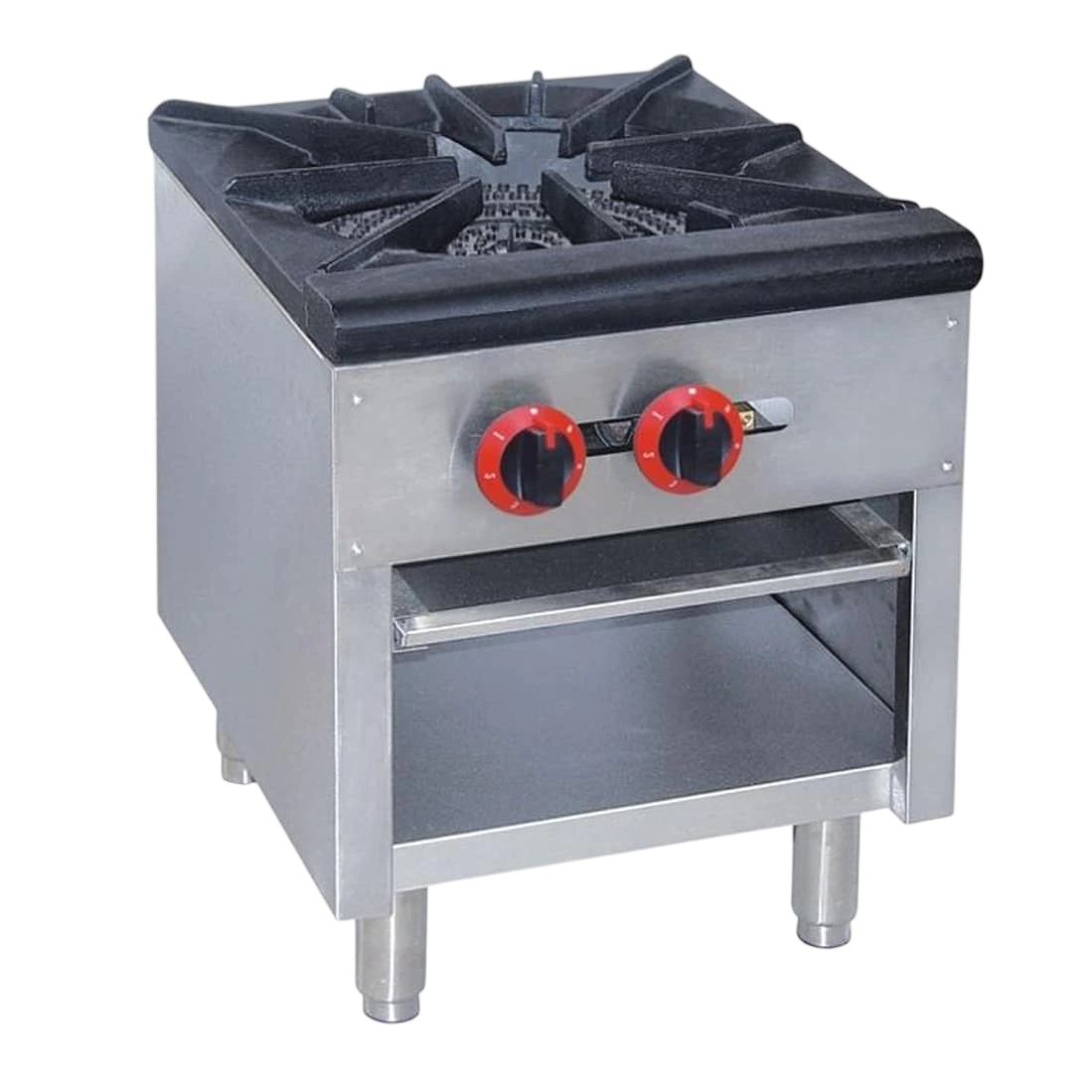
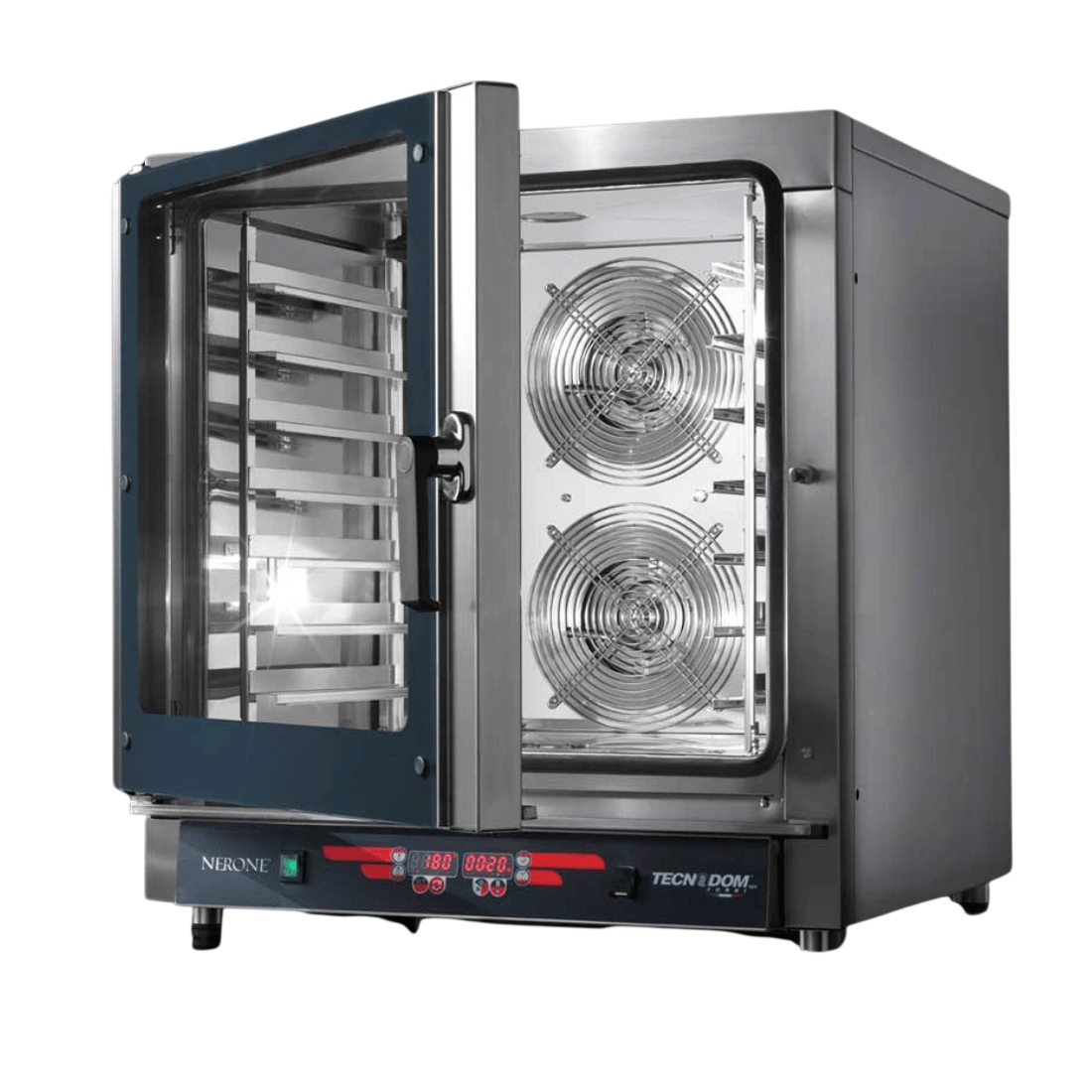
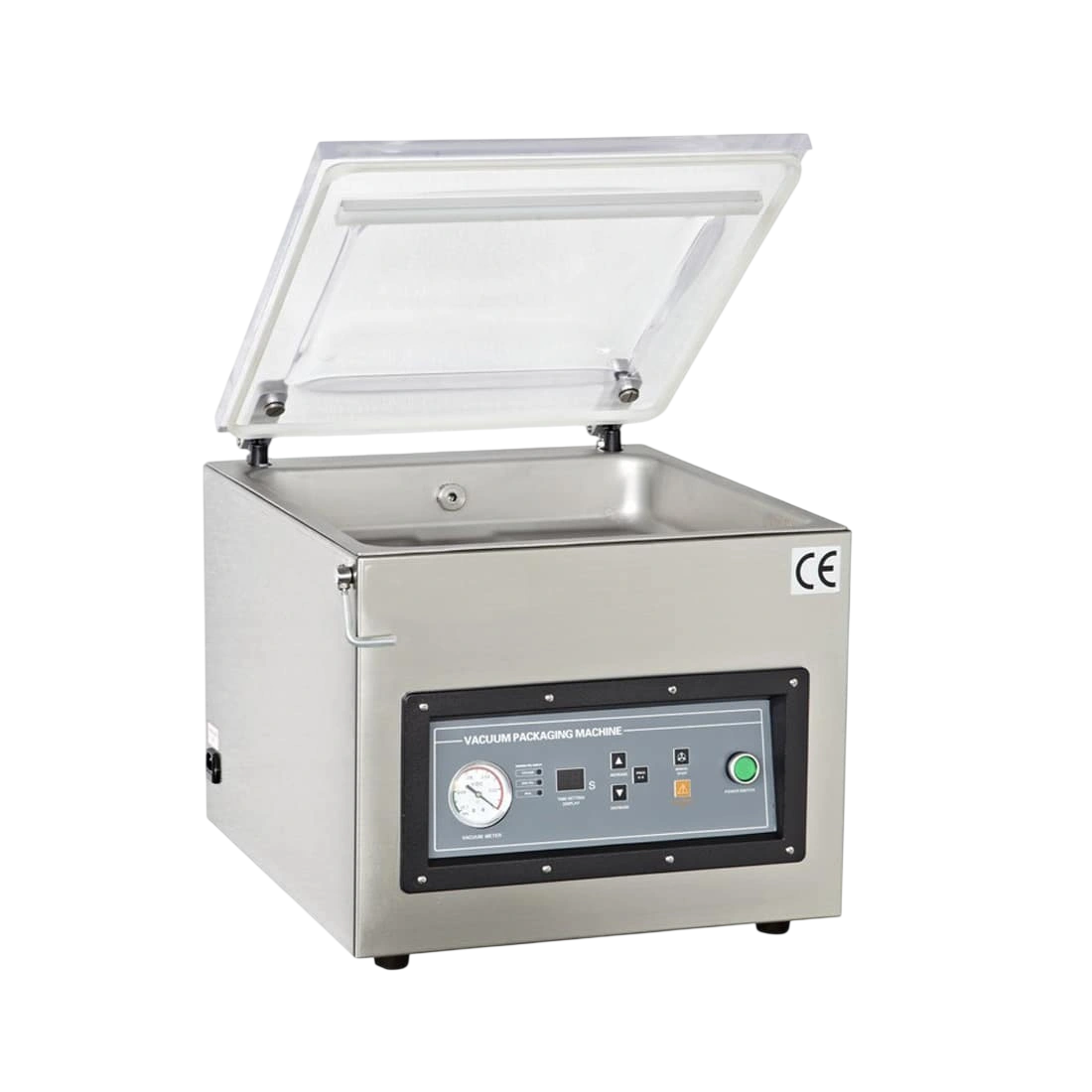
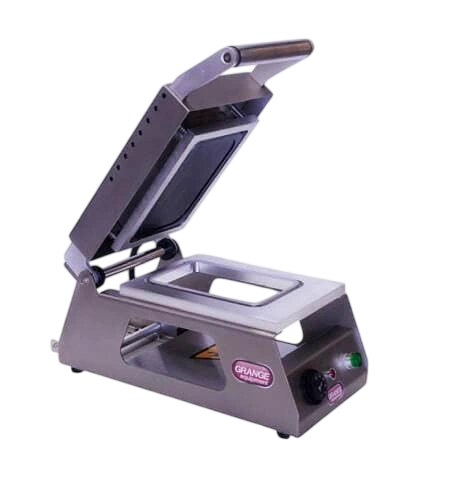
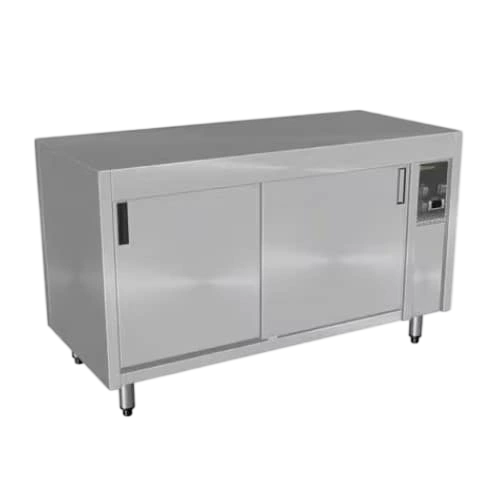

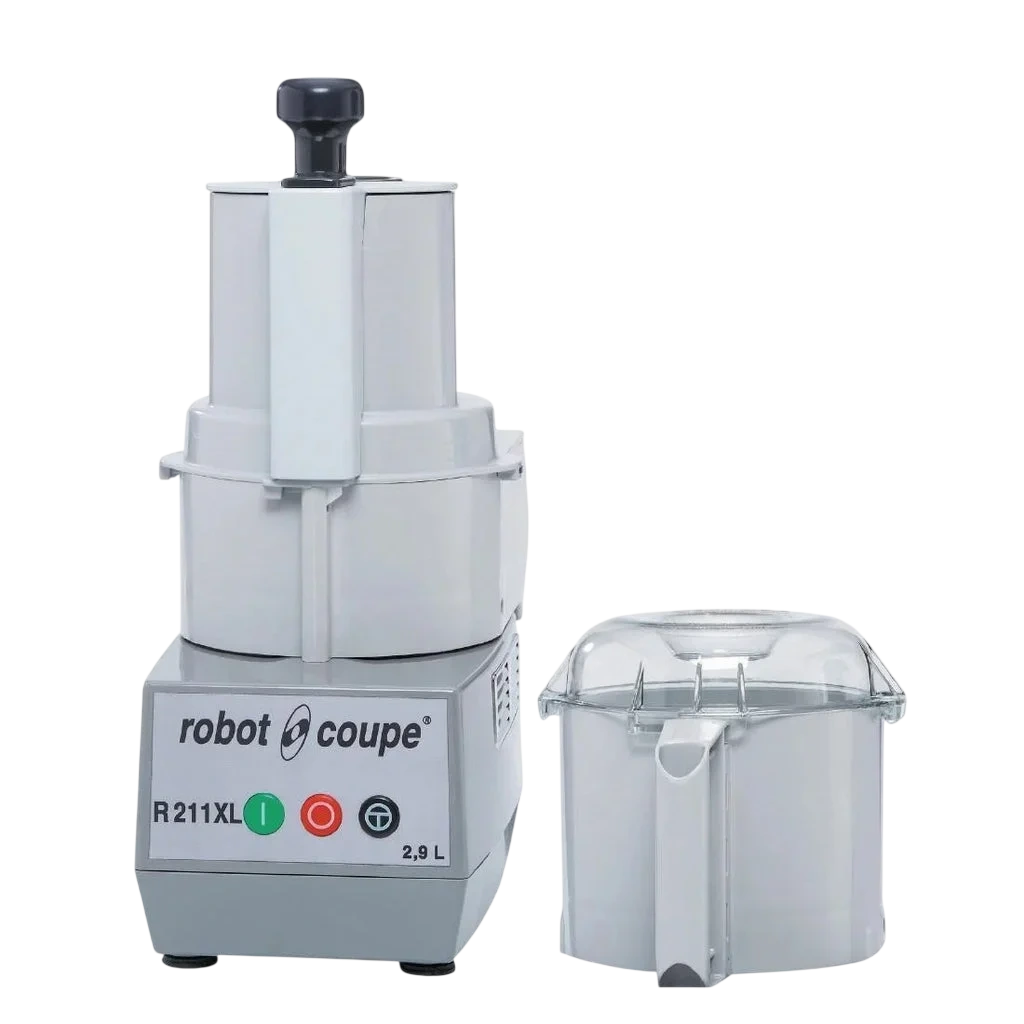

21 essential items · $91,449 ex-GST indicative · with delivery and installation quoted for your site. Final quote reflects your menu, site, power, gas, drainage, ventilation and delivery.
Checking current Package availability…
Package: SBB-CLOUD-KITCHEN-SHARED-KITCHEN
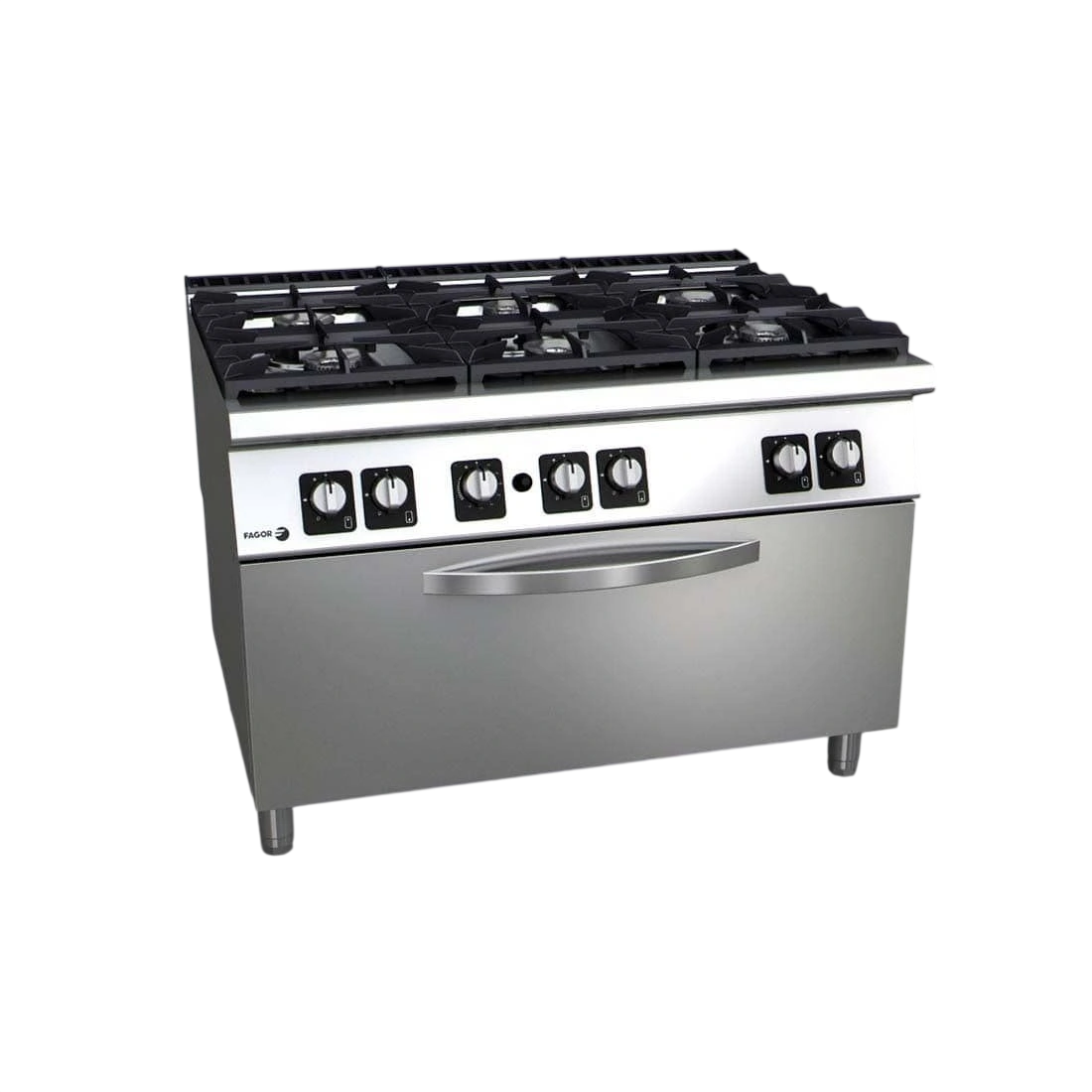
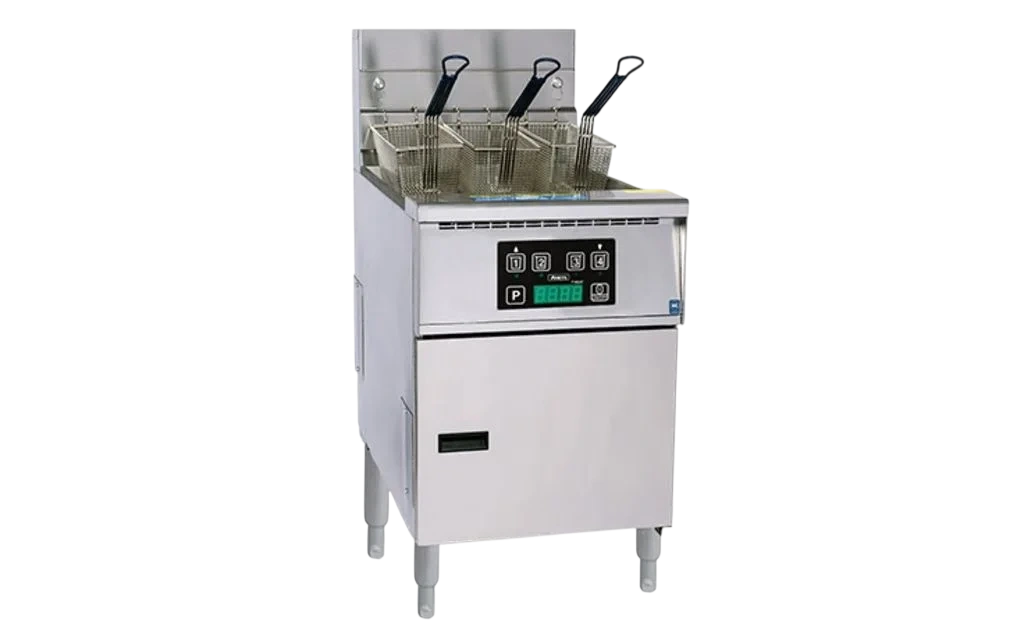
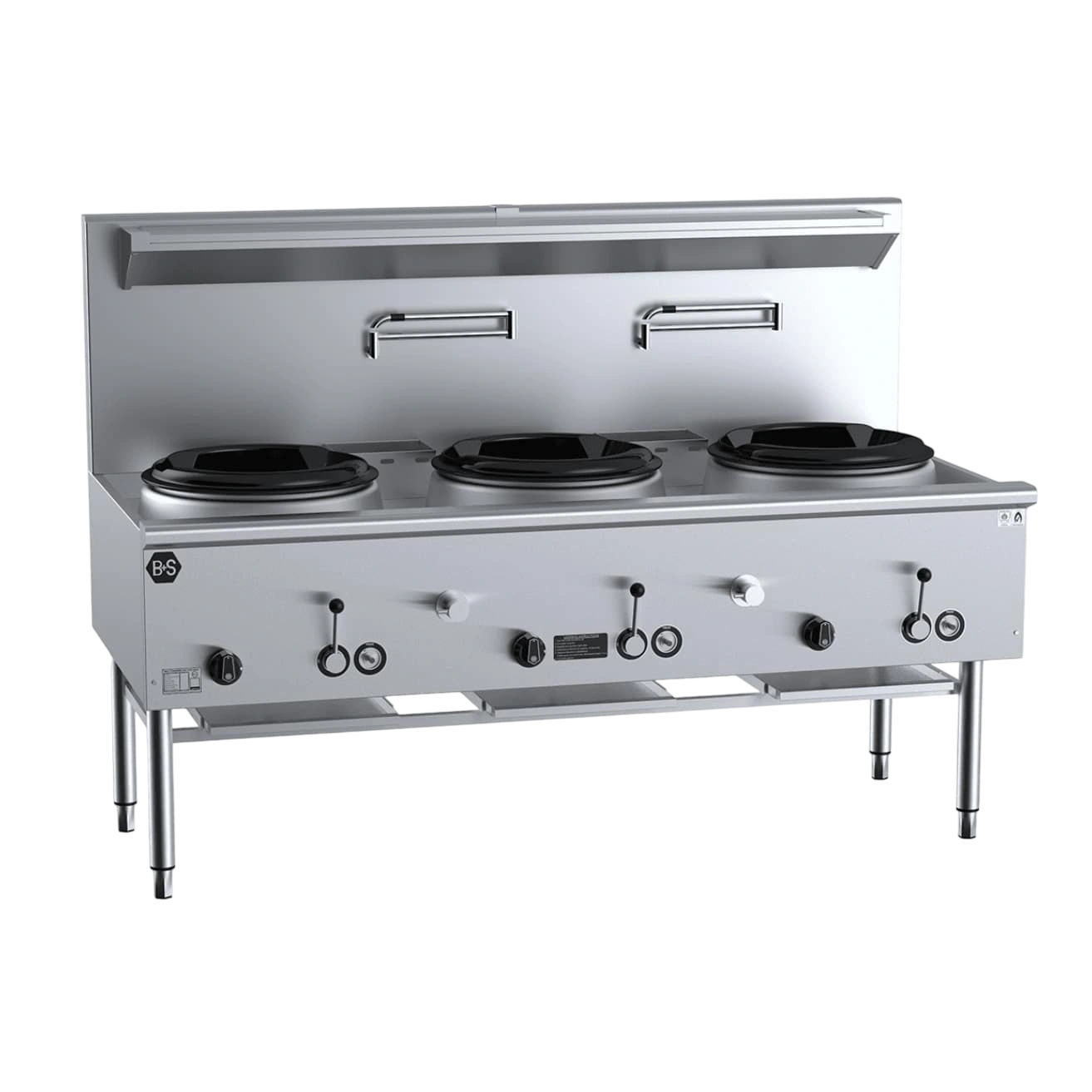
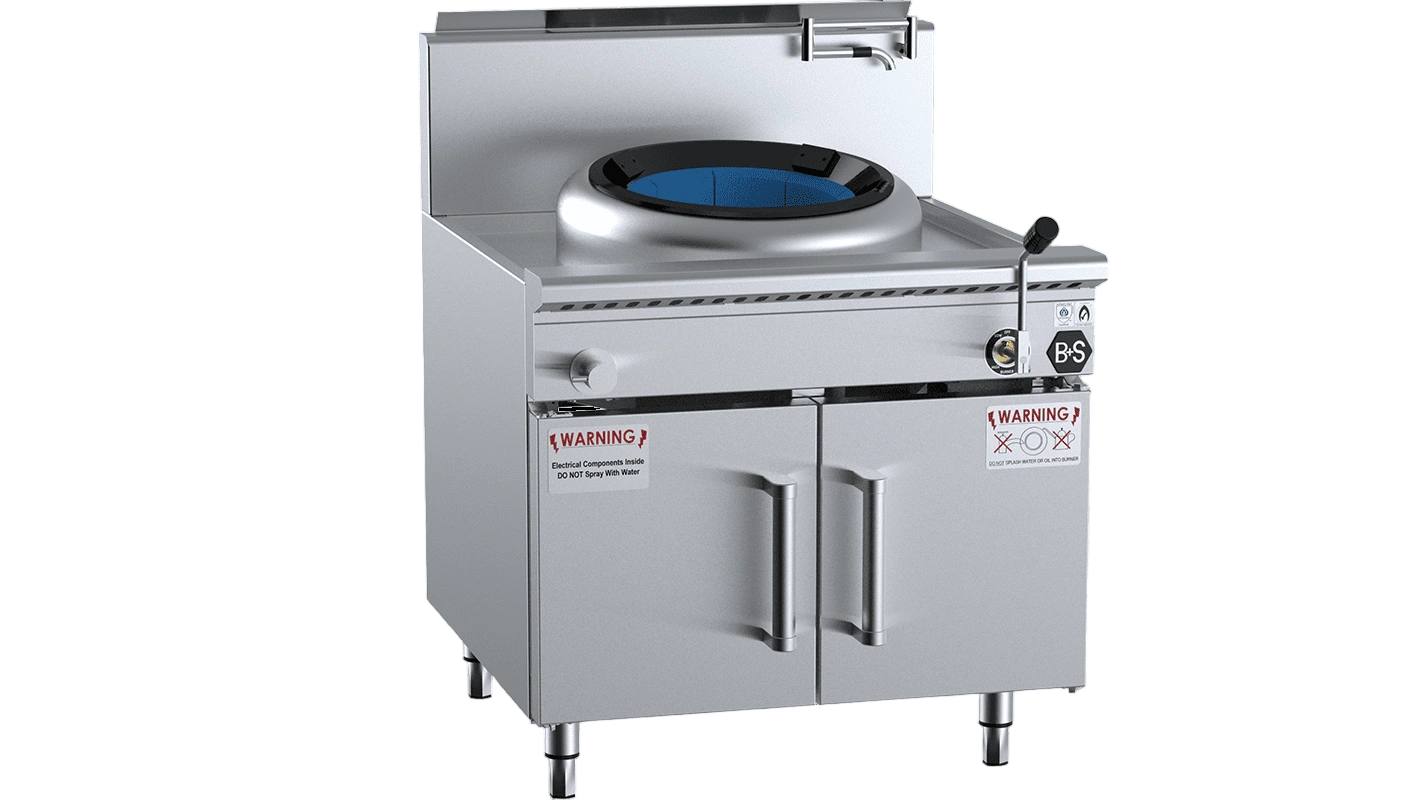
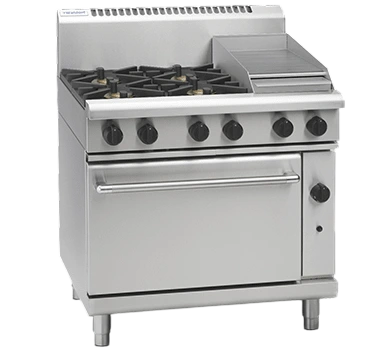
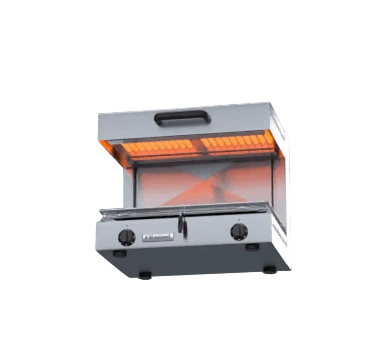
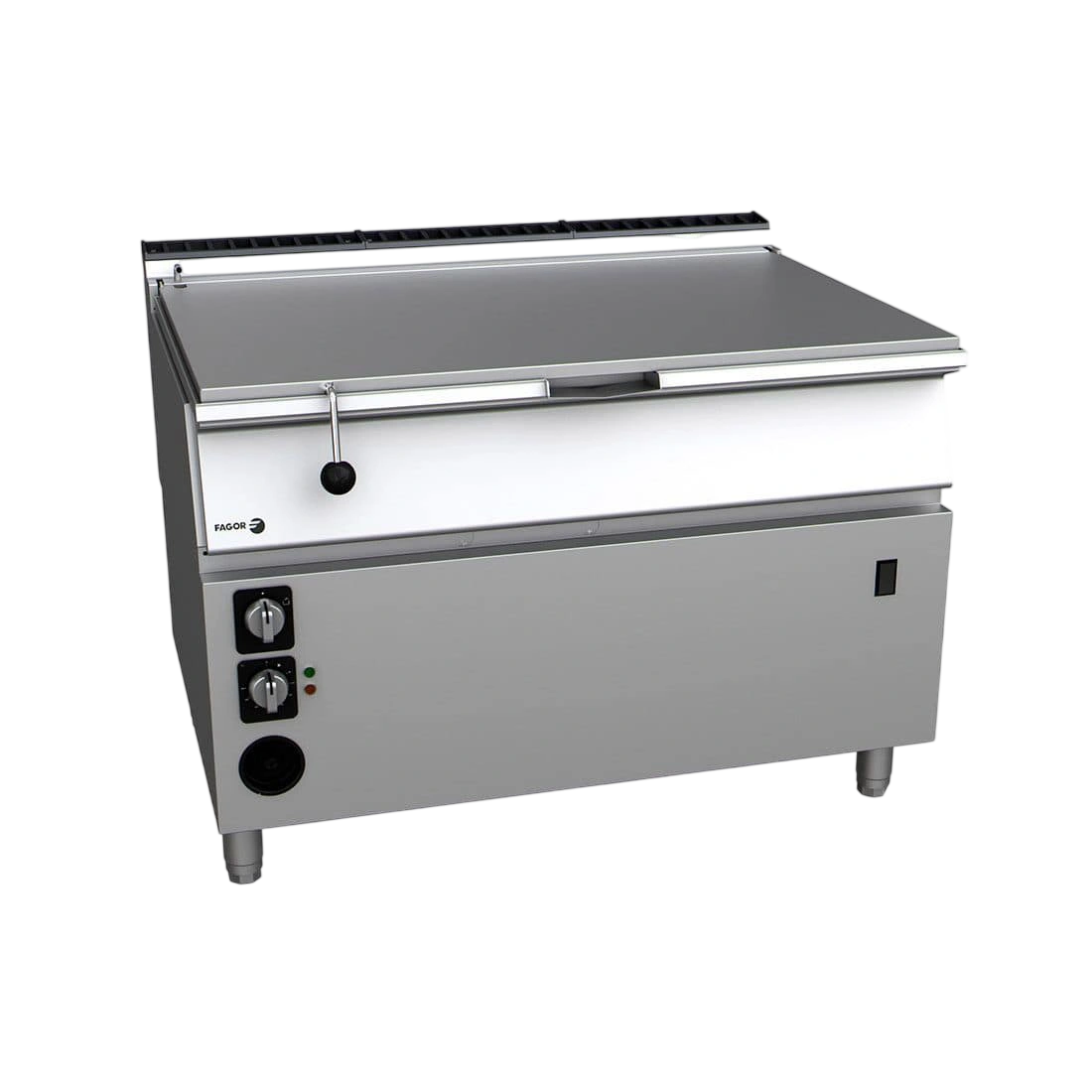
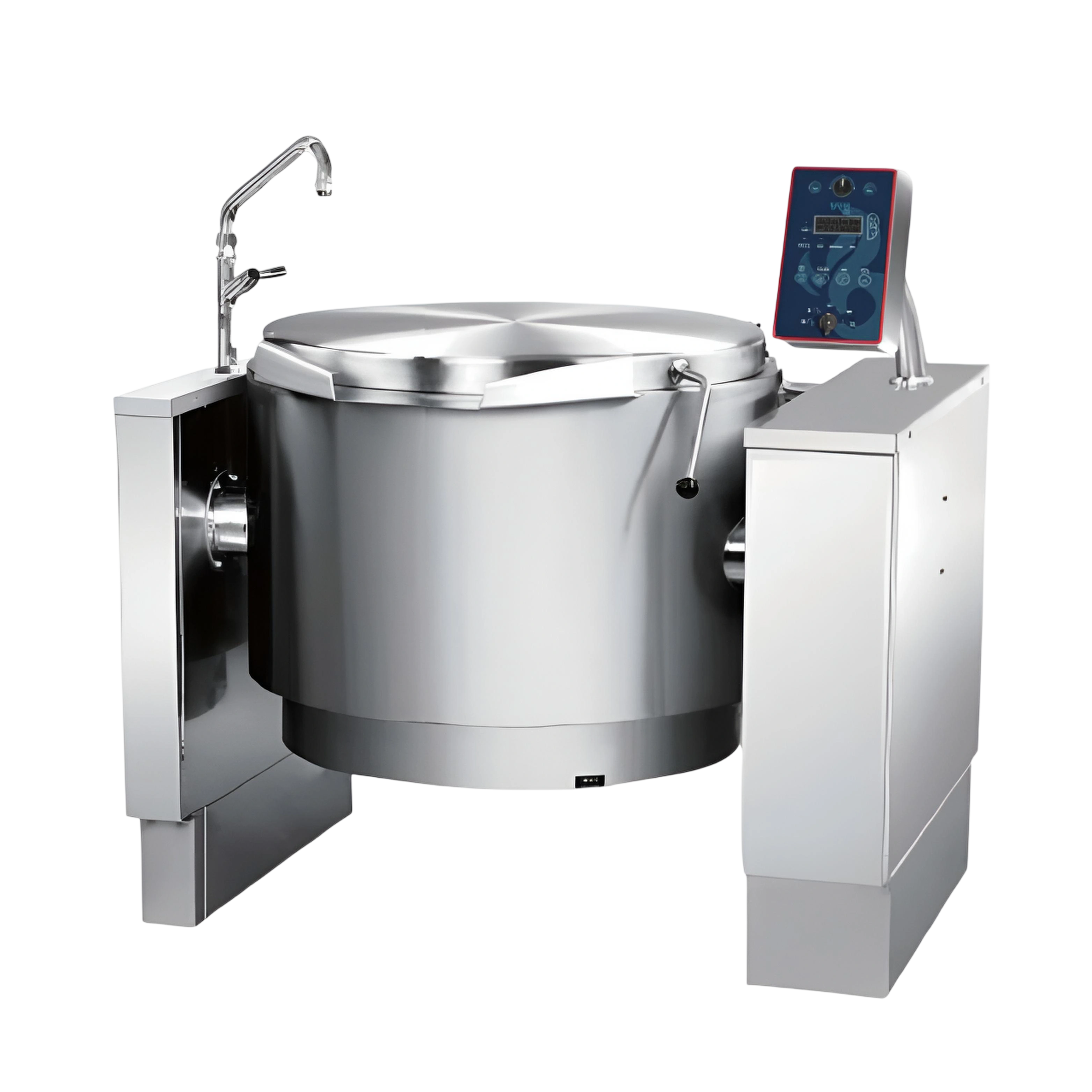
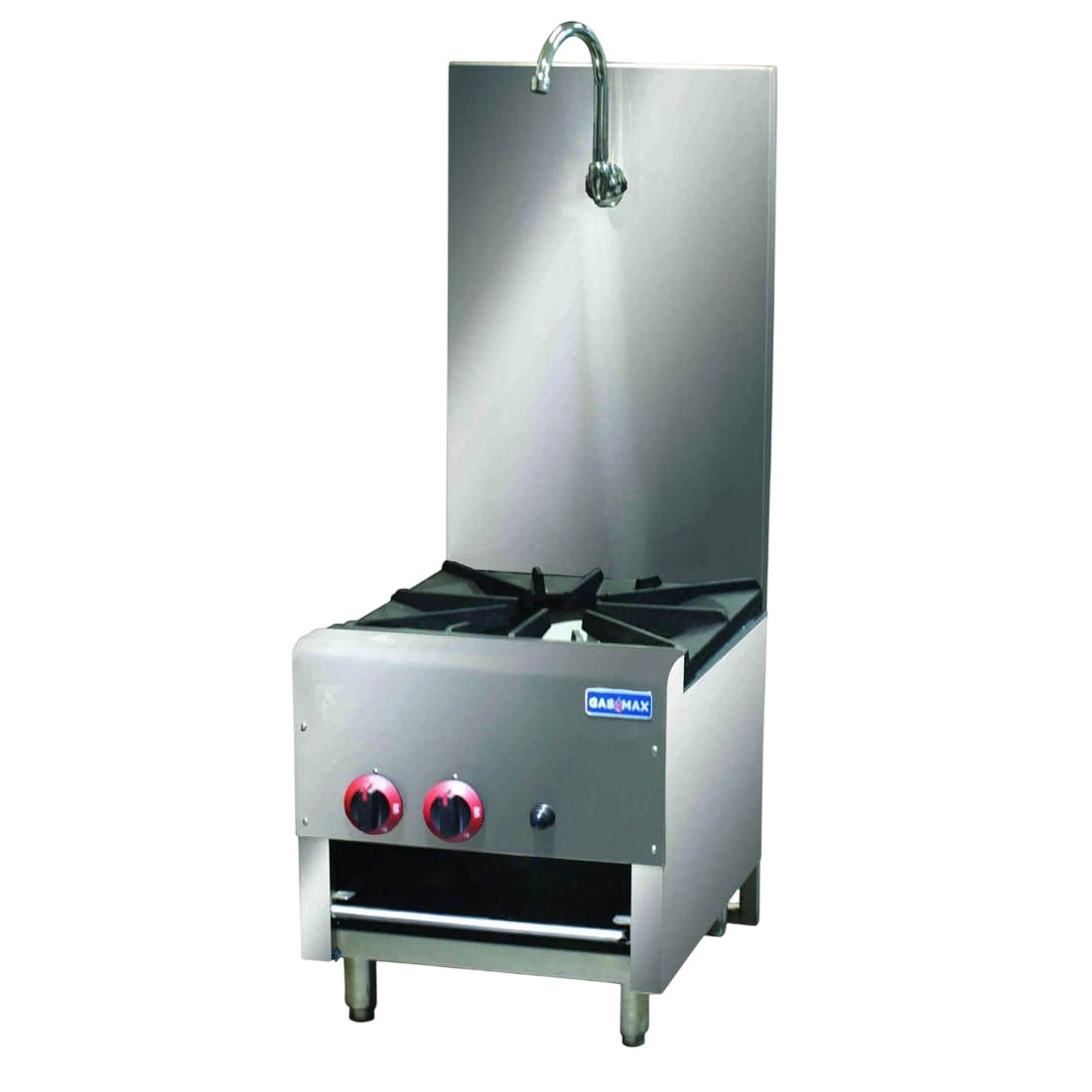
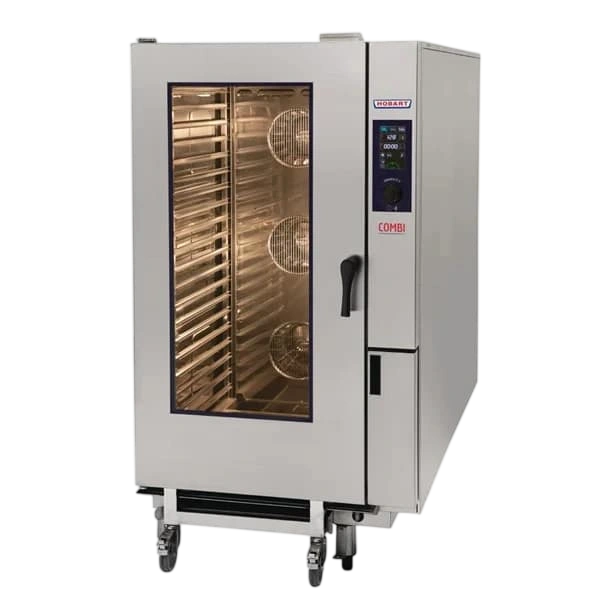
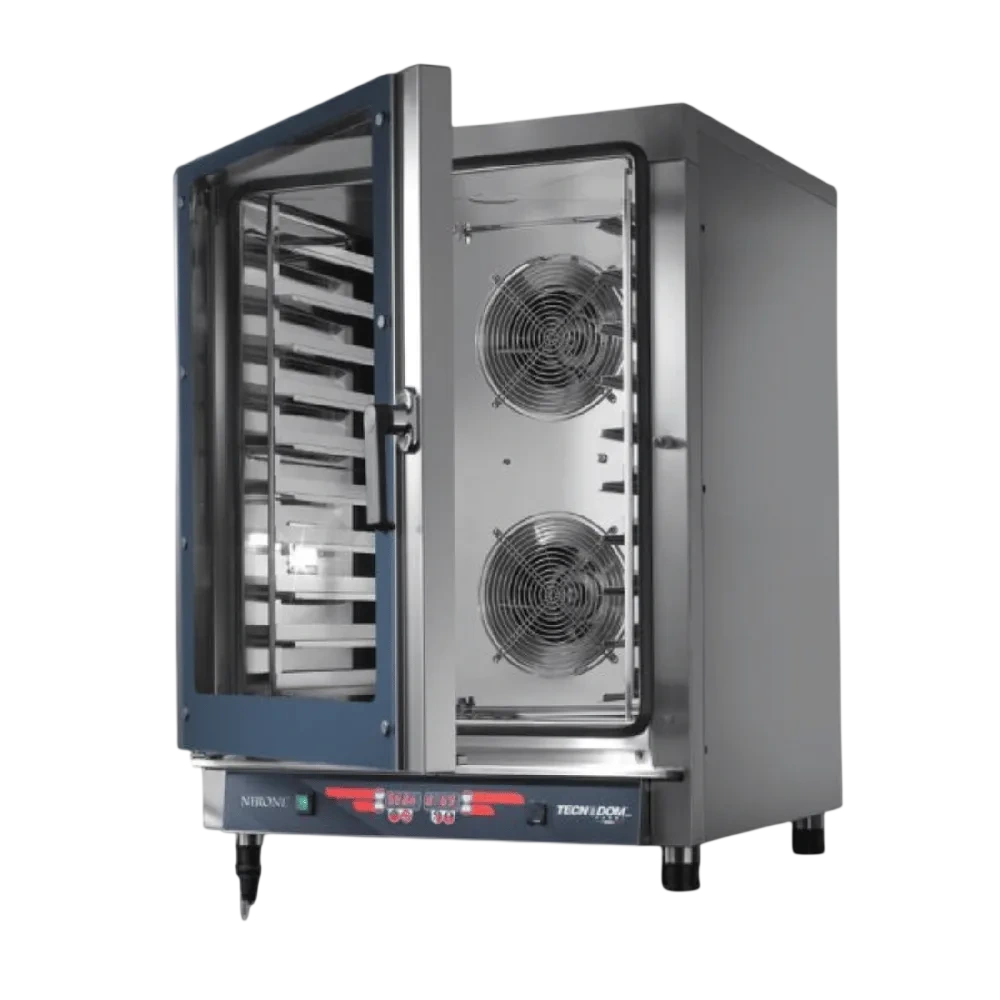

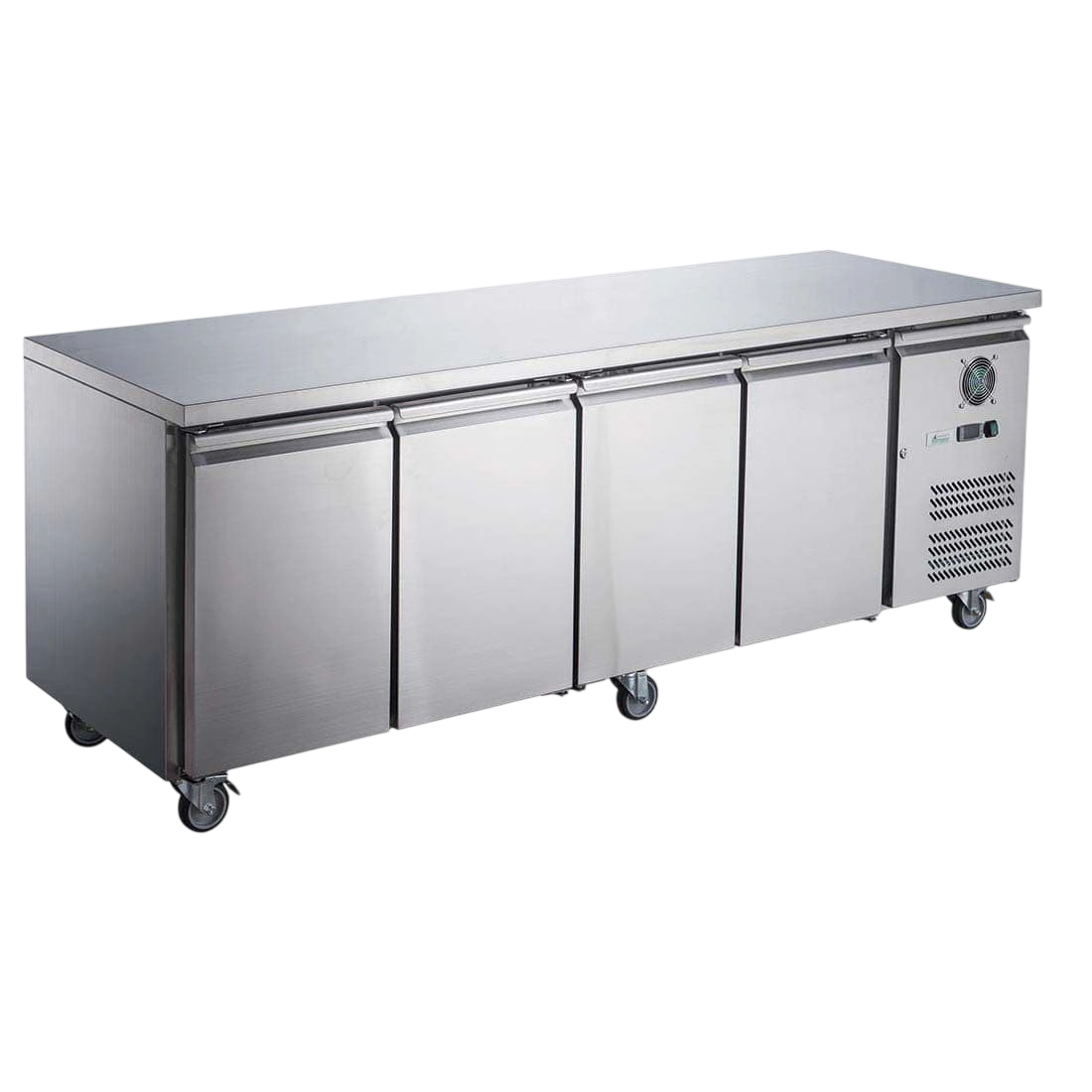
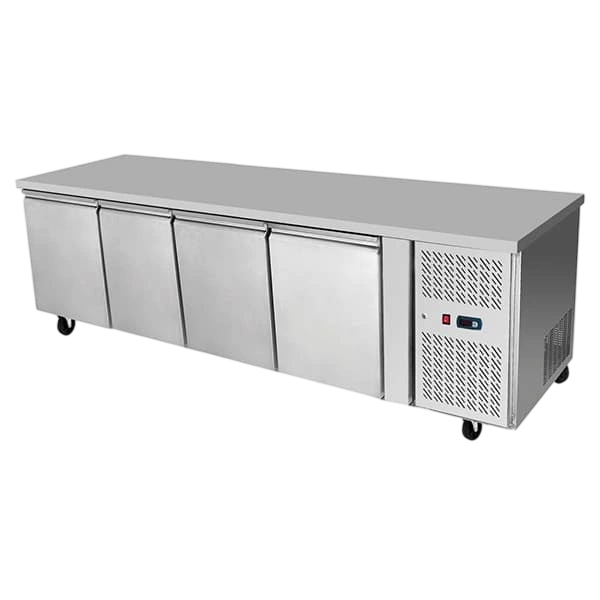
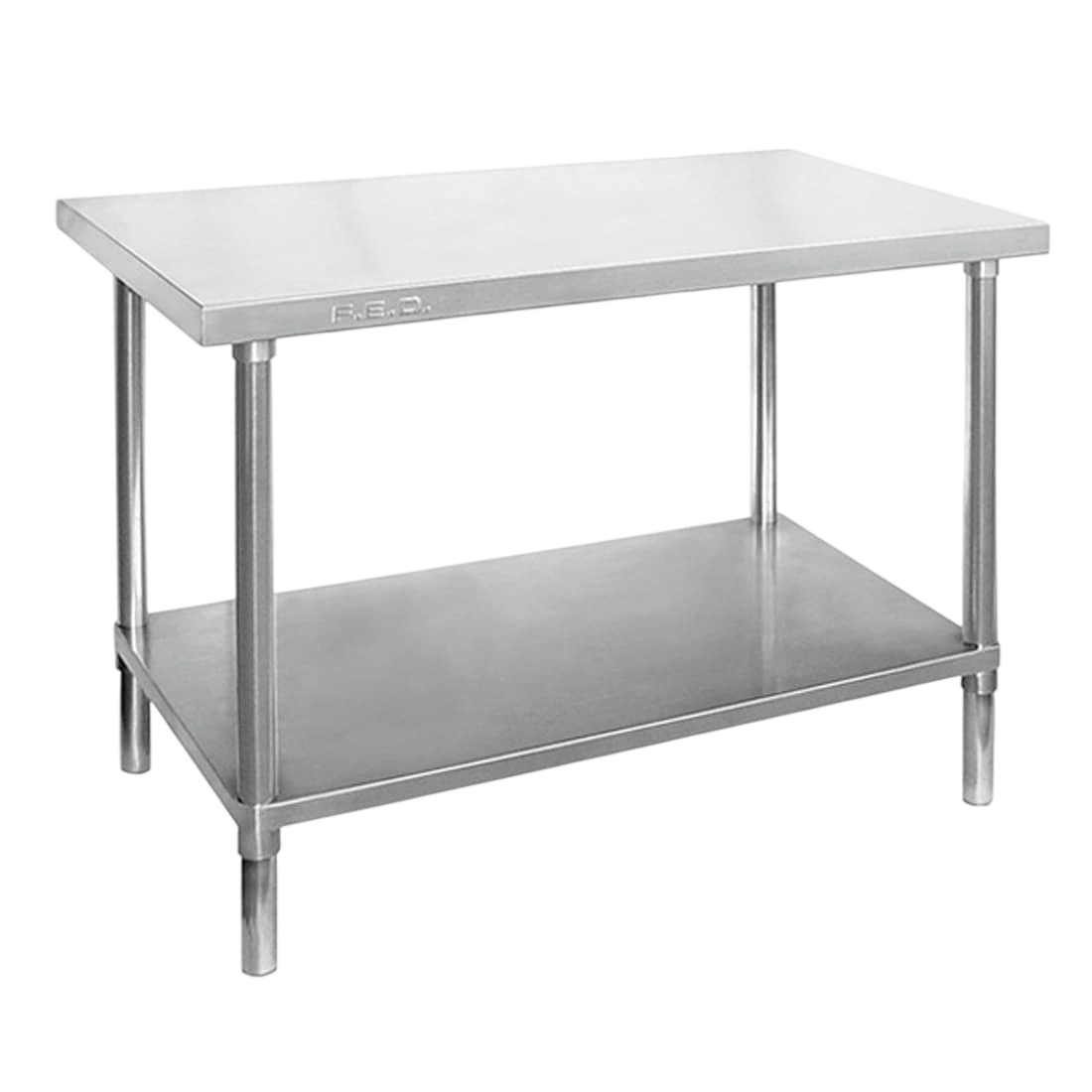
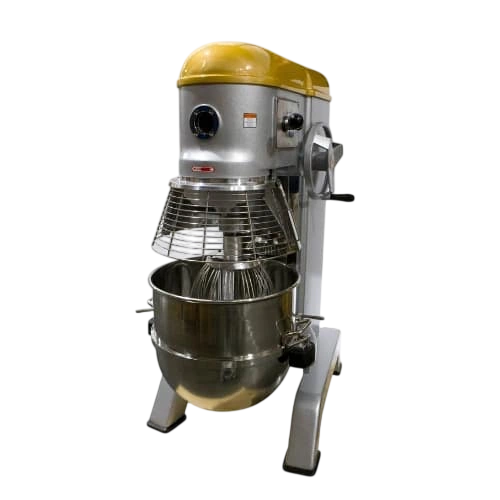
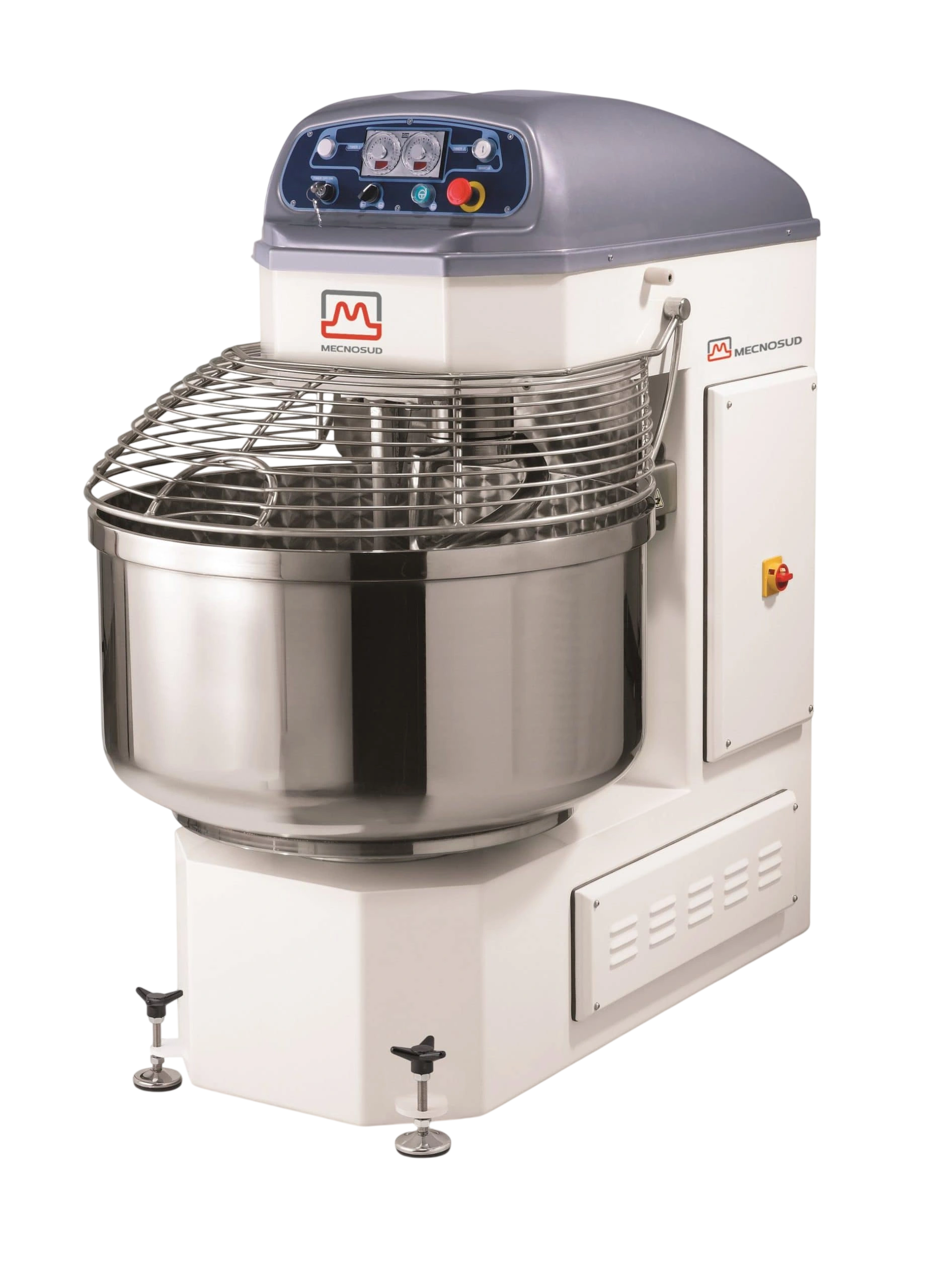
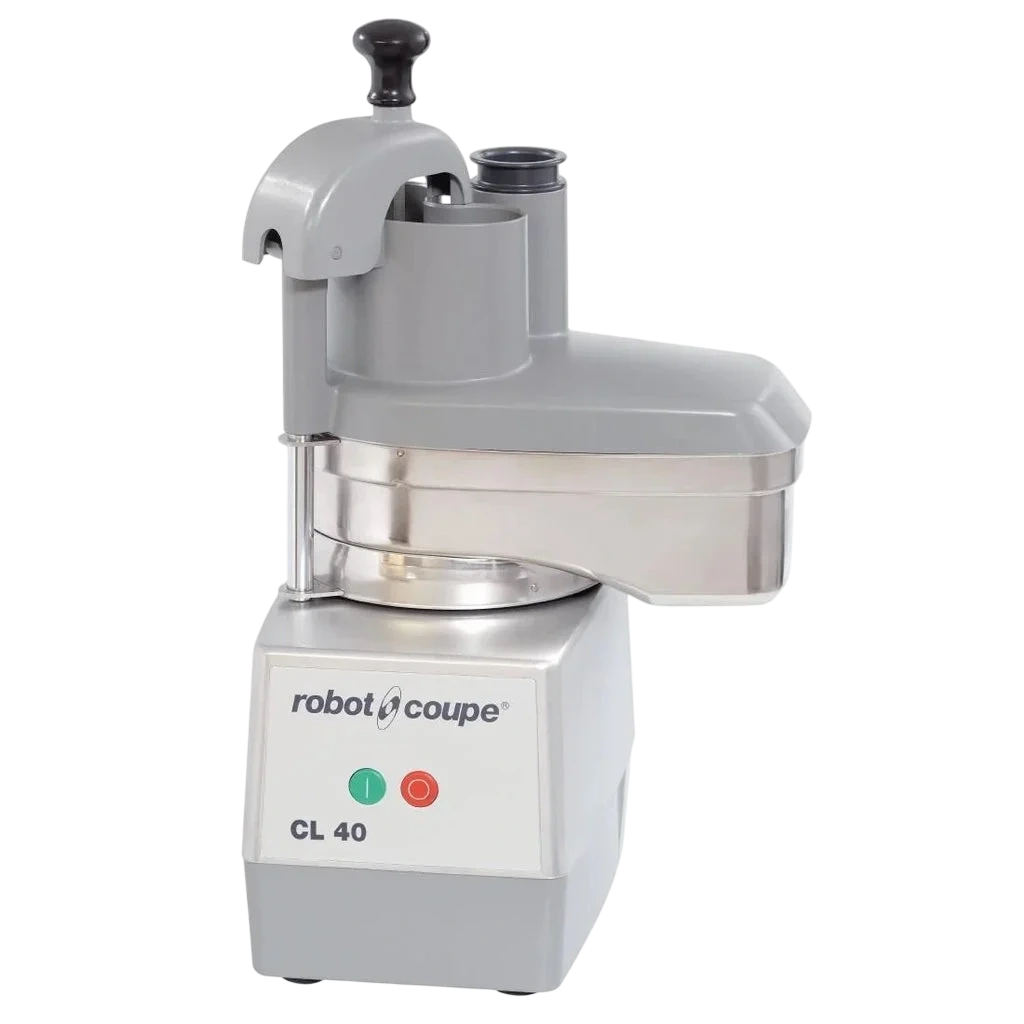
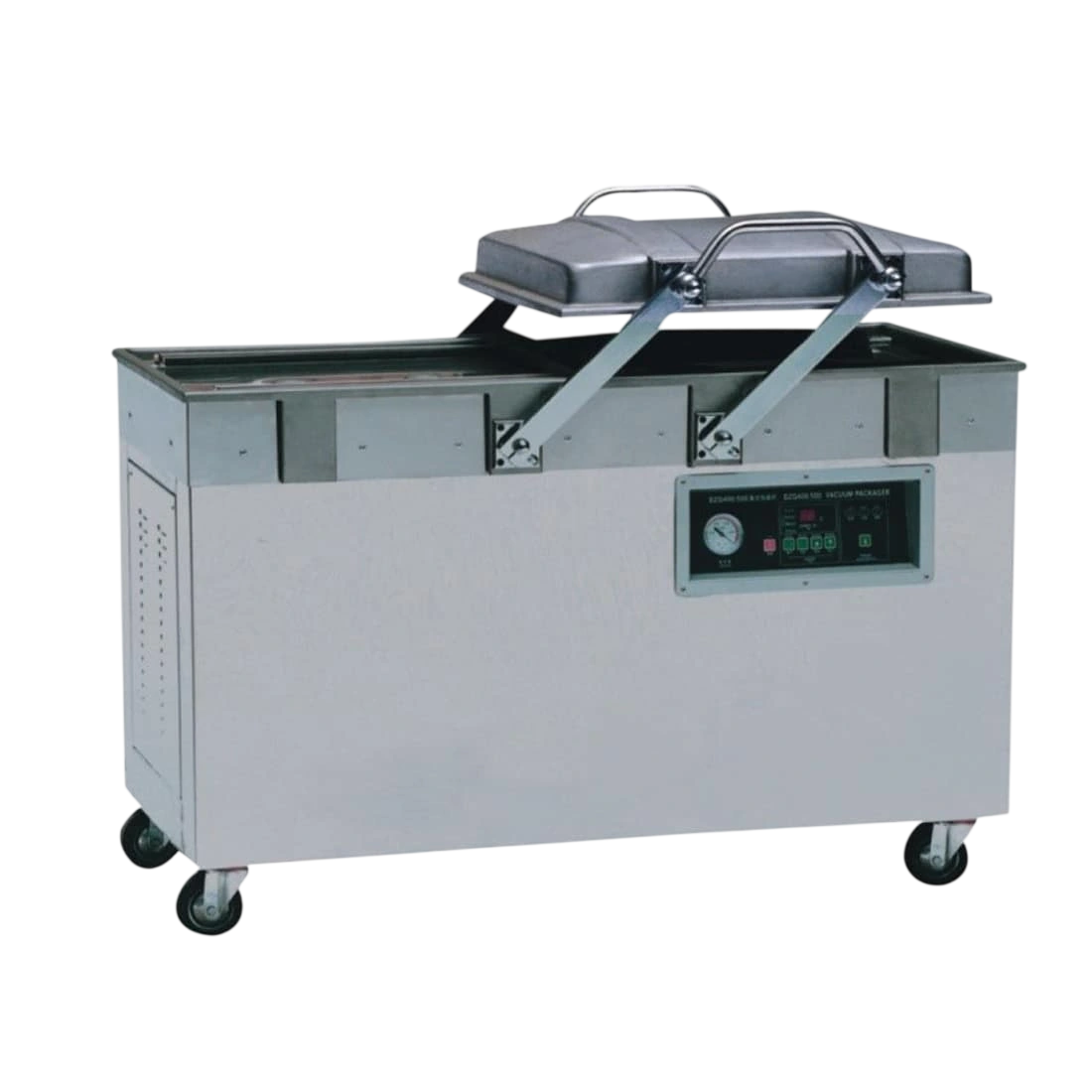
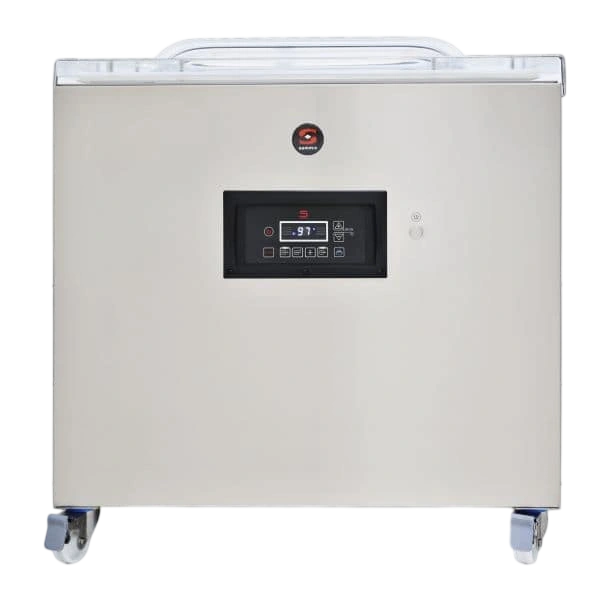
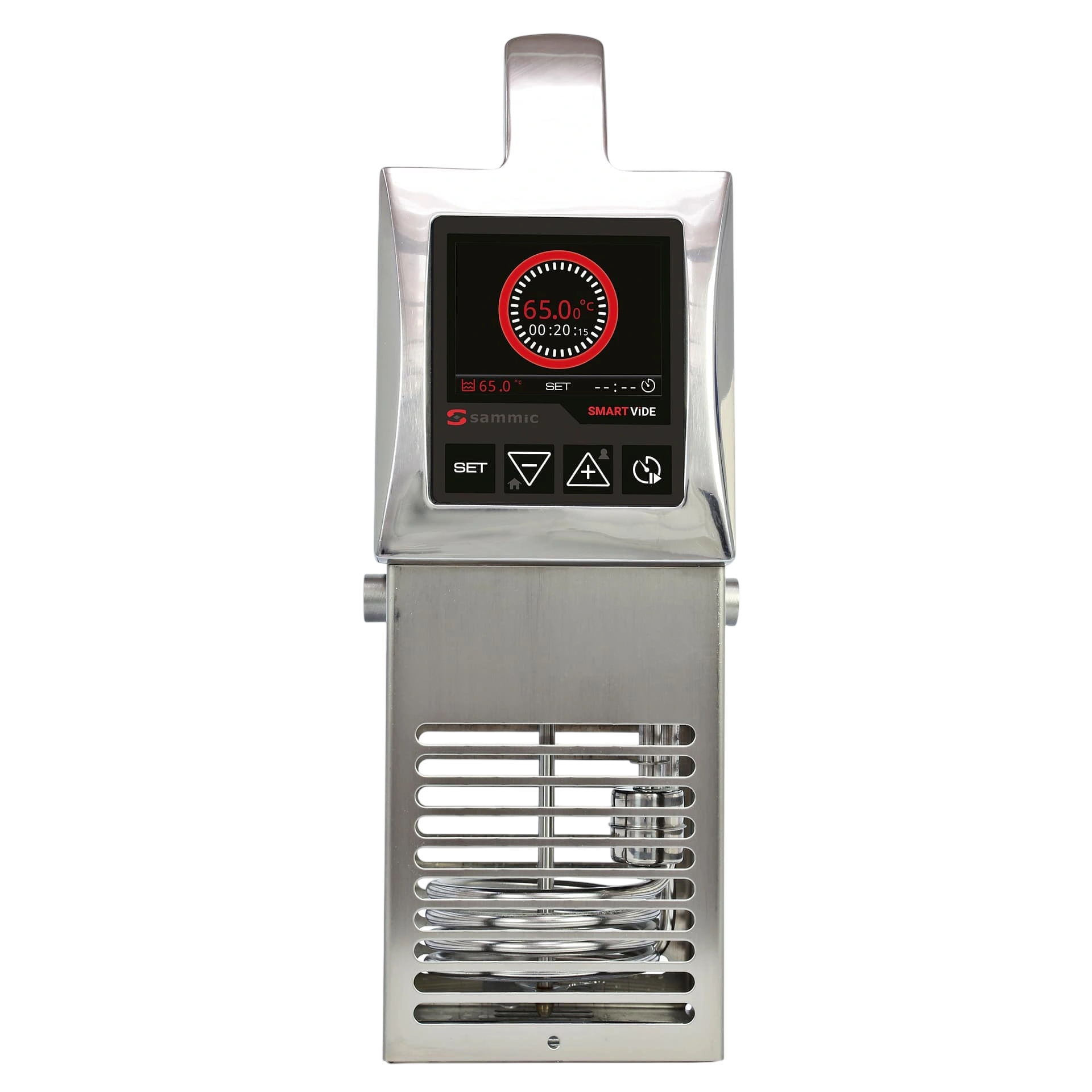
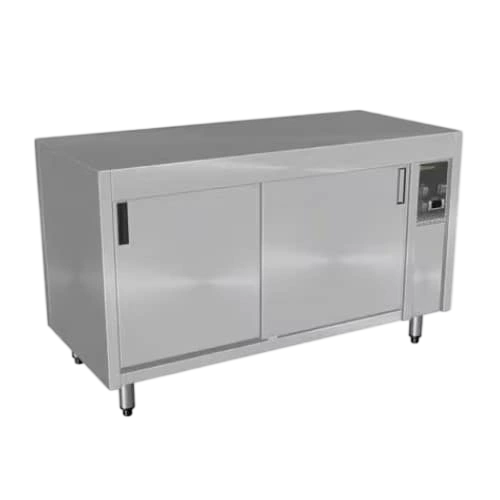
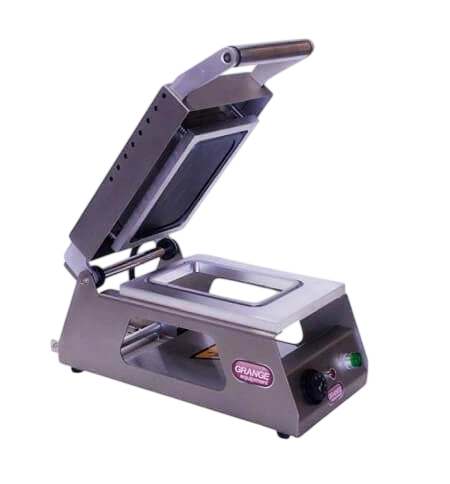
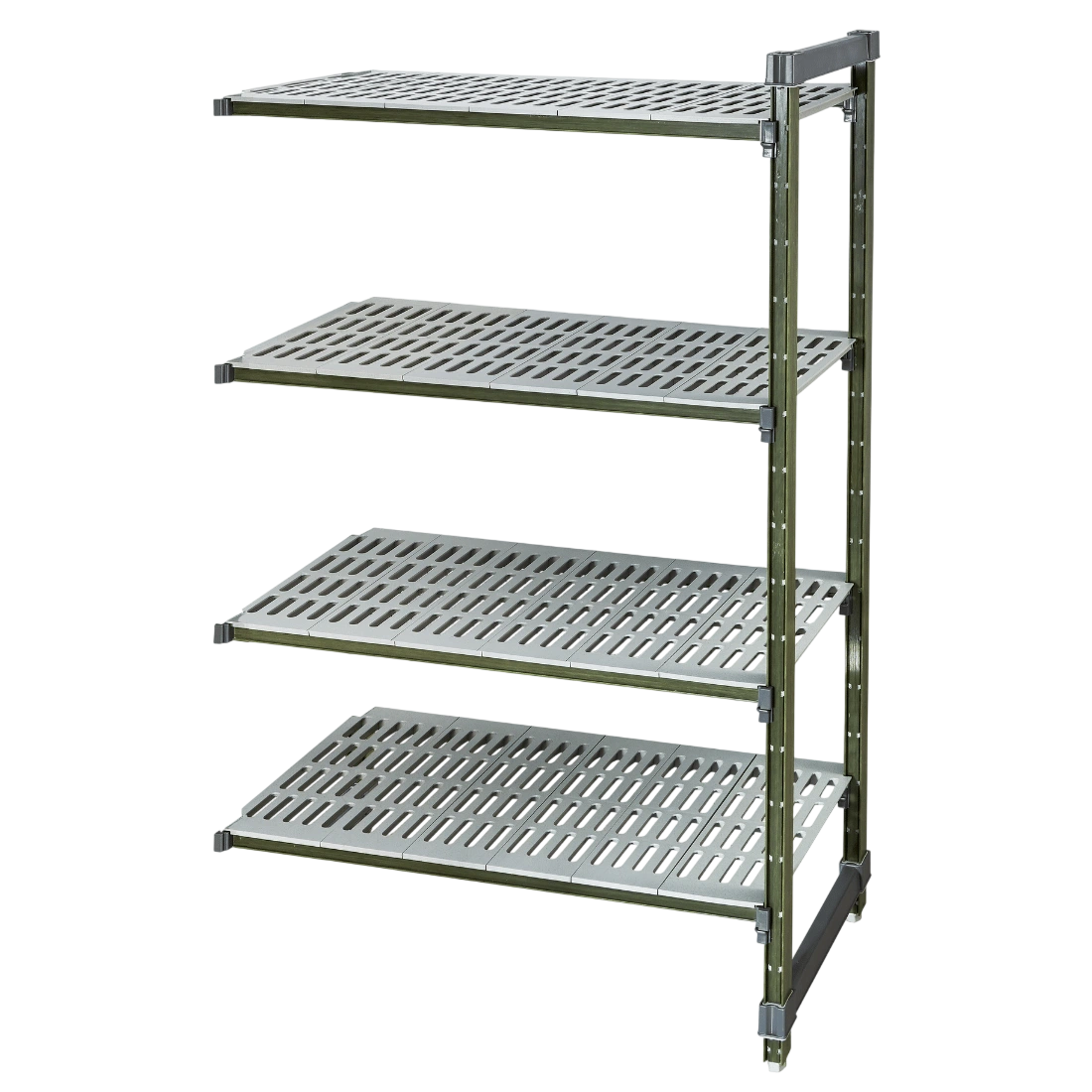
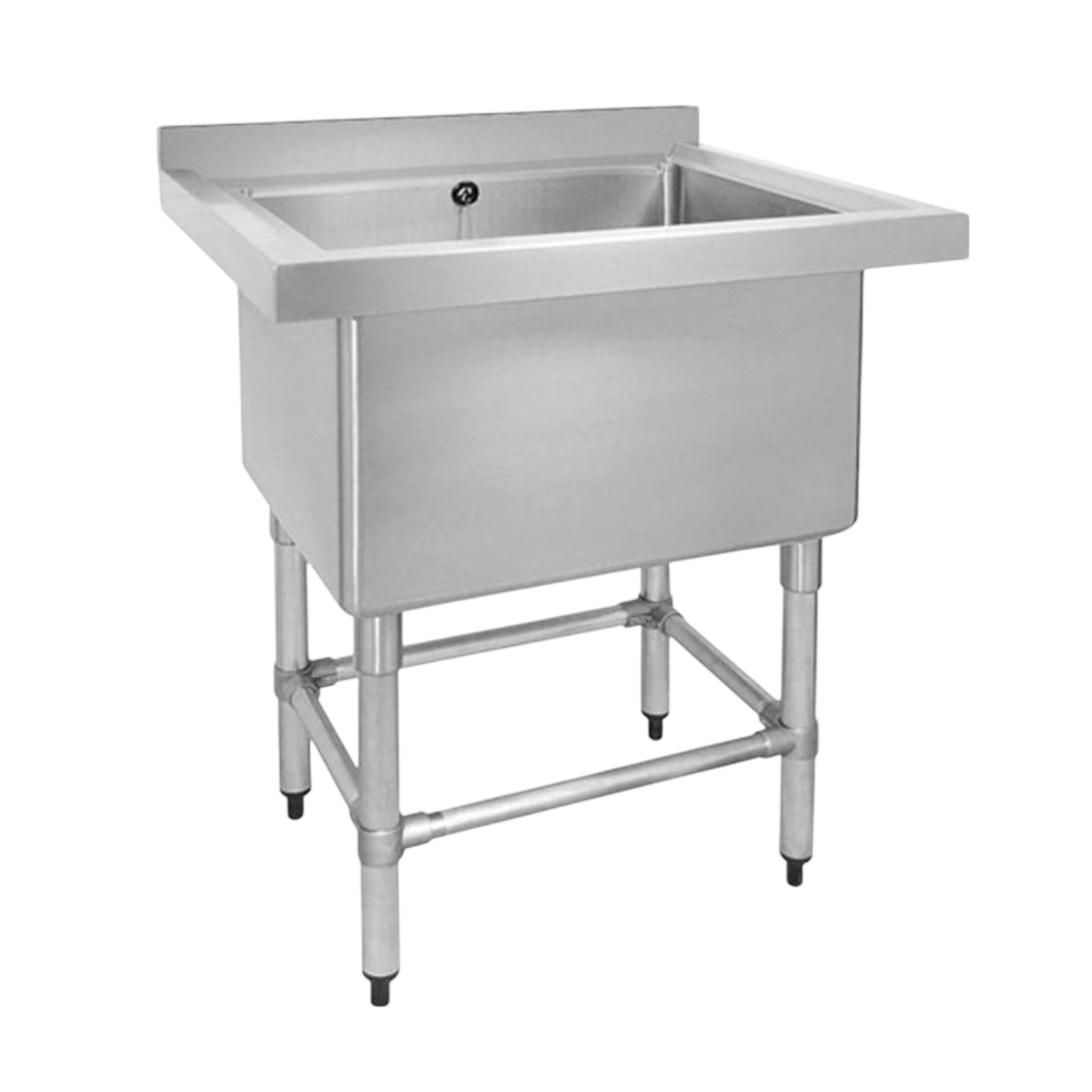
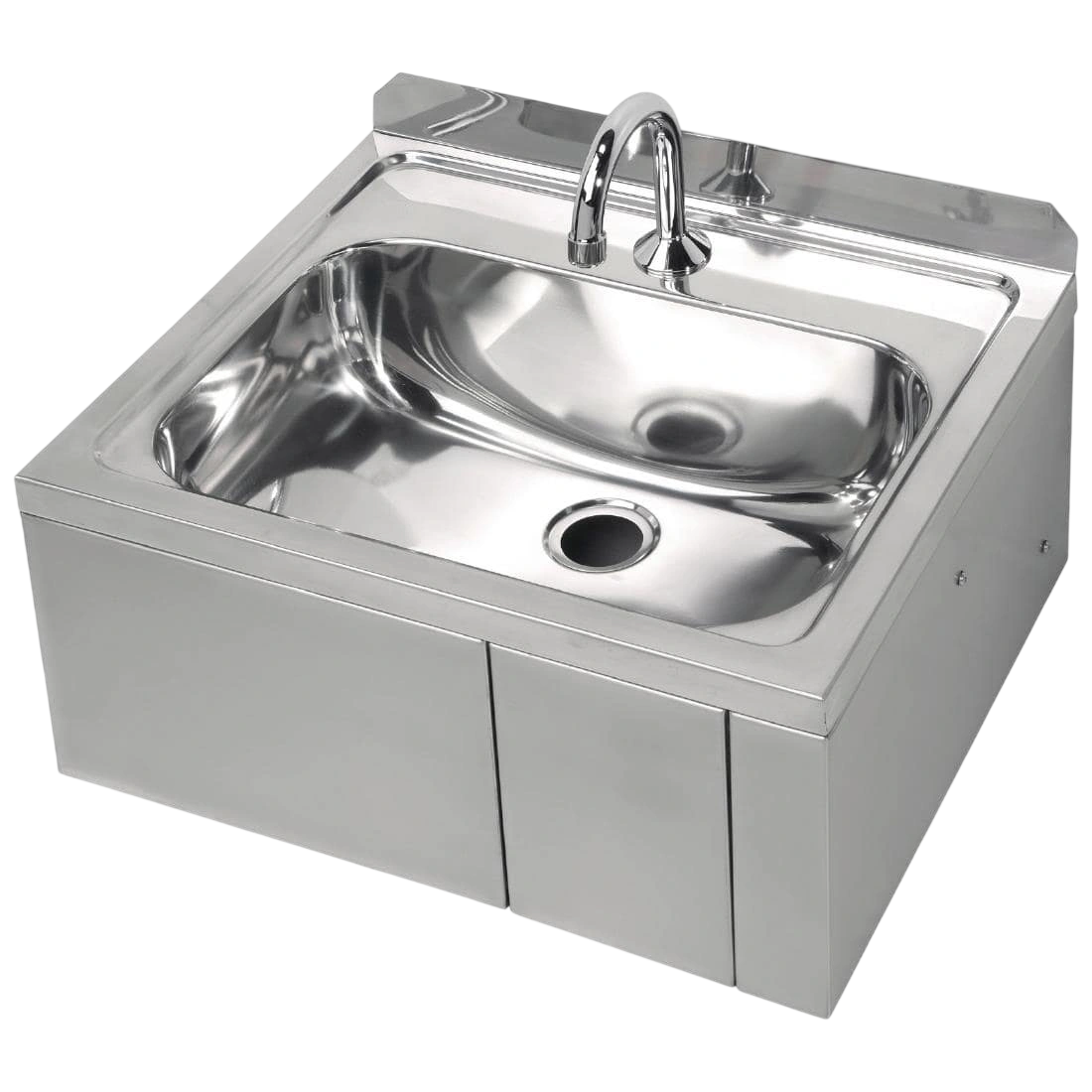
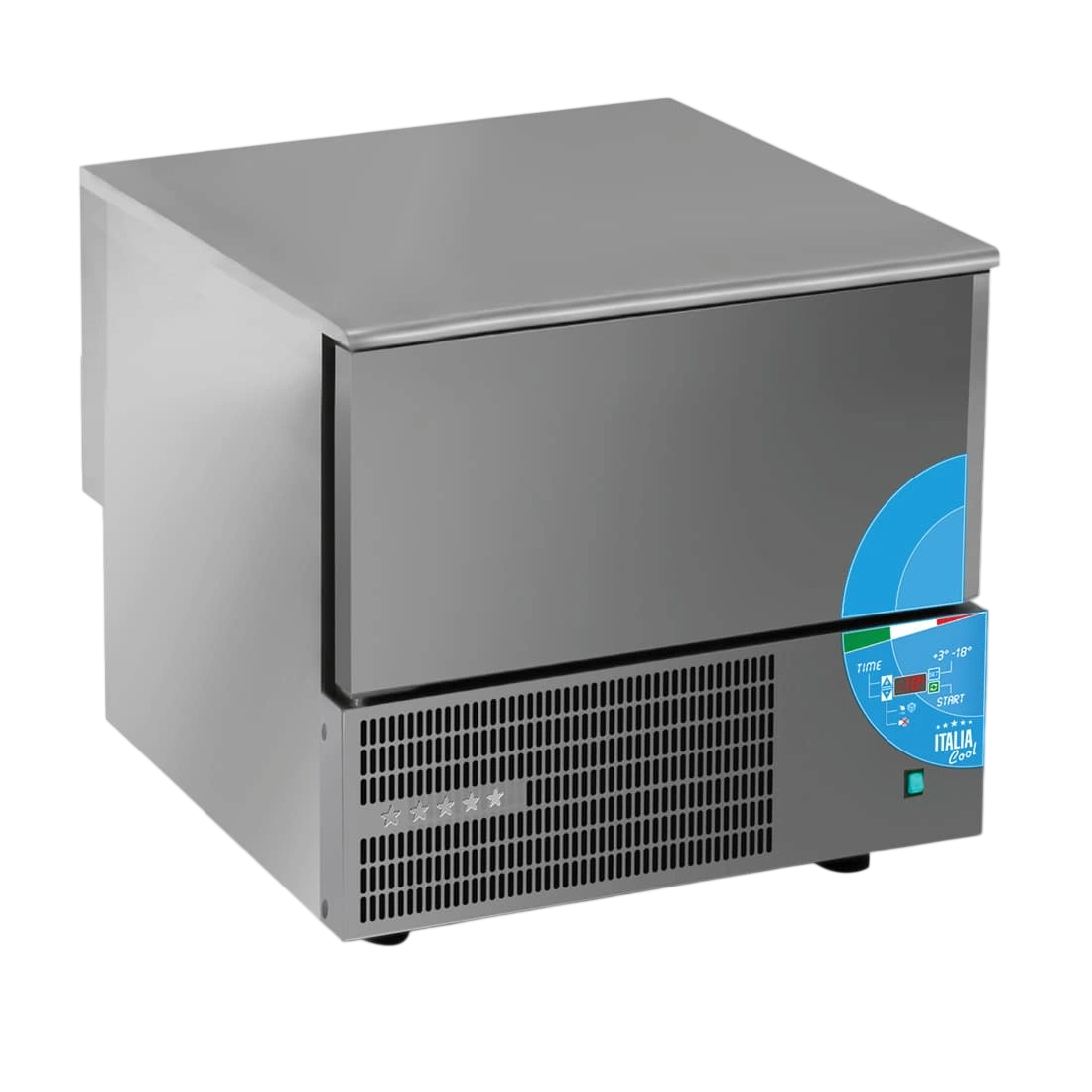
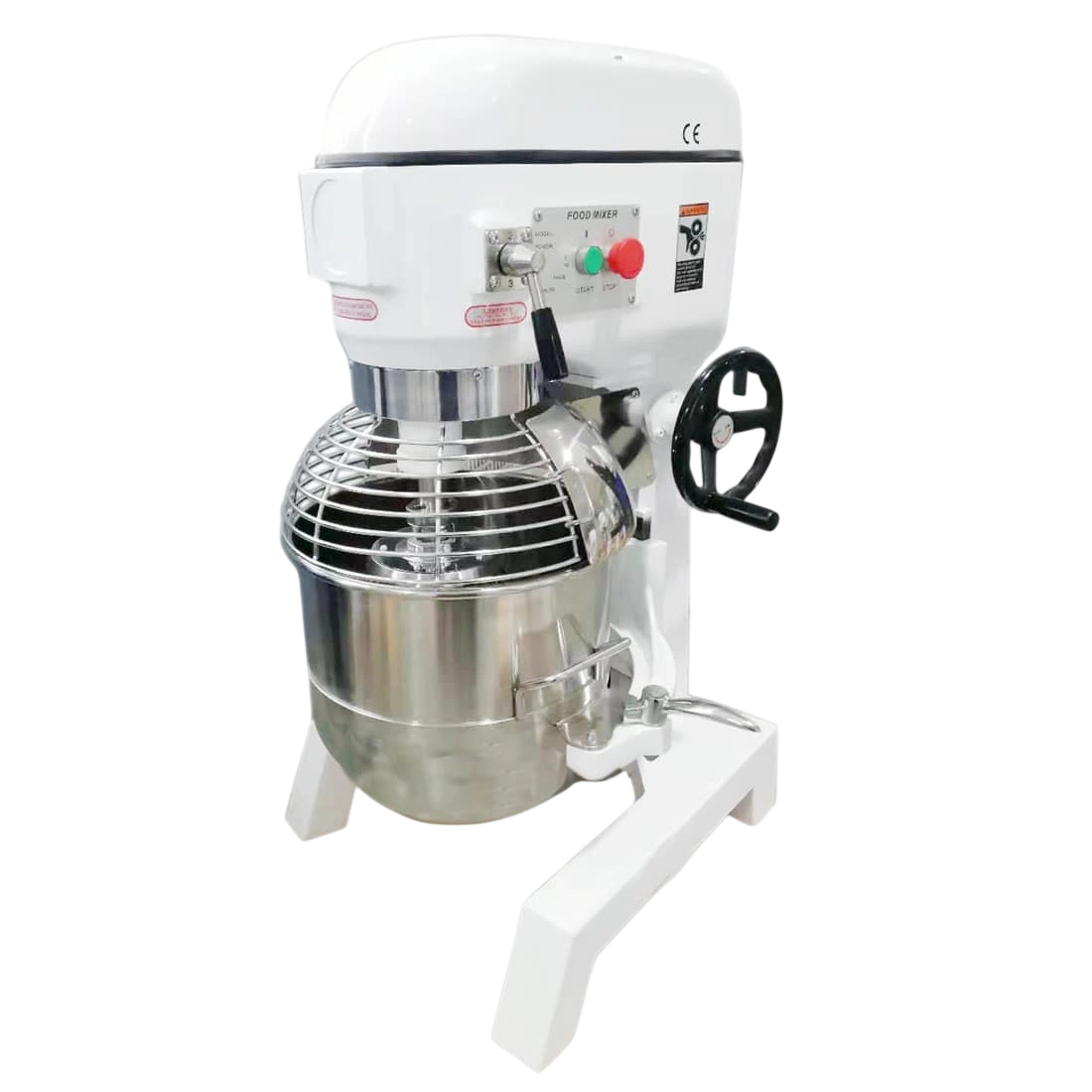
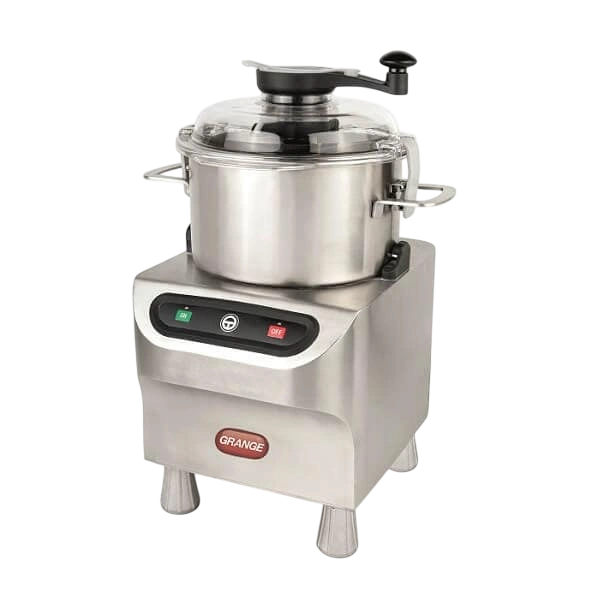
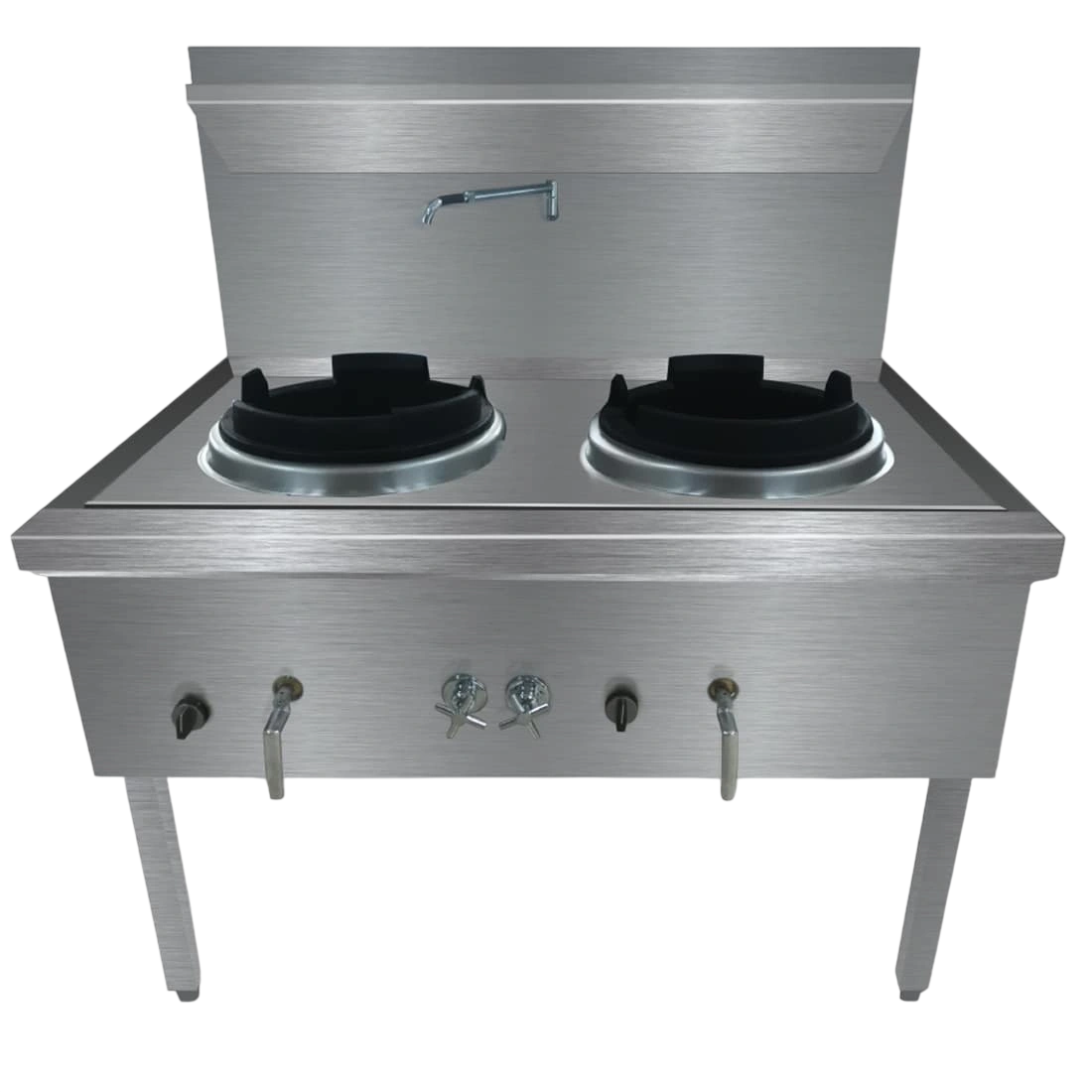

27 essential items · $355,122 ex-GST indicative · with delivery and installation quoted for your site. Final quote reflects your menu, site, power, gas, drainage, ventilation and delivery.
Checking current Package availability…
Package: SBB-CLOUD-KITCHEN-HUB-KITCHEN
Consistency is the only currency. Every order must taste, look and arrive identical — across shifts, brands and locations.
Why does the soup taste different in your Parramatta branch versus your Chatswood branch? Because you are relying on people, not processes. Cloud and central kitchens are not about speed — they are about industrial replication. You are moving from frying pans to 200L tilting boiling kettles, from serving plates to blast-chilled distribution. The battle isn't peak burner output. It's batch integrity at volume, courier handoff in twenty seconds, and HACCP-documented cook-chill that lets today's production feed tomorrow's customer with zero drift.
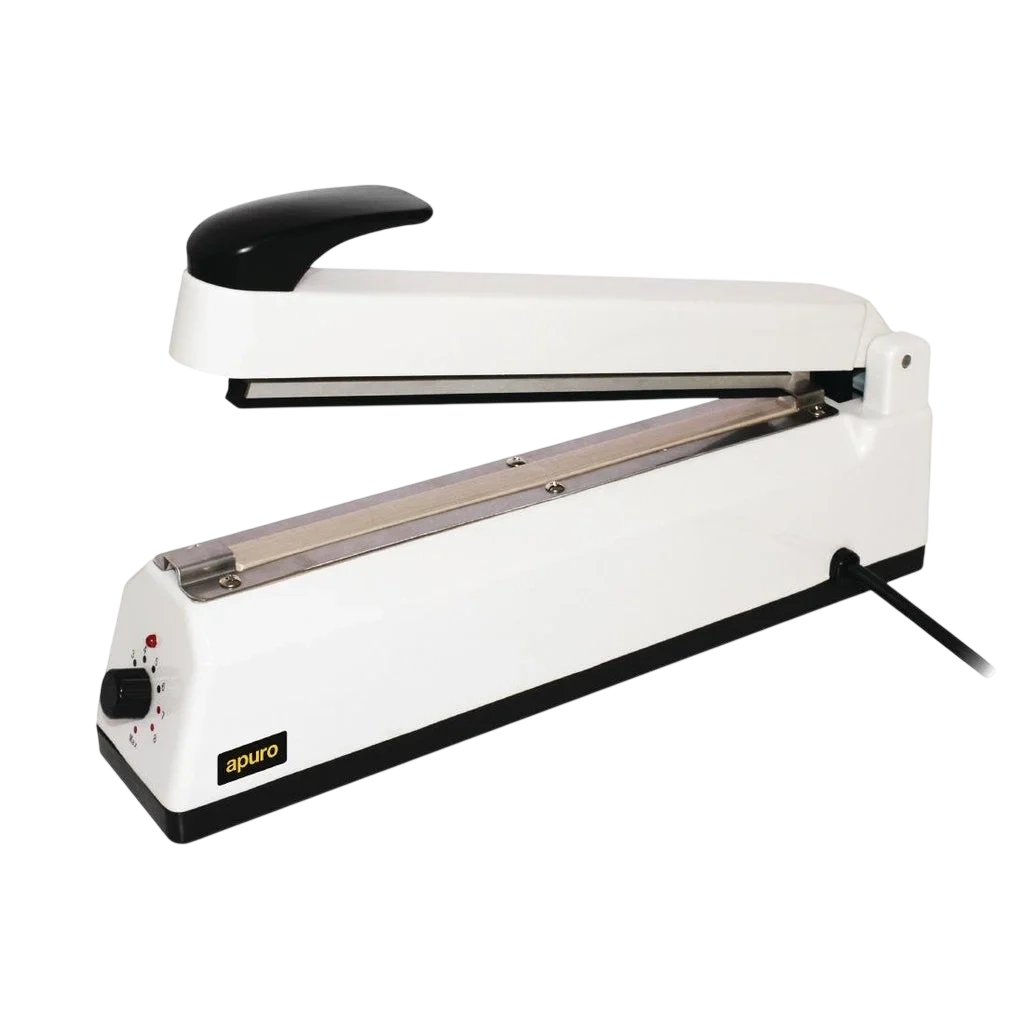
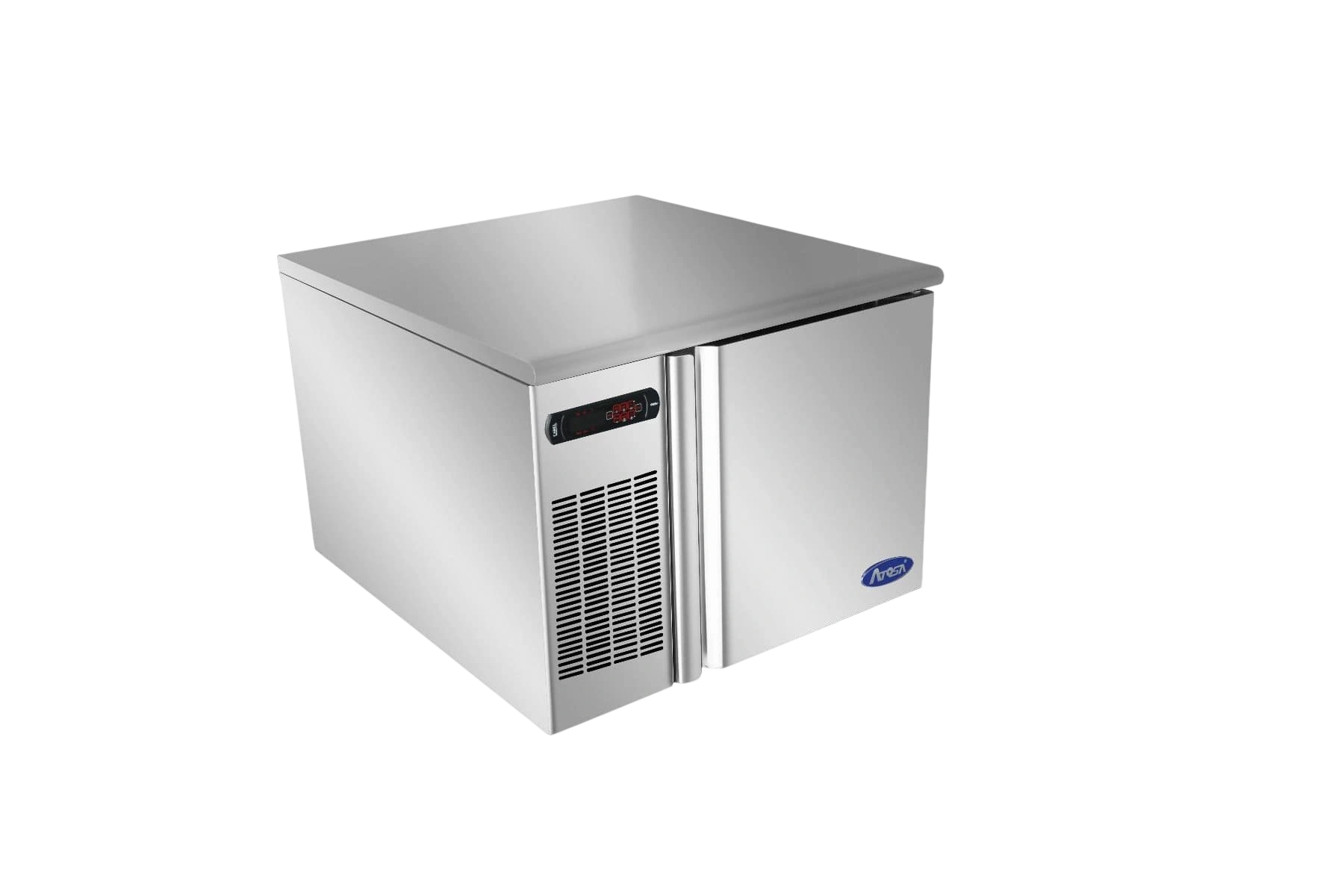
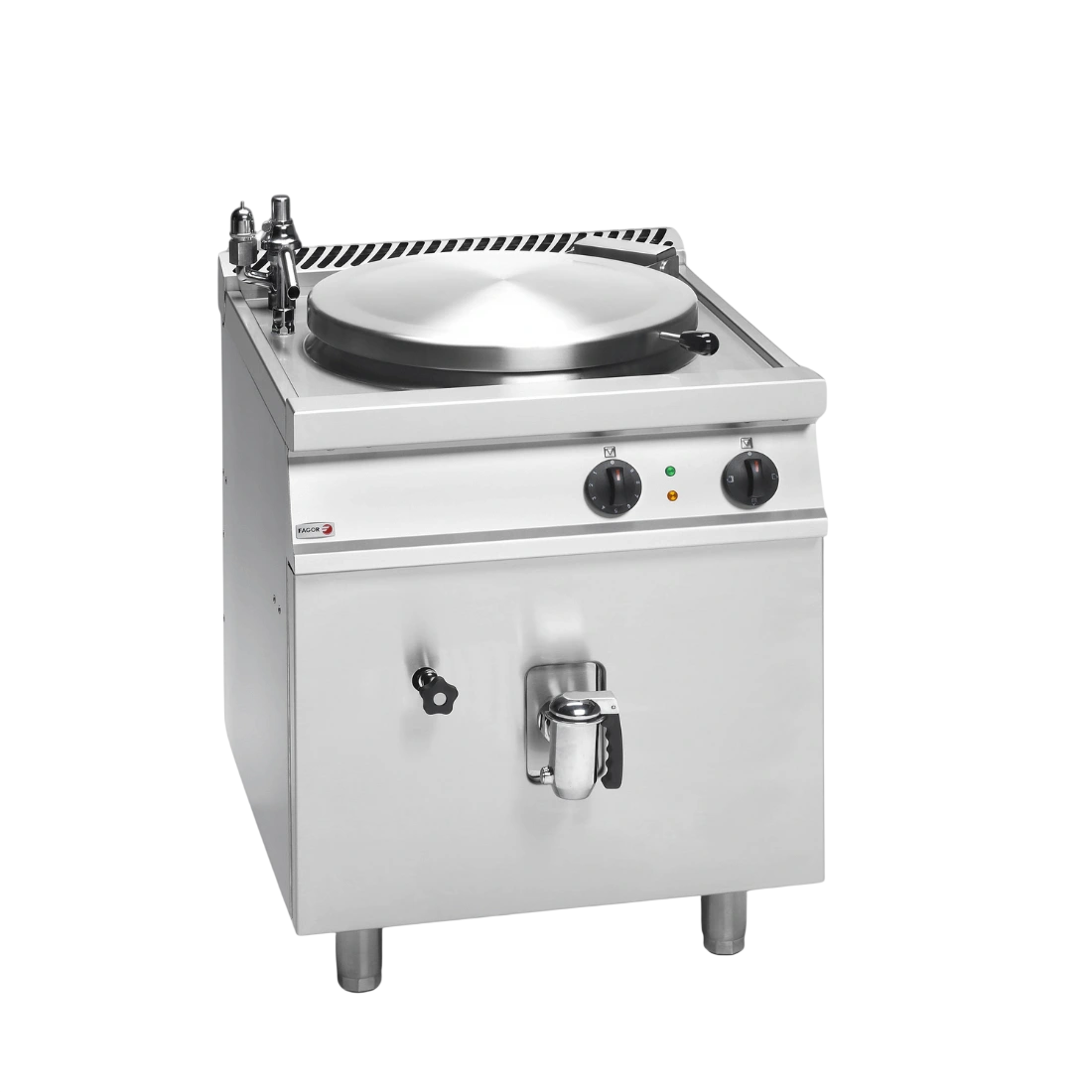
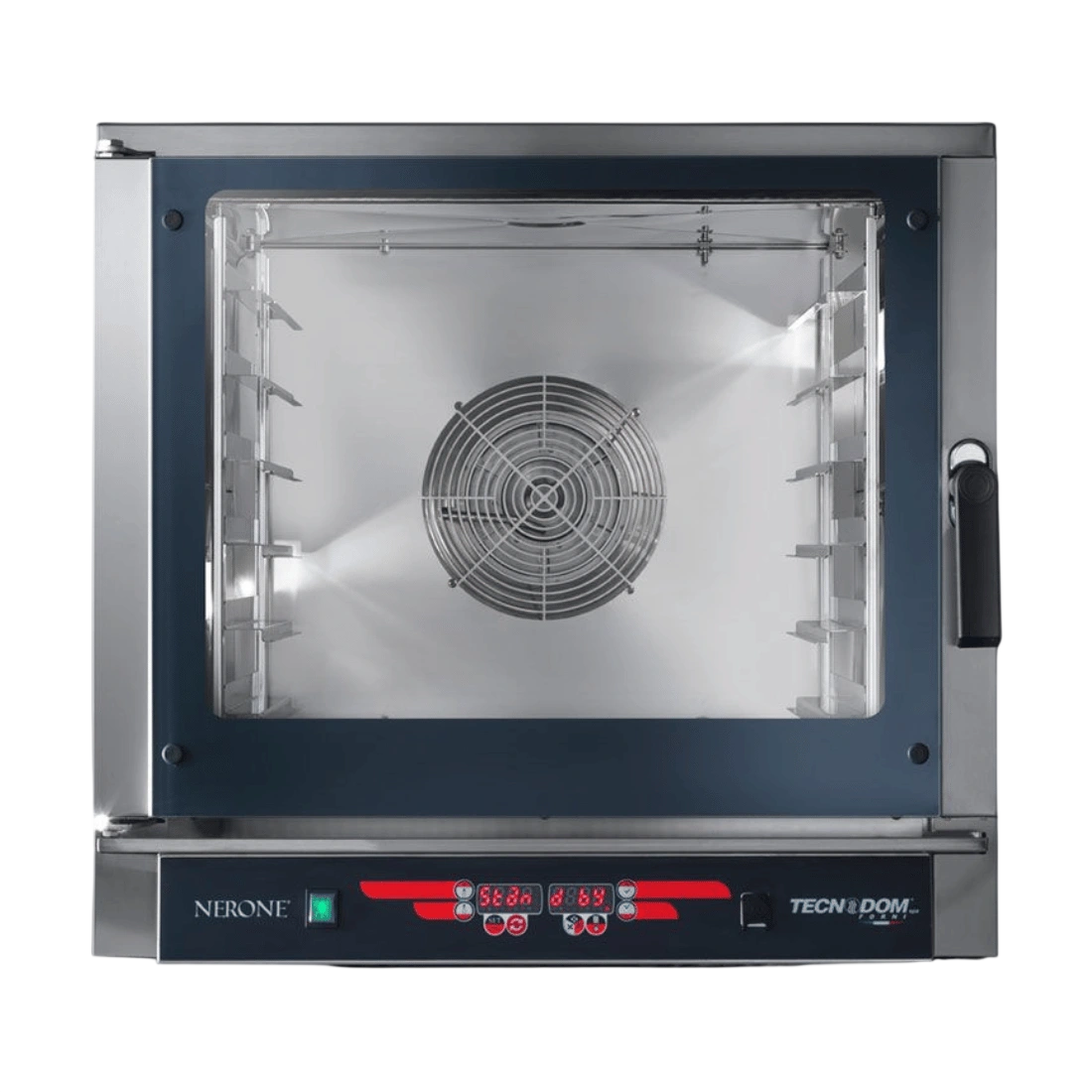
We engineer for batch integrity. Fagor Kore 900 tilting bratt pans, Ecoinduct triple-jacketed boiling kettles, Friginox roll-in blast chillers, chamber vacuum packers, Hobart 20-grid combi, Anvil 60-quart planetary plus Mecnosud 100L spiral. Workbench fridge plus freezer under every cookline bay, packaging zone with heat sealer plus thermal label printer plus hot holding for courier wait. Fit-out planned against AS 4674-2004, FSANZ 3.2.2 plus 3.2.3, and AS 1668.1 + 1668.2 ventilation requirements. If it can't cook 500 kg today, blast-chill it safely, and dispatch it tomorrow with every customer getting the exact same taste, it isn't on this list.
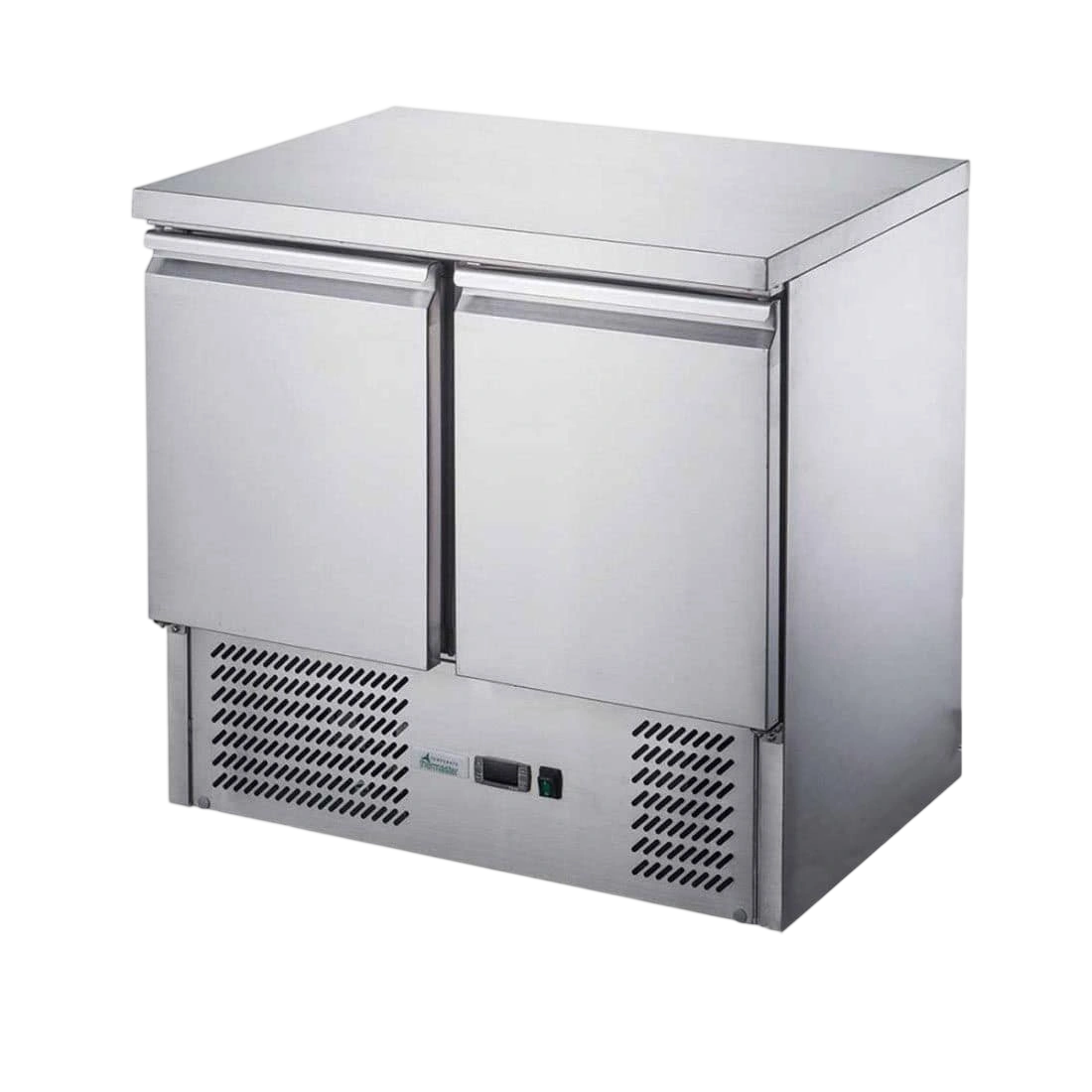
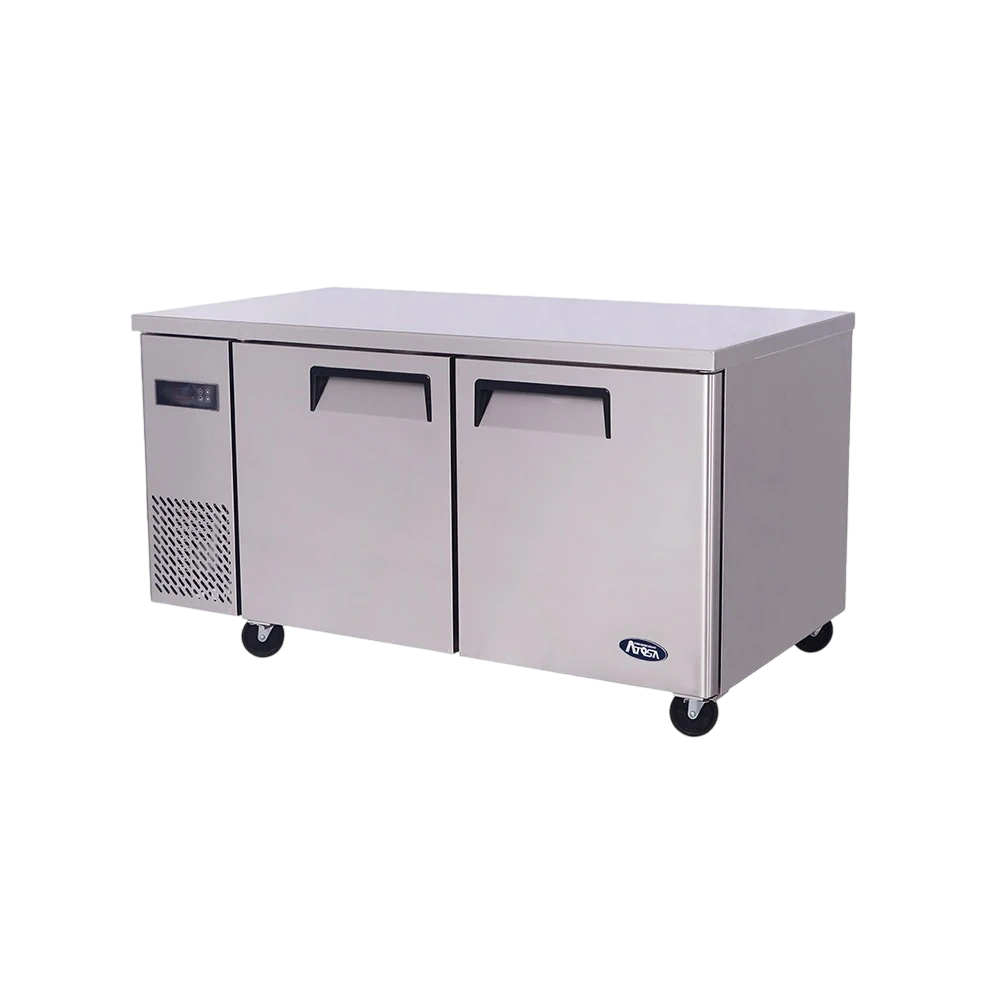
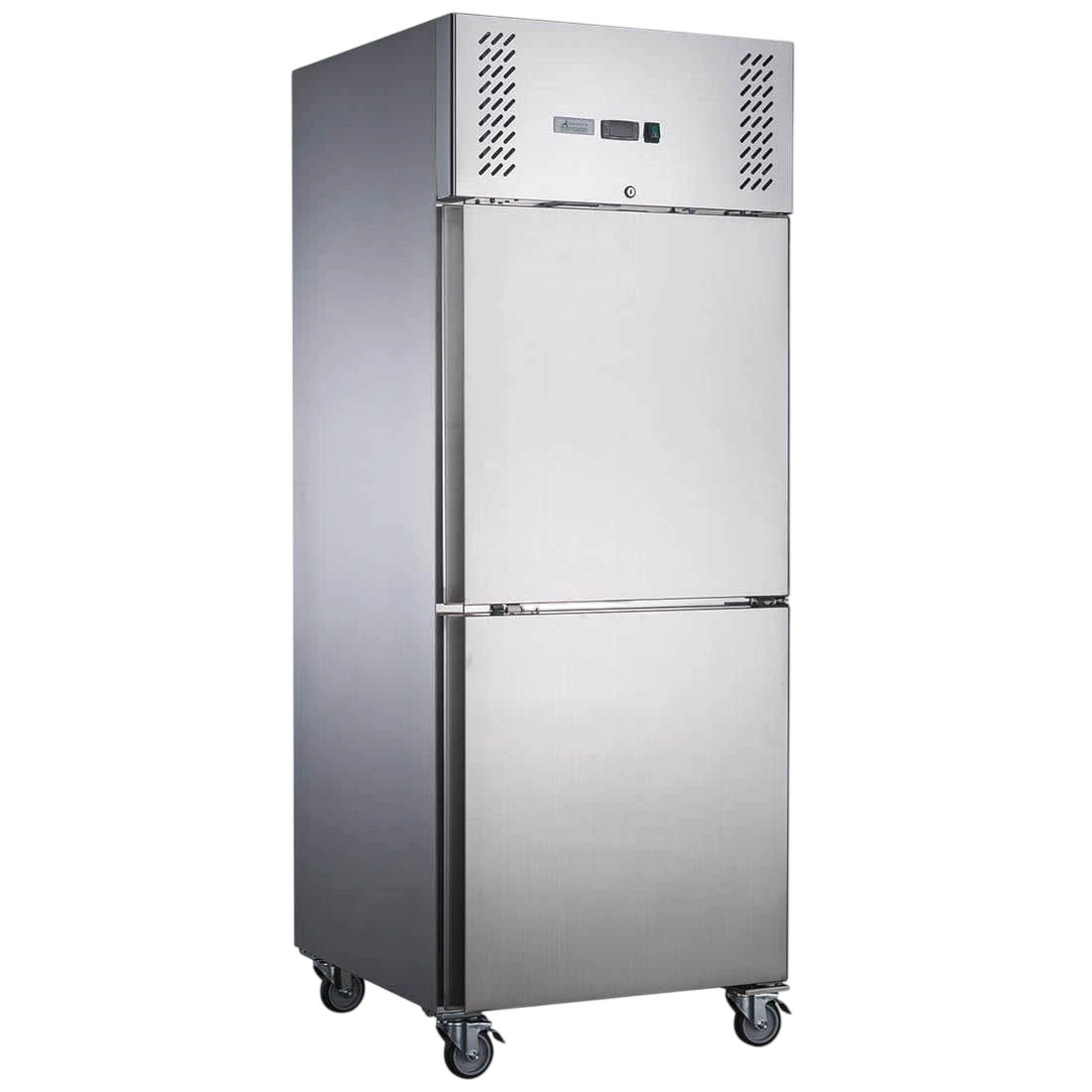
Every refrigeration unit in these packages is stainless-steel back-of-house only. Workbench fridge and workbench freezer under each cookline bay collapse prep travel to zero steps — sauce, garnish, protein at fingertip — and the upright reach-in bank holds bulk back-of-house stock. Zero glass-door display, zero FOH merchandisers, zero customer-facing fridges at any tier. Selected against one test: does it hold 2–4°C under sustained production load with the back door propped open during courier dispatch? If a unit drifts above safe temp during peak handoff, it's off the list.
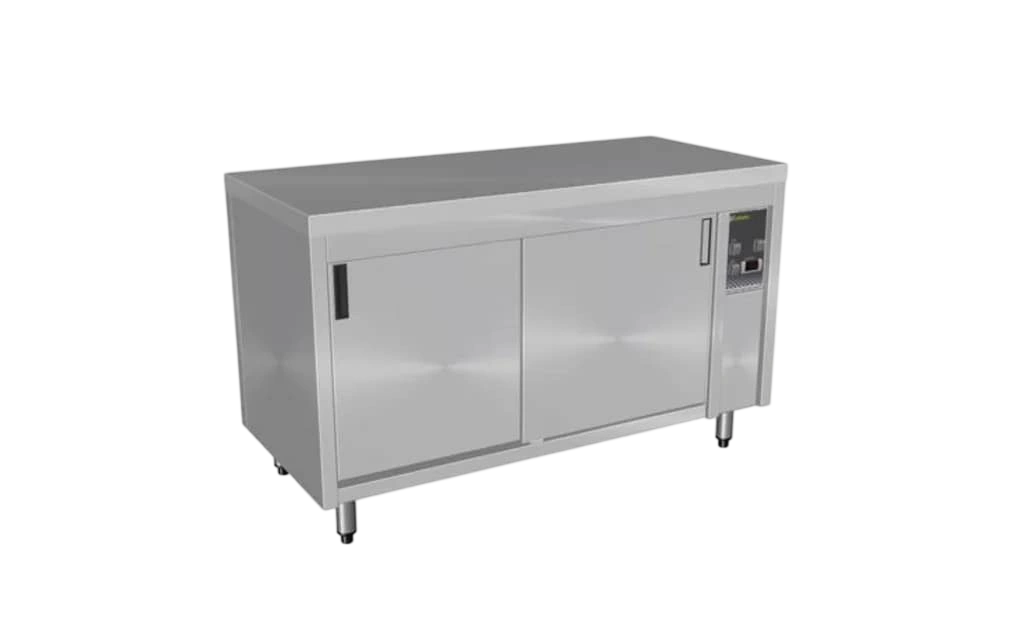
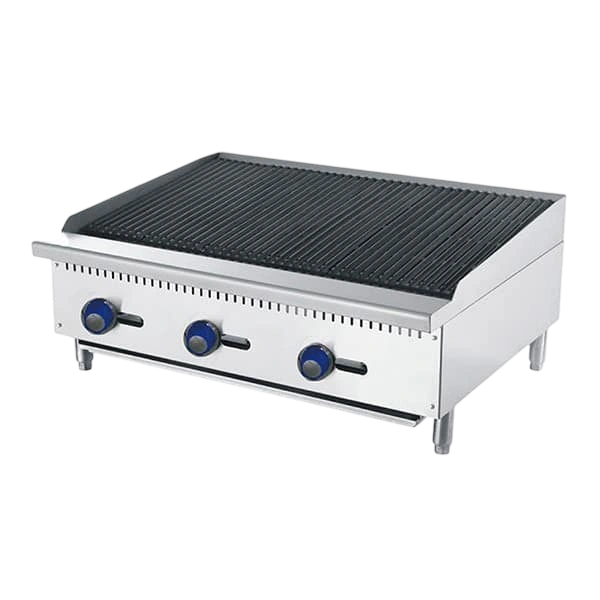
Ghost-kitchen is the plug-in single-operator delivery line — 2 workbench fridges, 1 workbench freezer, 1 upright fridge plus freezer, 4-burner range, single-tank fryer, salamander, griddle, Brice 20L benchtop mixer, heat sealer plus thermal label printer plus small hot holding cabinet. Shared-kitchen is 8 cookline bays, dedicated workbench cold per bay, 4 shared upright fridges plus 3 freezers, 8 ranges plus 8 fryers plus 6 salamanders plus 6 griddles, Anvil 40L floor mixer shared, 4 heat sealers, 3 full-size hot holding cabinets. Hub-kitchen is the production hub: 16 workbench fridges plus 12 freezers, walk-in cool room, 6 heavy ranges plus 6 fryer banks plus 6 char broilers, 3 Fagor tilting bratt pans, 2 Ecoinduct boiling kettles, 2 Hobart combi 10-grid plus 1 Hobart 20-grid roll-in, 2 Friginox blast chillers, 2 chamber vac-pack, 4 Sammic sous vide, Anvil 60L planetary plus Mecnosud 100L spiral. We don't ship Fagor bratt pans at ghost-kitchen pricing or Brice 20L mixers at hub-kitchen pricing. The ladder is real.
SKUs picked by margin against current catalog products. No vapourware, no remote-condenser walk-in freezer systems we can't drop-ship. If you need Friginox MX6SXTS7-CF roll-in blast chiller, Hobart HEJ202E 20-grid combi, Fagor SB-G915IM Kore 900 bratt pan, a chamber vacuum packer or Anvil PMA3060 60-quart planetary — those ship from current Australian catalog stock, with warranty terms listed on each product page. Every listing here has delivery timing confirmed with your quote. Walk-in cool room panels coordinated separately with refrigeration contractor where required.
Cloud, shared and central kitchen operators producing food at scale through one disciplined production system, where multiple brands, menus or service channels share infrastructure. Ghost-kitchen operators running 30–60 m² single-brand single-menu delivery-only sites with one cookline spine, courier handoff zone and zero FOH. Shared-kitchen operators running 200–400 m² multi-tenant facilities with 4–12 dedicated cookline bays, shared upright cold storage and central courier dispatch. Hub-kitchen operators running 600–1500 m² production commissaries with multi-brand in-house kitchens plus wholesale prep, walk-in cool room, batch-production anchors (tilting bratt pans, boiling kettles, blast chillers, vacuum packers, 20-grid combi) and dedicated dispatch matrix.
If you're running a sit-down restaurant, coffee-led cafe, walk-in QSR with FOH, supermarket retail or hotel BOH — wrong page. This is for delivery-first operators who think in standardised batch output, courier-handoff seconds and HACCP-documented cook-chill from production to dispatch.
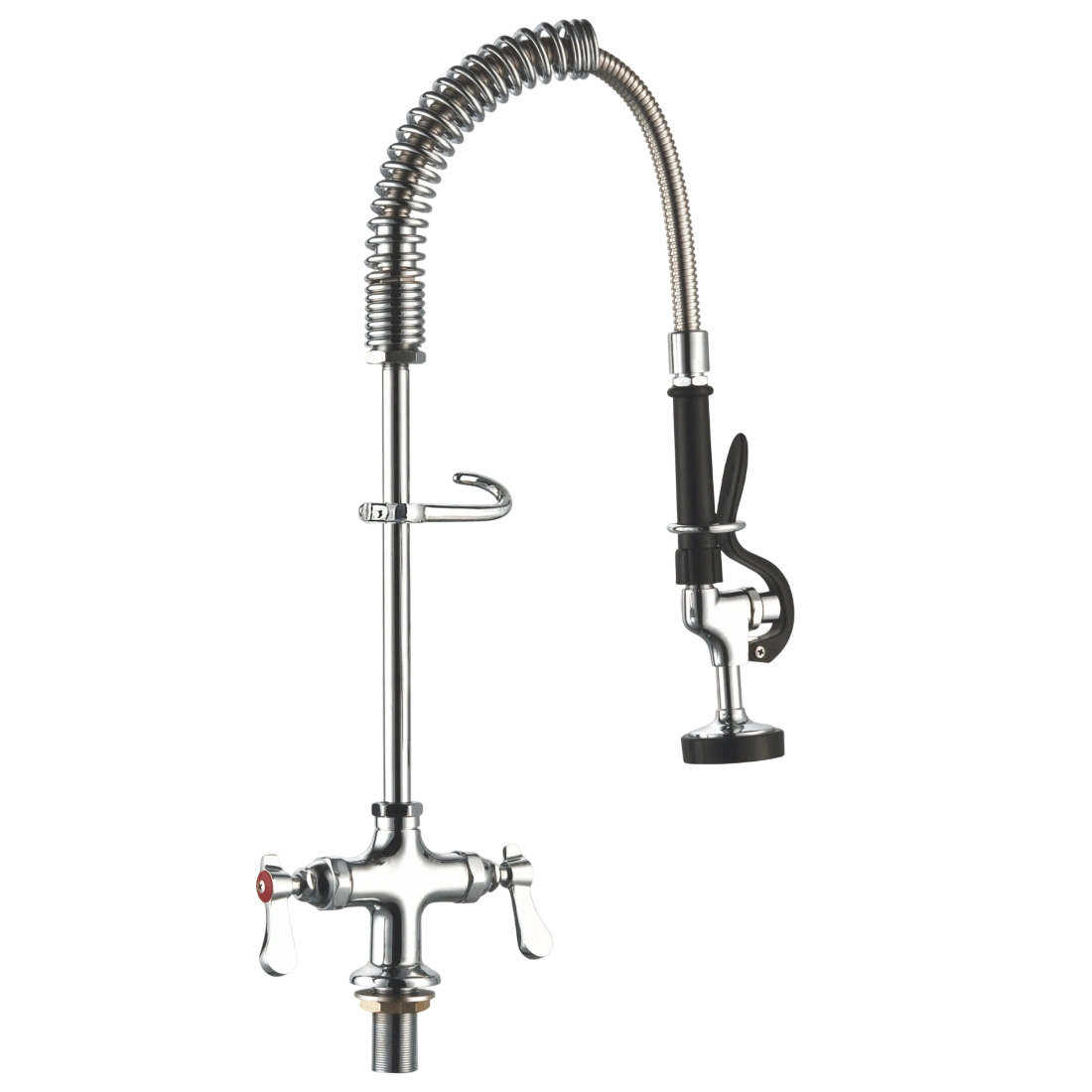
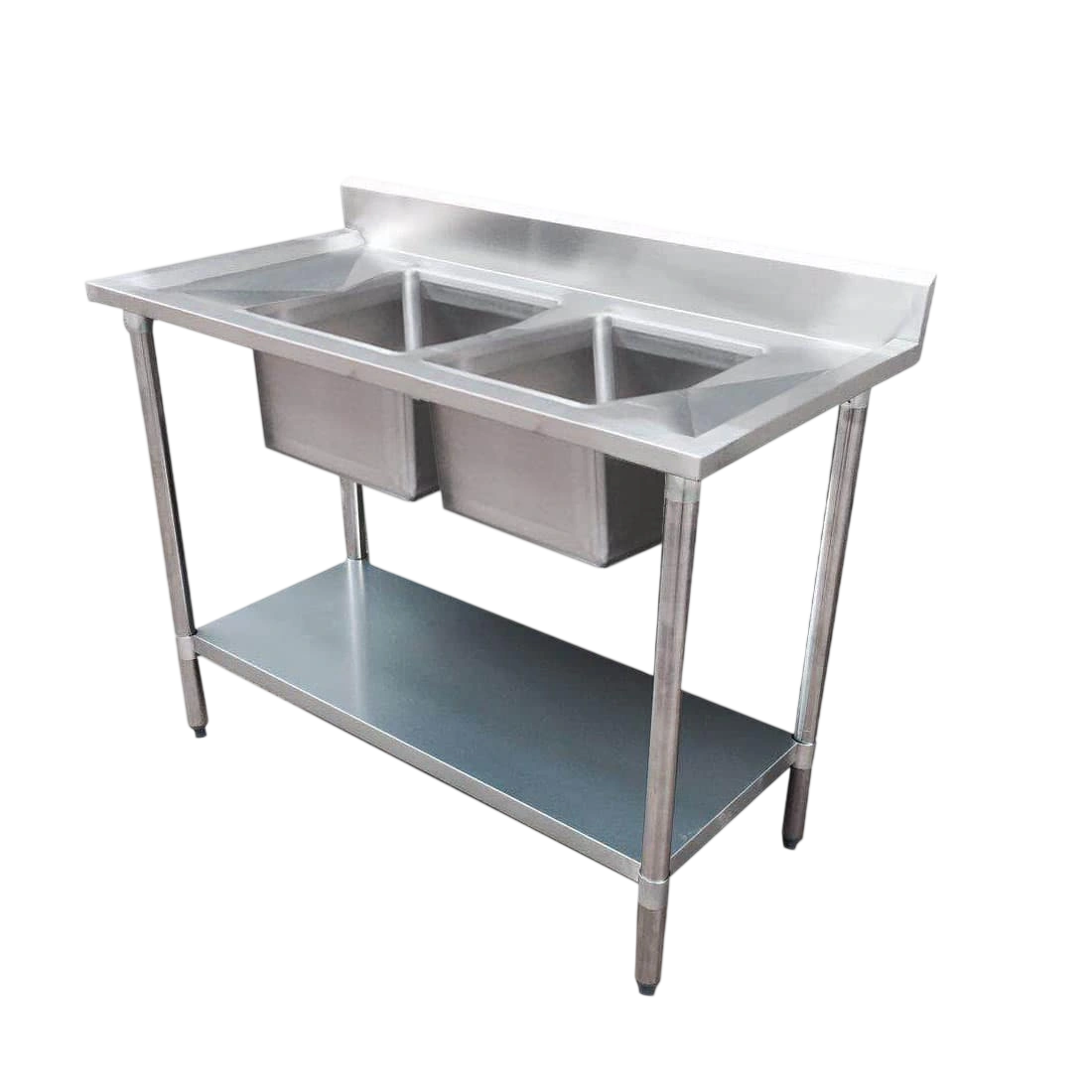
Cloud-kitchen operations are built around stainless workbench cold spine + dense cookline + packaging zone + courier dispatch. Cold chain scales from 2 workbench fridges plus 1 workbench freezer plus 1 upright fridge plus freezer (ghost-kitchen) to 8 workbench fridges plus 6 freezers per bay plus 4 shared upright fridges plus 3 freezers (shared-kitchen) to 16 workbench fridges plus 12 freezers plus walk-in cool room plus 5 upright fridges plus 3 freezers (hub-kitchen) — all stainless steel back-of-house, zero glass display ever. Cookline scales from 1 4-burner range plus 1 fryer plus 1 salamander plus 1 griddle (ghost-kitchen) to 8 ranges plus 8 fryers plus 6 salamanders plus 6 griddles (shared-kitchen) to 6 heavy 6-burner ranges plus 6 twin/triple fryer banks plus 6 salamanders plus 6 griddles plus 6 char broilers (hub-kitchen). Production anchors appear at hub-kitchen tier only: 3 Fagor Kore 900 tilting bratt pans, 2 Ecoinduct triple-jacketed boiling kettles, 2 Hobart combi 10-grid plus 1 Hobart HEJ202E 20-grid roll-in, 2 Friginox roll-in blast chillers, 2 chamber vacuum packers, 4 Sammic sous vide circulators, Anvil PMA3060 60-quart planetary plus Mecnosud SMM1060 100L spiral. Packaging zone is mandatory every tier — heat sealer plus thermal label printer plus hot holding cabinet plus ambient courier shelving, scaling by order volume. Pan/utensil wash is double bowl sink plus pre-rinse (ghost-kitchen and shared-kitchen) or triple bowl pot sink (hub-kitchen). Zero dishwasher at any tier.
What's missing matters too. No dishwasher at any tier — packaging is single-use disposable, no customer crockery exists, the architectural inversion versus restaurant packages. No FOH equipment — no espresso, no display fridges, no display counters, no menu boards, no customer seating. No walk-in freezer panels — refrigeration- contractor scope with remote condenser plant, supplied separately by trade. No POS terminals, no order management tablets, no courier integration hardware (PoS vendor and courier platform scope). No grease arrestors, RO water filters, gas interlock systems, fire suppression hoods or kitchen exhaust canopies — AS 1668.1/1668.2-compliant ventilation is install-vendor scope, not equipment scope. Coffee, drinks, retail product display: explicitly excluded because cloud-kitchens have no FOH.
Sit-down restaurants (the restaurant spec is the right page). Coffee-led cafes (the cafe spec is the right page). Takeaway/QSR operators (the takeaway spec is the right page). Batch bakeries (the bakery spec is the right page). Aged-care or hospital catering (the aged-care spec is the right page). Hotel kitchens (the hotel spec is the right page). Standalone butcher shops or independent delicatessens — that's a custom equipment conversation, not a tiered retail package.
The bottleneck in cloud-kitchen operations is rarely cookline burner count. It's three things, in this order:
Equipment that ignores these three constraints can be expensive and still produce inconsistent batch quality, slow courier handoff, and HACCP audit failure. Equipment that addresses them can be modest at ghost-kitchen tier and industrial at hub-kitchen tier — in both cases it produces standardised output, twenty-second handoff and documented cook-chill that survives Friday-night peak across every brand under one roof.
Australian cloud-kitchens fall under FSANZ Food Standards Code Chapter 3 — Standard 3.2.2 (Food Safety Practices and General Requirements), Standard 3.2.3 (Food Premises and Equipment), and Standard 3.3.1 (Food Safety Programs for Food Service to Vulnerable Persons) where a hub-kitchen supplies aged-care or healthcare. Standard 1.2.3 (allergen labelling) hardens at shared-kitchen tier with bay-level allergen separation. AS 4674-2004 governs food-premises fit-out (stainless surfaces, coving, splashback, drainage). AS 1731.14 plus FSANZ 3.2.2 clause 6 govern cold-chain — workbench and upright refrigeration sized for ambient-load recovery to under 5°C, blast chillers at hub tier sized for 60°C → 5°C in under 90 minutes per HACCP cook-chill protocol. AS 1668.1-2015 plus AS 1668.2-2024 govern cookline mechanical ventilation, fire-rated kitchen exhaust and makeup air balancing — install-vendor scope coordinated separately. AS 3000 governs electrical (RCD on wet-zone circuits; 3-phase sub-board upgrade triggered at shared-kitchen tier where 8 ranges plus 8 fryers plus shared cold load combines, mandatory at hub-kitchen tier). Hub operations supplying wholesale require an HACCP-documented food safety plan and an NSW Food Authority licence.
What we don't supply: walk-in freezer panels with remote condenser plant (refrigeration contractor scope, separate trade); kitchen exhaust canopies and gas interlock systems (AS 1668.1/1668.2 install-vendor scope); fire suppression (Ansul or equivalent, install-vendor scope); grease arrestors (council plus plumber); RO water filtration (shopfitter); 3-phase electrical sub-boards (electrician); courier-platform integration hardware (PoS vendor and platform scope); order- management tablets and printer-server stacks (PoS vendor); any FOH item — espresso, display fridge, customer seating, menu boards (cloud-kitchens have zero FOH by definition). Plan these in your fitout budget separately — they're real line items, just not ours.
Start where the workbench cold spine plus packaging zone constraint lives. For ghost-kitchen, 2 workbench fridges plus 1 workbench freezer plus 1 upright fridge plus 1 upright freezer (all stainless BOH) plus 4-burner range plus single-tank fryer plus salamander plus 600 mm griddle plus Brice 20L benchtop mixer plus heat sealer plus thermal label printer plus small hot holding cabinet is the minimum viable delivery line. For shared-kitchen, scale to 8 cookline bays each with dedicated workbench fridge plus workbench freezer plus per-bay range plus fryer plus salamander plus griddle, then 4 shared upright fridges plus 3 freezers, Anvil PMA1040 40 L floor mixer shared, 4 heat sealers plus 3 full-size hot holding cabinets at the central courier zone. For hub-kitchen, you're buying production density: 16 workbench fridges plus 12 freezers plus walk-in cool room plus 5 upright fridges plus 3 freezers plus 6 heavy ranges plus 6 twin/triple fryer banks plus 6 char broilers plus 3 Fagor tilting bratt pans plus 2 Ecoinduct boiling kettles plus 2 Hobart combi 10-grid plus 1 Hobart HEJ202E 20-grid roll-in plus 2 Friginox blast chillers plus 2 chamber vac-pack plus 4 Sammic sous vide plus Anvil PMA3060 60-quart planetary plus Mecnosud SMM1060 100 L spiral mixer.
Browse Recommended Equipment →
Operator model and production scale, not just price. Ghost-kitchen is a single-operator delivery-only line — 2 workbench fridges, 1 workbench freezer, 1 upright fridge plus freezer, 4-burner range, single-tank fryer, salamander, 600 mm griddle, Brice 20 L benchtop planetary, heat sealer plus thermal label printer plus small hot holding cabinet for courier wait. Plug-in install, 1–2 day commission, zero FOH, zero dishwasher. Shared-kitchen is 4–12 cookline bays in 200– 400 m² multi-tenant facility — each tenant owns dedicated workbench fridge plus freezer plus cookline, bulk upright cold storage plus packaging zone shared. The 8-bay reference is 8 workbench fridges plus 6 freezers, 4 shared upright fridges plus 3 freezers, 8 ranges plus 8 fryers plus 6 salamanders plus 6 griddles, Anvil 40 L shared mixer, 4 heat sealers plus 3 hot holding cabinets, still zero dishwasher. Hub-kitchen is the production hub — 600–1500 m² commissary running multiple in-house brands plus wholesale prep plus dispatch. 16 workbench fridges plus 12 freezers, walk-in cool room, 3 Fagor Kore 900 tilting bratt pans, 2 Ecoinduct boiling kettles, 2 combi 10-grid plus 1 Hobart 20-grid roll-in, 2 Friginox blast chillers, 2 chamber vac-pack, 4 Sammic sous vide, Anvil PMA3060 60 L planetary plus Mecnosud SMM1060 100 L spiral mixer. Three operating physics, three SilverChef quote-splitting strategies.
Cloud-kitchen output is rate-limited by the cook-to-pack-to-courier-handoff sequence, not by burner count. Workbench fridge under each cookline bay collapses prep travel to zero steps — every garnish, sauce, protein at fingertip — and the workbench freezer underneath holds same-shift backup stock. Doubling cookline burners without workbench cold doesn't lift throughput, but adding a second workbench fridge per bay does. The packaging zone is the second non-negotiable: heat sealer plus thermal label printer plus hot holding cabinet plus ambient courier shelving determines whether a 20-second handoff happens or a 4-minute pile-up. Total essential spend is roughly 35% workbench plus upright cold chain (stainless back-of-house only, no glass display), 30% cookline, 20% packaging plus hot holding plus dispatch, 10% mixer plus benches plus sinks plus shelving, and at hub-kitchen tier 25–40% shifts to batch-production anchors (bratt pans, kettles, blast chillers, vac-pack). Operators who economise on workbench cold or packaging always pay it back in lost orders.
Cloud-kitchen operators do not wash customer crockery — there is no customer crockery. Packaging is single-use disposable, sized for courier handoff and consumed at the customer's location. The only wash load is pan plus utensil plus mixing bowl plus prep tool, which a double bowl sink with pre-rinse spray handles cleanly at ghost-kitchen and shared-kitchen tier and a triple bowl pot sink handles at hub-kitchen tier. Adding an undercounter or pass-through dishwasher costs $4,000–$15,000 capex plus $800–$2,000/year in detergent, rinse aid and chemical consumables for zero throughput benefit. The space is better used for an extra workbench fridge, an extra hot holding cabinet, or extra ambient courier shelving — all of which directly compound order throughput. This is the architectural inversion versus restaurant or supermarket packages and the single largest cost-saving difference in the cloud-kitchen design.
At hub-kitchen scale (5,000–15,000+ orders/day across multiple brands plus wholesale supply), parallel single-portion cooking on a 6-burner range stops scaling — a 90 L tilting bratt pan reduces a hundred sauté operations to one timed batch with consistent doneness across the whole vessel. Tilting boiling kettles (Ecoinduct 100–300 L electric, triple-jacketed) replace stockpot stations entirely — 200 L of soup batched once at 0600 instead of three pots restarted every two hours. Blast chillers (Friginox 50 kg+ roll-in) are not optional at production volume — AS 4674-2004 plus FSANZ 3.2.2 plus public-health enforcement require core-temp drop from 60°C to under 5°C in under 90 minutes for batched product, which a domestic-style cool room cannot do. Chamber vacuum packers with dual sealing bars extend the usable life of prepped product well beyond open storage — the economic difference between a hub serving its own brands only and a hub also supplying wholesale customers. The Hobart HEJ202E 20-grid roll-in combi (or stack of two 10-grids) plus Anvil PMA3060 60 L planetary plus Mecnosud SMM1060 100 L spiral mixer round out the production-scale anchor set. Each anchor unlocks an order-of-magnitude shift in batch size, not a linear improvement.
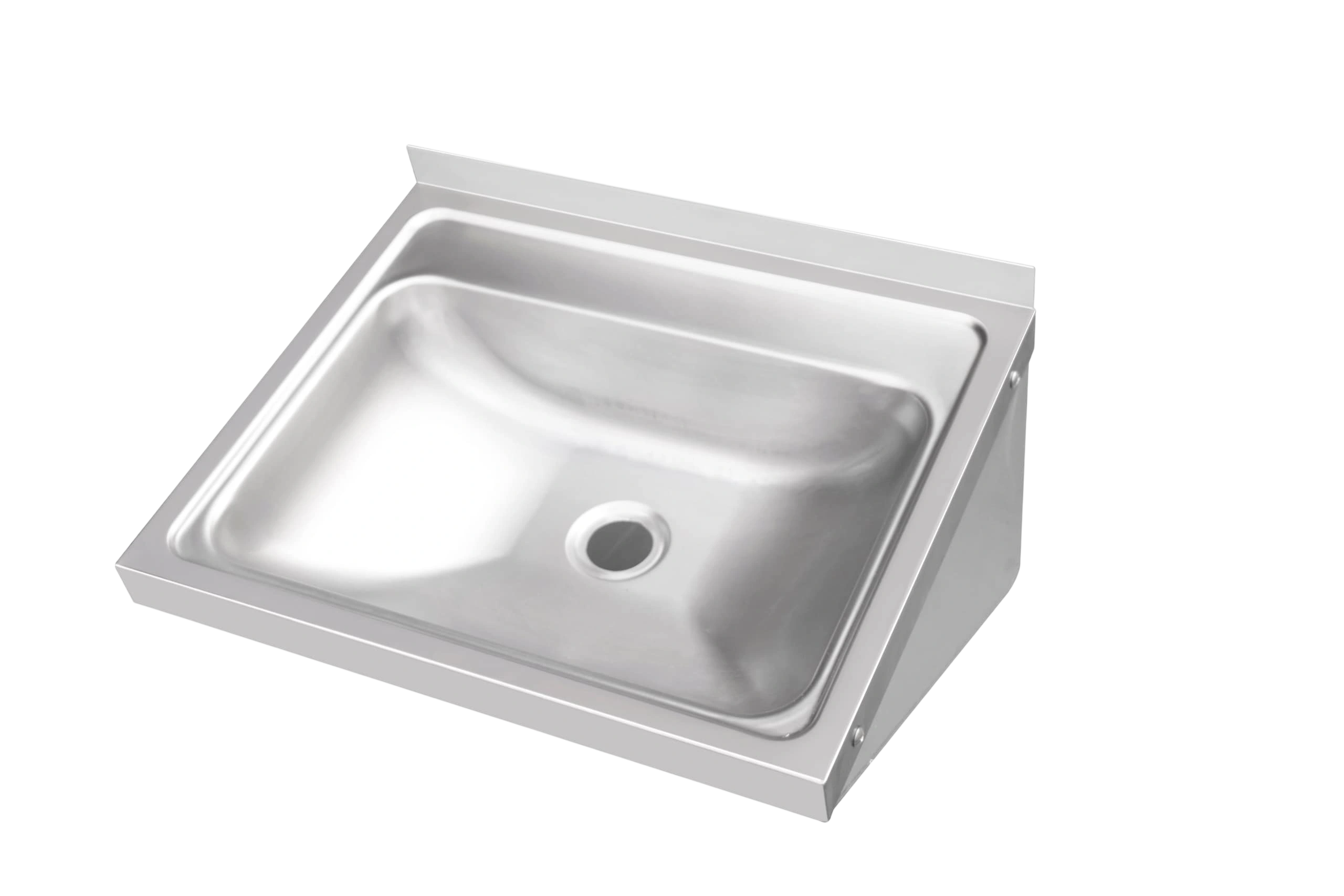
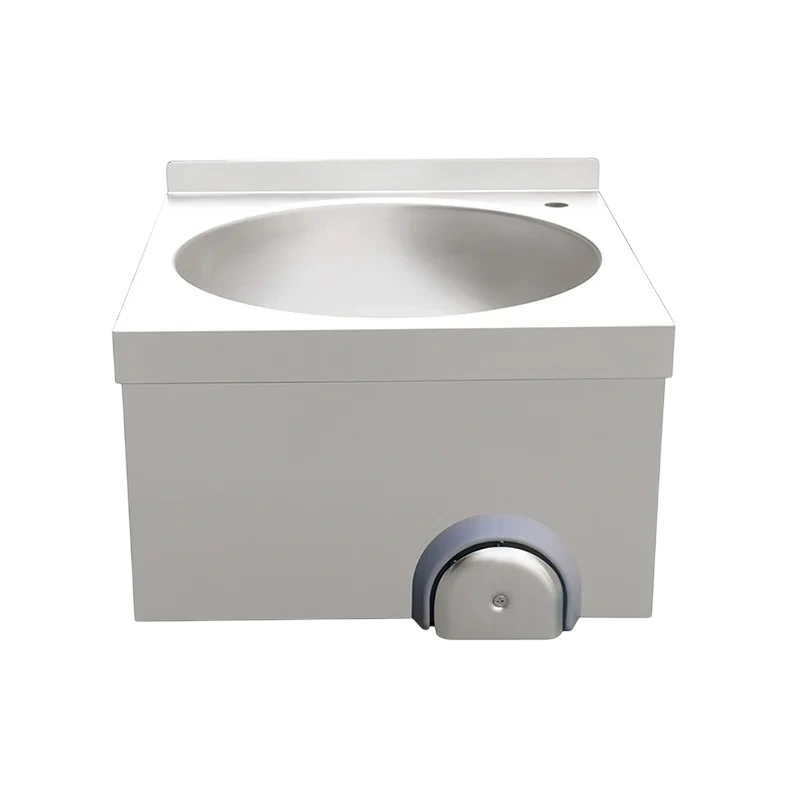
Cloud-kitchen packages across all three tiers are designed around the FSANZ Food Standards Code Chapter 3 — Standard 3.2.2 (Food Safety Practices and General Requirements), Standard 3.2.3 (Food Premises and Equipment), and Standard 3.3.1 (Food Safety Programs for Food Service to Vulnerable Persons) where relevant for hub-kitchens supplying aged-care or healthcare. Equipment selection follows AS 4674-2004 (Design, Construction and Fit-out of Food Premises) for stainless steel surfaces, coving, splashback and drainage. Cold-chain design follows AS 1731.14 plus FSANZ 3.2.2 clause 6 — workbench and upright refrigeration sized for ambient-load recovery to under 5°C, blast chillers at hub tier sized for 60°C → 5°C in under 90 minutes per HACCP cook-chill protocol. Cookline ventilation must comply with AS 1668.1-2015 plus AS 1668.2-2024 (mechanical ventilation, fire-rated kitchen exhaust, makeup air balancing) — KW supplies cookline equipment specs but the canopy hood and gas interlock are refrigeration-and-ventilation-contractor scope coordinated separately. Hand wash basins are specified to AS 1428.1 plus FSANZ 3.2.3 clause 14 (dedicated hand wash, hot and cold water, soap, single-use towel, separate from food prep sinks). Hub-kitchen vacuum packing plus sous vide programs require an HACCP-documented food safety plan (FSANZ 3.2.1 where applicable). NSW Food Authority licence is required for any hub-kitchen supplying wholesale to other premises.
These are real budget line items. Plan them with your fitout team, not your equipment supplier.
Most cloud-kitchen failures are NOT cookline burner count. They are, in order: (1) standardisation broken — same recipe tasting different across shifts, brands or locations because people execute it instead of timed-batch equipment (Fagor bratt pan, Ecoinduct kettle, blast-chill at fixed core temp); (2) courier-handoff seconds blown out — under-spec workbench cold or under-spec packaging zone turning a 20-second handoff into a 4-minute pile-up that compounds during Friday-night peak; (3) HACCP cook-chill audit failure — hub operators relying on rapid-cool walk-ins instead of Friginox 50 kg+ blast chillers cannot achieve 60°C → 5°C in under 90 minutes for batched product, breaking AS 4674-2004 and FSANZ 3.2.2 compliance the moment they ship wholesale. Equipment selection must prioritise these three constraints first. Adding a sixth burner or a bigger combi without addressing them increases capex without increasing the number of identical, on-time, in-spec orders that leave the dispatch zone.
Map receiving, storage, prep, cooking, cooling, packing, dispatch and wash-up before choosing equipment for multiple production streams.
KW can review workflow and equipment placement for a delivery kitchen, shared facility or central production hub before you commit.
Explore equipment finance if you want to retain cash for packaging, stock, staff and the early ramp-up of delivery demand.
Ready to choose equipment? Browse Cloud and Central Kitchen Equipment →
Our Sydney team designs the cloud-kitchen package for you — based on your tier (ghost / shared / hub), footprint, order volume, brand count and AS / FSANZ compliance scope.
7/72 Canterbury Rd, Bankstown NSW · Mon to Fri 9 to 5