
Gasmax
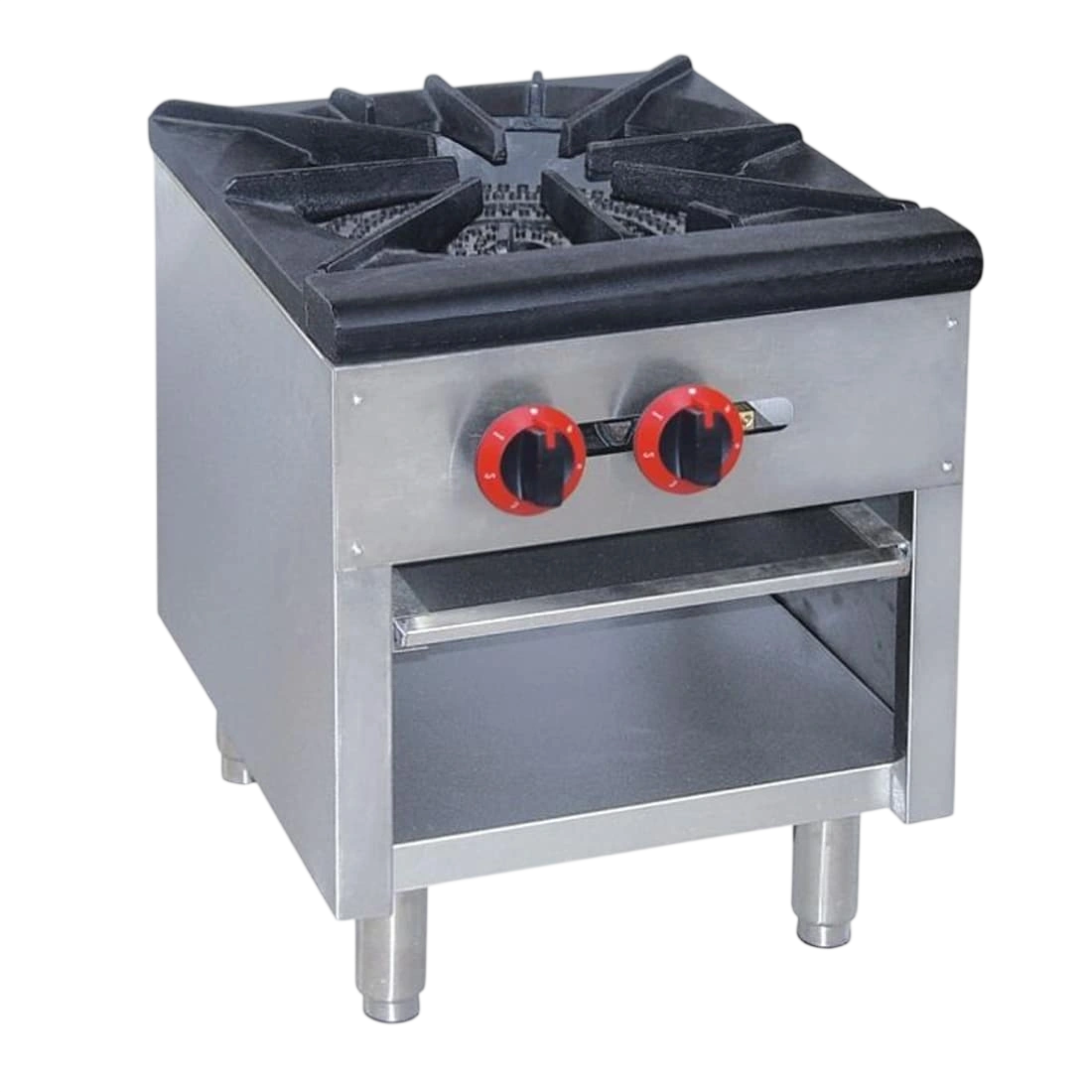
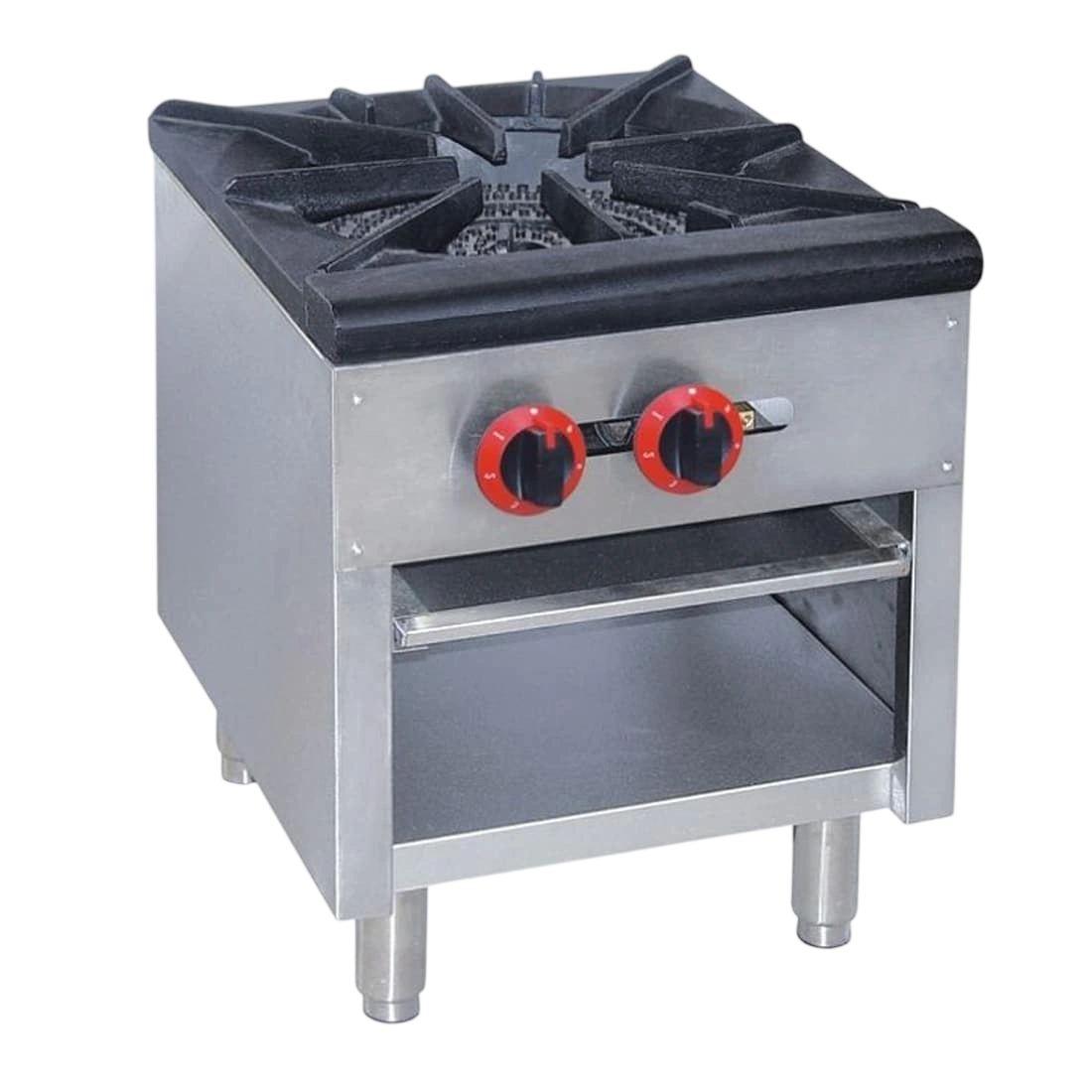
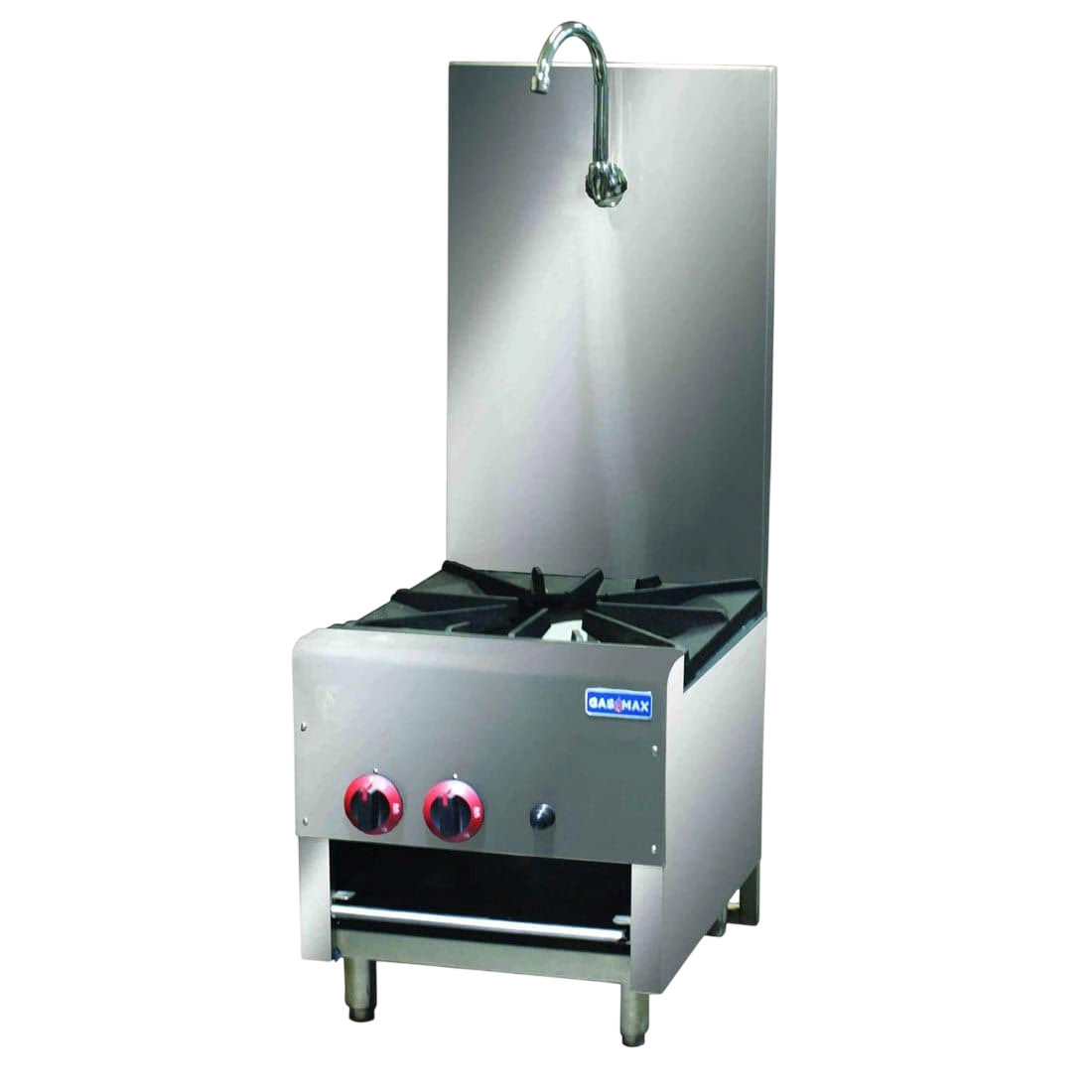
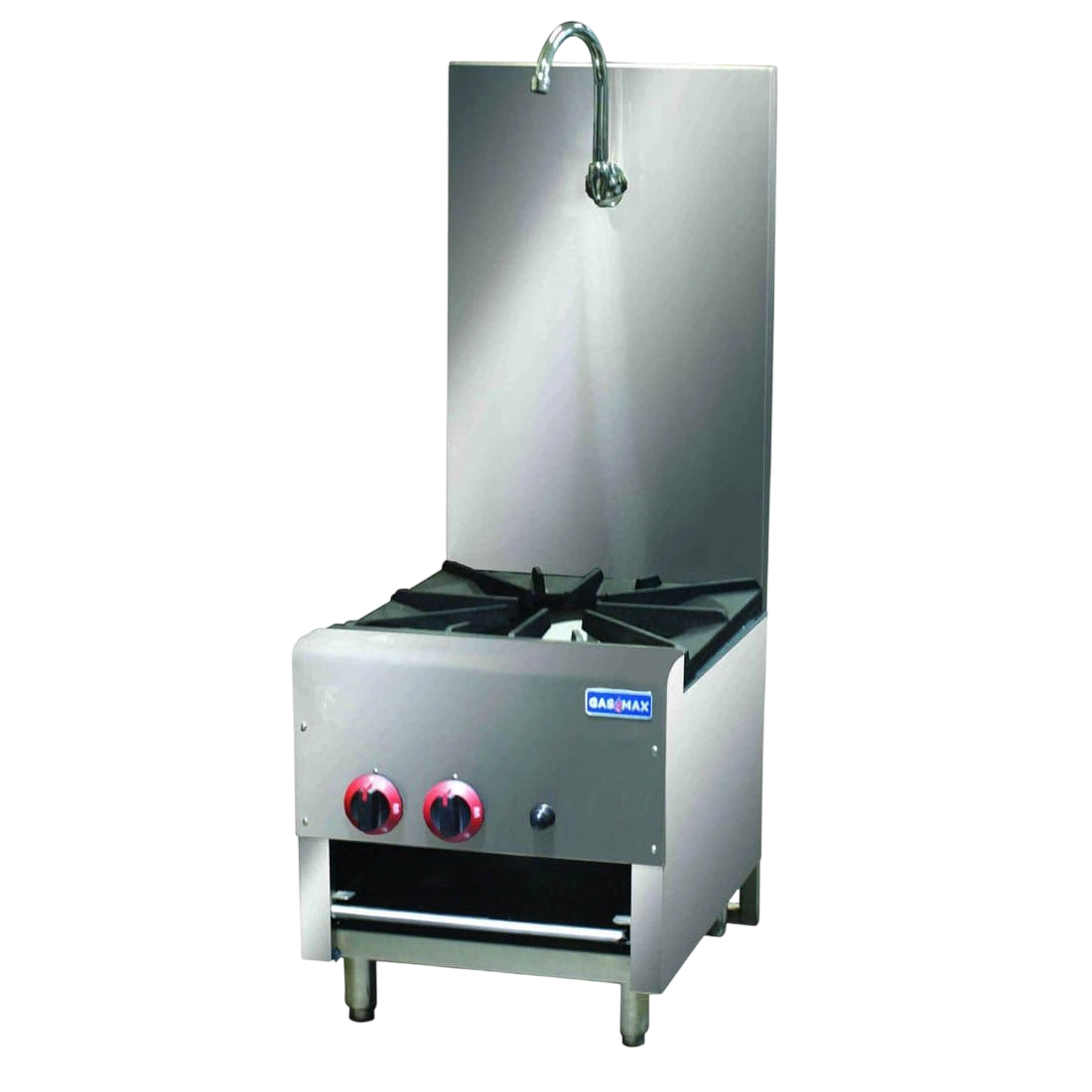
Gasmax RB-1E Gas Single Burner – Dual Ring, Flame Failure, Natural Gas
463 × 676 × 497mm
$1,231.65$1,449.00
In Stock
Commercial Cooktops
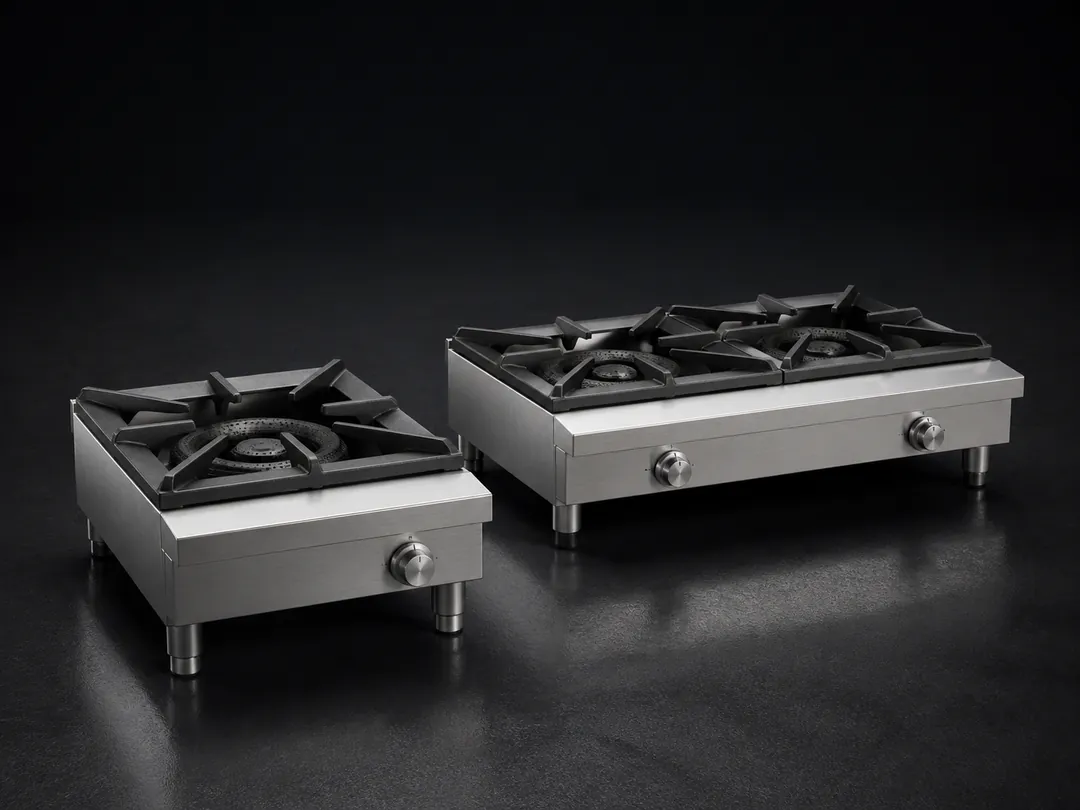
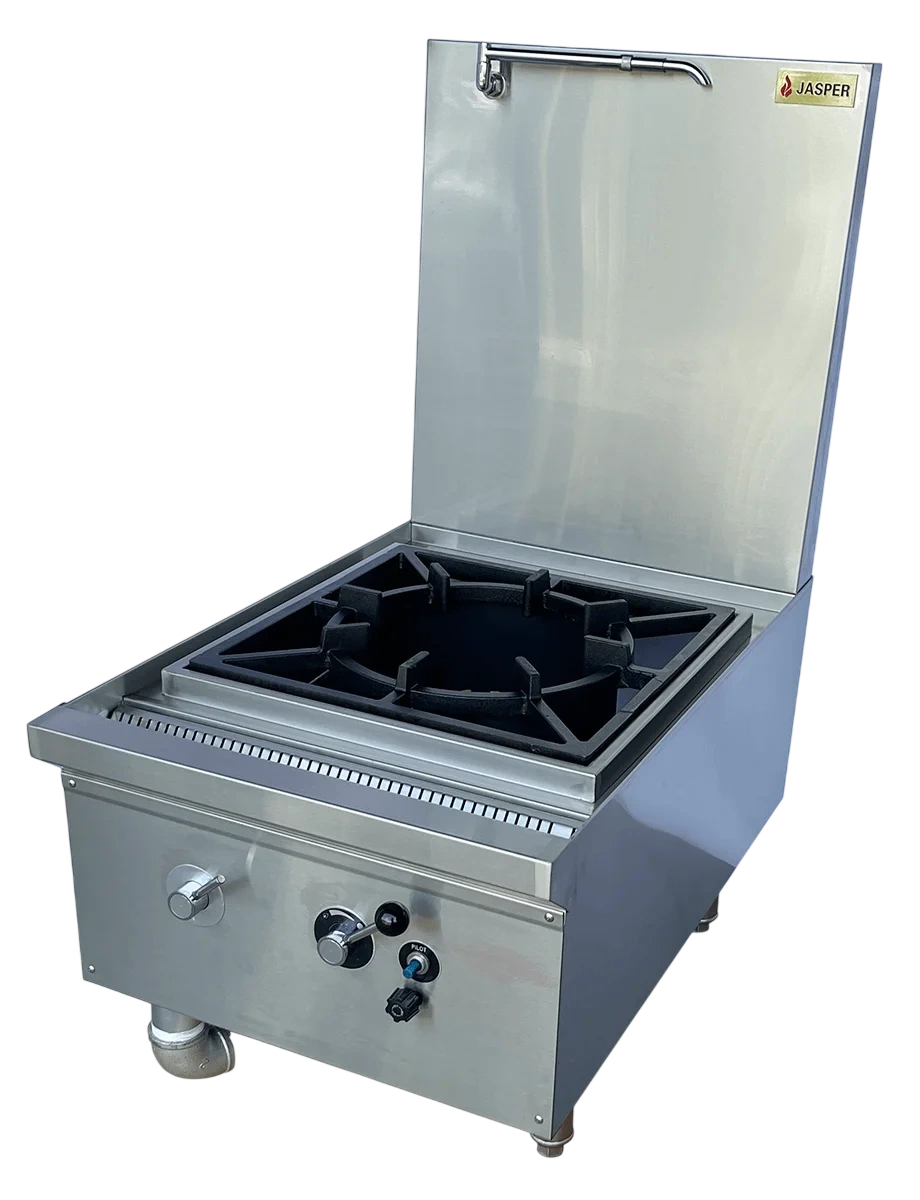
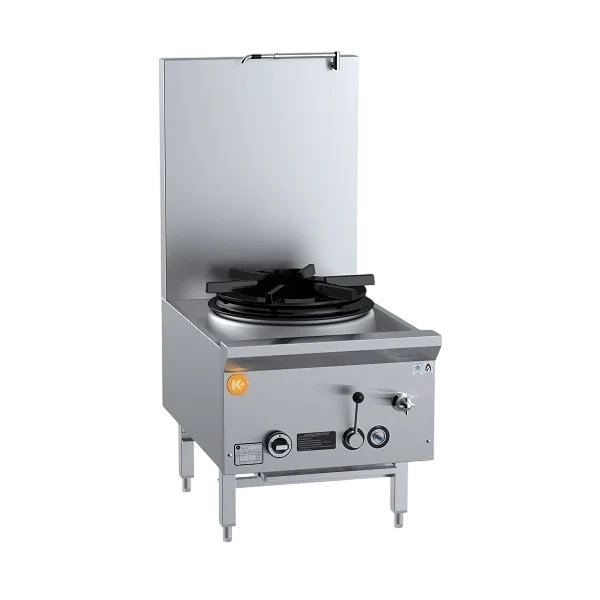
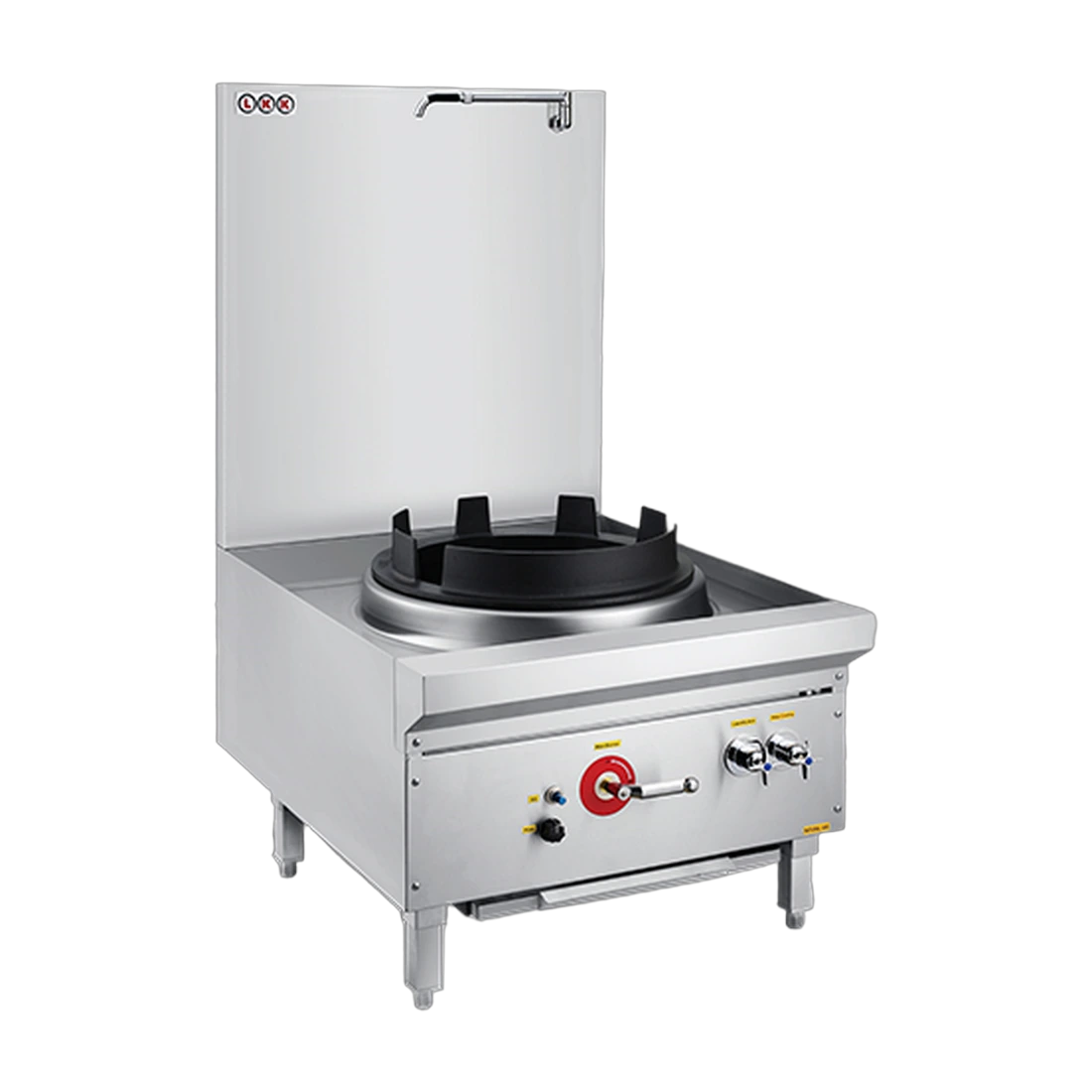
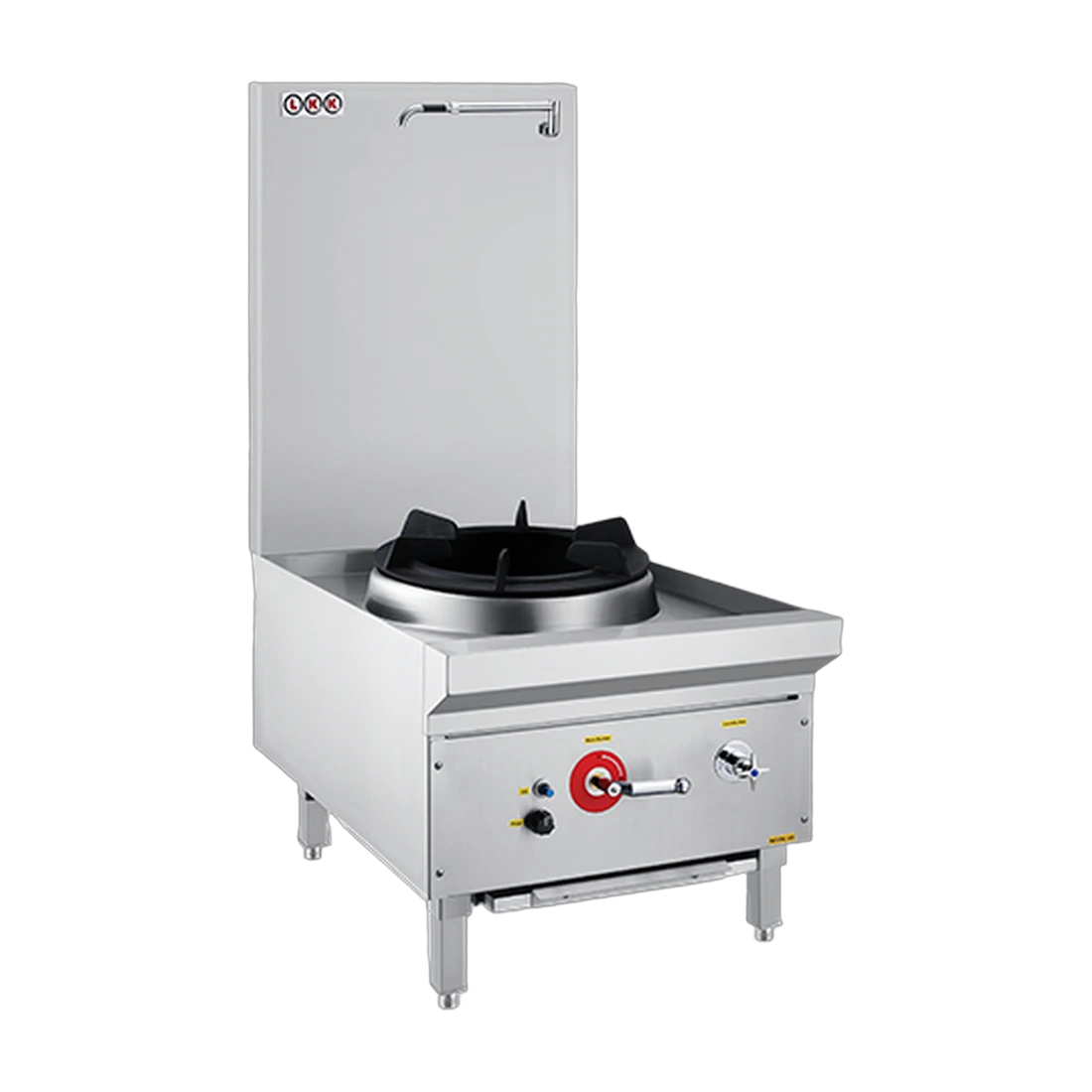
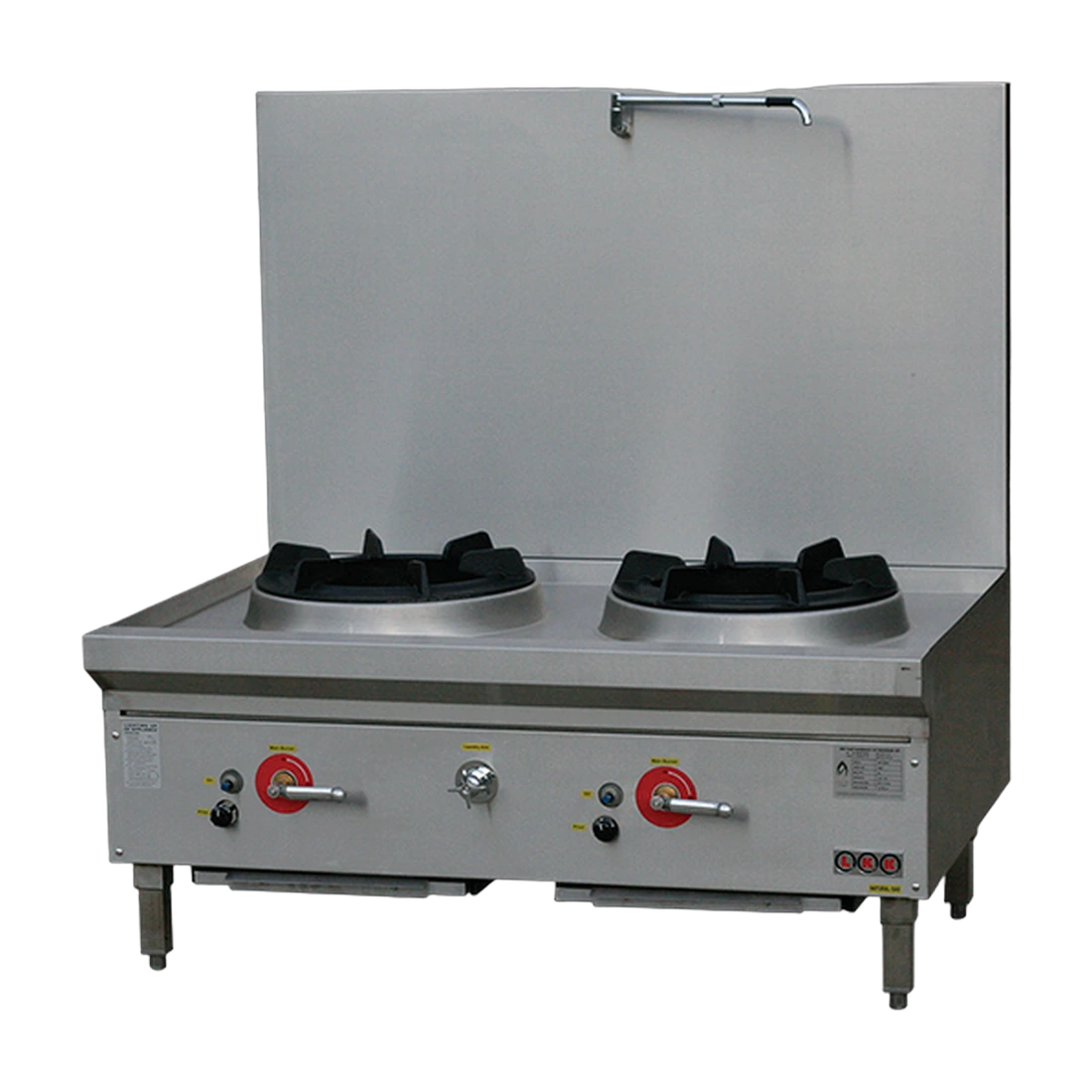
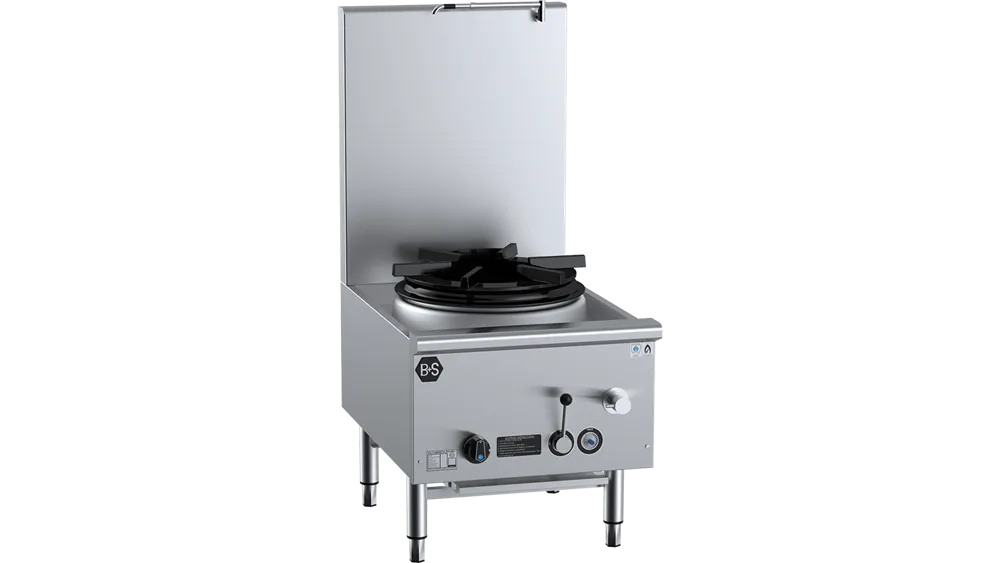
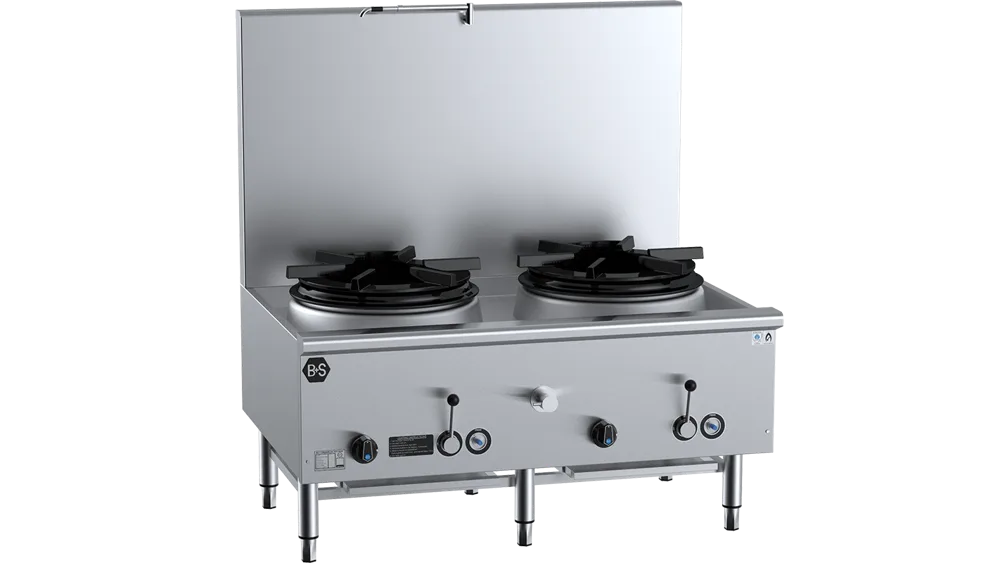
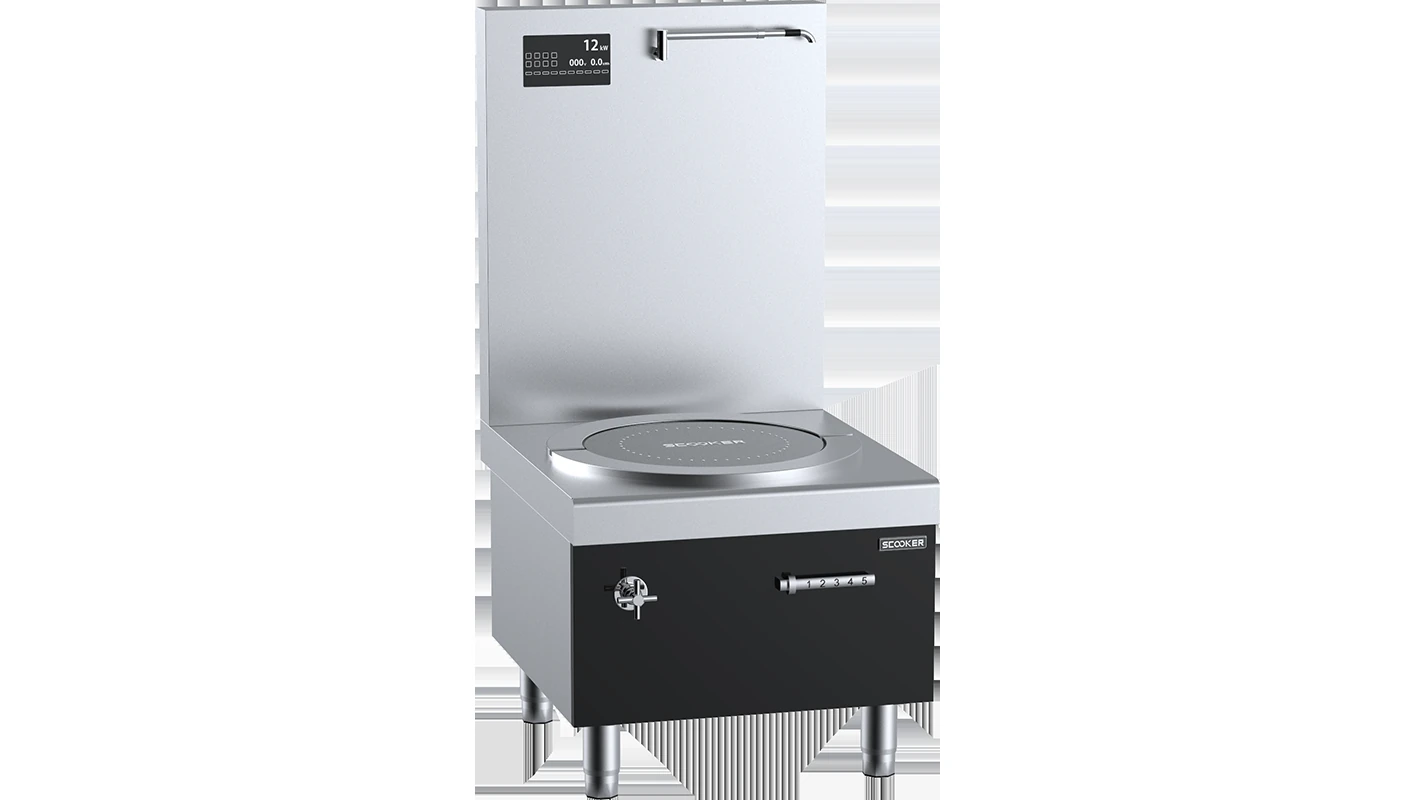
A stockpot burner is built low and wide for one reason: a full stockpot is heavy, tall and awkward to lift. Setting the burner near the floor means the pot is loaded and stirred at a workable height rather than at chest level, which is a safety decision as much as an ergonomic one.
Output is matched to volume rather than to speed. Bringing a large pot to temperature and then holding a long simmer are different demands, and a gas stock pot burner that heats quickly but cannot turn down low enough will scorch a stock over hours.
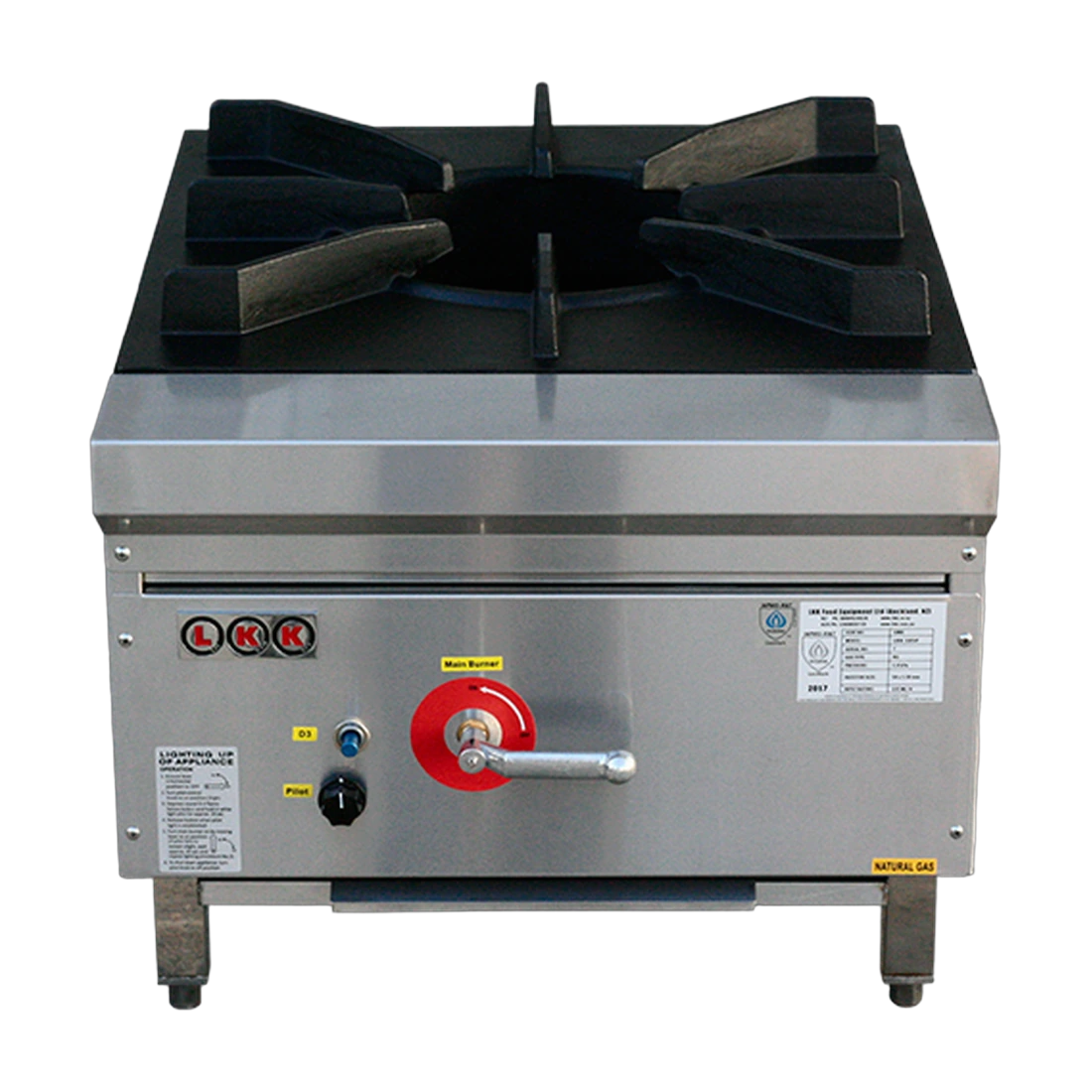
Pan support size is the constraint that decides fit. A stockpot base is wide, and the support has to carry it stably with the pot full. Check the support against the largest pot the kitchen actually uses rather than against a nominal diameter.
Position matters because of what the pot does after cooking. A full stockpot has to be emptied or moved, so leaving a clear route and a plan for decanting is part of choosing where the burner goes.
Key factors to consider before purchasing. Our team can help you find the right fit — call or get a quote anytime.
Match capacity to your daily output. Consider the bench or floor space available and the access route for delivery.
Check the power supply at the installed position — phase, amperage and circuit capacity — before ordering.
This range includes both gas and electric models, so installation requirements depend on the model you choose — gas type and connection for gas models, circuit capacity for electric. Allow the ventilation clearance the manufacturer specifies. We can help with kitchen planning.
Submit your kitchen requirements — our equipment specialists will send you a tailored shortlist of stockpot burners that fits your budget, venue type and compliance needs.
Standards & Compliance
Before choosing a stockpot burner, confirm the largest pot used and its base diameter, the volume brought to temperature at once, and how a full pot is emptied. Check the burner height against the people who will work at it.
Look at how low the burner can be turned for a long simmer, how the pan support is cleaned where spillage collects, and whether the frame is stable under a full pot. Confirm the gas connection and ventilation at the intended position.
FAQ
Yes—standard cooktops cannot support the weight or heat safely.
Chimney gives focused heat; duckbill spreads flame for even simmering.
Yes—Type A canopy under AS 1668 is mandatory.
Yes—place burners near floor drains for safe pot emptying.
Because a full stockpot is heavy and tall. A low burner puts loading and stirring at a workable height instead of chest level, which reduces strain and the risk of a spill from height.
Why KW
KW can help match stockpot burner output and support size to the pots a kitchen uses and to how a full pot is handled afterwards. For practical advice, call KW on 1300 001 366.
Deep Dive
Technical depth from KW's commercial kitchen specialists.
A full stockpot is heavy and tall. A burner set near the floor puts loading and stirring at a workable height instead of chest level, which reduces both strain and the risk of a spill at height.
Bringing a large volume up and holding a long simmer are different demands. A burner that heats quickly but will not turn down low enough scorches stock over hours, which is when the fault appears rather than at commissioning.
Check the support against the largest pot actually used, with the pot full. A wide base needs stable carrying rather than nominal fit, and a pot that rocks on the support is a hazard every time it is stirred.
A full stockpot has to be emptied or moved eventually. Plan the route and the decanting method when choosing the burner position, because the cooking is the easy part and handling the result is where injuries happen.
Enough to bring the largest volume up, and enough turn-down to hold a long simmer without scorching. The second requirement is the one usually discovered late, after stock has caught over several hours.
Check the pan support against the largest pot's base diameter with the pot full. Nominal fit is not enough — a wide base that rocks on the support is a hazard every time it is stirred.
Emptying. A full stockpot has to be moved or decanted, so plan the route and the method when choosing where the burner goes, since that is where the handling risk actually sits.
18 results
463 × 676 × 497mm
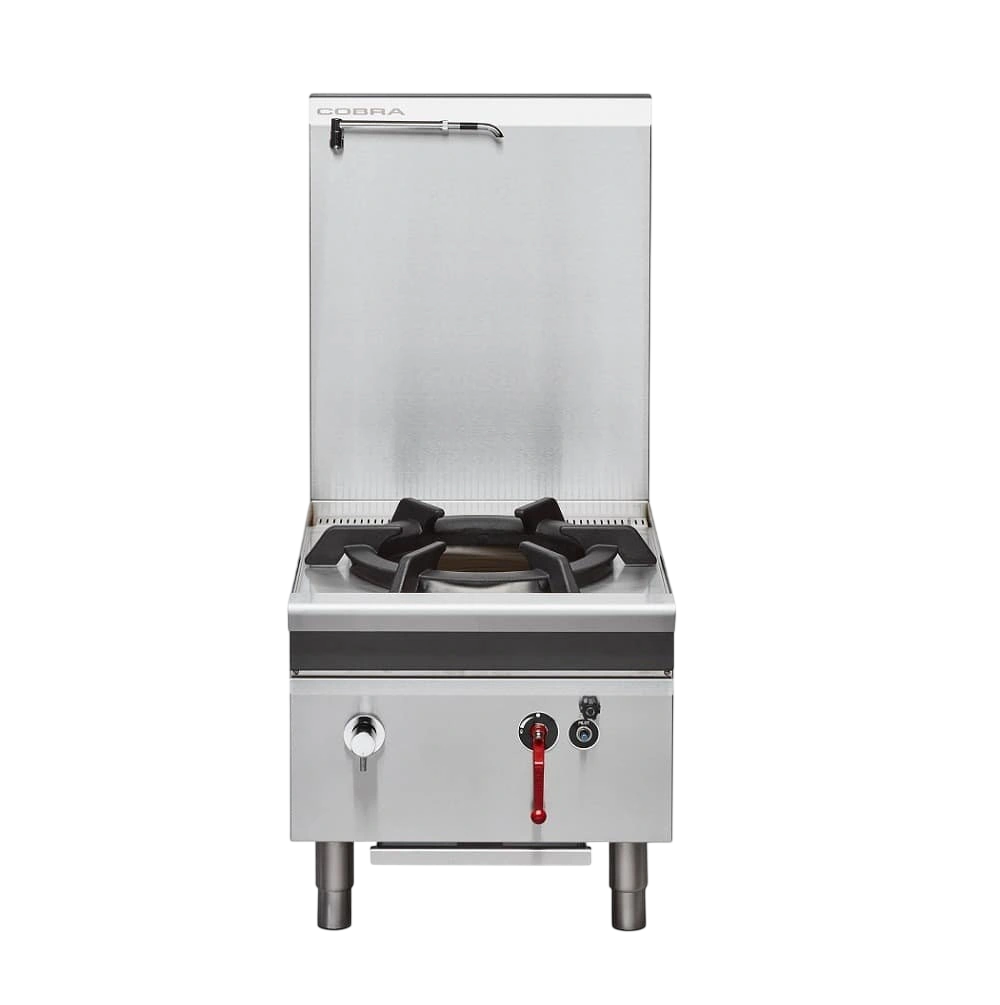
600 × 800 × 1280mm
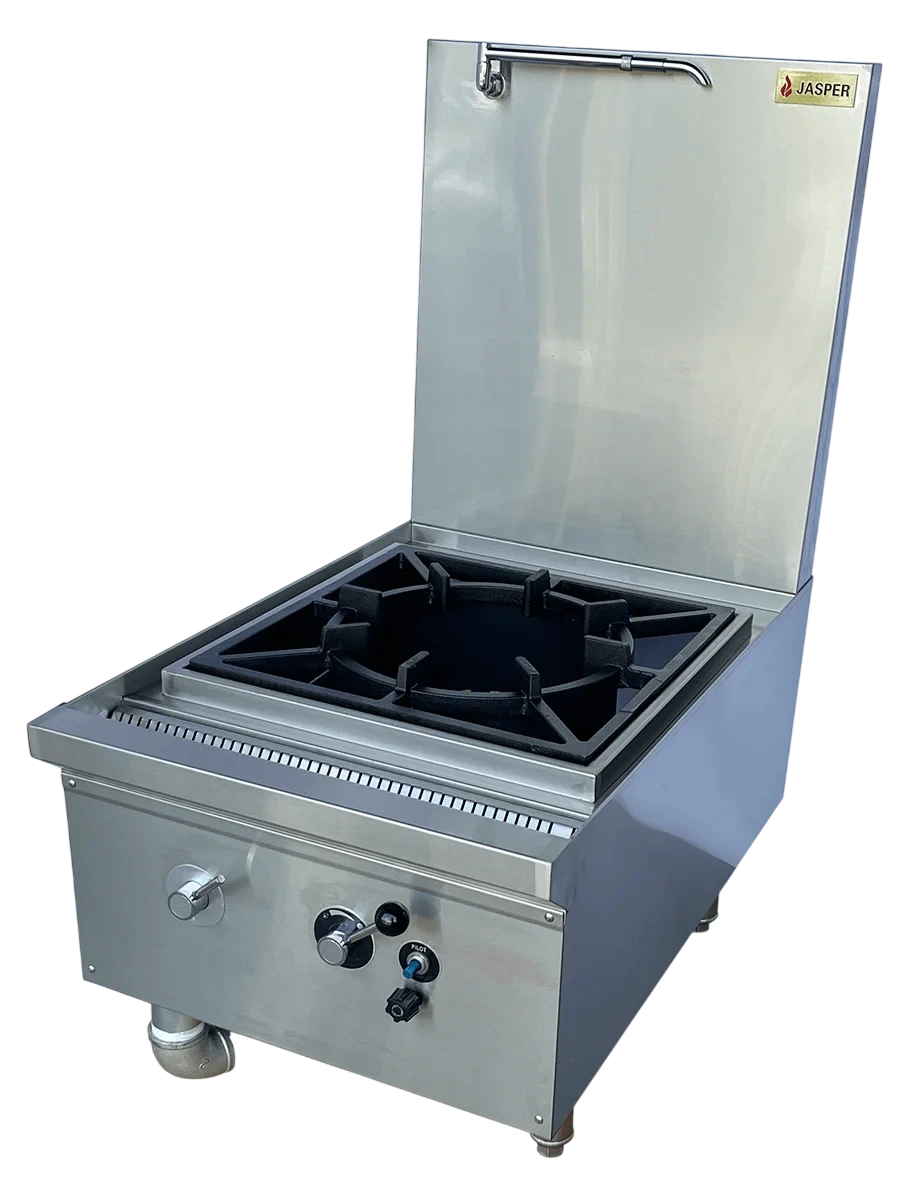
600 × 900 × 1180mm
600 × 900 × 1180mm
300 × 770 × 440mm
463 × 676 × 497mm
463 × 676 × 780mm
463 × 676 × 780mm
650 × 750 × 1320mm