
Chef Uniforms
98 results
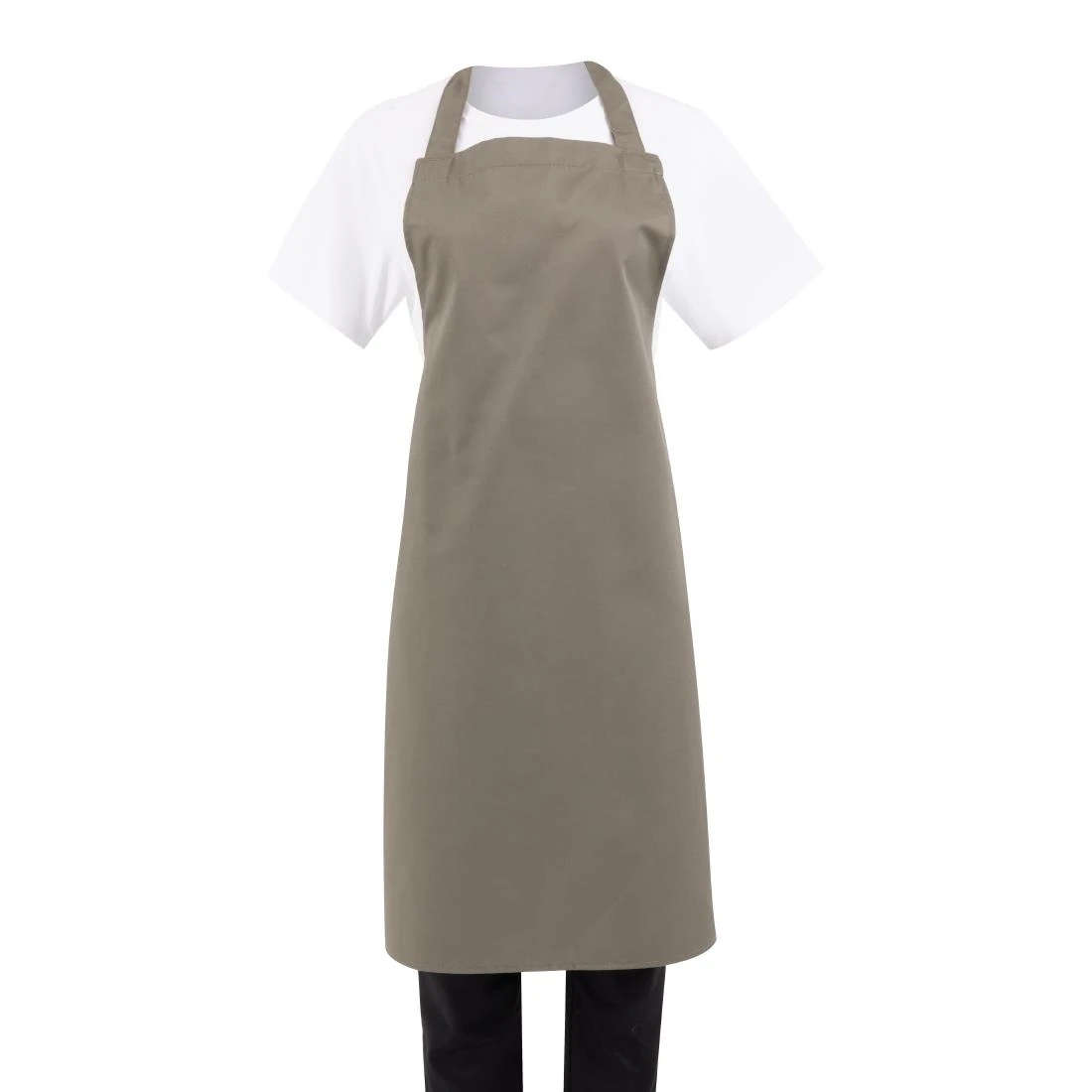
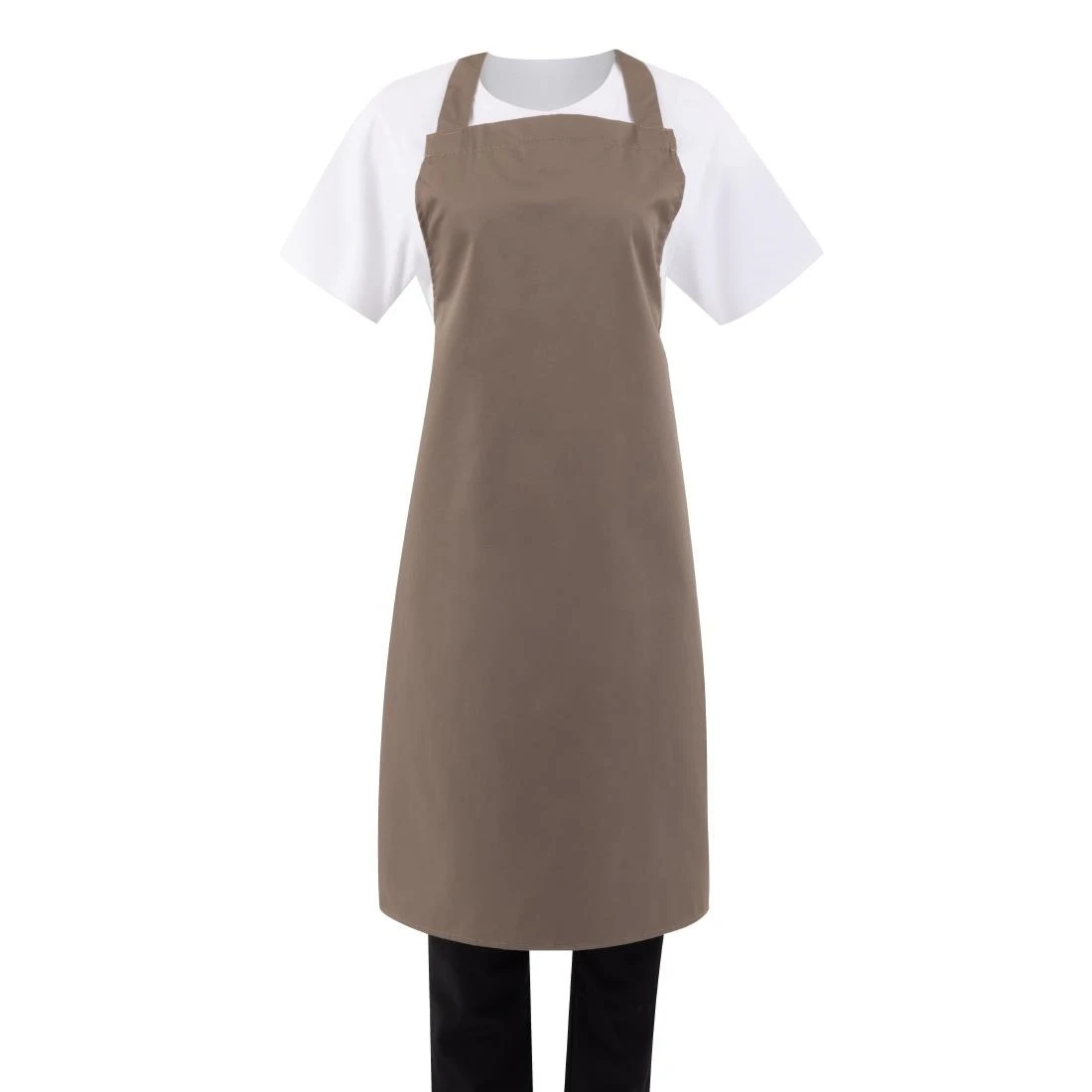
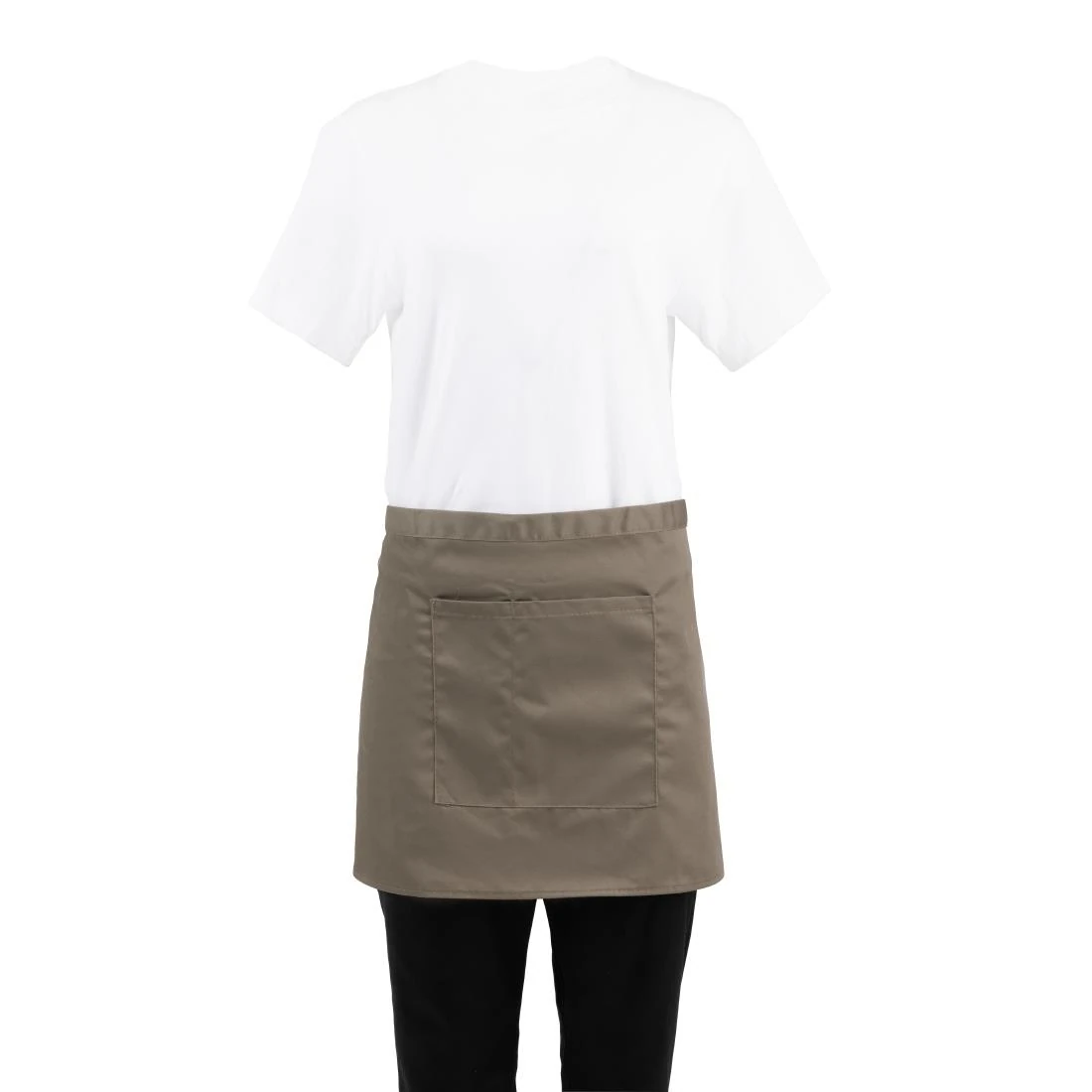
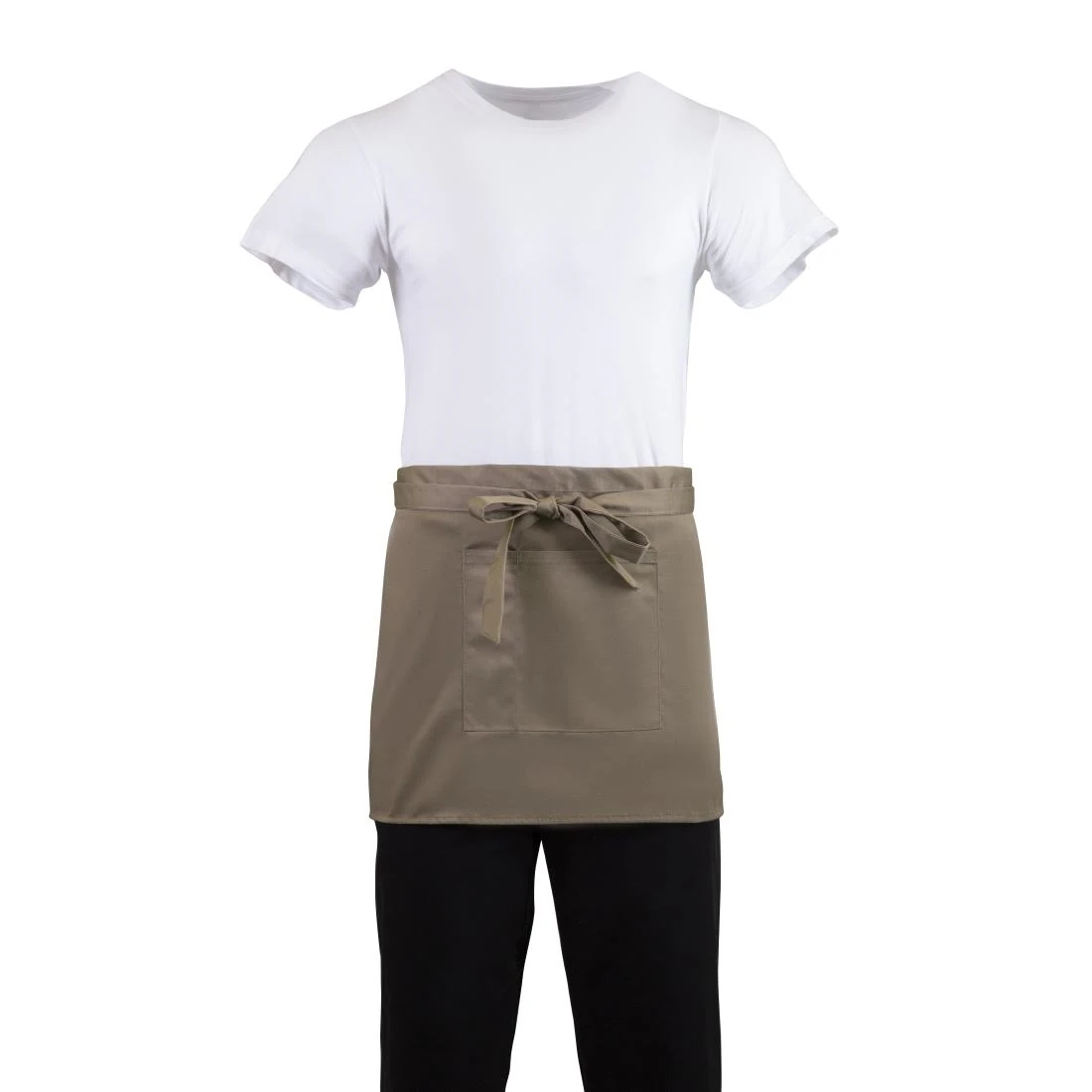
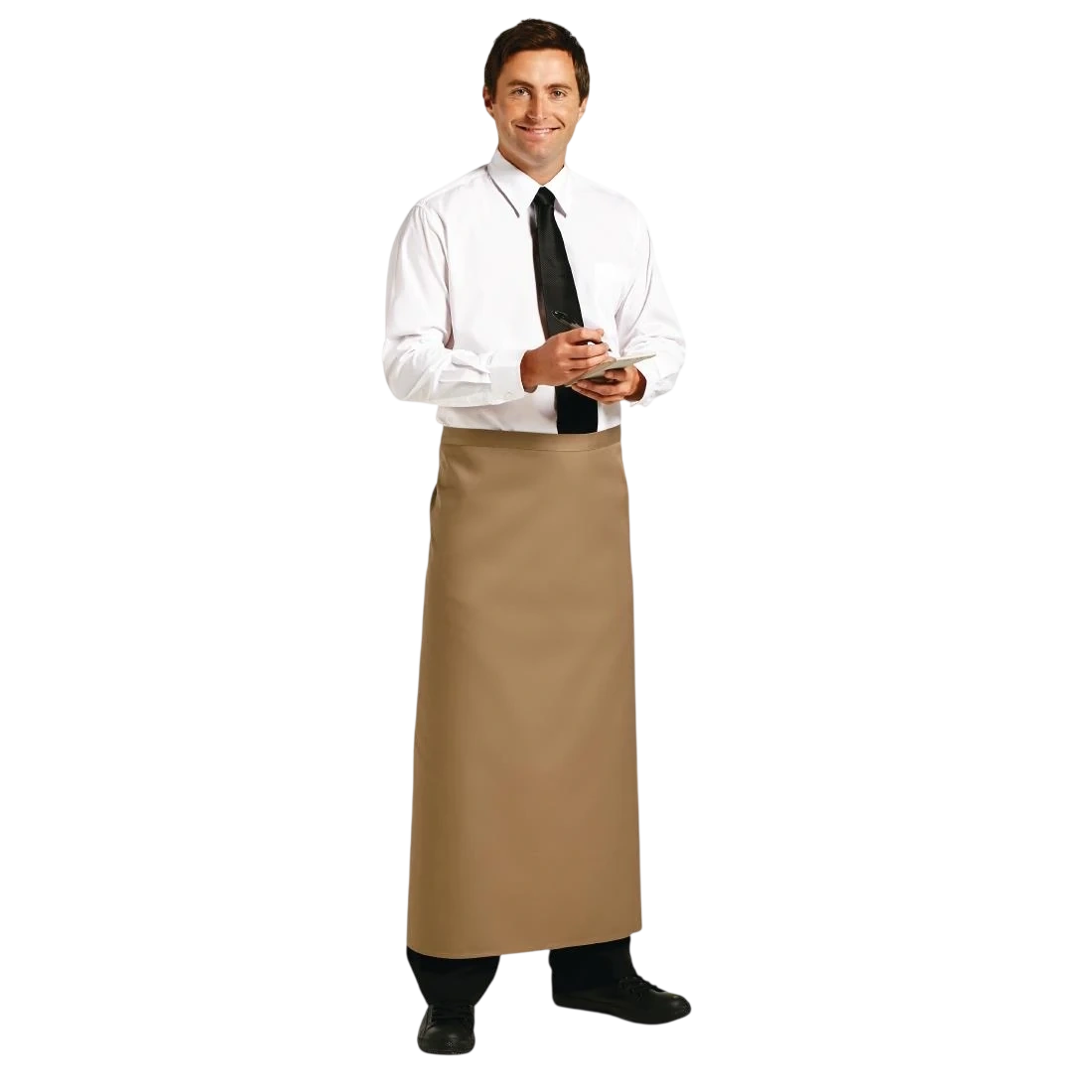
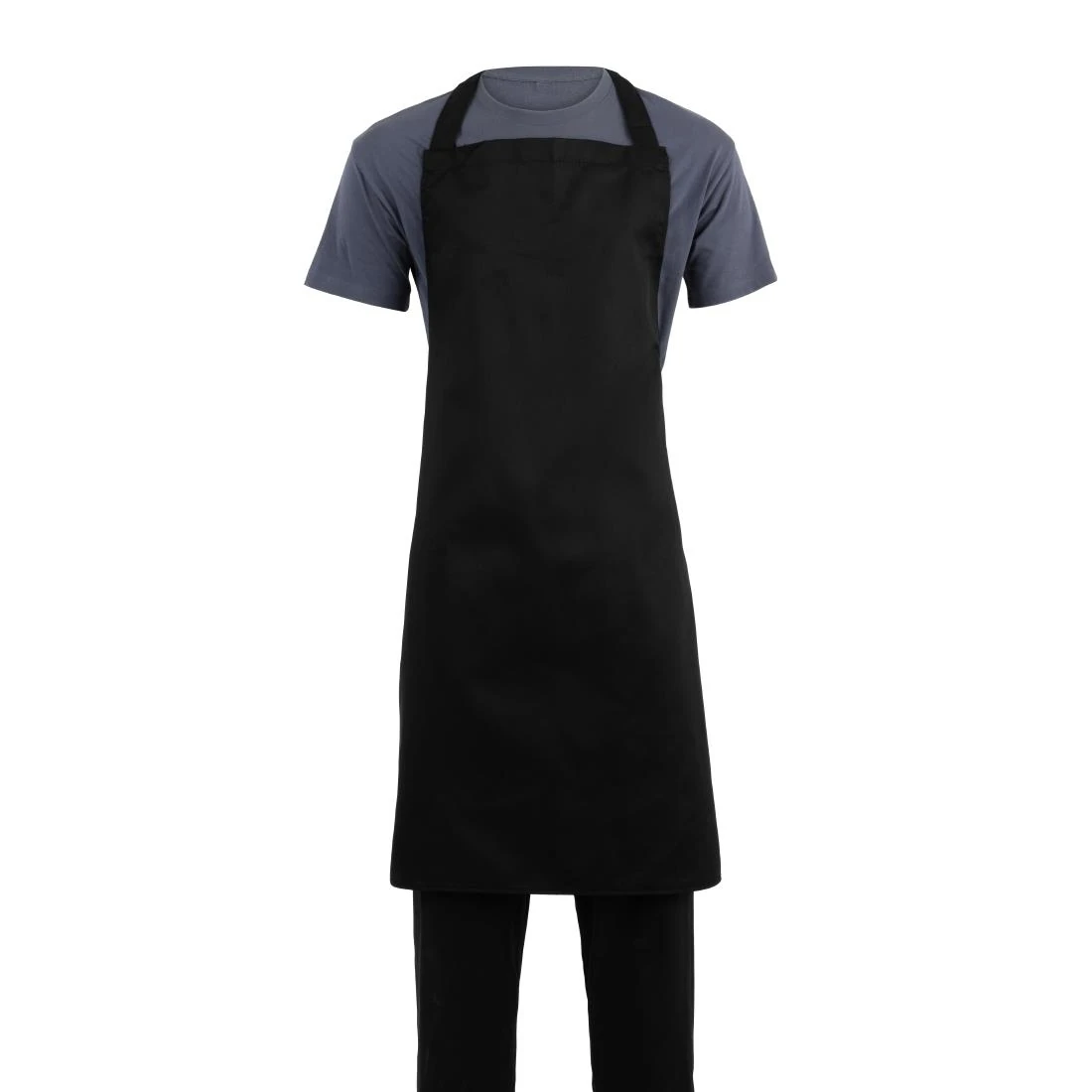

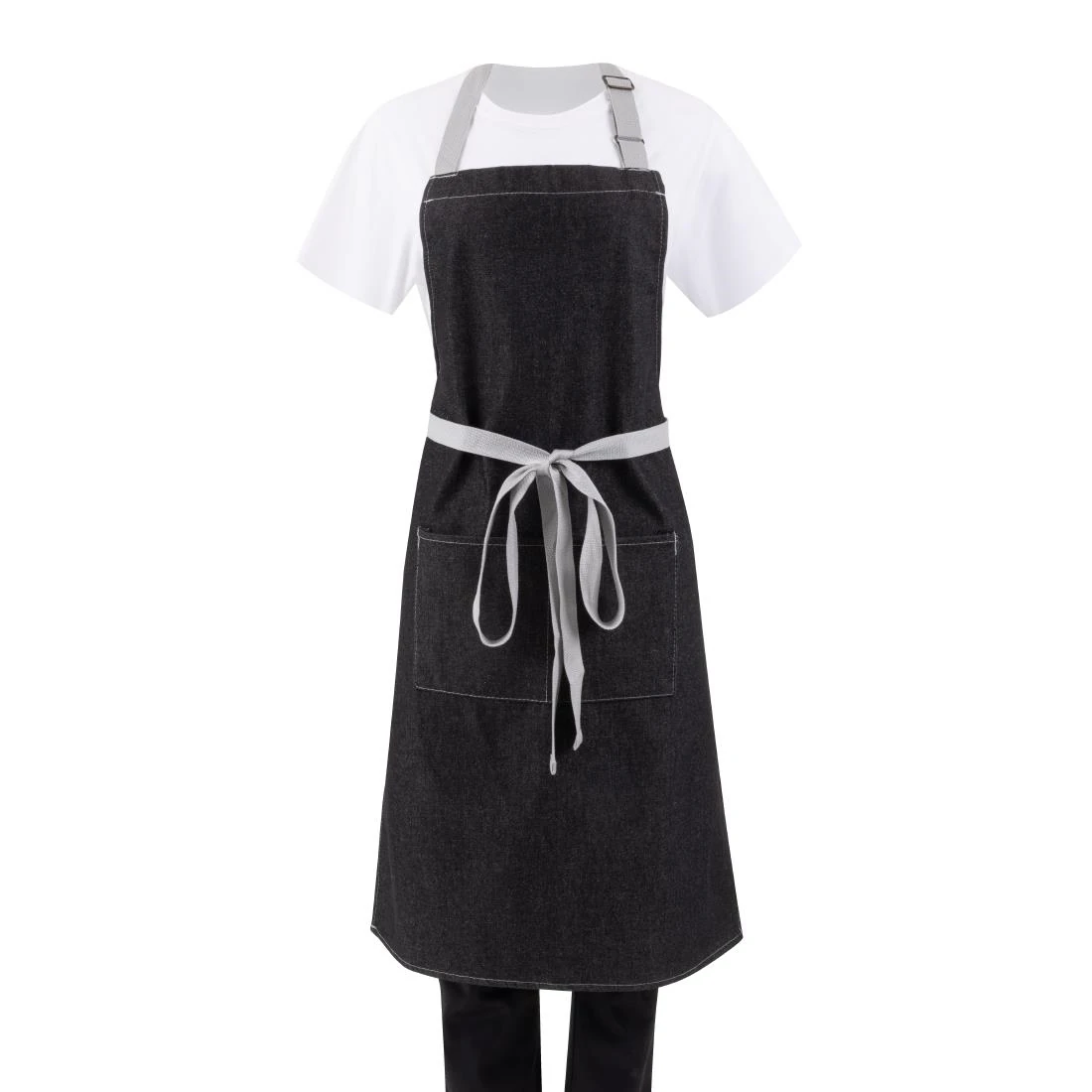
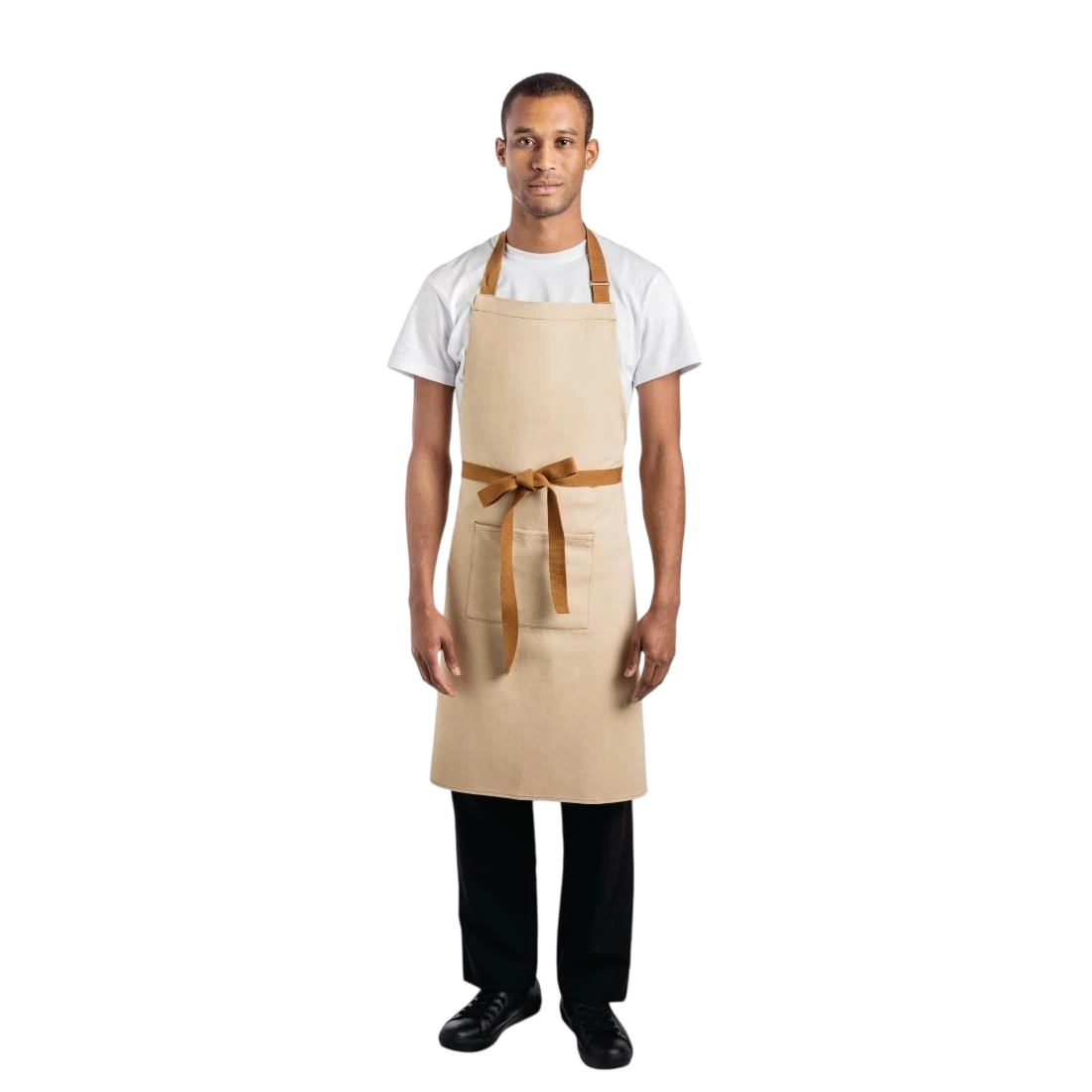
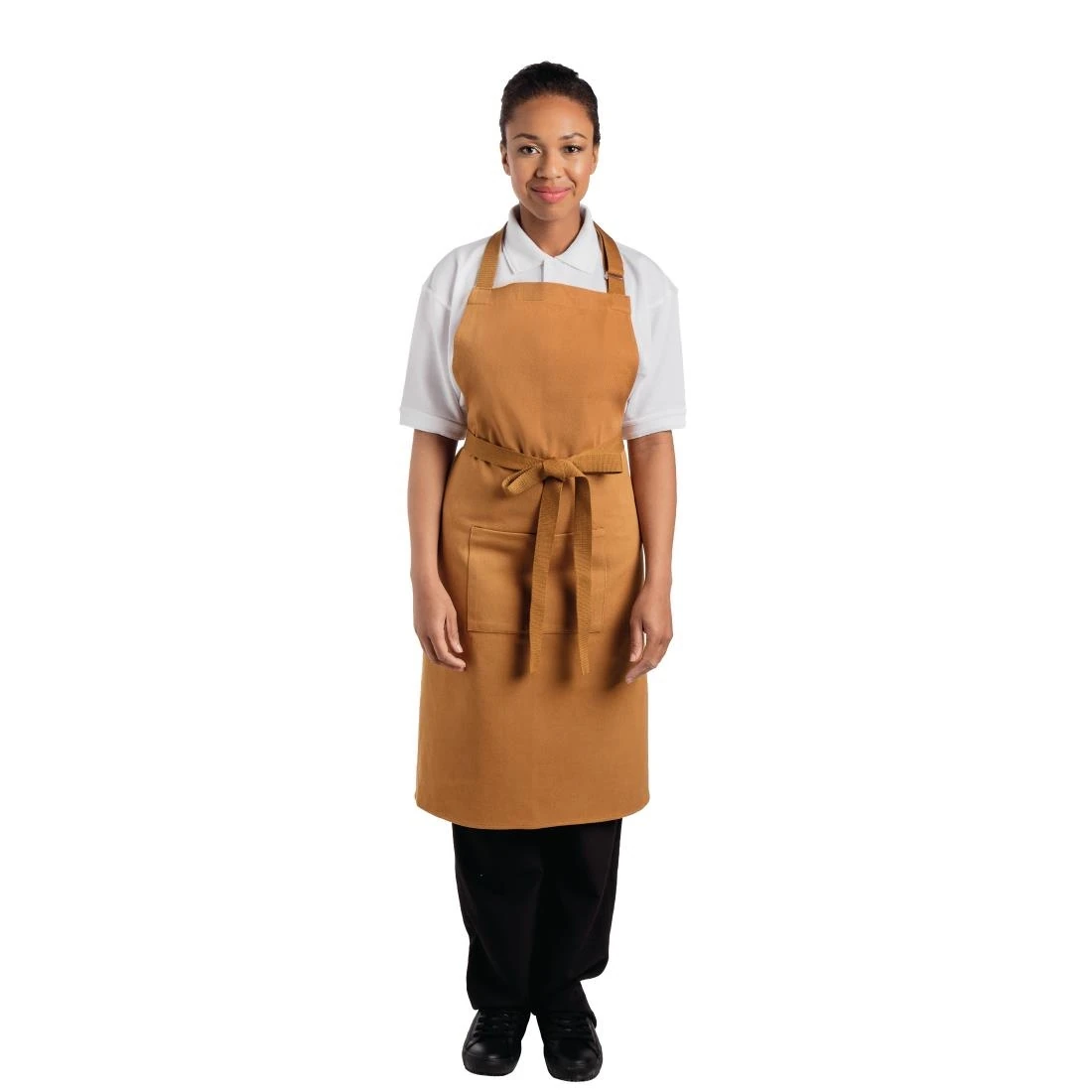
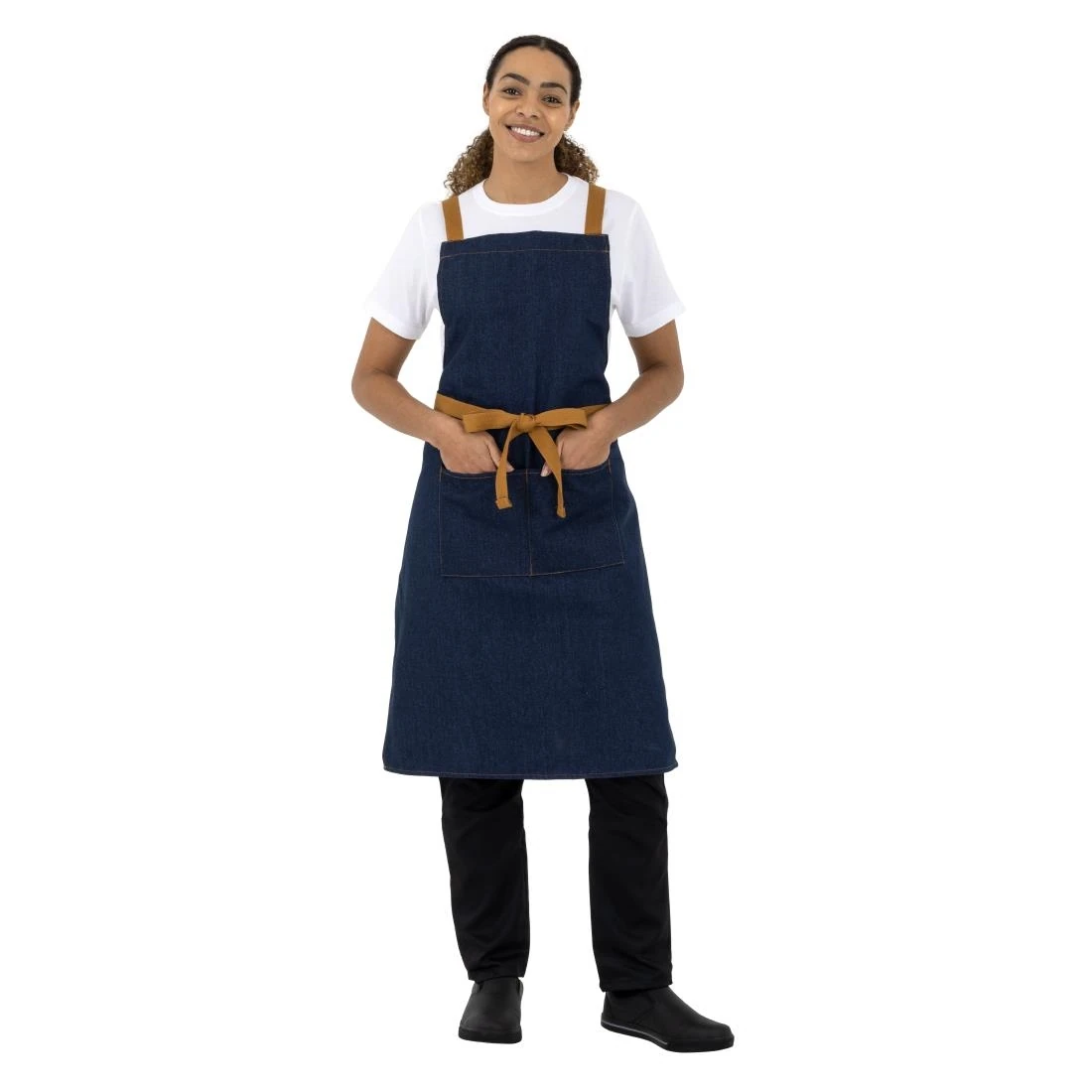
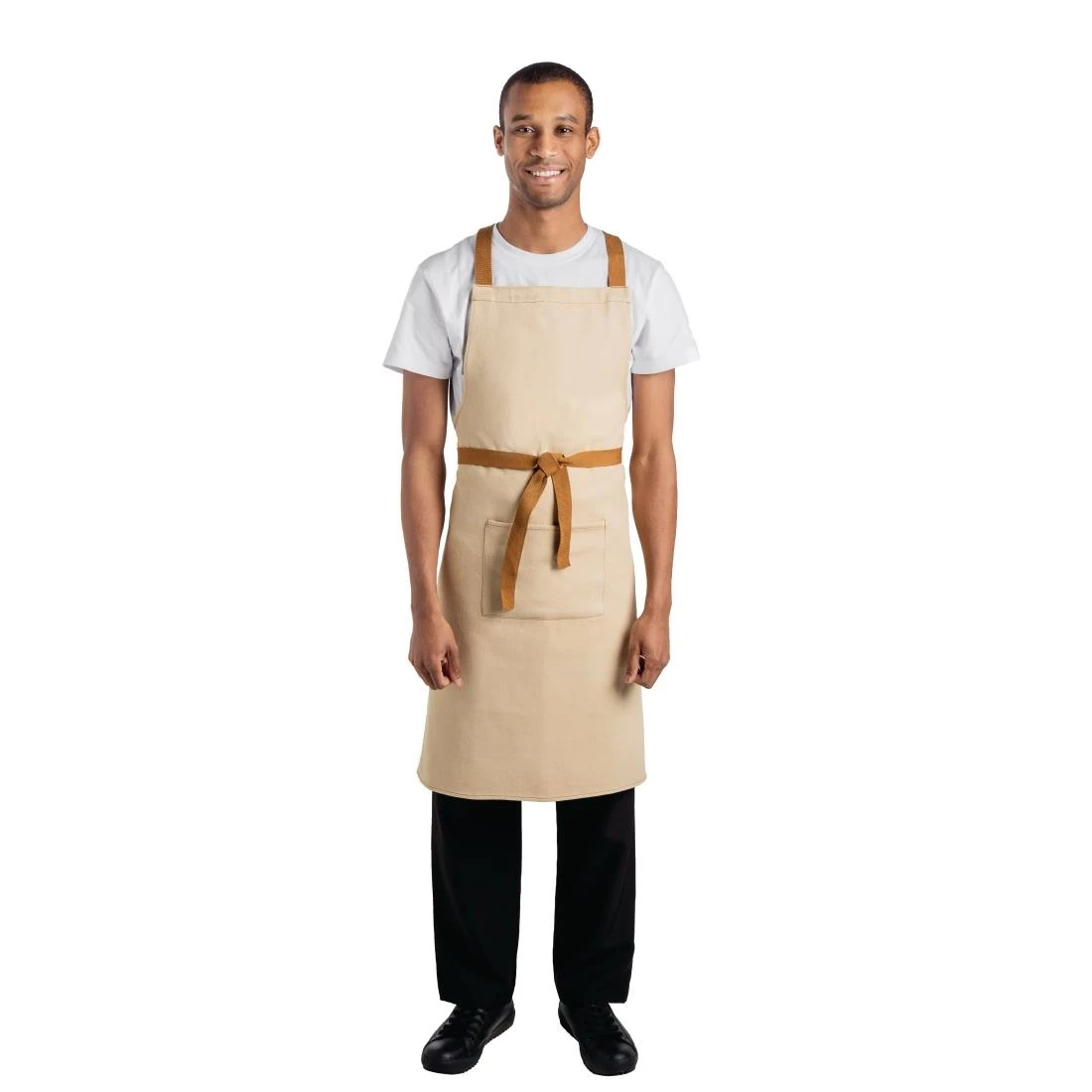
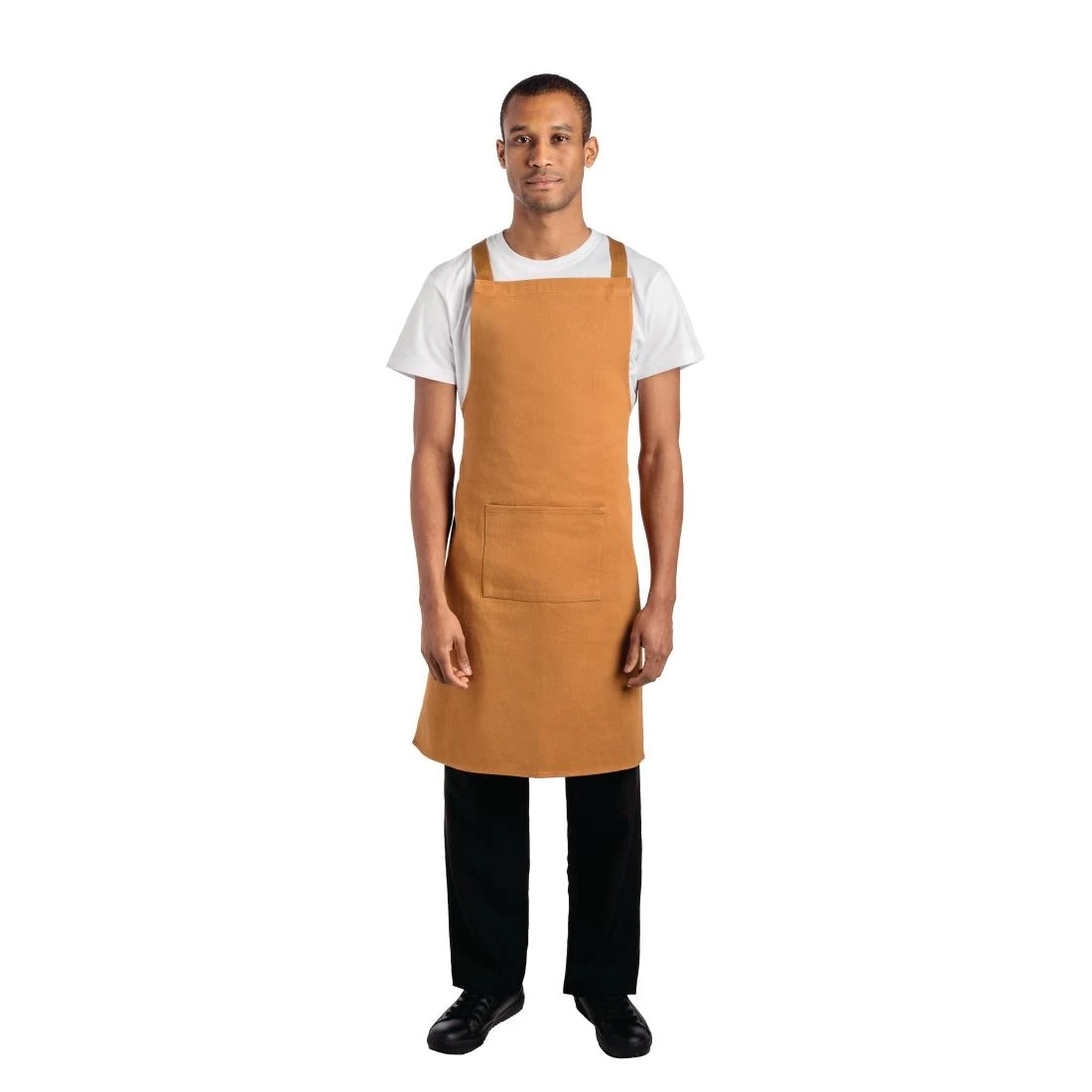
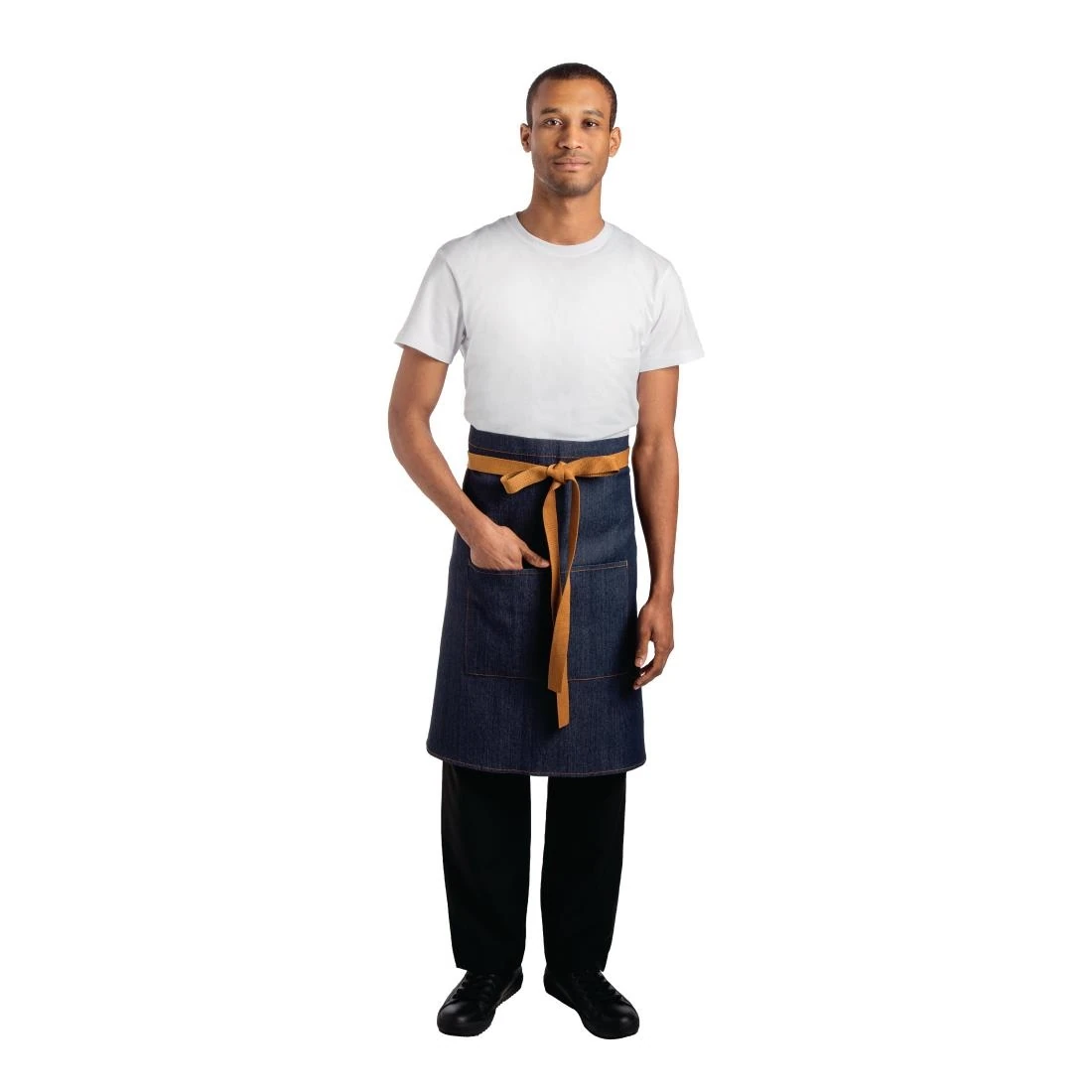
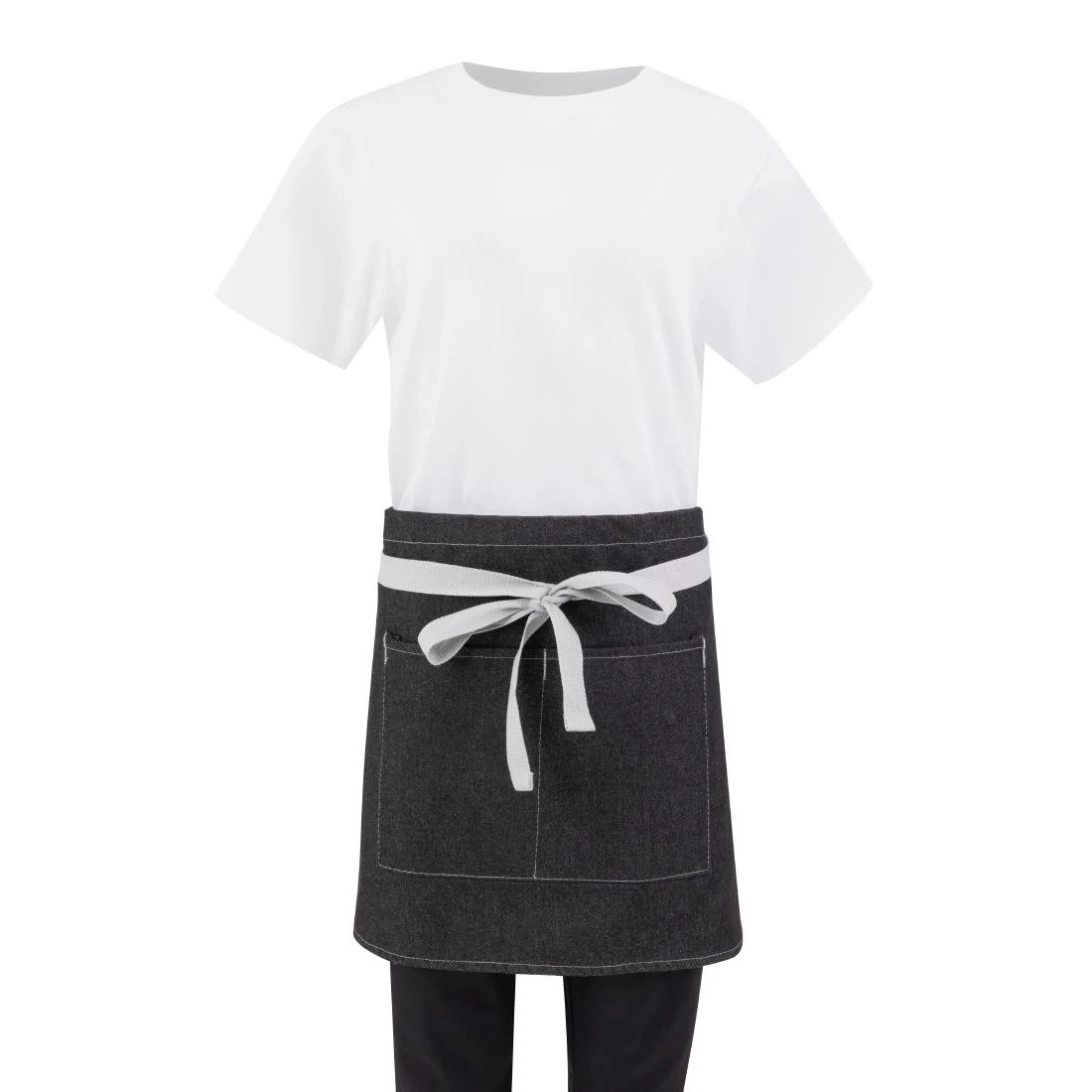
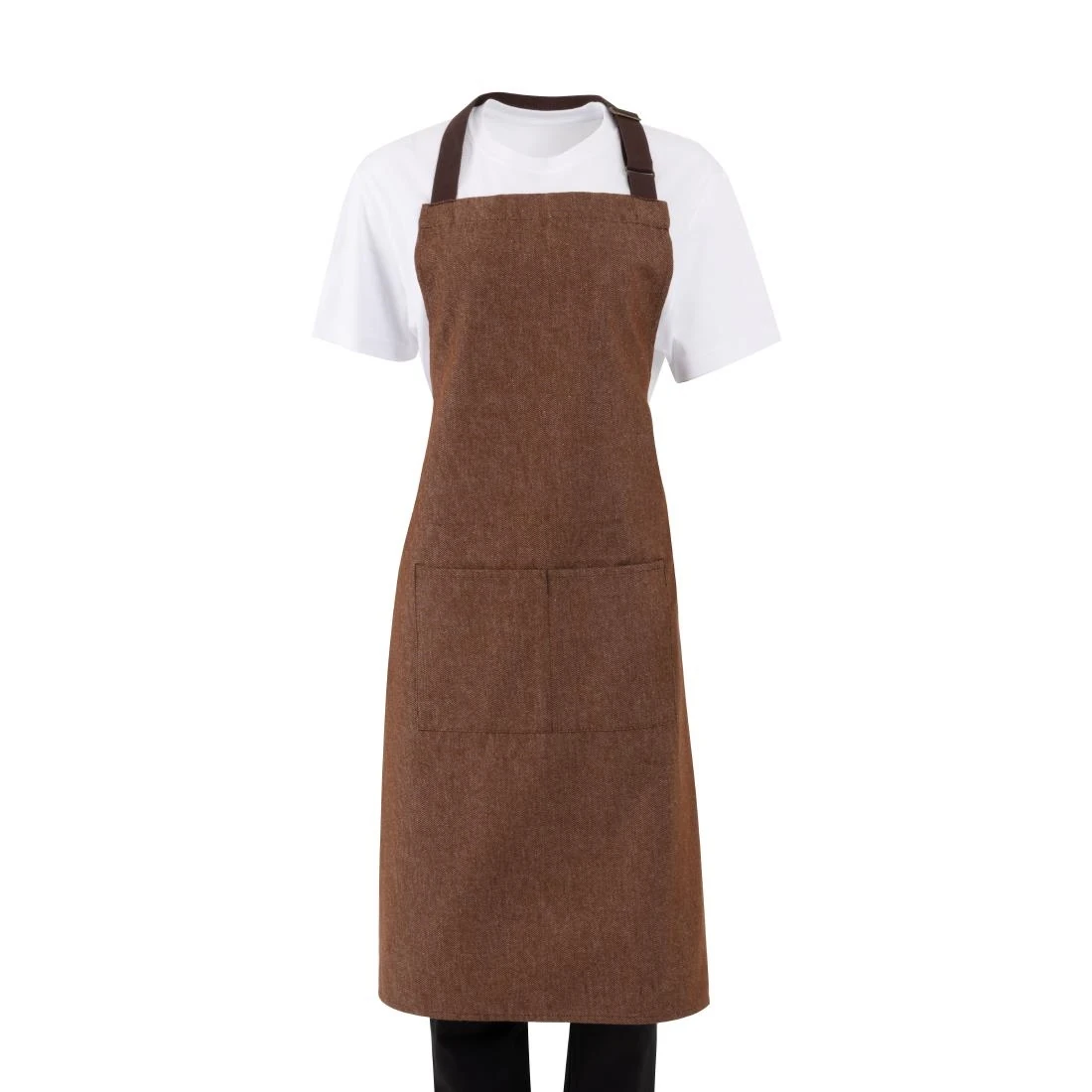
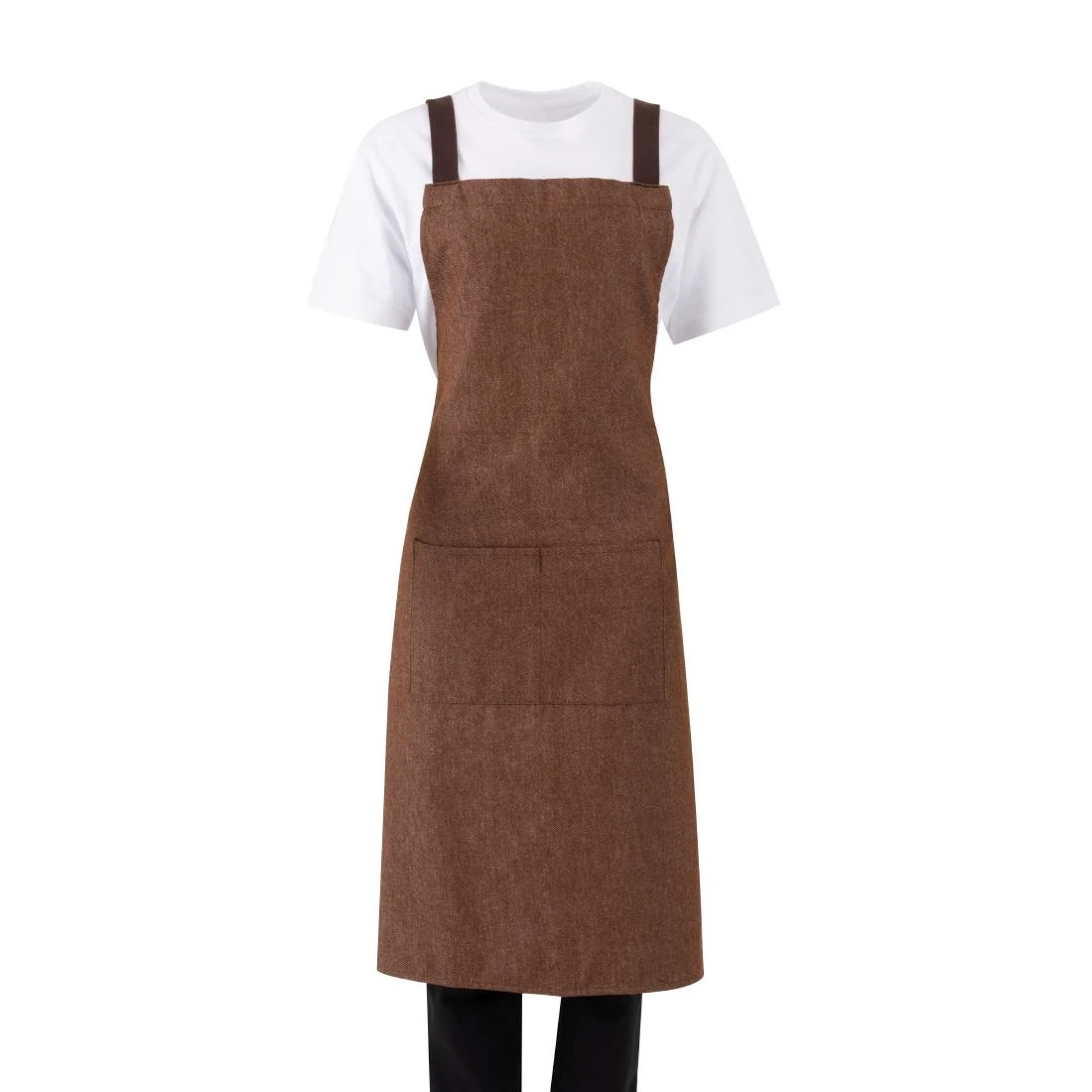
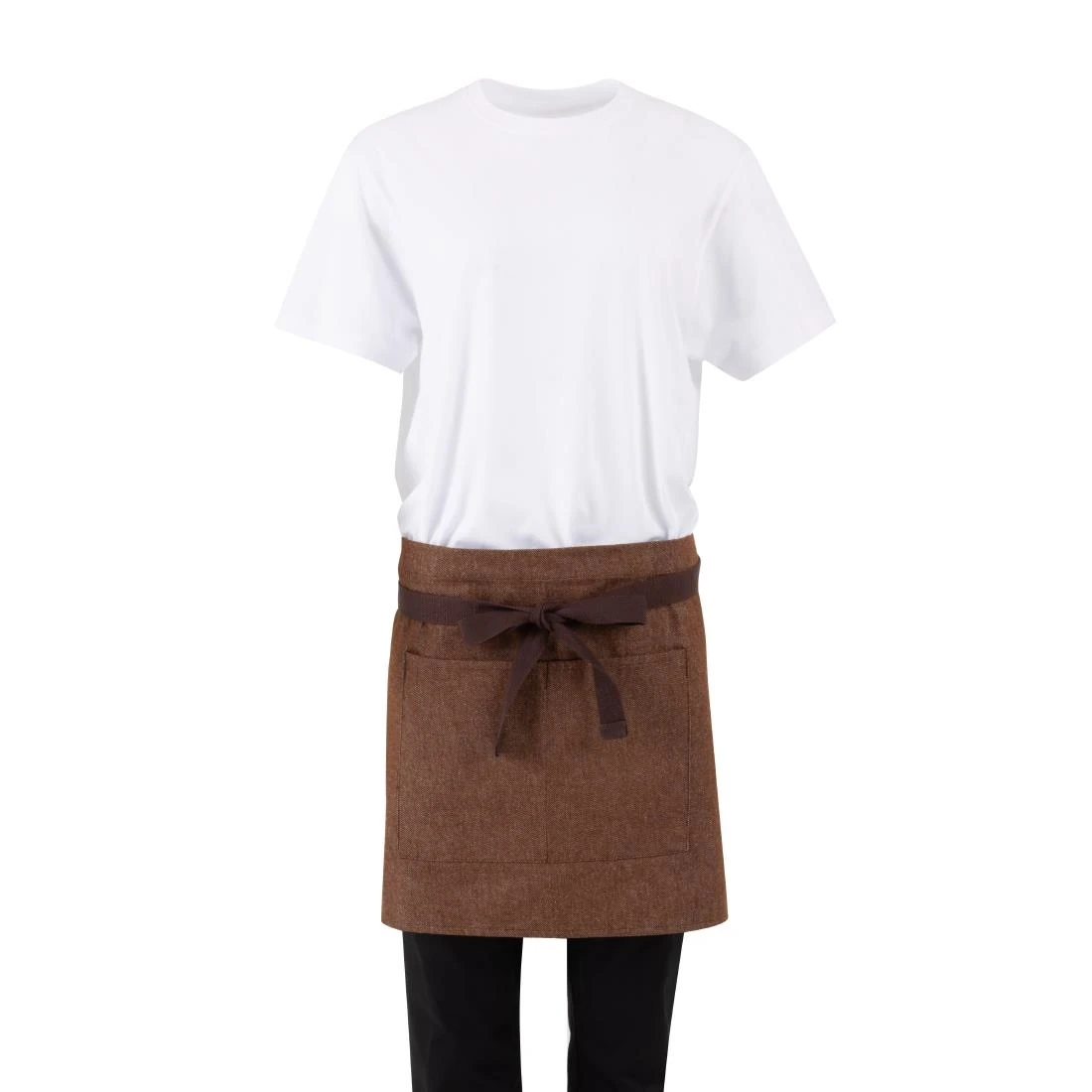
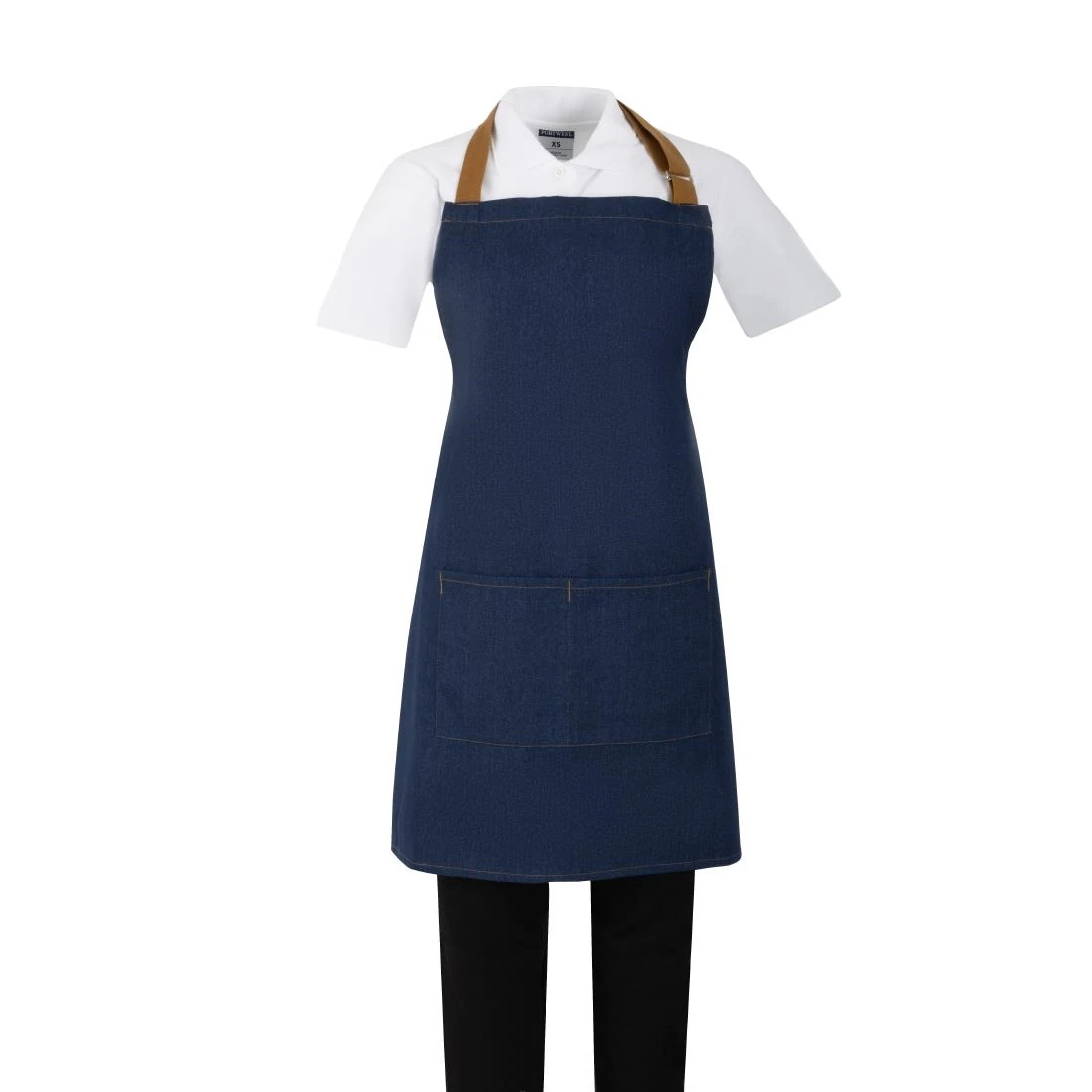
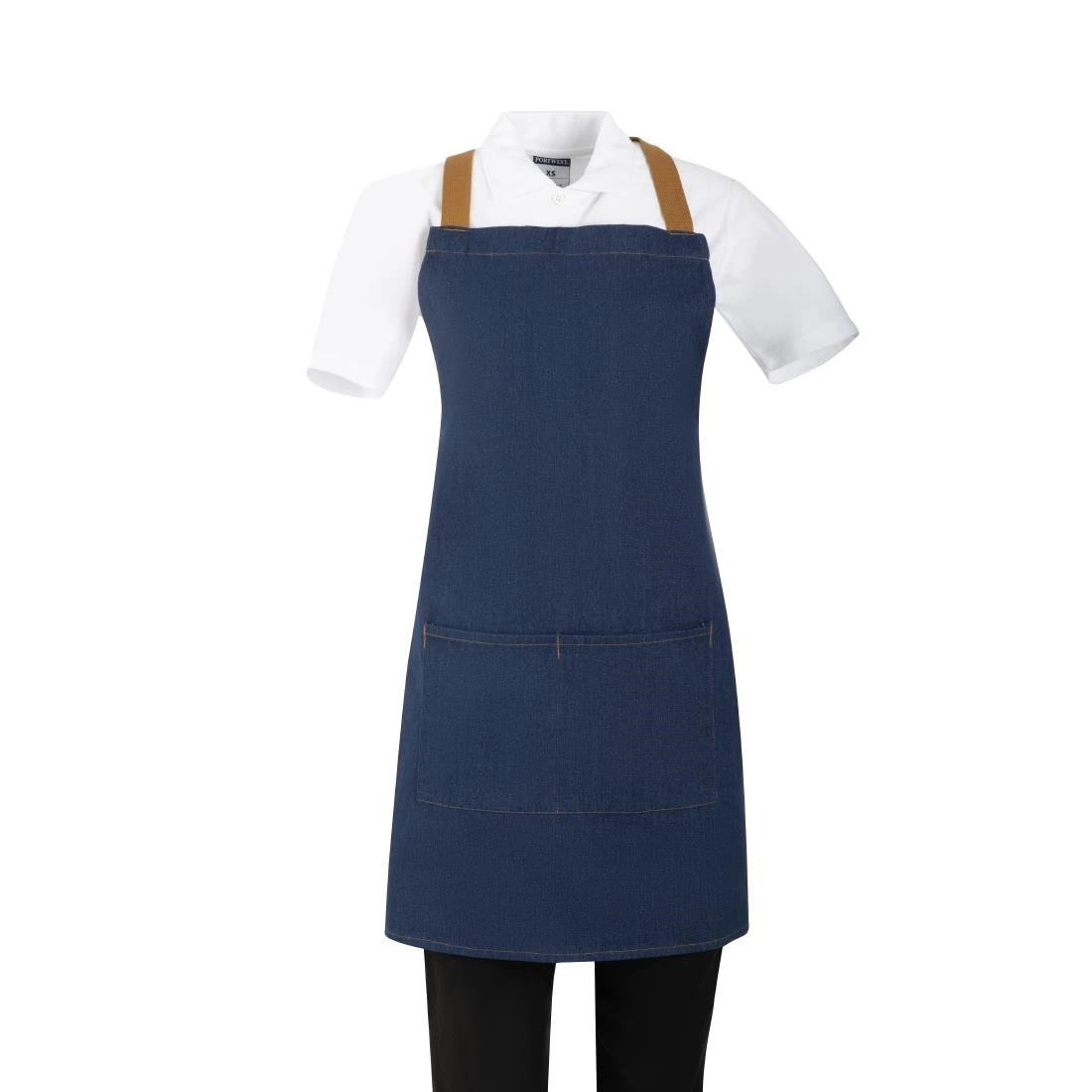
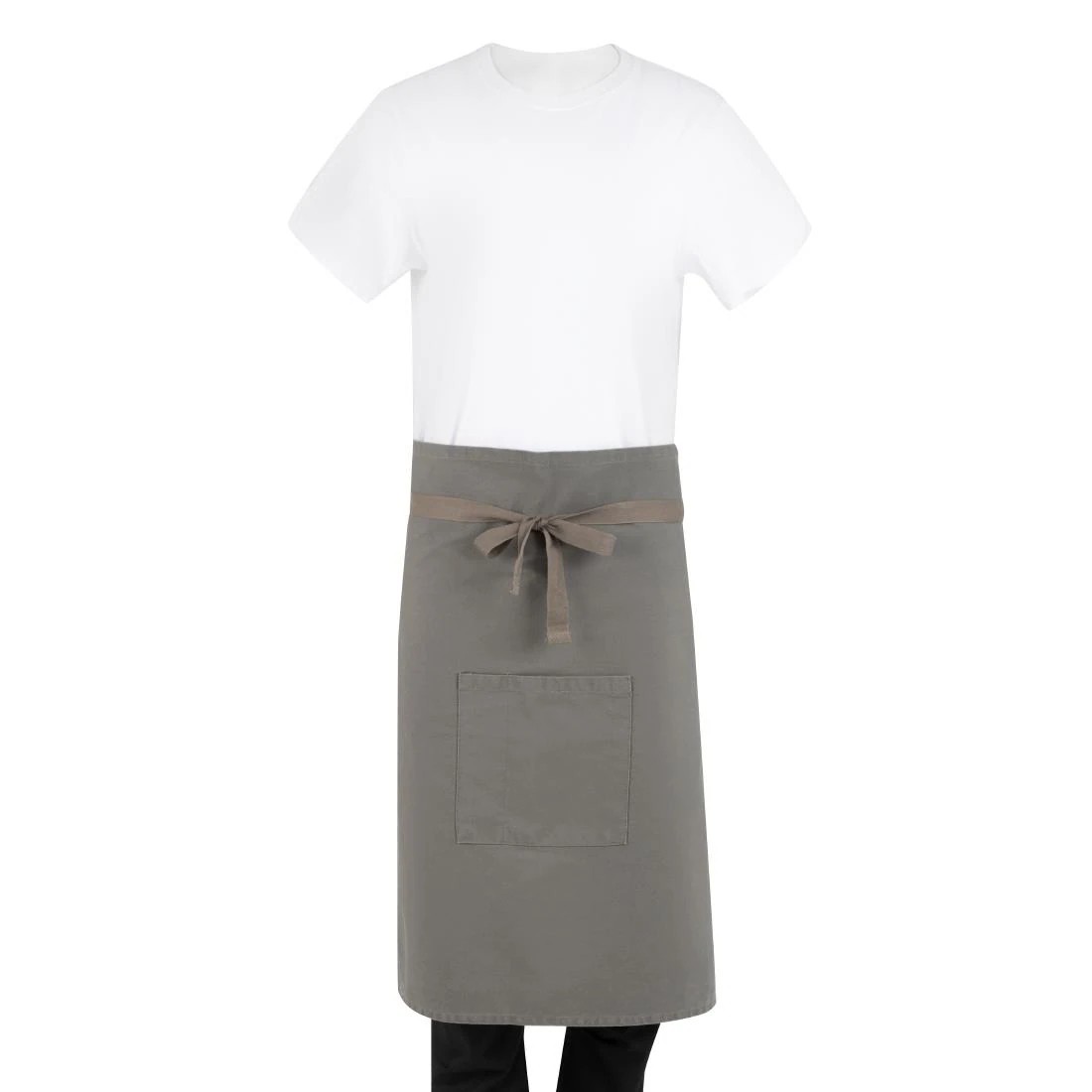
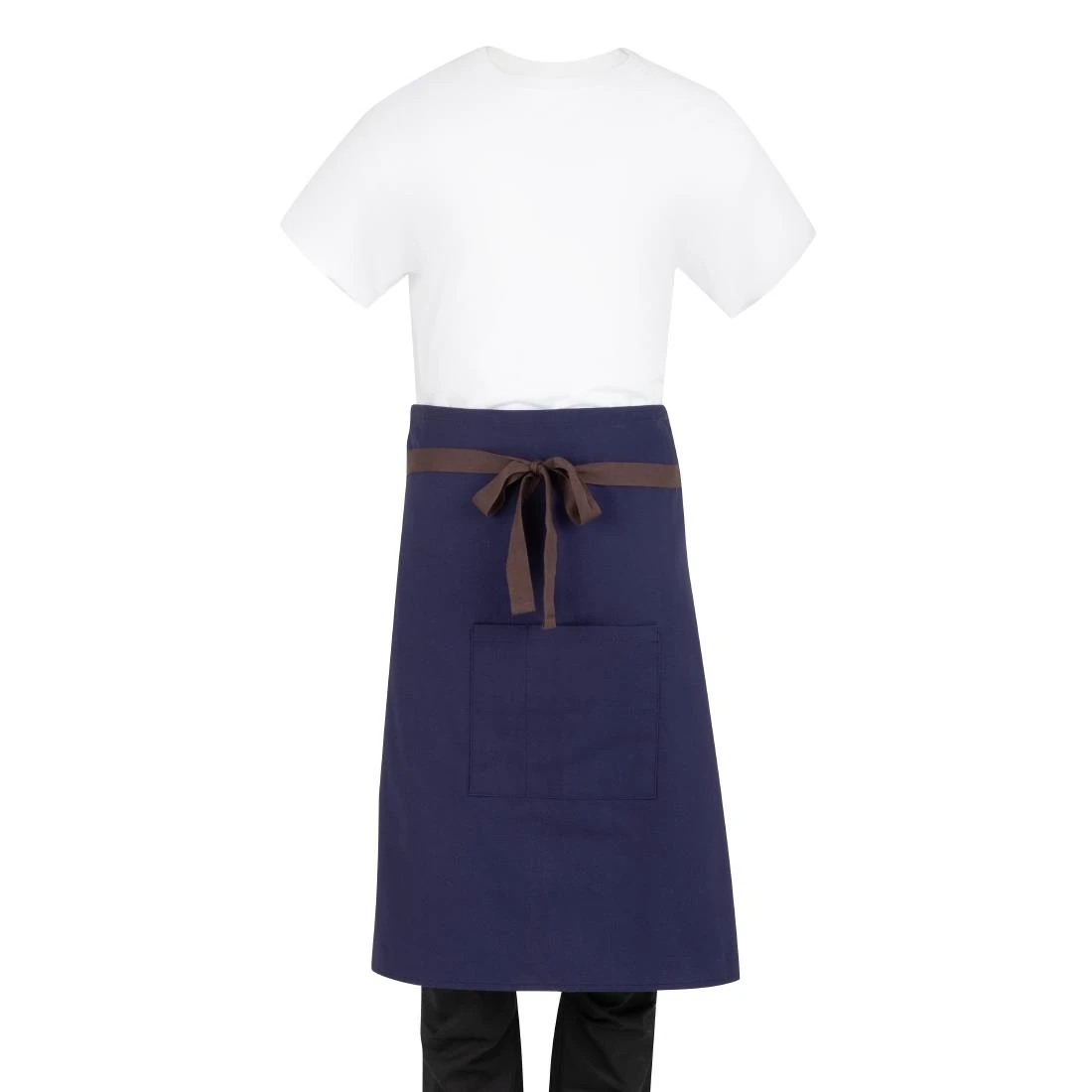
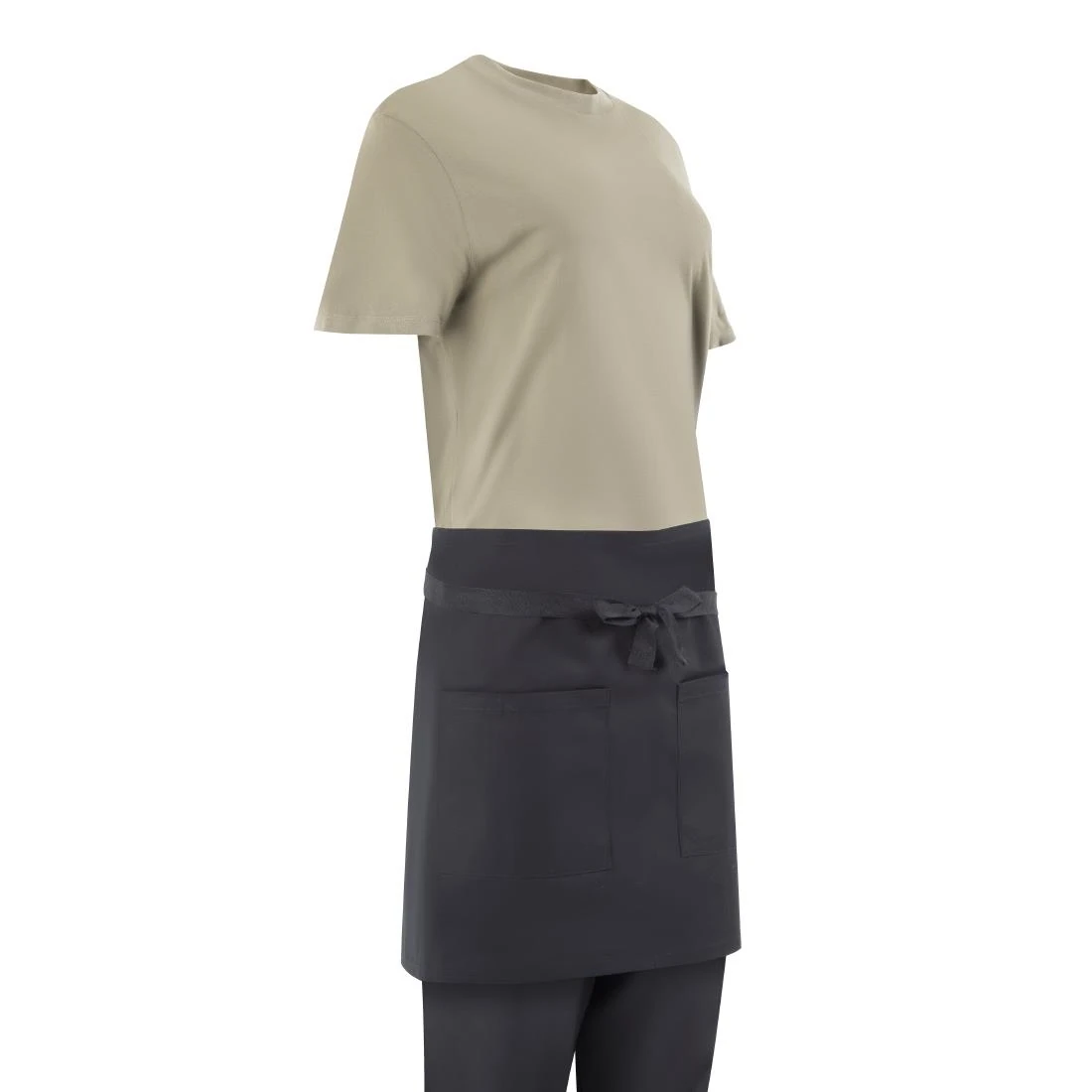
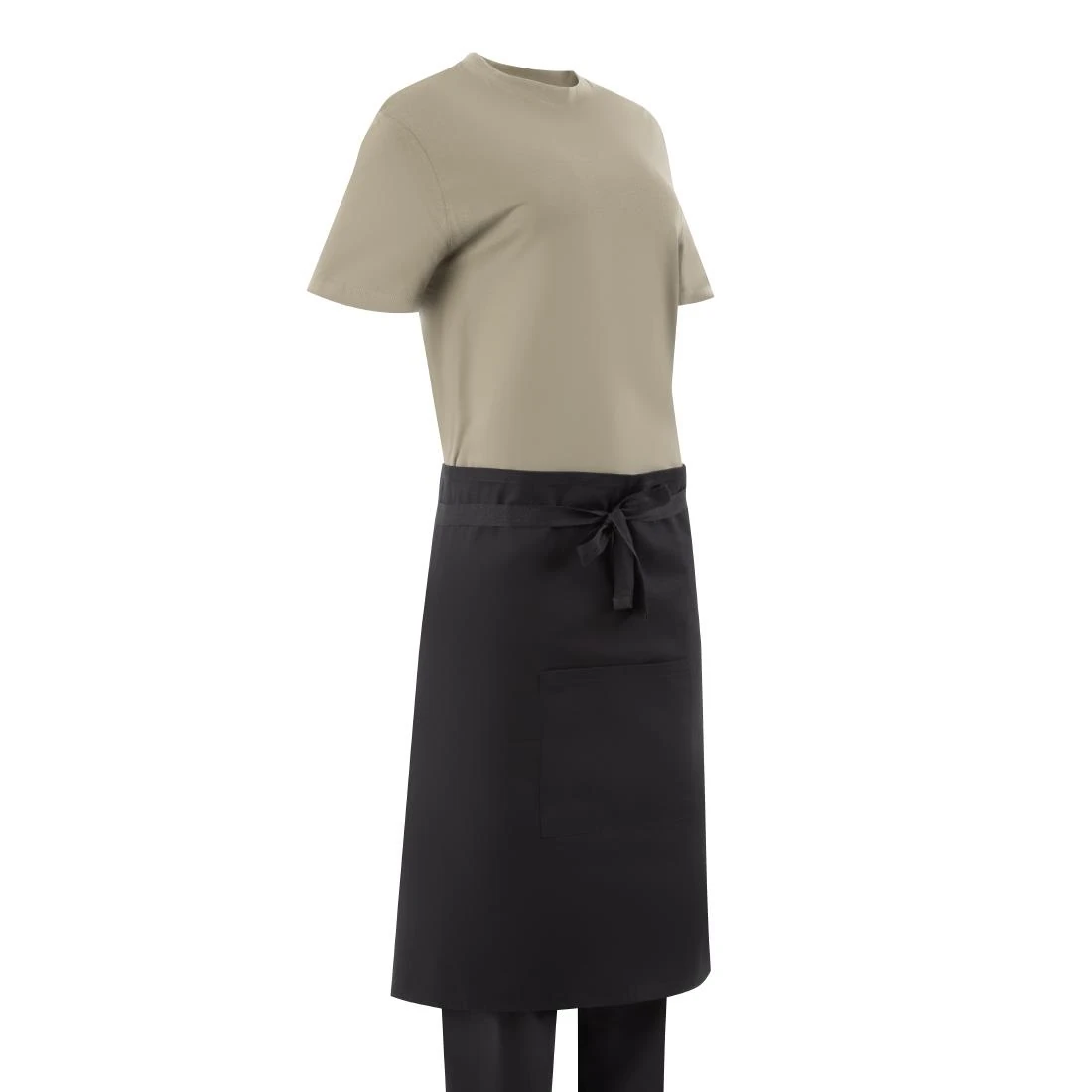
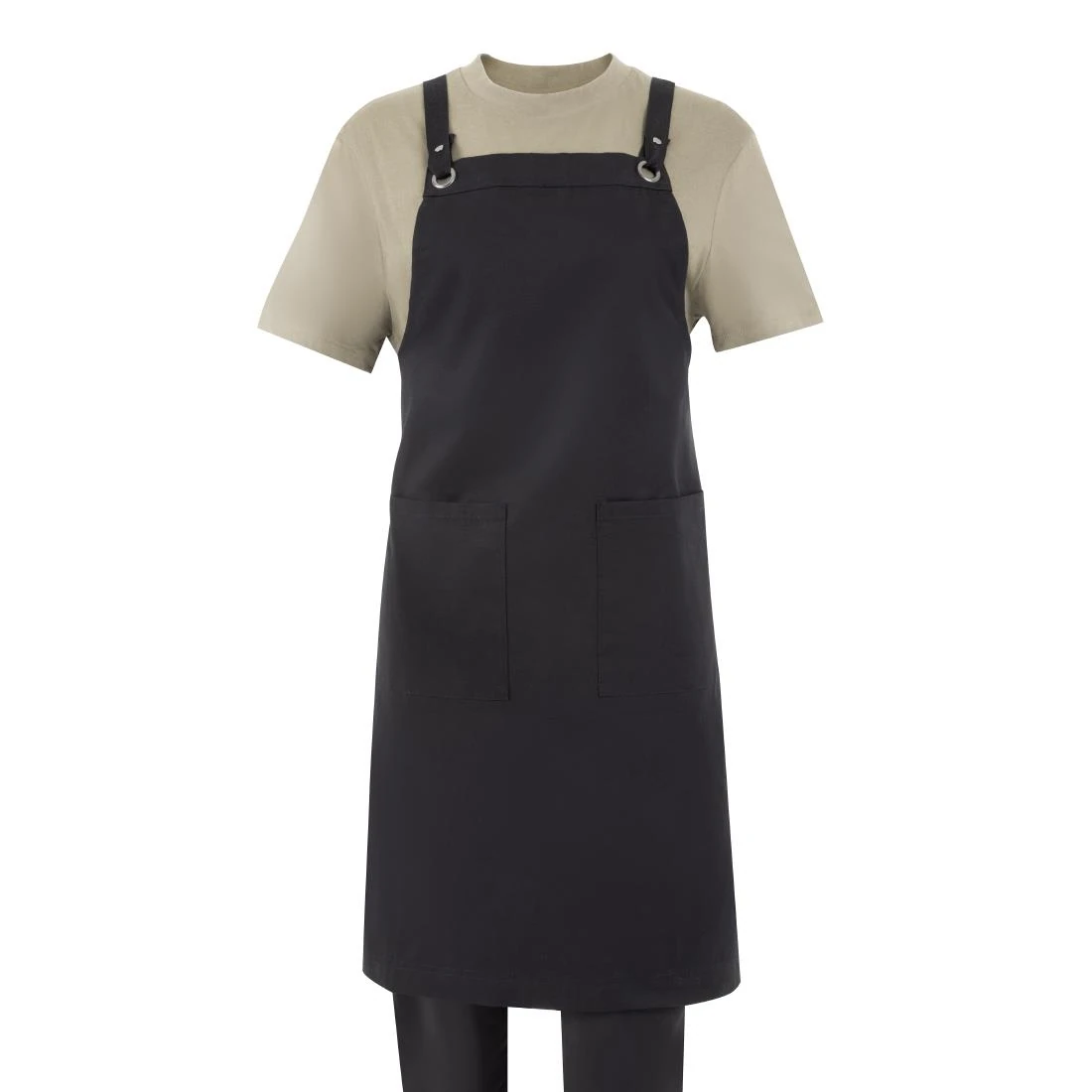
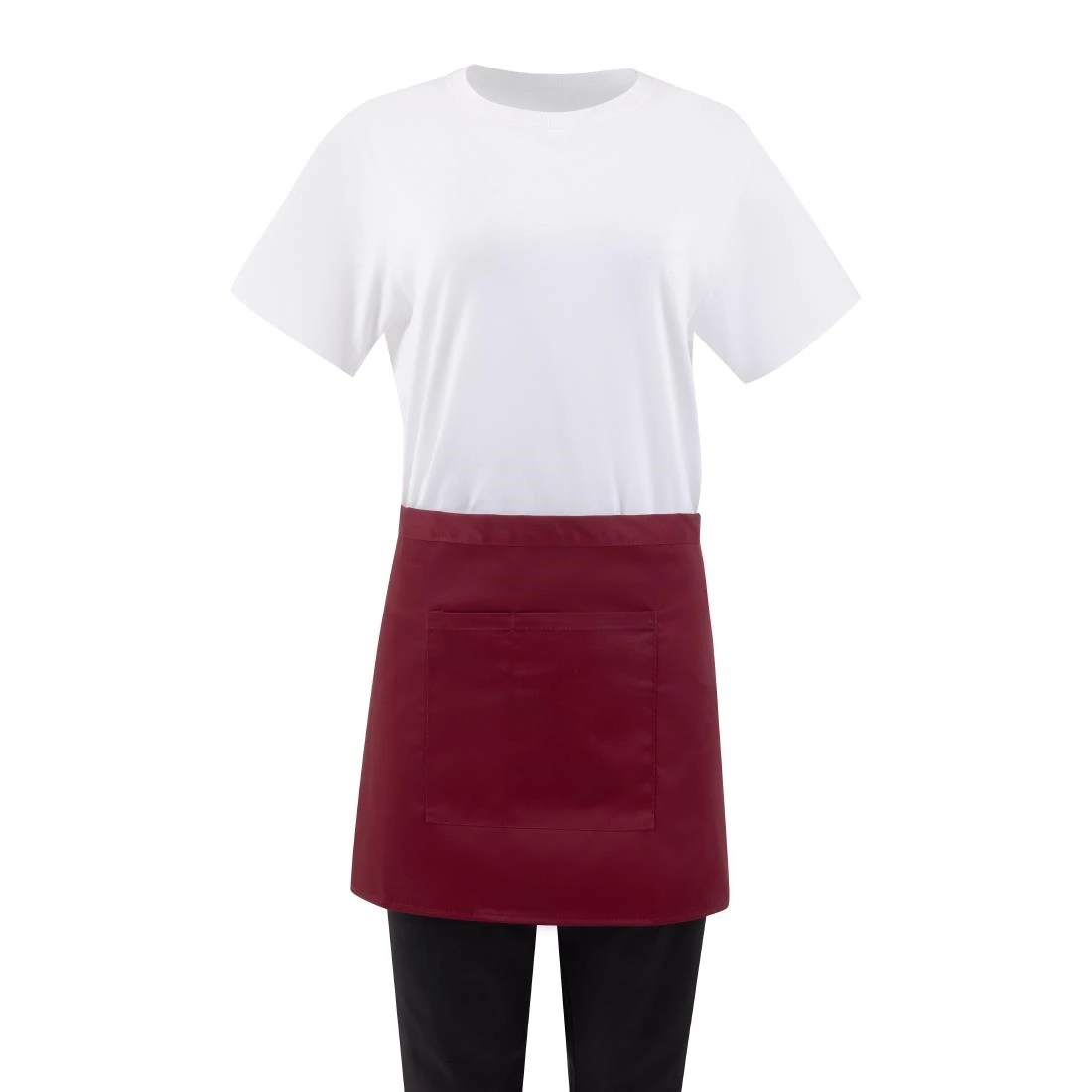
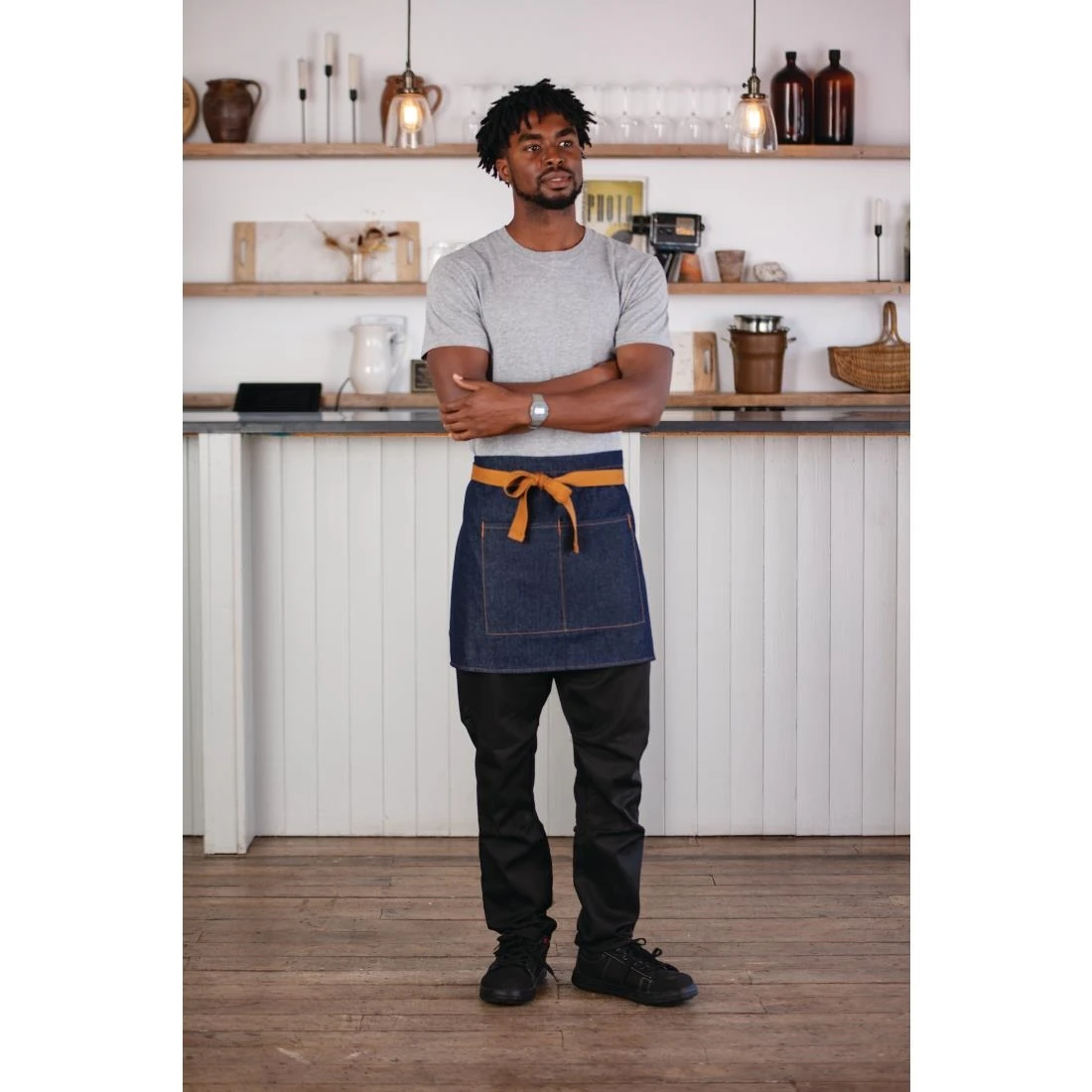
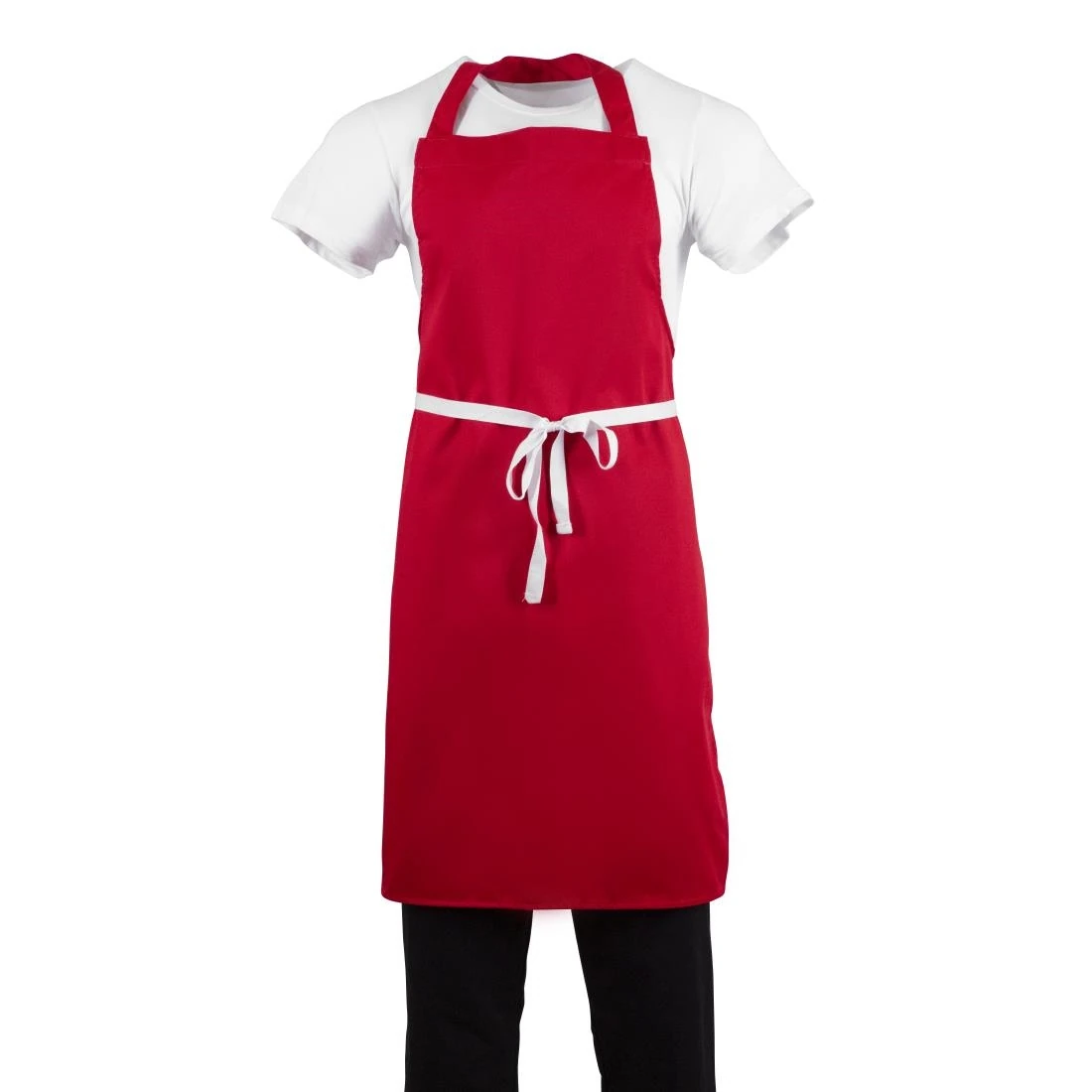
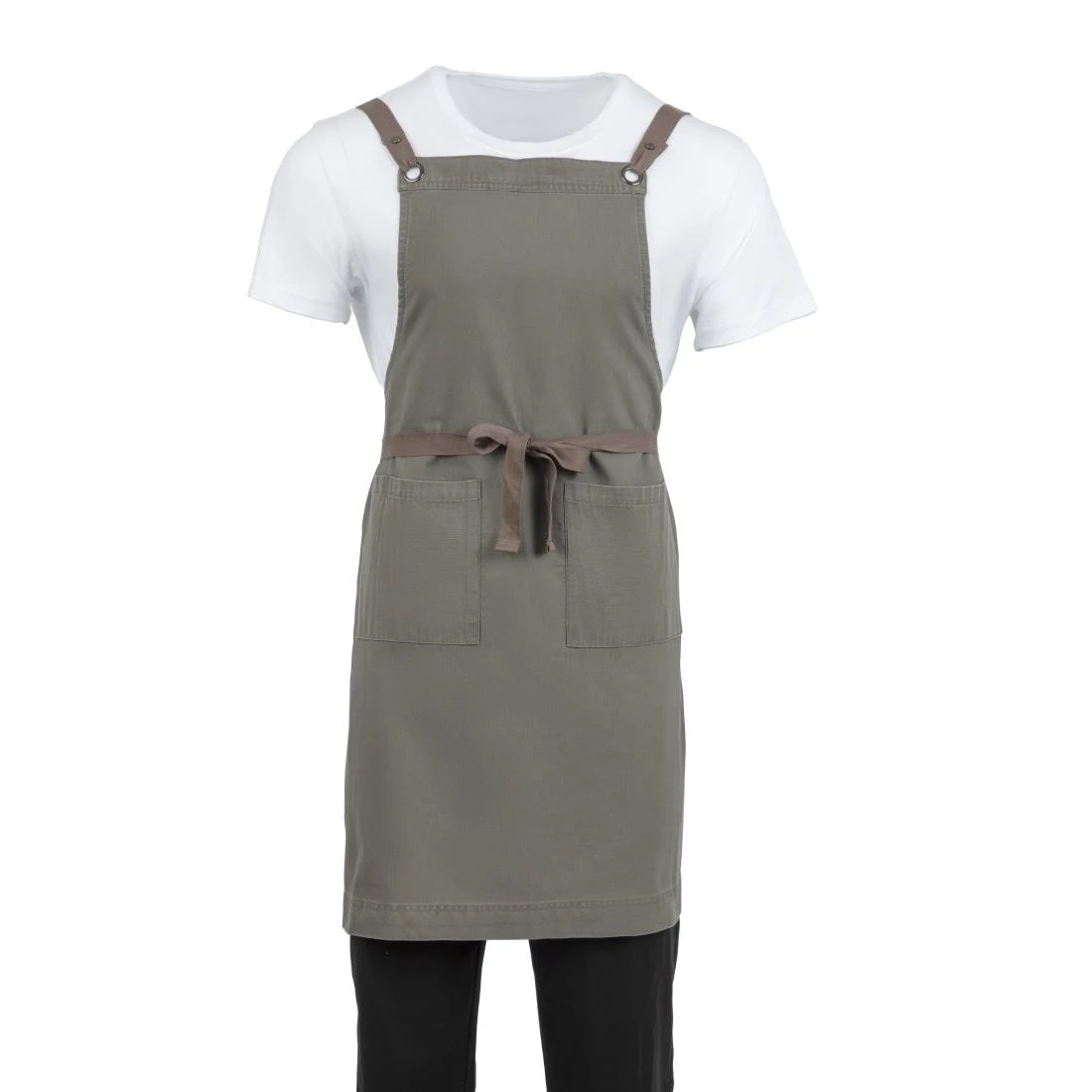
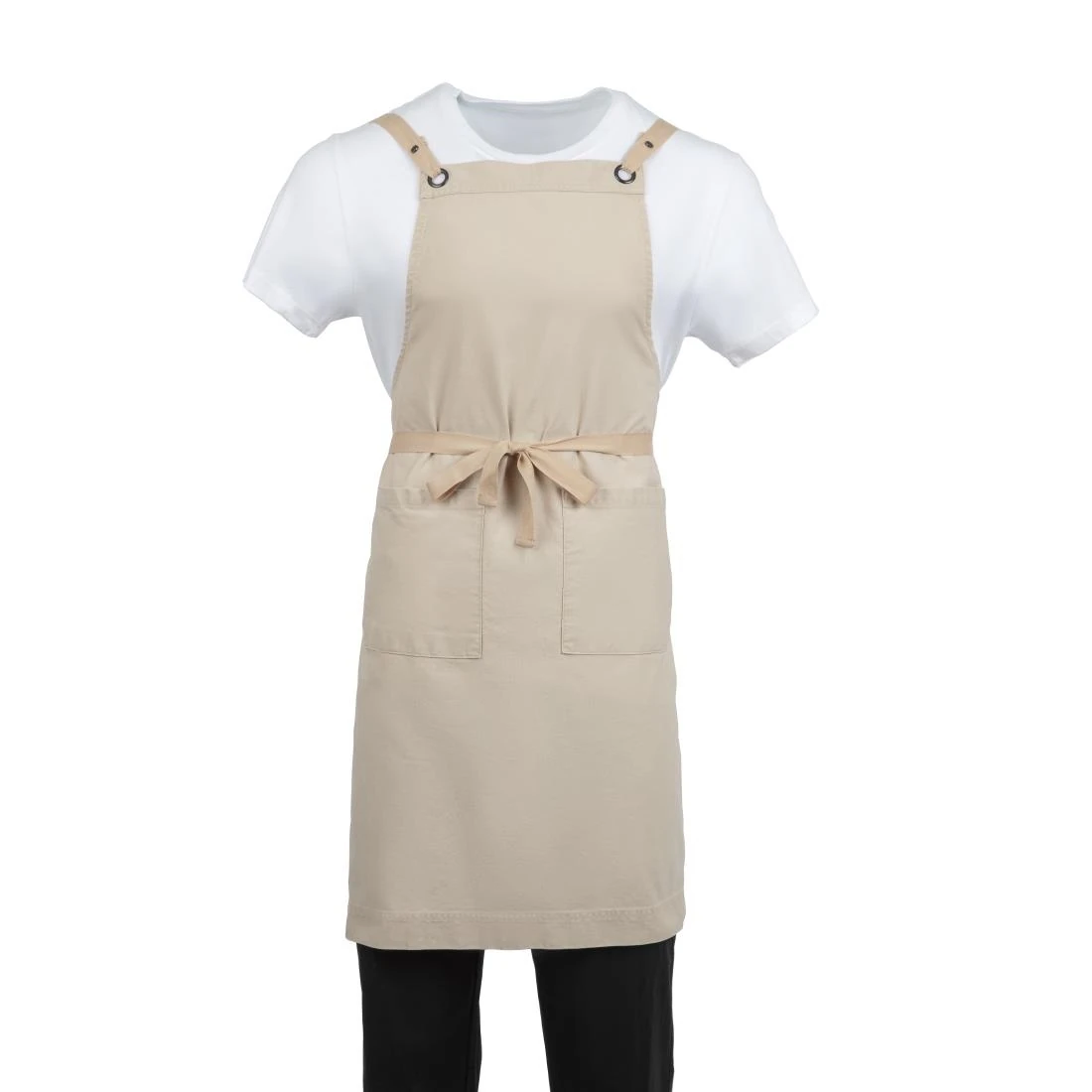
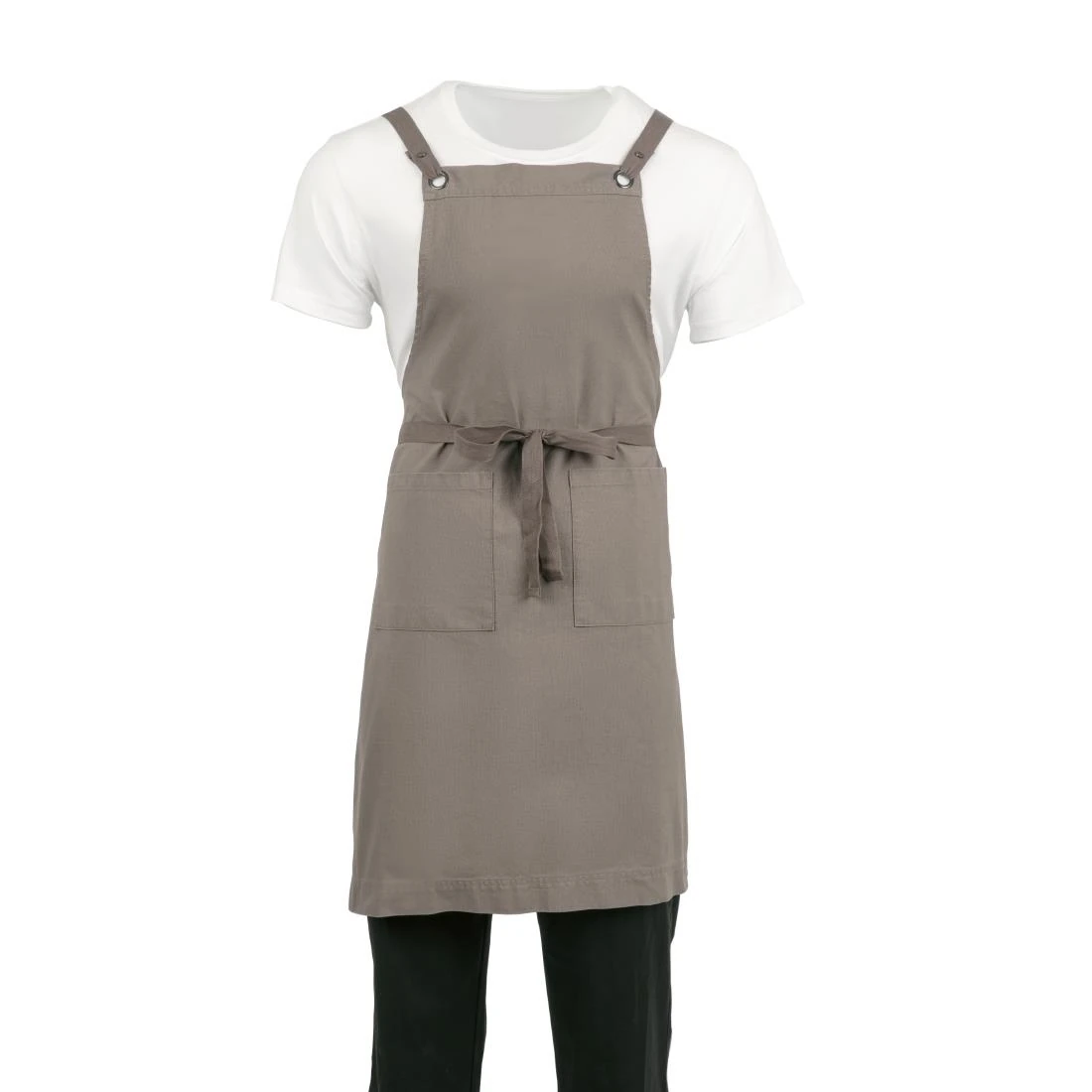
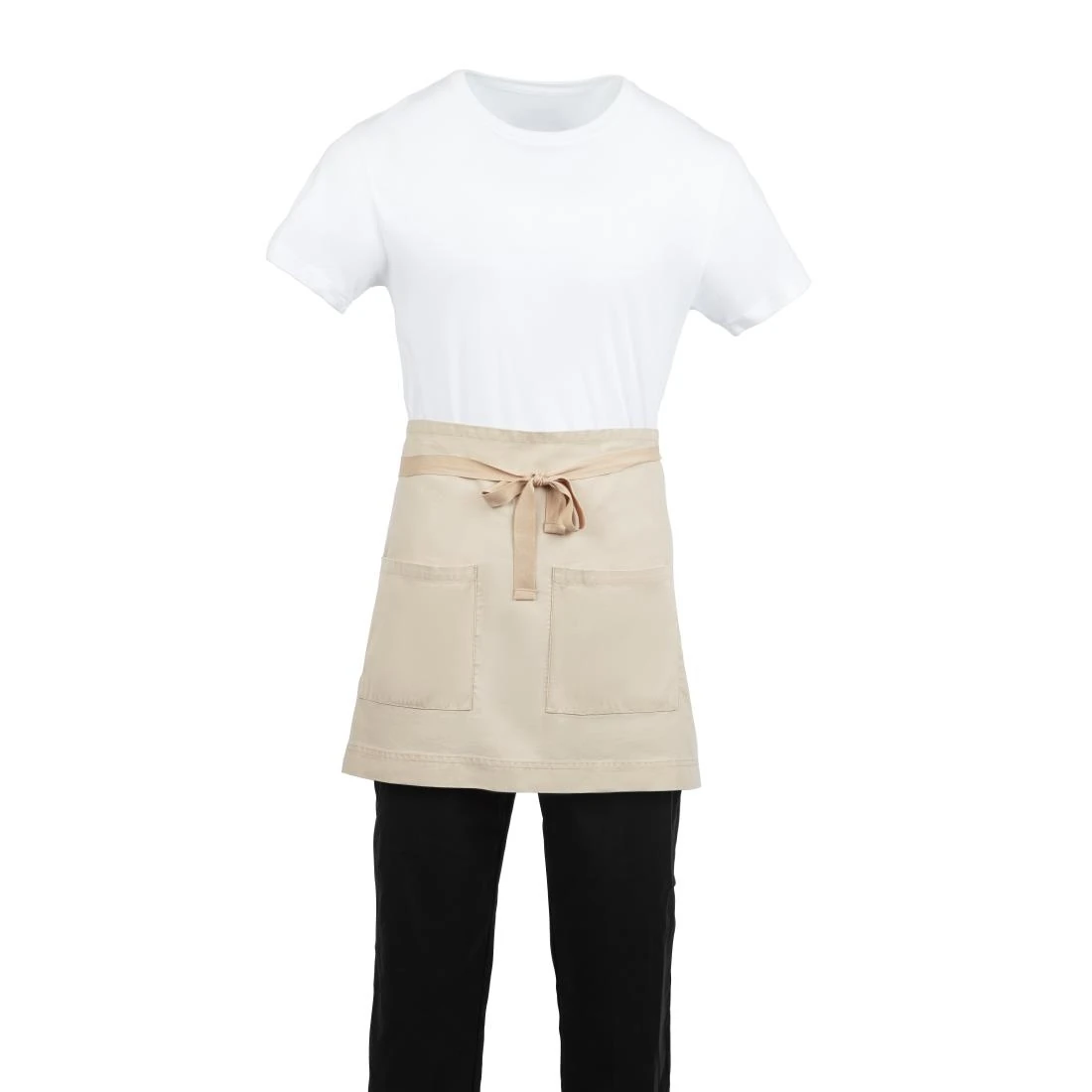
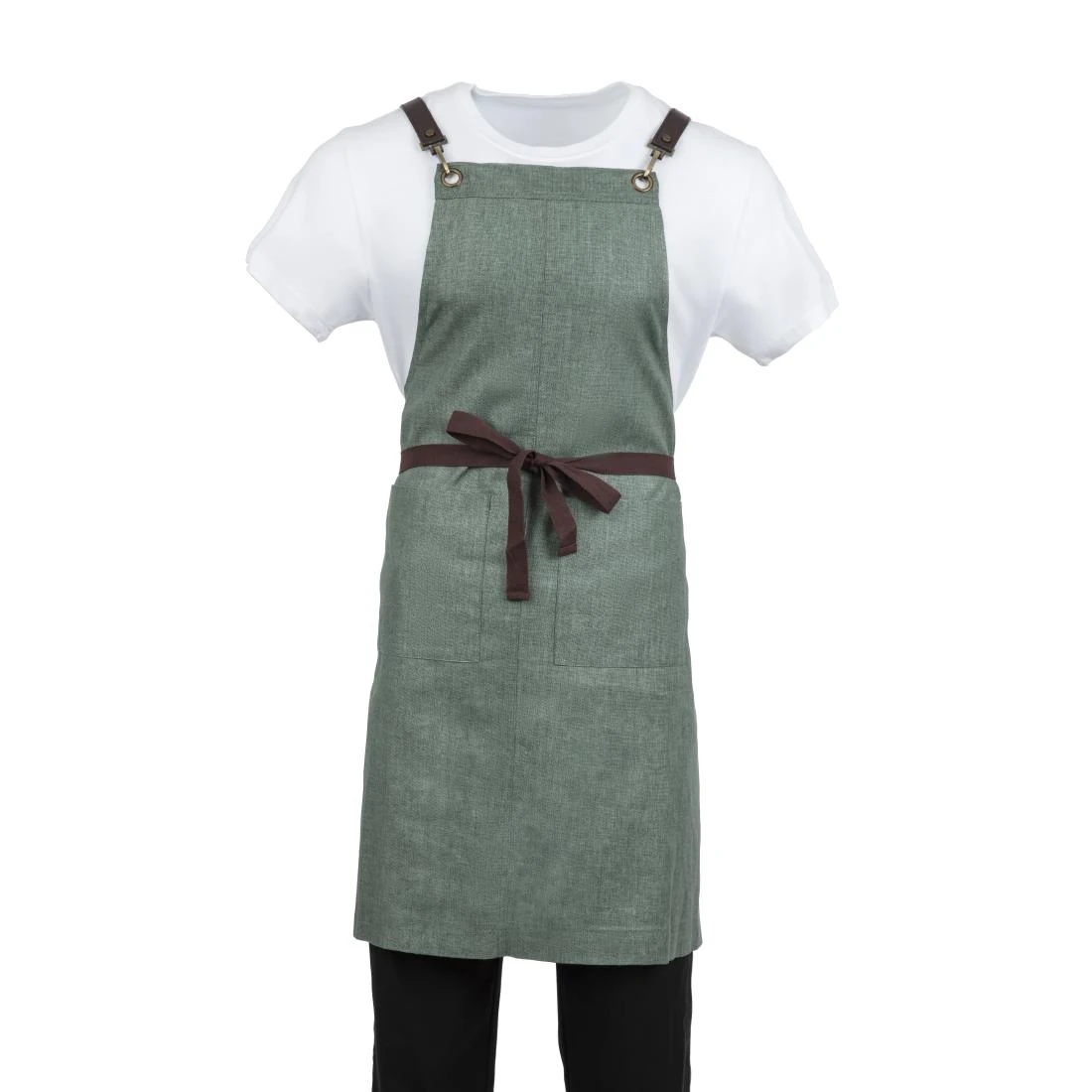
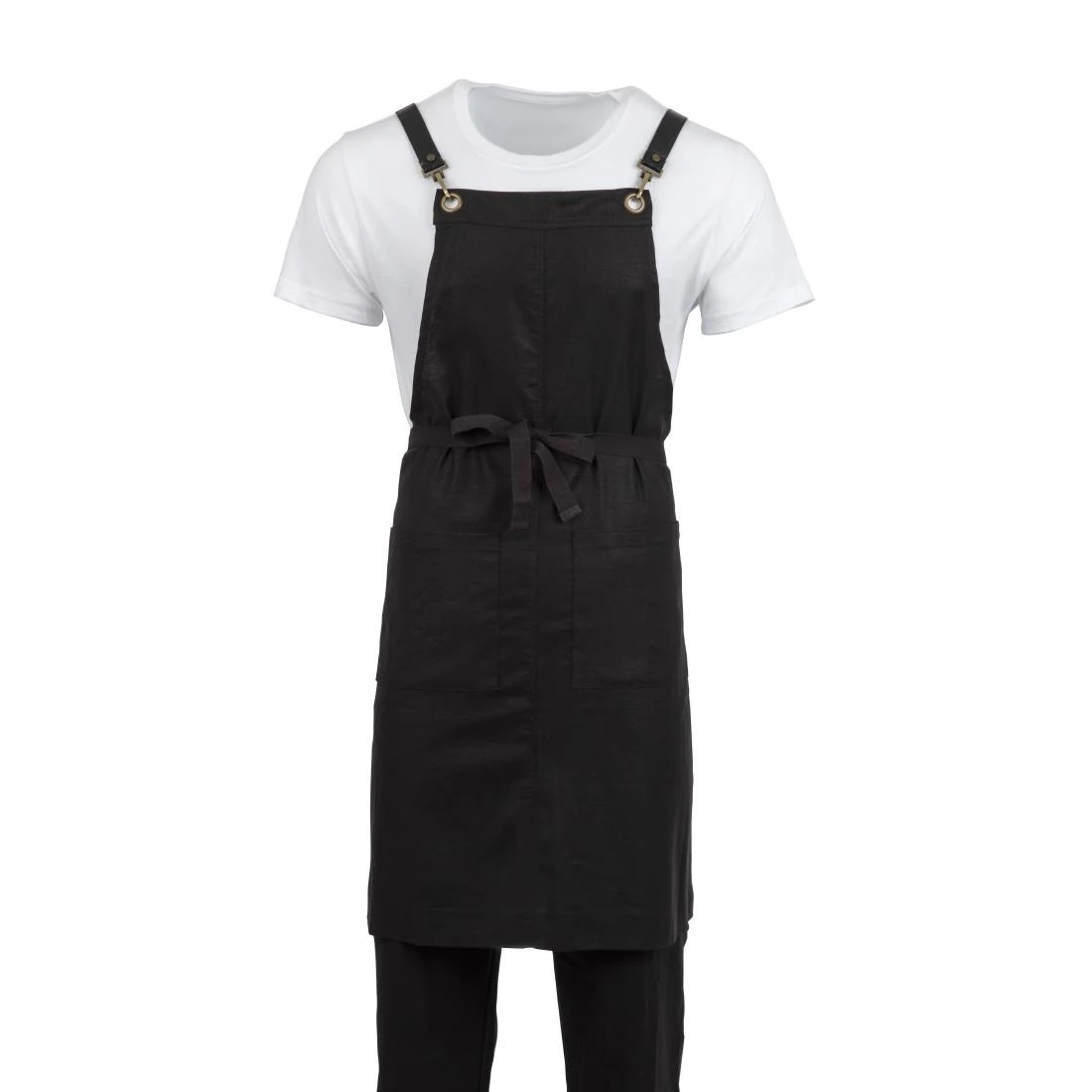
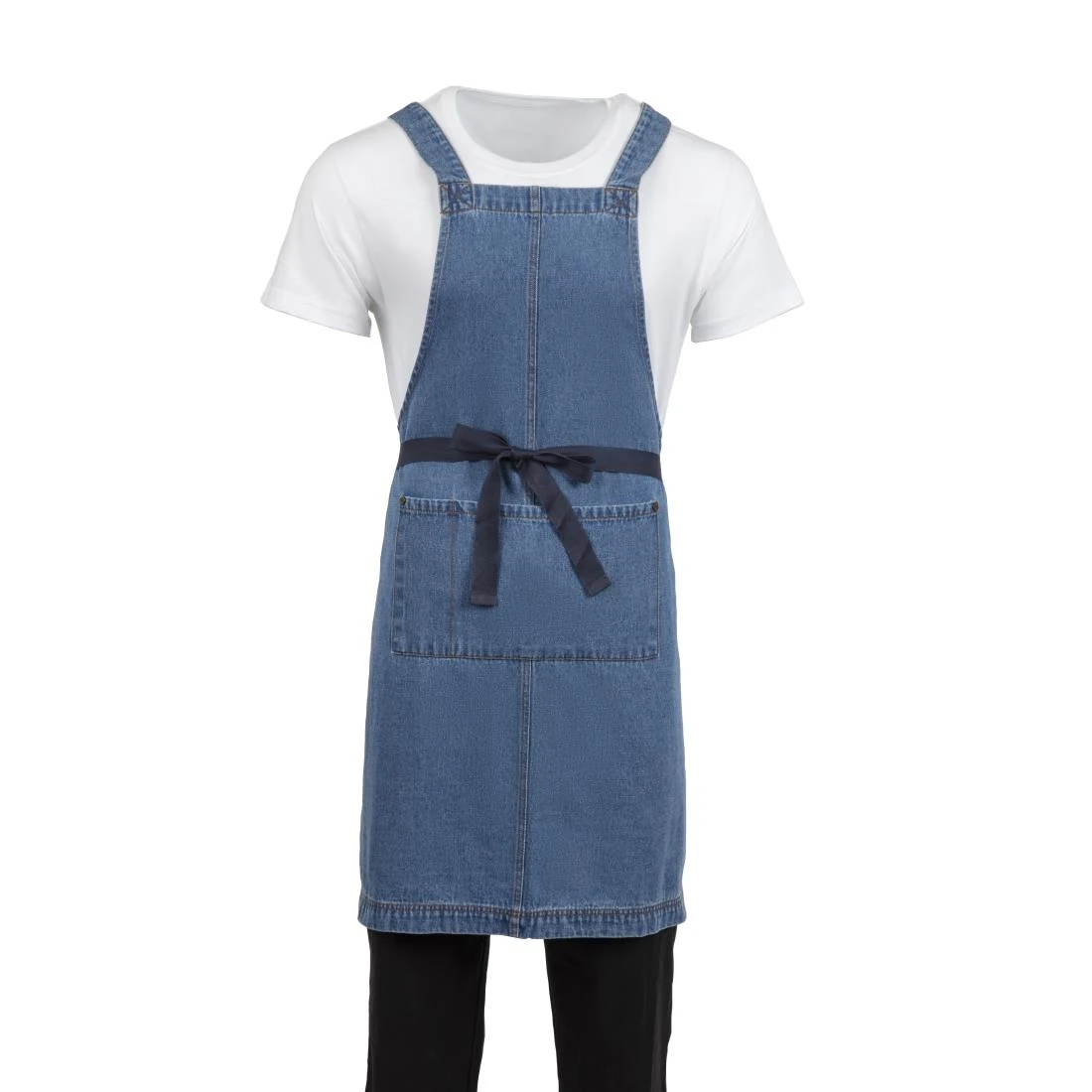
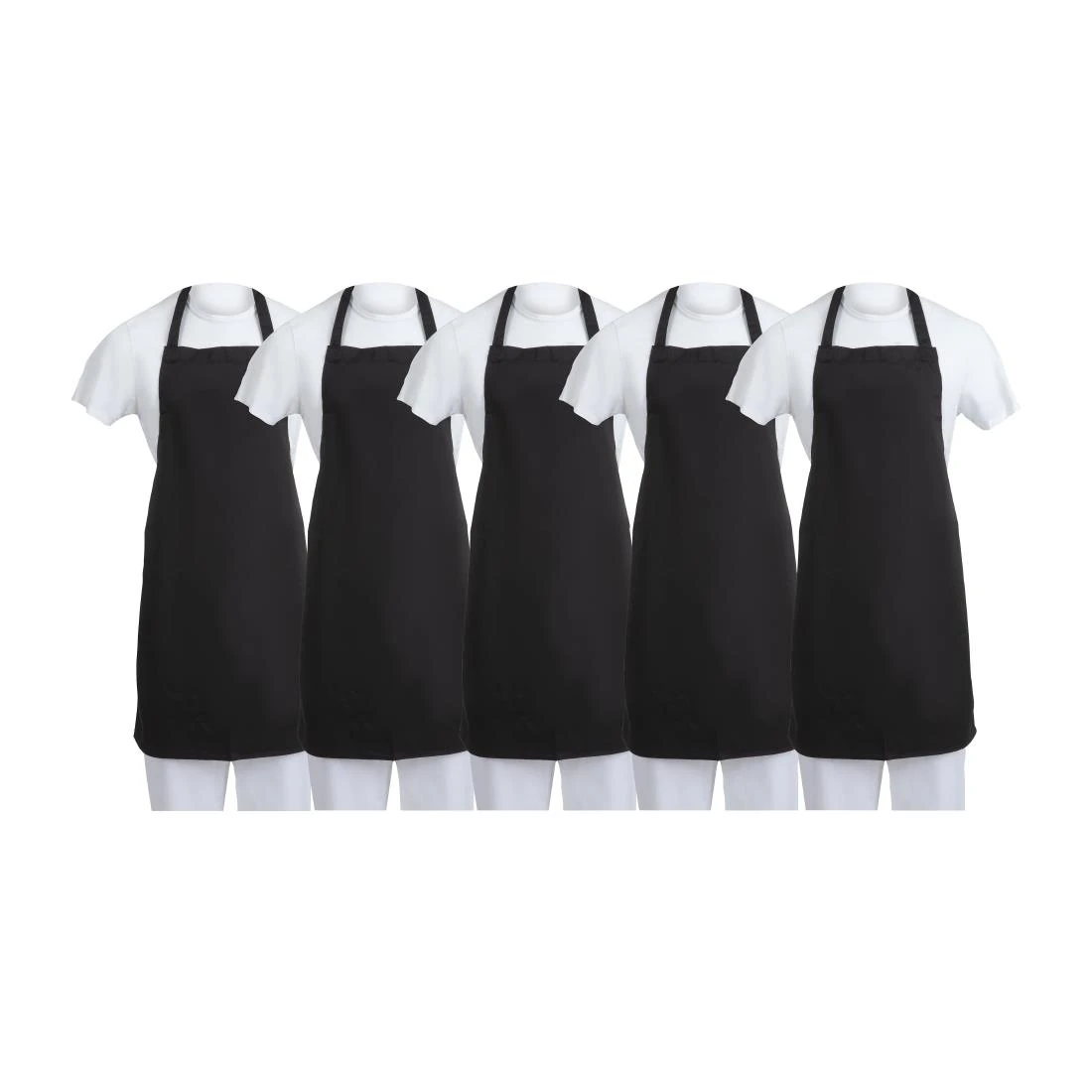
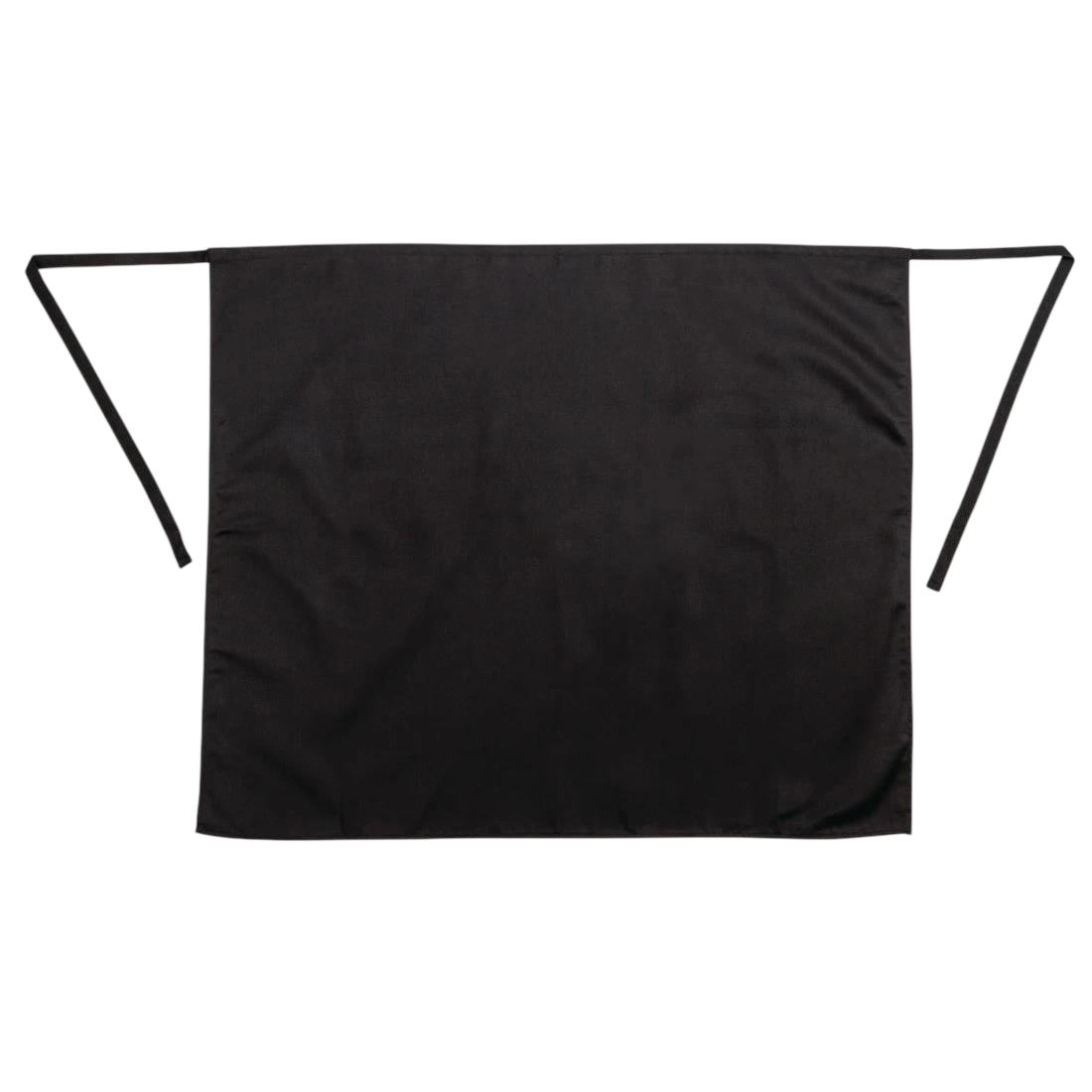
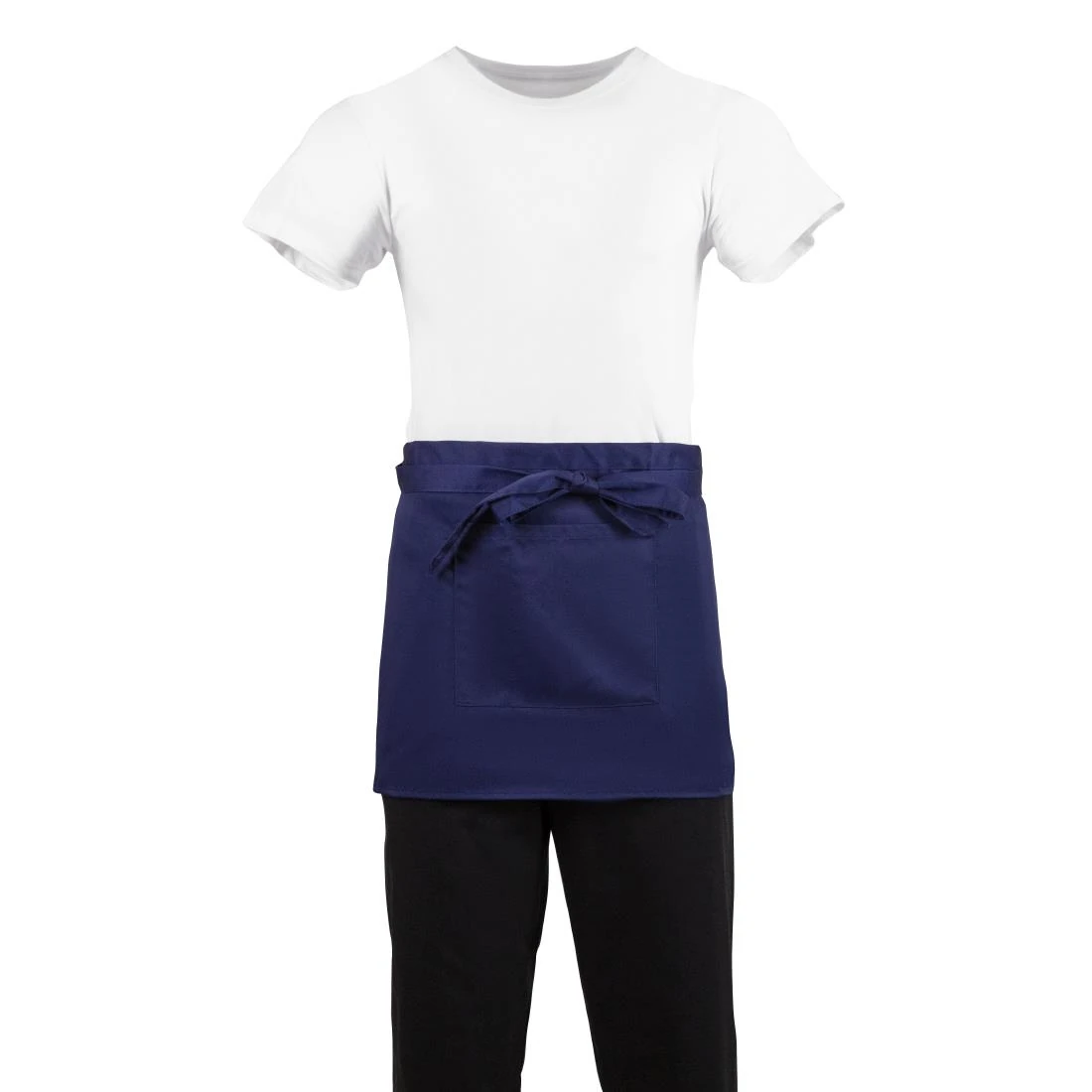
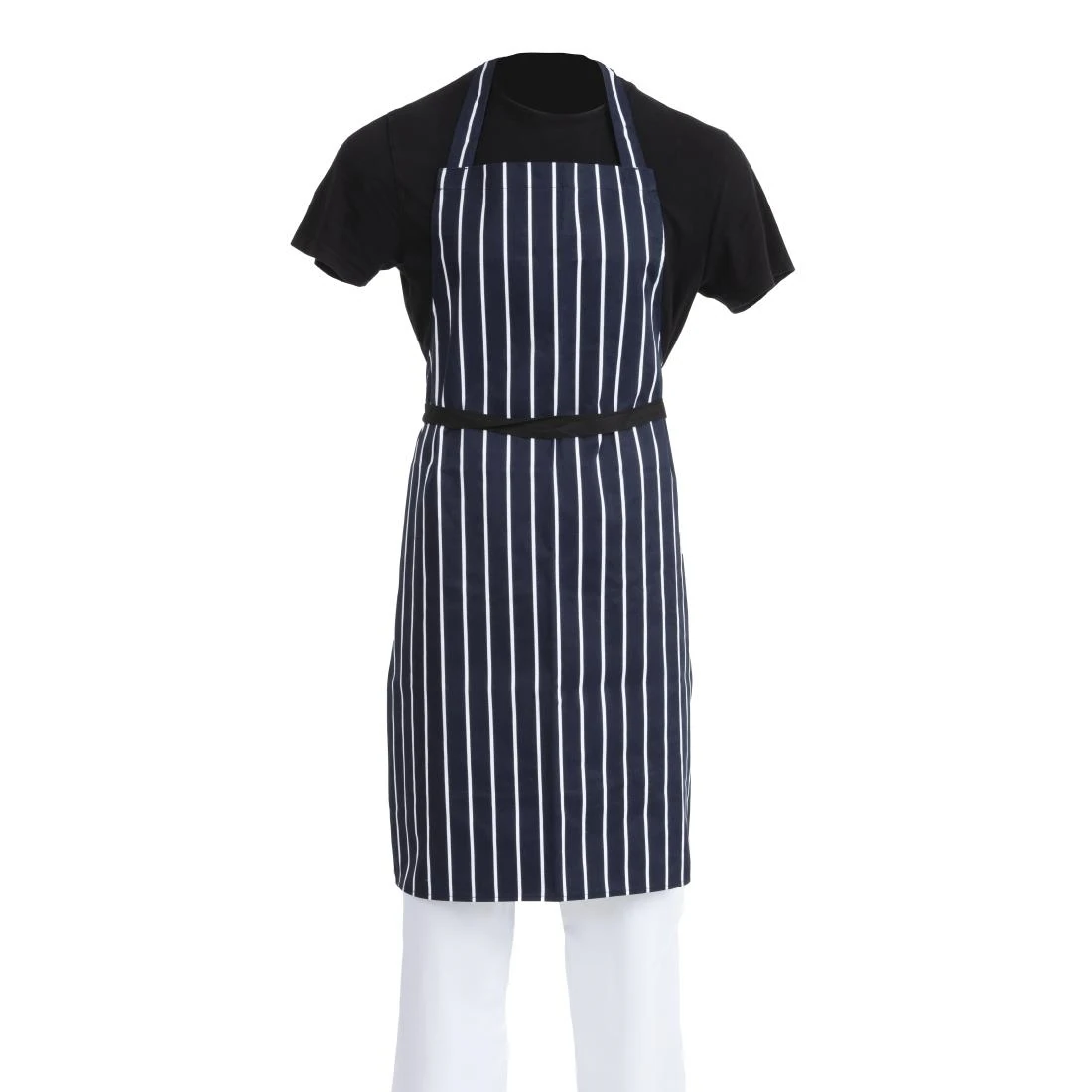
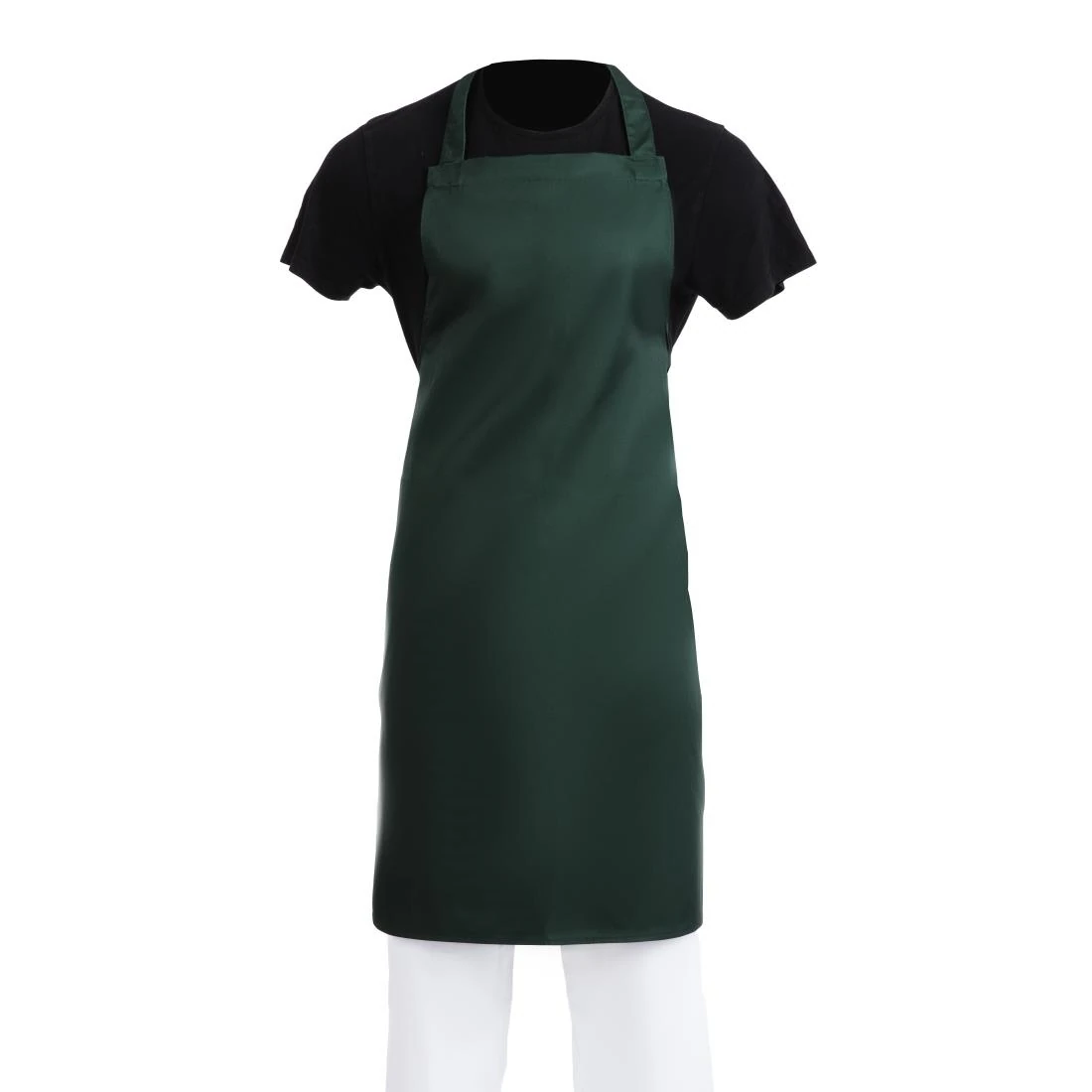
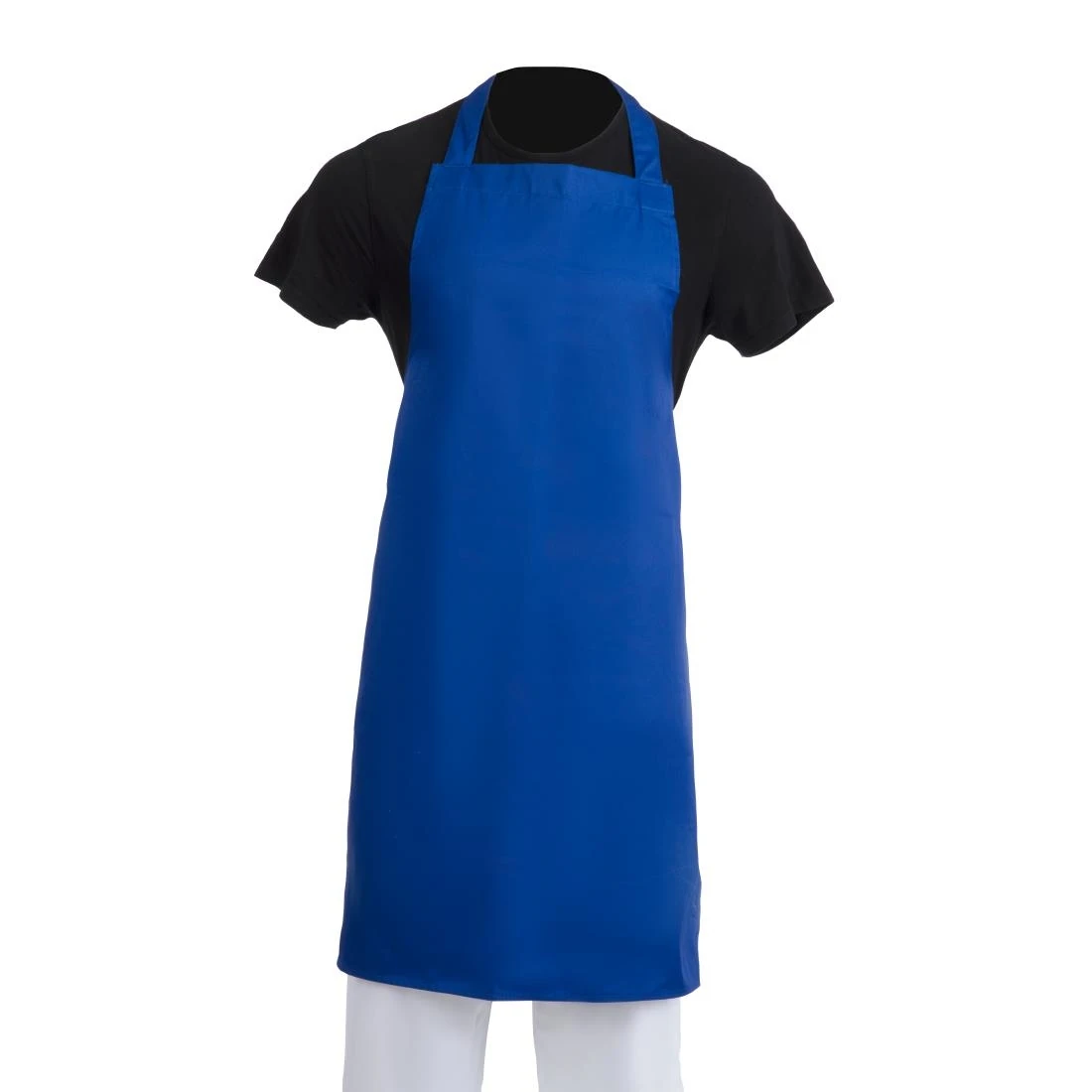
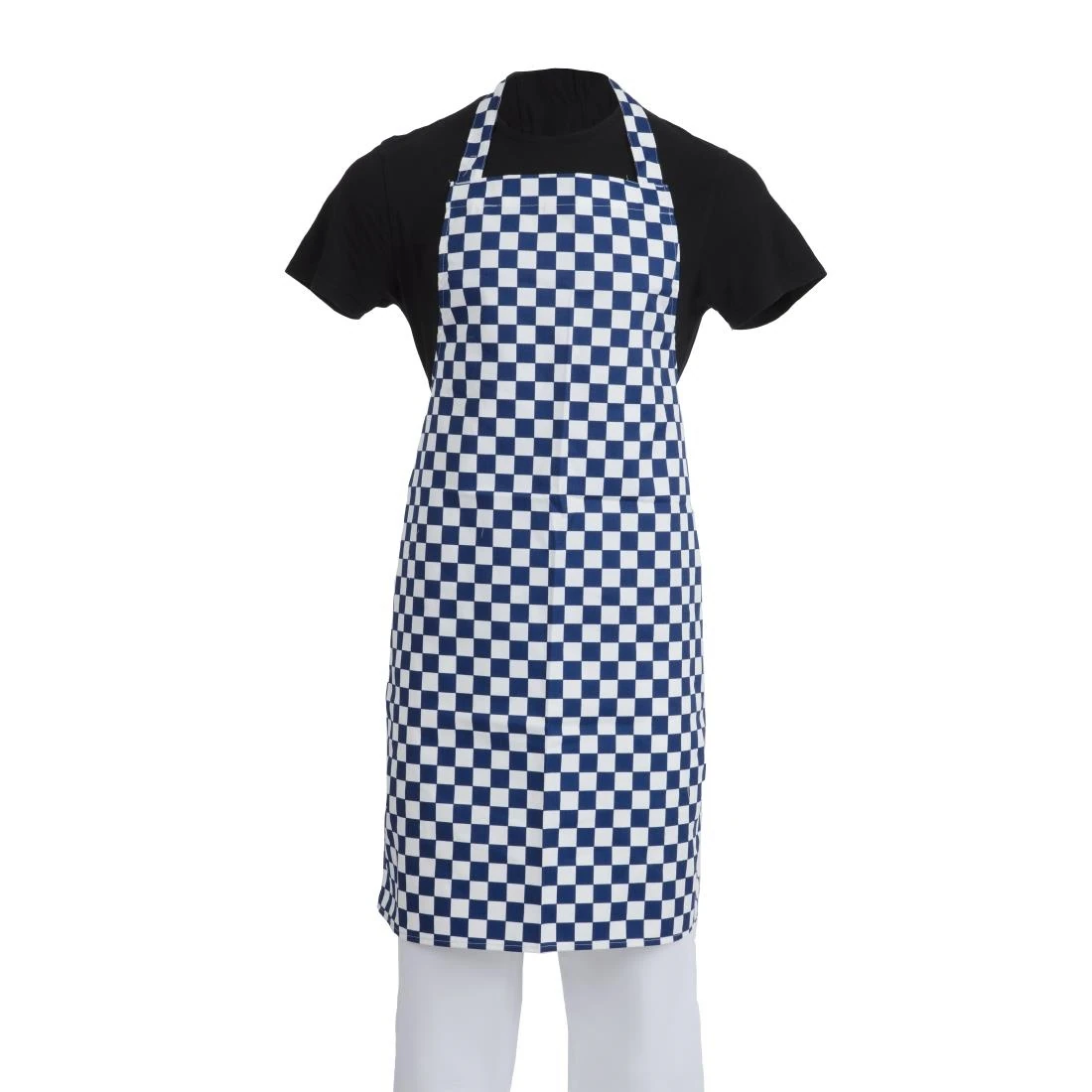
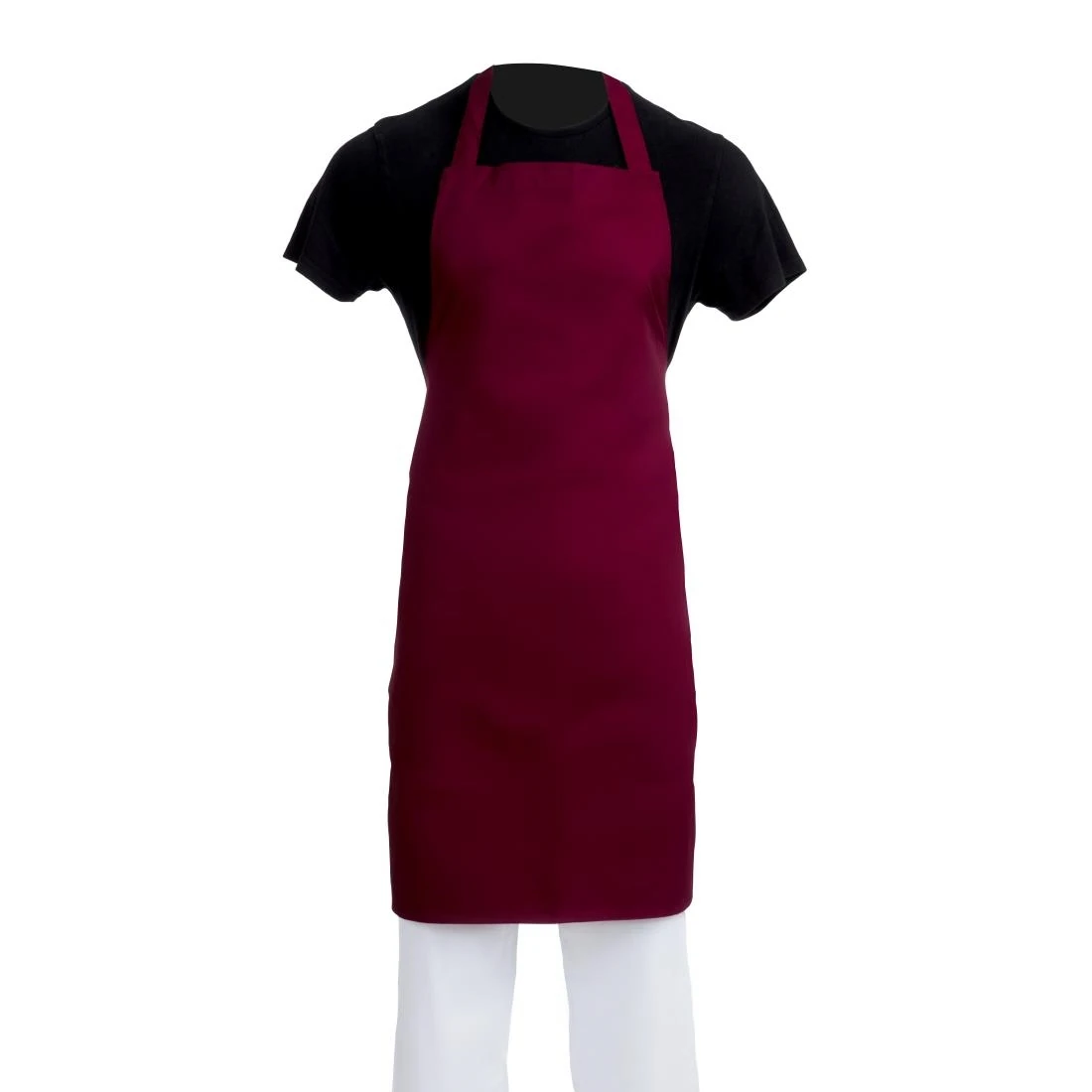
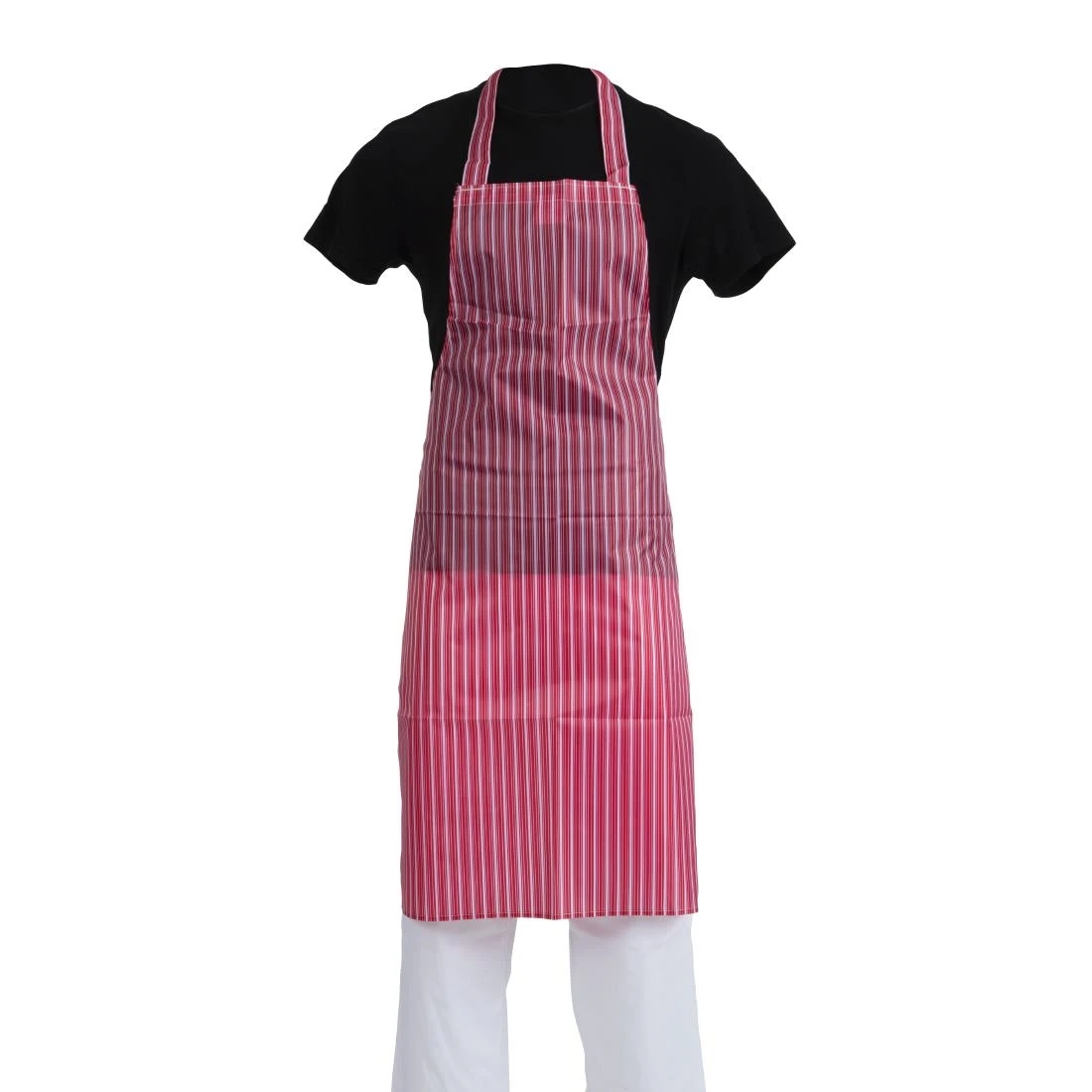
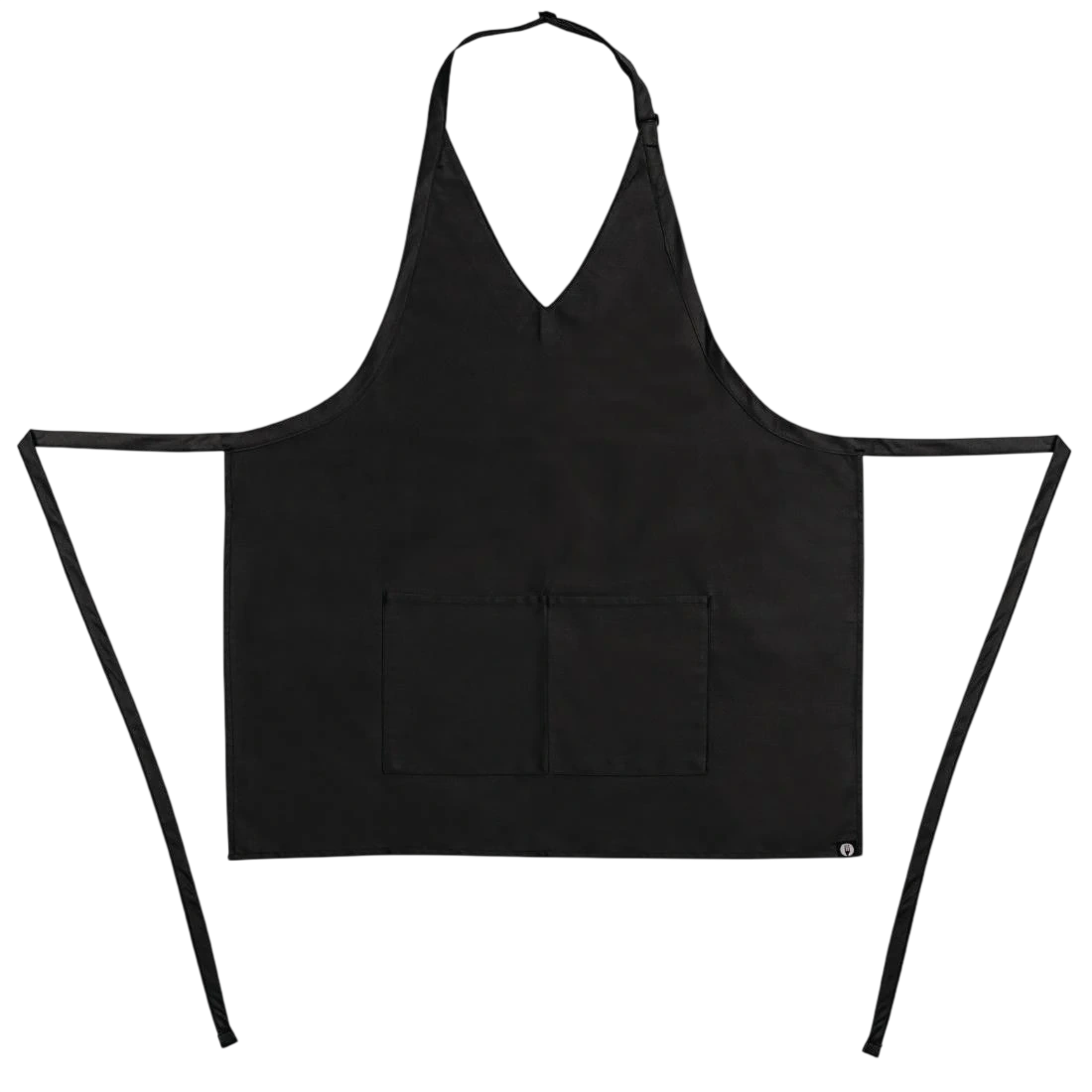
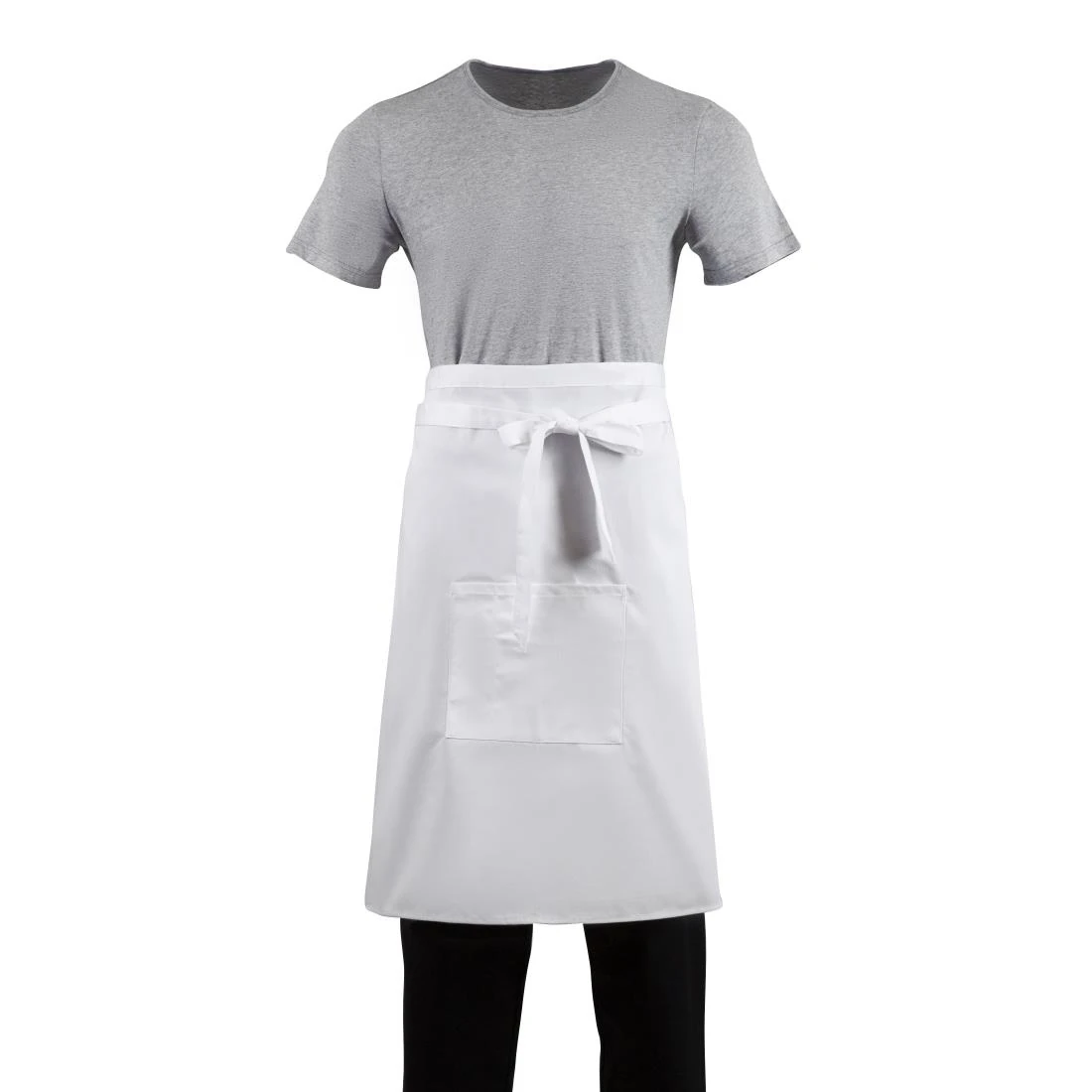
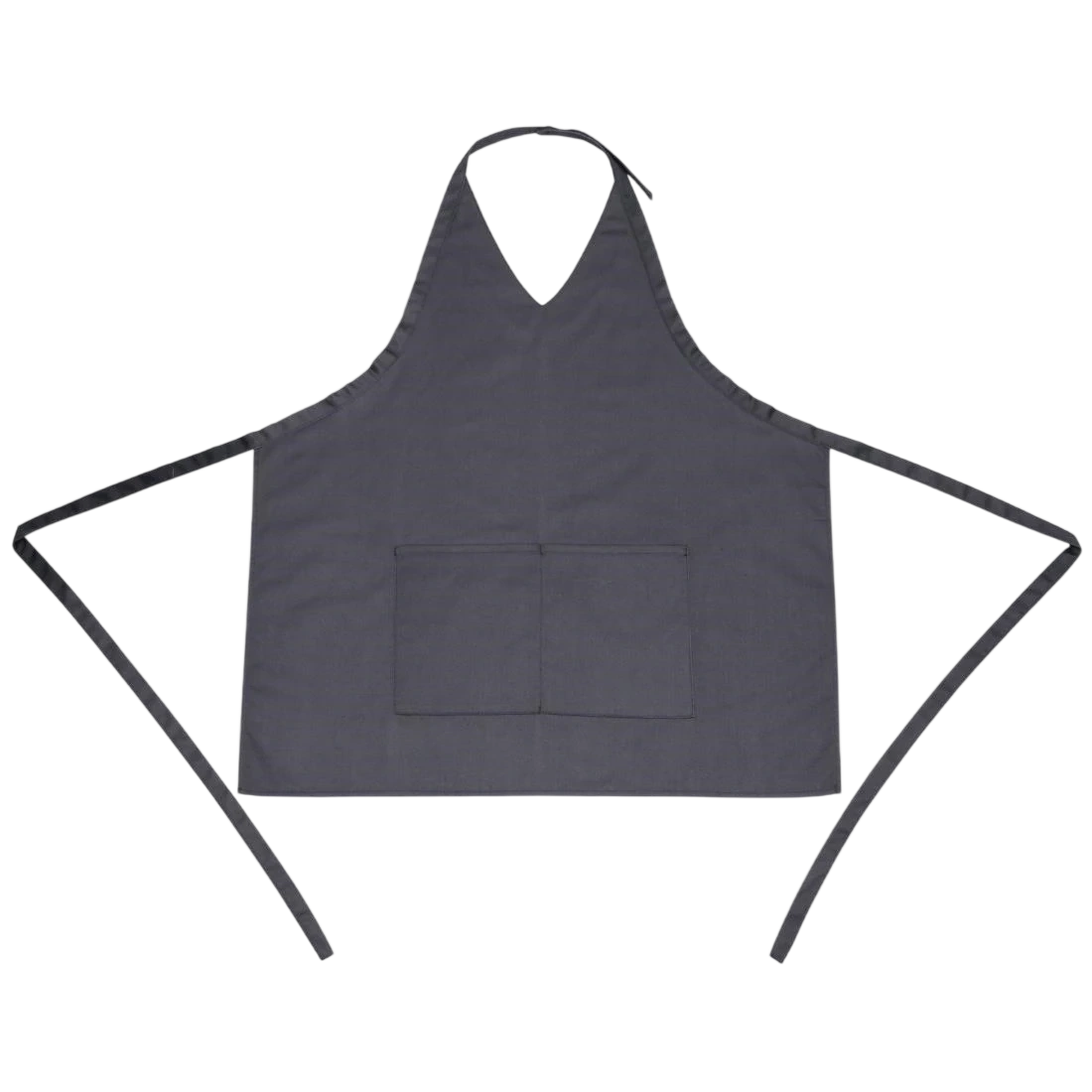
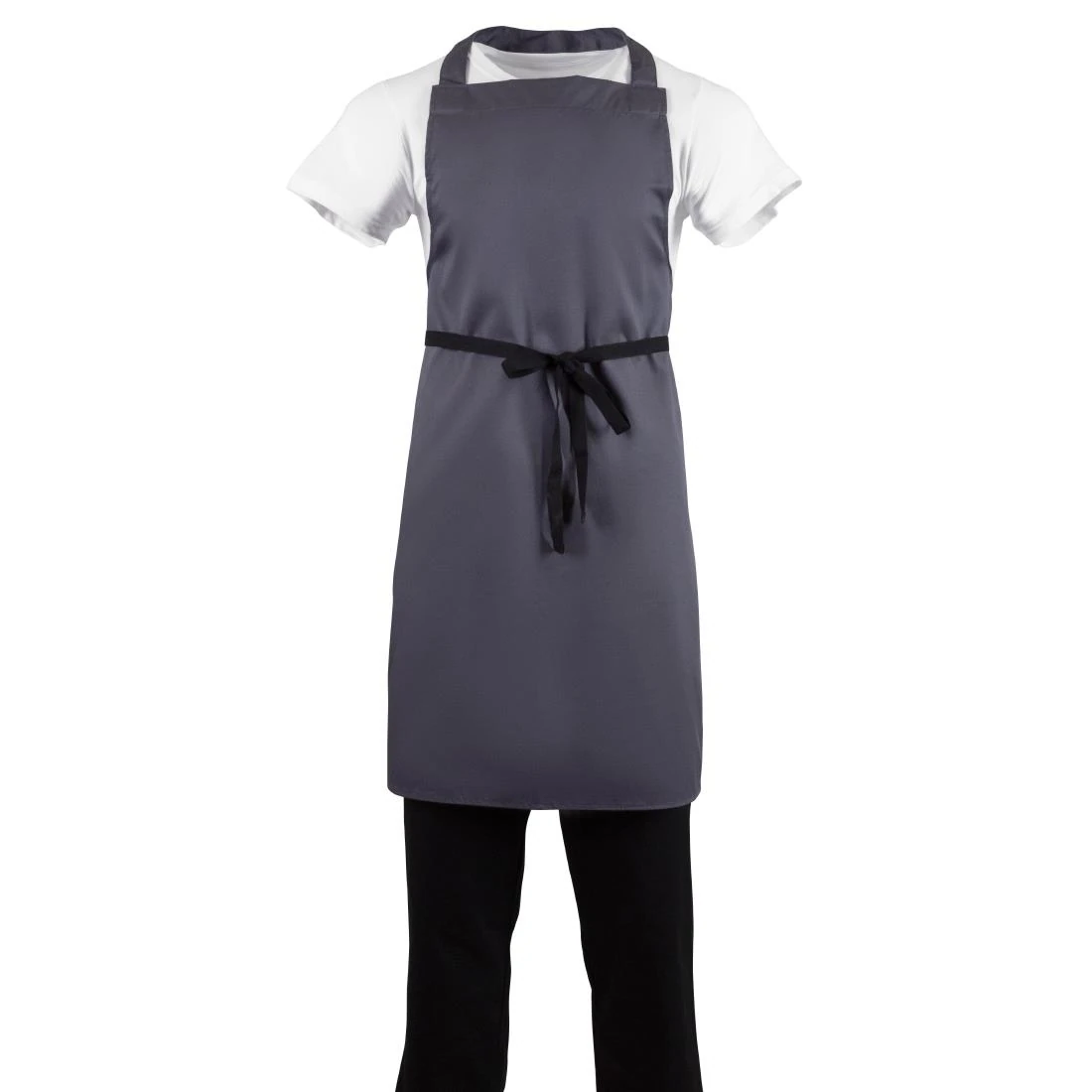
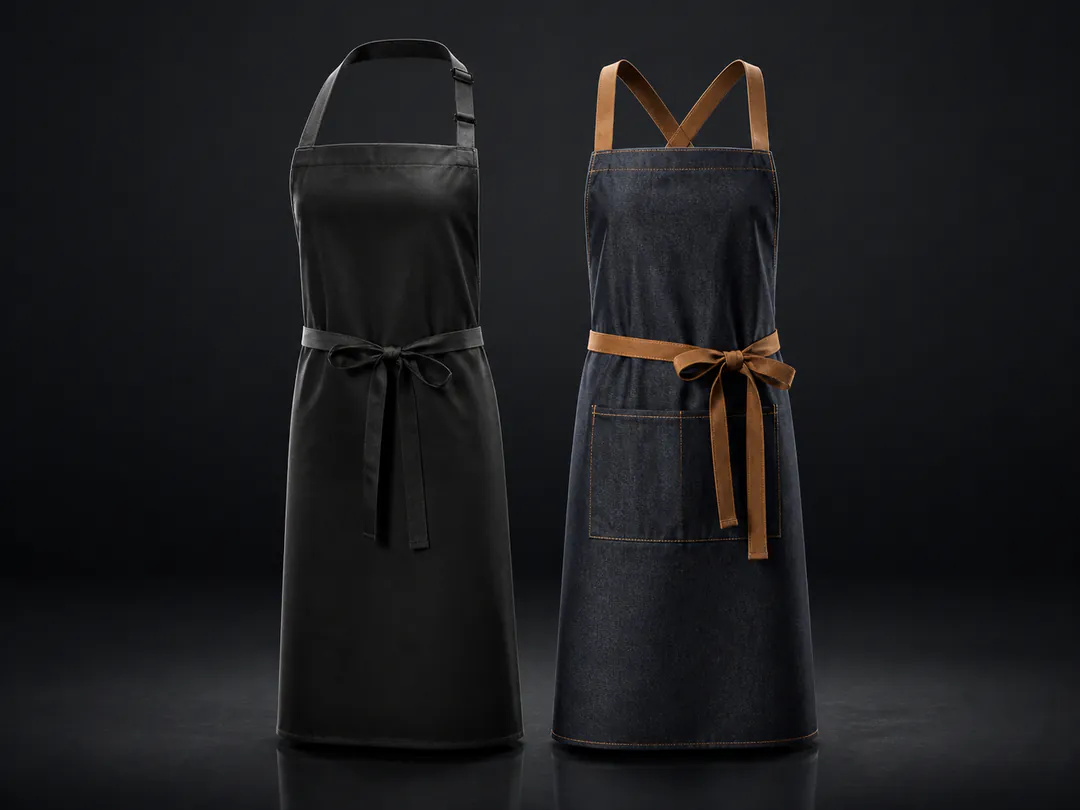
Aprons are chosen by the job they protect against and by how the venue wants staff to look. A kitchen apron faces heat, grease and knives; a front-of-house apron in a hotel or restaurant faces spills and is part of the uniform a guest sees. Those two requirements pull in different directions, and most venues end up specifying both rather than one that compromises.
Coverage follows the task. A bib apron protects the chest and lap and suits cooking; a waist apron leaves the upper body free and suits service. Length matters more than it appears: a longer apron protects the legs from spills but catches on equipment and doorways in a busy kitchen.
Fabric decides how commercial aprons survive laundering. Kitchen aprons are washed hot and often, so shrinkage, colour retention and how the fabric behaves after repeated washes matter more than how it feels new. Front-of-house apron uniforms are judged on how they look after fifty washes, not five.
Fastening is the detail staff notice. Ties that can be knotted quickly and adjusted through a shift, and neck straps that adjust without re-tying, get worn correctly; awkward fastenings get loosened and stop protecting.
Key factors to consider before purchasing. Our team can help you find the right fit — call or get a quote anytime.
Match equipment capacity to your daily output. Consider available floor space and door clearances.
Confirm levelling, wall clearance and the access needed for cleaning and service. We can help with kitchen planning.
Submit your kitchen requirements — our equipment specialists will send you a tailored shortlist of chef aprons that fits your budget, venue type and compliance needs.
Standards & Compliance
Before comparing hospitality aprons, confirm whether they are for kitchen or front-of-house use, how they are laundered and how often, and whether they must match an existing uniform. Check colour availability against what the venue already runs.
Look at how the ties are attached, since that is the seam that fails first, and whether pockets are positioned where they are usable rather than decorative. Confirm replacement availability in the same colour, because a partly replaced set reads as mismatched even when the style is identical.
FAQ
Most designs include adjustable straps for comfortable fitting.
Yes—commercial fabrics are made for frequent laundering.
They protect from liquids, but hot oil or flames require heat-rated fabrics.
Cross-back or denim aprons with multiple pockets offer the best workflow.
They help prevent cross-contamination and improve hygiene compliance.
Duty. A kitchen apron protects against heat, grease and knives and is usually a bib style. A front-of-house apron is part of the uniform a guest sees, faces spills rather than heat, and is often a waist style.
Bib for cooking, because it protects chest and lap. Waist for service, because it leaves the upper body free and reads as uniform rather than protective. Many venues run both.
By the laundry routine. Hospitality aprons are washed hot and often, so shrinkage, colour retention and how the fabric wears after repeated washes matter more than the feel of a new garment.
Check before standardising a set. A partly replaced set in a slightly different shade reads as mismatched even when the style is identical, which is more visible front of house than in a kitchen.
Why KW
KW can help match apron style, coverage and fabric to kitchen or front-of-house duty and to the laundry routine a venue actually runs. For practical advice on hospitality and hotel aprons, call KW on 1300 001 366.
Deep Dive
Technical depth from KW's commercial kitchen specialists.
A kitchen apron protects against heat, grease and knives. A front-of-house apron is part of the uniform a guest sees and faces spills rather than heat. Venues usually specify both rather than one garment that does neither job well.
A bib apron protects chest and lap for cooking; a waist apron leaves the upper body free for service. Longer aprons protect the legs but catch on equipment and doorways, so length is a working decision rather than a style one.
Kitchen aprons are washed hot and often, so shrinkage, colour retention and fabric behaviour after repeated washes decide the working life. Judge uniform aprons on how they look after fifty washes rather than on how they feel new.
Ties that knot quickly and adjust through a shift get worn correctly; awkward fastenings get loosened and stop protecting. Check where ties attach, since that seam fails first, and confirm the same colour will be available when part of a set is replaced.