
Slipbuster Footwear
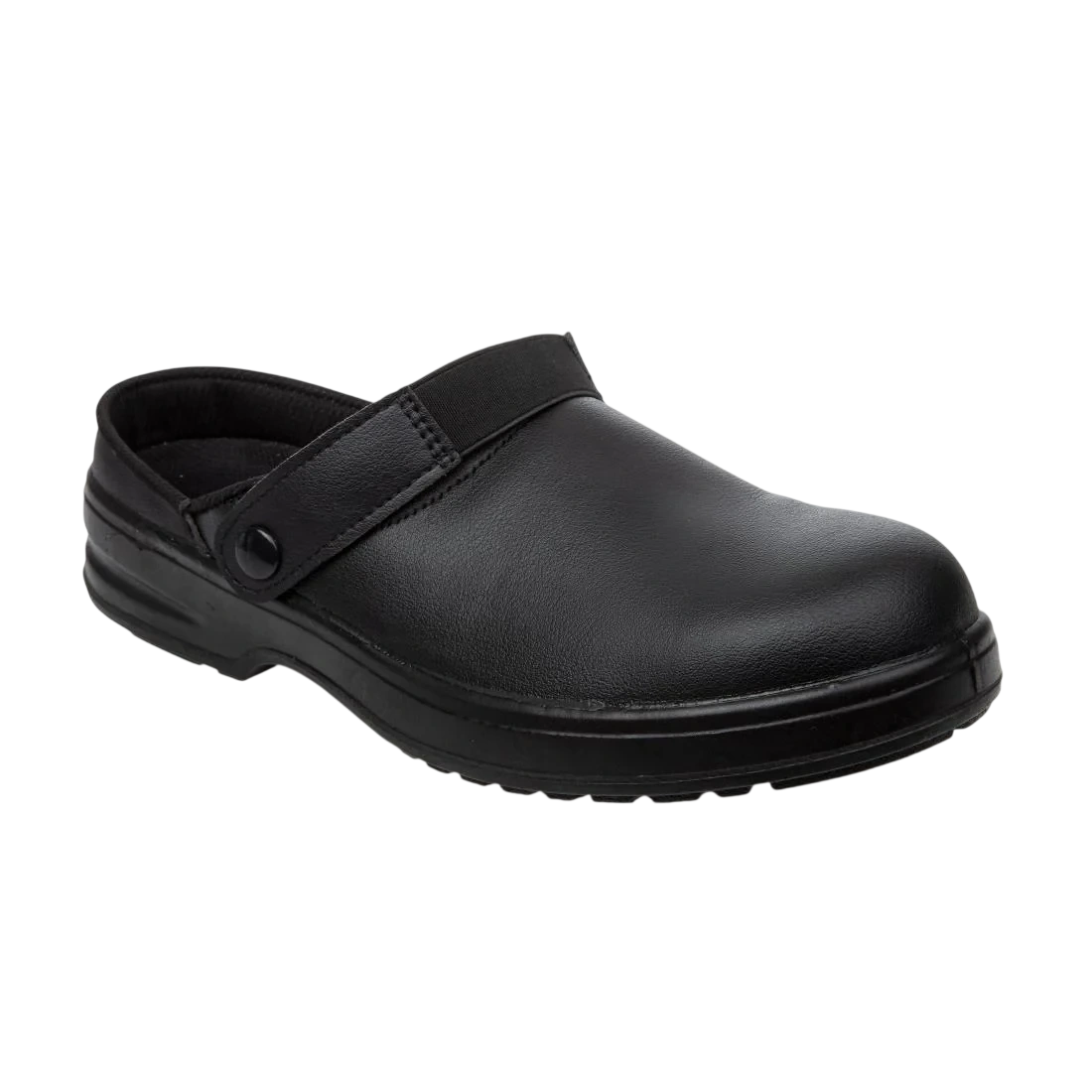
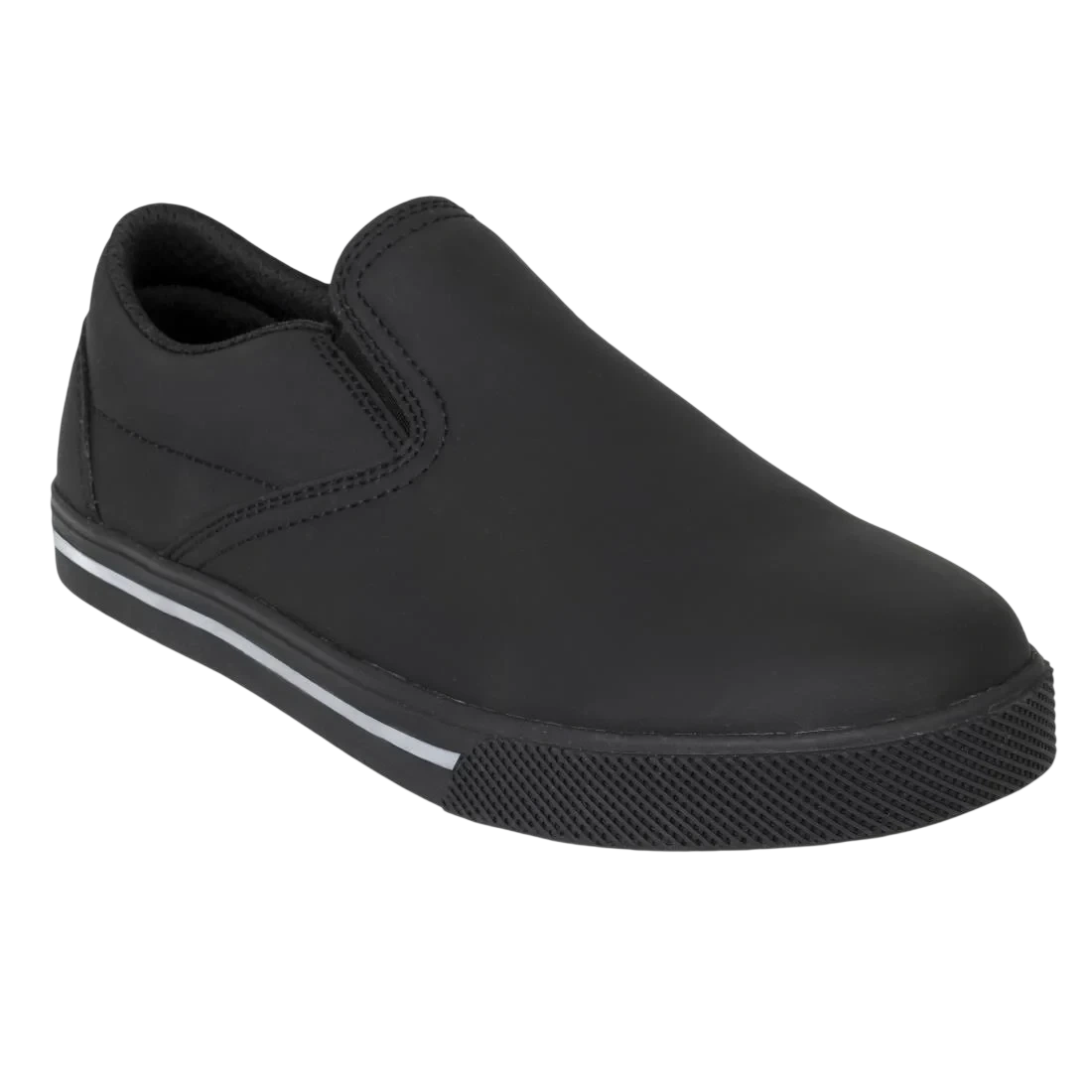
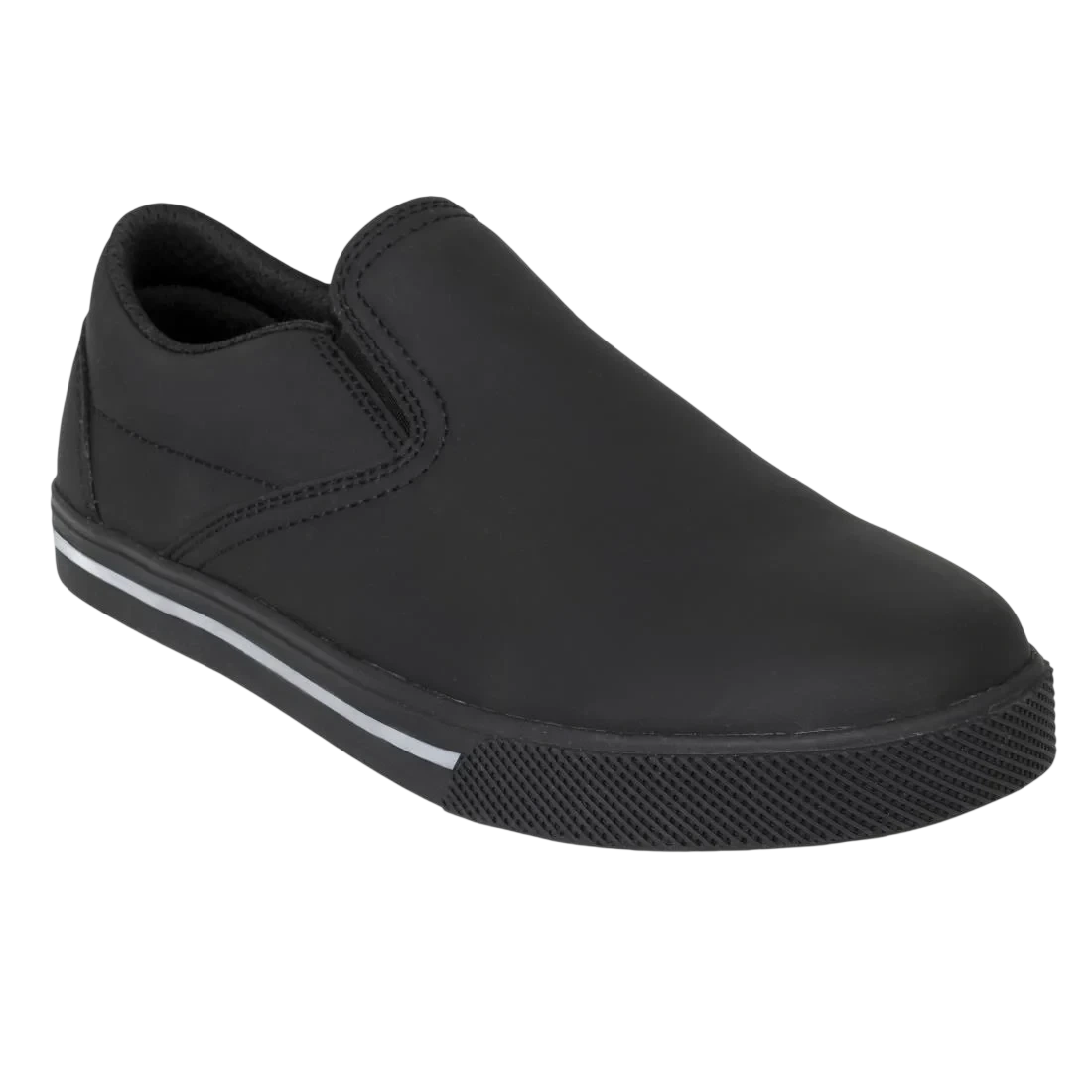
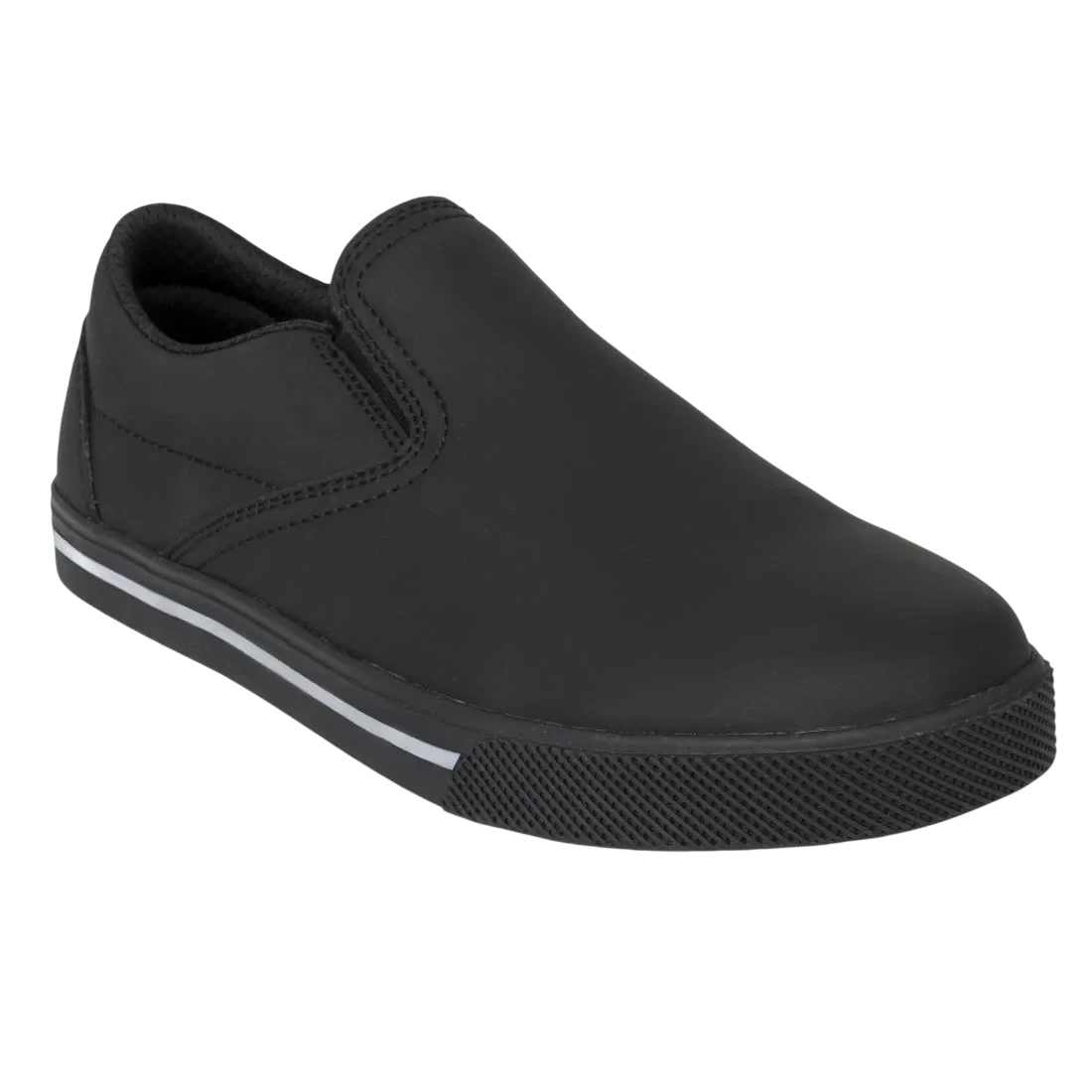
Slipbuster Footwear A813-45 Slipbuster Cryzon Safety Clog PU Black - UK 10.5 EU 45
$62.61$65.90
In Stock
Chef Uniforms
202 results
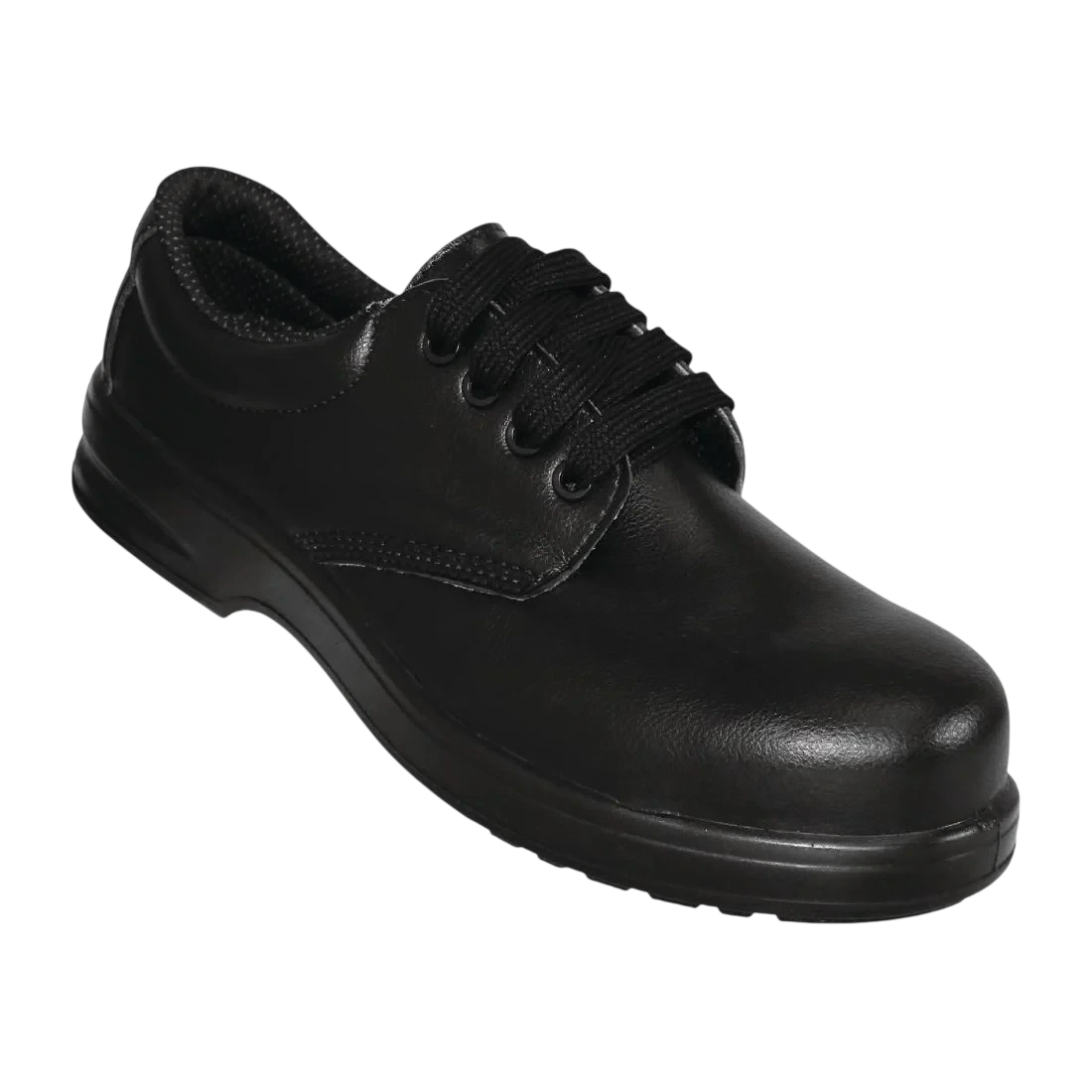
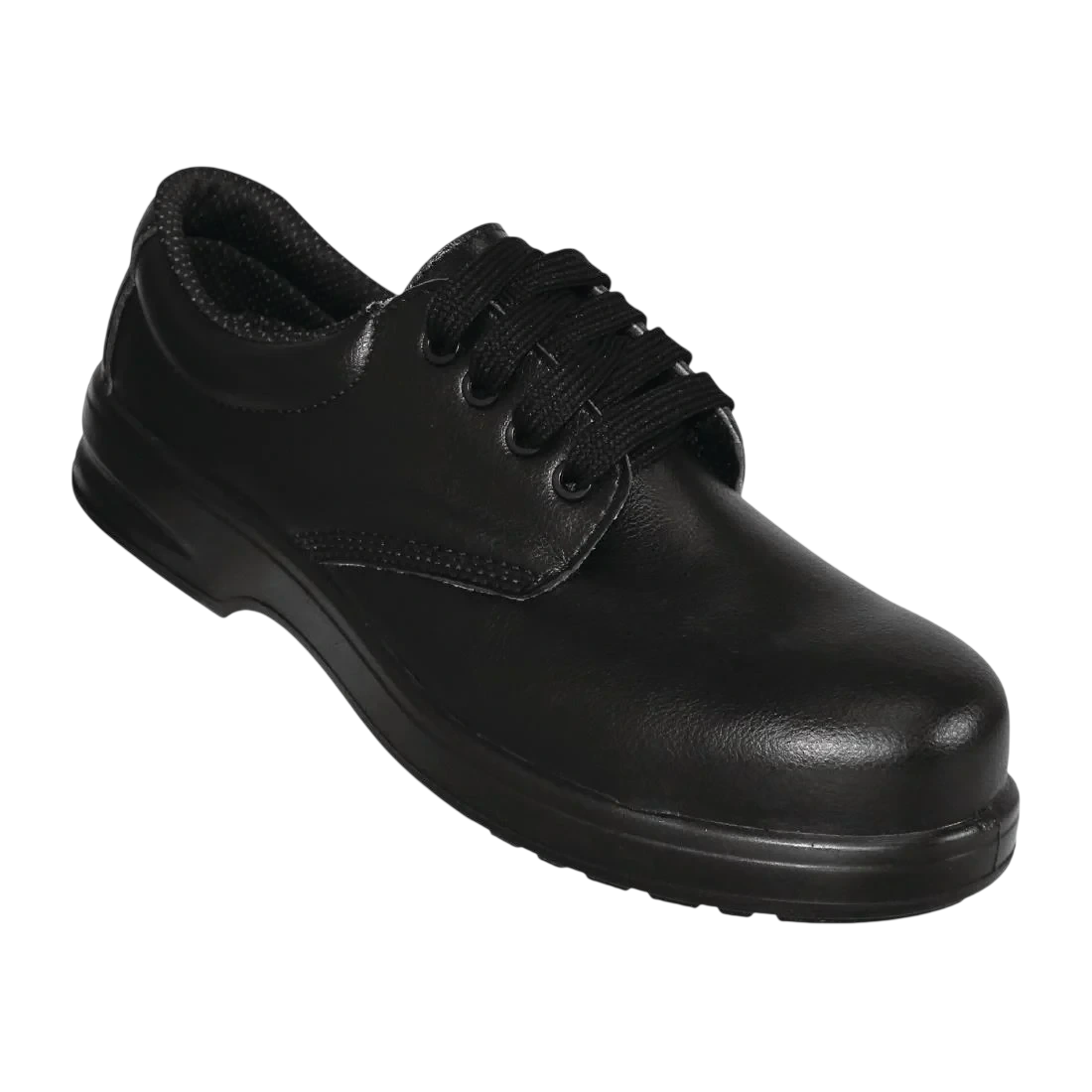
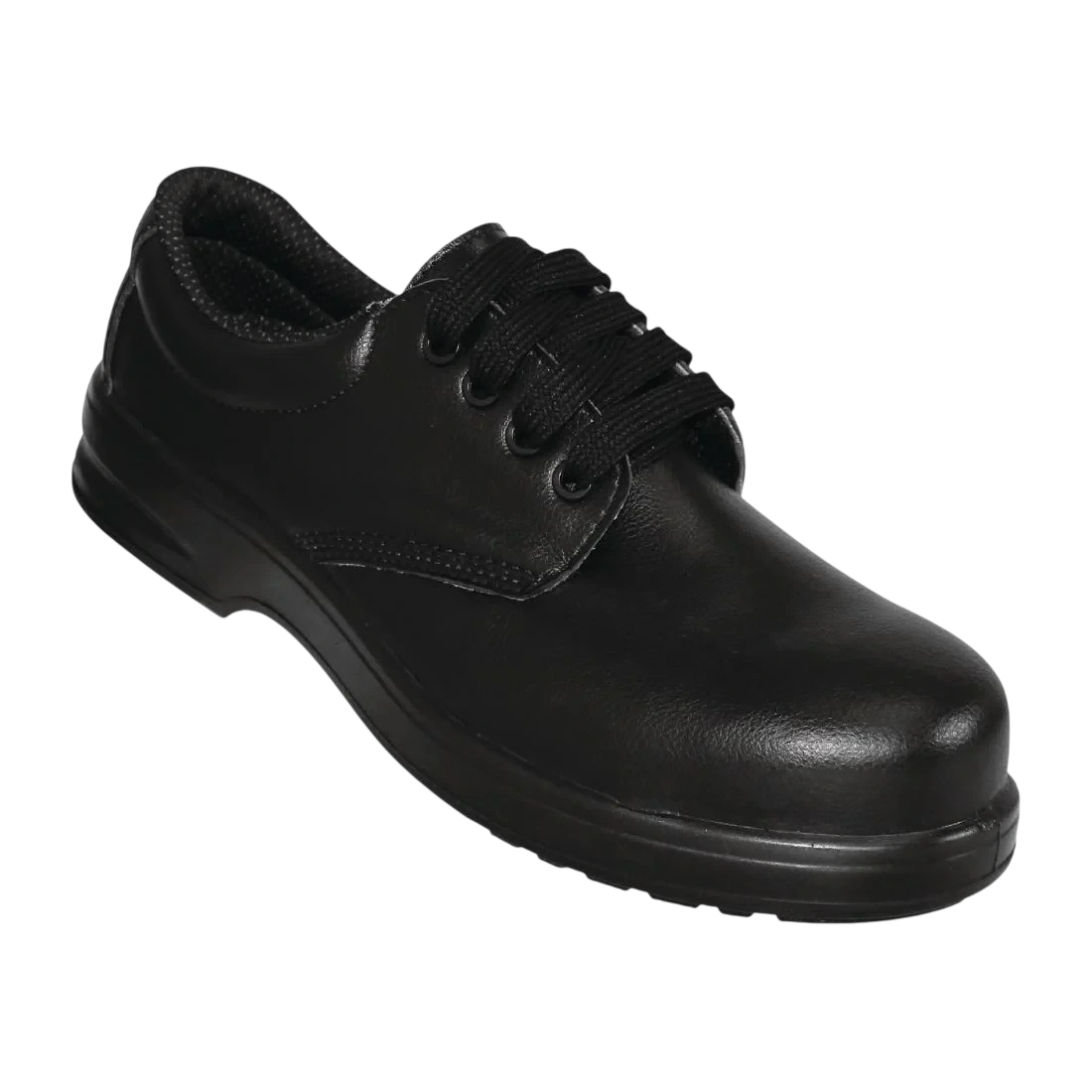
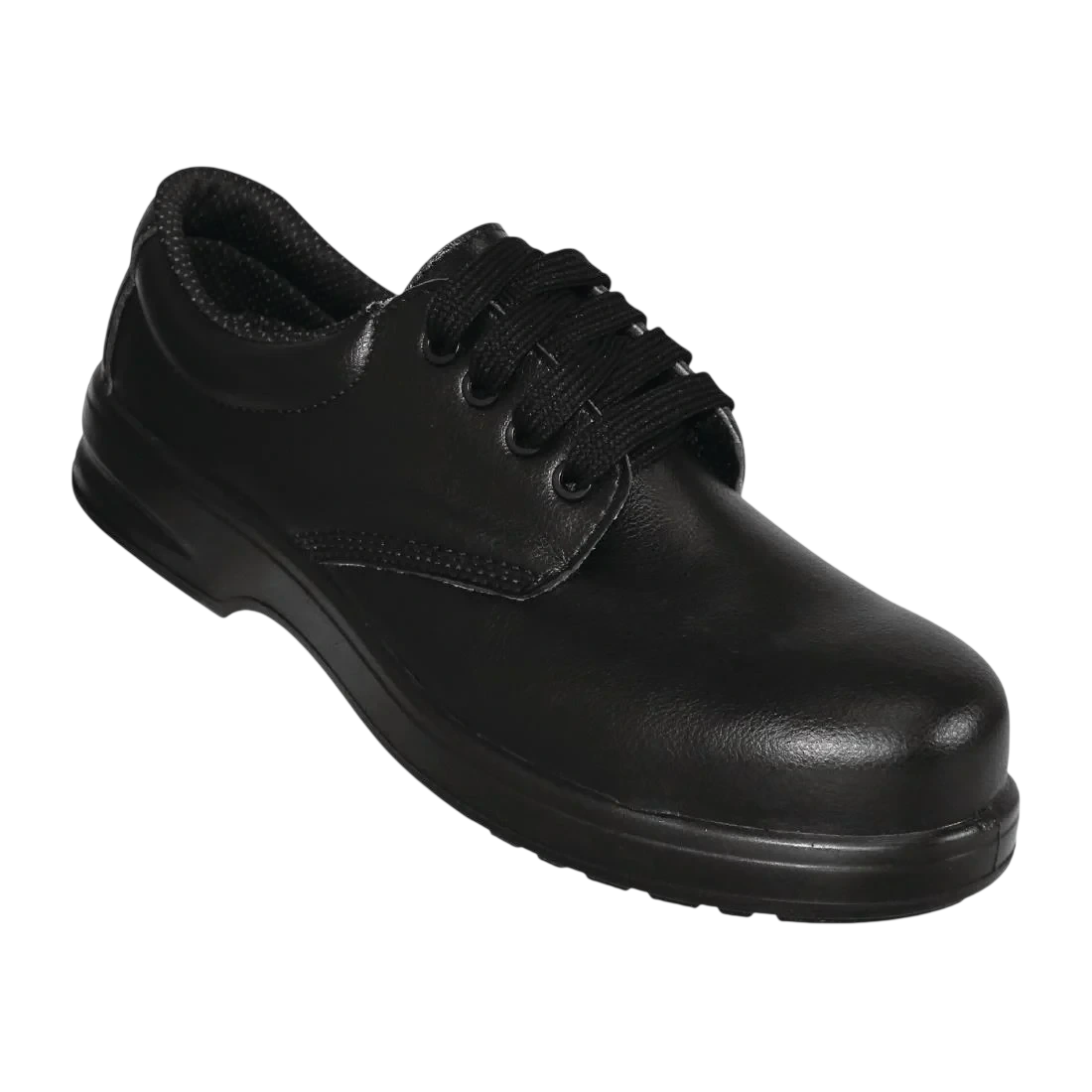
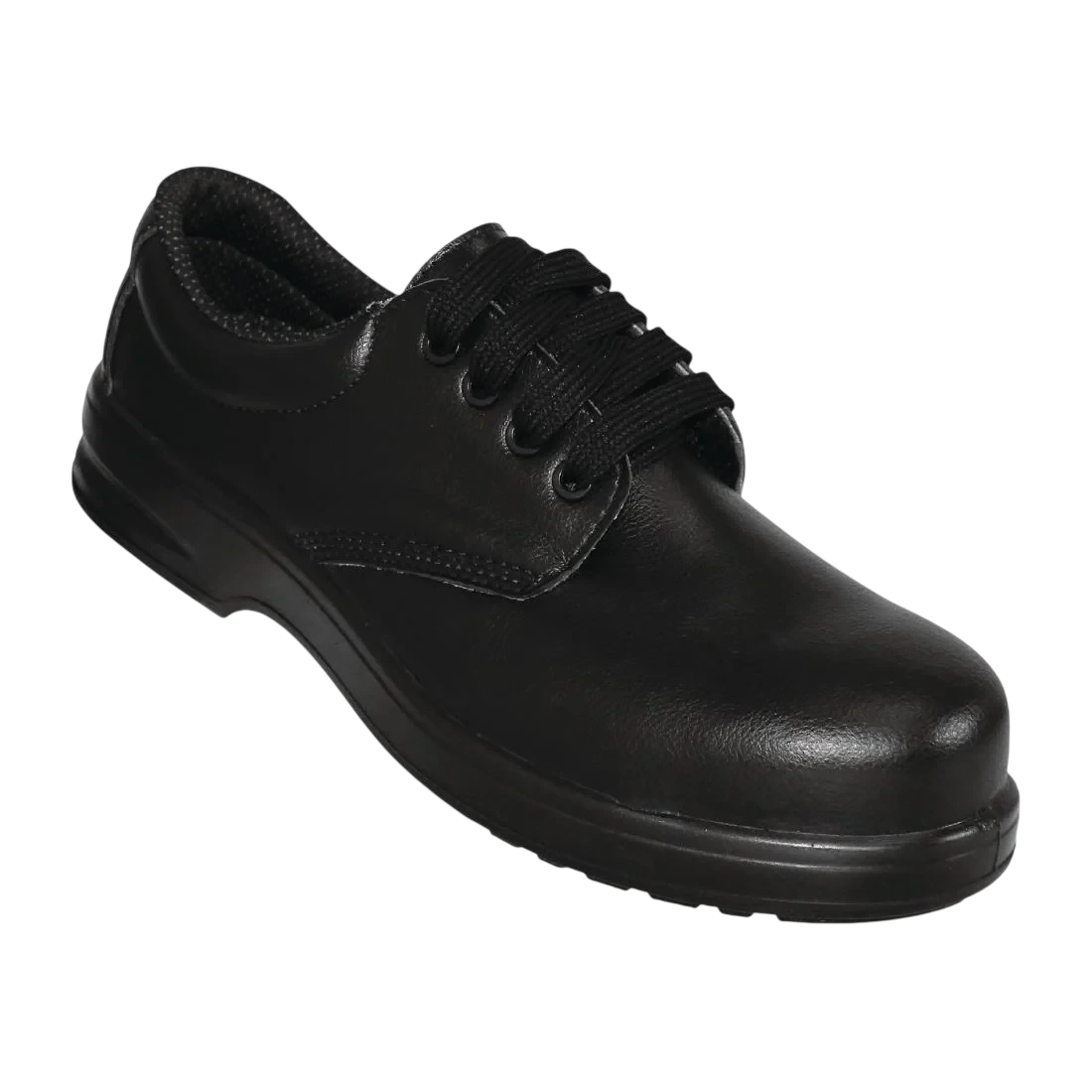
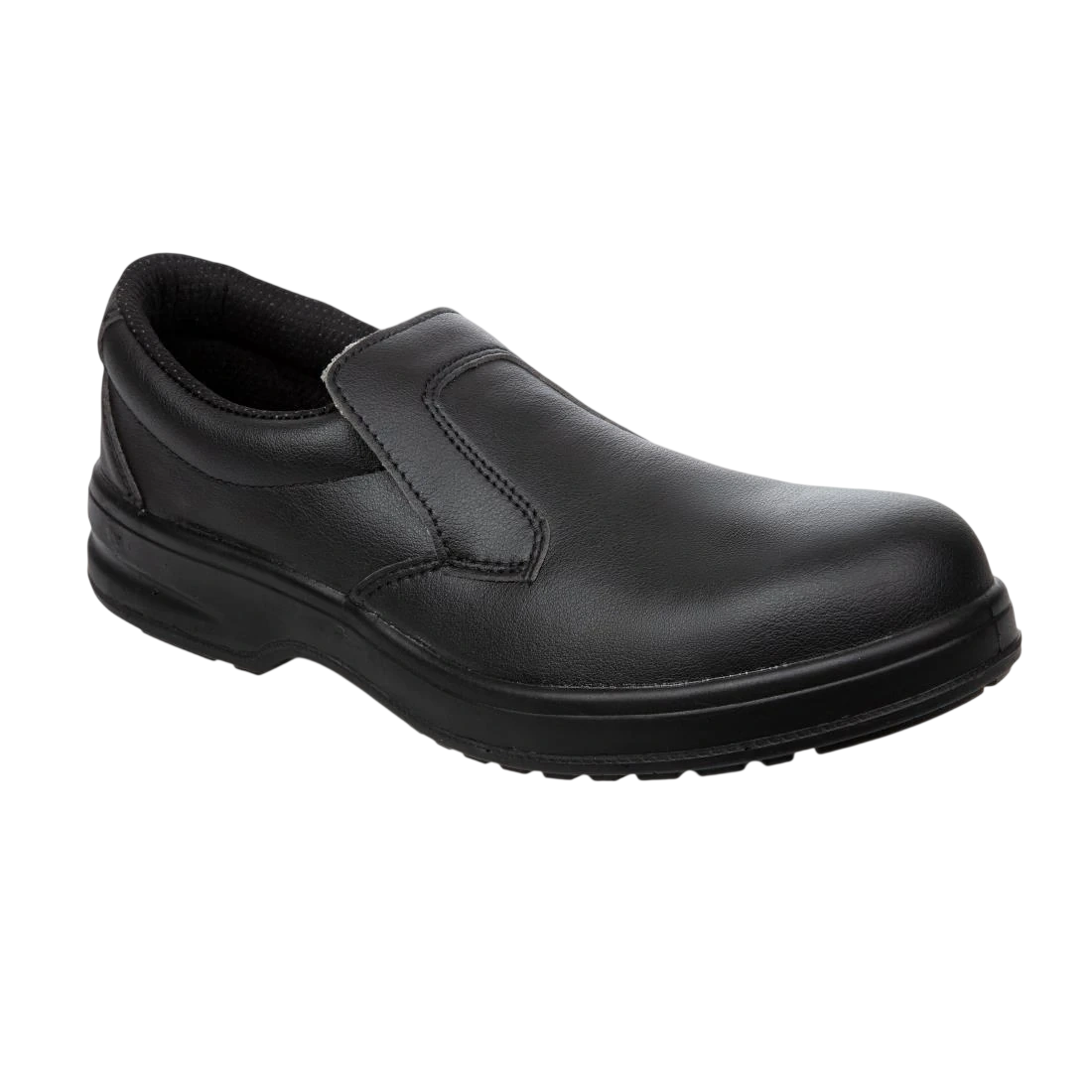
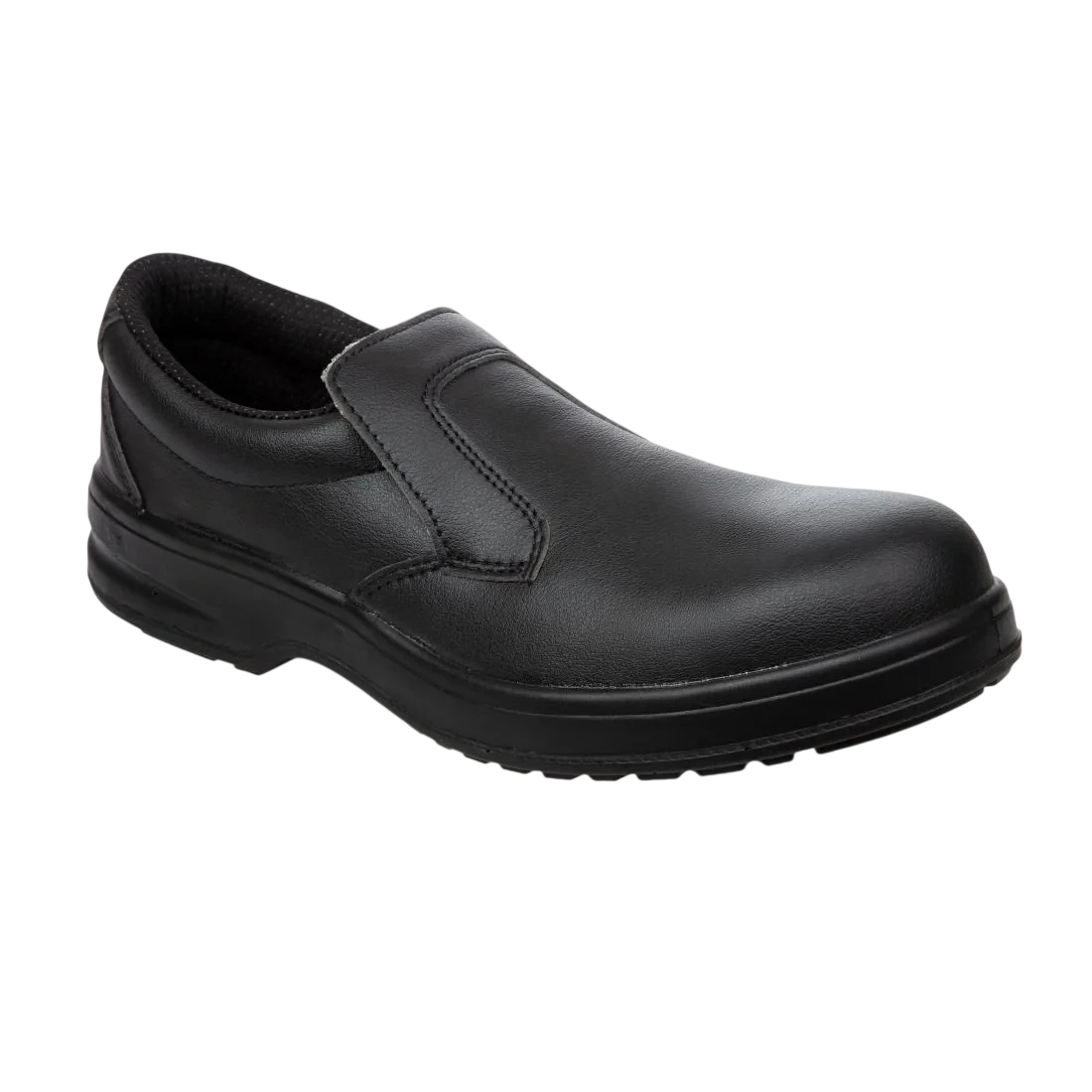
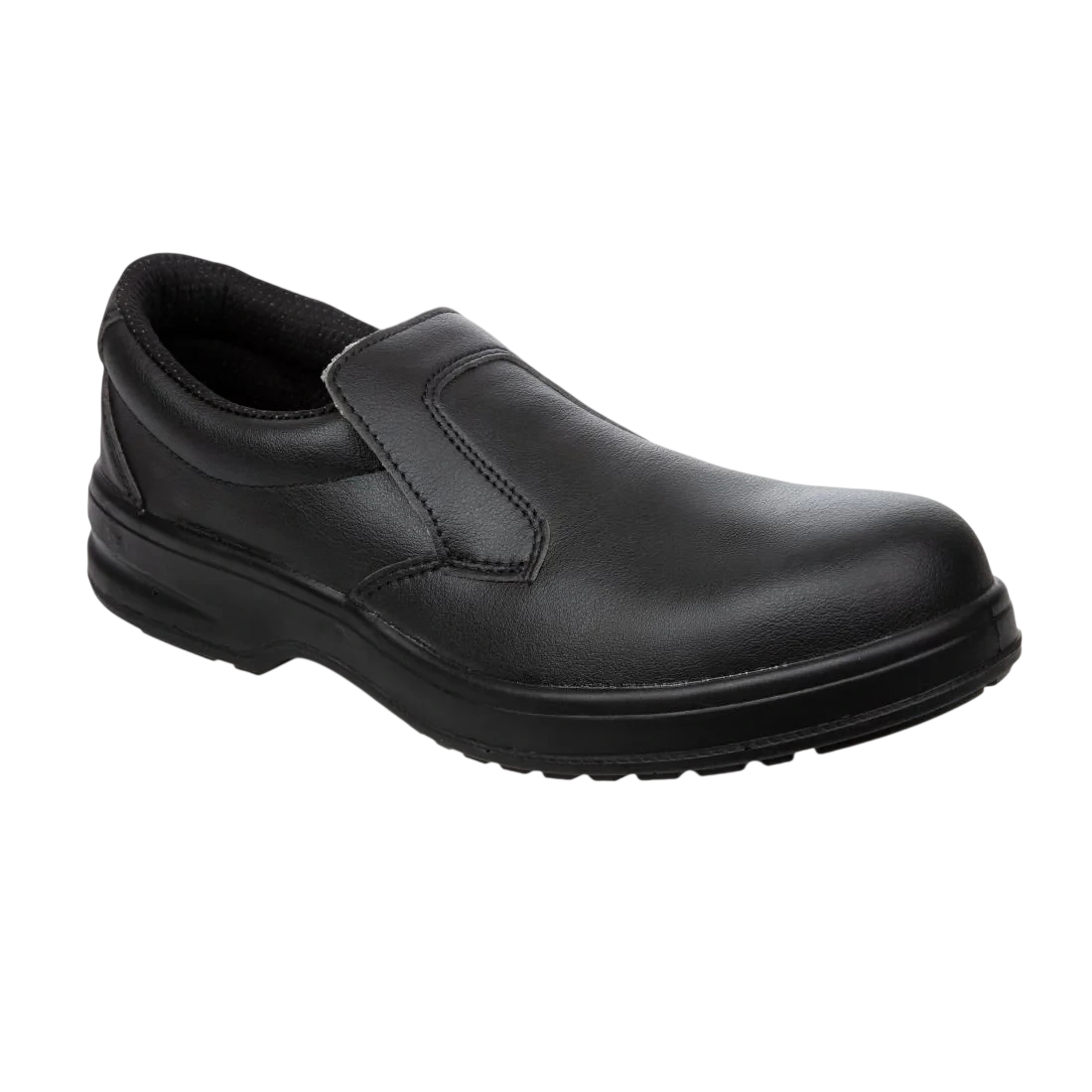
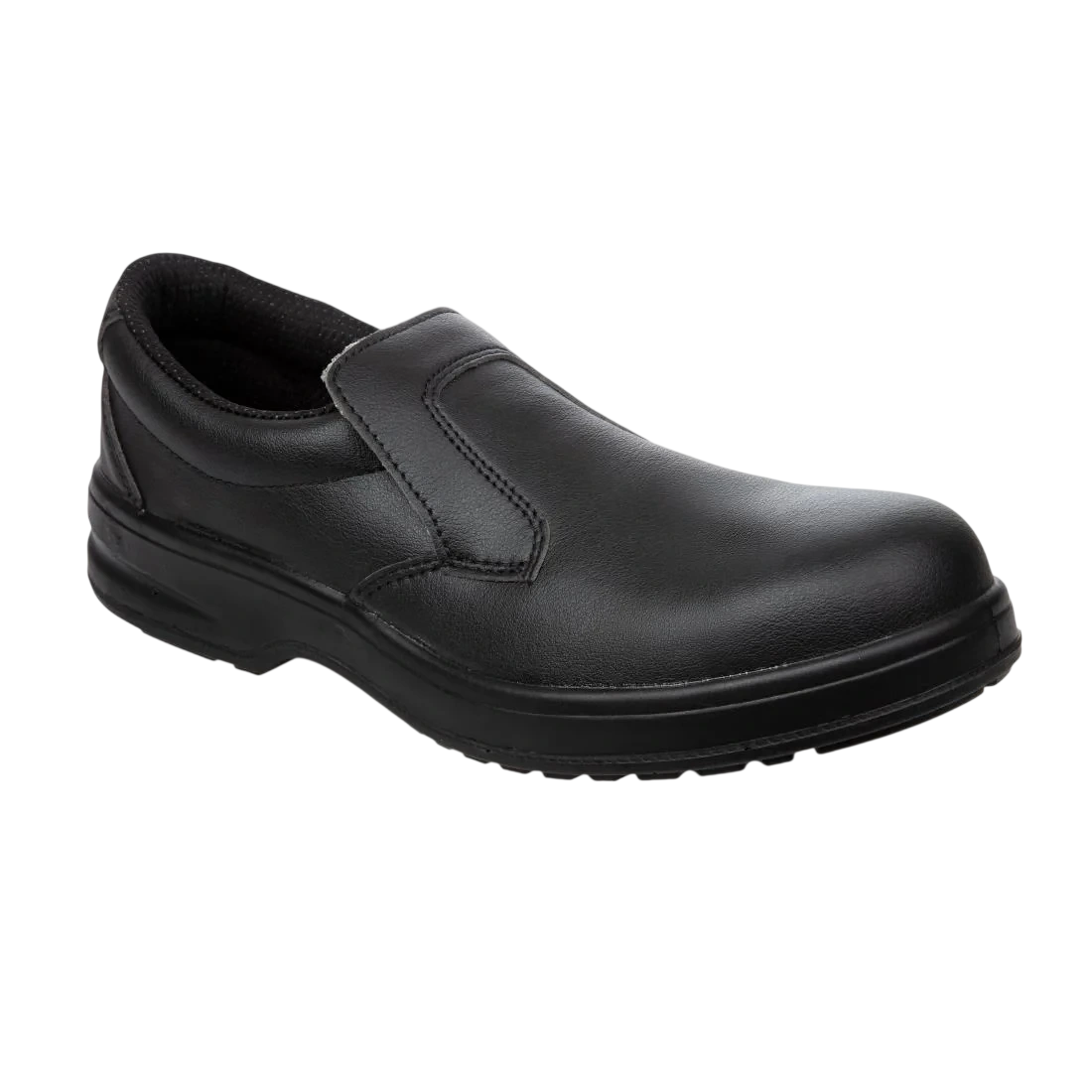
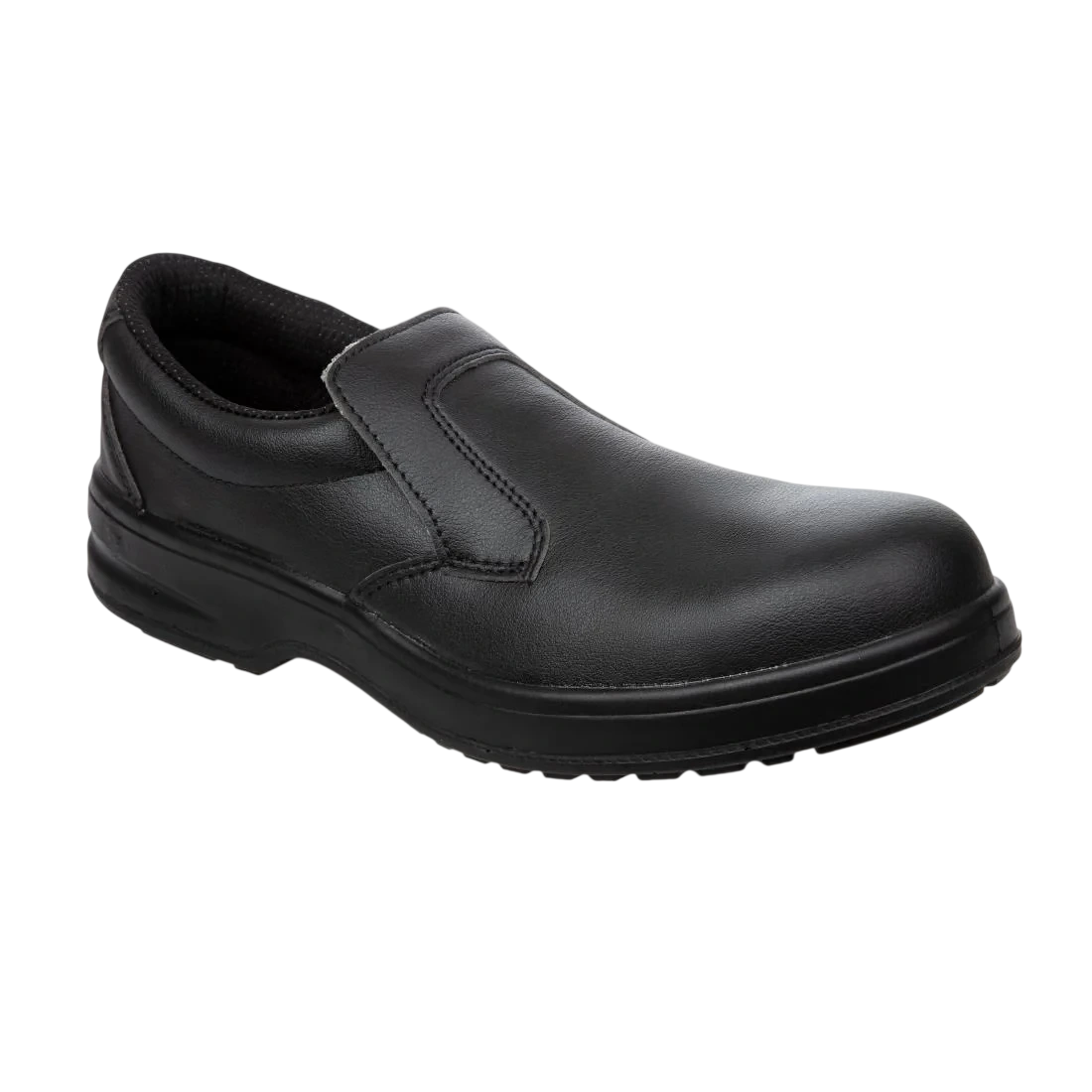
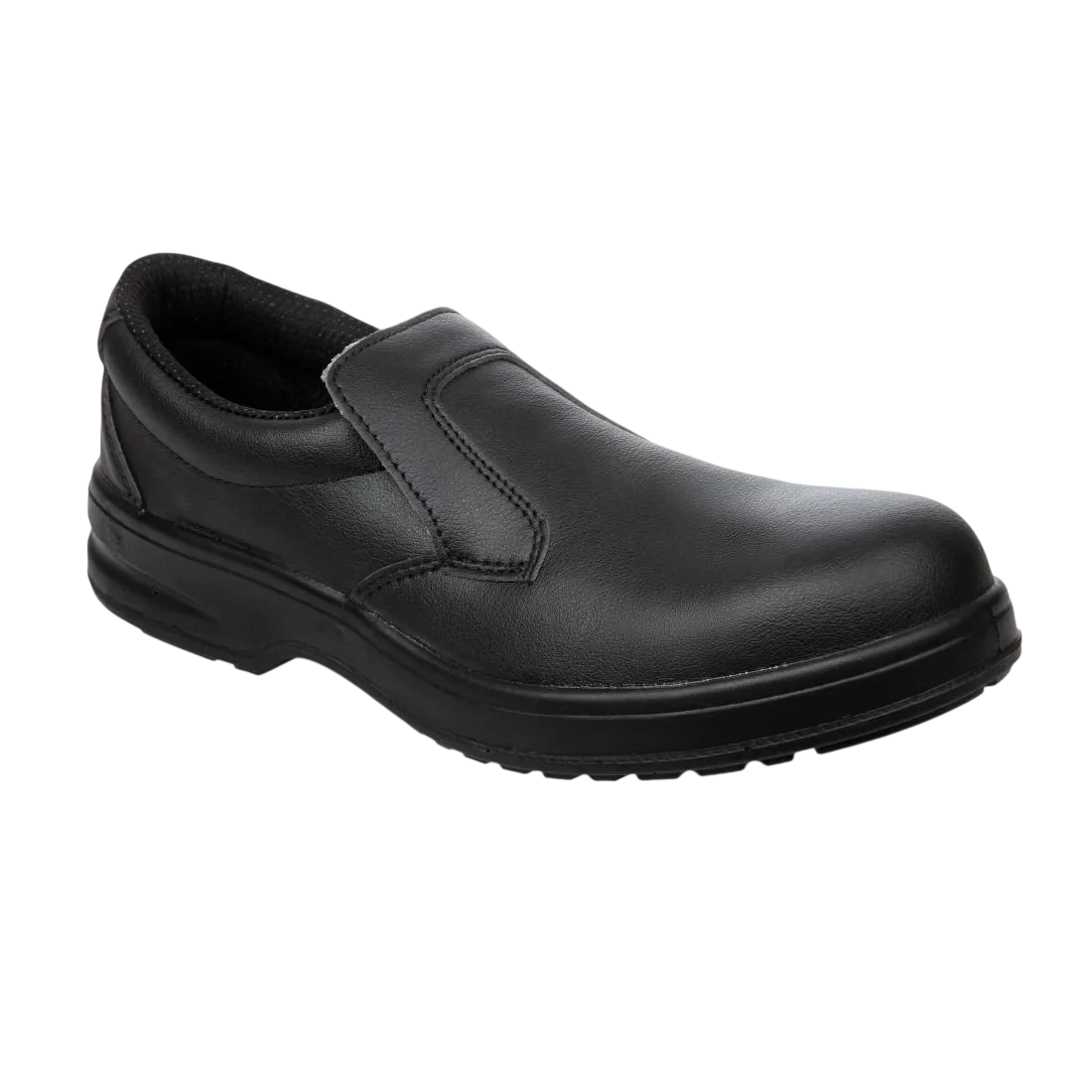
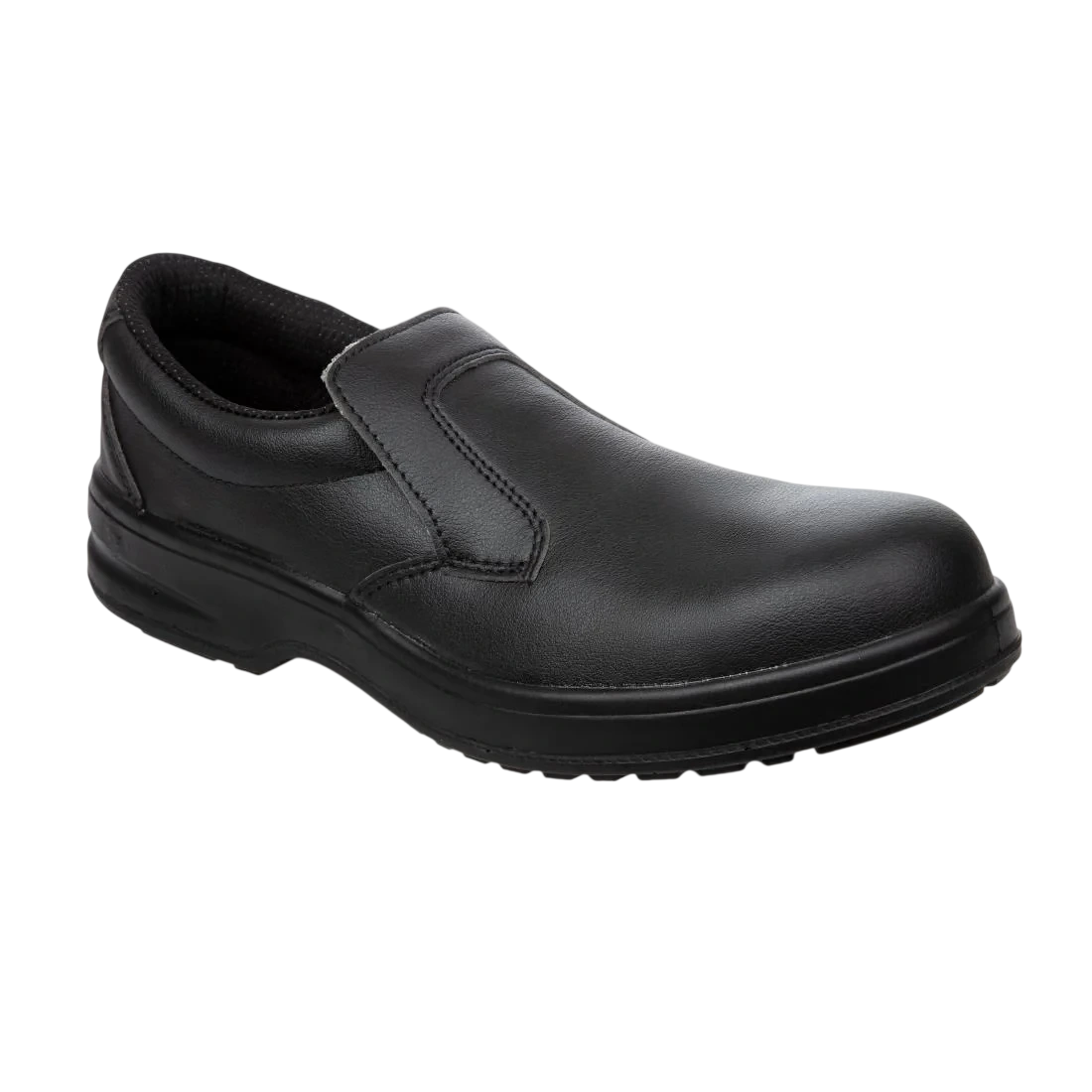
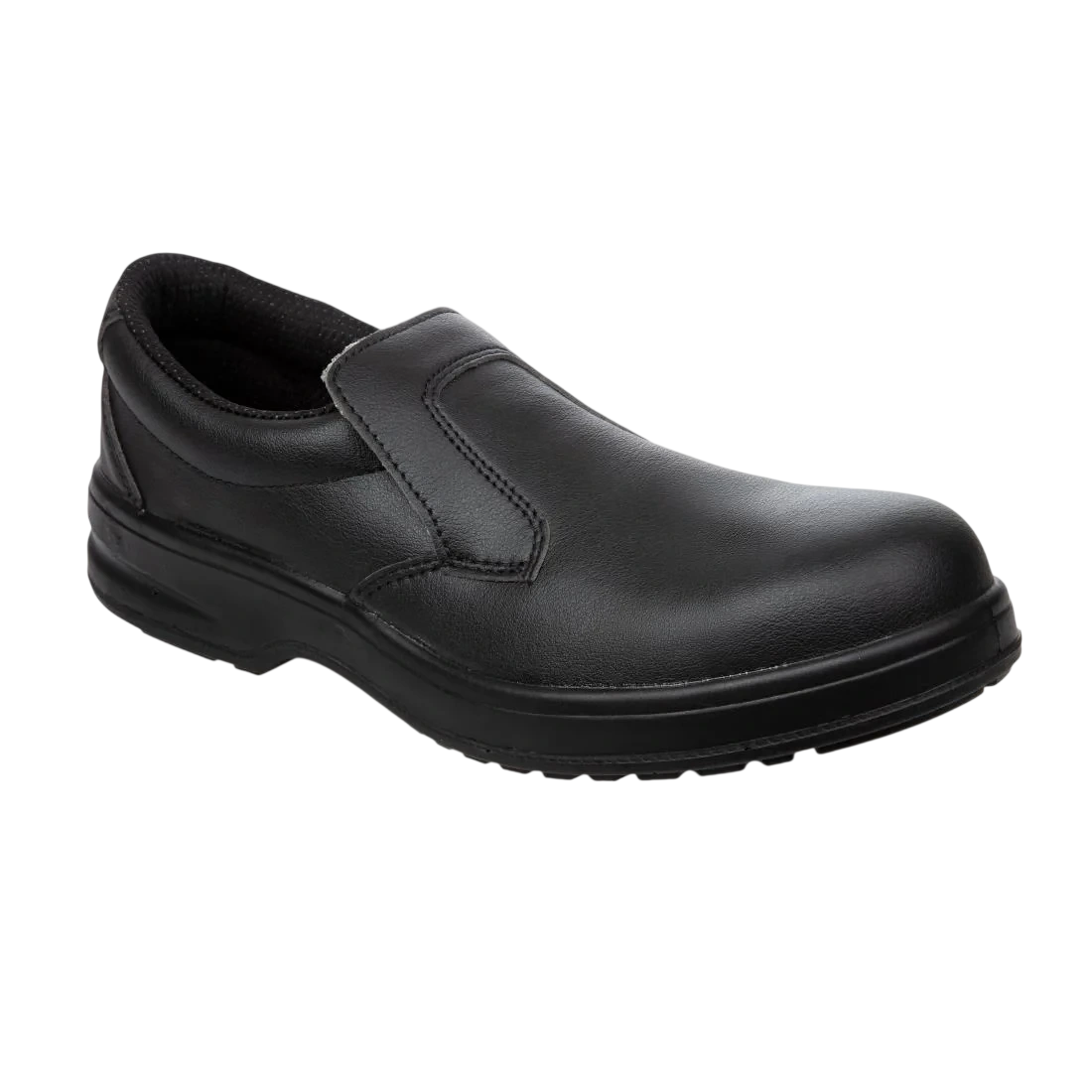
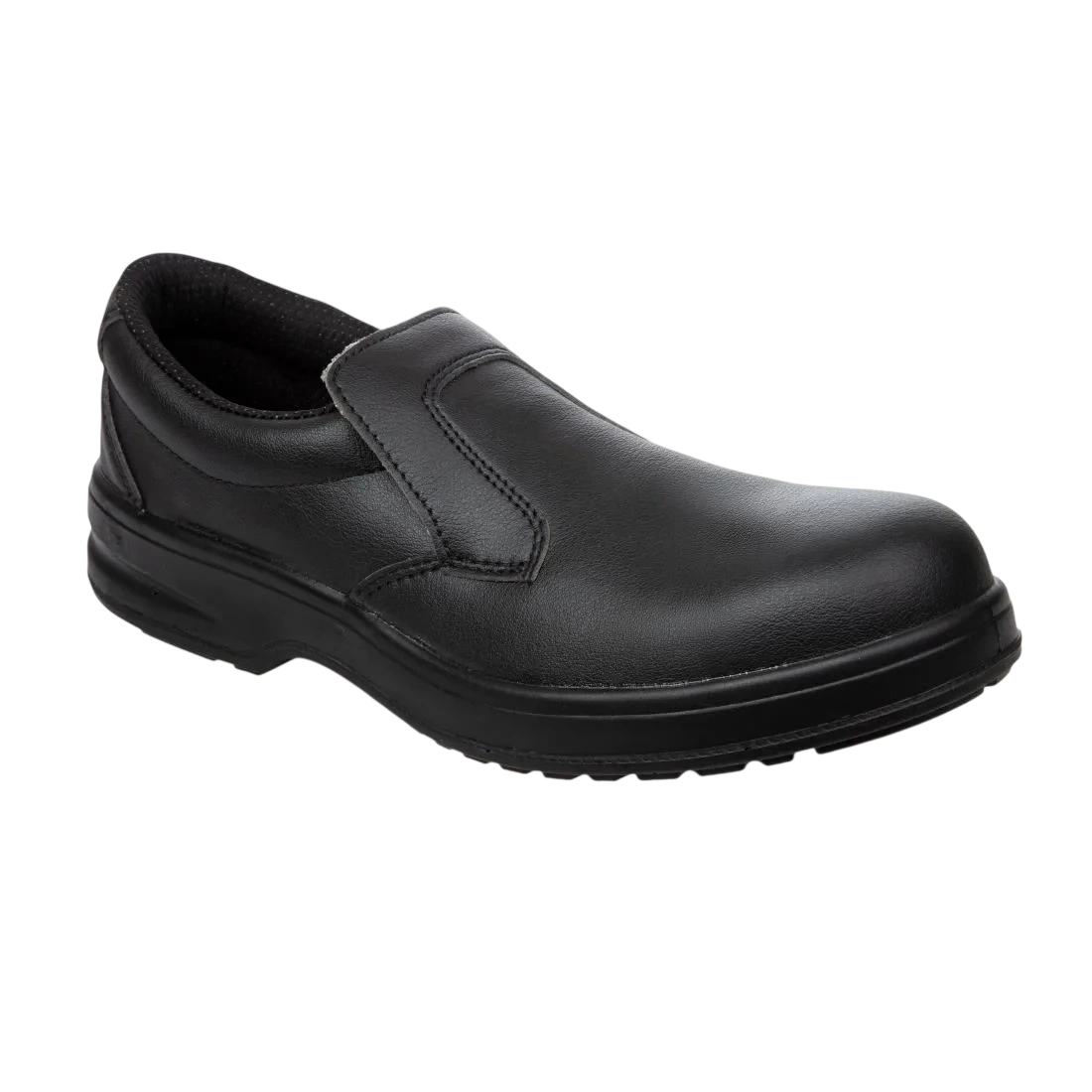
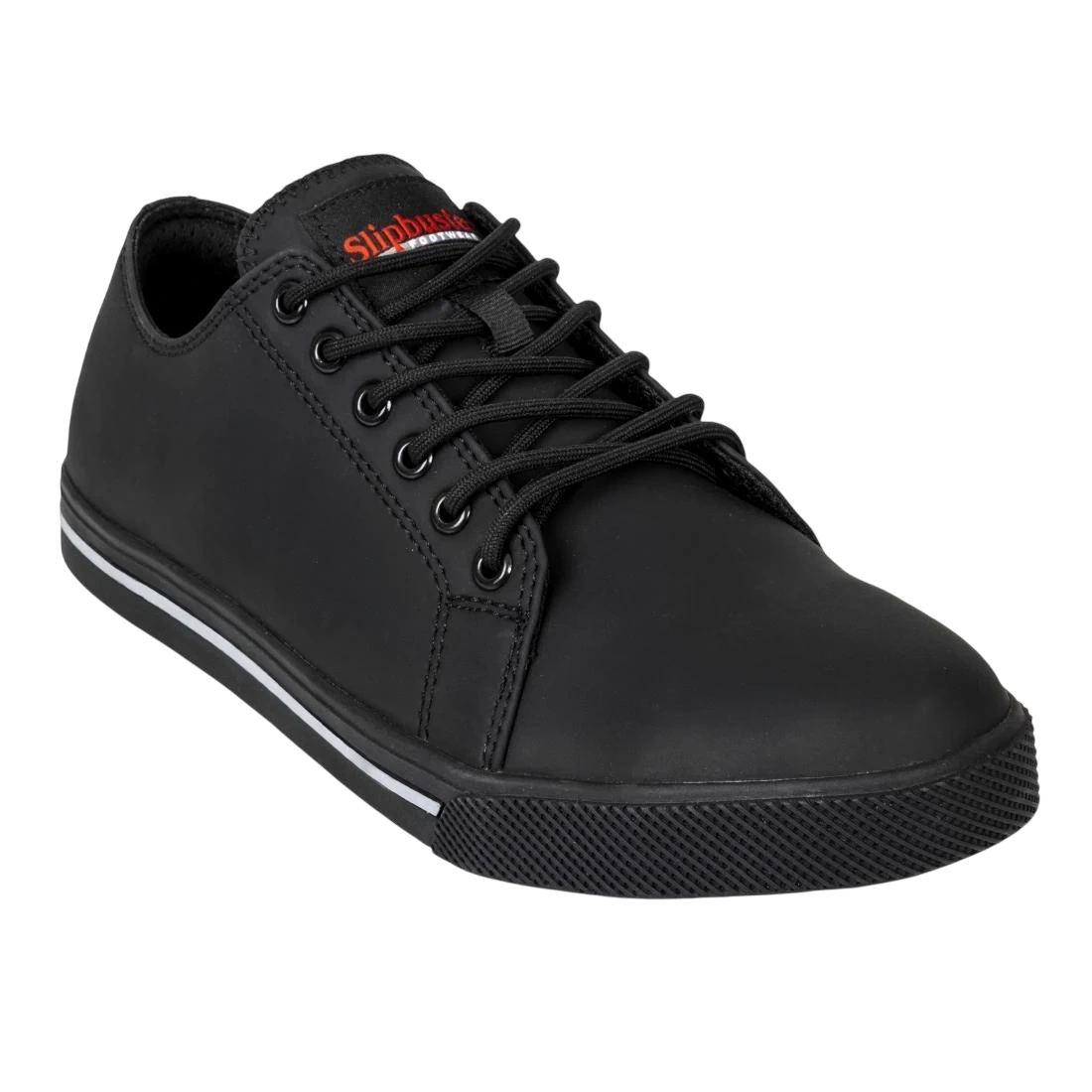
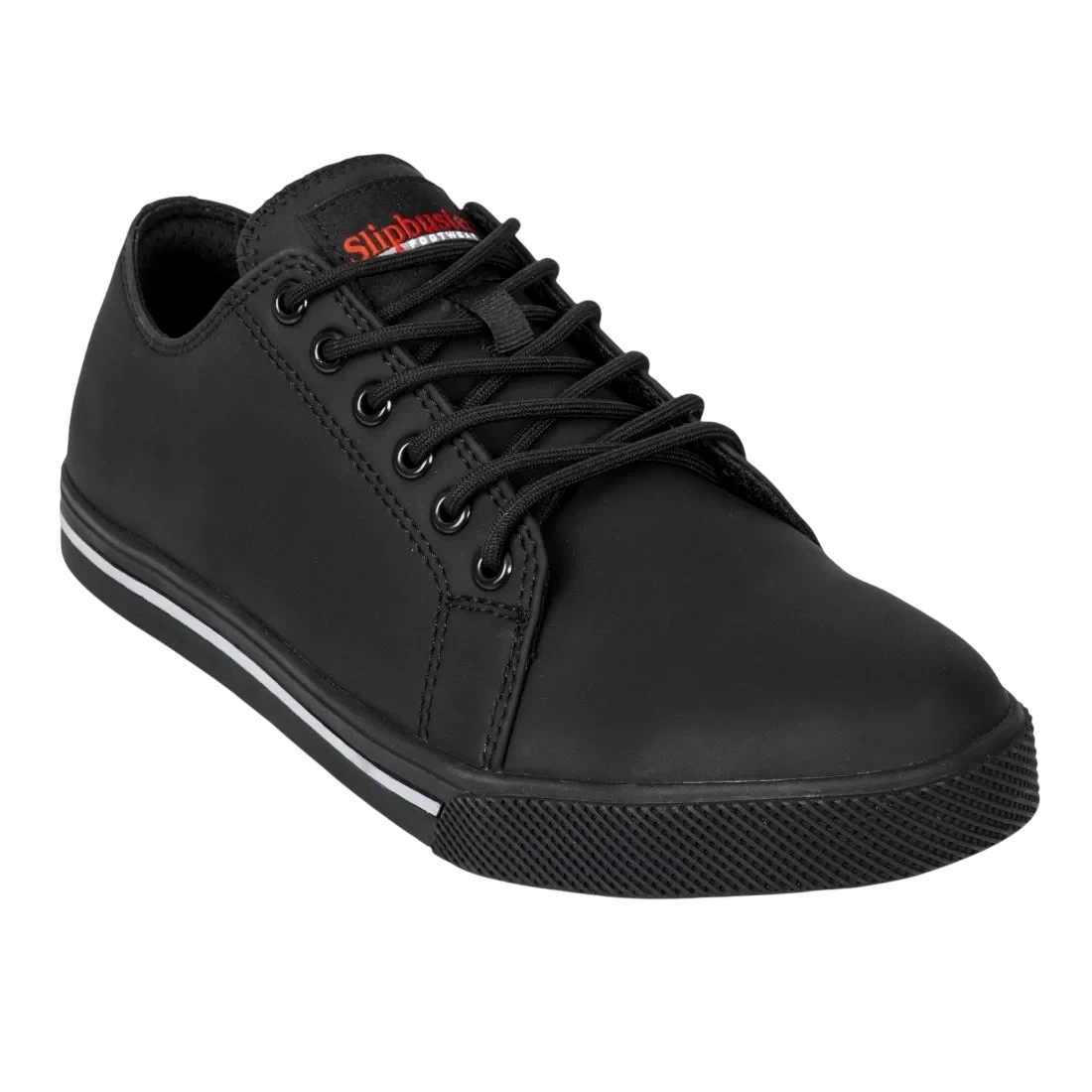
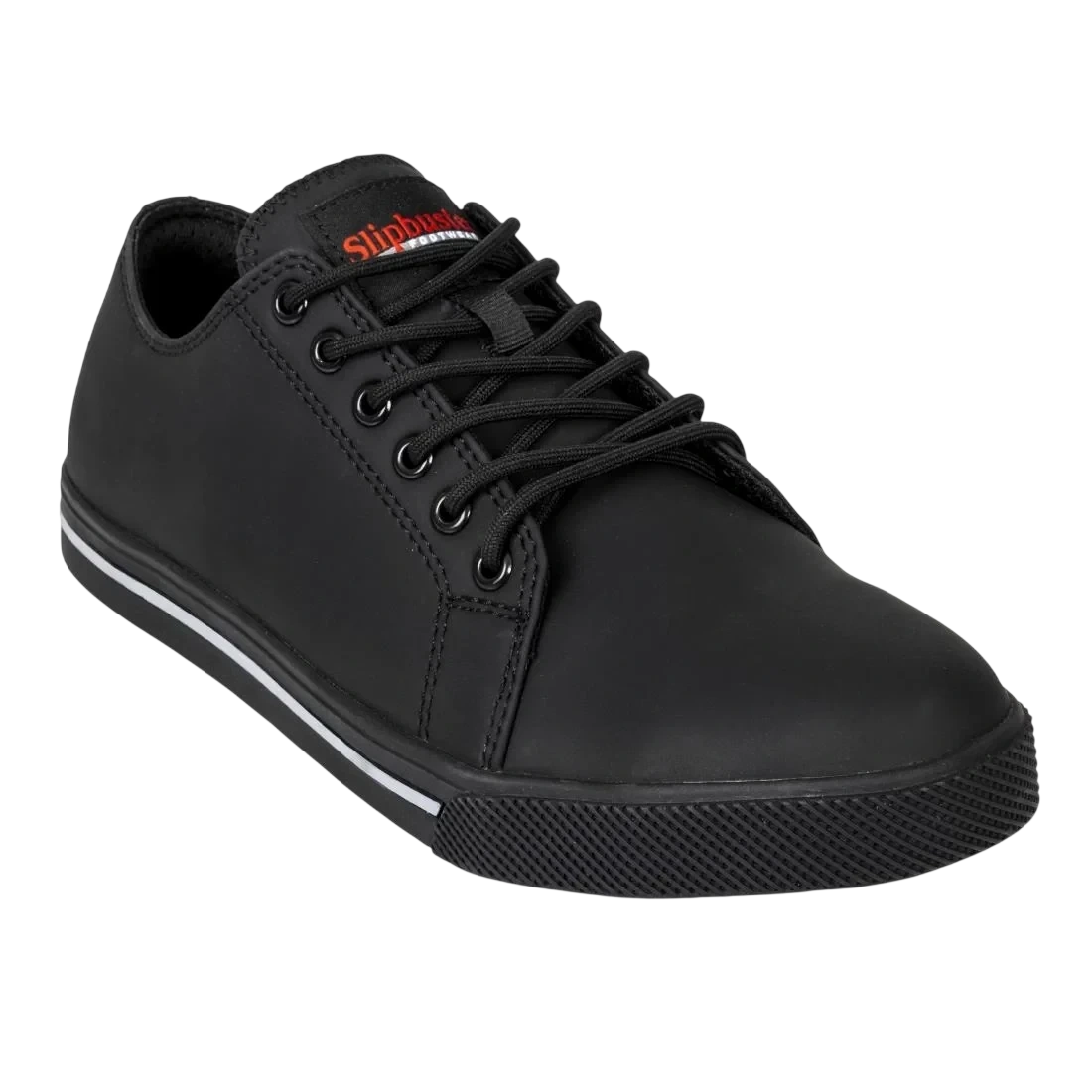
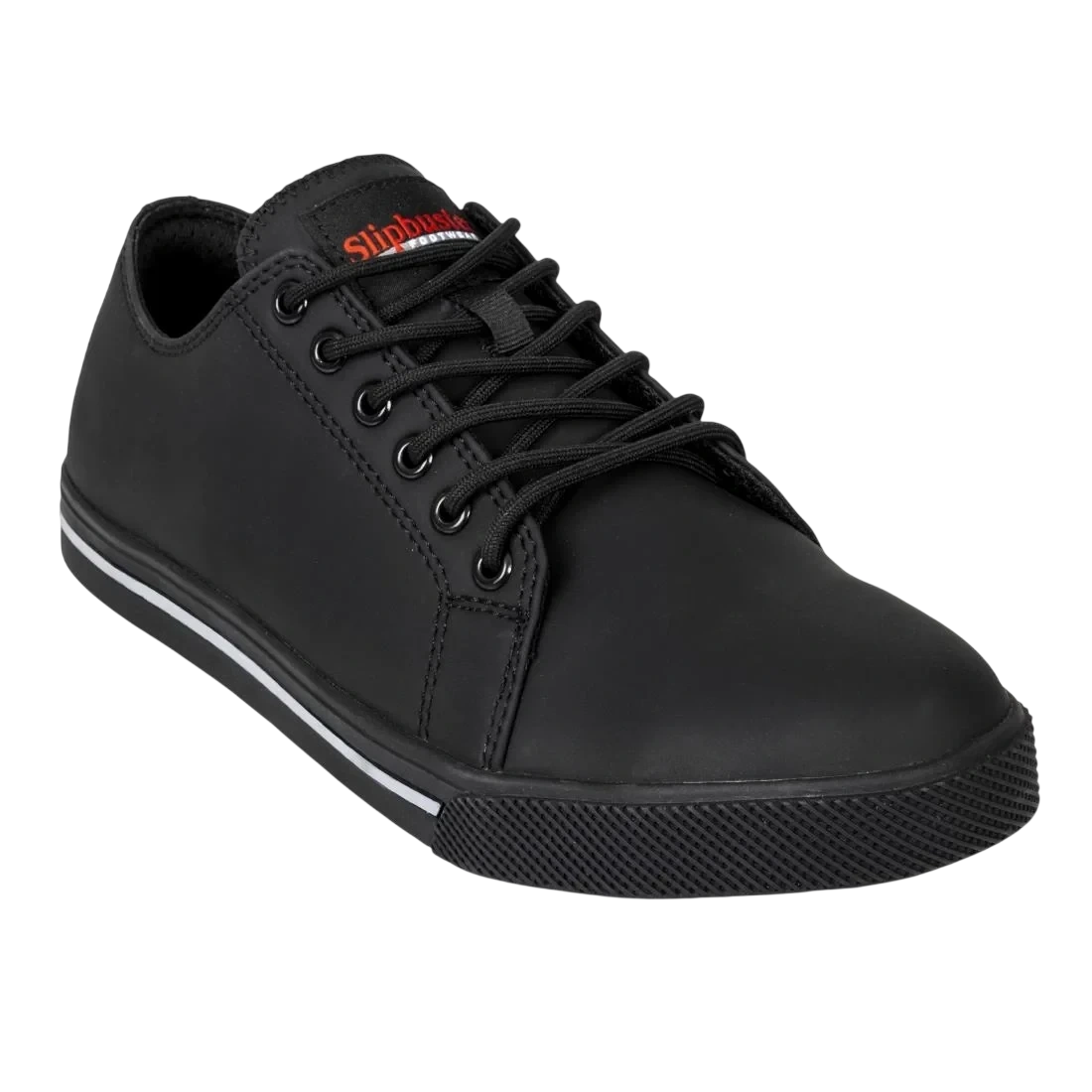
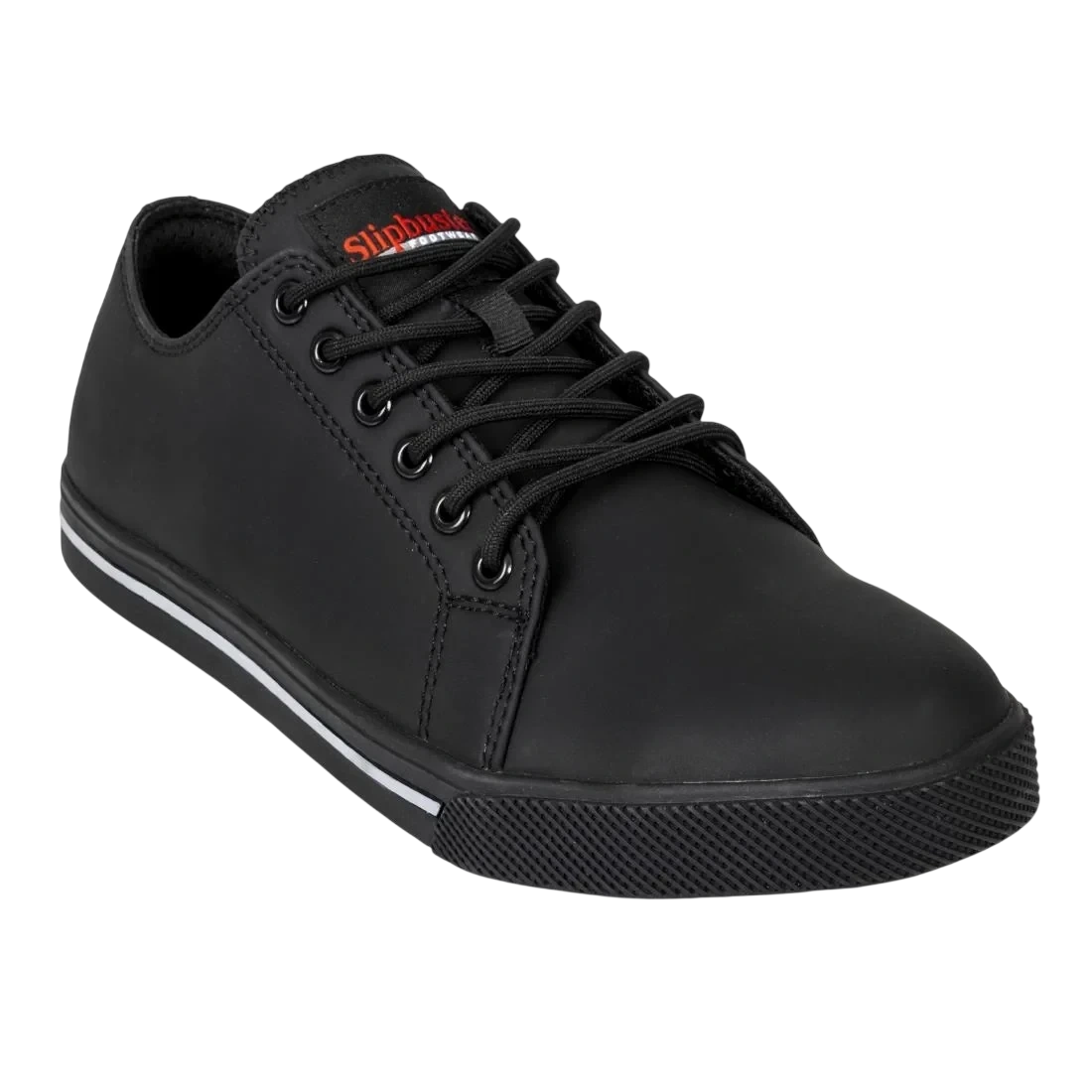
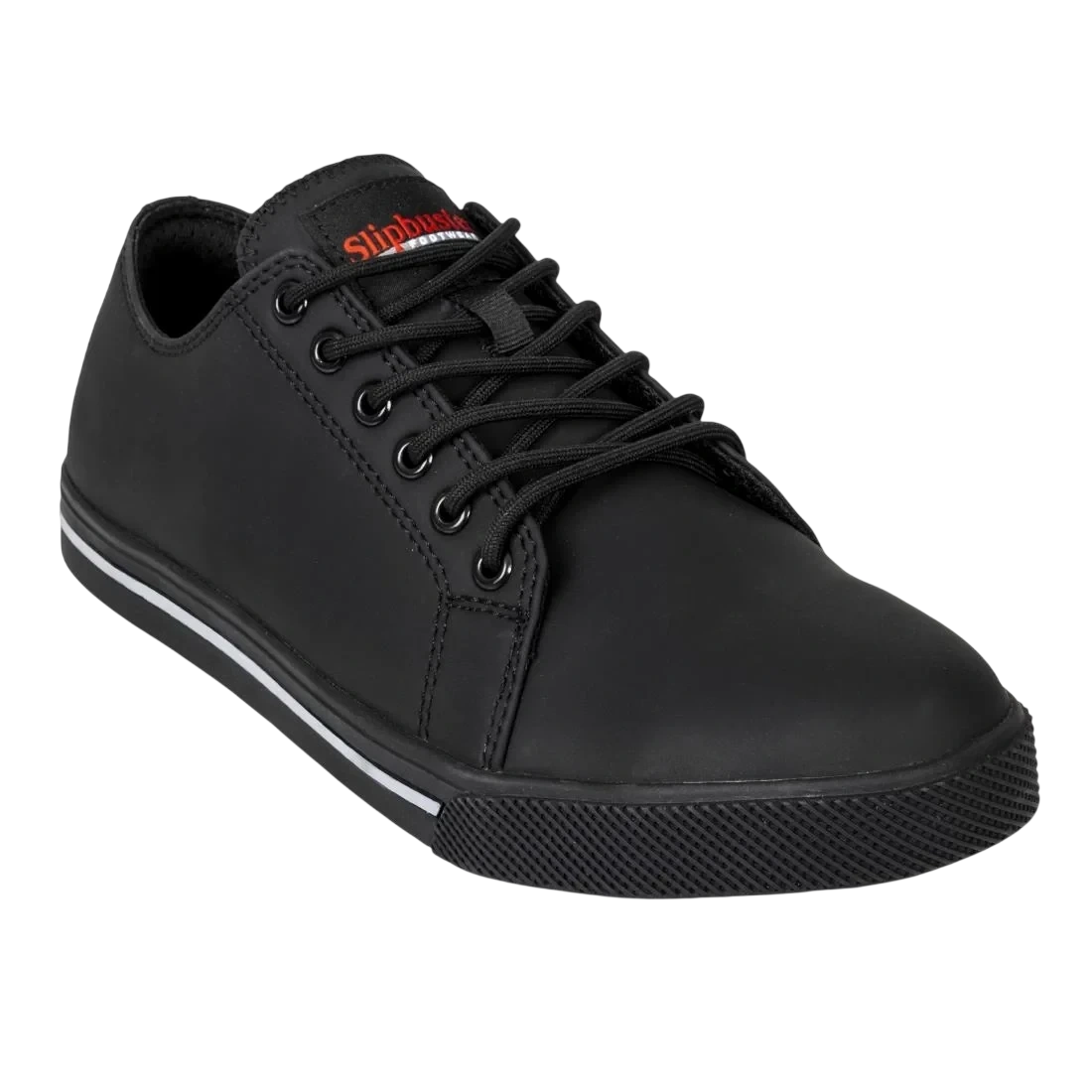
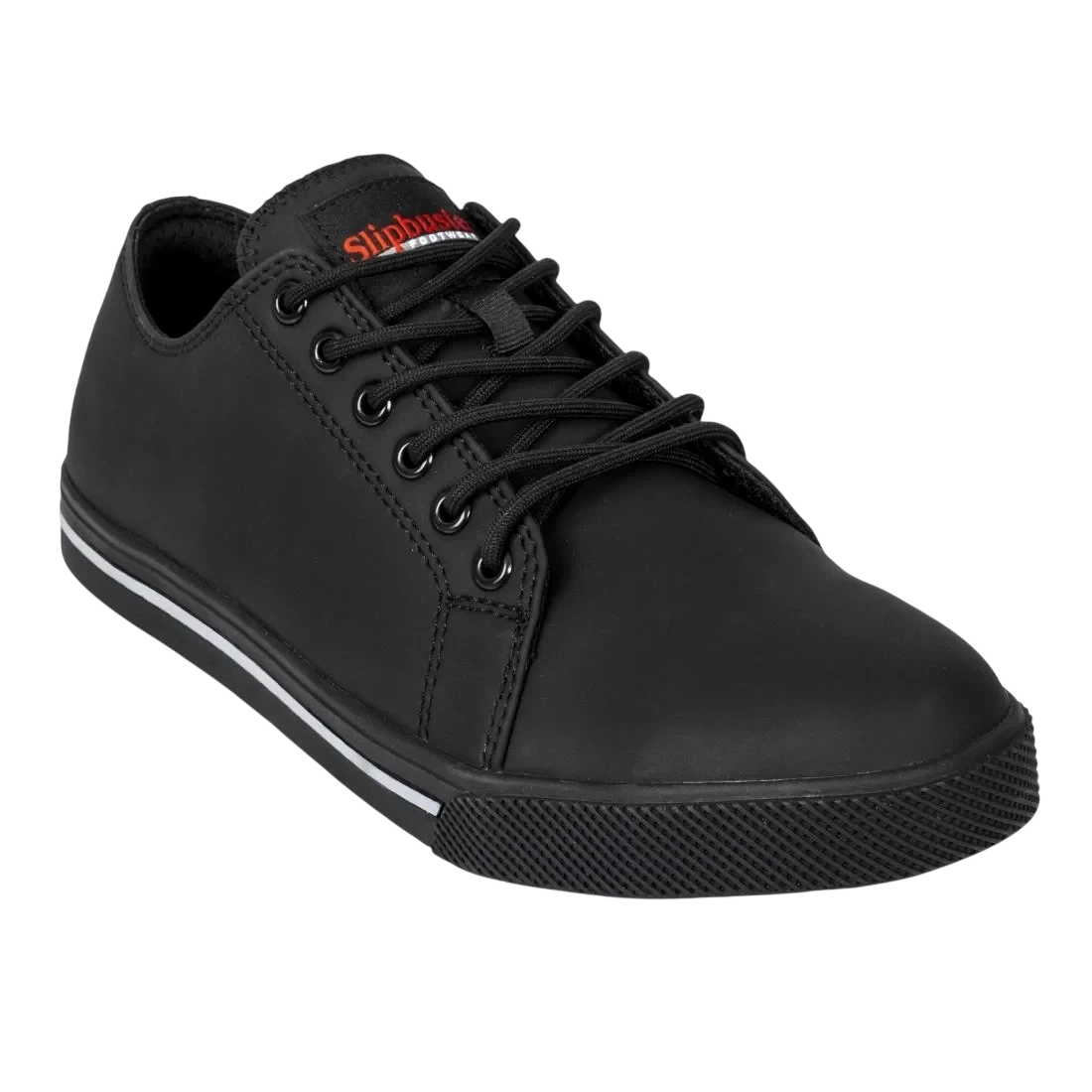
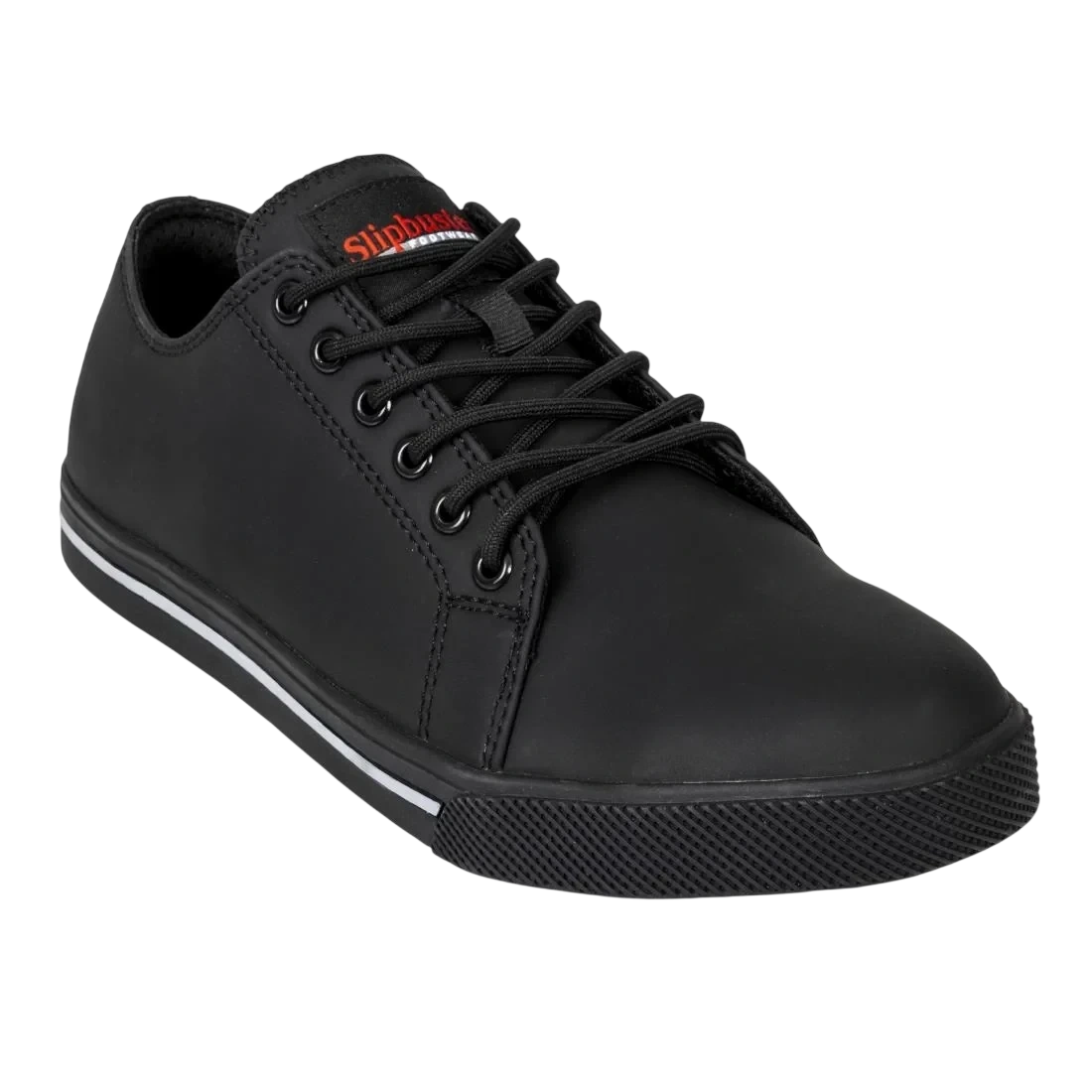
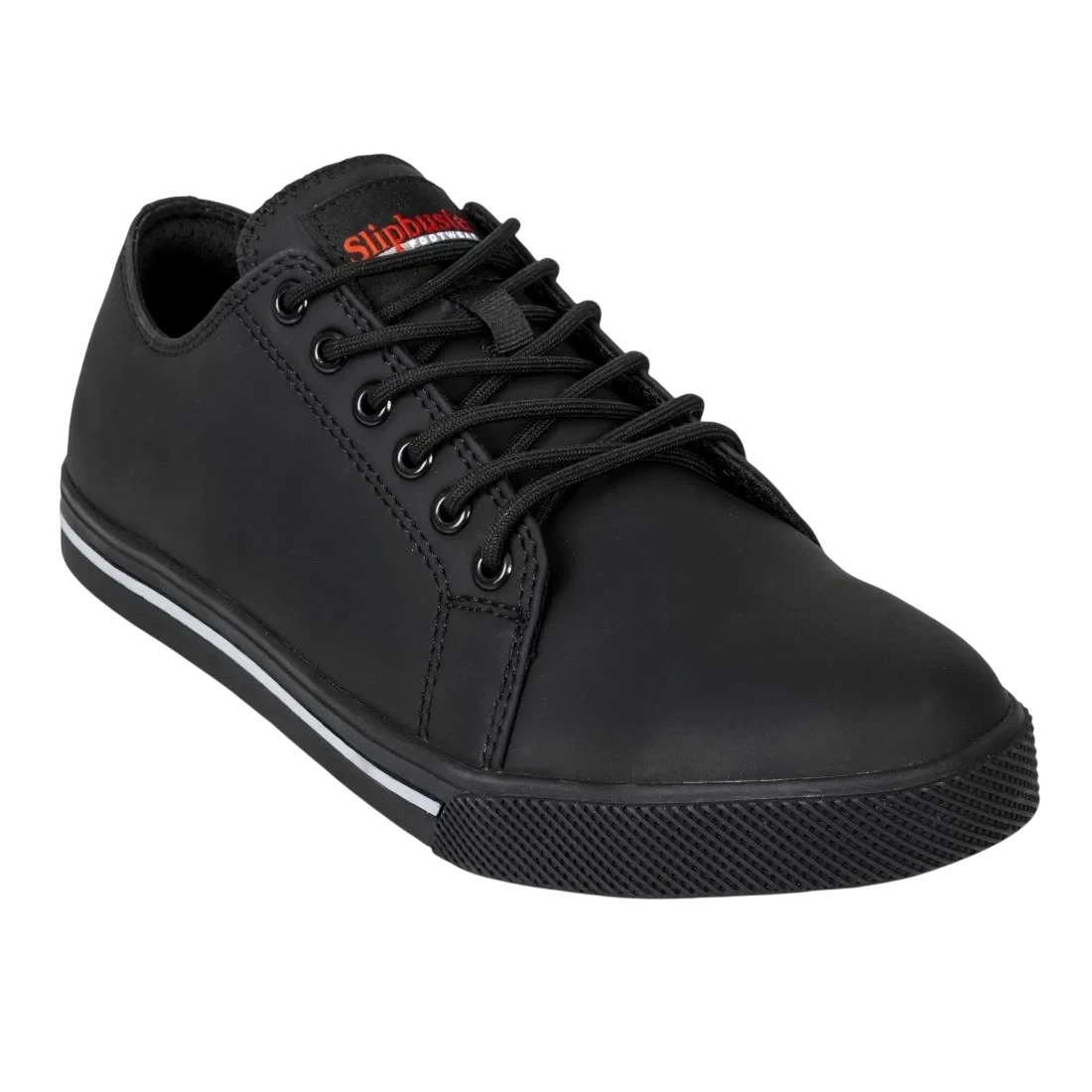
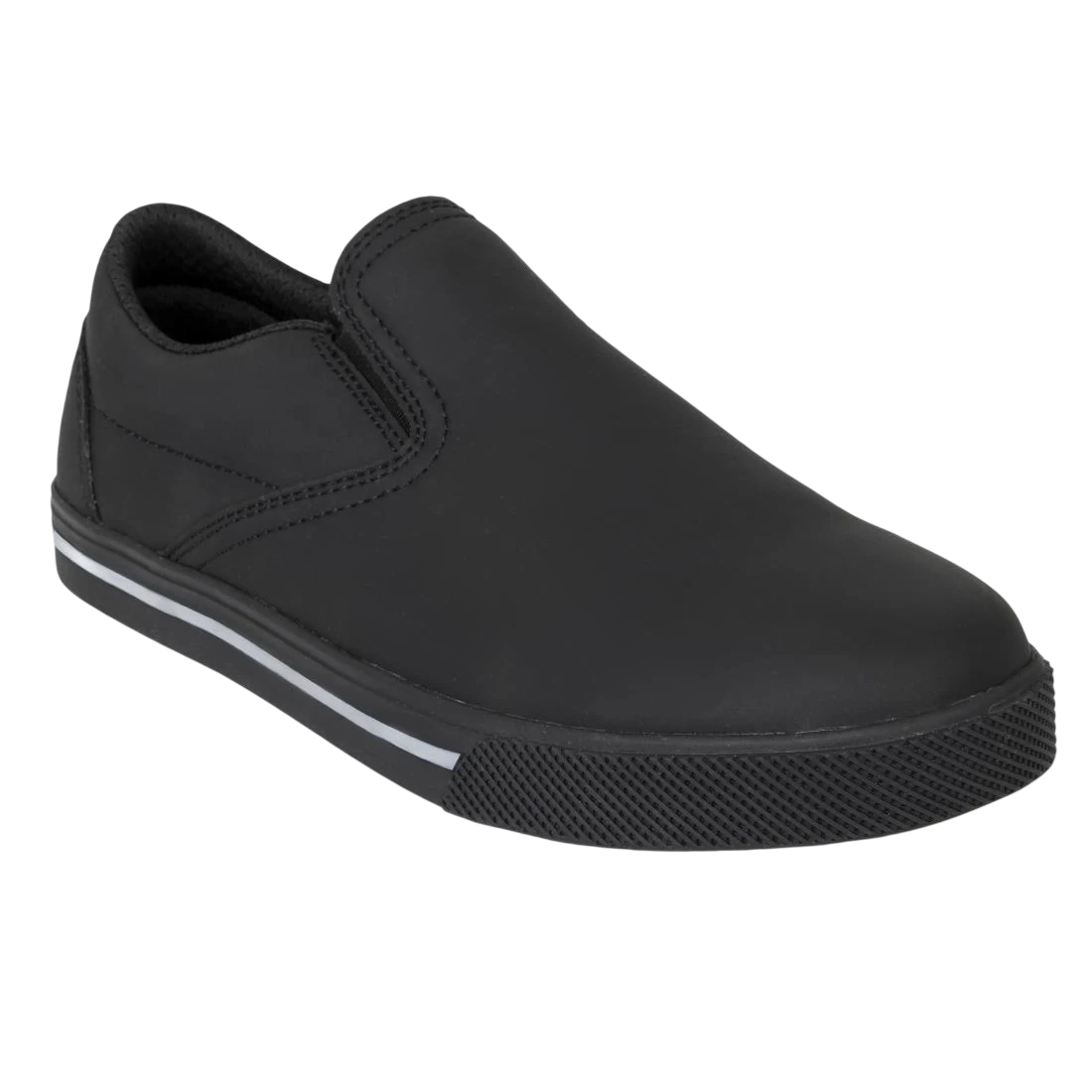
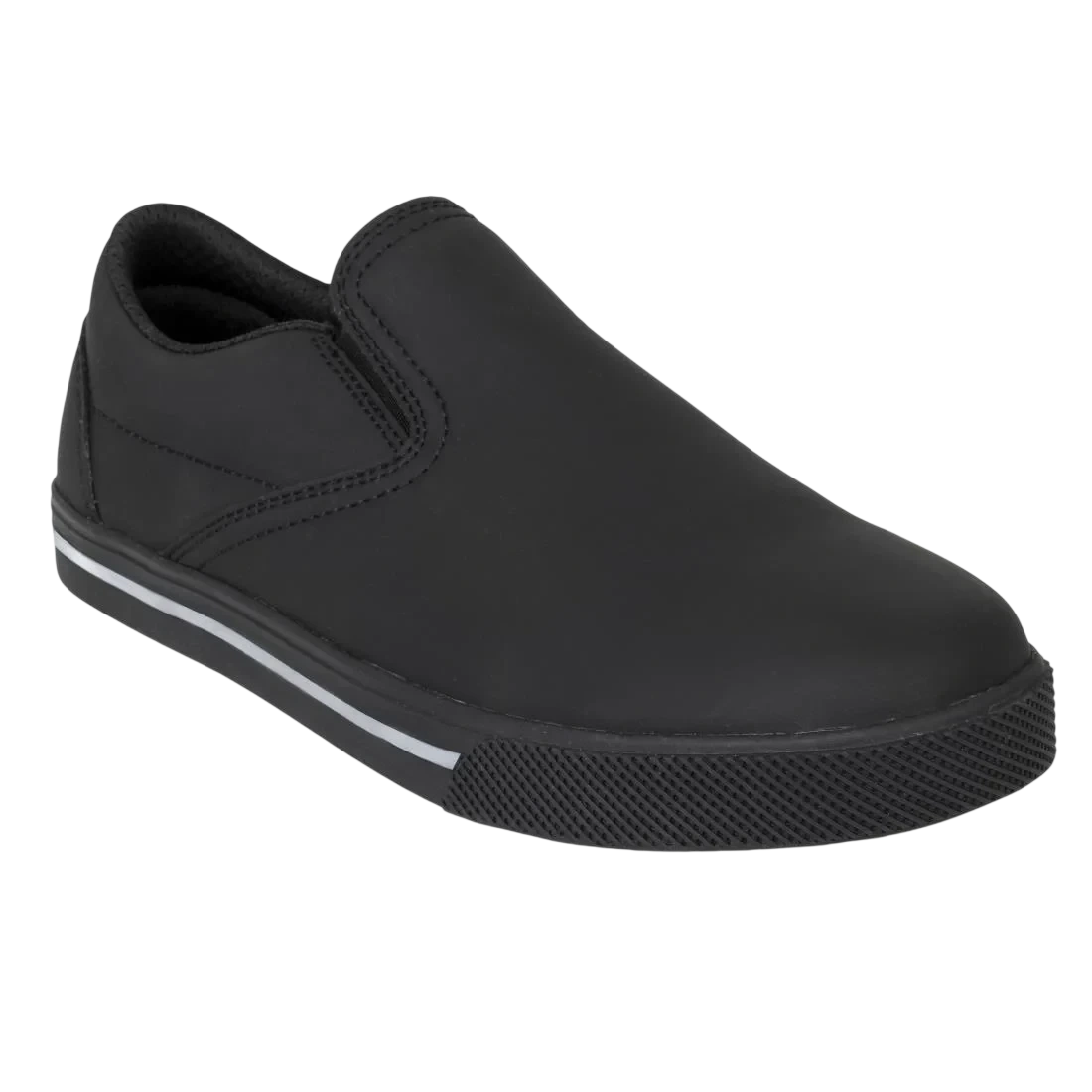
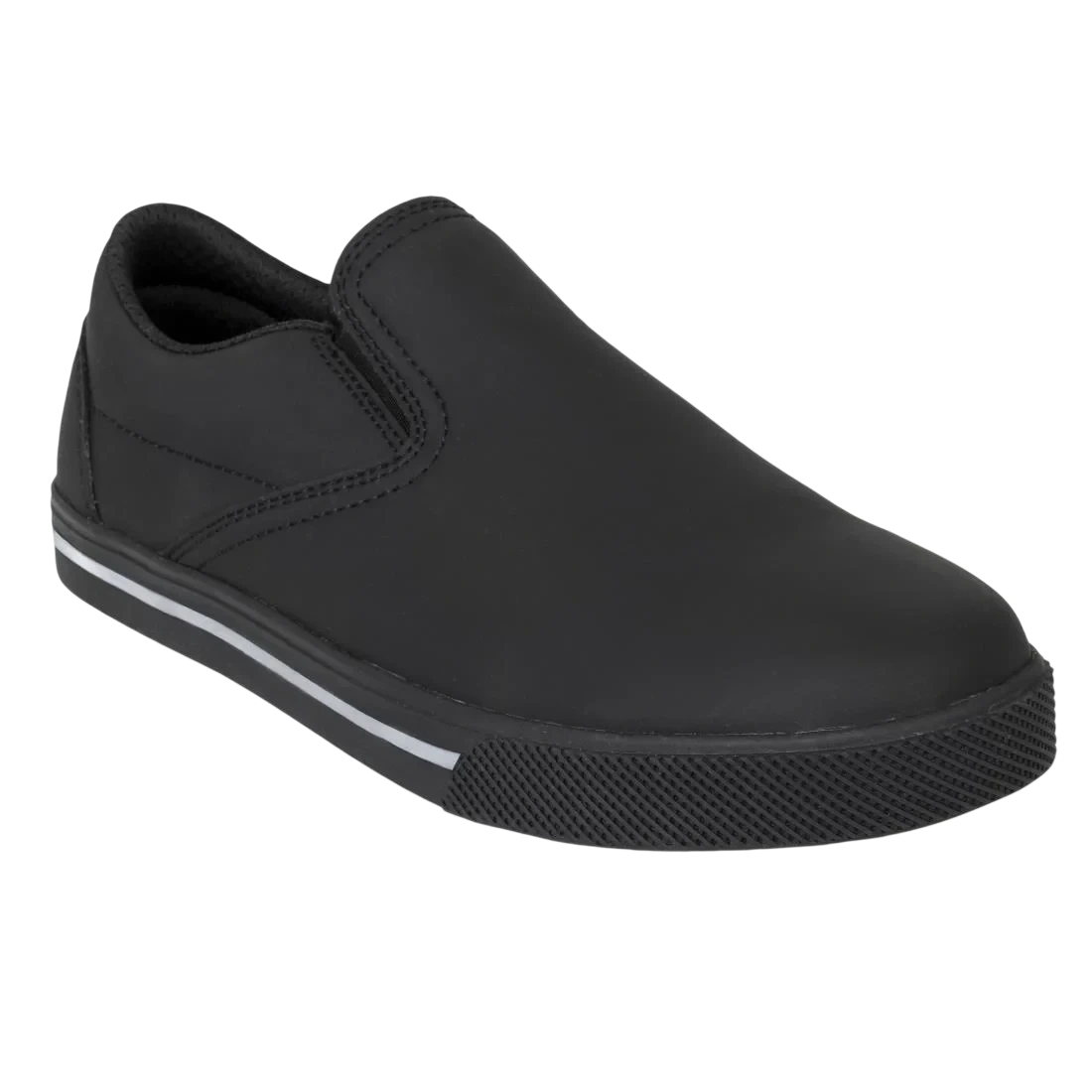
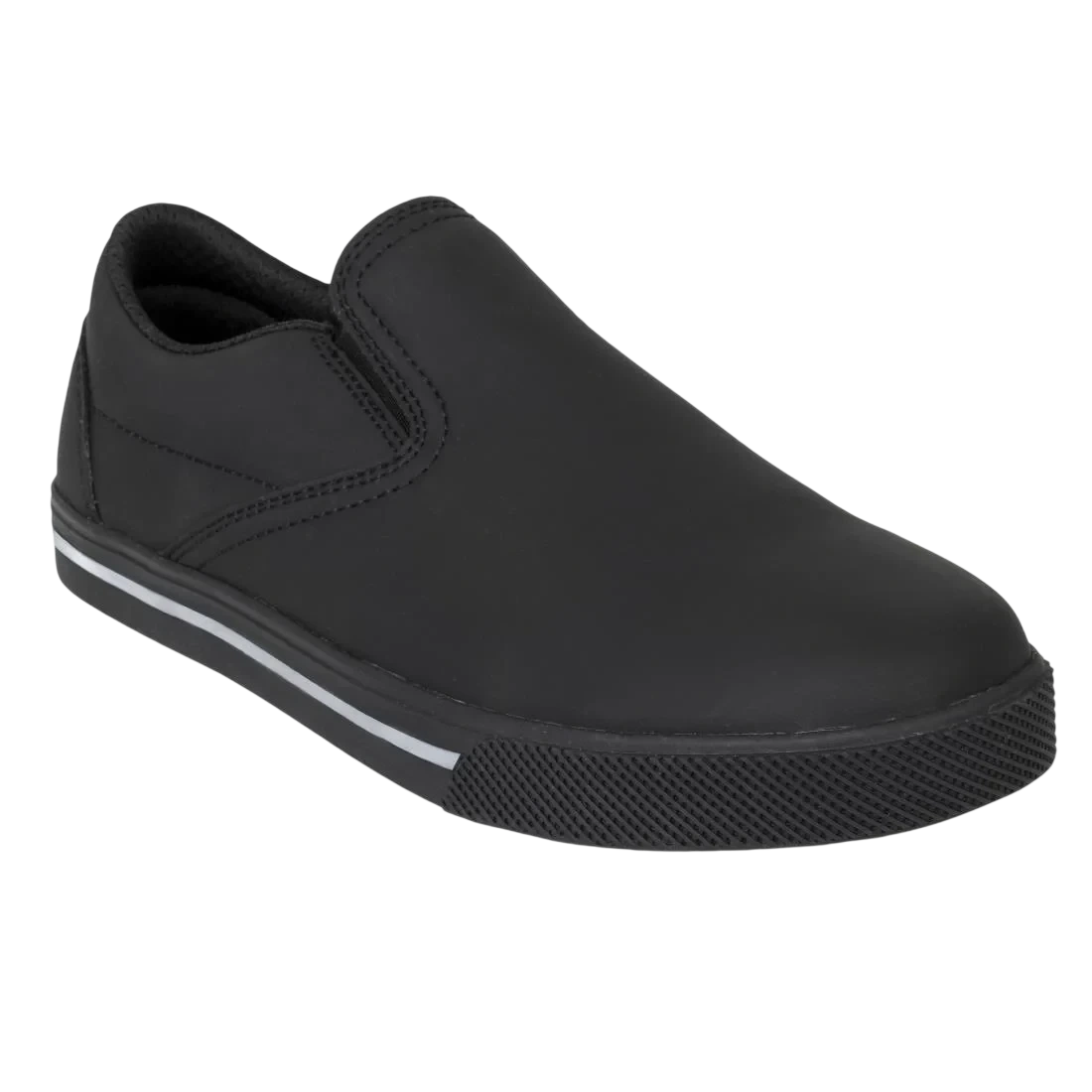
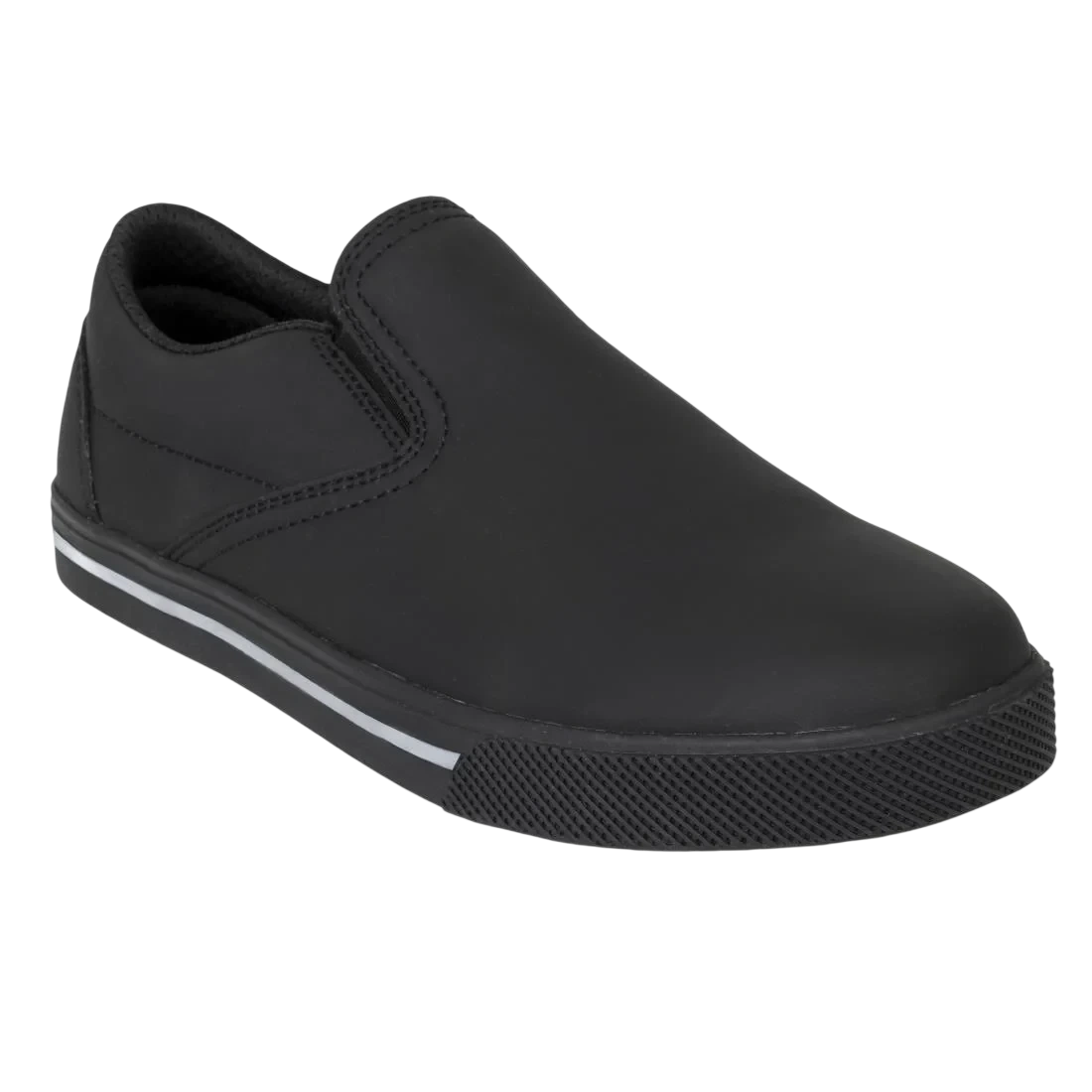
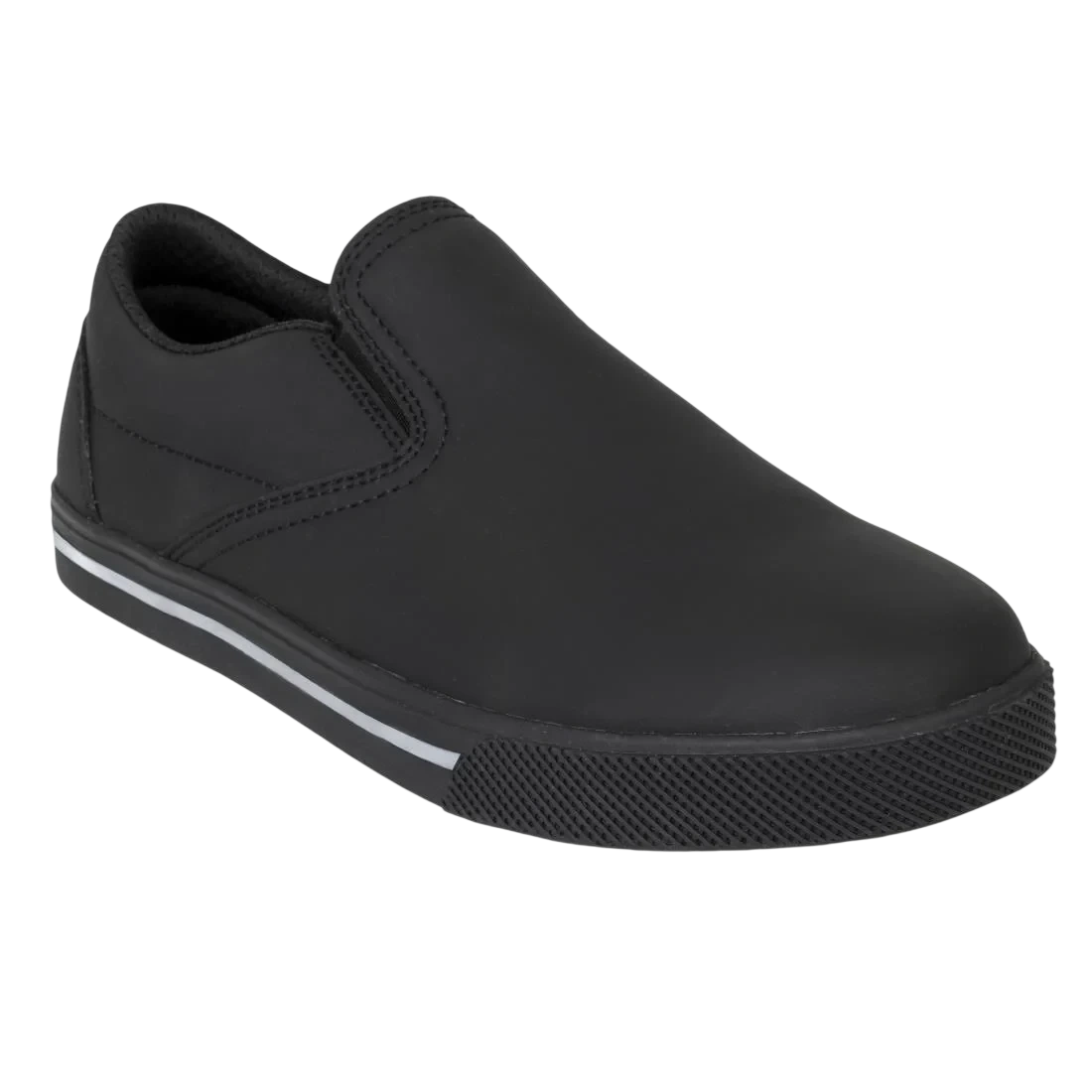
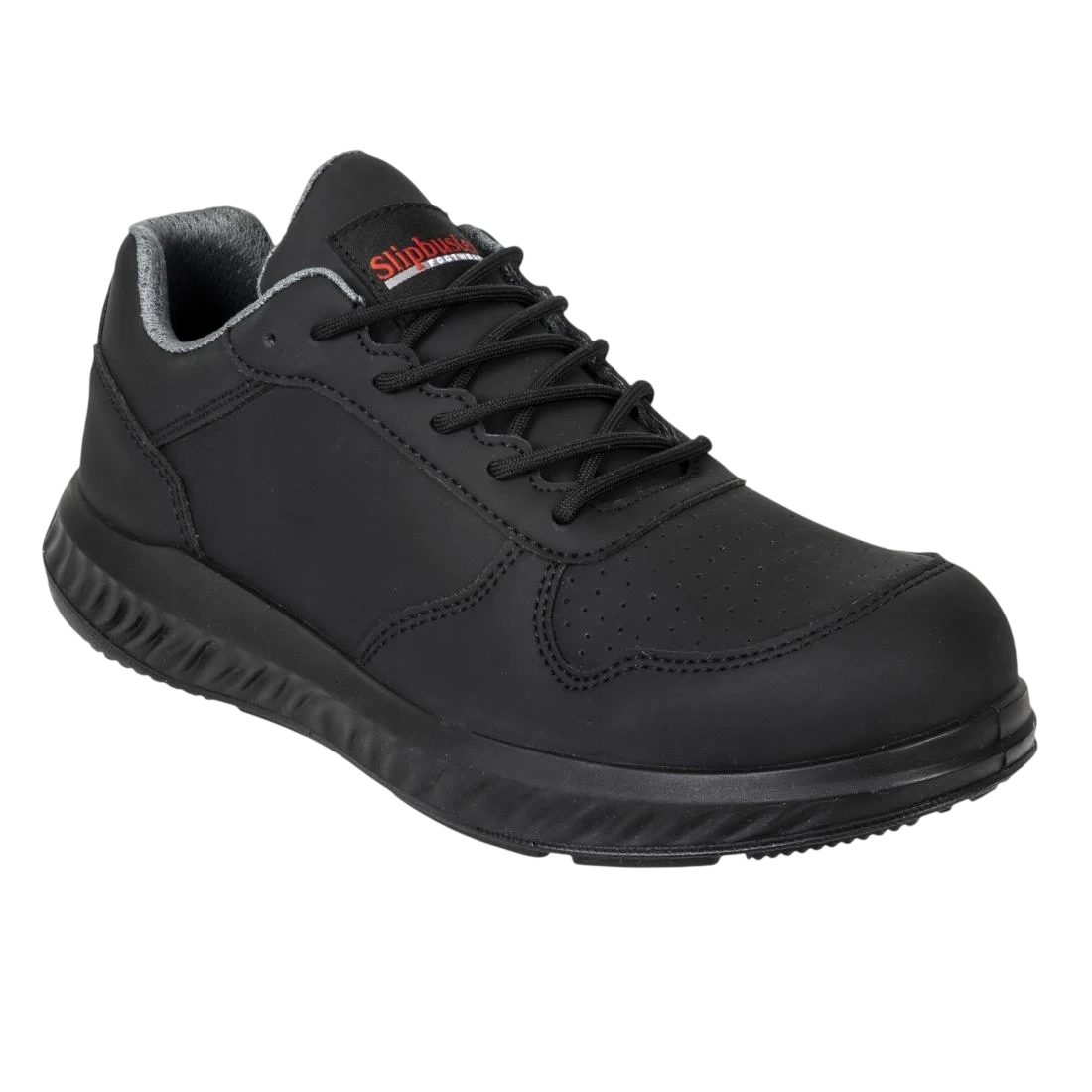
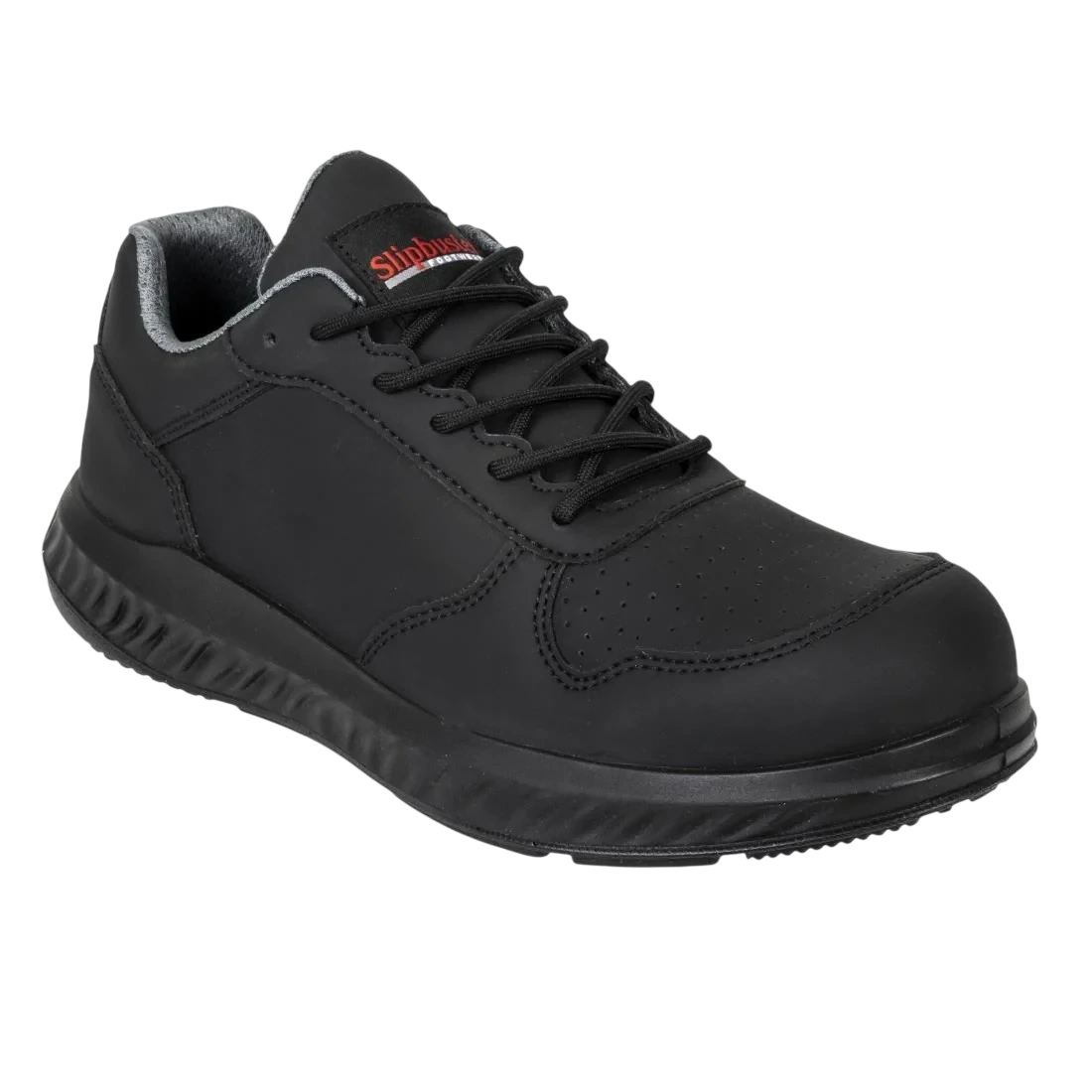
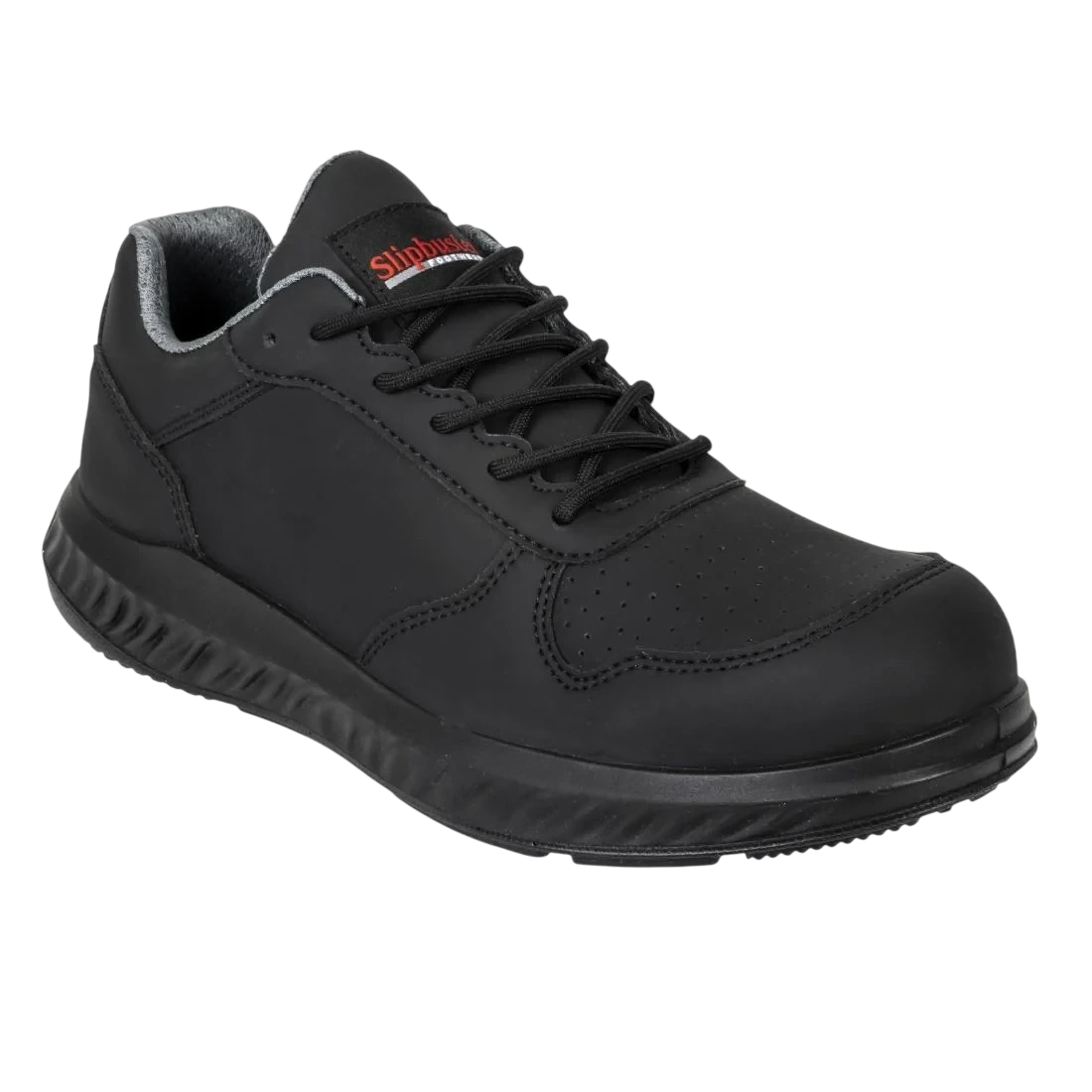
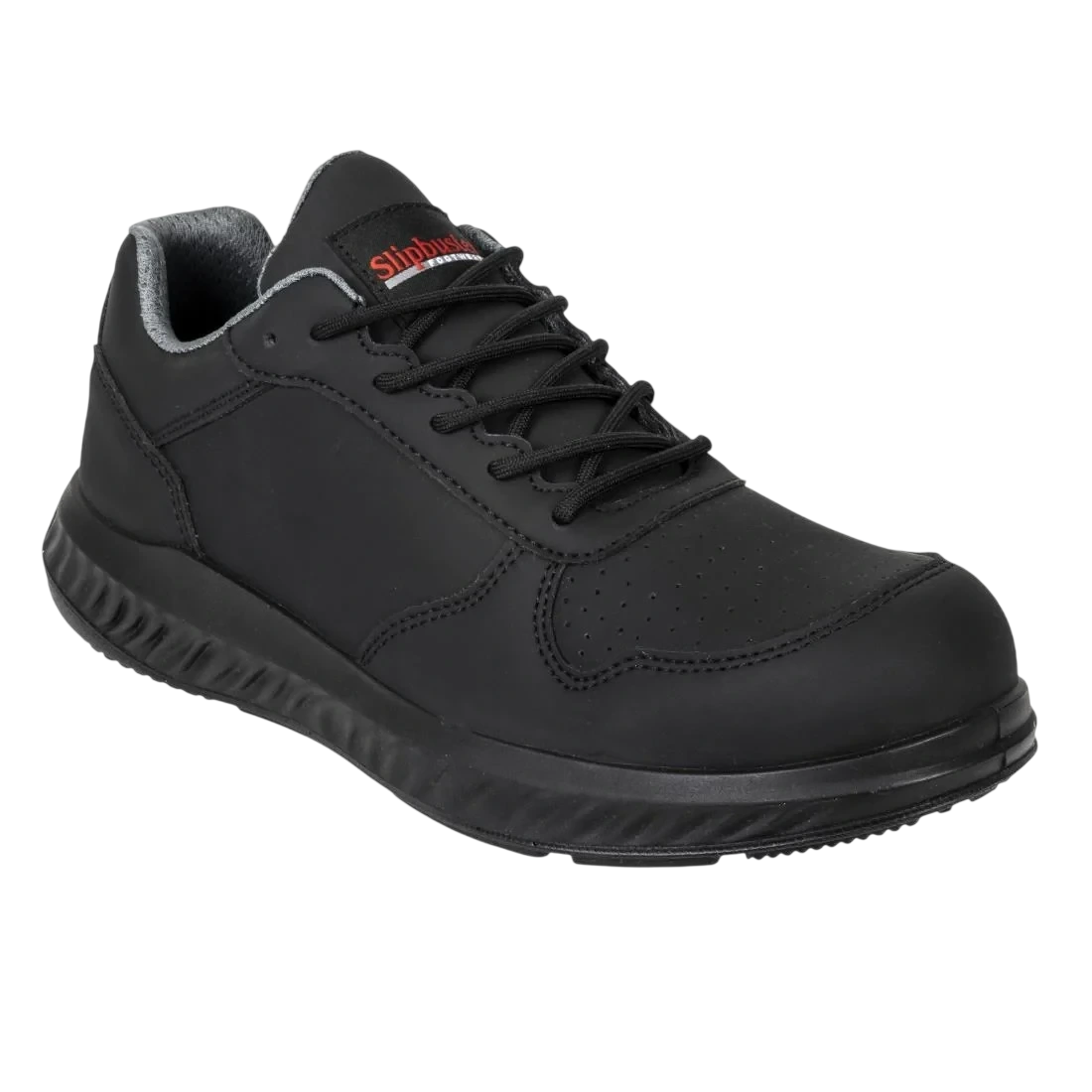
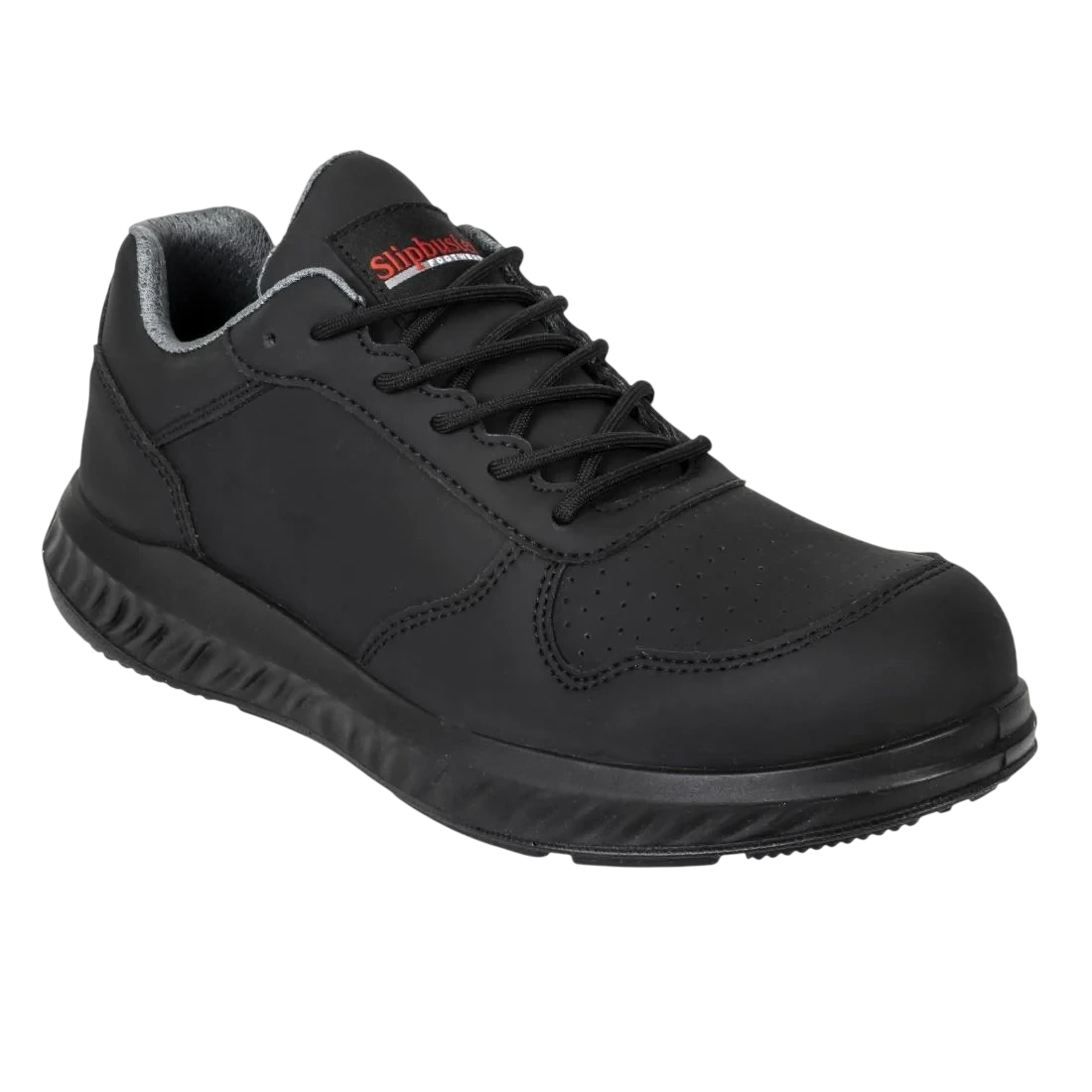
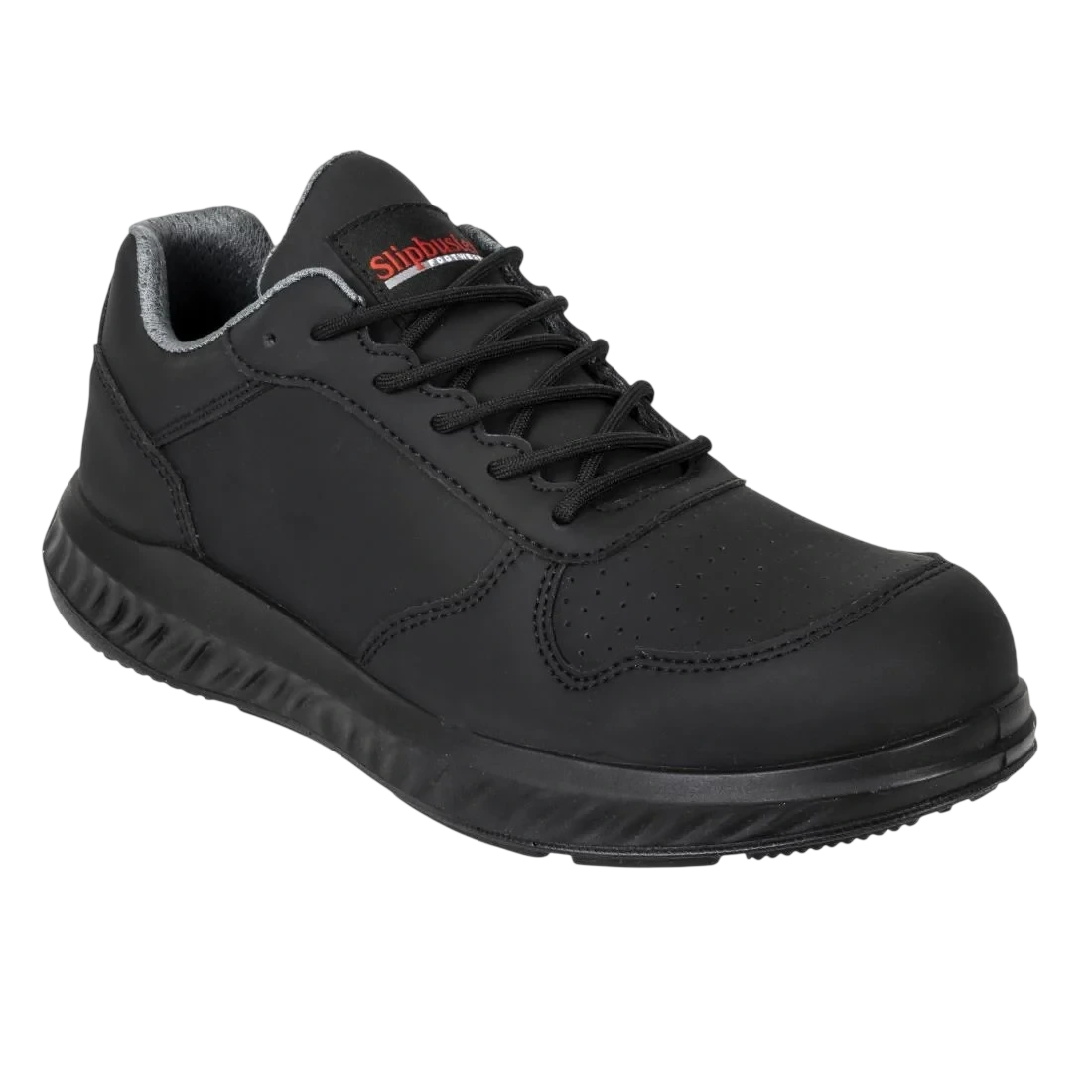
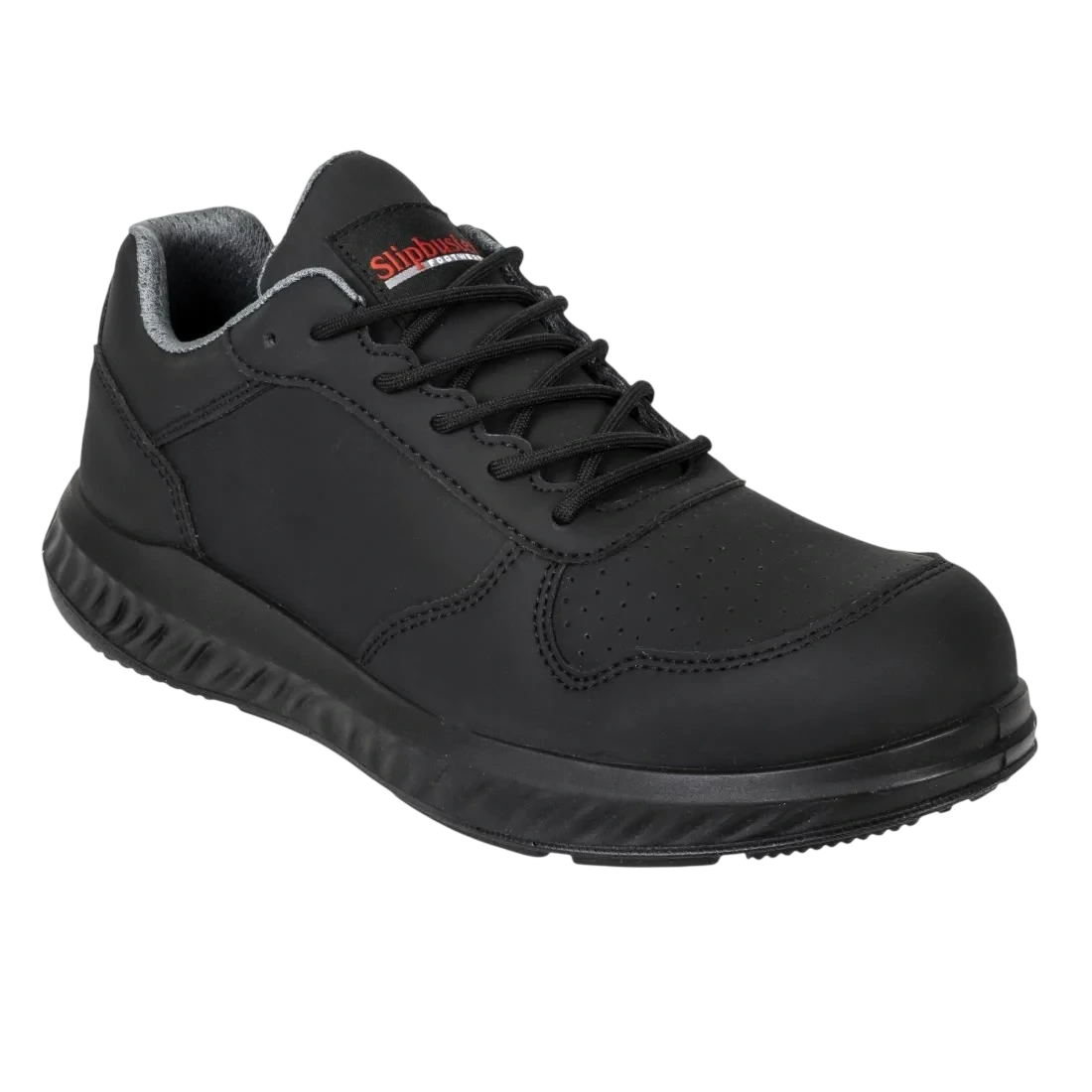
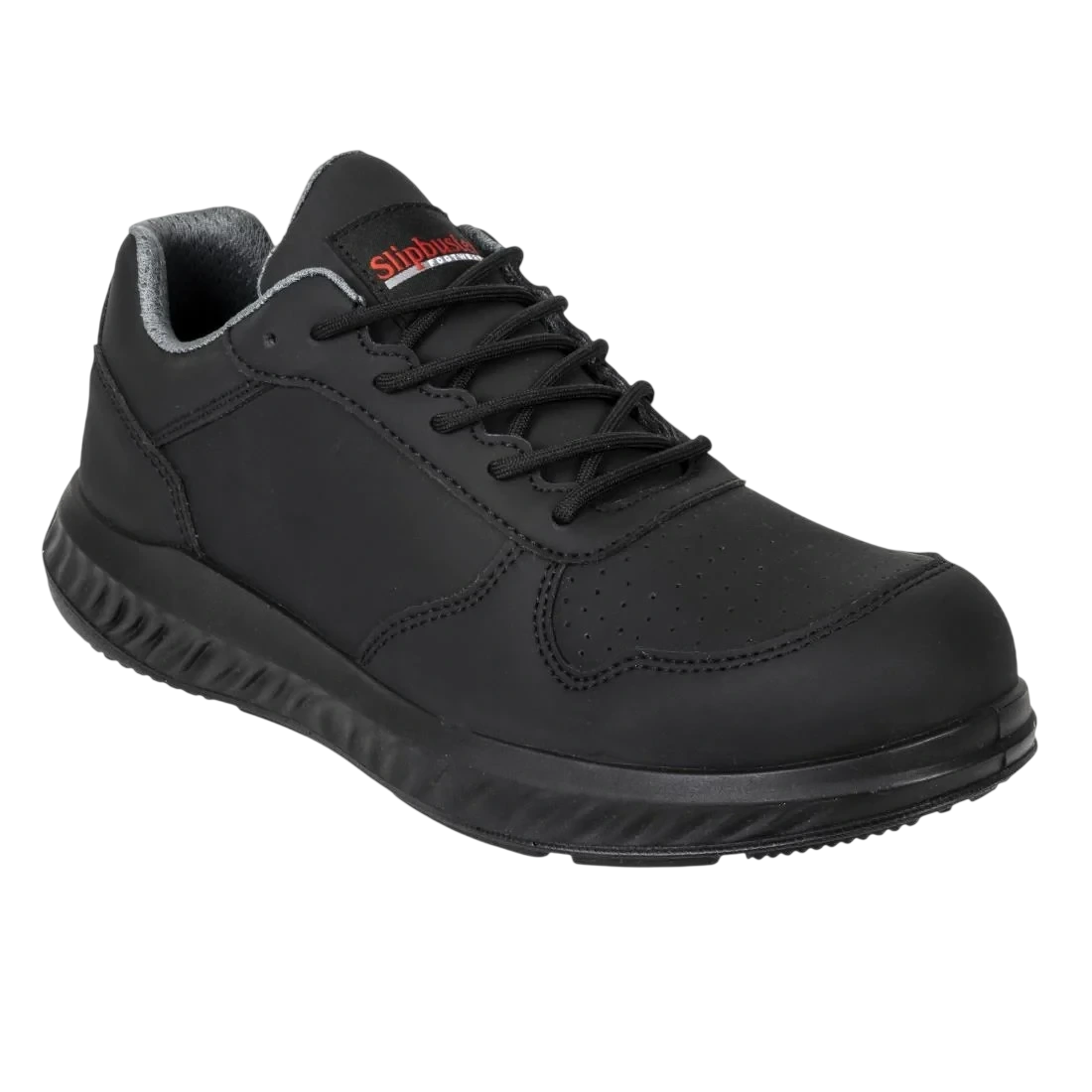
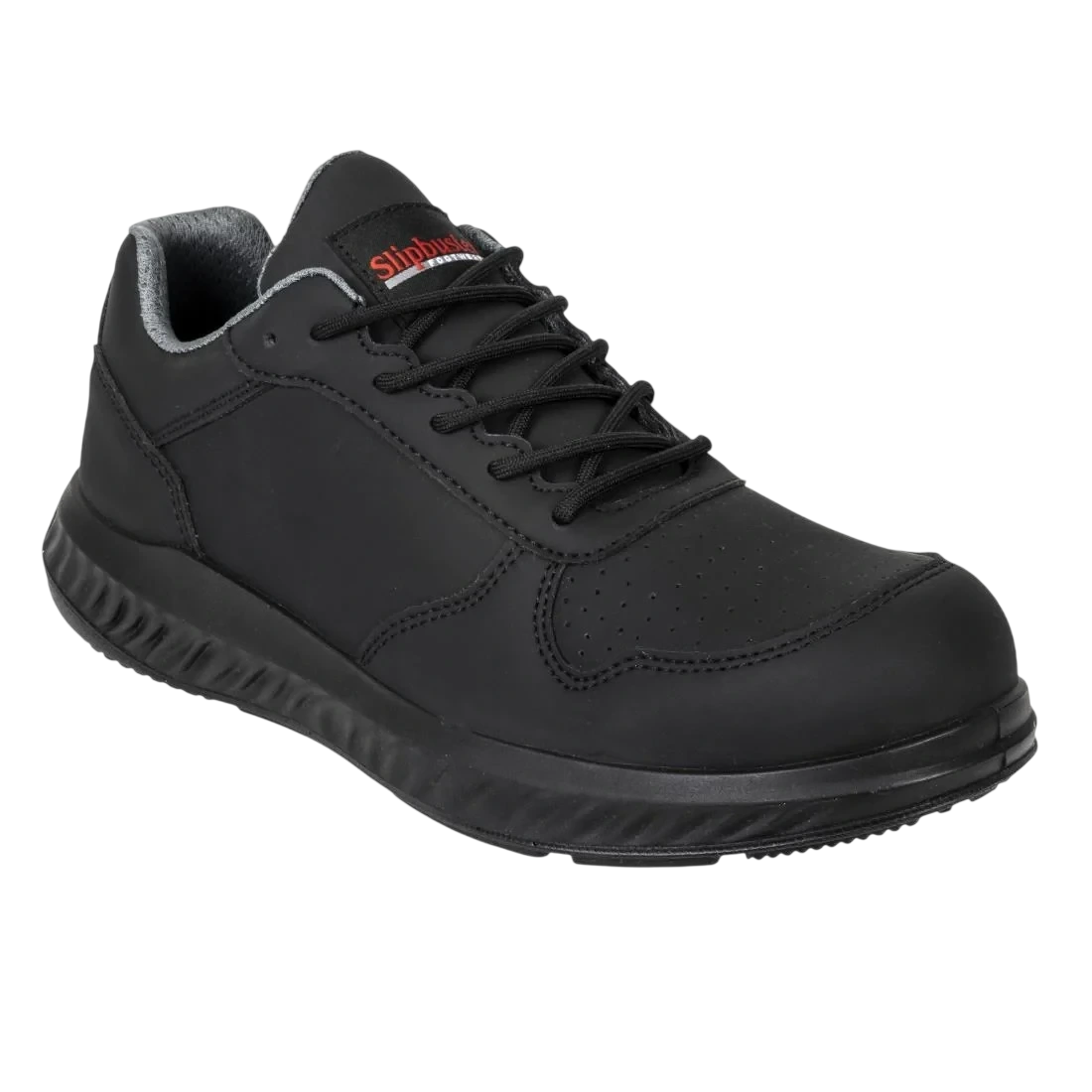
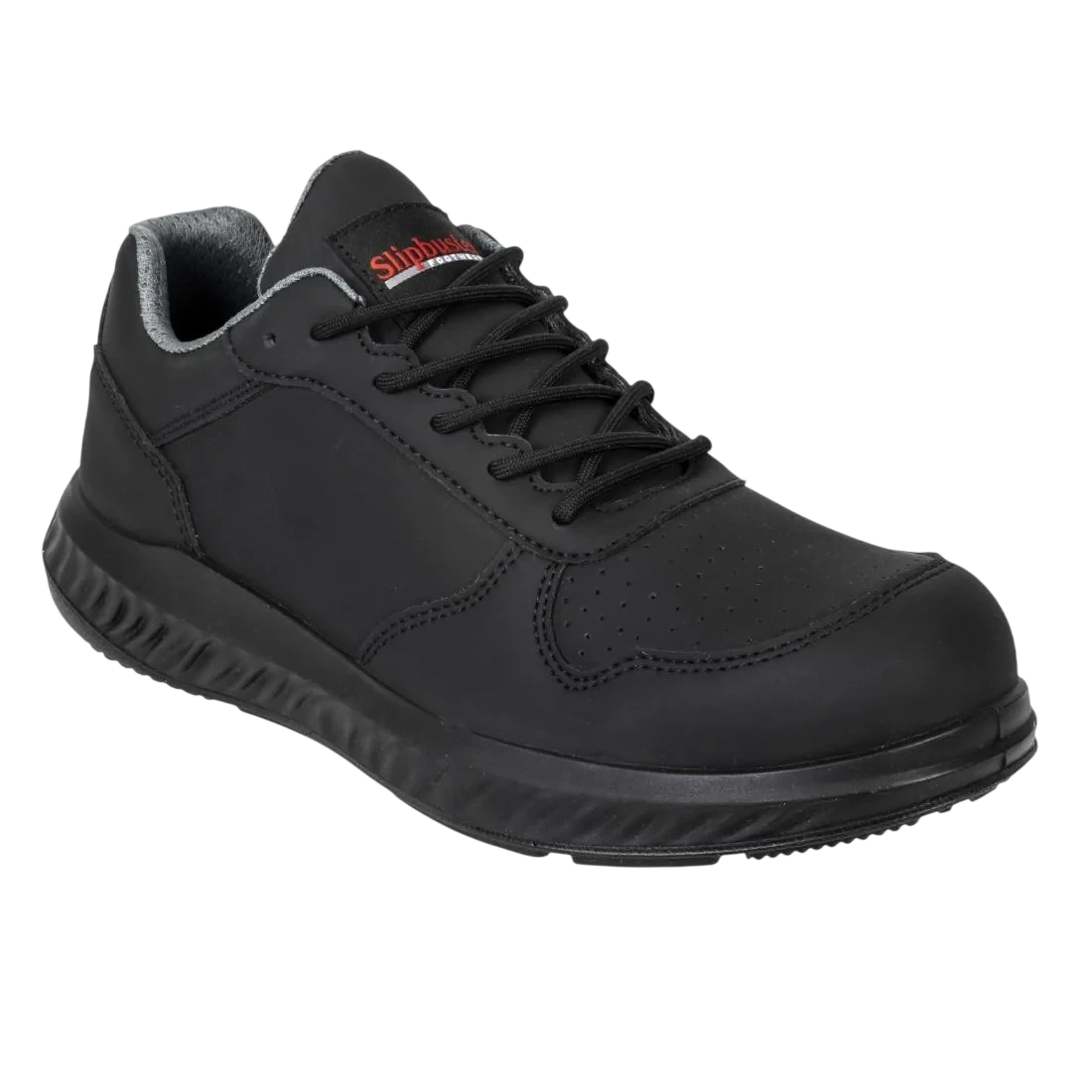
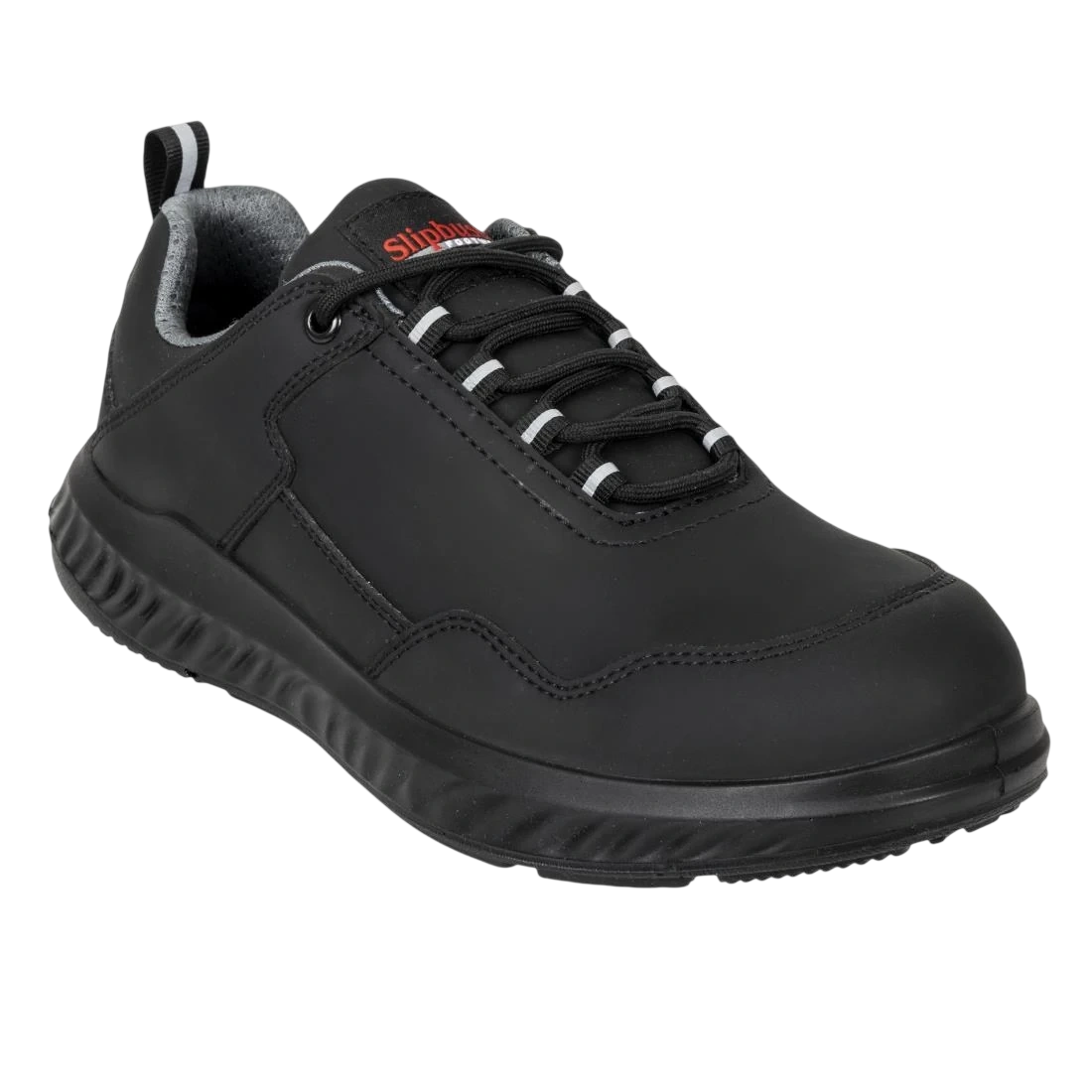
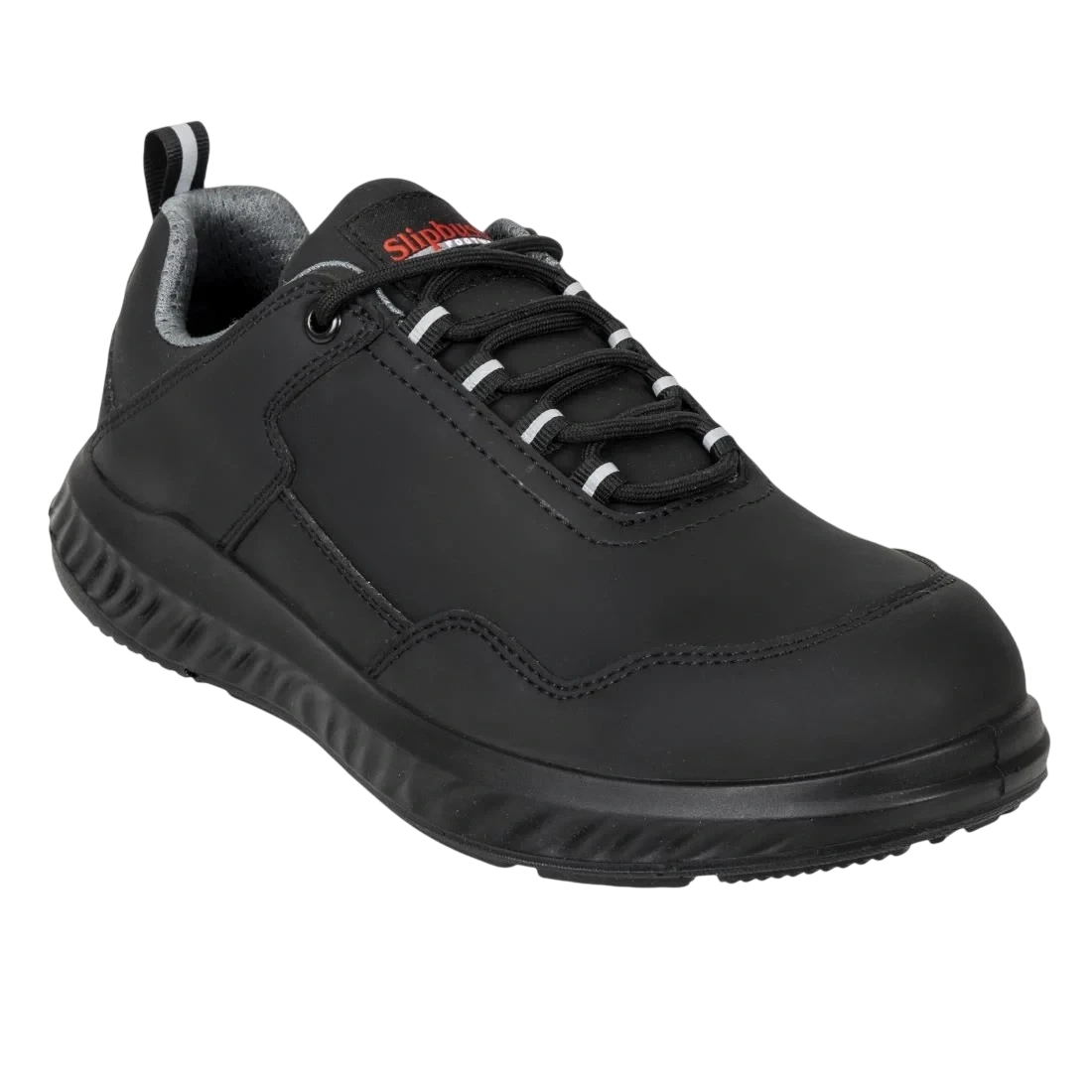
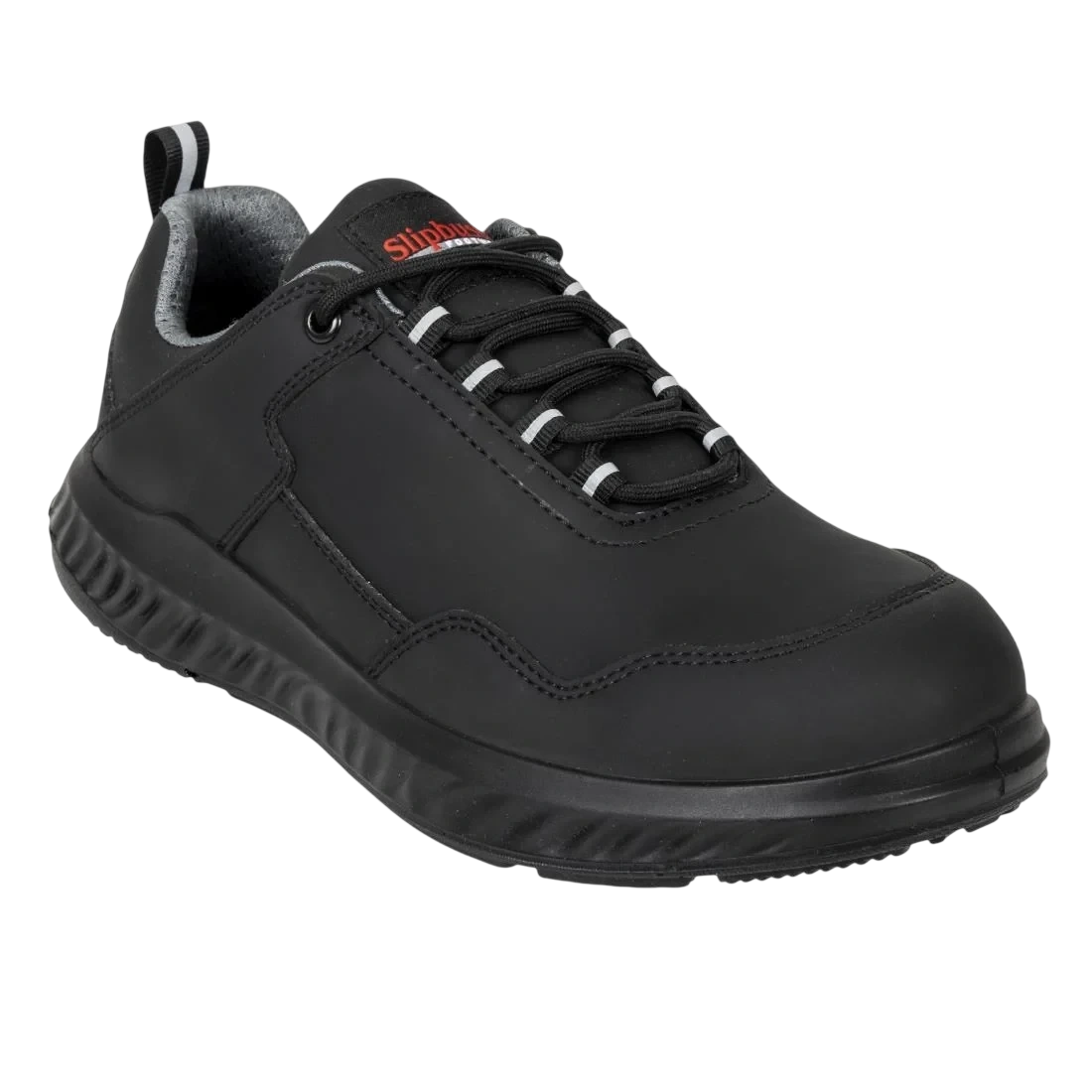
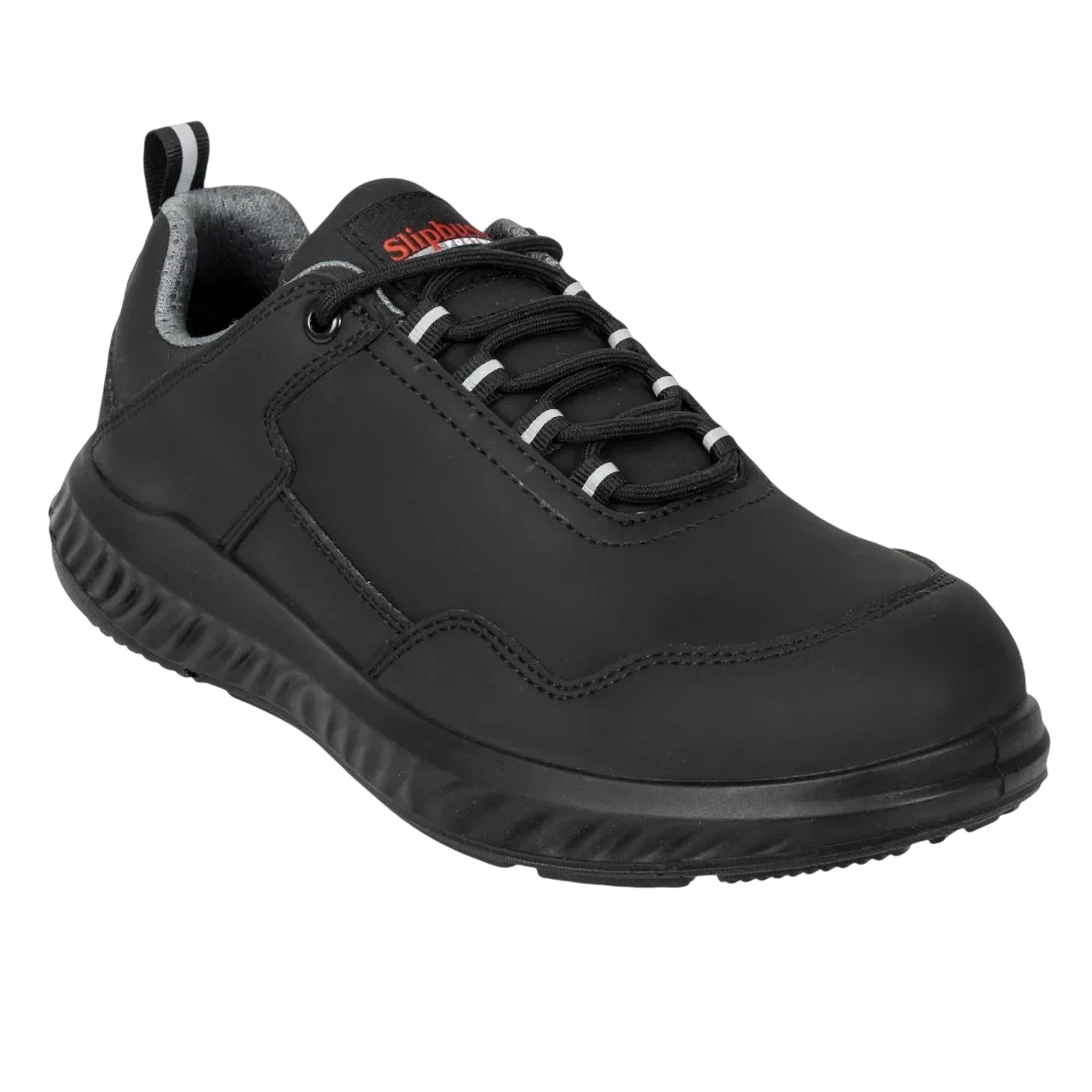
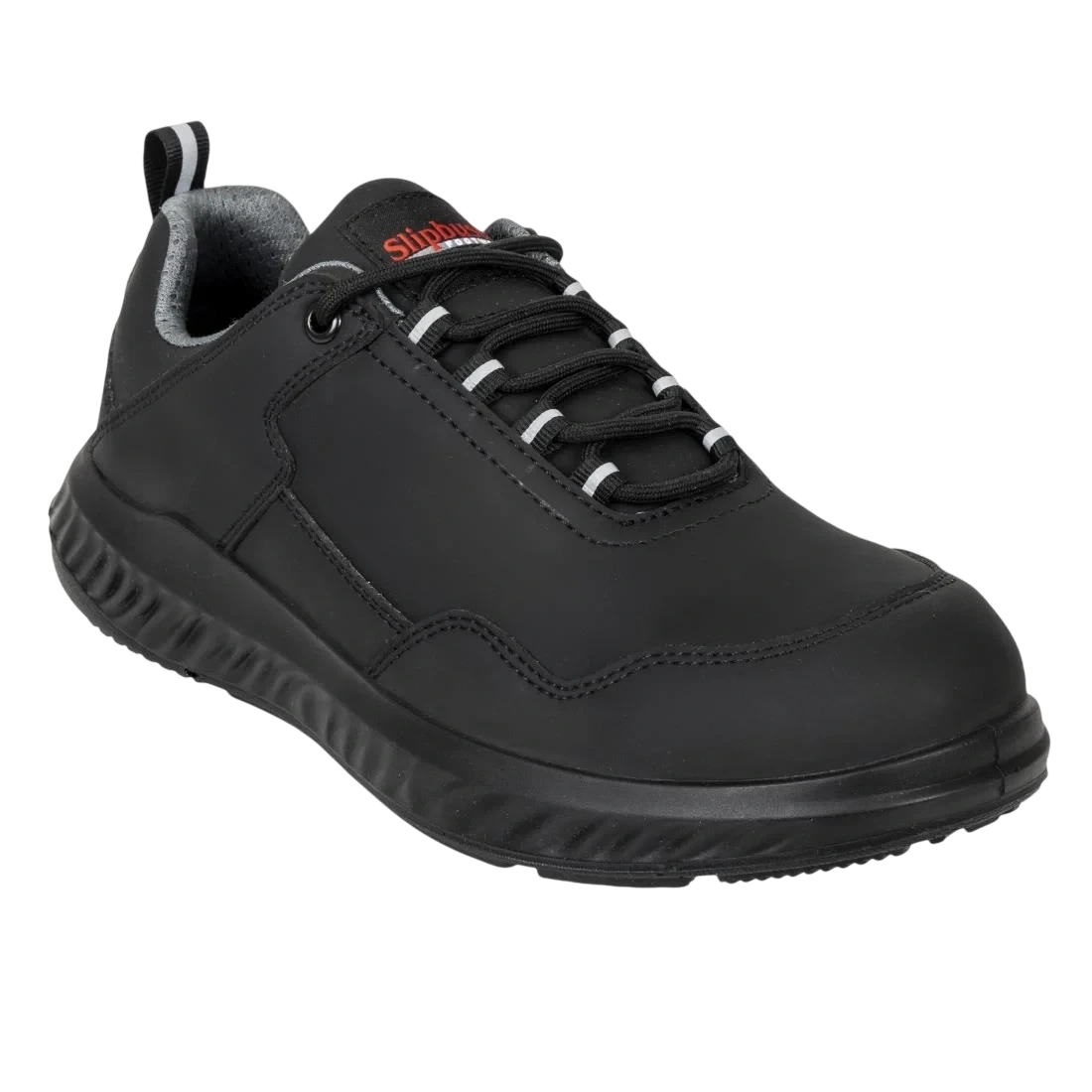
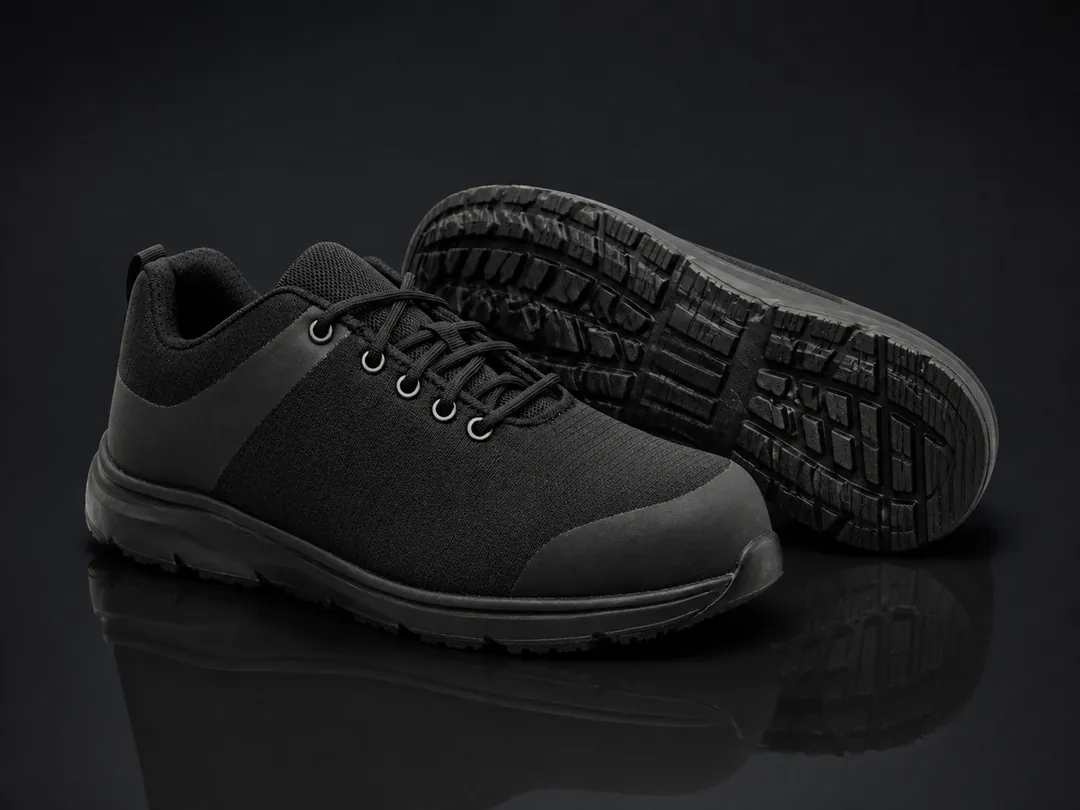
Kitchen footwear is chosen for a floor that is wet, greasy and hard, worn for a whole shift. Slip resistance is the first requirement and the one that is hardest to judge from a photograph: the sole compound and tread pattern together decide grip on a floor with a film of oil and water, which is a different surface from a wet floor alone.
Protection is the second layer. A kitchen is a place where knives, pans and hot liquid are dropped, so a closed upper and a covered toe matter more than they do in most work footwear. Where heavy items are handled, safety shoes with a reinforced toe are worth considering; where the risk is spillage rather than impact, a closed water-resistant upper does more.
Comfort over a long shift is not a luxury in this category. Chefs shoes are worn standing for hours on an unforgiving floor, so cushioning, arch support and weight decide whether the shoes are actually worn or replaced with something less suitable.
Kitchen clogs remain common because they are quick to put on and take off and easy to wipe down, though an open heel gives up some protection. Match the format to how the kitchen actually works rather than to what looks professional.
Key factors to consider before purchasing. Our team can help you find the right fit — call or get a quote anytime.
Match equipment capacity to your daily output. Consider available floor space and door clearances.
Confirm levelling, wall clearance and the access needed for cleaning and service. We can help with kitchen planning.
Submit your kitchen requirements — our equipment specialists will send you a tailored shortlist of kitchen footwears that fits your budget, venue type and compliance needs.
Standards & Compliance
Before comparing kitchen work shoes, confirm the floor surface and what is typically on it, whether spillage or dropped-object impact is the greater risk, and how long a shift runs. Check whether closed heels are required by the venue's own policy.
Look at how the sole is attached, whether the upper can be wiped rather than needing washing, and how the shoe drains if liquid gets inside. Footwear is replaced on wear rather than repaired, so the practical question is how many months a pair lasts in that kitchen rather than what it costs on the day.
FAQ
Yes—commercial shoes include certified non-slip soles to prevent workplace accidents.
Most are water-resistant or waterproof to handle spills and wet floors.
Yes—proper insoles and cushioning are designed for long hours on your feet.
Yes—open-toe footwear is unsafe and not allowed in commercial kitchens.
Some can; others require wipe-clean maintenance depending on material.
The sole compound and tread pattern working together on a floor carrying both water and grease. That is a different surface from a merely wet floor, so a general wet-floor rating does not tell you how a shoe behaves at a fryer or a pass.
Where heavy pans, equipment or stock are handled, yes. Where the main risk is hot liquid and spills, a closed water-resistant upper matters more and a lighter shoe is worn more consistently through a shift.
They are common because they are quick to put on and easy to clean, but an open heel gives up protection and stability. Check whether the venue requires a closed heel before choosing a clog format.
Judge on months of service in that kitchen rather than on purchase price. Footwear is replaced rather than repaired, and a pair whose sole hardens or delaminates early costs more over a year than a more durable pair.
Why KW
KW can help match slip resistance, protection level and shoe format to the floor and the risks in a particular kitchen, and to the length of shift being worked. For practical advice on chef footwear, call KW on 1300 001 366.
Deep Dive
Technical depth from KW's commercial kitchen specialists.
A wet floor and a greasy floor are different surfaces. Non slip performance — how slippery the floor feels underfoot — depends on the sole compound and tread pattern together, so judge footwear against the film that actually forms in the kitchen rather than against a general wet-floor rating.
Where hot liquid and spills are the main risk, a closed water-resistant upper does more than a reinforced toe. Where heavy pans and equipment are handled, kitchen safety shoes with toe protection are worth the extra weight. Decide which risk dominates before comparing.
Standing for a full shift on a hard floor makes cushioning, arch support and weight practical requirements rather than preferences. The footwear that serves a venue is the pair staff will actually wear, because unsuitable shoes get replaced with unsuitable alternatives.
Kitchen clogs are quick to put on and easy to wipe down, which is why they persist, but an open heel gives up protection and stability. Confirm whether the venue's own policy requires a closed heel before standardising on a format.