Vogue
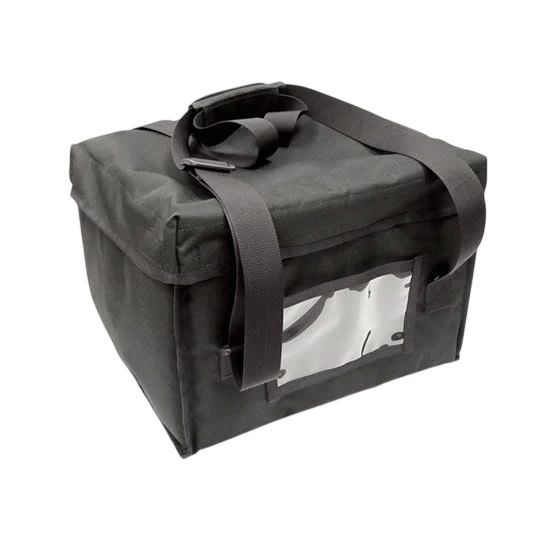
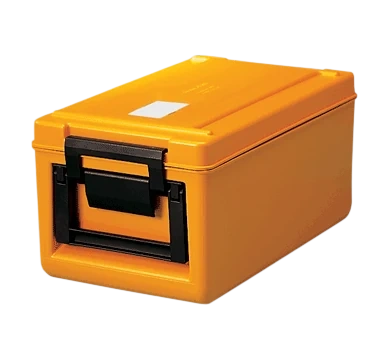
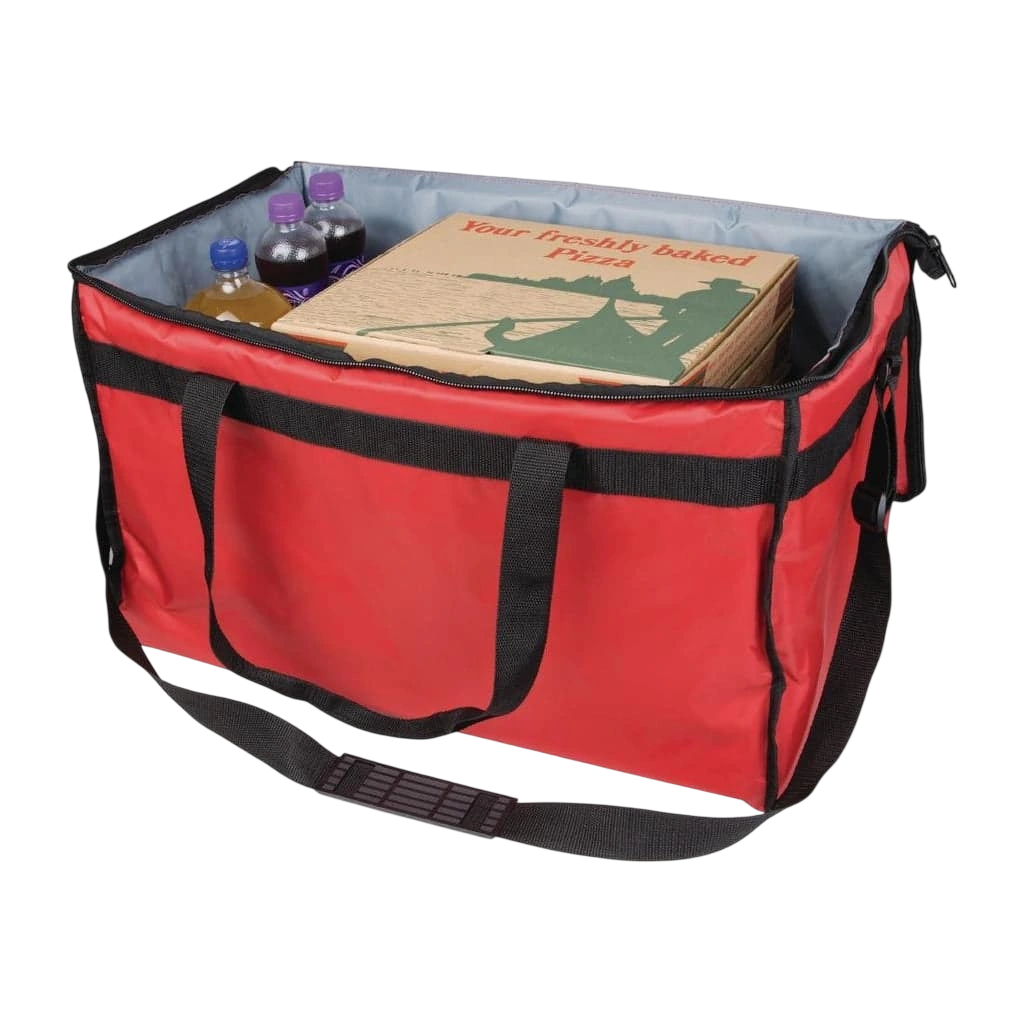
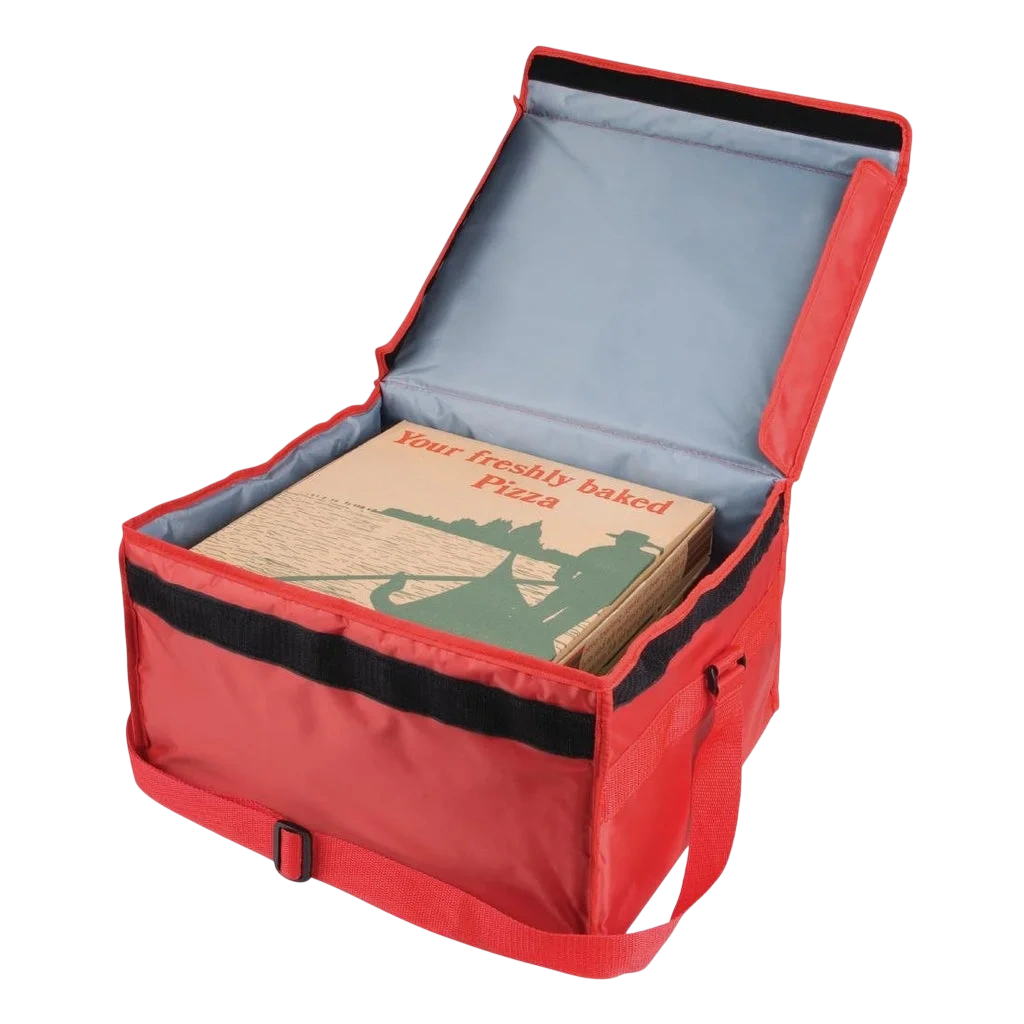
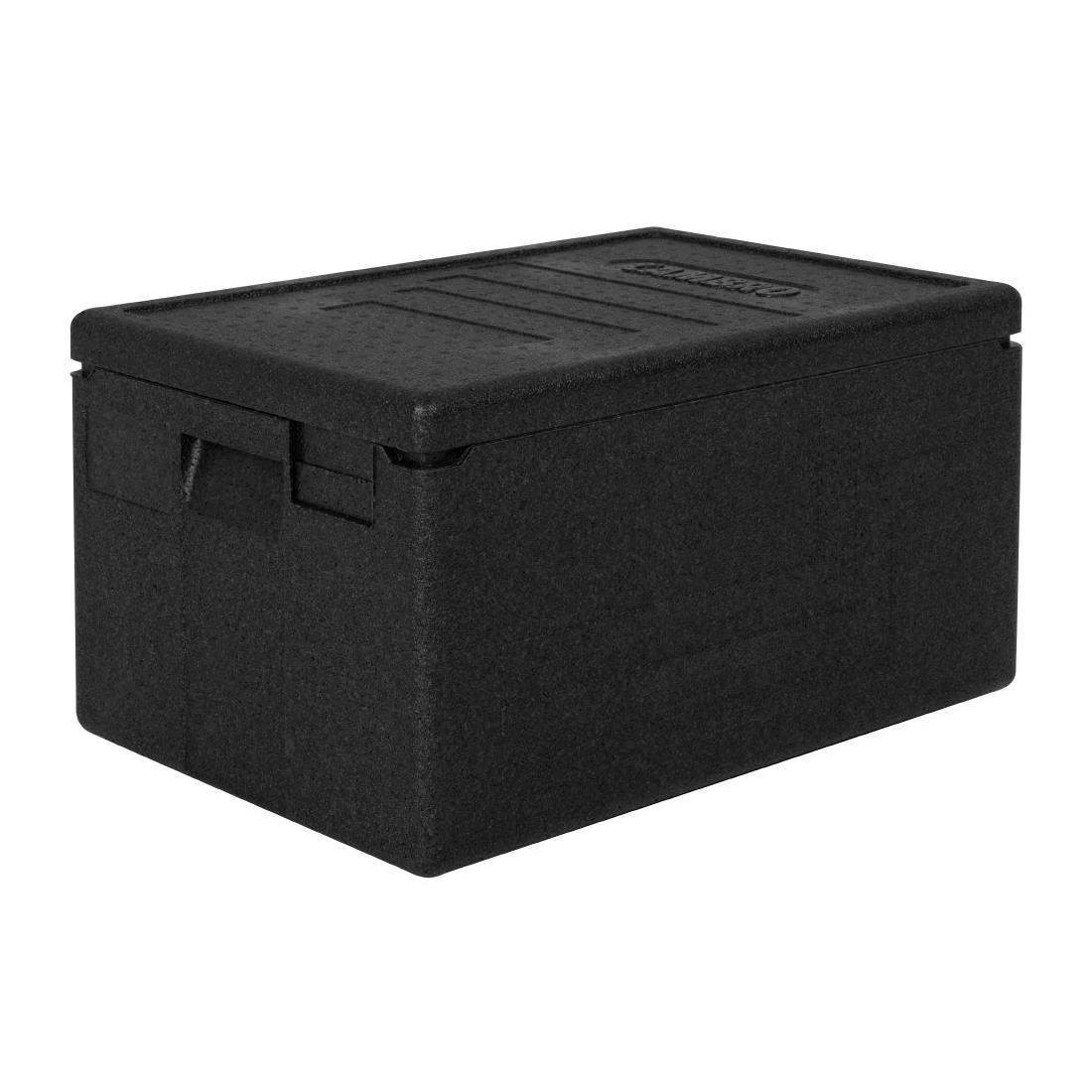
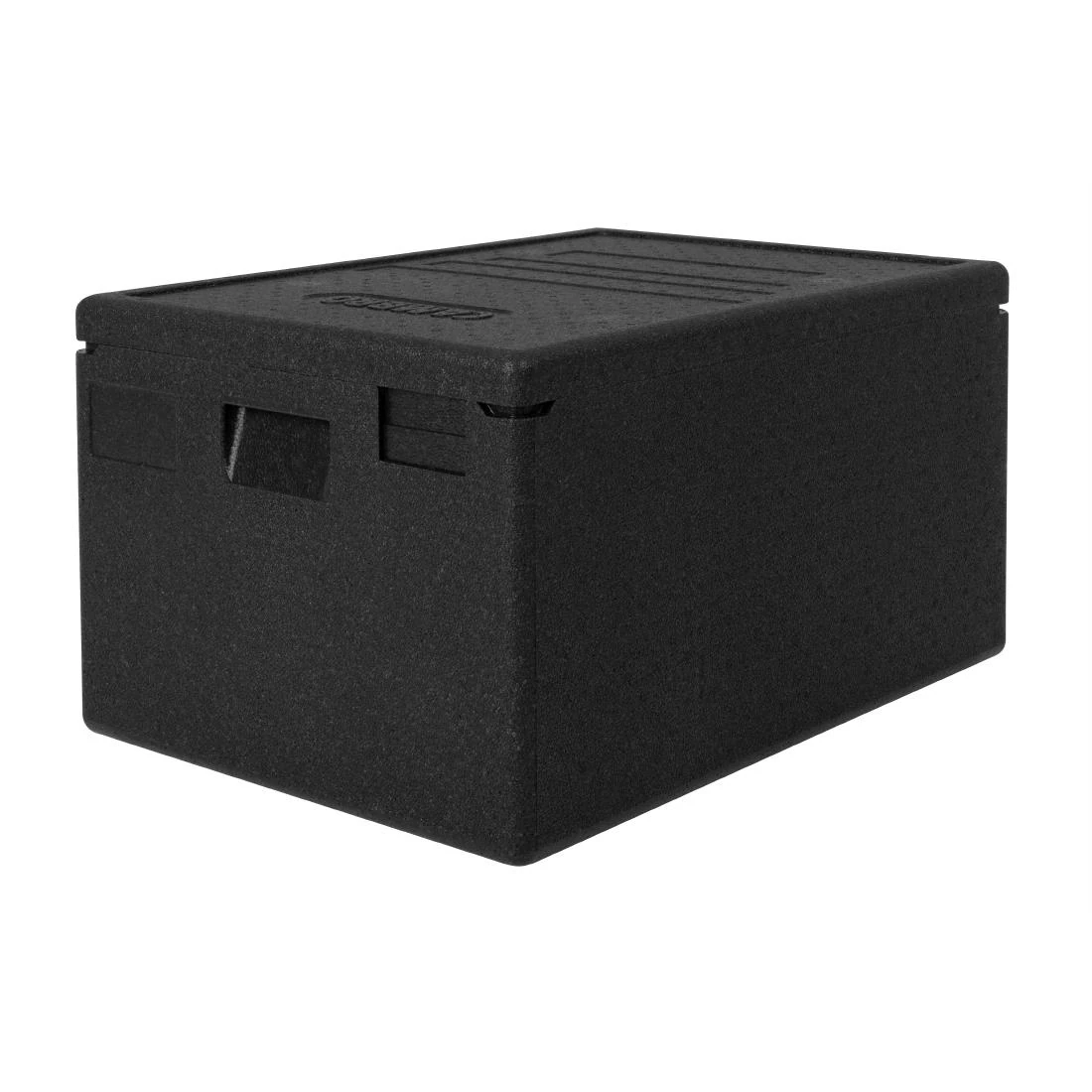
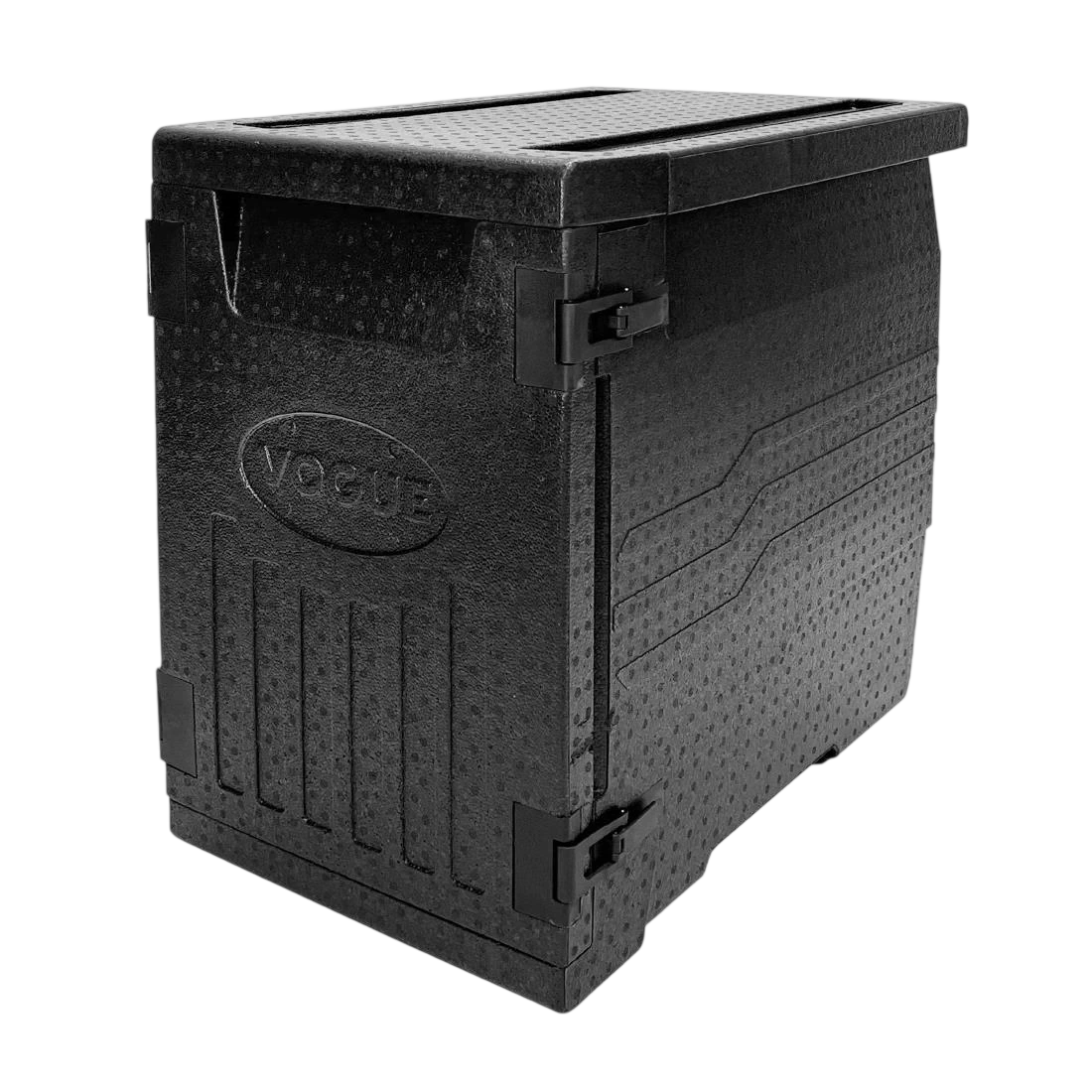
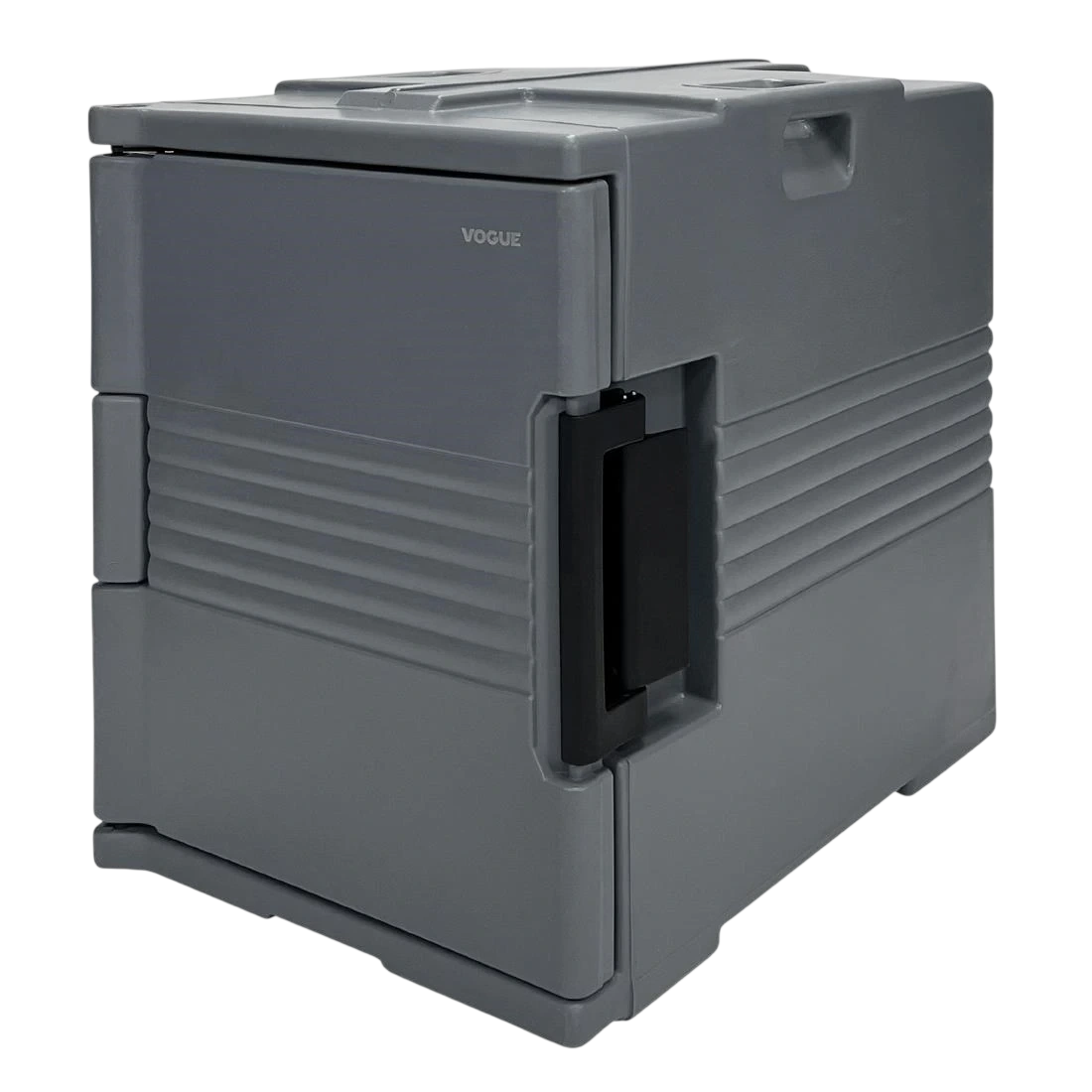
Vogue GG141 Large Polyester Insulated Food Delivery Bag – 580mm
580 × 380 × 355mm
$54.00$65.90
In Stock
Trolley & Bins
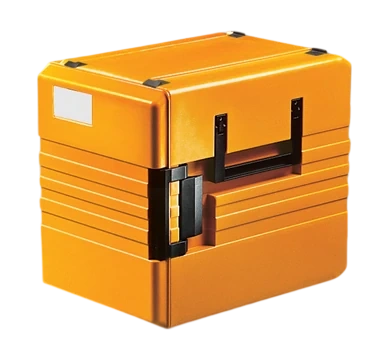
A food carrier — insulated bag, thermal carrier or rigid box — is specified by the journey rather than by the meal. How long food is in transit, whether it leaves the building, and whether it is held hot or cold together decide the insulation required and the format that suits the trip. A carrier that works for a short internal move between kitchen and function room is a different item from one used for road delivery.
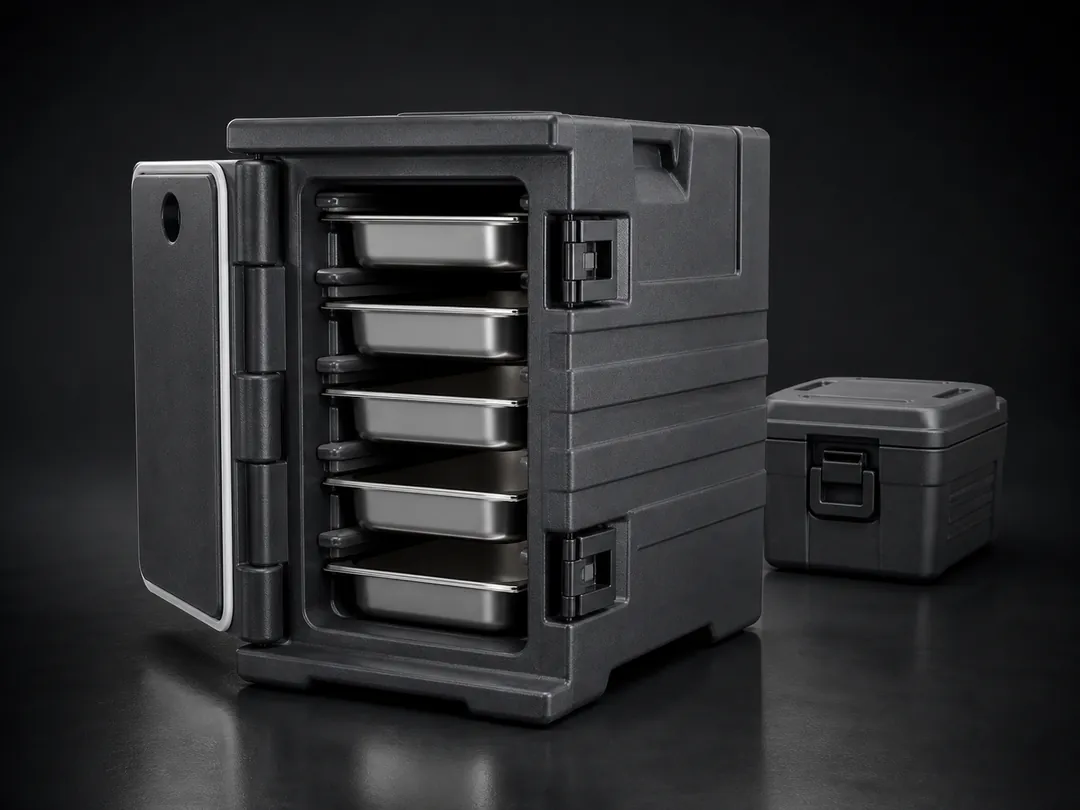
Capacity is measured in what the carrier actually holds — pan sizes, container footprints or the number of orders per run — rather than in litres alone. Match the internal dimensions to the containers already in use, because a carrier that will not accept the standard pan or box in the kitchen forces repacking at the busiest moment.
Format follows handling. Soft insulated bags are lighter, fold away between runs and suit delivery work where the carrier is carried by hand. Rigid carriers hold their shape under stacking, protect contents from crushing and suit repeated loading in and out of vehicles or trolleys.
Key factors to consider before purchasing. Our team can help you find the right fit — call or get a quote anytime.
Match equipment capacity to your daily output. Consider available floor space and door clearances.
Check the power supply at the installed position — phase, amperage and circuit capacity — before ordering.
Confirm electrical compliance, levelling and the clearance needed for cleaning and service access. We can help with kitchen planning.
Submit your kitchen requirements — our equipment specialists will send you a tailored shortlist of food carrier that fits your budget, venue type and compliance needs.
Standards & Compliance
Before comparing carriers, confirm the longest journey the food will make, whether it is held hot or cold, and the exact containers to be loaded. Measure the internal dimensions against those containers rather than relying on stated capacity.
Check how the closure works when the carrier is full and being handled in one hand, how the lining is cleaned, and whether the base tolerates being set down on the ground outside the kitchen. Carriers used for road delivery should also be checked for how they sit in the vehicle without tipping.
FAQ
High-quality carriers can retain temperature for 1–4 hours depending on insulation and loading.
Yes. Many front-loading and rigid units are designed for standard GN 1/1 and multi-pan configurations.
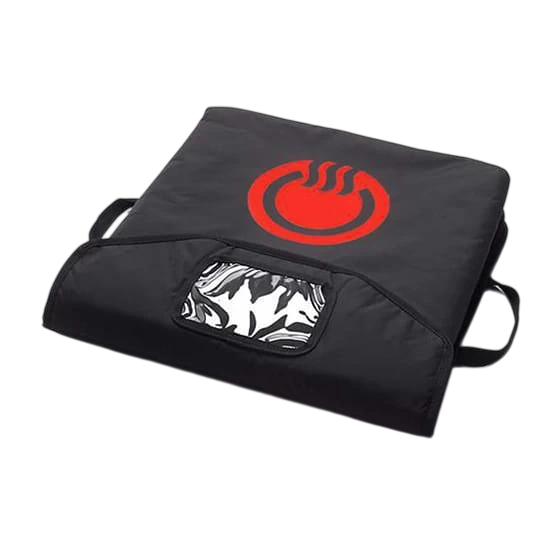
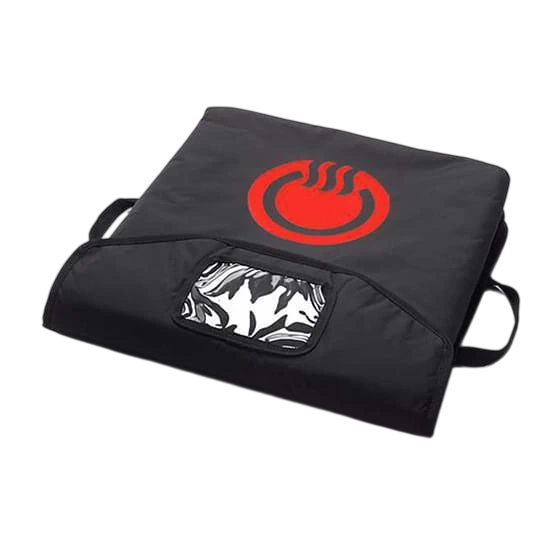
Absolutely. Pizza bags are a specific type of insulated food carrier built for flat box transport.
Yes. Insulated bags and containers maintain both hot and cold temperatures depending on use.
Consider how the carrier is handled. Soft bags are lighter and fold away, which suits hand-carried delivery. Rigid carriers hold their shape when stacked and protect contents from crushing, which suits repeated loading into vehicles or onto trolleys.
Why KW
KW can help match carrier format, internal dimensions and insulation to the journey food actually makes and the containers already in use, then consider handling and cleaning between runs. For practical advice on choosing a food carrier, call KW on 1300 001 366.
Deep Dive
Technical depth from KW's commercial kitchen specialists.
High-quality food carriers must meet commercial hygiene and durability standards:
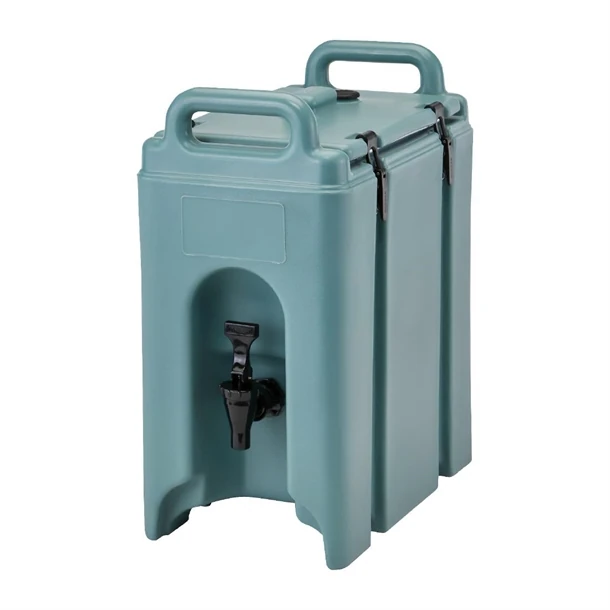
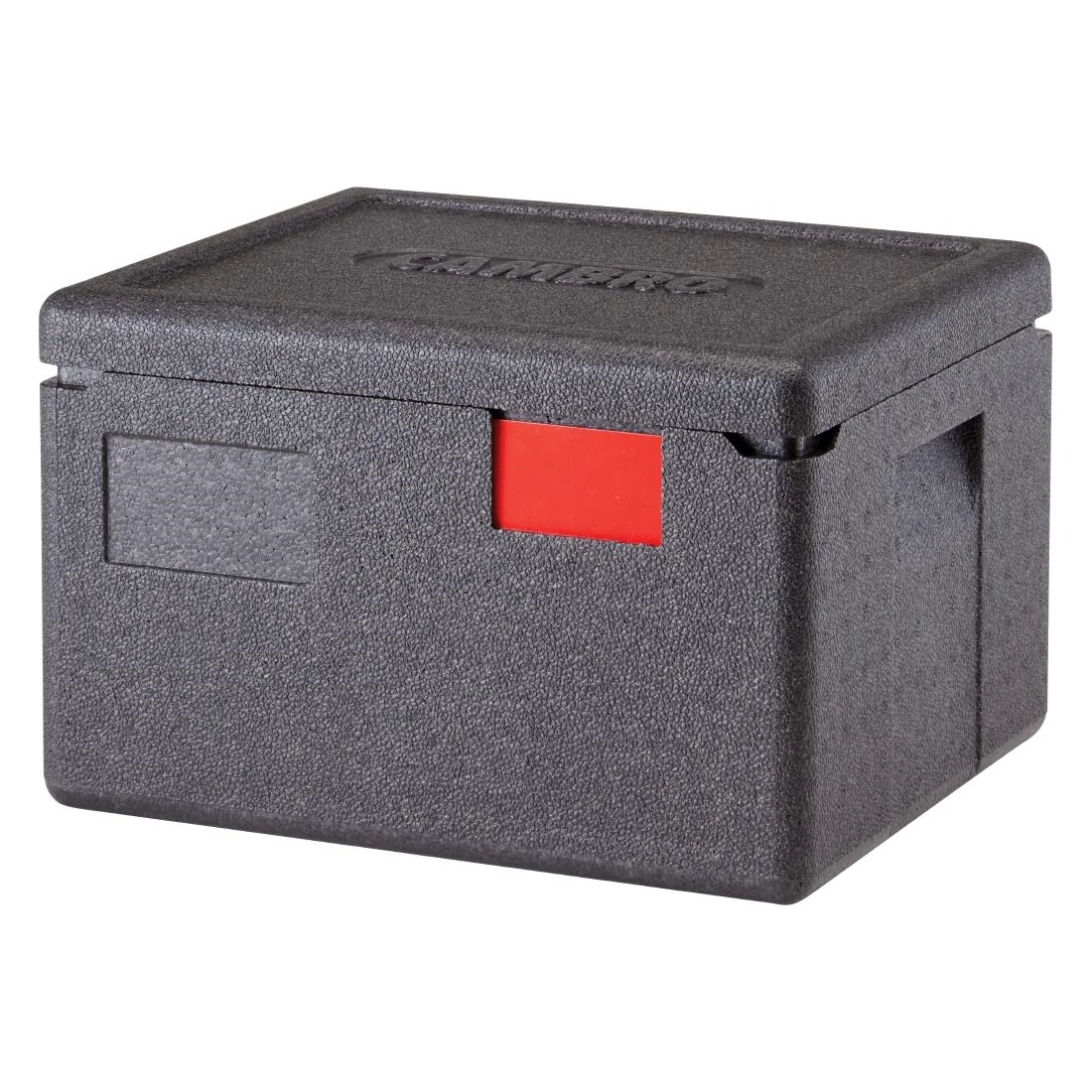
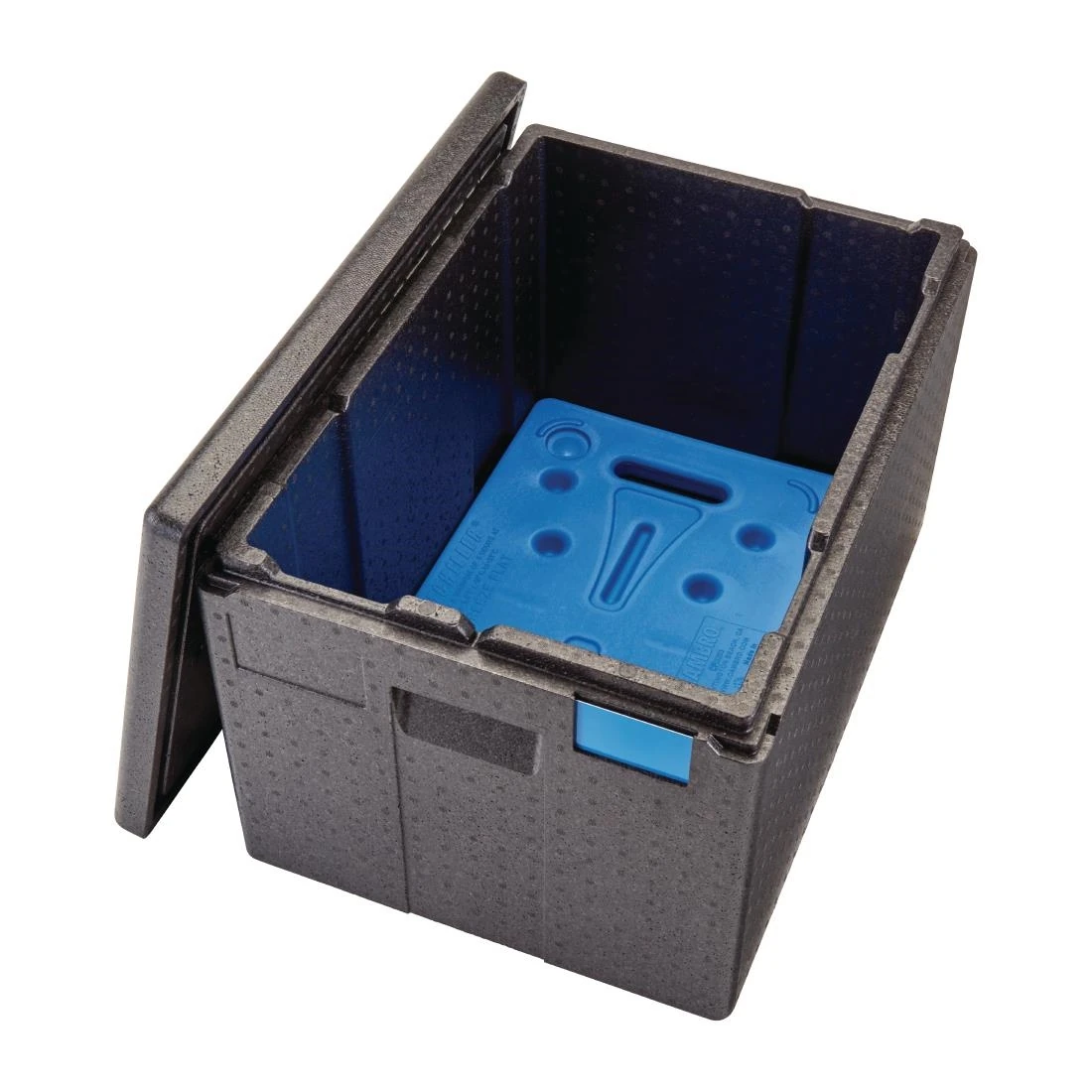
Explore our range of insulated food carriers designed for reliable hot and cold transport. Perfect for catering, delivery, restaurants and mobile food operations.
Start with the longest journey in normal service and whether food is held hot or cold on it. Short internal moves place light demands on insulation; road delivery over longer periods places more. Where both hot and cold items travel together, keeping them in separate carriers is usually more reliable than dividing one.
Measure the pans, trays or boxes the kitchen already uses and compare them against the carrier's internal dimensions, not its stated volume. A carrier that cannot take the standard container forces repacking during service, which costs more time than the capacity gained.
Measure the containers already in use — pan, tray or box — and compare them against the carrier's internal dimensions rather than its stated volume. A carrier that will not accept the standard container forces repacking during service.
Keeping hot and cold items in separate carriers is generally more reliable than dividing a single one, because each is then handled and loaded for one condition. Where both must travel in one trip, consider the journey length and how often the carrier is opened along the way.
Clean the lining, closure and seams, then dry the carrier open rather than closed. Turnaround between runs is often short, so how quickly a carrier dries is worth checking before choosing it.
Soft insulated bags are lighter, fold away between runs and suit hand-carried delivery work. Rigid carriers hold their shape when stacked, protect contents from crushing and suit repeated loading in and out of vehicles or onto trolleys. Where carriers are stacked in a vehicle, the rigid formats generally handle the load better.
Check how the lining is cleaned and how quickly the carrier dries, since turnaround between runs is often short. Clean the closure and seams as well as the main lining, and set carriers to dry open rather than closed. A carrier that goes back into service damp is harder to keep in acceptable condition.
63 results
580 × 380 × 355mm
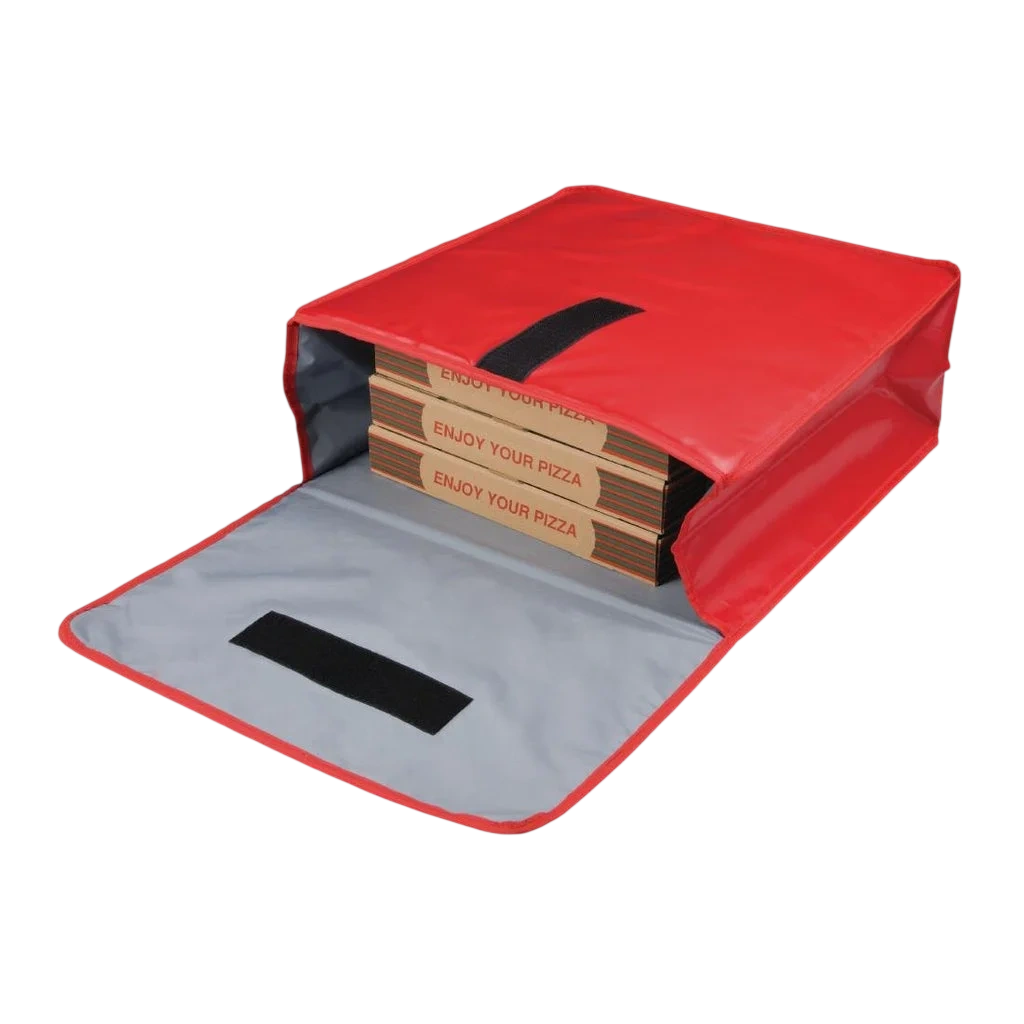
450 × 450 × 170mm
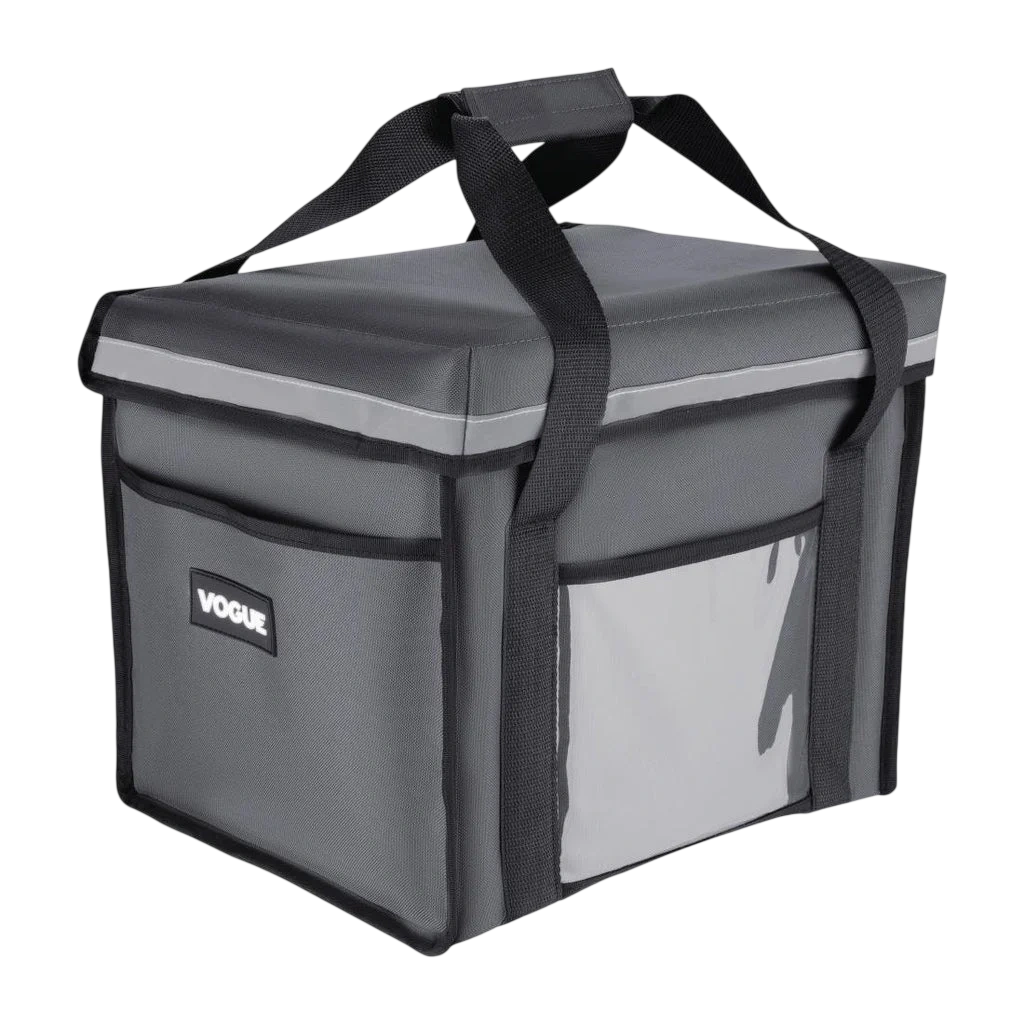
380 × 305 × 380mm
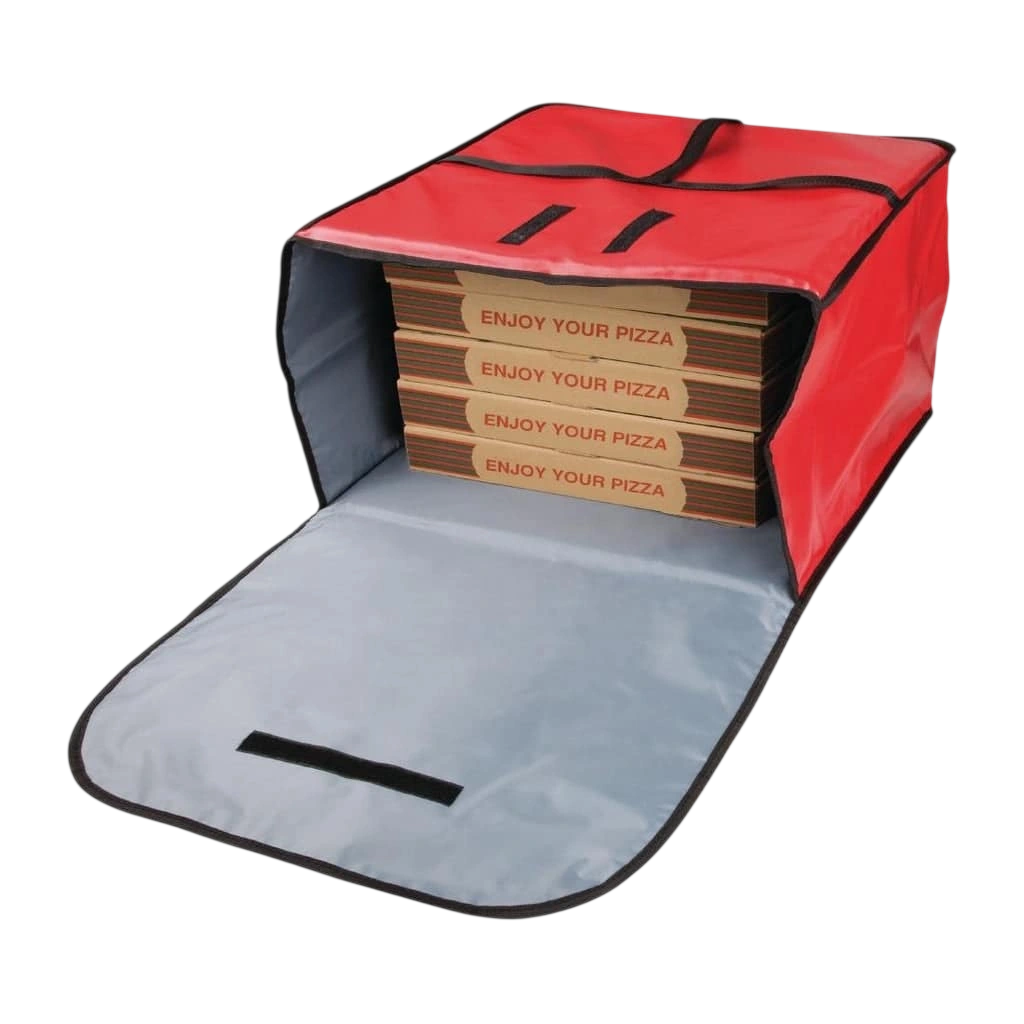
305 × 510 × 510mm
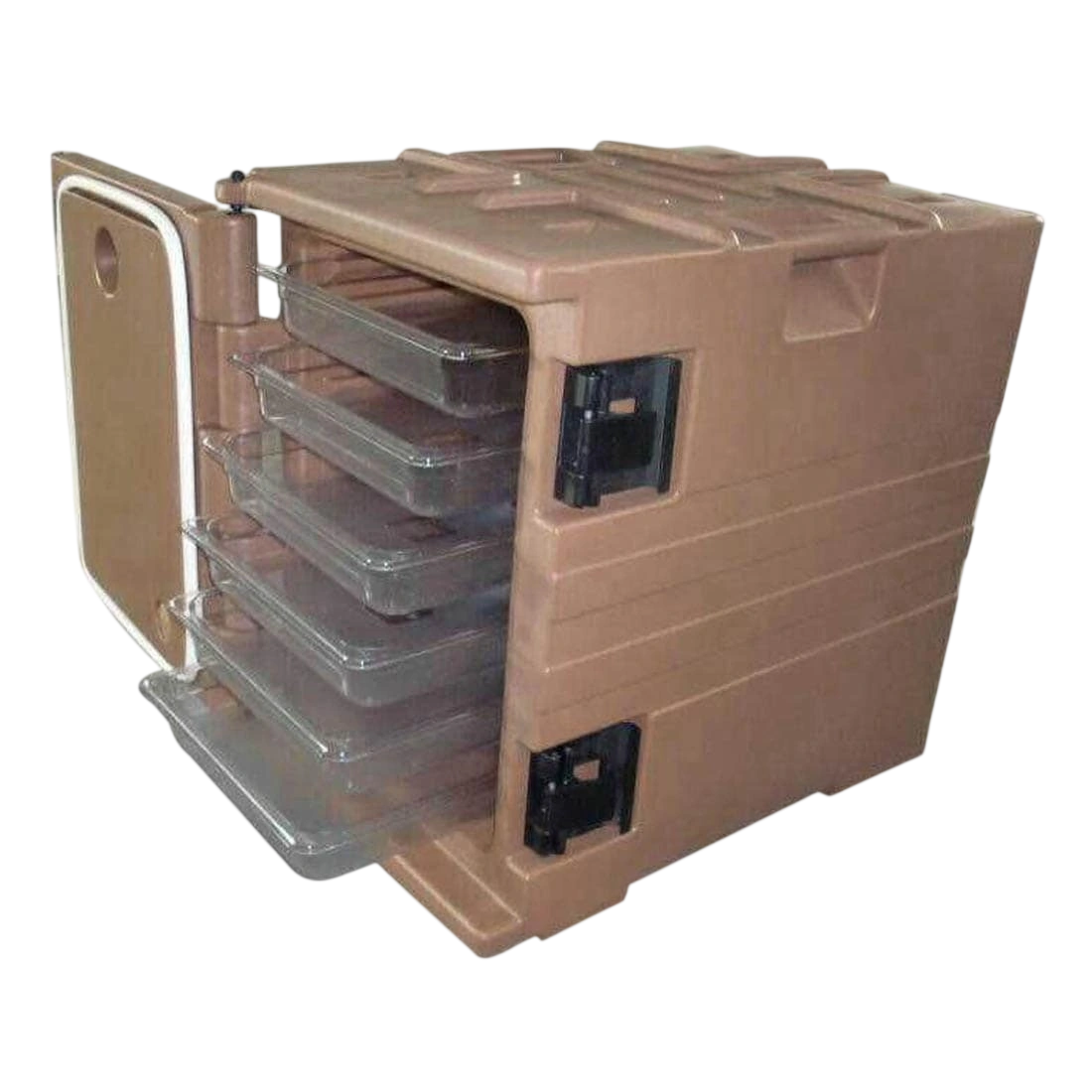
460 × 660 × 630mm
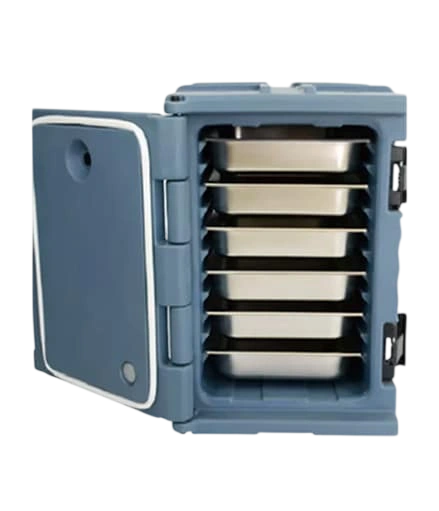
645 × 450 × 625mm
420 × 350 × 250mm
630 × 430 × 190mm
440 × 380 × 205mm
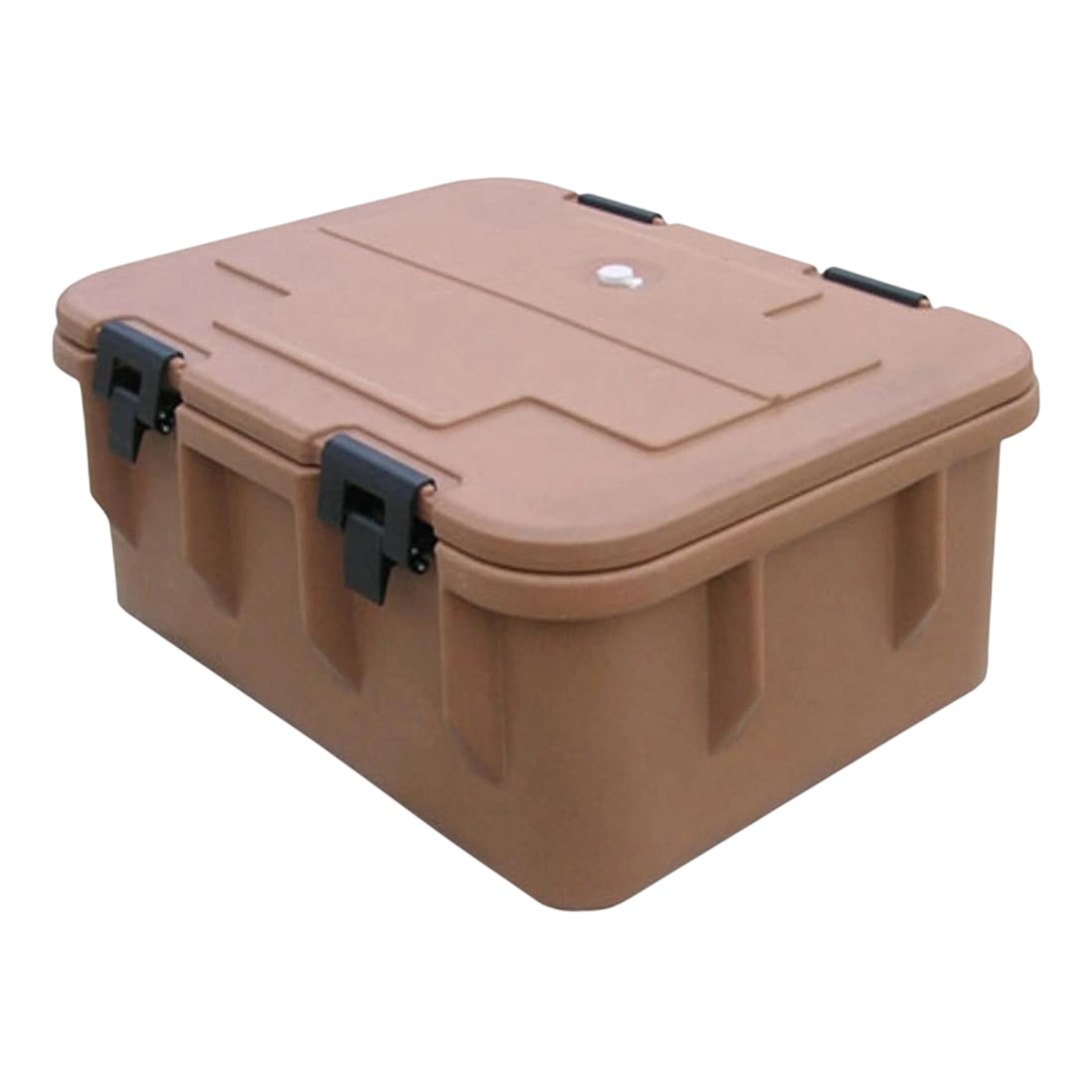
650 × 450 × 210mm

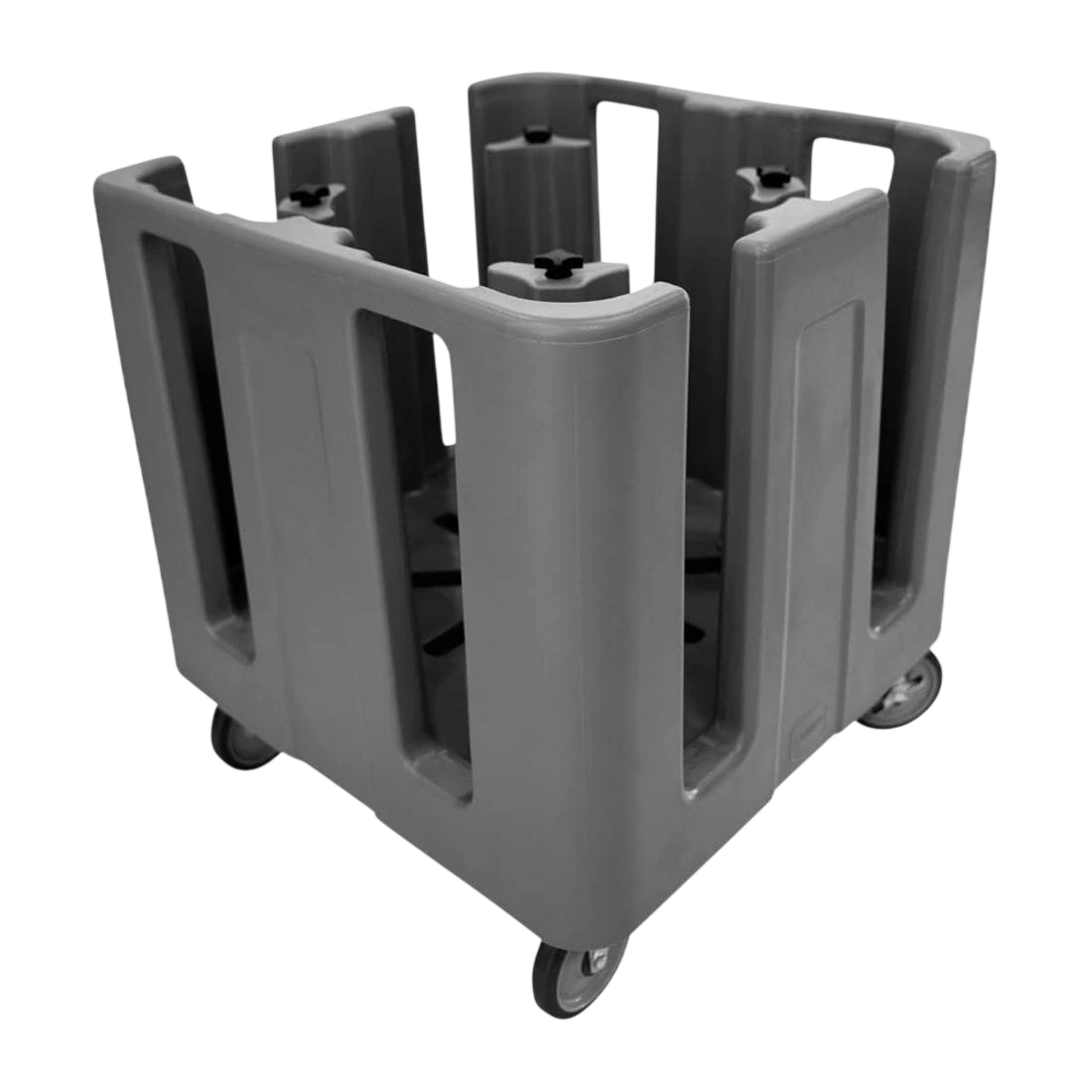
760 × 760 × 840mm
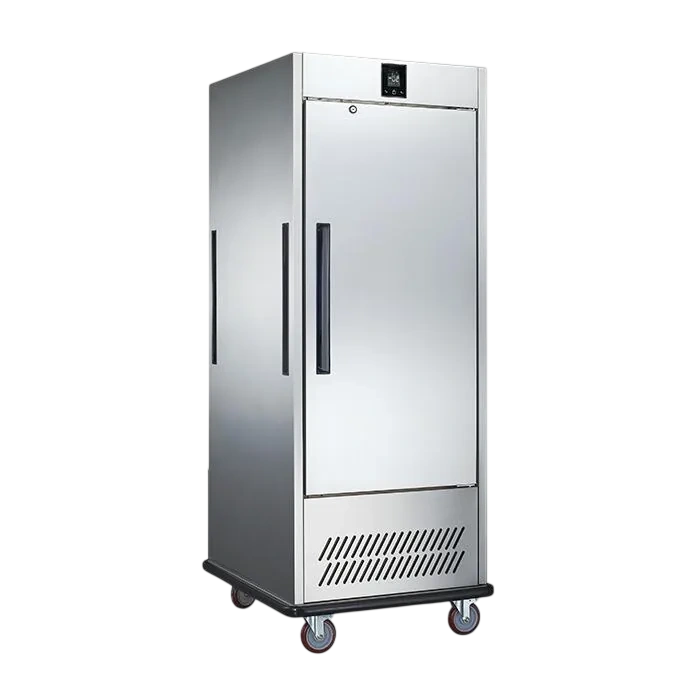
781 × 885 × 2000mm
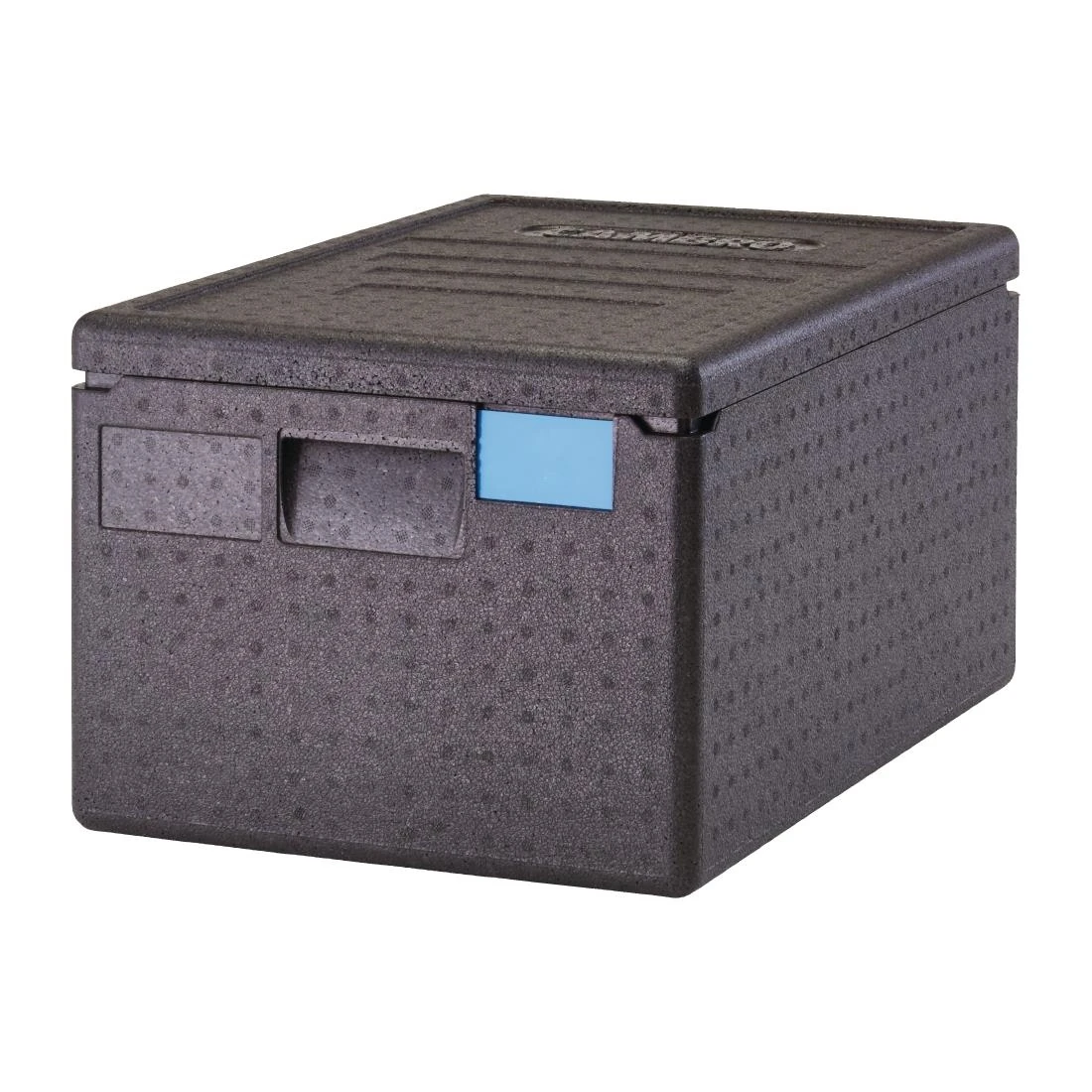
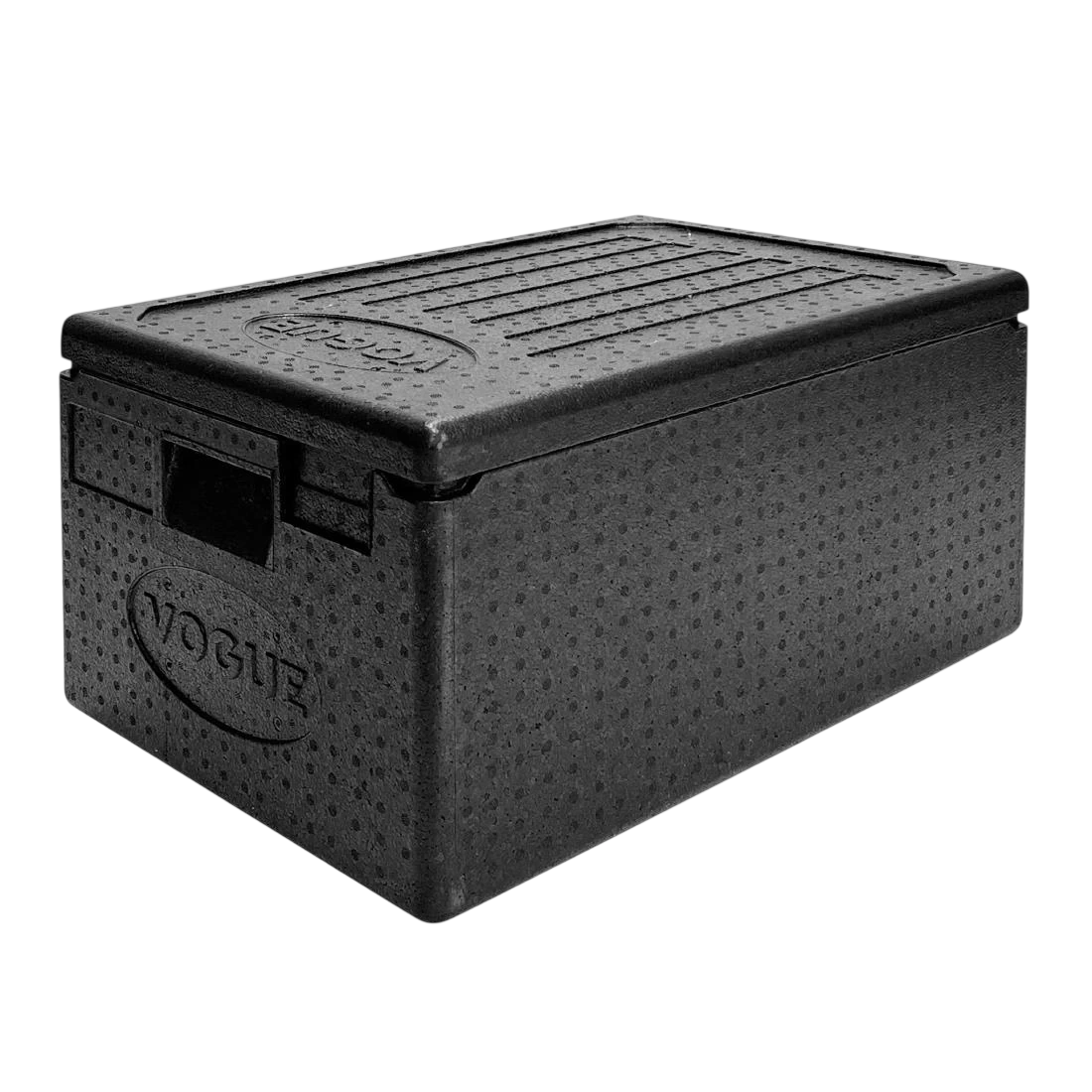
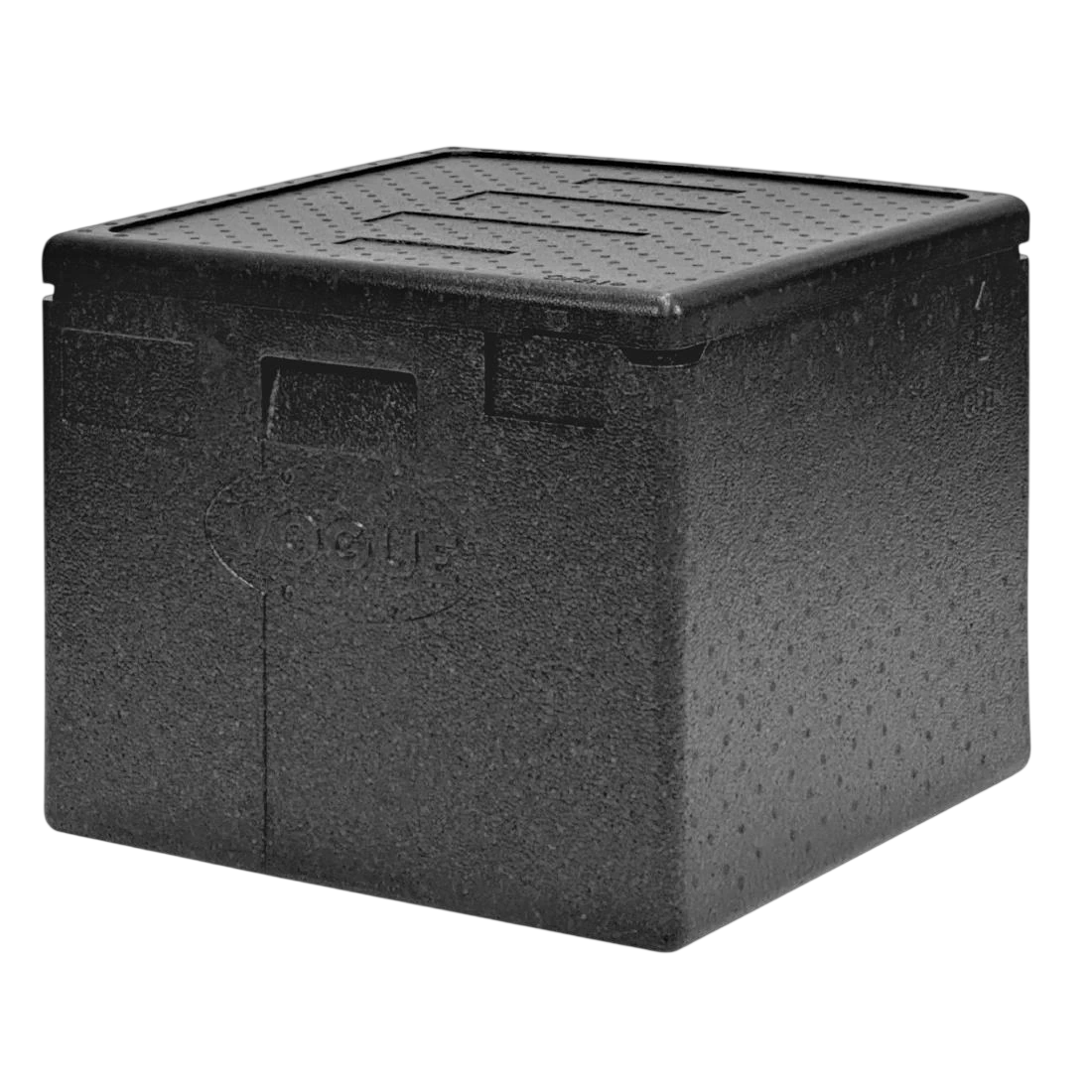
480 × 480 × 405mm
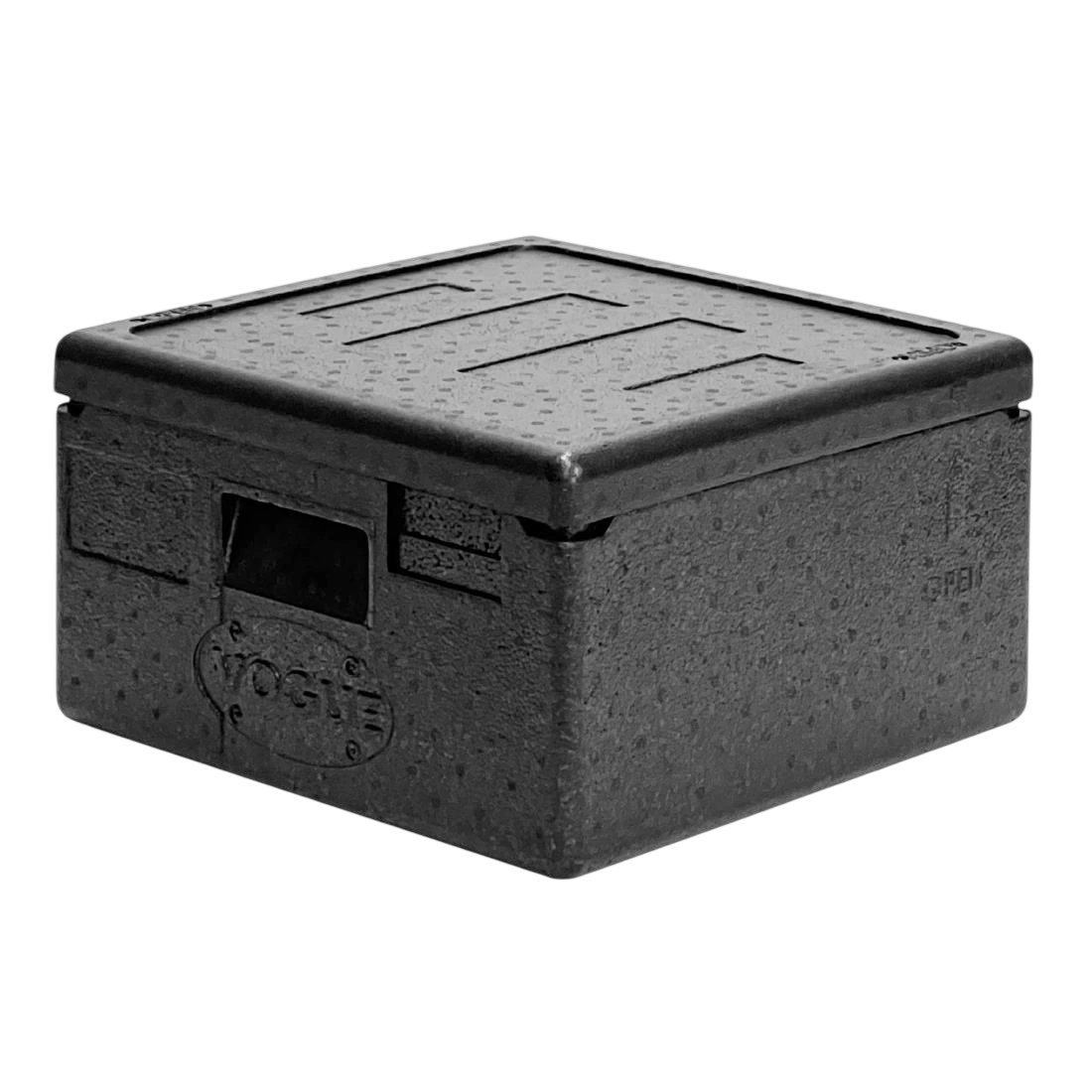
350 × 350 × 235mm
465 × 610 × 630mm
470 × 470 × 38mm