
Commercial Kitchenware
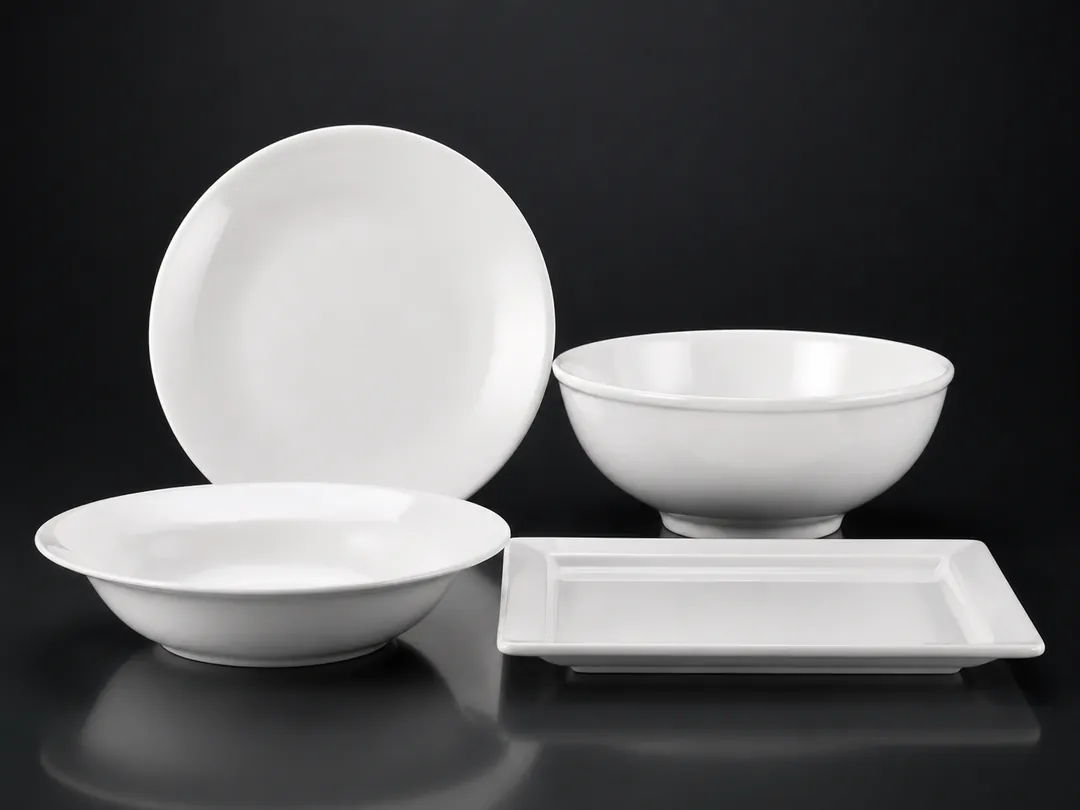
Commercial kitchen crockery — whether bought a service at a time or wholesale for a restaurant fitout — is chosen for what happens to it between services rather than for how it looks on the pass. Plates are stacked, carried, scraped, washed at temperature and stacked again, many times a week, and the pieces that survive that are not always the ones that photograph best.
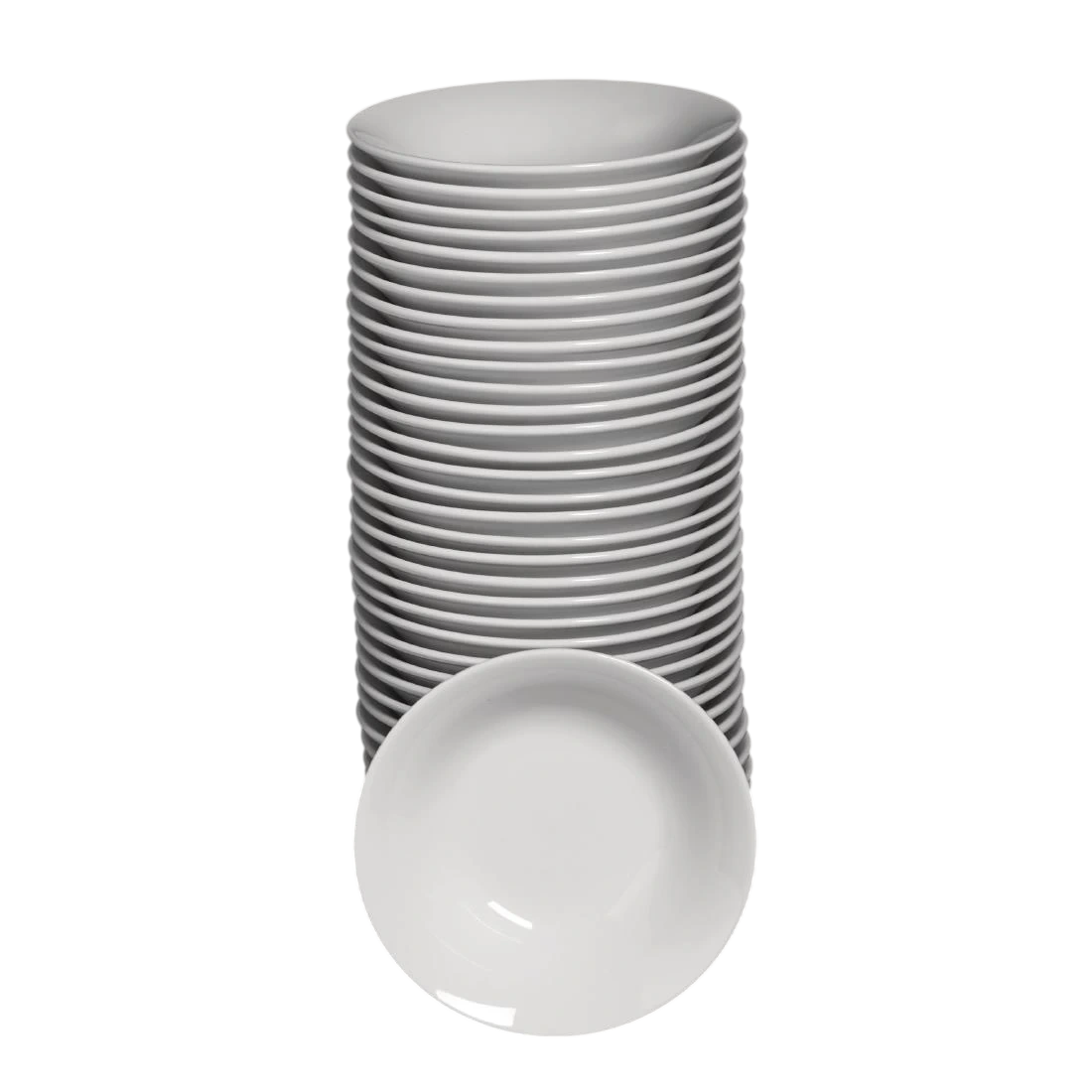
Stacking is the property that decides storage and handling. Plates that stack squarely and consistently take less shelf space and are less likely to chip at the rim; plates with a profile that does not nest sit unevenly and take damage from their neighbours.
Replacement availability matters more here than in almost any other category. Commercial dinnerware is broken continuously, so the practical question is whether the same piece will still be available in a year. A part-replaced service where the new plates are a slightly different white reads as mismatched across a whole dining room.
Weight is a working decision. Heavier commercial tableware feels substantial and resists chipping but tires staff carrying plated covers; lighter pieces are easier to handle in volume, which is why cafeteria plates and high-turnover service tend toward them.
Key factors to consider before purchasing. Our team can help you find the right fit — call or get a quote anytime.
Match equipment capacity to your daily output. Consider available floor space and door clearances.
Confirm levelling, wall clearance and the access needed for cleaning and service. We can help with kitchen planning.
Submit your kitchen requirements — our equipment specialists will send you a tailored shortlist of plates & bowls & dishes that fits your budget, venue type and compliance needs.
Standards & Compliance
Before choosing commercial plates, confirm the covers served at peak, the storage space available for stacked crockery, and the wash process including temperature. Check how the pieces stack in the quantity actually stored, not in pairs.
Look at how the rim and foot are finished, since those are where chips begin, and whether the same piece is stocked for replacement rather than being part of a seasonal range. Confirm behaviour under repeated thermal cycling if plates are warmed before service.
FAQ
Porcelain is the most common choice for restaurants due to durability, heat retention and premium appearance.
Yes. High-quality melamine is lightweight, durable and ideal for busy cafés, outdoor dining or childcare facilities.
Most venues use 25–28cm plates for all-day menu service including brunch dishes.
Absolutely. Many modern venues use mixed styles to match their branding and food presentation.
How it survives between services rather than how it looks on the pass. Stacking behaviour, rim and foot finish, and whether the same piece can be replaced in a year decide the real cost more than the appearance does.
Why KW
KW can help match crockery weight, stacking behaviour and replacement availability to the covers a venue serves and the space it has to store them. For practical advice on commercial crockery and tableware, call KW on 1300 001 366.
Deep Dive
Technical depth from KW's commercial kitchen specialists.
For commercial operations, hygiene and durability are essential. Look for:
Explore our growing range of commercial-grade plates, bowls and dishes—crafted for cafés, restaurants, hotels and catering operations. Perfect for high-volume service and modern presentation.
Plates that stack squarely take less shelf space and chip less, because they sit on each other rather than against each other. Test the stack at the height actually stored — a profile that nests well in pairs can lean badly in a stack of twenty.
Heavier pieces resist chipping and feel substantial, but tire staff carrying plated covers through a long service. Lighter pieces handle better in volume, which is why cafeteria plates and high-turnover service usually favour them.
Crockery breaks continuously, so the question is whether the same piece will be available in a year. A dining room part-replaced with a slightly different white reads as mismatched across every table, which is more visible than the original breakage.
Heavier pieces resist chipping and feel substantial but tire staff over a long service. Lighter pieces handle better in volume, which is why cafeteria and high-turnover service tends toward them. Match it to how far plates are carried.
Because crockery breaks continuously. If the same piece is unavailable later, the dining room is part-replaced with a slightly different white, and that mismatch is visible across every table.
Only if the venue warms them, but check before assuming. Repeated thermal cycling crazes some finishes over a season, and that shows up as a service problem rather than a purchasing one.
Check the rim and foot finish, since chips start there, and how pieces behave under repeated washing at temperature. Where plates are warmed before service, confirm they tolerate that thermal cycling rather than crazing over a season.
1,055 results

190 × 190 × 190mm

250 × 150 × 27mm
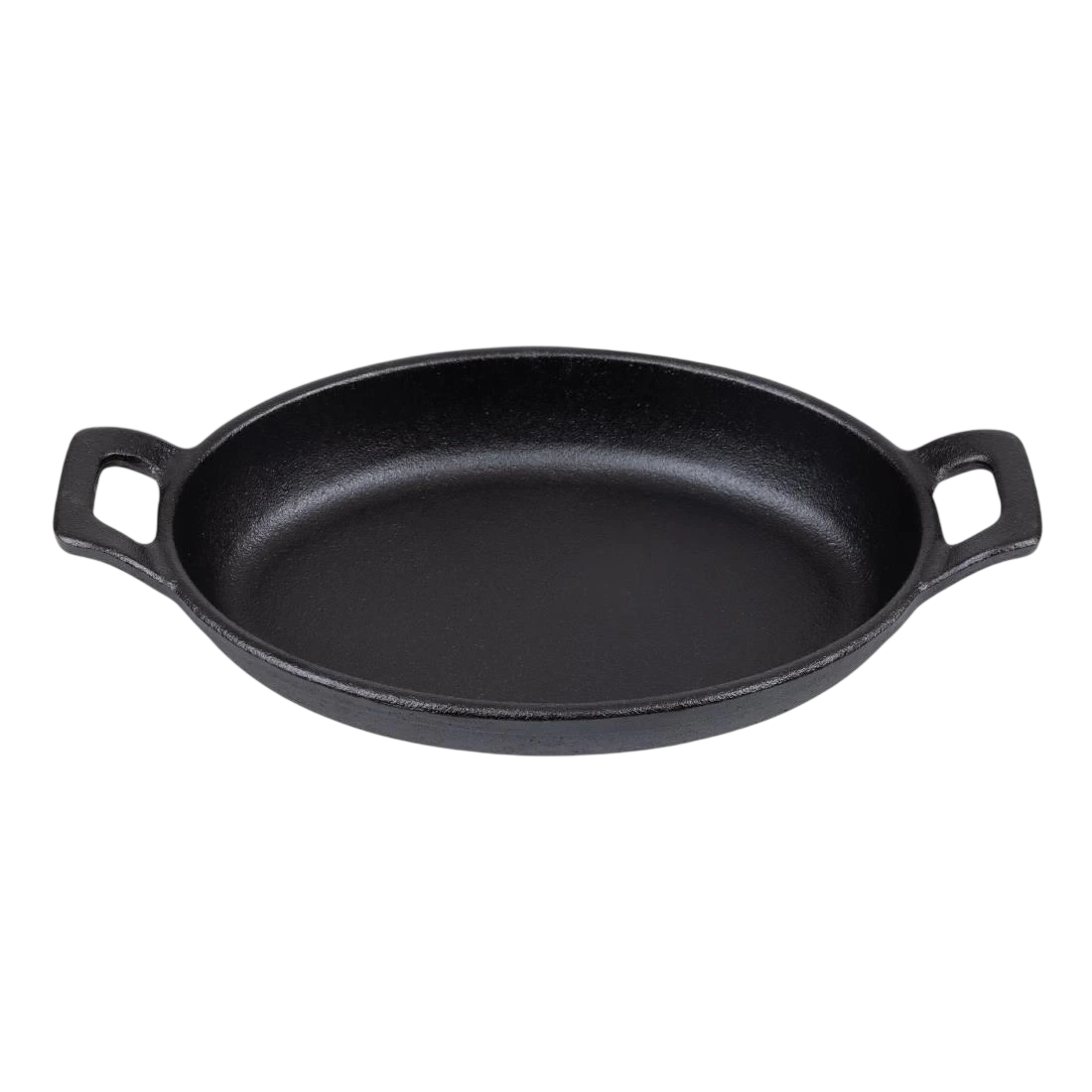
180 × 120 × 30mm
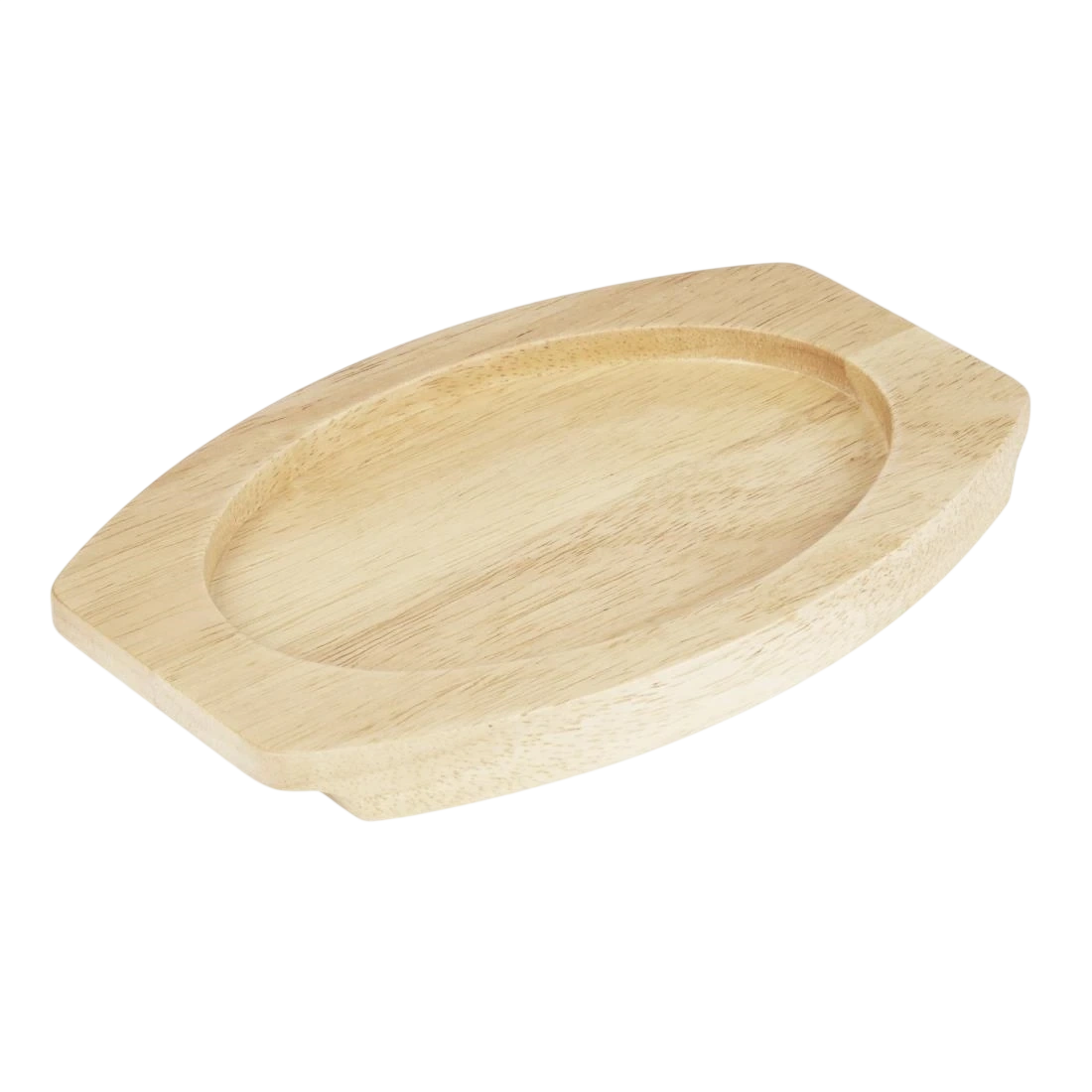
230 × 135 × 19mm
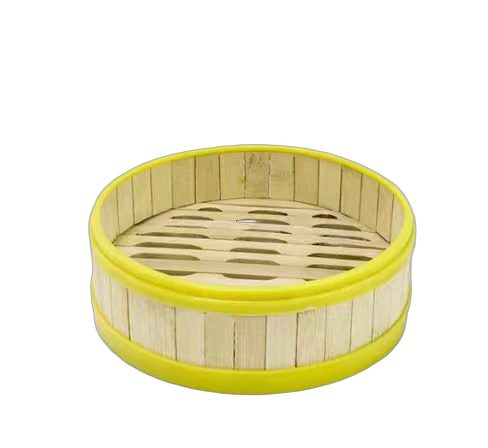


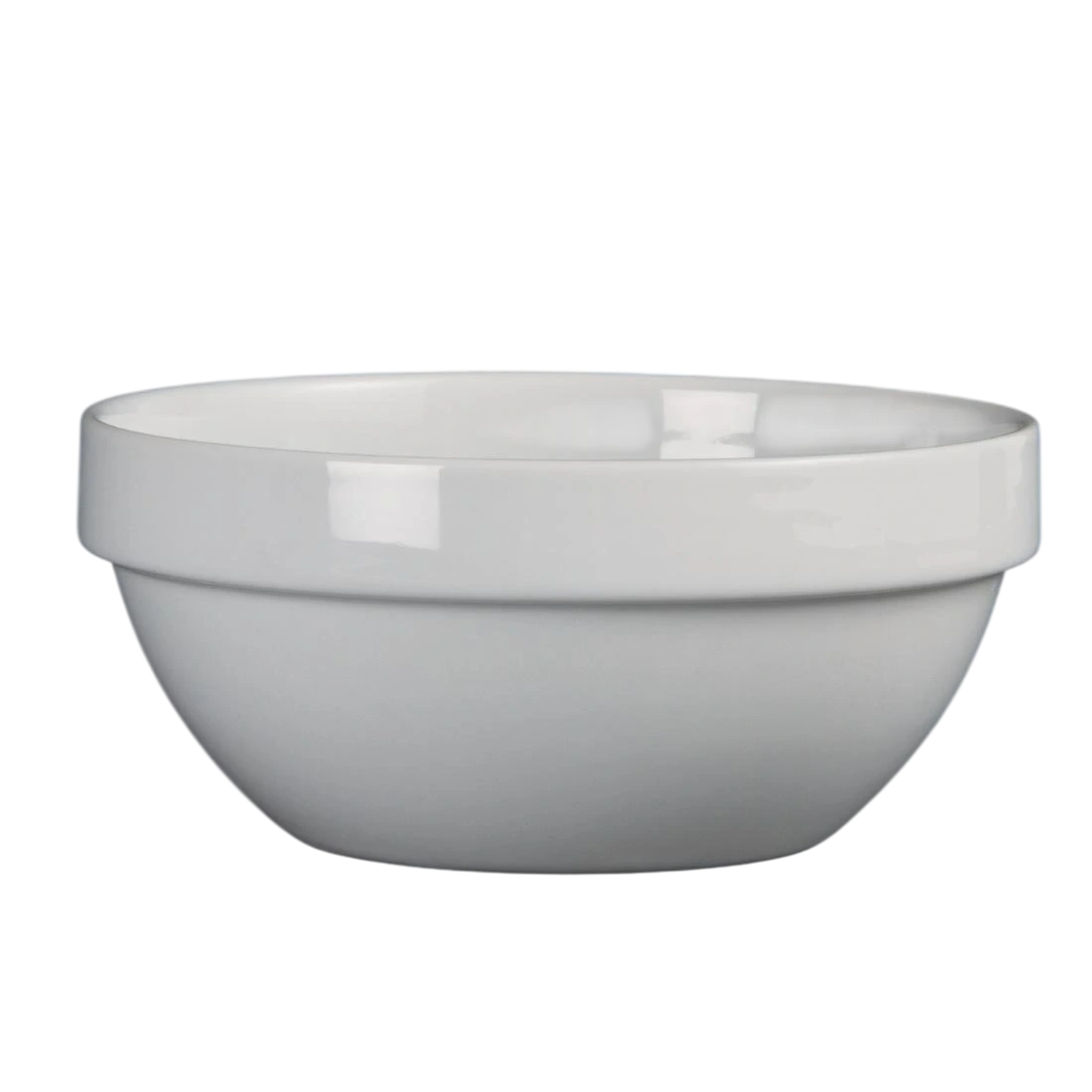

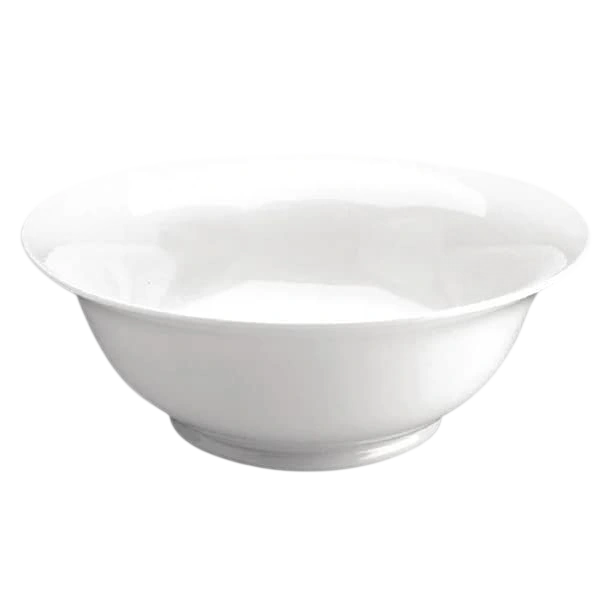
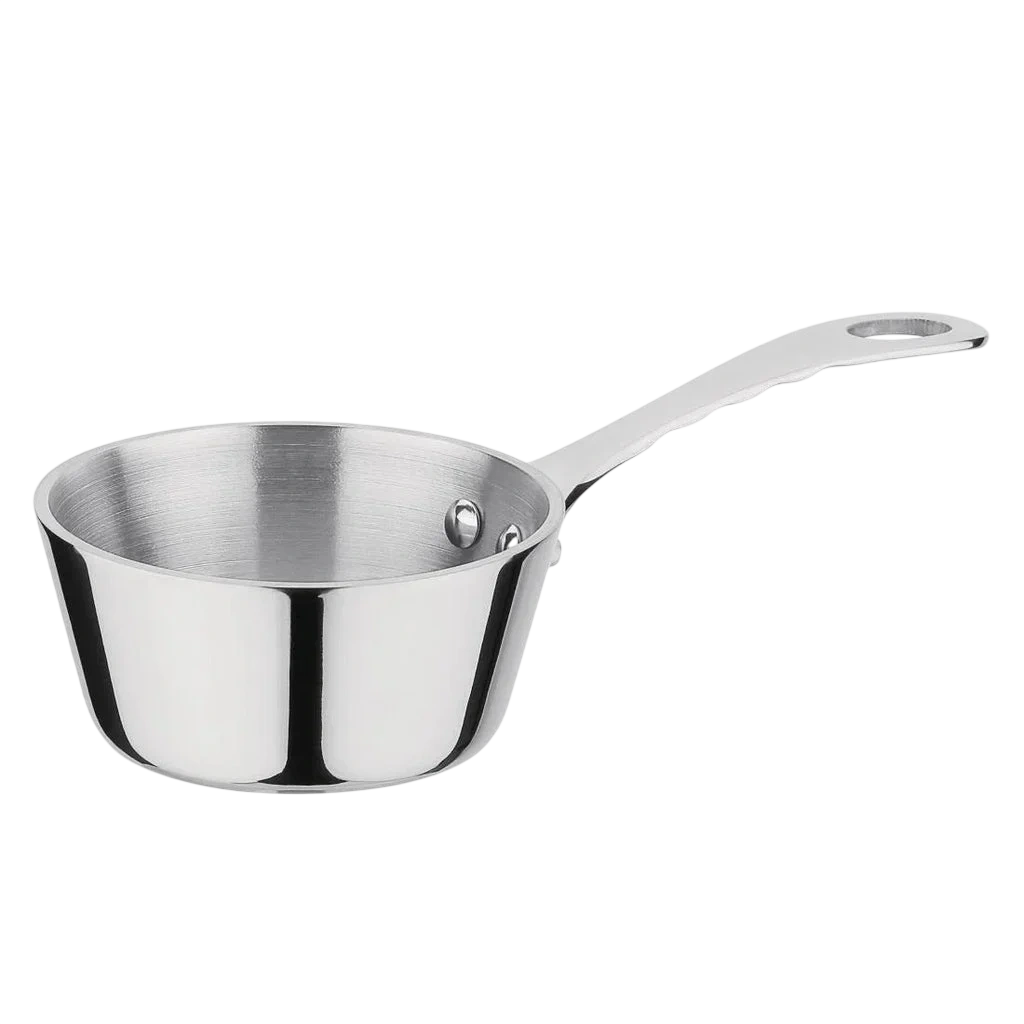

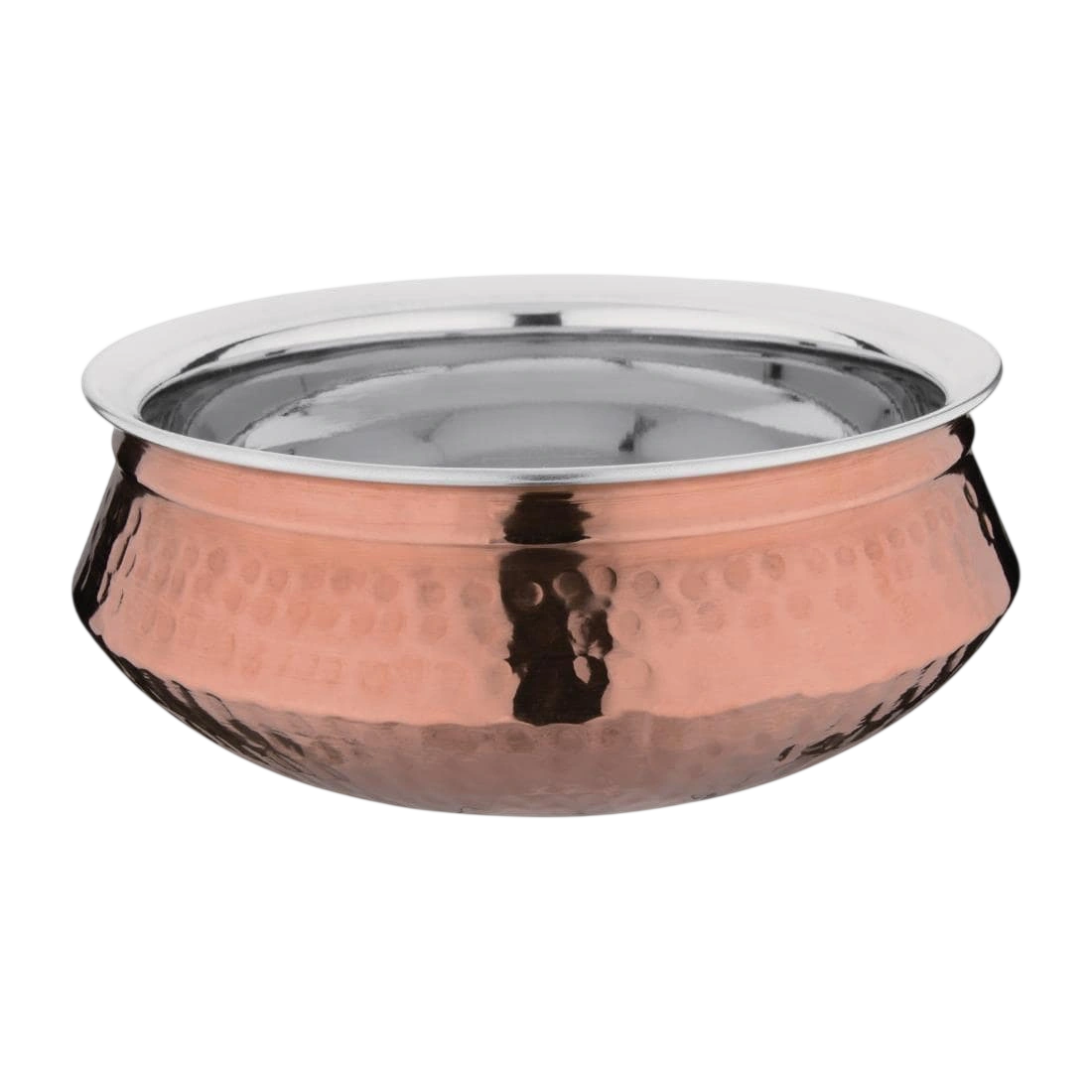

250 × 250 × 20mm

330 × 330 × 15mm


400 × 155 × 15mm

305 × 305 × 20mm

226 × 226 × 22mm

240 × 240 × 25mm
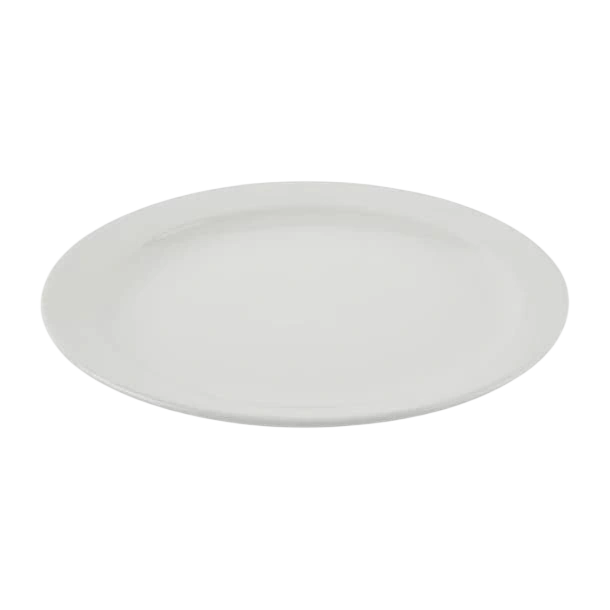
254 × 254 × 27mm

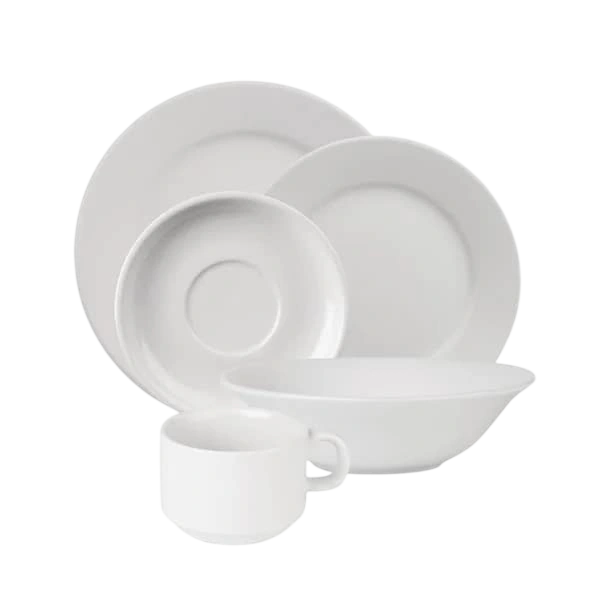
300 × 300 × 300mm

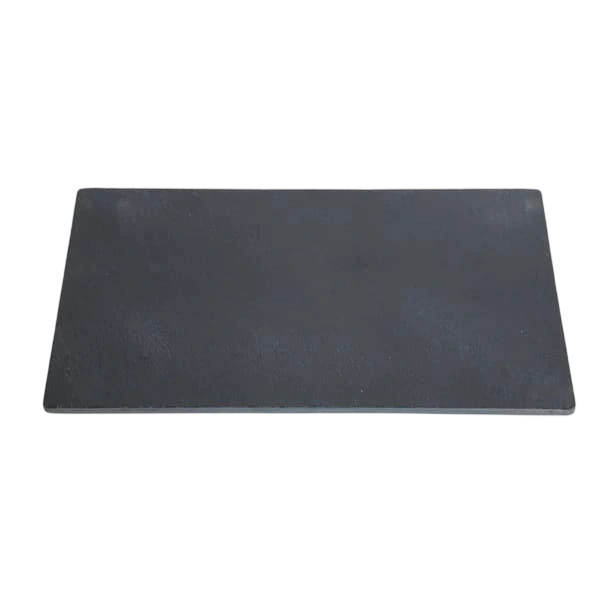
280 × 180 × 20mm
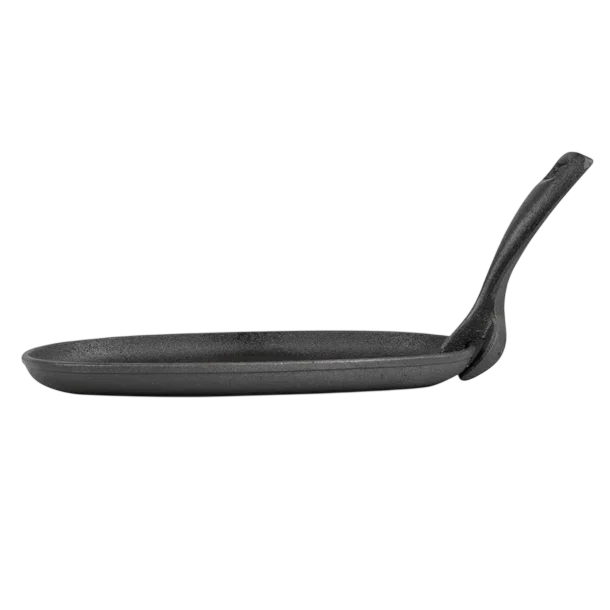
240 × 140 × 14mm
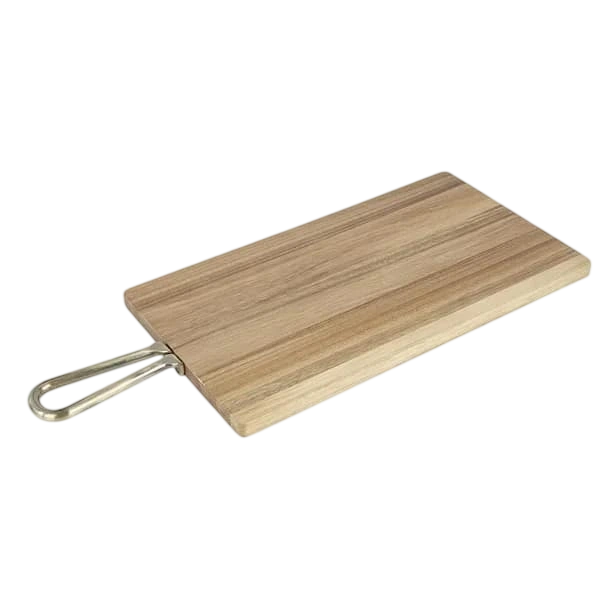
615 × 260 × 20mm
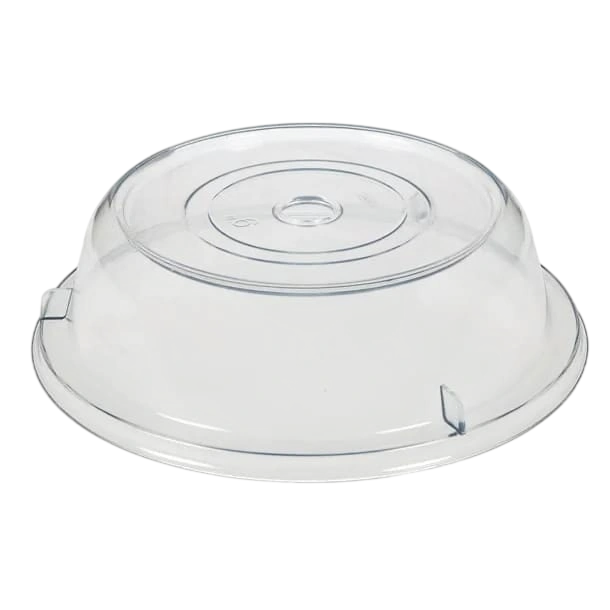
240 × 240 × 40mm