
Bolero
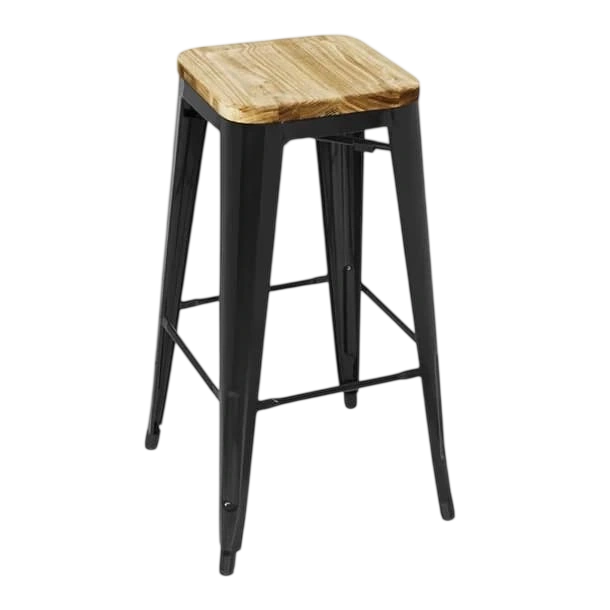
Bolero GM640 Bistro Metal High Bar Stool – Black, Wood Seat, 760mm (4 Pack)
430 × 430 × 760mm
$278.21$302.40
In Stock
Hospitality Furniture
647 results
430 × 430 × 760mm
520 × 580 × 1140mm
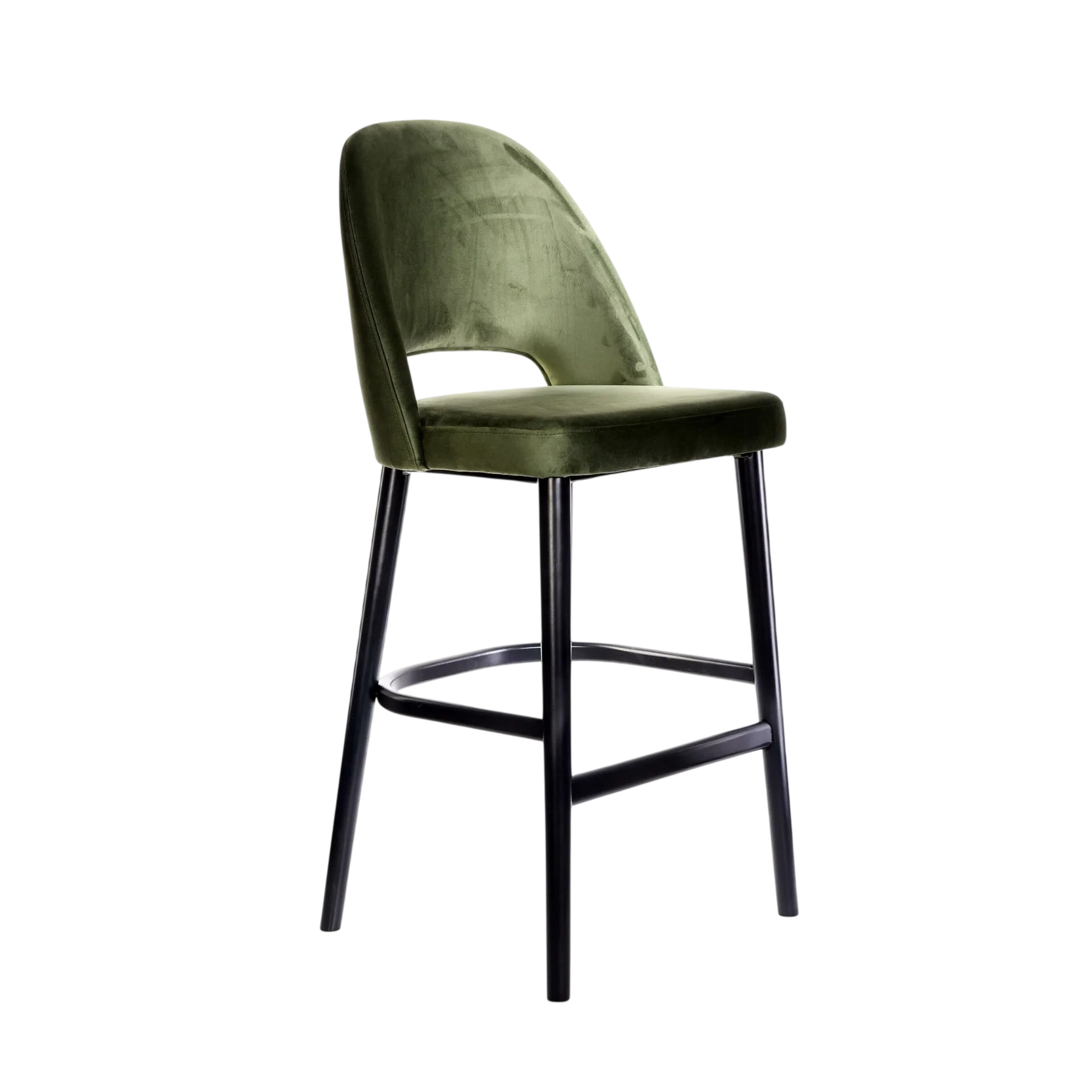
520 × 580 × 1140mm
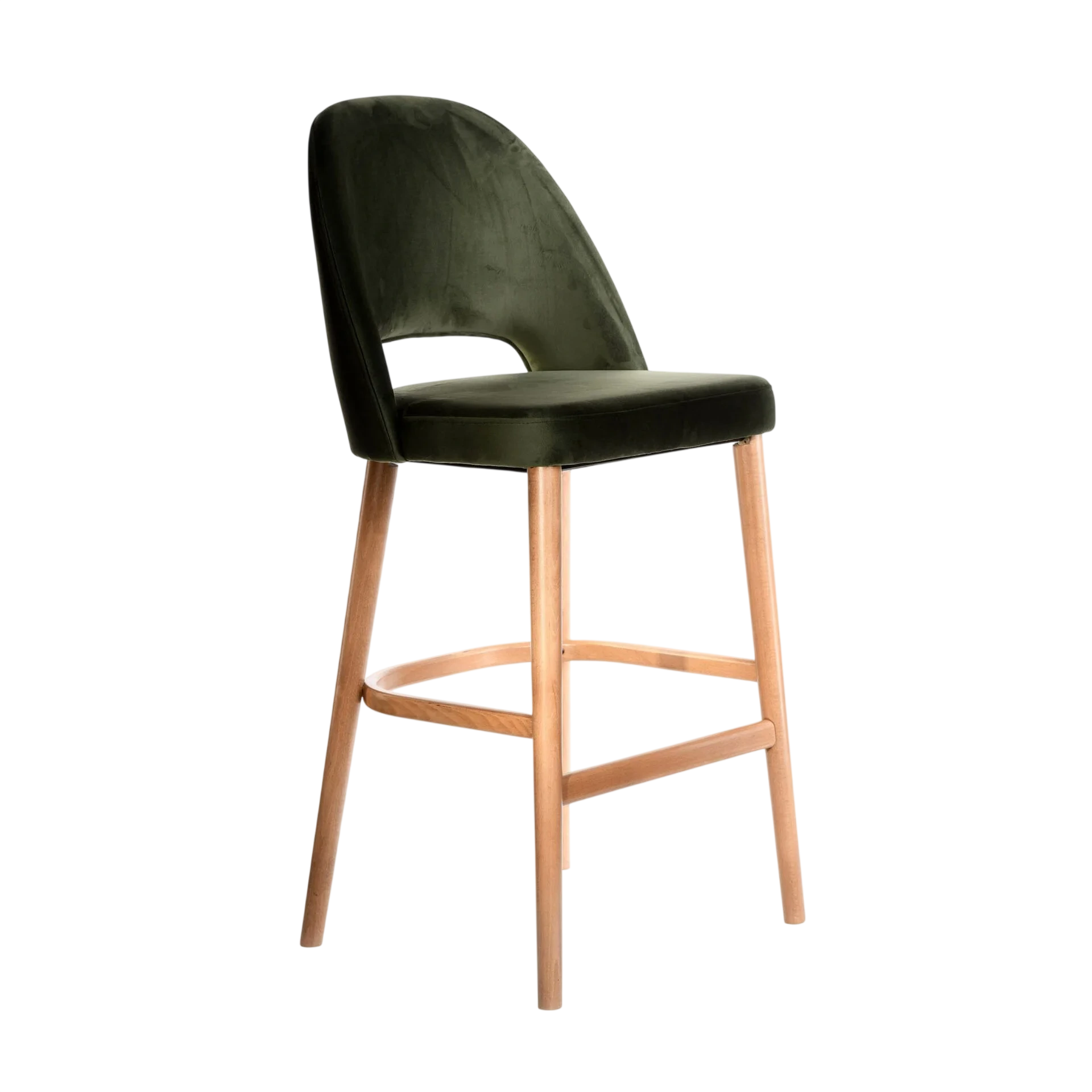
520 × 580 × 1140mm
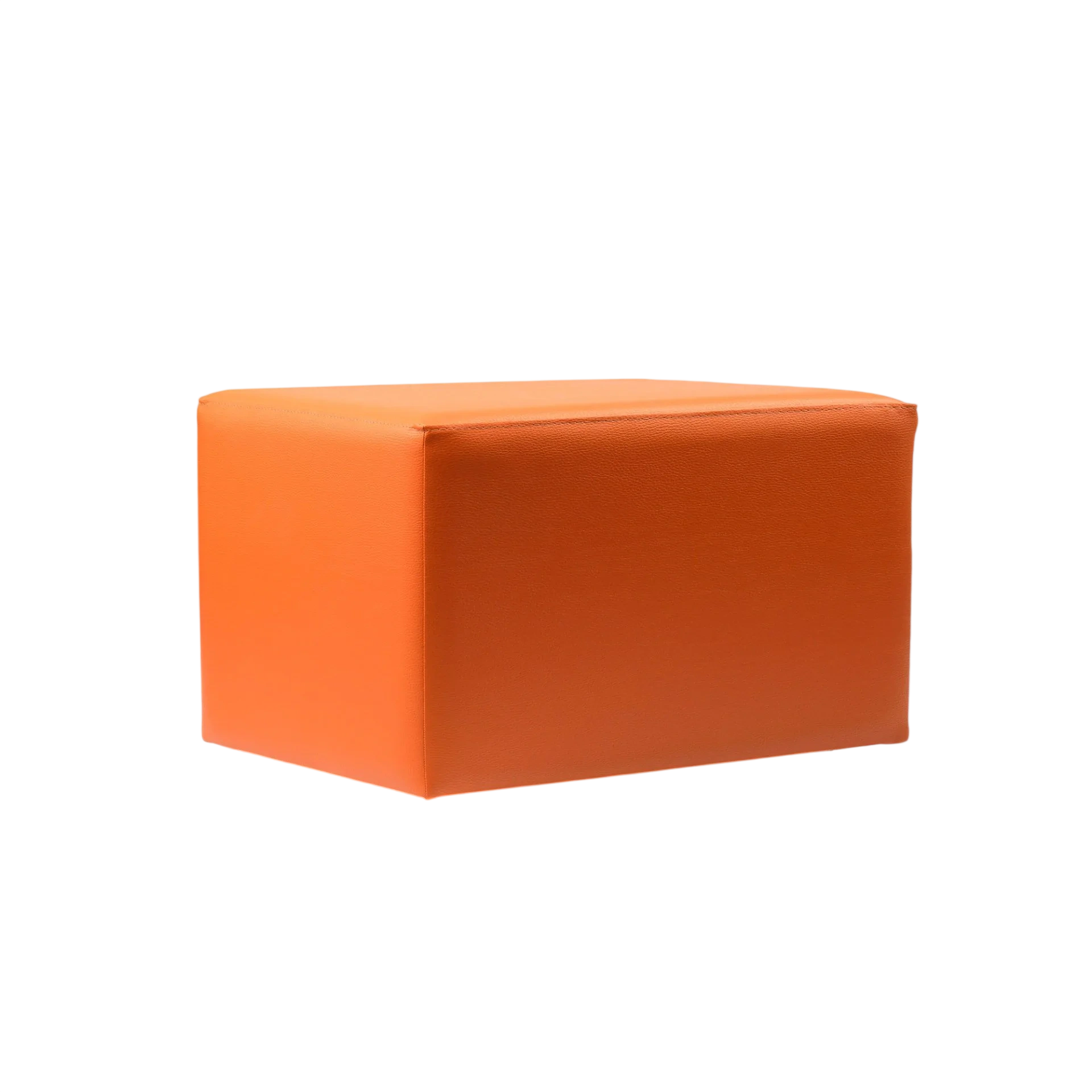
1200 × 430 × 450mm
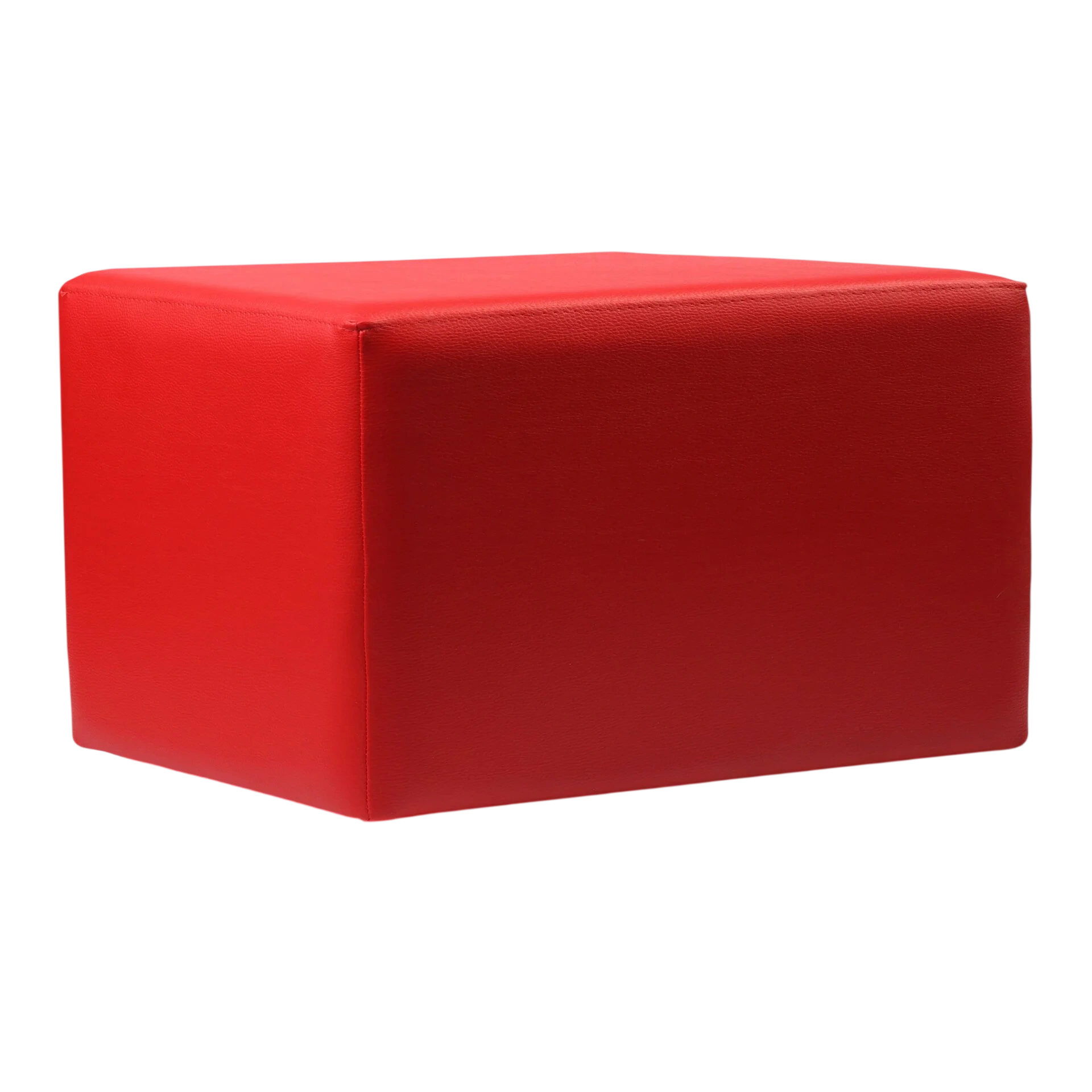
1200 × 430 × 450mm
450 × 520 × 1060mm
440 × 500 × 960mm
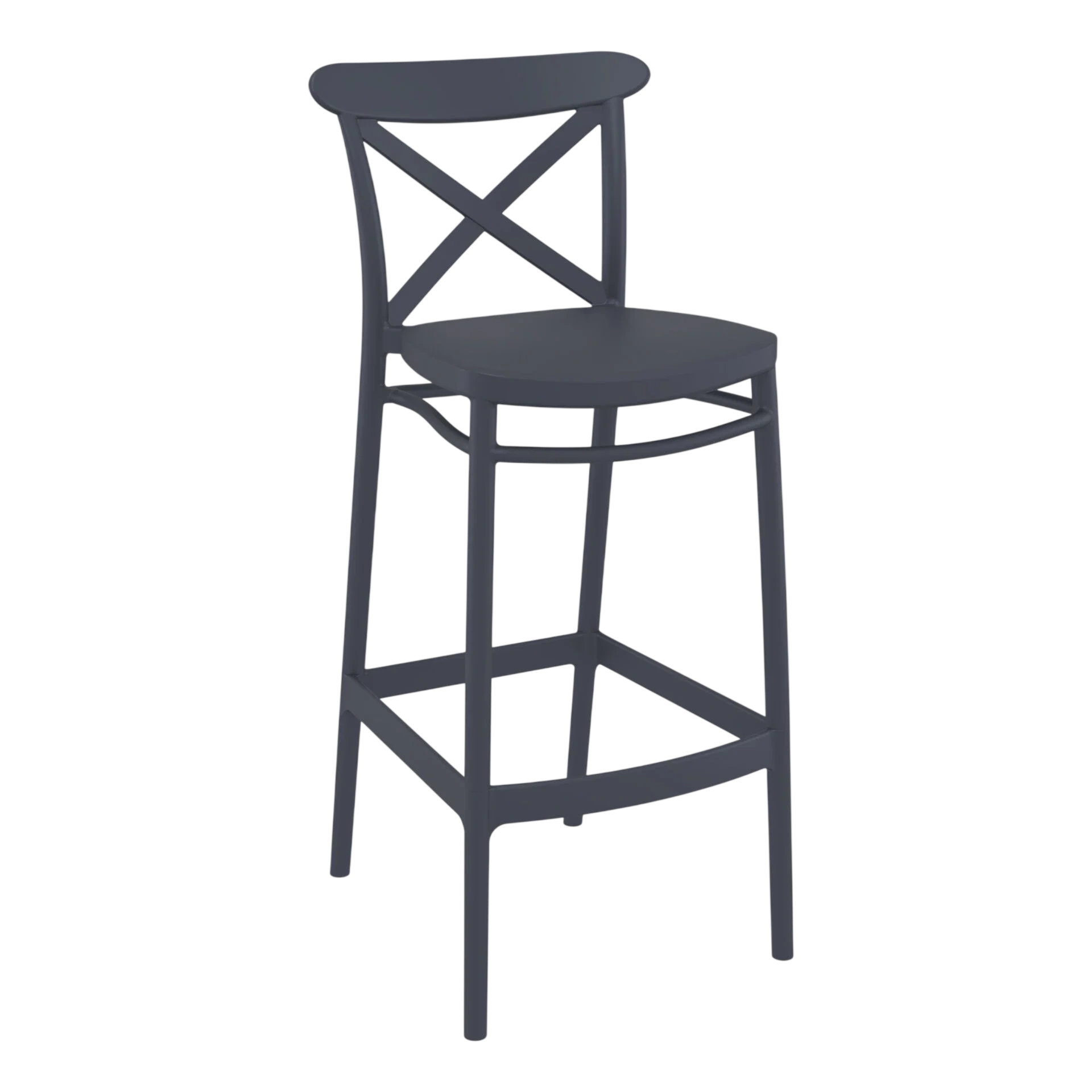
450 × 520 × 1060mm
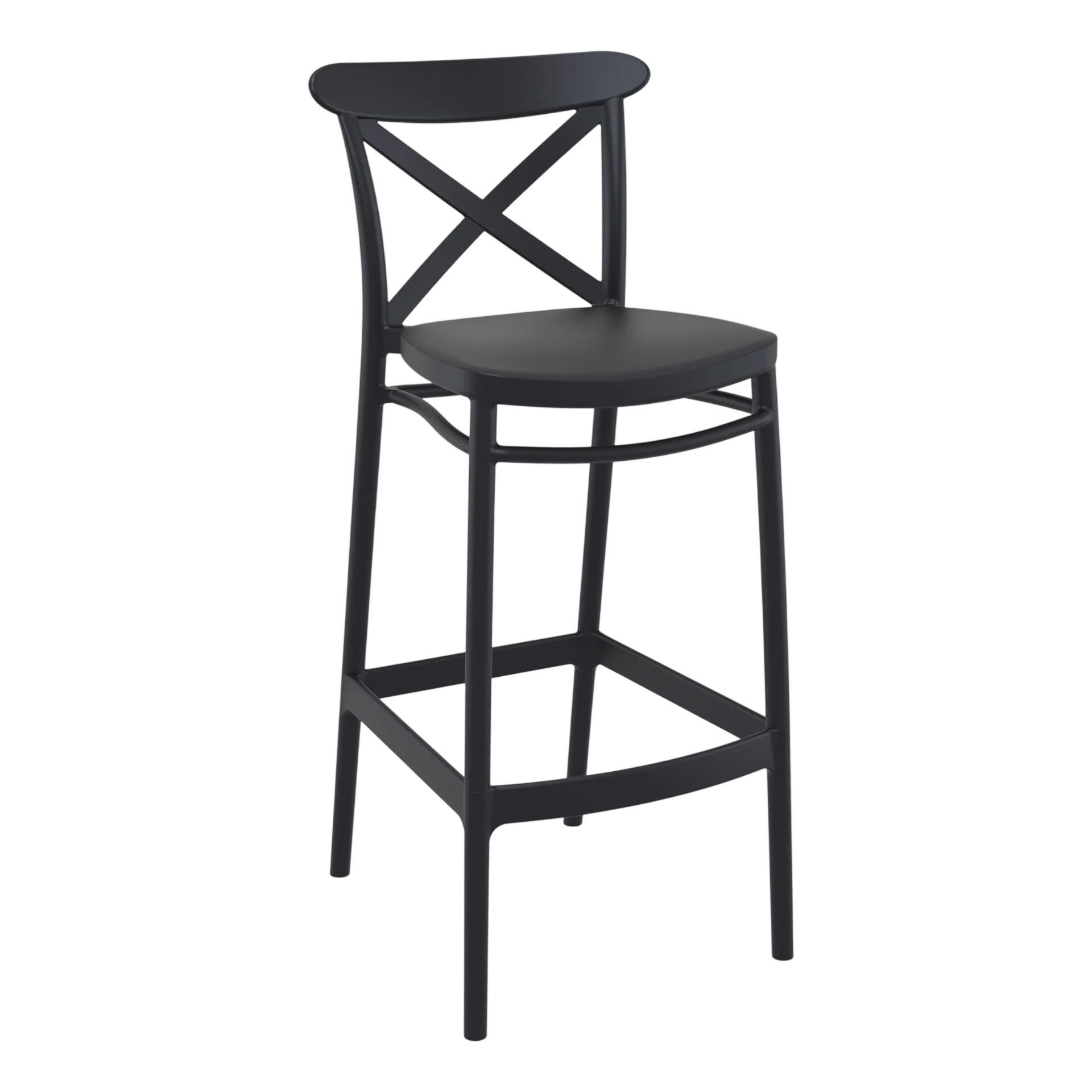
450 × 520 × 1060mm
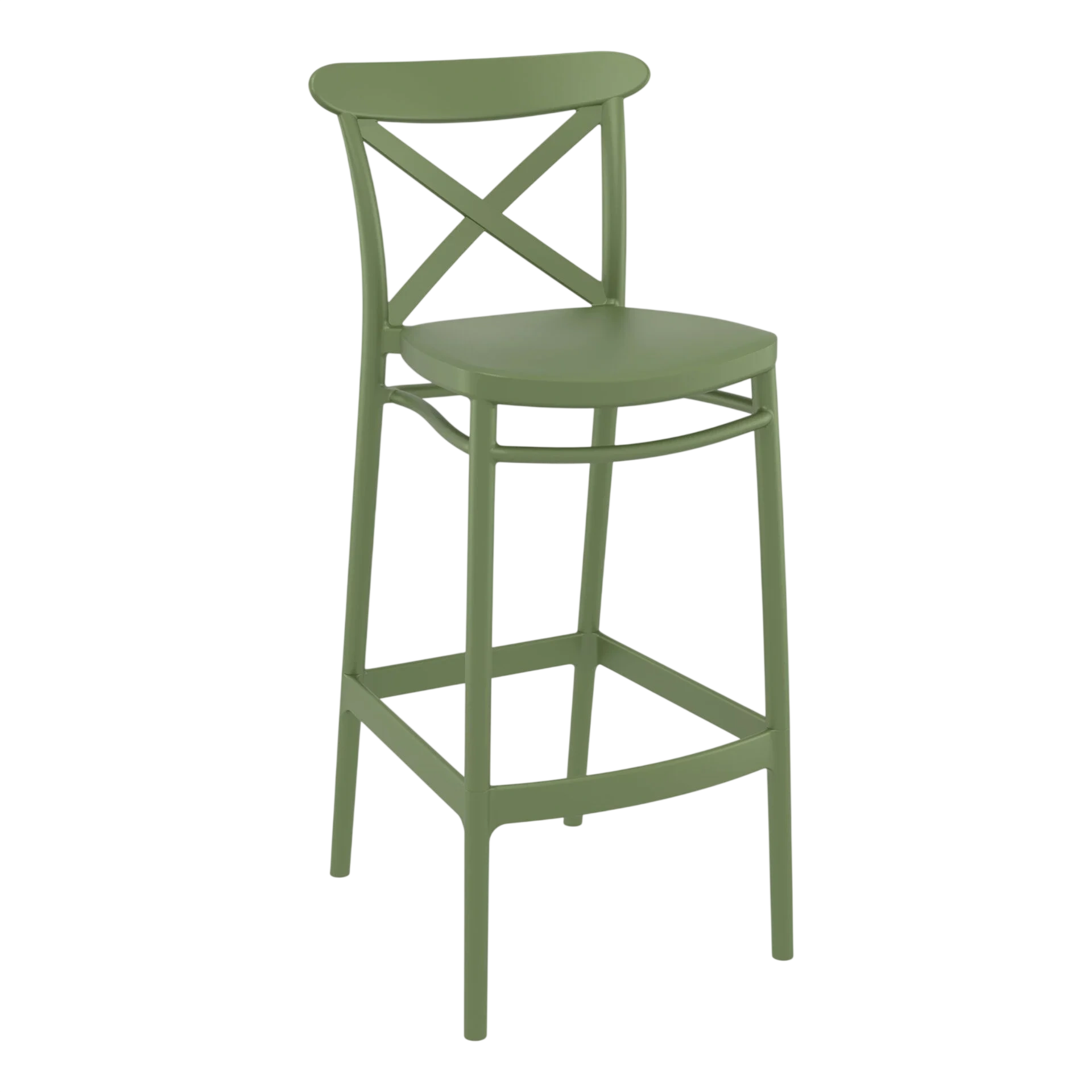
450 × 520 × 1060mm
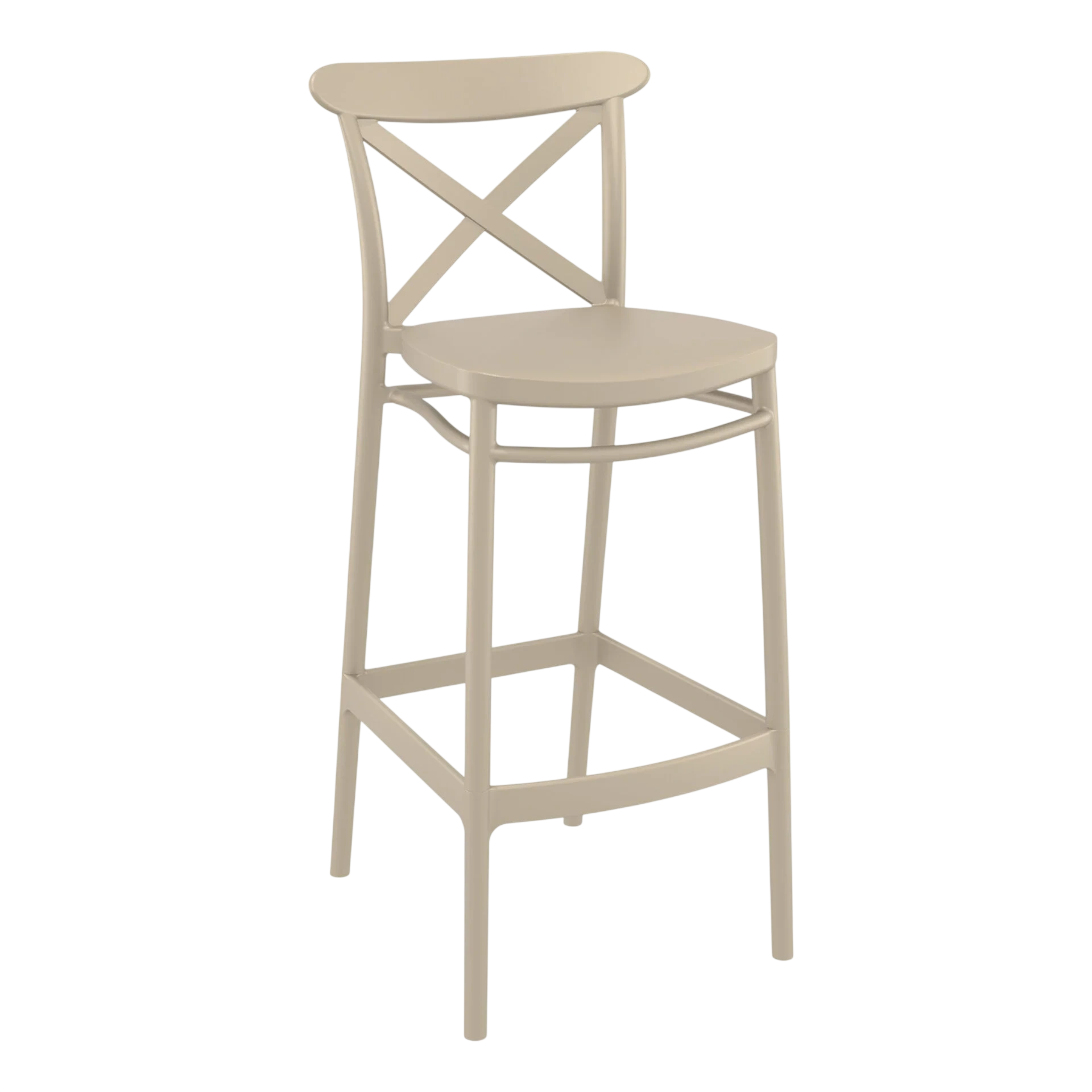
450 × 520 × 1060mm
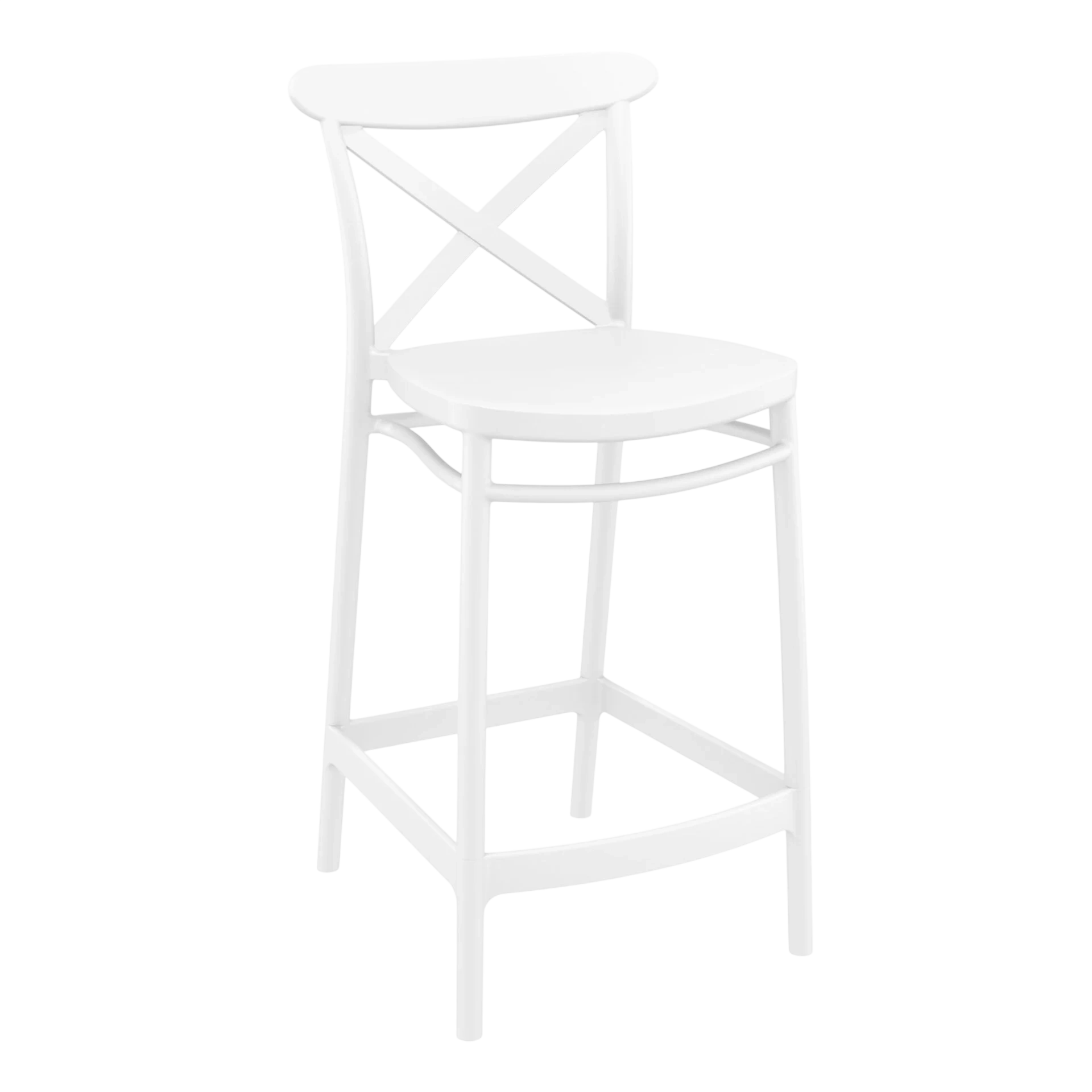
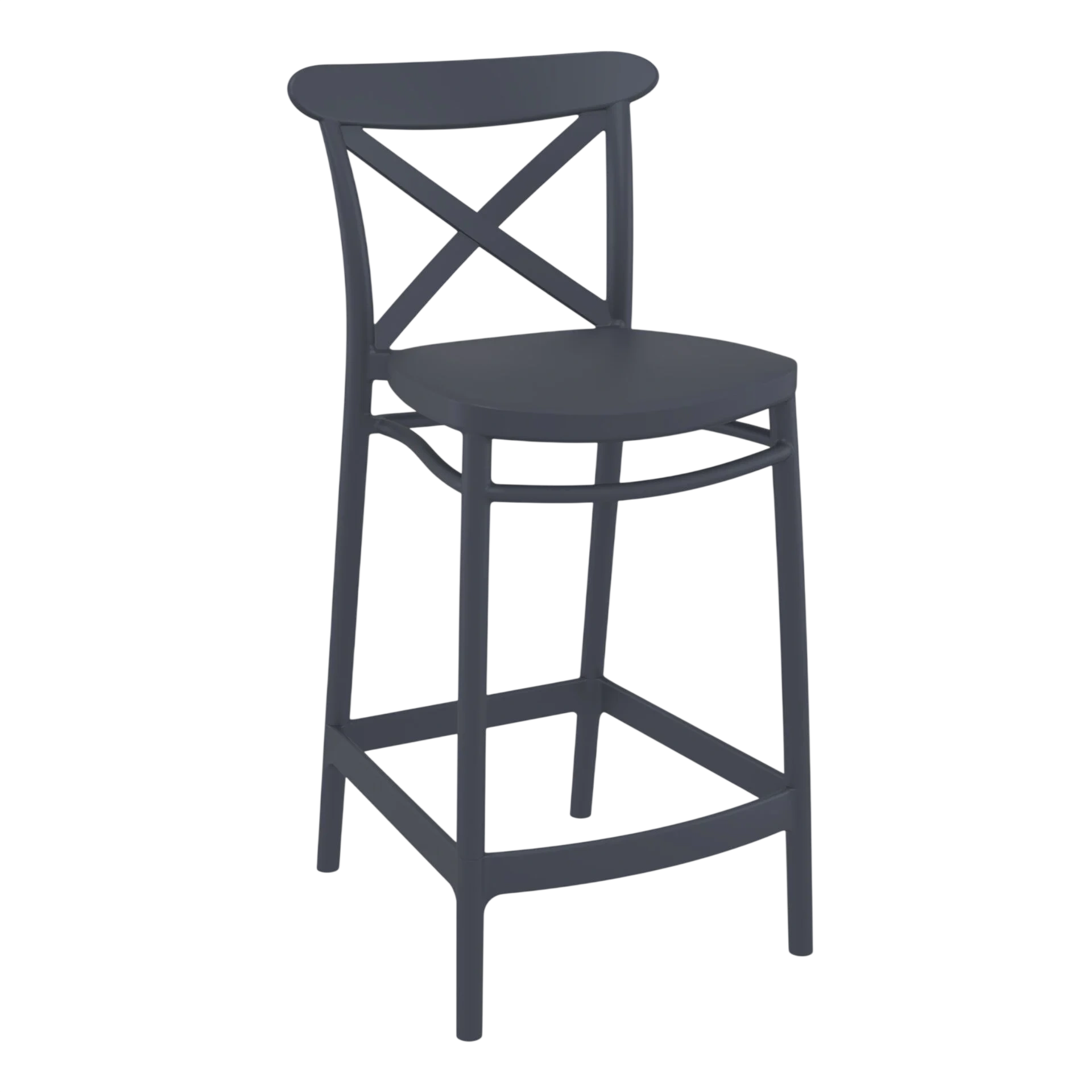
450 × 500 × 960mm
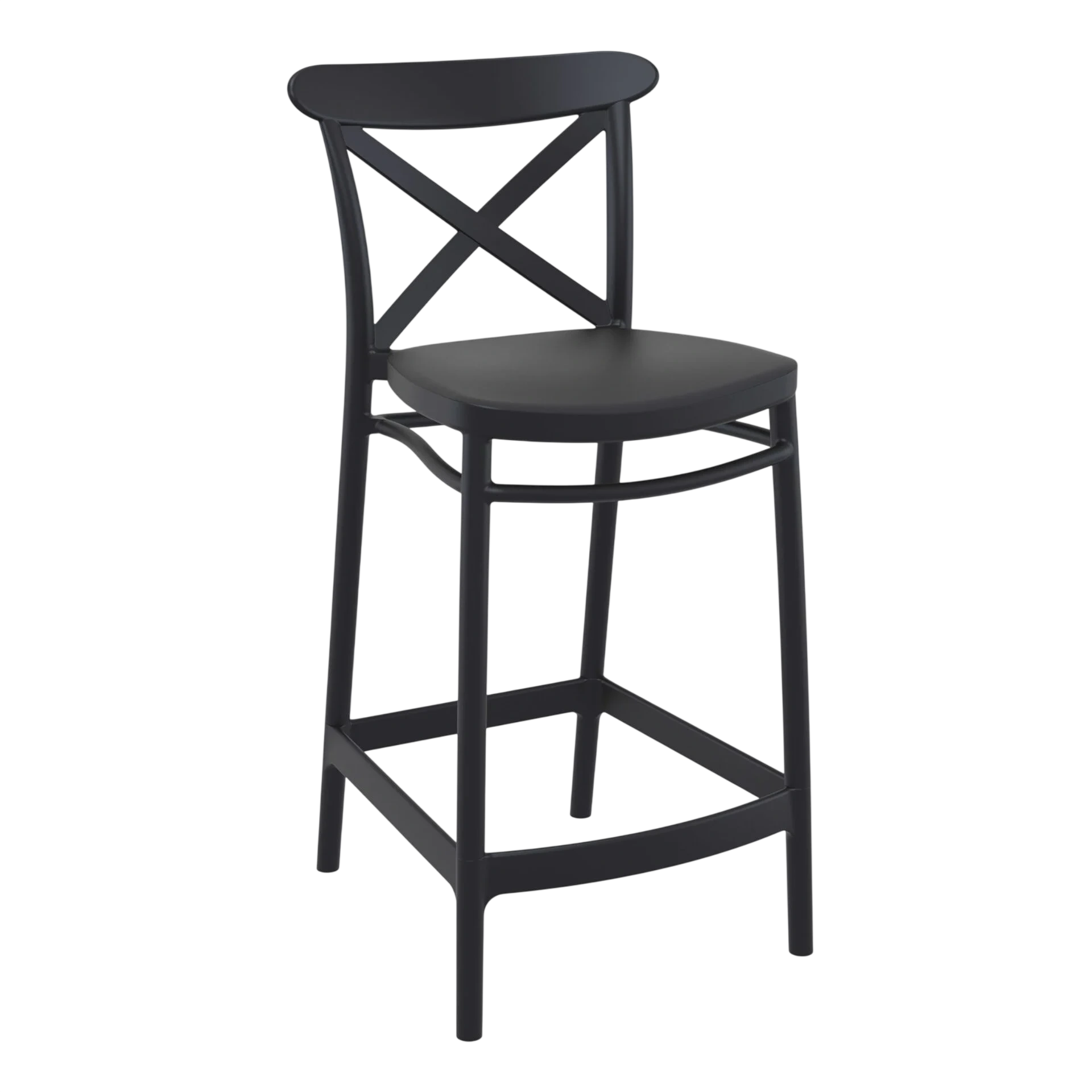
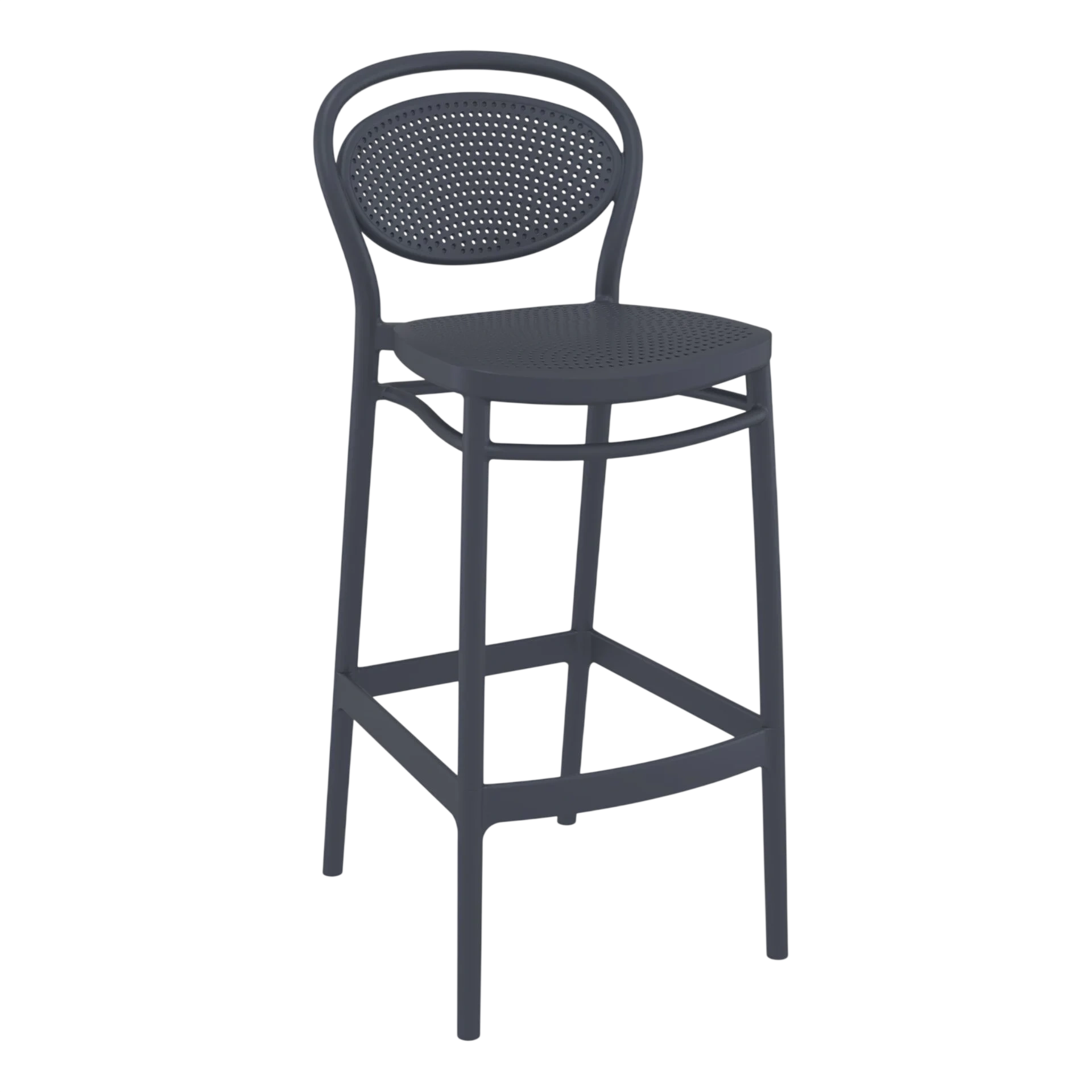
450 × 520 × 1060mm
450 × 520 × 1060mm
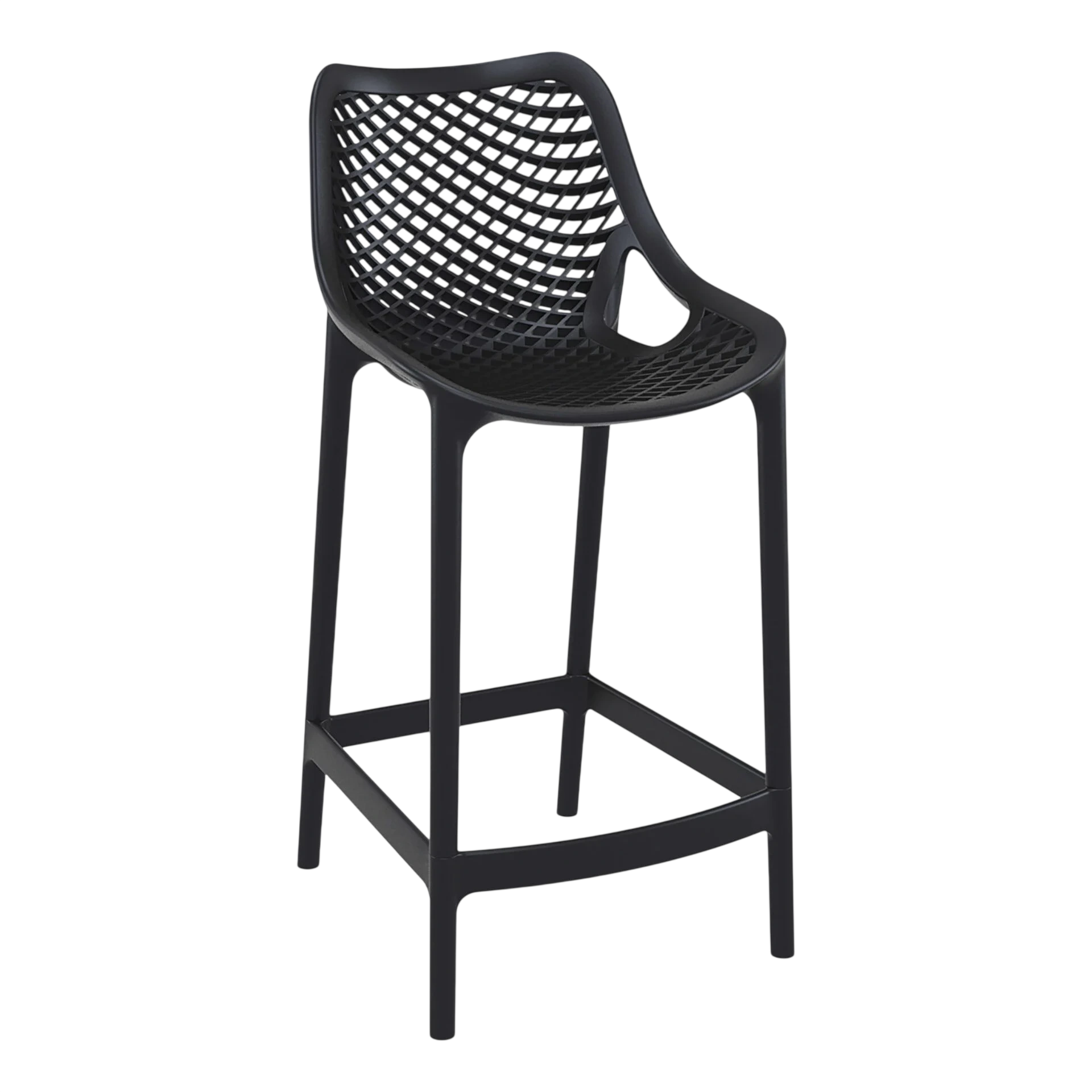
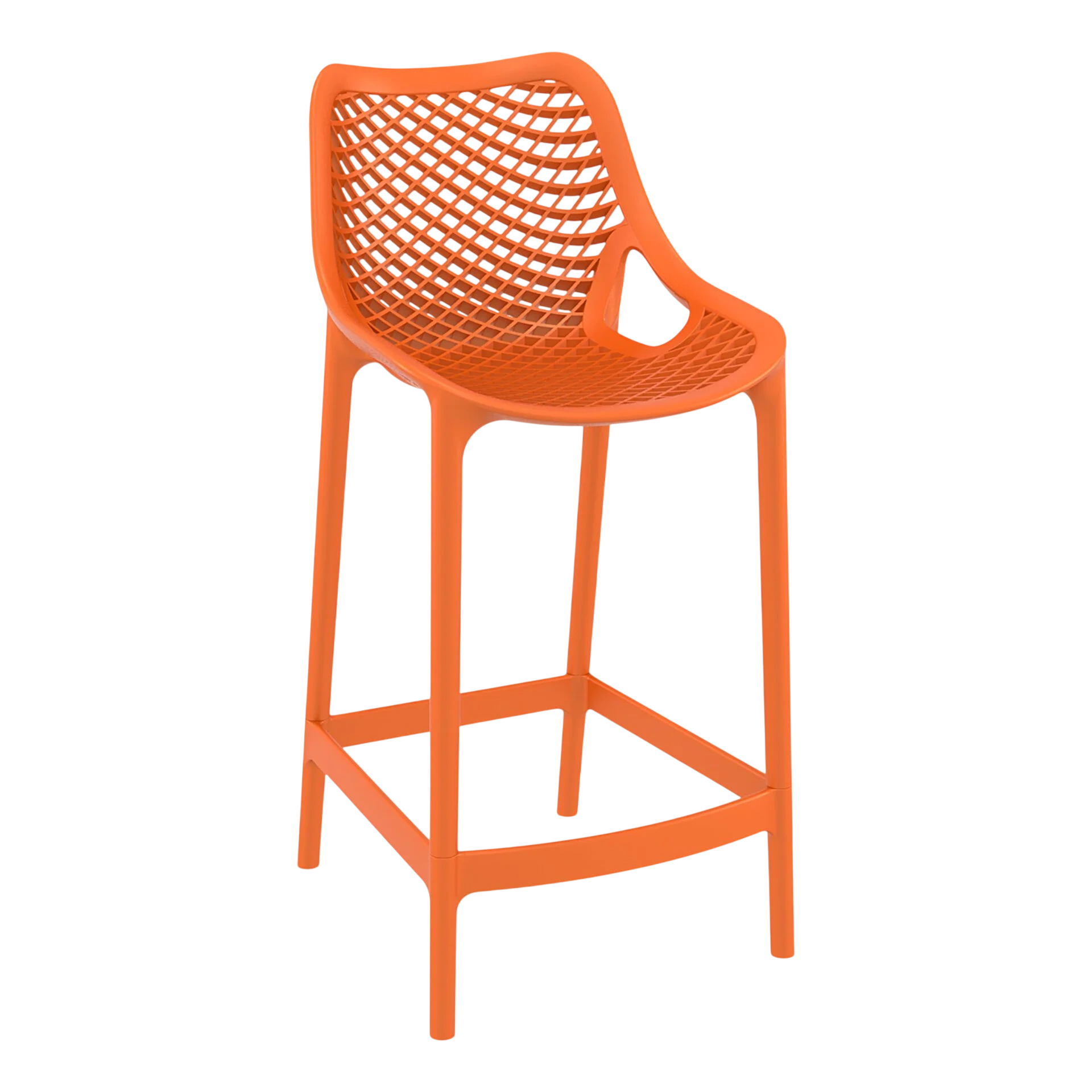
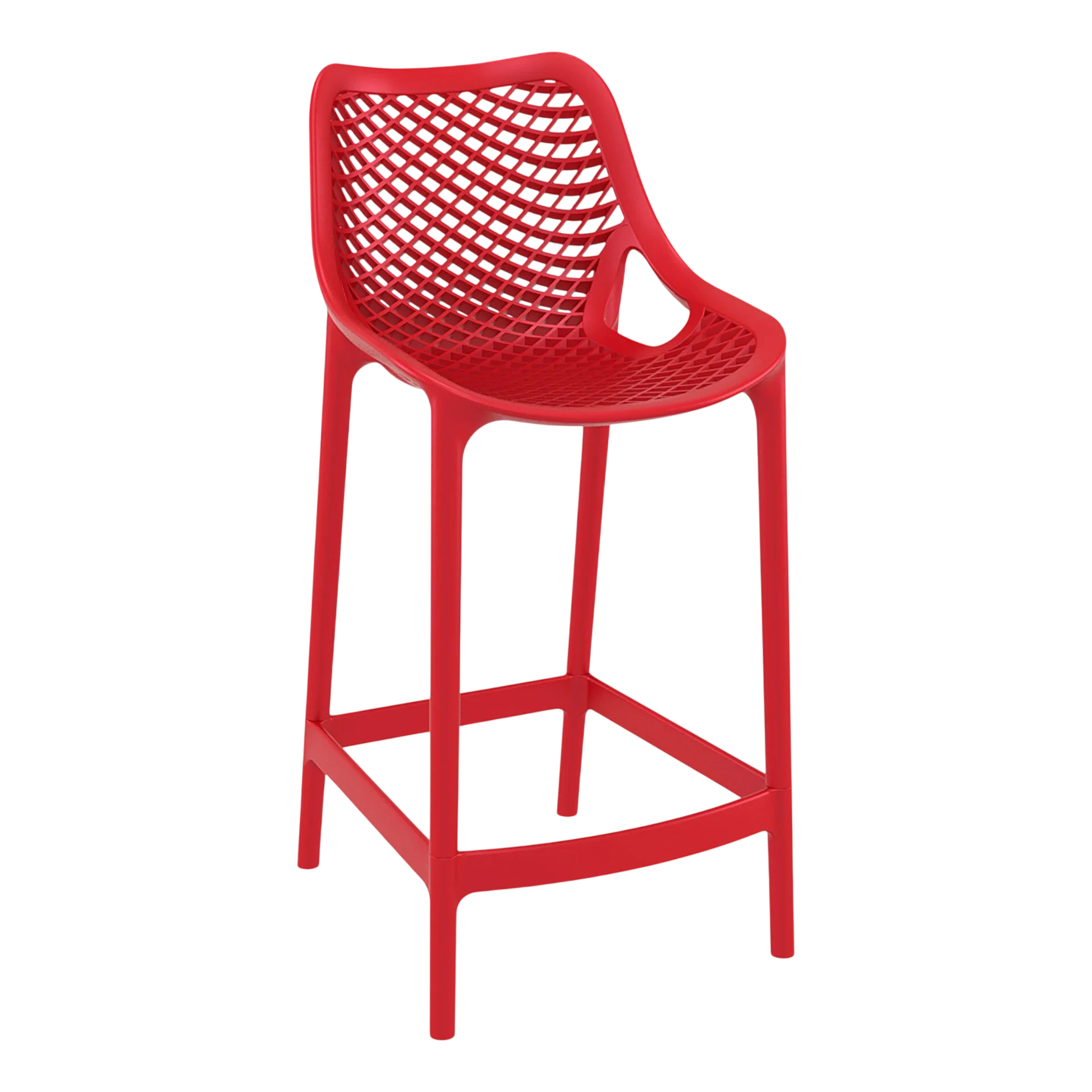
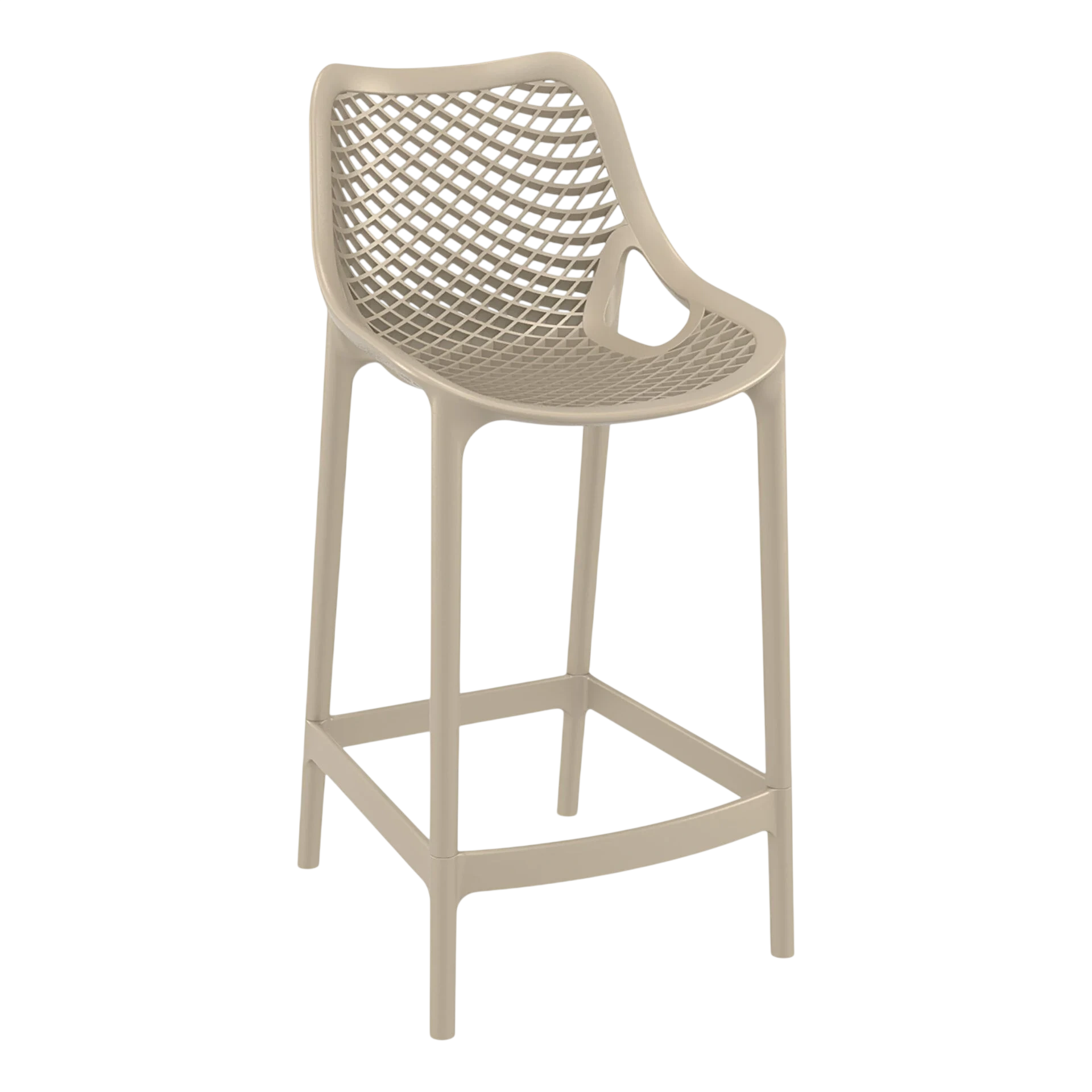
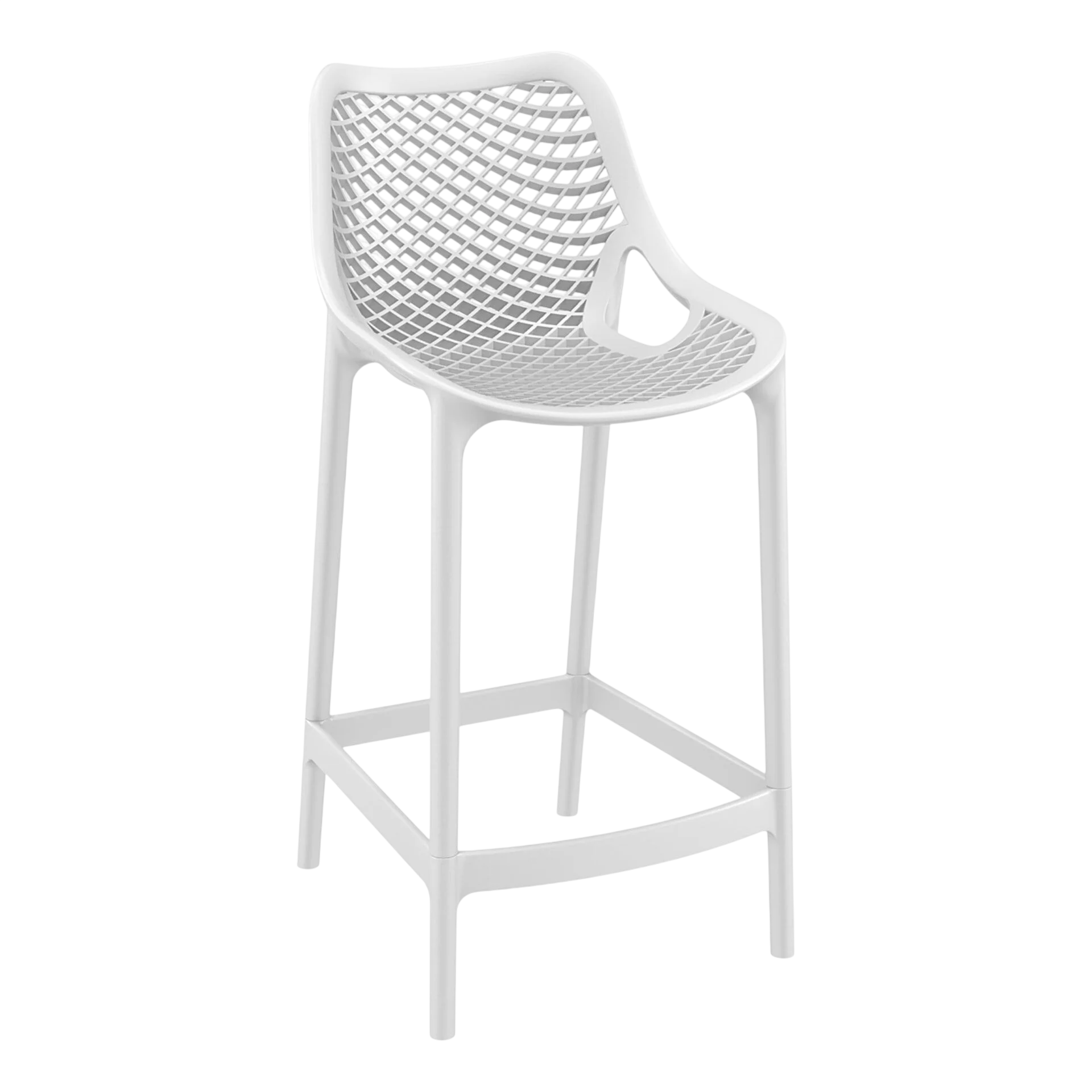
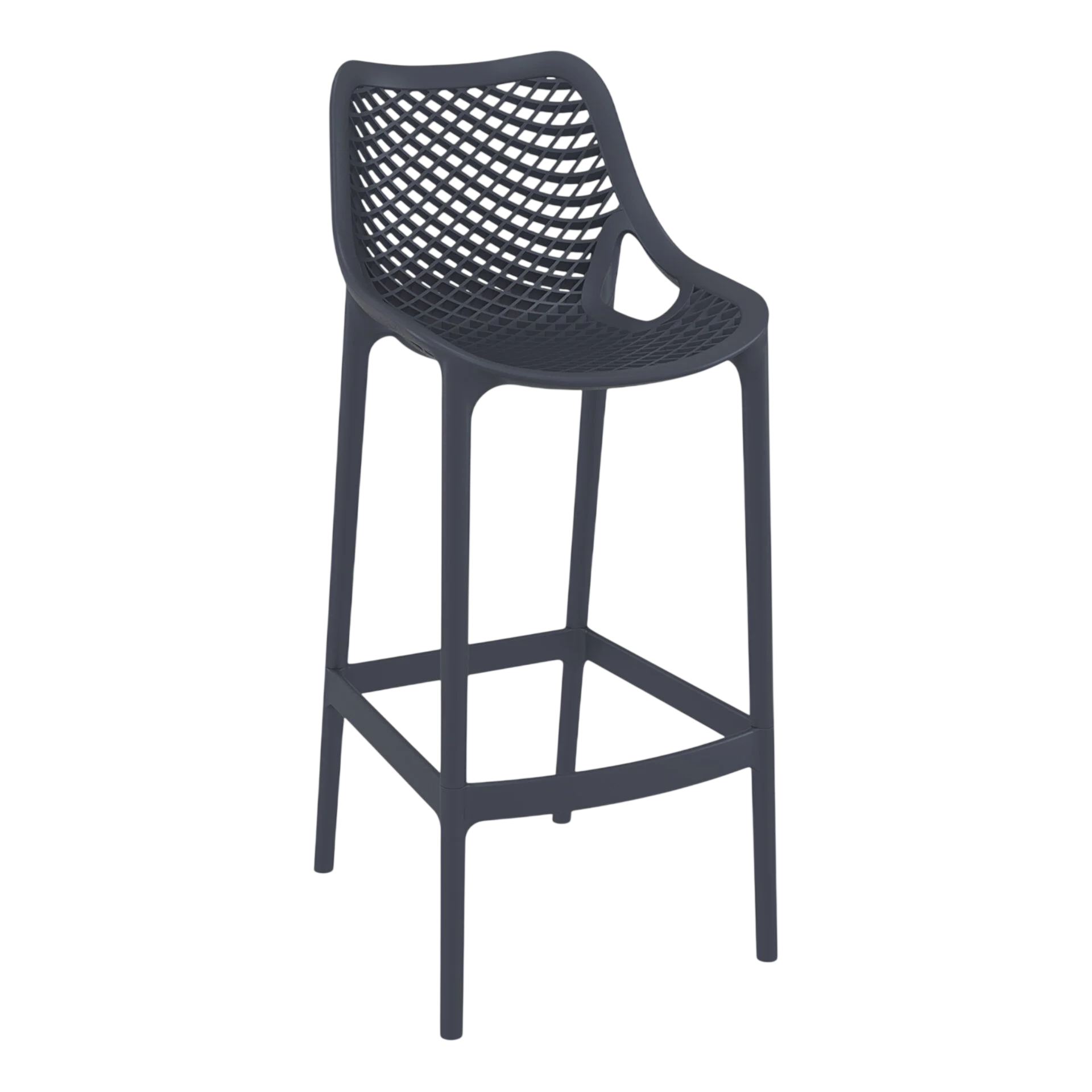
450 × 530 × 1050mm
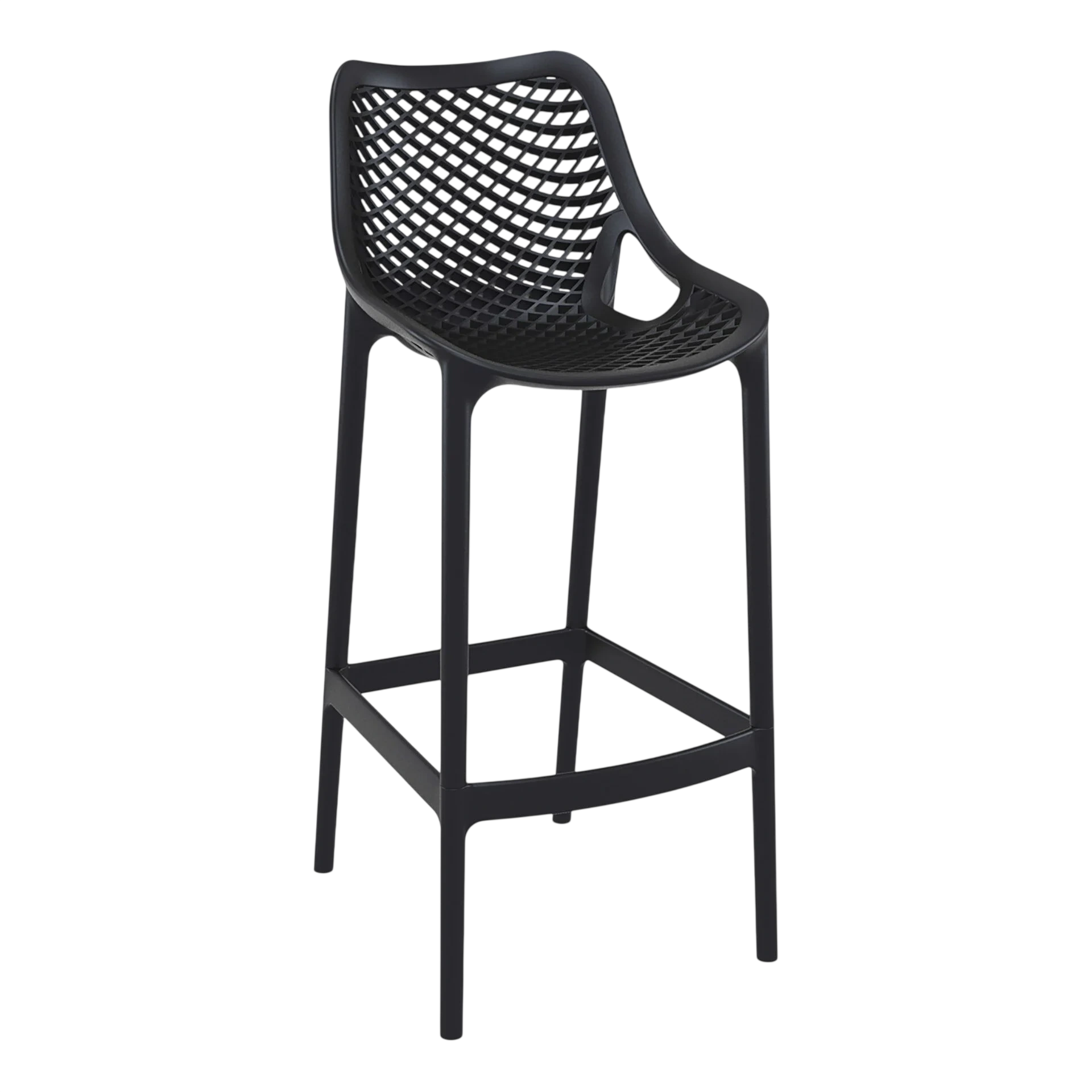
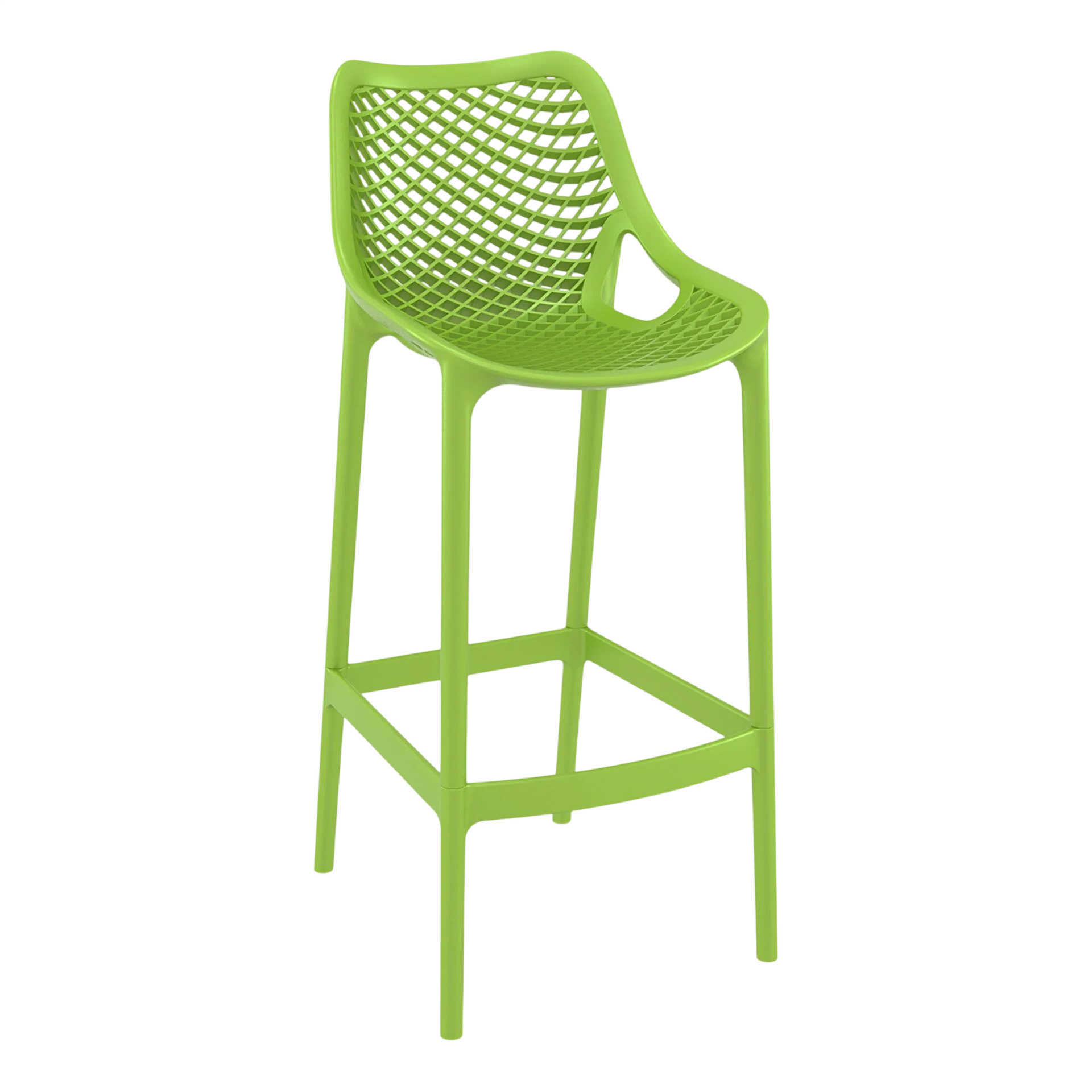
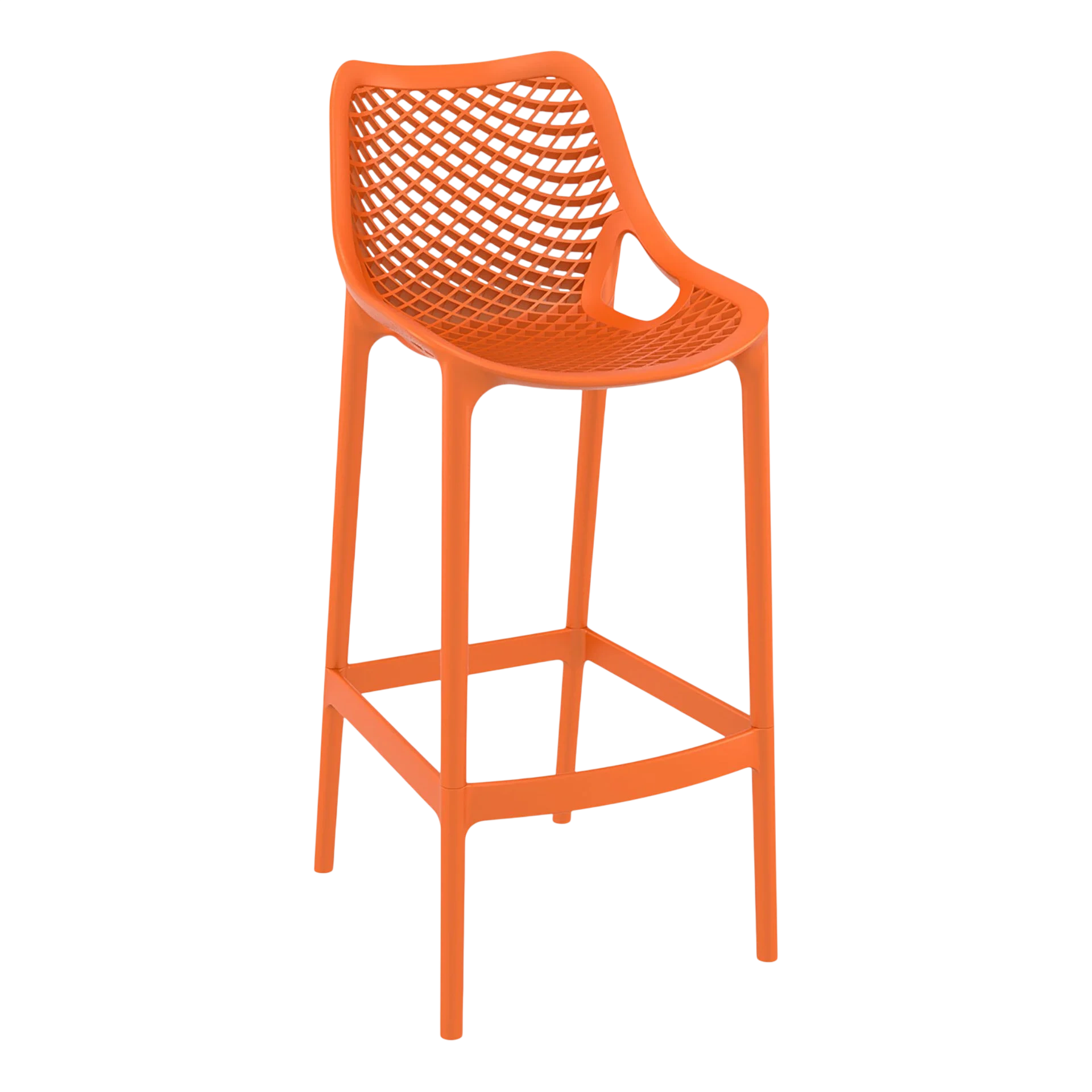
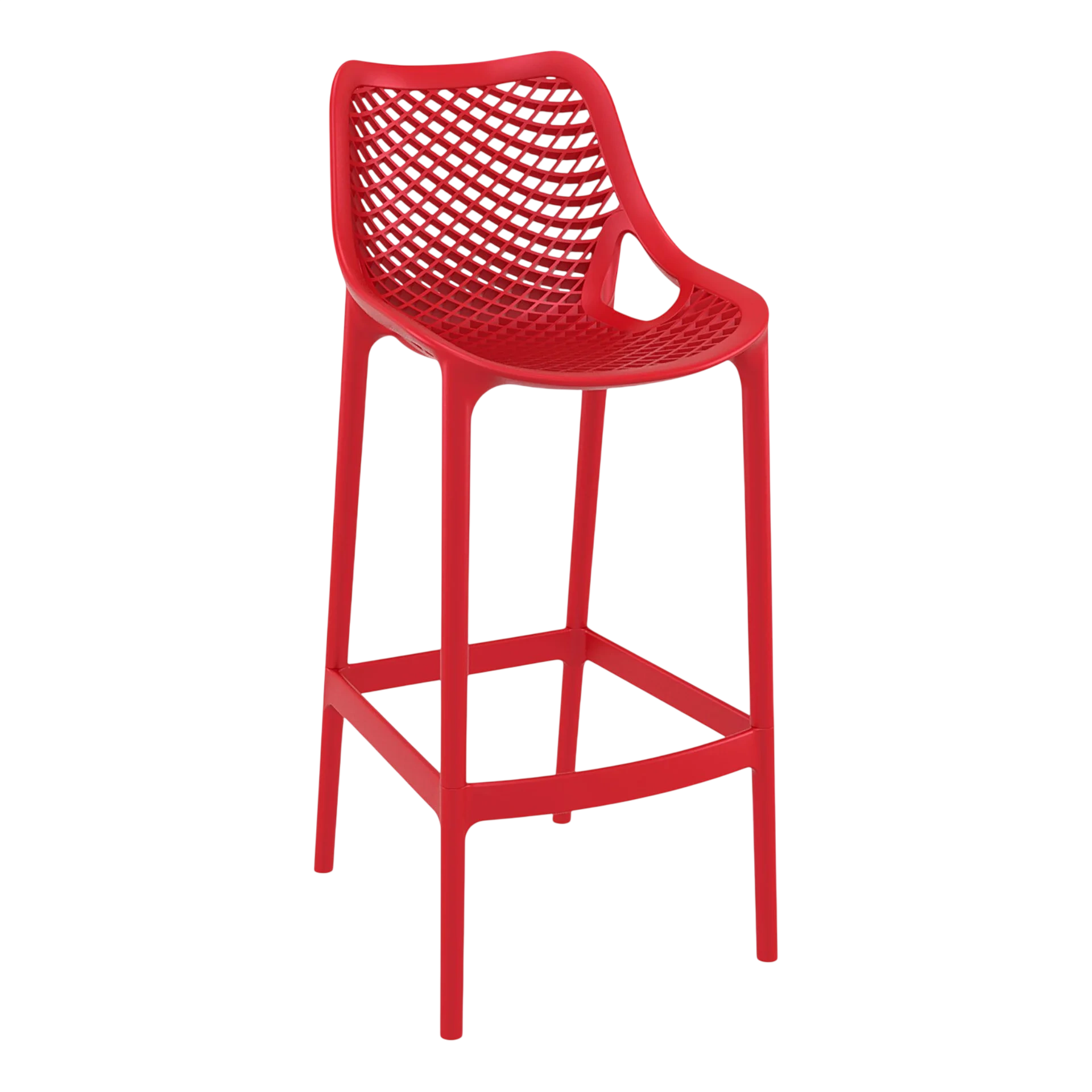
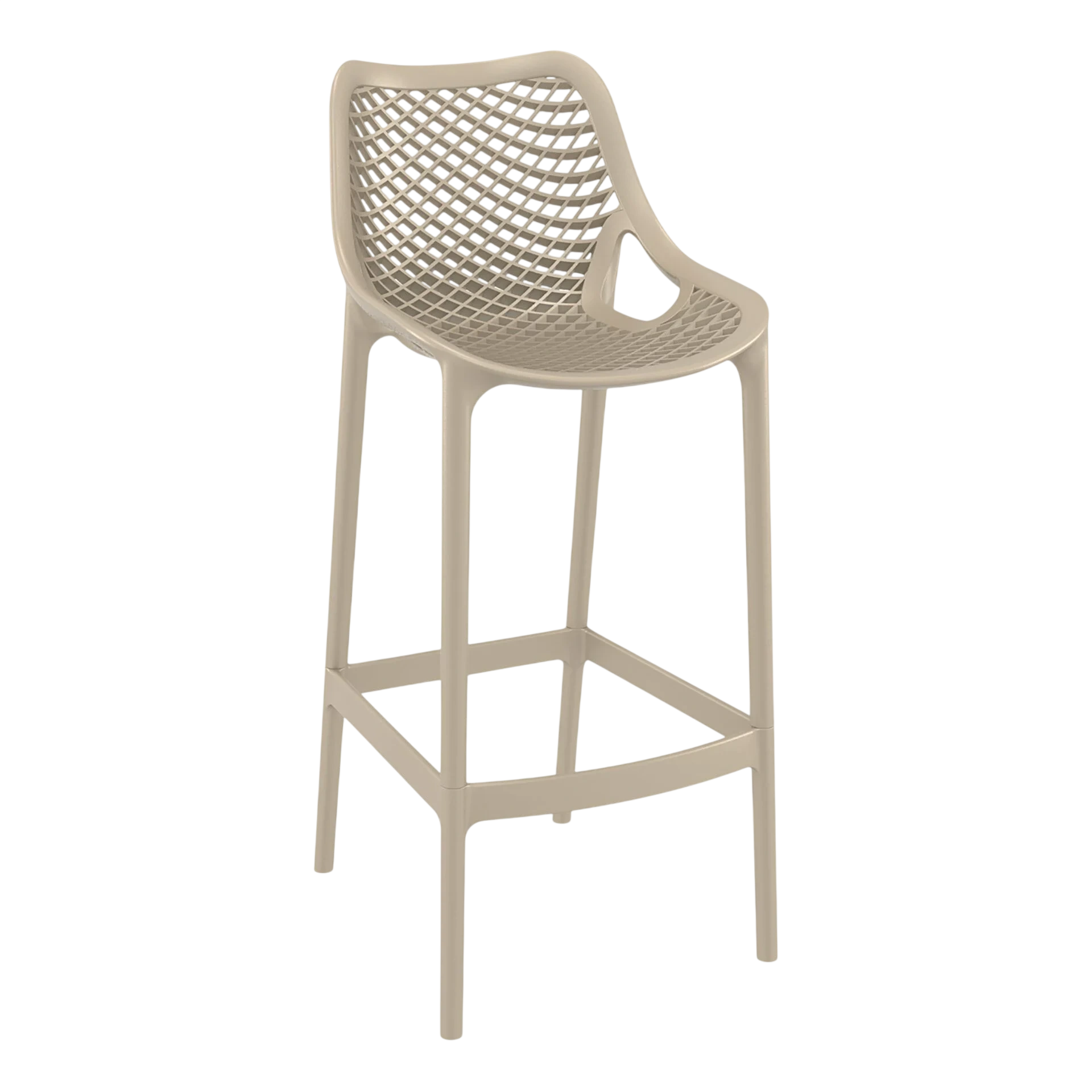
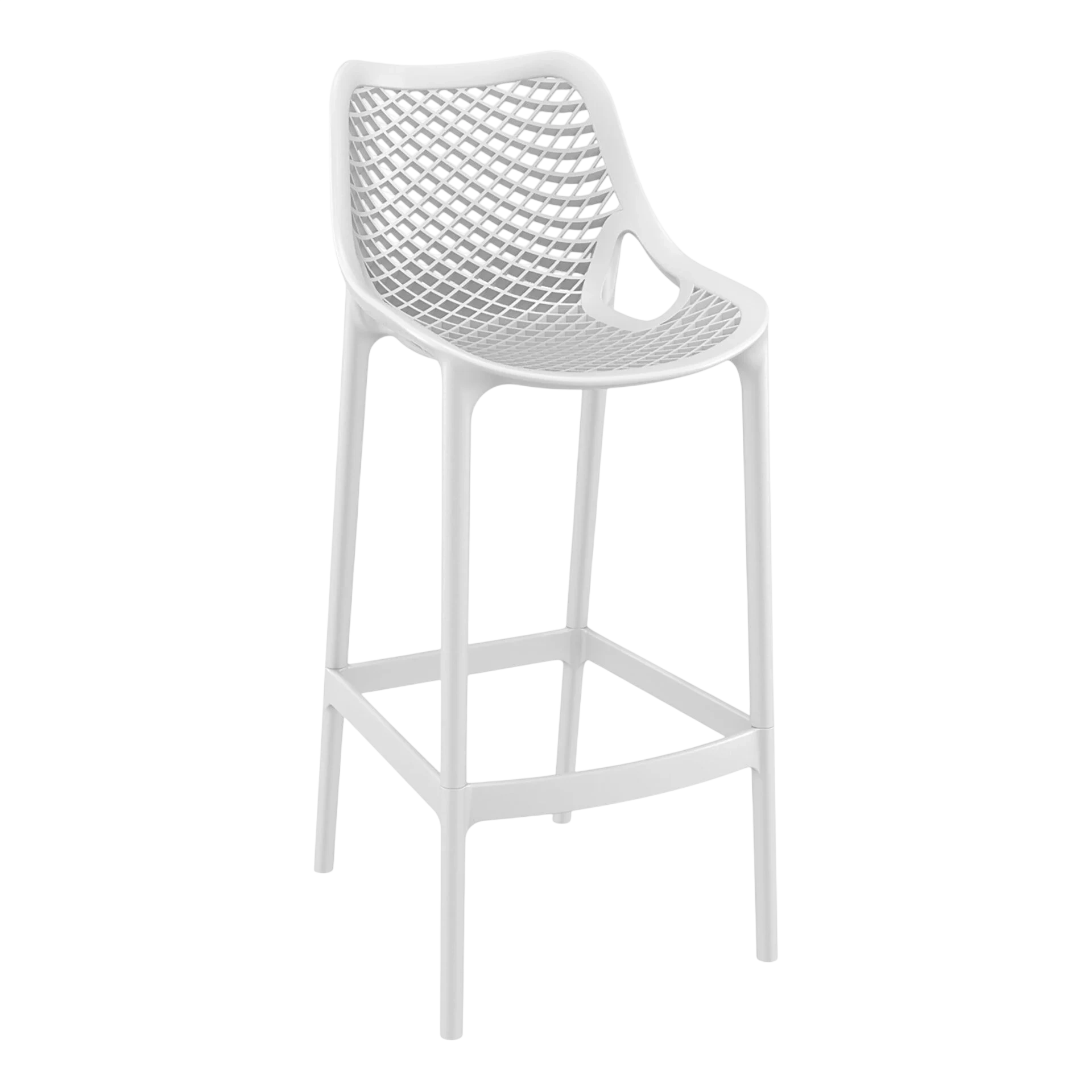
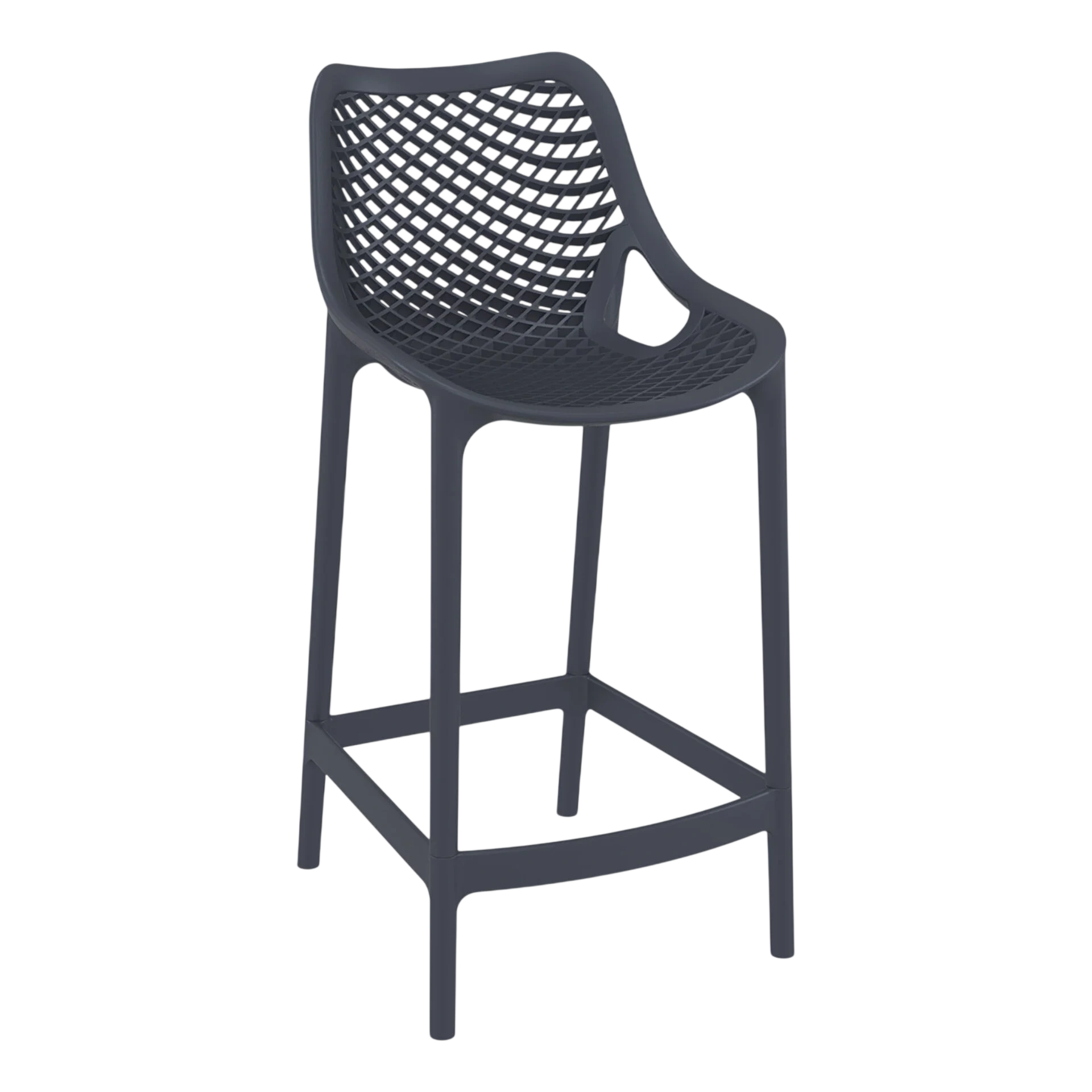
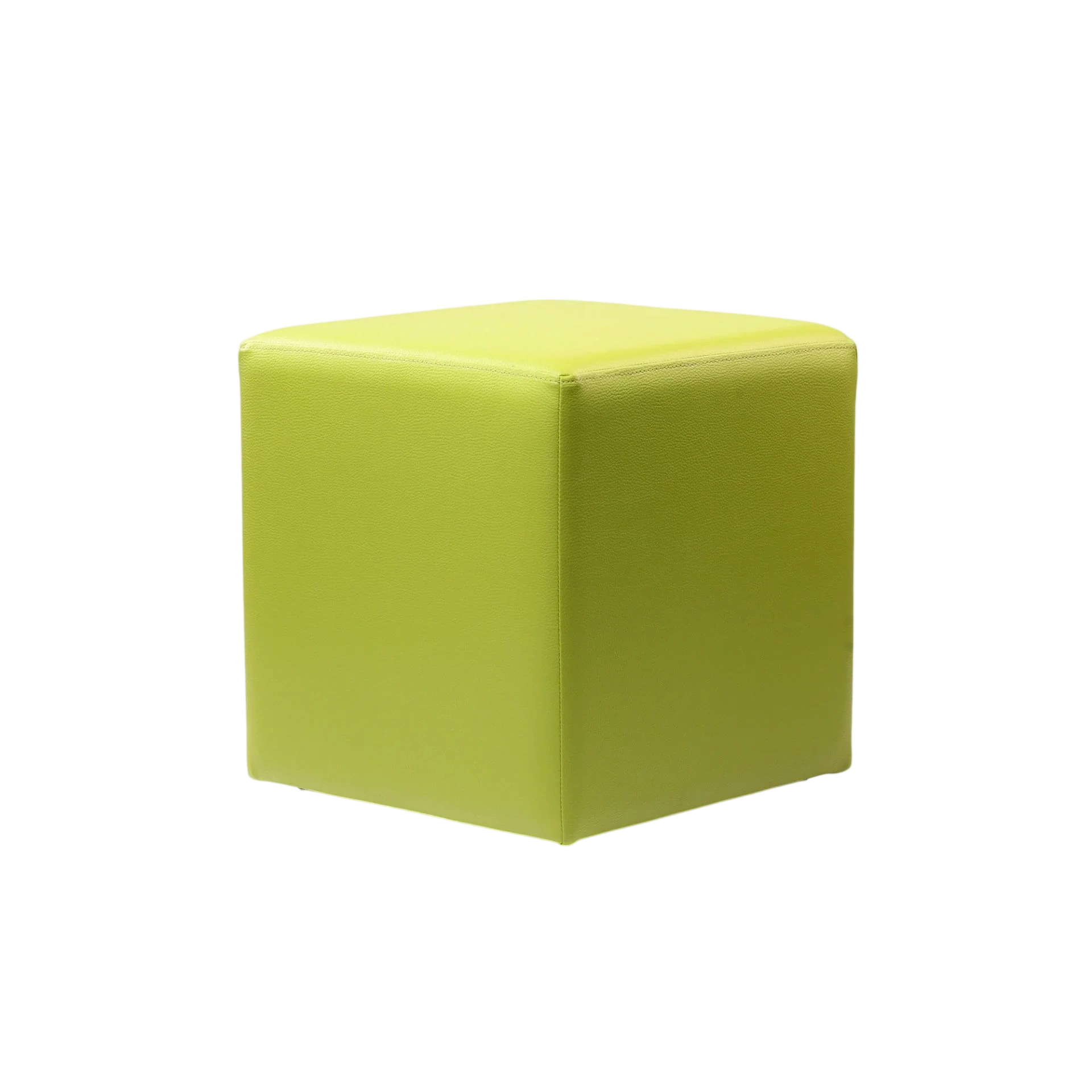
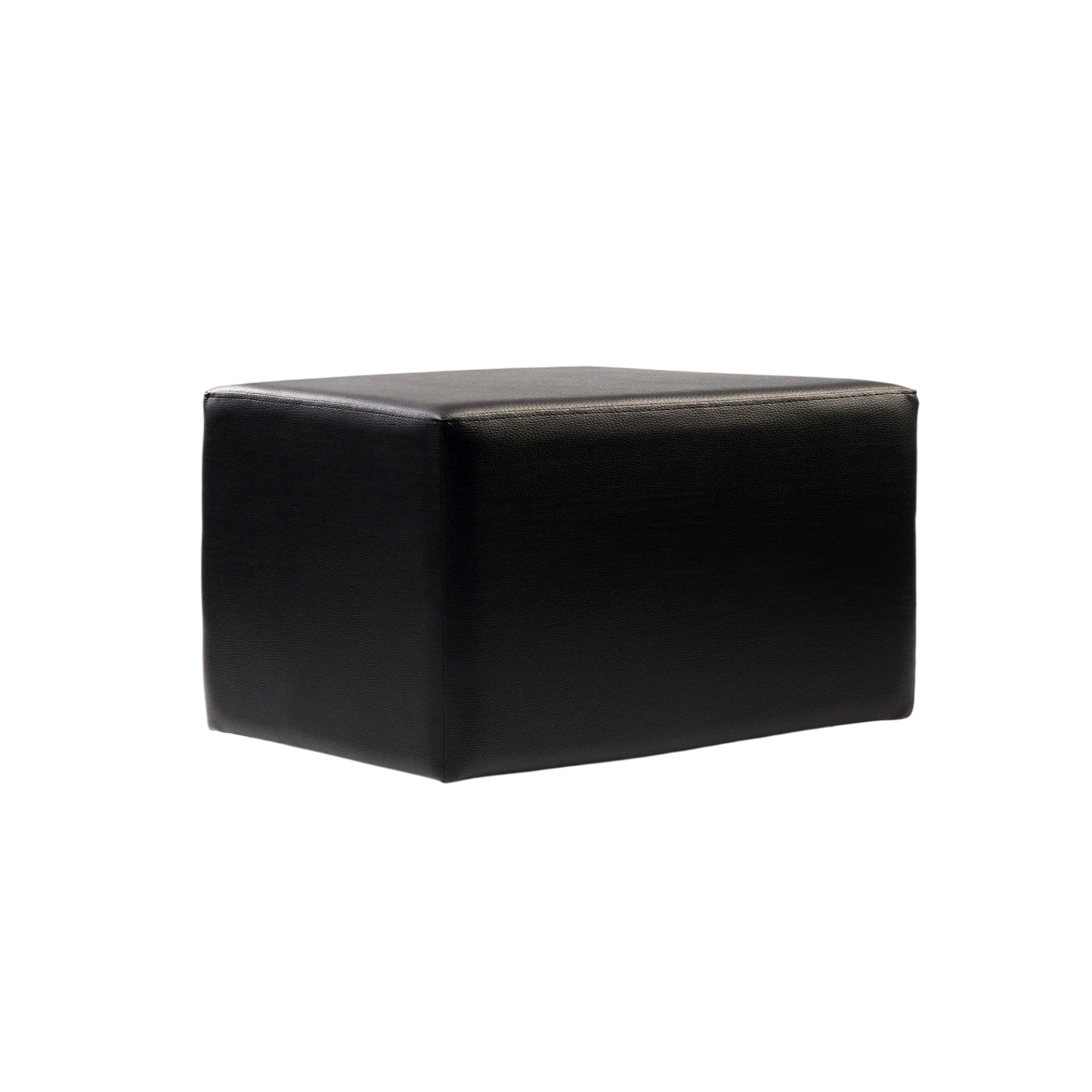
1200 × 430 × 450mm
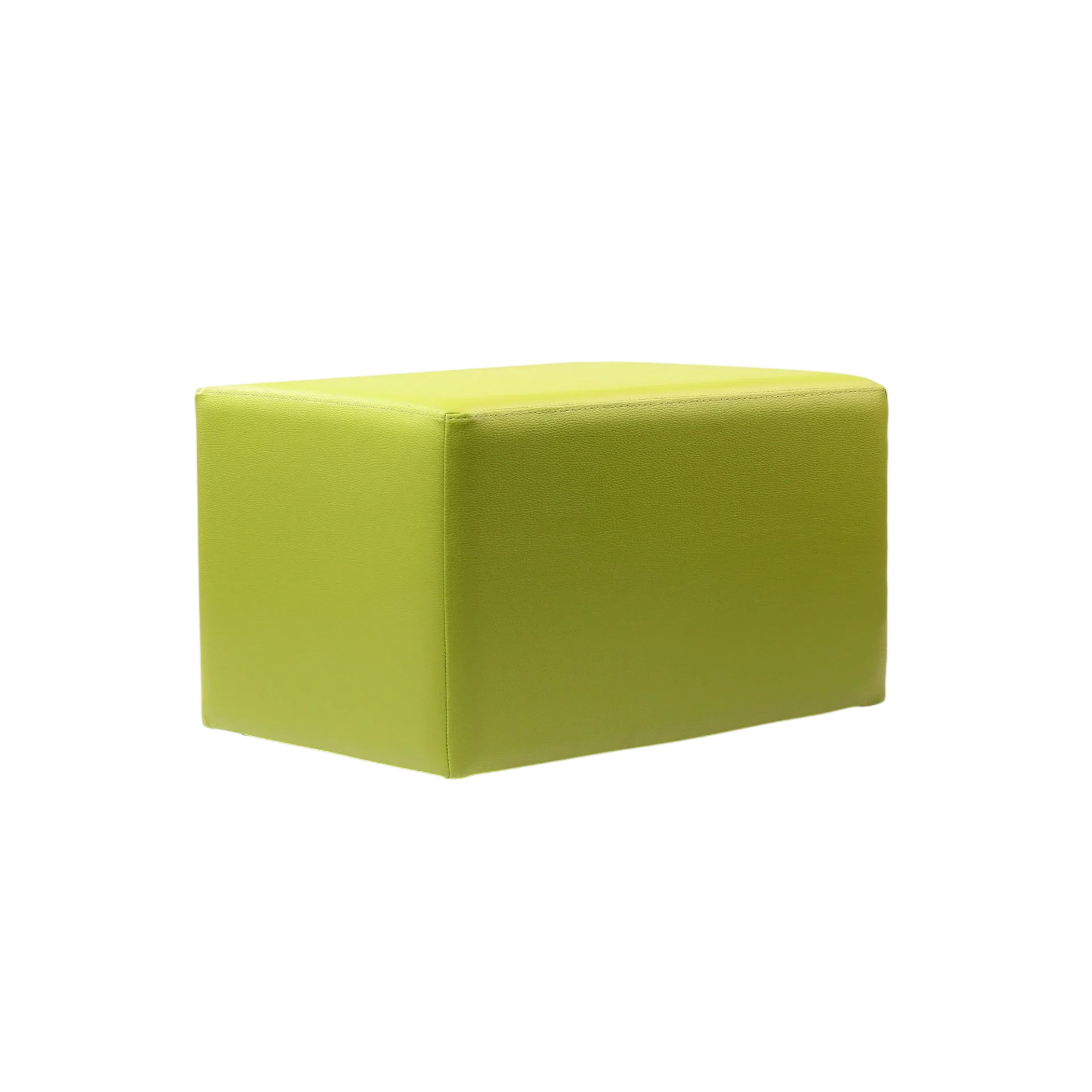
1200 × 430 × 450mm
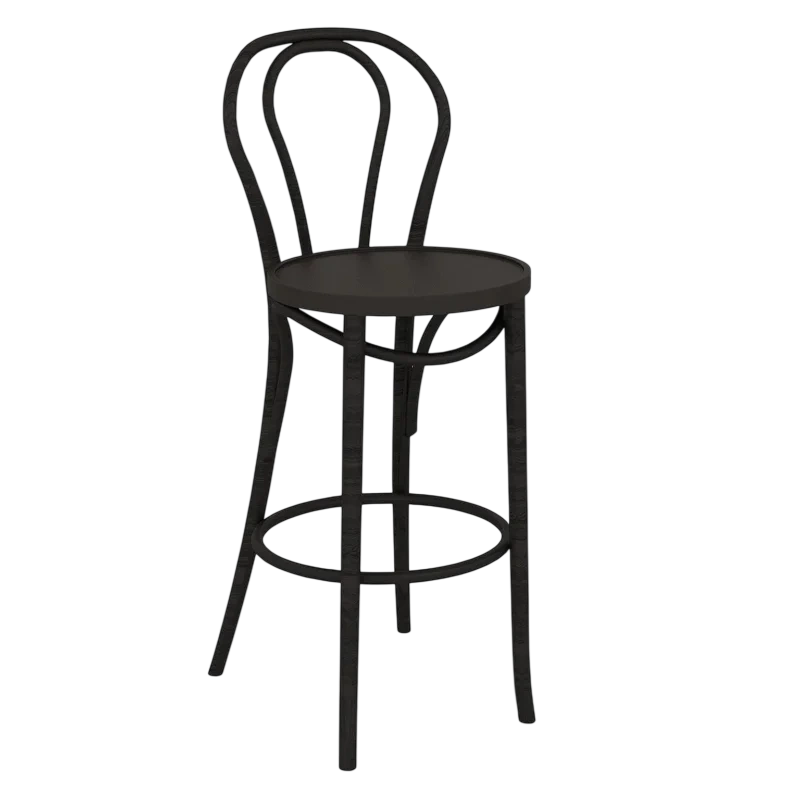
800 × 600 × 1100mm
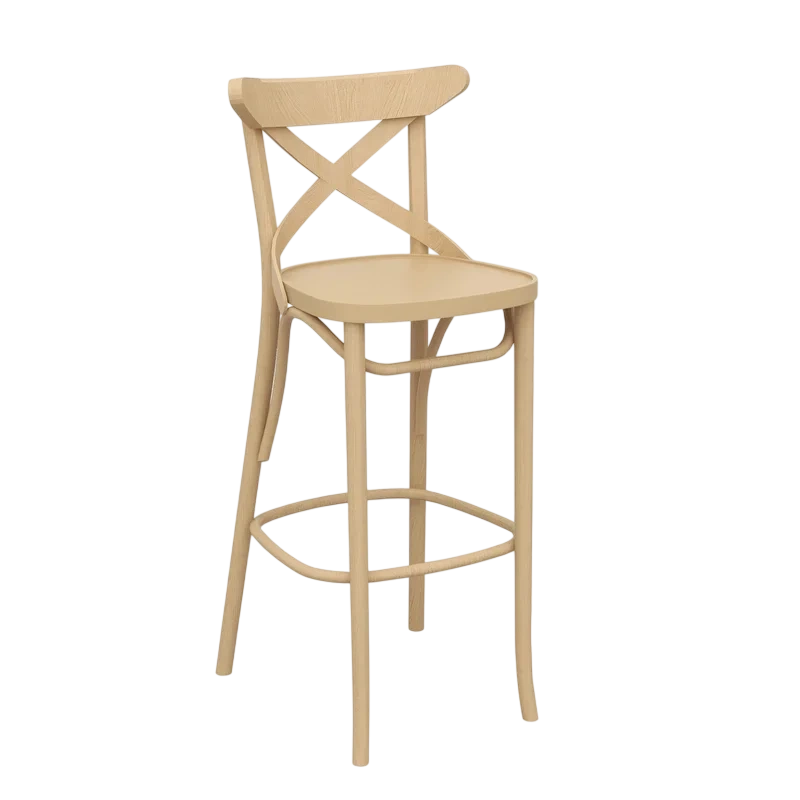
800 × 600 × 1100mm
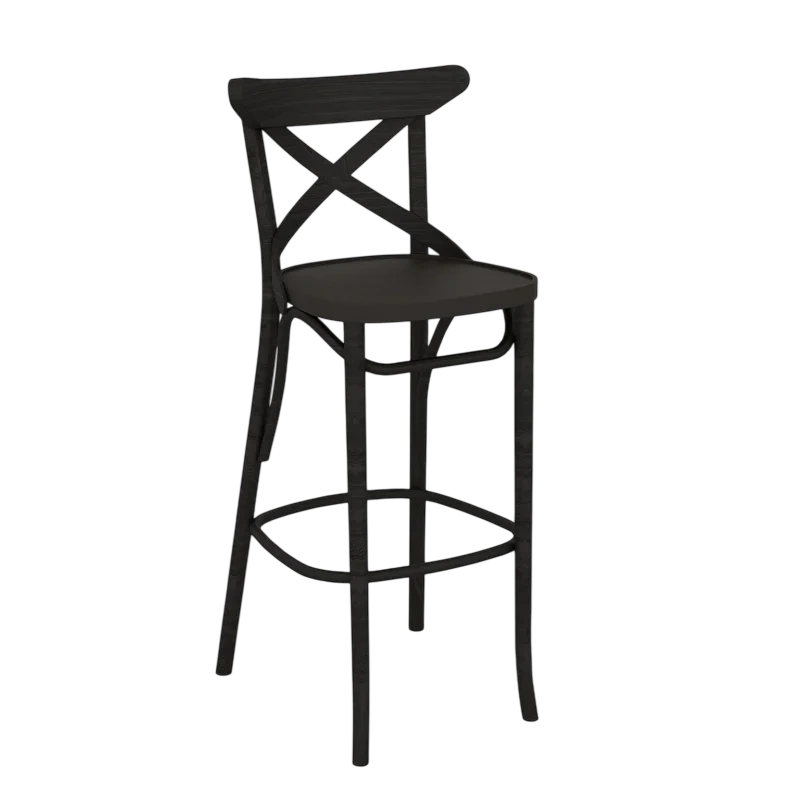
800 × 600 × 1100mm
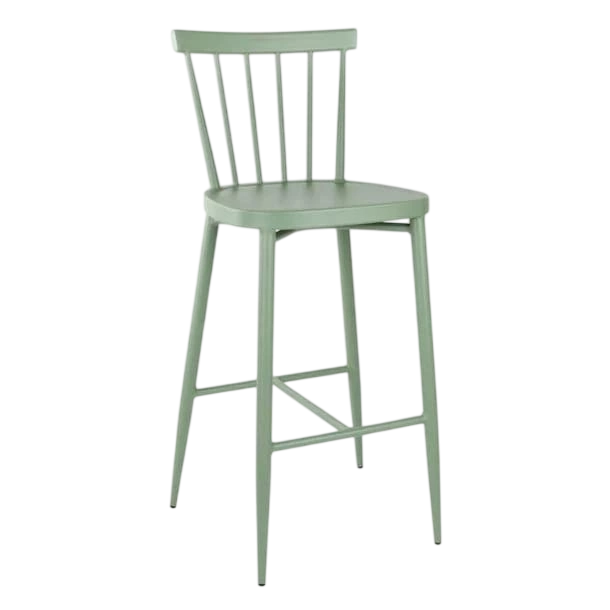
450 × 510 × 1080mm
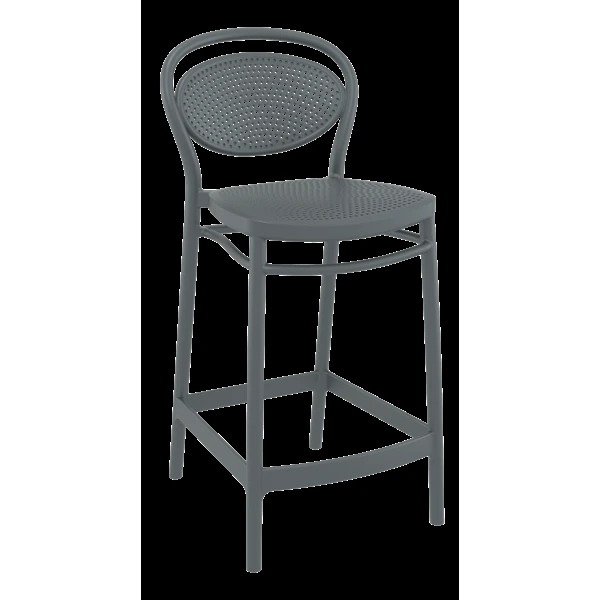
A bar stool is specified by the counter it serves. Counter heights vary between a servery, a bar and a poseur table, and a stool that suits one leaves guests reaching or perched at another. Measure the finished counter height, including any overhang the guest's knees must clear, before comparing stool styles.
Footrest position follows from that measurement. At bar height the feet do not reach the floor, so the footrest carries the weight and its height decides whether a guest can sit comfortably for a whole drink. A stool without a usable footrest at that height will be avoided in favour of standing.
Stability matters more than at seat height because the centre of gravity is higher and guests mount and dismount rather than sit down. Consider the base footprint against the floor surface, and whether stools are moved along the bar or stay in fixed positions.
Key factors to consider before purchasing. Our team can help you find the right fit — call or get a quote anytime.
Match equipment capacity to your daily output. Consider available floor space, door clearances, and whether you need underbench or upright models.
Forced air cooling recovers temperature faster — ideal for busy kitchens. Static cooling suits low-traffic display. Check power supply (single vs three phase).
Ensure adequate ventilation clearance. Check local council requirements for gas connections and electrical compliance. We can help with kitchen planning.
Submit your kitchen requirements — our equipment specialists will send you a tailored shortlist of bar stools that fits your budget, venue type and compliance needs.
Standards & Compliance
Before comparing stools, confirm the finished counter height, the depth of any overhang and the clear space between stool positions along the bar. Check the footrest height against the counter rather than treating it as a styling detail.
Look at how the base is finished where it meets the floor, since stools are dragged and knocked more than dining chairs. Where stools have a swivel or gas lift, confirm how that mechanism is serviced and whether it can be replaced without replacing the stool.
FAQ
Counter height (620–680mm) suits 900mm benches; bar height (720–780mm) suits 1050mm bar tops.
Yes. PP stools are extremely durable, lightweight and UV-stable—excellent for cafés and alfresco spaces.
Aluminium and UV-stable polypropylene stools perform best outdoors as they resist rust and fading.
They’re highly recommended for customer comfort, especially for bar-height seating.
Measure the finished counter height and any overhang the guest's knees must clear, then choose the stool to suit it. Servery, bar and poseur counters differ enough that a stool comfortable at one is not at another.
At bar height the feet do not reach the floor, so the footrest carries the guest's weight. Its height relative to the seat and counter decides whether someone stays seated for a whole drink or stands instead.
Allow clear space at the elbow and confirm a guest can mount and dismount without disturbing the next stool. Spacing that looks adequate with the bar empty becomes tight once every position is occupied.
Only where guests turn to face the room or mount from a constrained side. A swivel adds a mechanism to service, so where stools sit square to a bar and are used straight on, a fixed stool is one less part to maintain.
Why KW
KW can help match stool height, footrest position and base footprint to a counter that already exists, then consider spacing along the bar and how stools are handled in service. For practical advice on specifying commercial bar stools, call KW on 1300 001 366.
Deep Dive
Technical depth from KW's commercial kitchen specialists.
Discover our range of commercial bar stools designed for hospitality venues requiring durable, stylish and comfortable bar-height seating. Ideal for cafés, restaurants, pubs and hotels.
Measure the finished counter height and the depth of any overhang the guest's knees must clear. Servery, bar and poseur heights differ enough that a stool suited to one is uncomfortable at another, so the counter measurement decides the stool rather than the other way round.
Above dining height the feet no longer reach the floor and the footrest takes the load. Its position decides whether a guest stays seated for a whole drink. Check the footrest height relative to the seat and the counter, not in isolation.
Work out the clear space each stool needs at the elbow, then confirm a guest can mount and dismount without moving the neighbouring stool. Positions that look adequate when empty become tight once guests are seated, and the resulting shuffling is what makes a bar feel crowded before it is full.
Stools are knocked and dragged more than dining chairs, so how the base meets the floor matters. Consider the base footprint against the floor surface and whether stools stay in fixed positions or are moved along the bar. Where a swivel or gas lift is fitted, confirm how it is serviced.