
Modular Systems
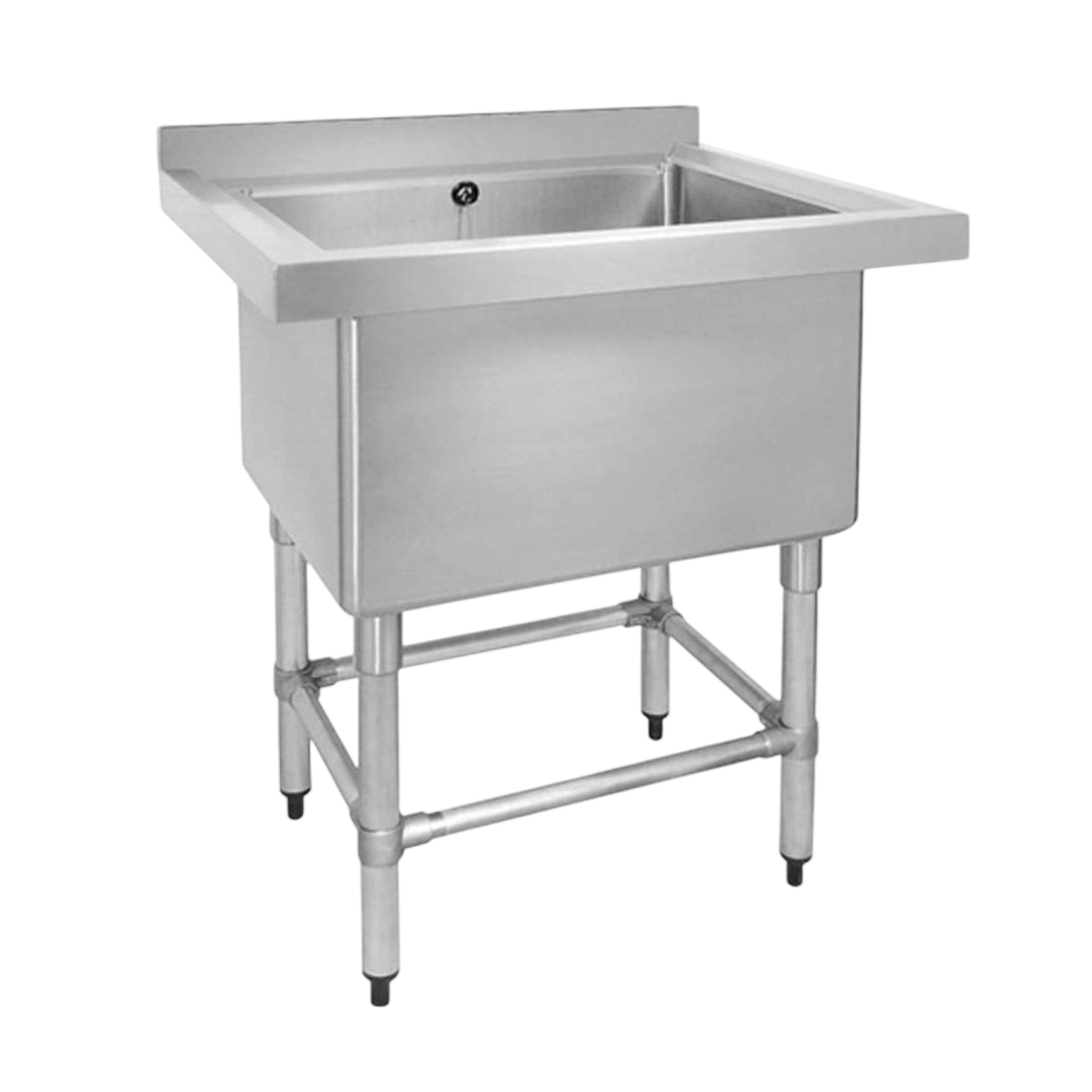
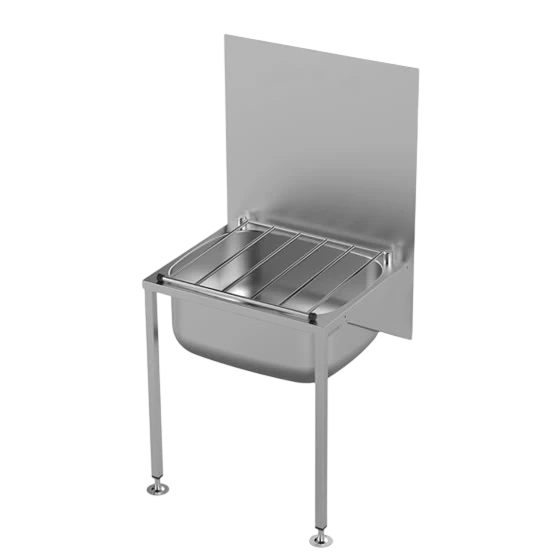
Modular Systems 770-6-SSB Stainless Steel Single Deep Pot Sink
770 × 600 × 900mm
$636.65$749.00
In Stock
Stainless Steel Sinks
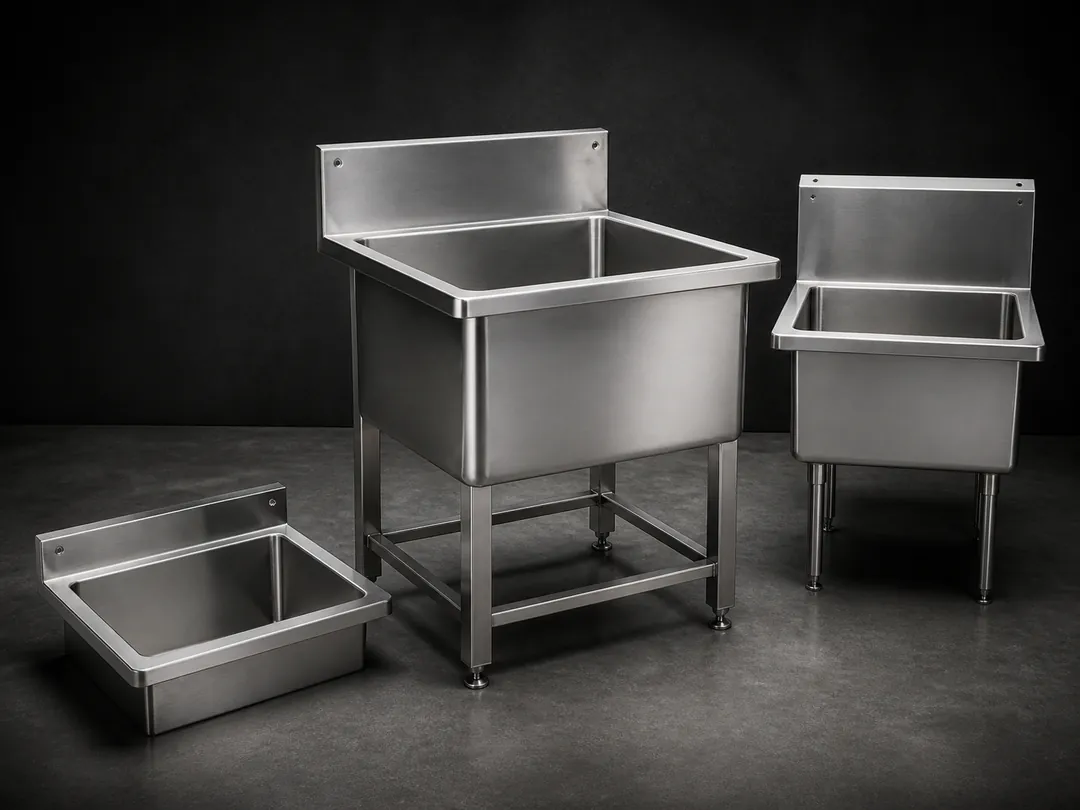
A commercial stainless steel cleaner's sink is a janitorial fixture: it exists so that mop buckets are filled and emptied and cleaning equipment is washed somewhere other than a food sink. That separation is the whole point of specifying one, and it drives the height, the depth and where the sink is placed.
Height decides whether it gets used. A cleaners sink set low enough to take a bucket under the tap, or fitted with a bucket grate, saves lifting a full bucket to rim height. Where a standard sink is used instead, staff tip and refill in ways that spill.
Bowl depth matters more than width. A mop sink needs depth to contain splashing when a bucket is emptied, and a grate or step that lets a bucket rest while filling. Consider the tap type as well: a hose or long swan-neck reaches into a bucket in a way a short spout cannot.
Position it where cleaning equipment is stored rather than where a plumbing run is convenient, because a commercial stainless steel sink used for janitorial work should be nowhere near food preparation.
Key factors to consider before purchasing. Our team can help you find the right fit — call or get a quote anytime.
Match capacity to your daily output. Consider the bench or floor space available and the access route for delivery.
Confirm levelling, wall clearance and the access needed for cleaning and service. We can help with kitchen planning.
Submit your kitchen requirements — our equipment specialists will send you a tailored shortlist of cleaning sink that fits your budget, venue type and compliance needs.
Standards & Compliance
Before comparing cleaners sinks, confirm the bucket size in use, where cleaning equipment is stored, and the available plumbing at that position. Check the rim height against a full bucket lift and whether a bucket grate is included.
Look at how the bowl is joined to any splashback, how the waste is sized for the debris that comes off a mop, and how the surrounding wall is protected. Janitorial sinks are used harder and cleaned less carefully than food sinks, so the joints and the wall behind them are where the wear shows.
FAQ
No. Cleaning sinks are for dirty mop water and chemicals only. Use a double sink bench or pot sink for dishes.
Never. FSANZ requires a dedicated hand basin near prep or dish areas—cleaning sinks do not meet this requirement.
Yes. Because mop sinks handle dirty water and chemicals, correct traps, drainage, and backflow prevention may be required. Always use a licensed plumber.
Yes. 304 stainless steel is suitable for outdoor utility areas and withstands frequent washing.
Why KW
KW can help specify a cleaner's sink at a height and depth that suit the buckets in use, positioned away from food preparation. For practical advice on janitorial sinks, call KW on 1300 001 366.
Deep Dive
Technical depth from KW's commercial kitchen specialists.
The reason a janitorial sink exists is so that mop water and cleaning equipment never enter a sink used for food or produce. Position it accordingly, near where cleaning equipment is stored and away from preparation areas.
A sink that takes a bucket beneath the tap, or that has a grate for the bucket to rest on, removes the lift that causes spills. Check the rim height against a full bucket before choosing, since this is what decides whether the fixture is used as intended.
Depth contains the splash when a bucket is emptied, so it matters more than width. Size the waste for the debris that comes off a mop, and choose a tap with the reach to fill a bucket in place — a hose or long swan-neck does what a short spout cannot.
Cleaners sinks take heavier use and lighter care than food sinks. Check how the bowl meets the splashback, how the wall behind is protected, and whether the fixings are accessible for tightening, because those are the points that fail first.
Its duty. A janitorial sink exists so mop buckets and cleaning equipment are handled away from any sink used for food or produce. That drives a lower rim or bucket grate, more depth and a tap with reach.
Low enough that a bucket fits beneath the tap, or fitted with a grate the bucket can rest on. If a full bucket must be lifted to rim height, spills follow and staff work around the fixture.
It needs one sized for the debris that comes off a mop, which is coarser than anything a food sink handles. Check the waste and trap arrangement rather than assuming a standard sink outlet will cope.
Near where cleaning equipment is stored and away from food preparation. Convenience of the plumbing run is a poor reason to place it close to a food area, since separation is the reason the fixture exists.
14 results
770 × 600 × 900mm
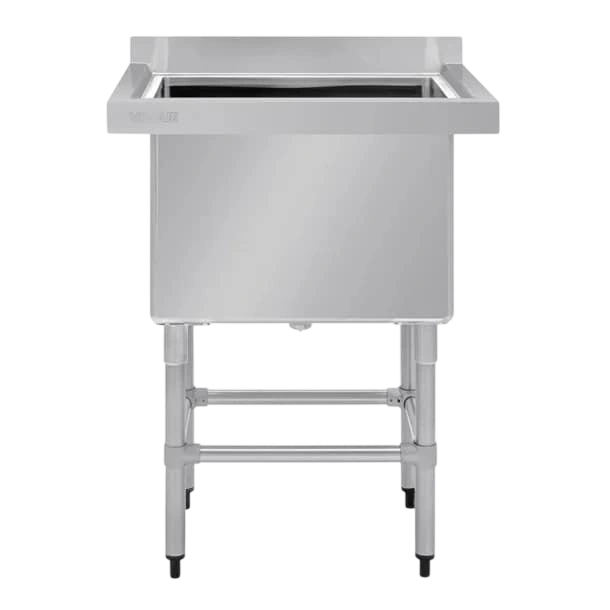
770 × 600 × 900mm
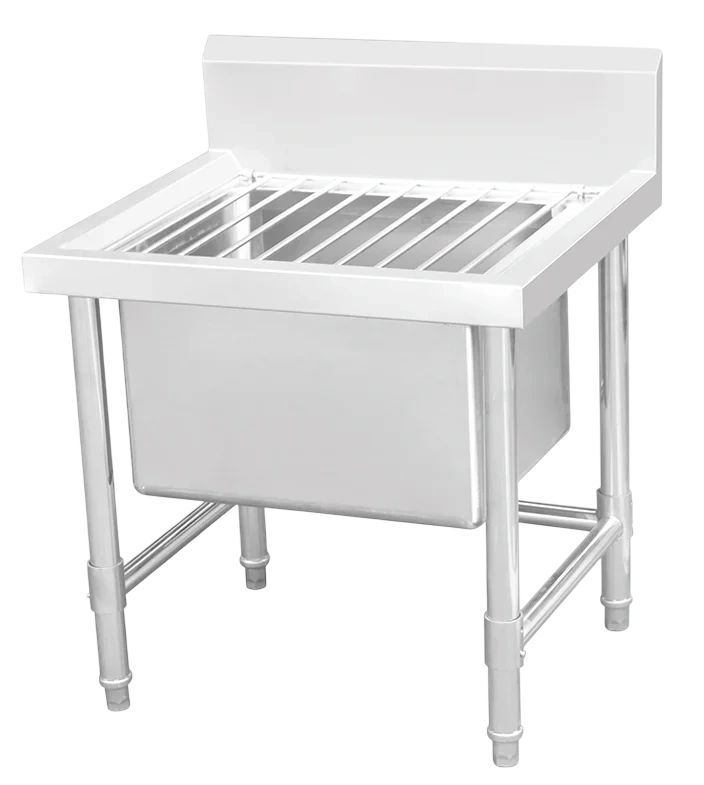
610 × 530 × 600mm
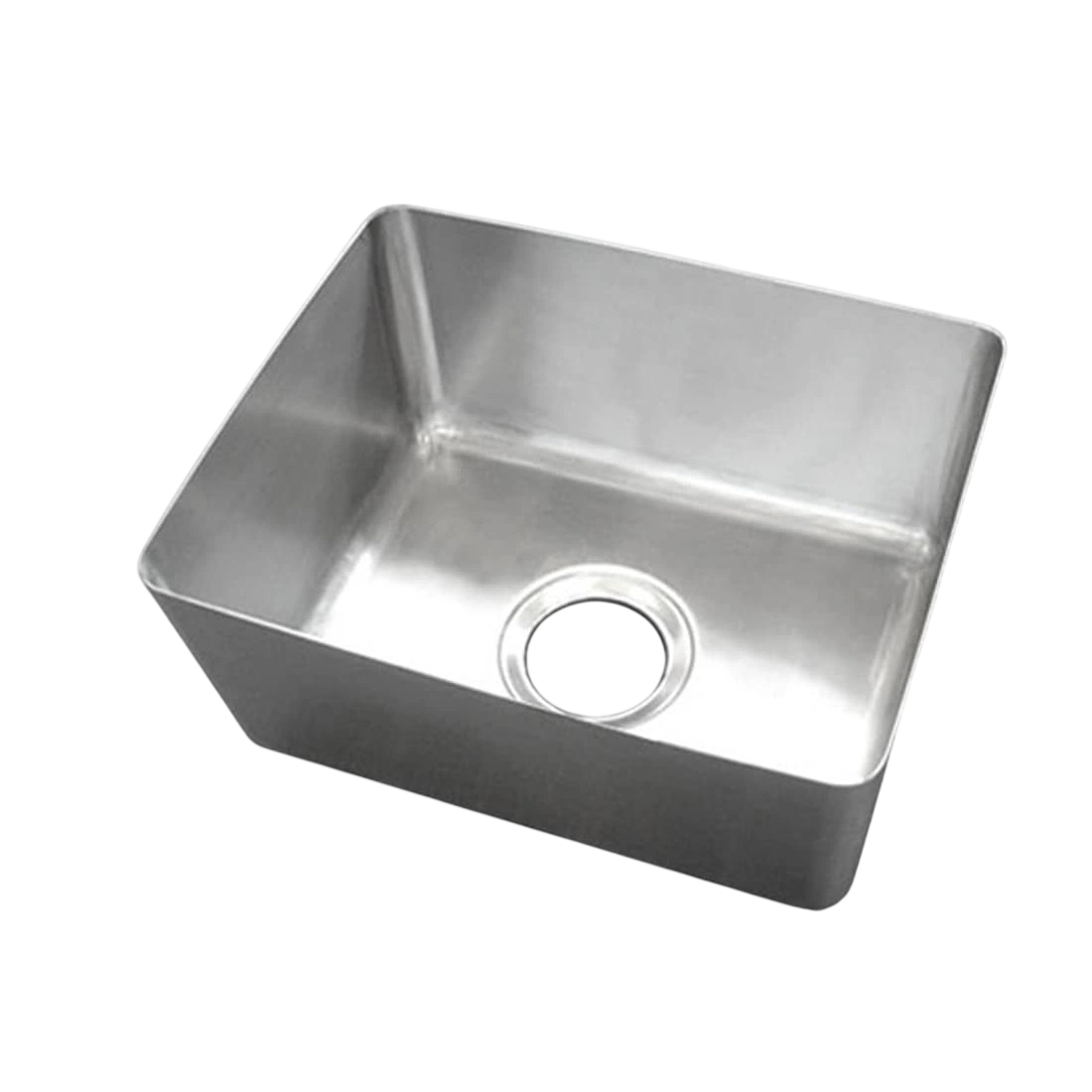
600 × 400 × 300mm
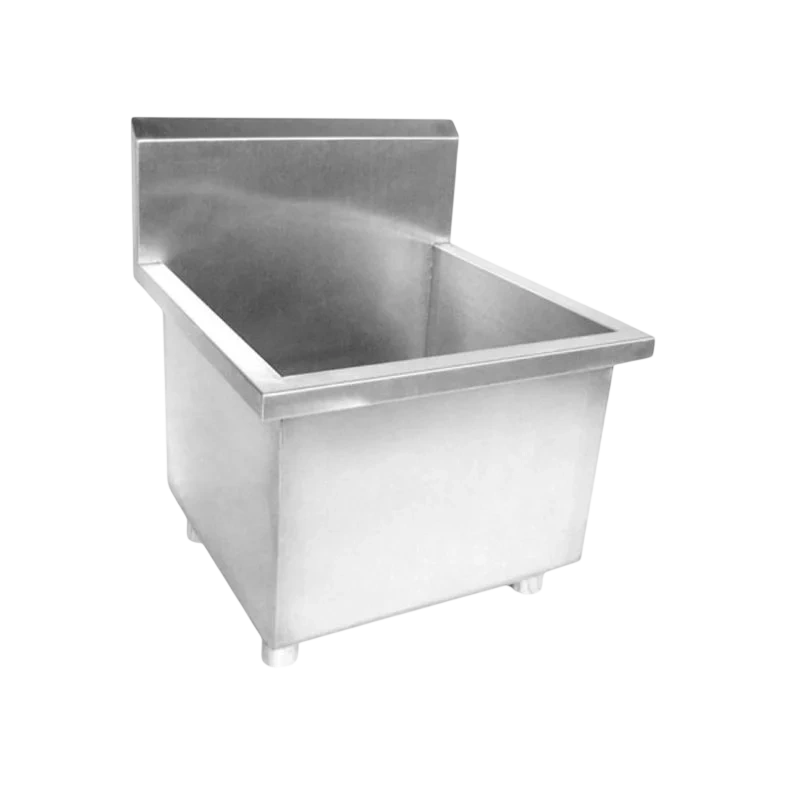
520 × 515 × 800mm
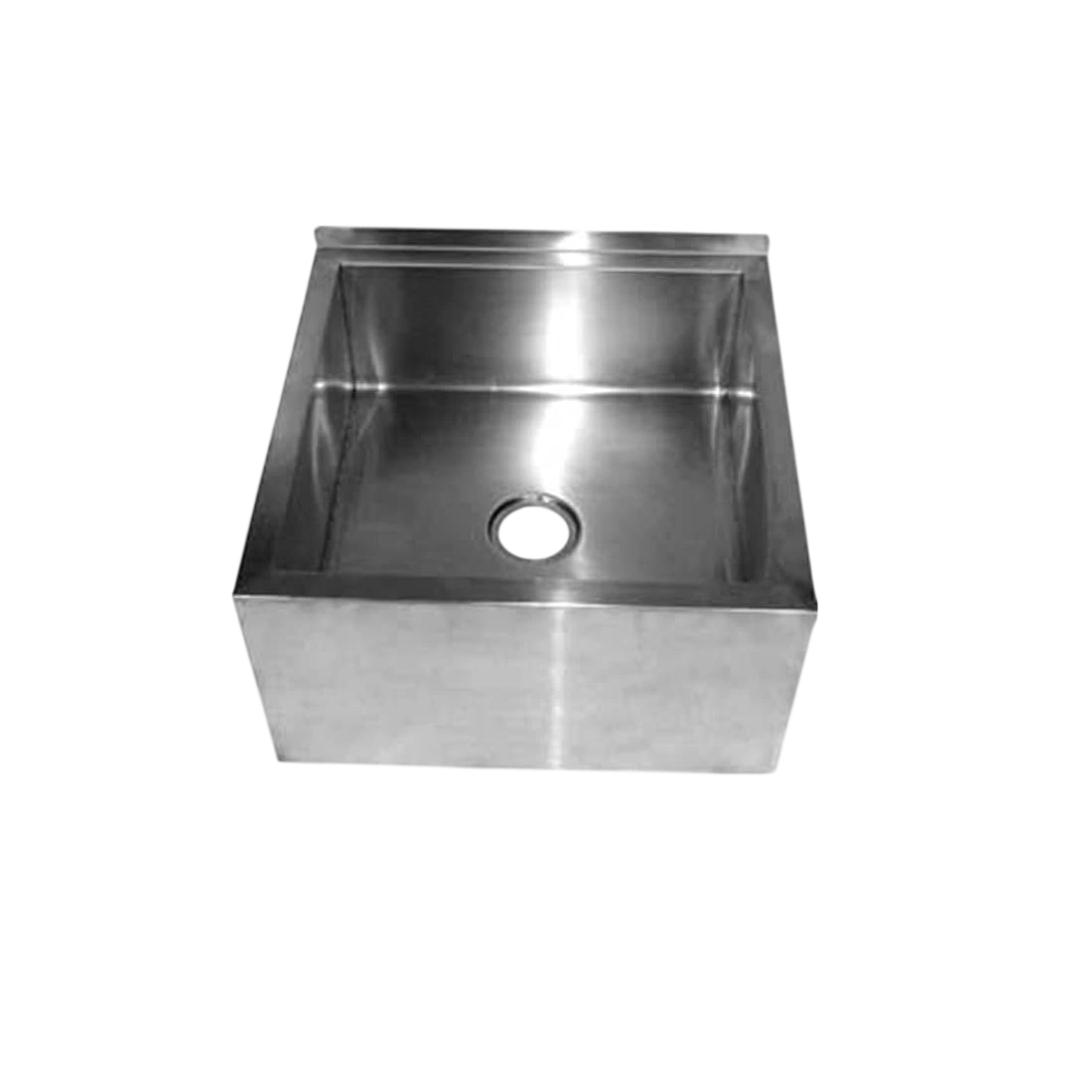
570 × 570 × 300mm
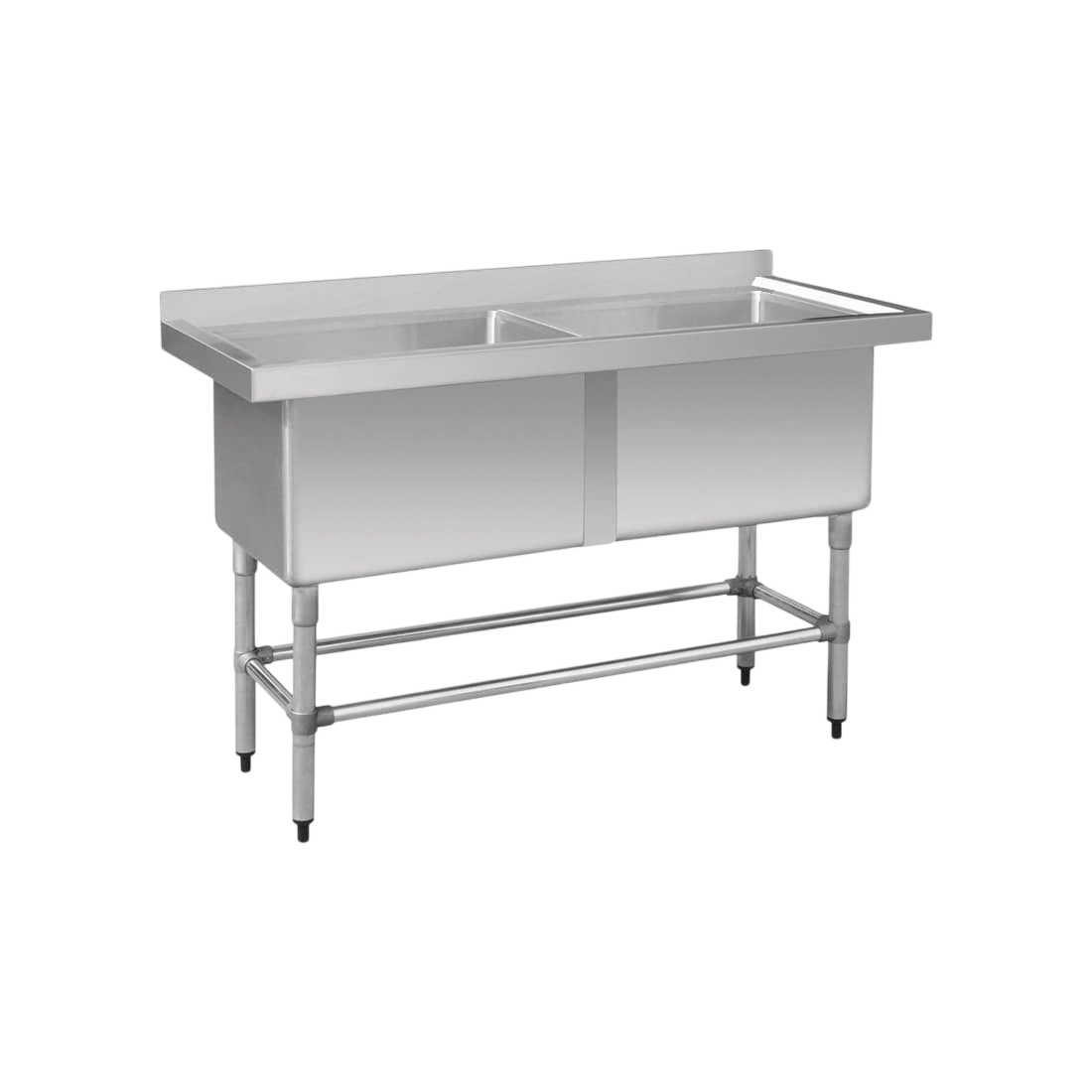
1410 × 600 × 900mm
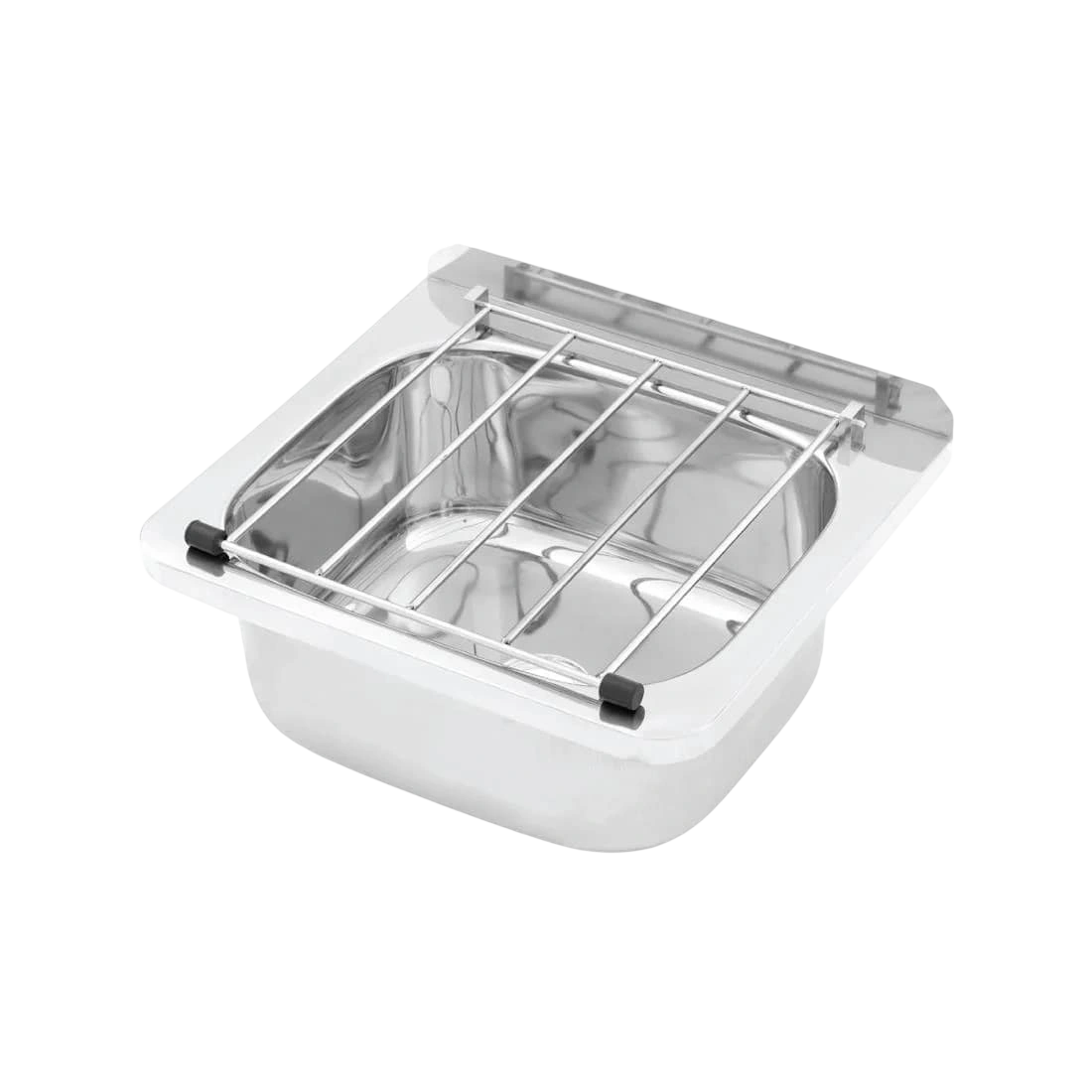
532 × 500 × 202mm
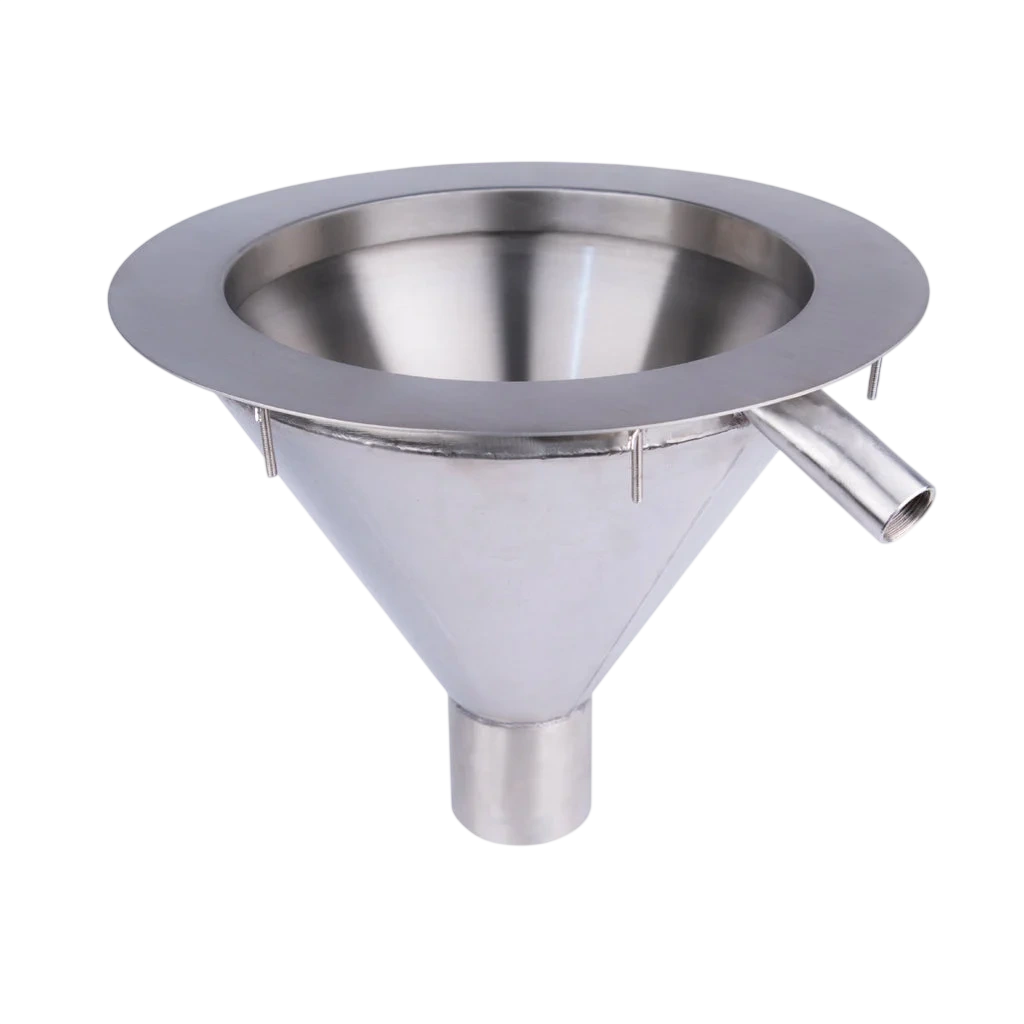
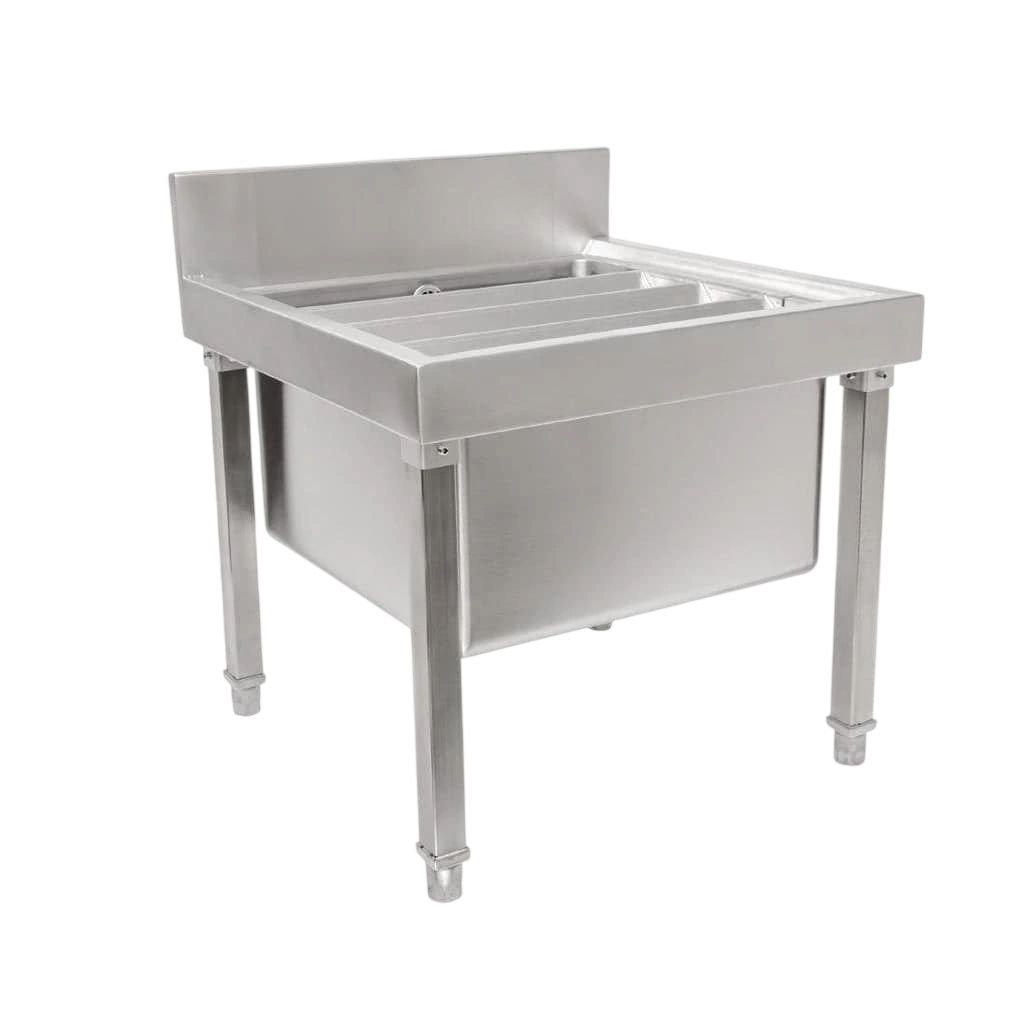
430 × 500 × 550mm
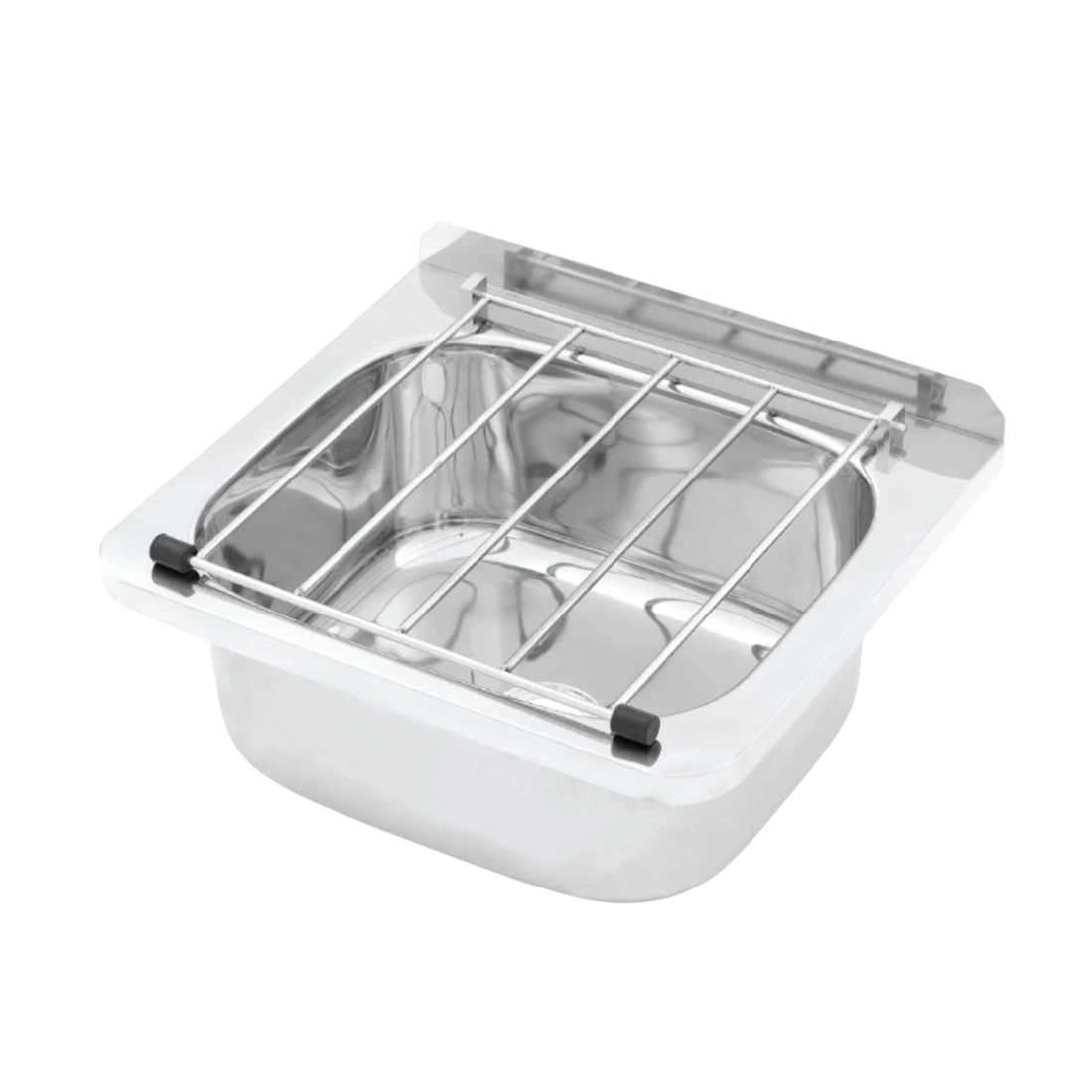
530 × 590 × 330mm
530 × 470 × 480mm
460 × 560 × 688mm