
Vitras
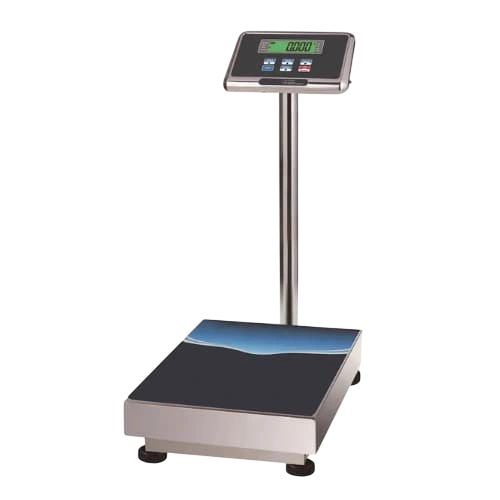
Vitras PSC9215 Platform Trolley Scale – 150kg × 50g, Rechargeable | KW Commercial Kitchen
615 × 320 × 657mm
$408.00$480.00
In Stock
Commercial Kitchen Utensils
Commercial scales are chosen by the heaviest thing weighed and the smallest difference that matters. Those two numbers set capacity and division, and they usually pull in opposite directions: a scale with the capacity for a full stockpot rarely reads finely enough for portioning spices, so most kitchens end up with more than one.
Where the scale sits decides the rest. A commercial bench scale in a preparation area handles bulk goods and deliveries; a smaller unit at a station handles portioning. Splash and washdown exposure differ between those positions, and so does the protection the scale needs.
Commercial weighing that supports portion control needs a display the operator can read from working position and a tare function that is quick to use, because a tare that takes two hands gets skipped.
Where an industrial food scale is used for receiving deliveries or for recipe batching, check whether readings need to be recorded and how that happens, since transcribing figures by hand is where errors enter.
Key factors to consider before purchasing. Our team can help you find the right fit — call or get a quote anytime.
Match equipment capacity to your daily output. Consider available floor space, door clearances, and whether you need underbench or upright models.
Forced air cooling recovers temperature faster — ideal for busy kitchens. Static cooling suits low-traffic display. Check power supply (single vs three phase).
Ensure adequate ventilation clearance. Check local council requirements for gas connections and electrical compliance. We can help with kitchen planning.
Submit your kitchen requirements — our equipment specialists will send you a tailored shortlist of commercial scales that fits your budget, venue type and compliance needs.
Standards & Compliance
Before comparing catering scales, confirm the heaviest item weighed, the smallest difference that matters, and where the scale stands. Check the platform size against the containers actually placed on it, not against the weight alone.
Look at how the scale is cleaned where it will be splashed, whether the platform lifts off, and how it is powered — a scale on a bench near water needs different protection from one in a dry store. Confirm calibration requirements and who performs them before purchase rather than after.
FAQ
Only if you sell products directly by weight to customers. Prep-only work usually does not require trade approval.
Yes—commercial units are built for reliability and frequent use in busy kitchens.
Washdown or waterproof models are designed for wet areas; others should be wiped and kept dry.
5–15kg scales cover most prep and portioning tasks.
It allows you to subtract container weight, so you measure ingredients only.
Why KW
KW can help match capacity, division and platform size to what a kitchen actually weighs and where the scale will stand. For practical advice on commercial kitchen scales, call KW on 1300 001 366.
Deep Dive
Technical depth from KW's commercial kitchen specialists.
A scale with the capacity for a full stockpot rarely reads finely enough for portioning. Establish the heaviest item and the smallest meaningful difference separately, and expect that one scale may not serve both.
Check the platform against the containers actually used rather than against the weight rating. A container that overhangs the platform gives unstable readings and is awkward to place, which pushes staff toward estimating instead of weighing.
A bench scale in a wet preparation area needs different sealing from one in a dry store. Confirm how the unit is cleaned, whether the platform lifts off, and how it is powered before choosing, because protection cannot be added afterwards.
Where commercial weighing supports receiving or batching, decide how readings are recorded. Hand transcription is where errors enter. Confirm calibration requirements and who performs them before purchase, since that is an ongoing obligation rather than a one-off.
Set it from the heaviest item weighed, then check the division separately against the smallest difference that matters. Those two rarely suit one scale, so many kitchens run a bulk scale and a portioning scale.
Yes, and it is often overlooked. Check the platform against the containers actually placed on it. A container that overhangs gives unstable readings and encourages staff to estimate rather than weigh.
Rarely. An industrial food scale sized for deliveries will not portion finely, and a portioning scale will not take a full stockpot. Deciding the positions first usually shows how many scales are needed.
Confirm the requirement for the intended use before purchase, along with who performs it and how often. It is an ongoing obligation rather than a one-off step, and it is easier to plan for at selection.
26 results
615 × 320 × 657mm
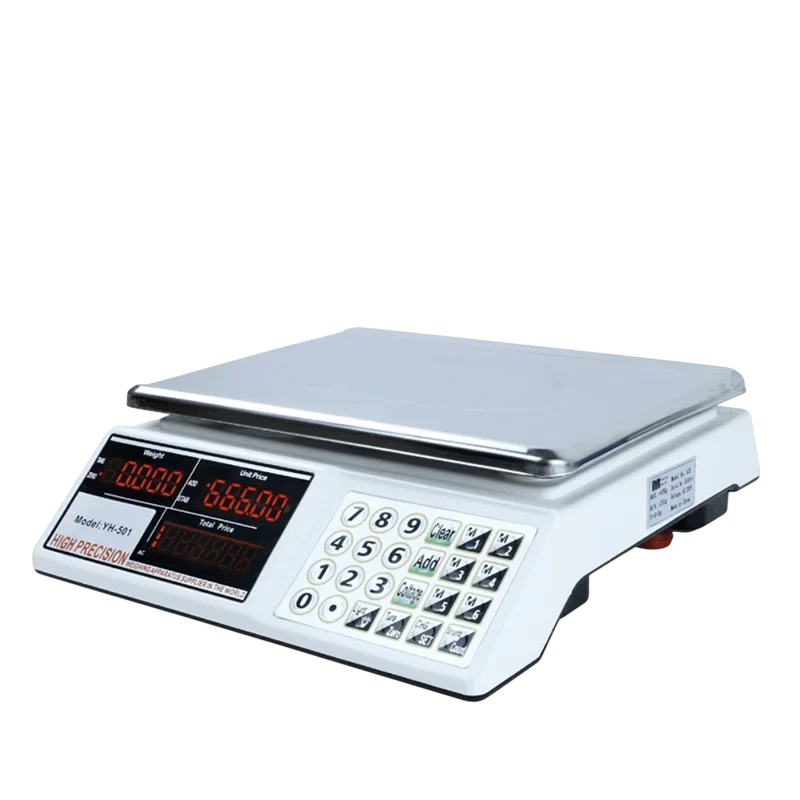
330 × 330 × 125mm
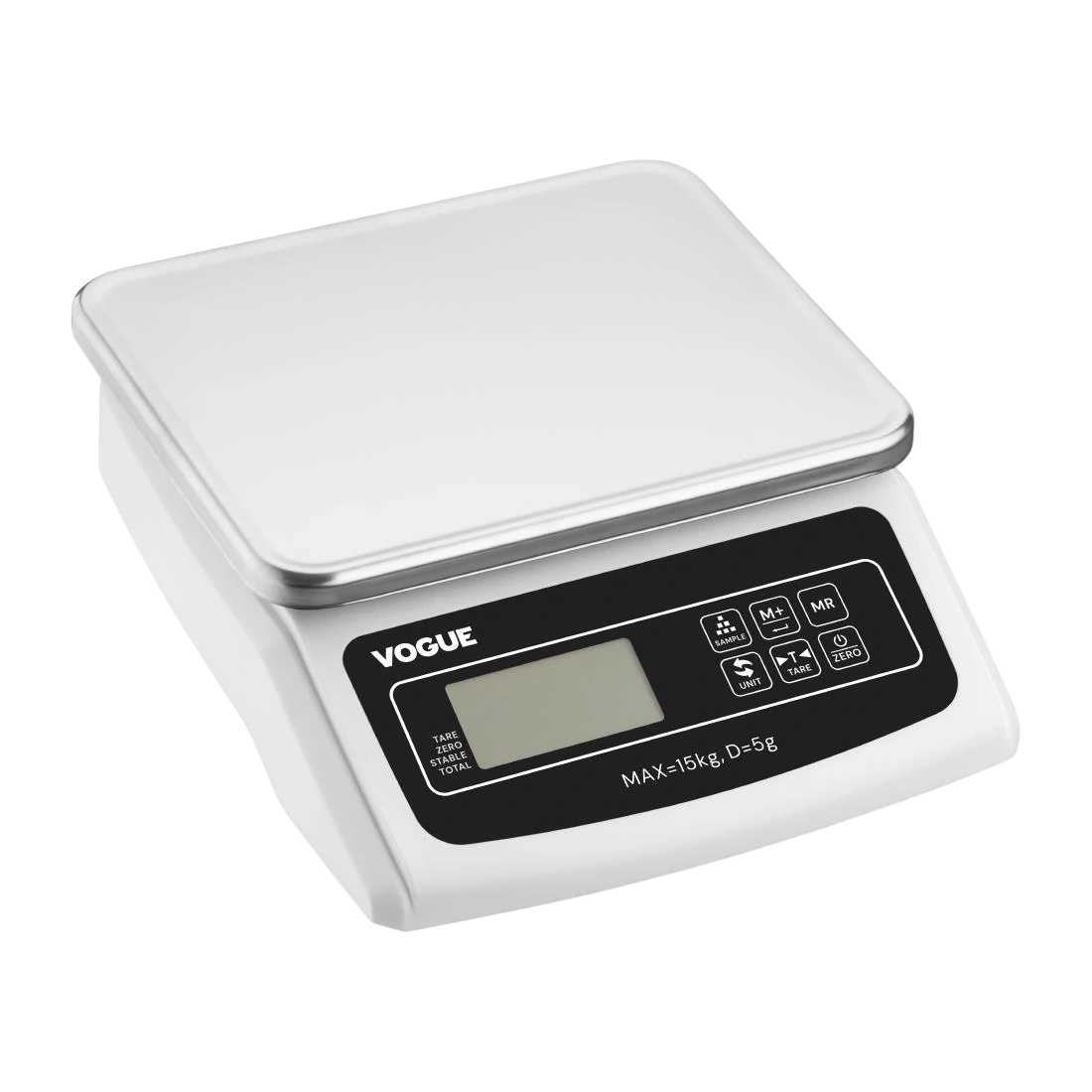
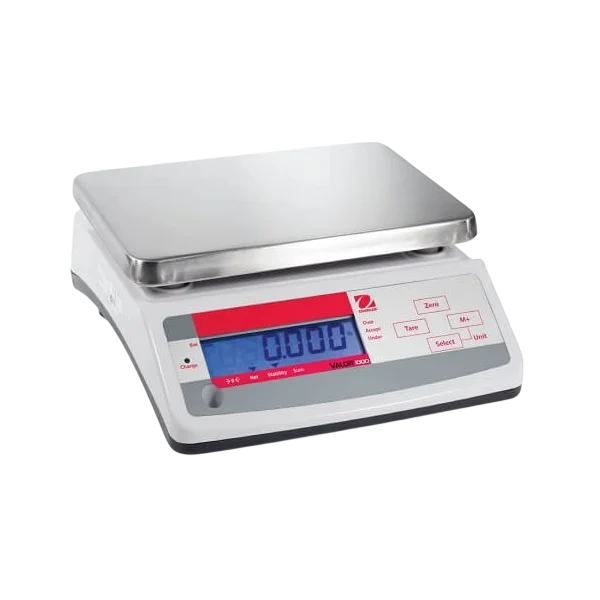
300 × 150 × 300mm
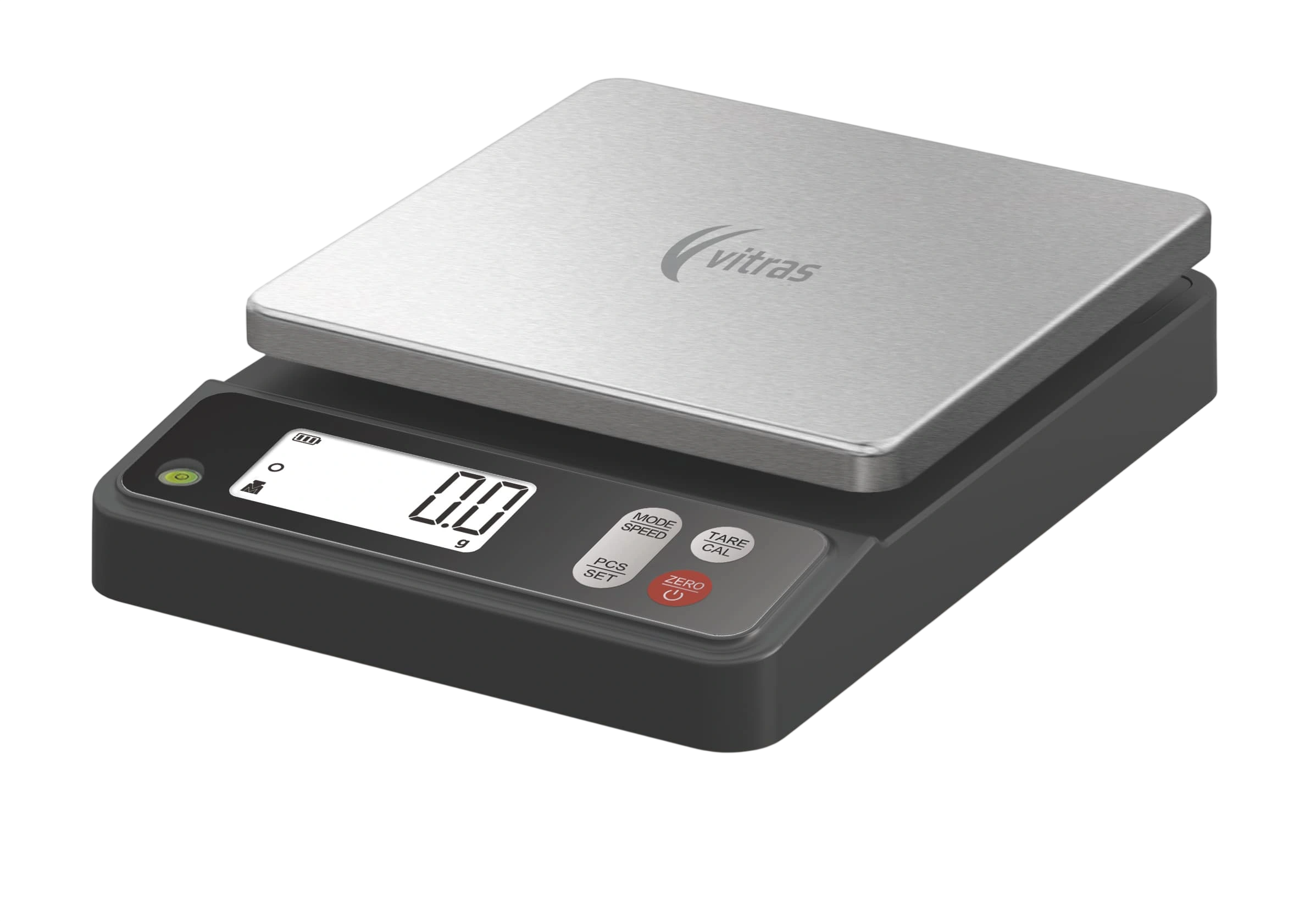
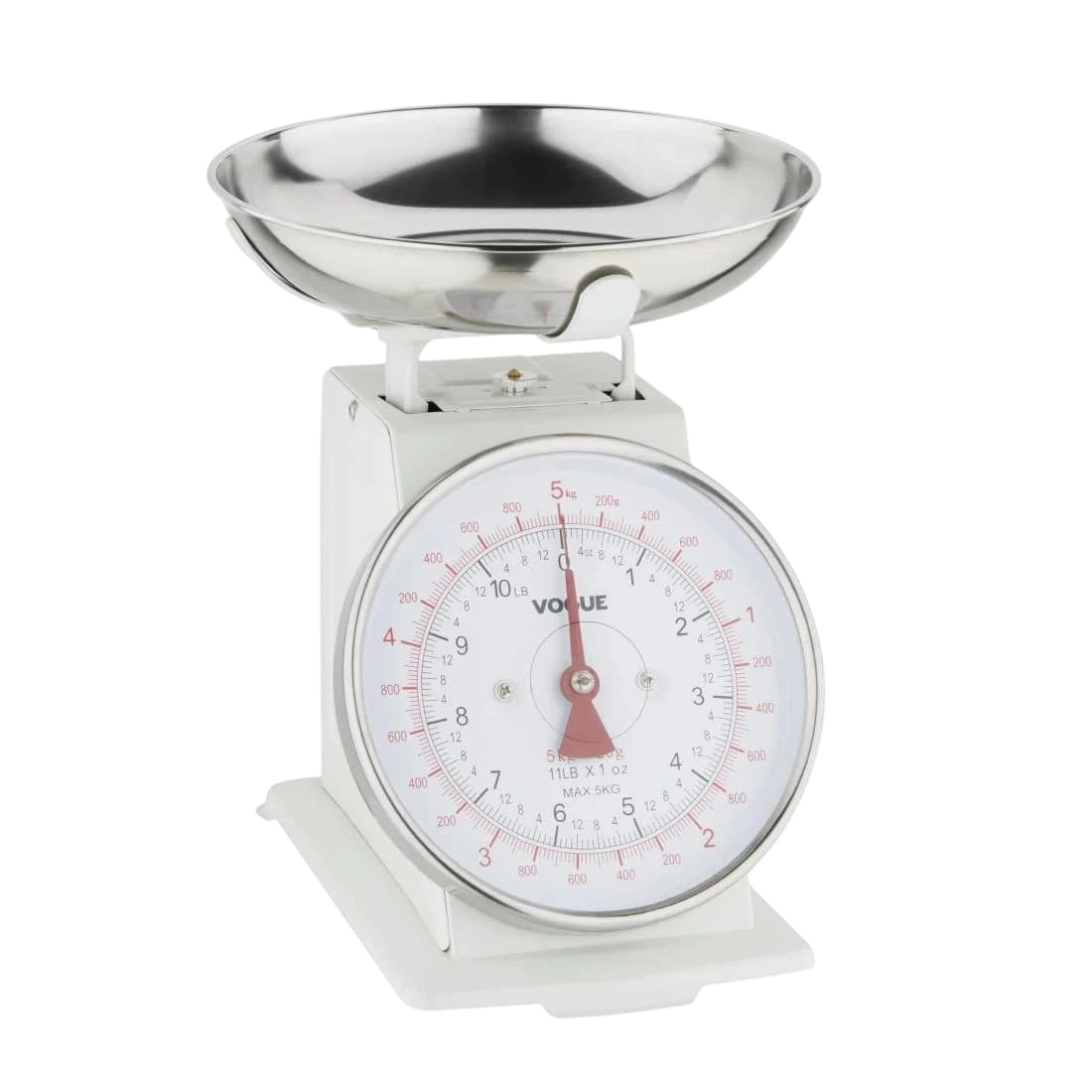
142 × 204 × 217mm
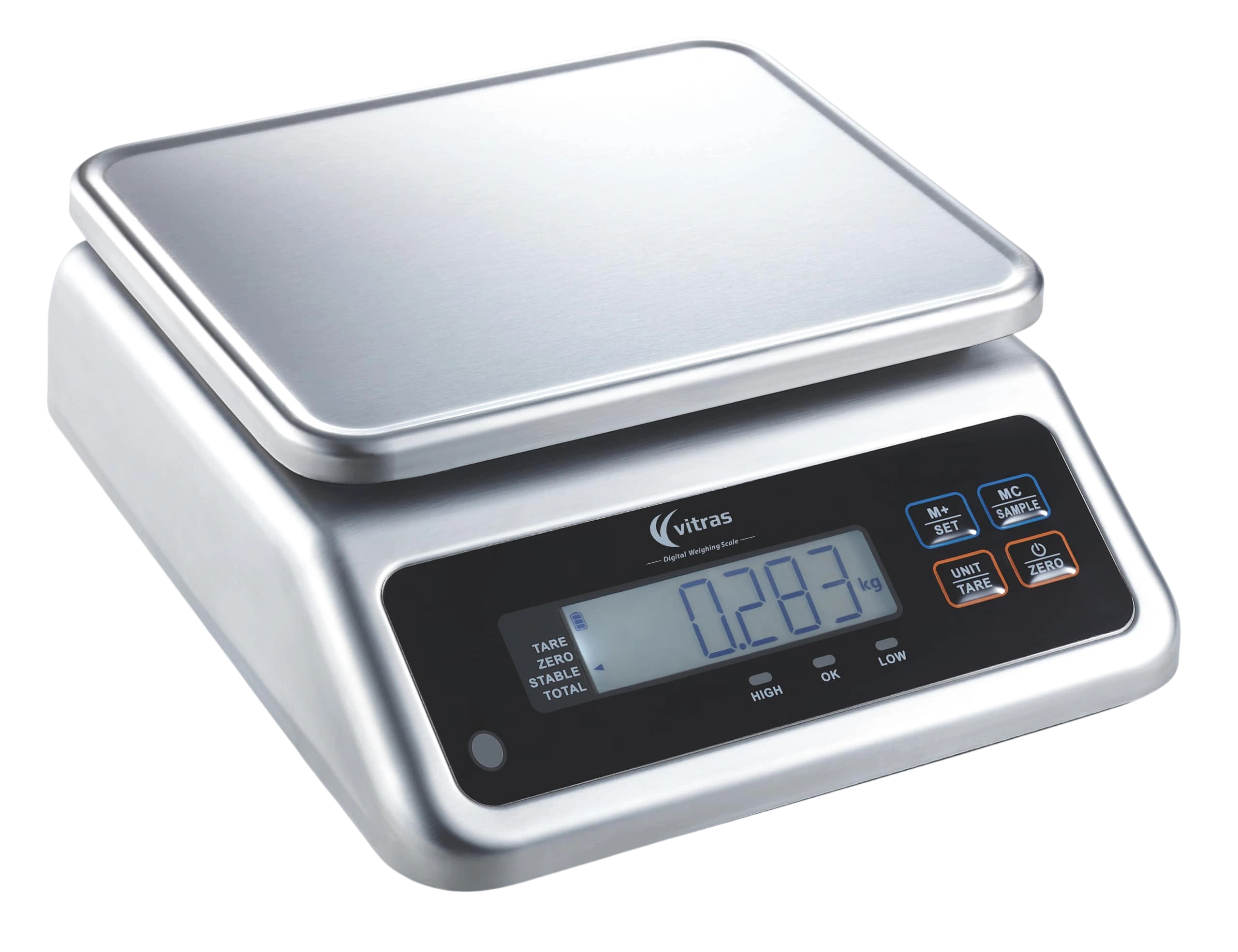
305 × 250 × 107mm
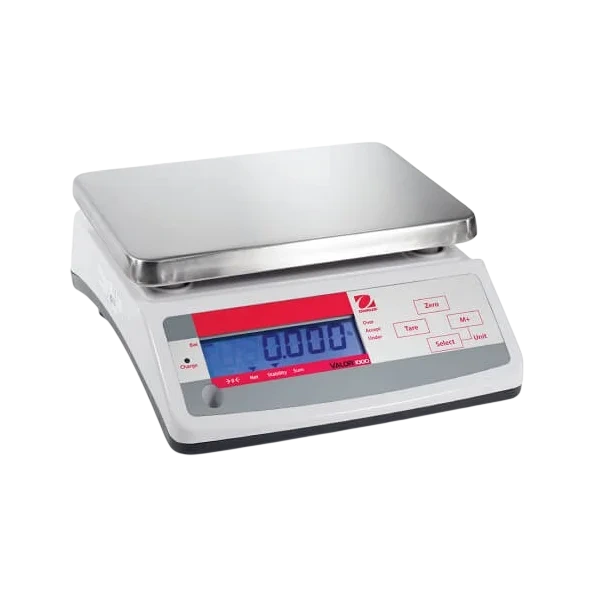
300 × 150 × 300mm
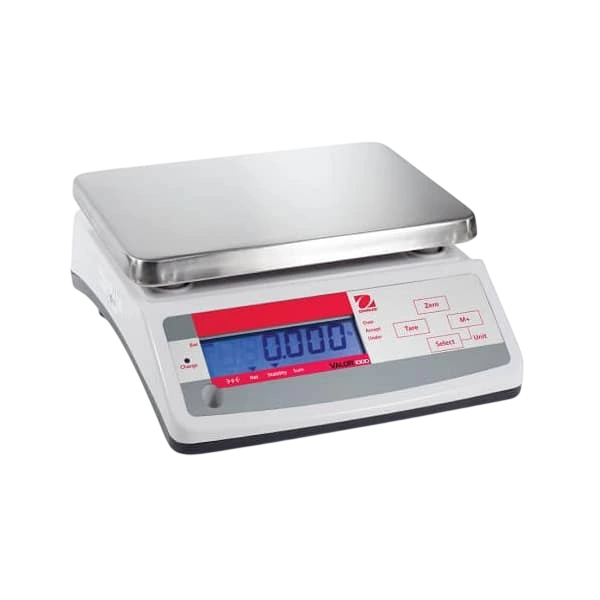
300 × 150 × 300mm
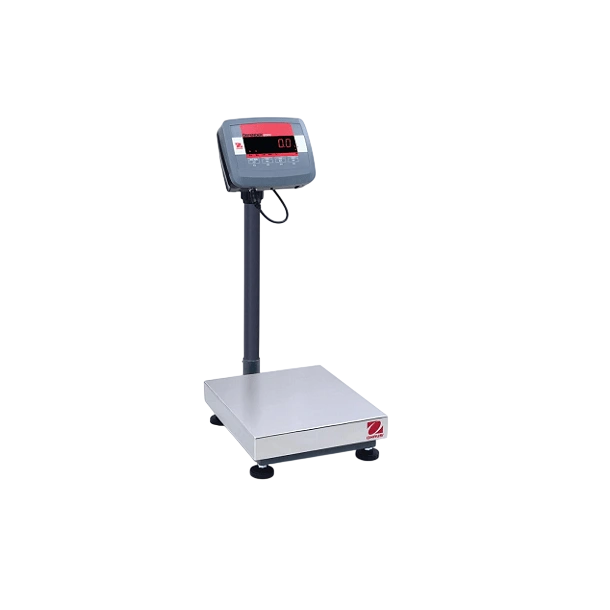
500 × 800 × 350mm
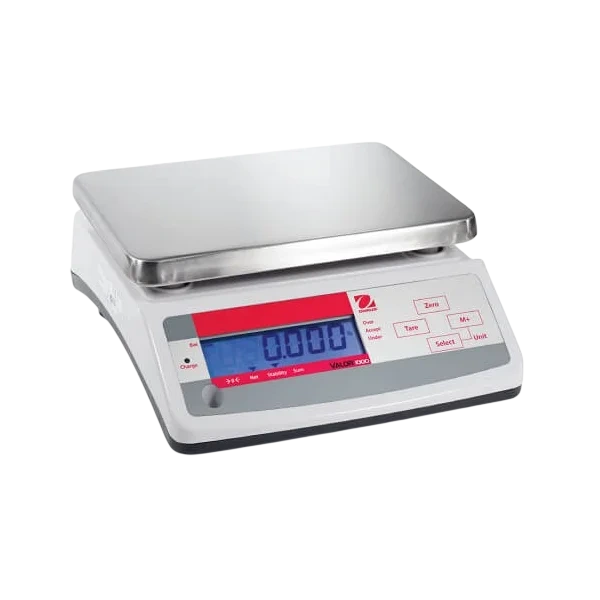
300 × 150 × 300mm
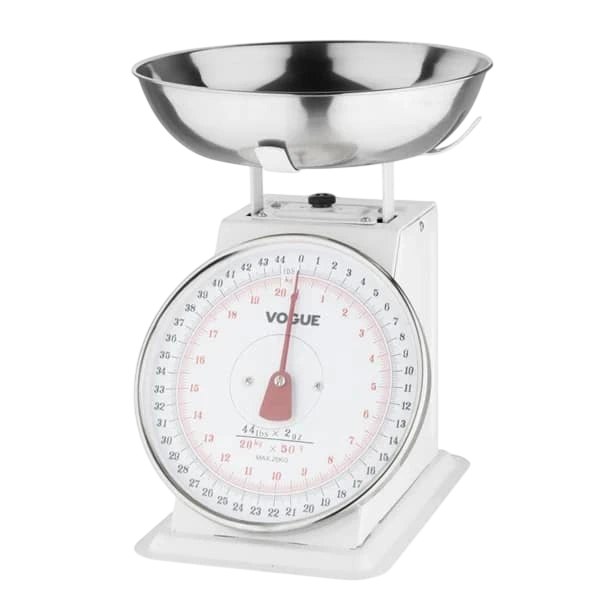
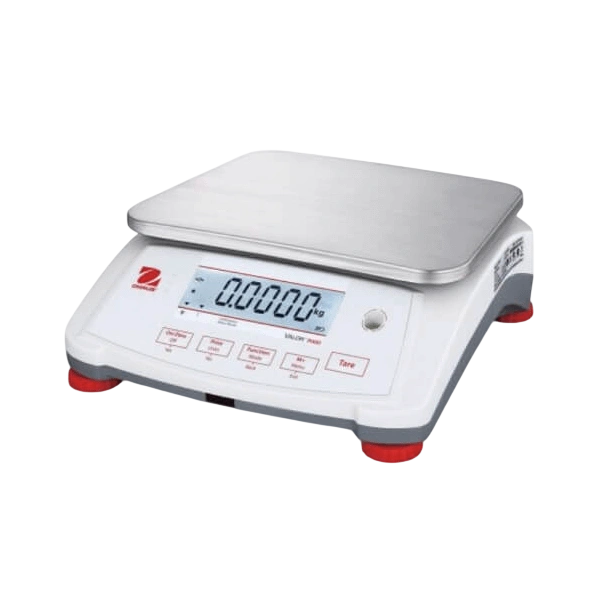
400 × 200 × 400mm
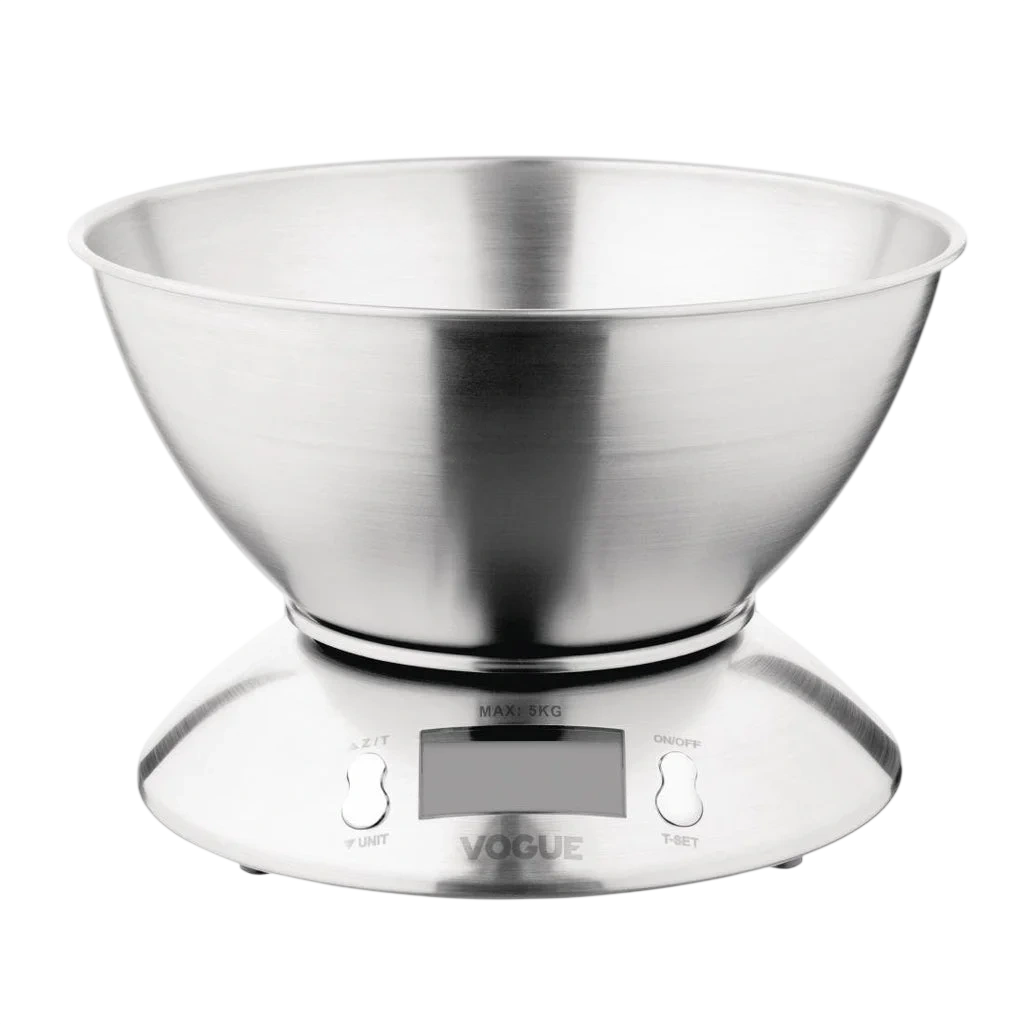

248 × 196 × 28mm
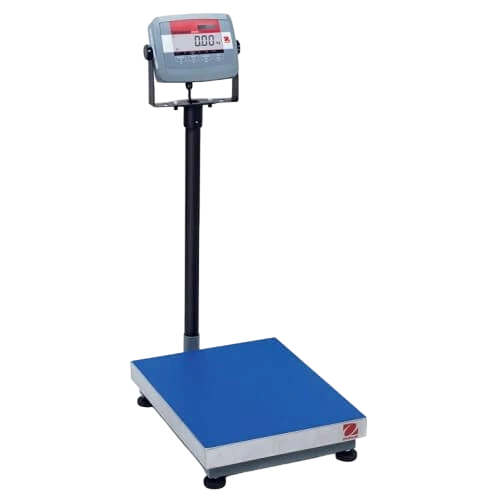
500 × 800 × 350mm

300 × 300 × 145mm

210 × 165 × 38mm

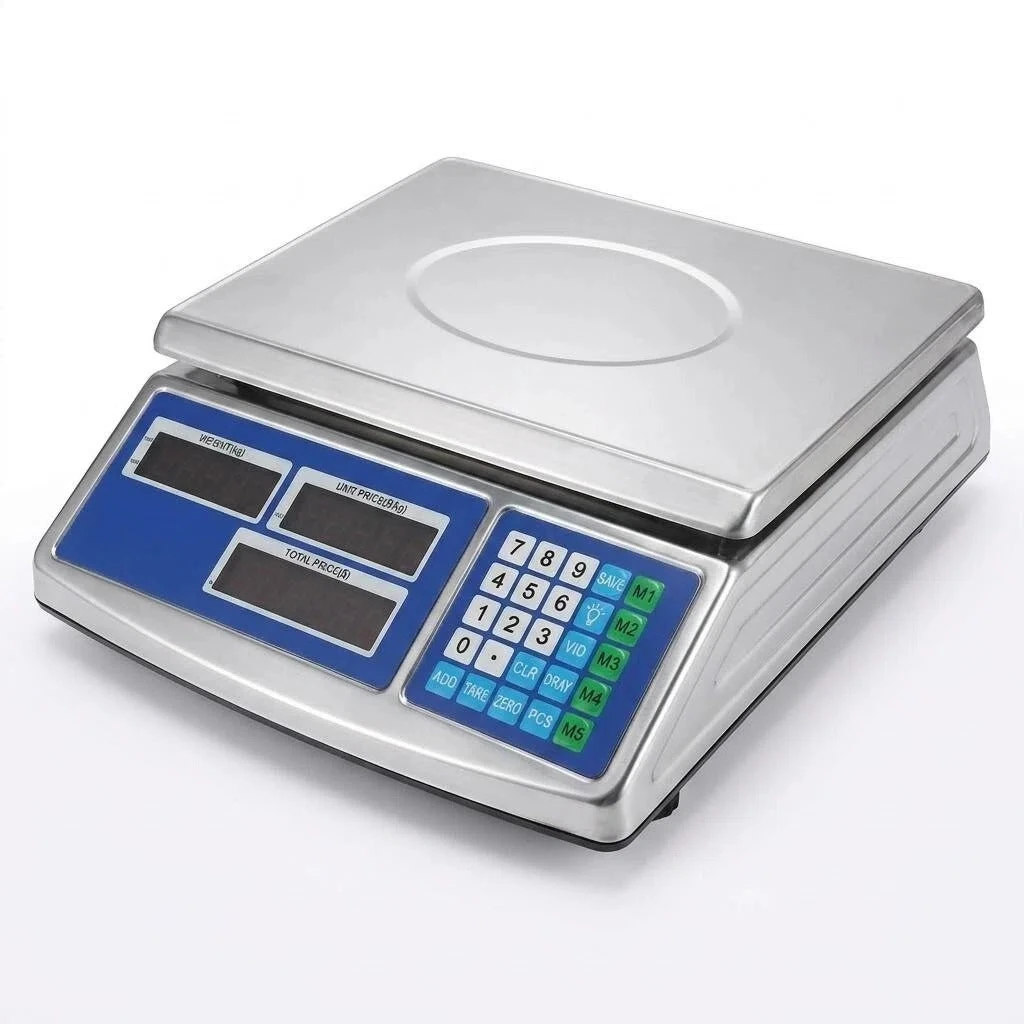
300 × 325 × 115mm
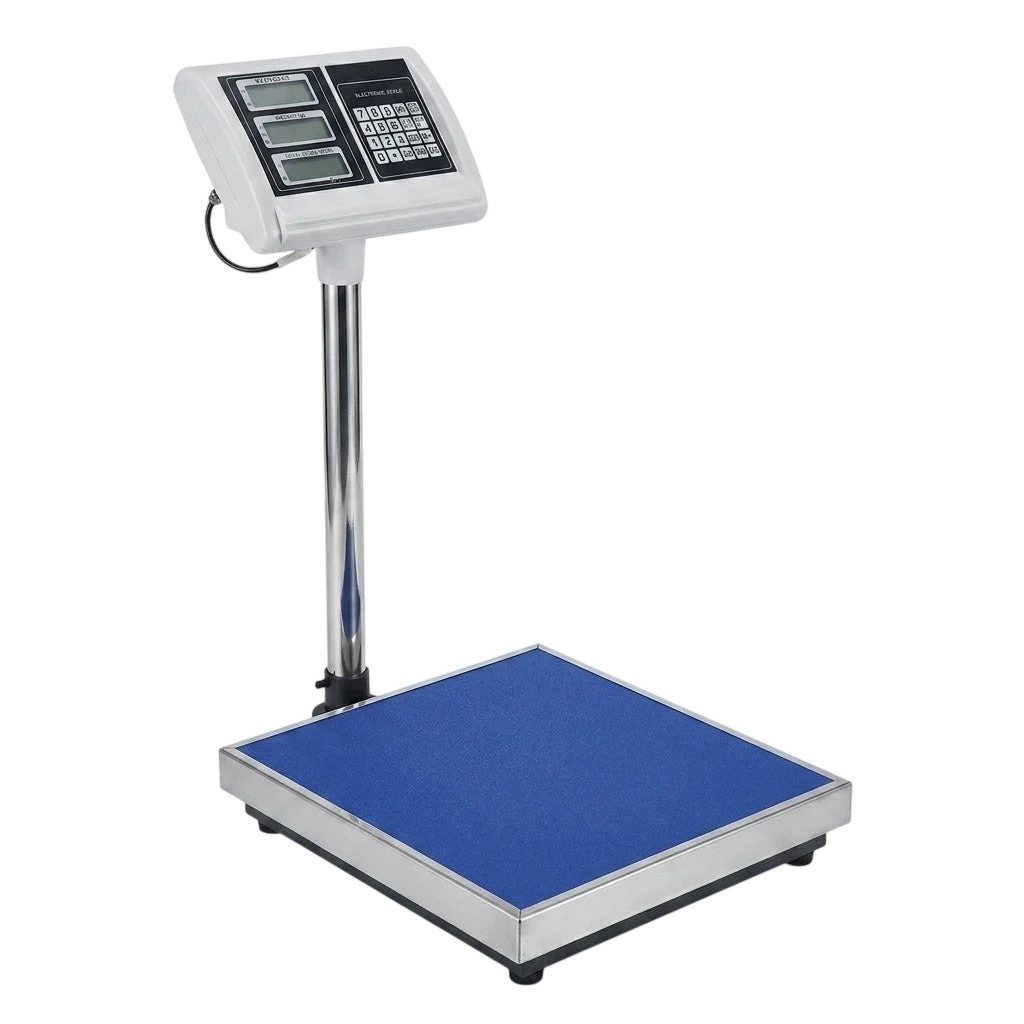
400 × 625 × 825mm
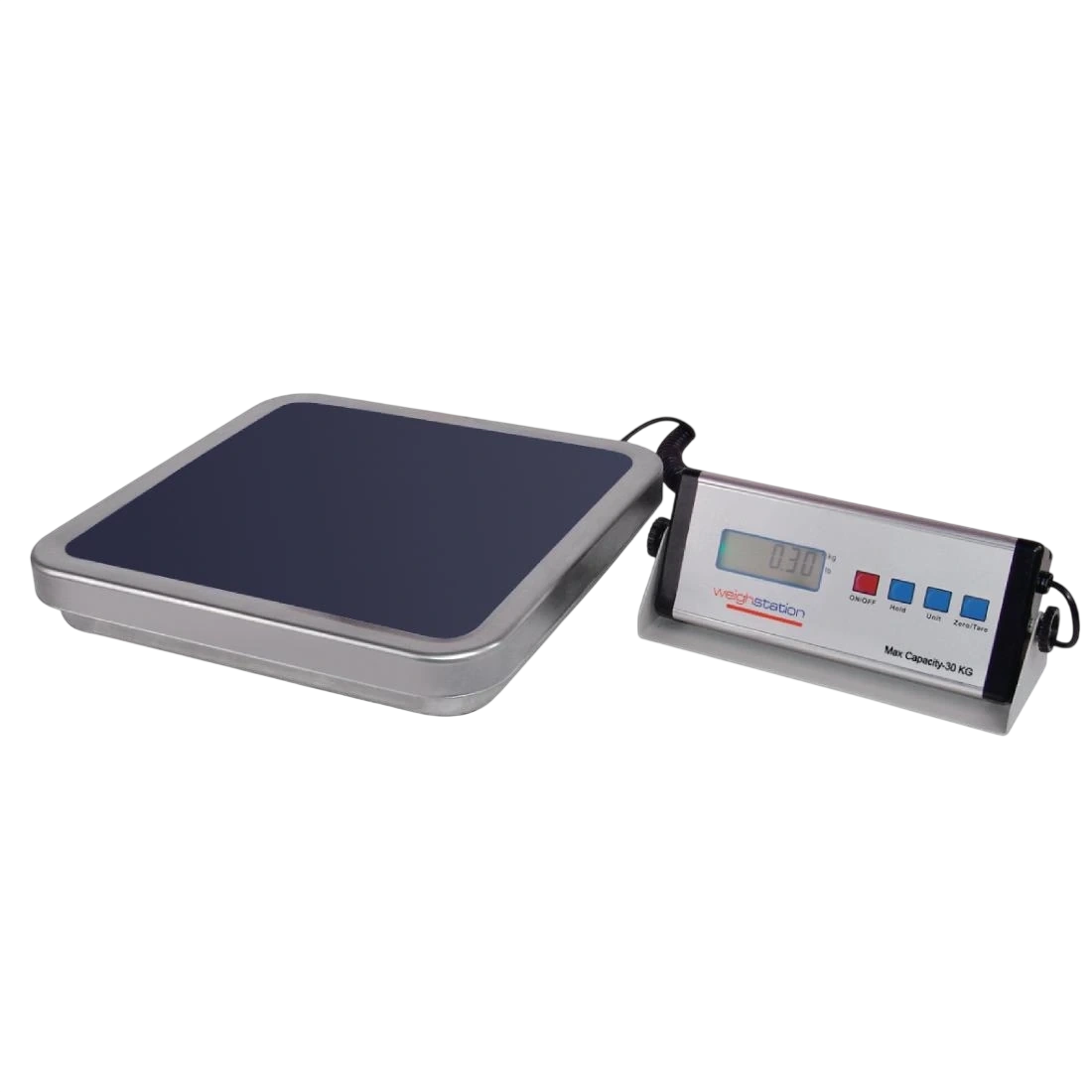
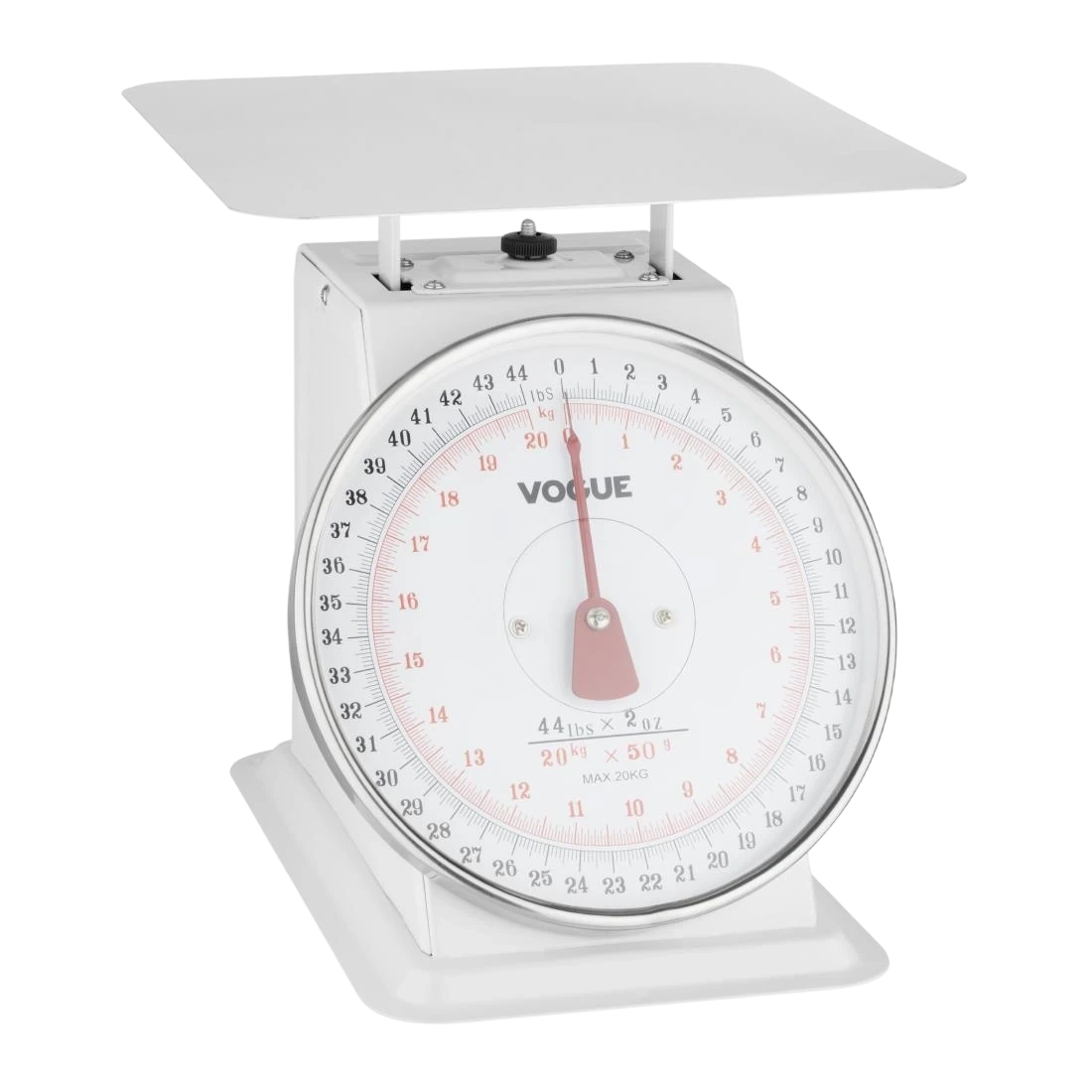
295 × 253 × 244mm
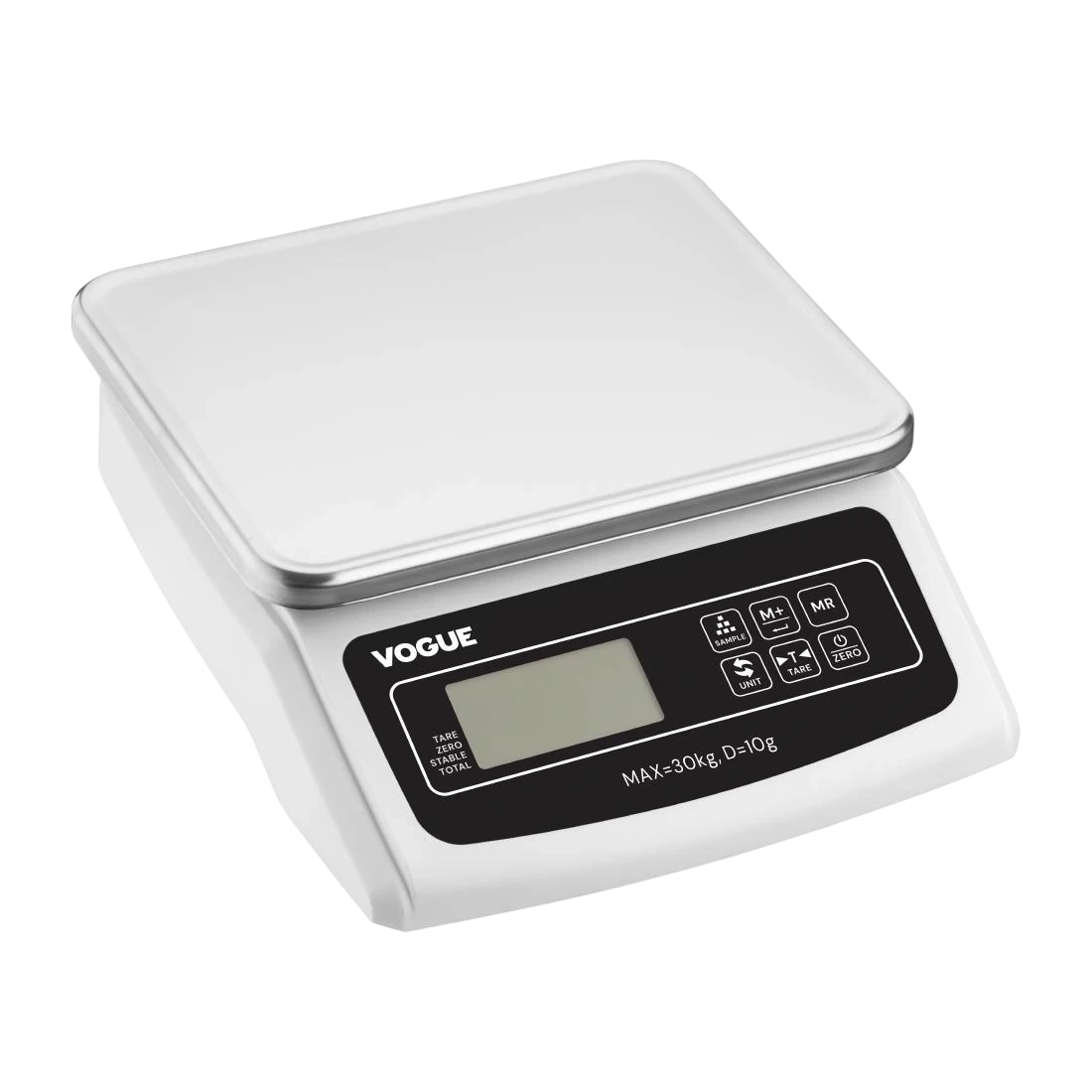
400 × 200 × 400mm