
Kitchen Knock
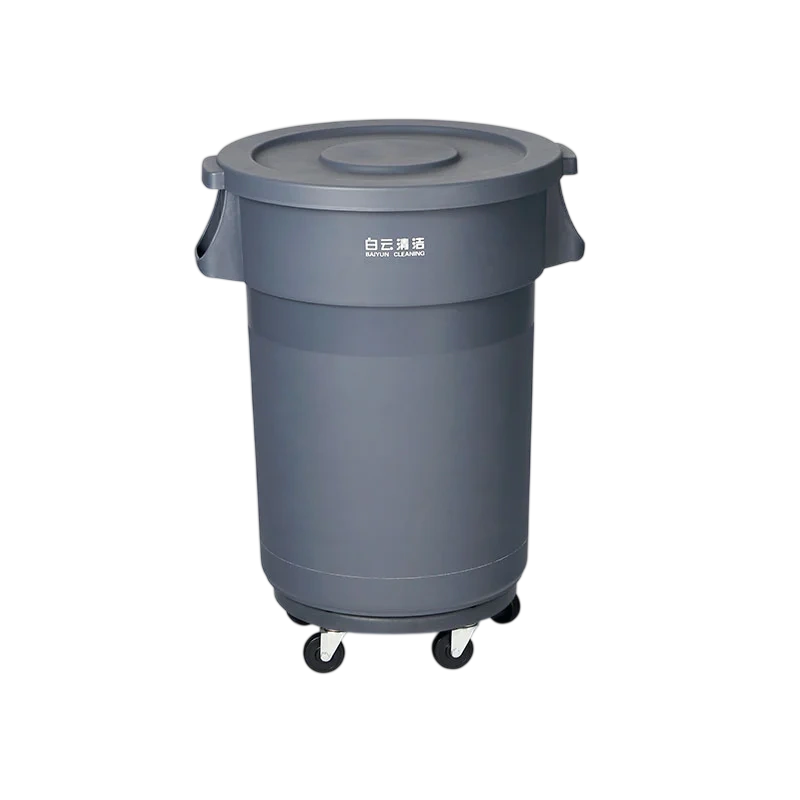
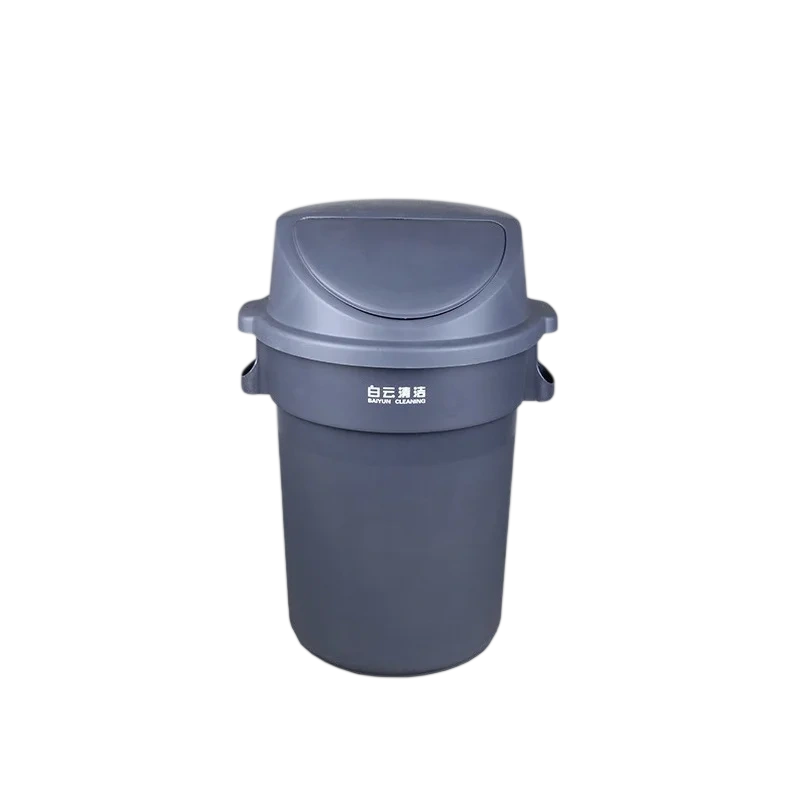
Kitchen Knock 014727 80L Round Plastic Waste Bin with Flat Lid
555 × 505 × 745mm
$92.00$115.00
In Stock
Trolley & Bins
Waste handling in a commercial kitchen — general rubbish, recycling and organics across a restaurant, cafe or production kitchen — is decided by where the bin stands, not by its capacity alone. A bin beside a prep bench is emptied often and needs a lid that opens hands-free; a bin in a wash-up or delivery area holds more, moves less often and has to clear the doorway it passes through. Work out the position first, then the volume that position can accommodate.
Separation is the second decision. Where waste is sorted at the point it is generated, matching bins in different colours or with distinct lids let staff separate general waste, recycling and organics without stopping to read labels. Where sorting happens later in a back-of-house area, fewer and larger containers usually suit the space better.
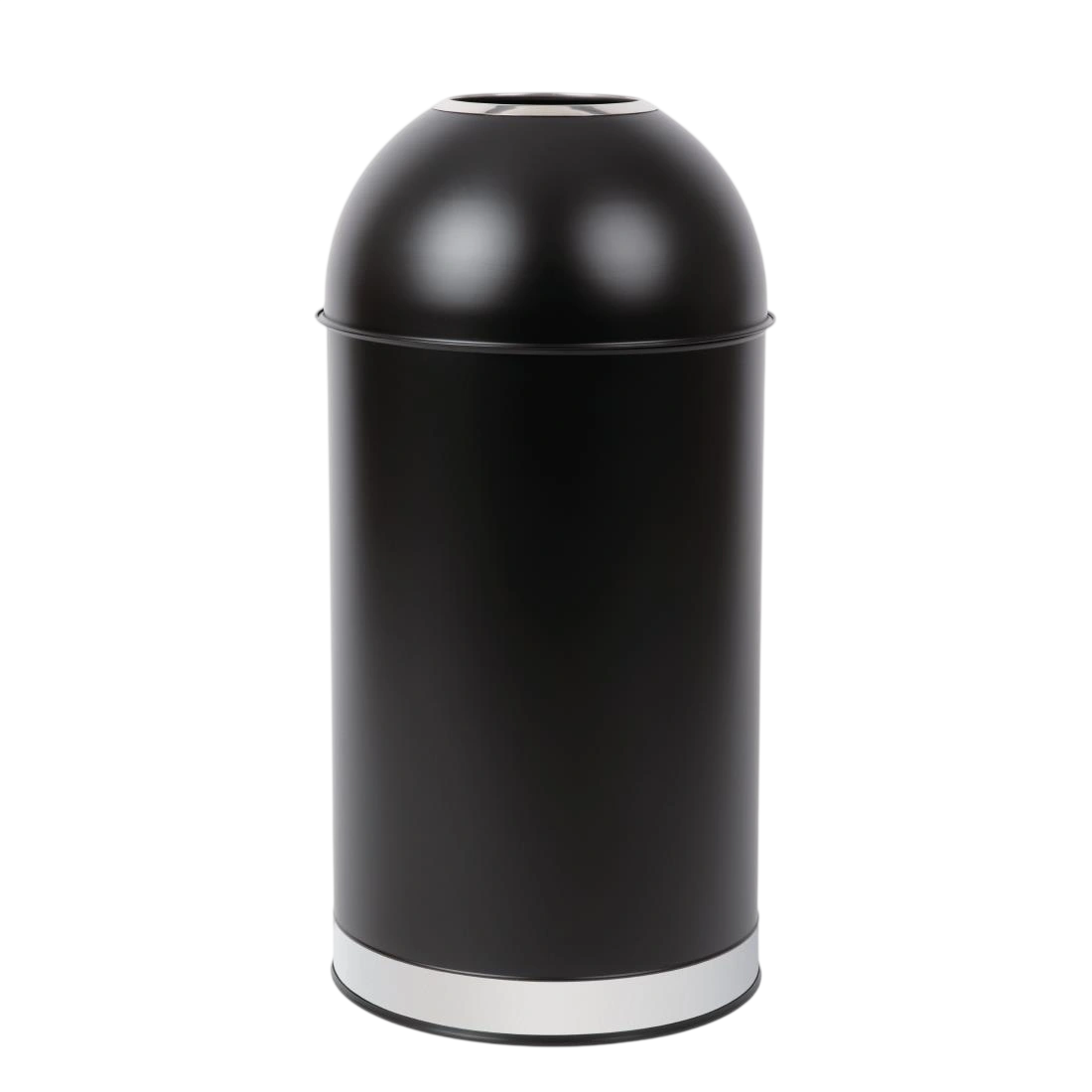
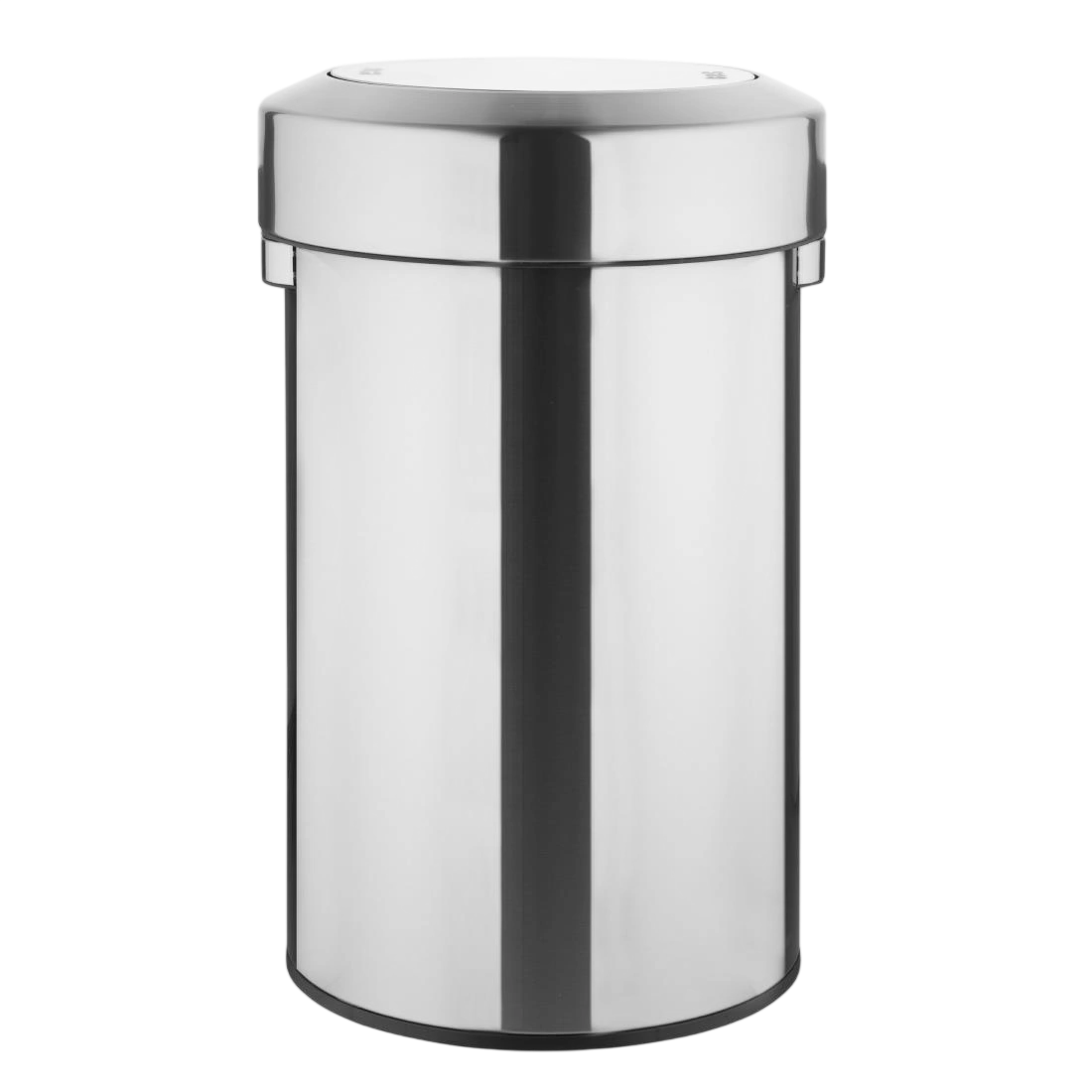
Lid type follows the task. Pedal lids keep hands free at prep and service points. Swing lids suit high-frequency disposal where a pedal mechanism would be a maintenance item. Open or lidless containers move waste between areas rather than hold it, and are not a substitute for a covered bin at a food-handling position.
Key factors to consider before purchasing. Our team can help you find the right fit — call or get a quote anytime.
Match equipment capacity to your daily output. Consider available floor space, door clearances, and whether you need underbench or upright models.
Forced air cooling recovers temperature faster — ideal for busy kitchens. Static cooling suits low-traffic display. Check power supply (single vs three phase).
Ensure adequate ventilation clearance. Check local council requirements for gas connections and electrical compliance. We can help with kitchen planning.
Submit your kitchen requirements — our equipment specialists will send you a tailored shortlist of waste bins that fits your budget, venue type and compliance needs.
Standards & Compliance
Before comparing bins, confirm the clear height available if the bin sits under a bench, the doorway width on the route to the waste store, and how often the position will be emptied. A bin sized for a full shift is only useful if it can be moved out when full.
Check how the liner is retained, whether the lid can be removed for cleaning, and how the base is finished where it meets the floor. Bins that are washed down need to drain and dry rather than hold water at the base, and castors on larger containers should be inspectable without dismantling the body.
FAQ
Most restaurants use 80–120L bins for daily use, with larger mobile units for bulk waste.
Lids are recommended for hygiene, odour control and pest prevention—especially in prep and dish areas.
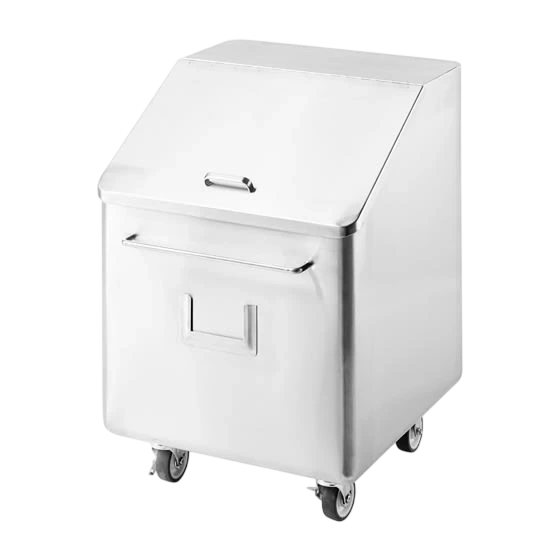
Mobility helps staff safely move heavy waste without injuries and improves workflow efficiency.
Yes. Many commercial waste bins are colour-coded or labelled for recycling streams.
It depends on the position and the emptying frequency rather than the size of the kitchen. A prep-bench bin emptied several times a shift can be small; a wash-up or delivery-area bin emptied once a shift needs more volume. Size to the position and confirm the full bin can still leave along its route.
Why KW
KW can help match bin capacity, lid type and separation format to where waste is generated and how it leaves the kitchen, then consider the doorway and storage constraints on that route. For practical advice on planning commercial waste bins, call KW on 1300 001 366.
Deep Dive
Technical depth from KW's commercial kitchen specialists.
Waste bins in foodservice must meet hygiene expectations to avoid contamination and maintain safe operations. Look for:
Explore our range of commercial waste bins designed for heavy-duty hospitality use. Durable, mobile and hygienic— ideal for restaurants, cafés, hotels and catering operations.
A bin that is too large for its position is worked around; one that is too small is overfilled and emptied mid-service. Measure the clear space at the intended position including lid swing or pedal travel, then choose the largest capacity that fits and can still be moved out along the route it must take.
Sorting is more reliable when the correct bin is the nearest bin. Where general waste, recycling and organics are separated at prep and service points, distinct colours or lid styles let staff act without reading. Where separation happens in a back-of-house area instead, a smaller number of larger containers is usually easier to manage.
Pedal lids keep hands free where staff are handling food and are the usual choice at prep and service points. Swing lids suit high-frequency disposal and have fewer moving parts. Open containers are for moving waste between areas rather than holding it at a food-handling position.
Separation works best when the correct bin is the closest one to where the waste is generated. Distinct colours or lid styles let staff sort without reading labels. Where separation happens later in a back-of-house area, fewer and larger containers are usually easier to manage than many small ones.
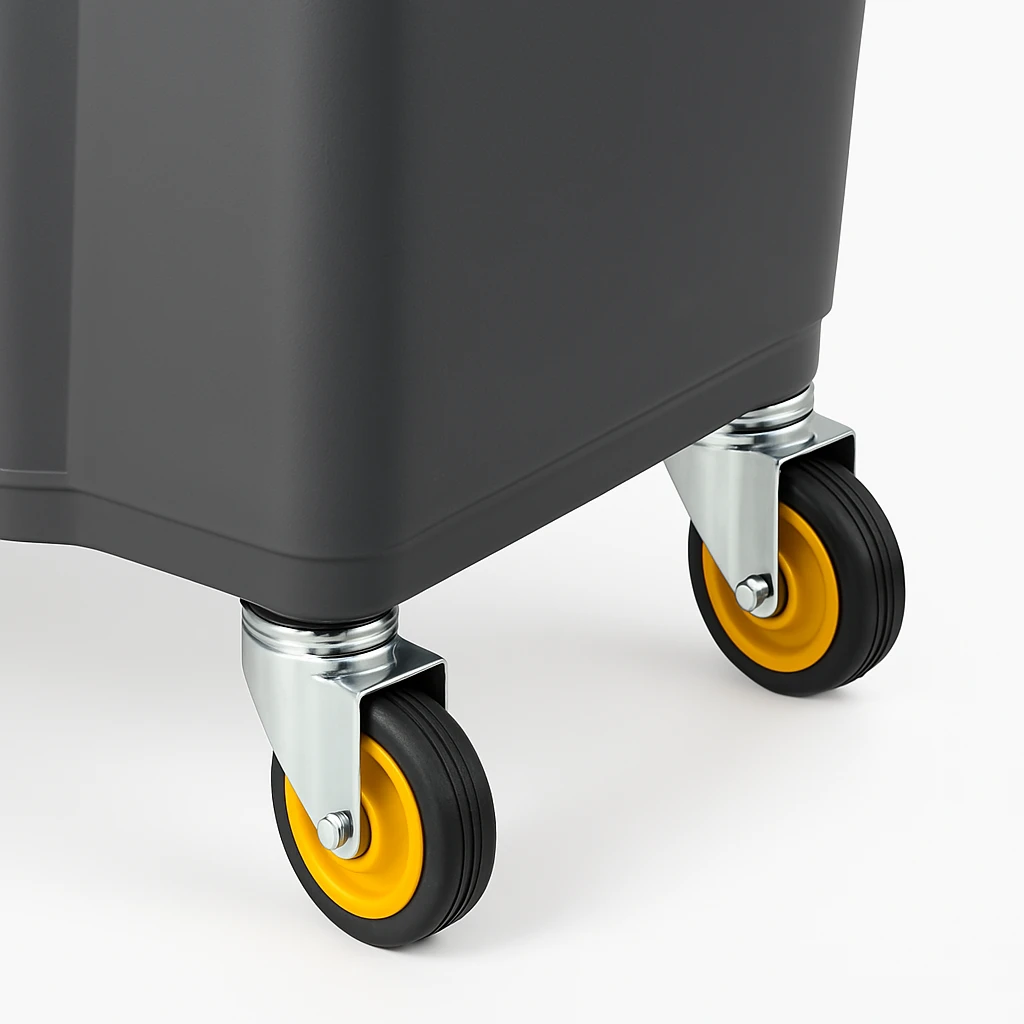
If a full bin must be moved to be emptied, castors decide whether that happens on time. Check that the castors suit the floor surface and any thresholds on the route, and that at least some can be braked if the bin is loaded or unloaded while stationary.
Record the narrowest doorway, any threshold and any change in floor level between the bin position and the waste store. Compare these against the bin footprint including castors and lid. A container that fits its corner but not the door will be emptied by hand into a second container, which is the outcome the larger bin was bought to avoid.
Clean lids, liner retainers and the base of the body on the same schedule as the surfaces around them. Check castor fixings on wheeled containers, and confirm that lids still seat correctly after repeated wash-down. Replace a lid that no longer closes rather than leaving an uncovered bin at a food-handling position.
21 results
555 × 505 × 745mm
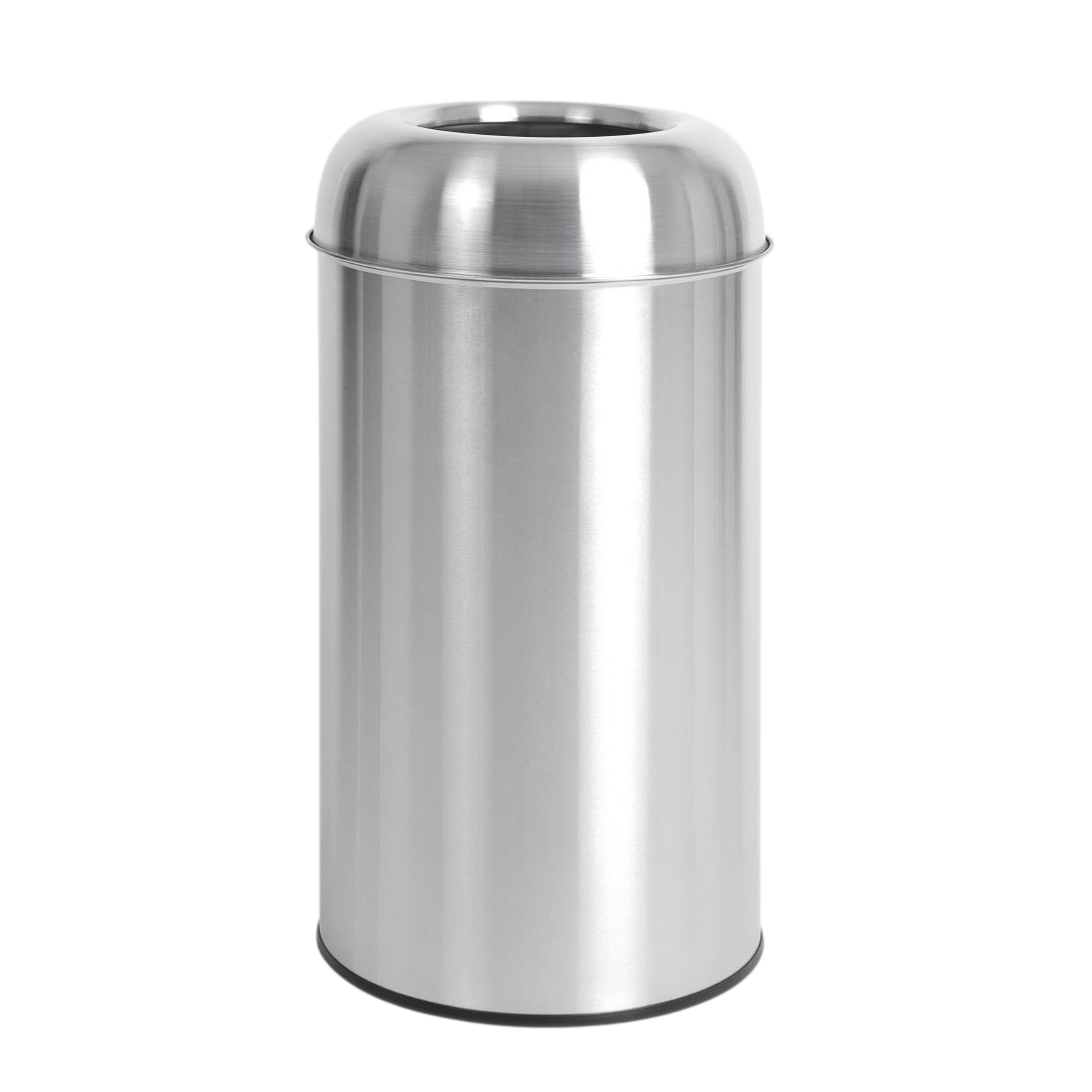
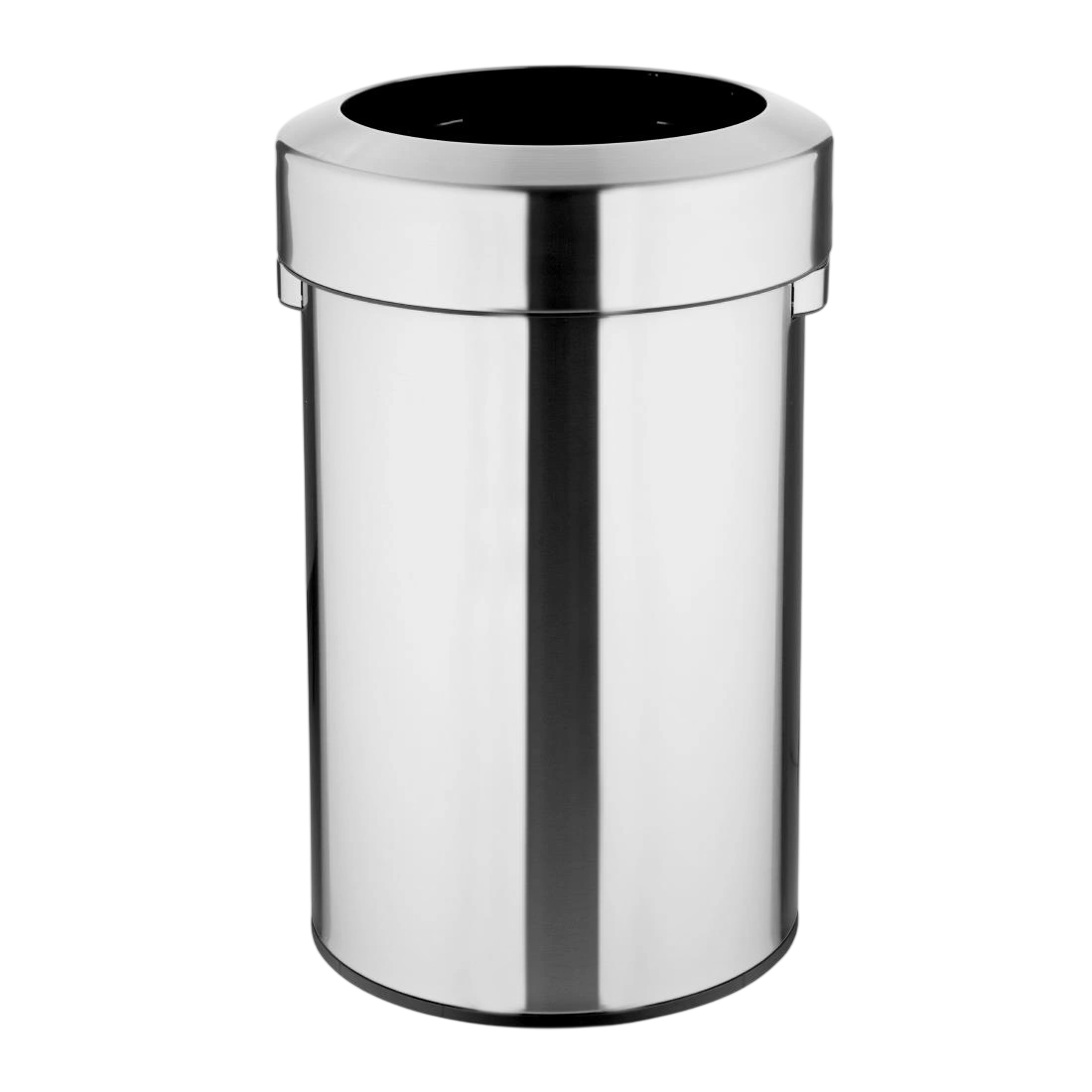
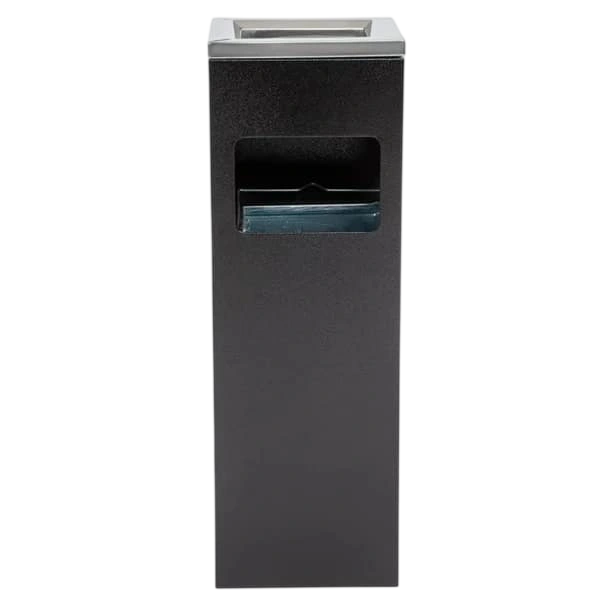
200 × 200 × 600mm
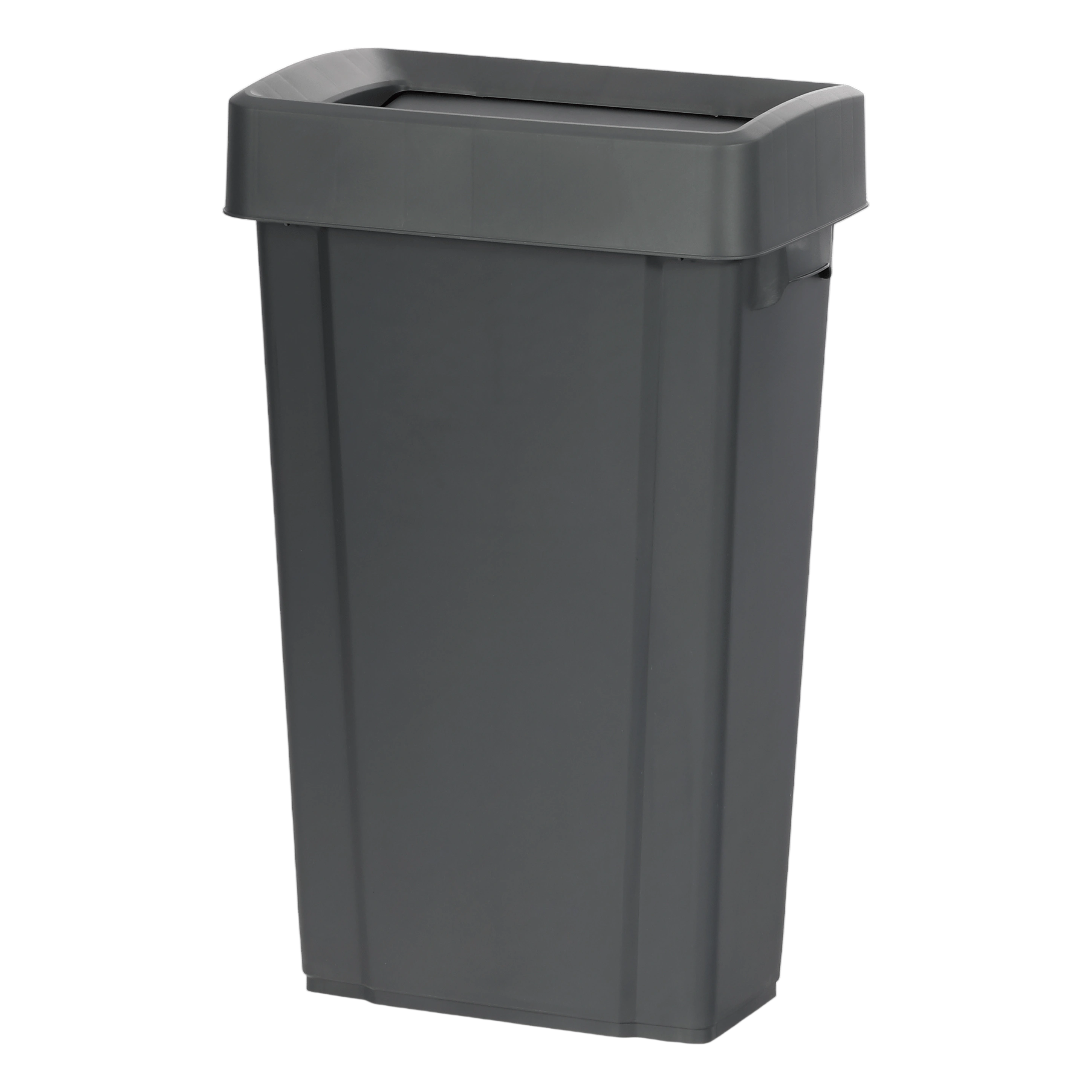
630 × 570 × 830mm
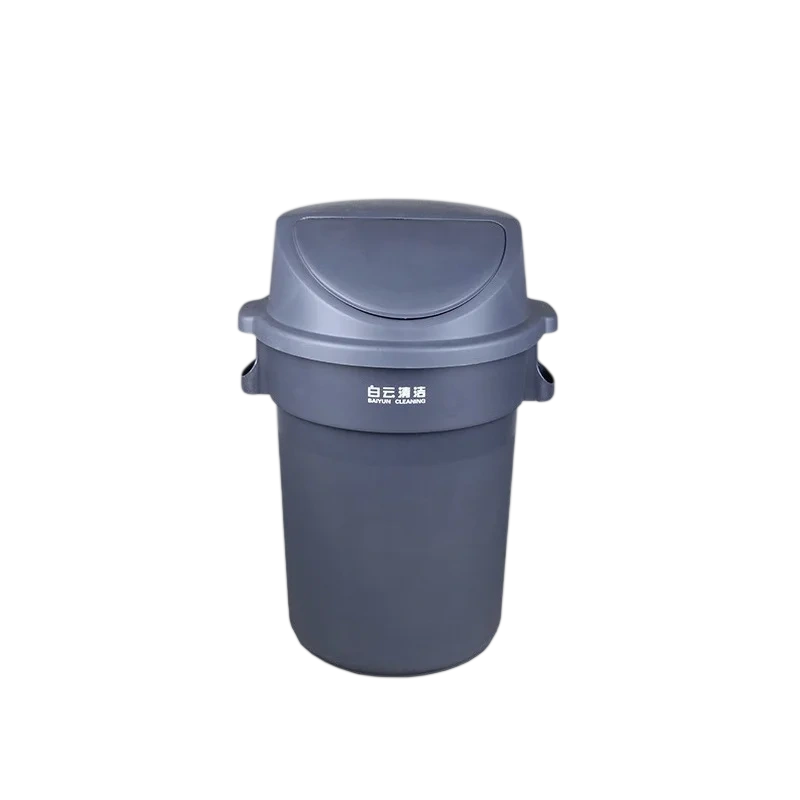
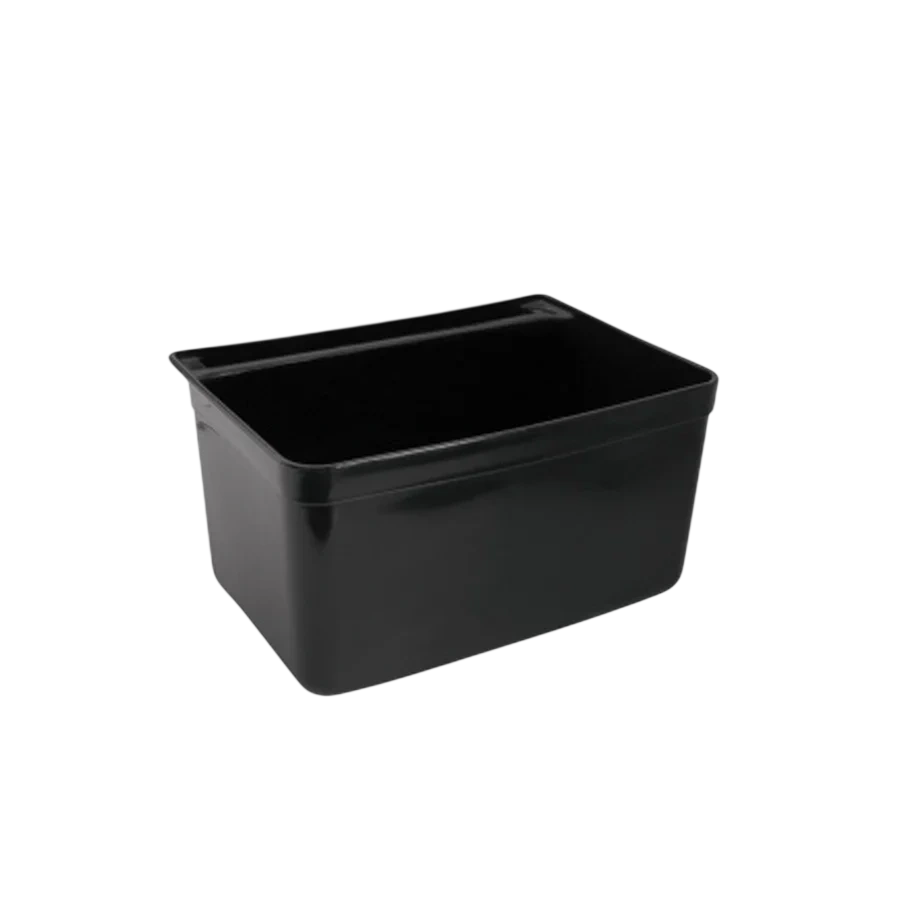
630 × 570 × 1010mm
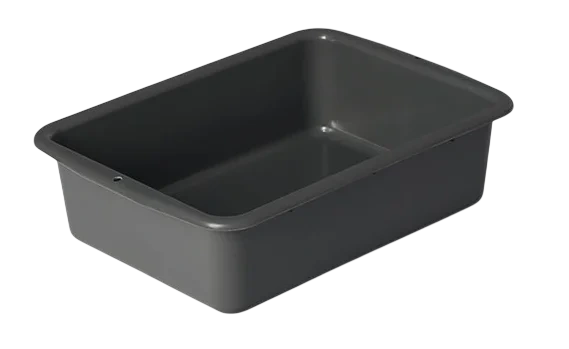
530 × 380 × 150mm
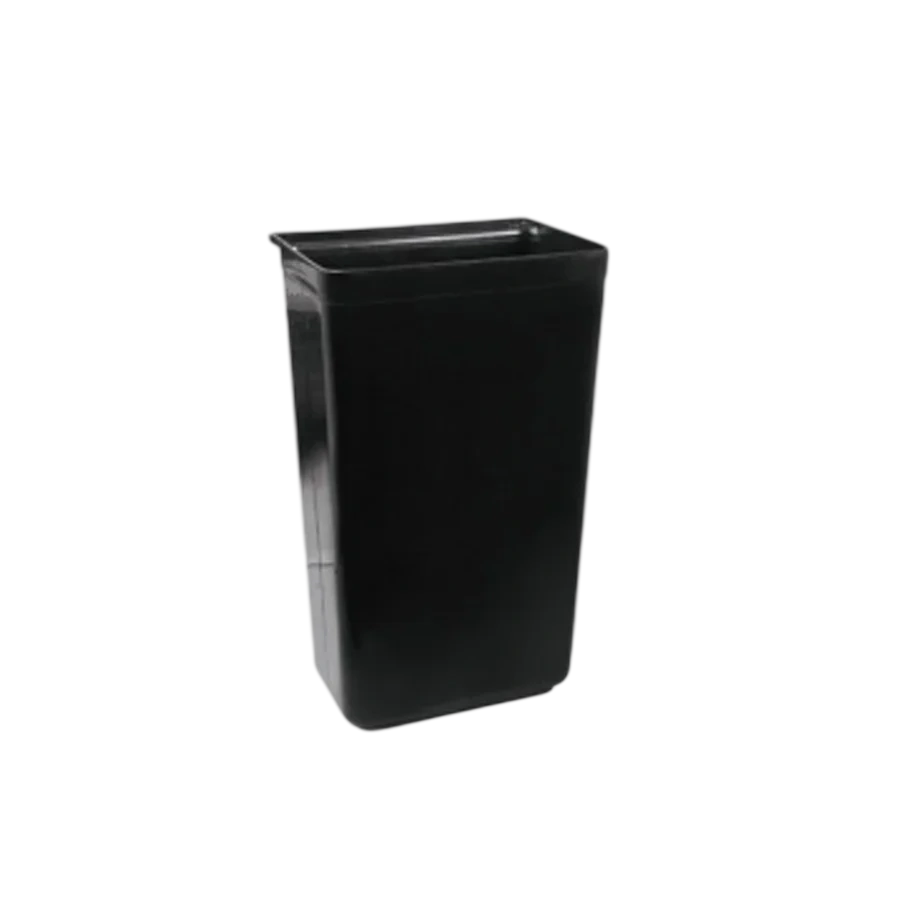
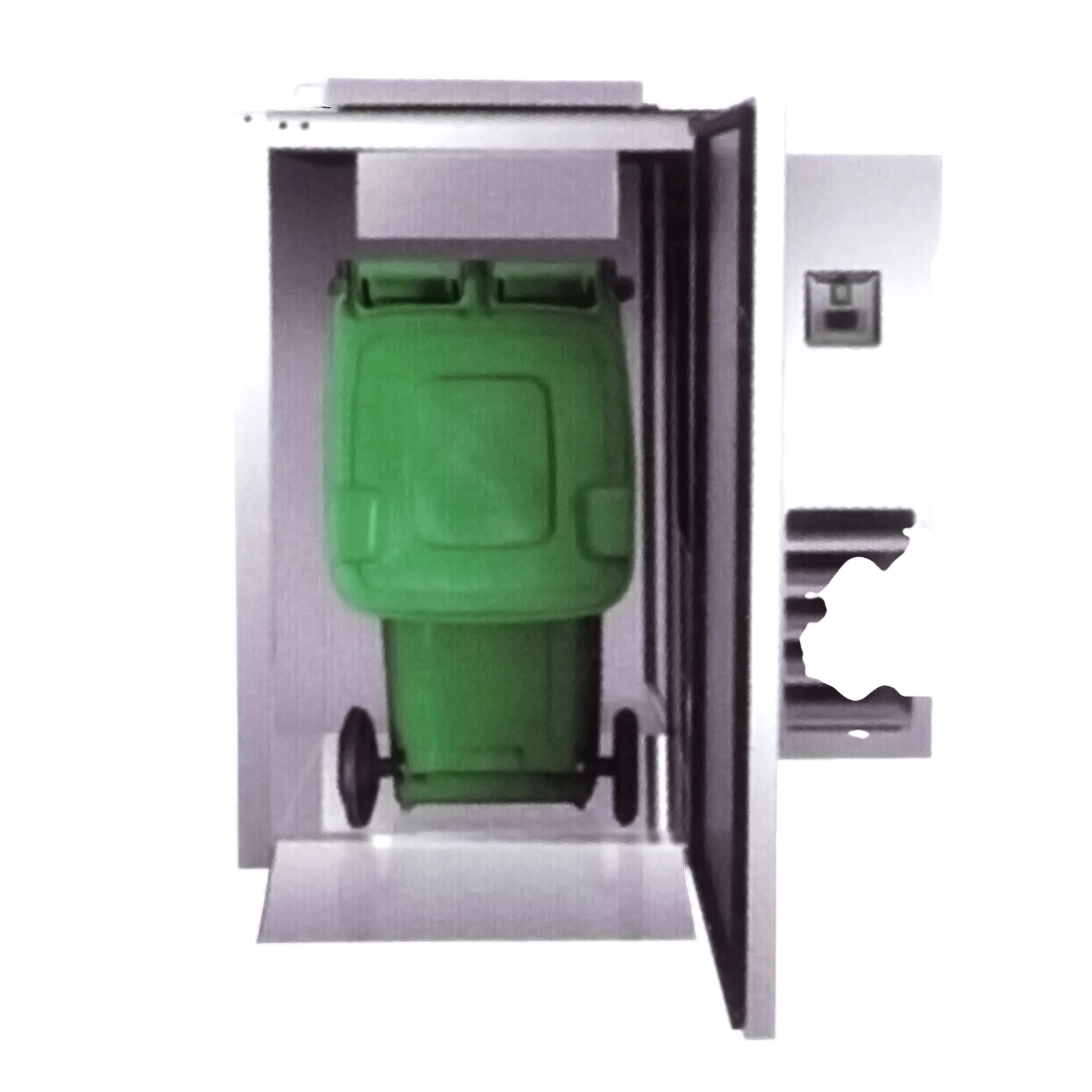
1090 × 920 × 1230mm
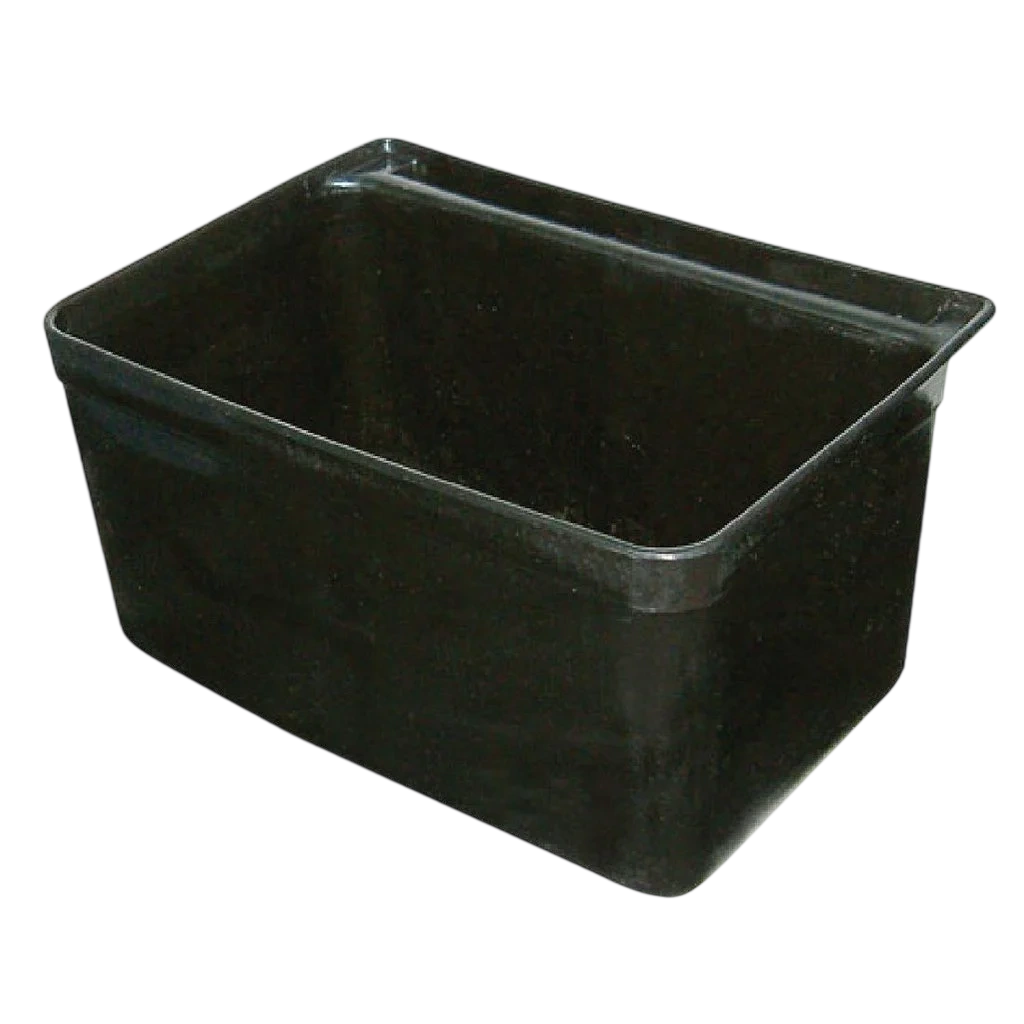
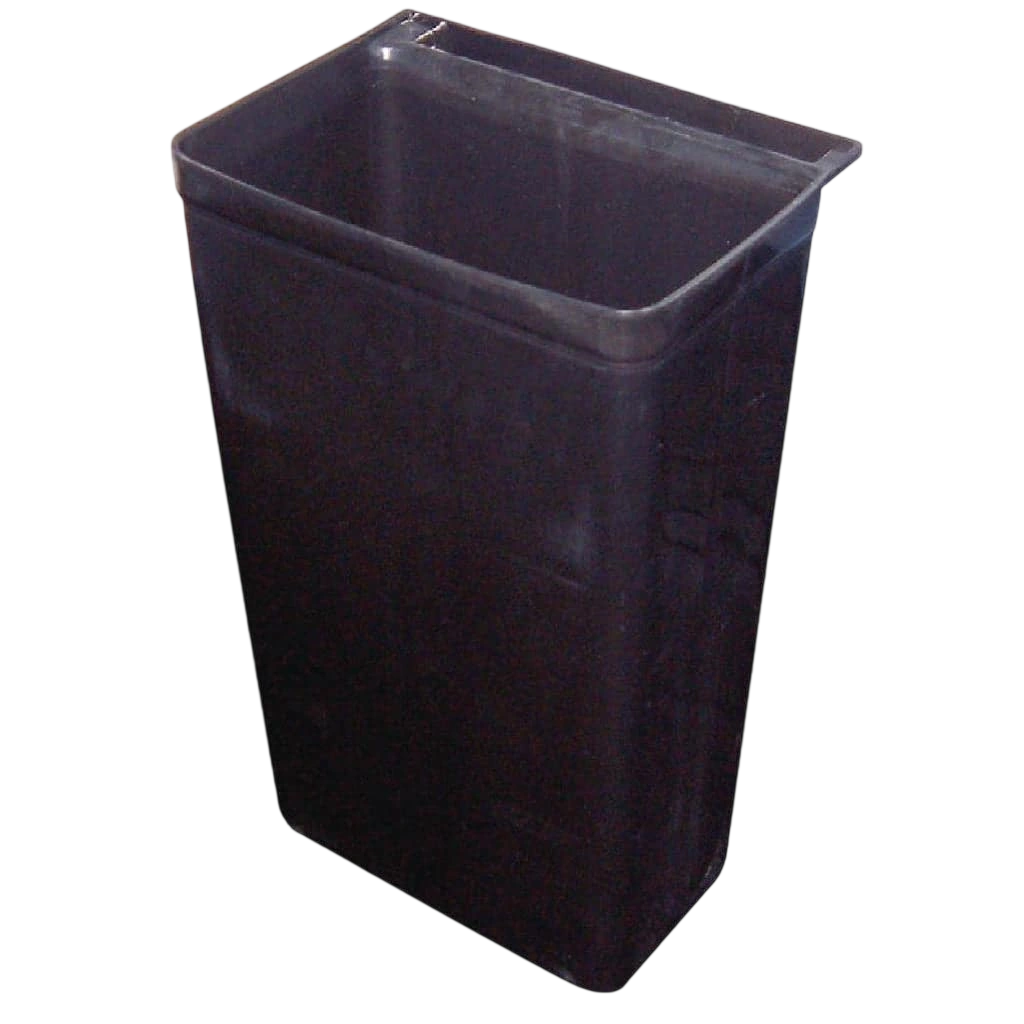
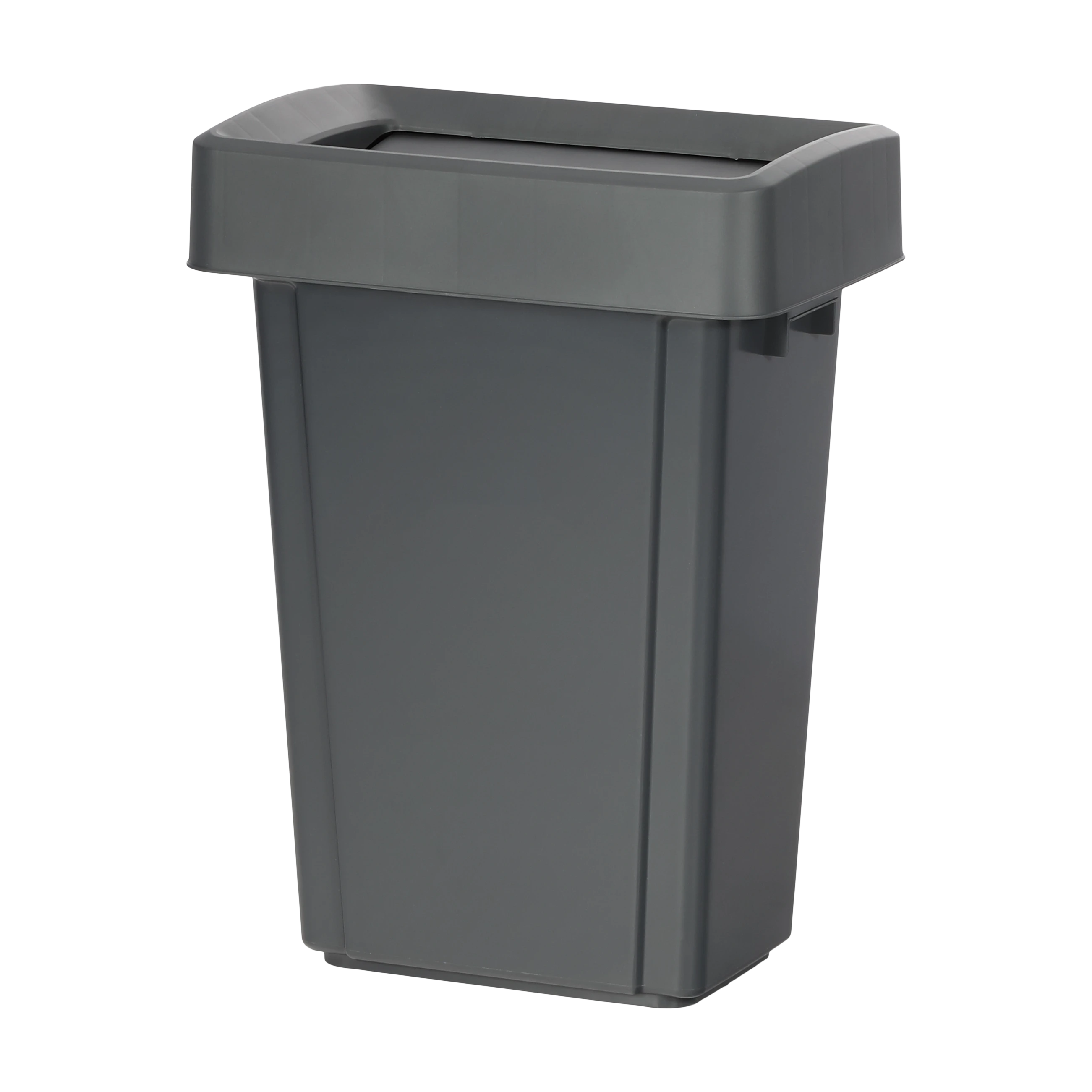
525 × 345 × 700mm

500 × 500 × 700mm
1810 × 920 × 1230mm