Bakery Equipment
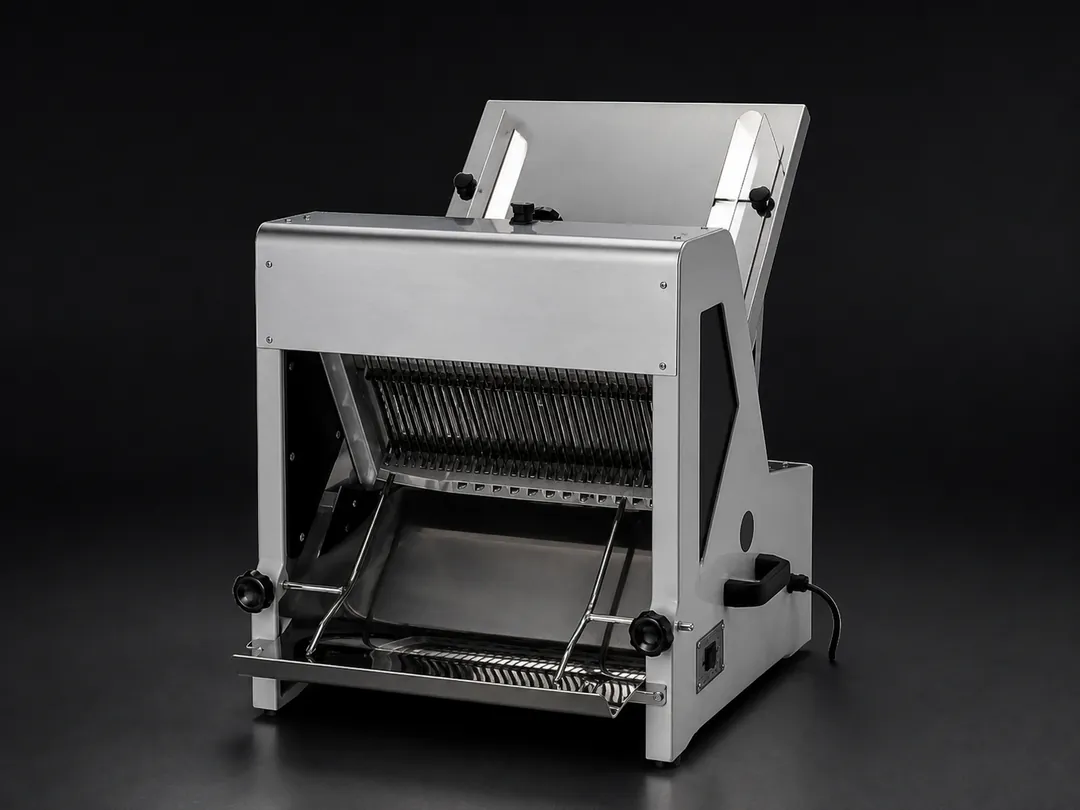
A commercial bread slicer cuts finished loaves into even slices at a set thickness. Consistency is the whole point: hand slicing varies through a loaf and between operators, and in a venue selling sliced product that variation shows up as complaints and waste.
Slice thickness is usually fixed by the blade spacing rather than adjustable on the fly, so the thickness a venue sells is a specification decision rather than a setting. Where more than one thickness is needed, that generally means either a machine with changeable blade sets or accepting a single standard.
Loaf size sets the machine. A bread cutting machine is built around a maximum loaf height and width, and a loaf that will not pass through is simply outside the machine's range. Measure the largest loaf actually baked or bought in, including any doming.
Crumb handling is the daily reality. Slicing produces crumb continuously, so how it is collected and how the blades are accessed for cleaning decide how much time the machine costs each day rather than saves.
Key factors to consider before purchasing. Our team can help you find the right fit — call or get a quote anytime.
Match capacity to your daily output. Consider the bench or floor space available and the access route for delivery.
Check the power supply and circuit capacity at the installed position before ordering.
Confirm electrical compliance, levelling and the clearance needed for cleaning and service access. We can help with kitchen planning.
Submit your kitchen requirements — our equipment specialists will send you a tailored shortlist of commercial bread slicers that fits your budget, venue type and compliance needs.
Standards & Compliance
Before comparing bread slicer machines, confirm the largest loaf including doming, the slice thickness sold, and the loaves cut in one session. Check whether more than one thickness is required and how the machine accommodates that.
Look at how crumb is collected and emptied, how blades are accessed and changed, and how the machine is guarded during operation. Confirm blade availability, since blades are the consumable and their supply decides the machine's practical life.
FAQ
Likely causes include low blade tension, slicing too soon after baking or incorrect loaf type for the slicer.
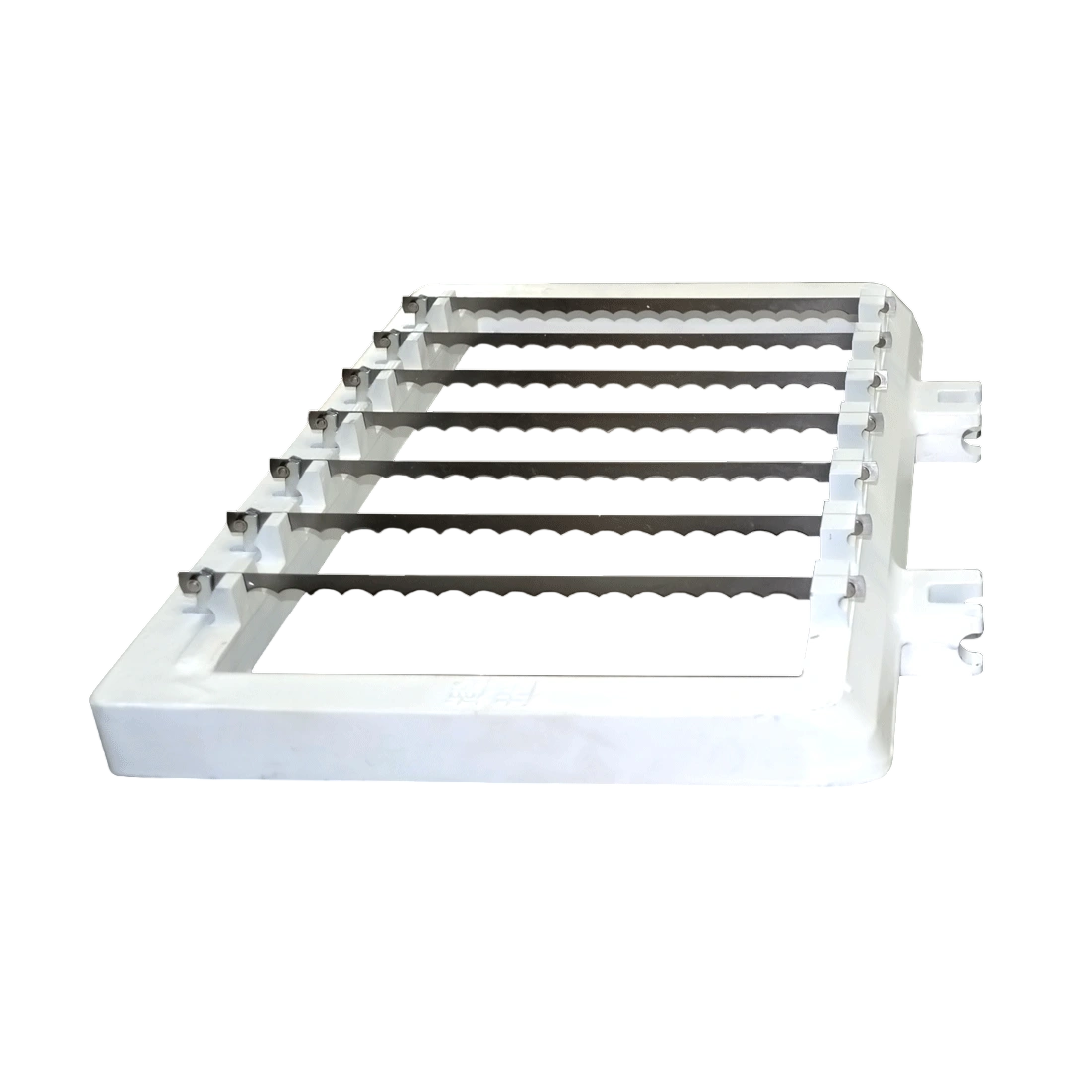
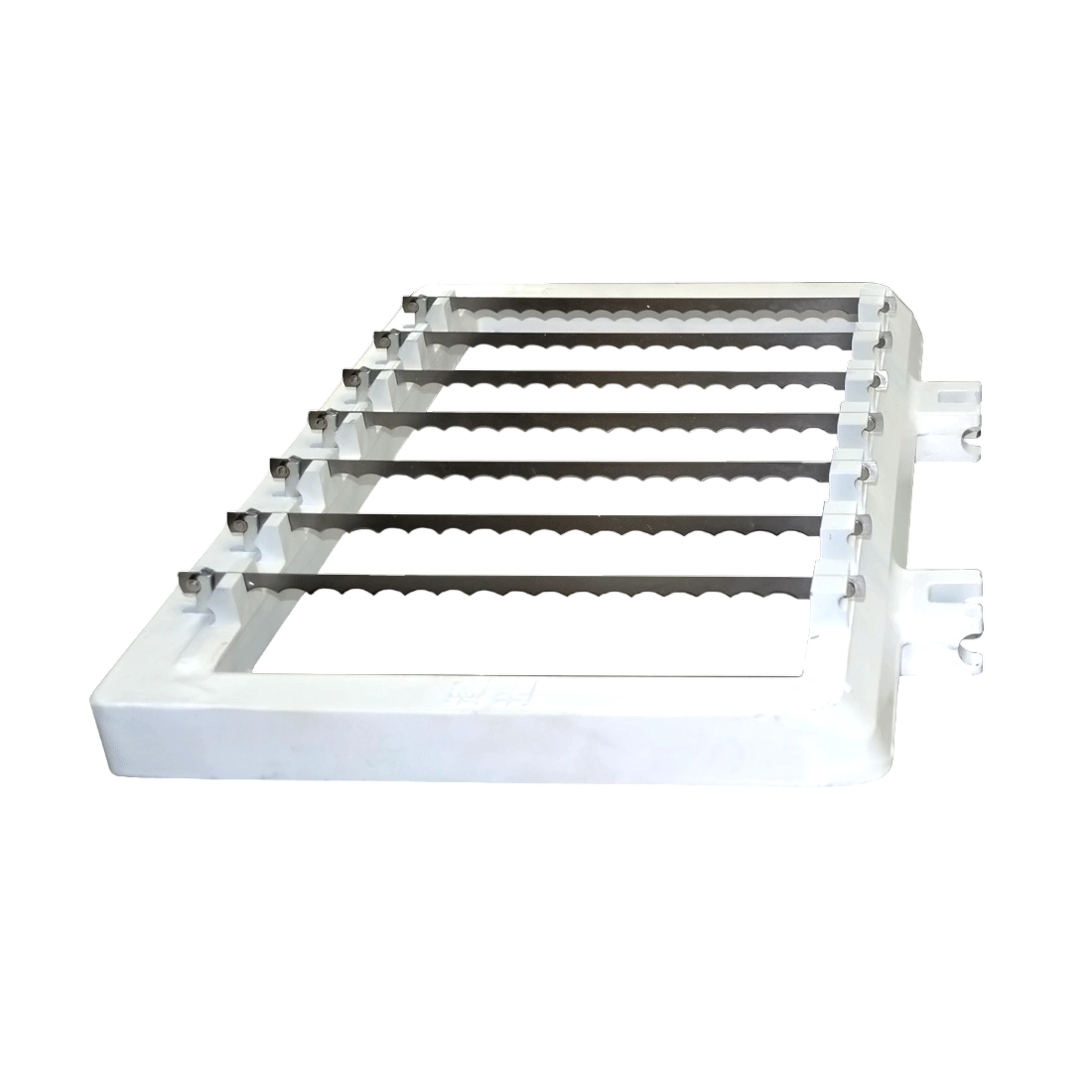
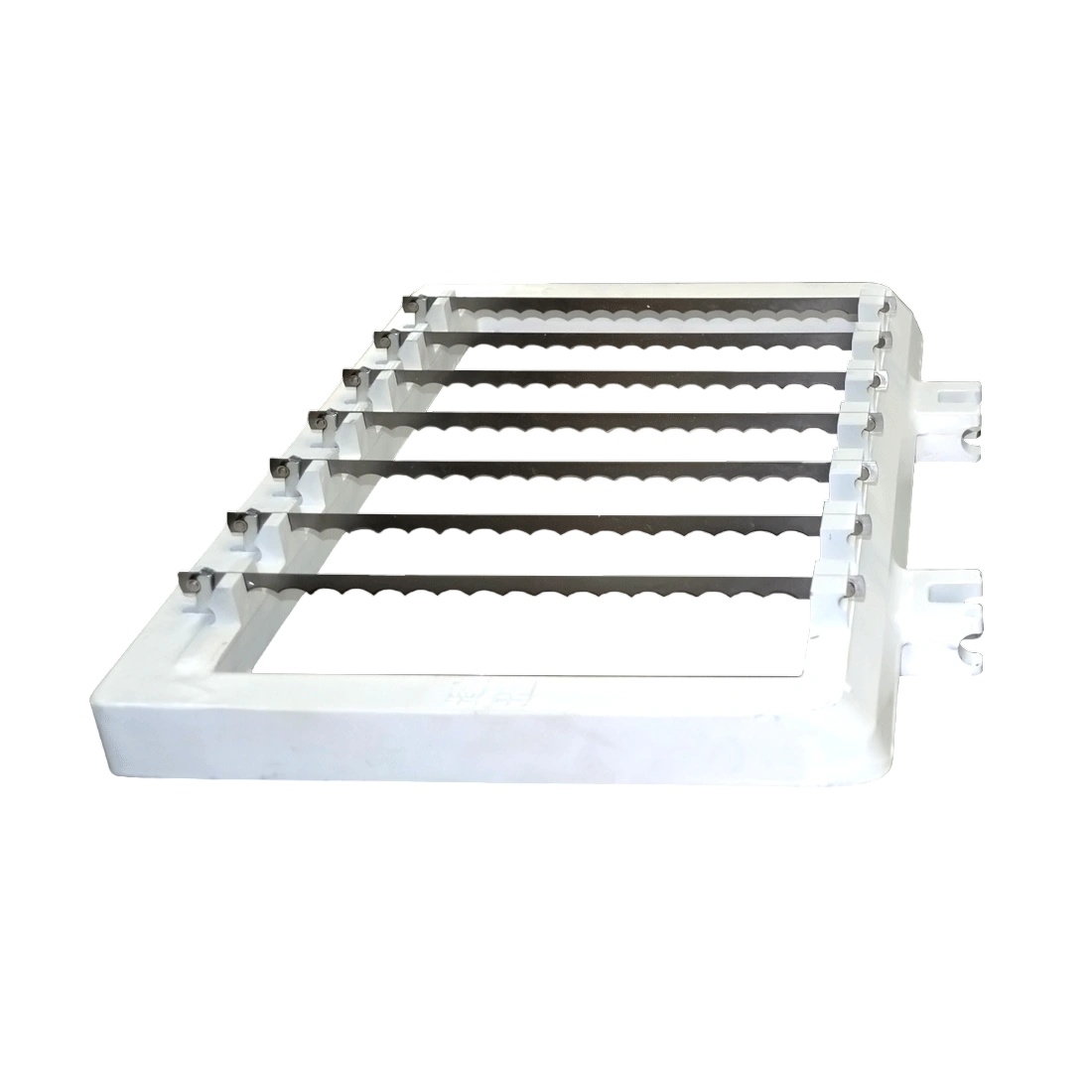
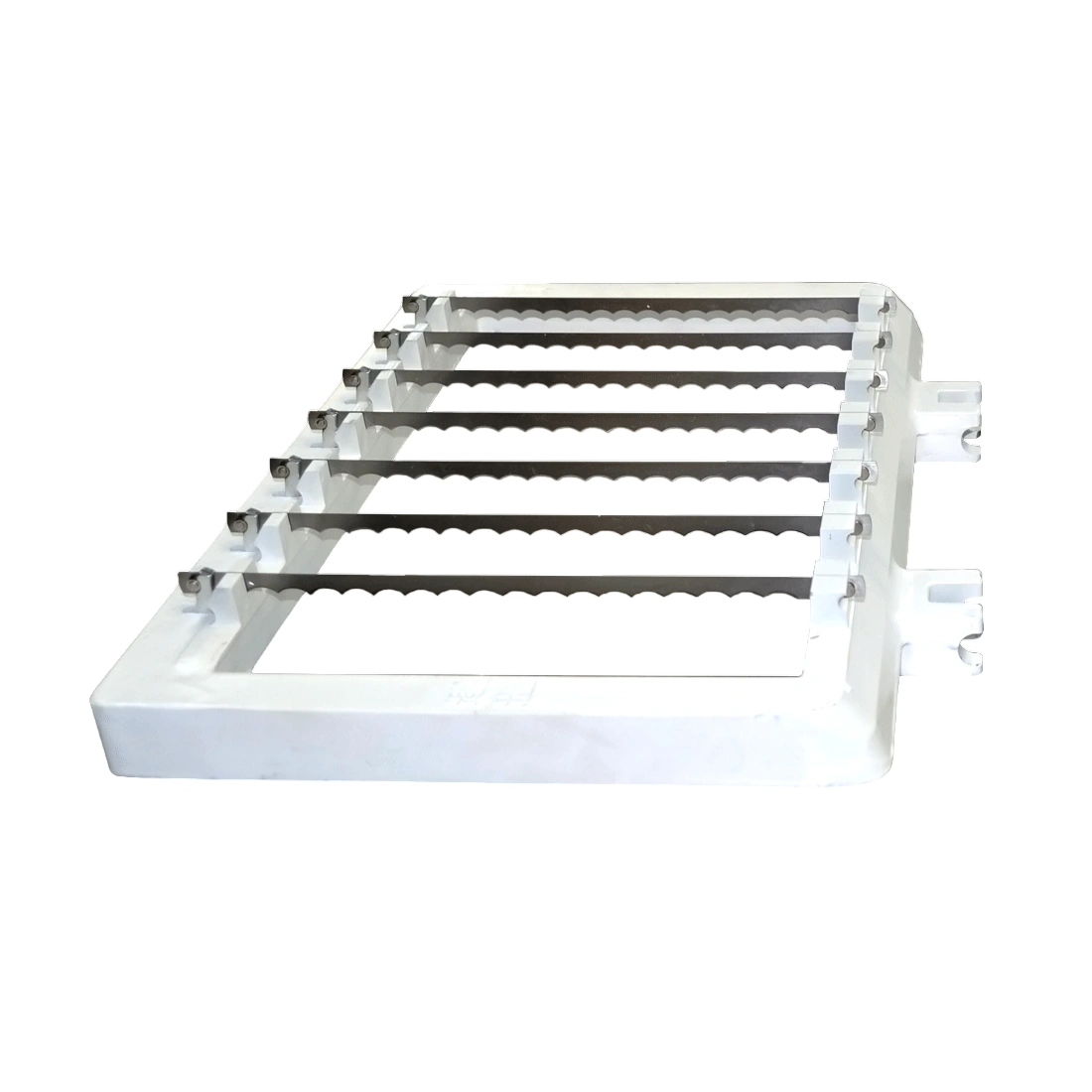
Slice thickness is set by the blade frame. Swap to another frame (12mm, 15mm, 20mm) to change thickness.
Regular lubrication, blade inspection and daily crumb cleaning prolong lifespan and maintain slice quality.
Usually only by changing the blade set, since spacing is fixed. Decide the thickness the venue sells before choosing, and treat multiple thicknesses as a specification question rather than an operating one.
Why KW
KW can help match a bread slicer to the loaf size actually produced and the slice thickness sold, and set expectations on crumb handling and blade supply. For practical advice, call KW on 1300 001 366.
Deep Dive
Technical depth from KW's commercial kitchen specialists.
A bread slicer does not rely on a single sharp blade. Instead, it uses a tensioned multi-blade frame—each blade held under calibrated tension. During operation, the blades move rapidly back and forth, using micro-saw action to glide through soft loaves, tin loaves and many crusty breads. Slice thickness is determined entirely by the blade frame (12mm, 15mm or 20mm). Changing thickness means swapping to a different blade frame, guaranteeing absolute consistency across the whole loaf.
Slice thickness determines menu style and serving size, not just appearance. Many bakeries keep multiple blade frames to support different products.
Fresh bread must cool before slicing. Hot loaves have unstable crumb structure; starches behave like glue, sticking to blades, clogging the frame and causing tearing. Allowing the bread to cool ensures clean, professional slices and prevents equipment strain.
Bread slicers work because of correct blade tension. Loose blades crush soft loaves; overly tight blades tear crusts or strain the motor. High-quality machines maintain consistent tension across all blades, preserving slice quality throughout long production runs.
Continuous slicing, especially of crusty sourdough, causes blade heating. Hot blades increase friction, making crumbs sticky and reducing slice cleanliness. Heavy-duty slicers counter this with stronger tension systems and better airflow.
Guided loaf paths and hold-down plates stop lateral drifting during slicing. This ensures every slice stays aligned—critical for retail packaging presentation.
Seeds, raisins or nuts can catch on serrated blades, reducing tension accuracy or causing micro-nicks. Bakeries often slow feed speed or use a dedicated blade frame for seeded products.
Frozen bread should never be placed in a bread slicer. Rigid crusts can rebound against the blades, risking tension damage, uneven slices or motor overload.
Up to a maximum height and width built into the machine. Measure the largest loaf actually produced including its dome, because a loaf that will not pass through is outside the range whatever it weighs.
Daily, because slicing produces crumb continuously. Check how crumb is collected and emptied and how blades are accessed, since that determines whether the machine saves time overall.
They dull with use and are the consumable that decides working life. Confirm blade availability and how long a change takes before choosing, since a slicer waiting on blades halts the product.
Bread slicers vary significantly in workload capability:
Bread slicers save labour dramatically. Manual slicing takes 15–20 seconds per loaf; a commercial slicer takes 2–4 seconds, reducing labour by 30–60 minutes per day in a typical bakery workflow.
Bread slicers generate crumbs quickly, so cleaning must be fast and compliant. Commercial machines typically include:
HACCP audits frequently check for crumb overflow, blade housing sanitation and food-contact surface cleanliness.
Select the slice thickness and loaf capacity that match your production needs, then explore compatible blade frames and other bakery essentials to optimise workflow in your commercial kitchen.
Blade spacing usually fixes the thickness. Decide what the venue sells before choosing, because changing thickness later means a different blade set rather than an adjustment during service.
A slicer is built around a maximum loaf height and width. A loaf that will not pass through is outside the range regardless of weight, so measure the largest loaf actually baked or bought in and allow for the dome.
Slicing produces crumb continuously. How it is collected, how often it is emptied and how the blades are accessed decide whether the machine saves time overall or trades slicing time for cleaning time.
Blades dull with use and are the part that determines practical working life. Confirm availability and changeover time before choosing, since a slicer waiting on blades stops the product it was bought to produce.
5 results
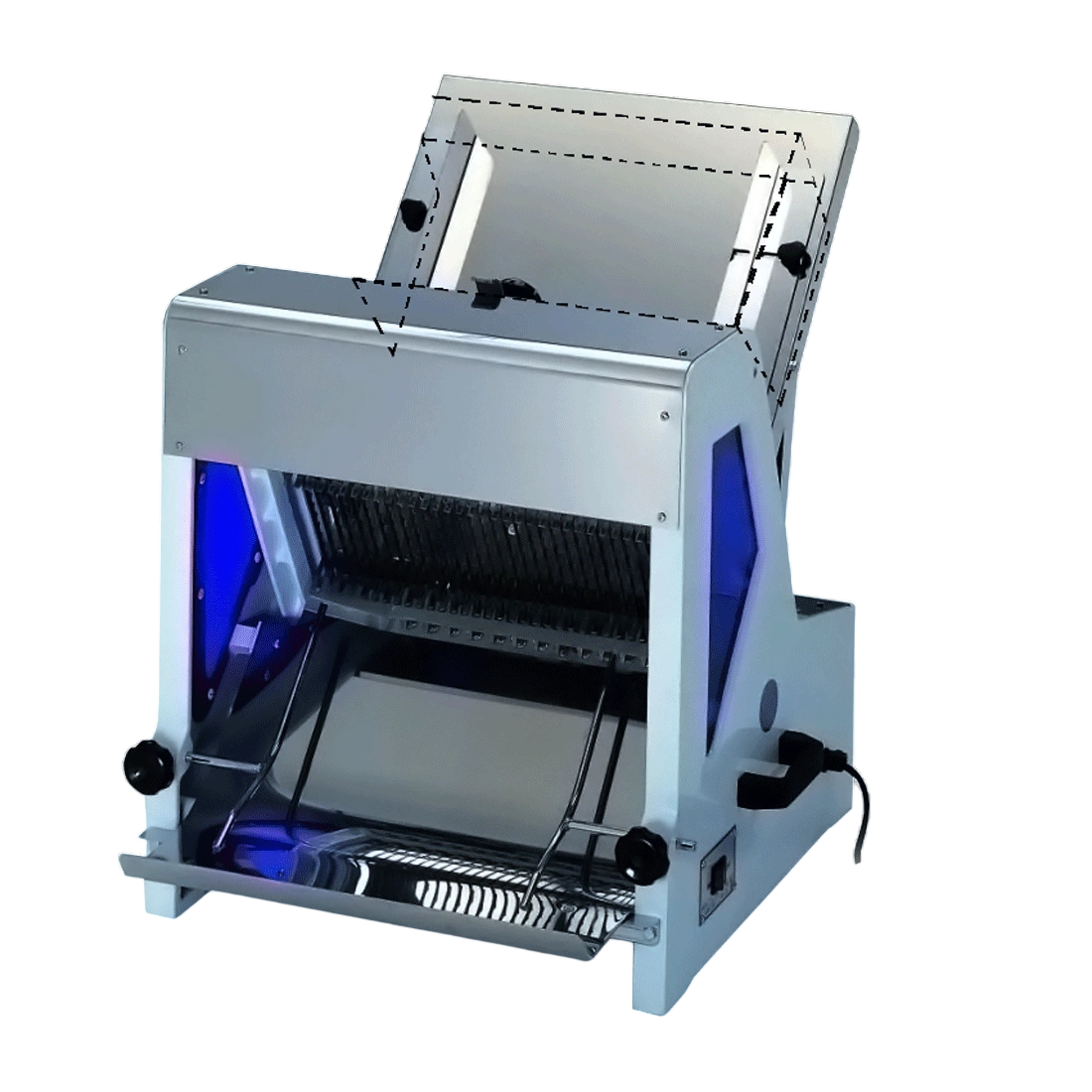
630 × 630 × 685mm