
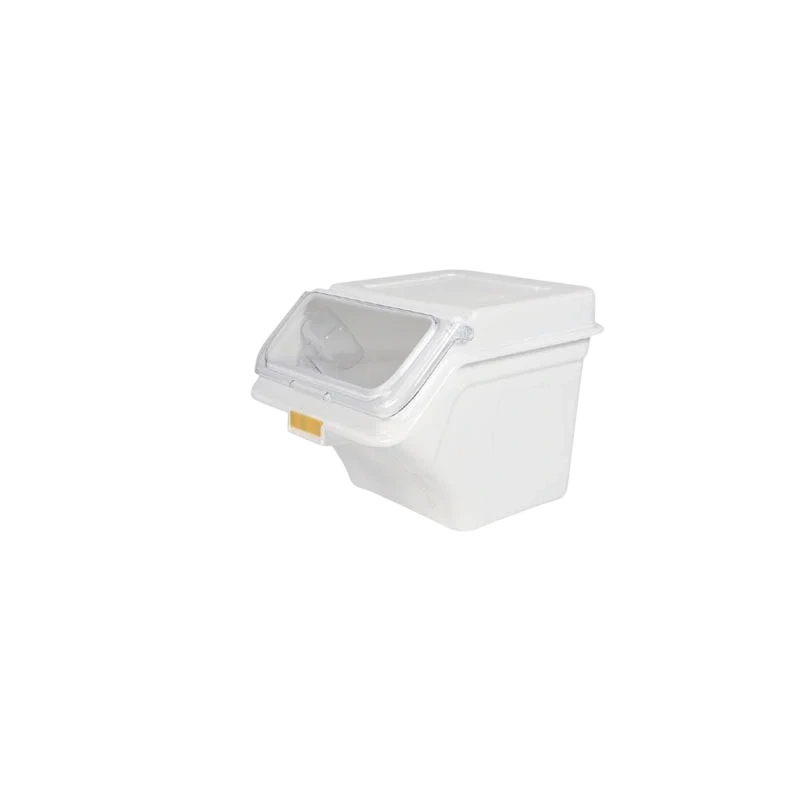
Trolley & Bins
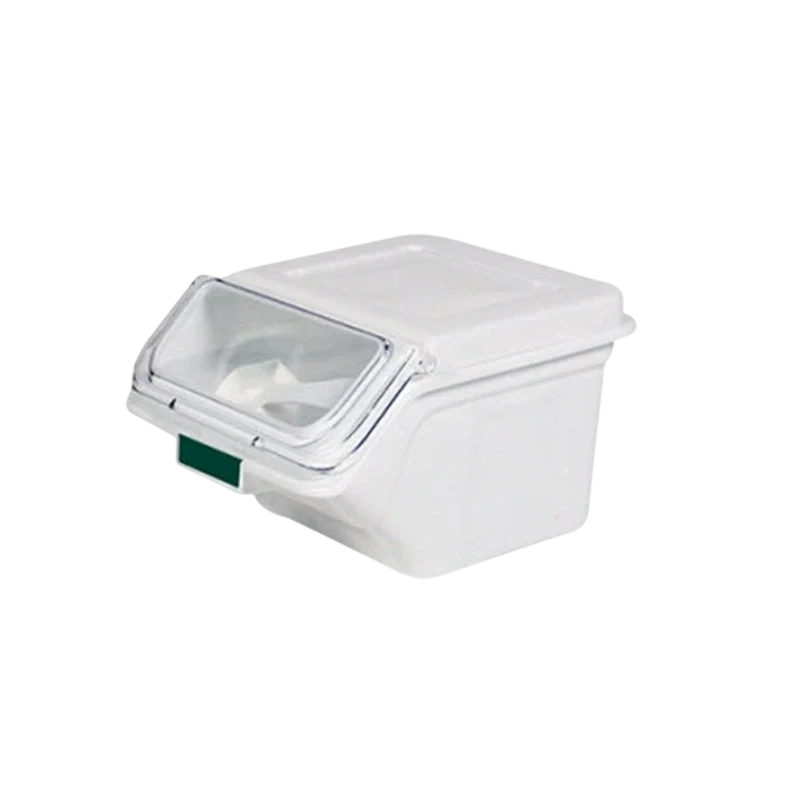
Ingredient bins, sometimes described as storage tanks or plastic ingredient containers, hold dry goods in the quantities a kitchen actually decants — flour, sugar, rice and similar bulk items moved out of their delivery sacks into a container staff can work from. The decision starts with how much of one ingredient is used between deliveries, because that volume sets the bin size and how often it is refilled.
Access matters as much as capacity. A bin that is scooped from many times a shift needs a lid that opens easily with one hand and an opening wide enough for the scoop in use. A bin refilled from a sack needs clearance above it for the sack to be lifted and tipped, which is often the measurement that rules out an otherwise suitable container.
Where several ingredients are stored side by side, consistent bin sizes make the run easier to label, rotate and clean. Different sizes suit kitchens where one or two ingredients dominate consumption and the rest are held in smaller quantities.
Key factors to consider before purchasing. Our team can help you find the right fit — call or get a quote anytime.
Match equipment capacity to your daily output. Consider available floor space, door clearances, and whether you need underbench or upright models.
Forced air cooling recovers temperature faster — ideal for busy kitchens. Static cooling suits low-traffic display. Check power supply (single vs three phase).
Ensure adequate ventilation clearance. Check local council requirements for gas connections and electrical compliance. We can help with kitchen planning.
Submit your kitchen requirements — our equipment specialists will send you a tailored shortlist of ingredient bins that fits your budget, venue type and compliance needs.
Standards & Compliance
Before choosing bins, confirm the volume of each ingredient used between deliveries, the clear height above the intended position for refilling from a sack, and the scoop size staff already use. Check that the lid can be opened with one hand while the other holds a scoop or container.
Look at how the bin is cleaned between ingredient changes: whether the lid detaches, whether internal corners are accessible, and whether the container can be dried fully before refilling. Dry goods returned to a container that is still damp create the problem the bin was bought to prevent.
FAQ
Choose based on the volume and turnover of your dry goods. Bakeries often use 50L–120L, while cafés prefer 20L–40L.
Yes. All commercial ingredient bins are made from food-safe, BPA-free materials suitable for direct contact.
Wheels are highly recommended for bins over 40L to prevent lifting injuries and improve workflow.
They are primarily designed for dry goods. Wet products require sealed food containers or cambro-style tubs.
Base it on how much of that one ingredient is used between deliveries. A bin holding slightly more than one delivery cycle can be emptied down and refilled in a single action, which supports rotation. Bins much larger than the cycle tend to be topped up, leaving older product underneath.
Why KW
KW can help match bin volume, opening size and lid style to the ingredients a kitchen decants and how often they are refilled, then consider the clearance the refill method needs. For practical advice on planning ingredient storage, call KW on 1300 001 366.
Deep Dive
Technical depth from KW's commercial kitchen specialists.
For commercial kitchens, hygiene and durability are critical. Ensure your ingredient bins meet:
Browse our range of food-grade commercial ingredient bins designed for kitchens of all sizes. From 10L to 120L, these bins offer safe, hygienic and efficient bulk storage for everyday operations.
Work from the quantity of a single ingredient used between deliveries rather than from total storage volume. A bin that holds slightly more than one delivery cycle can be refilled in one action and emptied down before the next, which supports rotation. Bins much larger than the cycle tend to be topped up rather than emptied, leaving older product at the bottom.
Check the height available above the bin in its intended position, then compare it against the height needed to lift and tip a full sack. This clearance rules out more otherwise suitable bins than capacity does, particularly where bins sit beneath shelving or a bench overhang.
Bulk dry goods such as flour, sugar and rice are the usual contents. What matters is the opening size relative to the scoop in use, the clearance above the bin for refilling from a sack, and whether the container can be cleaned and dried fully between different ingredients.
Only if the bin must move — to a mixer, to a different bench, or out for cleaning. Where bins stay in a fixed run and are scooped from in place, mobility adds height and cost without a task to justify it. Where bins do move regularly, wheeled equipment options are worth comparing separately.
Detach the lid where the design allows, clean the internal corners and lid seating, then dry the container fully before refilling. Clean and dry before an ingredient change rather than waiting for the next scheduled clean.
Where several bins stand together, consistent sizes and a fixed order make labelling and stock rotation easier to maintain. Record what is in each bin and when it was filled in a position visible without opening the lid, and empty a bin down before refilling rather than topping up over older product.
Detach the lid where the design allows, clean internal corners and the lid seating, then dry the container fully before refilling. Pay attention to the area around the opening where handling is most frequent. A bin that will hold a different ingredient next should be cleaned and dried before the change rather than at the next scheduled clean.
21 results

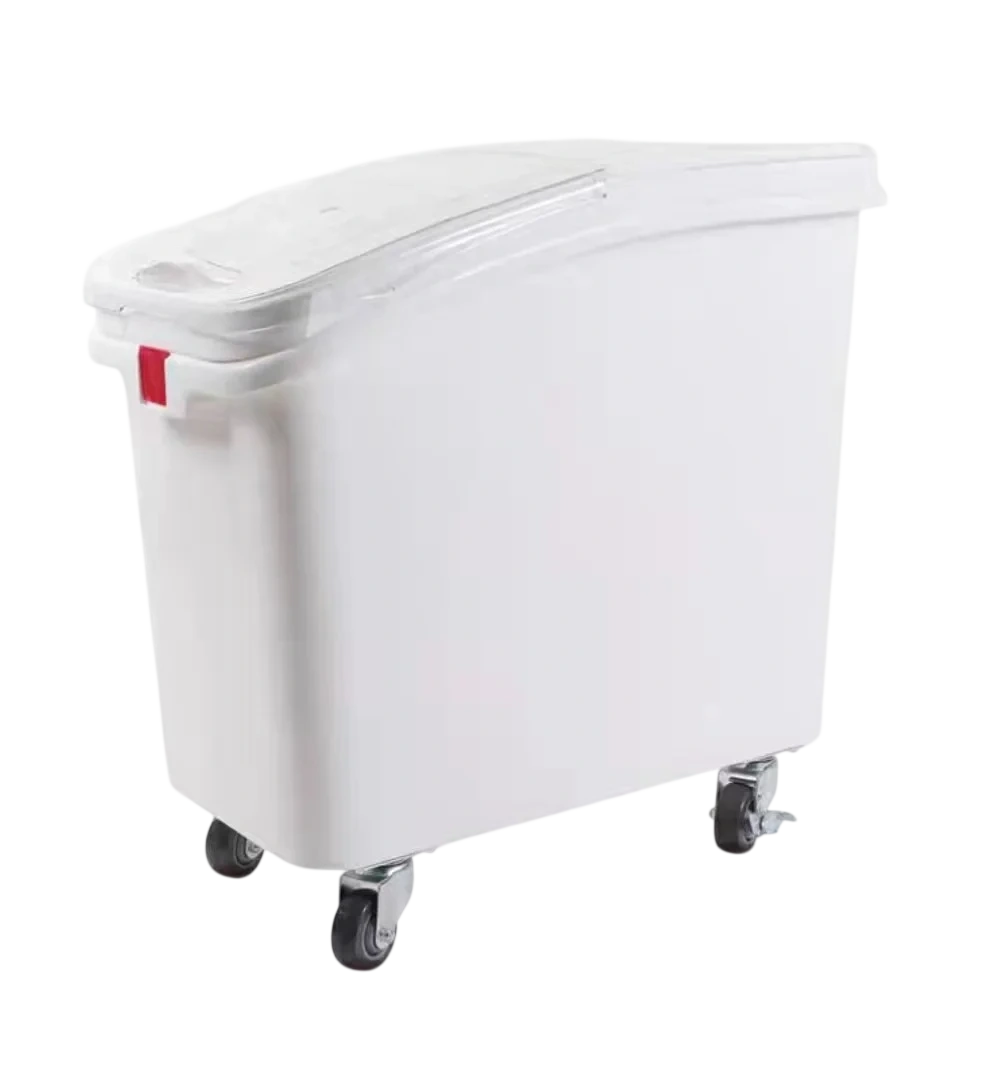
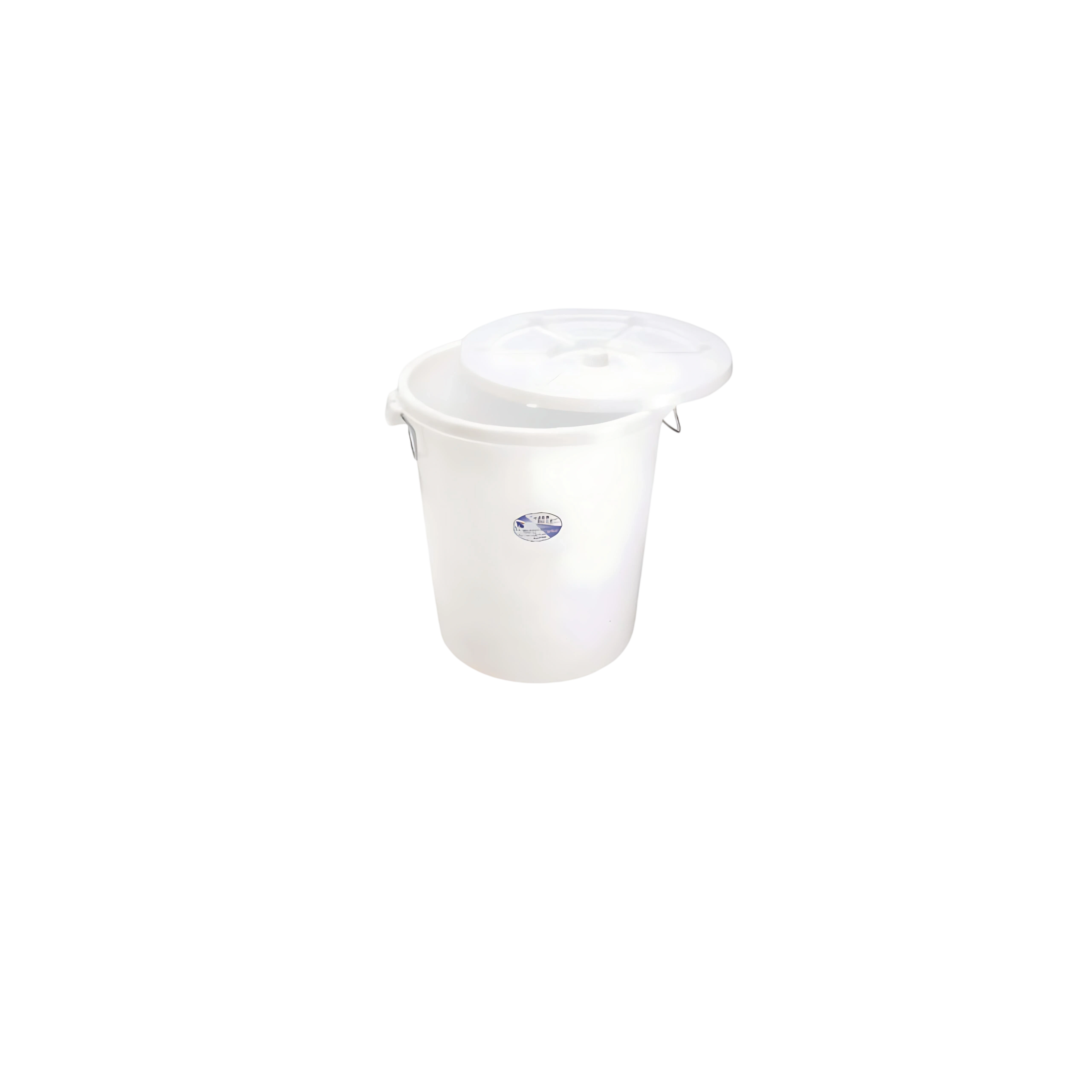
480 × 480 × 518mm
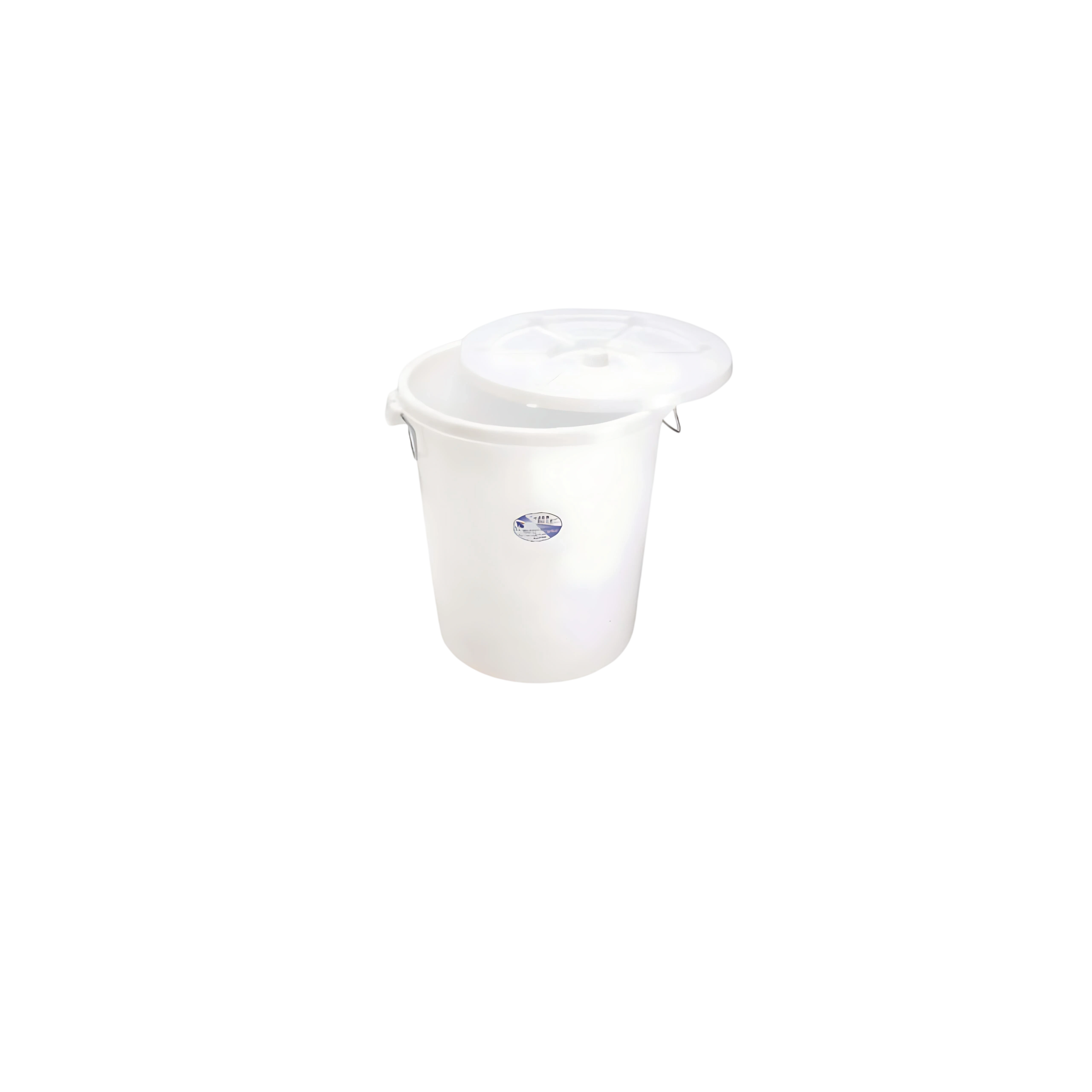
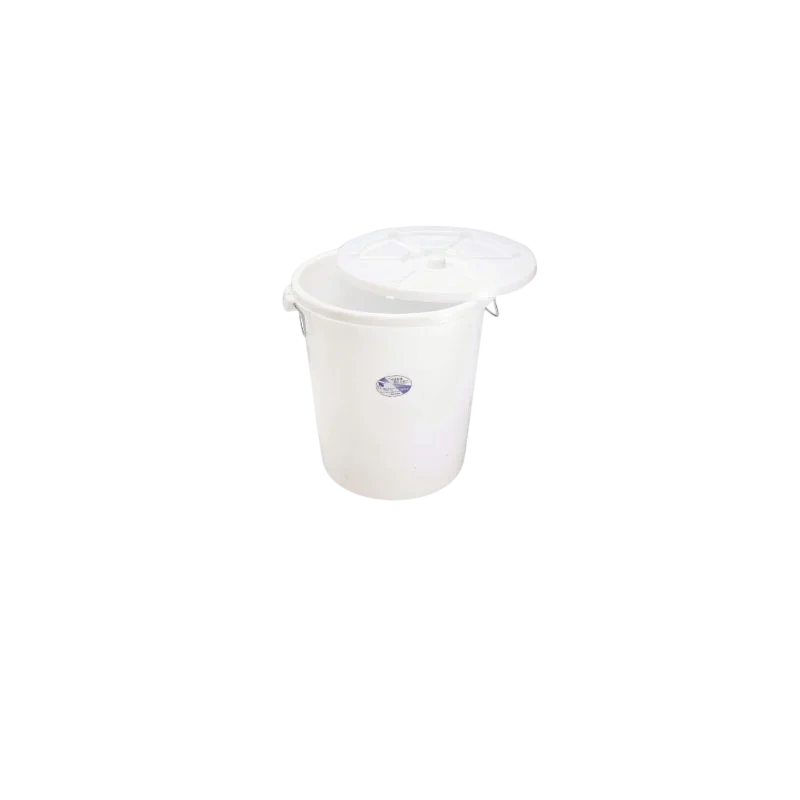
553 × 553 × 602mm
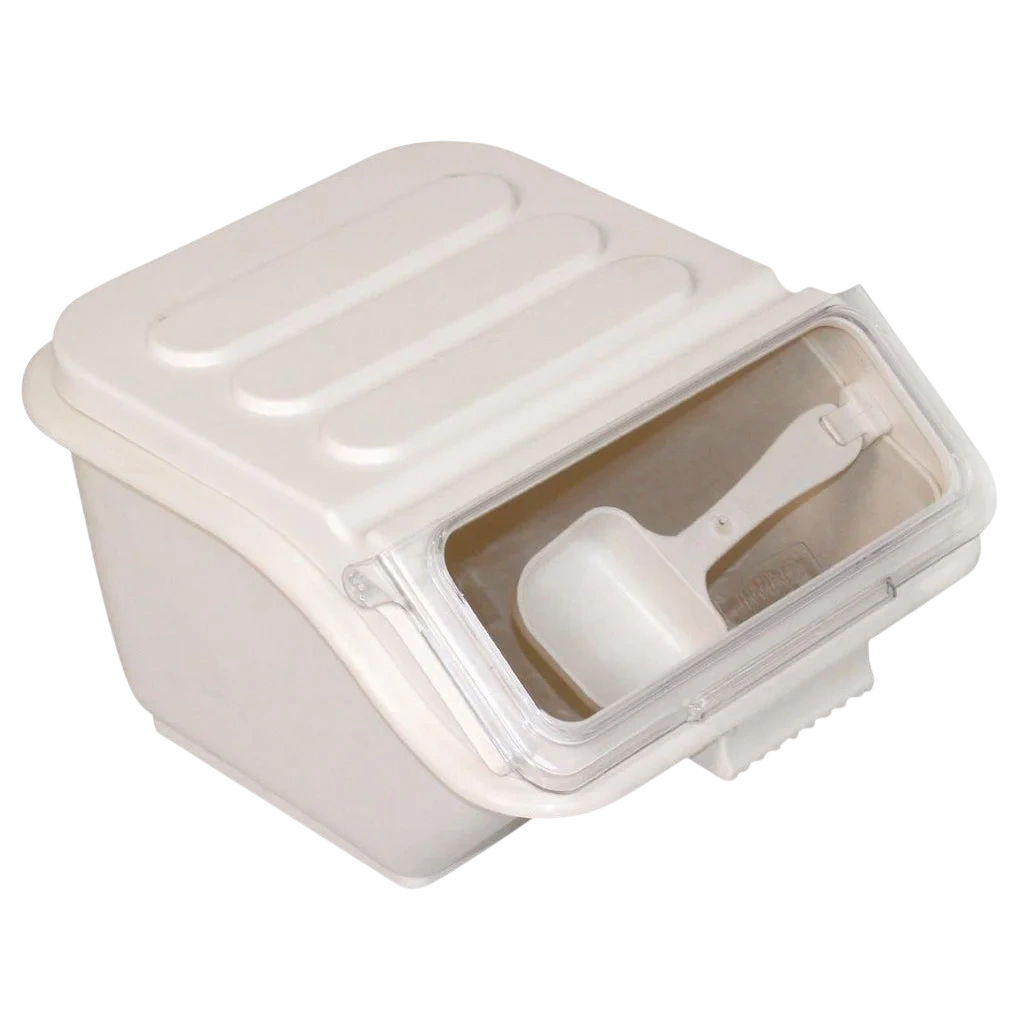
305 × 600 × 420mm
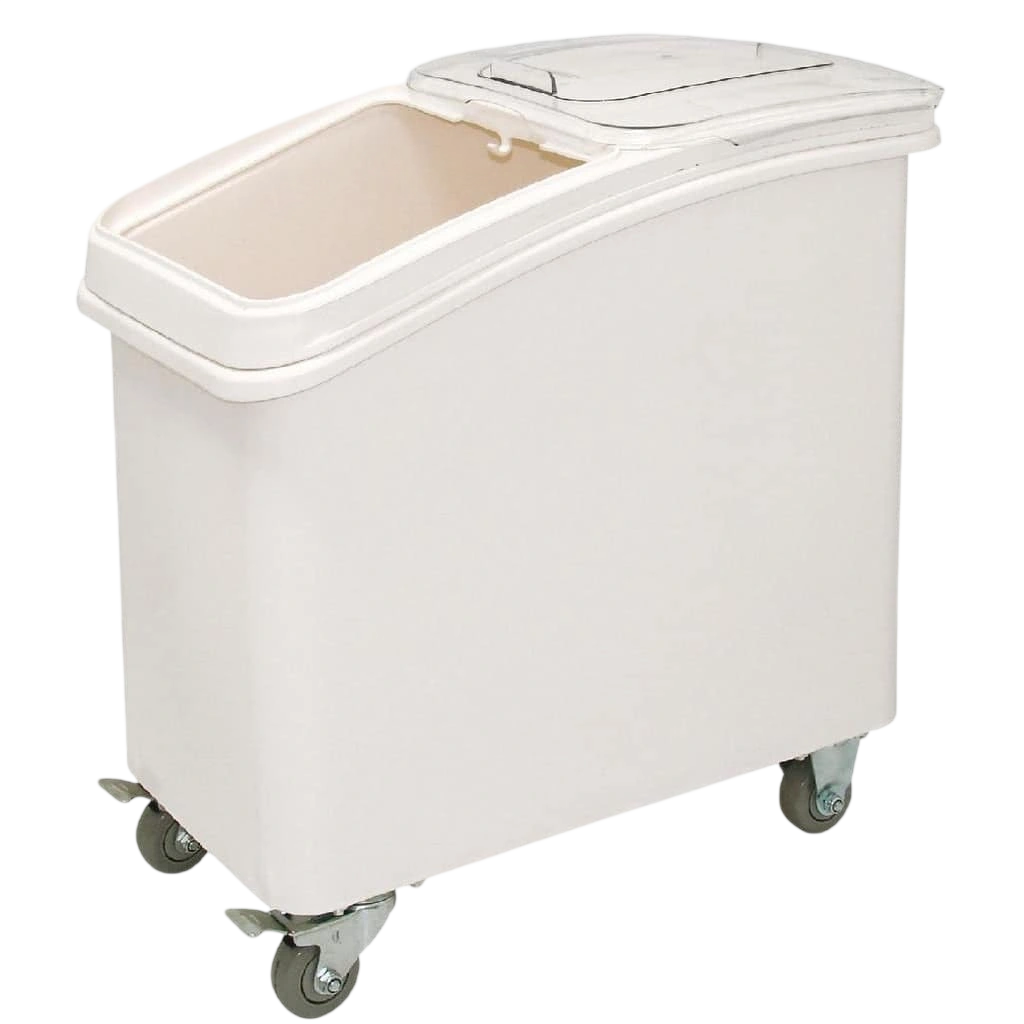
328 × 745 × 740mm
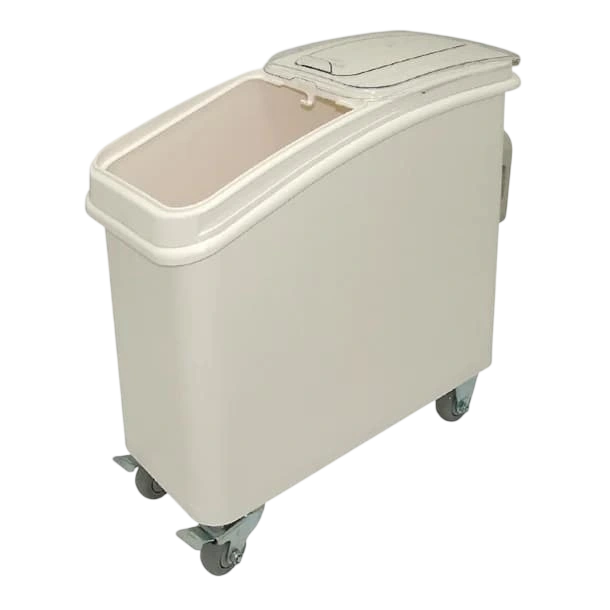
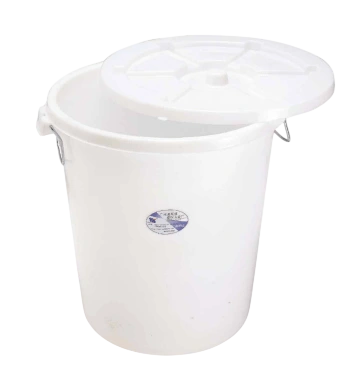
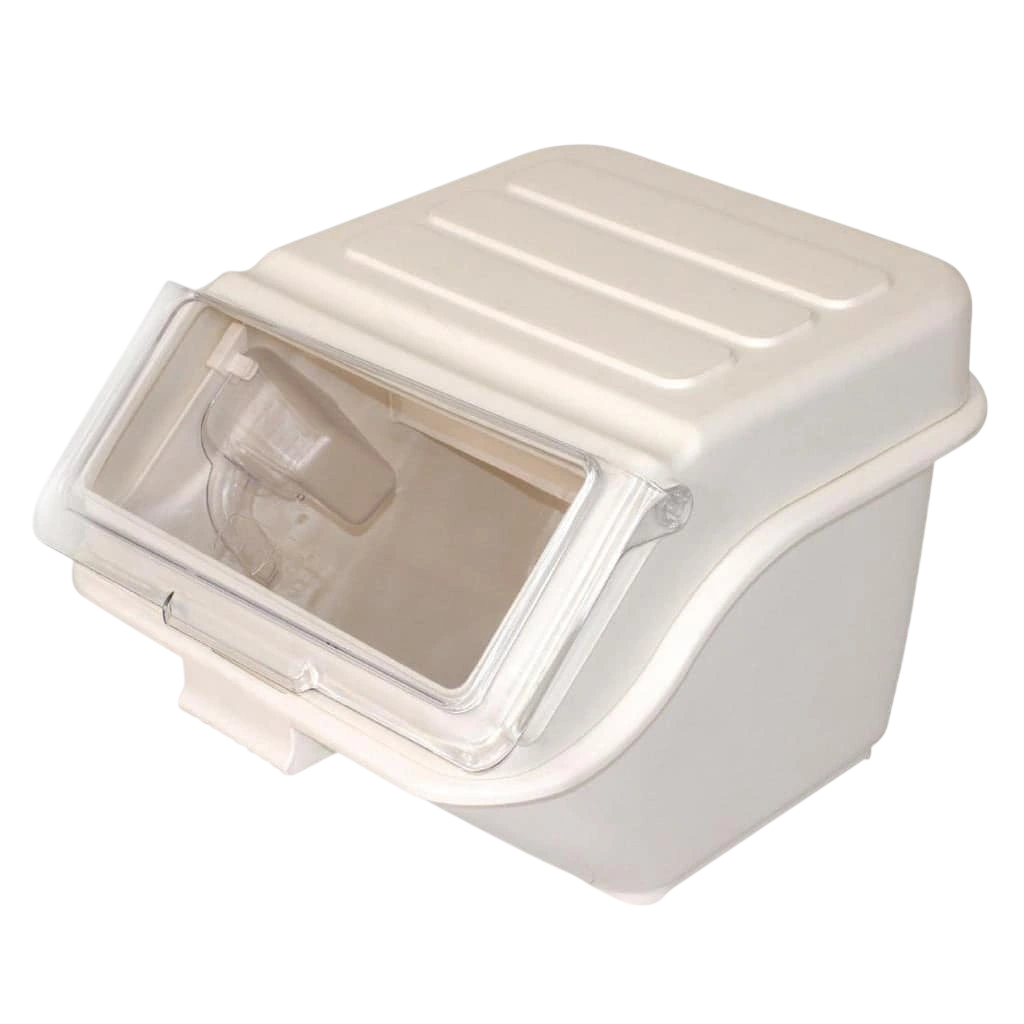
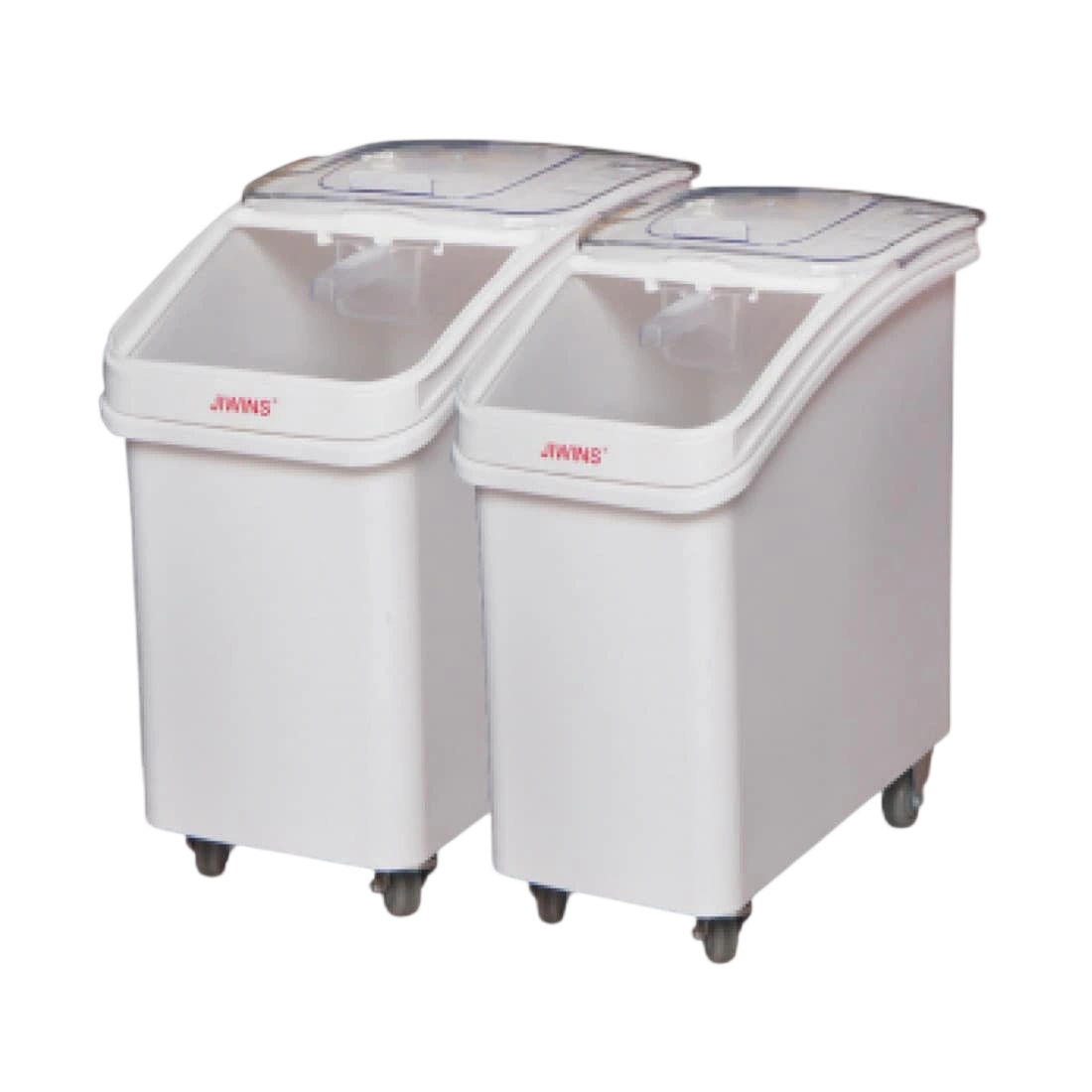
328 × 745 × 740mm
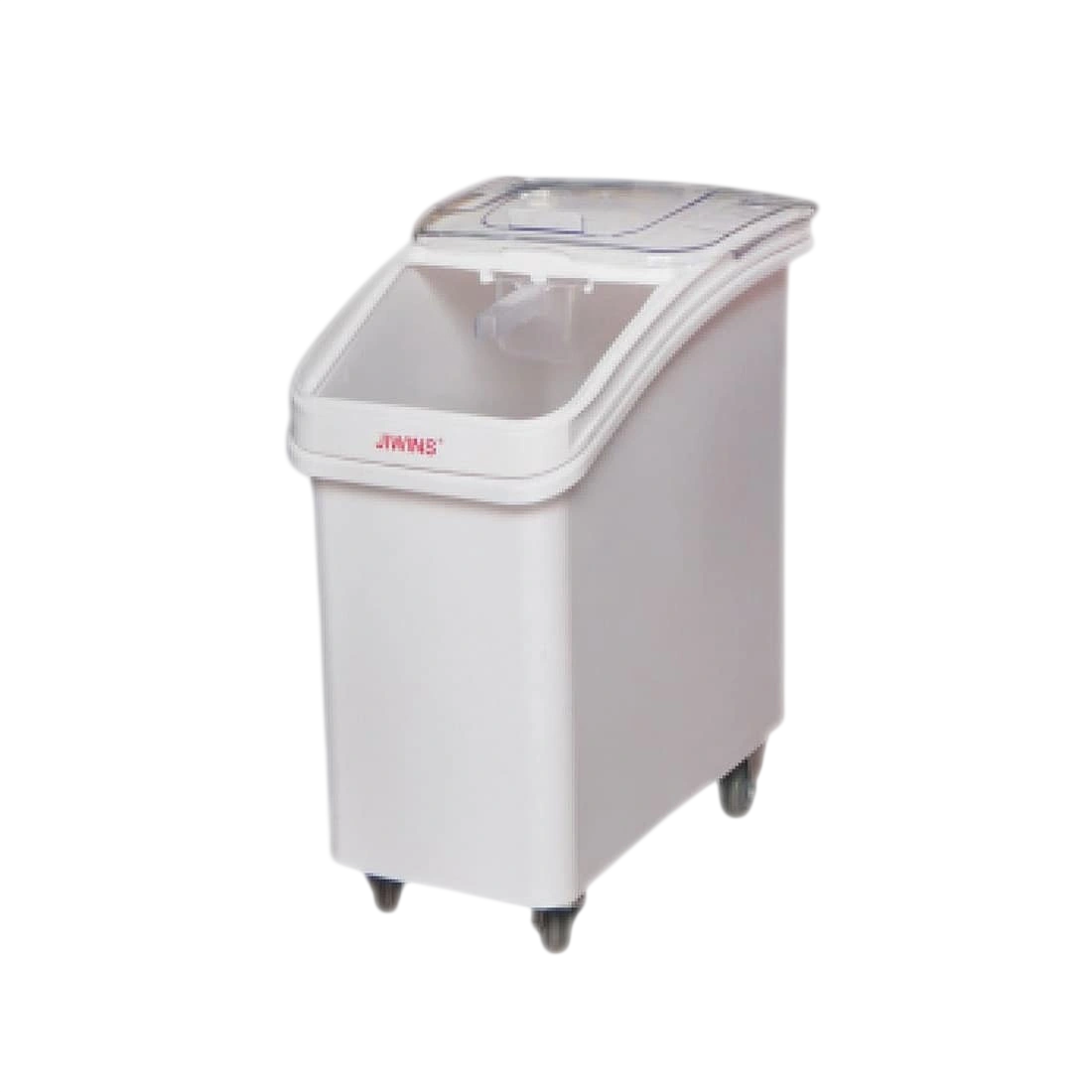
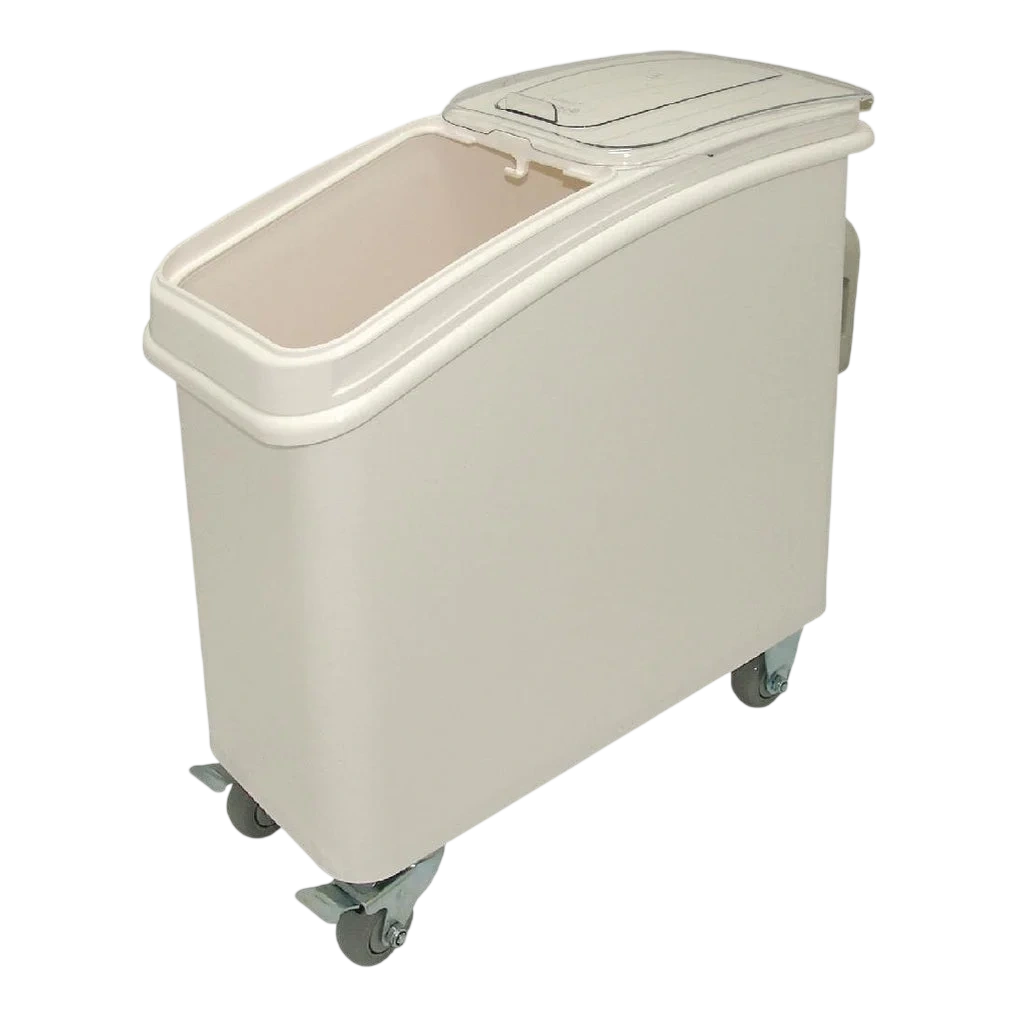
743 × 394 × 711mm

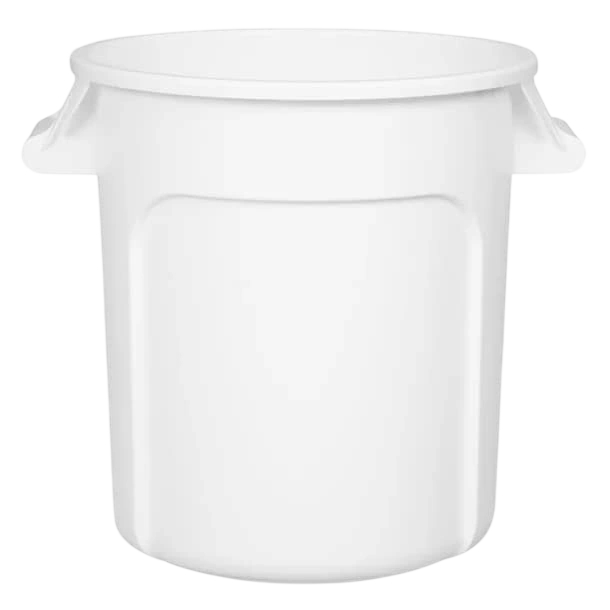
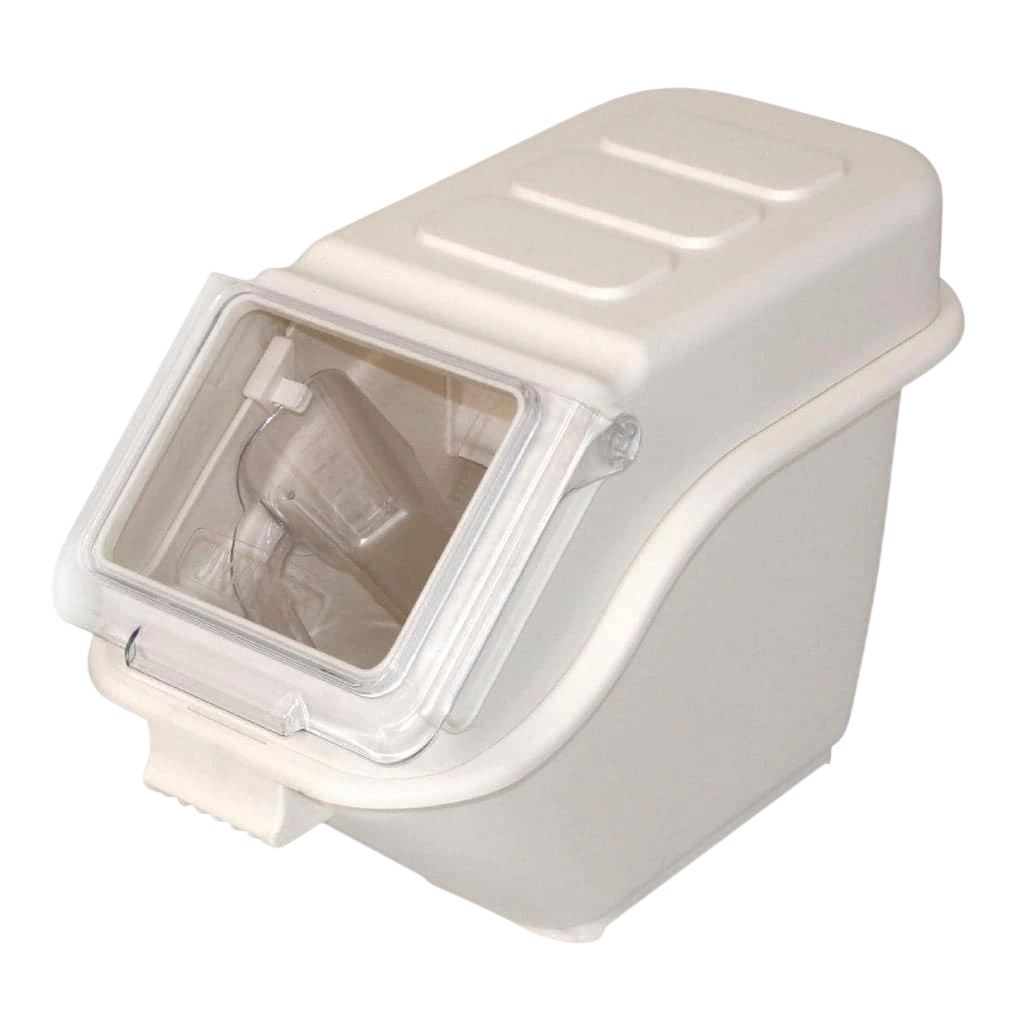
295 × 370 × 215mm
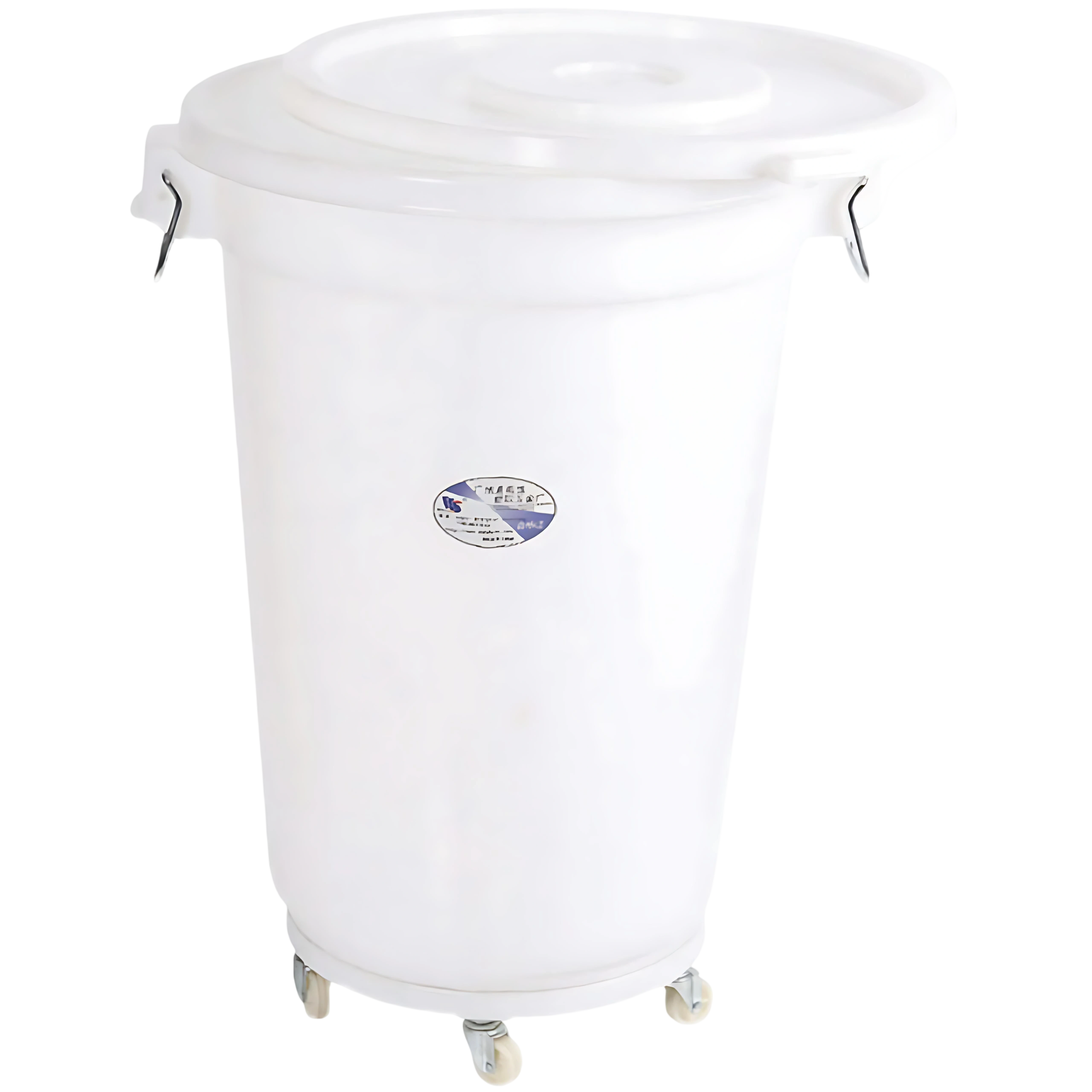
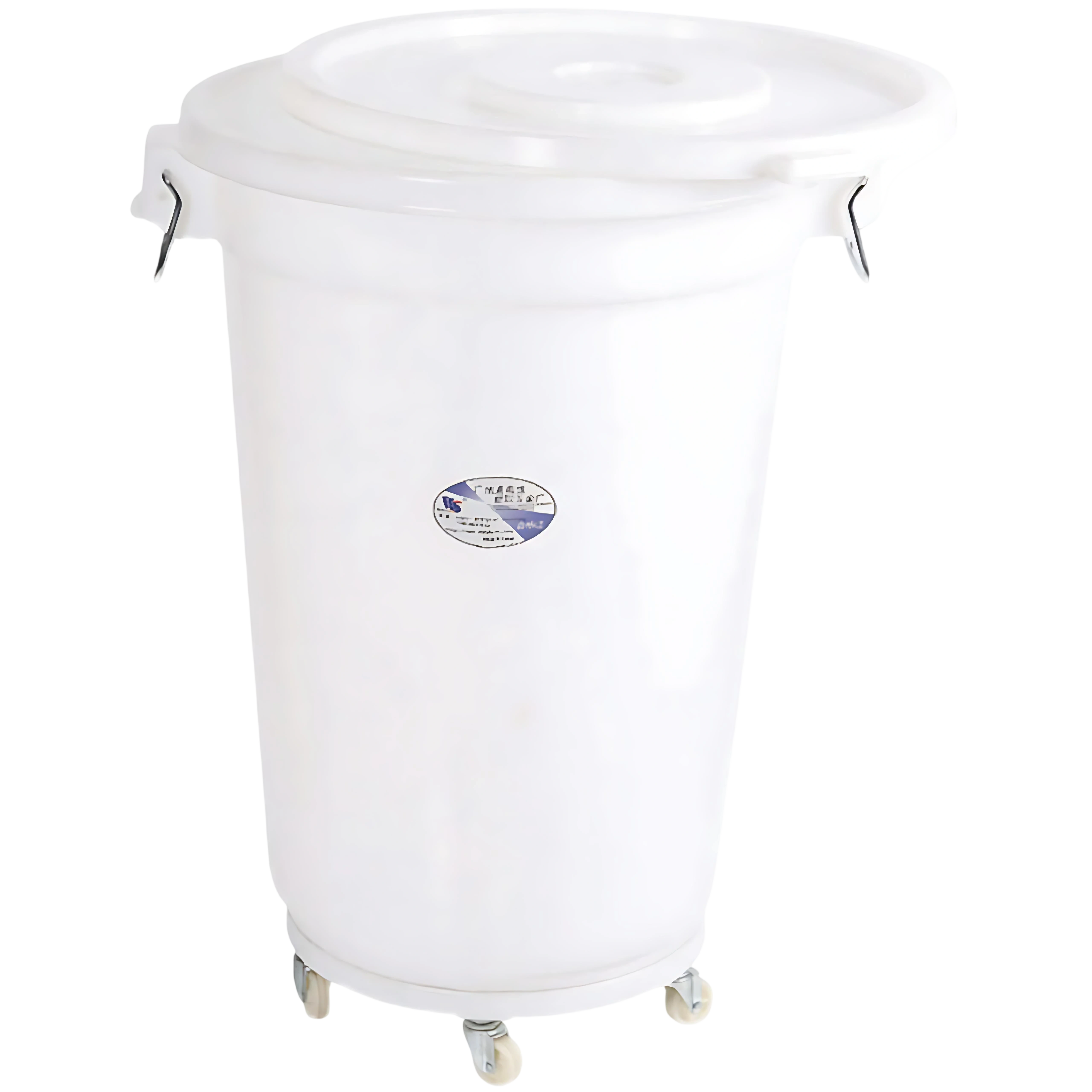
640 × 640 × 818mm
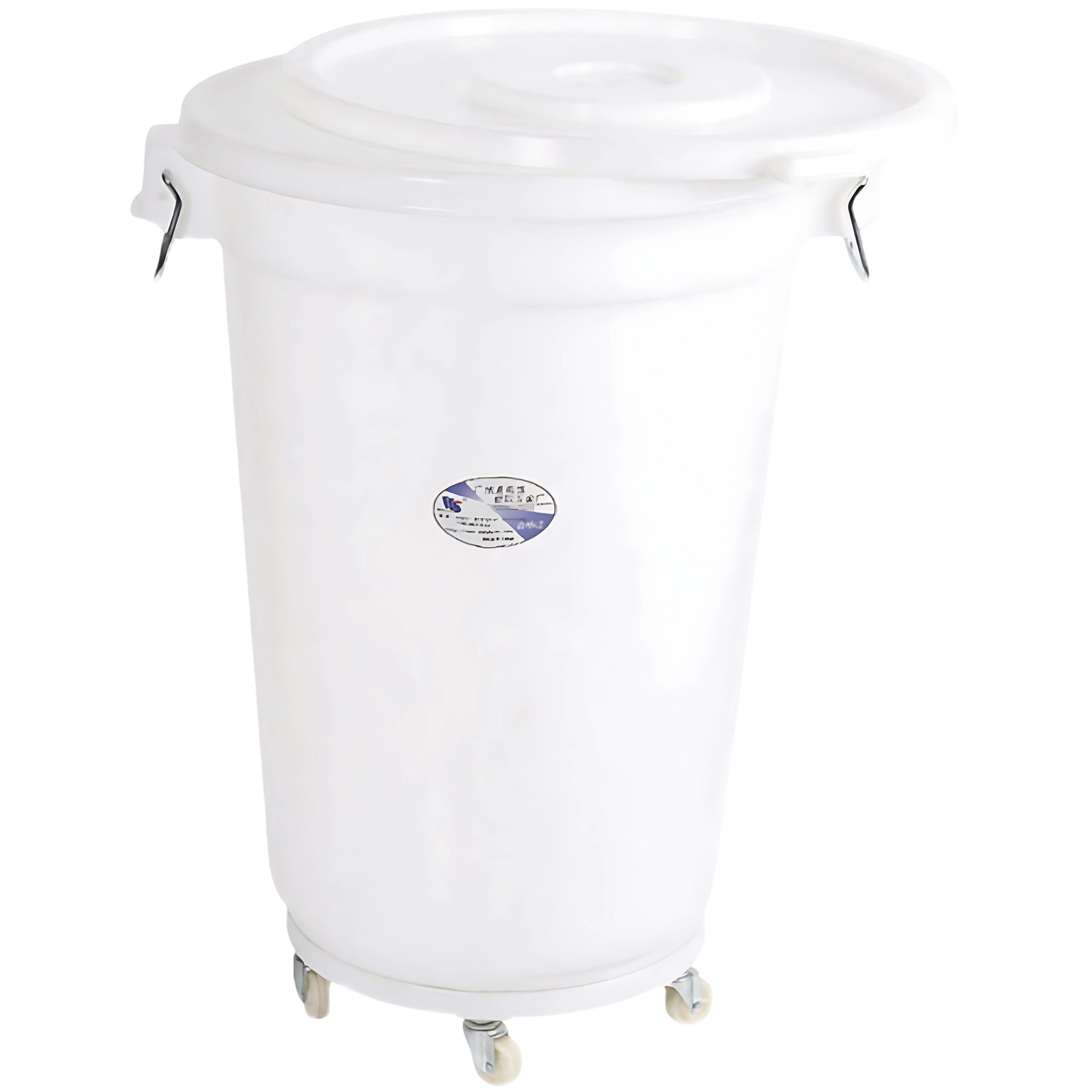
640 × 640 × 40mm