
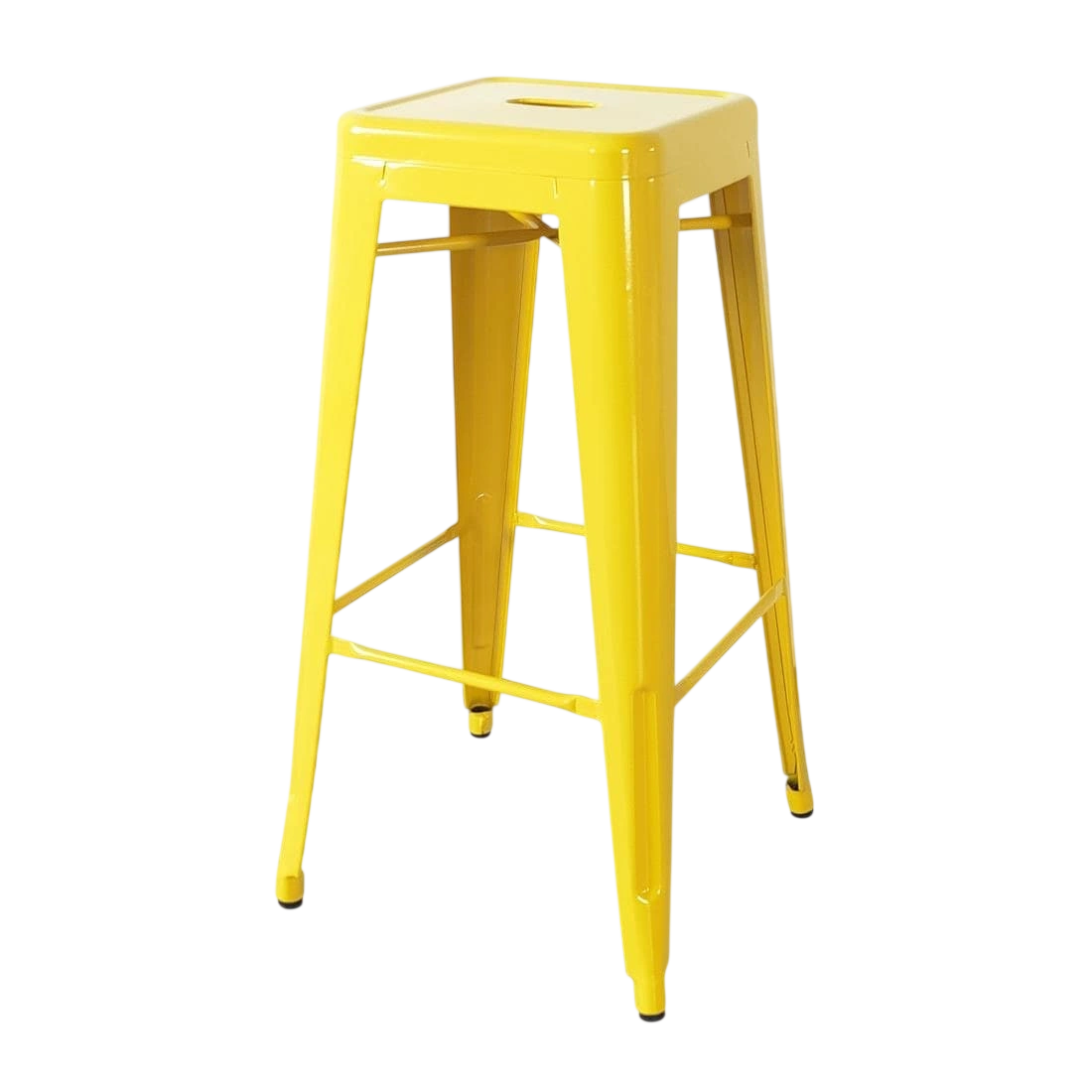
Bolero
Bolero CH999 Yellow Steel High Stools – Pack of 4 | Bistro Indoor/Outdoor Use
435 × 425 × 770mm
$252.91$274.90
In Stock
Hospitality Furniture
1,122 results
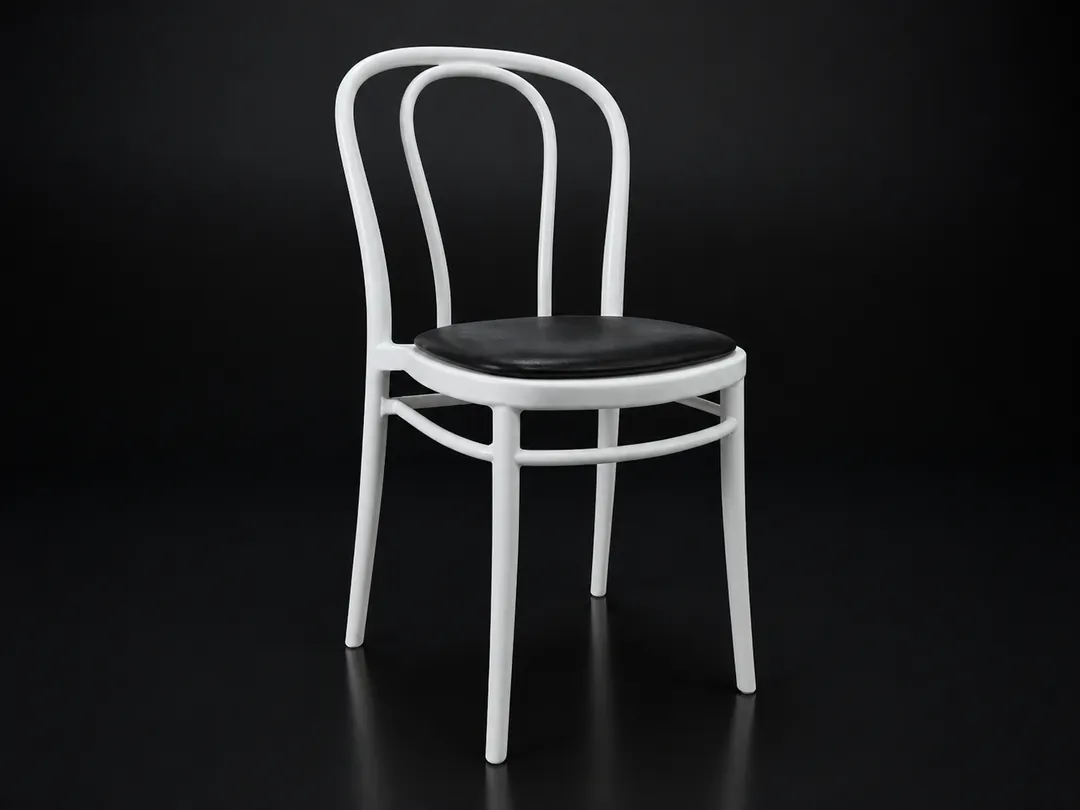
435 × 425 × 770mm
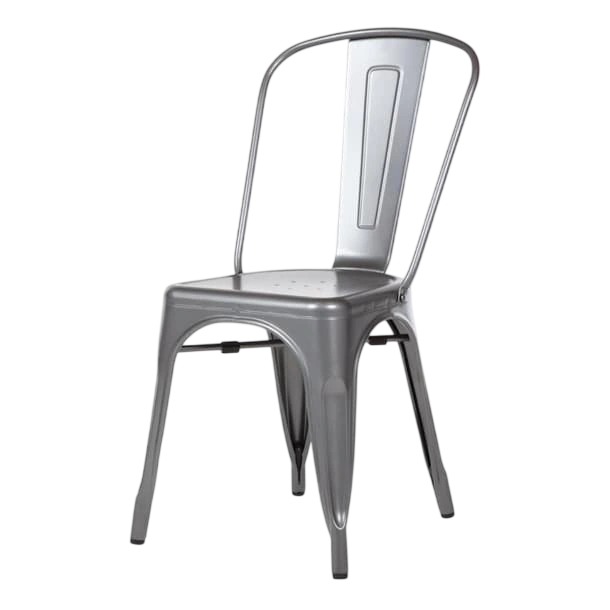
445 × 520 × 855mm
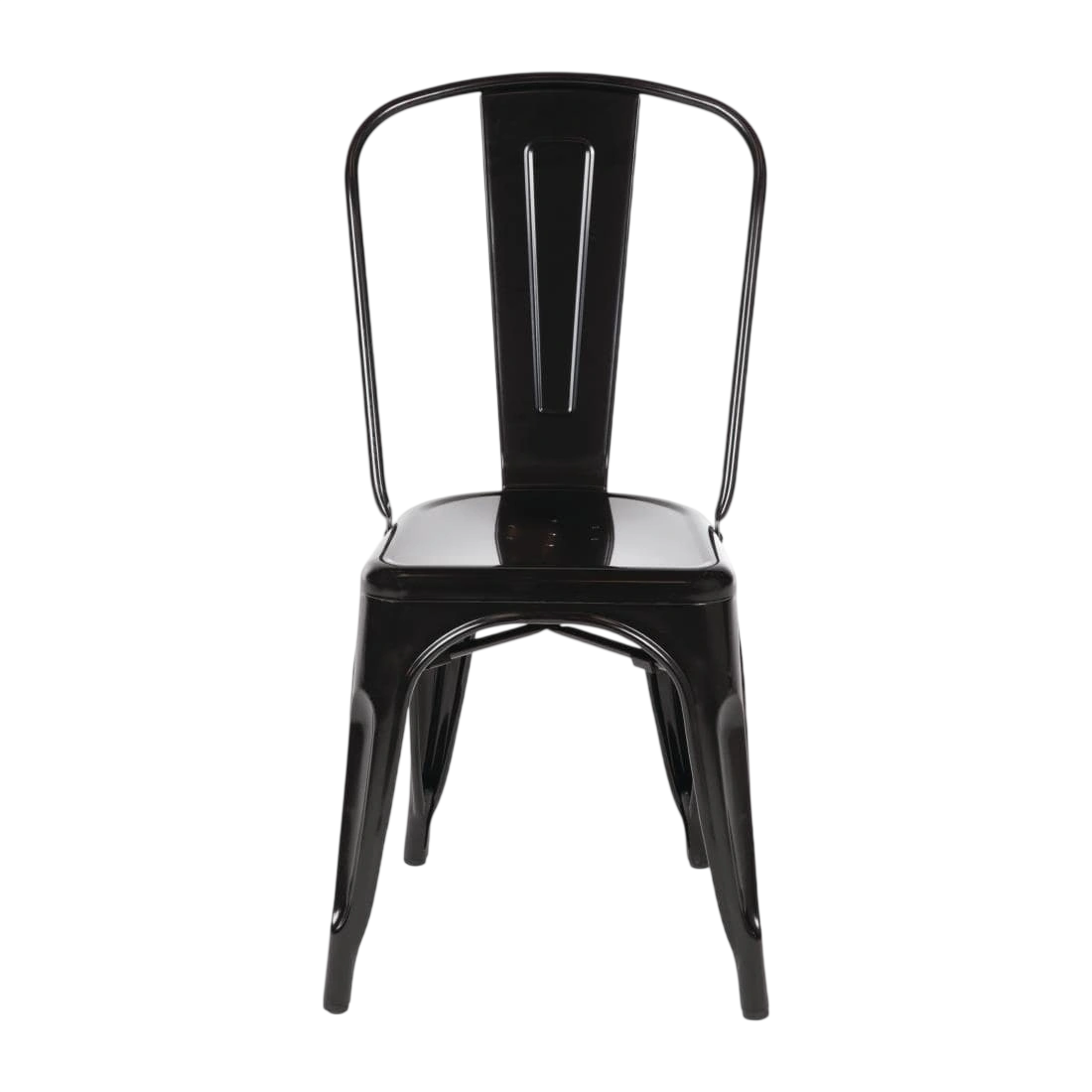
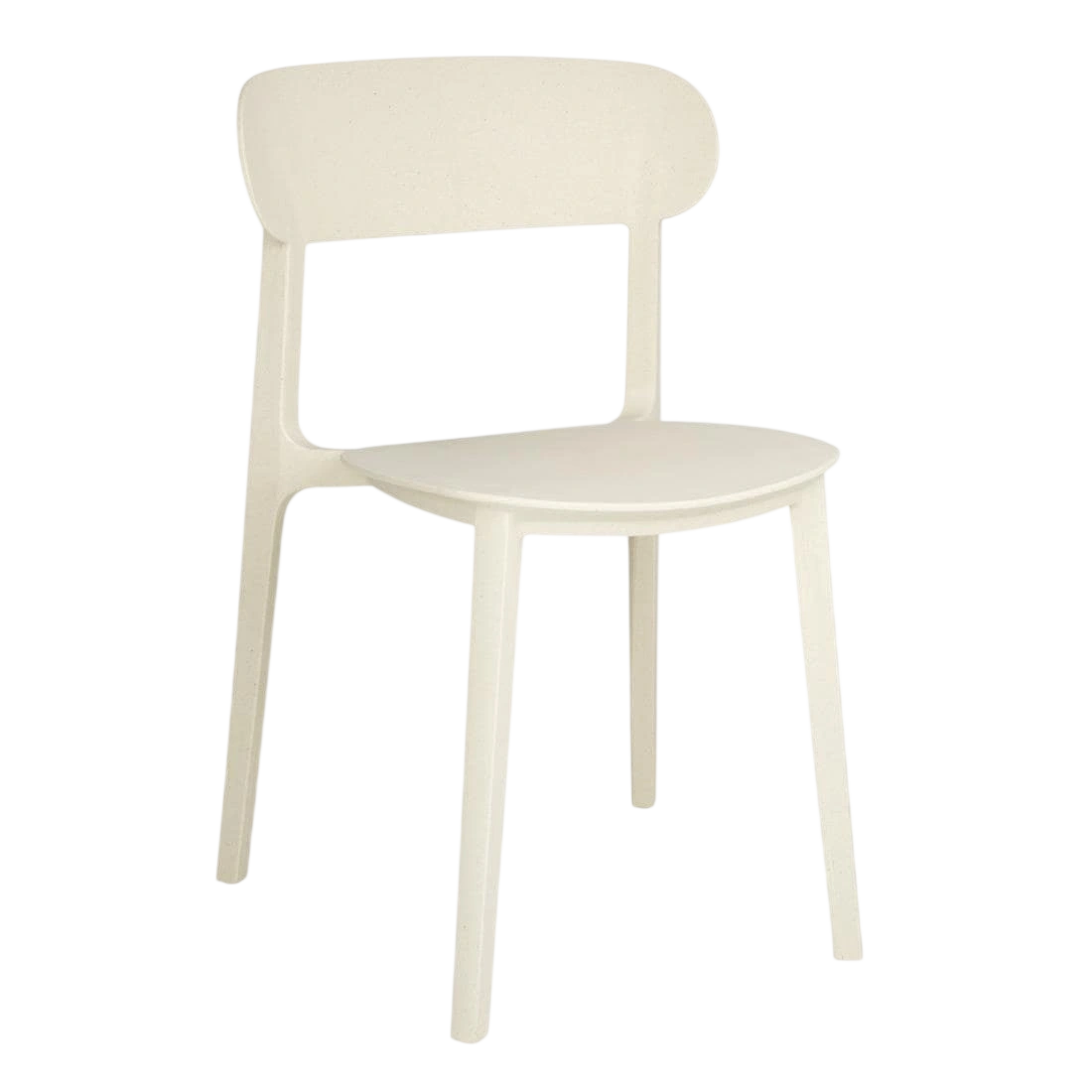
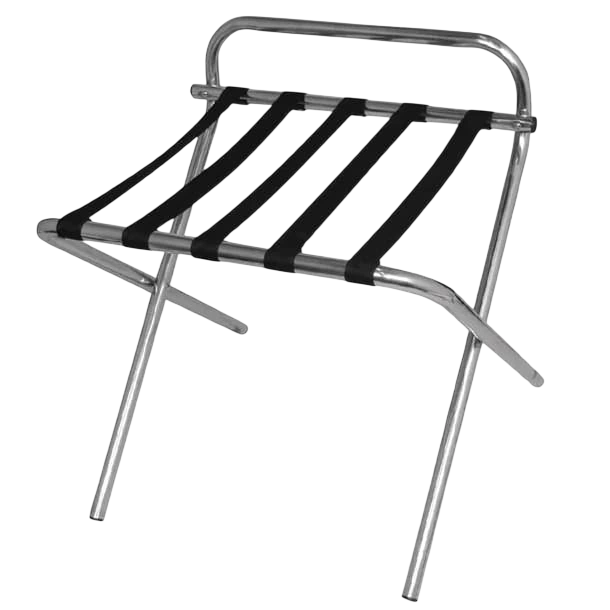
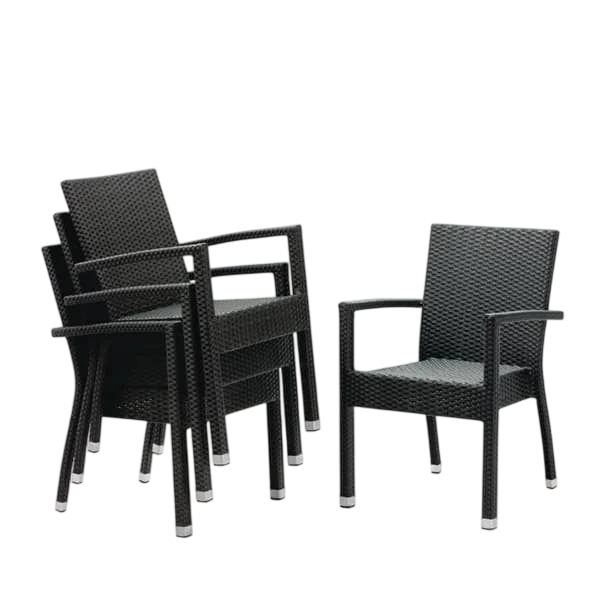
560 × 602 × 853mm
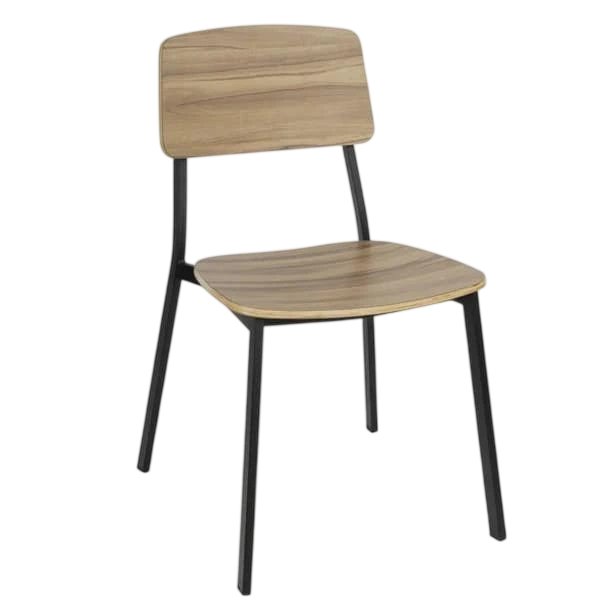
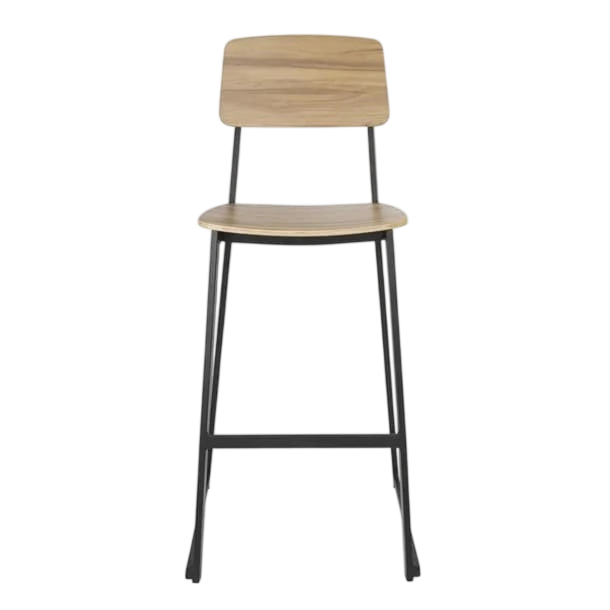
610 × 510 × 1145mm
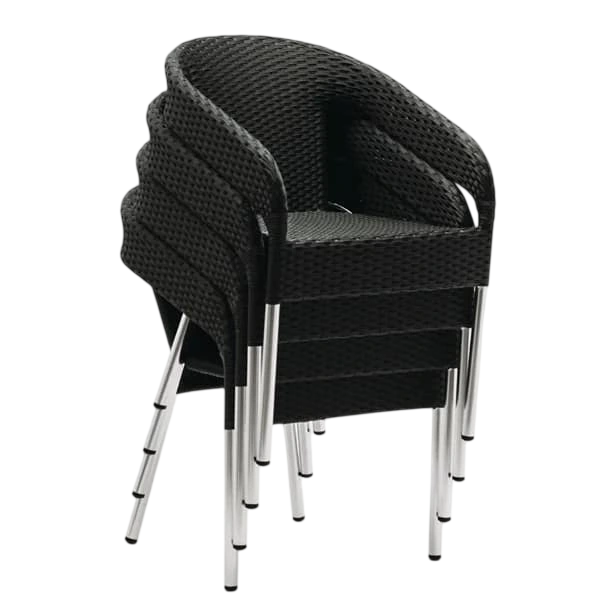
550 × 600 × 780mm
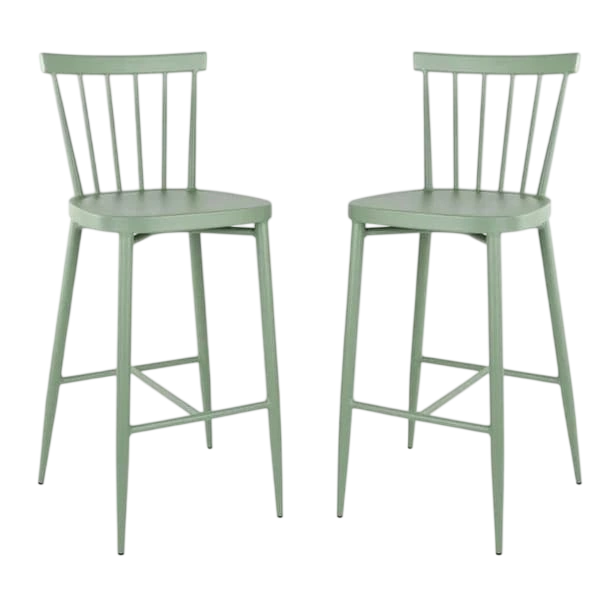
530 × 465 × 880mm
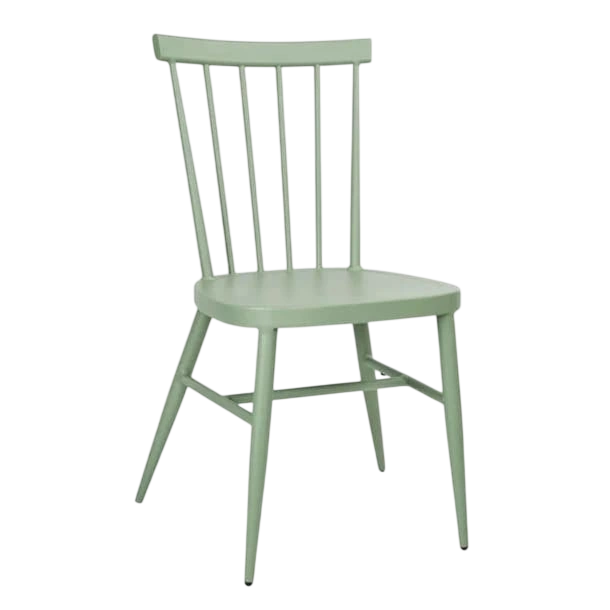
530 × 465 × 880mm
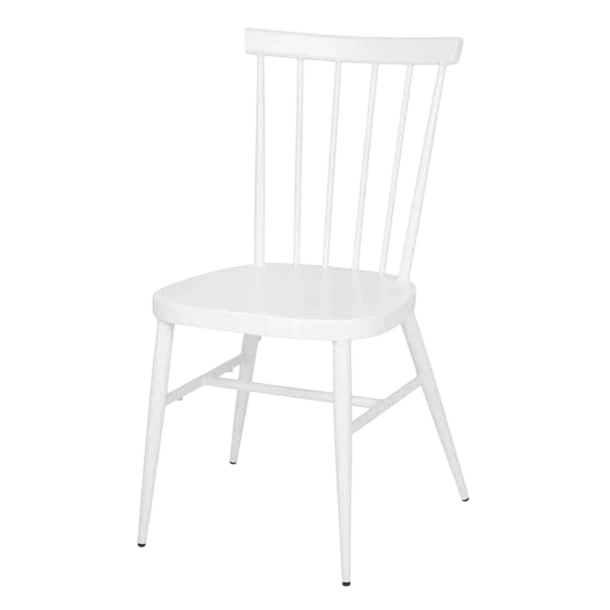
510 × 510 × 880mm
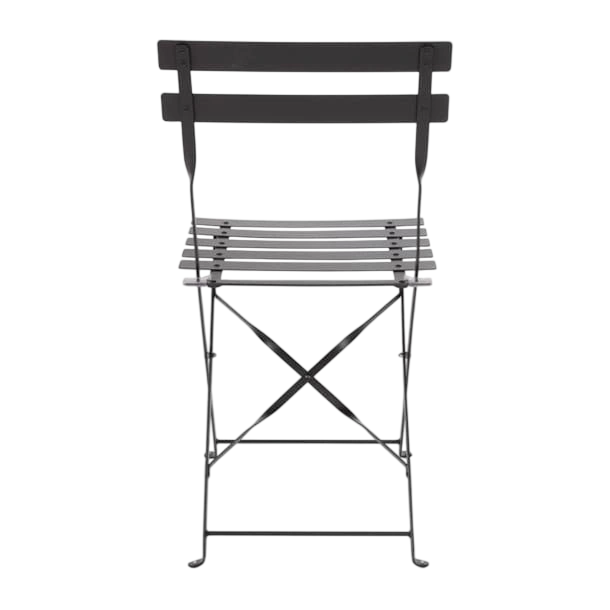
387 × 471 × 800mm
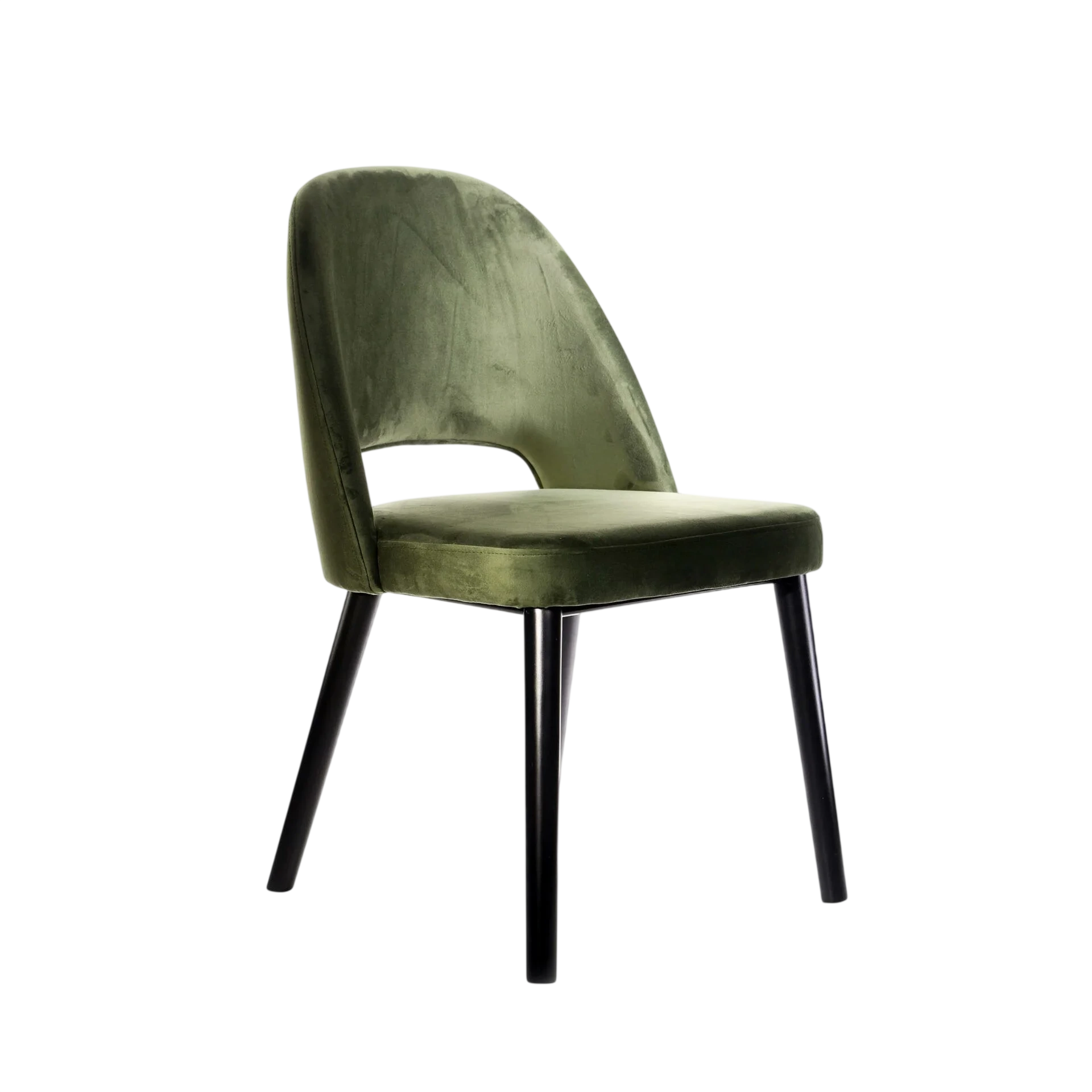
520 × 580 × 840mm
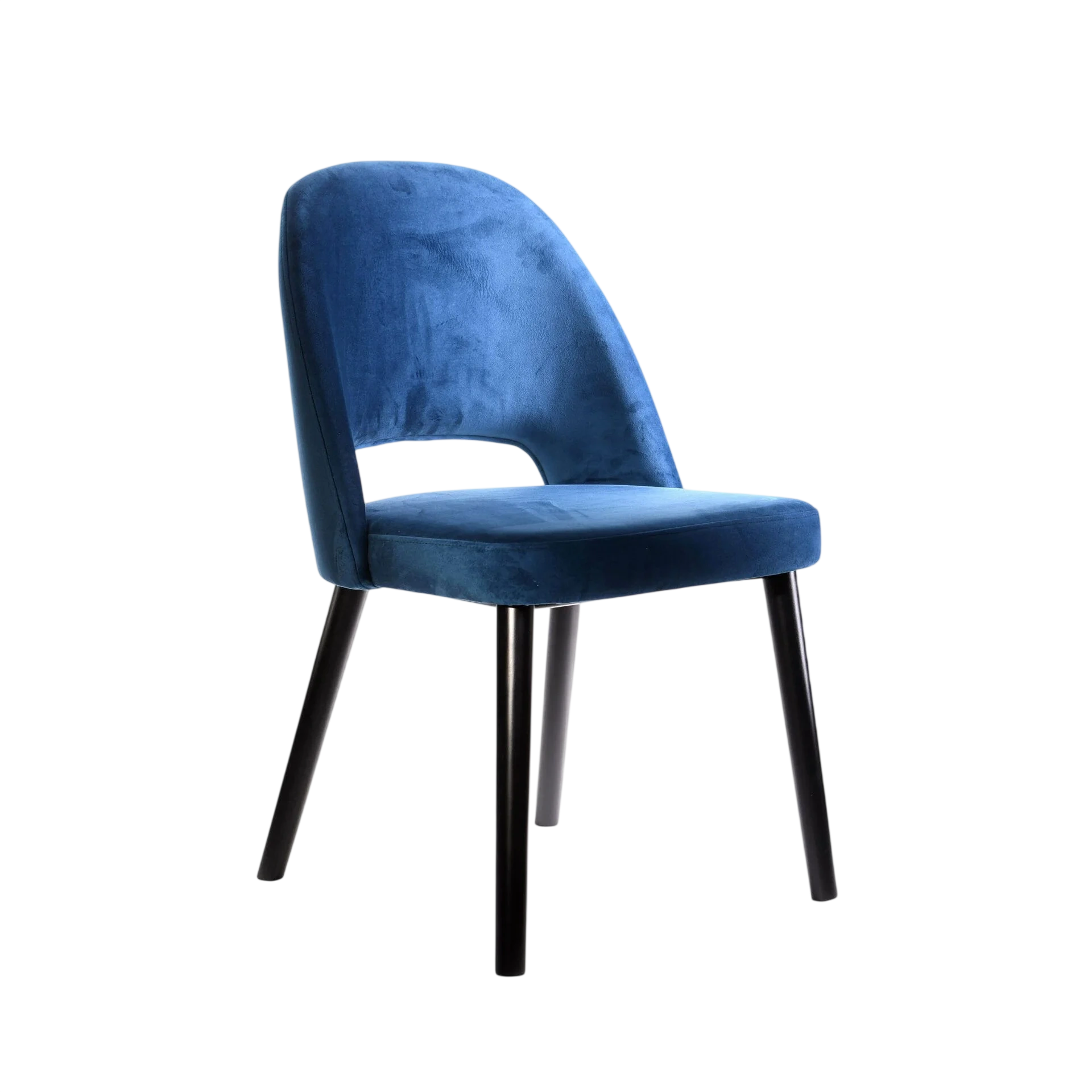
520 × 580 × 840mm
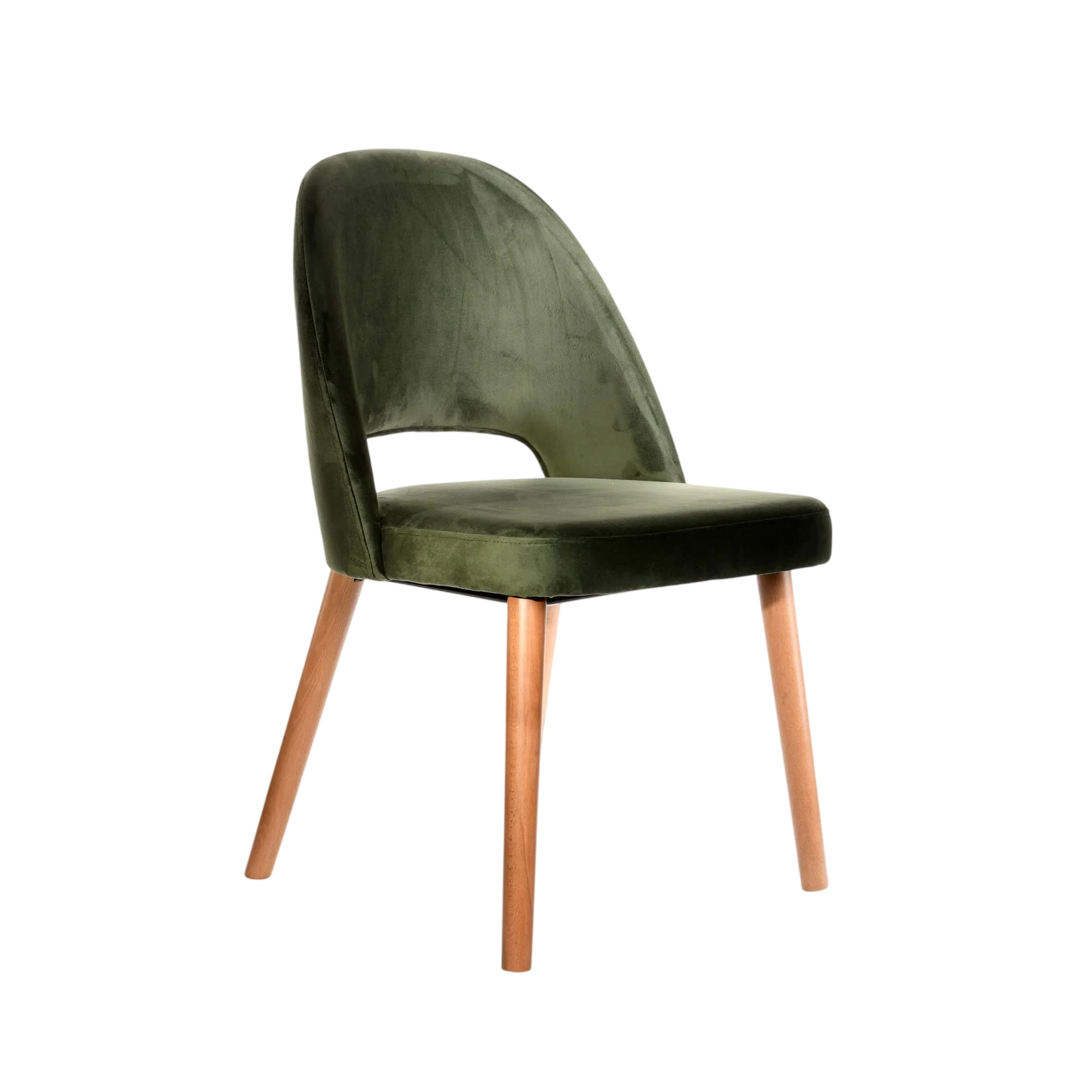
520 × 580 × 840mm
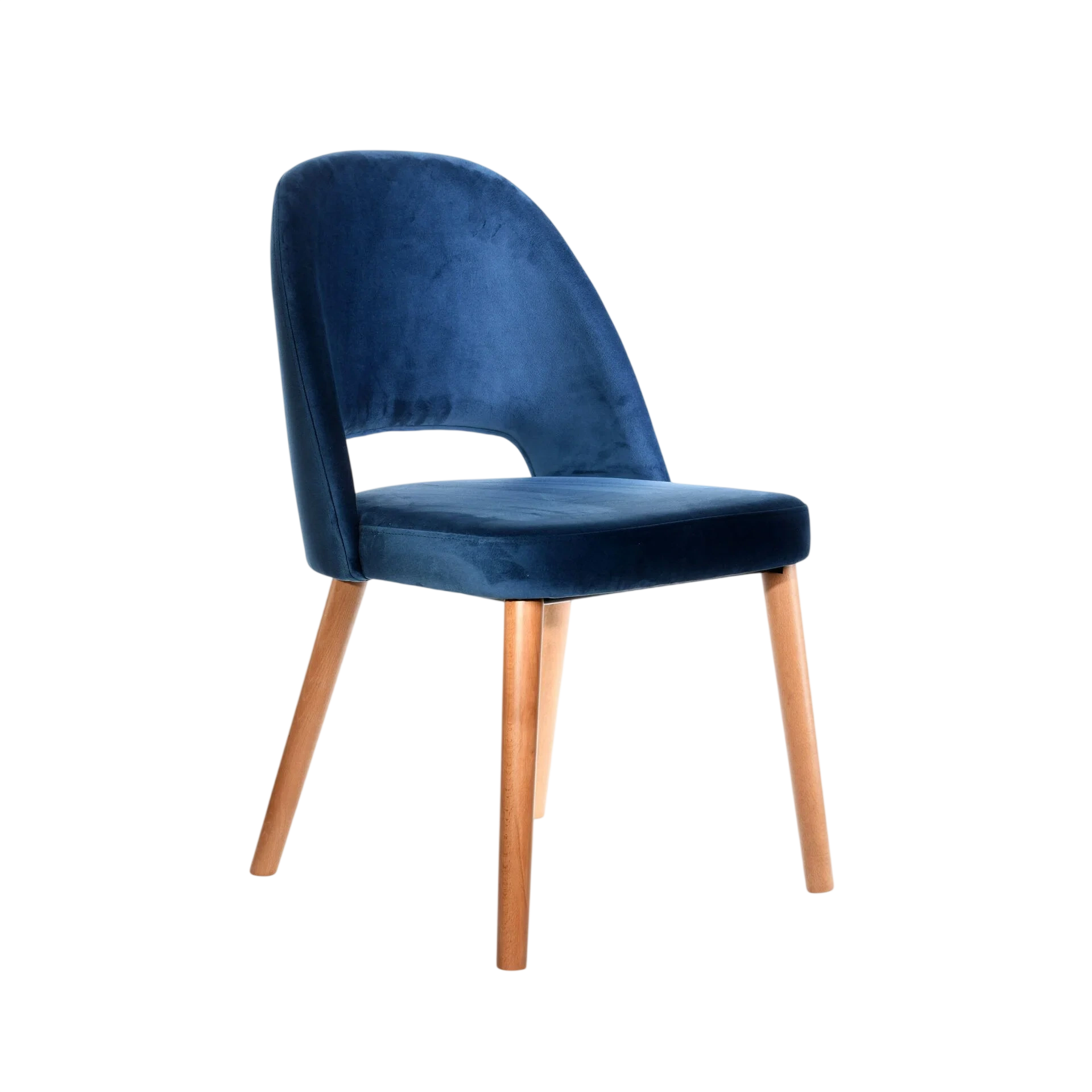
520 × 580 × 840mm
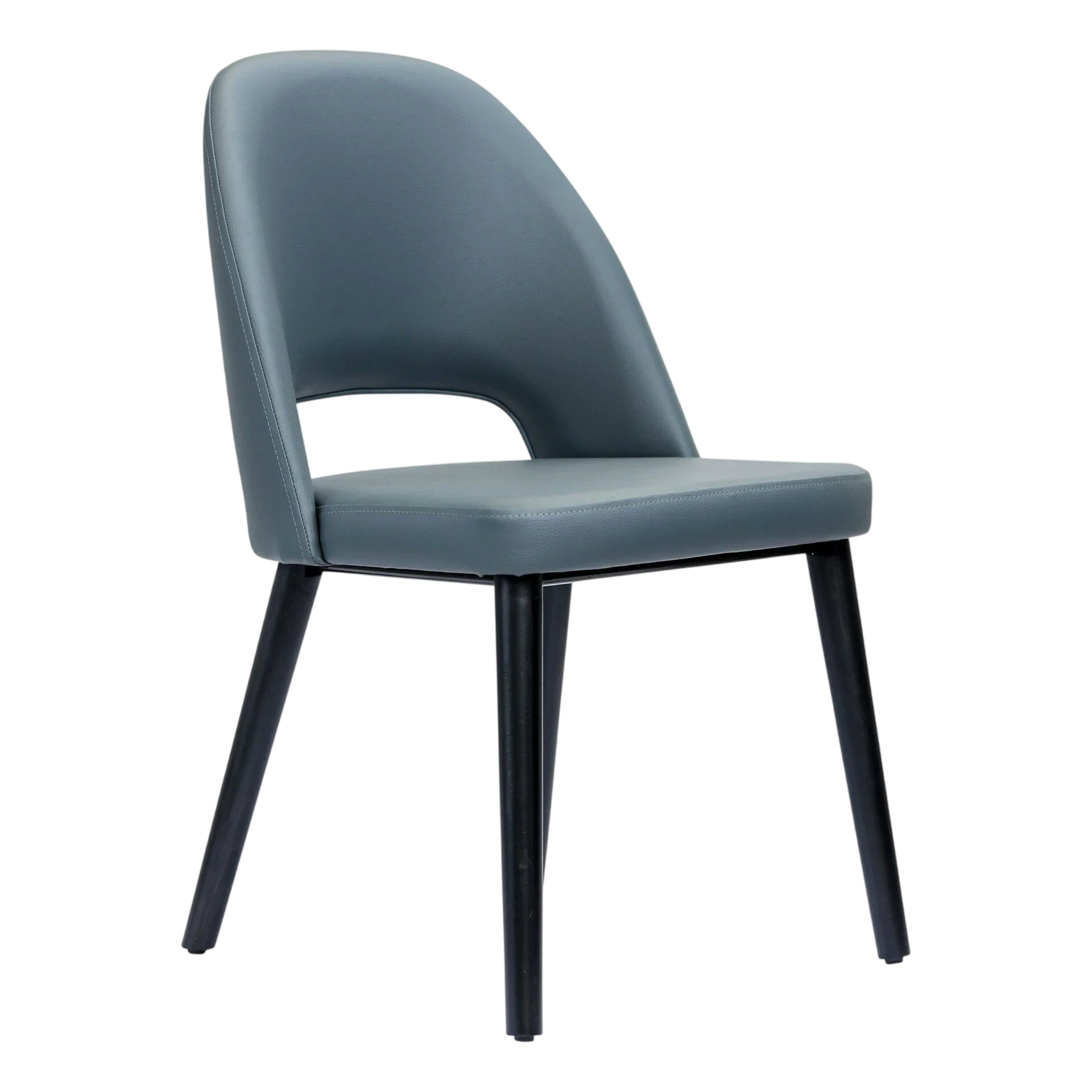
520 × 580 × 840mm
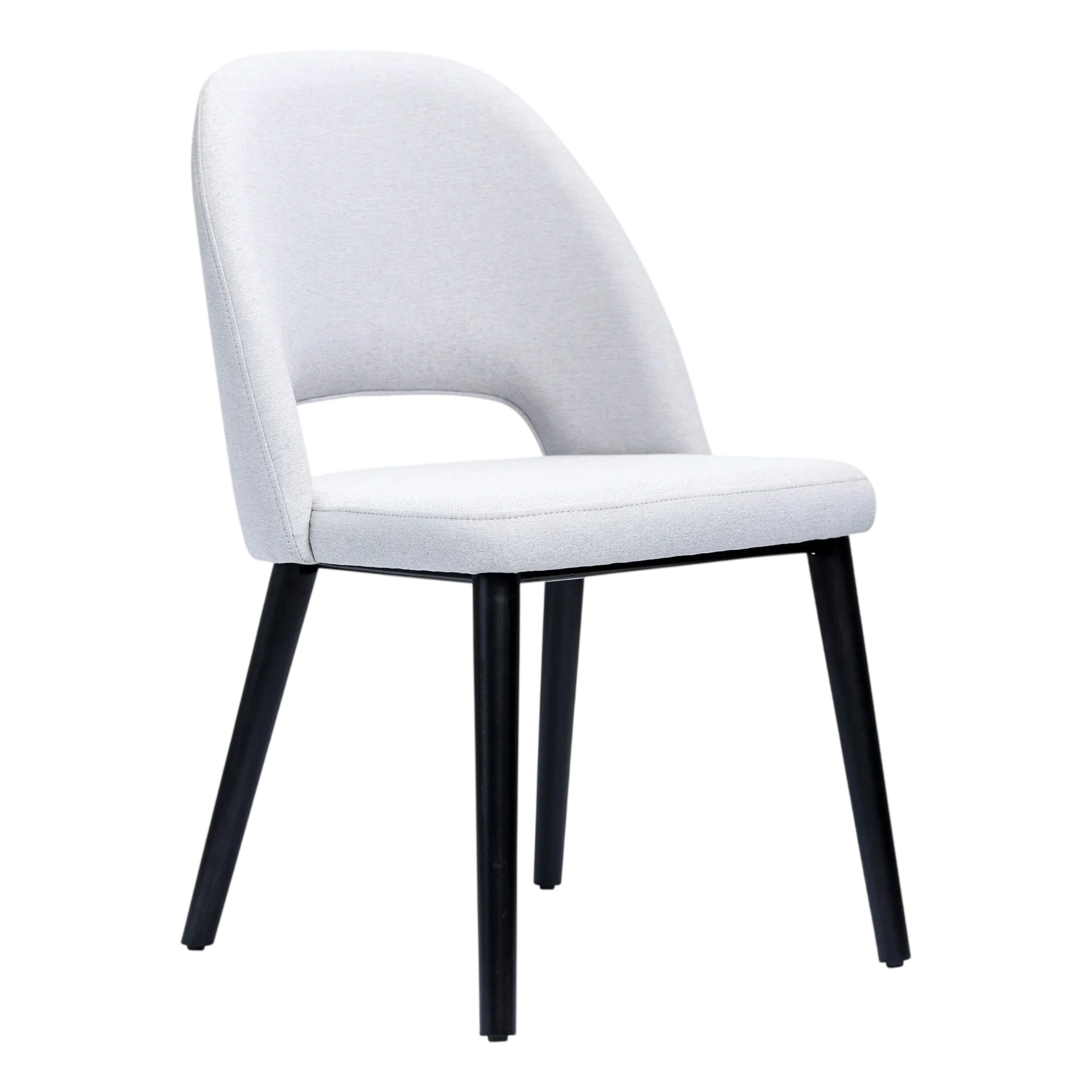
520 × 580 × 840mm
520 × 580 × 840mm
520 × 580 × 840mm
520 × 580 × 840mm
520 × 580 × 840mm
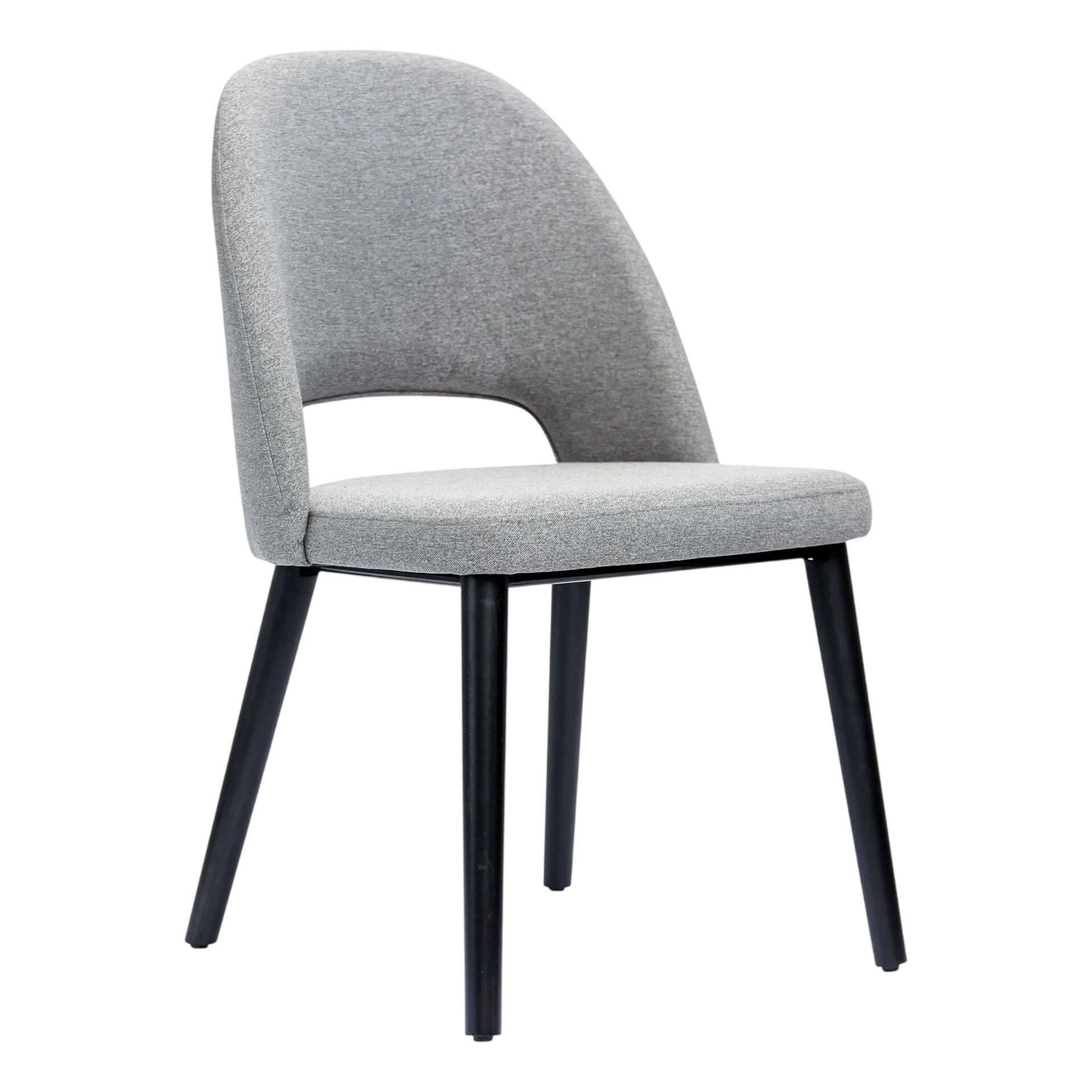
520 × 580 × 840mm
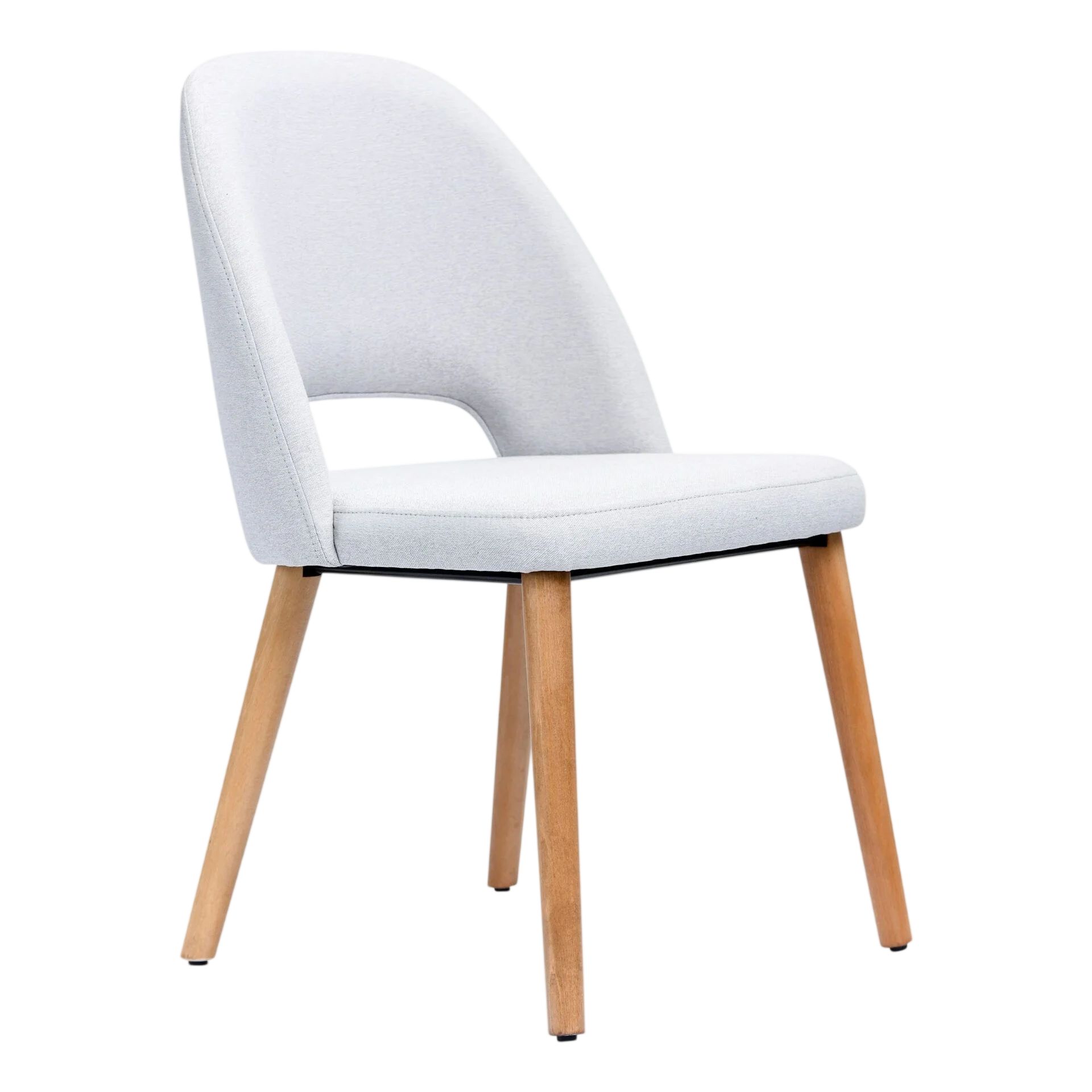
520 × 580 × 840mm
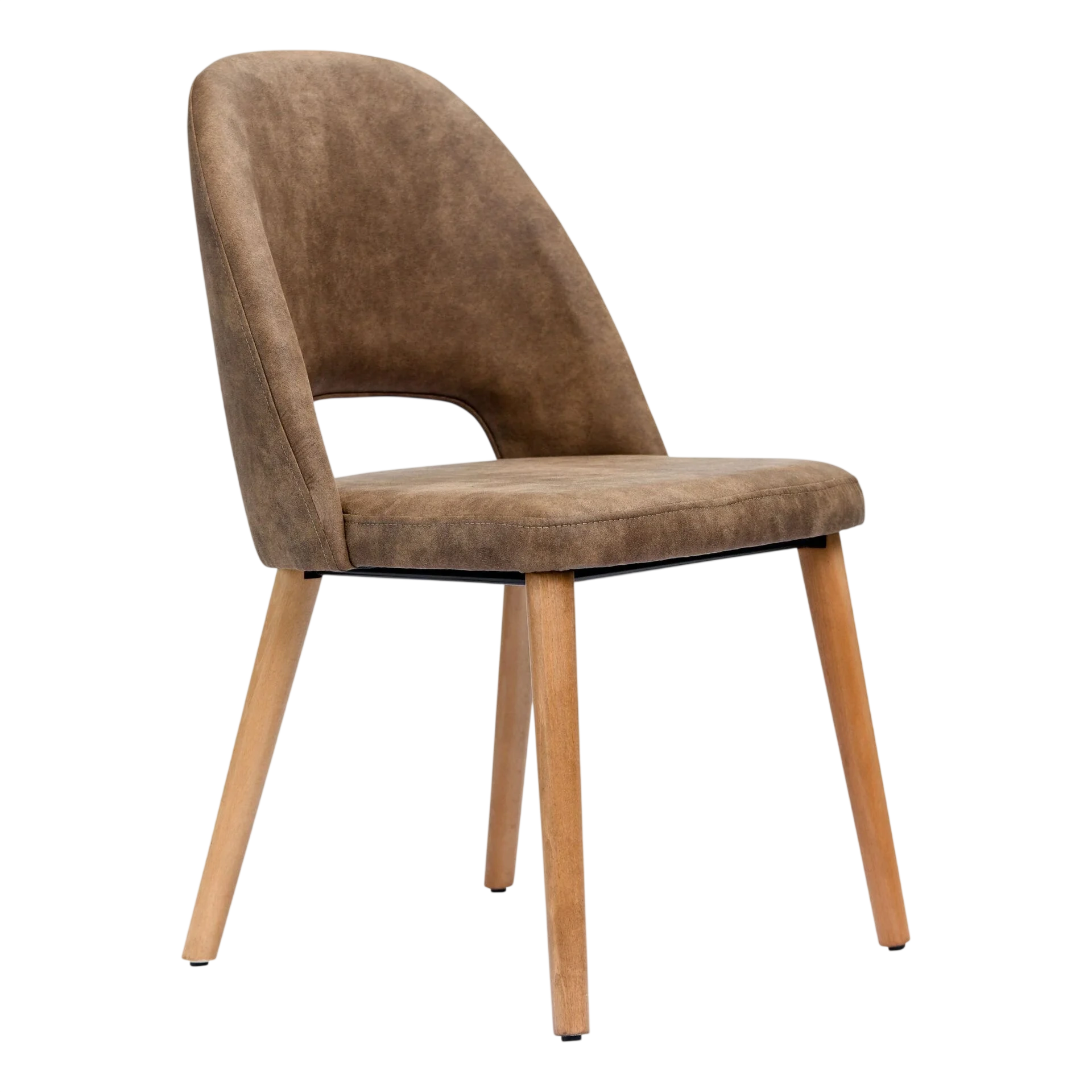
520 × 580 × 840mm
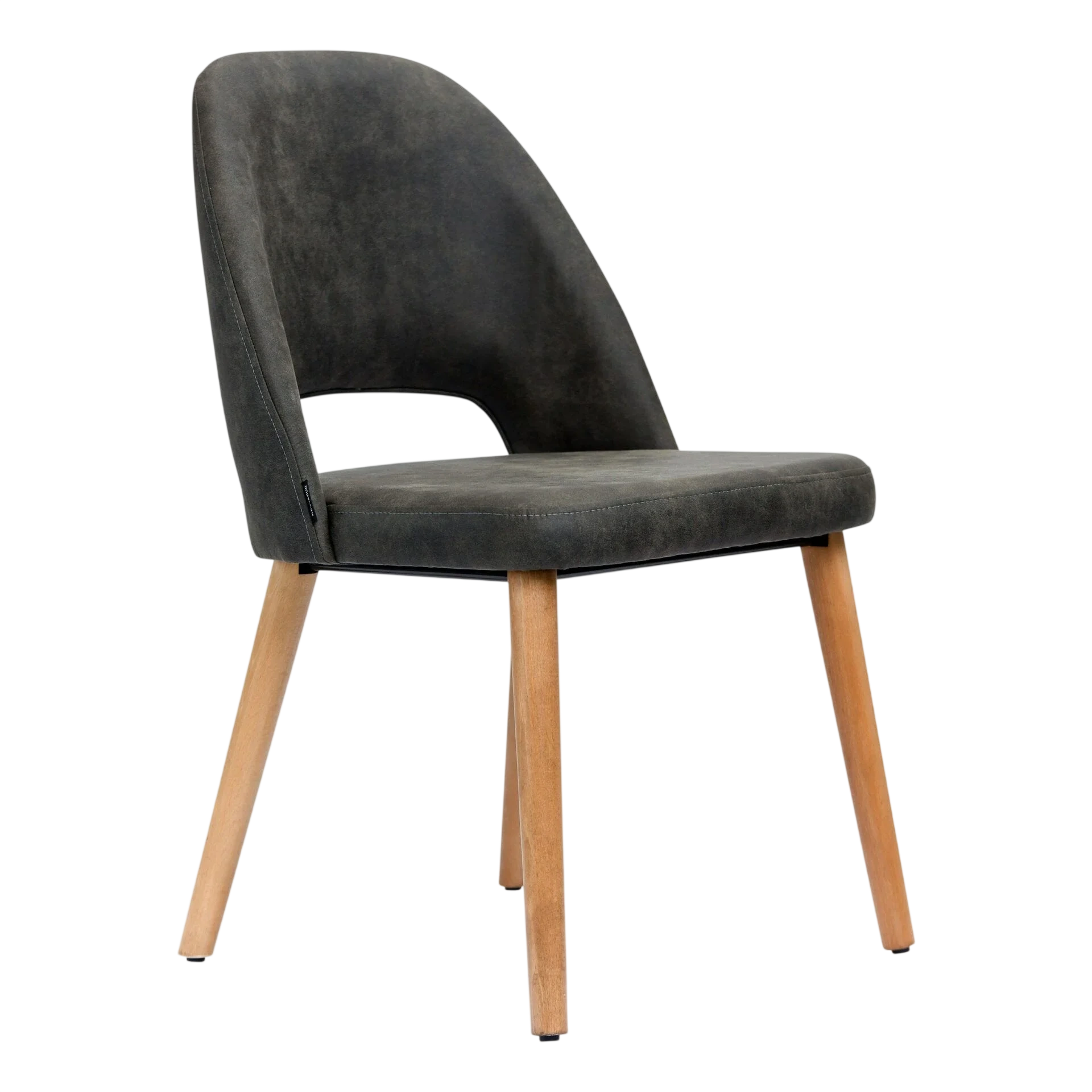
520 × 580 × 840mm
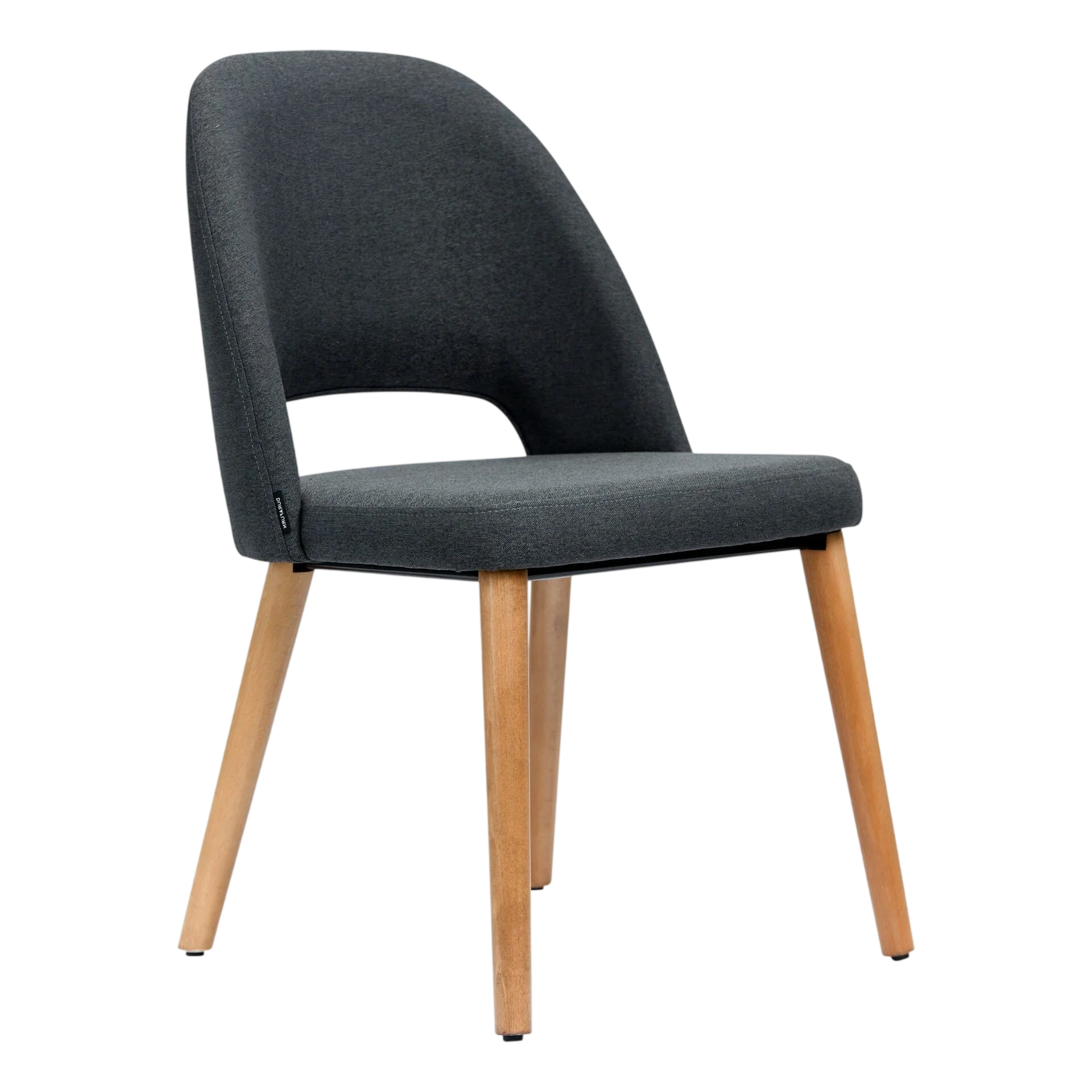
520 × 580 × 840mm
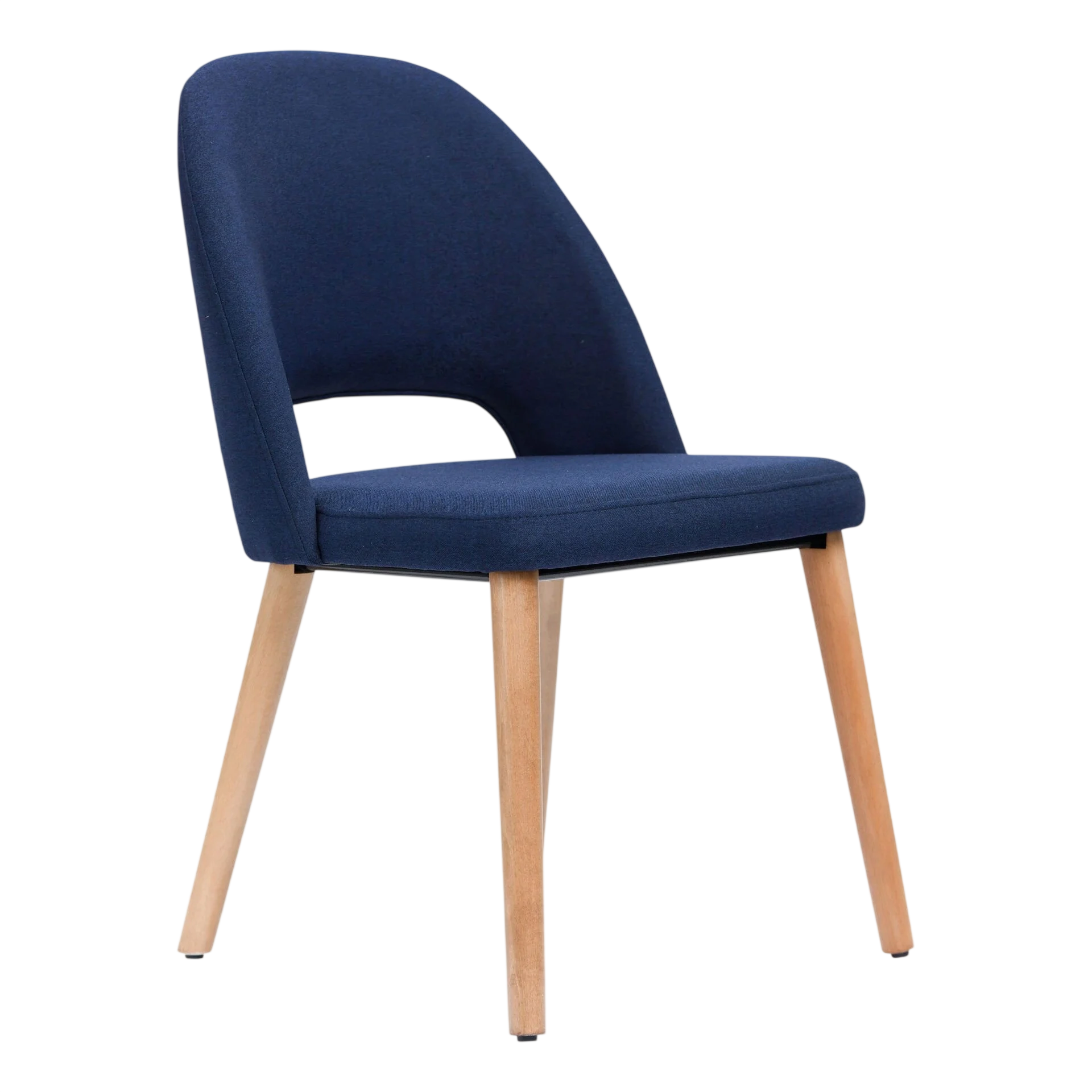
520 × 580 × 840mm
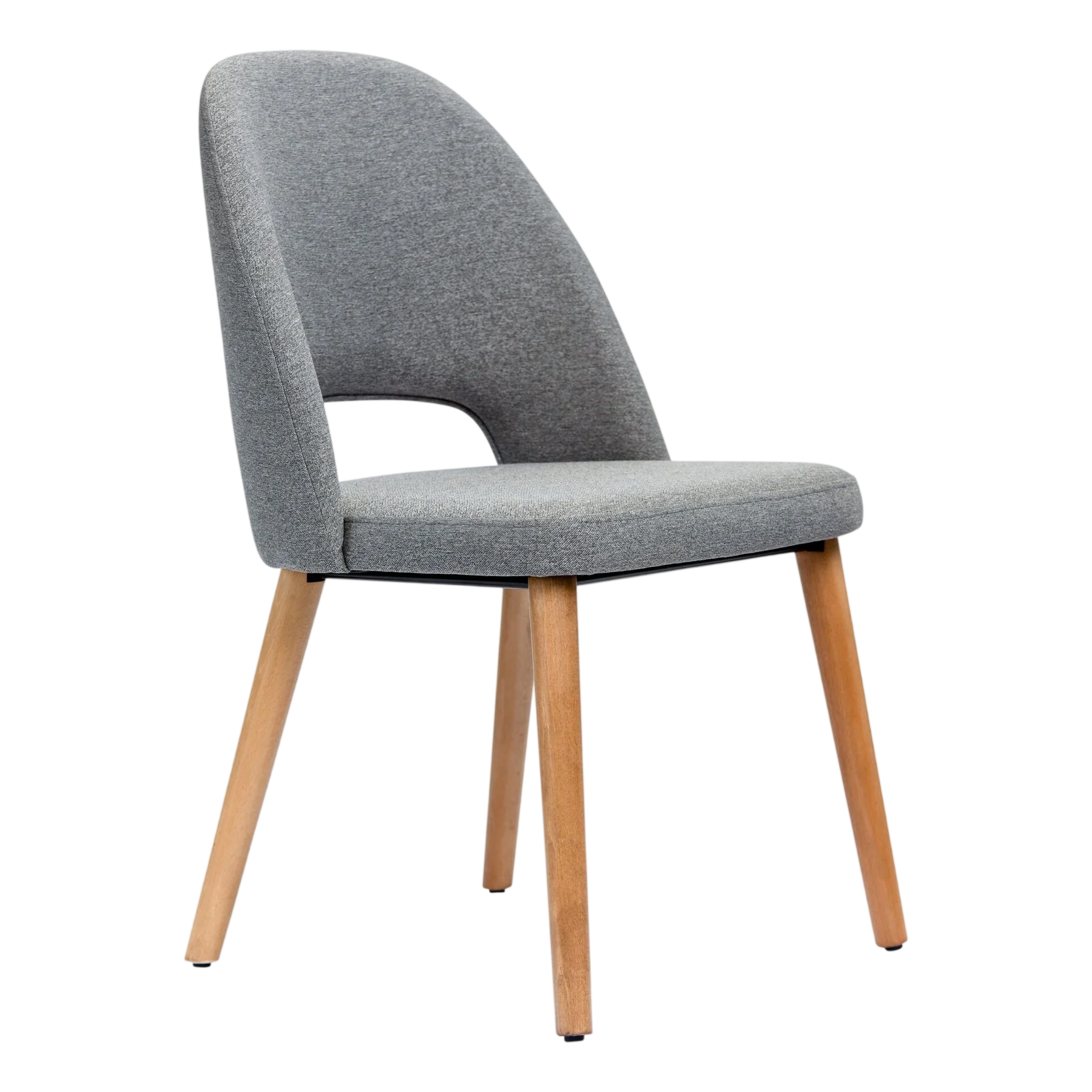
520 × 580 × 840mm
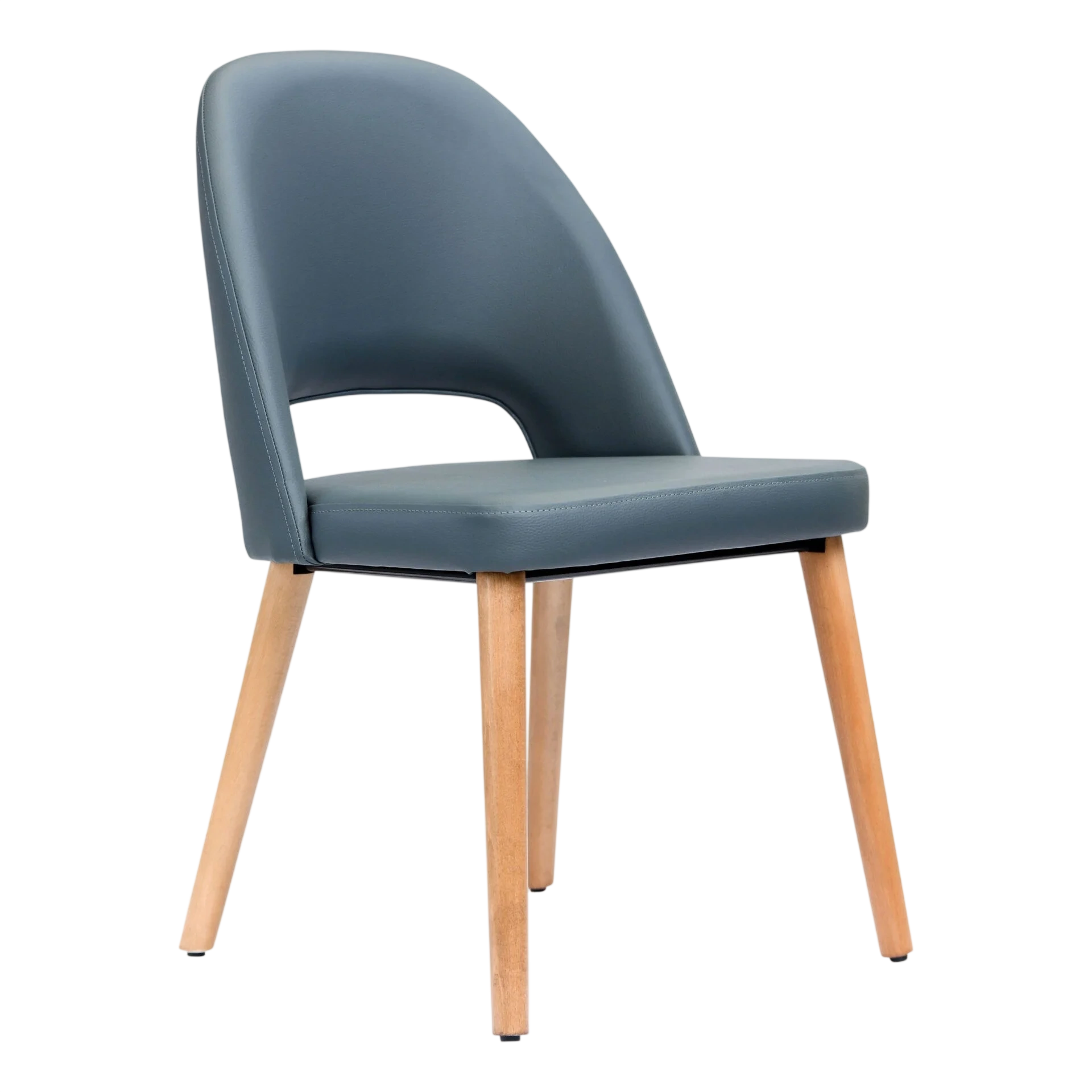
520 × 580 × 840mm
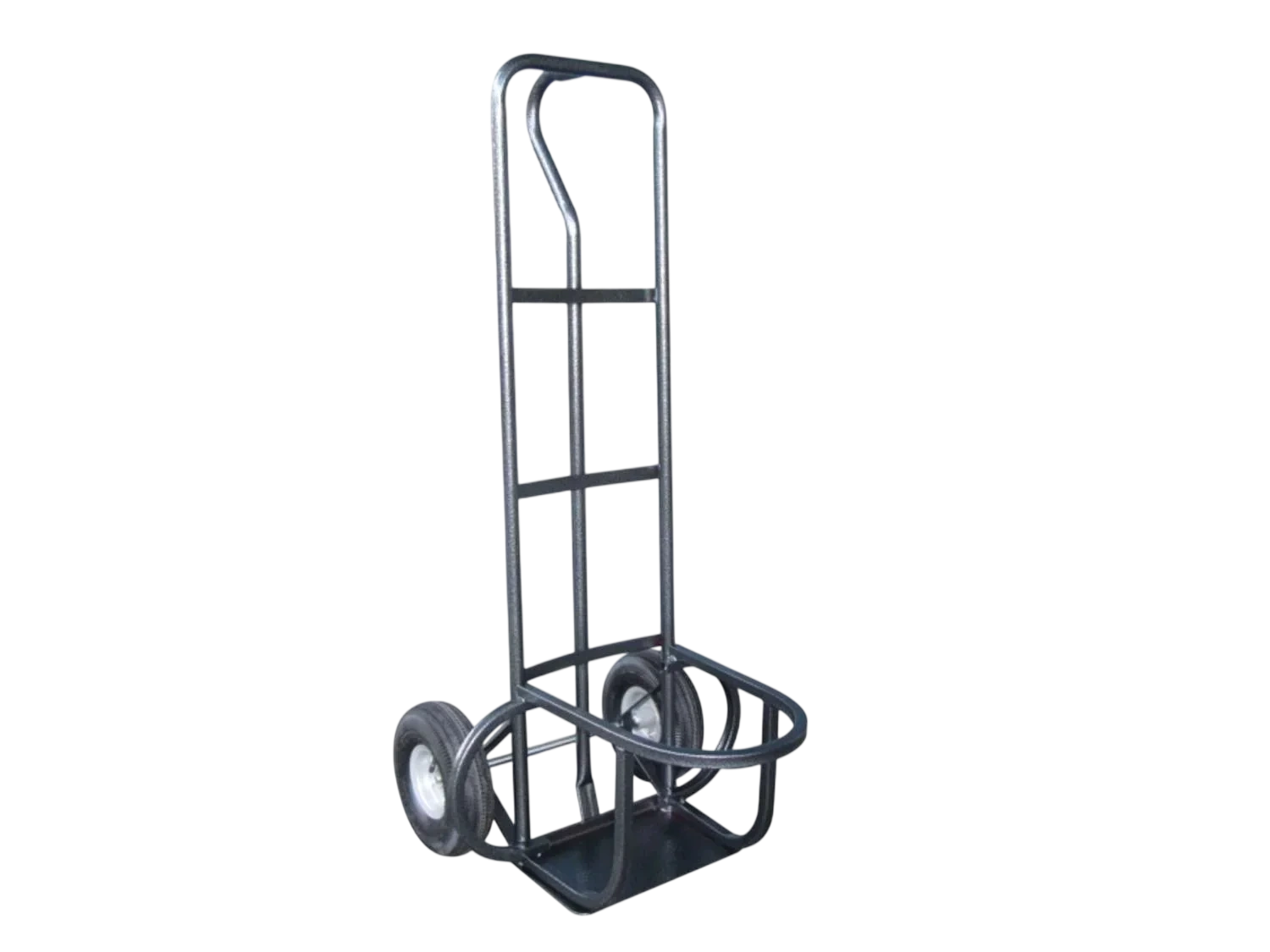
1200 × 630 × 700mm
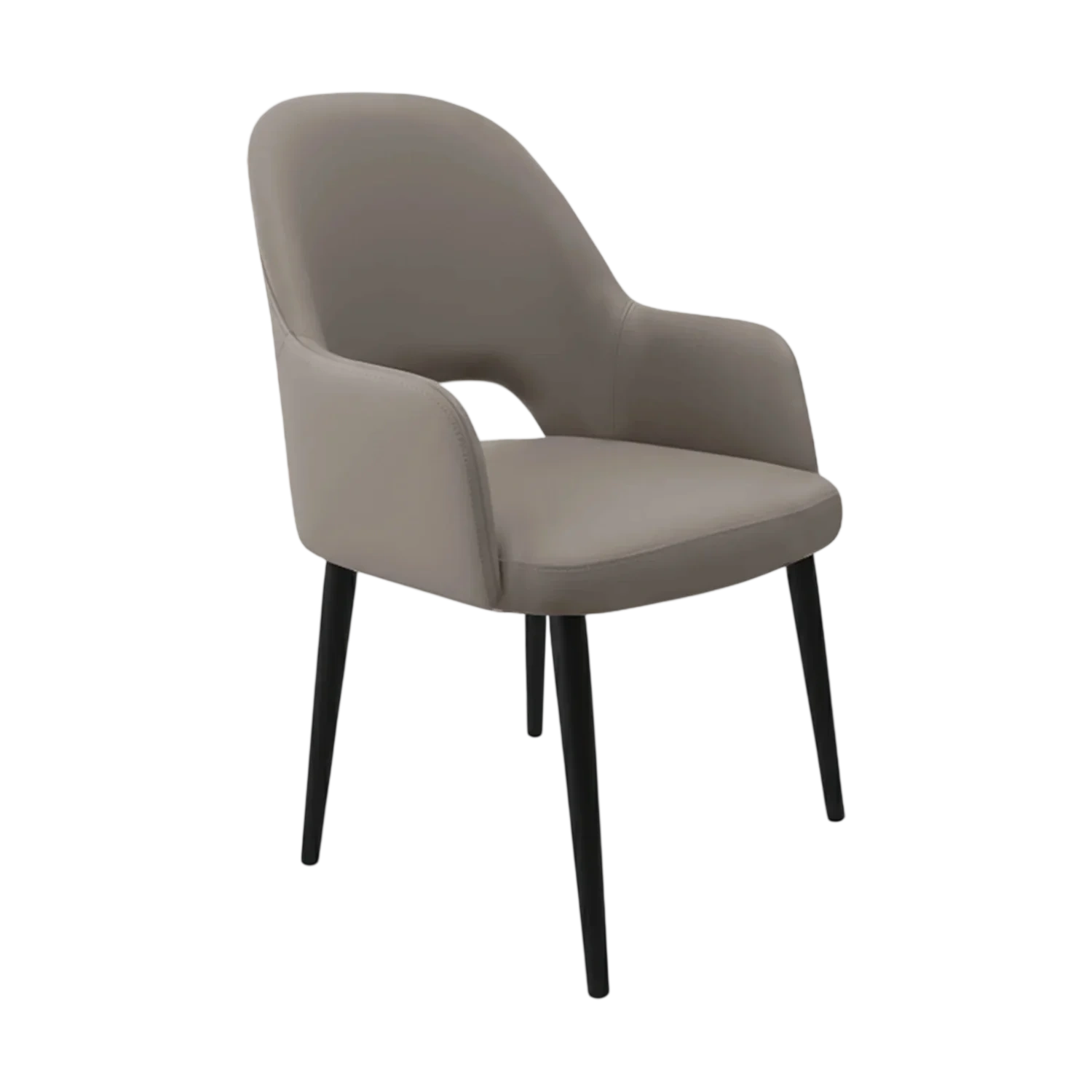
580 × 625 × 910mm
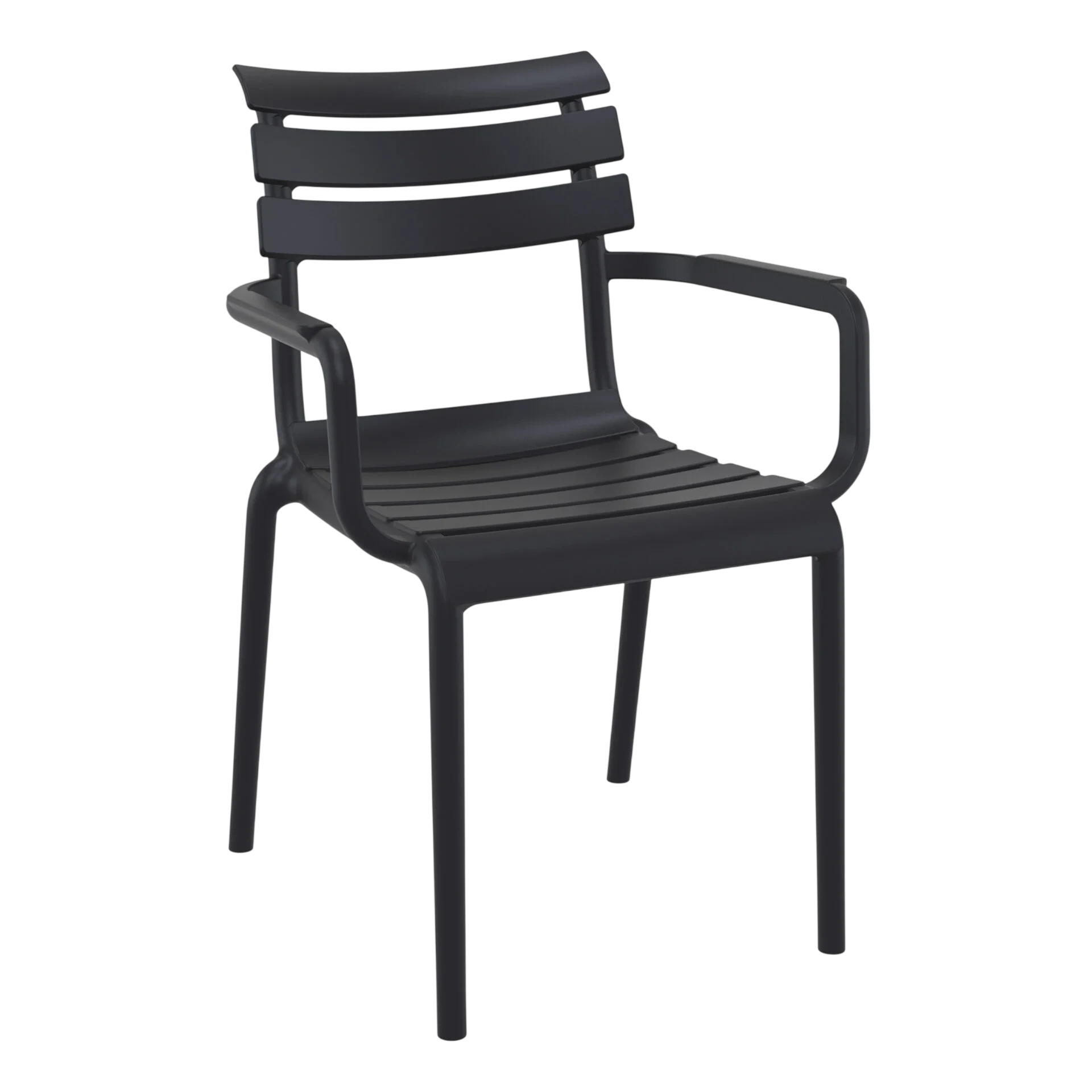
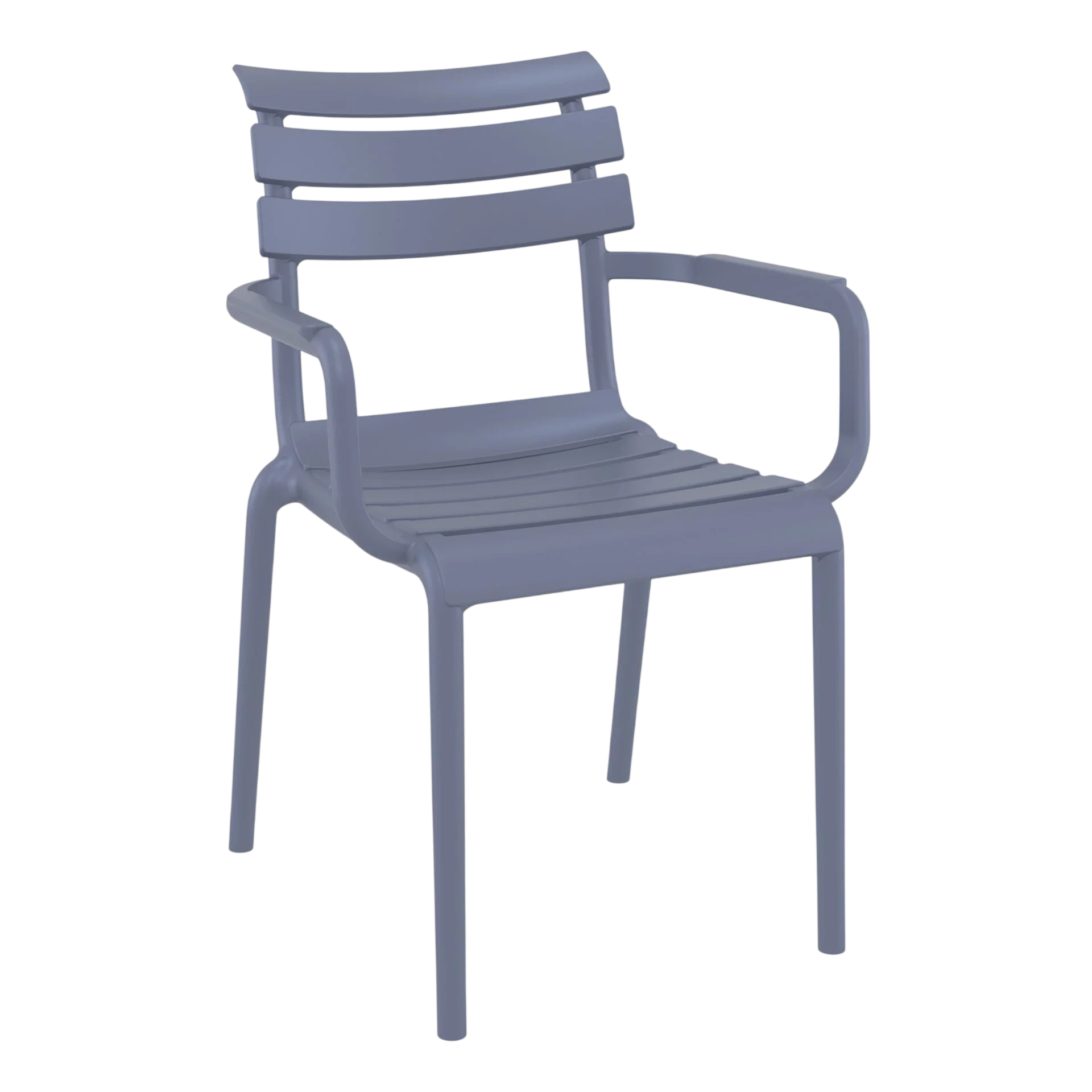
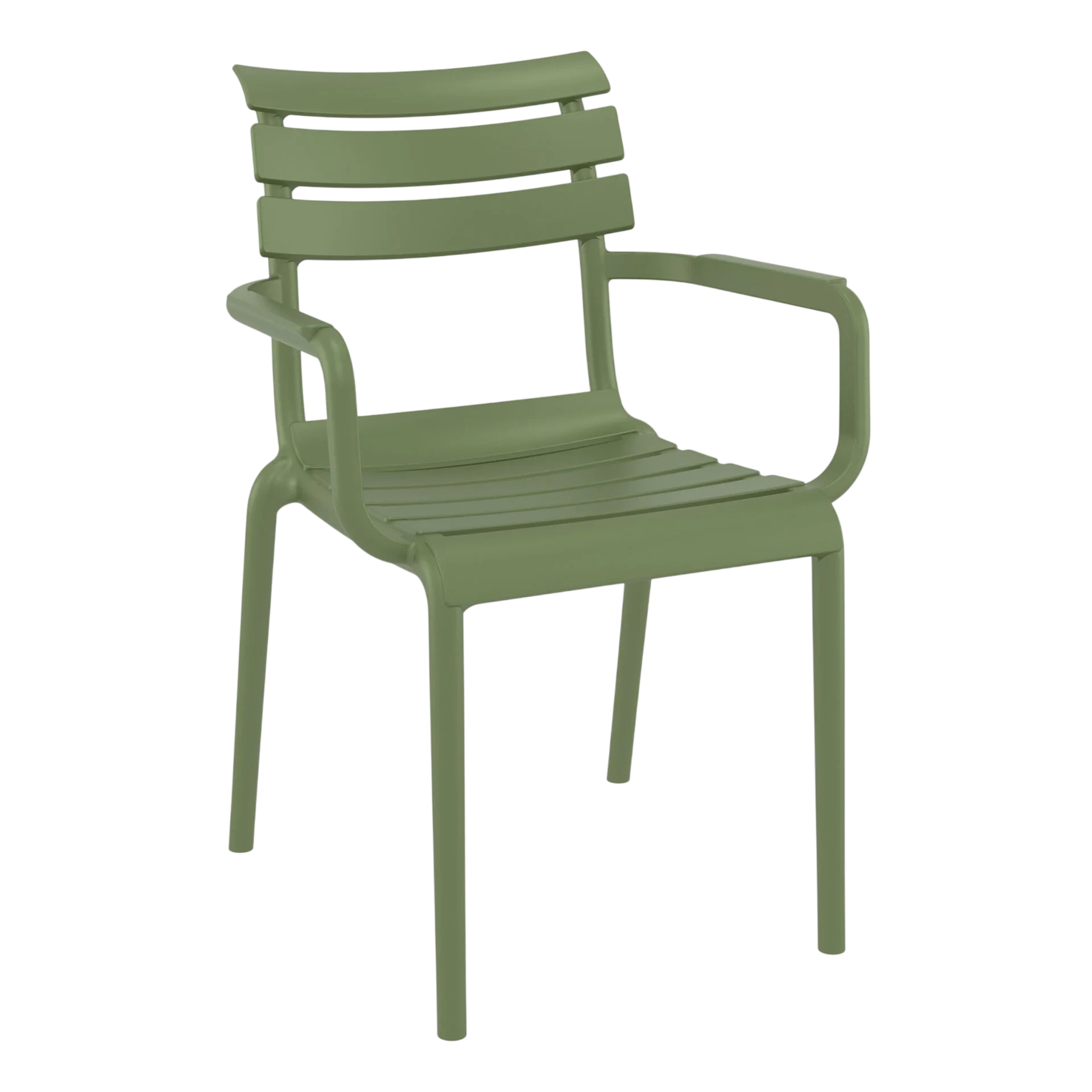
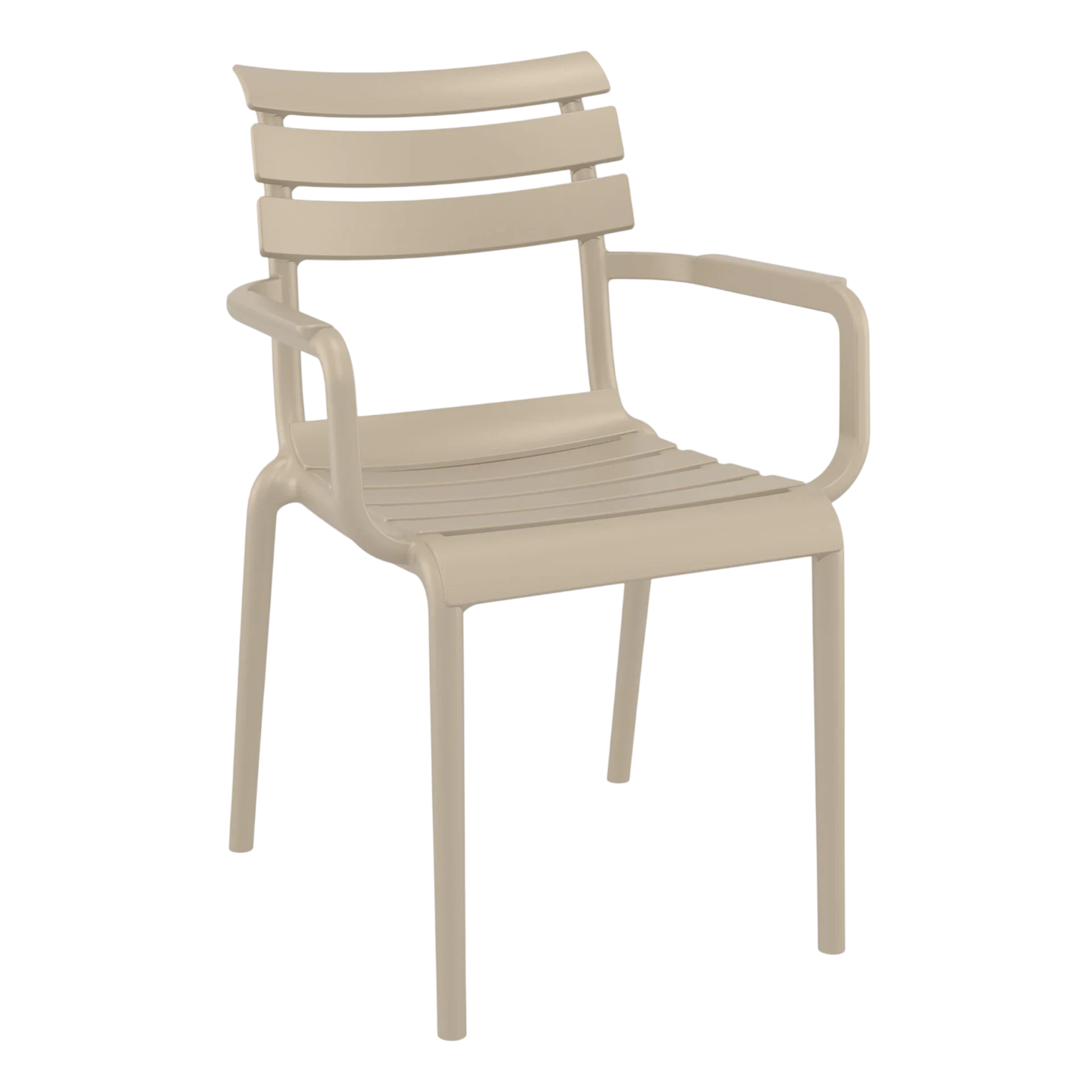
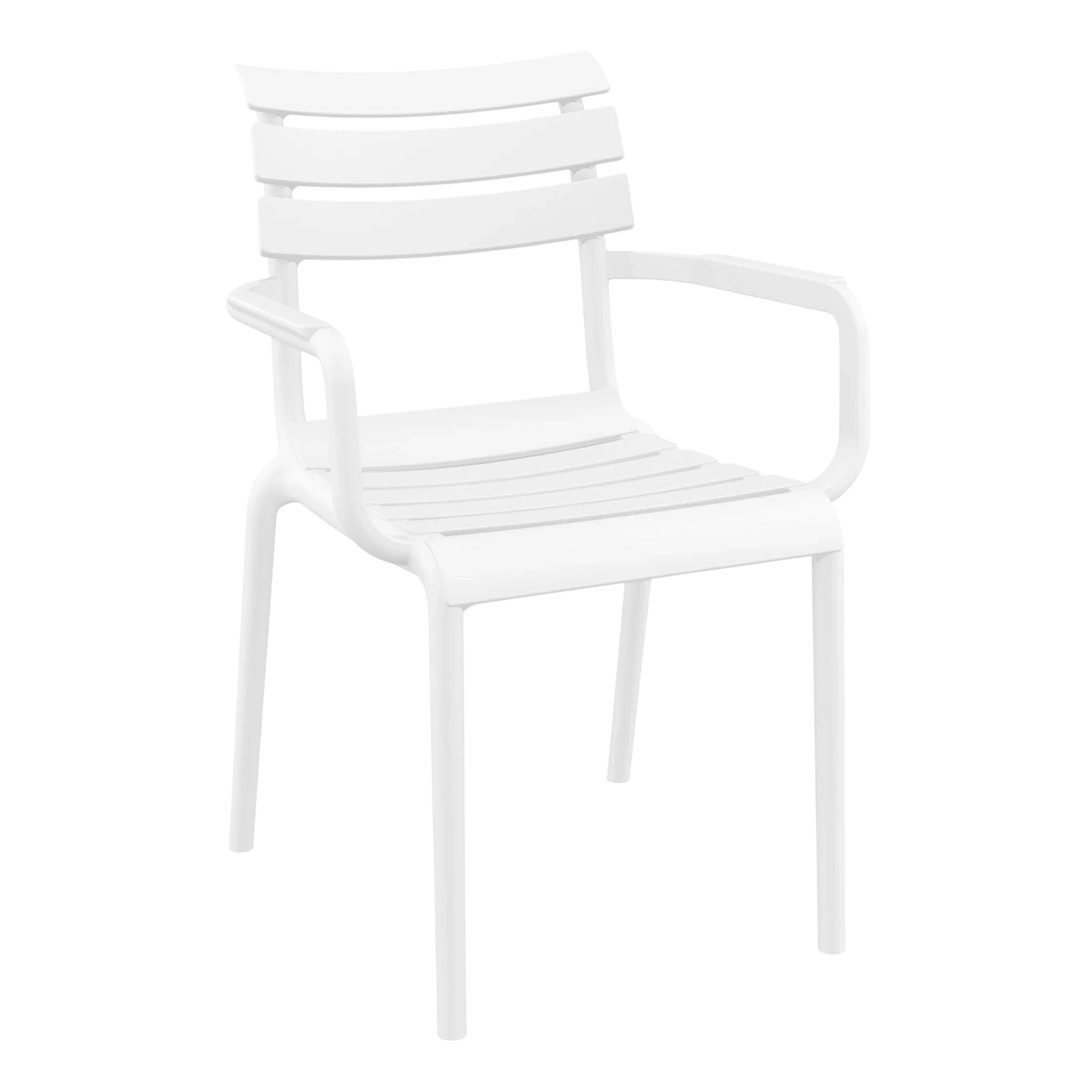
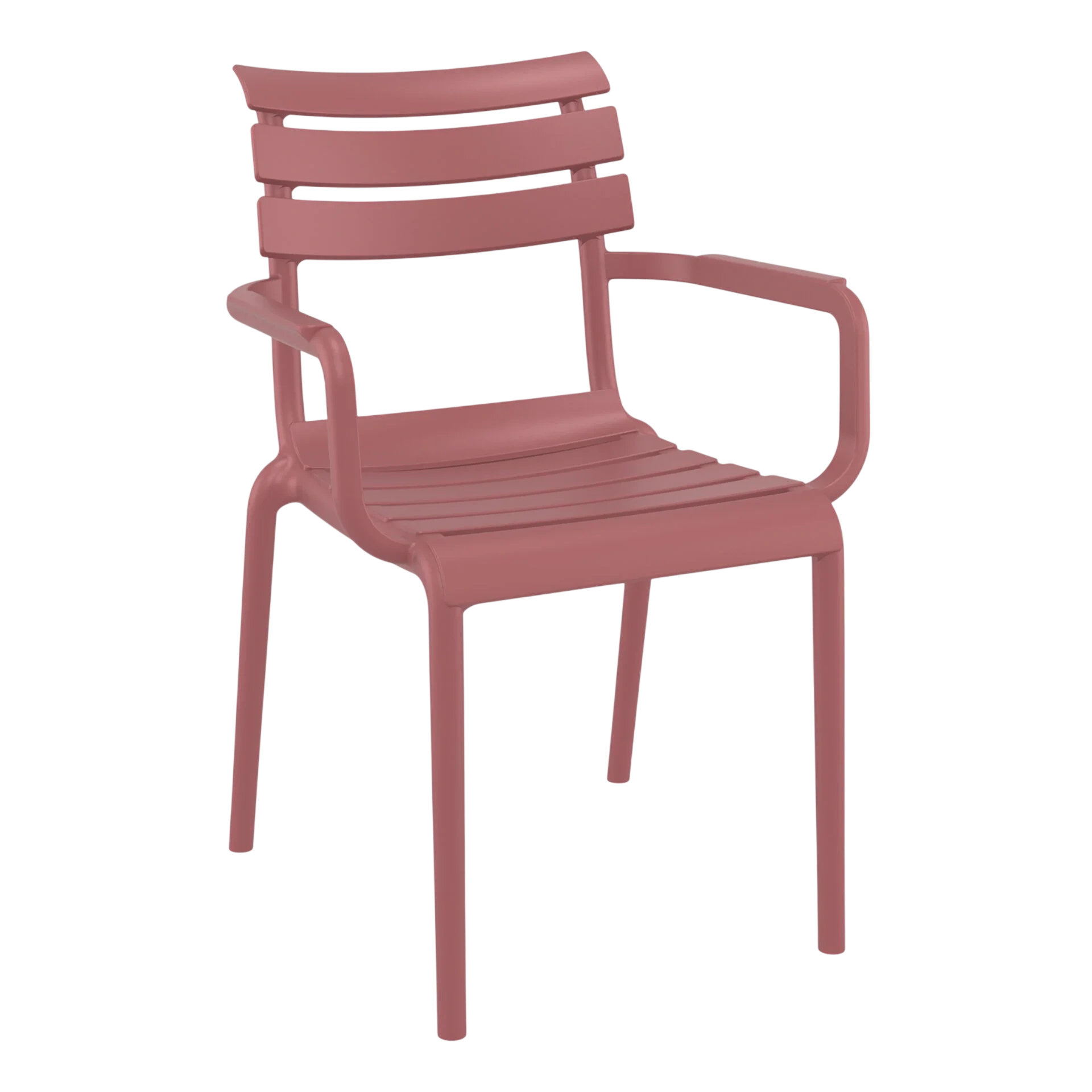
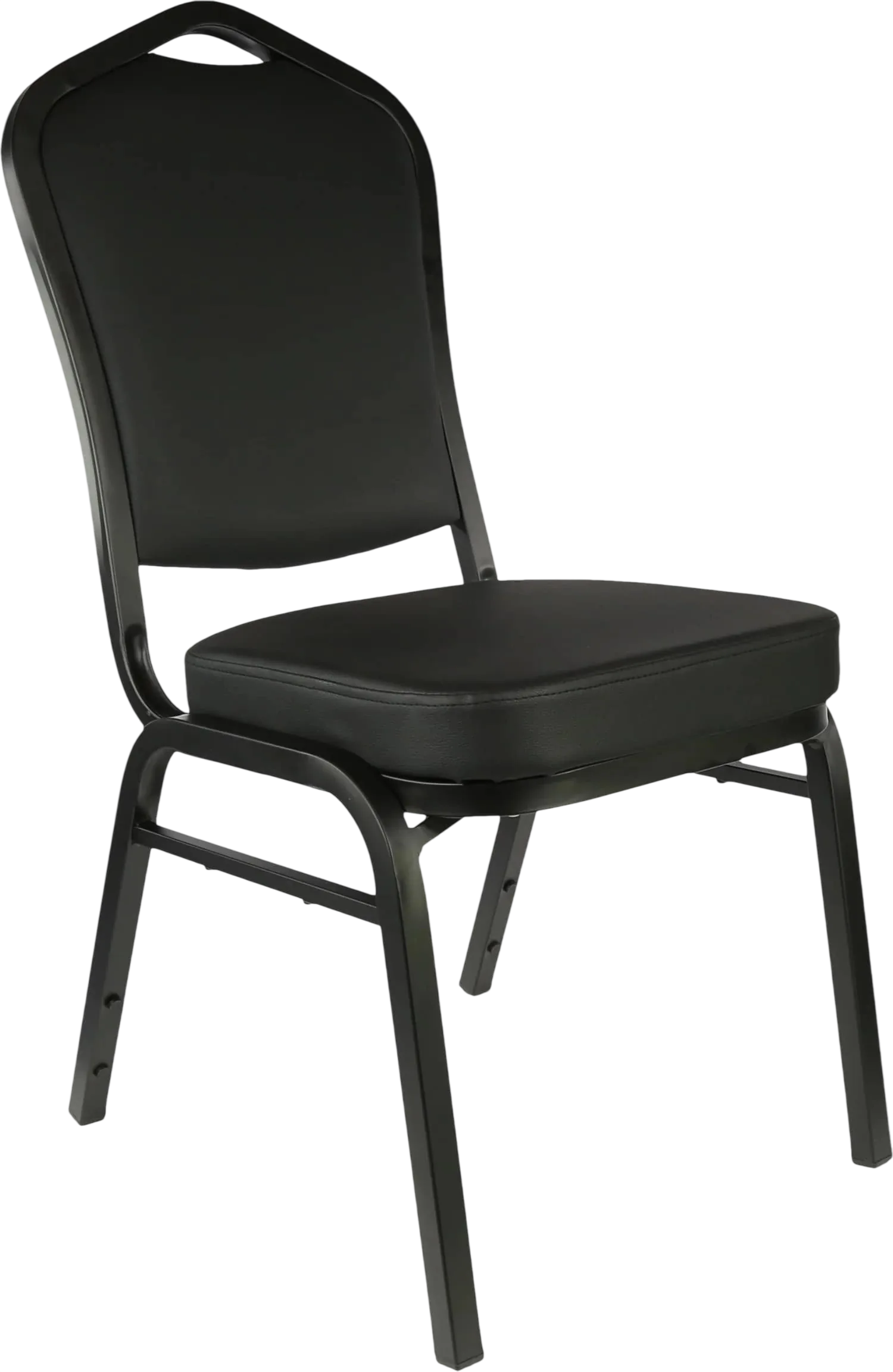
440 × 530 × 930mm
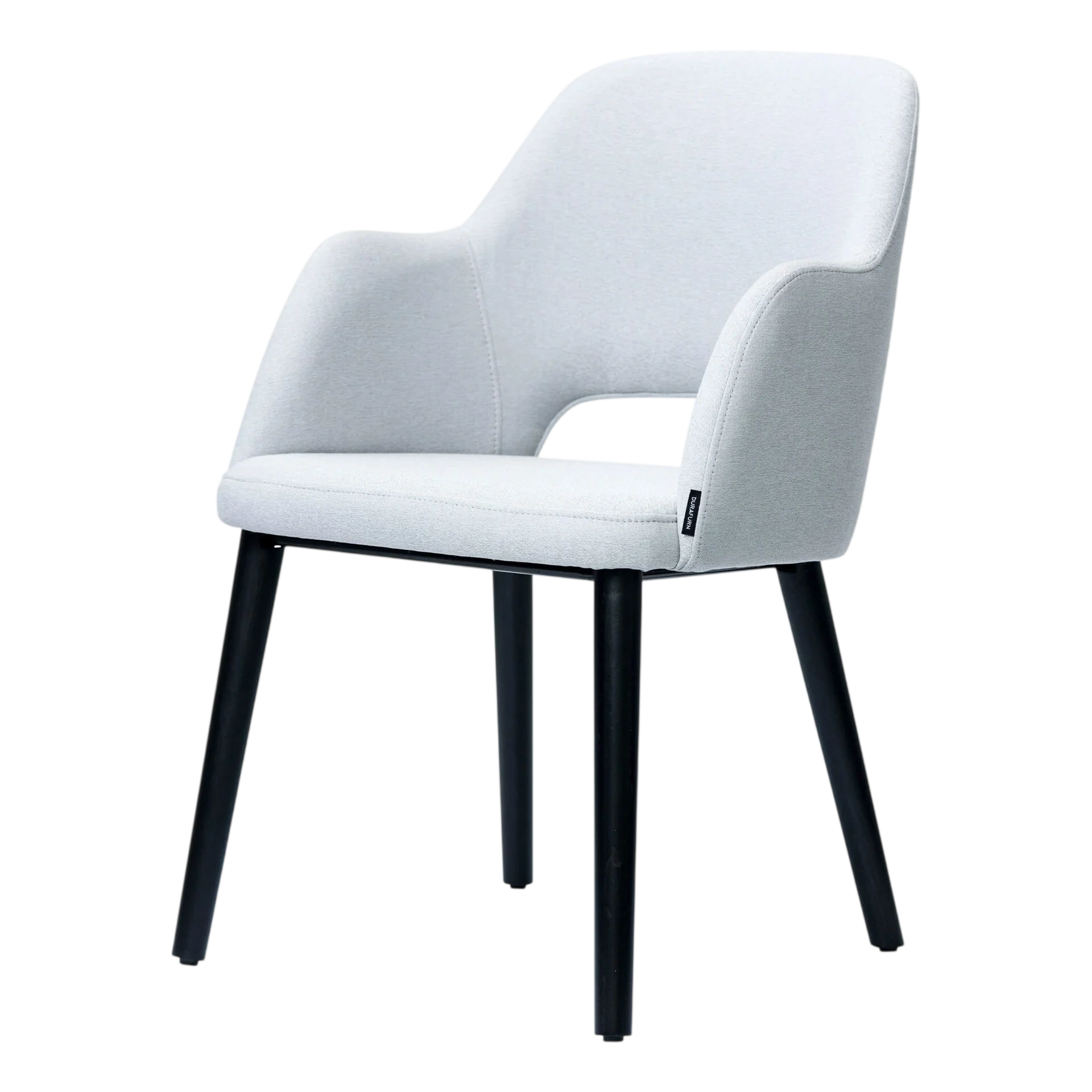
512 × 512 × 512mm
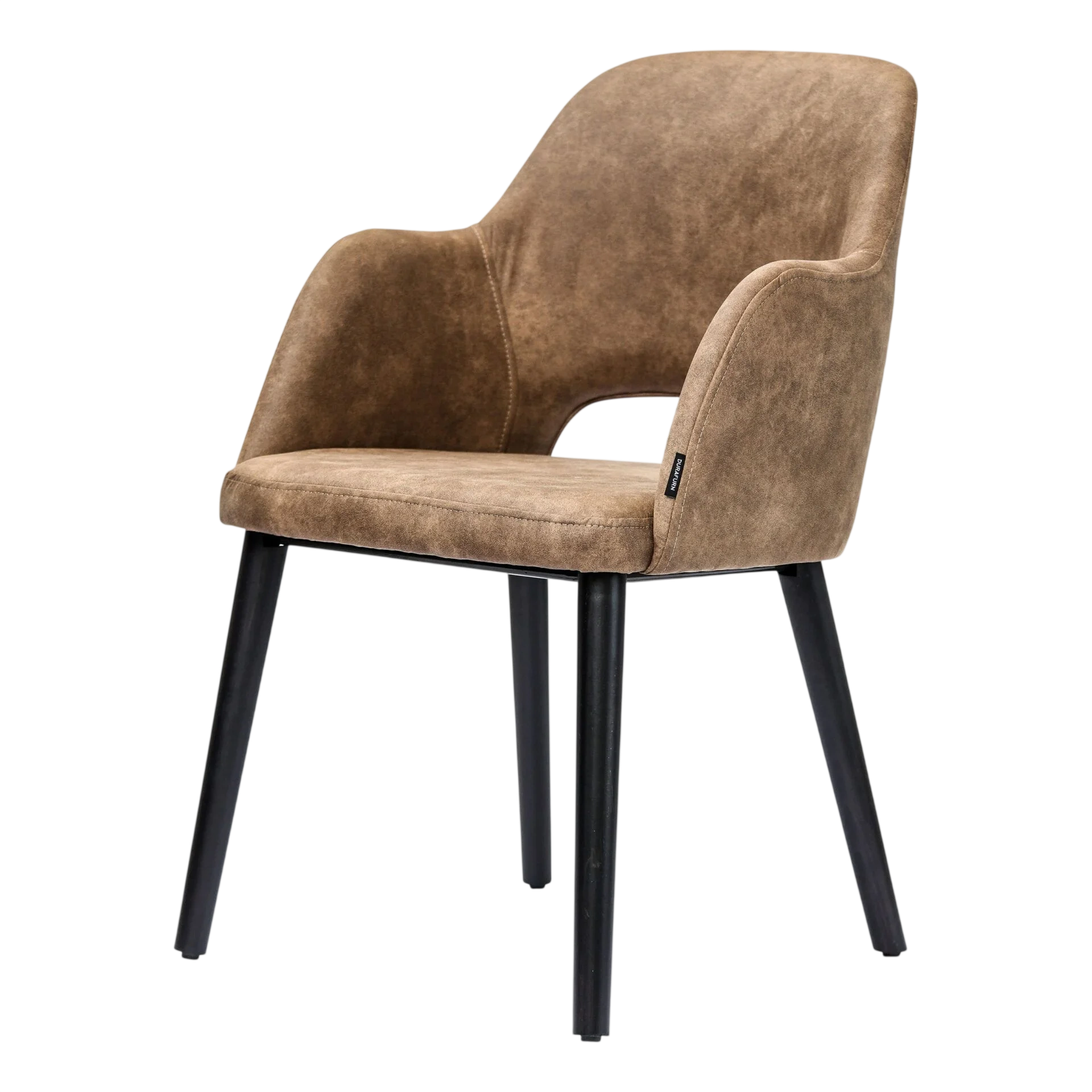
512 × 512 × 512mm
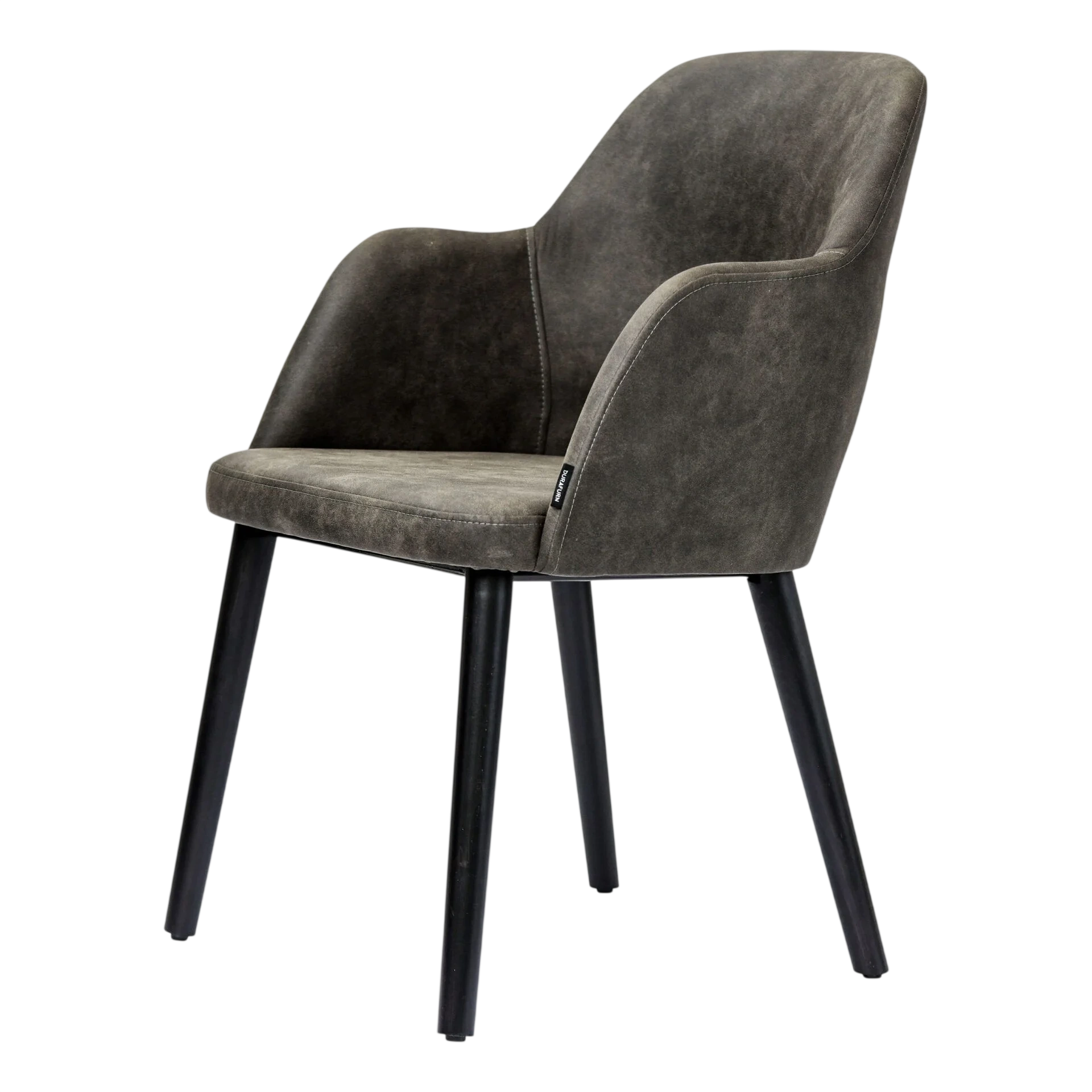
512 × 512 × 512mm
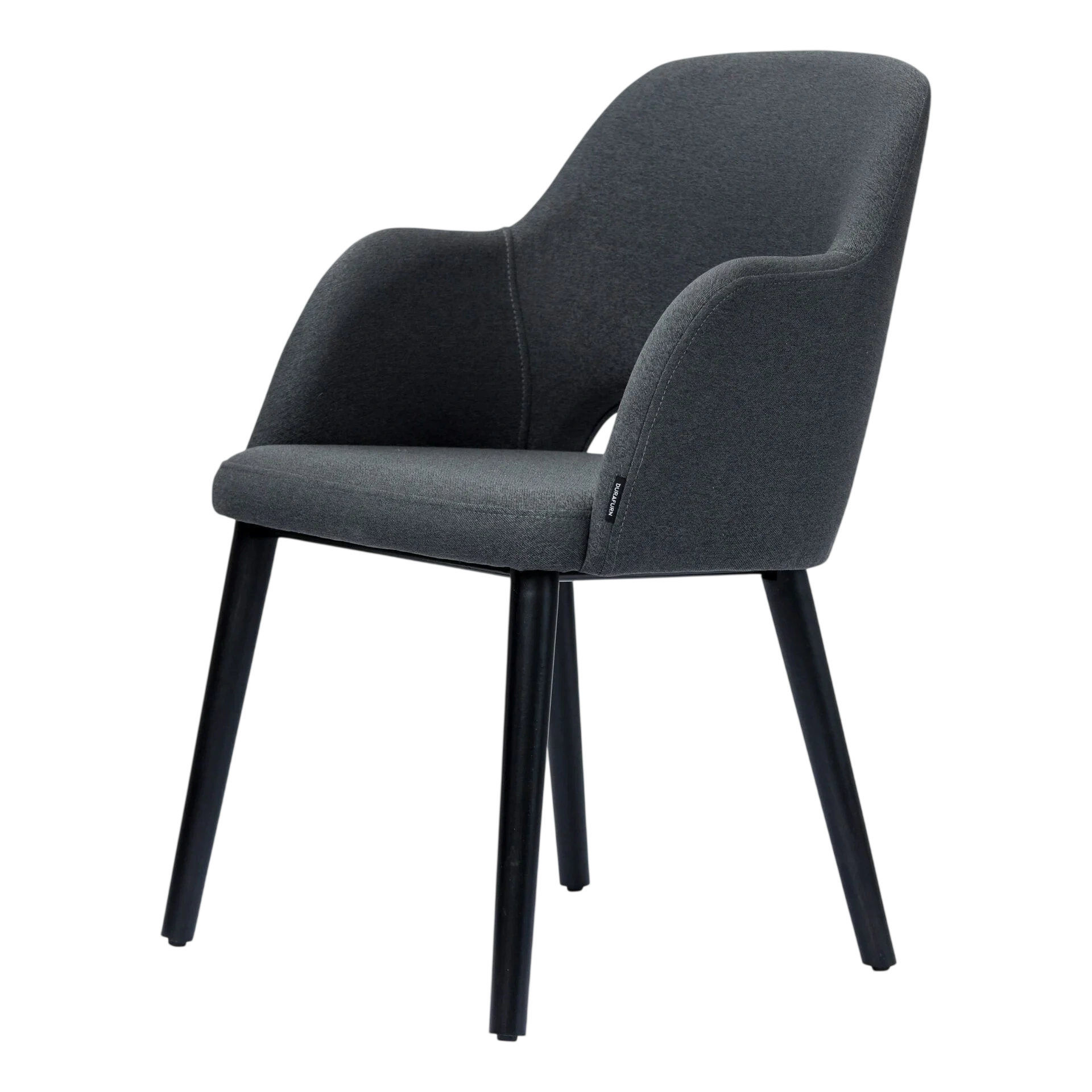
512 × 512 × 512mm
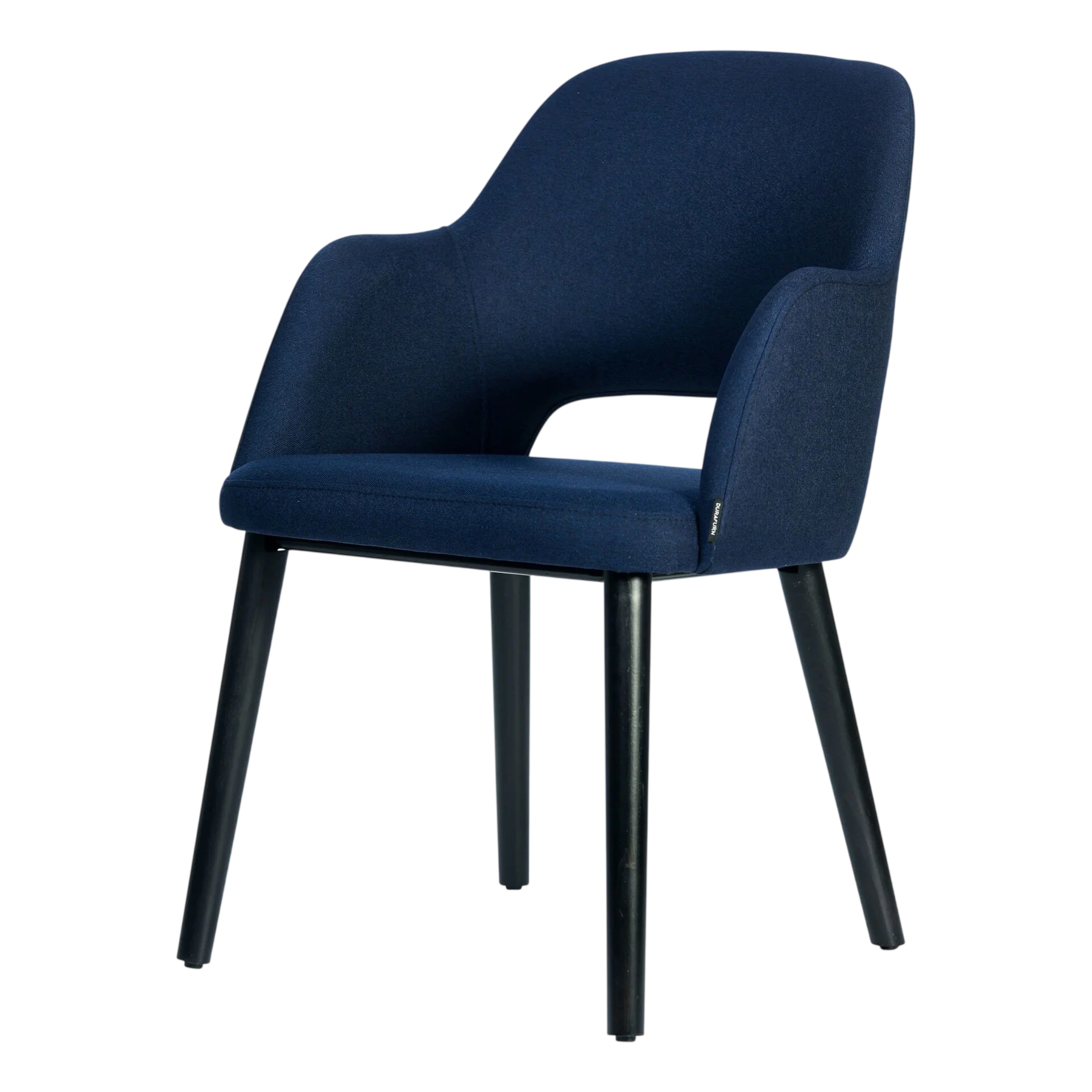
512 × 512 × 512mm
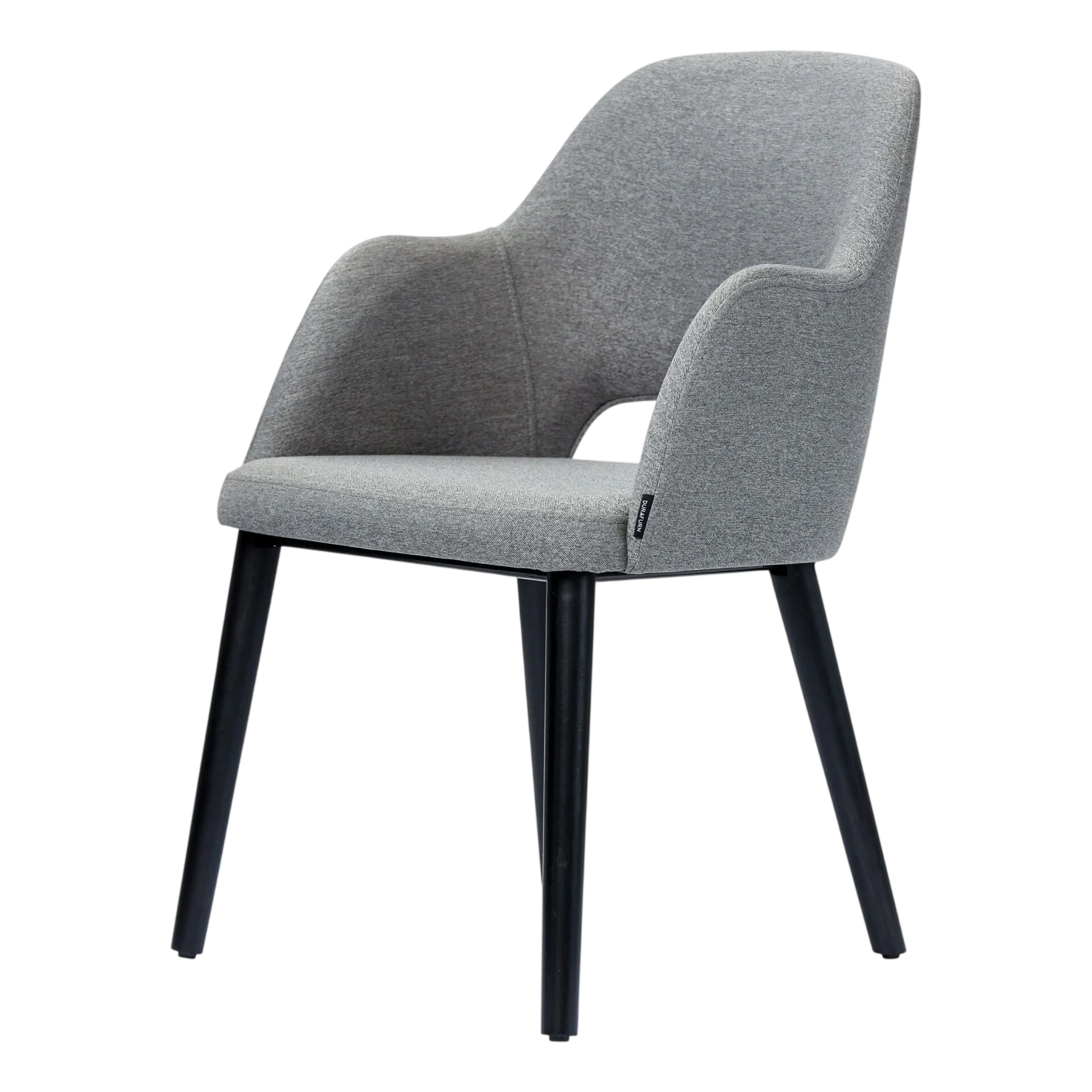
512 × 512 × 512mm
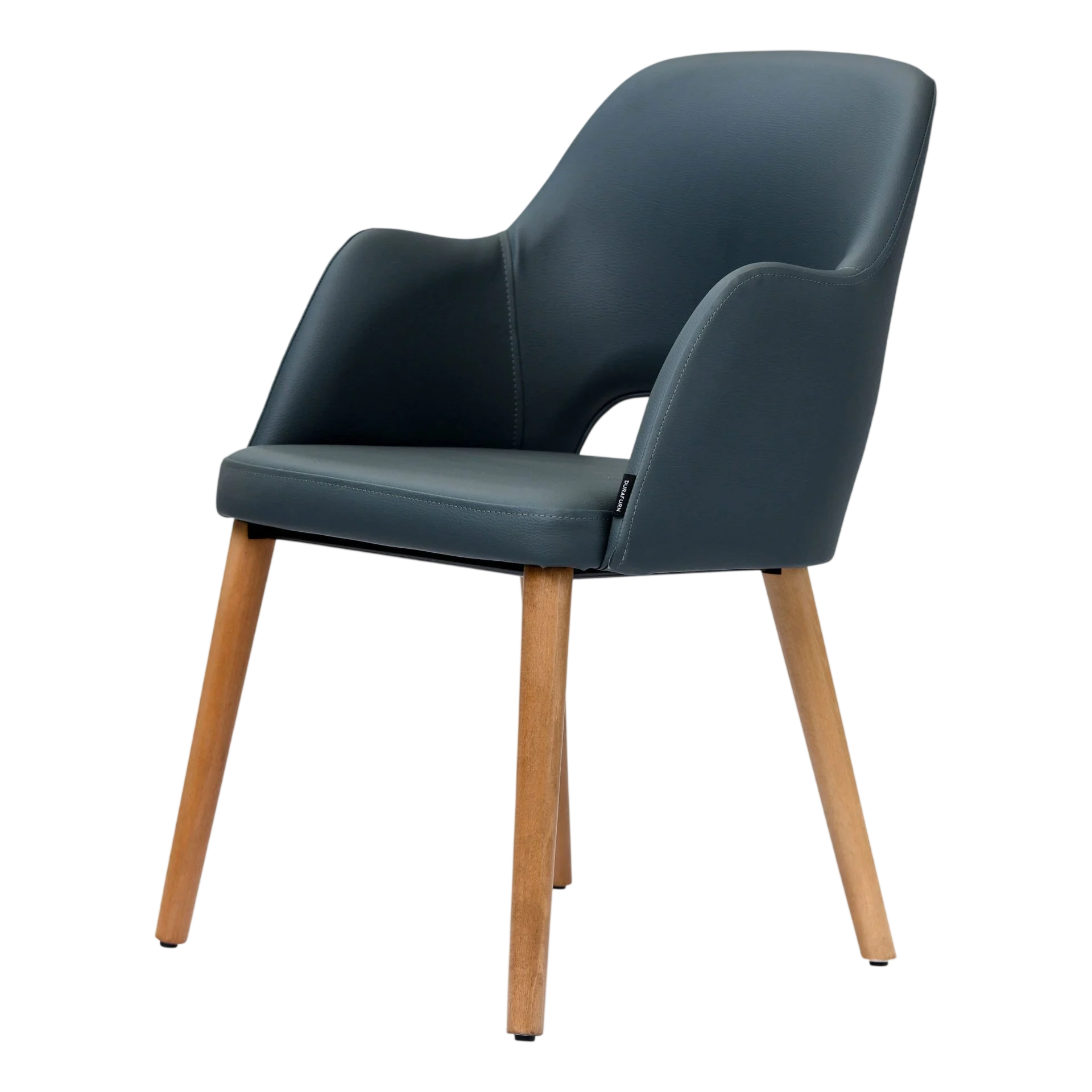
512 × 512 × 512mm
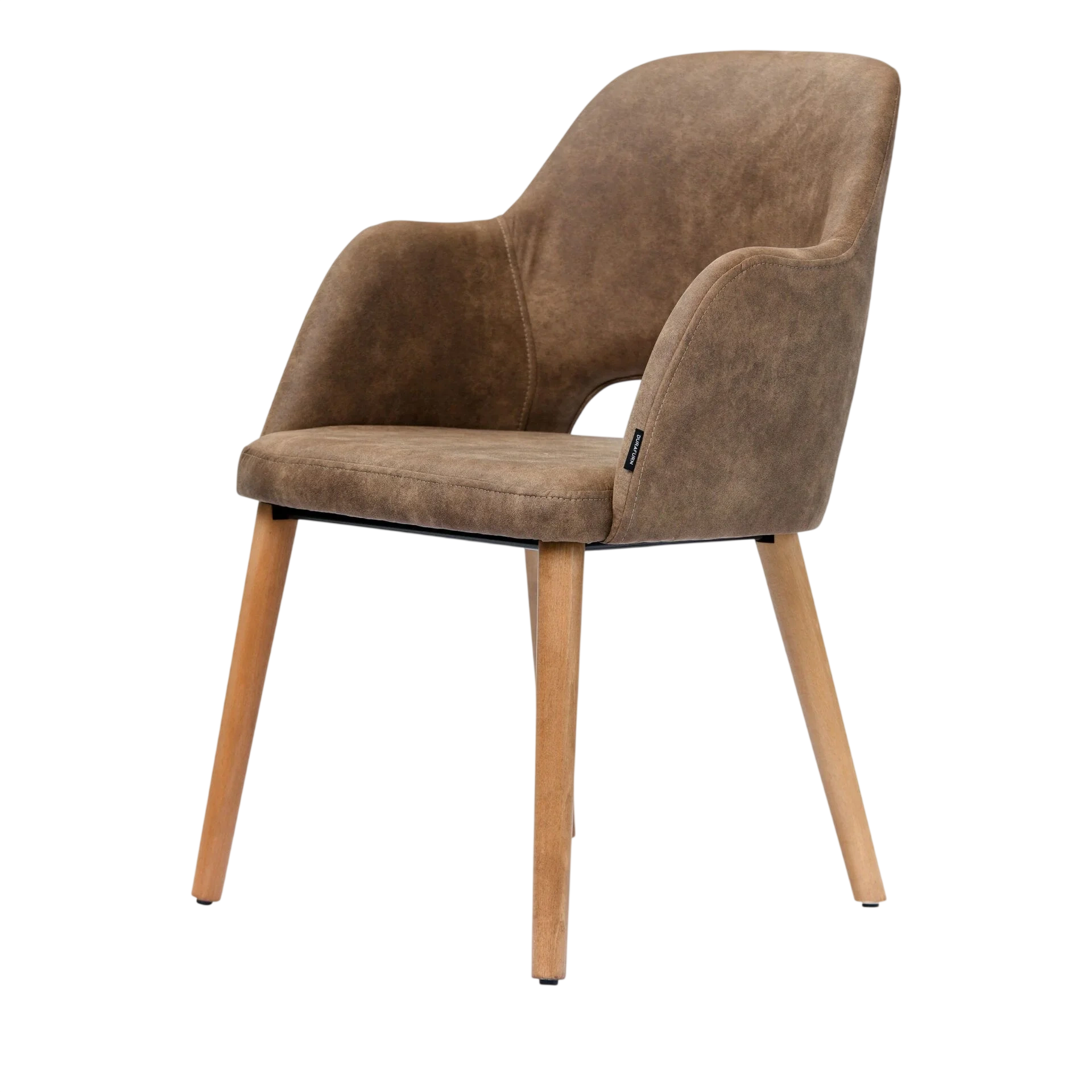
512 × 512 × 512mm
Cafe and restaurant chairs are chosen against the table they serve and the turnover the room expects. Seat height has to suit the table height with enough clearance for a seated adult, and the chair footprint decides how many covers the floor plan actually holds once chairs are pulled out. Measure the table height and the aisle width before comparing styles.
Turnover shapes the rest. A room that turns tables several times a service needs chairs that are quick to move, quick to wipe and quick to reset. A dining room where guests sit longer can carry more upholstery and a heavier frame, because chairs are moved less often and comfort over a longer sitting matters more than reset speed.
Armchairs change the arithmetic. They suit longer sittings and lounge areas, but the arms need to clear the table apron or the chair cannot be pushed in, which costs aisle width at every cover. Check that clearance against the specific table before committing to an arm style across a room. For rooms that change between seated service and functions, coordinate the chair plan with the folded footprint and setup sequence of commercial event tables.
Key factors to consider before purchasing. Our team can help you find the right fit — call or get a quote anytime.
Match equipment capacity to your daily output. Consider available floor space and door clearances.
Confirm levelling, wall clearance and the access needed for cleaning and service. We can help with kitchen planning.
Submit your kitchen requirements — our equipment specialists will send you a tailored shortlist of café chairs that fits your budget, venue type and compliance needs.
Standards & Compliance
Before comparing chairs, confirm the table height and apron depth, the aisle width the layout must keep clear, and how often chairs are moved or stacked. Check the seat height against the table for a comfortable clearance rather than relying on a style name.
Look at how the chair is cleaned in the finish chosen, how the frame joints are made, and whether replacement seats or feet are available separately. Chairs in a hospitality room take repeated dragging across a hard floor, so the condition of the feet and the way they are fixed matter more than they do in a domestic setting.
FAQ
Yes. They are lightweight, durable, UV-stable and suitable for indoor and outdoor cafés.
Stackable chairs help with storage, cleaning and fast venue resets—especially in high-turnover businesses.
Many café chairs are UV-stabilised and weather-resistant, ideal for alfresco dining.
Work back from the table height and the depth of its apron rather than from the chair. A seated adult needs clearance between the seat and the underside of the table, and a deep apron reduces it. Check the pairing against the actual table before ordering a room.
Armchairs suit longer sittings and lounge areas, but the arms must clear the table apron or the chair will not push in. That costs aisle width at every cover, so check the clearance against the specific table before choosing arms across a room.
They are moved, dragged and wiped far more often. Frame joints, the way feet are fixed and whether seats or feet can be replaced separately matter more than they would at home, because those are the parts that wear first in a hospitality room.
Count from the chair pulled out rather than pushed in. Measure the depth the chair occupies with a guest seated, then confirm the remaining aisle still lets staff pass. This usually reduces the cover count a plan appears to allow.
Why KW
KW can help match chair height, footprint and finish to the tables and layout a venue already has, then consider turnover and cleaning before comparing styles. For practical advice on selecting cafe and restaurant chairs, call KW on 1300 001 366.
Deep Dive
Technical depth from KW's commercial kitchen specialists.
Café chairs must meet hygiene and safety standards to ensure reliable performance:
Explore our range of commercial café chairs designed for restaurants, cafés, hotels and hospitality venues. Durable, stylish and built for daily service.
Work from the table height and apron depth rather than from the chair alone. A seated adult needs clearance between the seat and the underside of the table, and an apron that sits low reduces it. Check the pairing with the actual table before choosing a style across a whole room.
Rooms that reset covers repeatedly through a service favour chairs that move, wipe and stack quickly. Dining rooms with longer sittings can carry more upholstery and heavier frames, because comfort over the sitting matters more than reset speed. Decide which the room is before comparing finishes.
Cover counts are set by the chair pulled out, not by the chair pushed in. Measure the depth a chair occupies when a guest is seated and confirm the remaining aisle still allows staff to pass a seated guest. Armchairs consume more of this margin than side chairs and need checking against the table apron as well.
Where chairs are specified in a colour such as black or white across a room, confirm how that finish is cleaned and whether the same finish will be available if chairs are added later. A room part-replaced with a slightly different finish reads as mismatched even when the model is the same.