Simcohood
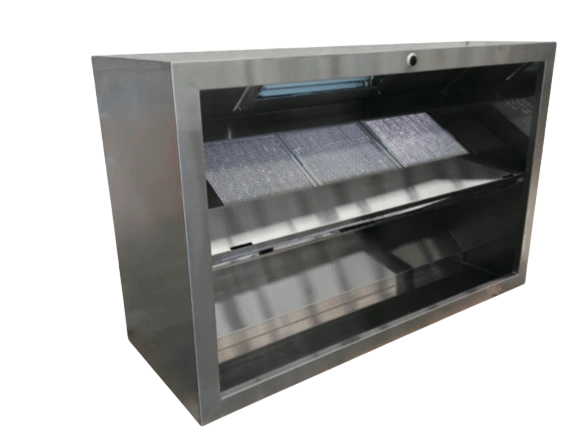
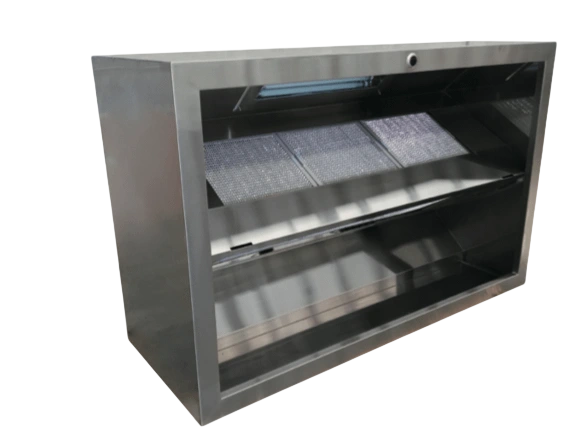
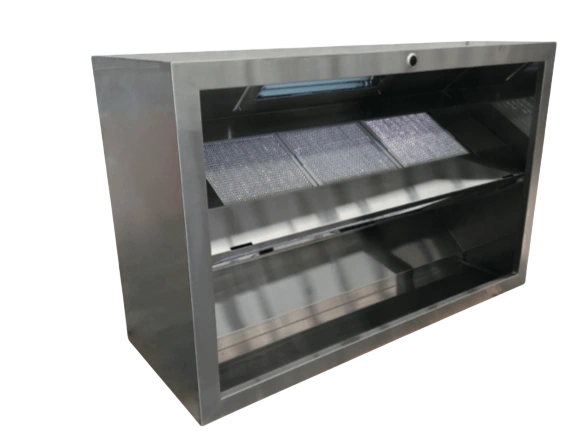
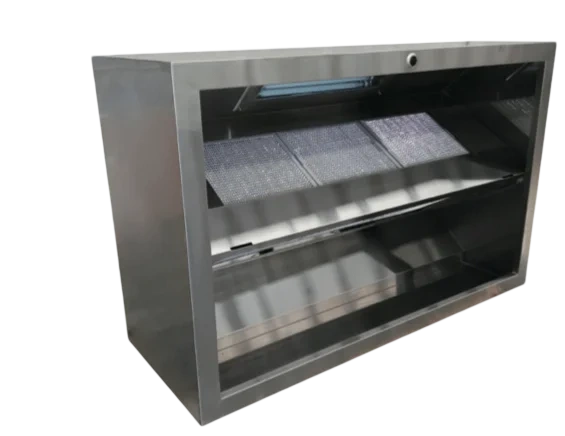
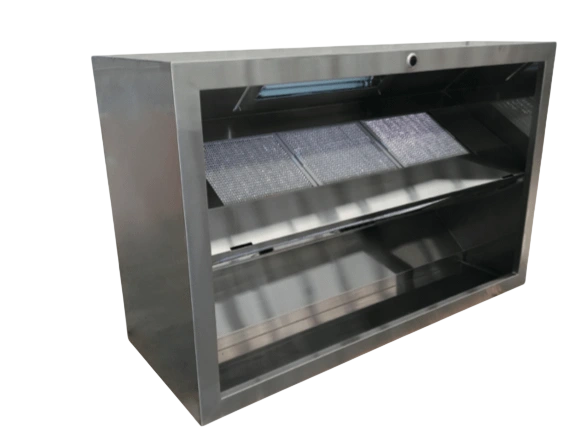
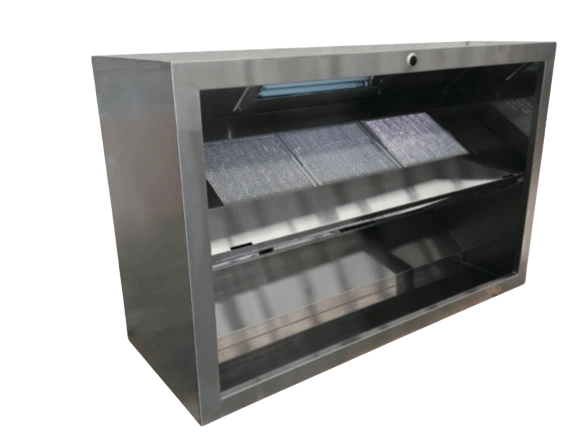
Simcohood SHA2500 Commercial Kitchen Equipment
2500 × 1150 × 600mm
$4,088.70$4,543.00
Back OrderApprox. 3-4 weeks
Canopies and Hoods
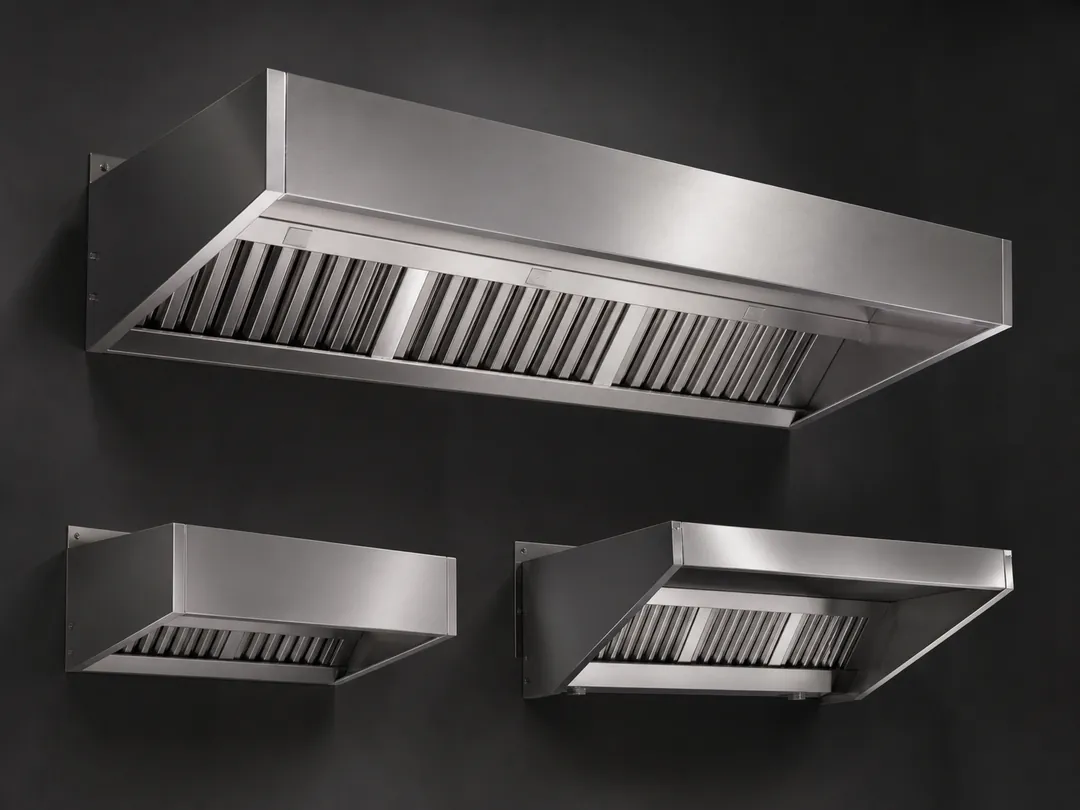
A commercial kitchen exhaust canopy is sized around the cooking line beneath it, not around the room. It must overhang the appliances on every exposed side so that the rising plume is captured before it spreads, and that overhang is what decides the canopy dimensions long before appearance does.
The appliances underneath set the duty. A canopy over a chargrill or a fryer handles more grease-laden vapour than one over a boiling top, which changes filter selection and cleaning frequency. List what stands under the canopy now and what might replace it, because a canopy outlives most of the equipment it covers.
Height above the cooking surface is a working compromise. Too high and the plume escapes at the edges; too low and staff cannot work beneath it. Set it from the tallest appliance and from the reach of the people using the line.
Commercial exhaust canopies are part of a system rather than a standalone item — extraction rate, ducting and replacement air all have to work together — but the canopy itself is where capture succeeds or fails.
Key factors to consider before purchasing. Our team can help you find the right fit — call or get a quote anytime.
Match capacity to your daily output. Consider the bench or floor space available and the access route for delivery.
Confirm levelling, wall clearance and the access needed for cleaning and service. We can help with kitchen planning.
Submit your kitchen requirements — our equipment specialists will send you a tailored shortlist of exhaust canopy that fits your budget, venue type and compliance needs.
Standards & Compliance
Before specifying a commercial canopy, confirm the appliance line beneath it including overhang on every exposed side, the ceiling height, and what equipment might replace the current line. Check the filter type against the grease load the appliances actually produce.
Look at how filters are removed and washed, whether the canopy has a grease gutter and where it drains, and how lighting is fitted and replaced. Cleaning happens weekly or more often, so filter access matters more than any other detail once the canopy is installed.
FAQ
The canopy should overhang equipment by 300–400mm and be wider than the cookline.
Stainless steel baffle filters are the industry standard for grease capture and durability.
For no-duct installations, look at ventless commercial hoods instead.
Most kitchens clean them weekly, but high-grease venues may require more frequent cleaning.
Large enough to overhang the appliance line on every exposed side, so the plume is captured before it spreads. Measure the line and add the overhang first; ceiling and wall dimensions come after that.
Why KW
KW can help size a commercial exhaust canopy around an actual appliance line, including overhang and mounting height, and match filters to the grease load. For practical advice on exhaust canopies, call KW on 1300 001 366.
Deep Dive
Technical depth from KW's commercial kitchen specialists.
Explore our range of commercial exhaust canopies designed for professional kitchens requiring safe, efficient and compliant smoke and grease extraction.
The canopy must extend beyond the appliances on every exposed side so the plume is caught before it spreads into the room. Measure the line and add the overhang before considering any other dimension, because a canopy that fits the ceiling but not the line will not capture.
A chargrill or fryer produces far more grease-laden vapour than a boiling top. Match the filter type to the appliances actually beneath the canopy, and expect the cleaning interval to follow the heaviest of them rather than the average.
Set the height from the tallest appliance and from the people working the line. Too high and the plume escapes at the edges; too low and staff cannot work or lift beneath it. This is a compromise to be made deliberately rather than defaulted.
Filters are removed and washed weekly or more often. Check how they come out, whether a grease gutter is fitted and where it drains, and how lighting is accessed. These decide the ongoing work far more than the specification does.
Match them to the heaviest grease producer beneath the canopy. A chargrill or fryer demands more than a boiling top, and the cleaning interval follows the heaviest appliance rather than the average of the line.
From the tallest appliance and the reach of the staff working beneath it. Mounted too high the plume escapes at the edges; too low and the line cannot be worked. It is a deliberate compromise.
No. Extraction rate, ducting and replacement air all have to work together. The canopy is where capture succeeds or fails, but it cannot perform without the rest of the system sized to match.
64 results
2500 × 1150 × 600mm
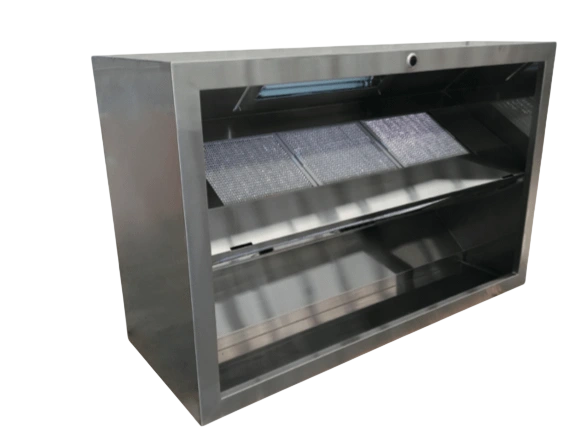
2600 × 1150 × 600mm
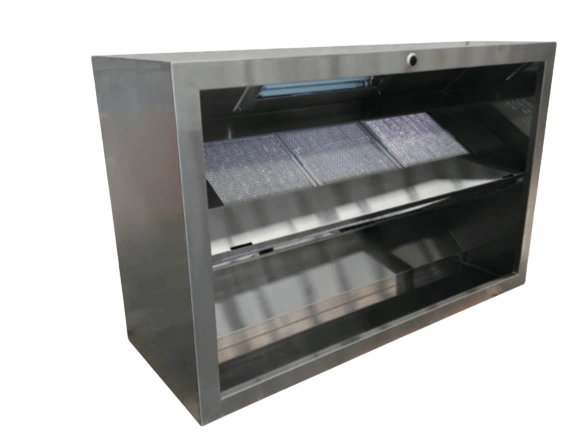
2700 × 1150 × 600mm
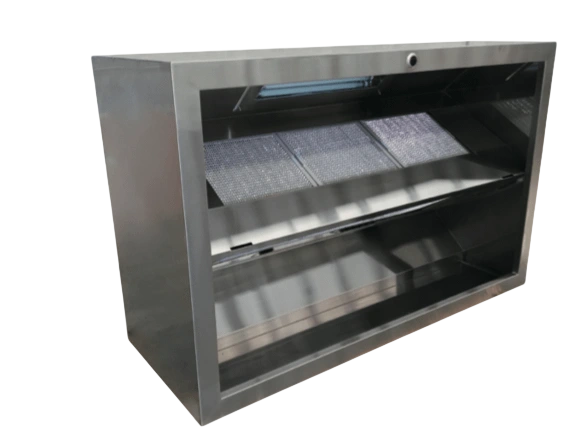
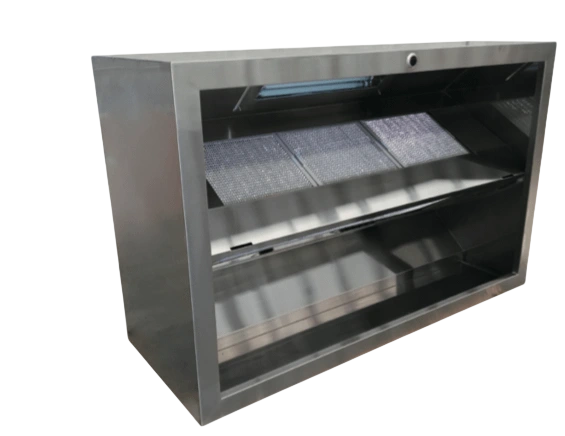
2900 × 1150 × 600mm
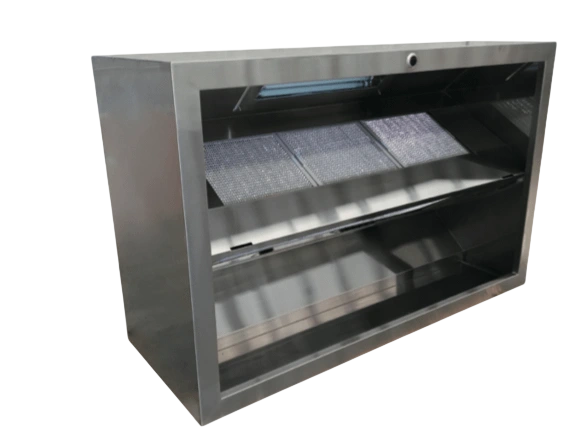
3100 × 1150 × 600mm
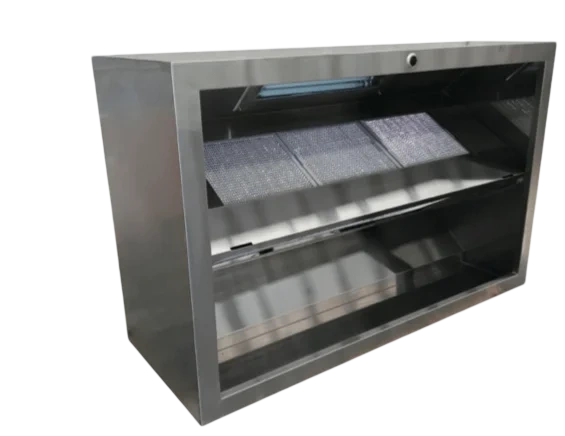
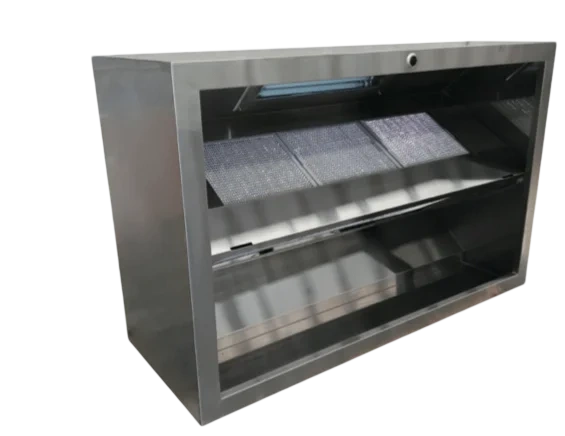
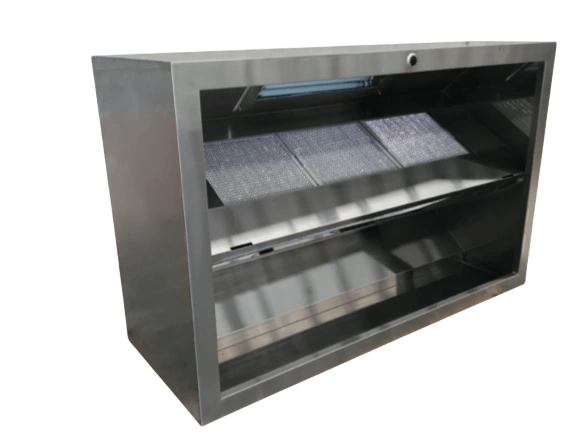
3500 × 1150 × 600mm
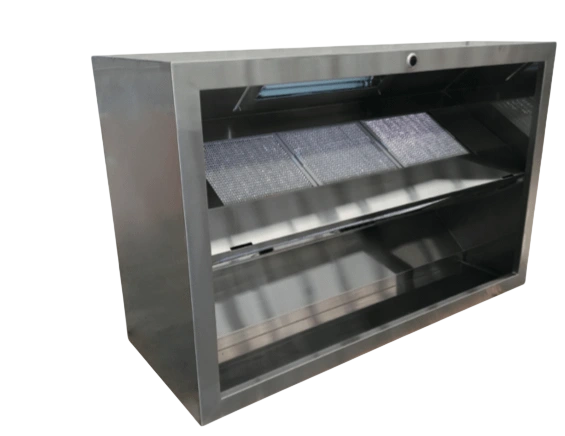
3600 × 1150 × 600mm
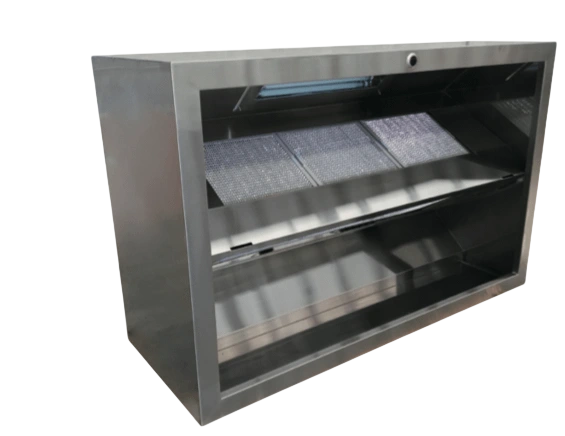
3700 × 1150 × 600mm
3800 × 1150 × 600mm
3900 × 1150 × 600mm