
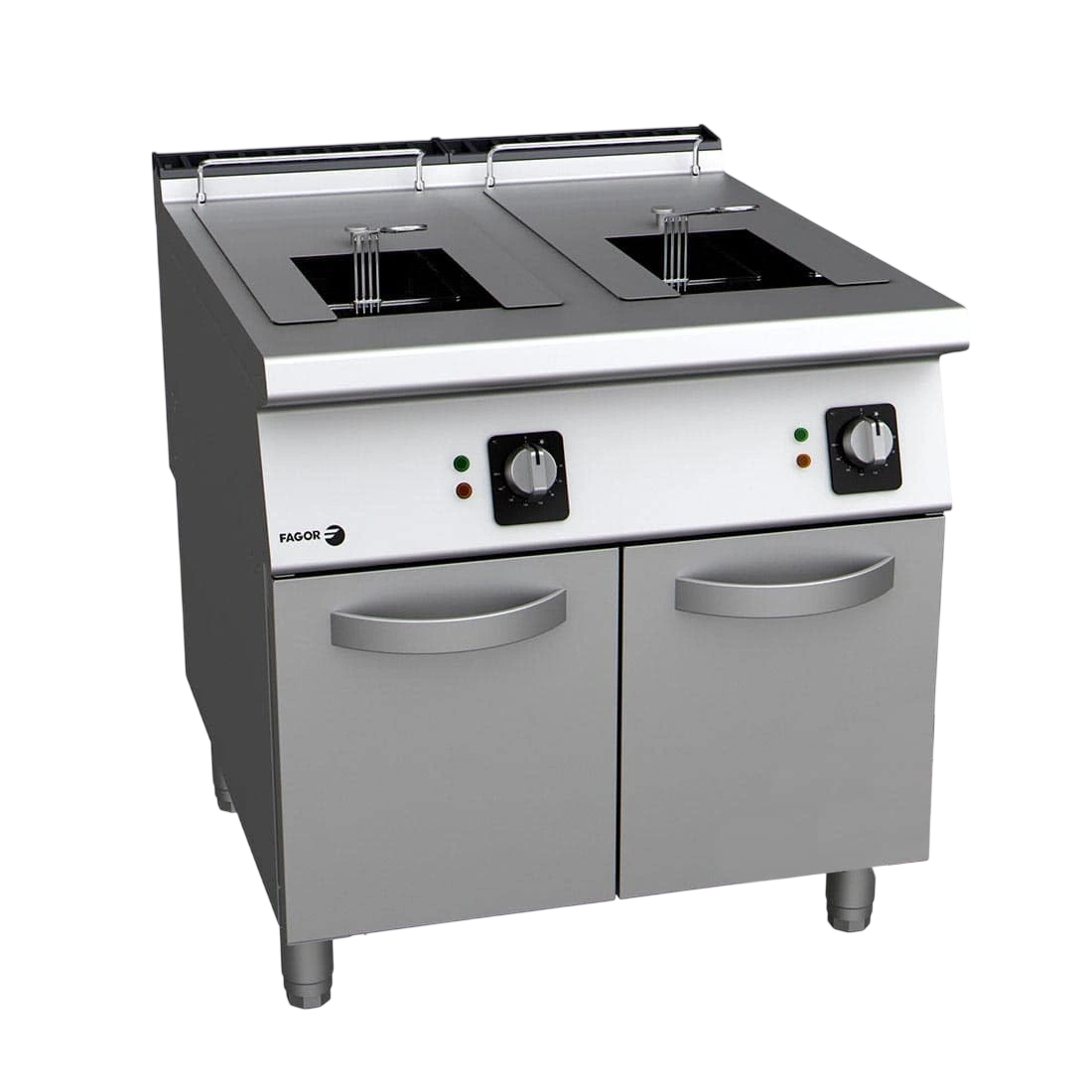
Fagor
Fagor F-G9215LPG-NSW1136 2NDs: 900 Series LPG Deep Fat Fryer - F-G9215LPG
800 × 930 × 850mm
$7,695.00$15,390.00
In Stock
Used Equipment / Ex-Showroom Stock
A second hand commercial oven should be assessed as a specific used appliance with a known model identity, recorded condition and suitable duty at the new site. Purchase cost is only one part of the decision; missing accessories, installation changes, cleaning, inspection and commissioning can affect the total project.
Start with the identification plate and available documentation. Confirm what the appliance was designed to do, which controls and fittings are present and whether its physical condition supports the intended service. Never assume that appearance proves it has been tested, certified or covered by a warranty.
Key factors to consider before purchasing. Our team can help you find the right fit — call or get a quote anytime.
Match equipment capacity to your daily output. Consider available floor space and door clearances.
Confirm levelling, wall clearance and the access needed for cleaning and service. We can help with kitchen planning.
Submit your kitchen requirements — our equipment specialists will send you a tailored shortlist of used cooking equipment that fits your budget, venue type and compliance needs.
Call 1300 001 366 for current stock details, condition reports and recommendations based on your menu and kitchen layout.
Structure validated by KW Commercial Kitchen.
Standards & Compliance
Inspect doors, seals, hinges, controls, cooking surfaces, racks, burners or elements as applicable, along with legs, castors and supplied accessories. Record corrosion, cracks, loose components and areas that cannot be cleaned effectively.
Measure the actual unit and delivery path, then verify gas type or electrical requirements, ventilation, water and drainage where relevant. Qualified trades should assess compatibility and safe commissioning before the appliance enters service.
FAQ
Yes — when it has been properly assessed. All units listed here are function-tested for safety and commercial performance before sale.
In many cases, yes. Performance depends more on condition and specification than age. Cosmetic marks do not affect cooking output.
Stock rotates frequently based on upgrades, trade-ins and showroom changes. If you see a suitable unit, it may not be available for long.
Check the identification plate, doors, seals, hinges, controls, cooking surfaces, racks and the applicable burners or elements. Record corrosion, cracks, loose parts, missing accessories and areas that cannot be cleaned, then arrange technical inspection where visual checks cannot establish condition.
Why KW
KW can help compare the offered unit’s identity and condition with the duty and services at the new venue. That review can expose missing fittings, access constraints and commissioning work that may matter beyond the initial purchase; call 1300 001 366.
Deep Dive
Technical depth from KW's commercial kitchen specialists.
Photograph the model plate, controls, interior, doors and visible service connections. List racks, trays, stands and other included fittings, and distinguish cosmetic marks from wear that affects sealing, adjustment, hygiene or safe operation.
Remove loose debris and clean accessible food-contact and cooking areas by a suitable method before use. Cleaning does not prove technical condition, so arrange inspection and commissioning appropriate to the appliance and installation after identity and services are confirmed.
Compare cooking method, controls, usable chamber or surface and expected service pattern with the new menu. A unit may be functional yet unsuitable as the main appliance if it cannot support peak demand, lacks necessary fittings or would leave no practical backup during faults.
Use the exact model information to check energy type, connection, isolation, ventilation and any water or waste services. Have licensed trades confirm compatibility; do not alter or connect a used appliance on assumptions drawn from a similar-looking model.
Compare the wider used and ex-showroom range, review other pre-owned catering categories and use the new-equipment navigation when a different condition or duty is required.
Use the exact model documentation and identification plate to confirm energy type and connection requirements. A licensed gas professional or electrician should verify site supply, isolation and installation compatibility before the appliance is connected or commissioned.
They distinguish the actual appliance from similar-looking versions and help locate correct service, parts and installation information. Record the plate before purchase and verify the same identity on delivery so condition notes and compatibility checks relate to the unit received.
It may be unsuitable when condition is uncertain, essential fittings are missing, site services are incompatible or the unit cannot support peak duty with acceptable operational risk. Choose another option if inspection and commissioning cannot establish safe, practical service for the intended menu.
103 results
800 × 930 × 850mm
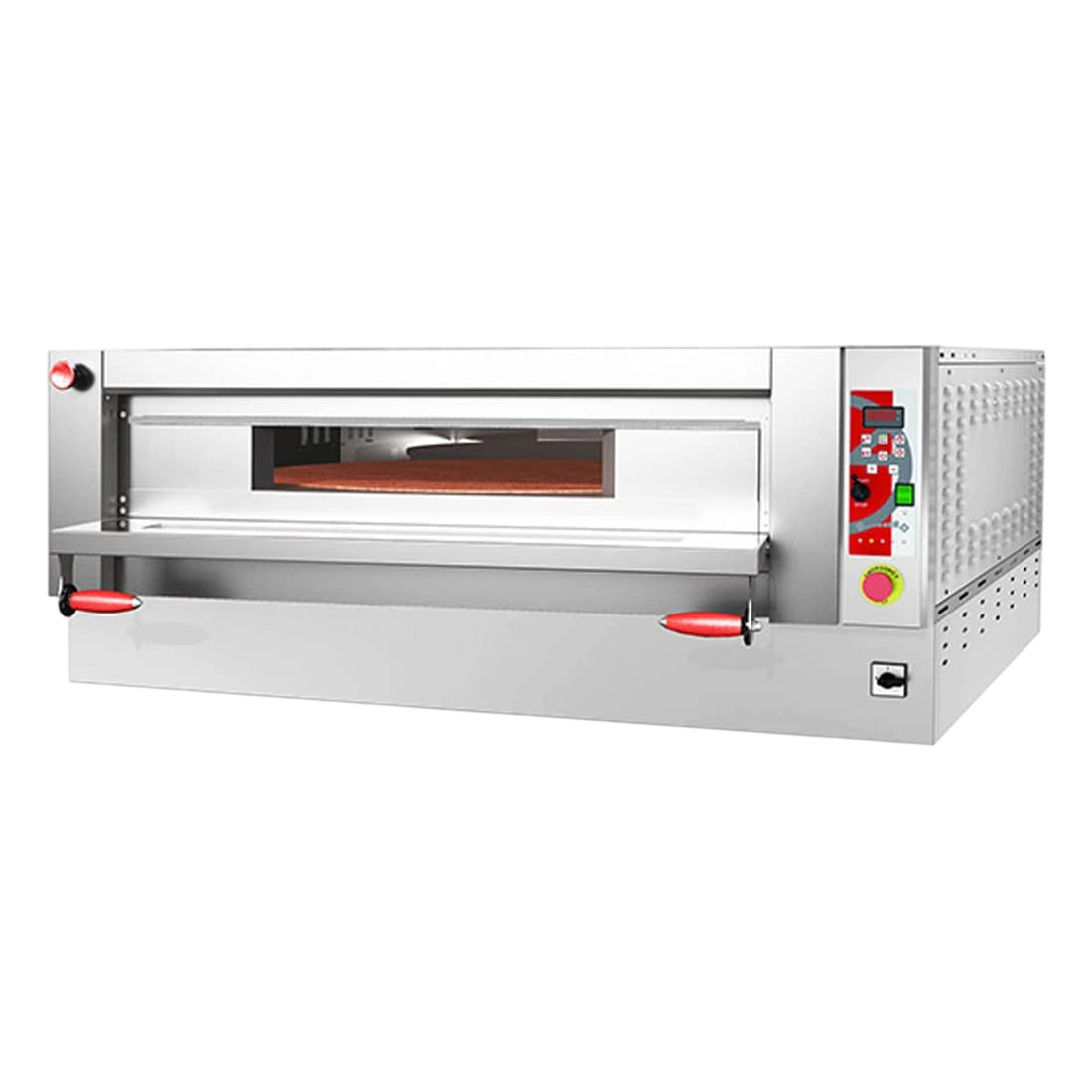
1470 × 1450 × 610mm
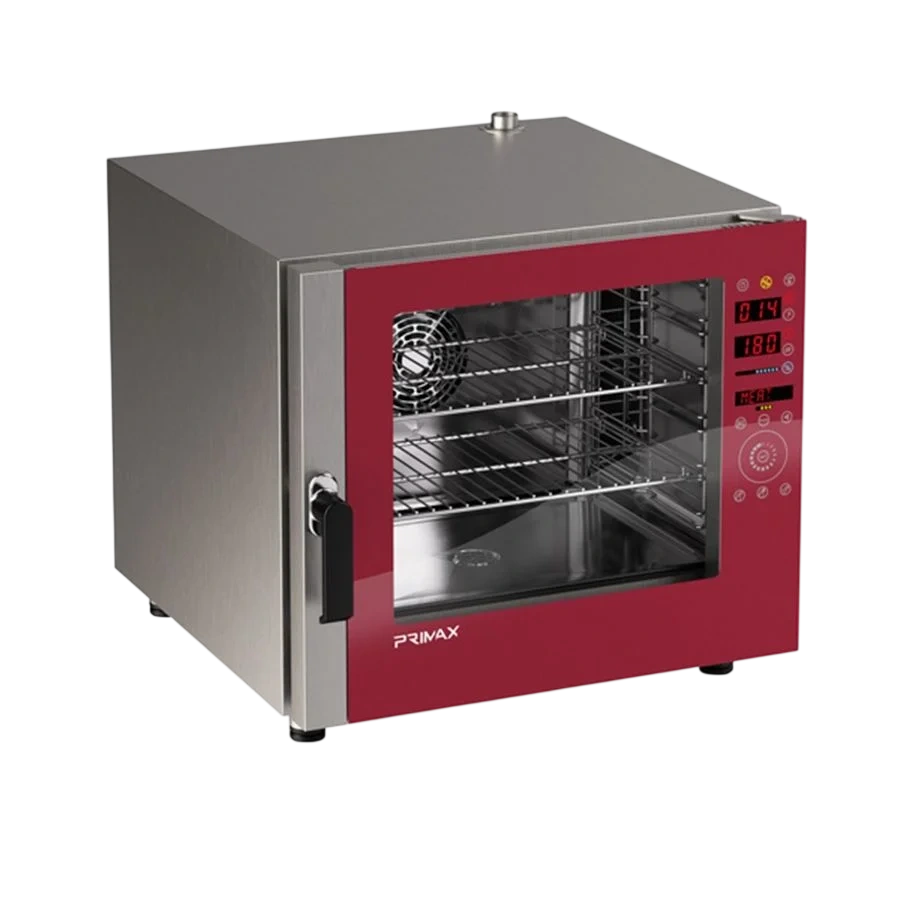
750 × 755 × 690mm
600 × 650 × 475mm
700 × 780 × 290mm
700 × 780 × 290mm
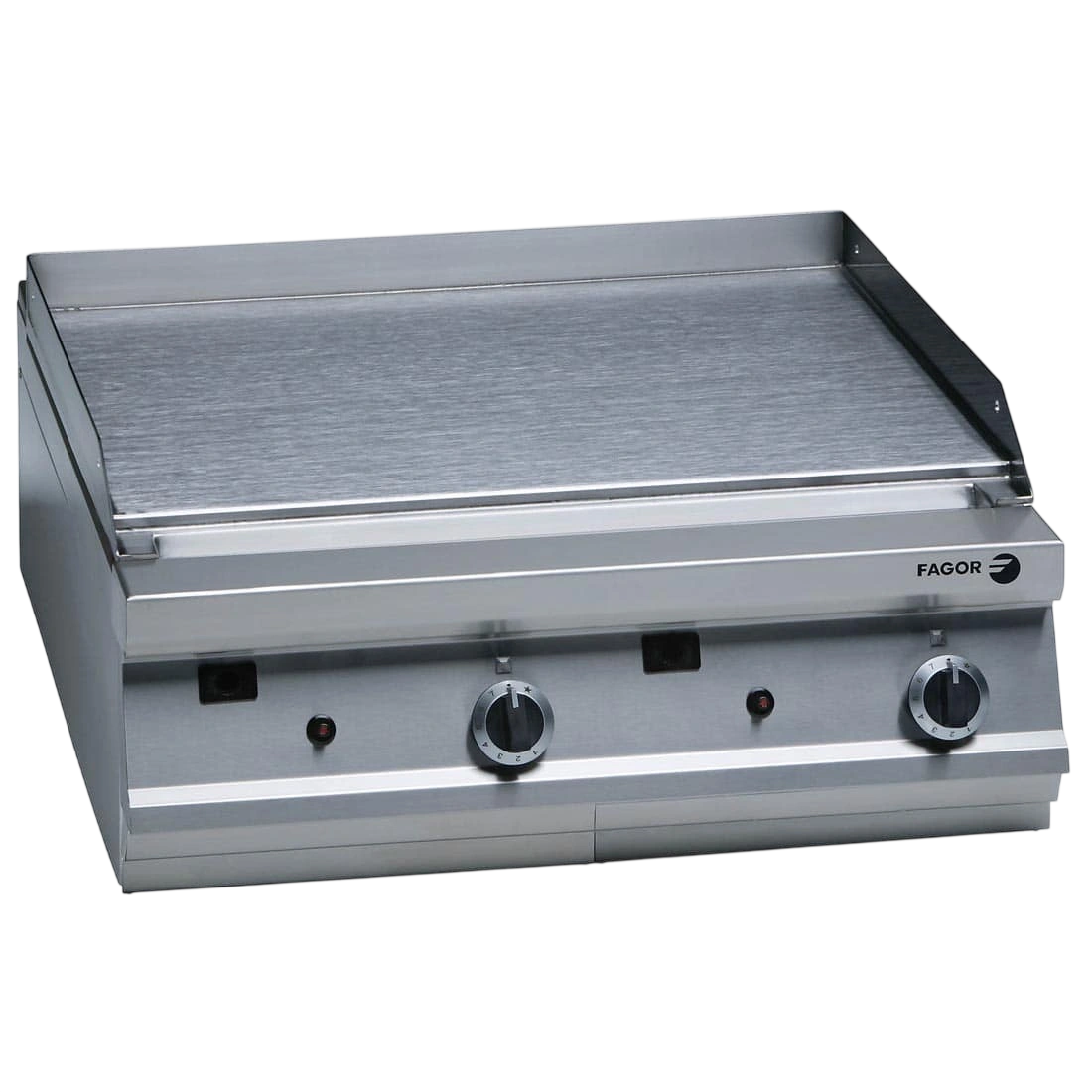
850 × 900 × 320mm
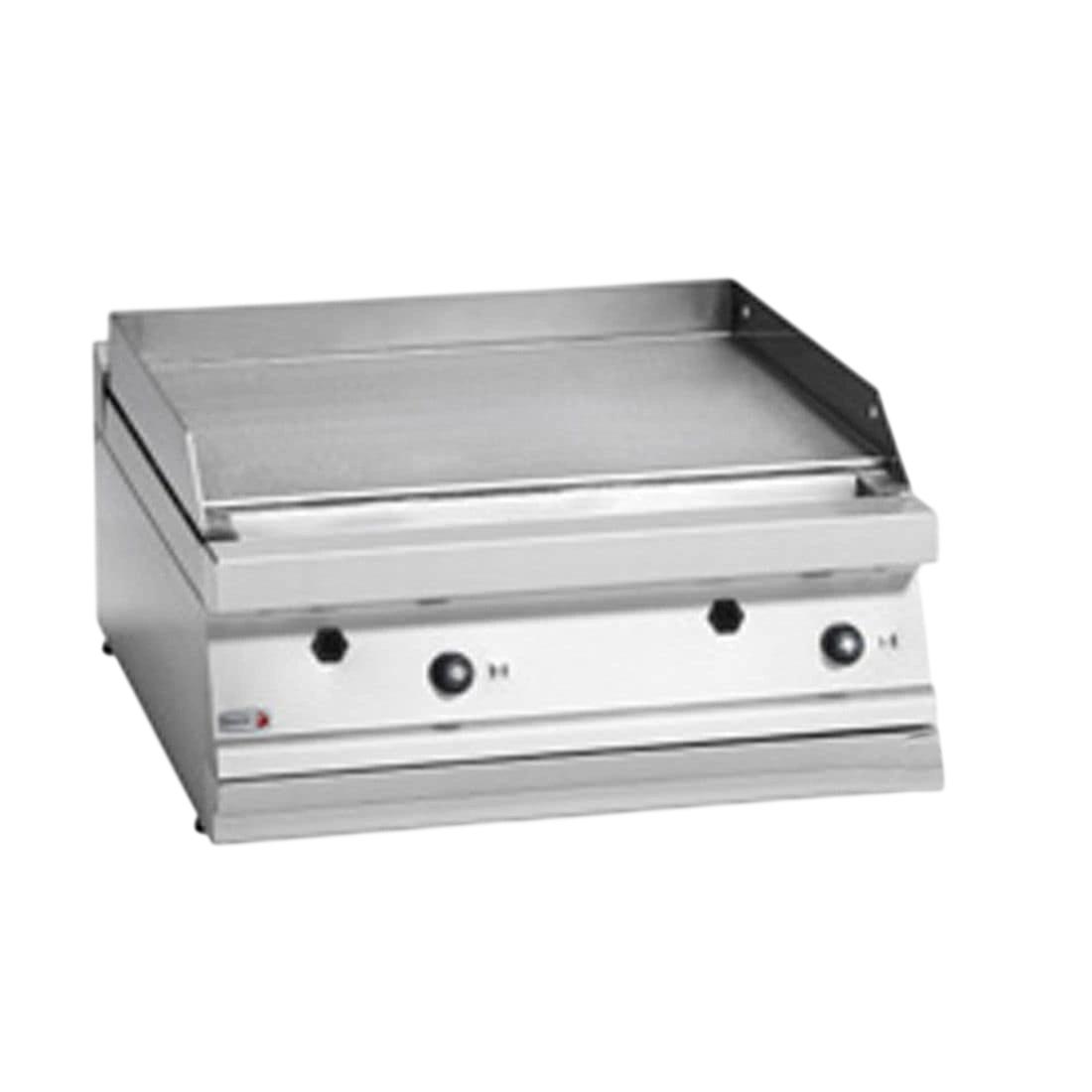
700 × 775 × 290mm
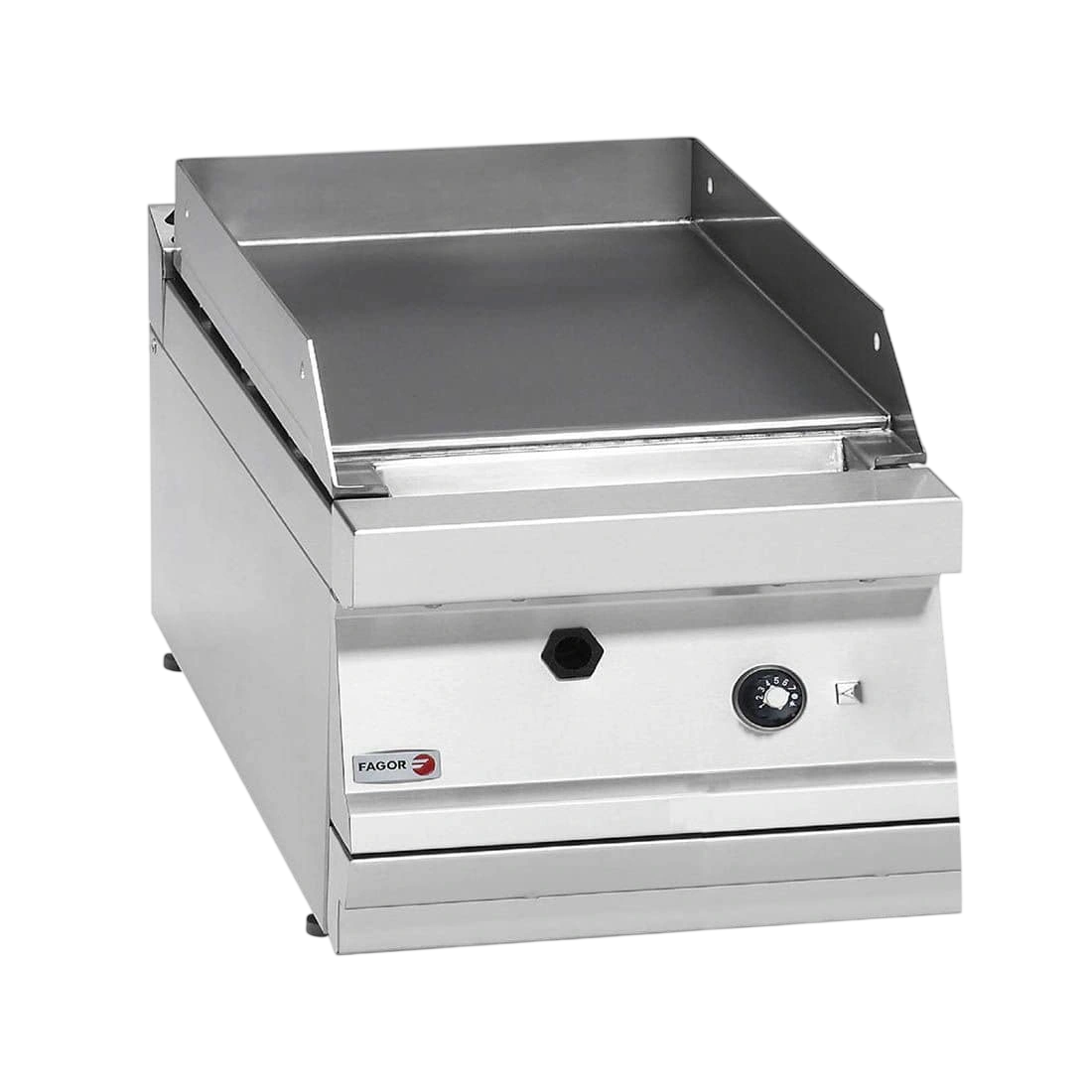
350 × 775 × 290mm
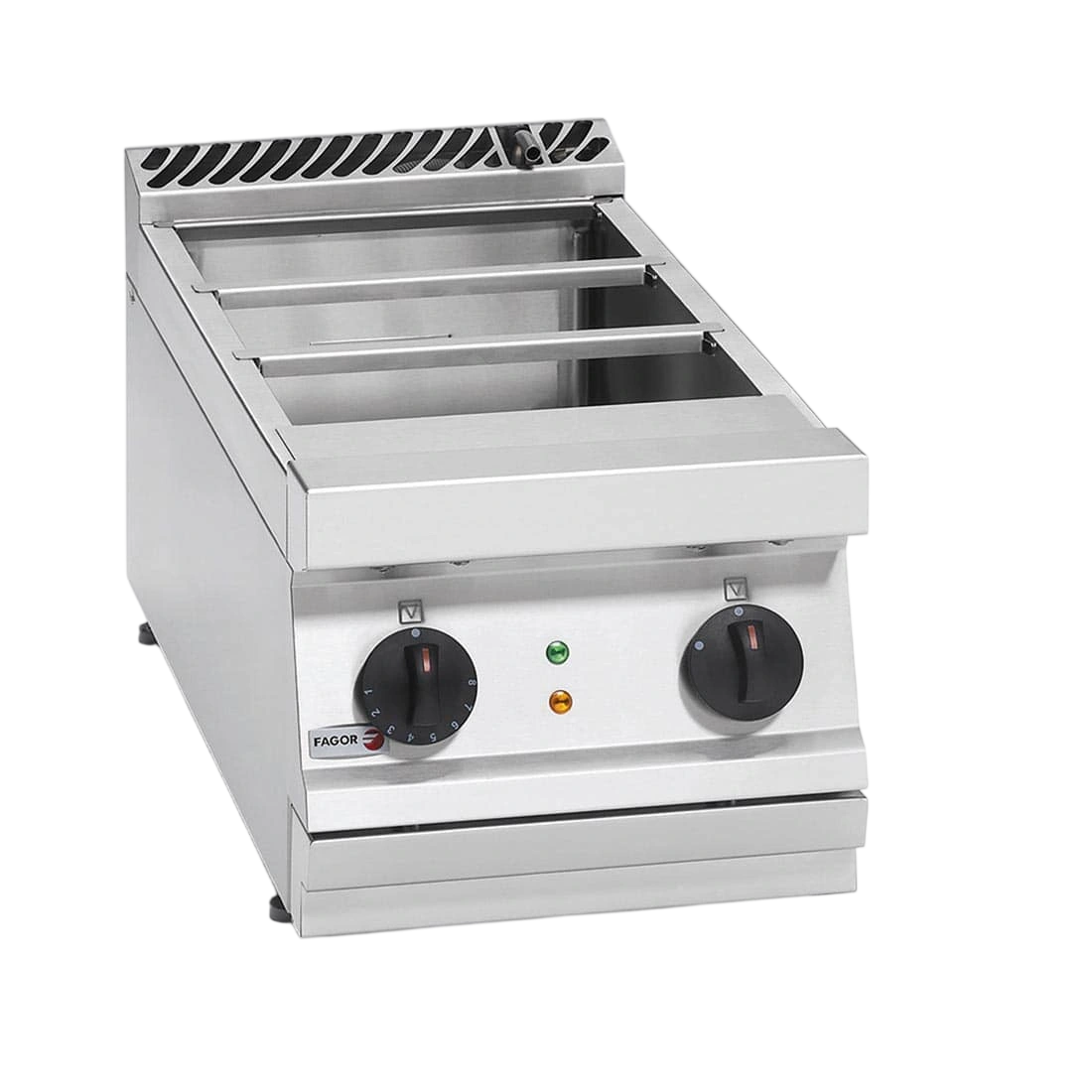
350 × 780 × 290mm
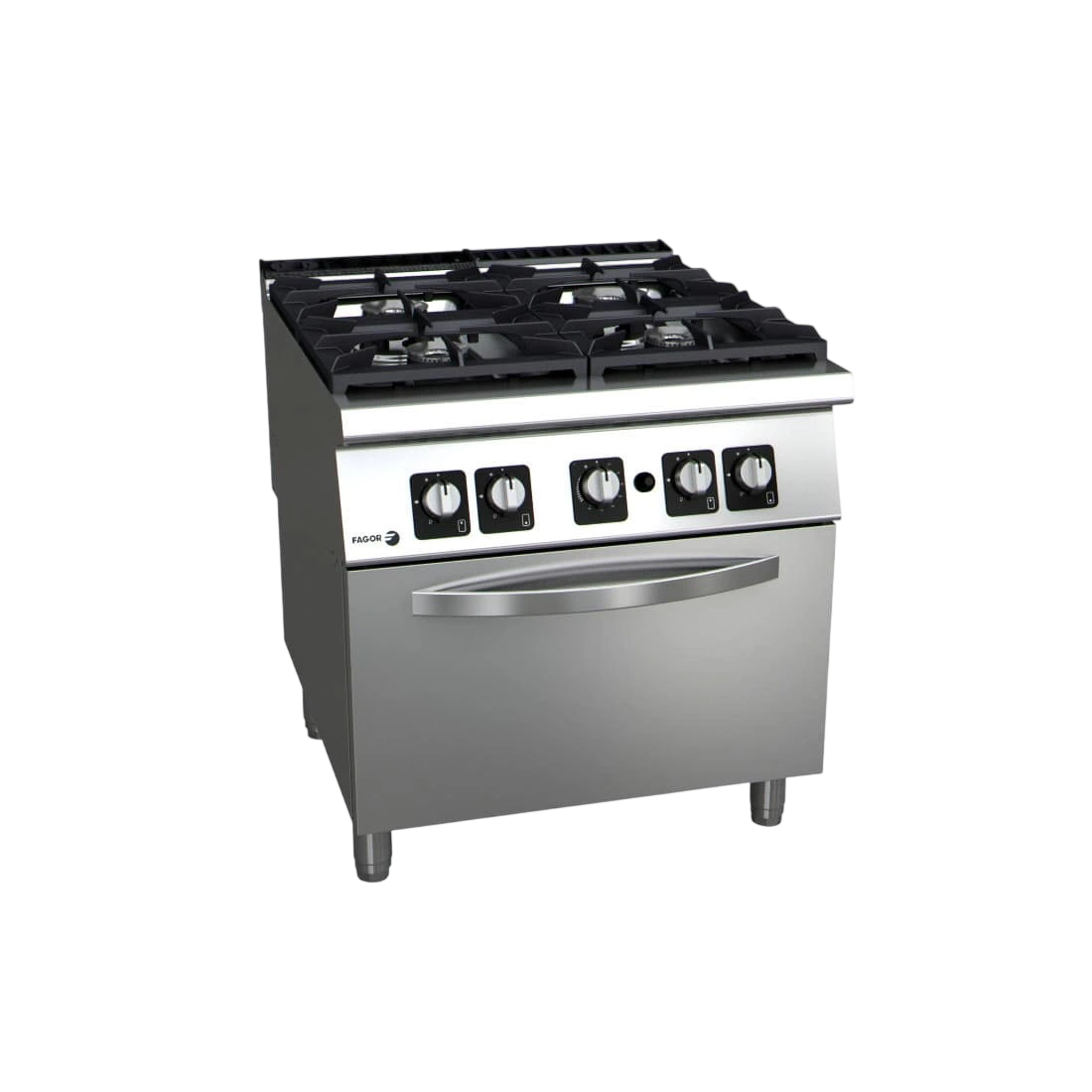
800 × 930 × 850mm
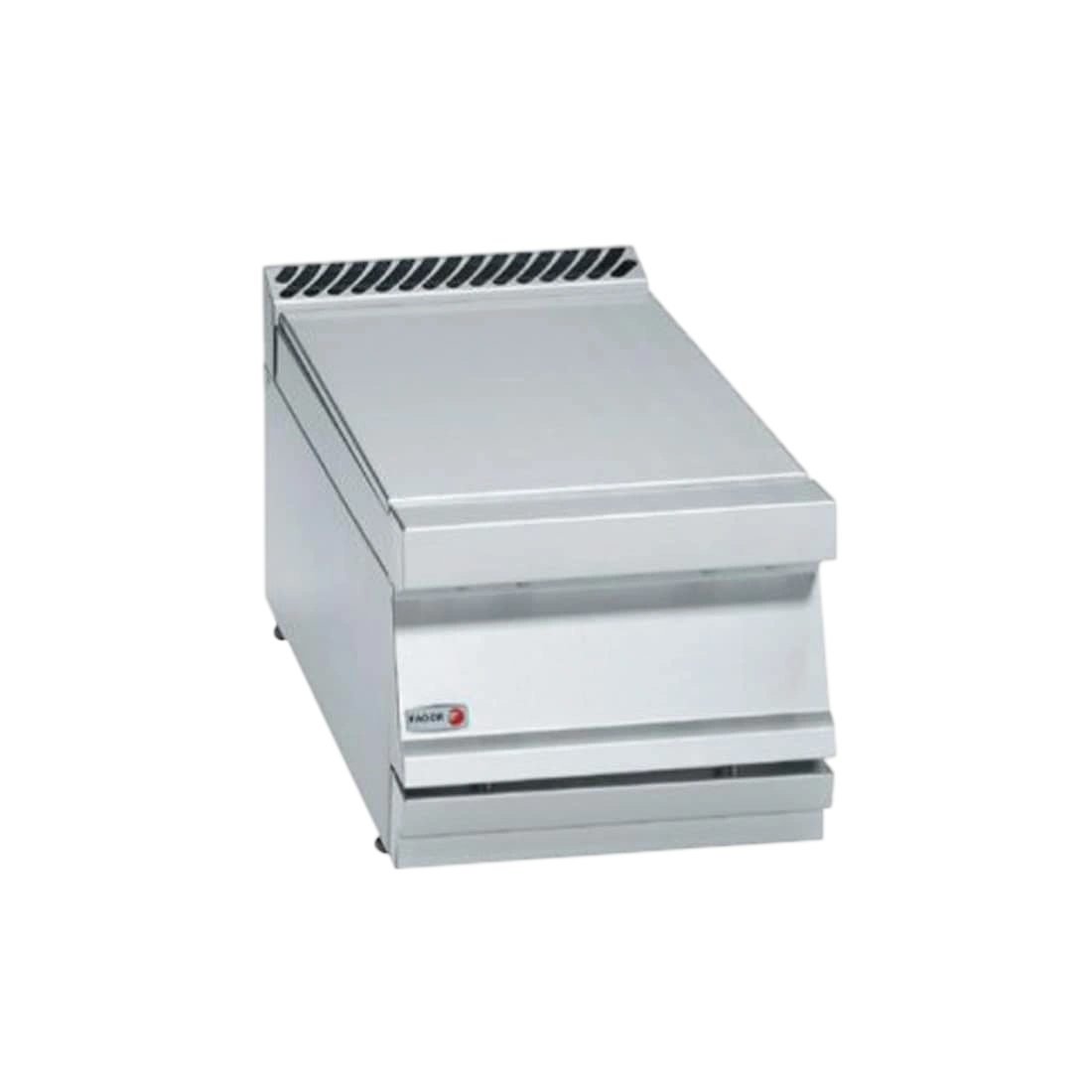
350 × 780 × 290mm
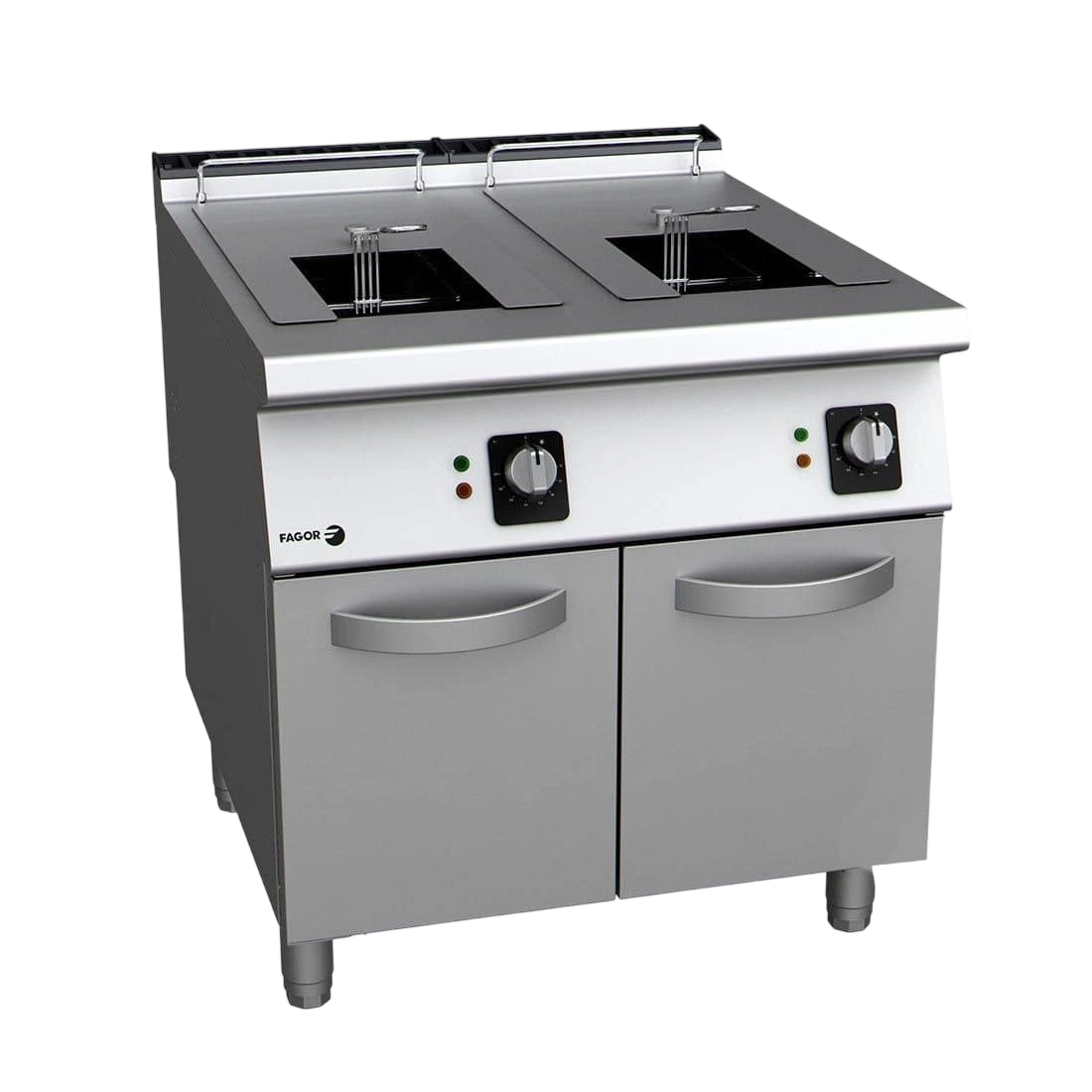
800 × 930 × 850mm
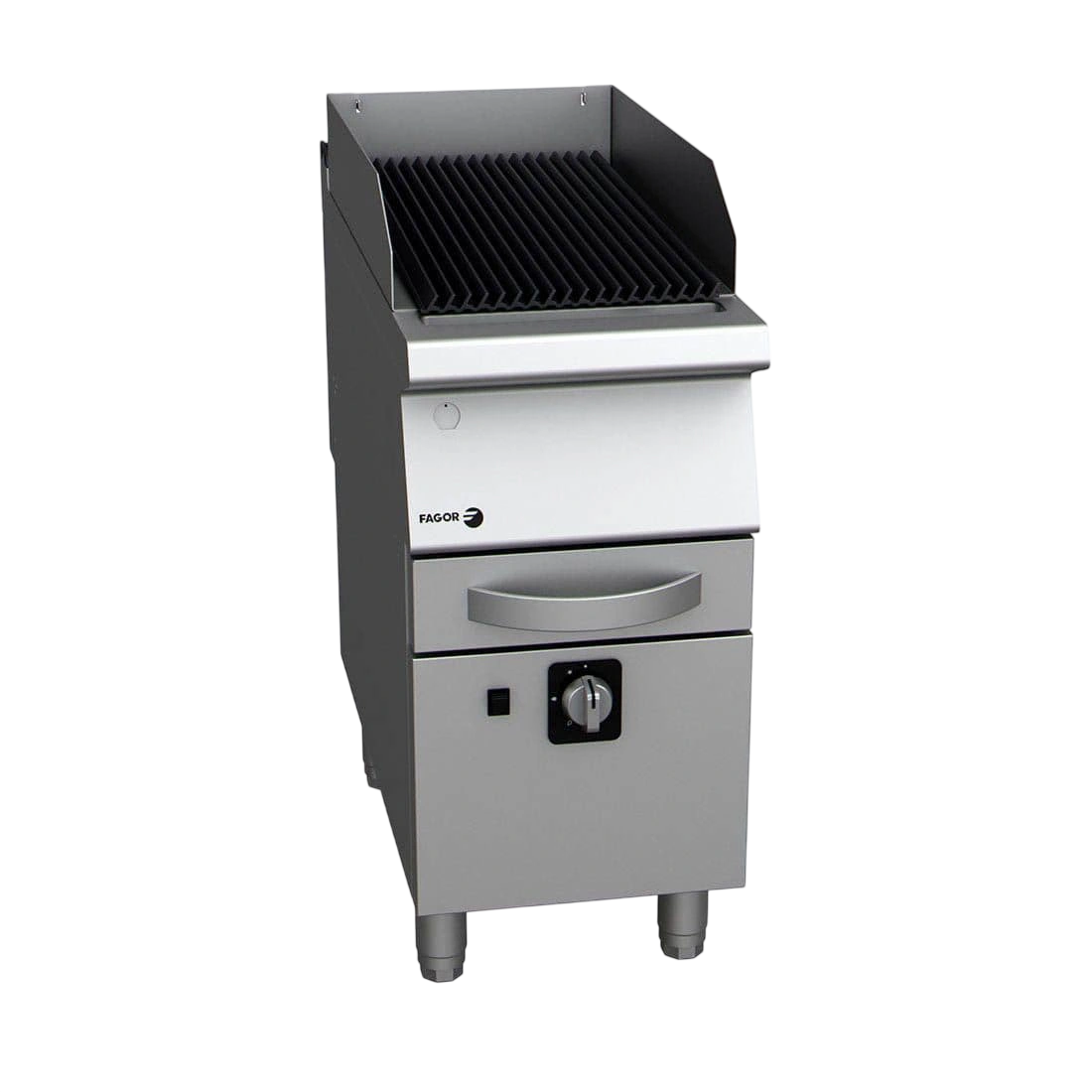
400 × 930 × 850mm
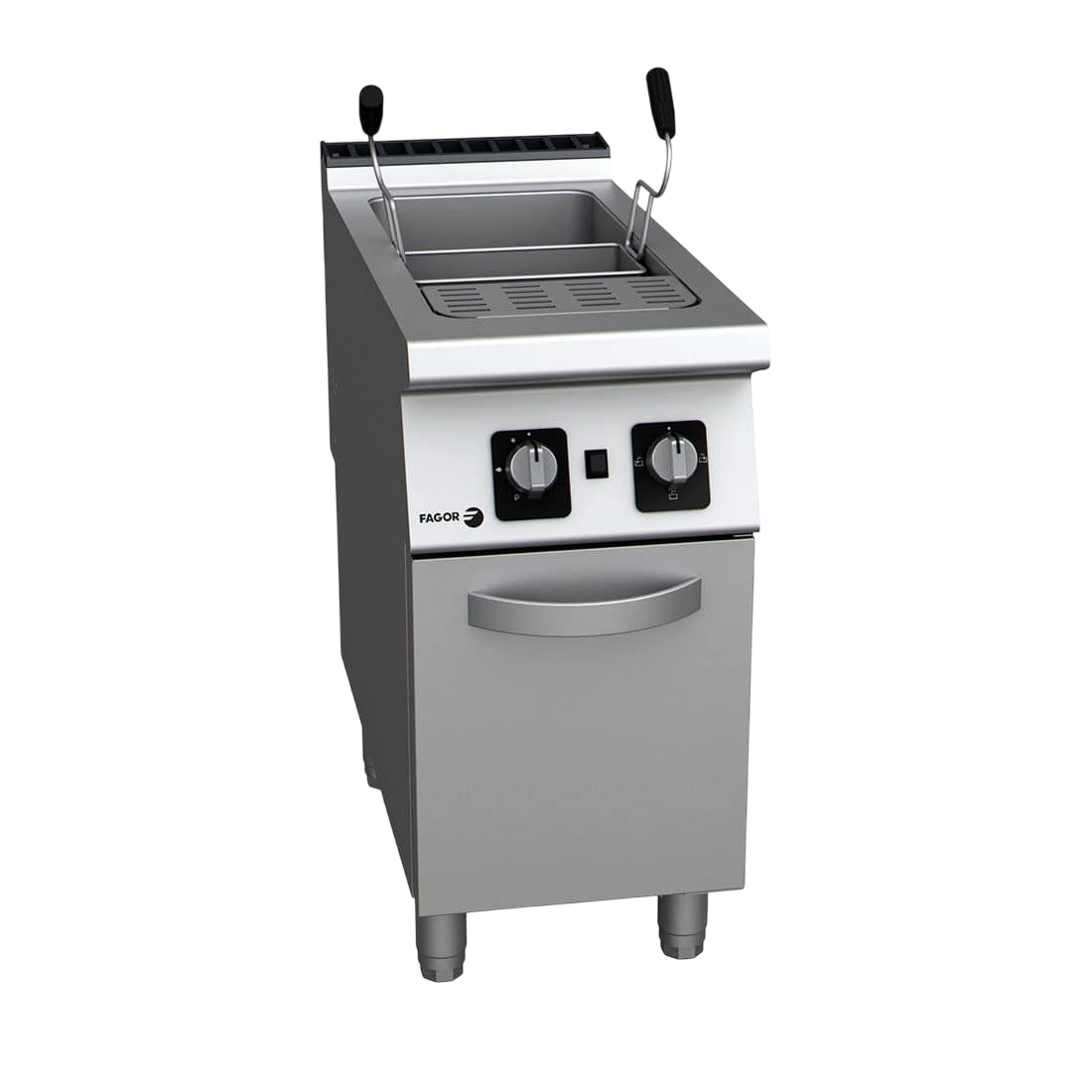
400 × 930 × 850mm
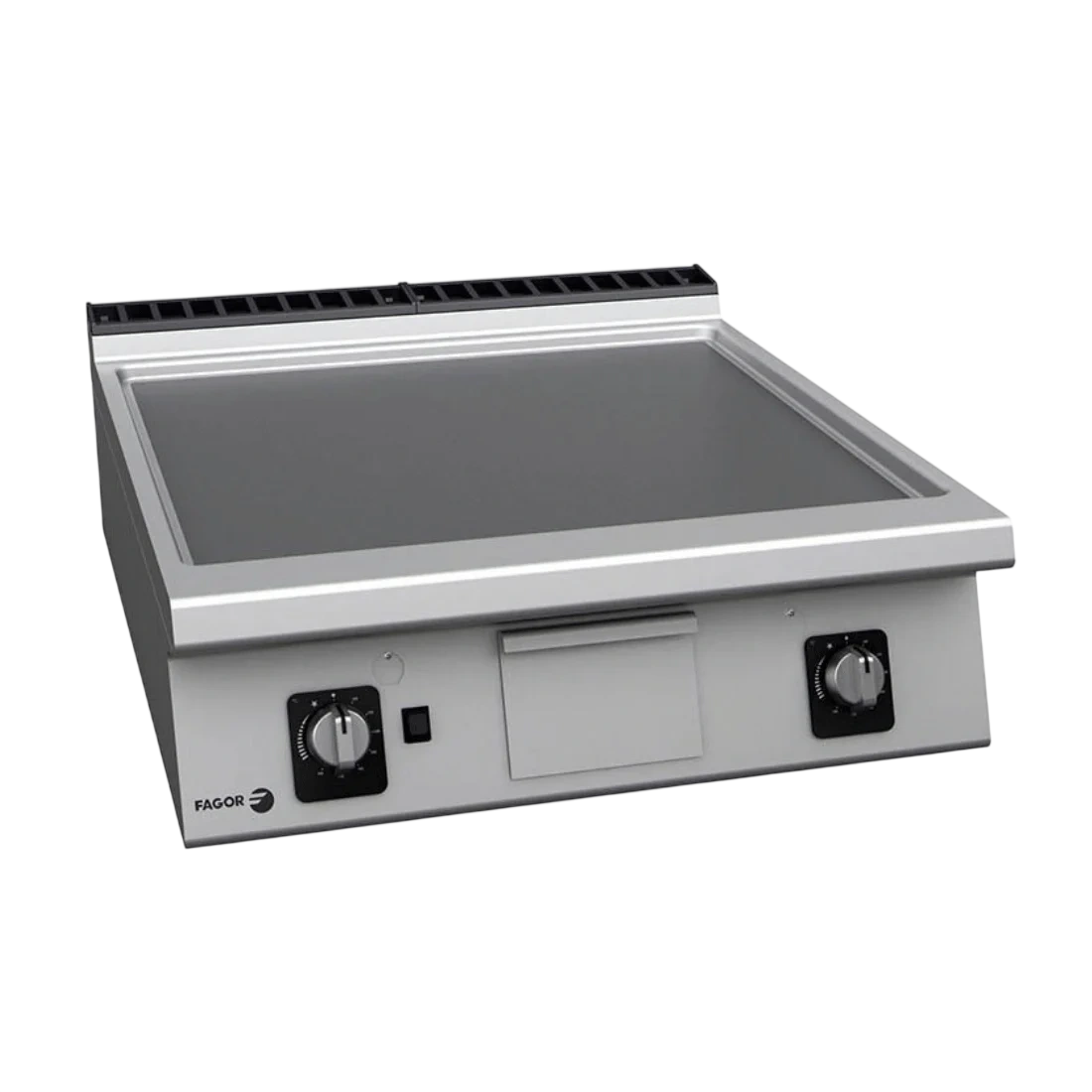
800 × 930 × 290mm
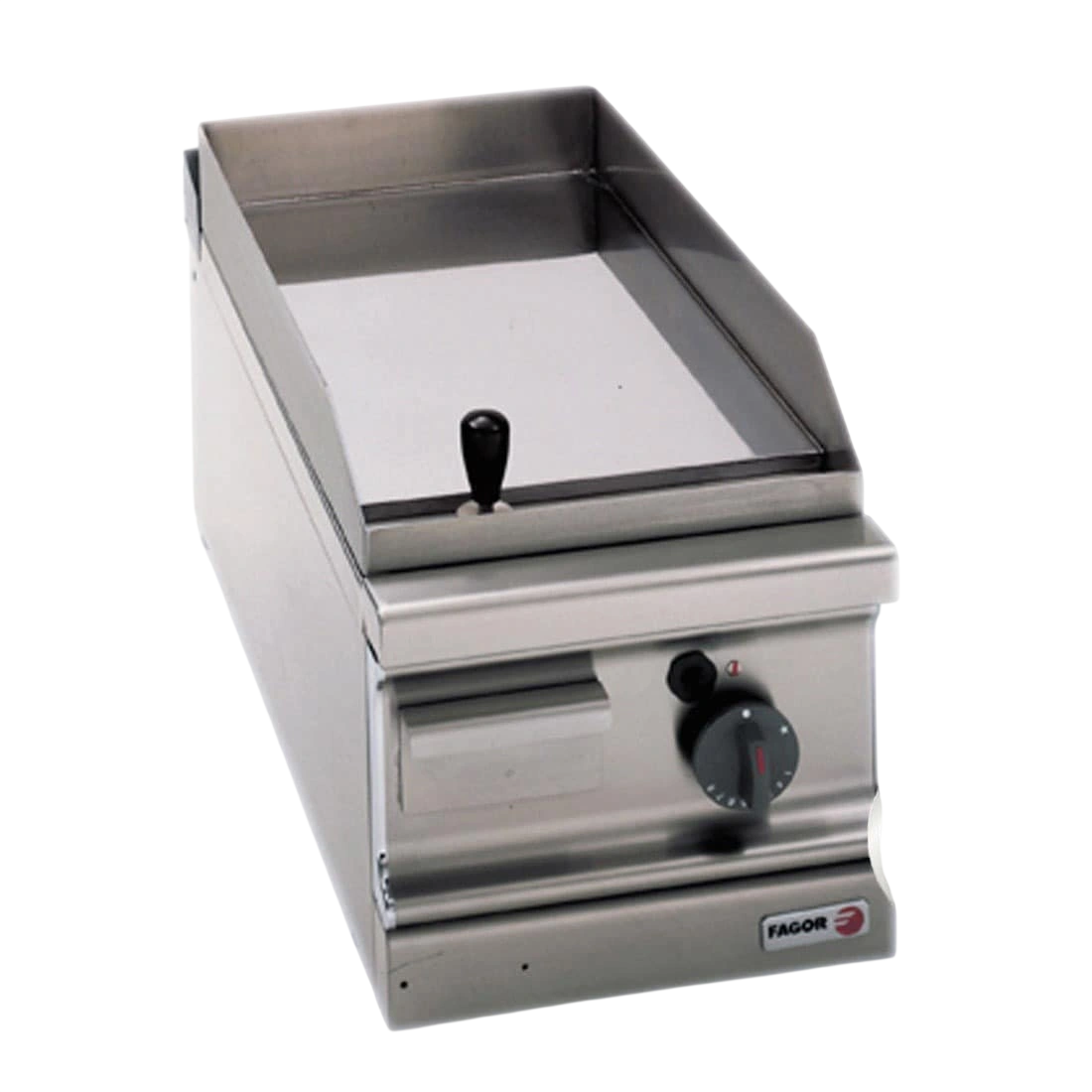
350 × 780 × 290mm
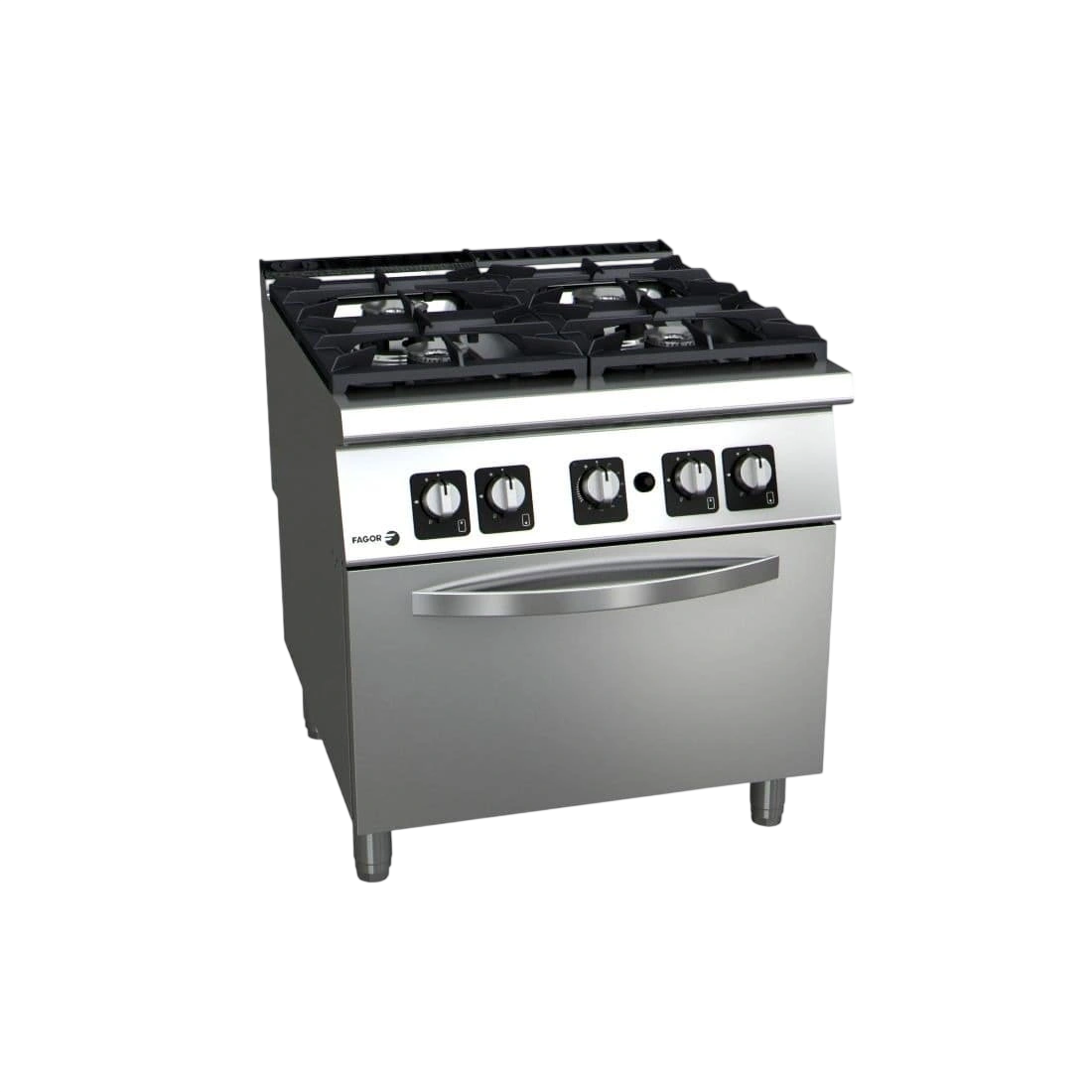
800 × 930 × 850mm
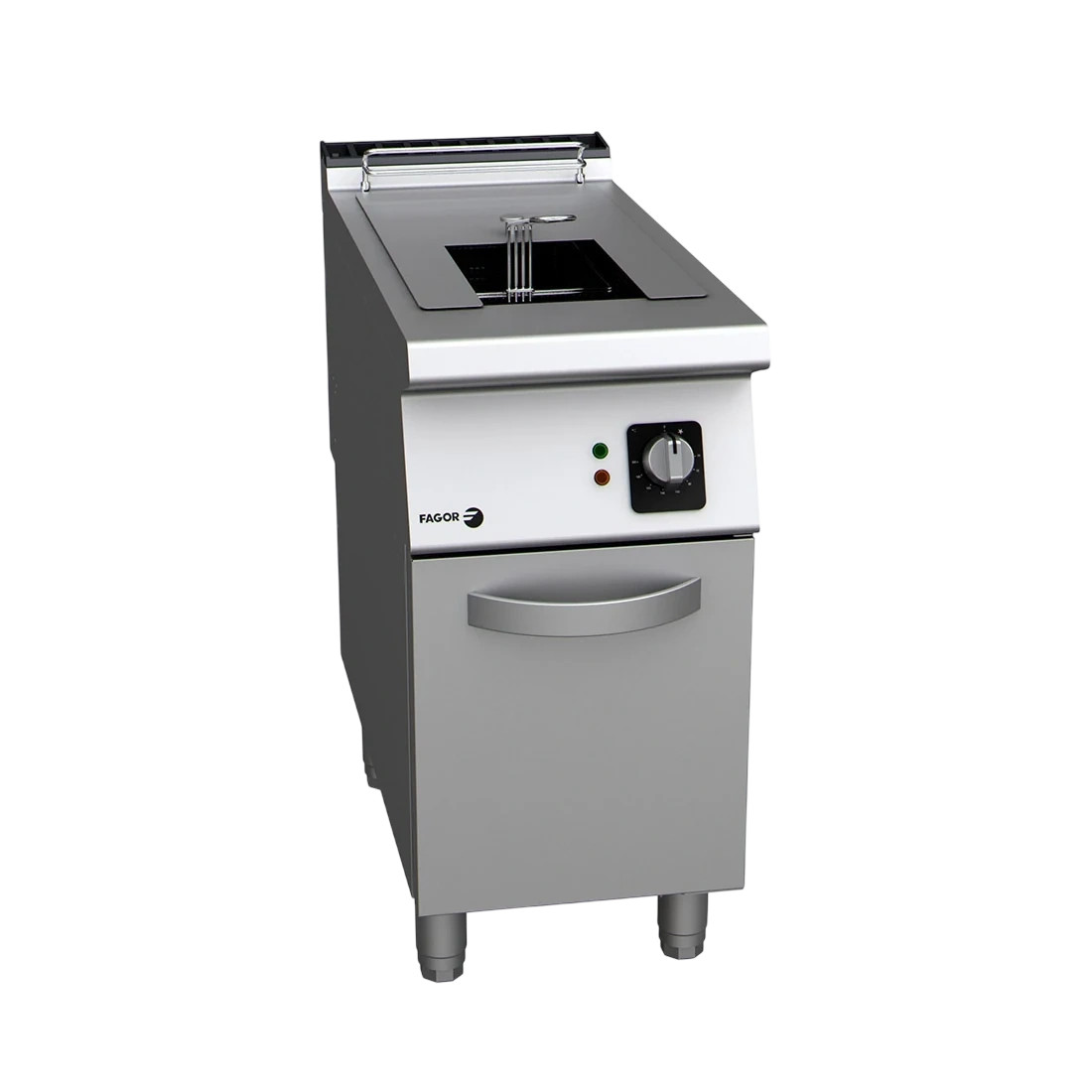
400 × 930 × 850mm
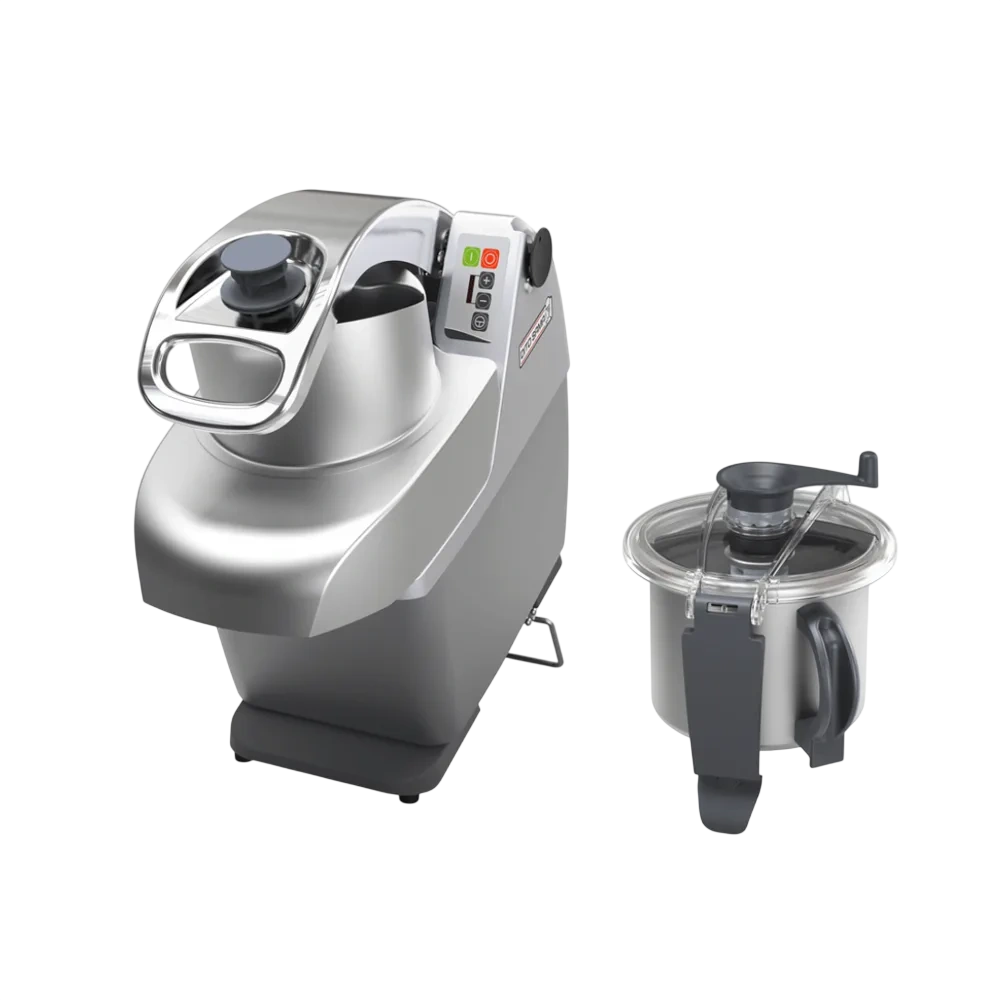
252 × 485 × 505mm
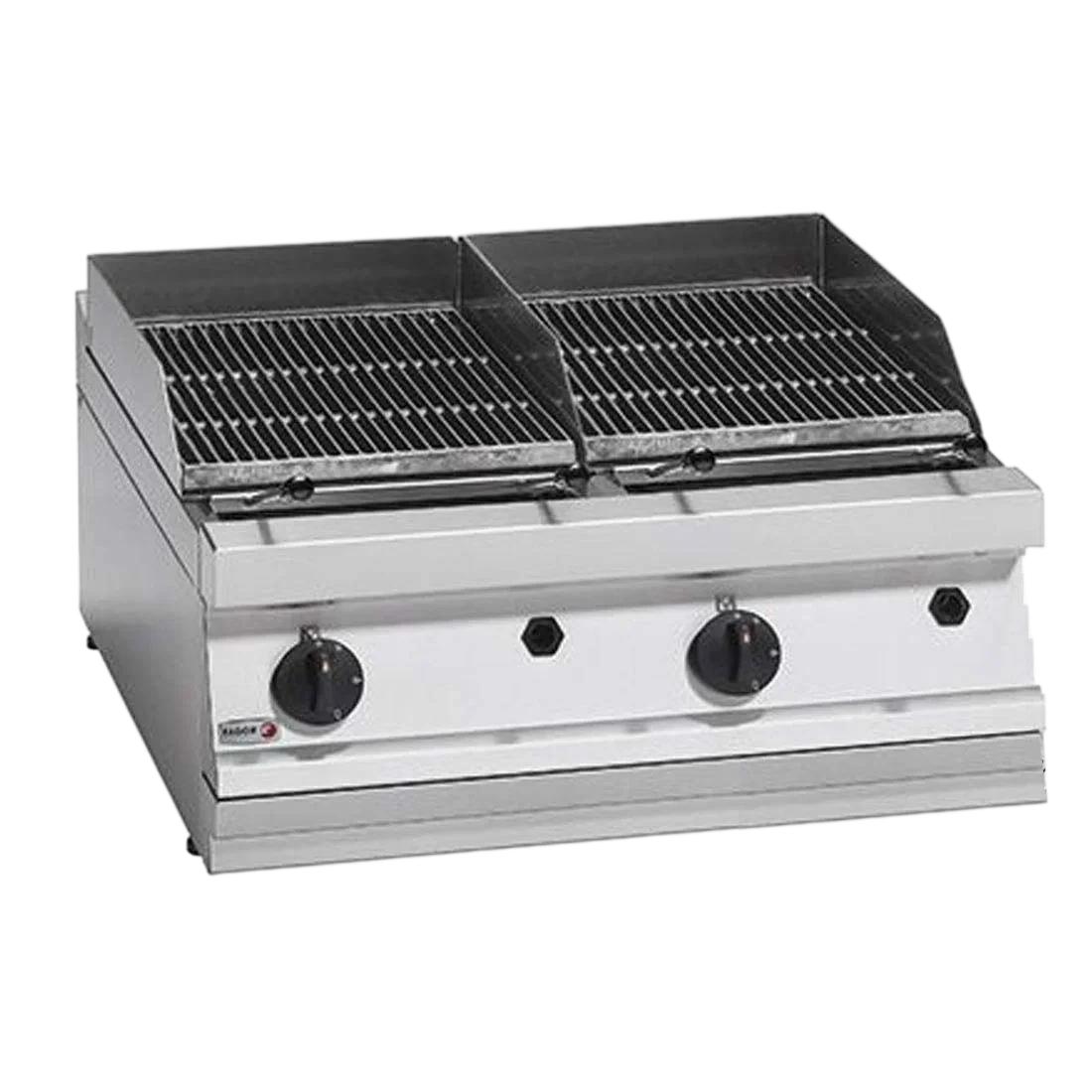
700 × 780 × 290mm
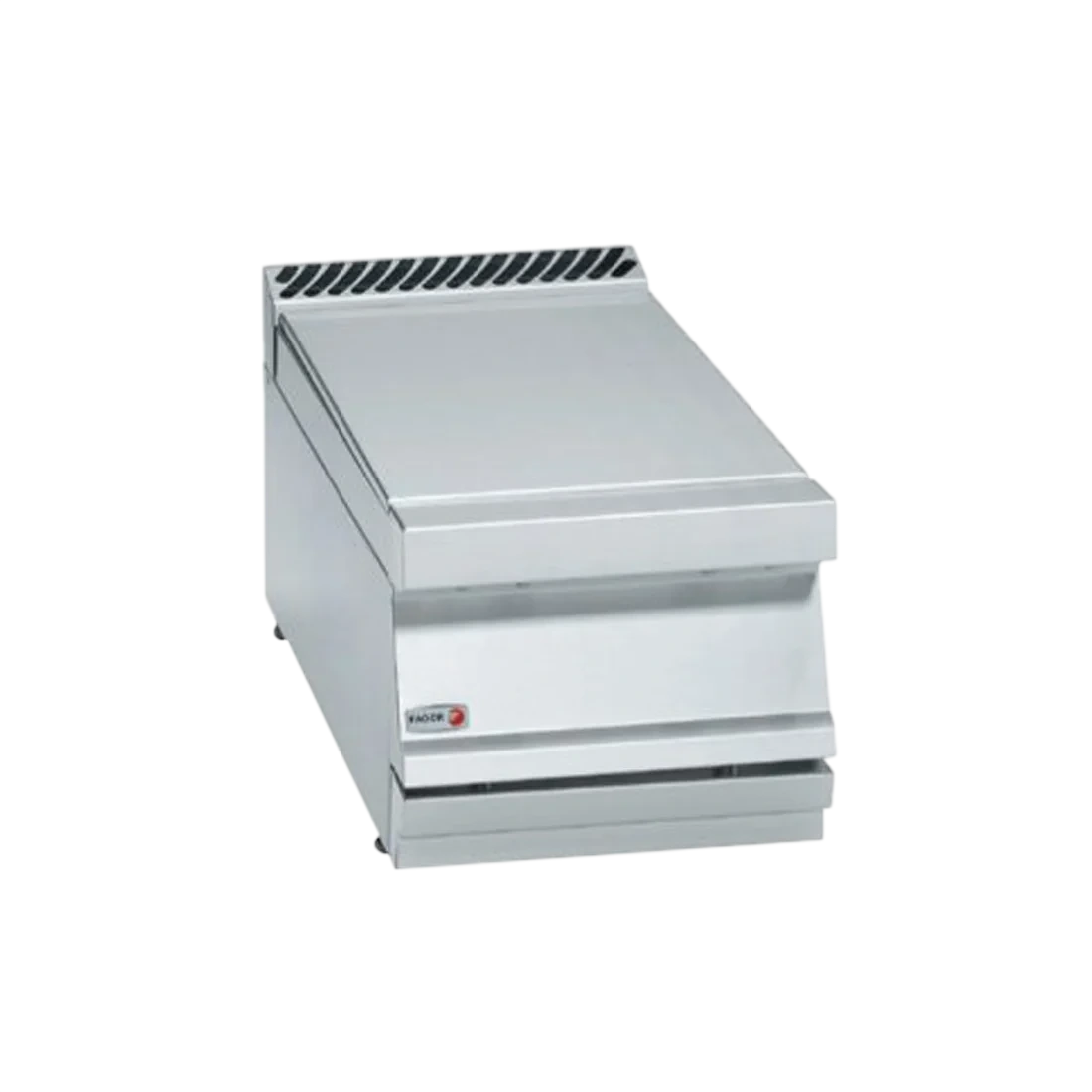
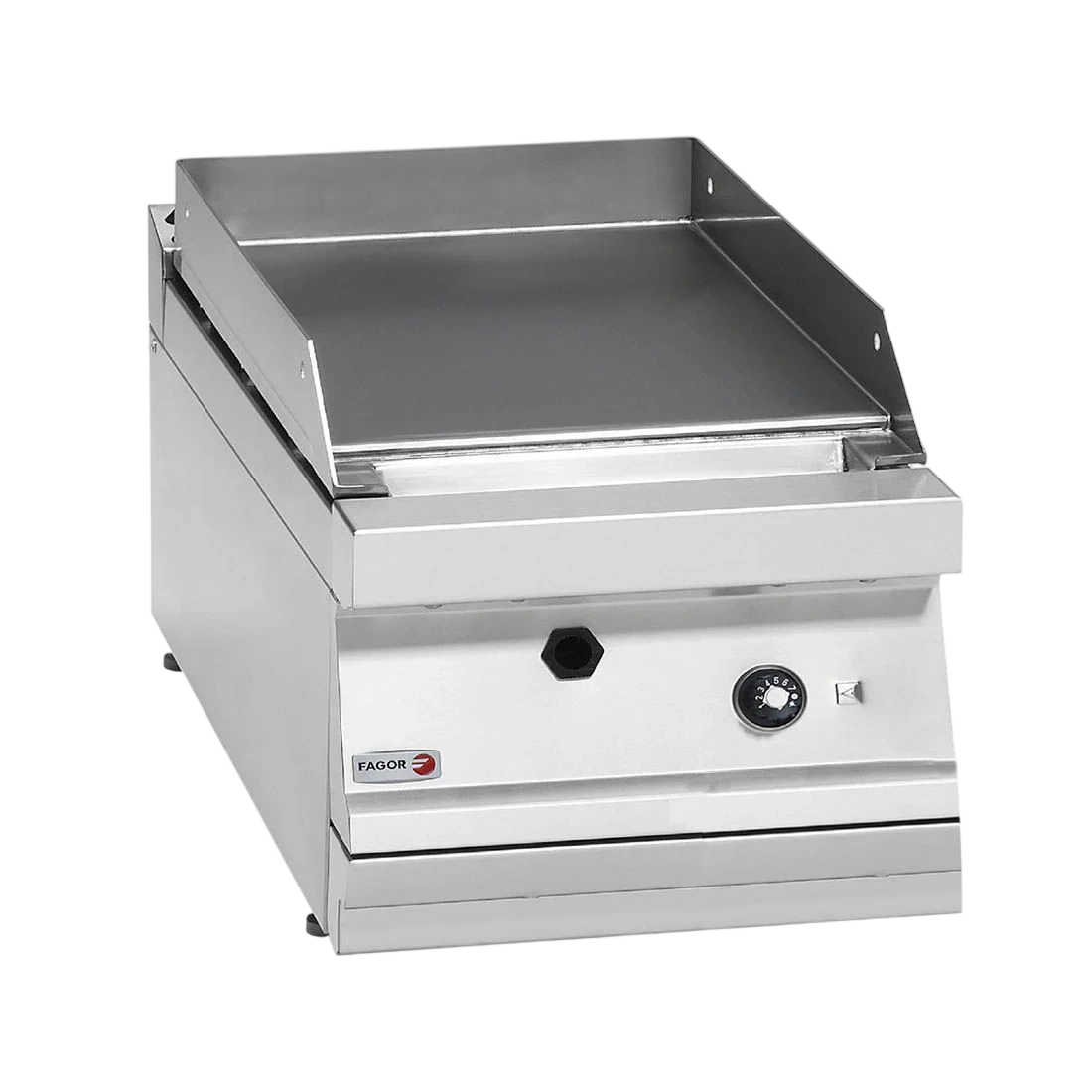
350 × 775 × 290mm
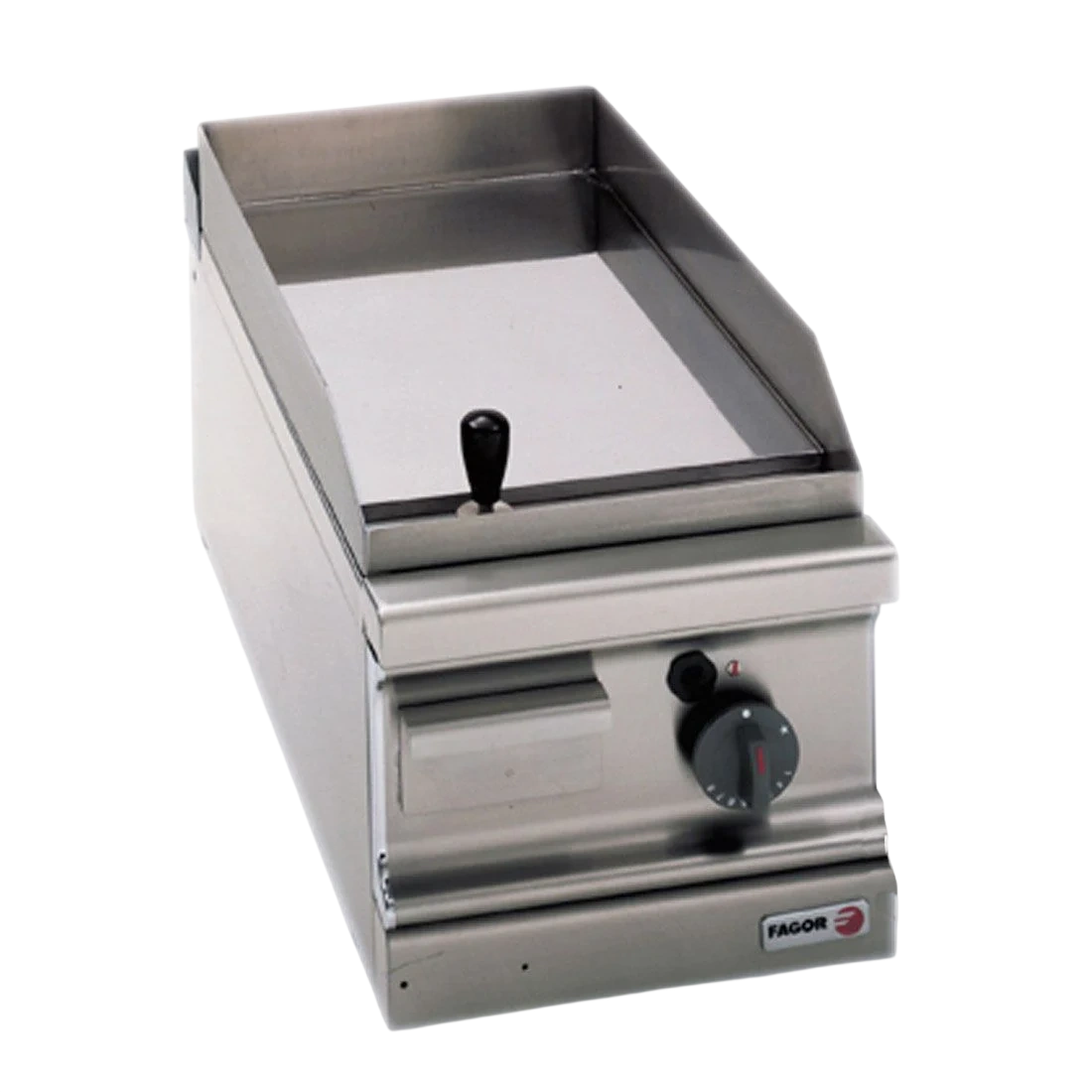
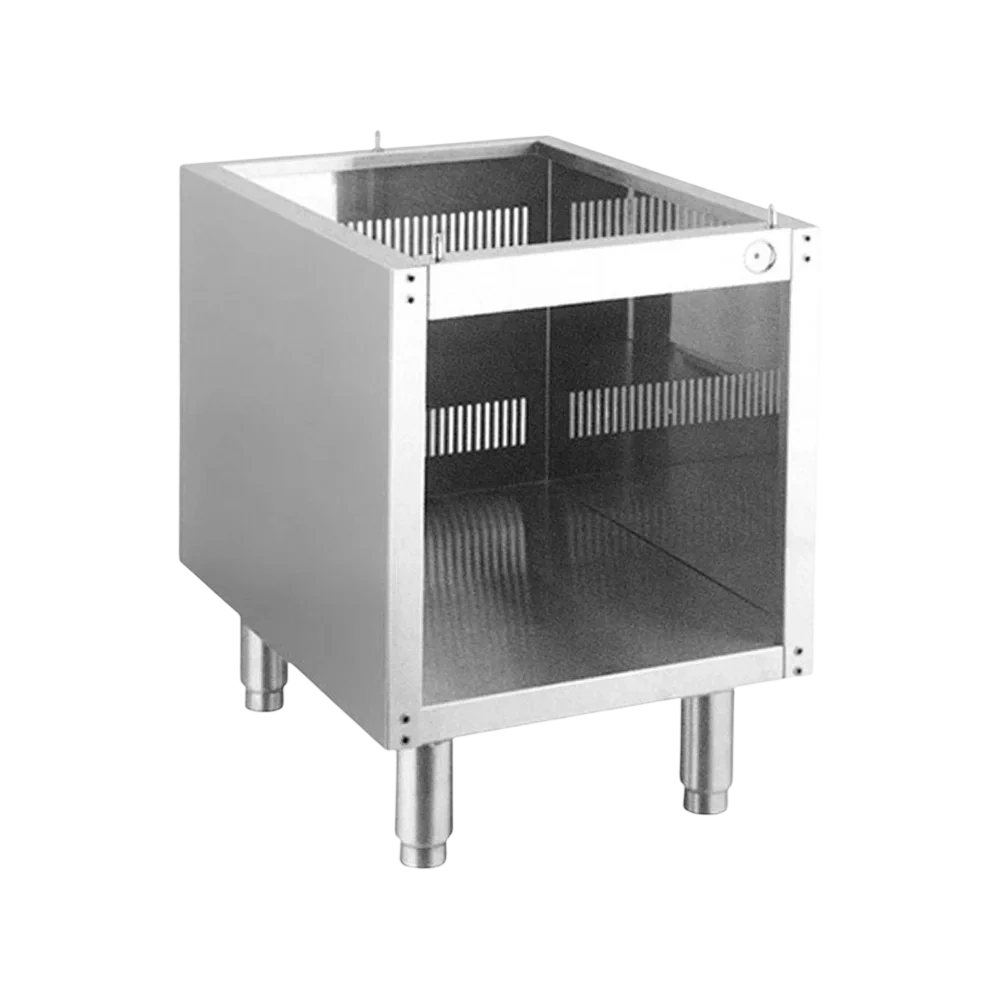
400 × 512 × 555mm
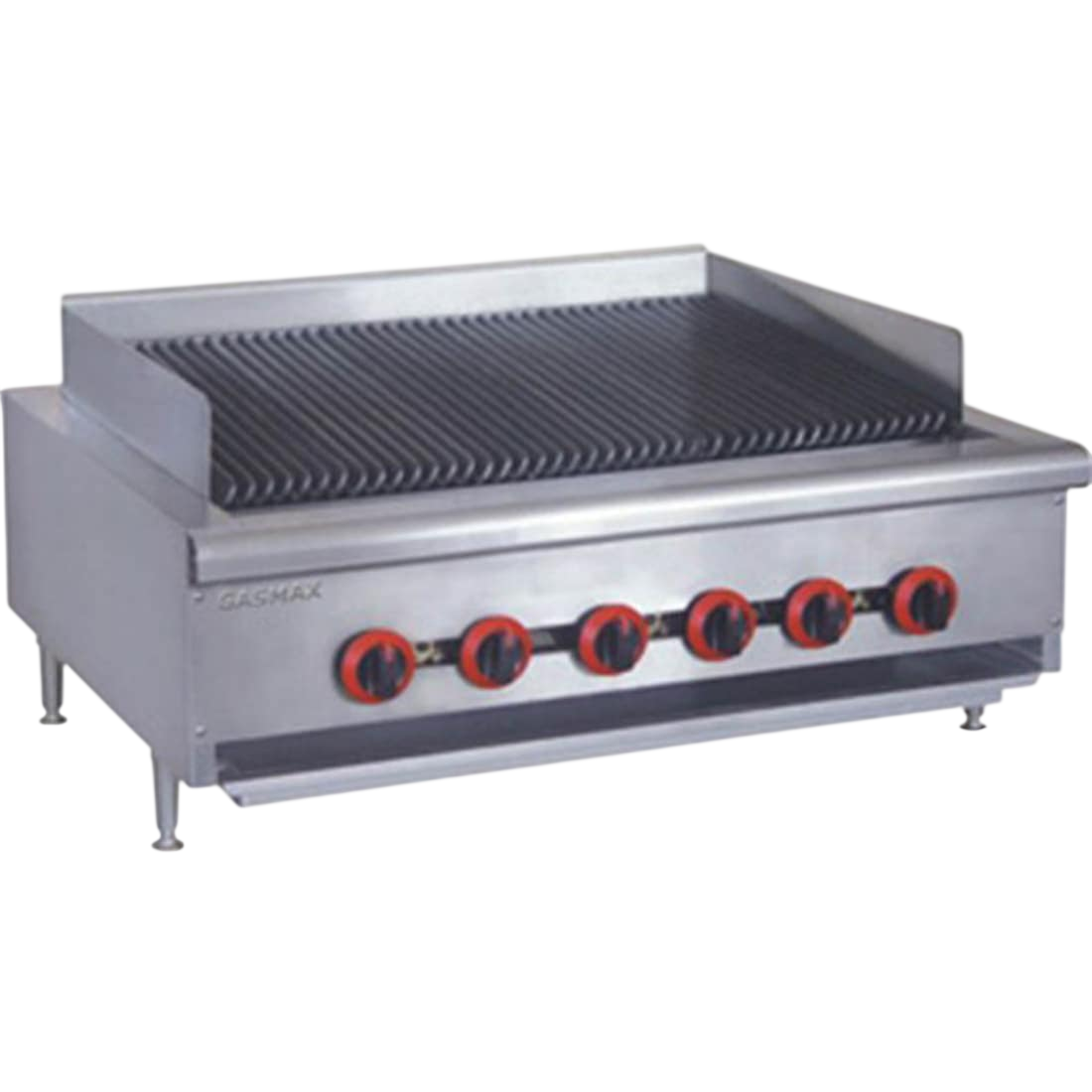
915 × 770 × 460mm
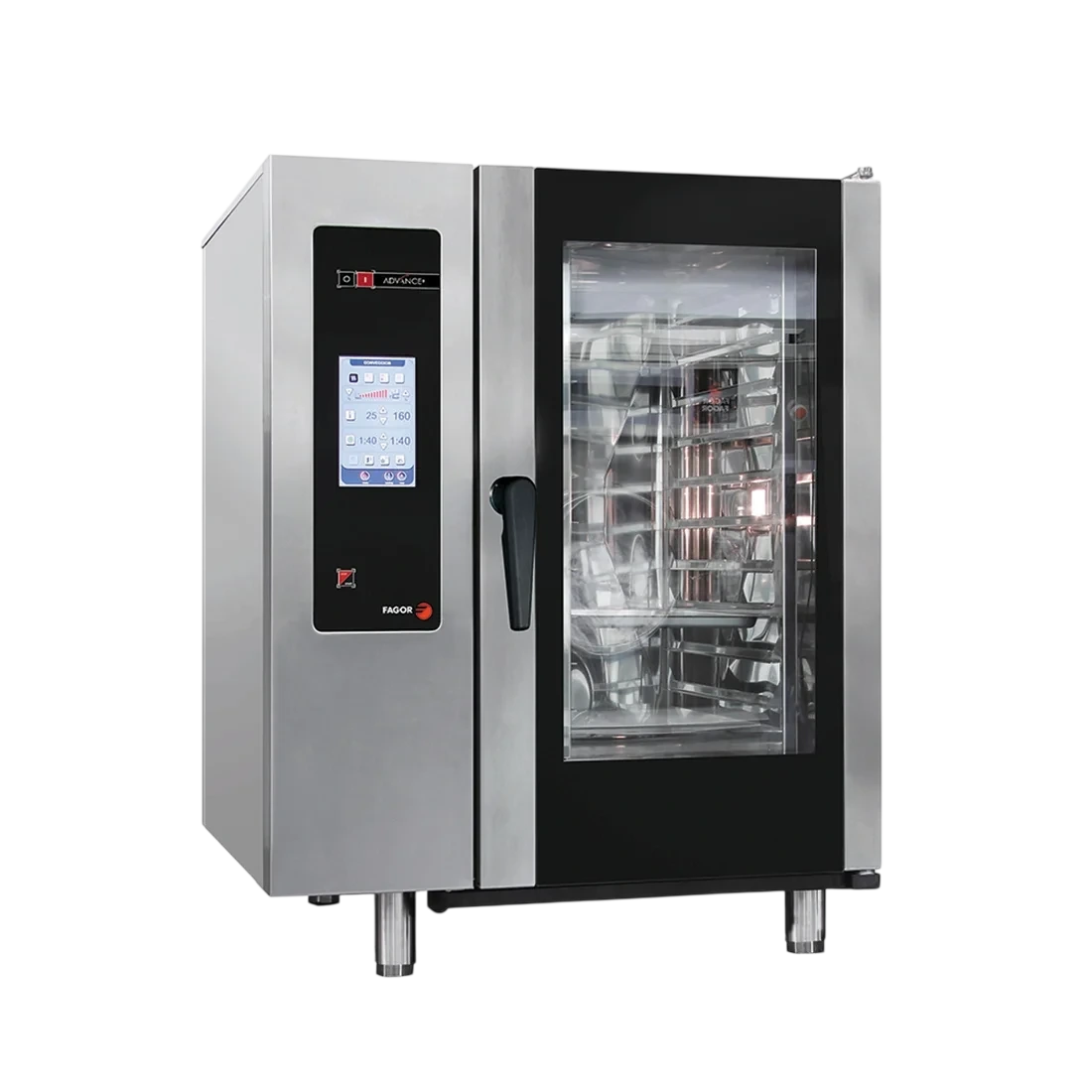
898 × 867 × 1117mm
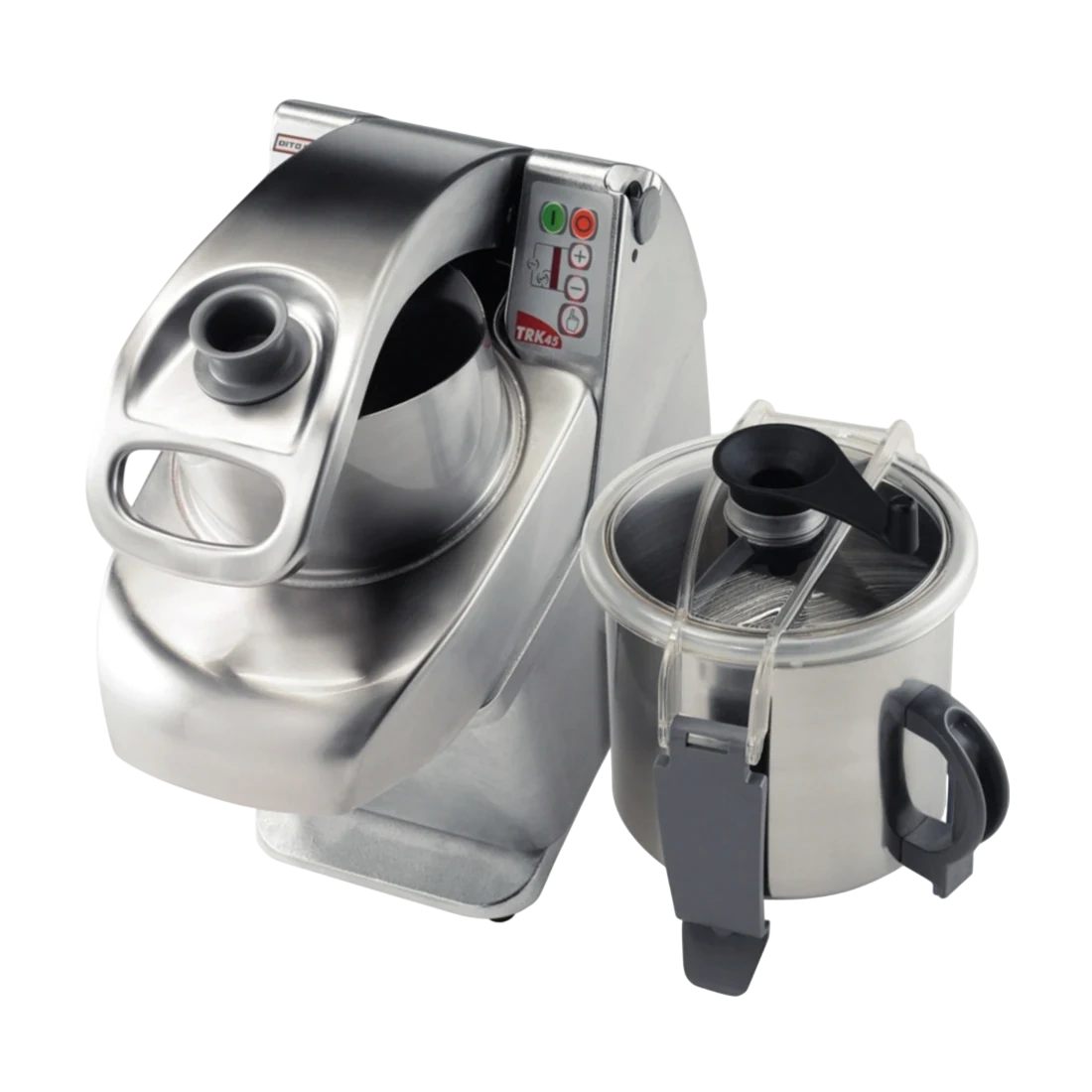
252 × 485 × 505mm
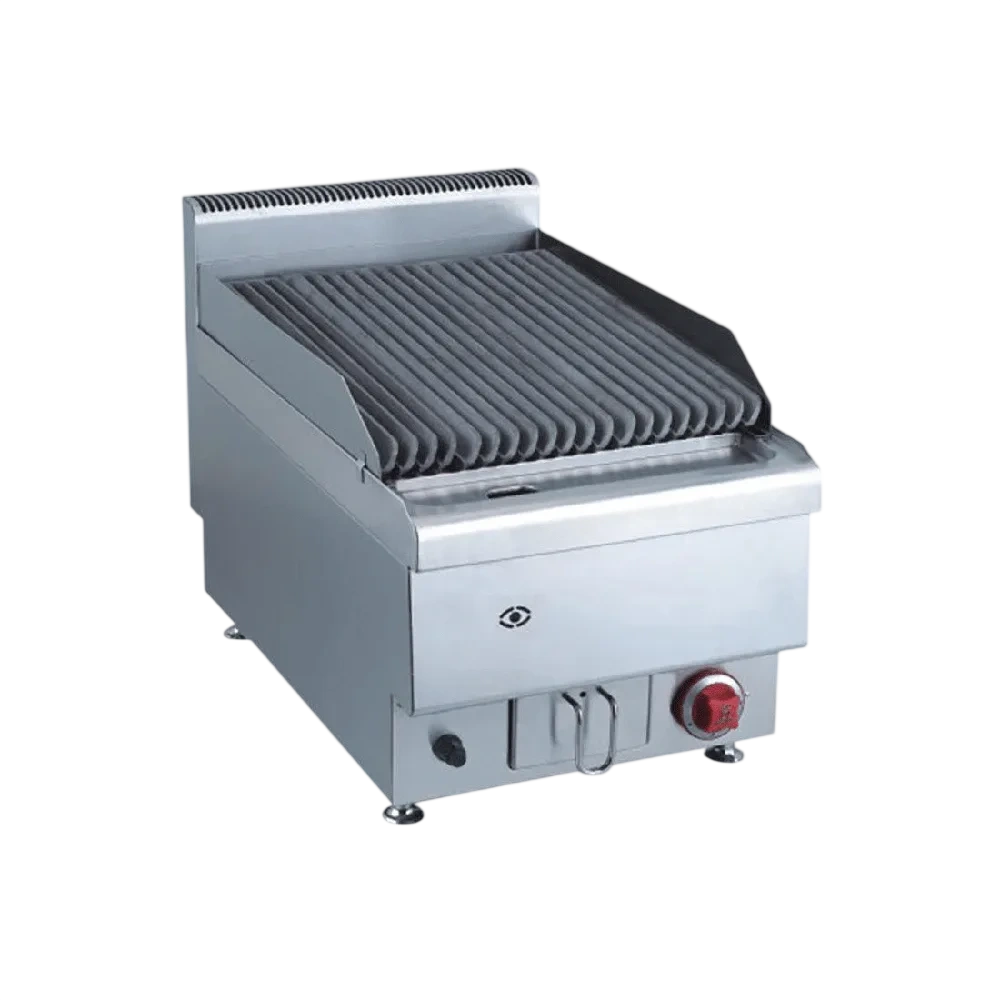
400 × 650 × 475mm
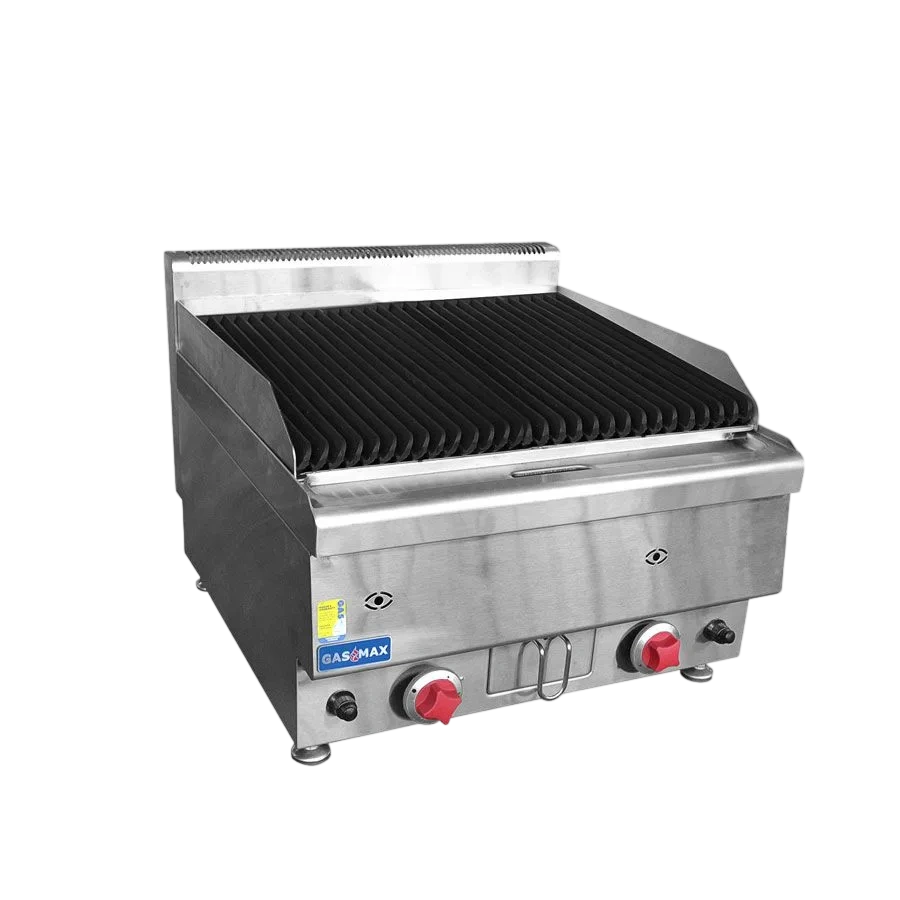
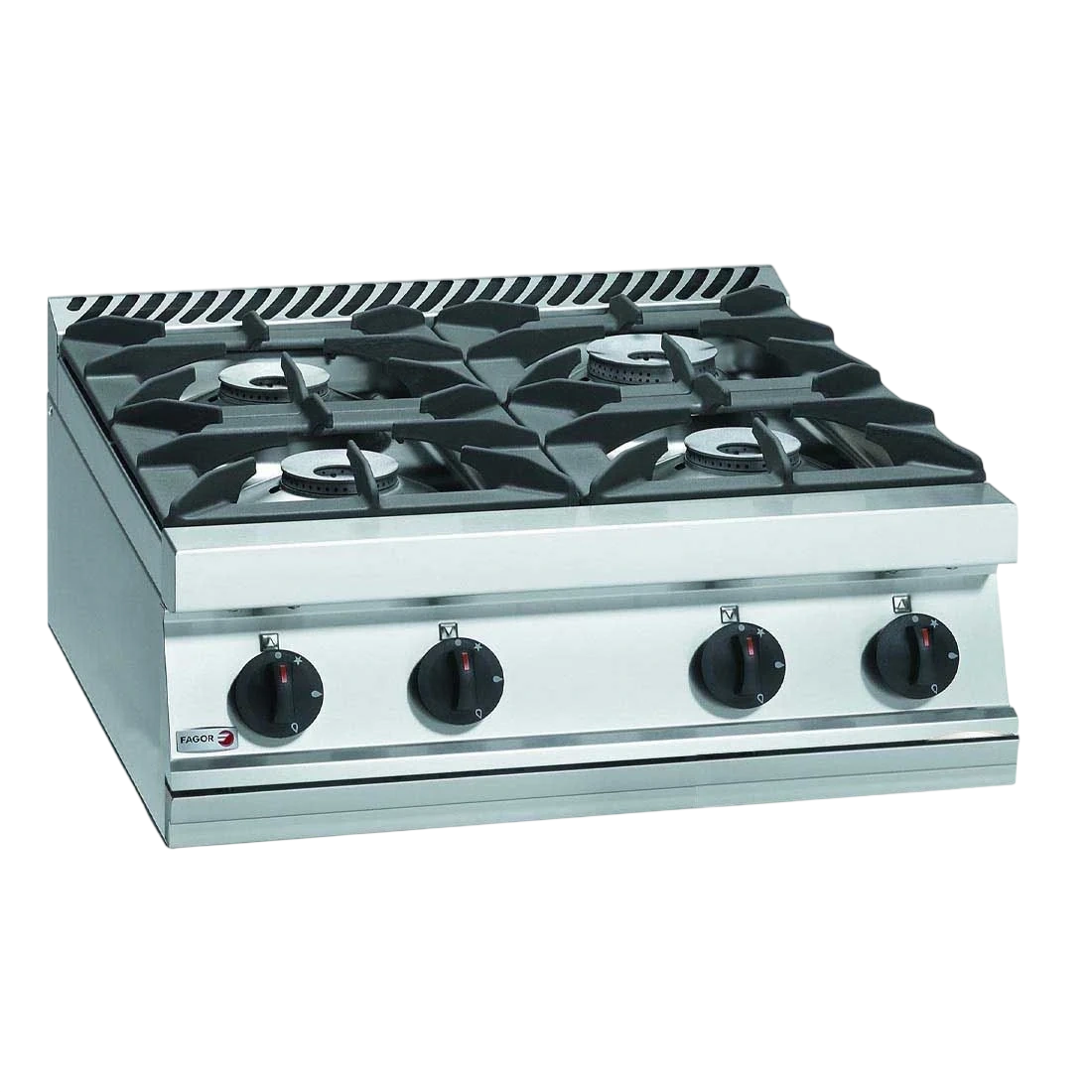
700 × 775 × 290mm
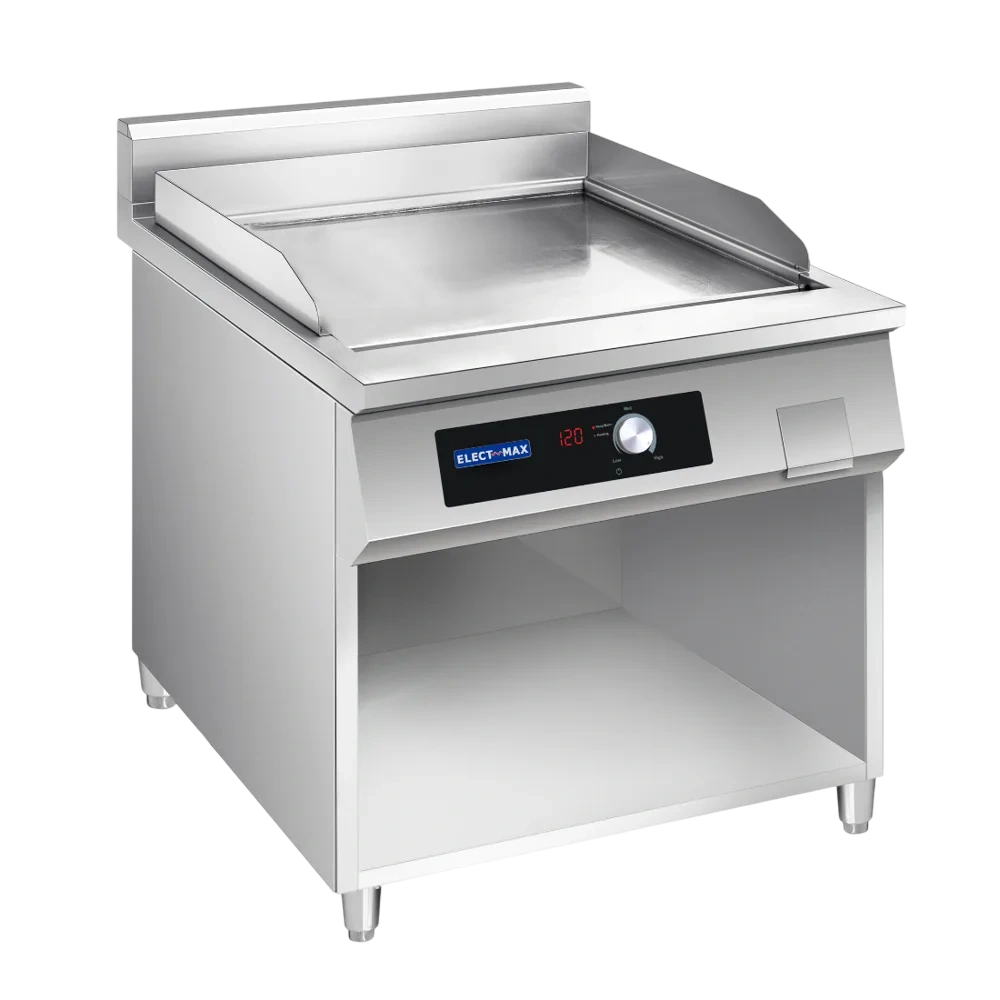
800 × 700 × 980mm
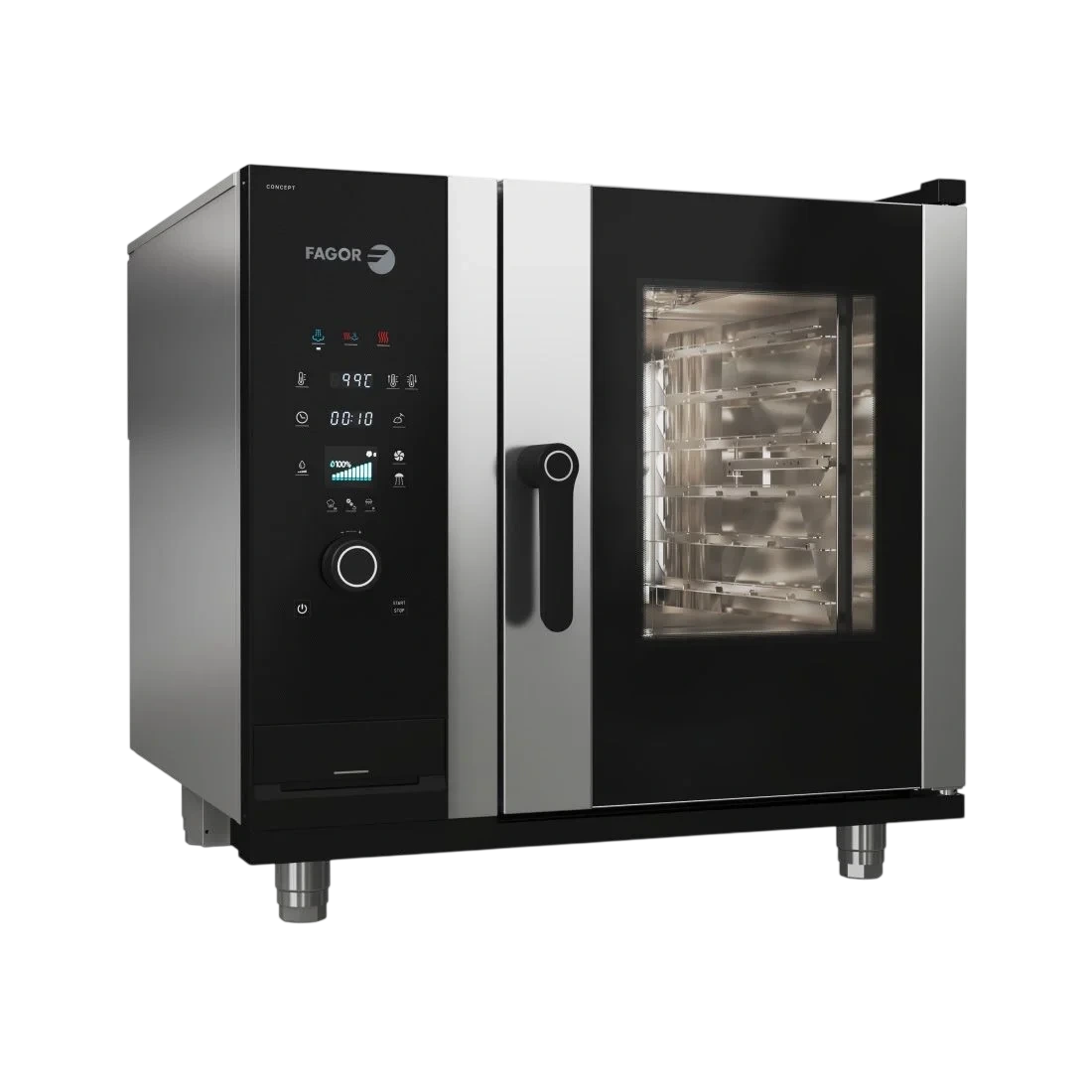
898 × 817 × 846mm
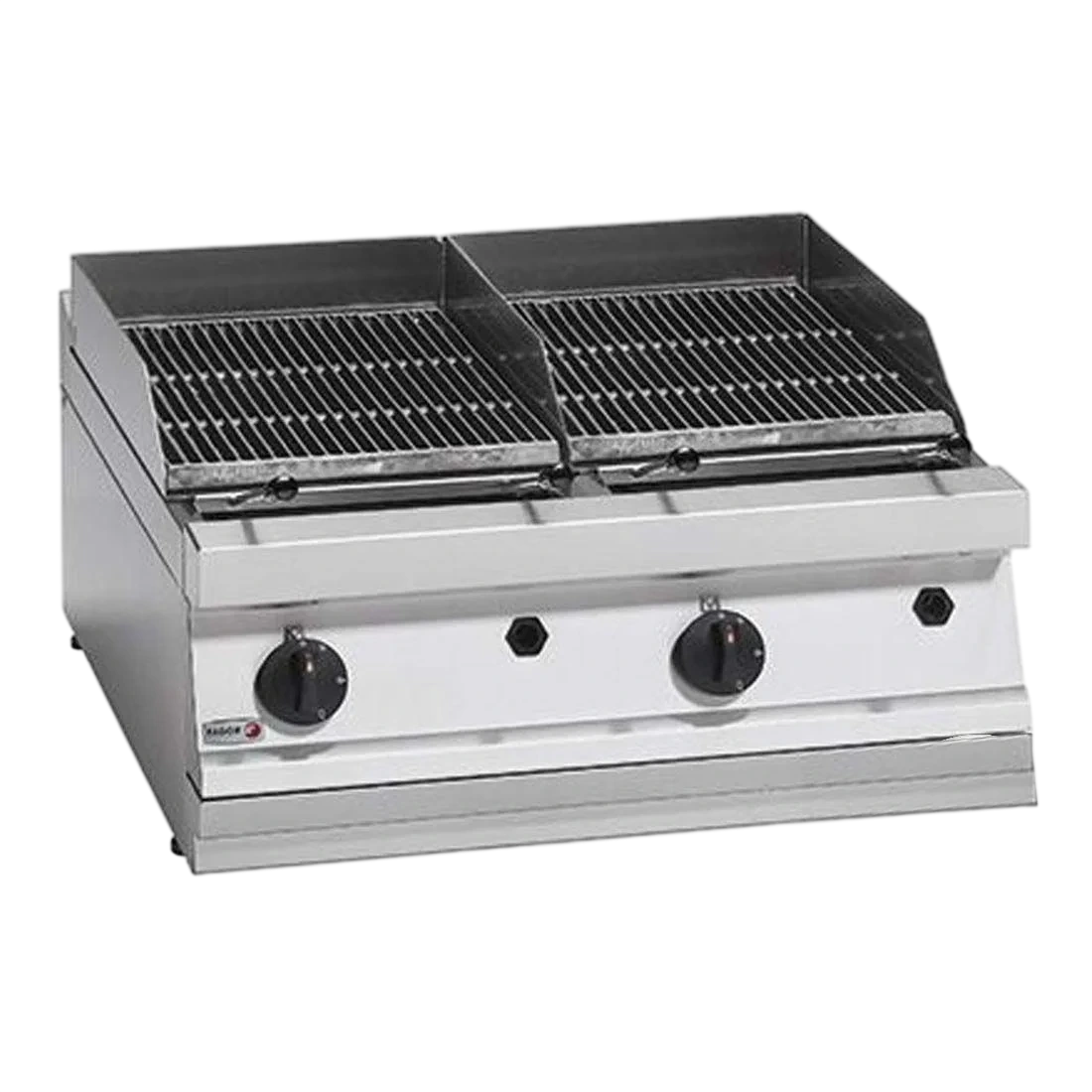
700 × 780 × 290mm
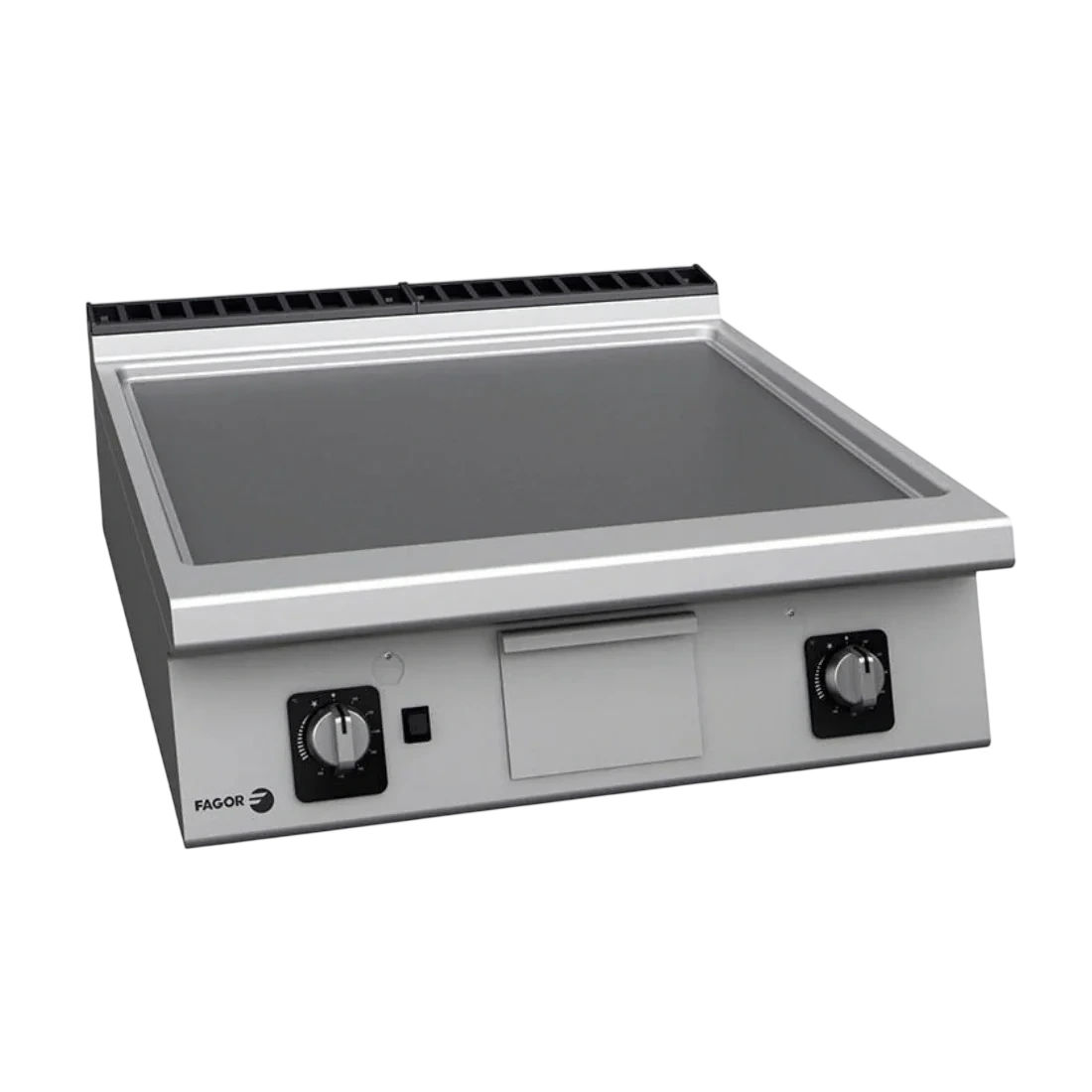
800 × 930 × 290mm
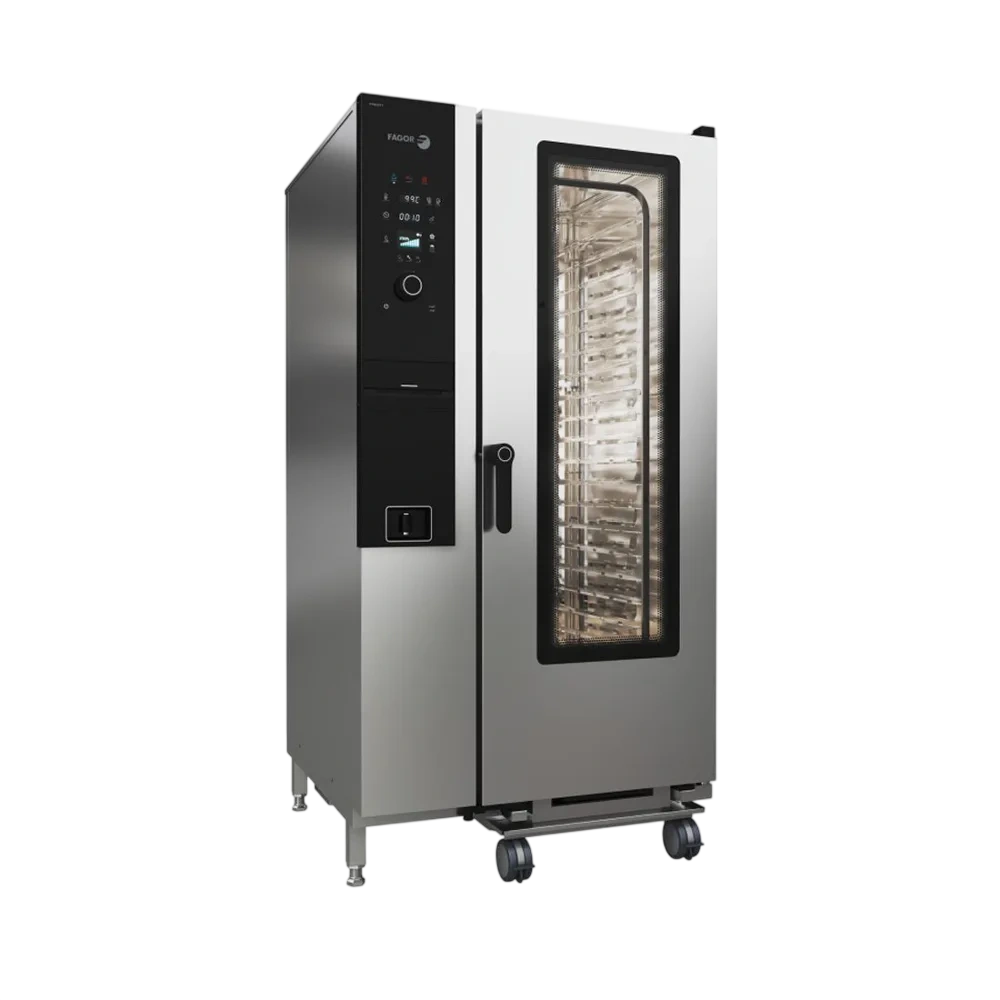
898 × 817 × 1841mm
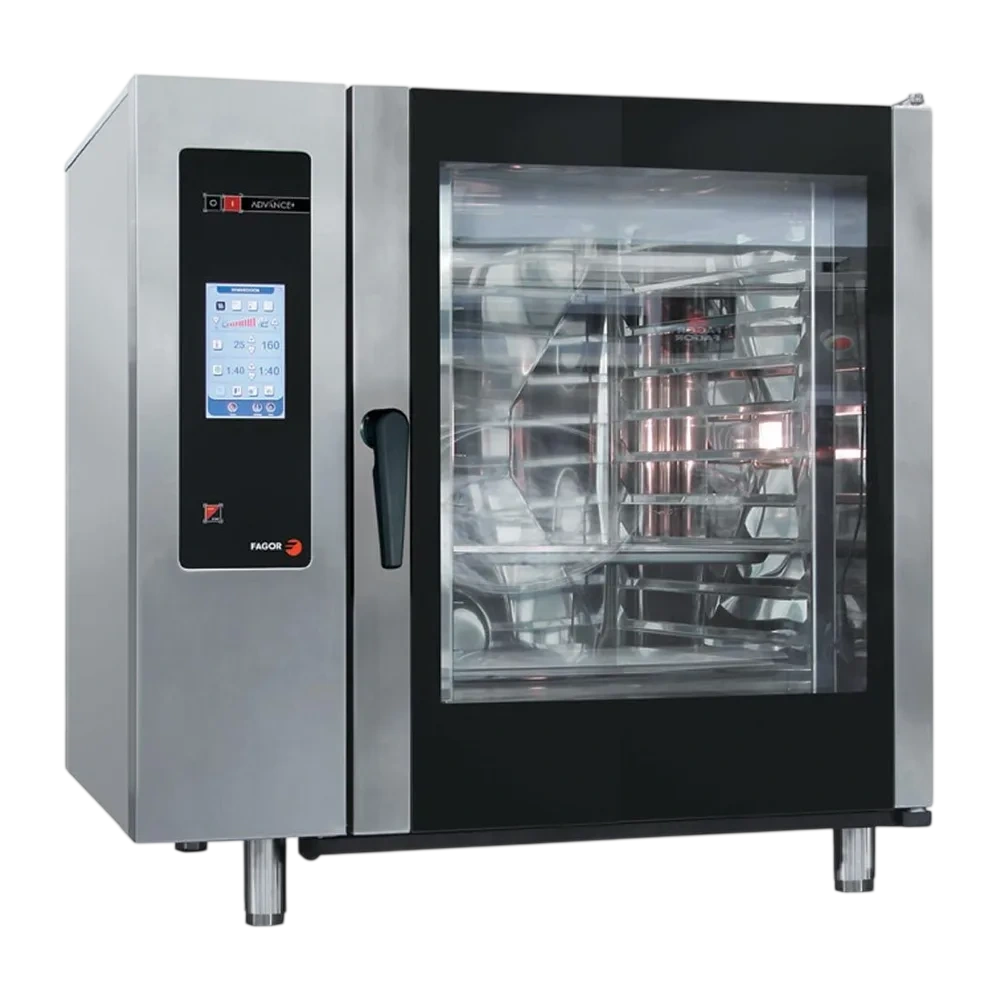
898 × 922 × 1117mm
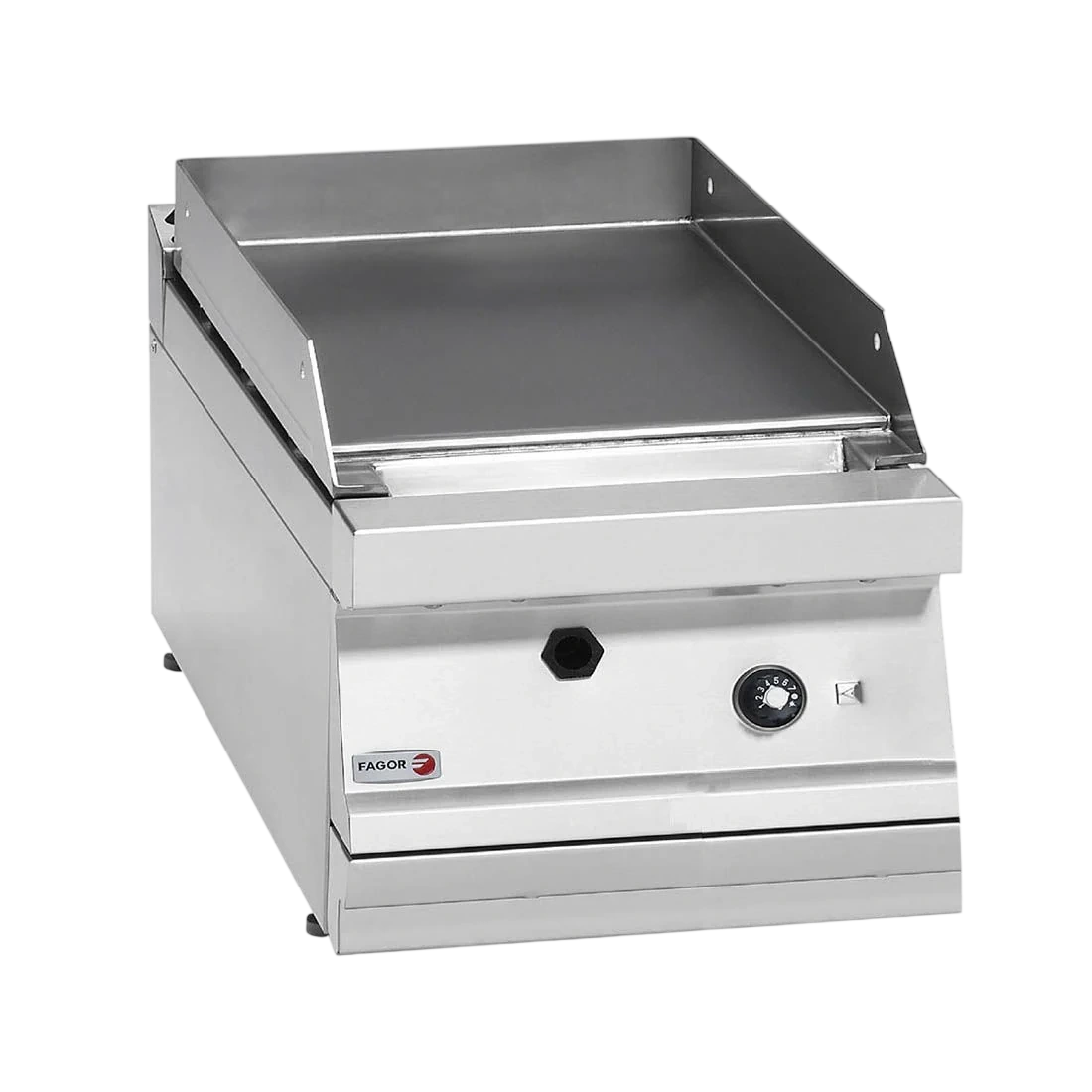
350 × 775 × 290mm
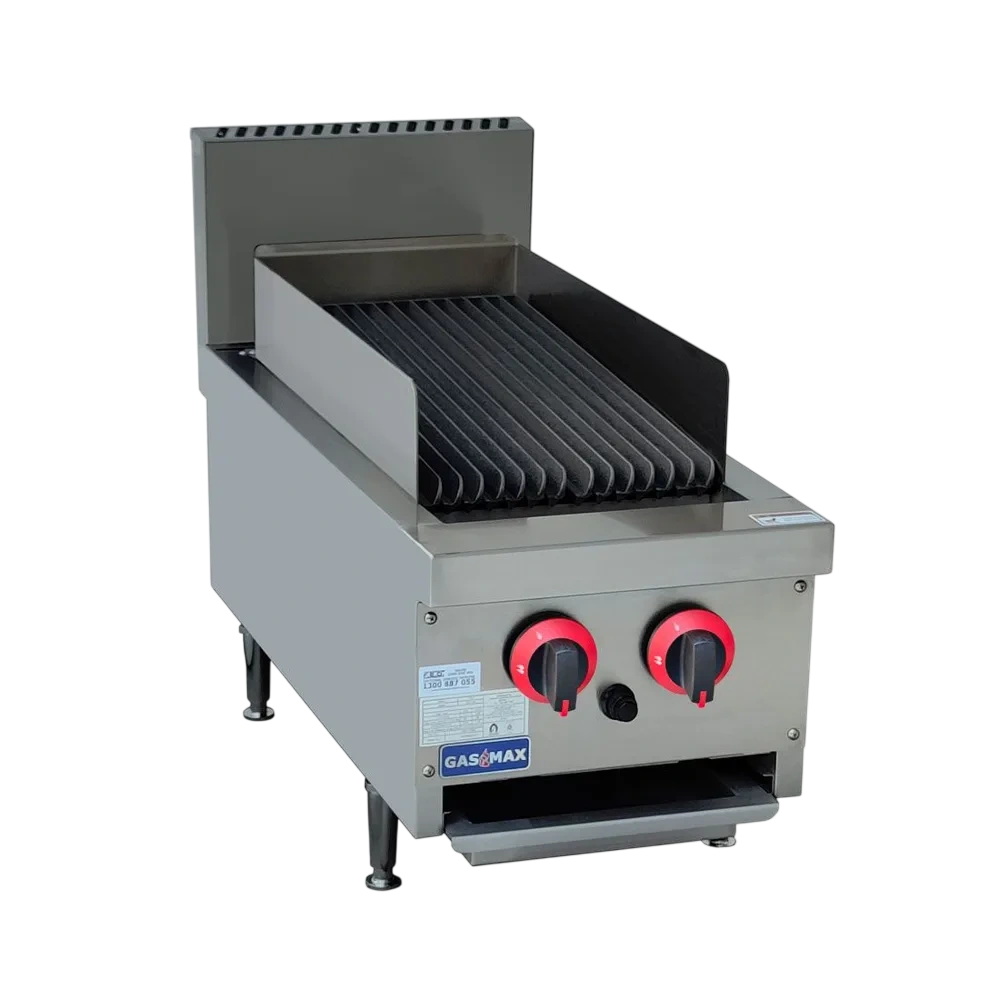
356 × 773 × 475mm
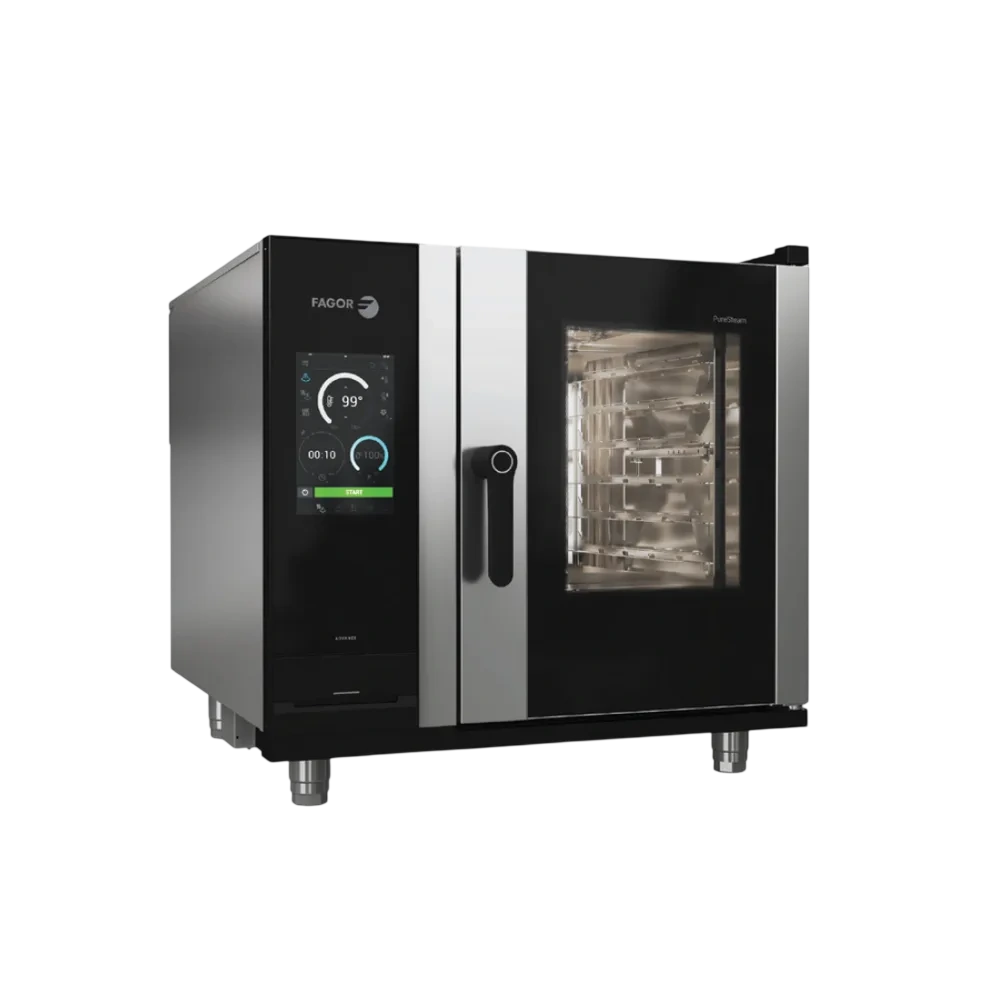
898 × 817 × 846mm
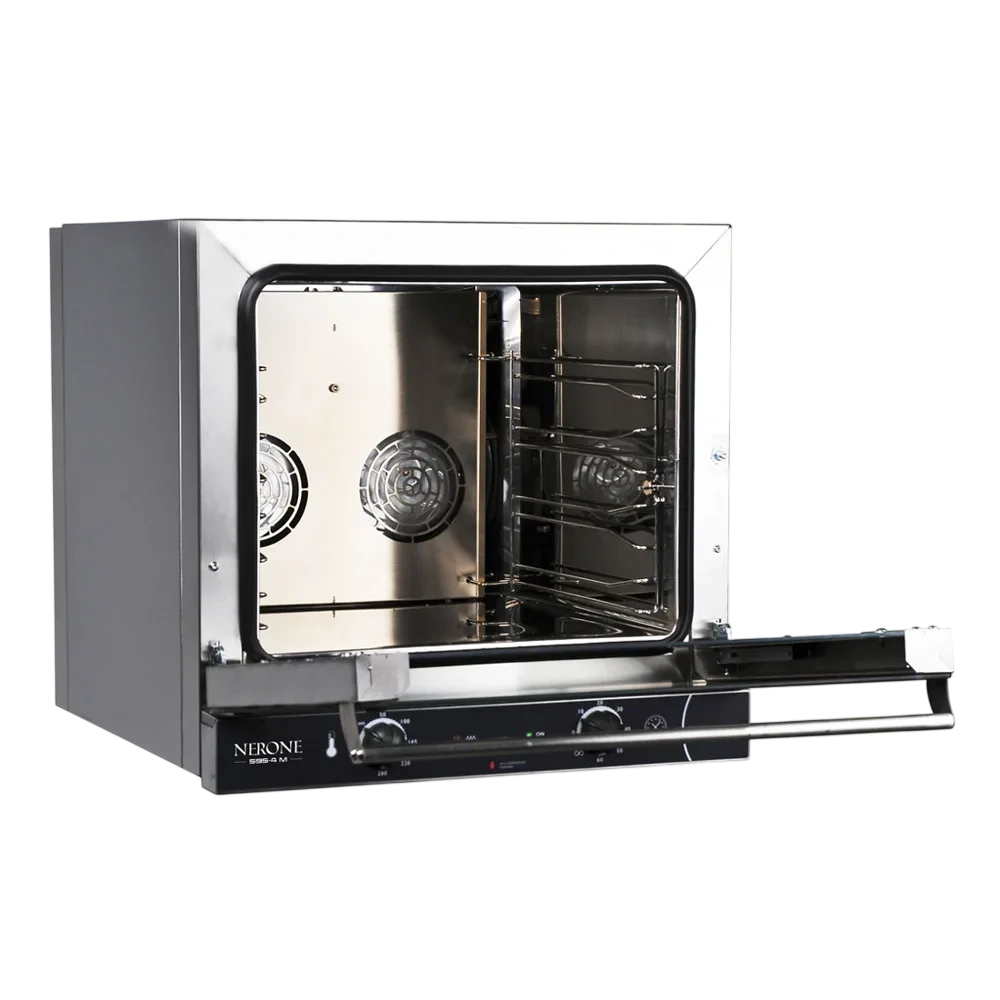
589 × 660 × 580mm
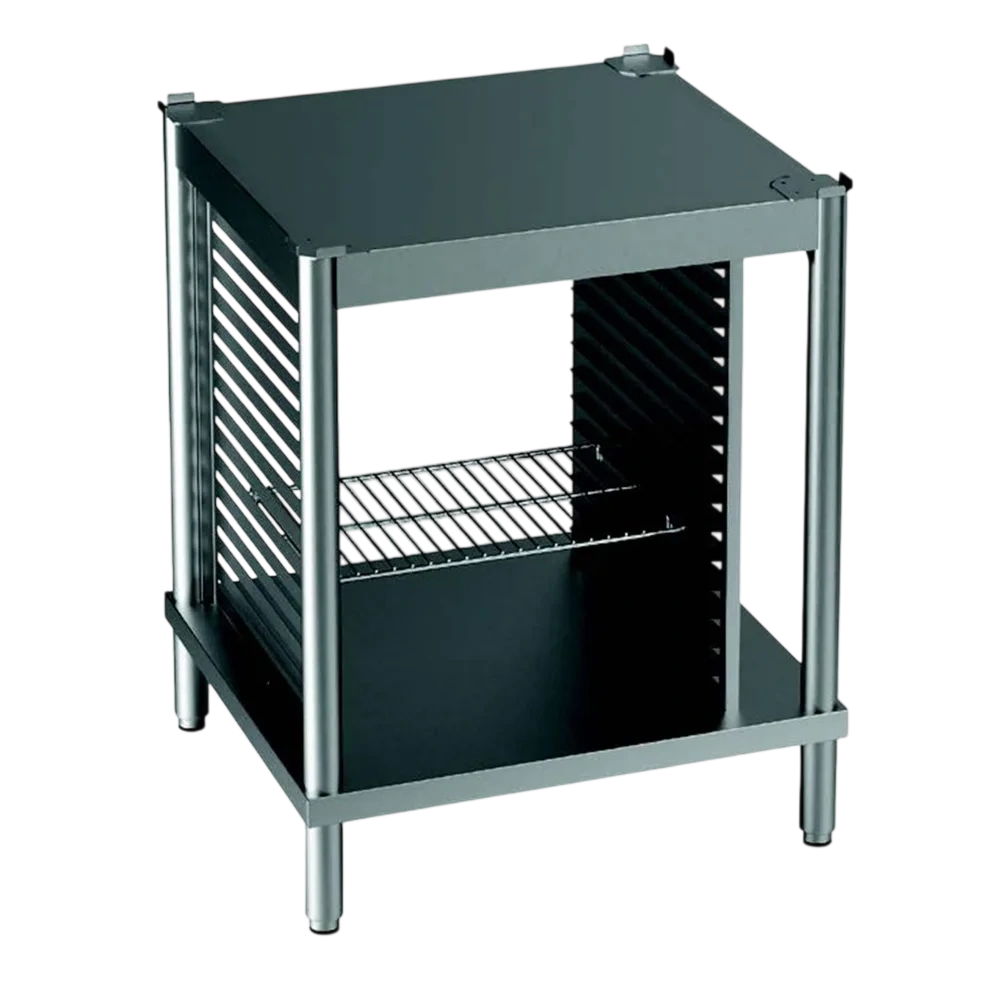
750 × 680 × 900mm
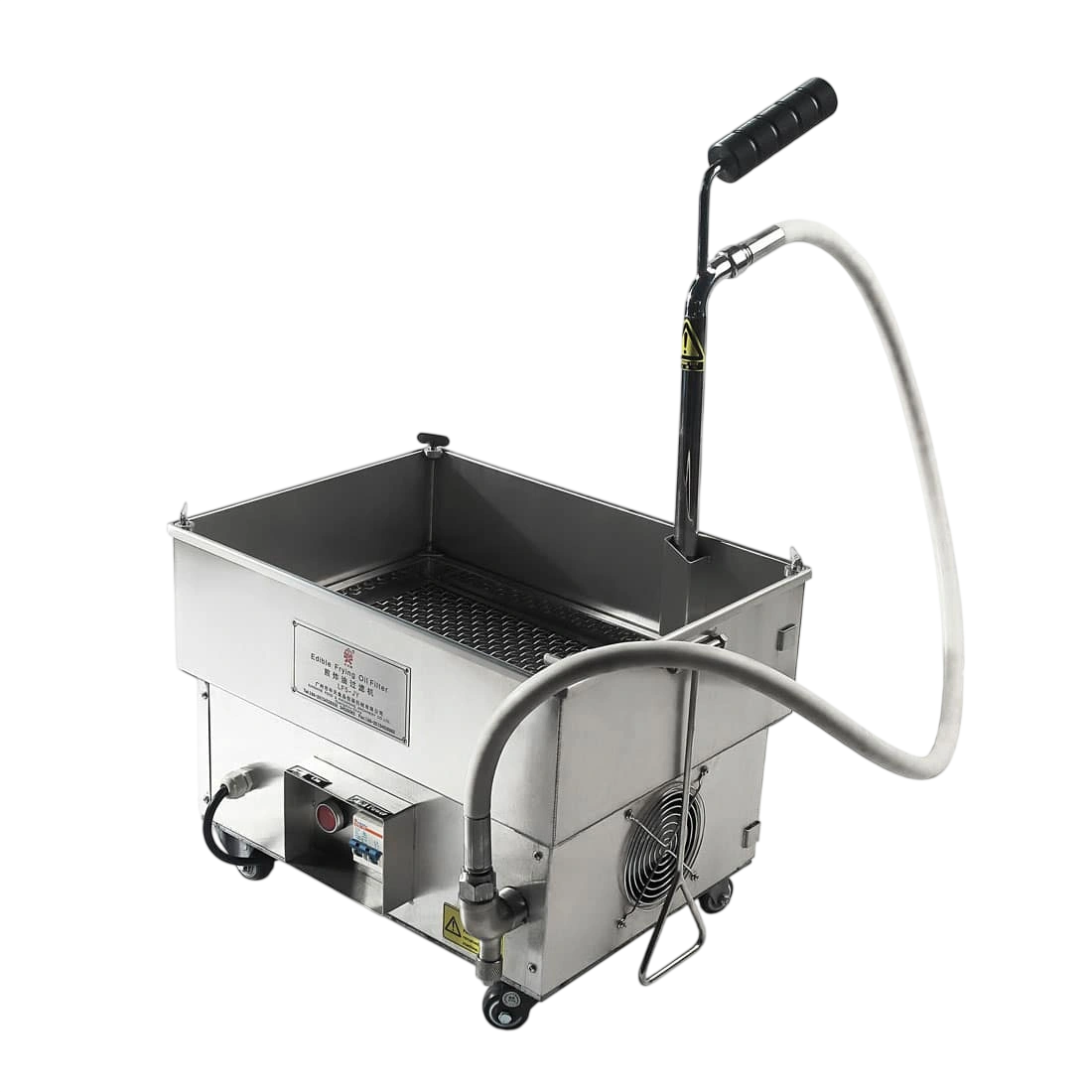
466 × 330 × 350mm
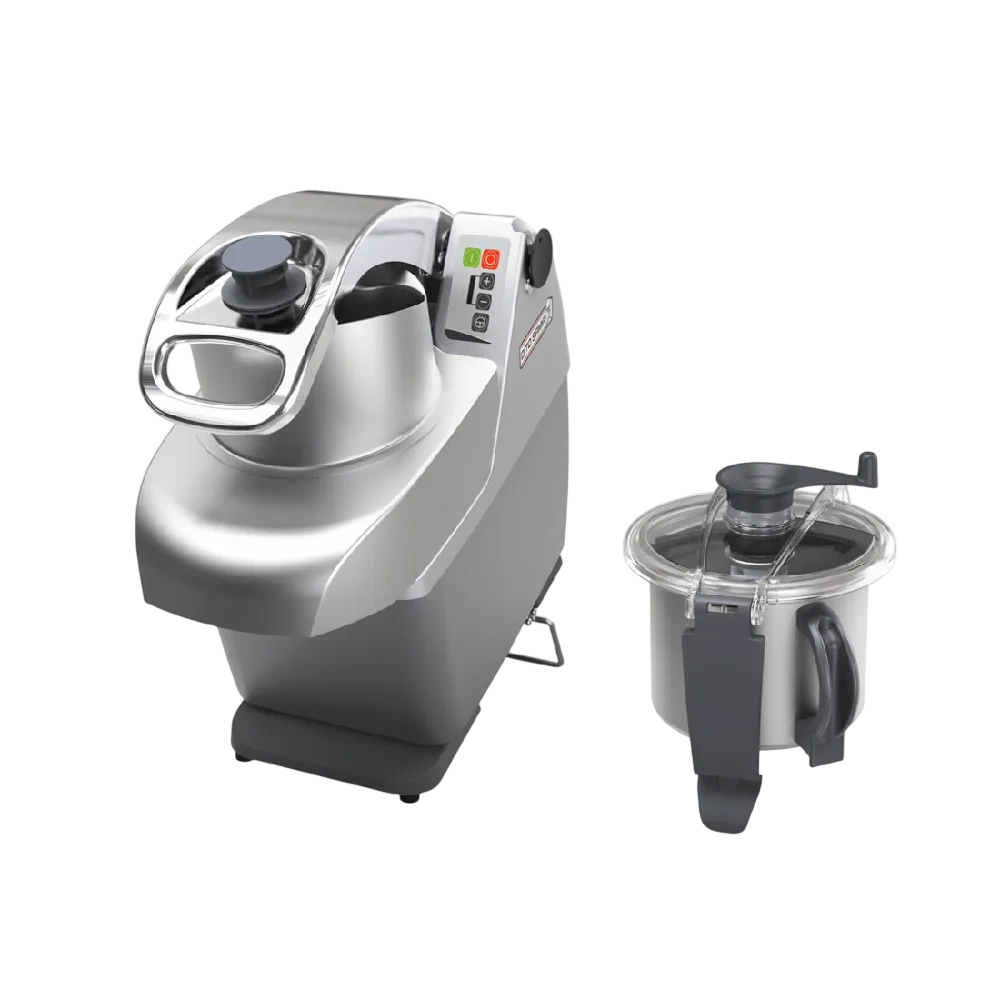
252 × 485 × 505mm
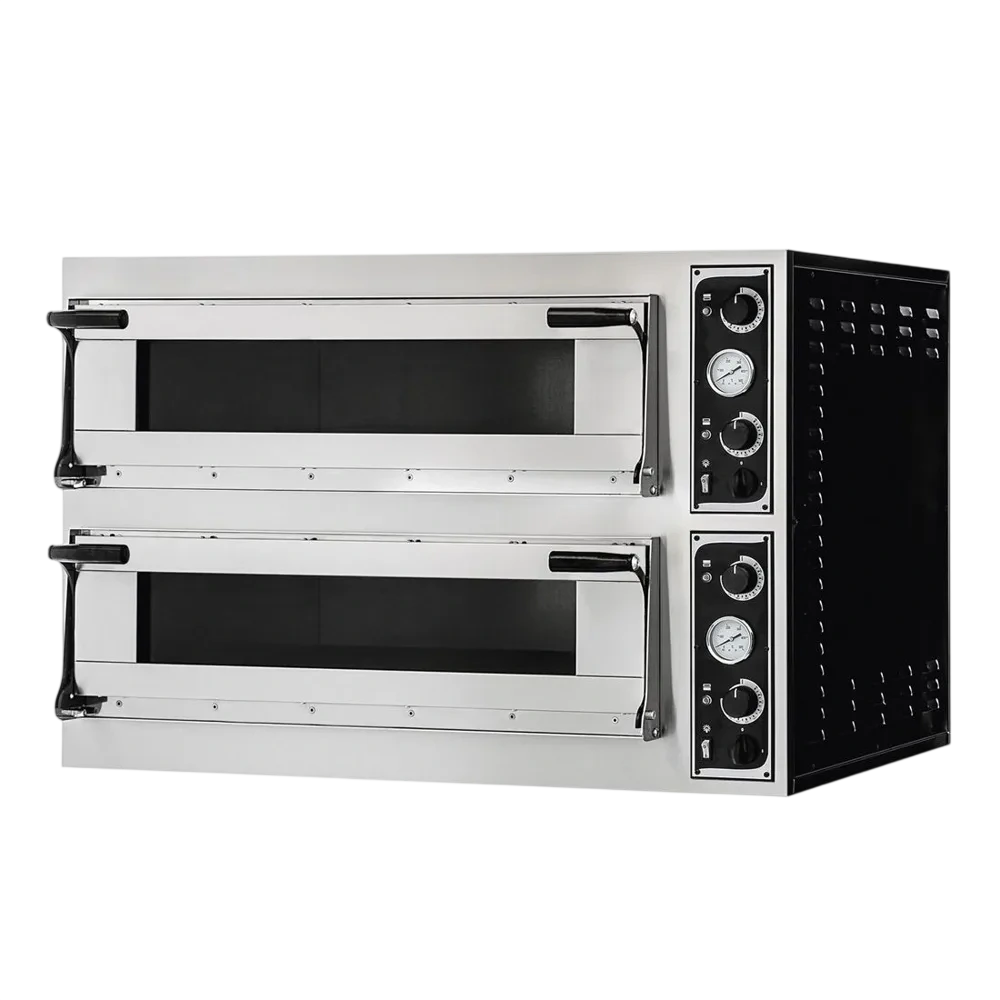
1100 × 1320 × 745mm
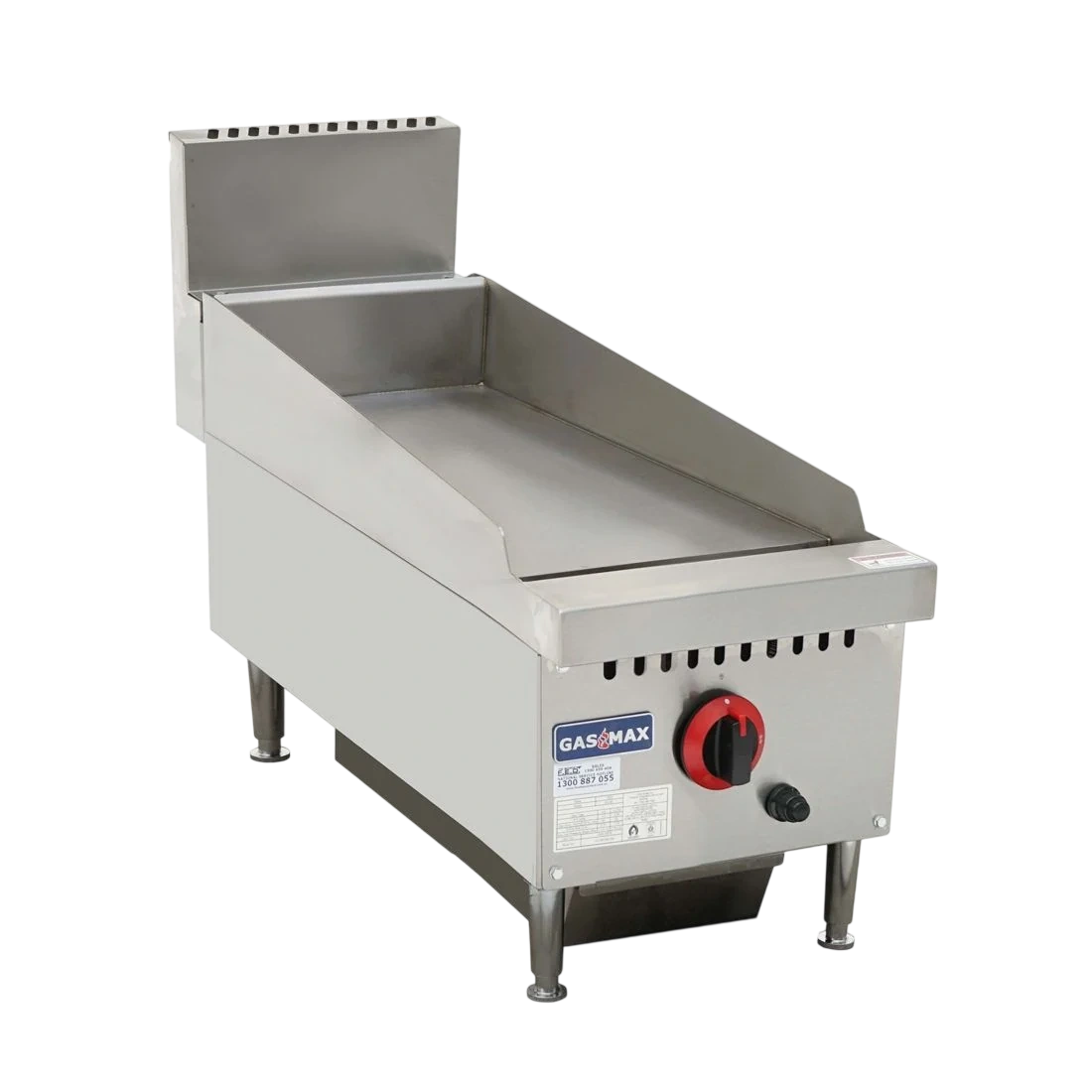
336 × 824 × 546mm