Brand / United Kingdom
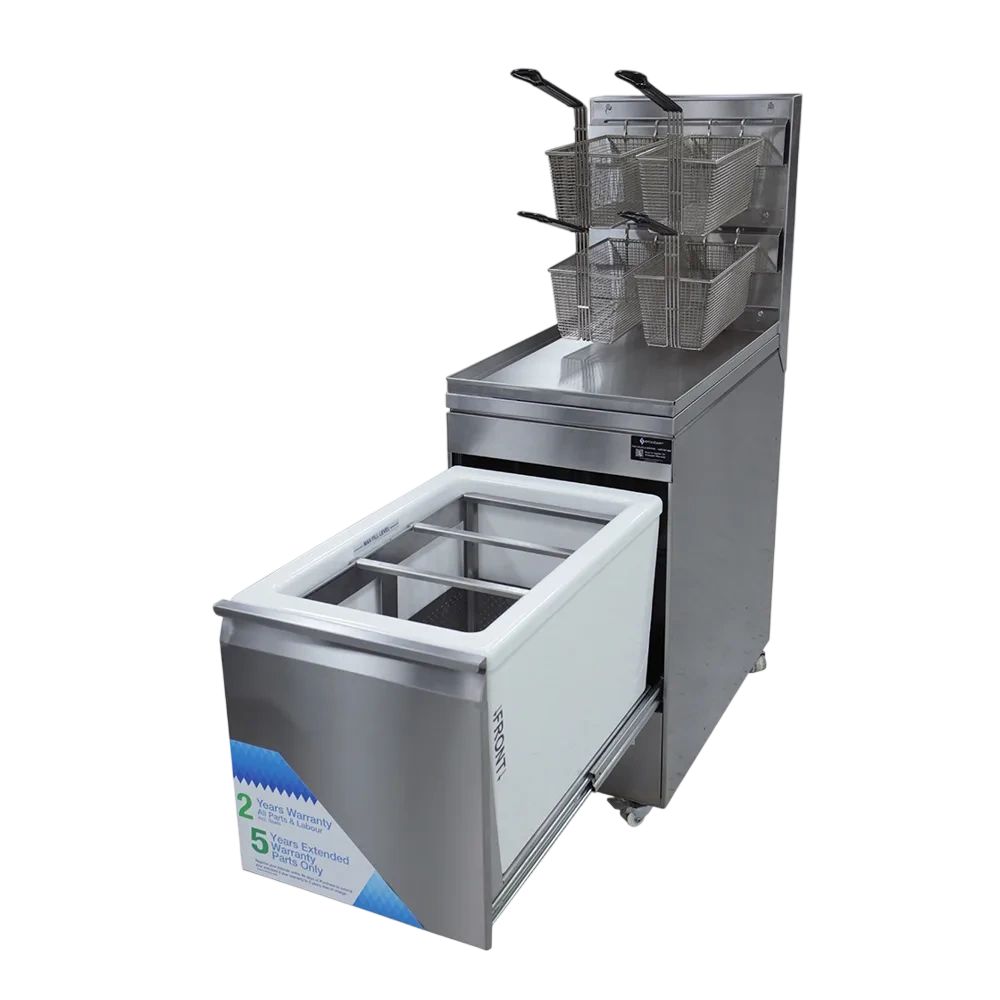
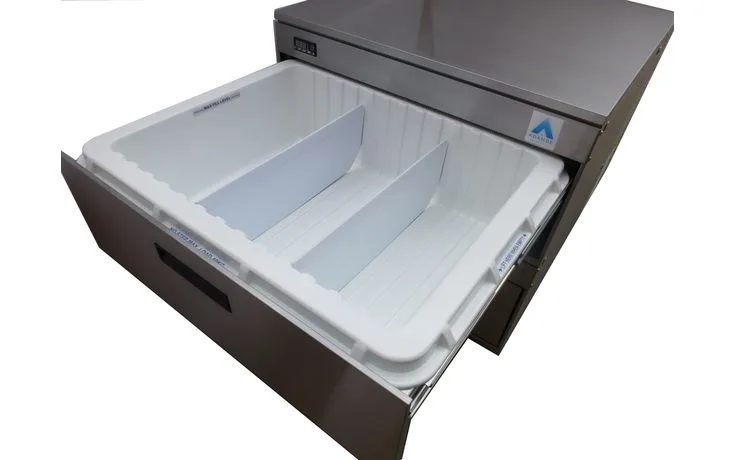
A UK-engineered refrigerated drawer system, distributed in Australia by Stoddart, built for chefs who need precise, stable cold storage directly under the cookline.
24
Products
United Kingdom
Origin
01 / OVERVIEW
Products
BEST FOR
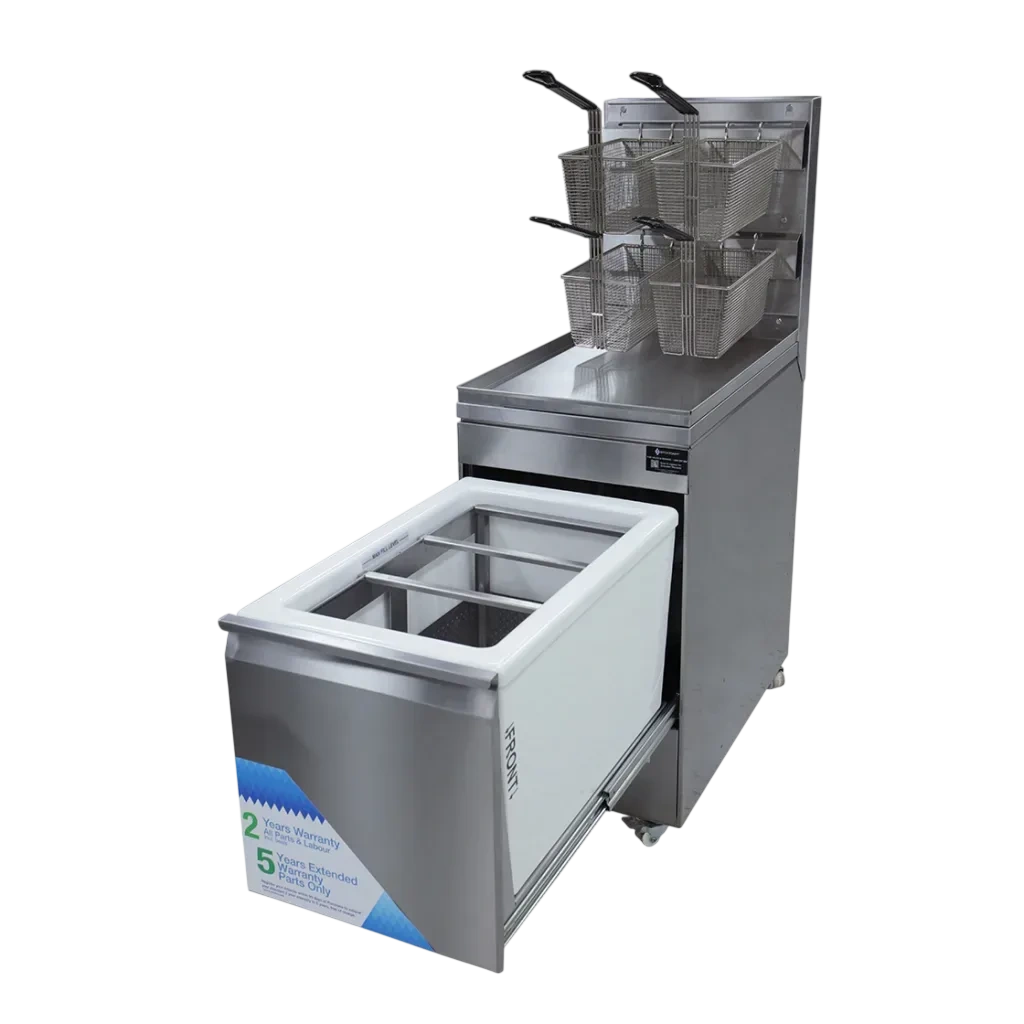
QSR chains, burger bars, fried chicken shops, hotels and high-volume restaurants needing drawer access to chips, proteins and mise en place along the cookline.
NOT IDEAL FOR
Low-volume cafés or venues that only need basic underbench fridges and cannot justify premium capital cost.
PRICE POSITION
Premium, typically above standard underbench fridges and chef bases, but with strong whole-of-life value through reduced waste and labour.
KEY STRENGTHS
True dual-temperature control (+15°C to –22°C), “Hold-the-Cold™” drawer design, GN compatibility, low energy use and excellent food integrity under heavy use.
02 / PHILOSOPHY
True dual-temperature control (+15°C to –22°C), “Hold-the-Cold™” drawer design, GN compatibility, low energy use and
Origin: United Kingdom
03 / AUDIENCE
04 / RANGE
05 / SELECTED
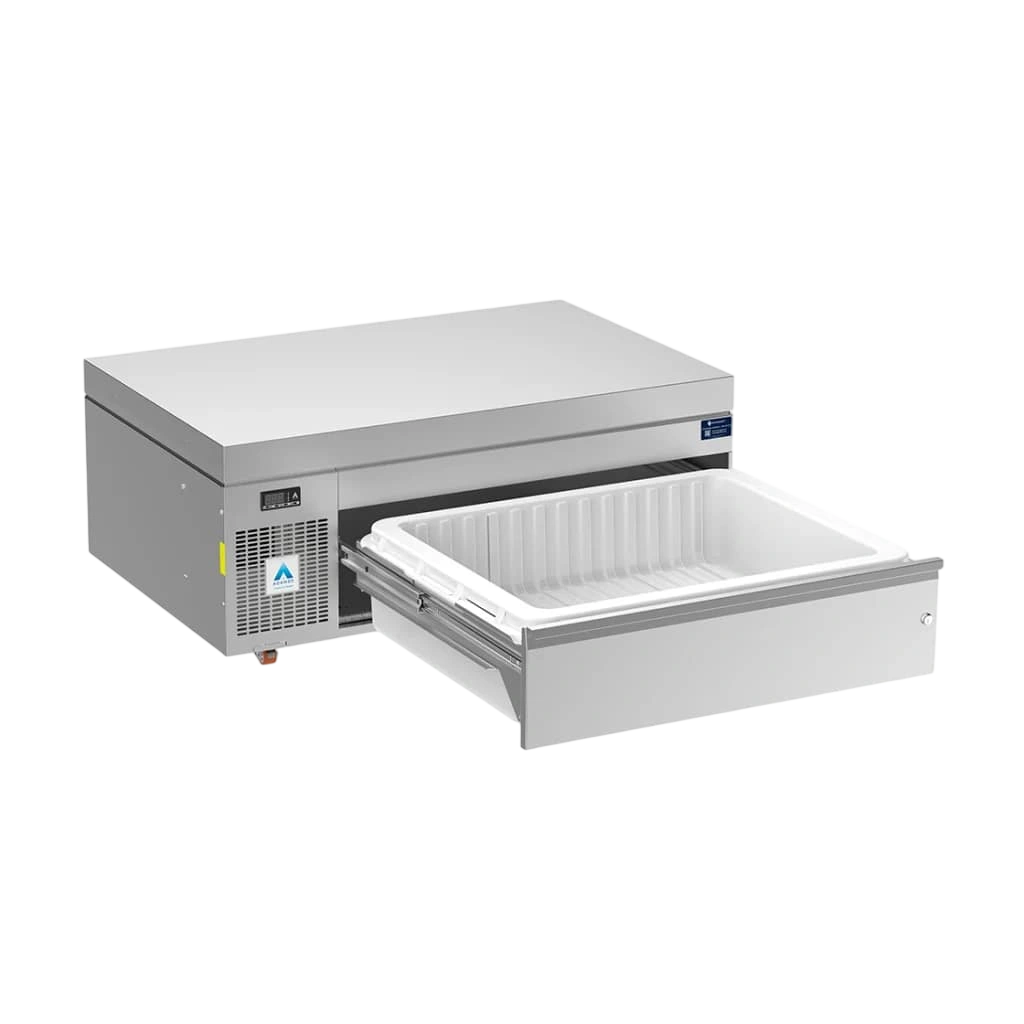
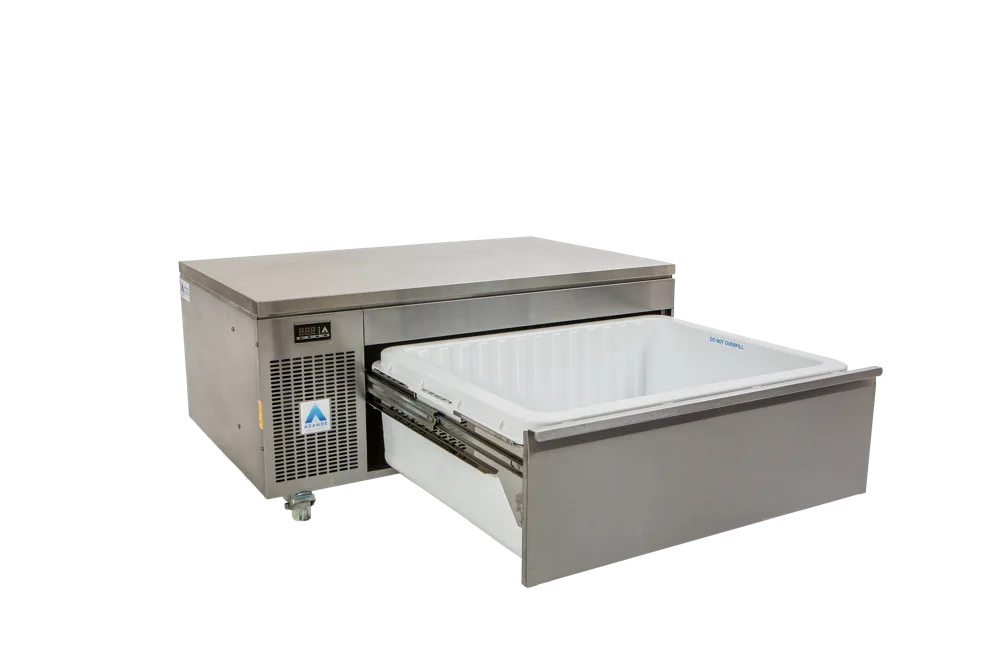
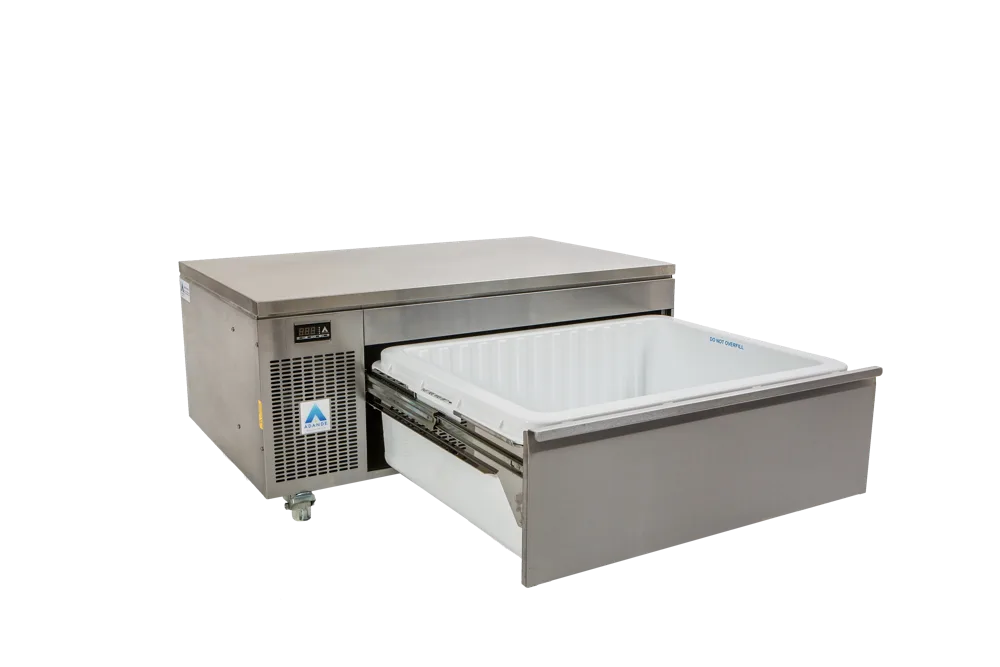
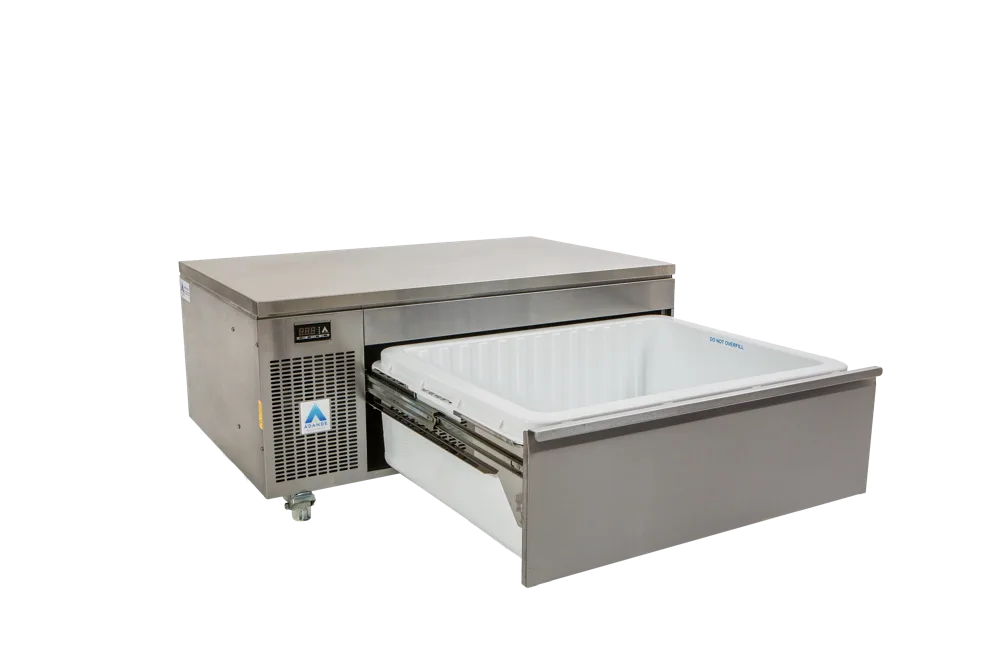
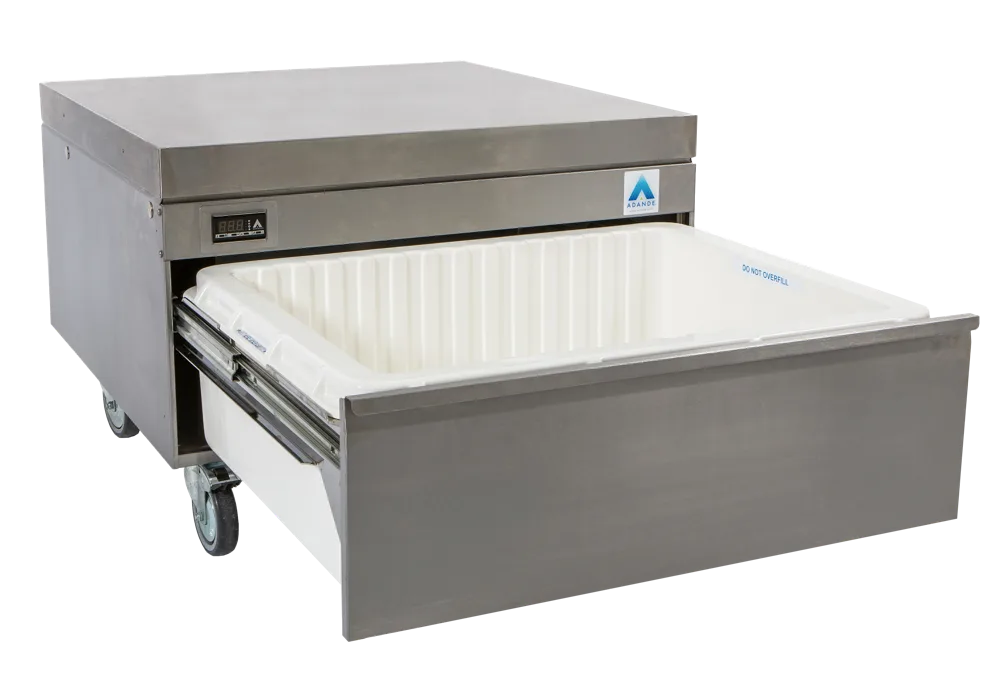
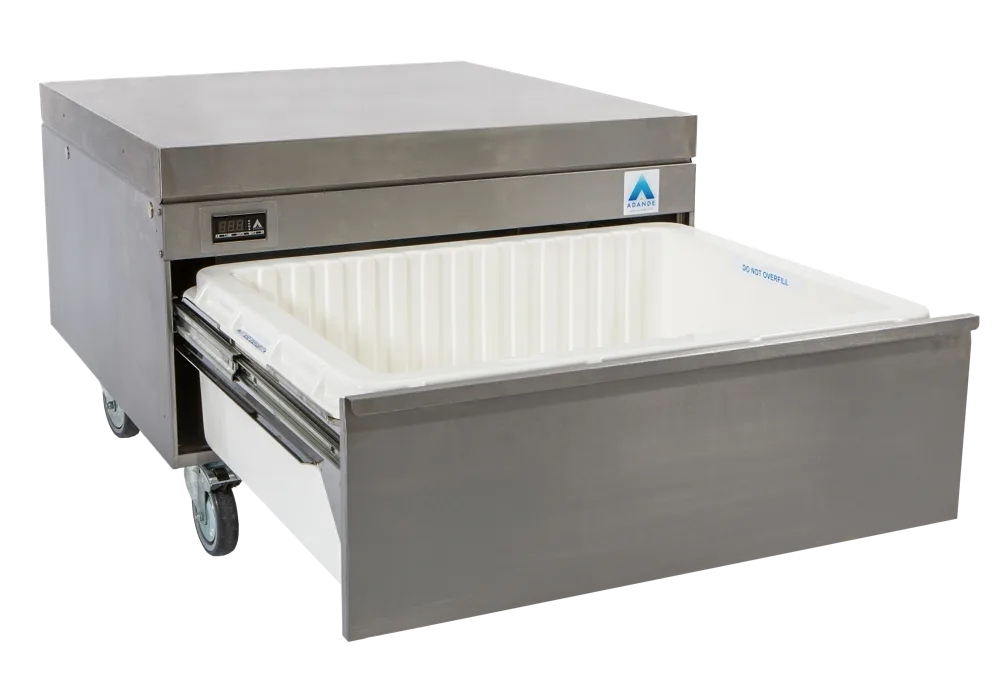
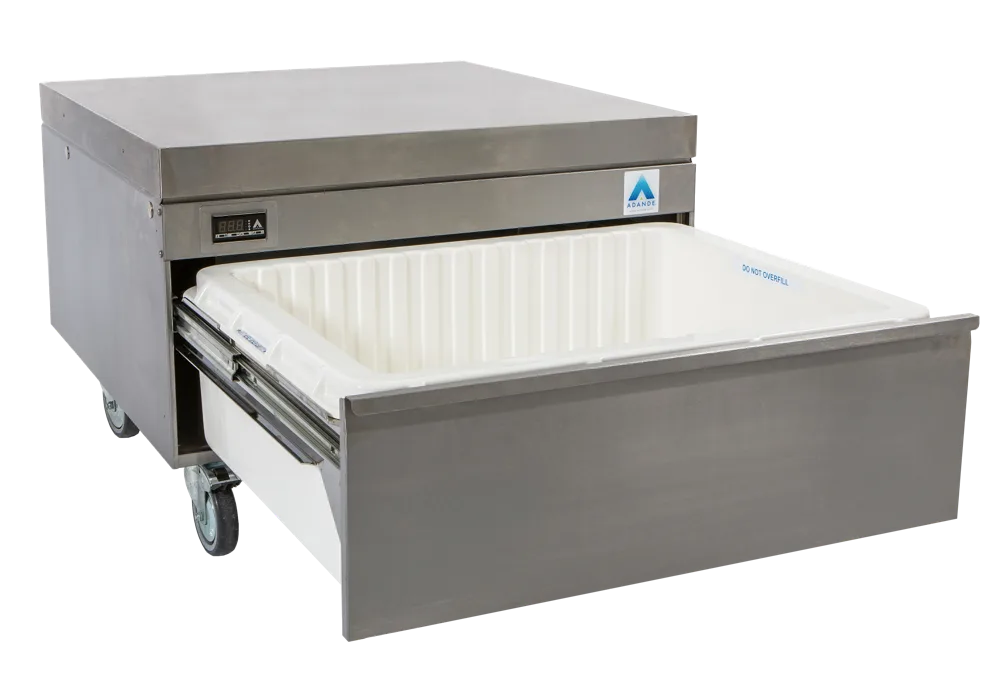
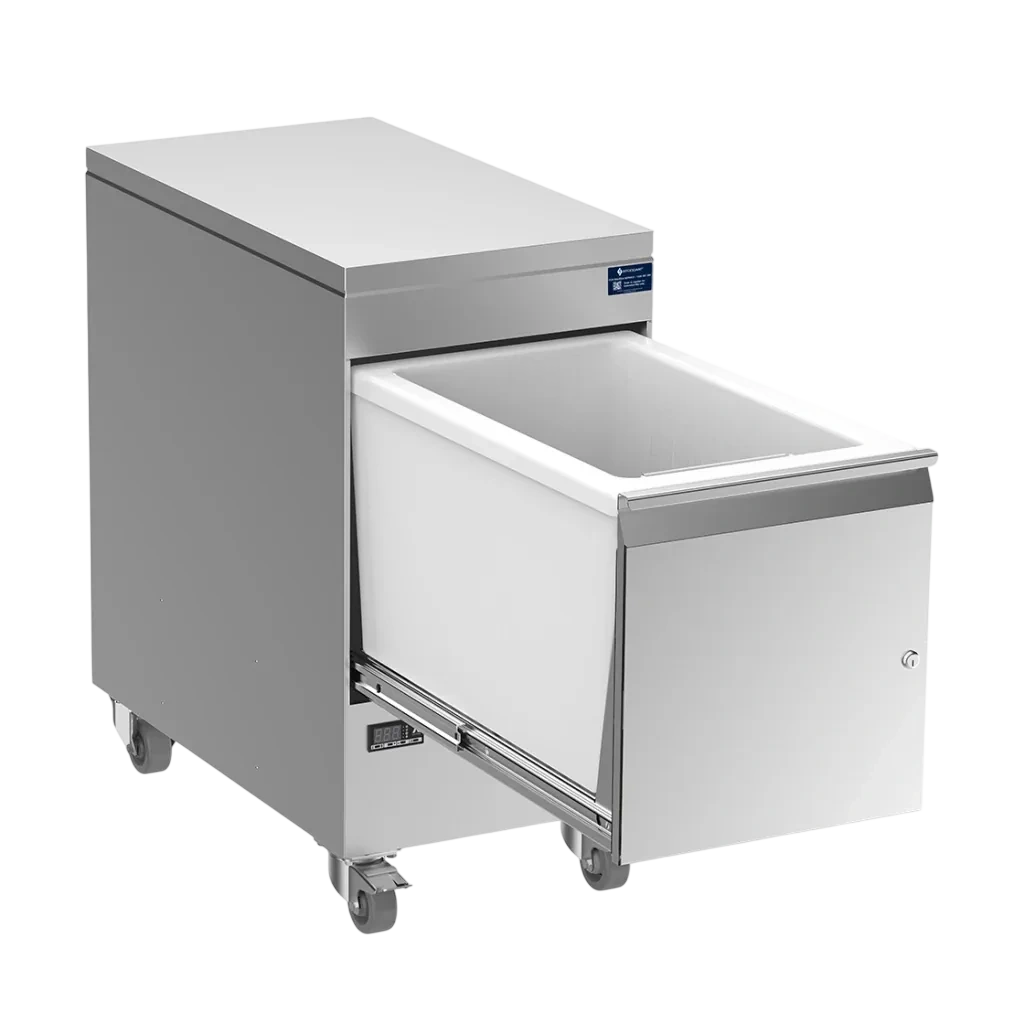
Adande VCC1.GCW Compact Drawer | +15°C to -22°C Dual Temperature, 69L
$8,250.00
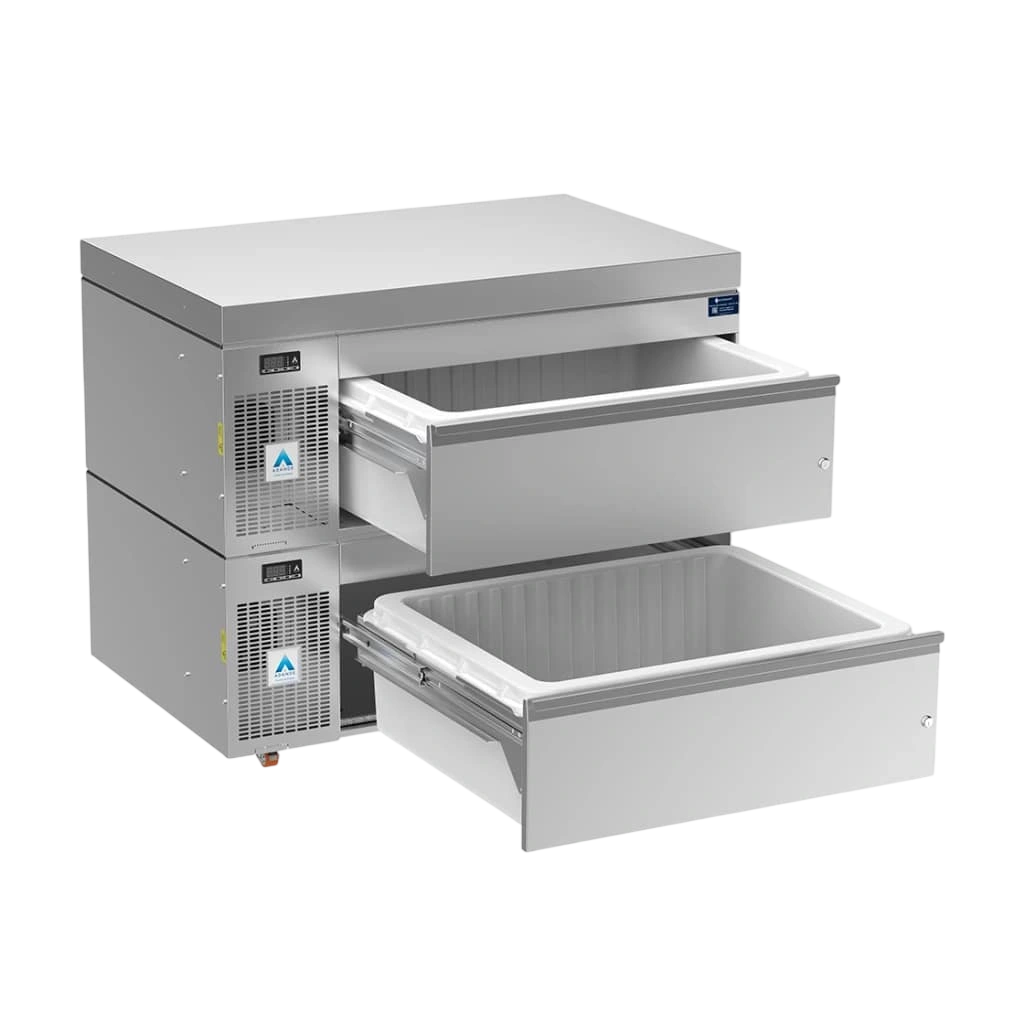
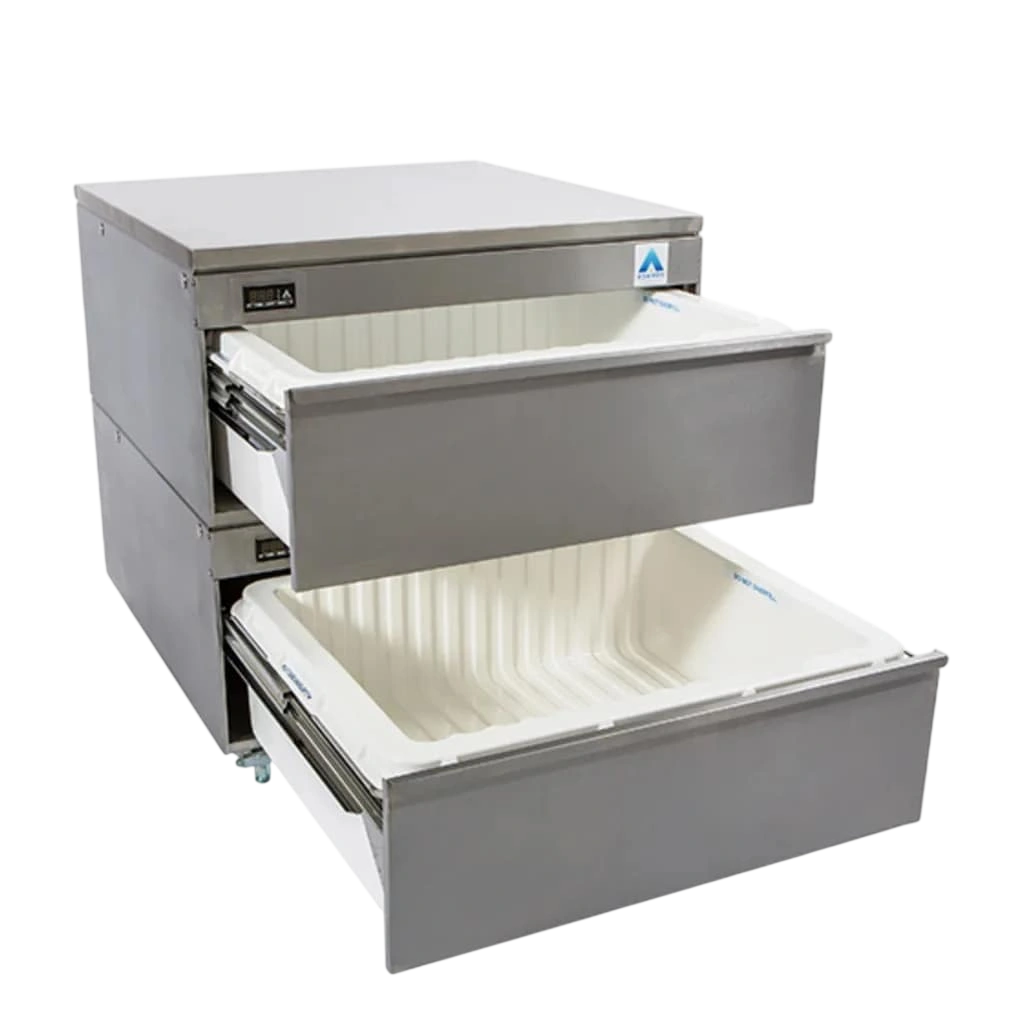
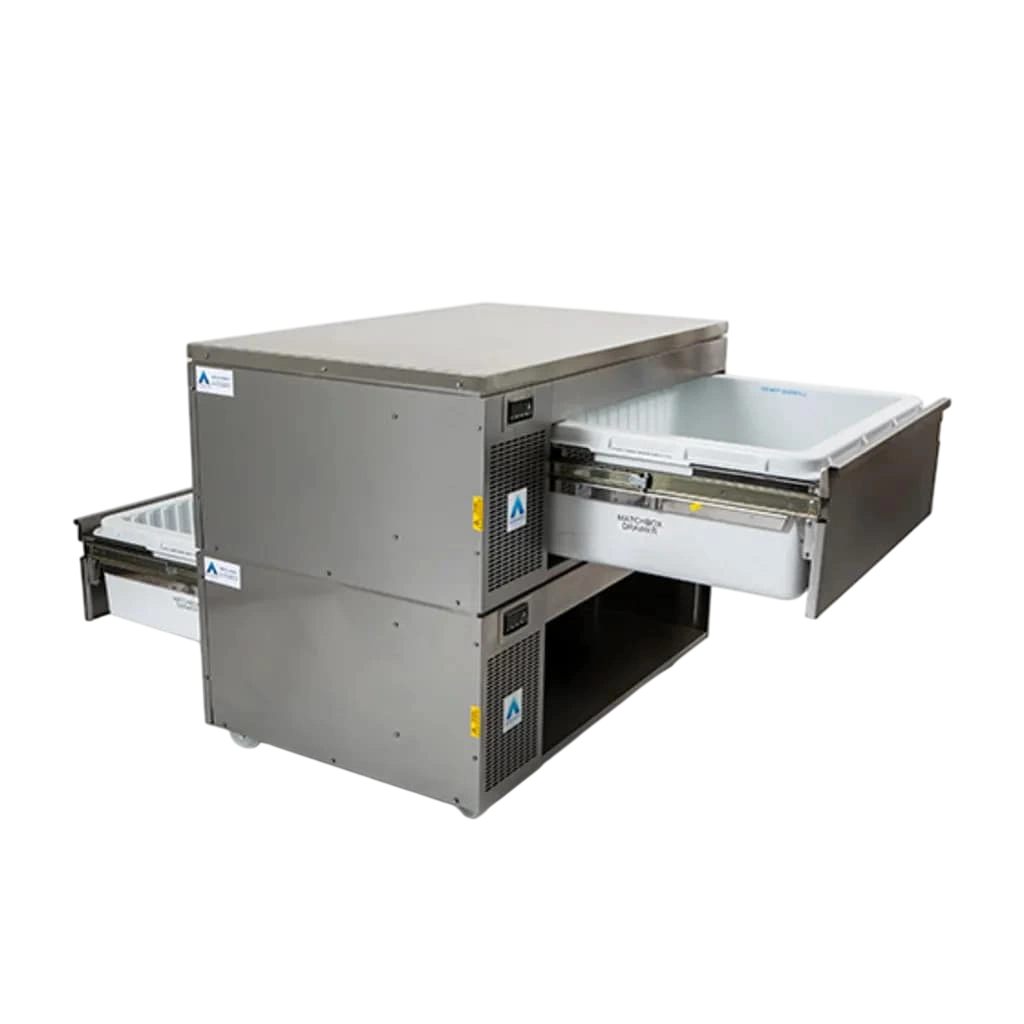
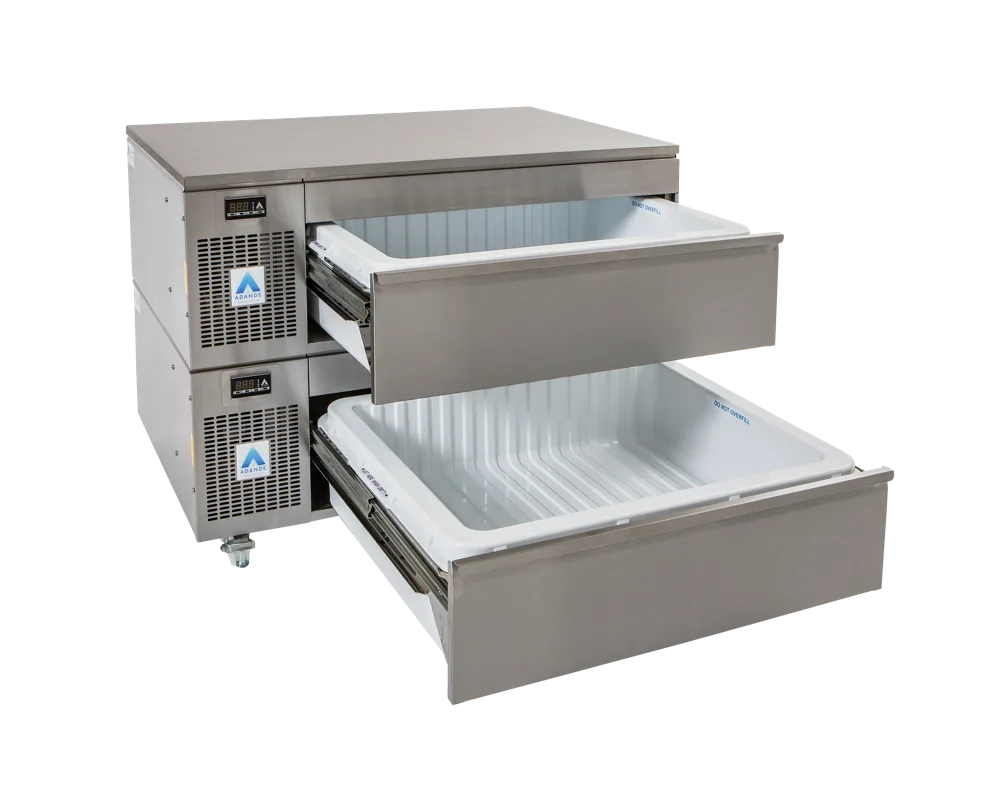
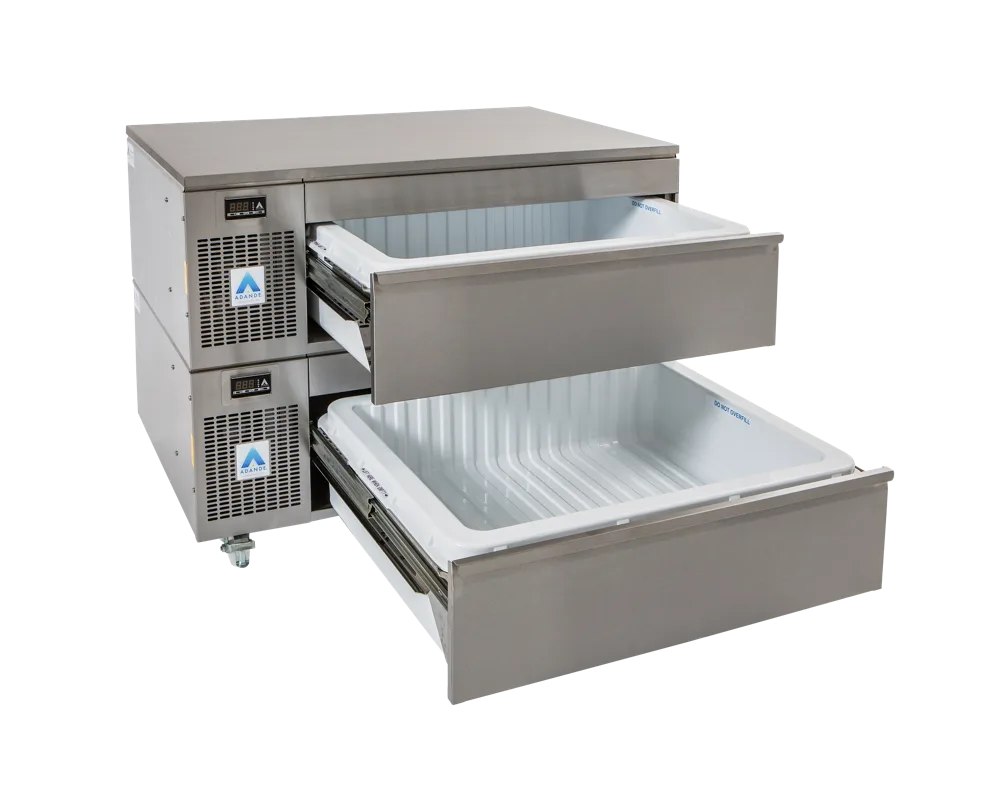
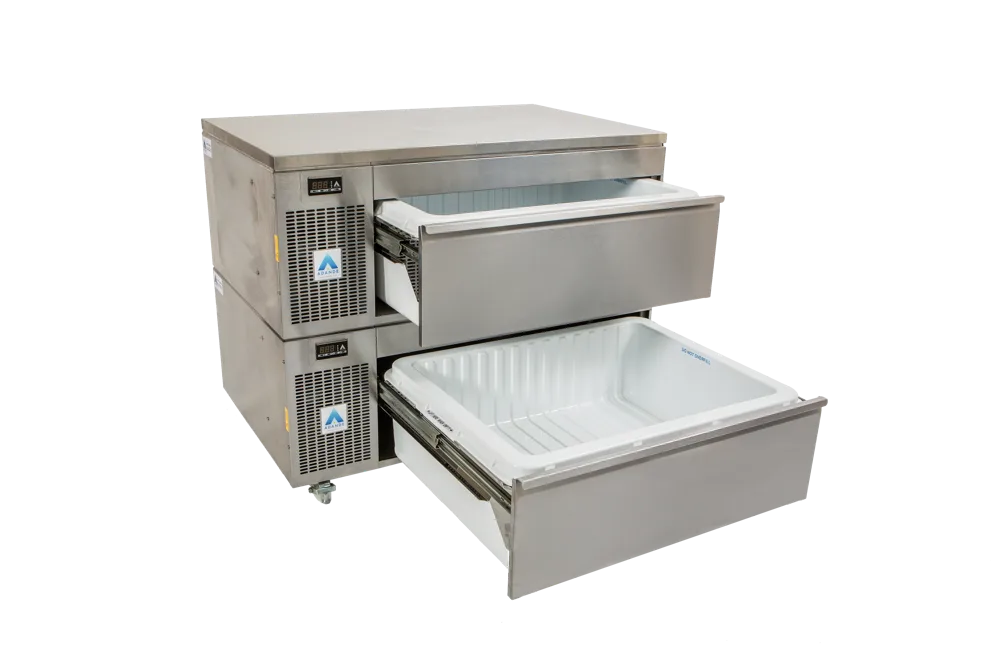
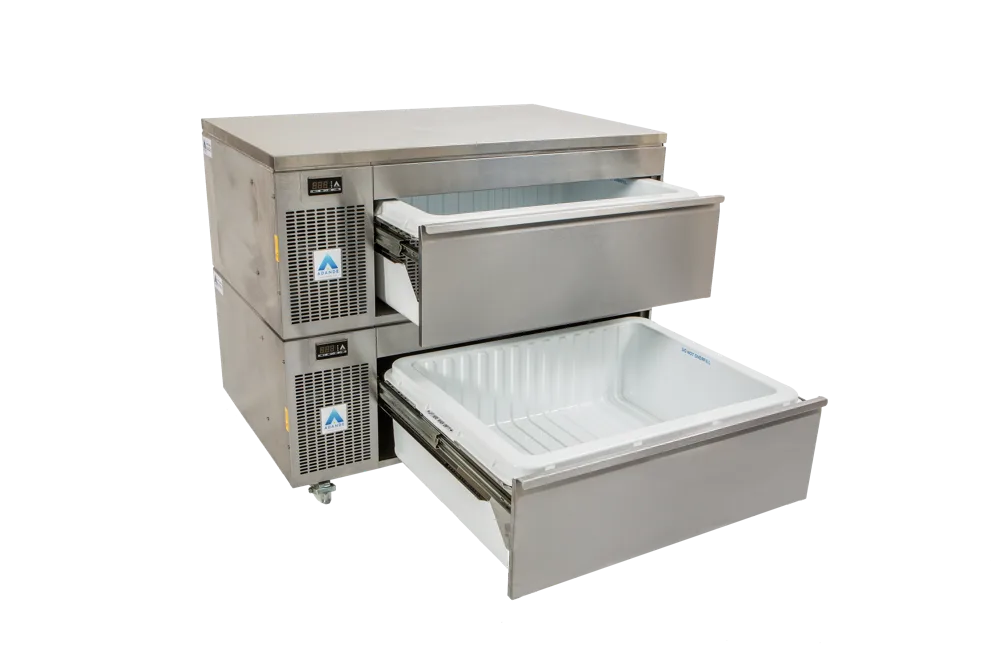
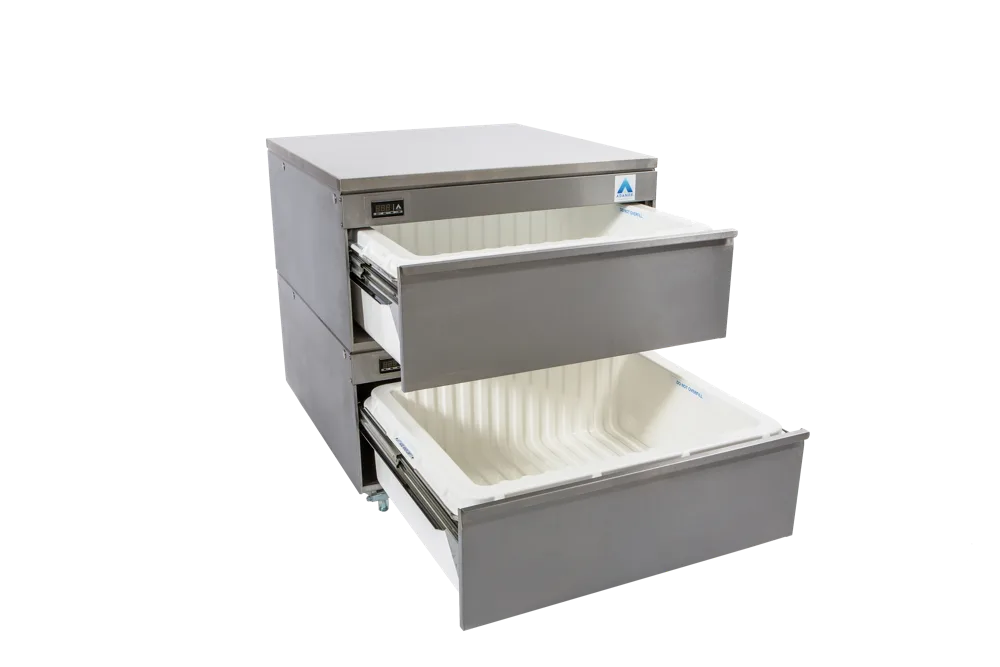
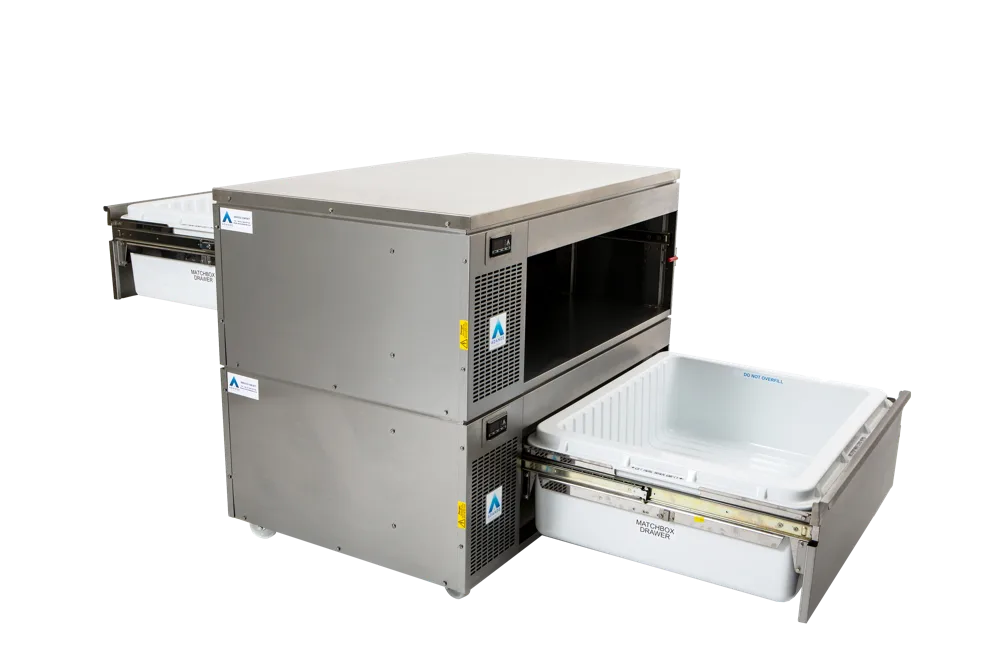
Adande VNS2.CT / VCS2.CT Dual Temperature Double Drawer | +15°C to -22°C, Fridge Freezer
$13,050.00
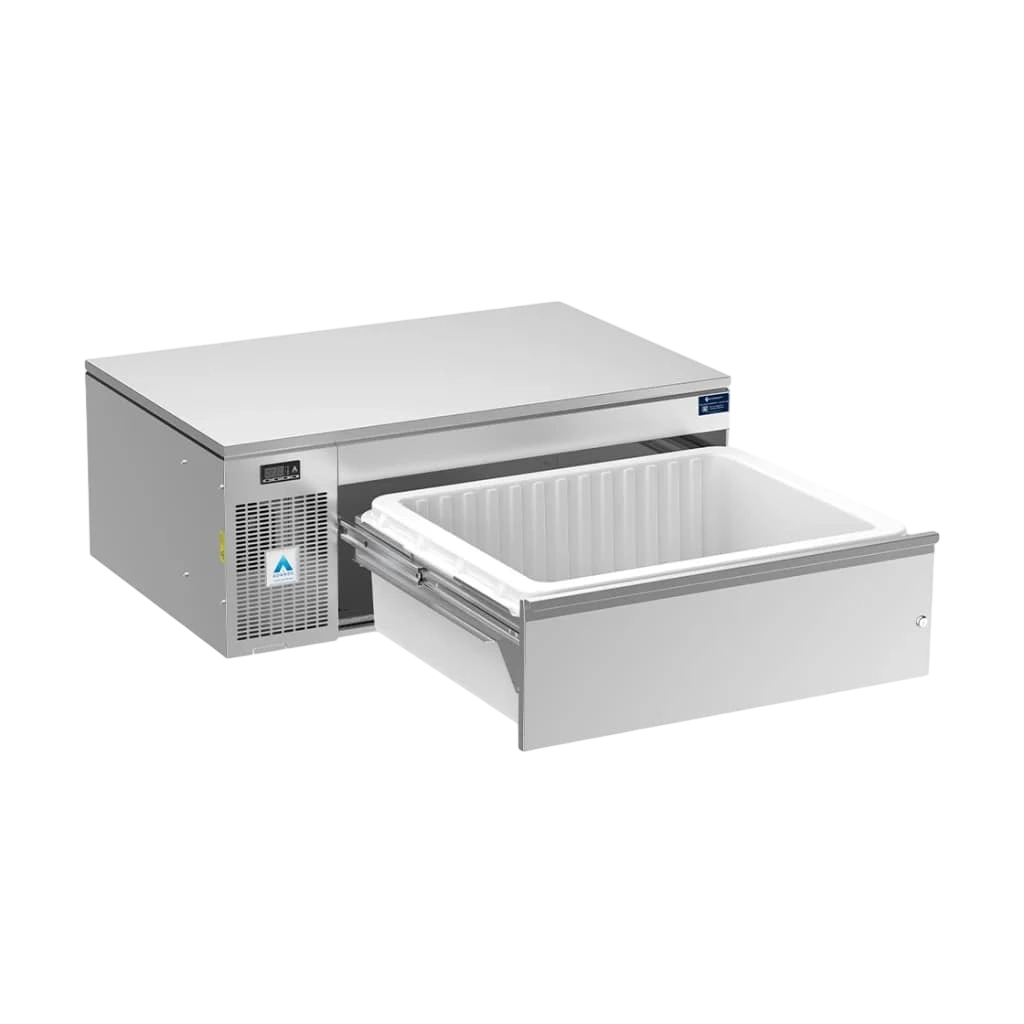
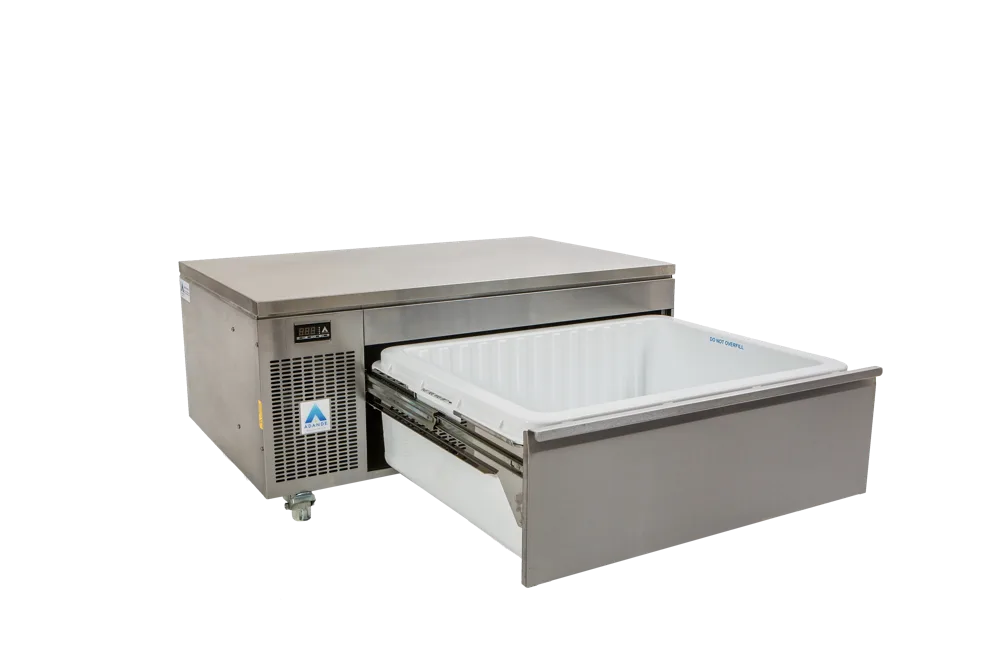
Adande VCS1.CHS VCS1 Single Drawer Fridge-Freezer | +15°C to -22°C, 86L
$7,450.00
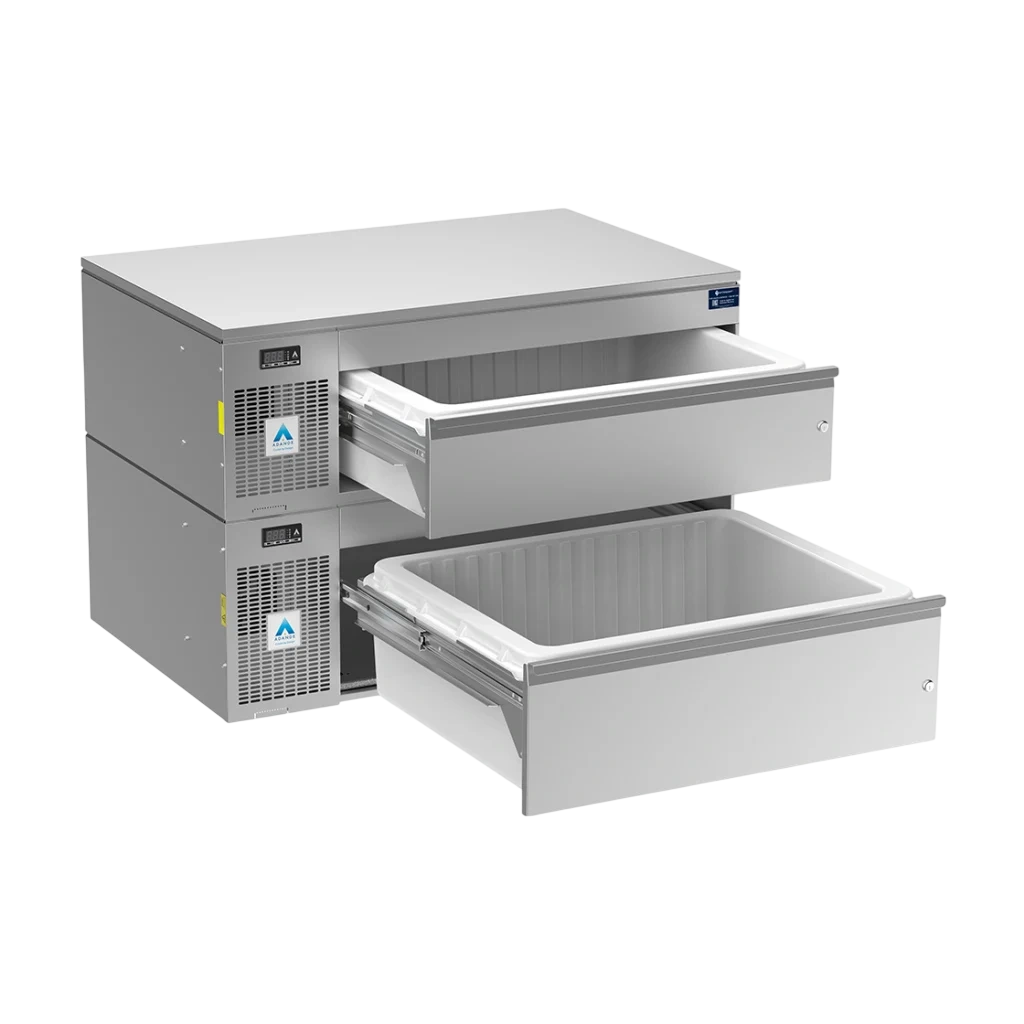
Adande VNS2.CT Standard Castor (adjustable) Cover Top Max weight
$12,650.00
06 / TRADE-OFFS
| Aspect | Strength | Practical limitation |
|---|---|---|
| Engineering | Patented drawer bin, dual-temp control and excellent temperature stability even with frequent openings. | More complex system than basic fridges—requires correct commissioning, airflow clearance and staff training.. |
| Workflow | Drawers at waist height reduce bending, walking and door-opening time—especially at fryers and grills. | Drawer layout needs careful planning so staff do not conflict when multiple people work the same bank.. |
| Ownership cost | Low energy use and reduced product waste can offset premium purchase price over the life of the unit. | Higher upfront capex than standard underbench fridges; best justified in high-volume or flagship sites.. |
07 / SUITABILITY
| Level | Kitchen type | Overall | Engineering | Workflow | Running Cost | Maintenance | Notes |
|---|---|---|---|---|---|---|---|
| L1 | Small café | Excellent technology but often over-specced for low-volume, budget-sensitive sites. | |||||
| L2 | Busy café / brunch | ||||||
| L3 | QSR / takeaway (chips & burgers) | ||||||
| L4 | Restaurant / bistro | ||||||
| L5 | Hotel production kitchen | ||||||
| L6 | Institutional / stadium | ||||||
| L7 | Cloud / dark kitchen |
08 / ROI
09 / BENCHMARK
| Aspect | Adande | Typical entry-level | Notes |
|---|---|---|---|
| Durability | High – engineered for heavy, daily drawer cycling | Medium – often designed more for general use than fry-line punishment | Adande is often selected for the hardest-working stations in the kitchen. |
| Serviceability | Strong – removable bins, front-service access, clear documentation | Varies – some units are harder to access in situ | Less downtime when maintenance can be done quickly on site. Energy efficiencyVery efficient for the performance level. Average – higher kWh/day in heavy-use conditions. Drawer bin design keeps cold air inside, reducing recovery load after openings. Automation complexityModerate – more control options but still simple for staff to use. Simple – basic thermostat control. Staff training is important, but daily operation remains straightforward. Total cost of ownershipLow–medium over lifetime, thanks to energy savings and reduced waste. Medium–high where energy use and waste are higher. The business case is strongest in high-volume or flagship sites. |
Adande is often selected for the hardest-working stations in the kitchen.
Less downtime when maintenance can be done quickly on site. Energy efficiencyVery efficient for the performance level. Average – higher kWh/day in heavy-use conditions. Drawer bin design keeps cold air inside, reducing recovery load after openings. Automation complexityModerate – more control options but still simple for staff to use. Simple – basic thermostat control. Staff training is important, but daily operation remains straightforward. Total cost of ownershipLow–medium over lifetime, thanks to energy savings and reduced waste. Medium–high where energy use and waste are higher. The business case is strongest in high-volume or flagship sites.
011 / FAQ
Yes. Each drawer has its own controller and can typically be set anywhere from around +15°C to –22°C. That means one drawer can hold chilled product while the other is set as a freezer, giving you flexible capacity without adding more cabinets.
In venues with heavy chip volume, Adande can significantly reduce walking, door opening and waste from partial thawing. If fries are a core profit driver, the improved workflow and consistency often justify the higher capex compared to standard underbench fridges.
Most models use a condensate burn-off tray, so they do not require a dedicated waste line. This makes them easier to retrofit into existing kitchens. Your installer will still check ventilation and electrical requirements on site.
013 / ENGINEERING
Cold air stays trapped inside the bin, so opening the drawer does not dump the entire cold air mass into the room.
Each drawer can be configured as a fridge or freezer with a settable range from around +15°C down to –22°C, in 1°C increments.
Airflow is tuned to avoid drying out food, keeping fries, proteins and pastry in better condition for longer.
Systems are designed to maintain target temperature in hot kitchens and under cooking equipment, where standard underbench units often struggle.
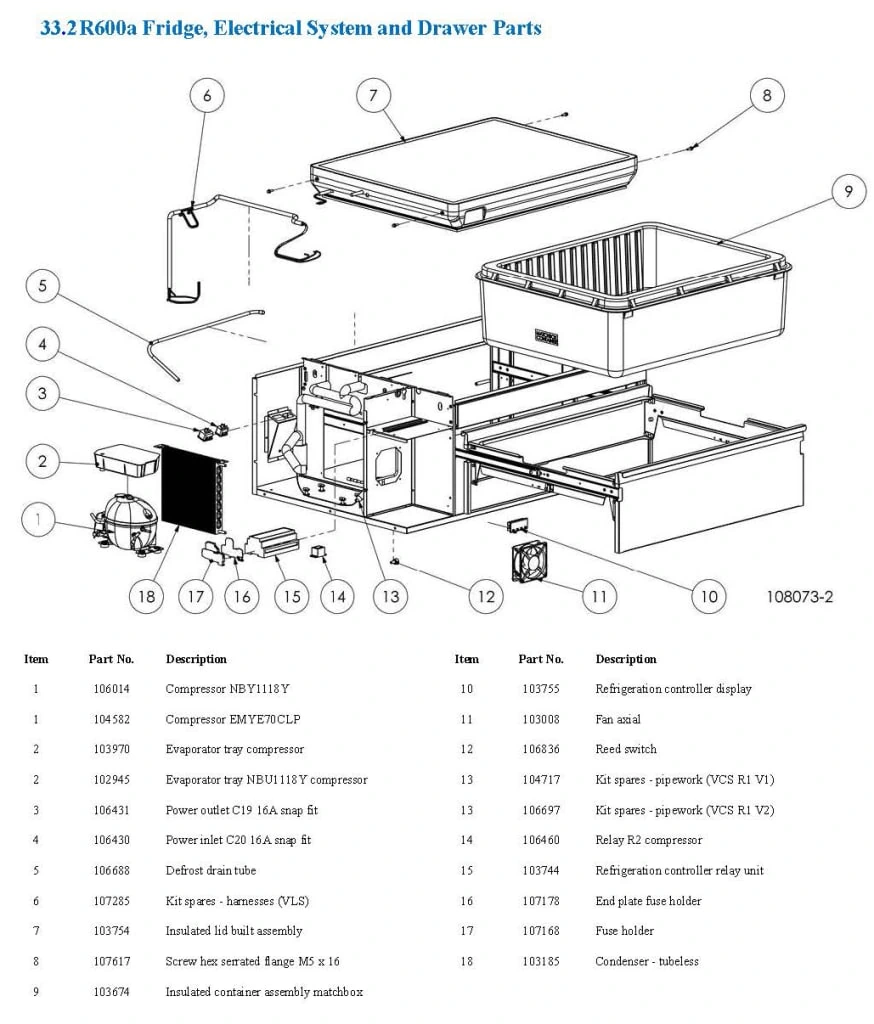
Removable drawer bins and accessible components simplify cleaning, defrost and service checks, reducing downtime.
014 / INSTALLATION
Typical electrical requirements
230–240V, single-phase power with appropriate amperage per model (often 10A plug on compact units—check each spec sheet).
Typical plumbing requirements
No direct waste connection required on most models thanks to condensate burn-off trays; remote systems may differ.
Drainage & pumps
Self-evaporating condensate in standard configurations; ensure the tray is accessible for inspection and cleaning.
Ventilation / exhaust
Provide clearance around condenser intakes and exhausts, especially under cooking equipment or with heatshield tops.
015 / WARNINGS
Understanding where Adande equipment can be misapplied helps you avoid downtime and premature wear.
Overloading drawers beyond rated capacity or blocking airflow paths inside the bin.
Running drawers at freezer temperature but treating product as if it were in a chiller zone.
Placing units hard up against hot equipment without observing ventilation clearances.
Skipping basic condenser cleaning and gasket checks, leading to higher energy use and poor performance..
013 / ENGINEERING
Cold air stays trapped inside the bin, so opening the drawer does not dump the entire cold air mass into the room.
Each drawer can be configured as a fridge or freezer with a settable range from around +15°C down to –22°C, in 1°C increments.
Airflow is tuned to avoid drying out food, keeping fries, proteins and pastry in better condition for longer.
Systems are designed to maintain target temperature in hot kitchens and under cooking equipment, where standard underbench units often struggle.
Removable drawer bins and accessible components simplify cleaning, defrost and service checks, reducing downtime.
Adande VNS2.CT / VCS2.CT Dual Temperature Double Drawer | +15°C to -22°C, Fridge Freezer
| N/A |
| Best where there is a heavy fry or burger station and high prep-line turnover. |
| N/A |
| Signature environment for Adande—drawer chip storage, fast access, less waste. |
| N/A |
| Ideal on the main line or pass for mise en place, proteins and dessert elements. |
| N/A |
| Great as station-level cold storage; bulk storage still handled by uprights or cold rooms. |
| N/A |
| Strong fit at high-volume service points, complementing central bulk refrigeration. |
| N/A |
| Excellent where multiple brands run from the same line and need flexible drawer zoning. At KW Commercial Kitchen, we recommend Adande when its drawer-based workflow and dual-temperature performance directly support your menu and service volume.Adande Is a Great Fit ForFry-heavy venues that move large volumes of frozen chips and fried product every service.Burger chains, chicken shops and QSR brands needing consistent drawer-based portion control.Premium bistros and hotel kitchens that want station-level cold storage with minimal food waste.Sites planning long service hours in hot kitchens where standard underbench units struggle.Adande May Not Be Ideal IfYou only need basic storage for a small menu and have limited budget for refrigeration.Your menu rarely uses frozen product or fry-led service, so drawers would sit under-utilised.The kitchen layout cannot provide proper ventilation clearances or access for service. Use this checklist to see if Adande aligns with your site conditions and expectations.Good for: High-volume fry stations, burger lines, premium kitchens and multi-brand cloud kitchens.Works with common AU power (15A/20A)? Yes for many compact units; always confirm each model’s rating and plug type.Requires water treatment: No direct water connection in standard models; follow your general ice and combi oven water policy separately.Typical daily operating hours: Designed to run long hours in demanding conditions.Lifespan expectation (range): 8–12+ years with appropriate care and routine service. |
Excellent technology but often over-specced for low-volume, budget-sensitive sites.
Best where there is a heavy fry or burger station and high prep-line turnover.
Signature environment for Adande—drawer chip storage, fast access, less waste.
Ideal on the main line or pass for mise en place, proteins and dessert elements.
Great as station-level cold storage; bulk storage still handled by uprights or cold rooms.
Strong fit at high-volume service points, complementing central bulk refrigeration.
Excellent where multiple brands run from the same line and need flexible drawer zoning. At KW Commercial Kitchen, we recommend Adande when its drawer-based workflow and dual-temperature performance directly support your menu and service volume.Adande Is a Great Fit ForFry-heavy venues that move large volumes of frozen chips and fried product every service.Burger chains, chicken shops and QSR brands needing consistent drawer-based portion control.Premium bistros and hotel kitchens that want station-level cold storage with minimal food waste.Sites planning long service hours in hot kitchens where standard underbench units struggle.Adande May Not Be Ideal IfYou only need basic storage for a small menu and have limited budget for refrigeration.Your menu rarely uses frozen product or fry-led service, so drawers would sit under-utilised.The kitchen layout cannot provide proper ventilation clearances or access for service. Use this checklist to see if Adande aligns with your site conditions and expectations.Good for: High-volume fry stations, burger lines, premium kitchens and multi-brand cloud kitchens.Works with common AU power (15A/20A)? Yes for many compact units; always confirm each model’s rating and plug type.Requires water treatment: No direct water connection in standard models; follow your general ice and combi oven water policy separately.Typical daily operating hours: Designed to run long hours in demanding conditions.Lifespan expectation (range): 8–12+ years with appropriate care and routine service.
Serviceability
Front-serviceable components and removable drawer bins make routine maintenance and hygiene easier when done on schedule.
014 / INSTALLATION
Typical electrical requirements
230–240V, single-phase power with appropriate amperage per model (often 10A plug on compact units—check each spec sheet).
Typical plumbing requirements
No direct waste connection required on most models thanks to condensate burn-off trays; remote systems may differ.
Drainage & pumps
Self-evaporating condensate in standard configurations; ensure the tray is accessible for inspection and cleaning.
Ventilation / exhaust
Provide clearance around condenser intakes and exhausts, especially under cooking equipment or with heatshield tops.
Serviceability
Front-serviceable components and removable drawer bins make routine maintenance and hygiene easier when done on schedule.
015 / WARNINGS
Understanding where Adande equipment can be misapplied helps you avoid downtime and premature wear.
Overloading drawers beyond rated capacity or blocking airflow paths inside the bin.
Running drawers at freezer temperature but treating product as if it were in a chiller zone.
Placing units hard up against hot equipment without observing ventilation clearances.
Skipping basic condenser cleaning and gasket checks, leading to higher energy use and poor performance..