Cleaning Tools
127 products
Commercial Kitchenware
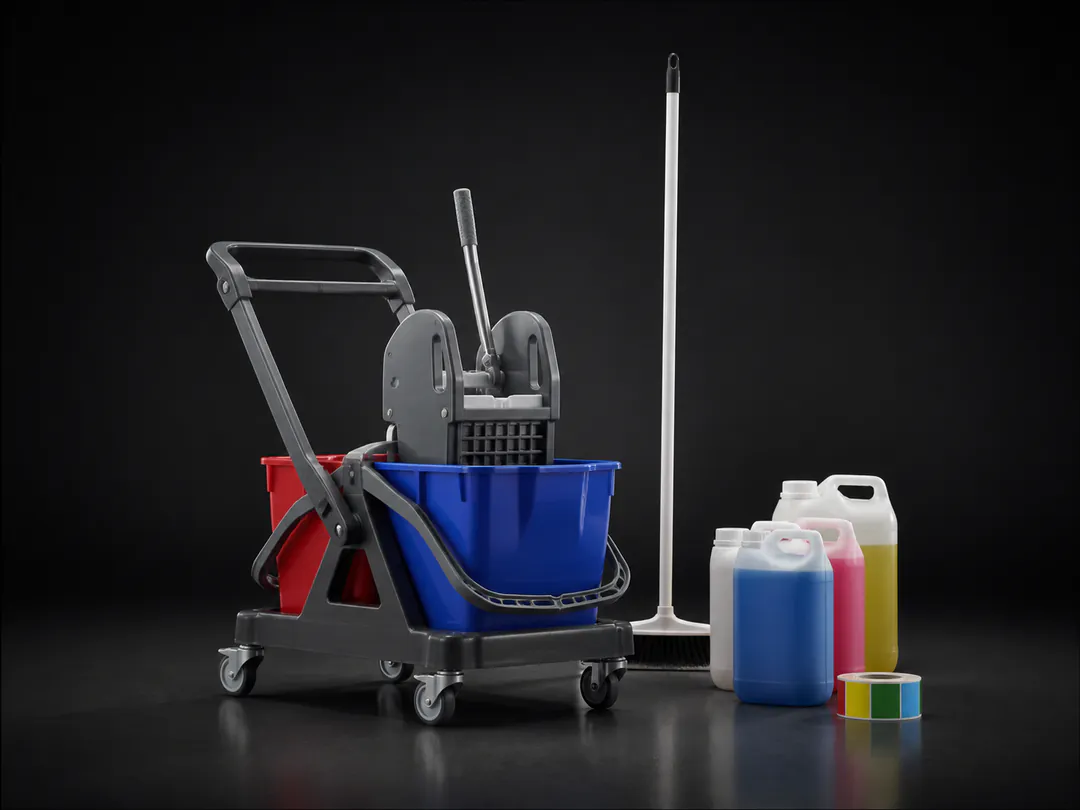
Commercial kitchen and restaurant cleaning supplies — and the wider food industry equipment around them — are chosen around a routine rather than a shopping list. What gets cleaned, how often, and by whom decide which products and equipment actually get used, and a well-stocked store of the wrong things is a common outcome of buying by category instead of by task.
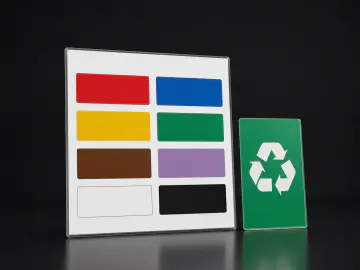
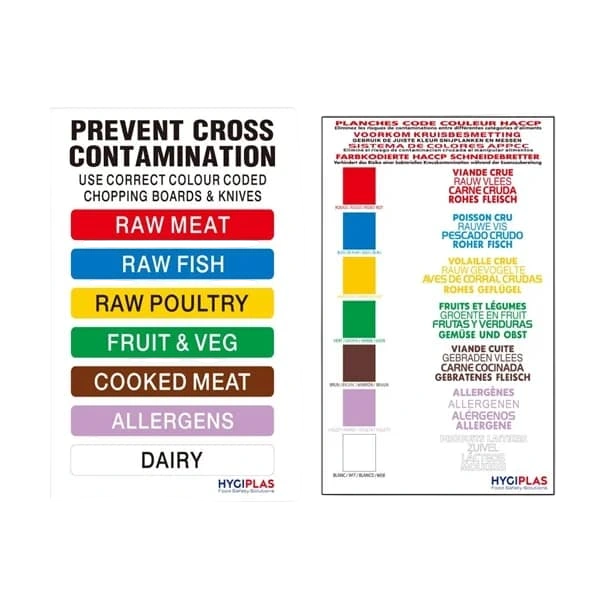
Surfaces divide the work. Food contact surfaces, floors, equipment interiors and hands each need their own products and their own cloths or tools, and keeping those separate is the point of a hygiene system rather than an inconvenience within it. Colour coding is the usual way this is made visible to staff who are working quickly.
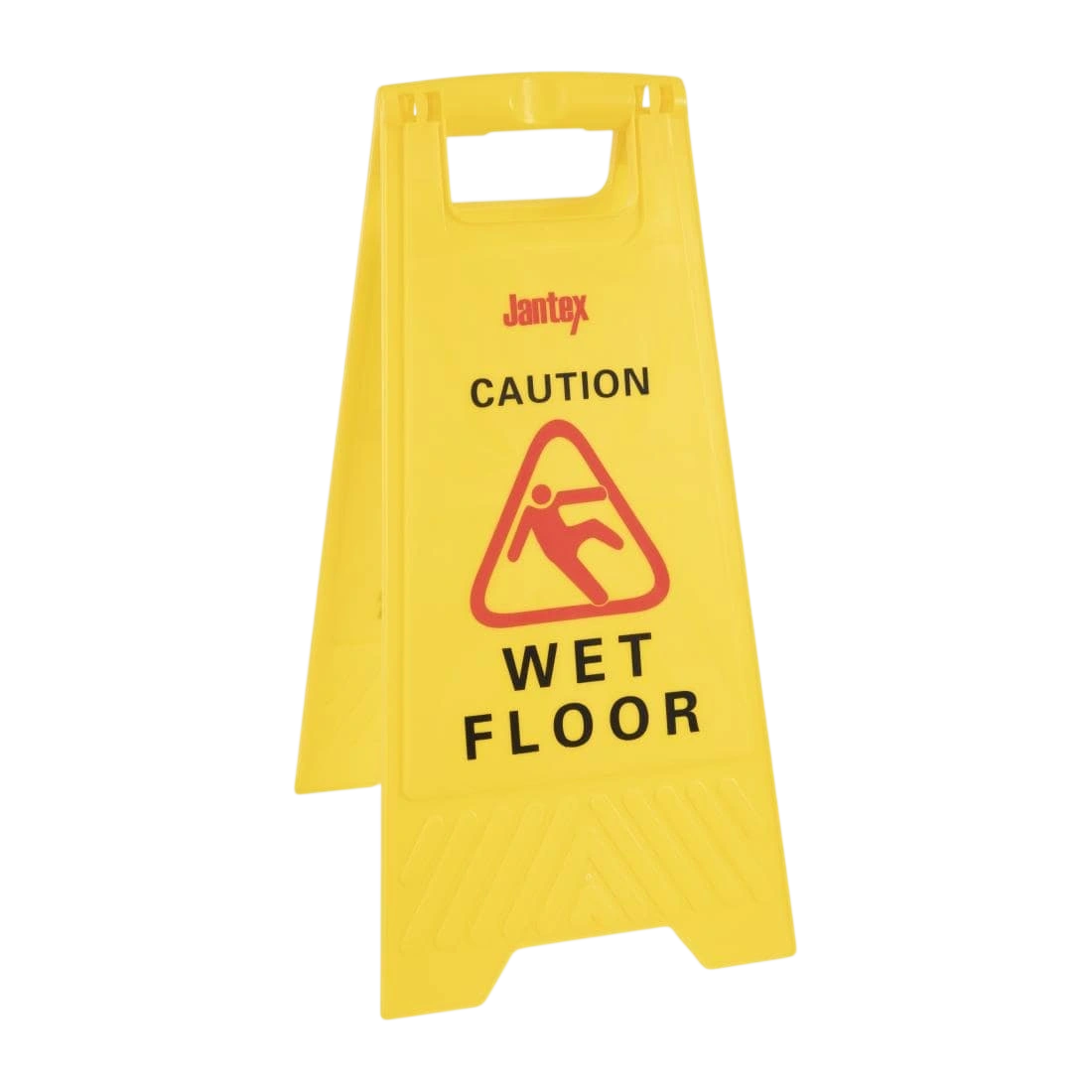
Floor cleaning is its own problem in a kitchen. Grease reaching the floor makes it both a slip hazard and a cleaning task that ordinary detergent will not solve, so commercial kitchen floor cleaning equipment and products are usually specified apart from surface cleaning.
Where a venue works to a HACCP plan, the cleaning schedule is part of it. HACCP cleaning is documented rather than assumed, so products and equipment need to support a routine somebody records — which usually means fewer, clearer choices rather than more options.
Key factors to consider before purchasing. Our team can help you find the right fit — call or get a quote anytime.
Match equipment capacity to your daily output. Consider available floor space and door clearances.
Check the power supply and circuit capacity at the installed position before ordering.
Confirm electrical compliance, levelling and the clearance needed for cleaning and service access. We can help with kitchen planning.
Submit your kitchen requirements — our equipment specialists will send you a tailored shortlist of cleaning & hygiene that fits your budget, venue type and compliance needs.
Standards & Compliance
Before ordering kitchen hygiene products, confirm what is cleaned on each shift, who does it, and whether the routine is documented. Check that products suited to food contact surfaces are distinguishable from those that are not, at a glance and in a hurry.
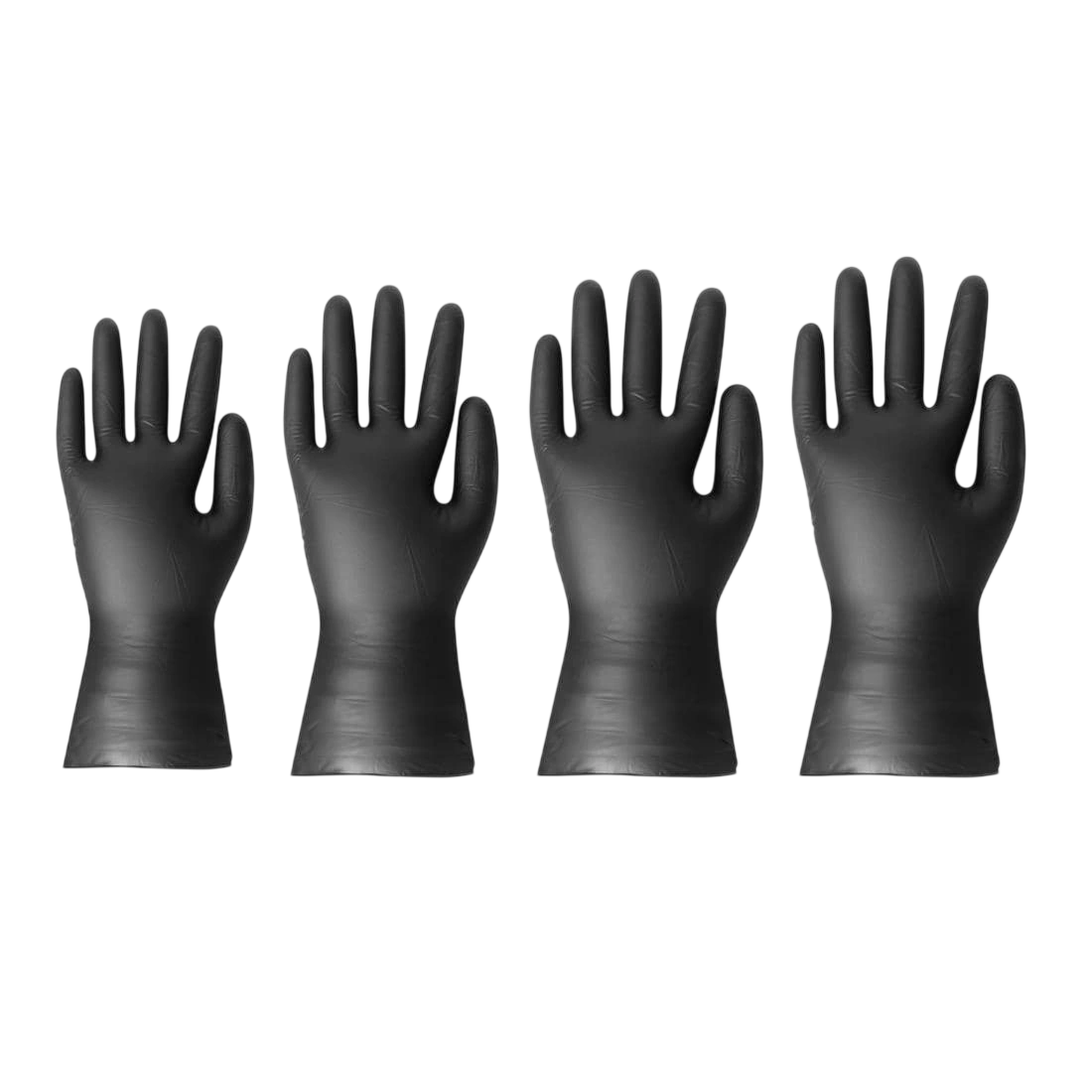
Look at how items are stored and whether cloths, brushes and other food handling equipment can be separated by area. Confirm that personal protective equipment for the kitchen — gloves and eye protection where chemicals are decanted — is specified alongside the chemicals rather than after them.
FAQ
At minimum, you’ll need mops, buckets, colour-coded cloths, food-safe sanitisers, degreasers, dish detergents, hand soap and paper dispensers.
Household cleaners are usually not suitable – commercial kitchens should use products labelled for foodservice or food-contact use.
Floors should be cleaned at least daily and spot-cleaned as needed during service to manage spills and slip hazards.
They support proper rotation, reduce waste and help staff quickly identify prepared items and expiry times.
Why KW
KW can help build a cleaning and hygiene list around the routine a kitchen actually runs, keeping surface, floor and equipment cleaning separate. For practical advice on commercial kitchen cleaning supplies, call KW on 1300 001 366.
Deep Dive
Technical depth from KW's commercial kitchen specialists.
Start from what is cleaned on each shift and who does it. A store full of products chosen by category rather than by task tends to hold several near-duplicates and lack the one item the routine actually needs.
Food contact surfaces, floors, equipment interiors and hands need different products and different tools. Colour coding makes that separation visible to staff working at speed, which is when the distinction is most likely to be lost.
Grease that reaches a kitchen floor is both a slip hazard and a cleaning task ordinary detergent will not solve. Specify floor cleaning equipment and products apart from surface cleaning, and match them to the floor finish actually installed.
Where a venue works to a HACCP plan, cleaning is scheduled and recorded rather than assumed. That favours fewer, clearer product choices that staff can follow and someone can sign off, over a wider range that invites substitution.
Yes – dedicated tools for raw, cooked and bathroom areas help prevent cross-contamination and improve hygiene compliance.
Work from the routine — what is cleaned each shift, how often and by whom — rather than from a product category list. Buying by category tends to produce near-duplicates and still miss the item the routine depends on.
Food contact surfaces, floors, equipment interiors and hands need different chemistry and different tools. Colour coding makes the separation obvious to staff working quickly, which is exactly when it would otherwise break down.
Yes. Grease on the floor is a slip hazard as well as a cleaning task, and ordinary detergent does not deal with it. Floor products and equipment are usually specified separately and matched to the floor finish.
That the routine is documented and signed off rather than assumed. In practice that favours a smaller, clearer set of products staff can follow consistently over a wider range that invites substitution.
271 results
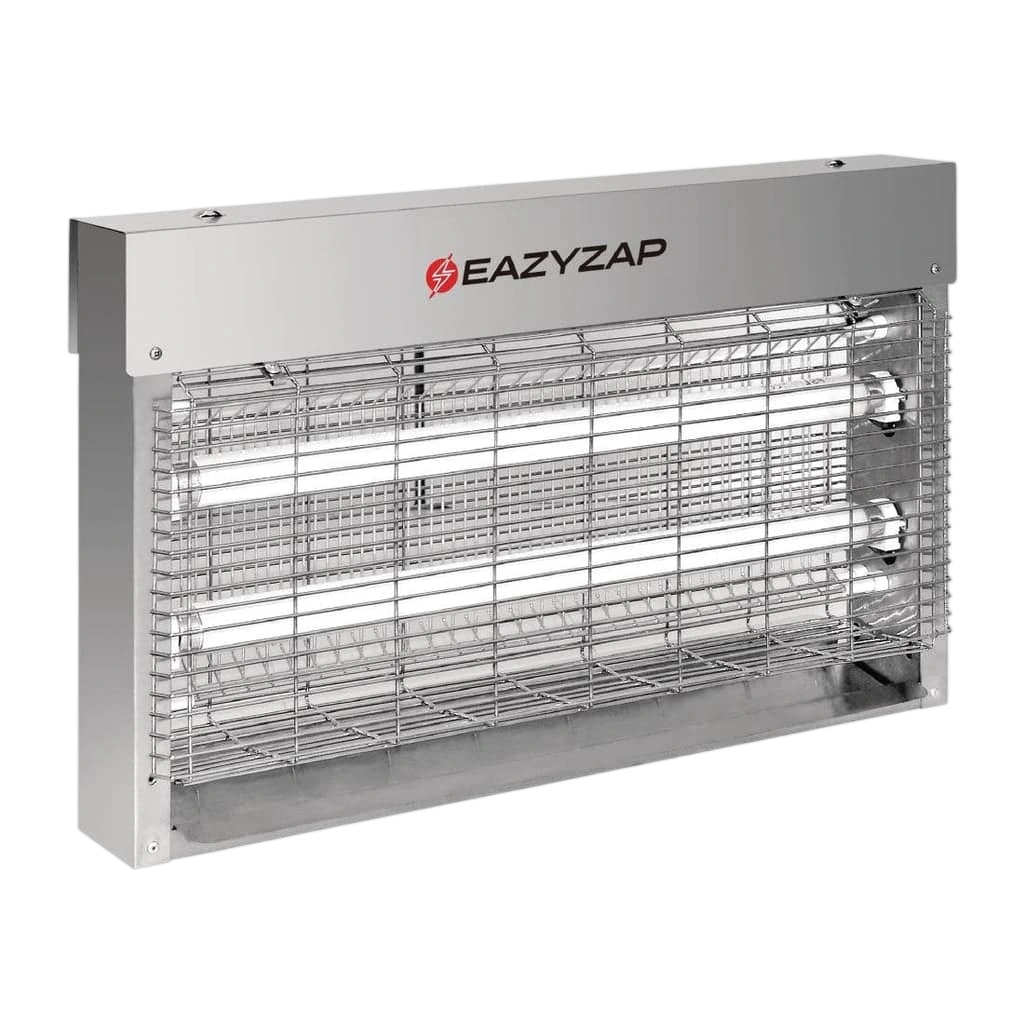
663 × 106 × 313mm
300 × 400 × 500mm
400 × 500 × 600mm
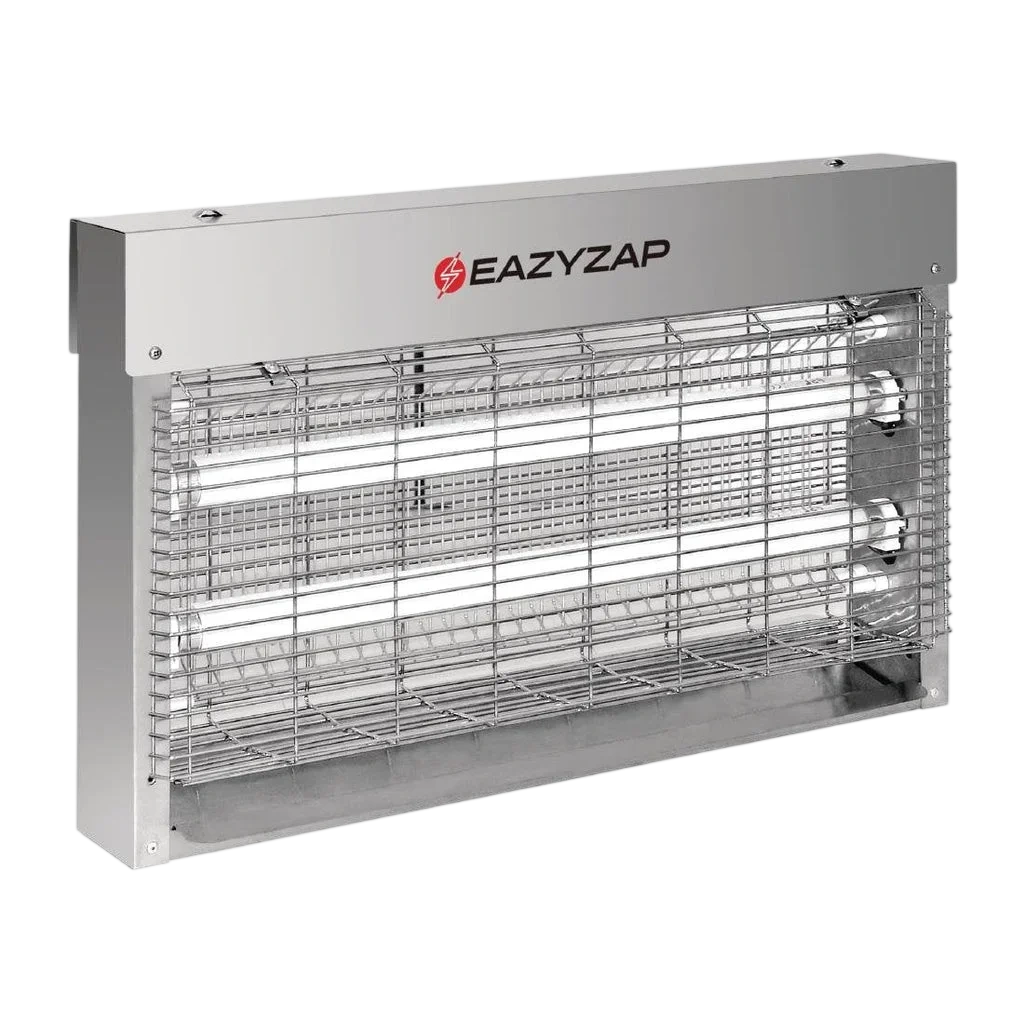
515 × 106 × 313mm
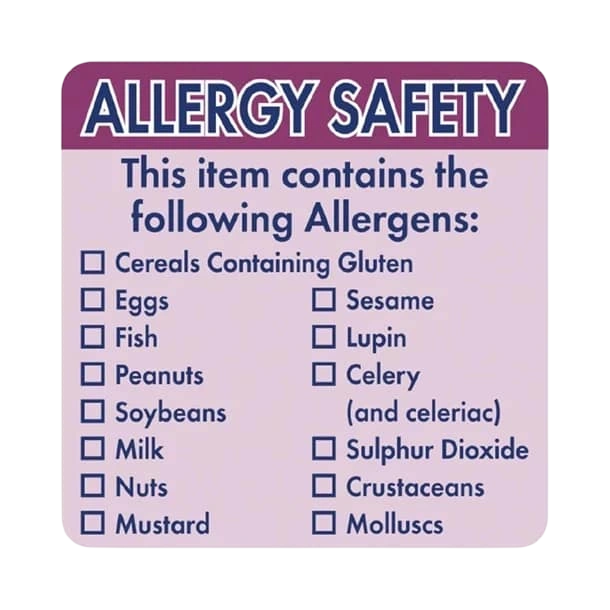
50 × 50 × 50mm
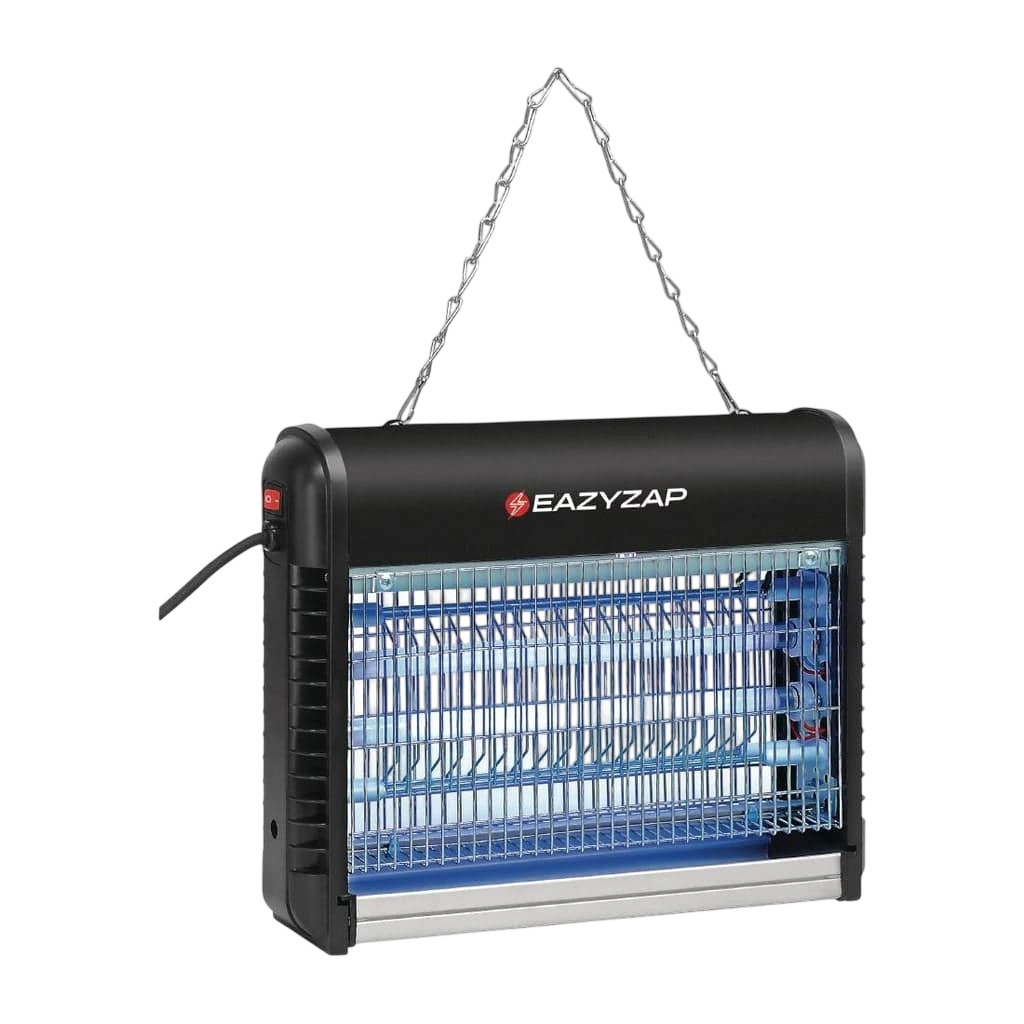
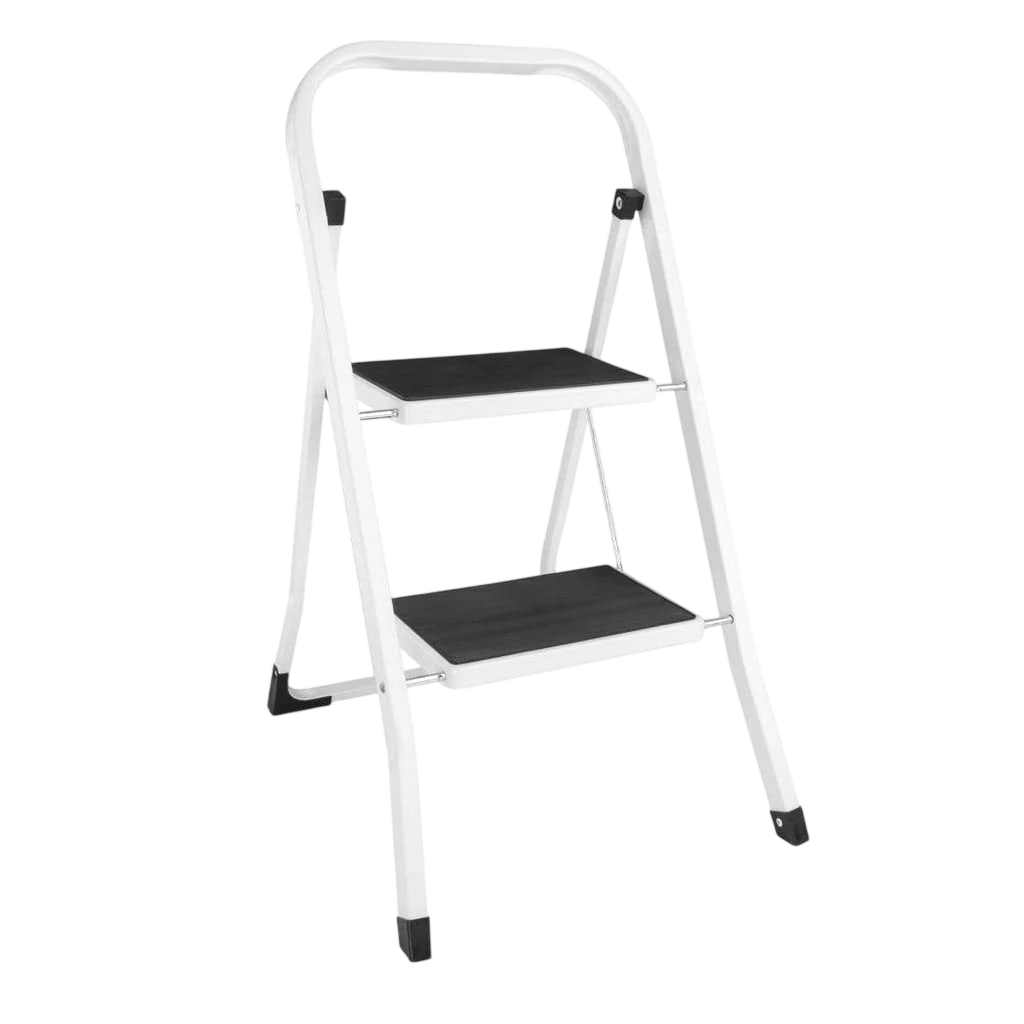
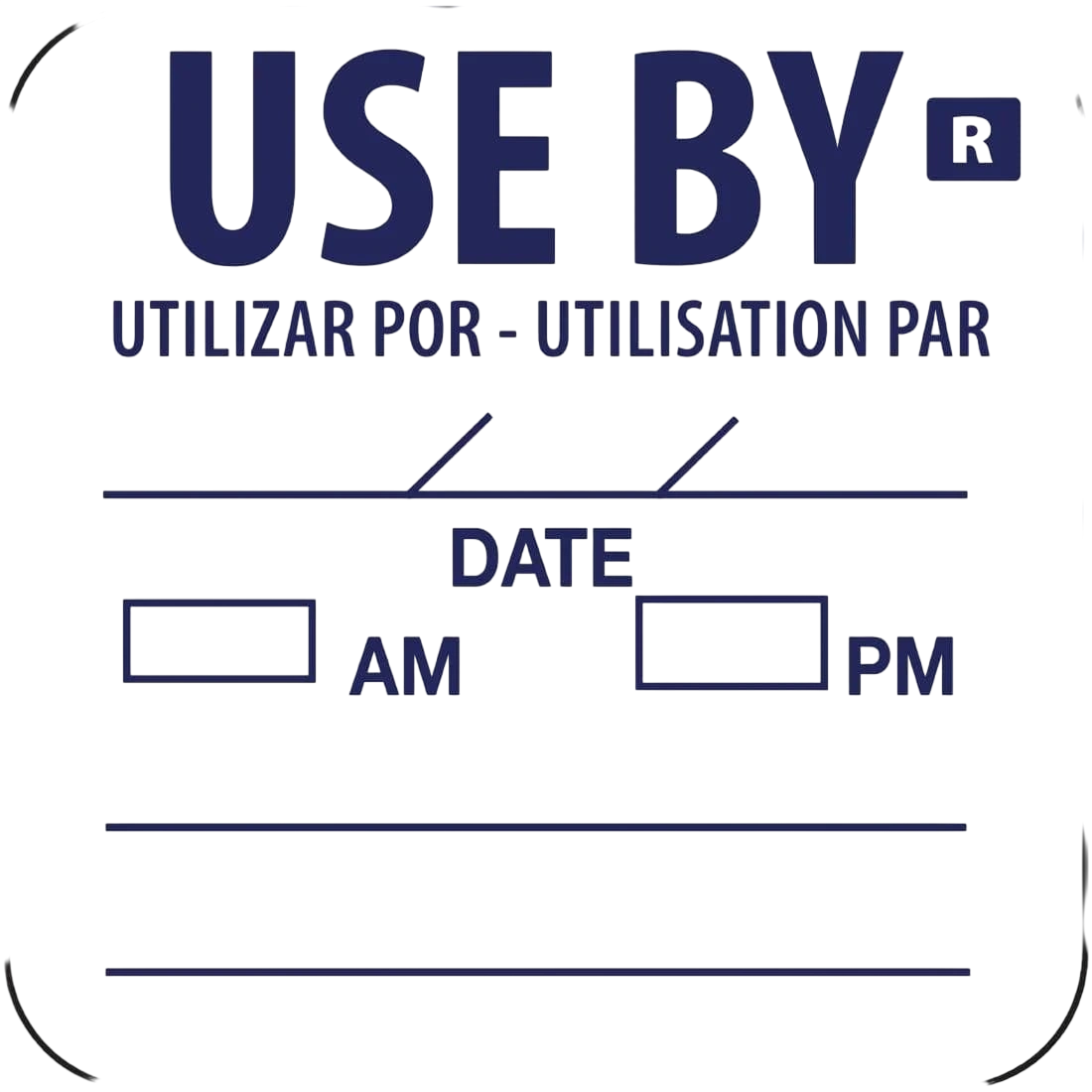
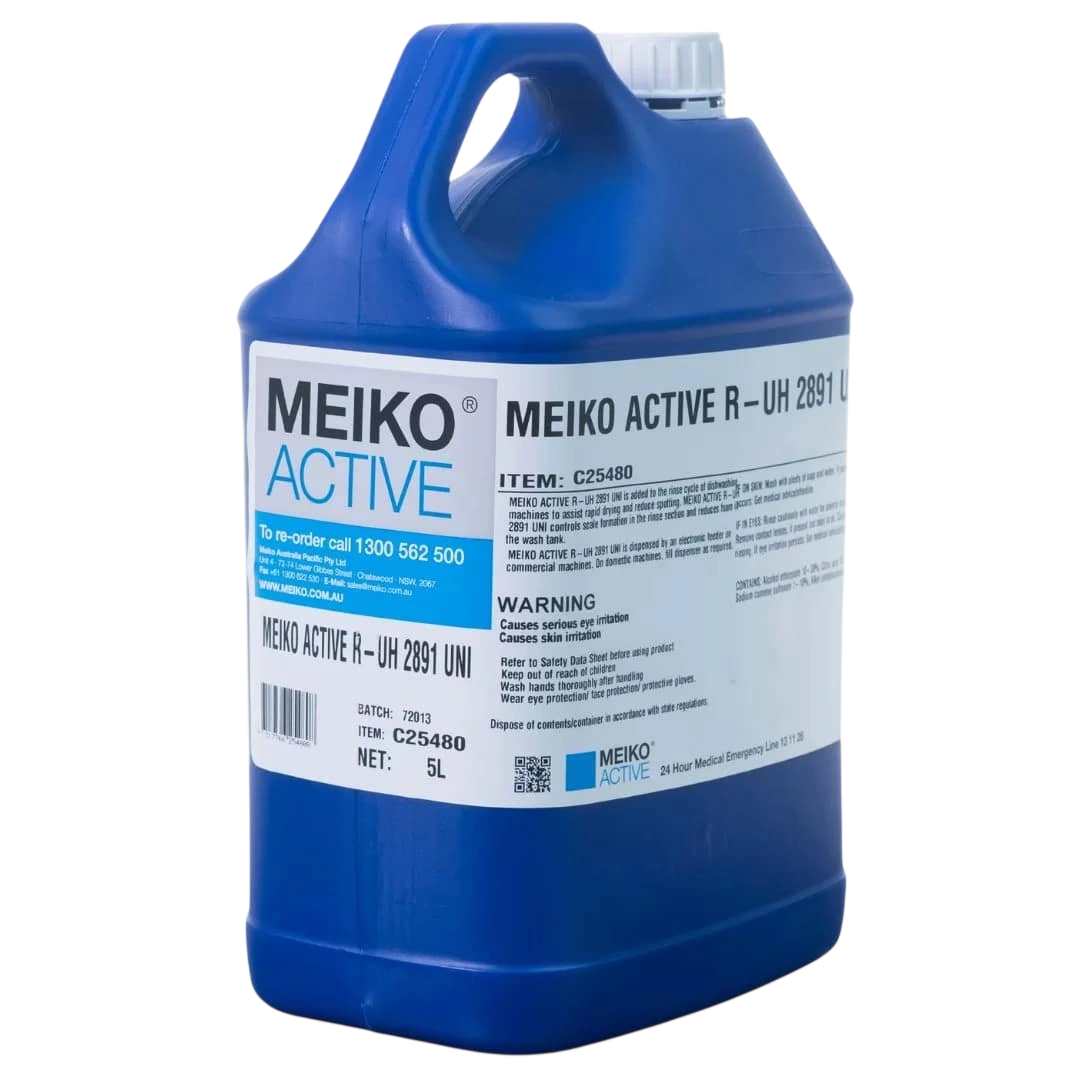
300 × 400 × 500mm
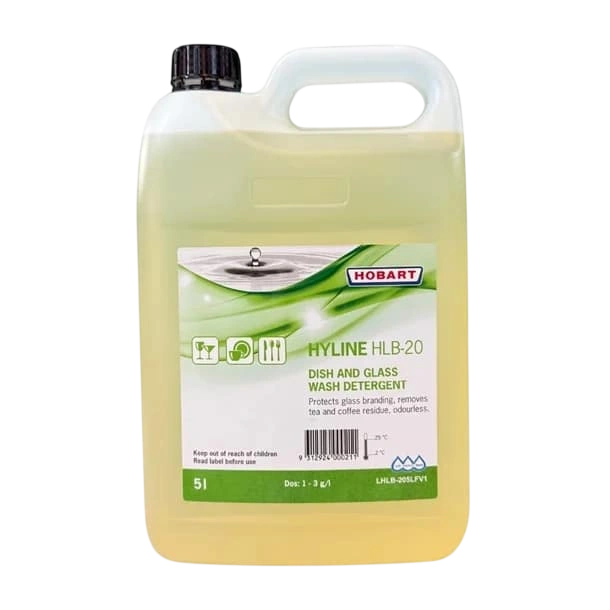
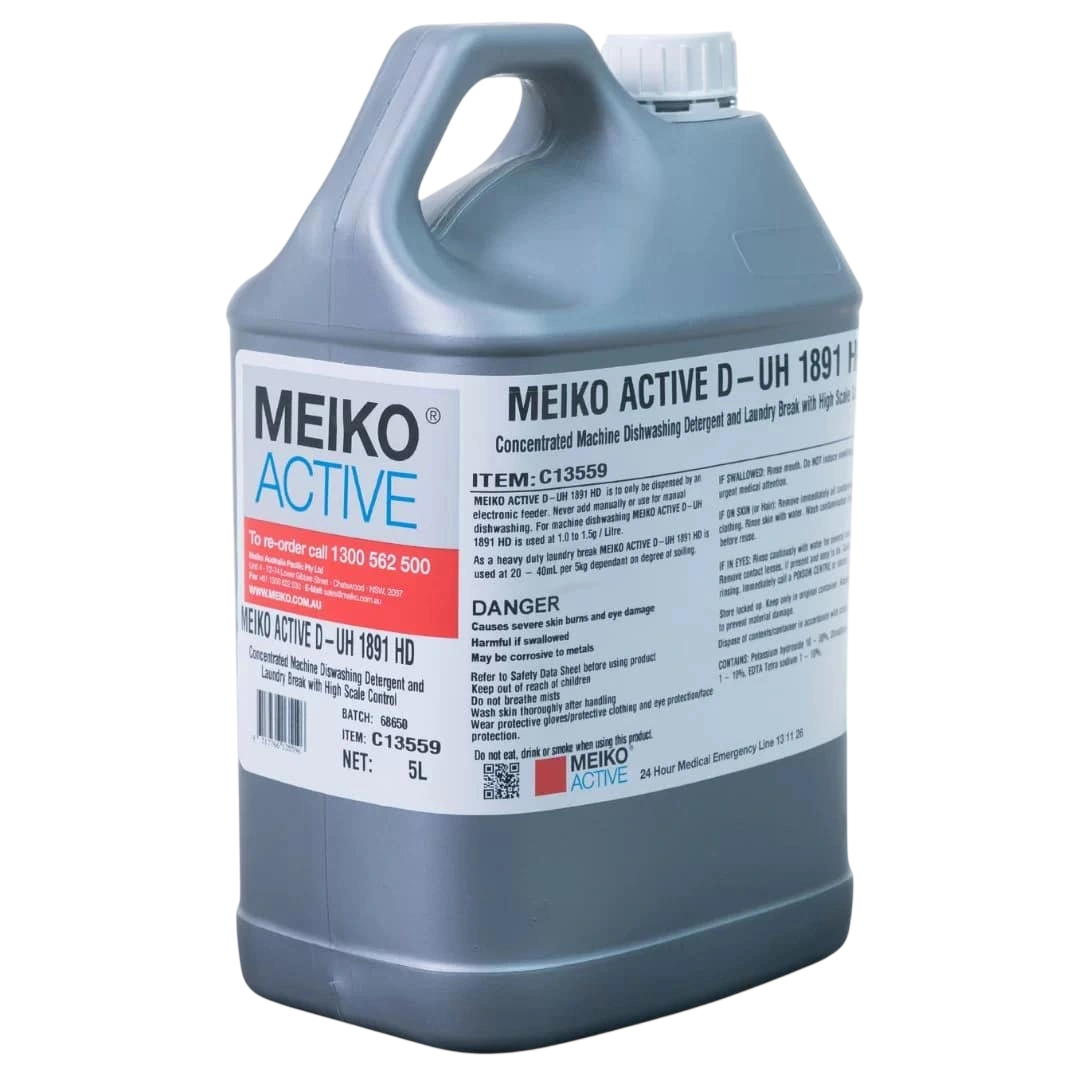
300 × 400 × 500mm
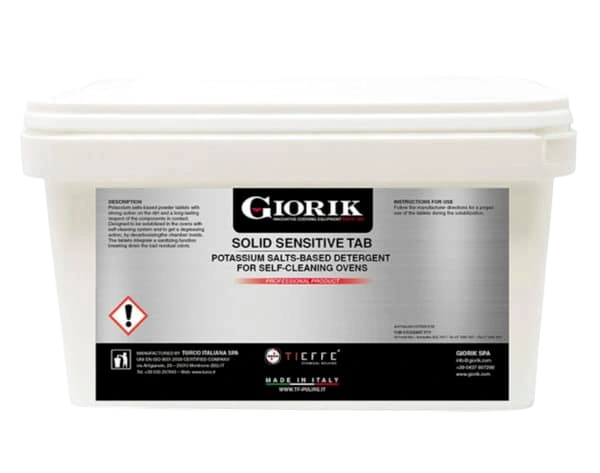
23 × 23 × 31mm

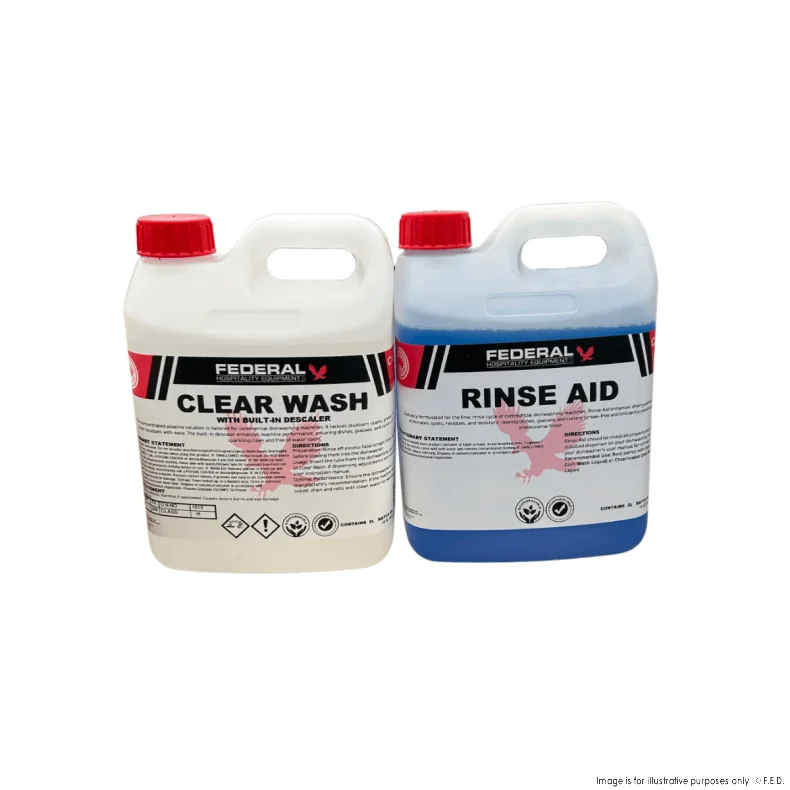
50 × 50 × 50mm
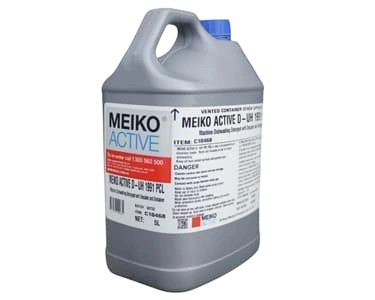
350 × 200 × 500mm
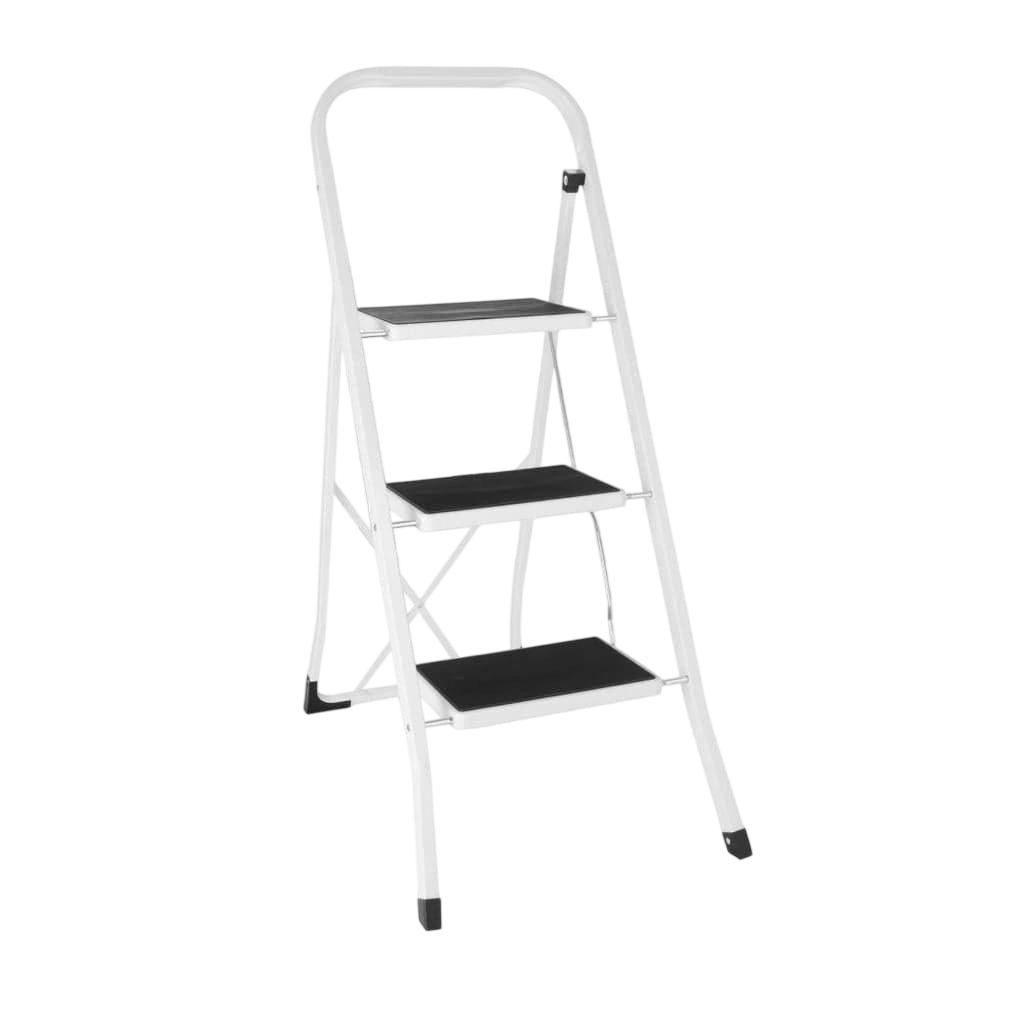
460 × 30 × 1150mm
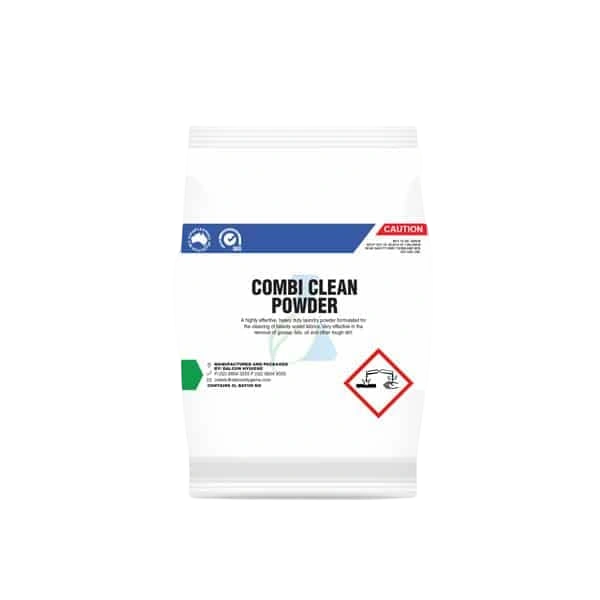
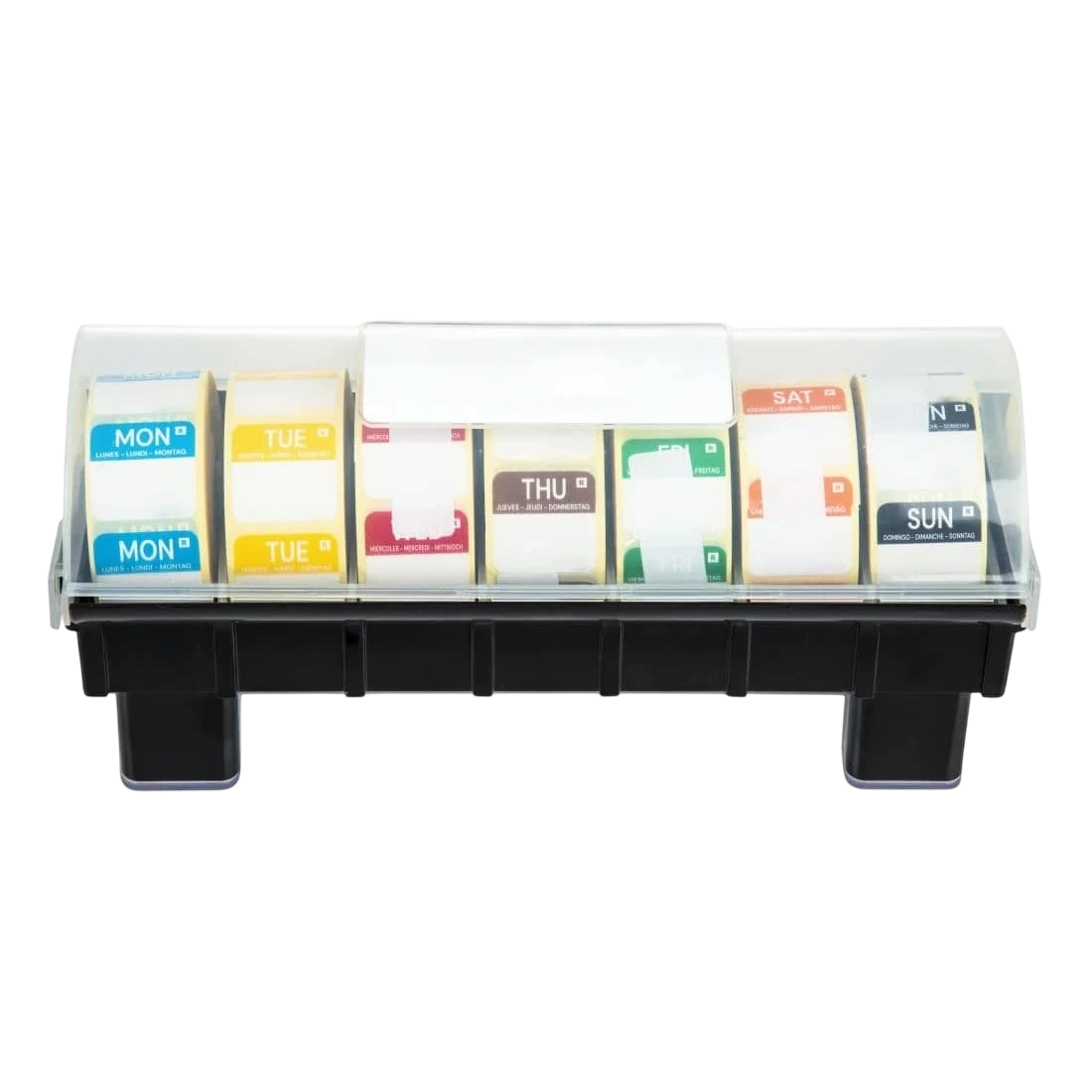
330 × 133 × 64mm
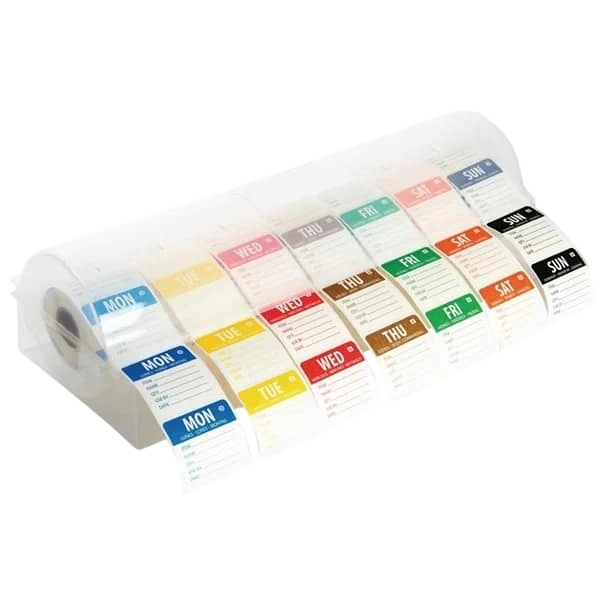
489 × 133 × 64mm
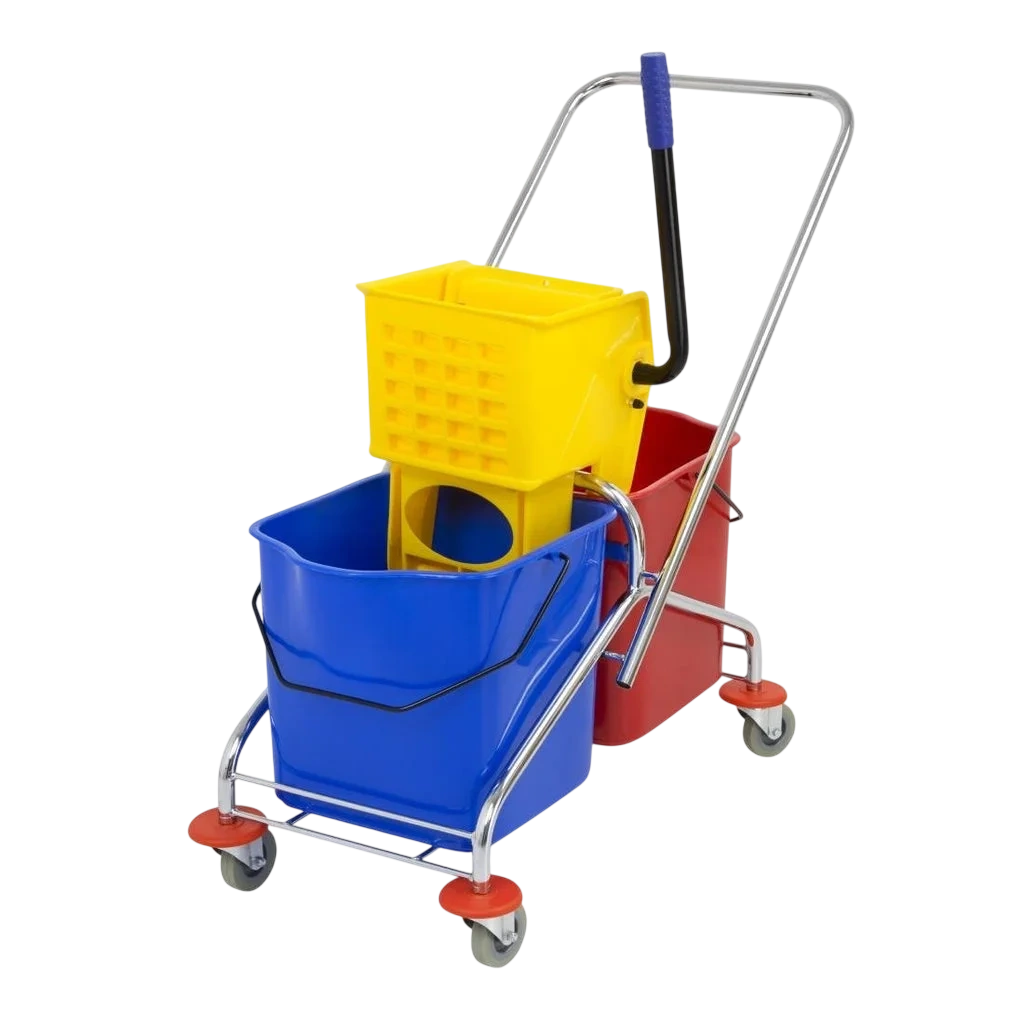
410 × 995 × 860mm
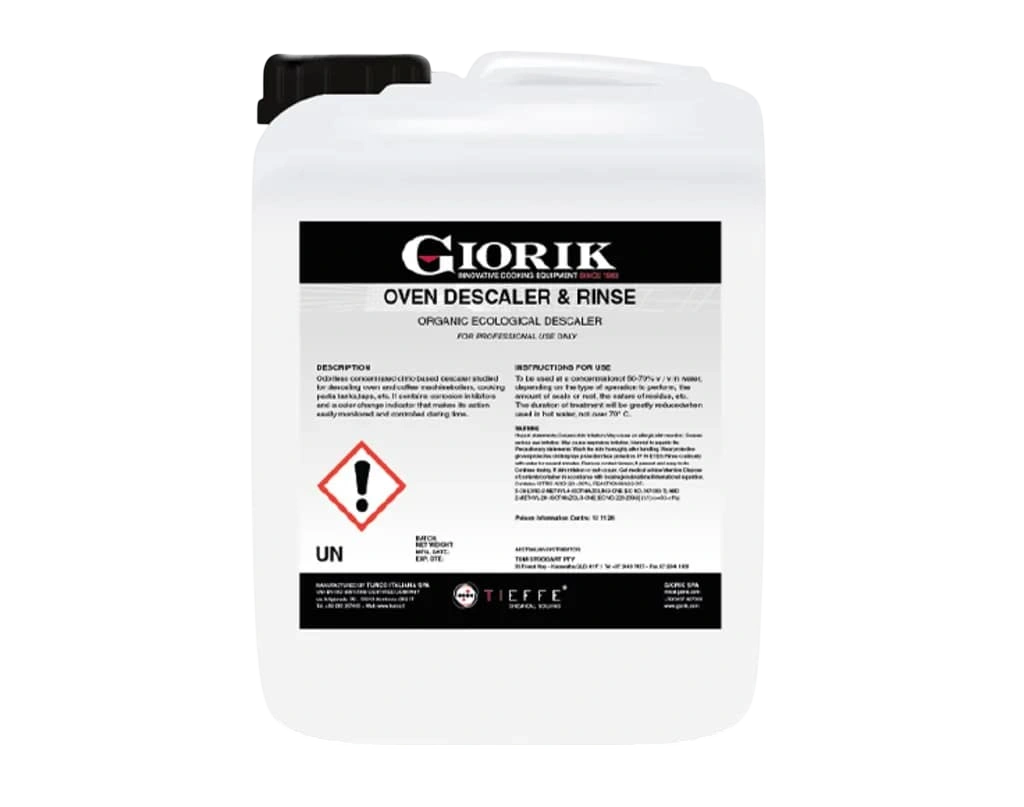
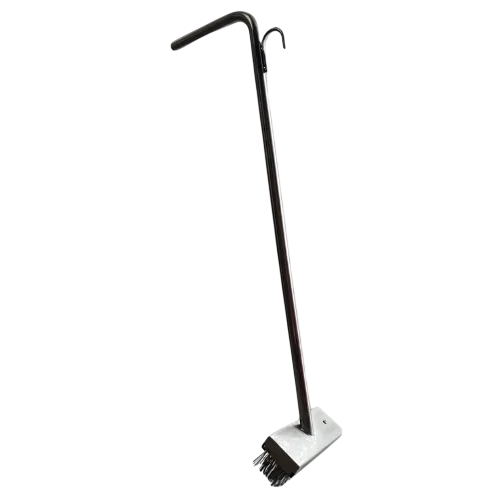
200 × 100 × 750mm
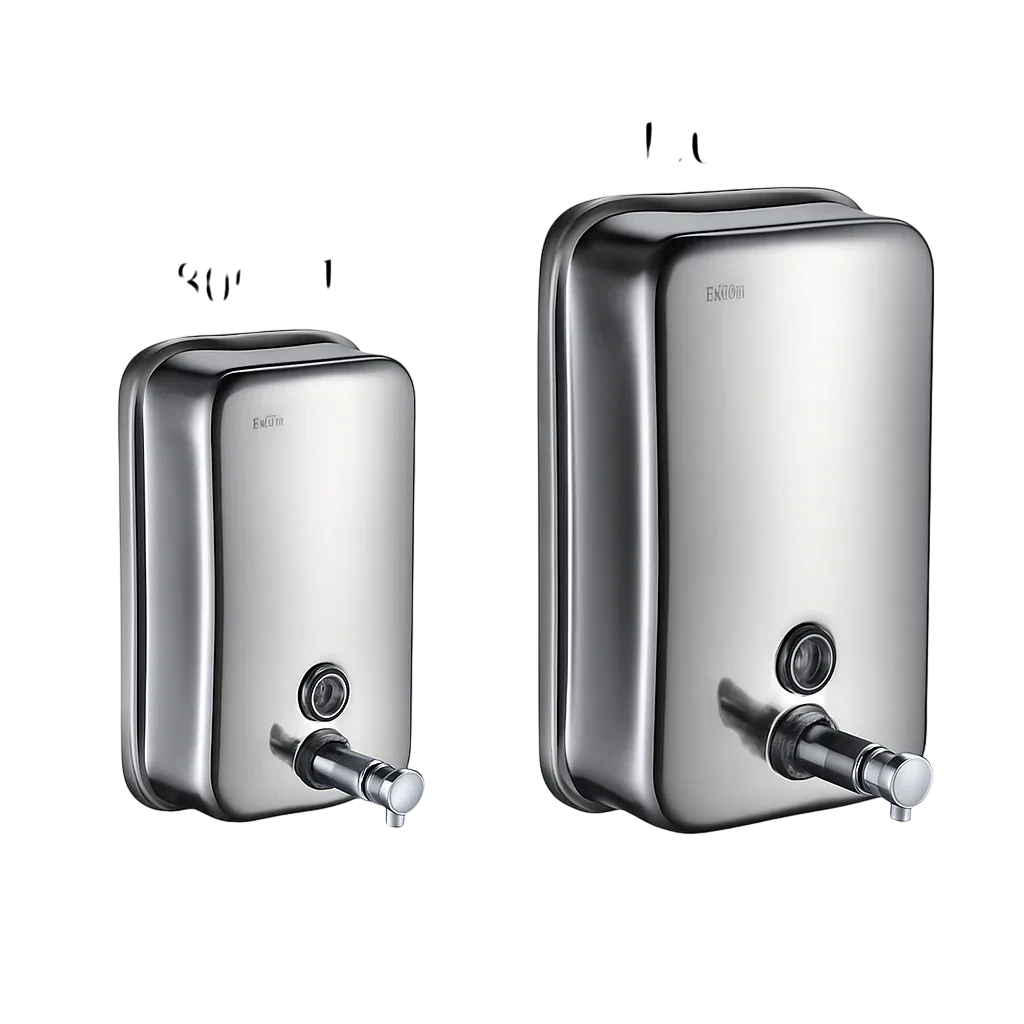
180 × 110 × 60mm
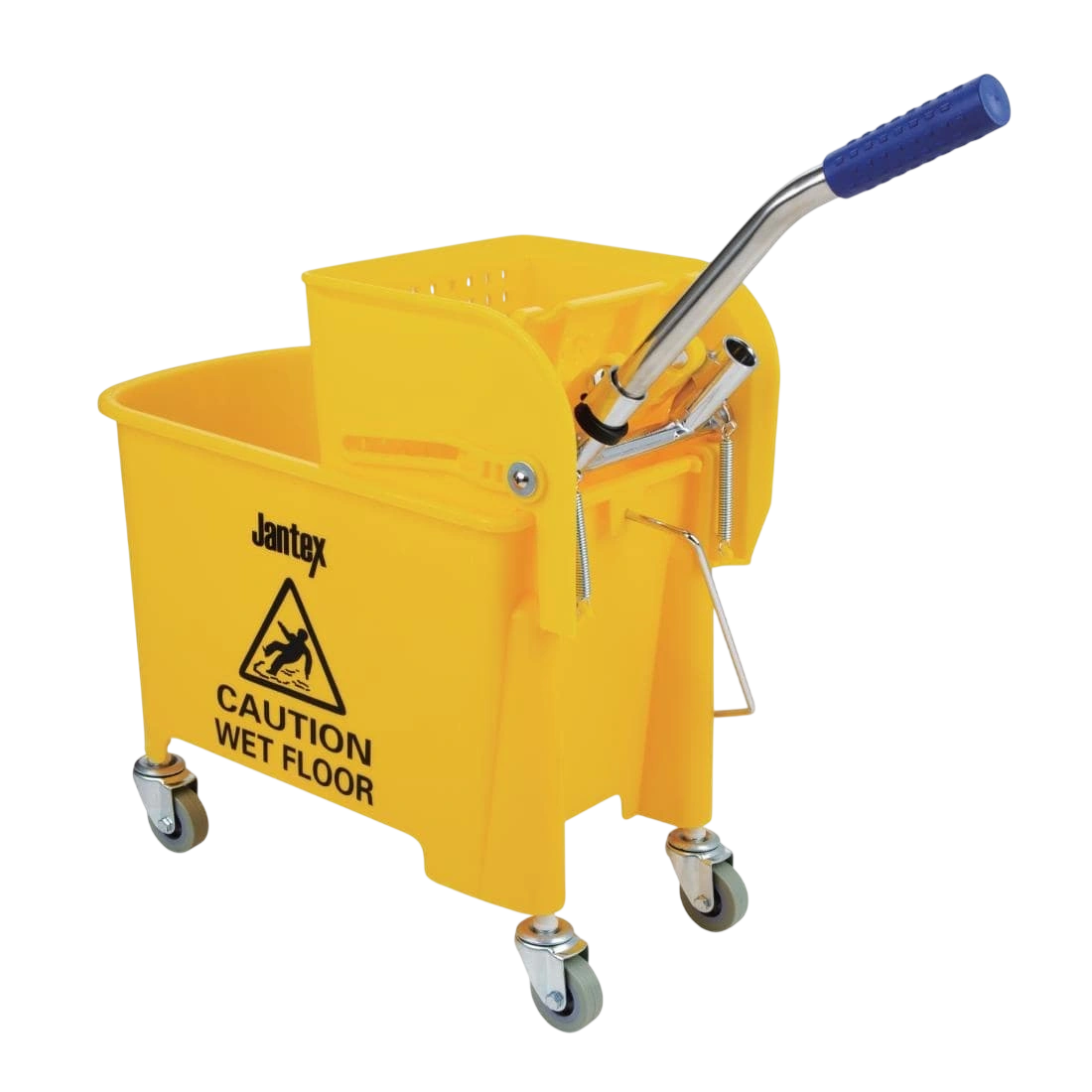

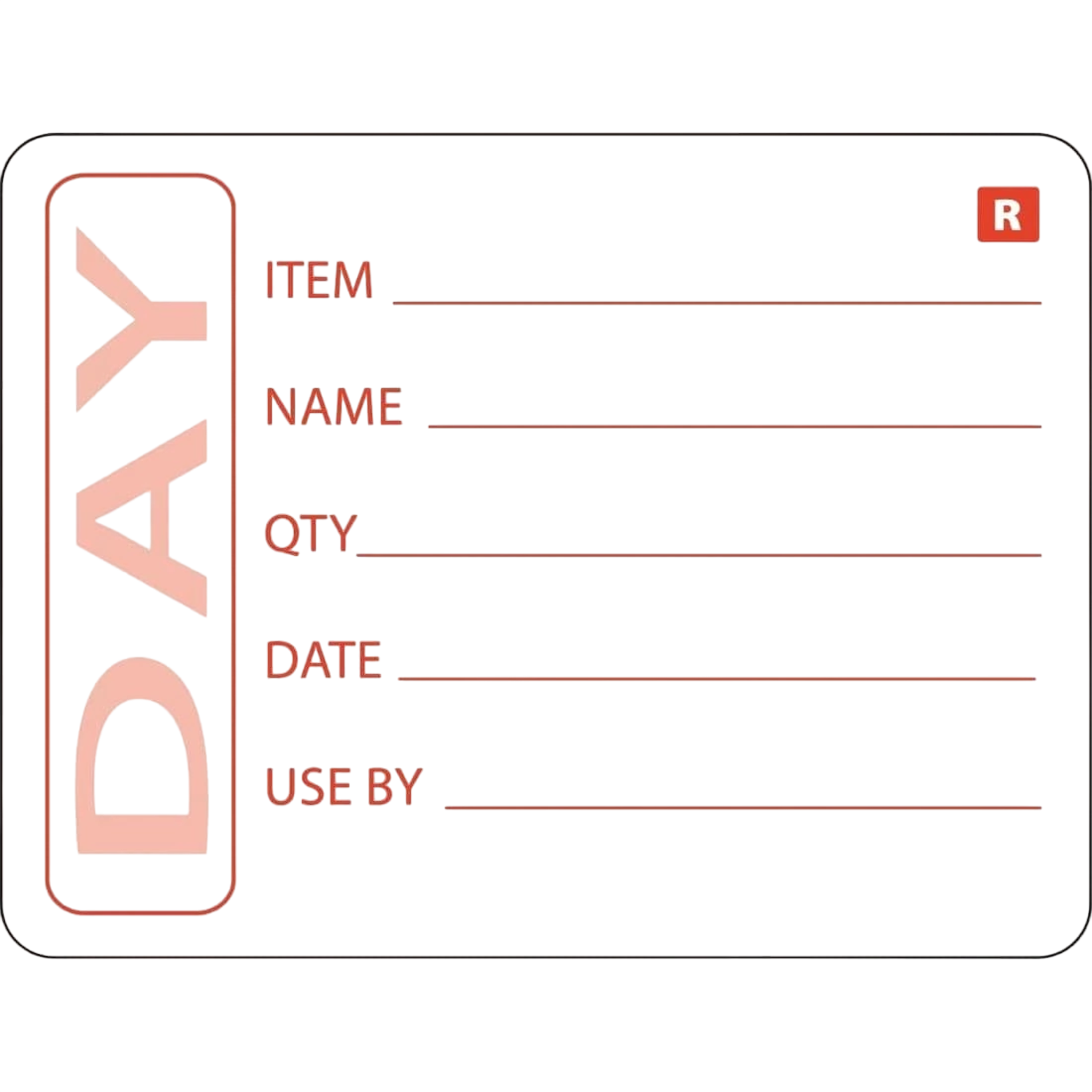
65 × 65 × 50mm
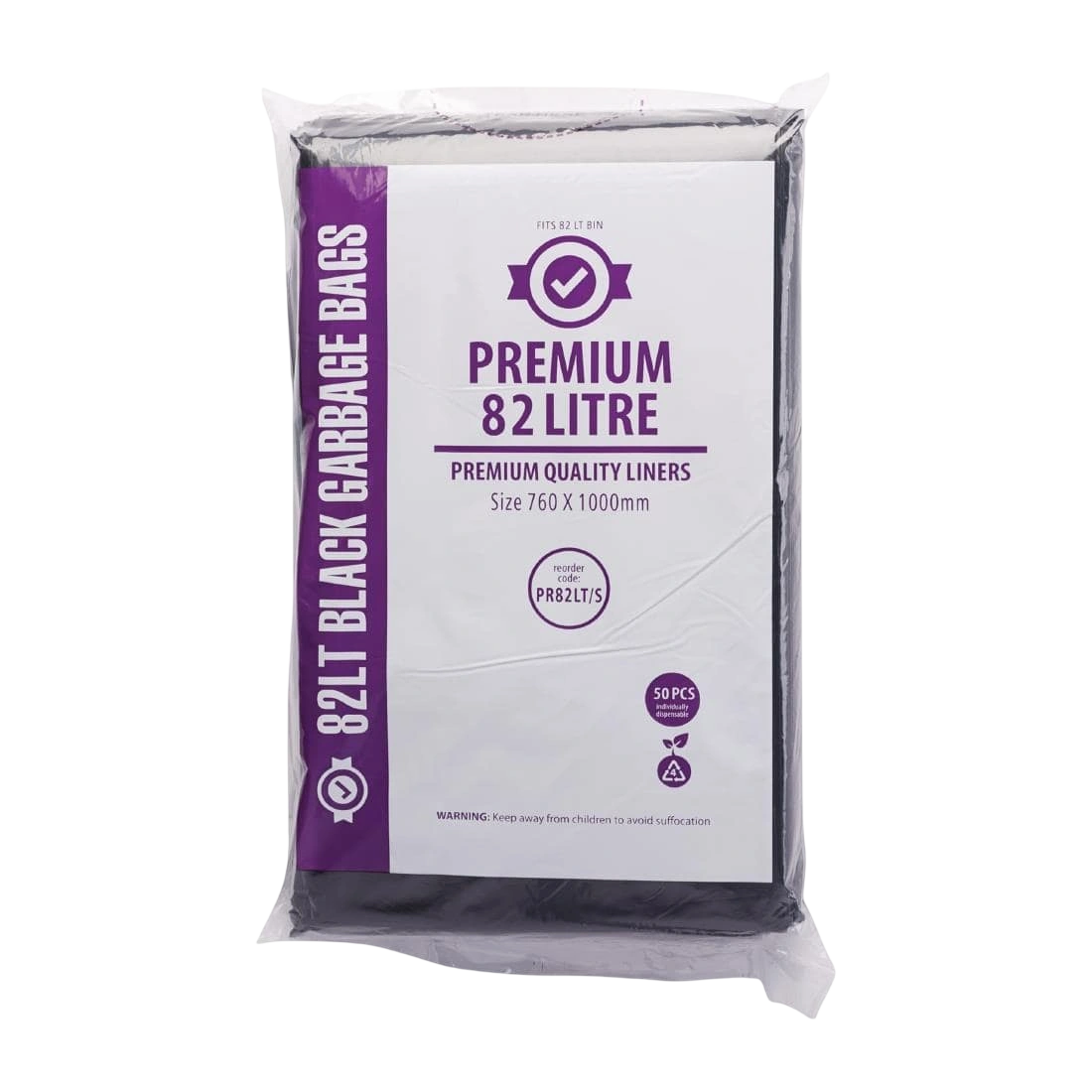
210 × 350 × 40mm
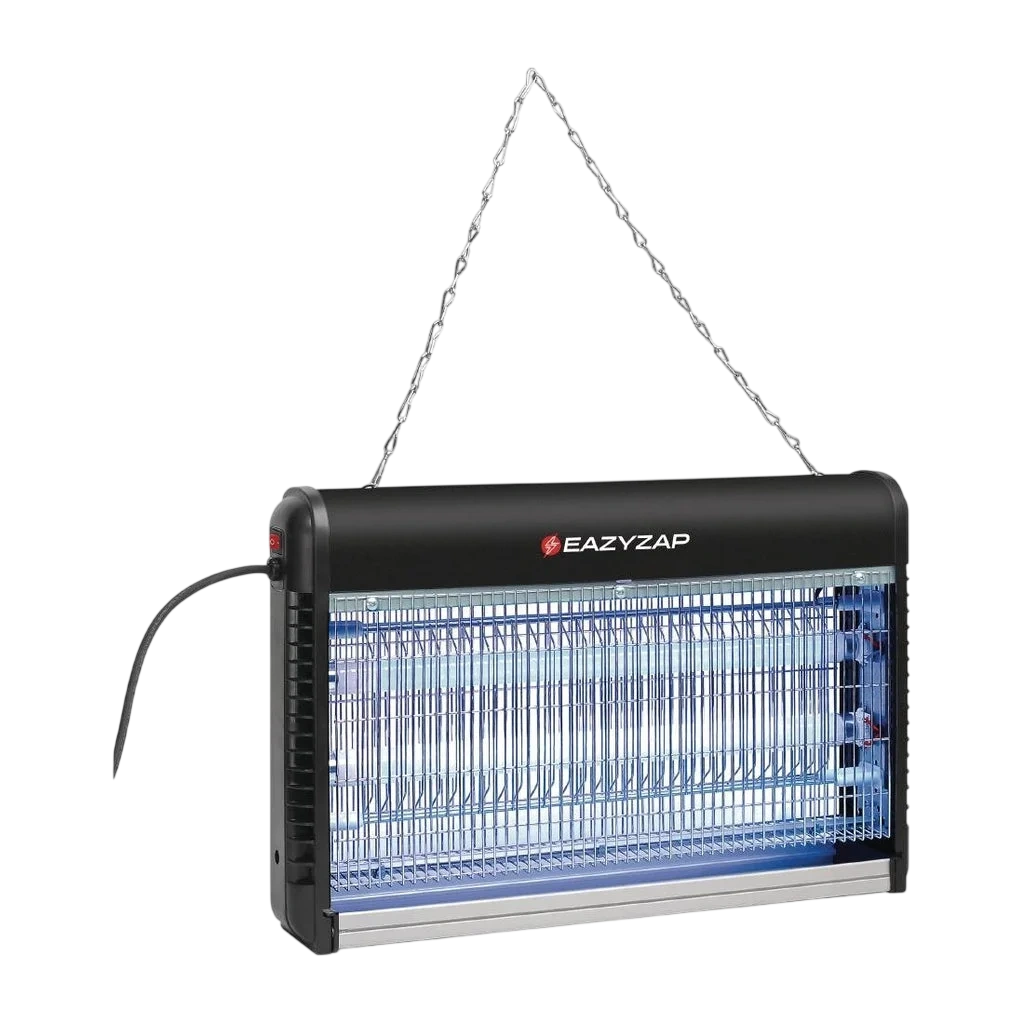
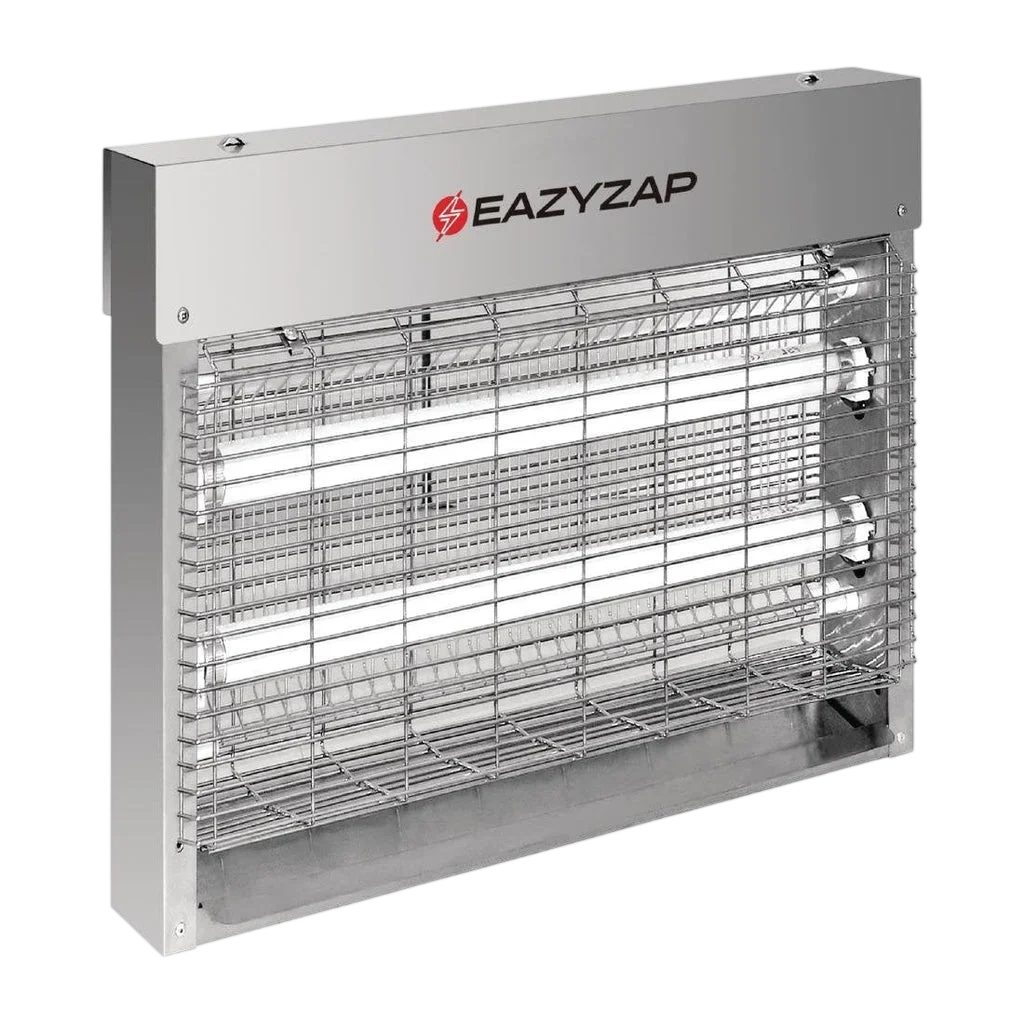
284 × 106 × 313mm
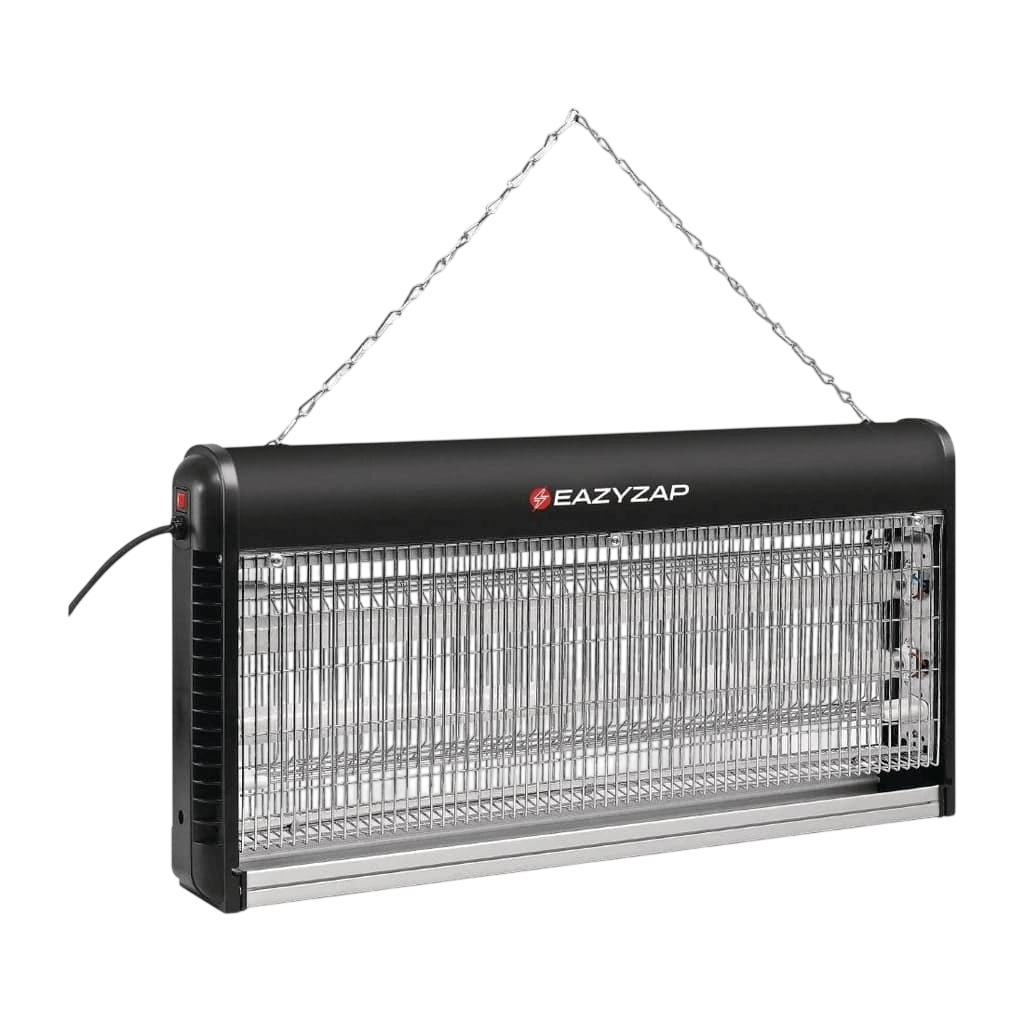
650 × 86 × 320mm
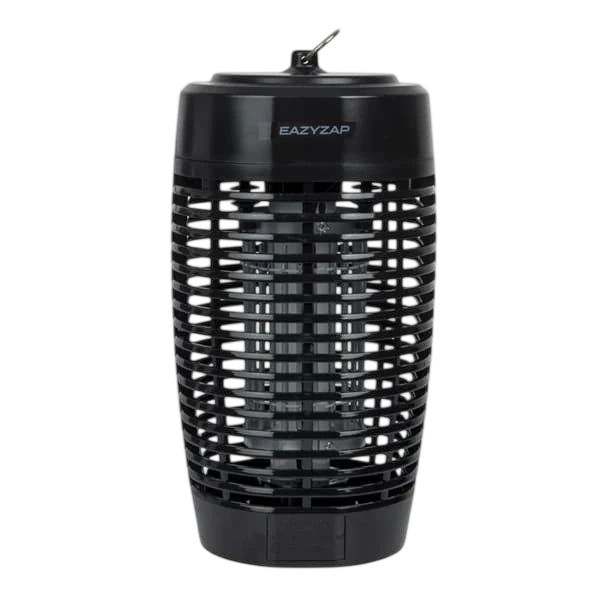
170 × 165 × 315mm
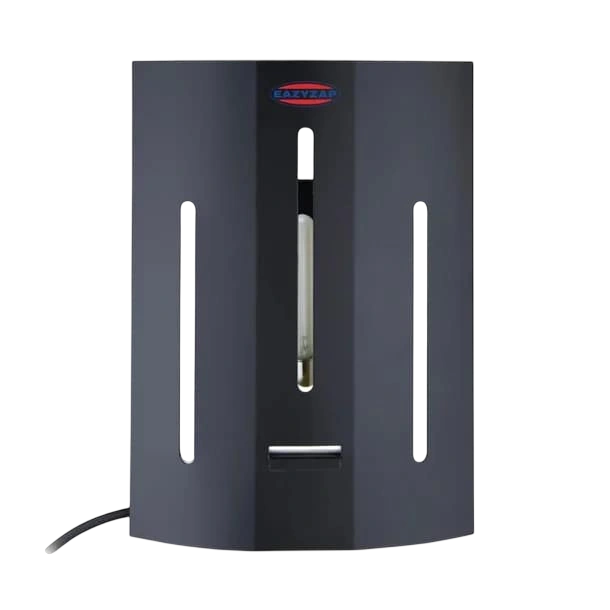
236 × 122 × 325mm