
Polar
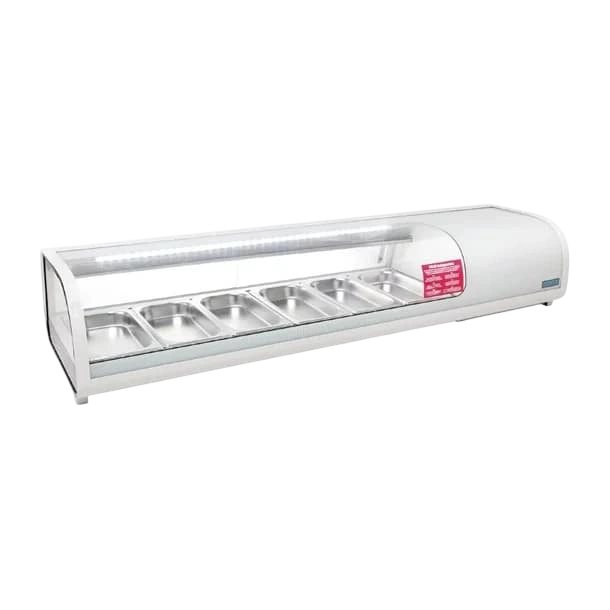
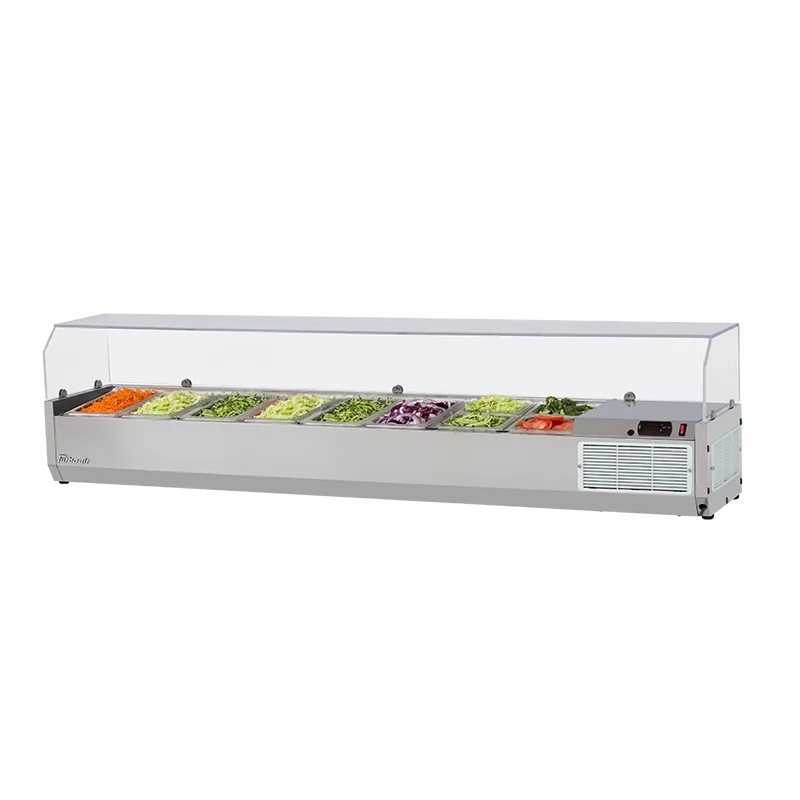
Polar GP296-A G-Series Tapas Display Fridge – 62L Countertop | KW
1529 × 420 × 292mm
$1,869.92$2,199.90
In Stock
Food Prep Fridges
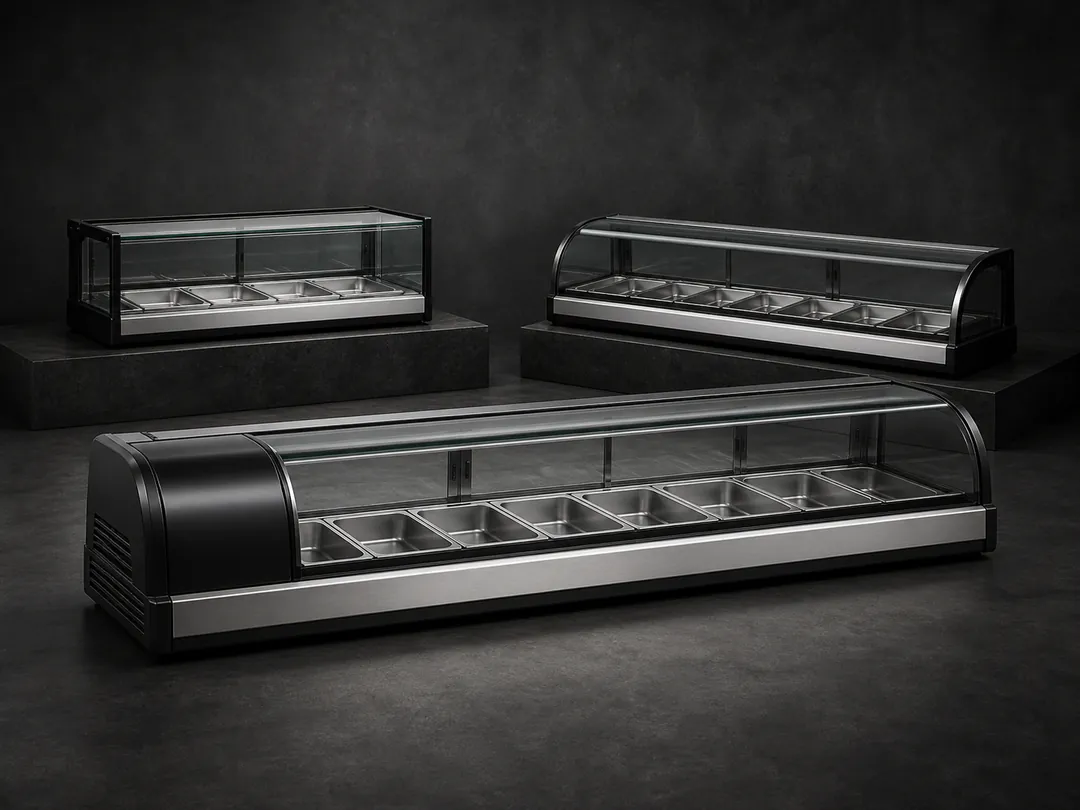
A sushi display fridge is a narrow refrigerated cabinet for presenting ingredients or prepared items along the service line while keeping them within the chef’s reach. It is not intended to replace the separate refrigerated storage used for backup stock; its main role is controlled service-line holding and clear presentation.
Measure the counter from the chef side as well as the customer side. Cabinet depth, glass profile and access direction affect how easily trays can be loaded and how clearly diners can see the display. The chosen length should fit the working menu without taking over the hand-off or preparation area.
Key factors to consider before purchasing. Our team can help you find the right fit — call or get a quote anytime.
Match equipment capacity to your daily output. Consider available floor space and door clearances.
This range includes both refrigerated and non-refrigerated models, so check the cooling type on the model you choose along with the power supply it needs.
Allow the ventilation clearance the manufacturer specifies. We can help with kitchen planning.
Submit your kitchen requirements — our equipment specialists will send you a tailored shortlist of sushi bar fridges that fits your budget, venue type and compliance needs.
Standards & Compliance
Check the supported tray dimensions, usable display length and the clearance needed for doors or lids. Arrange small service quantities in menu order, keep labels readable and leave refrigerated air paths unobstructed by garnish containers or packaging.
Counter strength, power, ventilation and proximity to hot cooking or direct sun should be reviewed before installation. The cabinet needs a level support and a cleaning route that lets staff remove trays without passing them over finished orders.
FAQ
Measure the clear counter depth and confirm the cabinet’s ventilation allowance, glass projection and access-panel travel. Then mark the chef’s remaining preparation area and customer hand-off zone; the cabinet should fit without forcing either activity beyond the usable counter.
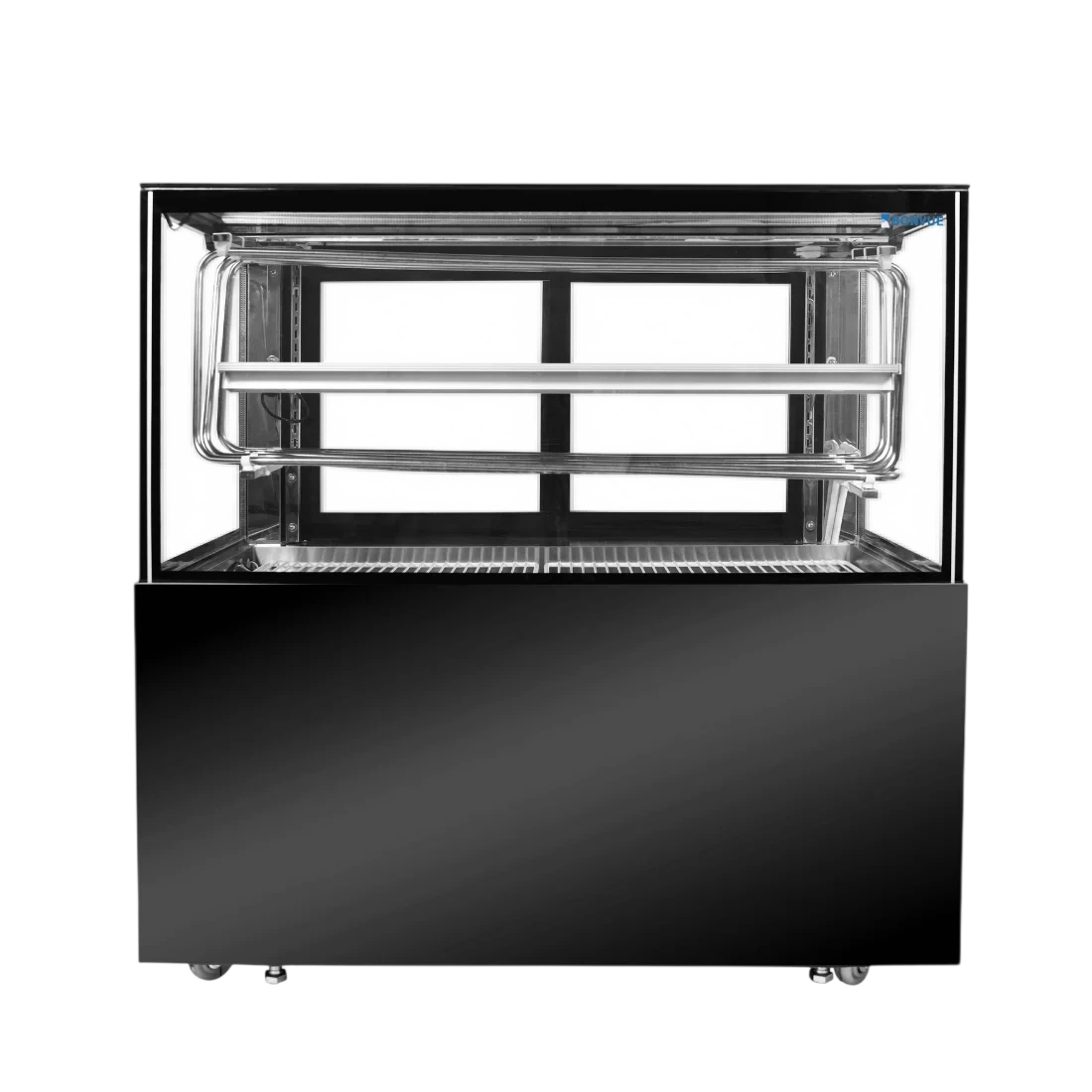
Curved and straight glass create different reflections, sightlines and reach to the rear of the display. Check the view from the customer position and the chef’s access to every tray, then choose the profile that keeps labels and ingredients visible without making service awkward.
Usually not. Its primary role is service-line ingredient holding and presentation in small working quantities; bulk backup stock should normally be kept covered and labelled in separate refrigerated storage, then replenished under the venue’s food-safety routine.
Transfer food to suitable refrigerated holding, remove trays and approved fittings, then clean and sanitise food-contact parts, tracks and interior corners. Dry the cabinet before loading fresh service quantities, and rotate replenishment from labelled backup stock rather than overfilling the display.
Why KW
For a sushi counter, KW can focus on the narrow display geometry: counter depth, glass sightlines, chef-side loading and the hand-off beside the cabinet. Phone 1300 001 366 to discuss how the service display would sit within the available counter run.
Deep Dive
Technical depth from KW's commercial kitchen specialists.
Review straight and curved glass from seated or queue eye level, because reflections and frame edges can hide the rear of a shallow tray. Lighting and labels should support presentation without obstructing the chef’s view or access.
Move food to appropriate refrigerated holding before a full clean. Remove trays and permitted fittings, wash and sanitise food-contact parts, wipe glass and tracks, and dry the interior before reloading small service quantities.
Record available length and depth, counter load support, ventilation allowance and the full travel of access panels. Mark the chef’s preparation space and customer hand-off point so the cabinet does not push either task into a walkway.
Load quantities suited to the current service period and replenish under the venue’s food-safety procedure. Backup ingredients normally belong in separate refrigerated storage where stock can be covered, labelled and rotated without crowding the display.
Plan utensil hygiene with appropriate dishwashing equipment, compare broader refrigerated preparation formats and review other refrigerated storage categories for reserve ingredients.
17 results
1529 × 420 × 292mm
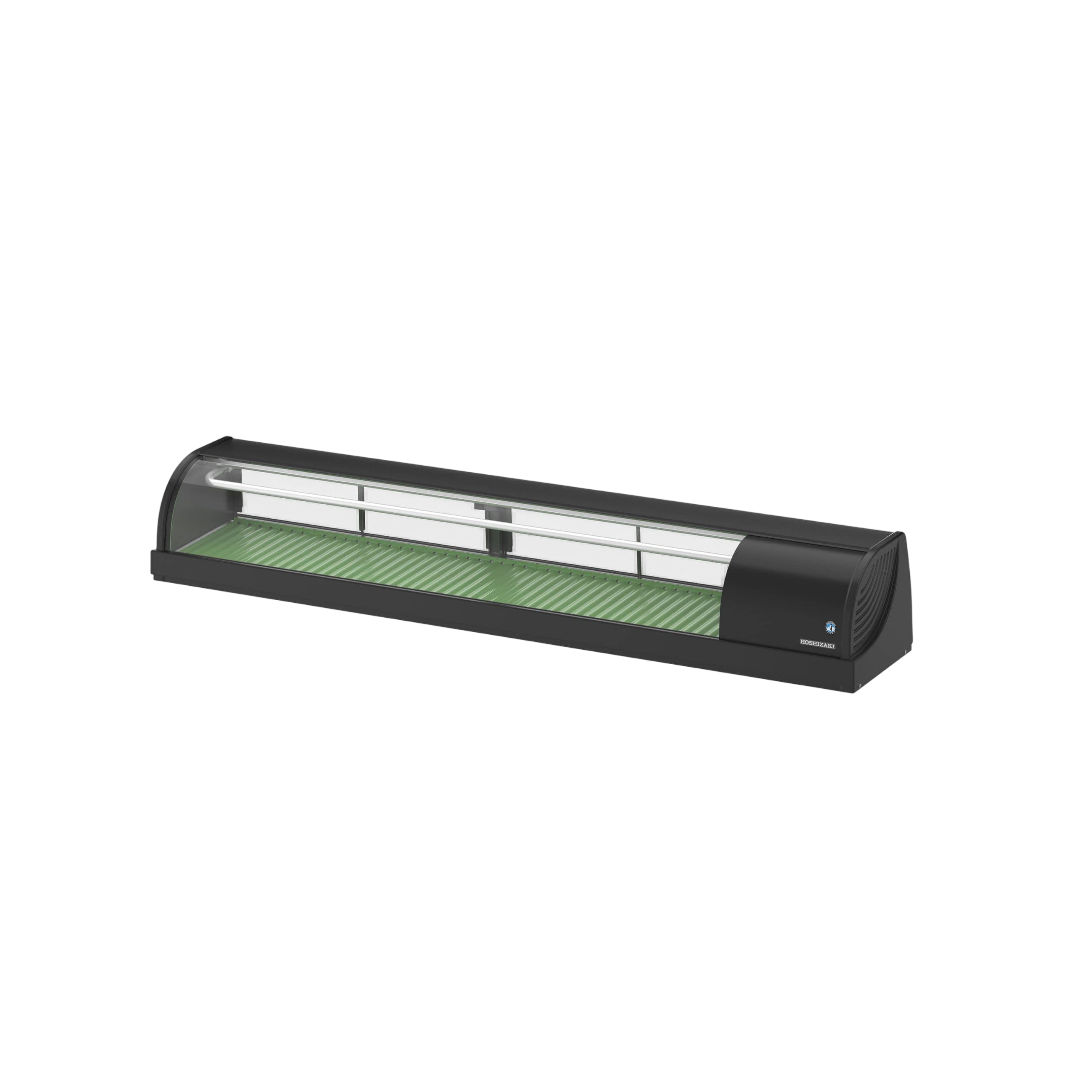
1200 × 345 × 270mm
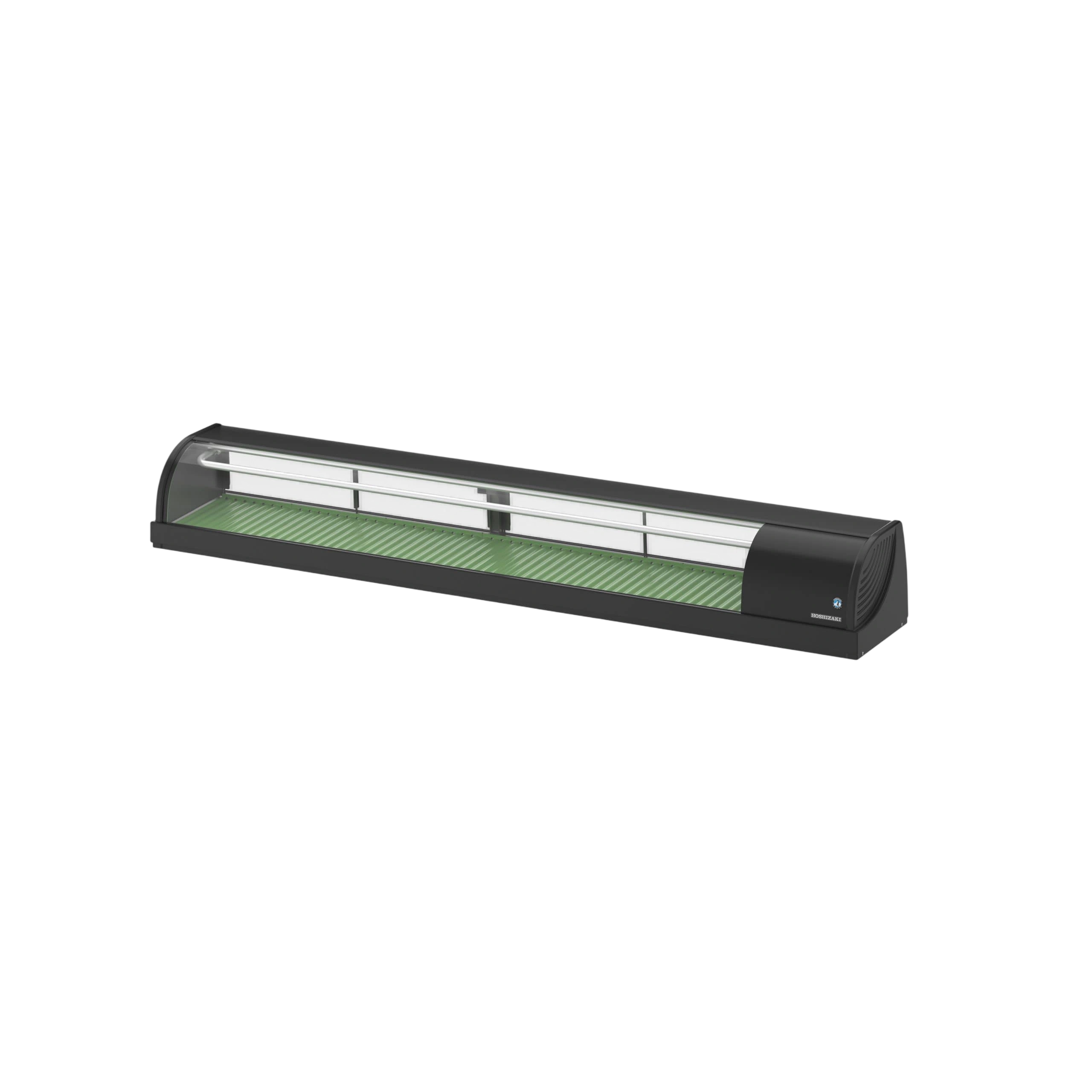
2100 × 345 × 270mm
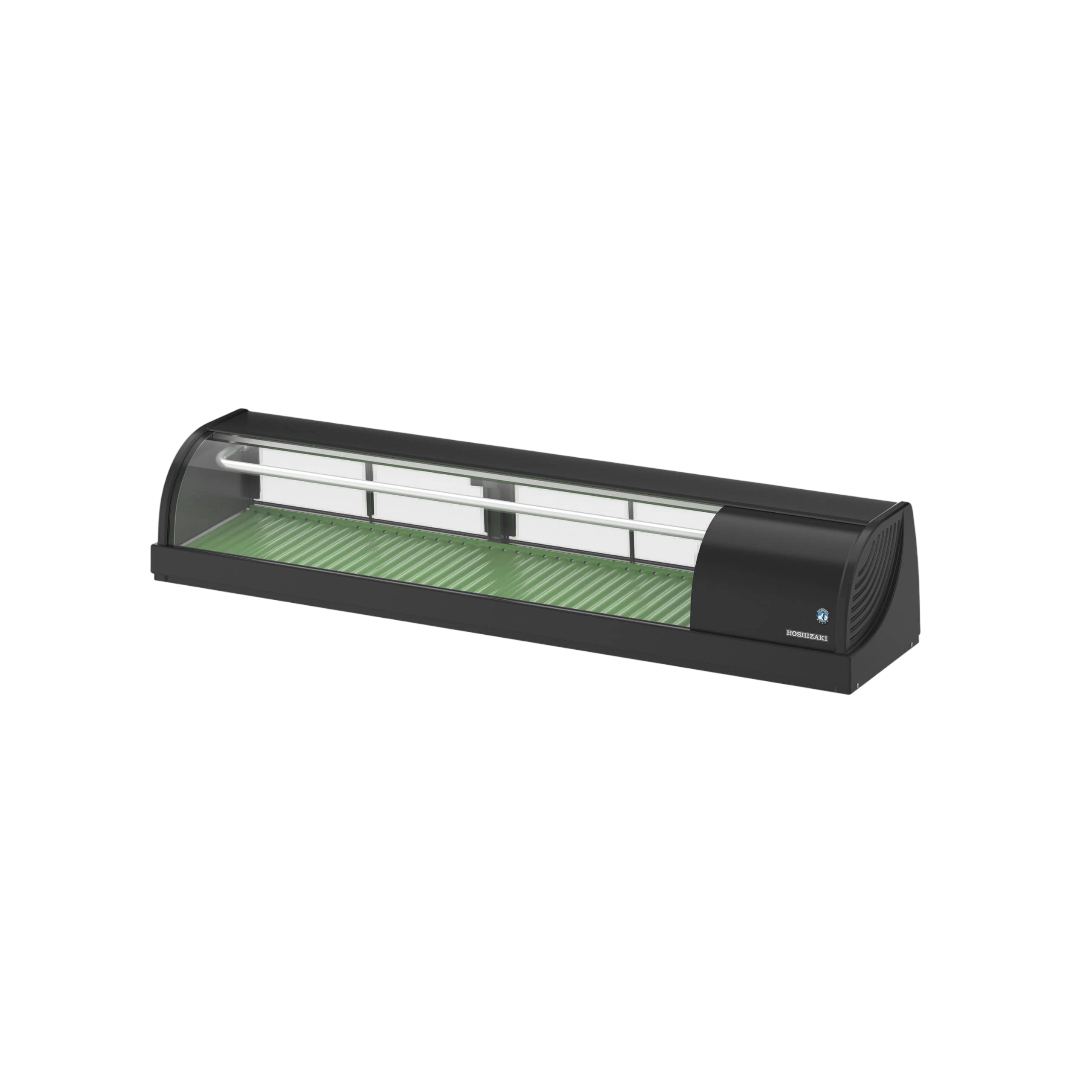
1200 × 600 × 270mm
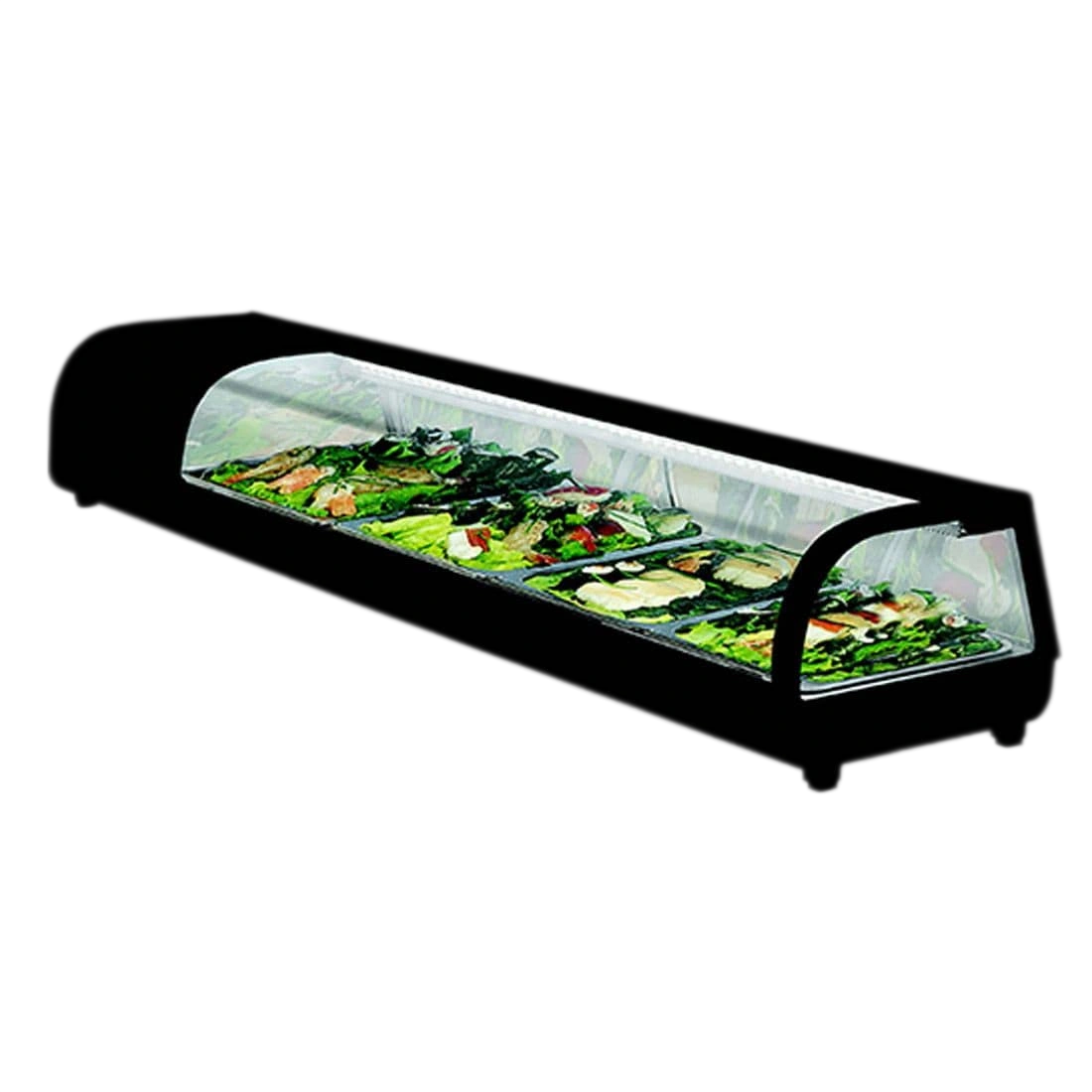
1199 × 391 × 289mm
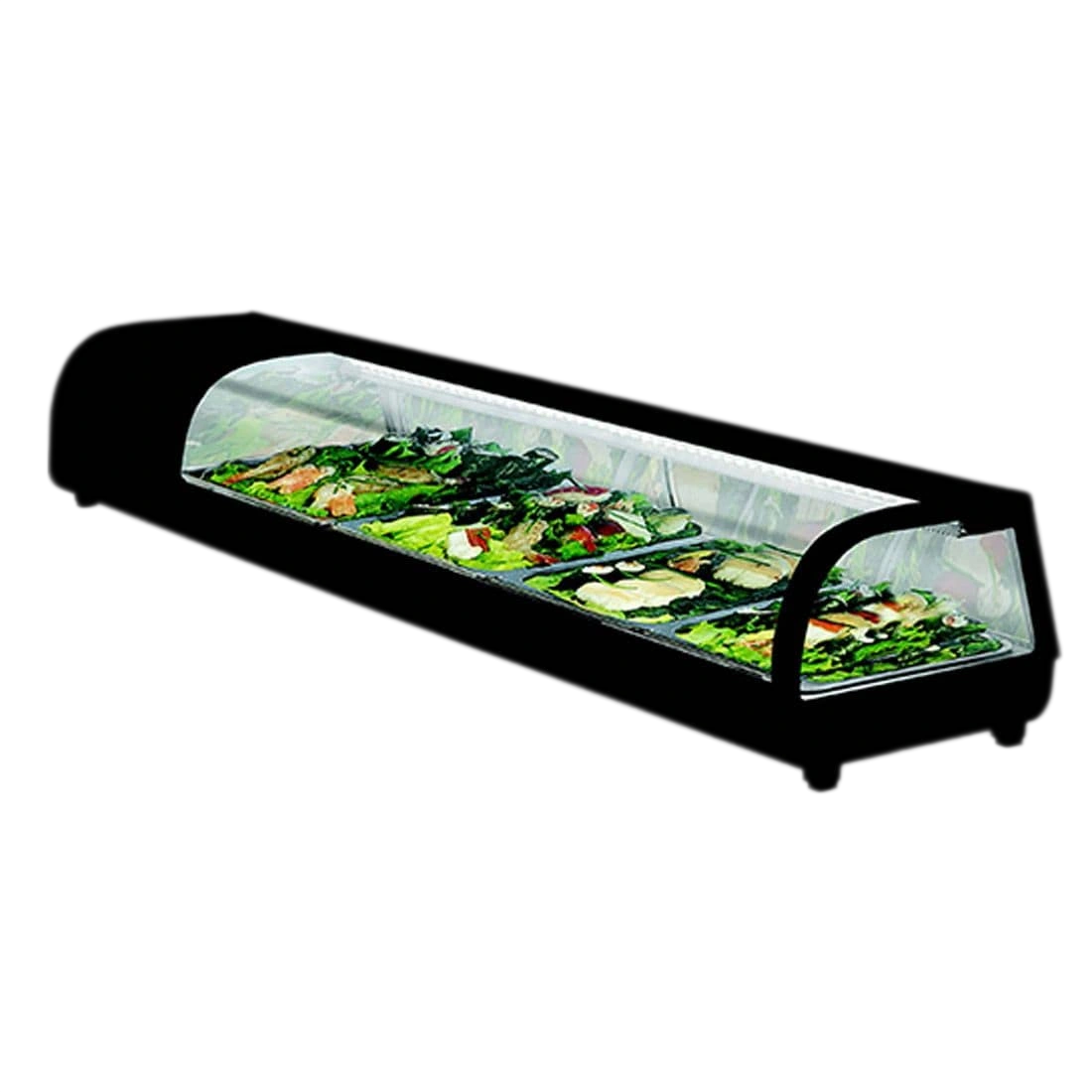
1800 × 391 × 289mm
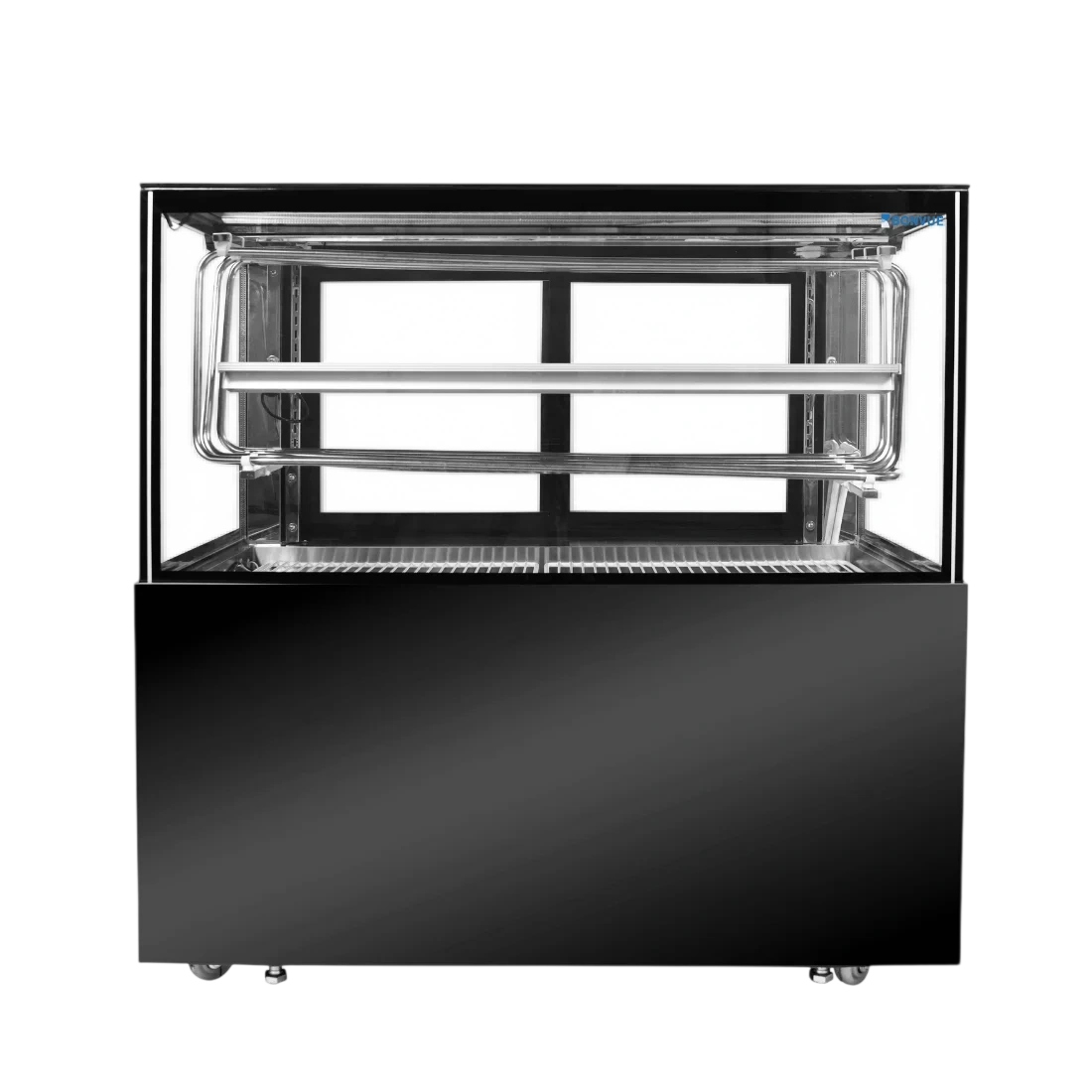
1200 × 700 × 1200mm
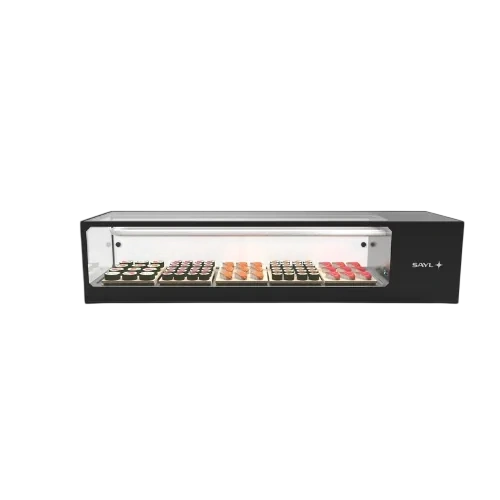
1680 × 380 × 300mm
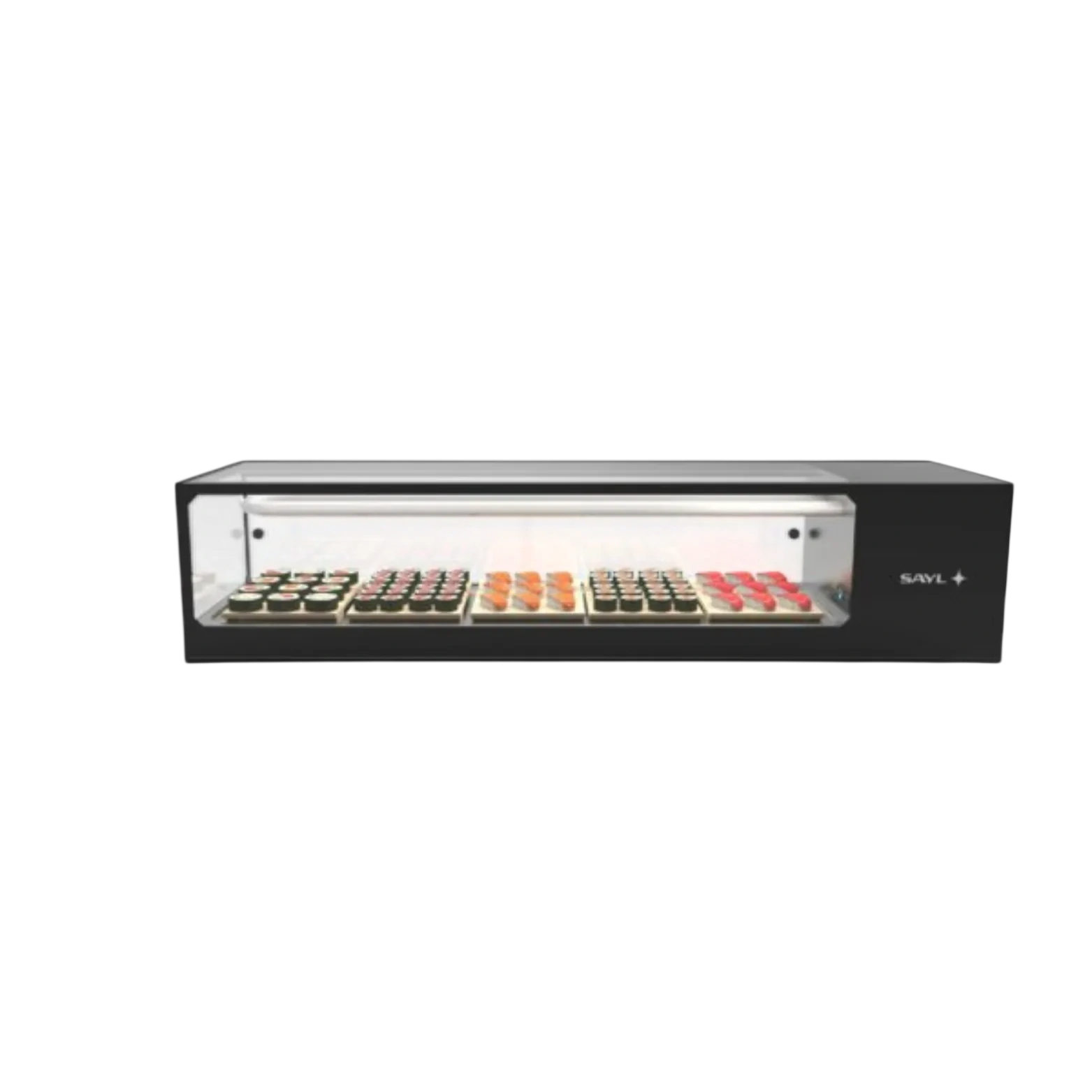
1320 × 380 × 300mm
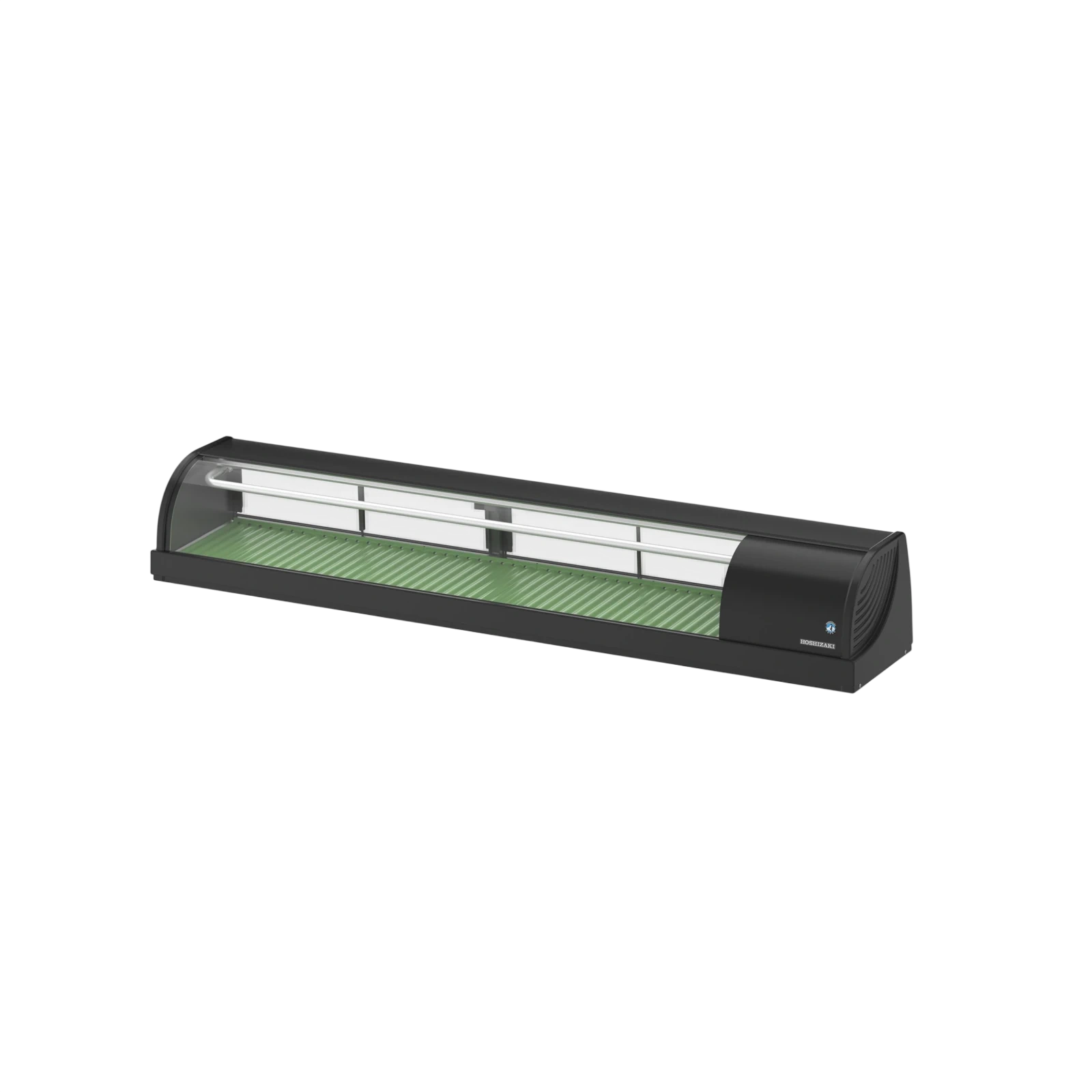
1200 × 345 × 270mm
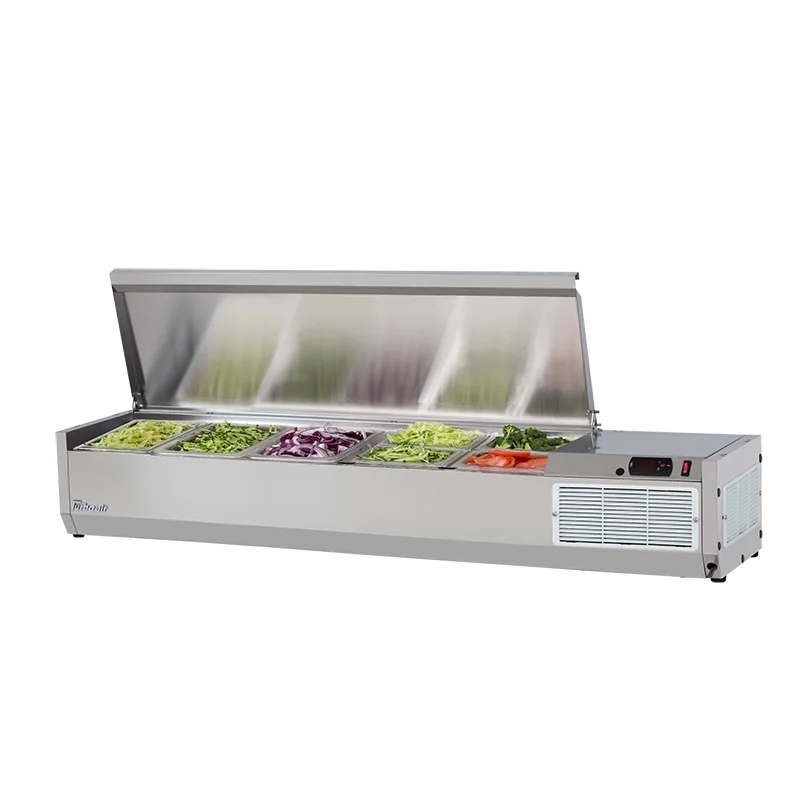
1200 × 335 × 225mm
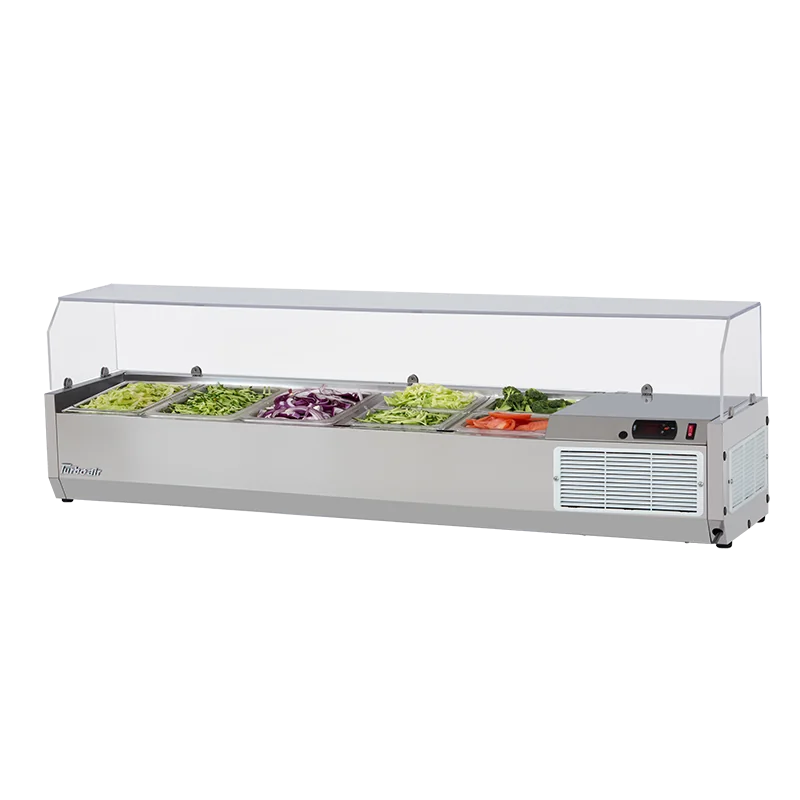
1200 × 335 × 425mm
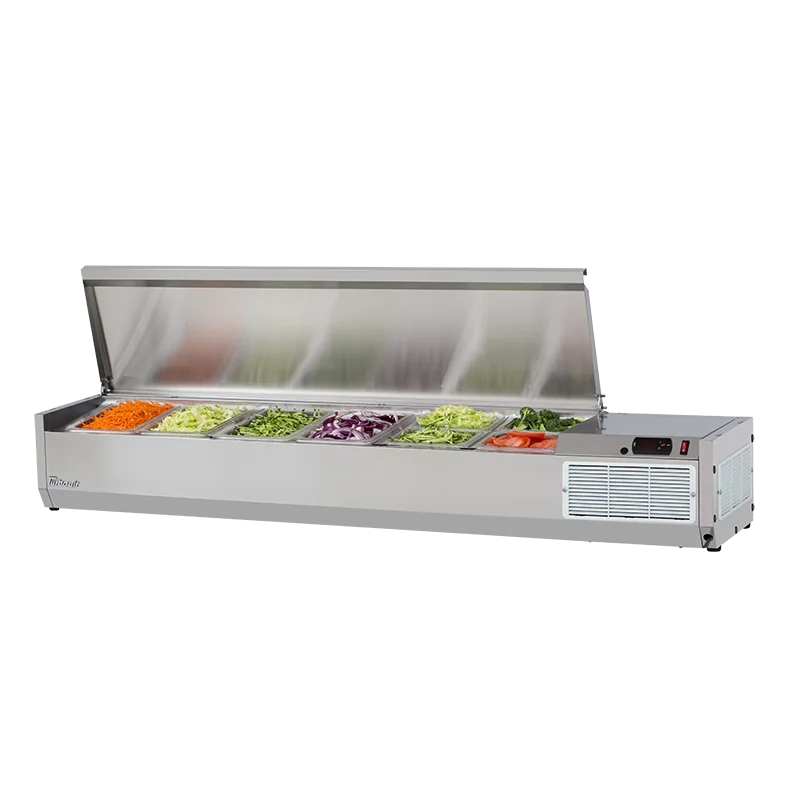
1500 × 335 × 225mm
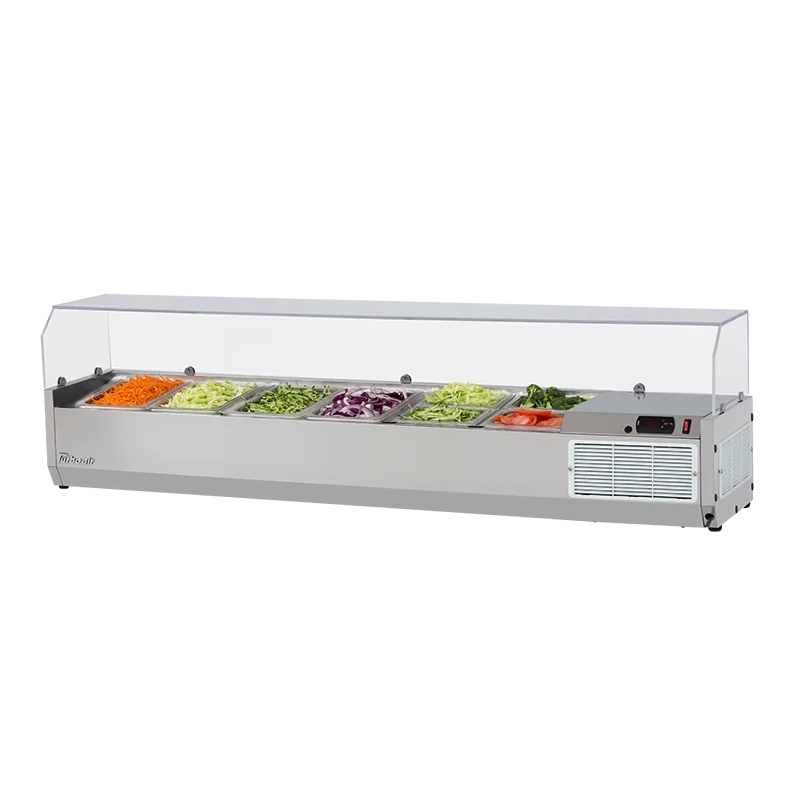
1500 × 335 × 425mm
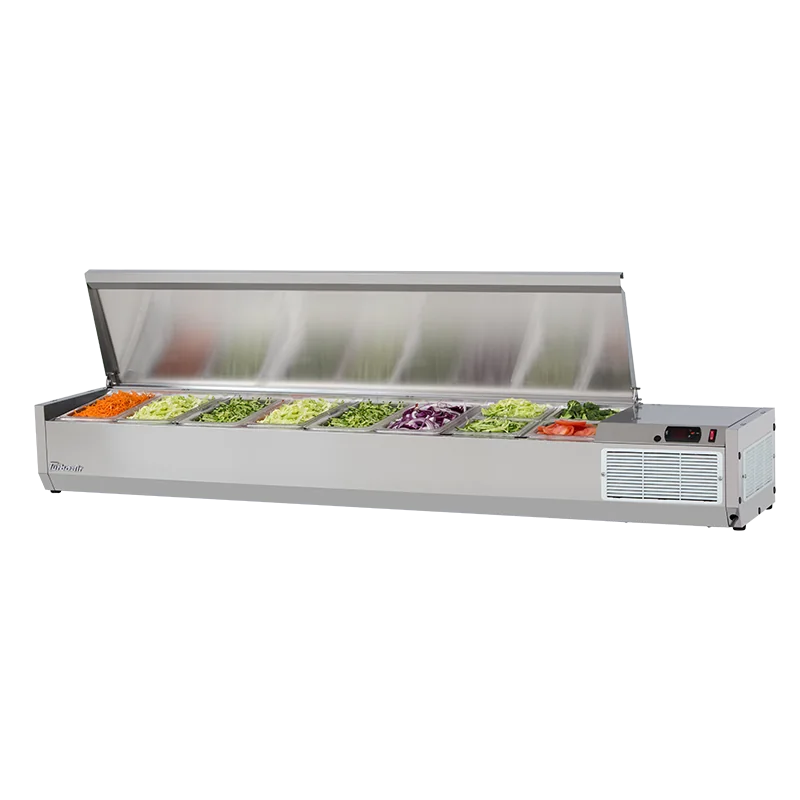
1800 × 335 × 225mm
1800 × 335 × 425mm
900 × 700 × 1200mm