
Display Showcase
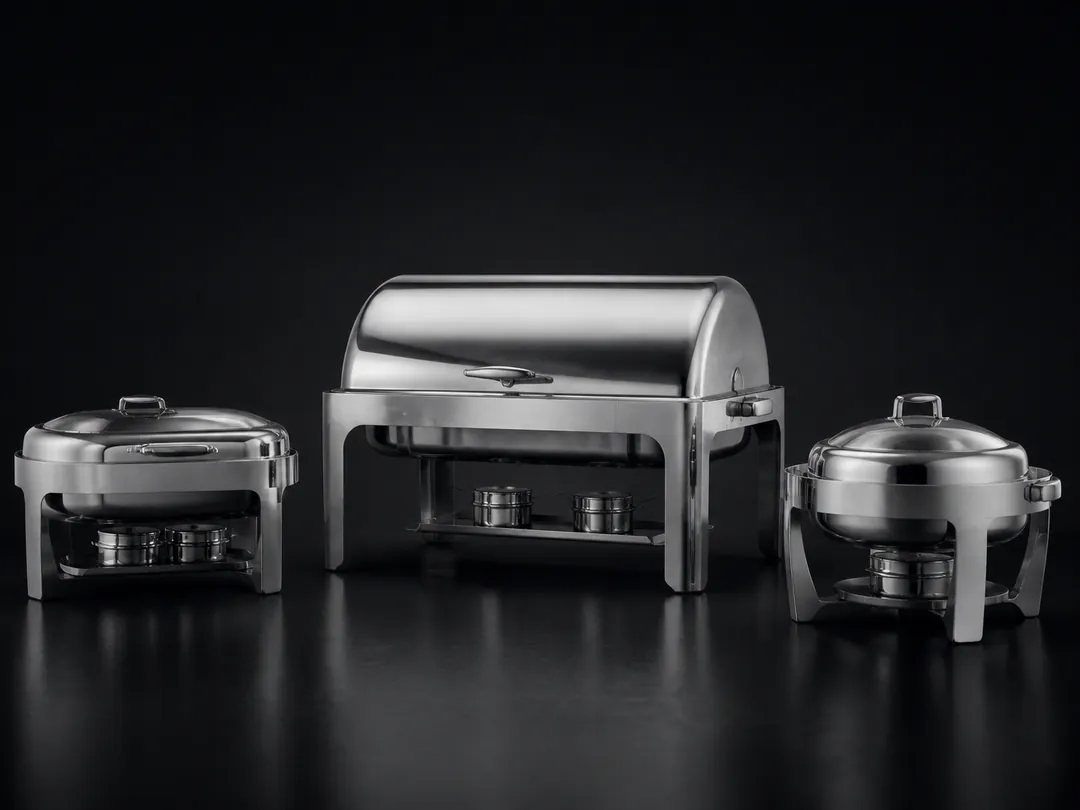
Commercial chafing dishes in the current range cover 18 chafer units, three liquid chafing-fuel packs and two chafer accessories. The units are not one universal type: current listings include fuel-heated sets, powered electric models, induction-compatible vessels that require a separate induction plate, and four units whose heat source must be confirmed from the exact SKU.
Choose this page when the defining product is a portable chafer used for buffet or catering service. For fixed pan-based holding use Commercial Bain Maries; for enclosed heated presentation use Hot Display Cabinets; and for broad stands, risers and mixed presentation equipment use Buffet Display.
The current catalogue separates into fuel-heated chafer sets, powered electric chafers, induction-compatible vessels and units whose heating method is not established in the stored data. Select the operating method first, then verify the exact model. An induction-compatible chafer still needs a compatible induction plate sold separately unless the product page explicitly says otherwise.
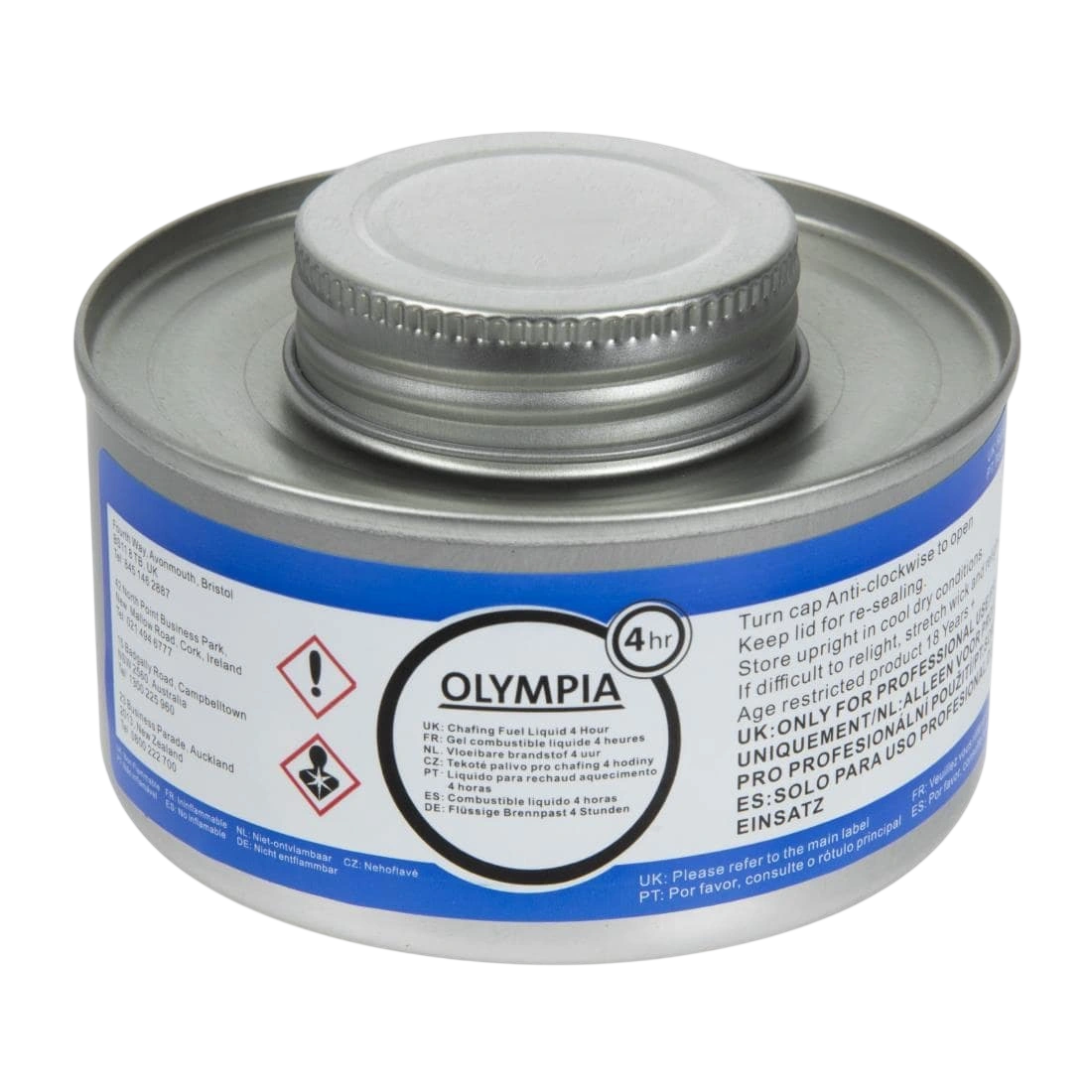
A listing can be a complete set, a single chafer, a vessel, a fuel pack or an accessory. Confirm the frame, food pan, water pan where specified, lid, fuel holders or other parts against the exact product record. The current liquid fuels are separate 2-hour, 4-hour and 6-hour pack listings; fuel is not automatically included with every chafer.
Current units include full-size and half-size GN-labelled models, round formats and other oblong designs. Check stated capacity, pan depth and compatible insert dimensions instead of assuming universal GN fit. Allow working clearance for roll-top, hinged or removable lids and map how staff will replenish the dish without obstructing guests.
Size the number of chafers and replenishment batches to the actual menu and service window. Verify a stable, suitable support surface, guest and staff access, lid movement, heat-source instructions and any site restrictions. Follow the manufacturer’s instructions and the venue’s food-safety plan for the selected model and food.
A chafer is not a substitute term for every hot-holding product. Route fixed wet or dry pan wells to Commercial Bain Maries, enclosed merchandising to Hot Display Cabinets, open counter runs to Hot Bars, other warming formats to Commercial Food Warmers and separate pans to Gastronorm Pans.
KW accepts commercial chafer enquiries from Sydney, Melbourne, Brisbane, Adelaide, Perth, Canberra, Hobart, Darwin and regional Australia. Send the exact SKU or required format, quantity, delivery suburb or town, postcode and access path so availability, freight and the individual delivery method can be confirmed.
Key factors to consider before purchasing. Our team can help you find the right fit — call or get a quote anytime.
Choose fuel, powered electric or an induction-compatible vessel, then confirm the exact SKU and venue operating constraints.
Check the frame, pans, lid, holders or accessories included, plus capacity, GN size or round and oblong fit.
Plan batch replenishment, guest reach, staff access, lid movement, bench footprint and the full operating position.
Submit your kitchen requirements — our equipment specialists will send you a tailored shortlist of chafing dishes that fits your budget, venue type and compliance needs.
Send KW the menu, service duration, heat source, vessel format, quantity, postcode and access details for an exact-model shortlist.
Standards & Compliance
Confirm whether the exact SKU is a complete chafer, a vessel for a separate induction plate, a fuel pack or an accessory. Then compare heat-source compatibility, included pans and frames, vessel format or capacity, lid style and opening clearance, service duration, bench footprint and the venue’s operating rules. Do not infer fuel, power, GN fit or included components from the category name.
FAQ
The current category contains 18 chafer units, three liquid chafing-fuel packs and two accessories. The 18 units include different heating arrangements, so check the exact SKU before choosing.
No. Current listings include fuel-heated sets, powered electric models, induction-compatible vessels and units whose heat source needs exact-model confirmation.
Not automatically. The current induction-compatible Olympia vessels require a compatible induction plate sold separately. Check the exact listing for what is included.
No. The current category has separate liquid fuel packs named for 2-hour, 4-hour and 6-hour use, while one current bundle explicitly names fuel in the set. Verify inclusions for the exact SKU.
Why KW
Send the menu and service style, guest count or batch plan, preferred heat source, required vessel or GN format, lid preference, quantity, exact SKU if known, delivery suburb or town, postcode and access details. For powered models, include the available supply; for fuel use, confirm the venue permits that setup.
Deep Dive
Technical depth from KW's commercial kitchen specialists.
| Current format | Current count | Primary buying check |
|---|---|---|
| Fuel-heated chafer units | 7 | Exact fuel compatibility, included holders and venue permission. |
| Powered electric chafer units | 5 | Exact power supply, controls, cable position and operating clearance. |
| Induction-compatible vessels | 2 | Compatible induction plate, sold separately, plus vessel and pan fit. |
| Heat source not proved in stored data | 4 | Confirm the operating method from the exact SKU before purchase. |
| Liquid fuel packs | 3 | Exact 2-, 4- or 6-hour product and compatible chafer setup. |
| Accessories | 2 | Model compatibility and whether the part completes the intended set. |
| Route | That page is responsible when… |
|---|---|
| Chafing Dishes | The buyer needs a portable chafer, chafing fuel or a chafer-specific accessory. |
| Commercial Bain Maries | The defining product is fixed or countertop pan-based wet or dry holding equipment. |
| Hot Display Cabinets / Hot Bars | The defining job is enclosed or open heated merchandising rather than a chafer. |
| Commercial Food Warmers | The buyer needs the broader warming-equipment family. |
| Buffet Display | The job is broad buffet presentation across stands, risers and mixed service equipment. |
| Gastronorm Pans | The purchase is the separate pan or insert rather than the chafer. |
| Commercial Induction Cookers | The purchase is the induction heat source rather than an induction-compatible chafer vessel. |
No. The current range includes 1/1 GN-labelled, 1/2 GN-labelled, round and other oblong formats. Confirm capacity, dimensions and compatible pans on the exact product.
Use this page when the defining product is a portable chafer for buffet or catering service. Use Commercial Bain Maries for fixed or countertop pan-based wet or dry holding equipment.
Use Hot Display Cabinets for enclosed heated presentation, Hot Bars for open hot display runs and Commercial Food Warmers for the wider warming-equipment family.
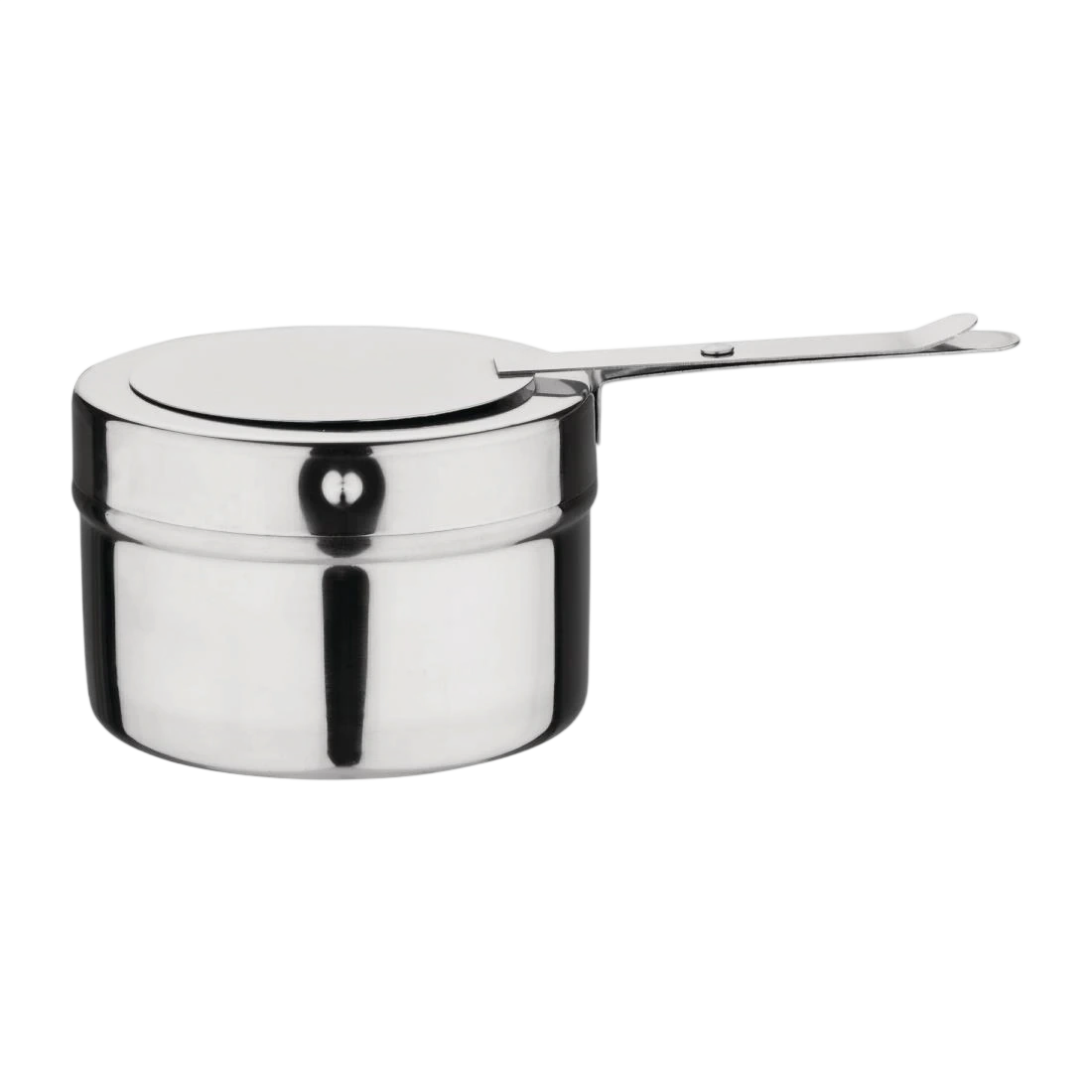
Yes. The current range includes three liquid fuel packs plus a fuel holder and a glass-lid frame. Match consumables and accessories to the exact chafer model before ordering.
Provide the menu, service style and duration, heat-source preference, vessel or GN format, lid preference, quantity, exact SKU if known, postcode and delivery access. Include available power for electric models and venue rules for fuel use.
KW accepts commercial chafing dish enquiries for Sydney and regional NSW, Melbourne and Victoria, Brisbane and Queensland, Adelaide and South Australia, Perth and Western Australia, Canberra and the ACT, Hobart and Tasmania, Darwin and the Northern Territory. Availability, freight and delivery method are confirmed against the exact SKU, quantity, postcode and access path.
Return to Display Showcase for the wider display family or Catering Equipment for broader service equipment. Compare Buffet Display, Commercial Bain Maries, Hot Display Cabinets, Hot Bars, Commercial Food Warmers, Gastronorm Pans and Commercial Induction Cookers when those product families define the job.
23 results
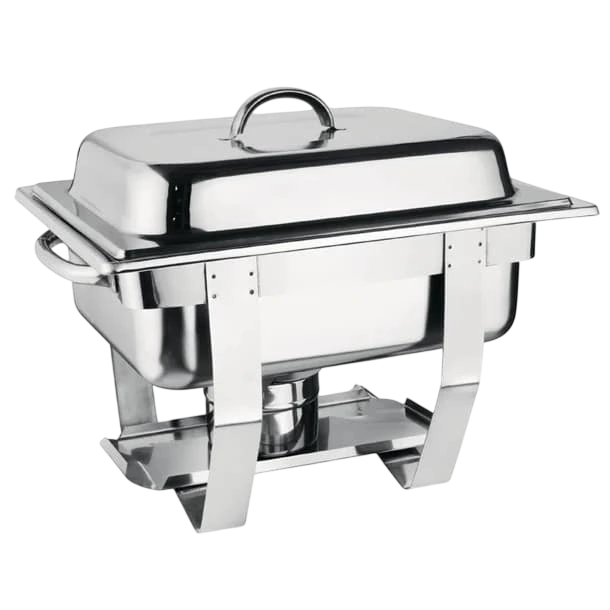
365 × 300 × 300mm
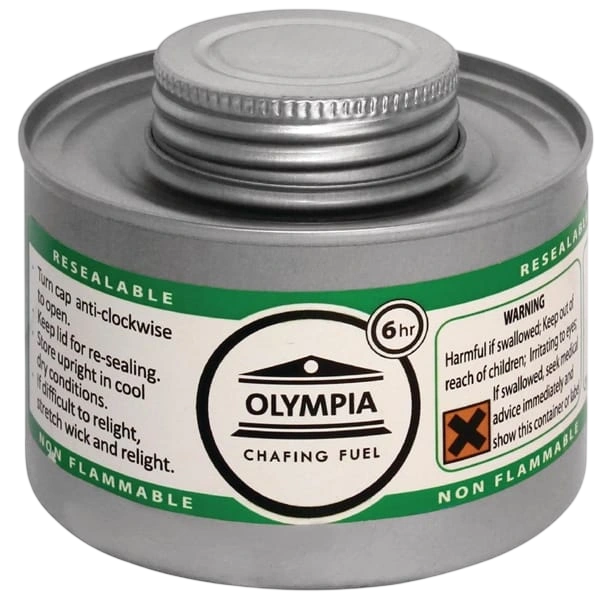
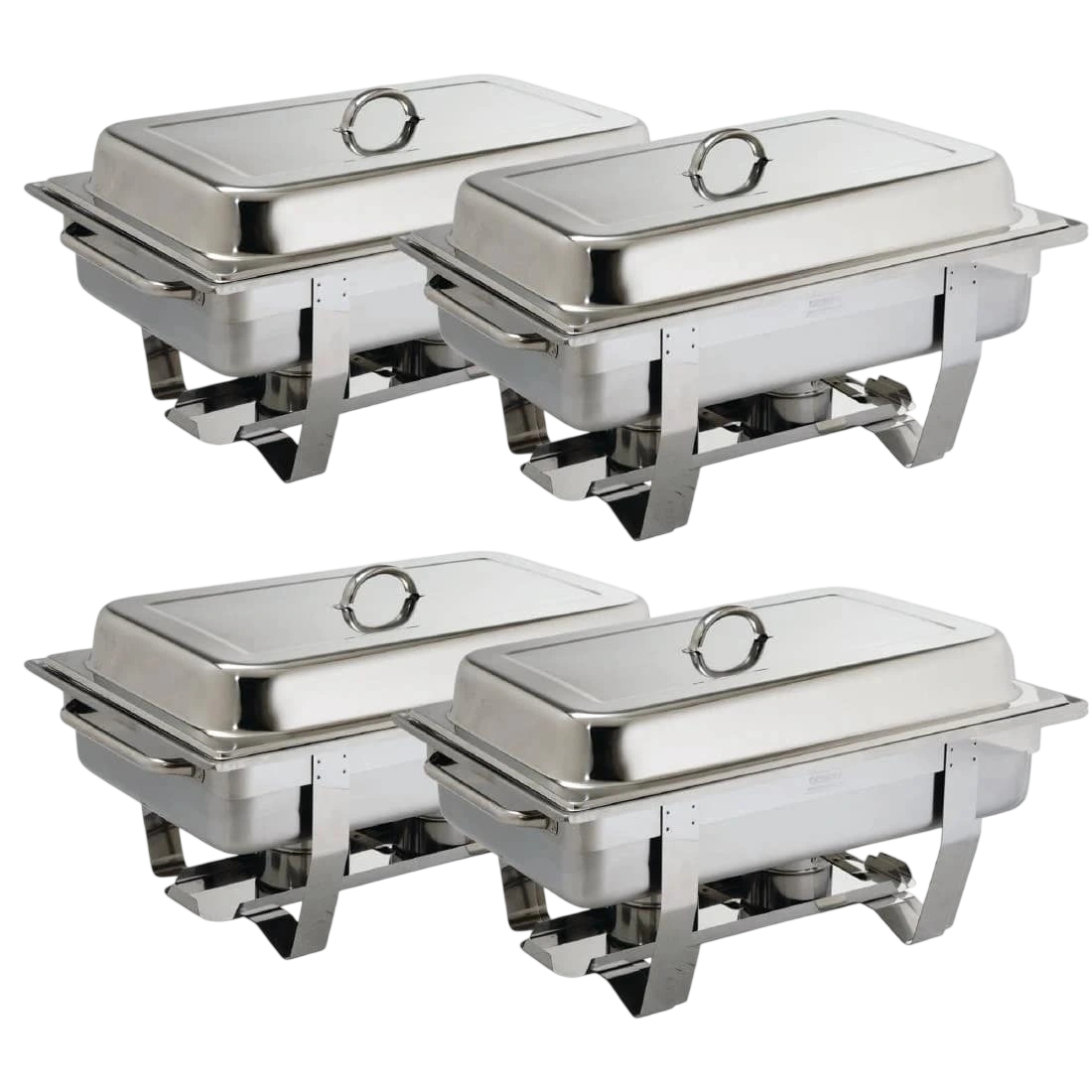
332 × 590 × 27mm
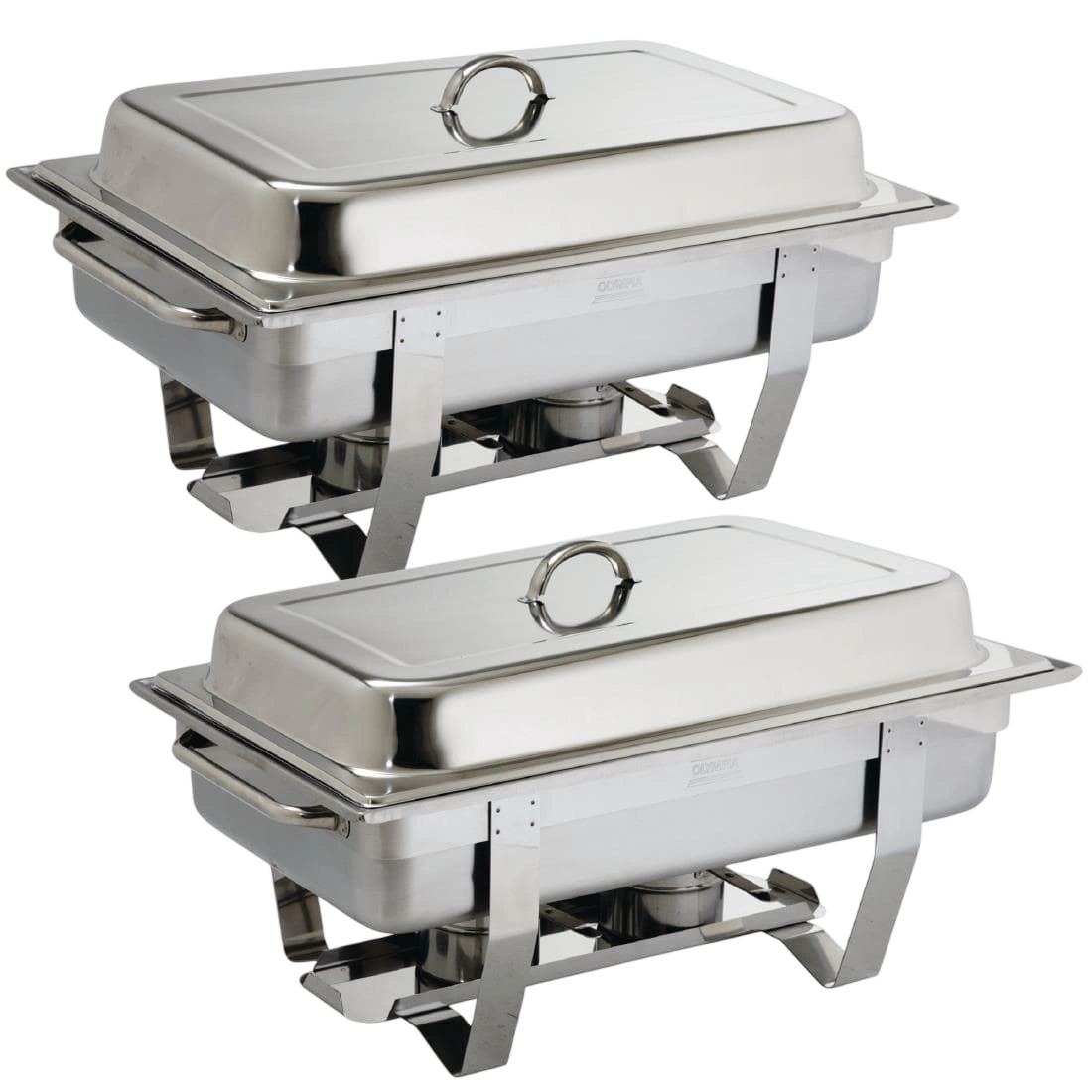
332 × 590 × 270mm
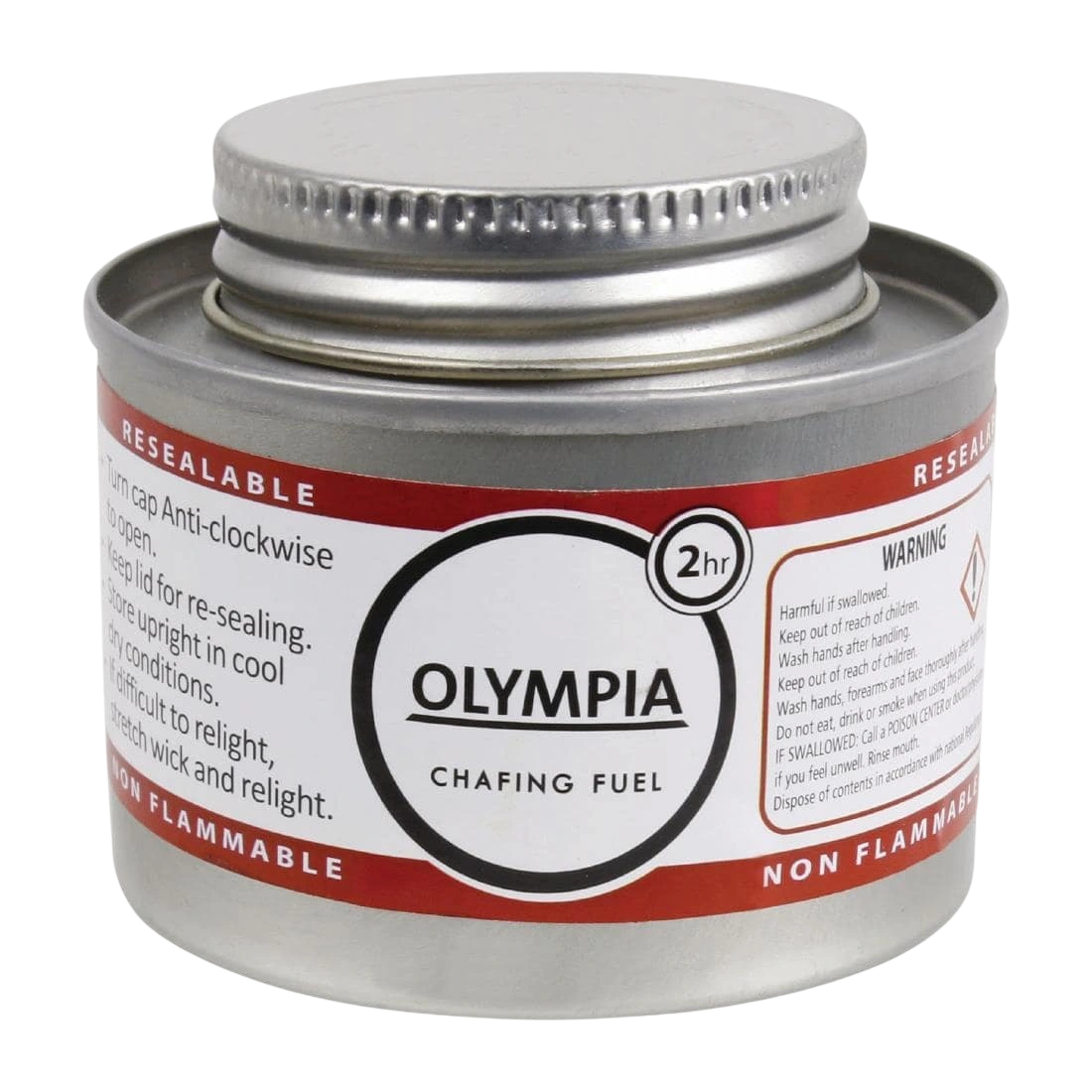
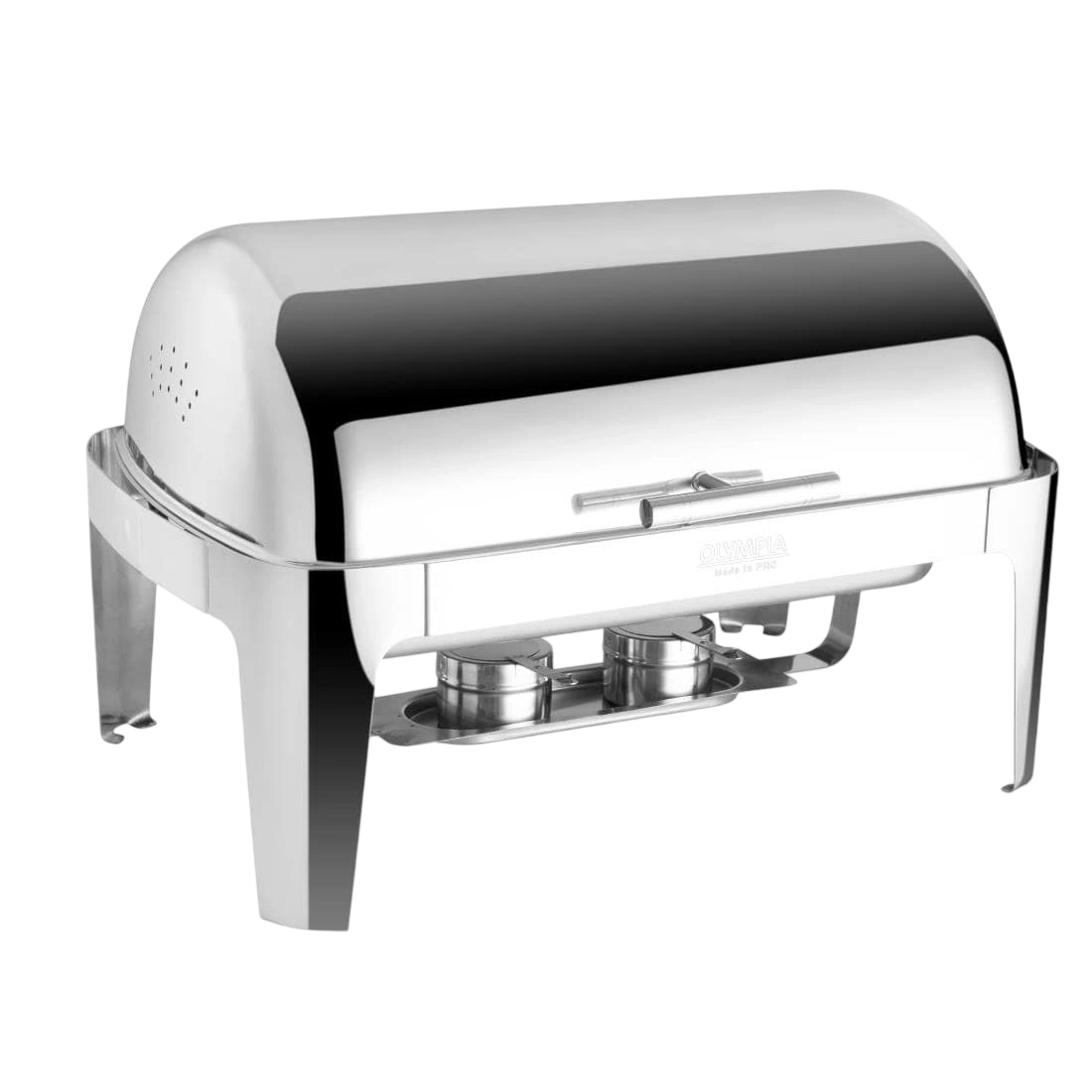
675 × 530 × 445mm
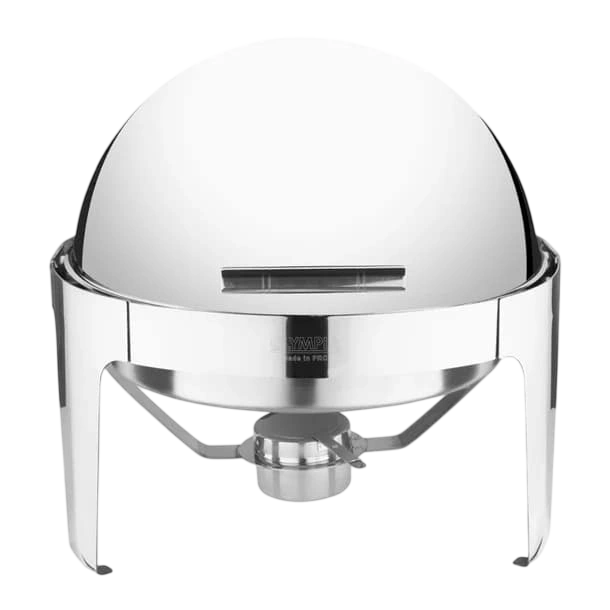
455 × 455 × 448mm
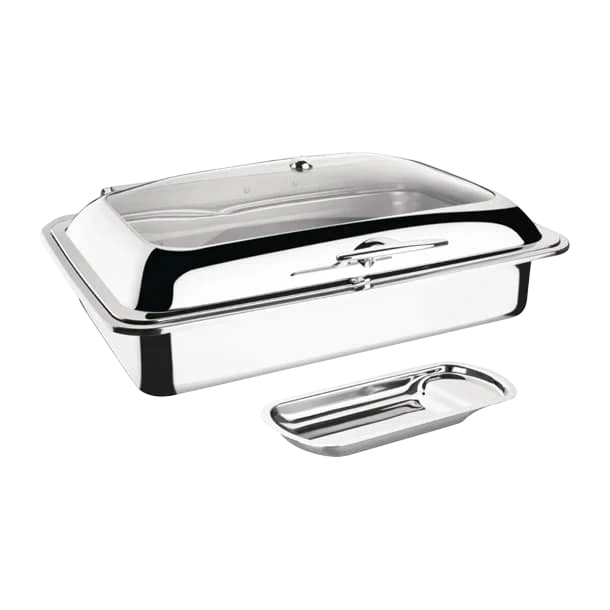
586 × 450 × 195mm
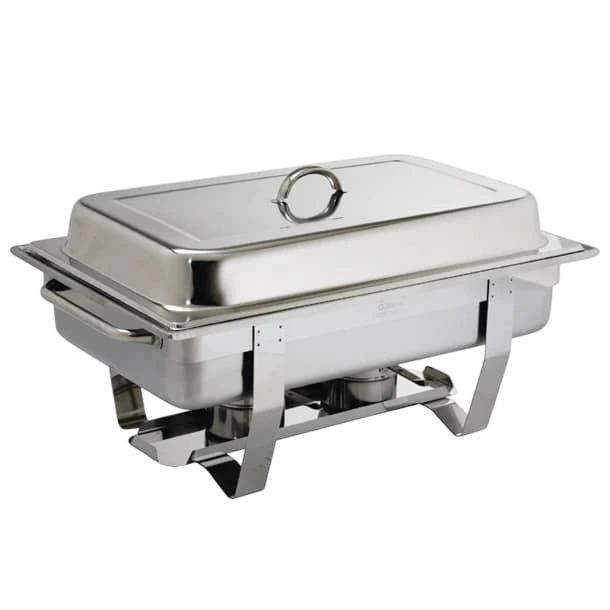
560 × 332 × 270mm
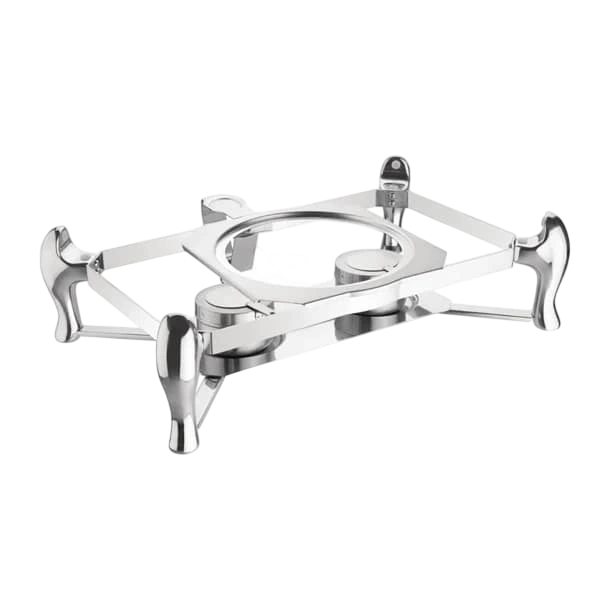
550 × 415 × 152mm
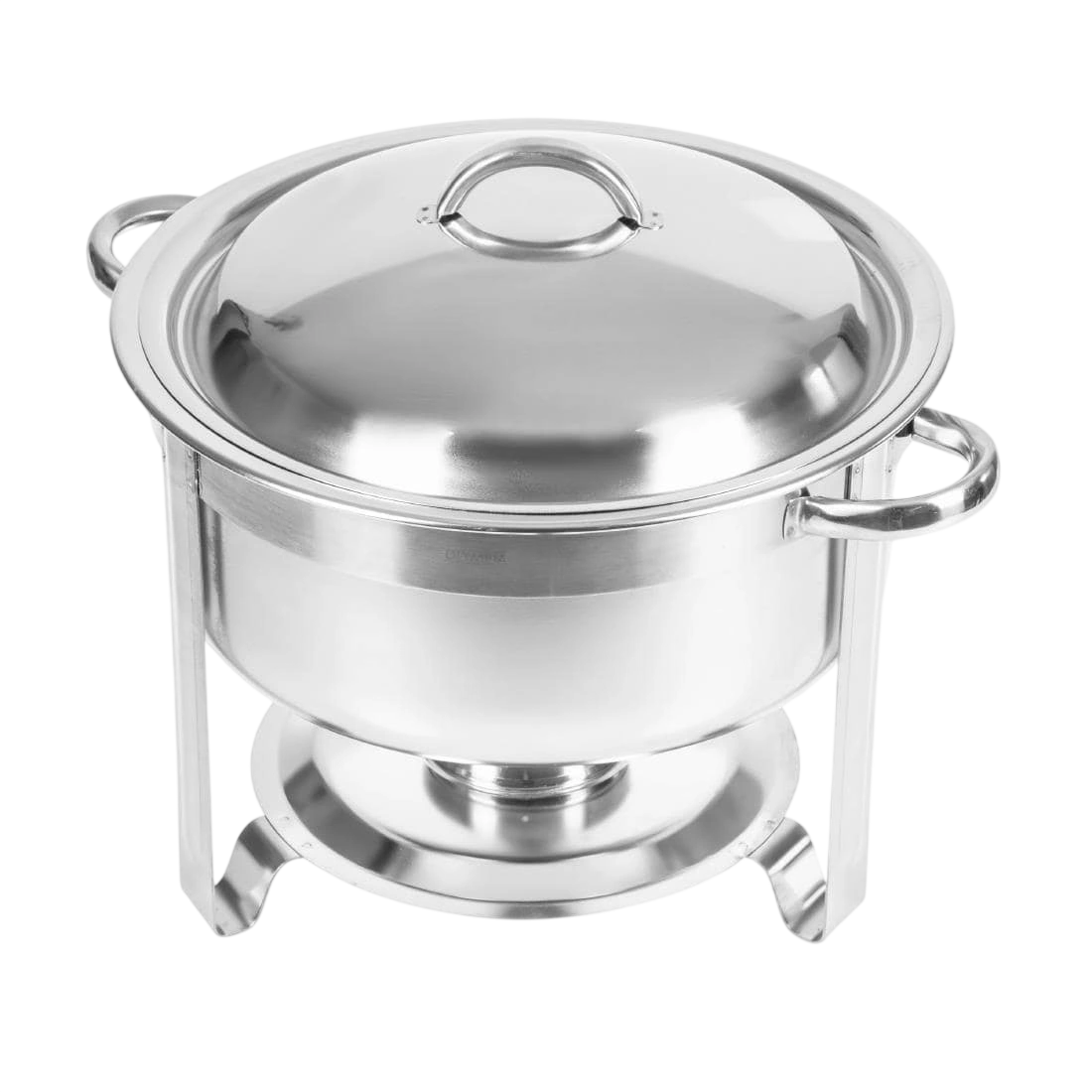
340 × 330 × 420mm
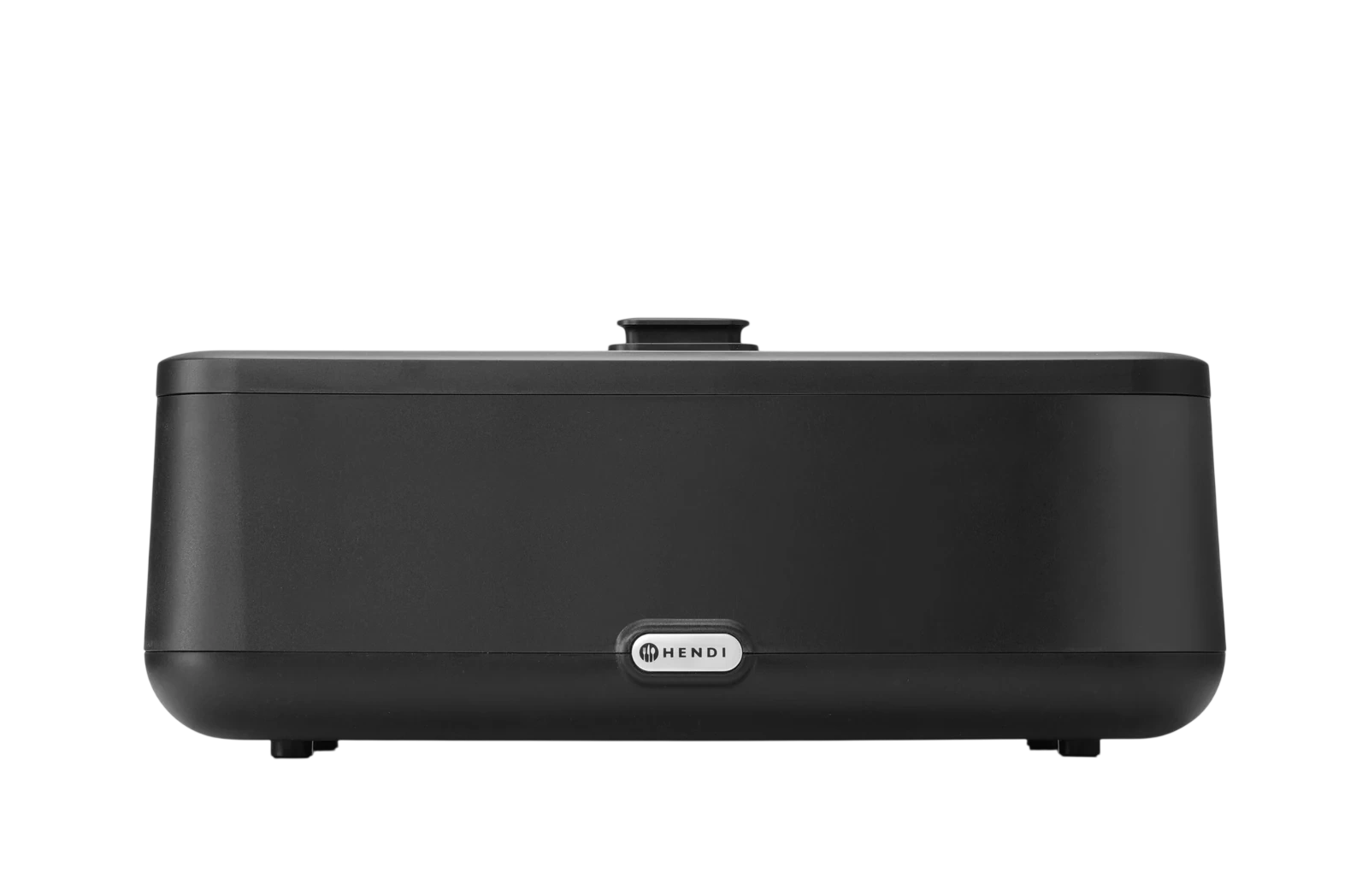
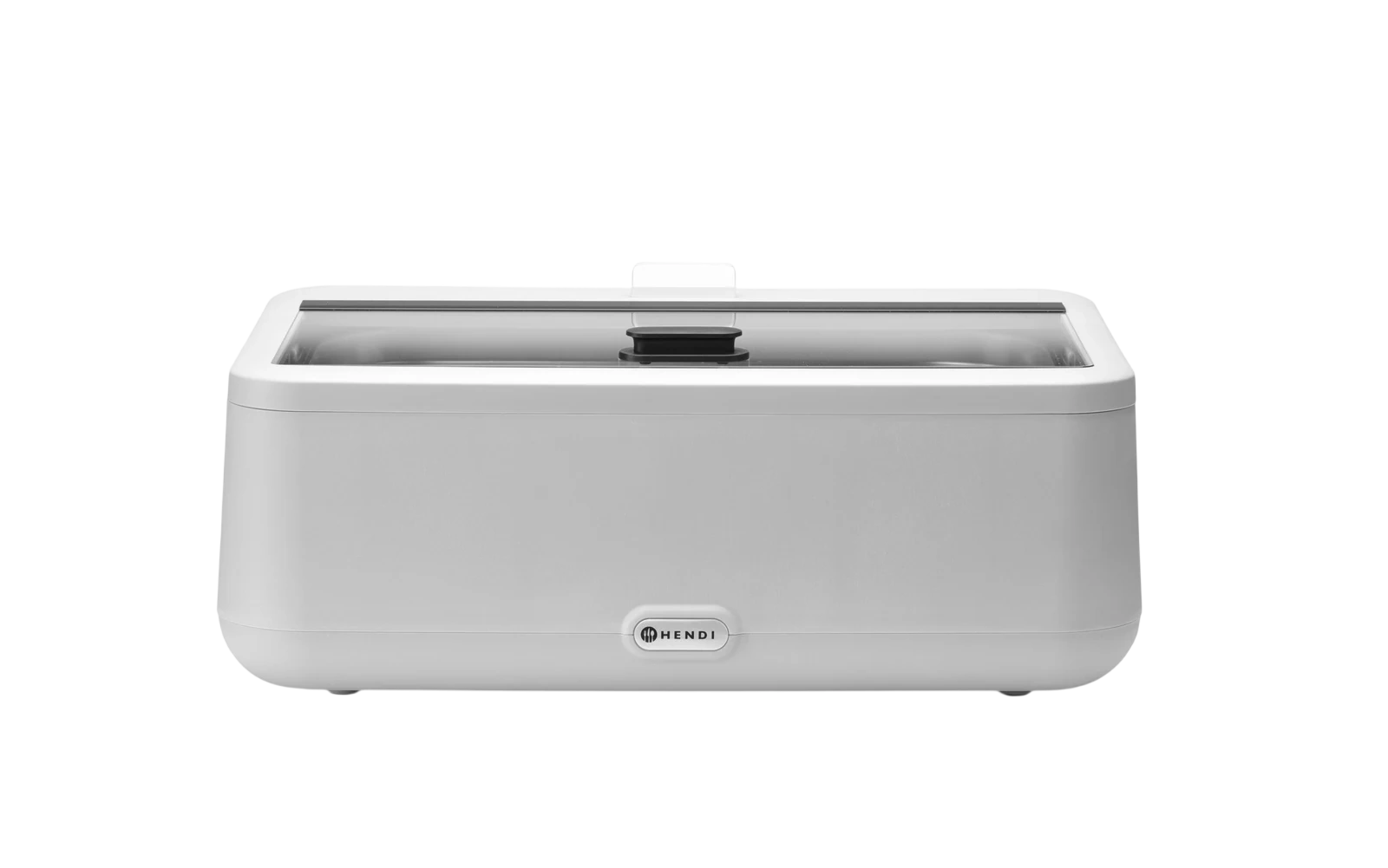
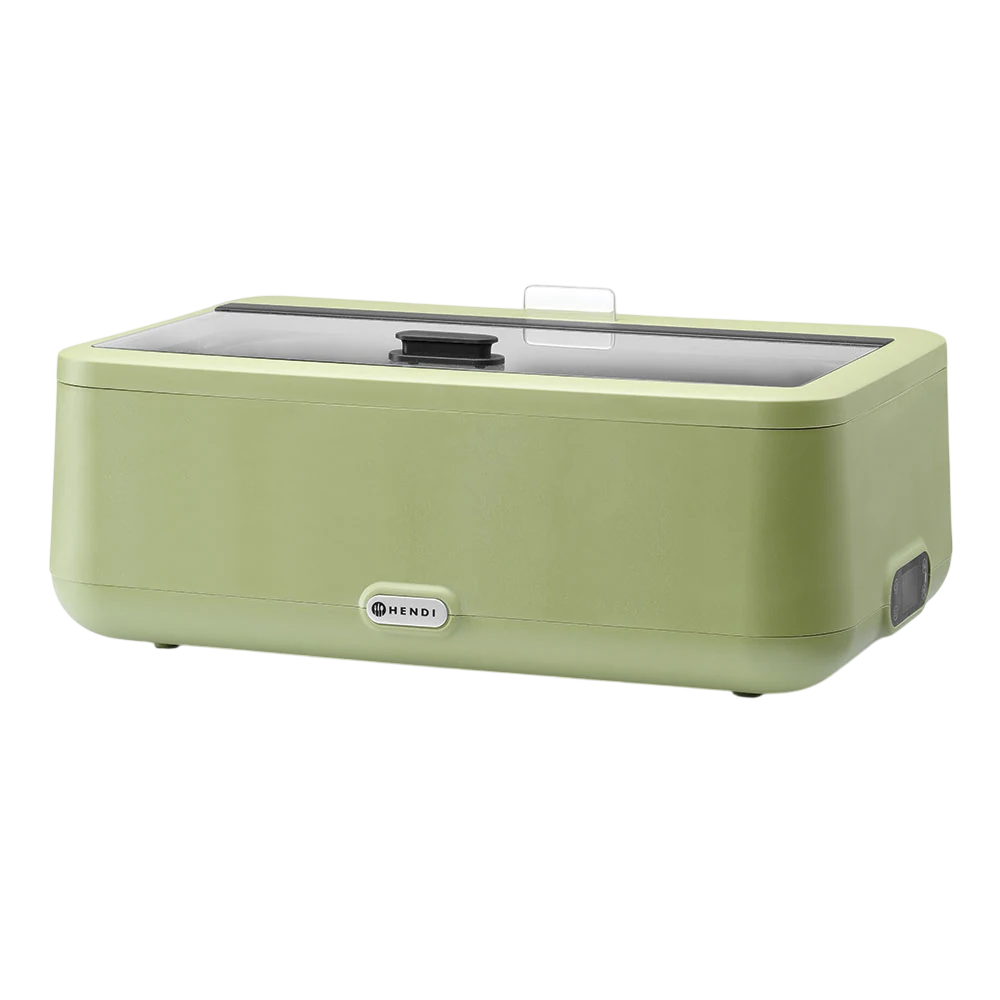
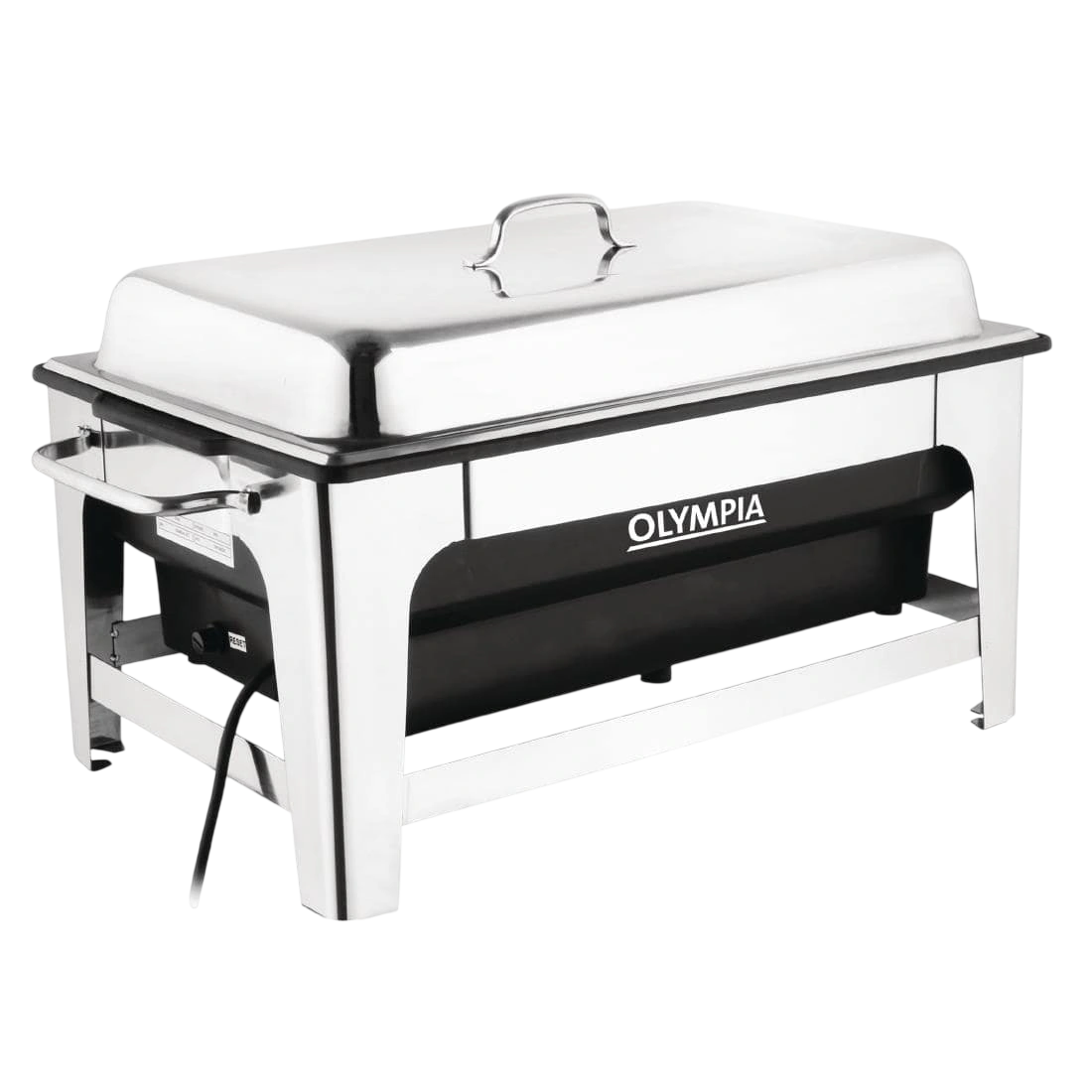
638 × 347 × 362mm
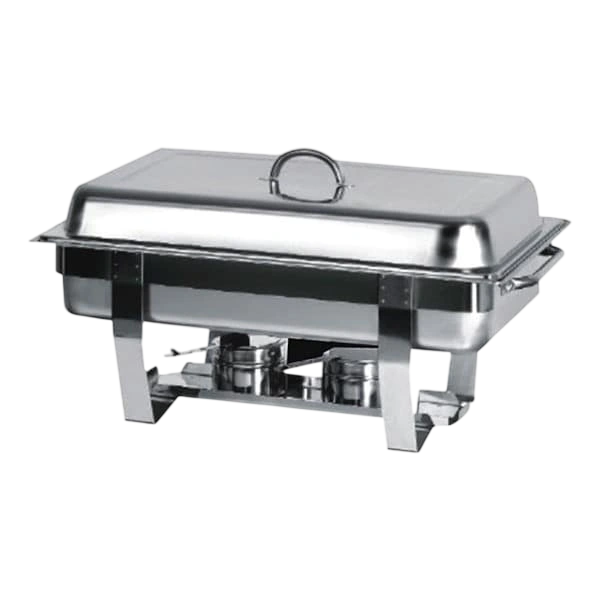
600 × 360 × 300mm
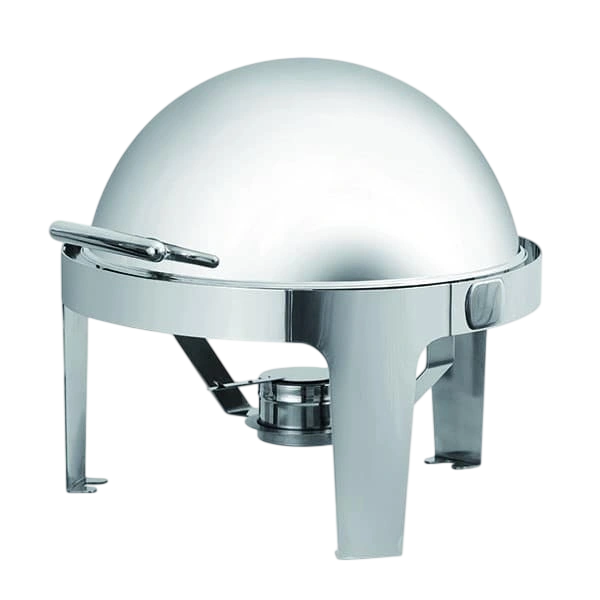
500 × 530 × 450mm
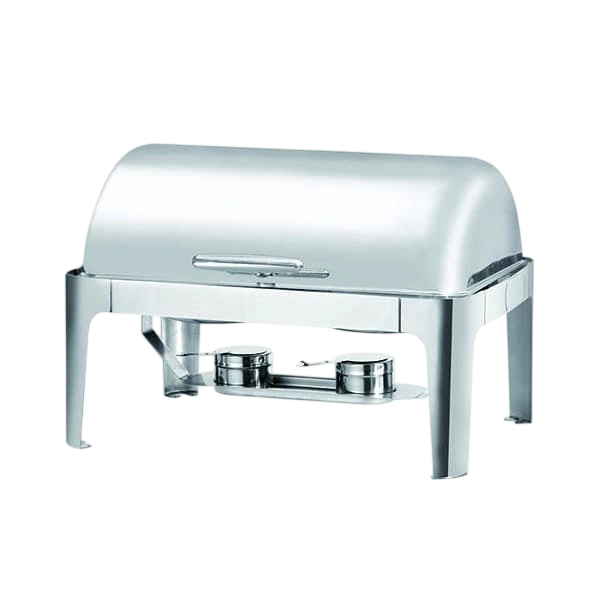
645 × 475 × 435mm