Chips Warmers
9 products
Catering Equipment
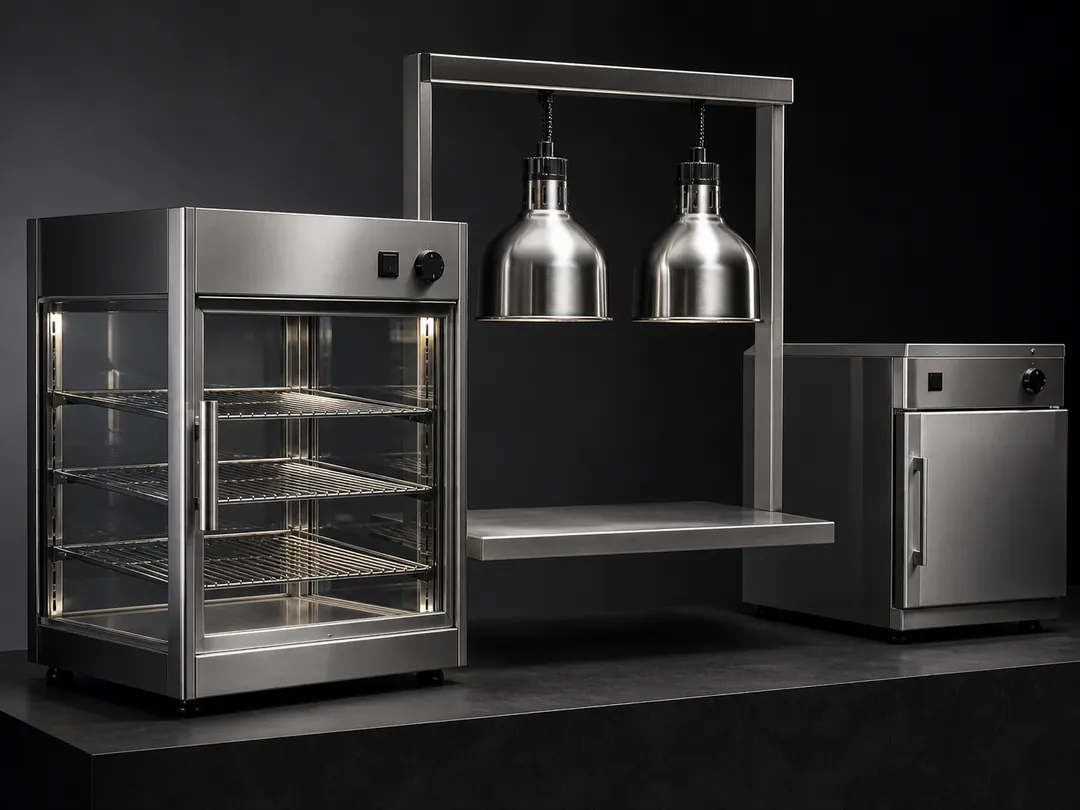
Commercial food warmers hold cooked food or warm crockery between preparation and service, with heat lamps, chip stations, pie displays, plate warmers and heated carts serving different jobs. For cafés, takeaway shops, restaurants and catering kitchens, choose by what you load, how it is served and whether the unit stays on the counter or moves to the service area.
Start with the item waiting for service: a finished plate, a batch of chips, displayed pies, empty crockery or trays of cooked food. Choose a dedicated format for that job, then check its loading access and electrical connection.
| Your service job | Start here |
|---|---|
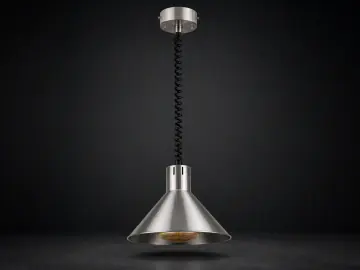
| Finished plates waiting at the pass | Commercial heat lamps for overhead warmth and access to plated food. Match the heated area and installation height to the pass. |
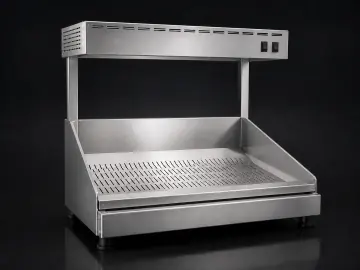
| Chips between fryer and portioning | Commercial chip warmers for a dedicated loading and serving station. Compare the pan or slide, heat sources and serving access. |
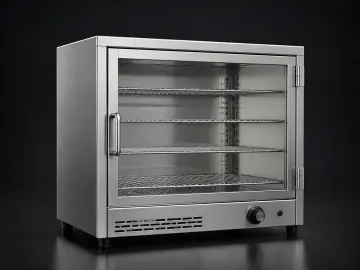
| Pies and baked snacks at the counter | Commercial pie warmers for heated display. Choose the door arrangement around who loads the cabinet and who serves from it. |
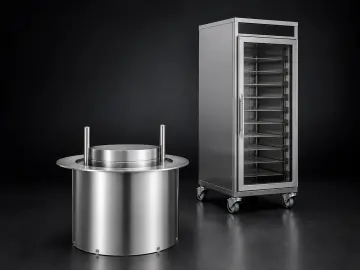
| Empty plates before plating | Food and plate warmers for crockery. Select plate capacity and diameter around the plates used during service. |
| Cooked food in trays or a heated cabinet | Food and plate warmers for tray holding and powered carts. Compare the exact tray fit, access and power needed at the service point. |
Map the handover before choosing the warmer: where cooked food arrives, where it waits and who portions it next. A pass-through chip station belongs between unloading and serving; a rear-access pie cabinet needs staff space behind the display; a plate warmer belongs before plating. For catering, add the route from the loading kitchen to the service position and check where powered holding resumes. Choose the format around that sequence, then size its tray or plate capacity to the batch that actually waits there.
Key factors to consider before purchasing. Our team can help you find the right fit — call or get a quote anytime.
Match equipment capacity to your daily output. Consider available floor space and door clearances.
Confirm levelling, wall clearance and the access needed for cleaning and service. We can help with kitchen planning.
Submit your kitchen requirements — our equipment specialists will send you a tailored shortlist of commercial food warmers that fits your budget, venue type and compliance needs.
Standards & Compliance
Choose by holding style:
FAQ
It holds prepared food or warms crockery between production and service. Choose a heat lamp for the pass, a chip warmer for the fryer-to-serving station, a pie warmer for heated display, and a plate warmer for empty crockery. For trays of cooked food, compare tray warmers, heated cabinets and powered carts by loading access and tray fit.
Use cooking or suitable reheating equipment to prepare the food first. A holding unit is selected to maintain food temperature during service. Check the exact model’s operating instructions before using it for any other process.
Food can dry as it loses moisture during holding, or soften when moisture collects. Check holding time, heat settings and the moisture setup for the menu item. For chips, compare a perforated slide and controllable base and overhead heat. For pies, follow the cabinet’s humidity-pan instructions. Trial the actual food in smaller batches.
Why KW
KW treats food warmers as service-flow equipment. They sit after cooking and before handover, so the right child category depends on what is being held and how staff serve it.
Deep Dive
Technical depth from KW's commercial kitchen specialists.
| Example | Why compare it |
|---|---|
| Apuro HT760-A | For trays at an open counter: holds 2 × 1/1 GN trays, with a ceramic heated base and overhead lamps under independent controls. Power: 1.5 kW. Confirm the required trays and lids when ordering. |
| Woodson W.CD.B.P.11 | For a pass-through chip station: perforated slide, heater pad and dual heat lamps, with separate base and lamp controls. Power: 1.25 kW. Match the loading side to the fryer and the serving side to portioning. |
| Anvil PWK0007 | For a pie counter served by staff: capacity described for 12–18 pies, fixed front glass, rear hinged door and a humidity pan. Check the shelf layout with your own pies and packaging. |
| Apuro GP451-A | For crockery before plating: up to 60 plates of 270 mm diameter and three adjustable shelves. Power: 0.5 kW. Compare the plate diameter with the crockery used on your menu. |
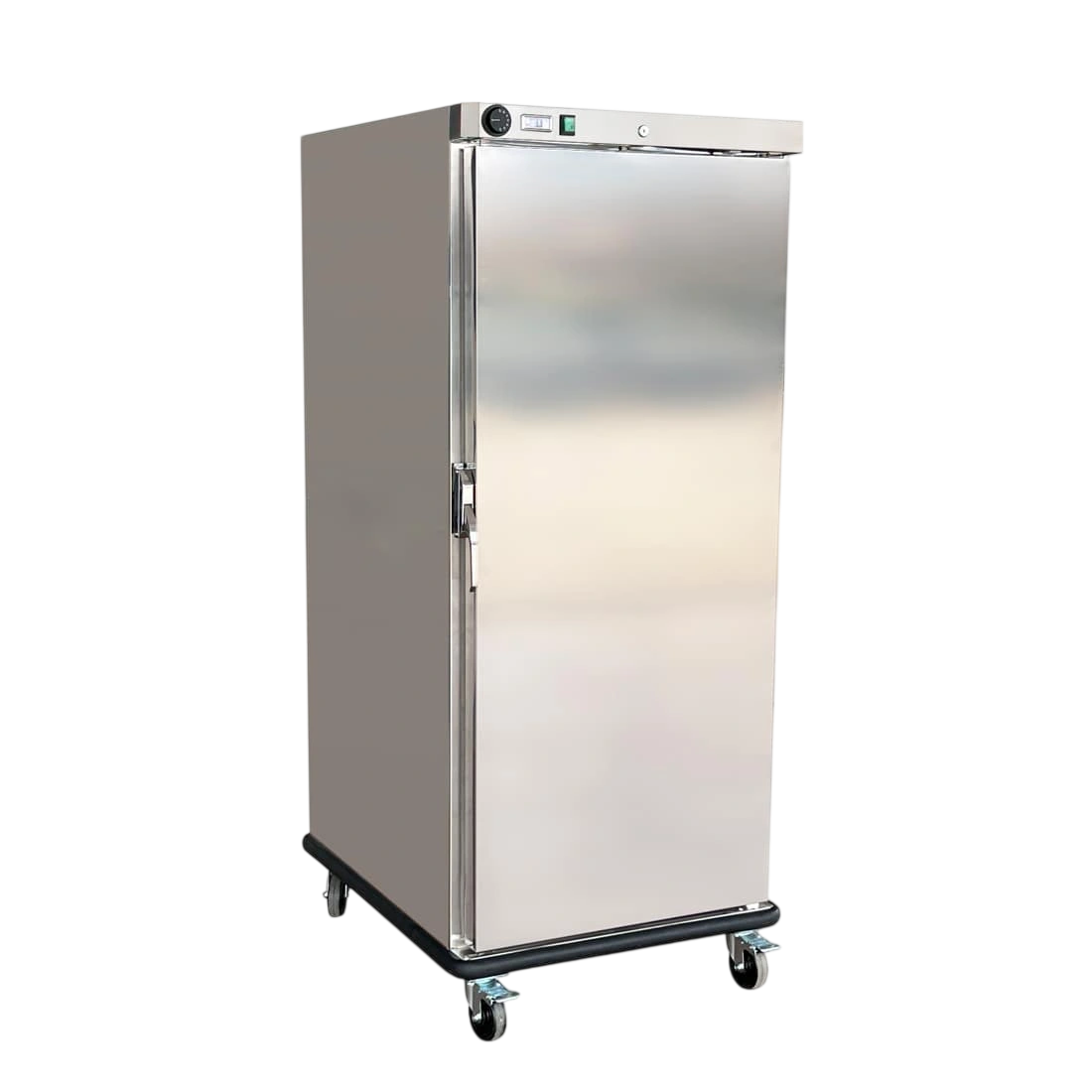
| Elementry HT-20S | For a powered food-warmer cart: single door, 367 L gross volume and 0.8 kW heating. Check tray fit, the movement route and power at the service position. |
| Benchstar FW15L-183 | For a multi-lamp service area: 15 lamps, 2700 W and a stated 240 V, 15 A supply. Plan the electrical connection before committing to this format. |
For cabinet fit, use the dimensions in Key Specifications on the product page. Allow room for door opening, loading, ventilation and cleaning as well as the unit itself.
Check the exact model’s voltage, current, plug and circuit requirements. The Benchstar FW15L-183 specifies 240 V, 15 A and 2700 W; the Apuro GP451-A plate warmer lists 0.5 kW. Have the proposed connection checked against the unit and the other equipment sharing the circuit.
For potentially hazardous food held hot, maintain the food itself at 60°C or hotter unless you can demonstrate a safe alternative temperature. Check it with a probe thermometer. Set the holding procedure around the food, equipment instructions and your site’s food safety controls, and check eating quality separately; a pie, a chip portion and a plated meal need their own service routine.
Confirm the included pans, trays, lids, shelves and lamp bulbs for the exact model. Add compatible serving tools, a probe thermometer, batch labels and cleaning supplies. Check loading and door access, the dimensions in Key Specifications on the product page, and the power connection at the intended position.
For hot holding of potentially hazardous food, keep the food itself at 60°C or hotter, unless you can demonstrate that another temperature keeps it safe. Use a probe thermometer to check the food, including the thickest part; set the warmer high enough to maintain the required food temperature.
Cook food fully before loading. If previously cooked and cooled potentially hazardous food will be held hot, reheat it rapidly to 60°C or hotter using equipment suitable for reheating, then transfer it to the warmer. Follow the operating instructions for the exact unit and your site’s food safety procedures.
For a chip station, compare a perforated slide and separate base and overhead heat controls. For a pie cabinet, check whether it has a humidity pan and how the instructions say to use it. Choose these features around the food you serve, then check texture through the planned service period.
Check voltage, current, plug type and circuit capacity for the exact model before ordering. A larger lamp assembly and a small plate warmer can have very different connection requirements. For a cart, check the connection at both the loading and service positions.
If the job is cooking raw food, choose cooking equipment first and add the holding station afterwards. If the job is moving meals off site, confirm the transport setup and temperature-control procedure for that journey.
213 results
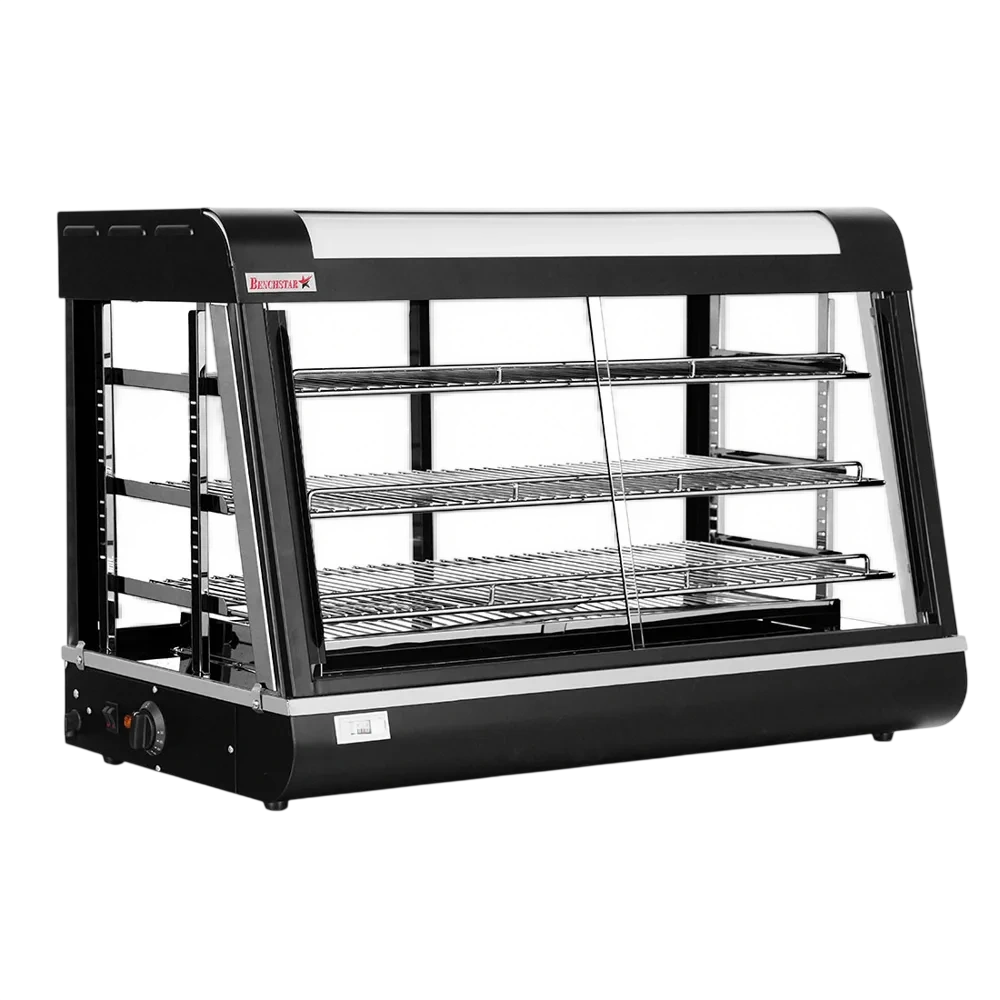
900 × 440 × 655mm
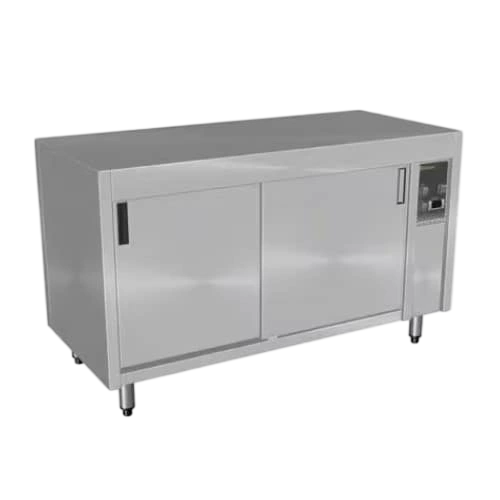
1780 × 650 × 870mm
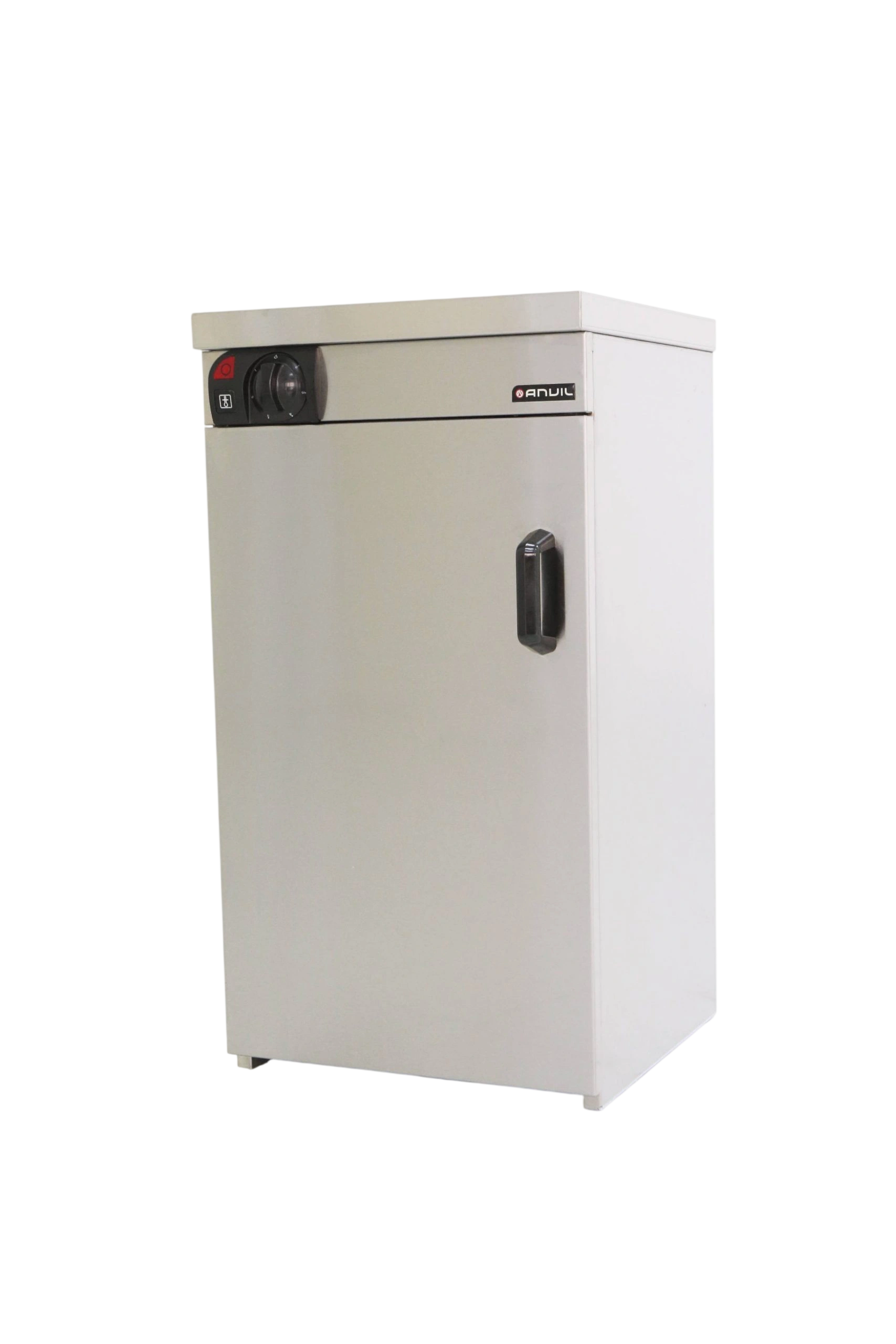
450 × 485 × 850mm
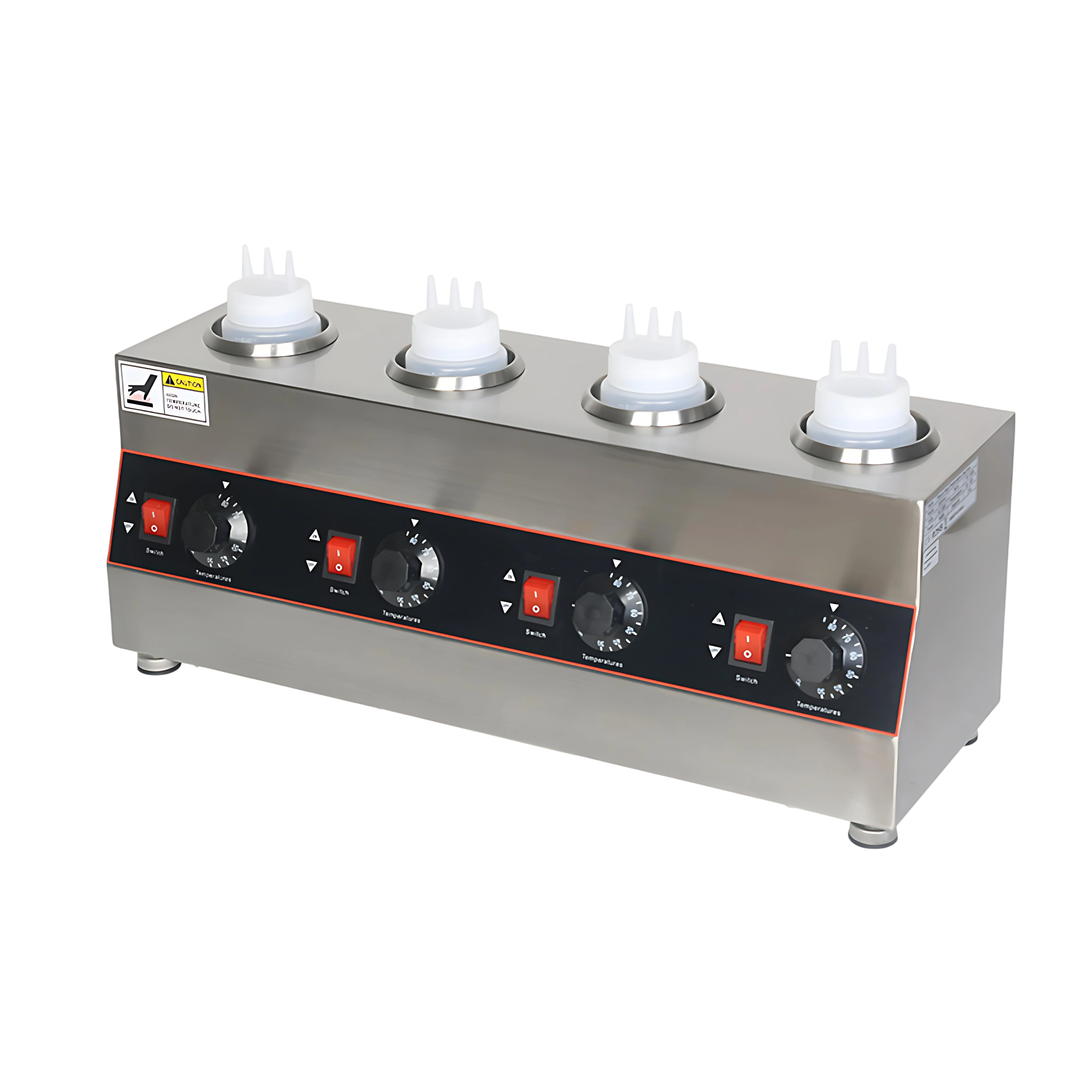
576 × 195 × 230mm
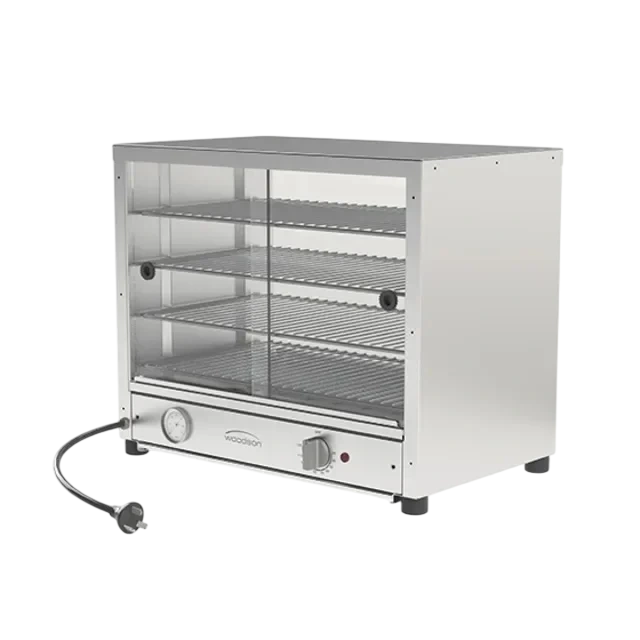
591 × 350 × 487mm
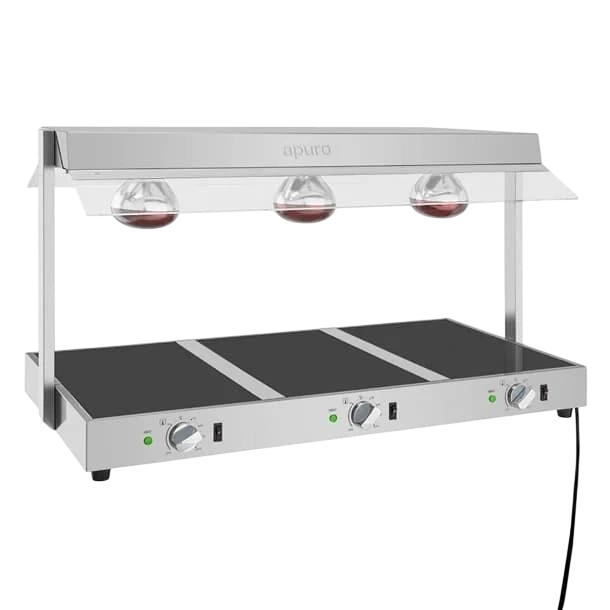
1036 × 560 × 567mm
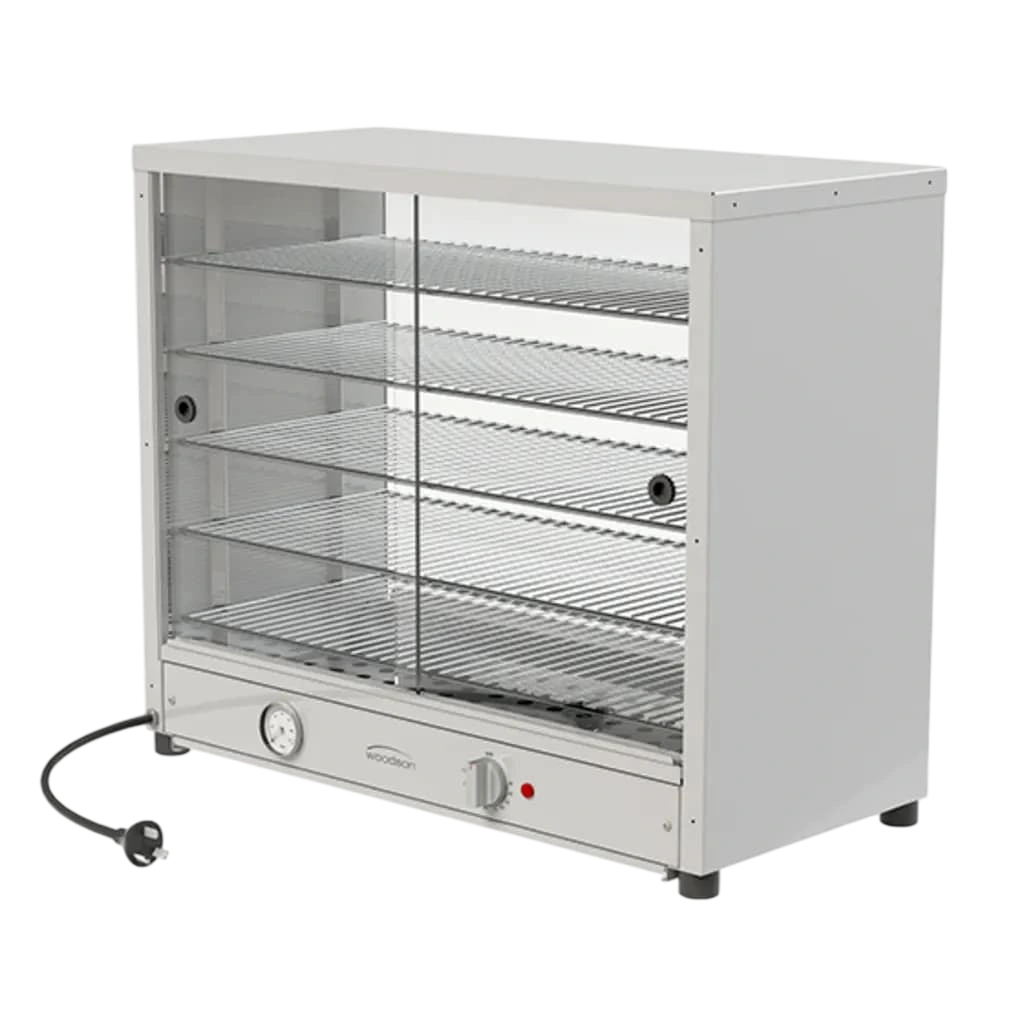
755 × 350 × 637mm
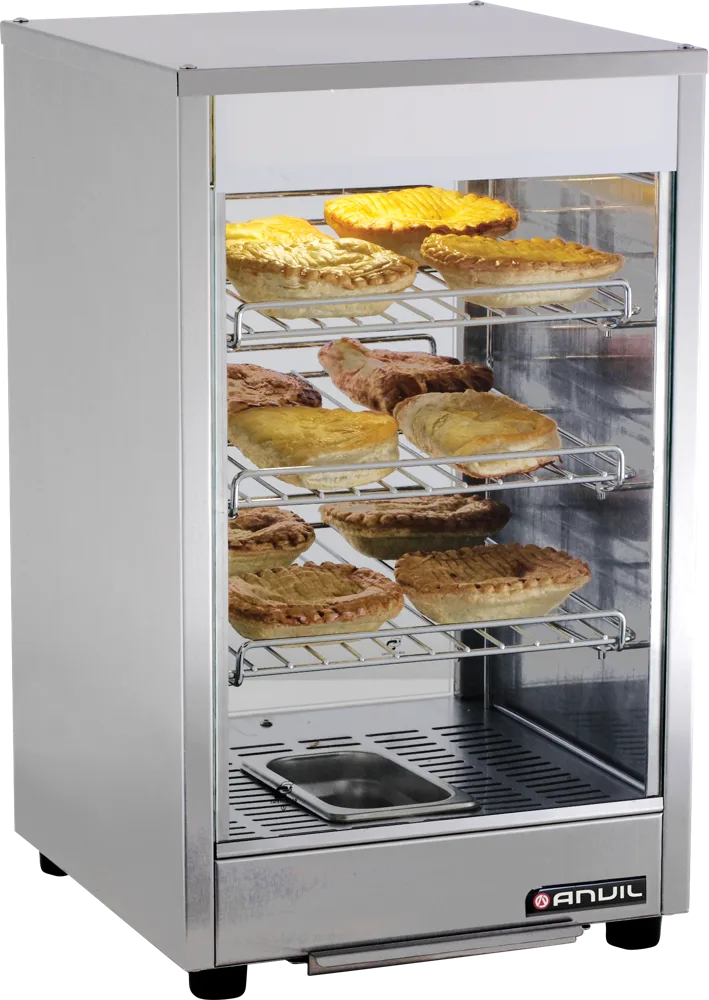
353 × 393 × 604mm
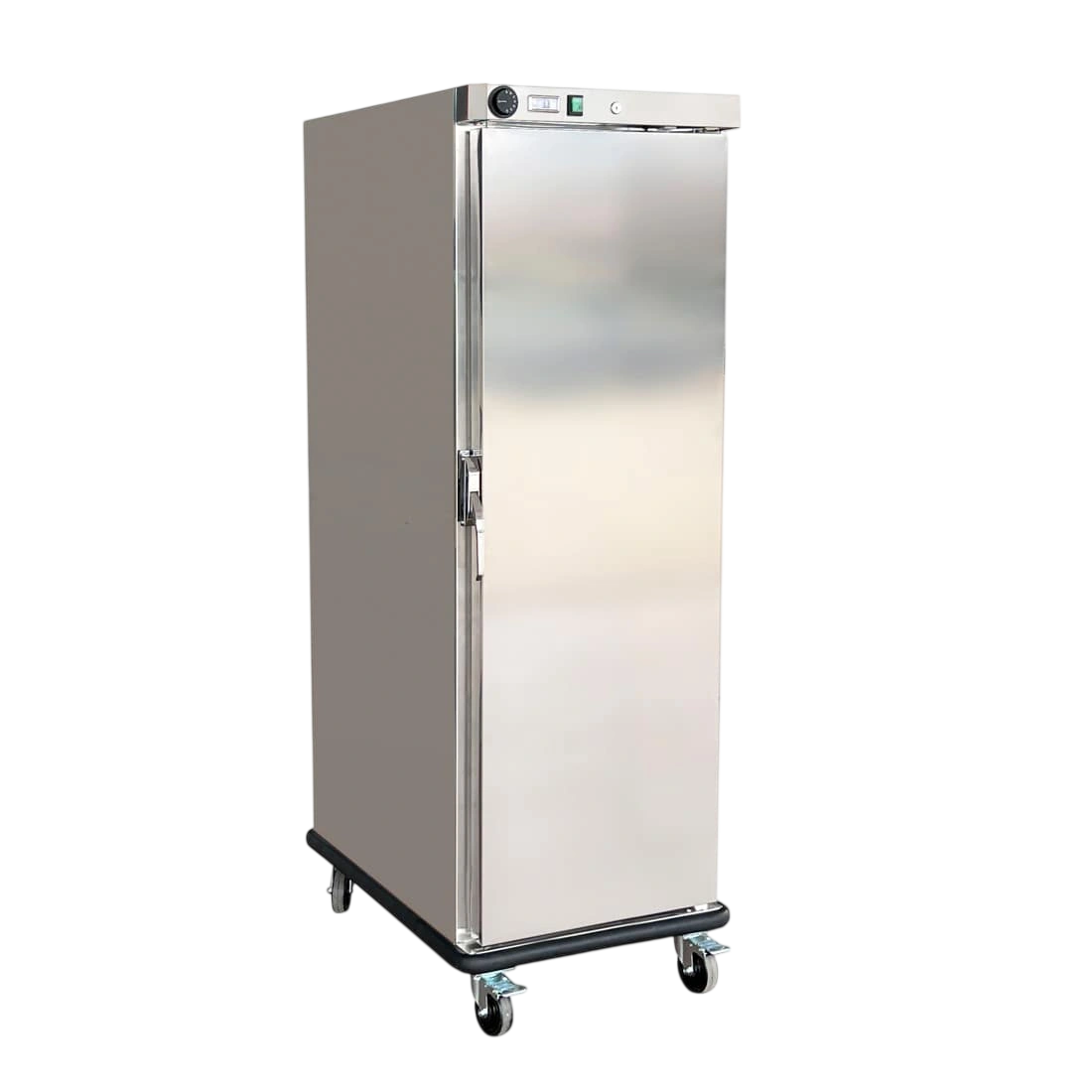
515 × 780 × 1763mm
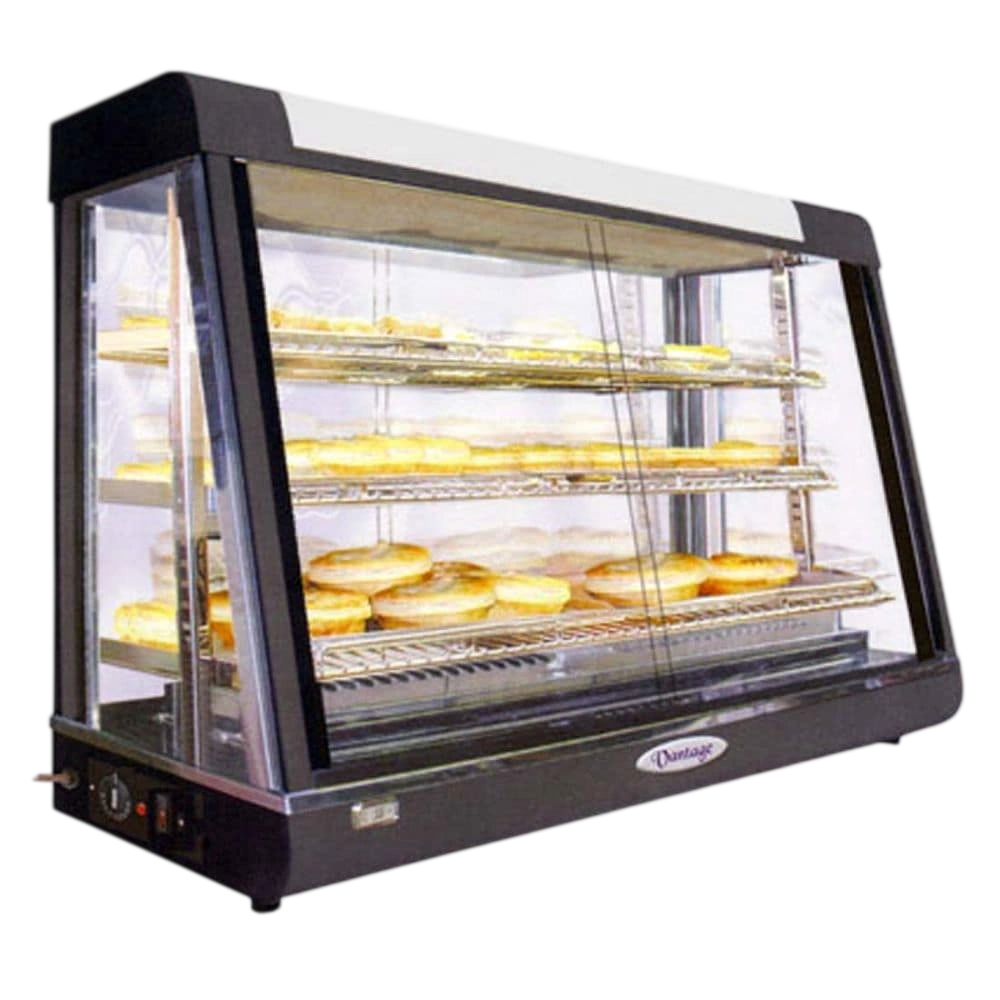
1200 × 490 × 810mm
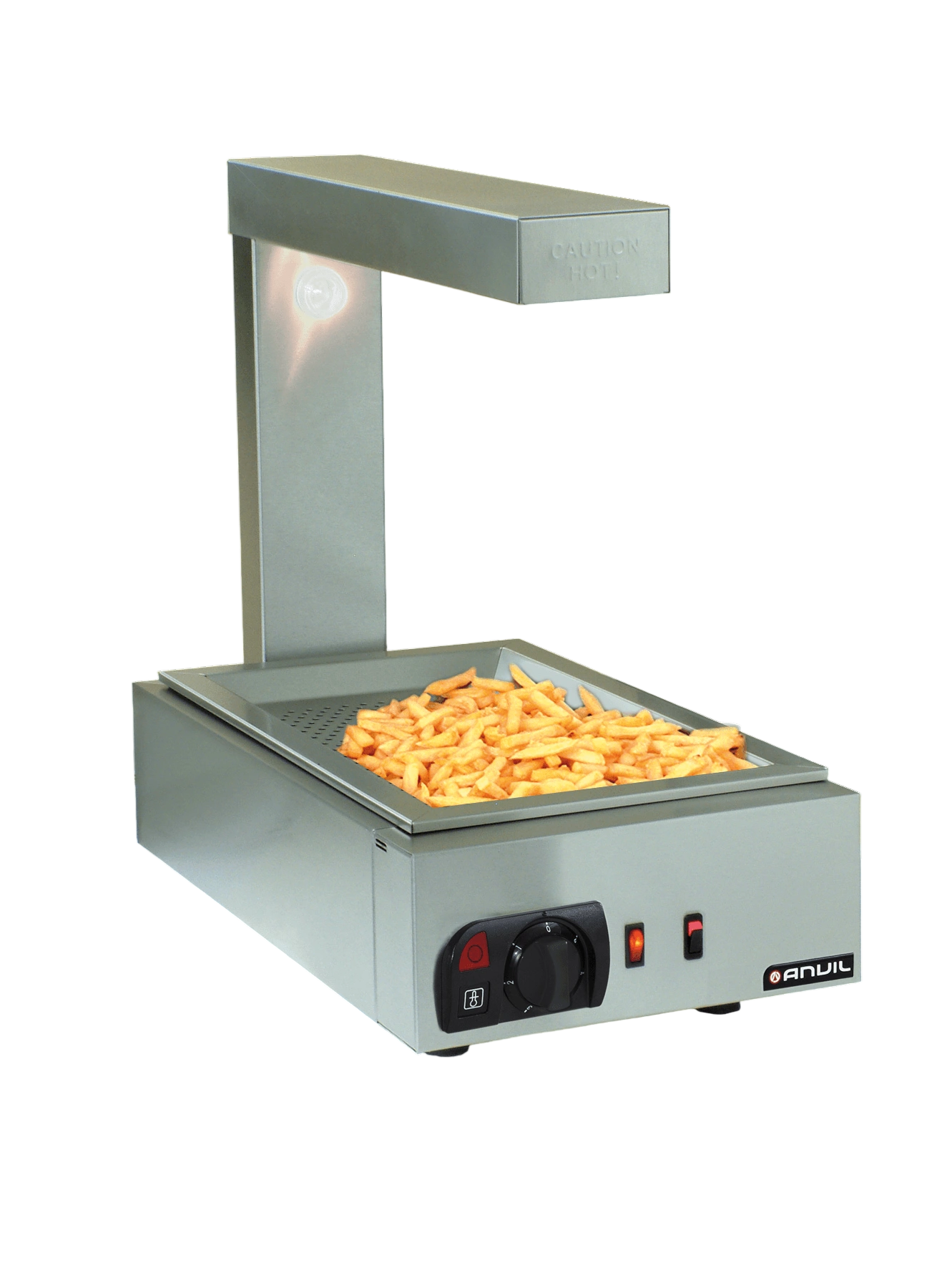
346 × 681 × 596mm
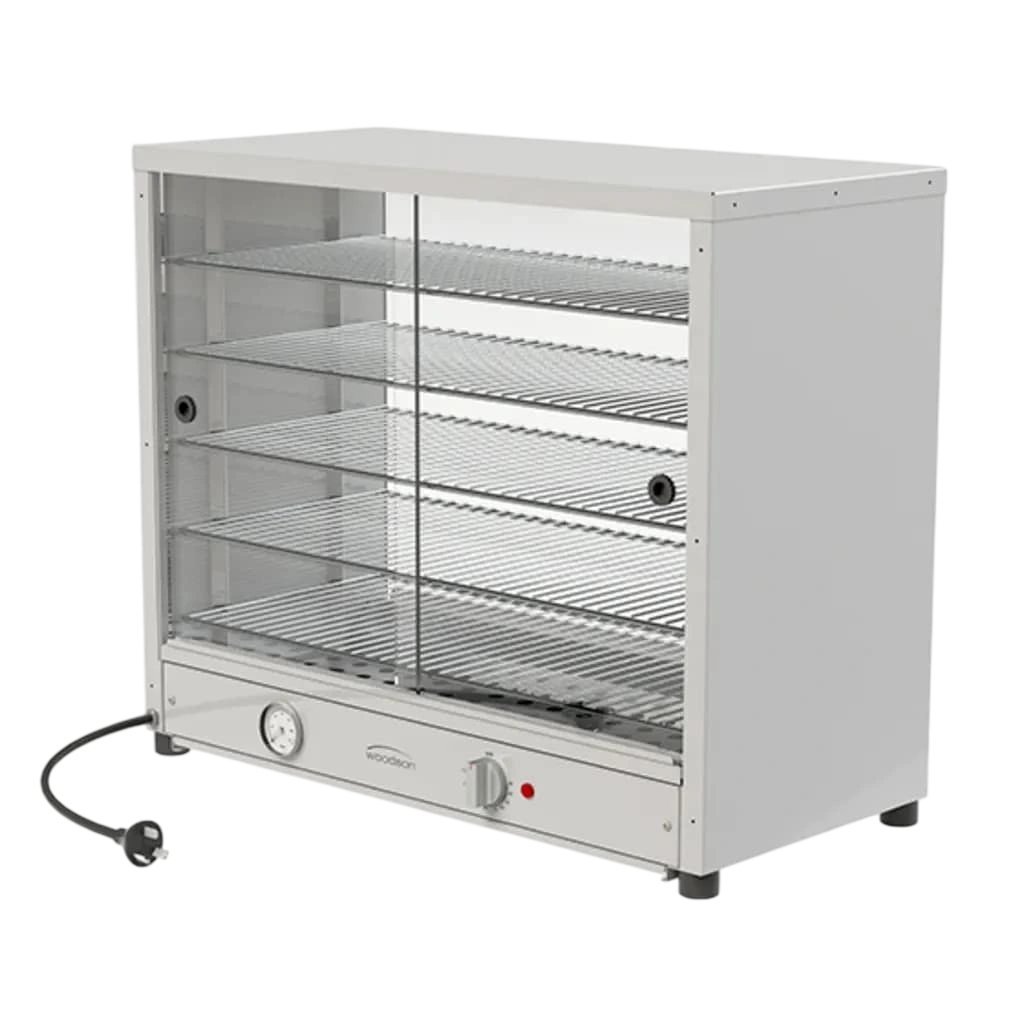
755 × 350 × 637mm
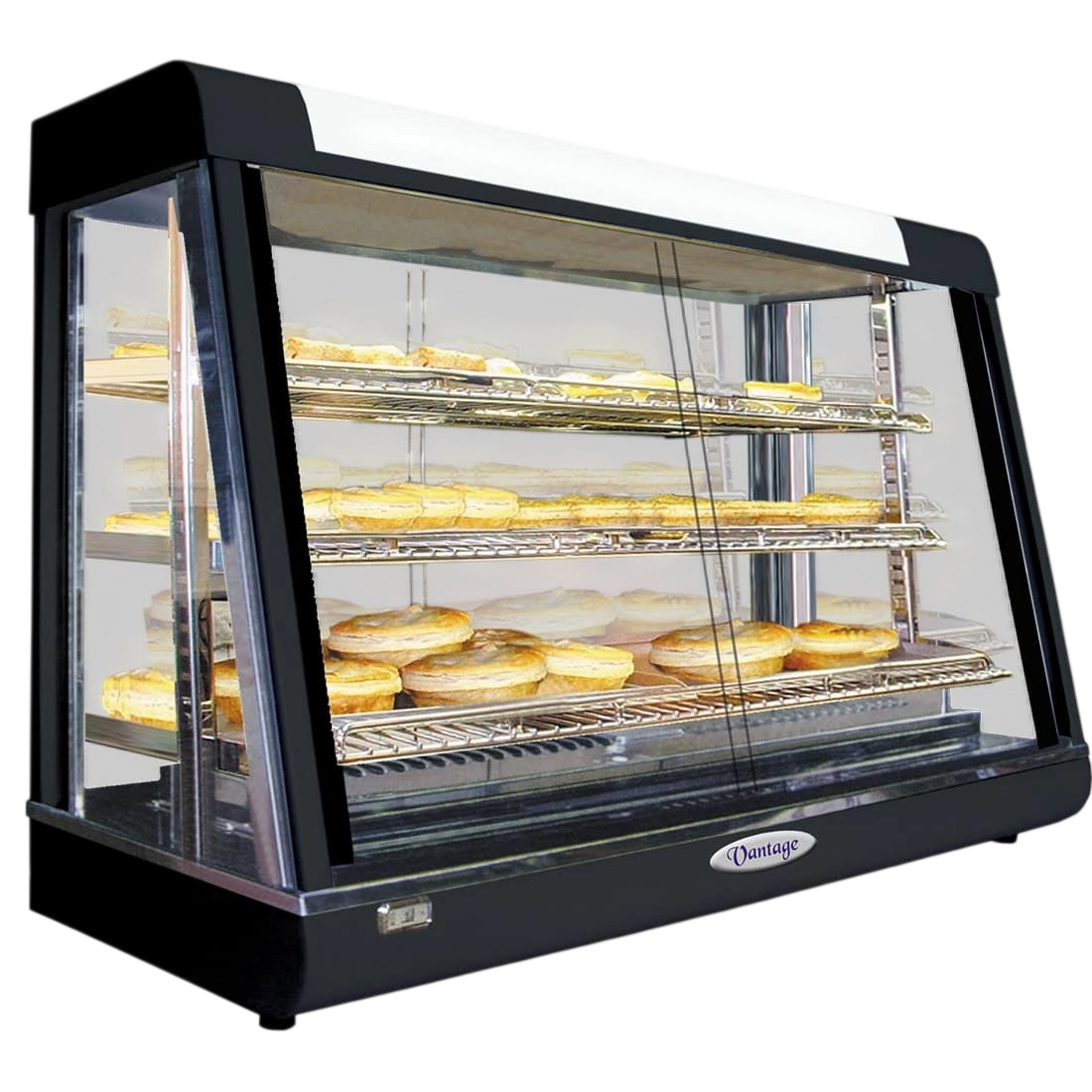
660 × 440 × 655mm
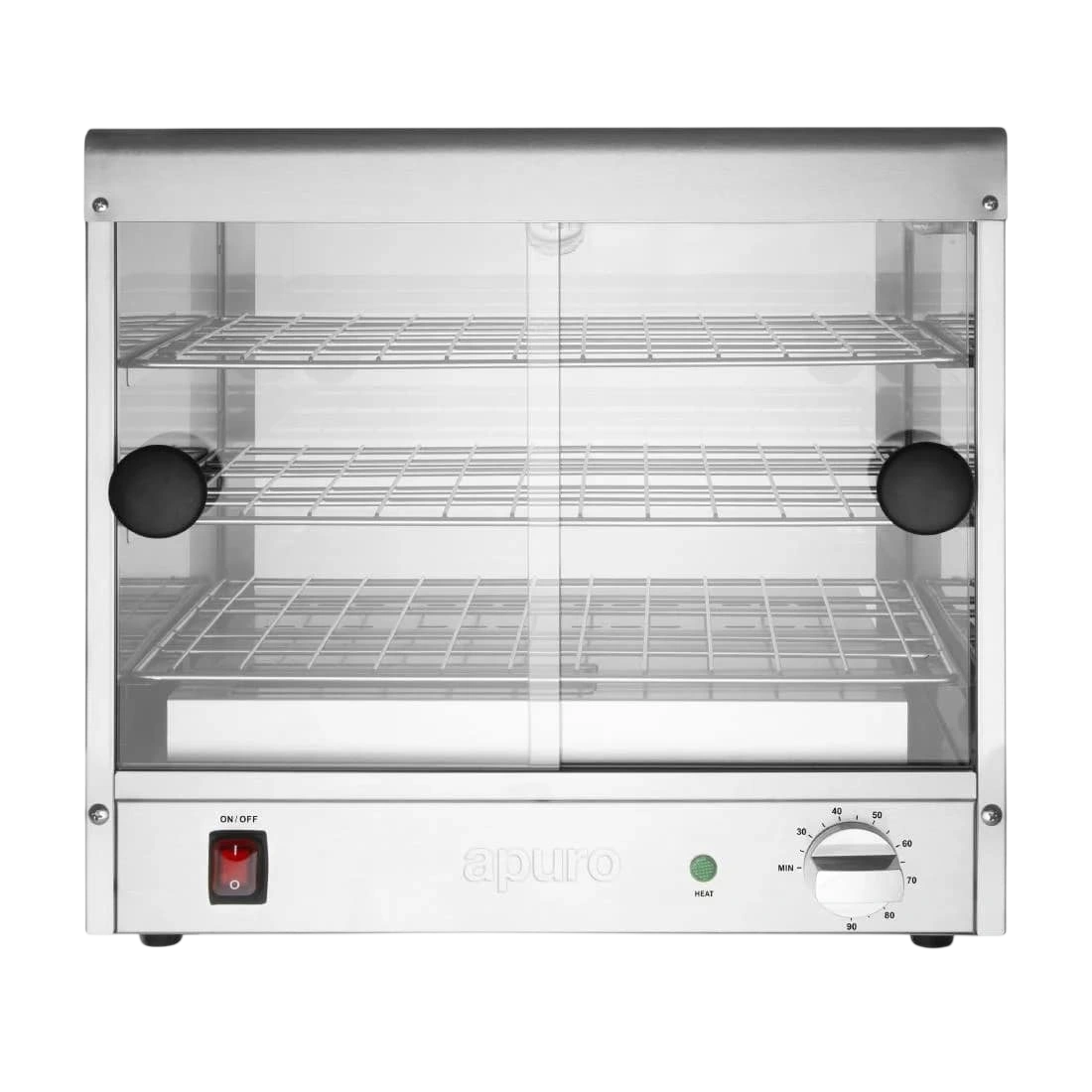
470 × 370 × 465mm
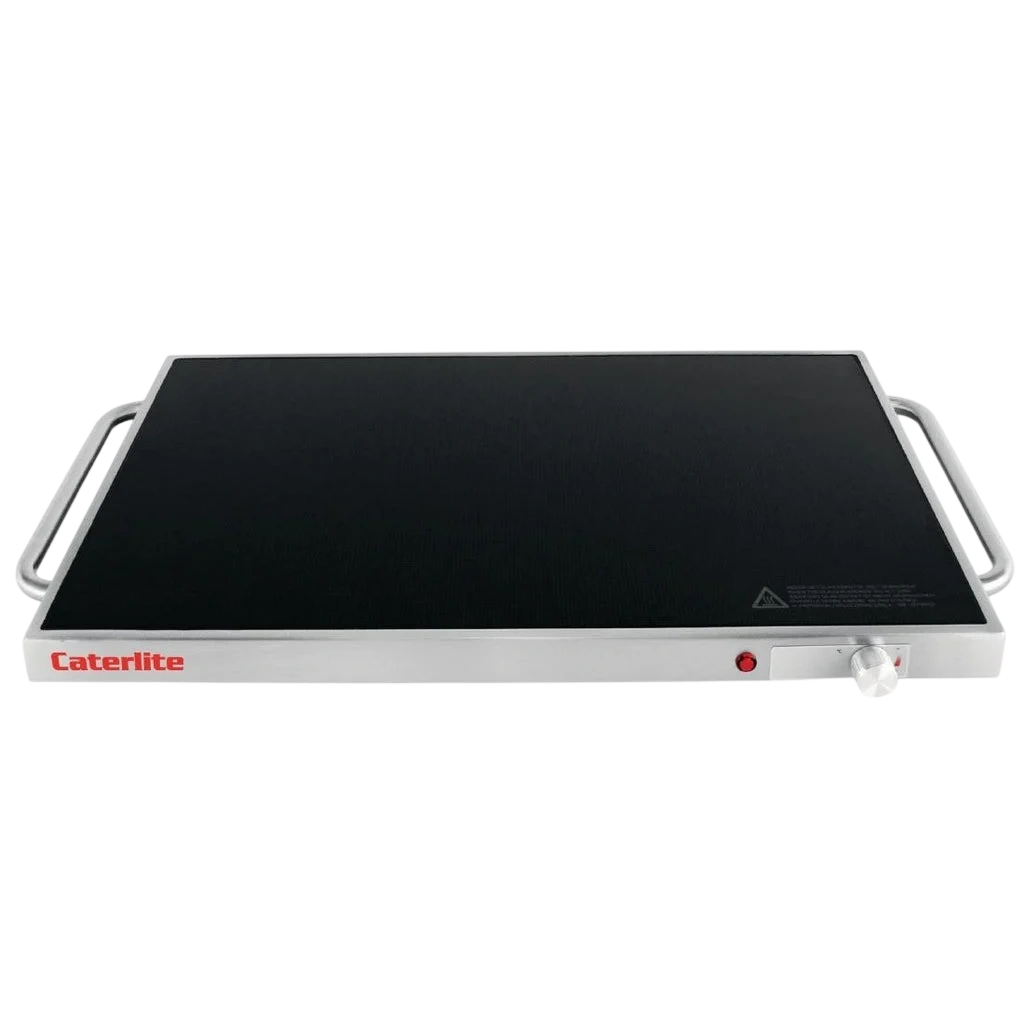
550 × 350 × 35mm
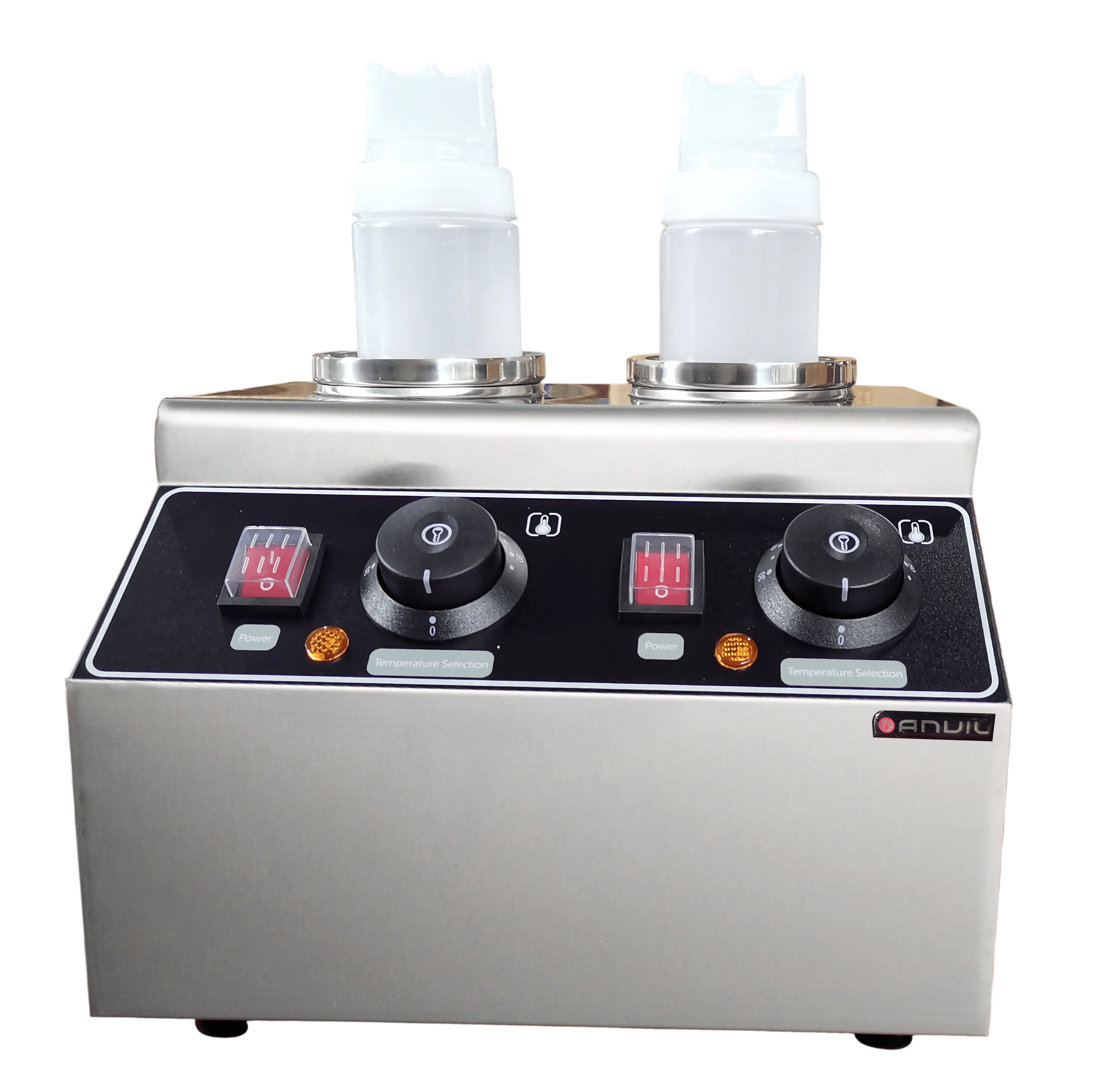
303 × 251 × 323mm
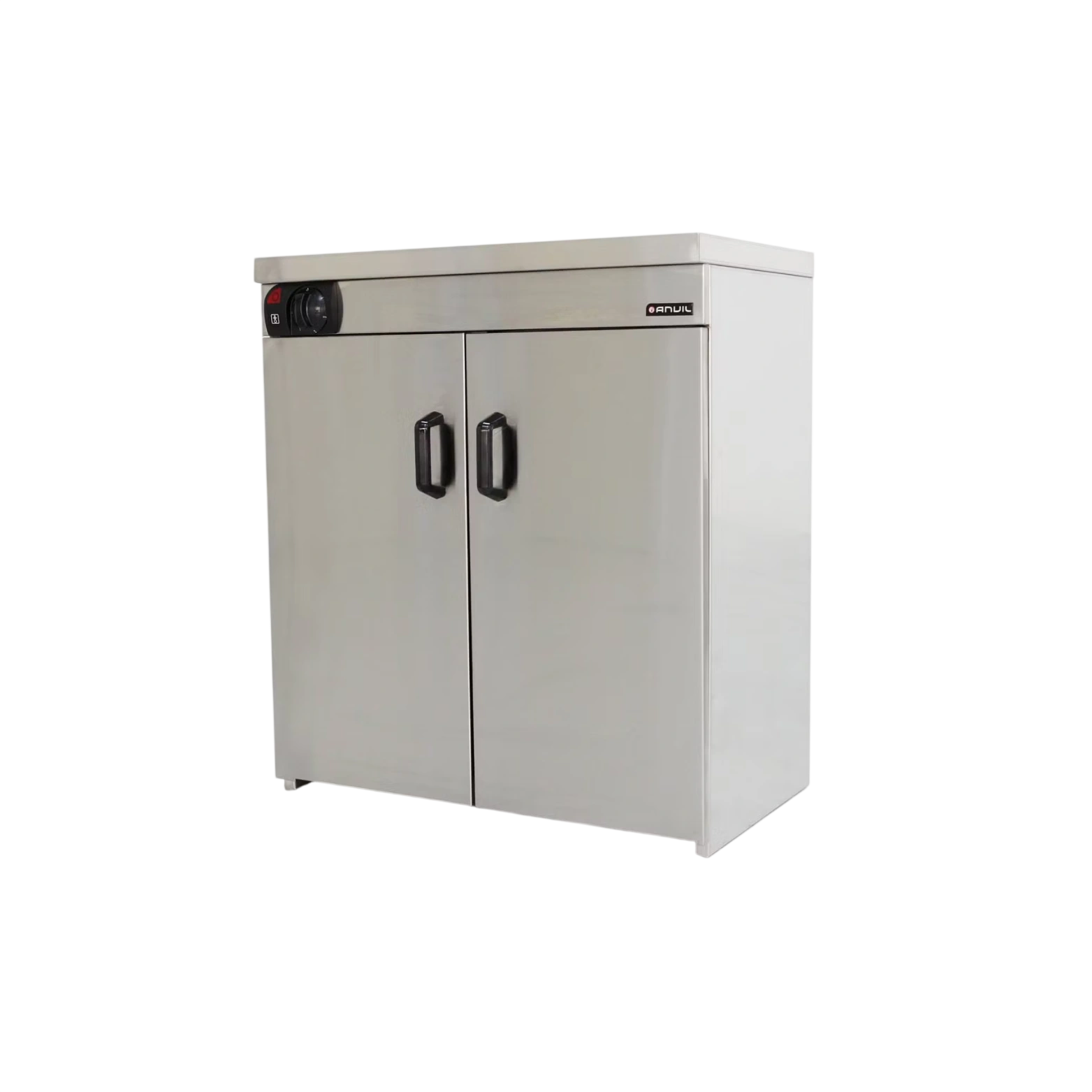
750 × 450 × 850mm
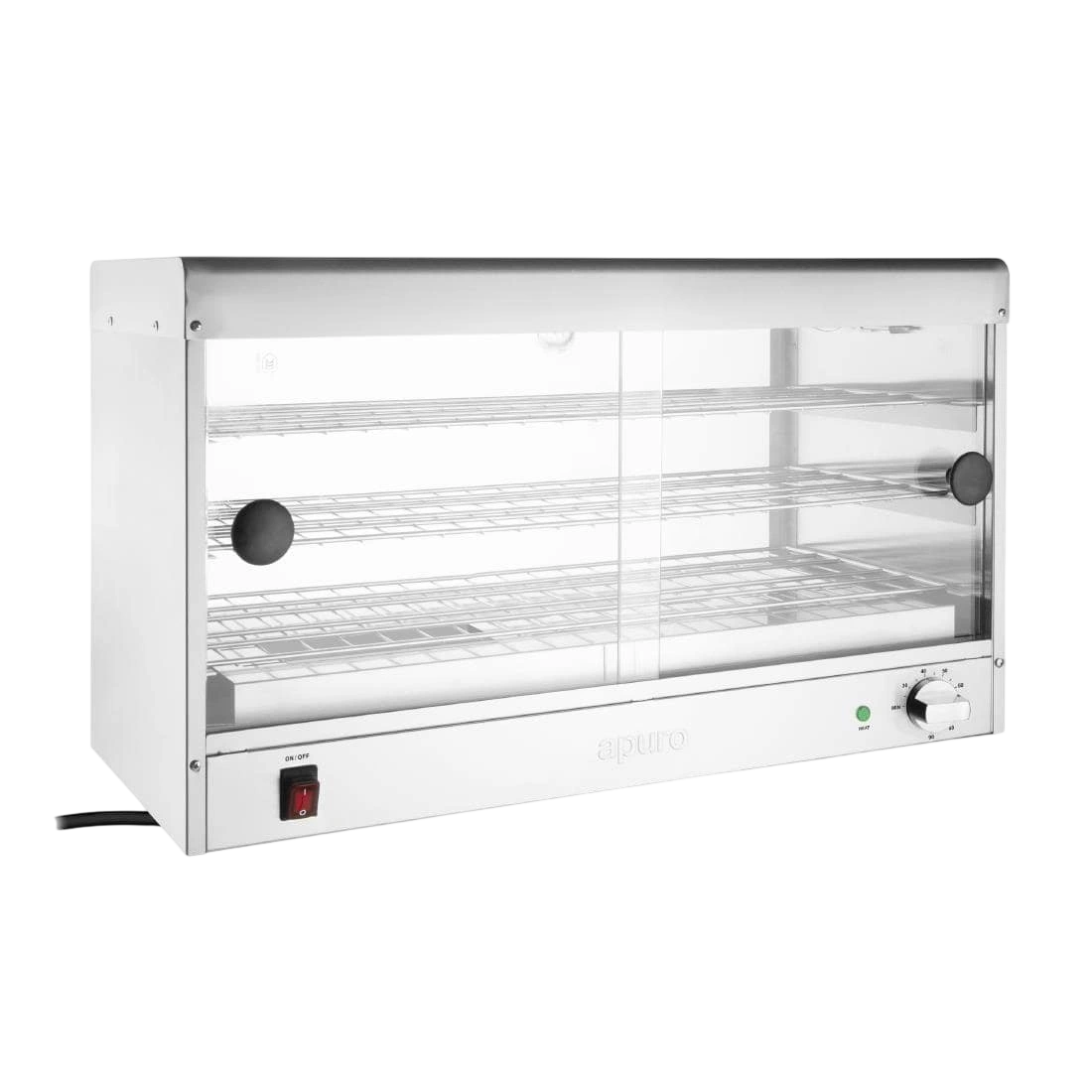
776 × 370 × 465mm
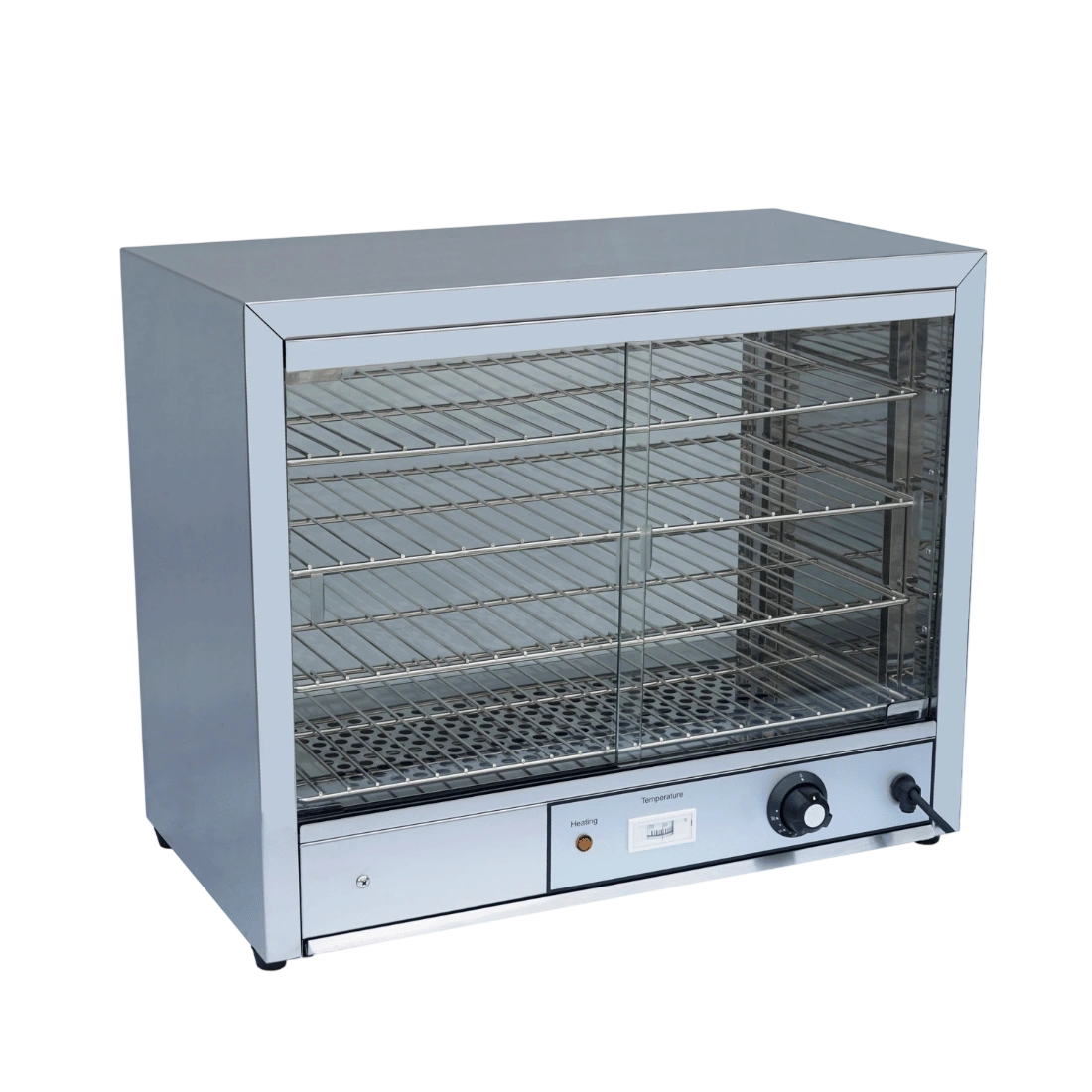
640 × 360 × 526mm
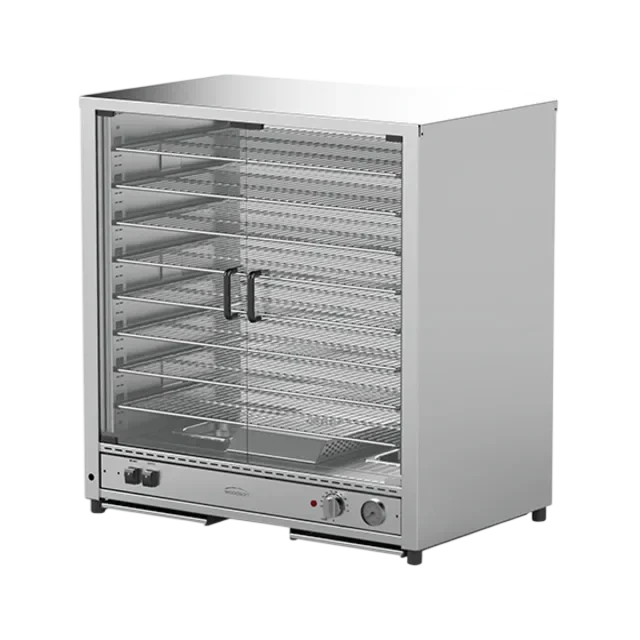
871 × 531 × 912mm
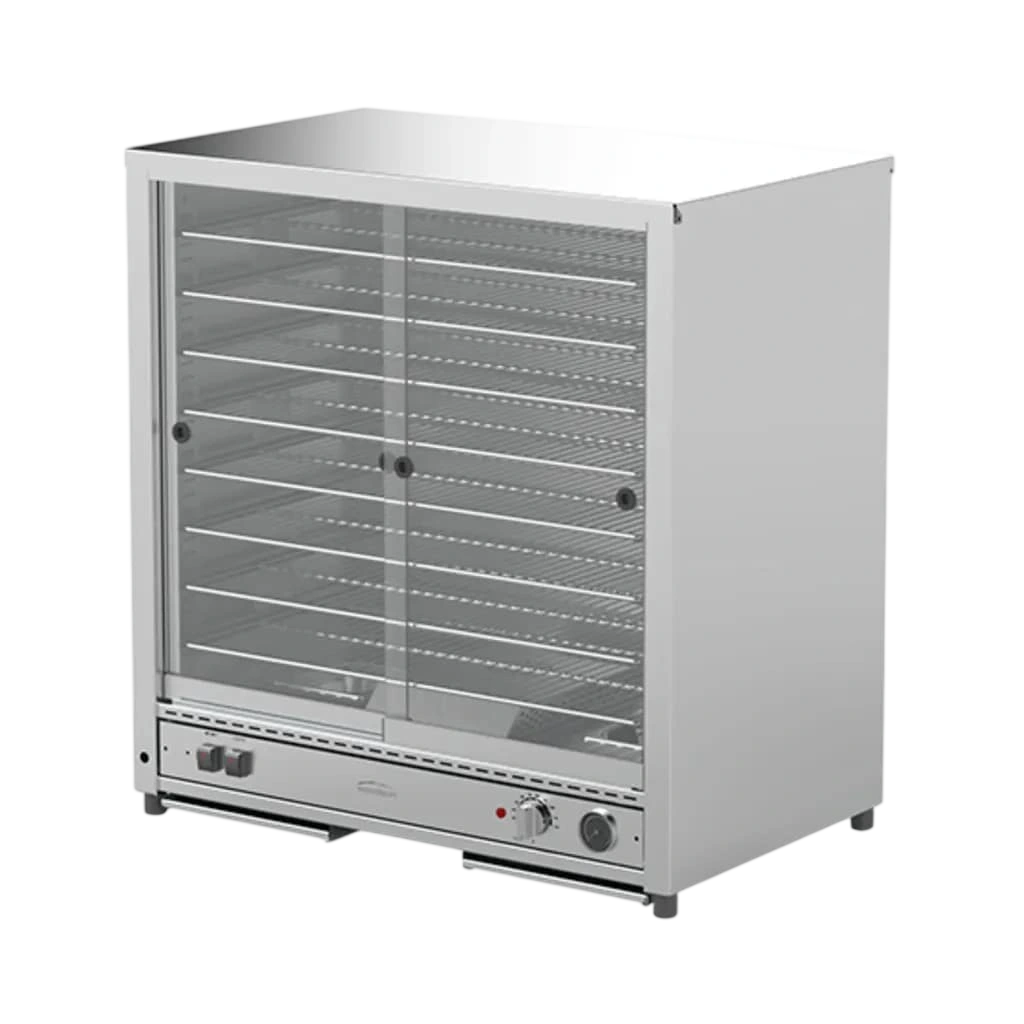
871 × 531 × 912mm
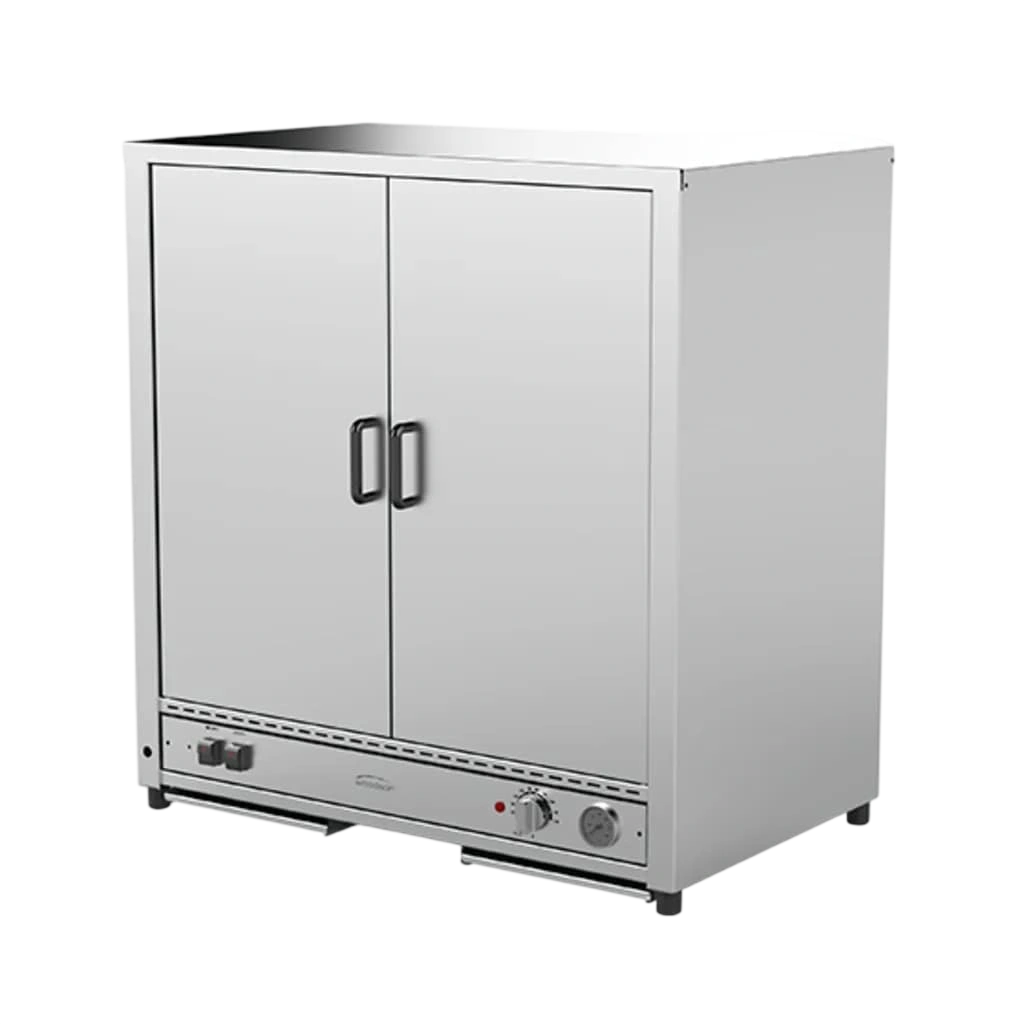
871 × 531 × 912mm
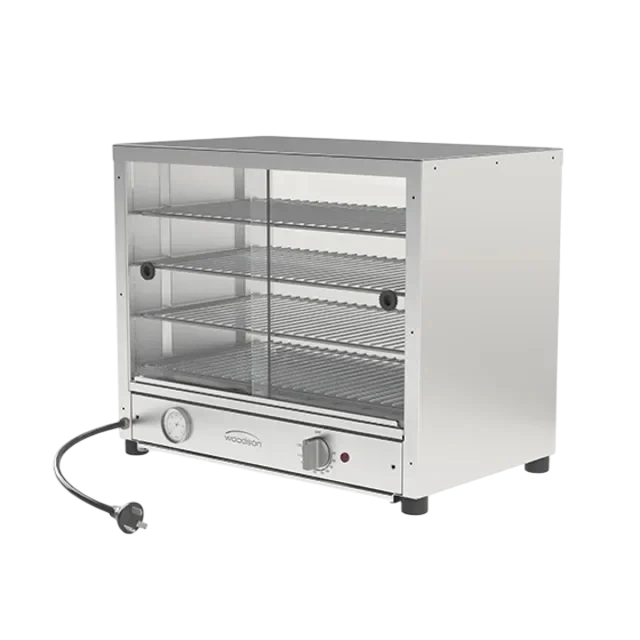
591 × 350 × 487mm
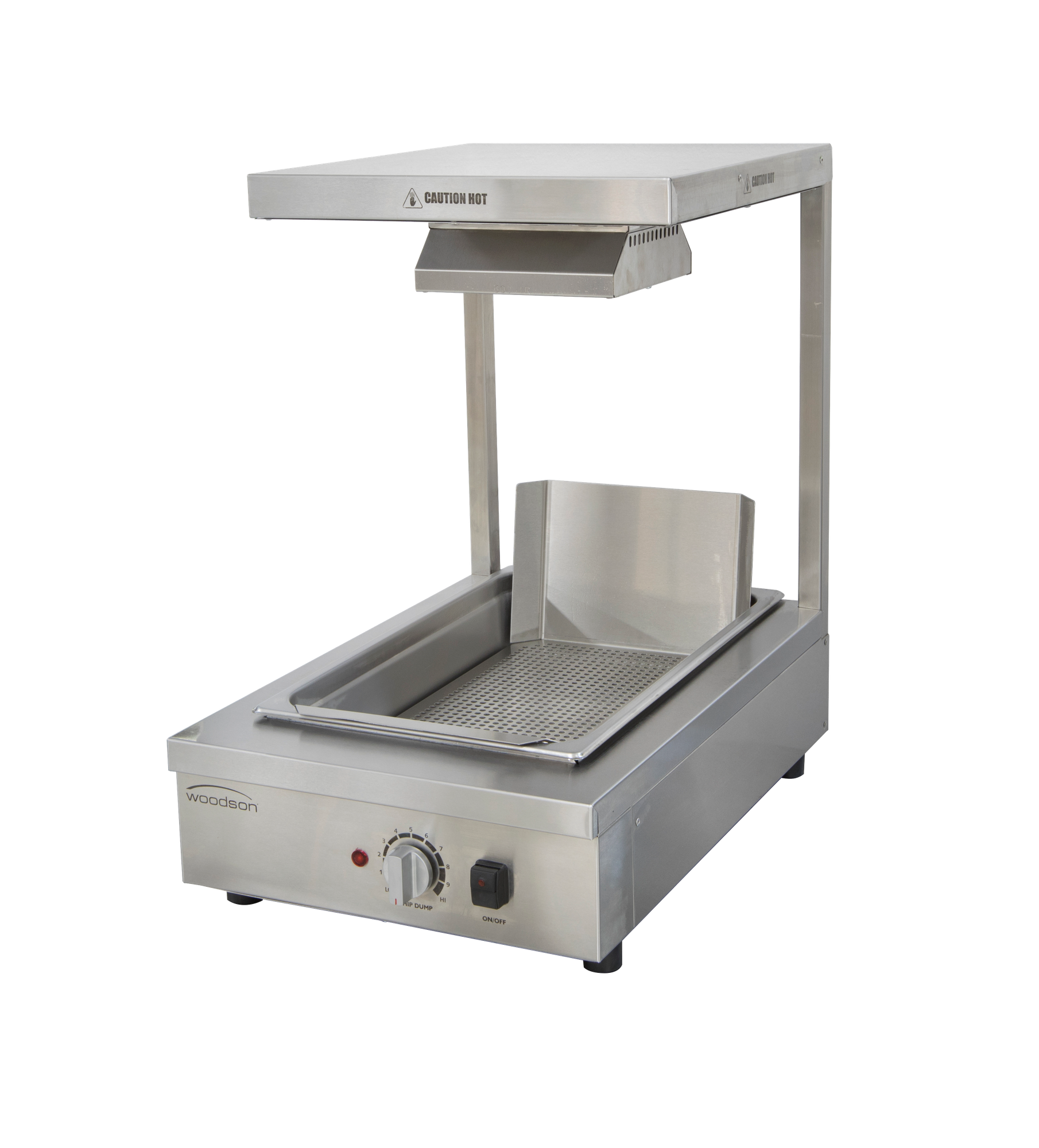
405 × 619 × 636mm
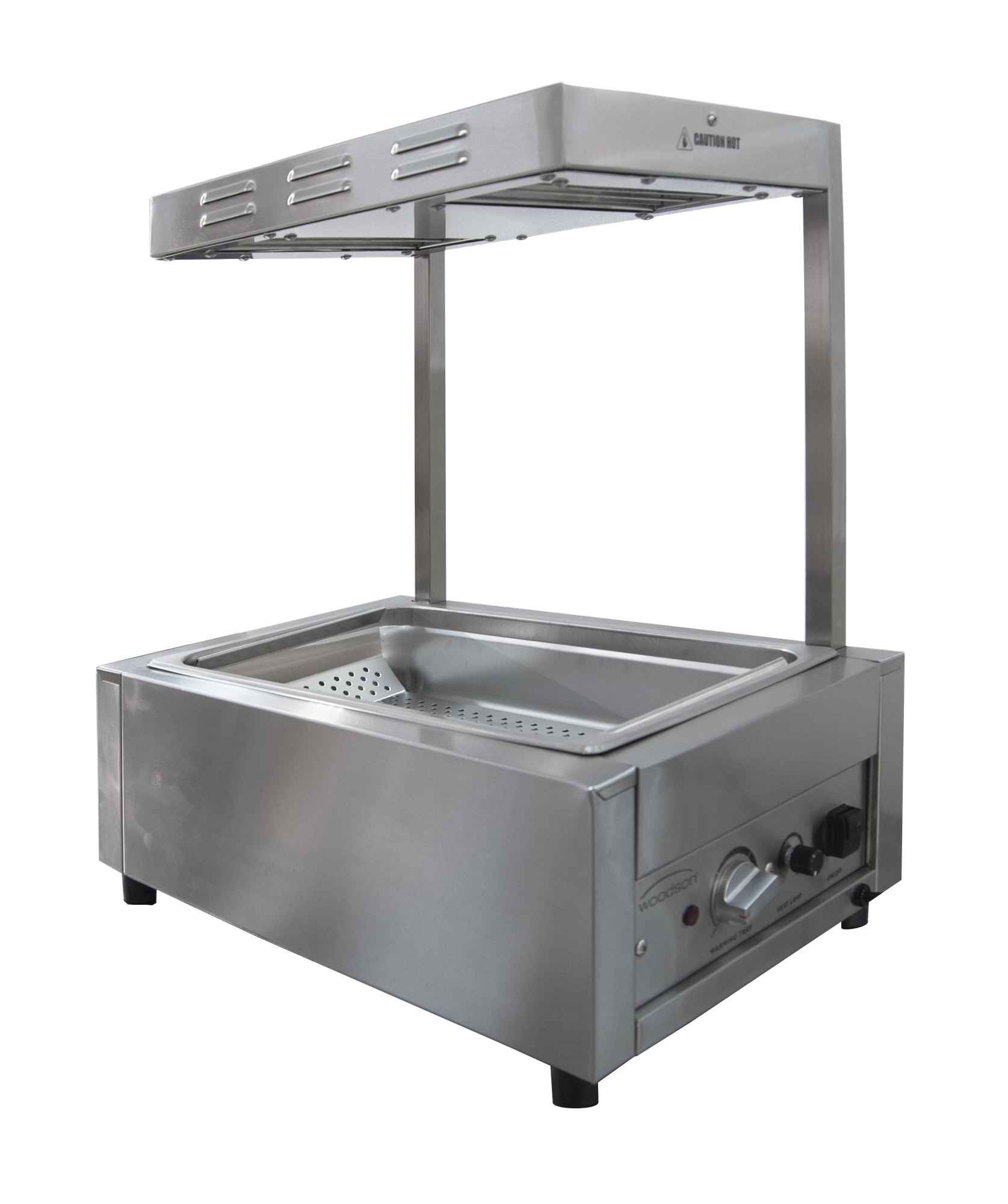
600 × 390 × 664mm
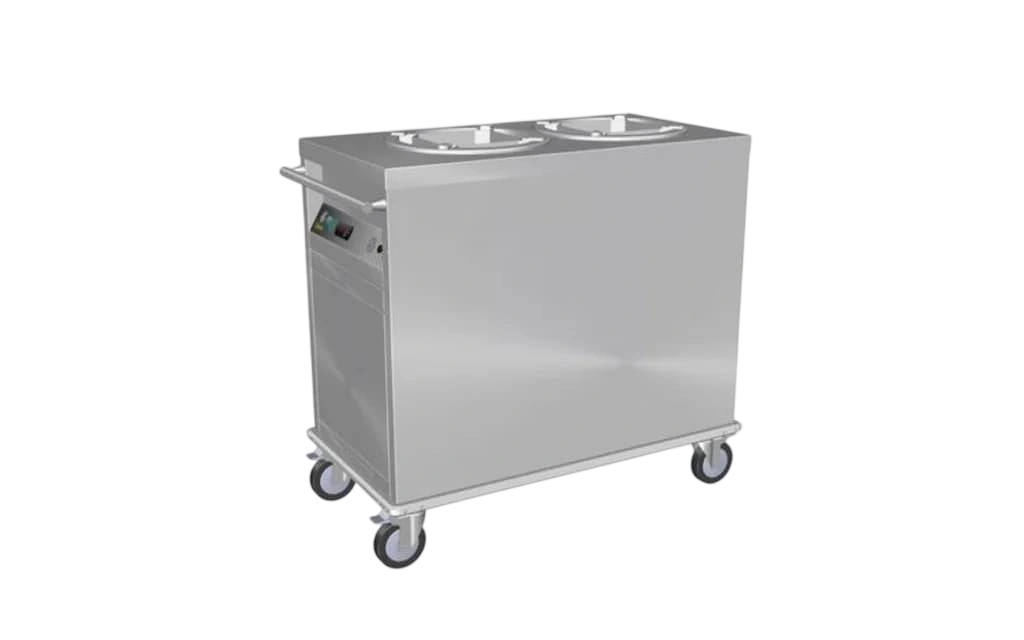
565 × 1075 × 960mm
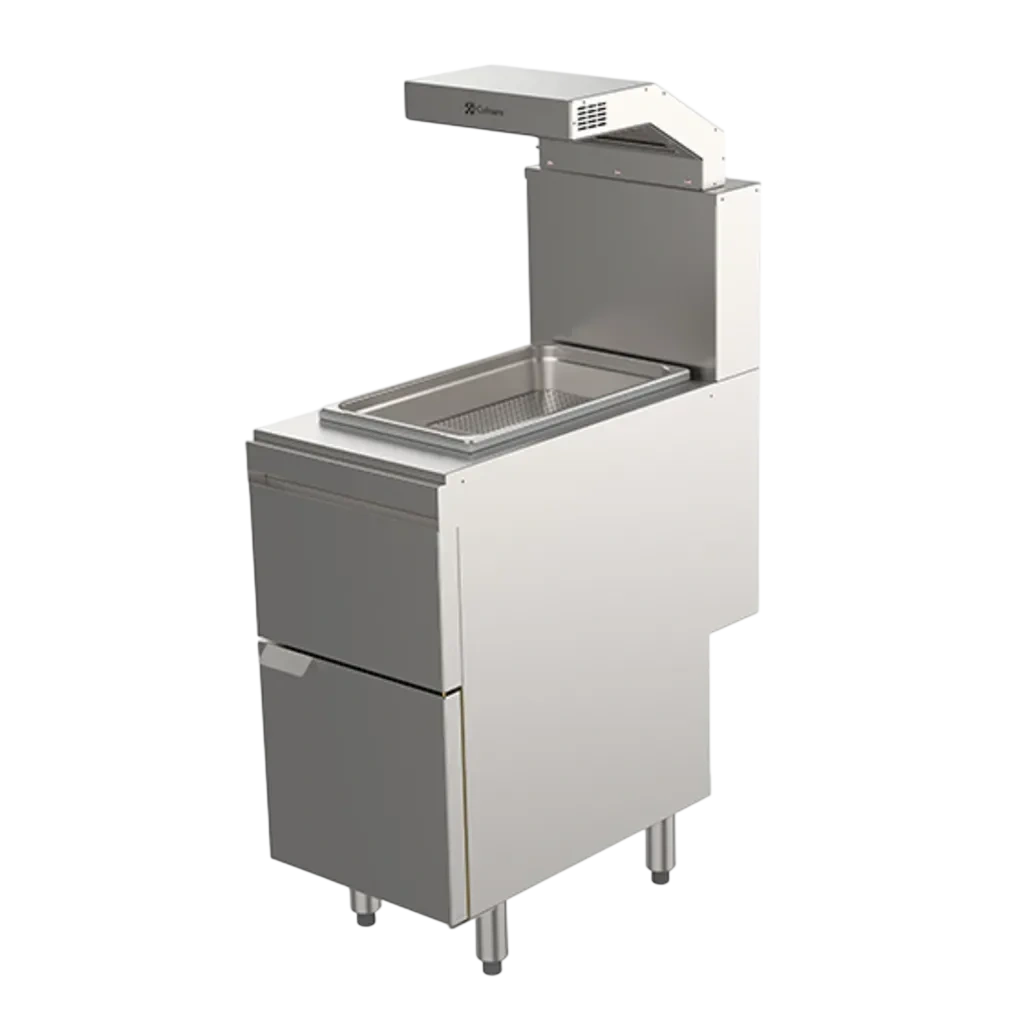
400 × 790 × 1345mm
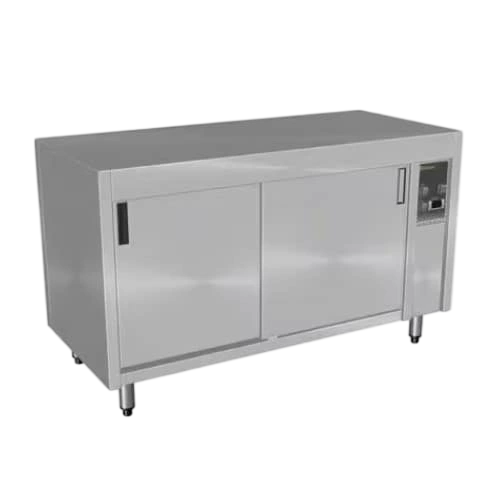
1440 × 650 × 870mm
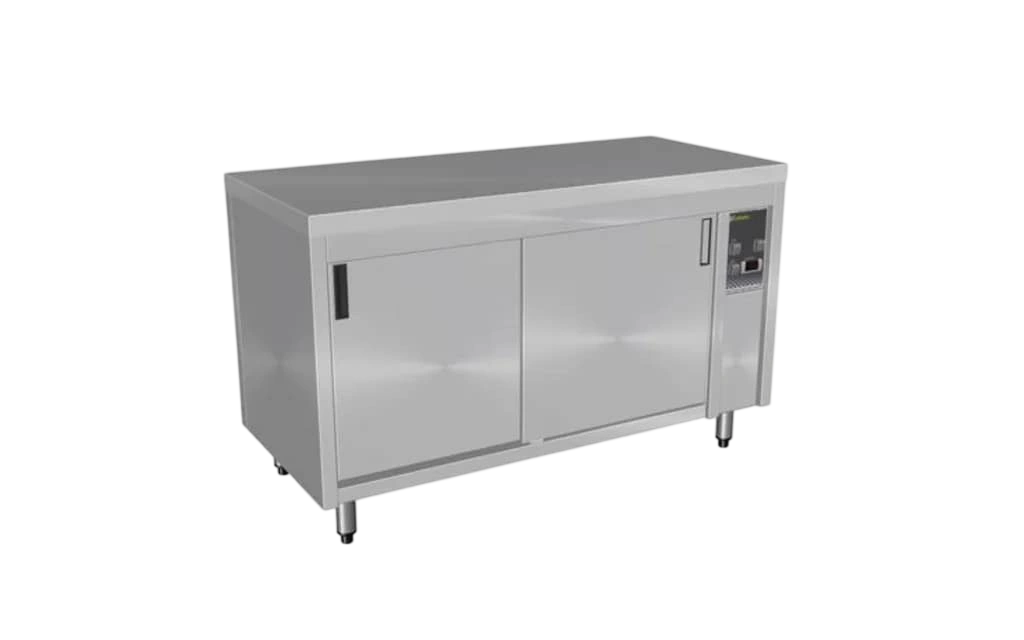
1100 × 650 × 880mm
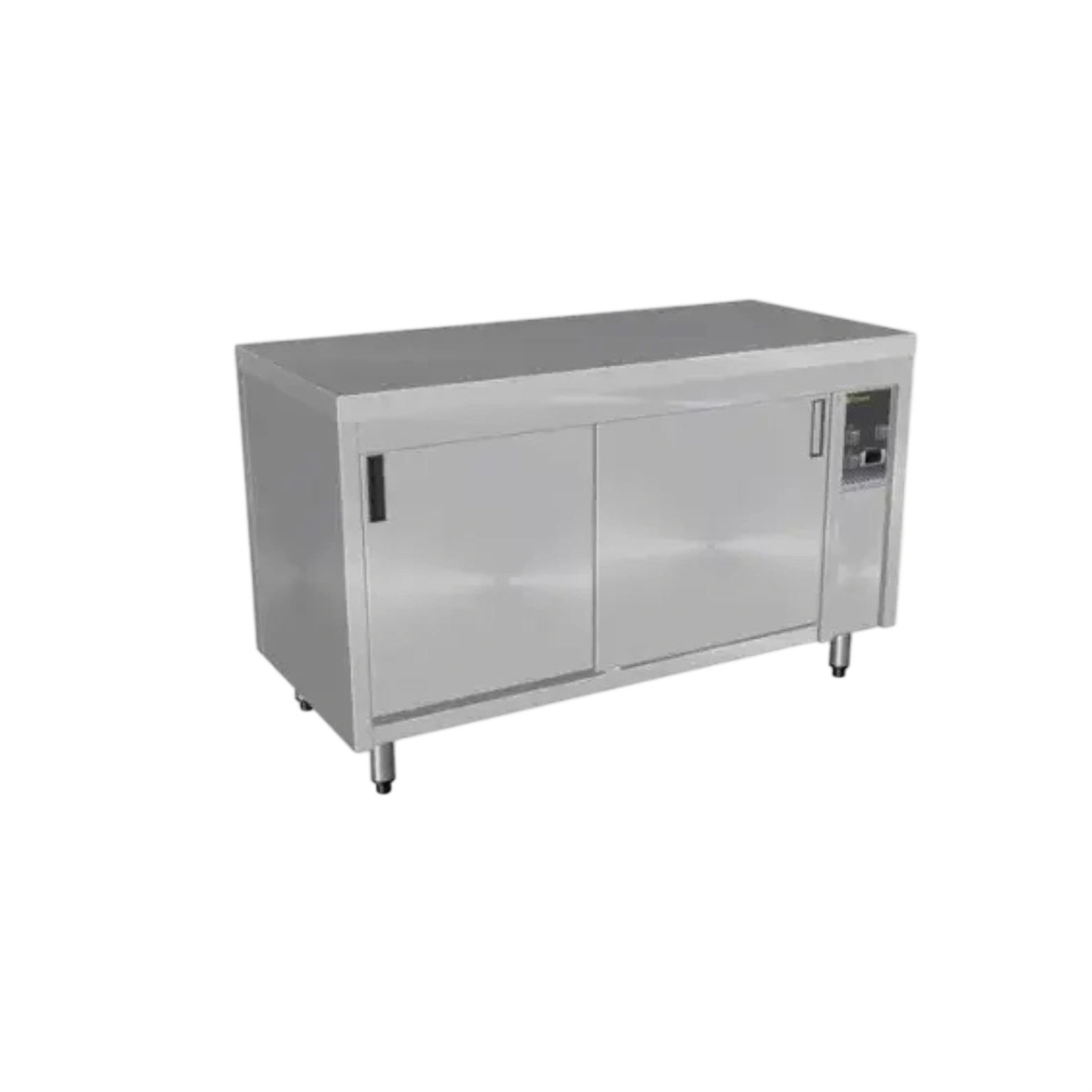
1103 × 653 × 890mm
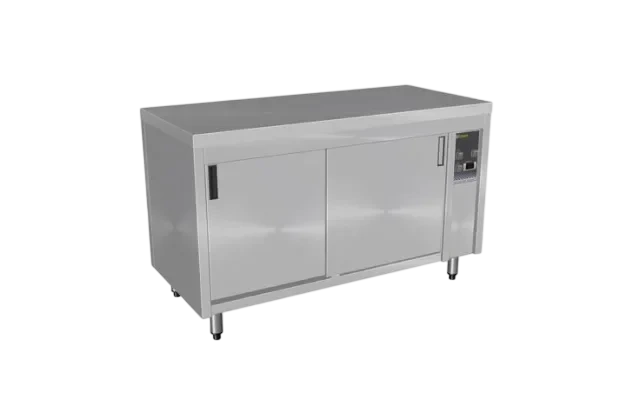
1443 × 653 × 890mm
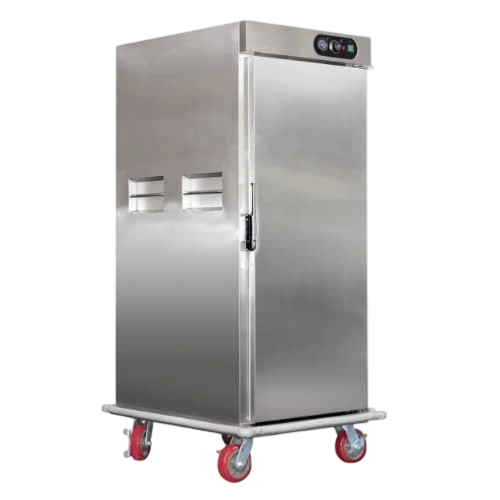
780 × 960 × 1775mm
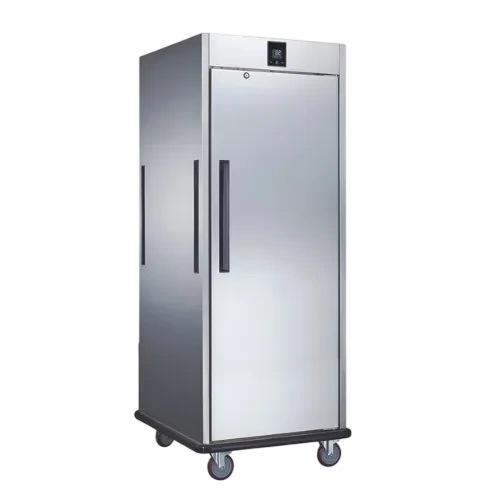
781 × 872 × 1770mm
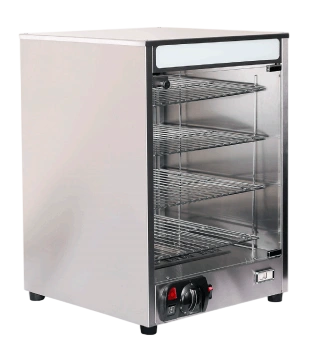
453 × 503 × 644mm
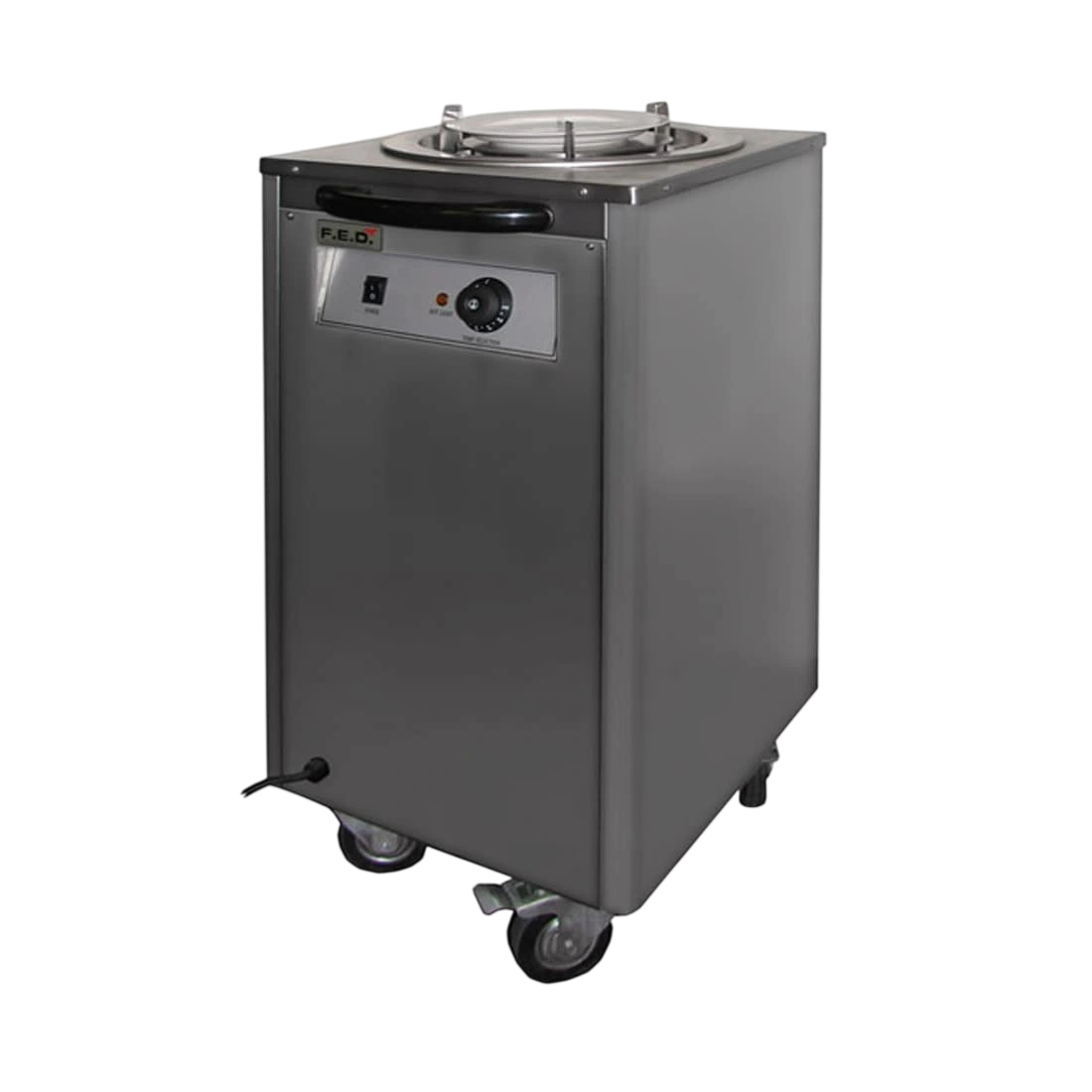
450 × 485 × 920mm
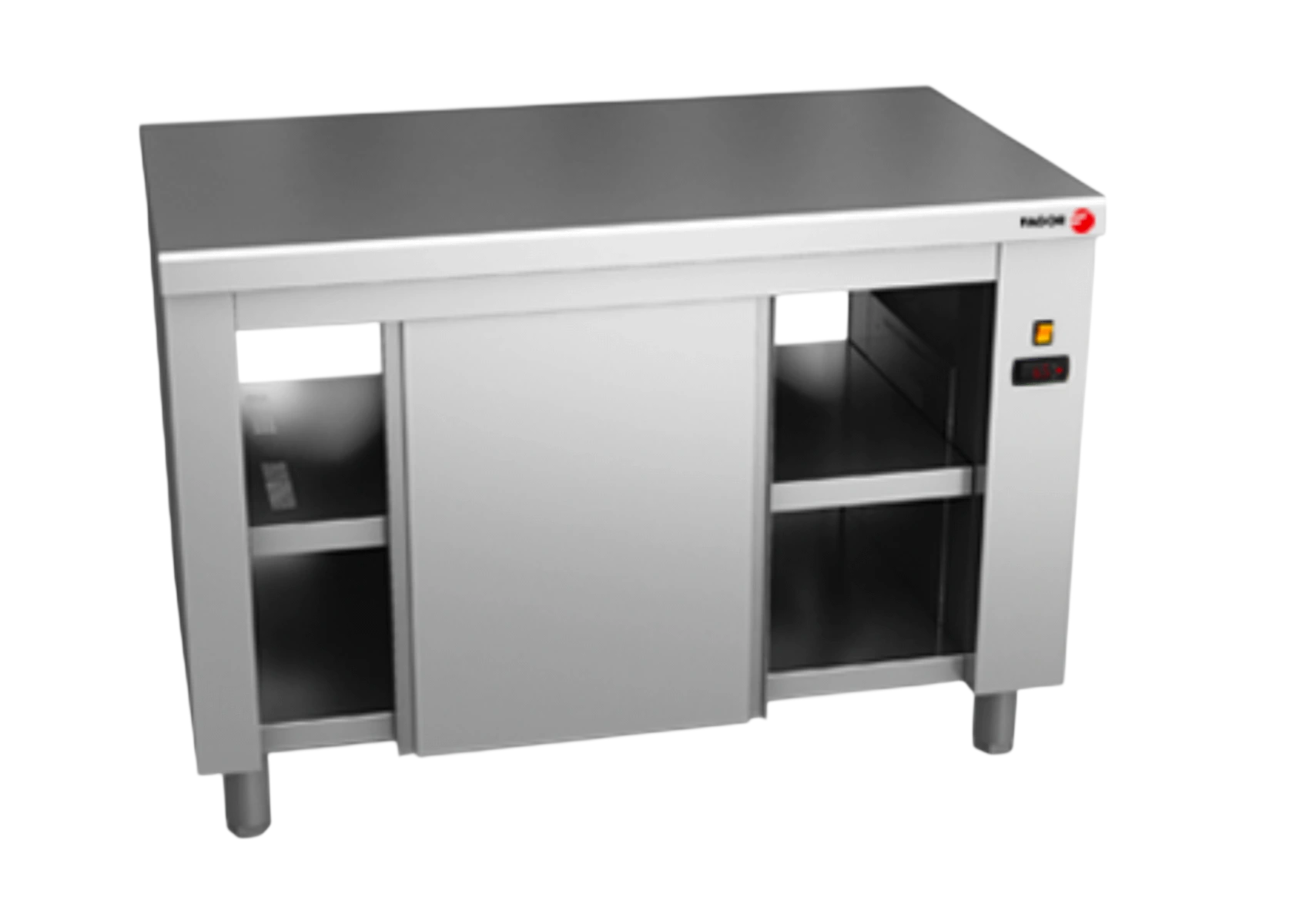
1800 × 700 × 850mm
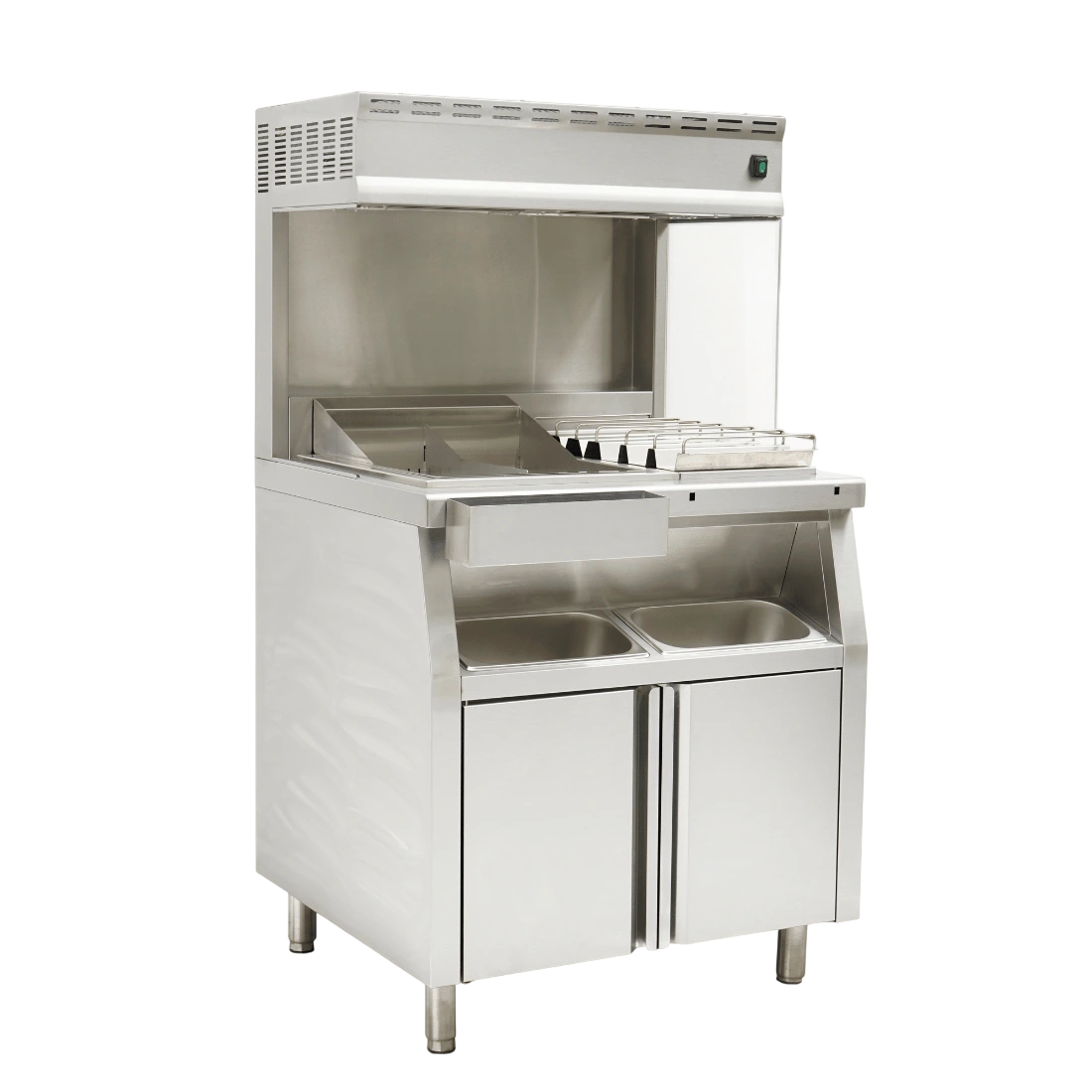
800 × 720 × 1500mm
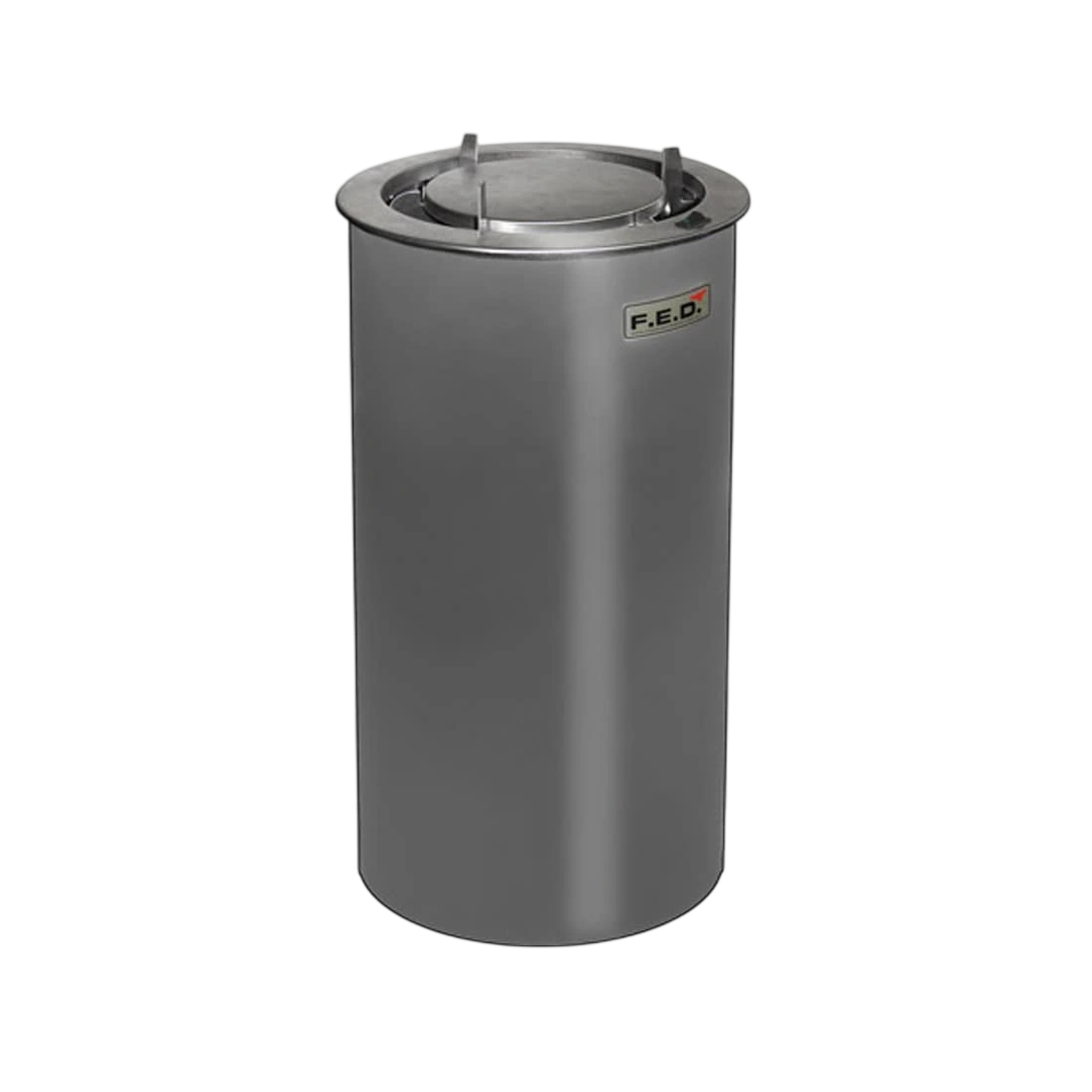
450 × 405 × 725mm
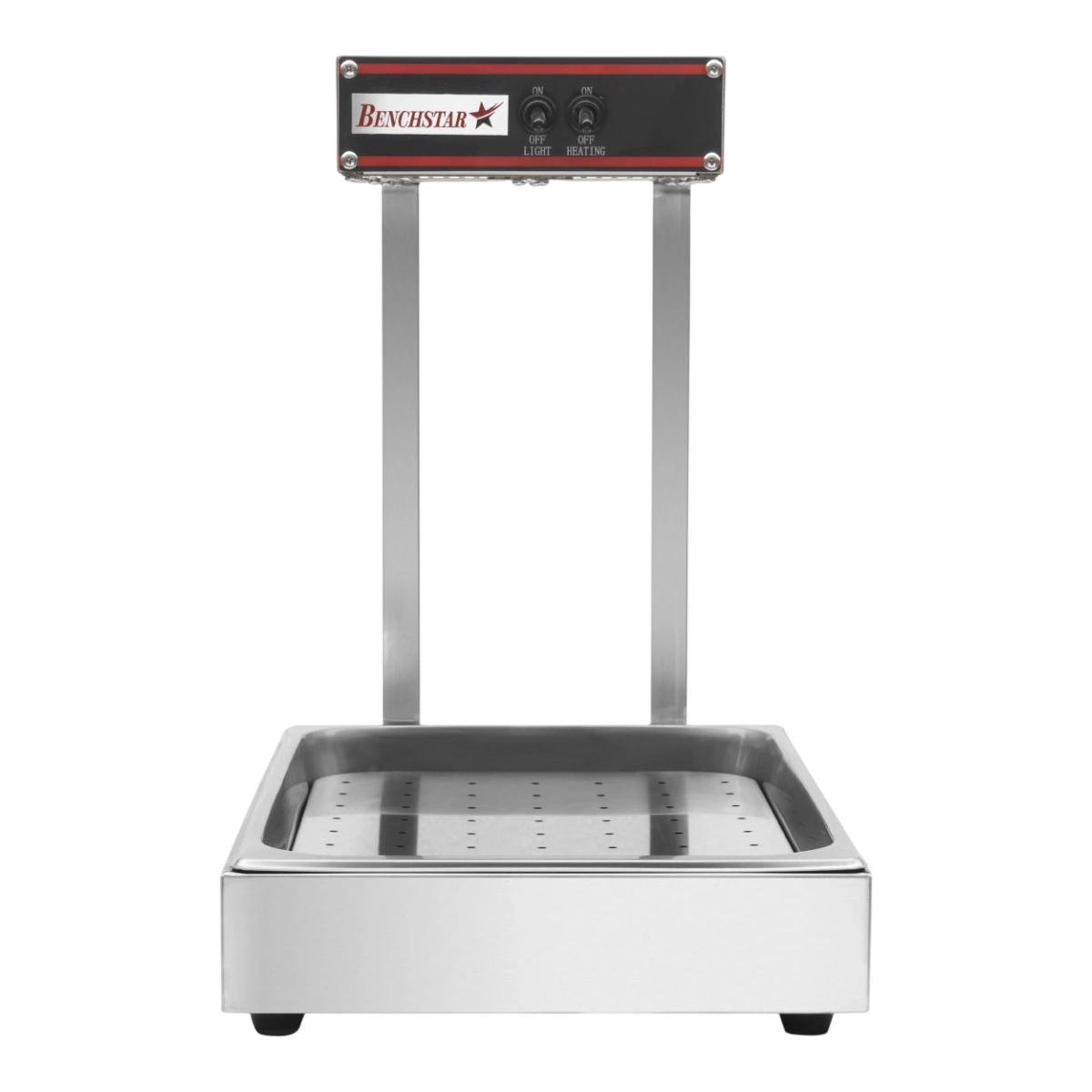
330 × 560 × 500mm
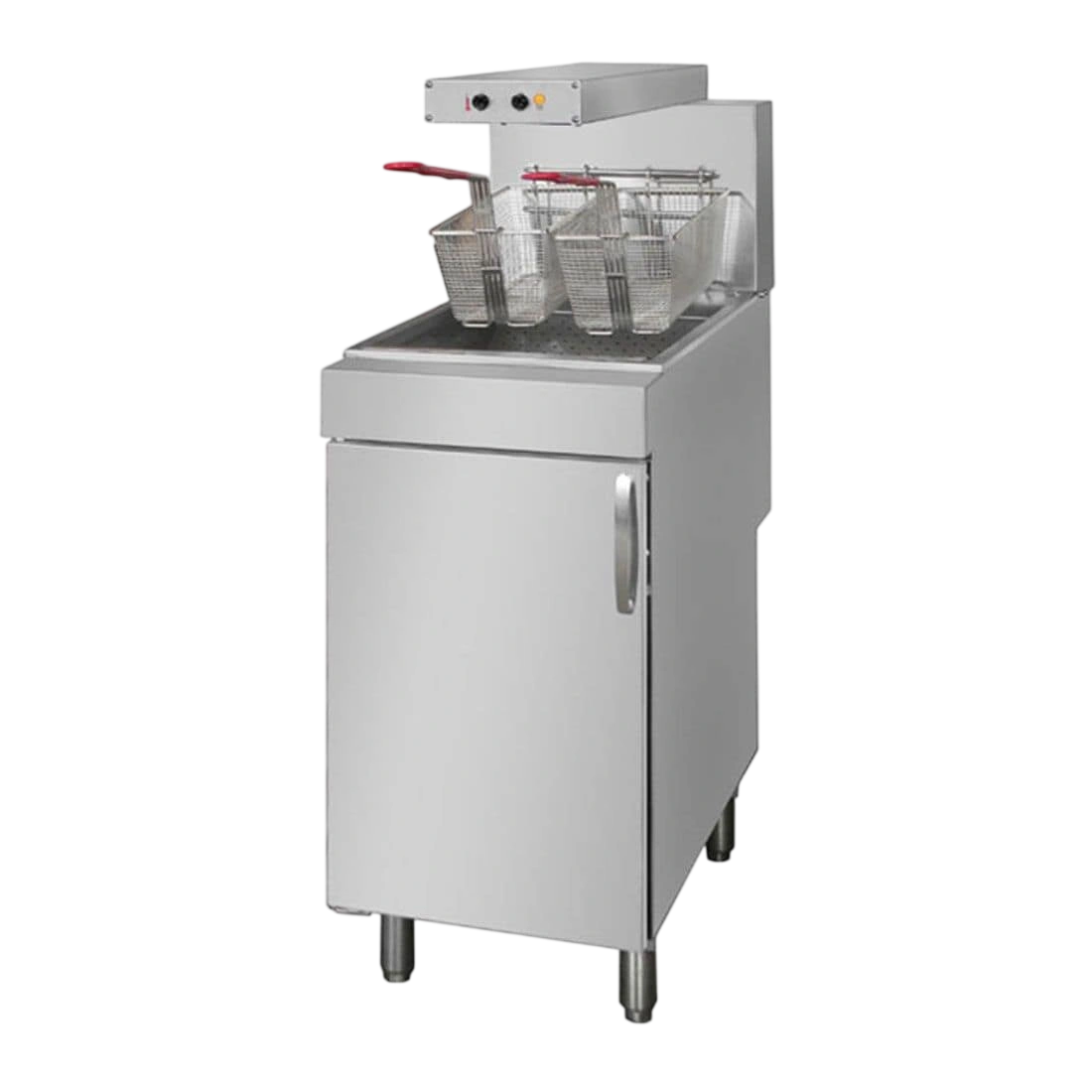
402 × 750 × 1250mm
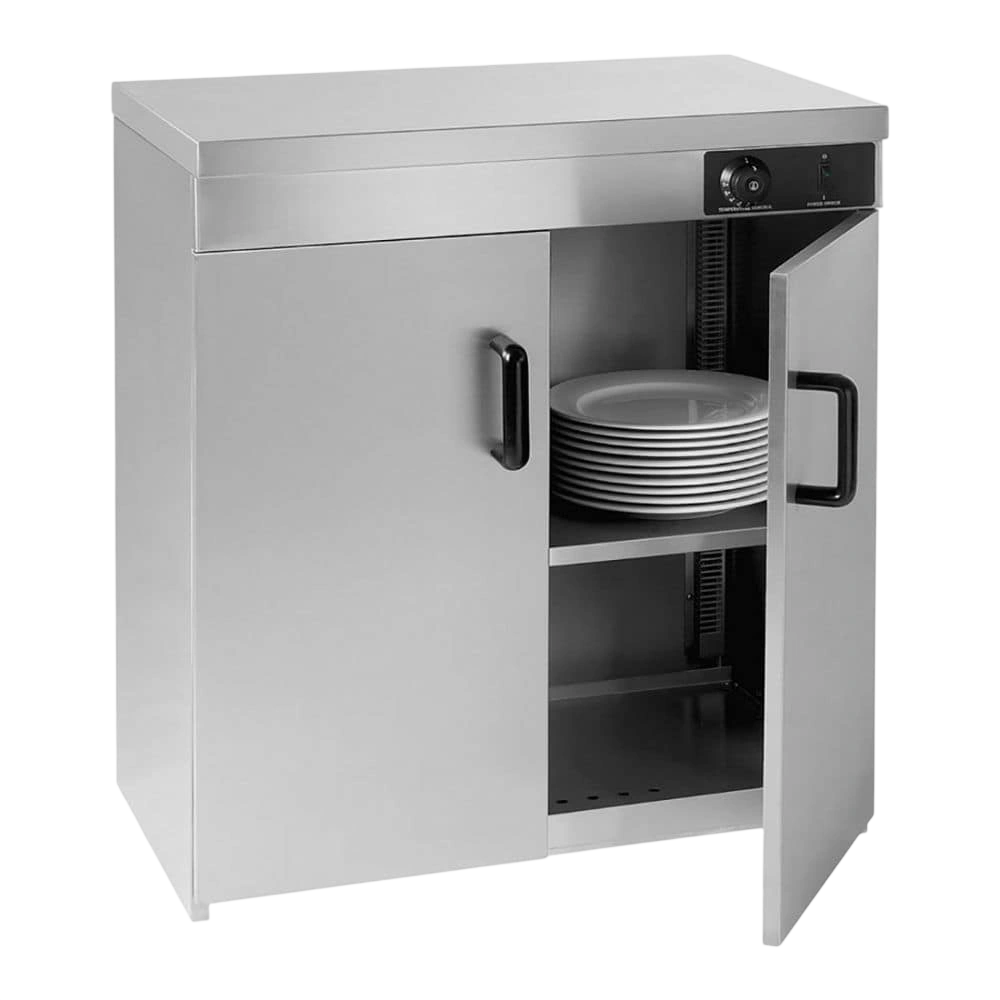
750 × 476 × 850mm
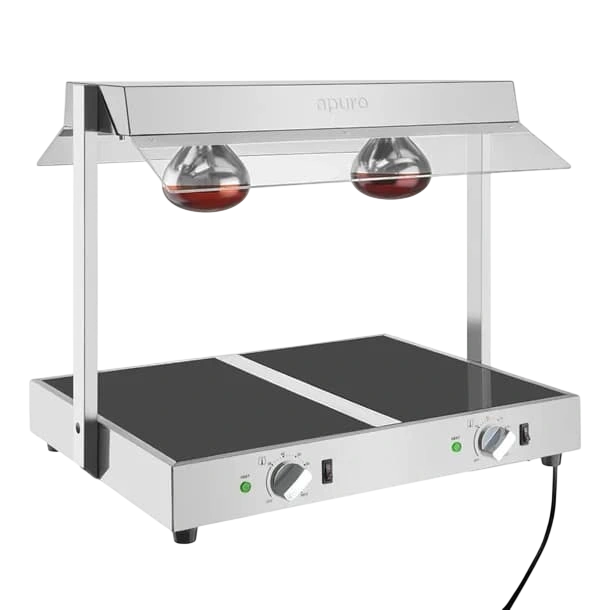
699 × 560 × 567mm
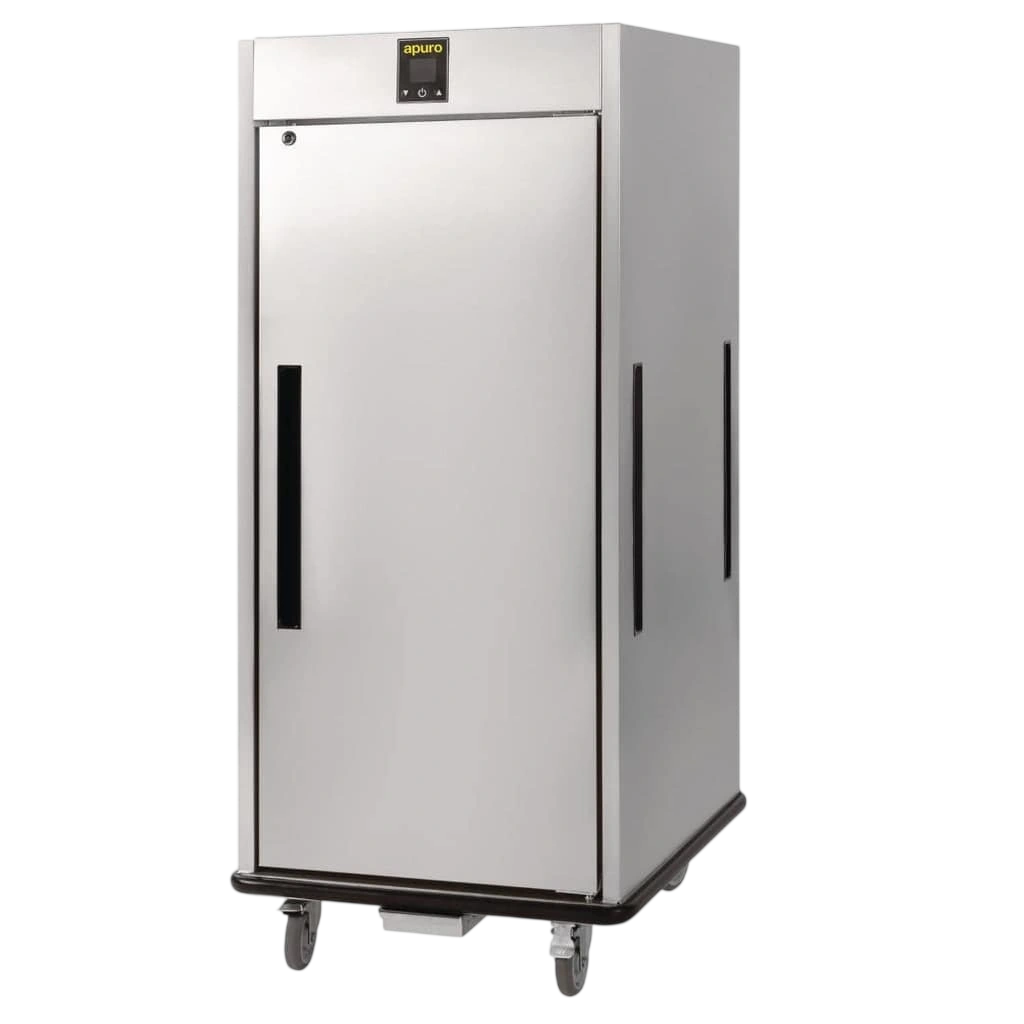
807 × 885 × 1770mm
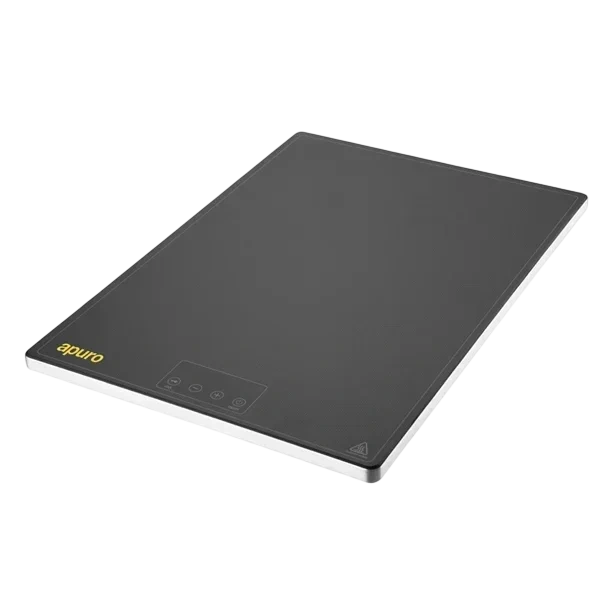
380 × 550 × 25mm
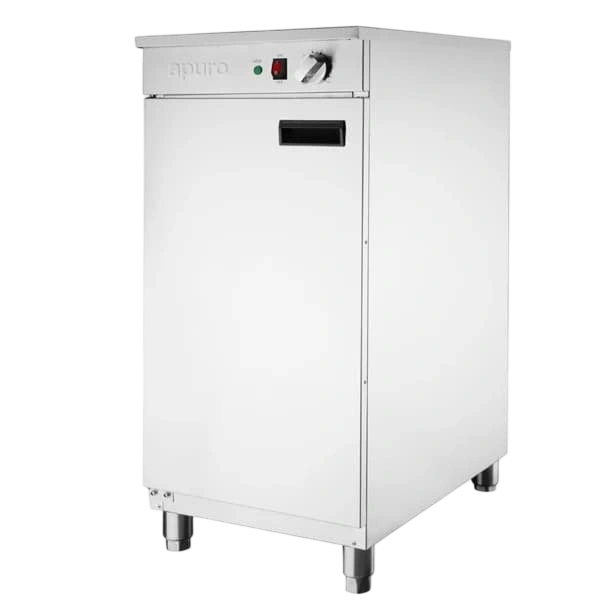
600 × 400 × 850mm
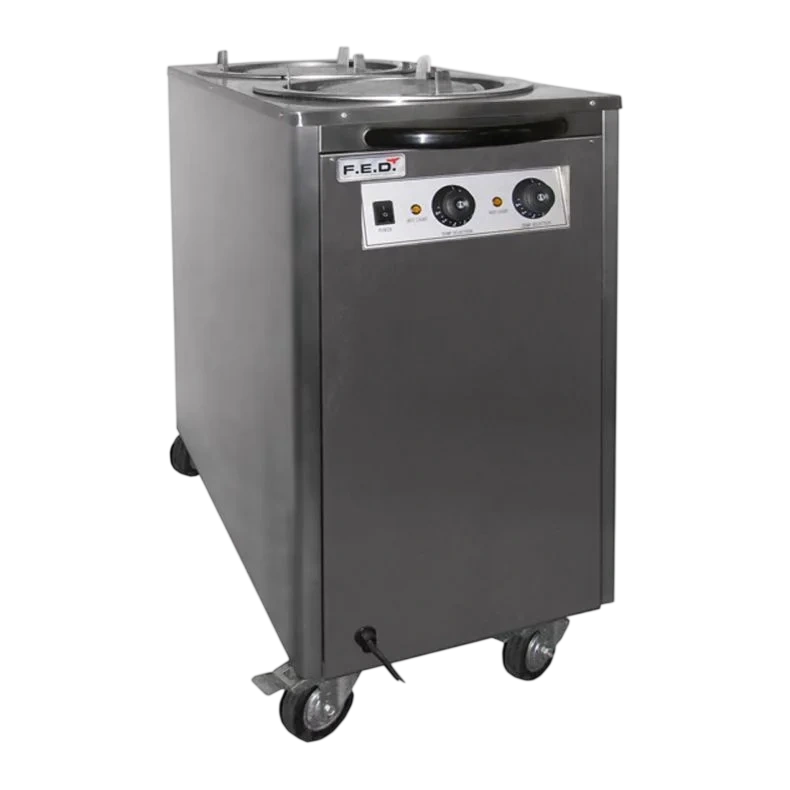
450 × 910 × 920mm
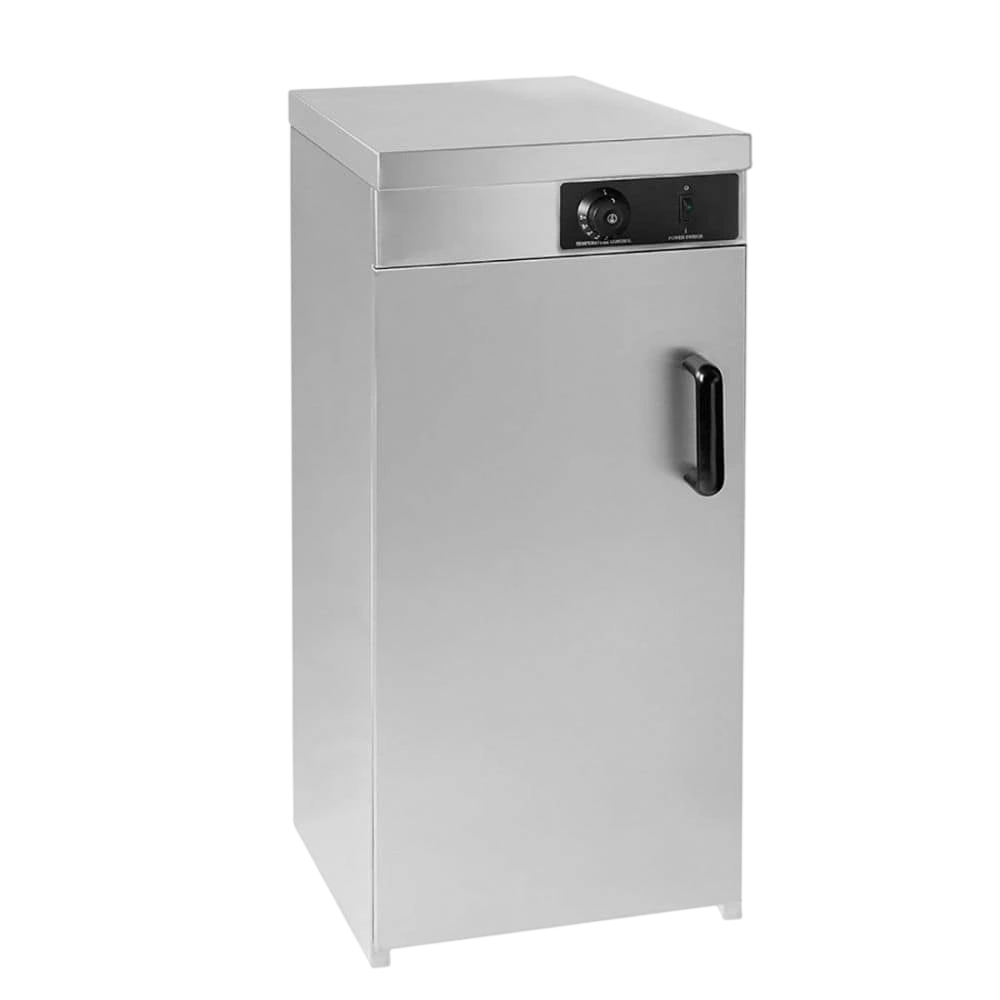
450 × 485 × 850mm
720 × 900 × 1763mm