
Apuro
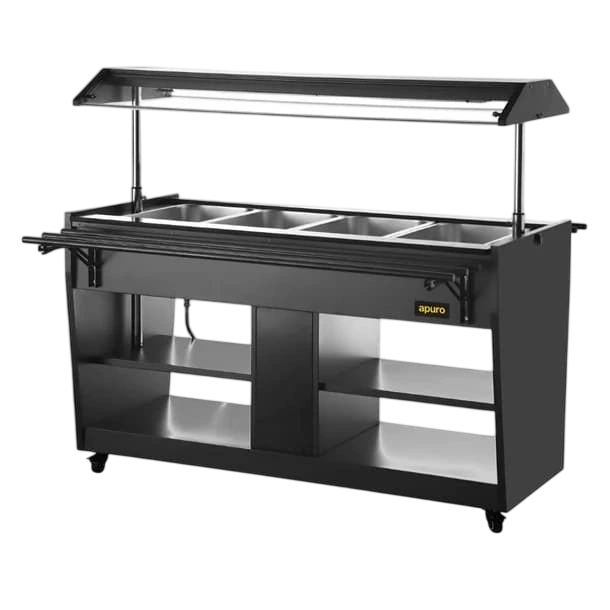
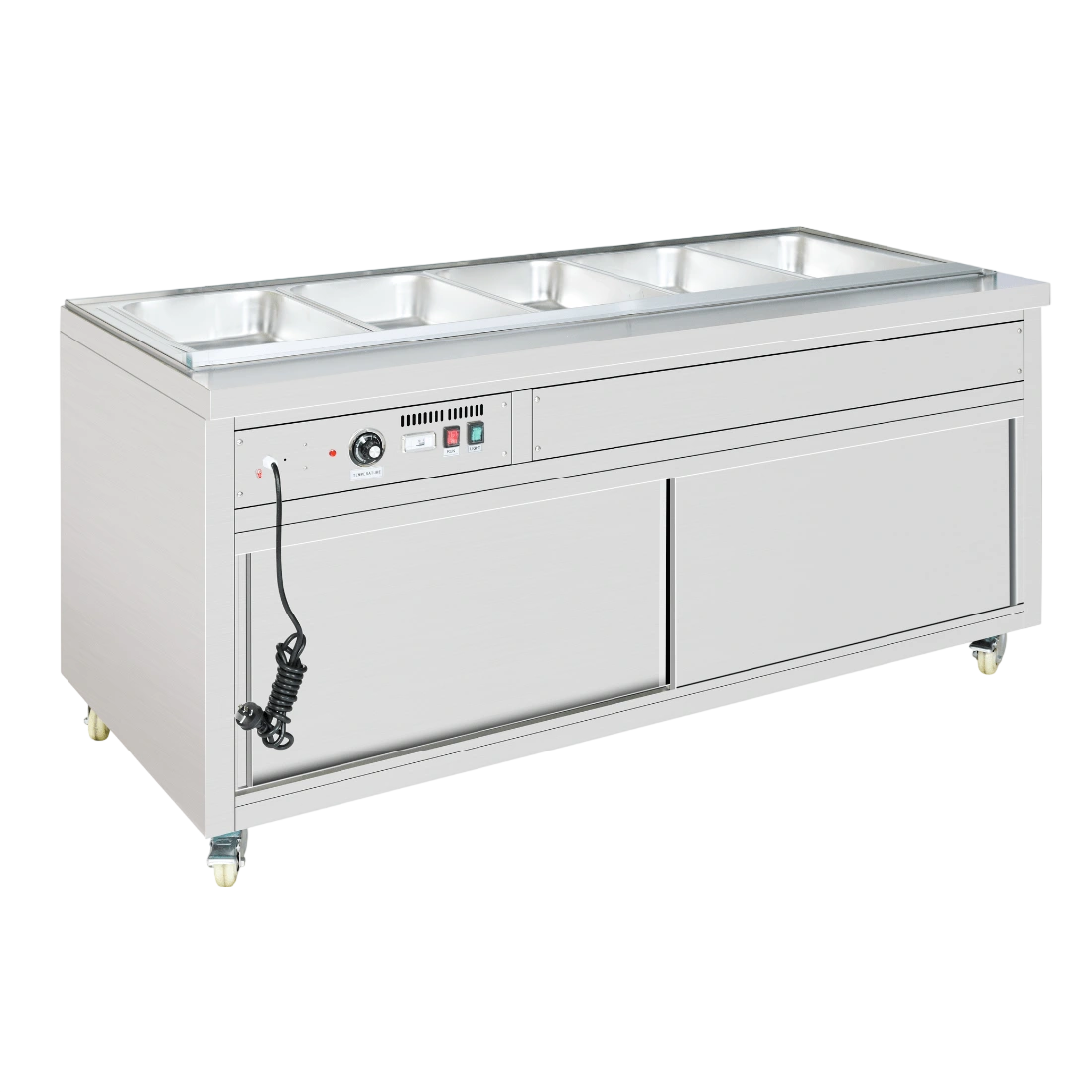
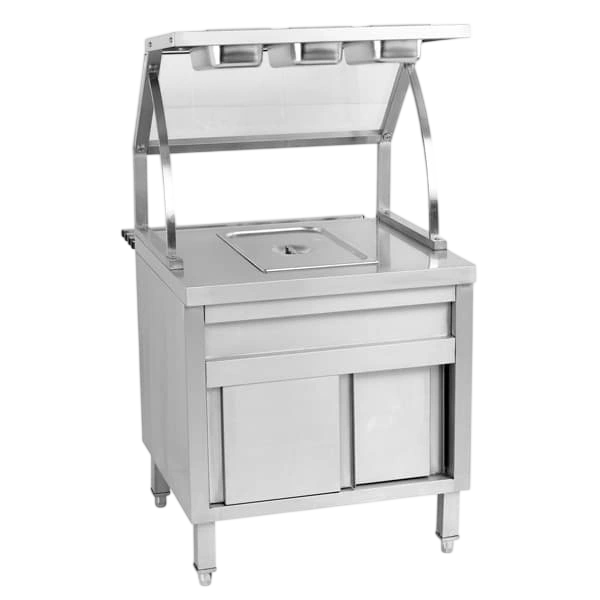
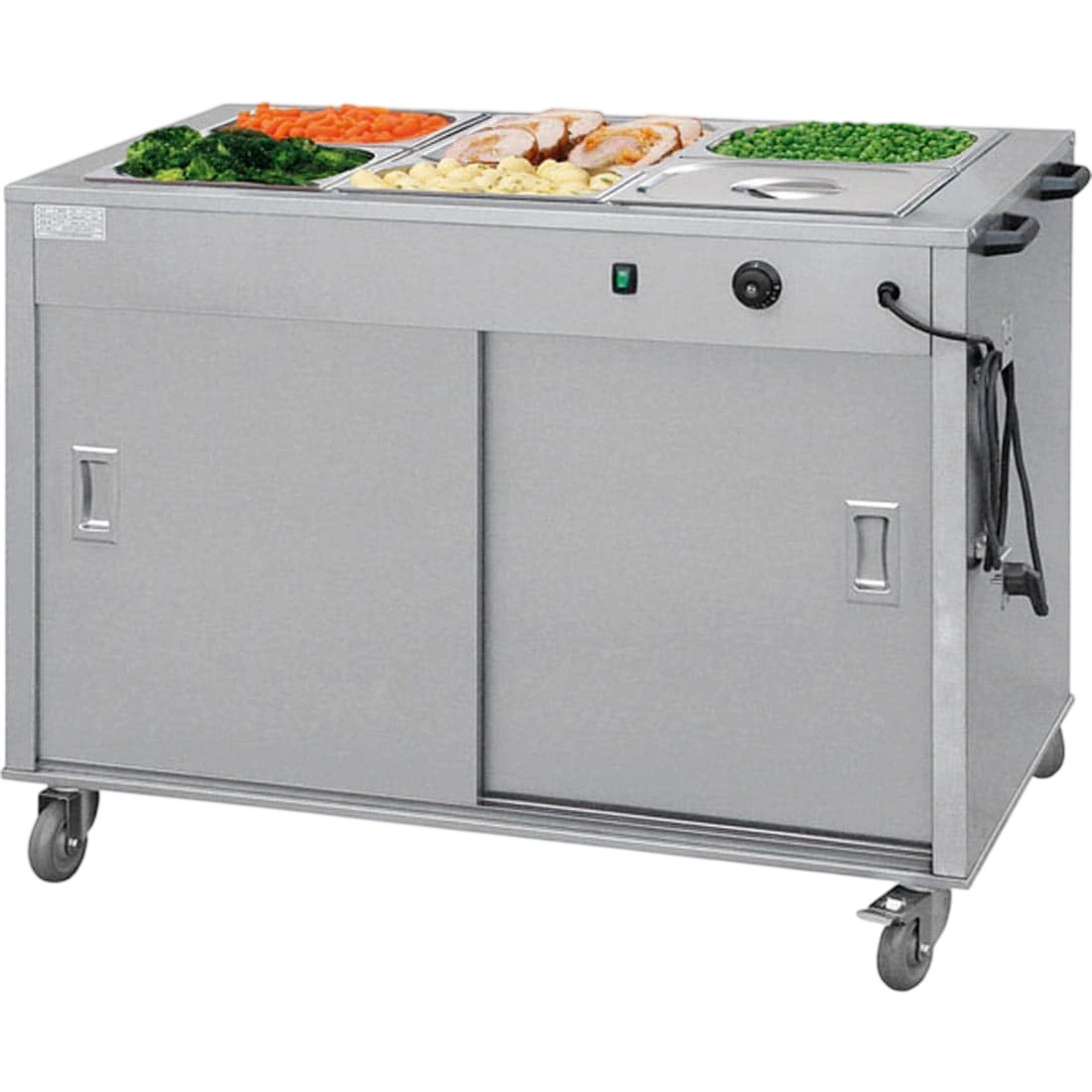
Apuro JA179-A Heated Buffet Bar Black – 4 x 1/1GN, Wet Heat, 2kW
1508 × 740 × 1356mm
$2,899.00$3,409.90
In Stock
Display Showcase
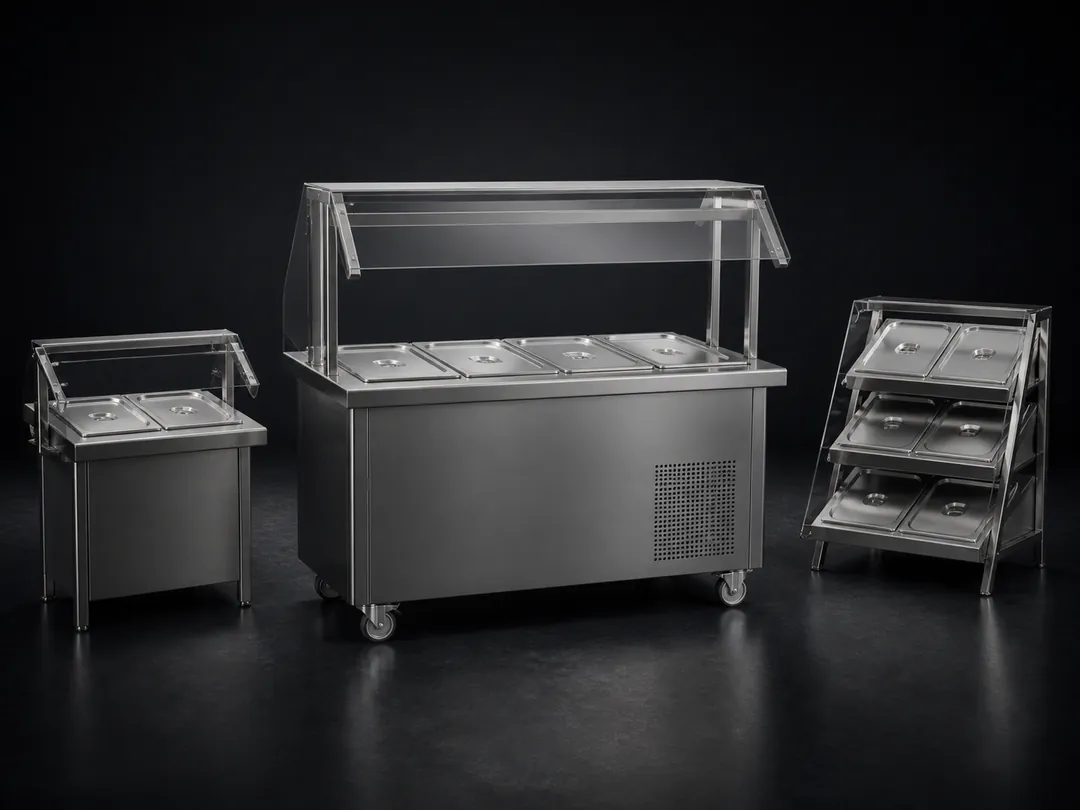
Buffet display equipment in the current range covers two different purchase jobs: tabletop presentation accessories such as stands, risers and baskets, plus larger service equipment for buffet, servery or preparation workflows. Start with what is being presented and who serves it, then compare the footprint, presentation height, tray or pan fit and any holding requirement.
Temperature-specific searches have dedicated routes. Use Refrigerated Buffets & Cold Wells for active chilled wells and buffet counters, Hot Display Cabinets for heated display, and Commercial Bain Maries when the main decision is pan-based holding. This page remains the broad buffet-presentation gateway.
Separate presentation accessories from powered or floorstanding equipment first. A buffet display stand, riser or basket changes the height, footprint and arrangement of platters or packaged food. A service bench, cart or cabinet adds equipment decisions such as holding condition, pan layout, access and site services.
Check the base footprint and presentation height against the buffet line, then bind the selected product to the actual platter, tray, bowl, basket liner or packaged item. Confirm material, pack quantity, load guidance and care instructions on the exact SKU. A compact base can create another presentation level, but the title alone does not prove stability or compatibility with every vessel.
If food needs active chilled holding in the servery, continue to Refrigerated Buffets & Cold Wells. Heated display belongs in Hot Display Cabinets, while wet or dry pan-based holding belongs in Commercial Bain Maries. Use Ambient Display when the purchase is specifically a non-heated, non-refrigerated display cabinet. Buffet presentation language does not replace the venue’s food-safety plan or exact model instructions.
Not every product listed here is a self-service station. Some current products are display accessories, some support attended buffet service, and some are refrigerated preparation benches. Record whether guests select food, staff plate it, or ingredients remain behind the counter. For compact chilled ingredient wells use Benchtop Salad Bars; for staff preparation benches use Salad Prep Fridges.
Map the order of dishes, customer reach, staff replenishment path, landing space for plates and the clearance needed for lids, guards or doors. Larger equipment also needs the full delivery path, ventilation or service clearances and exact power or drainage requirements where applicable. Do not size the line from product width or pan count alone.
KW accepts commercial buffet display enquiries from Sydney, Melbourne, Brisbane, Adelaide, Perth, Canberra, Hobart, Darwin and regional Australia. Send the exact SKU or required presentation format, quantity, suburb or town, postcode and site access so availability, freight and delivery method can be confirmed for the individual quote.
Key factors to consider before purchasing. Our team can help you find the right fit — call or get a quote anytime.
Choose whether the job is to elevate and arrange platters or to add a bench, cart or cabinet with holding and site-service requirements.
Match the base and presentation height to the line, then confirm the exact platter, tray, bowl, basket liner or pan format.
Map guest selection, staff plating, refill access, lids or guards, plate landing space and the working aisle before ordering.
Submit your kitchen requirements — our equipment specialists will send you a tailored shortlist of buffet display that fits your budget, venue type and compliance needs.
Send KW the presentation job, service direction, vessel or pan format, available dimensions, suburb or town, postcode and access details for a Buffet Display shortlist.
Standards & Compliance
For stands, risers and baskets, confirm the item footprint, presentation height, material, pack quantity and the platter, tray or liner it must support. For larger equipment, confirm the exact model’s holding condition, external dimensions, pan layout, access direction, power and site requirements. Do not infer those features from the Buffet Display category name alone.
FAQ
The current range combines tabletop presentation accessories such as stands, risers and baskets with larger buffet, servery and preparation equipment. Check the exact product type rather than assuming every listing is a temperature-controlled buffet station.
Compare the base footprint, presentation height, material and pack quantity, then confirm that the selected platter, tray, bowl or packaged item fits the exact SKU. Also leave enough reach and replenishment space around each level.
No. Many current products are unpowered presentation accessories. For larger equipment, verify whether the exact model is refrigerated, heated or ambient and follow its instructions together with the venue’s food-safety plan.
No. GN pan compatibility applies only to products that specify it. Display stands, baskets and other accessories may instead support platters, trays, bowls, liners or packaged items, so check the exact dimensions and included components.
Why KW
Send the menu item or packaged product, whether service is customer-facing or staff-served, the required platter, tray or pan format, available W × D × H, quantity, delivery suburb or town, postcode and complete access path. If active holding is required, include the target condition and available services so the enquiry can be routed to the correct equipment family.
Deep Dive
Technical depth from KW's commercial kitchen specialists.
| Current format | Primary buying checks | Typical service role |
|---|---|---|
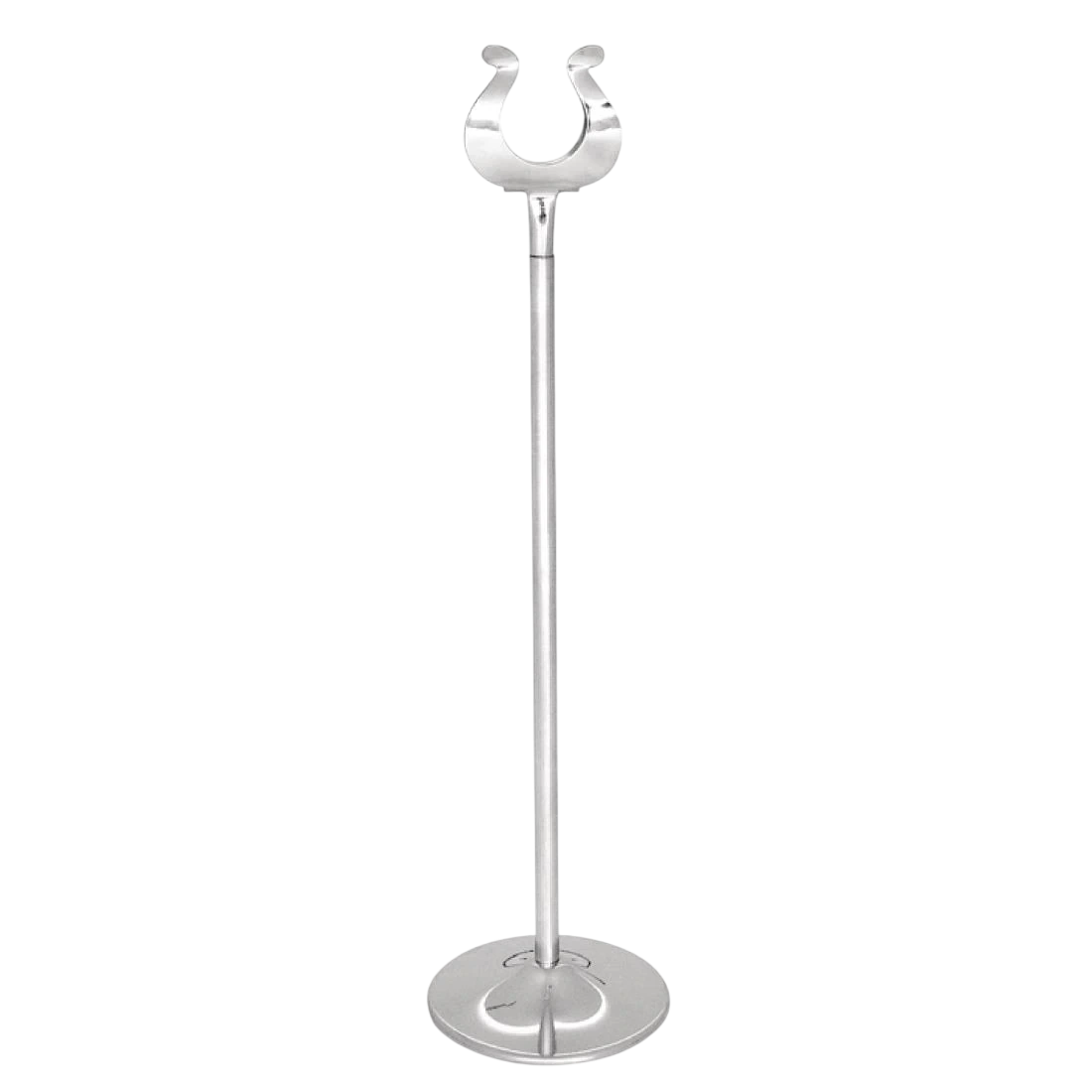
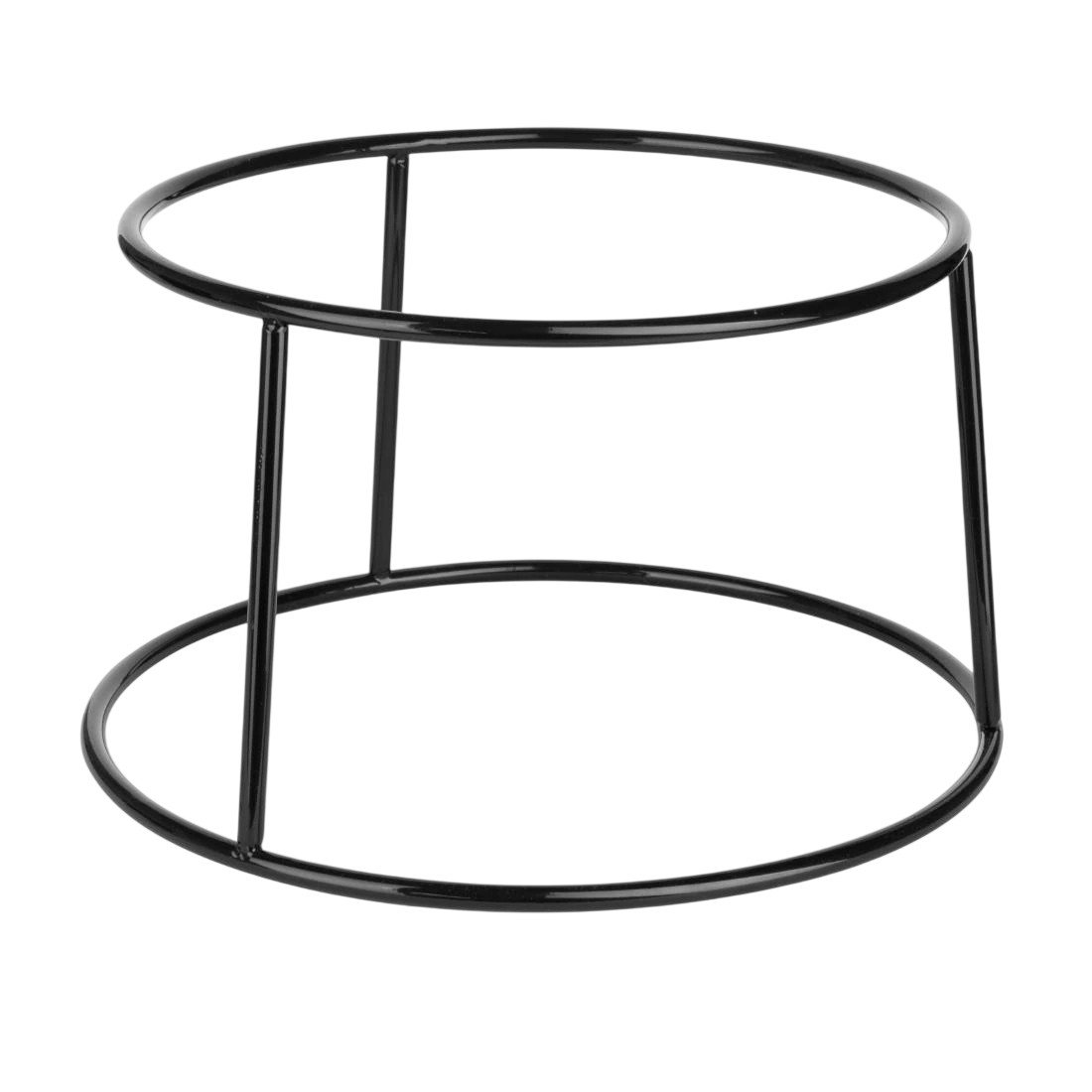
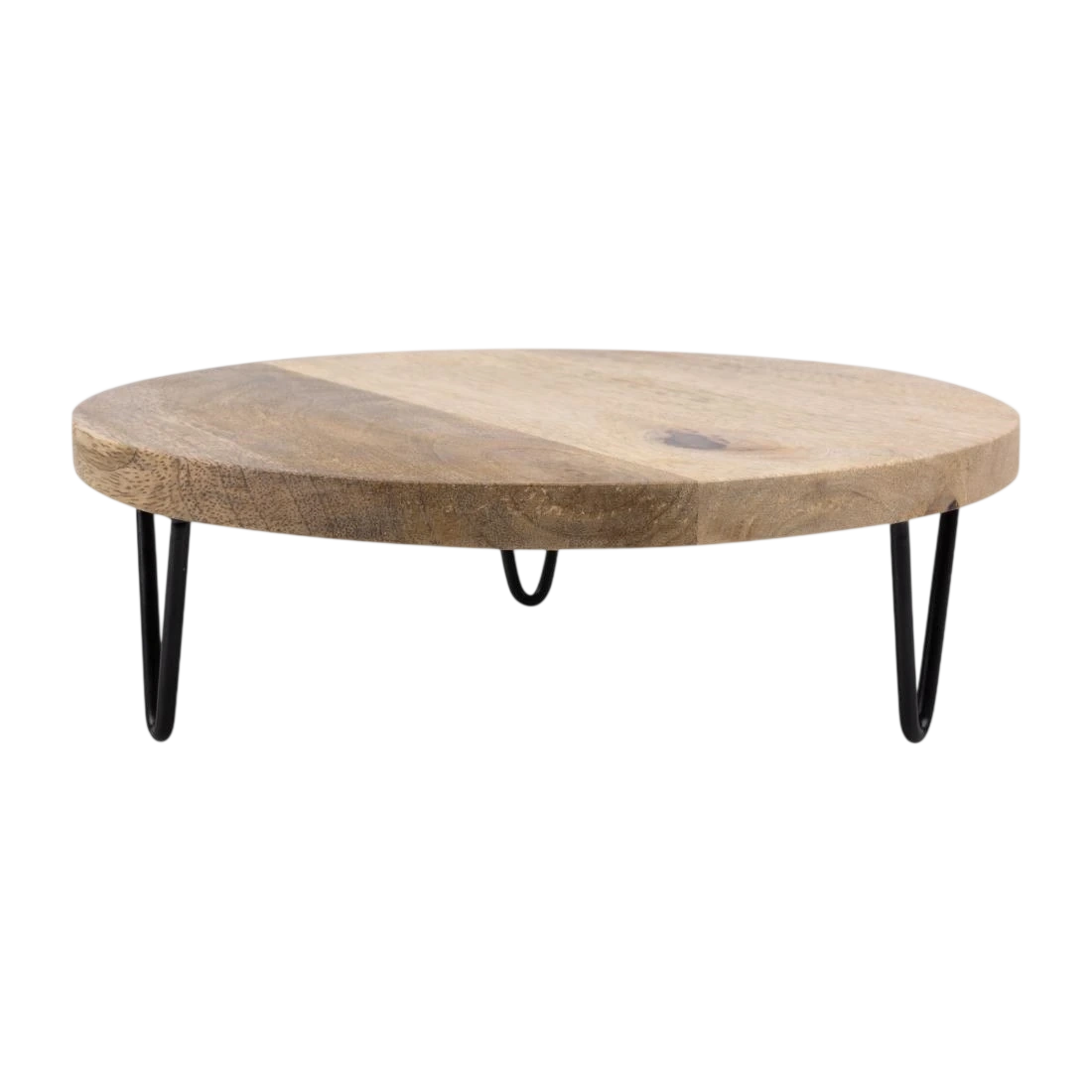
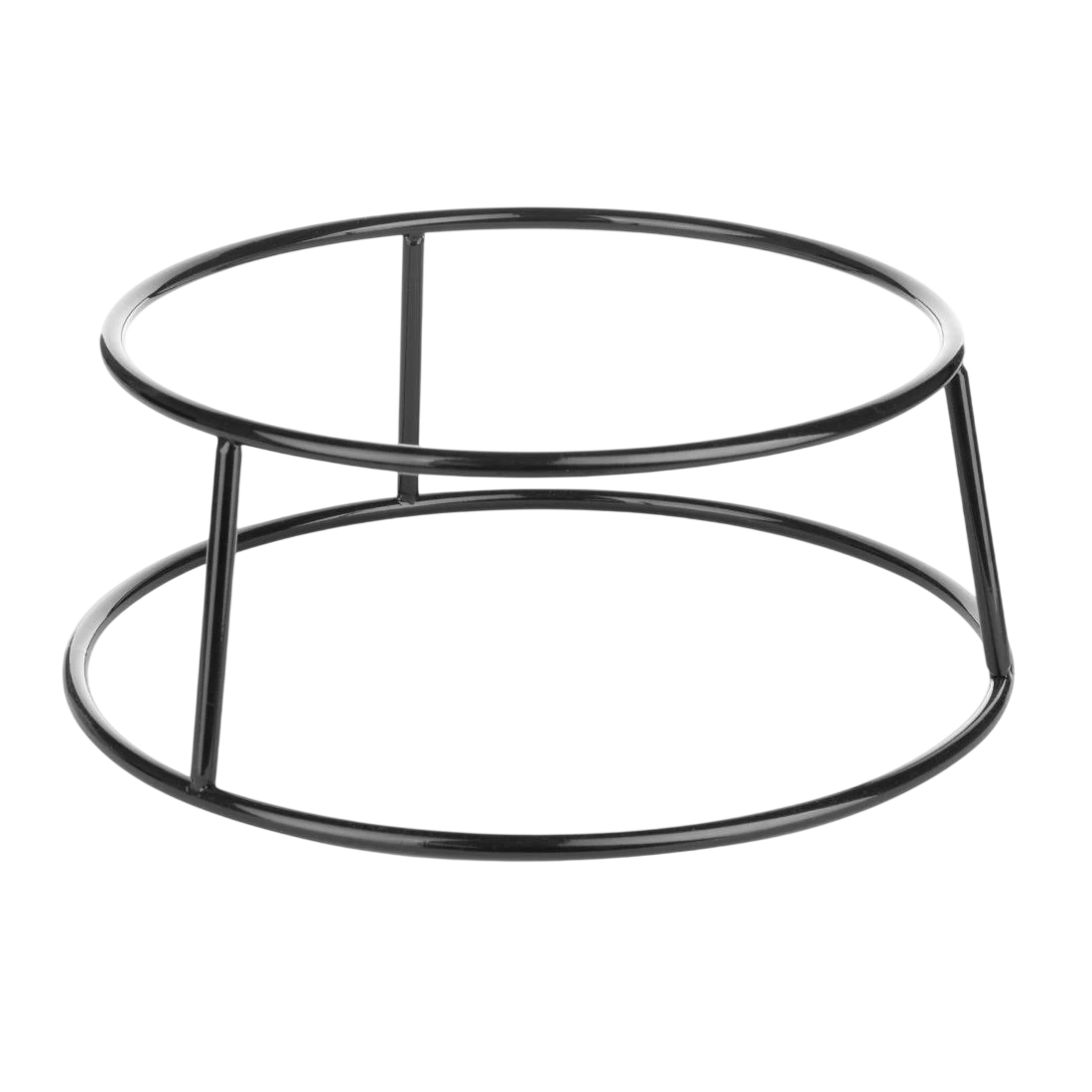
| Display stands and risers | Base footprint, presentation height, platter or tray fit, material and pack quantity. | Build levels and organise customer-facing or staff-plated presentation. |
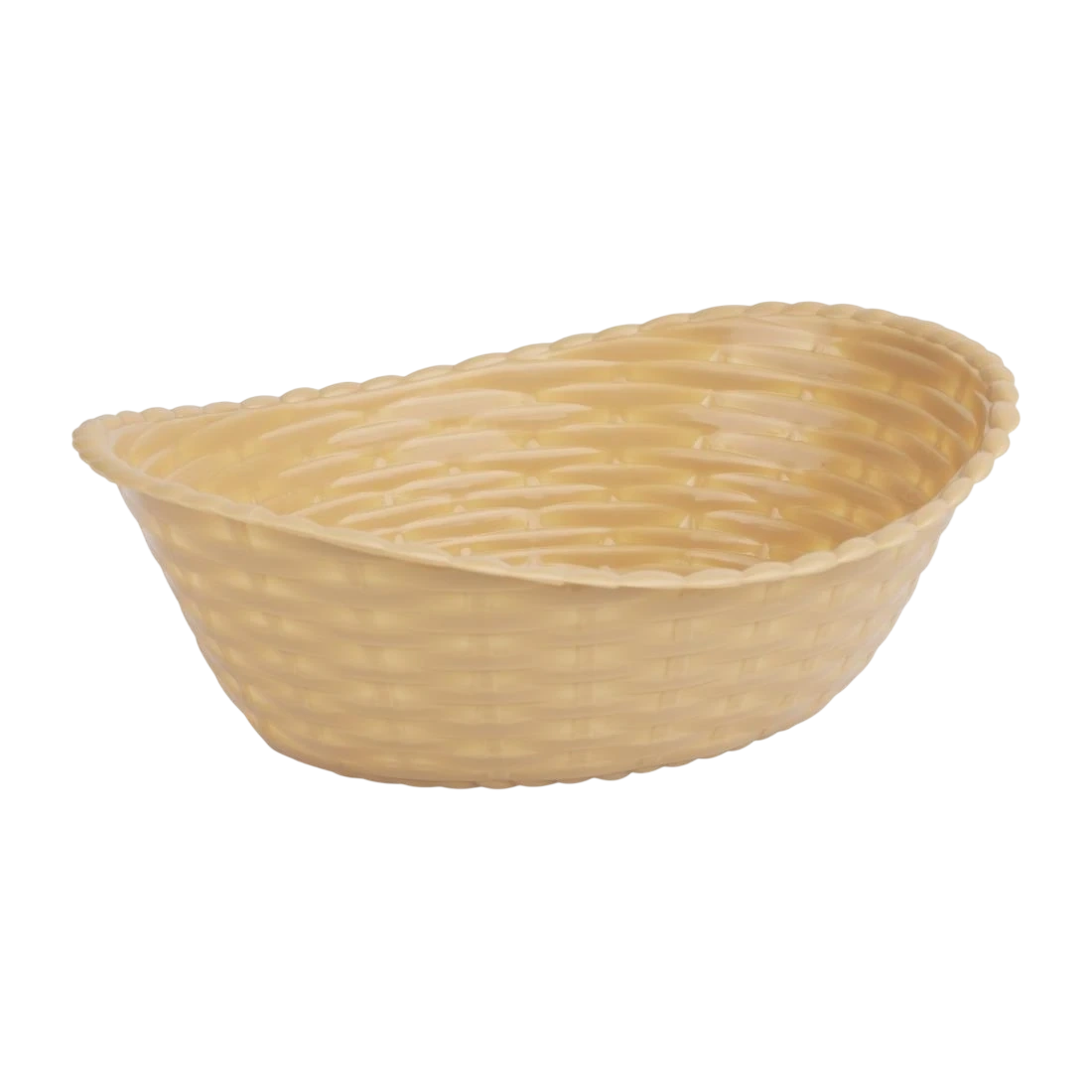
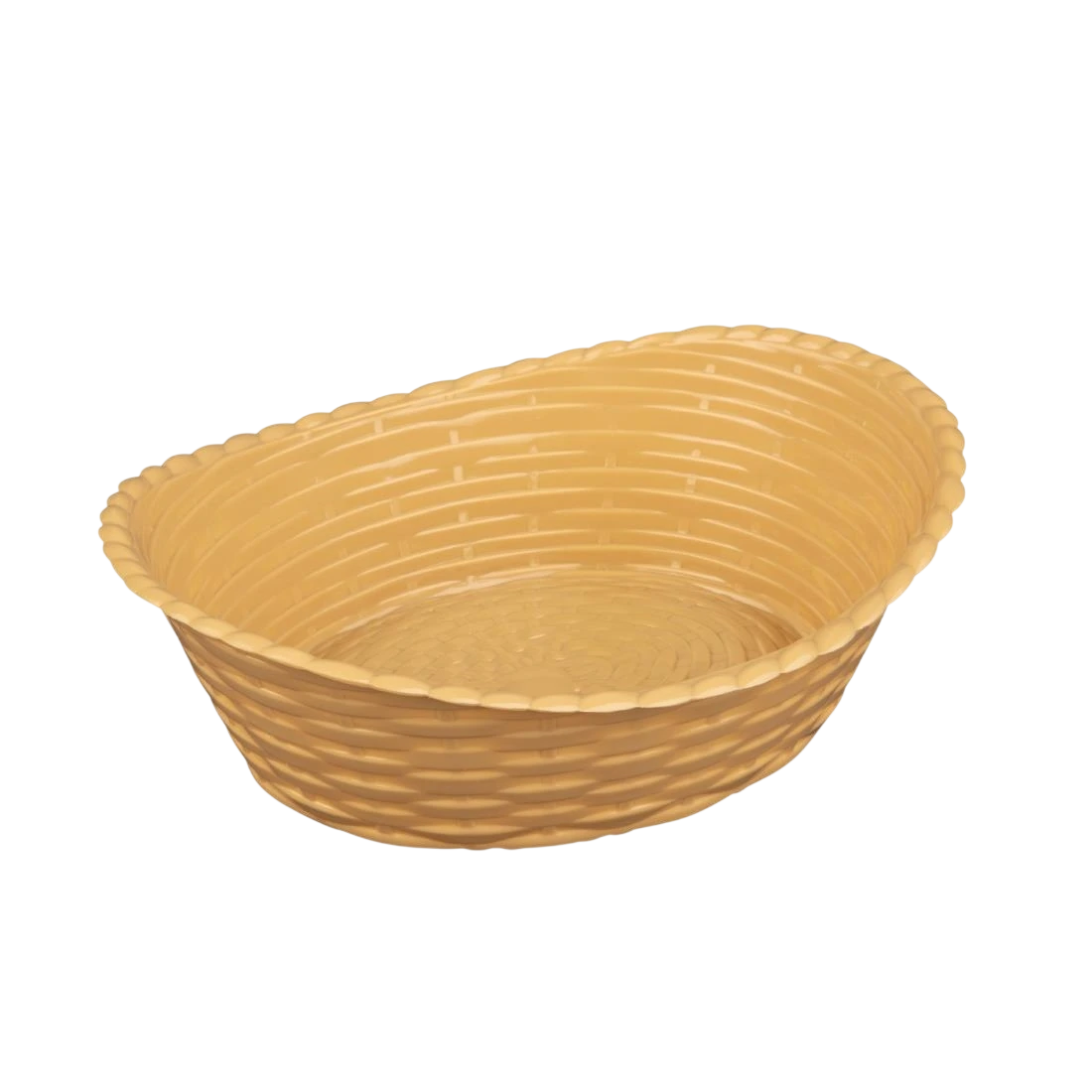
| Presentation baskets and small stands | Internal and external size, liner or vessel fit, material, quantity and care. | Present packaged items, bread or other confirmed menu products. |
| Refrigerated benches and carts | Exact holding range, pan layout, doors, footprint, access, power and site clearances. | Staff preparation, attended service or a planned servery; self-service is not automatic. |
| Heated buffet equipment | Exact holding method, pan compatibility, controls, power, access and cleaning routine. | Heated buffet or attended service where the selected model suits the menu. |
| Ambient cabinet | Product suitability, footprint, access, exact construction and service direction. | Presentation without active chilled or heated holding on the exact current model. |
| Route | That page is responsible when… |
|---|---|
| Buffet Display | The buyer needs broad buffet presentation comparison, including current stands, risers, baskets and mixed service equipment. |
| Refrigerated Buffets & Cold Wells | The defining need is a refrigerated buffet, cold well or chilled servery. |
| Hot Display Cabinets | The defining need is heated product presentation or a hot display format. |
| Commercial Bain Maries | The buyer is comparing wet or dry pan-based holding equipment. |
| Benchtop Salad Bars / Salad Prep Fridges | The defining job is chilled ingredient access or staff preparation. |
| Ambient Display | The purchase is specifically a non-heated, non-refrigerated display cabinet. |
| Chafing Dishes | The buyer is comparing chafer heat source, lid and vessel format. |
Use Refrigerated Buffets & Cold Wells when active chilled holding in a buffet or servery is the main requirement, especially for drop-in wells, fixed counters or mobile chilled formats.
Use Hot Display Cabinets for heated product presentation and Commercial Bain Maries when the main decision is wet or dry pan-based holding. Chafing Dishes covers the separate chafer format.
No. A Benchtop Salad Bars route covers compact chilled ingredient wells, while Salad Prep Fridges covers staff preparation benches. This Buffet Display page is a broader presentation and service-equipment gateway.
No. The current range can support customer-facing presentation, attended service and staff preparation. Confirm access direction, guards or lids, customer reach and replenishment method for the exact product and service plan.
Provide the item to be displayed, service direction, preferred stand, riser, basket, tray or equipment format, exact SKU if known, quantity, available dimensions, suburb or town, postcode and delivery access. Add holding condition and available services when larger equipment is required.
KW accepts commercial buffet display enquiries for Sydney and regional NSW, Melbourne and regional Victoria, Brisbane and Queensland, Adelaide and South Australia, Perth and Western Australia, Canberra and the ACT, Hobart and Tasmania, Darwin and the Northern Territory. Send the exact product or required format, quantity, suburb or town, postcode and site access. Availability, freight and delivery method are confirmed for the individual quote.
Return to Display Showcase for the complete food-display family. Route chilled buffet and cold-well work to Refrigerated Buffets & Cold Wells, heated display to Hot Display Cabinets, pan-based holding to Commercial Bain Maries, chilled prep to Benchtop Salad Bars or Salad Prep Fridges, ambient cabinets to Ambient Display and chafer formats to Chafing Dishes.
39 results
1508 × 740 × 1356mm
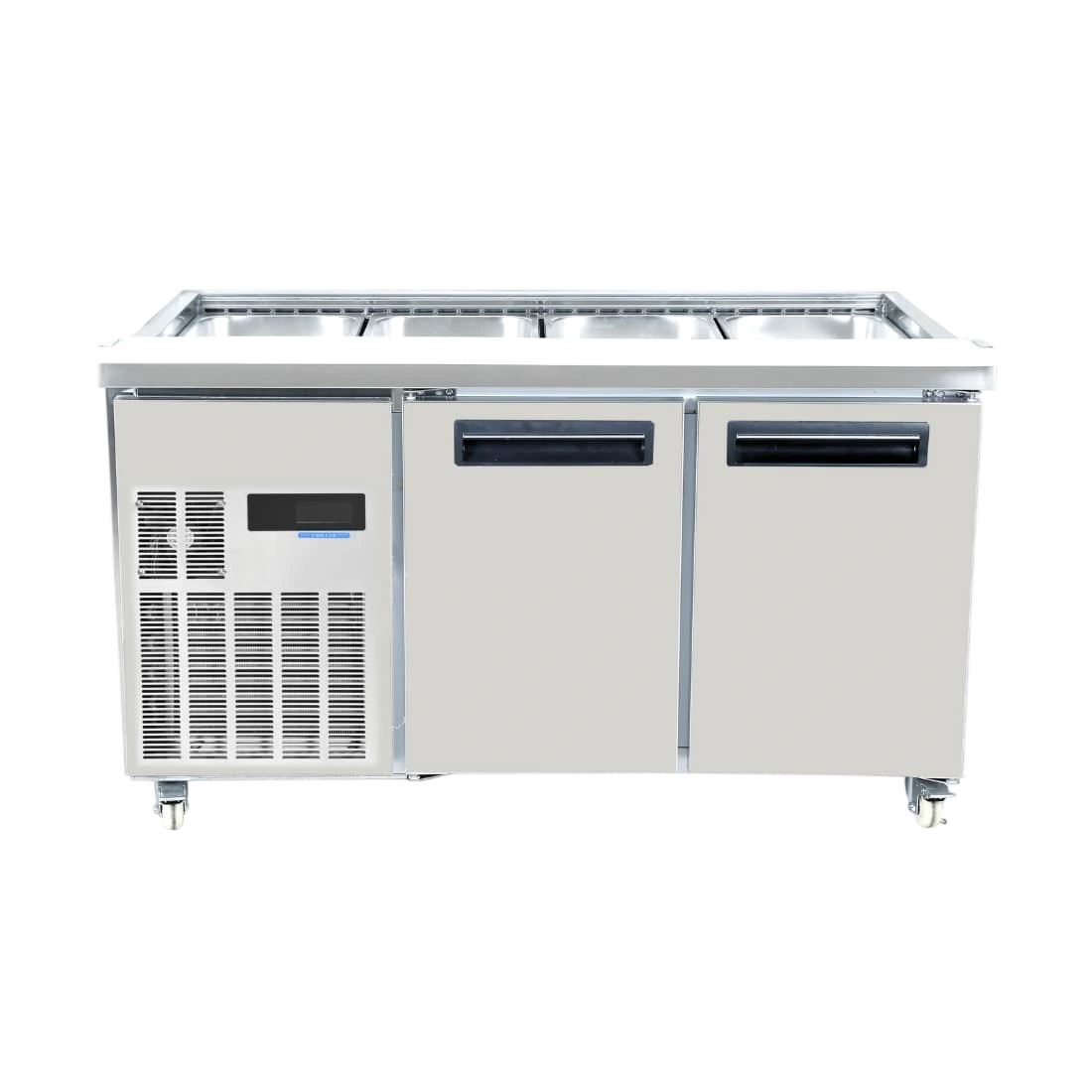
1460 × 790 × 845mm
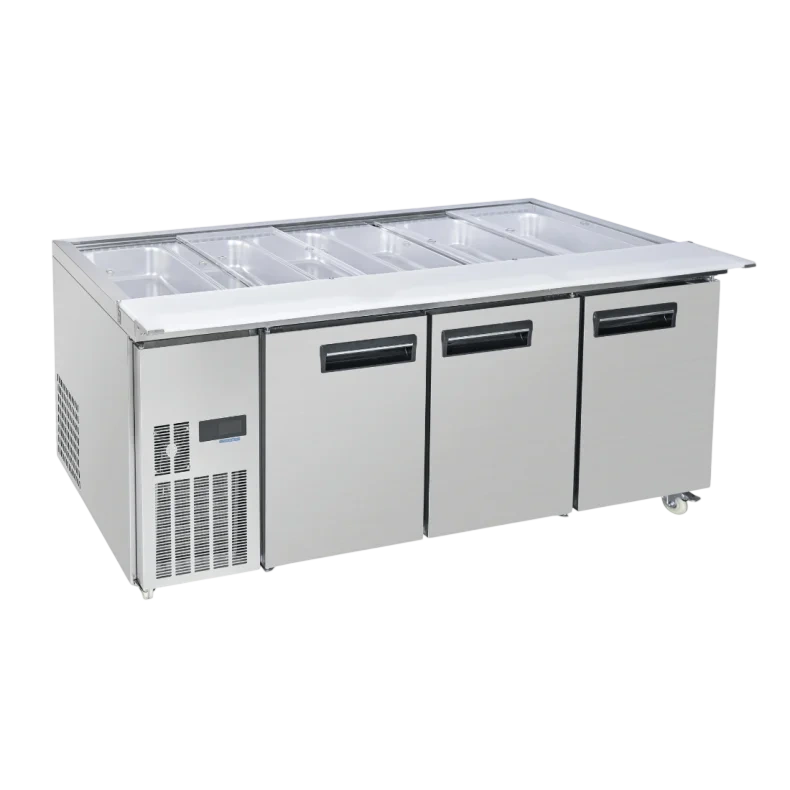
2140 × 790 × 845mm
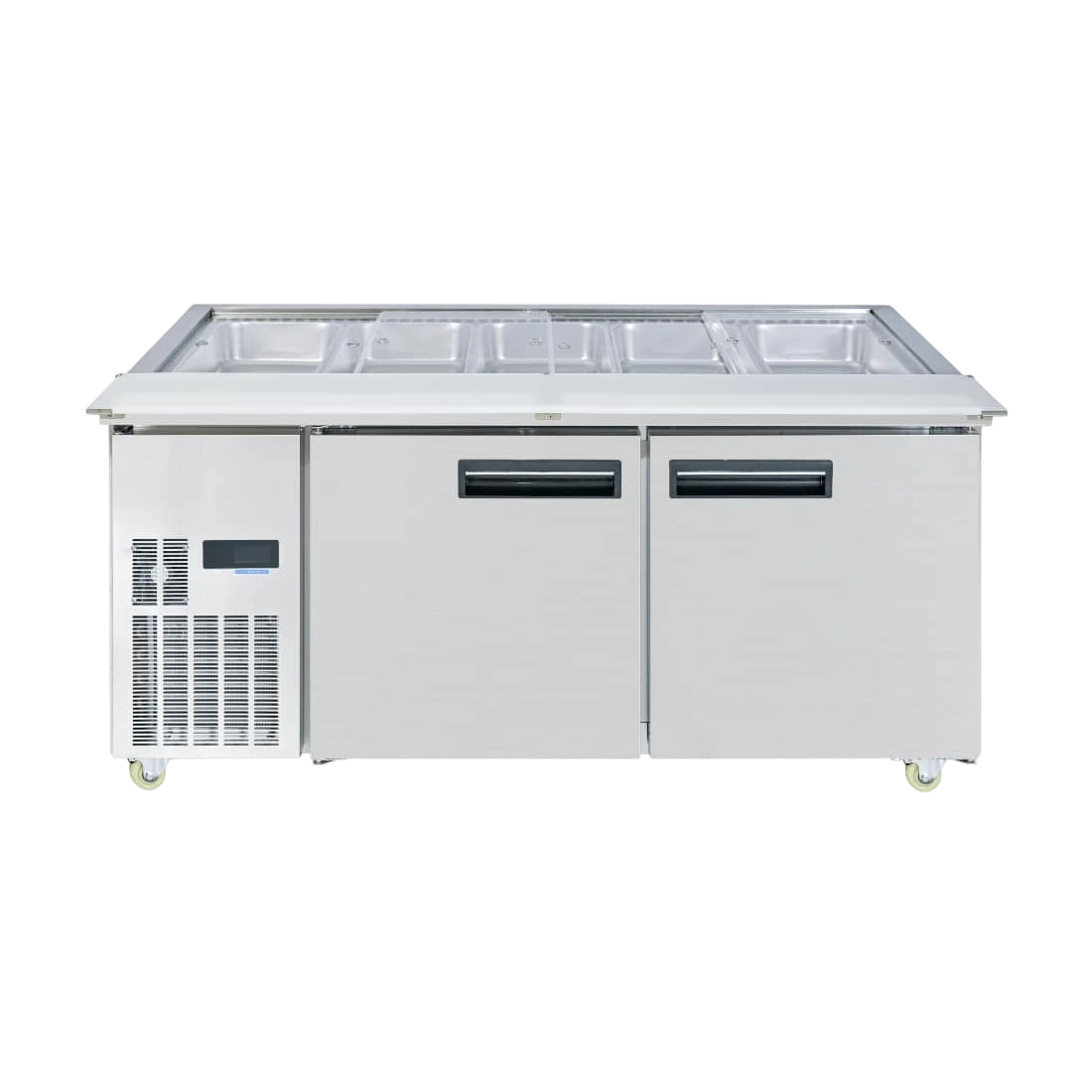
1460 × 765 × 845mm
1800 × 765 × 845mm
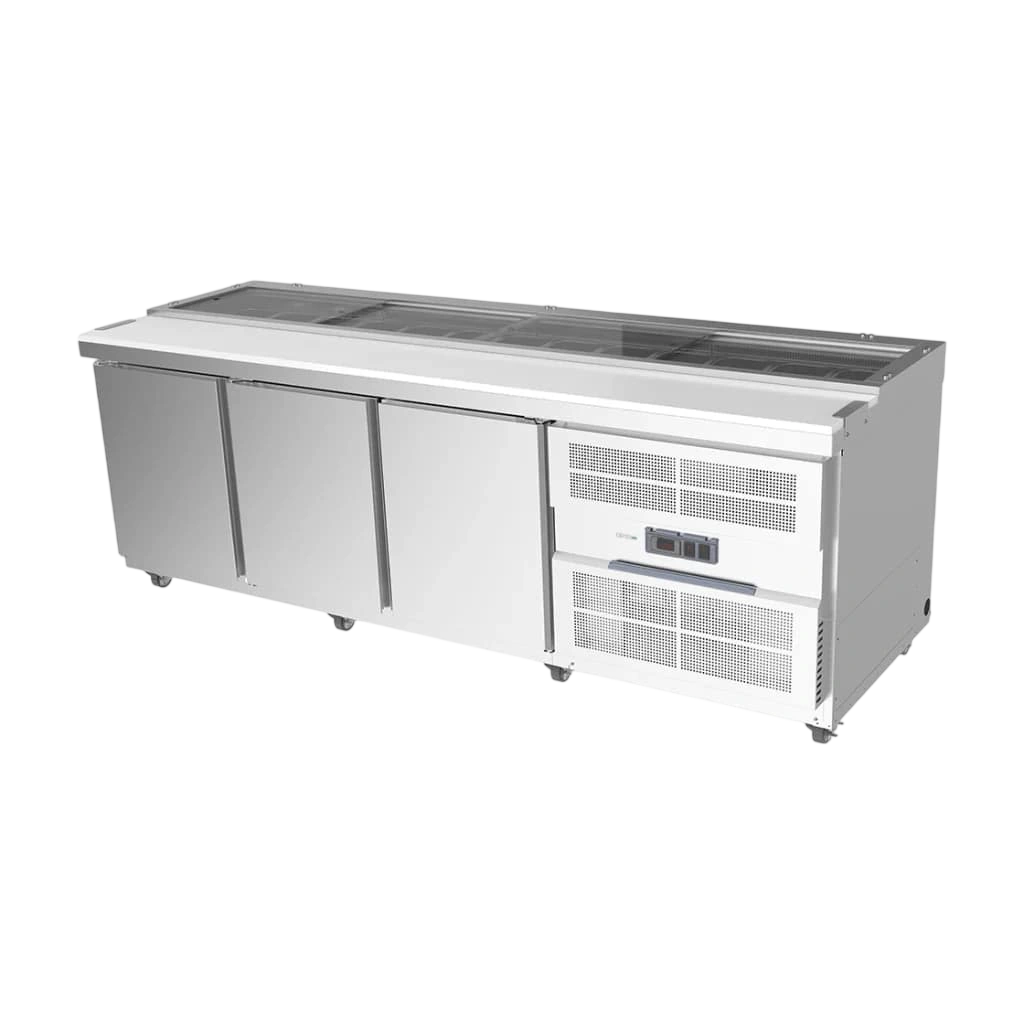
2450 × 843 × 916mm
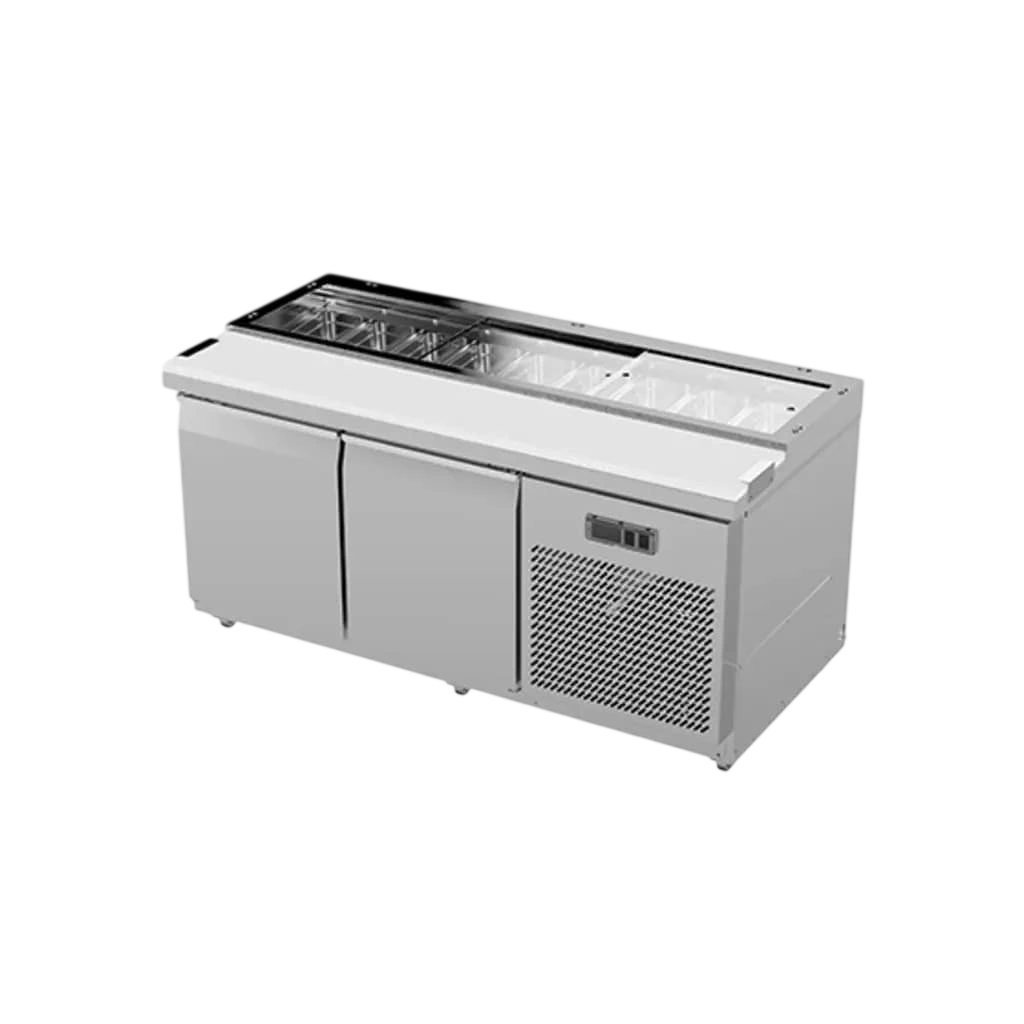
1740 × 843 × 916mm
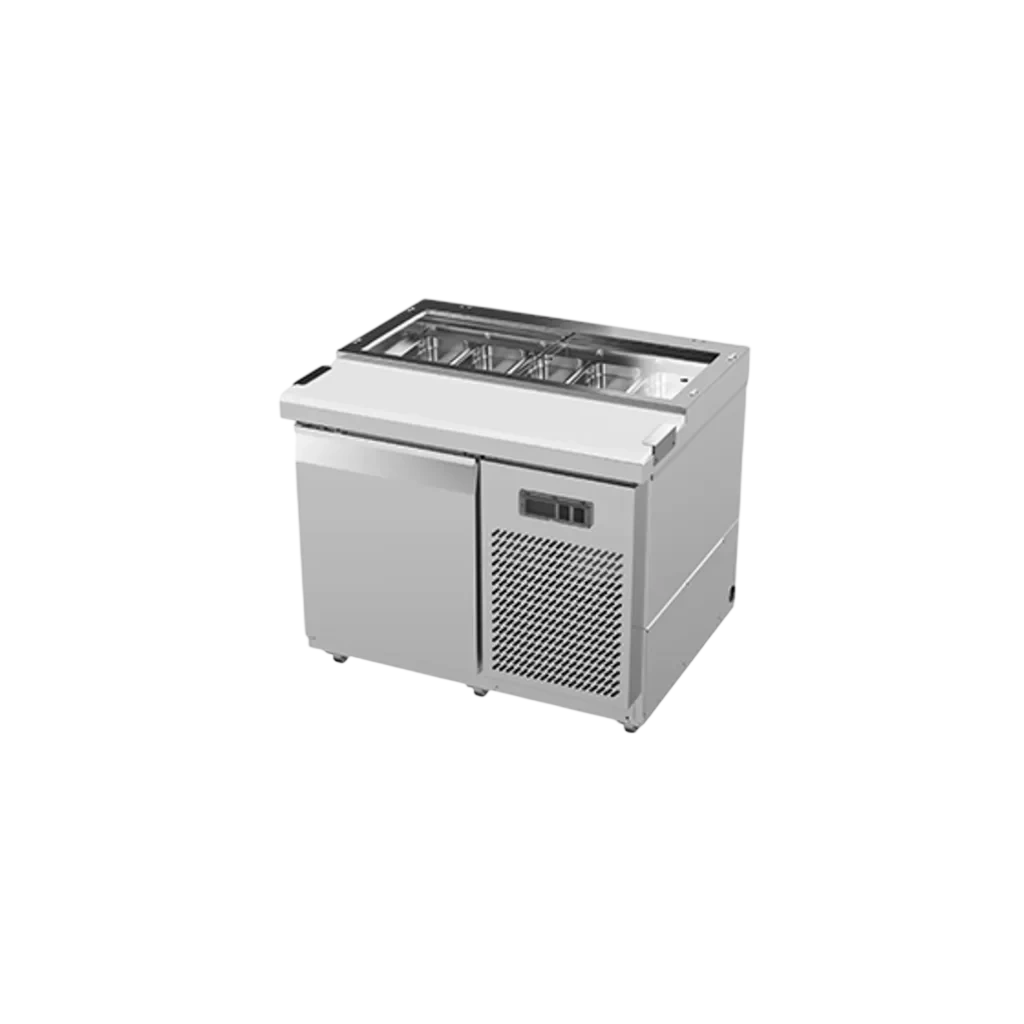
1025 × 845 × 900mm
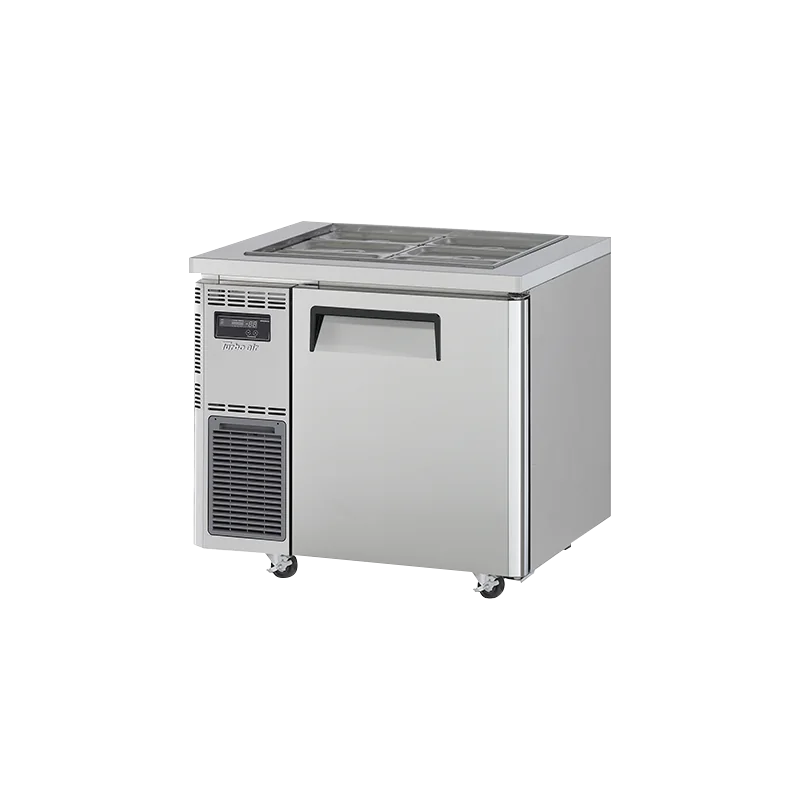
900 × 700 × 860mm
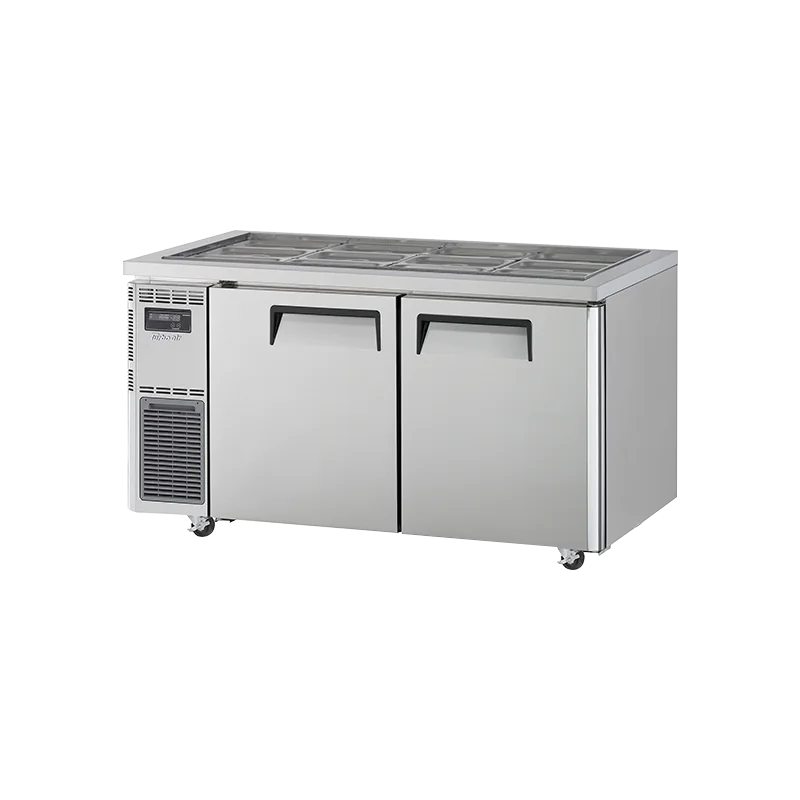
1500 × 700 × 860mm
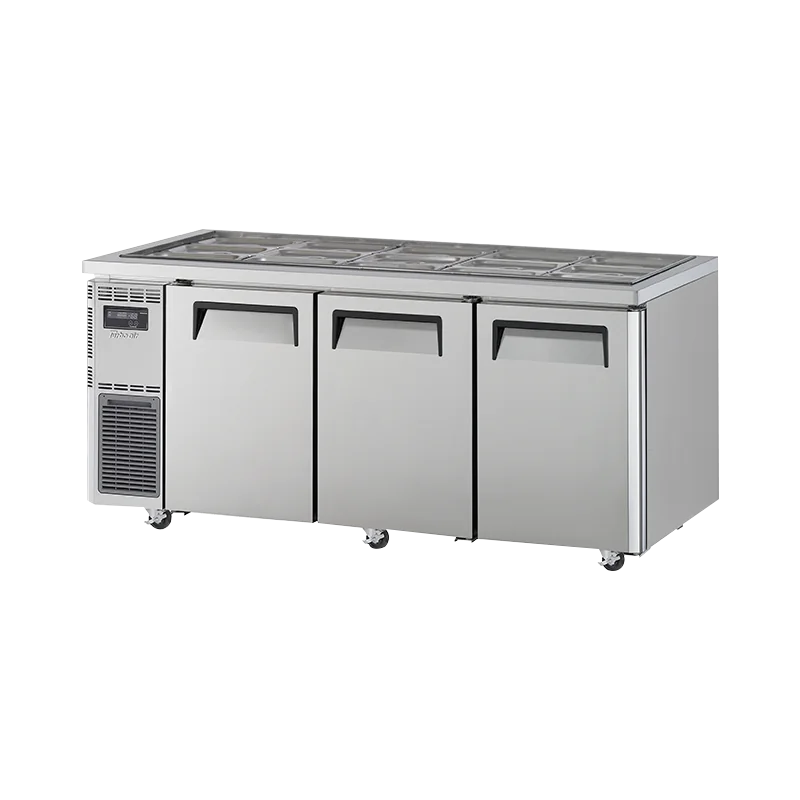
1800 × 700 × 860mm
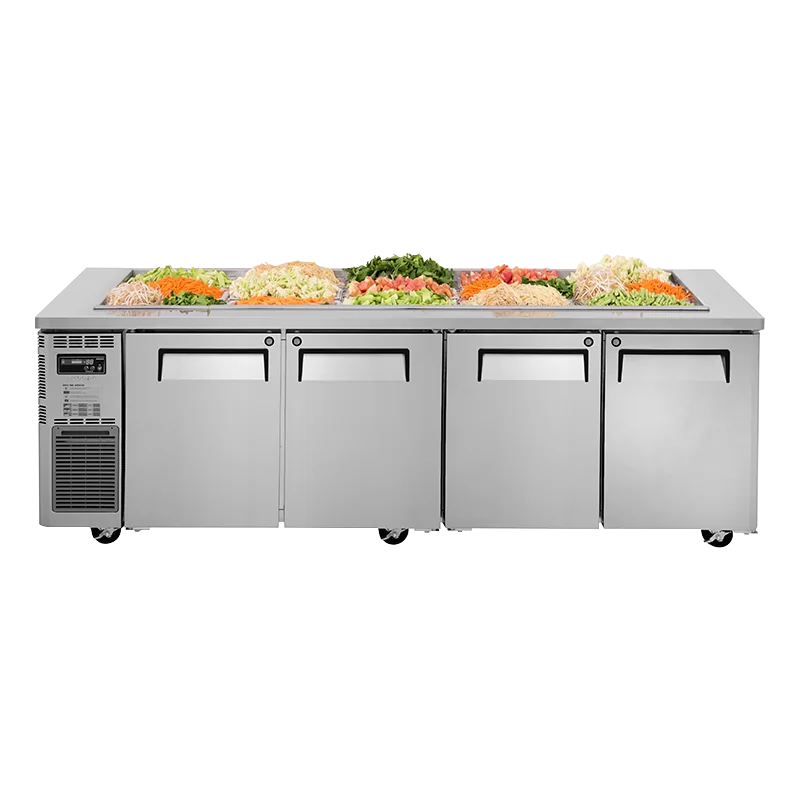
2400 × 700 × 860mm
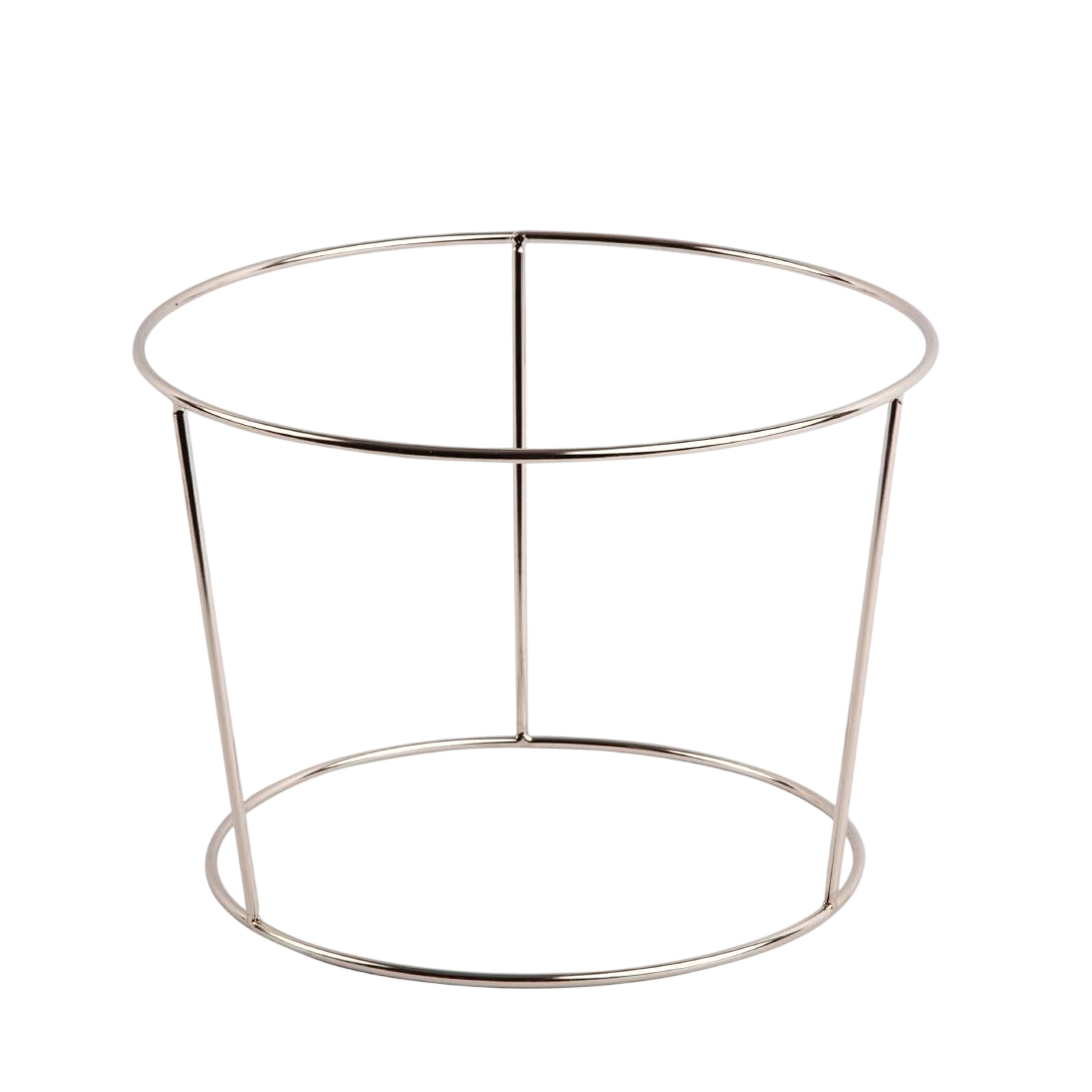
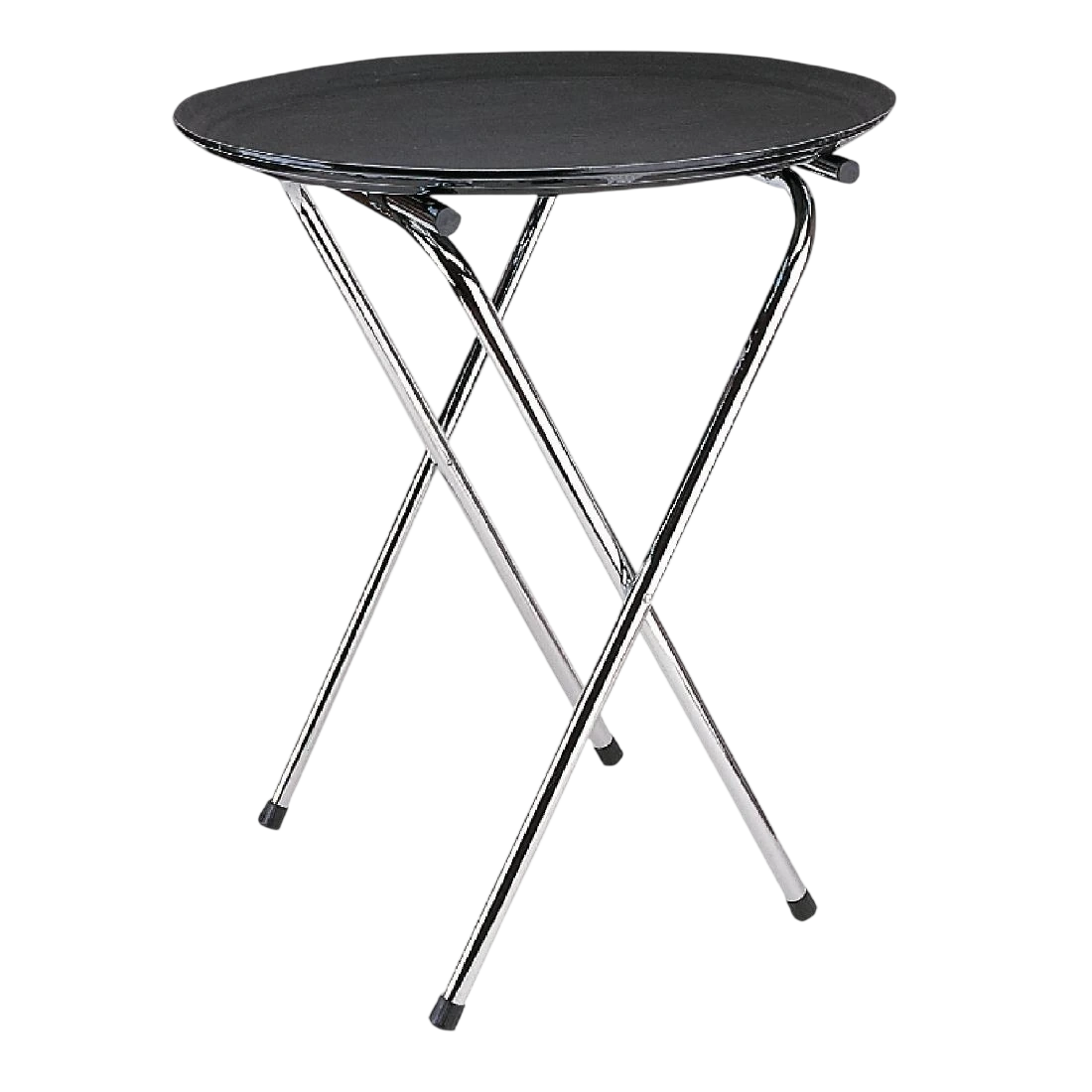
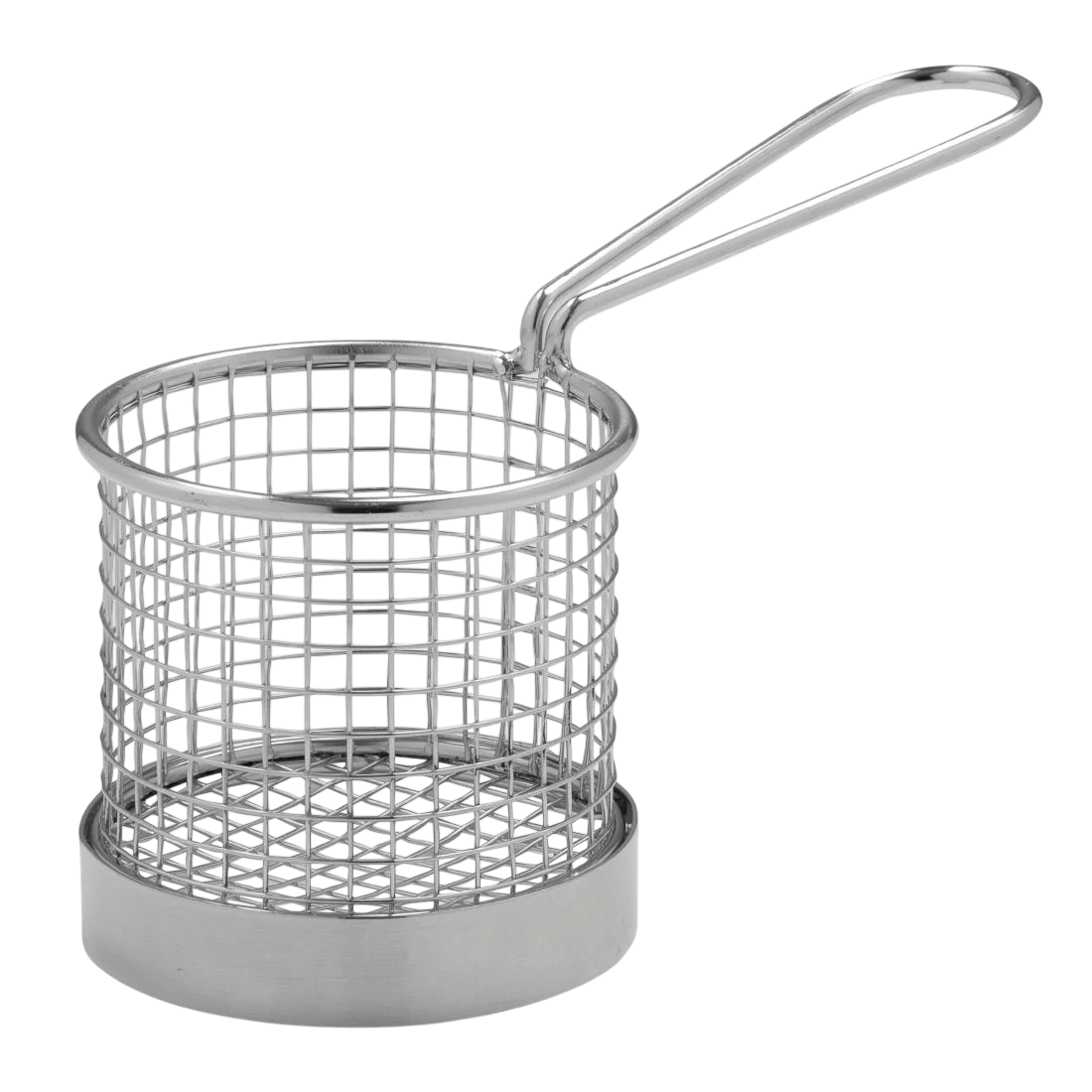

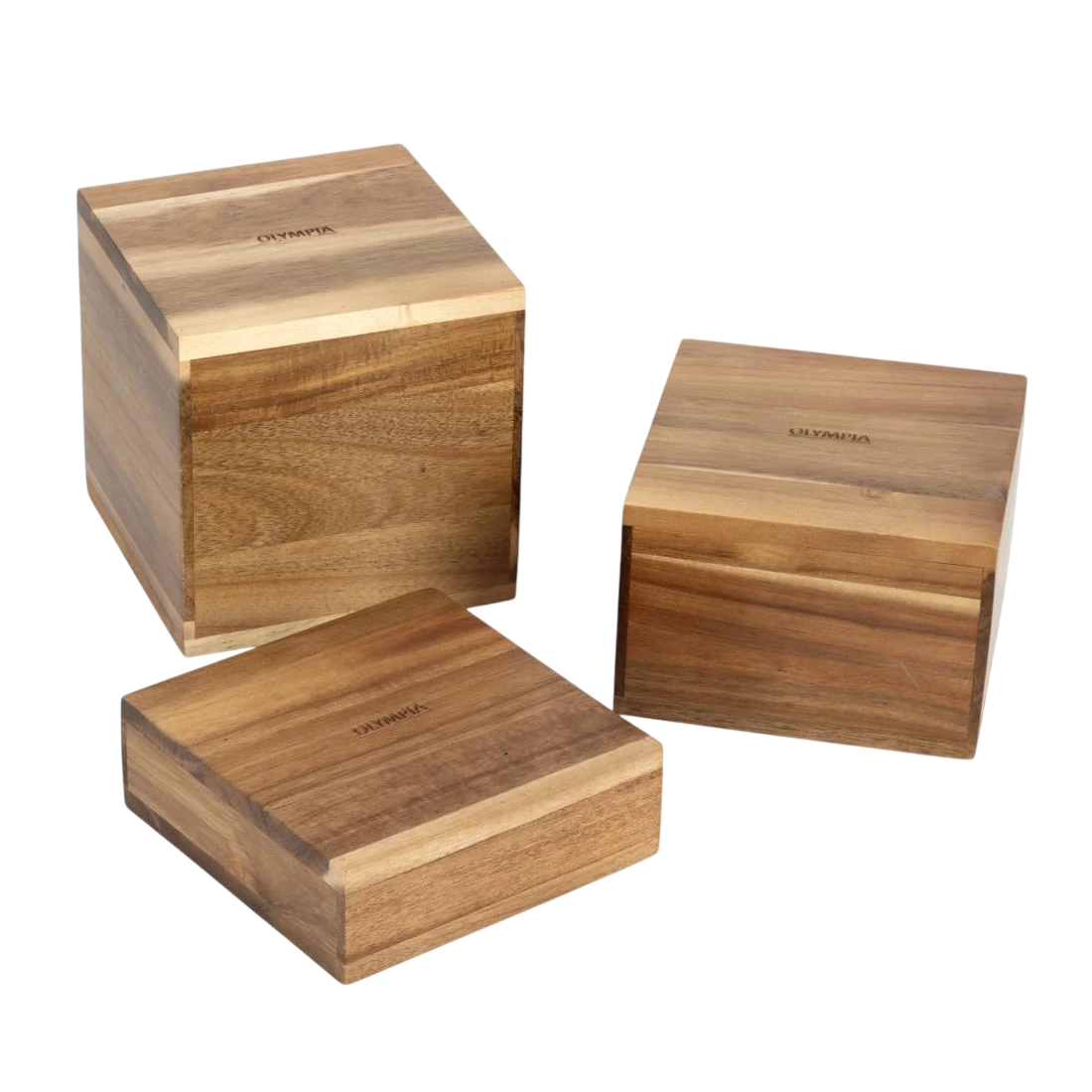


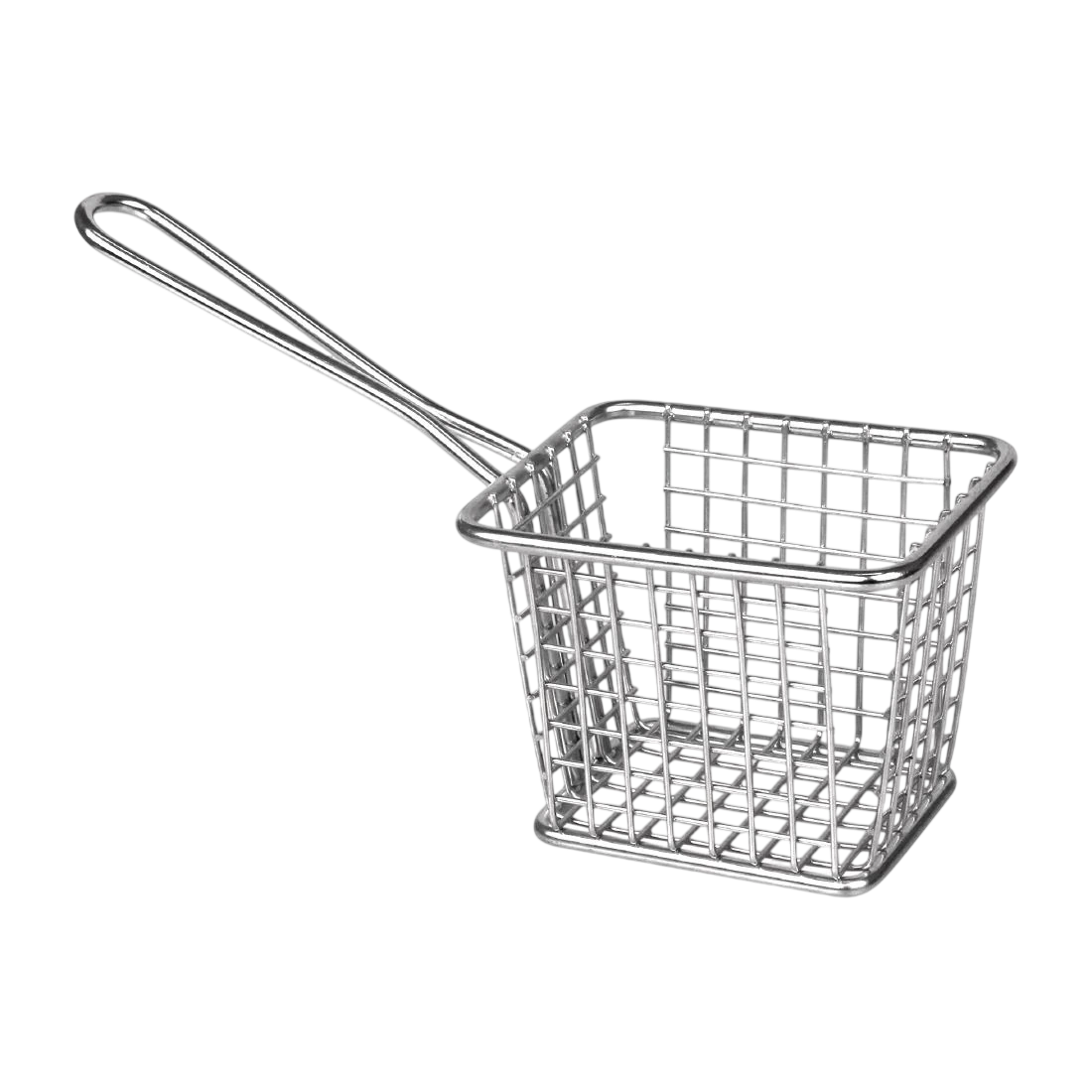
100 × 80 × 80mm
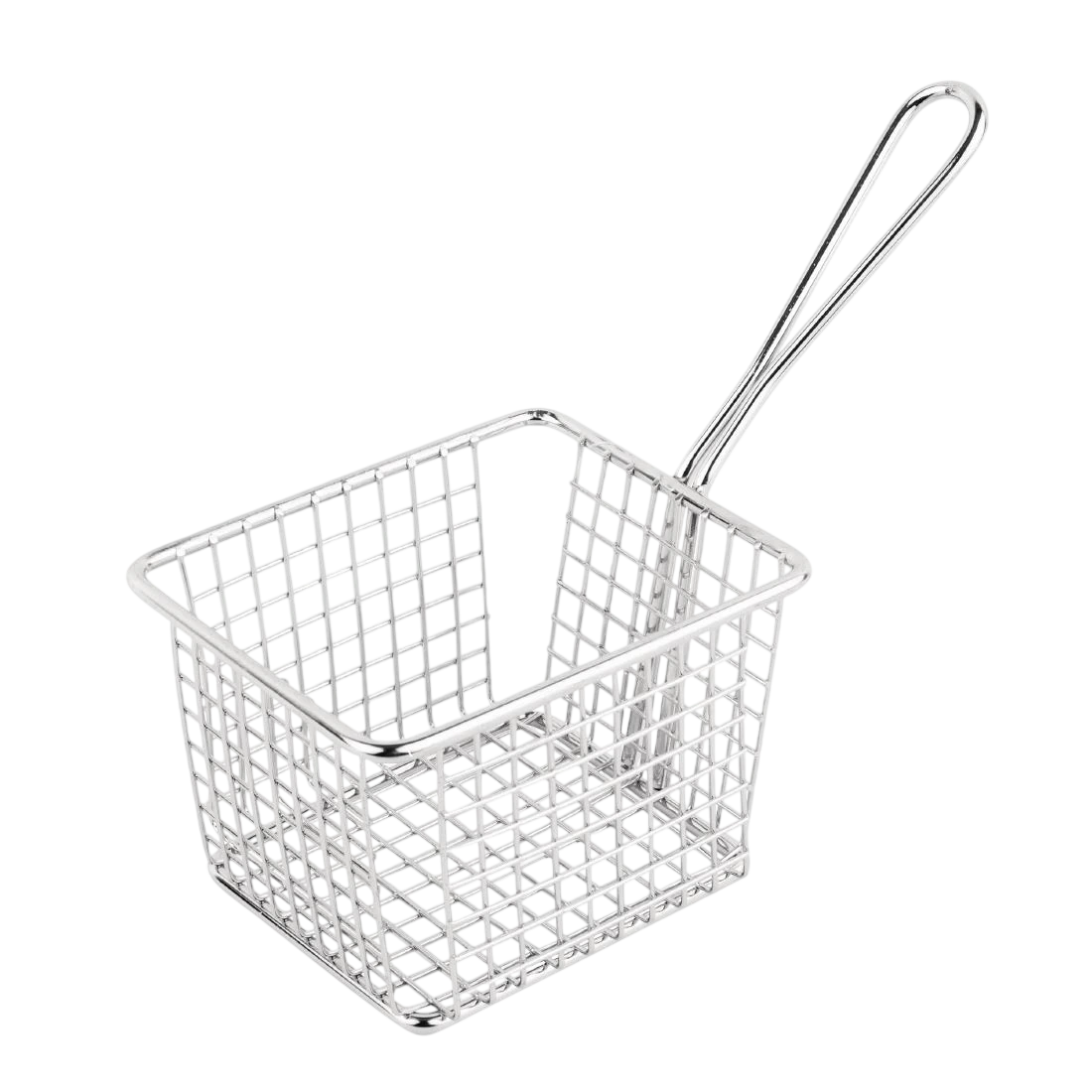
120 × 100 × 80mm
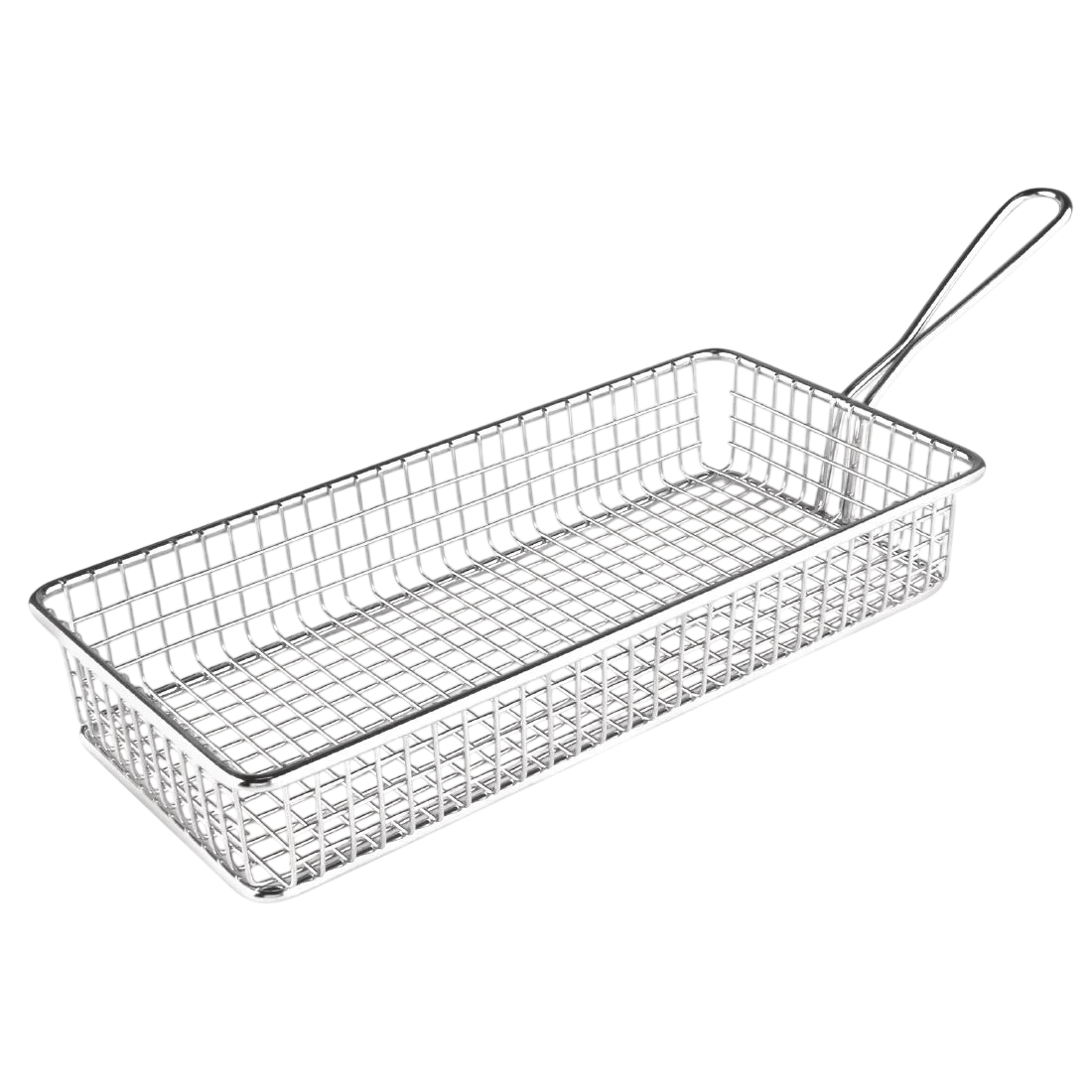
260 × 130 × 45mm
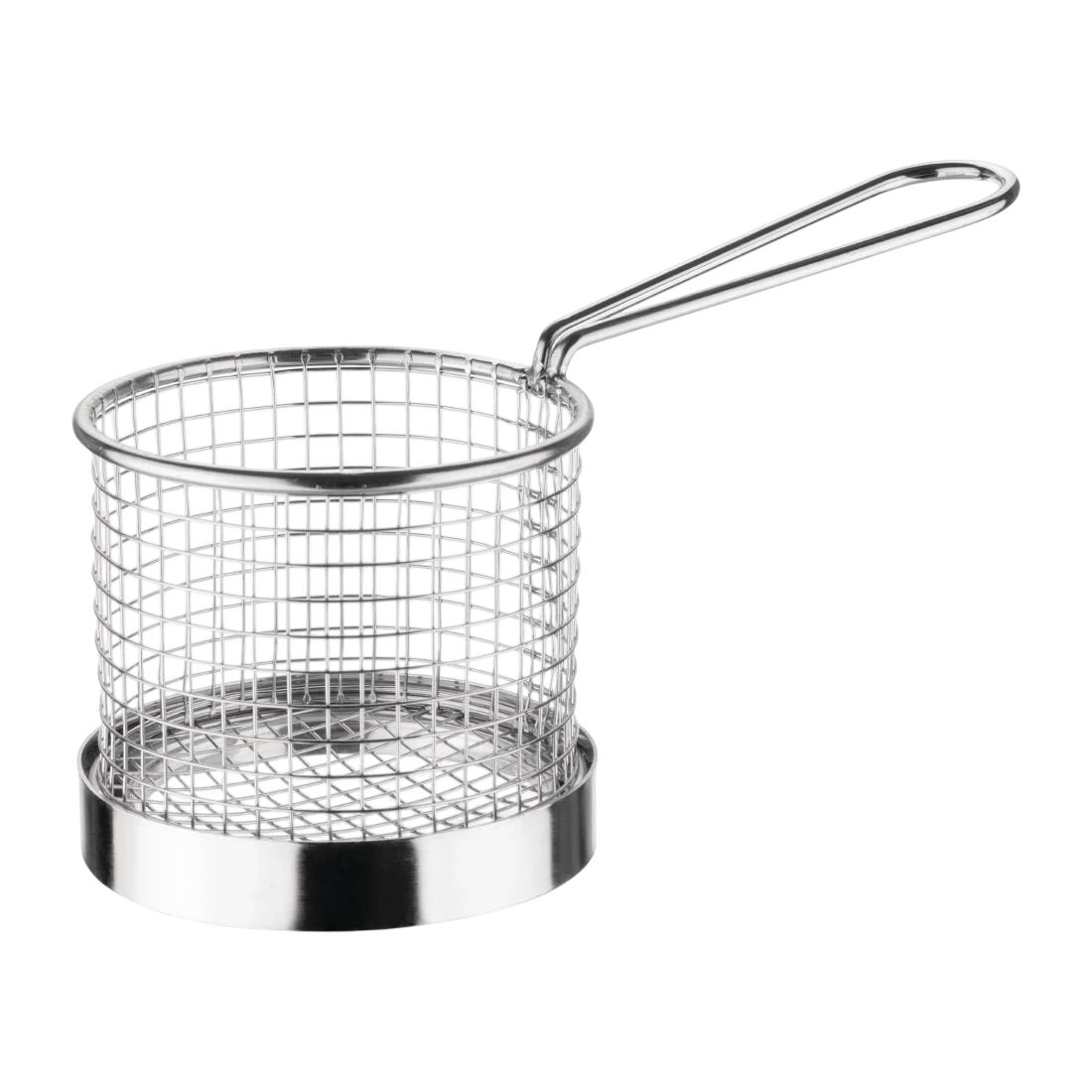
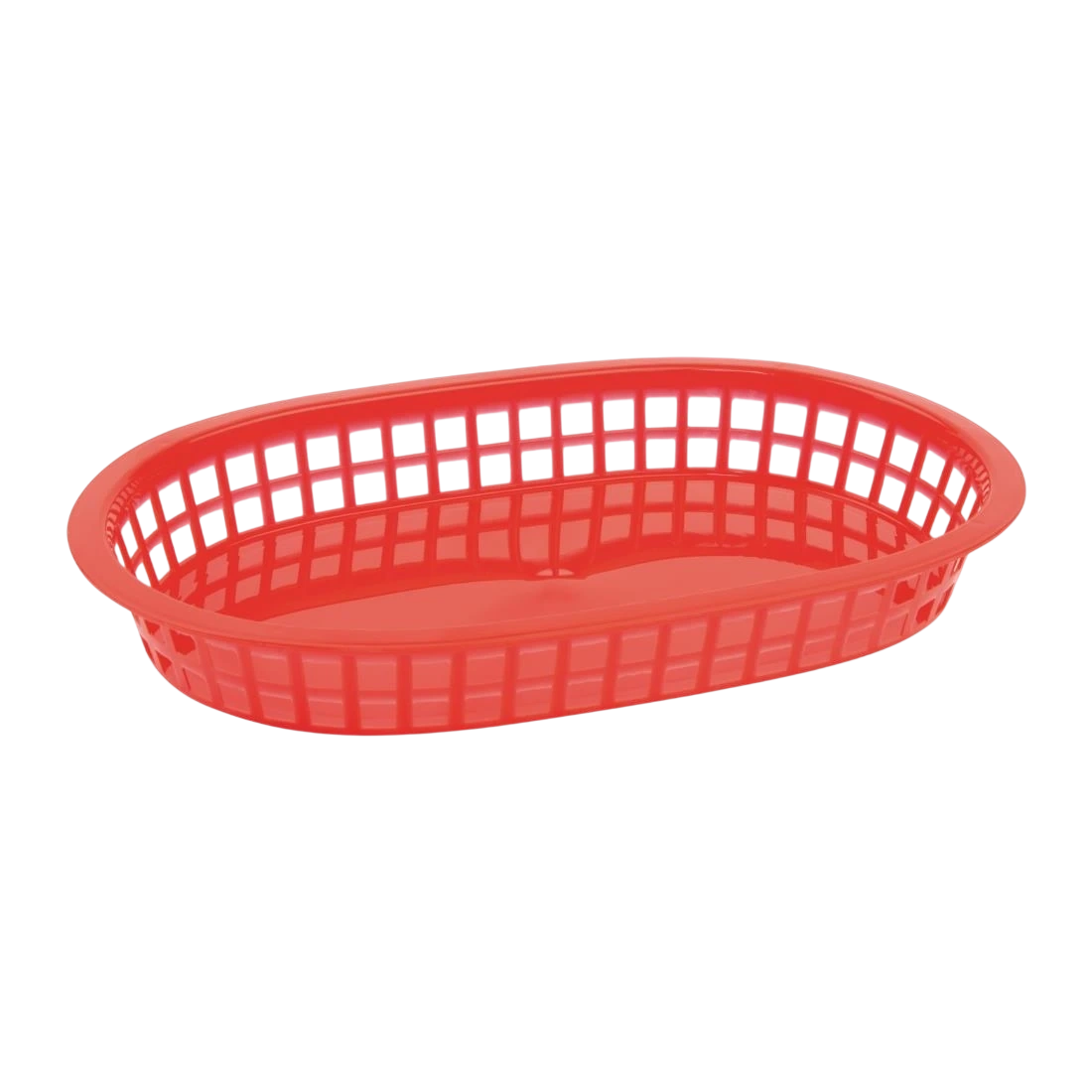
275 × 175 × 40mm
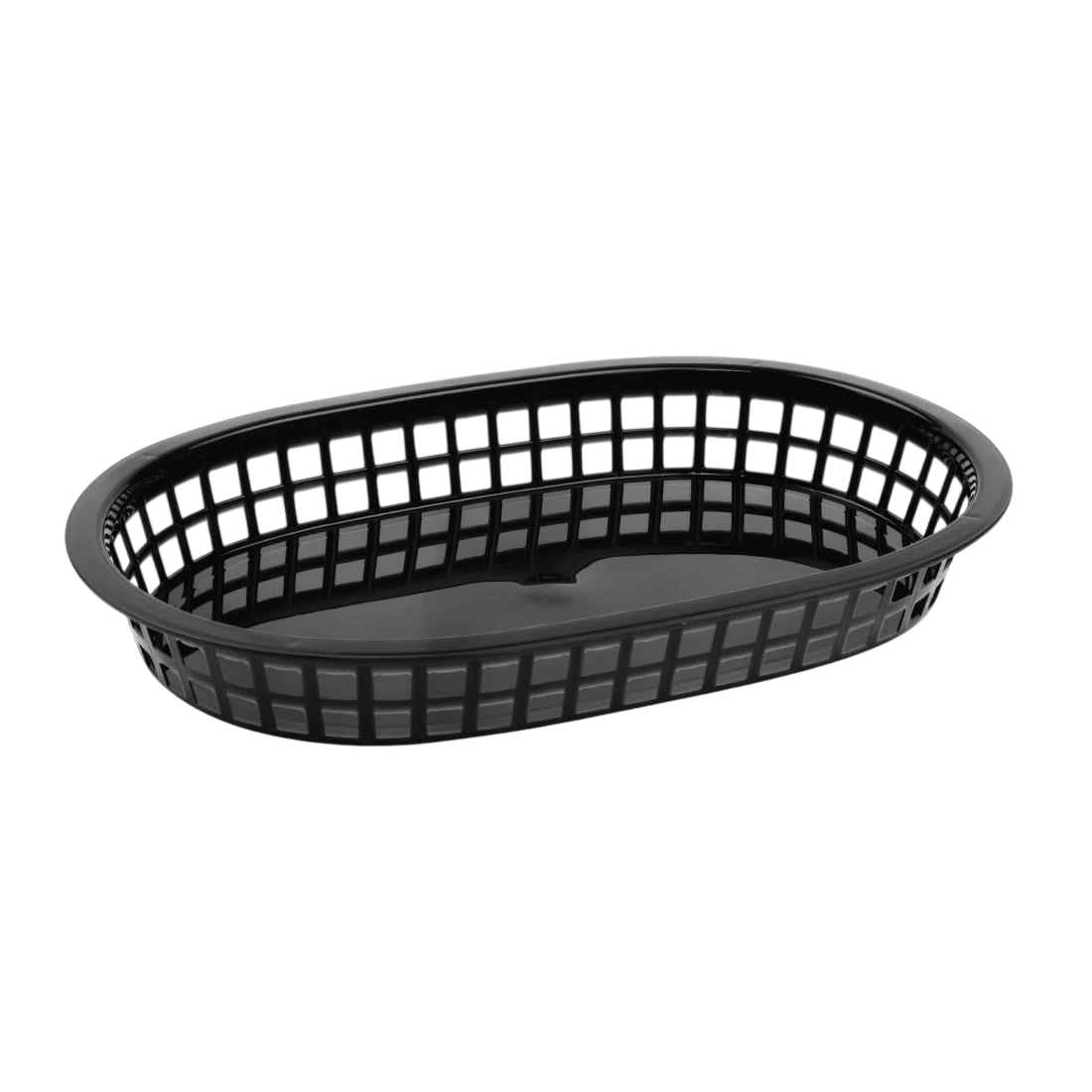
275 × 175 × 40mm
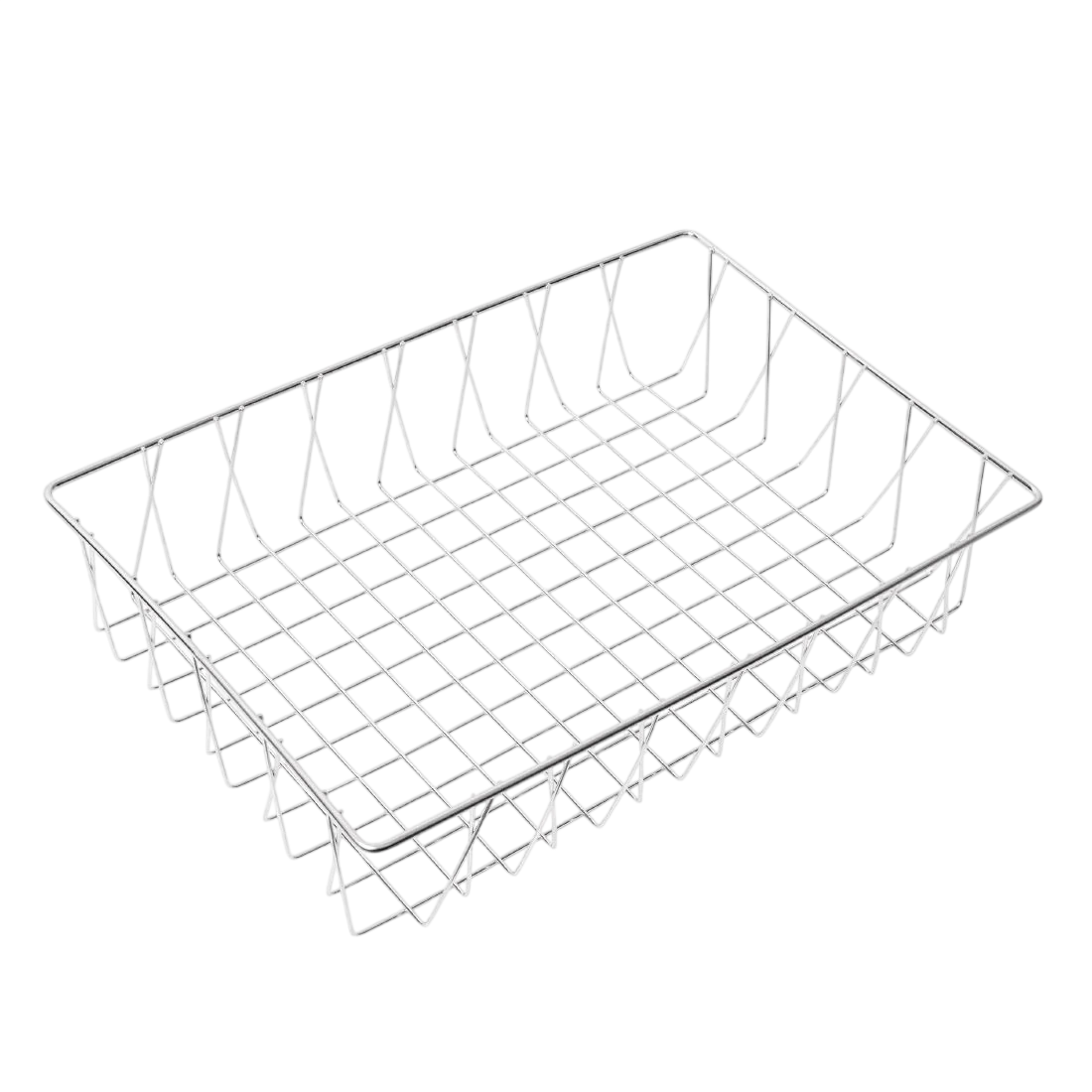
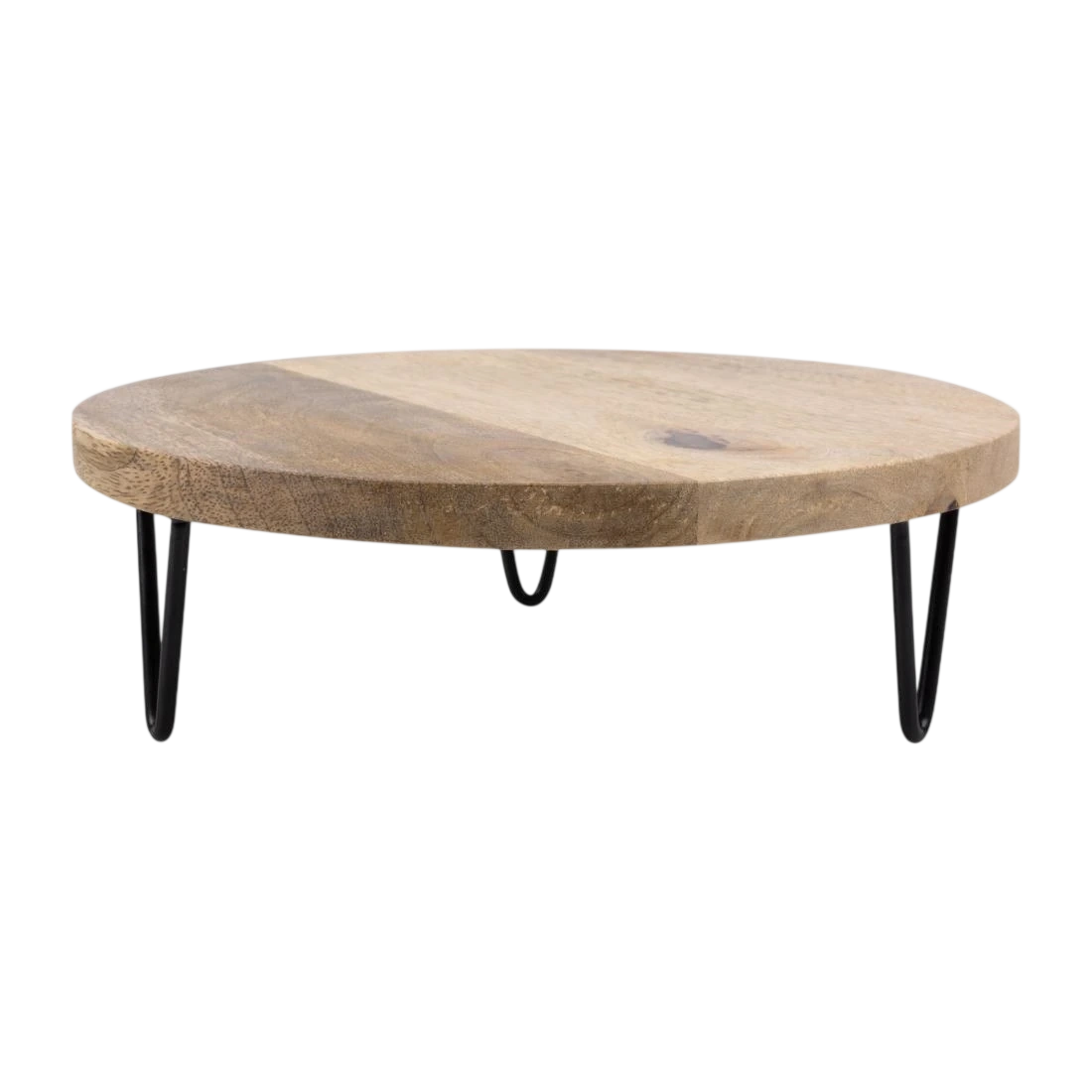
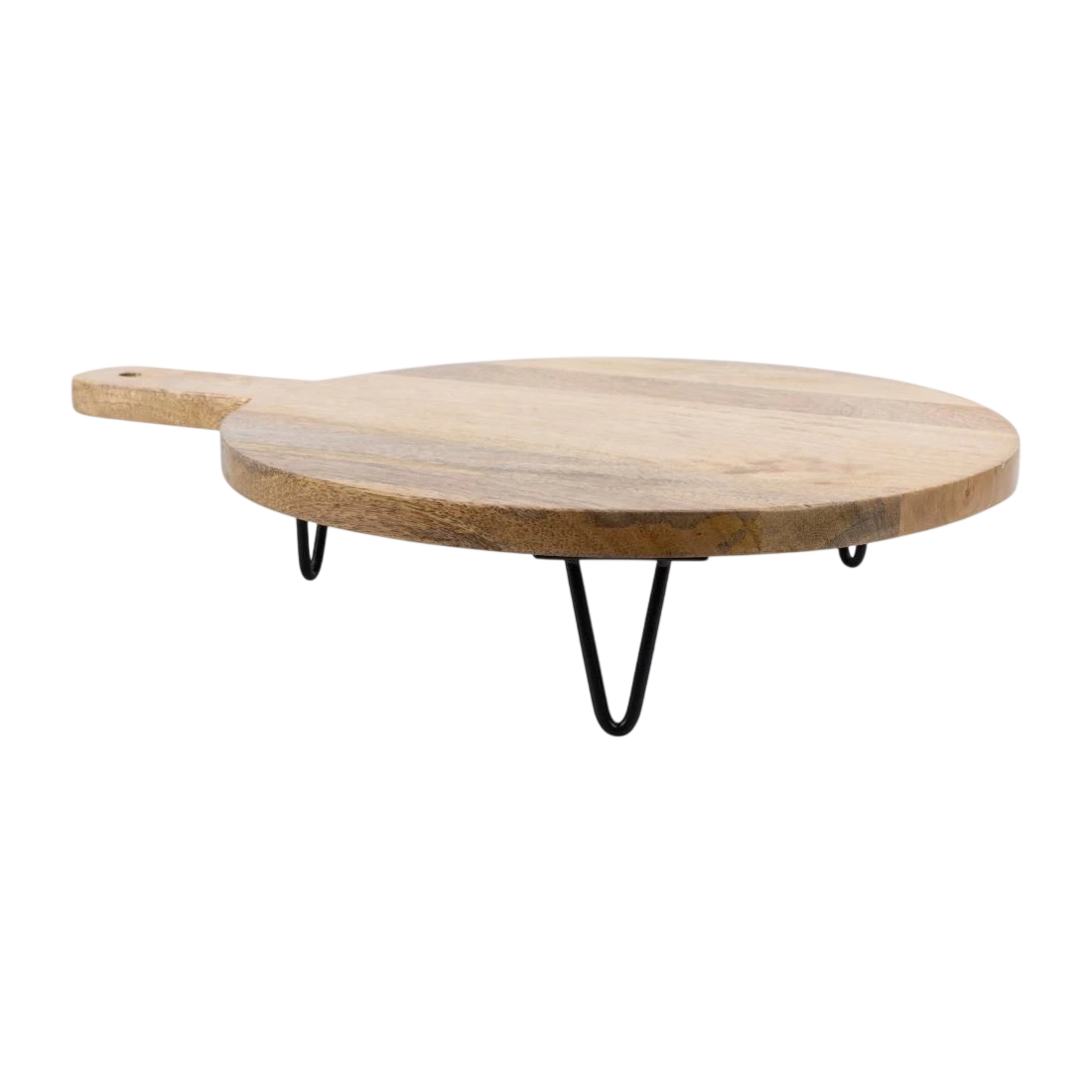
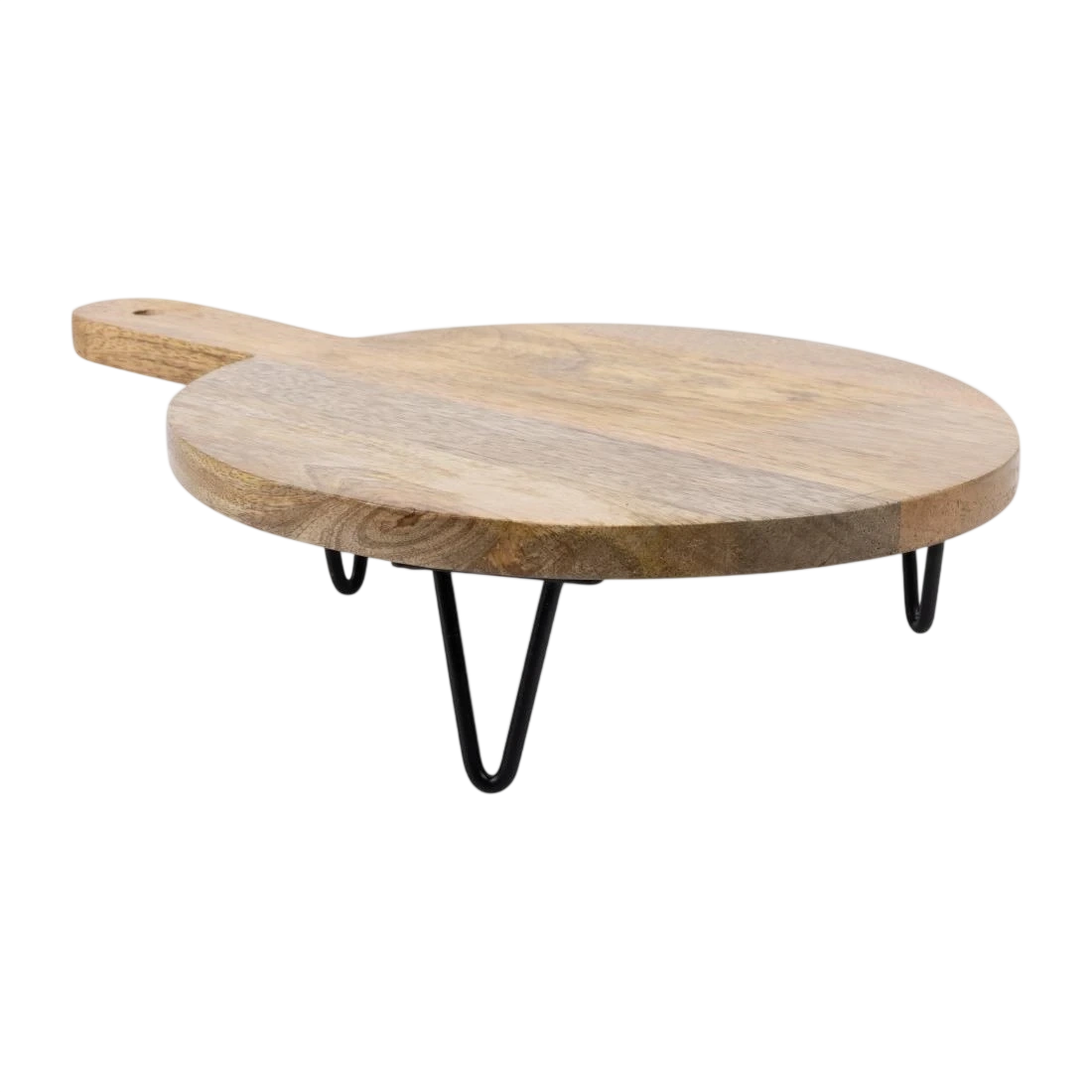

400 × 105 × 320mm
62 × 260 × 215mm
1060 × 668 × 900mm