Sous Vide Accessories
2 products
Catering Equipment
Browse
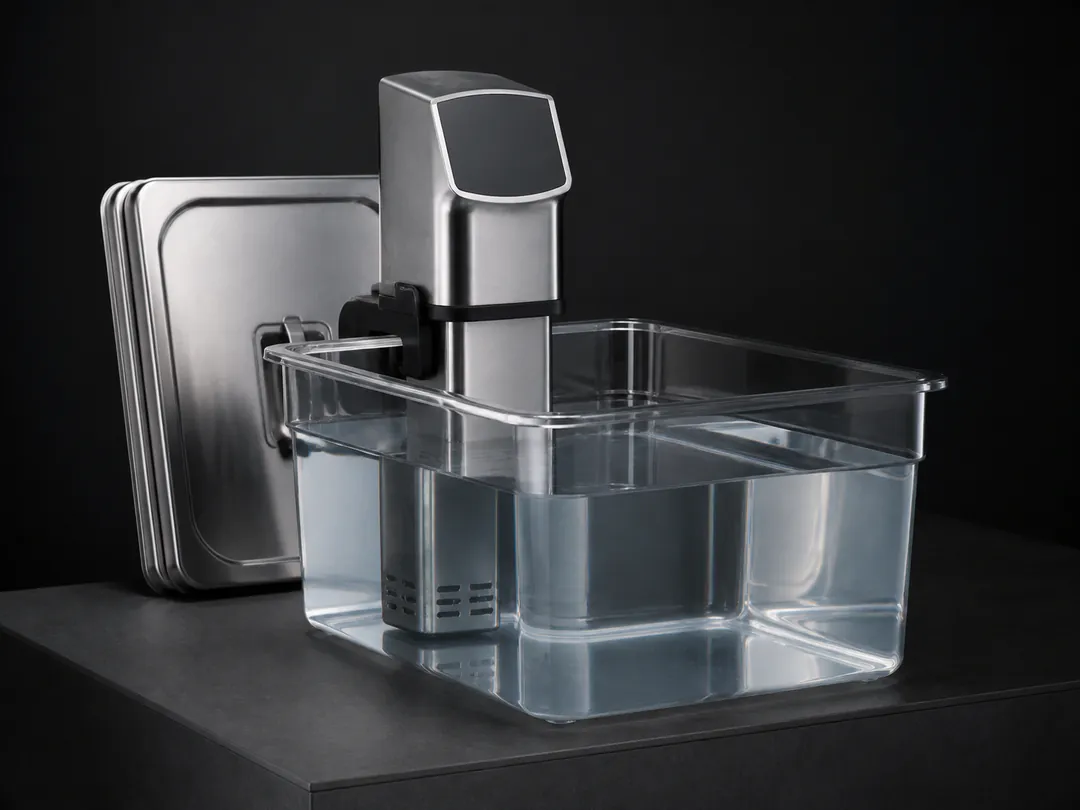
Commercial sous vide equipment divides into two formats that suit different kitchens. An immersion circulator clamps to a vessel the kitchen already owns and heats and circulates the water in it; a cook tank is a self-contained bath with its own vessel, insulation and controls. The circulator is flexible and stores away; the tank holds temperature more steadily and takes a fixed position.
Capacity is measured in what the bath holds with product in it, not in the empty volume. Bagged product displaces water and needs clearance for circulation to reach every side, so a tank loaded to the brim cooks unevenly. Work out the largest batch and allow for that displacement when comparing a sous vide machine.
Temperature stability over hours is what separates commercial equipment from a domestic cooker. Long cooks run overnight and unattended, so the useful questions are how tightly the unit holds a set point, what it does after a power interruption, and whether it alarms rather than drifting quietly.
Where sous vide is one part of a commercial kitchen's routine rather than its centre, a circulator used in an existing vessel is often the practical starting point, with a dedicated cook tank added once volumes justify a fixed position.
Key factors to consider before purchasing. Our team can help you find the right fit — call or get a quote anytime.
Match capacity to your daily output. Consider the bench or floor space available and the access route for delivery.
Check the power supply at the installed position — phase, amperage and circuit capacity — before ordering.
Confirm electrical compliance, levelling and the clearance needed for cleaning and service access. We can help with kitchen planning.
Submit your kitchen requirements — our equipment specialists will send you a tailored shortlist of commercial sous vide machines that fits your budget, venue type and compliance needs.
Standards & Compliance
Before comparing sous vide equipment, confirm the largest batch to be cooked at once, whether cooks will run unattended overnight, and where a fixed tank could stand if one is chosen. Check the bath depth against the bagged product rather than against a stated litre capacity.
Look at how the unit behaves after an interruption, whether it alarms on a temperature deviation, and how the bath is drained and cleaned. A circulator should also be checked against the vessel it will clamp to, since wall thickness and rim shape decide whether it seats securely.
FAQ
Match tank volume and pump performance to your typical batch sizes and menu mix, allowing extra capacity for peak periods.
Circulators are flexible and mobile; integrated baths suit dedicated stations and repeatable high-volume production.
It works best as a cook–chill–store–reheat system, with finishing done on grills, pans or salamanders during service.
Yes, use heat-rated, food-safe vacuum bags with reliable seals for safe and even cooking.
Why KW
KW can help choose between an immersion circulator and a dedicated cook tank for the batch sizes and routine a kitchen actually runs, then consider stability and unattended operation. For practical advice on sous vide cooking equipment, call KW on 1300 001 366.
Deep Dive
Technical depth from KW's commercial kitchen specialists.
Precision = Temperature Accuracy × Circulation Strength × Portion Thickness × Workflow Timing
| Stage | Key Variable | Why It Matters |
|---|---|---|
| Cook | Temperature Accuracy | Controls protein structure and overall doneness. |
| Circulation | Pump Flow & Bag Layout | Prevents cold spots and uneven heating. |
| Thickness | Portion Depth | Determines time to reach target temperature. |
| Chill | Cooling Speed | Protects food safety and stops further cooking. |
| Reheat | Stable Water Bath | Brings portions back to service temperature evenly. |
| Finish | Searing & Plating | Adds colour, flavour and final presentation. |
A circulator heats and moves water in a vessel the kitchen already has, stores away between uses and suits occasional or varied batch sizes. A cook tank is self-contained and insulated, holds a set point more steadily and suits regular production, but takes a permanent position and a dedicated supply.
Ensure strong circulation, avoid overloading the tank and keep bags spaced so water can flow freely.
A circulator heats and circulates water in a vessel you already own and stores away between uses. A cook tank is a self-contained insulated bath that holds temperature more steadily but occupies a fixed position and needs its own supply.
By the largest batch it must hold with product in it. Bagged food displaces water and needs clearance on all sides for circulation, so a bath rated at a given volume holds noticeably less usable capacity once loaded.
Commercial units are generally built for it, but confirm what happens after a power interruption and whether the unit alarms on a temperature deviation. Behaviour at the edges matters more for unattended cooking than headline accuracy does.
Not usually. A circulator used in a vessel the commercial kitchen already owns is a practical start, with a dedicated cook tank added once batch sizes and frequency justify a permanent station.
Bagged product displaces water and must have clearance on every side for circulation to work. A bath filled to its rated volume with product in it cooks unevenly, so compare units on the largest batch they can hold with circulation still reaching each bag.
Long cooks run without supervision, which makes behaviour at the edges more important than headline accuracy. Ask what the machine does after a power interruption, whether it resumes or stops, and whether it alarms on a deviation rather than drifting quietly for hours.
Where sous vide supports the menu rather than defining it, a circulator in an existing vessel is usually the practical start: no fixed position, no dedicated supply, and it can be put away. A cook tank earns its footprint once batches are regular enough to justify a permanent station.
10 results
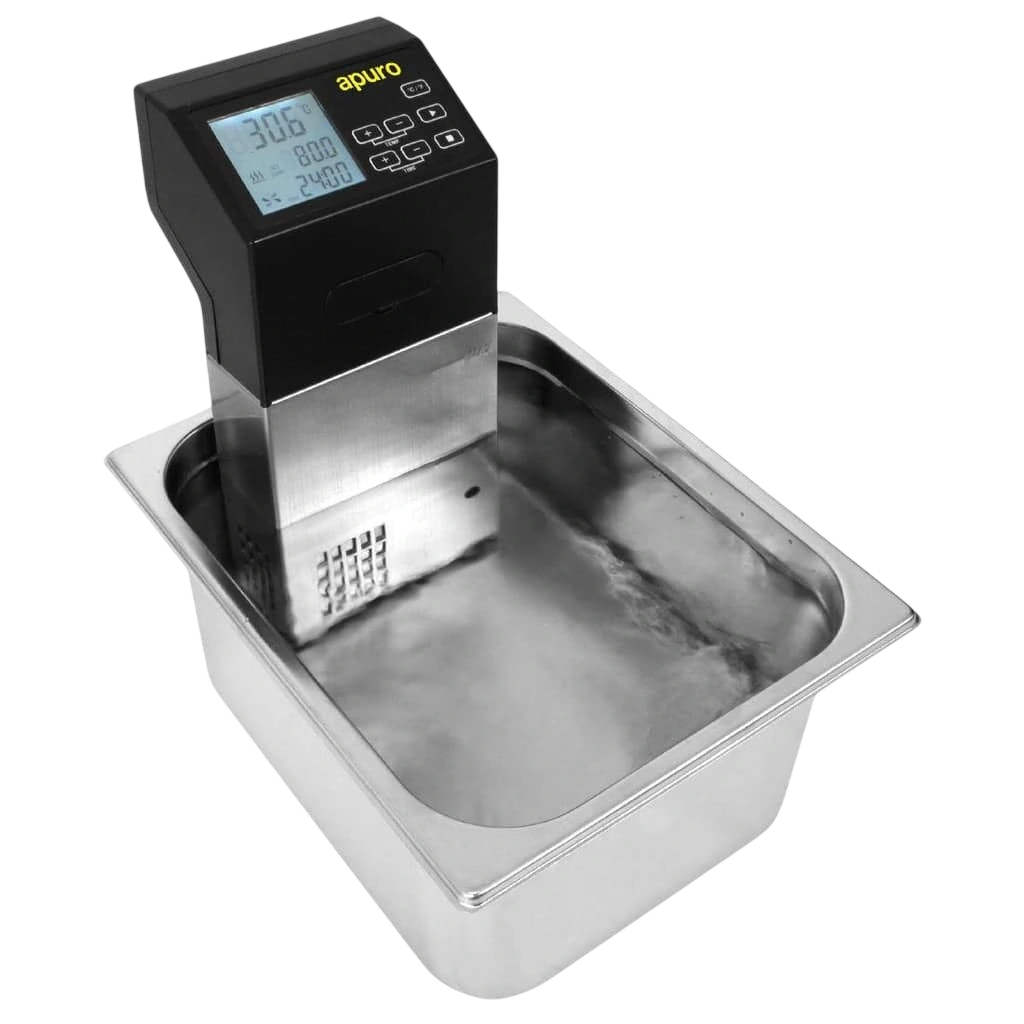
145 × 130 × 320mm
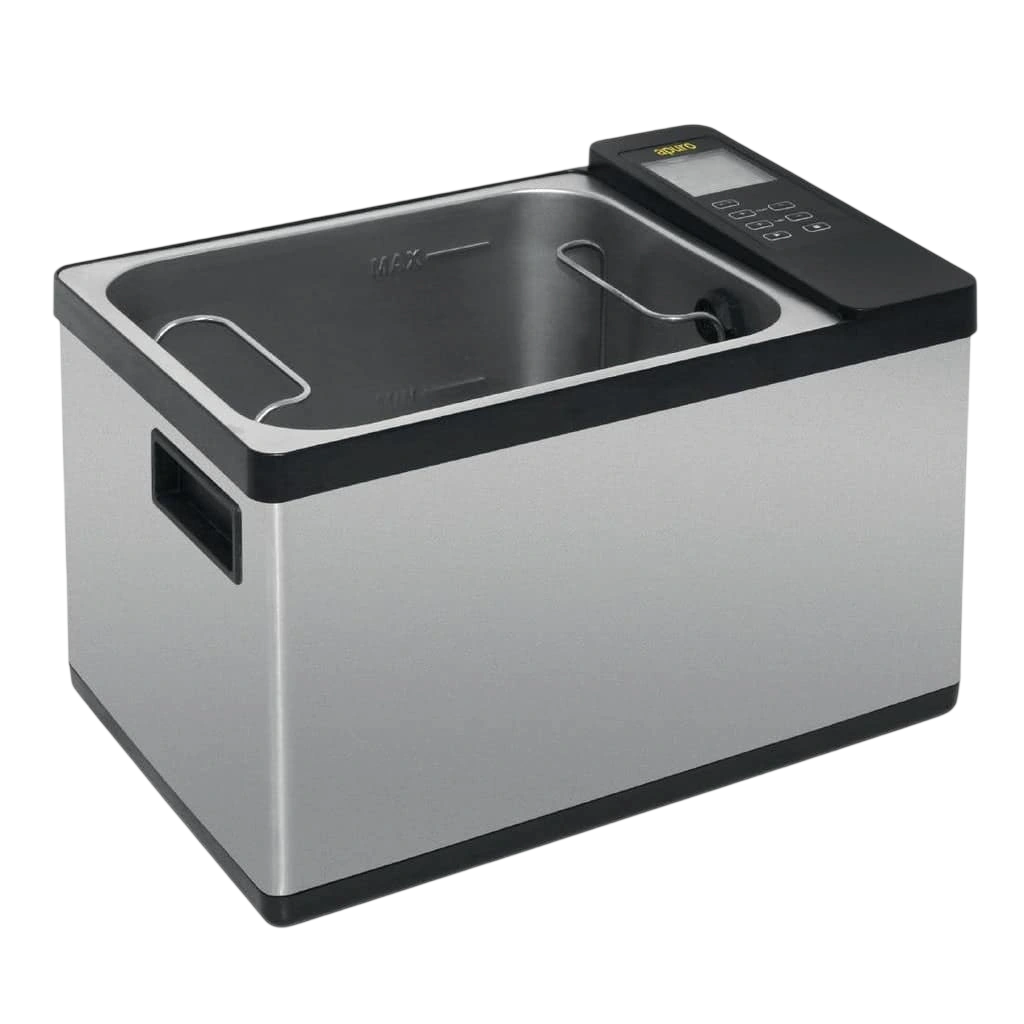
337 × 377 × 237mm
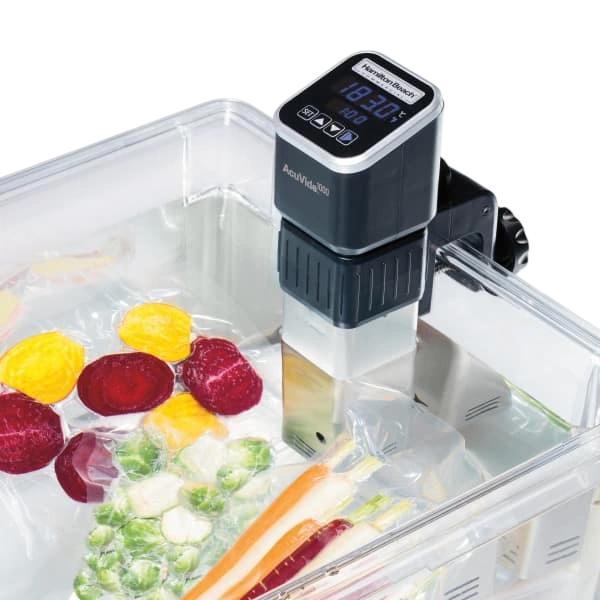
89 × 190 × 324mm
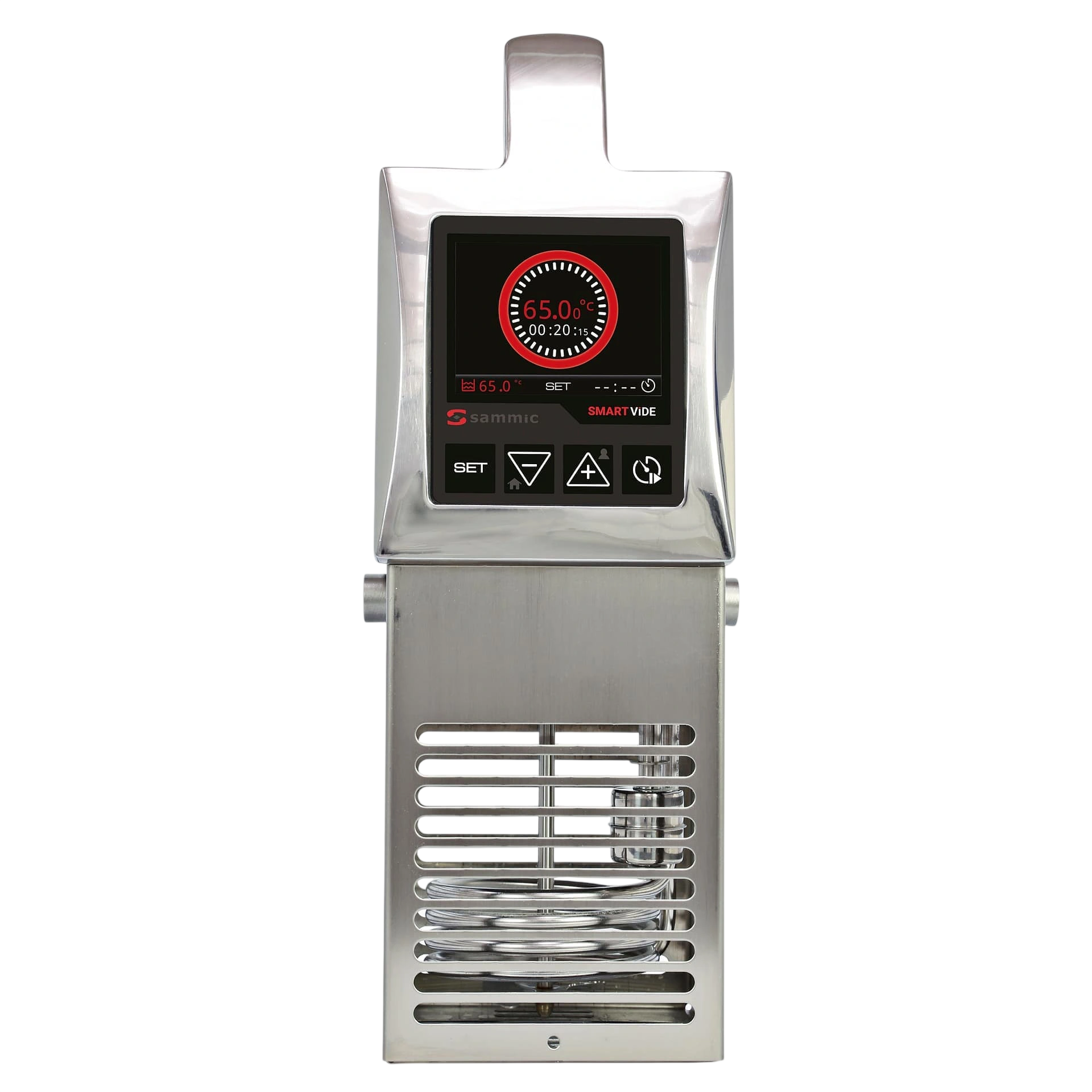
124 × 140 × 360mm
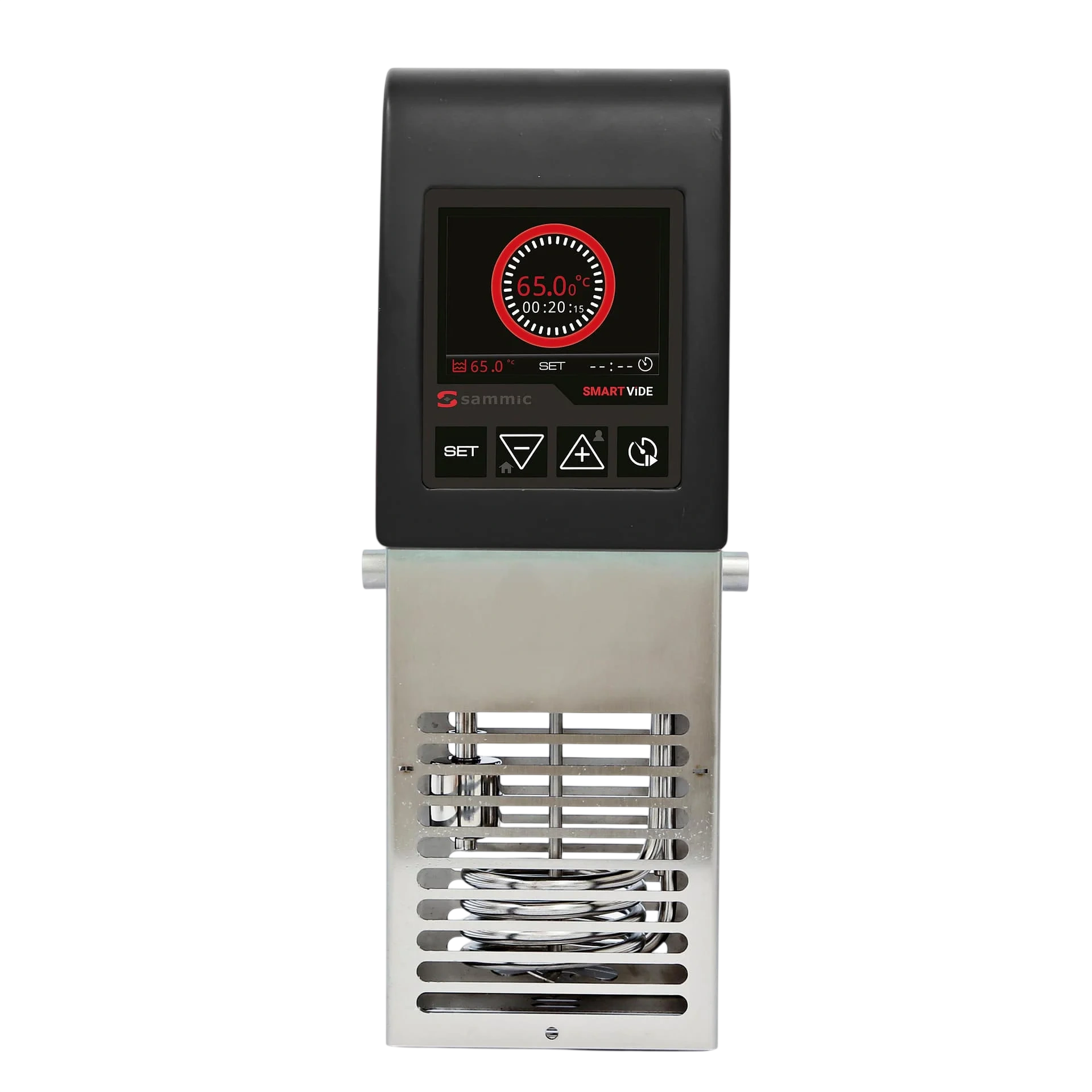
116 × 128 × 330mm
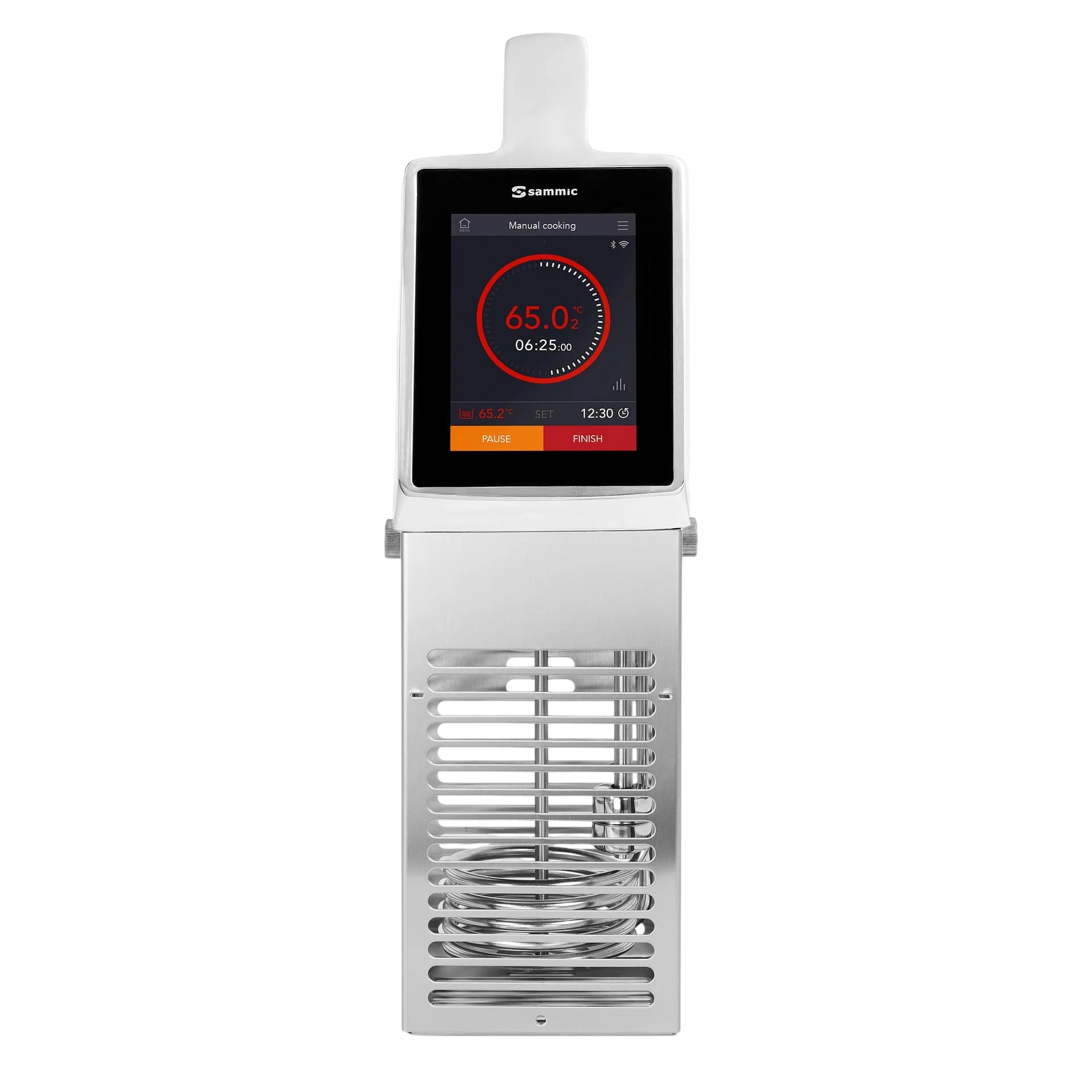
125 × 148 × 435mm
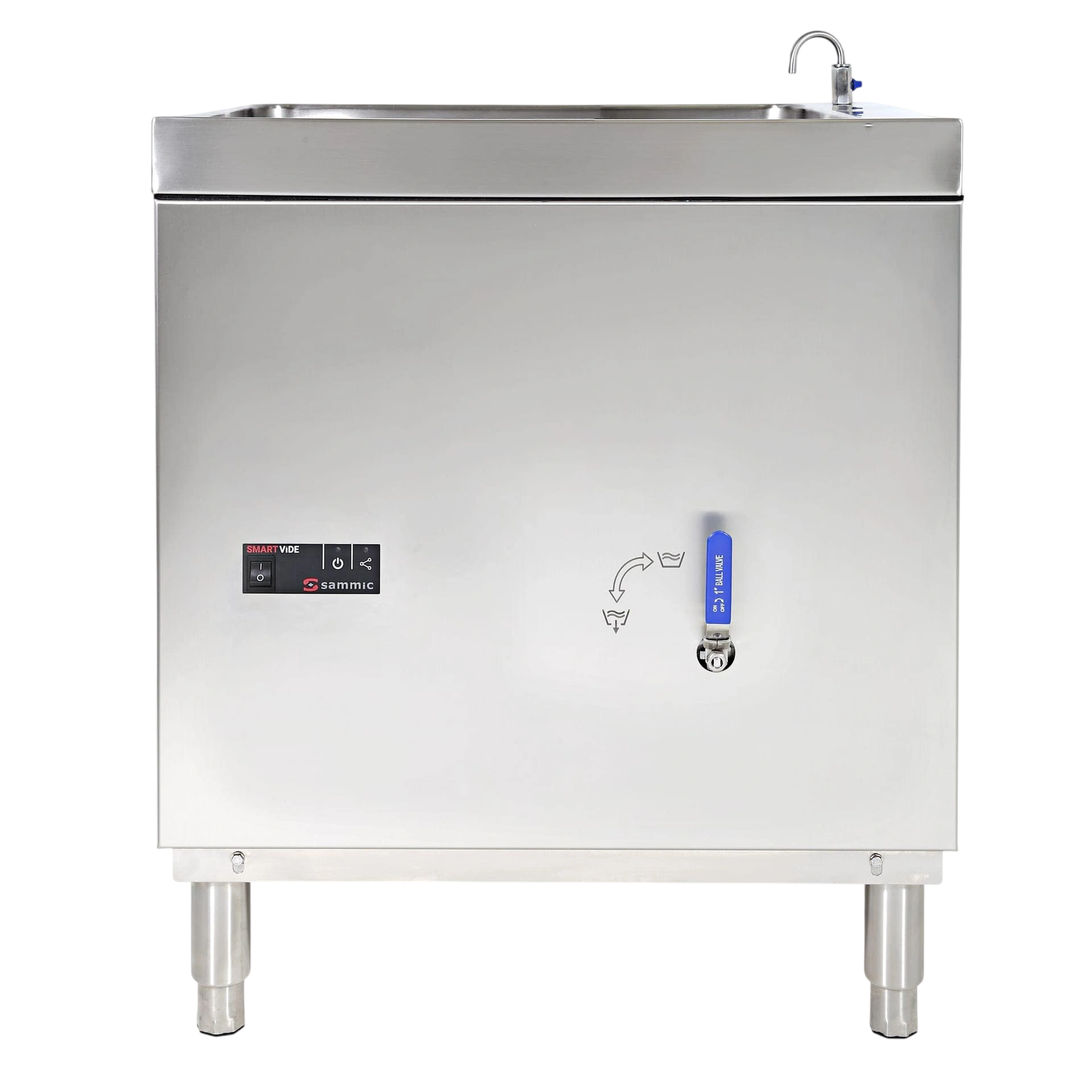
738 × 582 × 850mm