Waldorf
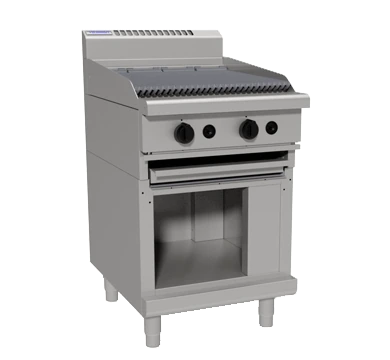
Waldorf CHL8600G-CB 600mm Gas Chargrill Low Back Version - Cabinet
600 × 805 × 1130mm
$7,394.40$9,243.00
In Stock
Commercial Cooking Equipment
201 results
600 × 805 × 1130mm
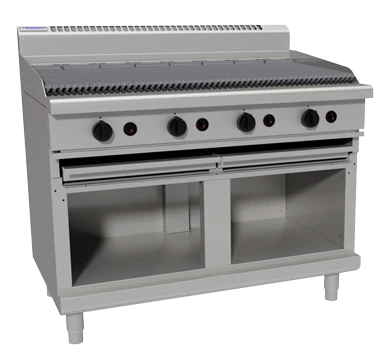
1200 × 805 × 1130mm
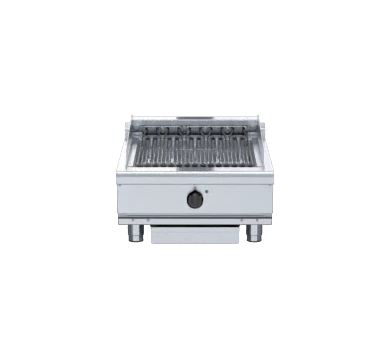
600 × 805 × 410mm
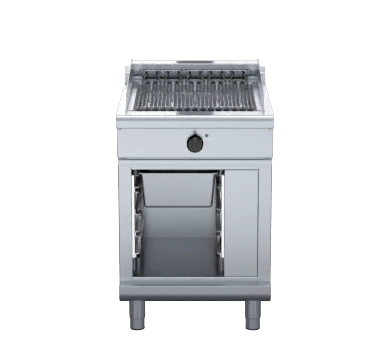
600 × 805 × 970mm
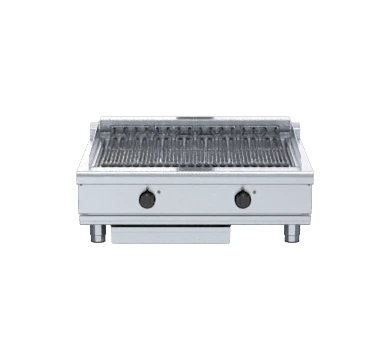
900 × 805 × 410mm
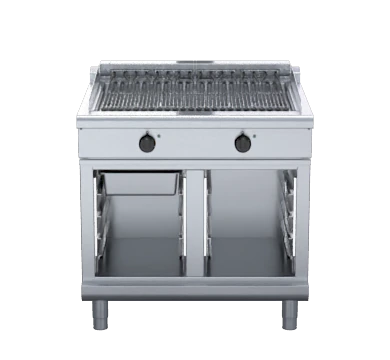
900 × 805 × 970mm
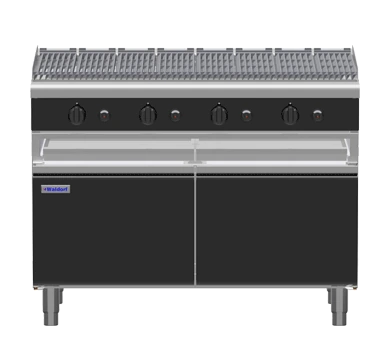
1200 × 805 × 970mm
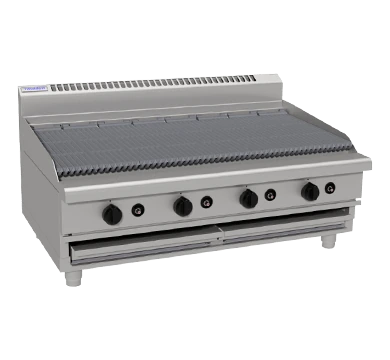
1200 × 805 × 472mm
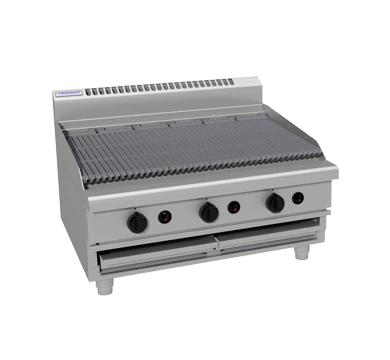
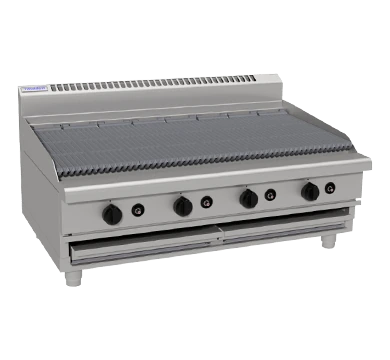
1200 × 805 × 630mm
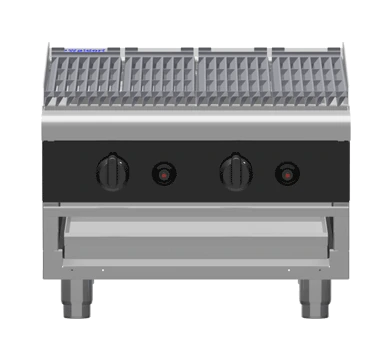
600 × 805 × 470mm
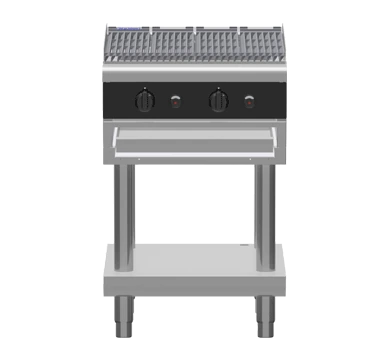
600 × 805 × 970mm
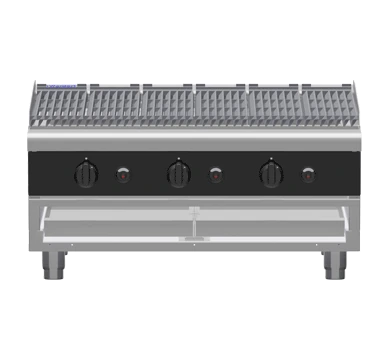
900 × 805 × 472mm
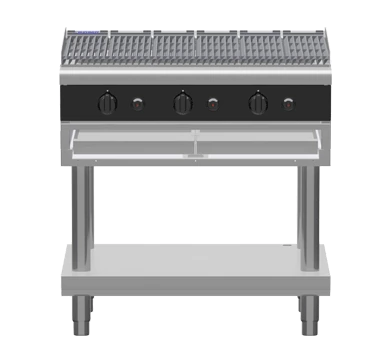
900 × 805 × 972mm
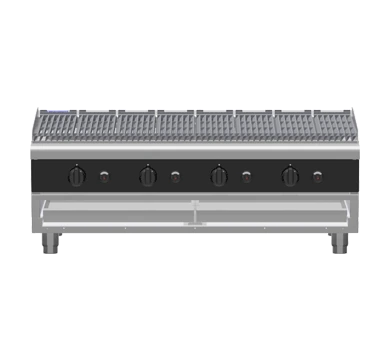
1200 × 805 × 472mm
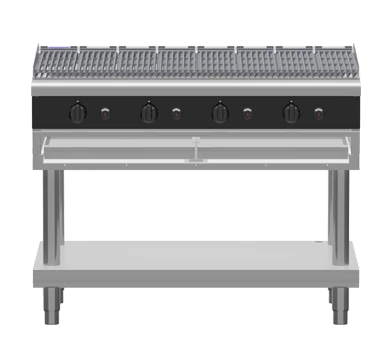
1200 × 805 × 972mm
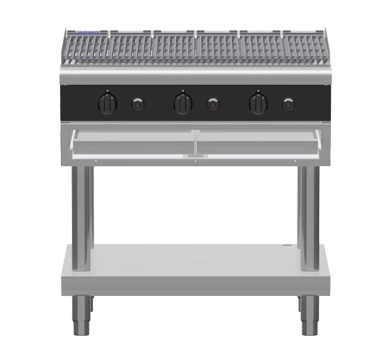
900 × 805 × 1130mm
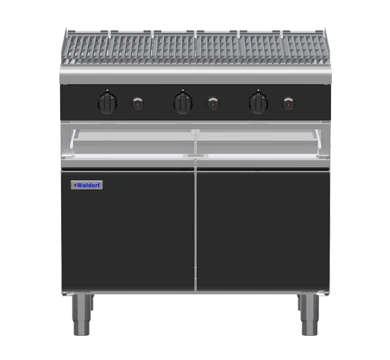
900 × 805 × 1130mm
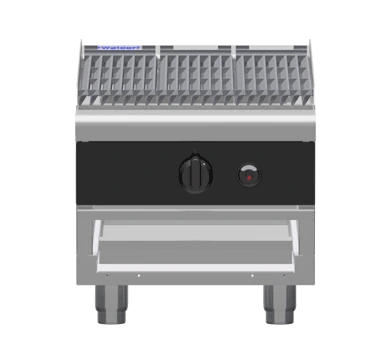
450 × 805 × 630mm
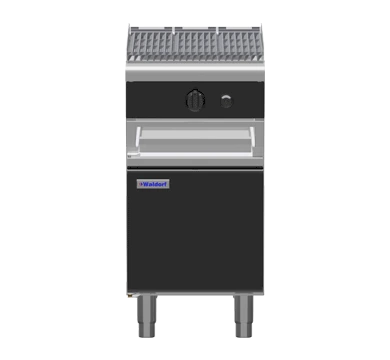
450 × 805 × 970mm
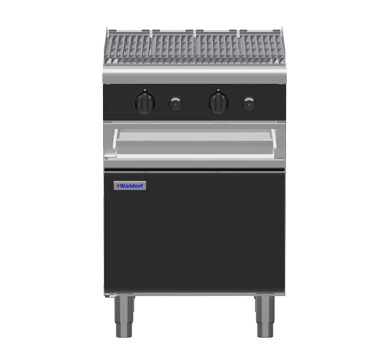
600 × 805 × 970mm
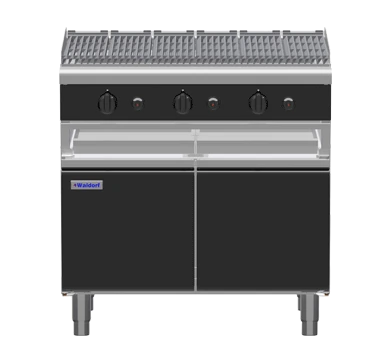
900 × 805 × 1130mm
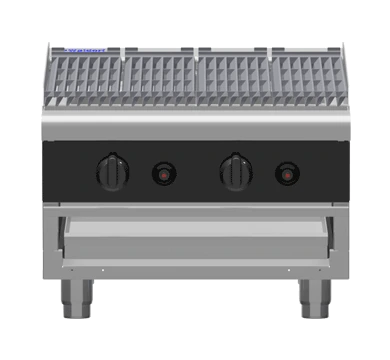
600 × 805 × 630mm
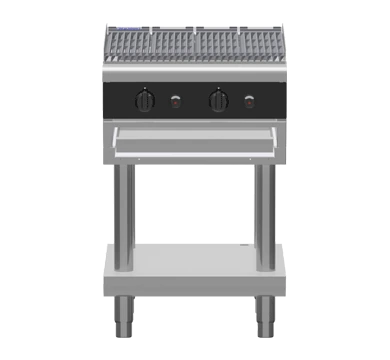
600 × 805 × 1130mm
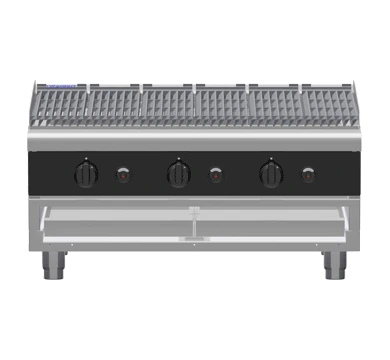
900 × 805 × 630mm
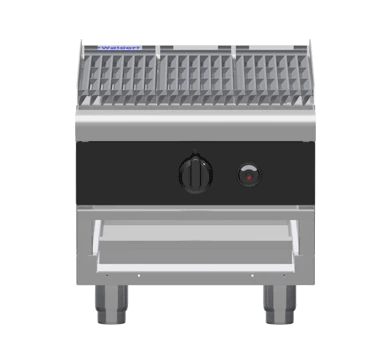
450 × 805 × 630mm
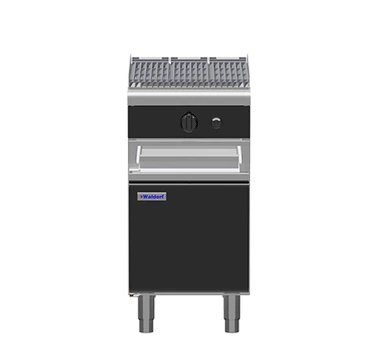
450 × 805 × 1130mm
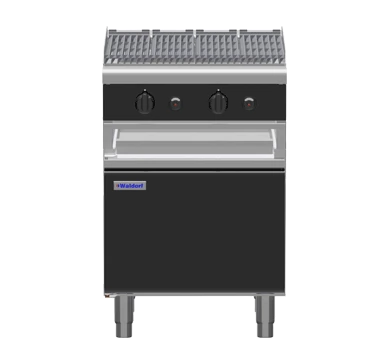
600 × 805 × 1130mm
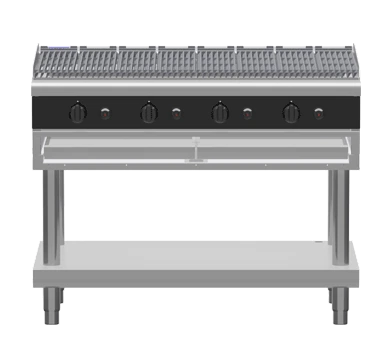
1200 × 805 × 1130mm
600 × 805 × 570mm
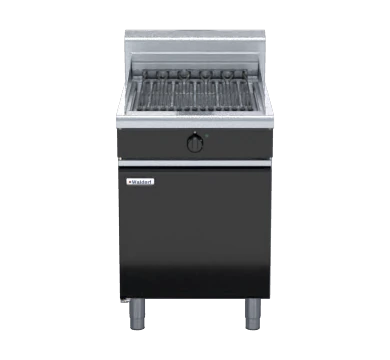
600 × 805 × 1130mm
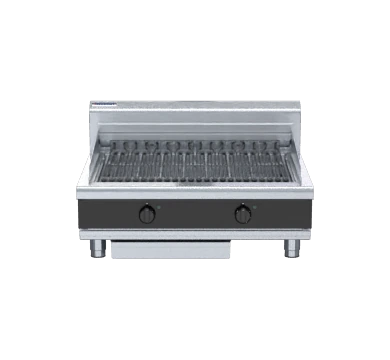
900 × 805 × 570mm
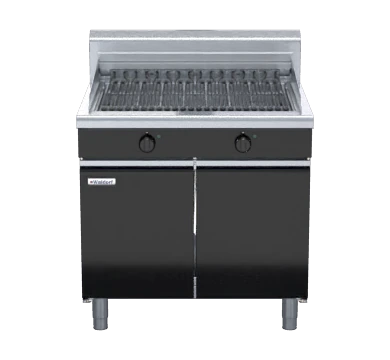
900 × 805 × 1130mm
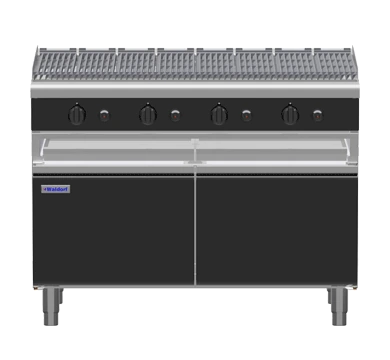
1200 × 805 × 1130mm
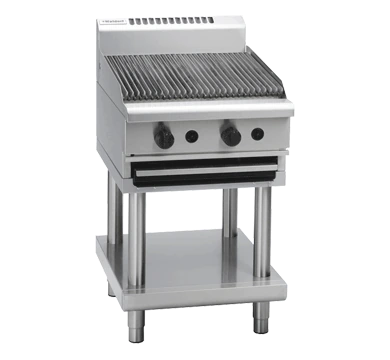
600 × 805 × 472mm
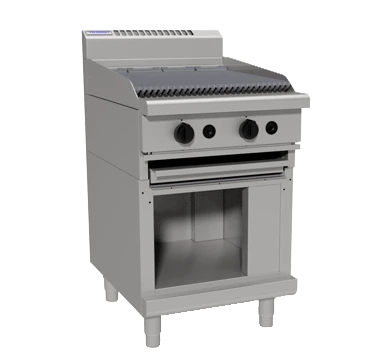
600 × 805 × 1130mm
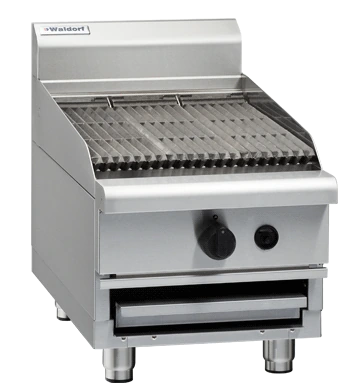
450 × 805 × 630mm
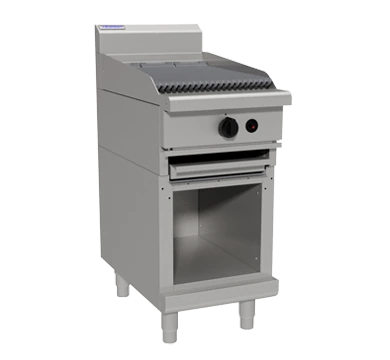
450 × 805 × 1130mm
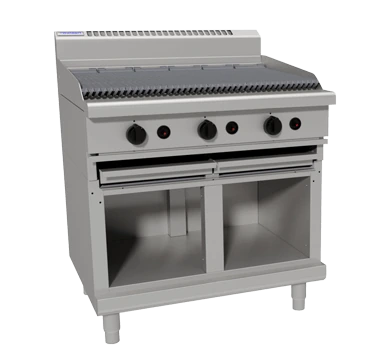
900 × 805 × 1130mm
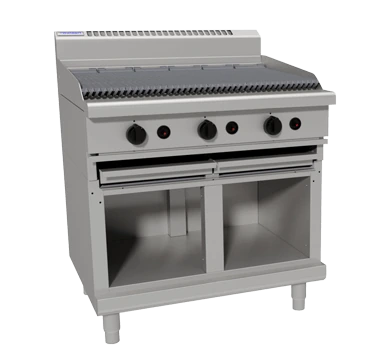
900 × 805 × 1130mm
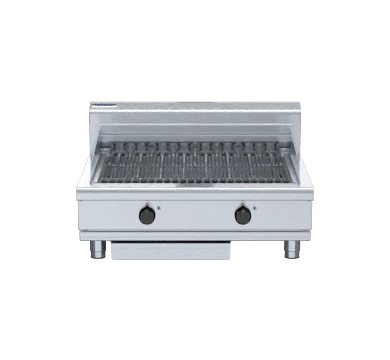
900 × 805 × 570mm
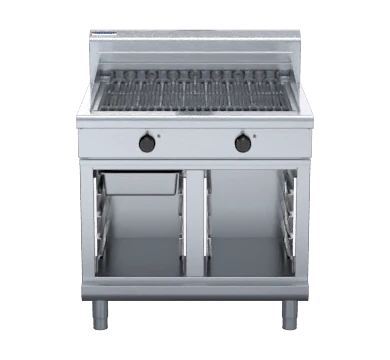
900 × 805 × 1130mm
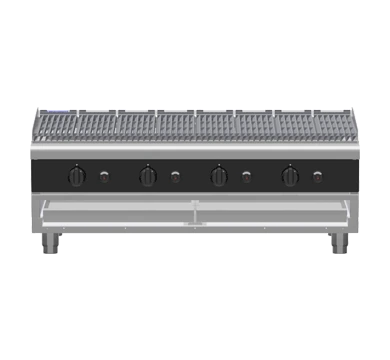
1200 × 805 × 630mm
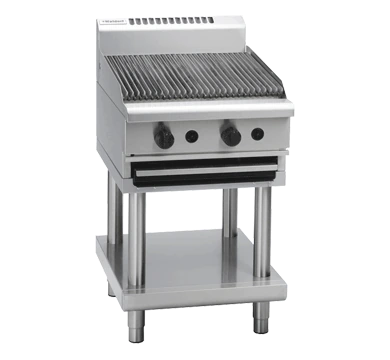
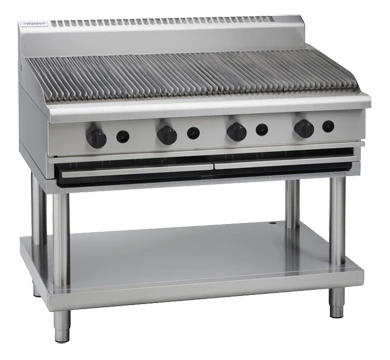
1200 × 805 × 1130mm
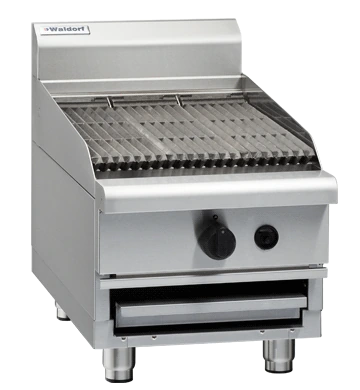
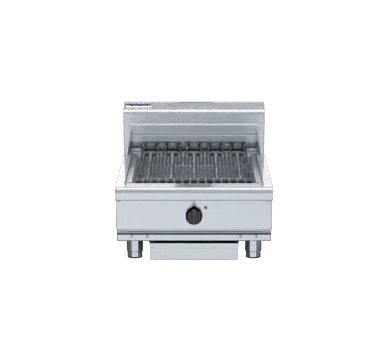
600 × 805 × 570mm
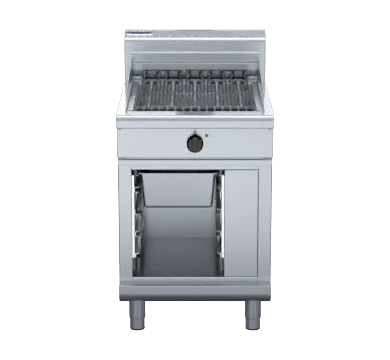
600 × 805 × 1130mm
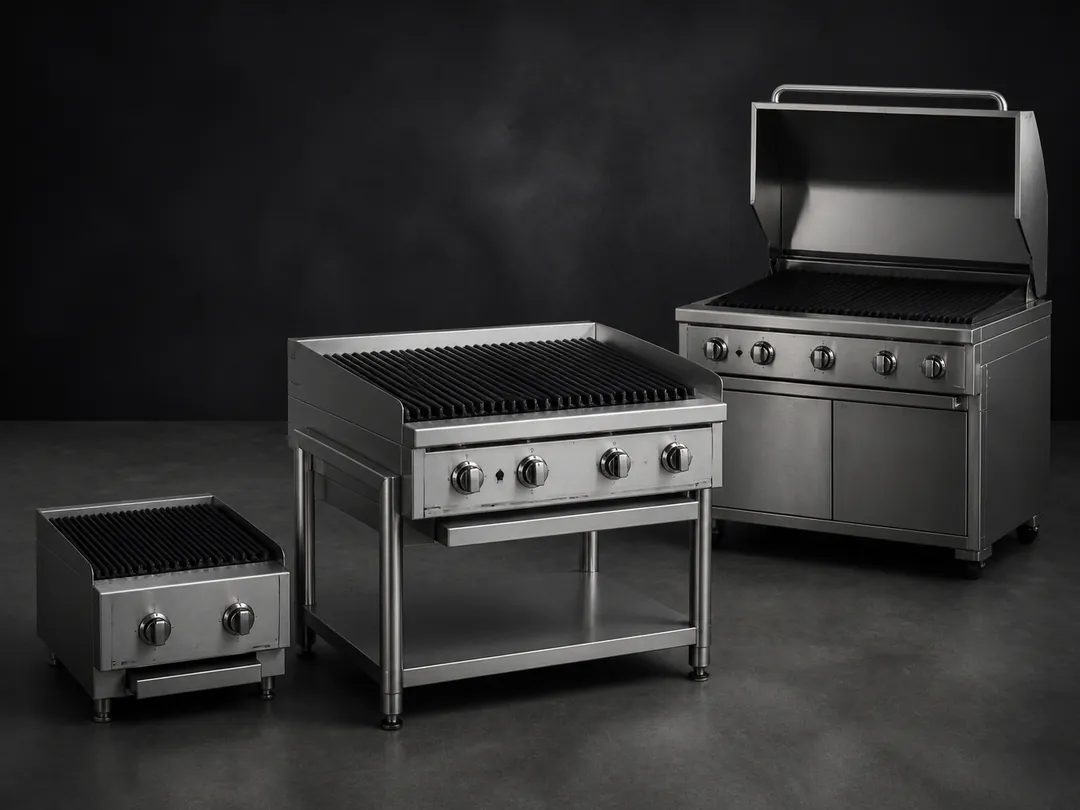
A commercial char grill is chosen around the food, the required grill character and the pace of the cookline. Grate width alone does not show whether the appliance can handle peak service: cooks also need usable heat zones, a controlled raw-to-cooked sequence and somewhere to rest finished food.
Radiant, lava-rock and solid-fuel formats produce different cooking and site demands. Compare the fuel or energy source, heat response, grease path and cleaning routine with the menu. Solid-fuel cooking requires particular attention to ventilation, fire controls and ash handling, so it should be assessed for the actual premises.
Key factors to consider before purchasing. Our team can help you find the right fit — call or get a quote anytime.
Match equipment capacity to your daily output. Consider available floor space and door clearances.
Confirm levelling, wall clearance and the access needed for cleaning and service. We can help with kitchen planning.
Submit your kitchen requirements — our equipment specialists will send you a tailored shortlist of commercial char grills & bbqs that fits your budget, venue type and compliance needs.
Standards & Compliance
List the products cooked at the same time and mark the grate area needed for searing, slower cooking and holding. Check that controls remain reachable and that utensils for raw food cannot be confused with those used at the finished-food side.
Confirm canopy coverage, make-up air, heat clearances and the applicable gas or electrical service with qualified trades. The installation assessment should reflect the selected grill format rather than a generic cookline allowance.
FAQ
Yes. Char grills produce significant smoke and grease-laden vapours. You need a compliant extraction canopy (often with high-efficiency filters) to meet Australian Standards (AS 1668.2).
Radiant grills are generally easier to clean because you don't have to deal with greasy, crumbling rocks. You simply remove the radiants and brush them down.
Yes, but ensure your grill has independent burner controls so you can create a "lower heat zone" for delicate fish, separate from your high-heat steak zone.
Choose a style that gives cooks enough controllable grate area for the menu’s different heat needs and peak load. Radiant or lava-rock formats may suit repeatable zone control, while solid fuel may be chosen for a particular cooking character only when its ventilation, fire-control and ash-handling requirements suit the site.
Set one area for strong searing and another for gentler cooking or short holding, then move food according to its thickness and required finish. This prevents every order competing for the hottest part of the grate and gives cooks a practical way to manage mixed products during a rush.
Confirm canopy capture, exhaust capacity, make-up air and clearances for the selected fuel and heat output with qualified trades. Check the actual installation documentation, and obtain a separate site assessment for solid-fuel equipment rather than applying the assumptions used for a gas or electric grill.
Brush grates as required during service, keep drainage paths open and empty grease collectors before build-up reaches hot components. At shutdown, allow parts to cool and remove trays or radiants only as directed, using the model’s cleaning procedure rather than washing hot grease into the appliance.
Why KW
For a char-grill station, KW can review cooking surface, menu volume, grease management, ventilation and cookline layout before the equipment position is settled. To discuss the proposed char-grill station and cookline layout, call KW on 1300 001 366.
Deep Dive
Technical depth from KW's commercial kitchen specialists.
A varied menu benefits from areas that can sear, cook through and hold briefly without applying the same heat to every product. Before choosing a grill, test whether the grate can be divided into practical zones while leaving enough room to turn food safely.
Brush grates at the interval required by the menu and empty grease collection points before deposits reach burners or radiants. Allow components to cool as directed, and follow the specified shutdown and ash-removal procedure for the chosen fuel type.
Arrange the station so raw product enters from one side and cooked food leaves from another. Provide distinct utensil positions and a heat-safe landing area; this sequence should remain workable when every planned grate zone is occupied.
Have licensed trades verify energy connections, canopy capture, make-up air and clearances from heat-sensitive surfaces. A charcoal or other solid-fuel grill needs a site-specific assessment and must not be treated as equivalent to a gas or electric radiant appliance.
Choose an open-grate char grill when direct radiant heat and grill marking are part of the result. Use commercial griddles where full plate contact and a continuous cooking surface suit the menu, or compare commercial salamander grills when overhead finishing, melting or browning is the job. Review the wider commercial cooking equipment range and plan the surrounding line as one workflow.