Commercial Cooking Equipment
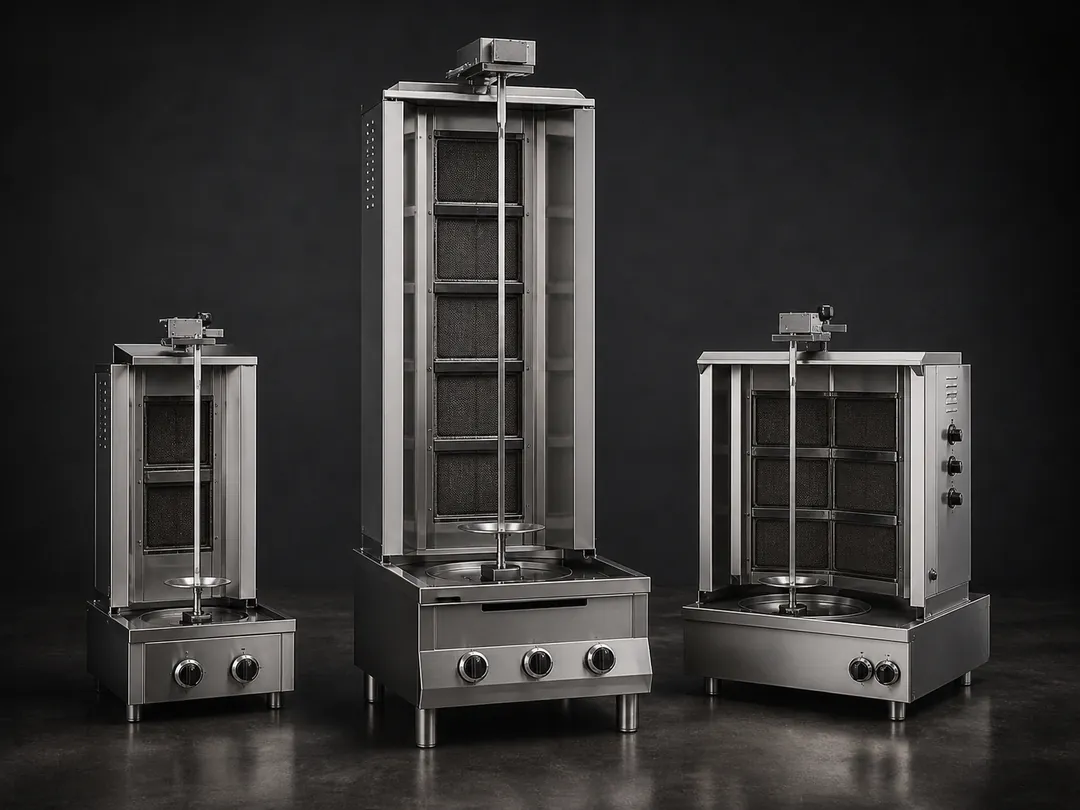
A kebab machine holds a vertical meat cone in front of controlled heat so cooked outer layers can be sliced during service. Selection begins with the amount prepared for the busiest period, the pace of slicing and whether the station gives staff a safe route from loading to carving and finished-food holding.
Countertop and floor-standing arrangements can place the spit, controls and drip tray at different working heights. Check that the chosen cone can rotate without contacting the heat source, that each heating zone can be managed as the cone changes shape and that the carving side has enough room for the knife and receiving tray.
Key factors to consider before purchasing. Our team can help you find the right fit — call or get a quote anytime.
Match capacity to your daily output. Consider the bench or floor space available and the access route for delivery.
Check the power supply and circuit capacity at the installed position before ordering.
This range includes both gas and electric models, so installation requirements depend on the model you choose — gas type and connection for gas models, circuit capacity for electric. Allow the ventilation clearance the manufacturer specifies. We can help with kitchen planning.
Submit your kitchen requirements — our equipment specialists will send you a tailored shortlist of commercial kebab machines that fits your budget, venue type and compliance needs.
Standards & Compliance
Compare gas and electric heating by the services available on site, the control arrangement and the planned cooking routine. Confirm ventilation, clearances and energy connections for the exact machine with qualified installers; do not infer these requirements from another vertical rotisserie.
The skewer, shields and drip tray need a clear removal path for cleaning. Plan where raw assembly occurs, where cooked slices land and how utensils are separated so the station does not mix raw handling with ready-to-serve food.
FAQ
Estimate the meat prepared for the busiest service window and how quickly staff can cook, slice and serve it safely. Choose a spit and heating-zone arrangement that supports that workflow without forcing an oversized cone to remain in service longer than the venue’s food-safety plan allows.
Compare the energy service available, control layout, heat-zone arrangement and installation requirements for the actual site. Neither option is automatically better: choose gas or electric only after qualified installers confirm compatibility and the operator is satisfied with the required heating and shutdown routine.
The ventilation requirement depends on the heat source, cooking load, machine instructions and local installation conditions. Have the proposed position assessed for canopy capture, exhaust and make-up air rather than assuming a countertop or electric format can operate without mechanical ventilation.
Why KW
KW can discuss the menu volume first, then work through heat source, available cookline space and the practical sequence for carving and clean-down. Call 1300 001 366 for help assessing a kebab machine for an Australian takeaway or restaurant.
Deep Dive
Technical depth from KW's commercial kitchen specialists.
A commercial kebab machine (Doner, Shawarma or Gyros rotisserie) operates in the W4 hot line where open flames, radiant heat and heavy grease load combine. Vertical rotisserie cooking demands precise burner control, torque-rated motor performance, safe grease handling and correct ventilation to prevent uneven cooking, flare-ups and food safety issues.
Vertical cooking relies on a combination of radiant and convective heat. Burner choice determines crust development, fuel efficiency and maintenance requirements.
Vertical kebab cooking forms three distinct thermal layers:
Handle remaining food under the venue’s safety procedure, isolate the machine and allow components to cool. Remove the skewer, shields and drip tray as instructed, wash removable parts, clear grease from fixed surfaces without flooding controls, then dry everything before reassembly.
Look for independent control where the service plan requires it, because the upper and lower sections of a cone may not need identical heat throughout the day. The spit position and zone layout should let staff keep the cooked cutting face aligned with active heat without scorching a narrow section.
At shutdown, follow the food-safety procedure for remaining product and allow hot components to cool as directed. Remove the skewer, guards and drip tray in the specified order, clean away grease and food deposits, then dry and refit parts before the next setup.
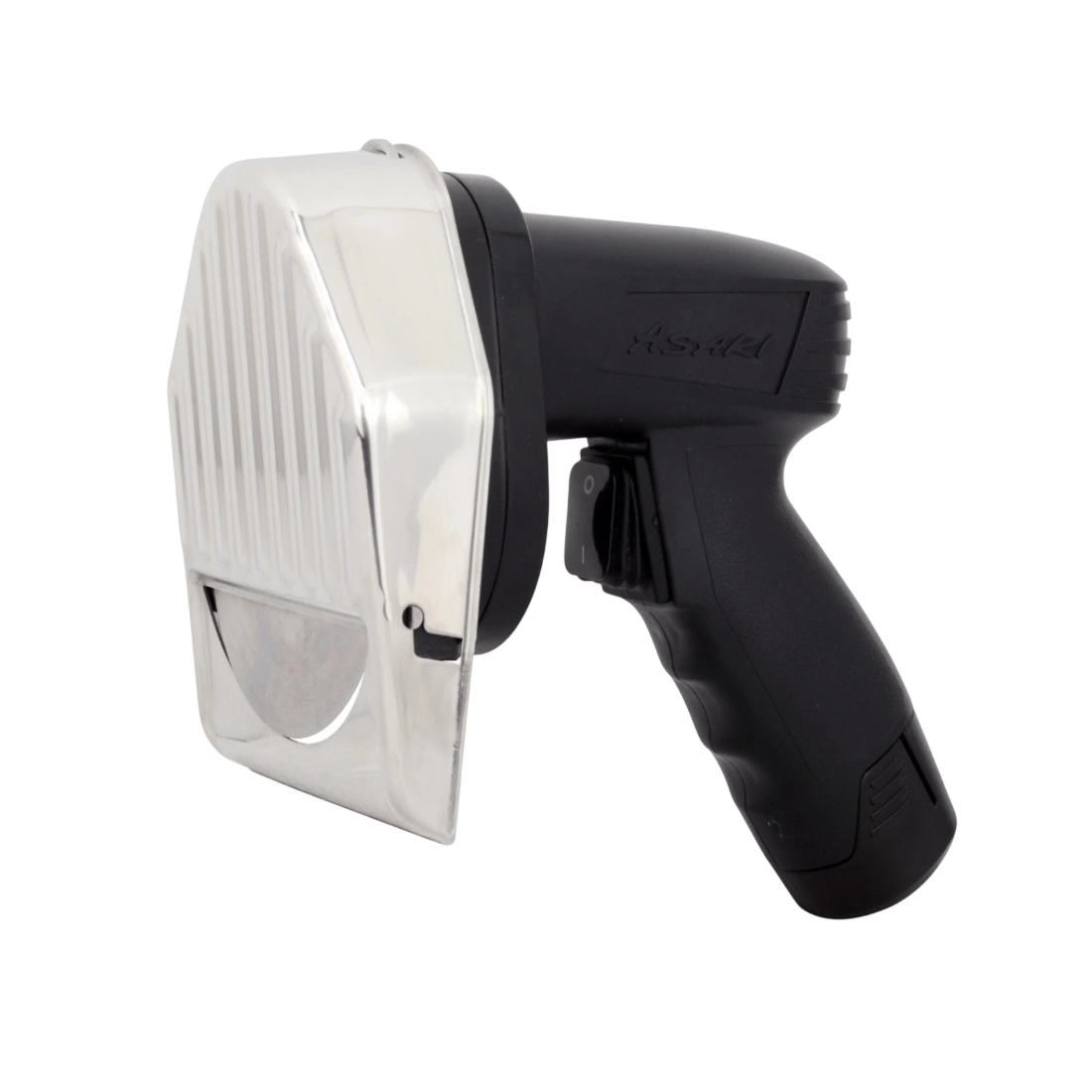
Reserve a stable surface beside the cutting face for the receiving pan and keep knife movement away from controls and customer reach. Finished slices should move directly to the next safe holding or assembly step without crossing the raw cone preparation area.
Check canopy coverage where required, the distance from heat-sensitive surfaces and access to the machine’s isolation point. Qualified trades should confirm gas or electrical installation, while the final layout must leave the drip area and service panels reachable.
Plan utensil washing with suitable dishwashing equipment, compare the surrounding cooking categories and coordinate preparation and holding through the wider kitchen fitout range.
14 results
537 × 639 × 1013mm
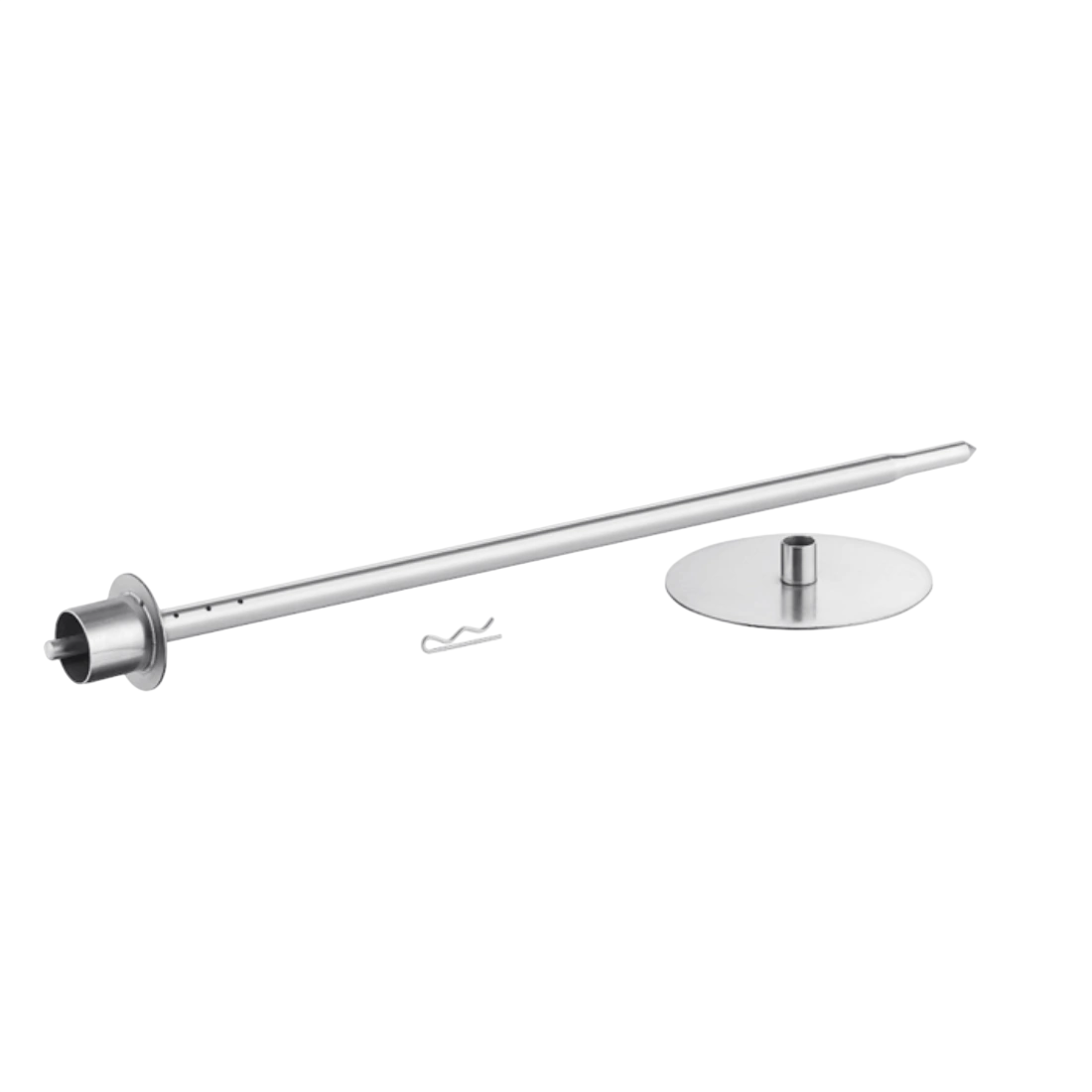
200 × 200 × 620mm
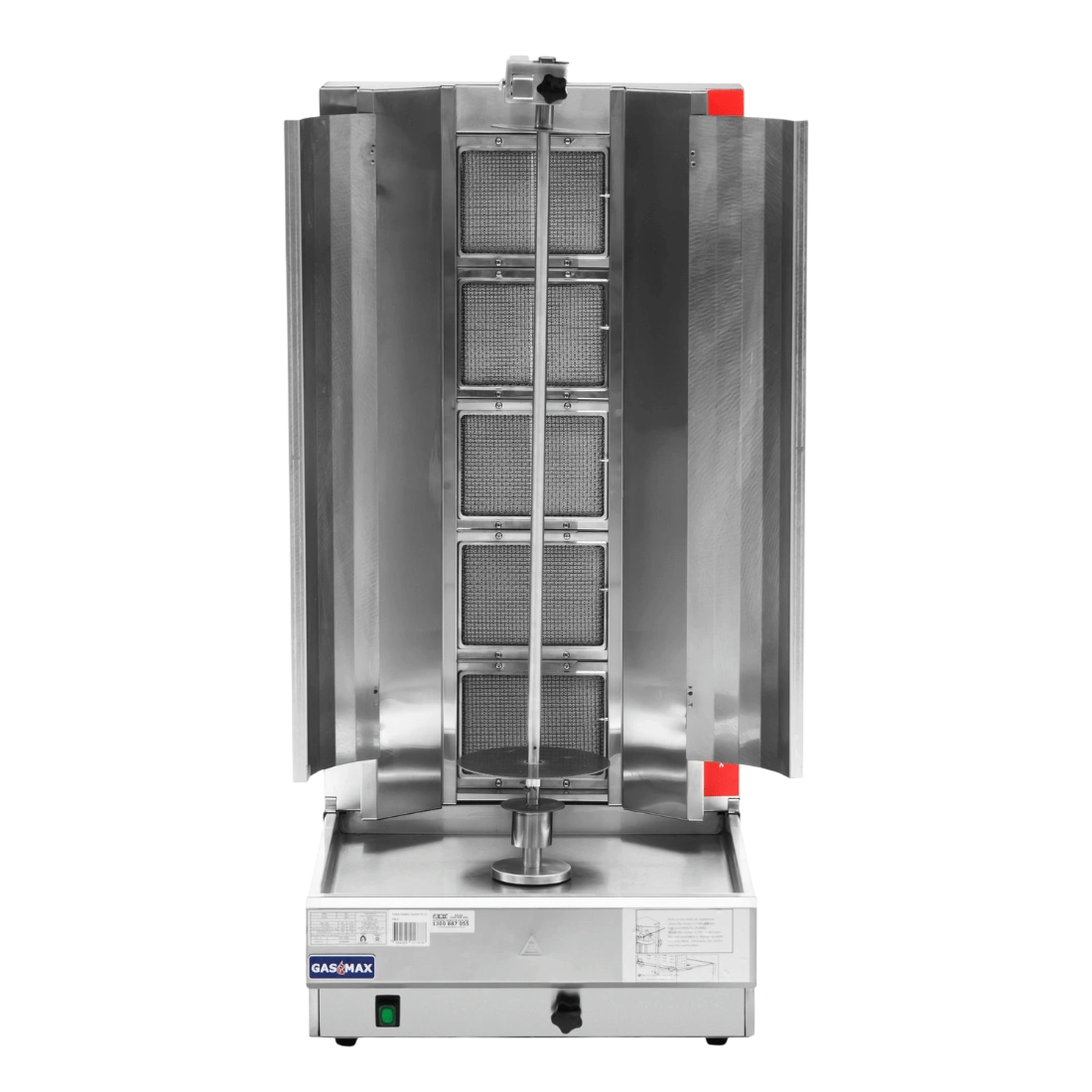
537 × 639 × 1170mm
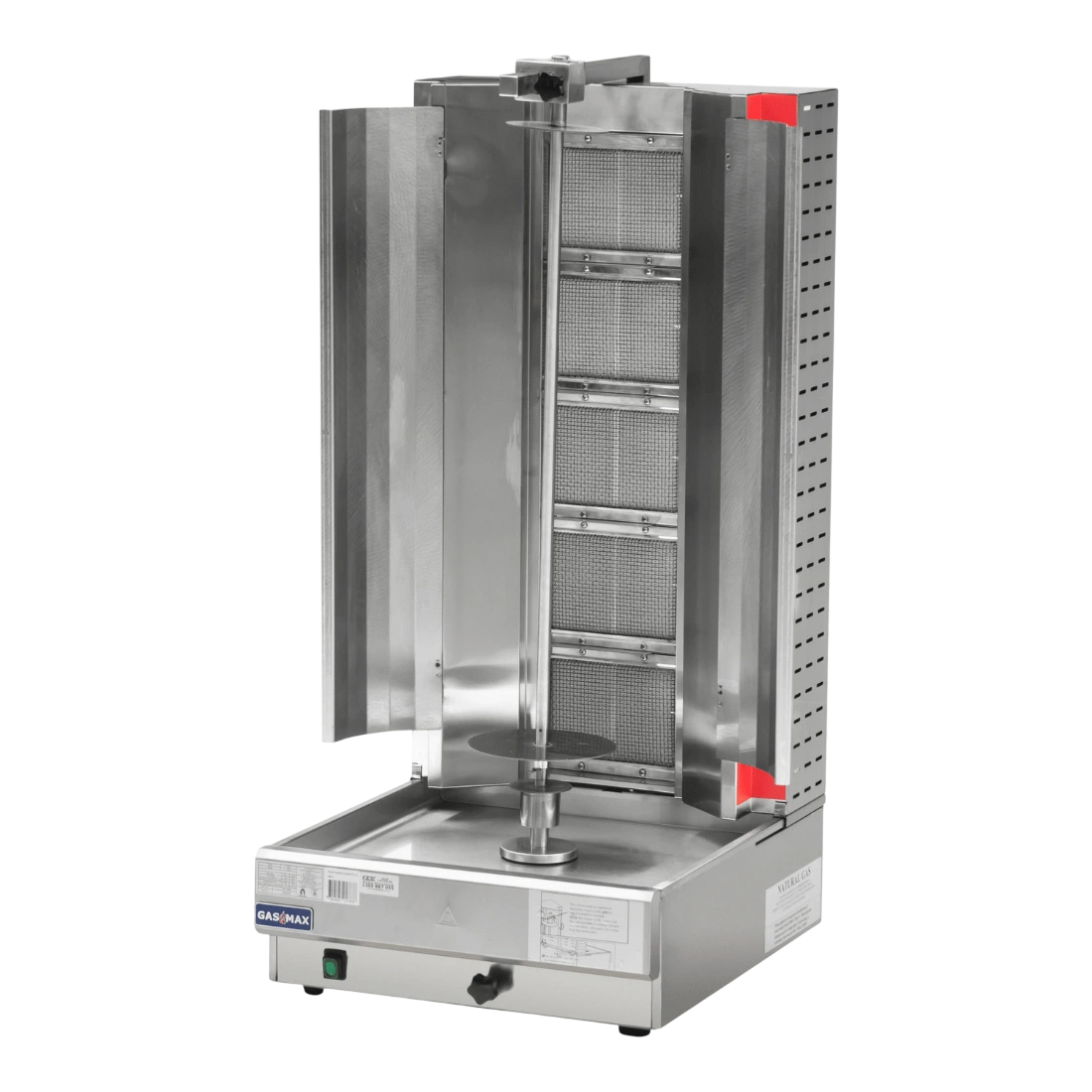
537 × 639 × 1170mm
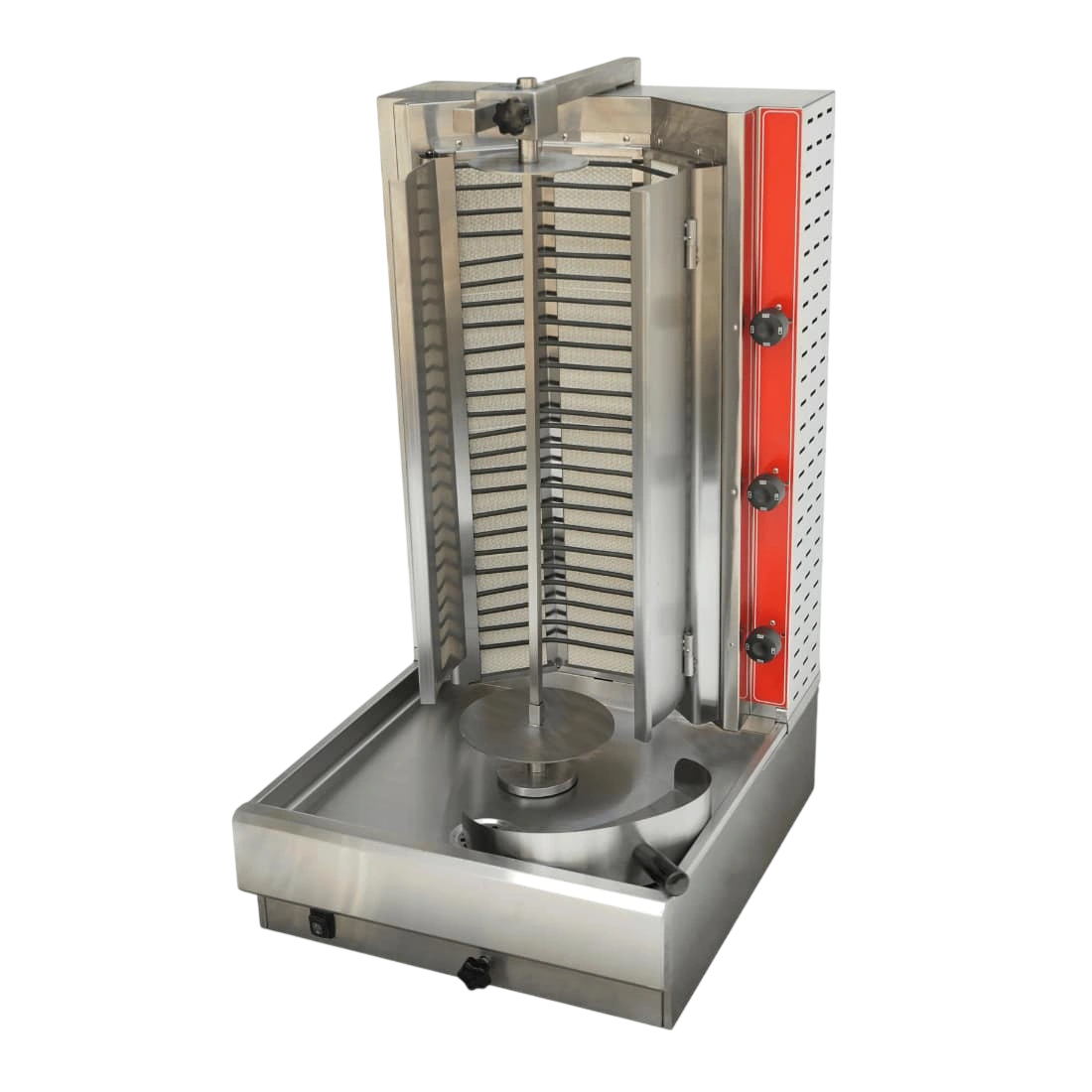
535 × 607 × 950mm
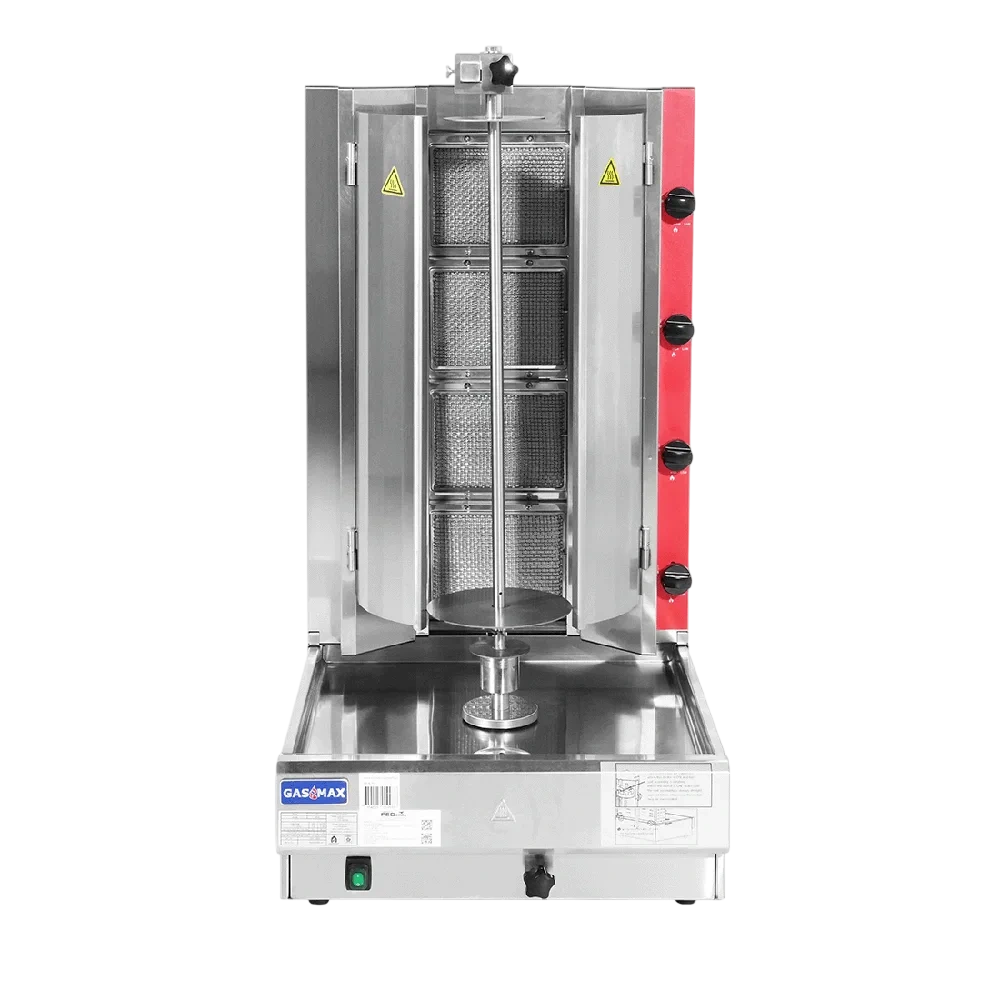
537 × 639 × 1013mm
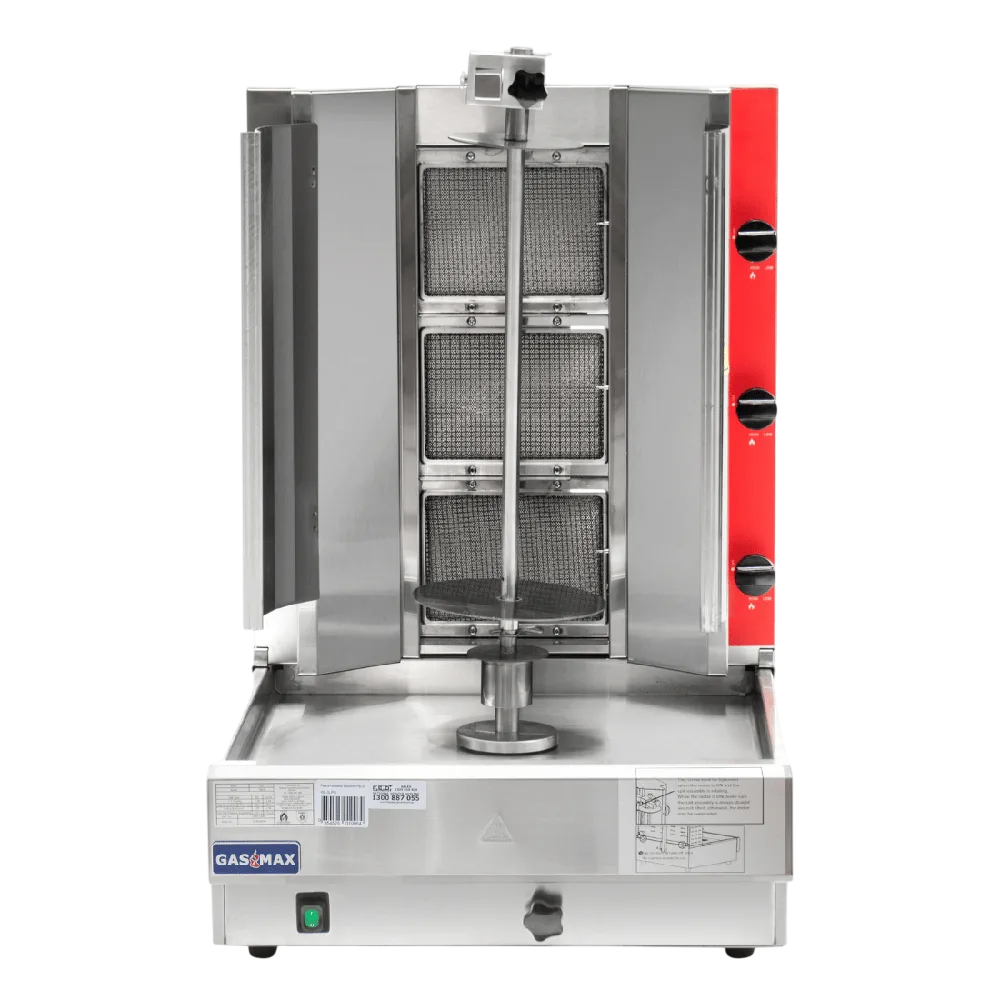
537 × 639 × 843mm
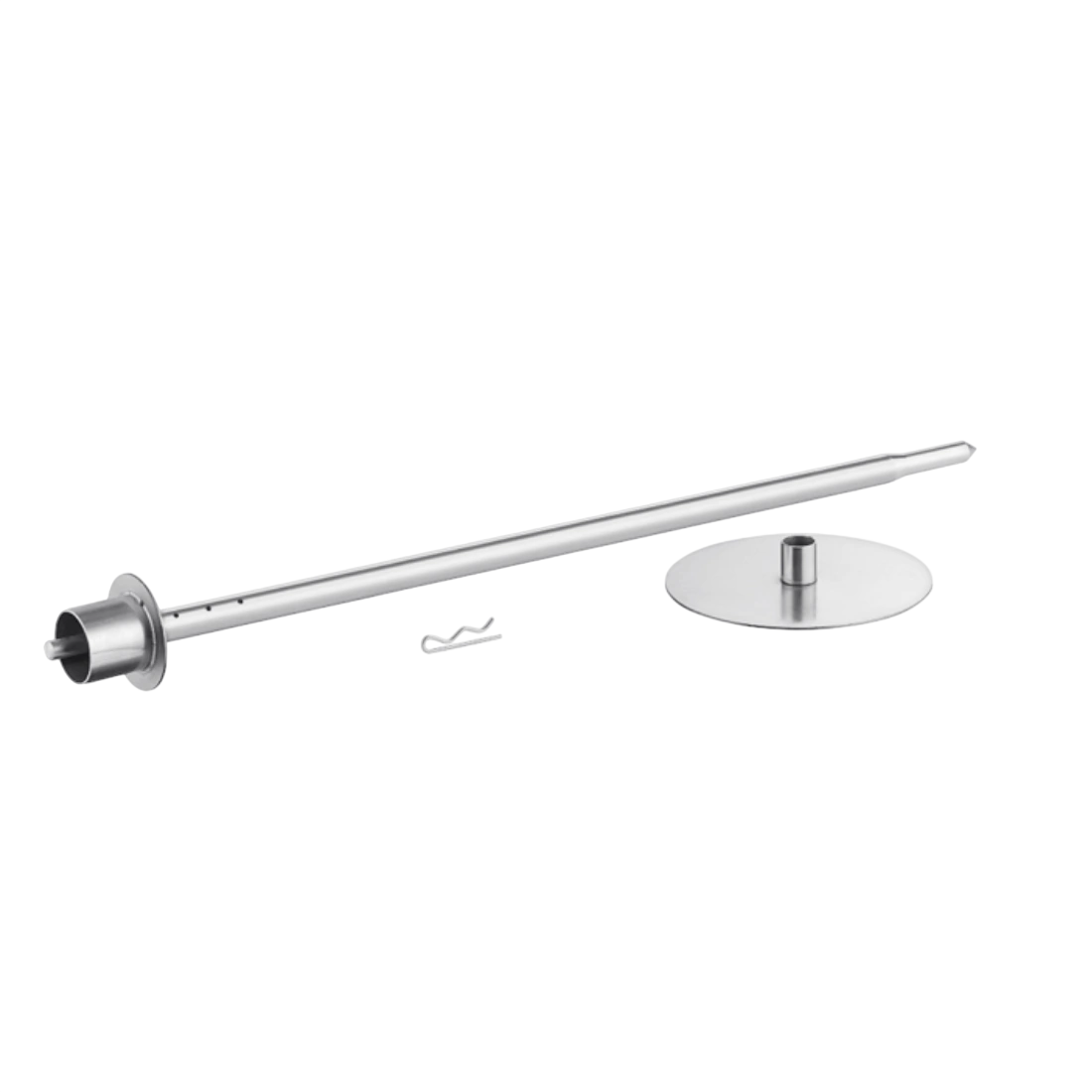
500 × 200 × 200mm
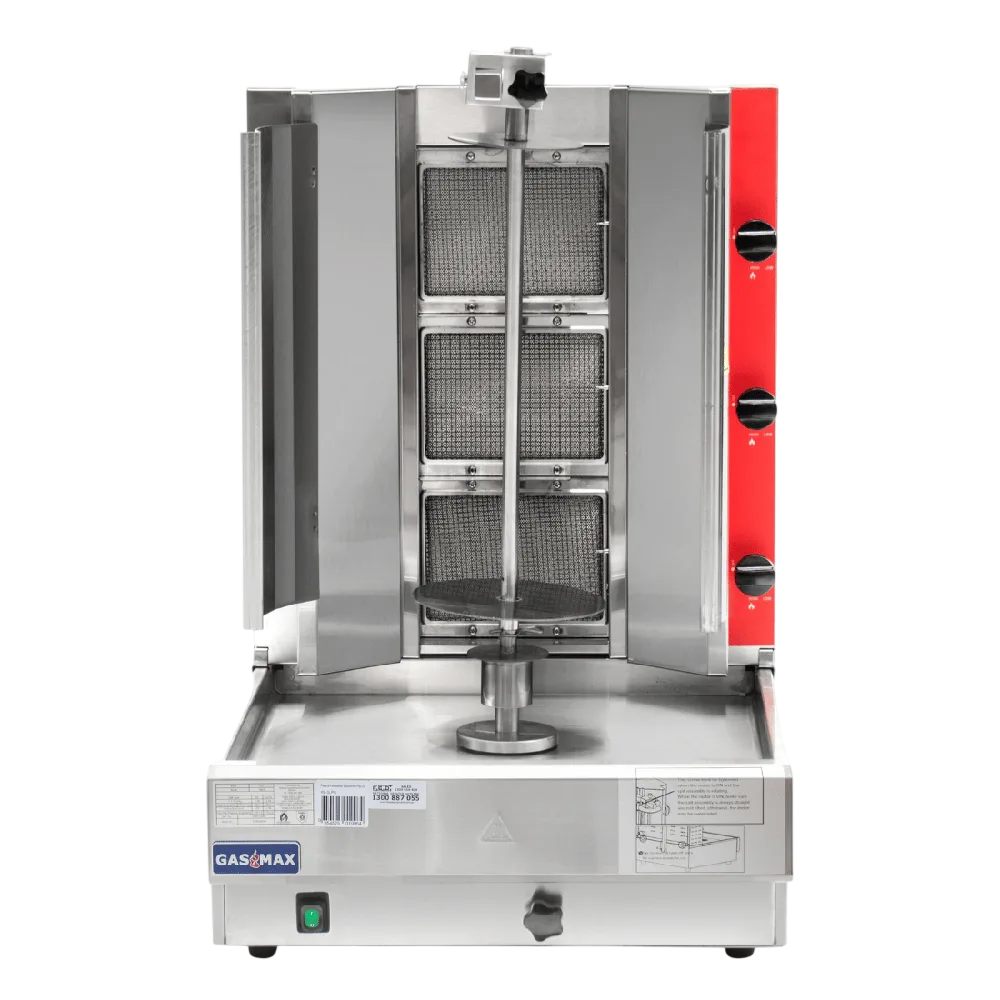
537 × 639 × 843mm
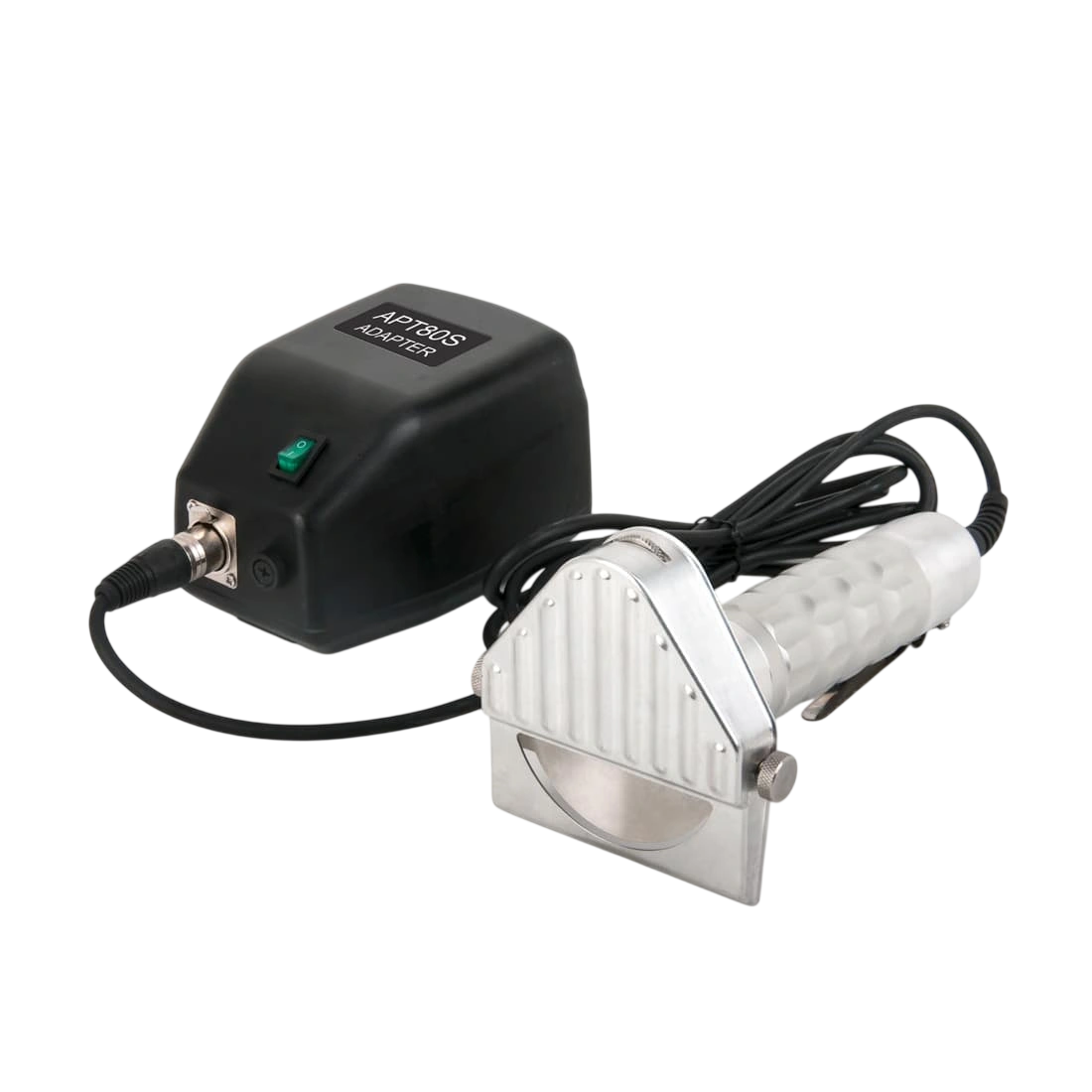
230 × 315 × 125mm
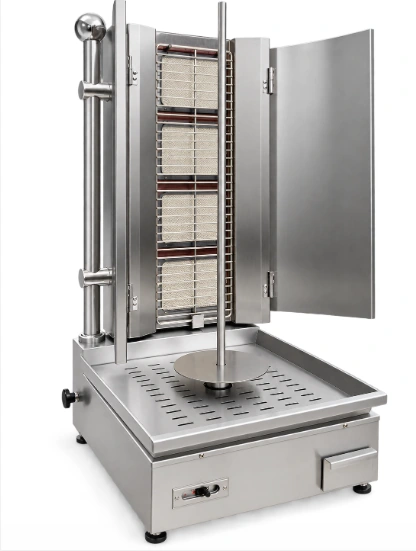
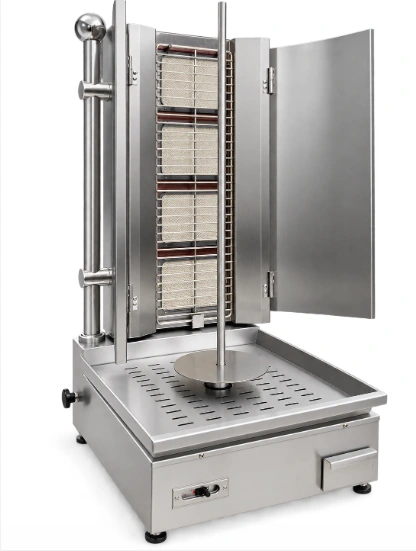
480 × 600 × 1010mm
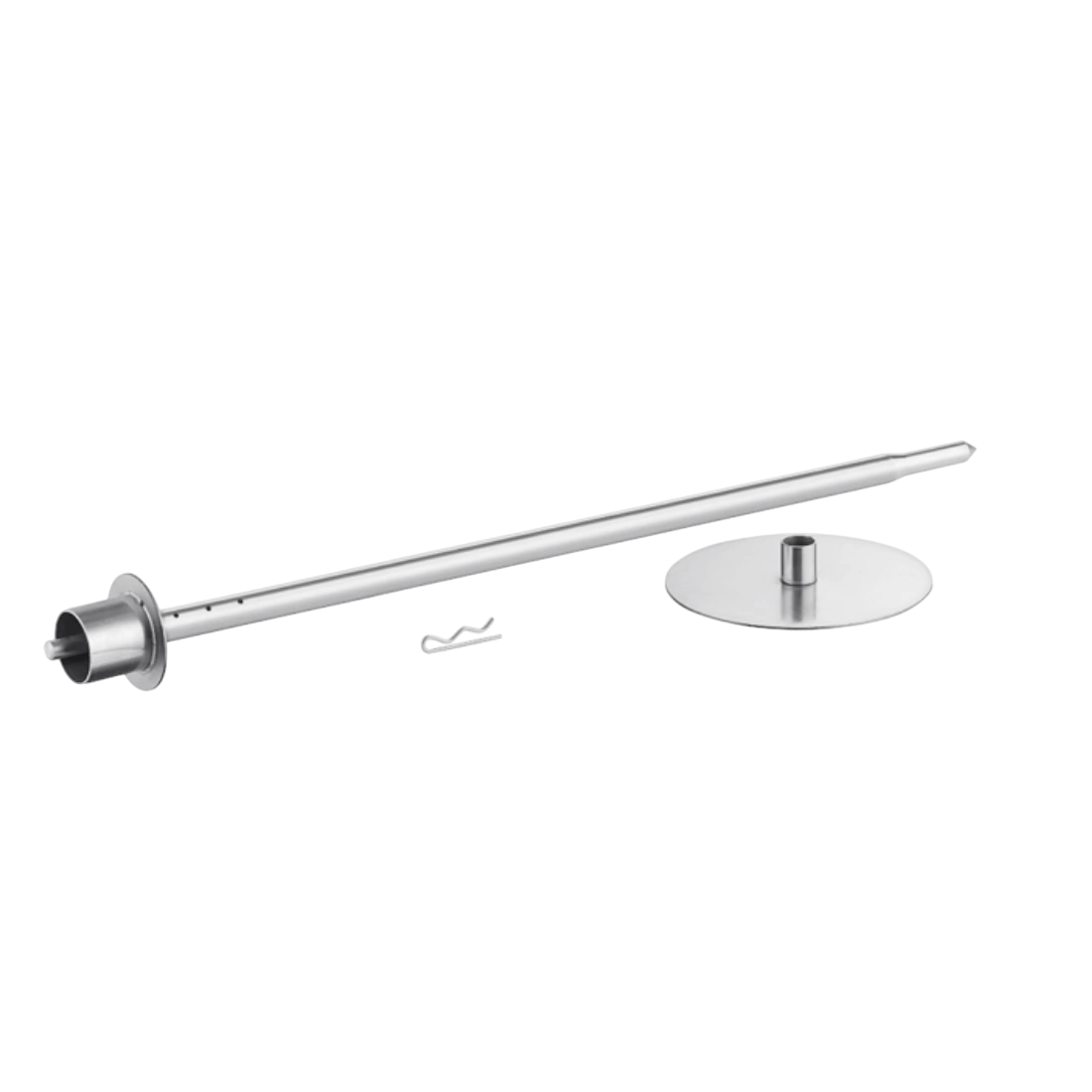
200 × 200 × 650mm