
Commercial Kitchen Utensils
179 results
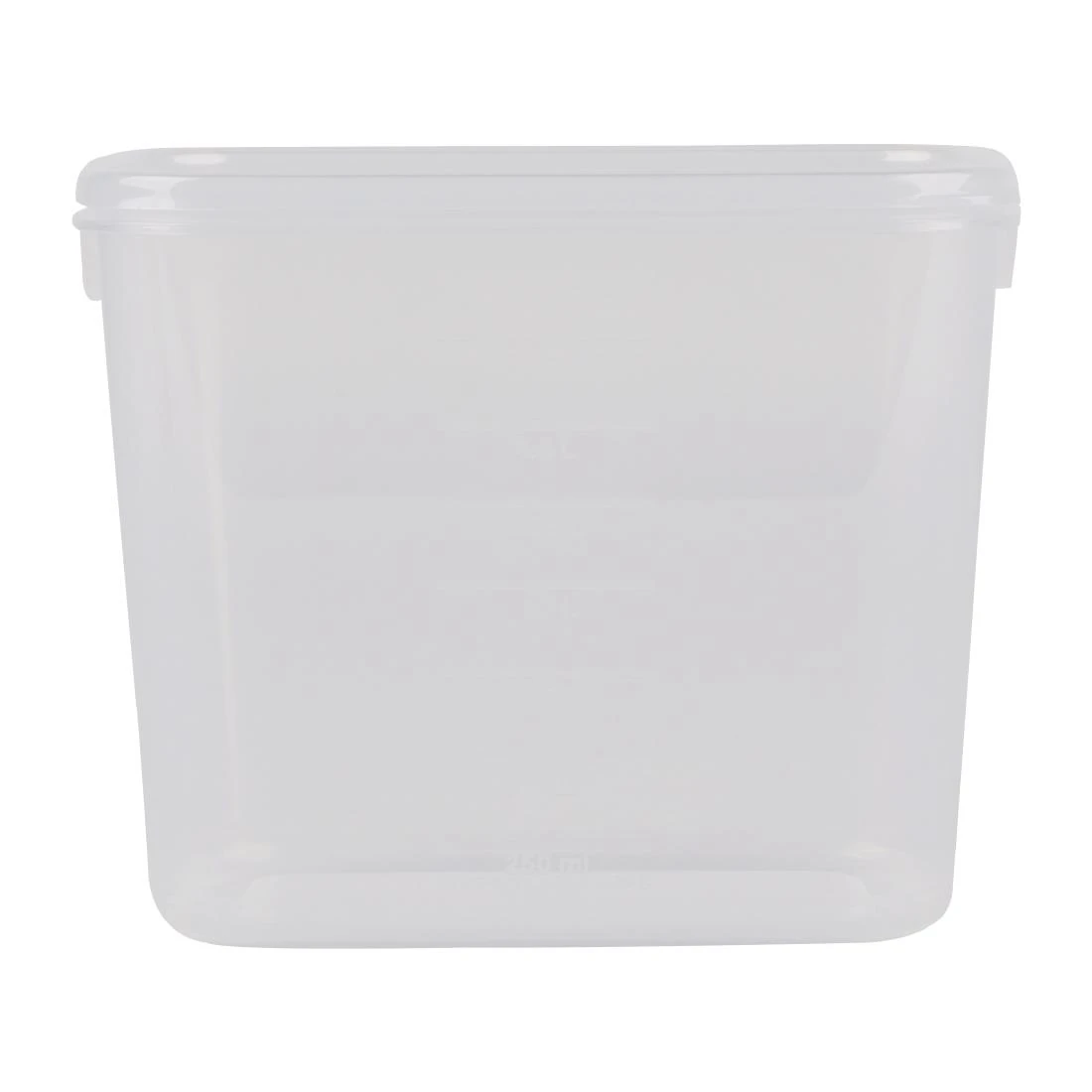
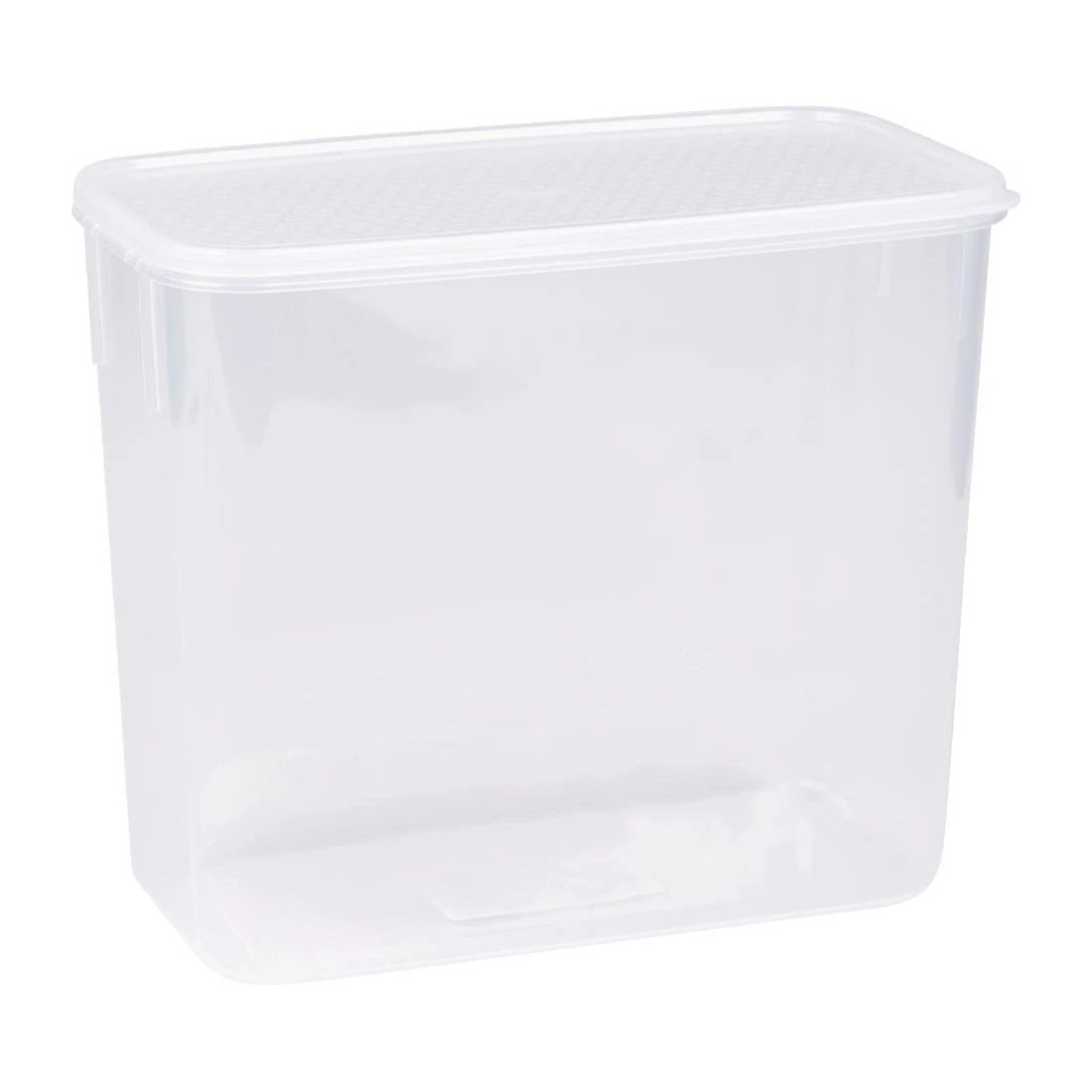
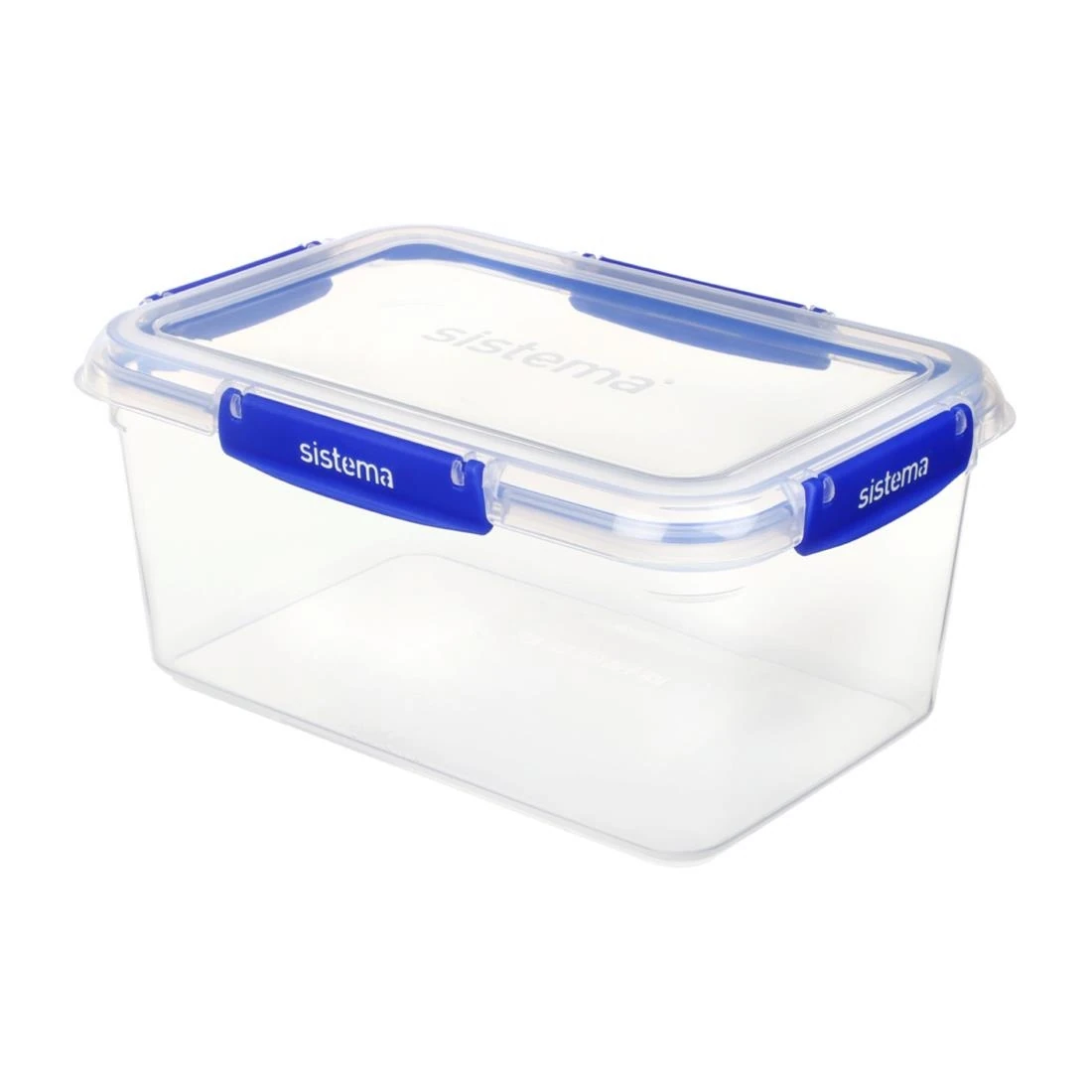
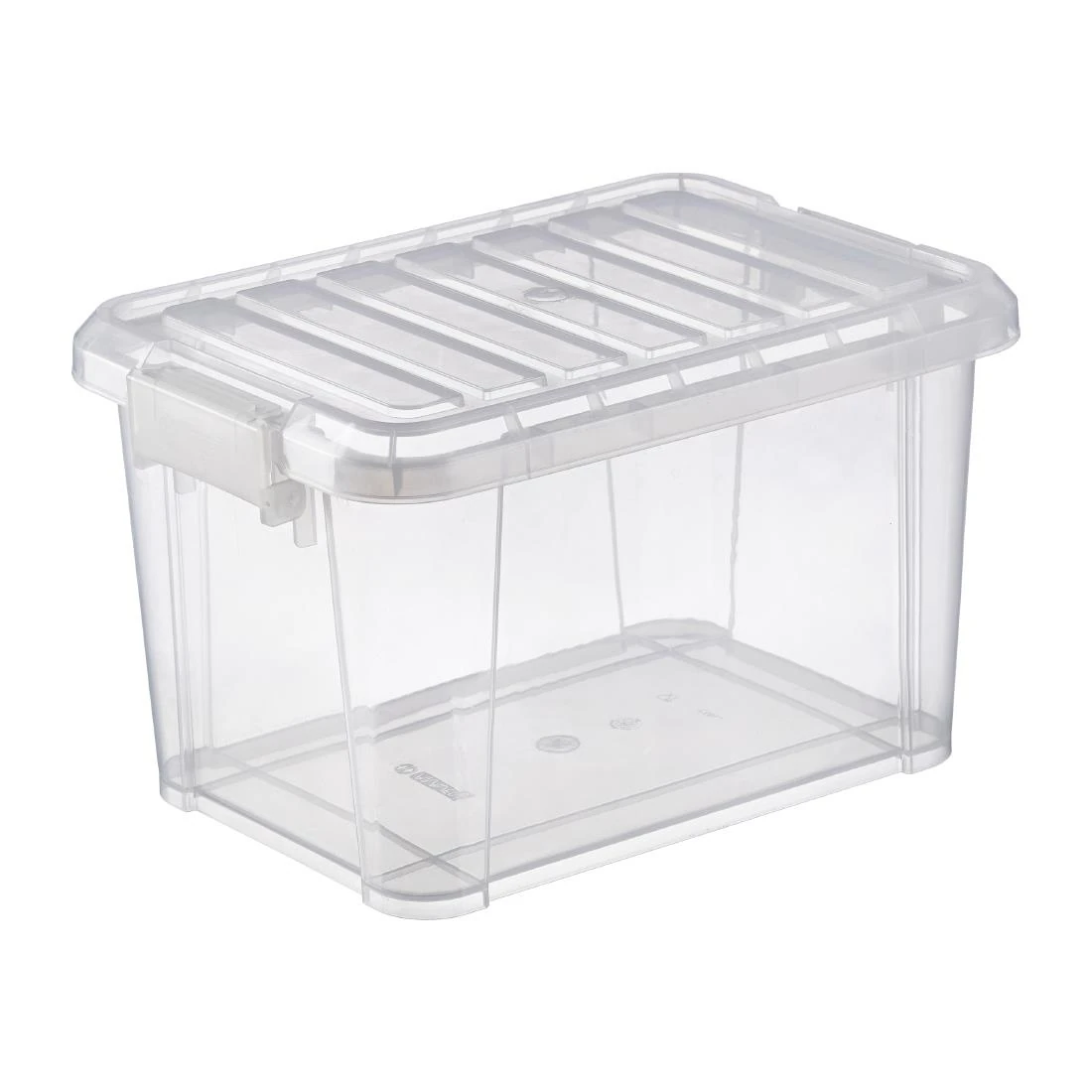
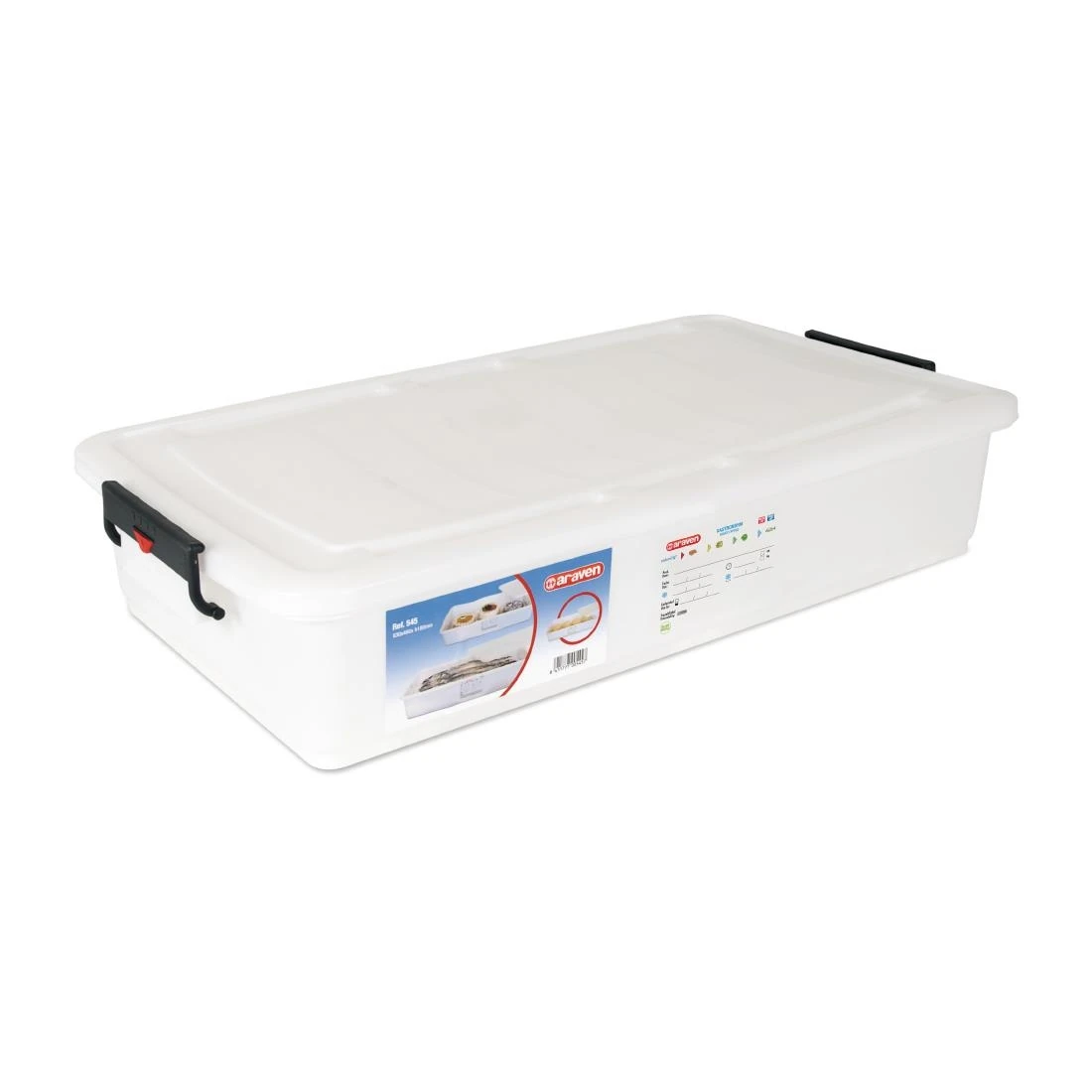
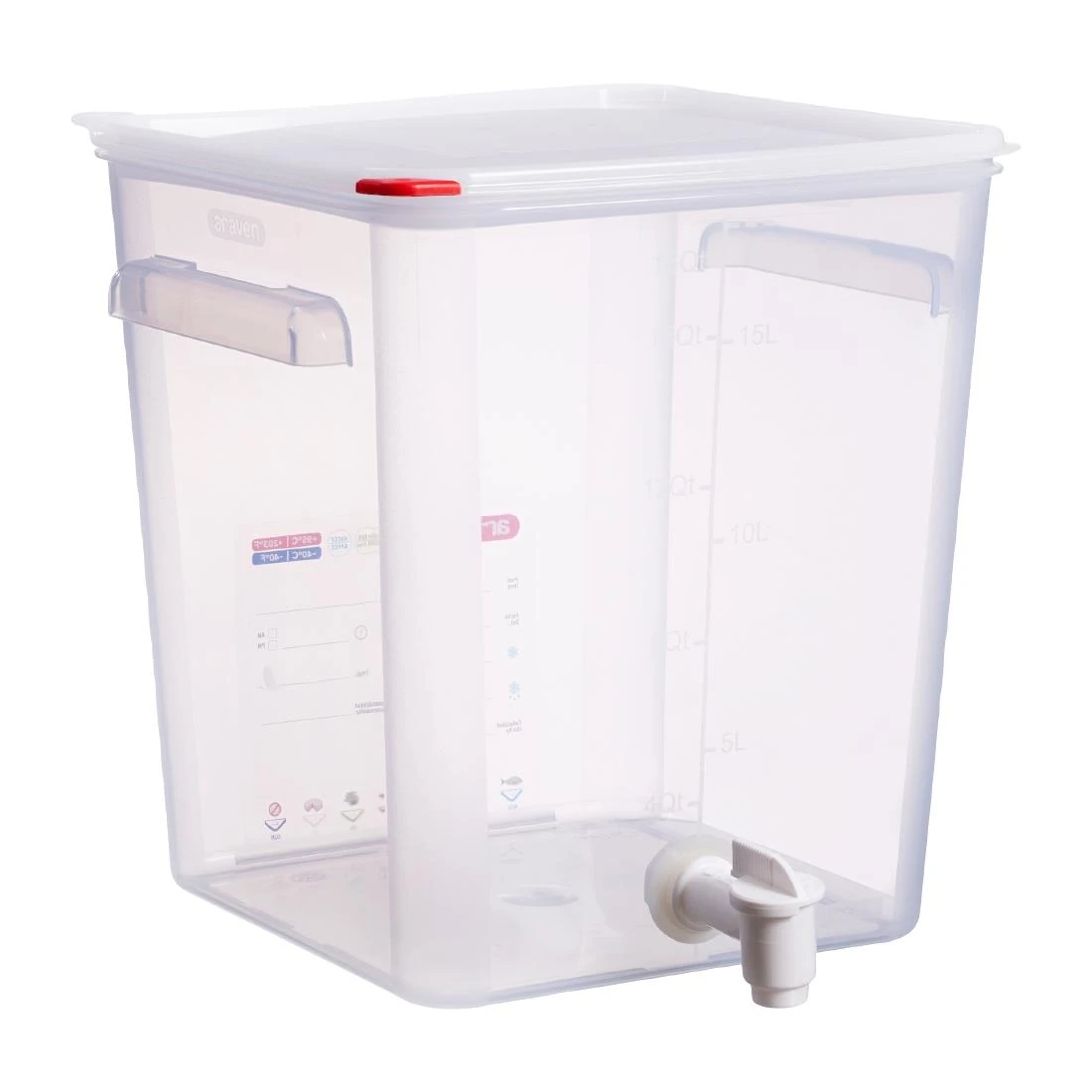
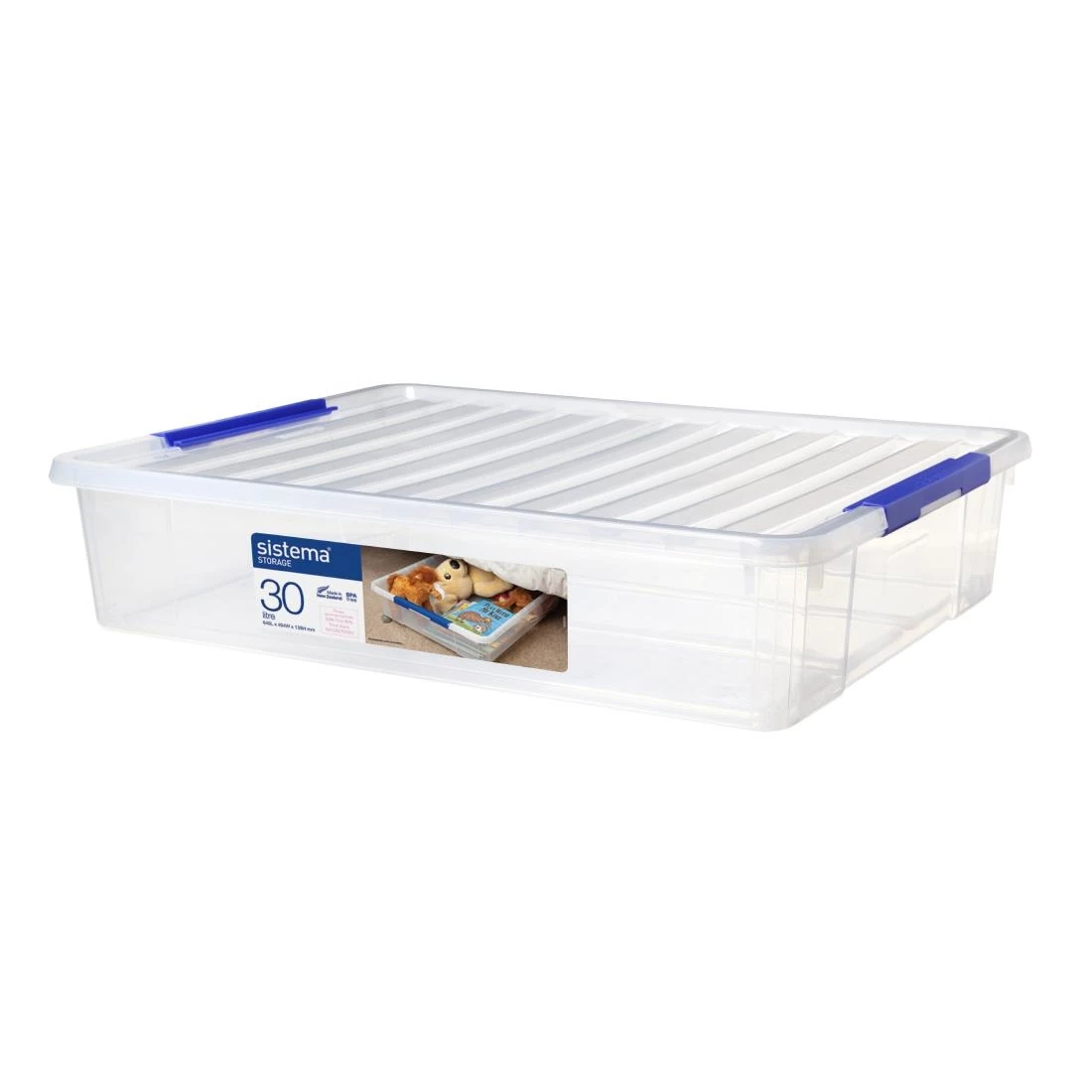
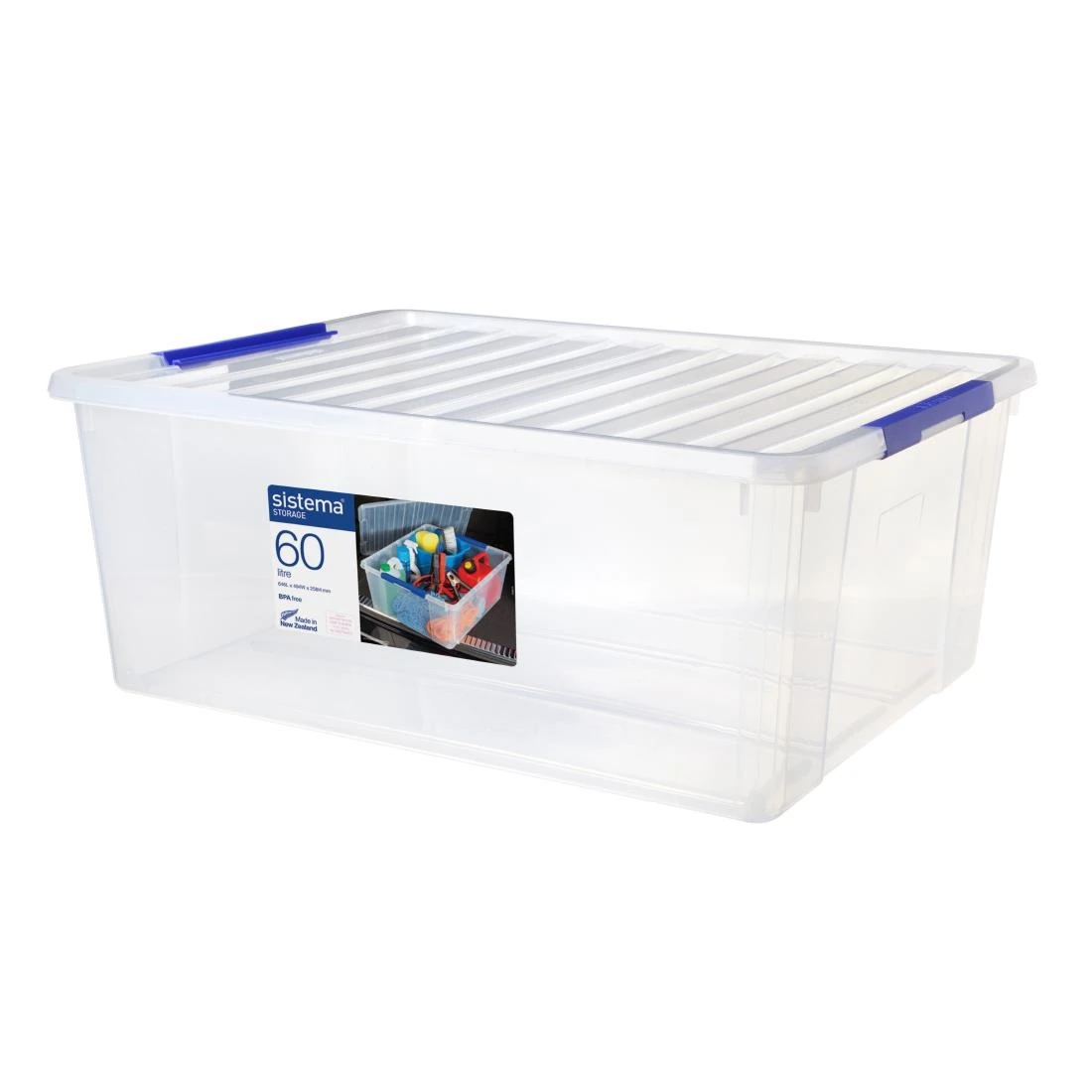
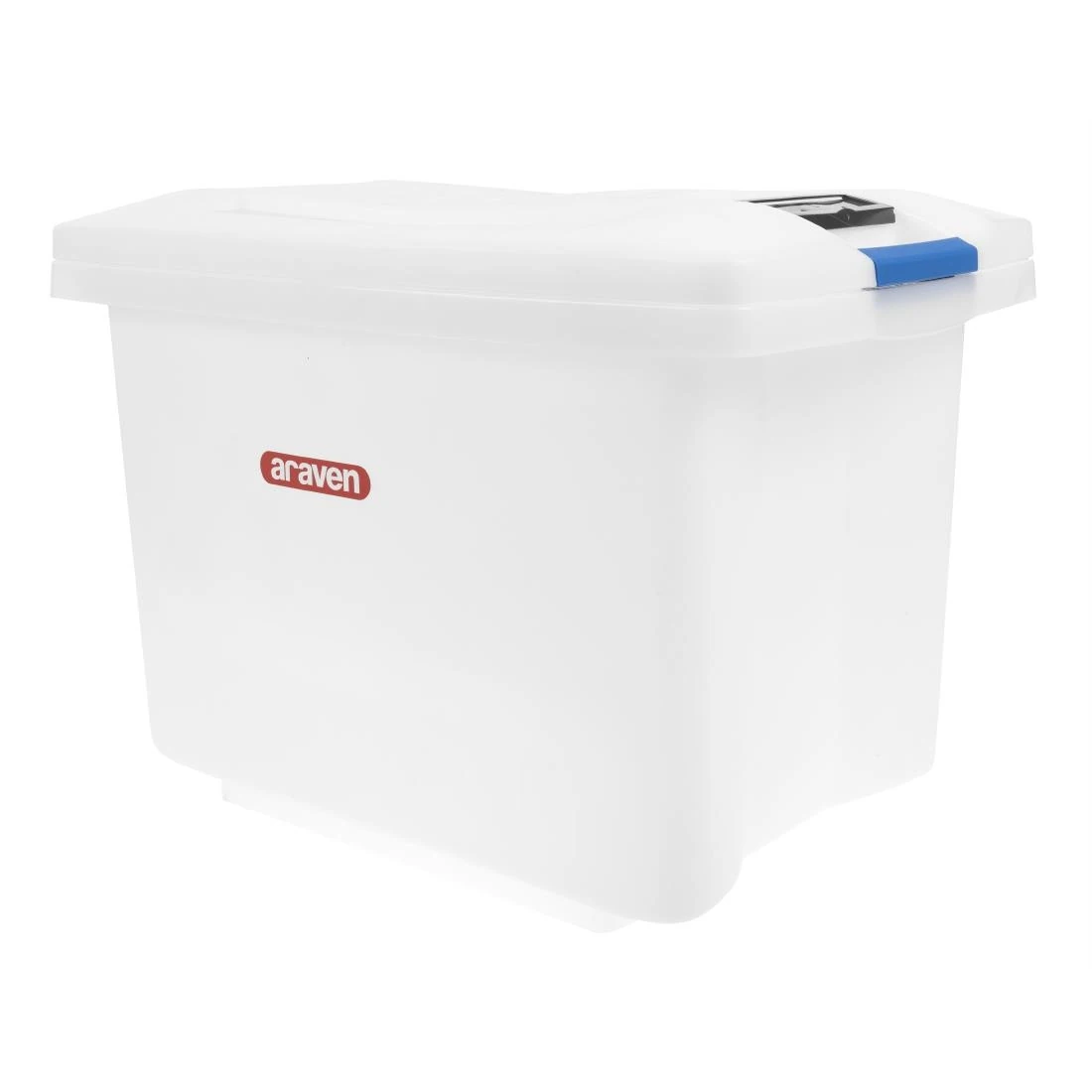
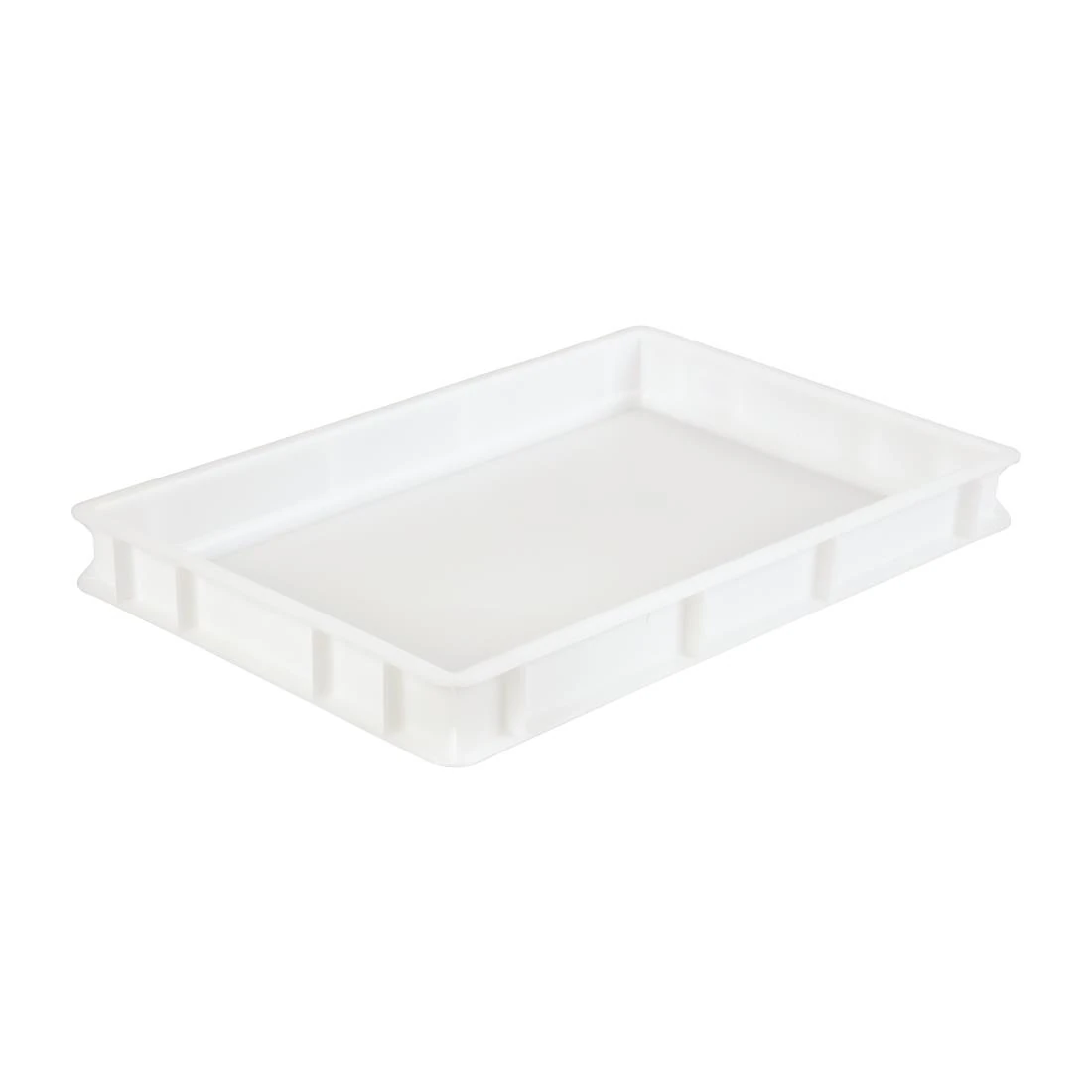
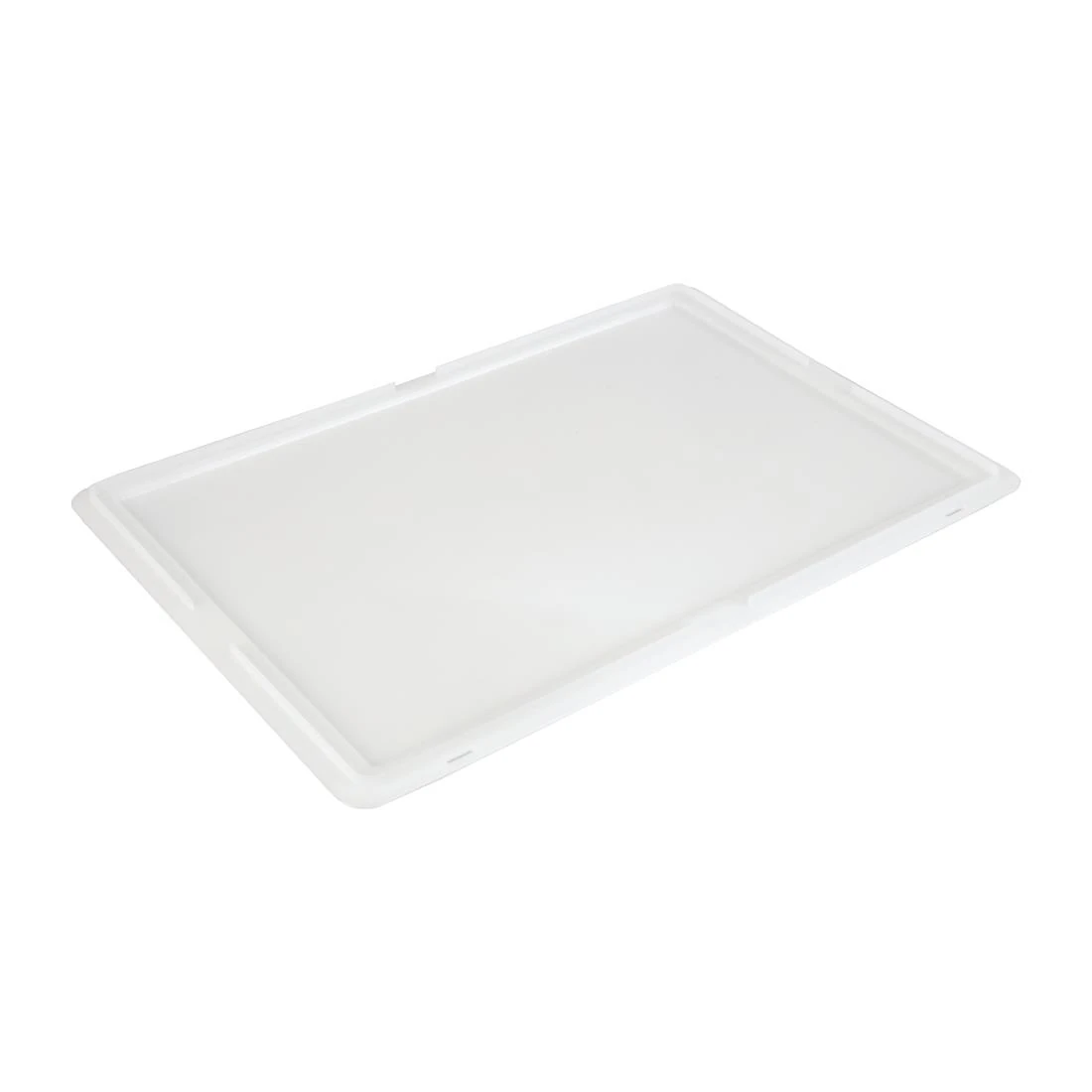
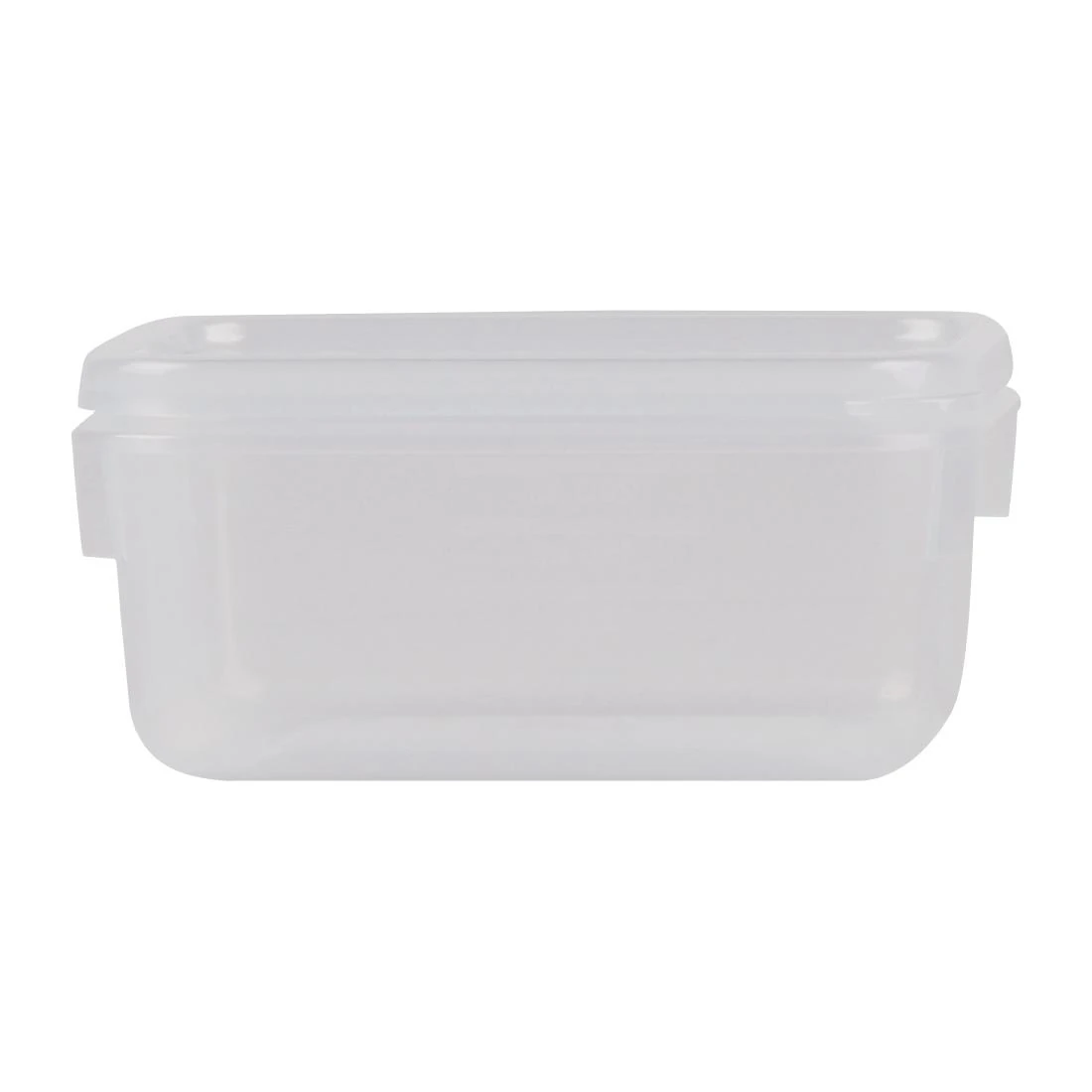
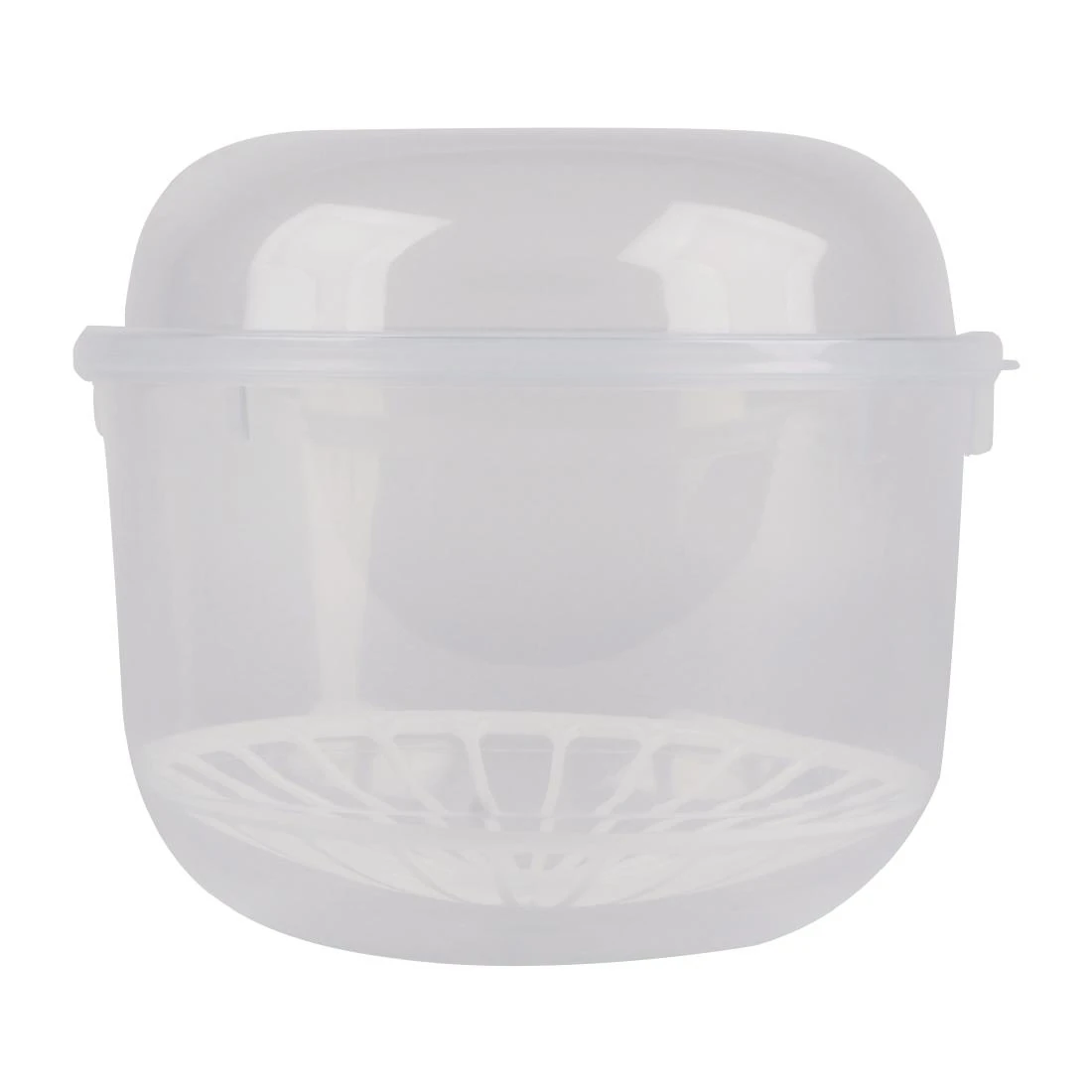
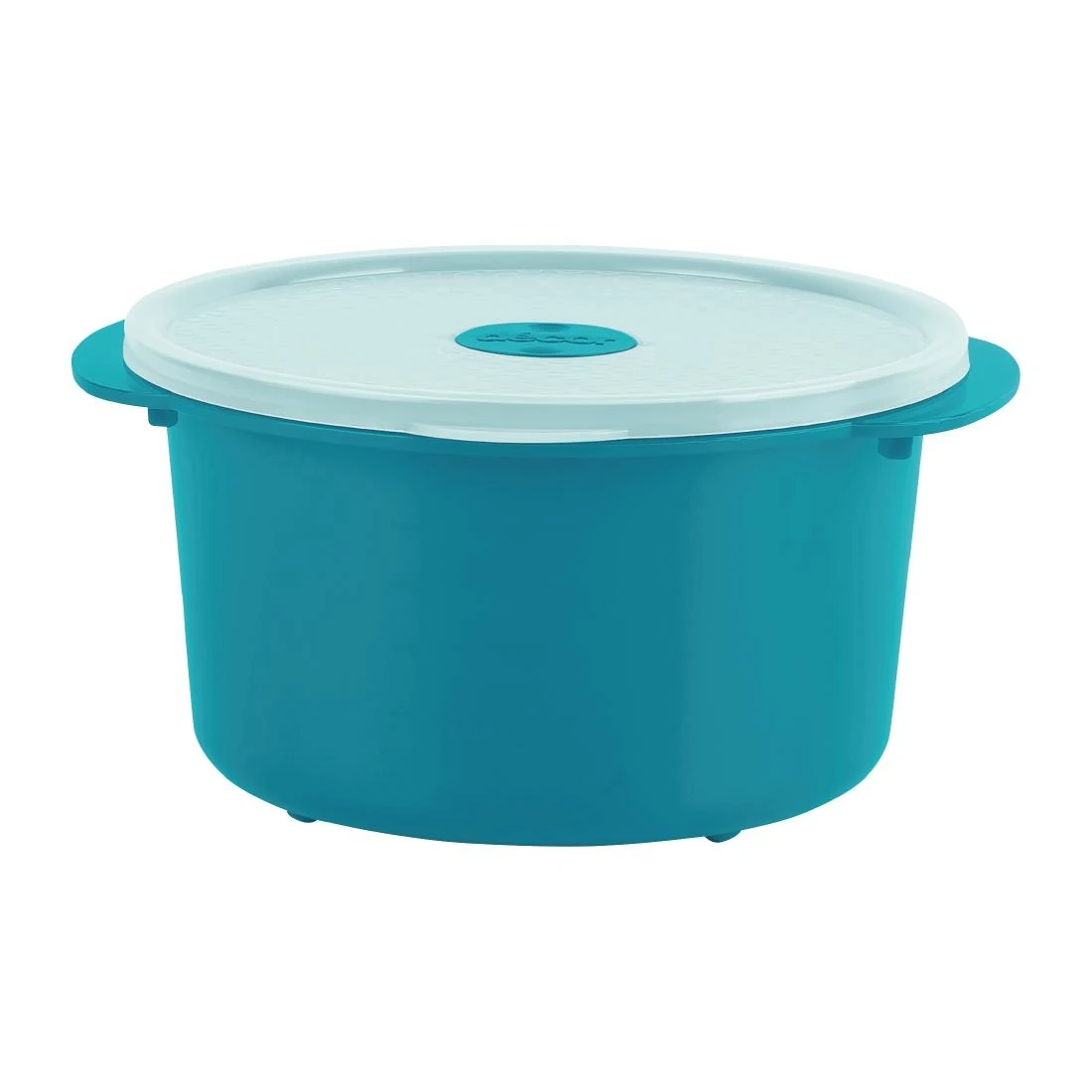
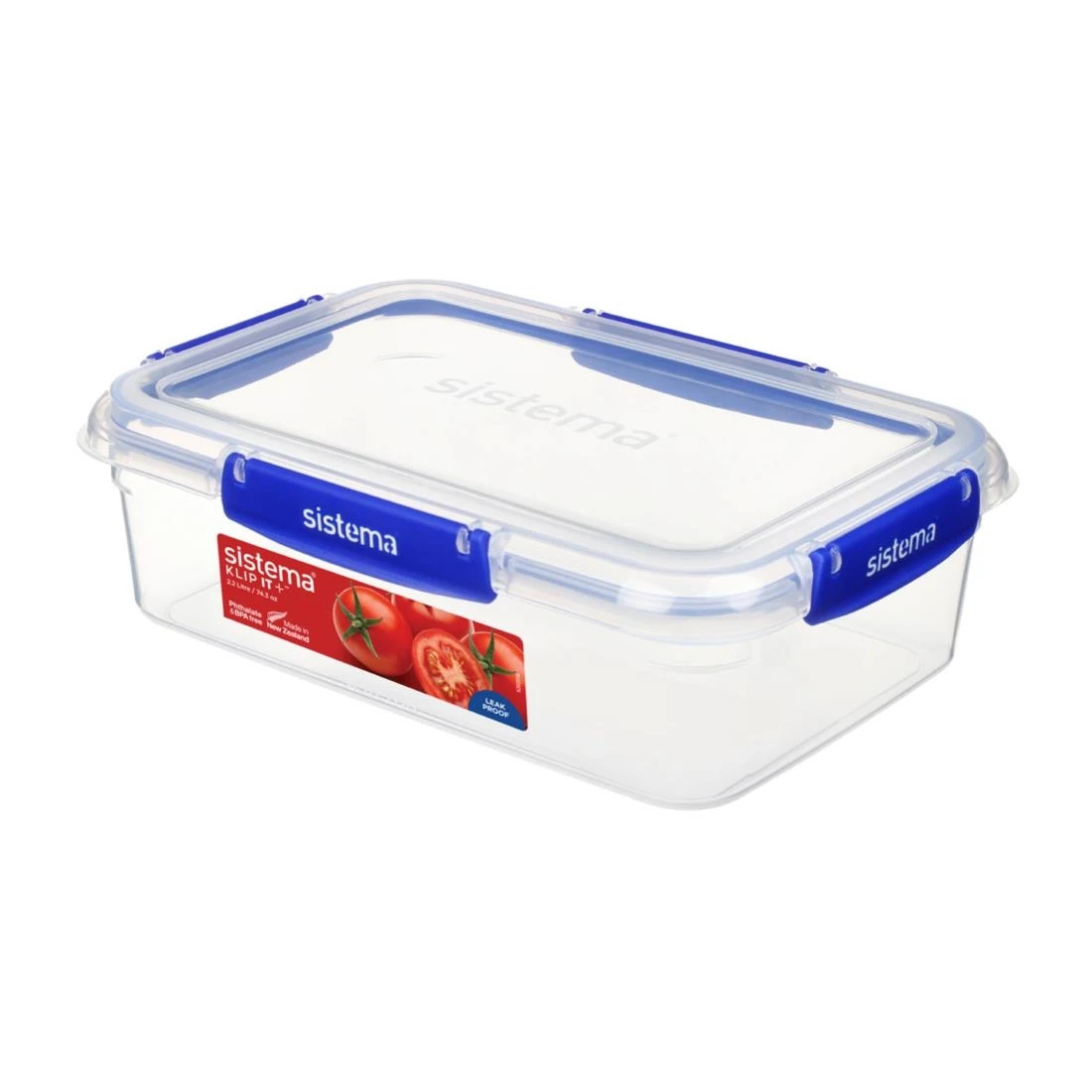
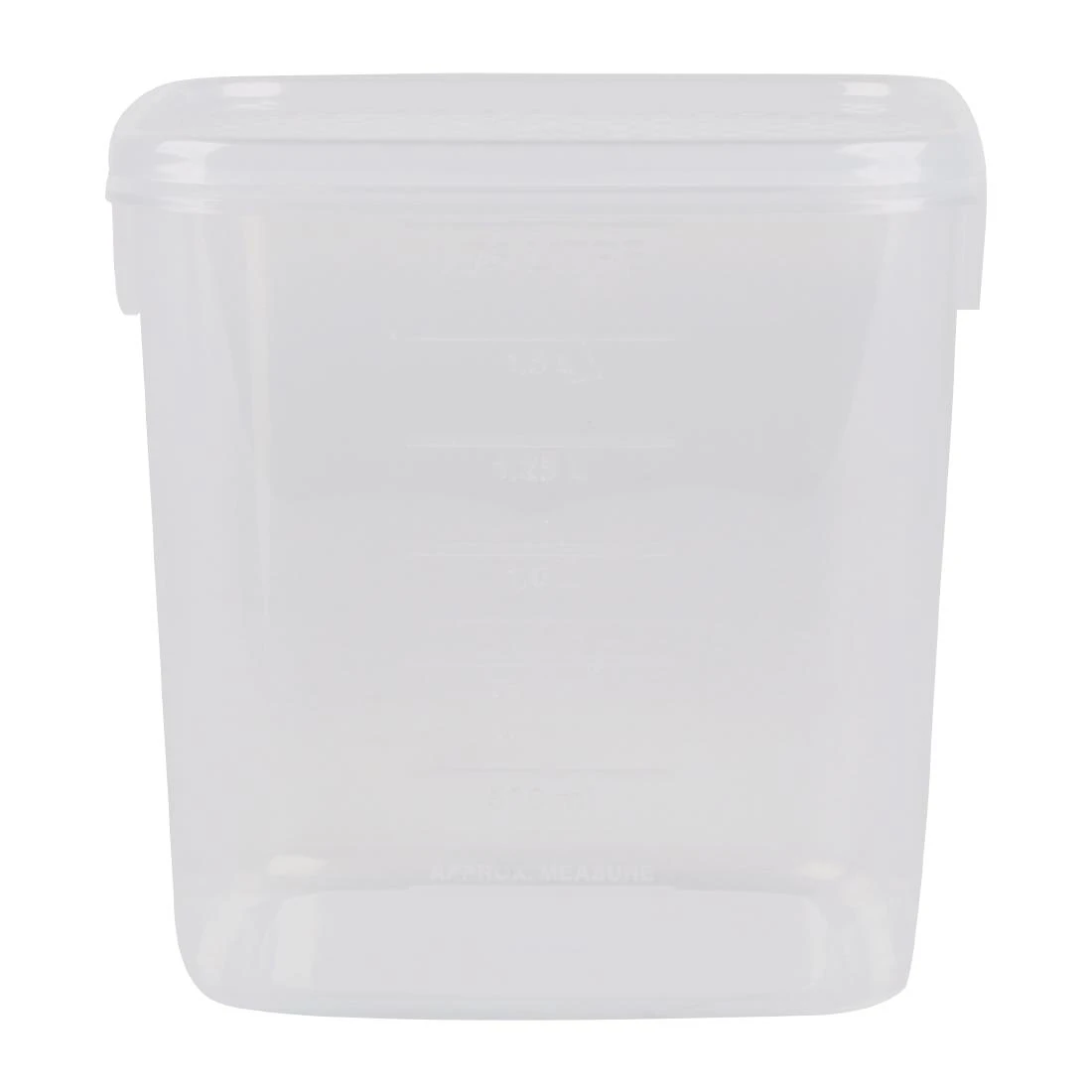
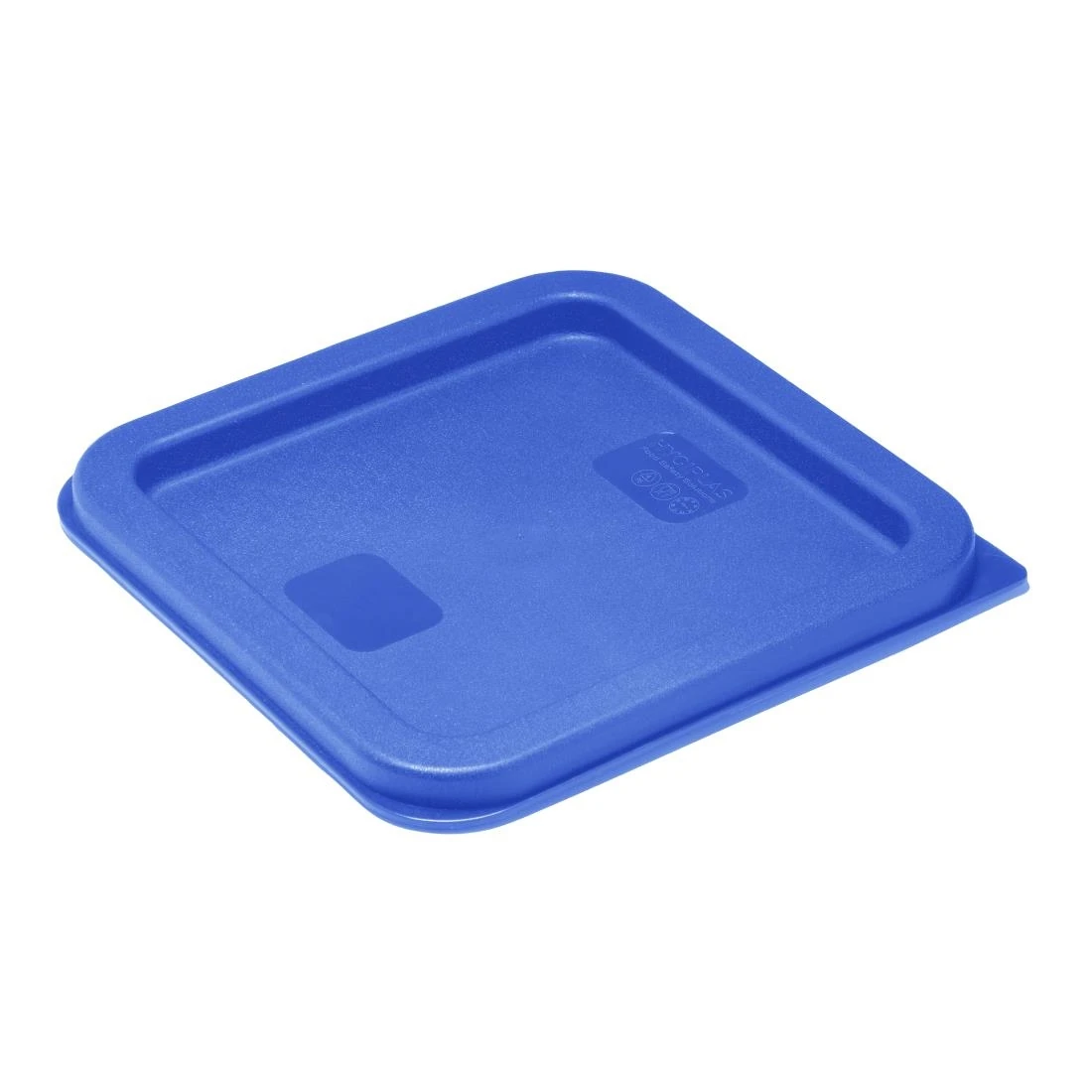
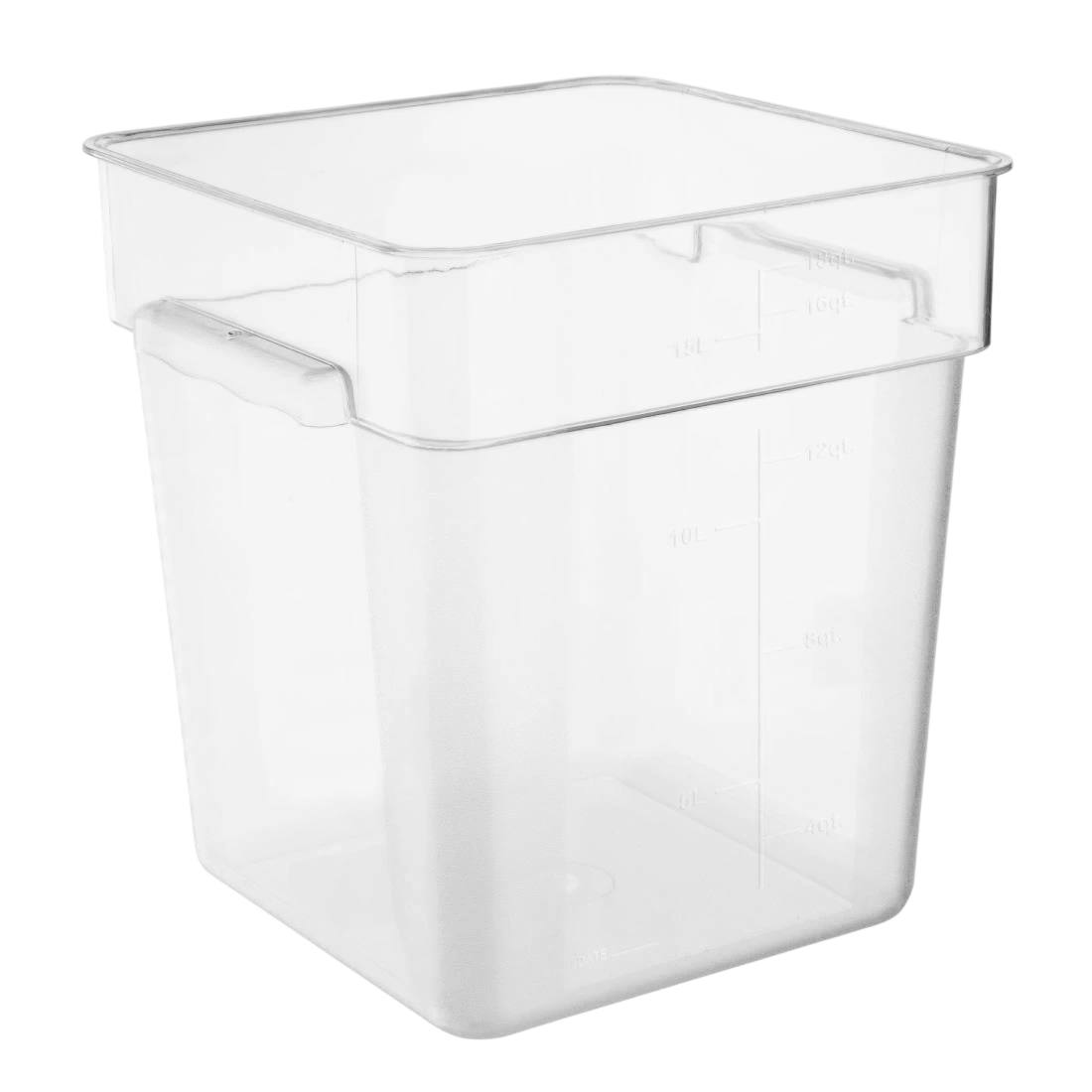
312 × 288 × 317mm
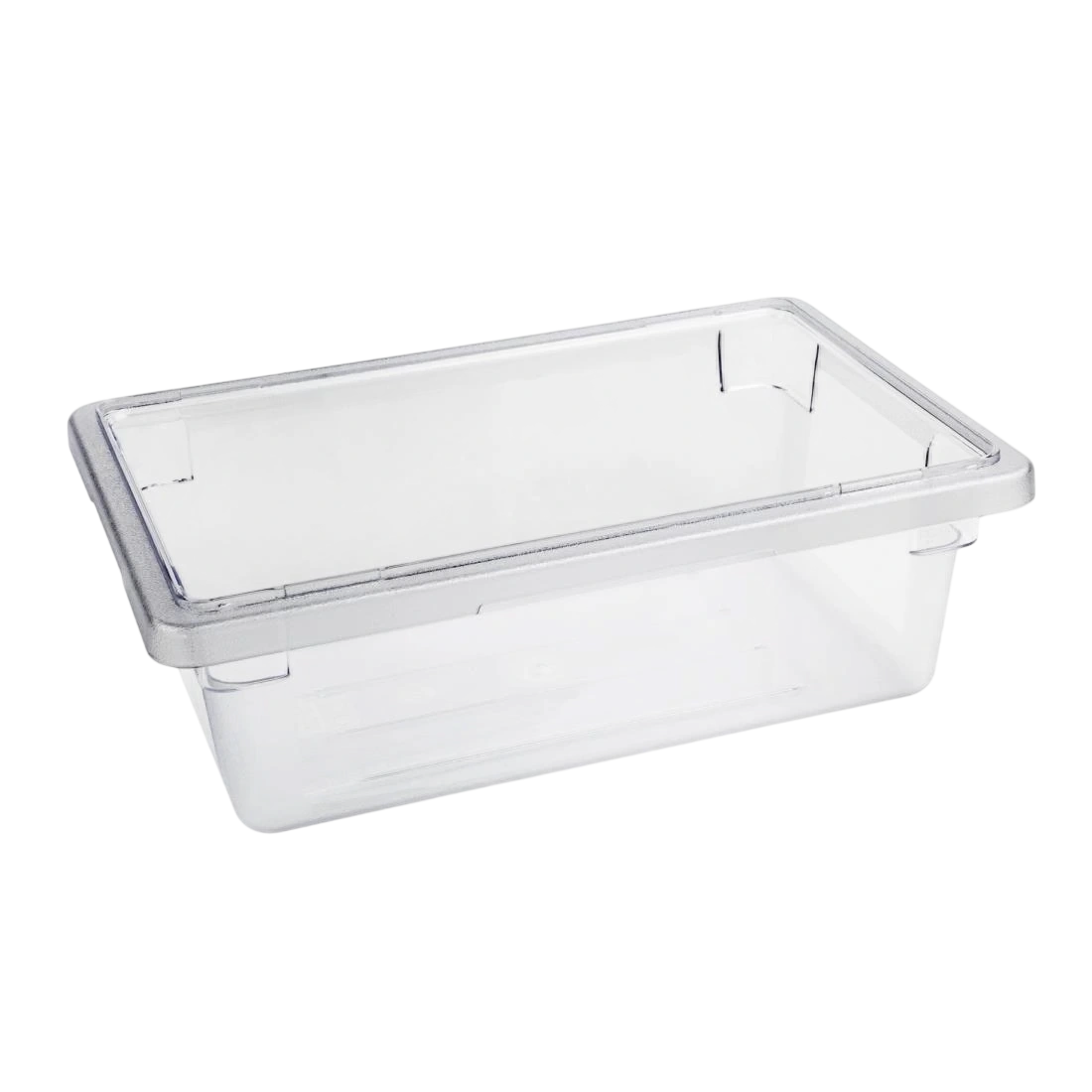
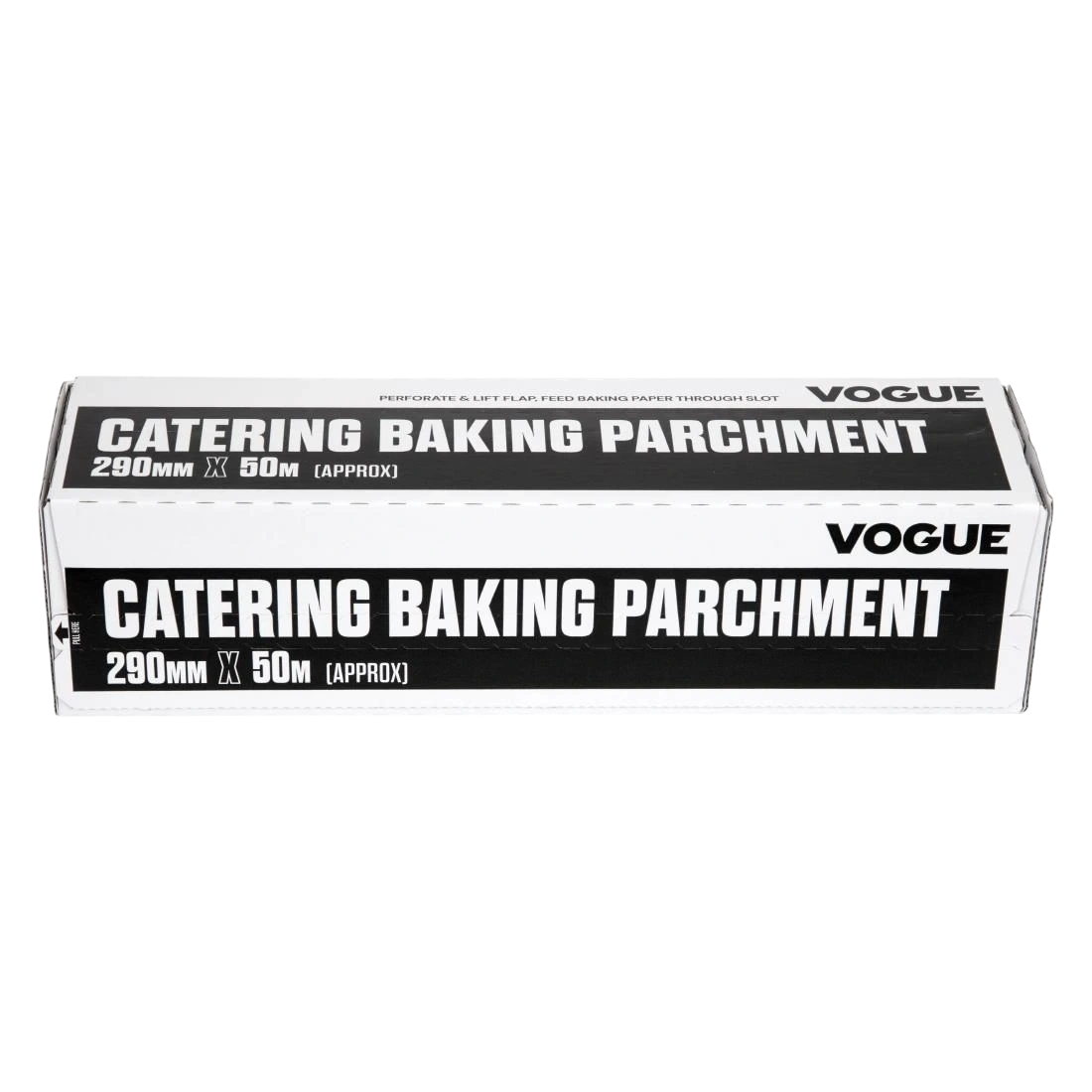
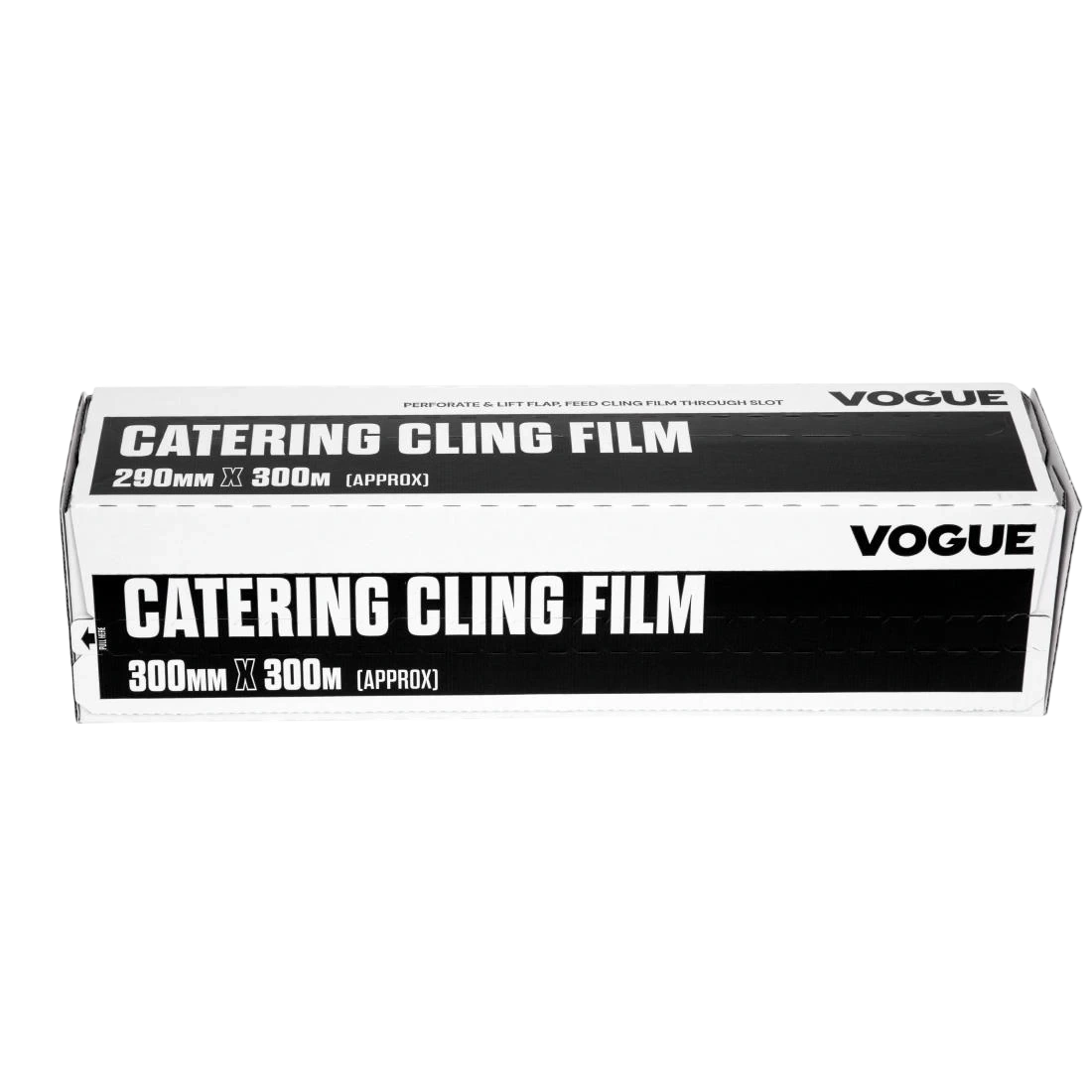
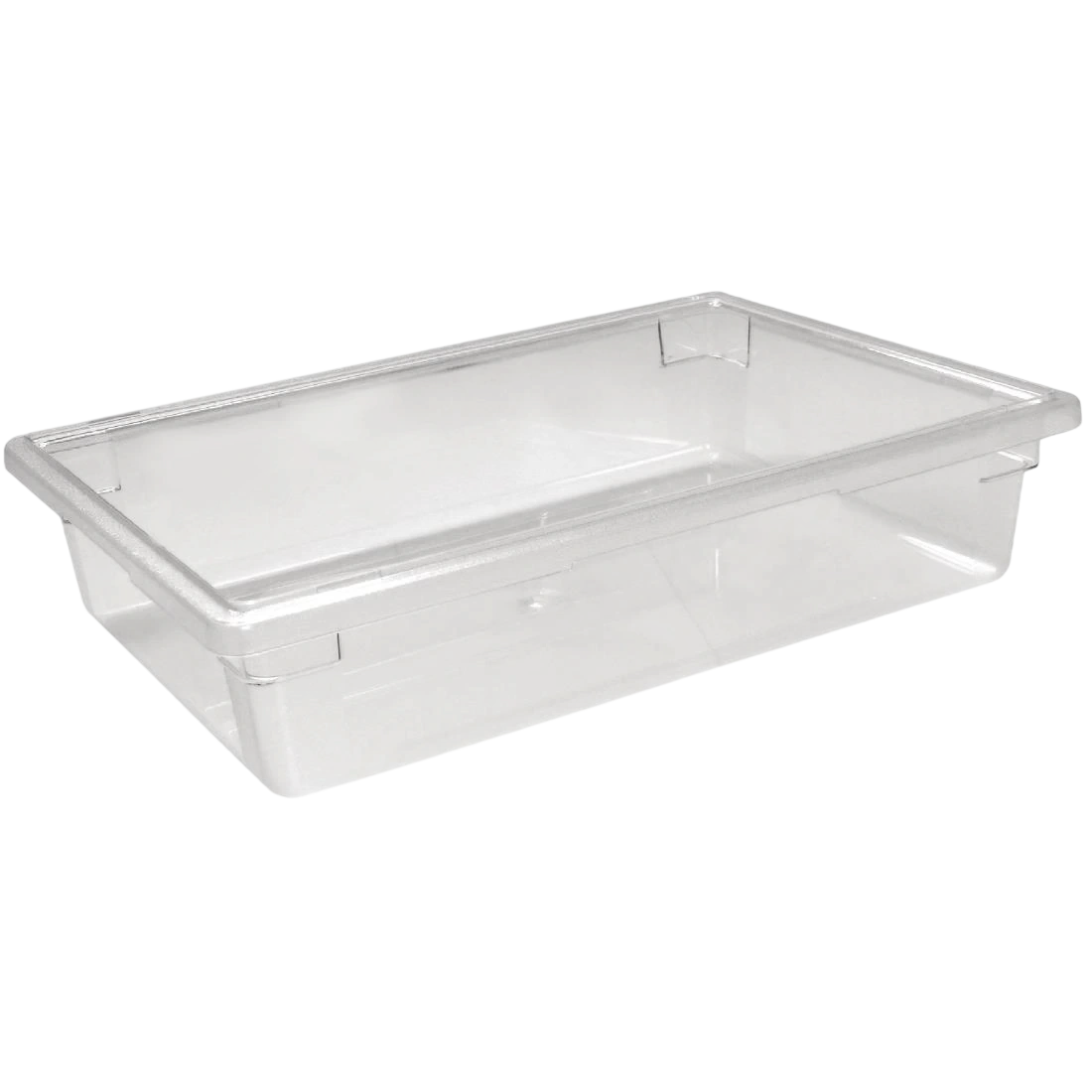
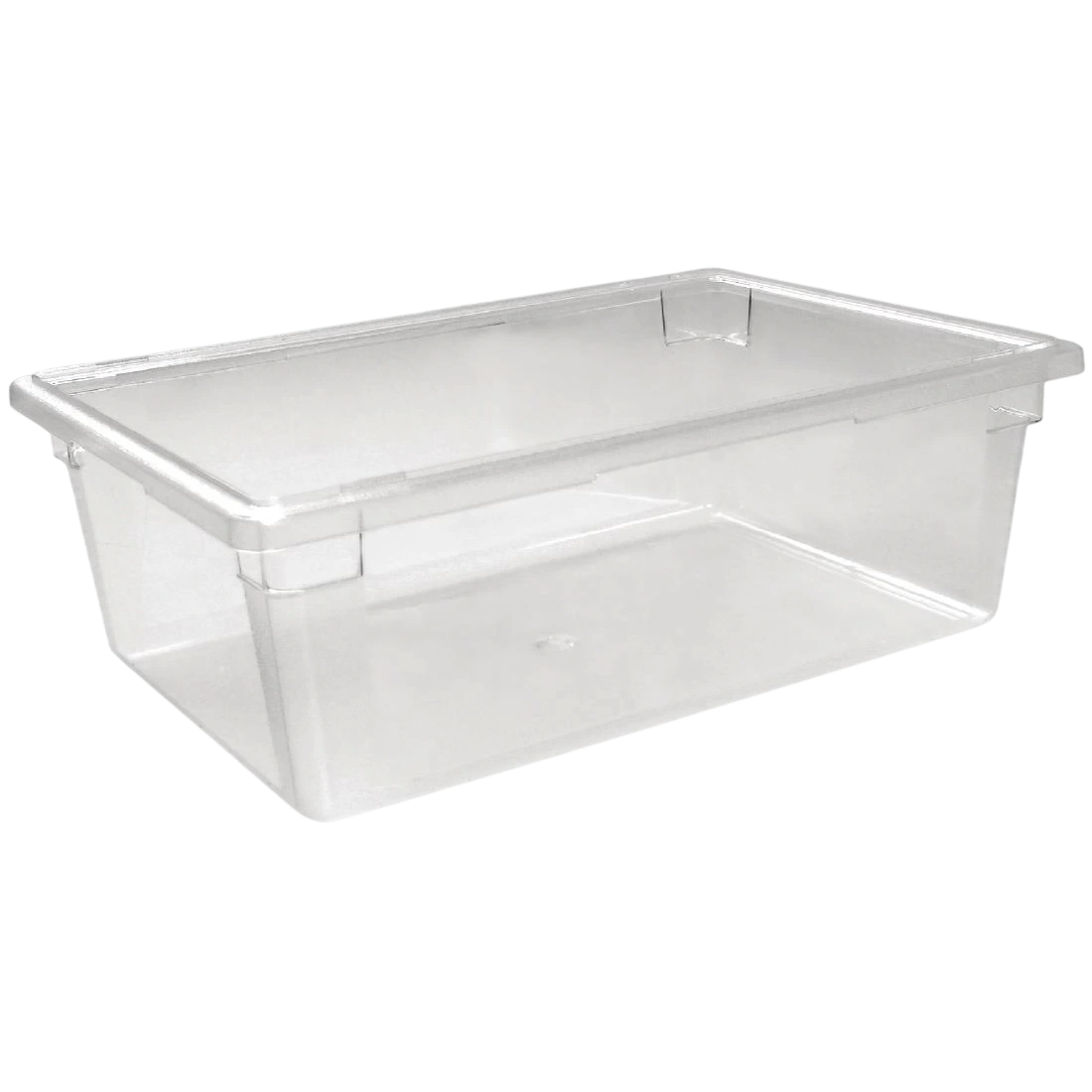
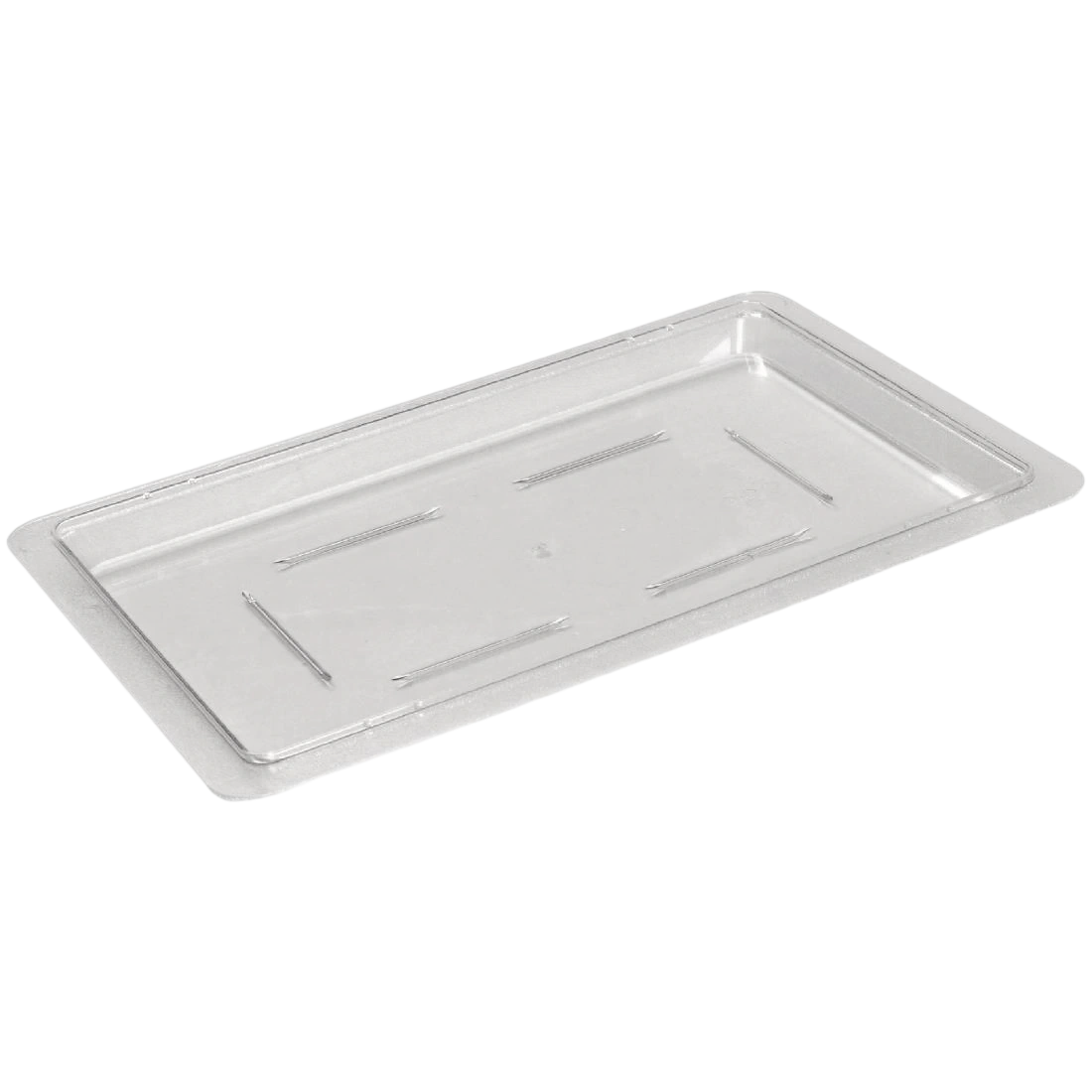
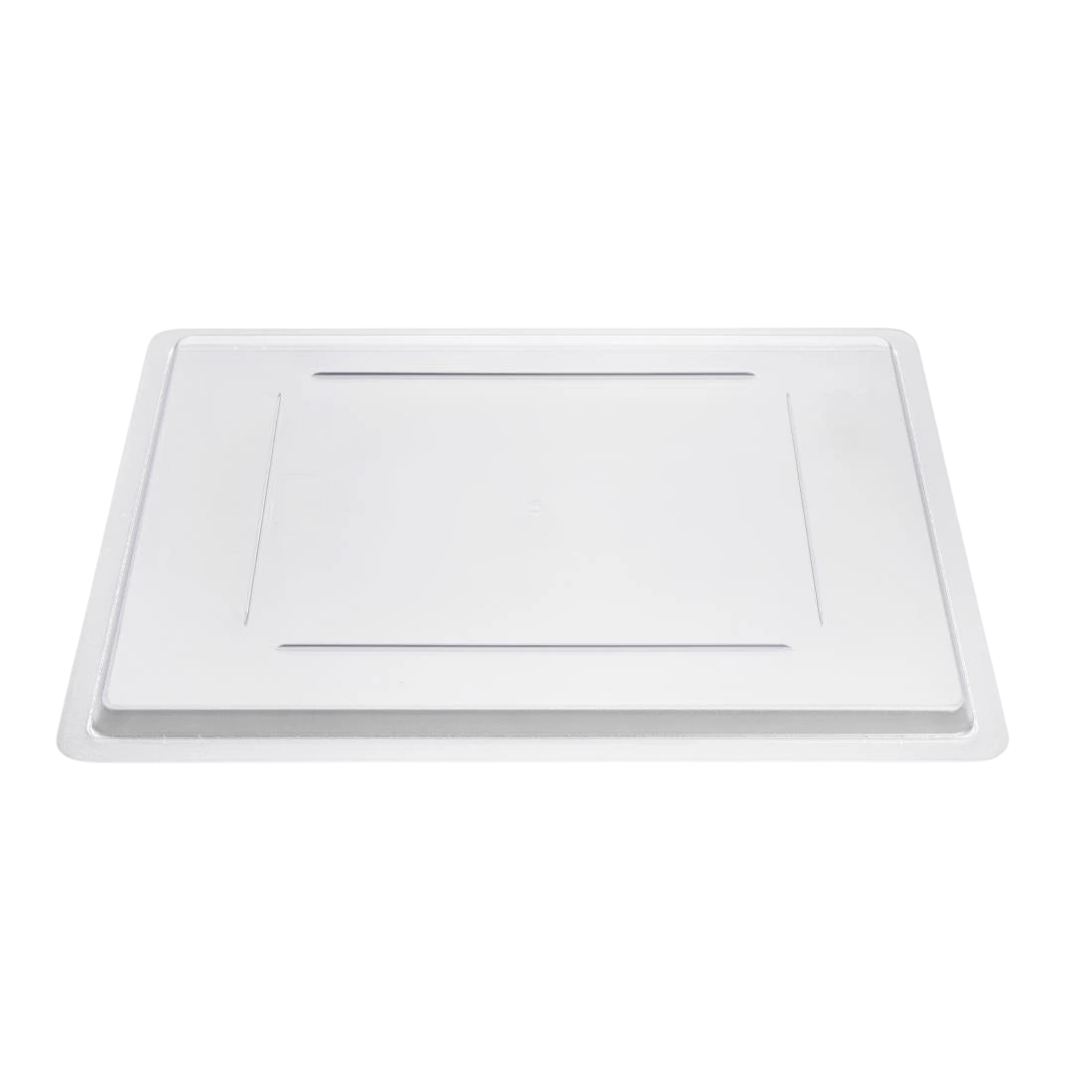
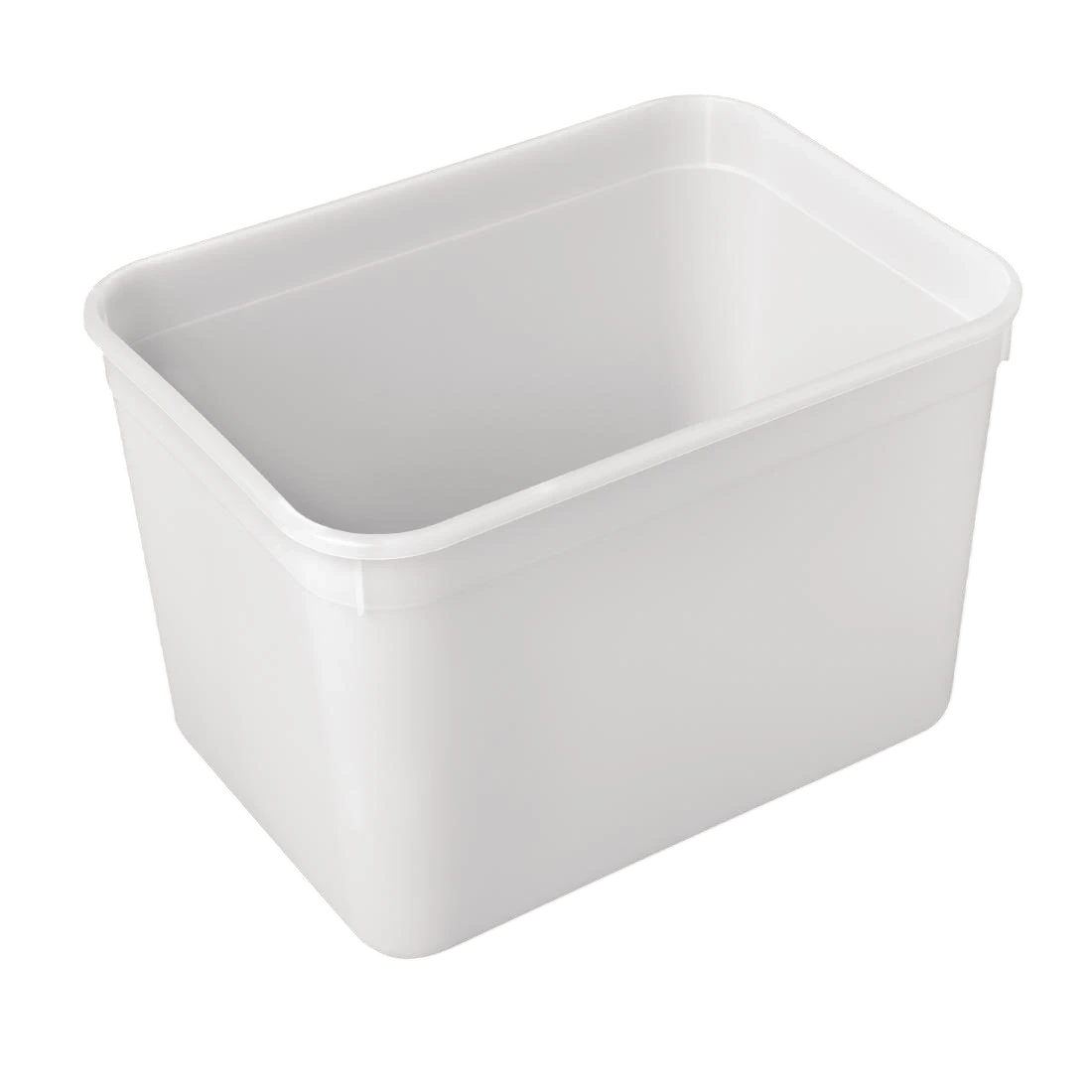
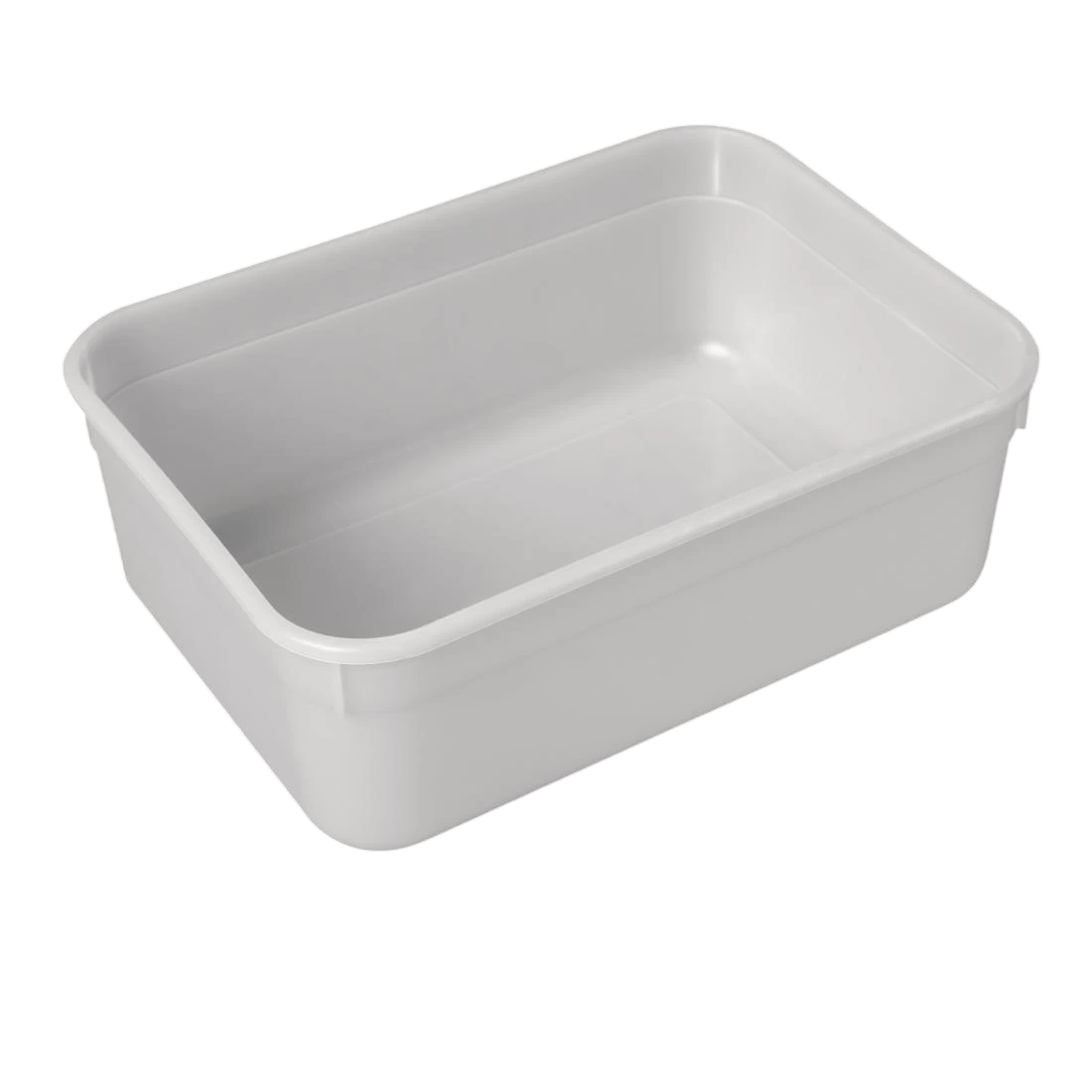
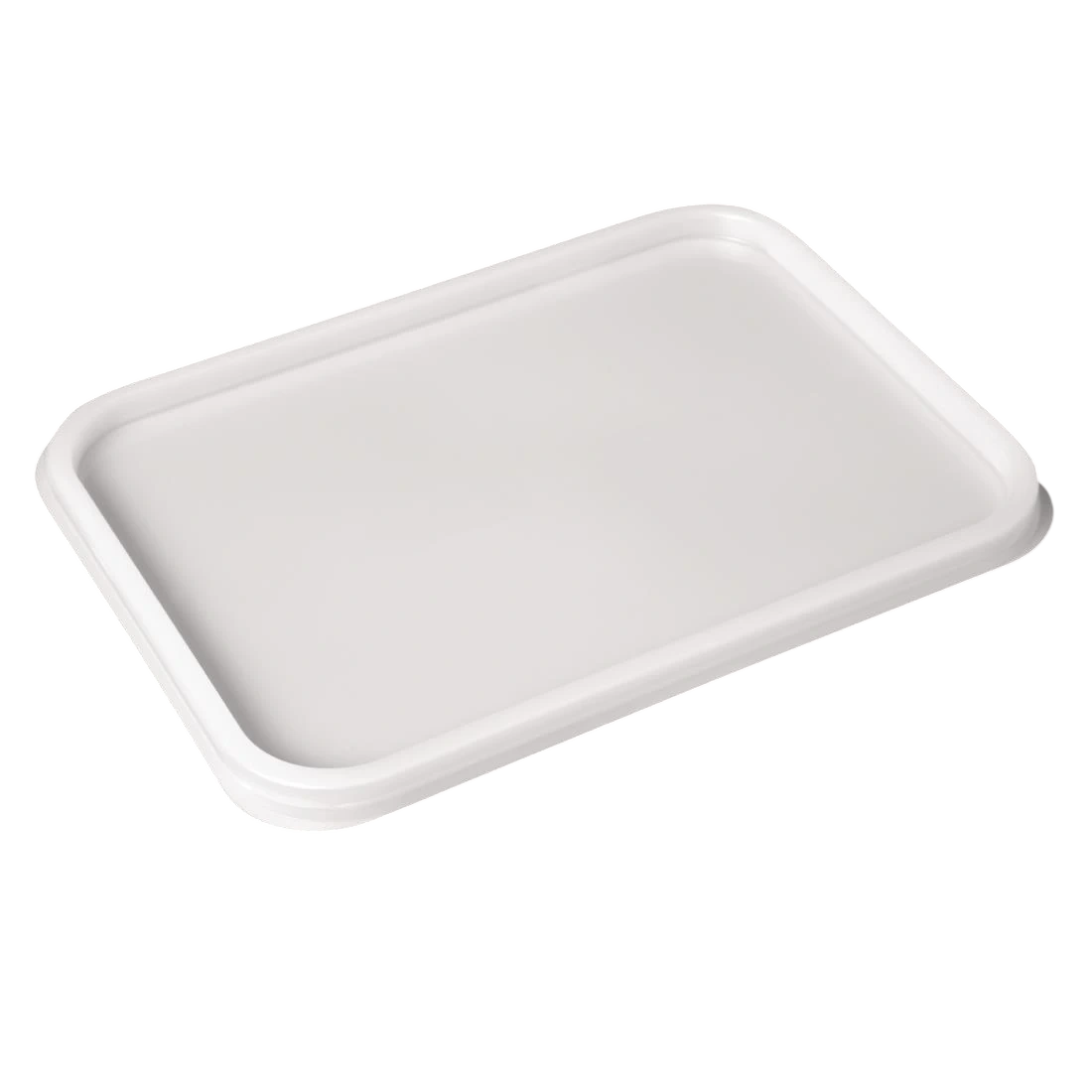
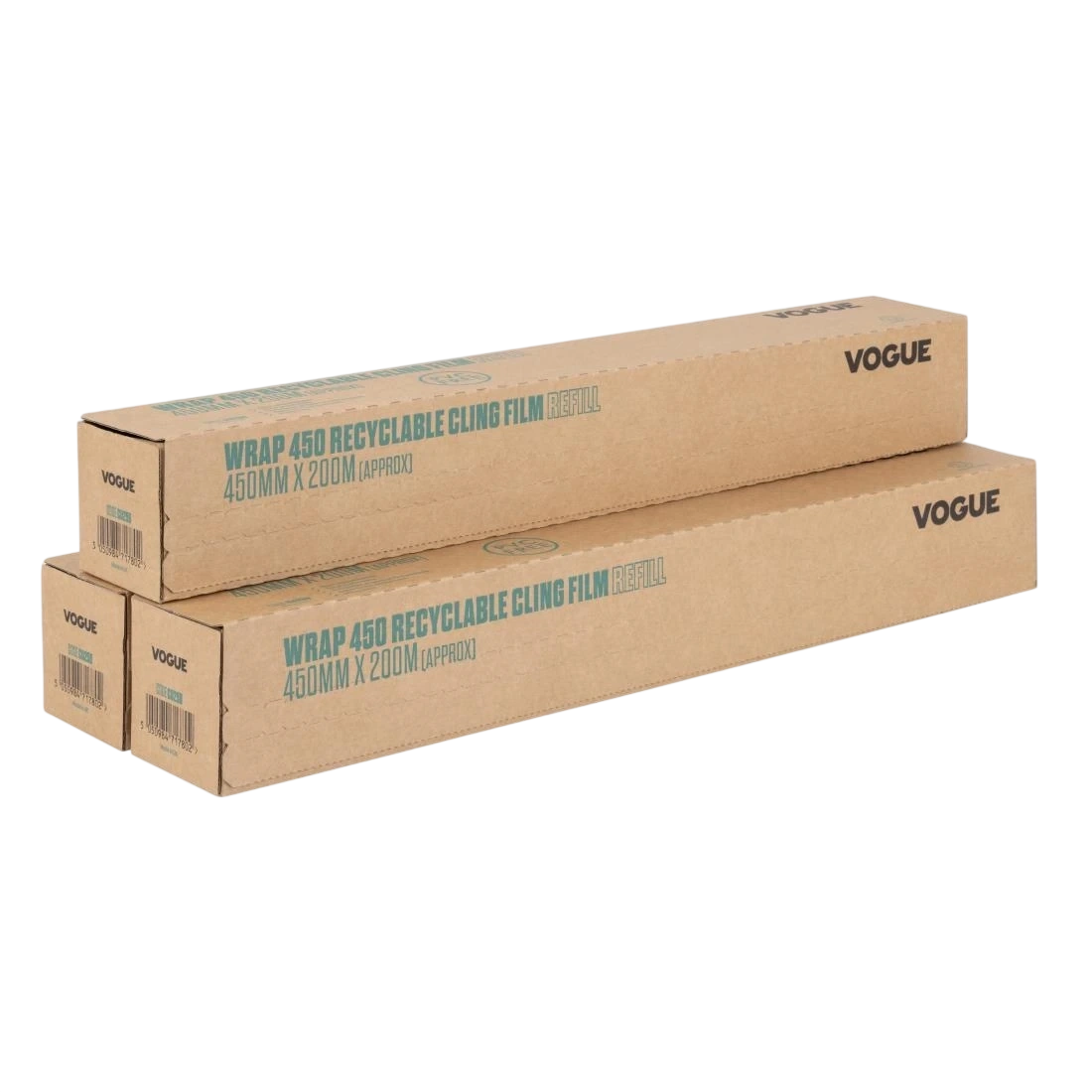
71 × 490 × 71mm
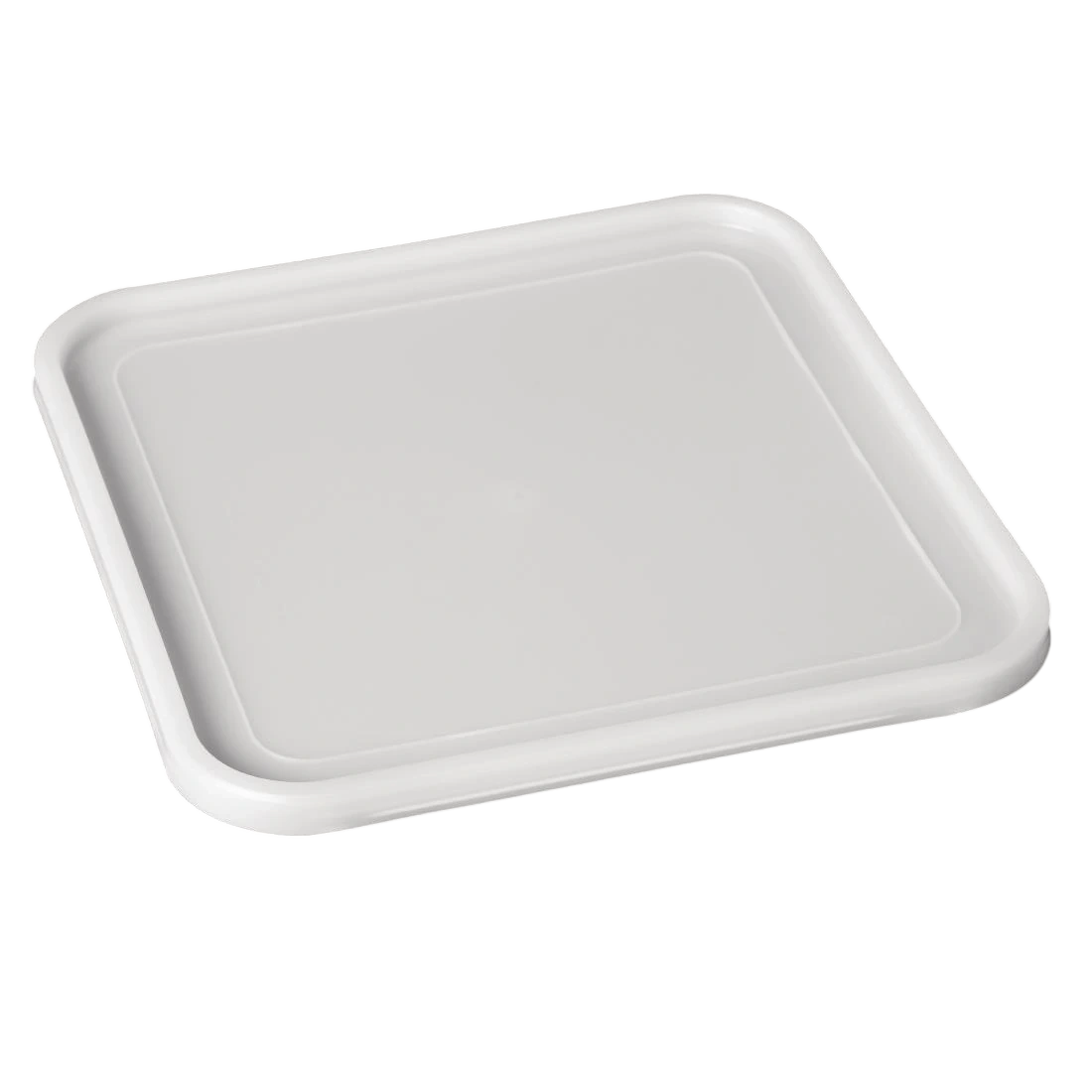
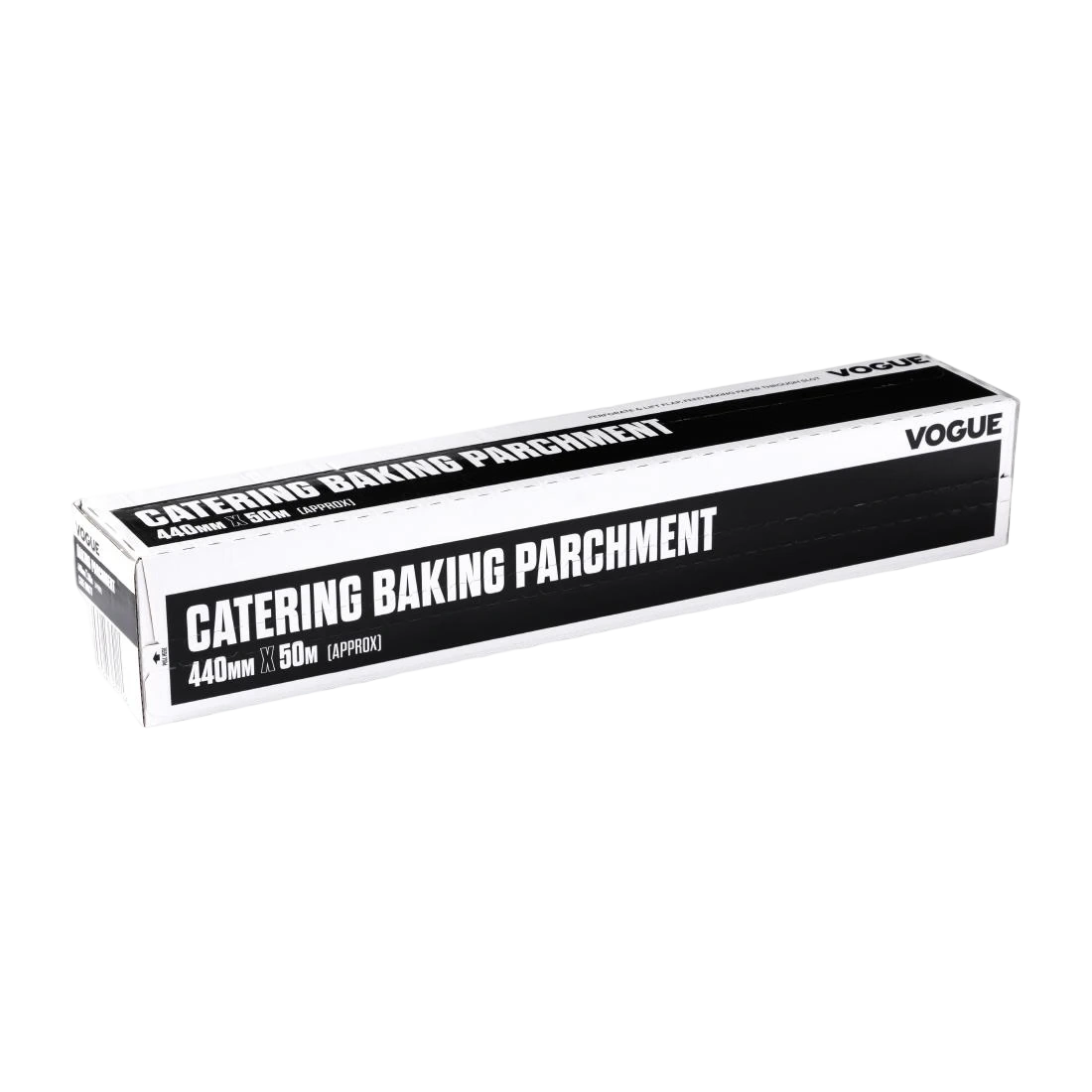
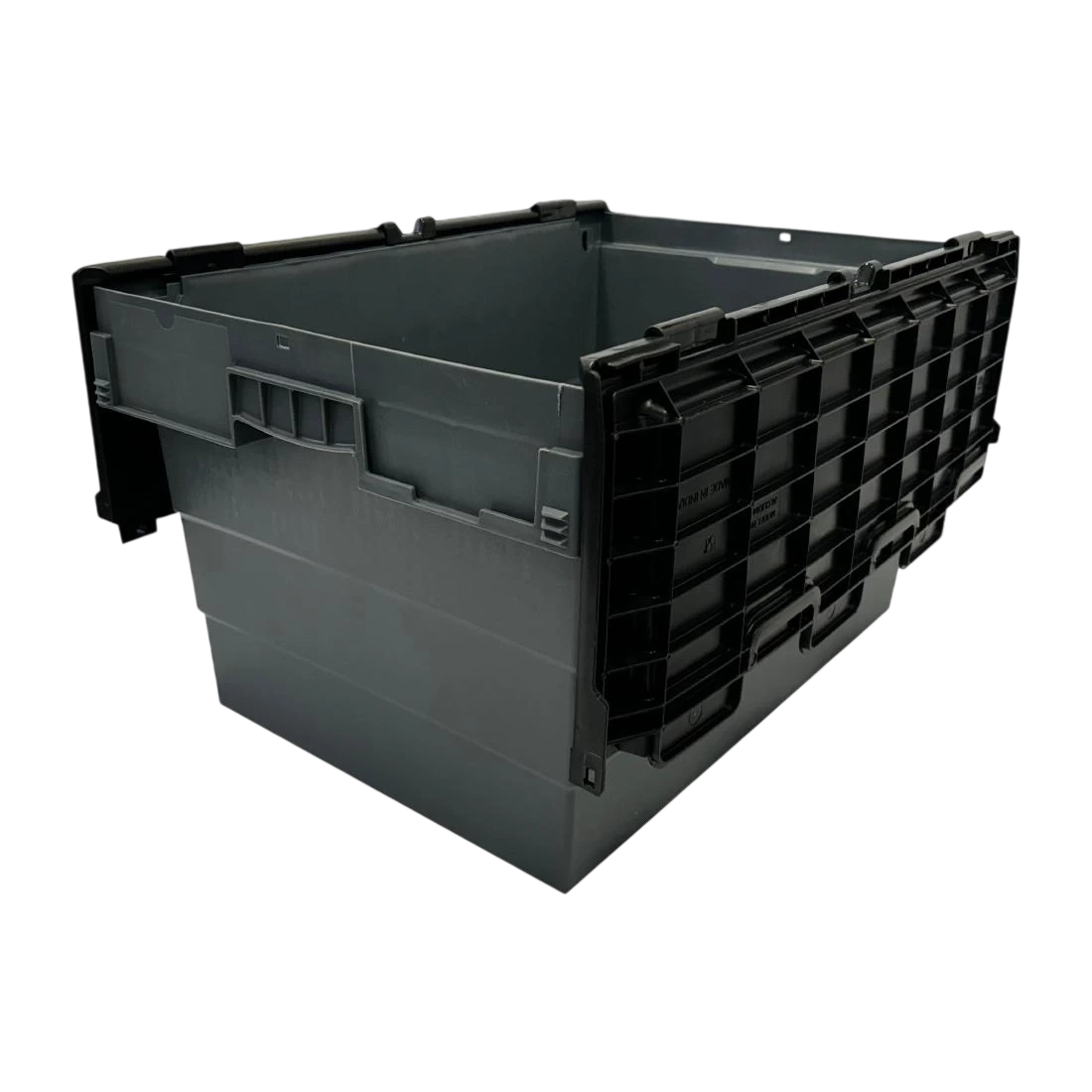
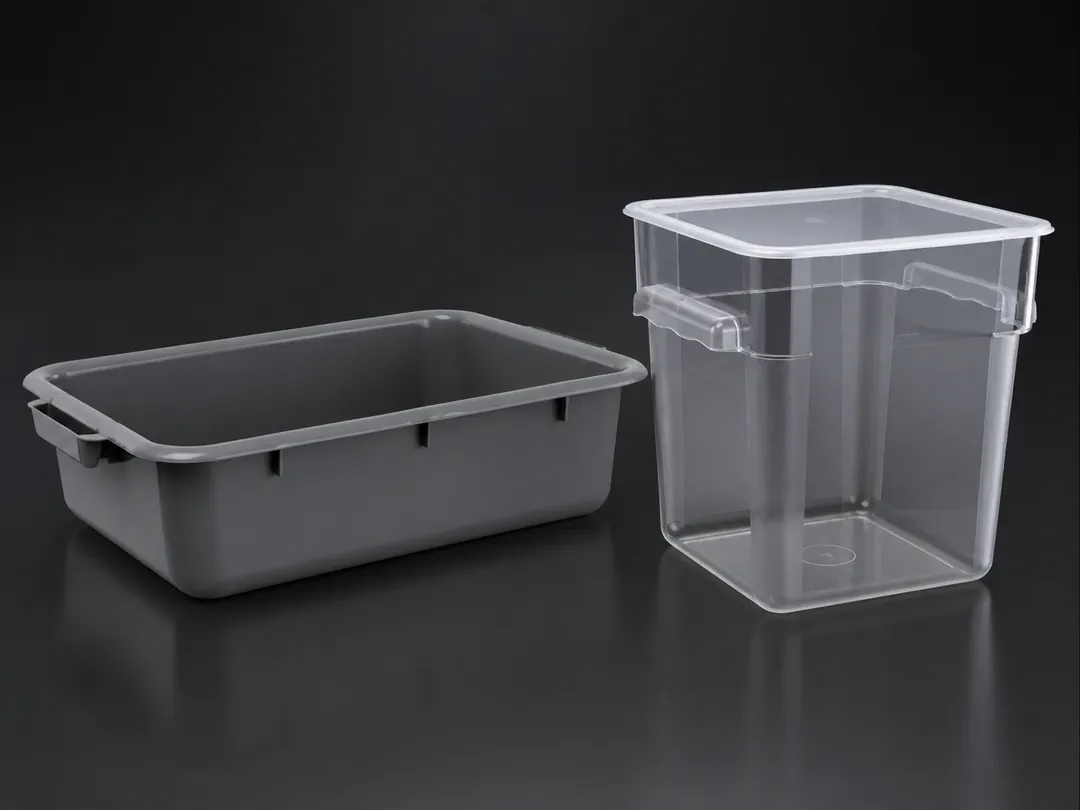
600 × 400 × 320mm
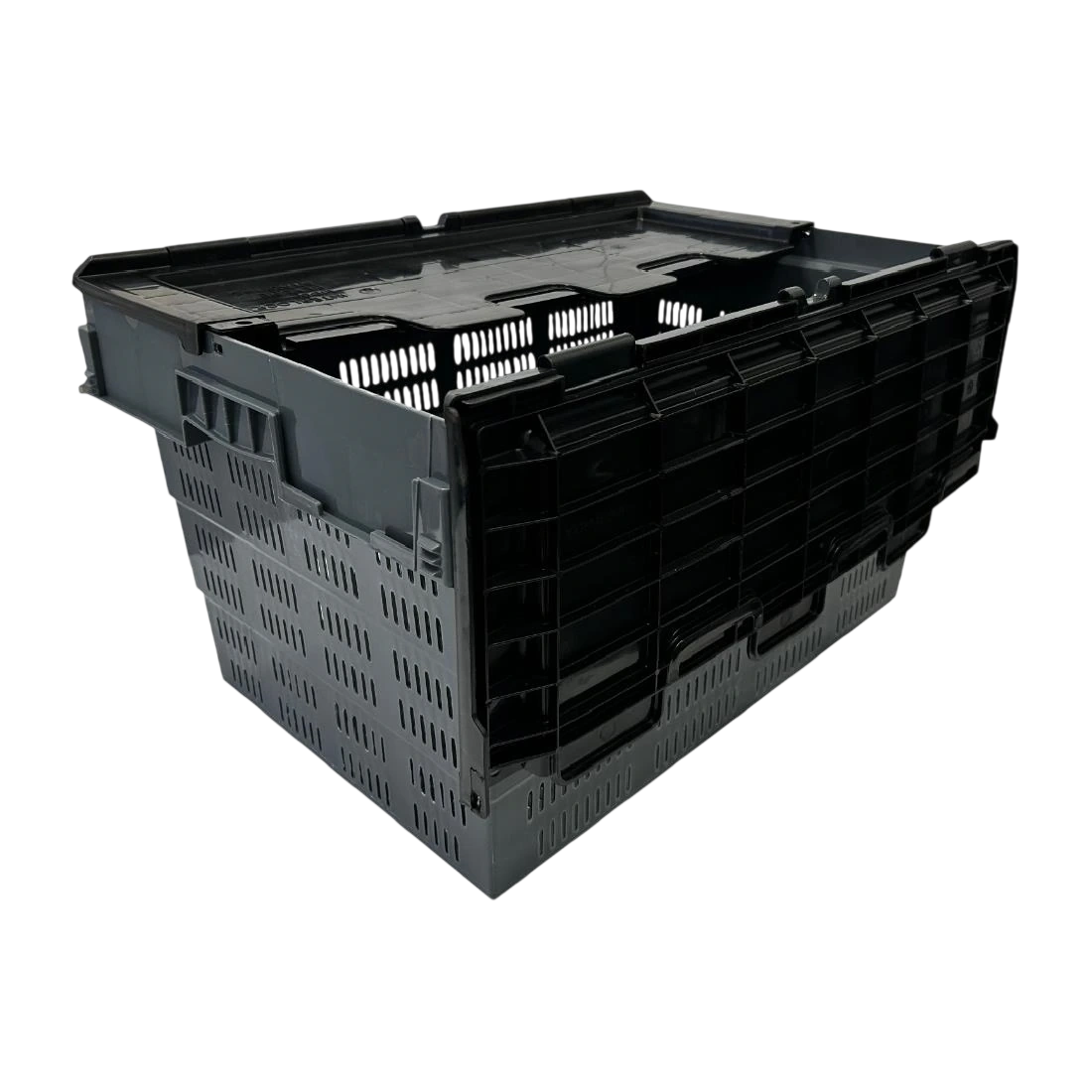
600 × 400 × 320mm
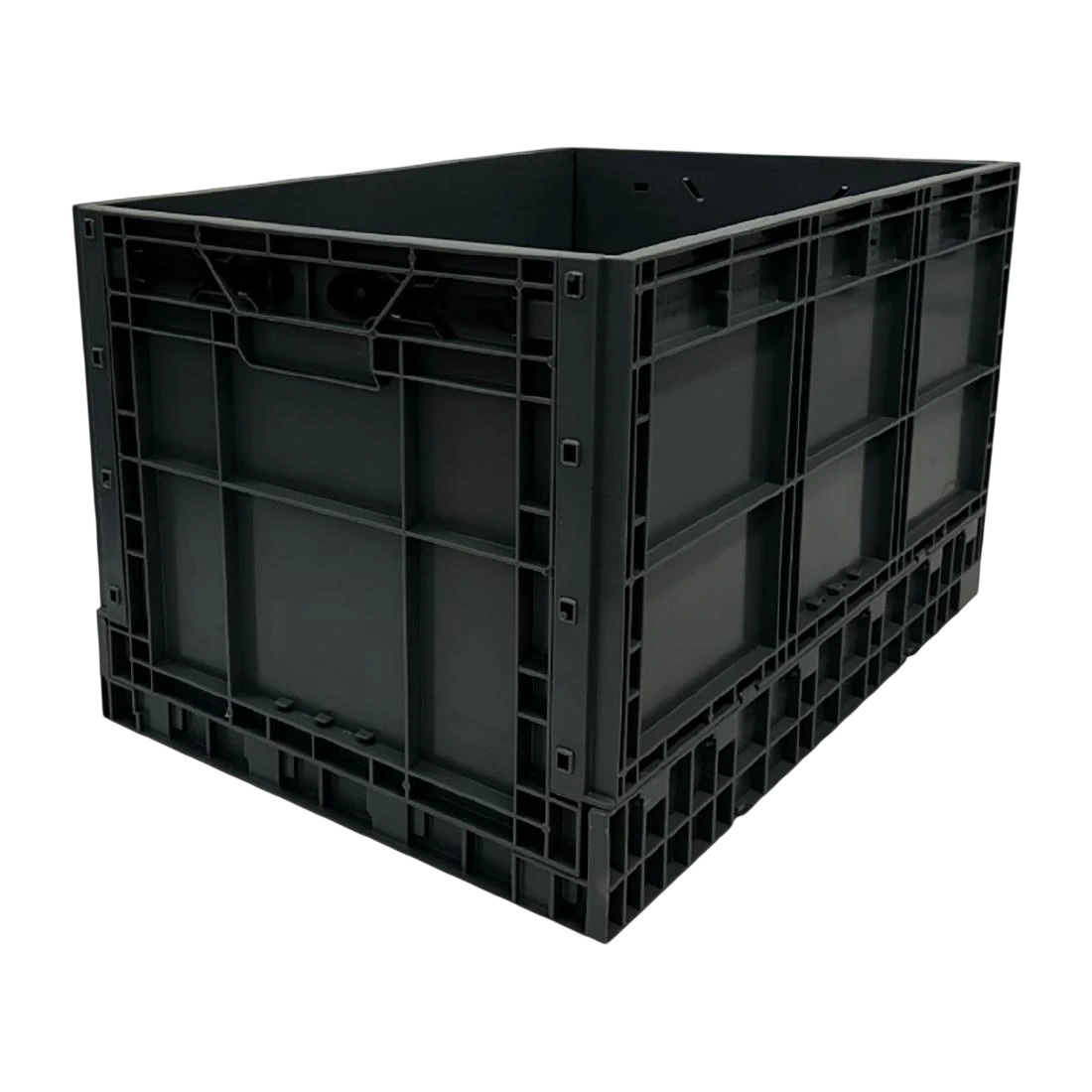
594 × 396 × 353mm
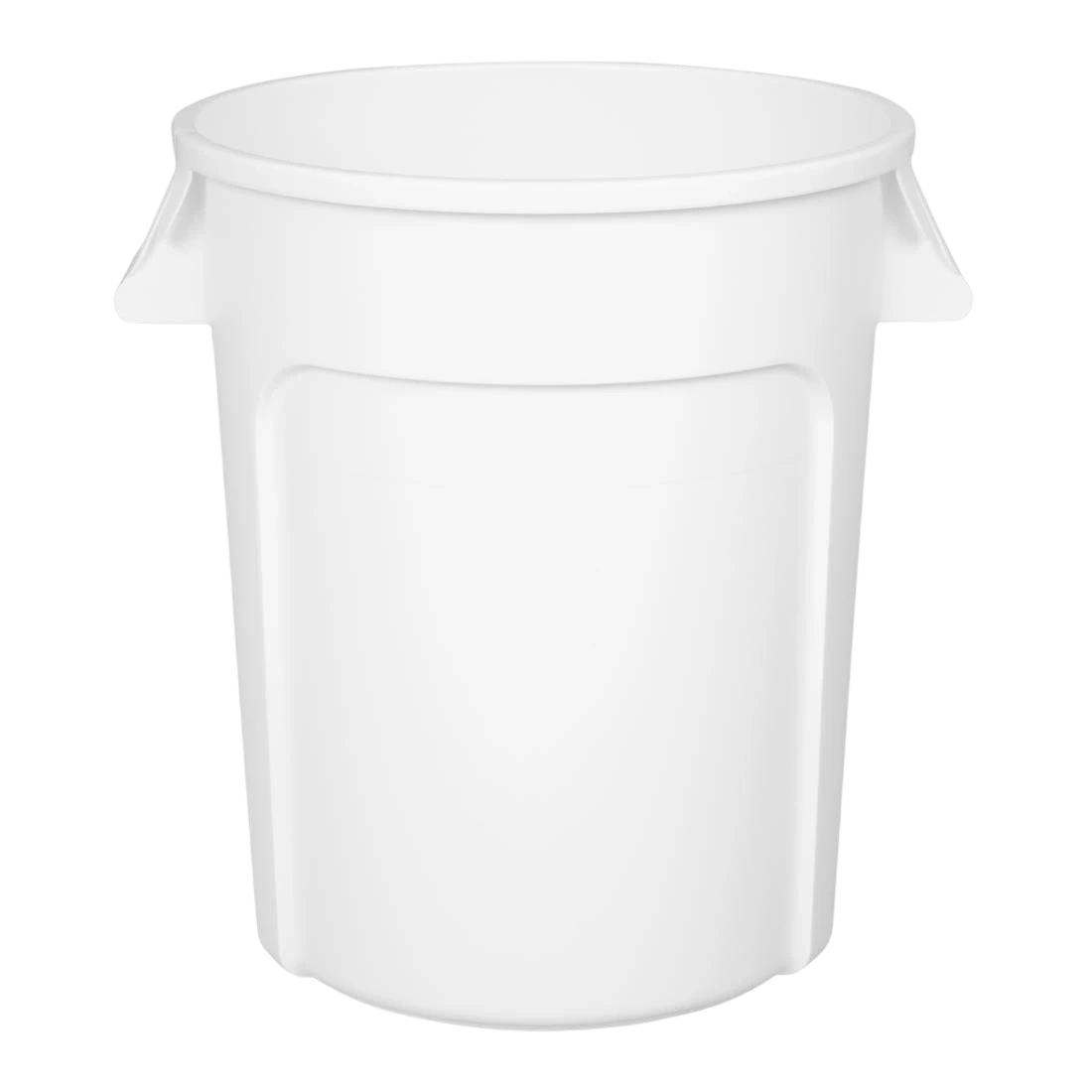
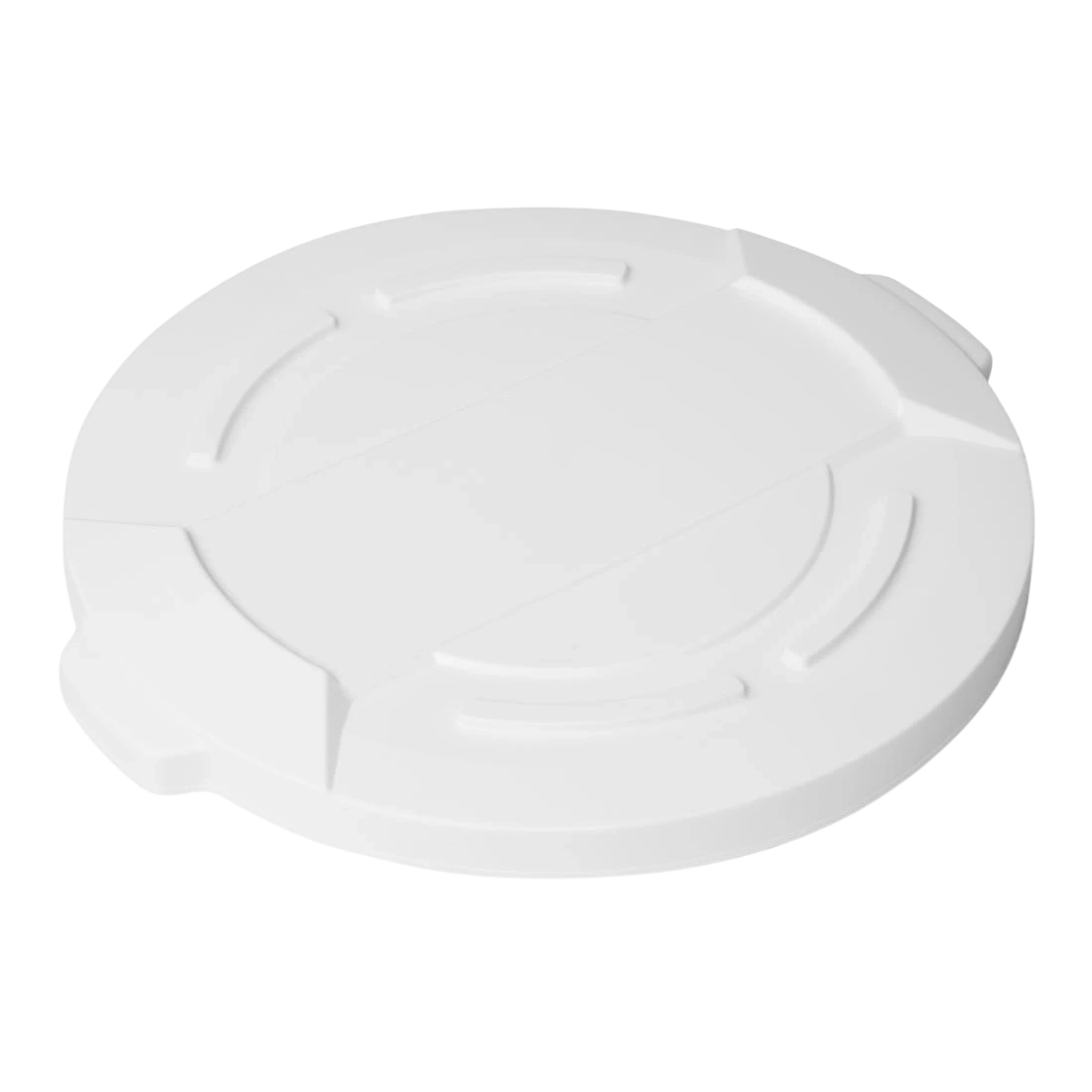
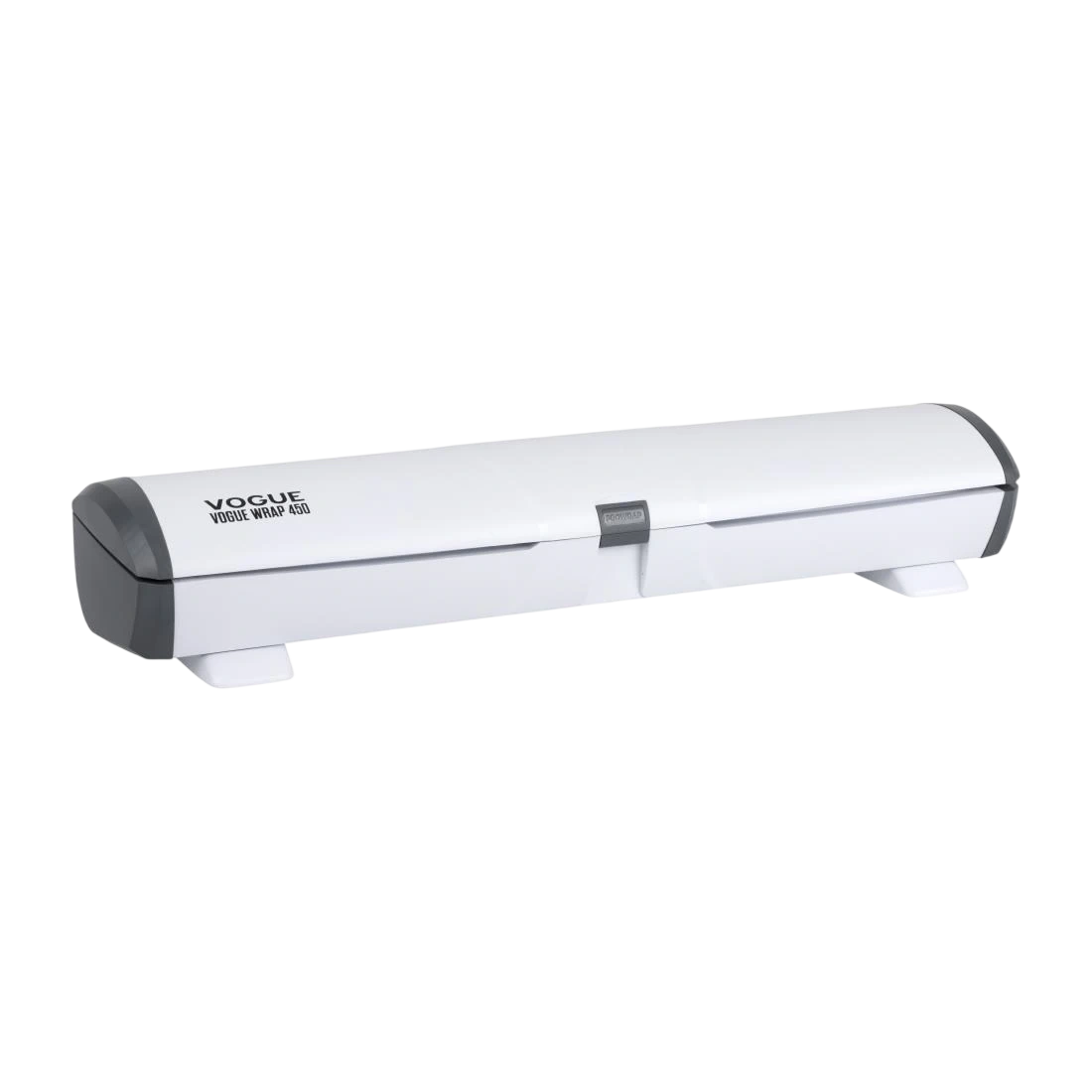
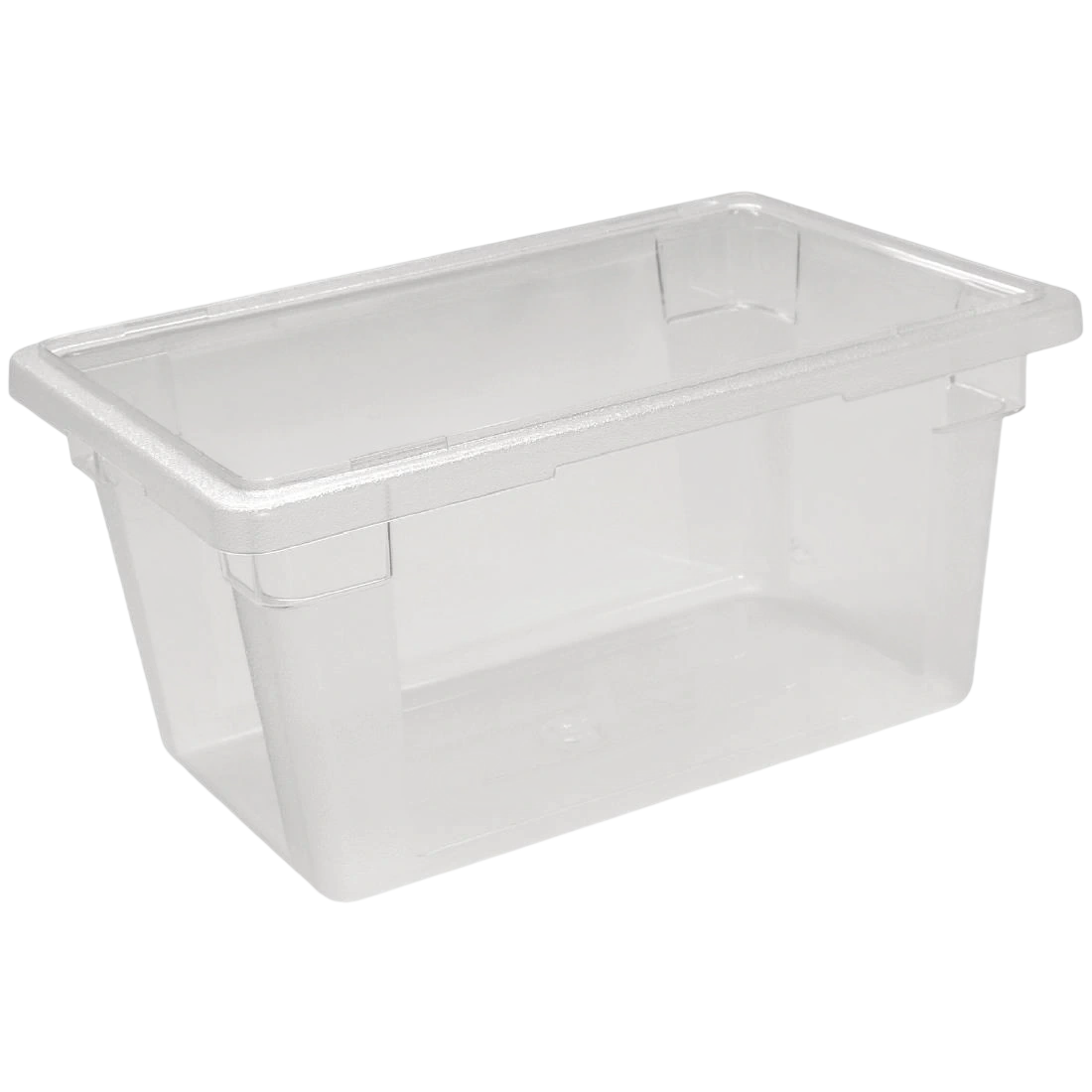
Commercial food storage on this route covers reusable boxes, tubs, matching lids, transport or storage crates, condiment canisters, sauce dispensers, ice-cream tubs and food-wrap systems. Start with the format, footprint and exact matching parts; capacity alone does not show whether a container fits the shelf or whether its lid is included.
At the catalogue audit for this update, the live route returned 80 active products across Kitchen Knock, Vogue, Araven and Wrapmaster after 36 confirmed category errors were corrected. Availability can change, so use the live grid to shortlist and recheck the selected SKU.
Key factors to consider before purchasing. Our team can help you find the right fit — call or get a quote anytime.
Containers and lids are separate records in several current series. Match the exact stated lid SKU and dimensions; a similar footprint does not prove compatibility.
Food boxes organise ingredients by capacity and footprint. Crates add solid, perforated, folding or attached-lid formats; choose from the exact handling and ventilation requirement.
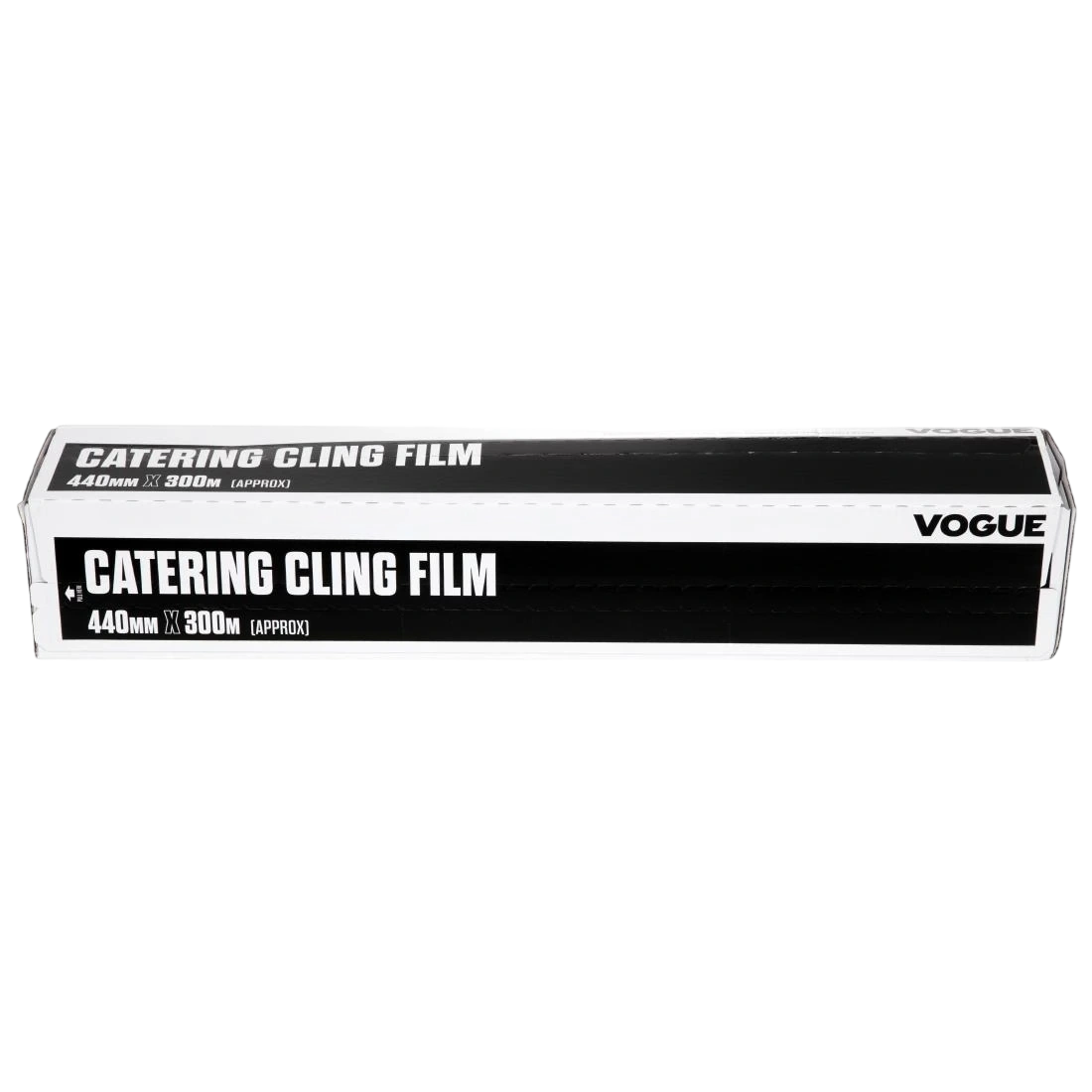
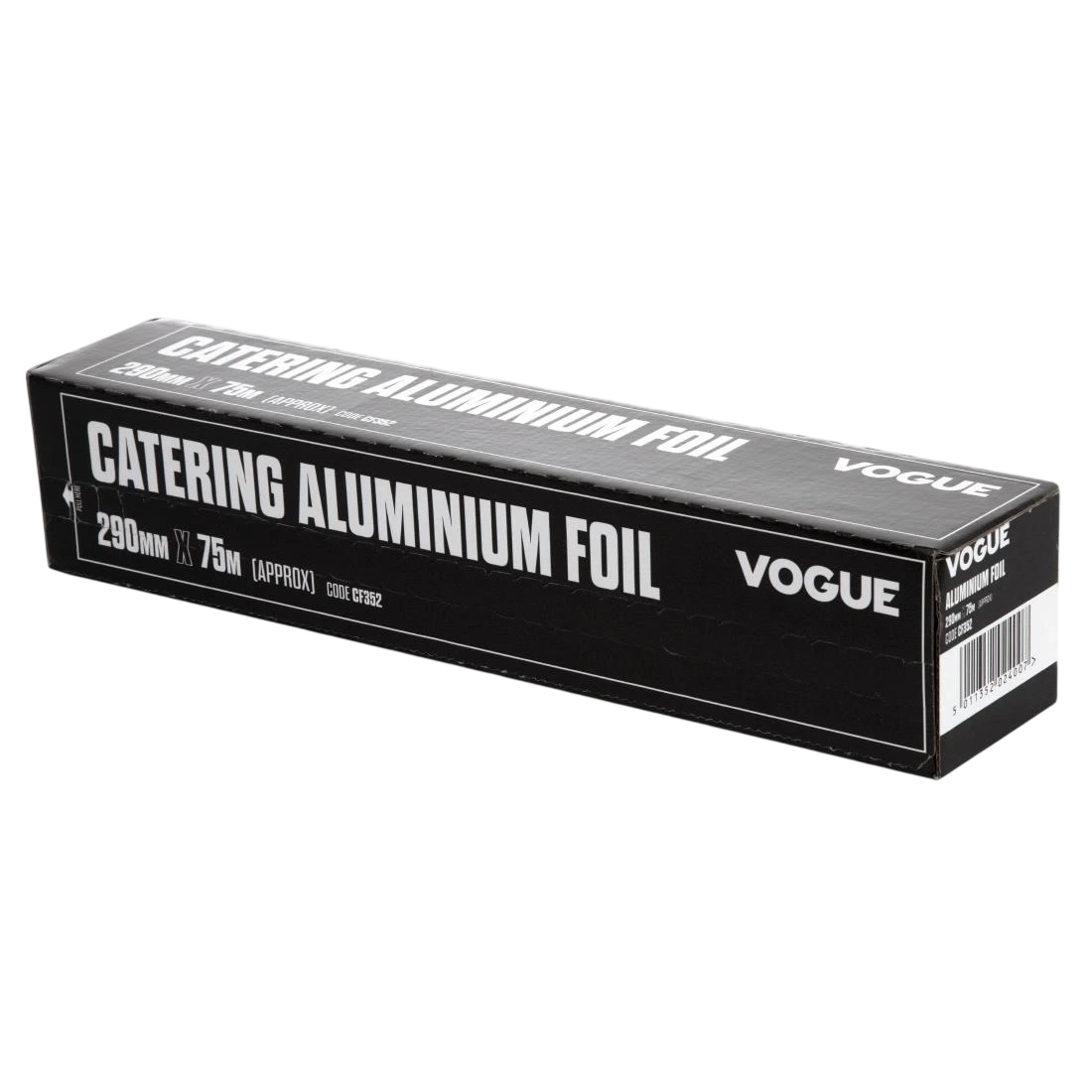
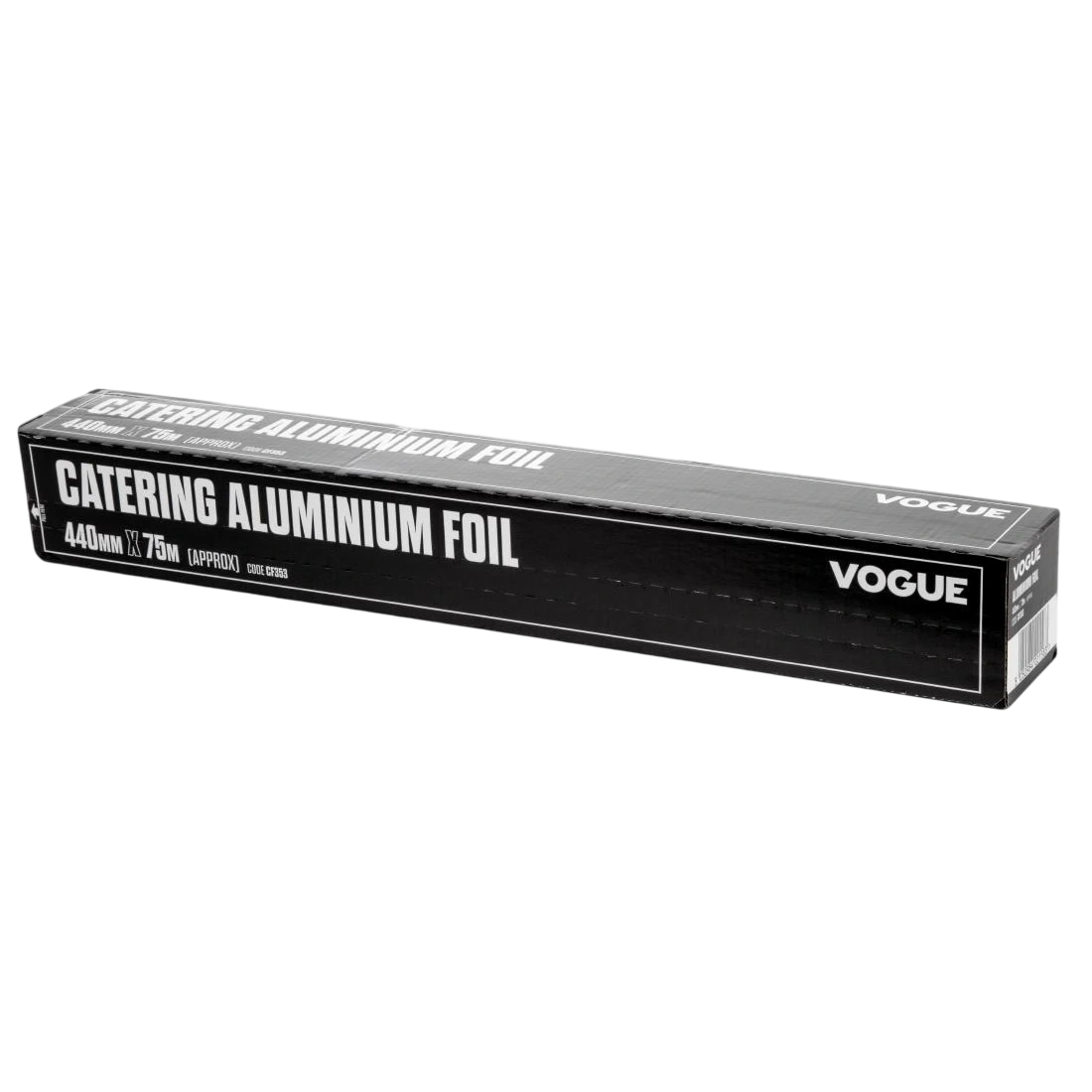
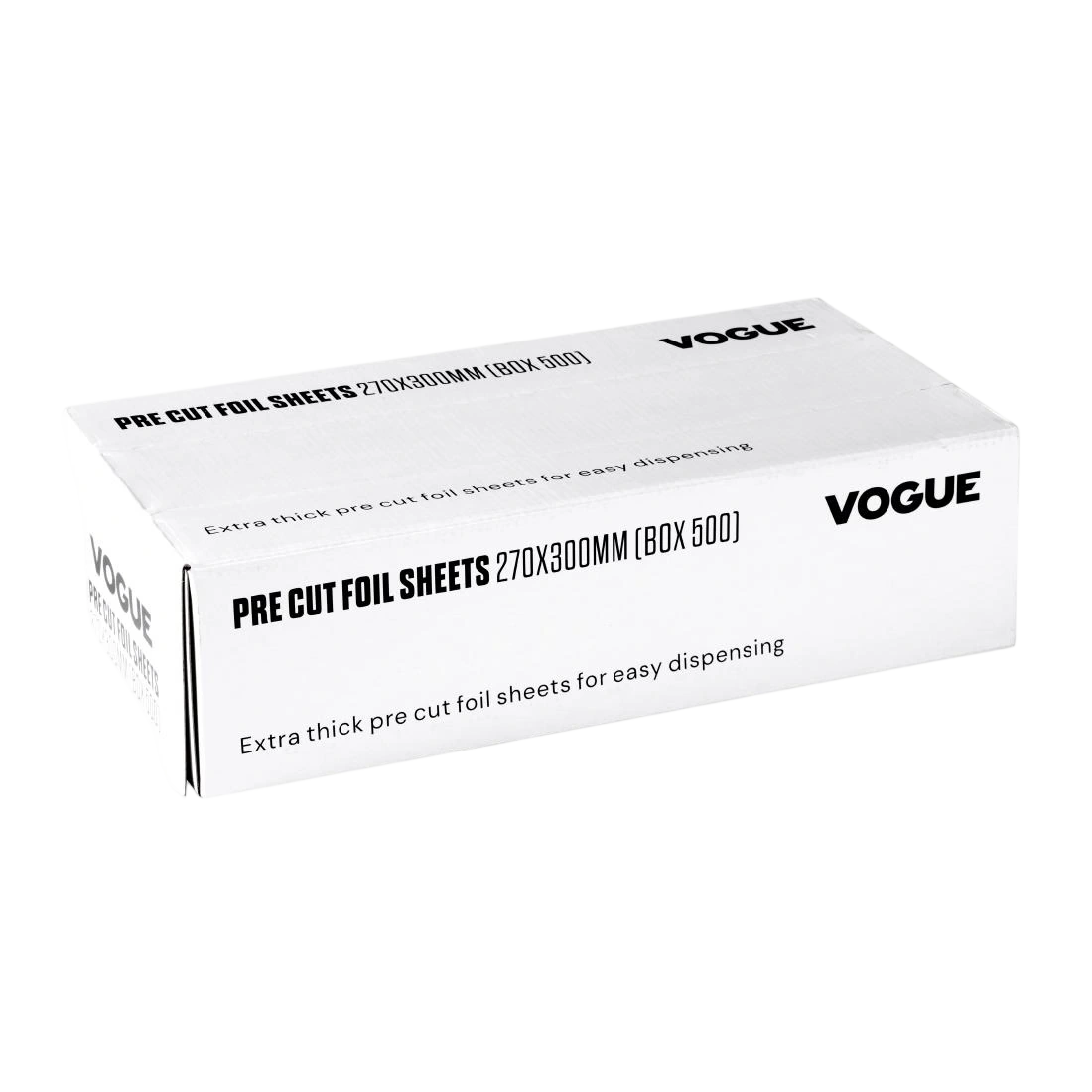
Rigid containers suit repeated portion and bulk-storage tasks. Film, foil and parchment products are selected by material, width, length, pack size and dispenser model.
Submit your kitchen requirements — our equipment specialists will send you a tailored shortlist of food storage that fits your budget, venue type and compliance needs.
Standards & Compliance
For a rigid container, confirm the exact external dimensions, stated capacity, material, lid inclusion, matching lid SKU, pack quantity and documented temperature or cleaning limits. For film, foil or parchment, confirm the roll or sheet width and length, pack quantity and exact dispenser compatibility.
Do not infer an airtight seal, freezer or dishwasher suitability, microwave use, food-contact status, stack load, nesting, stain resistance or lid interchangeability from the category name. These details vary by product and must be verified on the exact record or supplier documentation.
FAQ
No. Several current containers and lids are separate records. Check the exact SKU for inclusion and match any separate lid only to the container models explicitly stated.
Only when the product record names that compatibility. CG984 and CG985, for example, share the stated CG988 lid; a similar measurement alone does not prove a match.
Measure the available shelf width, depth and height first, then select a capacity that fits the working batch. Compare outside dimensions because higher-capacity products may add height while keeping the same footprint.
No category-wide claim is made. Temperature and cleaning suitability vary by exact material and model. Verify the selected product's documentation before use.
Use Food Containers & Bowls for disposable takeaway containers, trays, plates, bowls and matching lids.
Use Gastronorm Pans to compare the exact GN fraction, depth, material and matching lid. Generic food-storage dimensions are not a substitute for GN sizing.
Choose the material for the task, then check roll or sheet width, length, pack quantity and the exact compatible dispenser. Do not select a refill from width alone.
Send the ingredient or task, required volume, shelf dimensions, quantity, preferred material, lid requirement, pack-size preference and any cold, hot, washing, labelling or transport conditions.
Why KW
KW separates reusable food-storage products from takeaway packaging, Gastronorm pans, ingredient bins, knife storage and shelving. Send the ingredient or task, required volume, available shelf dimensions, quantity, preferred material, lid requirement and any cold, hot, washing or transport conditions for an exact-model shortlist.
Deep Dive
Technical depth from KW's commercial kitchen specialists.
| KW range | Use it to compare | Boundary to keep clear |
|---|---|---|
| Food Storage | Reusable storage boxes, tubs, compatible lids, crates, condiment canisters, sauce dispensers, ice-cream tubs and food-wrap systems. | Check the exact product for material, food contact, temperature, cleaning and compatibility facts. |
| Food Containers & Bowls | Disposable or takeaway containers, trays, plates, bowls and their matching lids. | Single-service packaging intent belongs here, not on the reusable storage route. |
| Disposable Cups & Lids and Paper Bags & Napkins | Cups, cup lids, bags and napkins for takeaway or table service. | These products were removed from Food Storage during the catalogue correction. |
| Gastronorm Pans | GN-size pans and lids selected by fraction, depth and material. | A GN-labelled product belongs with the matching pan series rather than generic storage when the exact sibling exists. |
| Ingredient Bins | Dedicated bulk ingredient-bin formats. | Use this sibling when the buying task is specifically a commercial ingredient bin. |
| Cool Room Shelving | Shelving, racks and storage infrastructure. | Food Storage owns the containers placed on the shelf, not the shelf or dunnage rack itself. |
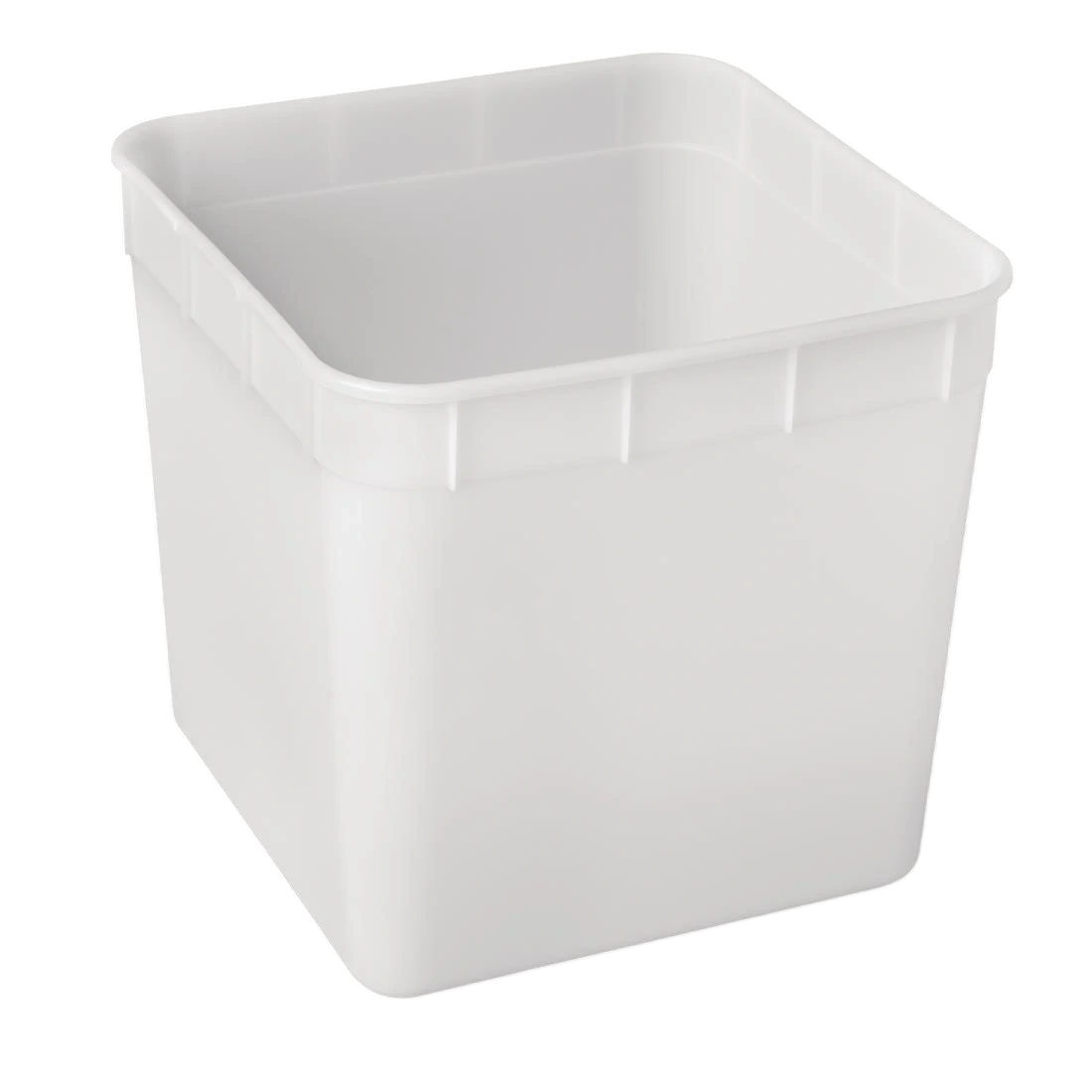
The corrected live range contains reusable polycarbonate and polypropylene food-storage products, utility and tote boxes, round and square tubs, compatible lid records, sauce dispensers, stainless condiment canisters, ice-cream containers, solid or perforated transport crates and film, foil or parchment products. Kitchen Knock, Vogue, Araven and Wrapmaster are represented. Those family labels help narrow the grid; exact inclusion and suitability still belong to each SKU.
Each fact below belongs only to the named SKU and should be rechecked on its current product page.
| Current model | Published size or capacity | Decision it demonstrates |
|---|---|---|
| Kitchen Knock 014677 and 014681 | Both are 300 × 200mm footprints; heights are 110mm and 150mm, with titles stating 4.5L and 6.75L. | More capacity can come from height while the shelf footprint stays the same. |
| Vogue CG984 and CG985 | Both are 456 × 305mm; heights are 155mm and 229mm. CG988 is the stated lid for both. | A documented series can share one exact lid across two heights. |
| Kitchen Knock 008826, 008827 and 008828 | Titles state 30L, 45L and 65L on a 660 × 457mm footprint; heights are 152mm, 229mm and 305mm. | Choose the height that fits the shelf, then verify lid 008883 against the selected container. |
| Vogue DX995 and DX996 | Both titles state 600 × 400 × 320mm and attached lids; one is solid and one perforated. | The same outside size can serve different containment or ventilation needs. |
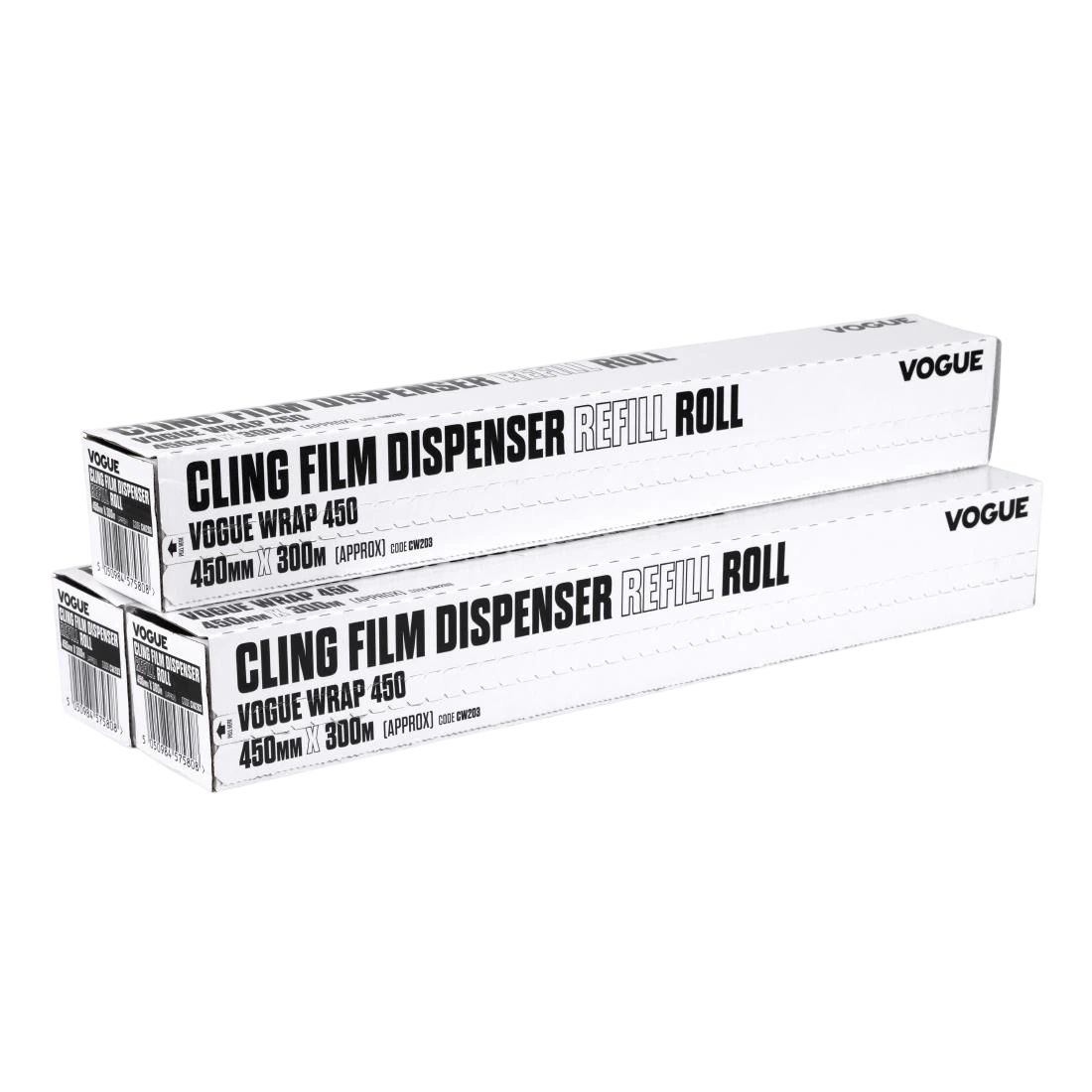
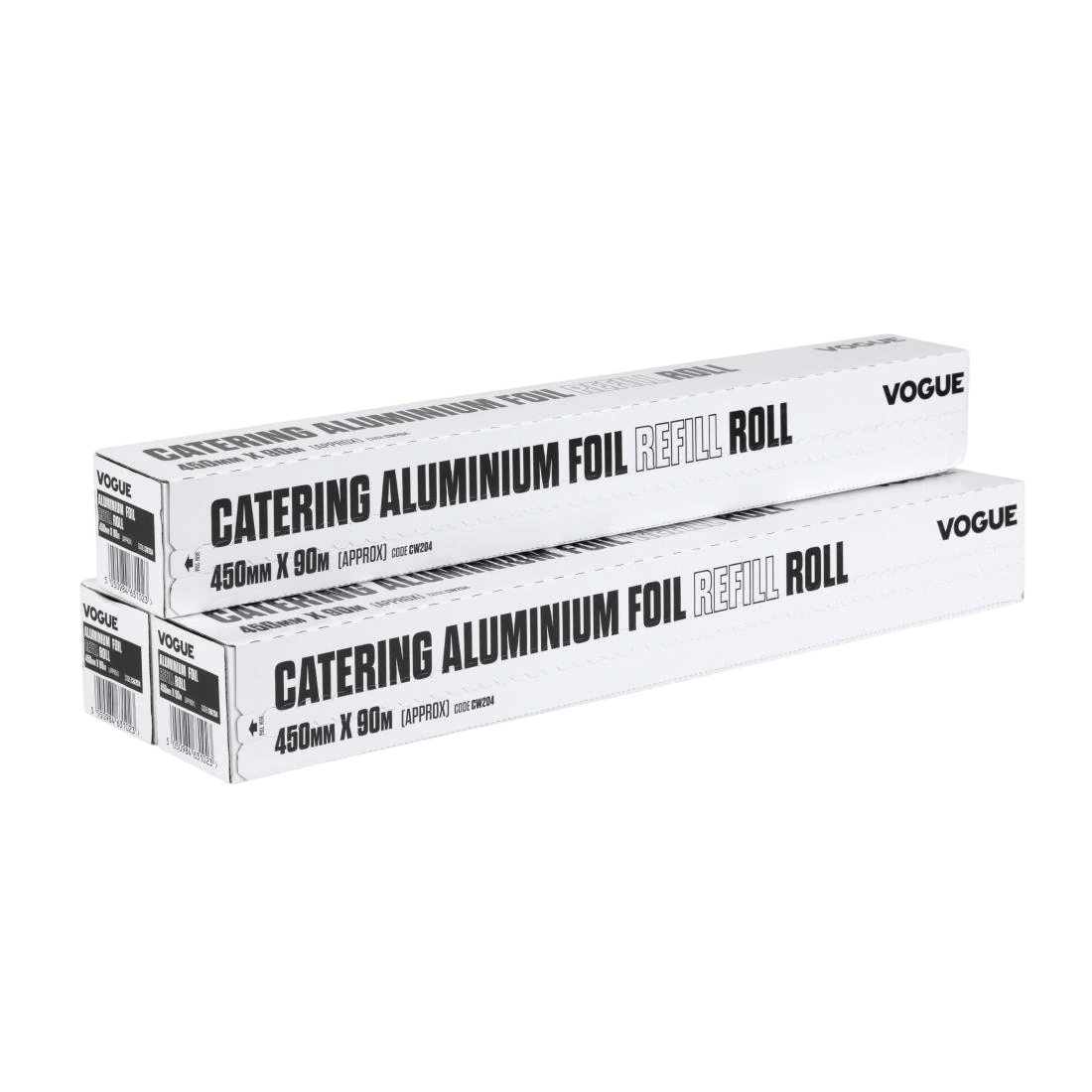
| Vogue HT498 Wrap 450 dispenser | The current record states compatibility with CW203 cling film, CW204 foil, CW205 parchment and CU258 eco cling refills. | Dispenser compatibility must be matched by exact model code, not width alone. |
First establish whether a lid is included or sold separately. If separate, match the product record's stated container models, footprint and pack quantity. The current catalogue provides exact examples: CG988 fits CG984 and CG985; CG989 fits CG986 and CG987; CS829 fits CS827 and CS828; DJ964 states DJ961 and DJ962 compatibility. These examples do not make lids interchangeable outside their named series.
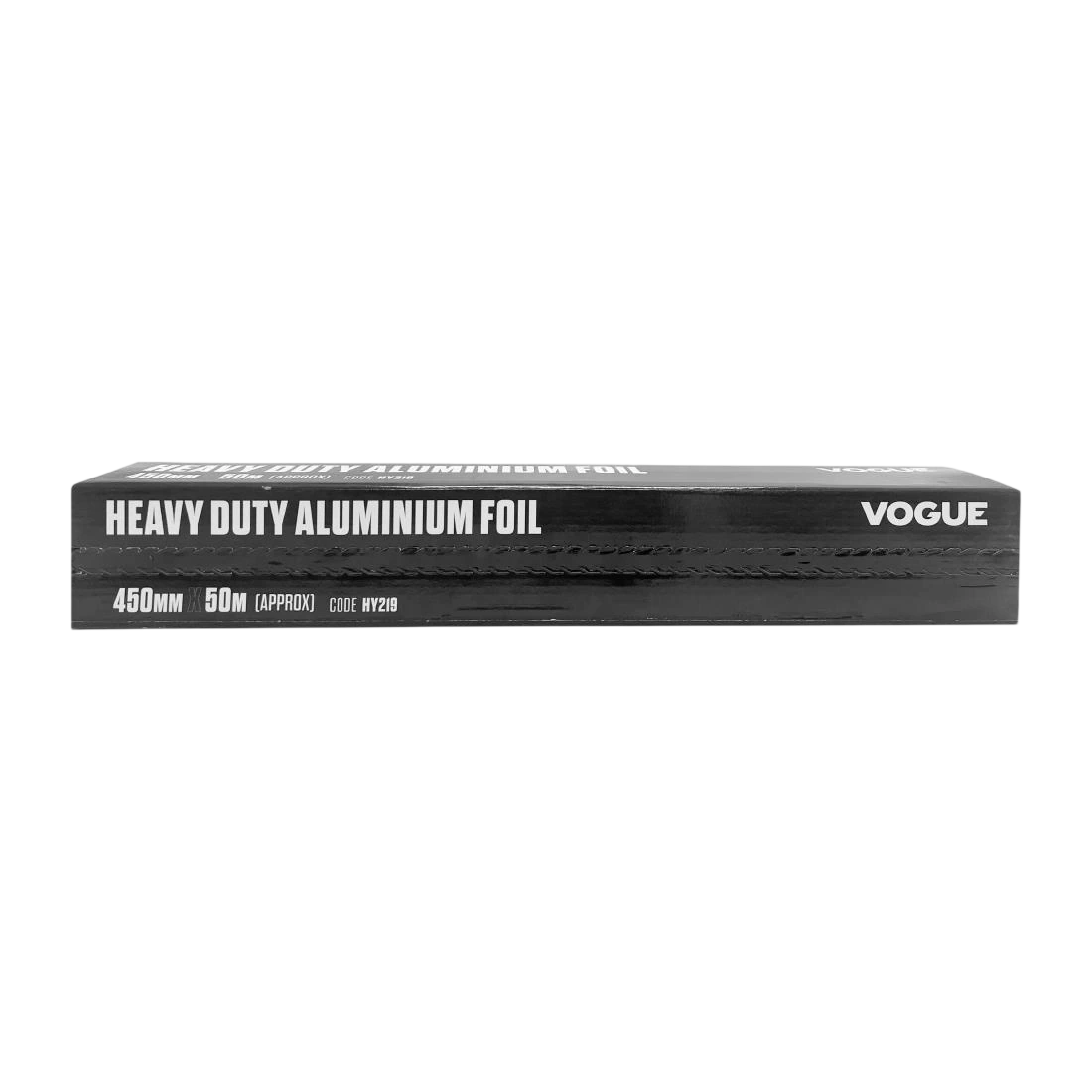
Film, foil and parchment solve different wrapping or lining tasks. Compare material first, then width, length, pack quantity and whether the product is a cutter box, loose sheet, refill, dispenser or bundle. If a refill is selected, verify the exact dispenser model. A shared width such as 450mm does not by itself prove that a refill fits a particular unit.
A storage purchase still needs the kitchen's own labelling, date marking, stock rotation, cleaning and raw-versus-ready-to-eat controls. The container category does not prove that every item supports the same label, sanitiser, wash cycle or temperature. Record those requirements before shortlisting and verify them against the exact product and the venue's food-safety procedure.
Before ordering, record the exact SKU, product type, outside dimensions, stated capacity, material, quantity and pack size, whether a lid is included, matching lid or dispenser model, storage location, shelf clearance, handling or transport need, and any required cold, heat, microwave or cleaning limit. Recheck the live product page and supplier evidence for any fact that affects safe use.