
Apuro
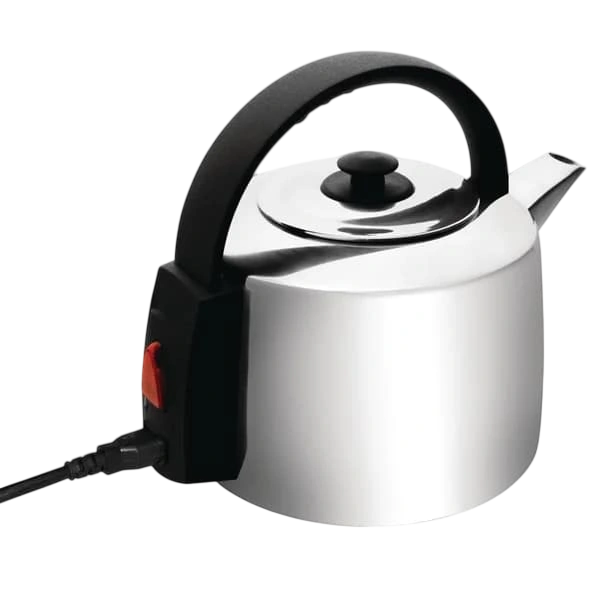
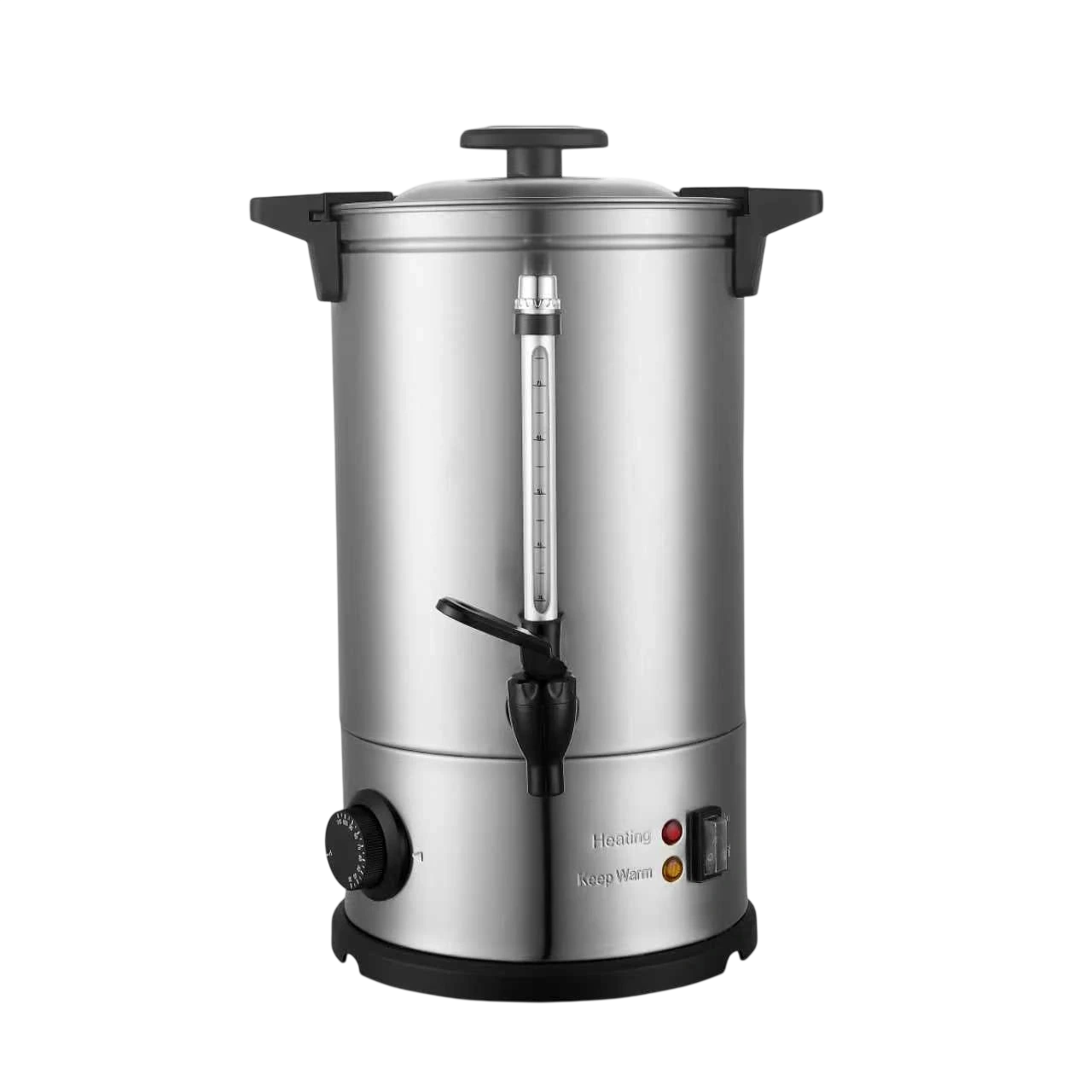
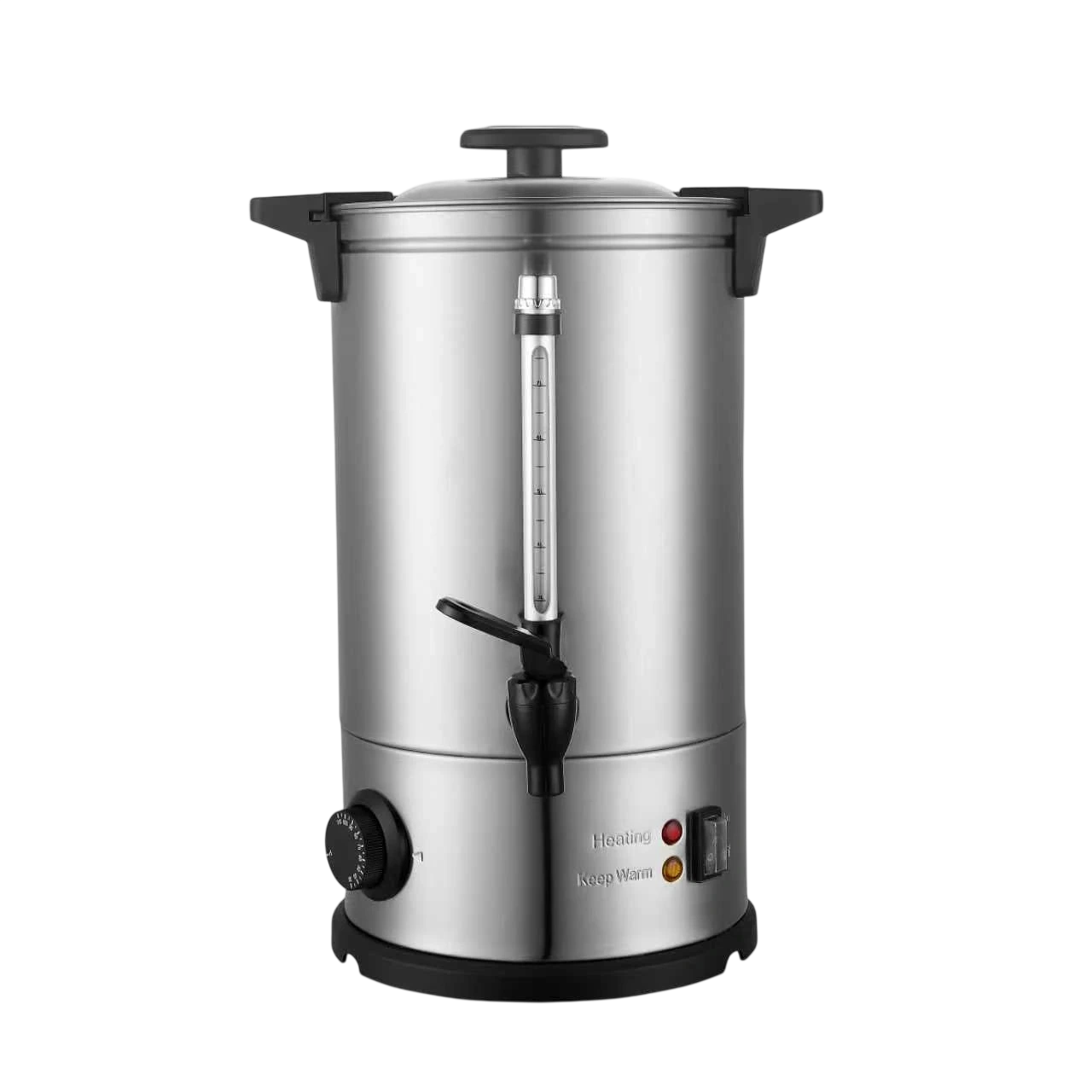
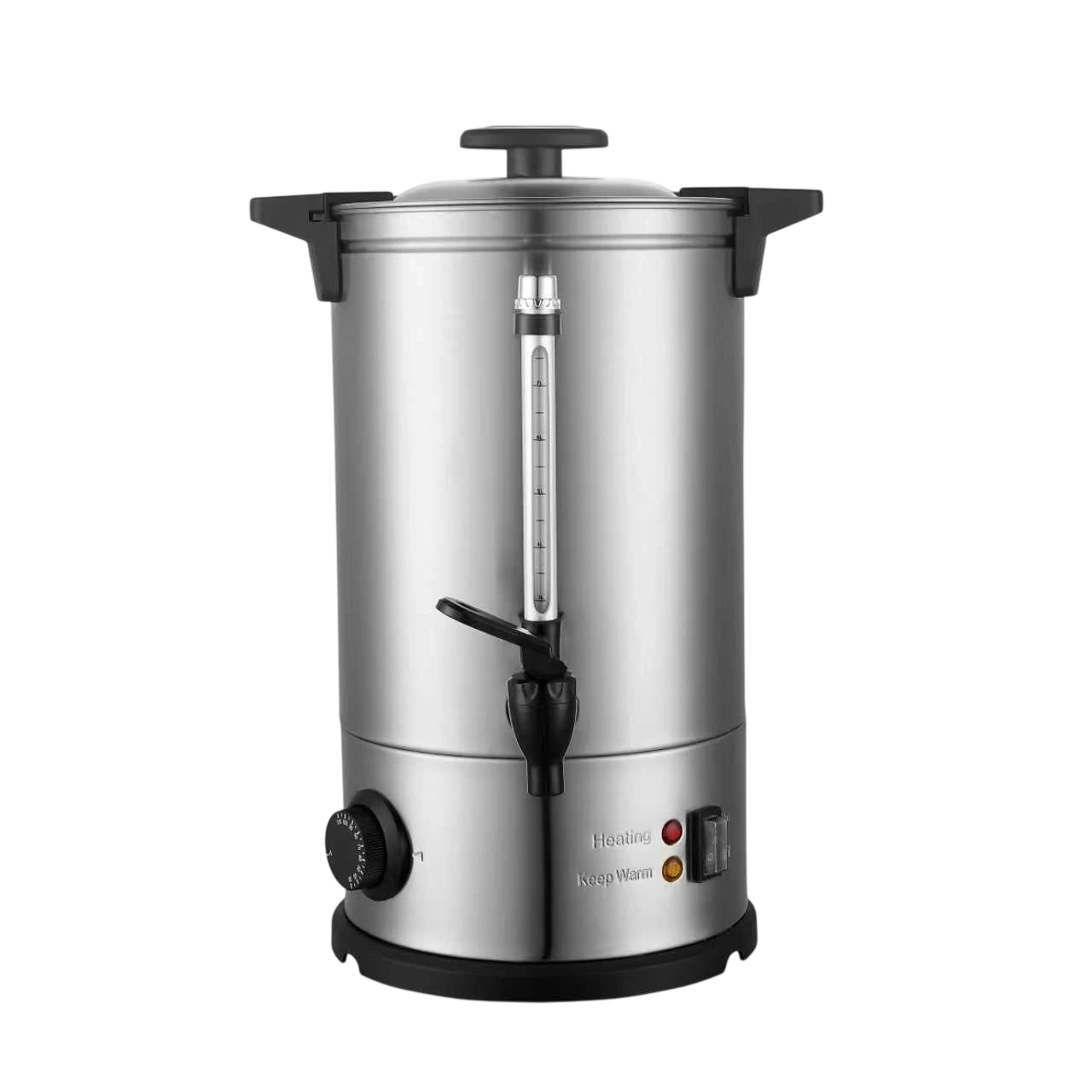
Apuro Caterlite CK829-A Stainless Kettle – 3.5L Auto Shut-Off | Light Duty
249 × 232 × 252mm
$72.00$87.90
In Stock
Commercial Beverage Equipment
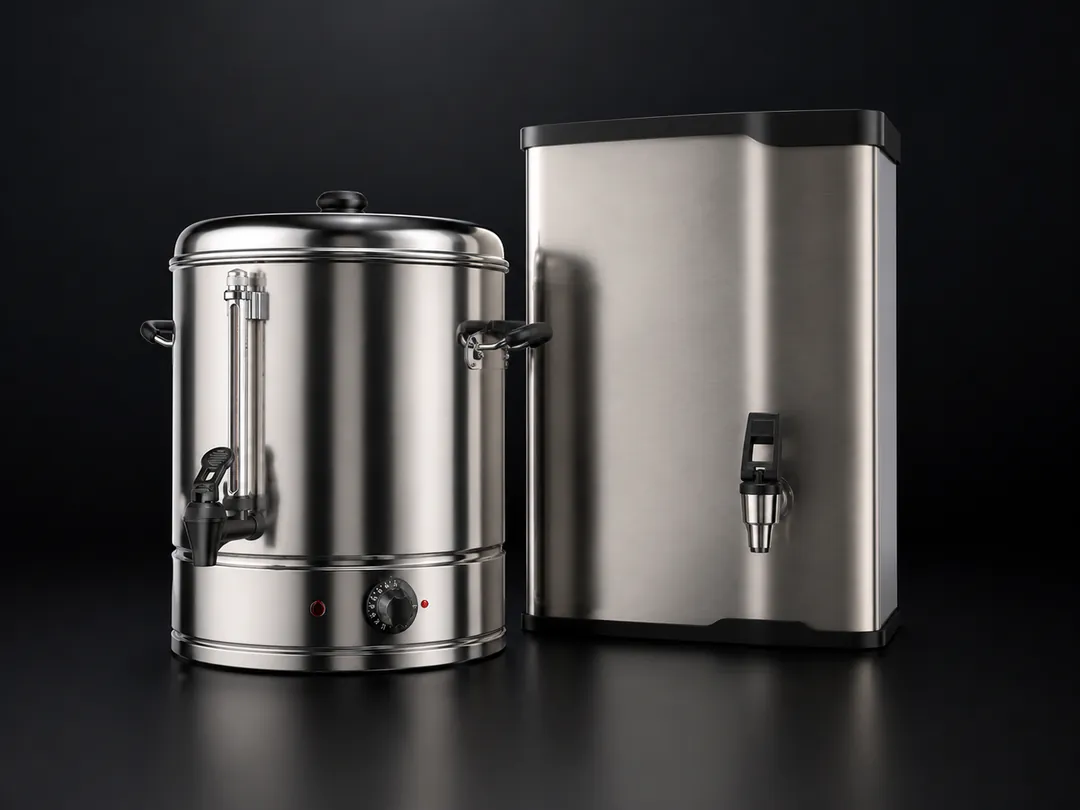
A hot water urn is sized by the peak rather than by the guest count. Tea and coffee service concentrates into short bursts after a meal or between sessions, so the useful figures are how much water is drawn in that burst and how quickly the urn recovers before the next one. A large urn that reheats slowly serves worse than a smaller one that recovers quickly.
Urns and boilers differ in how they work. An electric urn heats and holds a filled vessel and is refilled by hand; a plumbed commercial water boiler draws from the mains and heats on demand. Portable urns suit function rooms and venues without a nearby supply; a boiler suits a fixed servery where the plumbing exists.
Where an urn is used for a coffee urn service rather than for tea water, the drawn volume per serve is larger and the recovery requirement rises accordingly. A small hot water urn suits a meeting room or a low-volume counter, and is the wrong choice for a function where a room is served at once.
Some settings only need warm water rather than near-boiling. Confirm the temperature actually required, because holding at a lower setting changes both the recovery calculation and the running cost.
Key factors to consider before purchasing. Our team can help you find the right fit — call or get a quote anytime.
Match equipment capacity to your daily output. Consider available floor space and door clearances.
Confirm levelling, wall clearance and the access needed for cleaning and service. We can help with kitchen planning.
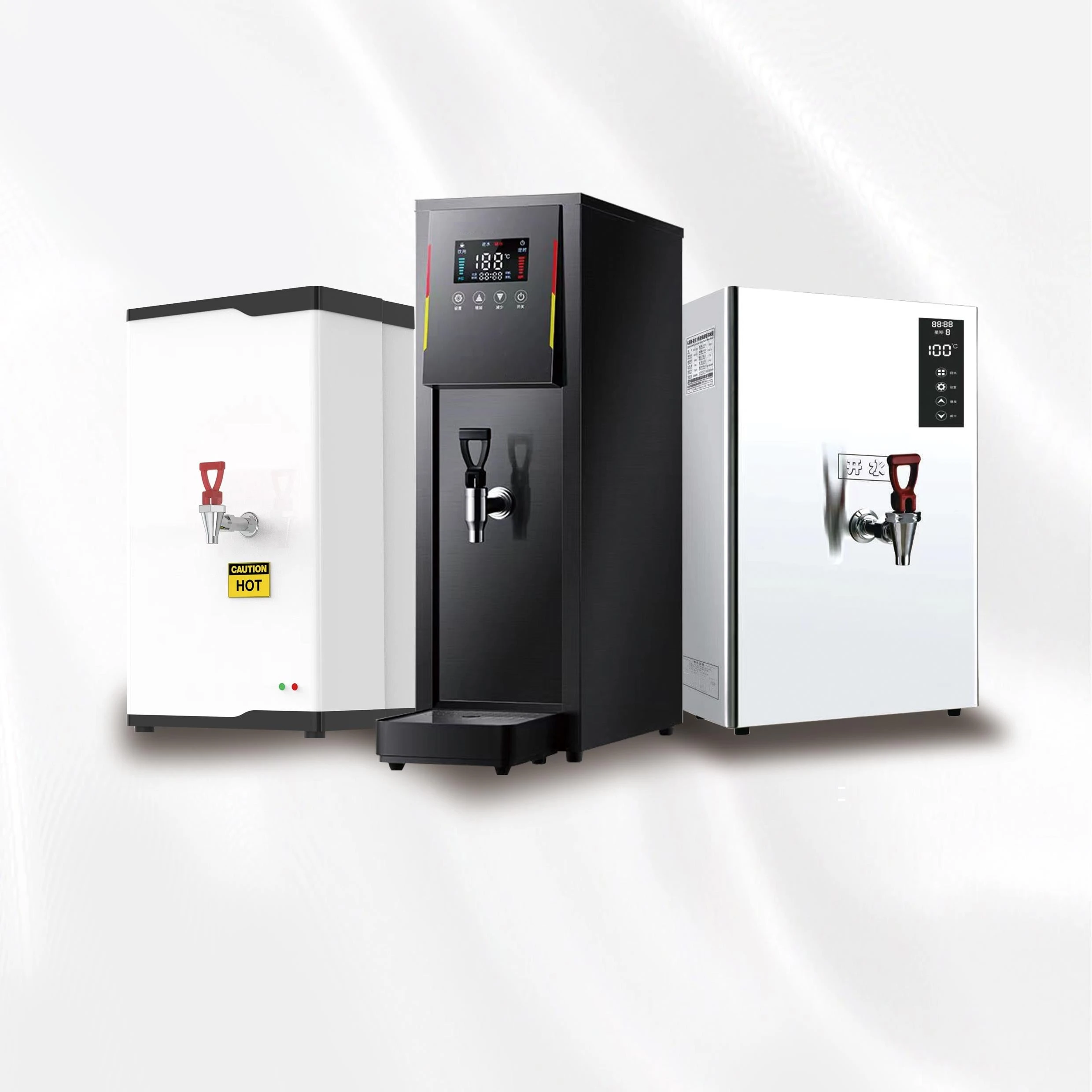
Submit your kitchen requirements — our equipment specialists will send you a tailored shortlist of hot water urns that fits your budget, venue type and compliance needs.
Standards & Compliance
Before comparing urns, confirm the volume drawn in the busiest burst, the time available before the next one, and whether a mains connection exists at the serving position. Check the filled weight if the urn will be carried.
Look at how the tap is operated when guests serve themselves, how the water level is checked without opening the lid, and how the element is descaled. In hard-water areas the descaling routine decides the working life more than the specification does.
FAQ
Most maintain water just below boiling for safe beverage service.
Not recommended—use cool-touch handles and only move when turned off and cooled.
Yes—regular descaling is essential in hard-water areas.
Yes—non-drip taps and thermostat control improve safety for public use.
Large 20–30L urns suit high-volume banquet or buffet service.
Why KW
KW can help size a hot water urn to the peak draw and recovery a venue needs, and weigh a portable electric urn against a plumbed commercial water boiler for the serving position. For practical advice on urns, call KW on 1300 001 366.
Deep Dive
Technical depth from KW's commercial kitchen specialists.
Tea and coffee service arrives in bursts. Work from the volume drawn in one burst and the time before the next, then compare urns on how quickly they return to temperature. A larger vessel that recovers slowly serves a room worse than a smaller one that keeps up.
An electric urn is filled by hand and can be moved to a function room, which suits venues without a supply at the serving position. A plumbed commercial water boiler heats on demand from the mains and suits a fixed servery where the connection already exists.
A coffee urn service draws a larger volume per serve than tea water does, which raises the recovery requirement for the same number of guests. Size accordingly rather than assuming one urn suits both patterns of use.
In hard-water areas scale on the element decides how long an urn lasts more than the build quality does. Check how the element is accessed and descaled, and set that routine when the urn is installed rather than when performance drops.
Size it on the volume drawn in the busiest burst and how quickly the urn recovers before the next one, rather than on the total number of guests. Service concentrates into short periods, so recovery matters as much as capacity.
An electric urn is filled by hand and can be moved, which suits function rooms and positions without a supply. A plumbed boiler heats on demand from the mains and suits a fixed servery where the connection exists.
For a meeting room or a low-volume counter, usually. For a function where a whole room is served at once it is not, because the draw arrives in one burst and a small vessel cannot recover between servings.
In hard-water areas yes, and it is what limits working life more than build quality. Check how the element is accessed, and set the descaling routine at installation rather than after performance drops.
39 results
249 × 232 × 252mm
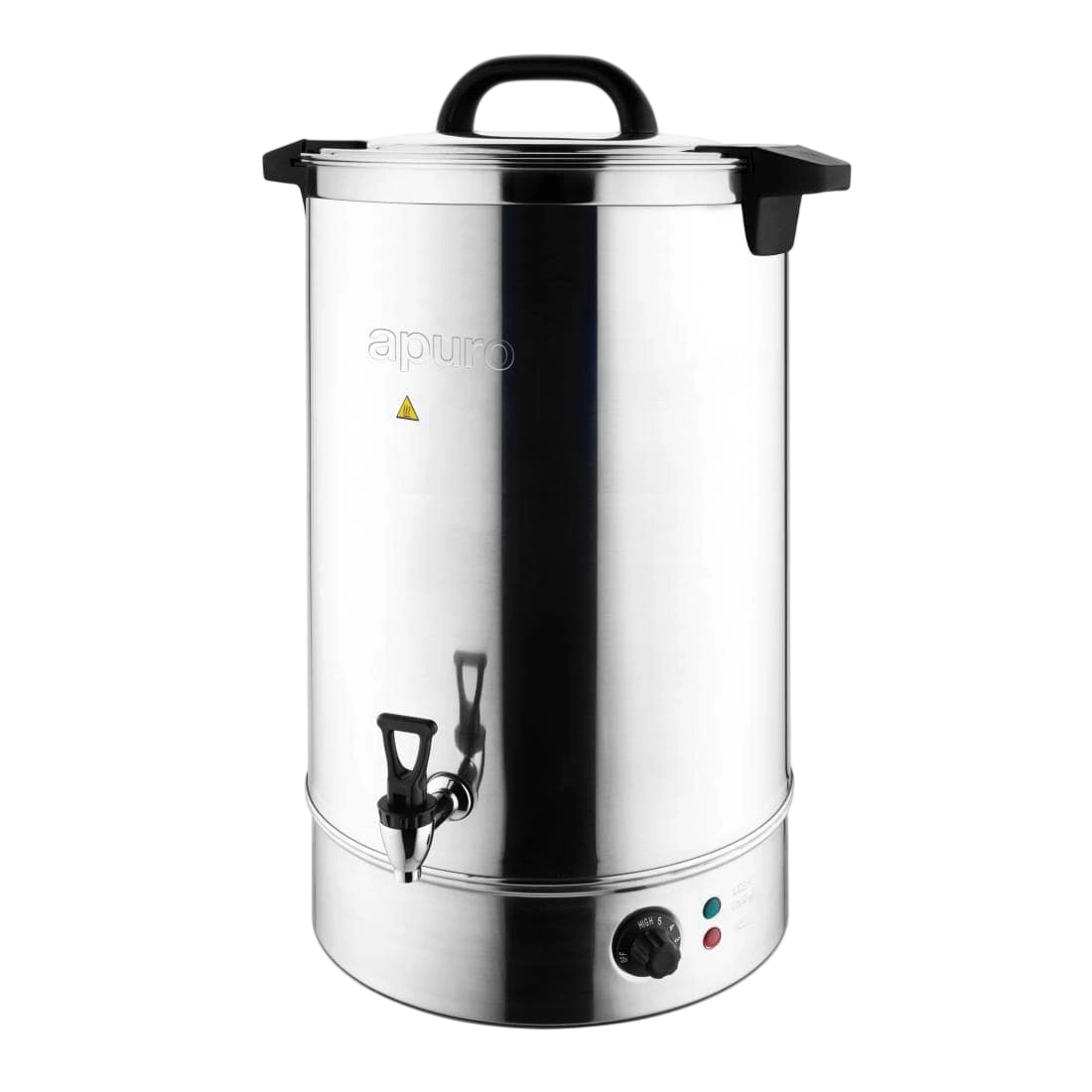
490 × 490 × 644mm
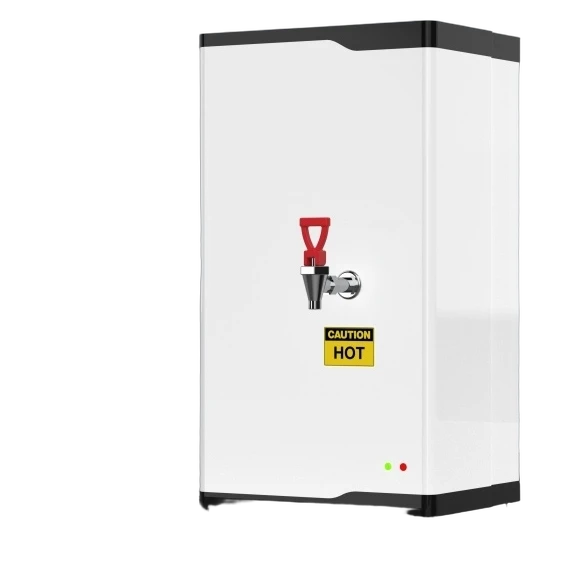
370 × 270 × 590mm
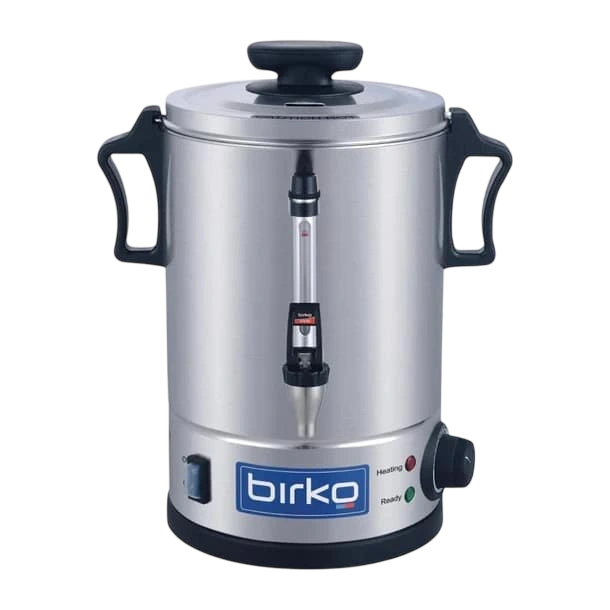
220 × 220 × 400mm
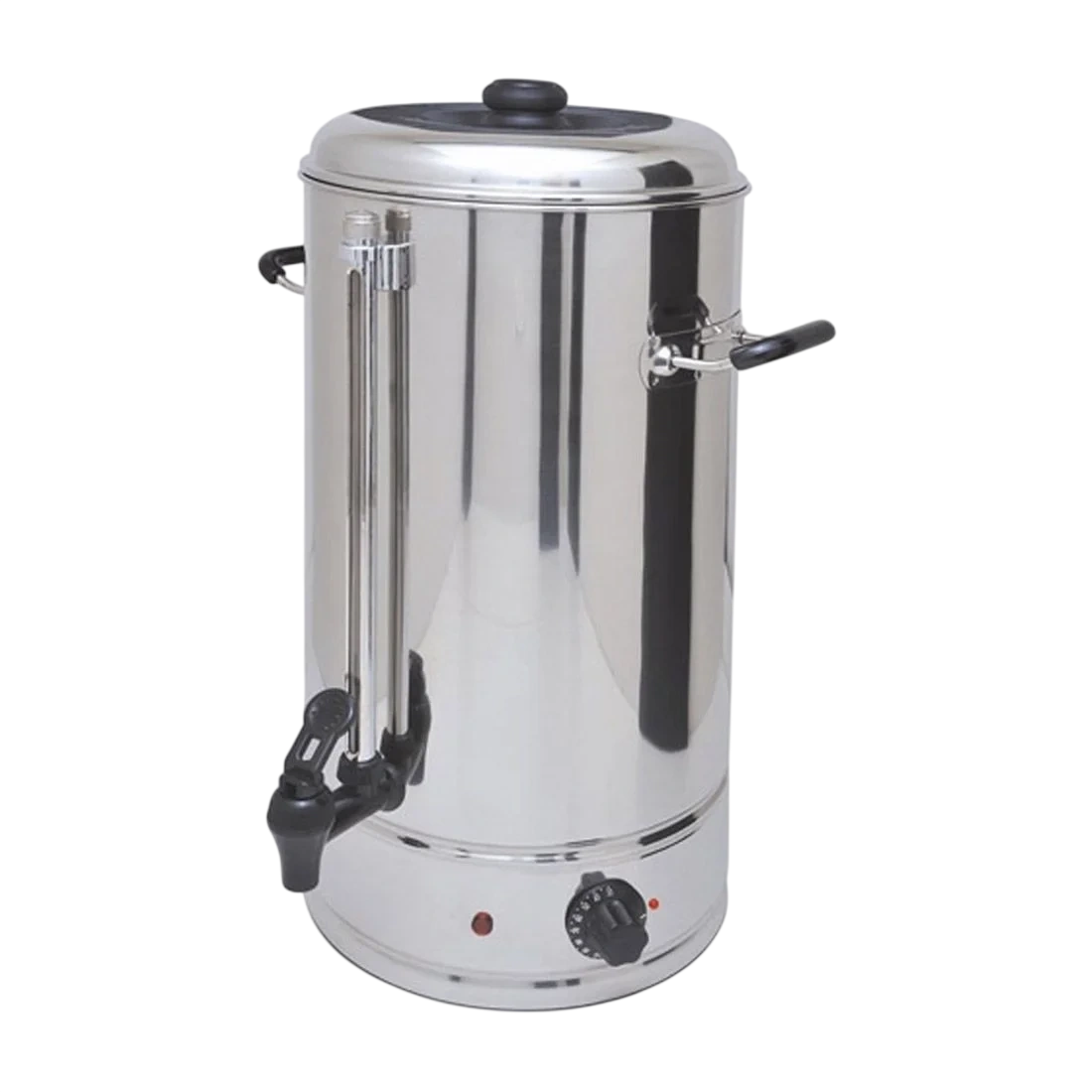
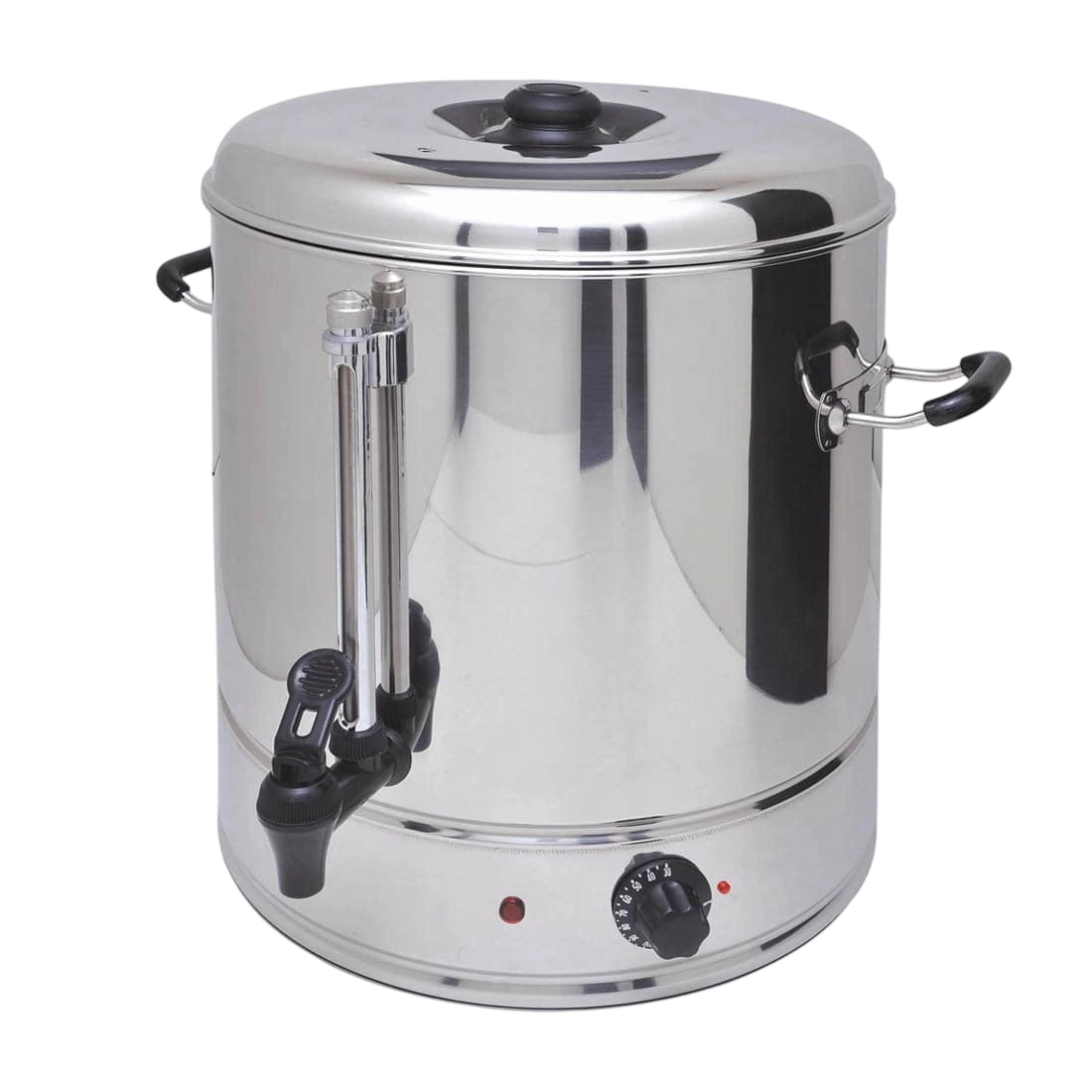
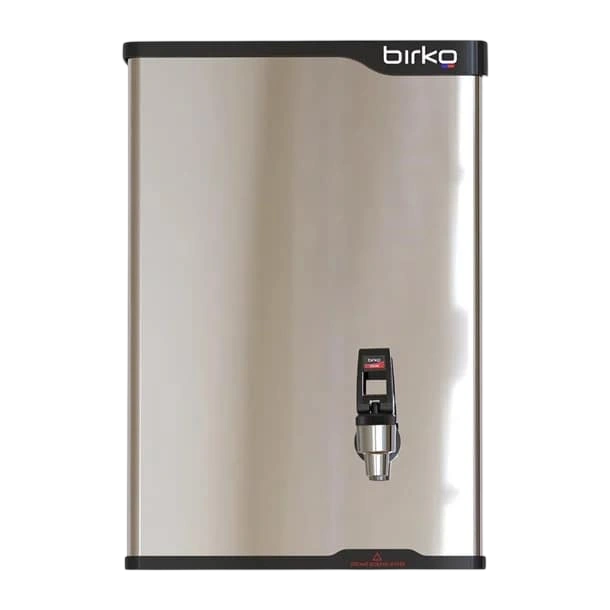
289 × 180 × 431mm
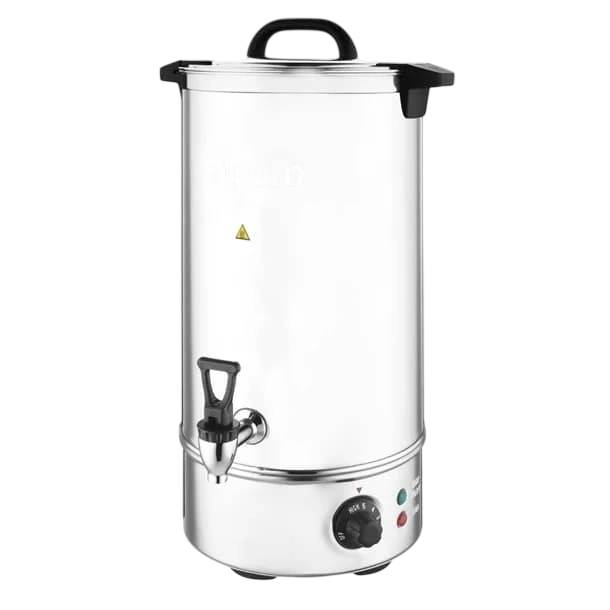
330 × 330 × 538mm
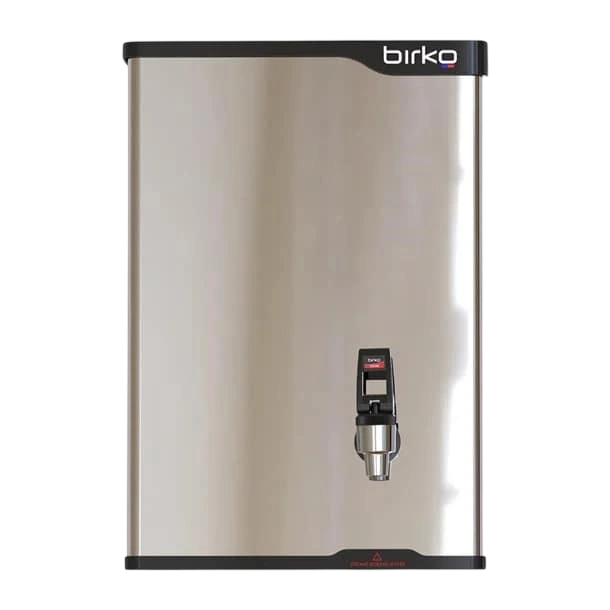
390 × 299 × 600mm
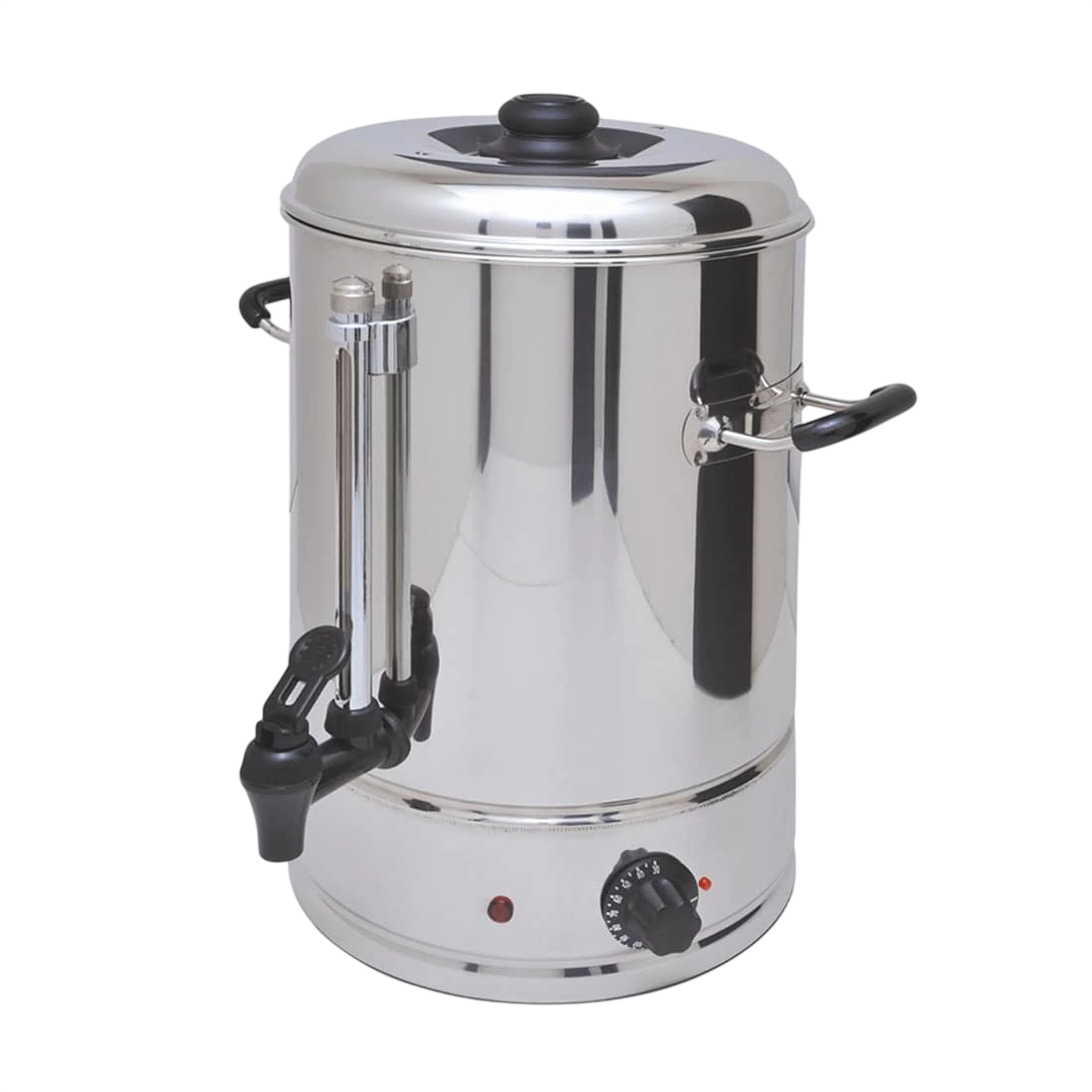
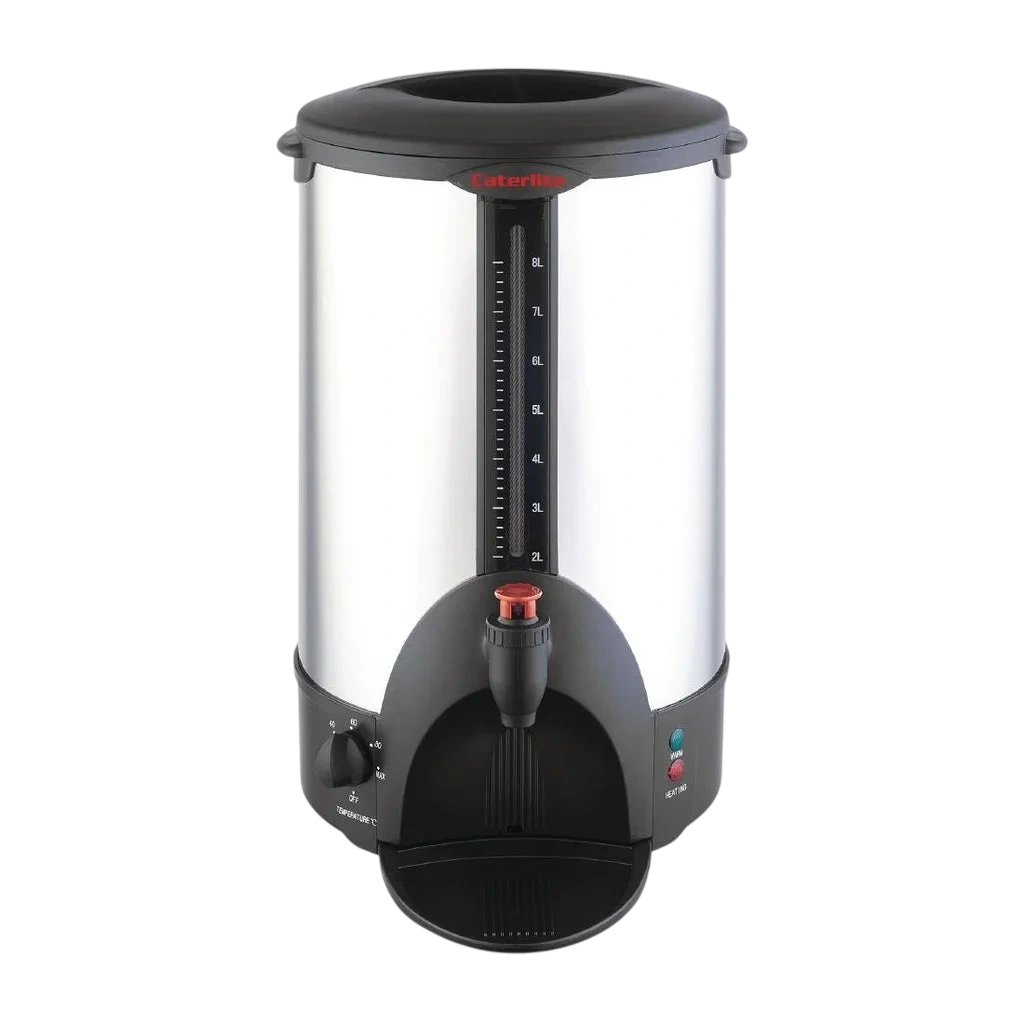
247 × 333 × 430mm
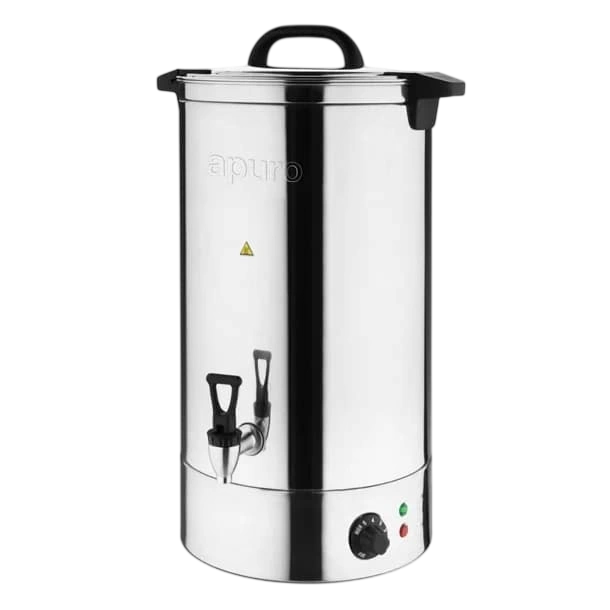
380 × 380 × 587mm
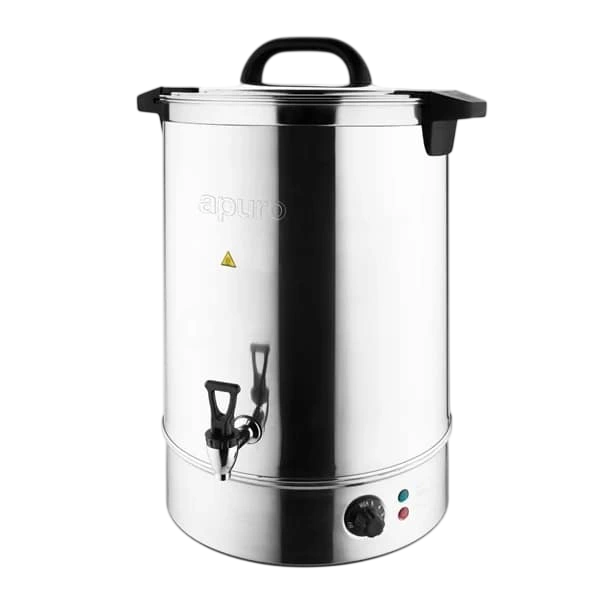
490 × 490 × 585mm
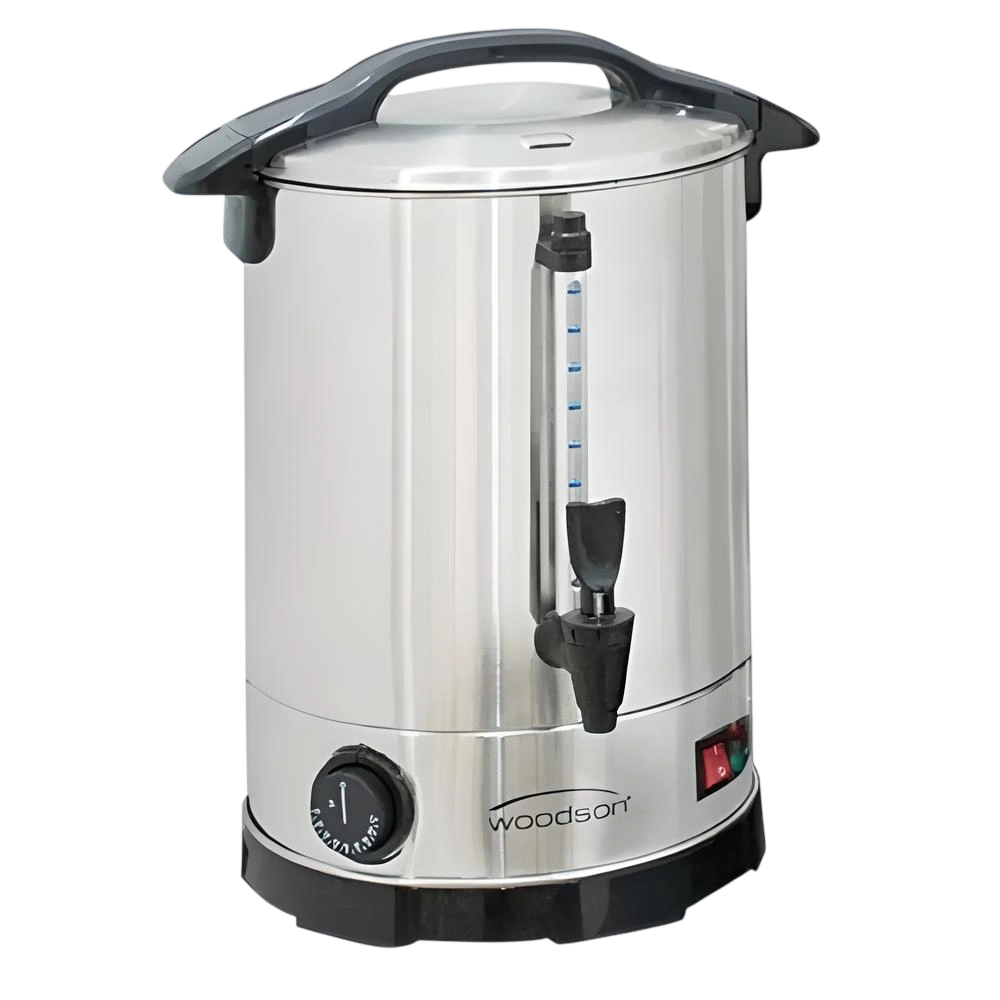
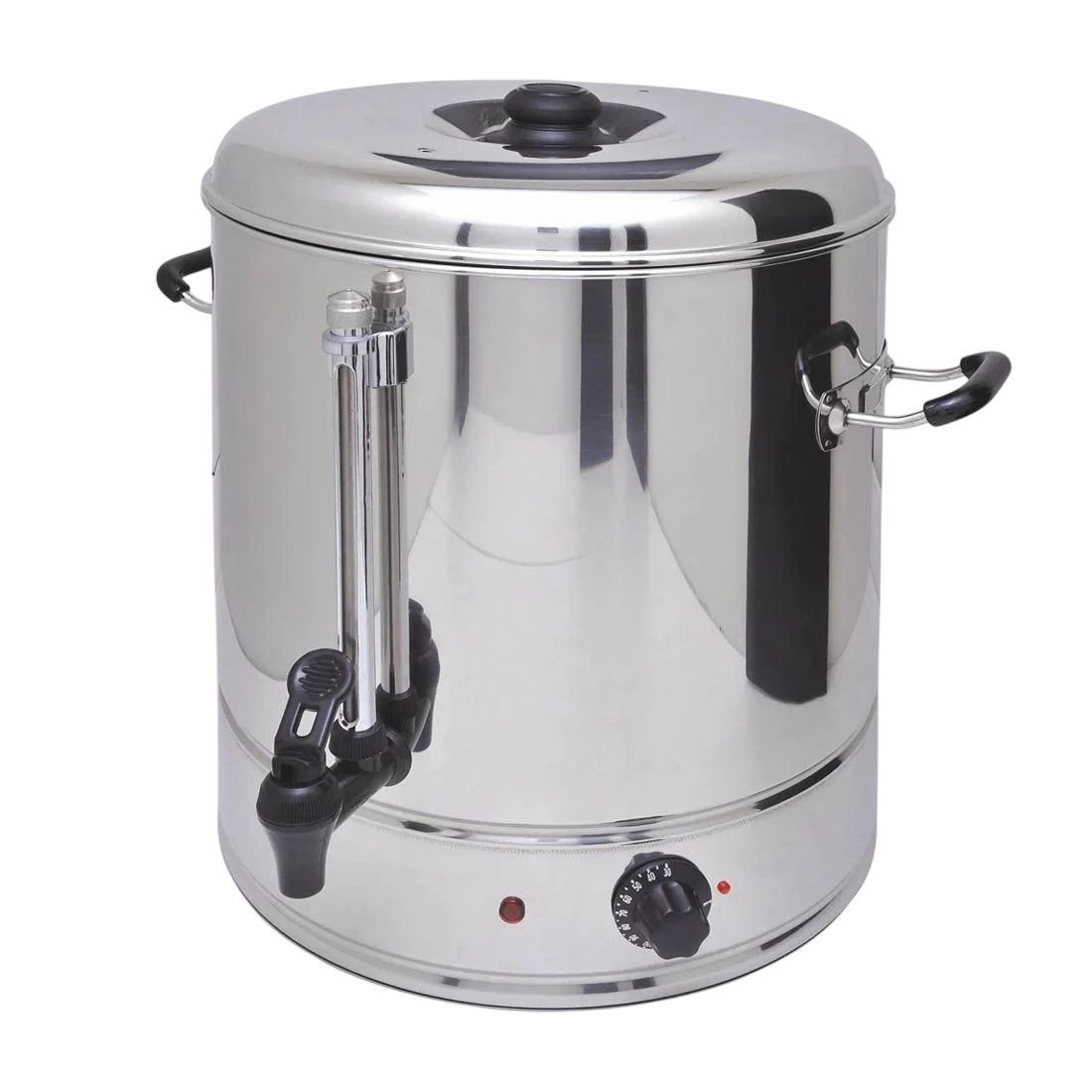
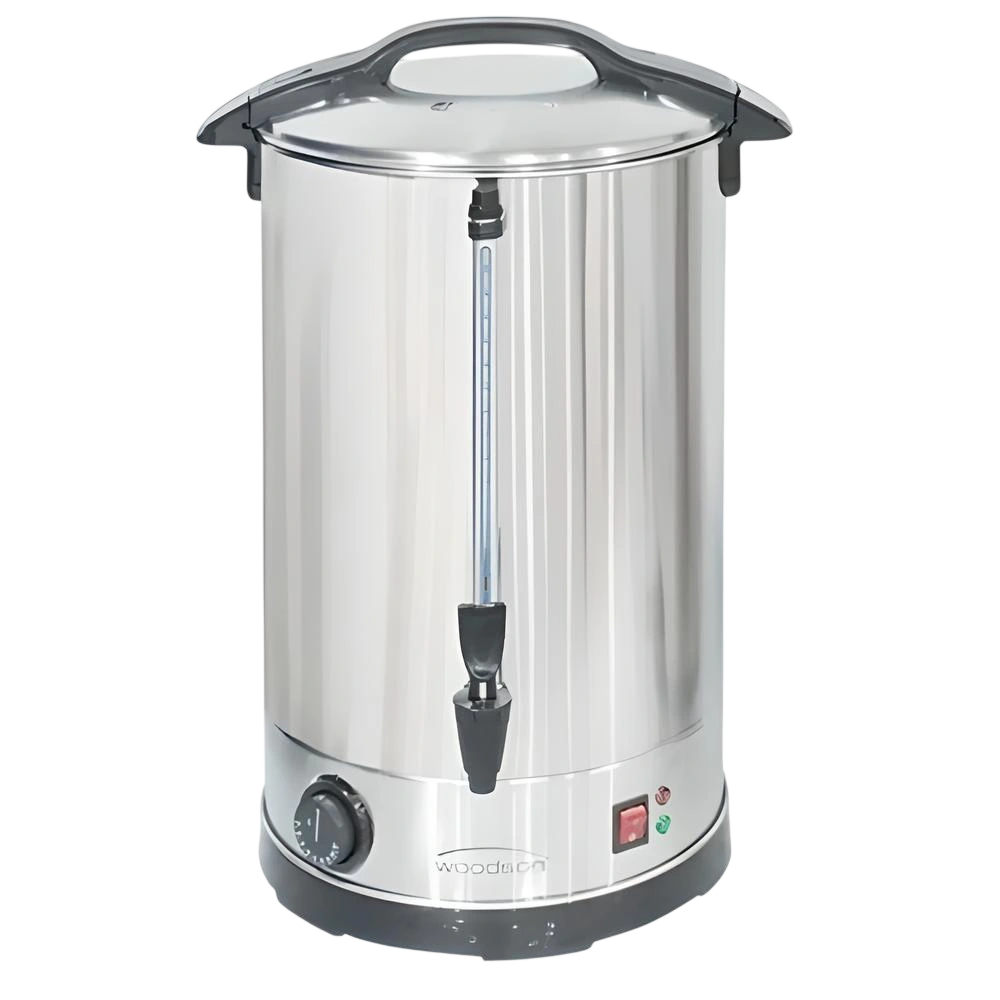
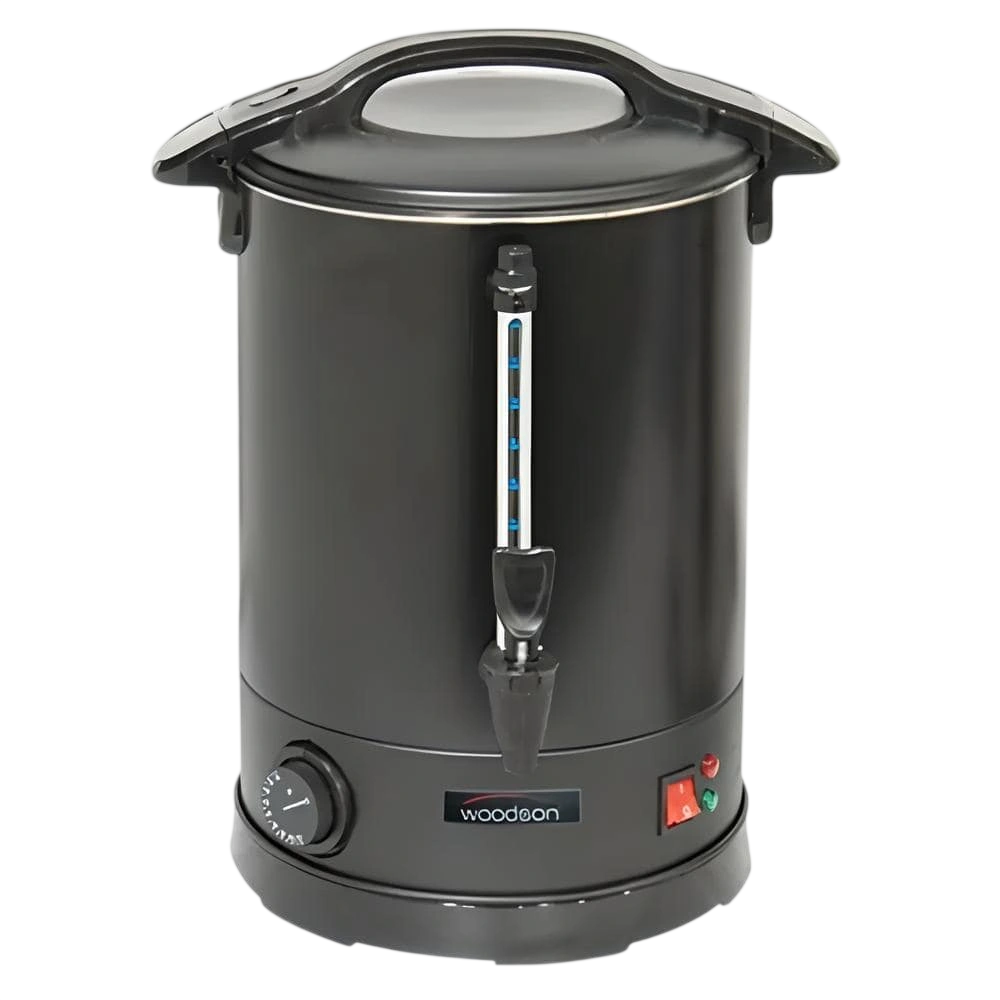
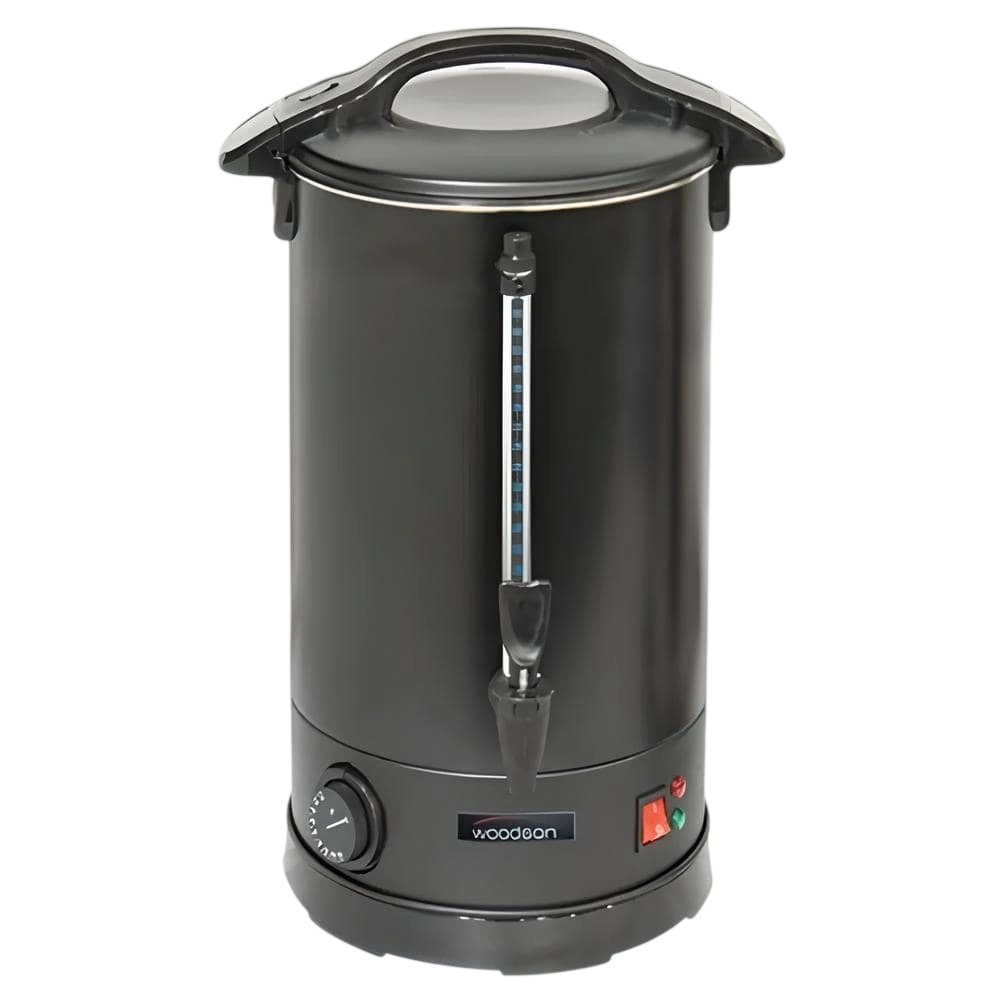
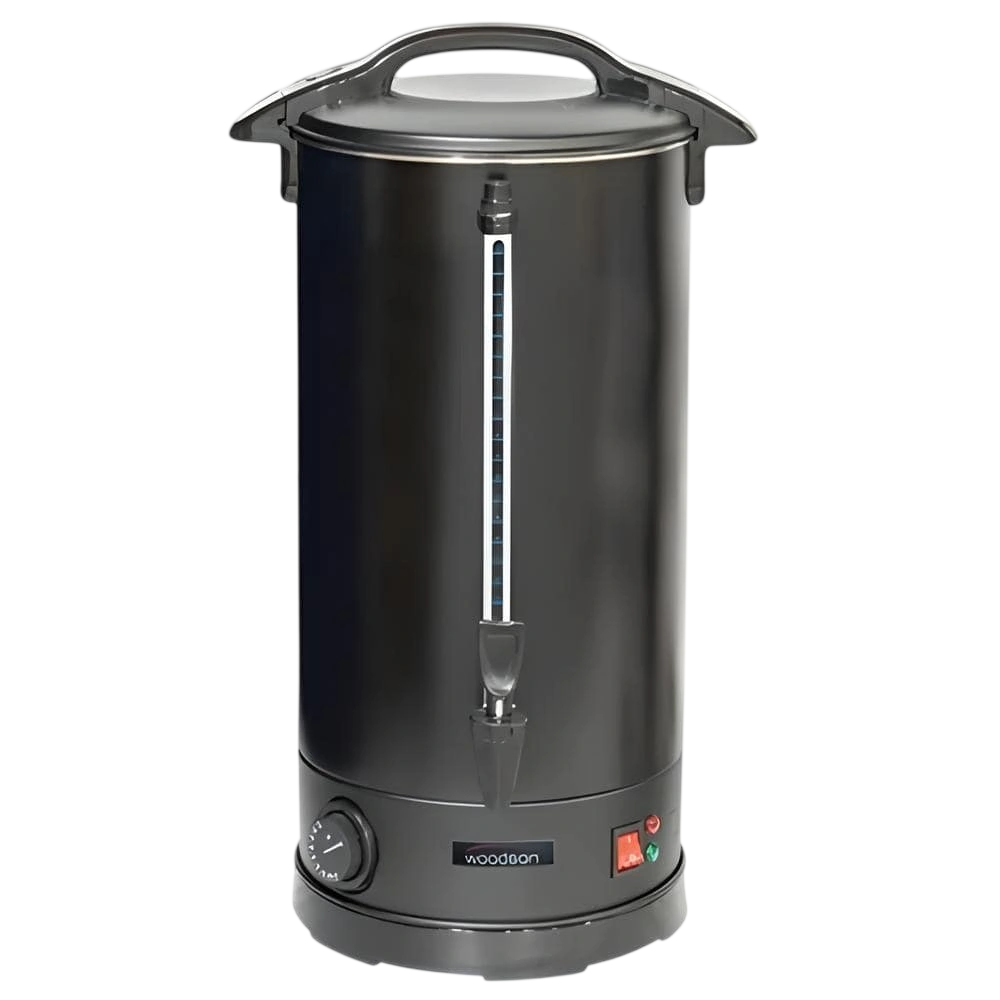
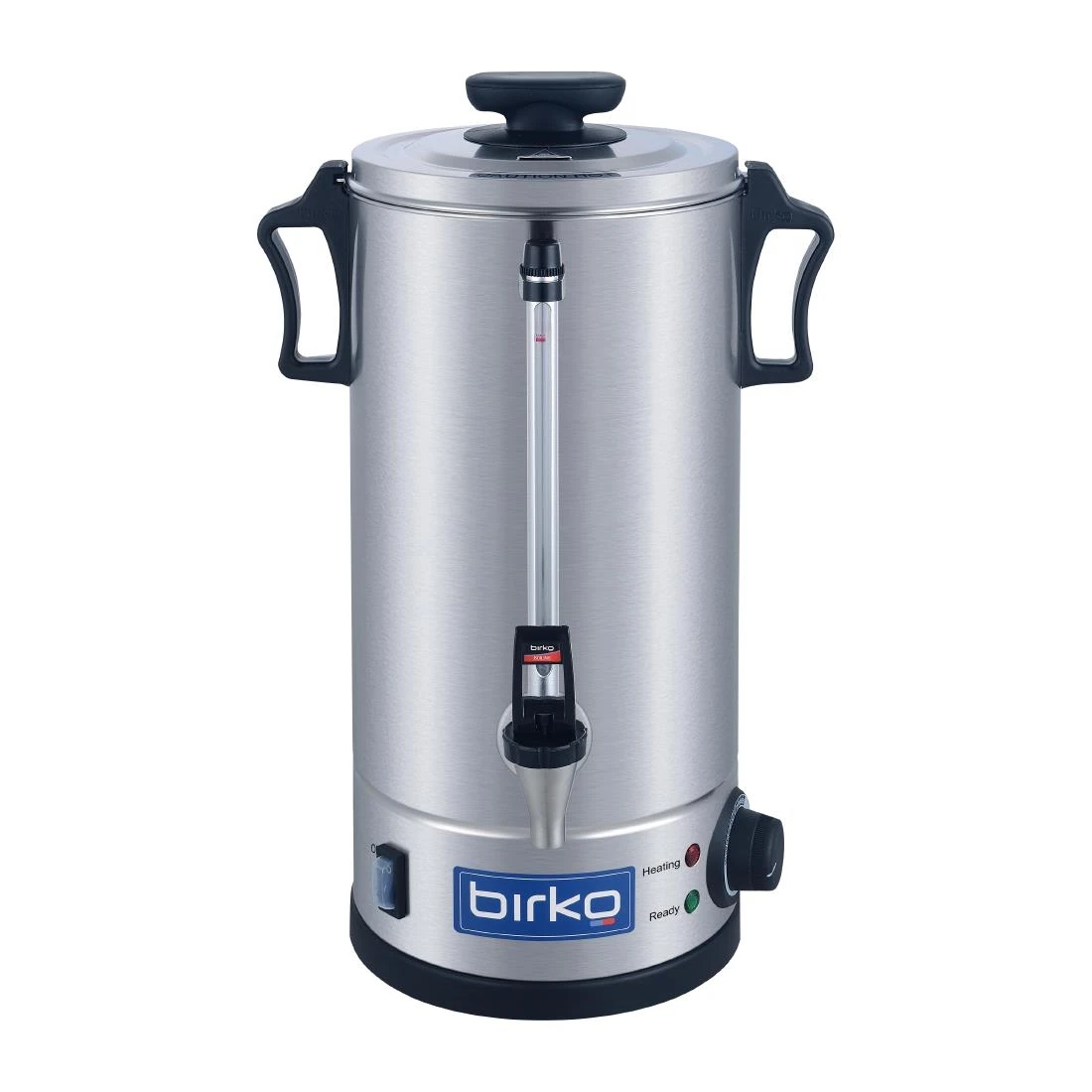
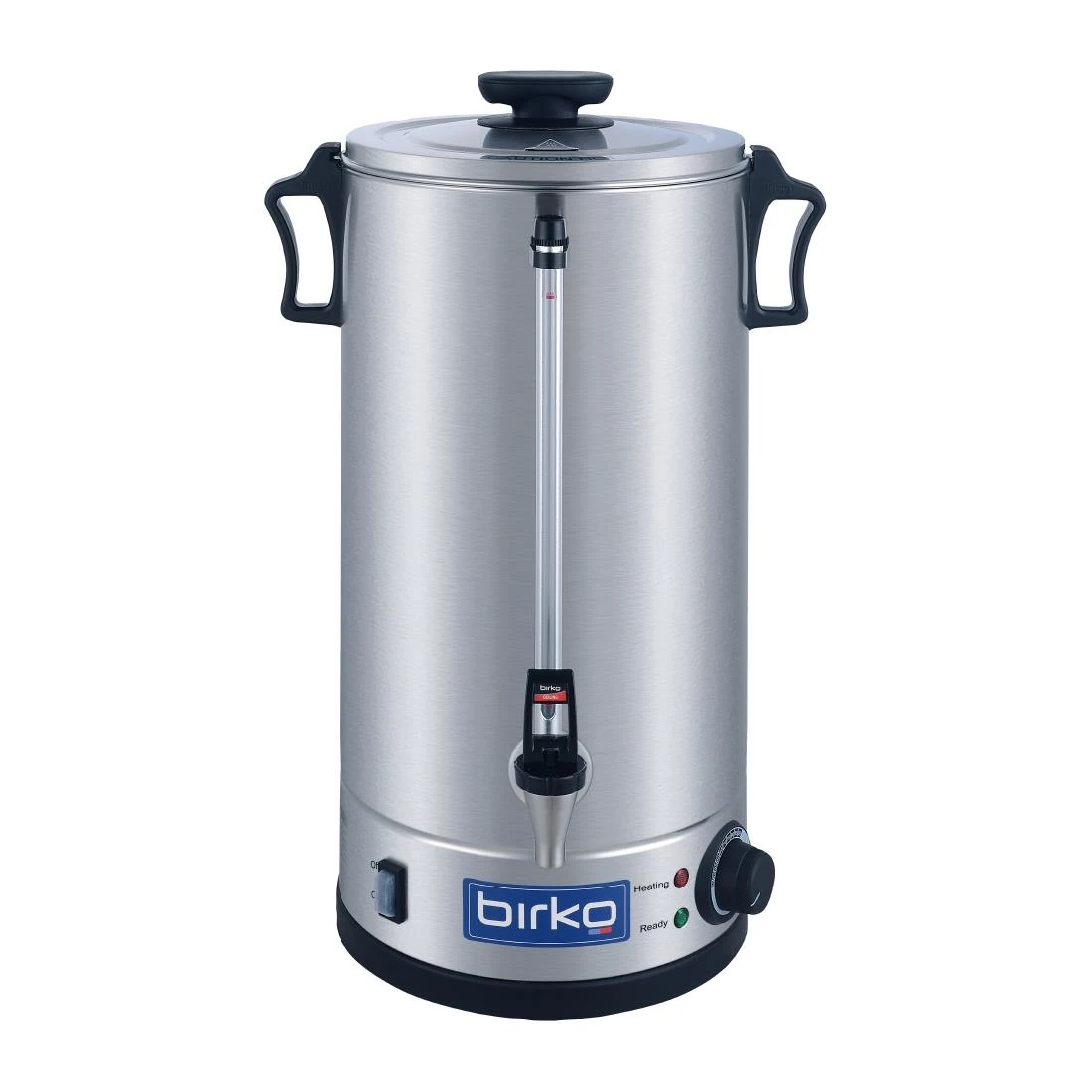
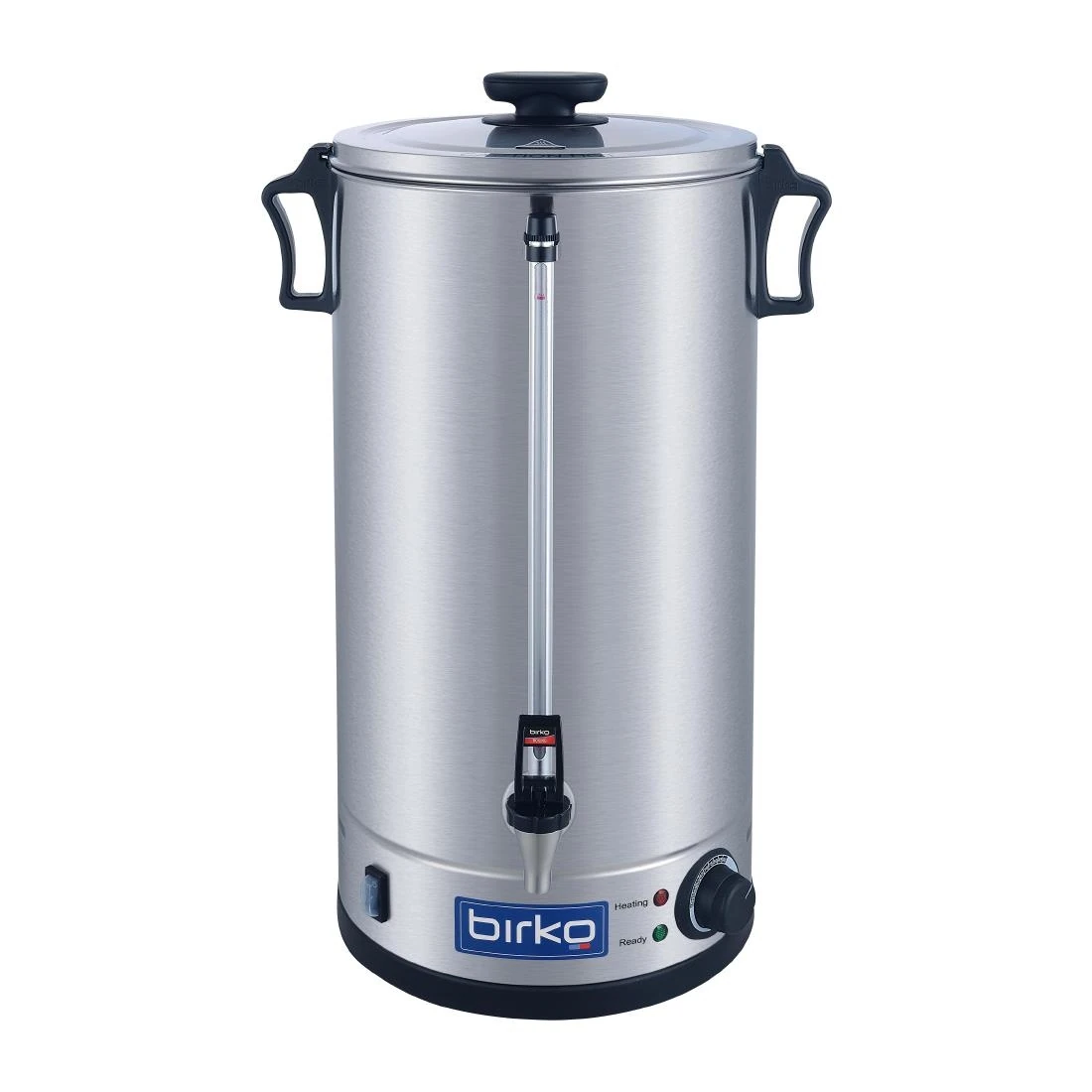
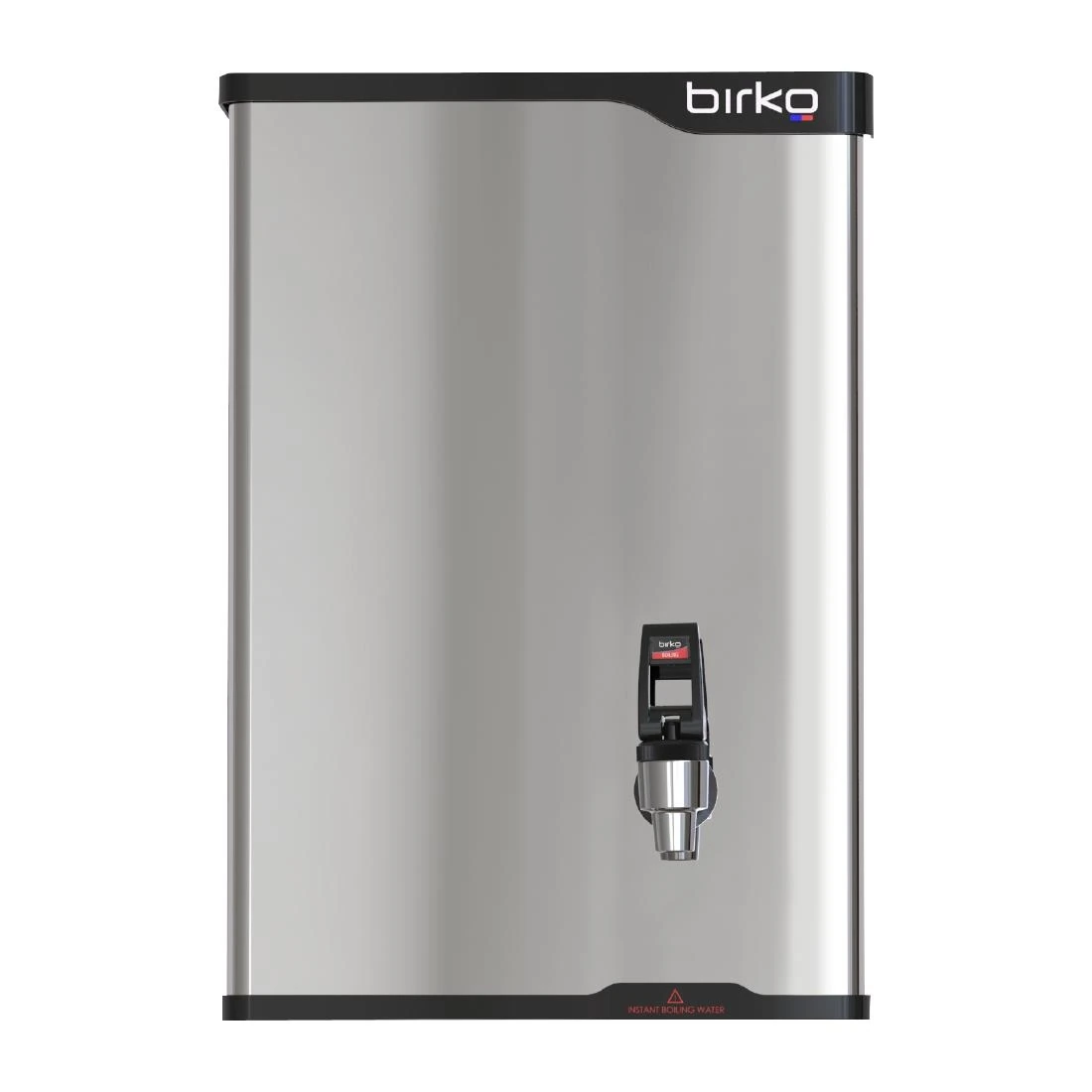
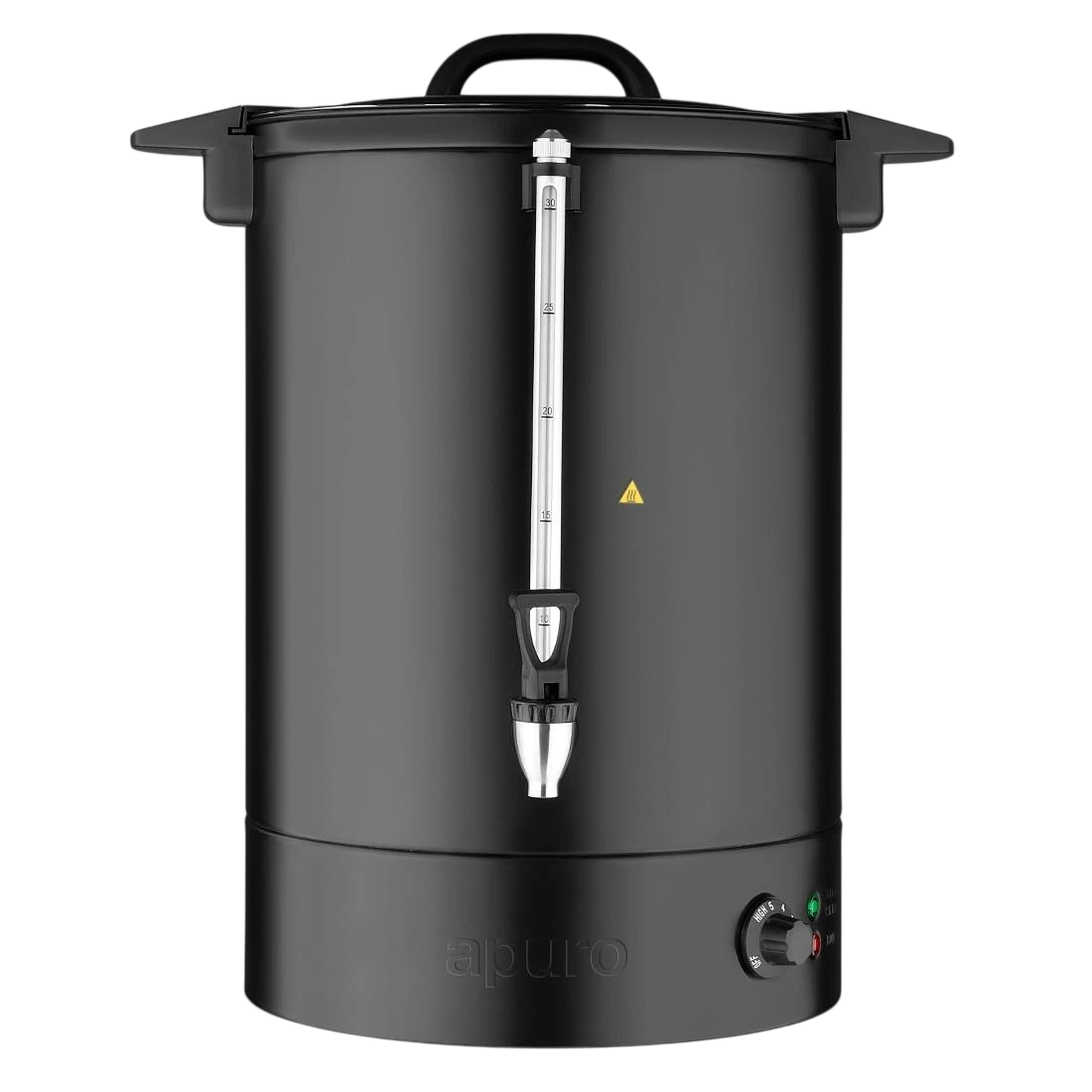
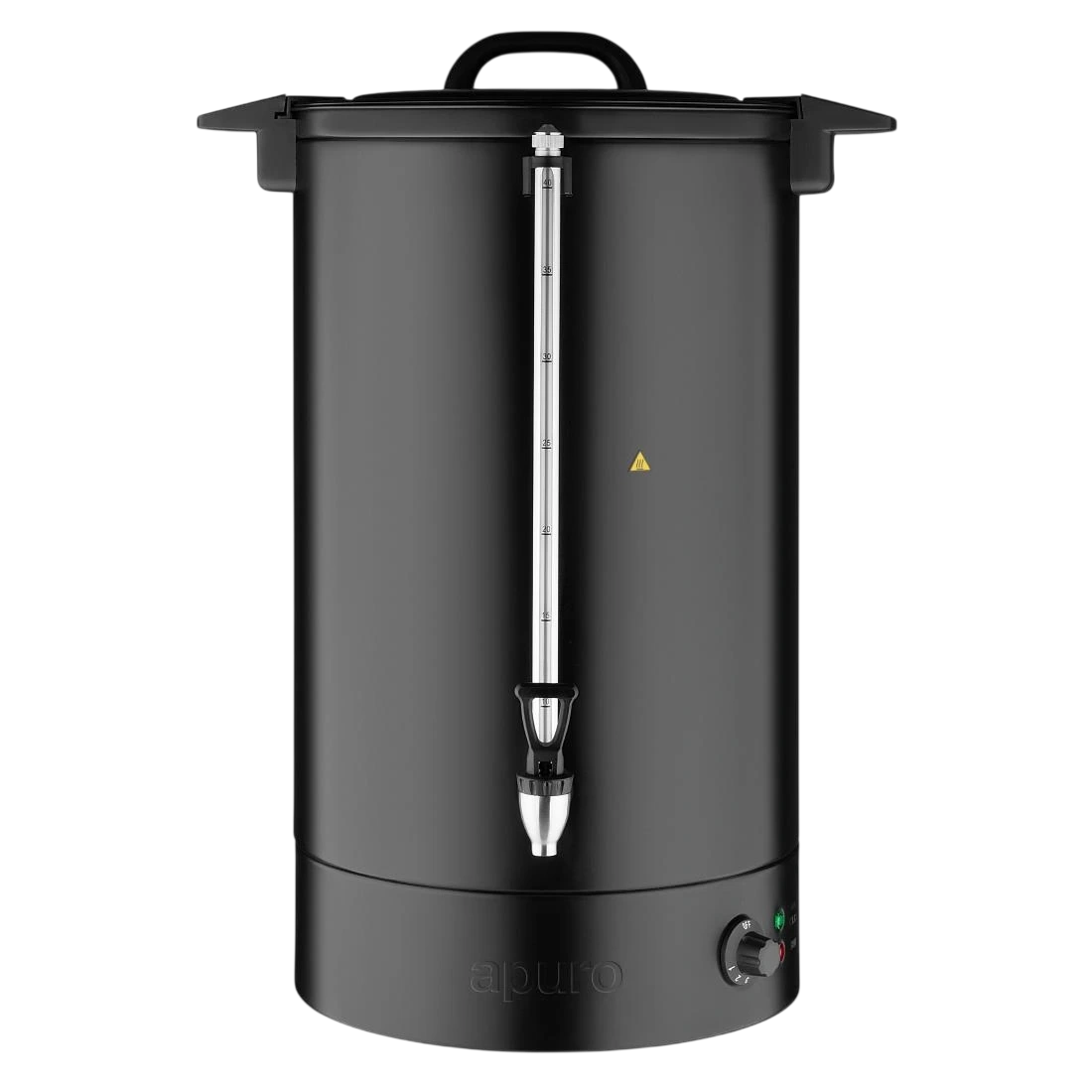
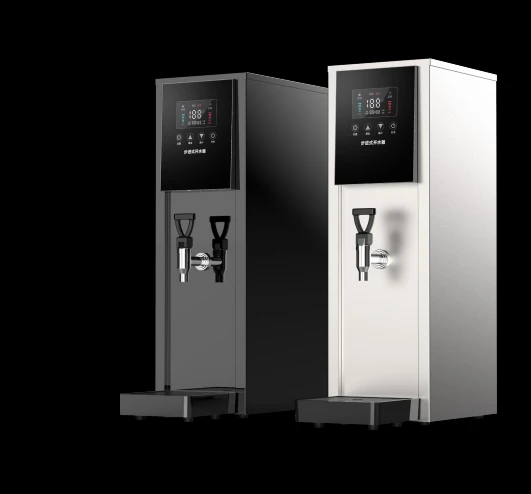
200 × 270 × 640mm
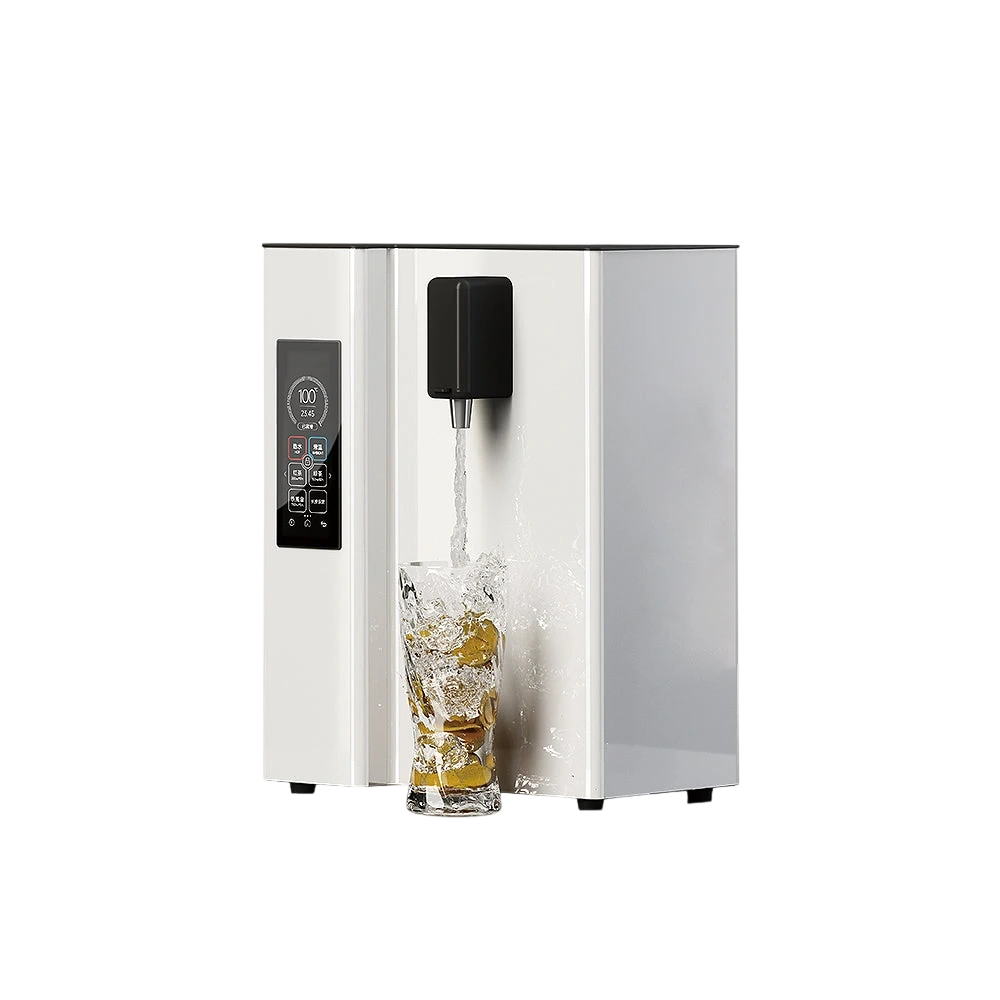
15 × 295 × 295mm
20 × 295 × 295mm
370 × 200 × 580mm
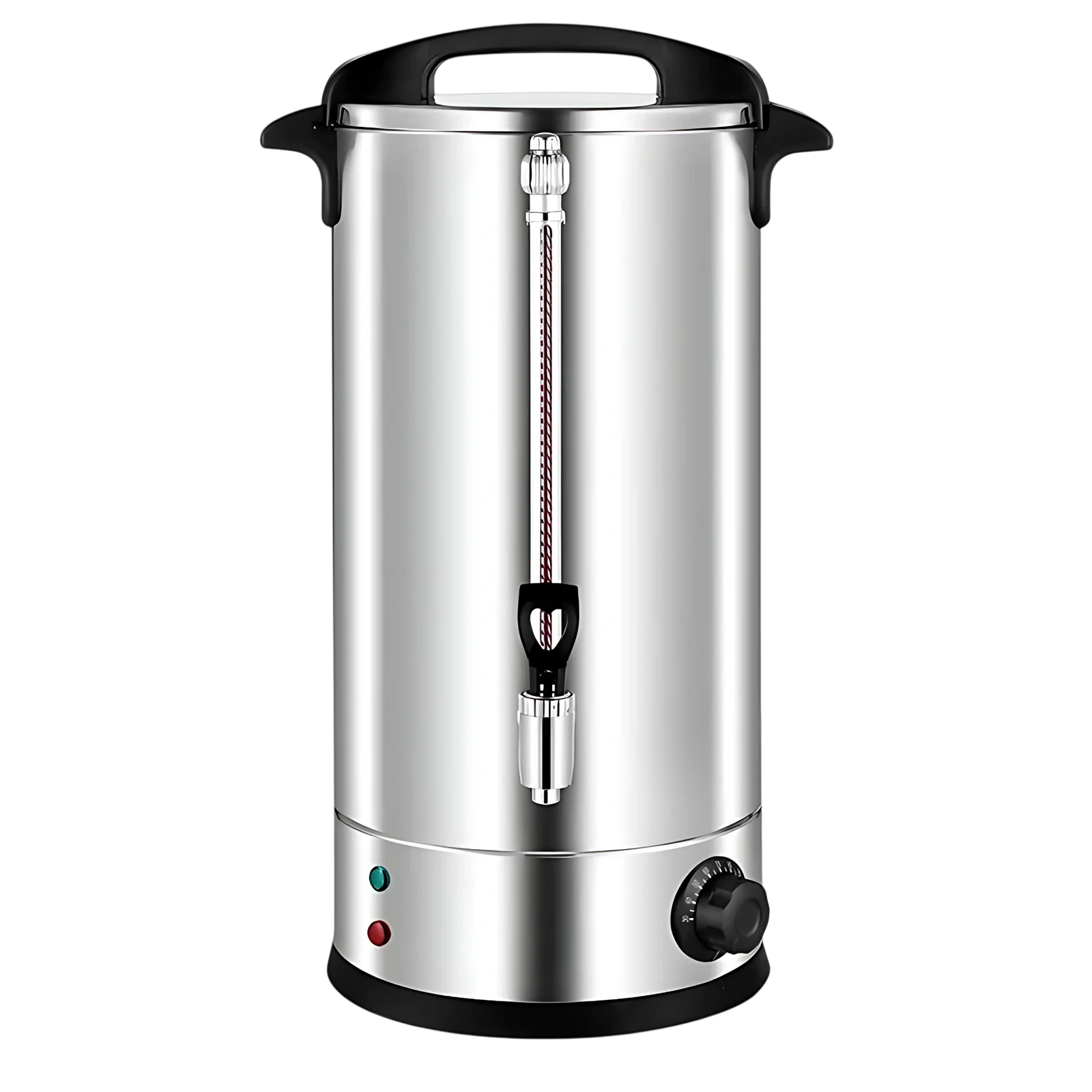
285 × 360 × 545mm
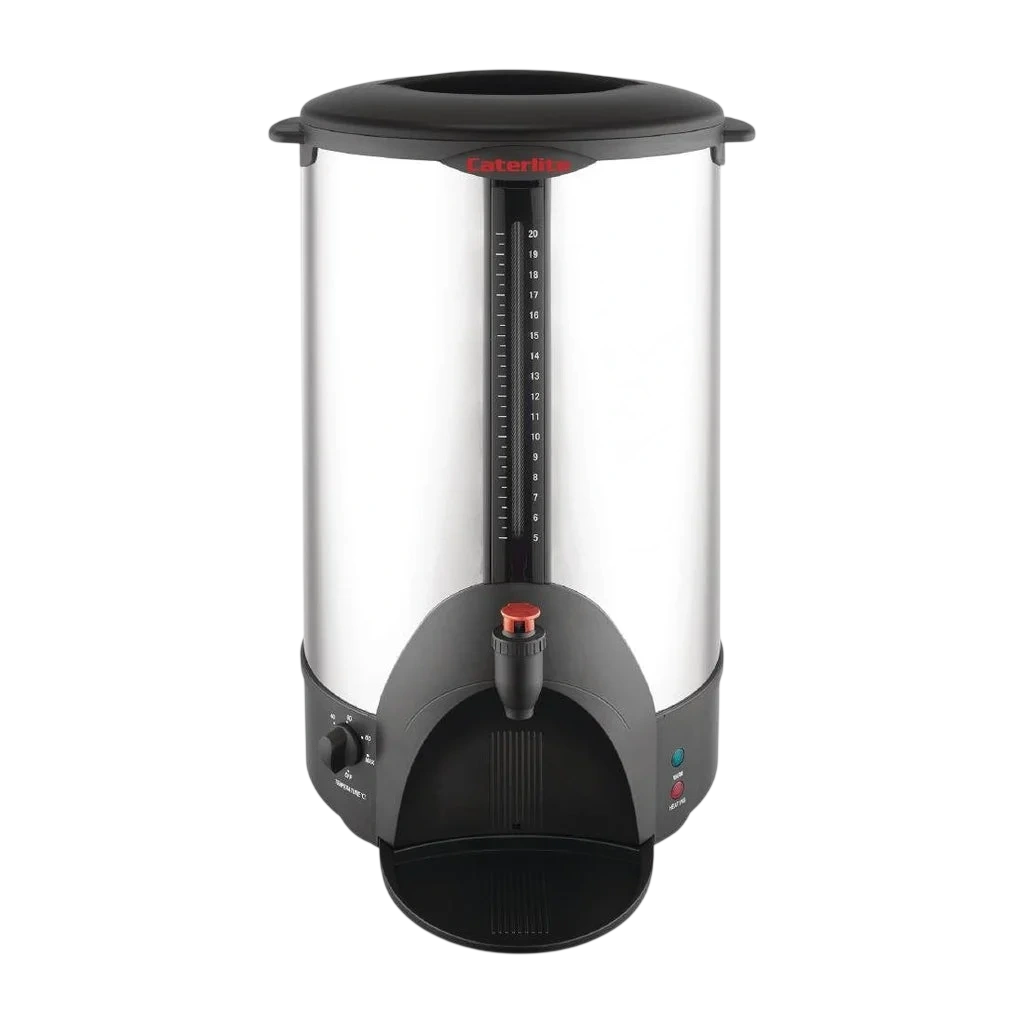
304 × 387 × 560mm
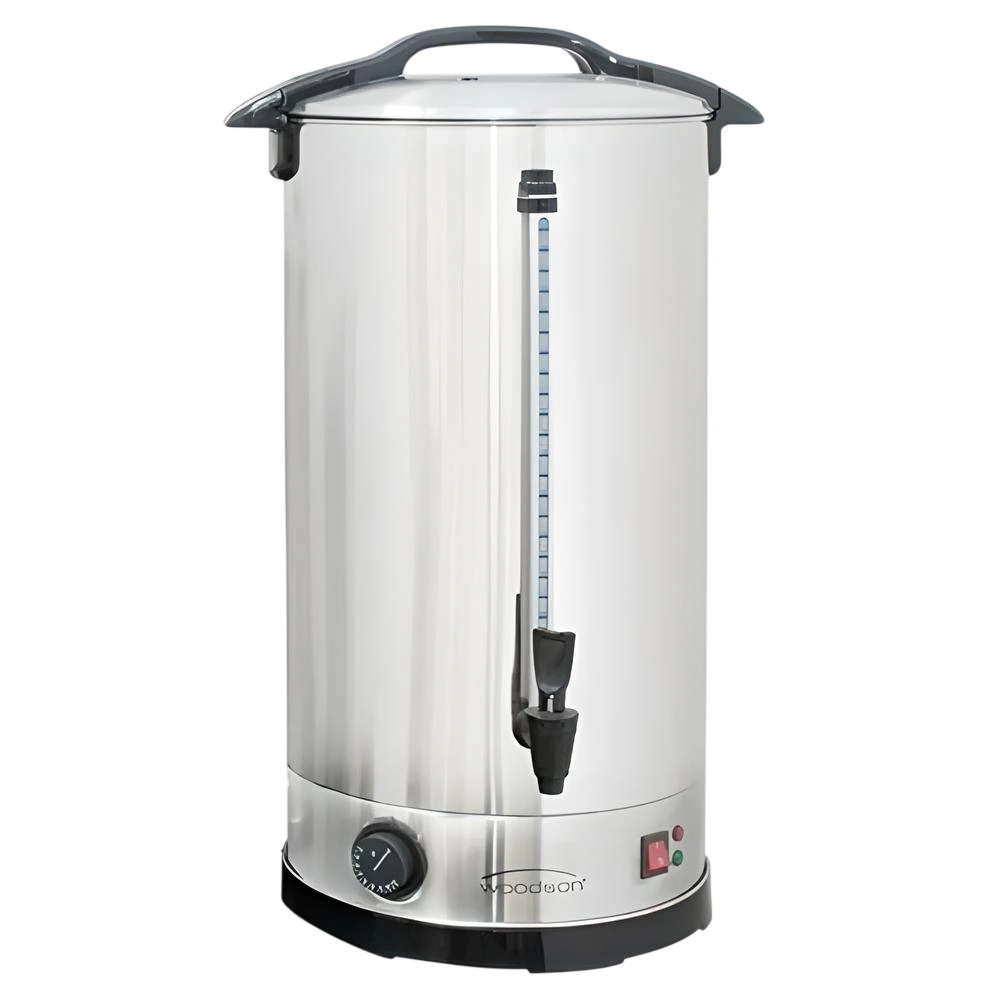
325 × 325 × 630mm
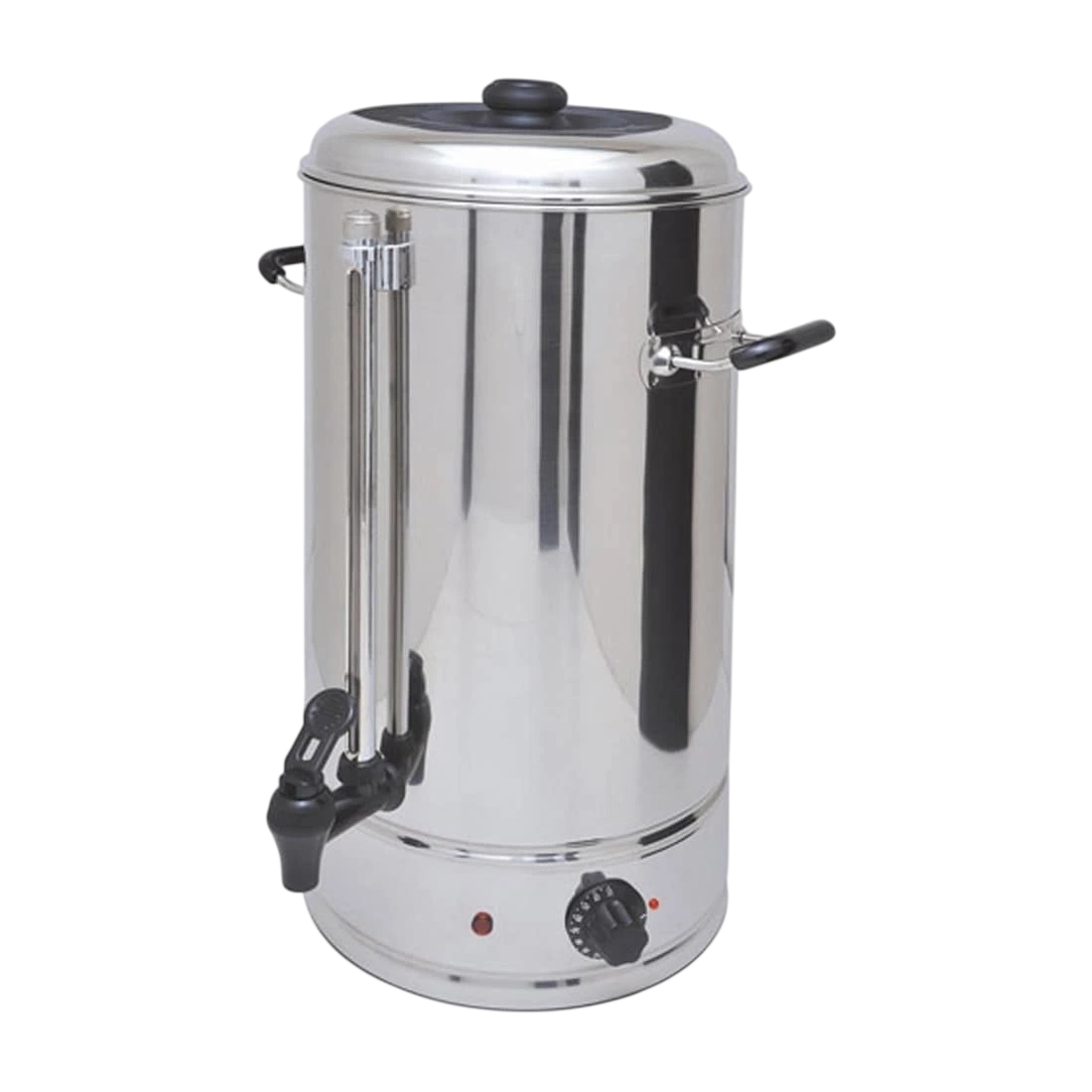
265 × 320 × 510mm