Surviving Good Friday: The 2026 Commercial Fryer Output & Recovery Audit
Surviving Good Friday: The 2026 Commercial Fryer Output & Recovery Audit
For Australian Fish & Chips shops, Takeaways, and Pubs, the Easter long weekend represents the highest-volume frying demand of the year. During this peak trade period, evaluating a commercial gas fryer based merely on its basket capacity is a fundamental operational error. The only metric that dictates your revenue ceiling on Good Friday is Thermal Recovery Time.
This engineering audit explores the physics of oil temperature stability, provides a framework to stress-test your current equipment, and outlines the ROI of upgrading to a high-recovery commercial deep fryer before the logistical window closes.
1. The Physics of Frying: Why Temperature Drops Destroy Margins
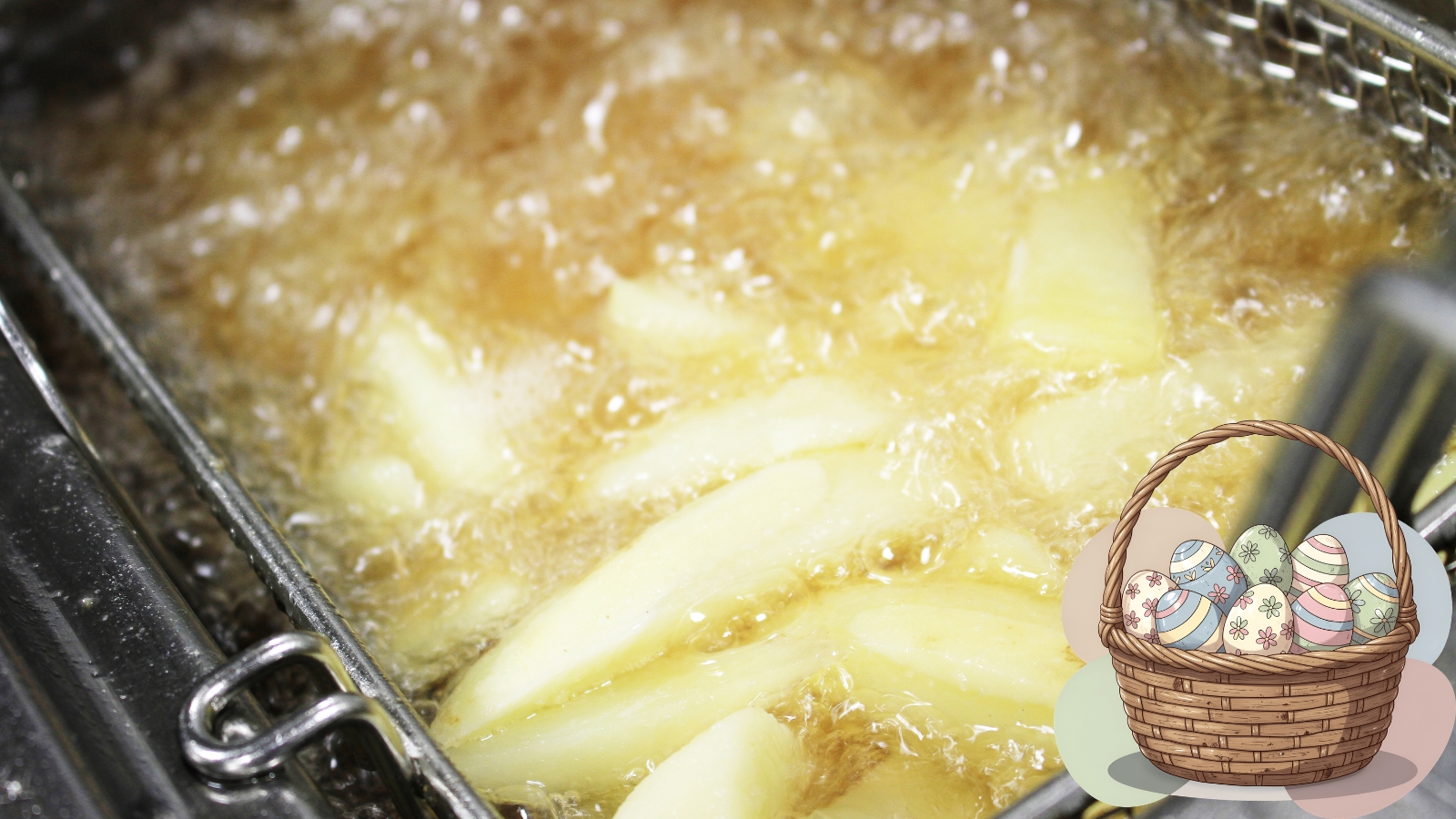
When a heavy load of frozen or cold product is submerged into a fryer, the oil temperature experiences an immediate and sharp decline. A standard commercial frying temperature is typically between 170°C and 190°C, depending on the specific product. Consistent temperature maintenance is far more critical than simply reaching a peak temperature while idle.
If a fryer’s burner design lacks the necessary heat transfer efficiency (often correlated with its Megajoule or MJ rating, though design matters equally), the oil will struggle to return to the optimal frying zone swiftly.
The Consequence of Slow Recovery
- Increased Oil Absorption: Frying at lower temperatures for extended periods prevents the rapid sealing of the product’s exterior. This leads to increased oil absorption, resulting in a greasy, inferior texture that generates customer complaints.
- Accelerated Oil Degradation: Extended cook times and fluctuating temperatures break down the oil structure faster. Degraded oil from a single high-volume service can cost a venue $80–$150 to replace prematurely, turning a physical problem directly into an OpEx bleed.
2. The Good Friday Stress Test: Audit Your Fryer Today
Do not wait until the Easter rush to discover your cooking line is compromised. Conduct this 3-step physical audit during your next peak service to determine if your fryer is a bottleneck.
- The Drop Test: Submerge a standard, full load of cold/frozen product into the vat. Record the immediate drop in oil temperature using an accurate thermometer.
- The Recovery Timer: Start a stopwatch the moment the basket is dropped. Time exactly how long it takes for the oil to return to its target setpoint (e.g., 180°C).
- The Output Ceiling: Observe the burner behavior after three consecutive, back-to-back basket loads. Does the fryer maintain its recovery rhythm, or does the temperature permanently lag until the rush ends?
3. The Commercial Fryer Recovery Benchmark
To interpret the results of your stress test, compare your recovery time against industry standards. If your fryer is failing to recover swiftly, your kitchen’s hourly output is mathematically capped.
| Recovery Time (Full Load) | Fryer Classification | Suitability & Business Impact |
|---|---|---|
| Under 2 Minutes | High-Recovery (Tube/Baffle) | Ideal for Peak Trade: Sustains back-to-back frying in high-turnover Takeaway and Pub environments. |
| 2 to 3 Minutes | Standard Commercial | Moderate Capability: Suitable for standard restaurant service, but will cause slight delays during intense holiday surges. |
| Over 3 Minutes | Failing or Light-Duty | Critical Bottleneck: Your fryer is actively failing the Good Friday stress test. Expect severely oil-logged food and a 20%+ drop in hourly ticket output. |
4. Tube vs. Open Pot: The Engineering Advantage
A common misconception is that simply buying a fryer with a higher gas input (Megajoule or MJ rating) automatically solves slow recovery times. While a higher MJ rating generally supports faster recovery, actual performance heavily depends on the burner design and heat transfer efficiency.
The Heat Retention Difference
Standard open-pot fryers have their heat source located outside the vat. While they are easier to clean and may suit lower-volume or specific menu operations, a significant proportion of their BTU/MJ output can be lost through the flue during intense, continuous frying.
Conversely, tube fryers with internal baffles force the flames to travel through tubes submerged directly inside the oil. The baffles restrict the exhaust, transferring significantly more heat directly into the oil mass. For venues demanding rapid thermal recovery, upgrading to heavy-duty commercial gas fryers with a tube-and-baffle design is often the preferred engineering solution.
5. The ROI of High-Recovery Frying & The Sunk Cost Trap
Many operators hesitate to upgrade CapEx equipment right before a holiday, opting instead to “just get the old one serviced.” This exposes the venue to the ultimate sunk cost trap.
Now, calculate the upside. If upgrading your equipment eliminates temperature lag, the hourly output ceiling expands.
| Peak Service Output Increase | Estimated Easter Margin Impact (4 Days) | Commercial Verdict |
|---|---|---|
| Conservative: +3 additional baskets per peak hour | +$720 in incremental margin | Meaningful OpEx offset. |
| Optimistic: +6 additional baskets per peak hour | +$1,440+ in incremental margin | Rapid CapEx amortization. |
* Assumption: Based on typical takeaway volumes, assuming a 4-hour peak service block daily and a conservative $15 net margin per additional basket. Actual performance will vary by menu and pricing.
6. Who Should Upgrade Before Good Friday?
To establish an objective equipment baseline, KW Commercial advises that heavy-duty tube fryers are not suitable for all venues. They are not necessary for cafés with occasional frying operations or low-volume prep kitchens.
However, an immediate fryer audit and upgrade is highly recommended for:
- High-turnover Fish & Chips shops relying on thick, frozen batters.
- Fast-paced QSRs (Quick Service Restaurants) and Takeaways. Explore our curated Shop by Business: Takeaway solutions for optimized cooking line setups.
- Pub kitchens anticipating maximum capacity across the long weekend.
7. The KW Dispatch Protocol: The March 24th Cut-off
As outlined in our comprehensive Easter Freight Window guide, logistical certainty is the ultimate margin defense. Securing the right high-recovery fryer is useless if it arrives the Tuesday after Good Friday.
Secure Your Fryer Before The Cut-Off
The safe ordering window for pre-Easter heavy freight closes strictly on Tuesday, March 24th.
* Pre-Easter delivery is subject to metro area locations, live local warehouse stock availability, and third-party carrier schedules. Avoid the dropshipper trap.
Check In-Stock Tube Fryers Today8. Frequently Asked Questions: Commercial Fryer Troubleshooting
Why does my commercial fryer take so long to recover temperature?
Slow recovery time is usually caused by an underpowered MJ rating, inefficient heat transfer (such as an open pot design losing heat through the flue), a failing thermostat, or clogged burners. If recovery takes longer than 3 minutes under full load, your kitchen’s hourly output is severely capped.
How many MJ (megajoules) does a heavy-duty commercial fryer need?
While higher gas input generally supports faster recovery, the MJ requirement varies. A standard high-volume tube fryer often operates between 90 MJ/h and 120+ MJ/h. However, actual performance depends heavily on the burner design and how efficiently that heat is transferred directly into the oil.
Should I repair my old commercial fryer before Good Friday?
If the fryer has a history of slow recovery and the repair quote (plus the inevitable emergency call-out fee) exceeds a significant fraction of a new unit’s cost, repairing is a sunk cost trap. A new unit guarantees thermal reliability during your most critical revenue period.
What size commercial fryer do I need for a fish and chip shop?
For a dedicated fish and chip shop, operators typically require high-recovery, multi-vat tube fryers with at least a 20-litre to 25-litre oil capacity per vat. This volume provides the thermal mass needed to absorb the temperature shock of dropping thick, frozen battered products consecutively without losing service speed.
Operational Disclaimer: Equipment performance, recovery times, and output capacity depend heavily on ambient kitchen conditions, gas pressure consistency, and product type. The ROI financial projections are illustrative models. Always consult with a licensed gas fitter and the KW Engineering Unit to ensure your facility has the correct ventilation and gas draw capacity before upgrading heavy-duty cooking equipment.