
How to Choose a Commercial Coffee Machine for Your Venue
Start with the coffee workflow
A commercial coffee machine is part of a service system: staff, grinder, water, power, cups, cleaning and the bench all have to work together. The right choice starts with how drinks are made during a normal shift, not with a label such as “best”. A machine that suits a staffed espresso bar may not fit a self-service area, and a compact footprint does not automatically mean a simple installation.
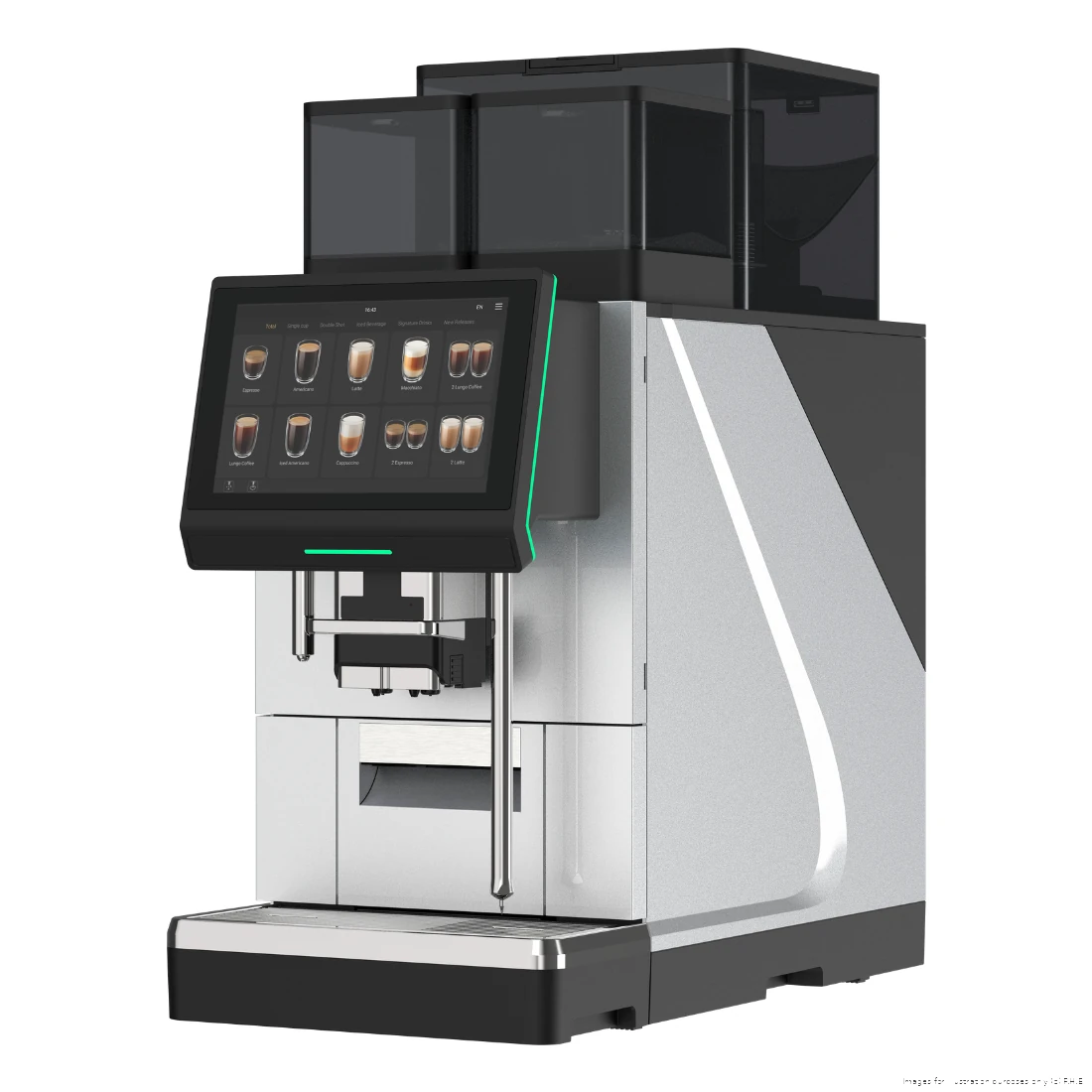
First decide how much of the work you want the machine to handle. A fully automatic machine combines more of the drink-making process in one appliance. That can suit a workplace, accommodation setting or service point where a repeatable coffee workflow is important and staff are not operating a traditional espresso station. The TéVera JAC-38A Premium Fully Automatic Coffee Machine is the listed option in this category. Its product dimensions are 312 × 608 × 695 mm, and its stated electrical requirements are 240 V and 3100 W. Check that its footprint, access path and supply match the proposed site before committing to the layout.
A traditional espresso machine asks more of the barista. Staff manage the espresso workflow at the machine and coordinate it with a grinder, milk preparation, cups and order handoff. That approach gives the team a dedicated espresso station, but it also depends on trained staff, clear bench organisation and a routine that holds up when several orders arrive together. The listed Bezzera options include an auto-foamer espresso machine and two- and three-group configurations, so the decision is about both the service method and the scale of the station.
There is also a difference between a coffee machine and a grinder. A grinder prepares coffee for espresso; it is not a machine that brews and serves a finished drink by itself. The Bezzera BZBB012DO Commercial Automatic Doser Coffee Grinder is a separate piece of equipment to consider as part of a staffed espresso workflow. Its stated product dimensions are 220 × 400 × 470 mm, with a 240 V supply and 300 W power rating. Plan its position beside the espresso machine while allowing space for staff to work and clean around both appliances.
Choose a machine type for the team and the bench
Fully automatic: Consider this style when you want a single appliance to handle a more integrated coffee routine, or where the coffee station is operated by staff whose main role is not barista service. The workload still needs supervision: staff need to learn the controls, keep the machine supplied and follow its cleaning instructions. Before selecting the JAC-38A, assess whether the machine itself and the surrounding workspace suit your service point. A compact machine can still need room for access, cups, ingredients and cleaning.
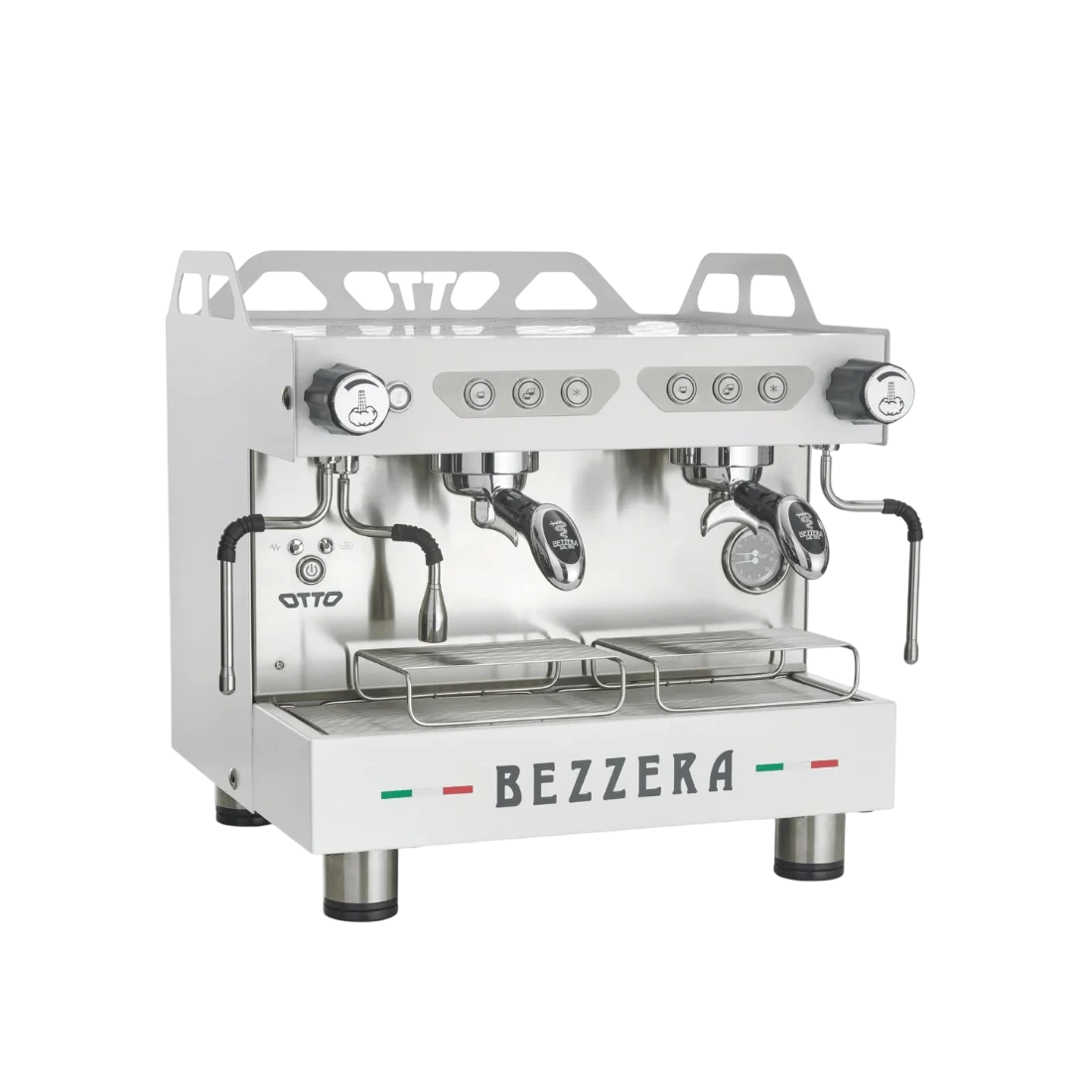
Espresso machine with an auto-foamer: This style supports a staffed espresso station. It is a fit to explore where the venue wants an espresso-based menu and has people assigned to prepare drinks. The Bezzera Otto DE Auto-Foamer Espresso Machine is listed with an 8L capacity, dimensions of 500 × 495 × 535 mm, and a stated 240 V supply and 2600 W power rating. Consider it when the named configuration and capacity suit the intended workflow, then check that the machine fits the bench and the site can provide its stated supply.
Two-group espresso machine: A two-group machine gives the station two group positions for the espresso workflow. That can make sense where several orders may overlap and there is enough staff, grinder capacity and bench organisation to use the station effectively. A second group does not create useful output by itself: the team still needs to dose, prepare, steam milk, assemble drinks and hand them off. The listed Bezzera two-group machines vary in footprint, controls and electrical requirements, so compare the individual product details rather than assuming that every model is interchangeable.
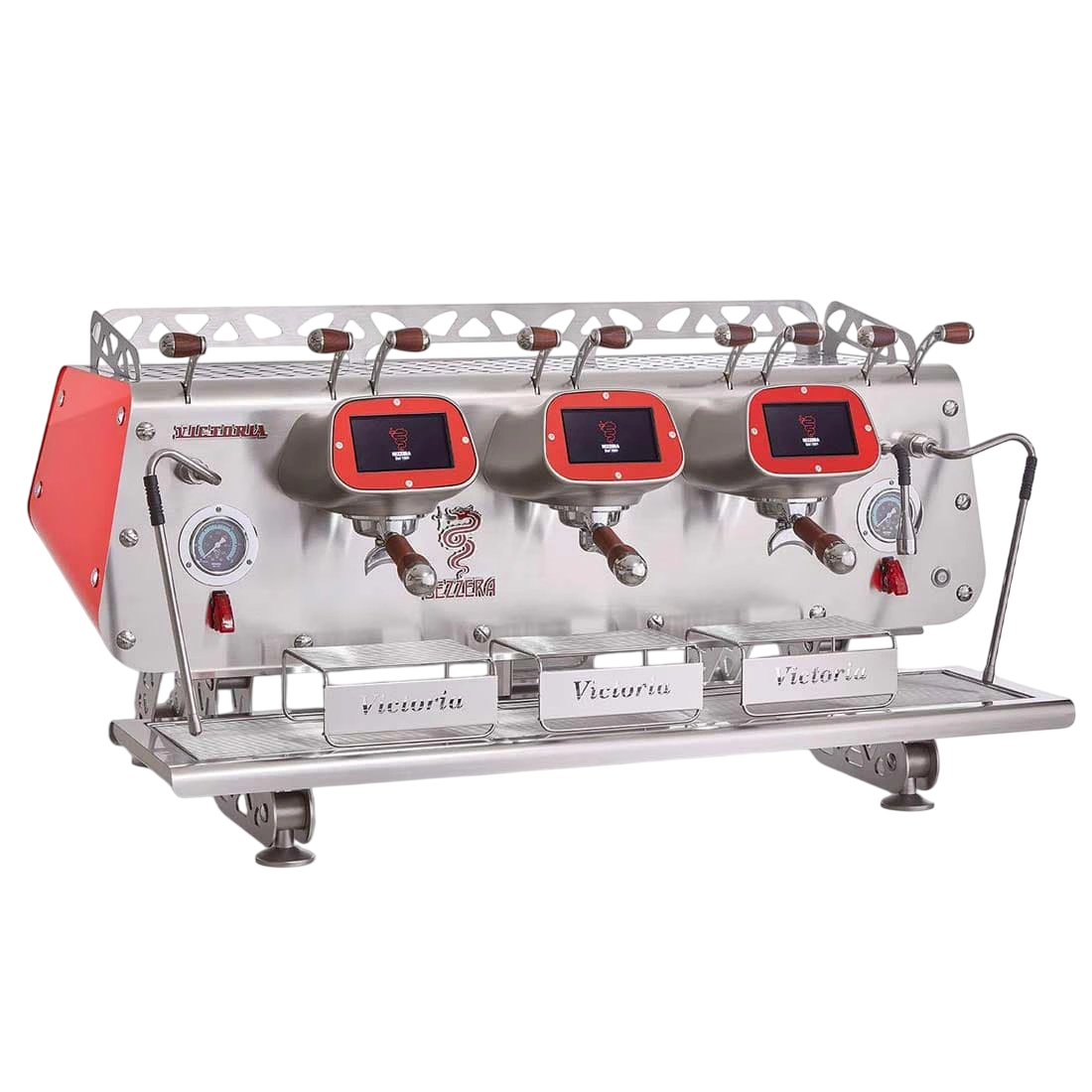
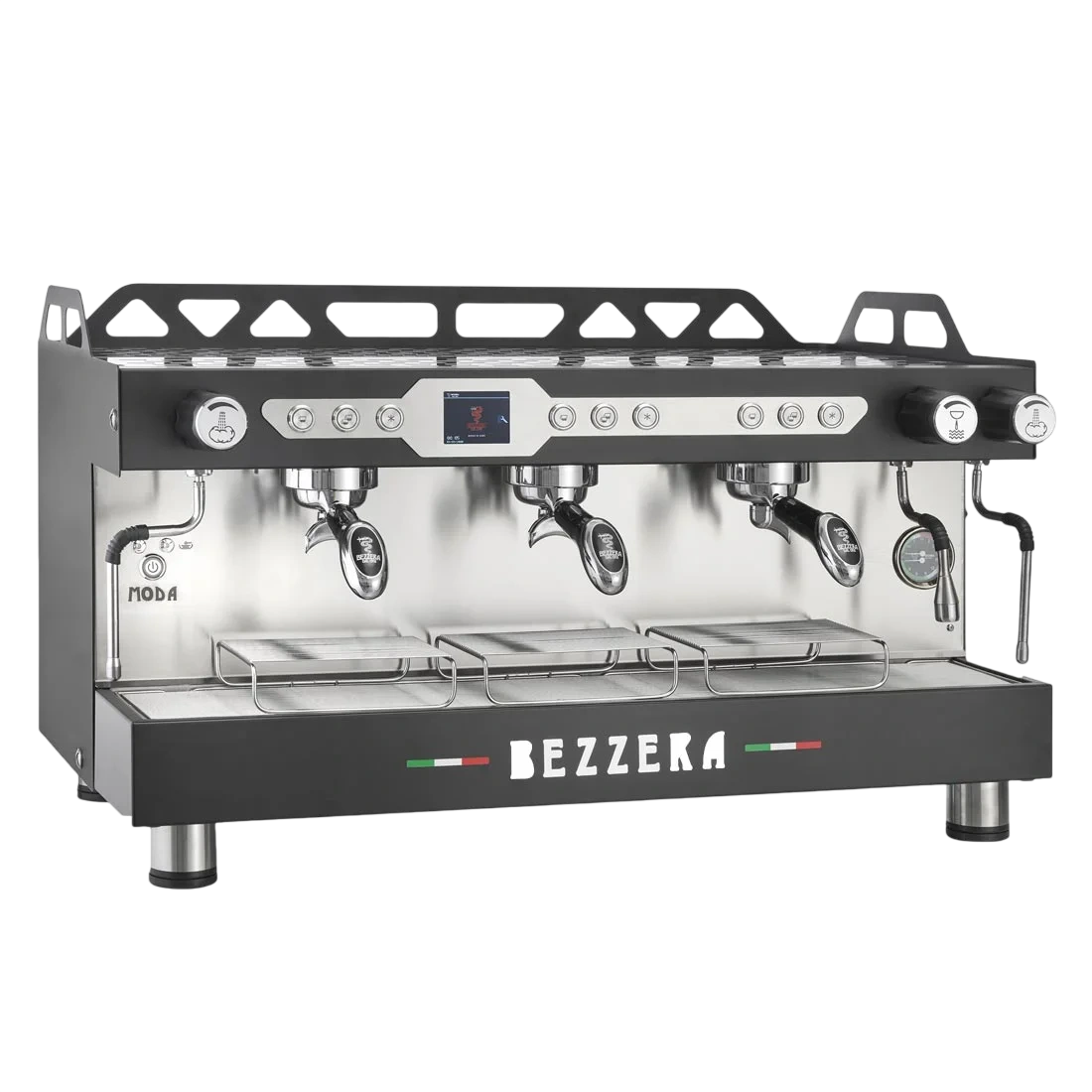
Three-group espresso machine: A three-group configuration is a larger station to consider when the service pattern and team can put the additional group positions to work. It also asks for more counter space and careful planning around staff movement. The Bezzera BZVICTORIA3R Red 3-Group Professional Espresso Machine measures 1050 × 680 × 560 mm and is stated as 415 V and 8300 W. The Bezzera BZMODAPID3B 3 Group Moda DE PID Espresso Machine measures 877 × 550 × 520 mm and is stated as 240 V and 5500 W. Those figures show why the exact model matters: group configuration alone does not tell you the footprint or site supply to prepare.
Size capacity to the real service pattern
Estimate workload by looking at when drinks are ordered, not only at the daily total. A venue may serve a modest number of coffees across the day but face a concentrated rush around opening, meal breaks or a change of shift. Another venue may have a steadier stream. Note the peak periods, the number of people making drinks, the share of espresso and milk drinks, and how quickly customers expect orders to be ready. These observations help distinguish between a single integrated station and a staffed espresso bar, and between a smaller and larger group configuration.
Think through the whole path for each drink: order, grinding where required, espresso preparation, milk preparation, cup assembly and handoff. Identify the step that slows the team down. If the bottleneck is order taking or milk preparation, selecting a larger espresso machine may not solve it. If the bottleneck is the machine station during an overlapping rush, a multi-group arrangement may be worth considering, provided the team and site can support it.
Capacity figures need careful interpretation. The Otto DE Auto-Foamer listing states an 8L capacity; that is a product specification, not a promise of drinks per hour. The listed product information does not give a comparable throughput figure across the range, so use your own service observations and the machine’s operating instructions when assessing output. Do not infer a daily volume or a queue-clearing rate from a group count, a tank capacity or the product name.
For a small workplace or a secondary coffee point, compare the fully automatic JAC-38A against the actual routine: who will make drinks, how often, and how much counter space is available? For a café or food service venue with a barista-led menu, compare the two-group machines against the length and intensity of peak periods. A three-group option deserves consideration only where the service design, trained staffing and site footprint support that larger station. In each case, decide whether added capacity will be used often enough to justify the space and service complexity.
Check power, plumbing, space and ventilation before delivery
Start electrical planning with the exact model rather than a general assumption about commercial coffee equipment. The listed products have different stated voltage and power figures. For example, the JAC-38A is listed at 240 V and 3100 W; the Bezzera BZMODAPID2B is listed at 240 V and 5500 W; and the BZVICTORIA2B is listed at 415 V and 7300 W. Have a qualified site professional confirm that the available supply and connection suit the model and the installation. Do not assume that a machine can be connected to an existing outlet just because another appliance uses a similar plug or voltage.
Measure the intended machine position and the route into it. Doorways, corners, stairs, counters and access for installation can all affect whether the appliance can reach its final position. Use the product’s stated dimensions for the exact model, and allow additional working room for staff, cleaning and service access. Compare the bench depth and height as well as the width. A machine that physically fits on the counter can still leave too little room for cups, a grinder, milk jugs or the staff member working beside it.
Confirm water and drainage arrangements with the installer and the machine’s current instructions. Commercial coffee equipment may need a planned water connection and a way to manage discharge; requirements vary by model and setup. The product listings here do not establish universal plumbing details, so include those checks in the site assessment. Plan ventilation and heat management for the actual space and equipment layout, especially when several appliances share a confined counter area.
Include supporting equipment in the layout. A staffed espresso station may need the grinder beside the machine, with room for coffee preparation and milk work. The BZBB012DO grinder’s stated dimensions are 220 × 400 × 470 mm. Plot both appliances on the bench, then check staff reach, customer-facing space and clear access for routine cleaning. Also consider where cups, beans, milk and cleaning supplies will be kept so they do not obstruct controls or service access.
Plan cleaning, daily care and service access
Cleaning is part of the operating routine, not an occasional task to fit in when the station is quiet. Assign responsibility for the opening, between-service and close-down steps required by the machine’s instructions. Staff should know which parts need attention, how to clean them safely, what products and tools are appropriate, and how to leave the station ready for the next shift. Follow the current operating and maintenance instructions for the specific model.
Espresso stations have several connected cleaning tasks. Staff need to keep the machine’s working areas tidy and attend to the grinder as directed, while maintaining an orderly place for milk preparation and used equipment. A grinder that is hard to reach or surrounded by stored items is harder to clean consistently. Leave enough space around the equipment to carry out its daily care without shifting unrelated stock or blocking other staff.
For a fully automatic machine, make the required cleaning steps easy to see and own. Because the machine handles more of the coffee routine, staff still need to understand its controls and follow its cleaning cycle and care instructions. Include those tasks in shift handover so a change of operator does not leave the machine’s upkeep to chance.
Over the life of the machine, plan for access to service areas and for staff to report changes in operation promptly. Keep the machine’s instructions available to the team, and make sure the installed position leaves room for the required maintenance work. A crowded counter can turn routine care into a disruption. When comparing layouts, include the practical question of who can reach the equipment and keep it in good working order during a busy service.
Match the listed machines to the venue
Workplace, accommodation or a compact coffee point: The TéVera JAC-38A is the fully automatic option in this selection. Consider it when an integrated machine suits the way the coffee point is staffed. Its 312 × 608 × 695 mm dimensions and 240 V, 3100 W supply figures are useful for checking the proposed position and electrical plan. The workflow still needs an owner for operation and cleaning.
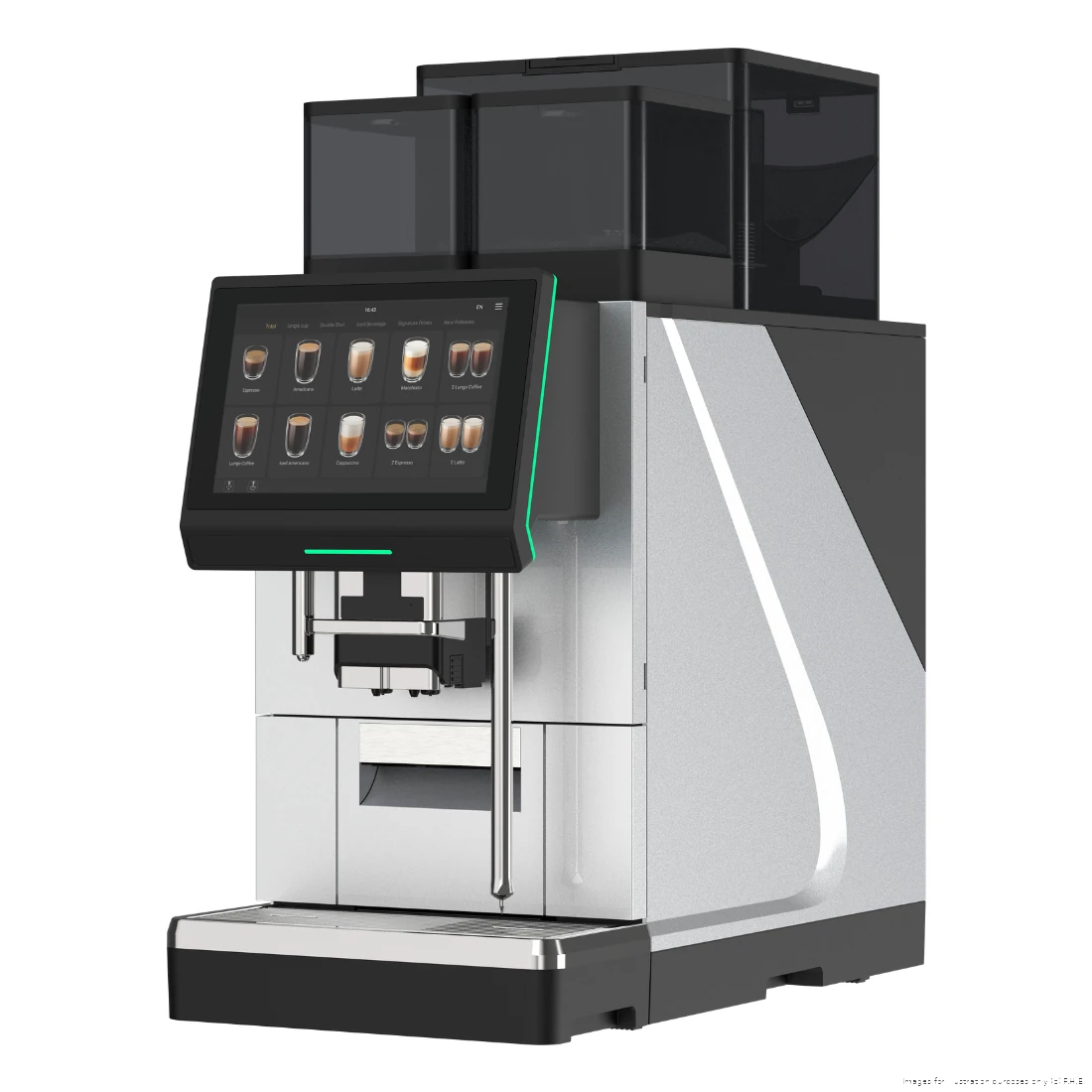
A staffed station considering an auto-foamer configuration: The Bezzera BZOTTOCDEAF2W Otto DE Auto-Foamer Espresso Machine is listed with an 8L capacity, a 500 × 495 × 535 mm footprint, and 240 V and 2600 W electrical figures. Compare its configuration with the drinks you serve, the staff routine and the available bench. The capacity figure alone does not determine how many orders the station can complete in a rush.
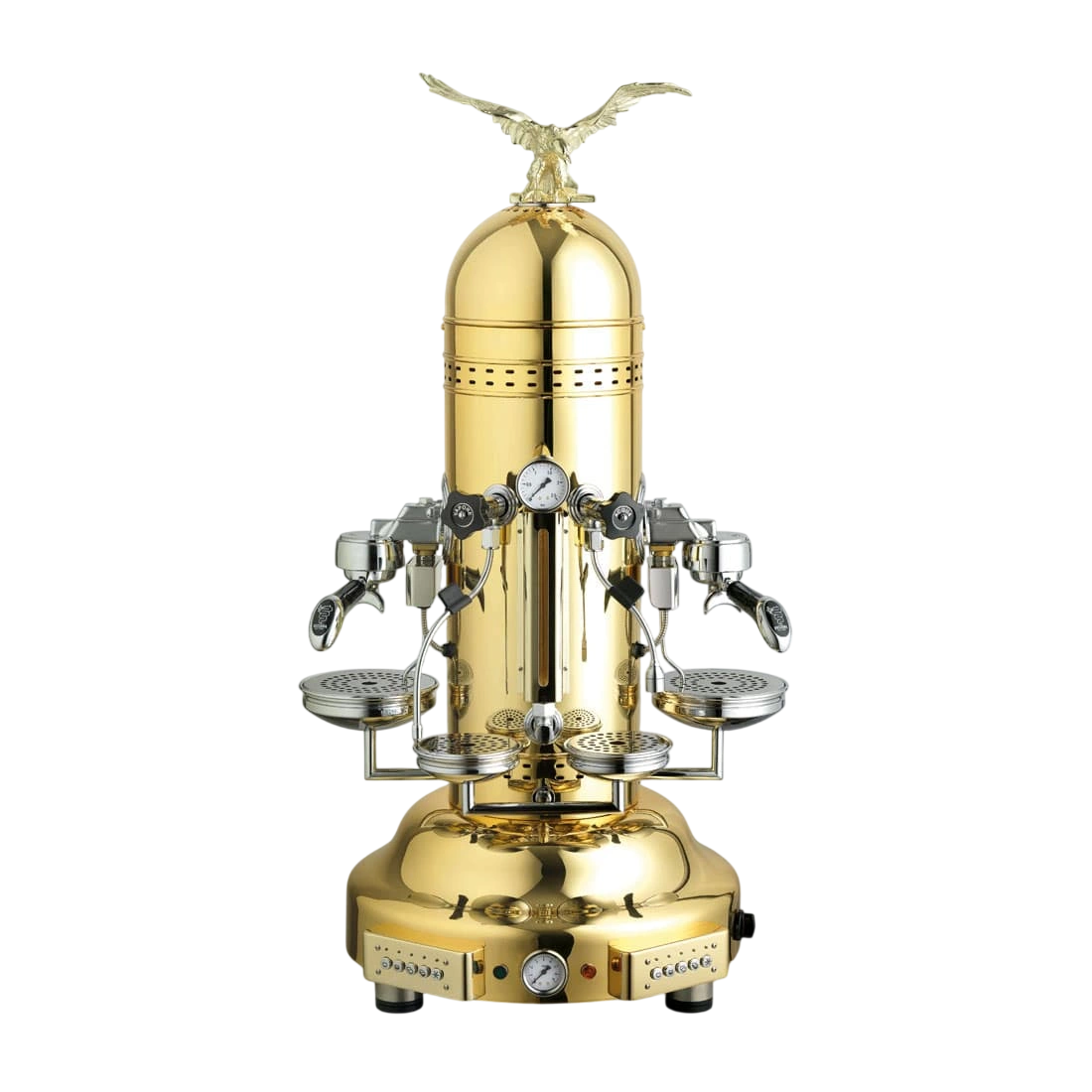
A café or food service bar with a two-group workflow: Compare the Bezzera BZEAGLEG2E Gold Classic 2 Group Espresso Coffee Machine, the Bezzera BZMODAPID2B 2 Group Moda DE PID and the Bezzera MODADE2B MODA DE 2 Group Espresso Machine Black. Their listed dimensions are respectively 740 × 500 × 1100 mm, 667 × 505 × 520 mm and 667 × 550 × 520 mm. The BZMODAPID2B is listed at 240 V and 5500 W, while MODADE2B is listed at 415 V and 5500 W. These details make footprint and supply key comparison points. Choose among them based on the actual installation and the operating workflow the team intends to run.
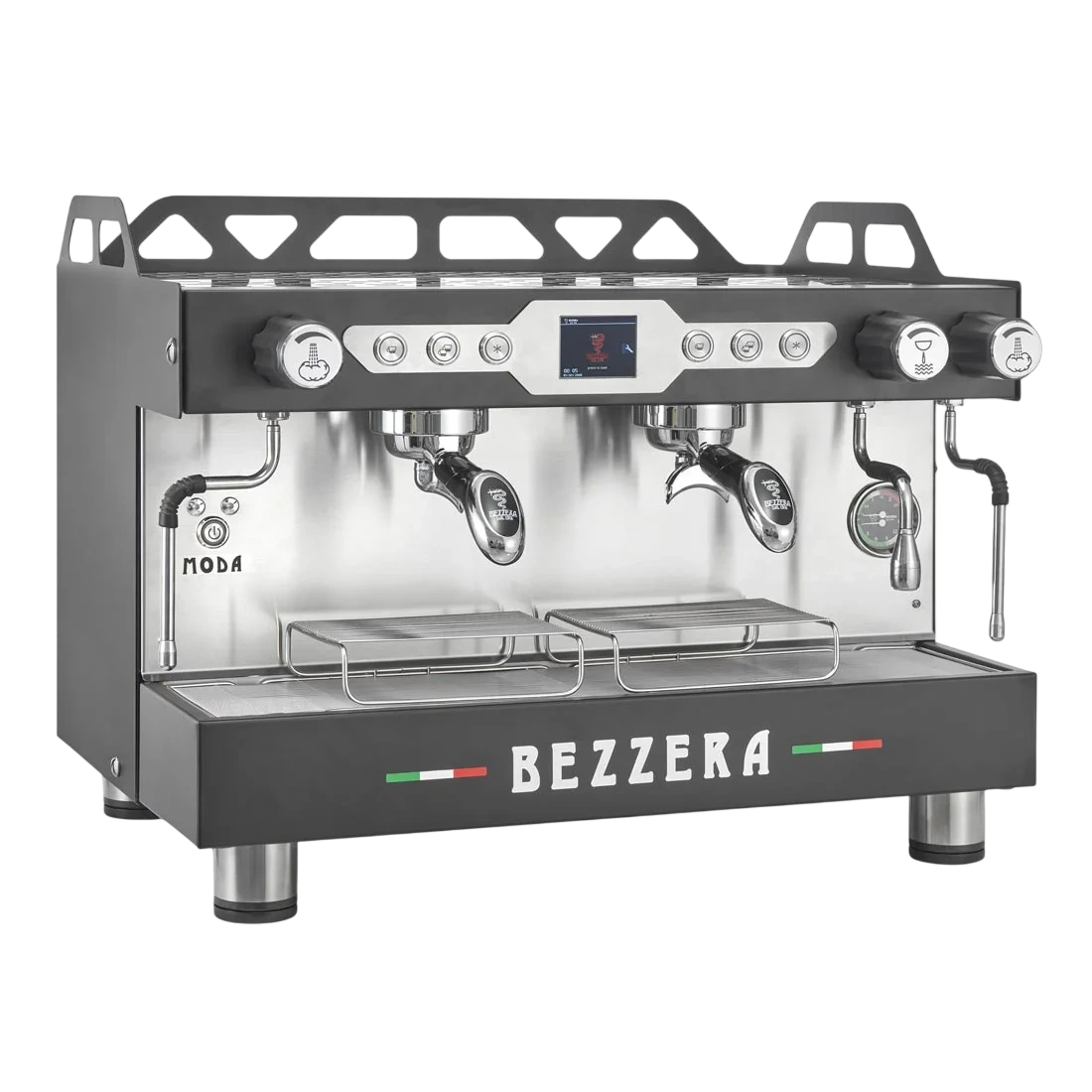
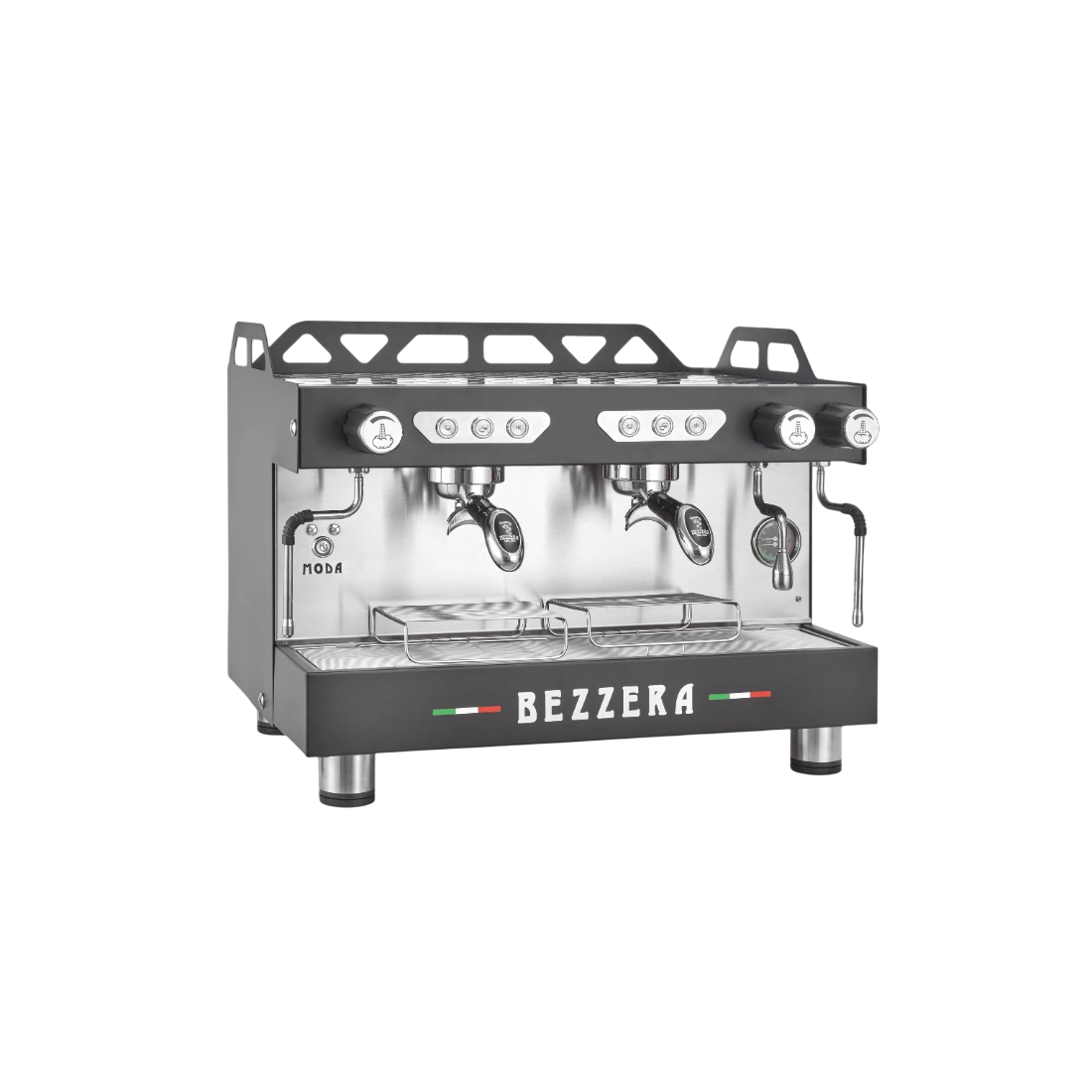
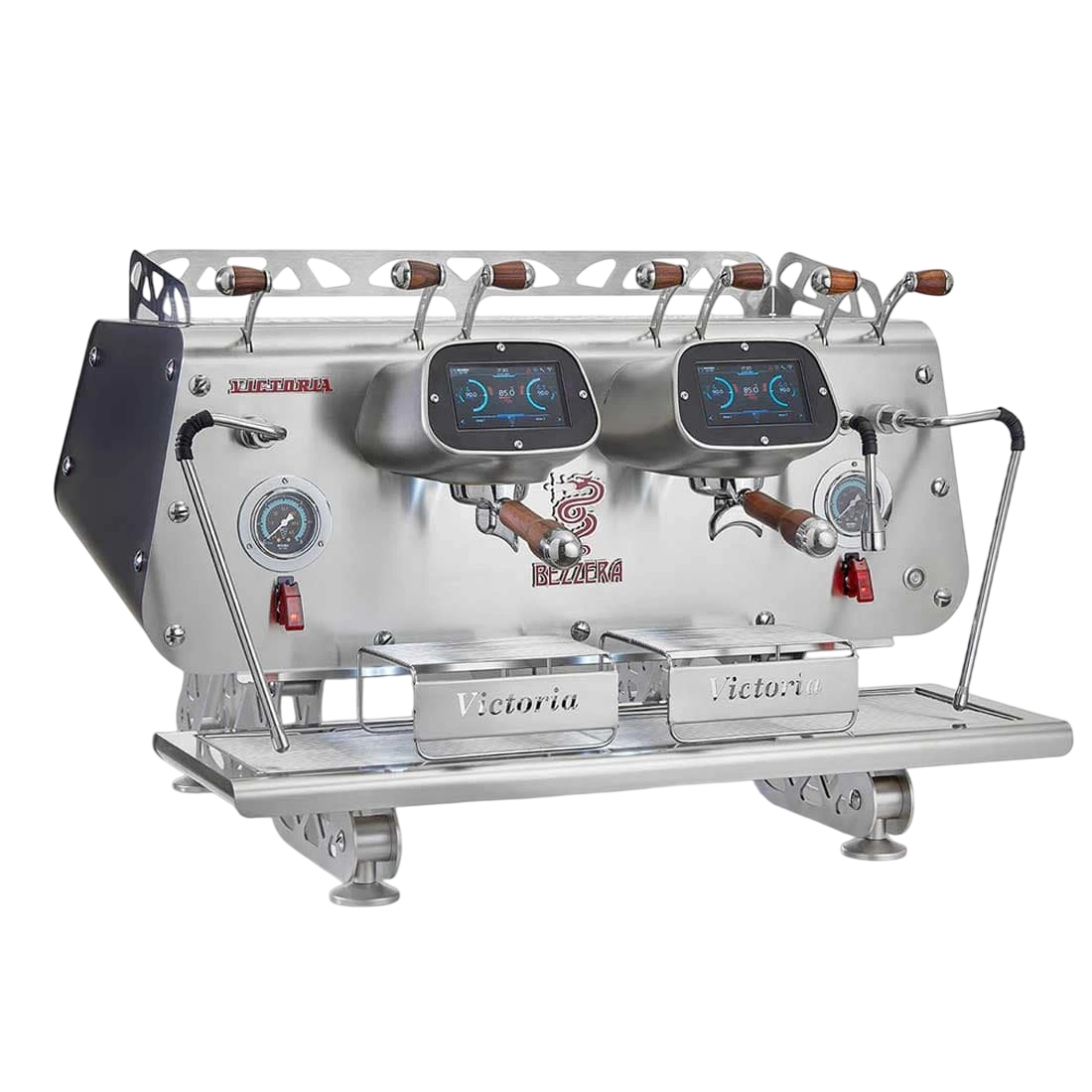
A larger professional espresso station: Compare the Bezzera BZVICTORIA2B Black 2-Group Professional Espresso Machine with the Bezzera BZVICTORIA3R Red 3-Group Professional Espresso Machine and the Bezzera BZMODAPID3B 3 Group Moda DE PID Espresso Machine. The BZVICTORIA2B is listed at 820 × 680 × 560 mm, 415 V and 7300 W. The BZVICTORIA3R is 1050 × 680 × 560 mm, 415 V and 8300 W. The BZMODAPID3B is 877 × 550 × 520 mm, 240 V and 5500 W. Match the configuration to the service load, then verify that the footprint, working clearance and supply suit the site.
A grinder for an espresso workflow: The Bezzera BZBB012DO Commercial Automatic Doser Coffee Grinder is listed as a separate automatic doser grinder. It can be considered alongside a staffed espresso machine where the intended workflow calls for a separate grinder. Its footprint and stated electrical details should be included in the same bench and supply plan as the coffee machine.

If you are weighing how the wider setup fits your venue plan, read How Much Should You Budget for a Commercial Coffee Setup in Australia? as a companion guide. Use it for the budgeting question while you compare equipment and the needs of your site.
Frequently asked questions
What type of commercial coffee machine should a café choose?
Start with the café’s service style and staffing. A staffed espresso machine suits a barista-led workflow; a fully automatic machine suits a more integrated routine. Then compare workload, bench space, supporting equipment and the exact site supply for the candidate models.
Is a fully automatic coffee machine suitable for commercial use?
A fully automatic option is listed for commercial coffee use, including the TéVera JAC-38A Premium Fully Automatic Coffee Machine. Whether it suits a particular venue depends on the drinks routine, who will operate and clean it, and whether its footprint and stated supply fit the site.
How do I choose between a two-group and a three-group espresso machine?
Observe the busiest service periods and how often orders overlap. Consider how many trained staff can work at the station and whether the bench can accommodate the machine with room for the grinder and drink preparation. A three-group configuration is useful to consider only when the workflow and site can support it.
What should I check before installing a commercial coffee machine?
Check the access route, final footprint, bench clearance, electrical supply, water and drainage arrangements, ventilation and cleaning and service access. Use the exact model’s details and current instructions, and have the relevant site professionals assess the installation.
Does group count tell me how many coffees a machine can make?
No. Group count describes part of the machine configuration; it does not by itself provide a comparable output rate. Staff skill, order mix, grinding, milk preparation, cleaning and handoff all affect the service workflow.
Compare the commercial coffee machines against your workload, team and site plan before deciding.