
Washtech
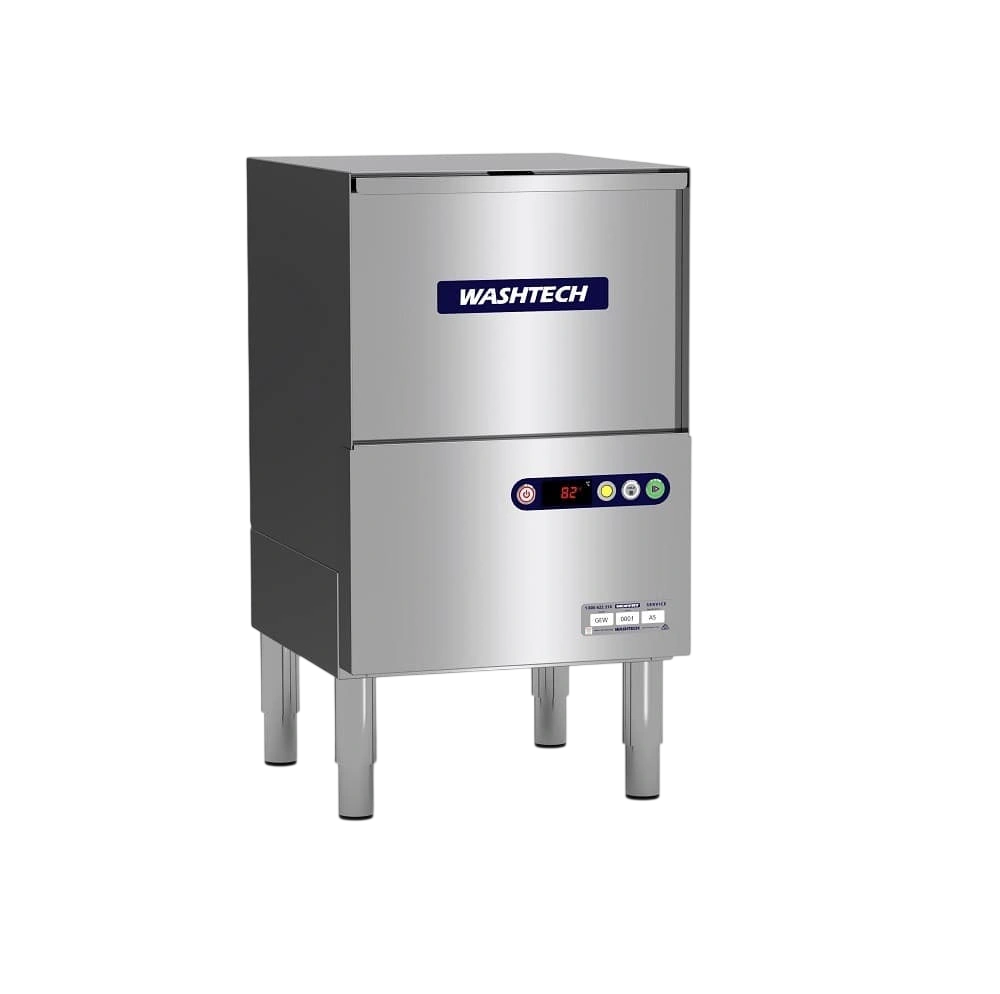
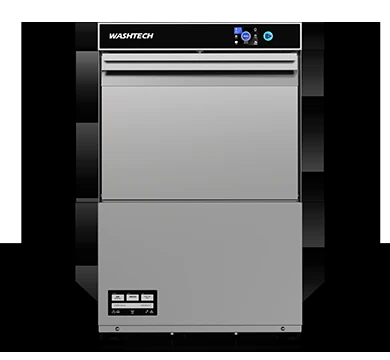
Washtech GE Economy Glasswasher – 540 Glasses/hr, 1-Min Cycle
440 × 515 × 780mm
$3,222.41$4,079.00
In Stock
Commercial Dishwasher
22 results
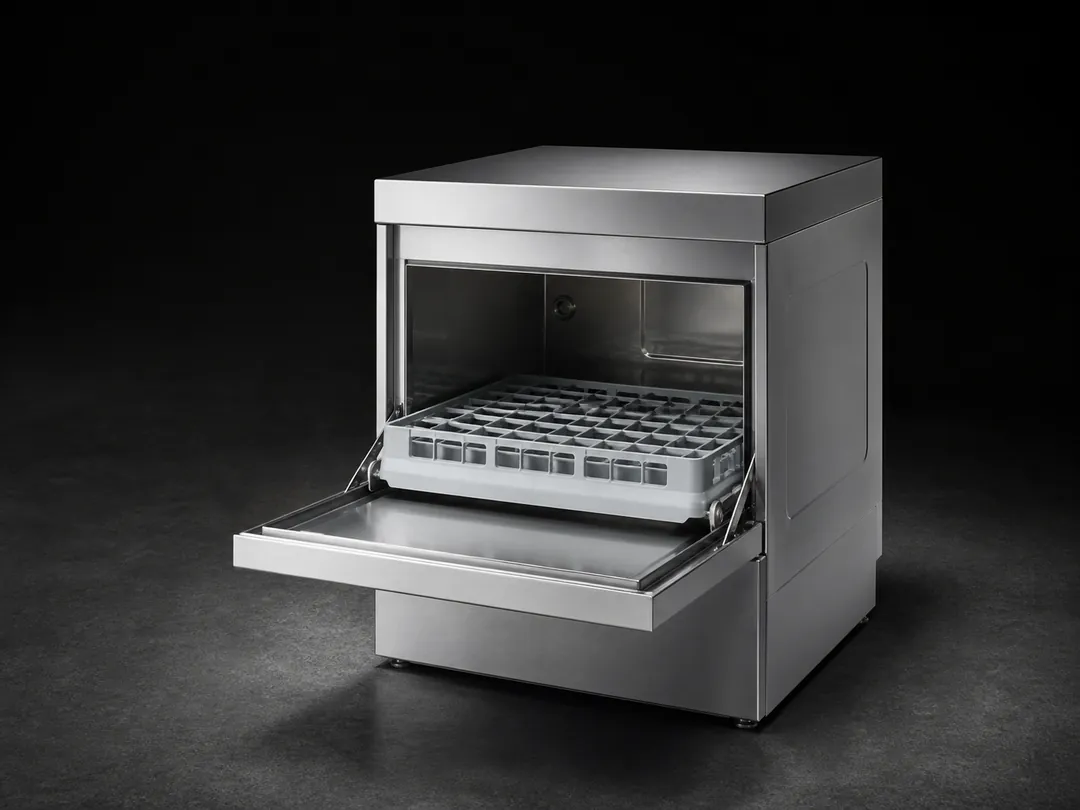
440 × 515 × 780mm
436 × 534 × 700mm
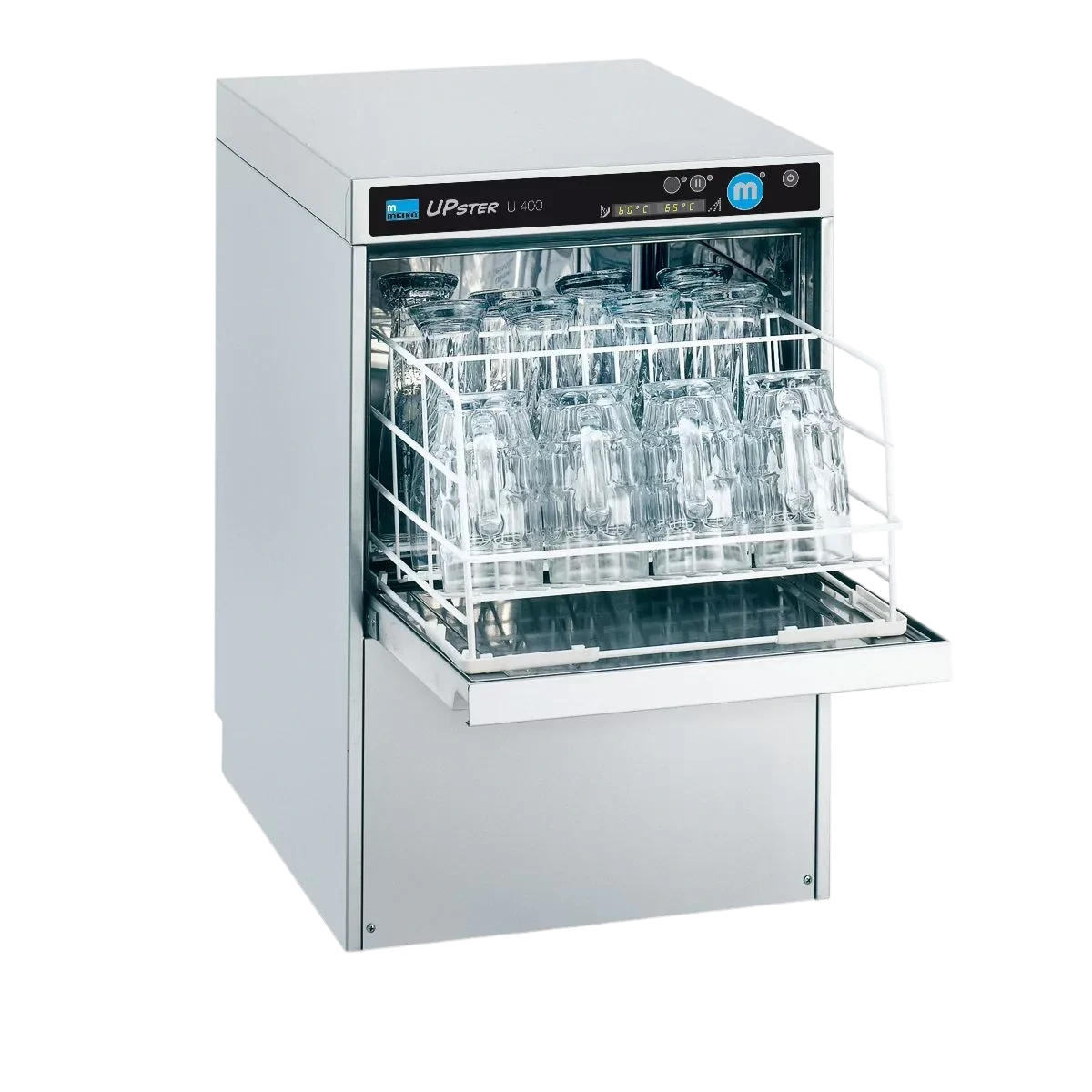
460 × 600 × 845mm
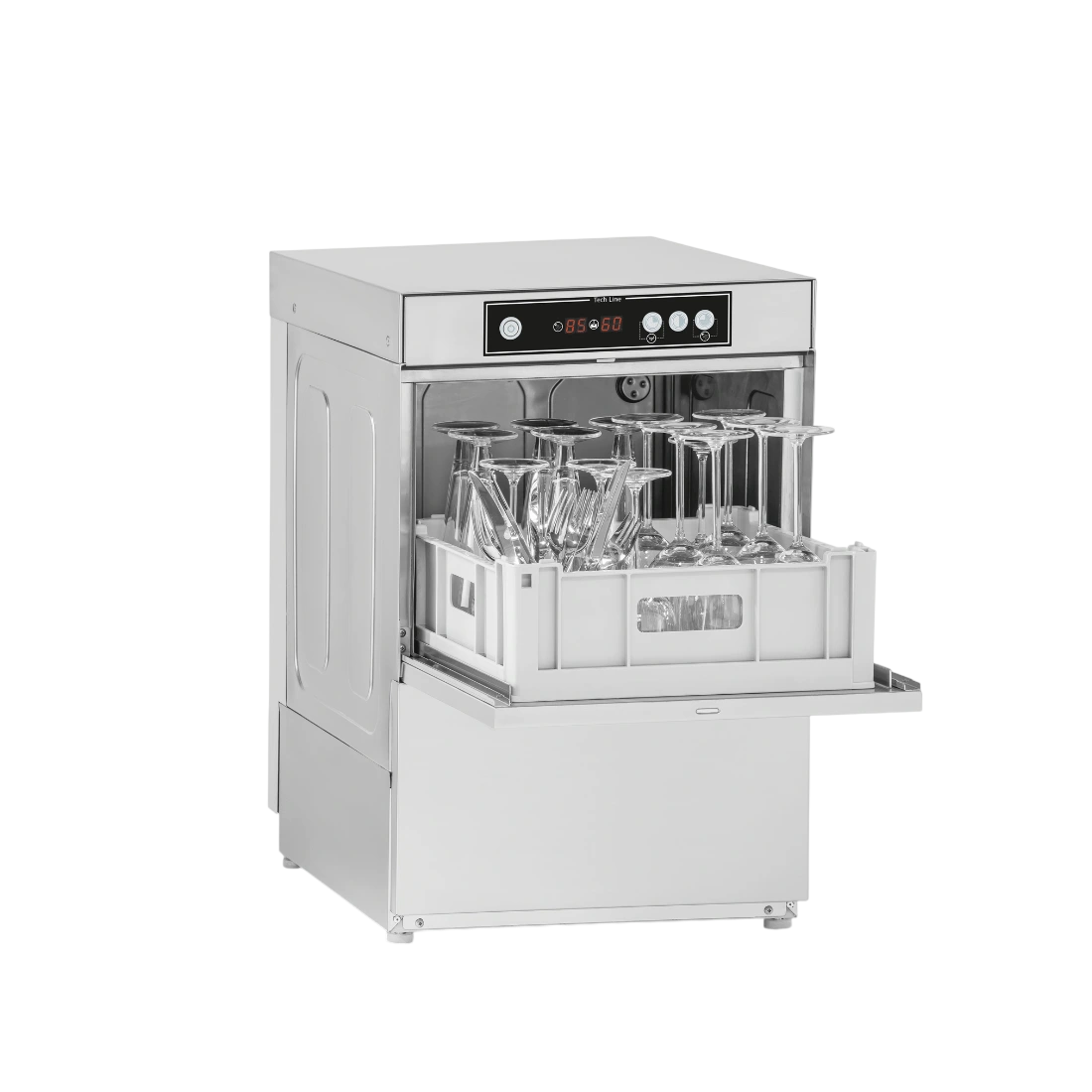
470 × 525 × 720mm
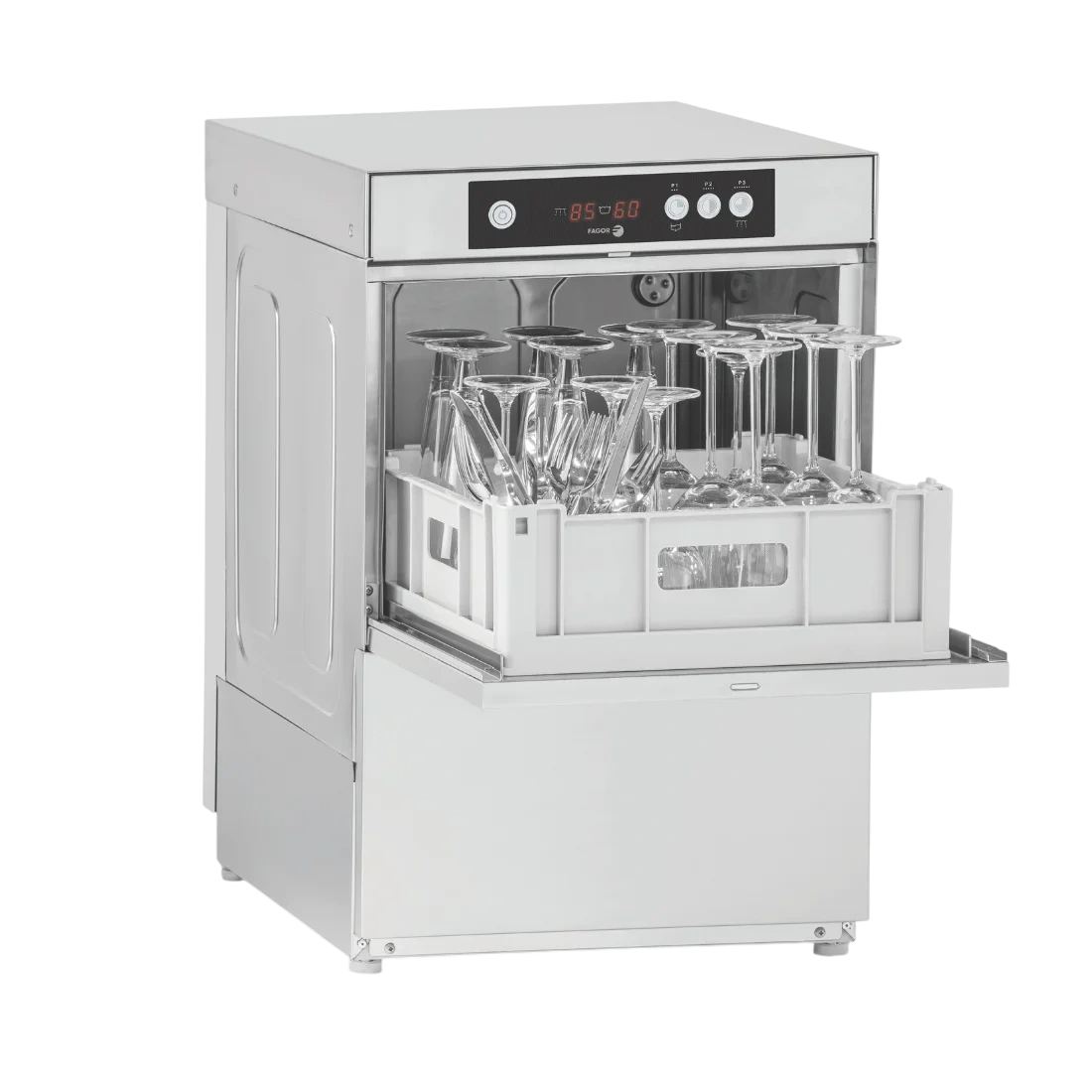
470 × 530 × 725mm
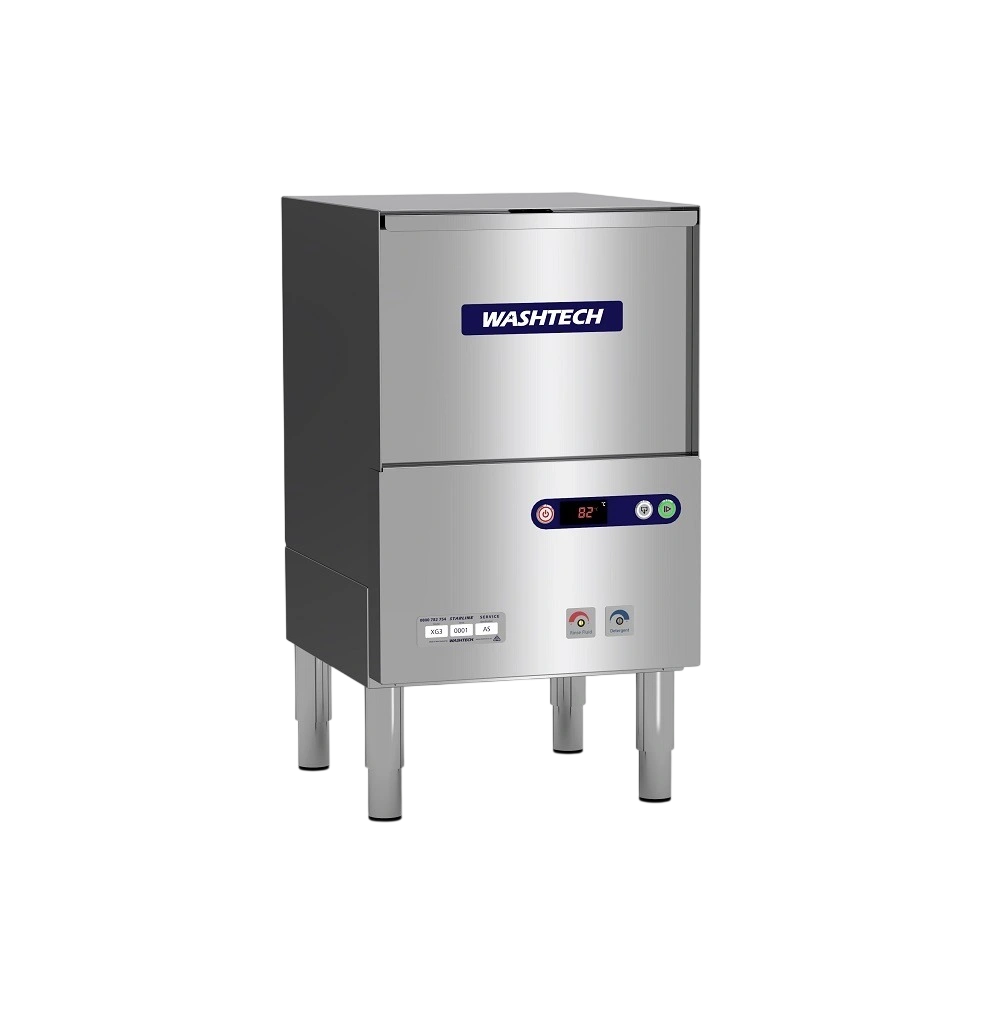
445 × 510 × 775mm
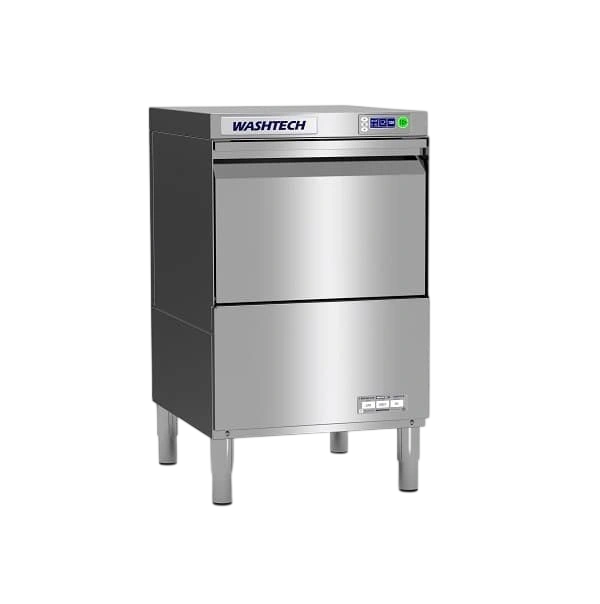
500 × 555 × 860mm
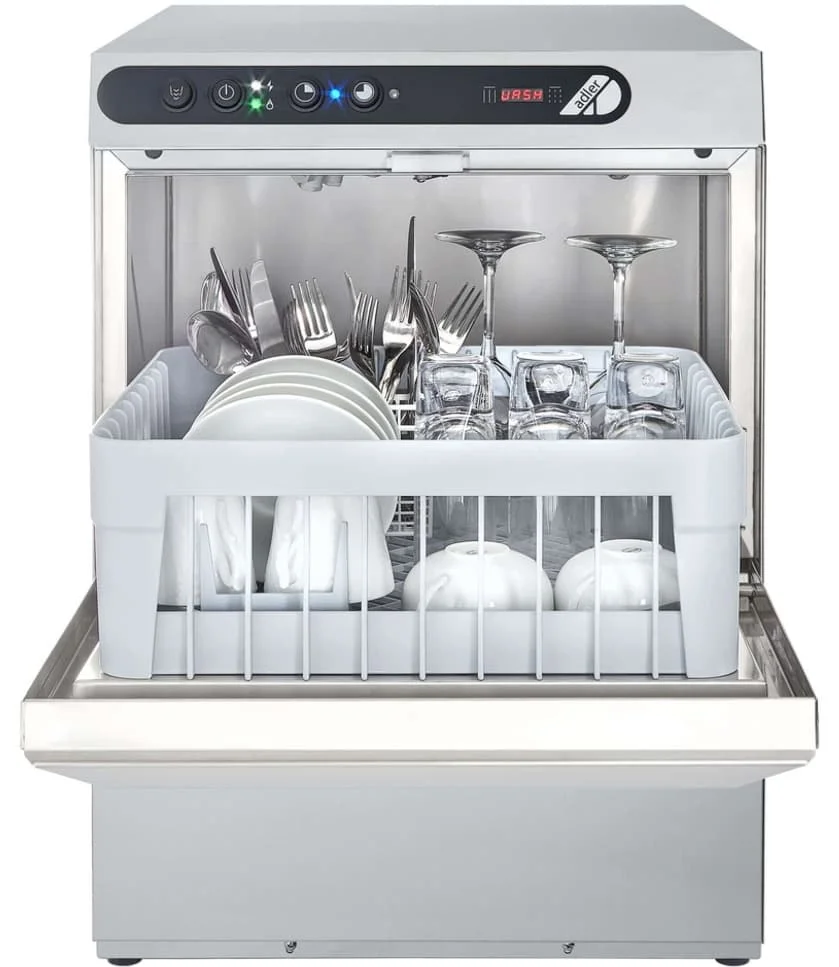
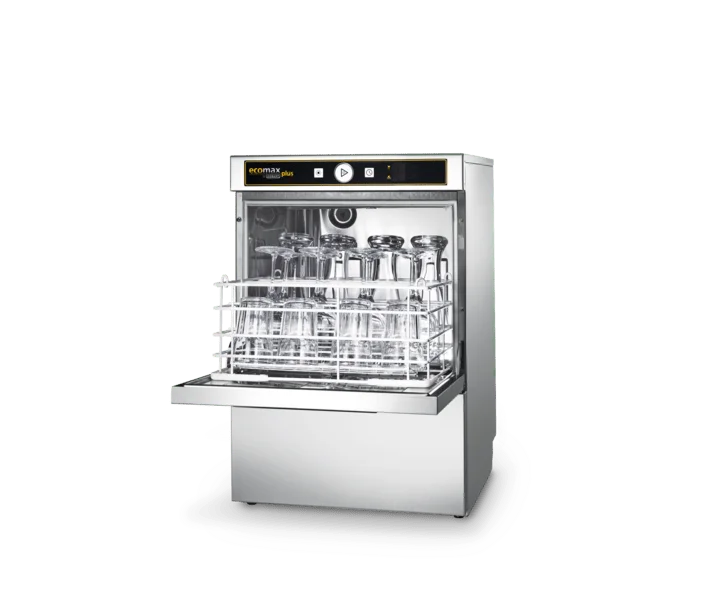
460 × 590 × 705mm
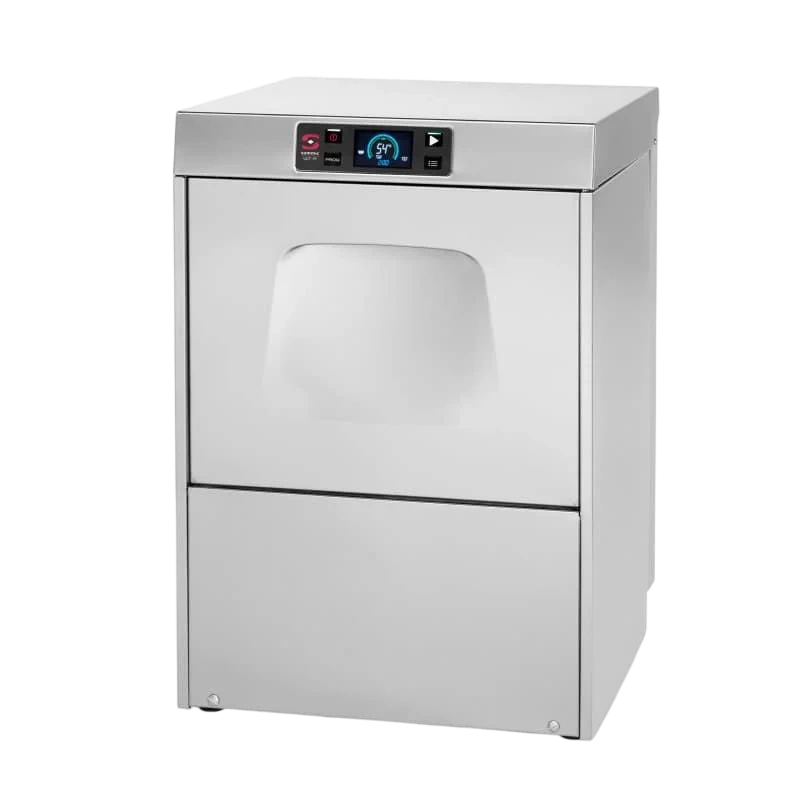
540 × 525 × 710mm
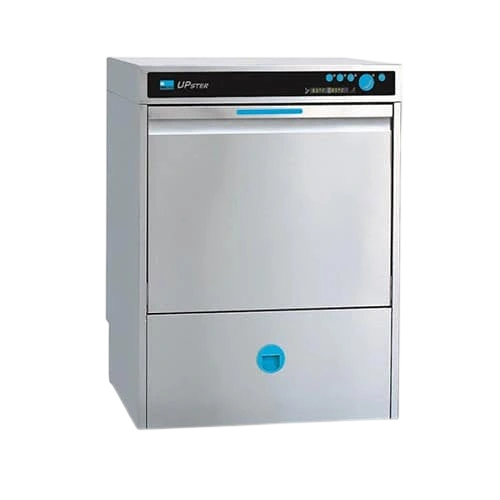
600 × 600 × 850mm
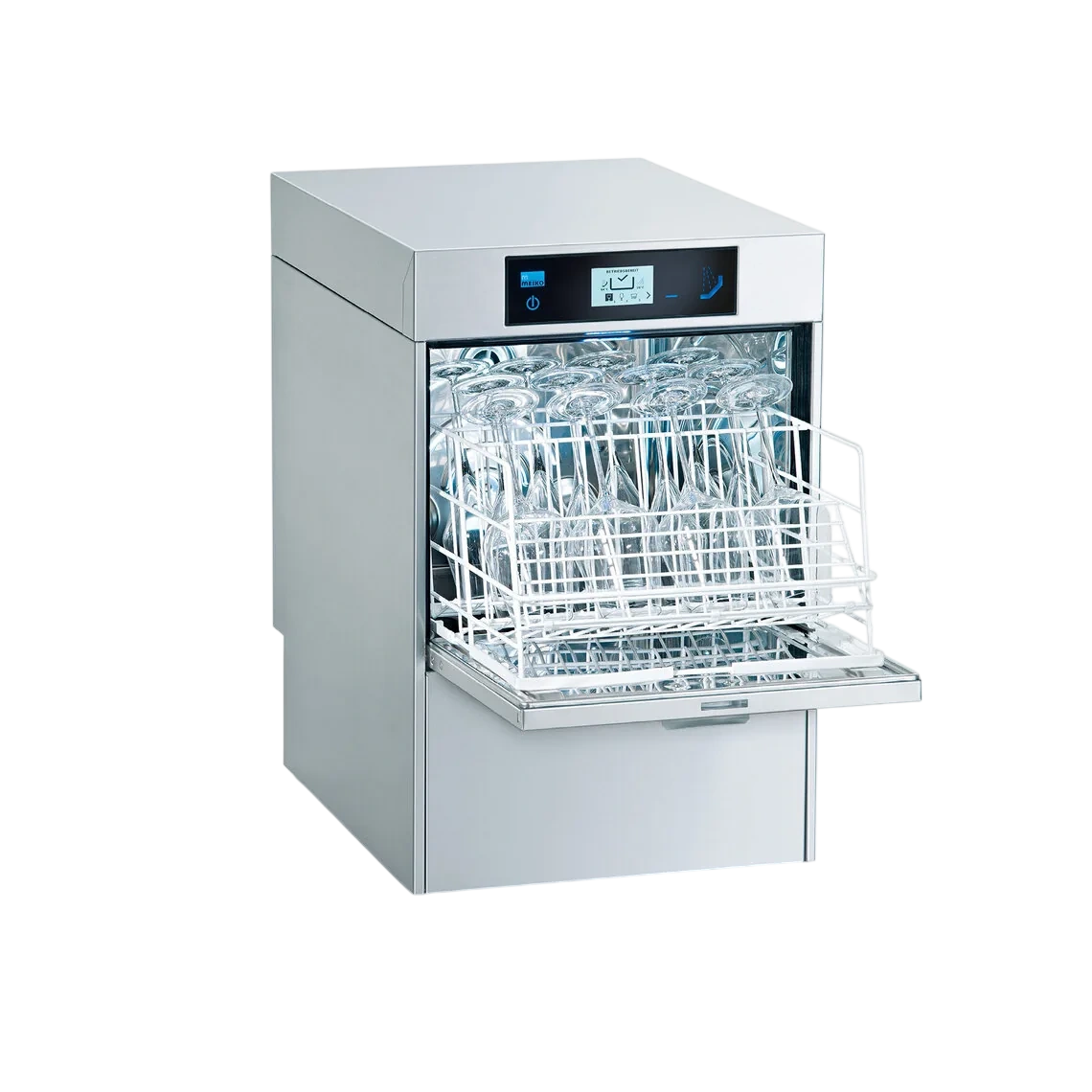
460 × 600 × 855mm
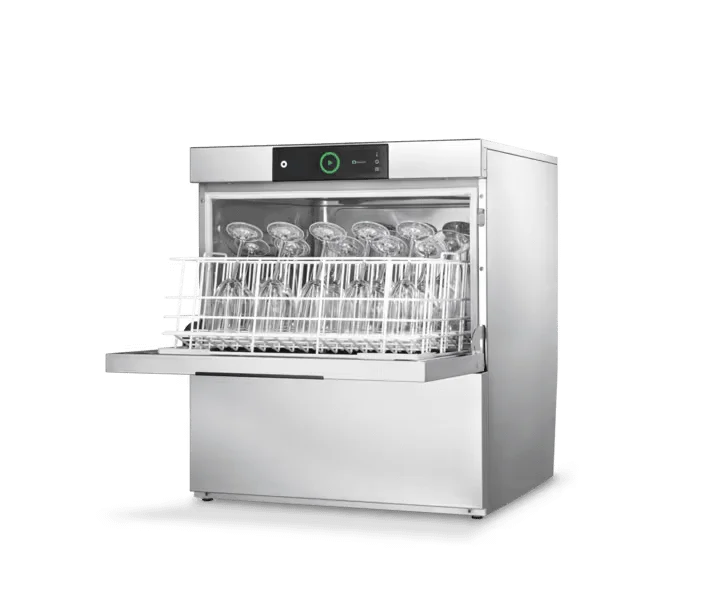
600 × 602 × 820mm
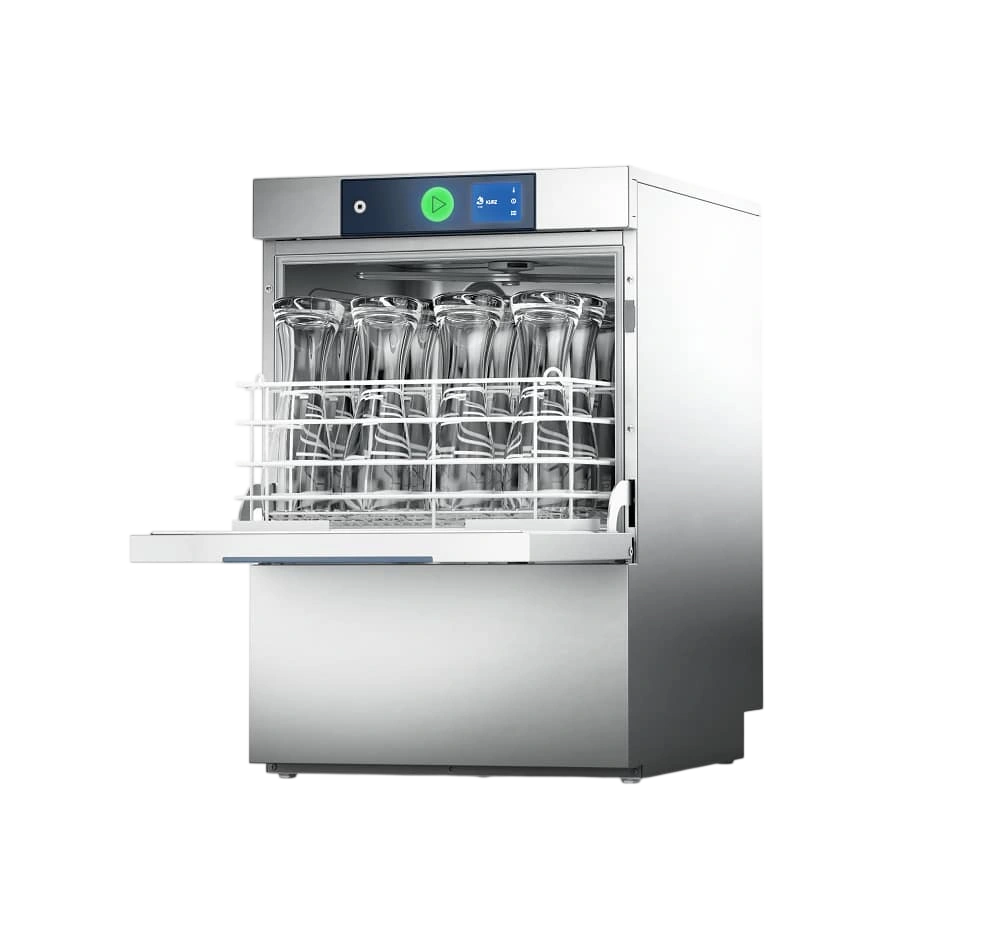
460 × 590 × 705mm
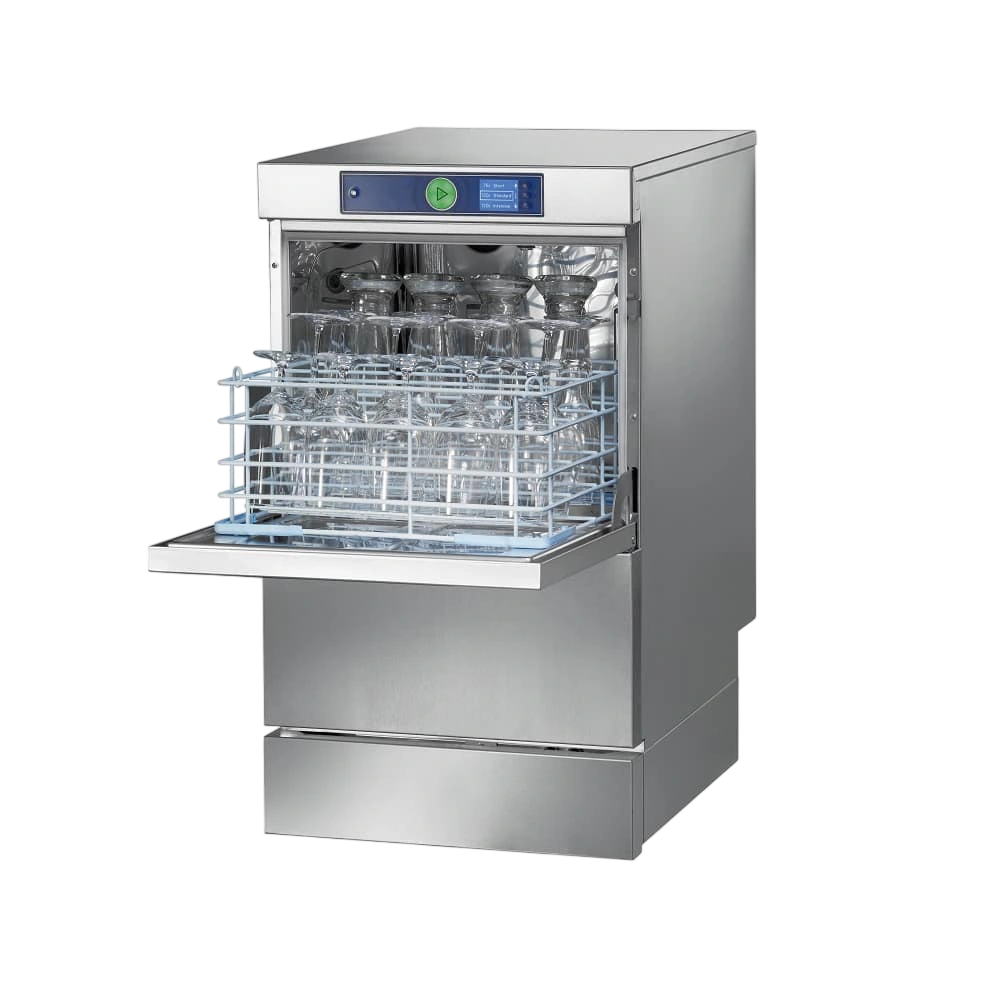
460 × 590 × 815mm
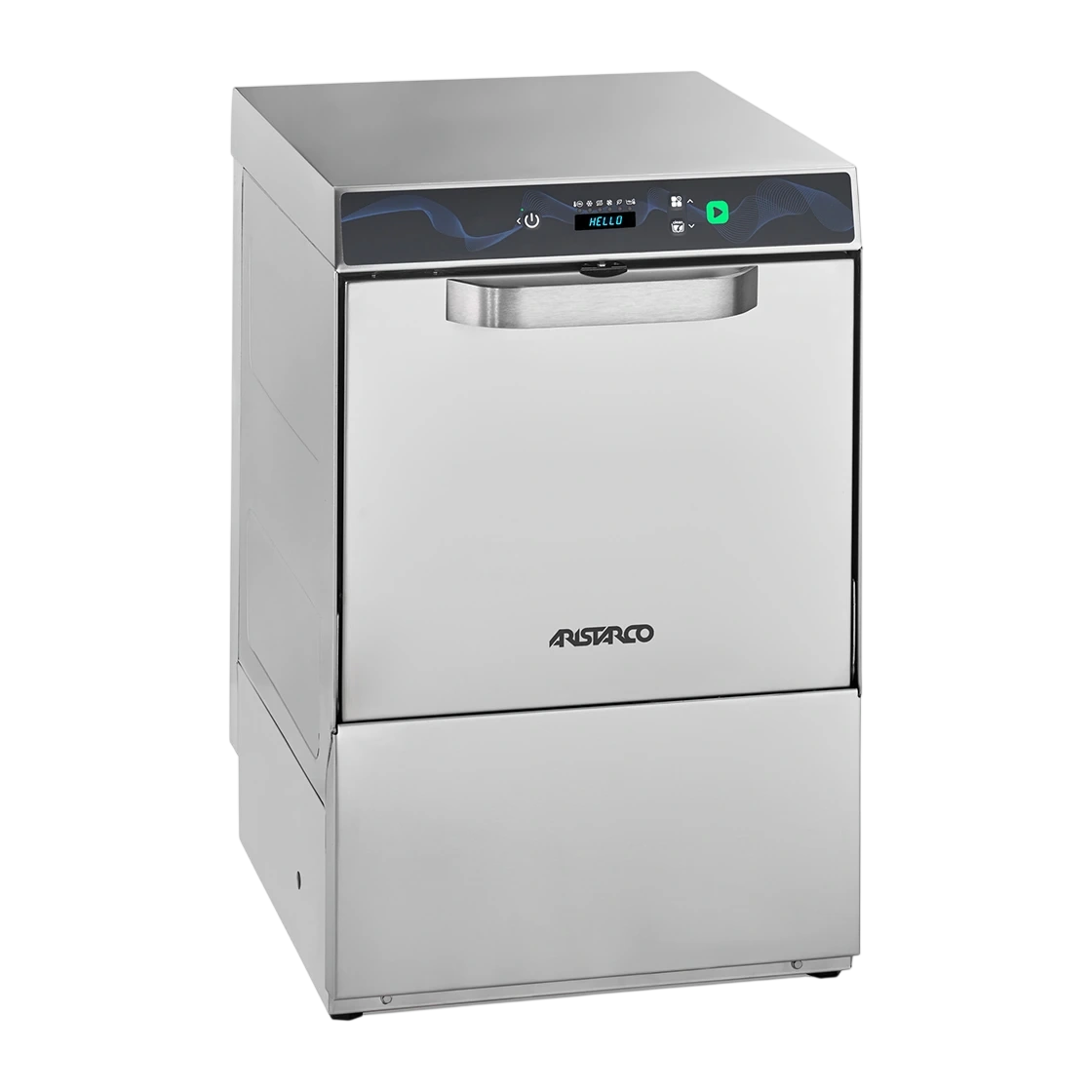
455 × 596 × 700mm
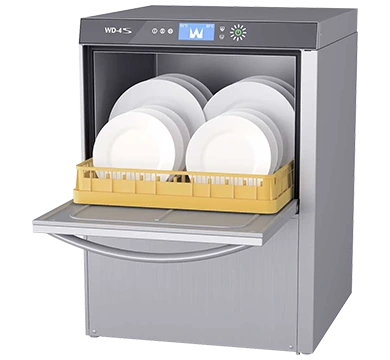
598 × 598 × 820mm
527 × 600 × 840mm
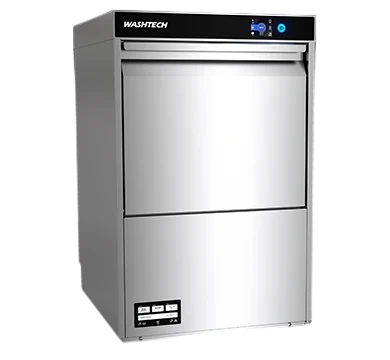
527 × 600 × 840mm
500 × 600 × 780mm
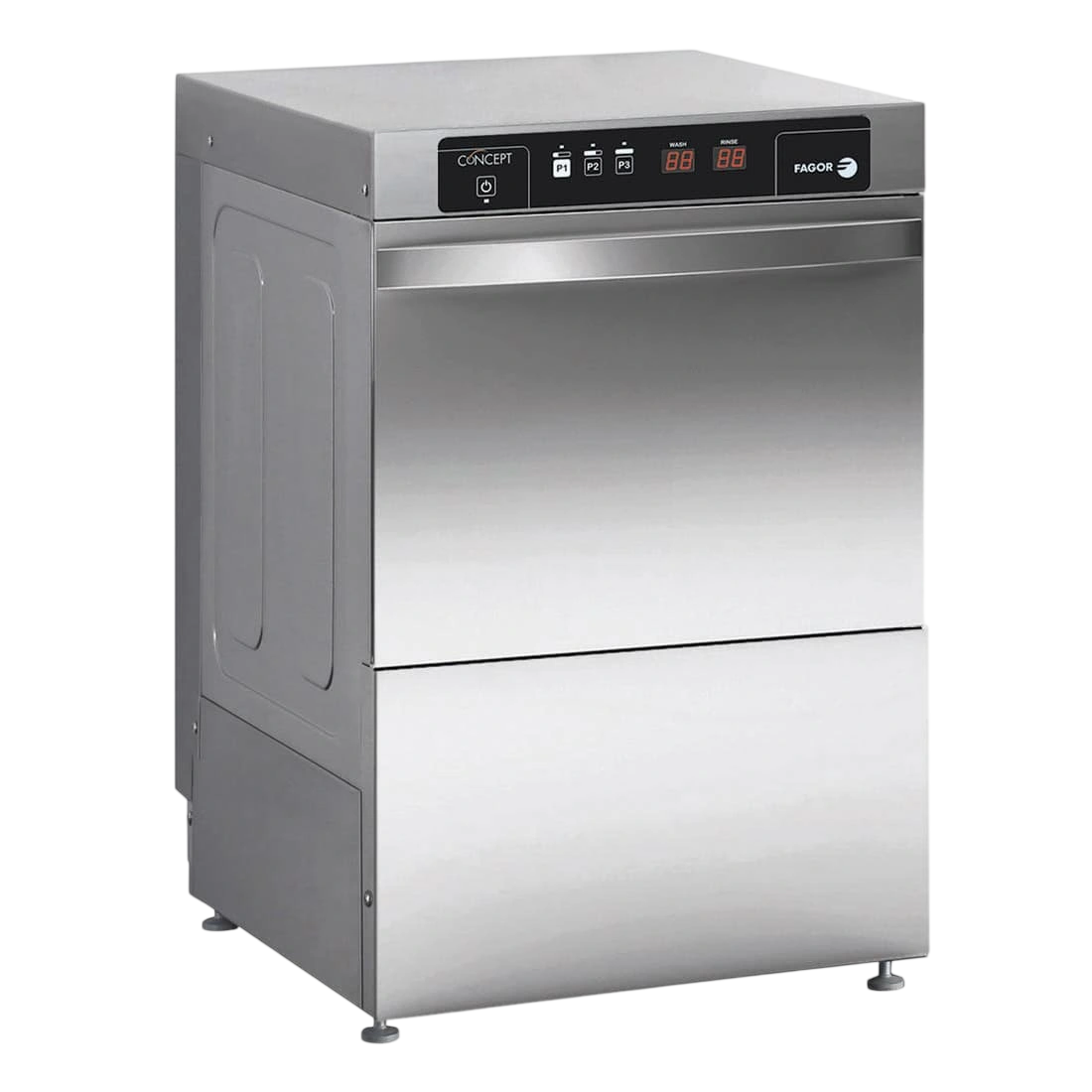
470 × 520 × 720mm
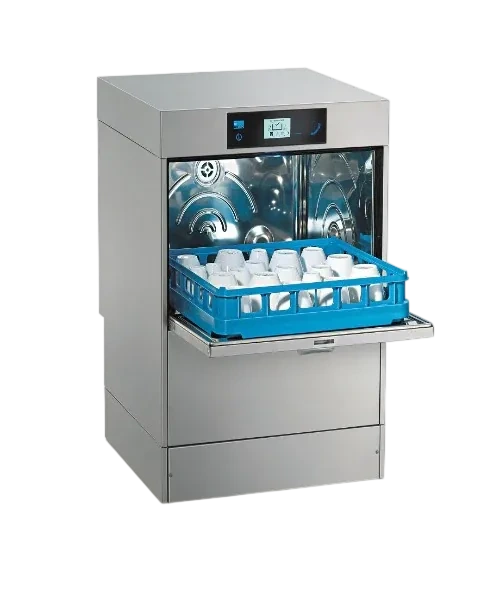
600 × 600 × 855mm
Commercial glasswashers are compact warewashing machines built for bar glassware, cafe cups and stemware that must return to service quickly without hand-polishing becoming the bottleneck.
Choose a glasswasher when the main load is glasses rather than plates, pots or mixed kitchenware. Bar staff need short cycles, suitable rack height and clean drainage close to the service point; a general dishwasher is usually the better path when plates and cutlery dominate the load. Compare whether your venue needs a glasswasher, commercial dishwasher or both before narrowing the model shortlist.
Commercial glasswashers serve bars, cafés and restaurants that need clean glasses back in service quickly. Start with your tallest glass, the rack it needs and your busiest service period, then check the machine's water, drainage and electrical requirements.
Measure tall wine glasses, beer glasses and any jugs you intend to wash. Compare their loaded height with the model's usable clearance, and check how many fit safely in its specified rack. Rack size, glass clearance and external machine dimensions are separate measurements. Leave room to open the door, handle a loaded rack and reach the machine for cleaning and servicing.
| Model | Listed rack and clearance | What to check for your venue |
|---|---|---|
| Adler DWA2040 | 355 × 430 mm supplied universal basket; 270 mm internal clearance. | Check your tallest glass against that clearance. Listed wash programmes are 1 or 2 minutes. |
| Sammic UX-40SB DD | 400 × 400 mm basket; 300 mm useful height. | Compare its listed 90, 120, 150 and 180 second programmes with your workload. Detergent dosing, rinse aid dosing and a drain pump are listed as included. |
| Washtech GL | 450 mm rack. | The listing describes this model as polish-free compatible. Ask which water-treatment equipment and installation configuration are required; compatibility alone does not establish that RO is included. |
| Hobart PROFI GXCROI-C | 500 × 500 mm rack; 305 mm loading height. | The listing specifies integrated reverse osmosis. Confirm the inlet-water conditions, treatment maintenance and electrical configuration for your installation. |
Use these differences to build a shortlist, then confirm the exact model specification and installation drawing before ordering. Do not use rack dimensions as the required bench opening.
Count the glasses returning during your busiest 15 minutes and estimate how many fit in one correctly loaded rack. Divide glasses returned by glasses per rack to estimate the racks you need to process in that period. Then allow for loading, unloading, the selected programme and any recovery time. A shortest-cycle figure on its own is not a promise of sustained service capacity.
Submit your kitchen requirements — our equipment specialists will send you a tailored shortlist of commercial glasswashers that fits your budget, venue type and compliance needs.
Standards & Compliance
Glasswasher selection comes down to the bar's real turnover pattern:
It is used to wash glassware behind a bar or café counter. Match the model to your glass types, rack requirements and peak service load. Pots, trays and heavy mixed kitchen loads need a separate equipment assessment.
Choose around your main load: glassware returning during bar service, or plates, cutlery and mixed kitchenware. Compare the selected model's permitted loads and rack requirements; the equipment name alone does not establish suitability.
Do not assume polishing will disappear with every glasswasher. Confirm whether the exact model includes or needs water treatment, what your local water requires and what finish the complete setup can support on your glassware.
Discuss those residues when selecting the machine, programme and chemical setup. Follow the model's preparation and cleaning instructions, and check results on your glassware rather than relying on an unconditional removal promise.
Only use cups where the exact model and rack are suitable. Tell the supplier about coffee residue and mixed loads, and discuss whether a separate workflow would better protect the glassware finish you need.
Check glass height, rack size, peak glass returns, external dimensions, door and service clearance, power supply, inlet-water requirements, water treatment and drainage. Plan where staff will load and unload racks, and confirm included pumps and dosing equipment for the exact model.
Why KW
KW helps narrow glasswashers by the job they need to do behind the bar: fast rinse-and-return glass flow, available bench height, drainage, water treatment and the type of glassware being washed. That keeps the shortlist separate from underbench dishwashers, which are better suited to mixed crockery loads.
Choose around the main load. A glasswasher is a starting point when clean wine glasses, tumblers and beer glasses are the service bottleneck. For plates, cutlery and mixed small ware, compare underbench dishwashers and confirm the chosen model's permitted loads. For a restaurant wash area built around successive plate racks, compare passthrough dishwashers, allowing for inlet and outlet benches and hood clearance.
Do not assume every glasswasher includes reverse osmosis or produces the same finish. The GXCROI-C example above lists integrated RO; the Washtech GL is described as compatible. Ask what is included, what the local water requires and which consumables need replacement. Specify the finish you want on your own glassware and discuss it alongside detergent, rinse aid and the selected programme.
Keep compatible spare racks in the plan, and check how staff will load, unload and return clean glasses without crossing the dirty-glass area. Confirm the cleaning procedure for filters and wash arms, the chemical setup and any treatment maintenance. If spotting, lipstick residue or cloudy glass is a concern, describe the problem when choosing the machine rather than assuming a new machine alone will resolve it.
Ask for the selected programme's water use and the model's electrical requirements. Include chemicals, treatment consumables, cleaning and servicing in the comparison. If reducing hand-polishing is part of the business case, measure your current polishing time and ask what results the proposed setup can support. Use your own labour costs and workload to estimate savings; there is no single payback period for every bar.