
Thermaster
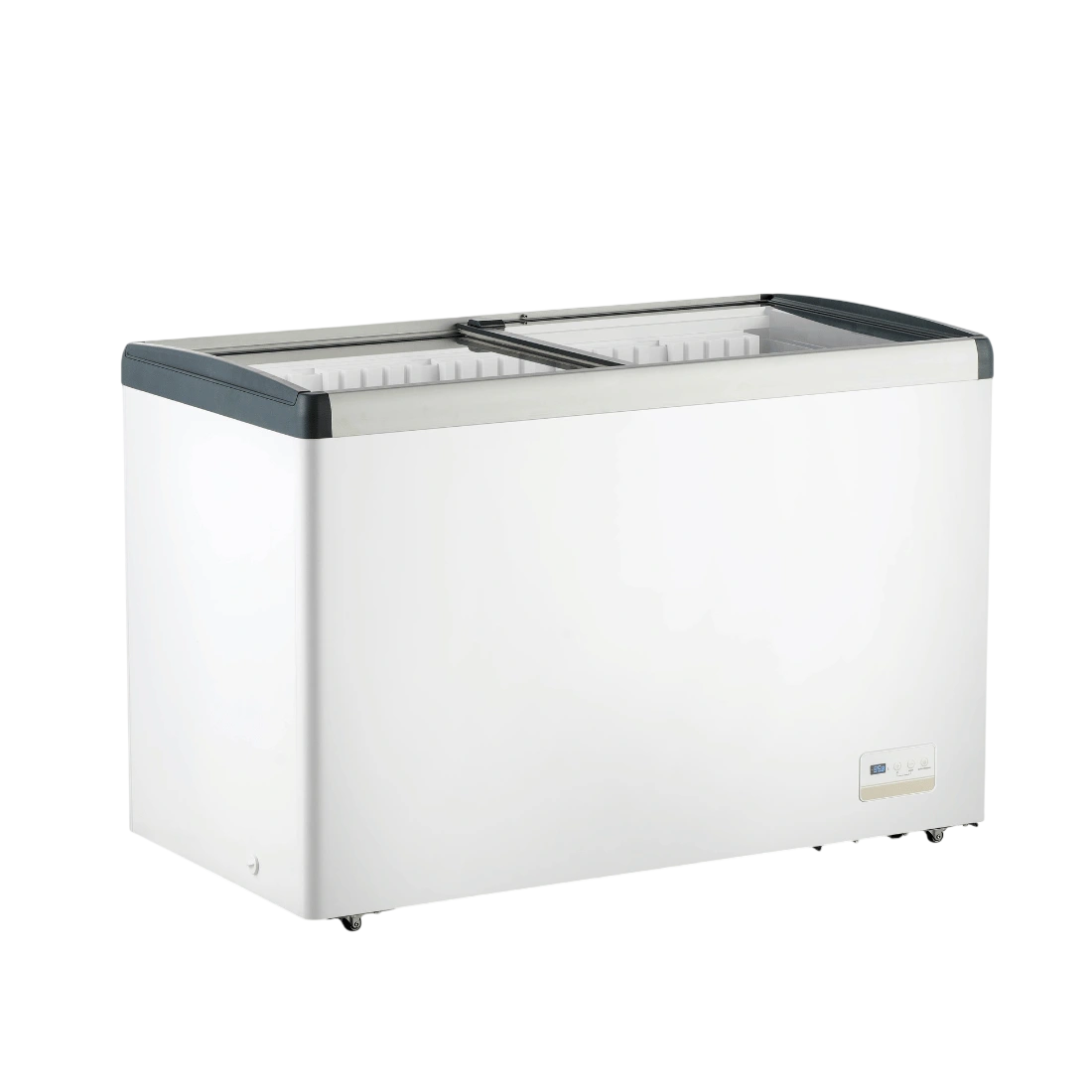
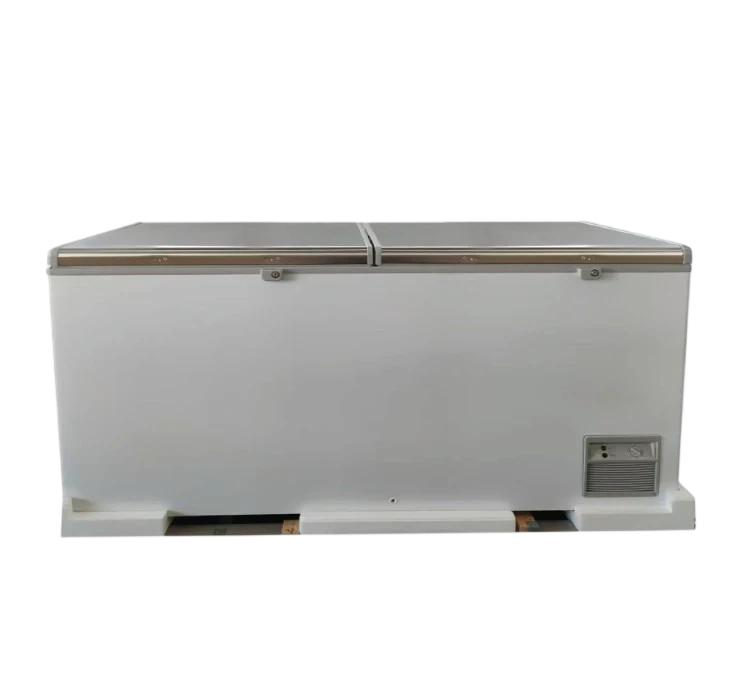
Thermaster WD396G 396L Chest Freezer with Flat Glass Sliding Lids
1234 × 653 × 868mm
$1,699.15$1,999.00
Back OrderApprox. 3-4 weeks
Commercial Freezers
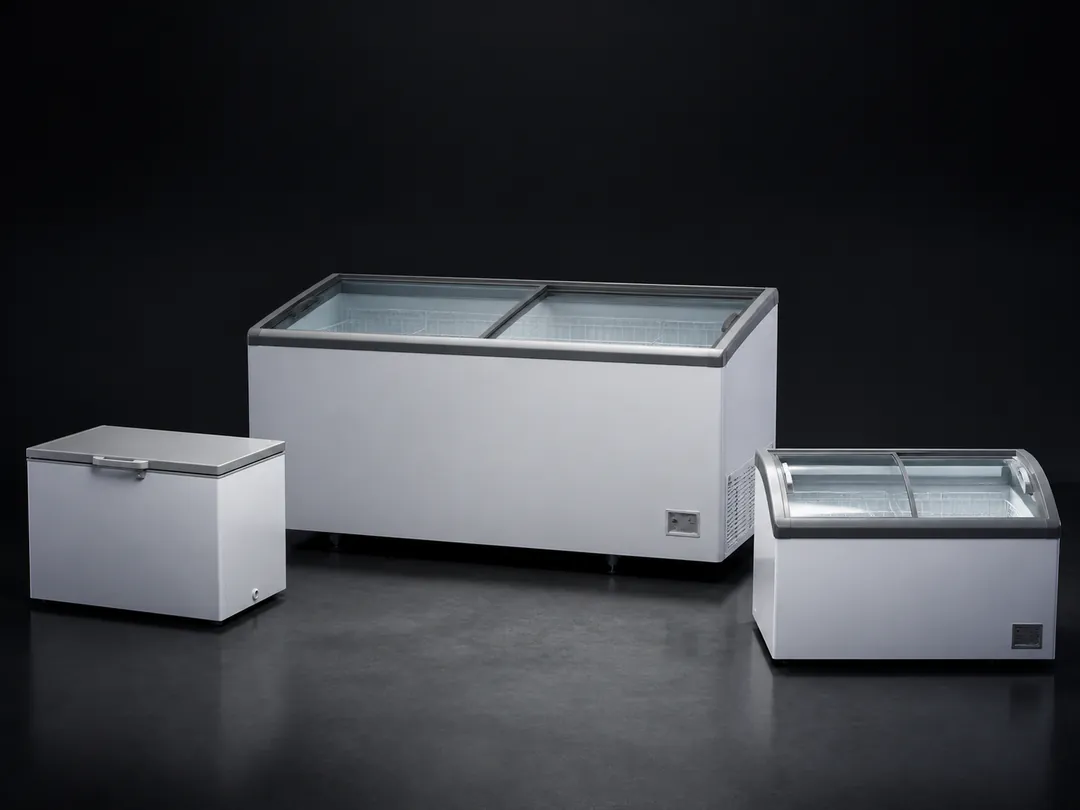
The chest freezer range includes cabinets with solid lids, glass sliding lids and larger island formats. At our September 2026 catalogue review, this category listed 52 products. The range includes Bromic, Polar, Atosa, Thermaster and Snowman cabinets, alongside AJ Baker-listed AHT models.
Current capacity examples include the 176L Bromic CF0200ATCG-NR, 200L Polar GM498-A, 455L Atosa BD-550 and 750L Thermaster BD750F. The AHT ATHEN ECO 250 listing gives a 1507L capacity. These are model examples, not a single capacity specification for every chest freezer.
Lid material and opening are separate comparison points. Bromic CF0700FTSS-NR has a stainless-steel hinged lid; Polar GM498-A has sliding glass lids. Glass tops also differ in shape: Atosa SD-520P is listed with a flat glass top, while Bromic CF0200ATCG-NR has a curved glass top.
Upright Freezers contains vertical cabinets with front doors, whereas this chest range centres on top-lid cabinets and island formats. Bar Freezers includes underbench cabinets. Compare the cabinet format and access opening as well as litres; the category name alone does not establish energy use or service speed. The Commercial Freezers parent brings the freezer formats together.
Key factors to consider before purchasing. Our team can help you find the right fit — call or get a quote anytime.
Bromic CF0700FTSS-NR lists a stainless-steel hinged lid; Polar GM498-A lists sliding glass lids. Compare flat versus curved glass separately: Atosa SD-520P and Bromic CF0200ATCG-NR provide examples.
Atosa BD-550 lists 455L, while Thermaster BD750F lists 750L and 2030 × 792 × 873 mm cabinet dimensions. Compare stated capacity with physical dimensions rather than treating a model number as litres.
Polar GM498-A lists three supplied baskets; Bromic CF0200ATCG-NR lists two. Compare the stated arrangement and verify compatibility before adding baskets to a particular model.
Submit your kitchen requirements — our equipment specialists will send you a tailored shortlist of commercial chest freezers that fits your budget, venue type and compliance needs.
Call our refrigeration specialists on 1300 001 366 for help selecting the ideal chest freezer for your frozen storage volume, workflow and ambient conditions.
Specs validated by KW Commercial Kitchen
FAQ
Examples in the September 2026 range include 176L Bromic CF0200ATCG-NR, 200L Polar GM498-A, 455L Atosa BD-550, 750L Thermaster BD750F and 1507L AHT ATHEN ECO 250. Compare the capacity stated on each product page, including any gross or net label.
Yes. Bromic CF0700FTSS-NR has a stainless-steel hinged lid, while Polar GM498-A has sliding glass lids. Compare lid material and the opening mechanism separately.
Yes. Atosa SD-520P is listed with a flat glass top. Bromic CF0200ATCG-NR is a curved glass-top model. Check the exact cabinet dimensions and lid configuration when comparing them.
The supplied quantity is model-specific. Polar GM498-A lists three baskets, while Bromic CF0200ATCG-NR lists two. Confirm the basket quantity and arrangement on the product you are ordering.
Compare cabinet width, depth and closed height, then confirm the selected model’s open-lid height for the intended position. Thermaster BD750F lists cabinet dimensions of 2030 × 792 × 873 mm; those are not its packed dimensions.
This range includes top-lid chest cabinets and island formats. Upright Freezers contains vertical, front-door cabinets. Compare the actual opening, dimensions and capacity; neither category alone establishes which model uses less energy or suits a particular service pattern.
52 results
1234 × 653 × 868mm
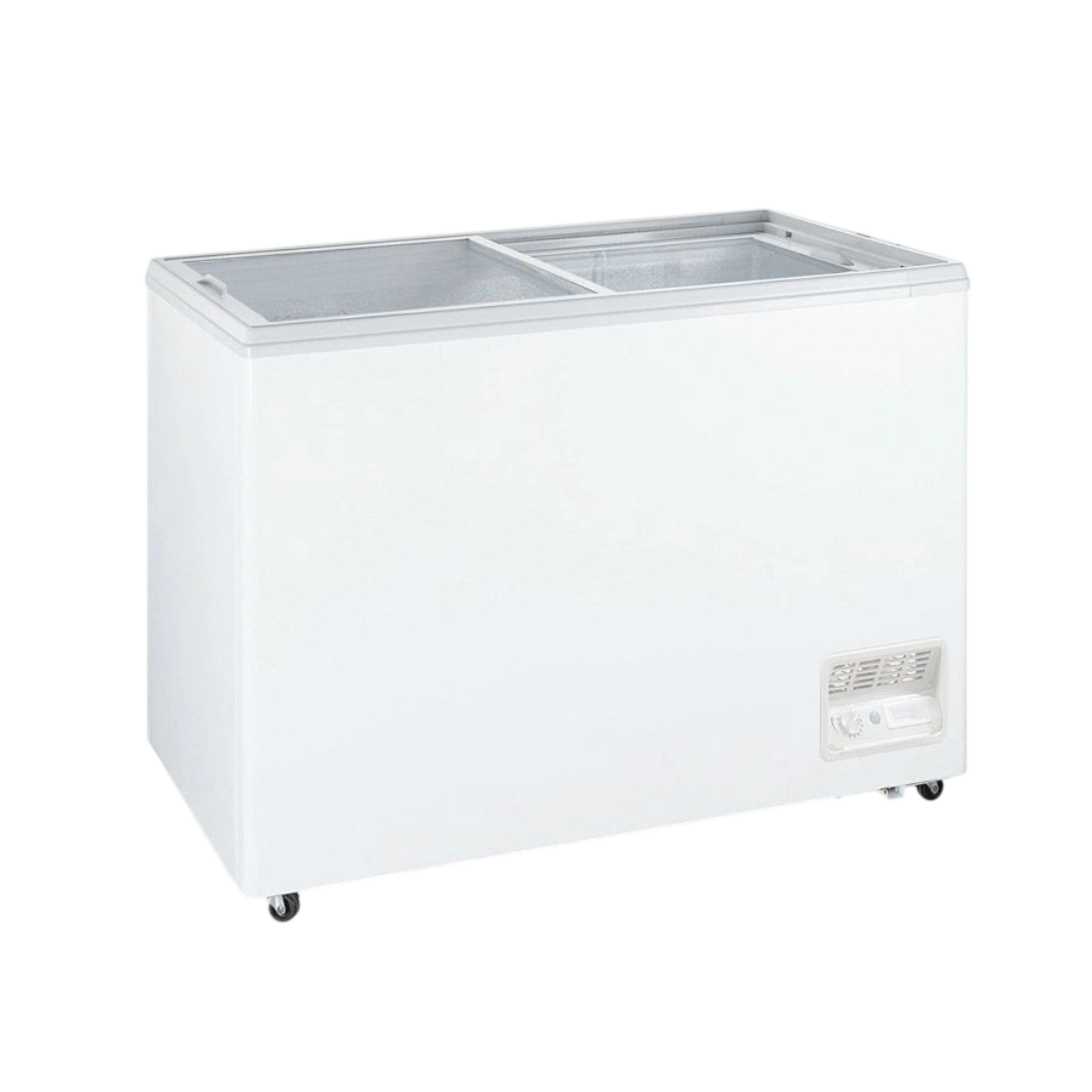
1500 × 700 × 903mm
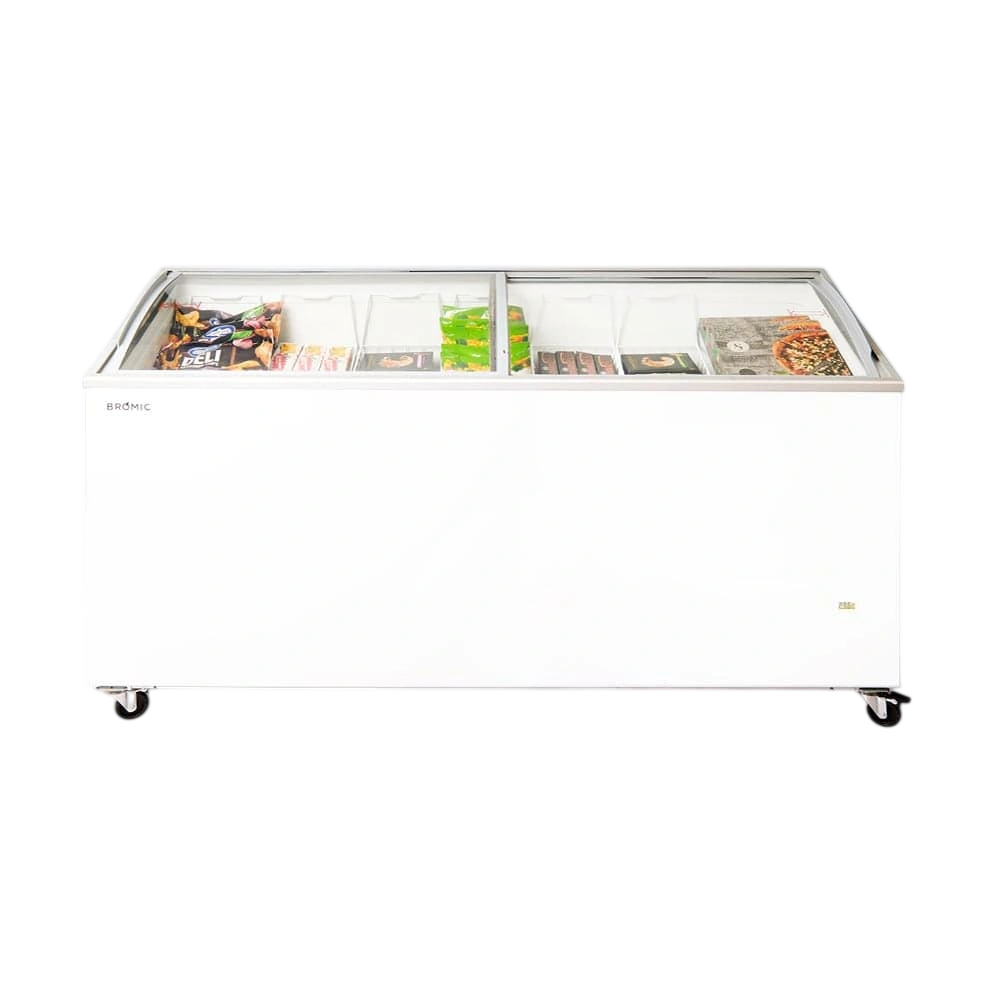
1750 × 615 × 949mm
2095 × 780 × 945mm