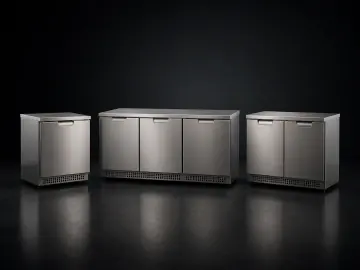
Bar Freezers
14 products
Commercial Fridges and Commercial Freezers
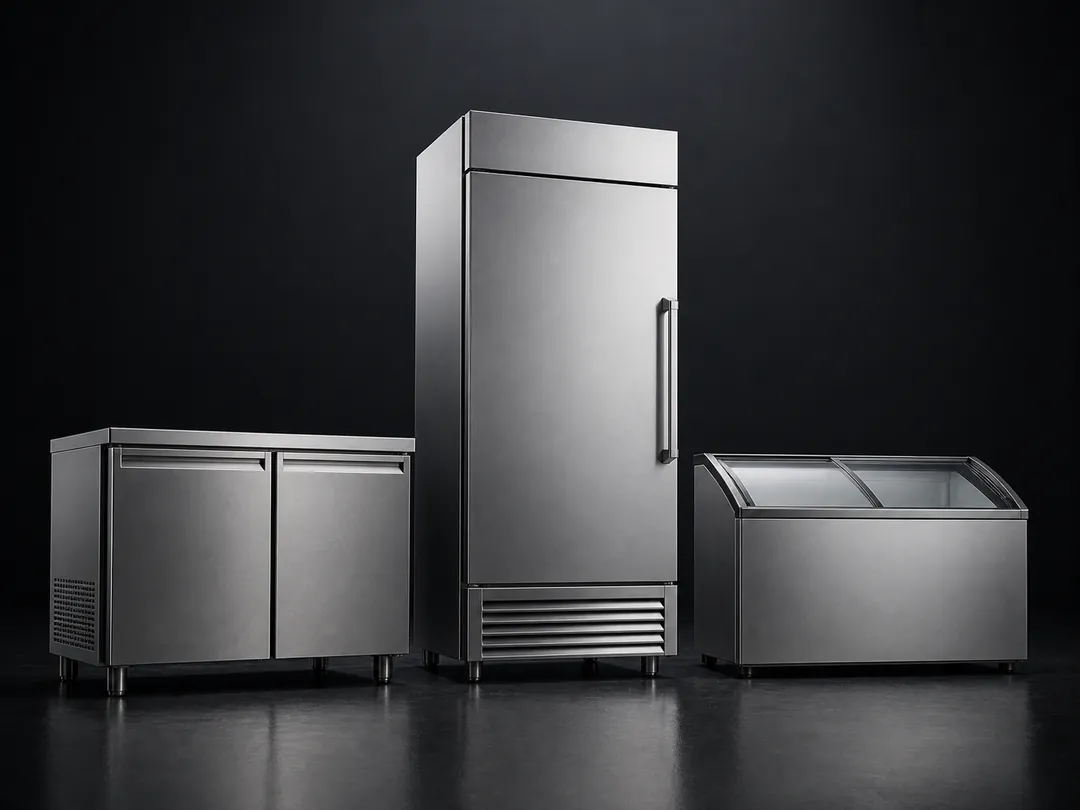
Choosing a commercial freezer starts with how stock moves through the kitchen. Upright freezers give high-volume storage on a small footprint; underbench and workbench freezers keep frozen stock at the cook line; chest freezers suit bulk reserves; and display freezers merchandise frozen product front-of-house. Check door count and capacity against your delivery cycle, and confirm the space allows airflow around the cabinet.
Key factors to consider before purchasing. Our team can help you find the right fit — call or get a quote anytime.
Match equipment capacity to your daily output. Consider available floor space, door clearances, and whether you need underbench or upright models.
Forced air cooling recovers temperature faster — ideal for busy kitchens. Static cooling suits low-traffic display. Check power supply (single vs three phase).
Ensure adequate ventilation clearance. Check local council requirements for gas connections and electrical compliance. We can help with kitchen planning.
Submit your kitchen requirements — our equipment specialists will send you a tailored shortlist of commercial freezers that fits your budget, venue type and compliance needs.
Call 1300 001 366 for tailored advice based on your workflow, ambient temperature and storage requirements.
Standards & Compliance
Choose the freezer path by access pattern:
FAQ
This is the effect of a defrost cycle. Once the cycle finishes, the evaporator quickly restores the cabinet to –18°C.
This is freezer burn, caused by airflow and dehydration. Use proper packaging and maintain spacing.
Follow model-specific requirements. All commercial freezers require a clear condenser airflow path for stable operation.
Freezers rely on designed airflow channels. Blocking vents or overloading shelves creates warm/cold spots and increases defrost frequency.
Why KW
KW treats commercial freezers as a category-routing decision first. The page helps buyers move to upright freezers, chest freezers, display freezers or workbench freezers without inventing product specifications at the category level.
Deep Dive
Technical depth from KW's commercial kitchen specialists.
Temperature stability depends on a strong insulation envelope. Commercial freezers use high-density polyurethane foam (35–45 kg/m³) moulded under pressure to reduce air pockets. A proper vapor barrier prevents moisture ingress—critical in humid kitchens where dents or panel damage can create thermal bridging and raise energy consumption.
Freezers operate at a higher duty cycle than fridges, with compressors running up to 90% during busy periods. Modern units use R290 hydrocarbon refrigerant for strong thermodynamic performance and low energy draw. However, R290 systems require excellent ventilation—blocked condensers increase head pressure, reduce cooling power and accelerate compressor wear.
Freezer airflow must remain predictable. Tight stacking or oversized containers disrupt return air pathways, increasing defrost frequency and producing uneven freezing. Maintain spacing, avoid blocking the back wall and allow the “air throw” to travel freely from top to bottom.
Commercial freezers use electric, hot-gas or off-cycle defrost. Each method affects energy use and temperature stability differently. In high-humidity kitchens, excess frost load can overwhelm the drain line; routine checks prevent ice blockage, water leakage and coil performance decline.
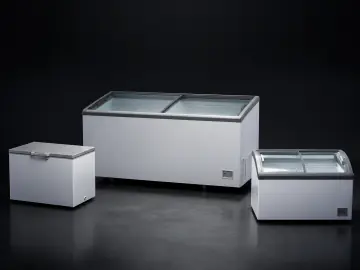
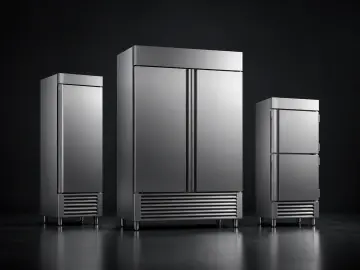
Choose an upright freezer when staff need regular access and organised shelf picking. Choose a chest freezer when the job is bulk frozen storage and the stock is accessed less often.
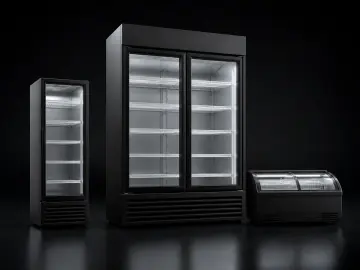
Display freezers are best when visibility helps the customer or staff selection task. For a prep room, storage room or hidden back-of-house area, compare solid-door upright or chest freezer categories first.
Check the location, access path, door movement, restocking workflow and model specifications before ordering. If the site has unusual access or service requirements, confirm those details before purchase.
Freezer decisions often sit beside chilled storage and prep. Link frozen storage with commercial upright fridges for chilled ingredients, workbench fridges for prep, and the root commercial refrigeration hub when the buyer still needs to compare fridge and freezer paths.
| Format | Typical use |
|---|---|
| Upright freezer | High-volume frozen storage on a compact footprint |
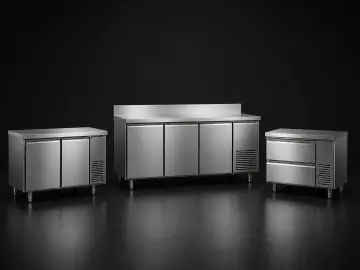
| Underbench & workbench freezer | Frozen stock within reach at the cook line |
| Chest freezer | Bulk reserve storage and irregular delivery cycles |
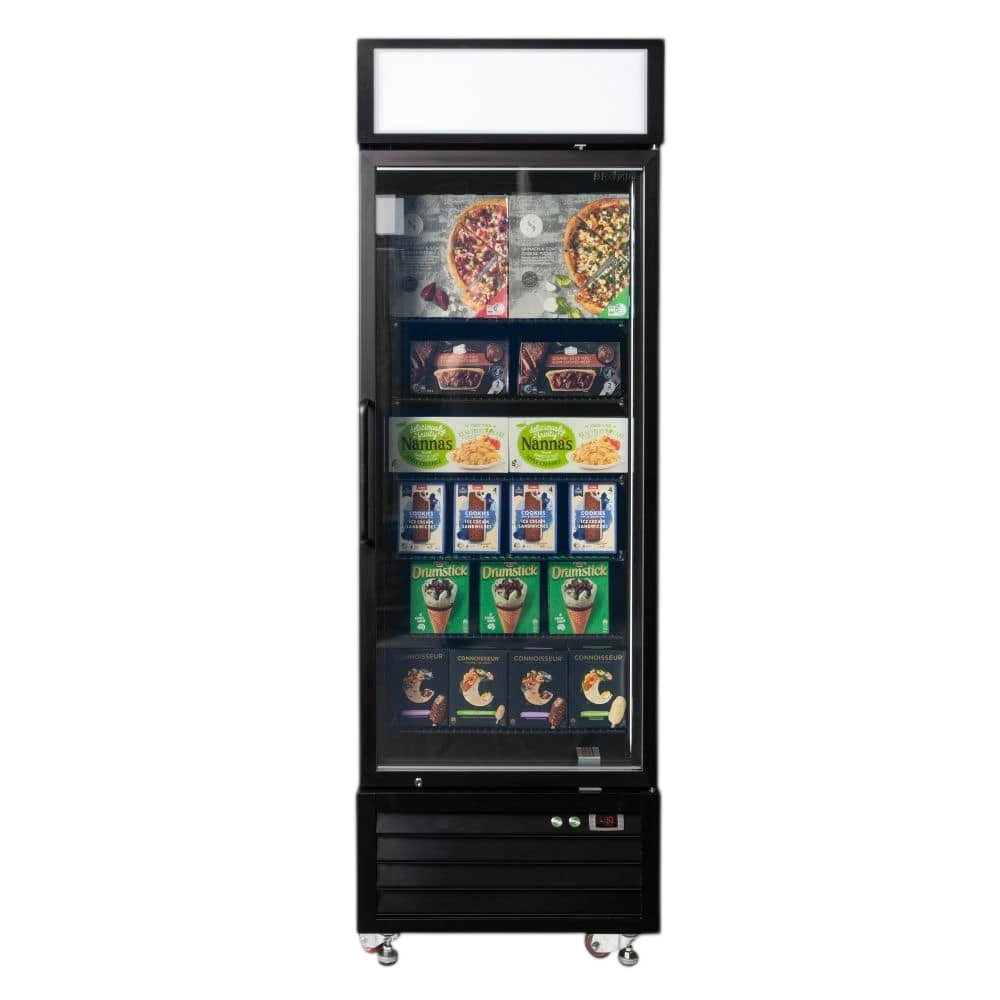
| Display freezer | Merchandising frozen product where customers can see it |
308 results
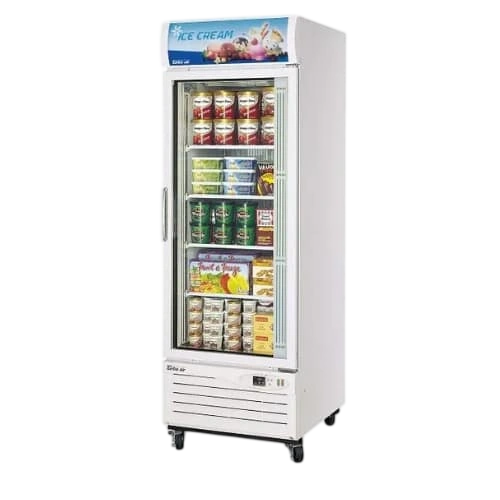
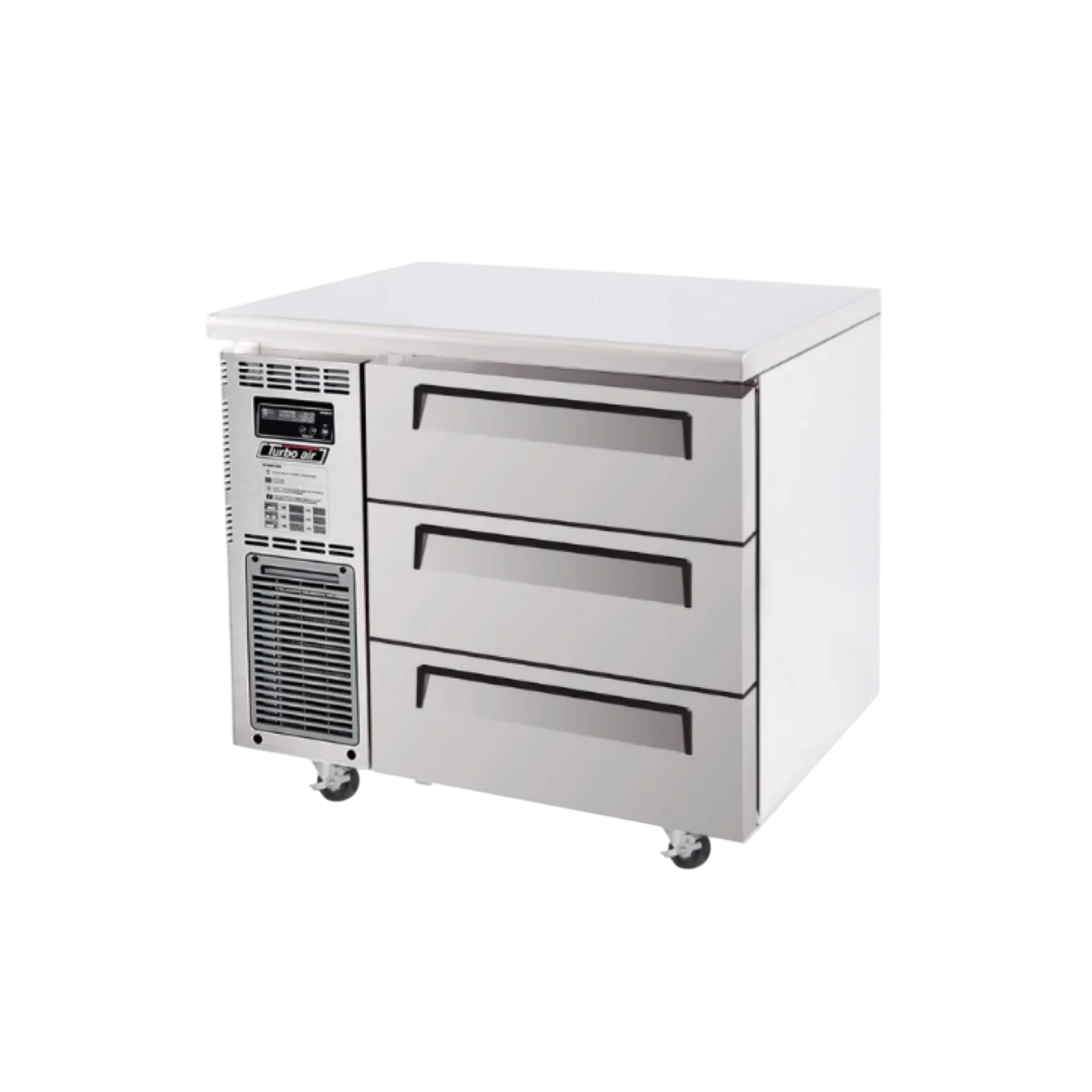
685 × 759 × 2064mm
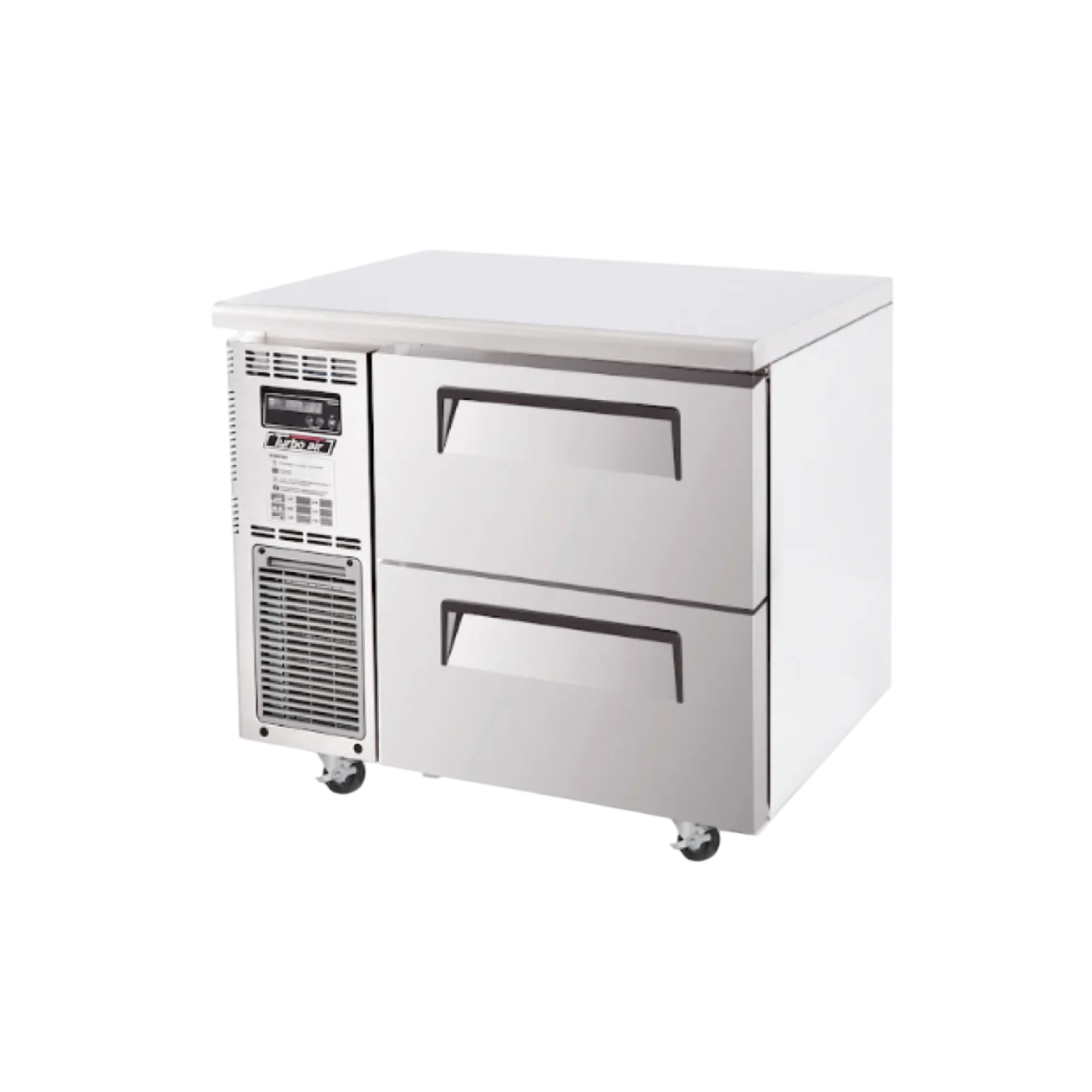
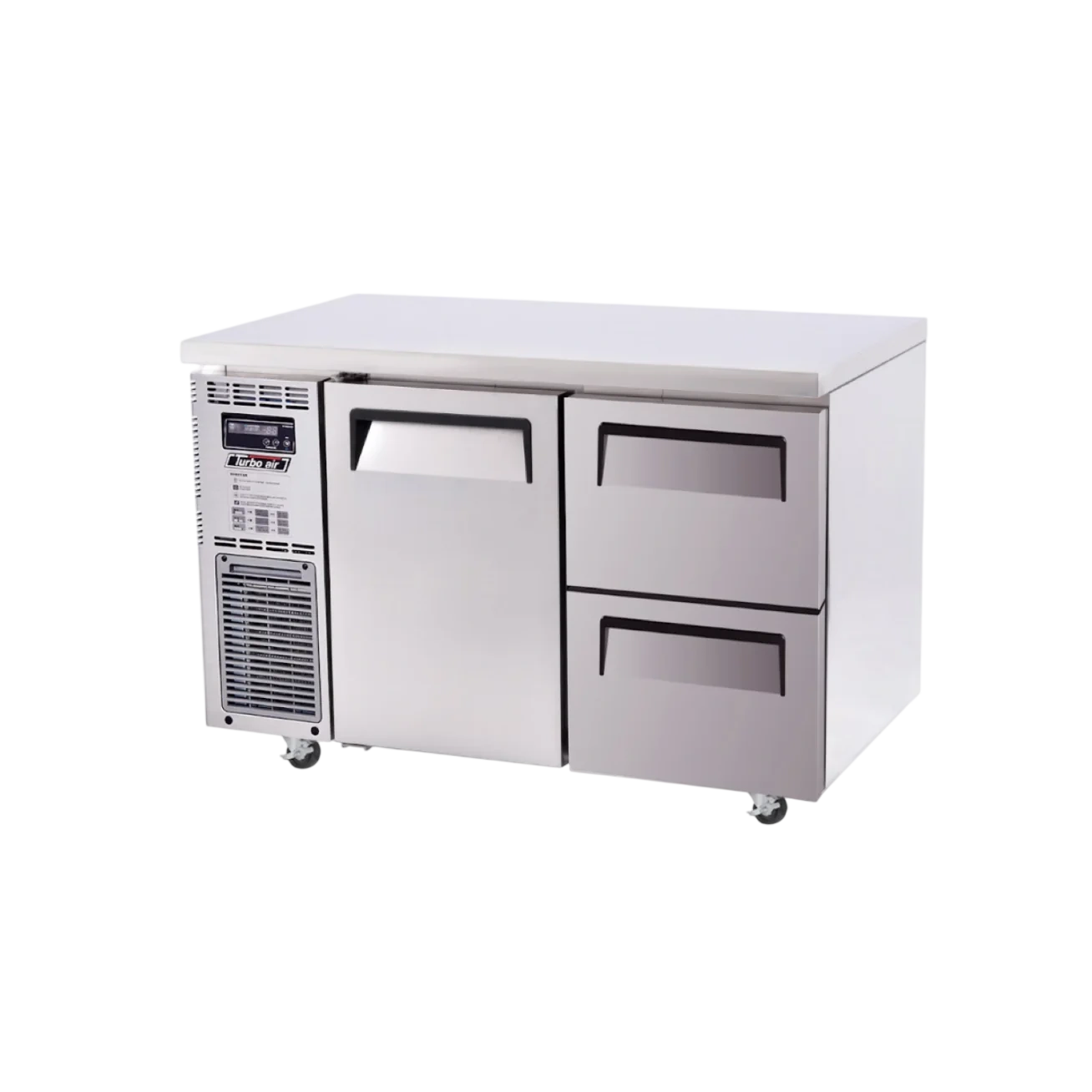
1200 × 700 × 860mm
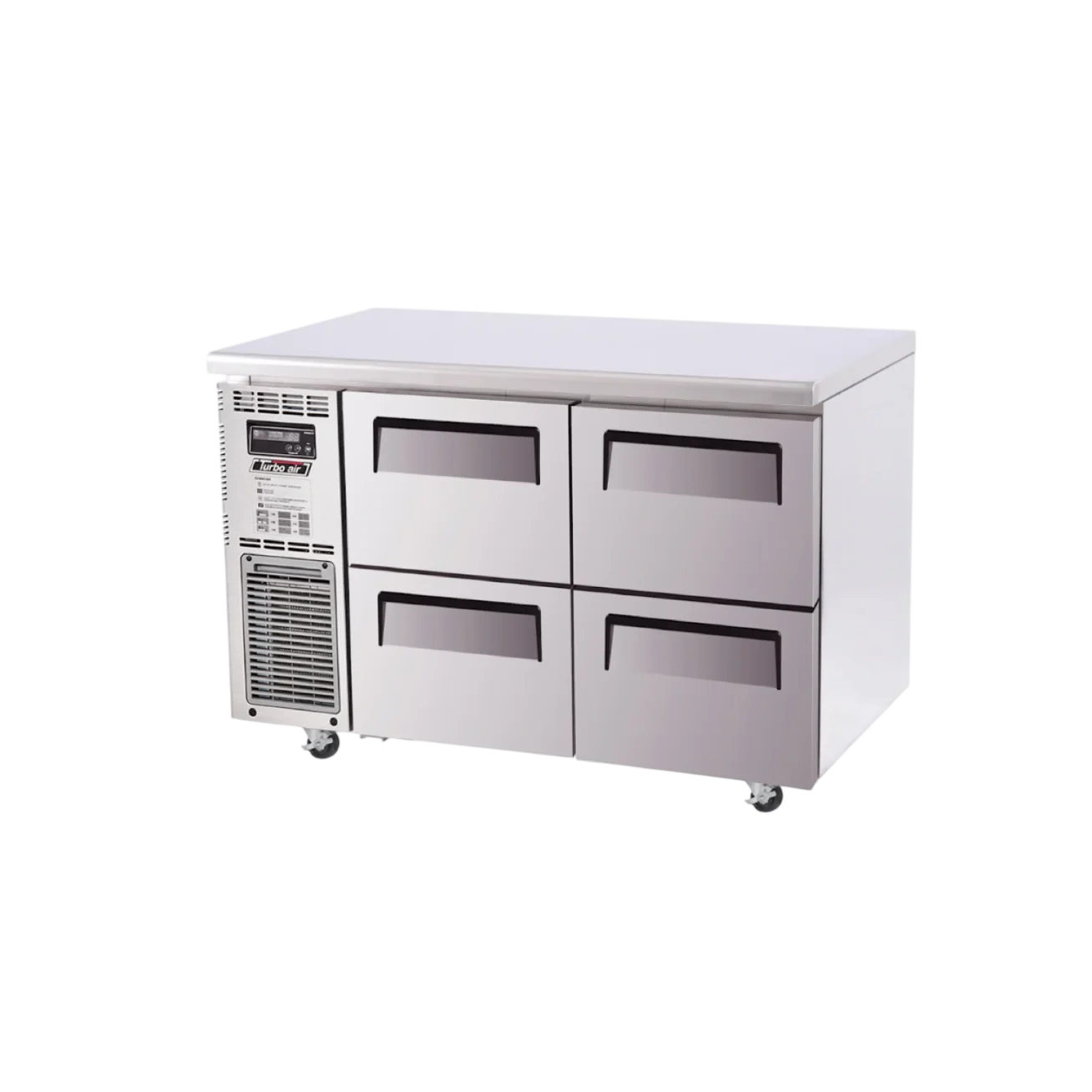
1200 × 700 × 860mm
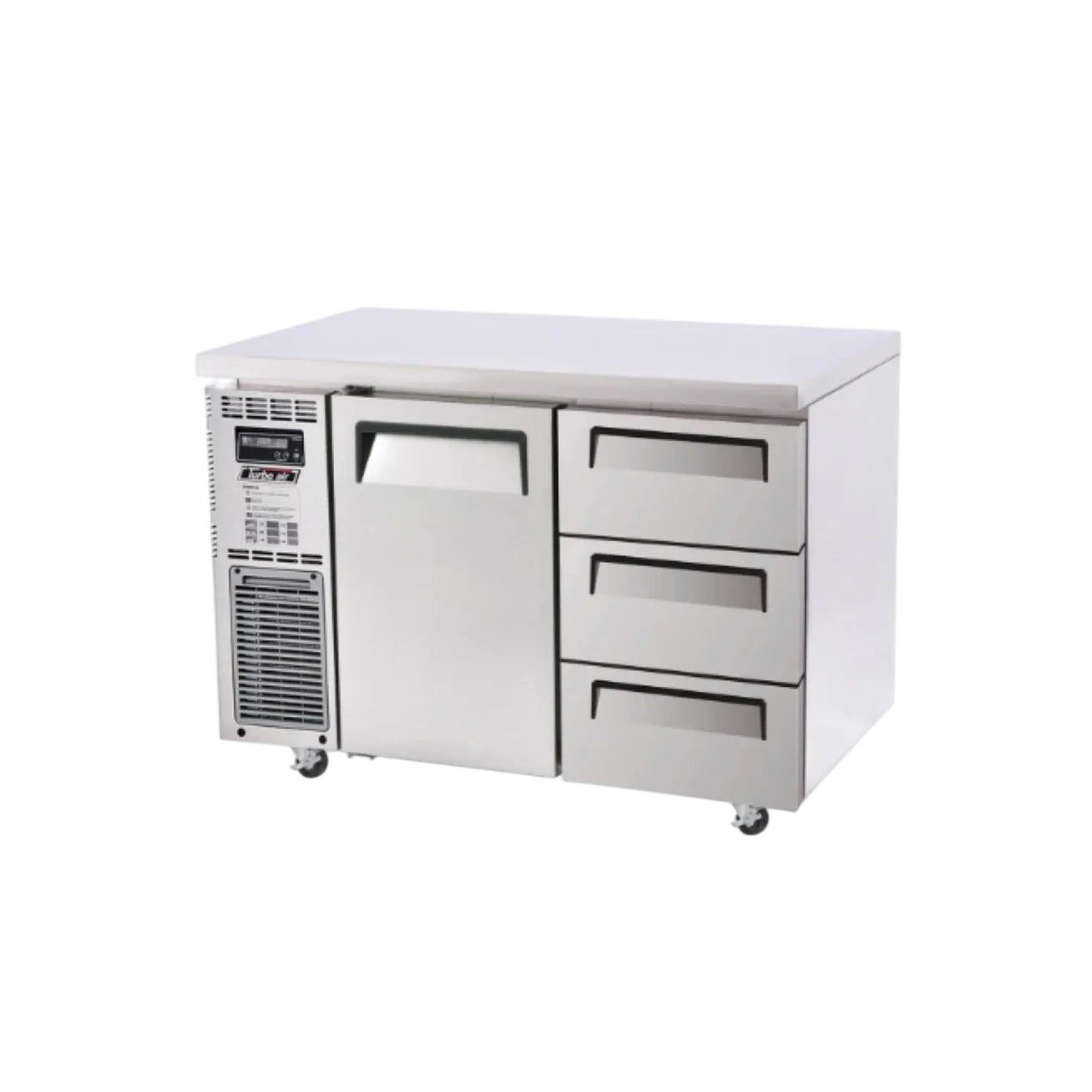
1200 × 700 × 860mm
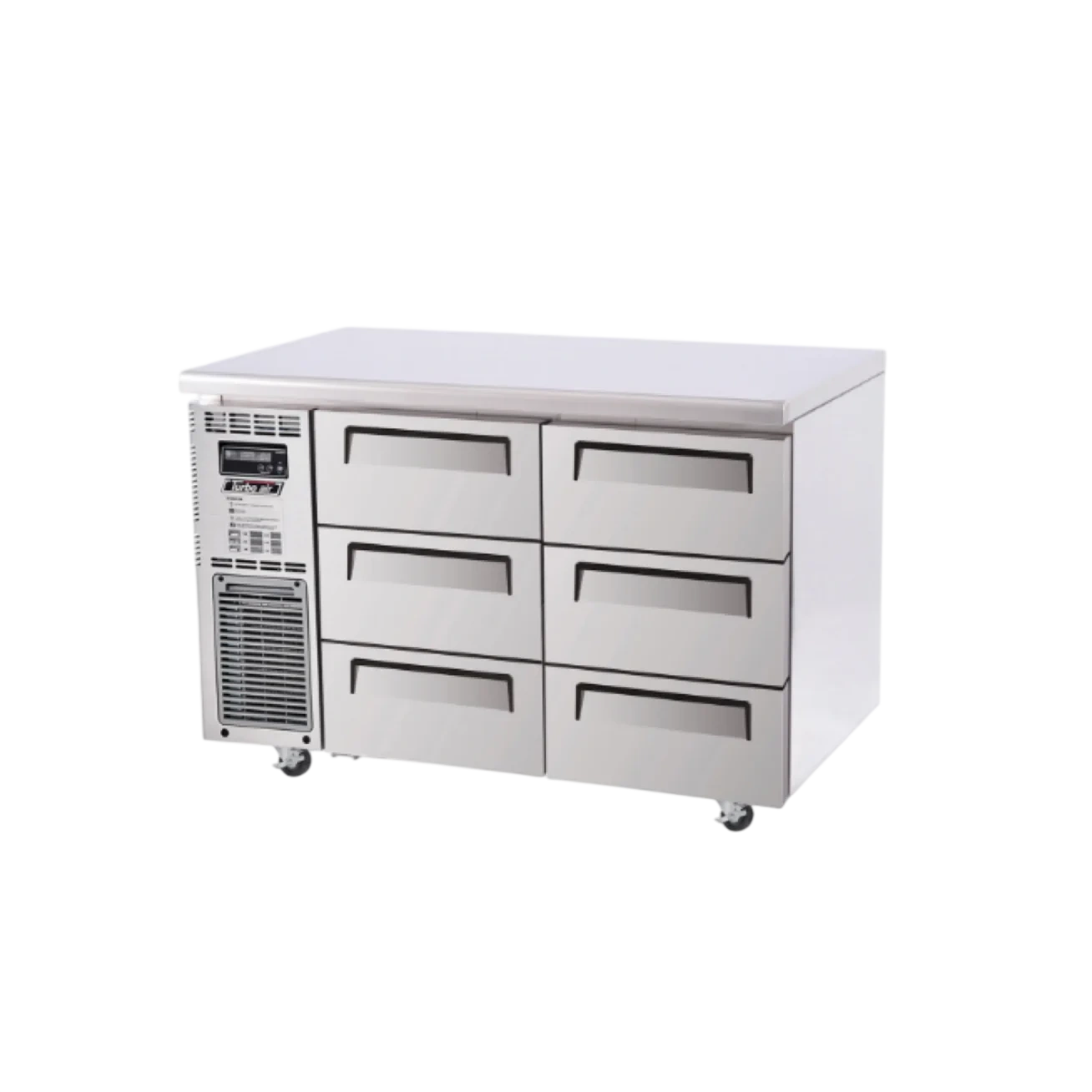
1200 × 700 × 860mm
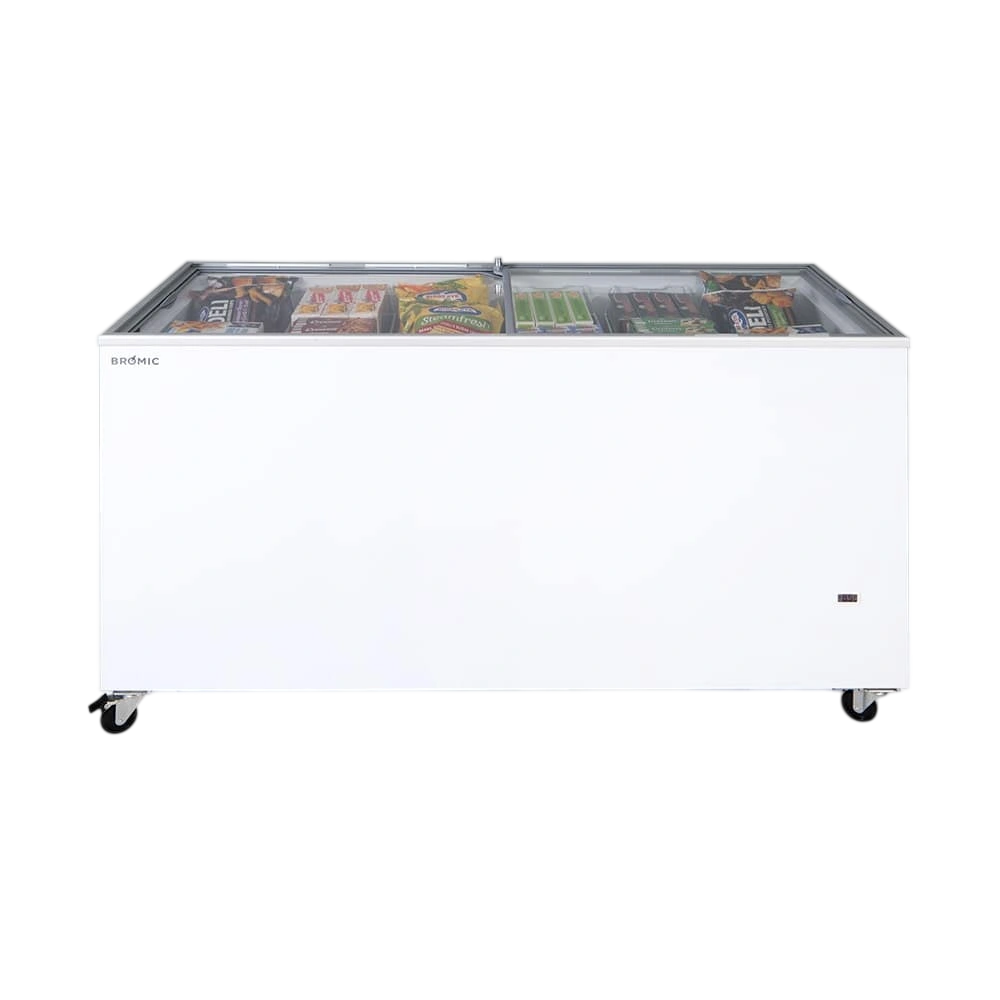
1548 × 629 × 892mm
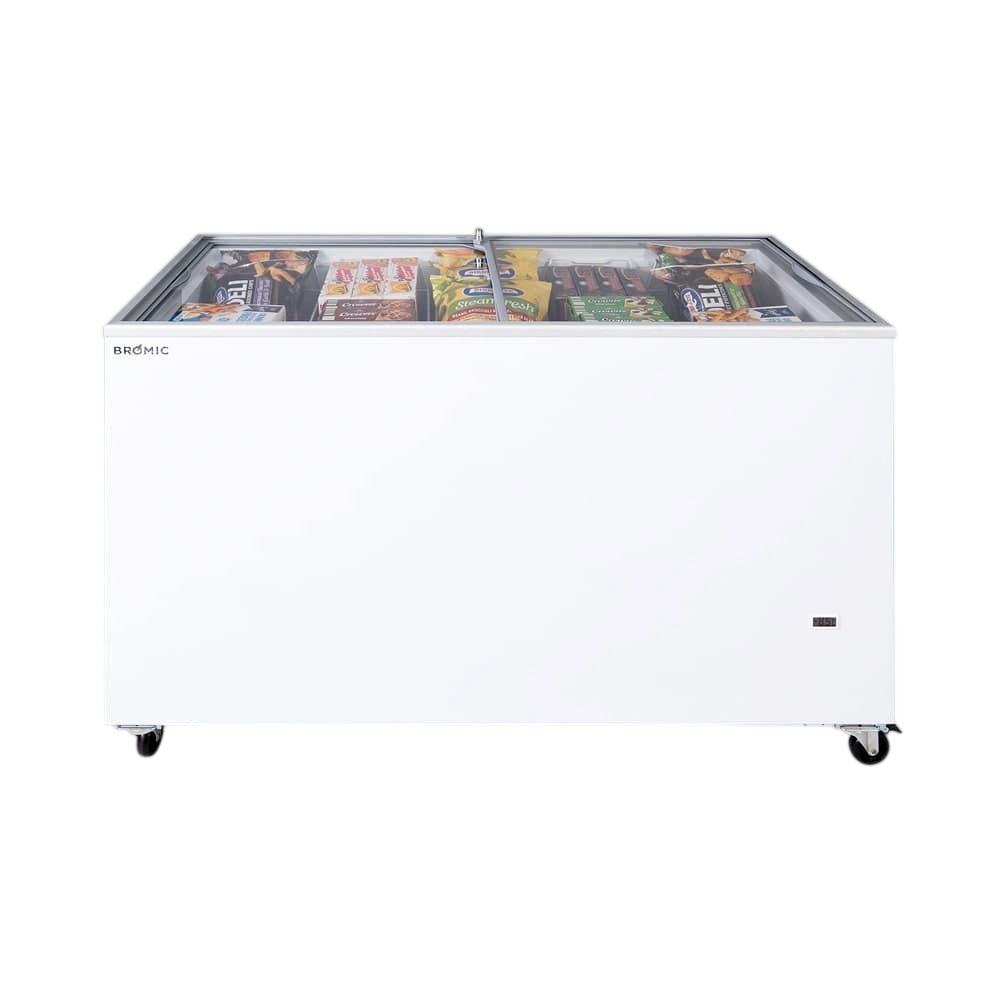
1298 × 629 × 892mm
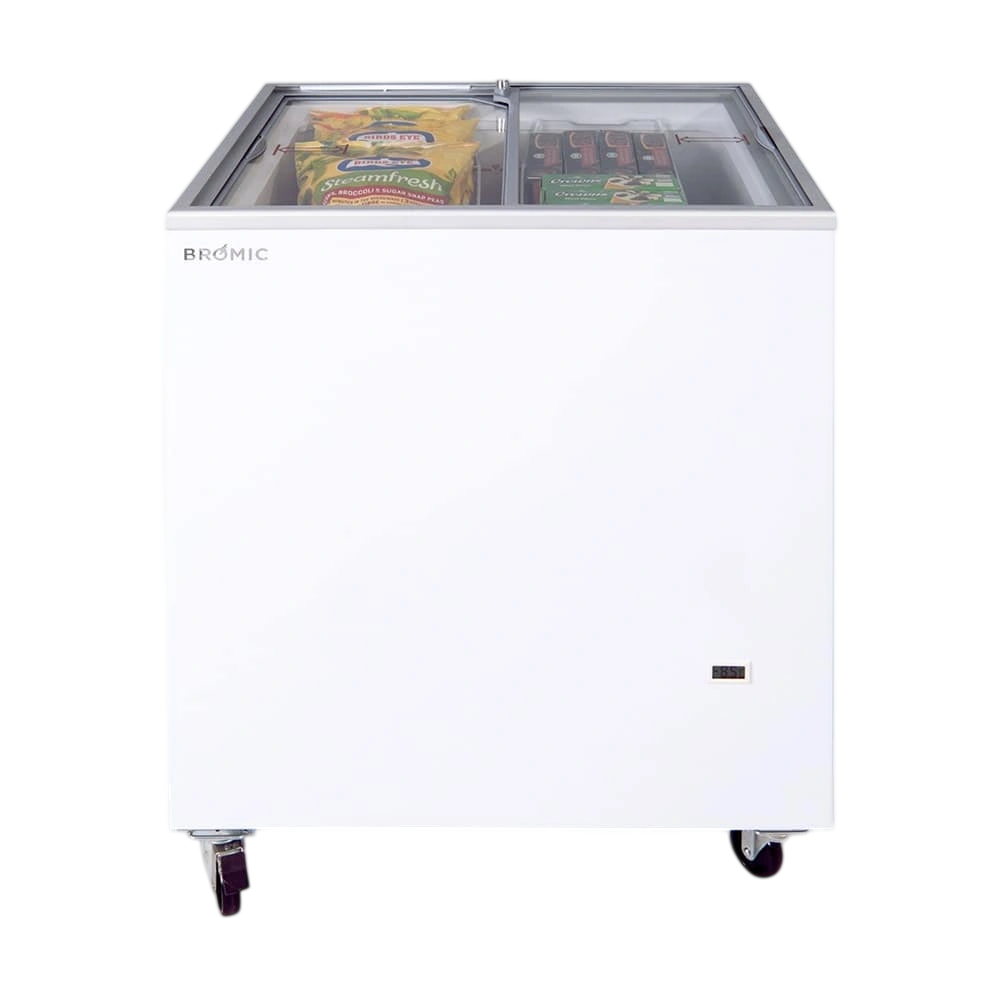
719 × 629 × 892mm
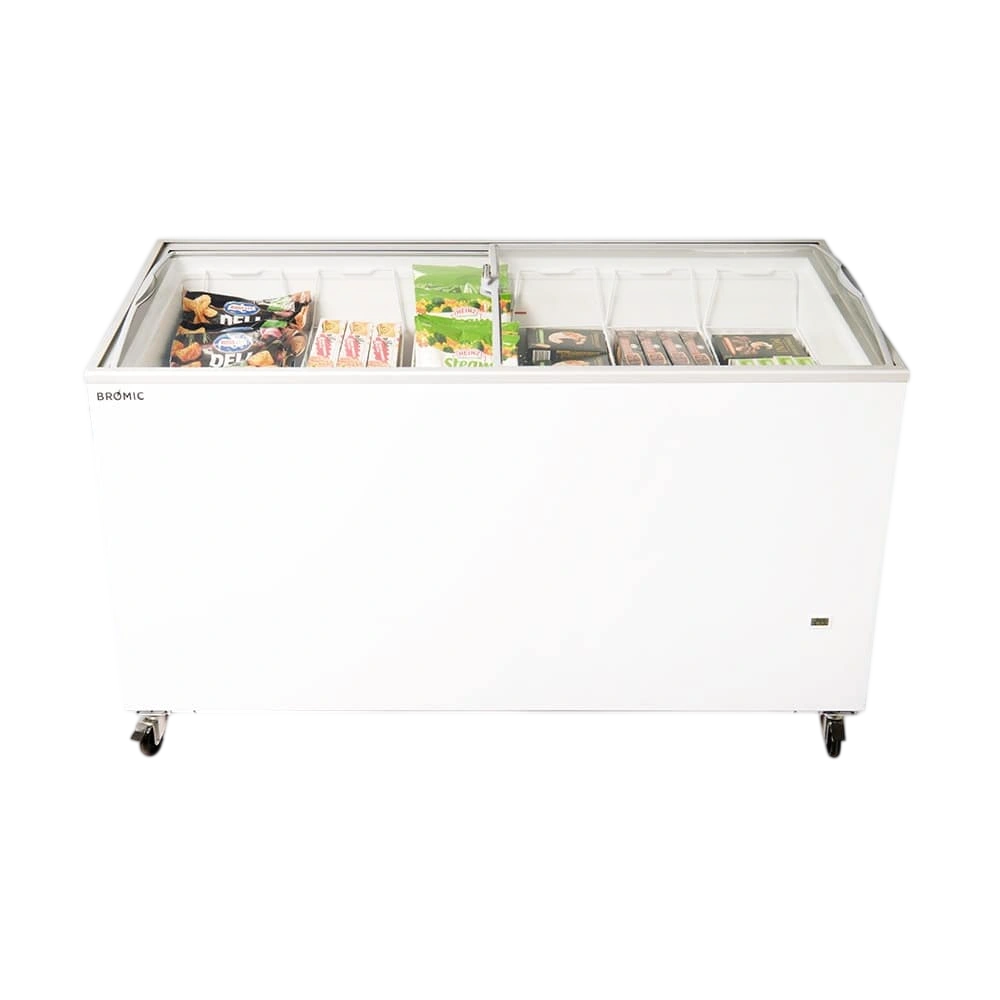
1548 × 615 × 949mm
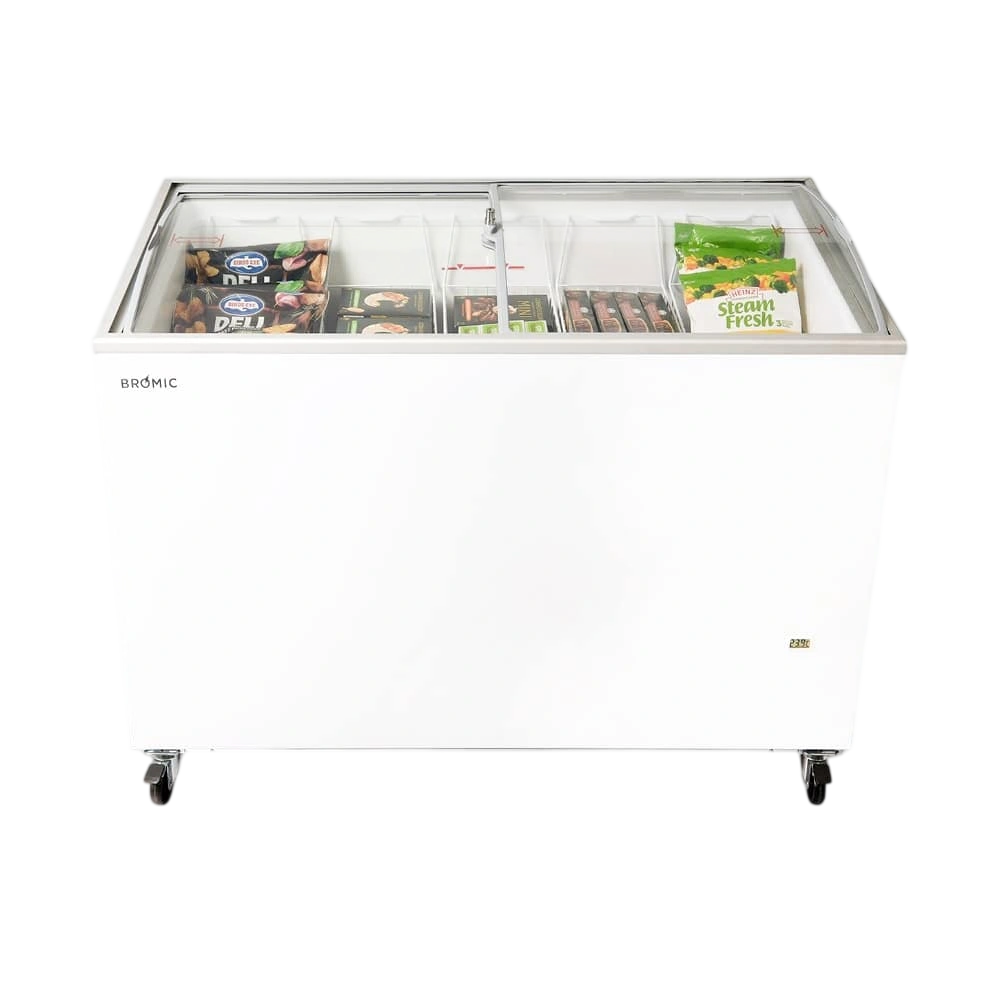
1298 × 615 × 949mm
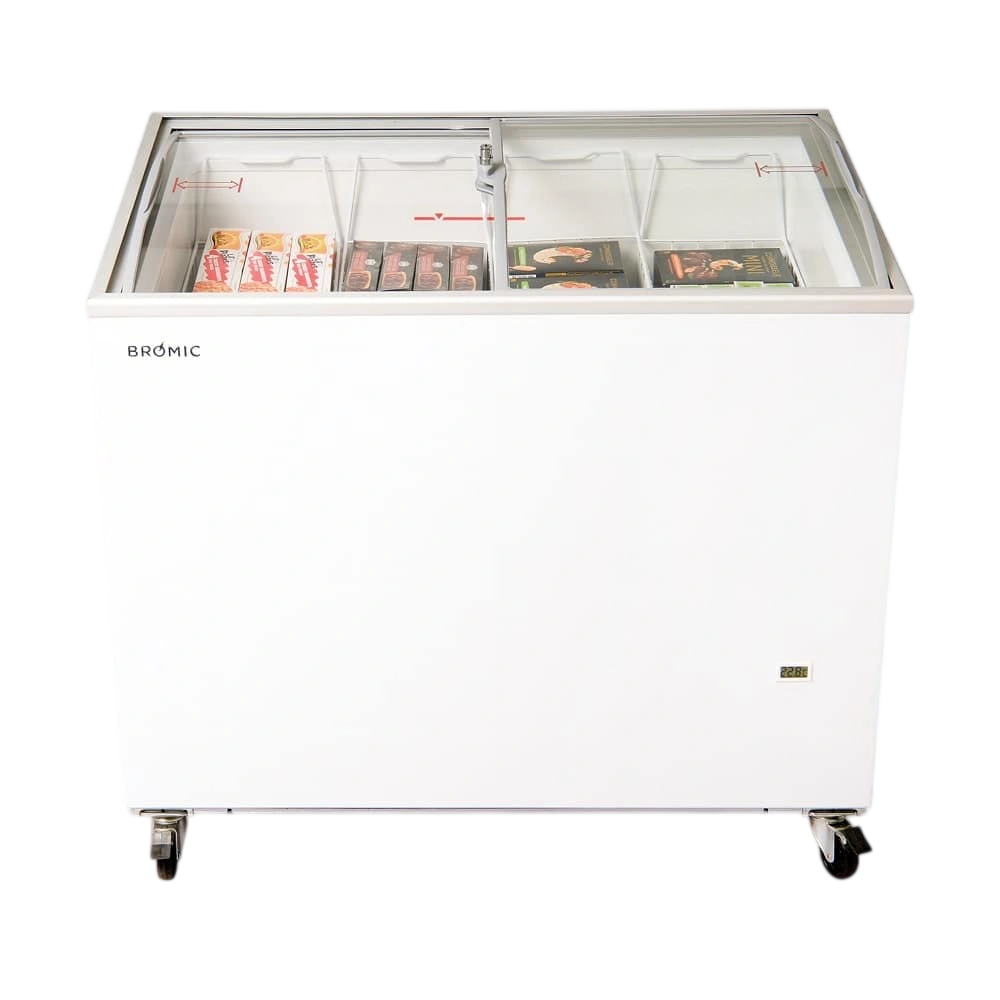
1010 × 615 × 949mm
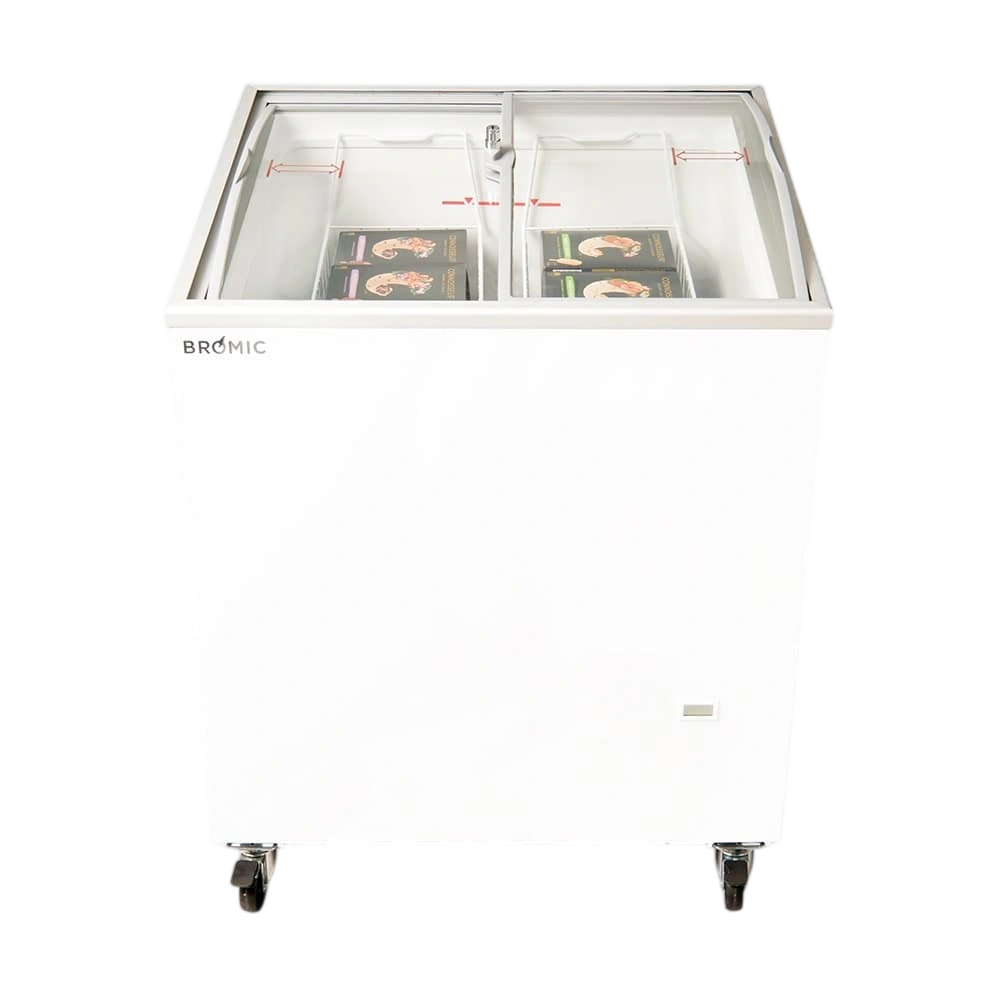
719 × 615 × 949mm
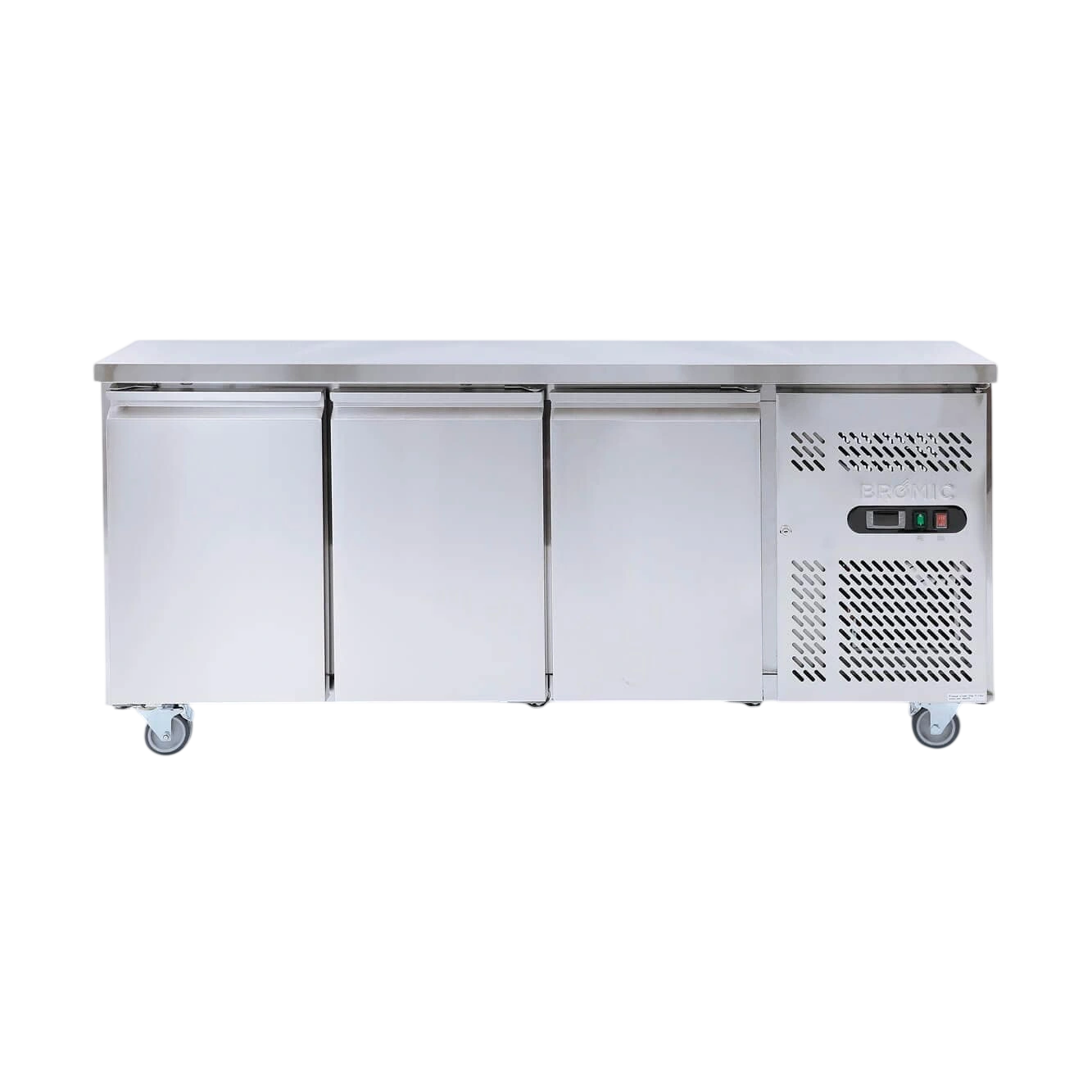
1795 × 700 × 850mm
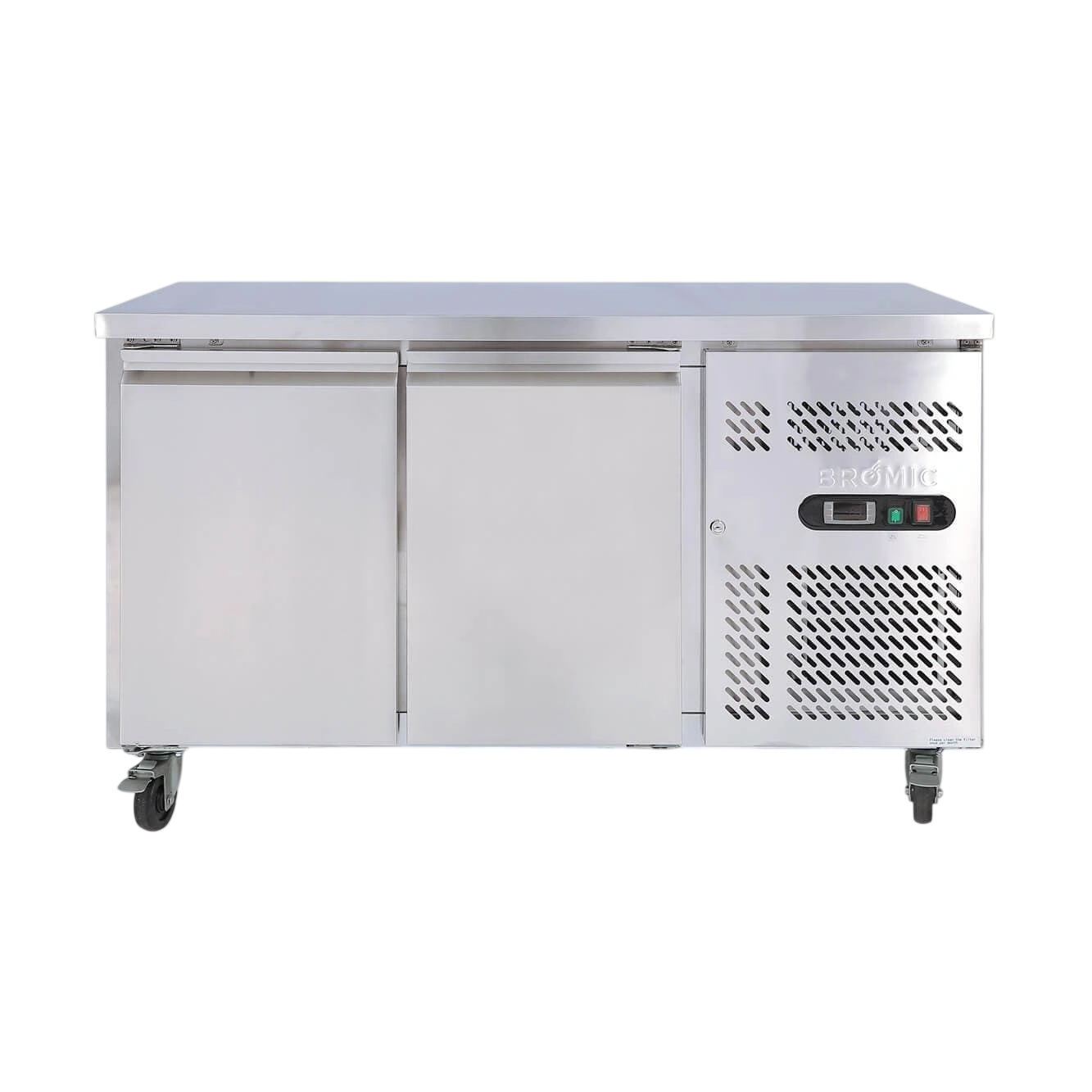
1360 × 700 × 850mm
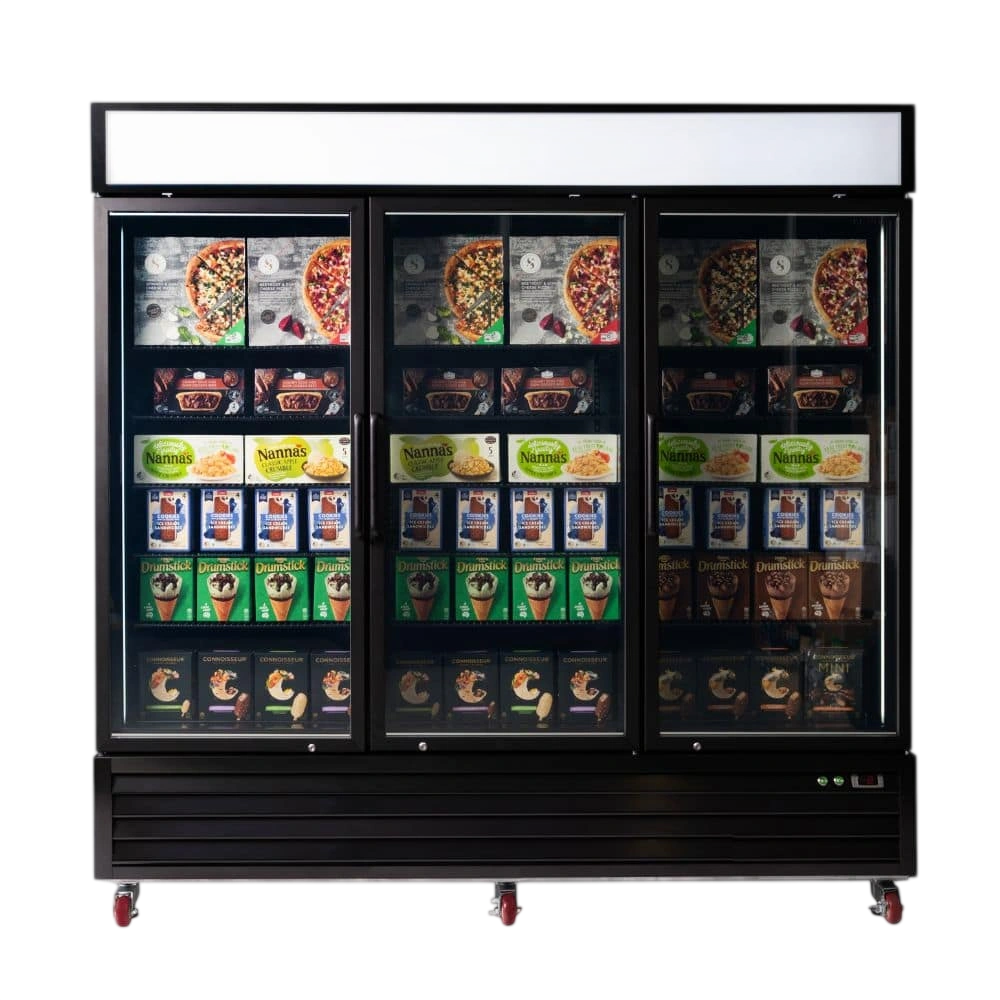
2050 × 865 × 2081mm
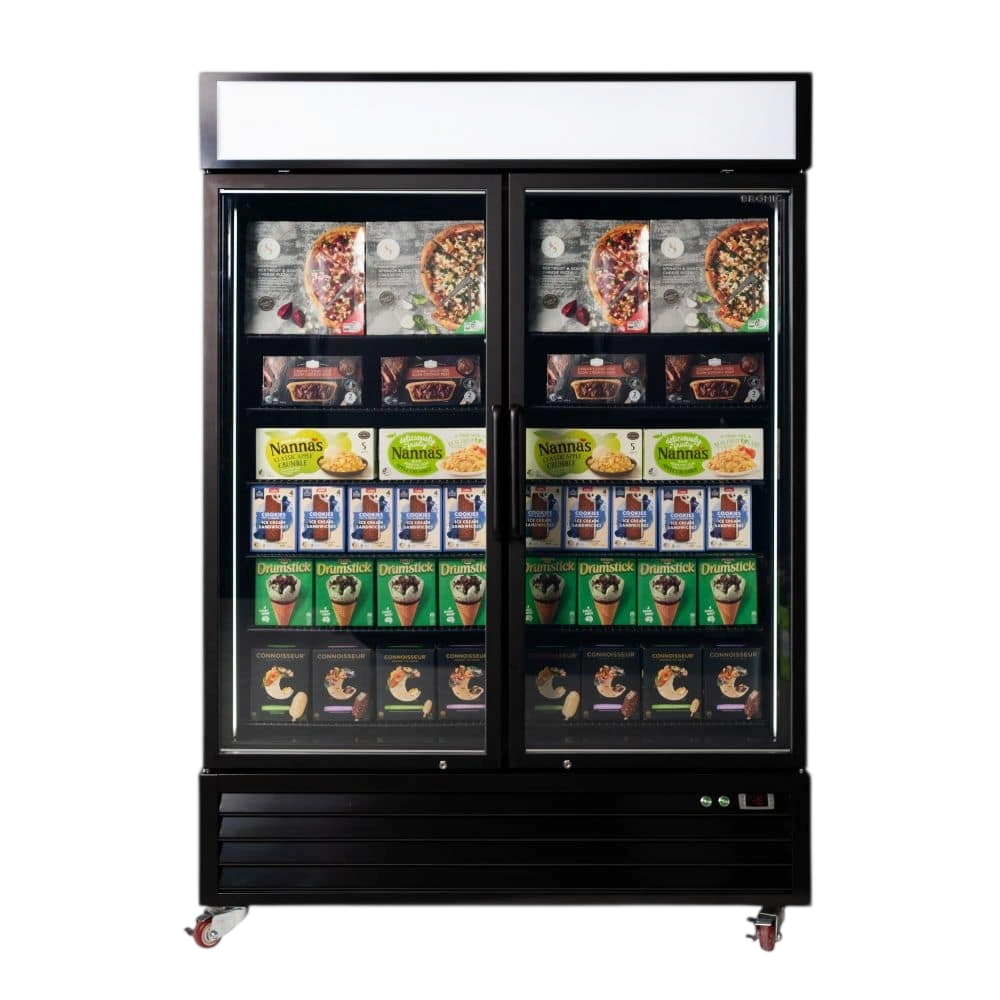
1370 × 865 × 2081mm
685 × 865 × 2081mm
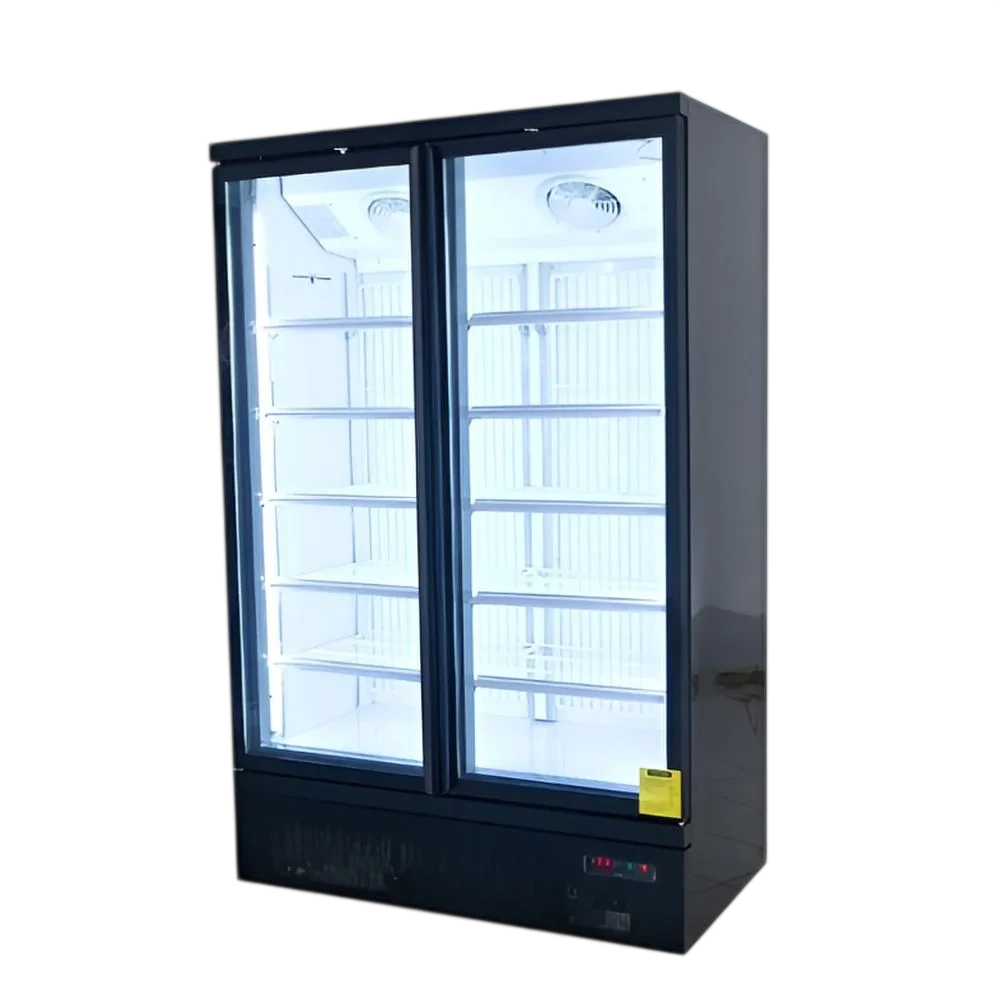
1250 × 730 × 2080mm
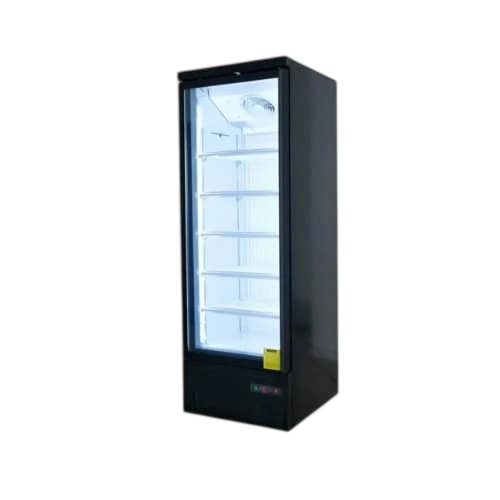
680 × 730 × 2080mm
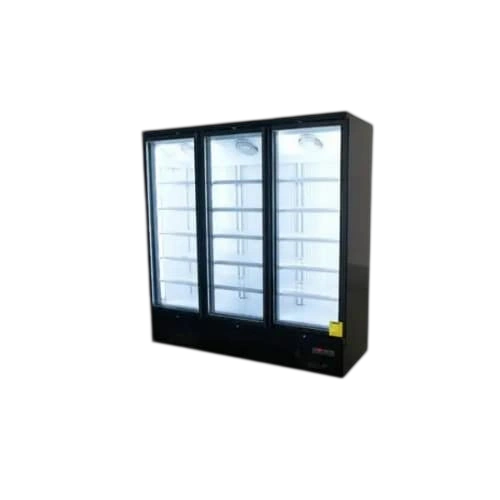
1875 × 730 × 2080mm
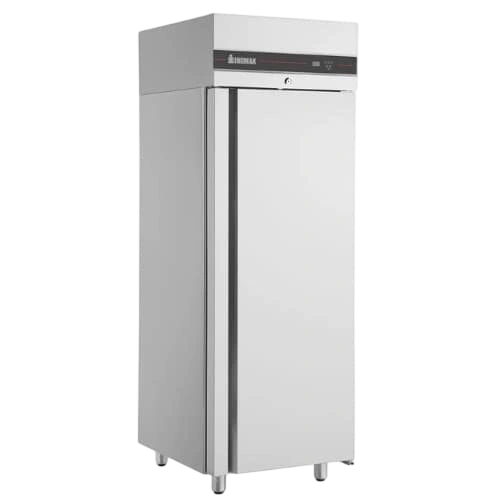
720 × 870 × 2115mm
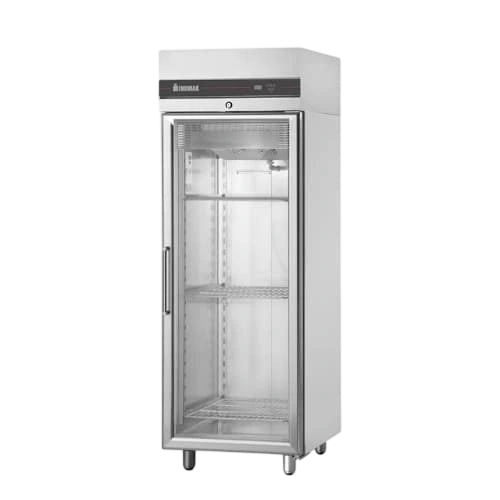
720 × 860 × 2115mm
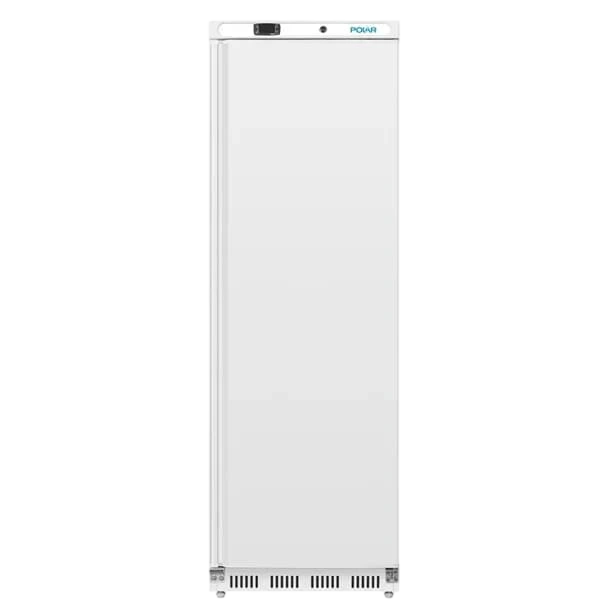
600 × 600 × 1850mm
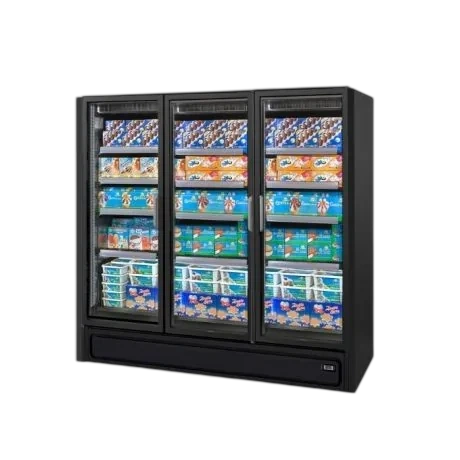
1600 × 800 × 2000mm
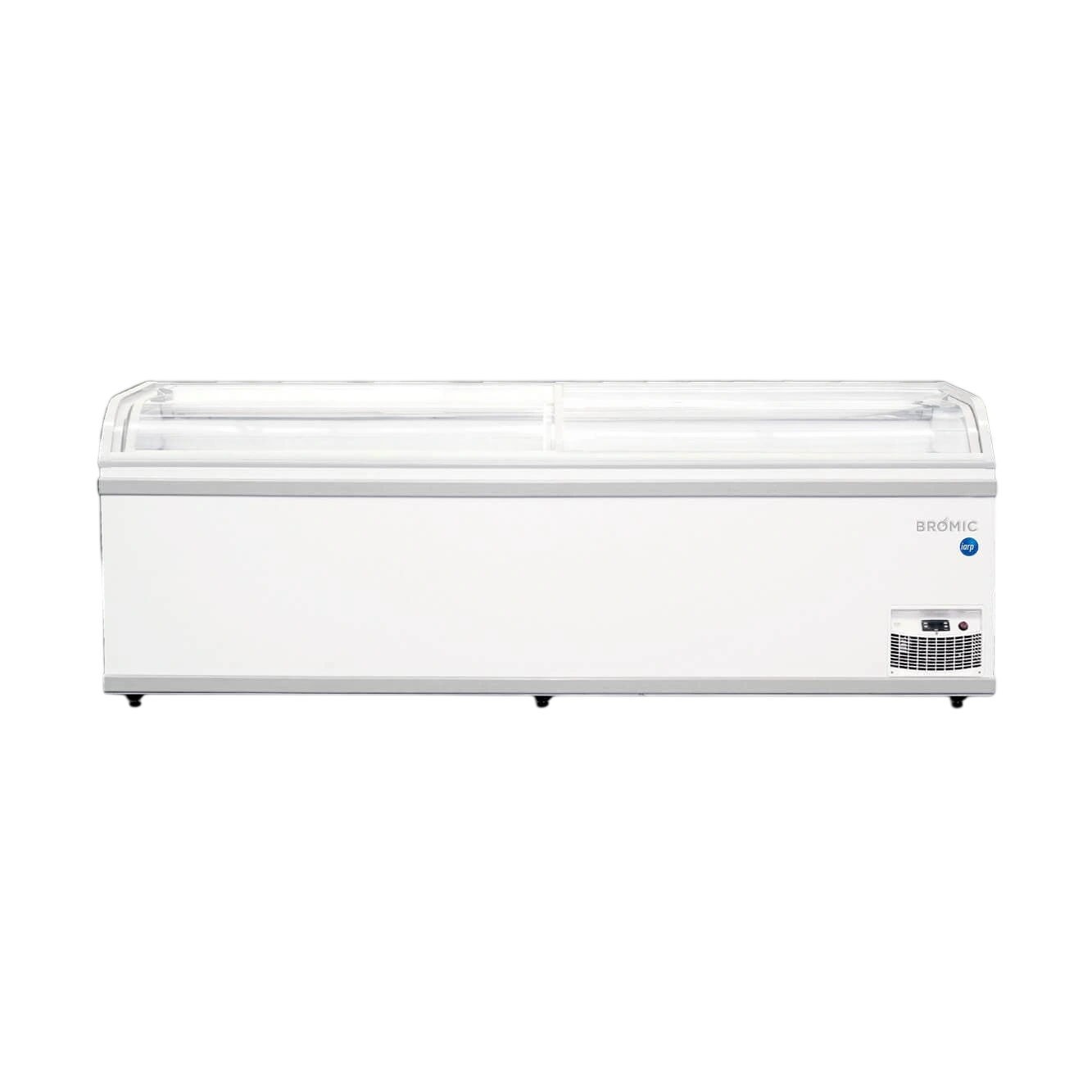
2505 × 862 × 852mm
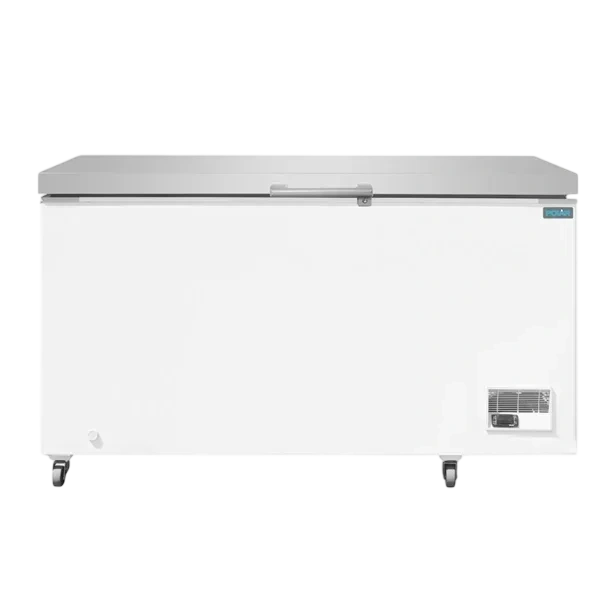
1435 × 730 × 970mm
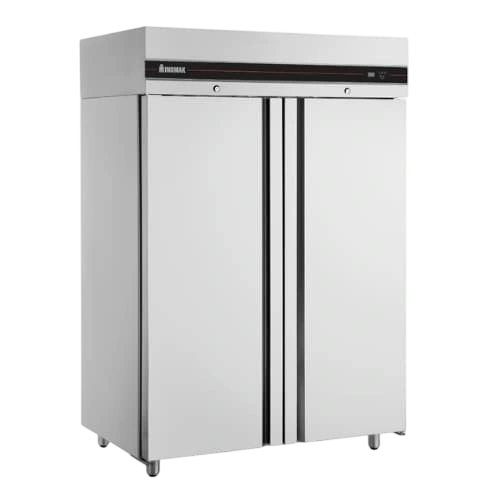
1440 × 870 × 2115mm
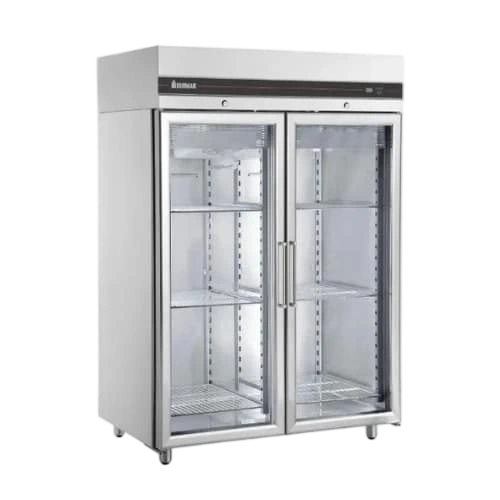
1440 × 860 × 2115mm
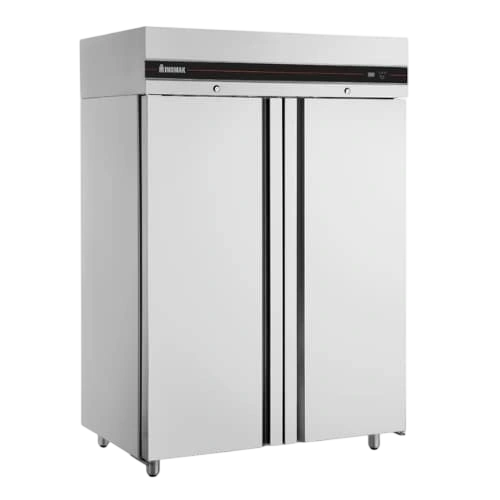
1440 × 765 × 2115mm
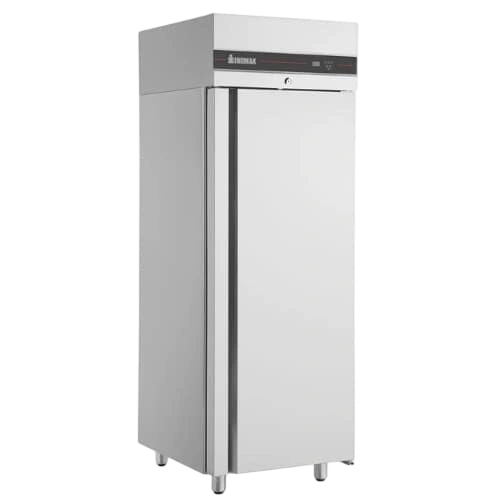
720 × 768 × 2115mm
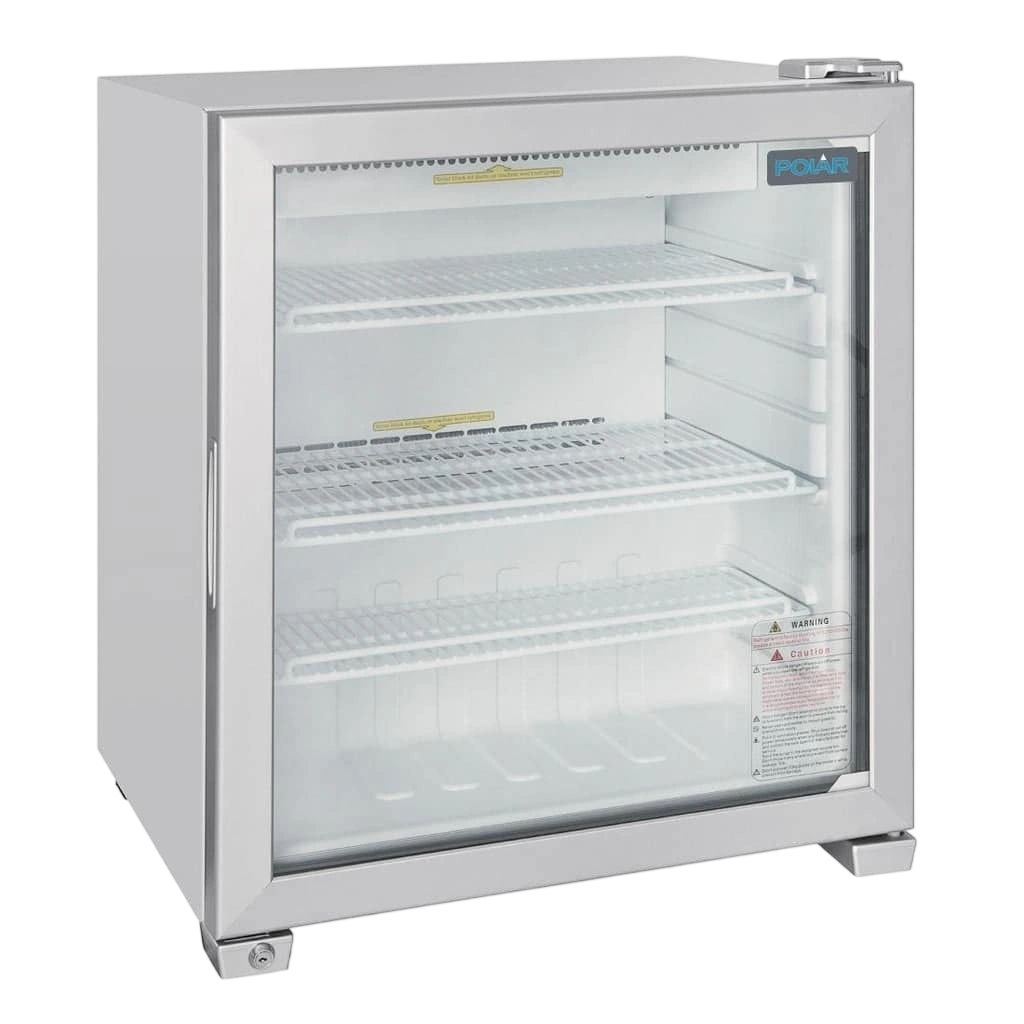
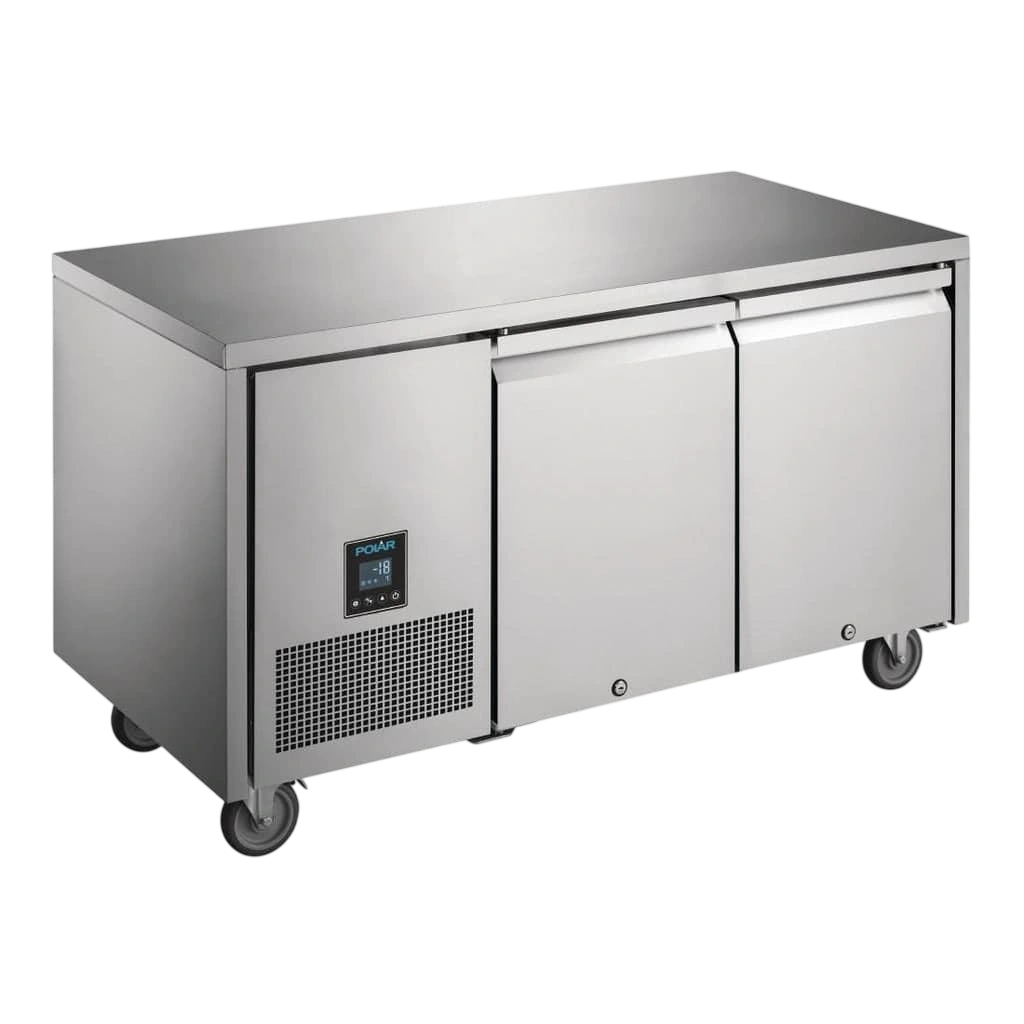
1420 × 660 × 850mm
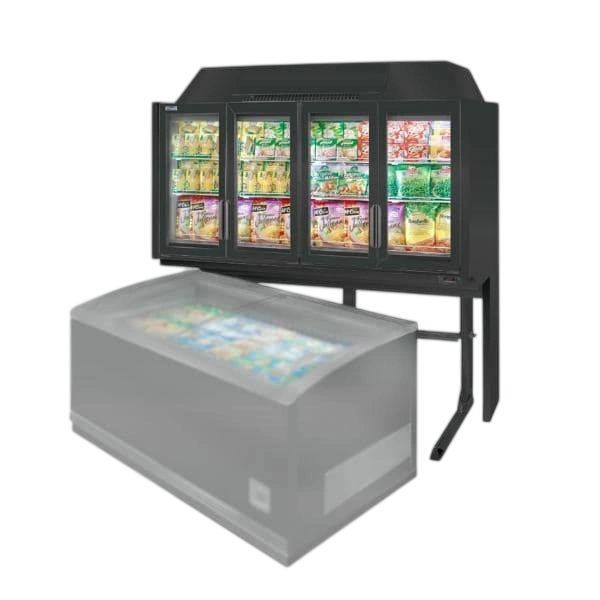
2100 × 780 × 2280mm
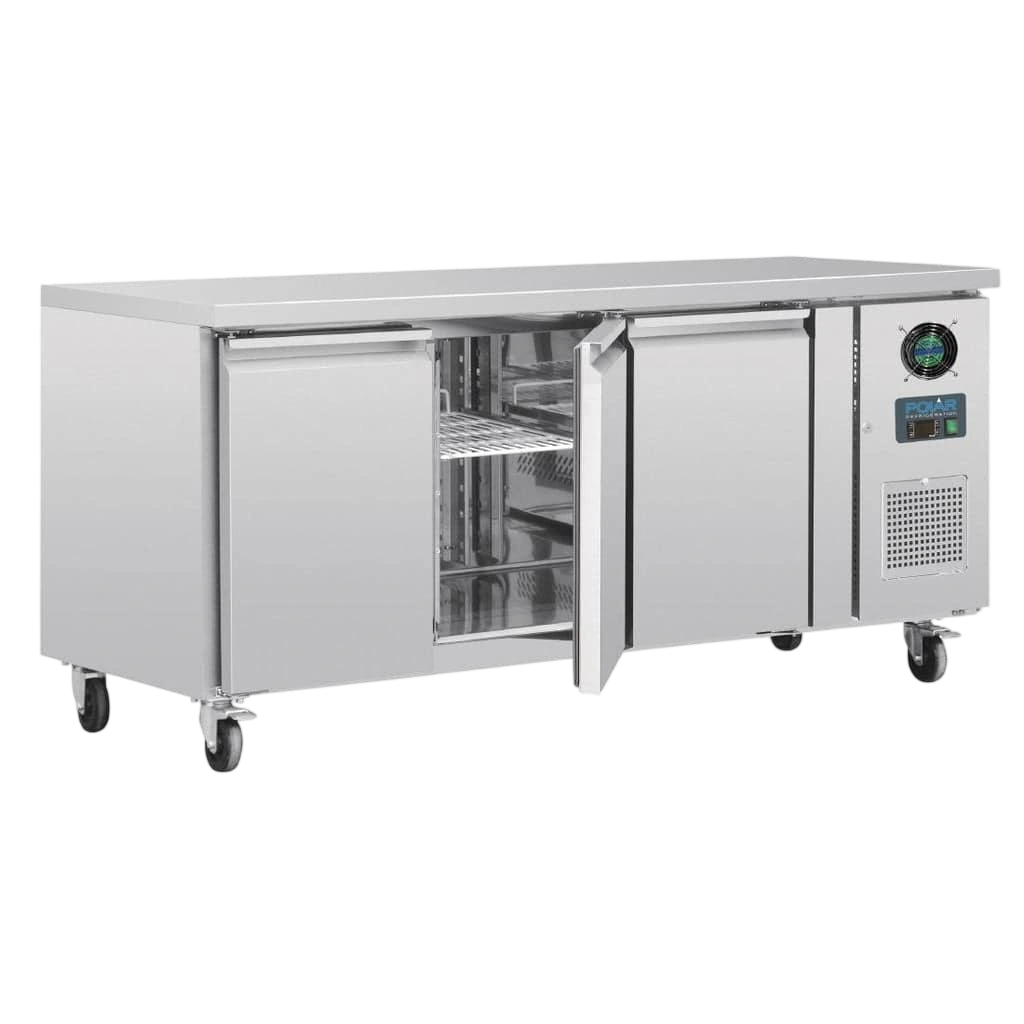
1795 × 700 × 860mm
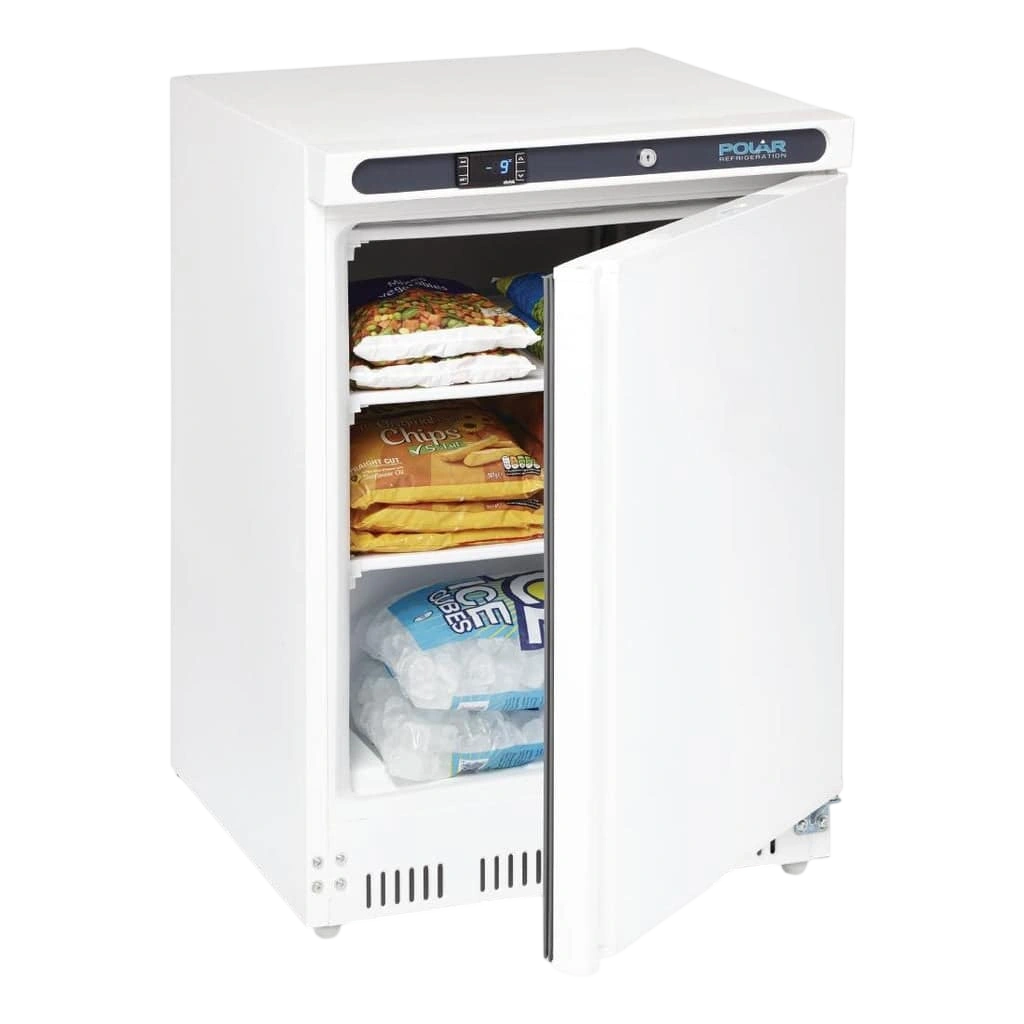
600 × 620 × 870mm
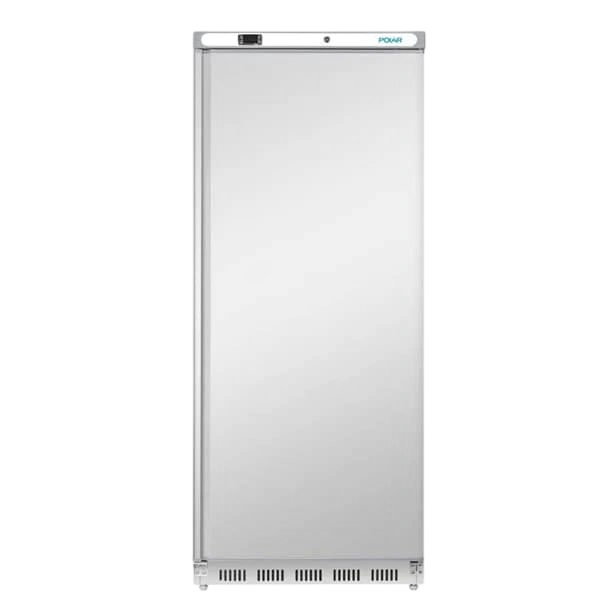
780 × 695 × 1890mm
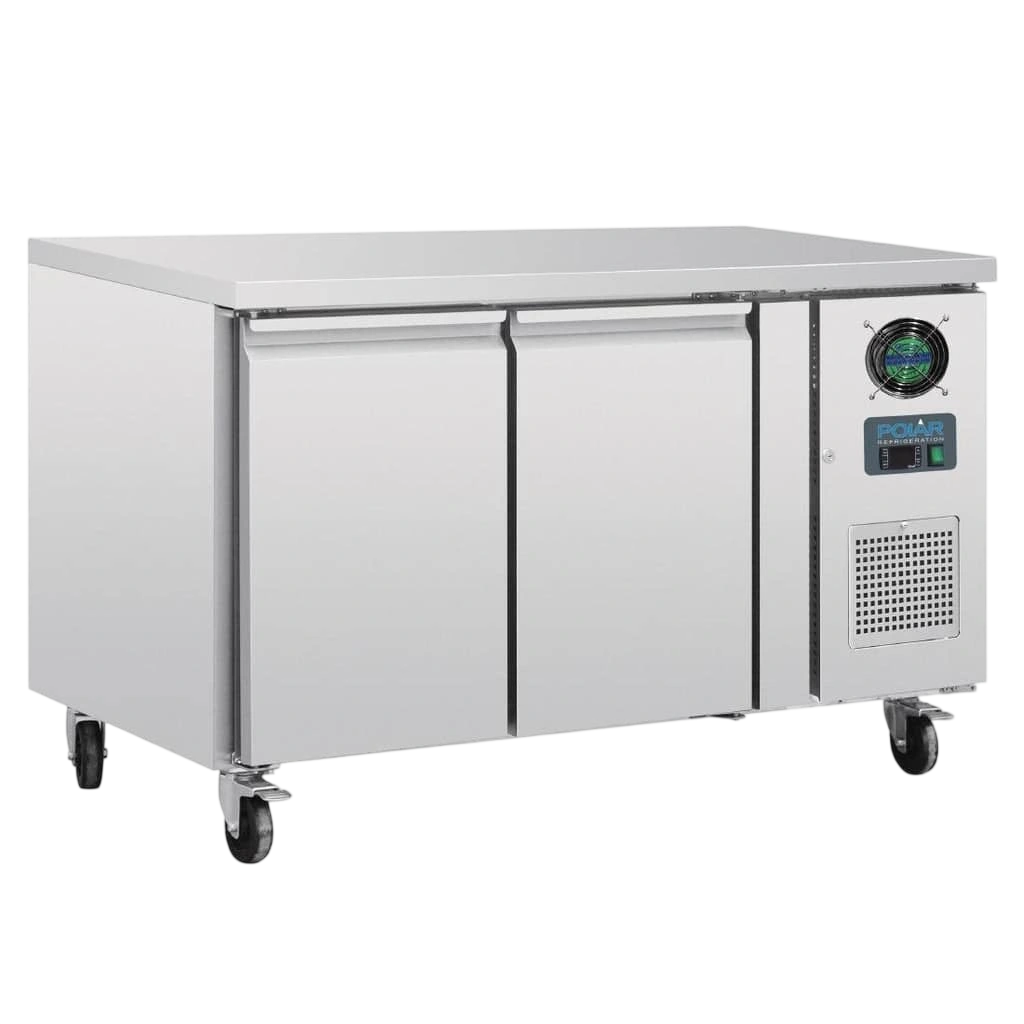
1360 × 700 × 860mm
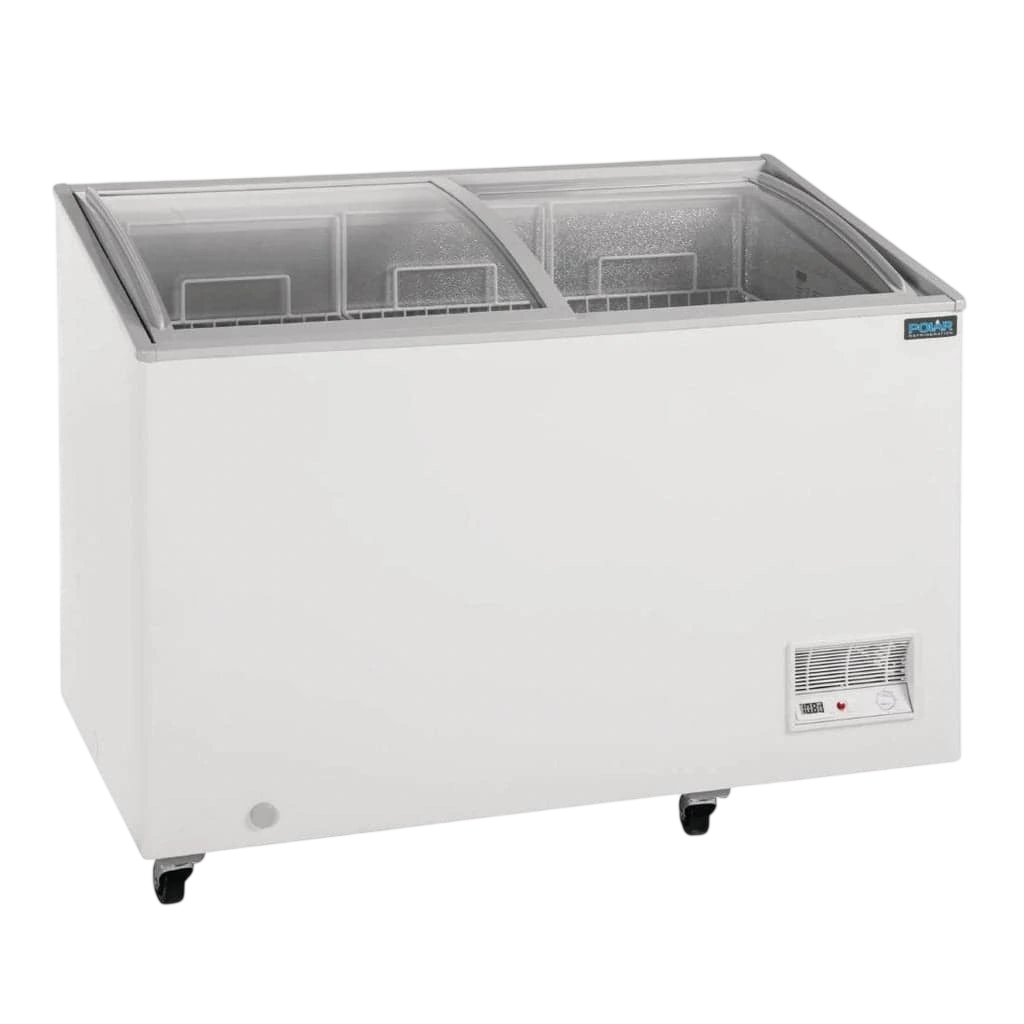
1195 × 654 × 887mm
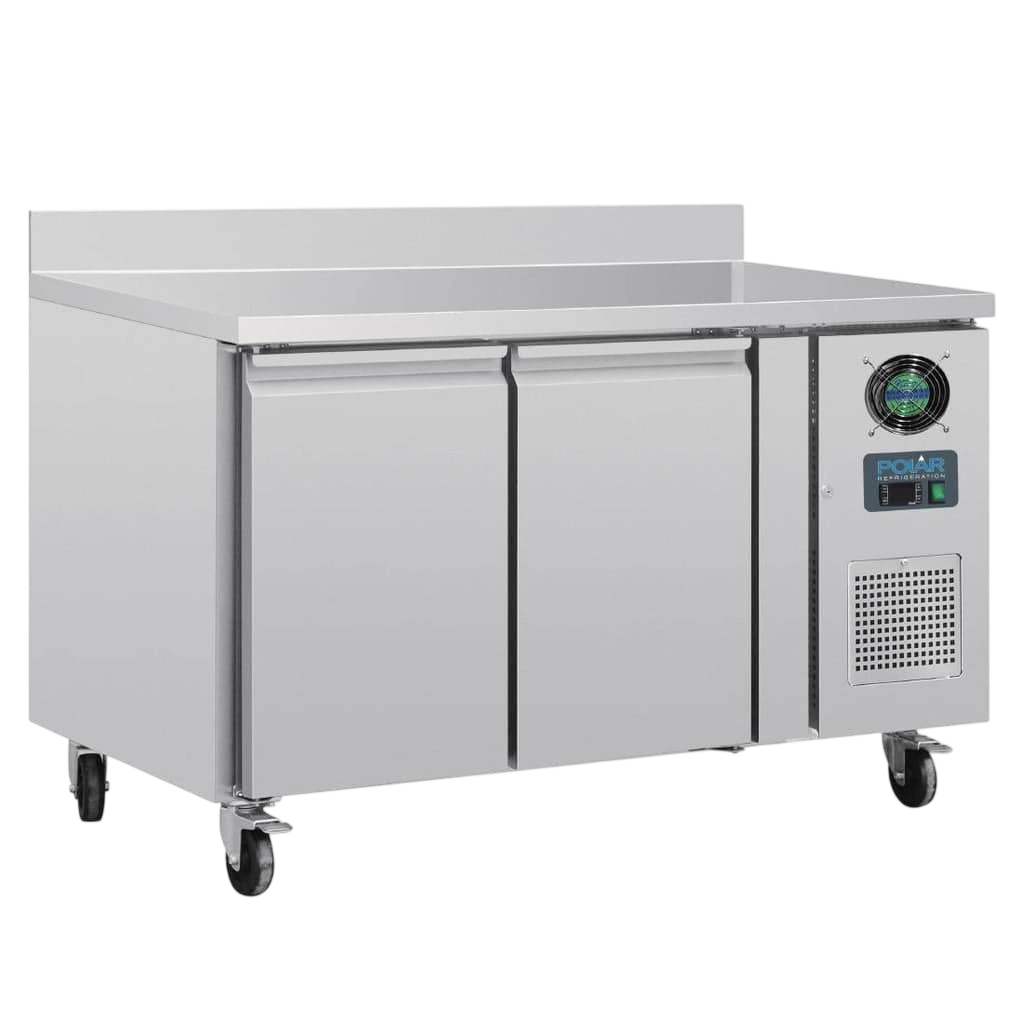
1360 × 700 × 960mm
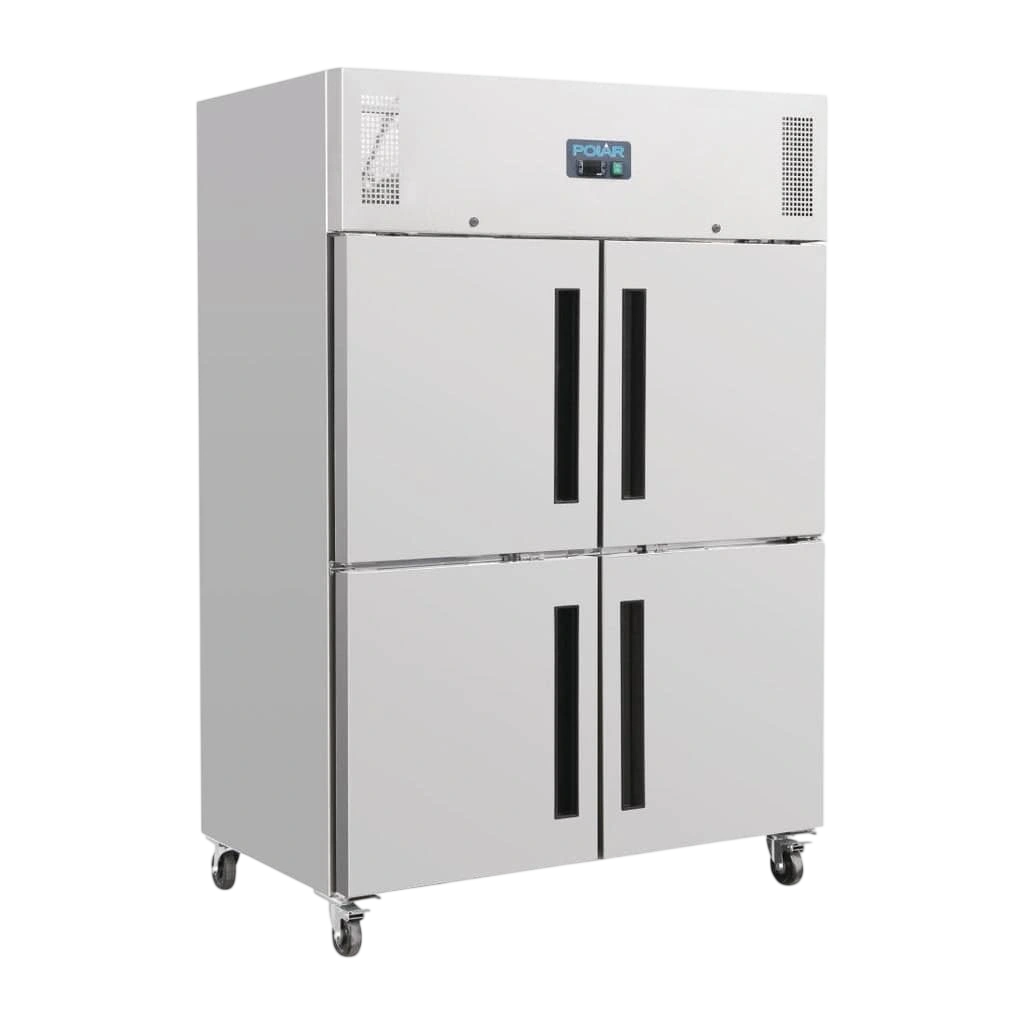
1340 × 810 × 2000mm
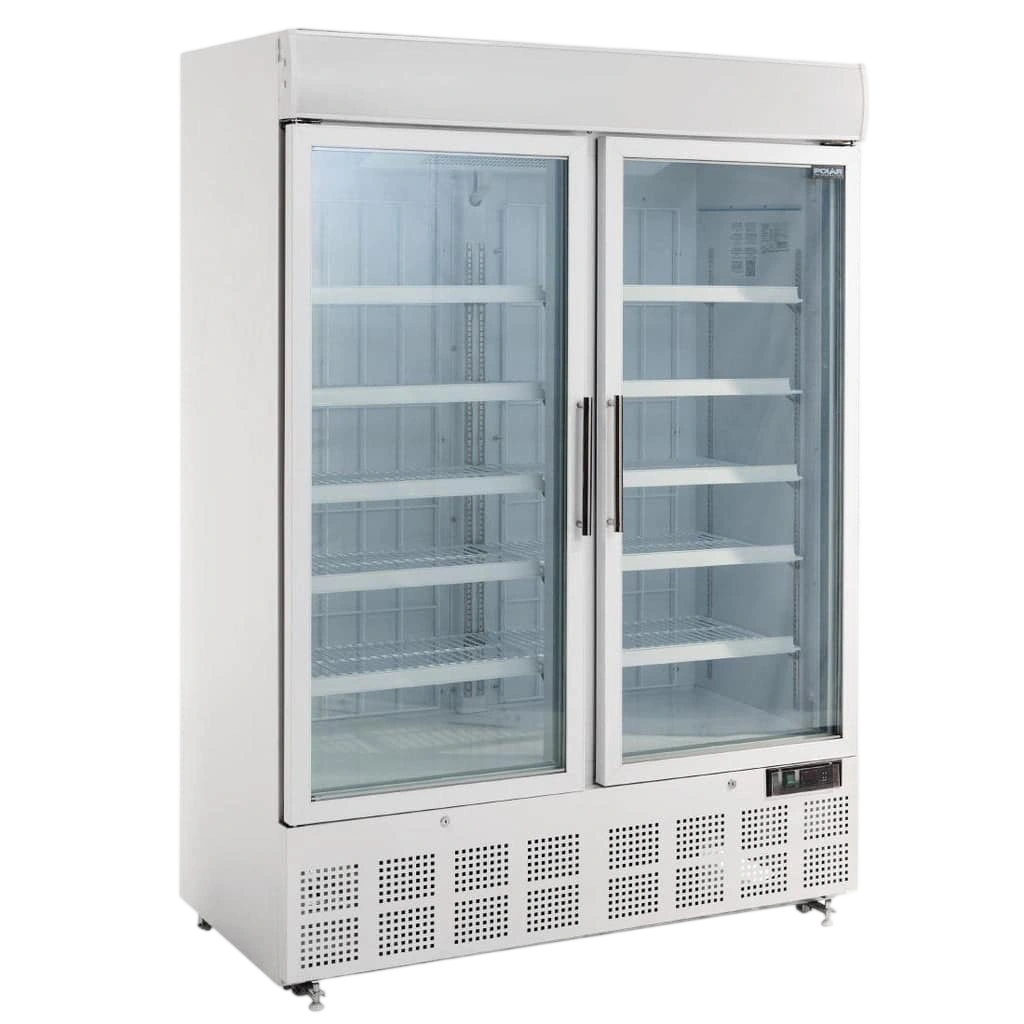
1370 × 720 × 2022mm
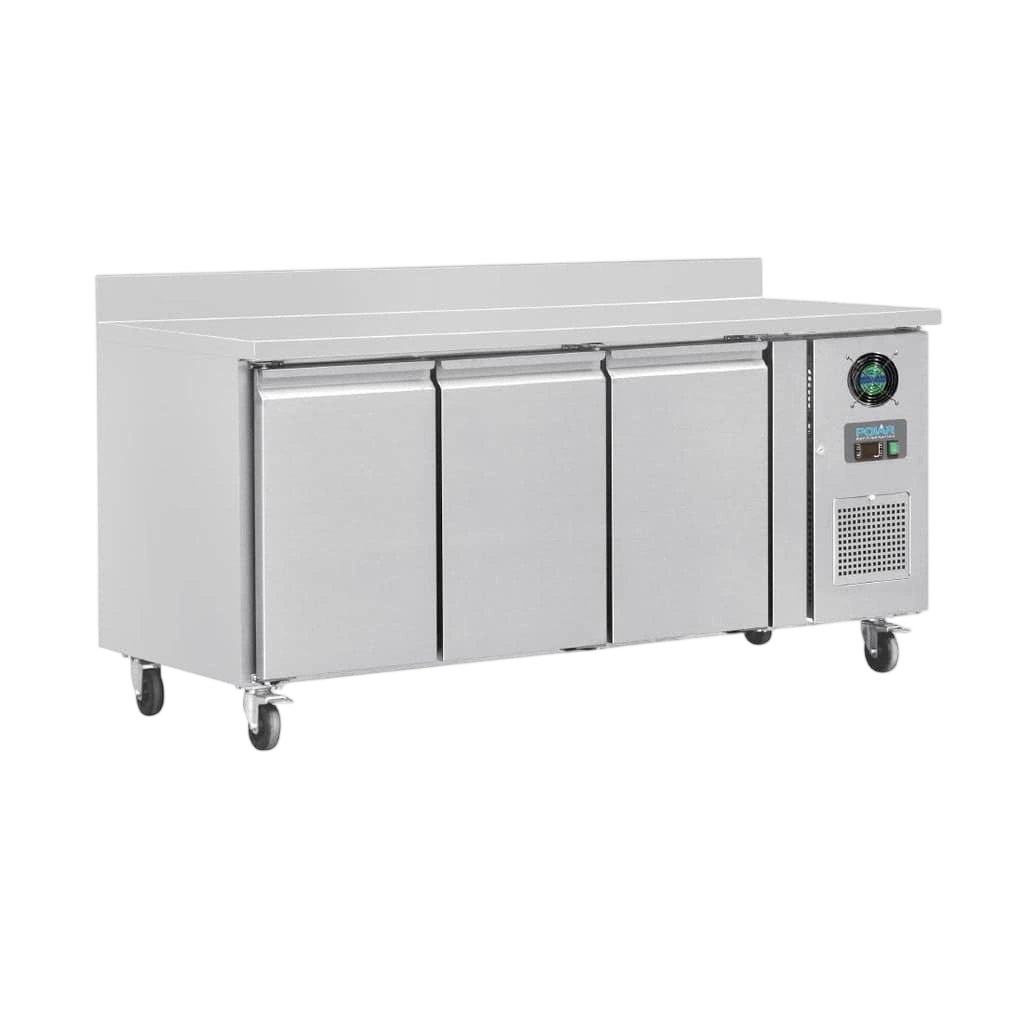
1795 × 700 × 960mm
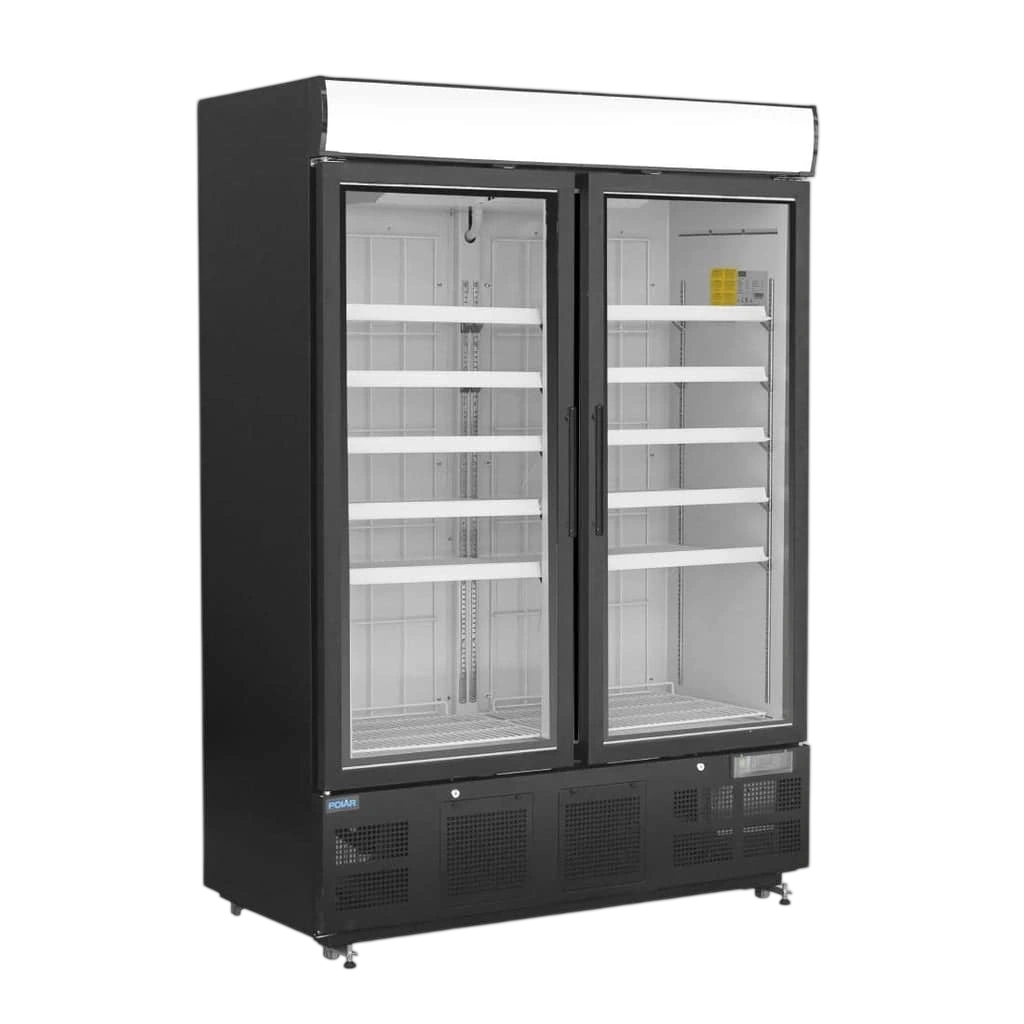
1370 × 720 × 2022mm
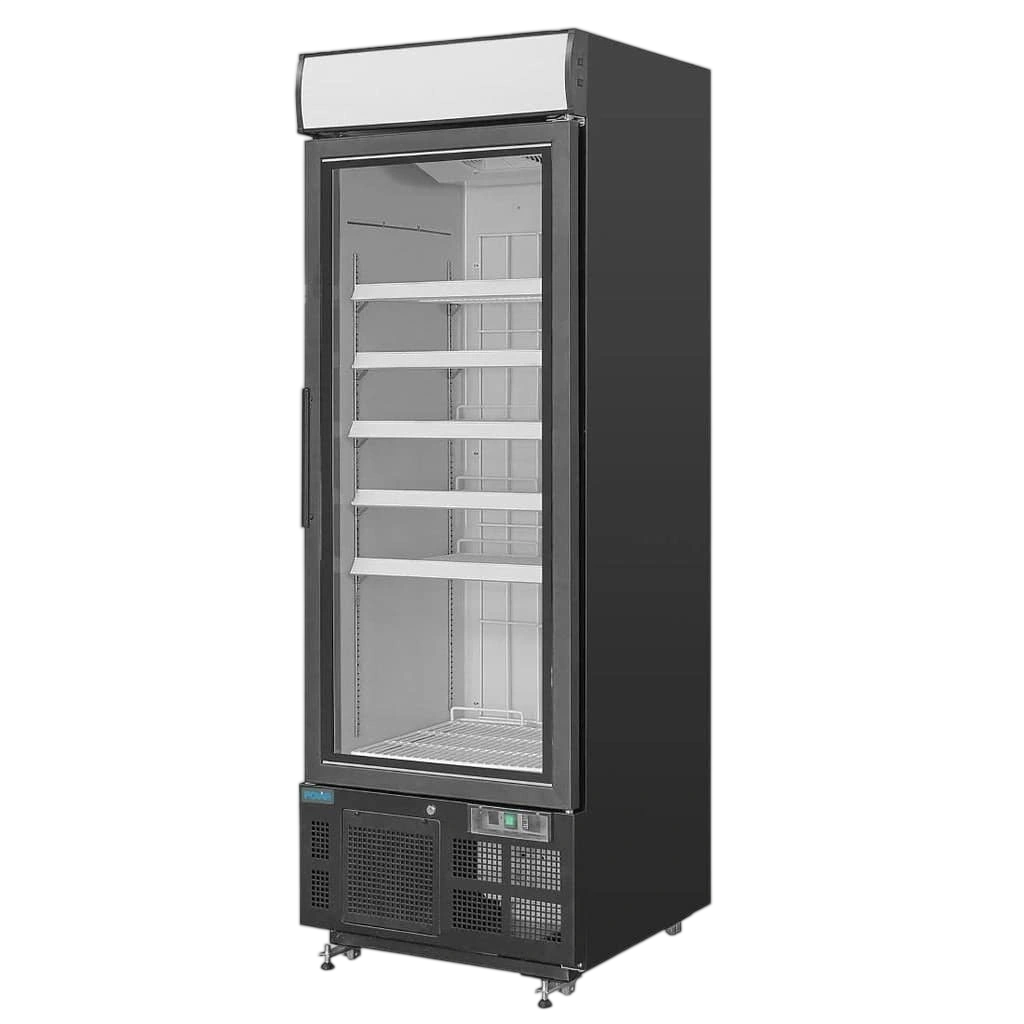
680 × 745 × 1990mm
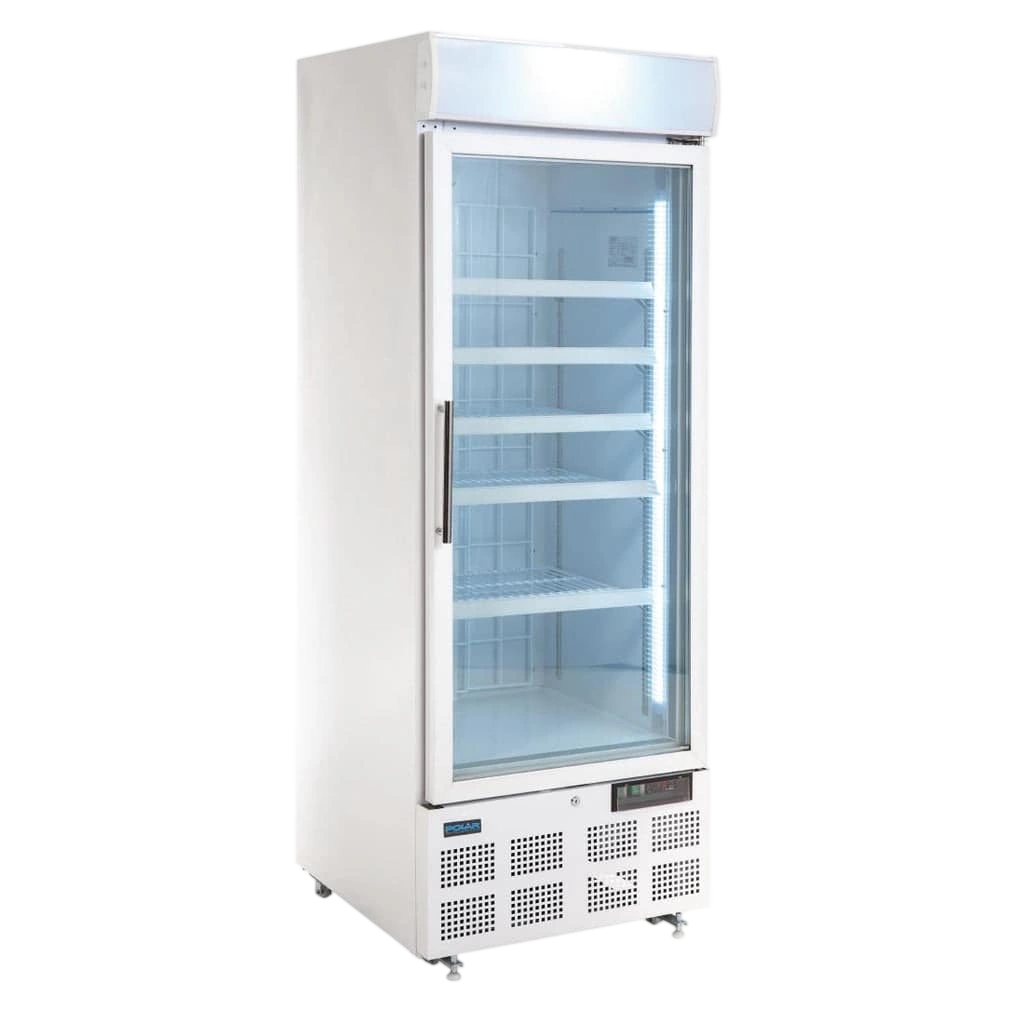
680 × 745 × 2022mm
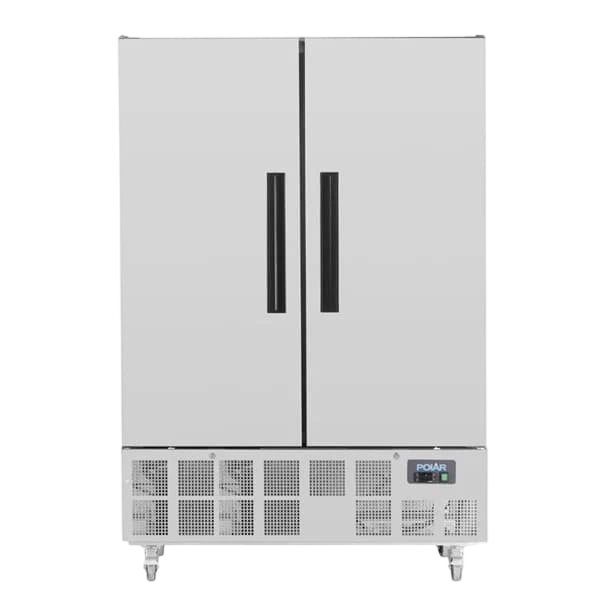
1340 × 700 × 2000mm