
Commercial Food Warmers
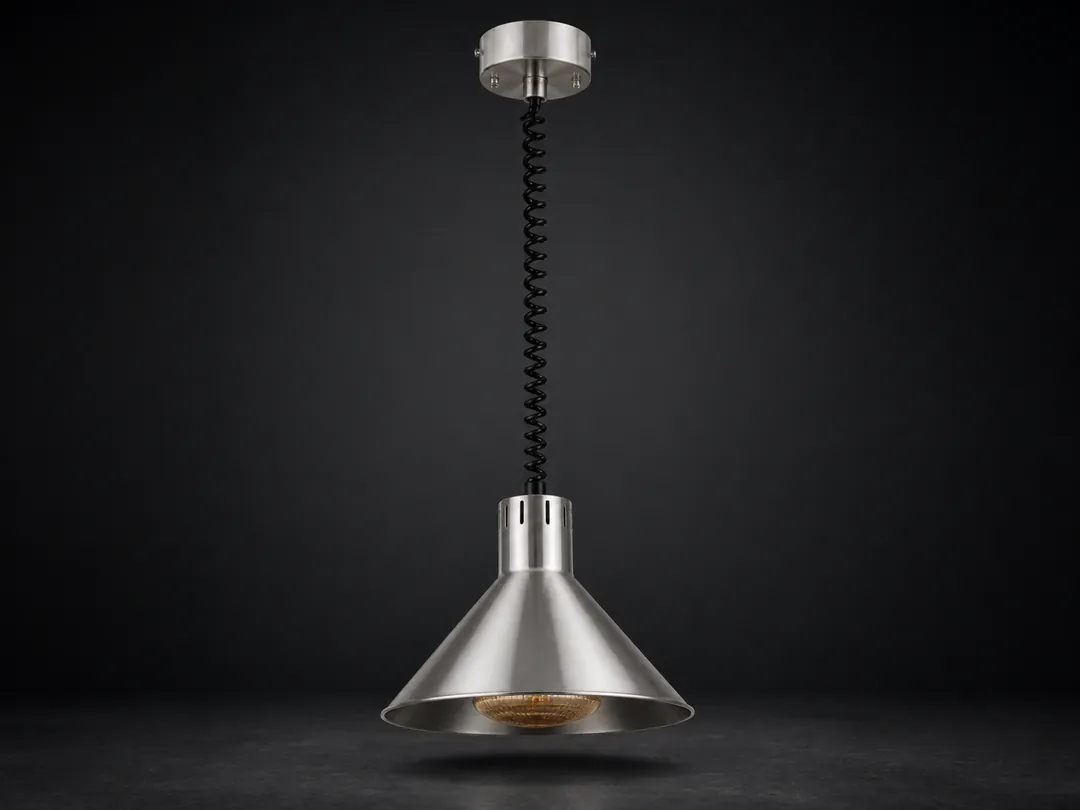
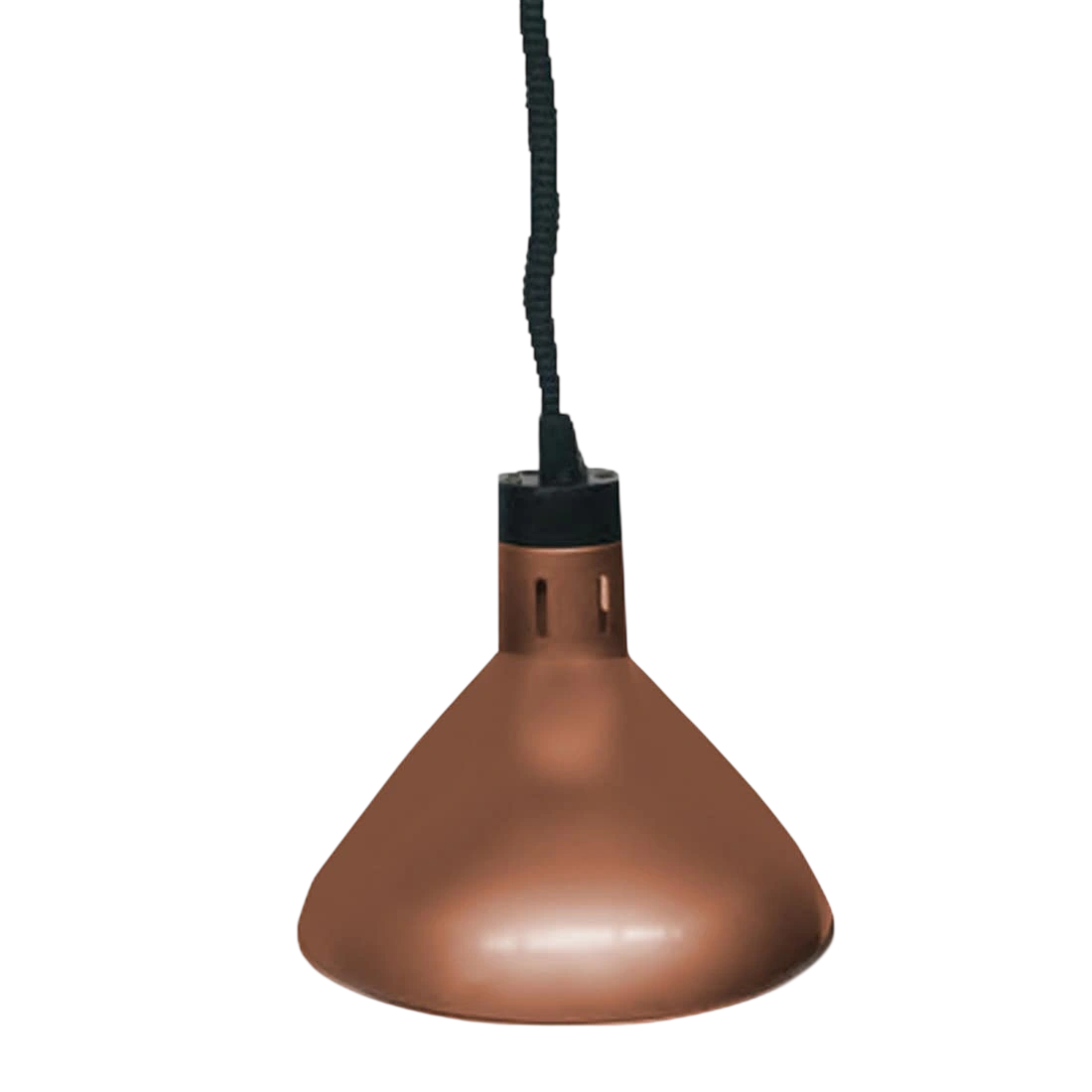
A commercial or industrial heat lamp holds plated food at the pass for the minutes between plating and service. It works by radiant heat from above, which keeps a surface hot without cooking further, and that short-duration job is what separates it from a cabinet or a bain marie. Food that needs holding for a service period belongs in the broader commercial food warmer range; where cold crockery is the problem, compare commercial plate warmers.
Lamp height above the plate is the setting that decides whether it works. Too high and the surface cools; too low and the food dries or continues to cook. Fixed-height units must be mounted at the right distance for the plates in use, while adjustable arms allow that to be tuned after installation.
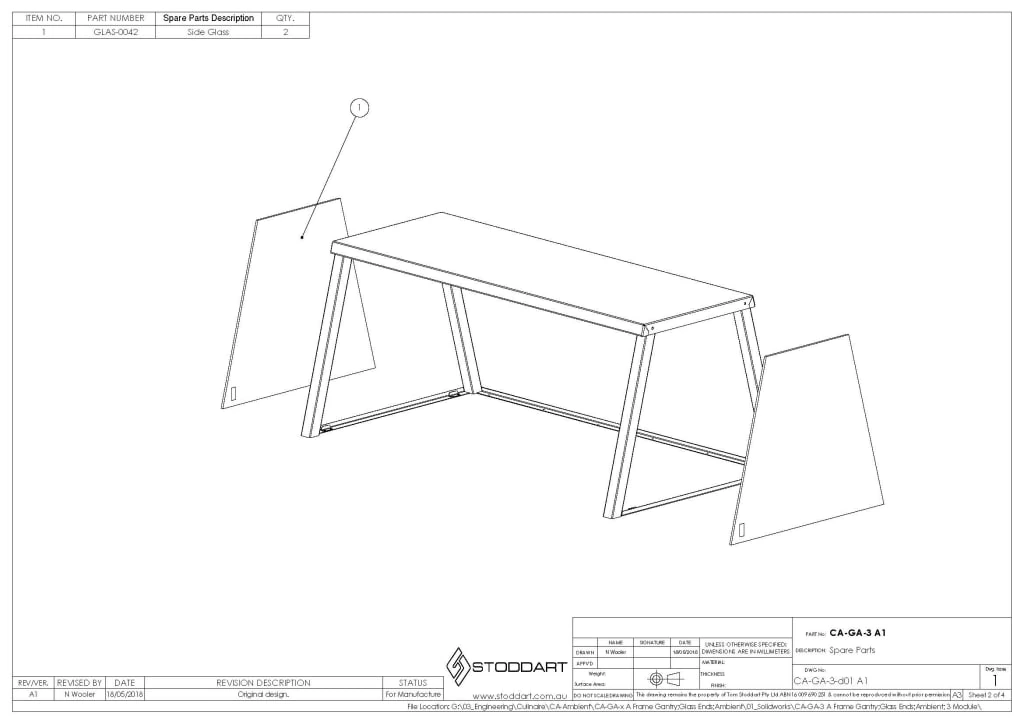
Coverage follows the pass. A single food lamp heater serves one plating position; a bar of lamps or a gantry serves a run. Count the positions that need holding at once rather than the length of the bench.
Where a restaurant heating lamp is mounted over a service counter used by guests, guarding and the heat reaching the counter surface matter as much as the food itself.
Key factors to consider before purchasing. Our team can help you find the right fit — call or get a quote anytime.
Match equipment capacity to your daily output. Consider available floor space and door clearances.
Confirm levelling, wall clearance and the access needed for cleaning and service. We can help with kitchen planning.
Submit your kitchen requirements — our equipment specialists will send you a tailored shortlist of heat lamps that fits your budget, venue type and compliance needs.
Standards & Compliance
Before comparing heat lamps, confirm how long food waits between plating and service, how many plating positions need covering, and the mounting height available above the pass. Check whether the height can be adjusted after installation.
Look at how lamps are replaced and whether that can be done without dismantling the fixture, how the mount is fixed and rated, and whether guarding is needed where guests or staff pass beneath. Lamps are consumables, so replacement access is a running consideration rather than a detail.
FAQ
No. Heat lamps maintain serving temperature only and should not be used for cooking or browning.
Radiant heat removes surface moisture over time. Correct mounting height and limited holding duration help protect food quality.
Yes—choose safe-touch housings and softer lighting for FOH or buffet environments.
Bulb-type lamps typically cover 1–2 plates; strip heaters cover wider pass areas up to 3–4 plates depending on length.
Minutes rather than a service period. Radiant heat holds a plated surface for the short wait before service; food needing longer holding belongs in a cabinet or pan-based unit, because a lamp dries the surface over time.
Why KW
KW can help set lamp coverage and mounting height for the plating positions a pass actually runs, and identify where a cabinet suits better than radiant heat. For practical advice on commercial kitchen heat lamps, call KW on 1300 001 366.
Deep Dive
Technical depth from KW's commercial kitchen specialists.
We supply commercial heat lamps and strip heaters designed for reliable radiant output, strong reflector efficiency, safe-touch operation and consistent performance in Australian restaurants and catering environments.
Explore our full range of commercial heat lamps engineered for short-term hot holding, efficient service workflows and consistent food presentation across cafés, restaurants, buffets and catering setups.
Radiant heat holds a plated surface for the short wait between plating and service. Food that must be held for a whole service belongs in a cabinet or a pan-based unit, because a lamp will dry the surface long before the period is over.
Too high and the food cools; too low and the surface dries or continues cooking. Fixed units must be mounted at the correct distance for the plates in use; adjustable arms let that be corrected after installation, which is worth having where plating varies.
Count the positions that need holding at the same moment rather than measuring the bench. A single lamp covers one plating position; a bar or gantry covers a run. Coverage gaps show up as plates moved under a lamp rather than plated beneath one.
Close enough to hold the surface temperature and far enough not to dry or continue cooking it. The correct distance depends on the plates in use, so an adjustable arm is worth having where plating varies.
One per plating position that must be held at the same moment. Count positions rather than measuring bench length, since gaps show up as plates being moved under a lamp instead of plated beneath one.
No. A lamp holds a plated surface briefly from above; a food warmer holds prepared food through a service. They solve different parts of the same problem and are usually specified together.
Lamps are consumables, so check they can be changed without dismantling the fixture. Confirm the mounting is rated for the position, and where a lamp sits over a counter guests use, check guarding and how much heat reaches the counter surface.
95 results
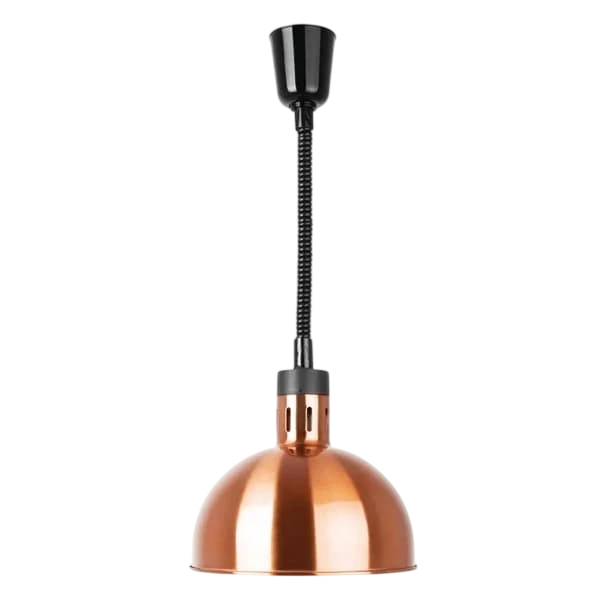
201 × 201 × 1520mm
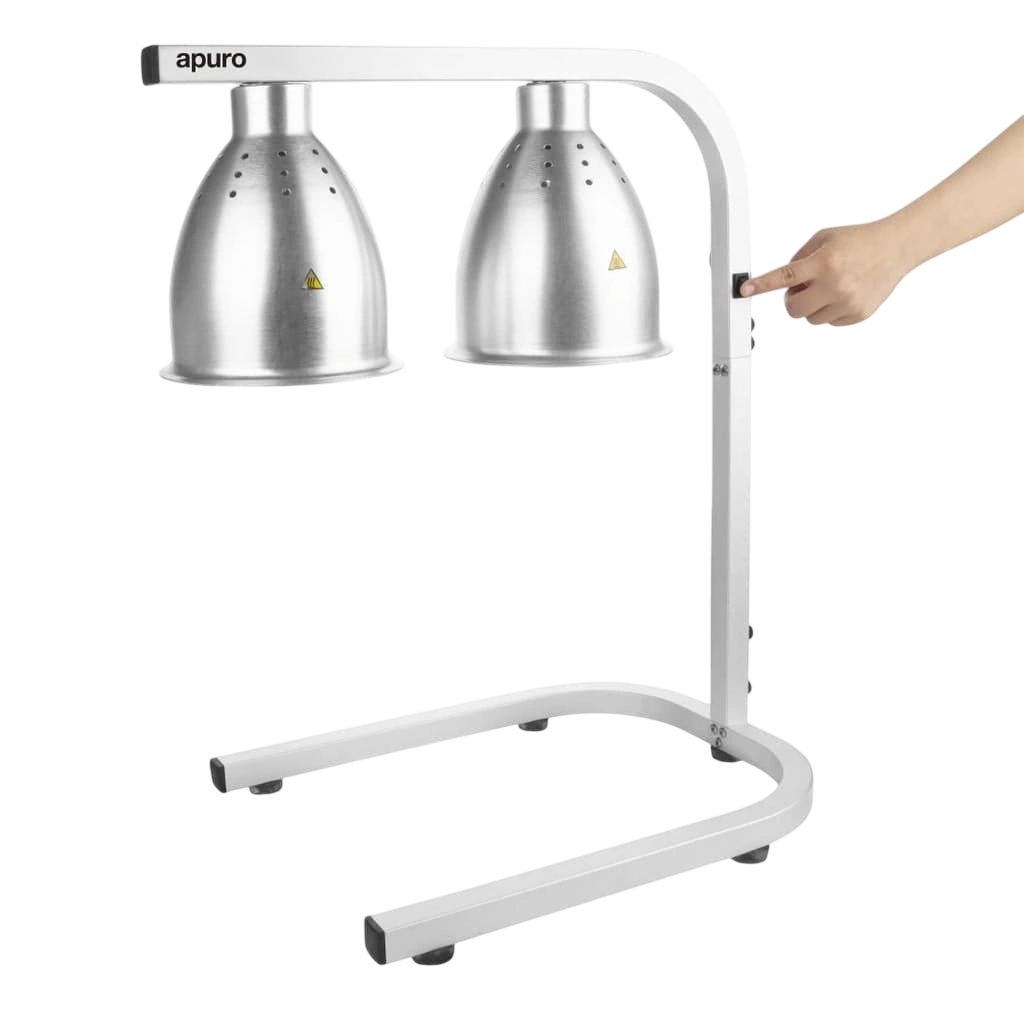
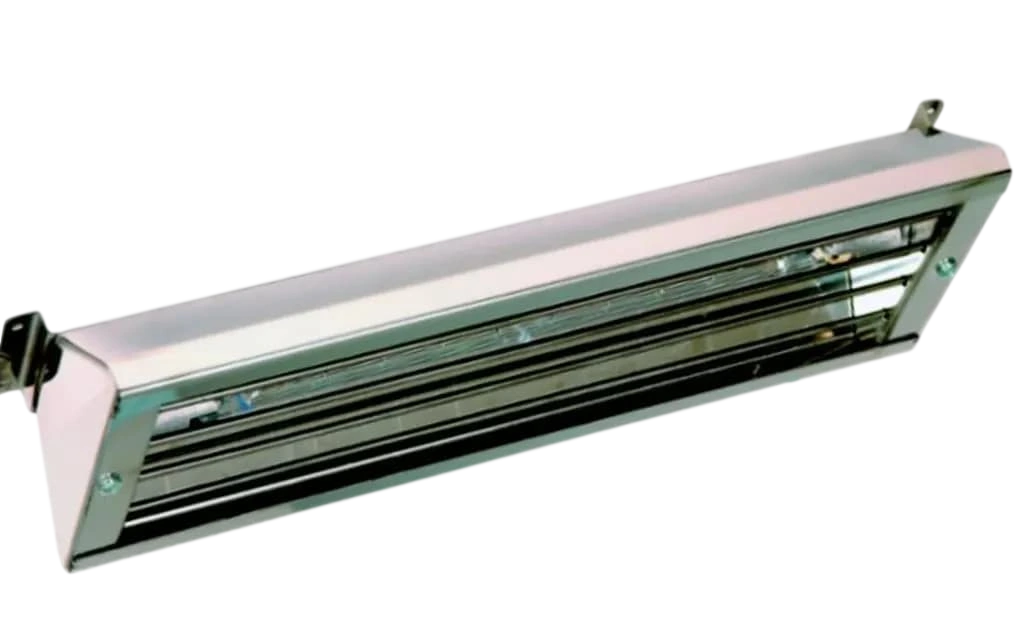
230 × 120 × 75mm
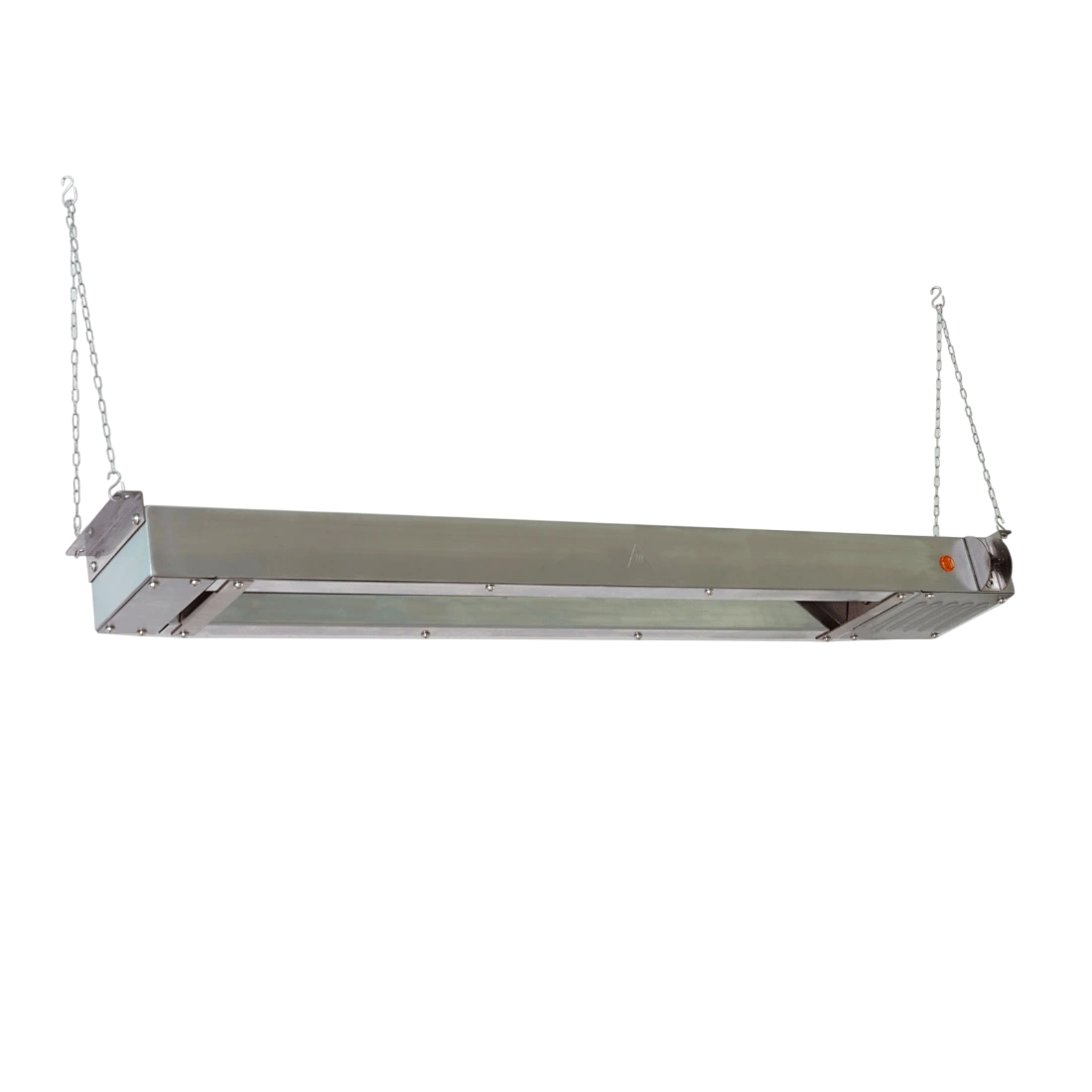
1219 × 155 × 73mm
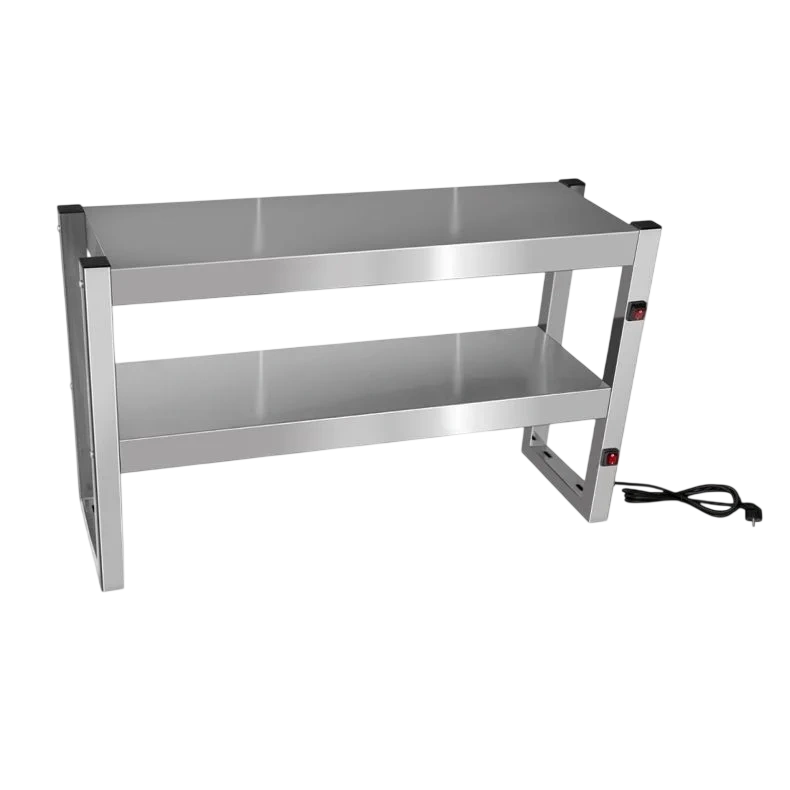
1200 × 300 × 650mm
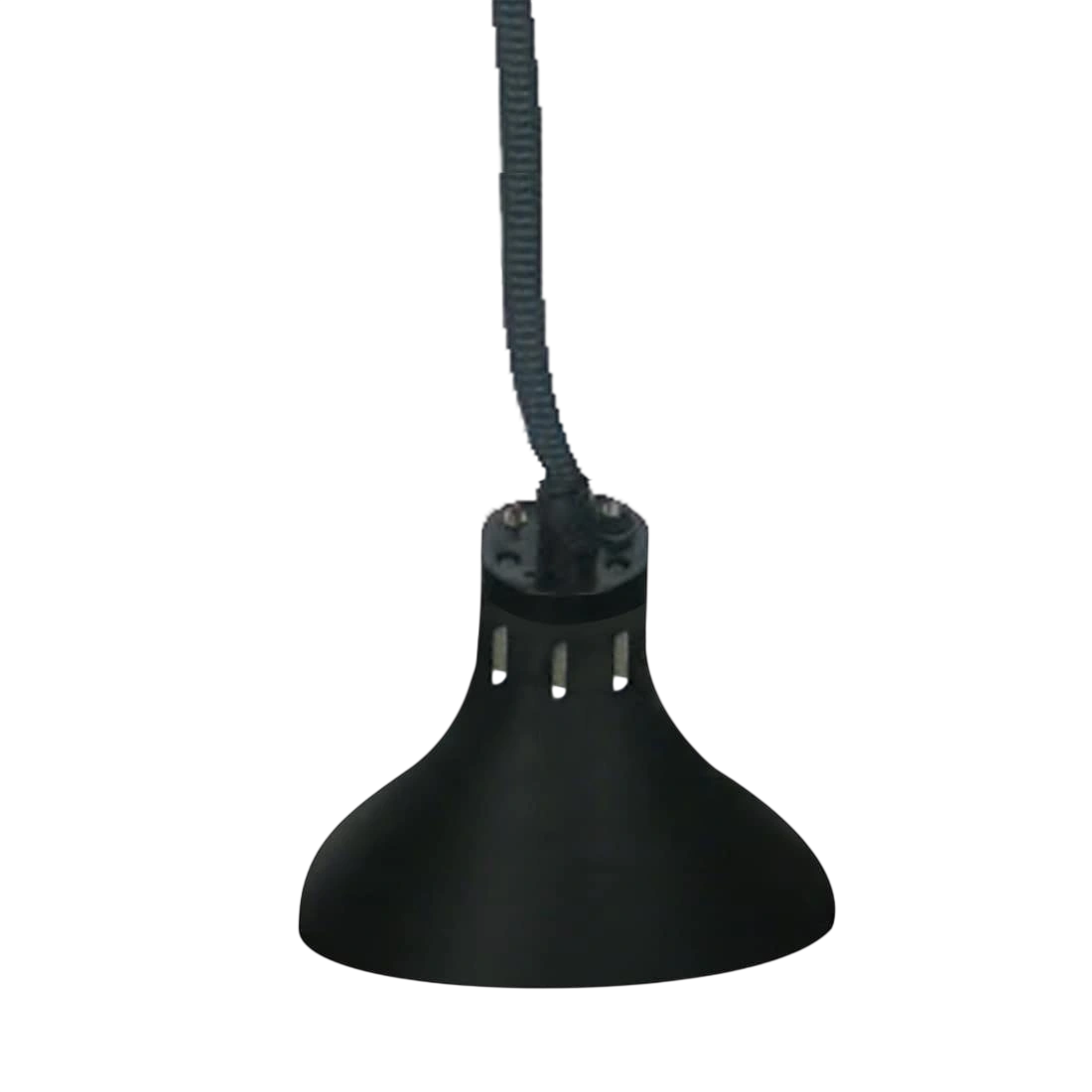
290 × 290 × 1500mm
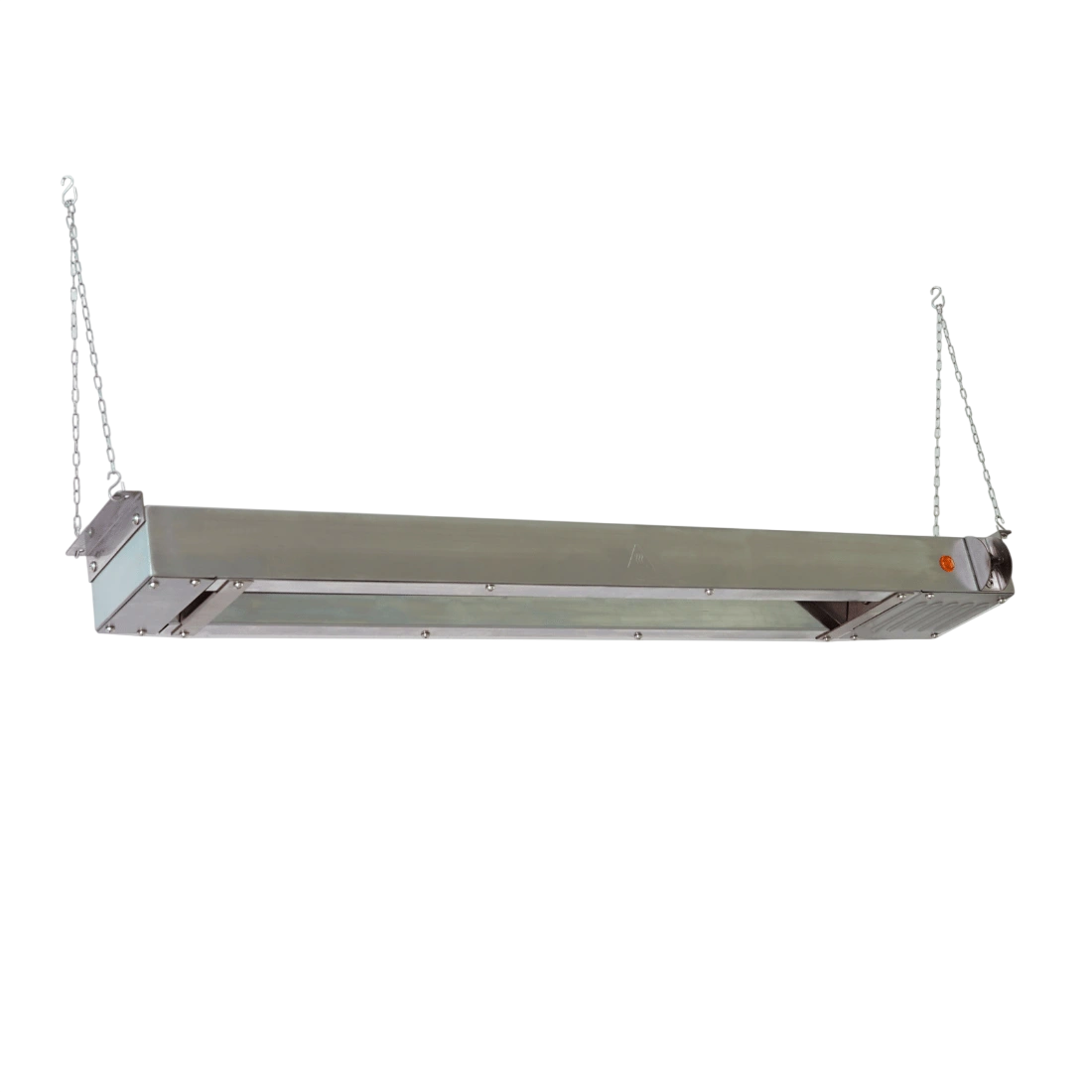
609 × 155 × 73mm
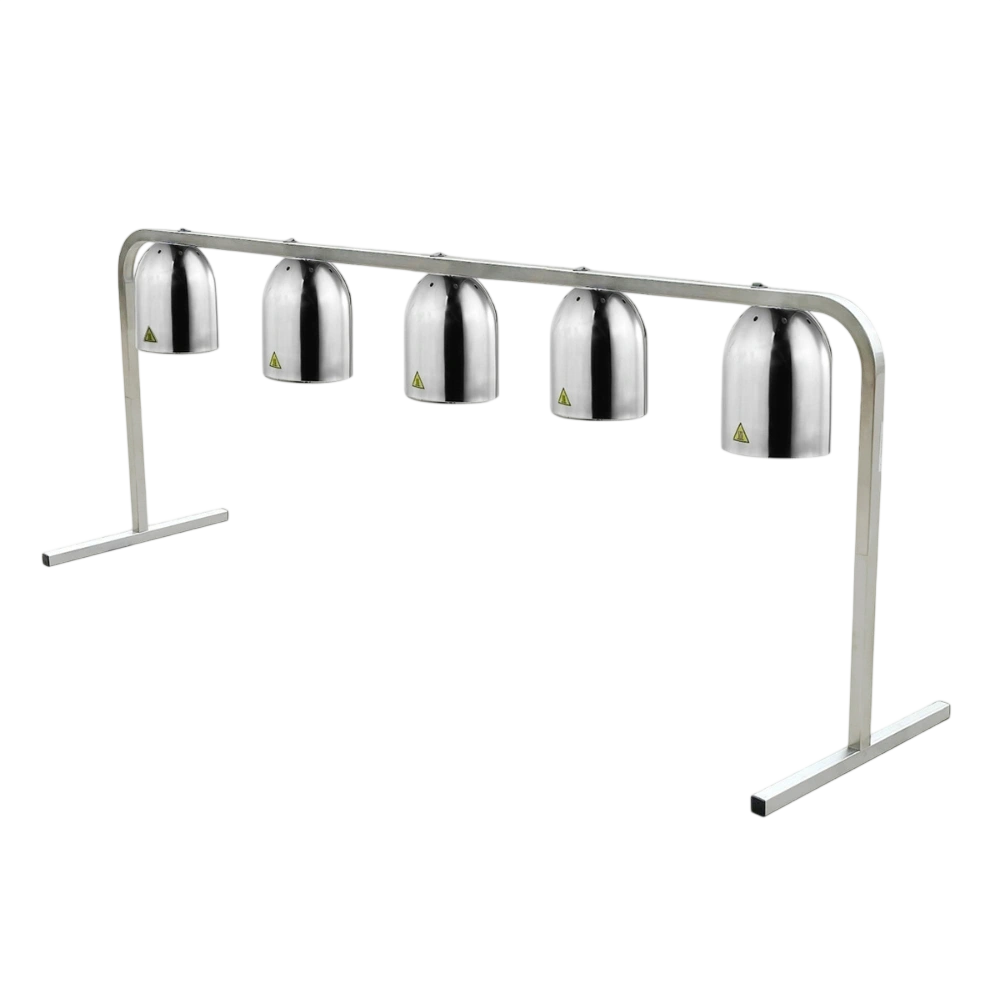
1300 × 450 × 700mm
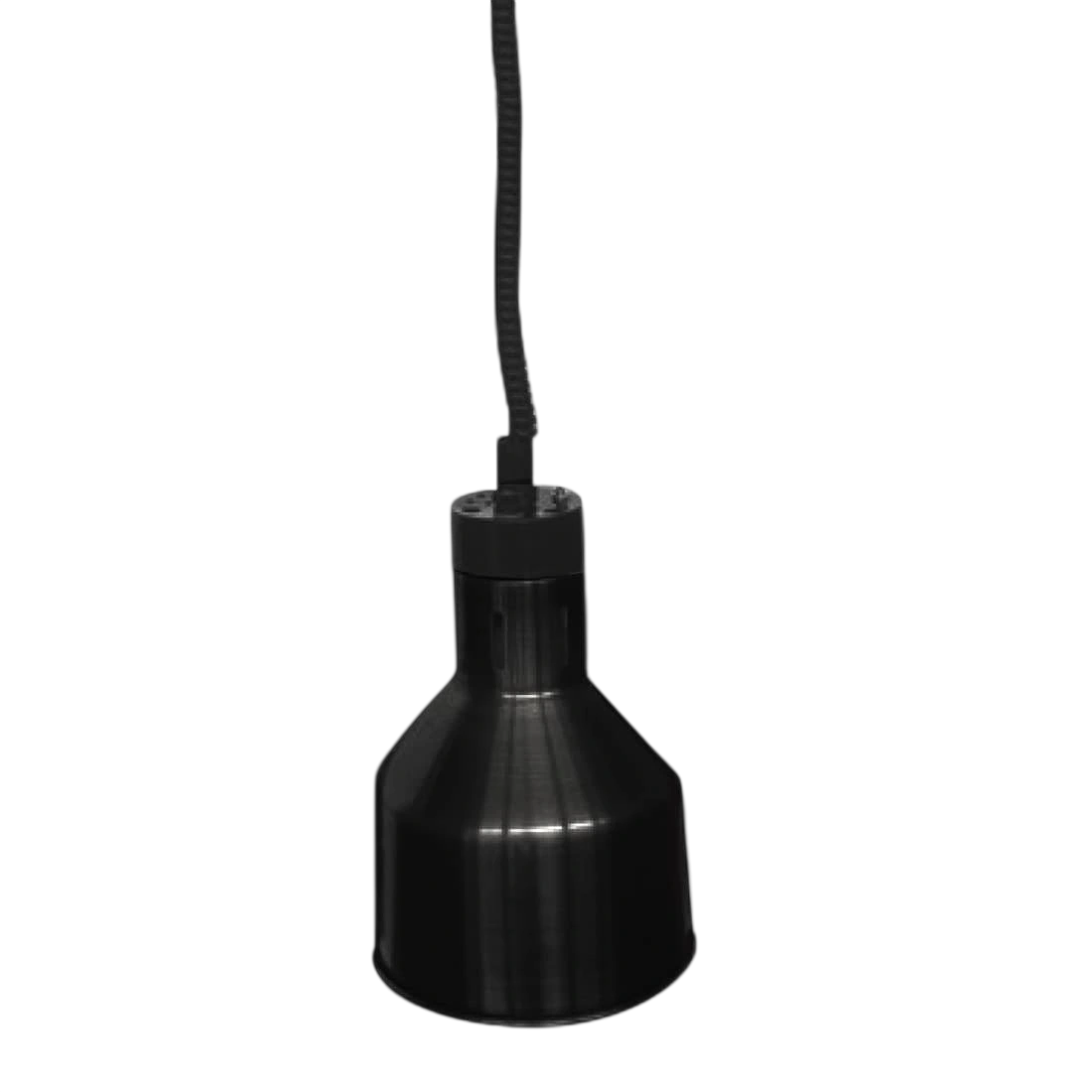
175 × 175 × 1500mm
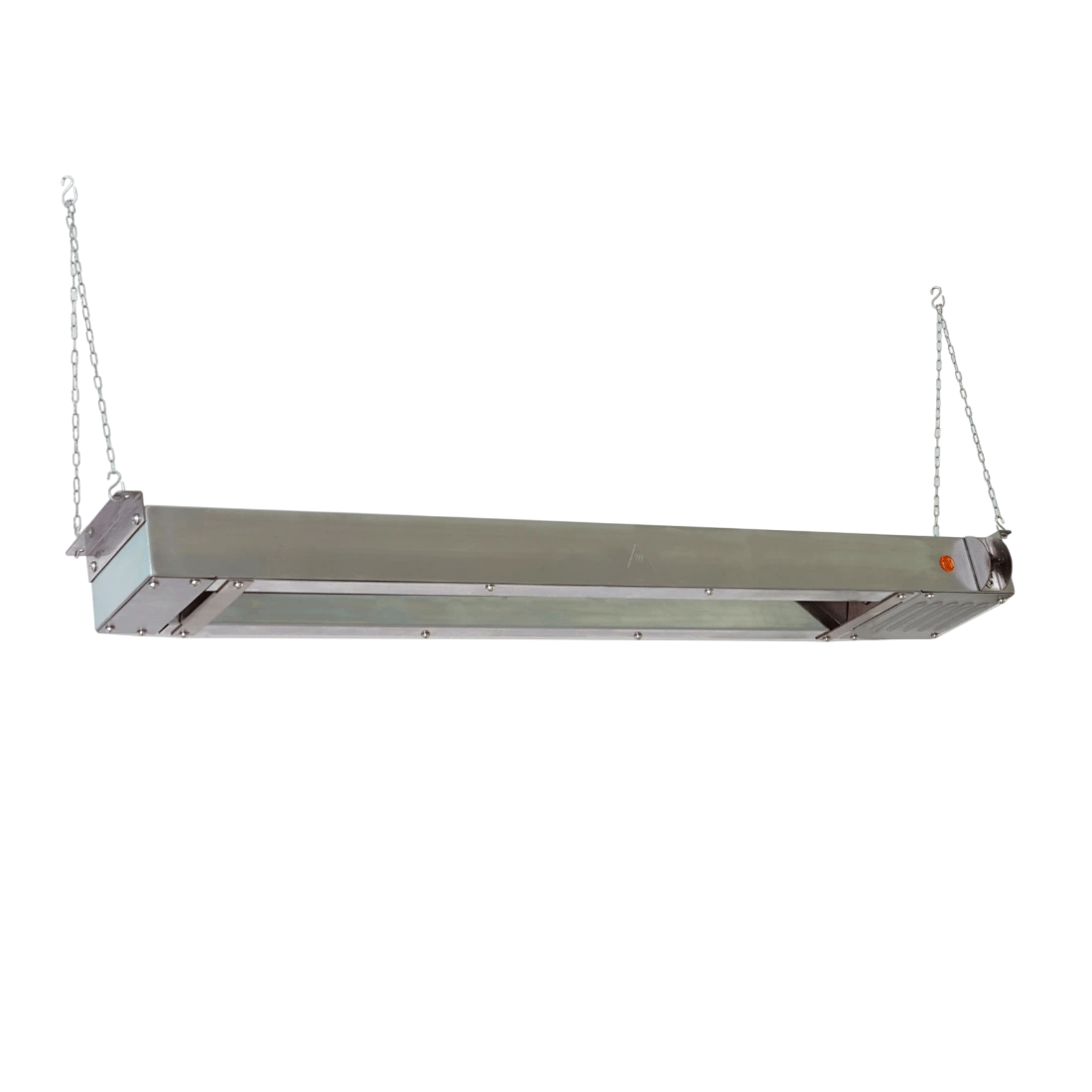
914 × 155 × 73mm
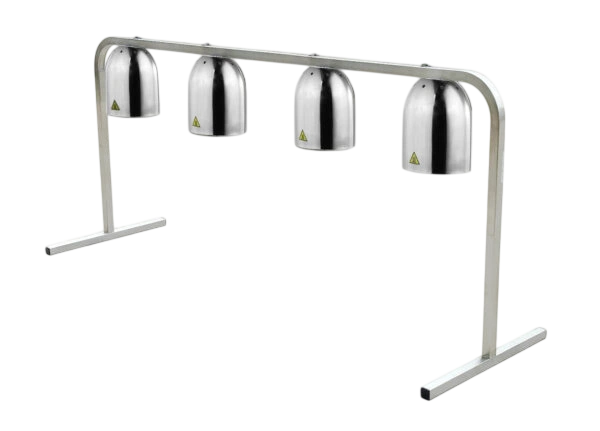
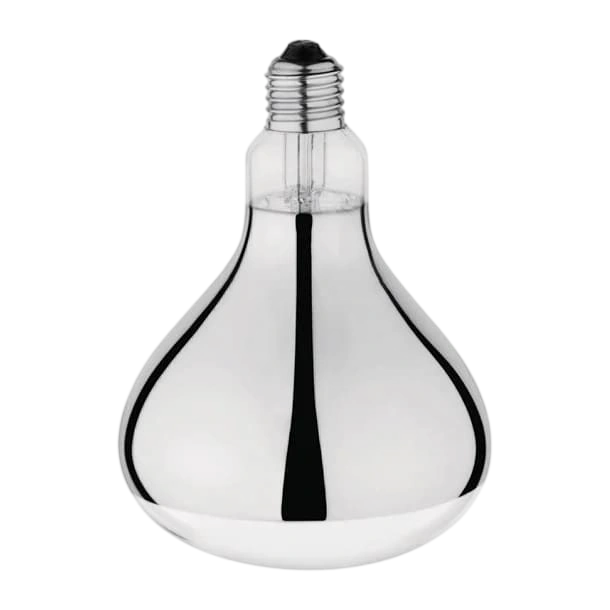
125 × 125 × 174mm
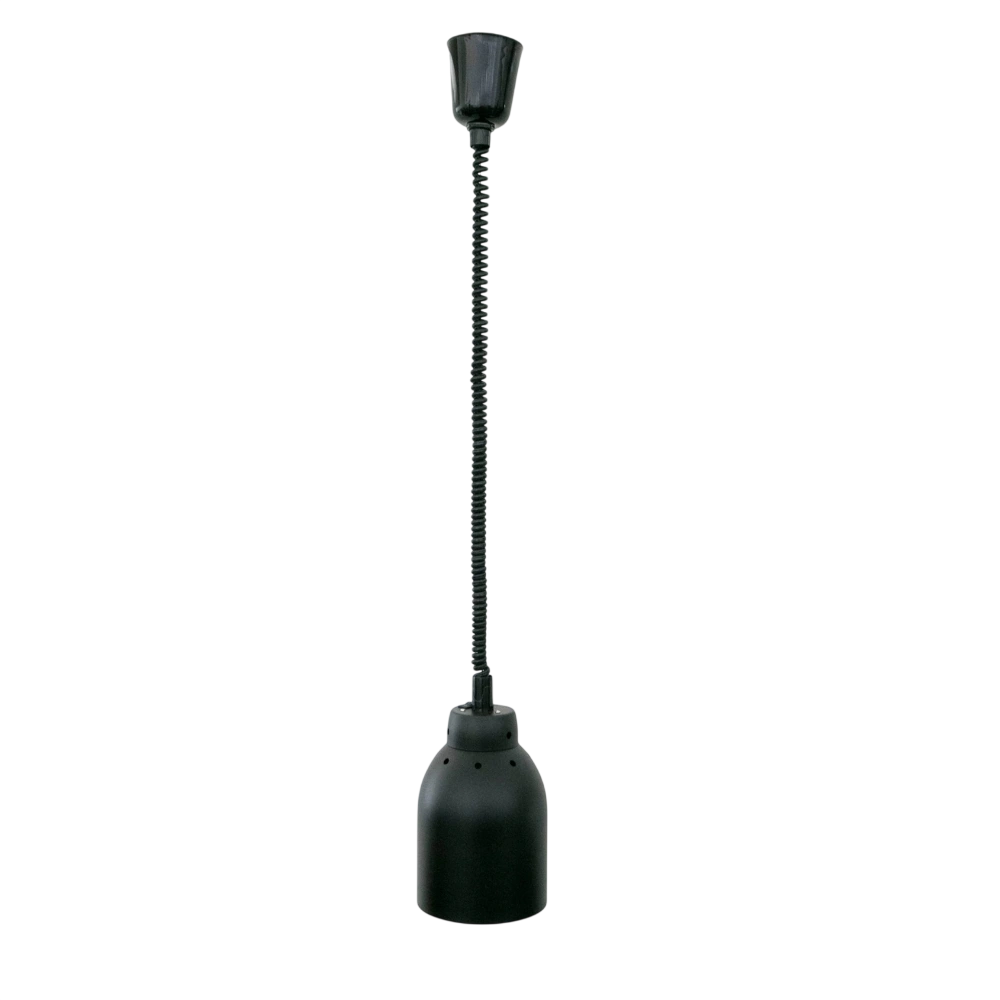
180 × 180 × 430mm
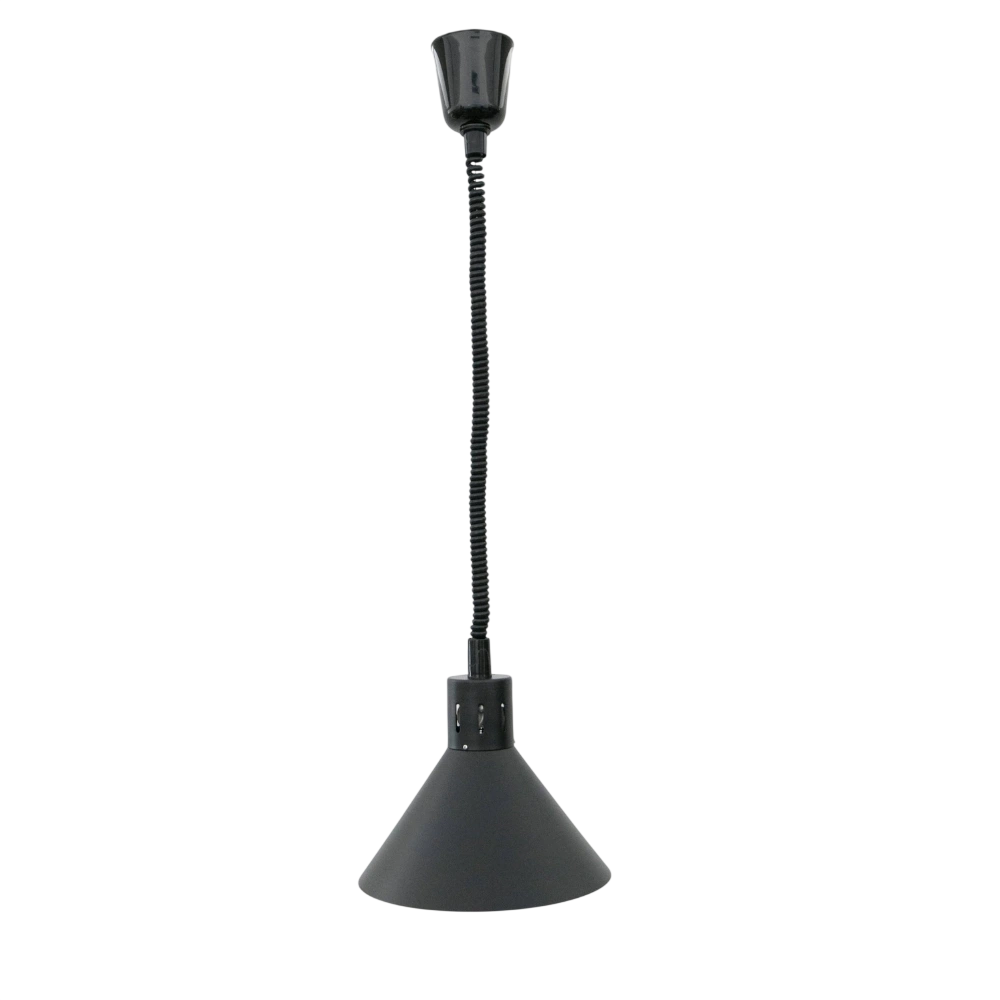
280 × 280 × 360mm
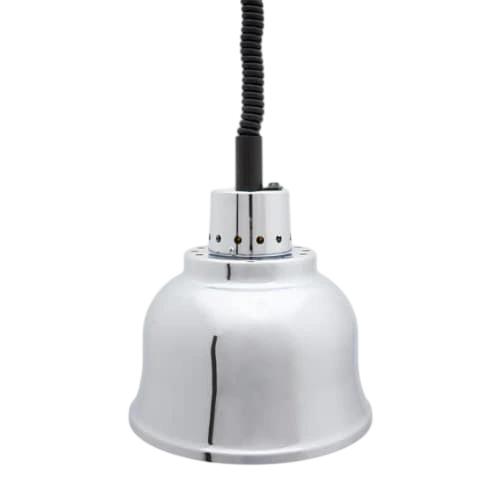
400 × 300 × 350mm
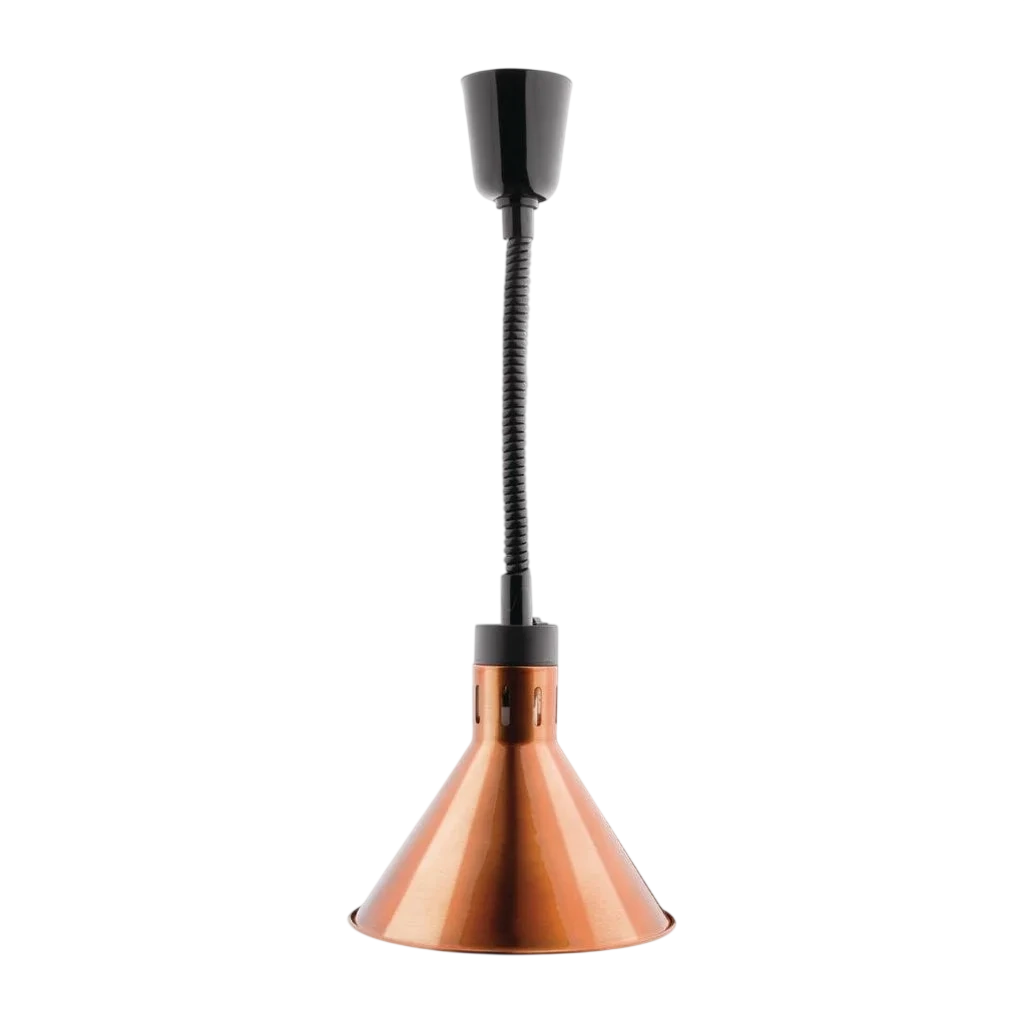
216 × 216 × 1520mm
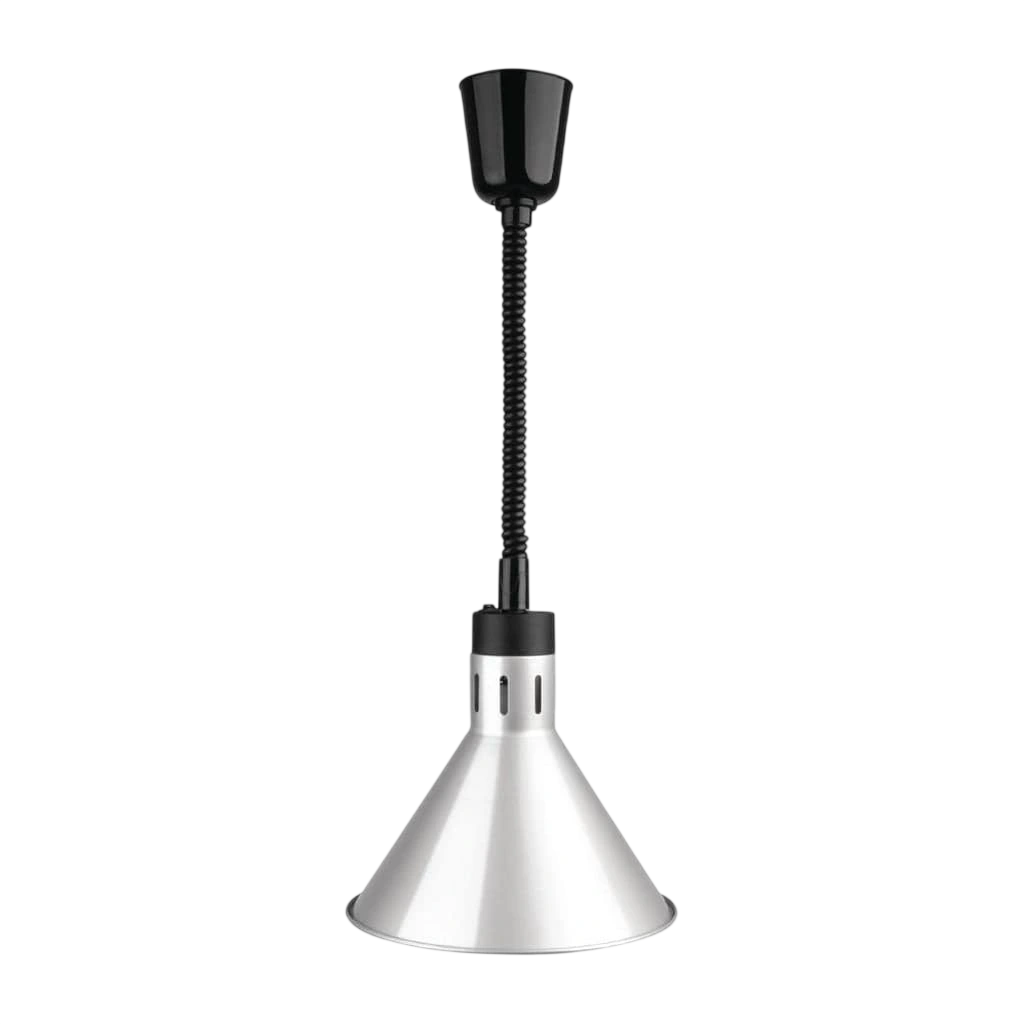
216 × 216 × 1520mm
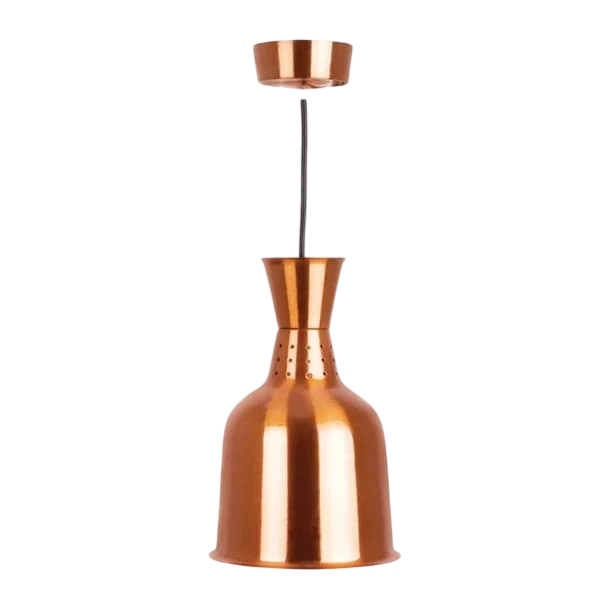
186 × 185 × 330mm
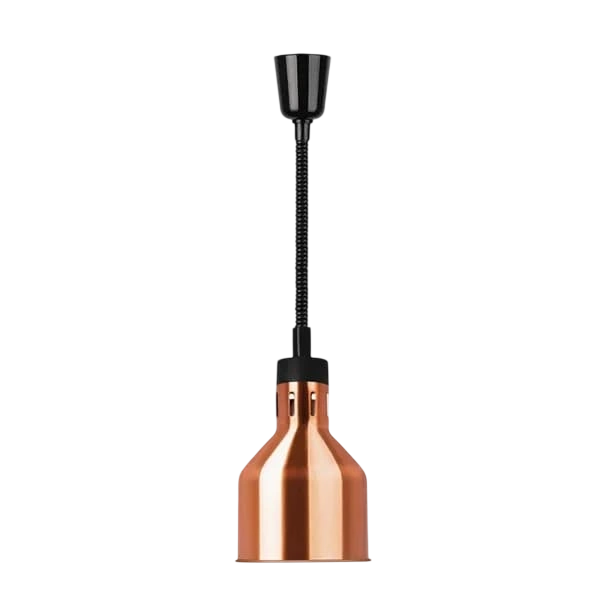
216 × 216 × 1520mm
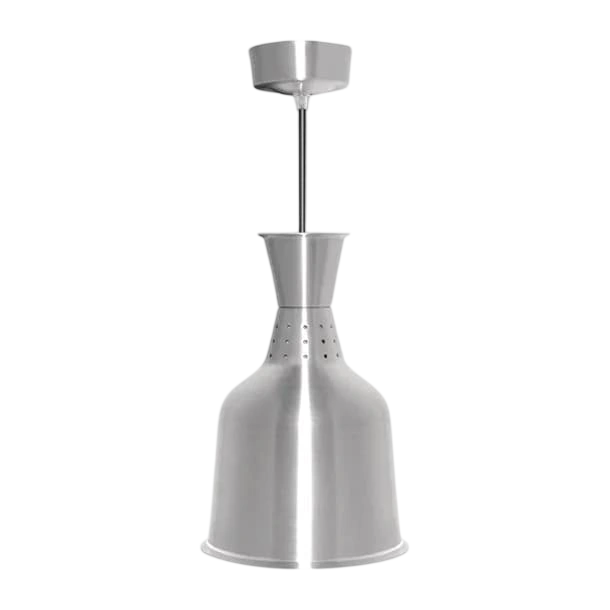
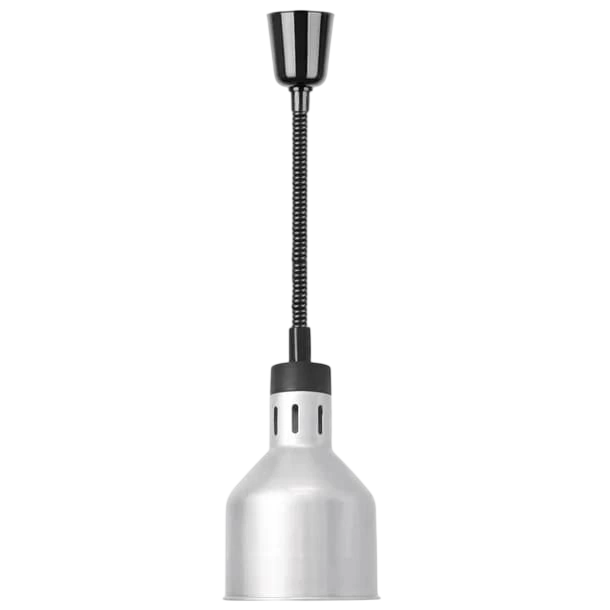
180 × 180 × 1520mm
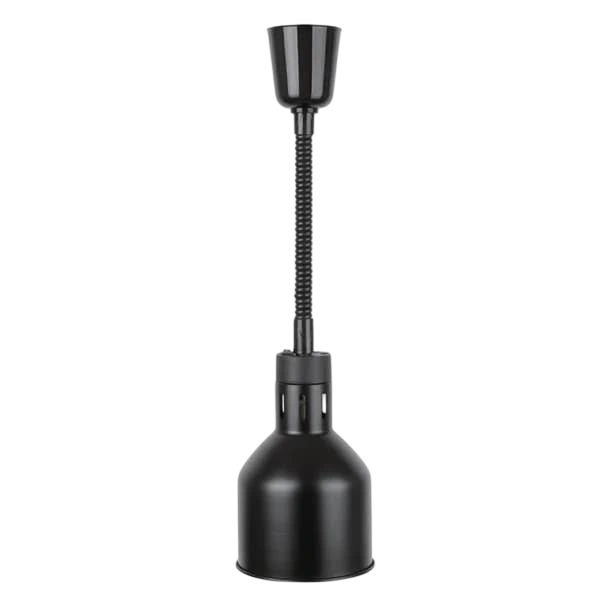
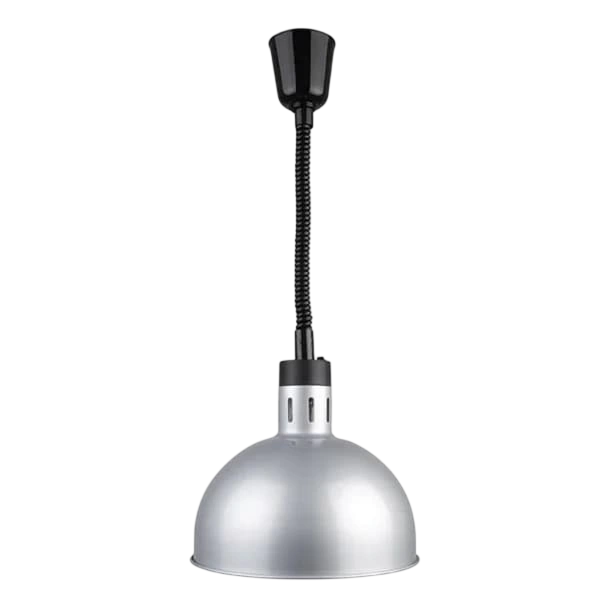
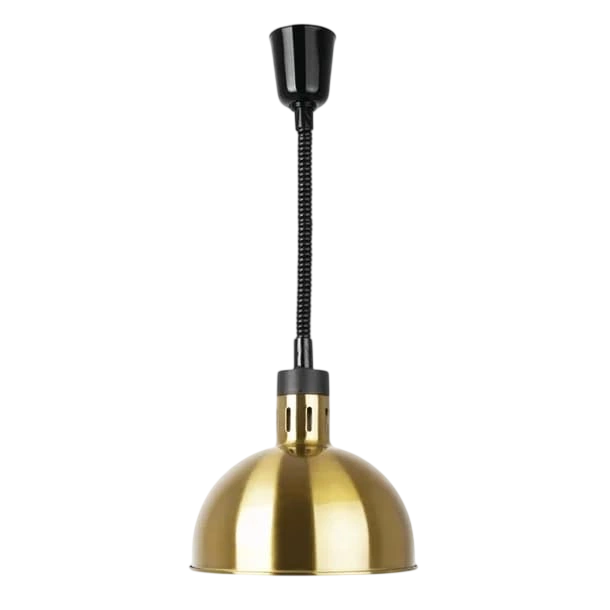
200 × 200 × 1520mm
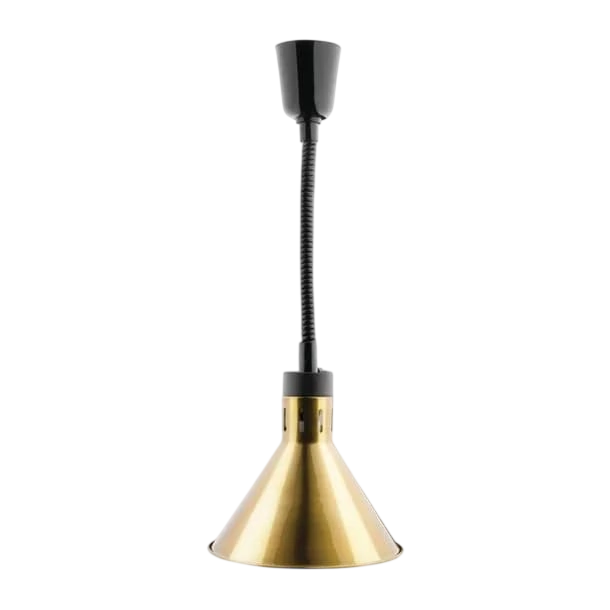
216 × 216 × 1520mm
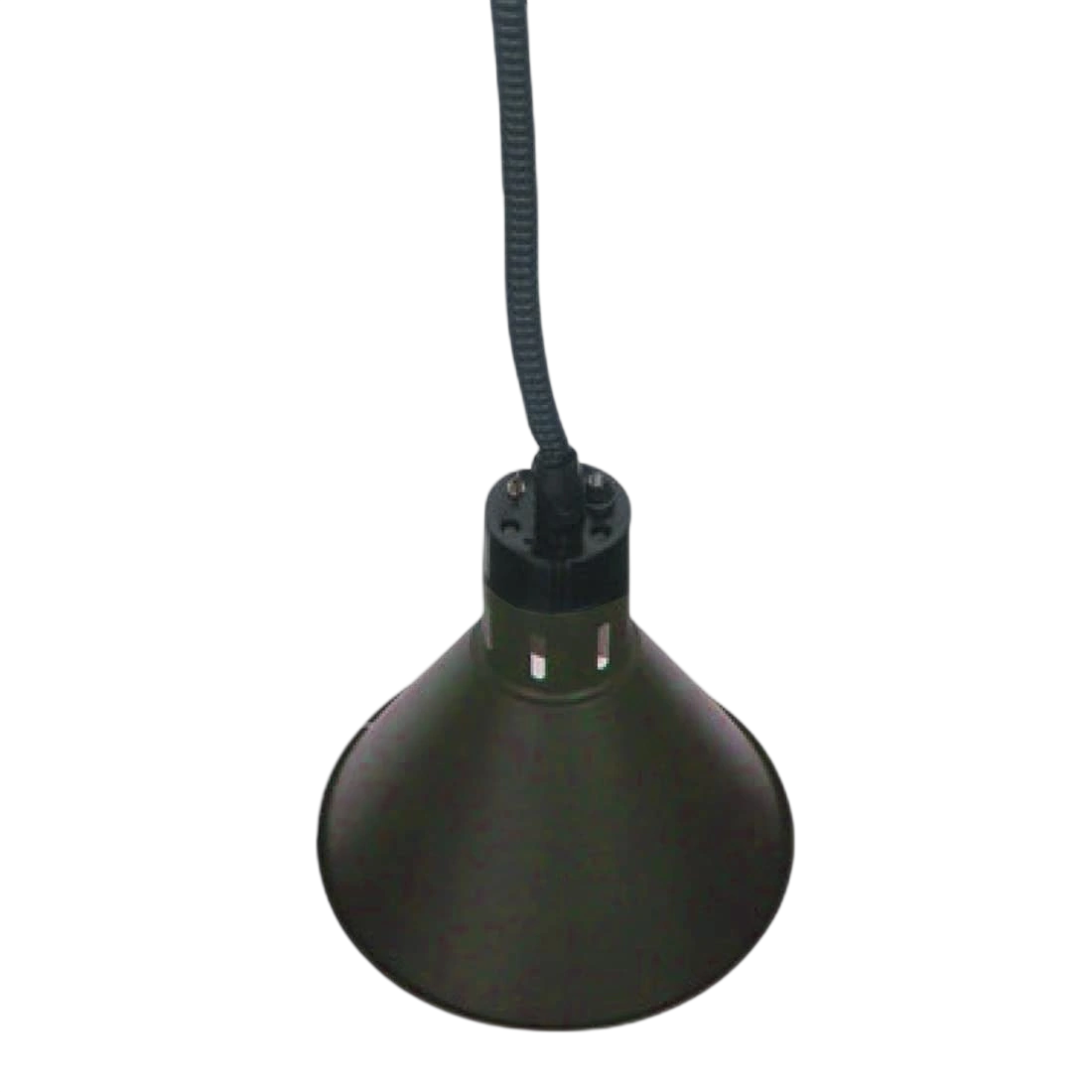
270 × 270 × 1500mm
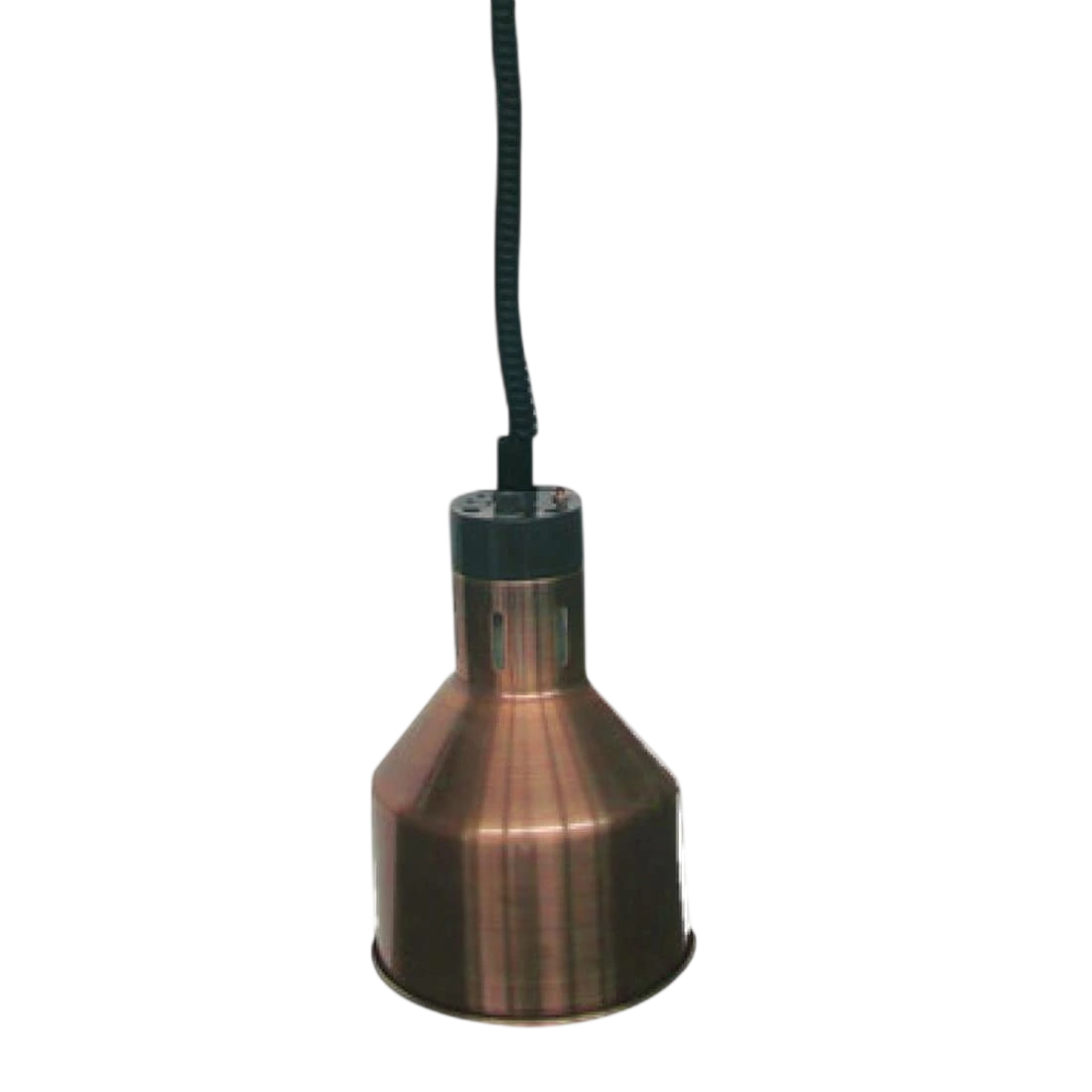
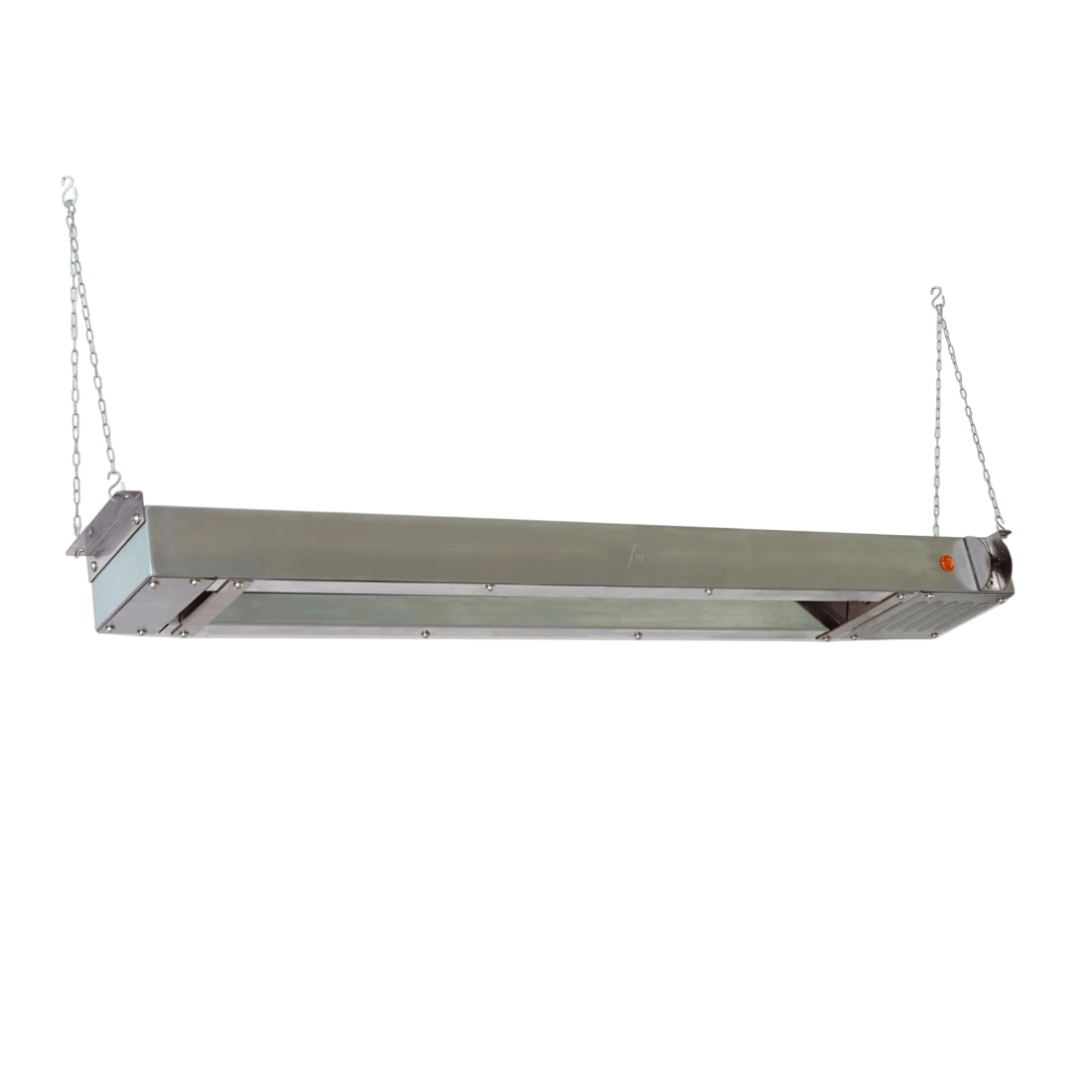
1829 × 155 × 73mm
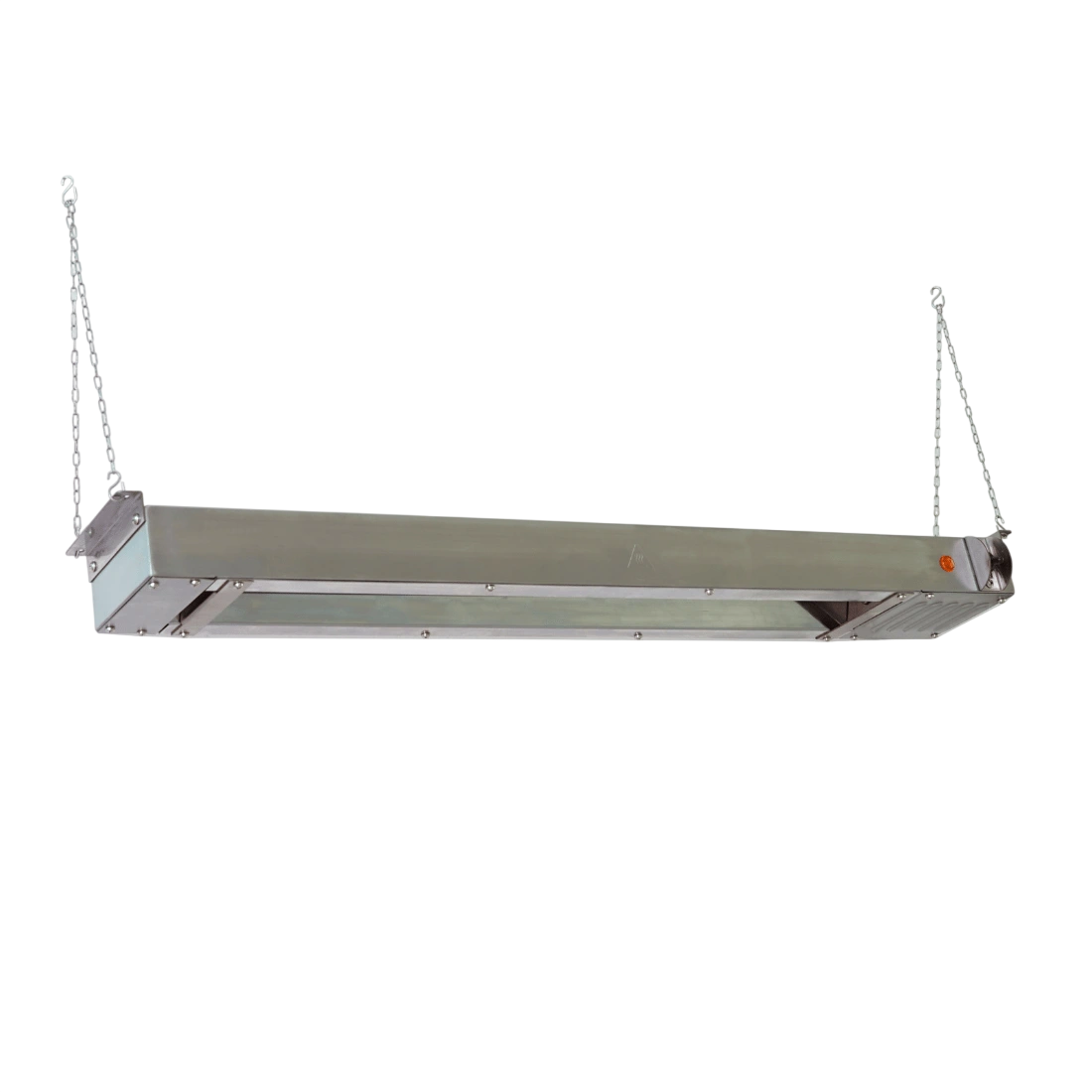
1524 × 155 × 73mm
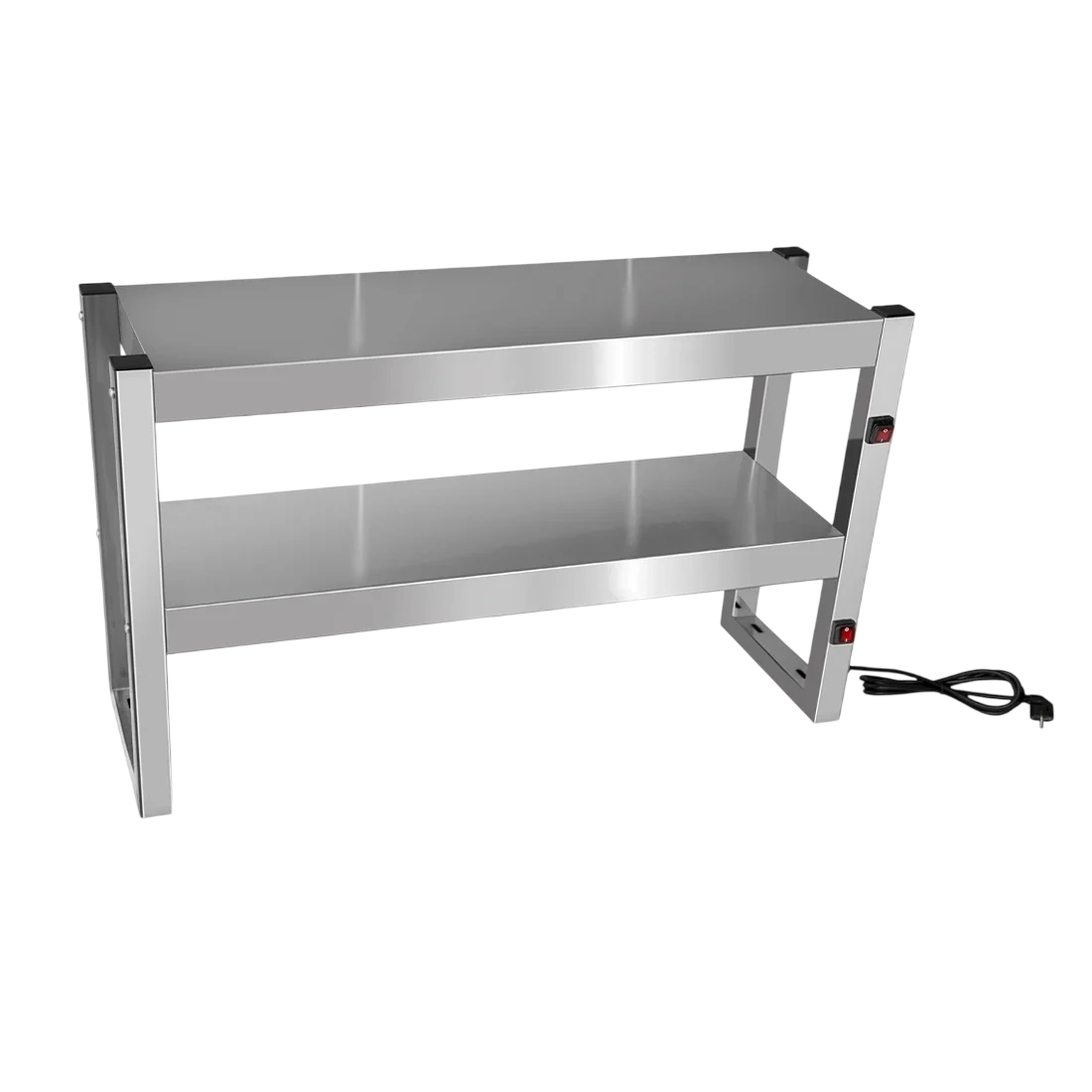
1200 × 300 × 975mm
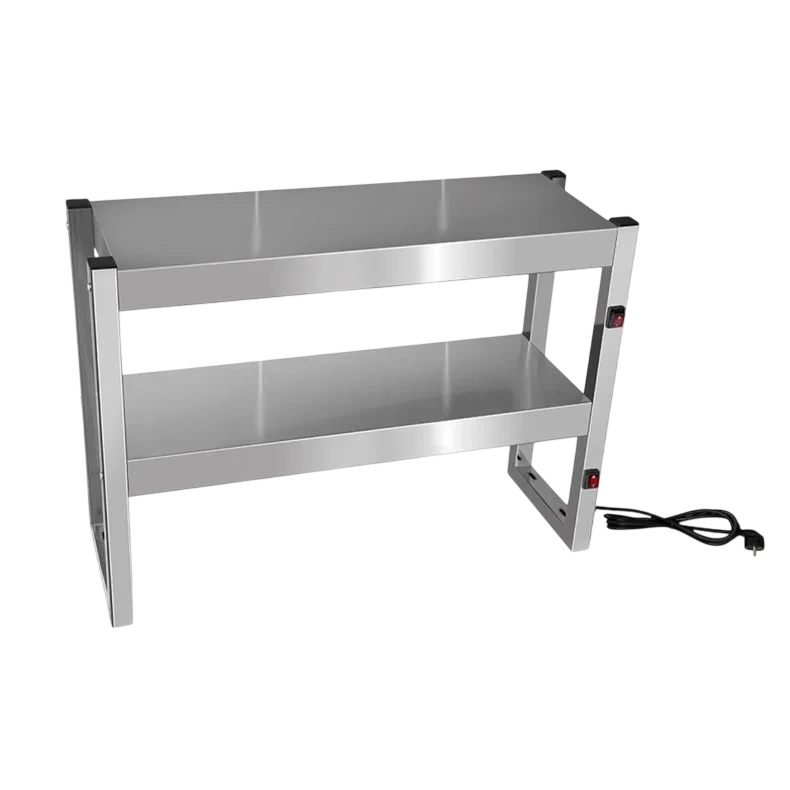
900 × 300 × 650mm
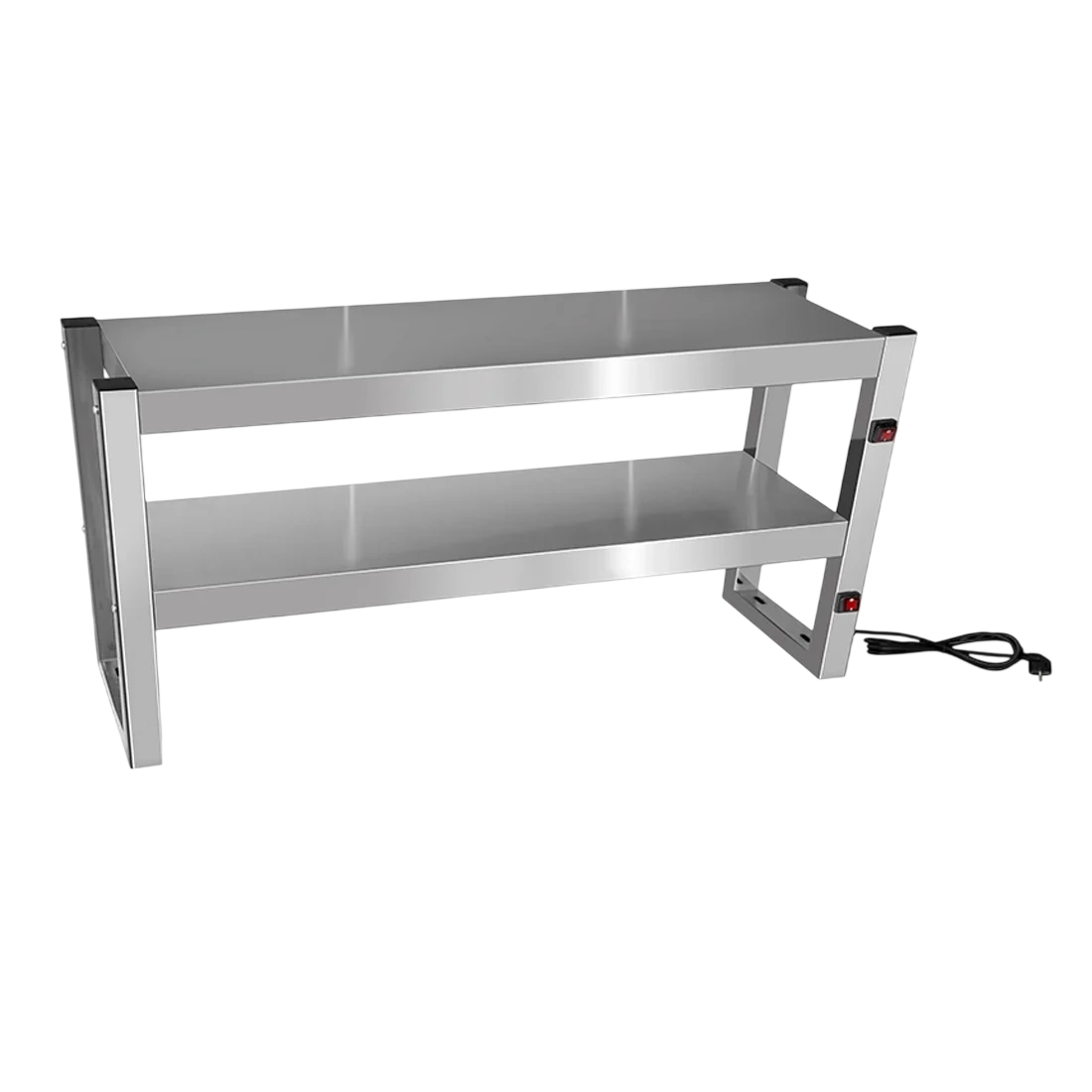
1500 × 300 × 650mm
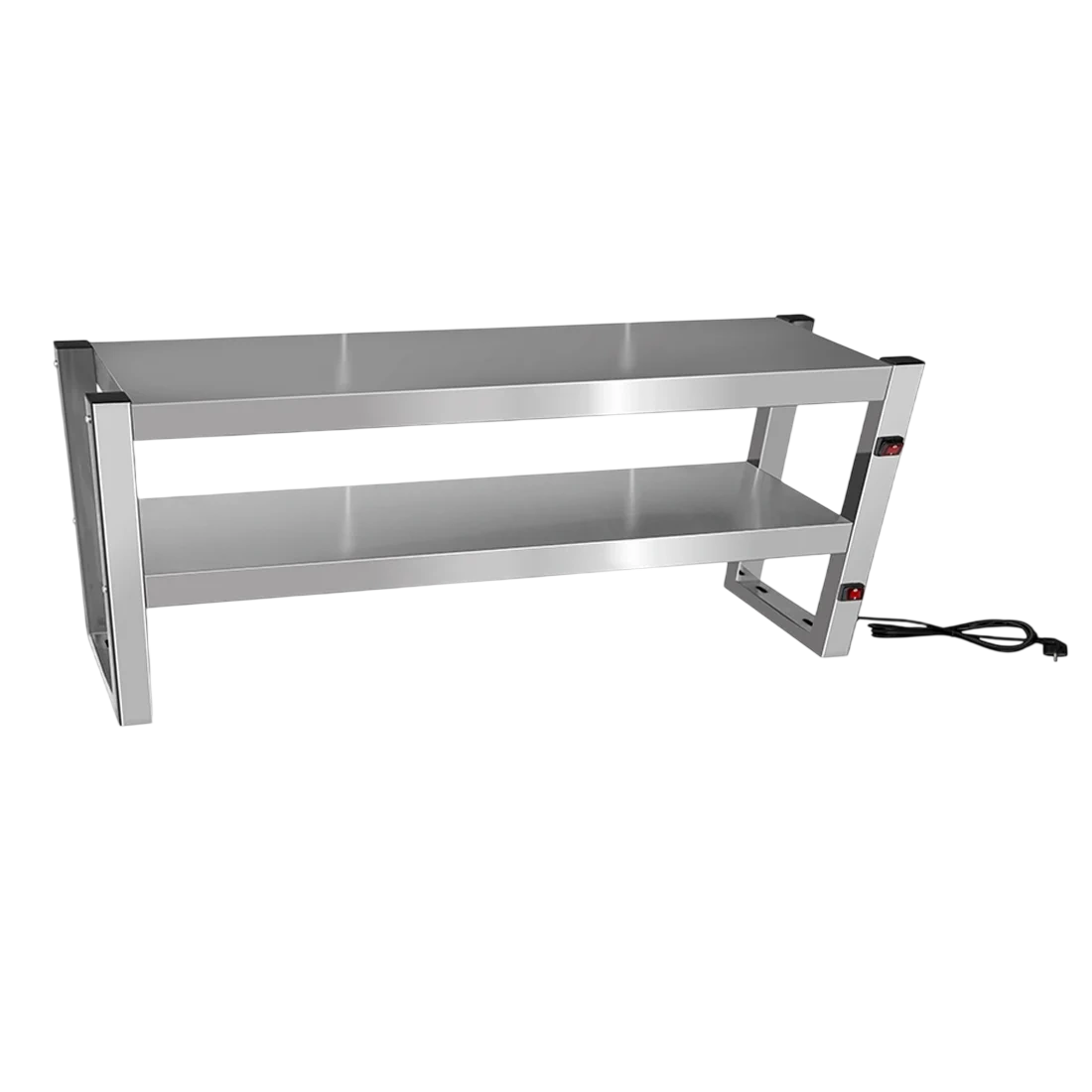
1800 × 300 × 650mm
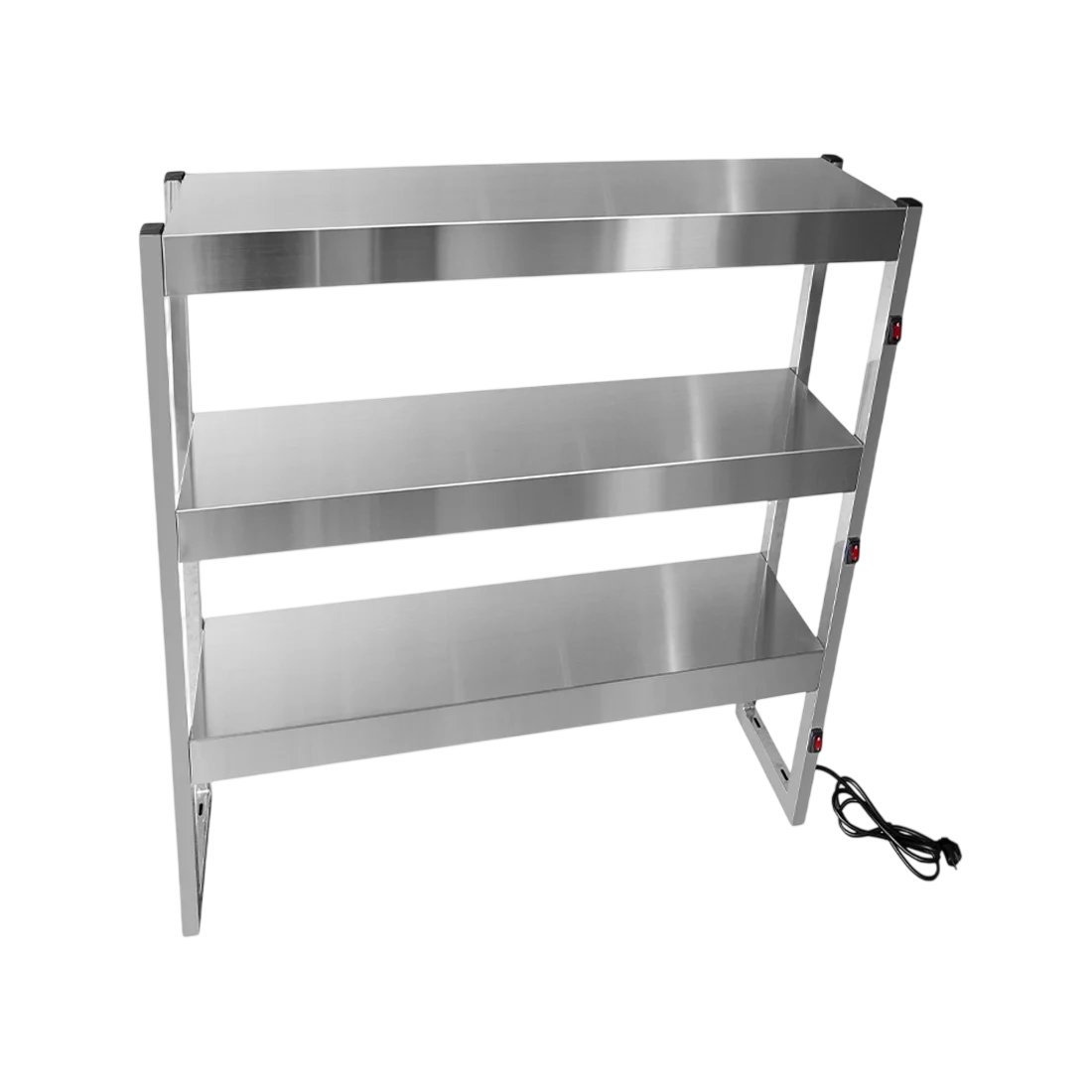
900 × 300 × 975mm
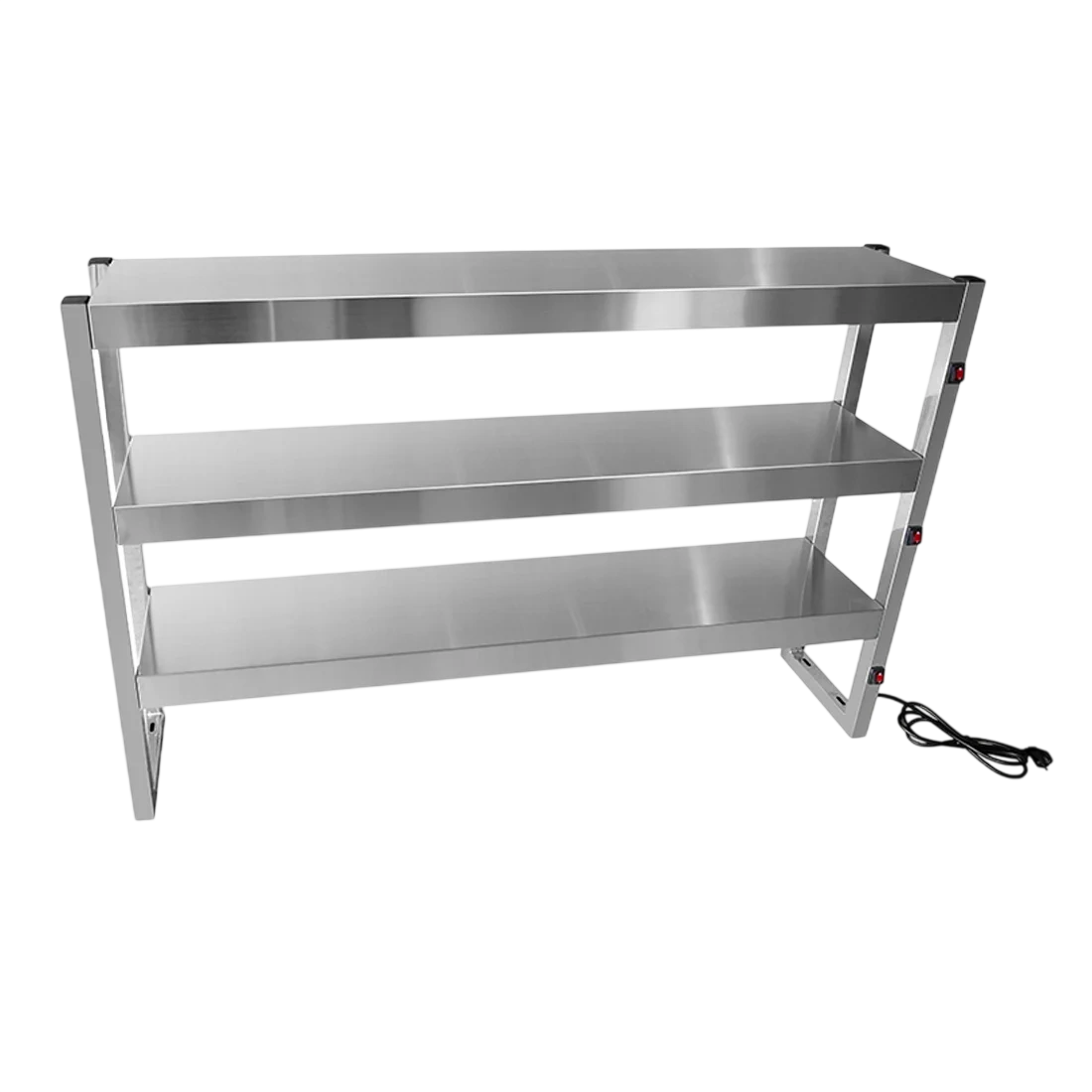
1500 × 300 × 975mm
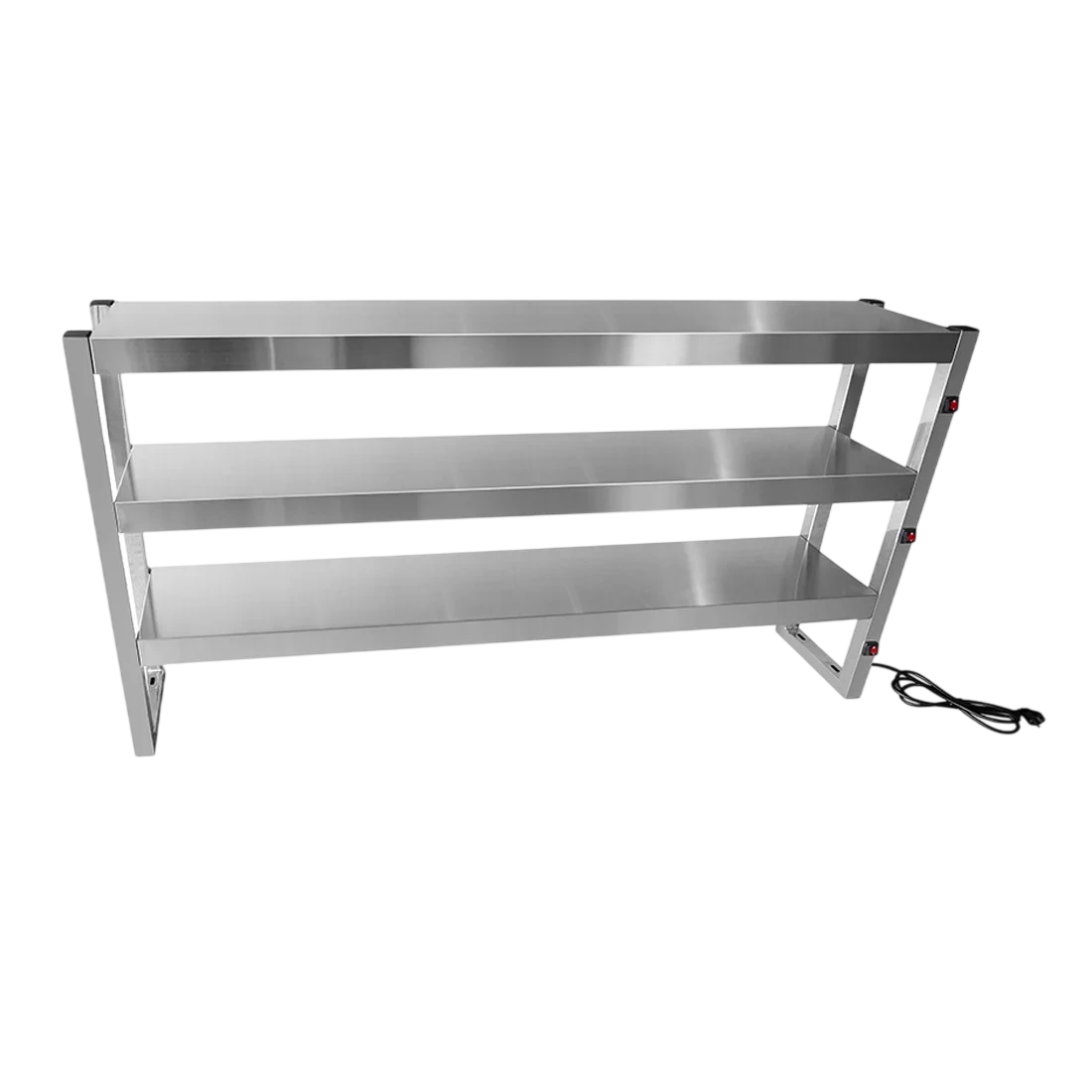
1800 × 300 × 975mm
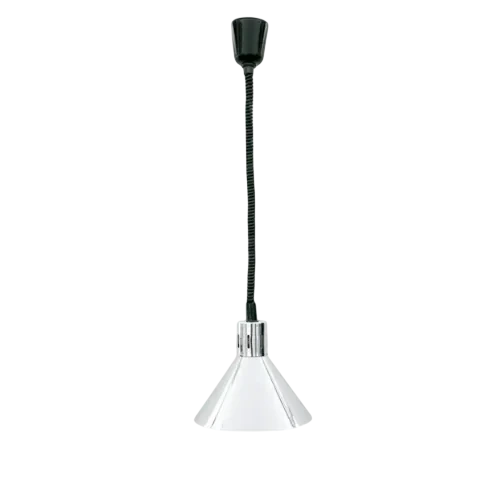
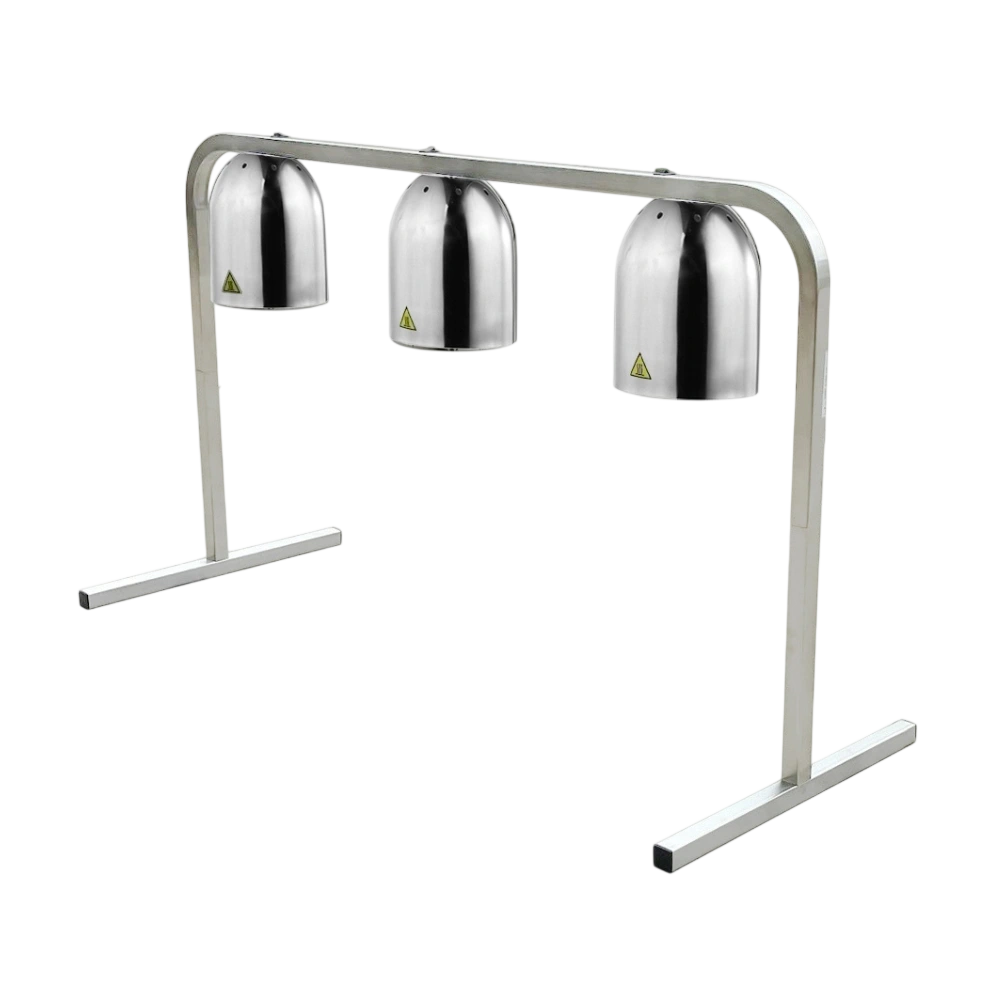
1100 × 450 × 700mm
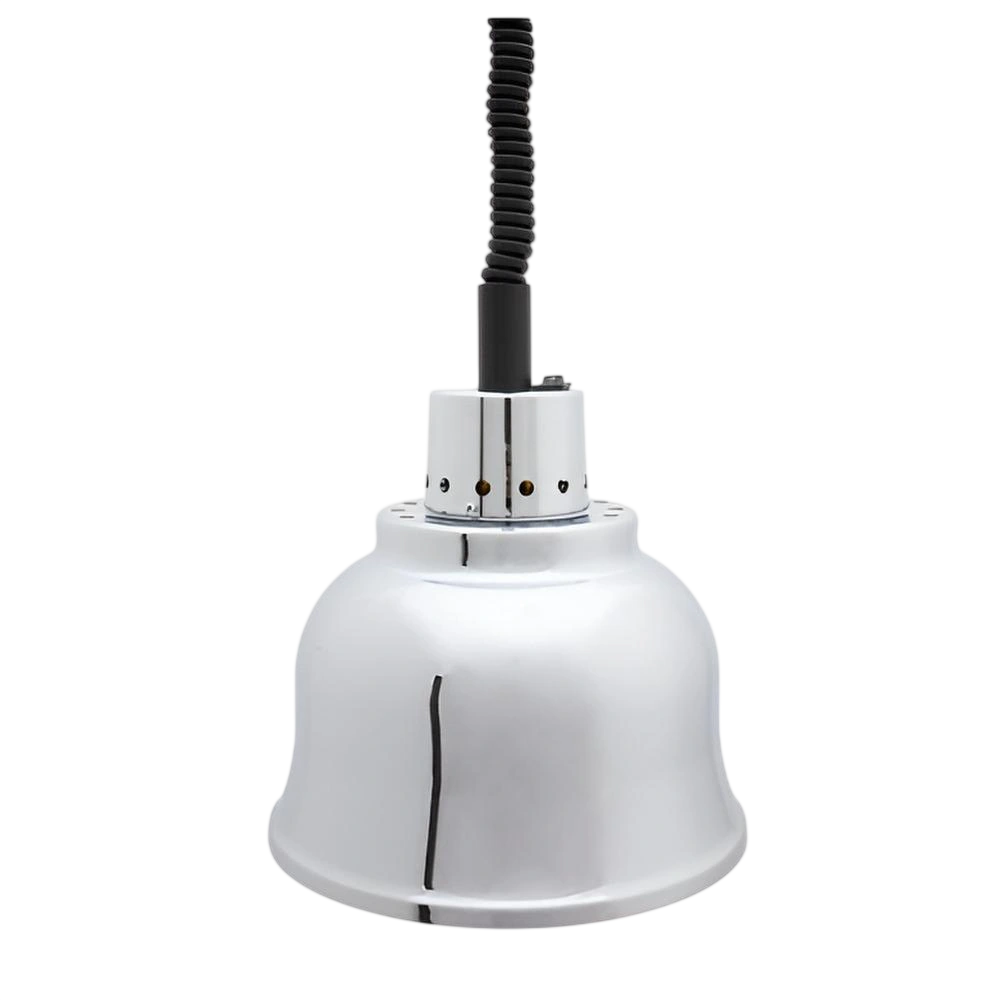
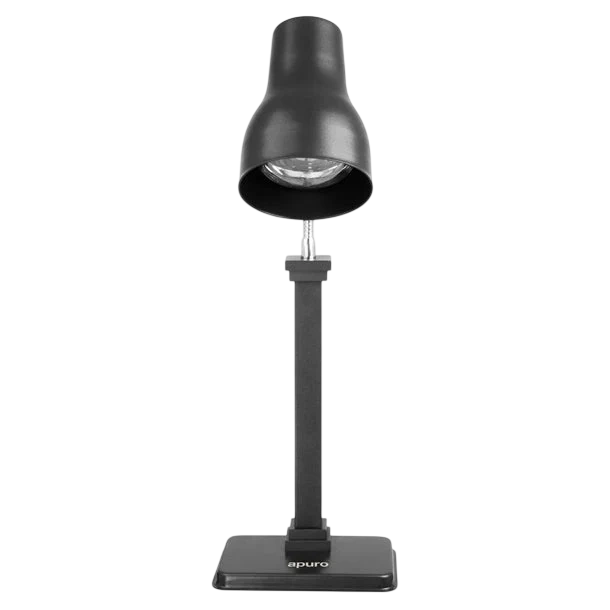
280 × 380 × 660mm
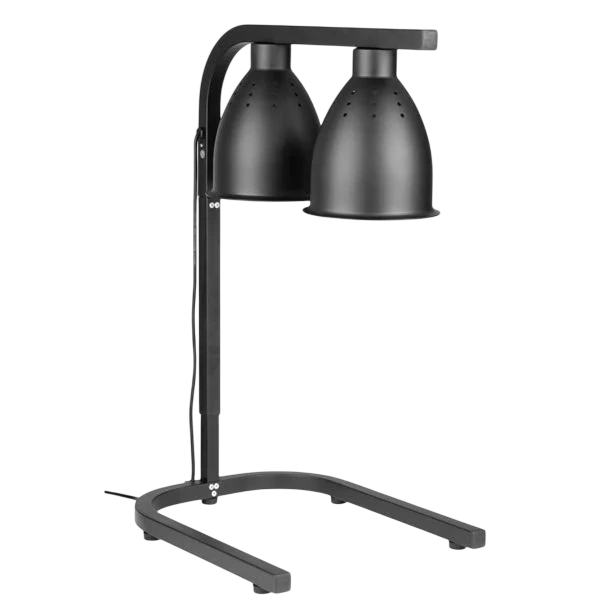
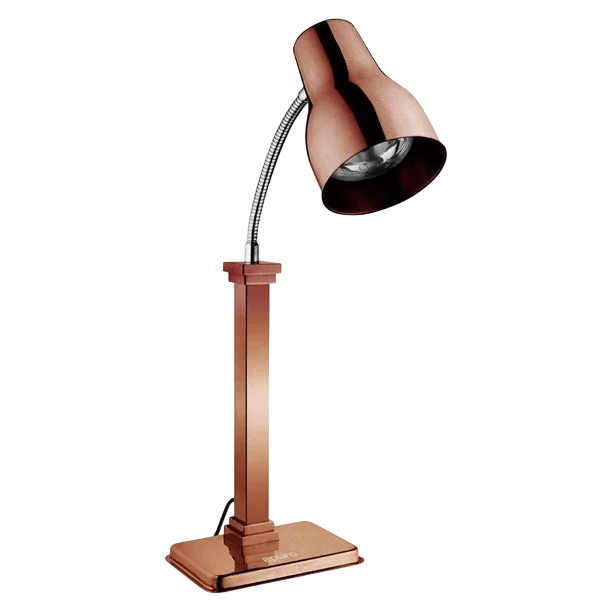
280 × 380 × 660mm
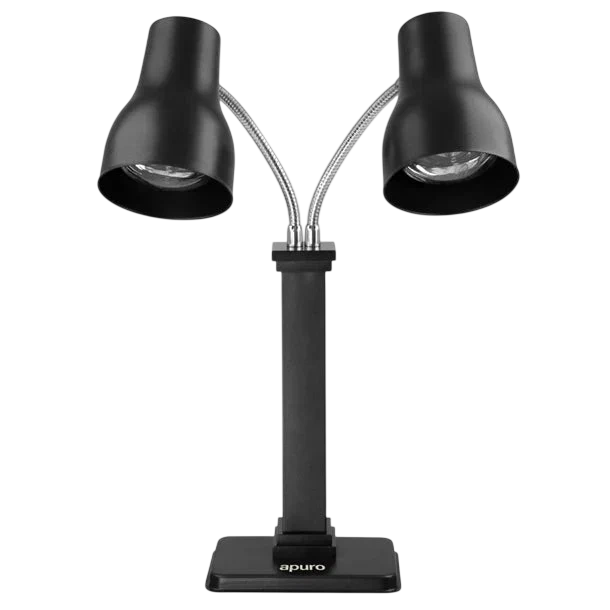
280 × 380 × 660mm
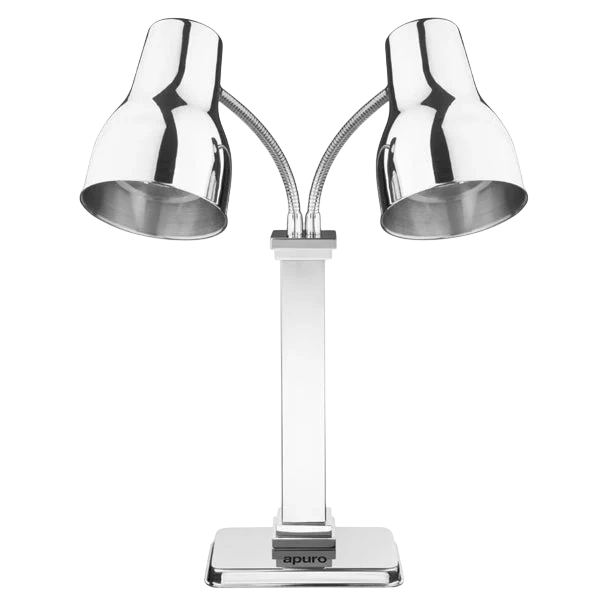
280 × 380 × 660mm
1087 × 602 × 476mm