
Benchstar
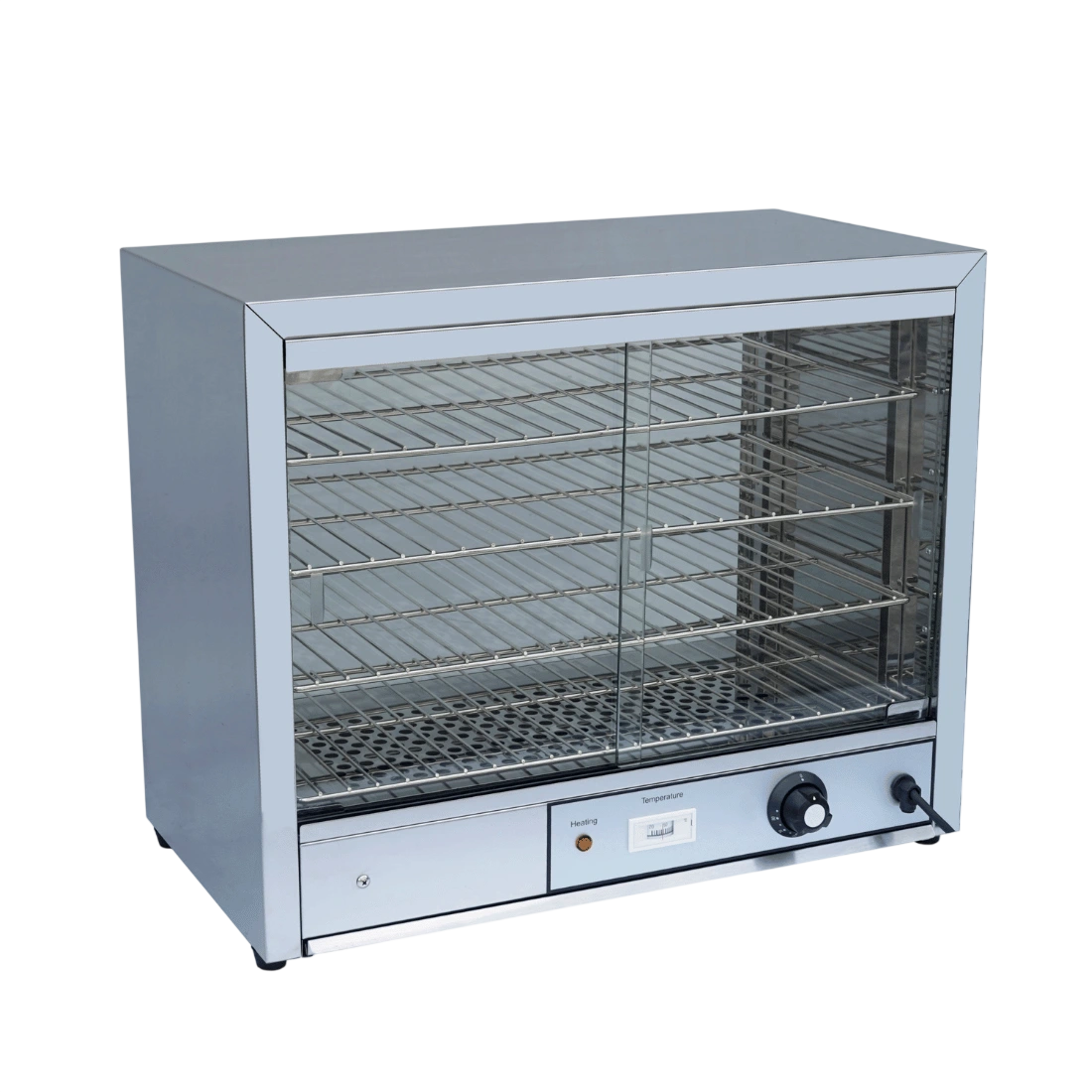
Benchstar DH-805E Pie Warmer & Hot Food Display – Gross Volume: 100L
865 × 334 × 621mm
$679.15$799.00
In Stock
Commercial Food Warmers
23 results
865 × 334 × 621mm
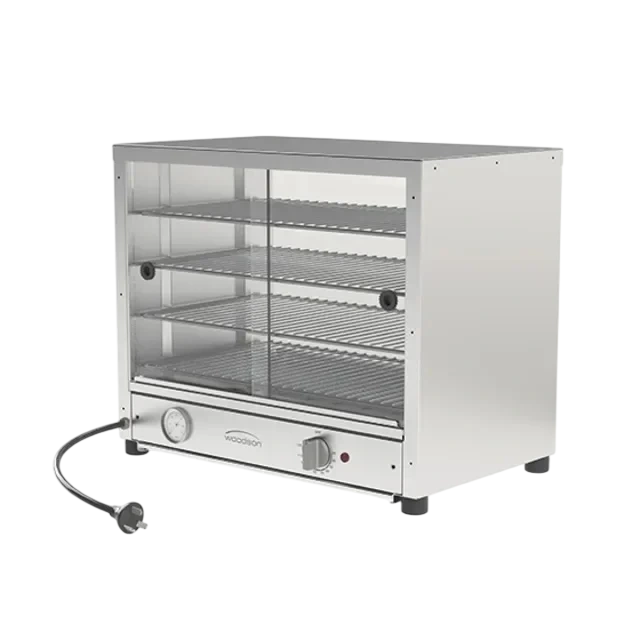
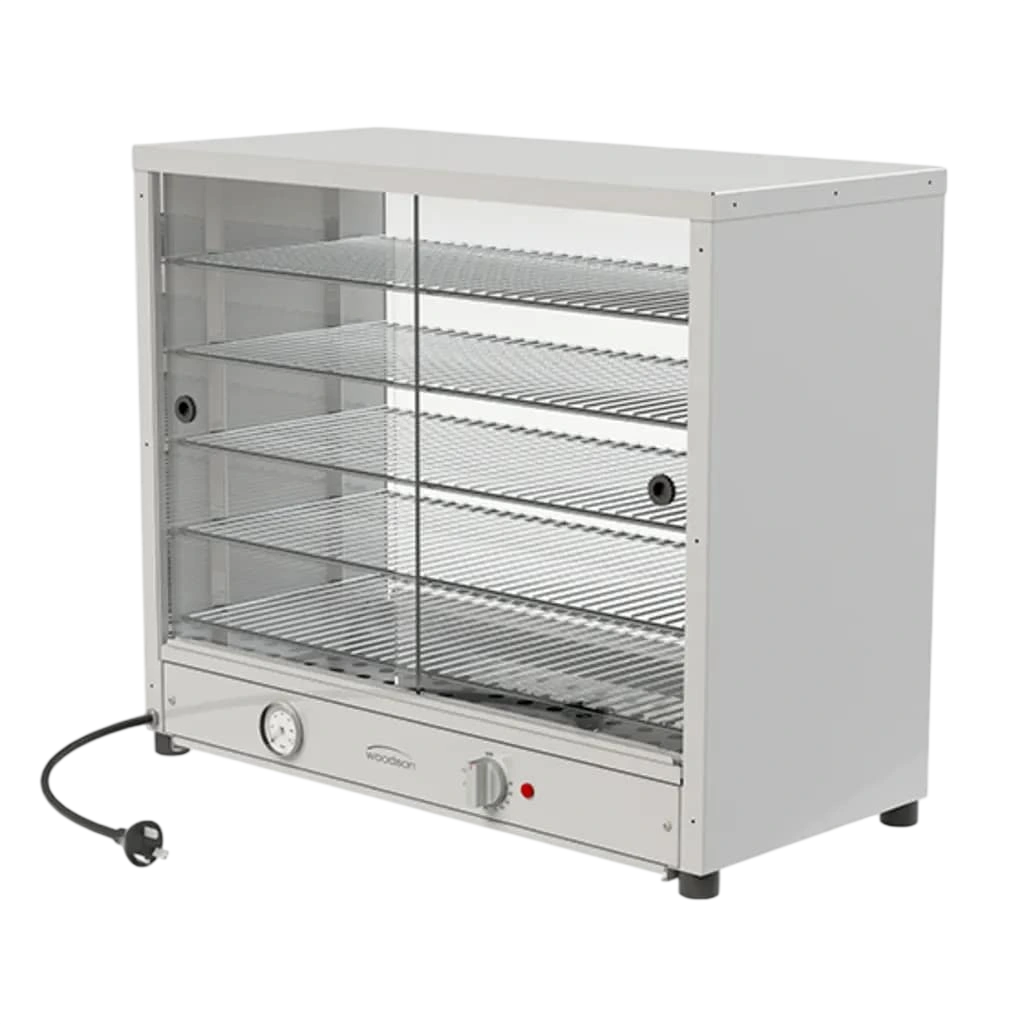
755 × 350 × 637mm
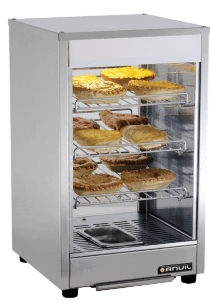
353 × 393 × 604mm
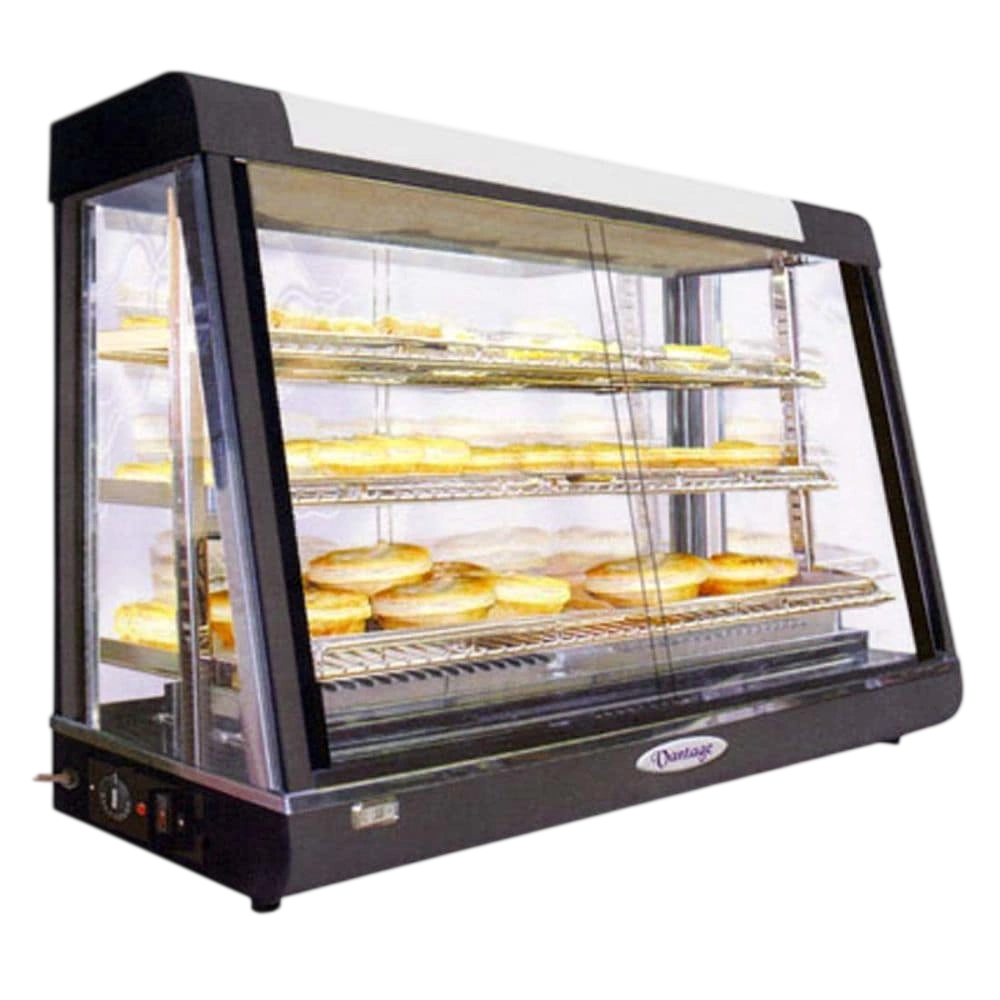
1200 × 490 × 810mm
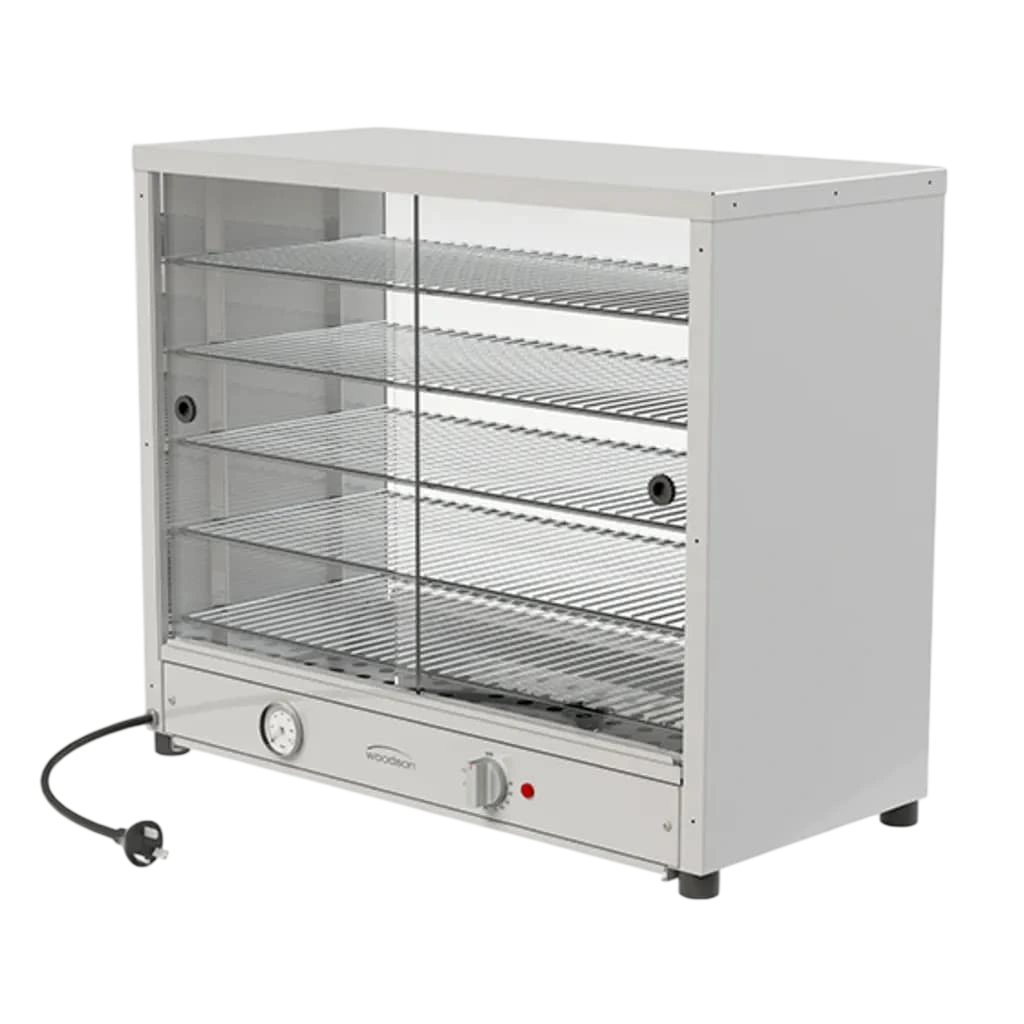
755 × 350 × 637mm
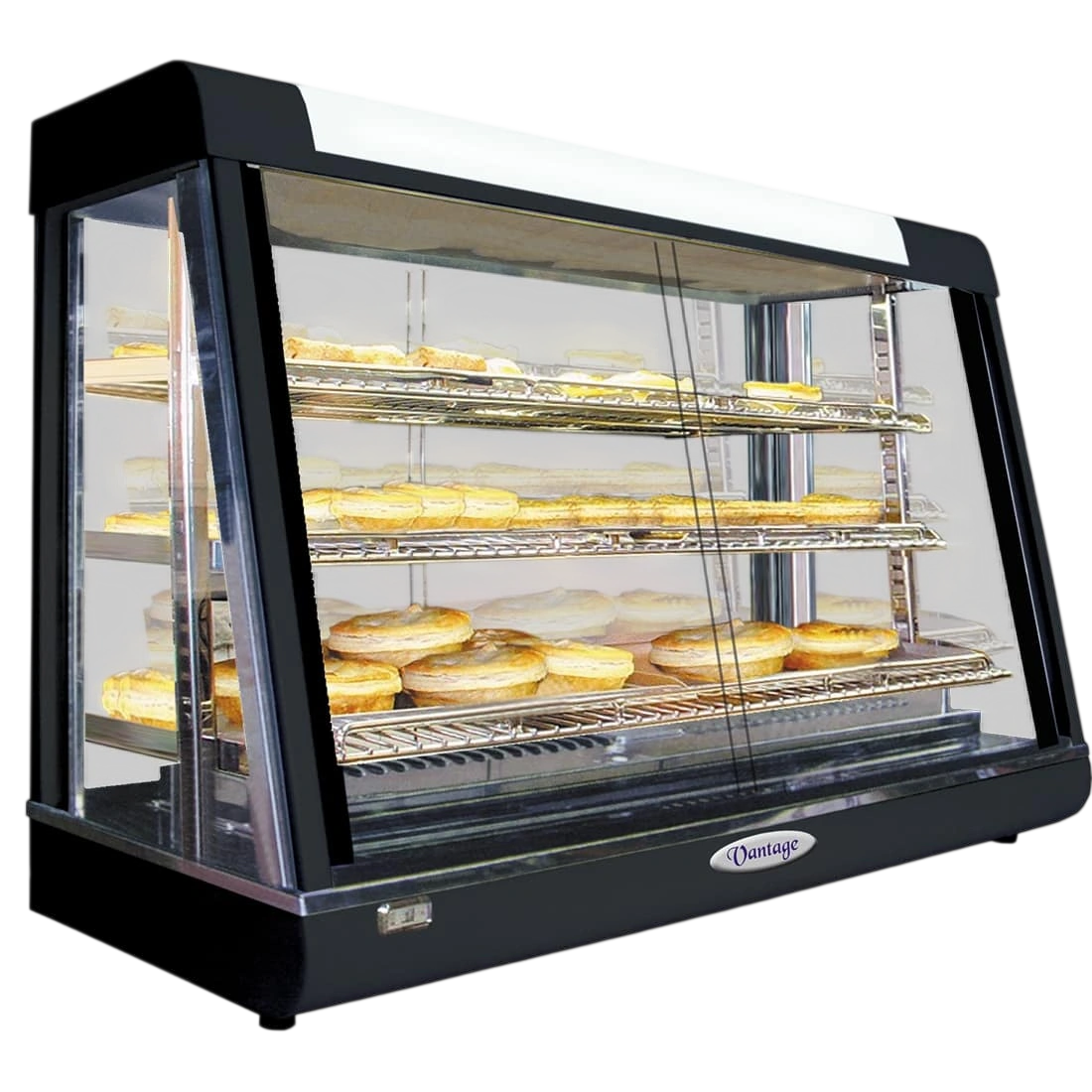
660 × 440 × 655mm
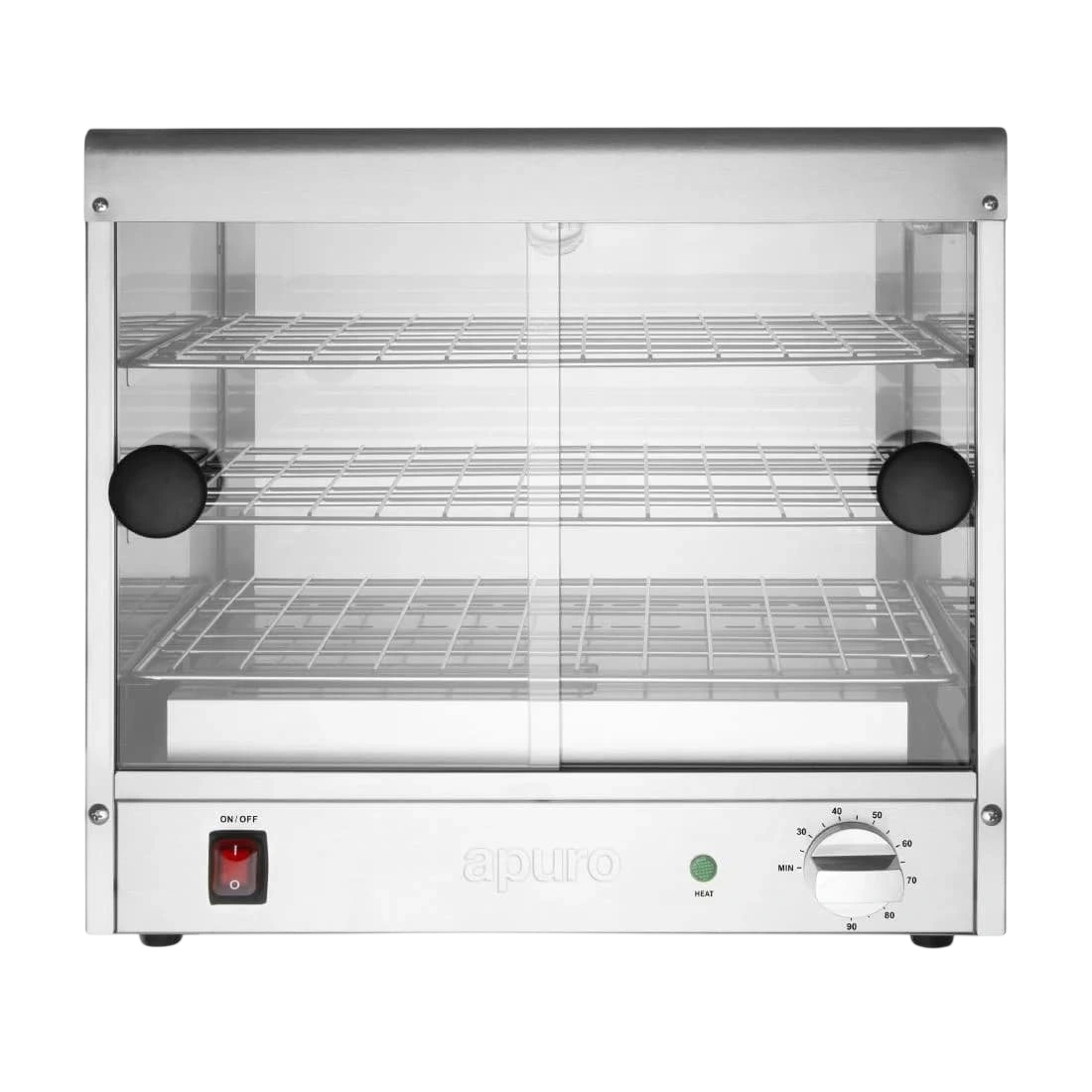
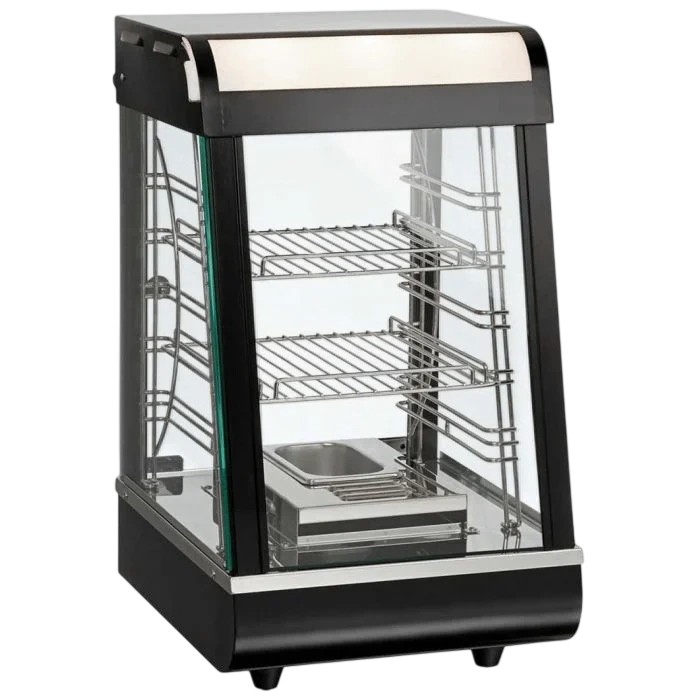
380 × 465 × 658mm
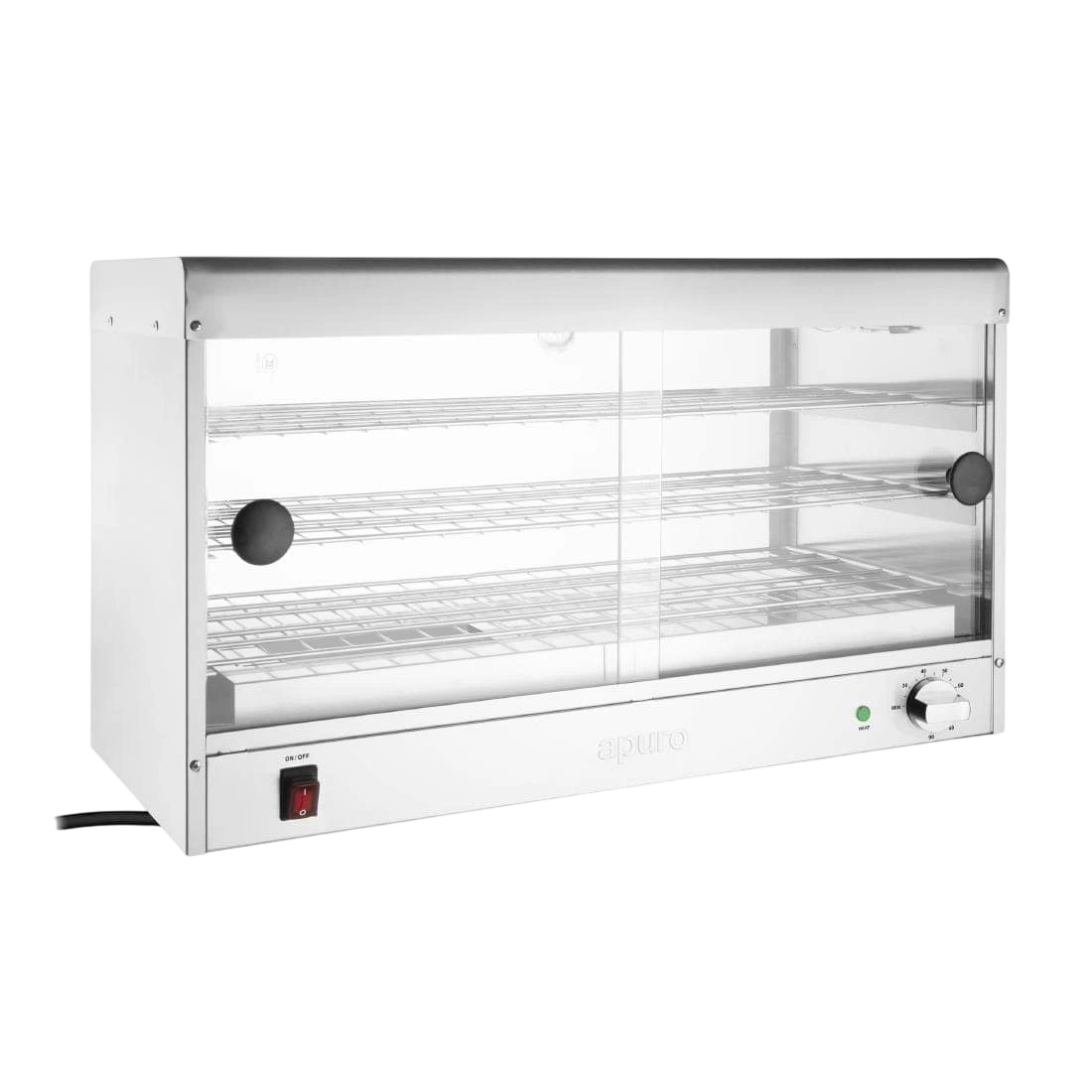
776 × 370 × 465mm
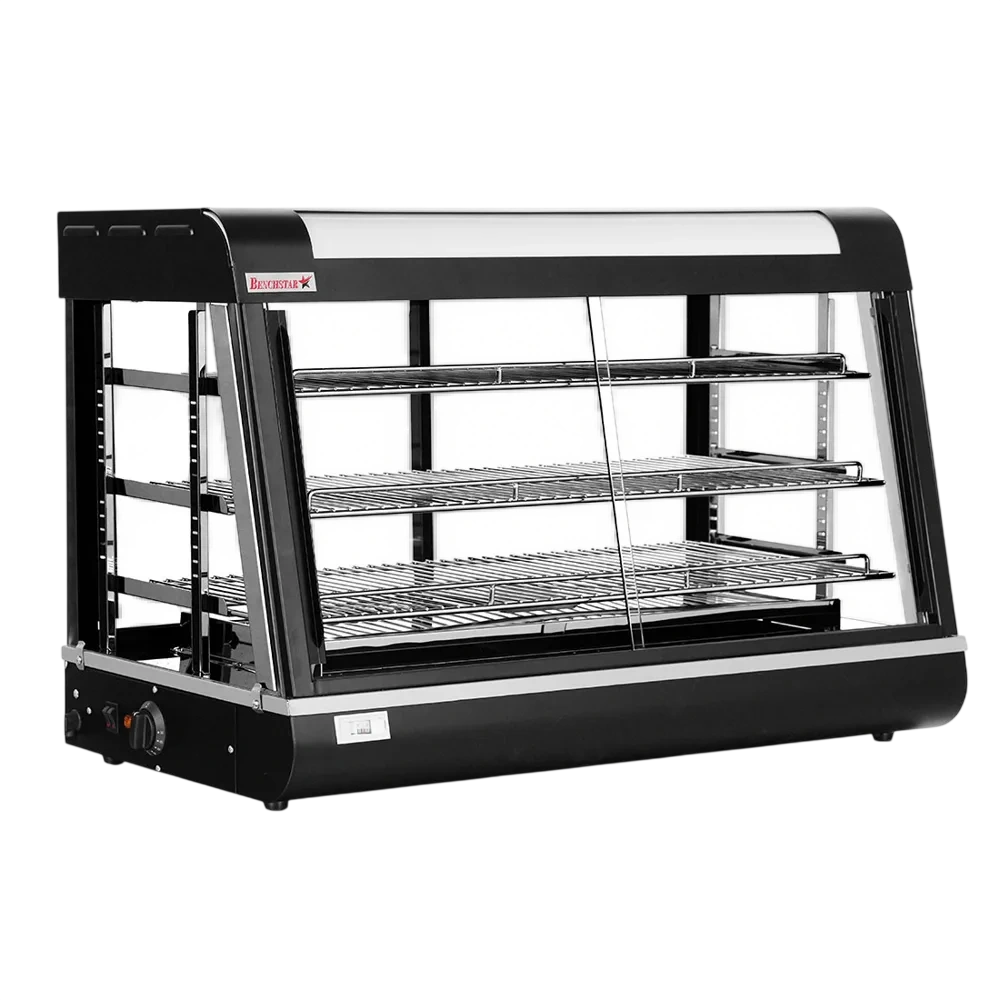
900 × 440 × 655mm
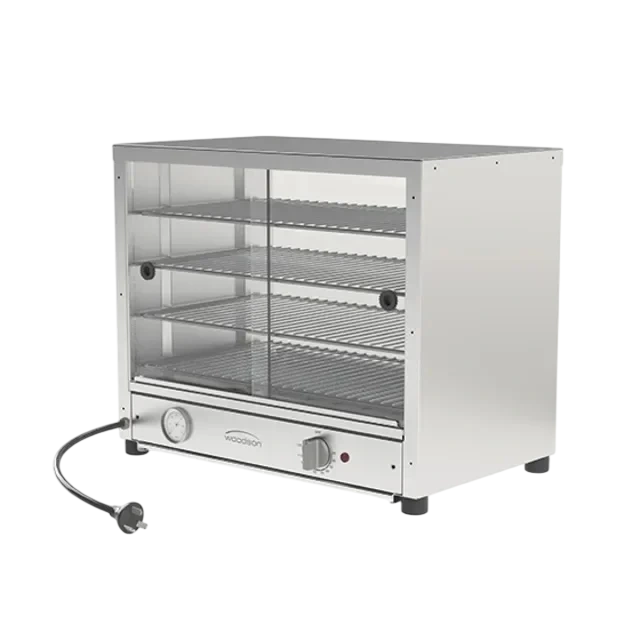
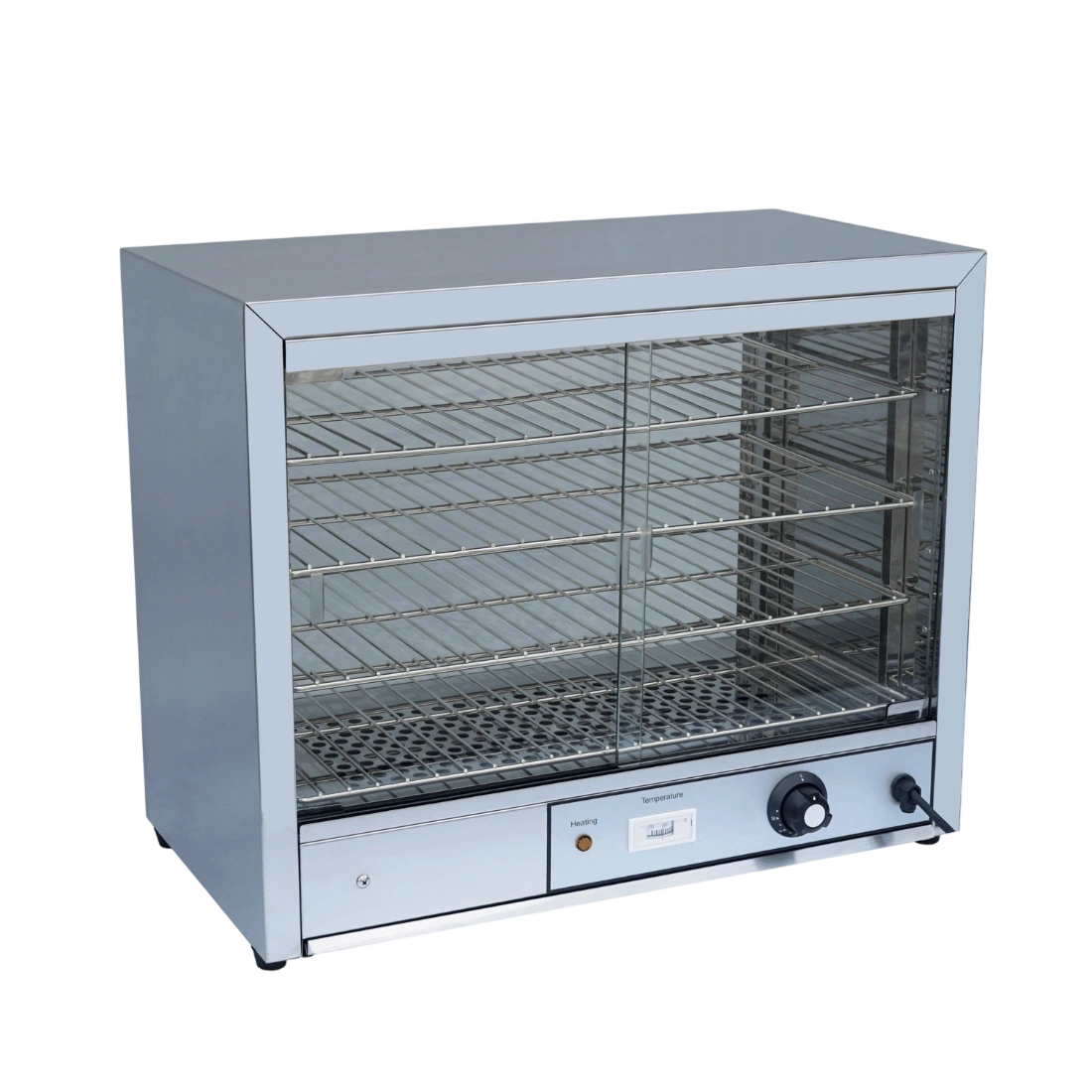
640 × 334 × 526mm
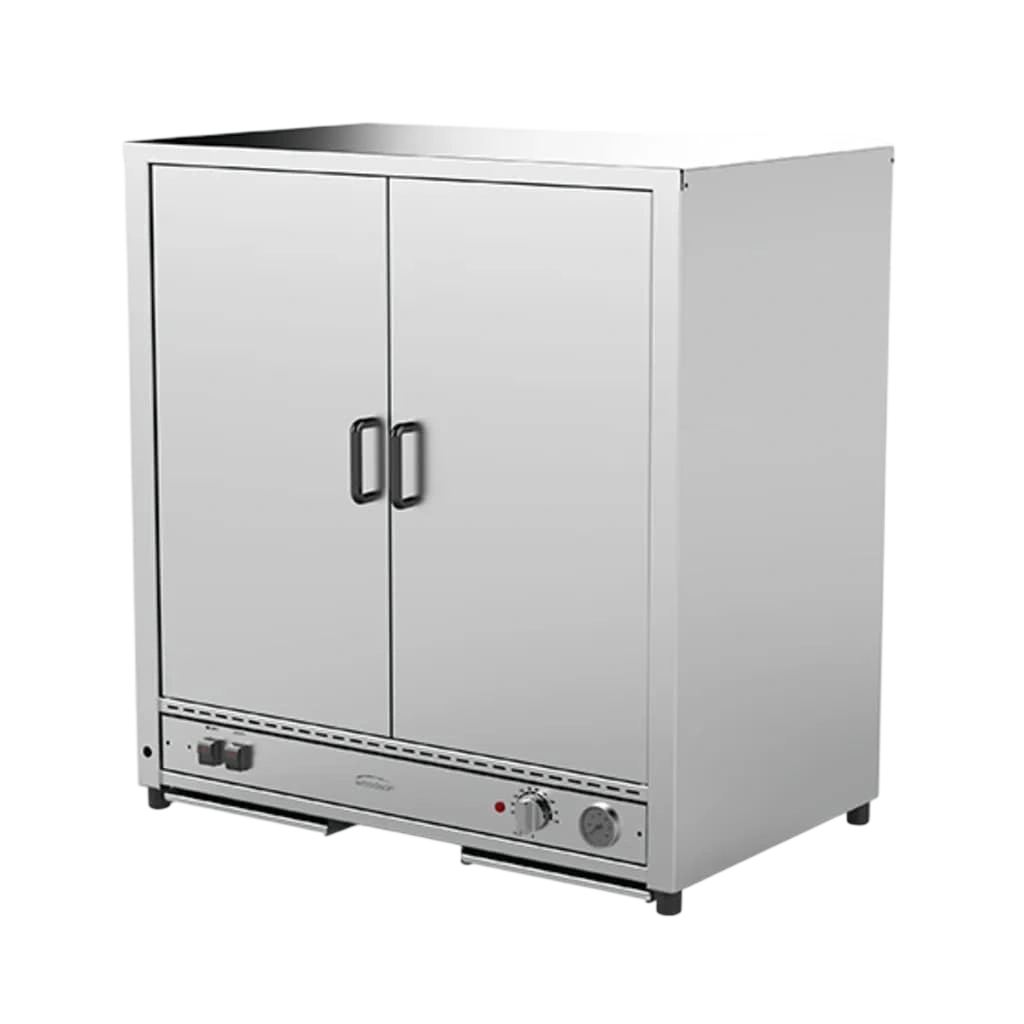
871 × 531 × 912mm
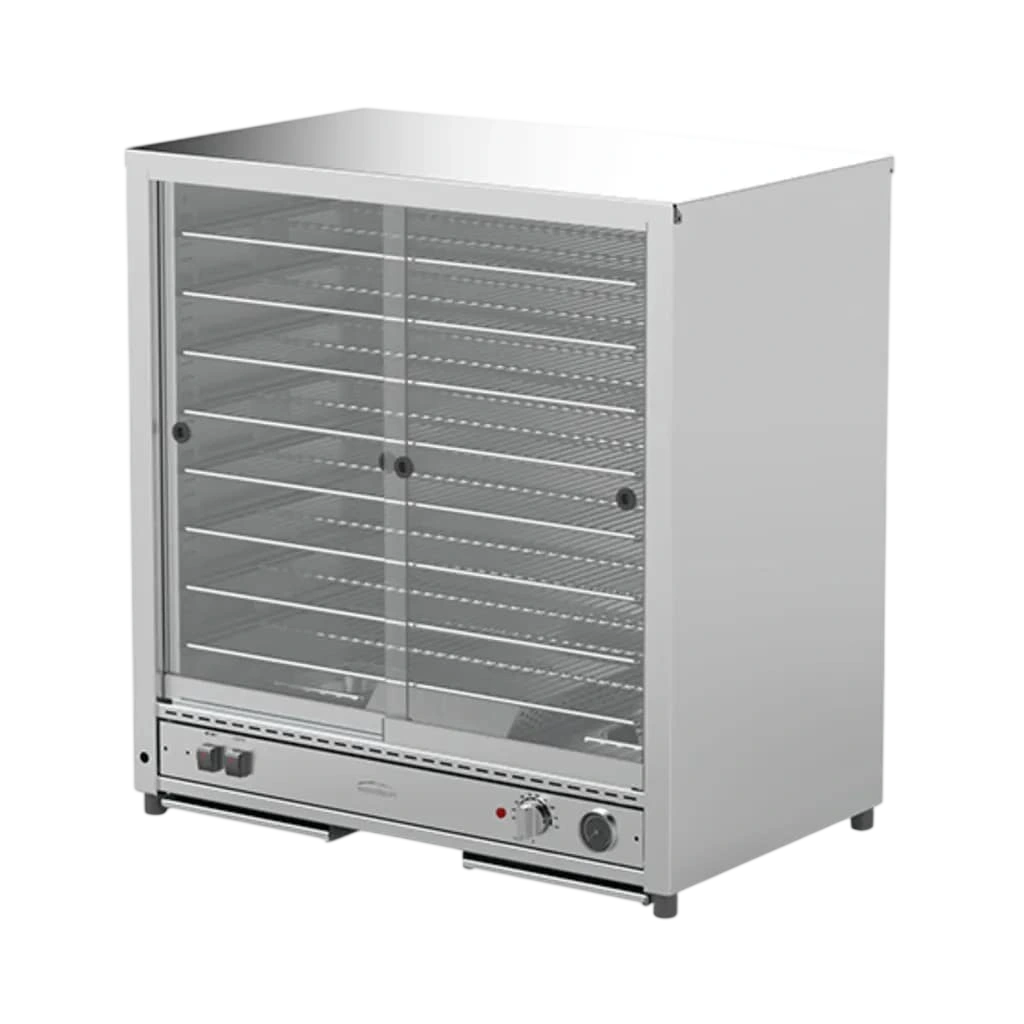
871 × 531 × 912mm
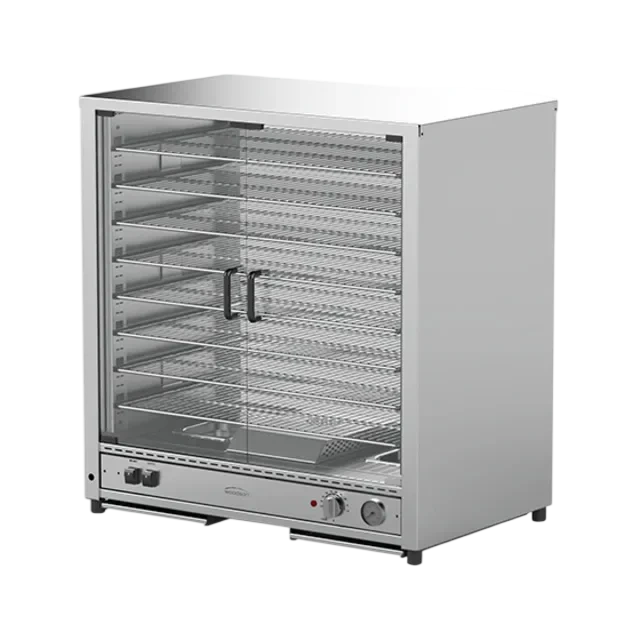
871 × 531 × 912mm
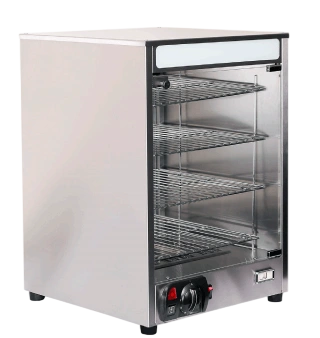
453 × 503 × 644mm
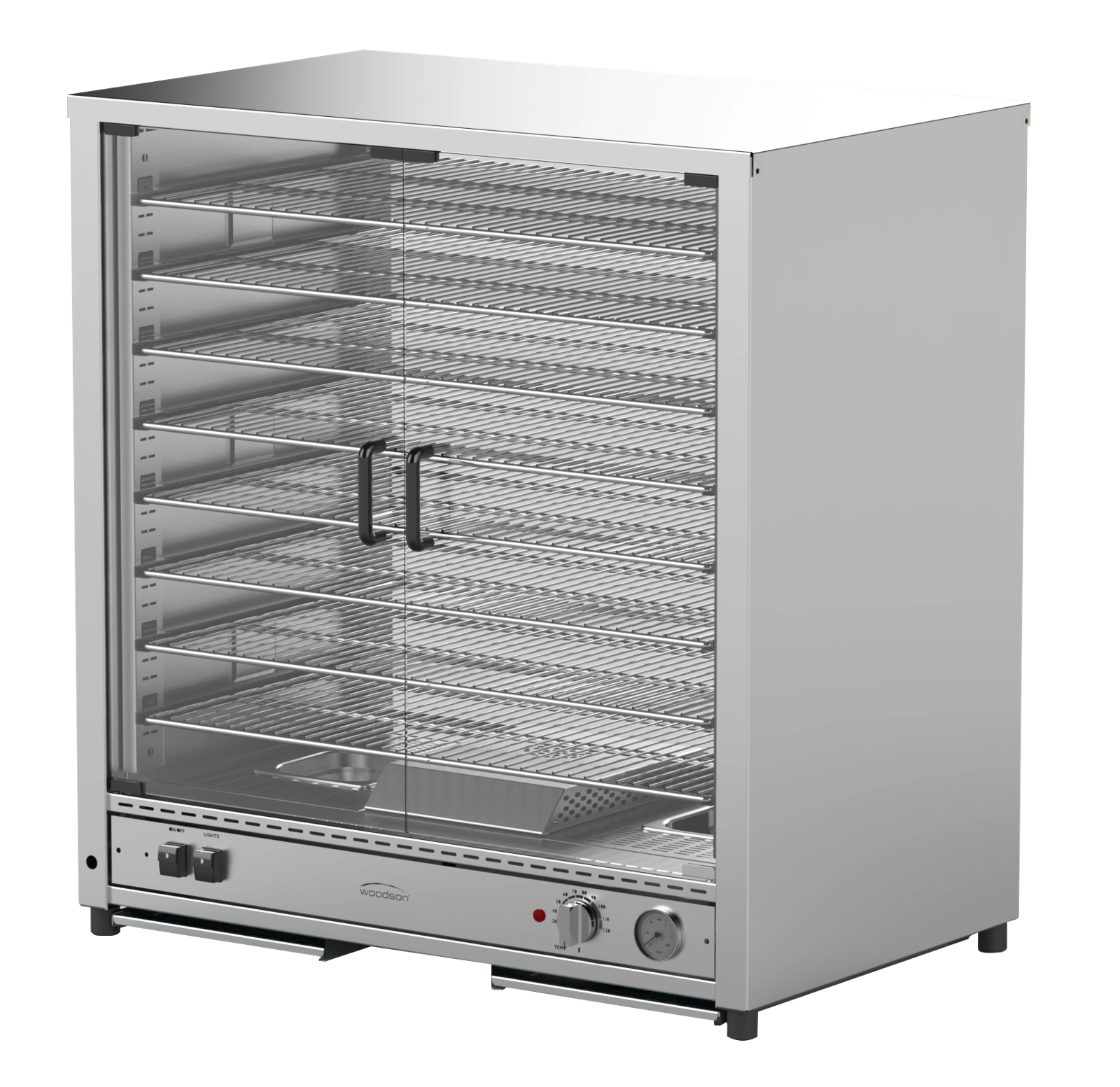
870 × 530 × 915mm
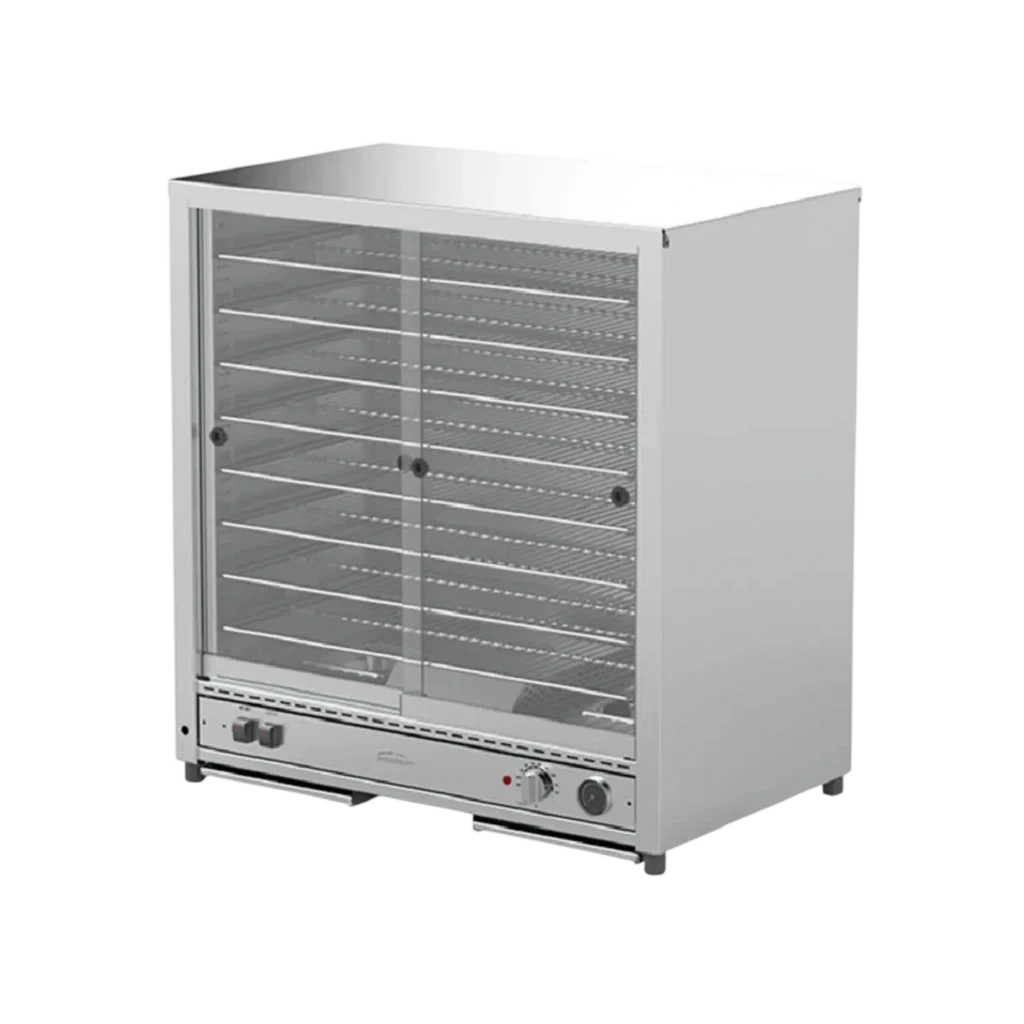
870 × 530 × 915mm
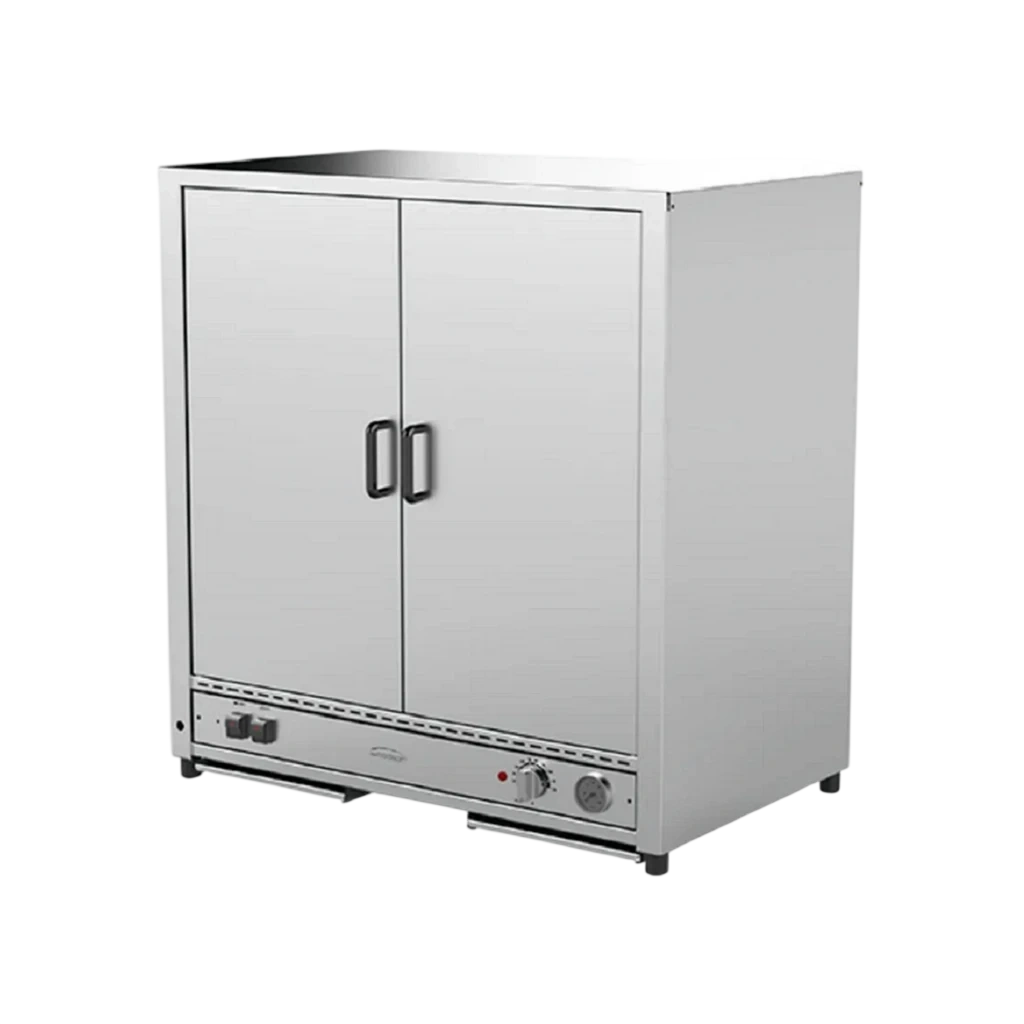
870 × 530 × 915mm
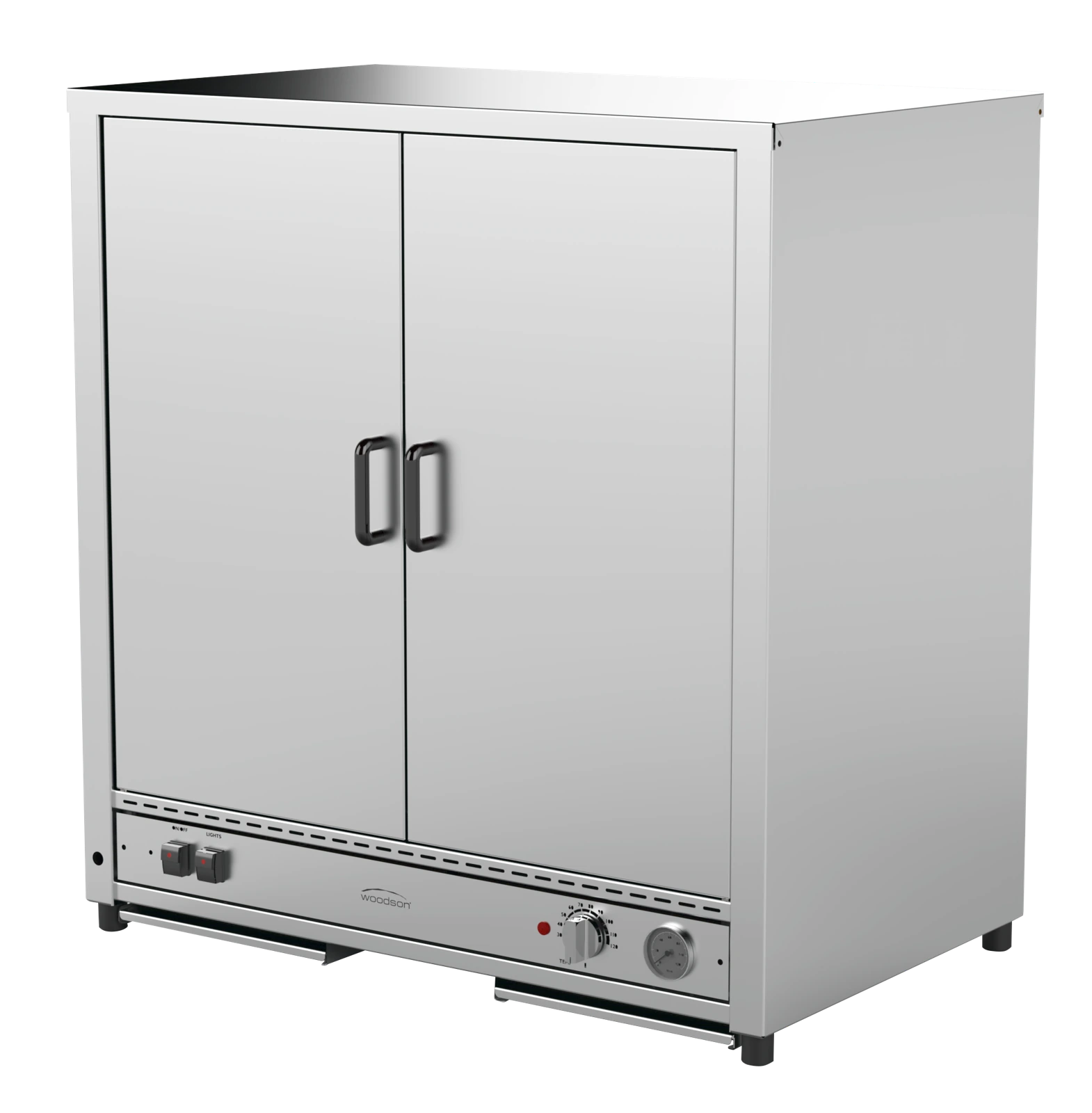
870 × 530 × 915mm
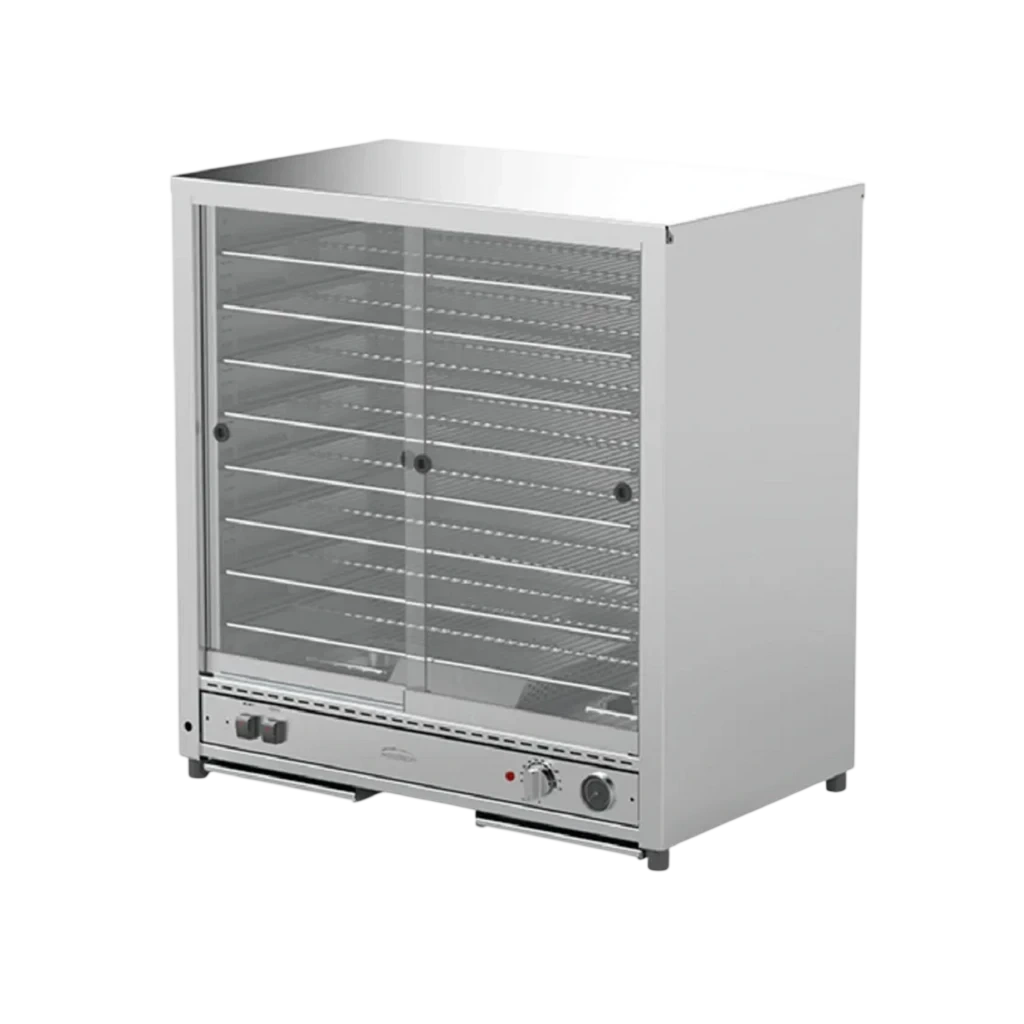
870 × 530 × 915mm
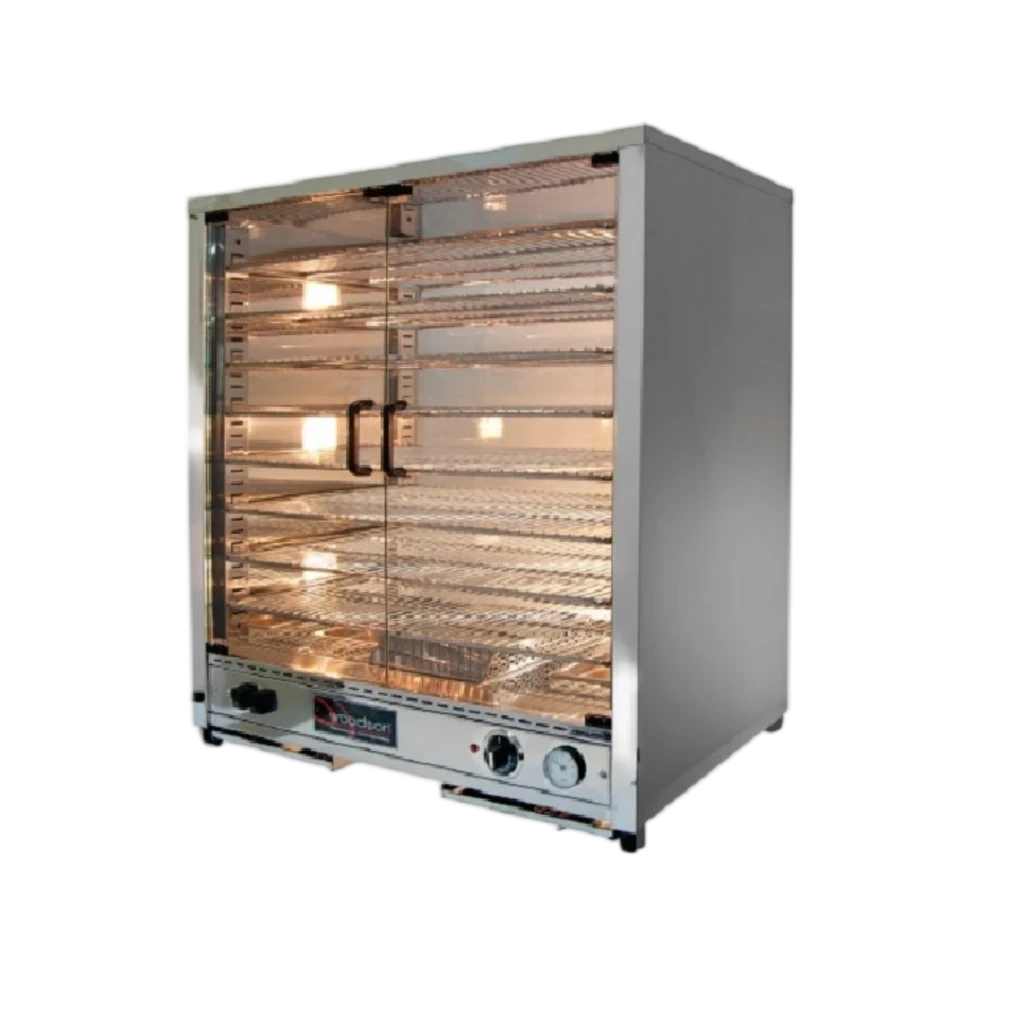
871 × 531 × 912mm
A commercial pie warmer is a display cabinet as much as a holding unit, and is one of several commercial food warmer formats. Product is held hot and visible so that a customer chooses from it, which means presentation, lighting and the view through the glass carry as much weight as the temperature holding. A unit that holds well but presents poorly sells less.
Capacity is counted in product on shelves, not in cabinet volume. Work from the number of pies or pastries displayed at the busiest period and how they are arranged, since shelf spacing and depth decide how much of the stated capacity is usable.
Servery position sets the format. A counter-top unit suits a small outlet and can be moved; a floor-standing or larger food warmer cabinet suits a fixed servery with volume. A small pie warmer is often the right answer for a venue where pies are a sideline rather than the trade.
Note that a pie warmer holds product that is already cooked. A pie oven bakes; the two are sometimes searched for together but are different machines, and holding product in an oven dries it.
Start with the cooked pies and snacks you want on display at the busiest point of service. Check how your actual products fit on the shelves, how staff will replenish them and what customers can see. A larger stated capacity is useful only if the cabinet fits your counter and serving routine.
Bring the dimensions of your pies, sausage rolls and any trays you use. Compare shelf depth, spacing and access with a realistic layout of that mix. Count the stock needed between refills rather than treating a whole day's sales as the required cabinet capacity. Leave the spacing required by the model's instructions; do not assume every advertised pie count applies to oversized or mixed products.
| Model | What its listing specifies | Decision to check |
|---|---|---|
| Anvil PWK0007 | The body describes capacity for 12–18 pies, a fixed glass front, rear hinged door and humidity pan. | Check your product sizes and allow access behind the cabinet to refill and serve. |
| Apuro CJ558-A | Listed for up to 30 pies, with external dimensions of 470 W × 370 D × 465 H mm. | Compare the cabinet envelope with your bench space, then confirm shelf fit, door access and installation clearances separately. |
| Woodson W.PIP200F | Up to 200 pies, subject to tray size; glass swing doors on both sides, eight removable wire shelves and a humidity tray. | Allow for the door swing on the customer and control sides as well as the cabinet footprint. |
| Woodson W.PIP200SFB | Listed for up to 200 pies, with front and rear glass sliding doors, eight adjustable wire shelves and a humidity tray. | Compare sliding access with the swing-door model using your actual tray-loading and serving routine. |
Similar capacity does not make two door configurations interchangeable. Check the complete model suffix before ordering. Access from both sides does not, by itself, establish that a cabinet suits unattended customer self-service.
Submit your kitchen requirements — our equipment specialists will send you a tailored shortlist of pie warmers that fits your budget, venue type and compliance needs.
Standards & Compliance
Before comparing pie warmers, confirm the product count displayed at peak, the counter space available, and whether customers or staff serve from the cabinet. Check shelf spacing against the actual product height.
Look at how the glass is cleaned inside and out, how humidity is managed so pastry does not soften or dry, and how shelves are removed. A display cabinet is judged over a trading day, and product that looks tired by mid-afternoon is a holding problem rather than a stock problem.
Pie warmers are intended for holding cooked product. Do not use one as a baking oven or assume it can reheat chilled food; follow the exact equipment and food instructions.
Product quality depends on holding time, temperature settings, loading and moisture management. If the model has a humidity pan or tray, use it as instructed; its presence does not guarantee that every pastry will retain the same texture.
There is no single holding time for every food and cabinet. Follow your food-safety procedures and the food and equipment instructions, monitor the required time and temperature checks, and plan batches accordingly. Appearance alone does not establish that food is safe.
Choose a display model and layout suited to the service area. Check visibility, lighting, door access and who will serve the food. Front and rear doors do not automatically make a cabinet suitable for unattended self-service.
Count the products you need on display between refills at the busiest period. Check their actual dimensions, shelf spacing and tray fit against the exact model; mixed sizes can change how much of a stated capacity is usable.
No. A pie oven bakes; a pie warmer holds cooked product for service. If you need both jobs, assess the cooking equipment and holding equipment separately.
A counter-top unit takes bench space and needs a suitable supporting surface. For a fixed servery needing another format, compare larger food warmer cabinets and confirm the exact installation. Capacity alone does not tell you whether a model is benchtop or floor-standing.
Review time in the cabinet, batch size, loading, temperature settings and moisture management together. Check the model's instructions and clean the display glass. Do not assume humidity is the only cause or use appearance as a food-safety check.
Why KW
KW can help size a pie warmer by displayed product at peak and match the format to the servery, including how the cabinet is served from. For practical advice on pie warmer display cabinets, call KW on 1300 001 366.
Preserve a clear view of the food with clean glass, suitable lighting and an orderly shelf layout. Plan smaller replenishment batches where they suit demand, so the cabinet is not sized only to hold every item at once. Appearance matters for presentation, but it does not replace checks required by your food-safety procedures.
A humidity pan or tray is listed on the Anvil PWK0007 and the two Woodson 200-pie examples above. Follow the selected model's instructions for its use and cleaning. Do not assume a tray guarantees the same result for every pastry: review holding time, temperature settings, loading and moisture management together when product softens or dries.
A pie warmer holds cooked product; it is not a pie oven. Keep baking or reheating arrangements separate from the holding decision and follow the food and equipment instructions. A benchtop cabinet uses serving space, so check the complete layout before choosing a larger capacity. If you need a different cabinet format for a fixed servery, compare the broader food warmer range and confirm how the exact unit is installed.
For food waiting at a plating pass, compare heat lamps and their coverage and mounting requirements. If the main job is warming crockery or holding trays, compare food and plate warmers. Those are different serving tasks from presenting individual pies for sale.