
Waldorf
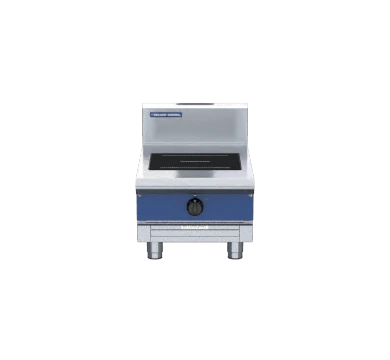
Waldorf INL8200F-B 450mm Electric Induction Cooktop Low Back Version
450 × 805 × 410mm
$14,109.60$17,637.00
In Stock
Catering Equipment
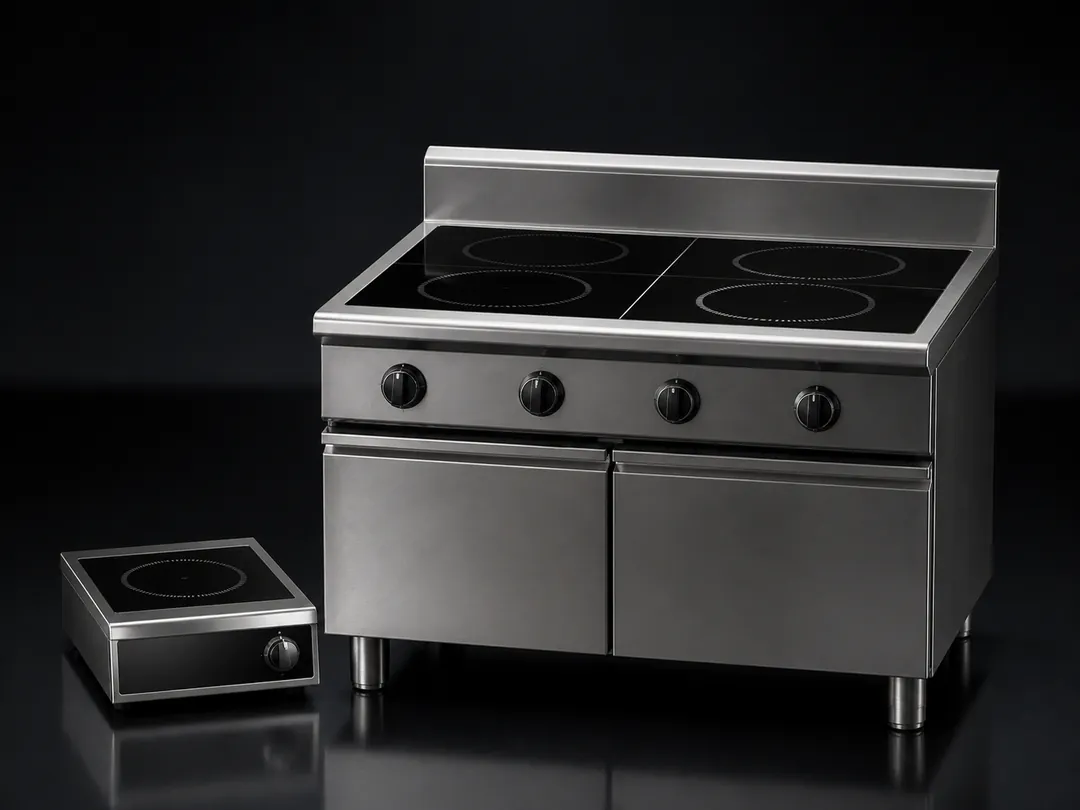
A commercial induction cooktop puts instant, precise heat straight into the pan and keeps the surrounding bench cool, with no open flame. The range spans benchtop single and multi-zone units, induction woks, and freestanding induction ranges with ovens for full cooking lines. Confirm your pans are induction-compatible and check the site's electrical capacity, then choose the format that fits how the station is worked.
Key factors to consider before purchasing. Our team can help you find the right fit — call or get a quote anytime.
Match equipment capacity to your daily output. Consider available floor space and door clearances.
Confirm levelling, wall clearance and the access needed for cleaning and service. We can help with kitchen planning.
Submit your kitchen requirements — our equipment specialists will send you a tailored shortlist of commercial induction cookers that fits your budget, venue type and compliance needs.
Standards & Compliance
Before comparing commercial cookers, confirm the number of zones that must run simultaneously, the available electrical supply and phase, and whether existing pans are induction compatible. Check the bench depth and any required ventilation clearance for the format chosen.
Look at how the control is protected against spills, how the glass surface is supported at the edges, and whether the unit can be serviced without removing the bench. Induction surfaces are the part that fails first in a busy kitchen, so how a surface is replaced matters when specifying for a line rather than a demonstration bench.
FAQ
Single-phase suits small venues; three-phase suits high-output kitchens.
Induction reacts instantly and maintains consistent cooking temperatures.
Blocked vents or high ambient heat can trigger thermal derating.
Clean vents and filters regularly to maintain airflow.
Match your electrical supply, menu style and power density.
Why KW
KW can help match induction format, zone count and electrical requirement to a kitchen's line and supply, then check pan compatibility before anything is ordered. For practical advice on specifying commercial induction equipment, call KW on 1300 001 366.
Deep Dive
Technical depth from KW's commercial kitchen specialists.
| Kitchen Type | Electrical | Menu Style | Recommended Power | Induction Type |
|---|---|---|---|---|
| Café / Small Venue | 10A–15A | Light meals | 2–3kW/zone | Benchtop single-zone |
| Restaurant Line | 20A–32A | Mixed menu | 3.5–5kW/zone | Multi-zone cooker |
| Asian / Wok | 32A / 3-phase | High heat | 5kW+/zone | Induction wok |
| Hotel / Banquet | 20A–32A | Bulk cooking | 3.5–5kW/zone | High-power double zone |
| Catering | 10A–15A | Portable service | 2–3kW/zone | Compact induction |
Score 3 or more “yes” answers → Induction is a strong fit for your kitchen.
A cooktop, hob, stove, range or plate may all be the same technology in a different body. Work from how many pans must be heated at once and where the operator stands, then choose the format that puts those zones in the right place. A portable single plate and a four-zone cooktop solve different problems.
Usually yes — cooktop, hob, stove, plate and burner are different words for the same technology in different bodies. What differs is the number of zones, the power per zone and whether the unit is portable, benchtop or built into a range.
Only if they are ferrous. Hold a magnet to the base: if it holds firmly the pan will heat, and if it does not the pan will not work regardless of quality. Check the whole batterie before ordering, because replacing pans can exceed the cost of the equipment.
Enough to carry every zone at rated power at once, not the average draw. Confirm the circuit rating and whether the site is single or three phase before selecting a multi-zone unit, and check the requirement with an electrician at specification stage.
No. In a combined unit the hob surface is induction and the oven cavity is heated conventionally. Compare the hob on zones and power and the oven on capacity separately, because they are specified on different criteria.
Induction transfers energy into ferrous cookware only. Test the pans a kitchen already owns with a magnet: if it does not hold, that pan will not heat. Where a batterie must be replaced, count that cost alongside the equipment rather than discovering it at commissioning.
Each zone draws its rated power as soon as it is used, so a multi-zone unit at full output needs a supply sized for the total rather than for typical use. Confirm the circuit rating and whether the site is single or three phase before selecting, and involve the electrician at specification rather than at installation.
Where a unit combines a hob with an oven, only the hob surface is induction; the oven cavity is heated conventionally. The two parts are specified on different criteria, so compare the hob on zones and power and the oven on capacity and heat distribution rather than treating the unit as one decision.
| Format | Typical use |
|---|---|
| Benchtop induction cooktop | Single stations, front-of-house cooking and adding capacity without gas |
| Induction wok | Stir-fry service on electric-only sites |
| Freestanding induction range with oven | Replacing a gas range at the centre of the cooking line |
191 results
450 × 805 × 410mm
450 × 805 × 970mm
450 × 805 × 410mm
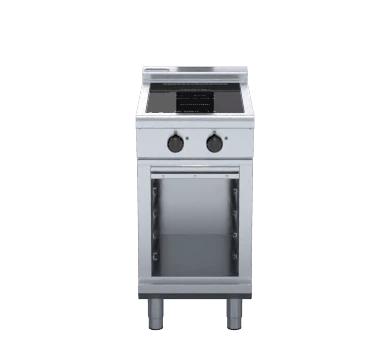
450 × 805 × 970mm
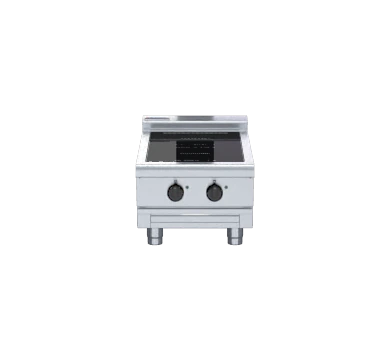
450 × 805 × 410mm
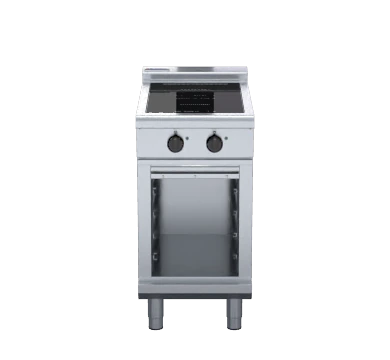
450 × 805 × 970mm
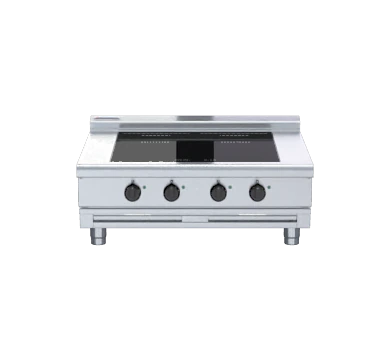
900 × 805 × 410mm
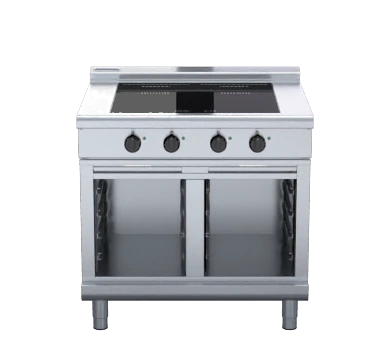
900 × 805 × 970mm
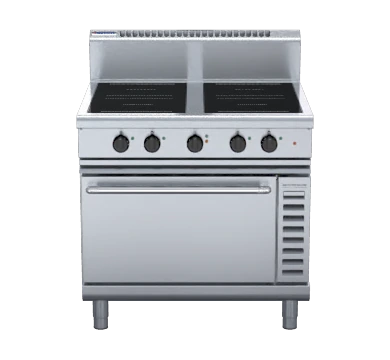
900 × 805 × 1130mm
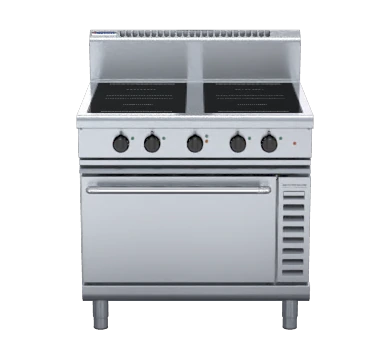
900 × 805 × 1130mm
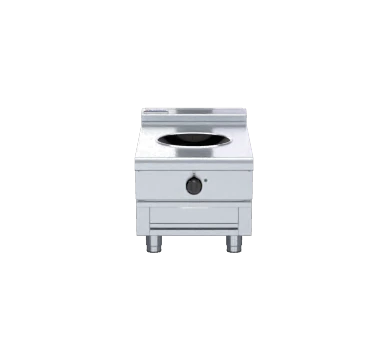
450 × 805 × 470mm
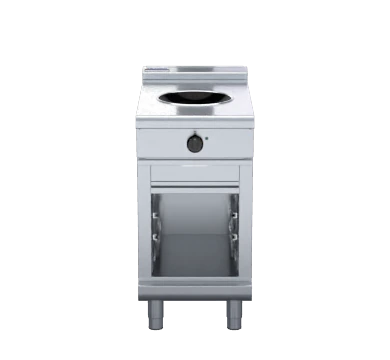
450 × 805 × 970mm
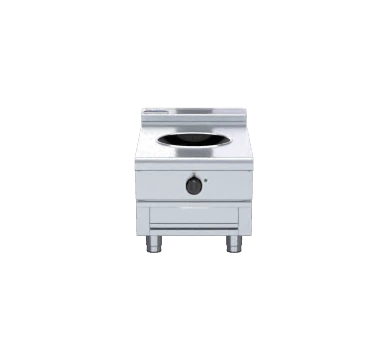
450 × 805 × 470mm
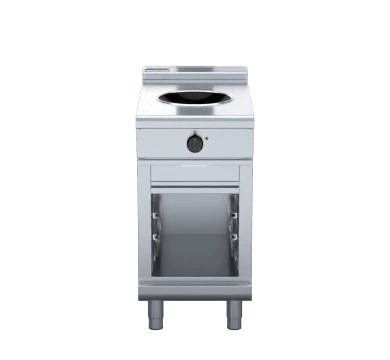
450 × 805 × 970mm
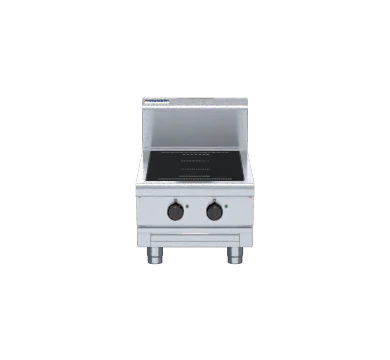
450 × 805 × 570mm
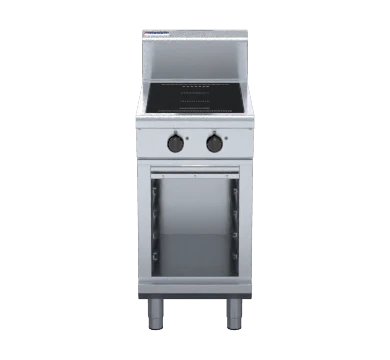
450 × 805 × 1130mm
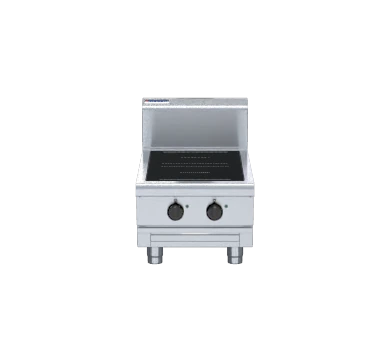
450 × 805 × 570mm
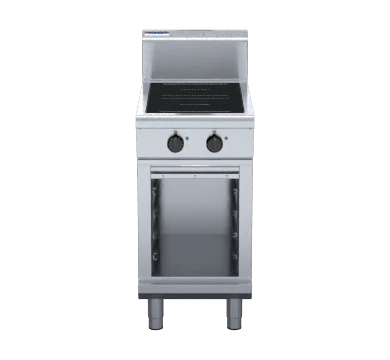
450 × 805 × 1130mm
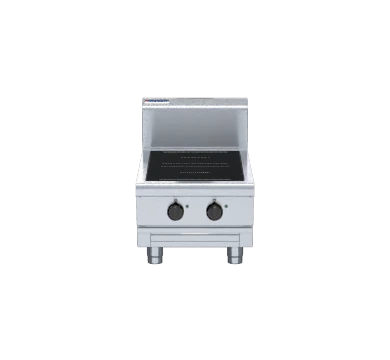
450 × 805 × 570mm
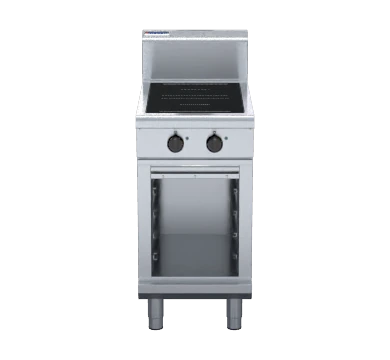
450 × 805 × 1130mm
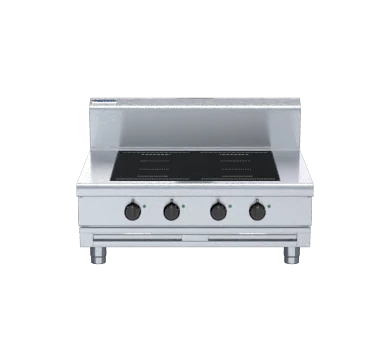
900 × 805 × 570mm
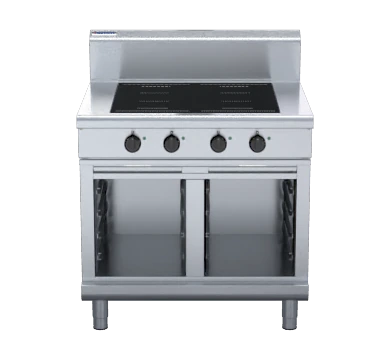
900 × 805 × 1130mm
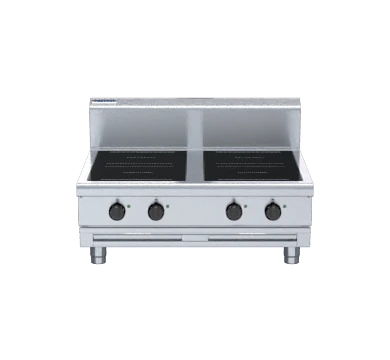
900 × 805 × 570mm
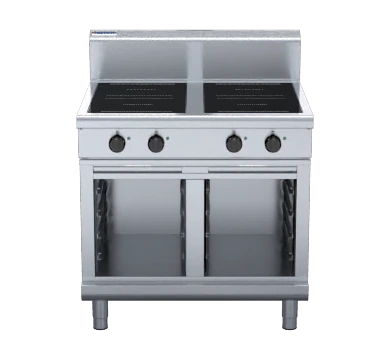
900 × 805 × 1130mm
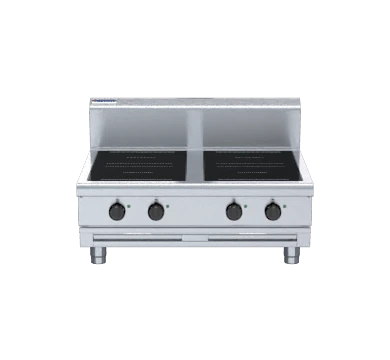
900 × 805 × 570mm
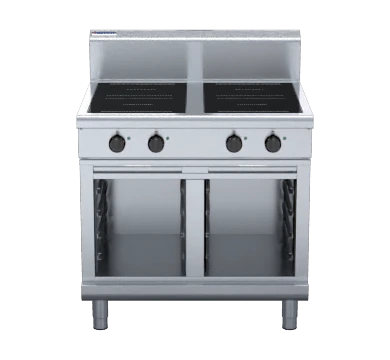
900 × 805 × 1130mm
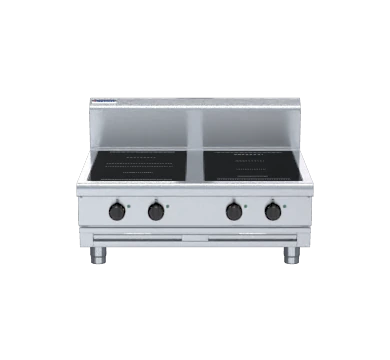
900 × 805 × 570mm
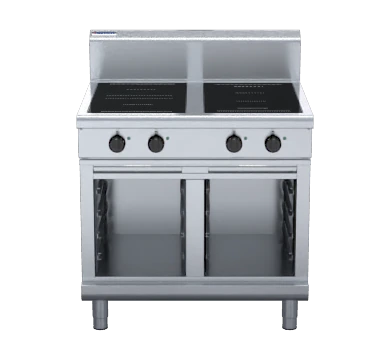
900 × 805 × 1130mm
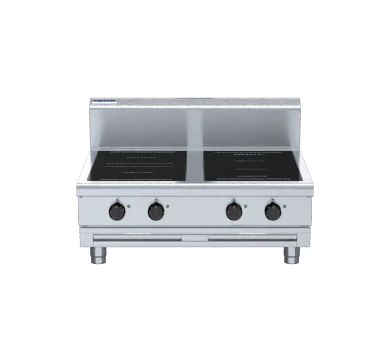
900 × 805 × 570mm
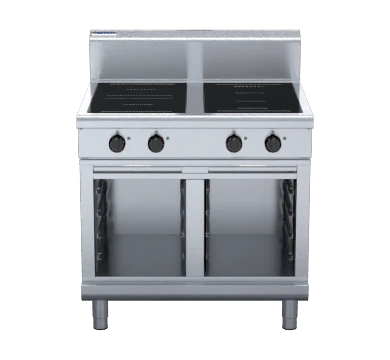
900 × 805 × 1130mm
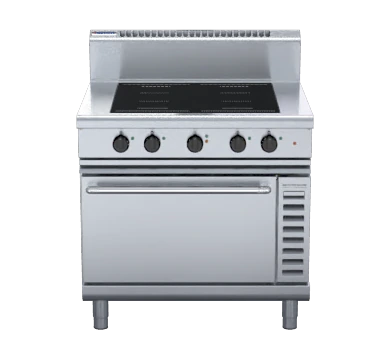
900 × 805 × 1130mm
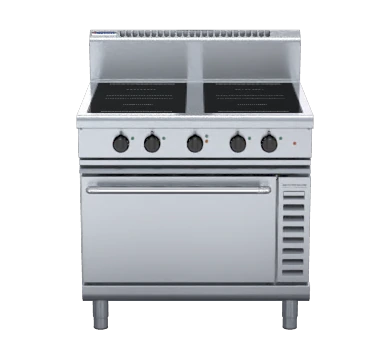
900 × 805 × 1130mm
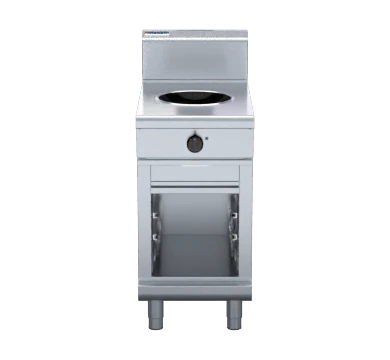
450 × 805 × 1130mm
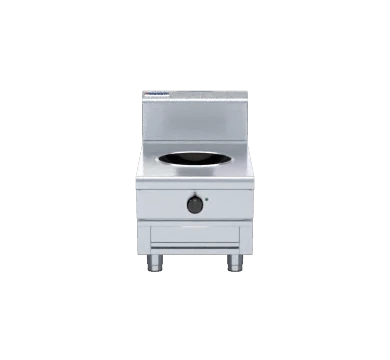
450 × 805 × 630mm
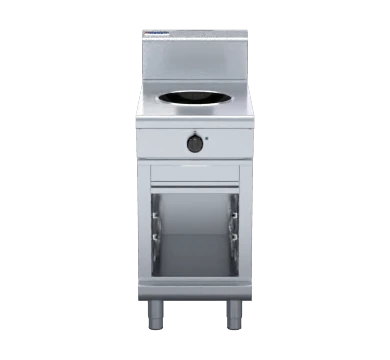
450 × 805 × 1130mm
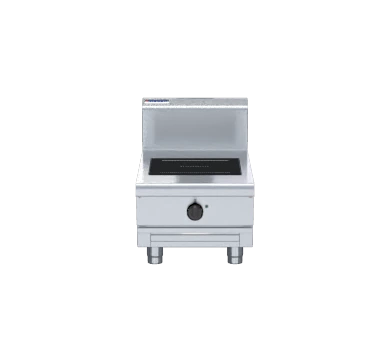
450 × 805 × 570mm
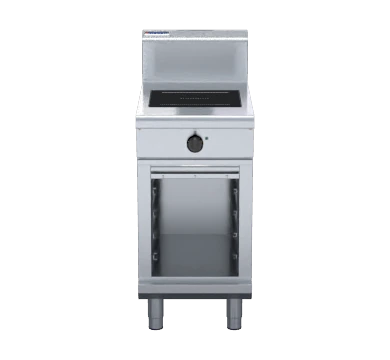
450 × 805 × 1130mm
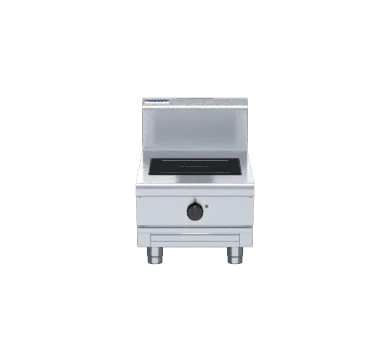
450 × 805 × 570mm
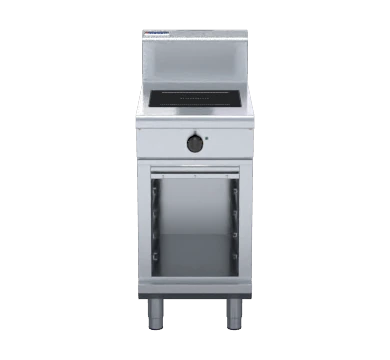
450 × 805 × 1130mm
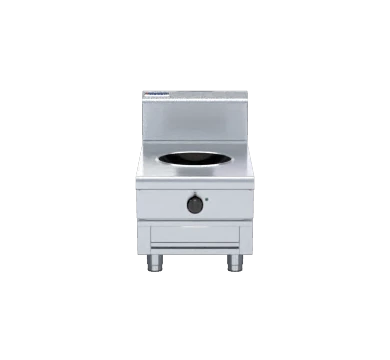
450 × 805 × 630mm
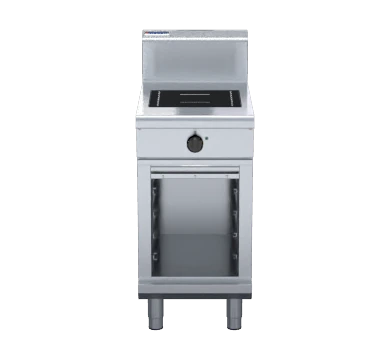
450 × 805 × 1130mm
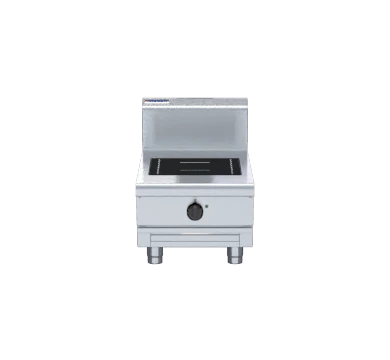
450 × 805 × 570mm
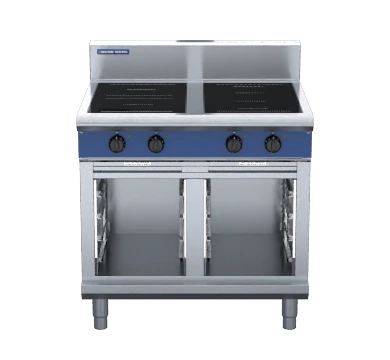
900 × 812 × 1085mm
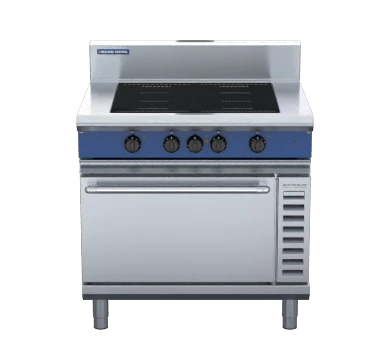
900 × 812 × 1085mm
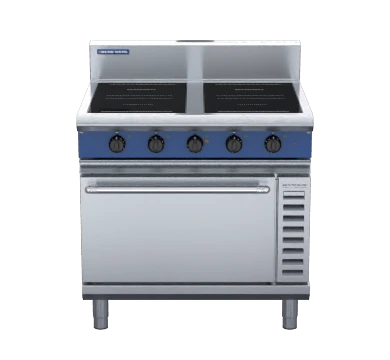
900 × 812 × 1085mm
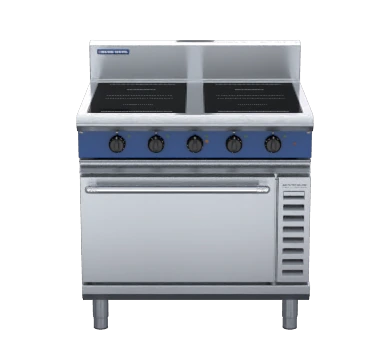
900 × 812 × 1085mm
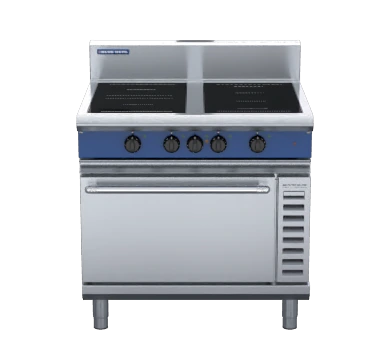
900 × 812 × 1085mm
450 × 812 × 525mm