
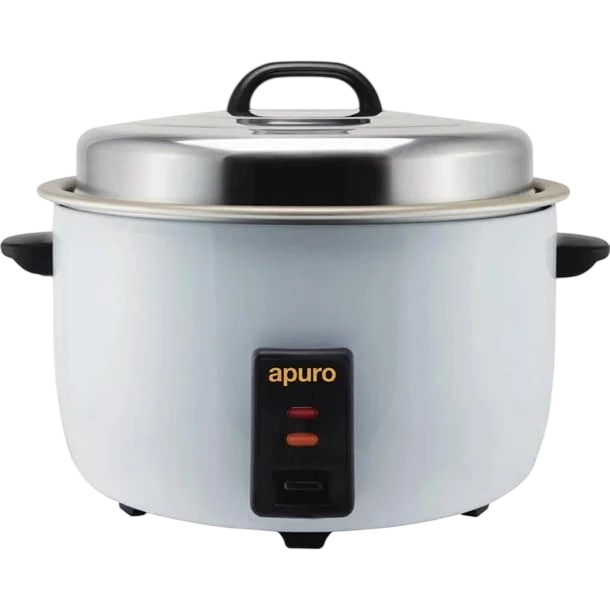
Catering Equipment
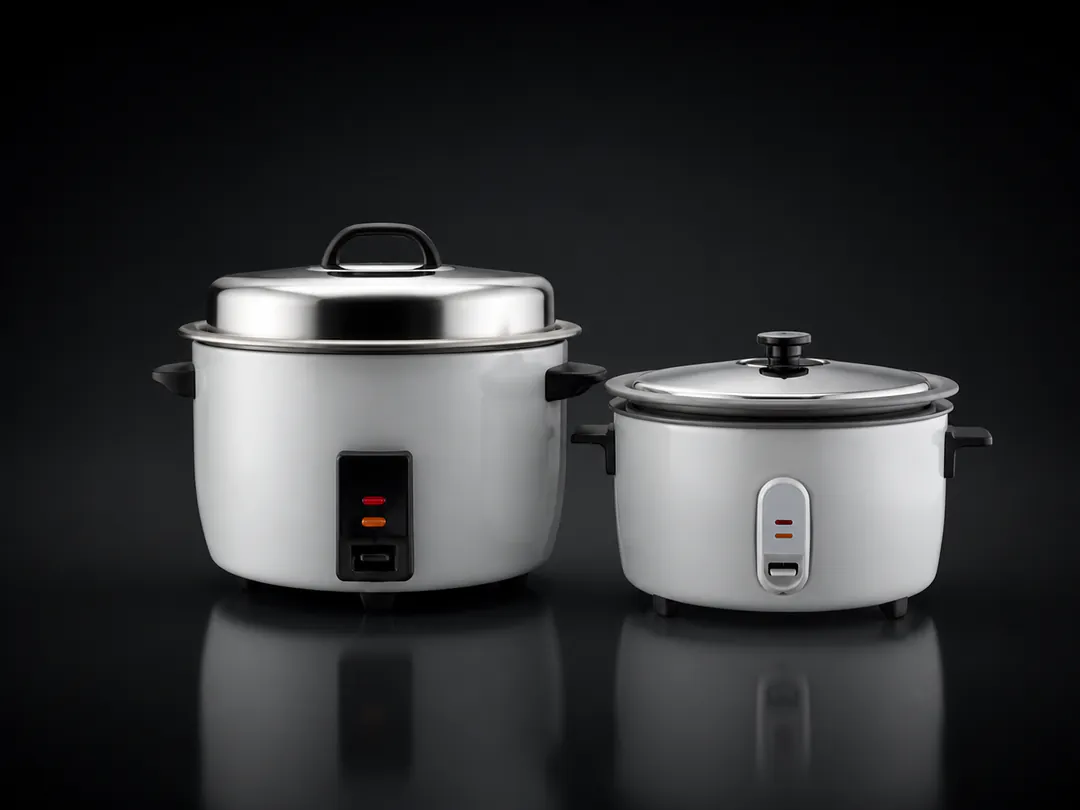
A commercial rice cooker is sized in cooked rice, not in dry rice or in the capacity printed on a domestic appliance. Work out the portions served in the busiest sitting and convert that to cooked volume before comparing units, because a large rice cooker rated on dry weight can hold considerably more or less than the number suggests.
Cooking and holding are two jobs. Most units cook a batch and then switch to a warm setting; how long rice stays acceptable on that setting decides whether one big cooker or two smaller ones suits the service. A restaurant serving steadily through a long period is often better served by staggered smaller batches than by the biggest unit available.
Electric units are the common case in a commercial kitchen and need a dedicated supply at the capacities involved. Confirm the circuit before installation, particularly where an industrial-scale unit is replacing a domestic one on the same outlet.
Where rice is cooked elsewhere and only held at the counter, a rice warmer rather than a cooker is the correct item; specifying a cooker for a holding job pays for a function the kitchen will not use.
Key factors to consider before purchasing. Our team can help you find the right fit — call or get a quote anytime.
Match capacity to your daily output. Consider the bench or floor space available and the access route for delivery.
Check the power supply at the installed position — phase, amperage and circuit capacity — before ordering.
Confirm electrical compliance, levelling and the clearance needed for cleaning and service access. We can help with kitchen planning.
Submit your kitchen requirements — our equipment specialists will send you a tailored shortlist of rice cookers that fits your budget, venue type and compliance needs.
Standards & Compliance
Before comparing rice cookers, confirm the cooked volume needed at the busiest sitting, how long rice must hold after cooking, and whether the unit cooks, holds or both. Check the bench space including lid clearance when open.
Look at how the inner bowl is removed and cleaned, whether it can be replaced separately, and how the lid seals and drains condensate. In continuous service the bowl and lid are handled constantly, so how they come apart matters more than the control panel.
FAQ
Choose based on hourly turnover, not just litre capacity.
IH delivers more even heat and better moisture control.
Use warmers designed for stable, consistent holding.
Starch-heavy steam can block vents without regular cleaning.
Plan cook cycles and use warmers to free the cooker for new batches.
Why KW
KW can help size a commercial rice cooker in cooked volume for the busiest sitting, then consider holding time and whether a cooker or a warmer suits the job. For practical advice on specifying rice equipment, call KW on 1300 001 366.
Deep Dive
Technical depth from KW's commercial kitchen specialists.
Cook → Fluff → Hold → Turnover
| Venue Type | Rice Type | Output Needs | Recommended Setup |
|---|---|---|---|
| Café / Bento | Jasmine / Long-grain | Low | Single Cooker (10–13L) |
| Restaurant | Jasmine / Short-grain | Medium | Cooker + Warmer |
| Sushi / Premium | Short-grain | High | IH Cooker + Warmer |
| Indian / Basmati | Basmati | High | High-volume Cooker (18–23L) |
| Catering / Schools | Mixed | Very High | 2 Cookers + 1–2 Warmers |
Ratings quoted in dry rice or in cups do not translate directly to servings. Work from portions at the busiest sitting, convert to cooked volume and compare units on that basis. This is the step most often skipped when a big rice cooker turns out to be the wrong size.
Rice held for a long period on a warm setting degrades in texture. Where service runs steadily rather than peaking, two smaller units cooking in sequence often serve better than the biggest single cooker, because each batch reaches the counter sooner after cooking.
Size it in cooked rice for the busiest sitting rather than by dry weight or cup rating. Convert portions to cooked volume first, because ratings quoted in dry rice do not translate directly into servings.
Not where service runs steadily. Rice held a long time on a warm setting loses texture, so two smaller units cooking in sequence often serve better than one large unit cooking everything at once.
A cooker cooks a batch and usually holds it afterwards; a warmer only holds rice cooked elsewhere. If the kitchen cooks rice in bulk and holds it at a counter, a warmer does that job without paying for a cooking function.
At larger capacities usually yes. Electric units at industrial scale draw far more than a domestic appliance, so confirm the circuit before installation rather than assuming an existing outlet will carry it.
Where rice is cooked in the kitchen and held at a counter, a commercial rice warmer does the holding job without paying for a cooking function. Where demand is occasional or seasonal, hire is worth comparing against purchase before committing bench space to a unit used a few times a year.
Larger electric units draw considerably more than a domestic appliance and often need a dedicated circuit. Confirm the supply before installation, particularly where an industrial-scale cooker is replacing a smaller unit on an existing outlet that was never sized for it.
9 results
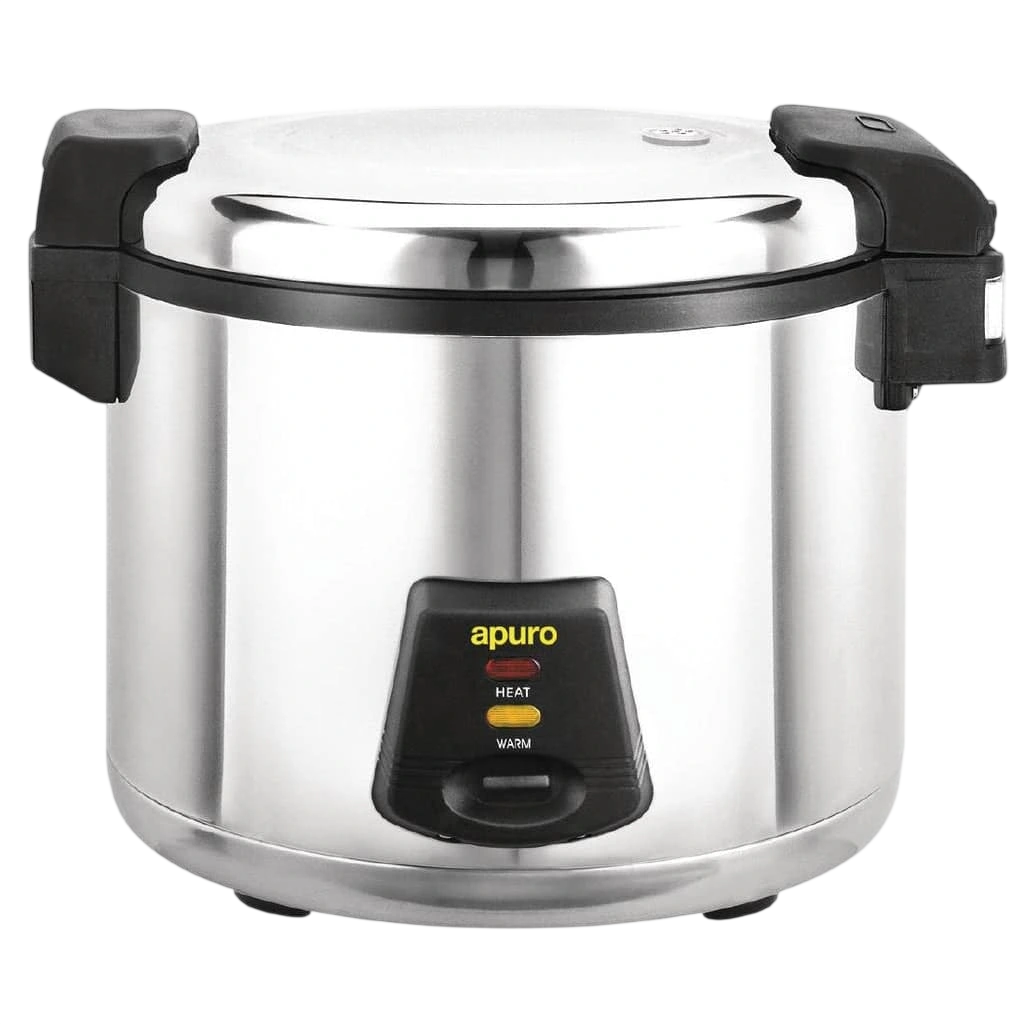
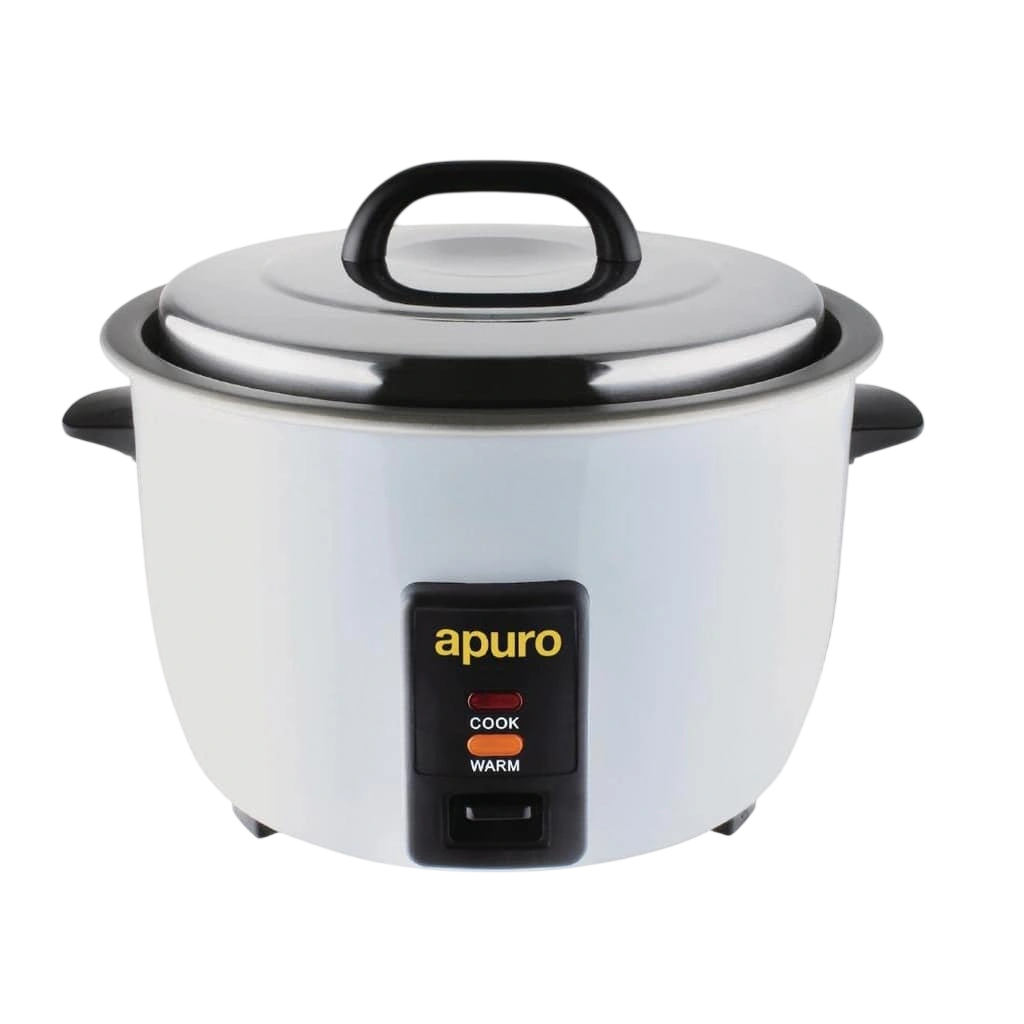
460 × 400 × 370mm
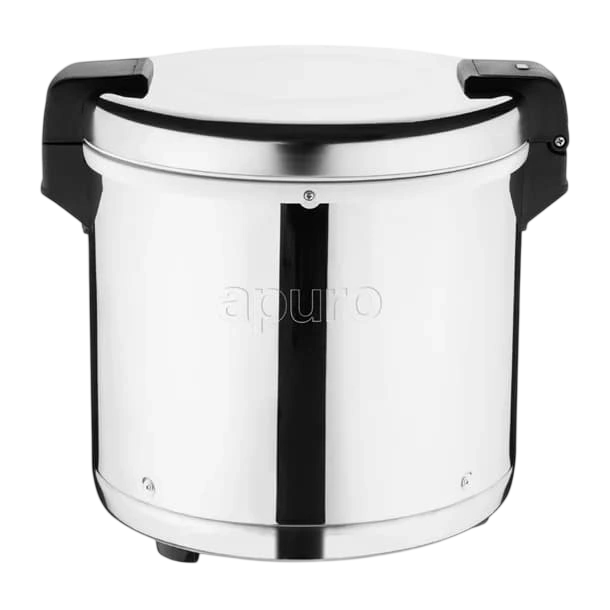
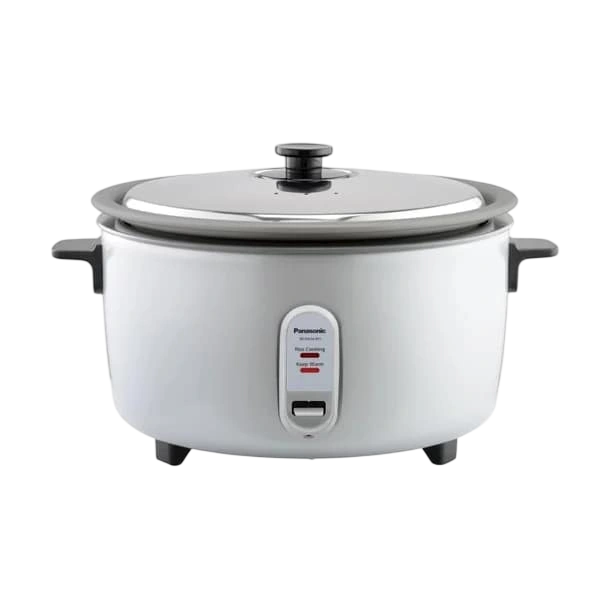
466 × 558 × 366mm
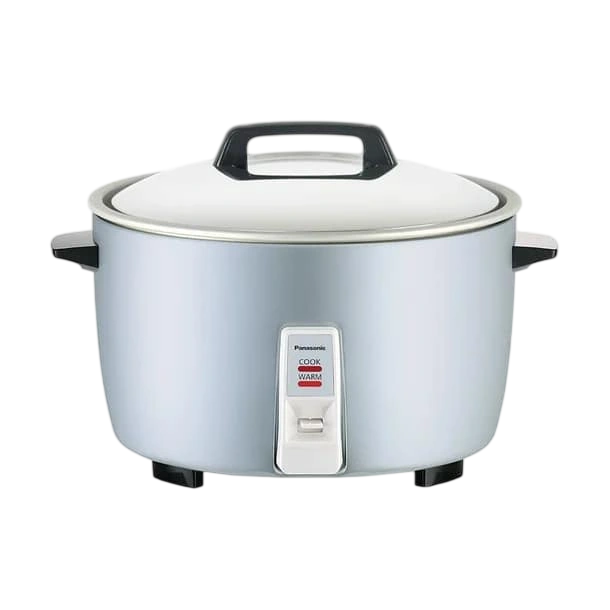
367 × 424 × 289mm
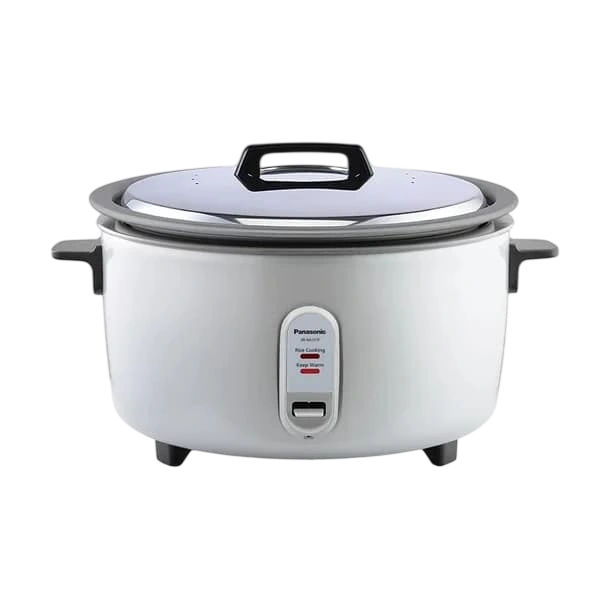
466 × 558 × 366mm
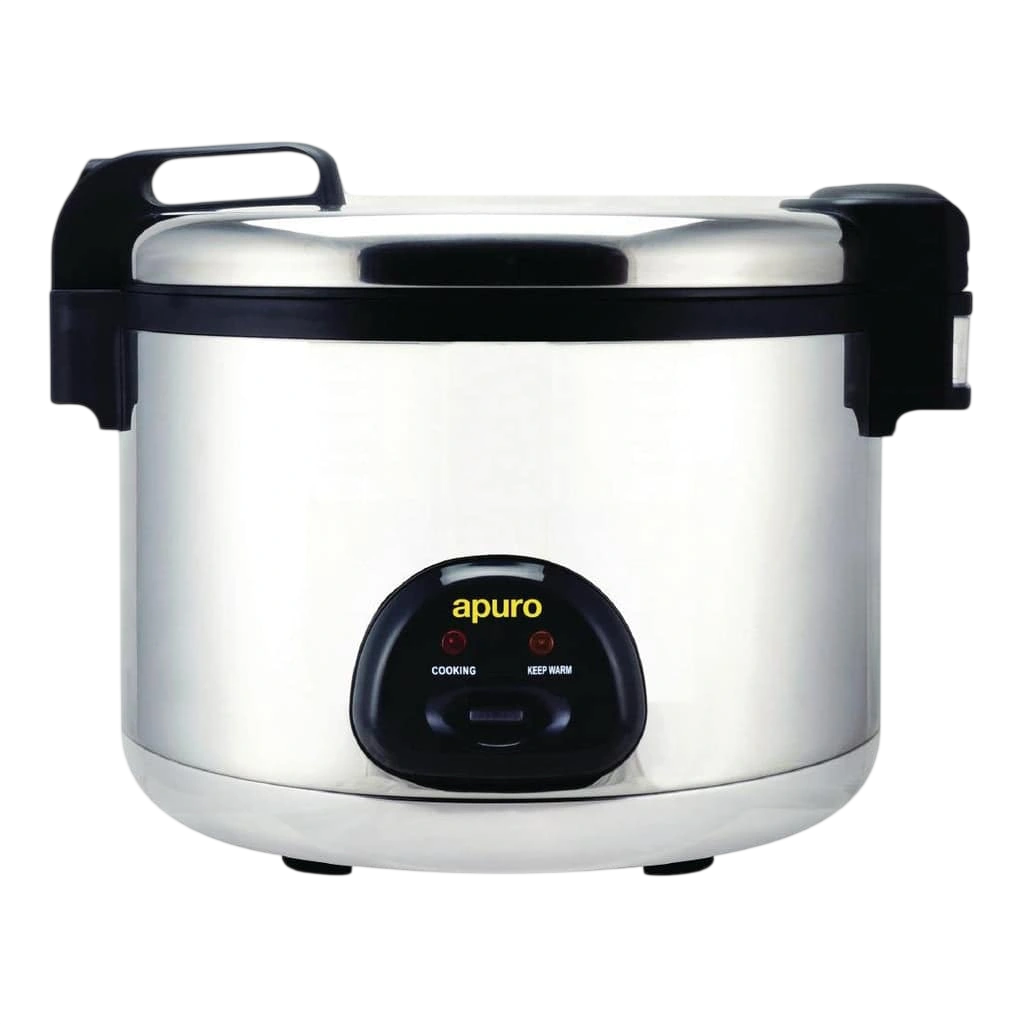
480 × 560 × 415mm
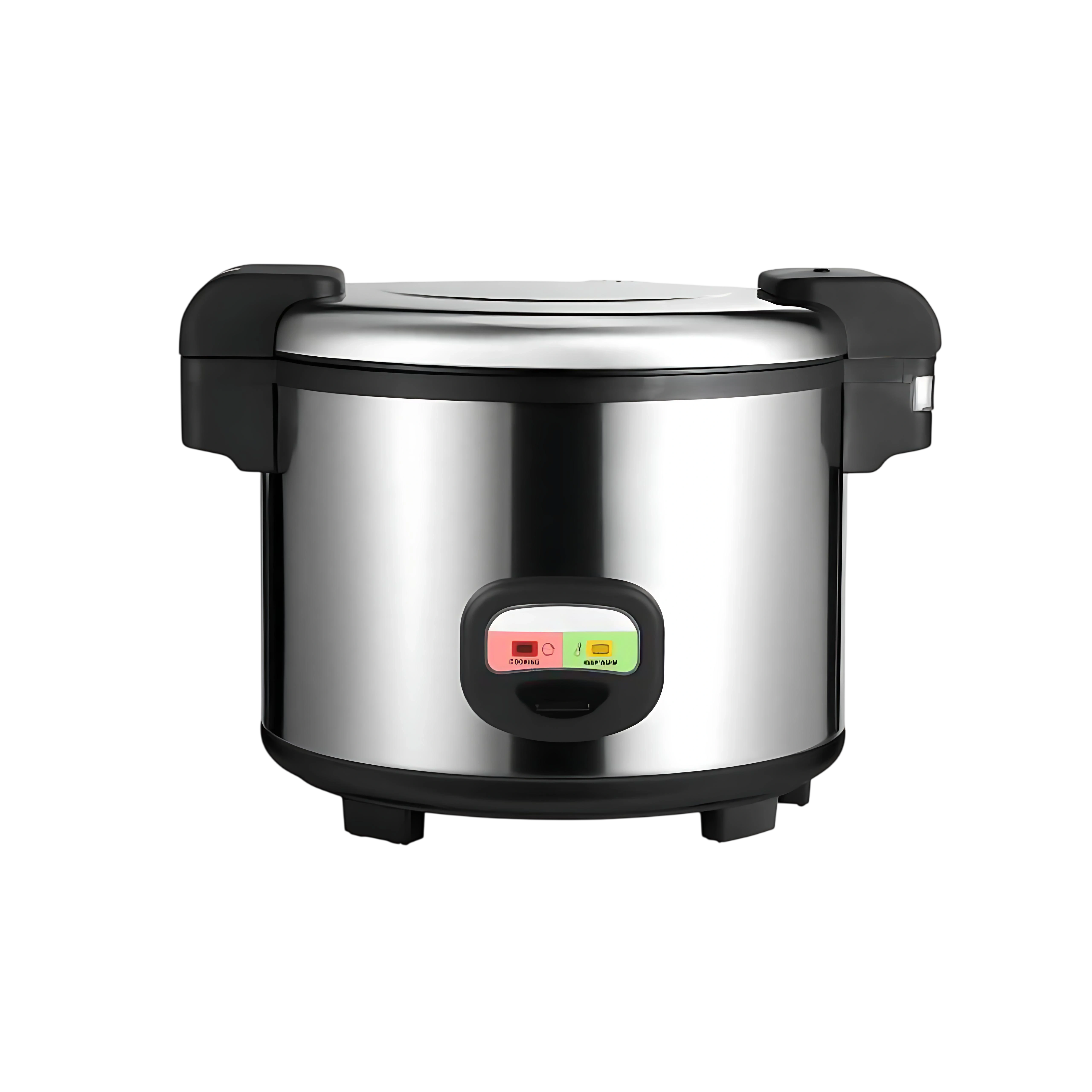
485 × 420 × 400mm