
Bezzera
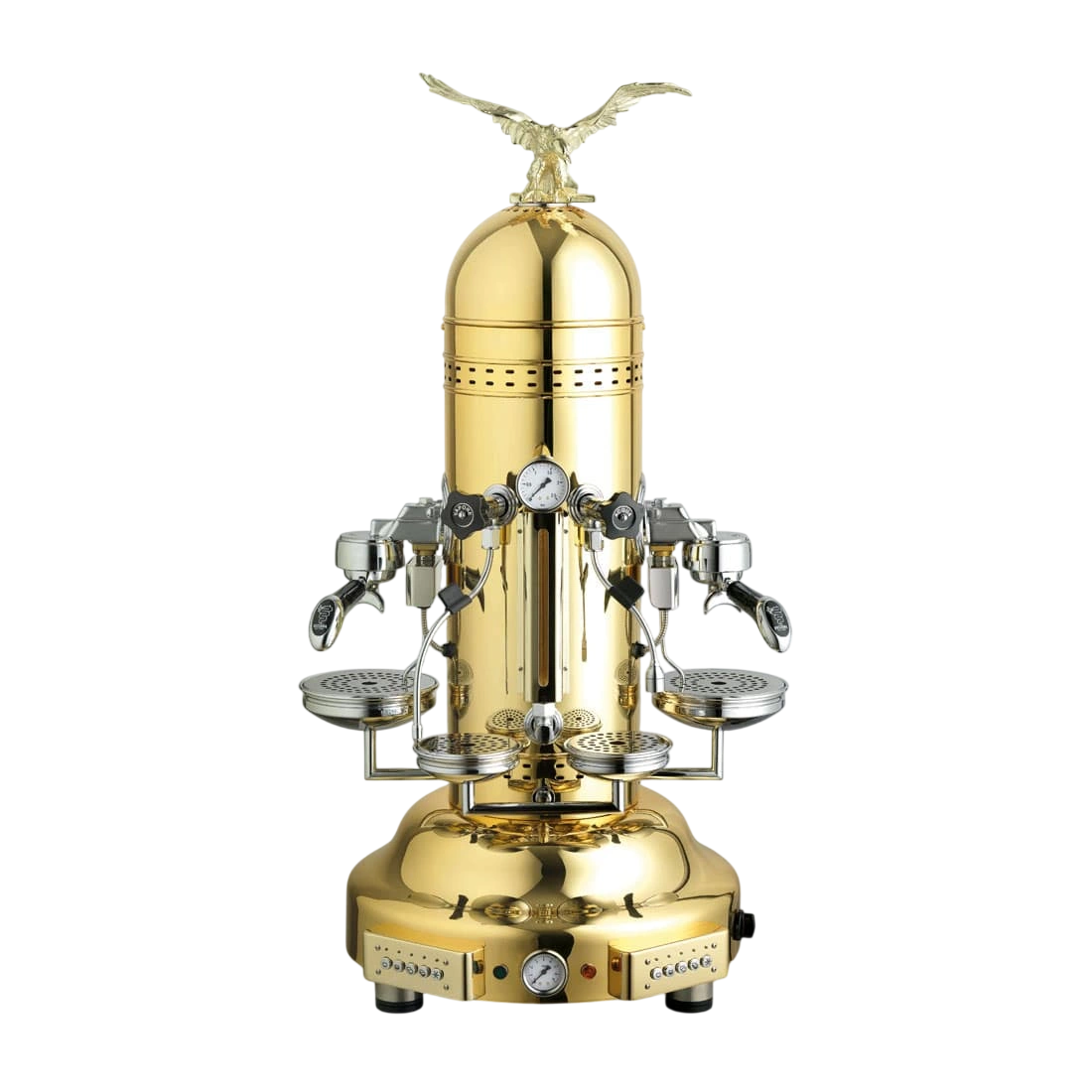
Bezzera BZEAGLEG2E Gold Classic 2 Group Espresso Coffee Machine – 11L
740 × 500 × 1100mm
$24,896.50$29,290.00
In Stock
Commercial Coffee Machines
45 results
740 × 500 × 1100mm
820 × 680 × 560mm
1050 × 680 × 560mm
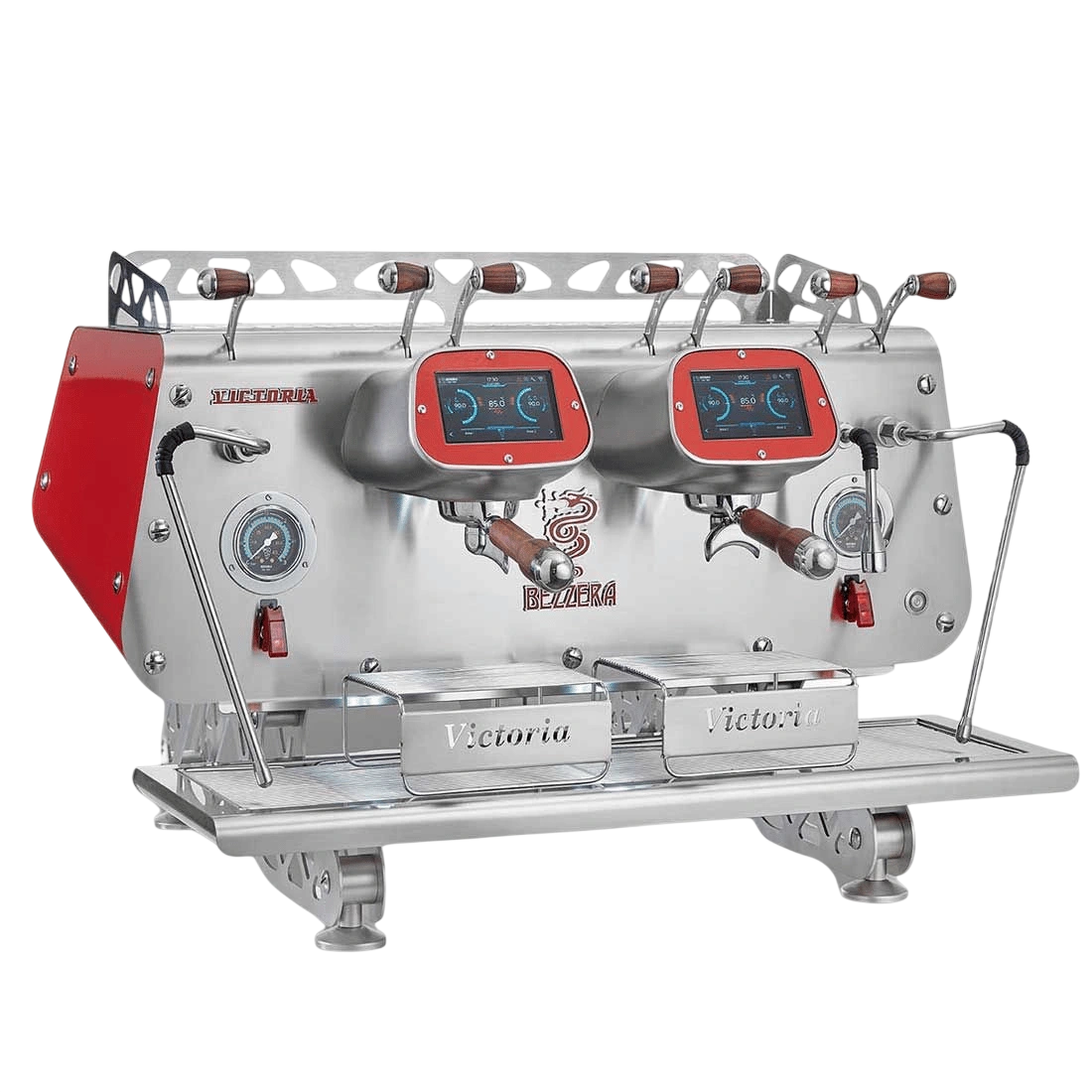
820 × 680 × 560mm
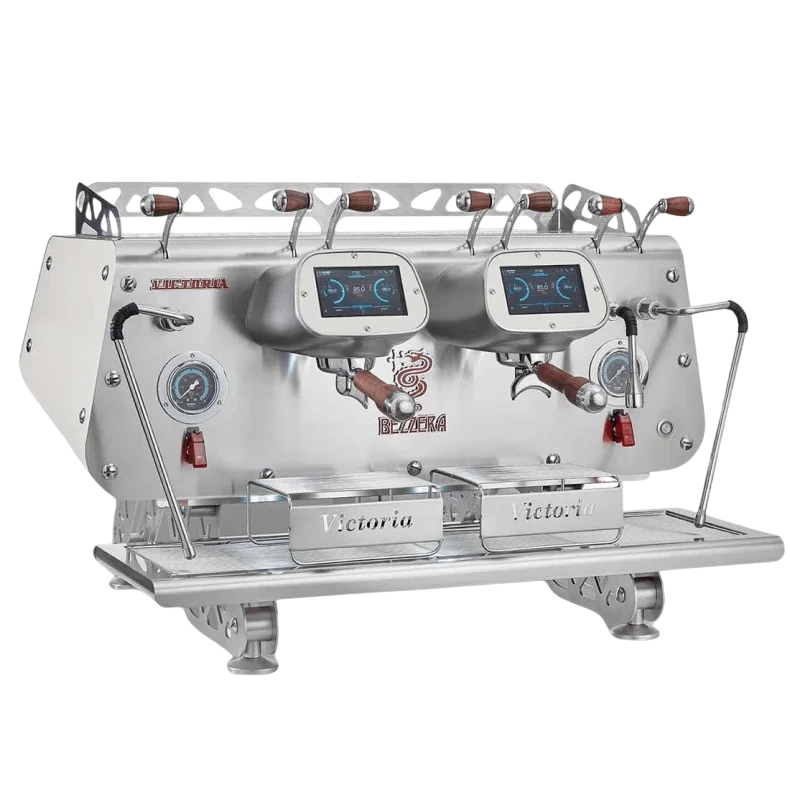
820 × 680 × 560mm
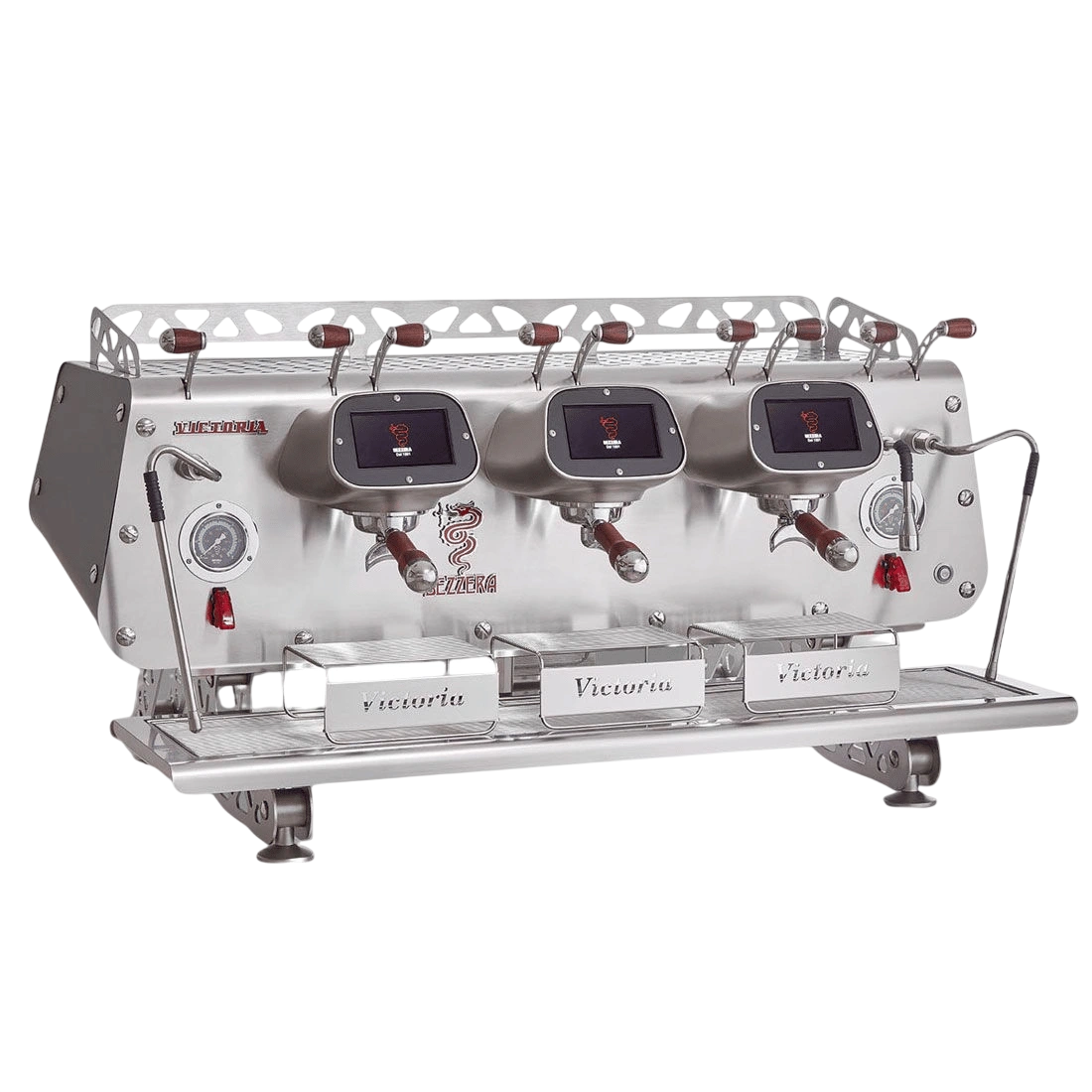
1050 × 680 × 560mm
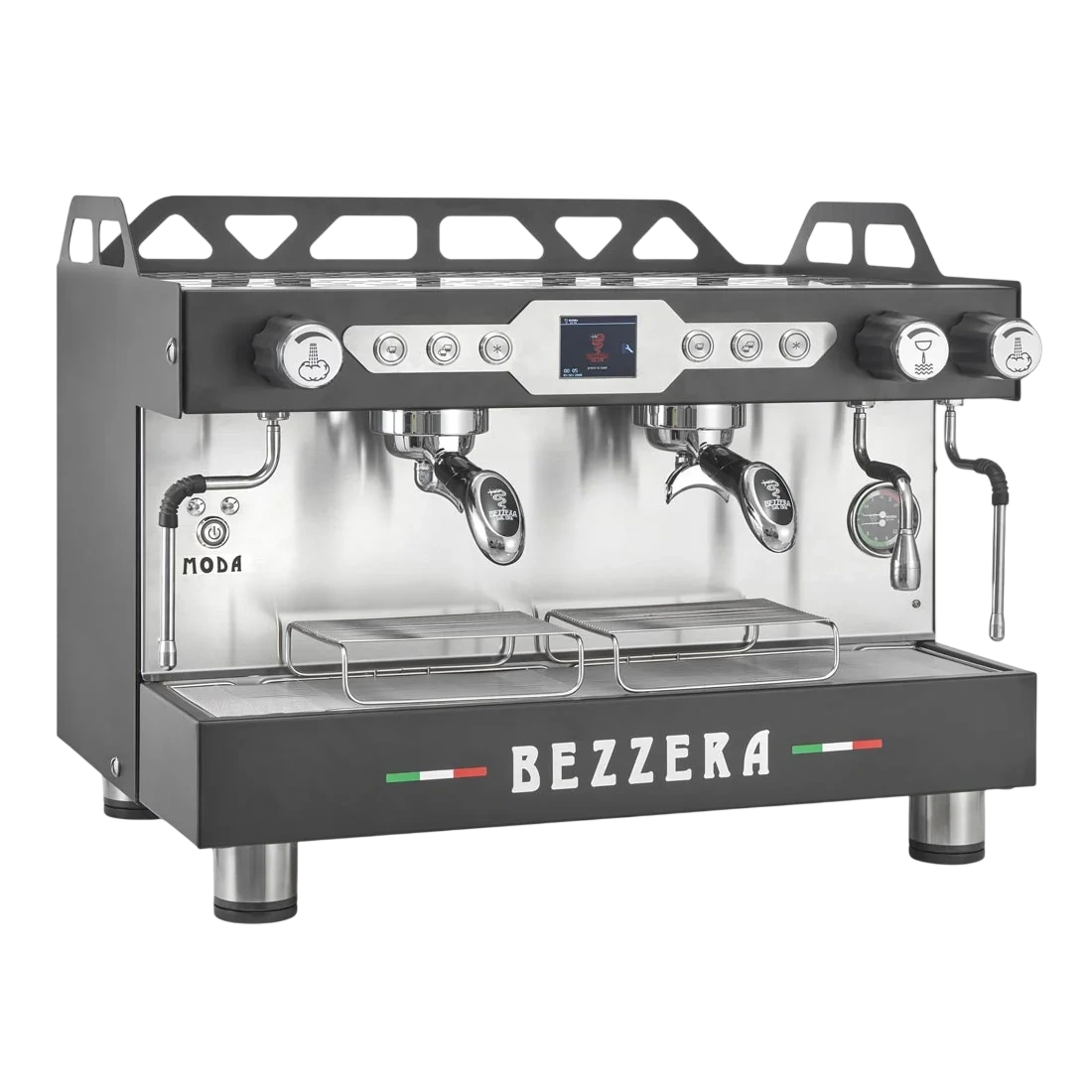
667 × 505 × 520mm
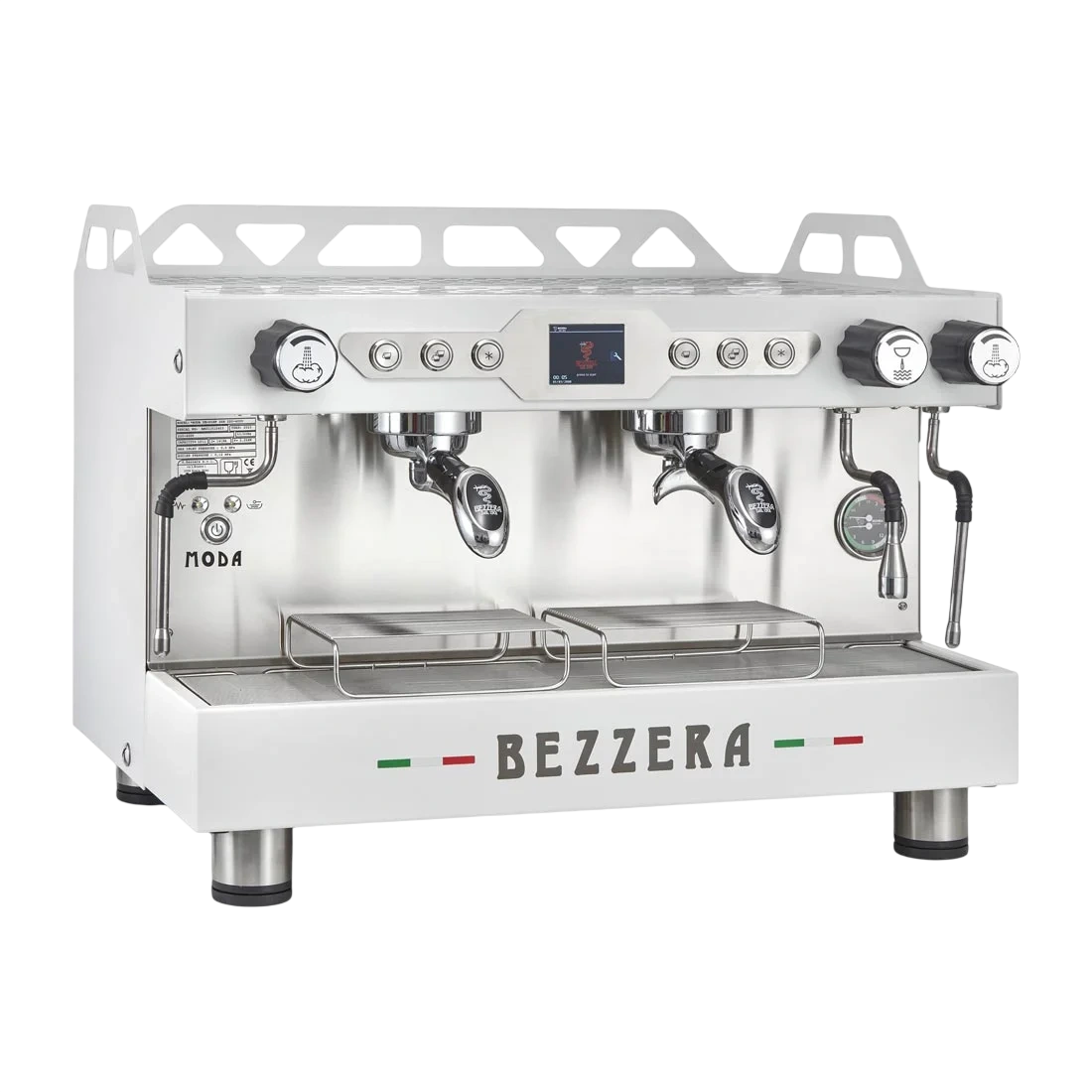
667 × 495 × 520mm
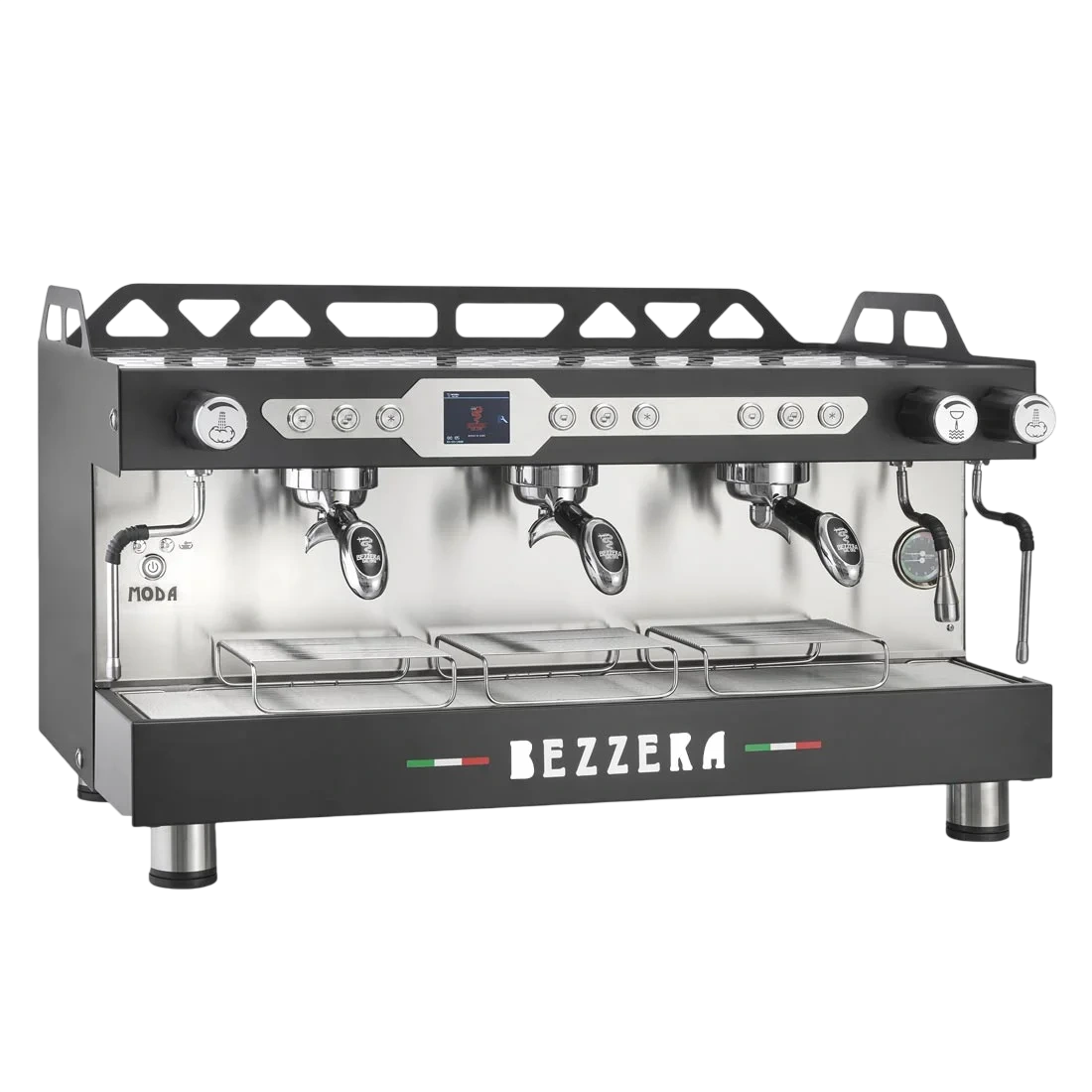
877 × 550 × 520mm
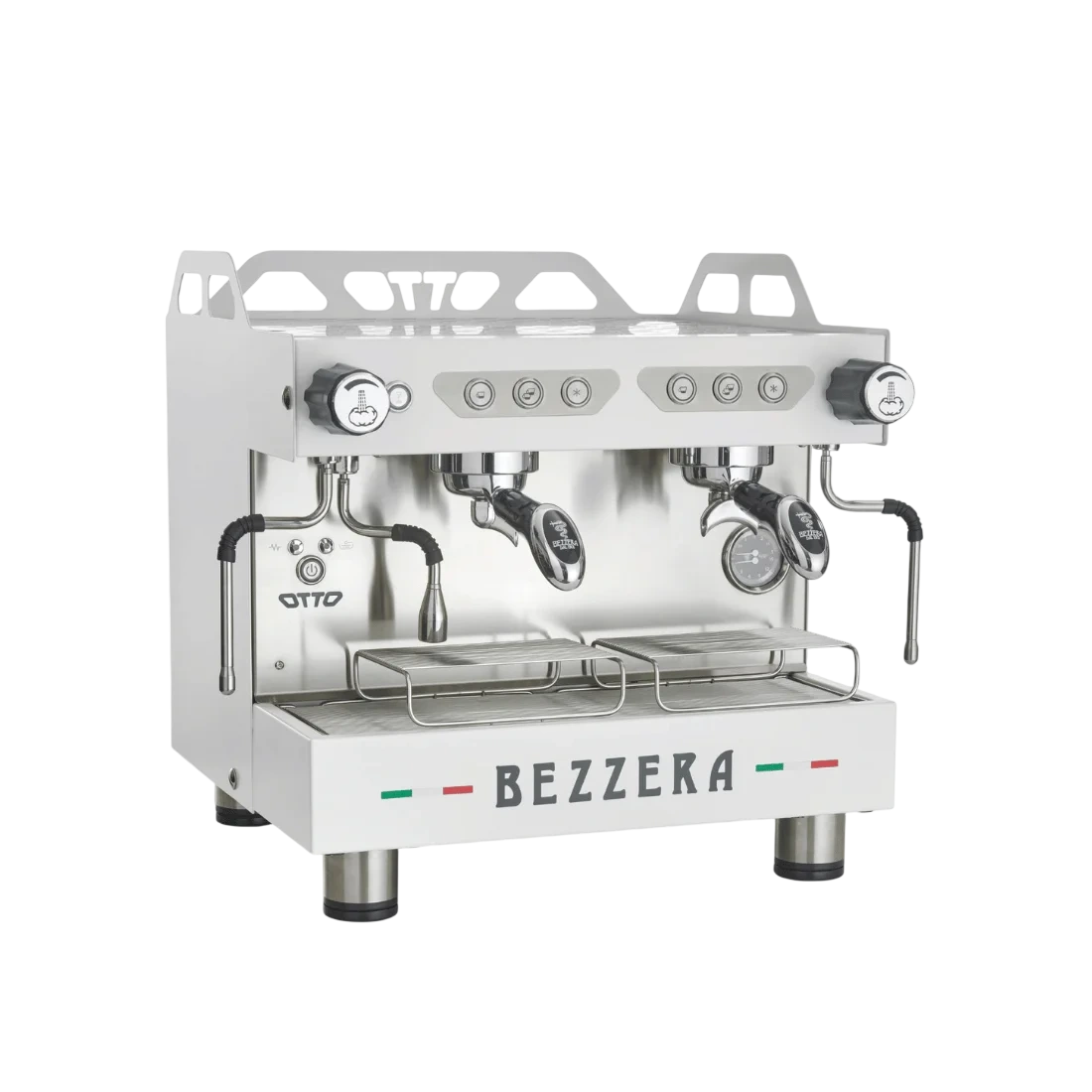
500 × 495 × 535mm
667 × 550 × 520mm
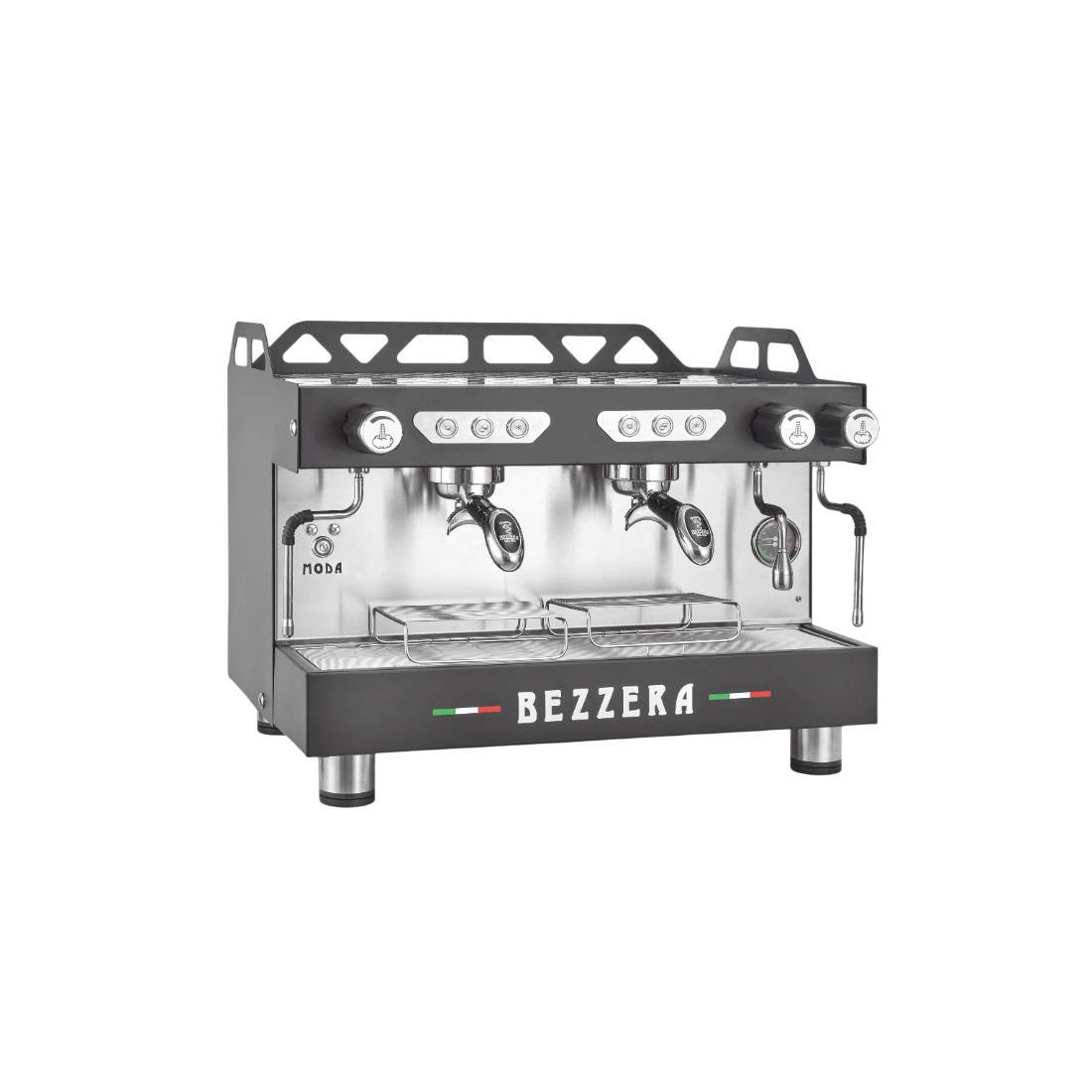
667 × 550 × 520mm
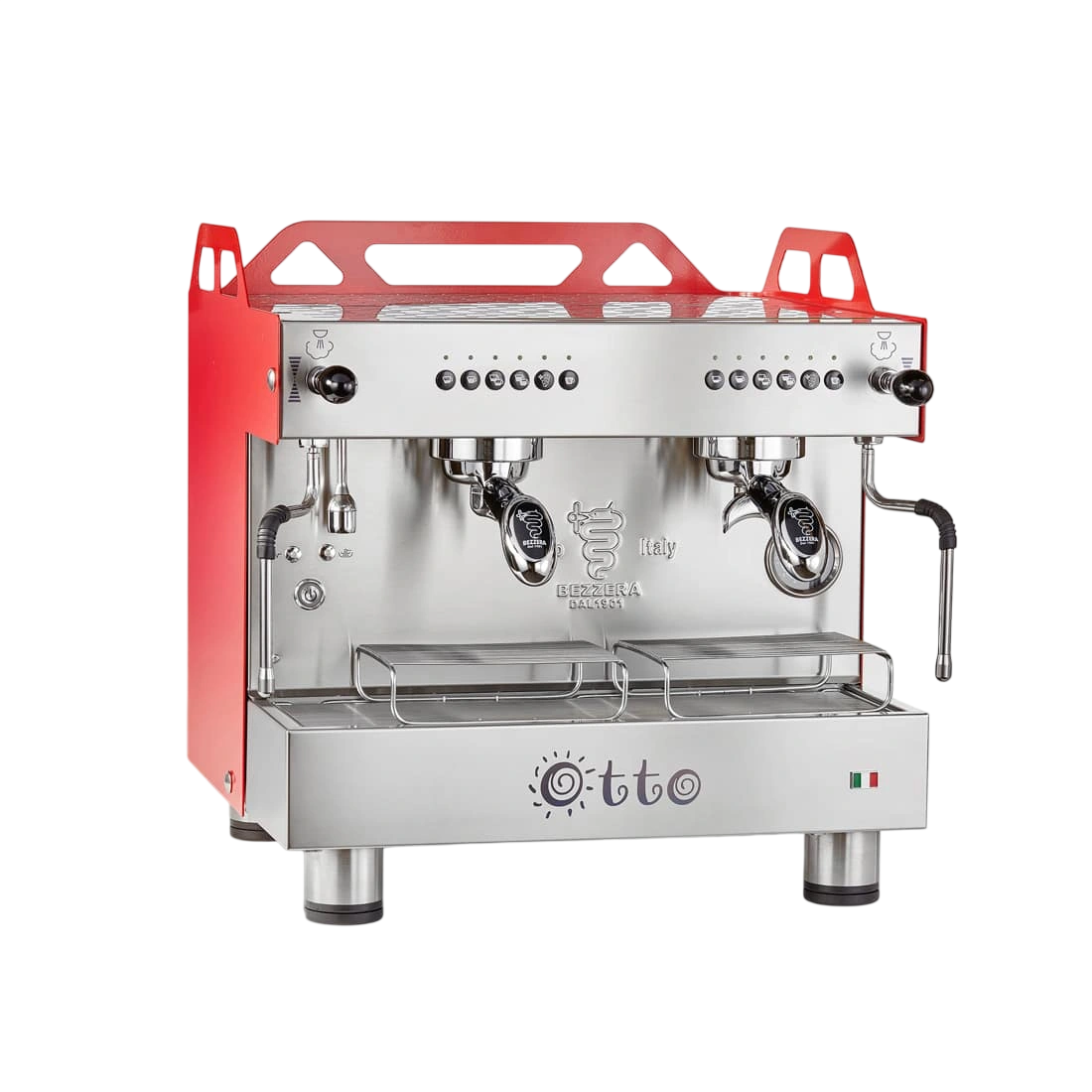
500 × 495 × 535mm
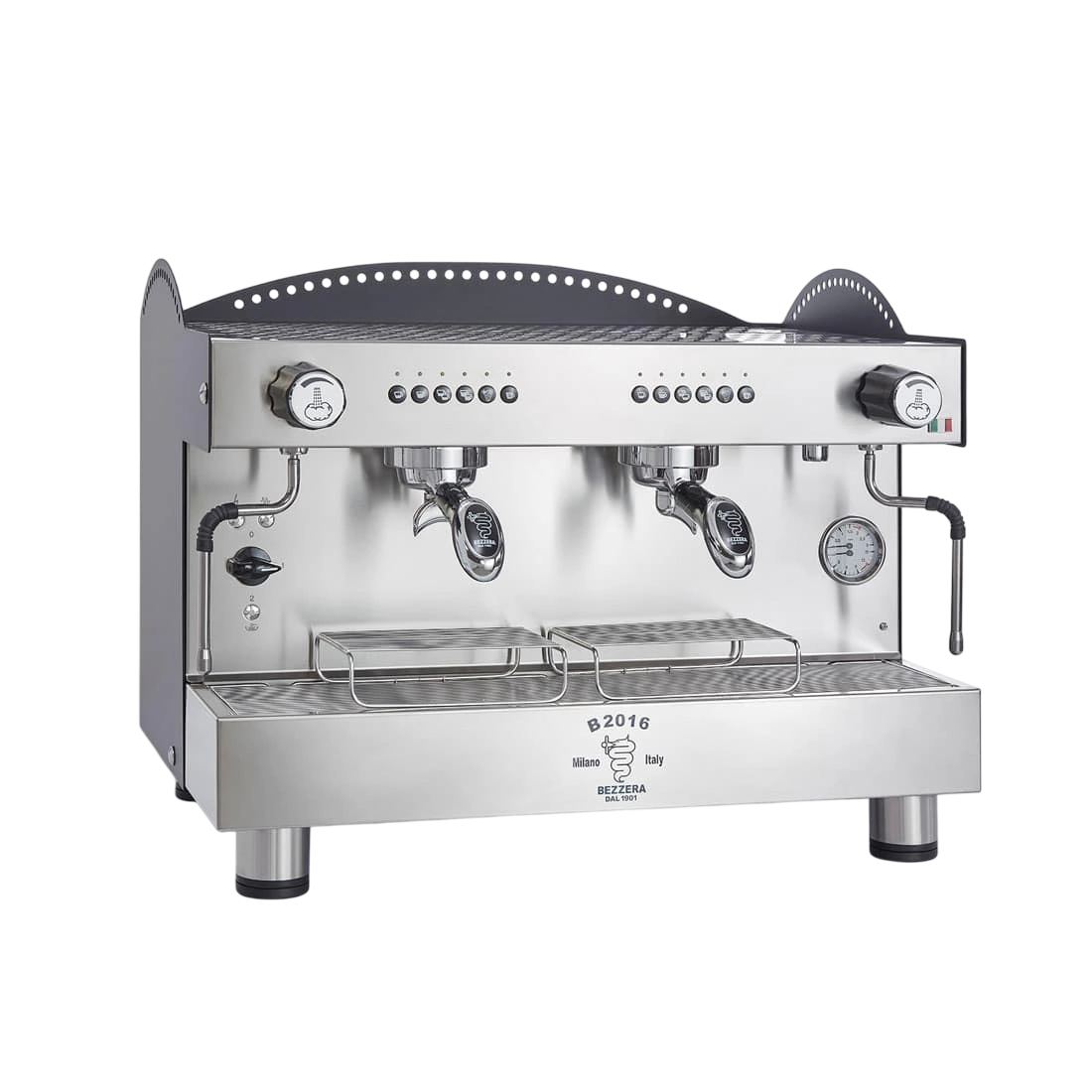
750 × 550 × 515mm
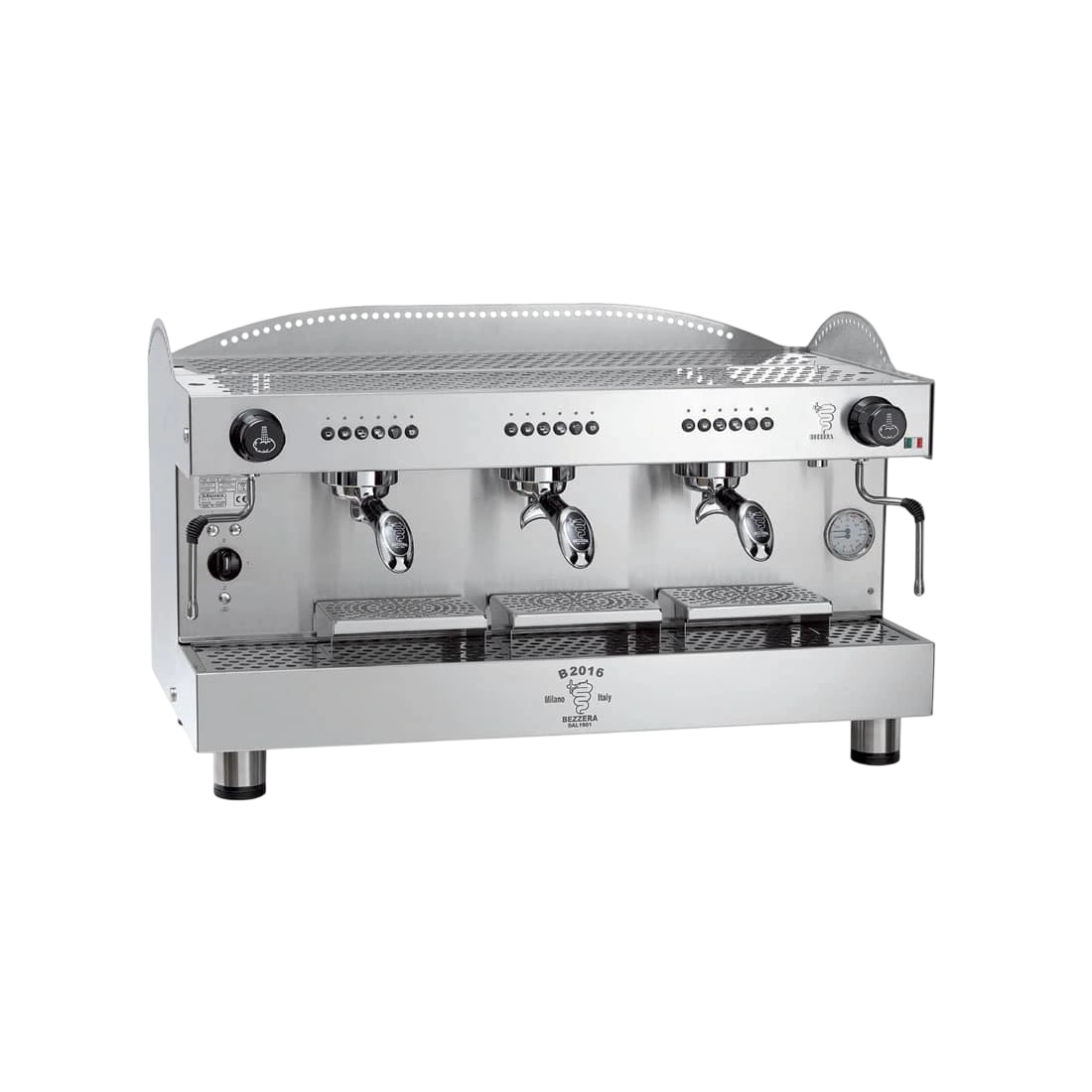
960 × 550 × 515mm
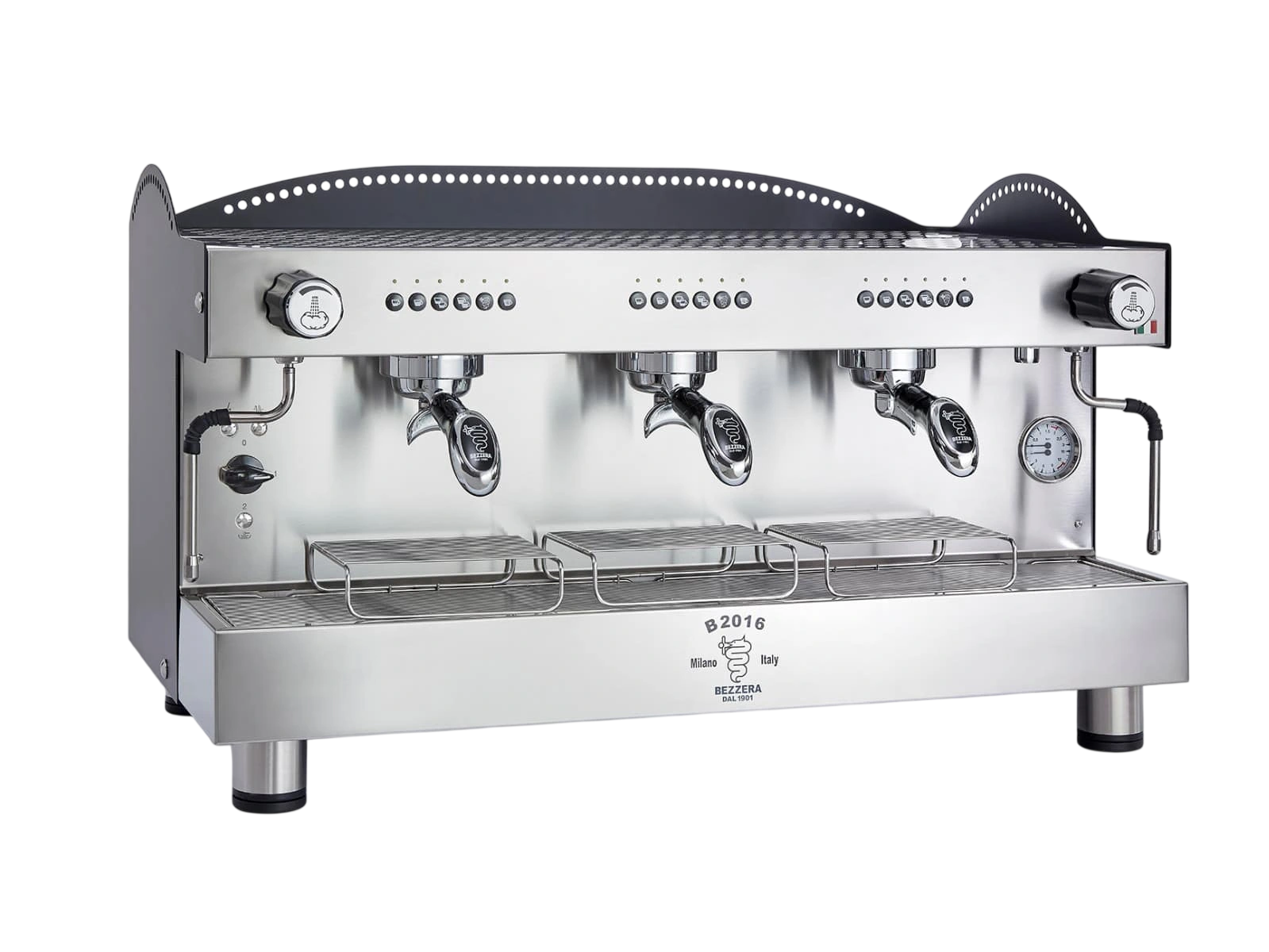
960 × 550 × 515mm
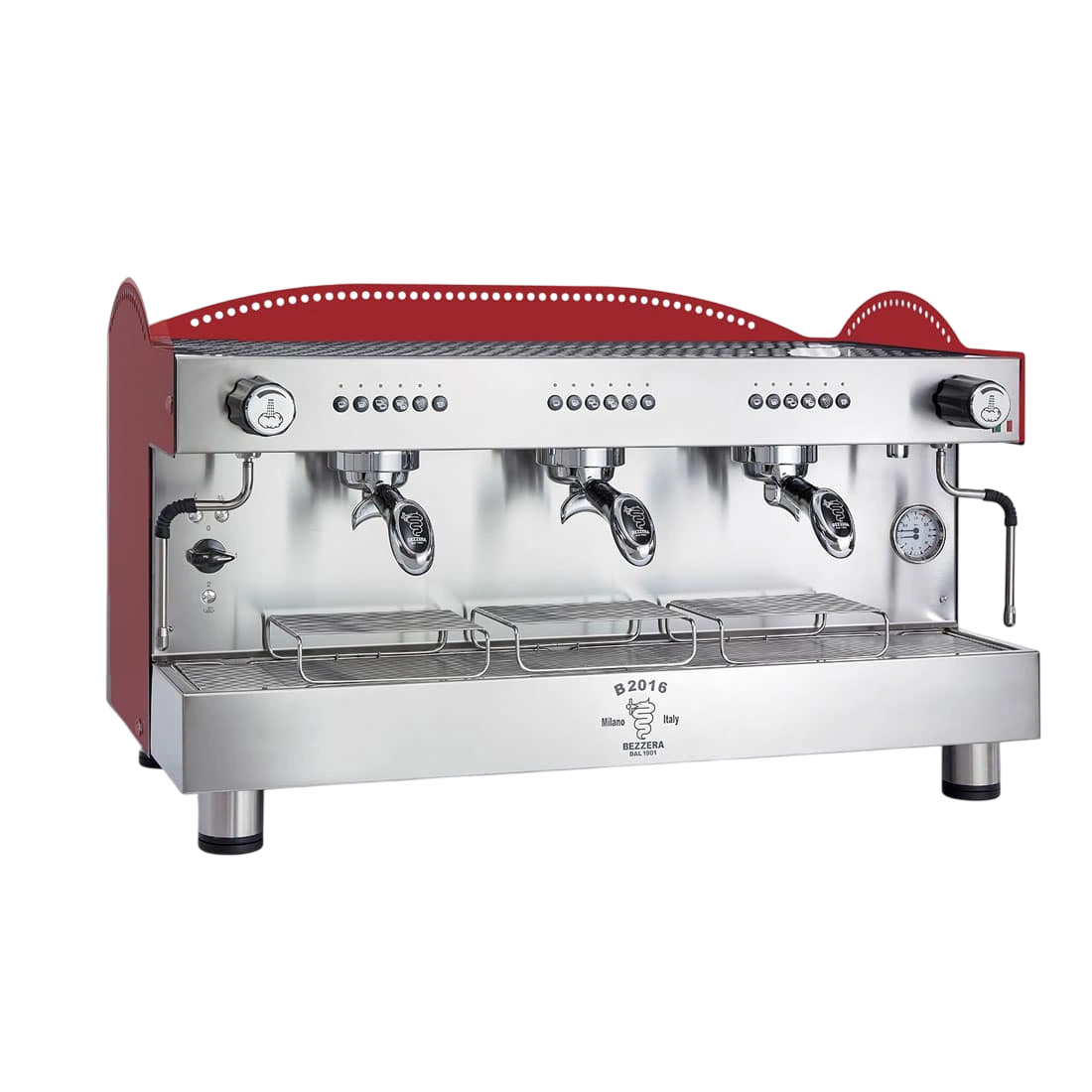
960 × 550 × 515mm
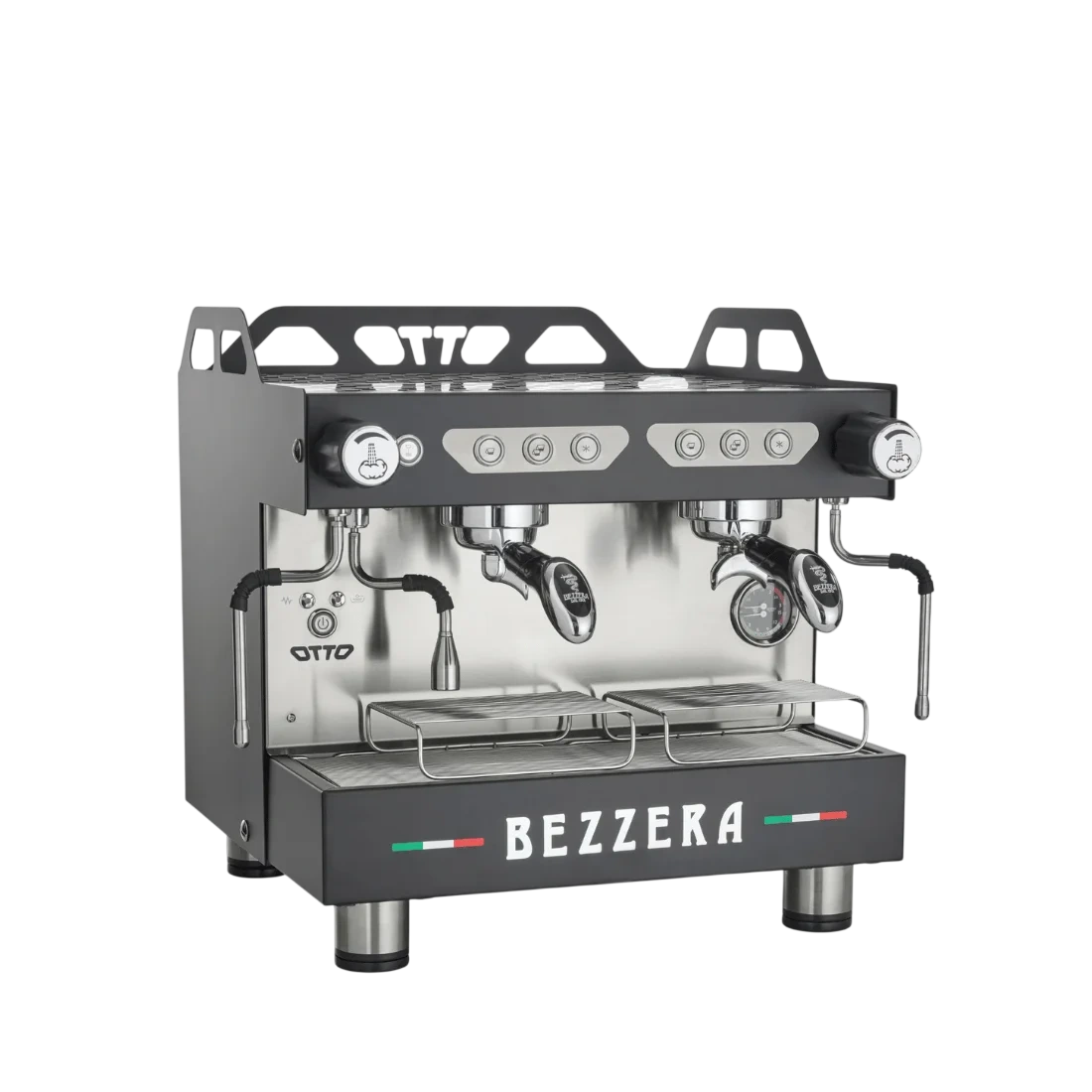
500 × 495 × 535mm
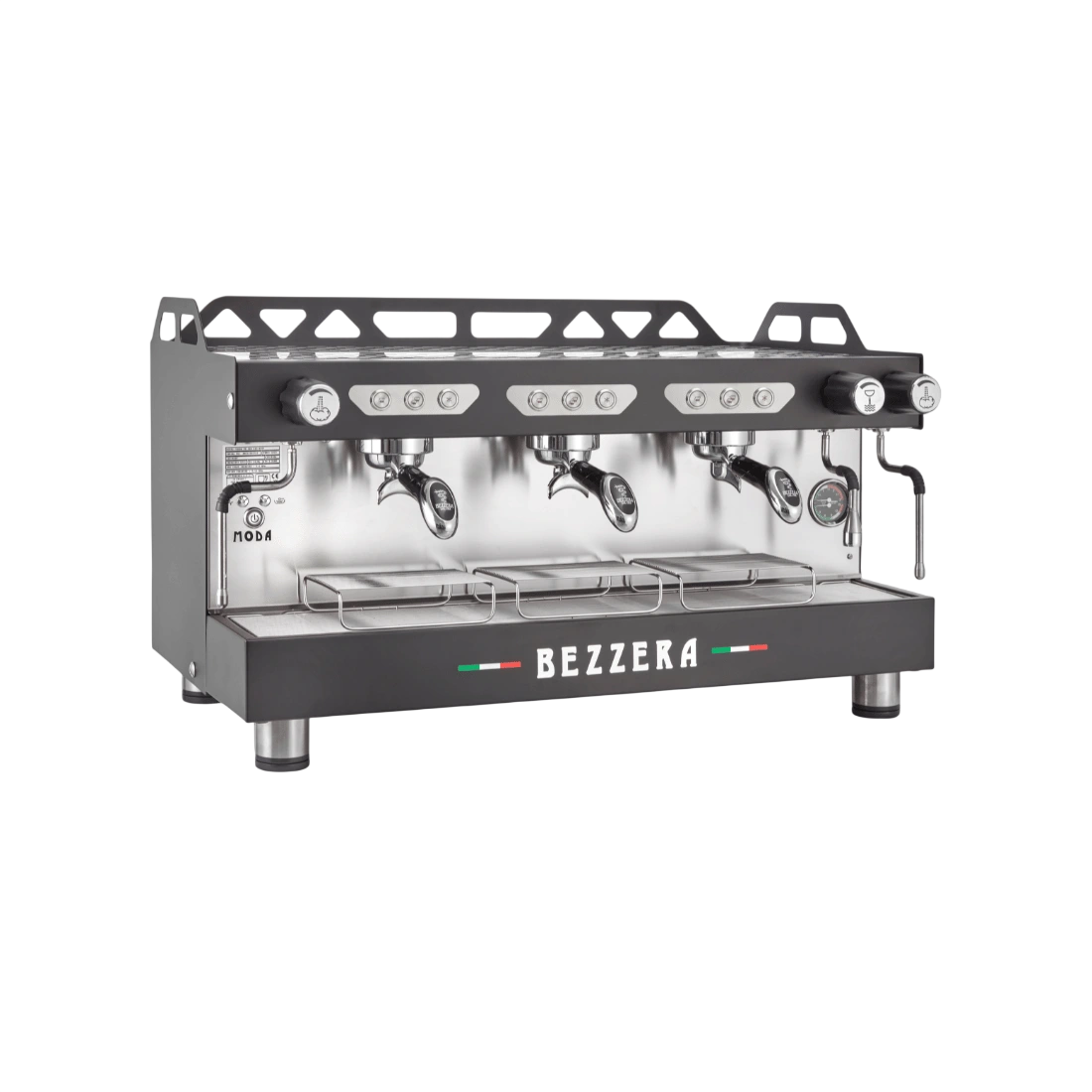
877 × 550 × 520mm
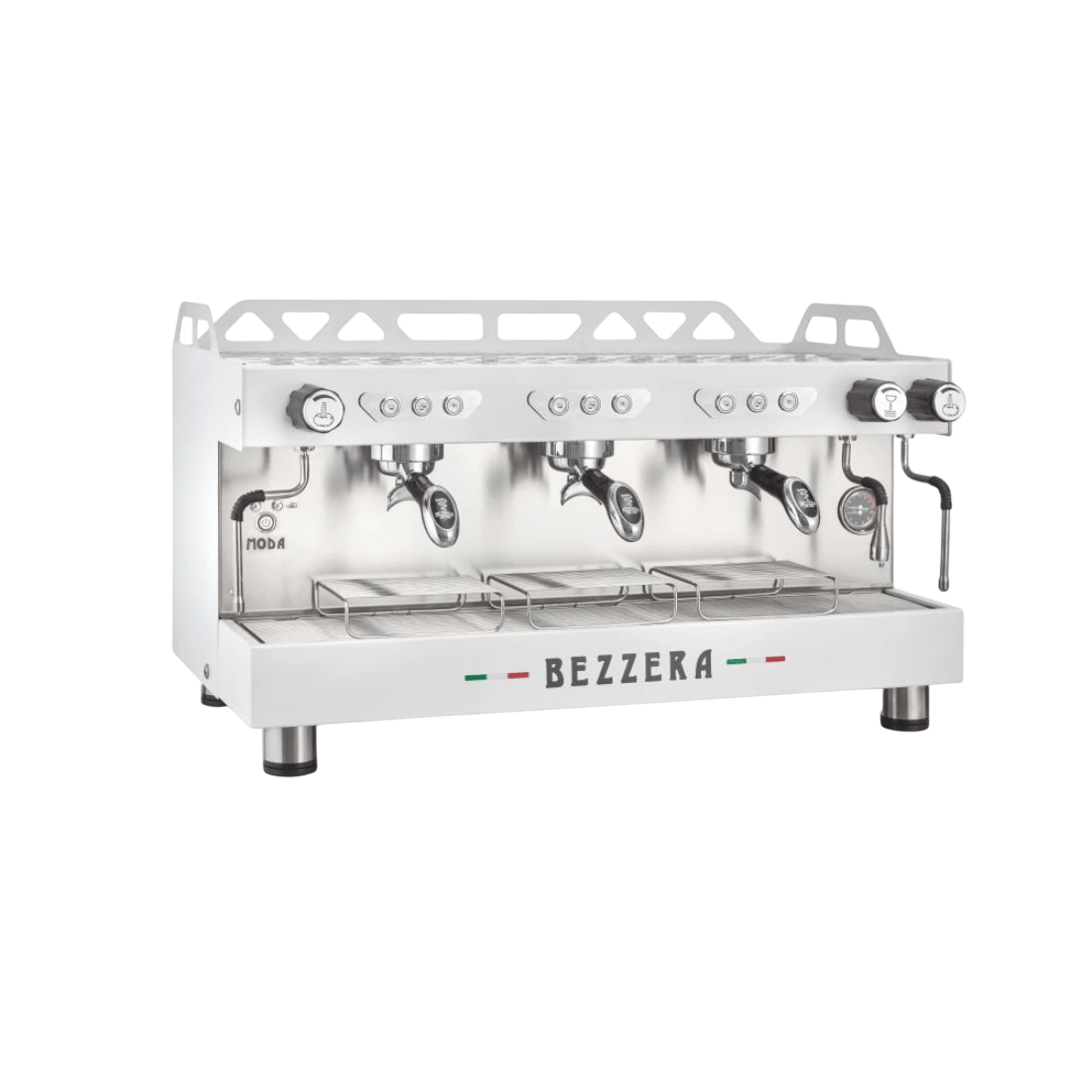
877 × 550 × 520mm
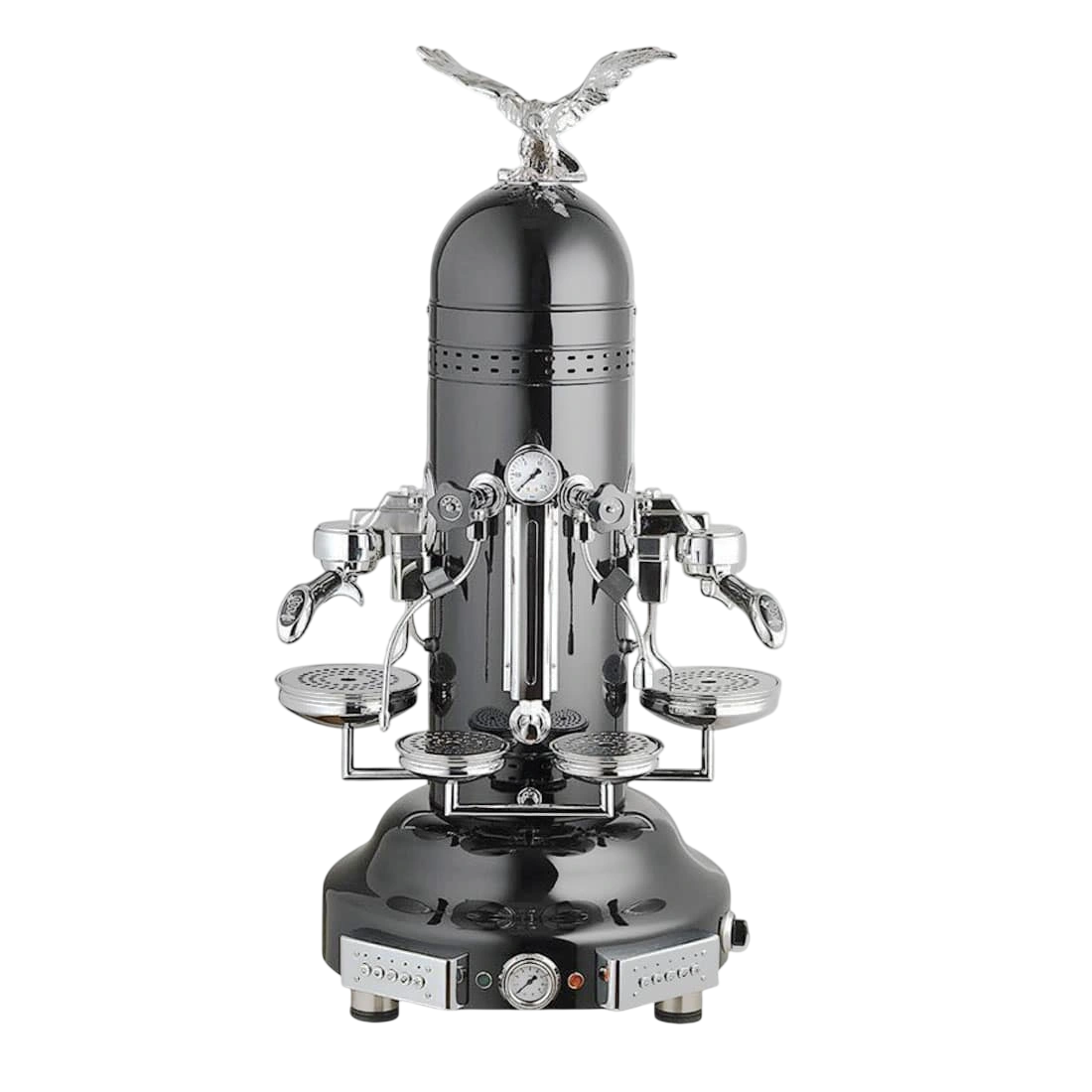
740 × 500 × 1100mm
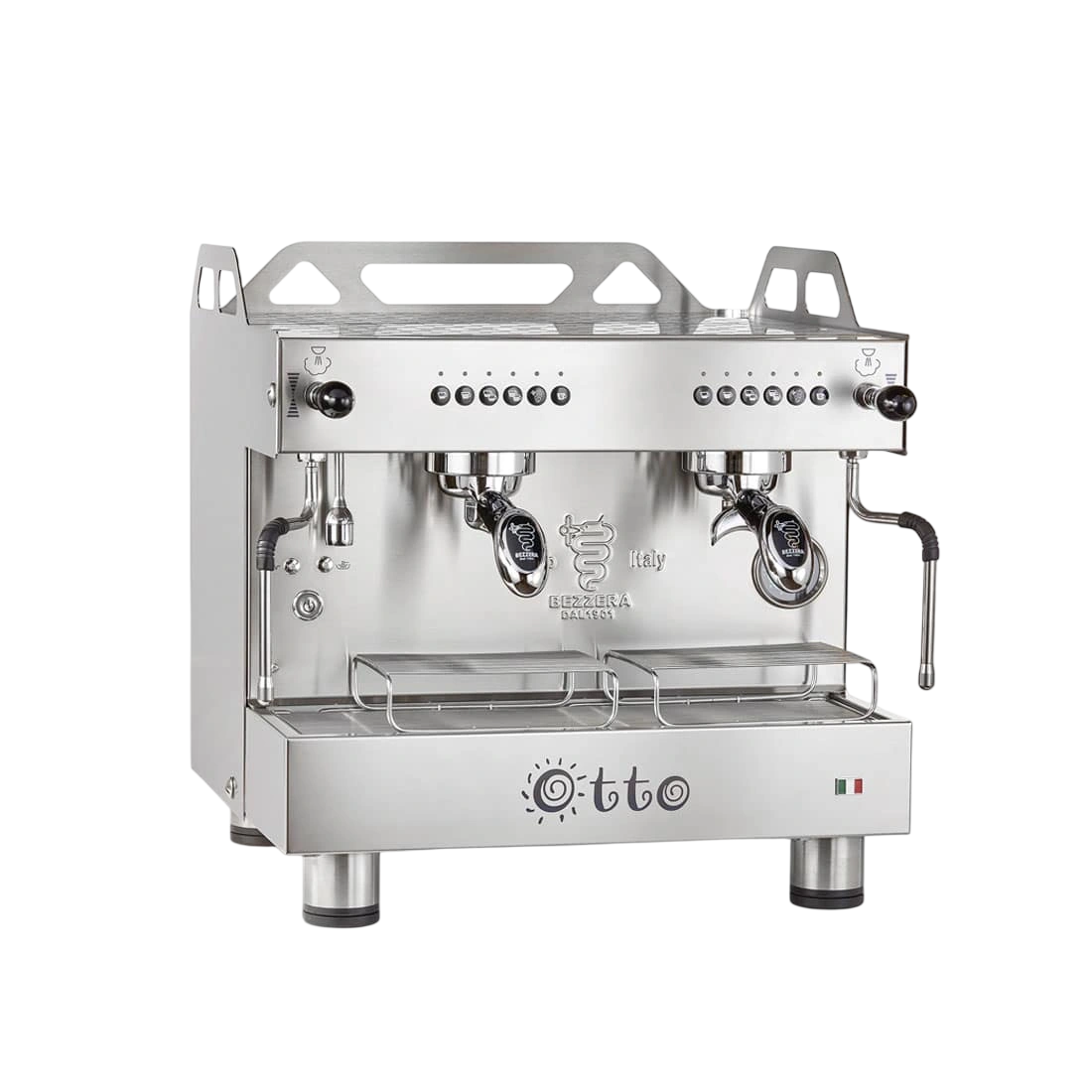
500 × 495 × 535mm
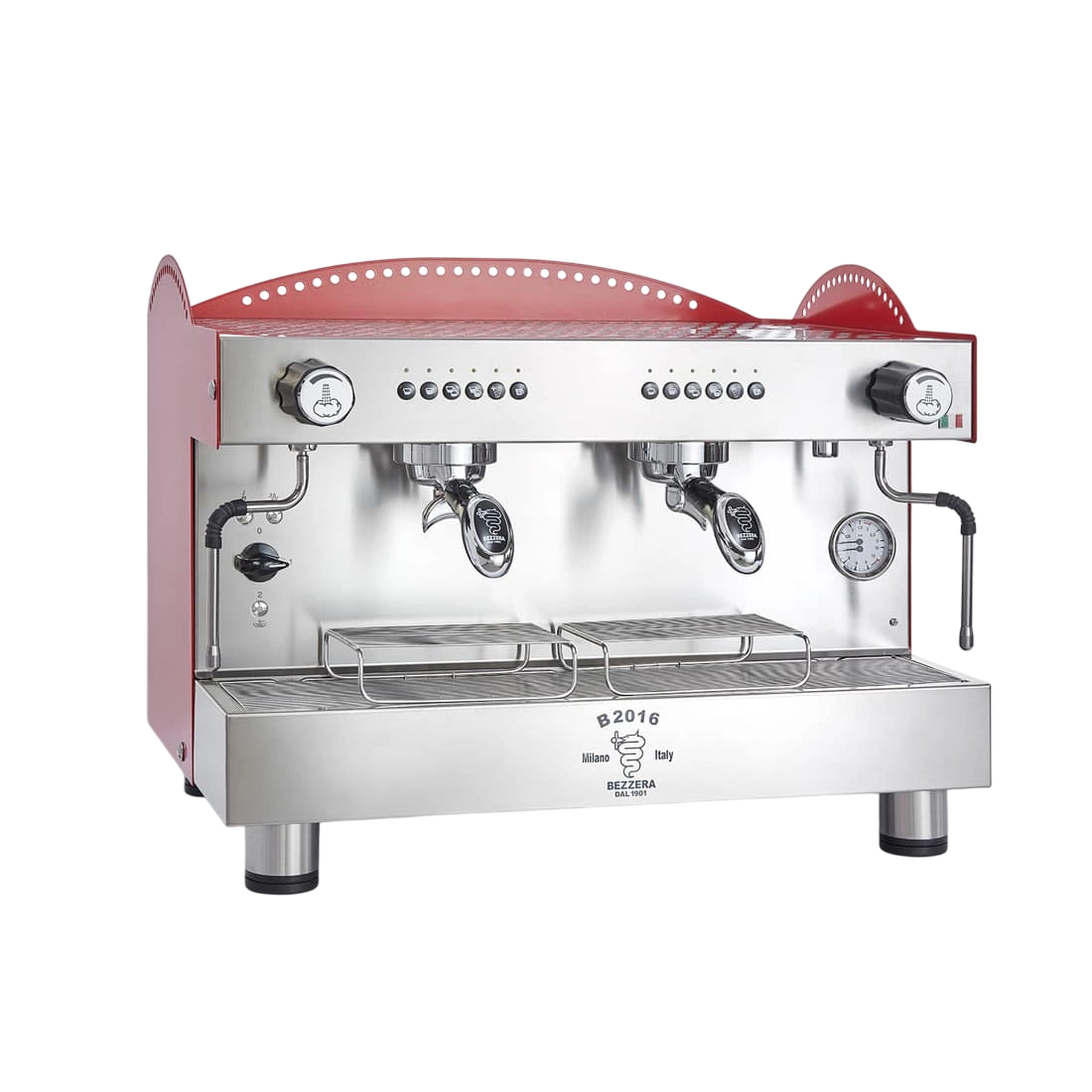
750 × 550 × 515mm
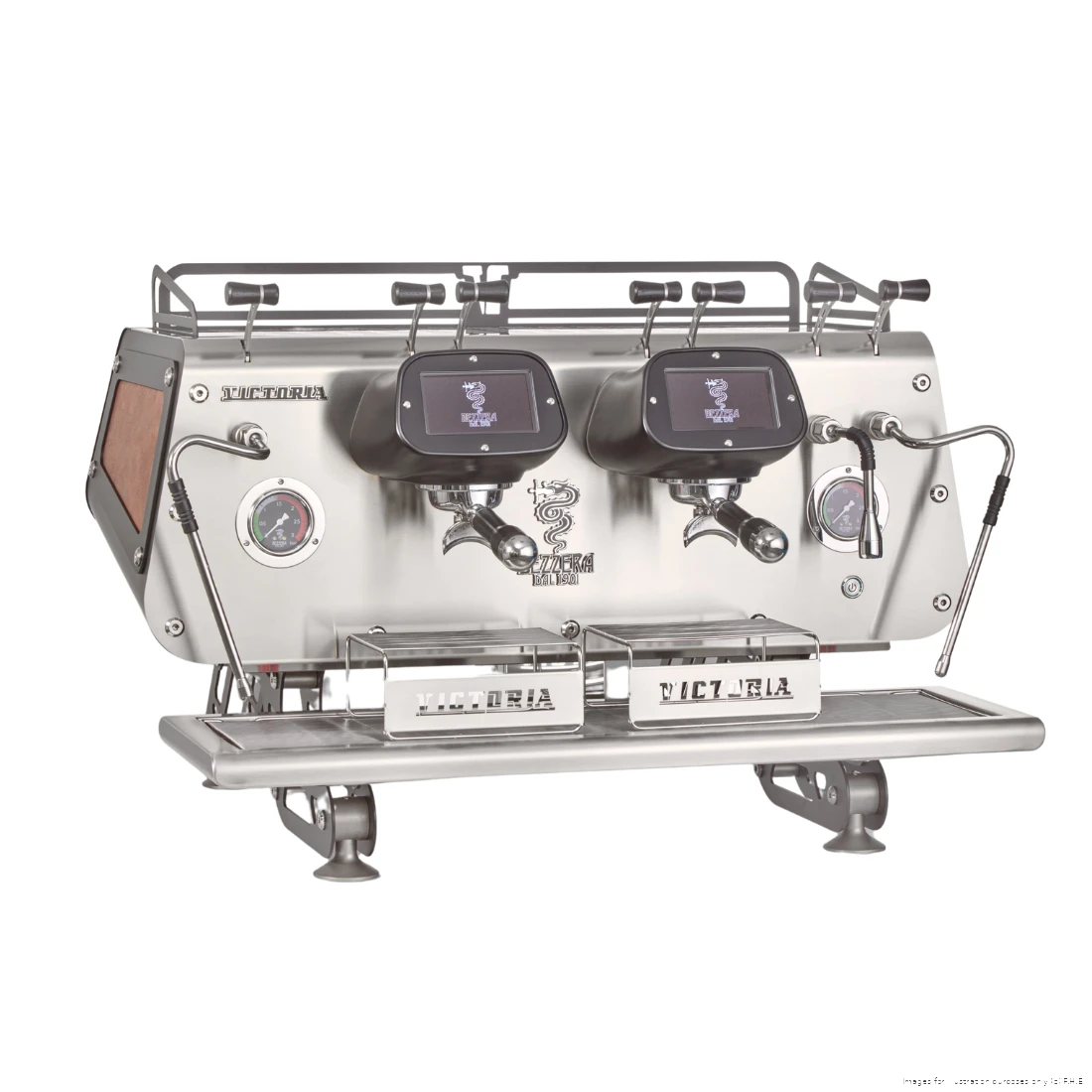
820 × 680 × 560mm
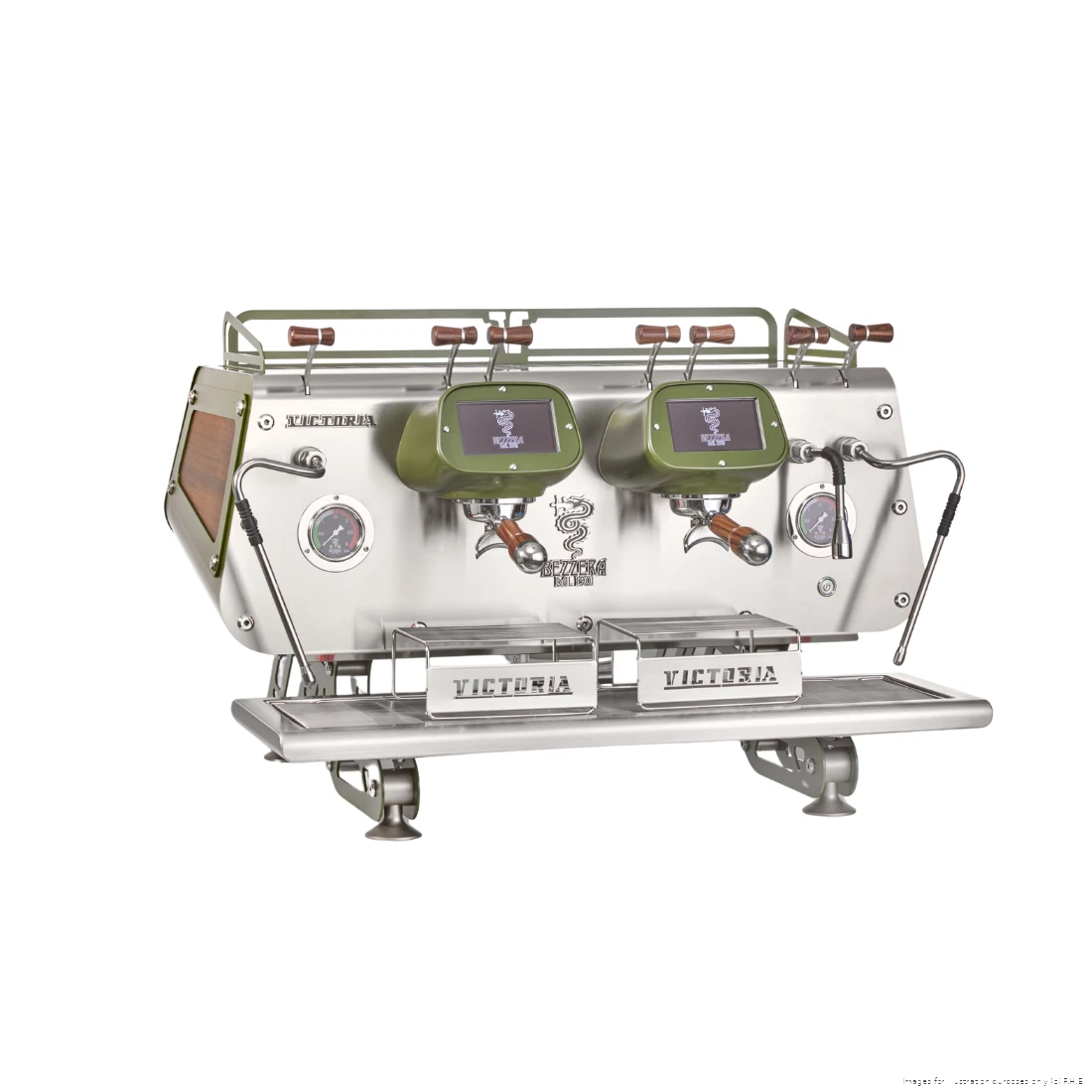
820 × 680 × 560mm
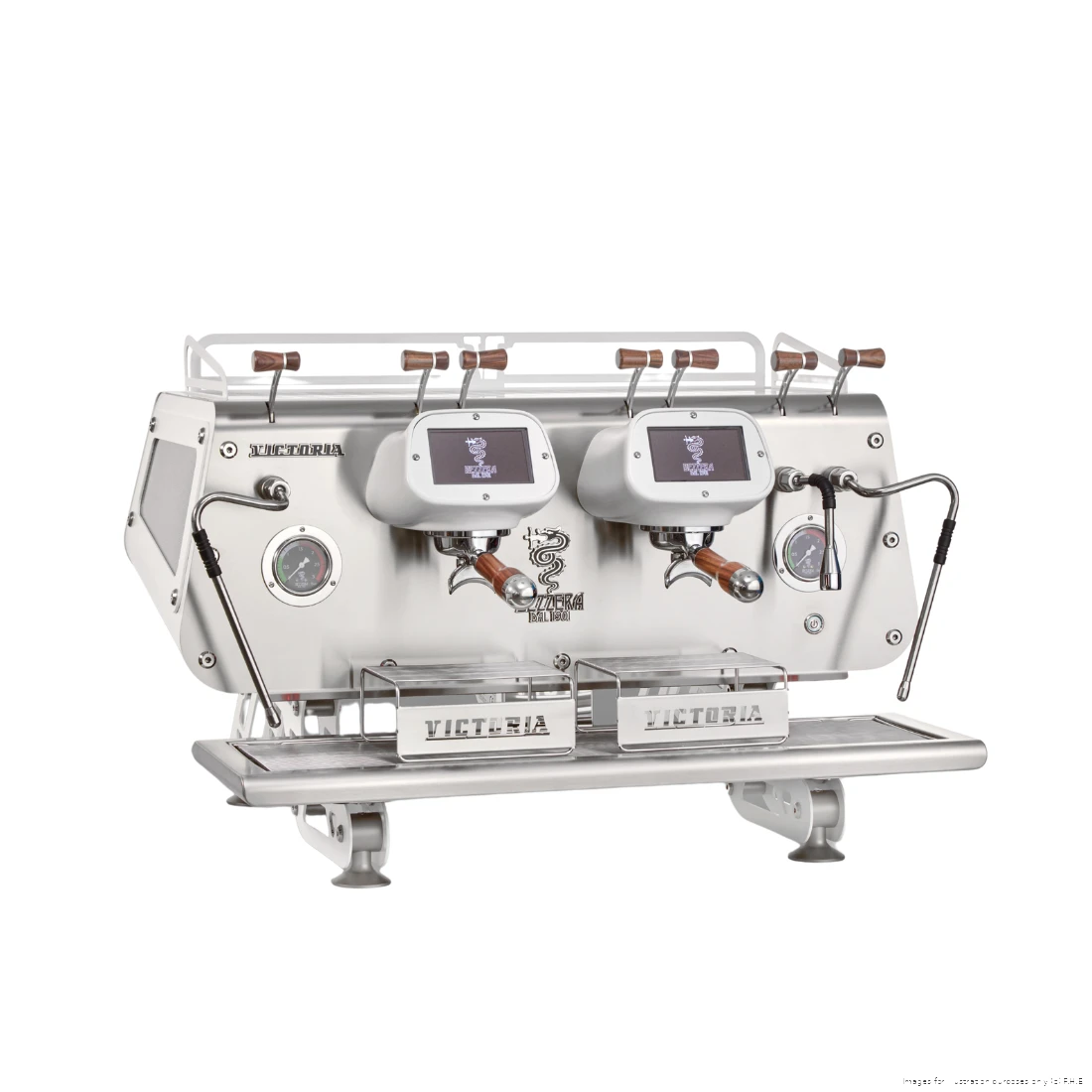
820 × 680 × 560mm
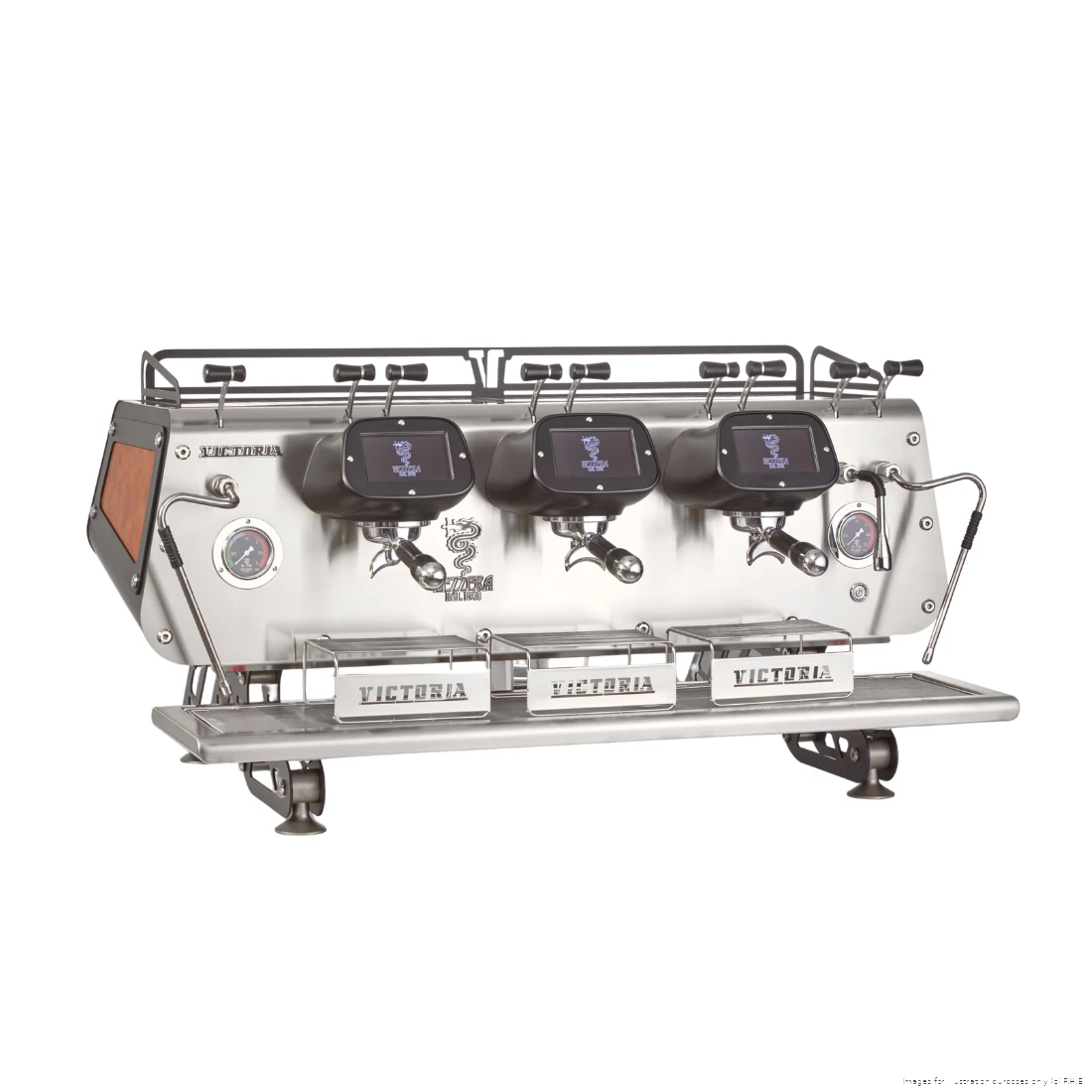
1050 × 680 × 560mm
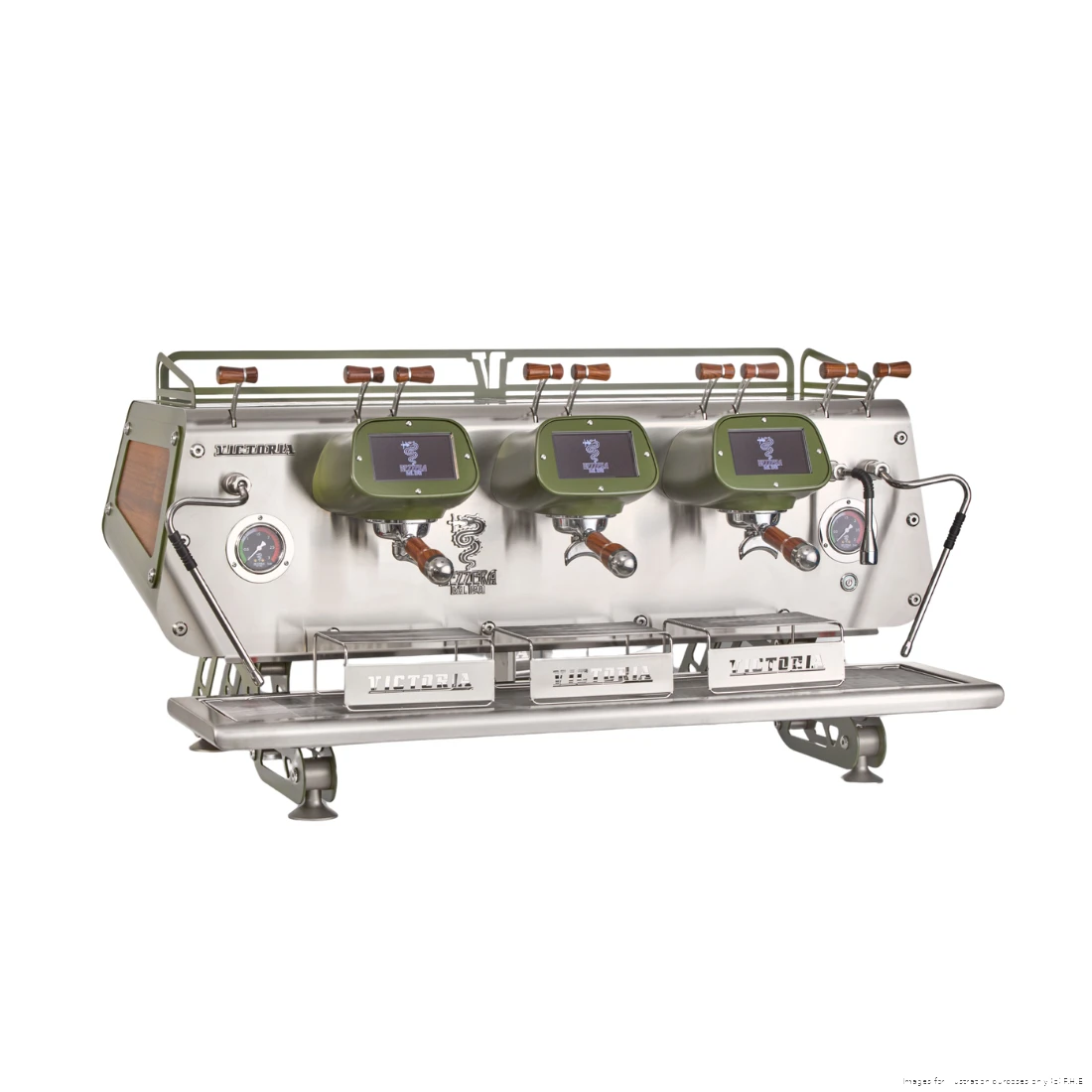
1050 × 680 × 560mm
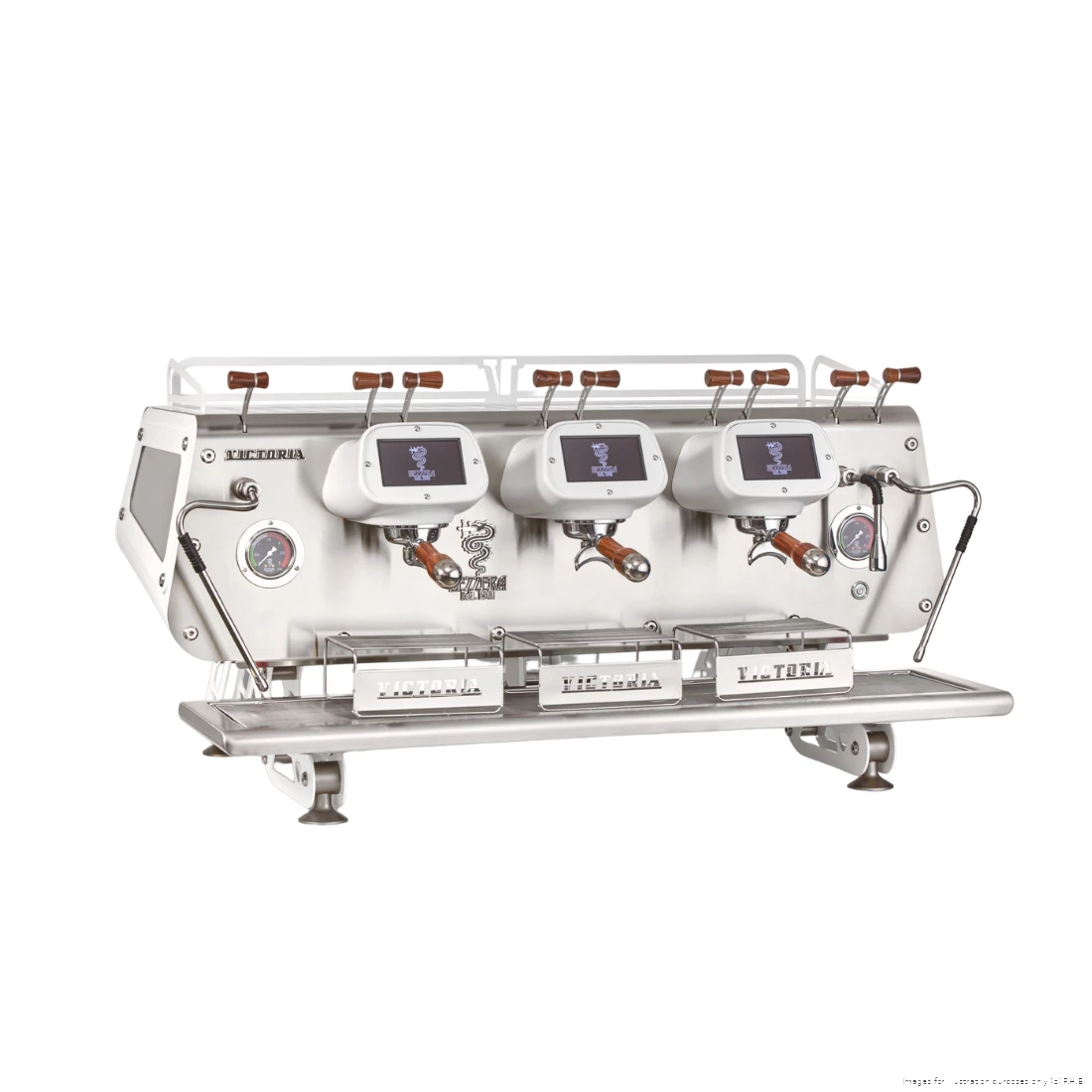
1050 × 680 × 560mm
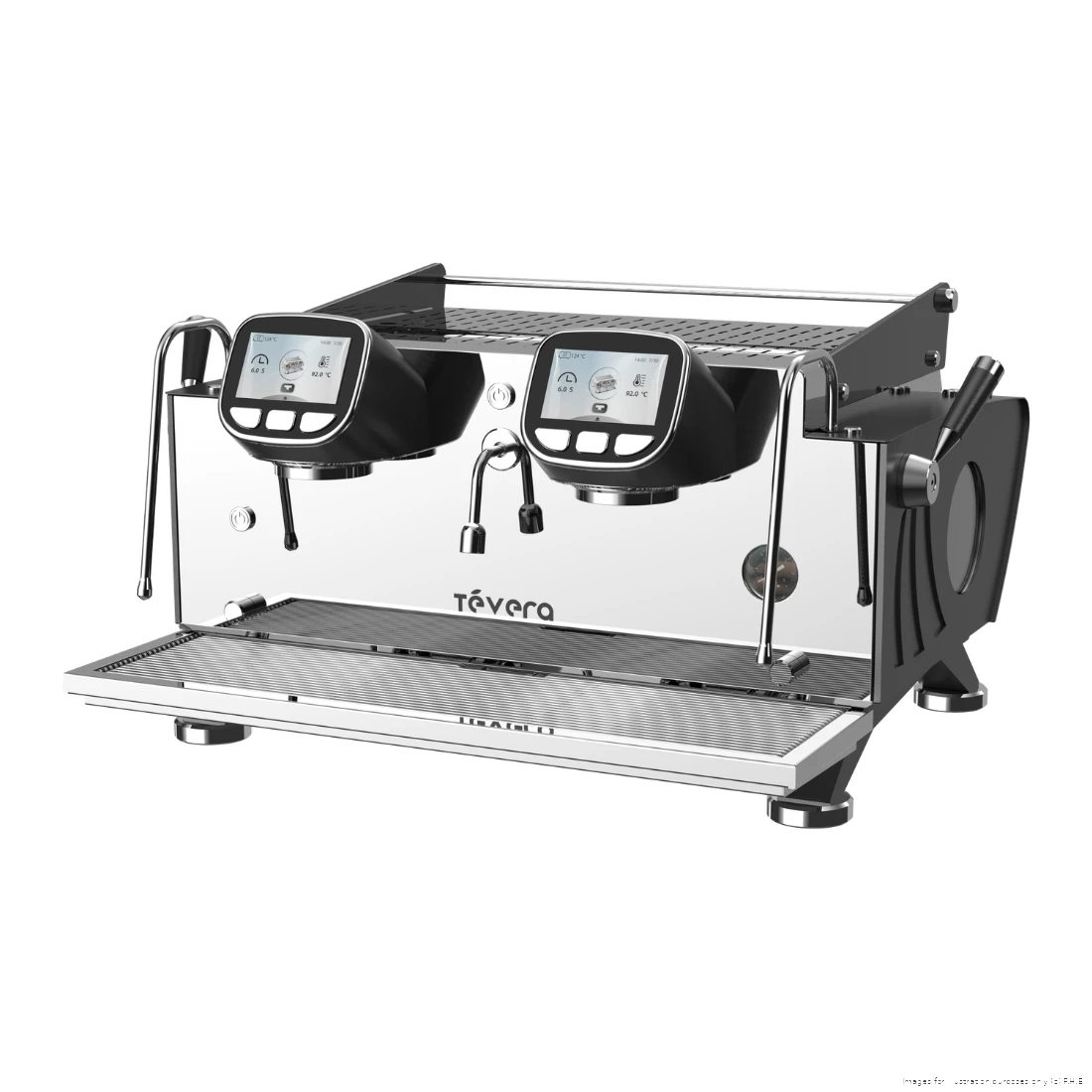
875 × 665 × 440mm
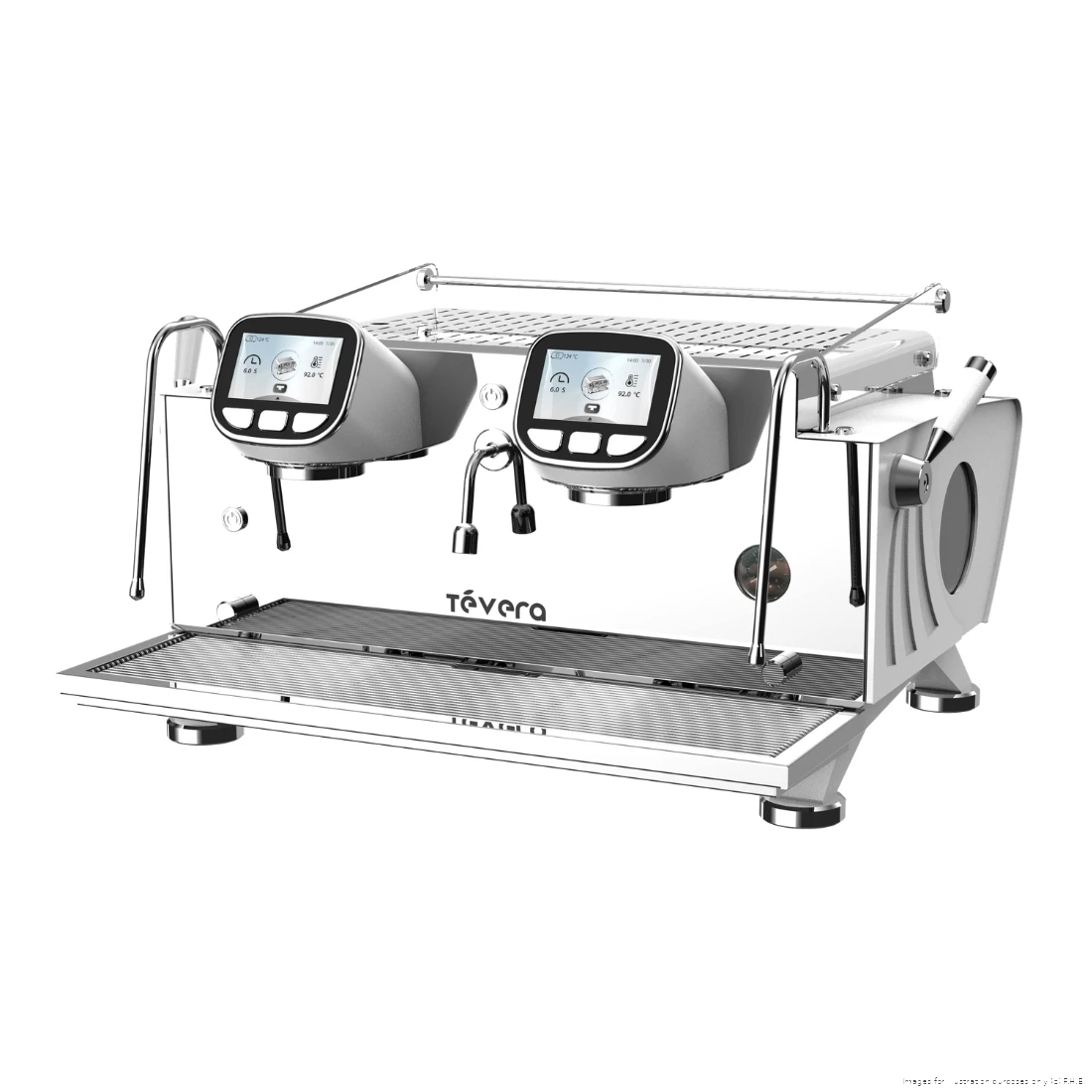
875 × 665 × 440mm
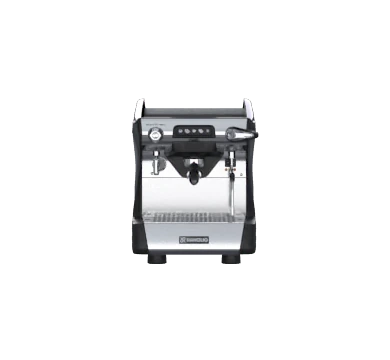
410 × 539 × 519mm
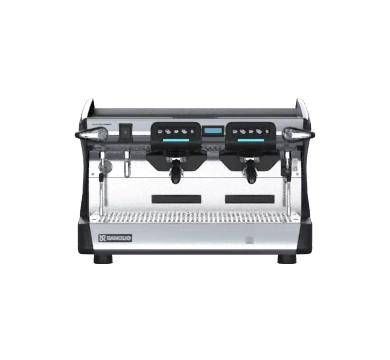
771 × 539 × 520mm
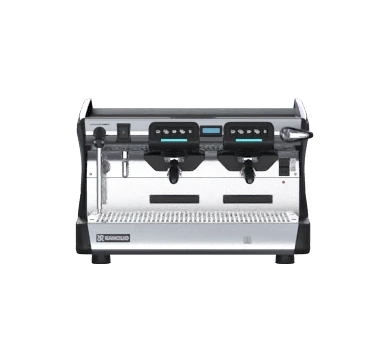
771 × 539 × 520mm
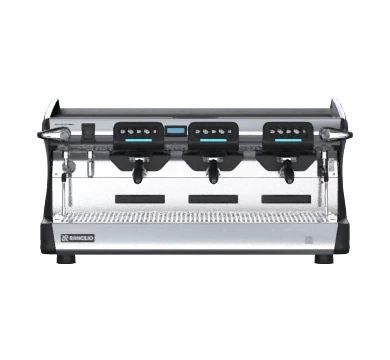
1011 × 539 × 520mm
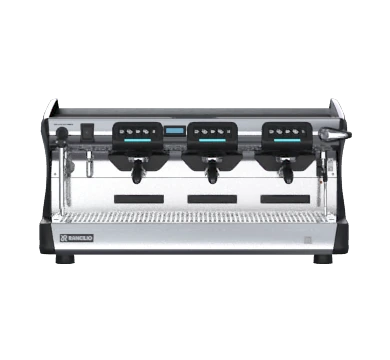
1011 × 539 × 520mm
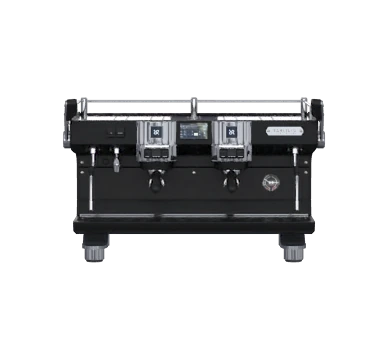
840 × 600 × 512mm
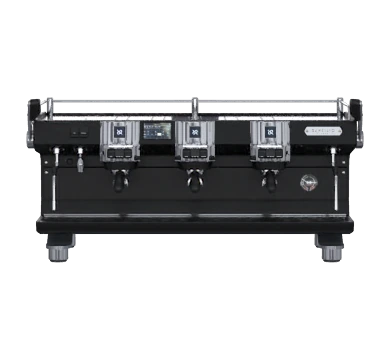
1080 × 600 × 512mm
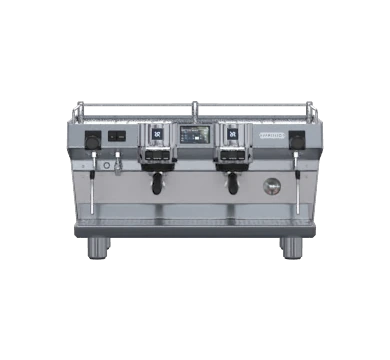
817 × 600 × 450mm
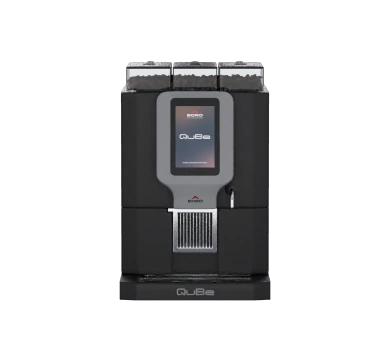
368 × 554 × 585mm
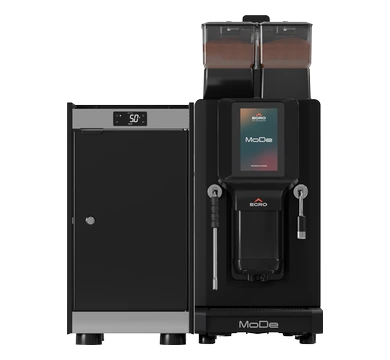
300 × 580 × 790mm
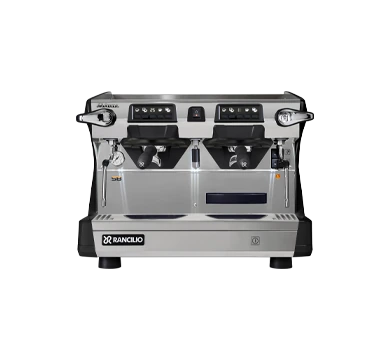
610 × 539 × 520mm
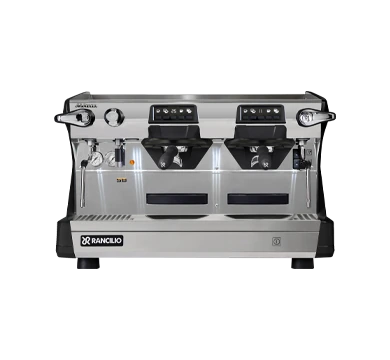
771 × 539 × 520mm
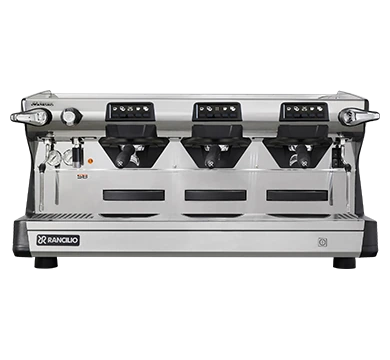
1010 × 539 × 519mm
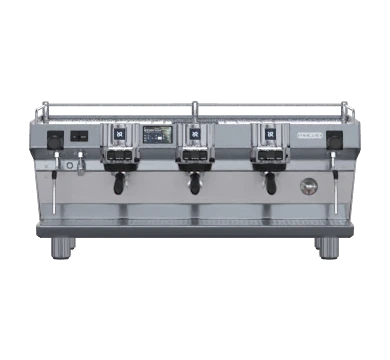
1057 × 450 × 600mm
A commercial espresso machine should be sized around the drinks produced during the busiest service interval, not the average number sold across a day. Group-head count affects how many extractions baristas can prepare at once, while steam performance determines whether milk drinks can keep pace with those shots.
Map the bar from grinder to dosing, extraction, milk texturing and hand-off. Extra groups add little value if baristas cannot reach cups, steam wands or the knock box without crossing, so bench length and staff positions need to be assessed with the peak service pattern.
Key factors to consider before purchasing. Our team can help you find the right fit — call or get a quote anytime.
Match capacity to your daily output. Consider the bench or floor space available and the access route for delivery.
Check the power supply at the installed position — phase, amperage and circuit capacity — before ordering.
Confirm electrical compliance, levelling and the clearance needed for cleaning and service access. We can help with kitchen planning.
Submit your kitchen requirements — our equipment specialists will send you a tailored shortlist of espresso machines that fits your budget, venue type and compliance needs.
Standards & Compliance
Review simultaneous shot demand, milk-drink share and the number of baristas working shoulder to shoulder. Allow space for grinders and tamping beside the machine, and keep hot-water and steam areas clear of the finished-drink landing point.
Water quality can affect flavour and internal scale. Test the site supply and select treatment that follows the espresso machine supplier’s requirements, with filters placed where cartridges and service valves remain accessible.
FAQ
Low-volume venues may use single-group machines; most cafés use two-group machines; high-volume stores prefer three groups.
Dual or multi-boiler machines offer superior temperature stability and steam power, ideal for high-end coffee venues.
Rotary pumps are quieter and more stable, making them preferred for commercial use.
Daily for commercial environments, with detergent cycles recommended.
Yes—filtration protects boilers, improves flavour and prevents scale build-up.
Count the shots that must extract at the same time during the busiest interval and the baristas who can work the machine safely. Choose enough groups for that overlap, but do not add groups that the bench, grinder workflow or operator positions cannot use efficiently.
A milk-heavy menu may need several jugs textured while shots are extracting, so steam must recover at the required pace. Compare peak milk-drink orders, jug workflow and wand access with extraction demand rather than choosing on group count alone.
Water treatment is often required, but the correct system depends on measured site water and the machine supplier’s instructions. Test the supply, choose compatible treatment and keep filters accessible for scheduled cartridge changes and service.
Mark the machine, grinders, tamping area and barista working zones on the proposed bench. Then have qualified trades confirm power, water, drainage, isolation and service access for the exact setup before cabinetry and penetrations are finalised.
Why KW
KW can help translate a cafe’s peak order mix into group-head and steam requirements, then test that choice against barista movement, treated water and the available bench. To discuss an espresso-focused bar layout, call 1300 001 366.
Deep Dive
Technical depth from KW's commercial kitchen specialists.
Count extractions that overlap during the rush and identify how many operators can work the machine without obstructing one another. Choose enough groups for that pattern while leaving practical room to lock in portafilters, monitor shots and move cups to the hand-off.
Estimate how many milk drinks are prepared together and the jug sizes used by the venue. Steam demand should recover alongside extraction work, and wand position should let baristas texture milk without reaching across another operator or the customer side.
Use measured water conditions to select filtration or treatment consistent with supplier guidance. Locate filters, isolation valves and drain connections where routine changes and technical access can occur without dismantling the bar.
Measure the machine, grinder positions and working zones before confirming the bench. Qualified trades should verify power, water and drainage for the selected setup, while the finished layout must retain access beneath and behind the machine.
Compare the wider coffee equipment category, review adjacent beverage equipment and coordinate utilities through the broader hospitality equipment range.