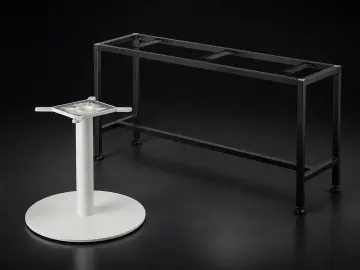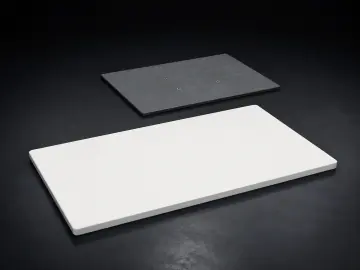
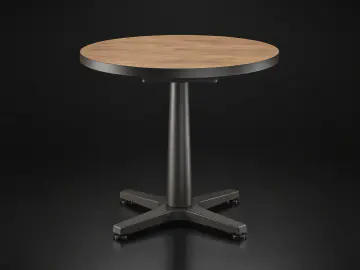
Commercial Dining Tables
274 products
Hospitality Furniture
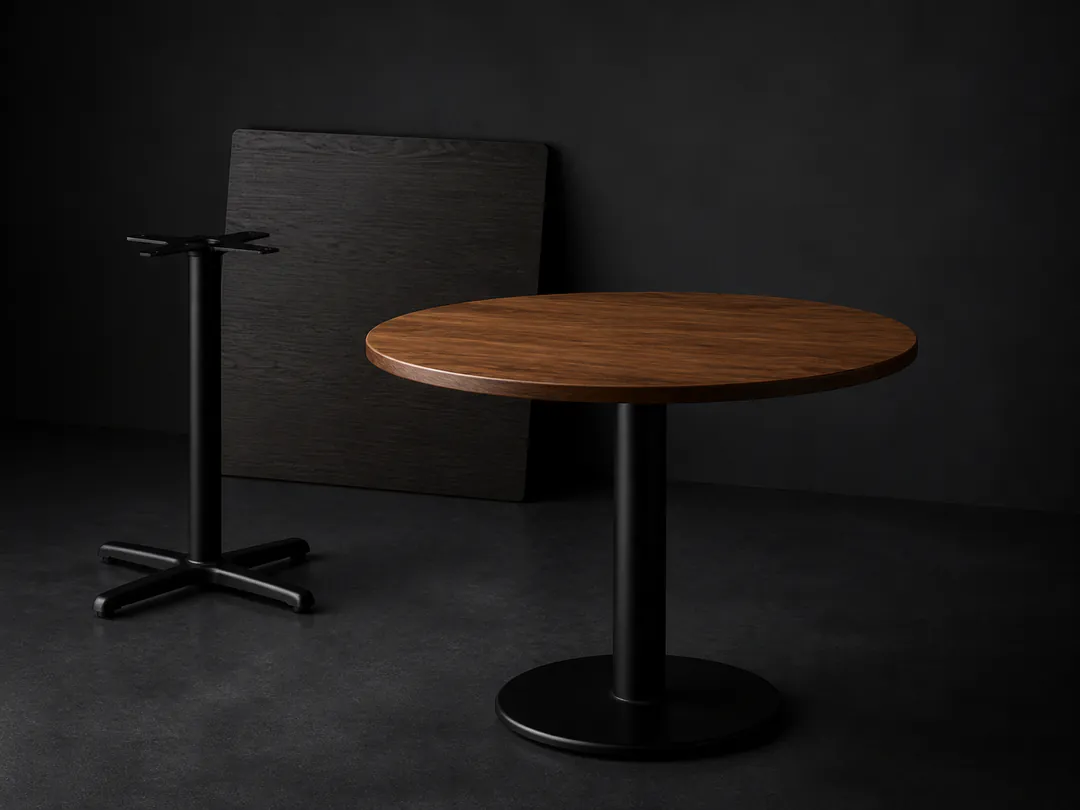
Commercial tables on this parent route include complete hospitality dining tables and separate table bases or frames. Decide which buying path you need before comparing finishes: a complete table should state that its top is included, while a base or frame still needs a compatible top and fixing method.
At the catalogue audit for this update, the route returned 697 active products across Bolero, Durafurn and Siesta: 277 records in Commercial Dining Tables and 420 in Commercial Table Bases after confirmed taxonomy errors were corrected. Product availability can change, so use the live grid to shortlist and recheck the selected SKU.
Key factors to consider before purchasing. Our team can help you find the right fit — call or get a quote anytime.
A complete table includes the top and support structure stated for that SKU. A base or frame requires a separately verified top, fixing method and compatibility check.
The current range includes ordinary dining-height and elevated bar-height products. Match the exact overall height to the intended chairs or stools and the finished venue layout.
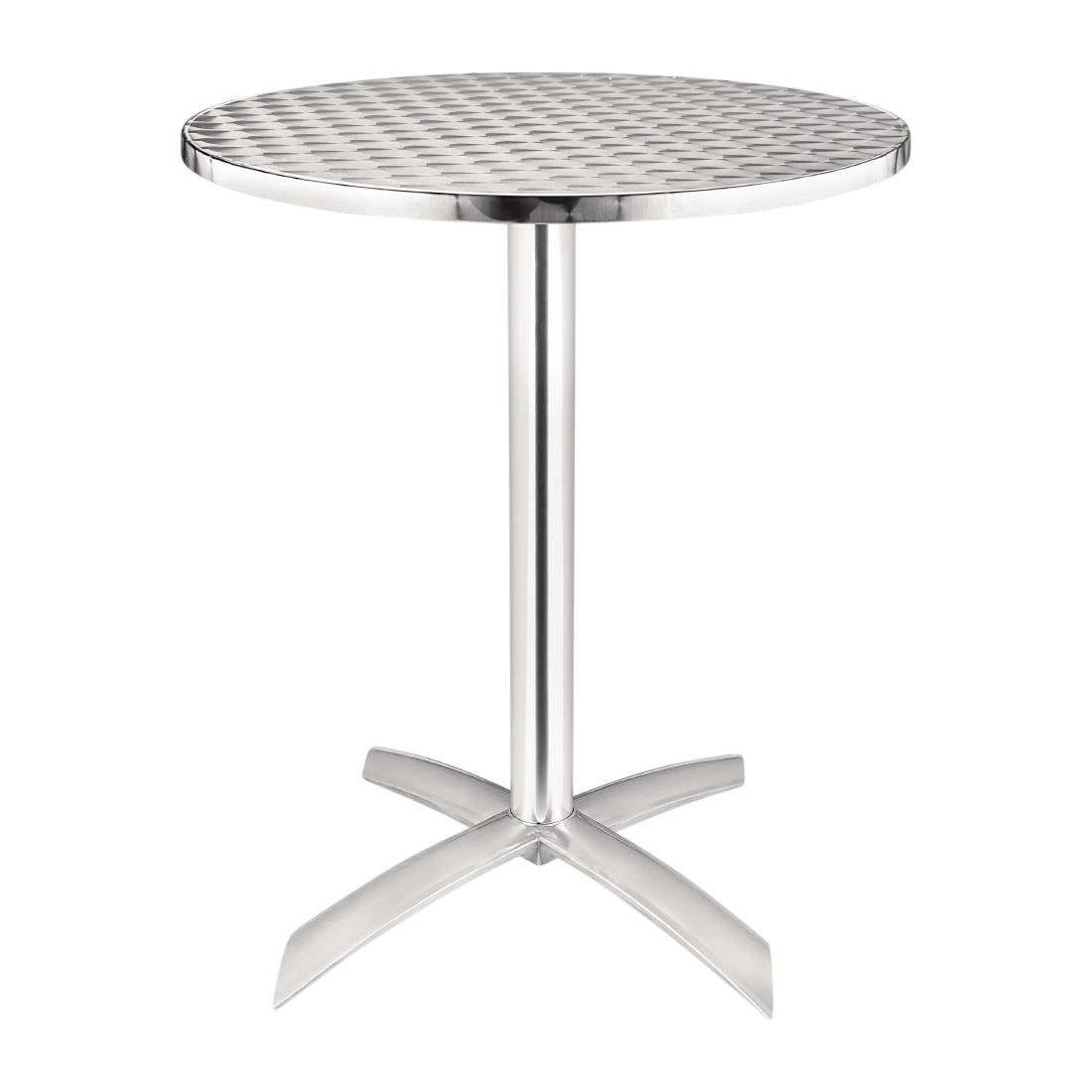
Folding legs and flip-top mechanisms can reduce storage footprint, but the mechanism, folded dimensions, nesting pattern and handling weight are model-specific.
Submit your kitchen requirements — our equipment specialists will send you a tailored shortlist of tables that fits your budget, venue type and compliance needs.
Standards & Compliance
For a complete table, confirm the exact top dimensions, overall height, footprint, weight, assembly and stated use setting. For a separate base or frame, also confirm the maximum top size and weight, mounting pattern, number of bases required and whether the top is supplied separately.
Do not infer outdoor suitability, heat resistance, cleaning compatibility, top capacity, folding, nesting, adjustable feet, lead time or warranty from the category or material name. These details vary by SKU and should be verified on the selected product record or supplier documentation.
FAQ
No. This parent route includes complete dining tables and separate table bases or frames. Confirm that the exact SKU states a top is included; otherwise select and verify a separate top.
No. Match the exact base's permitted top size, shape and weight with the top's fixing requirements. Also verify the mounting pattern, fasteners, supported span and number of bases required.
They are built for different seating heights and service positions. Use the exact overall table height and underside clearance, then match them to the selected chair or stool rather than relying on the family name alone.
No. Outdoor suitability varies by exact table, top and base. Check the selected SKU and supplier documentation, then account for the site's exposure and care requirements.
Why KW
KW separates complete dining tables, table bases, table tops and event tables so buyers can compare the right component. Send the required table height, top size, quantity, indoor or outdoor setting, floor plan, delivery postcode and access constraints for a current shortlist.
Deep Dive
Technical depth from KW's commercial kitchen specialists.
| KW range | Use it to compare | Boundary to keep clear |
|---|---|---|
| Commercial Dining Tables | Complete tables whose exact record includes a top and support structure. | Do not assume every item on the parent route is complete. |
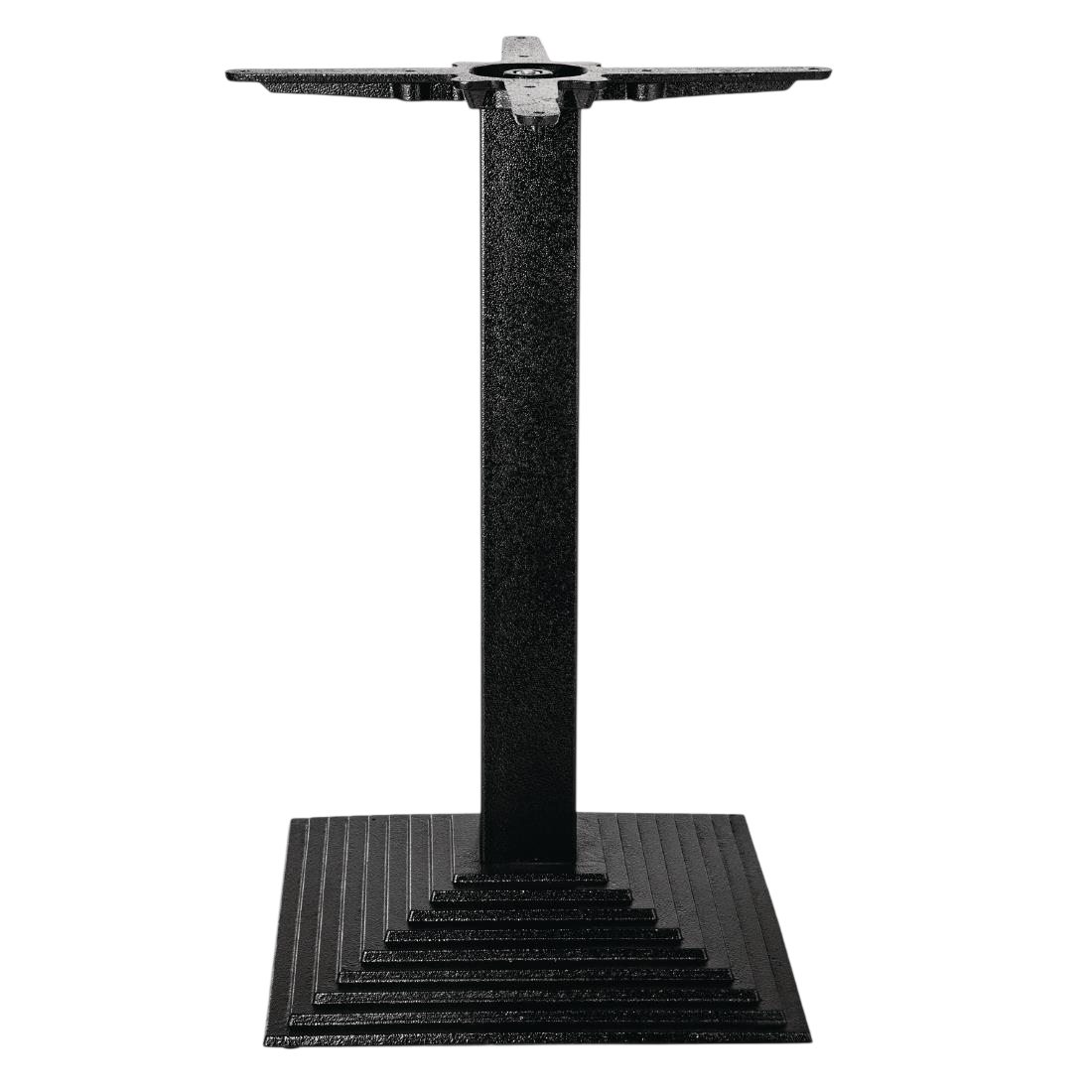
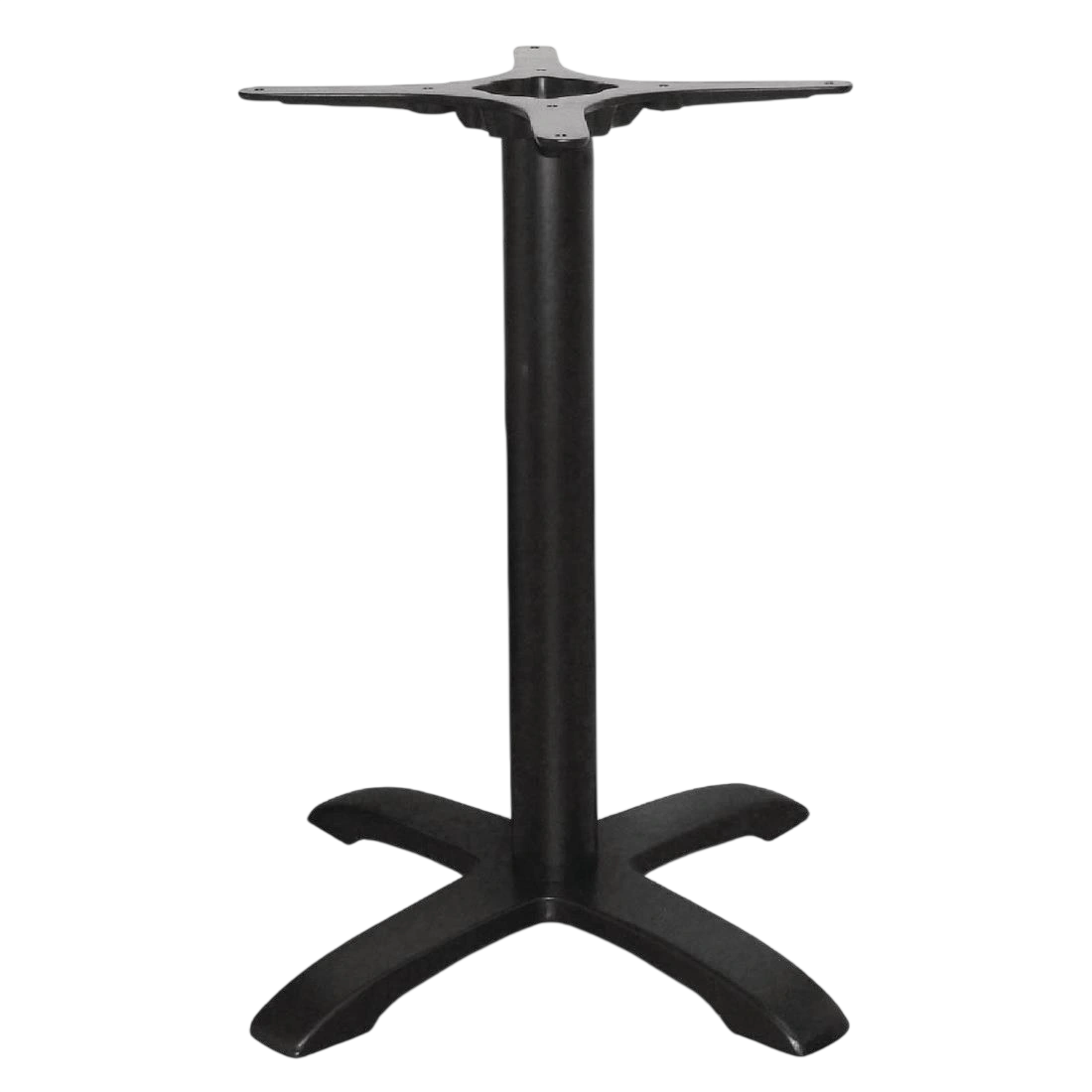
| Commercial Table Bases | Pedestal bases, twin bases, table-height and bar-height frames, folding bases and legs-only products. | The top may be sold separately; compatibility belongs to the exact base or frame. |
| Hospitality Table Tops | Separate tops selected by size, shape, finish and documented use setting. | A top still needs a compatible base, fixing method and supported span. |
| Event Tables | Banquet, trestle and portable event-table formats, including relevant transport or storage products. | Use this sibling for event setup and pack-down intent. |
| Outdoor Seating | The broader outdoor furniture range. | Outdoor suitability remains model-specific even when a product appears here. |
| Stainless Steel Workbenches & Prep Tables | Back-of-house preparation and equipment-support surfaces. | Commercial kitchen table intent belongs with workbenches, not guest dining furniture. |
The current parent rollup combines two different order decisions. Commercial Dining Tables contains complete-table records in round, square and rectangular formats, including selected standard-height, bar-height, folding and flip-top models. Commercial Table Bases contains pedestal, twin, folding, castor-equipped and frame products sold without a table top. Range labels help narrow the grid; inclusion, compatibility and use setting must still be confirmed on the exact SKU.
Do not assume that across the category. Heat limits, cleaning products and care instructions depend on the exact surface and finish. Follow the selected product's documented care information.
Use Event Tables when the main task is banquet or event setup, pack-down, portability or storage. Use Commercial Dining Tables for the complete-table range intended for hospitality dining layouts.
Use Stainless Steel Workbenches & Prep Tables for back-of-house food preparation and equipment support. This Commercial Tables route is for hospitality furniture and its components.
Send the required table height, top size and shape, quantity, indoor or outdoor setting, whether a complete table or separate components are needed, seating dimensions, floor plan, delivery postcode and access constraints.
Each fact below belongs only to the named SKU and should be rechecked on its current product page.
| Model | Current exact dimensions | What it demonstrates |
|---|---|---|
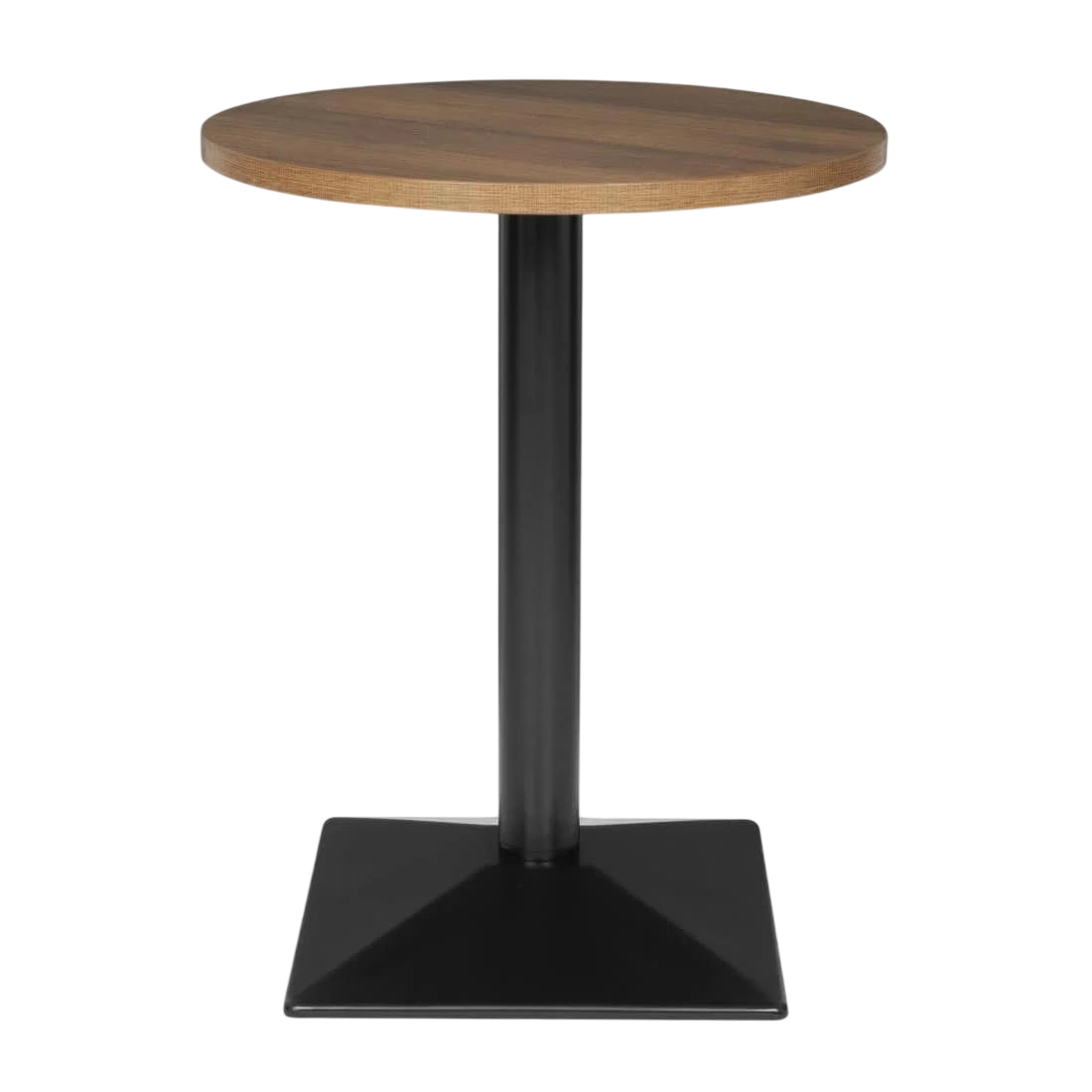
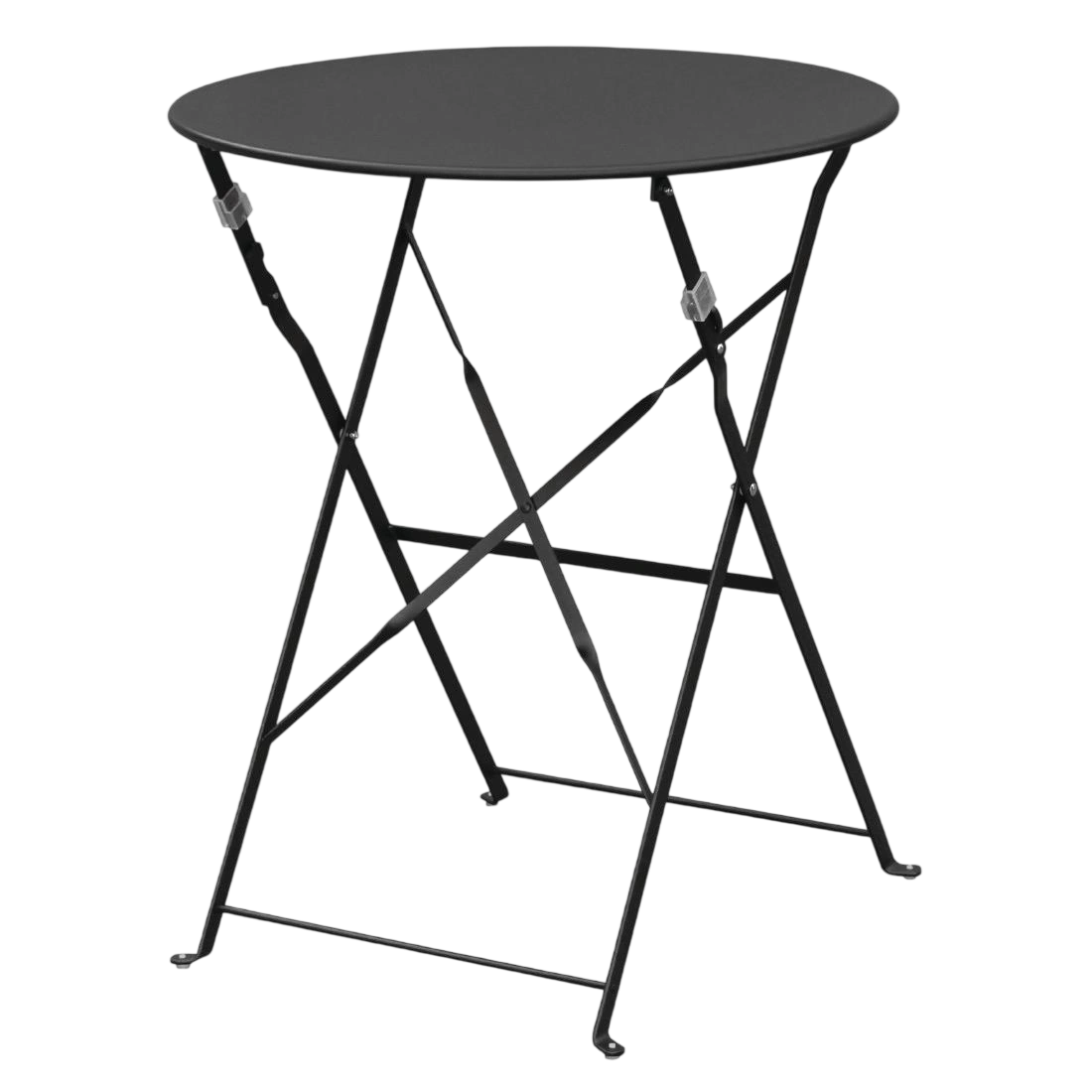
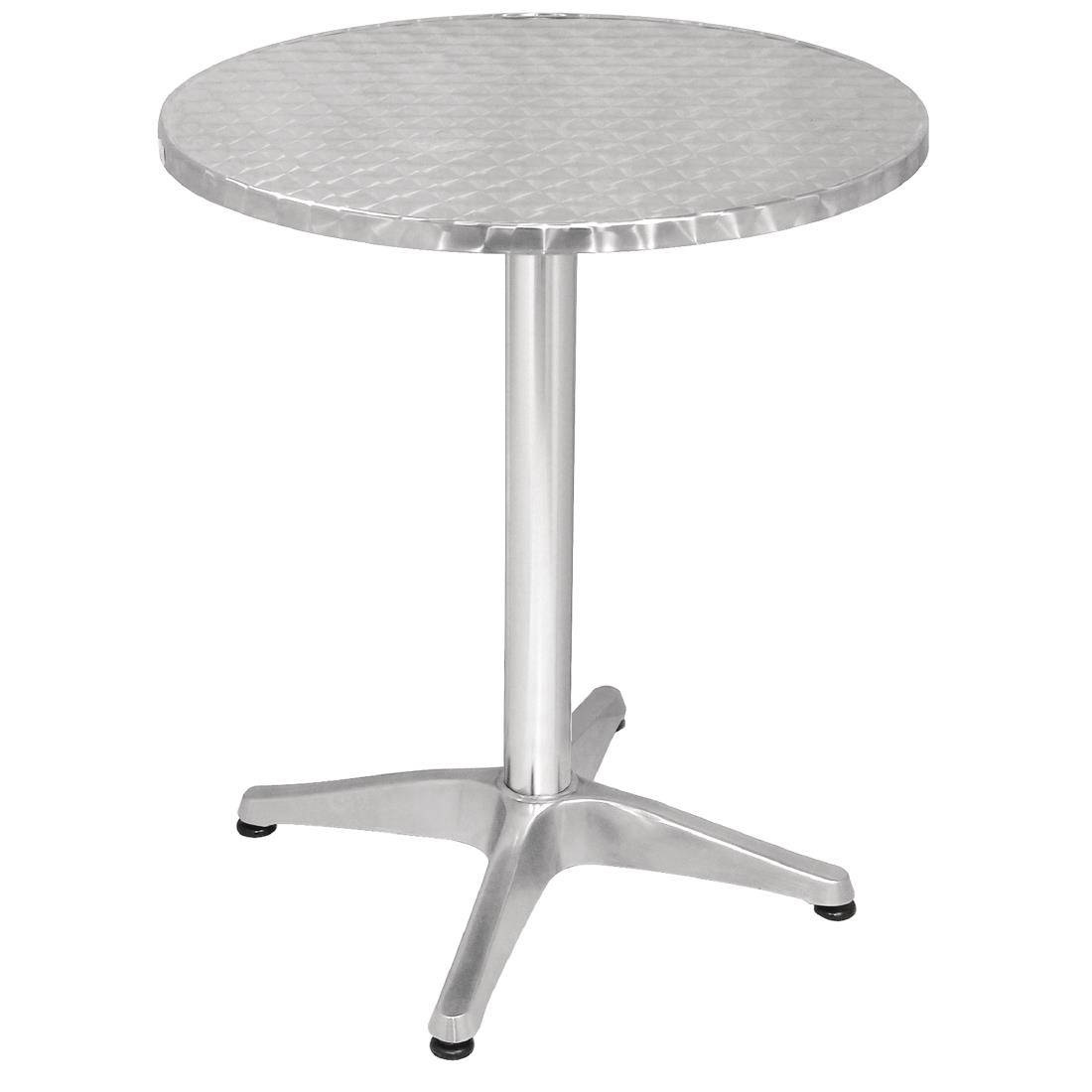
| Bolero CH993 Complete Round Table | 600mm diameter × 750mm high; 29kg | The current record presents a complete indoor dining table, so the top and base decision is already combined for this SKU. |
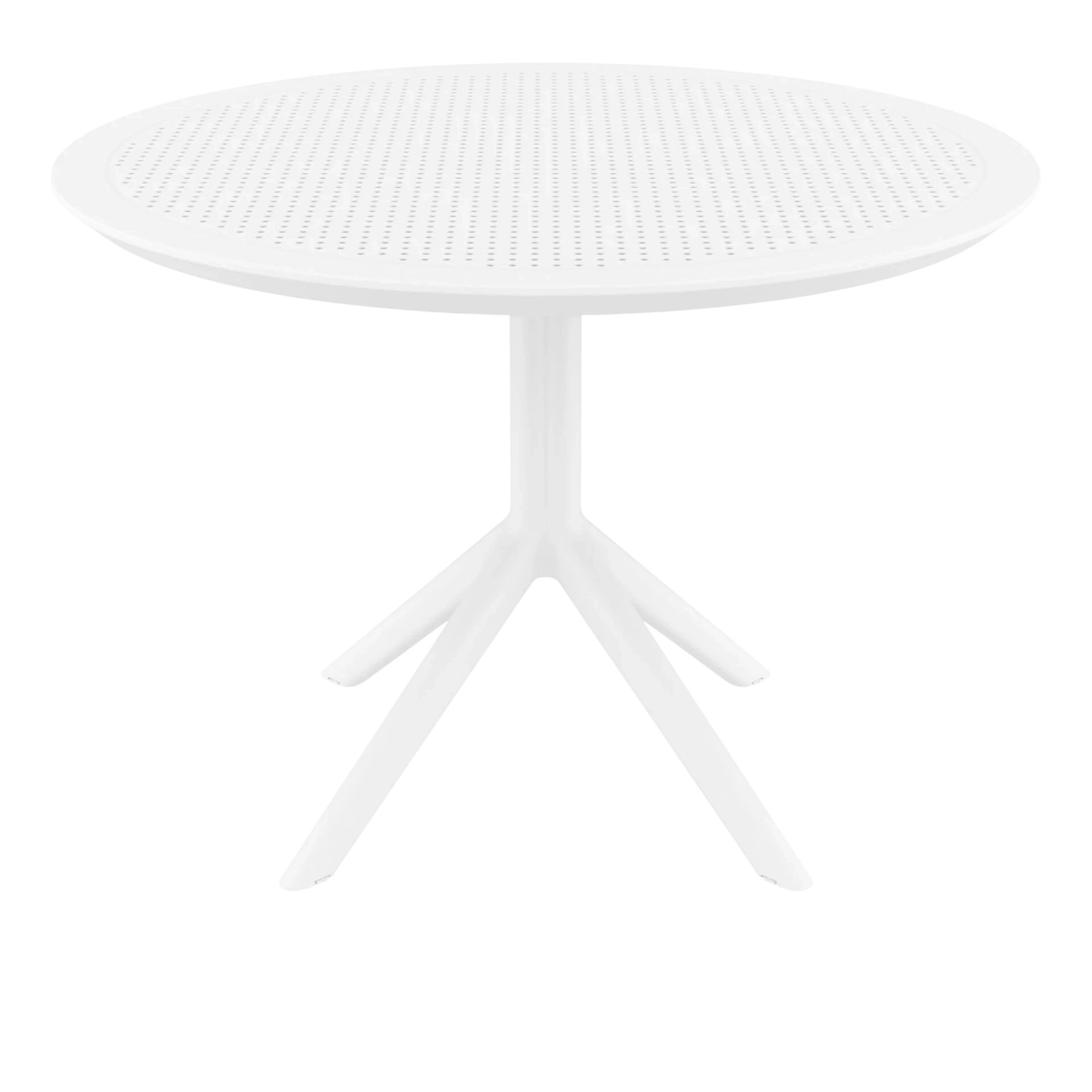
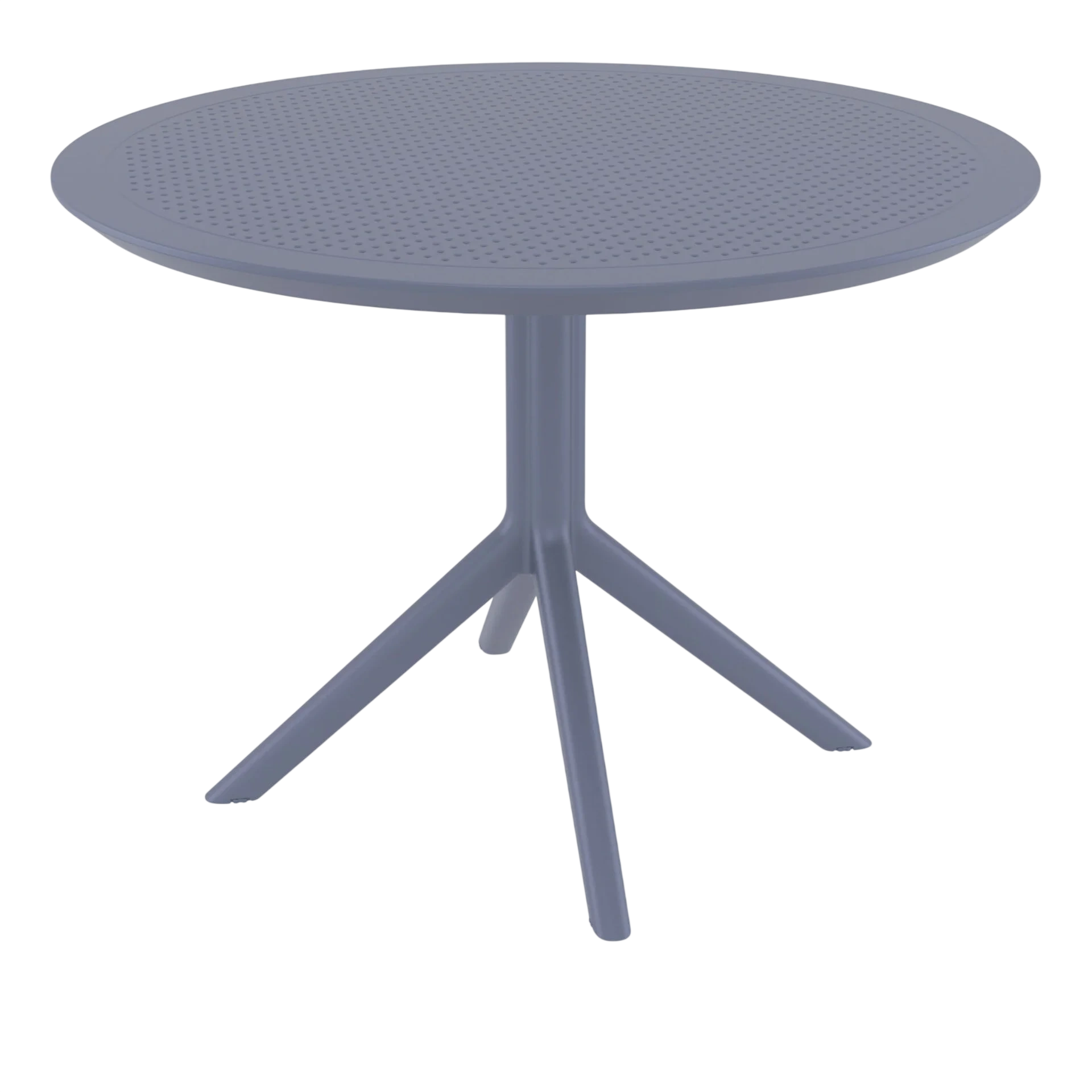
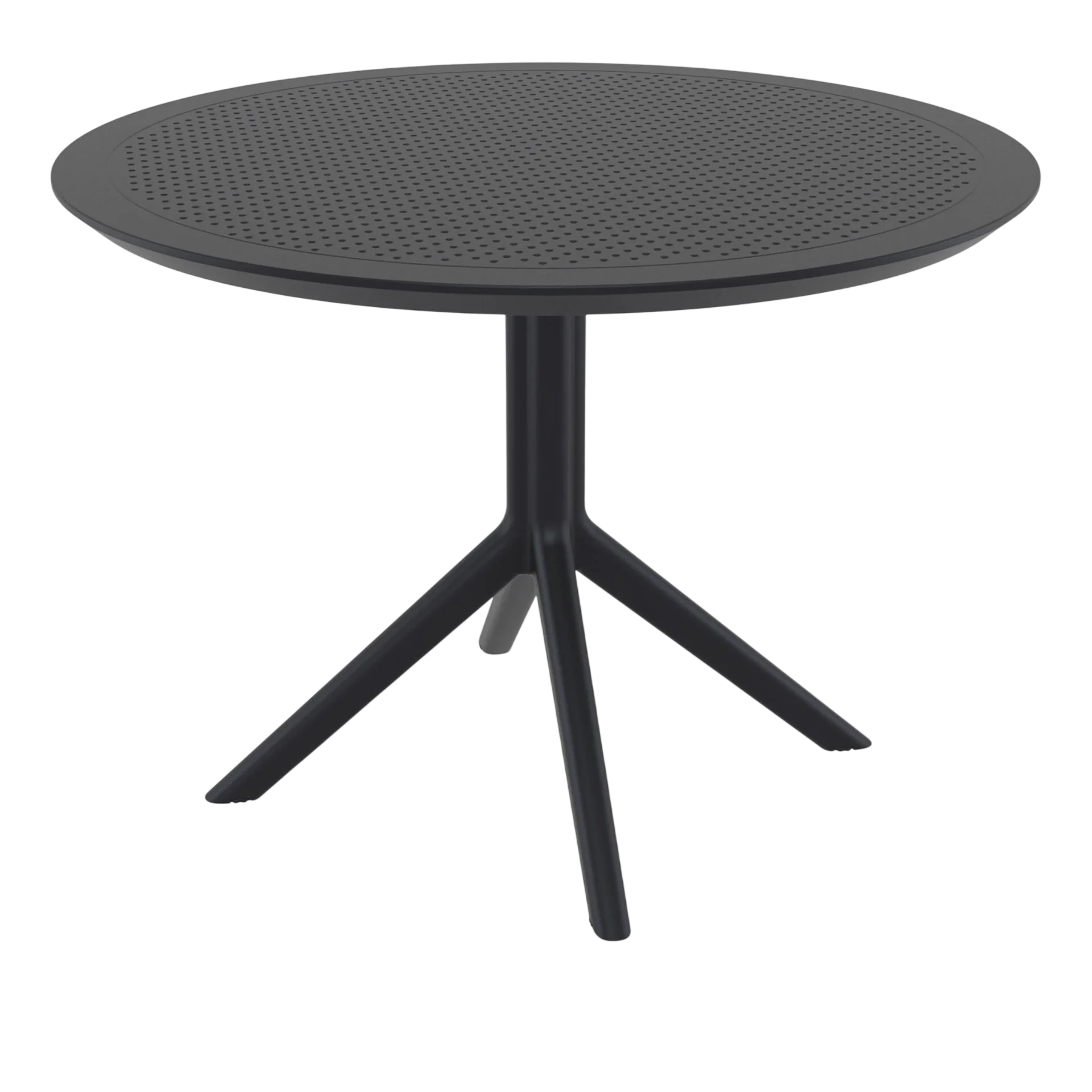
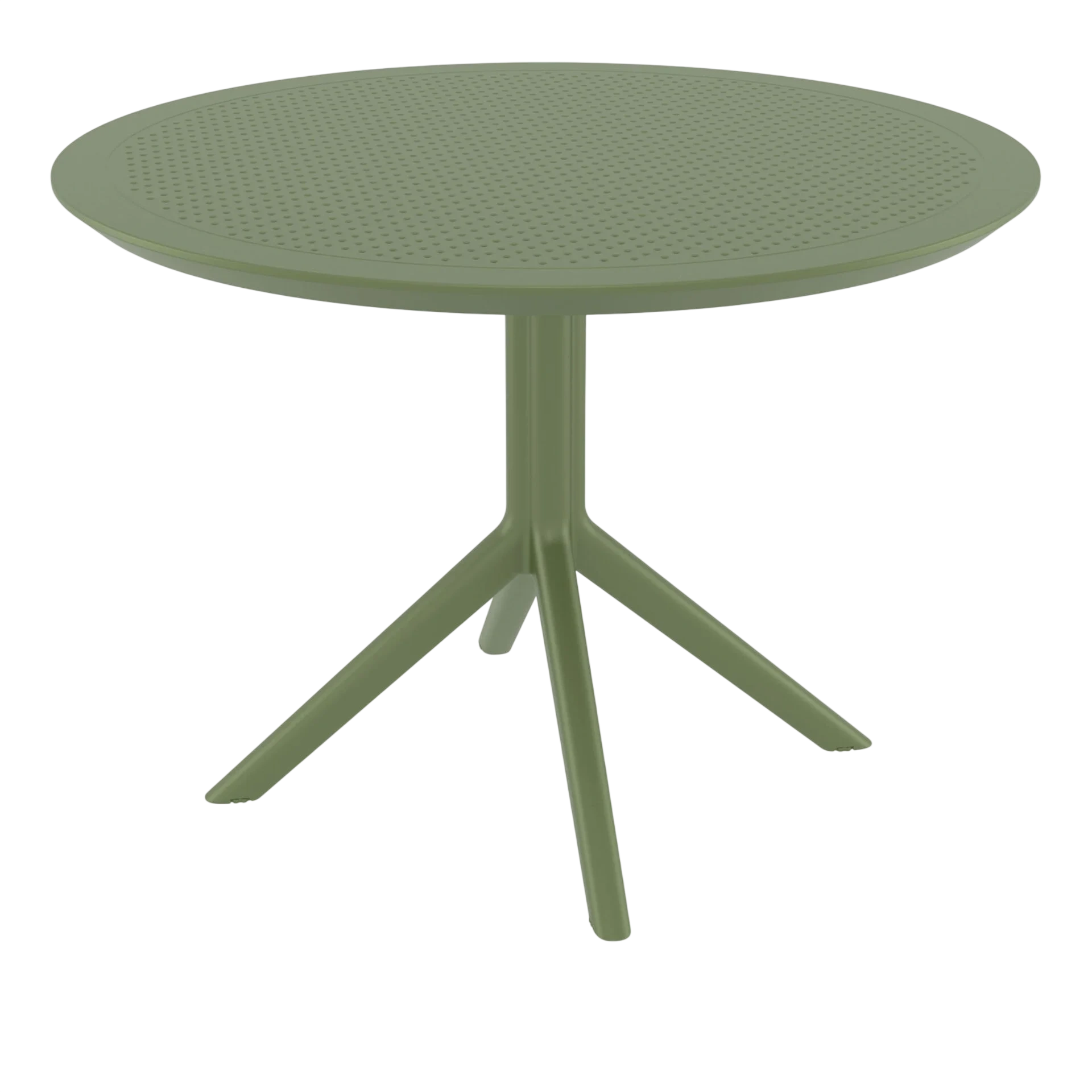
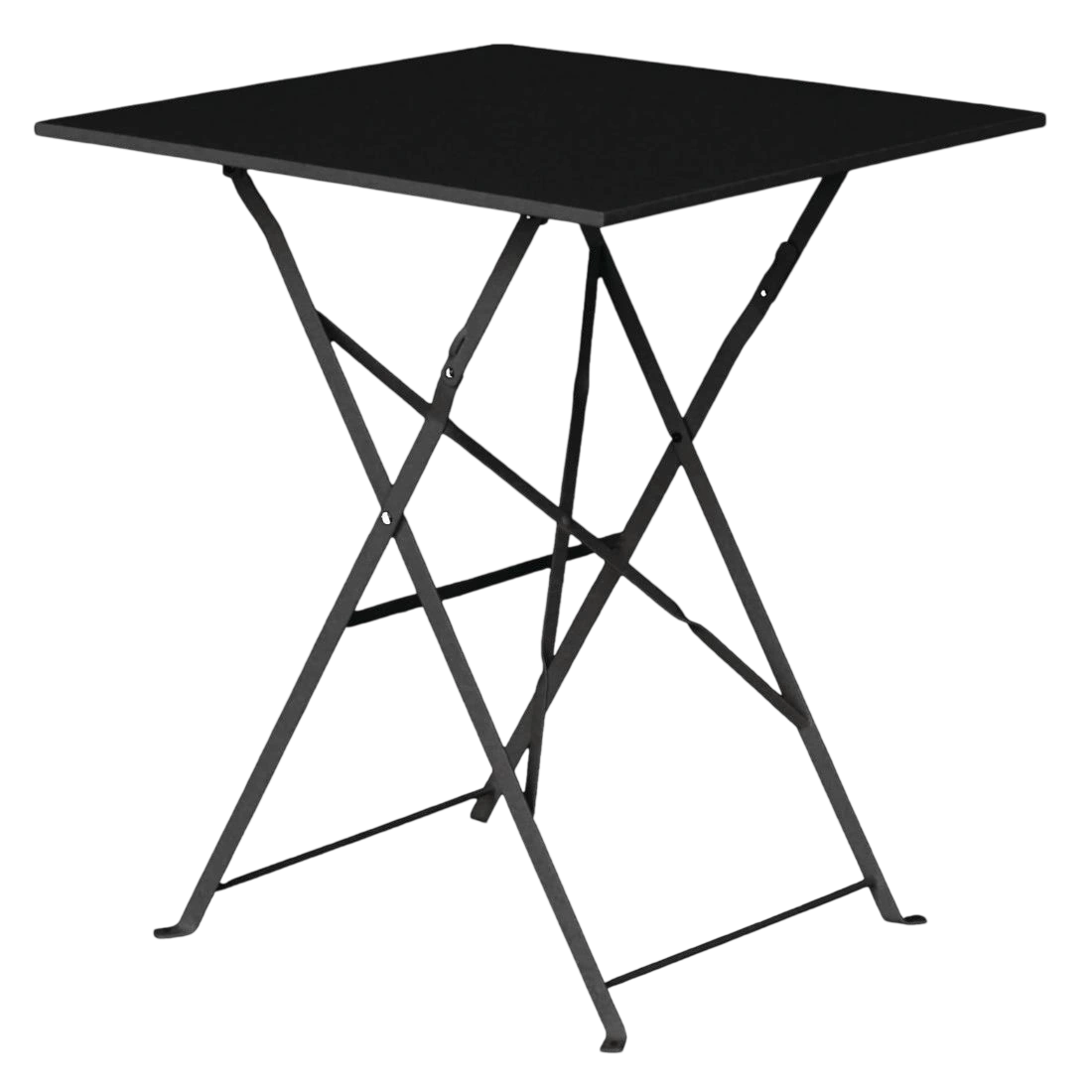
| Siesta Sky Table 105 White — FL-118-13686-254 | 1050 × 1050 × 740mm; 16kg | The exact record states a complete, assembly-required table for indoor and outdoor light-commercial use. |
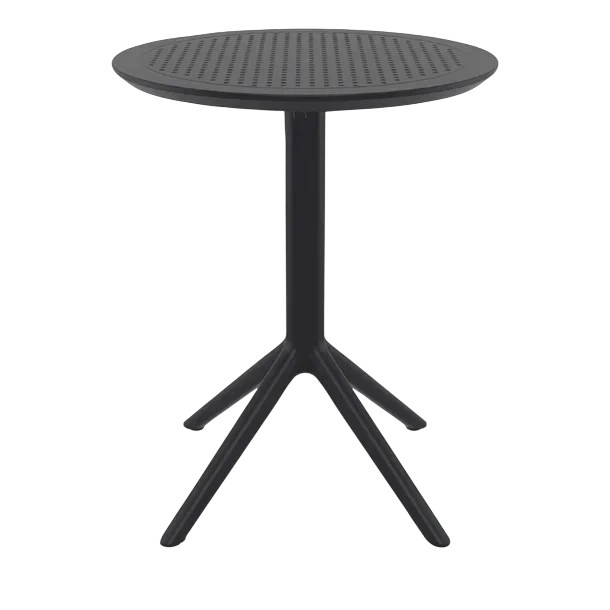
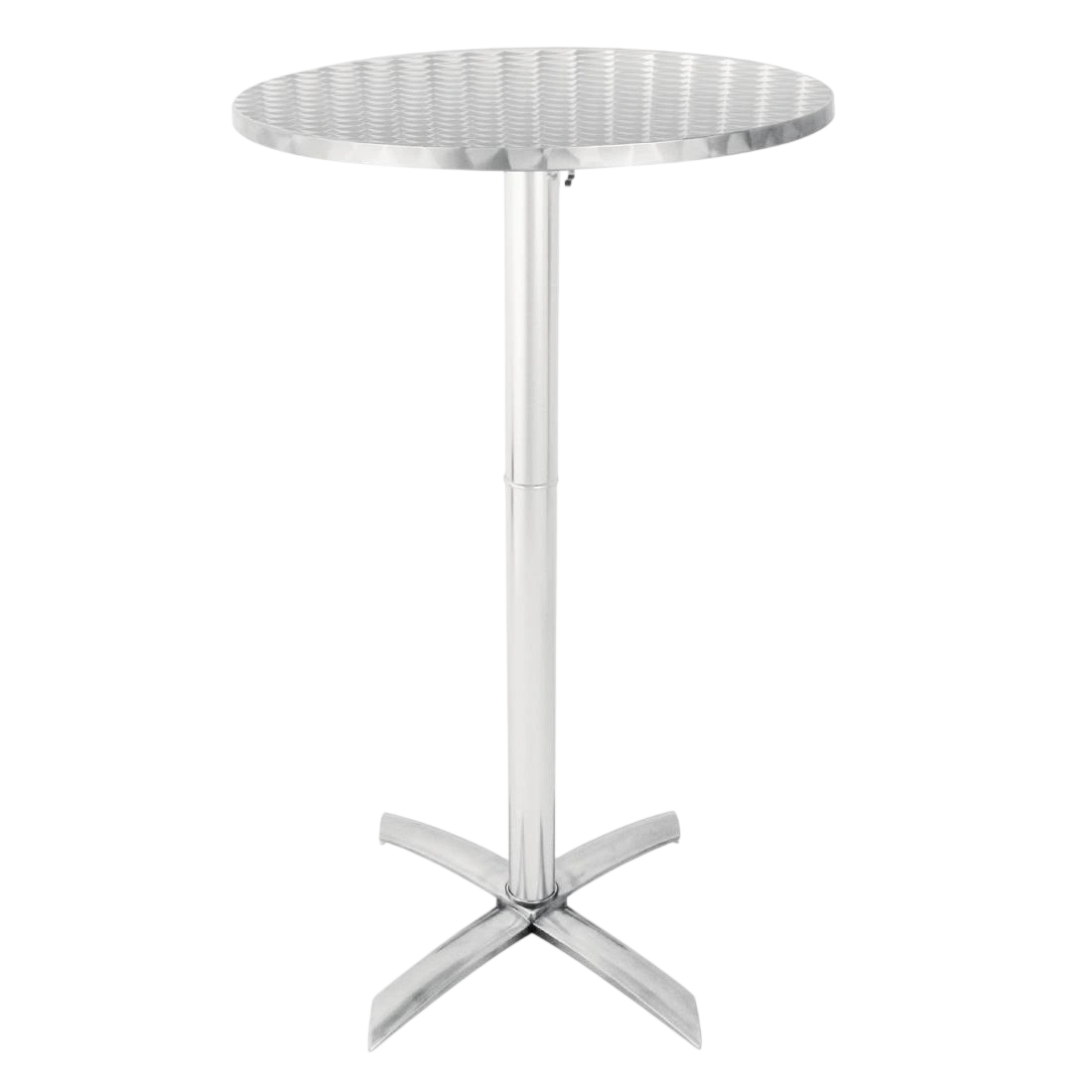
| Siesta Sky Folding Bar Table 60 Round Black — FL-118-13542-116 | 600mm diameter × 1080mm high; 7.5kg | This is an elevated folding table; it should be matched to bar-height seating and its own storage requirements. |
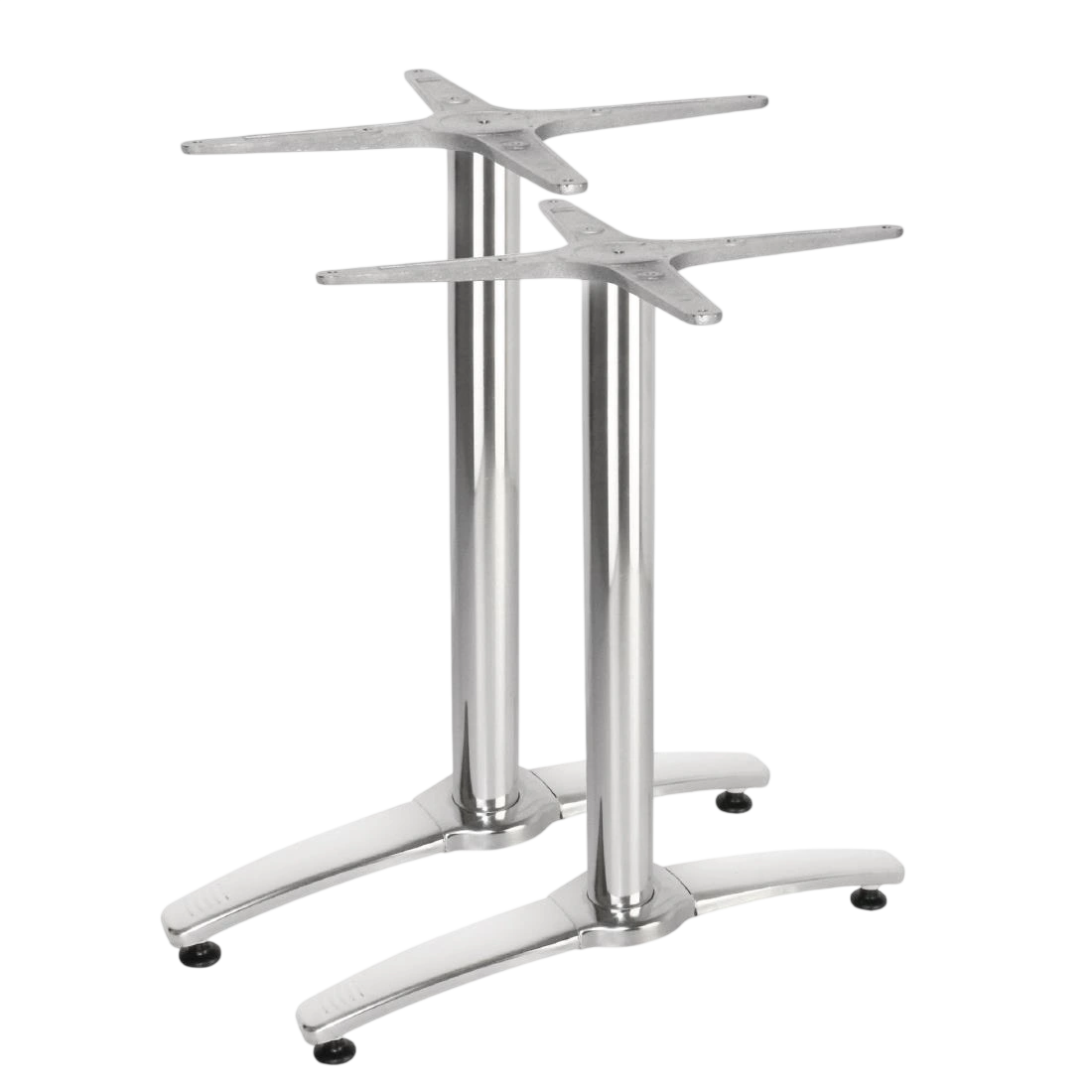
| Durafurn Marlo Twin Table Base Black — FL-100-13730-116 | 720mm high; 450 × 450mm top cross plates | The exact record states a separate twin base for tops up to 1200 × 800mm and 18kg, with adjustable feet and unassembled supply. |
A shared mix-and-match label does not make every top compatible with every base. For the selected base or frame, confirm its stated maximum top length, width, shape and weight, the location and size of its fixing plate or rails, the fasteners required and any limit on unsupported span. Then confirm the chosen top permits that fixing method. For twin bases, also verify the required spacing and quantity. If any of those facts is absent, ask for an exact-model check before ordering.
Height names are useful only when tied to an exact measurement. Current products include 720–750mm dining-height examples and selected elevated products around 950–1080mm, but that range is not a universal rule. Compare the exact table height with the chair or stool seat height, underside clearance, footrest position and intended service style. Use Café Chairs for dining-height seating and Commercial Bar Stools for elevated seating.
Outdoor suitability is an exact-product attribute. Check the selected table, top and base separately, including the stated setting, finish, care instructions, assembly points and warranty conditions. For furniture that must be cleared regularly, verify whether the exact product folds, flips, nests or stacks, then compare its handling weight and folded dimensions. A folding product is not automatically an event table, and an outdoor material name is not enough to prove suitability at a particular site.
Before ordering, record the exact SKU, whether the top is included, assembled dimensions, table height, top shape and size, base or frame footprint, supported top limits, fixing method, unit quantity, pack quantity, assembly status, unit weight, stated indoor or outdoor use, storage method, delivery access and required seating. Reconcile those details against the floor plan and recheck the live product page for changes.
694 results
600 × 600 × 750mm
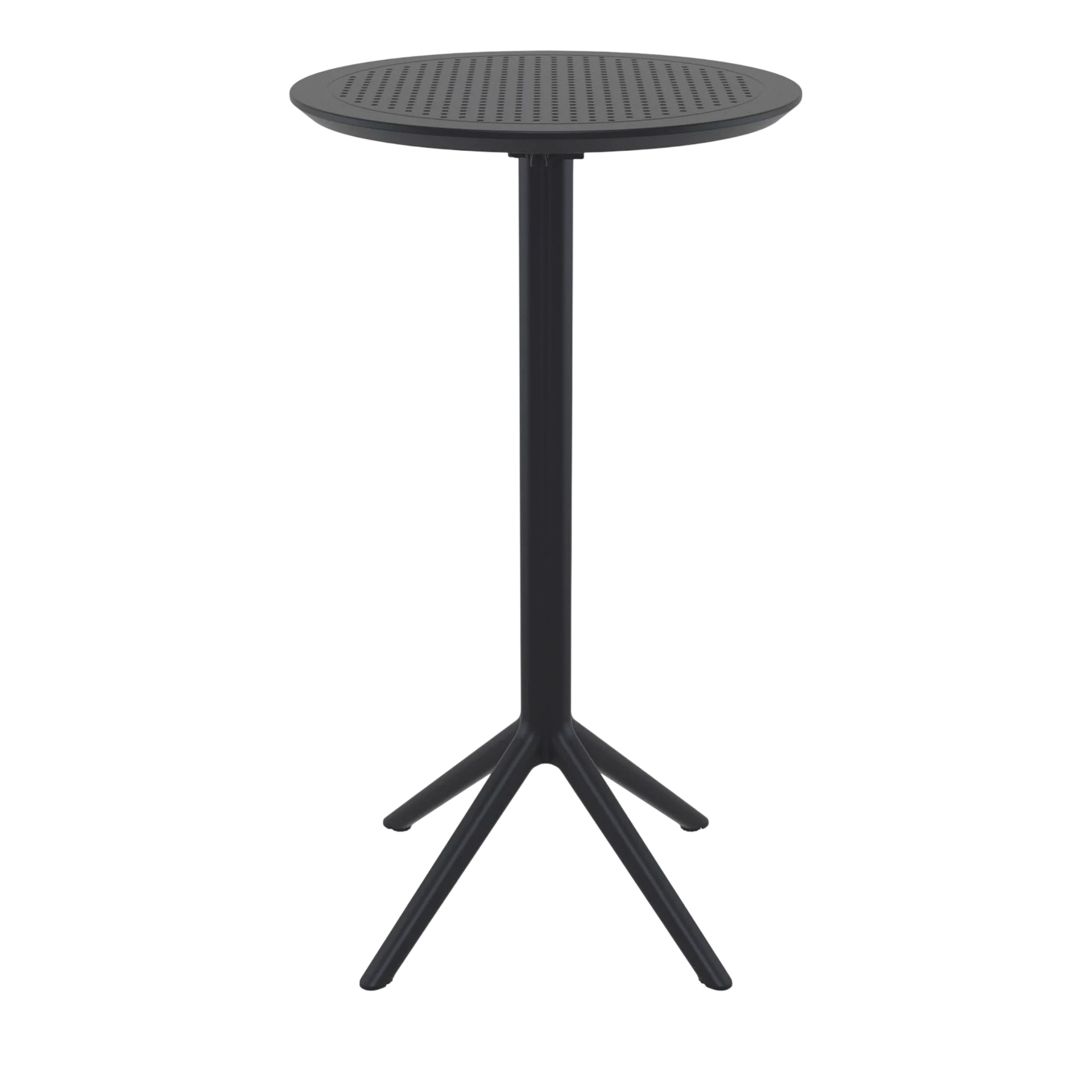
600 × 600 × 1080mm
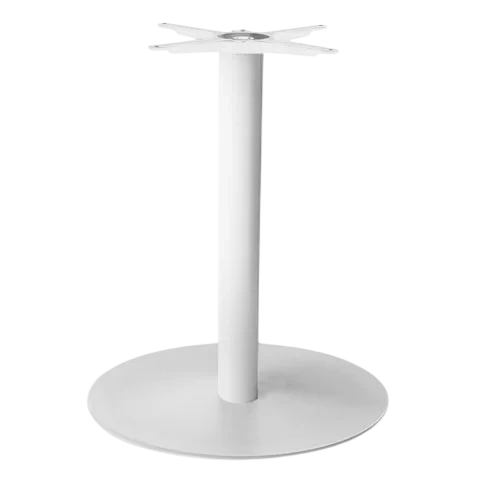
600 × 600 × 720mm
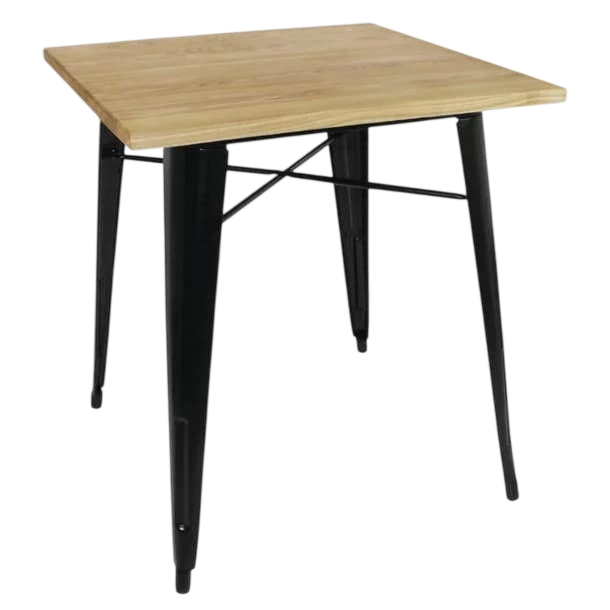
700 × 700 × 755mm
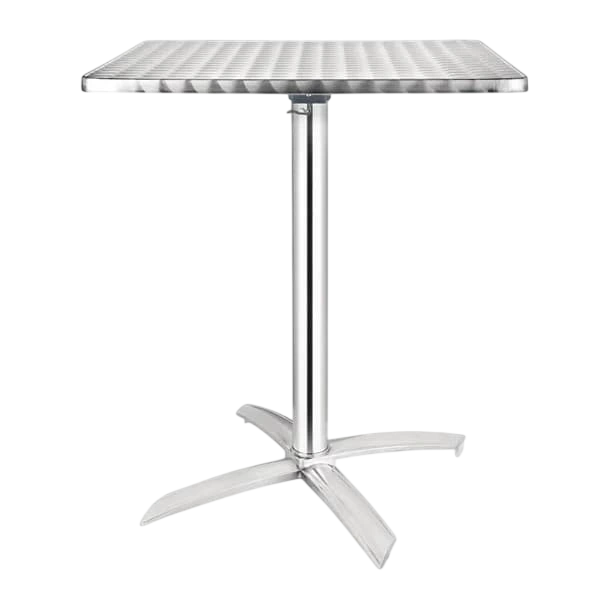
600 × 600 × 720mm
600 × 600 × 740mm
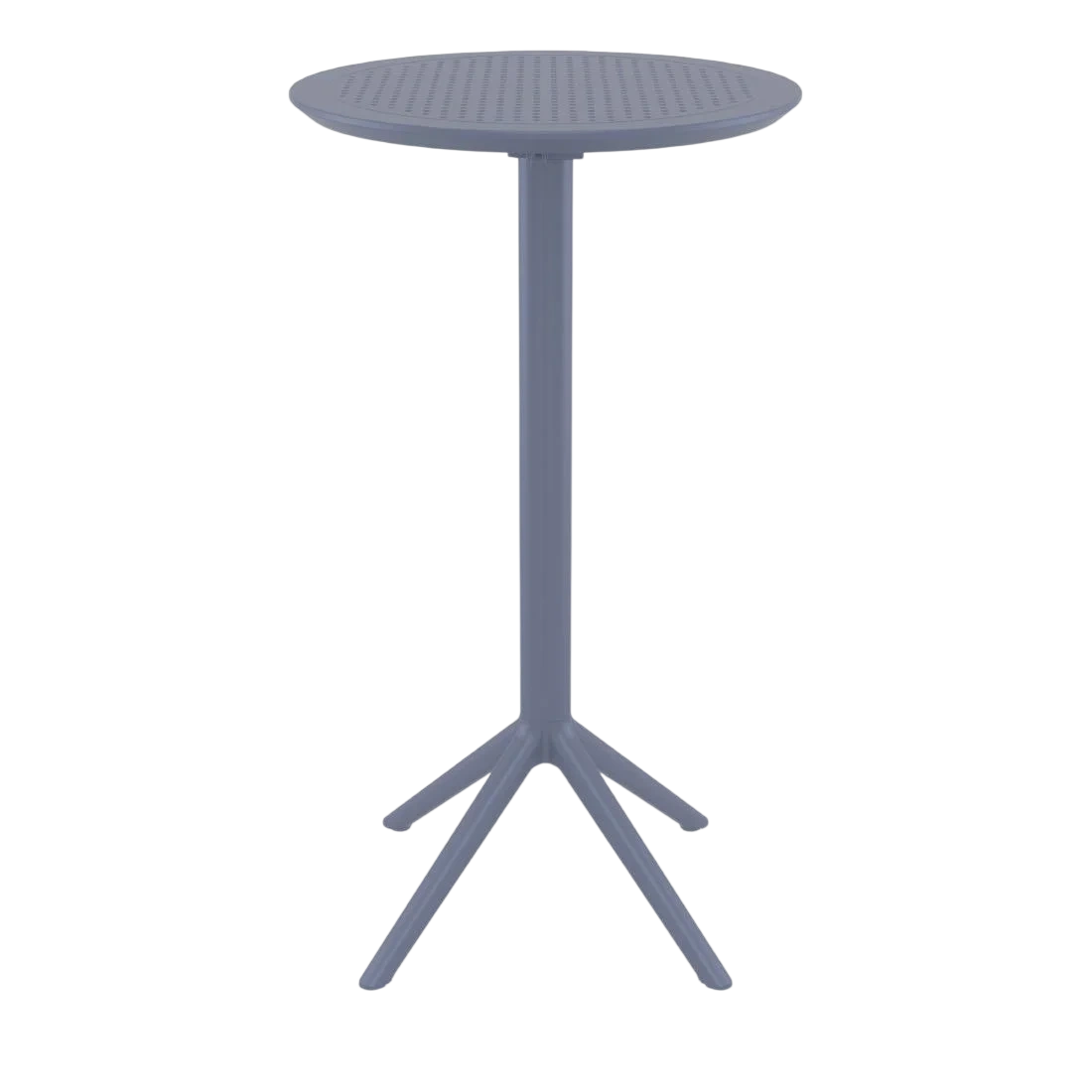
600 × 600 × 1080mm
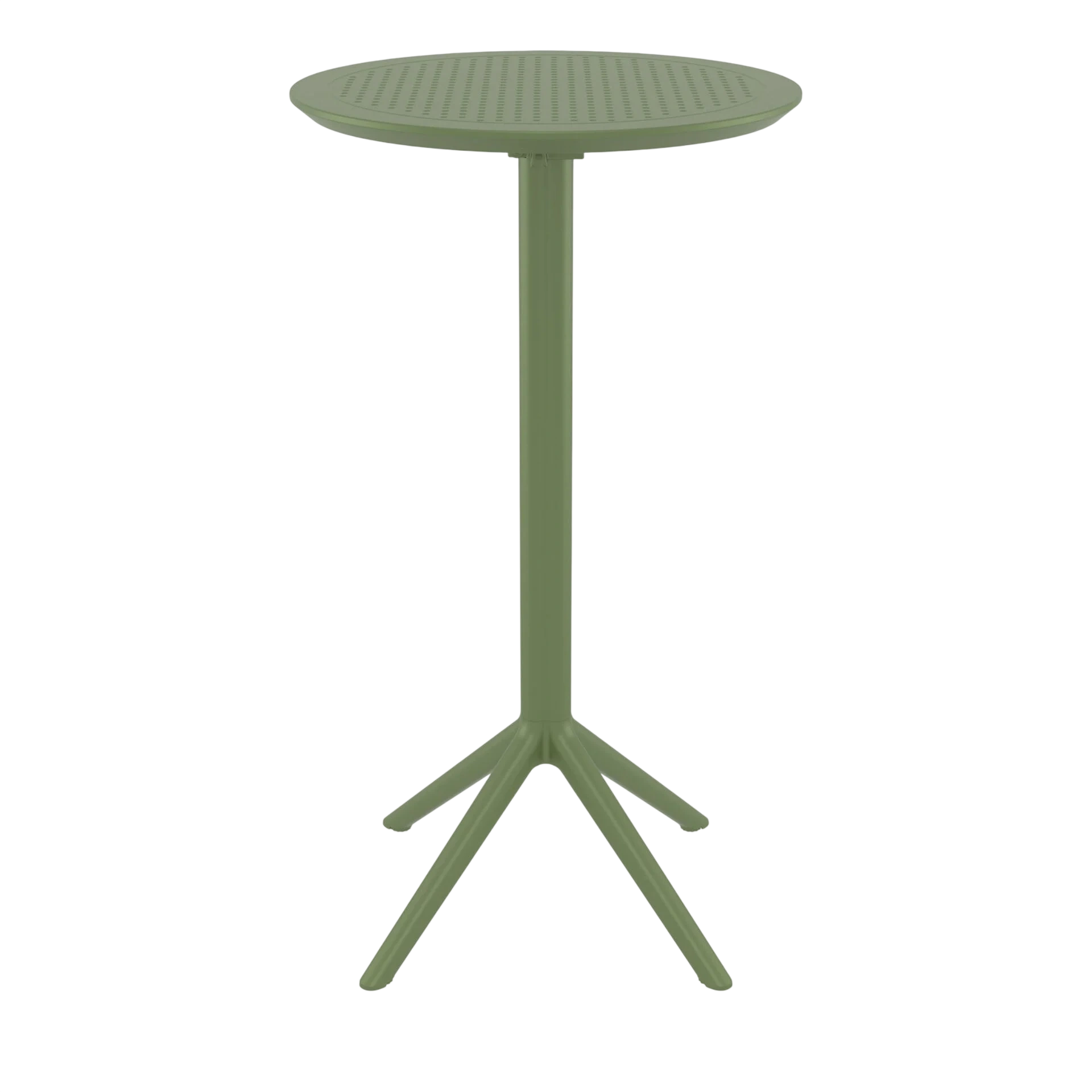
600 × 600 × 1080mm
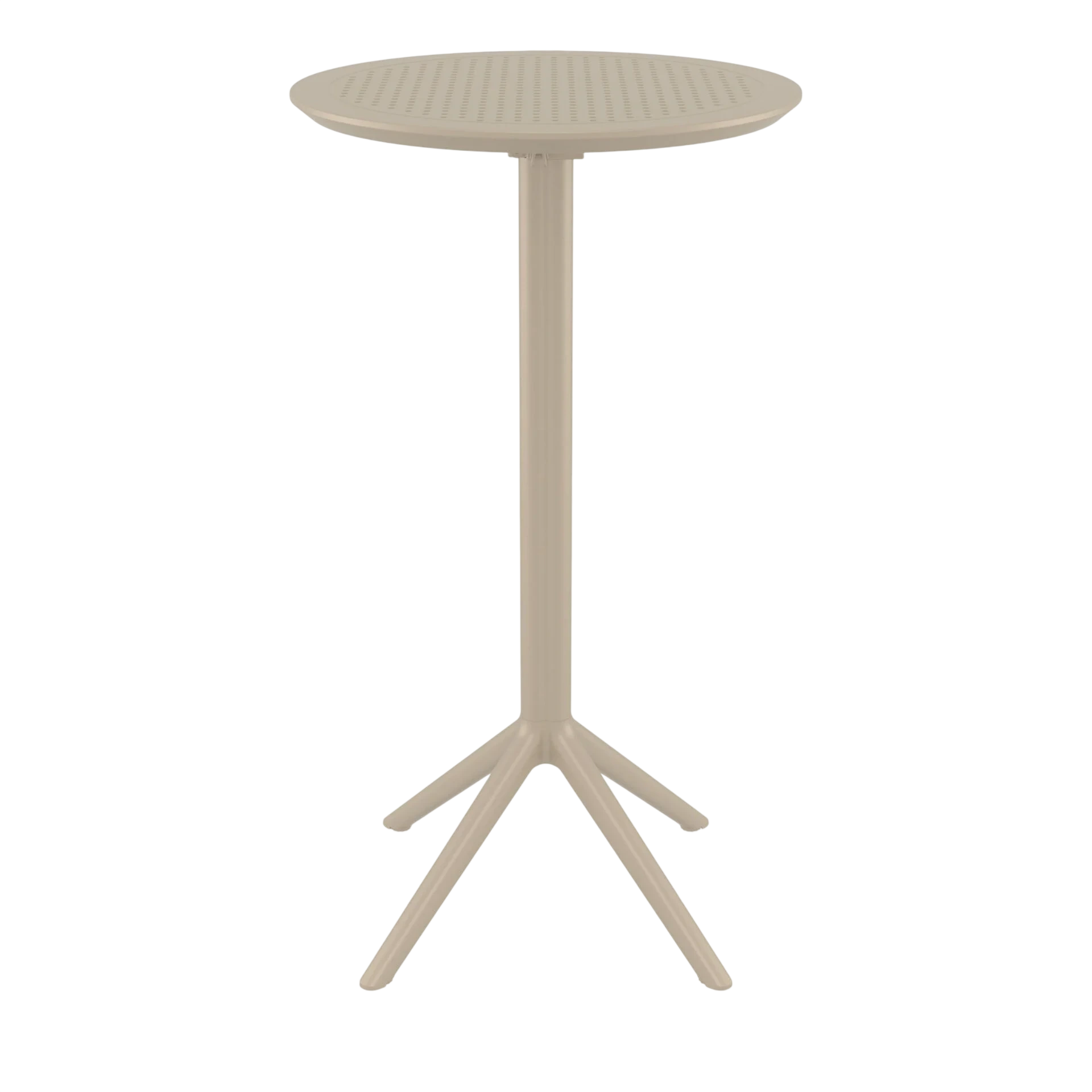
600 × 600 × 1080mm
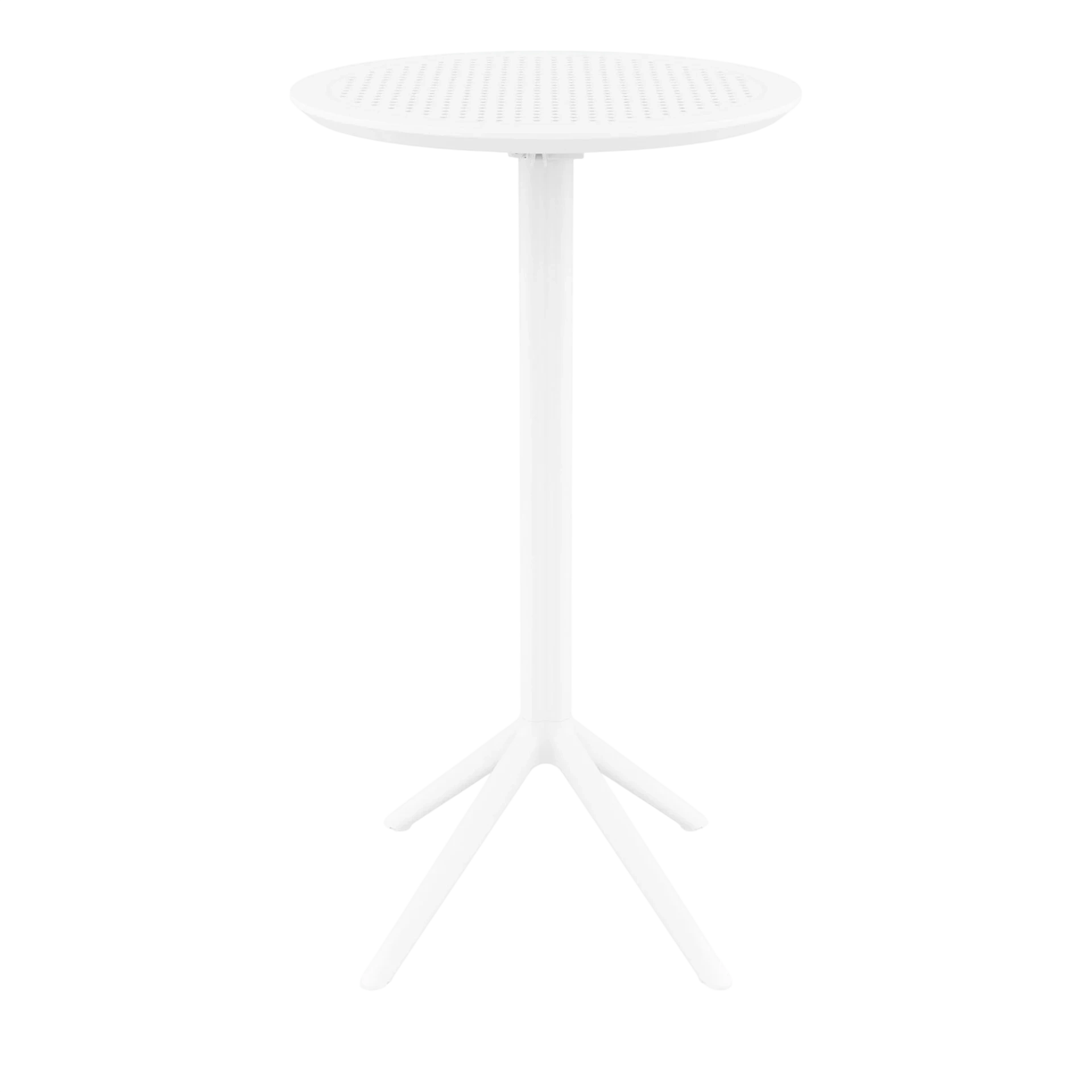
600 × 600 × 1080mm
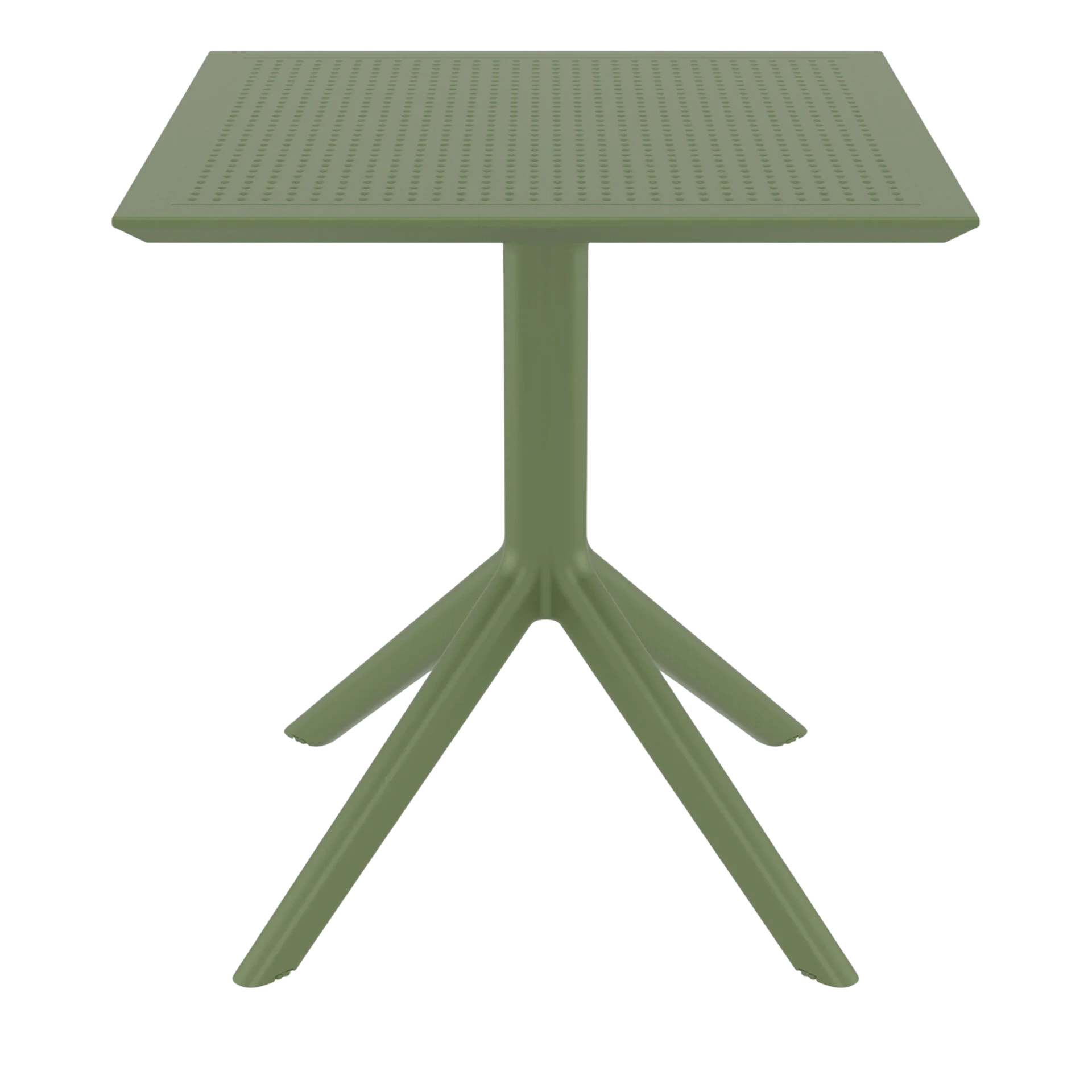
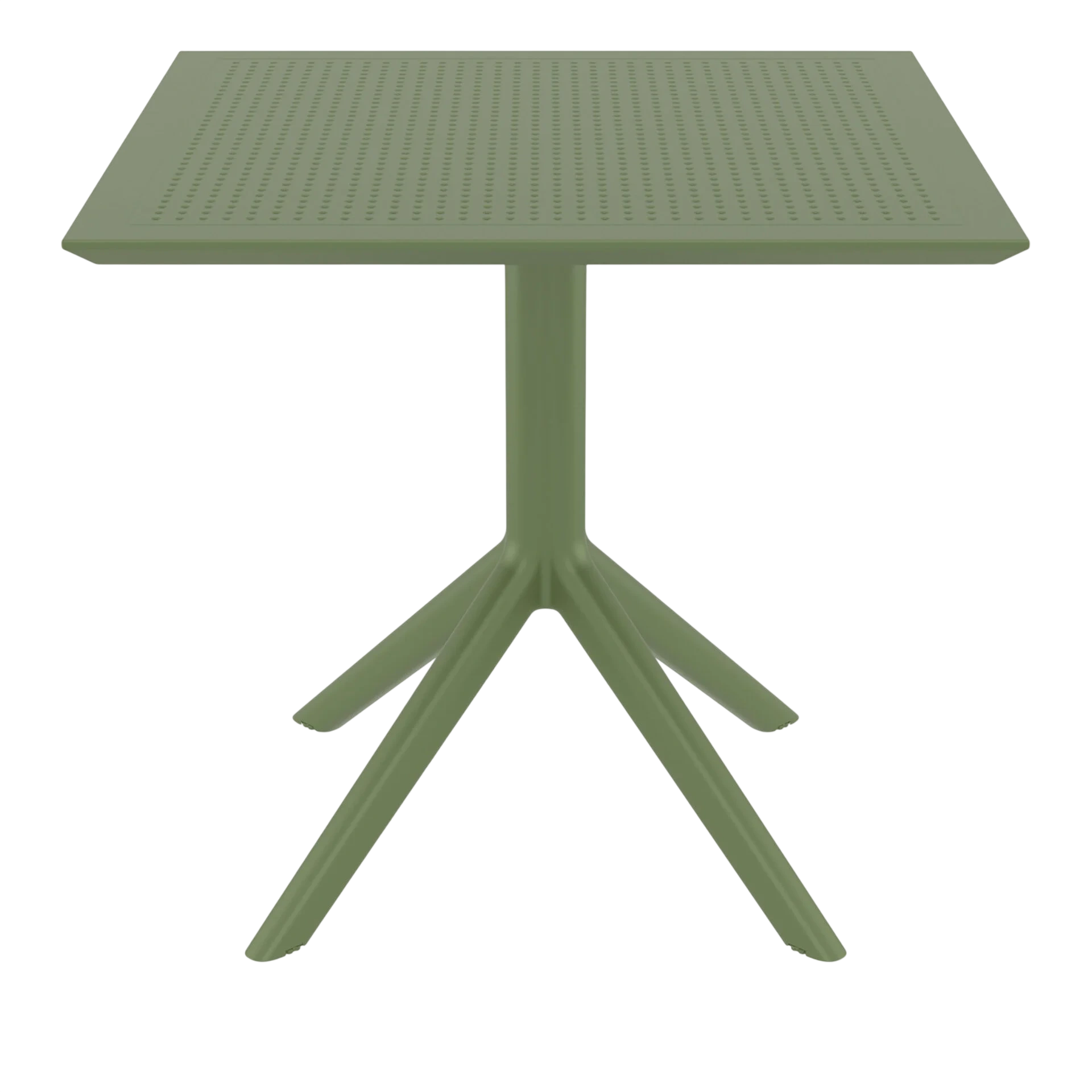
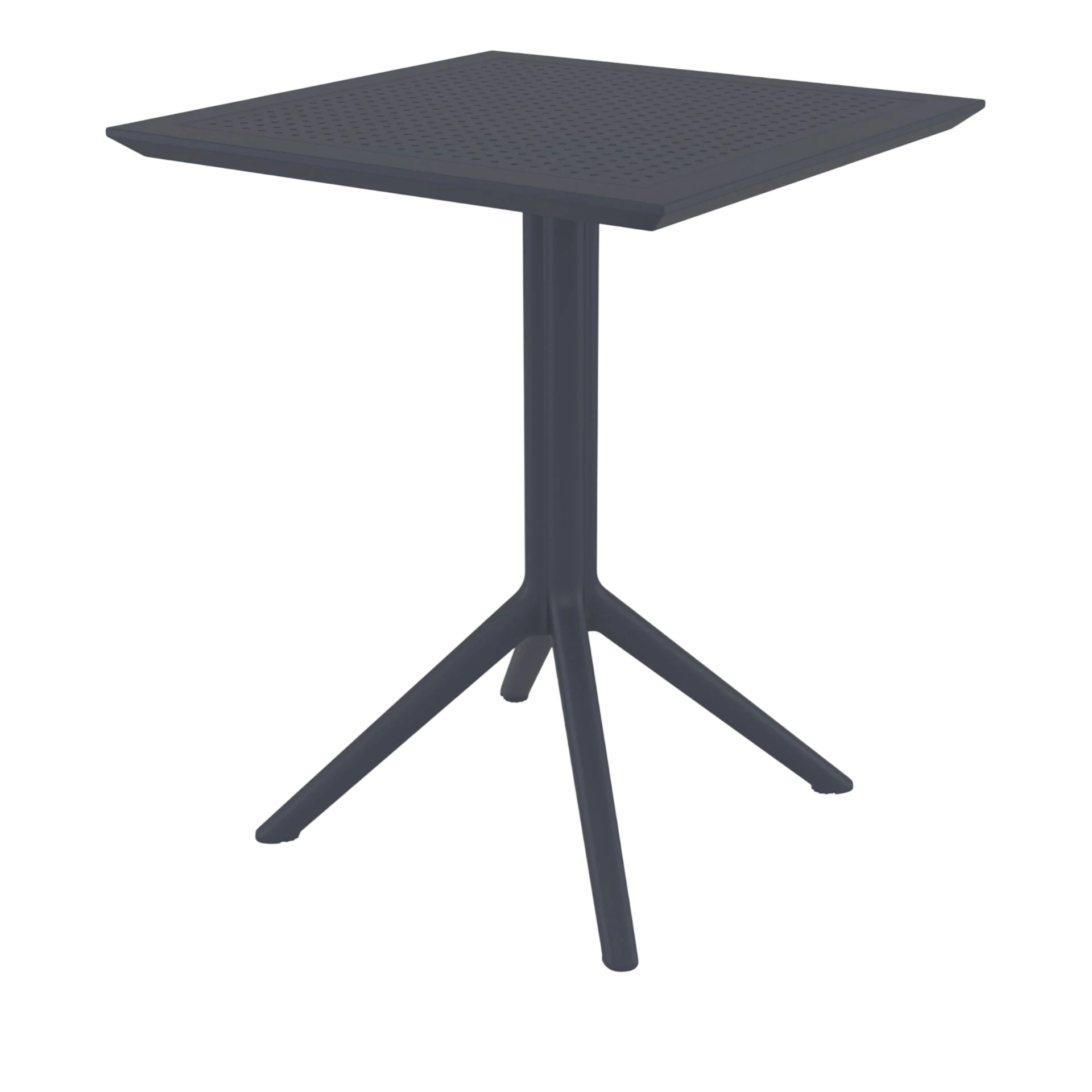
600 × 600 × 740mm
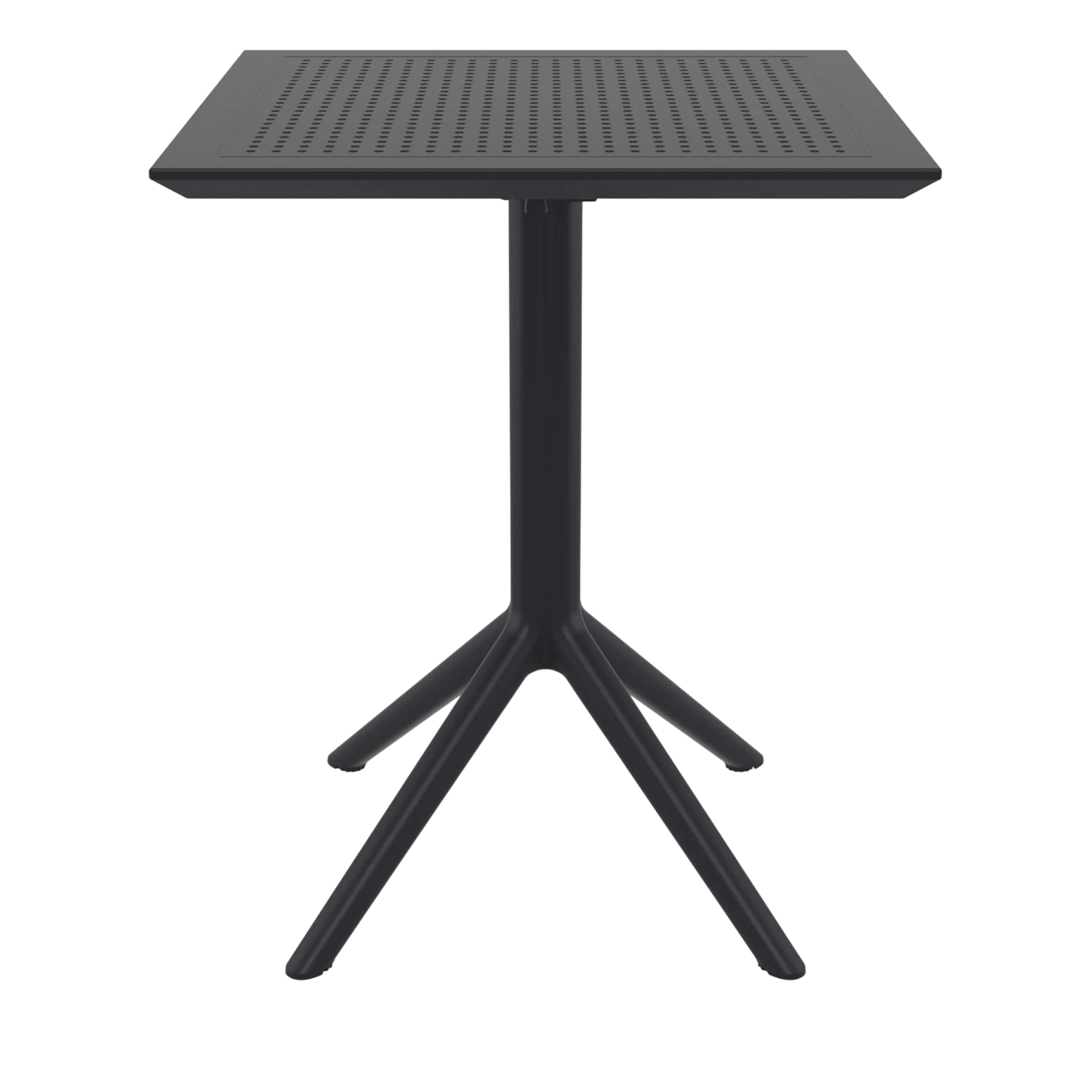
600 × 600 × 740mm
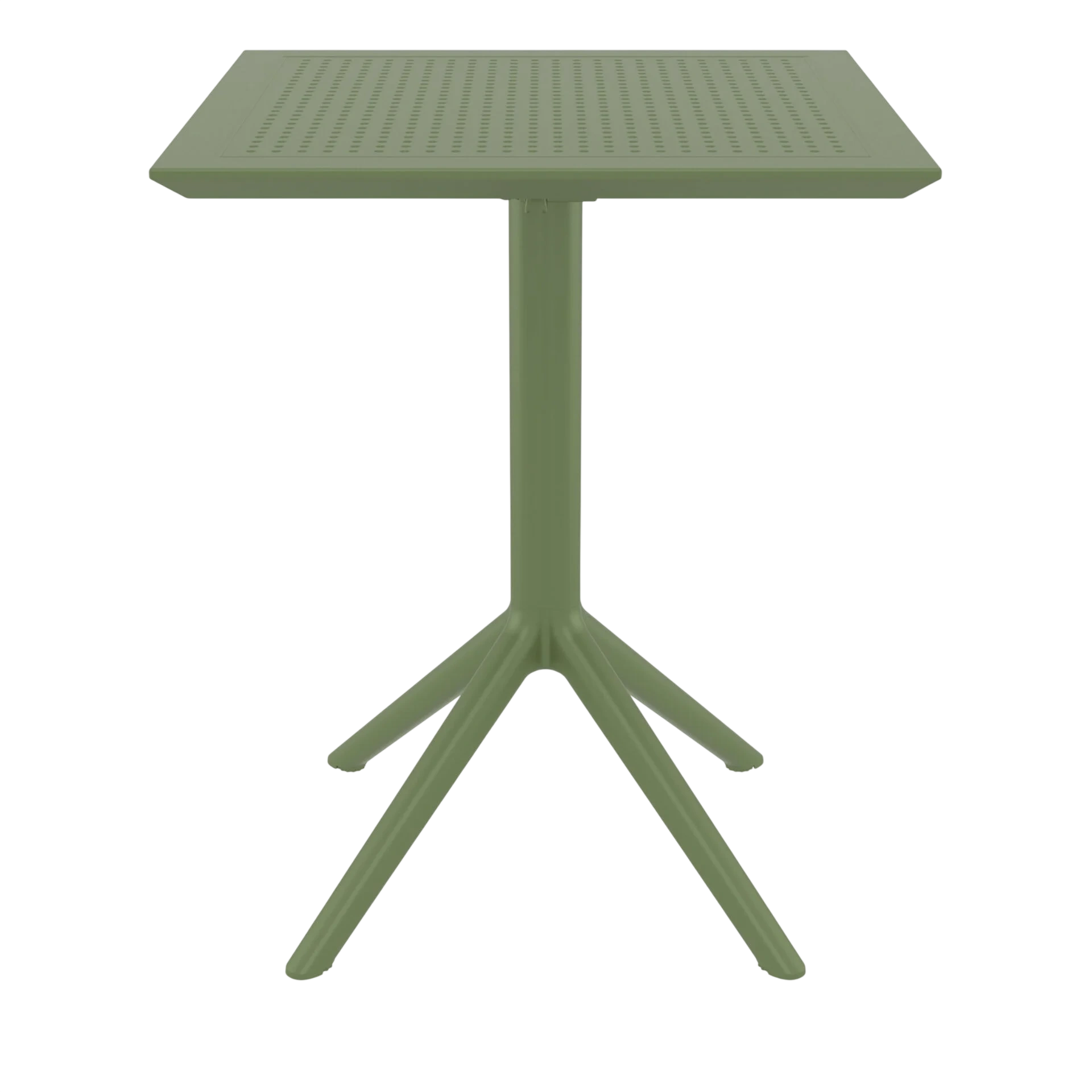
600 × 600 × 740mm
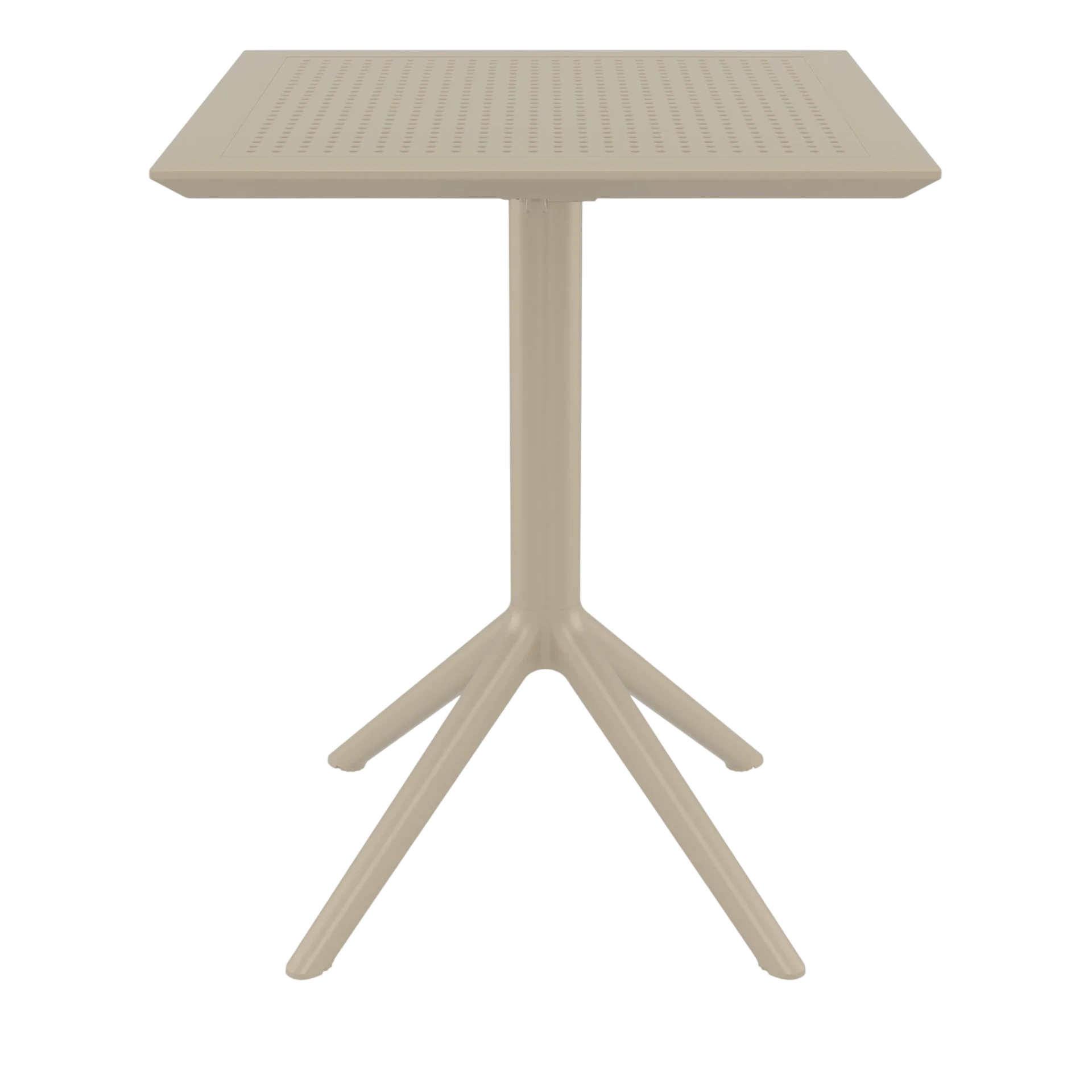
600 × 600 × 740mm
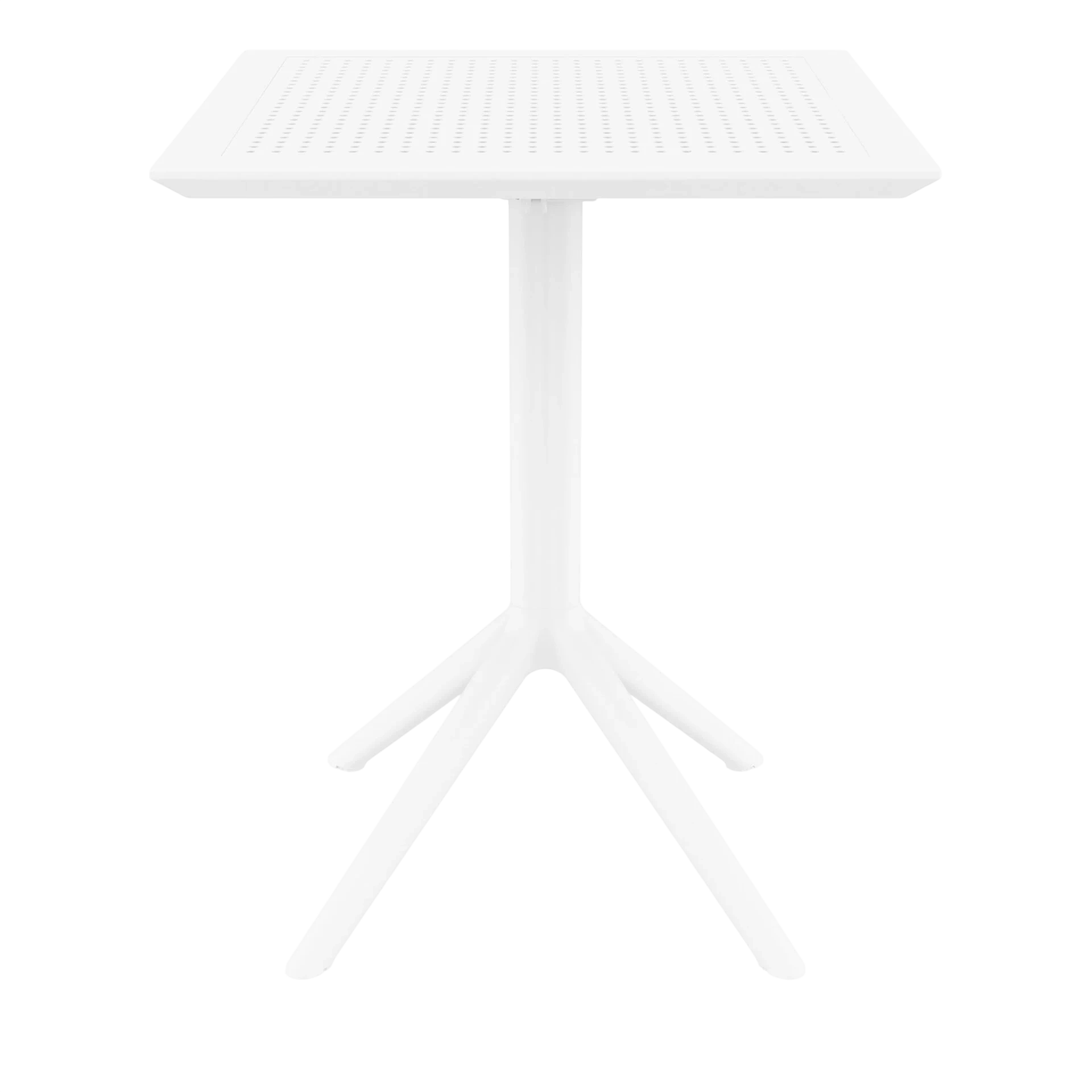
600 × 600 × 740mm
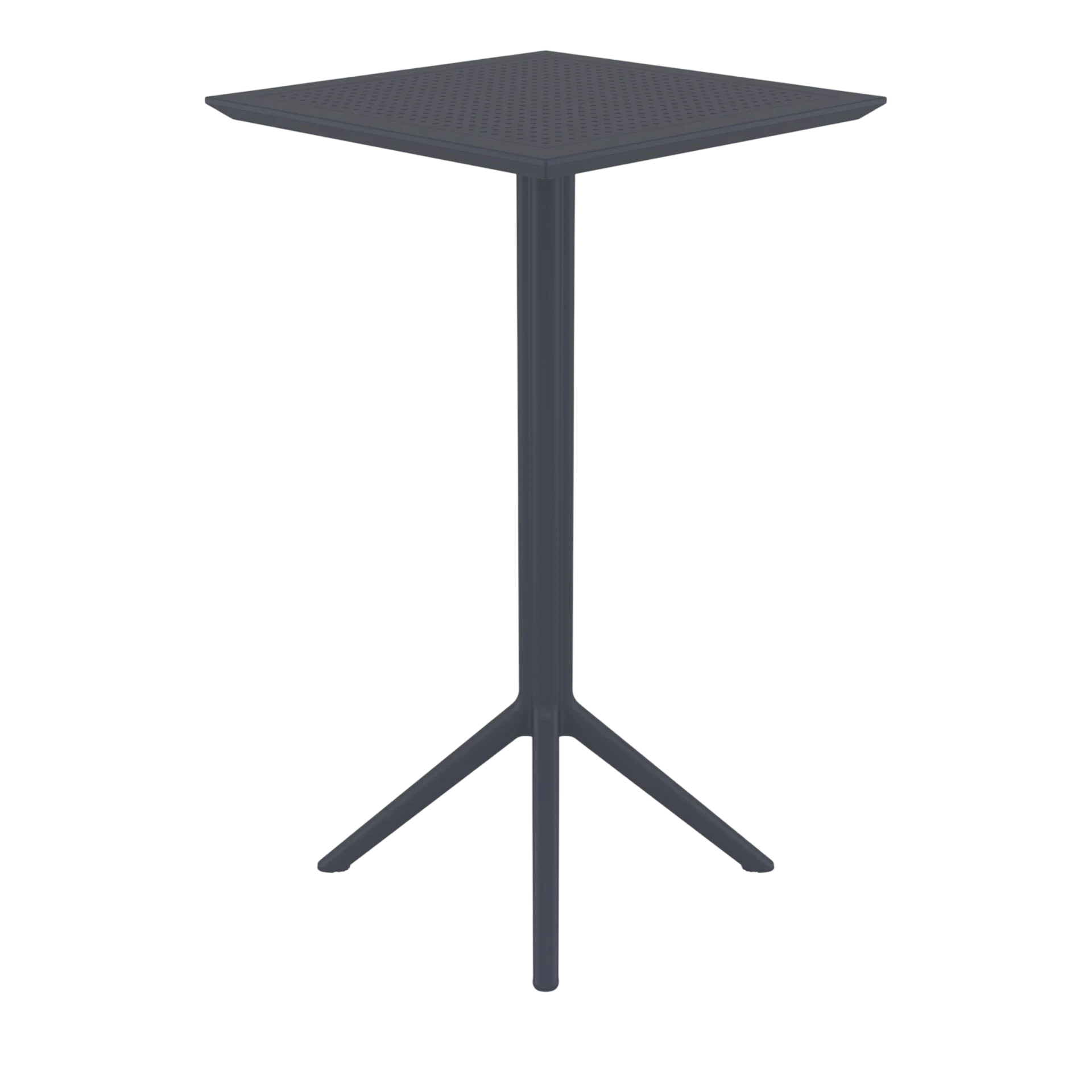
600 × 600 × 1080mm
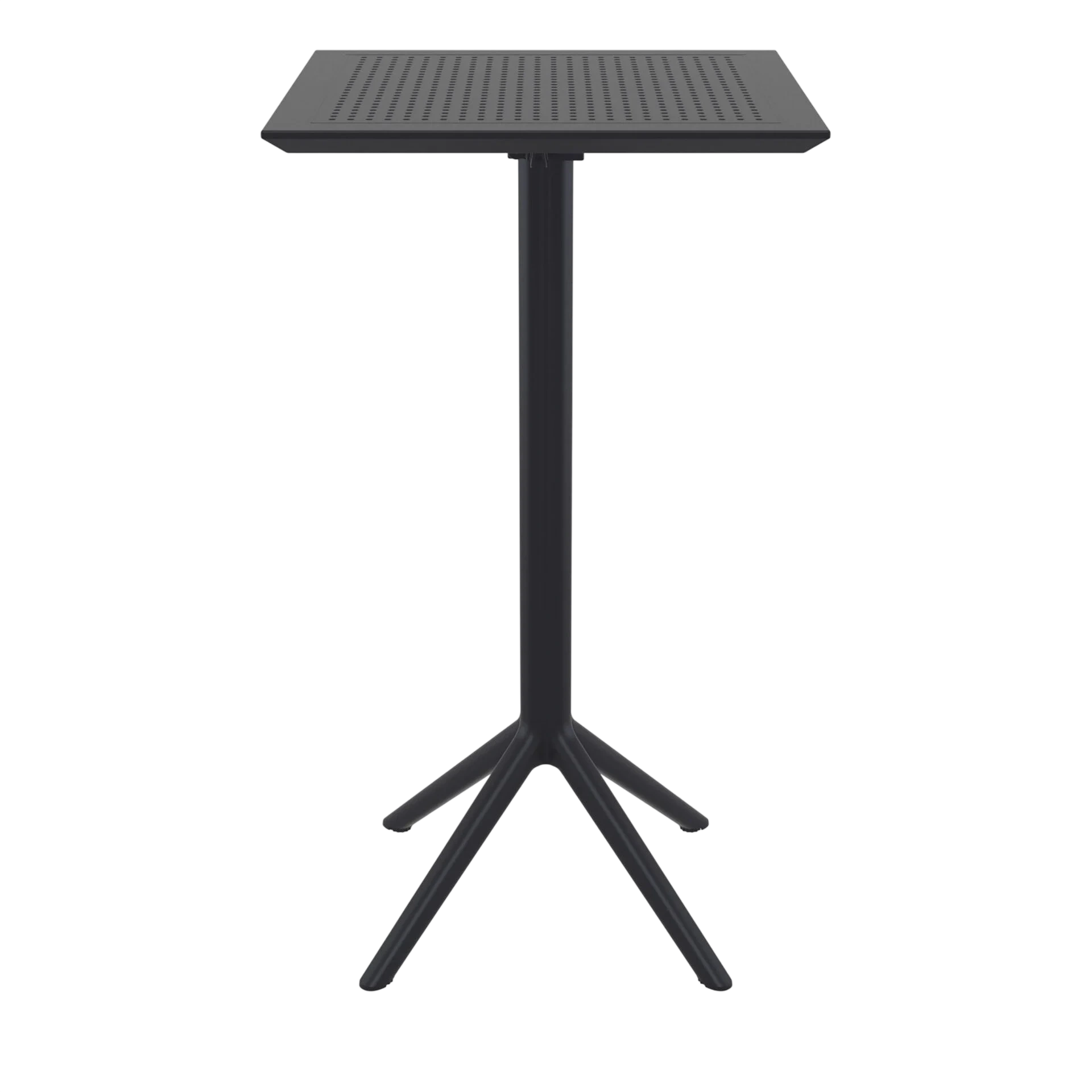
600 × 600 × 1080mm
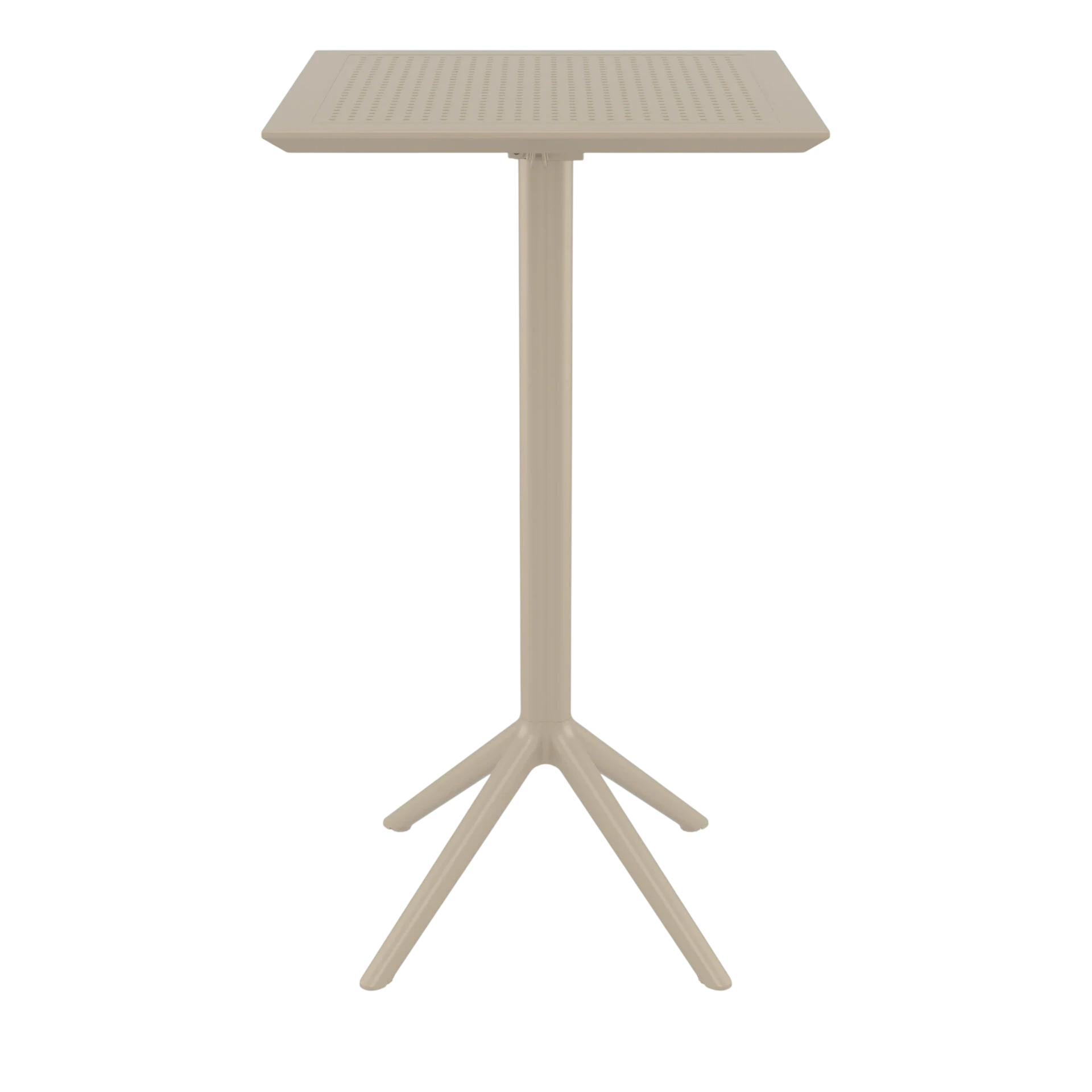
600 × 600 × 1080mm
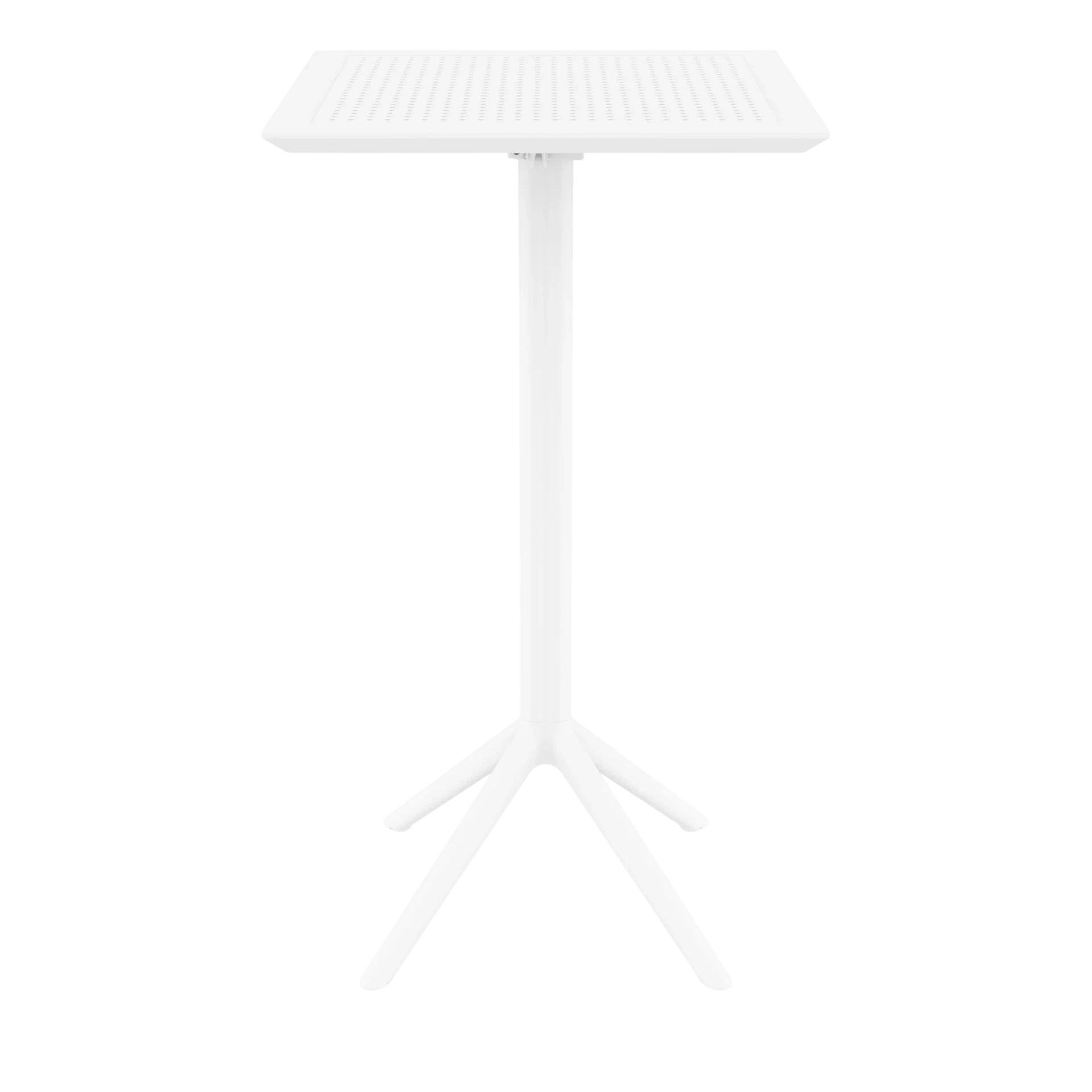
600 × 600 × 1080mm
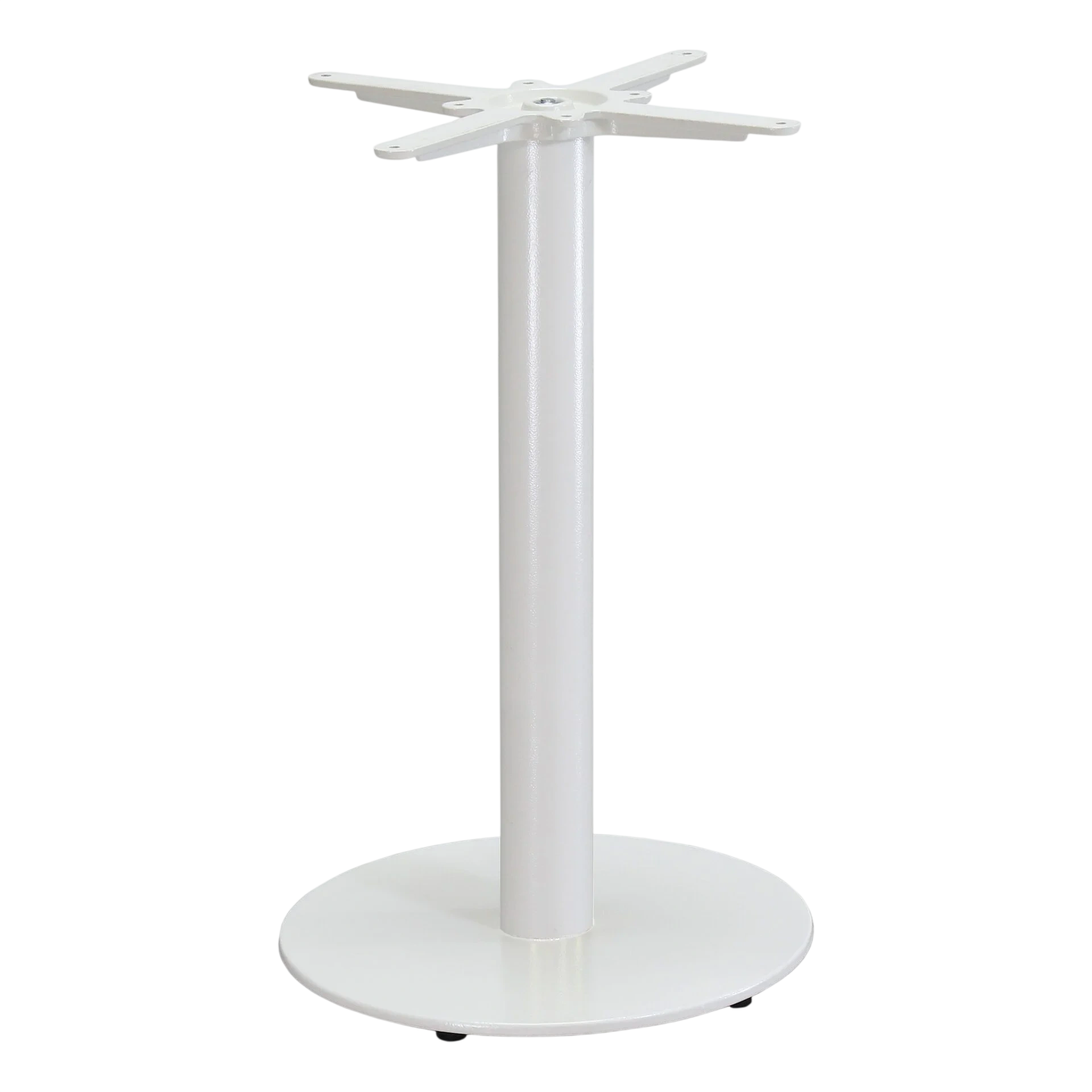
450 × 450 × 720mm
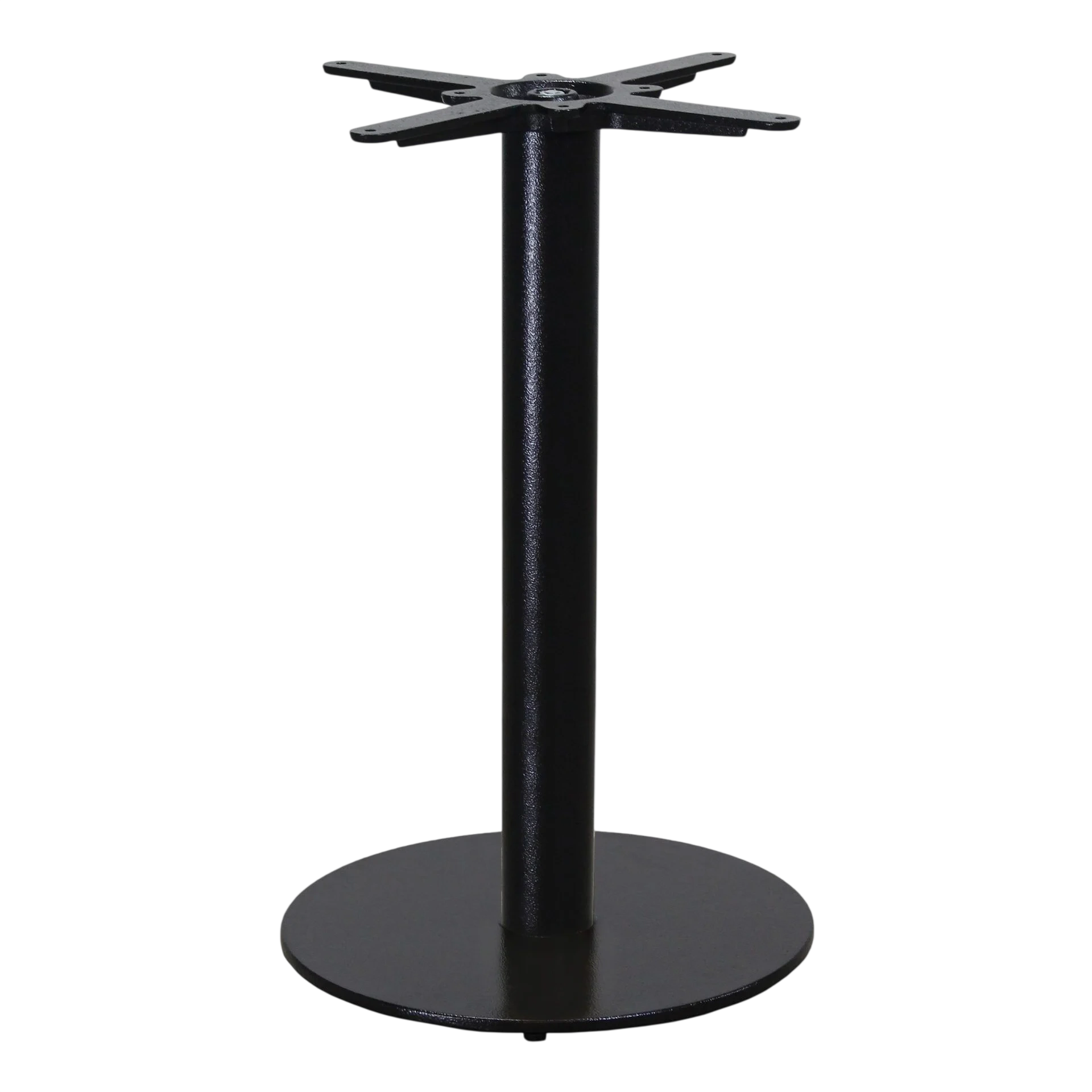
450 × 450 × 720mm
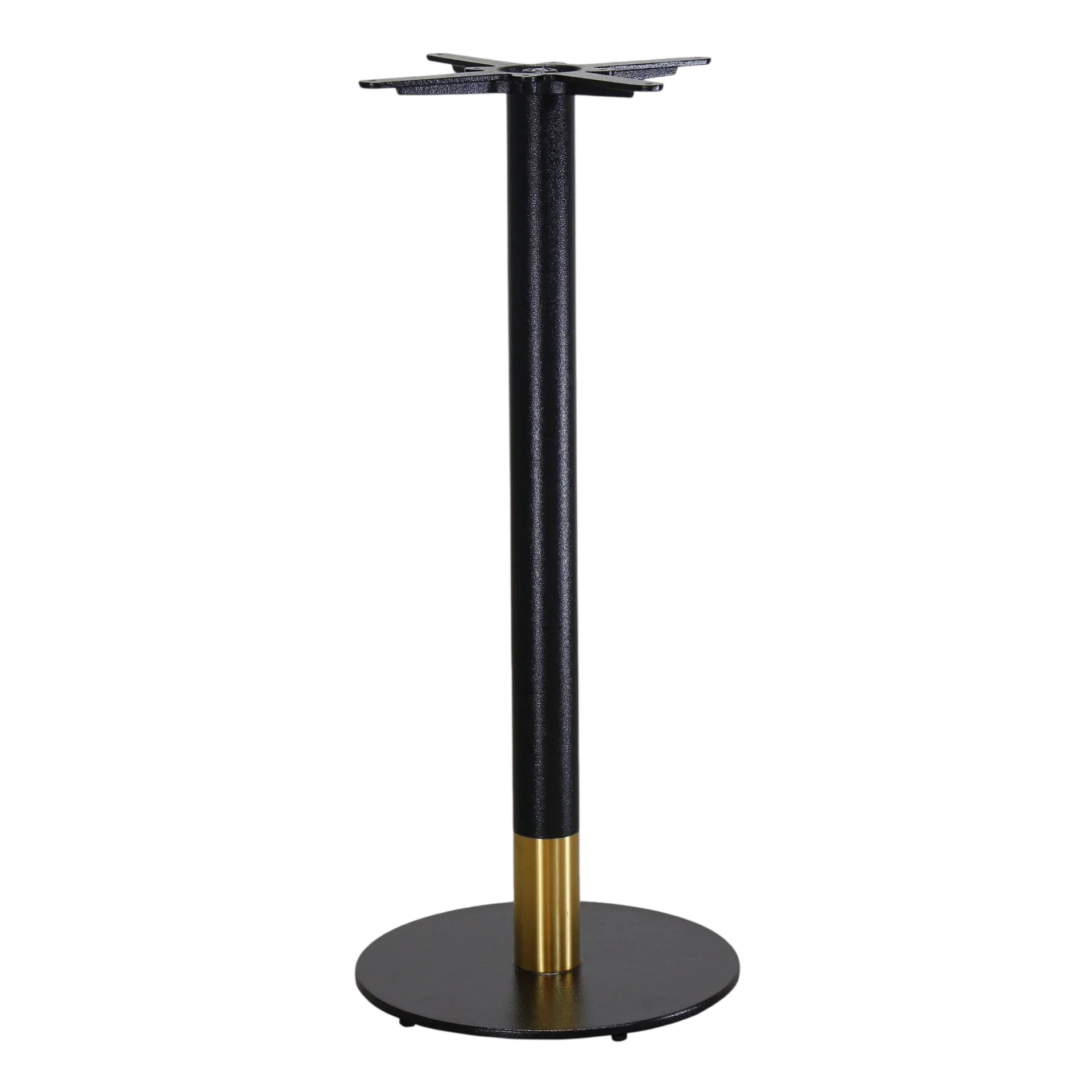
750 × 750 × 150mm
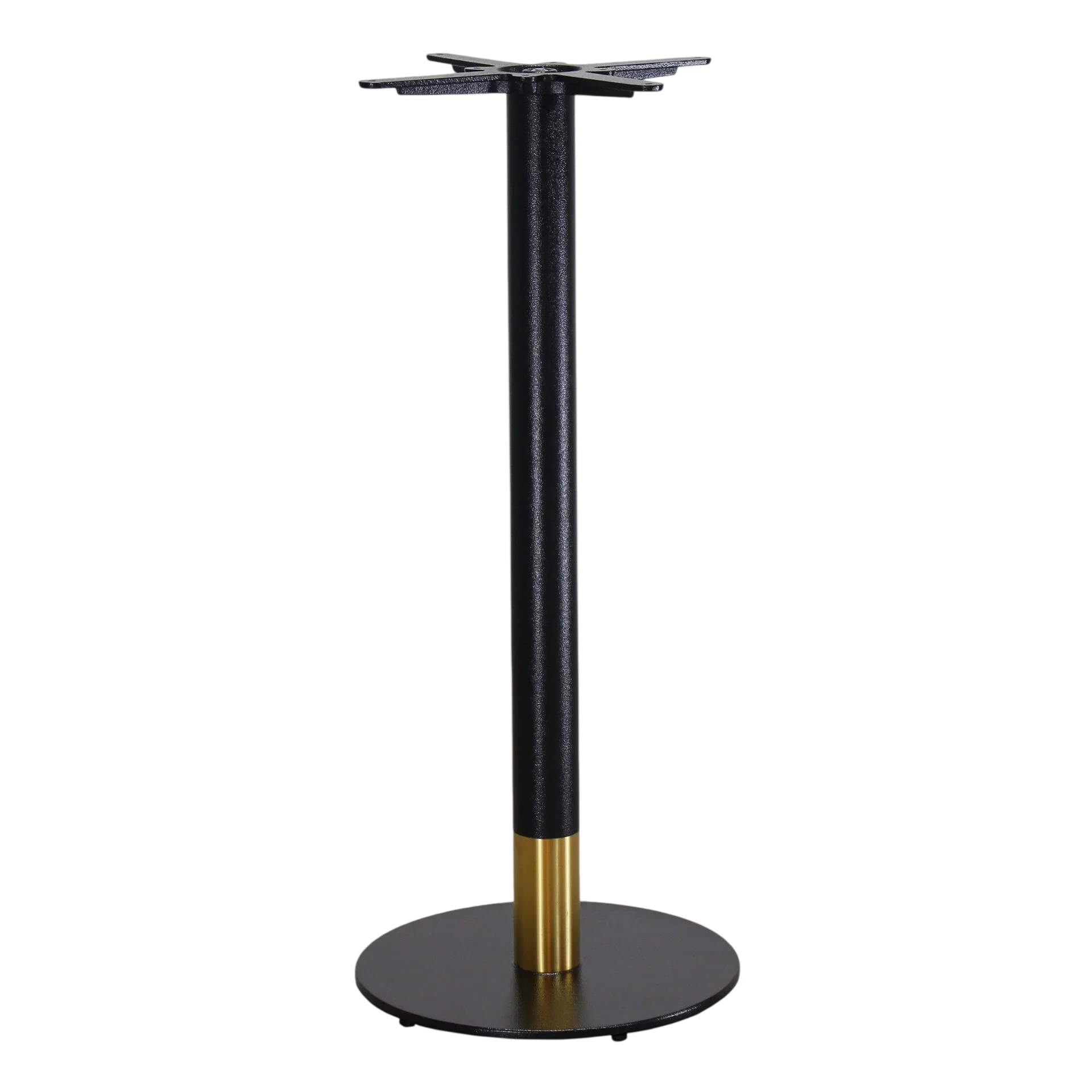
600 × 600 × 150mm
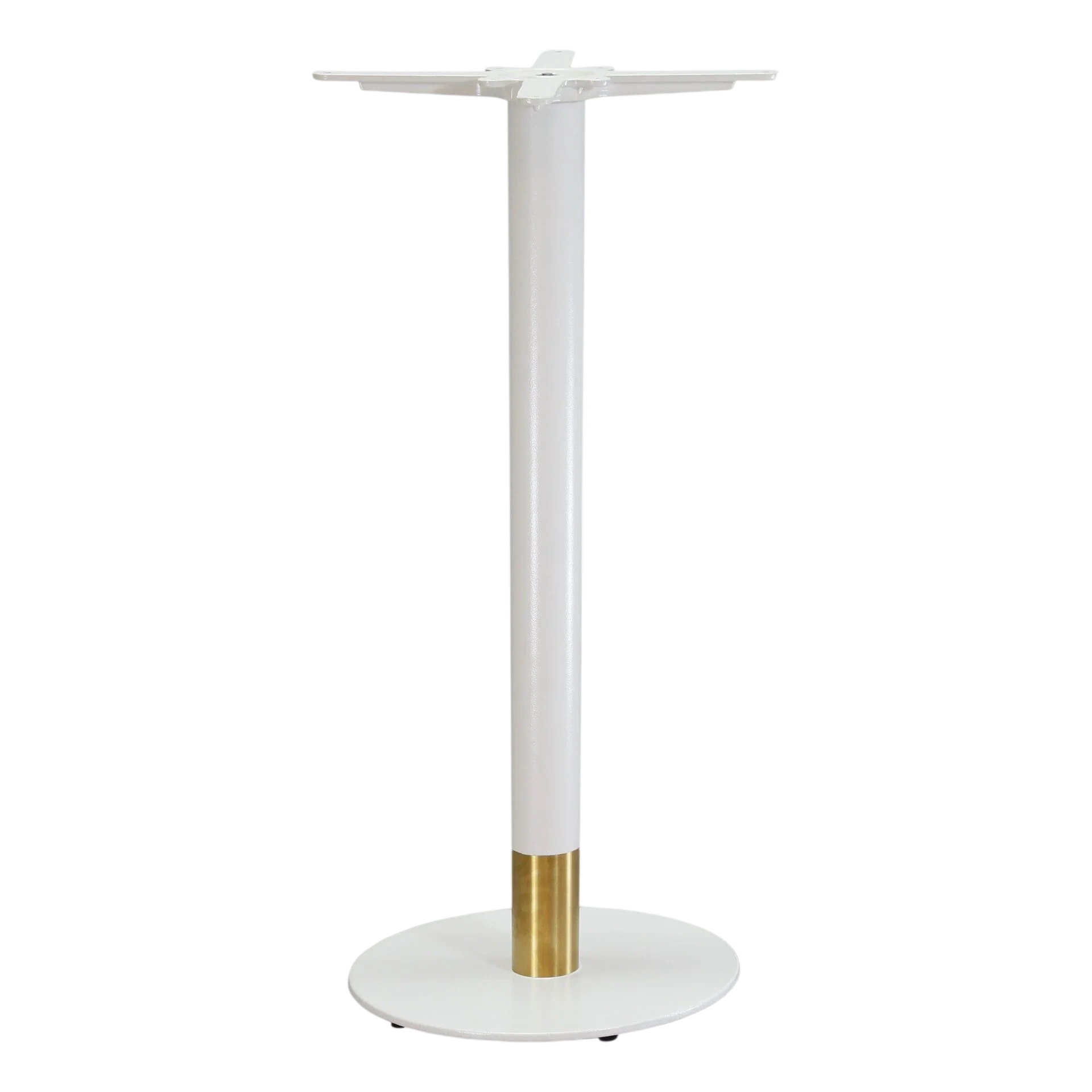
600 × 600 × 150mm
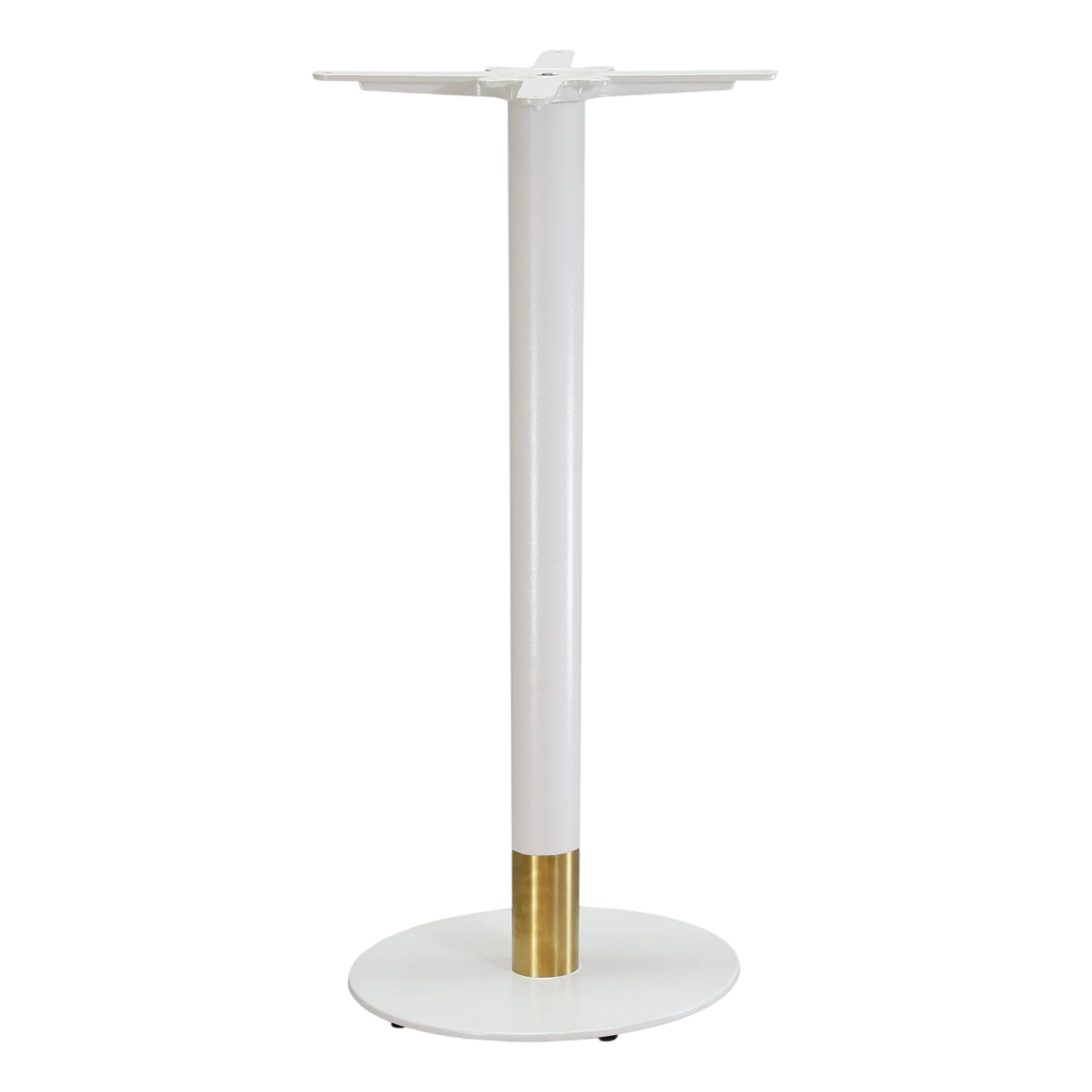
750 × 750 × 150mm
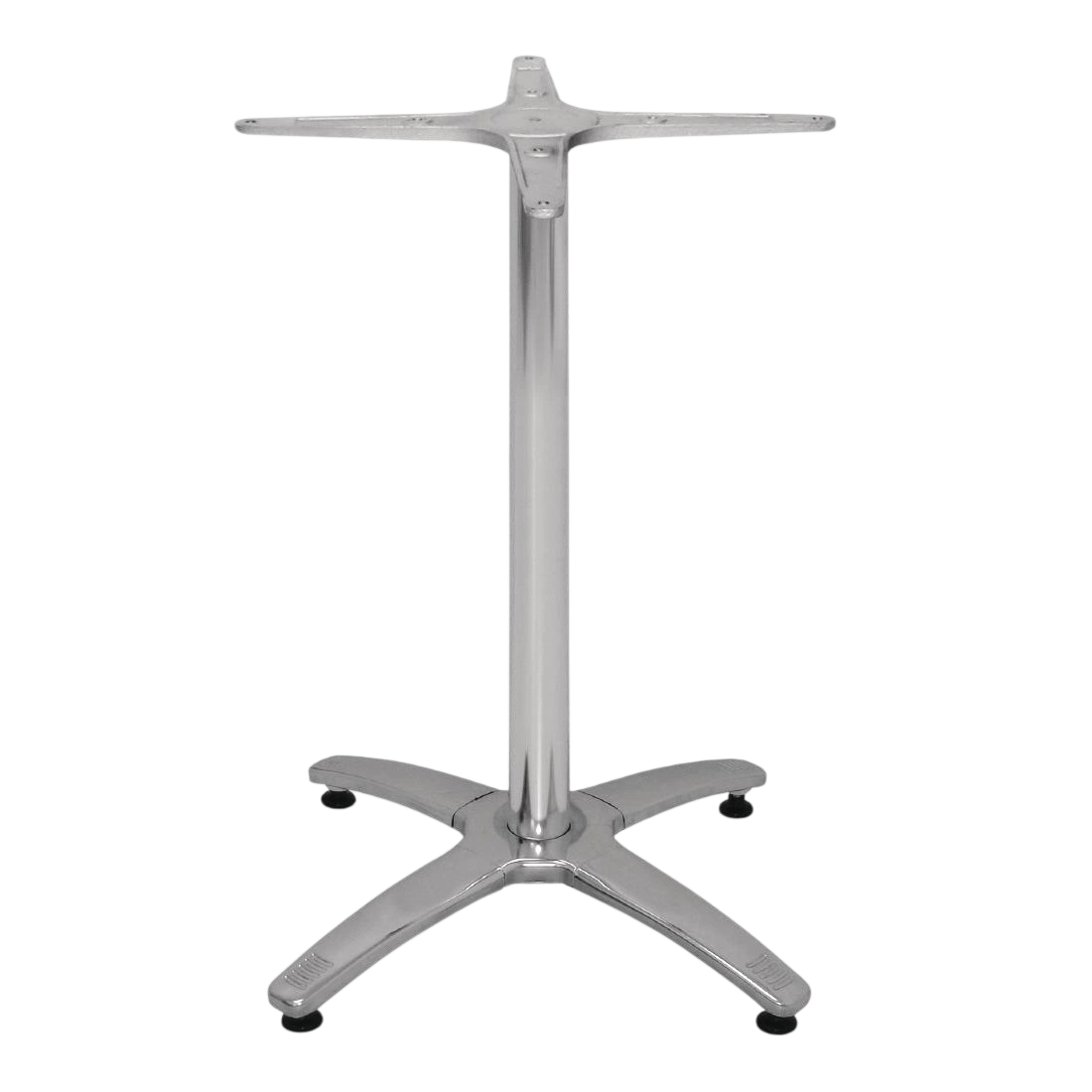
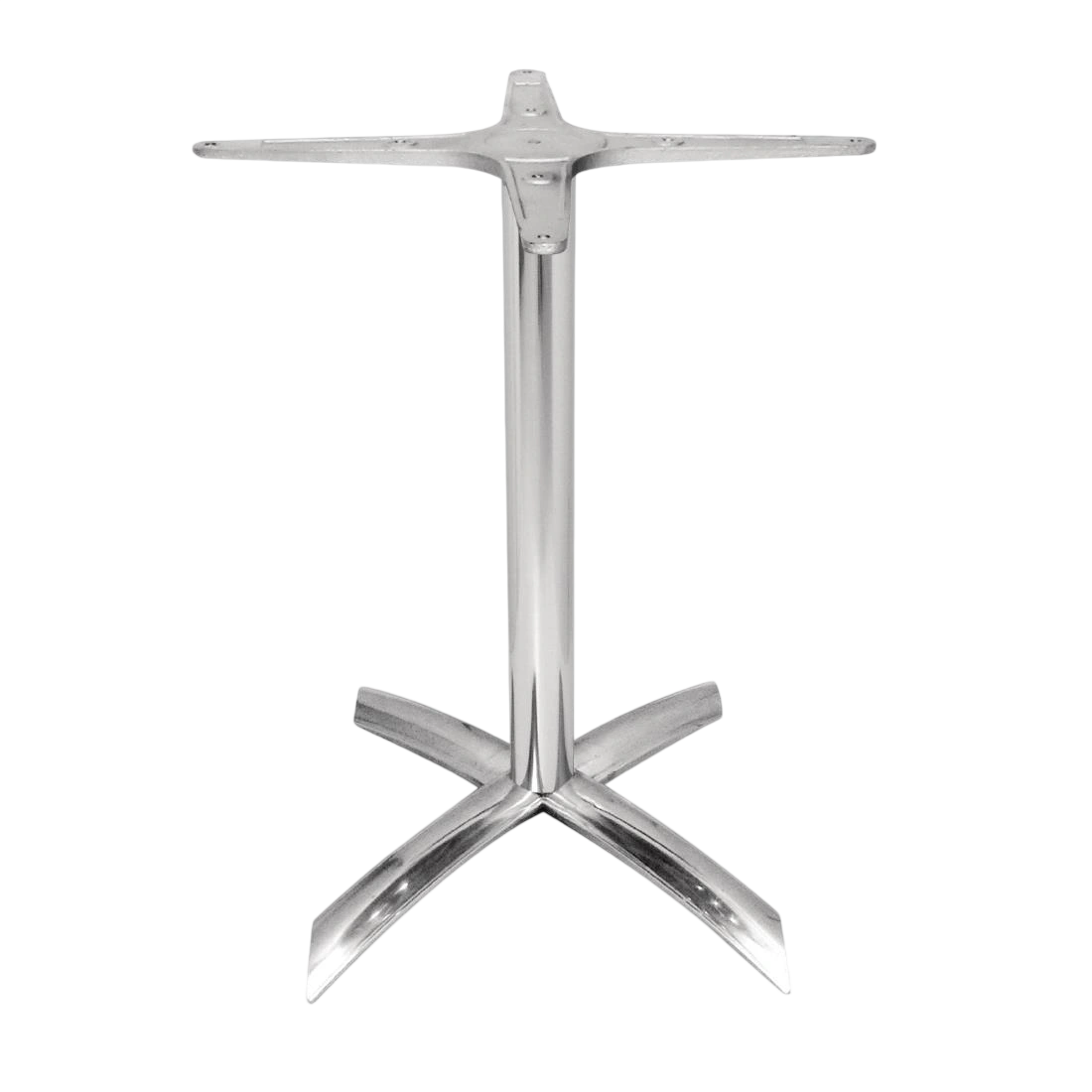
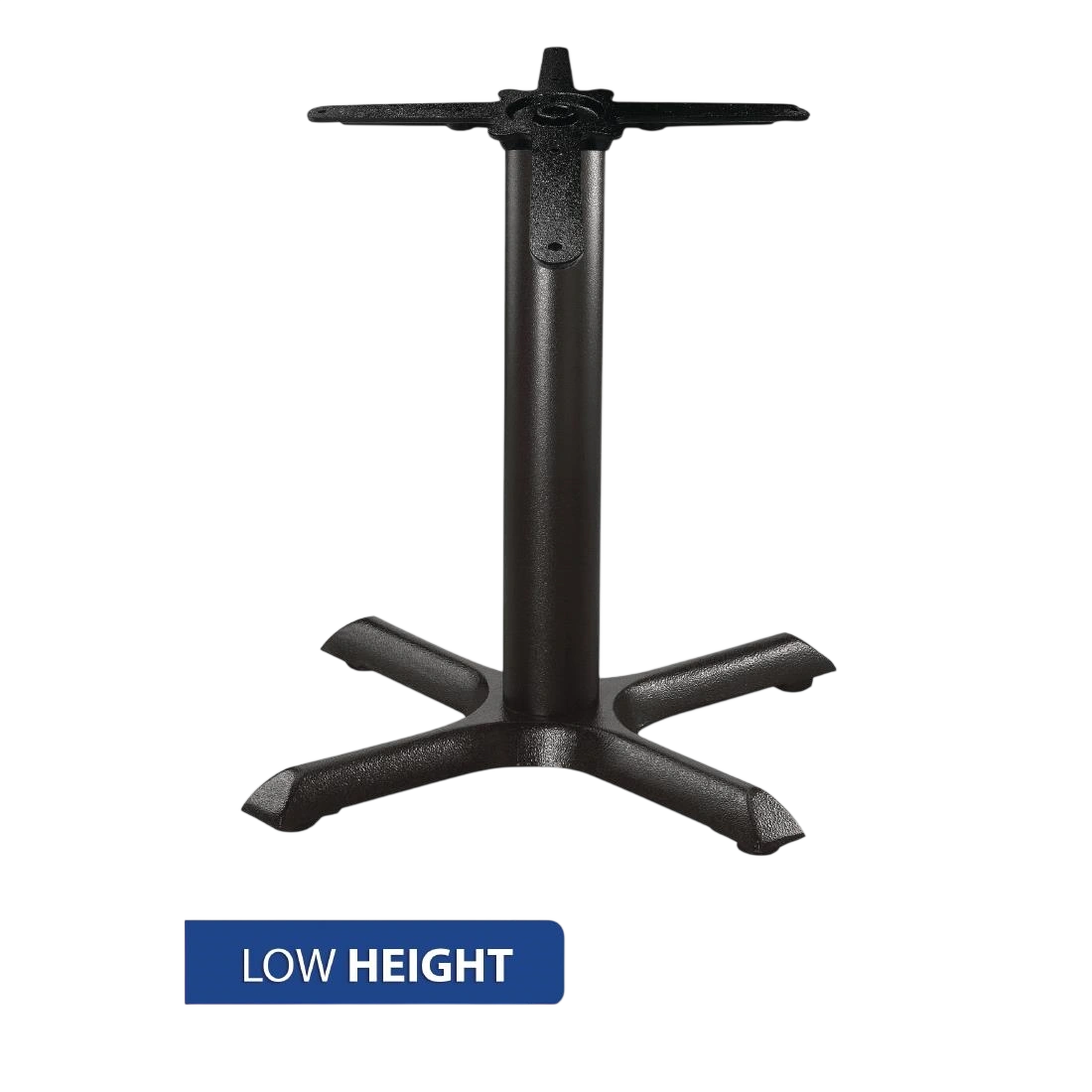
595 × 595 × 710mm
600 × 600 × 710mm
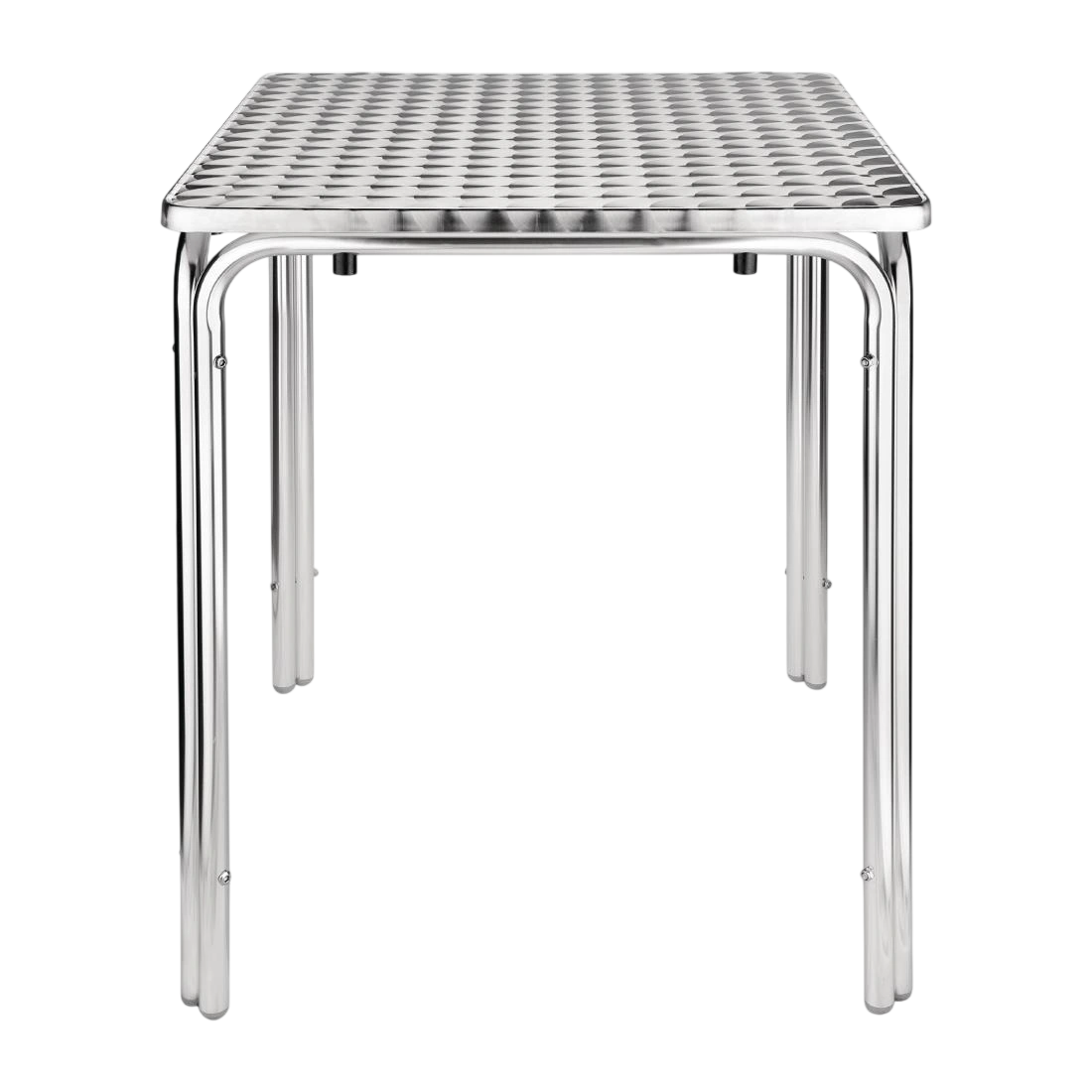
600 × 600 × 720mm
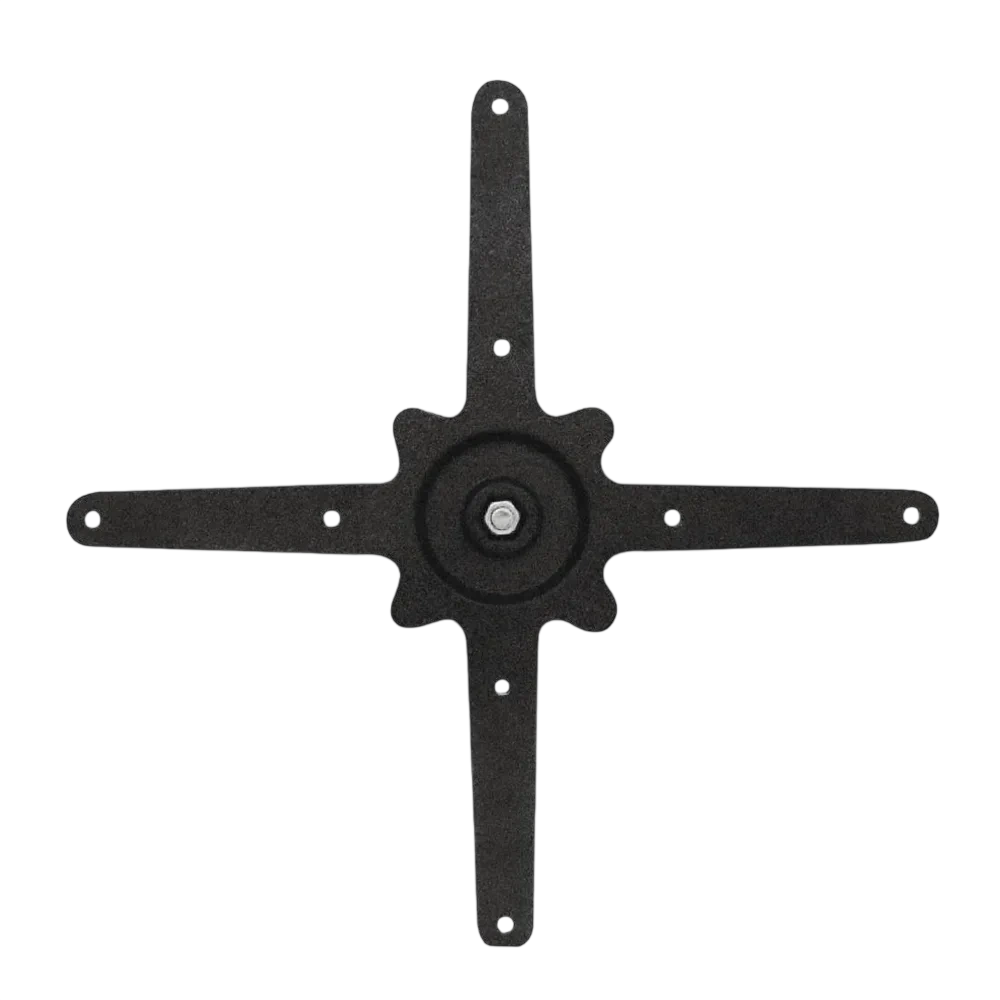
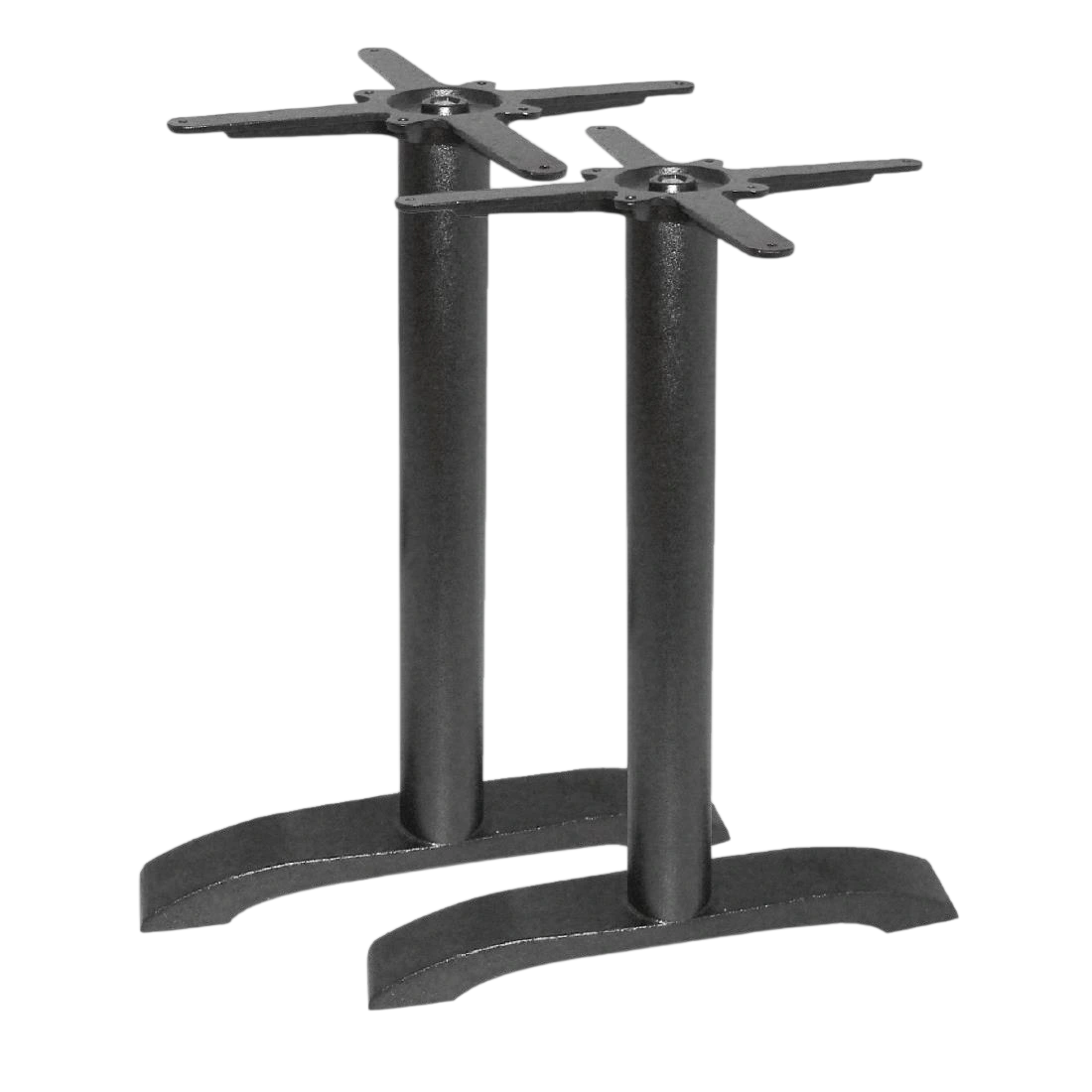
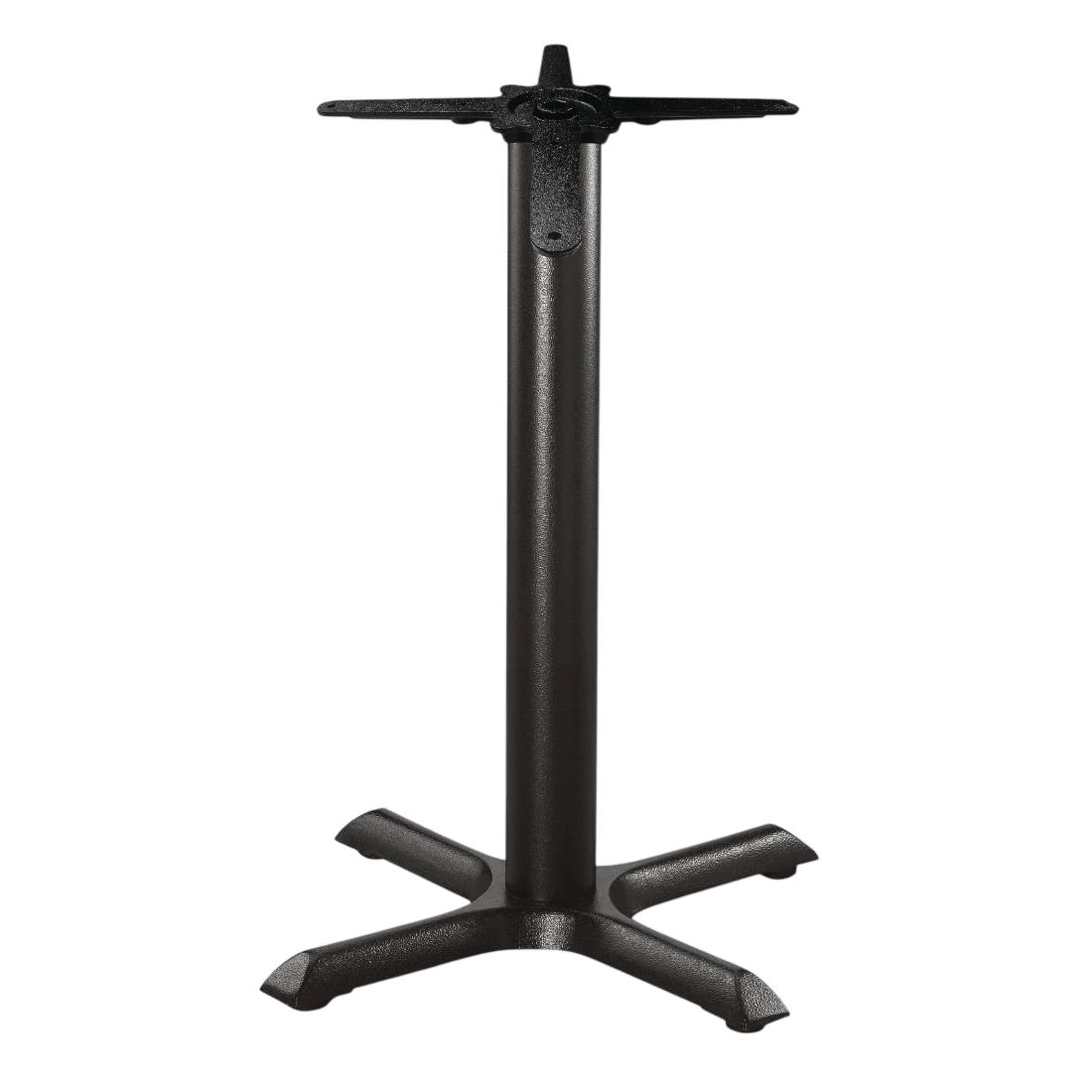
600 × 600 × 720mm