
Meiko
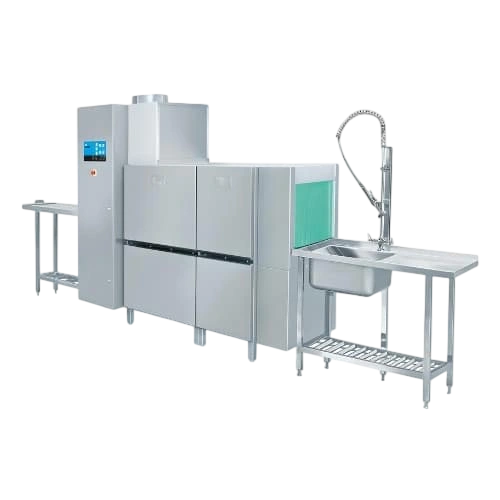
Meiko K 260 M Rack Conveyor Dishwasher 2050mm | KW Commercial Kitchen
2050 × 830 × 2010mm
$32,890.00$41,117.00
In Stock
Commercial Dishwasher
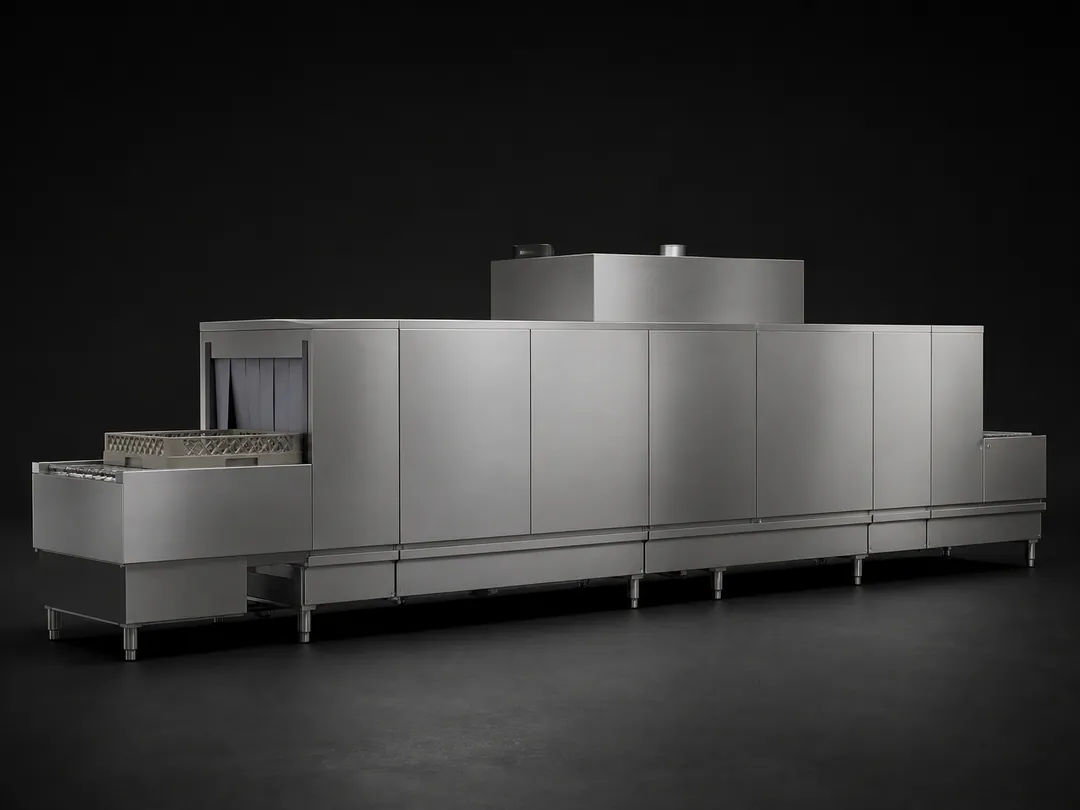
Conveyor dishwashers are long-line wash systems for venues where dirty ware arrives as a steady stream rather than occasional batches.
Choose this format for large dining rooms, function centres and institutional kitchens that can dedicate floor length, staff attention and service connections to a continuous wash line. Smaller restaurants usually start with hood-style equipment before stepping up to this footprint.
Key factors to consider before purchasing. Our team can help you find the right fit — call or get a quote anytime.
Match equipment capacity to your daily output. Consider available floor space and door clearances.
This range includes both refrigerated and non-refrigerated models, so check the cooling type on the model you choose along with the power supply it needs.
Allow the ventilation clearance the manufacturer specifies. We can help with kitchen planning.
Submit your kitchen requirements — our equipment specialists will send you a tailored shortlist of conveyor dishwashers that fits your budget, venue type and compliance needs.
Standards & Compliance
Conveyor planning starts with the dish room, not the catalogue:
FAQ
Heat recovery reduces steam, but many sites still require a Type A canopy under AS 1668.
Yes—racks for rack systems, belts for flight-type models.
Rack systems suit up to 300 racks/hr. Flight-type suits very large facilities.
It is a long-line dishwasher where ware moves through the wash process in a continuous path, suited to very high-volume venues.
Choose it when dirty ware arrives continuously and the venue has the room, staff flow and services for a dedicated wash line.
Why KW
KW frames conveyor selection as a room-design question: entry direction, clean-side storage, operator position, power, drainage, ventilation and water treatment all need to line up. The decision is different from buying a compact washer because the surrounding line becomes part of the equipment.
Deep Dive
Technical depth from KW's commercial kitchen specialists.
Operator detail: mark the dirty entry and clean exit on the floor with tape before ordering; a drawing can hide aisle conflicts that appear immediately at full size.
The common failure is treating conveyor equipment as a faster version of a smaller washer. If clean ware has nowhere to land, steam has nowhere to go, or empty baskets pile up beside the operator, the line stalls even with a powerful machine.
Plan sorting space, loading tables, unload tables, detergents, water treatment and trolley movement with the conveyor layout. For bar-only glass volume, keep a separate commercial glasswasher near the bar.
Allow for sorting benches, loading and unloading tables, baskets, detergents, water treatment, ventilation and trolley movement.
14 results
2050 × 830 × 2010mm
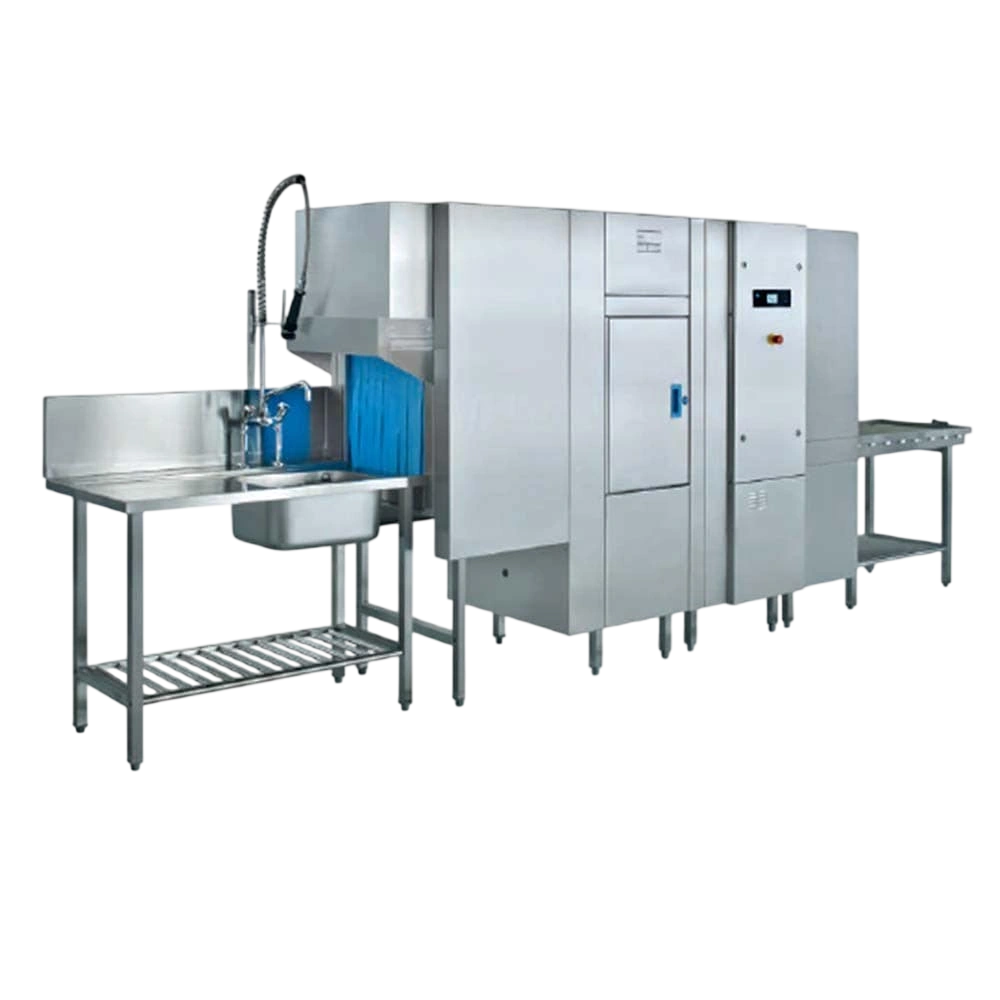
2050 × 750 × 2000mm
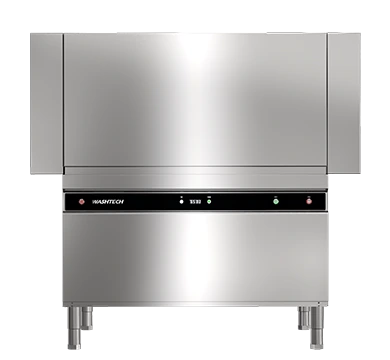
1500 × 765 × 1445mm
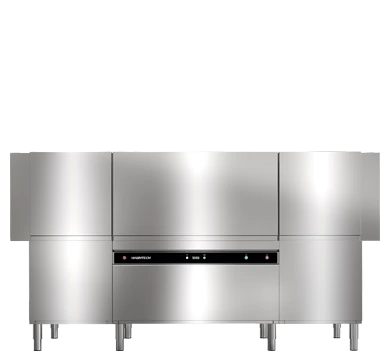
2700 × 765 × 1445mm
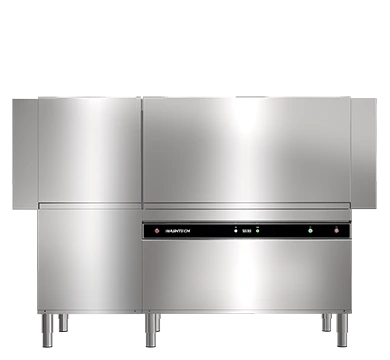
2100 × 765 × 1455mm
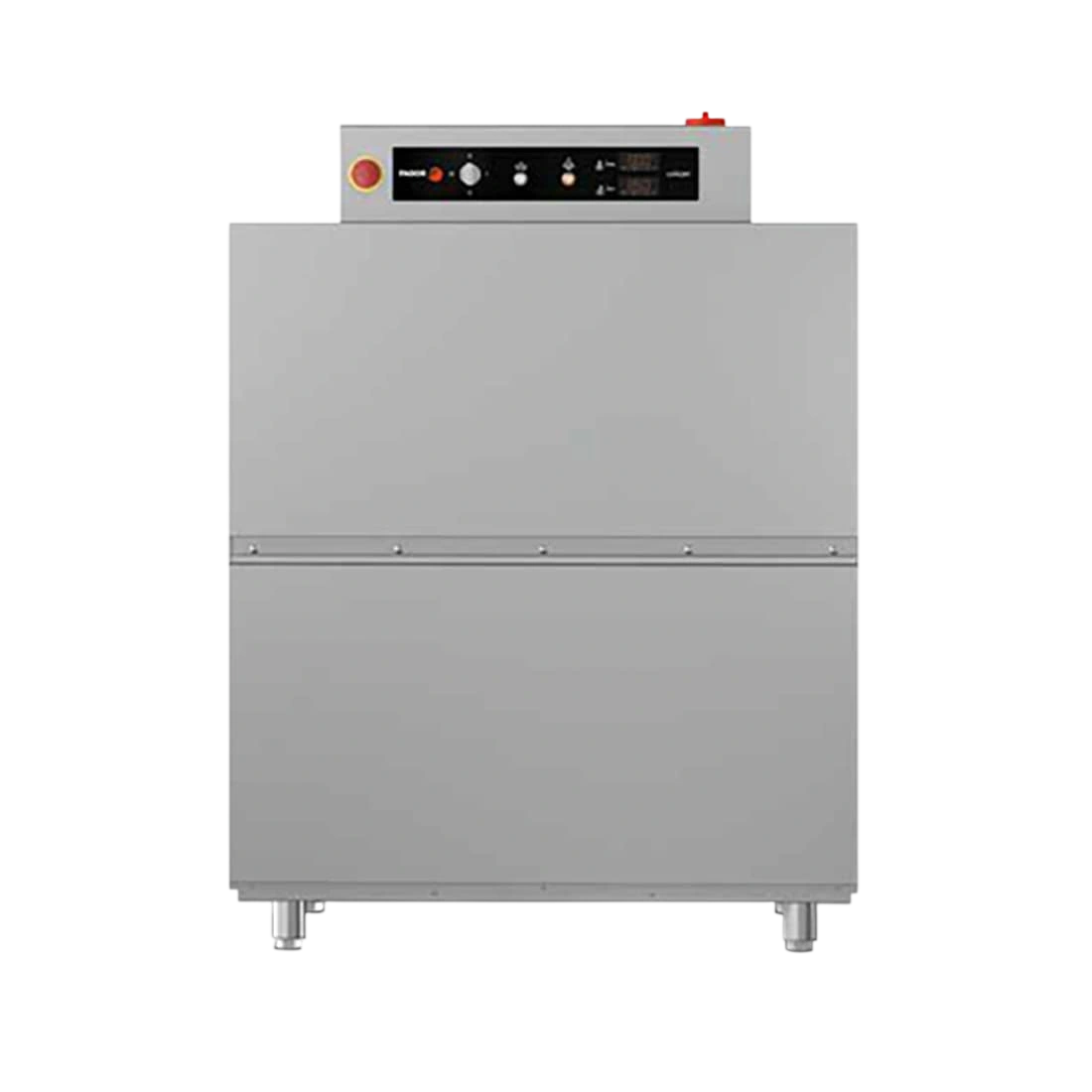
1180 × 790 × 1550mm
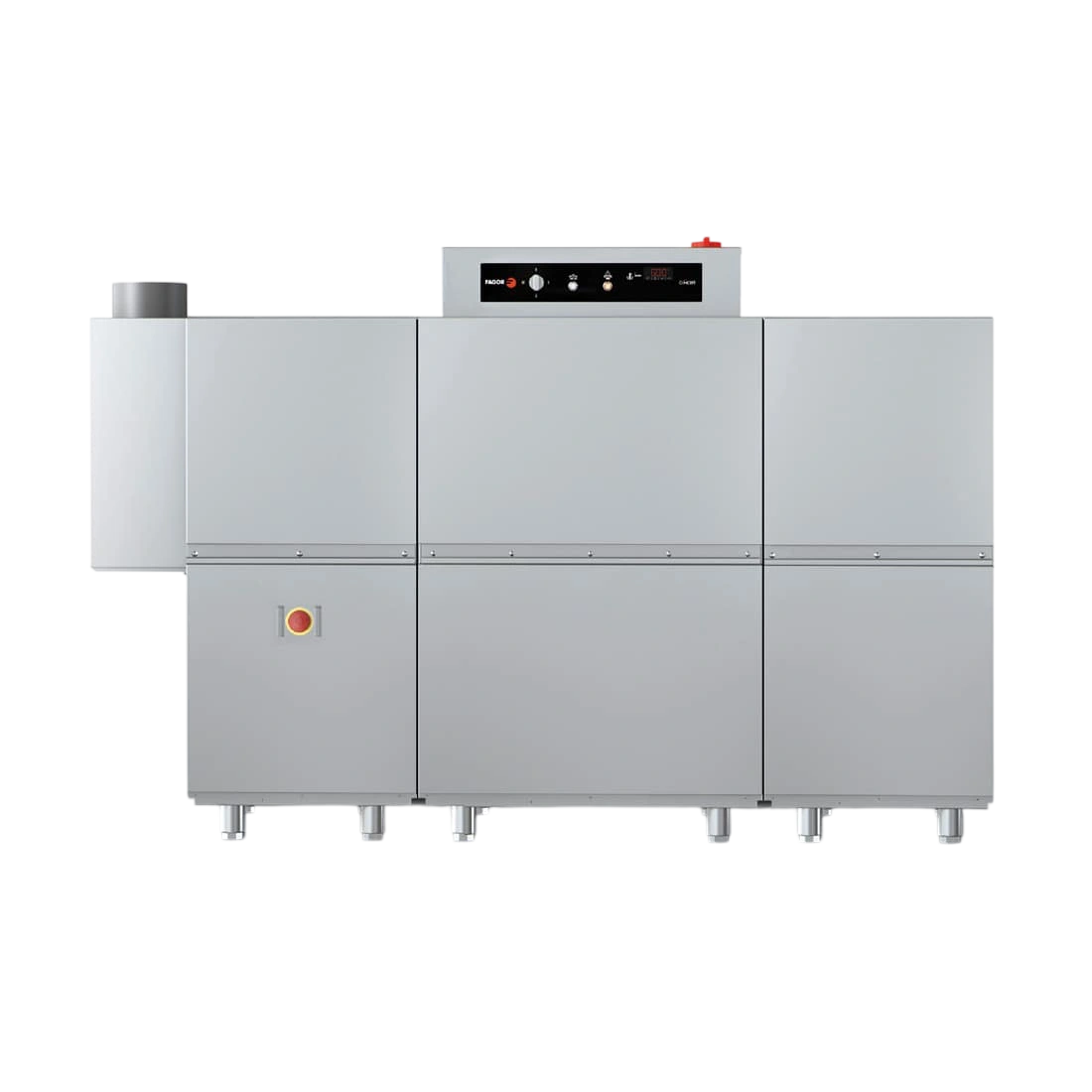
2360 × 790 × 1560mm
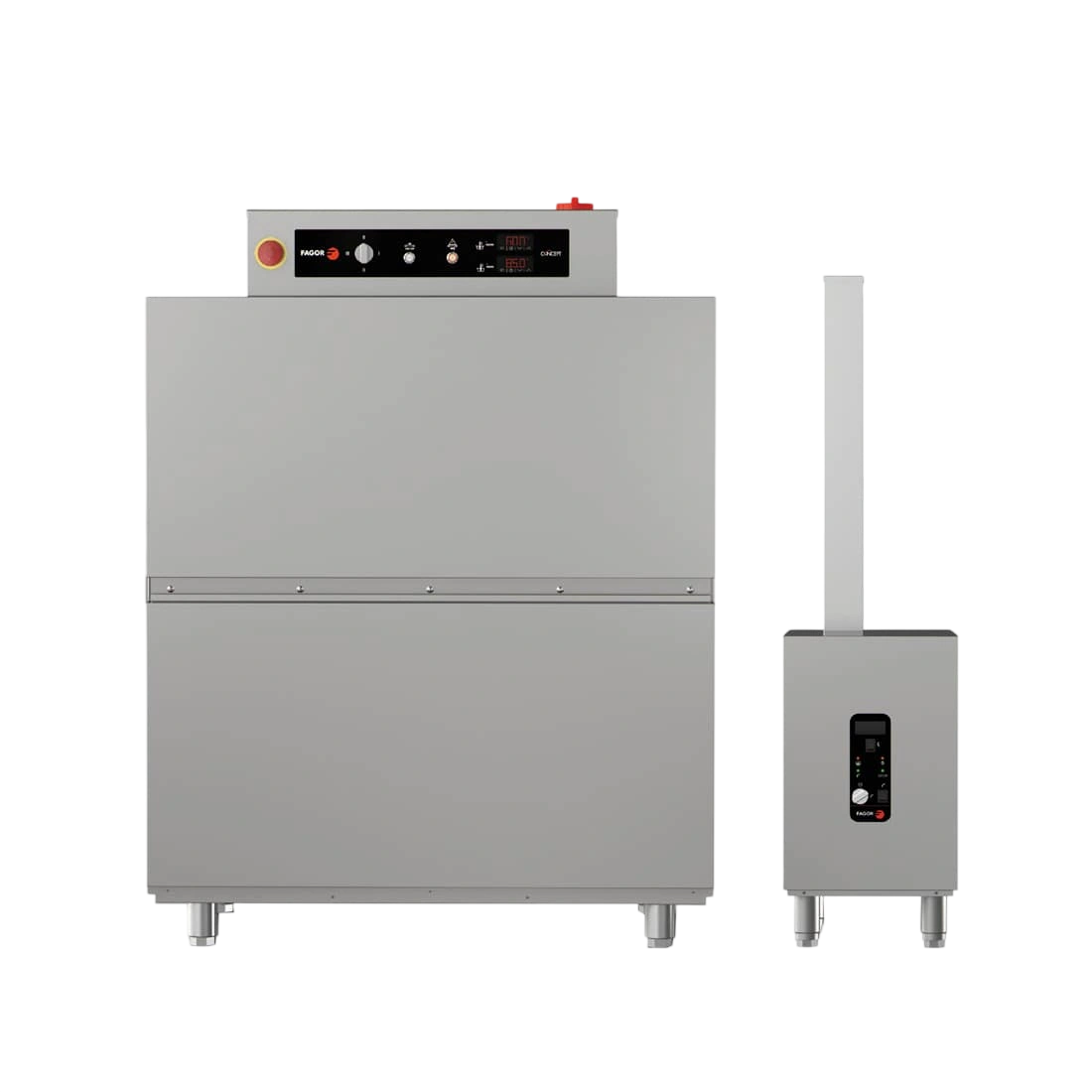
1750 × 790 × 1560mm
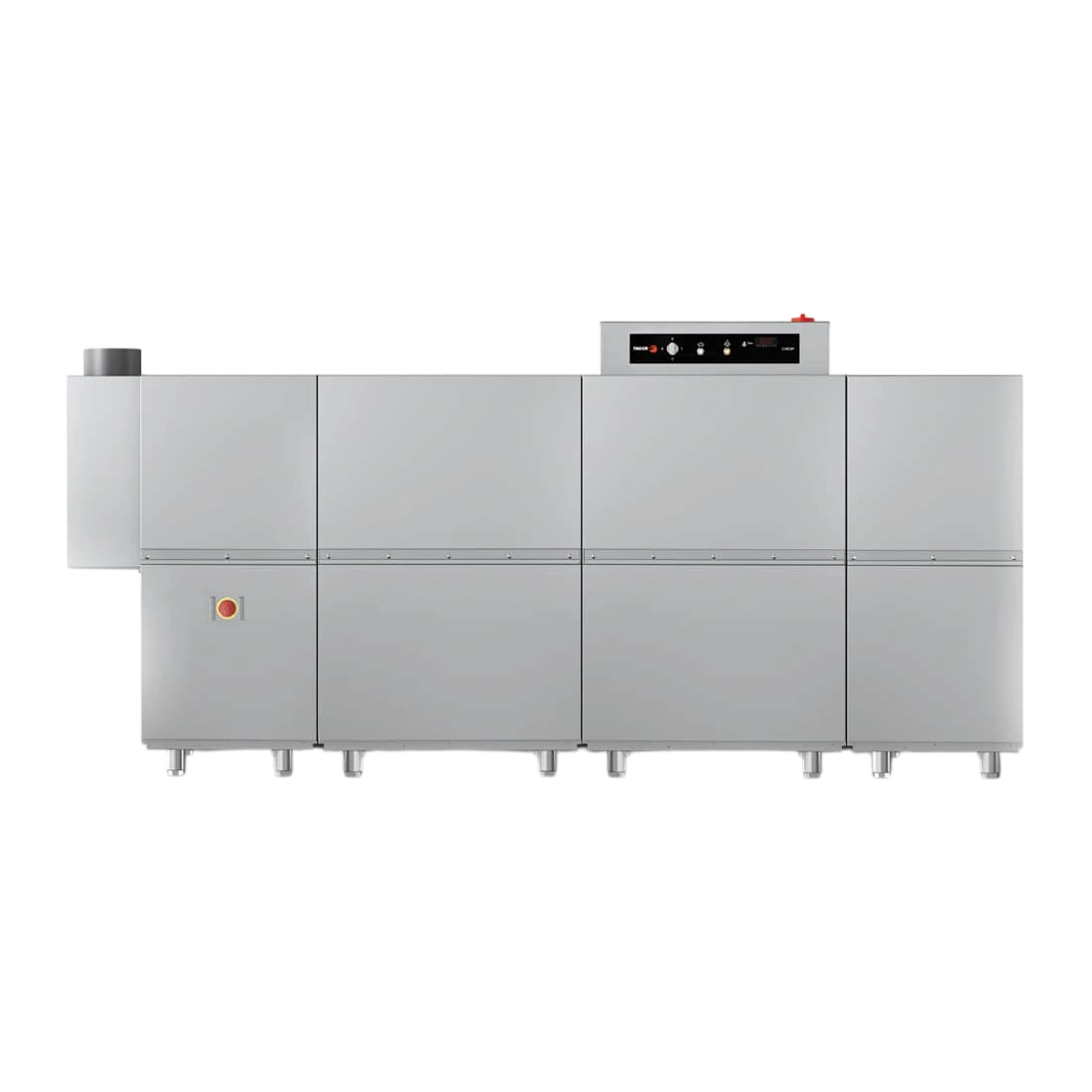
3260 × 790 × 1560mm
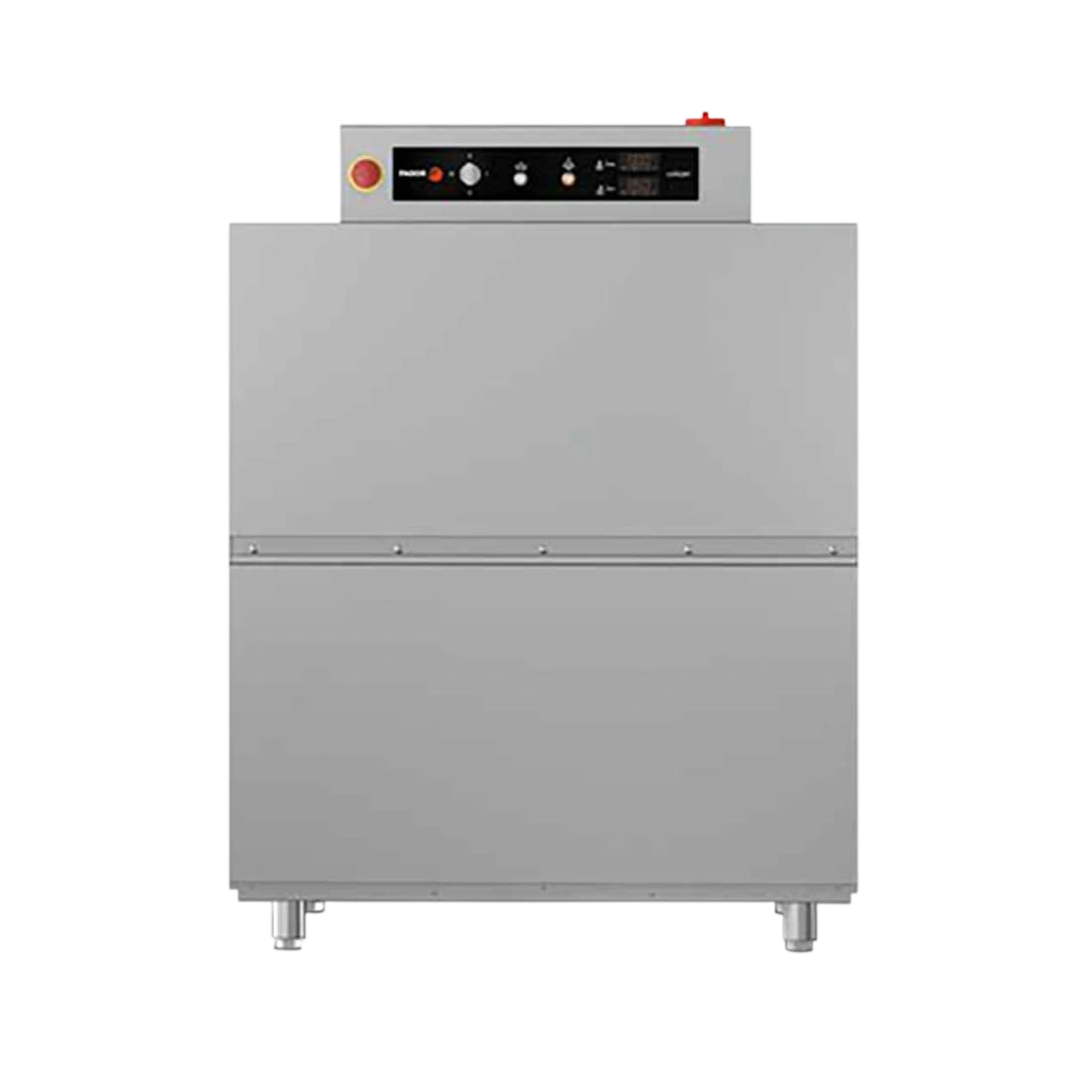
1180 × 790 × 1560mm
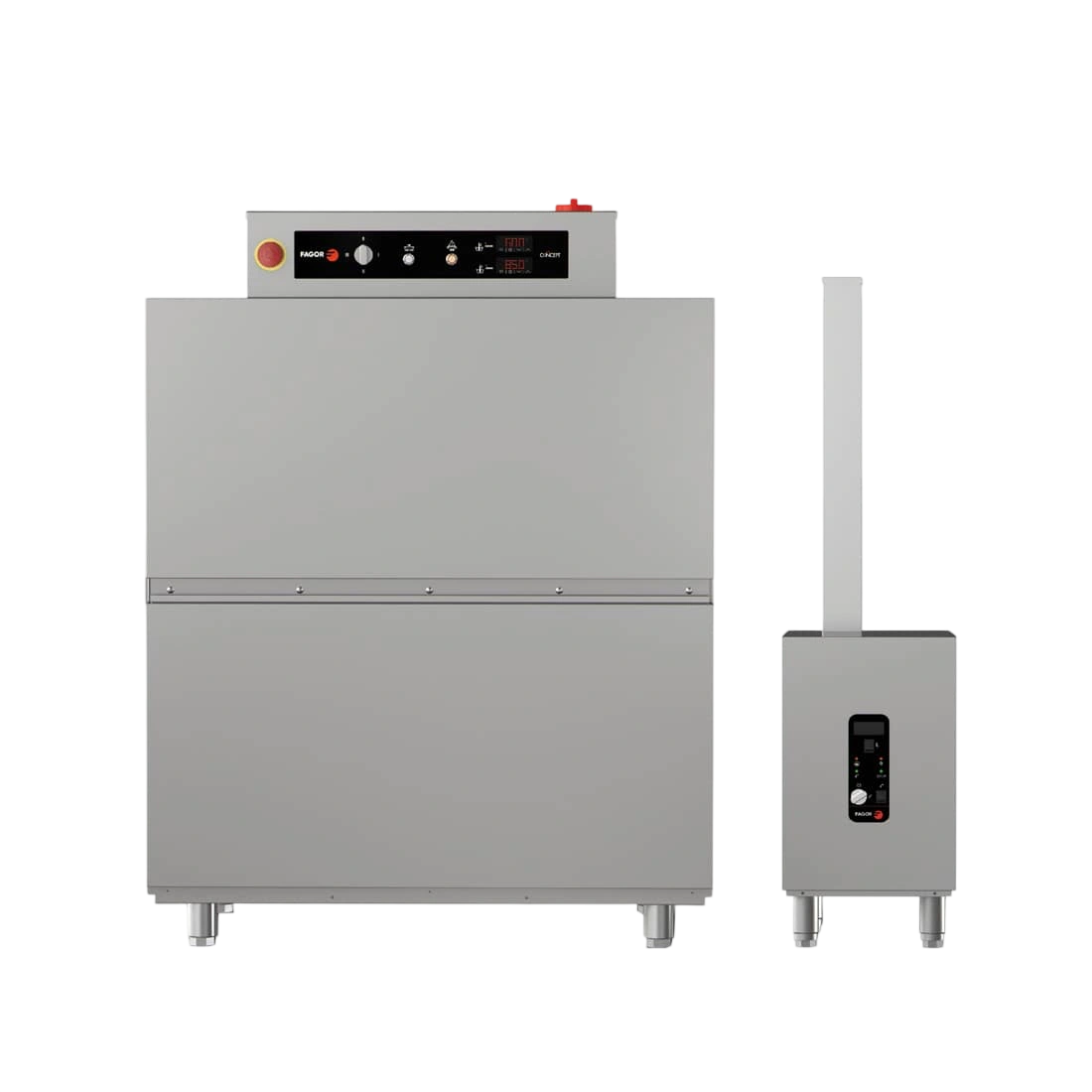
1750 × 790 × 1560mm
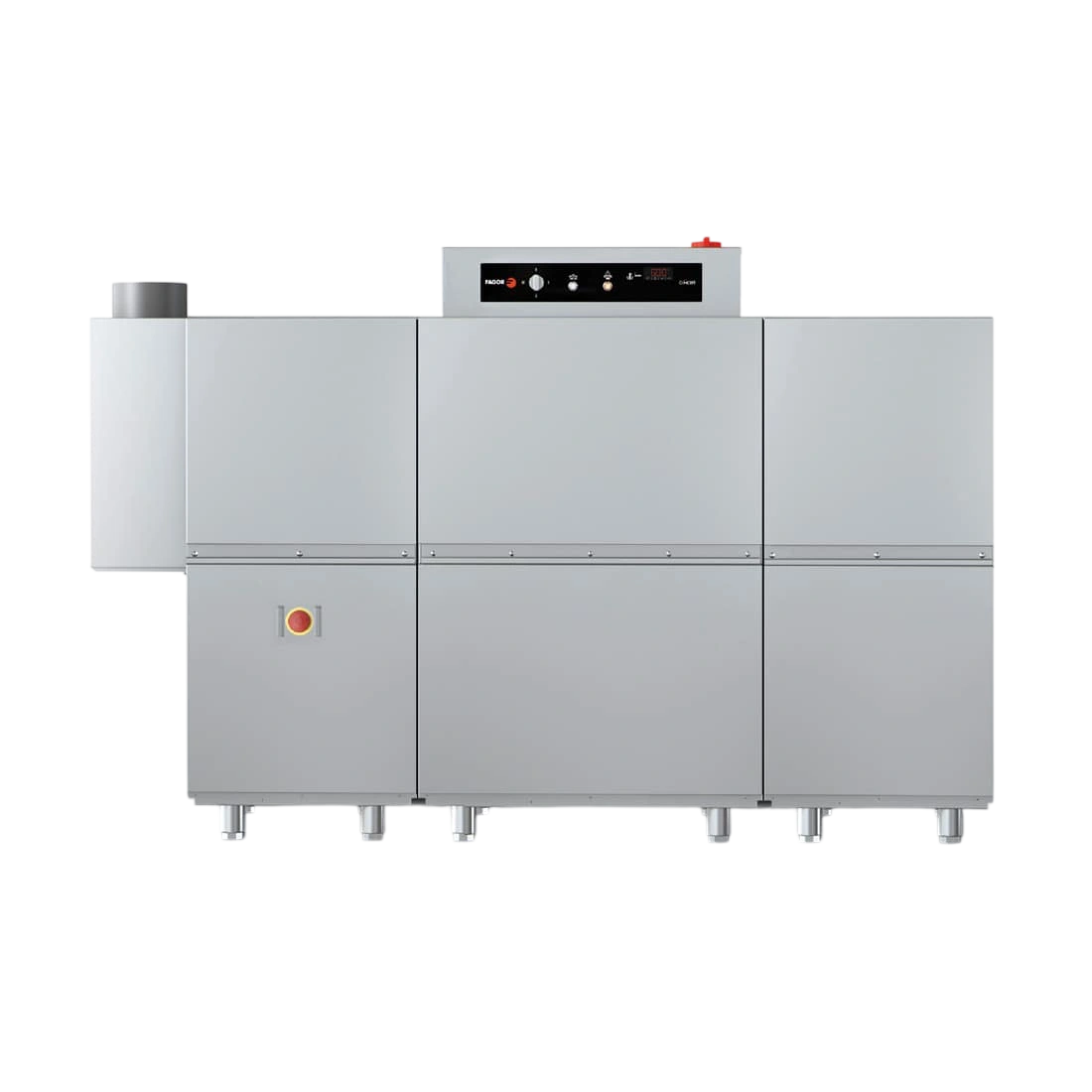
2360 × 790 × 1560mm
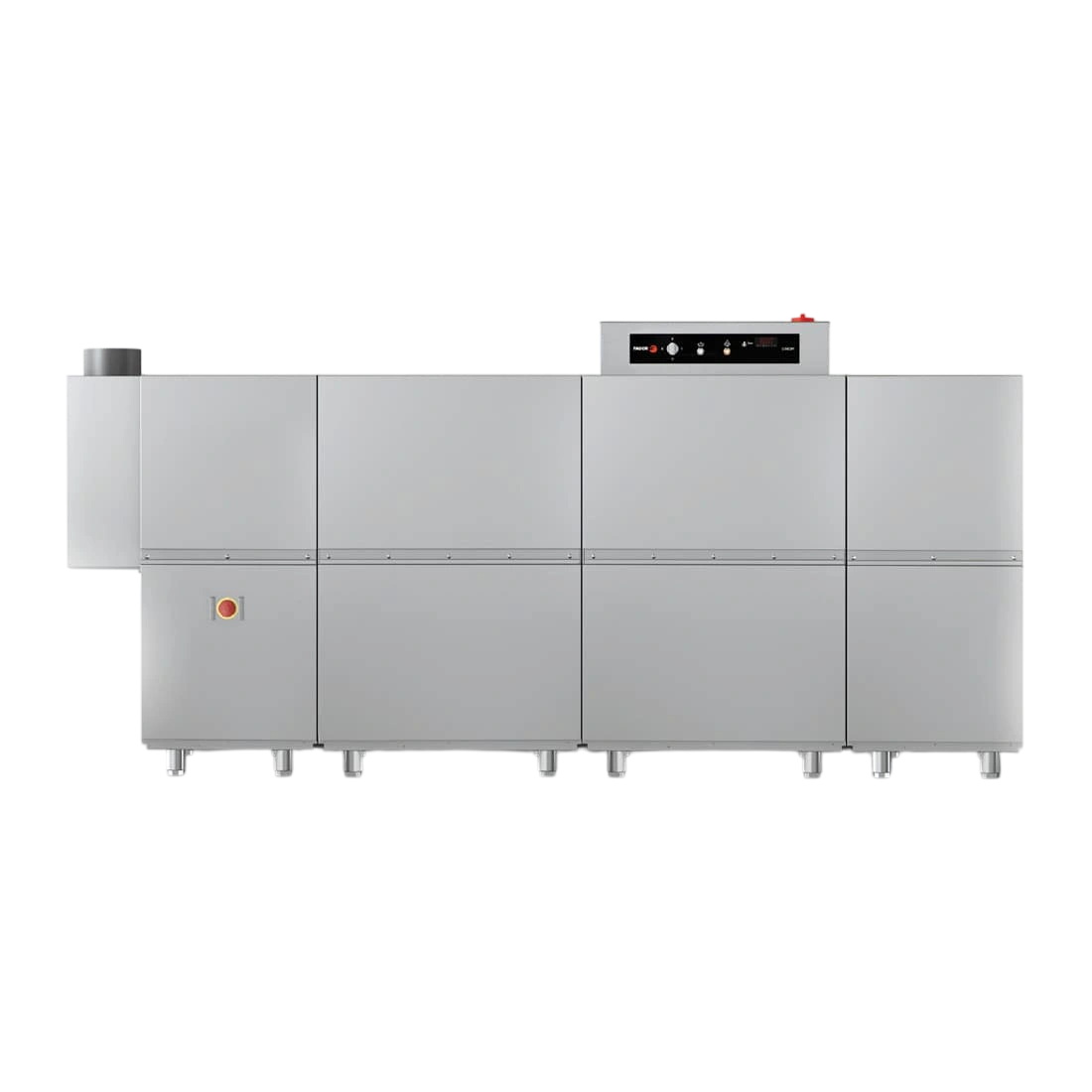
3260 × 790 × 1560mm
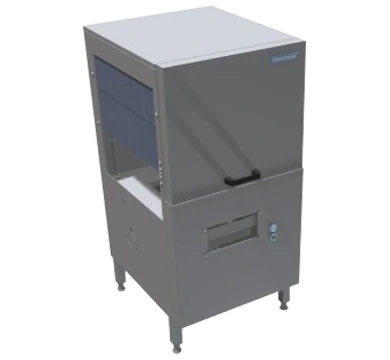
600 × 691 × 1432mm