
Yasaki
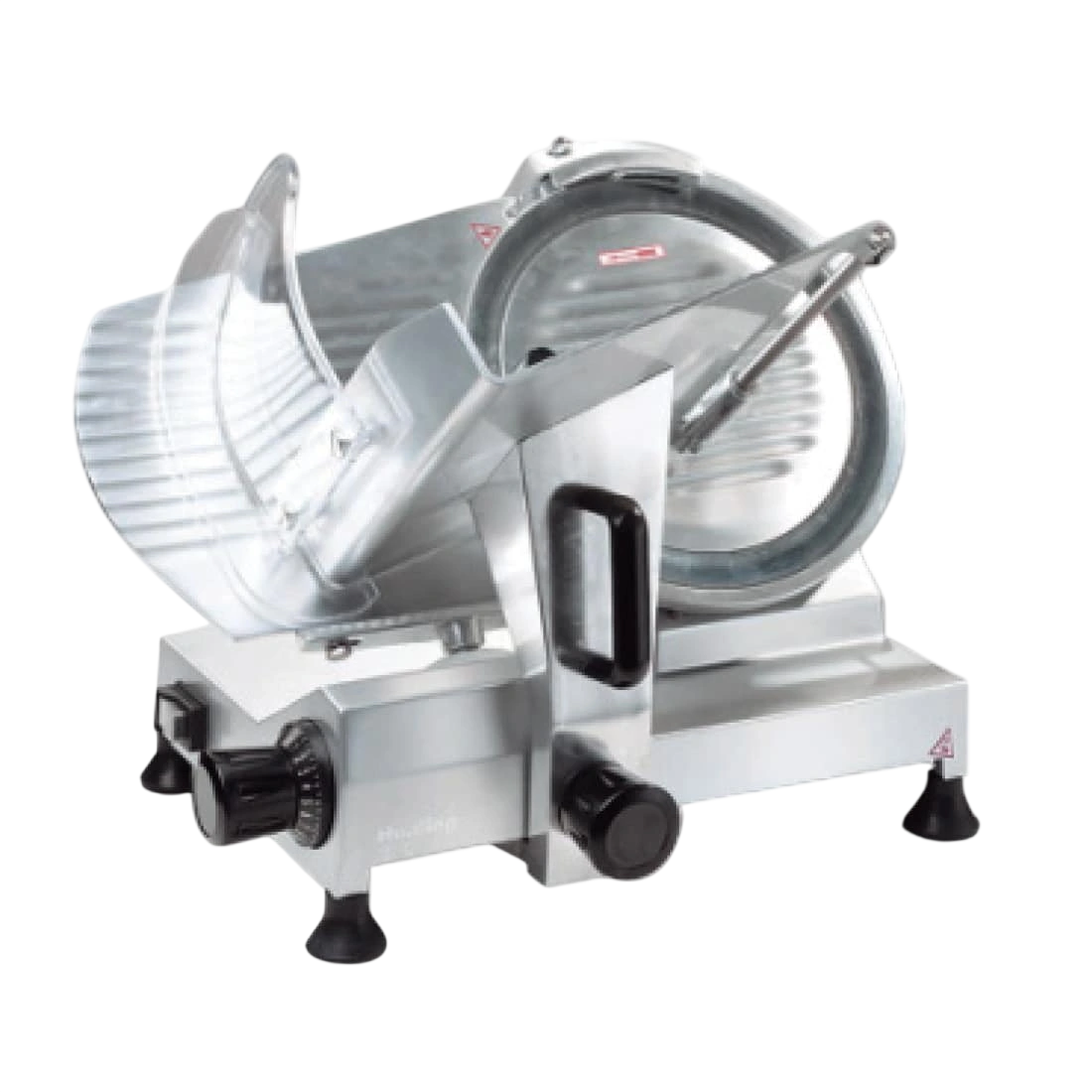
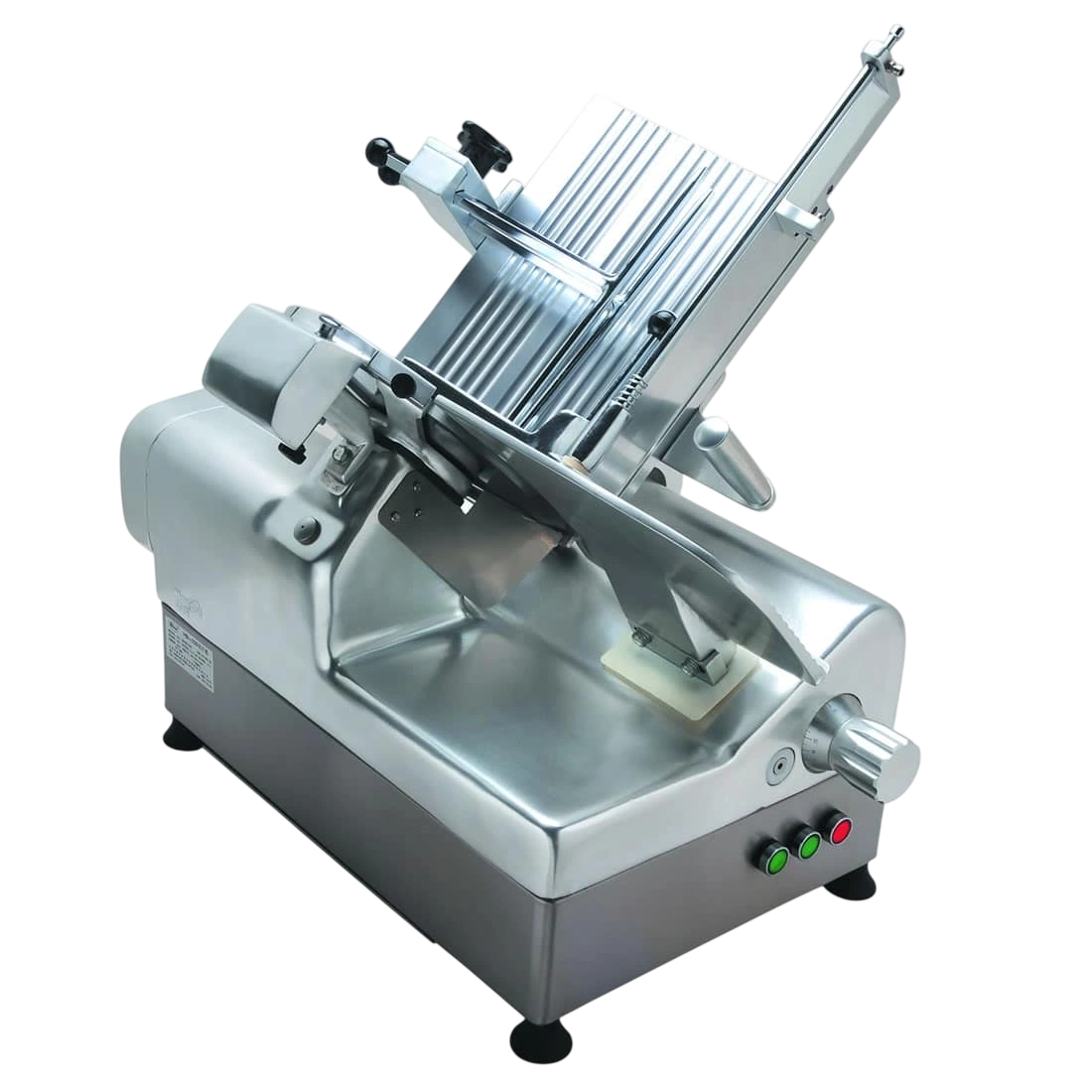
Yasaki HBS-250 JACKS Professional Deli Slicer – 575 × 465 × 415 mm
575 × 465 × 415mm
$688.50$810.00
In Stock
Commercial Food Processors
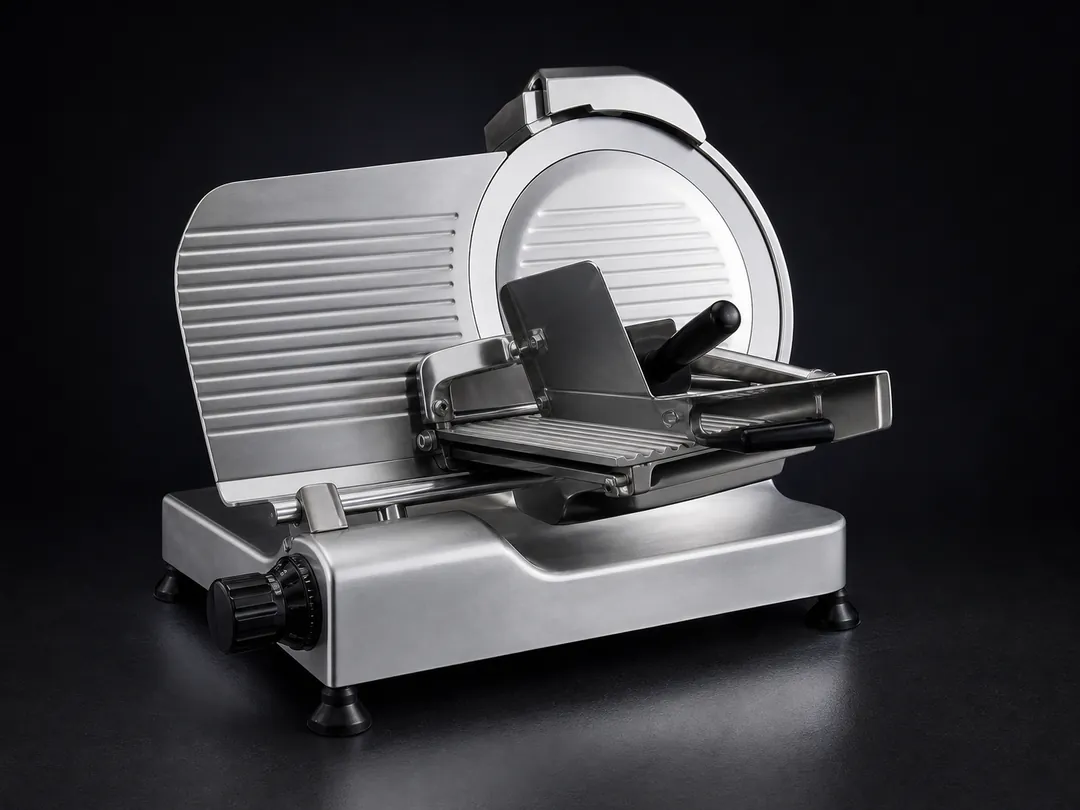
A commercial meat slicer turns whole roasts, cured meats and cheeses into consistent, portion-controlled slices far faster than knife work. Blade sizes here run from 200mm benchtop units to 350mm heavy-duty machines, in belt-driven and gear-driven builds, alongside traditional manual flywheel slicers. Size the blade to the largest product you slice, and weigh daily volume when choosing between light-duty and heavy-duty models.
Key factors to consider before purchasing. Our team can help you find the right fit — call or get a quote anytime.
Match capacity to your daily output. Consider the bench or floor space available and the access route for delivery.
Check the power supply at the installed position — phase, amperage and circuit capacity — before ordering.
Confirm electrical compliance, levelling and the clearance needed for cleaning and service access. We can help with kitchen planning.
Submit your kitchen requirements — our equipment specialists will send you a tailored shortlist of commercial meat slicers that fits your budget, venue type and compliance needs.
Standards & Compliance
Check guard coverage, carriage travel, product clamp and control position with the intended food in mind. Staff should be trained to use the pusher and guard rather than hands to steady product, and the receiving area must not encourage reaching across the blade path.
Cheese can place a different load on a slicer than cooked deli meat. Confirm that the chosen machine and blade are suitable for the product, then include blade cleaning, sharpening access and food-contact hygiene in the normal operating plan.
FAQ
Belt-driven models are quieter and economical; gear-driven ones offer higher torque for all-day slicing.
Yes—hard cheeses require a stronger gear-driven slicer for smoother results.
Larger blades handle bigger cuts such as full ham logs or large salami.
No—use chilled products only to avoid sticking and deformation.
Measure the largest product cross-section and confirm that it fits the carriage, clamp and usable cutting path. Choose a blade format approved for that product and machine; the operator should be able to complete each slice without turning food by hand near the blade.
Why KW
KW can review the products to be sliced, the expected workload and the operating method before comparing carriage and blade formats. Safety around the cutting path and the time needed for thorough cleaning are part of that discussion; call 1300 001 366 for assistance.
Deep Dive
Technical depth from KW's commercial kitchen specialists.
Measure the largest product cross-section and check how it sits against the carriage and clamp. The blade and carriage need enough usable travel for a complete slice without rotating the product by hand near the cutting edge.
Isolate the slicer and return the thickness control to the safe position before dismantling approved food-contact parts. Clean the carriage, guard and blade area using the documented method, inspect for residue and damage, then refit dry components correctly.
Compare how often staff load product, how many repeated slices are needed and how closely an operator must supervise each cycle. Automation can reduce repetitive carriage movement, but it does not remove the need for correct clamping, guarding and controlled collection.
Set thickness deliberately for each menu item and test consistency before a production run. When moving between cheese, cooked meats or allergen-sensitive products, follow the venue’s changeover procedure and complete the required food-contact cleaning.
Plan removable-part washing with appropriate dishwashing equipment, compare other food-processing formats and coordinate the station with wider preparation equipment.
It can when the manufacturer identifies the slicer and blade as suitable for the cheese type and expected workload. Dense or sticky cheese may load the drive and blade differently from cooked meat, so confirm suitability and plan a complete food-contact changeover between products.
A manual slicer requires the operator to control carriage movement for each cut, while an automatic model can repeat that movement during a set run. Choose between them by workload, supervision, product clamping and collection workflow; automation does not replace guarding or safe setup.
Isolate the machine, close the thickness setting and remove only the parts specified for cleaning. Use the approved blade-cleaning method with cut-resistant precautions, clean the carriage and guard, inspect for residue, then dry and refit components before use.
| Format | Typical use |
|---|---|
| 200–250mm blade | Cafés and sandwich bars slicing smaller goods through the day |
| 300mm blade | Busy delis and butchers slicing a mix of products at volume |
| 350mm and larger blades | High-volume slicing of large roasts and whole products |
| Manual flywheel slicer | Traditional slicing where fine control matters more than speed |
36 results
575 × 465 × 415mm
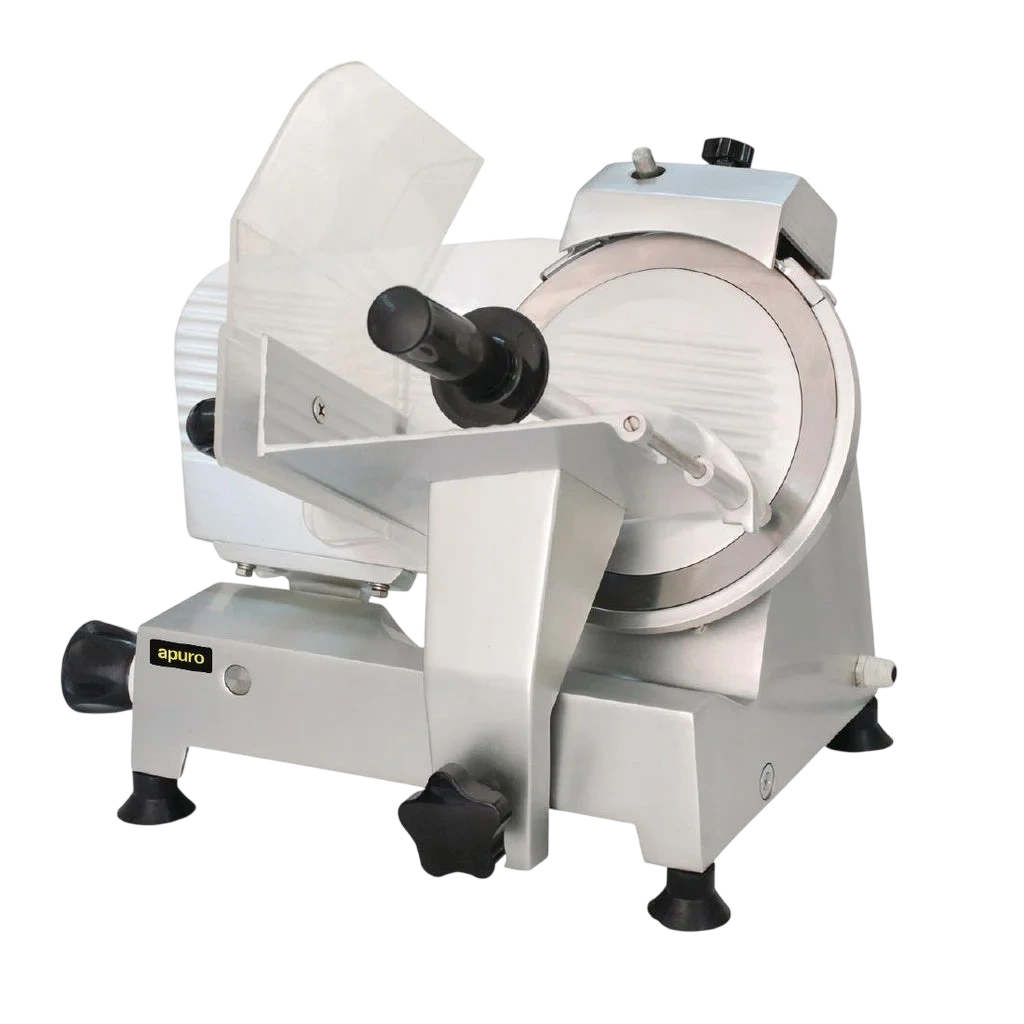
445 × 445 × 457mm
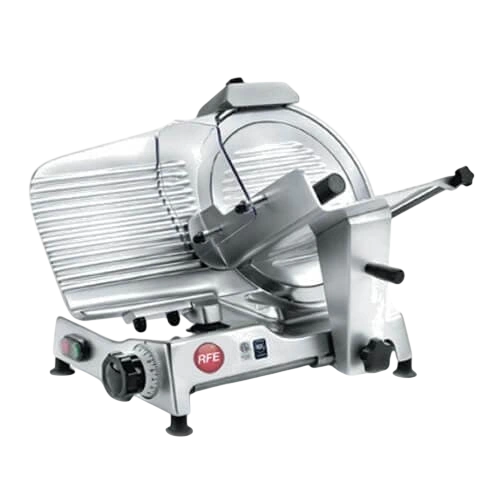
610 × 520 × 650mm
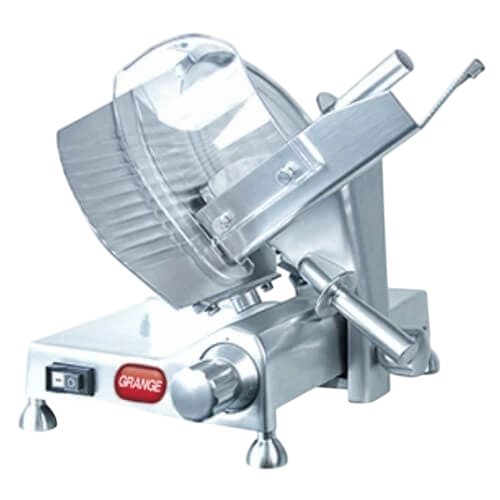
620 × 530 × 500mm
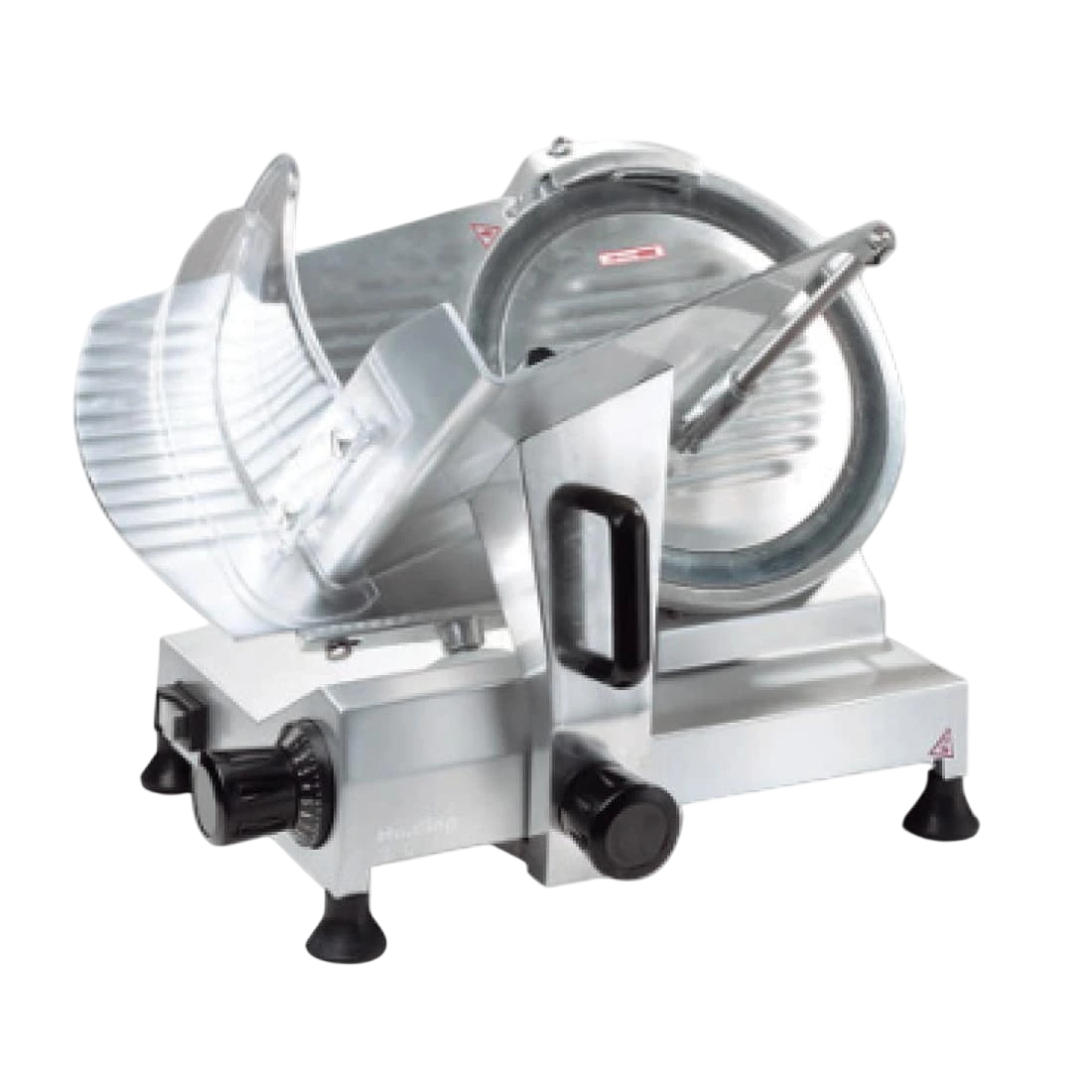
565 × 295 × 565mm
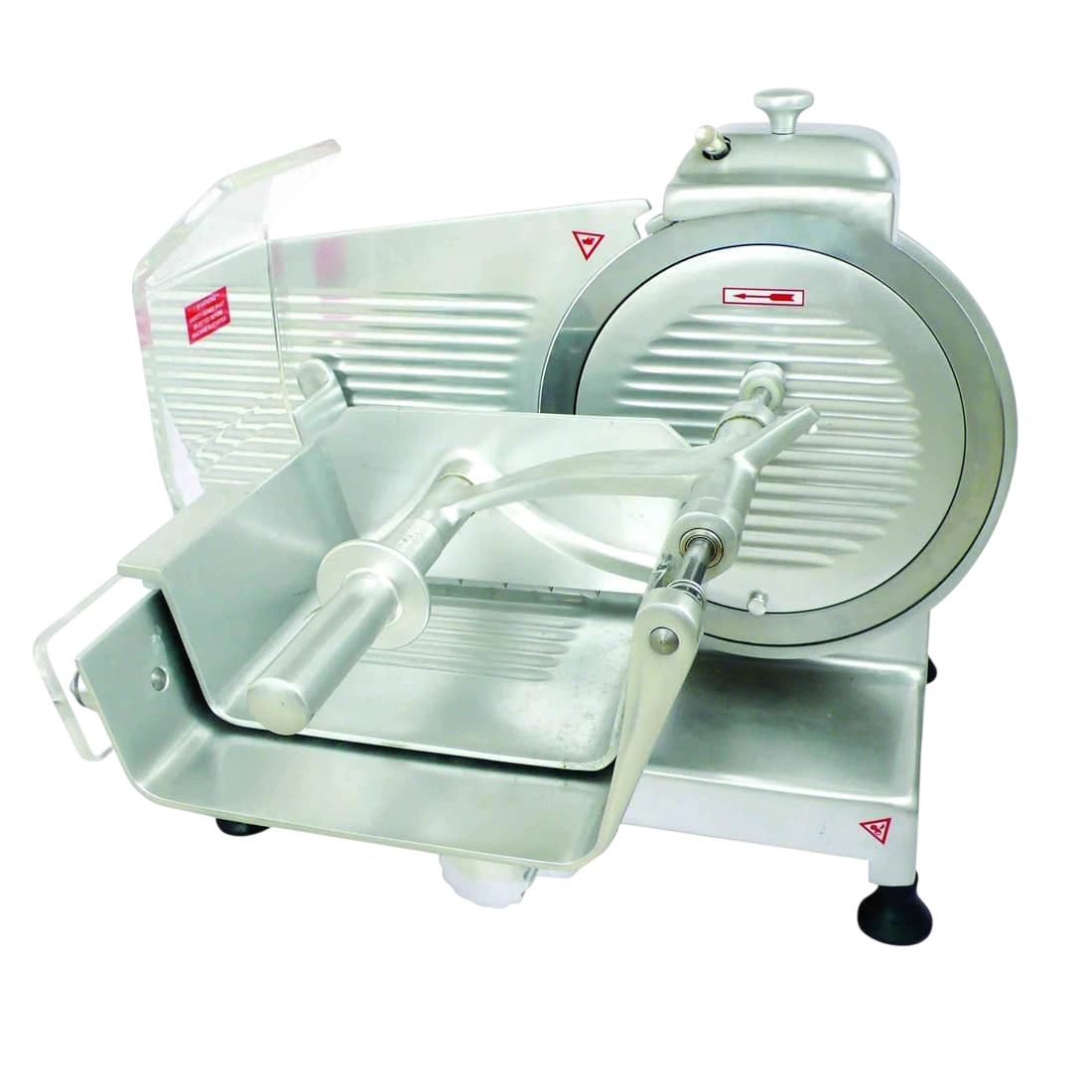
748 × 686 × 678mm
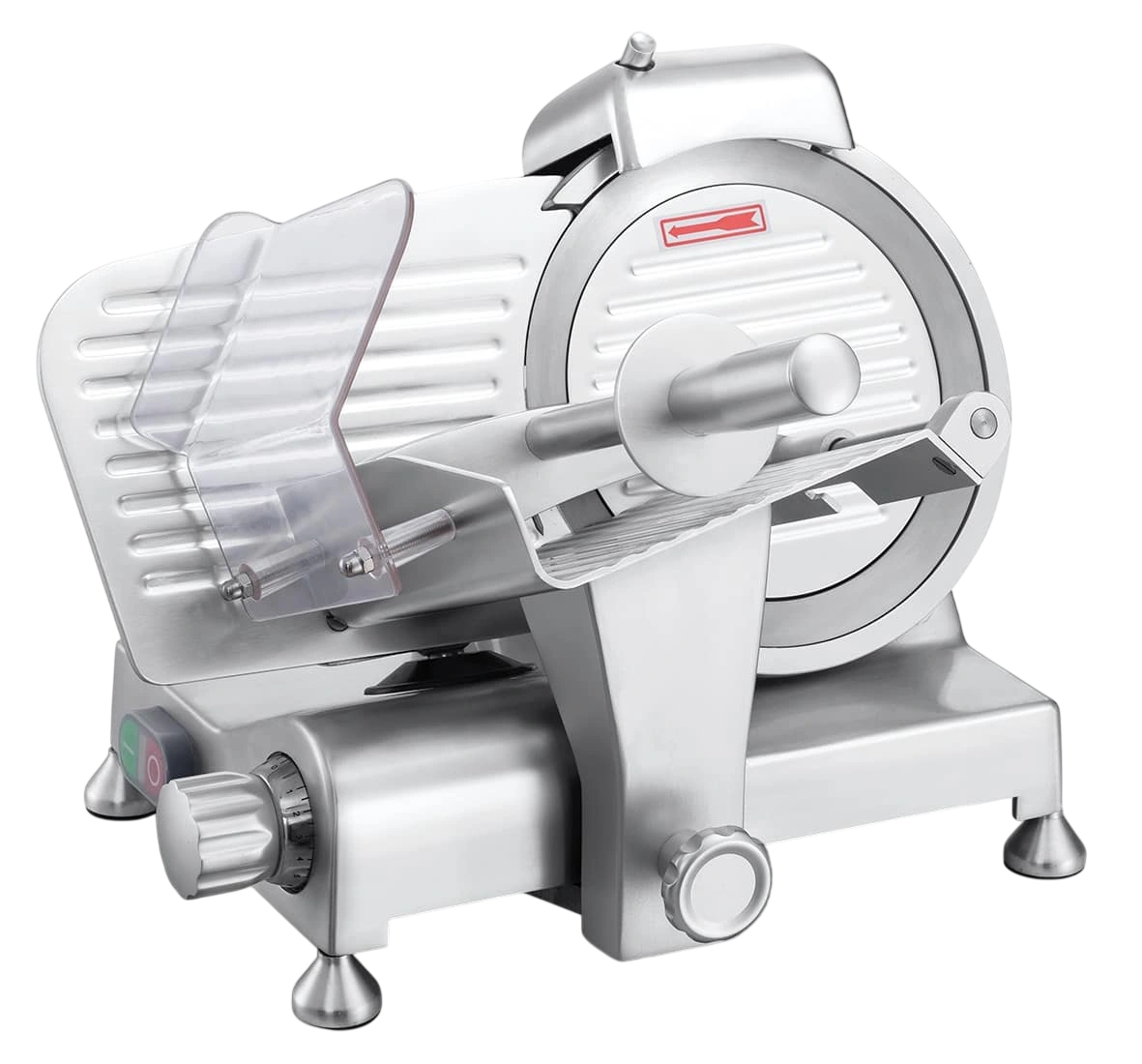
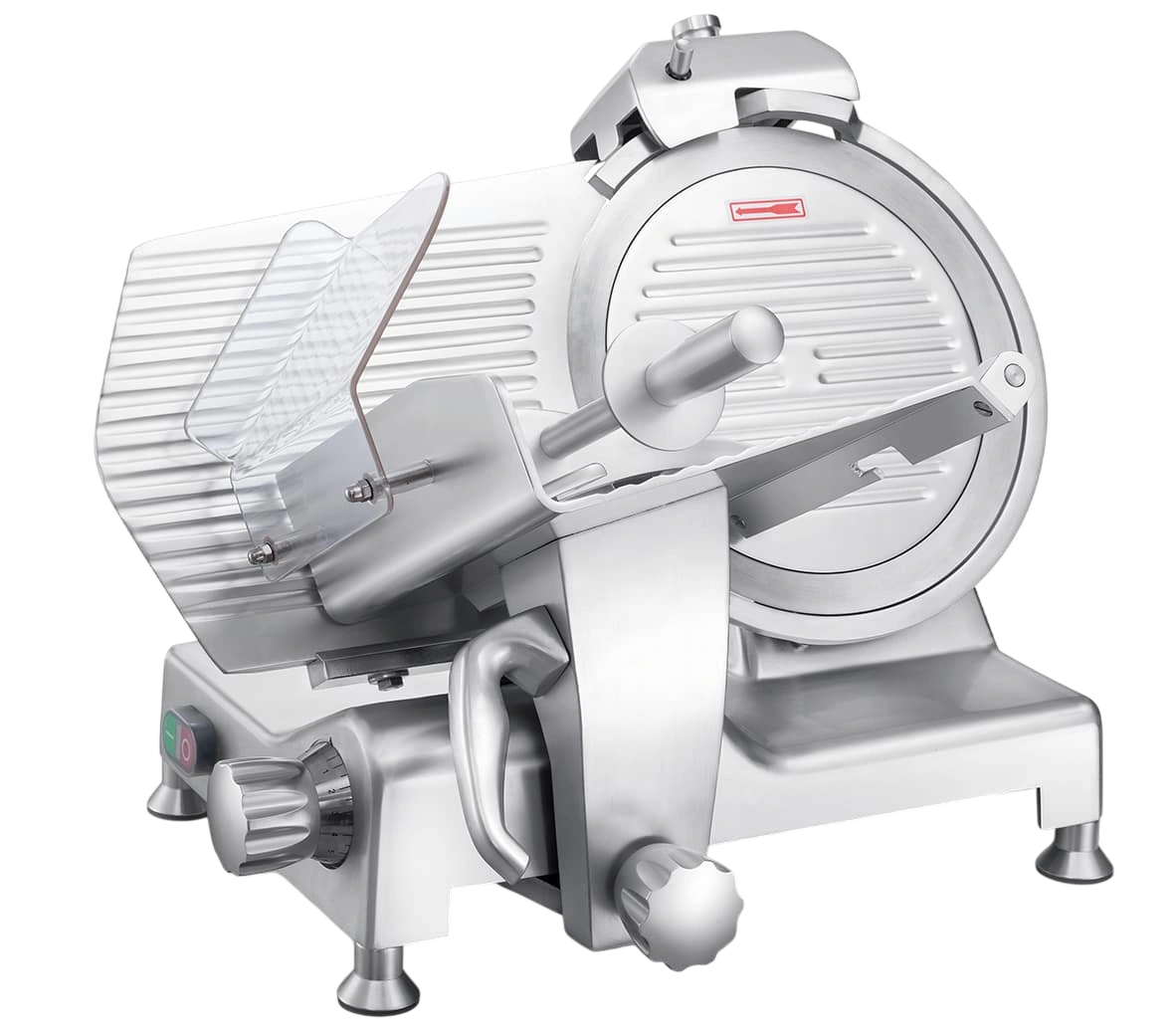
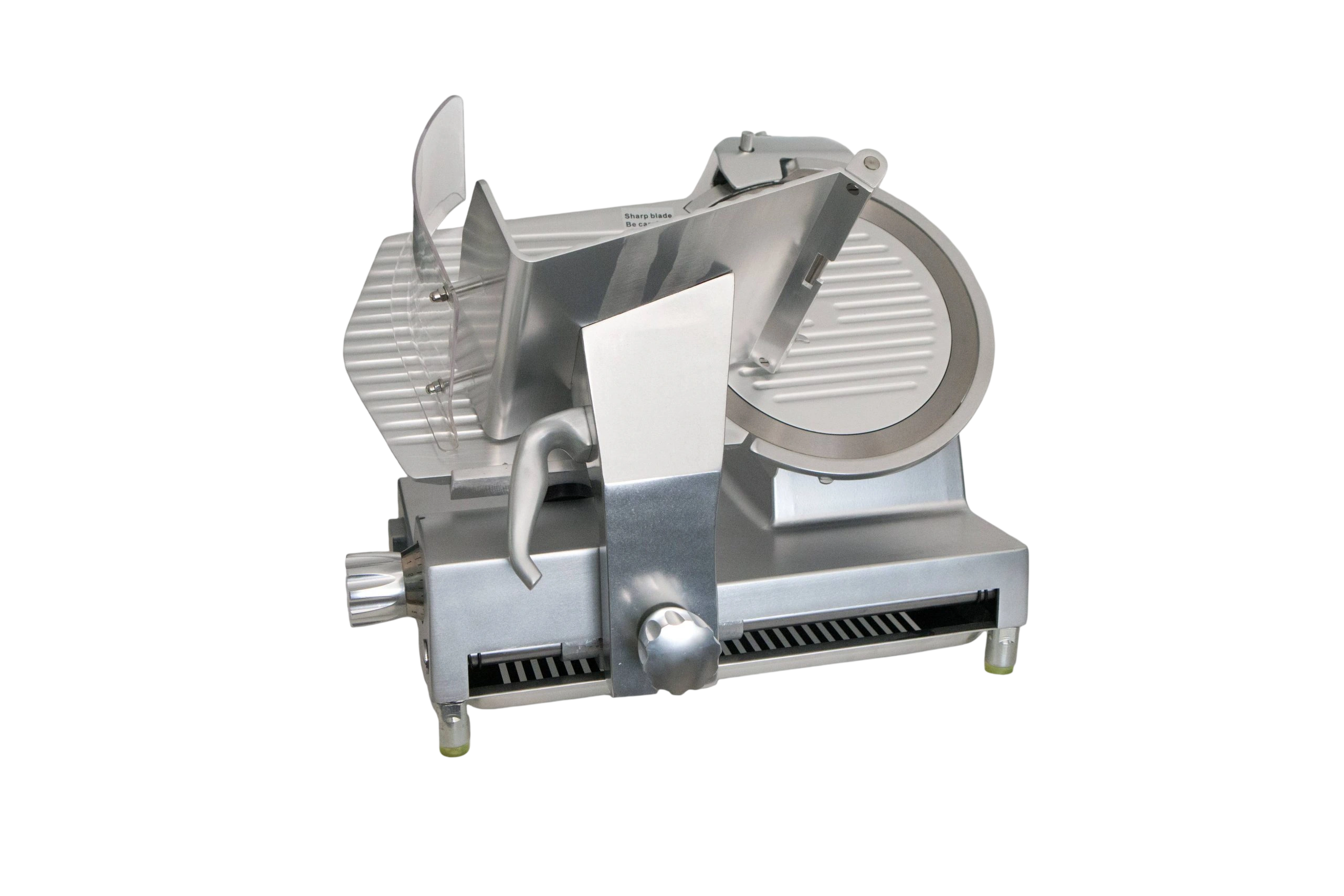
613 × 368 × 422mm
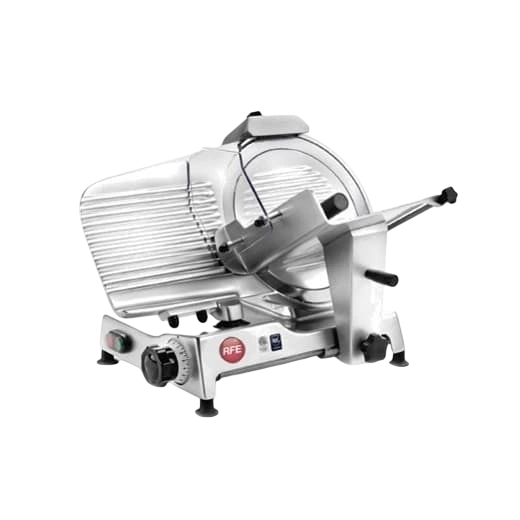
610 × 520 × 650mm
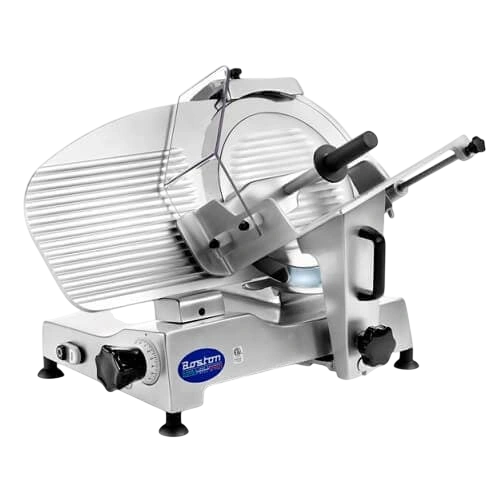
650 × 610 × 520mm
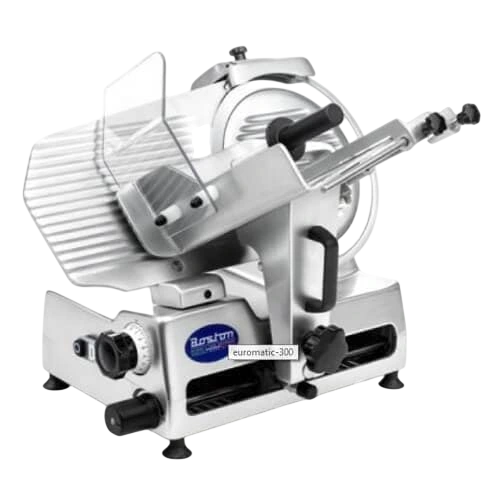
650 × 610 × 520mm
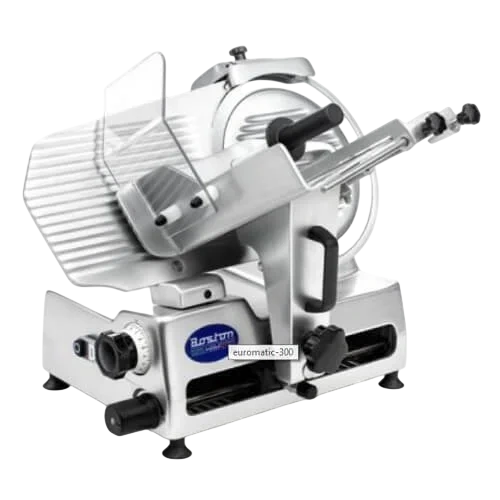
810 × 620 × 640mm
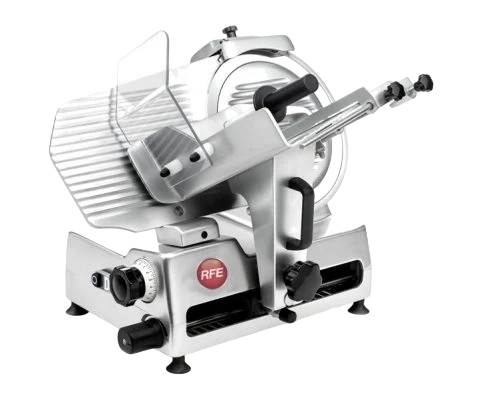
820 × 630 × 680mm
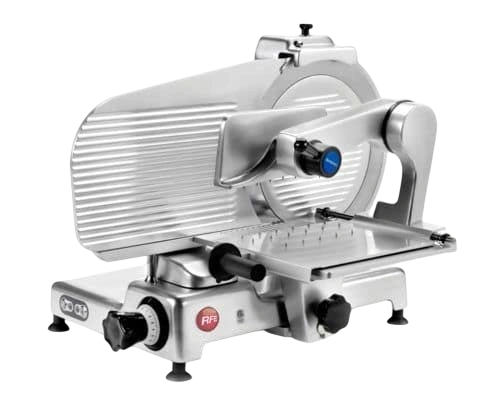
920 × 770 × 830mm
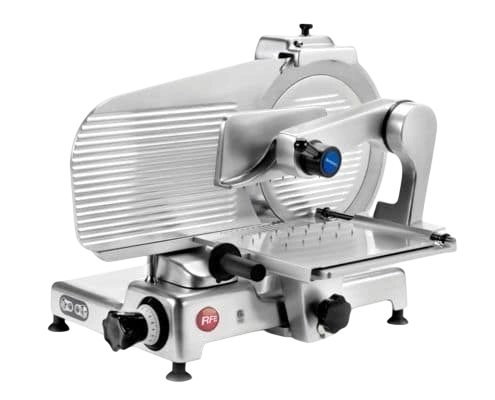
920 × 770 × 830mm
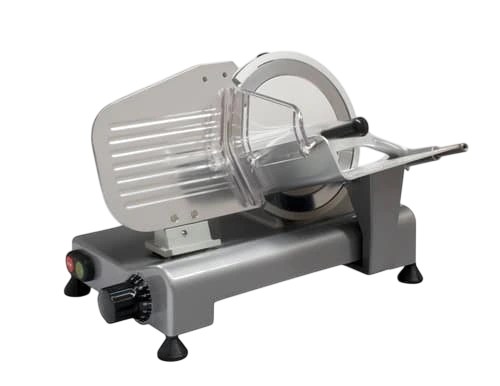
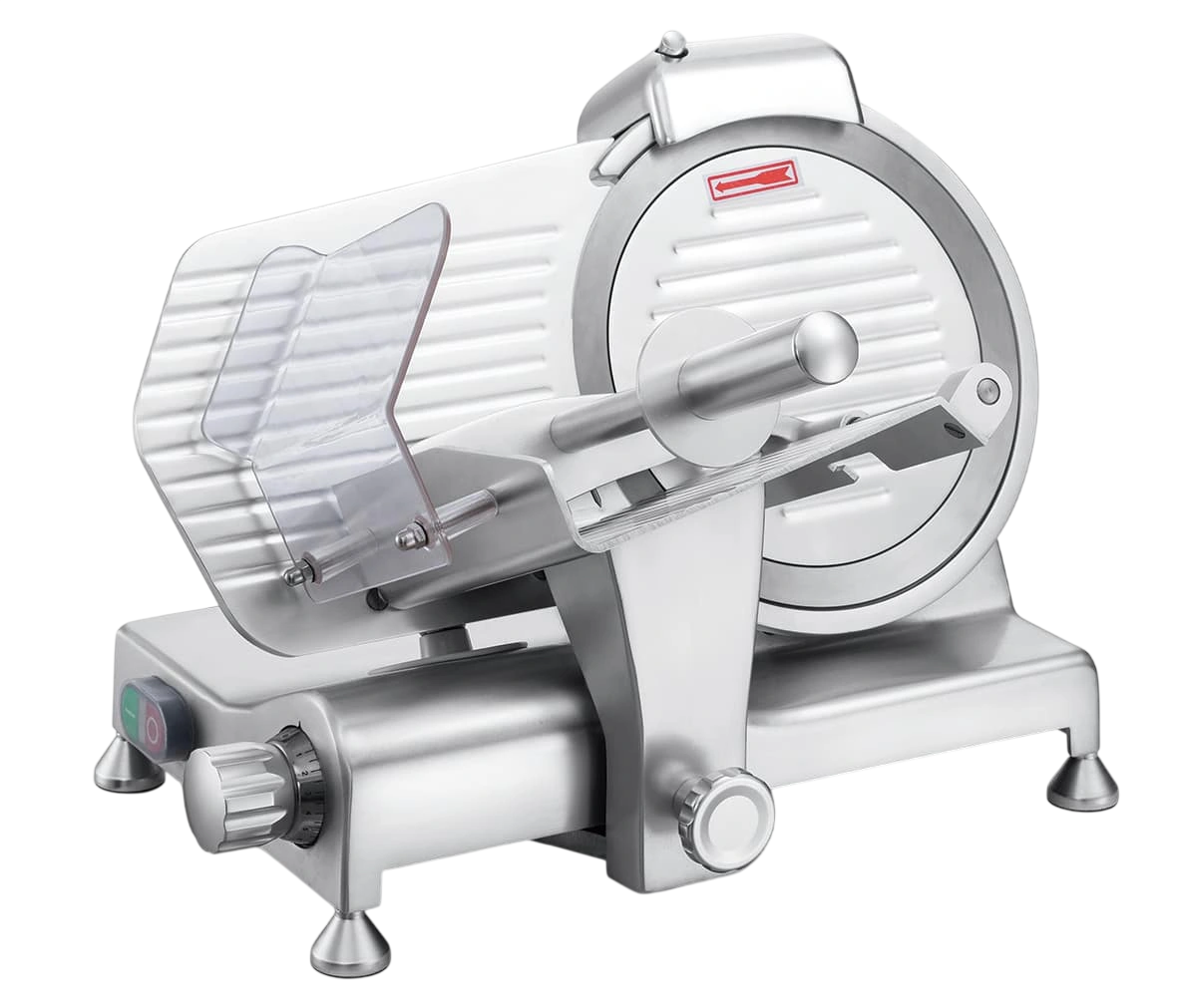
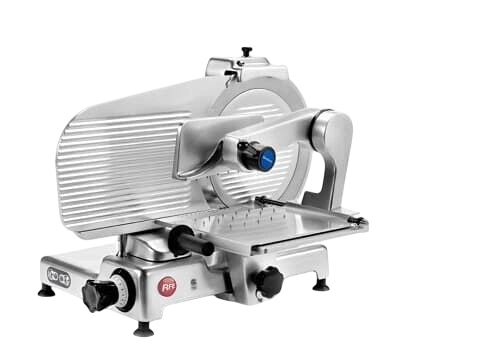
920 × 770 × 830mm
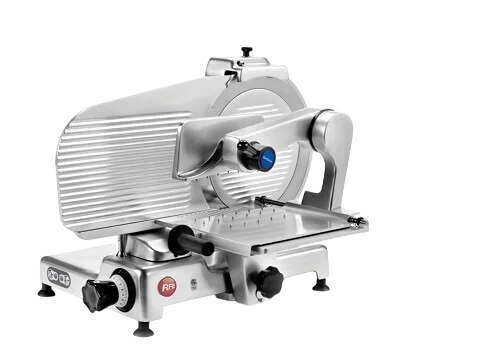
920 × 770 × 830mm
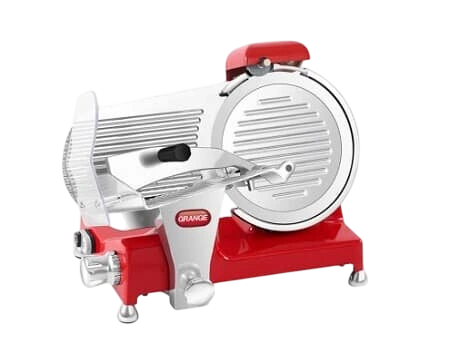
580 × 470 × 410mm
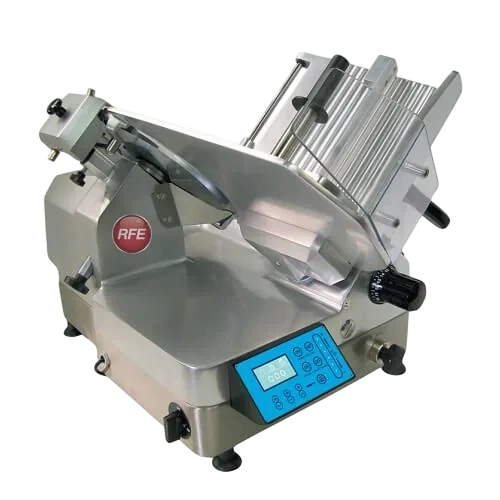
780 × 700 × 700mm
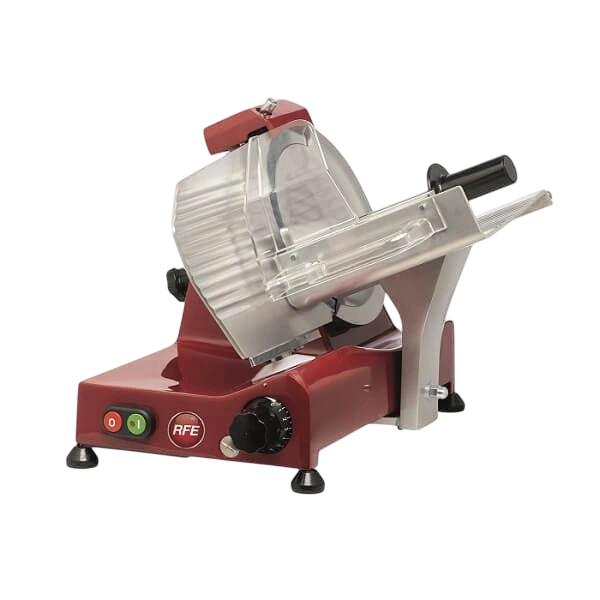
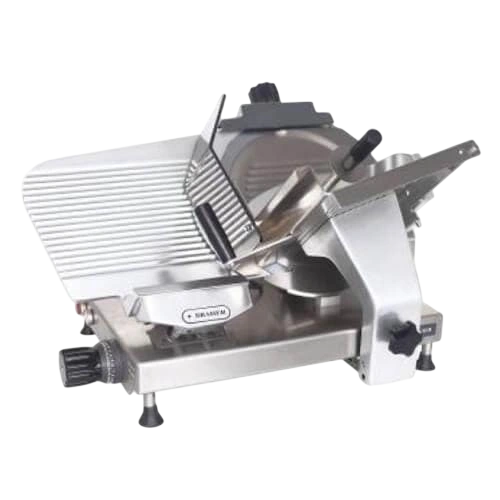
860 × 660 × 790mm
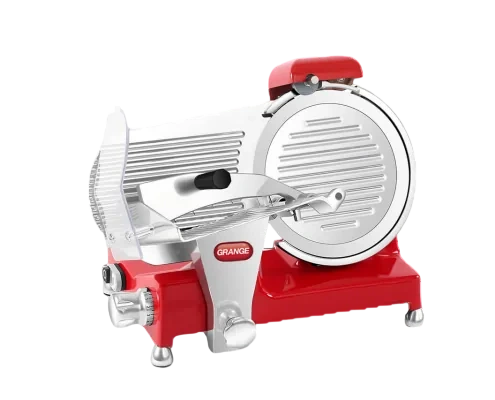
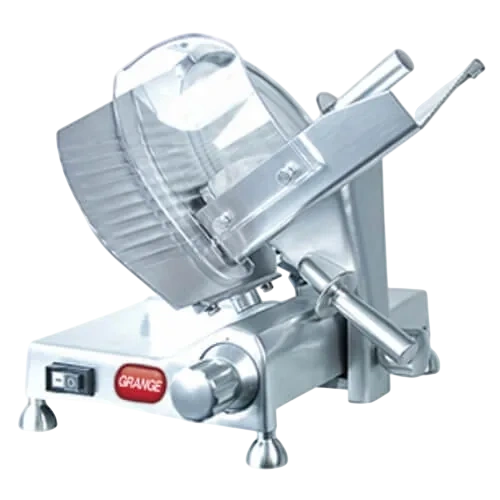
560 × 490 × 420mm
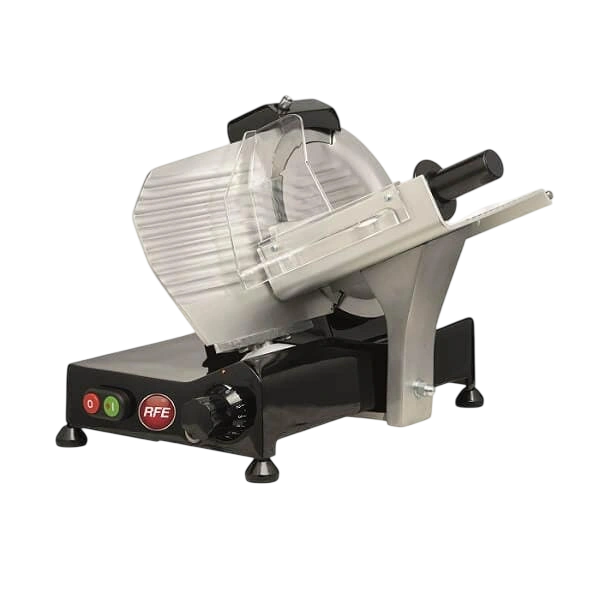
550 × 650 × 700mm
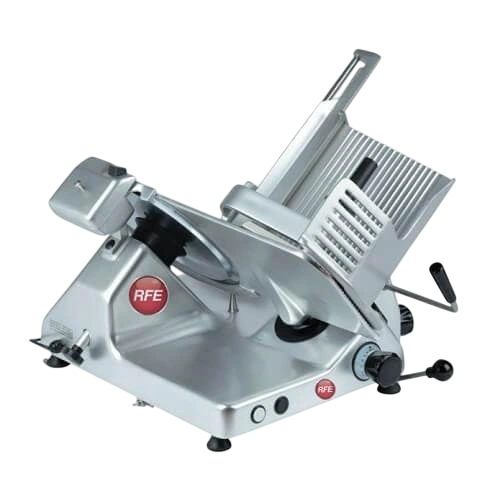
700 × 710 × 650mm
930 × 820 × 820mm
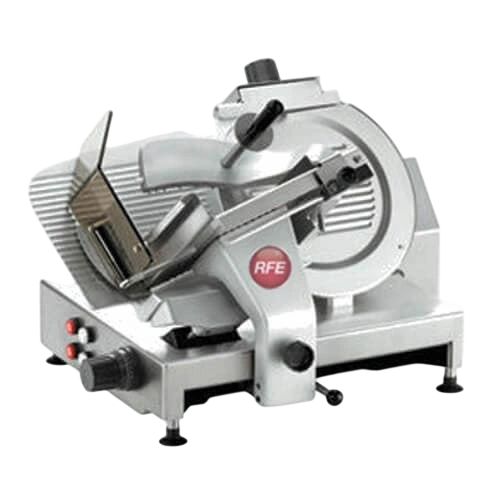
1100 × 730 × 870mm
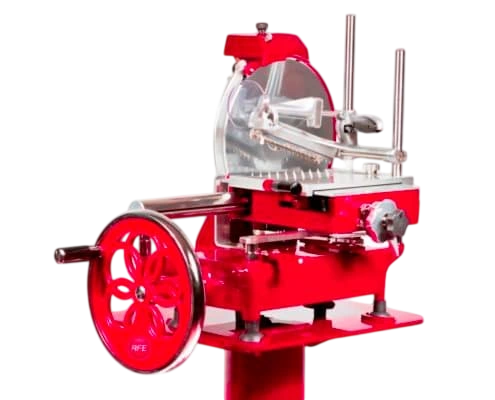
920 × 940 × 800mm
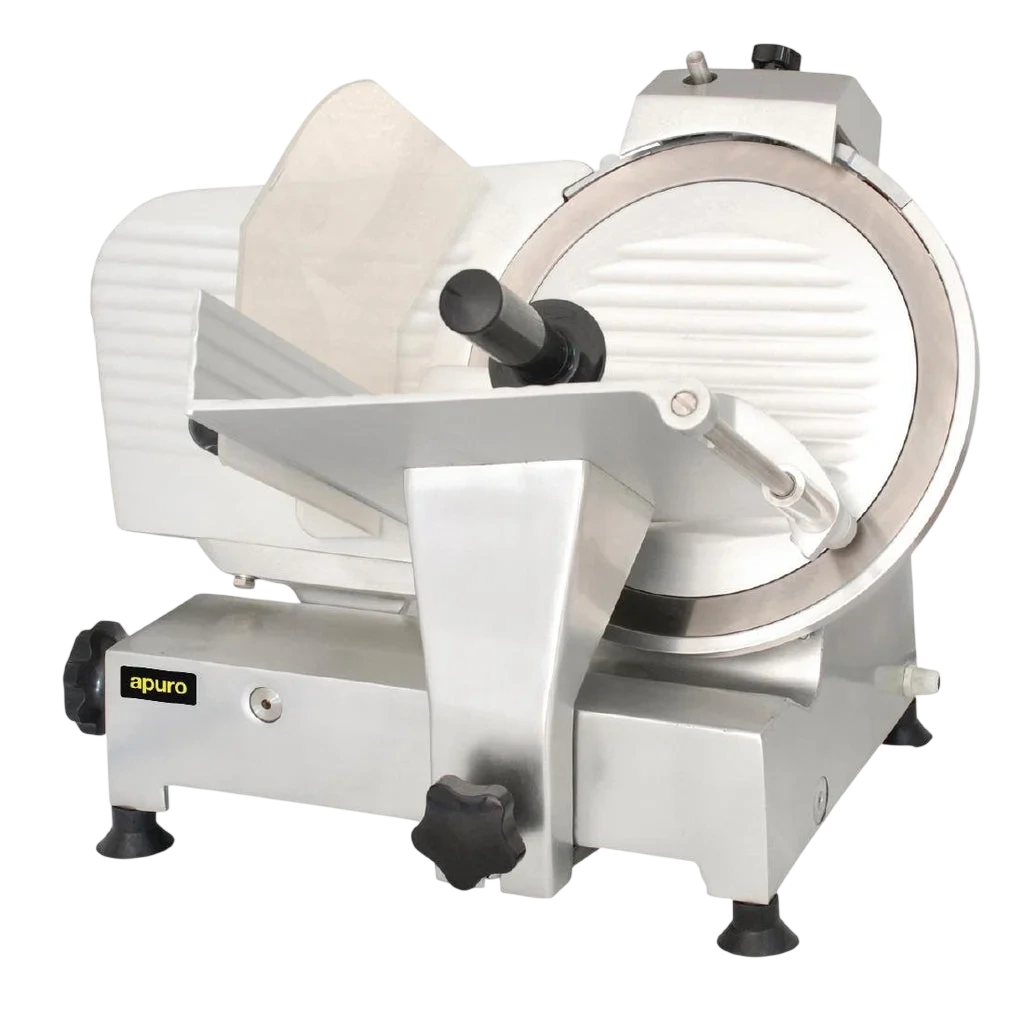
452 × 437 × 485mm
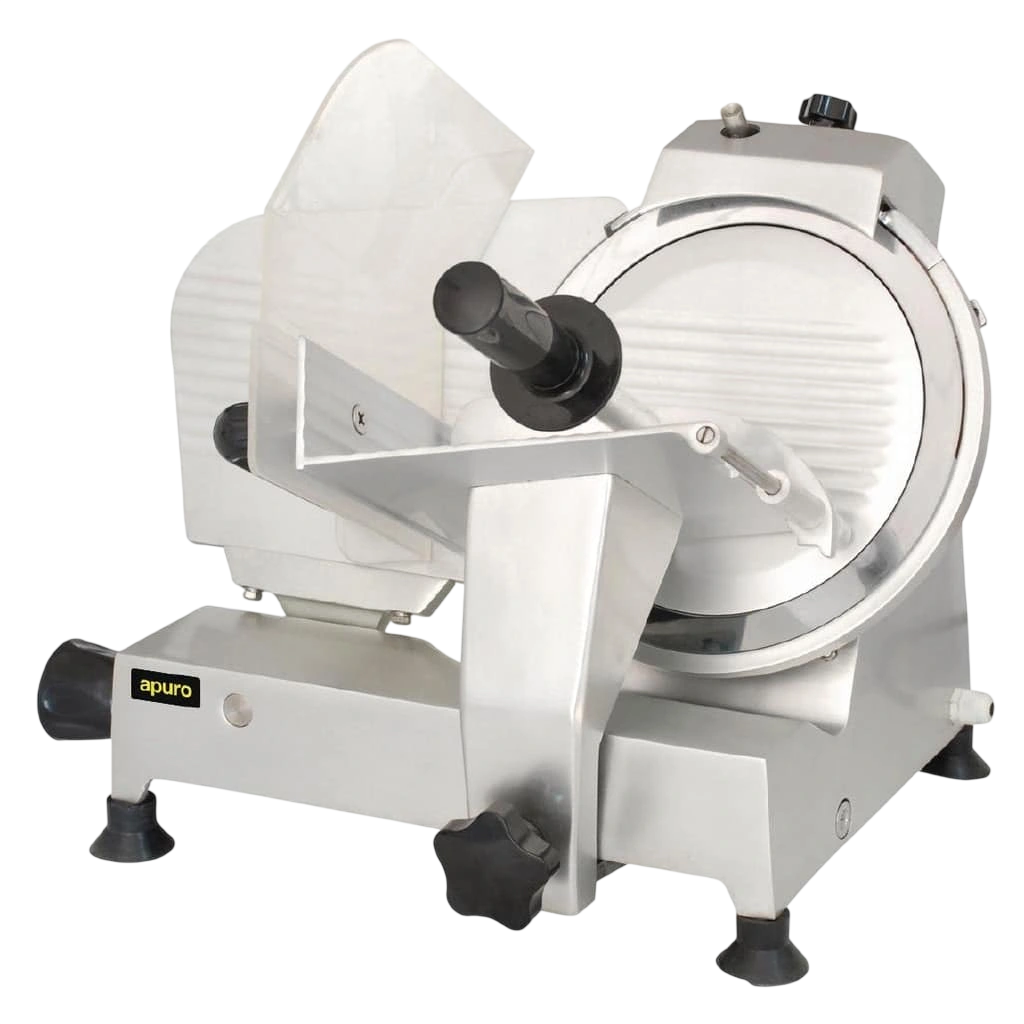
437 × 437 × 485mm
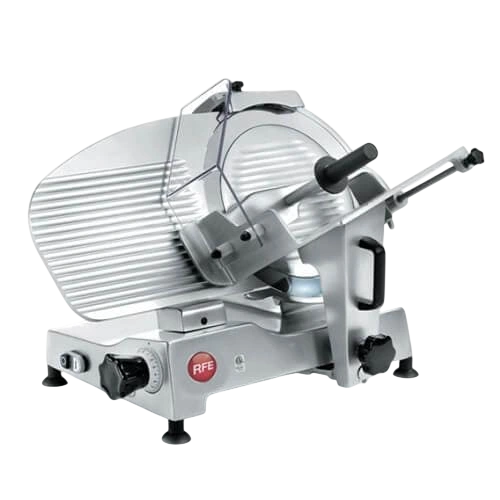
910 × 720 × 760mm
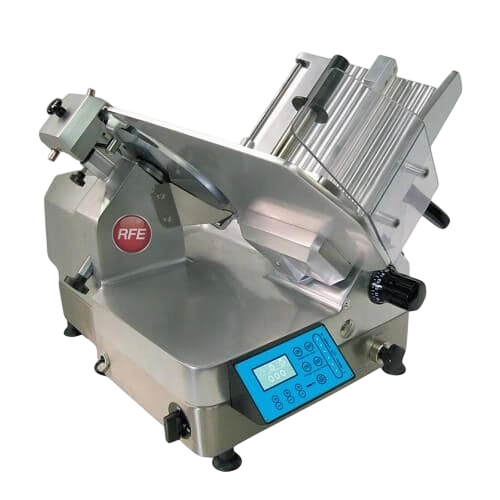
820 × 630 × 680mm
820 × 740 × 580mm