Santos
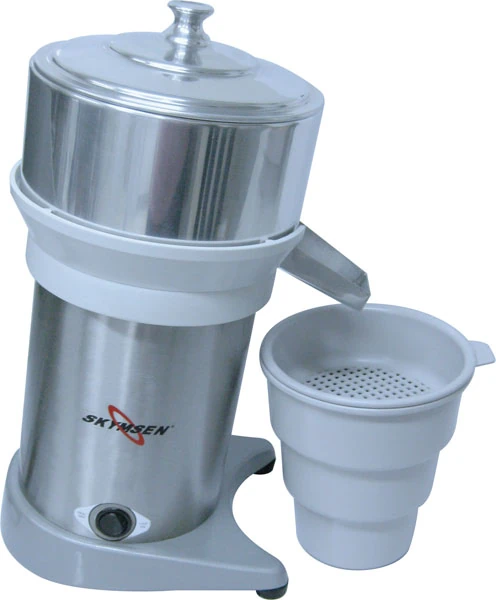
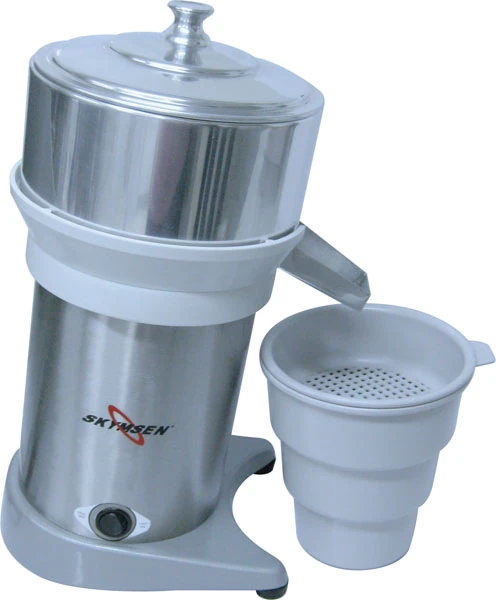
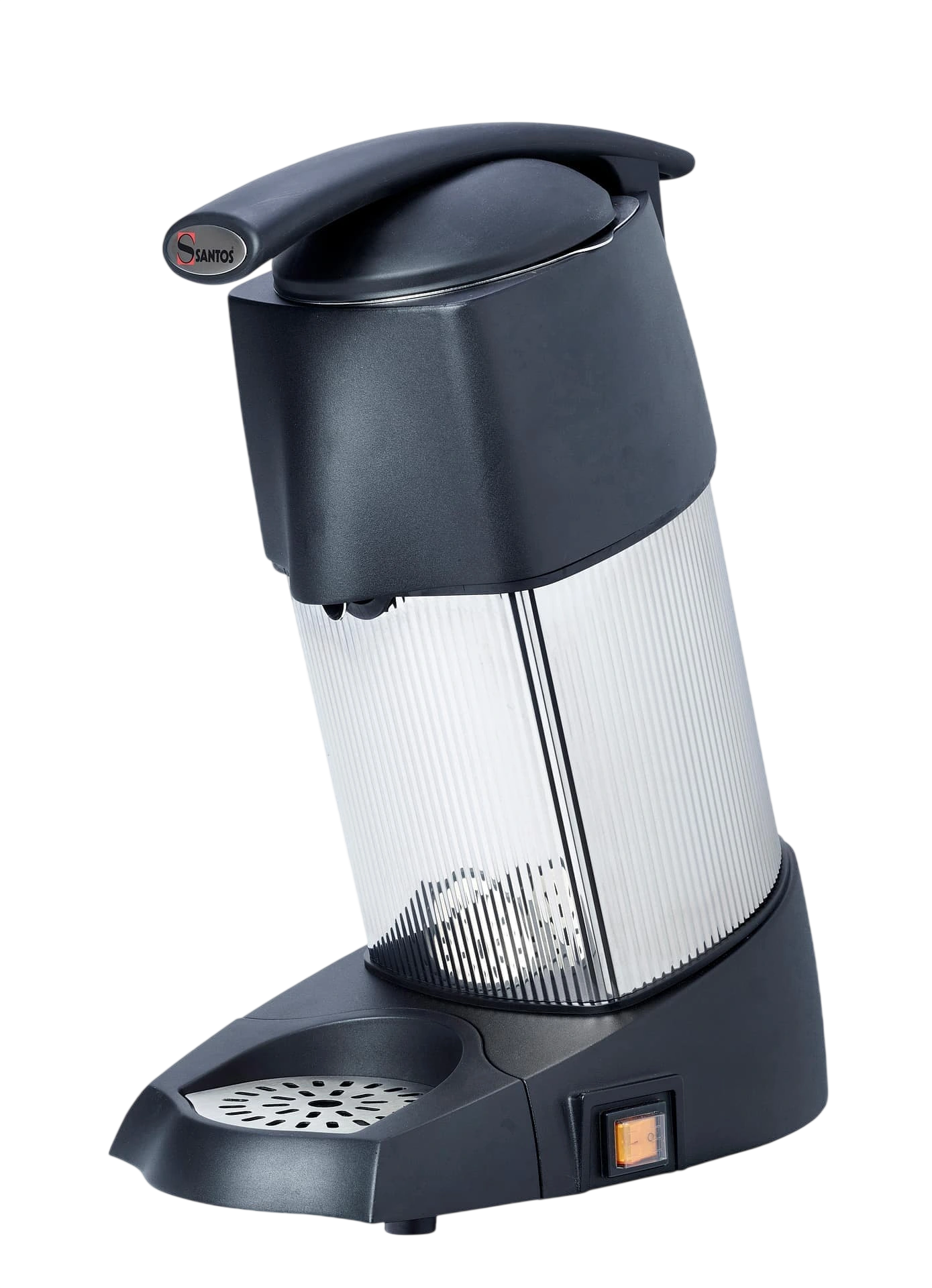
Santos SANTOS #70 Commercial Juicer – 300 W, 1500 rpm
400 × 280 × 490mm
$1,770.00$2,200.00
In Stock
Commercial Beverage Equipment
Commercial juice machines divide by the fruit they are built for. A citrus juicer is a dedicated press or reamer for oranges, lemons and limes and does that one job quickly. A centrifugal or masticating machine handles harder produce and vegetables but is slower to clean. A cold press extracts under pressure without heating the juice, which suits products sold on shelf life and appearance.
Volume at peak decides the format more than daily totals do. Breakfast service concentrates juice demand into a short window, so a machine rated on continuous output matters more than one rated on a single batch. Where juice is pressed ahead and held, the cold pressed route usually suits; where it is made to order in front of the guest, speed and noise matter more.
Cleaning is the running cost of any commercial juicer. Pulp collects in every model, and the difference between machines is how many parts come apart and how quickly they can be washed between produce types. Count that time into the service, because it happens during trade rather than after it.
Key factors to consider before purchasing. Our team can help you find the right fit — call or get a quote anytime.
Match capacity to your daily output. Consider the bench or floor space available and the access route for delivery.
Check the power supply at the installed position — phase, amperage and circuit capacity — before ordering.
Confirm electrical compliance, levelling and the clearance needed for cleaning and service access. We can help with kitchen planning.
Submit your kitchen requirements — our equipment specialists will send you a tailored shortlist of commercial juicers that fits your budget, venue type and compliance needs.
Standards & Compliance
Before comparing juicers, confirm the produce mix, the juice volume in the busiest hour, and whether juice is made to order or pressed ahead. Check how many parts must be washed between different fruits and where that washing happens.
Look at how pulp is collected and emptied, whether the strainer or press components are replaceable, and how the machine behaves when run continuously rather than in single batches. A juicer specified on batch output can stall on the second hour of a breakfast service.
FAQ
Centrifugal juicers with pulp-ejection systems are ideal for fast, uninterrupted output.
Cold-press juicers minimise heat and oxidation, helping retain nutrients and flavour.
Centrifugal juicers are louder due to high RPM; cold-press models are quieter.
Cold-press juicers handle leafy greens well; centrifugal models are less efficient.
Ideally between batches and thoroughly after each service to maintain hygiene.
Why KW
KW can help match a commercial juicer to the produce mix, the peak-hour volume and whether juice is pressed ahead or made to order, then weigh the cleaning routine that follows. For practical advice on juice machines, call KW on 1300 001 366.
Deep Dive
Technical depth from KW's commercial kitchen specialists.
A citrus juicer presses or reams oranges, lemons and limes quickly and does nothing else. Harder produce and vegetables need a different mechanism. Deciding the produce mix first narrows the choice more than any specification comparison does.
A commercial cold press extracts under pressure without heating the juice, which suits product pressed ahead and sold from a fridge. Where juice is made in front of the guest, output speed and noise matter more than extraction method.
Juice demand concentrates into breakfast and mid-morning rather than spreading across trade. Compare machines on continuous output through that window rather than on a single-batch figure, because a machine rated on batches can stall in the second hour.
Pulp collects in every juicer and washing happens during service, not after it. Count the number of parts that come apart, where they are washed, and how long a change between produce types takes. That routine decides how often the machine is actually used.
A dedicated citrus juicer, which presses or reams the fruit directly. It is faster at that one job than a general machine and simpler to clean, but it will not handle harder produce or vegetables.
The juice is extracted under pressure without heating, which suits product pressed ahead and sold chilled. Where juice is made to order in front of the guest, output speed usually matters more than the extraction method.
By the busiest hour rather than the daily total. Juice demand concentrates into a short window, so compare machines on continuous output through that period instead of on a single-batch rating.
More than most equipment, and during service rather than after it. Pulp collects in every model, so compare how many parts come apart, where they are washed and how long a change between produce types takes.
23 results
400 × 280 × 490mm
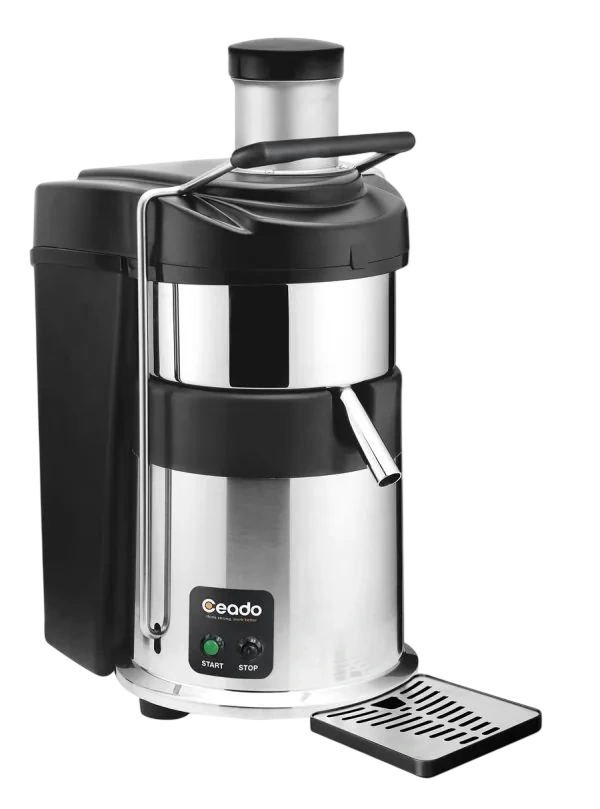
242 × 495 × 512mm
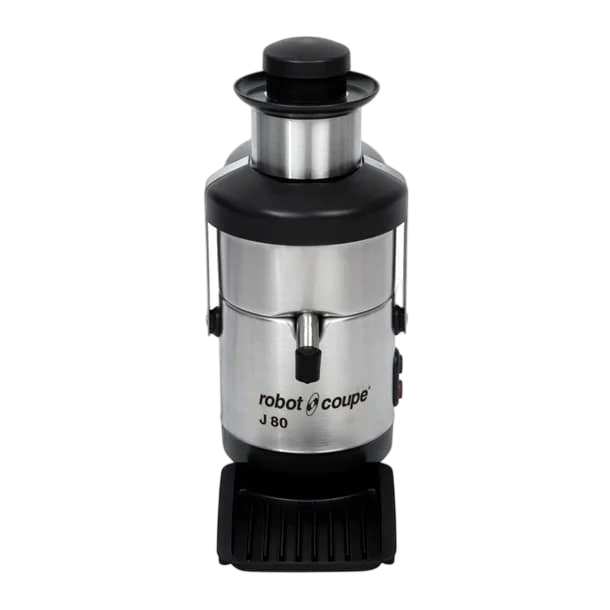
235 × 538 × 506mm
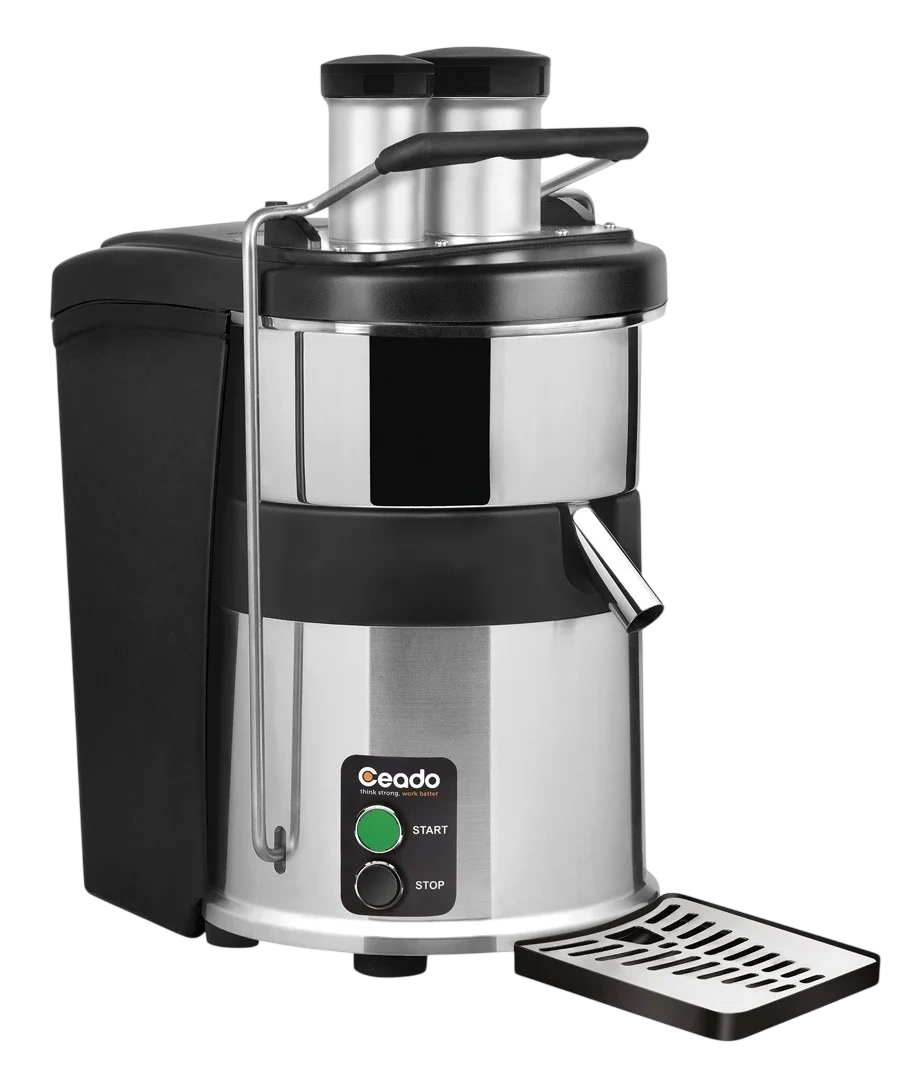
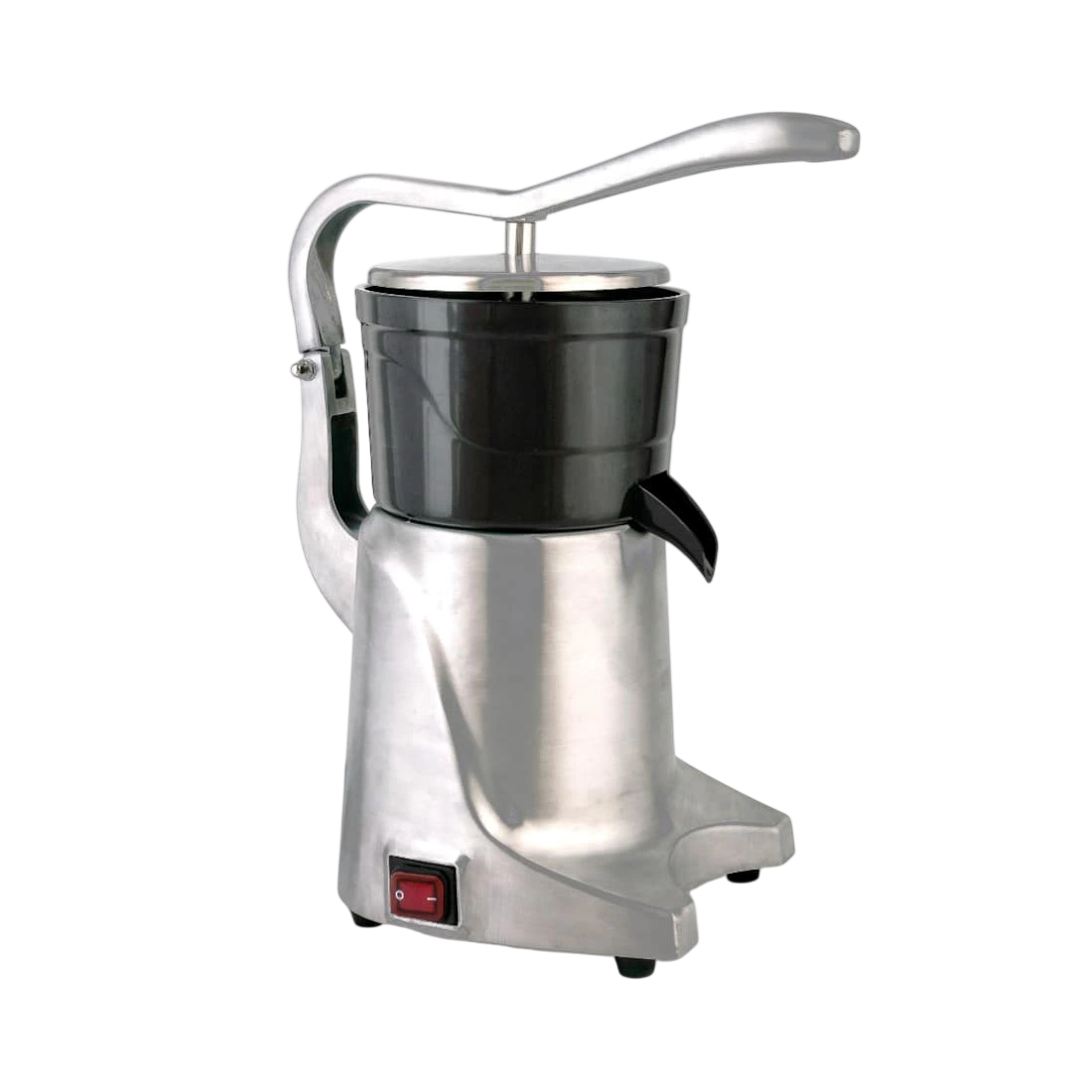
375 × 200 × 400mm
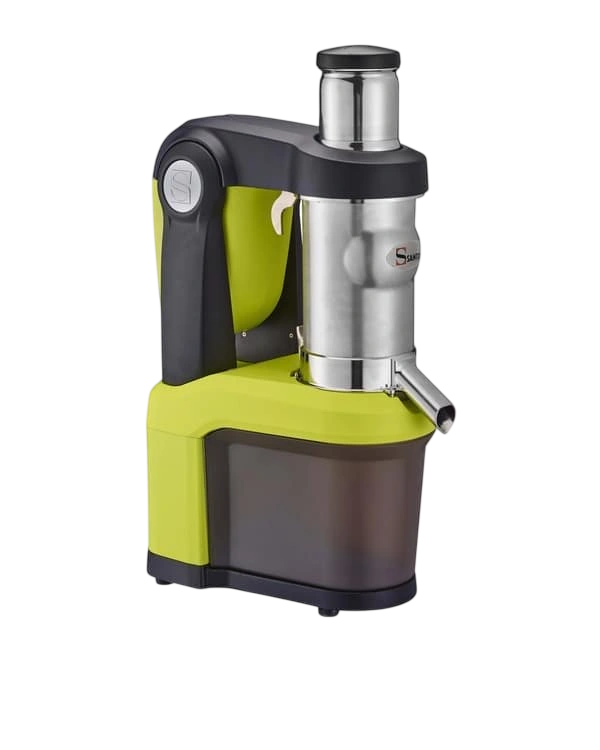
412 × 490 × 642mm
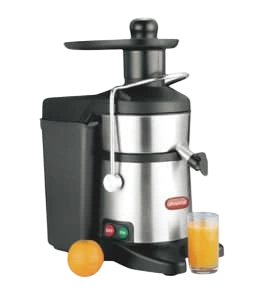
210 × 250 × 570mm
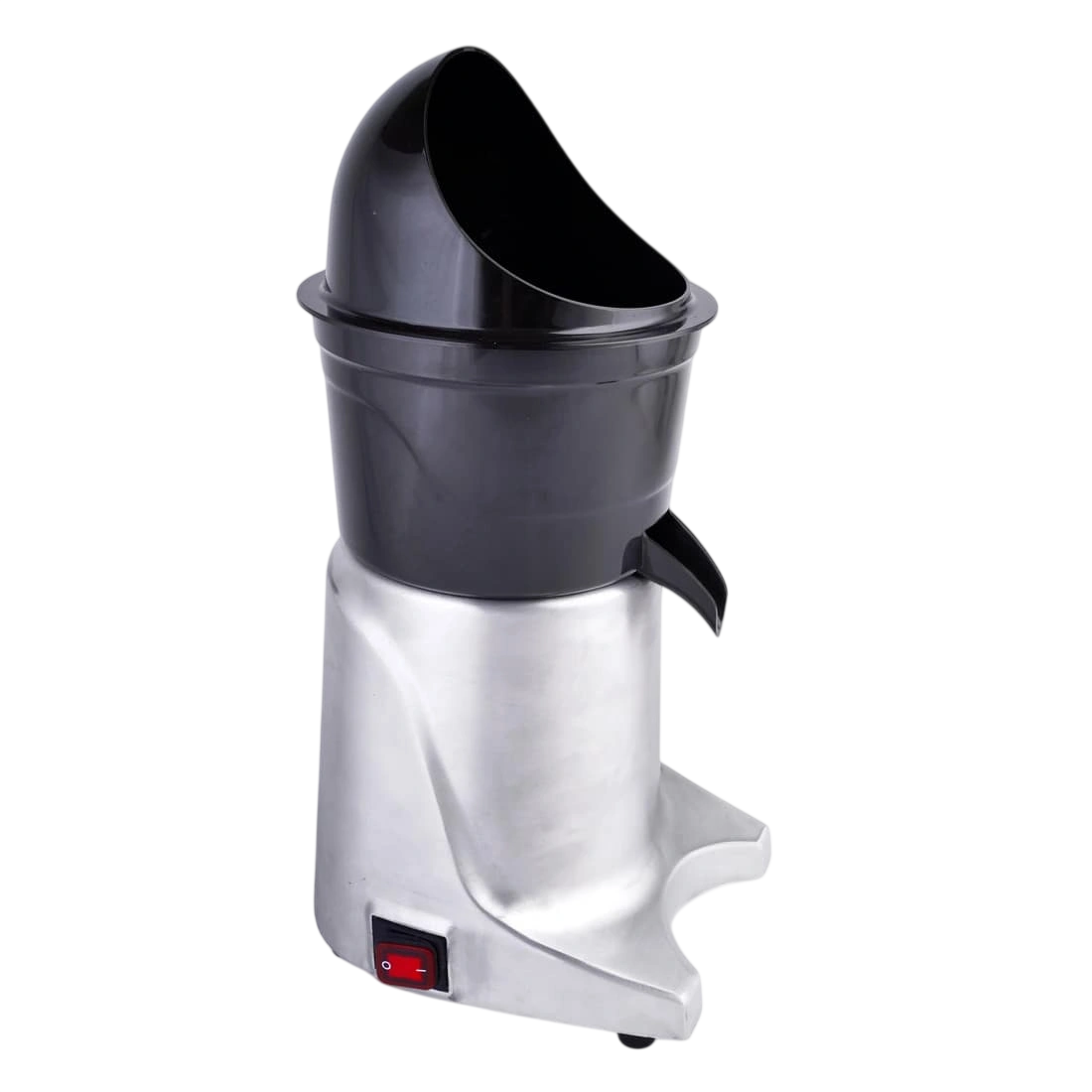
280 × 200 × 425mm
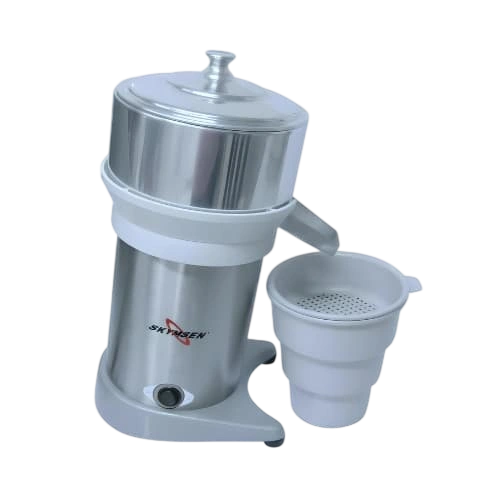
195 × 340 × 380mm
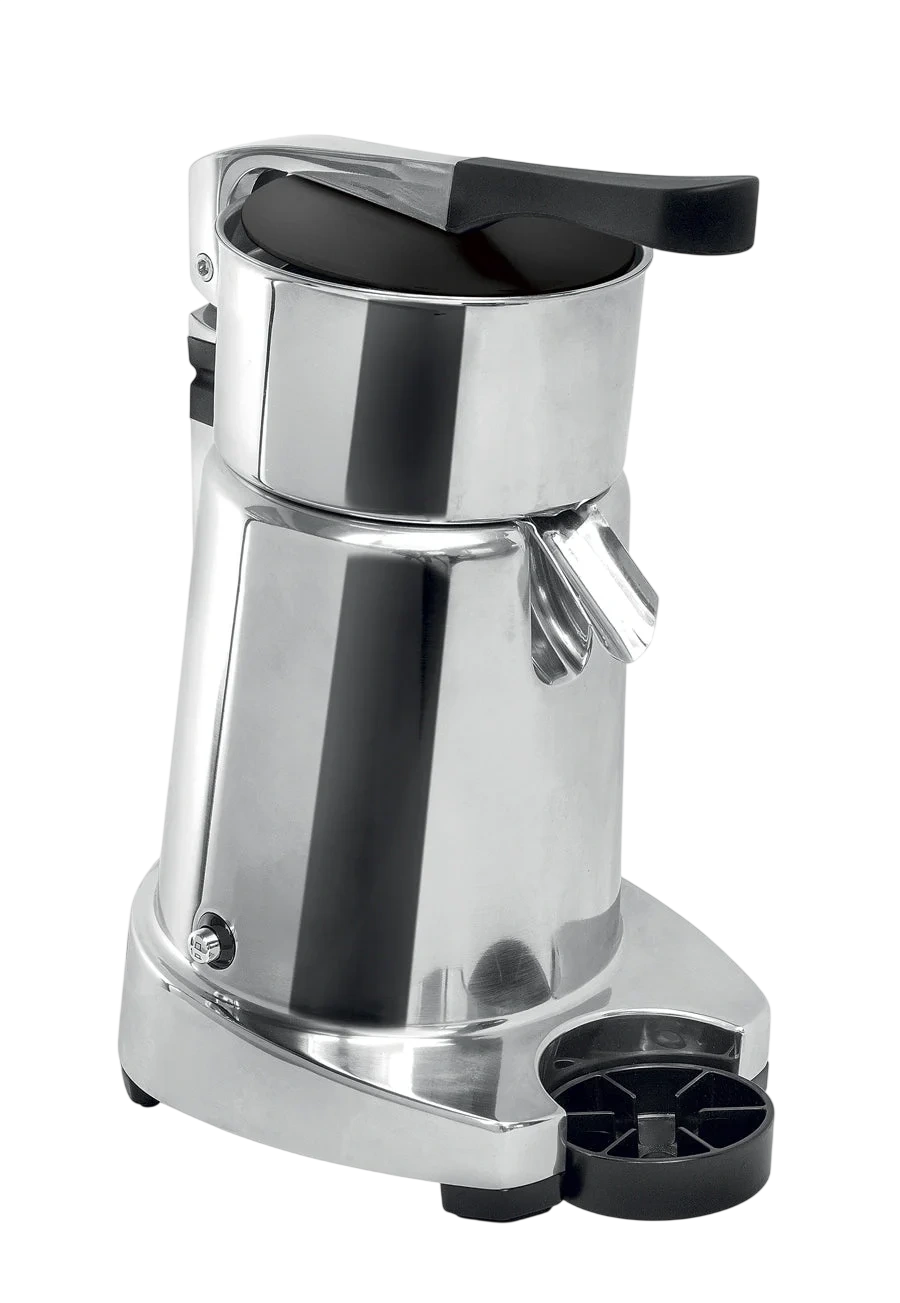
190 × 300 × 360mm
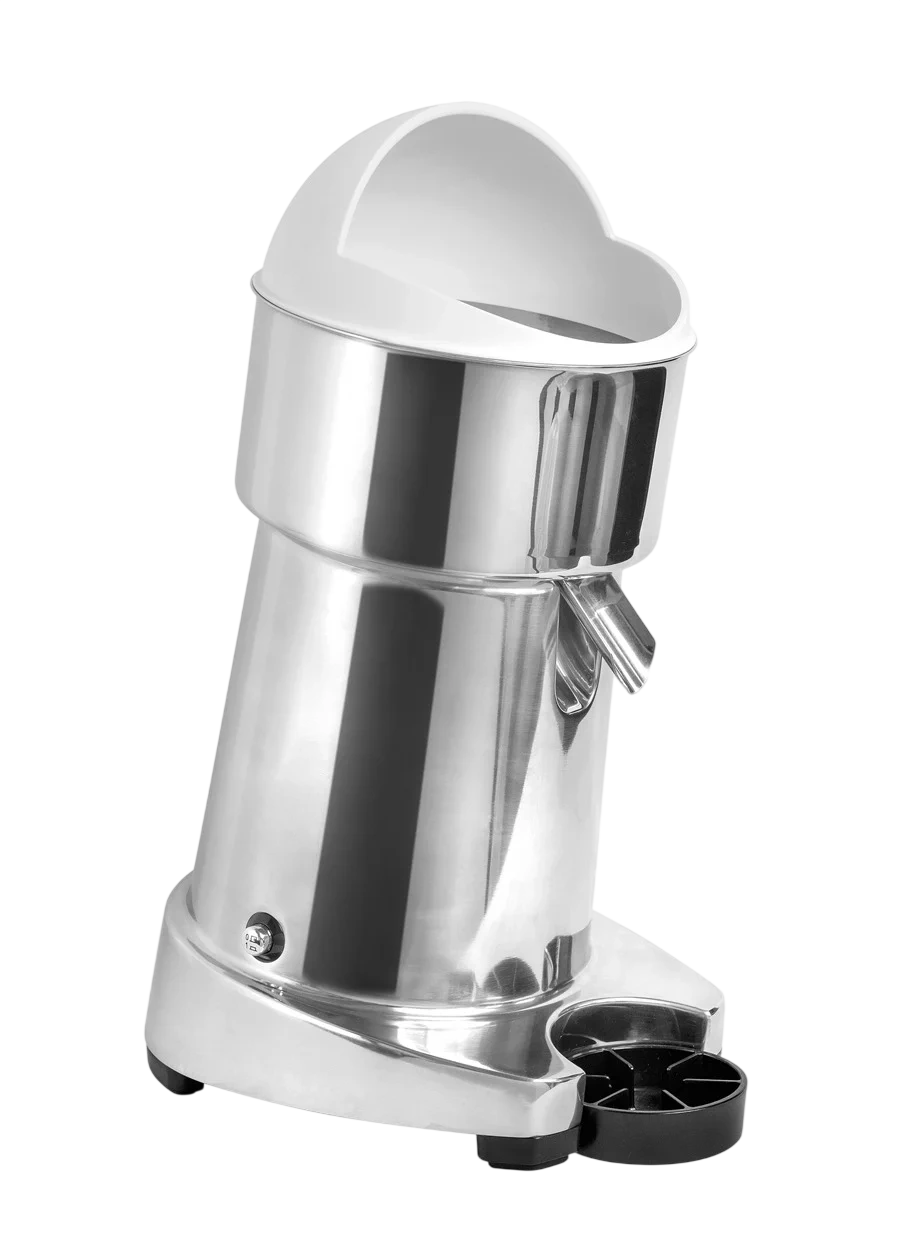
190 × 300 × 380mm
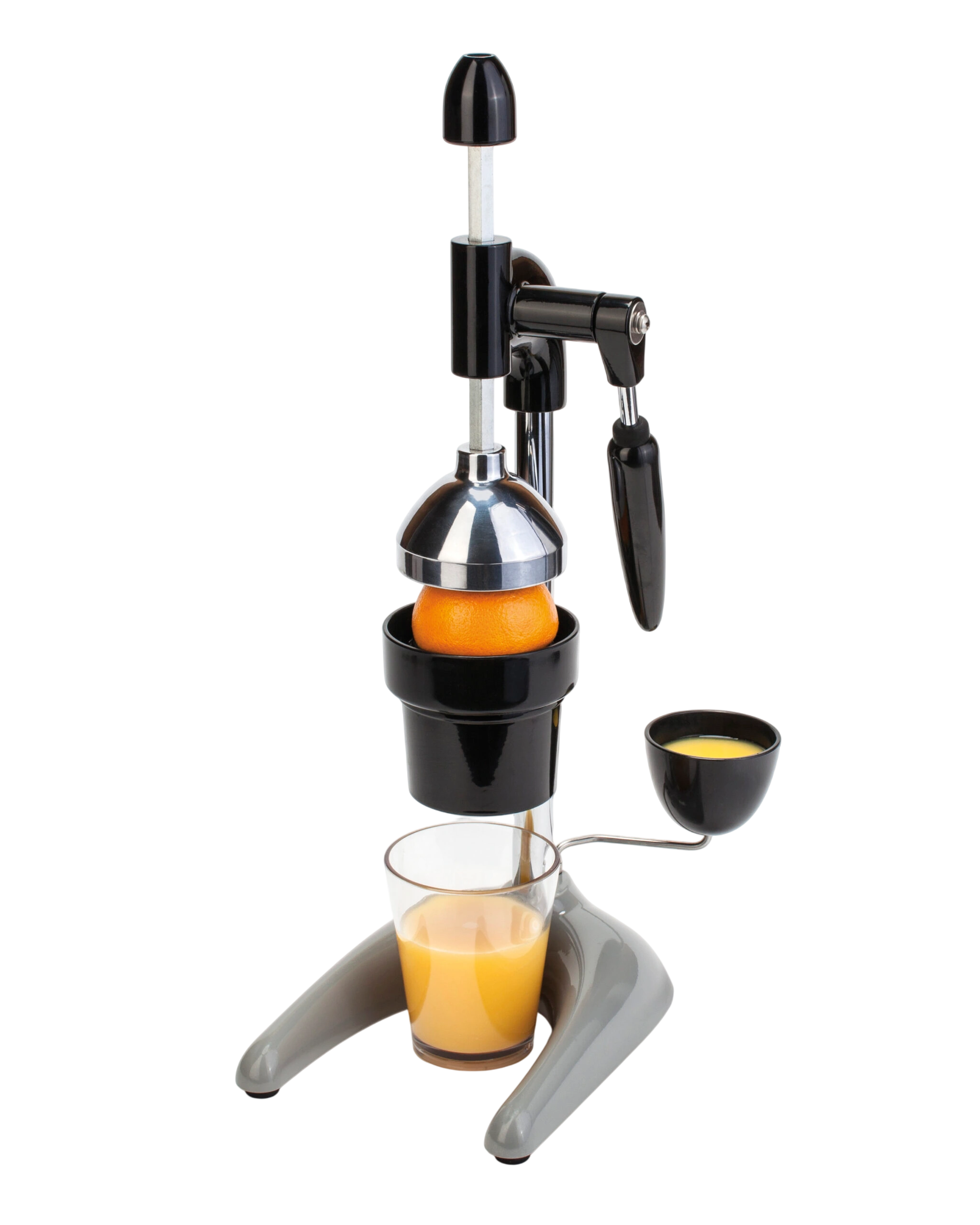
178 × 230 × 495mm
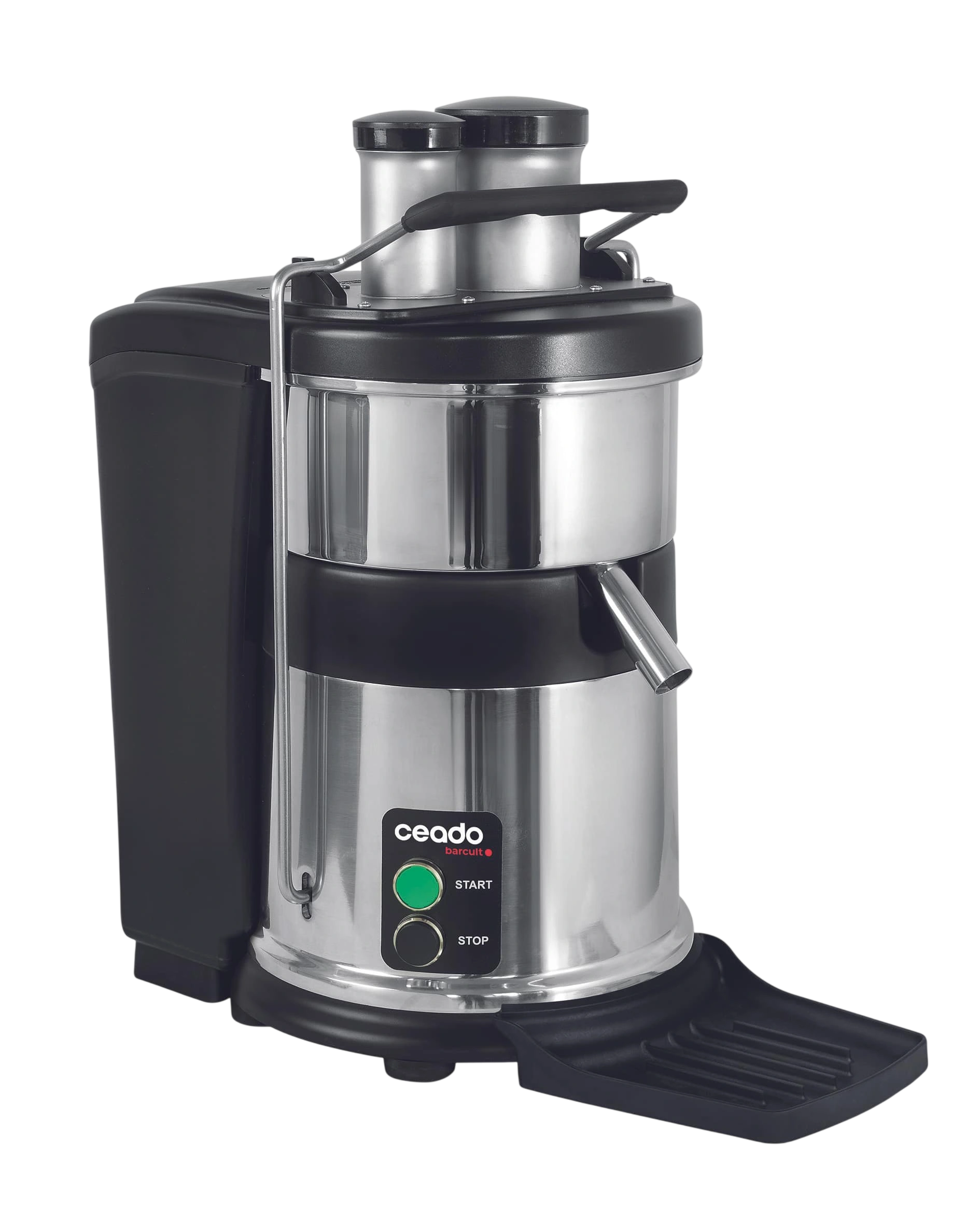
290 × 538 × 530mm
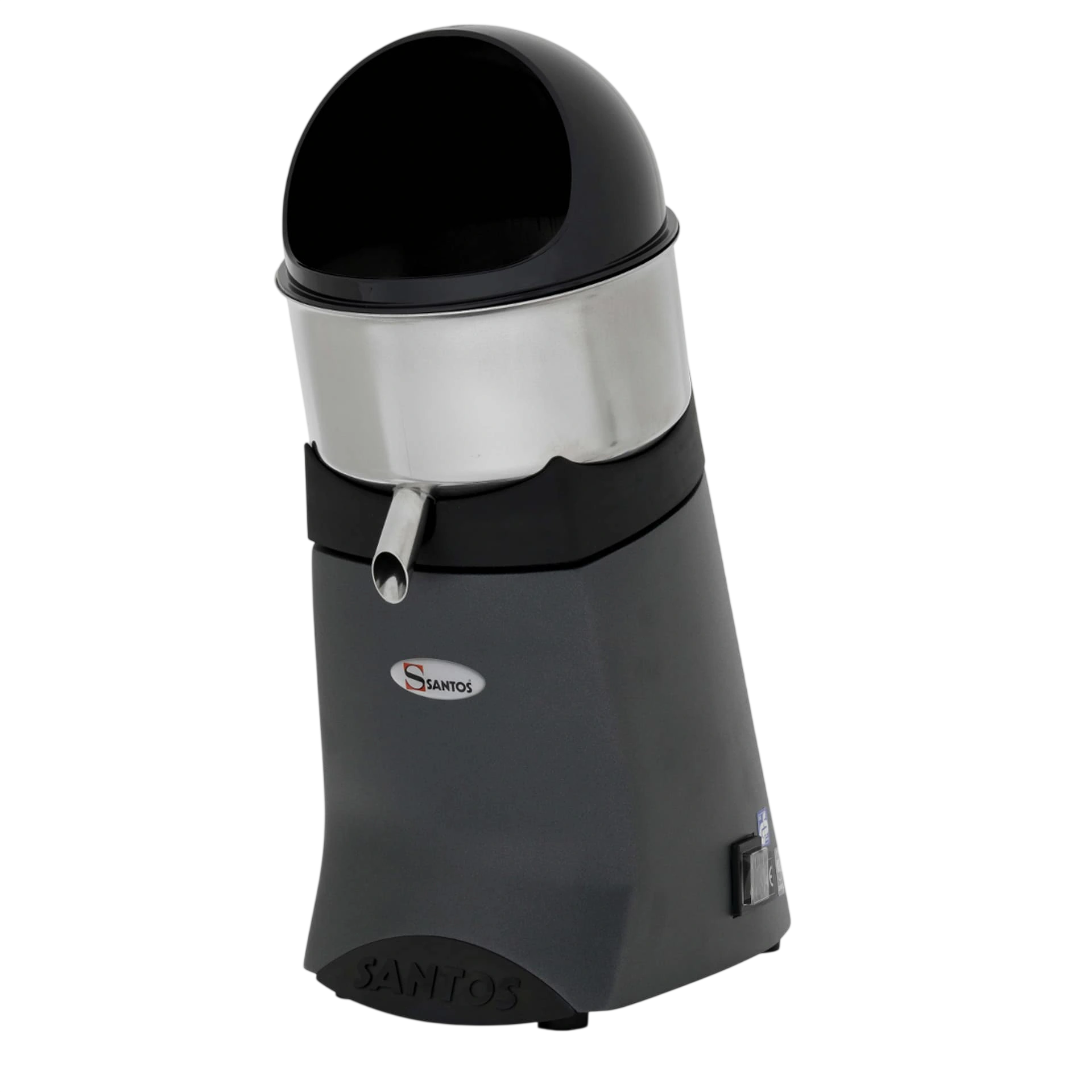
305 × 300 × 490mm
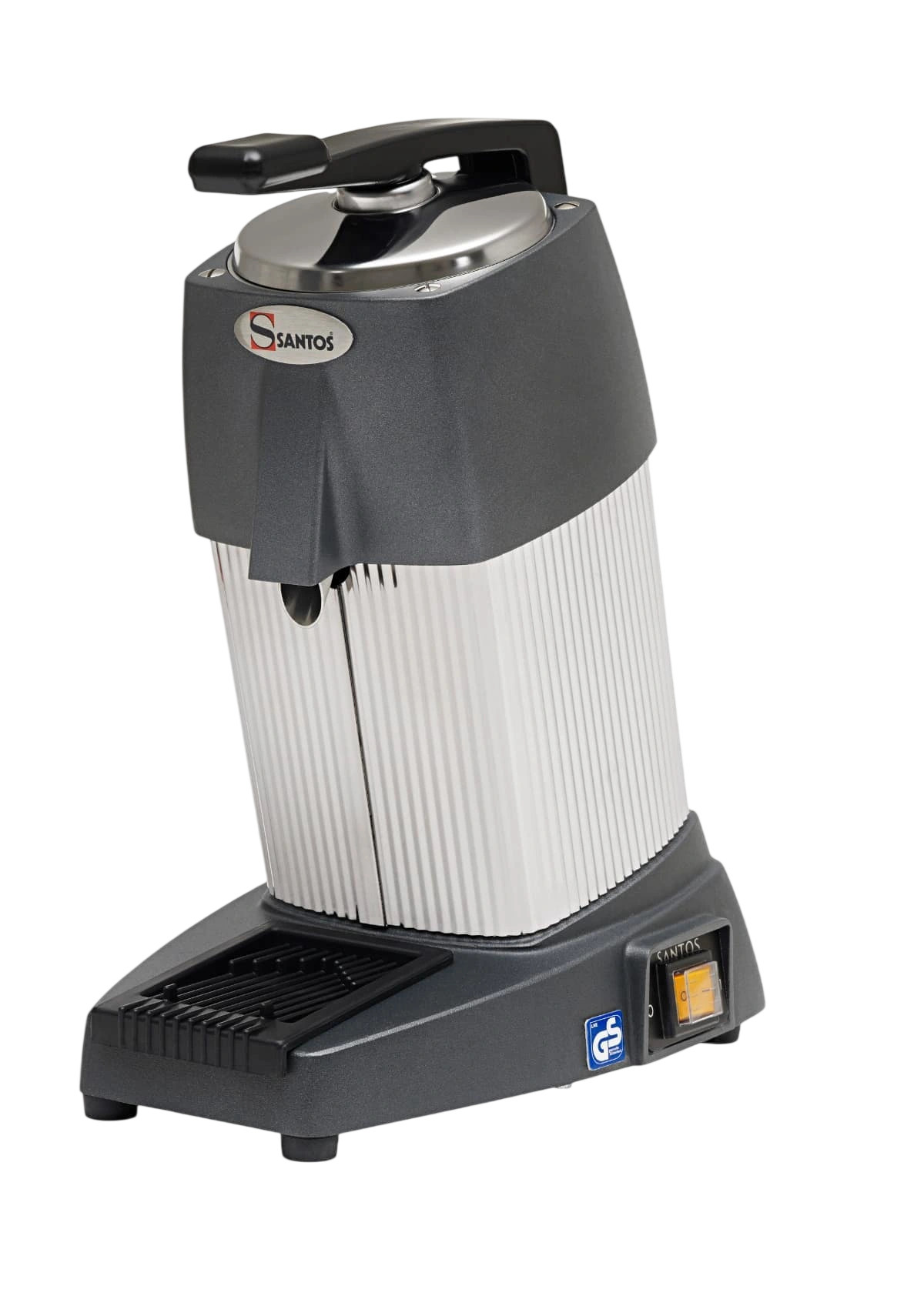
300 × 250 × 380mm
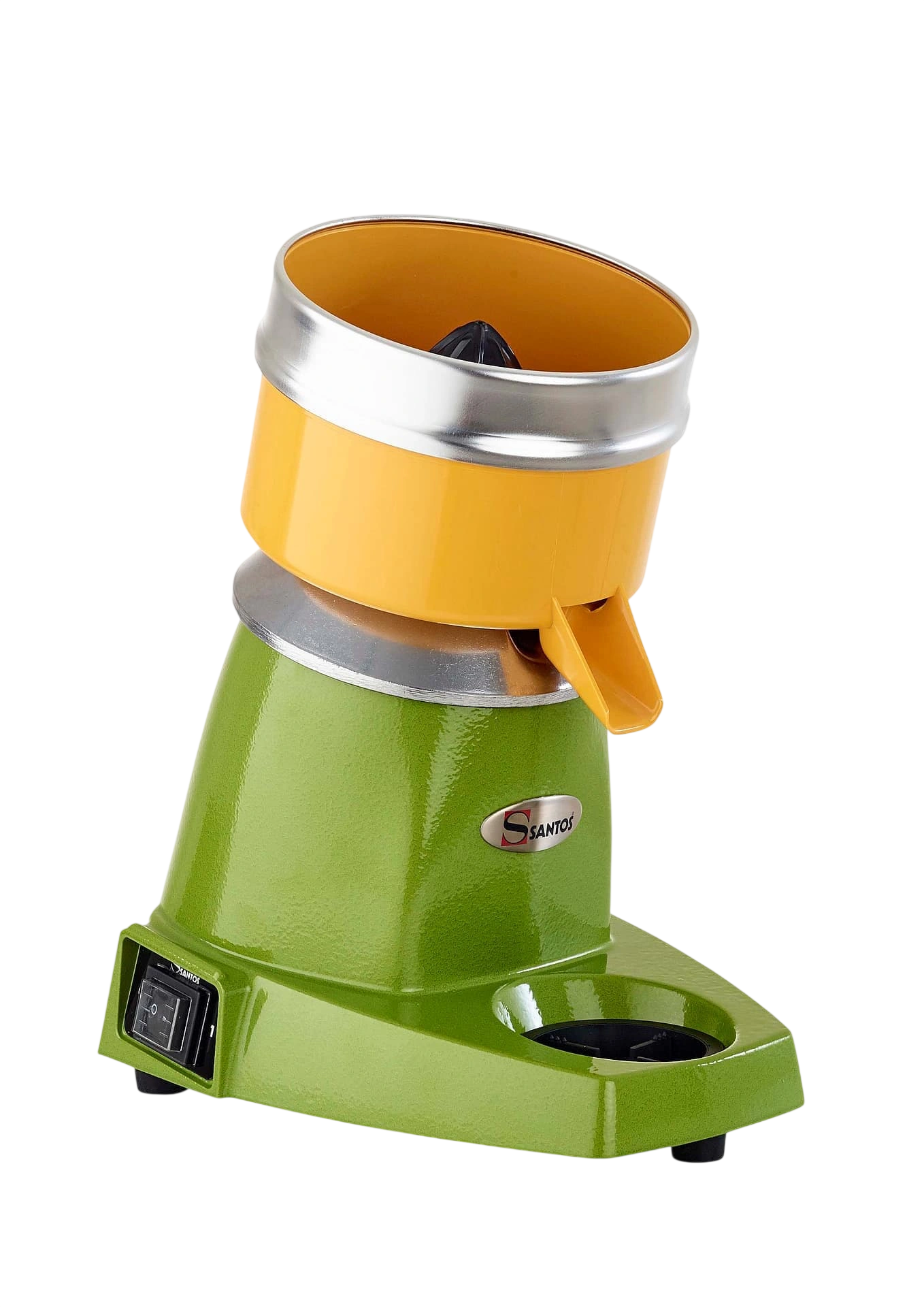
300 × 255 × 350mm
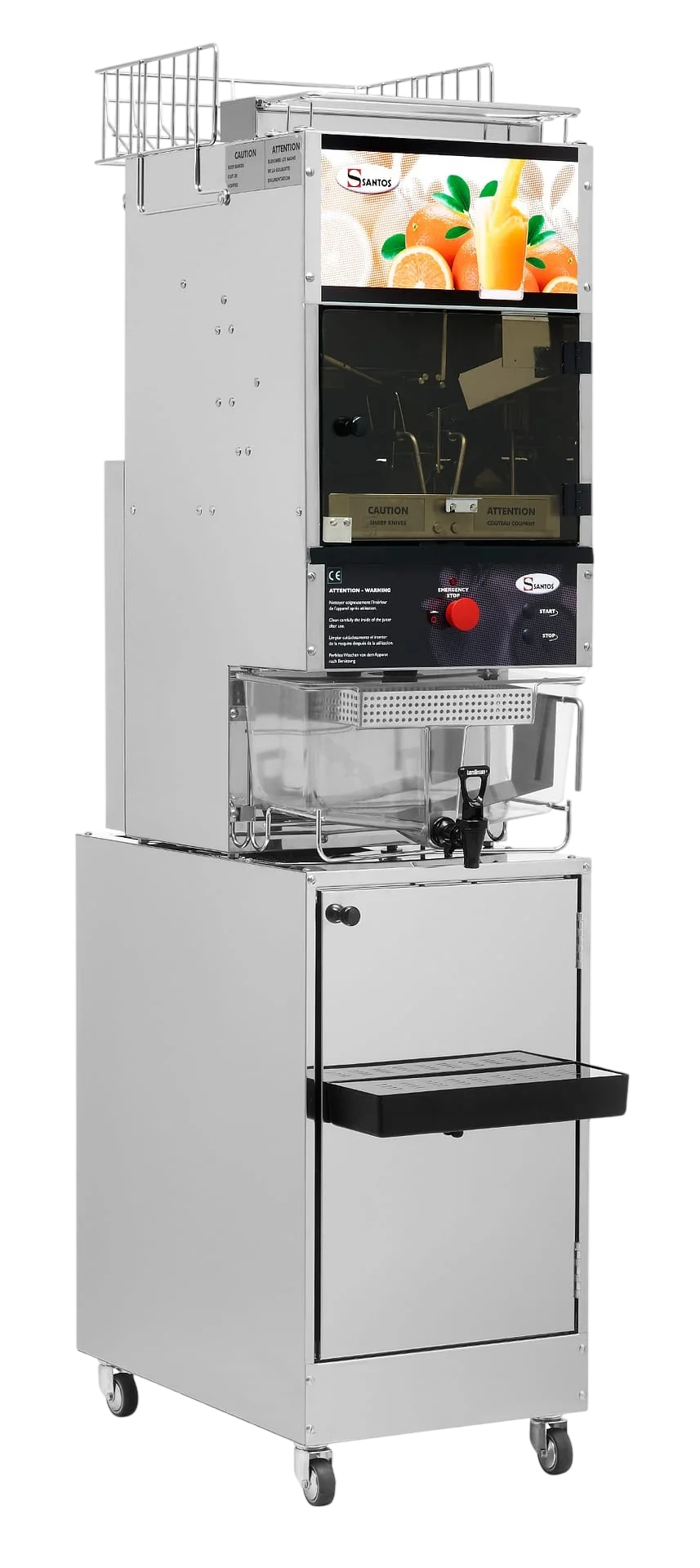
770 × 540 × 1810mm
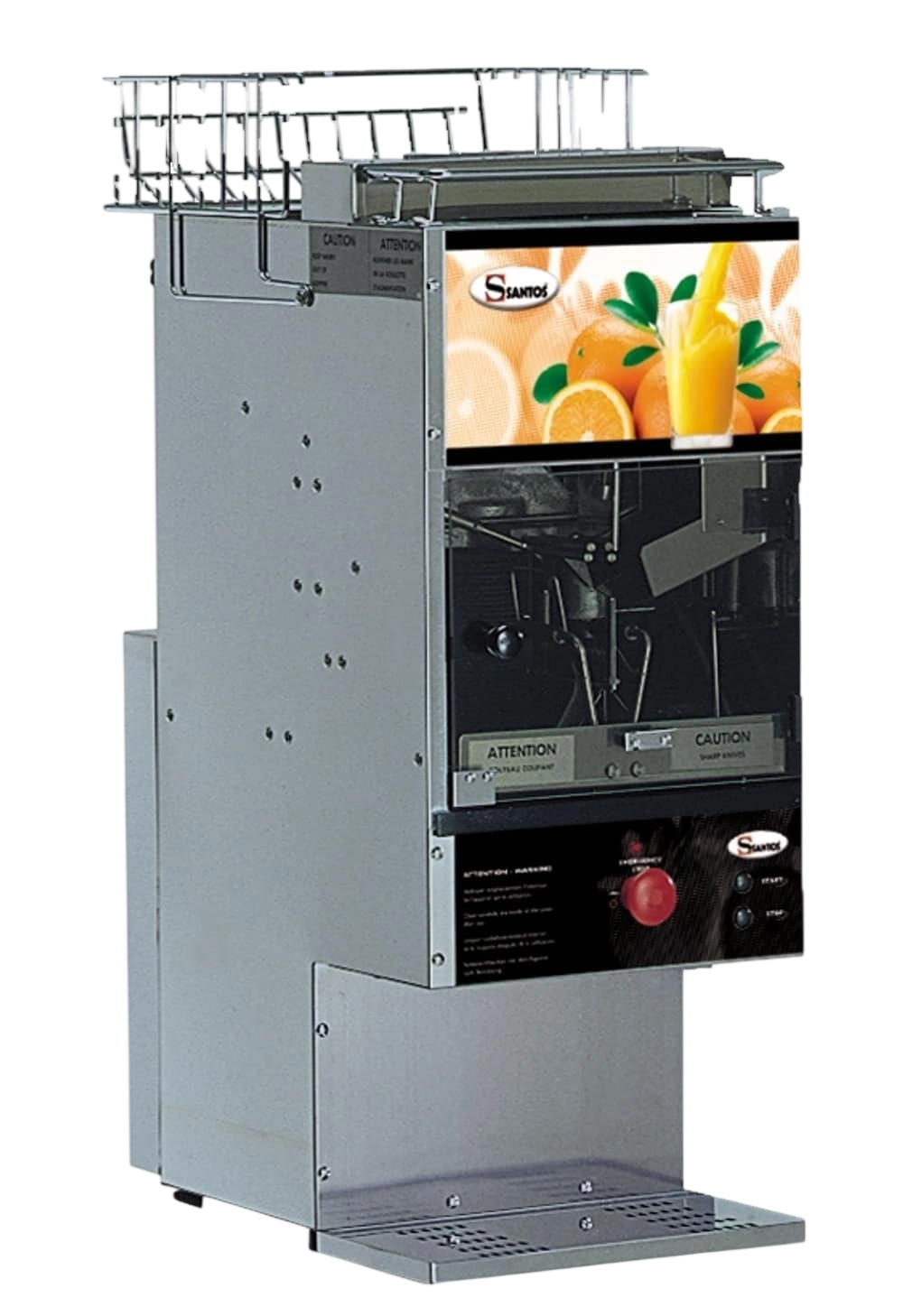
620 × 520 × 1020mm
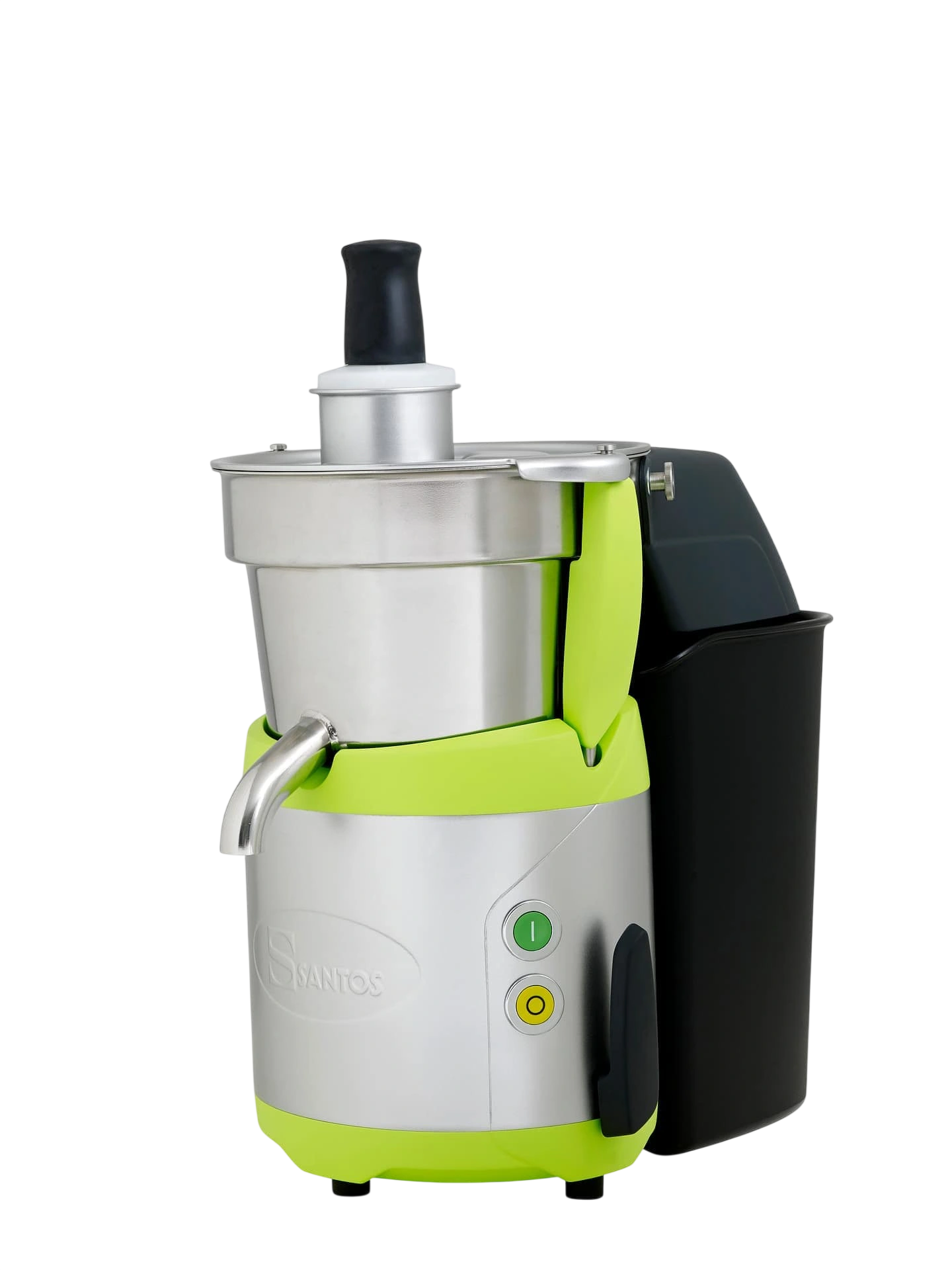
480 × 370 × 580mm
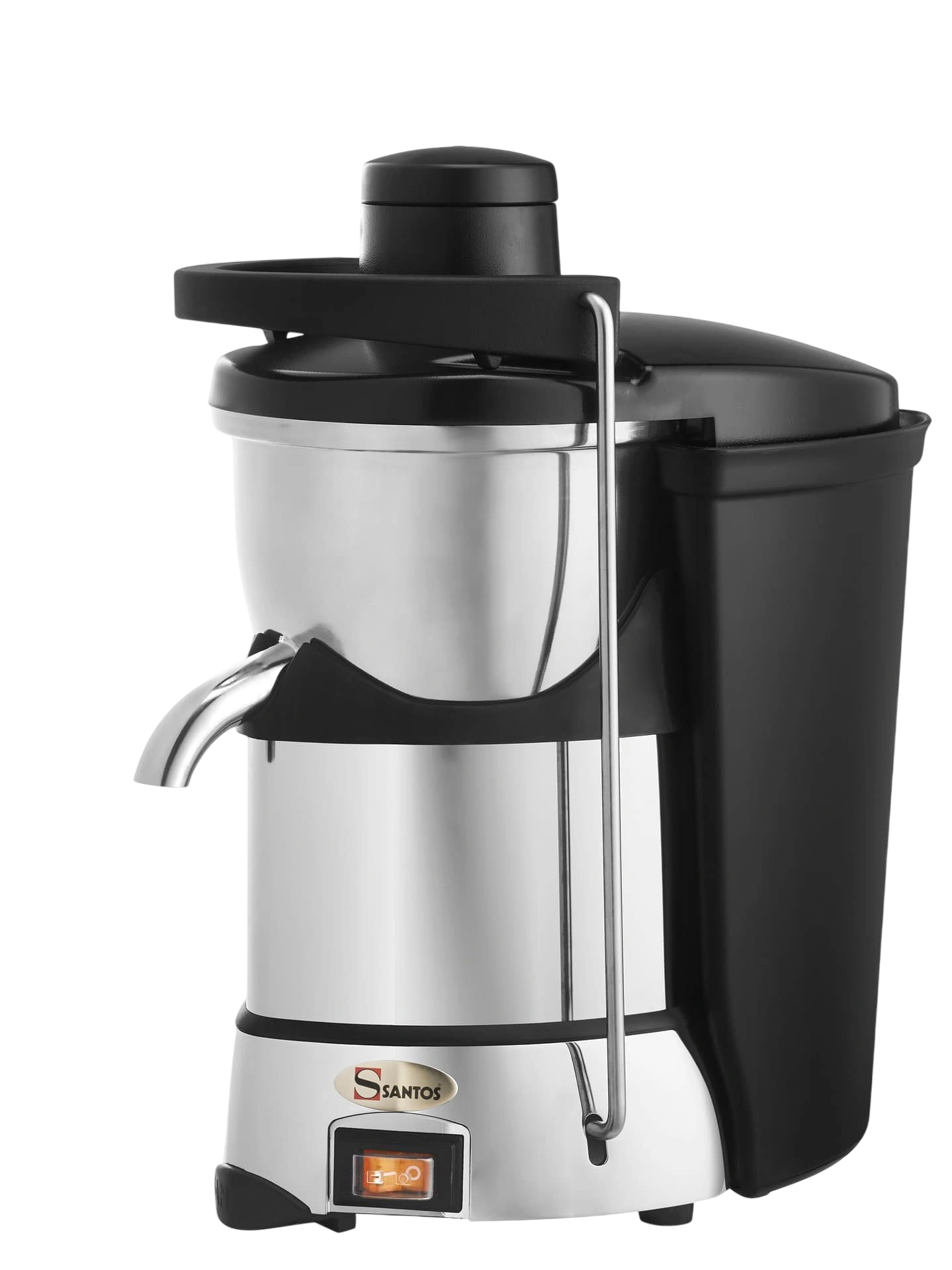
470 × 315 × 450mm
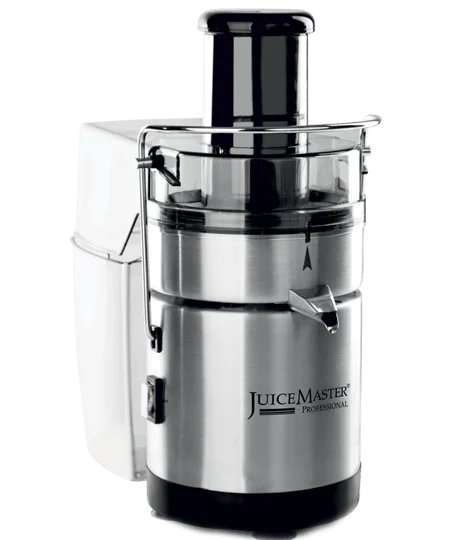
310 × 420 × 380mm