
Bar Fridge Sizes: How to Choose the Right Capacity and Layout
Start with the job the fridge needs to do
A bar fridge is often positioned close to the point where drinks are poured, plated or handed over. The right size gives staff enough chilled stock for the service rhythm without taking more bench or floor space than the venue can spare. To choose confidently, consider three things together: how much product needs to be kept ready, how staff will access it during a busy period, and whether the cabinet fits the planned location with room to operate and maintain it.
Capacity figures can help shortlist models, but they do not tell the whole story. A single-door cabinet may suit a compact service area, while two or three doors can divide stock across a longer run and allow different staff to access separate sections. An under-bench configuration can keep refrigeration close to the work surface. The best match depends on the actual workflow, not simply the largest capacity that fits on paper.
Use the dimensions to plan the cabinet footprint and access path. Check the width, depth and height against the space available, including the space needed for staff to open doors or slide them aside. Also consider the route from the delivery point to the final position, and the clearances needed for installation and ongoing care.
Bar fridge types and how to choose between them
Bar fridges vary by door arrangement, size and intended placement. A compact one-door model can be useful where the fridge is close to a single operator or serves a focused range of chilled items. A two-door model spreads access across a wider cabinet, while a three-door model can suit a busier or longer service station that needs more storage in easy reach. Under-bench models are designed for a work area where keeping the top surface available matters.
Think about how the team retrieves stock. With one door, one person can manage a small selection without crossing a larger service zone. A multiple-door cabinet may let staff separate categories or access different areas independently, though it also needs a longer clear run. For sliding doors, consider the way staff move past the cabinet and whether a door swinging into an aisle would interrupt traffic. Door style should work with the route, not create a pinch point.
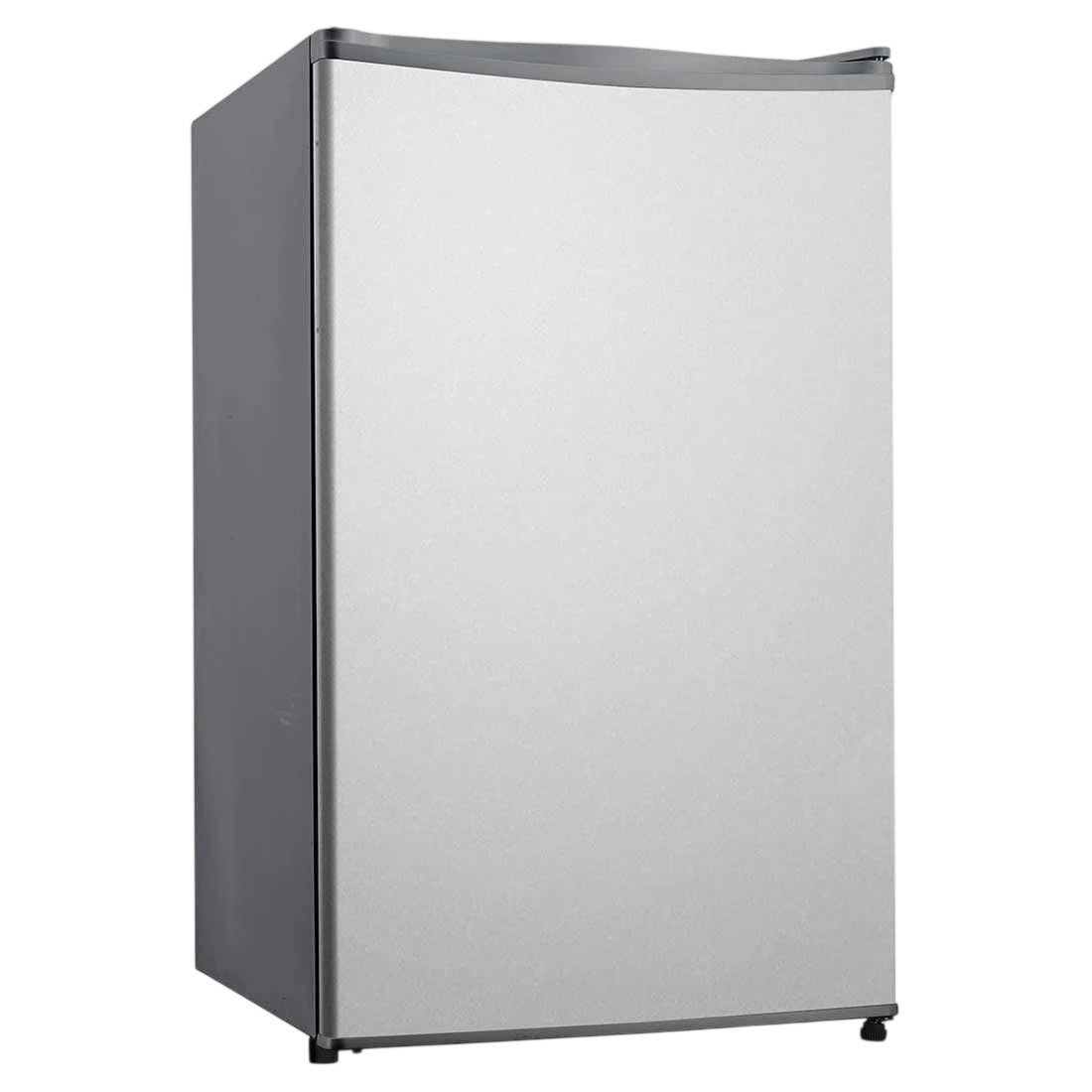
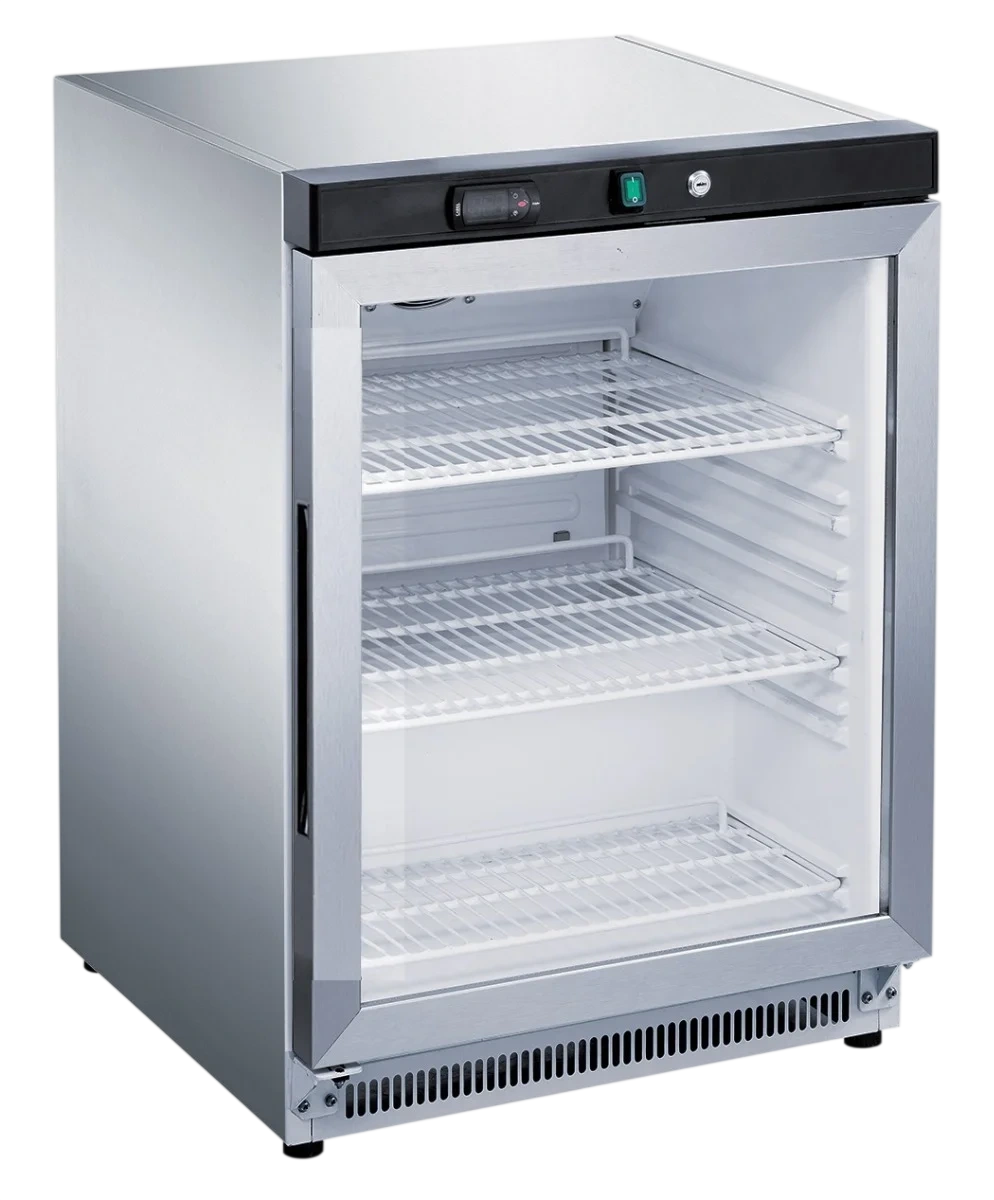
Glass-door models make contents visible from outside, which may help staff identify what needs replenishing before opening the cabinet. The FED-X XR200SG is a glass-door model with a 130 L gross volume and one door. The Thermaster DC-122Q is a one-door bar fridge/cooler with 122 L capacity. Compare their footprints and intended stock load when deciding between a compact choice and a model with a glass front: Thermaster DC-122Q and FED-X XR200SG.
Back-bar formats come in a range of capacities and door counts. One-door models such as the Atosa BB-138HEC provide a 138 L capacity. Two-door models, including the Atosa BB-208SEC and BB-208HEC, are listed at 208 L. Three-door options, including the Atosa BB-330SEC and BB-330HEC, are listed at 330 L. The Bromic BB0200GD-NR-1 has two glass doors and a 190 L capacity. Match the configuration to the amount of stock and the number of people who need access during service.
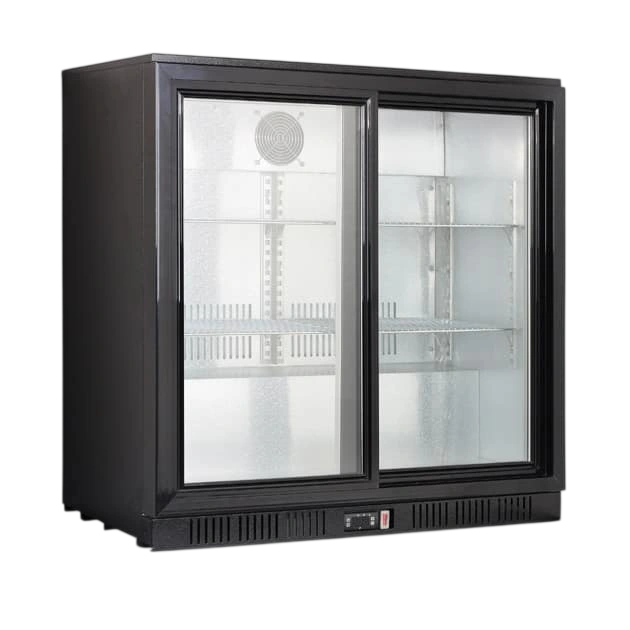
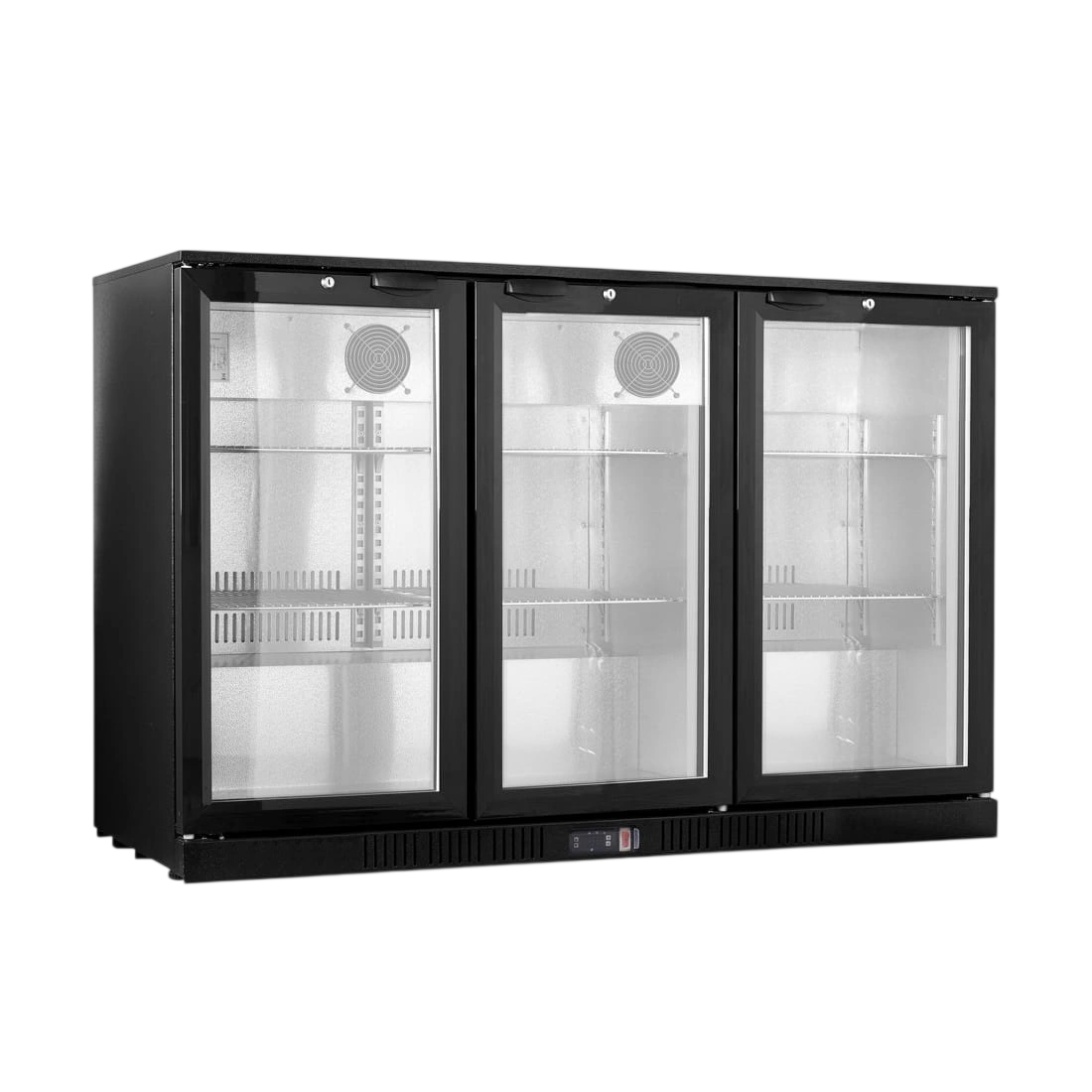
Under-bench models can keep chilled items at the work point. The Thermaster LG-208SC is described as an under-bench two sliding-door fridge/cooler, and the Thermaster LG-330HC as an under-bench three-door fridge/cooler. Their dimensions are available for layout planning, but the listed capacity is not stated here. Check the product details and intended stock arrangement before deciding how much service volume they can support: Thermaster LG-208SC and Thermaster LG-330HC.
Size capacity to the workload
Start with a service period that represents a busy but normal shift. List the chilled items the fridge must hold, how many of each are needed at the point of use, and how often staff can replenish it from other refrigeration. This gives a practical stock target. A fridge that holds a small reserve for quick access may be adequate when a larger refrigerator is nearby; a standalone service station may need more room so staff do not have to interrupt service to restock.
Capacity is expressed in litres, but the usable arrangement depends on the shape and packaging of what goes inside. Before choosing, consider bottle or container size, shelf arrangement, and whether stock needs to be separated by type. Do not assume that two models with similar capacity will organise the same range equally well. Check the interior layout and make a rough loading plan using the actual products and containers the team handles.
Door count can be a useful shorthand for access and cabinet width, but it is not a direct measure of service speed. A one-door cabinet suits a concentrated stock point or a smaller selection. A two-door cabinet can divide the stock into sections, while a three-door cabinet provides multiple access points across a longer front. For a team working simultaneously, consider whether doors and handles will remain accessible without staff reaching across one another.
For a lower-volume station, the Atosa BB-138HEC gives a one-door, 138 L option with a 600 × 530 × 835 mm footprint. The Thermaster DC-122Q is a more compact 122 L choice at 524 × 532 × 831 mm. A glass-door option in a similar compact class is the FED-X XR200SG, with 130 L gross volume and dimensions of 600 × 585 × 850 mm. These capacities and footprints help frame a shortlist; confirm that the planned stock fits the actual cabinet layout.
For a mid-sized service area, a two-door cabinet around the 190–208 L range may offer a balance between stock room and access width. The Bromic BB0200GD-NR-1 has 190 L capacity and dimensions of 865 × 520 × 870 mm. The Atosa BB-208SEC has 208 L and measures 900 × 520 × 835 mm; the BB-208HEC is also 208 L and measures 900 × 530 × 835 mm. The FED-X XR200SG has a glass door and 130 L gross volume, so it may be a candidate where visibility matters more than moving up to a two-door footprint. Check the product pages for the door style and configuration that fits your work area.
Higher-volume stations can consider three-door options. The Atosa BB-330SEC has 330 L capacity and measures 1350 × 520 × 835 mm. The BB-330HEC also has 330 L capacity and measures 1350 × 530 × 835 mm. Their longer width requires a suitable run of space and a workflow that benefits from access across several sections. A larger cabinet is most useful when the team has enough stock to justify the footprint and a convenient replenishment routine.
Where the refrigeration is intended to sit under a work surface, the LG-208SC measures 900 × 530 × 835 mm and the LG-330HC measures 1350 × 530 × 835 mm. Their names and product descriptions identify two-door and three-door under-bench configurations, but the stated gross volume is not provided. Use the dimensions to assess the fit and confirm the intended capacity from the product information before making a workload decision.
Plan the footprint and staff access
Measure the installation location and the path into it. Cabinet dimensions are only one part of the fit: the machine must pass through doorways and around corners, and staff need room to load, clean and service it once positioned. Compare the actual cabinet dimensions on the product page with the available width, depth and height. Leave appropriate access around the cabinet in line with the product instructions and site layout.
Door movement matters in a narrow bar or compact kitchen. A hinged door needs room to open without hitting a person, another appliance or a customer route. Sliding doors do not swing out in the same way, which can be useful where the front clearance is restricted, but staff still need an unobstructed standing position to retrieve and load stock. Keep handles, controls and the route to the cleaning area accessible.
Under-bench installation needs special attention to the surrounding bench and cabinet arrangement. Confirm that the fridge can be positioned as intended and that the work surface, nearby equipment and service access do not block airflow or routine maintenance. Avoid planning a tight enclosure based only on the cabinet’s external size; installation guidance and adequate ventilation space are part of the fit.
For a more detailed discussion of back-bar and under-bar layout, including ventilation and heat around the equipment, see the guide to back-bar and under-bar fridge layouts.
Power, plumbing and ventilation before delivery
Before a machine arrives, make sure the intended position has the electrical supply required by the model and that the outlet can be reached safely without creating a trip hazard or relying on an improvised connection. The product specifications give the supply information for some models: the Thermaster DC-122Q and FED-X XR200SG list 240 V, as do the Bromic BB0200GD-NR-1 and the Thermaster LG-208SC and LG-330HC. Ask a qualified installer to assess the site connection and confirm suitability for the selected equipment.
Check the product instructions for ventilation and clearance requirements. Refrigeration equipment needs to release heat from its operating area, so allow airflow around it and avoid placing it beside heat-producing equipment or in a location that traps warm air. For the Bromic BB0200GD-NR-1, the product information specifically calls for ventilation and avoiding locations near heat sources. Plan the position before fitting cabinetry or blocking service access.
Bar fridges typically need an appropriate power connection and ventilation, but the exact installation requirements depend on the model and site. Do not assume a plumbing connection is needed; check the specific model instructions and installation details. If the venue is renovating, coordinate refrigeration placement with the electrician, cabinet installer and kitchen planner so the outlet, bench openings and airflow are ready before the unit is brought in.
Consider heat, humidity and the pattern of use around the cabinet. Doors opening repeatedly during a busy service, close placement beside hot equipment and limited airflow can all make the operating environment more demanding. Choose a position that allows the machine to operate as intended and gives staff convenient access without obstructing other tasks.
Cleaning, daily care and planning over time
Build routine care into the shift rather than waiting for visible build-up or a change in performance. Staff should keep the cabinet interior clean, wipe spills promptly, and follow the model’s instructions for suitable cleaning methods. Door seals need to close cleanly, and shelves and contact surfaces should be kept in a condition suited to the food and drink stored there. Use site procedures for safe handling and cleaning.
Give the cabinet enough space for cleaning and service access when planning its position. A fridge tucked into a tight gap may be difficult to wipe around or inspect, even if it fits physically. Keep the area around the refrigeration unit clear of dust, packaging and obstructions, and make sure the team knows who is responsible for routine checks.
The Bromic product information recommends cleaning door seals weekly, vacuuming the condenser monthly, and checking hinges and lighting quarterly. Follow the product manual for the correct procedure and whether any task should be completed by a service technician. For other models, use their own instructions and site maintenance schedule; routines can vary between machines.
Think ahead about the life of the equipment by considering how easy it will be to clean, how often doors will be used, and whether the chosen location allows inspection and service. A configuration that suits the current workflow may become awkward if stock volume or staff movement changes. If the venue expects a different service pattern later, allow for that in the footprint and capacity decision now.
Choose among the listed models by situation
Compact, focused stock point: The Thermaster DC-122Q has a 122 L capacity and dimensions of 524 × 532 × 831 mm. It can suit a location where a smaller cabinet footprint and one-door arrangement align with the amount of stock kept at hand. Compare with the FED-X XR200SG if a glass door is part of the desired setup; it provides 130 L gross volume and measures 600 × 585 × 850 mm. See the DC-122Q details and XR200SG details.
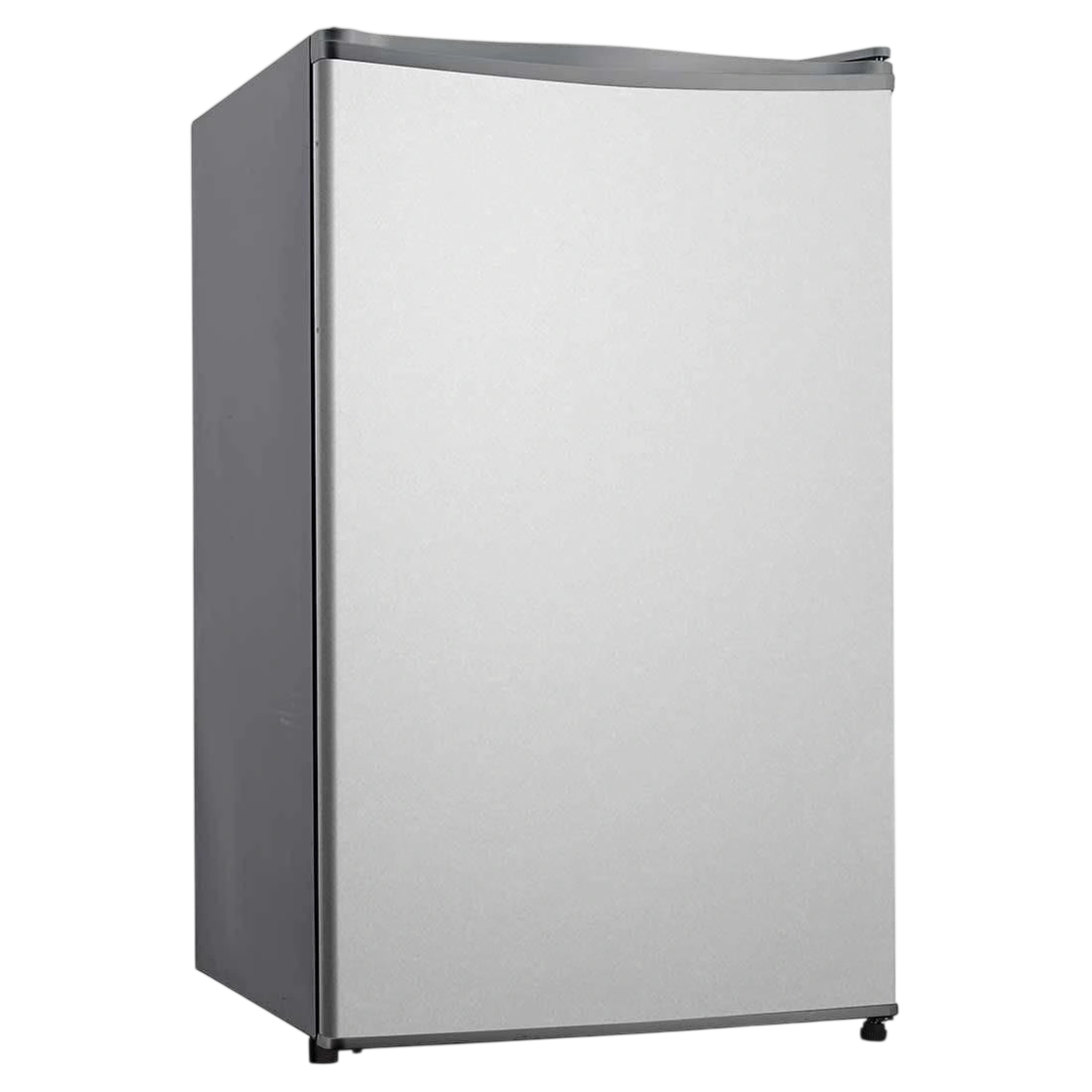
One-door capacity for a compact bar run: The Atosa BB-138HEC offers 138 L capacity in a 600 × 530 × 835 mm cabinet. This is a practical shortlist option when the service point needs a single access section and the measured space suits its footprint. Review the Atosa BB-138HEC configuration.
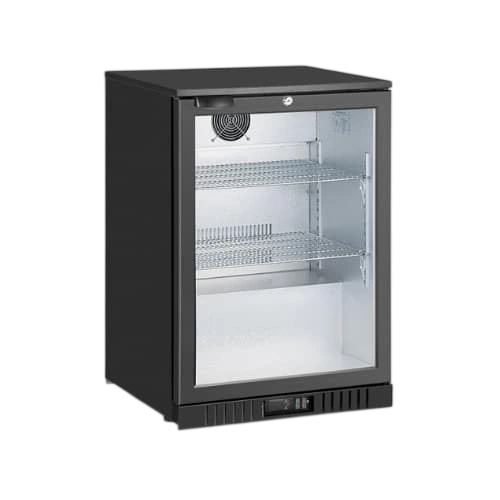
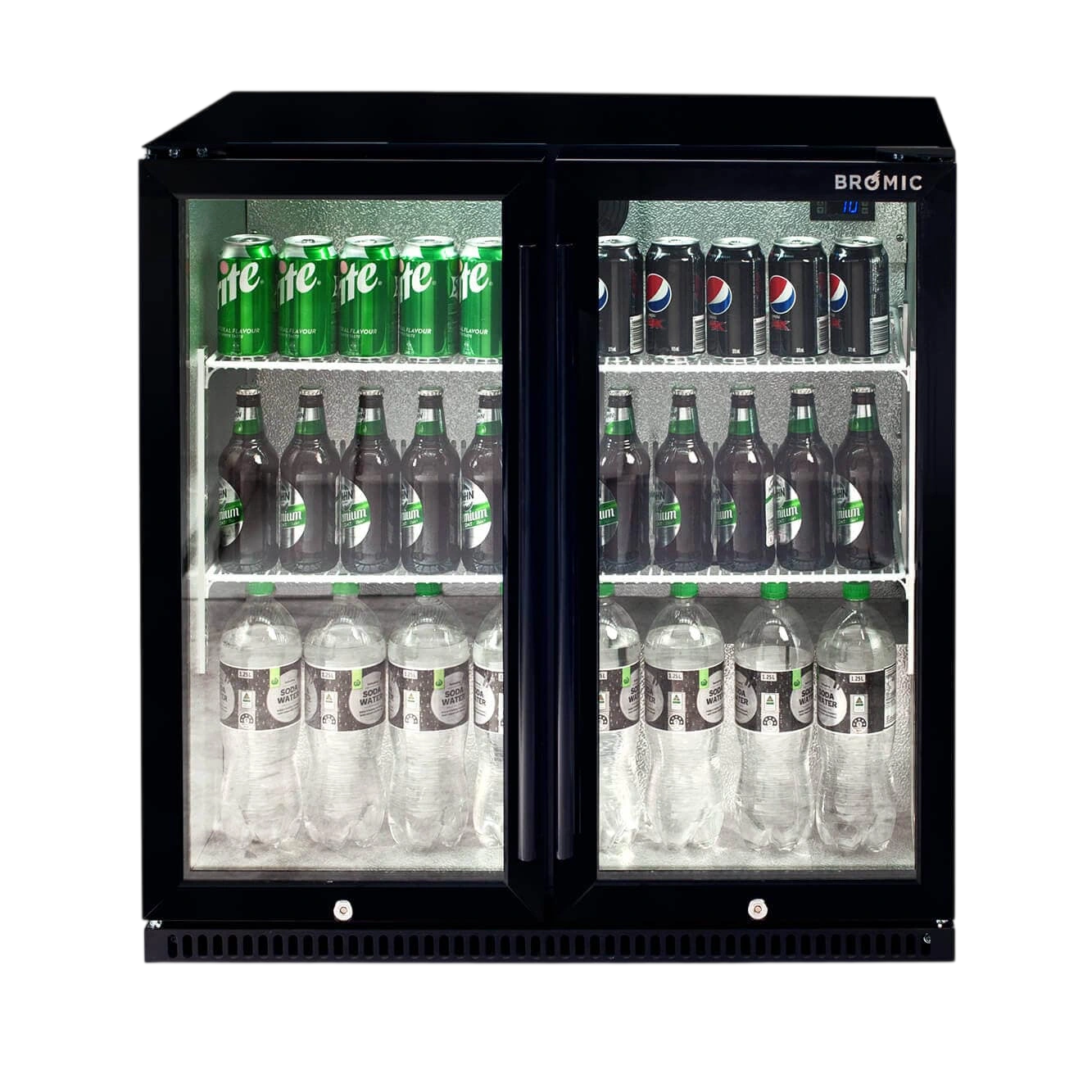
Two-door access across a mid-sized station: Consider the Bromic BB0200GD-NR-1 where a two-glass-door back-bar format and 190 L capacity suit the workflow. The Atosa BB-208SEC and BB-208HEC provide 208 L with two doors, while the BB-208SEC has stainless steel construction. Compare their stated widths and depths to the position, and confirm the door movement works with staff traffic. Browse the Bromic BB0200GD-NR-1, Atosa BB-208SEC and Atosa BB-208HEC.
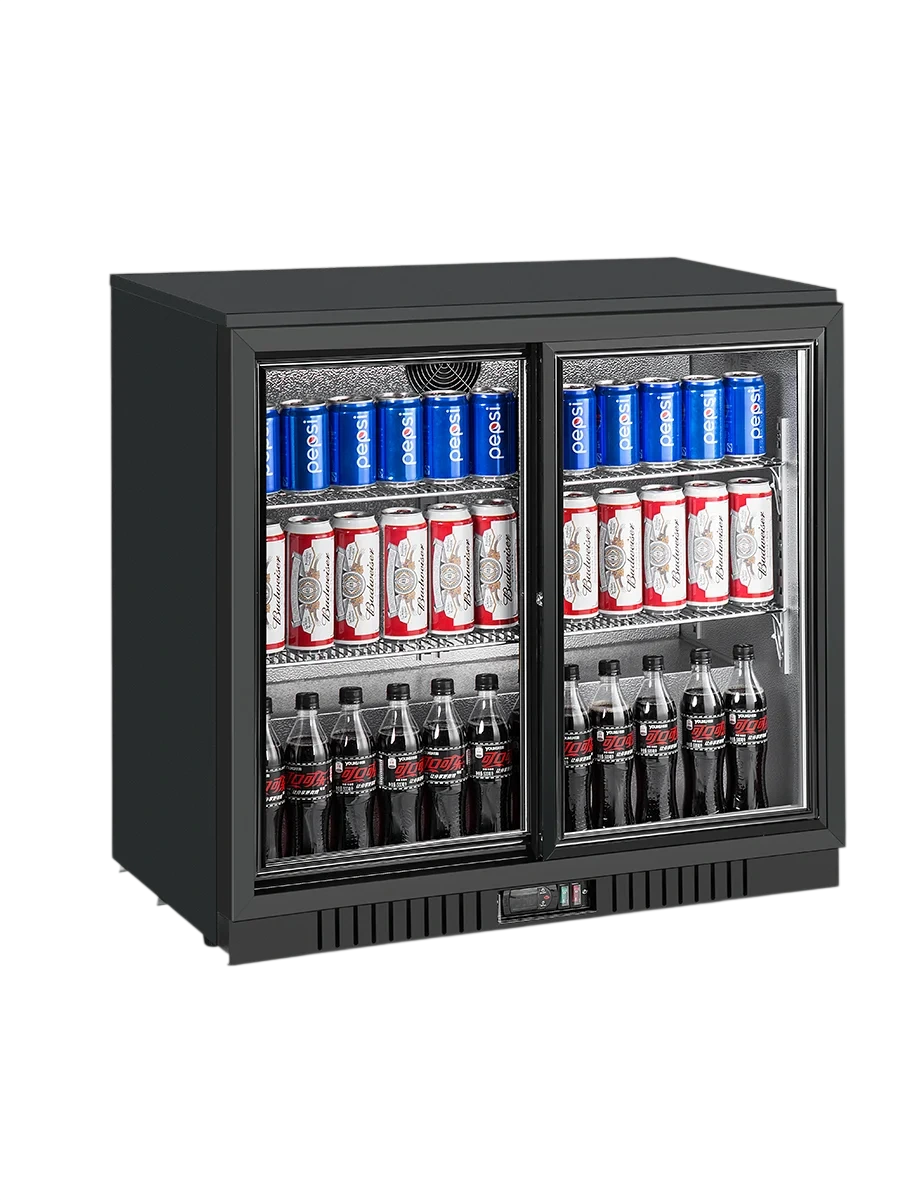
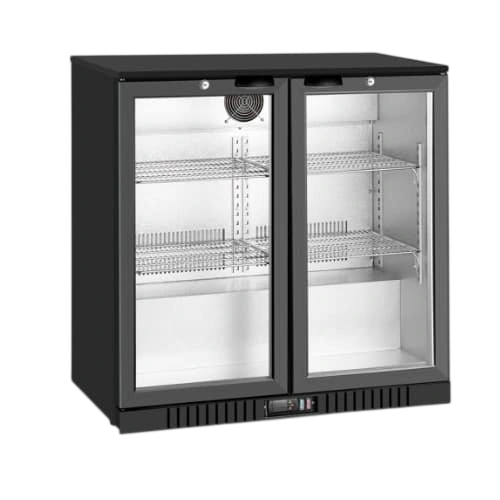
Higher-volume, longer service area: The Atosa BB-330SEC and BB-330HEC each list 330 L capacity and three doors. Their dimensions are approximately 1350 mm wide, so they need a longer installation space than compact one-door choices. They can be considered where a larger stock reserve and access across multiple sections fit the team’s routine. Compare the BB-330SEC and BB-330HEC.
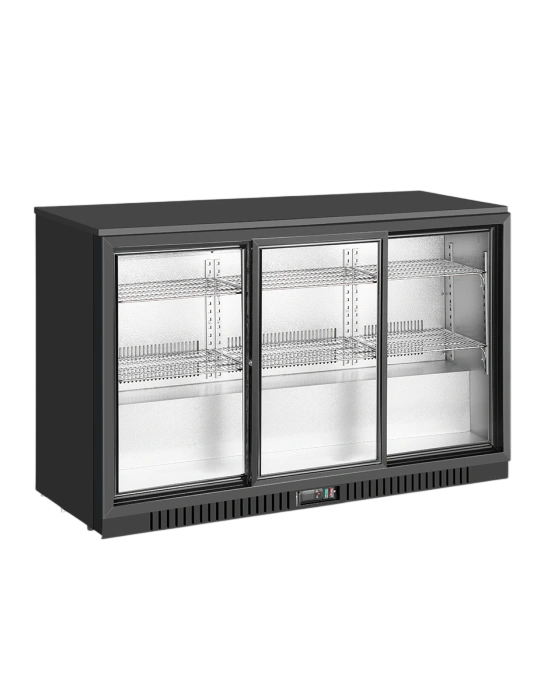
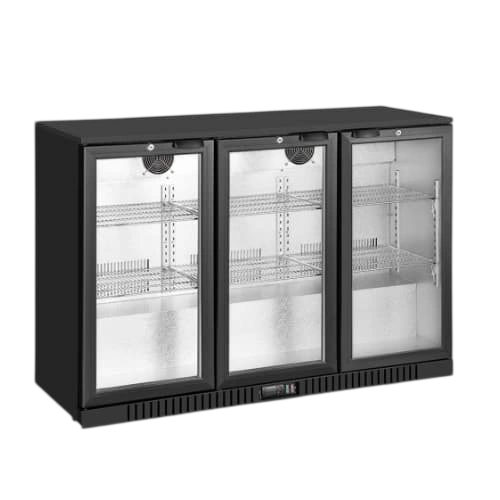
Under-bench work point: The Thermaster LG-208SC has two sliding doors and measures 900 × 530 × 835 mm. The three-door LG-330HC measures 1350 × 530 × 835 mm. These configurations are worth reviewing when the fridge needs to sit beneath a work surface and the selected width fits. Confirm the capacity and installation clearances from the product information before choosing between them. See the LG-208SC and LG-330HC.
Frequently asked questions about bar fridge sizes
What size bar fridge should I choose?
Choose by the stock needed at the point of service, how often staff can replenish it, and the space available. Compare capacity and interior arrangement as well as the external footprint. A compact station may suit a one-door model; higher stock needs may call for a two- or three-door option.
How do I measure a bar fridge for my space?
Measure the available width, depth and height, then compare them with the model’s product dimensions. Also check the access route into the position, door clearance, ventilation and room for cleaning and maintenance.
What is the difference between one, two and three-door bar fridges?
Door count describes the cabinet access layout and often accompanies different widths and capacities. One door suits a more concentrated stock point; two or three doors spread access across a longer cabinet. Consider how many staff need access and how doors fit into the aisle.
Is a glass-door bar fridge right for my venue?
A glass door makes the contents visible without opening the cabinet, which can help staff see what is available. Compare the model’s capacity, footprint and door arrangement with your workflow, and choose based on whether visibility is useful in that location.
What should I prepare before a bar fridge is installed?
Confirm the site has a suitable electrical supply for the selected model, a clear access path, enough room for the cabinet and its doors, and suitable ventilation. Check the product instructions for any model-specific installation requirements and plan service access.
How should a commercial bar fridge be cleaned?
Follow the product manual and site cleaning procedures. Keep spills and interior surfaces clean, maintain door seals, and include the surrounding area in routine care. Use any model-specific maintenance schedule provided by the manufacturer.
Shortlist a size that fits the service
Before deciding, write down the stock the fridge must hold, the number of people who need access, the available footprint and the site’s connection and ventilation plan. Then compare the capacity and door layout of the shortlisted models against those requirements. Browse the commercial bar fridge range to compare the available configurations.