
Hot food transport: bag, EPP box or heated carrier?
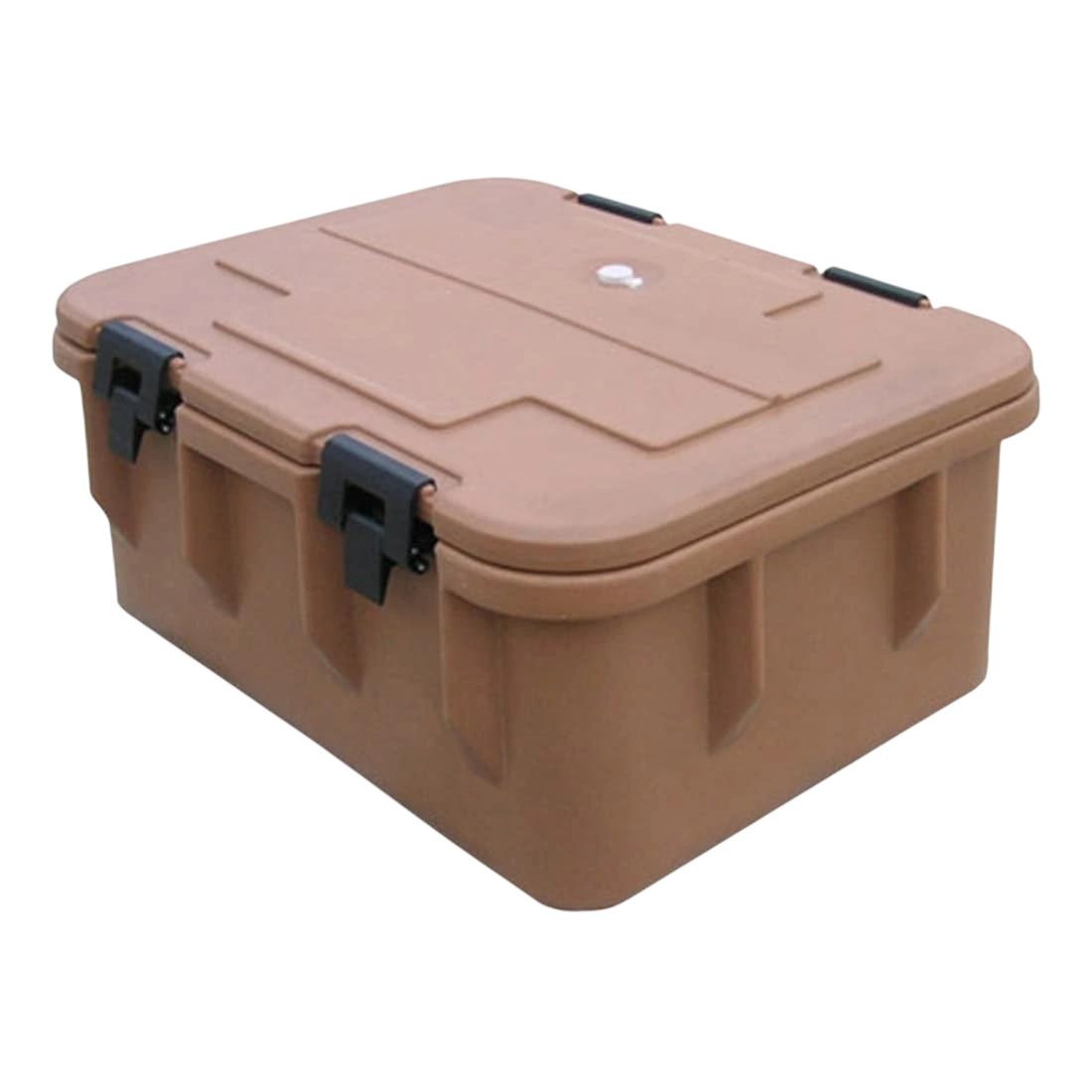
Choose an insulated bag for hand-carried packaged orders, an EPP or other rigid insulated box for an organised container load, and a heat-assisted carrier when the full handover needs added heat that the route can support. Make that choice around the food, the loading pattern and the receiving arrangements. The carrier must work from packing through to the agreed destination holding or service point.
A direct run to a ready recipient is different from a catering load waiting outside a function room. Plan the normal journey and the delayed handover before comparing products. That makes the decision about a complete working arrangement rather than a bag label or the driving stage alone.
Choose the format around the order and the handover
An insulated delivery bag is a useful starting format for individually packaged meals carried by hand. Match its shape to the closed food containers, the way staff carry them and the order in which recipients need them. A bag that closes properly around the intended packaging is more useful than spare space that lets the load move around.
A rigid insulated carrier suits a planned load of pans, trays or other enclosed food containers. Decide whether staff need access from above or through a front opening. Choose the arrangement that lets them load, locate and remove the food without dismantling the rest of the load at every stop.
Added heat becomes a separate decision when the route includes waiting or the destination needs help maintaining the agreed hot-holding arrangement. A heat-storage accessory and a carrier with an operating heater ask different things of the kitchen and receiving site. Include the heating method, compatible equipment and the stage where heat will be available.
| Route condition | Format to start with |
|---|---|
| Packed orders carried by hand | Start with an insulated bag that accepts the packaging, closes properly and remains manageable during collection and handover. |
| An organised pan or tray load | Start with a rigid insulated carrier, selecting top or front access around loading, removal and the receiving station. |
| Added heat needed while waiting | Assess a compatible heat-storage accessory or a heated carrier, with an agreed preparation or connection plan for that stage. |
For the food-control method and the receiving hot-holding arrangement, use the hot-holding guide for food rather than equipment dials. Establish that procedure alongside the carrier selection, including the person responsible when the food changes hands.
Size the complete load rather than an isolated container
Write down the food containers as staff will actually pack them: closed lids, wrapping, labels and any separate components included. Group the load by destination and by the order in which it will be needed. That list gives a practical starting point for choosing usable space and access.
For pans or trays, account for handles, lids and the room needed to lift or slide them out. External body size helps with the vehicle and storage position; the internal loading arrangement decides whether the food containers fit. Keep both parts of the fit discussion in the equipment request.
Picture a carrier filled for a single handover, then change the job to a run where recipients need access at different stops. The total food may be similar, while the useful loading order changes. Separate destination groups where that helps staff reach the correct order without repeatedly disturbing food for later stops.
Use a representative packed load during the selection. Staff should be able to close the carrier, reach the intended handles and remove the food at the receiving station. Include the space needed when a lid is raised or a front opening is in use, rather than planning only around the closed body.
Plan the whole route and a delayed receiving point
Start the route record when the kitchen begins packing the food for transport. Continue through the collection queue, vehicle loading, travel, unloading and the final transfer into the recipient's arrangement. Record the people and locations involved so the food always has an agreed owner.
For the normal plan, describe what happens when the vehicle arrives and the receiver is ready. Then write a delayed version in which access is restricted, the receiving team is occupied or the unloading point changes. Decide where the carrier waits, who stays responsible and what happens to the food during that wait.
The driving stage can stay unchanged while reception takes longer. Moving the collection time, arranging a ready receiving station or transferring into suitable holding may solve a different problem from adding another carrier. Choose the response that addresses the actual interruption.
Keep elapsed route time and food readings in the same handover record, alongside the load identity and any corrective action. Agree how the normal run and delayed version will be assessed under the venue's food-safety procedure. Use that process to judge the route, rather than assigning a safe journey from the carrier's appearance.
Match the named carriers to the way staff load them
The following carriers cover different loading jobs. Choose the opening and handling arrangement first, then use the size table with the proposed vehicle, bench and storage position. Each example belongs to its own loading format; a similar outline is only the start of a useful comparison.
Top access for a contained food load
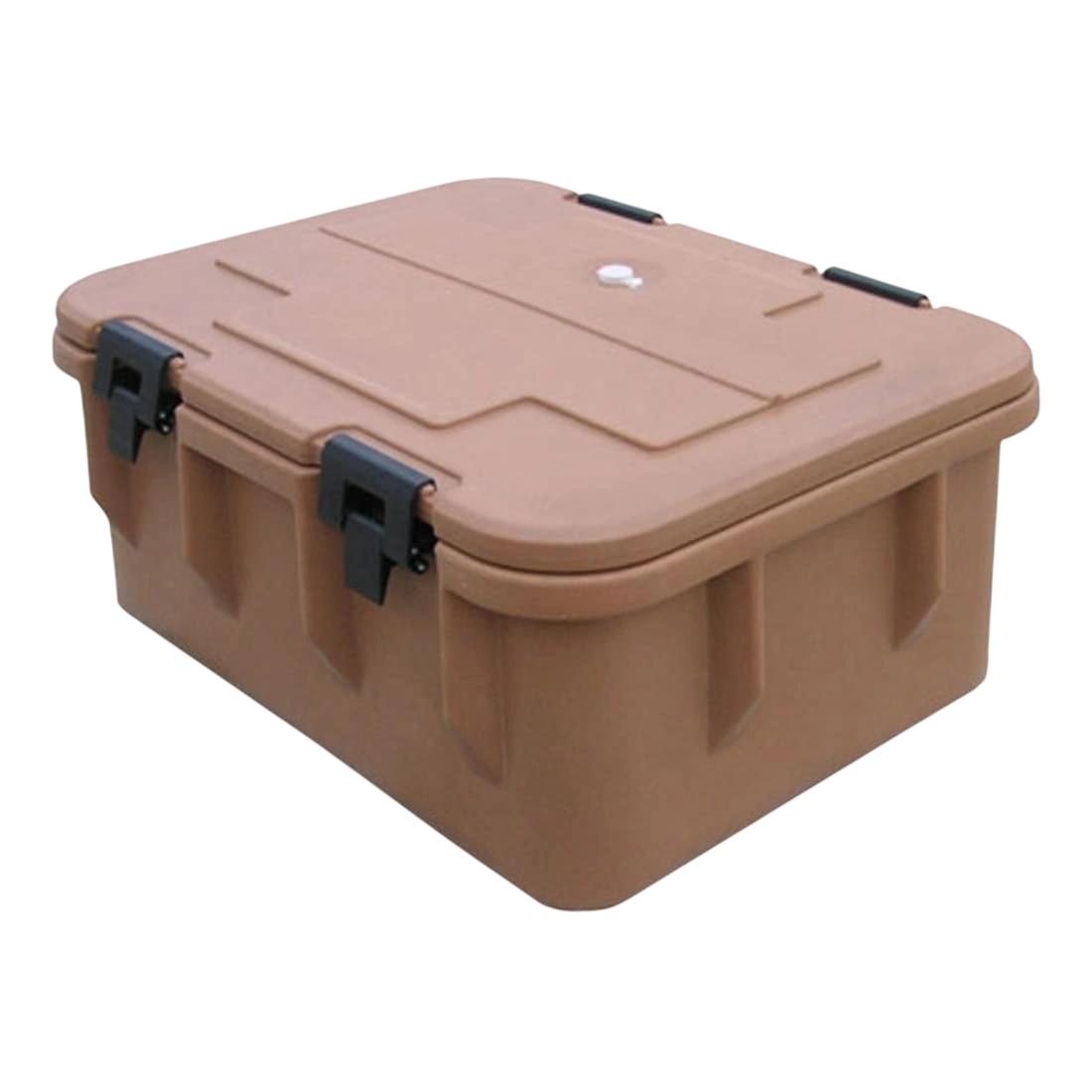
The CPWK007-28 top-loading food carrier suits a workflow in which staff load and remove the food from above. Its gasket-sealed lid and pressure-relief valve are useful features to include in the handling routine. Leave a practical place to open the lid and set it down without obstructing food preparation.
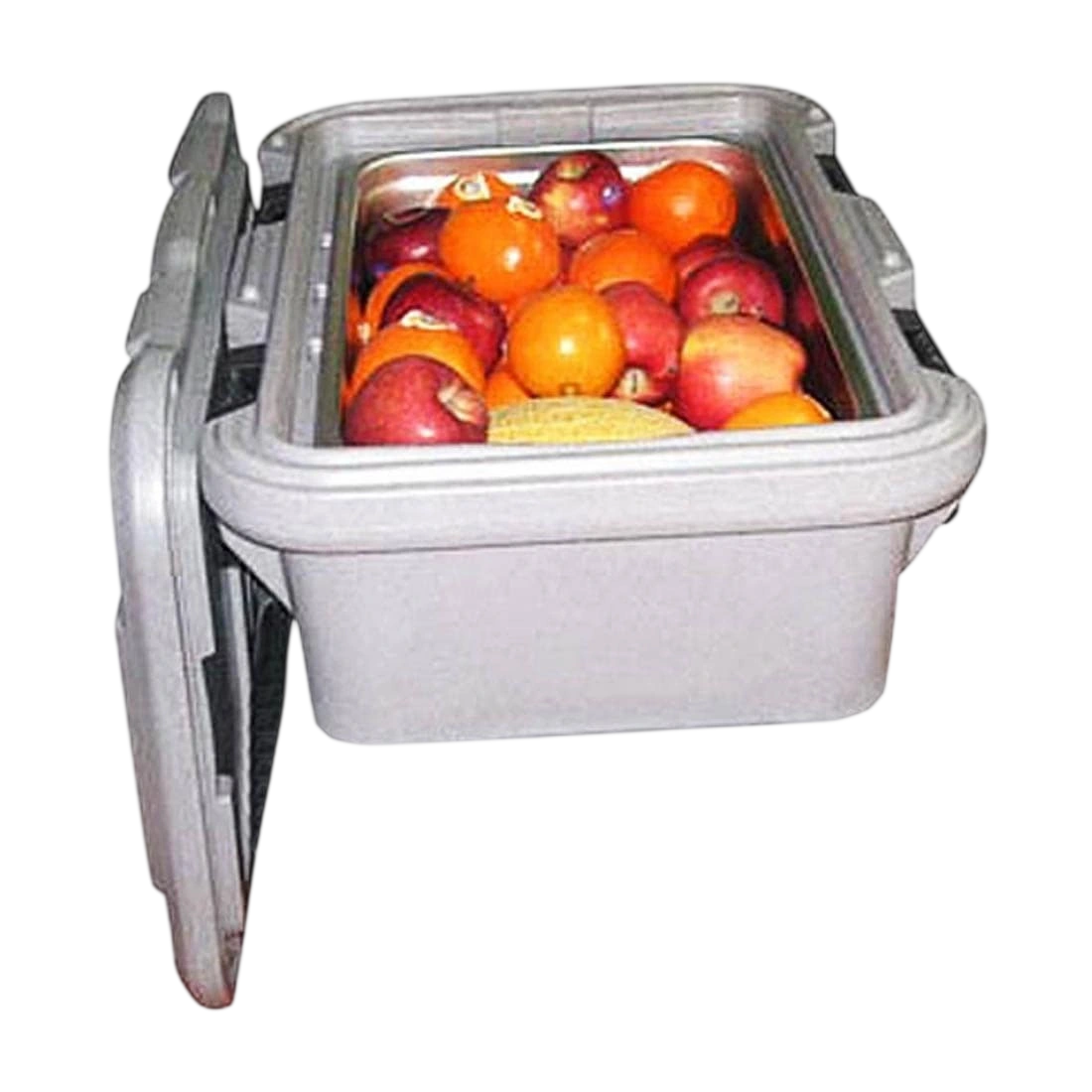
The CPWK020-11 top-loading food carrier offers the same broad opening approach with a different exterior footprint. Compare the real packaged load and the available lifting position before choosing between them. Their polyethylene bodies and foam insulation belong in a cleanable transport arrangement with properly closed containers.
Front access for a planned pan handover
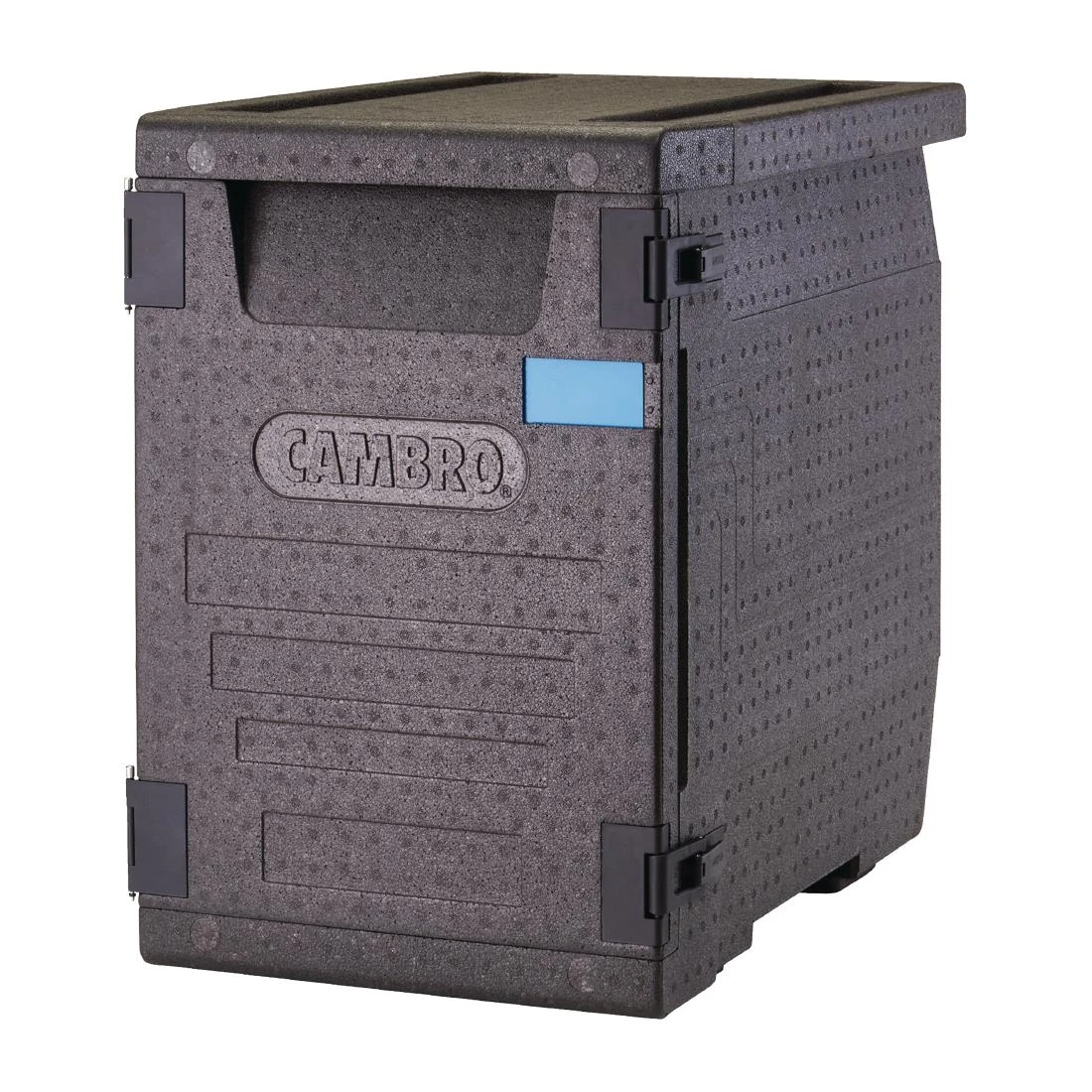
The Cambro DW564 GOBOX EPP300 front-loading carrier is an option where staff want to approach a pan load from the front. Its built-in label area supports identification, while handles along the top provide the intended carrying points. Organise the load so the receiving team can reach what they need in the planned sequence.
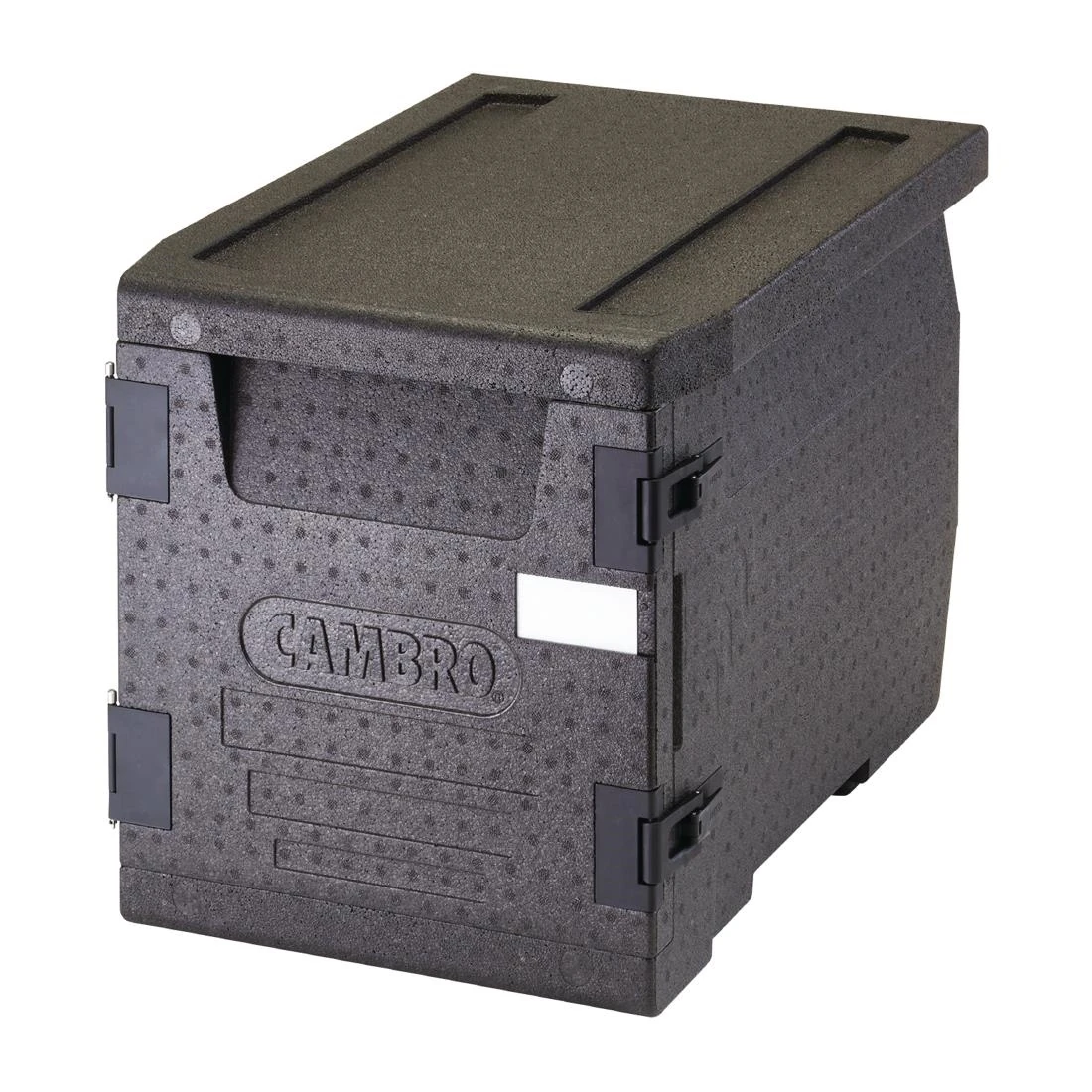
The Cambro DW565 GOBOX EPP400 front-loading carrier provides another front-access format with a different external height. Compare the covered-pan arrangement and removal space for the exact unit. A move to this format should answer a loading or access need, alongside the available vehicle position.
Top access for sheet-pan or crate handling
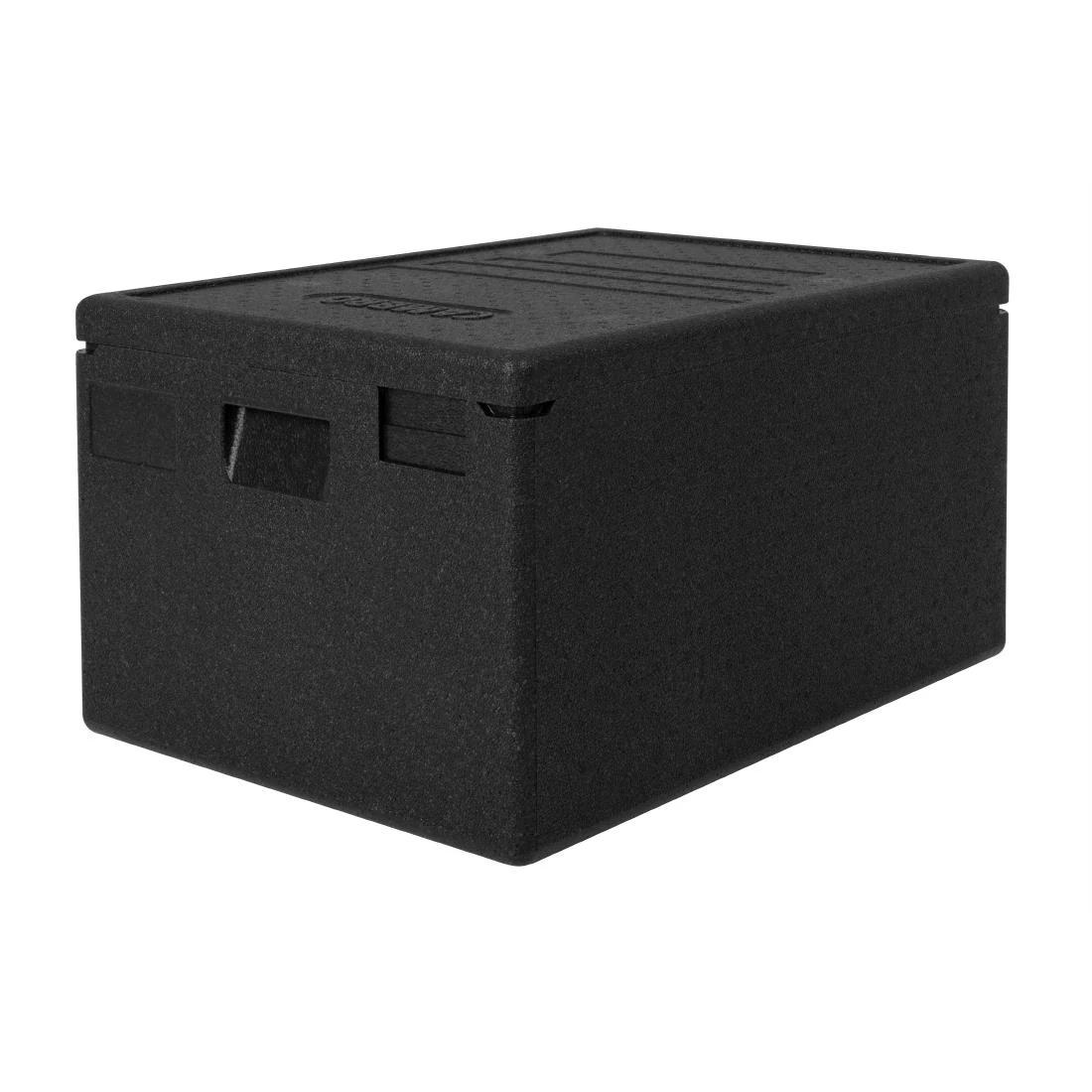
The Cambro DW581 GOBOX EPP4060 top-loading carrier is aimed at sheet-pan and bakery-crate transport. Its recessed handles provide a defined carrying arrangement. Use the actual covered load to establish whether staff can lift and remove the contents comfortably from the chosen working position.
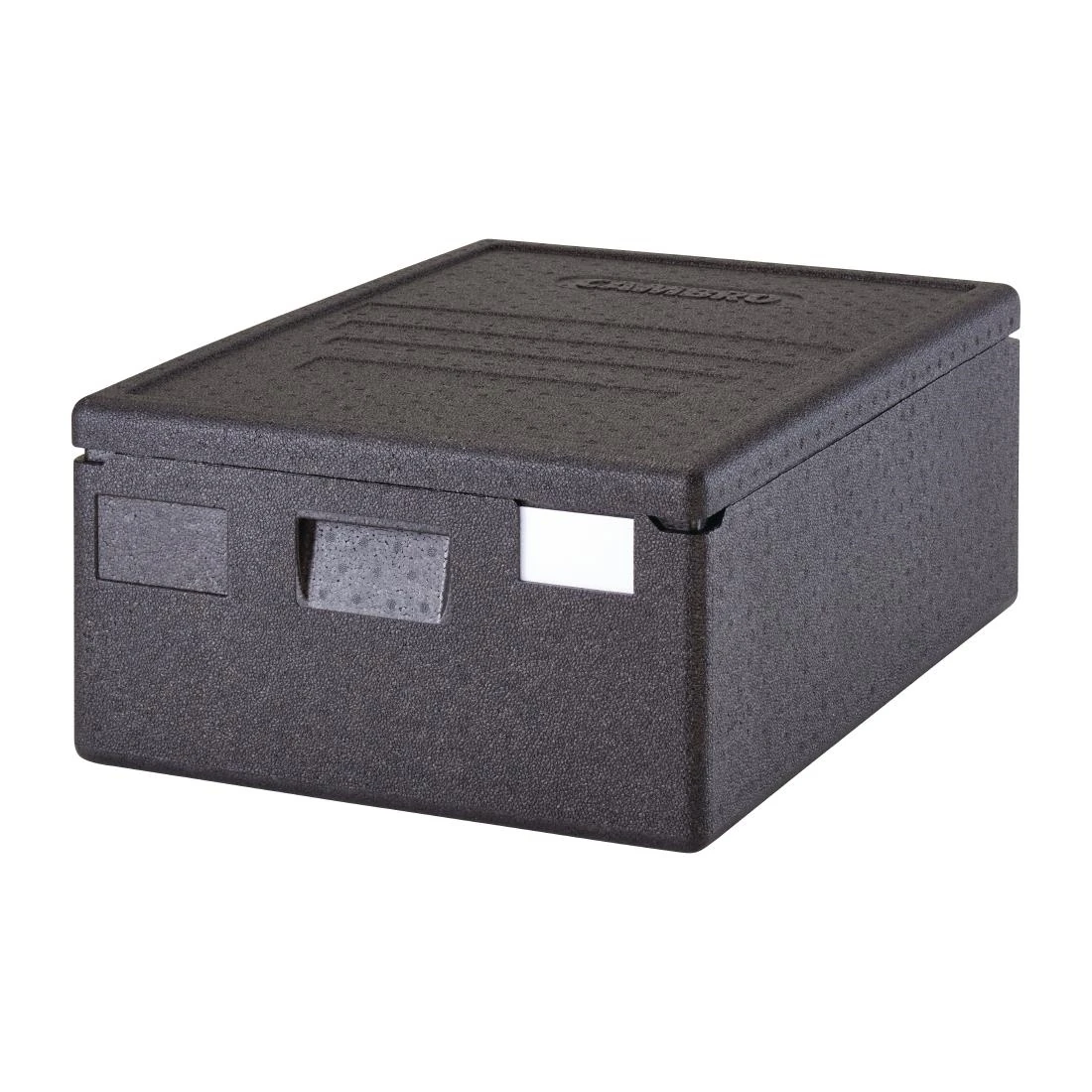
The Cambro DW582 GOBOX EPP4060 top-loading carrier offers another body height within that top-loading format. Consider it when the proposed loading arrangement calls for a different enclosure. Keep the choice tied to the contents and staff access, including how the load will be unpacked at the destination.
Key specifications for positioning the equipment
The external measurements below belong to the named model. Use them for the closed body's position and access route, then match the internal loading arrangement to the food containers separately. Accessories require their own compatibility and handling plan.
| Model | External measurements |
|---|---|
| CPWK007-28 | Length 440 mm Width 380 mm Height 205 mm |
| CPWK020-11 | Length 650 mm Width 450 mm Height 210 mm |
| DW564 | Length 440 mm Width 640 mm Height 475 mm |
| DW565 | Length 440 mm Width 640 mm Height 625 mm |
| DW581 | Length 690 mm Width 490 mm Height 270 mm |
| DW582 | Length 690 mm Width 490 mm Height 370 mm |
| DD997 | Height 40 mm |
| CPWK-14 | Length 630 mm Width 430 mm Height 190 mm |
Arrange heat preparation and any operating connections
Begin with food prepared for the agreed transport process and follow the carrier's loading and closure instructions. Passive insulation relies on that starting arrangement and the way the carrier is used. Plan openings, waiting locations and reception so the equipment works within the route already agreed by the kitchen and recipient.
The Cambro DD997 Camwarmer is a heat-storage accessory for compatible insulated transport equipment. Its thermal pellet is heated in a plate warmer or convection oven before use and then placed in the intended carrier. It releases stored heat after preparation, so plan that preparation as part of the kitchen workload.
Use the accessory's instructions and the intended equipment pairing. The DD997 is not for microwave heating or direct flame. Allocate a suitable preparation position and a safe handling routine before incorporating it into the dispatch sequence.
A purpose-built carrier with an operating heater needs its own connection plan wherever the heater is expected to work. Describe the supplies available at the kitchen, during movement and at reception. Take the exact appliance's connection and installation requirements to the appropriate qualified person before selecting that route.
Treat preparation, unpowered movement and powered waiting as separate stages. A route can include more than one of them, but the food-control arrangement must cover the transitions as well. Agree who prepares the equipment and who receives the food when the carrier reaches its next operating position.
Plan movement, clean-down and care between runs
Walk the intended handling route with the vehicle and receiving arrangements in mind. Include steps, thresholds, narrow access, changes in surface and the place where staff set the carrier down. Keep the loaded movement plan realistic for the people expected to carry it.
The CPWK-14 trolley base is an option for compatible top-loading carriers when the route calls for wheeled movement. Match the carrier securely to the base and plan the transfer between vehicle, trolley and receiving position. The trolley is a handling component; include it alongside the carrier rather than treating it as food storage.
Inspect closures, handles, seals and the inside surfaces during the normal care routine. Give staff a place to clean the equipment between runs and enough space for it to dry before storage. Follow the model's care instructions for detergents, surfaces and any removable parts.
Food spills, damaged closures and poor identification can each disrupt the next run in different ways. Make the person preparing the carrier responsible for presenting it clean, ready and correctly labelled. Route an equipment fault to the responsible service contact and arrange another suitable carrier while the affected unit is unavailable.
Keep hot food separate from chilled food and from contamination sources during packing and movement. Include a routine for cleaning food-measurement equipment and recording the readings required by the venue's procedure. The receiving person should know the food status, the next holding arrangement and the action to take if the handover falls outside the agreed process.
Turn the choice into a usable load and handover brief
Give the same route description to everyone involved in choosing the equipment. It should let the kitchen, driver and receiving team discuss the same packed load and the same delayed situation. The purpose is a carrier arrangement staff can repeat, clean and hand over clearly.
- Food and packaging: identify the menu, closed containers, pan or tray format, separate components and destination groups.
- Load and access: describe the intended loading order, opening direction, removal method and staff working position.
- Complete route: include packing, collection, loading, travel, unloading, reception and the next holding or service arrangement.
- Delayed case: describe restricted access, an occupied receiver or a changed unloading point, with the agreed response.
- Heat arrangement: identify passive insulation, any prepared heat-storage accessory and any powered operating stage.
- Movement: name the carrying or wheeled arrangement, vehicle position, access restrictions and equipment compatibility.
- Food responsibility: assign the required readings, records, recipient and corrective-action owner through handover.
- Care and readiness: allocate clean-down, drying, storage and the response to damaged or unavailable equipment.
Run through the normal and delayed arrangements with the people who will use them. Record what changes when the carrier opens, moves to another location or reaches a different receiving point. Use the outcome to refine the load, equipment pairing or reception plan before repeating the route.
Start the shortlist with the food-carrier range.
Frequently asked questions about insulated food transport
Is an insulated delivery bag enough for takeaway orders?
It can be the appropriate format when the packaged orders fit, the bag closes correctly and staff can carry and identify them through the planned handover. Assess the full route and receiving arrangement under the venue's food-control procedure. Choose a different format when the actual loading or handling job calls for it.
When is an EPP box more useful than a bag?
Choose a rigid box when the job benefits from an organised pan, tray or container load and a defined opening arrangement. Front access and top access suit different loading stations. Base the selection on how staff reach and remove the food at the destination.
Does a Camwarmer turn an insulated carrier into a powered heater?
The DD997 stores heat supplied during preparation and releases it inside compatible equipment. Plan its preparation and pairing as an accessory. A carrier expected to operate a heater at reception needs a separate appliance and connection arrangement suited to that stage.
How do we choose for a busy run with several stops?
Group food by destination, describe the opening sequence and include the receiving delay in the route brief. Separate loads where that gives staff better access or clearer responsibility. The useful arrangement is the one that supports the food-control process throughout each agreed handover.