
Rieber
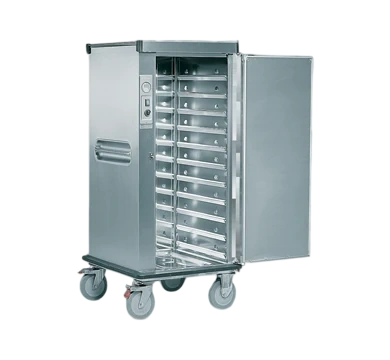
Rieber BKW 1 x 2/1 11 x 2/1 GN Banquet Trolley - Heated
777 × 837 × 1712mm
$12,277.60$15,347.00
In Stock
Commercial Food Warmers
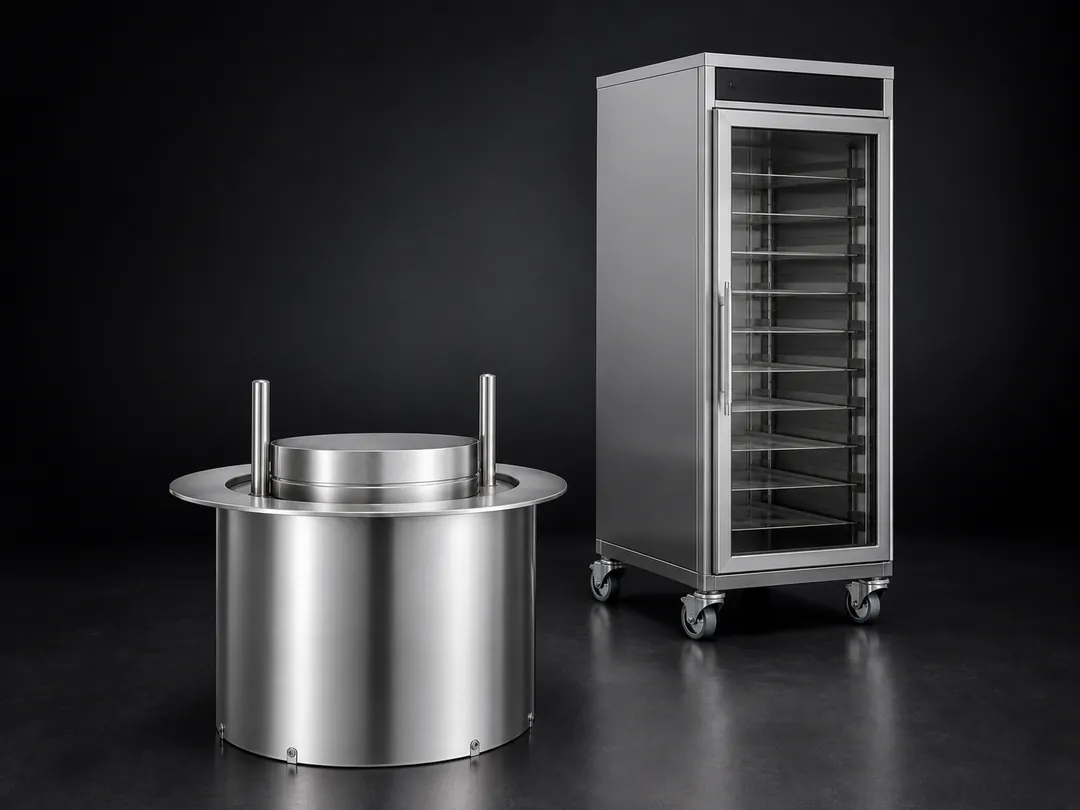
Plate warming and food warming are two jobs often bought together within the broader commercial food warmer range, and commercial hotplates sit alongside both. An industrial food warmer for volume service and a counter plate warmer solve different halves of the same problem. A commercial plate warmer holds crockery hot so that plated food does not lose heat the moment it is served; a food warming cabinet holds the food itself. Deciding which problem is actually costing service temperature comes before comparing units.
Plate warmers are sized in plates and by how they are loaded. A cabinet or trolley holding stacks suits a large service; a counter-top unit suits a small pass. Check the plate diameter in use, because units are built around a plate size and a larger plate reduces the count considerably.
Food warming cabinets are sized in trays or pans held at temperature, and are judged on how evenly they hold and how quickly they recover when opened. A free standing food warmer suits a fixed position; a mobile version suits a venue where plated meals move between kitchen and dining area.
Commercial hot plates are a third item in this group: a heated flat surface at the pass rather than an enclosed cabinet. For radiant short-term holding above plated food, compare commercial heat lamps.
Key factors to consider before purchasing. Our team can help you find the right fit — call or get a quote anytime.
Match equipment capacity to your daily output. Consider available floor space and door clearances.
Confirm levelling, wall clearance and the access needed for cleaning and service. We can help with kitchen planning.
Submit your kitchen requirements — our equipment specialists will send you a tailored shortlist of food and plate warmers that fits your budget, venue type and compliance needs.
Standards & Compliance
Before comparing warmers, confirm whether heat is lost from cold plates or from waiting food, the plate diameter in use, and the number of plates or trays required at peak. Check the recovery time after the door is opened for cabinet formats.
Look at how a cabinet is loaded and whether shelves or racks can be removed, how a plate warmer holds stacks without chipping rims, and how the unit is cleaned where crockery contacts it. Where a mobile format is chosen, check castors and the doorway route as well.
FAQ
No—plate warmers only heat crockery to prevent cold-plate shock. They do not reheat food.
Dry heat removes moisture; humidified cabinets help maintain texture for longer periods.
Yes—banquet carts and hot cupboards are designed for high-volume plated service and stable hot holding.
Compact warming drawers and heated cabinets suit FOH counters if external surfaces are safe-touch compliant.
If food leaves the pass hot and arrives cool, cold plates are usually the cause and a plate warmer solves it. If food waits before it leaves the kitchen, a food warming cabinet is what is needed. The two problems look identical at the table.
Why KW
KW can help work out whether cold plates or waiting food are costing service temperature, then size the plate or food warmer to peak covers. For practical advice on commercial plate and food warmers, call KW on 1300 001 366.
Deep Dive
Technical depth from KW's commercial kitchen specialists.
We supply commercial food and plate warmers selected for stable heating, strong insulation, durable stainless-steel construction and reliable performance in busy Australian kitchens and catering environments.
Explore our full range of commercial food and plate warmers engineered for reliable heat retention, efficient workflow and consistent quality across restaurants, hotels and catering services.
The two problems look the same at the table but need different equipment. If food leaves the pass hot and arrives cool, plates are usually the cause. If food waits before it leaves, a food warming cabinet is what is needed. Diagnose before specifying.
Plate warmers are built around a plate size, and a larger plate reduces the number a unit holds considerably. Check the diameter actually in service rather than the headline plate count, and allow for more than one plate size if the menu uses them.
A free standing food warmer suits a fixed position at the pass. A mobile cabinet suits venues where plated meals travel between kitchen and dining area, and the doorway route and castor specification then matter as much as the holding performance.
Fewer than the headline figure if your plates are larger than the size the unit was built around. Check the diameter in service, and allow for more than one plate size if the menu uses several.
Keeping plated dishes hot at the pass for short periods on a heated flat surface. It suits situations where radiant heat from above would dry the food, and complements rather than replaces an enclosed warming cabinet.
Only if plated meals travel between kitchen and dining area. Where they do, the doorway route and castor specification matter as much as holding performance; where they do not, a fixed unit is simpler to keep clean and stable.
Commercial hot plates are a heated flat surface rather than an enclosed cabinet, used to keep plated dishes hot for short periods where radiant heat from above would dry them. They complement rather than replace an enclosed warmer.
78 results
777 × 837 × 1712mm
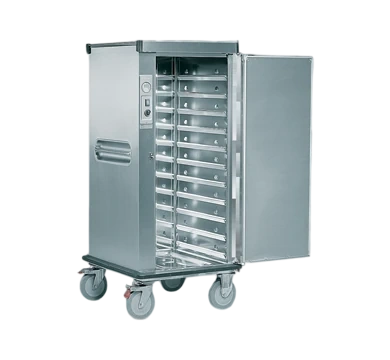
804 × 884 × 1755mm
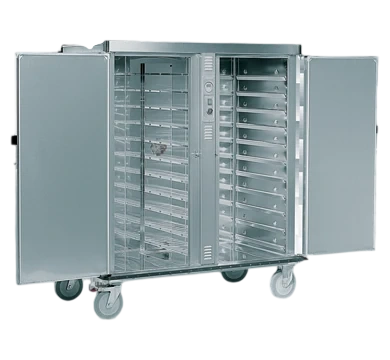
1487 × 884 × 1755mm
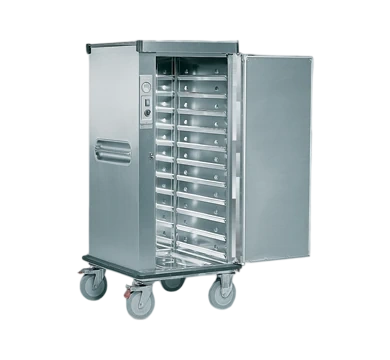
777 × 837 × 1712mm
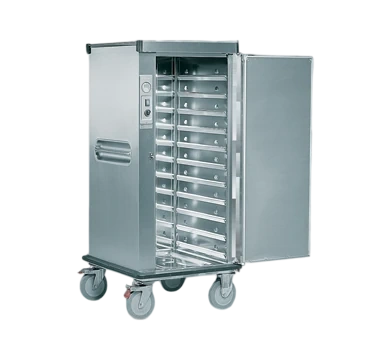
1490 × 837 × 1712mm
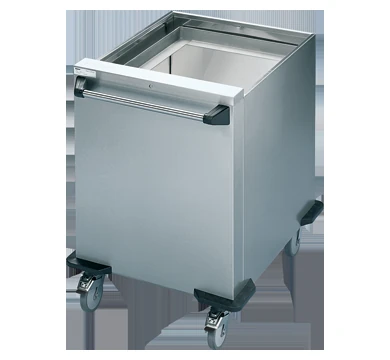
690 × 880 × 911mm
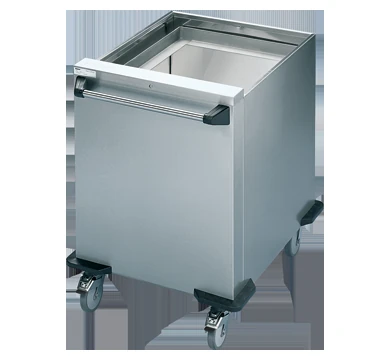
690 × 730 × 911mm
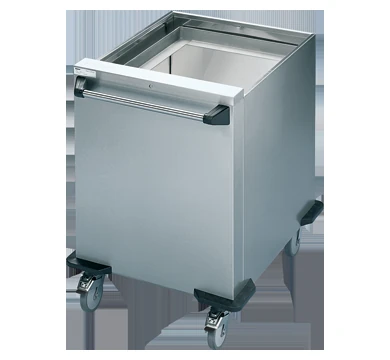
690 × 1040 × 911mm
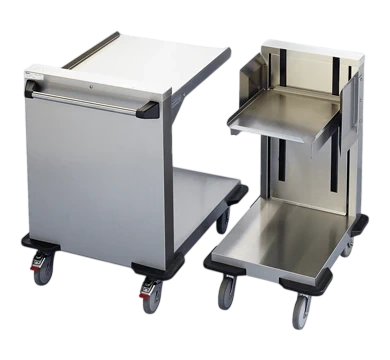
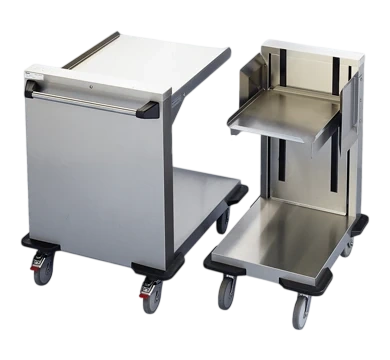
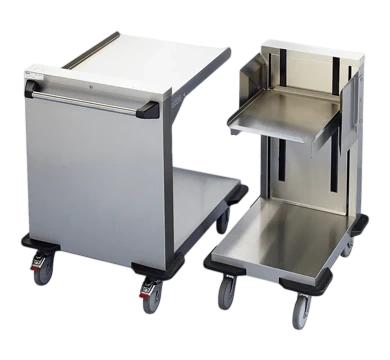
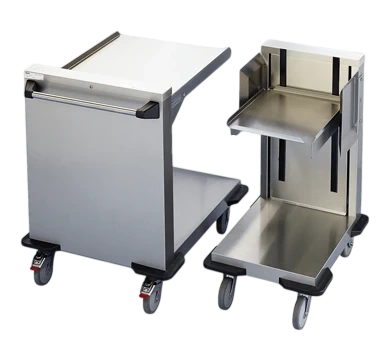
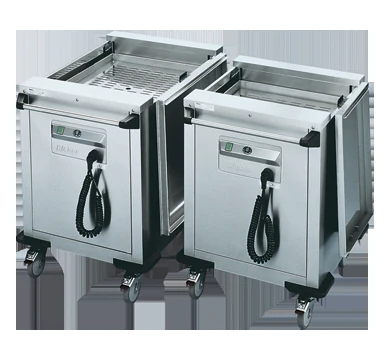
690 × 990 × 911mm
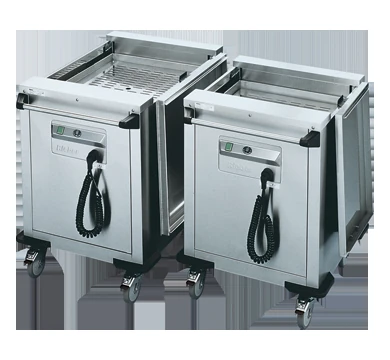
690 × 840 × 911mm
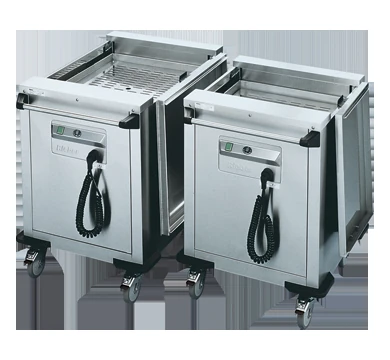
690 × 1142 × 911mm
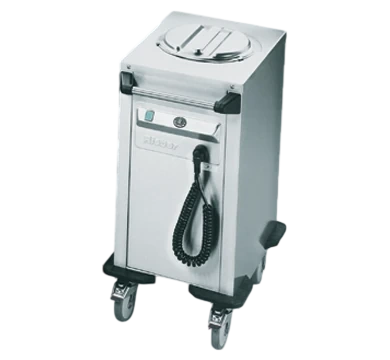
480 × 620 × 900mm
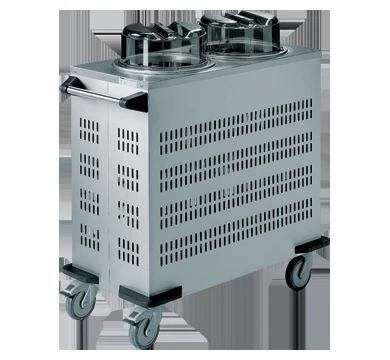
480 × 955 × 900mm
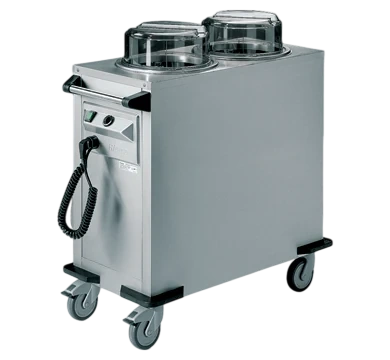
480 × 986 × 900mm
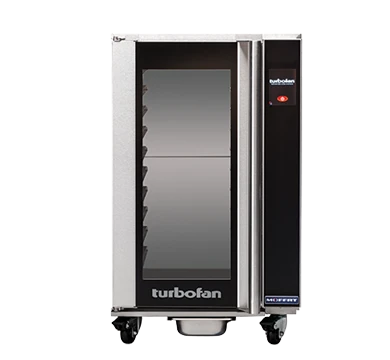
680 × 610 × 1015mm
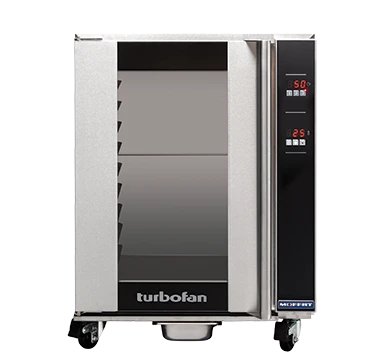
810 × 735 × 1015mm
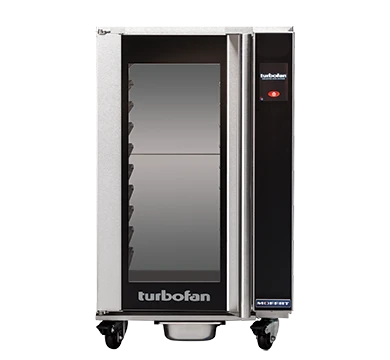
680 × 610 × 1015mm
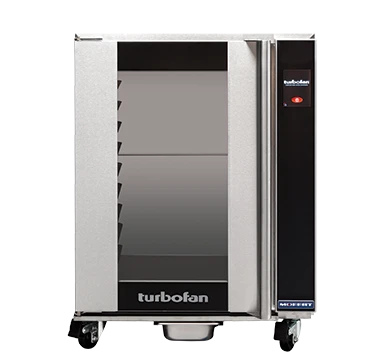
810 × 735 × 1015mm
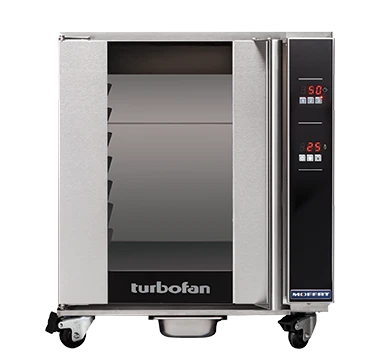
810 × 735 × 810mm
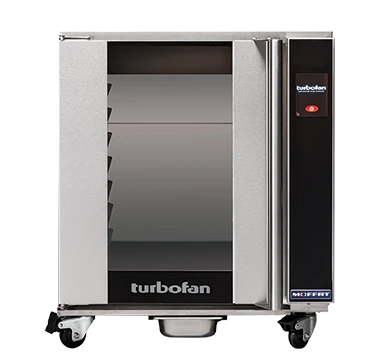
810 × 735 × 810mm
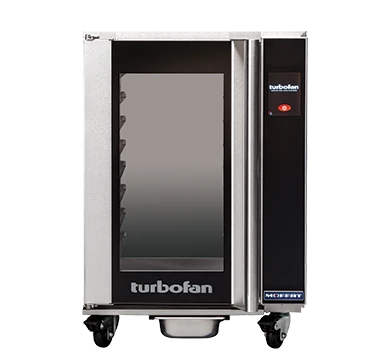
680 × 610 × 810mm
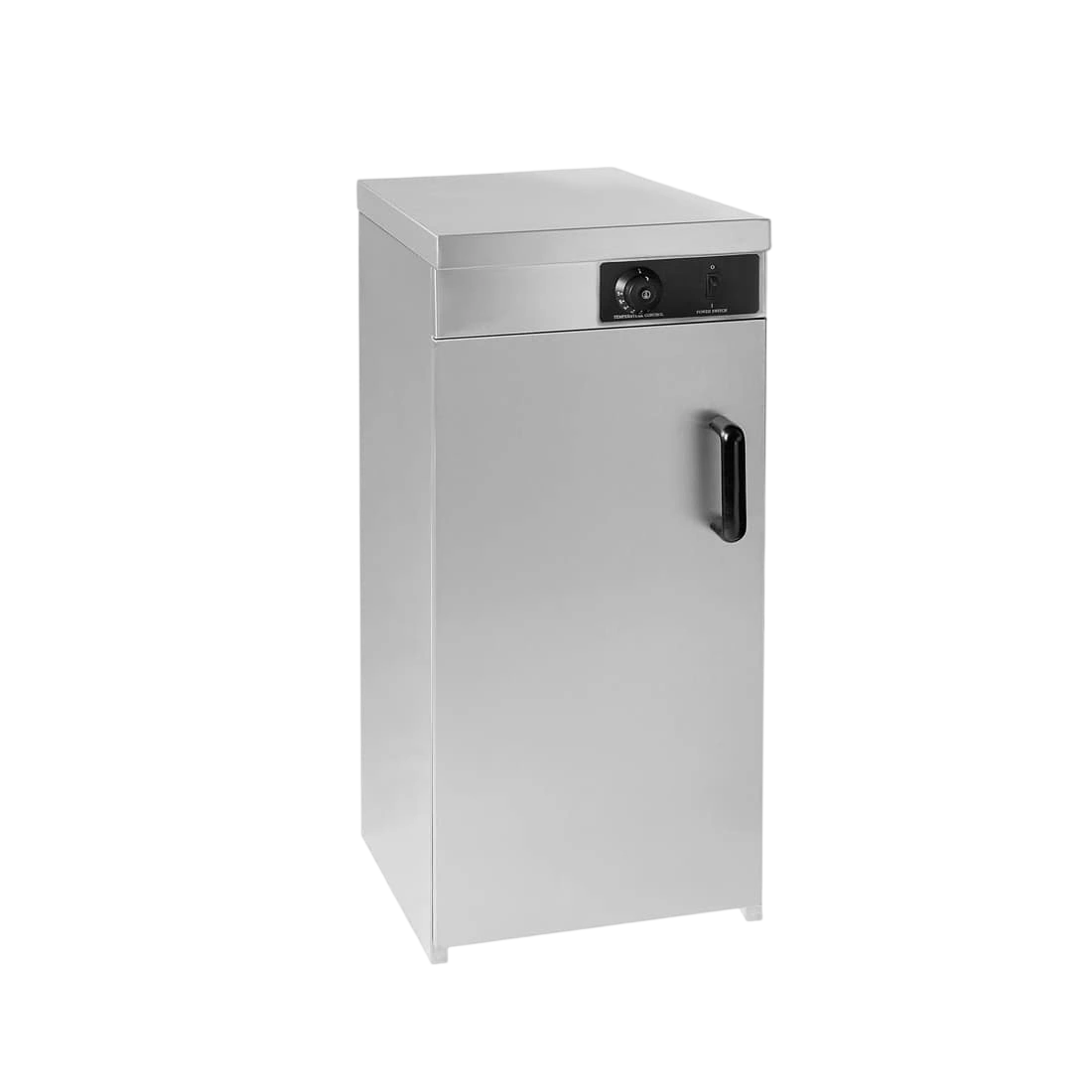
450 × 485 × 850mm
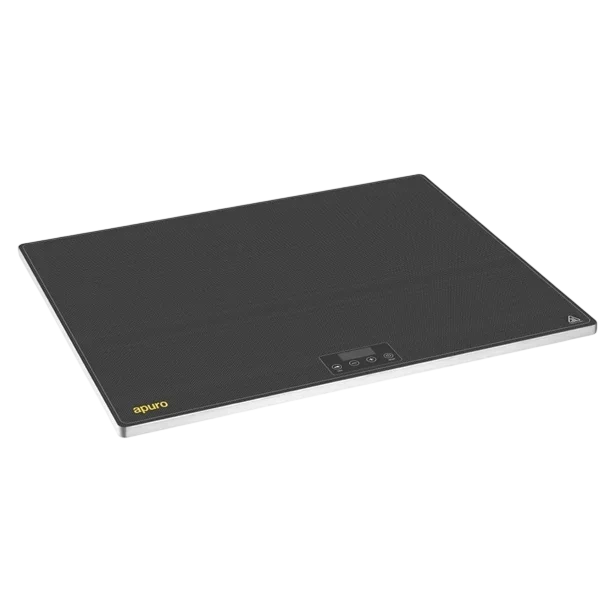
650 × 530 × 25mm
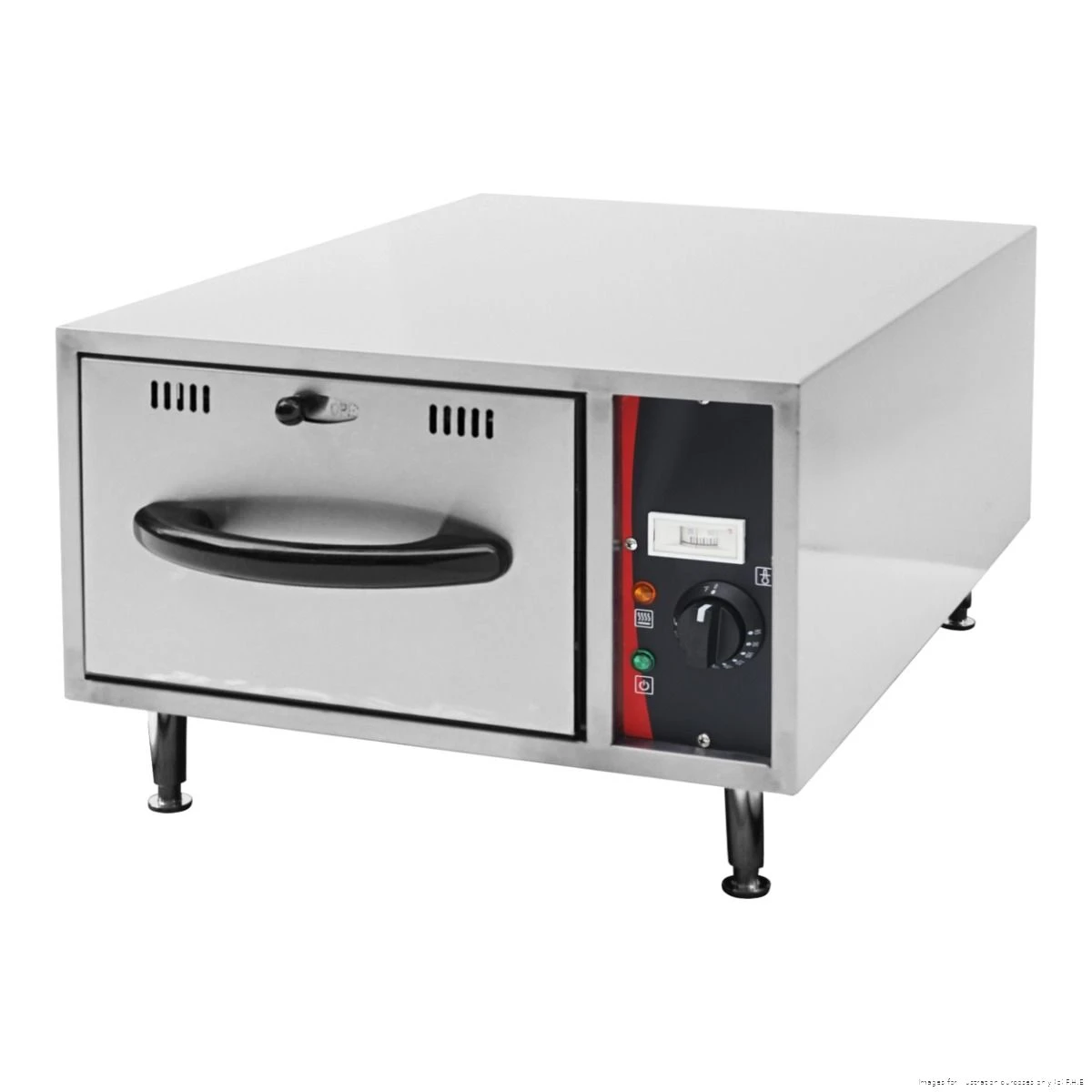
535 × 802 × 365mm
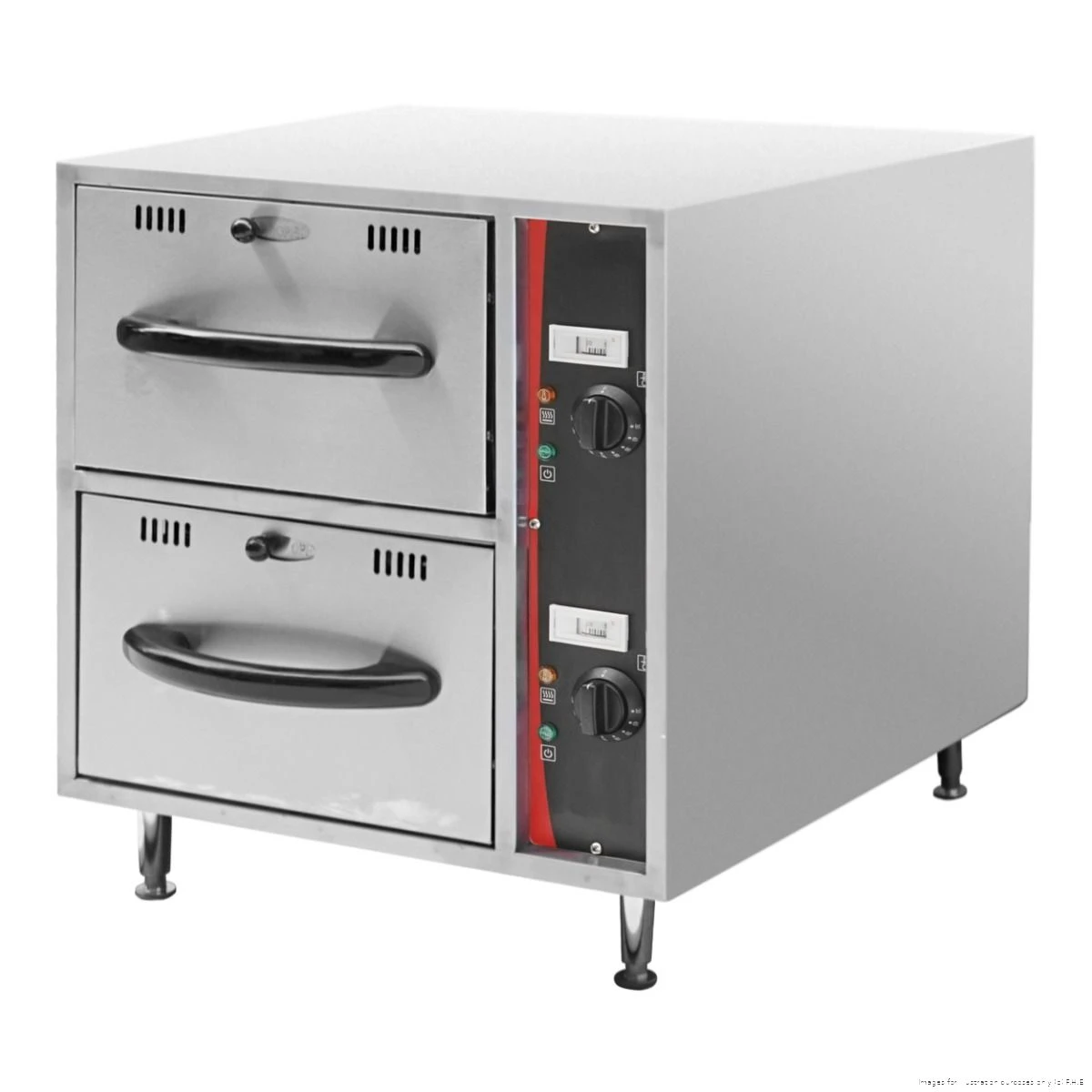
535 × 802 × 622mm
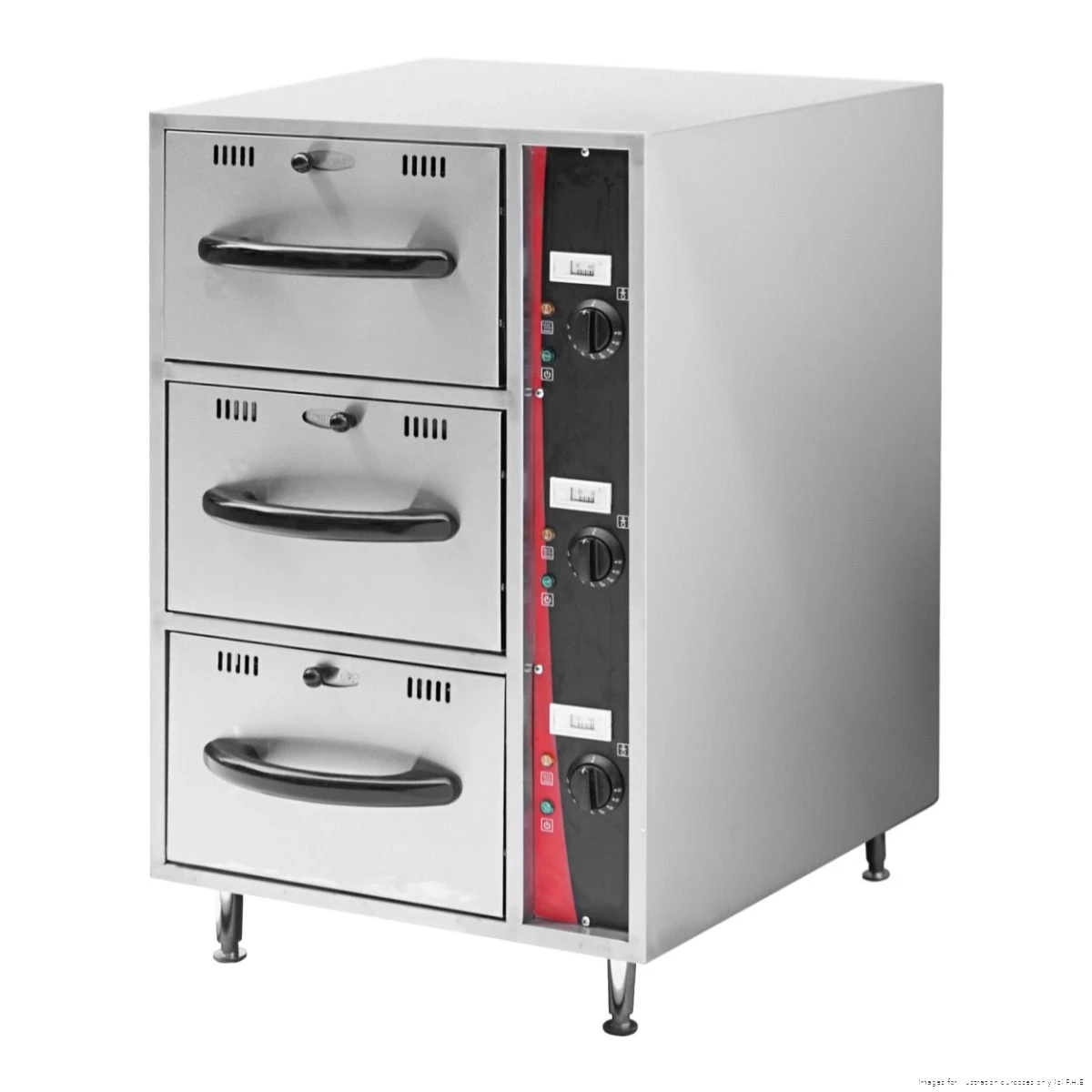
535 × 802 × 875mm